EP3263701B1 - Purification of cystathionine beta-synthase - Google Patents
Purification of cystathionine beta-synthase Download PDFInfo
- Publication number
- EP3263701B1 EP3263701B1 EP17165825.5A EP17165825A EP3263701B1 EP 3263701 B1 EP3263701 B1 EP 3263701B1 EP 17165825 A EP17165825 A EP 17165825A EP 3263701 B1 EP3263701 B1 EP 3263701B1
- Authority
- EP
- European Patent Office
- Prior art keywords
- cystathionine
- cbs
- synthase
- protein
- truncated
- Prior art date
- Legal status (The legal status is an assumption and is not a legal conclusion. Google has not performed a legal analysis and makes no representation as to the accuracy of the status listed.)
- Active
Links
Images








Classifications
-
- C—CHEMISTRY; METALLURGY
- C12—BIOCHEMISTRY; BEER; SPIRITS; WINE; VINEGAR; MICROBIOLOGY; ENZYMOLOGY; MUTATION OR GENETIC ENGINEERING
- C12N—MICROORGANISMS OR ENZYMES; COMPOSITIONS THEREOF; PROPAGATING, PRESERVING, OR MAINTAINING MICROORGANISMS; MUTATION OR GENETIC ENGINEERING; CULTURE MEDIA
- C12N9/00—Enzymes; Proenzymes; Compositions thereof; Processes for preparing, activating, inhibiting, separating or purifying enzymes
- C12N9/88—Lyases (4.)
-
- A—HUMAN NECESSITIES
- A61—MEDICAL OR VETERINARY SCIENCE; HYGIENE
- A61K—PREPARATIONS FOR MEDICAL, DENTAL OR TOILETRY PURPOSES
- A61K38/00—Medicinal preparations containing peptides
- A61K38/16—Peptides having more than 20 amino acids; Gastrins; Somatostatins; Melanotropins; Derivatives thereof
- A61K38/43—Enzymes; Proenzymes; Derivatives thereof
- A61K38/51—Lyases (4)
-
- A—HUMAN NECESSITIES
- A61—MEDICAL OR VETERINARY SCIENCE; HYGIENE
- A61P—SPECIFIC THERAPEUTIC ACTIVITY OF CHEMICAL COMPOUNDS OR MEDICINAL PREPARATIONS
- A61P3/00—Drugs for disorders of the metabolism
-
- A—HUMAN NECESSITIES
- A61—MEDICAL OR VETERINARY SCIENCE; HYGIENE
- A61P—SPECIFIC THERAPEUTIC ACTIVITY OF CHEMICAL COMPOUNDS OR MEDICINAL PREPARATIONS
- A61P43/00—Drugs for specific purposes, not provided for in groups A61P1/00-A61P41/00
-
- B—PERFORMING OPERATIONS; TRANSPORTING
- B01—PHYSICAL OR CHEMICAL PROCESSES OR APPARATUS IN GENERAL
- B01D—SEPARATION
- B01D15/00—Separating processes involving the treatment of liquids with solid sorbents; Apparatus therefor
- B01D15/08—Selective adsorption, e.g. chromatography
- B01D15/26—Selective adsorption, e.g. chromatography characterised by the separation mechanism
- B01D15/36—Selective adsorption, e.g. chromatography characterised by the separation mechanism involving ionic interaction, e.g. ion-exchange, ion-pair, ion-suppression or ion-exclusion
- B01D15/361—Ion-exchange
- B01D15/363—Anion-exchange
-
- B—PERFORMING OPERATIONS; TRANSPORTING
- B01—PHYSICAL OR CHEMICAL PROCESSES OR APPARATUS IN GENERAL
- B01D—SEPARATION
- B01D15/00—Separating processes involving the treatment of liquids with solid sorbents; Apparatus therefor
- B01D15/08—Selective adsorption, e.g. chromatography
- B01D15/26—Selective adsorption, e.g. chromatography characterised by the separation mechanism
- B01D15/38—Selective adsorption, e.g. chromatography characterised by the separation mechanism involving specific interaction not covered by one or more of groups B01D15/265 and B01D15/30 - B01D15/36, e.g. affinity, ligand exchange or chiral chromatography
- B01D15/3804—Affinity chromatography
- B01D15/3823—Affinity chromatography of other types, e.g. avidin, streptavidin or biotin
-
- C—CHEMISTRY; METALLURGY
- C12—BIOCHEMISTRY; BEER; SPIRITS; WINE; VINEGAR; MICROBIOLOGY; ENZYMOLOGY; MUTATION OR GENETIC ENGINEERING
- C12Y—ENZYMES
- C12Y402/00—Carbon-oxygen lyases (4.2)
- C12Y402/01—Hydro-lyases (4.2.1)
- C12Y402/01022—Cystathionine beta-synthase (4.2.1.22)
-
- Y—GENERAL TAGGING OF NEW TECHNOLOGICAL DEVELOPMENTS; GENERAL TAGGING OF CROSS-SECTIONAL TECHNOLOGIES SPANNING OVER SEVERAL SECTIONS OF THE IPC; TECHNICAL SUBJECTS COVERED BY FORMER USPC CROSS-REFERENCE ART COLLECTIONS [XRACs] AND DIGESTS
- Y02—TECHNOLOGIES OR APPLICATIONS FOR MITIGATION OR ADAPTATION AGAINST CLIMATE CHANGE
- Y02A—TECHNOLOGIES FOR ADAPTATION TO CLIMATE CHANGE
- Y02A50/00—TECHNOLOGIES FOR ADAPTATION TO CLIMATE CHANGE in human health protection, e.g. against extreme weather
- Y02A50/30—Against vector-borne diseases, e.g. mosquito-borne, fly-borne, tick-borne or waterborne diseases whose impact is exacerbated by climate change
Definitions
- the present invention generally relates to methods for producing an enriched Cystathionine ⁇ -Synthase (CBS), particularly truncates thereof.
- CBS Cystathionine ⁇ -Synthase
- Cystathionine ⁇ -synthase plays an essential role in homocysteine (Hcy) metabolism in eukaryotes ( Mudd et al., 2001, in The Metabolic and Molecular Bases of Inherited Disease, 8 Ed., pp. 2007-2056, McGraw-Hill, New Y ork).
- the CBS enzyme catalyzes a pyridoxal 5'-phosphate (PLP; Vitamin B 6 )-dependent condensation of serine and homocysteine to form cystathionine, which is then used to produce cysteine by another PLP-dependent enzyme, cystathionine ⁇ -lyase.
- PLP pyridoxal 5'-phosphate
- CBS occupies a key regulatory position between the remethylation of Hcy to methionine or its alternative use in the biosynthesis of cysteine.
- the relative flux between these two competing pathways is roughly equal and is controlled by intracellular S-adenosylmethionine (AdoMet) concentrations ( Finkelstein and Martin, 1984, J. Biol. Chem. 259:9508-13 ).
- AdoMet activates the mammalian CBS enzyme by as much as 5-fold with an apparent dissociation constant of 15 ⁇ M ( Finkelstein et al., 1975, Biochem. Biophys. Res. Commun. 66: 81-87 ; Roper et al., 1992, Arch. Biochem. Biophys. 298: 514-521 ; Kozich et al., 1992, Hum. Mutation 1: 113-123 ).
- the C-terminal regulatory domain of human CBS consists of ⁇ 140 amino acid residues ( Kery et al., 1998, Arch. Biochem. Biophys. 355: 222-232 ). This region is required for tetramerization of the human enzyme and AdoMet activation (Kery et al., 1998, id .).
- the C-terminal regulatory region also encompasses the previously defined "CBS domains" ( Bateman, 1997, Trends Biochem. Sci. 22: 12-13 ). These hydrophobic sequences (CBS 1 and CBS 2), spanning amino acid residues 416-468 and 486-543 of SEQ ID NO: 1, respectively, are conserved in a wide range of otherwise unrelated proteins.
- CBS-mediated conversion of Hcy to cystathionine is the rate-limiting intermediate step of methionine (Met) metabolism to cysteine (Cys).
- Vitamin B 6 is an essential coenzyme for this process.
- the conversion of Hcy to cystathionine is slowed or absent, resulting in elevations in the serum concentrations of the enzymatic substrate (Hcy) and a corresponding decrease in the serum concentrations of the enzymatic product (cystathionine).
- the clinical condition of an elevated serum level of Hcy, and its concomitant excretion into the urine, is collectively known as homocystinuria.
- Deficiency of CBS is the most common cause of inherited homocystinuria, a serious life-threatening disease that results in severely elevated homocysteine levels in plasma, tissues and urine.
- Estimates on the prevalence of homocystinuria vary widely. Ascertainment by newborn screening and clinical ascertainment have indicated a prevalence ranging from 1:200,000 to 1:335,000 ( Mudd et al., 1995, The Metabolic and Molecular Basis of Inherited Diseases, McGraw-Hill: New York, p. 1279 ).
- the primary health problems associated with CBS-deficient homocystinuria include: cardiovascular disease with a predisposition to thrombosis, resulting in a high rate of mortality in untreated and partially treated patients; connective tissue problems affecting the ocular system with progressive myopia and lens dislocation; connective tissue problems affecting the skeleton characterized by marfanoid habitus, osteoporosis, and scoliosis; and central nervous system problems, including mental retardation and seizures.
- Symptoms include dislocated optic lenses, skeletal disorders, mental retardation and premature arteriosclerosis and thrombosis (Mudd et al., 2001, id .).
- Homozygous CBS deficiency is associated with a multitude of clinical symptoms, including mental retardation, osteoporosis, kyphoscoliosis, stroke, myocardial infarction, ectopia lentis, and pulmonary embolism. Cardiovascular complications of the disease, in particular arterial and venous thrombosis, are the principal contributors to early mortality.
- Each of these three therapies is aimed at lowering serum Hcy concentration.
- the standard treatment for individuals affected with Vitamin B 6 non-responsive CBSDH consists of a Met-restricted diet supplemented with a metabolic formula and Cys in the form of cysteine (which has become a conditionally essential amino acid in this condition). Intake of meat, dairy products, and other food high in natural protein is prohibited. Daily consumption of a poorly palatable, synthetic metabolic formula containing amino acids and micronutrients is required to prevent secondary malnutrition.
- betaine serves as a methyl donor for the remethylation of Hcy to Met catalyzed by betaine-homocysteine methyltransferase in the liver ( Wilcken et al., 1983, N. Engl. J. Med. 309: 448-53 ). Dietary compliance generally has been poor, even in those medical centers where optimal care and resources are provided, and this non-compliance has major implications on the development of life-threatening complications of homocystinuria.
- Enzyme replacement therapy as a way to increase enzyme activity in these patients requires exogenous enzyme, which is not present in the art and thus raises a need in the art for improved reagents and methods for producing CBS in greater yields of sufficiently purified enzyme for therapeutic administration.
- CBS cystathionine P synthase
- a series of five expression constructs, each incorporating a 6-His tag, are described to enable the efficient purification of hCBS via immobilized metal ion affinity chromatography.
- Two of the constructs are described as expressing hCBS in fusion with a protein partner, while the others are described as only bear the affinity tag.
- the addition of an amino-terminal, 6-His tag, in the absence of a protein fusion partner and in the absence or presence of a protease-cleavable linker, is described as being sufficient for the purification of soluble hCBS and resulting in enzyme with 86-91% heme saturation and with activity similar to that reported for other hCBS expression constructs.
- This invention provides methods for producing an enriched CBS solution, wherein the CBS solution comprises a naturally occurring, chemically cleaved or genetically engineered truncated CBS protein, the method comprising: (a) providing a CBS containing solution comprising one or a plurality of impurities; (b) performing chromatographic separation of the CBS-containing solution using an immobilized metal affinity chromatography (IMAC) resin charged with zinc; and (c) performing at least one additional chromatographic separation selected from the group consisting of: hydrophobic interaction chromatography (HIC), ceramic hydroxyapatite (CHAP), and ion exchange chromatography, thereby producing the enriched cystathionine p-synthase solution.
- the truncated CBS protein has an amino acid sequence identified by SEQ ID NO: 3.
- the CBS solution is a clarified CBS solution.
- the truncated CBS protein is produced in a recombinant cell.
- the recombinant cell is a bacterial cell.
- the CBS-containing solution is obtained by homogenizing recombinant bacterial cells expressing a recombinant construct comprising a nucleic acid sequence encoding CBS.
- the nucleic acid sequence encodes a truncated CBS protein.
- the truncated CBS protein has been truncated to an ending position of one of amino acid residues from 382-532 or 543-550 of SEQ ID NO: 4.
- the CBS nucleic acid sequence comprises SEQ ID NO: 4.
- the bacterial cells are E. coli cells.
- the nucleic acid sequence encoding the truncated CBS protein is optimized for expression in E. coli cells.
- the invention provides a use of a method in the production of a CBS solution, wherein the method comprises: (a) providing a CBS-containing solution in the presence of at least one impurity, wherein said CBS protein is a naturally occurring truncated protein, or a chemically cleaved or genetically engineered truncate thereof; and (b) performing chromatographic separation of the CBS-containing solution using a metal affinity chromatography (IMAC) resin charged with zinc.
- IMAC metal affinity chromatography
- the use further comprises (c) performing chromatographic separation using ion exchange chromatography.
- the ion exchange chromatography column is a weak anion exchanger.
- the weak anion exchanger is a DEAE-Sepharose FF column.
- This invention provides methods for producing an enriched CBS solution, wherein the CBS solution comprises naturally occurring, chemically cleaved or genetically engineered truncated CBS protein.
- the methods include the steps (a) providing a CBS-containing solution in the presence of at least one impurity; and (b) performing chromatographic separation of said CBS-containing solution using a metal affinity chromatography (IMAC) resin charged with zinc; and (c) performing at least one additional chromatographic separation selected from the group consisting of: hydrophobic interaction chromatography (HIC), ceramic hydroxyapatite (CHAP), and ion exchange chromatography.
- the ion exchange chromatography column is an anion exchanger, preferably a weak anion exchanger.
- anion exchange resins can be used, including DEAE-Sephadex, QAE-Sephadex, DEAE-Sephacel, DEAE-cellulose and DEAE-Sepharose-FF. According to one embodiment, the anion exchange resin is DEAE-Sepharose-FF.
- the metal affinity chromatography (IMAC) resin having appropriate pH and conductivity allows the protein to bind to the column while selective intermediate washes are used to remove weaker binding proteins and other molecular species.
- varying concentrations of imidazole were used to modulate the partitioning during the chromatography.
- HIC is useful for removing impurities that have relatively closely related chromatographic properties that are eluted together with the target protein during the capture step.
- "Ceramic hydroxyapatite” or "CHAP” refers to an insoluble hydroxylated calcium phosphate of the formula (Ca 10 (PO 4 ) 6 (OH) 2 ), which has been sintered at high temperatures into a spherical, macroporous ceramic form.
- the methods of the invention also can be used with hydroxyapatite resin that is loose or packed in a column. The choice of column dimensions can be determined by the skilled artisan.
- Chromatography matrices useful in the method of the invention are materials capable of binding biochemical compounds, preferably proteins, nucleic acids, and/or endotoxins, wherein the affinity of said biochemical compounds to said chromatography matrix is influenced by the ion composition of the surrounding solution (buffer). Controlling the ion composition of said solution allows to use the chromatography materials of the invention either in subtractive mode (CBS passes through said chromatography matrix, at least certain contaminants bind to said chromatography matrix) or, preferably, in adsorptive mode (CBS binds to the chromatography matrix).
- CBS subtractive mode
- CBS adsorptive mode
- the method for producing an enriched CBS solution comprises the step of homogenizing recombinant bacterial cells expressing a recombinant construct comprising a nucleic acid sequence encoding CBS.
- CBS is a truncated CBS protein and the nucleic acid sequence encoded said truncate has been optimized for expression in E. coli cells.
- a specific embodiment of such a nucleic acid sequence optimized for CBS expression in E. coli is set forth in SEQ ID NO: 4.
- cells are harvested, e.g. by centrifugation, and optionally stored at -80 degree °C. Homogenization of host cells is performed by disrupting the cells host using physical, chemical or enzymatic means or by a combination thereof.
- homogenation is performed by disrupting the cell wall of said bacterial host by sonication.
- homogenizing is performed by destabilizing the bacterial cell wall of the host by exposure to a cell wall degrading enzyme such as lysozyme.
- a clarified CBS homogenate wherein cell debris is removed from the homogenate by either filtration or centrifugation.
- clarifying is performed by centrifuging the homogenate at an effective rotational speed.
- the required centrifugation time depends inter alia on the volume of the homogenate, which can be determined empirically to obtain a sufficiently solid pellet.
- a combination of centrifugation and filtration can be performed on the homogenate.
- recombinant cell refers to suitable cells (including progeny of such cells) from any species into which has been introduced a recombinant expression construct capable of expressing a nucleic acid encoding CBS protein, preferably human CBS protein and most particularly a human CBS protein that is a naturally occurring truncated variant, or a chemically cleaved or genetically engineered truncate thereof.
- the truncated CBS protein encoded by said recombinant expression construct has an amino acid sequence as set forth in SEQ ID NO: 3.
- bacterial cell refers to bacteria that produces a mammalian, preferably human, CBS protein inter alia using recombinant genetic methods including progeny of said recombinant cell, wherein said CBS protein is a naturally occurring truncated variant, or a genetically engineered truncate thereof.
- recombinant expression construct refers to a nucleic acid having a nucleotide sequence of a mammalian, preferably human, CBS protein, and sequences sufficient to direct the synthesis of CBS protein in cultures of cells into which the recombinant expression construct is introduced and the progeny thereof.
- CBS protein or polypeptide preferably includes a naturally occurring, chemically cleaved or genetically engineered truncate CBS protein, or fusion proteins, or any homologue (variant, mutant) thereof, and specifically mammalian CBS and preferably human CBS.
- a CBS protein can include, but is not limited to, purified CBS protein, recombinantly produced CBS protein, soluble CBS protein, insoluble CBS protein, and isolated CBS protein associated with other proteins.
- a "human CBS protein” refers to a CBS protein from a human (Homo sapiens) preferably includes a naturally occurring truncated variant, or a chemically cleaved or genetically engineered truncate thereof.
- a human CBS protein can include purified, partially purified, recombinant, mutated/modified and synthetic proteins.
- the CBS protein truncates are advantageously soluble CBS proteins that are produced in bacteria without the creation of insoluble inclusion bodies.
- the term "homologue” is used to refer to a protein or peptide which differs from a naturally occurring protein or peptide (i . e ., the "prototype” or “wild-type” protein) by modifications to the naturally occurring protein or peptide, but which maintains the basic protein and side chain structure of the naturally occurring form.
- Such changes include, but are not limited to: changes in one, few, or even several amino acid side chains; changes in one, few or several amino acids, including deletions ( e .
- a homologue can have enhanced, decreased, changed, or substantially similar properties as compared to the naturally occurring protein or peptide.
- a homologue can include an agonist of a protein or an antagonist of a protein.
- allelic variants can be the result of natural allelic variation or natural mutation.
- a naturally occurring allelic variant of a nucleic acid encoding a protein is a gene that occurs at essentially the same locus (or loci) in the genome as the gene which encodes such protein, but which, due to natural variations caused by, for example, mutation or recombination, has a similar but not identical sequence.
- Allelic variants typically encode proteins having similar activity to that of the protein encoded by the gene to which they are being compared.
- One class of allelic variants can encode the same protein but have different nucleic acid sequences due to the degeneracy of the genetic code.
- Allelic variants can also comprise alterations in the 5' or 3' untranslated regions of the gene ( e . g ., in regulatory control regions). Allelic variants are well known to those skilled in the art.
- Homologues can be produced using techniques known in the art for the production of proteins including, but not limited to, direct modifications to the isolated, naturally occurring protein, direct protein synthesis, or modifications to the nucleic acid sequence encoding the protein using, for example, classic or recombinant DNA techniques to effect random or targeted mutagenesis.
- CBS variants are described in U.S. Patent No. 8,007,787 , in particular and preferred embodiments, the reagents and methods of the invention set forth herein preferably include a naturally occurring truncated variant, or a chemically cleaved or genetically engineered truncate of human CBS protein.
- Particular truncated forms of SEQ ID NO: 3 according to the present invention include N-terminal deletion variants, C-terminal deletion variants, and variants having both N-terminal and C-terminal deletions.
- substantially pure refers to a purity that allows for the effective use of the protein in vitro, ex vivo or in vivo.
- a protein to be useful in vitro, ex vivo or in vivo it is preferably substantially free of contaminants, other proteins and/or chemicals that might interfere or that would interfere with its use, or that at least would be undesirable for inclusion with a CBS protein (including homologues thereof).
- an enriched CBS solution is a solution subjected to one or more purification steps.
- the purity of protein can be determined by calculating fold purification, i.e. a formula that provides a measure of how much more a purified solution is compared to a less purified solution or crude extract.
- Fold purification is calculated using the following formula: Specific activity final fraction / Specific activity crude fraction .
- CBS protein compositions provided by this invention are useful for regulating biological processes and particularly, processes associated with the catalysis of the pyridoxal 5'-phosphate (PLP)-dependent condensation of serine and homocysteine to form cystathionine.
- compositions of the present invention are useful for producing cystathionine and cysteine in vitro or for treating a patient that will benefit from increased CBS activity (e . g ., a patient with homocystinuria).
- the invention provides said compositions of CBS protein, preferably human CBS protein, wherein said CBS protein is a naturally occurring truncated variant, or a chemically cleaved or genetically engineered truncate of human CBS protein, as pharmaceutical compositions comprising said CBS protein and a pharmaceutically acceptable carrier.
- a "pharmaceutically acceptable carrier” includes pharmaceutically acceptable excipients and/or pharmaceutically acceptable delivery vehicles, suitable for use in suitable administration of the composition in vitro, ex vivo or in vivo.
- Suitable in vitro , in vivo or ex vivo administration preferably comprises any site where it is desirable to regulate CBS activity.
- Suitable pharmaceutically acceptable carriers are capable of maintaining a CBS protein as provided by this invention in a form that, upon arrival of the protein at the target cell or tissue in a culture or in patient, the protein has its expected or desired biological activity.
- compositions of the present invention can be sterilized by conventional methods and/or lyophilized.
- a truncated human CBS variant lacking specific portions of the non-conserved regions (r-hC ⁇ S ⁇ C; SEQ ID No: 3) were constructed and over-expressed using the previously described E. coli based expression system (Kozich and Kraus, 1992, supra).
- the CBS truncate encoded by SEQ ID NO: 3 was expressed without any fusion partner under the control of the tac promoter.
- the construct was transformed into E. coli BL21 (Stratagene). The authenticity of the construct was verified by DNA sequencing using a Thermo Sequenase Cy5.5 sequencing kit (Amersham Pharmacia Biotech) and the Visible Genetics Long-Read Tower System-V3.1 DNA sequencer according to the manufacturer's instructions.
- IPTG was then added to 0.5 mM and the bacteria were grown further.
- the insoluble fraction was prepared as follows: after the centrifugation of the sonicated homogenate, pelleted cell debris were thoroughly washed with chilled Ix Tris-buffered saline, pH 8.0. The pellets were then resuspended inlml of the lysis buffer (Maclean et al ., ibid.) followed by a brief sonication in order to homogenize the insoluble fraction.
- CBS Activity Assay- CBS activity was determined by a previously described radioisotope assay using [ 14 C] serine as the labeled substrate ( Kraus, 1987, Methods Enzymol. 143,388-394 ). Protein concentrations were determined by the Lowry procedure ( Lowry et al., 1951, J. Biol. Chem. 193, 265-275 ) using bovine serum albumin (BSA) as a standard.
- BSA bovine serum albumin
- One unit of activity is defined as the amount of CBS that catalyzes the formation of 1 ⁇ mol of cystathionine in 1 h at 37°C.
- Densitometric Scanning Analysis-Quantitative densitometry analysis was performed using the Imagemaster ID (version 2.0) software (Pharmacia). To construct a calibration curve, 50, 75, 100,250,500 and 1000ng of purified wild type CBS protein were run on an SDS-PAGE together with crude cell lysates of the individual mutants. Following electrophoresis, Western blot immunoanalysis was conducted using rabbit anti-CBS serum. The signals corresponding to the experimentally observed CBS mutant subunits were all within the linear range of the calibration curve constructed with purified human CBS.
- Crude CBS protein-containing extracts was prepared for use in downstream chromatography steps.
- Frozen pellets obtained from fermentation of recombinant bacteria producing human truncated CBS variant (r-hC ⁇ S ⁇ C; SEQ ID No: 3) were lysed, wherein said bacteria expressed truncated human CBS encoded by SEQ ID NO: 4.
- Lysis buffer for initial isolations contained 1 mM DTT, 1% Triton X-100, and Protease Inhibitor. These components were eventually removed from the buffer.
- the buffer used for the final isolations that produced material for scale-up runs consisted of 20mM Sodium Phosphate, 50 mM NaCl, 0.1 mM PLP (pH 7.2), with lysozyme added to a concentration of 2 mg/mL after homogenization. Following mixing with lysozyme for 1 hr at 4°C, the homogenate was sonicated until viscosity was reduced and then subjected to centrifugation at 20,000 rpm (48,000 x g) for 30 min. The supernatant was collected, aliquoted, and stored at -70°C until use. Generally, the crude extract was thawed at 37°C prior to chromatographic purification.
- DEAE-Sepharose FF was used in this Example of the purification methods for CBS because it possesses good capacity and flow properties and has been manufactured consistently for several years.
- This step employed a drip/gravity column that contained approximately 6 mL of resin.
- the column was equilibrated in Sodium Phosphate buffer with 50 mM NaCl, pH 7.0. Loading of the crude extract was targeted at approximately 20 mg total protein/mL resin. After loading the column, the red color of the load was concentrated near the top of the column. Following a wash with equilibration buffer, the column was washed with a buffer containing 150 mm NaCl, whereby the majority of color eluted from the column (all steps were performed at pH 7.0).
- IMAC immobilized metal affinity column
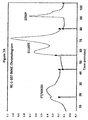
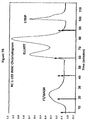
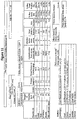
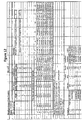
- Copper (Cu ++ was tested as a candidate species of IMAC column based on its relatively strong binding characteristics. Prior to being applied to the IMAC column, the CBS solution was adjusted to 0.4M NaCl. The results indicated that capture was near complete, with an acceptable activity recovery (70-80%). Recovery of CBS was obtained using 100mM imidazole, which resulted in significant precipitation upon thawing from storage at -70° C. ( Fig. 11 ). In addition, there was only a small increase in purity relative to the load. Thus, experiments employing Ni ++ IMAC were conducted as the metal of choice. In these experiments, the CBS sample was run through a G-25 column to remove dithiothreitol (DTT) prior to loading the solution onto the IMAC column. Purity enhancement remained low and selectivity was similar to Cu ++ , as evidenced by a relatively small A 280 peak in the high imidazole strip fraction. ( Figs 8 , 9 and 10 ).
- Ceramic hydroxyapatite is a resin that has a unique, potentially mixed binding mode chemistry that was utilized in a CBS purification method. CBS displayed acidic characteristics and therefore initial investigation focused on using phosphate-modulated partitioning. The initial experiments utilized HIC eluate that was buffer exchanged into a 0.05M NaCl, 0.005M Potassium Phosphate (pH 6.8) buffer. A 5 mL ceramic hydroxyapatite (Type 1) cartridge was equilibrated in the same buffer and the conditioned HIC eluate was loaded onto the column. There was no visible breakthrough of protein (as measured by A 280 ) during the load and subsequent wash with equilibration/wash buffer.
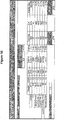
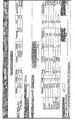
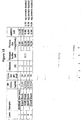
- the particular multi-step method described in these Examples was evaluated at the scale of a 60mL capture column. All of the purification trains utilized starting material (crude extract) obtained from fermentations that were seeded with recombinant cells comprising a construct comprising a truncated variant of human CBS encoded by a nucleic acid having codons optimized for expression in E. coli. This construct resulted in starting material that was approximately 2-fold higher in specific activity, and significantly impacted the final purity achieved from the integrated purification method. The overall purification results using the multi-step method were measured by SDS-PAGE and Specific Activity ( Figs. 5 and 6 ). The results demonstrated that the purity and specific activity met or exceeded that of the purified tagged truncated CBS.
Landscapes
- Chemical & Material Sciences (AREA)
- Health & Medical Sciences (AREA)
- Life Sciences & Earth Sciences (AREA)
- Organic Chemistry (AREA)
- Engineering & Computer Science (AREA)
- Bioinformatics & Cheminformatics (AREA)
- General Health & Medical Sciences (AREA)
- Zoology (AREA)
- Wood Science & Technology (AREA)
- Genetics & Genomics (AREA)
- Medicinal Chemistry (AREA)
- Biochemistry (AREA)
- General Engineering & Computer Science (AREA)
- Chemical Kinetics & Catalysis (AREA)
- Analytical Chemistry (AREA)
- Pharmacology & Pharmacy (AREA)
- Veterinary Medicine (AREA)
- Animal Behavior & Ethology (AREA)
- Public Health (AREA)
- Microbiology (AREA)
- Biotechnology (AREA)
- Biomedical Technology (AREA)
- Molecular Biology (AREA)
- Epidemiology (AREA)
- Proteomics, Peptides & Aminoacids (AREA)
- Gastroenterology & Hepatology (AREA)
- Immunology (AREA)
- General Chemical & Material Sciences (AREA)
- Nuclear Medicine, Radiotherapy & Molecular Imaging (AREA)
- Diabetes (AREA)
- Hematology (AREA)
- Obesity (AREA)
- Enzymes And Modification Thereof (AREA)
- Peptides Or Proteins (AREA)
- Preparation Of Compounds By Using Micro-Organisms (AREA)
- Medicines That Contain Protein Lipid Enzymes And Other Medicines (AREA)
- Micro-Organisms Or Cultivation Processes Thereof (AREA)
Priority Applications (1)
| Application Number | Priority Date | Filing Date | Title |
|---|---|---|---|
| EP19179948.5A EP3569706A1 (en) | 2012-03-26 | 2013-03-25 | Purification of cystathionine beta-synthase |
Applications Claiming Priority (4)
| Application Number | Priority Date | Filing Date | Title |
|---|---|---|---|
| US201261615629P | 2012-03-26 | 2012-03-26 | |
| US13/830,494 US9243239B2 (en) | 2012-03-26 | 2013-03-14 | Purification of cystathionine beta-synthase |
| EP13716577.5A EP2831229B8 (en) | 2012-03-26 | 2013-03-25 | Purification of cystathionine beta-synthase |
| PCT/US2013/033716 WO2013148580A1 (en) | 2012-03-26 | 2013-03-25 | Purification of cystathionine beta-synthase |
Related Parent Applications (2)
| Application Number | Title | Priority Date | Filing Date |
|---|---|---|---|
| EP13716577.5A Division EP2831229B8 (en) | 2012-03-26 | 2013-03-25 | Purification of cystathionine beta-synthase |
| EP13716577.5A Division-Into EP2831229B8 (en) | 2012-03-26 | 2013-03-25 | Purification of cystathionine beta-synthase |
Related Child Applications (1)
| Application Number | Title | Priority Date | Filing Date |
|---|---|---|---|
| EP19179948.5A Division EP3569706A1 (en) | 2012-03-26 | 2013-03-25 | Purification of cystathionine beta-synthase |
Publications (2)
| Publication Number | Publication Date |
|---|---|
| EP3263701A1 EP3263701A1 (en) | 2018-01-03 |
| EP3263701B1 true EP3263701B1 (en) | 2019-06-19 |
Family
ID=49212017
Family Applications (3)
| Application Number | Title | Priority Date | Filing Date |
|---|---|---|---|
| EP17165825.5A Active EP3263701B1 (en) | 2012-03-26 | 2013-03-25 | Purification of cystathionine beta-synthase |
| EP19179948.5A Withdrawn EP3569706A1 (en) | 2012-03-26 | 2013-03-25 | Purification of cystathionine beta-synthase |
| EP13716577.5A Active EP2831229B8 (en) | 2012-03-26 | 2013-03-25 | Purification of cystathionine beta-synthase |
Family Applications After (2)
| Application Number | Title | Priority Date | Filing Date |
|---|---|---|---|
| EP19179948.5A Withdrawn EP3569706A1 (en) | 2012-03-26 | 2013-03-25 | Purification of cystathionine beta-synthase |
| EP13716577.5A Active EP2831229B8 (en) | 2012-03-26 | 2013-03-25 | Purification of cystathionine beta-synthase |
Country Status (11)
| Country | Link |
|---|---|
| US (4) | US9243239B2 (https=) |
| EP (3) | EP3263701B1 (https=) |
| JP (3) | JP6146934B2 (https=) |
| CN (1) | CN104540940B (https=) |
| AU (1) | AU2013240003B2 (https=) |
| BR (1) | BR112014023570B1 (https=) |
| CA (1) | CA2867719C (https=) |
| HK (1) | HK1246350B (https=) |
| IL (2) | IL234635B (https=) |
| IN (1) | IN2014DN07920A (https=) |
| WO (1) | WO2013148580A1 (https=) |
Families Citing this family (7)
| Publication number | Priority date | Publication date | Assignee | Title |
|---|---|---|---|---|
| US9034318B2 (en) | 2011-08-30 | 2015-05-19 | The Regents Of The University Of Colorado, A Body Corporate | Chemically modified cystathionine beta-synthase enzyme for treatment of homocystinuria |
| US9243239B2 (en) * | 2012-03-26 | 2016-01-26 | The Regents Of The University Of Colorado, A Body Corporate | Purification of cystathionine beta-synthase |
| US9675678B2 (en) | 2013-01-29 | 2017-06-13 | The Regents Of The University Of Colorado, A Body Corporate | Compositions and methods for treatment of homocystinuria |
| FI3998067T3 (fi) * | 2015-11-09 | 2024-10-31 | Univ Colorado Regents | Koostumukset ja menetelmät homokystinurian hoitoon |
| IL269544B2 (en) | 2017-04-17 | 2025-01-01 | Univ Colorado Regents | Streamlining enzyme replacement therapy for the treatment of high homocysteine |
| US20220315965A1 (en) * | 2019-06-25 | 2022-10-06 | Zymergen Inc. | Engineered biosynthetic pathways for production of cystathionine by fermentation |
| ES3058596T3 (en) * | 2019-06-26 | 2026-03-11 | Travere Therapeutics Switzerland Gmbh | Pegylated cystathionine beta synthase for enzyme therapy for treatment of homocystinuria |
Family Cites Families (10)
| Publication number | Priority date | Publication date | Assignee | Title |
|---|---|---|---|---|
| JPS5576559A (en) | 1978-12-01 | 1980-06-09 | Chiyou Lsi Gijutsu Kenkyu Kumiai | Electron beam fine adjusting device |
| US5523225A (en) | 1993-09-13 | 1996-06-04 | Regents Of The University Of Colorado | DNA sequence encoding human cystathionine β-synthase |
| US5635375A (en) | 1995-01-09 | 1997-06-03 | Regents Of The University Of Colorado | Method of increasing the yield and heme saturation of cystathione β-synthase |
| AU2003251550A1 (en) | 2002-06-17 | 2003-12-31 | The Regents Of The University Of Colorado | HUMAN CYSTATHIONINE Beta-SYNTHASE VARIANTS AND METHODS OF PRODU CTION THEREOF |
| GB0216001D0 (en) * | 2002-07-10 | 2002-08-21 | Nat Blood Authority | Process and composition |
| EP1396537A1 (en) | 2002-09-04 | 2004-03-10 | Avidis SA | Treatment of elevated plasma homocysteine |
| CN1552905A (zh) * | 2003-12-18 | 2004-12-08 | 中国农业科学院茶叶研究所 | 一类茶树胱硫醚-γ-合成酶特异表达序列标签及其生物芯片 |
| EP1878739A1 (en) | 2006-07-14 | 2008-01-16 | LEK Pharmaceuticals D.D. | One step IMAC (MCAC) purification of proteins |
| CA2788689C (en) | 2010-02-04 | 2019-07-02 | The Board Of Regents Of The University Of Texas System | Engineered enzymes with methionine-gamma-lyase enzymes and pharmacological preparations thereof |
| US9243239B2 (en) | 2012-03-26 | 2016-01-26 | The Regents Of The University Of Colorado, A Body Corporate | Purification of cystathionine beta-synthase |
-
2013
- 2013-03-14 US US13/830,494 patent/US9243239B2/en active Active
- 2013-03-25 EP EP17165825.5A patent/EP3263701B1/en active Active
- 2013-03-25 EP EP19179948.5A patent/EP3569706A1/en not_active Withdrawn
- 2013-03-25 WO PCT/US2013/033716 patent/WO2013148580A1/en not_active Ceased
- 2013-03-25 JP JP2015503433A patent/JP6146934B2/ja active Active
- 2013-03-25 EP EP13716577.5A patent/EP2831229B8/en active Active
- 2013-03-25 AU AU2013240003A patent/AU2013240003B2/en active Active
- 2013-03-25 CA CA2867719A patent/CA2867719C/en active Active
- 2013-03-25 CN CN201380027463.0A patent/CN104540940B/zh active Active
- 2013-03-25 BR BR112014023570-8A patent/BR112014023570B1/pt active IP Right Grant
- 2013-03-25 IN IN7920DEN2014 patent/IN2014DN07920A/en unknown
-
2014
- 2014-09-14 IL IL234635A patent/IL234635B/en active IP Right Grant
-
2015
- 2015-12-16 US US14/970,814 patent/US10160962B2/en active Active
-
2017
- 2017-04-12 JP JP2017078808A patent/JP6839595B2/ja active Active
-
2018
- 2018-05-03 HK HK18105730.4A patent/HK1246350B/en unknown
- 2018-11-01 US US16/178,024 patent/US20190055537A1/en not_active Abandoned
- 2018-11-21 IL IL26316218A patent/IL263162B/en active IP Right Grant
-
2019
- 2019-10-11 JP JP2019187777A patent/JP6952361B2/ja active Active
-
2020
- 2020-01-10 US US16/739,169 patent/US10941392B2/en active Active
Non-Patent Citations (1)
| Title |
|---|
| None * |
Also Published As
| Publication number | Publication date |
|---|---|
| US20190055537A1 (en) | 2019-02-21 |
| CA2867719A1 (en) | 2013-10-03 |
| CA2867719C (en) | 2020-08-11 |
| AU2013240003A1 (en) | 2014-10-02 |
| WO2013148580A1 (en) | 2013-10-03 |
| EP2831229A1 (en) | 2015-02-04 |
| EP3569706A1 (en) | 2019-11-20 |
| HK1246350B (en) | 2020-05-15 |
| JP6146934B2 (ja) | 2017-06-21 |
| IL263162B (en) | 2019-11-28 |
| JP2017121255A (ja) | 2017-07-13 |
| BR112014023570A2 (pt) | 2021-06-01 |
| IL263162A (en) | 2018-12-31 |
| US10941392B2 (en) | 2021-03-09 |
| EP2831229B8 (en) | 2018-10-17 |
| JP6839595B2 (ja) | 2021-03-10 |
| EP3263701A1 (en) | 2018-01-03 |
| IN2014DN07920A (https=) | 2015-05-01 |
| JP2015512639A (ja) | 2015-04-30 |
| US20200131497A1 (en) | 2020-04-30 |
| BR112014023570B1 (pt) | 2022-03-15 |
| AU2013240003B2 (en) | 2018-04-19 |
| US10160962B2 (en) | 2018-12-25 |
| US20130251700A1 (en) | 2013-09-26 |
| US20160177287A1 (en) | 2016-06-23 |
| IL234635B (en) | 2018-12-31 |
| CN104540940A (zh) | 2015-04-22 |
| JP6952361B2 (ja) | 2021-10-20 |
| CN104540940B (zh) | 2018-03-06 |
| JP2020000259A (ja) | 2020-01-09 |
| EP2831229B1 (en) | 2017-10-18 |
| US9243239B2 (en) | 2016-01-26 |
Similar Documents
| Publication | Publication Date | Title |
|---|---|---|
| US10941392B2 (en) | Purification of cystathionine beta-synthase | |
| HK1246350A1 (en) | Purification of cystathionine beta-synthase | |
| Mihara et al. | cDNA cloning, purification, and characterization of mouse liver selenocysteine lyase: candidate for selenium delivery protein in selenoprotein synthesis | |
| Wu et al. | Crystal structure of human spermine synthase: implications of substrate binding and catalytic mechanism | |
| US9631188B2 (en) | Human cystathionine β-synthase variants and methods of production thereof | |
| Nakazawa et al. | Molecular characterization of a bifunctional glyoxylate cycle enzyme, malate synthase/isocitrate lyase, in Euglena gracilis | |
| Credali et al. | Structural analysis of K+ dependence in L-asparaginases from Lotus japonicus | |
| HK40016298A (en) | Purification of cystathionine beta-synthase | |
| Anguera et al. | Cloning, expression, and purification of 5, 10-methenyltetrahydrofolate synthetase from Mus musculus | |
| US20250340852A1 (en) | Engineering new metabolic pathways in isolated cells for the degradation of guanidinoacetic acid and simultaneous production of creatine |
Legal Events
| Date | Code | Title | Description |
|---|---|---|---|
| PUAI | Public reference made under article 153(3) epc to a published international application that has entered the european phase |
Free format text: ORIGINAL CODE: 0009012 |
|
| STAA | Information on the status of an ep patent application or granted ep patent |
Free format text: STATUS: THE APPLICATION HAS BEEN PUBLISHED |
|
| AC | Divisional application: reference to earlier application |
Ref document number: 2831229 Country of ref document: EP Kind code of ref document: P |
|
| AK | Designated contracting states |
Kind code of ref document: A1 Designated state(s): AL AT BE BG CH CY CZ DE DK EE ES FI FR GB GR HR HU IE IS IT LI LT LU LV MC MK MT NL NO PL PT RO RS SE SI SK SM TR |
|
| AX | Request for extension of the european patent |
Extension state: BA ME |
|
| STAA | Information on the status of an ep patent application or granted ep patent |
Free format text: STATUS: REQUEST FOR EXAMINATION WAS MADE |
|
| 17P | Request for examination filed |
Effective date: 20180611 |
|
| RBV | Designated contracting states (corrected) |
Designated state(s): AL AT BE BG CH CY CZ DE DK EE ES FI FR GB GR HR HU IE IS IT LI LT LU LV MC MK MT NL NO PL PT RO RS SE SI SK SM TR |
|
| STAA | Information on the status of an ep patent application or granted ep patent |
Free format text: STATUS: EXAMINATION IS IN PROGRESS |
|
| REG | Reference to a national code |
Ref country code: HK Ref legal event code: DE Ref document number: 1246350 Country of ref document: HK |
|
| 17Q | First examination report despatched |
Effective date: 20180810 |
|
| GRAP | Despatch of communication of intention to grant a patent |
Free format text: ORIGINAL CODE: EPIDOSNIGR1 |
|
| STAA | Information on the status of an ep patent application or granted ep patent |
Free format text: STATUS: GRANT OF PATENT IS INTENDED |
|
| INTG | Intention to grant announced |
Effective date: 20181212 |
|
| GRAJ | Information related to disapproval of communication of intention to grant by the applicant or resumption of examination proceedings by the epo deleted |
Free format text: ORIGINAL CODE: EPIDOSDIGR1 |
|
| STAA | Information on the status of an ep patent application or granted ep patent |
Free format text: STATUS: EXAMINATION IS IN PROGRESS |
|
| GRAR | Information related to intention to grant a patent recorded |
Free format text: ORIGINAL CODE: EPIDOSNIGR71 |
|
| GRAS | Grant fee paid |
Free format text: ORIGINAL CODE: EPIDOSNIGR3 |
|
| STAA | Information on the status of an ep patent application or granted ep patent |
Free format text: STATUS: GRANT OF PATENT IS INTENDED |
|
| RAP1 | Party data changed (applicant data changed or rights of an application transferred) |
Owner name: THE REGENTS OF THE UNIVERSITY OF COLORADO, A BODY |
|
| GRAA | (expected) grant |
Free format text: ORIGINAL CODE: 0009210 |
|
| STAA | Information on the status of an ep patent application or granted ep patent |
Free format text: STATUS: THE PATENT HAS BEEN GRANTED |
|
| INTC | Intention to grant announced (deleted) | ||
| INTG | Intention to grant announced |
Effective date: 20190509 |
|
| AC | Divisional application: reference to earlier application |
Ref document number: 2831229 Country of ref document: EP Kind code of ref document: P |
|
| AK | Designated contracting states |
Kind code of ref document: B1 Designated state(s): AL AT BE BG CH CY CZ DE DK EE ES FI FR GB GR HR HU IE IS IT LI LT LU LV MC MK MT NL NO PL PT RO RS SE SI SK SM TR |
|
| REG | Reference to a national code |
Ref country code: GB Ref legal event code: FG4D |
|
| REG | Reference to a national code |
Ref country code: CH Ref legal event code: EP |
|
| REG | Reference to a national code |
Ref country code: IE Ref legal event code: FG4D |
|
| REG | Reference to a national code |
Ref country code: DE Ref legal event code: R096 Ref document number: 602013056990 Country of ref document: DE |
|
| REG | Reference to a national code |
Ref country code: CH Ref legal event code: NV Representative=s name: VALIPAT S.A. C/O BOVARD SA NEUCHATEL, CH Ref country code: AT Ref legal event code: REF Ref document number: 1145550 Country of ref document: AT Kind code of ref document: T Effective date: 20190715 |
|
| REG | Reference to a national code |
Ref country code: NL Ref legal event code: MP Effective date: 20190619 |
|
| PG25 | Lapsed in a contracting state [announced via postgrant information from national office to epo] |
Ref country code: LT Free format text: LAPSE BECAUSE OF FAILURE TO SUBMIT A TRANSLATION OF THE DESCRIPTION OR TO PAY THE FEE WITHIN THE PRESCRIBED TIME-LIMIT Effective date: 20190619 Ref country code: FI Free format text: LAPSE BECAUSE OF FAILURE TO SUBMIT A TRANSLATION OF THE DESCRIPTION OR TO PAY THE FEE WITHIN THE PRESCRIBED TIME-LIMIT Effective date: 20190619 Ref country code: HR Free format text: LAPSE BECAUSE OF FAILURE TO SUBMIT A TRANSLATION OF THE DESCRIPTION OR TO PAY THE FEE WITHIN THE PRESCRIBED TIME-LIMIT Effective date: 20190619 Ref country code: AL Free format text: LAPSE BECAUSE OF FAILURE TO SUBMIT A TRANSLATION OF THE DESCRIPTION OR TO PAY THE FEE WITHIN THE PRESCRIBED TIME-LIMIT Effective date: 20190619 Ref country code: SE Free format text: LAPSE BECAUSE OF FAILURE TO SUBMIT A TRANSLATION OF THE DESCRIPTION OR TO PAY THE FEE WITHIN THE PRESCRIBED TIME-LIMIT Effective date: 20190619 Ref country code: NO Free format text: LAPSE BECAUSE OF FAILURE TO SUBMIT A TRANSLATION OF THE DESCRIPTION OR TO PAY THE FEE WITHIN THE PRESCRIBED TIME-LIMIT Effective date: 20190919 |
|
| REG | Reference to a national code |
Ref country code: LT Ref legal event code: MG4D |
|
| PG25 | Lapsed in a contracting state [announced via postgrant information from national office to epo] |
Ref country code: LV Free format text: LAPSE BECAUSE OF FAILURE TO SUBMIT A TRANSLATION OF THE DESCRIPTION OR TO PAY THE FEE WITHIN THE PRESCRIBED TIME-LIMIT Effective date: 20190619 Ref country code: GR Free format text: LAPSE BECAUSE OF FAILURE TO SUBMIT A TRANSLATION OF THE DESCRIPTION OR TO PAY THE FEE WITHIN THE PRESCRIBED TIME-LIMIT Effective date: 20190920 Ref country code: RS Free format text: LAPSE BECAUSE OF FAILURE TO SUBMIT A TRANSLATION OF THE DESCRIPTION OR TO PAY THE FEE WITHIN THE PRESCRIBED TIME-LIMIT Effective date: 20190619 Ref country code: BG Free format text: LAPSE BECAUSE OF FAILURE TO SUBMIT A TRANSLATION OF THE DESCRIPTION OR TO PAY THE FEE WITHIN THE PRESCRIBED TIME-LIMIT Effective date: 20190919 |
|
| REG | Reference to a national code |
Ref country code: AT Ref legal event code: MK05 Ref document number: 1145550 Country of ref document: AT Kind code of ref document: T Effective date: 20190619 |
|
| PG25 | Lapsed in a contracting state [announced via postgrant information from national office to epo] |
Ref country code: AT Free format text: LAPSE BECAUSE OF FAILURE TO SUBMIT A TRANSLATION OF THE DESCRIPTION OR TO PAY THE FEE WITHIN THE PRESCRIBED TIME-LIMIT Effective date: 20190619 Ref country code: EE Free format text: LAPSE BECAUSE OF FAILURE TO SUBMIT A TRANSLATION OF THE DESCRIPTION OR TO PAY THE FEE WITHIN THE PRESCRIBED TIME-LIMIT Effective date: 20190619 Ref country code: CZ Free format text: LAPSE BECAUSE OF FAILURE TO SUBMIT A TRANSLATION OF THE DESCRIPTION OR TO PAY THE FEE WITHIN THE PRESCRIBED TIME-LIMIT Effective date: 20190619 Ref country code: NL Free format text: LAPSE BECAUSE OF FAILURE TO SUBMIT A TRANSLATION OF THE DESCRIPTION OR TO PAY THE FEE WITHIN THE PRESCRIBED TIME-LIMIT Effective date: 20190619 Ref country code: RO Free format text: LAPSE BECAUSE OF FAILURE TO SUBMIT A TRANSLATION OF THE DESCRIPTION OR TO PAY THE FEE WITHIN THE PRESCRIBED TIME-LIMIT Effective date: 20190619 Ref country code: SK Free format text: LAPSE BECAUSE OF FAILURE TO SUBMIT A TRANSLATION OF THE DESCRIPTION OR TO PAY THE FEE WITHIN THE PRESCRIBED TIME-LIMIT Effective date: 20190619 Ref country code: PT Free format text: LAPSE BECAUSE OF FAILURE TO SUBMIT A TRANSLATION OF THE DESCRIPTION OR TO PAY THE FEE WITHIN THE PRESCRIBED TIME-LIMIT Effective date: 20191021 |
|
| PG25 | Lapsed in a contracting state [announced via postgrant information from national office to epo] |
Ref country code: ES Free format text: LAPSE BECAUSE OF FAILURE TO SUBMIT A TRANSLATION OF THE DESCRIPTION OR TO PAY THE FEE WITHIN THE PRESCRIBED TIME-LIMIT Effective date: 20190619 Ref country code: IS Free format text: LAPSE BECAUSE OF FAILURE TO SUBMIT A TRANSLATION OF THE DESCRIPTION OR TO PAY THE FEE WITHIN THE PRESCRIBED TIME-LIMIT Effective date: 20191019 Ref country code: SM Free format text: LAPSE BECAUSE OF FAILURE TO SUBMIT A TRANSLATION OF THE DESCRIPTION OR TO PAY THE FEE WITHIN THE PRESCRIBED TIME-LIMIT Effective date: 20190619 Ref country code: IT Free format text: LAPSE BECAUSE OF FAILURE TO SUBMIT A TRANSLATION OF THE DESCRIPTION OR TO PAY THE FEE WITHIN THE PRESCRIBED TIME-LIMIT Effective date: 20190619 |
|
| PG25 | Lapsed in a contracting state [announced via postgrant information from national office to epo] |
Ref country code: TR Free format text: LAPSE BECAUSE OF FAILURE TO SUBMIT A TRANSLATION OF THE DESCRIPTION OR TO PAY THE FEE WITHIN THE PRESCRIBED TIME-LIMIT Effective date: 20190619 |
|
| PG25 | Lapsed in a contracting state [announced via postgrant information from national office to epo] |
Ref country code: DK Free format text: LAPSE BECAUSE OF FAILURE TO SUBMIT A TRANSLATION OF THE DESCRIPTION OR TO PAY THE FEE WITHIN THE PRESCRIBED TIME-LIMIT Effective date: 20190619 Ref country code: PL Free format text: LAPSE BECAUSE OF FAILURE TO SUBMIT A TRANSLATION OF THE DESCRIPTION OR TO PAY THE FEE WITHIN THE PRESCRIBED TIME-LIMIT Effective date: 20190619 |
|
| PG25 | Lapsed in a contracting state [announced via postgrant information from national office to epo] |
Ref country code: IS Free format text: LAPSE BECAUSE OF FAILURE TO SUBMIT A TRANSLATION OF THE DESCRIPTION OR TO PAY THE FEE WITHIN THE PRESCRIBED TIME-LIMIT Effective date: 20200224 |
|
| REG | Reference to a national code |
Ref country code: DE Ref legal event code: R097 Ref document number: 602013056990 Country of ref document: DE |
|
| PLBE | No opposition filed within time limit |
Free format text: ORIGINAL CODE: 0009261 |
|
| STAA | Information on the status of an ep patent application or granted ep patent |
Free format text: STATUS: NO OPPOSITION FILED WITHIN TIME LIMIT |
|
| PG2D | Information on lapse in contracting state deleted |
Ref country code: IS |
|
| 26N | No opposition filed |
Effective date: 20200603 |
|
| PG25 | Lapsed in a contracting state [announced via postgrant information from national office to epo] |
Ref country code: SI Free format text: LAPSE BECAUSE OF FAILURE TO SUBMIT A TRANSLATION OF THE DESCRIPTION OR TO PAY THE FEE WITHIN THE PRESCRIBED TIME-LIMIT Effective date: 20190619 |
|
| PG25 | Lapsed in a contracting state [announced via postgrant information from national office to epo] |
Ref country code: MC Free format text: LAPSE BECAUSE OF FAILURE TO SUBMIT A TRANSLATION OF THE DESCRIPTION OR TO PAY THE FEE WITHIN THE PRESCRIBED TIME-LIMIT Effective date: 20190619 |
|
| REG | Reference to a national code |
Ref country code: BE Ref legal event code: MM Effective date: 20200331 |
|
| PG25 | Lapsed in a contracting state [announced via postgrant information from national office to epo] |
Ref country code: LU Free format text: LAPSE BECAUSE OF NON-PAYMENT OF DUE FEES Effective date: 20200325 |
|
| PG25 | Lapsed in a contracting state [announced via postgrant information from national office to epo] |
Ref country code: BE Free format text: LAPSE BECAUSE OF NON-PAYMENT OF DUE FEES Effective date: 20200331 |
|
| PG25 | Lapsed in a contracting state [announced via postgrant information from national office to epo] |
Ref country code: MT Free format text: LAPSE BECAUSE OF FAILURE TO SUBMIT A TRANSLATION OF THE DESCRIPTION OR TO PAY THE FEE WITHIN THE PRESCRIBED TIME-LIMIT Effective date: 20190619 Ref country code: CY Free format text: LAPSE BECAUSE OF FAILURE TO SUBMIT A TRANSLATION OF THE DESCRIPTION OR TO PAY THE FEE WITHIN THE PRESCRIBED TIME-LIMIT Effective date: 20190619 |
|
| PG25 | Lapsed in a contracting state [announced via postgrant information from national office to epo] |
Ref country code: MK Free format text: LAPSE BECAUSE OF FAILURE TO SUBMIT A TRANSLATION OF THE DESCRIPTION OR TO PAY THE FEE WITHIN THE PRESCRIBED TIME-LIMIT Effective date: 20190619 |
|
| P01 | Opt-out of the competence of the unified patent court (upc) registered |
Effective date: 20230523 |
|
| PGFP | Annual fee paid to national office [announced via postgrant information from national office to epo] |
Ref country code: CH Payment date: 20250401 Year of fee payment: 13 |
|
| REG | Reference to a national code |
Ref country code: CH Ref legal event code: U11 Free format text: ST27 STATUS EVENT CODE: U-0-0-U10-U11 (AS PROVIDED BY THE NATIONAL OFFICE) Effective date: 20260401 |
|
| PGFP | Annual fee paid to national office [announced via postgrant information from national office to epo] |
Ref country code: GB Payment date: 20260327 Year of fee payment: 14 |
|
| PGFP | Annual fee paid to national office [announced via postgrant information from national office to epo] |
Ref country code: DE Payment date: 20260327 Year of fee payment: 14 Ref country code: IE Payment date: 20260327 Year of fee payment: 14 |
|
| PGFP | Annual fee paid to national office [announced via postgrant information from national office to epo] |
Ref country code: FR Payment date: 20260325 Year of fee payment: 14 |