EP3262156B1 - Verfahren zum pooling von hepatozyten - Google Patents
Verfahren zum pooling von hepatozyten Download PDFInfo
- Publication number
- EP3262156B1 EP3262156B1 EP16719951.2A EP16719951A EP3262156B1 EP 3262156 B1 EP3262156 B1 EP 3262156B1 EP 16719951 A EP16719951 A EP 16719951A EP 3262156 B1 EP3262156 B1 EP 3262156B1
- Authority
- EP
- European Patent Office
- Prior art keywords
- hepatocytes
- viable
- cells
- pooled
- vials
- Prior art date
- Legal status (The legal status is an assumption and is not a legal conclusion. Google has not performed a legal analysis and makes no representation as to the accuracy of the status listed.)
- Active
Links
Images

Classifications
-
- C—CHEMISTRY; METALLURGY
- C12—BIOCHEMISTRY; BEER; SPIRITS; WINE; VINEGAR; MICROBIOLOGY; ENZYMOLOGY; MUTATION OR GENETIC ENGINEERING
- C12N—MICROORGANISMS OR ENZYMES; COMPOSITIONS THEREOF; PROPAGATING, PRESERVING, OR MAINTAINING MICROORGANISMS; MUTATION OR GENETIC ENGINEERING; CULTURE MEDIA
- C12N5/00—Undifferentiated human, animal or plant cells, e.g. cell lines; Tissues; Cultivation or maintenance thereof; Culture media therefor
- C12N5/06—Animal cells or tissues; Human cells or tissues
- C12N5/0602—Vertebrate cells
- C12N5/067—Hepatocytes
-
- A—HUMAN NECESSITIES
- A01—AGRICULTURE; FORESTRY; ANIMAL HUSBANDRY; HUNTING; TRAPPING; FISHING
- A01N—PRESERVATION OF BODIES OF HUMANS OR ANIMALS OR PLANTS OR PARTS THEREOF; BIOCIDES, e.g. AS DISINFECTANTS, AS PESTICIDES OR AS HERBICIDES; PEST REPELLANTS OR ATTRACTANTS; PLANT GROWTH REGULATORS
- A01N1/00—Preservation of bodies of humans or animals, or parts thereof
- A01N1/10—Preservation of living parts
- A01N1/12—Chemical aspects of preservation
- A01N1/122—Preservation or perfusion media
- A01N1/125—Freeze protecting agents, e.g. cryoprotectants or osmolarity regulators
Definitions
- the present invention relates generally to pooling and cryopreserving hepatocytes from multiple donors.
- Hepatocytes constitute approximately 80% of the cells in the liver and are critical for both the activation and eventual detoxification of many pharmacological compounds, toxins or xenobiotics. Increased demand for and availability of new drugs, as well as stricter regulatory and safety testing prior to market approval, have made isolated primary hepatocytes an invaluable resource for studying drug metabolism, efficacy and toxicity in a laboratory setting.
- hepatic metabolism in hepatocytes isolated from one human liver does not accurately reflect liver function in the overall population since variations in gender, age, ethnicity, health status, genetic background, and other factors skew test results.
- a more accurate measure of hepatic metabolism is to a use a mixture or "pool" of individual donor cells to create a heterogeneous population of hepatocytes.
- the proposed system and method seeks to employ techniques to reduce cell loss and therefore increase the total number of viable cells throughout the process.
- the application seeks to increase the number of resulting viable cells from a hepatocyte pooling process.
- One method for cryopreserving hepatocytes from multiple sources comprises the steps of:
- the above method can utilize different kinds of hepatocytes including those selected from the group comprising: human hepatocytes, porcine hepatocytes, simian hepatocytes, canine hepatocytes, feline hepatocytes, bovine hepatocytes, equine hepatocytes, ovine hepatocytes and rodent hepatocytes.
- the individual sources can be pooled based on gender, race, age, metabolic state or health state. In some instances, the pools can be randomized based on the sample set that exists at the time.
- the kinds of preservation solution that can be used include: University of Wisconsin solution, HypoThermosol-Base, or HypoThermosol-FRS as well as other similar preservation solutions that reduce the toxicity of the cryopreservative and/or provide essential nutrients for the hepatocytes.
- the preservation solution could include fetal bovine serum.
- the centrifugation step is devoid of a density gradient to reduce physical and chemical stress on the cells. This centrifugation step pellets both viable and non-viable hepatocytes.
- the pellets can be combined with a cryopreservative prior to being frozen.
- a cryopreservative When combining the cryopreservative and the pelleted cells, pipetting up and down, vortexing, rocking the vial back and forth, tapping the vial or similar processes can be used to resuspend the cells in the cryopreservative solution.
- the pooled cells can be distributed at a density that ranges from 8-15 million cells/ml. In one embodiment, 13.33 million cells/ml is used.
- a user can perform density gradient fractionation to separate viable and non-viable cells immediately prior to performing experiments.
- the density gradient centrifuging step is performed between 50-200 RCF.
- the density gradient fractionation can comprise density gradient centrifugation through polyvinylpyrrolidone-coated colloidal silica particles (Percoll).
- the hepatocytes used in these processes can either be plated or used in suspension.
- a description of an improved system and method for preparing a cryopreserved pool of cells (e.g. hepatocytes) from previously cryopreserved hepatocytes obtained from individual donors is described herein.
- This system and method reduces physical and chemical stress to the hepatocytes during the pooling process while increasing the recovery of viable pooled cells during a post-thaw centrifugation step performed by the end-user.
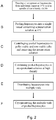
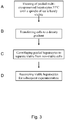
- this system and method involves thawing vials of individual donor hepatocytes and pooling them into a preservation solution. The pooled cells are then briefly centrifuged, to pellet both viable and non-viable cells, and then cryopreserved at a high density in multiple vials.
- the end-user can then perform density gradient centrifugation to separate viable from non-viable cells immediately prior to experimental use.
- previously isolated and cryopreserved hepatocytes from individual donors are stored in liquid nitrogen vapor phase at a minimum of -150°C.
- Individual donor vials to be pooled can be selected at random or based on specific metabolic activity (e.g. ECOD, cytochrome P450, general phase I or phase II), age, race, sex, ethnicity, or other phenotypic determinants.
- the number of vials thawed depends on the number of individuals included in the mixed population and the size of the pool to be generated.
- the number of individual vials used for each pool of hepatocytes can be from 2 - 50 individuals.
- Each pool can range from 300 to 1000 vials. For example, a 10 donor pool with 300 vials would require approximately 30 vials from each donor.
- the individual donor hepatocytes are thawed by submerging the vial in a water bath maintained at 37°C for approximately 2 minutes or until a spindle of ice is barely visible and then the contents are rapidly decanted into a vessel containing a preservation solution at 4°C.
- the preservation solution is used to dilute the DMSO (and/or any other reagents toxic to the hepatocytes) found in the cryopreservative.
- the preservation solution also provides essential nutrients to the hepatocytes to promote viability during the pooling process.
- the volume of the preservation solution is dependent on the size of the pool to be generated but can be composed of, for example, a 1:1 ratio of preservation solution to 1 mL of cryopreserved cells.
- the preservation solution can be composed of University of Wisconsin solution (10 mM potassium lactobionate, 25 mM KH2PO4, 5 mM MgSO4, 30 mM Raffinose, 5 mM Adenosine, 3 mM Glutathione, 1 mM Allopurinol, and 50 g/L Hyroxyethyl starch), HypoThermosol-Base (HTS-Base), HypoThermosol-FRS (HTS-FRS), or other such medium with or without the addition of fetal bovine serum (FBS).
- University of Wisconsin solution (10 mM potassium lactobionate, 25 mM KH2PO4, 5 mM MgSO4, 30 mM Raffinose, 5 mM Adenosine, 3 mM Glutathione, 1 mM Allopurinol, and 50 g/L Hyroxyethyl starch), HypoThermosol-Base (HTS-Base), Hypo
- the hepatocytes are maintained in the preservation solution at 4°C while multiple vials of hepatocytes are thawed and mixed in the same vessel to create a "pooled" population of multiple donor cells. Thawed hepatocytes can remain in preservation solution from 2 - 10 hours depending on the number of vials being thawed.
- hepatocytes After multiple vials of hepatocytes have been thawed and pooled, the cells are centrifuged in a range of 50 - 200 relative centrifugal force (RCF) for 8 - 10 min to pellet both viable and non-viable cells.
- the preservation solution is removed from the pelleted cells for example by aspiration.
- a centrifugation step without a density gradient at this point in the process reduces the physical and chemical stress on the hepatocytes before the second cryopreservation.
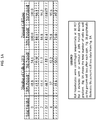
- Figs. 1A-B illustrate the affect that density gradient (e.g. Percoll) centrifugation can have on hepatocytes compared to centrifugation without a density gradient. With each subsequent spin, the total number of viable cells was reduced with the density gradient (Percoll) relative to hepatocytes centrifuged without Percoll.
- cryprotectant solution which can, for example, be composed of CryoStor® CS10 containing DMSO at 10%.
- the pooled non-viable and viable hepatocytes are then distributed at 10-15 million cells / mL in 1 - 1.5 mL aliquots per vial. It should be noted that cell counting can be performed without or with for example Trypan blue, Acridine orange, or propidium iodide along any of the steps in the process.
- the combining or resuspending process can be comprised of adding a cryopreservative to the pelleted hepatocytes.
- the combined pellets and cryopreservative can then be pipetted up and down, vortexed, rocked in a vial back and forth, tapped in a vial or some other similar process to break up the pellets and disperse the hepatocytes throughout the cryopreservative.
- Vials containing pooled hepatocytes are frozen using a controlled rate freezer and maintained in liquid nitrogen at a minimum of -150°C for at least 3 days and no longer than 10 years prior to shipping.
- the vials can be shipped on dry-ice or vapor phase liquid nitrogen (e.g. dewar) to the end-user and stored in liquid nitrogen at a minimum of -150°C.
- the end-user can thaw the pooled hepatocytes by submerging the vial in a water bath maintained at 37°C for approximately 2 minutes or until a spindle of ice is barely visible.
- the pooled non-viable and viable hepatocytes cells can be applied to a 20 - 30% colloidal silica coated with polyvinylpyrrolidone (Percoll) gradient, and centrifuged through at 50 - 200 RCF for 8-10 min to separate viable from non-viable cells.
- Percoll polyvinylpyrrolidone
- the maximum number of viable cells are therefore isolated immediately prior to use without further exposure to cryopreservative or another freeze-thaw cycle. This process allows for 5 million and up to 8+ million viable cells that can be recovered and immediately used for experimentation. Experimentation may include but not be limited to assays for viability; metabolic activity; transporter activity; and xenobiotic uptake, metabolism, efficacy, and toxicity.
- yield of viable cells can vary with dilution ratios, and exposure of time during the pooling process. For example, in larger batches it is sometimes cost prohibitive or difficult (volume of pooling container) to have a 1:1 ratio of preservation solution to thawed cryopreservative. In addition, more time is required to thaw a large number of vials. Thus the cells are exposed to increased concentrations of cryopreservative toxins for a longer period of time. It is sometimes easier to do smaller batches, in which the cryopreservative is more dilute and pooling time is reduced, which generally results in higher yields of viable hepatocytes. For example, step 2-D might yield 5 million viable cells for a larger batch, but up to and greater than 8 million viable cells in a smaller batch. In smaller batches the ratio may be 4:1 preservation solution to thawed cryopreservative.
- the processes herein can be applied to hepatocytes used in suspension or plated.
Landscapes
- Health & Medical Sciences (AREA)
- Engineering & Computer Science (AREA)
- Life Sciences & Earth Sciences (AREA)
- Wood Science & Technology (AREA)
- Zoology (AREA)
- Biomedical Technology (AREA)
- Biotechnology (AREA)
- Chemical & Material Sciences (AREA)
- Genetics & Genomics (AREA)
- Organic Chemistry (AREA)
- Bioinformatics & Cheminformatics (AREA)
- General Health & Medical Sciences (AREA)
- Cell Biology (AREA)
- Biochemistry (AREA)
- General Engineering & Computer Science (AREA)
- Gastroenterology & Hepatology (AREA)
- Microbiology (AREA)
- Dentistry (AREA)
- Environmental Sciences (AREA)
- Micro-Organisms Or Cultivation Processes Thereof (AREA)
- Medicines Containing Material From Animals Or Micro-Organisms (AREA)
Claims (14)
- Verfahren zur Kryokonservierung von Hepatozyten aus mehreren Quellen, umfassend die folgenden Schritte:A) Auftauen der Hepatozyten aus einer Vielzahl von Quellen, die in einer Kryokonservierungslösung konserviert werden, die DMSO enthält;B) Poolen von 300 bis 1000 Ampullen mit Hepatozyten aus der Vielzahl von Quellen in einer Konservierungslösung, wodurch die Konzentration von DMSO verdünnt wird;C) Zentrifugieren der gepoolten Hepatozyten, um eine Pelletierung sowohl lebensfähiger als auch nicht lebensfähiger Hepatozyten zu bewirken;D) Entfernen der Konservierungslösung;E) Kombinieren der lebensfähigen und nicht lebensfähigen pelletierten Hepatozyten mit einem Kryokonservierungsmittel;F) Aufteilen der gepoolten Hepatozyten auf Ampullen;G) Kryokonservieren der Hepatozyten in den Ampullen.
- Verfahren nach Anspruch 1, wobei die Hepatozyten aus der Gruppe ausgewählt werden, umfassend: menschliche Hepatozyten, Schweine-Hepatozyten, Affen-Hepatozyten, Hunde-Hepatozyten, Katzen-Hepatozyten, Rinder-Hepatozyten, Pferde-Hepatozyten, Schaf-Hepatozyten und Nager-Hepatozyten.
- Verfahren nach Anspruch 1, wobei die mehreren Quellen aus einer auf Basis von Geschlecht, ethnischer Zugehörigkeit, Alter, Stoffwechselzustand oder Gesundheitszustand zufällig oder vorab ausgewählten Gruppe bestehen.
- Verfahren nach Anspruch 1, wobei die Konservierungslösung aus einer University-of-Wisconsin-Lösung, HyperThermosol-Base oder HyperThermosol-FRS besteht.
- Verfahren nach Anspruch 4, wobei die Konservierungslösung ferner aus fötalem Rinderserum besteht.
- Verfahren nach Anspruch 1, wobei das Aufteilen der gepoolten Zellen mit einer Dichte von mehr als 10 Millionen Zellen/ml erfolgt.
- Verfahren nach Anspruch 1, wobei beim Zentrifugierschritt kein Dichtegradient angewendet wird.
- Verfahren nach Anspruch 1, wobei der Zentrifugierschritt durchgeführt wird, um sowohl lebensfähige als auch nicht lebensfähige Zellen zu pelletieren.
- Verfahren nach Anspruch 1, ferner beinhaltend das Auftauen der gepoolten kryokonservierten Zellen und das Anwenden eines Dichtegradienten-Fraktionierungsvorgangs.
- Verfahren nach Anspruch 9, wobei der Dichtegradienten-Zentrifugierschritt mit 50 bis 200 RCF durchgeführt wird.
- Verfahren nach Anspruch 9, wobei die Dichtegradienten-Fraktionierung eine Dichtezentrifugierung durch mit Polyvinylpyrrolidon beschichteten kolloidale Kieselerdepartikel umfasst.
- Verfahren nach Anspruch 2, wobei die Hepatozyten entweder in Suspension oder plattiert verwendet werden.
- Verfahren nach Anspruch 1, wobei das Kombinieren von pelletierten Hepatozyten mit einem Kryokonservierungsmittel ferner einen oder mehrere der folgenden Schritte beinhaltet: Auf- und Abpipettieren, Verwirbeln, Hin- und Herschwenken der Ampulle oder Klopfen auf die Ampulle.
- Verfahren nach Anspruch 1, wobei die aufgetauten Hepatozyten während des Poolens in Schritt B 2 bis 10 Stunden in der Konservierungslösung bleiben.
Applications Claiming Priority (2)
| Application Number | Priority Date | Filing Date | Title |
|---|---|---|---|
| US201562121619P | 2015-02-27 | 2015-02-27 | |
| PCT/US2016/019742 WO2017119917A1 (en) | 2016-02-26 | 2016-02-26 | Method for pooling hepatocytes |
Publications (2)
| Publication Number | Publication Date |
|---|---|
| EP3262156A1 EP3262156A1 (de) | 2018-01-03 |
| EP3262156B1 true EP3262156B1 (de) | 2021-06-23 |
Family
ID=60450384
Family Applications (1)
| Application Number | Title | Priority Date | Filing Date |
|---|---|---|---|
| EP16719951.2A Active EP3262156B1 (de) | 2015-02-27 | 2016-02-26 | Verfahren zum pooling von hepatozyten |
Country Status (3)
| Country | Link |
|---|---|
| EP (1) | EP3262156B1 (de) |
| CA (1) | CA2978080C (de) |
| ES (1) | ES2885018T3 (de) |
-
2016
- 2016-02-26 ES ES16719951T patent/ES2885018T3/es active Active
- 2016-02-26 CA CA2978080A patent/CA2978080C/en active Active
- 2016-02-26 EP EP16719951.2A patent/EP3262156B1/de active Active
Non-Patent Citations (1)
| Title |
|---|
| SUMIDA K ET AL.: "Effects of DMSO on gene expression in human and rat hepatocytes", HUMAN AND EXPERIMENTAL TOXICOLOGY, vol. 30, no. 10, 2011, pages 1701 - 1709 * |
Also Published As
| Publication number | Publication date |
|---|---|
| HK1248765A1 (zh) | 2018-10-19 |
| CA2978080C (en) | 2022-01-25 |
| CA2978080A1 (en) | 2017-07-13 |
| EP3262156A1 (de) | 2018-01-03 |
| ES2885018T3 (es) | 2021-12-13 |
Similar Documents
| Publication | Publication Date | Title |
|---|---|---|
| Tamburrino et al. | Cryopreservation of human spermatozoa: functional, molecular and clinical aspects | |
| Ozimic et al. | Sperm cryopreservation today: approaches, efficiency, and pitfalls | |
| Atta et al. | Thymoquinone defeats diabetes-induced testicular damage in rats targeting antioxidant, inflammatory and aromatase expression | |
| Papas et al. | Specific activity of superoxide dismutase in stallion seminal plasma is related to sperm cryotolerance | |
| Ponchia et al. | Oxidative stress measurement in frozen/thawed human sperm: the protective role of an in vitro treatment with myo-inositol | |
| Mair et al. | Spaceflight-induced contractile and mitochondrial dysfunction in an automated heart-on-a-chip platform | |
| Hanson et al. | Relationship between cold hardiness and supercooling point in Aedes albopictus eggs. | |
| Cheema et al. | In vitro evaluation of Labrador dog spermatozoa cryopreserved in Tris-citric acid-fructose buffer supplemented with different combinations of extracellular and intracellular cryoprotectants | |
| US10159244B2 (en) | Method for pooling hepatocytes | |
| Neila-Montero et al. | The adaptation time to the extender as a crucial step for an accurate evaluation of ram sperm quality during the liquid storage | |
| CA2978080C (en) | Method for pooling hepatocytes | |
| Clarke et al. | Improved sperm cryopreservation using cold cryoprotectant | |
| HK1248765B (en) | Method for pooling hepatocytes | |
| WO2017119917A1 (en) | Method for pooling hepatocytes | |
| Hanson et al. | Reducing the overwintering ability of Aedes albopictus by male release. | |
| Gorricho et al. | Vitrification of cat ovarian tissue: Does fragment size matters? | |
| Matsuura et al. | Retinol transport in cultured fat-storing cells of rat liver. Quantitative analysis by anchored cell analysis and sorting system. | |
| Teng-Wei et al. | Marked elevation of hepatic transaminases in recipients of an orthotopic liver transplant from a brain-dead donor receiving extracorporeal membrane oxygenation. | |
| Pinto-Pinho et al. | Mitochondrial effects, DNA damage, and antioxidant enzyme activity in cryopreserved human sperm samples: A pilot study | |
| Schubert et al. | Altered timing of riboflavin and ultraviolet light pathogen inactivation improves platelet in vitro quality | |
| Steinhauser et al. | Removing seminal plasma improves bovine sperm sex‐sorting | |
| Laengst et al. | The Effect of the Donor’s and Recipient’s Sex on Red Blood Cells Evaluated Using Transfusion Simulations | |
| Sousa et al. | Viability analysis of oocyte–follicle complexes and gonadal fragments of zebrafish as baseline for toxicity testing | |
| Rasicci et al. | Early-Stage Alcoholic Cardiomyopathy Highlighted by Metabolic Remodeling, Oxidative Stress, and Cardiac Myosin Dysfunction in Male Rats | |
| Rota et al. | Evaluation of plasma membrane integrity of donkey spermatozoa |
Legal Events
| Date | Code | Title | Description |
|---|---|---|---|
| STAA | Information on the status of an ep patent application or granted ep patent |
Free format text: STATUS: THE INTERNATIONAL PUBLICATION HAS BEEN MADE |
|
| PUAI | Public reference made under article 153(3) epc to a published international application that has entered the european phase |
Free format text: ORIGINAL CODE: 0009012 |
|
| STAA | Information on the status of an ep patent application or granted ep patent |
Free format text: STATUS: REQUEST FOR EXAMINATION WAS MADE |
|
| 17P | Request for examination filed |
Effective date: 20170927 |
|
| AK | Designated contracting states |
Kind code of ref document: A1 Designated state(s): AL AT BE BG CH CY CZ DE DK EE ES FI FR GB GR HR HU IE IS IT LI LT LU LV MC MK MT NL NO PL PT RO RS SE SI SK SM TR |
|
| AX | Request for extension of the european patent |
Extension state: BA ME |
|
| RIN1 | Information on inventor provided before grant (corrected) |
Inventor name: SHERMAN, MATTHEW Inventor name: KAISER, ROBERT |
|
| RIN1 | Information on inventor provided before grant (corrected) |
Inventor name: SHERMAN, MATTHEW Inventor name: KAISER, ROBERT |
|
| RIN1 | Information on inventor provided before grant (corrected) |
Inventor name: KAISER, ROBERT Inventor name: SHERMAN, MATTHEW |
|
| DAV | Request for validation of the european patent (deleted) | ||
| DAX | Request for extension of the european patent (deleted) | ||
| STAA | Information on the status of an ep patent application or granted ep patent |
Free format text: STATUS: EXAMINATION IS IN PROGRESS |
|
| REG | Reference to a national code |
Ref country code: HK Ref legal event code: DE Ref document number: 1248765 Country of ref document: HK |
|
| 17Q | First examination report despatched |
Effective date: 20180926 |
|
| RAP1 | Party data changed (applicant data changed or rights of an application transferred) |
Owner name: LONZA WALKERSVILLE, INC. |
|
| GRAJ | Information related to disapproval of communication of intention to grant by the applicant or resumption of examination proceedings by the epo deleted |
Free format text: ORIGINAL CODE: EPIDOSDIGR1 |
|
| GRAP | Despatch of communication of intention to grant a patent |
Free format text: ORIGINAL CODE: EPIDOSNIGR1 |
|
| GRAP | Despatch of communication of intention to grant a patent |
Free format text: ORIGINAL CODE: EPIDOSNIGR1 |
|
| STAA | Information on the status of an ep patent application or granted ep patent |
Free format text: STATUS: GRANT OF PATENT IS INTENDED |
|
| INTG | Intention to grant announced |
Effective date: 20210119 |
|
| GRAS | Grant fee paid |
Free format text: ORIGINAL CODE: EPIDOSNIGR3 |
|
| GRAA | (expected) grant |
Free format text: ORIGINAL CODE: 0009210 |
|
| STAA | Information on the status of an ep patent application or granted ep patent |
Free format text: STATUS: THE PATENT HAS BEEN GRANTED |
|
| AK | Designated contracting states |
Kind code of ref document: B1 Designated state(s): AL AT BE BG CH CY CZ DE DK EE ES FI FR GB GR HR HU IE IS IT LI LT LU LV MC MK MT NL NO PL PT RO RS SE SI SK SM TR |
|
| REG | Reference to a national code |
Ref country code: GB Ref legal event code: FG4D |
|
| REG | Reference to a national code |
Ref country code: CH Ref legal event code: EP |
|
| REG | Reference to a national code |
Ref country code: DE Ref legal event code: R096 Ref document number: 602016059629 Country of ref document: DE Ref country code: AT Ref legal event code: REF Ref document number: 1404339 Country of ref document: AT Kind code of ref document: T Effective date: 20210715 |
|
| REG | Reference to a national code |
Ref country code: IE Ref legal event code: FG4D |
|
| REG | Reference to a national code |
Ref country code: LT Ref legal event code: MG9D |
|
| REG | Reference to a national code |
Ref country code: SE Ref legal event code: TRGR |
|
| PG25 | Lapsed in a contracting state [announced via postgrant information from national office to epo] |
Ref country code: FI Free format text: LAPSE BECAUSE OF FAILURE TO SUBMIT A TRANSLATION OF THE DESCRIPTION OR TO PAY THE FEE WITHIN THE PRESCRIBED TIME-LIMIT Effective date: 20210623 Ref country code: LT Free format text: LAPSE BECAUSE OF FAILURE TO SUBMIT A TRANSLATION OF THE DESCRIPTION OR TO PAY THE FEE WITHIN THE PRESCRIBED TIME-LIMIT Effective date: 20210623 Ref country code: HR Free format text: LAPSE BECAUSE OF FAILURE TO SUBMIT A TRANSLATION OF THE DESCRIPTION OR TO PAY THE FEE WITHIN THE PRESCRIBED TIME-LIMIT Effective date: 20210623 Ref country code: BG Free format text: LAPSE BECAUSE OF FAILURE TO SUBMIT A TRANSLATION OF THE DESCRIPTION OR TO PAY THE FEE WITHIN THE PRESCRIBED TIME-LIMIT Effective date: 20210923 |
|
| REG | Reference to a national code |
Ref country code: AT Ref legal event code: MK05 Ref document number: 1404339 Country of ref document: AT Kind code of ref document: T Effective date: 20210623 |
|
| PG25 | Lapsed in a contracting state [announced via postgrant information from national office to epo] |
Ref country code: LV Free format text: LAPSE BECAUSE OF FAILURE TO SUBMIT A TRANSLATION OF THE DESCRIPTION OR TO PAY THE FEE WITHIN THE PRESCRIBED TIME-LIMIT Effective date: 20210623 Ref country code: GR Free format text: LAPSE BECAUSE OF FAILURE TO SUBMIT A TRANSLATION OF THE DESCRIPTION OR TO PAY THE FEE WITHIN THE PRESCRIBED TIME-LIMIT Effective date: 20210924 Ref country code: NO Free format text: LAPSE BECAUSE OF FAILURE TO SUBMIT A TRANSLATION OF THE DESCRIPTION OR TO PAY THE FEE WITHIN THE PRESCRIBED TIME-LIMIT Effective date: 20210923 Ref country code: RS Free format text: LAPSE BECAUSE OF FAILURE TO SUBMIT A TRANSLATION OF THE DESCRIPTION OR TO PAY THE FEE WITHIN THE PRESCRIBED TIME-LIMIT Effective date: 20210623 |
|
| REG | Reference to a national code |
Ref country code: NL Ref legal event code: MP Effective date: 20210623 |
|
| REG | Reference to a national code |
Ref country code: ES Ref legal event code: FG2A Ref document number: 2885018 Country of ref document: ES Kind code of ref document: T3 Effective date: 20211213 |
|
| PG25 | Lapsed in a contracting state [announced via postgrant information from national office to epo] |
Ref country code: CZ Free format text: LAPSE BECAUSE OF FAILURE TO SUBMIT A TRANSLATION OF THE DESCRIPTION OR TO PAY THE FEE WITHIN THE PRESCRIBED TIME-LIMIT Effective date: 20210623 Ref country code: EE Free format text: LAPSE BECAUSE OF FAILURE TO SUBMIT A TRANSLATION OF THE DESCRIPTION OR TO PAY THE FEE WITHIN THE PRESCRIBED TIME-LIMIT Effective date: 20210623 Ref country code: SK Free format text: LAPSE BECAUSE OF FAILURE TO SUBMIT A TRANSLATION OF THE DESCRIPTION OR TO PAY THE FEE WITHIN THE PRESCRIBED TIME-LIMIT Effective date: 20210623 Ref country code: SM Free format text: LAPSE BECAUSE OF FAILURE TO SUBMIT A TRANSLATION OF THE DESCRIPTION OR TO PAY THE FEE WITHIN THE PRESCRIBED TIME-LIMIT Effective date: 20210623 Ref country code: AT Free format text: LAPSE BECAUSE OF FAILURE TO SUBMIT A TRANSLATION OF THE DESCRIPTION OR TO PAY THE FEE WITHIN THE PRESCRIBED TIME-LIMIT Effective date: 20210623 Ref country code: PT Free format text: LAPSE BECAUSE OF FAILURE TO SUBMIT A TRANSLATION OF THE DESCRIPTION OR TO PAY THE FEE WITHIN THE PRESCRIBED TIME-LIMIT Effective date: 20211025 Ref country code: NL Free format text: LAPSE BECAUSE OF FAILURE TO SUBMIT A TRANSLATION OF THE DESCRIPTION OR TO PAY THE FEE WITHIN THE PRESCRIBED TIME-LIMIT Effective date: 20210623 Ref country code: RO Free format text: LAPSE BECAUSE OF FAILURE TO SUBMIT A TRANSLATION OF THE DESCRIPTION OR TO PAY THE FEE WITHIN THE PRESCRIBED TIME-LIMIT Effective date: 20210623 |
|
| PG25 | Lapsed in a contracting state [announced via postgrant information from national office to epo] |
Ref country code: PL Free format text: LAPSE BECAUSE OF FAILURE TO SUBMIT A TRANSLATION OF THE DESCRIPTION OR TO PAY THE FEE WITHIN THE PRESCRIBED TIME-LIMIT Effective date: 20210623 |
|
| REG | Reference to a national code |
Ref country code: DE Ref legal event code: R097 Ref document number: 602016059629 Country of ref document: DE |
|
| PG25 | Lapsed in a contracting state [announced via postgrant information from national office to epo] |
Ref country code: DK Free format text: LAPSE BECAUSE OF FAILURE TO SUBMIT A TRANSLATION OF THE DESCRIPTION OR TO PAY THE FEE WITHIN THE PRESCRIBED TIME-LIMIT Effective date: 20210623 |
|
| PLBE | No opposition filed within time limit |
Free format text: ORIGINAL CODE: 0009261 |
|
| STAA | Information on the status of an ep patent application or granted ep patent |
Free format text: STATUS: NO OPPOSITION FILED WITHIN TIME LIMIT |
|
| 26N | No opposition filed |
Effective date: 20220324 |
|
| PG25 | Lapsed in a contracting state [announced via postgrant information from national office to epo] |
Ref country code: AL Free format text: LAPSE BECAUSE OF FAILURE TO SUBMIT A TRANSLATION OF THE DESCRIPTION OR TO PAY THE FEE WITHIN THE PRESCRIBED TIME-LIMIT Effective date: 20210623 |
|
| PG25 | Lapsed in a contracting state [announced via postgrant information from national office to epo] |
Ref country code: MC Free format text: LAPSE BECAUSE OF FAILURE TO SUBMIT A TRANSLATION OF THE DESCRIPTION OR TO PAY THE FEE WITHIN THE PRESCRIBED TIME-LIMIT Effective date: 20210623 |
|
| REG | Reference to a national code |
Ref country code: BE Ref legal event code: MM Effective date: 20220228 |
|
| PG25 | Lapsed in a contracting state [announced via postgrant information from national office to epo] |
Ref country code: LU Free format text: LAPSE BECAUSE OF NON-PAYMENT OF DUE FEES Effective date: 20220226 |
|
| PG25 | Lapsed in a contracting state [announced via postgrant information from national office to epo] |
Ref country code: IE Free format text: LAPSE BECAUSE OF NON-PAYMENT OF DUE FEES Effective date: 20220226 |
|
| PG25 | Lapsed in a contracting state [announced via postgrant information from national office to epo] |
Ref country code: BE Free format text: LAPSE BECAUSE OF NON-PAYMENT OF DUE FEES Effective date: 20220228 |
|
| PG25 | Lapsed in a contracting state [announced via postgrant information from national office to epo] |
Ref country code: HU Free format text: LAPSE BECAUSE OF FAILURE TO SUBMIT A TRANSLATION OF THE DESCRIPTION OR TO PAY THE FEE WITHIN THE PRESCRIBED TIME-LIMIT; INVALID AB INITIO Effective date: 20160226 |
|
| PG25 | Lapsed in a contracting state [announced via postgrant information from national office to epo] |
Ref country code: MK Free format text: LAPSE BECAUSE OF FAILURE TO SUBMIT A TRANSLATION OF THE DESCRIPTION OR TO PAY THE FEE WITHIN THE PRESCRIBED TIME-LIMIT Effective date: 20210623 Ref country code: CY Free format text: LAPSE BECAUSE OF FAILURE TO SUBMIT A TRANSLATION OF THE DESCRIPTION OR TO PAY THE FEE WITHIN THE PRESCRIBED TIME-LIMIT Effective date: 20210623 |
|
| PG25 | Lapsed in a contracting state [announced via postgrant information from national office to epo] |
Ref country code: MT Free format text: LAPSE BECAUSE OF FAILURE TO SUBMIT A TRANSLATION OF THE DESCRIPTION OR TO PAY THE FEE WITHIN THE PRESCRIBED TIME-LIMIT Effective date: 20210623 |
|
| PG25 | Lapsed in a contracting state [announced via postgrant information from national office to epo] |
Ref country code: TR Free format text: LAPSE BECAUSE OF FAILURE TO SUBMIT A TRANSLATION OF THE DESCRIPTION OR TO PAY THE FEE WITHIN THE PRESCRIBED TIME-LIMIT Effective date: 20210623 |
|
| REG | Reference to a national code |
Ref country code: CH Ref legal event code: U11 Free format text: ST27 STATUS EVENT CODE: U-0-0-U10-U11 (AS PROVIDED BY THE NATIONAL OFFICE) Effective date: 20260301 |
|
| PGFP | Annual fee paid to national office [announced via postgrant information from national office to epo] |
Ref country code: SE Payment date: 20260223 Year of fee payment: 11 |
|
| PGFP | Annual fee paid to national office [announced via postgrant information from national office to epo] |
Ref country code: GB Payment date: 20260223 Year of fee payment: 11 |
|
| PGFP | Annual fee paid to national office [announced via postgrant information from national office to epo] |
Ref country code: ES Payment date: 20260317 Year of fee payment: 11 |
|
| PGFP | Annual fee paid to national office [announced via postgrant information from national office to epo] |
Ref country code: DE Payment date: 20260220 Year of fee payment: 11 |
|
| PGFP | Annual fee paid to national office [announced via postgrant information from national office to epo] |
Ref country code: IT Payment date: 20260220 Year of fee payment: 11 |
|
| PGFP | Annual fee paid to national office [announced via postgrant information from national office to epo] |
Ref country code: FR Payment date: 20260224 Year of fee payment: 11 |
|
| PGFP | Annual fee paid to national office [announced via postgrant information from national office to epo] |
Ref country code: CH Payment date: 20260301 Year of fee payment: 11 |