EP3246456A1 - Laundry dryer control method and laundry dryer - Google Patents
Laundry dryer control method and laundry dryer Download PDFInfo
- Publication number
- EP3246456A1 EP3246456A1 EP15877576.7A EP15877576A EP3246456A1 EP 3246456 A1 EP3246456 A1 EP 3246456A1 EP 15877576 A EP15877576 A EP 15877576A EP 3246456 A1 EP3246456 A1 EP 3246456A1
- Authority
- EP
- European Patent Office
- Prior art keywords
- heat pump
- condenser
- pump system
- electrical heating
- air
- Prior art date
- Legal status (The legal status is an assumption and is not a legal conclusion. Google has not performed a legal analysis and makes no representation as to the accuracy of the status listed.)
- Granted
Links
Images


Classifications
-
- D—TEXTILES; PAPER
- D06—TREATMENT OF TEXTILES OR THE LIKE; LAUNDERING; FLEXIBLE MATERIALS NOT OTHERWISE PROVIDED FOR
- D06F—LAUNDERING, DRYING, IRONING, PRESSING OR FOLDING TEXTILE ARTICLES
- D06F58/00—Domestic laundry dryers
- D06F58/20—General details of domestic laundry dryers
- D06F58/206—Heat pump arrangements
-
- D—TEXTILES; PAPER
- D06—TREATMENT OF TEXTILES OR THE LIKE; LAUNDERING; FLEXIBLE MATERIALS NOT OTHERWISE PROVIDED FOR
- D06F—LAUNDERING, DRYING, IRONING, PRESSING OR FOLDING TEXTILE ARTICLES
- D06F58/00—Domestic laundry dryers
- D06F58/20—General details of domestic laundry dryers
- D06F58/24—Condensing arrangements
-
- D—TEXTILES; PAPER
- D06—TREATMENT OF TEXTILES OR THE LIKE; LAUNDERING; FLEXIBLE MATERIALS NOT OTHERWISE PROVIDED FOR
- D06F—LAUNDERING, DRYING, IRONING, PRESSING OR FOLDING TEXTILE ARTICLES
- D06F58/00—Domestic laundry dryers
- D06F58/20—General details of domestic laundry dryers
- D06F58/26—Heating arrangements, e.g. gas heating equipment
-
- D—TEXTILES; PAPER
- D06—TREATMENT OF TEXTILES OR THE LIKE; LAUNDERING; FLEXIBLE MATERIALS NOT OTHERWISE PROVIDED FOR
- D06F—LAUNDERING, DRYING, IRONING, PRESSING OR FOLDING TEXTILE ARTICLES
- D06F58/00—Domestic laundry dryers
- D06F58/30—Drying processes
-
- D—TEXTILES; PAPER
- D06—TREATMENT OF TEXTILES OR THE LIKE; LAUNDERING; FLEXIBLE MATERIALS NOT OTHERWISE PROVIDED FOR
- D06F—LAUNDERING, DRYING, IRONING, PRESSING OR FOLDING TEXTILE ARTICLES
- D06F58/00—Domestic laundry dryers
- D06F58/32—Control of operations performed in domestic laundry dryers
- D06F58/34—Control of operations performed in domestic laundry dryers characterised by the purpose or target of the control
- D06F58/36—Control of operational steps, e.g. for optimisation or improvement of operational steps depending on the condition of the laundry
- D06F58/38—Control of operational steps, e.g. for optimisation or improvement of operational steps depending on the condition of the laundry of drying, e.g. to achieve the target humidity
-
- D—TEXTILES; PAPER
- D06—TREATMENT OF TEXTILES OR THE LIKE; LAUNDERING; FLEXIBLE MATERIALS NOT OTHERWISE PROVIDED FOR
- D06F—LAUNDERING, DRYING, IRONING, PRESSING OR FOLDING TEXTILE ARTICLES
- D06F2103/00—Parameters monitored or detected for the control of domestic laundry washing machines, washer-dryers or laundry dryers
- D06F2103/50—Parameters monitored or detected for the control of domestic laundry washing machines, washer-dryers or laundry dryers related to heat pumps, e.g. pressure or flow rate
-
- D—TEXTILES; PAPER
- D06—TREATMENT OF TEXTILES OR THE LIKE; LAUNDERING; FLEXIBLE MATERIALS NOT OTHERWISE PROVIDED FOR
- D06F—LAUNDERING, DRYING, IRONING, PRESSING OR FOLDING TEXTILE ARTICLES
- D06F2105/00—Systems or parameters controlled or affected by the control systems of washing machines, washer-dryers or laundry dryers
- D06F2105/26—Heat pumps
-
- D—TEXTILES; PAPER
- D06—TREATMENT OF TEXTILES OR THE LIKE; LAUNDERING; FLEXIBLE MATERIALS NOT OTHERWISE PROVIDED FOR
- D06F—LAUNDERING, DRYING, IRONING, PRESSING OR FOLDING TEXTILE ARTICLES
- D06F2105/00—Systems or parameters controlled or affected by the control systems of washing machines, washer-dryers or laundry dryers
- D06F2105/28—Electric heating
-
- Y—GENERAL TAGGING OF NEW TECHNOLOGICAL DEVELOPMENTS; GENERAL TAGGING OF CROSS-SECTIONAL TECHNOLOGIES SPANNING OVER SEVERAL SECTIONS OF THE IPC; TECHNICAL SUBJECTS COVERED BY FORMER USPC CROSS-REFERENCE ART COLLECTIONS [XRACs] AND DIGESTS
- Y02—TECHNOLOGIES OR APPLICATIONS FOR MITIGATION OR ADAPTATION AGAINST CLIMATE CHANGE
- Y02B—CLIMATE CHANGE MITIGATION TECHNOLOGIES RELATED TO BUILDINGS, e.g. HOUSING, HOUSE APPLIANCES OR RELATED END-USER APPLICATIONS
- Y02B40/00—Technologies aiming at improving the efficiency of home appliances, e.g. induction cooking or efficient technologies for refrigerators, freezers or dish washers
Definitions
- the present disclosure relates to the field of clothes dryers, in particular to a control method for a clothes dryer and the clothes dryer.
- An existing heat pump type clothes drying device is provided with an air circulation channel as follows: heating air heated by a condenser in a heat pump circulation system is sent into a drying chamber filled with clothes, wet air capturing moisture from the clothes is sent back to an evaporator for dehumidification, and dehumidified air is heated by the condenser once again and then sent into the drying chamber.
- electrical heating pipes are arranged on some heat pump clothes dryers for auxiliary heating; with the combination of the electrical heating pipe and the heat pump system, the temperature rising time of the clothes dryer is reduced, and the drying time is reduced.
- the reduced time is limited within a time range only from the time when a compressor is just turned on for drying until the time when the load of the heat pump system reaches the maximum load (such as the condensing temperature of the compressor reaches 70°C or the exhaust air temperature of the compressor reaches 105°C).
- the electrical heating pipe has to stop heating to reduce the load of the heat pump system, when the load of the heat pump system reaches the highest value.
- the drying speed of the dryer is the same as that of the mode which does not use the electrical heating pipe. If a variable-frequency compressor is used, although the load of the heat pump system can be reduced by reducing the operating frequency of the compressor by making use of frequency regulation of the compressor, a vapour condensing speed is reduced due to reduction of the operating frequency of the compressor, and the drying speed is also affected. In a word, the drying time is not reduced too much by merely adding the electrical heating pipe, when a refrigerating system is not improved.
- the object of the present disclosure is to overcome deficiencies of the prior art, and provides a control method for a clothes dryer and the clothes dryer.
- the clothes drying speed is improved and the clothes drying time is reduced in a fast mode.
- a control method for a clothes dryer comprising a clothes drying drum, a heat pump system and an electrical heating system
- the heat pump system comprises a compressor, a condenser, an evaporator and a throttling device
- the electrical heating system is an electrical heating pipe.
- the auxiliary condensing manner is to control air exhausted from the clothes drying drum to be pre-condensed by a water condenser, so as to reduce the temperature of the air entering the heat pump system and reduce the load of the heat pump system.
- the auxiliary condensing manner is to assist heat dissipation of the condenser of the heat pump system via an auxiliary fan, so as to reduce the temperature of the condenser and reduce the load of the heat pump system.
- the auxiliary condensing manner is to control air exhausted from the clothes drying drum to be pre-condensed by an air condenser, so as to reduce the temperature of the air entering the heat pump system and reduce the load of the heat pump system; preferably, an auxiliary fan is arranged on the air condenser.
- the heat pump system When the temperature of the condenser of the heat pump system reaches a maximum value T 1 , the heat pump system reaches the maximum load; and when the temperature of the condenser is up to T 1 - ⁇ T, the heat pump system is close to the maximum load.
- the temperature of the condenser is detected.
- the water condenser is turned on to pre-condense the air exhausted from the clothes drying drum, or the auxiliary fan is turned on to assist heat dissipation of the condenser of the heat pump system, or the air condenser is turned on to pre-condense the air exhausted from the clothes drying drum.
- the electrical heating pipe When the temperature of the air entering the clothes drying drum is up to a set temperature T 2 , the electrical heating pipe is turned off, and when the temperature of the air entering the clothes drying drum is dropped to a set temperature T 3 , the electrical heating pipe is turned on once again, wherein T 2 is higher than T 3 .
- the heat pump system and the electrical heating system are controlled to work cooperatively, thus allowing the clothes dryer to also comprise an energy-saving mode, in which the electrical heating pipe is turned off, and the air about to enter the clothes drying drum is only heated by the condenser of the heat pump system; and a general mode, in which the electrical heating pipe is turned on, the air about to enter the clothes drying drum is firstly heated by the condenser of the heat pump system and further heated by the electrical heating pipe, the electrical heating pipe is turned off when the load of the heat pump system reaches the maximum load or the temperature of the heat pump system reaches the preset temperature, and thus the air entering the clothes drying drum is only heated by the condenser of the heat pump system.
- an energy-saving mode in which the electrical heating pipe is turned off, and the air about to enter the clothes drying drum is only heated by the condenser of the heat pump system
- a general mode in which the electrical heating pipe is turned on, the air about to enter the clothes drying drum is firstly heated by the condenser of the heat pump
- the temperature of the condenser is detected, and when the temperature of the condenser reaches the maximum value T 1 , the load of the heat pump system is reduced in the auxiliary condensing manner.
- a highest operating frequency of the compressor in the fast mode is higher than or equal to that of the compressor in the general mode, and a lowest operating frequency of the compressor in the fast mode is higher than or equal to that of the compressor in the general mode.
- the highest operating frequency of the compressor in the general mode is higher than or equal to that of the compressor in the energy-saving mode, and the lowest operating frequency of the compressor in the general mode is higher than or equal to that of the compressor in the energy-saving mode.
- a clothes dryer under the control of the abovementioned control method comprises a clothes drying drum, a heat pump system and an electrical heating system, wherein the heat pump system comprises a compressor, a condenser, an evaporator and a throttling device, and the electrical heating system is an electrical heating pipe.
- the clothes dryer also comprises a water condenser and/or an air condenser and/or an auxiliary fan, wherein the water condenser and/or the air condenser is arranged between an air outlet of the clothes drying drum and an air inlet of the evaporator, and the auxiliary fan is arranged on the condenser.
- the clothes dryer also comprises a water condenser 7 arranged between an air outlet of the clothes drying drum 6 and an air inlet of the evaporator.
- the condenser 2 of the heat pump system and the electrical heating pipe 5 perform heating simultaneously, so that the temperature of air entering the drum is increased; the water condenser 7 can improve the condensing speed and thus the drying speed is improved.
- a water valve 8 is arranged on the water condenser 7, and thus turning-on or turning-off of the water condenser 7 is controlled by opening or closing the water valve 8.
- the clothes drying speed will be improved and the clothes drying time will be reduced by adding the electrical heating pipe 5 for auxiliary heating.
- the clothes drying time is reduced to some extent after the electrical heating pipe 5 is added. But the reduced time is limited within a time range only from the time when the compressor is just turned on for drying until the time when the load of the heat pump system reaches the maximum load.
- the electrical heating pipe has to stop heating to reduce the load of the heat pump system, when the load of the heat pump system reaches the highest value. After the electrical heating pipe stops heating, the drying speed of the dryer is the same as that in the mode which does not use the electrical heating pipe.
- variable-frequency compressor Although the load of the heat pump system can be reduced by reducing the operating frequency of the compressor by making use of frequency regulation of the compressor, the vapour condensing speed is reduced due to reduction of the operating frequency of the compressor, and the drying speed is also affected.
- the drying time is not reduced too much by merely adding the electrical heating pipe 5, when a refrigerating system is not improved. Therefore, it does not work as people expect that the clothes drying speed can be greatly improved by adding the electrical heating pipe 5.
- the water condenser 7 is arranged at the air outlet of the clothes drying drum, so that the water condensing efficiency is high, the temperature of the air exhausted from the clothes drying drum can be reduced rapidly, the temperature of the air entering the evaporator 3 and the condenser 2 can be reduced.
- the load of the heat pump system is reduced without changing the compressor frequency, the electrical heating pipe 5 is prevented from stopping working, the clothes drying speed is improved, and the clothes drying time is reduced.
- the clothes dryer also comprises an auxiliary fan 10 arranged on the condenser 2. Heat dissipation of the condenser 2 can be accelerated, and thus the temperature of the condenser can be reduced.
- the load of the heat pump system is reduced without changing the compressor frequency, the electrical heating pipe is prevented from stopping working, the clothes drying speed is improved, and the clothes drying time is reduced.
- the present disclosure discloses a control method for a clothes dryer comprising a clothes drying drum 6, a heat pump system and an electrical heating system, wherein the heat pump system comprises a compressor 1, a condenser 2, an evaporator 3 and a throttling device 4, and the electrical heating system is an electrical heating pipe 5.
- the condenser 2 and the electrical heating system 5 are controlled to work cooperatively, thus allowing the clothes dryer to comprise the following modes:
- An energy-saving mode in which the electrical heating pipe 5 is turned off, the air entering the clothes drying drum 6 is only heated by the condenser 2 of the heat pump system. Only the heat pump system is used for heating, so that electricity consumption can be avoided when the electrical heating pipe 5 is heating.
- a general mode in which the electrical heating pipe 5 is turned on, the air entering the clothes drying drum 6 is firstly heated by the condenser 2 of the heat pump system and further heated by the electrical heating pipe, and the electrical heating pipe is turned off after the load of the heat pump system reaches the maximum load. And thus the air entering the clothes drying drum is only heated by the condenser of the heat pump system.
- the electrical heating pipe 5 and the condenser 2 perform heating simultaneously, so that the temperature rising speed is improved, the temperature of the air entering the drum is improved, and the clothes drying speed is improved.
- the electrical heating pipe When the load of the heat pump system reaches the maximum load or the temperature of the heat pump system reaches the preset temperature, the electrical heating pipe is turned off, only the heat pump system is used for heating, and thus electricity consumption can be avoided when the electrical heating pipe 5 is heating. In such a mode, the balance of the clothes drying speed and the energy consumption can be achieved.
- a plurality of modes is set, and a user can select the clothes drying modes according to needs.
- the user can select the fast mode to dry the clothes rapidly when in a hurry, also can select the energy-saving mode to reduce energy consumption at ordinary times, and also can select the general mode to reasonably utilize the clothes drying speed and consume energy, and thus energy utilization is maximized.
- the load of the heat pump system reaches the maximum load.
- the temperature of the condenser is up to T 1 - ⁇ T, when the load of the heat pump system is close to the maximum load.
- the temperature of the condenser is detected, and when the temperature of the condenser exceeds T 1 - ⁇ T, the water condenser is turned on to pre-condense the air exhausted from the clothes drying drum.
- the water condenser 7 can also be turned on to pre-condense the air exhausted from the clothes drying drum 6 while the electrical heating pipe 5 is turned on, the air exhausted from the clothes drying drum can be pre-condensed at the beginning, and thus the condensing speed is improved.
- the load of the heat pump system can be prevented from reaching the maximum load, so that the electrical heating pipe 5 does not stop working, the temperature of the air entering the clothes drying drum is high, and thus the drying efficiency is high.
- the maximum load reaching time of the heat pump system is prolonged, the frequency of stopping working of the electrical heating pipe 5 is reduced, the air entering the clothes drying drum in a clothes drying period has a high average temperature, and thus the drying efficiency is high.
- the electrical heating pipe 5 When the temperature of the air entering the clothes drying drum is up to the set temperature T 2 , the electrical heating pipe 5 is turned off. And when the temperature of the air entering the clothes drying drum is dropped to the set temperature T 3 , the electrical heating pipe 5 is turned on once again, wherein T 2 >T 3 . If the temperature of the air entering the clothes drying drum is too high, the clothes may be damaged, so that the temperature of the air entering the clothes drying drum 6 should be controlled to be not higher than the pre-set value T 2 which generally is 110 ⁇ 130°C. After the electrical heating pipe 5 is turned off, the temperature of the air will drop when the circulated air enters the clothes drying drum.
- the electrical heating pipe needs to be turned on once again to increase the temperature of the air entering the drum, when the temperature is dropped to the set temperature T 3 which generally is 90-110°C.
- T 3 which generally is 90-110°C.
- the clothes drying speed of the air is the highest.
- the load of the heat pump system can also be reduced in the auxiliary condensing manner which is to control the air exhausted from the clothes drying drum 6 to be pre-condensed by the water condenser 7, so as to reduce the temperature of the air entering the heat pump system and reduce the load of the heat pump system.
- the auxiliary condensing manner which is to control the air exhausted from the clothes drying drum 6 to be pre-condensed by the water condenser 7, so as to reduce the temperature of the air entering the heat pump system and reduce the load of the heat pump system.
- the electrical heating pipe 5 works in the initial drying period, and the electrical heating pipe 5 is turned on after the heat pump system is turned on and operated stably.
- the electrical heating pipe 5 and the condenser 2 of the heat pump system are simultaneously used for heating the air about to enter the clothes drying drum 6 from the initial period to as much time as possible.
- the condenser 2 reaches 30°C
- the air is also heated to be close to 30°C after passing through the condenser 2, and further heated to 70°C by the electrical heating pipe.
- the condenser reaches 70°C
- the air is also heated to be close to 70°C after passing through the condenser 2, and further heated to 110°C by the electrical heating pipe 5.
- the temperature of the air entering the clothes drying drum 6 is far higher than that of the air only heated by the heat pump system.
- High temperature has a good clothes drying effect, after the condenser 2 reaches the highest load of 70°C, the electrical heating pipe is not turned off, If the temperature of the condenser 2 exceeds the maximum load, a water valve 8 of the water condenser 7 is opened, and the air is pre-condensed by using running water or water in a water tank before entering the evaporator 3 and the condenser 2, so that the temperature of the air entering the evaporator 3 is reduced, the load of the heat pump system is reduced, and meanwhile a pre-condensing function is achieved and the condensing speed of vapour in hot and humid air is improved.
- the water valve 8 is continuously opened.
- the load of the heat pump system is regulated by turning off the electrical heating pipe.
- the water valve 8 of the water condenser 7 can be opened once the electrical heating pipe 5 is turned on. By reducing the temperature of the air entering the heat pump system and pre-condensing the air, the condensing speed is improved, and the maximum load reaching time of the heat pump system is prolonged.
- the electrical heating pipe 5 is not turned on, the air is only heated by the condenser 2 of the compressor, and the highest temperature of the air is about 70°C.
- the load needs to be reduced, and otherwise the load may exceed the tolerance range of the compressor.
- the water valve 8 of the water condenser 7 is opened, and the air is pre-condensed by using the running water or the water in the water tank before entering the evaporator 3 and the condenser 2, so that the temperature of the air entering the evaporator 3 is reduced, and the load of the heat pump system is reduced.
- the water valve is closed.
- the load of the heat pump system is regulated.
- the electrical heating pipe 5 works in the initial drying period, and the electrical heating pipe 5 is turned on after the heat pump system is turned on and operated stably.
- the electrical heating pipe 5 and the condenser 2 of the compressor are simultaneously used for heating the air.
- the condenser reaches 30°C
- the air is also heated to be close to 30°C after passing through the condenser 2, and further heated to 70°C by the electrical heating pipe 5, and thus the temperature rising speed of the air entering the clothes drying drum 6 is far higher than the heating speed realized by only using the condenser 2 of the heat pump system.
- the electrical heating pipe 5 is turned off, and only the evaporator 3 and the condenser 2 of the heat pump system are used for condensing and heating.
- the water valve 8 of the water condenser 7 is opened, the air is pre-condensed by using the running water or the water in the water tank before entering the evaporator 3 and the condenser 2, so that the temperature of the air entering the evaporator 3 is reduced, and the load of the heat pump system is reduced.
- the water valve 8 is closed.
- the load of the heat pump system is regulated.
- the highest operating frequency of the compressor in the fast mode is higher than or equal to that of the compressor in the general mode, and the lowest operating frequency of the compressor in the fast mode is higher than or equal to that of the compressor in the general mode.
- the highest operating frequency of the compressor in the general mode is higher than or equal to that of the compressor in the energy-saving mode, and the lowest operating frequency of the compressor in the general mode is higher than or equal to that of the compressor in the energy-saving mode.
- the frequency of the compressor 1 is high, so that the working efficiency is high, and the clothes drying speed may also be improved.
- a clothes dryer in the present embodiment comprises an auxiliary fan 10.
- the auxiliary condensing manner is to assist heat dissipation of a condenser 2 of a heat pump system via the auxiliary fan 10, so as to reduce the temperature of the condenser and reduce the load of the heat pump system.
- the other methods are all the same as those in the embodiment 2.
- a clothes dryer in the present embodiment comprises an air condenser 11.
- the auxiliary condensing mode is to pre-condense the air exhausted from clothes drying drum via the air condenser 11, so as to reduce the temperature of the air entering a heat pump system and reduce the load of the heat pump system.
- the other methods are all the same as those in the embodiment 2.
- An auxiliary fan can also be arranged on the air condenser 11 to prompt air movement and assist heat dissipation.
Landscapes
- Engineering & Computer Science (AREA)
- Textile Engineering (AREA)
- Control Of Washing Machine And Dryer (AREA)
- Detail Structures Of Washing Machines And Dryers (AREA)
Abstract
Description
- The present disclosure relates to the field of clothes dryers, in particular to a control method for a clothes dryer and the clothes dryer.
- An existing heat pump type clothes drying device is provided with an air circulation channel as follows: heating air heated by a condenser in a heat pump circulation system is sent into a drying chamber filled with clothes, wet air capturing moisture from the clothes is sent back to an evaporator for dehumidification, and dehumidified air is heated by the condenser once again and then sent into the drying chamber.
- In order to improve the clothes drying speed, electrical heating pipes are arranged on some heat pump clothes dryers for auxiliary heating; with the combination of the electrical heating pipe and the heat pump system, the temperature rising time of the clothes dryer is reduced, and the drying time is reduced. However, the reduced time is limited within a time range only from the time when a compressor is just turned on for drying until the time when the load of the heat pump system reaches the maximum load (such as the condensing temperature of the compressor reaches 70°C or the exhaust air temperature of the compressor reaches 105°C). The reason is that the electrical heating pipe has to stop heating to reduce the load of the heat pump system, when the load of the heat pump system reaches the highest value. After the electrical heating pipe stops heating, the drying speed of the dryer is the same as that of the mode which does not use the electrical heating pipe. If a variable-frequency compressor is used, although the load of the heat pump system can be reduced by reducing the operating frequency of the compressor by making use of frequency regulation of the compressor, a vapour condensing speed is reduced due to reduction of the operating frequency of the compressor, and the drying speed is also affected. In a word, the drying time is not reduced too much by merely adding the electrical heating pipe, when a refrigerating system is not improved.
- Therefore, the present disclosure is provided.
- The object of the present disclosure is to overcome deficiencies of the prior art, and provides a control method for a clothes dryer and the clothes dryer. The clothes drying speed is improved and the clothes drying time is reduced in a fast mode.
- In order to achieve the purpose, the present disclosure adopts the technical scheme as follows: a control method for a clothes dryer comprising a clothes drying drum, a heat pump system and an electrical heating system, wherein the heat pump system comprises a compressor, a condenser, an evaporator and a throttling device, and the electrical heating system is an electrical heating pipe. Characterized by comprising controlling the heat pump system and the electrical heating system to work cooperatively, thus allowing the clothes dryer to at least comprise a fast mode in which the electrical heating pipe is turned on after the compressor is turned on and operated stably; air about to enter the clothes drying drum is controlled to be firstly heated by the condenser of the heat pump system and further heated by the electrical heating pipe, and then to enter the clothes drying drum; and the load of the heat pump system is reduced in an auxiliary condensing manner before the heating pipe is switched off, when the load of the heat pump system is close to the maximum load.
- The auxiliary condensing manner is to control air exhausted from the clothes drying drum to be pre-condensed by a water condenser, so as to reduce the temperature of the air entering the heat pump system and reduce the load of the heat pump system.
- The auxiliary condensing manner is to assist heat dissipation of the condenser of the heat pump system via an auxiliary fan, so as to reduce the temperature of the condenser and reduce the load of the heat pump system.
- The auxiliary condensing manner is to control air exhausted from the clothes drying drum to be pre-condensed by an air condenser, so as to reduce the temperature of the air entering the heat pump system and reduce the load of the heat pump system; preferably, an auxiliary fan is arranged on the air condenser.
- When the temperature of the condenser of the heat pump system reaches a maximum value T1, the heat pump system reaches the maximum load; and when the temperature of the condenser is up to T1-ΔT, the heat pump system is close to the maximum load.
- The temperature of the condenser is detected. When the temperature of the condenser is higher than T1-ΔT, the water condenser is turned on to pre-condense the air exhausted from the clothes drying drum, or the auxiliary fan is turned on to assist heat dissipation of the condenser of the heat pump system, or the air condenser is turned on to pre-condense the air exhausted from the clothes drying drum.
- When the temperature of the air entering the clothes drying drum is up to a set temperature T2, the electrical heating pipe is turned off, and when the temperature of the air entering the clothes drying drum is dropped to a set temperature T3, the electrical heating pipe is turned on once again, wherein T2 is higher than T3.
- The heat pump system and the electrical heating system are controlled to work cooperatively, thus allowing the clothes dryer to also comprise
an energy-saving mode, in which the electrical heating pipe is turned off, and the air about to enter the clothes drying drum is only heated by the condenser of the heat pump system;
and a general mode, in which the electrical heating pipe is turned on, the air about to enter the clothes drying drum is firstly heated by the condenser of the heat pump system and further heated by the electrical heating pipe, the electrical heating pipe is turned off when the load of the heat pump system reaches the maximum load or the temperature of the heat pump system reaches the preset temperature, and thus the air entering the clothes drying drum is only heated by the condenser of the heat pump system. - In the energy-saving mode and the general mode, the temperature of the condenser is detected, and when the temperature of the condenser reaches the maximum value T1, the load of the heat pump system is reduced in the auxiliary condensing manner.
- A highest operating frequency of the compressor in the fast mode is higher than or equal to that of the compressor in the general mode, and a lowest operating frequency of the compressor in the fast mode is higher than or equal to that of the compressor in the general mode. The highest operating frequency of the compressor in the general mode is higher than or equal to that of the compressor in the energy-saving mode, and the lowest operating frequency of the compressor in the general mode is higher than or equal to that of the compressor in the energy-saving mode.
- A clothes dryer under the control of the abovementioned control method comprises a clothes drying drum, a heat pump system and an electrical heating system, wherein the heat pump system comprises a compressor, a condenser, an evaporator and a throttling device, and the electrical heating system is an electrical heating pipe. The clothes dryer also comprises a water condenser and/or an air condenser and/or an auxiliary fan, wherein the water condenser and/or the air condenser is arranged between an air outlet of the clothes drying drum and an air inlet of the evaporator, and the auxiliary fan is arranged on the condenser.
- By using the technical scheme of the method and the clothes dryer provided by the present disclosure, following beneficial effects are achieved:
- the electrical heating system and the heat pump system perform heating simultaneously, and when the load of the heat pump system is close to the maximum load, the load of the heat pump system is reduced in the auxiliary condensing manner, so that the load of the heat pump system is reduced without changing the compressor frequency, the electrical heating pipe is prevented from stopping working, the clothes drying speed is improved, and the clothes drying time is reduced. A plurality of modes is set, and a user can select the clothes drying modes according to needs; the user can select the fast mode to dry the clothes rapidly when in a hurry, also can select the energy-saving mode to reduce energy consumption at ordinary times, and also can select the general mode to reasonably utilize the clothes drying speed and consume energy, and thus energy utilization is maximized.
- In the following, the present disclosure is further specifically described through combining with the drawings.
-
-
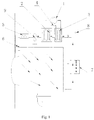
Fig. 1 is a structural diagram of a clothes dryer provided by the present disclosure; -
Fig. 2 is a structural diagram of a clothes dryer in the other embodiment of the present disclosure; and -
Fig. 3 is a structural diagram of a clothes dryer in another embodiment of the present disclosure. - Reference signs in the drawings: 1, compressor; 2, condenser; 3, evaporator; 4, throttling device; 5, electrical heating pipe; 6, clothes drying drum; 7, water condenser; 8, water valve; 9, fan; 10, auxiliary fan; 11, air condenser.
- As shown in the
Fig.1 , a clothes dryer provided by the present disclosure comprises aclothes drying drum 6, a heat pump system and an electrical heating system, wherein the heat pump system comprises acompressor 1, acondenser 2, anevaporator 3 and athrottling device 4, and the electrical heating system is anelectrical heating pipe 5. The clothes dryer also comprises awater condenser 7 arranged between an air outlet of theclothes drying drum 6 and an air inlet of the evaporator. Thecondenser 2 of the heat pump system and theelectrical heating pipe 5 perform heating simultaneously, so that the temperature of air entering the drum is increased; thewater condenser 7 can improve the condensing speed and thus the drying speed is improved. Awater valve 8 is arranged on thewater condenser 7, and thus turning-on or turning-off of thewater condenser 7 is controlled by opening or closing thewater valve 8. - It is commonly accepted that the clothes drying speed will be improved and the clothes drying time will be reduced by adding the
electrical heating pipe 5 for auxiliary heating. However, actually, the clothes drying time is reduced to some extent after theelectrical heating pipe 5 is added. But the reduced time is limited within a time range only from the time when the compressor is just turned on for drying until the time when the load of the heat pump system reaches the maximum load. The electrical heating pipe has to stop heating to reduce the load of the heat pump system, when the load of the heat pump system reaches the highest value. After the electrical heating pipe stops heating, the drying speed of the dryer is the same as that in the mode which does not use the electrical heating pipe. If a variable-frequency compressor is used, although the load of the heat pump system can be reduced by reducing the operating frequency of the compressor by making use of frequency regulation of the compressor, the vapour condensing speed is reduced due to reduction of the operating frequency of the compressor, and the drying speed is also affected. In a word, the drying time is not reduced too much by merely adding theelectrical heating pipe 5, when a refrigerating system is not improved. Therefore, it does not work as people expect that the clothes drying speed can be greatly improved by adding theelectrical heating pipe 5. In the clothes dryer provided by the present disclosure, thewater condenser 7 is arranged at the air outlet of the clothes drying drum, so that the water condensing efficiency is high, the temperature of the air exhausted from the clothes drying drum can be reduced rapidly, the temperature of the air entering theevaporator 3 and thecondenser 2 can be reduced. Thus the load of the heat pump system is reduced without changing the compressor frequency, theelectrical heating pipe 5 is prevented from stopping working, the clothes drying speed is improved, and the clothes drying time is reduced. - Or as shown in the
Fig.2 , a clothes dryer provided by the present disclosure comprises aclothes drying drum 6, a heat pump system and an electrical heating system, wherein the heat pump system comprises acompressor 1, acondenser 2, anevaporator 3 and athrottling device 4, and the electrical heating system is anelectrical heating pipe 5. The clothes dryer also comprises anauxiliary fan 10 arranged on thecondenser 2. Heat dissipation of thecondenser 2 can be accelerated, and thus the temperature of the condenser can be reduced. The load of the heat pump system is reduced without changing the compressor frequency, the electrical heating pipe is prevented from stopping working, the clothes drying speed is improved, and the clothes drying time is reduced. - The present disclosure discloses a control method for a clothes dryer comprising a
clothes drying drum 6, a heat pump system and an electrical heating system, wherein the heat pump system comprises acompressor 1, acondenser 2, anevaporator 3 and athrottling device 4, and the electrical heating system is anelectrical heating pipe 5. Thecondenser 2 and theelectrical heating system 5 are controlled to work cooperatively, thus allowing the clothes dryer to comprise the following modes: - A fast mode, in which when clothes are drying, the
electrical heating pipe 5 is turned on; air about to enter theclothes drying drum 6 is controlled to be firstly heated by thecondenser 2 of the heat pump system and further heated by theelectrical heating pipe 5, and then to enter theclothes drying drum 6; and the load of the heat pump system is reduced in an auxiliary condensing manner before the heating pipe is switched off, when the load of the heat pump system is close to the maximum value. The auxiliary condensing manner is to control air exhausted from theclothes drying drum 6 to be pre-condensed by awater condenser 7, so as to reduce the temperature of the air entering the heat pump system and reduce the load of the heat pump system. - under the fast mode, the air entering the
clothes drying drum 6 is simultaneously heated by thecondenser 2 and theelectrical heating pipe 5, and the temperature of the air entering the drum is high, so that the clothes drying speed is fast. Meanwhile, the air exhausted from theclothes drying drum 6 is pre-condensed by thewater condenser 7, so that the temperature of the air entering the heat pump system is reduced, the load of the heat pump system can be prevented from reaching the maximum load. Meanwhile, the condition that theelectrical heating pipe 5 is always turned on for heating the air can be ensured, and the high temperature of the air entering the clothes drying drum is continuously maintained, so that the clothes drying speed is improved. And the situation that the clothes drying speed cannot be improved as the working efficiency is reduced due to the fact that the electrical heating pipe is turned off or the frequency of the compressor is reduced to reduce the load of the heat pump system, after the load of the heat pump system reaches the maximum load, is avoided. - An energy-saving mode, in which the
electrical heating pipe 5 is turned off, the air entering theclothes drying drum 6 is only heated by thecondenser 2 of the heat pump system. Only the heat pump system is used for heating, so that electricity consumption can be avoided when theelectrical heating pipe 5 is heating. - A general mode, in which the
electrical heating pipe 5 is turned on, the air entering theclothes drying drum 6 is firstly heated by thecondenser 2 of the heat pump system and further heated by the electrical heating pipe, and the electrical heating pipe is turned off after the load of the heat pump system reaches the maximum load. And thus the air entering the clothes drying drum is only heated by the condenser of the heat pump system. In an initial drying period, theelectrical heating pipe 5 and thecondenser 2 perform heating simultaneously, so that the temperature rising speed is improved, the temperature of the air entering the drum is improved, and the clothes drying speed is improved. When the load of the heat pump system reaches the maximum load or the temperature of the heat pump system reaches the preset temperature, the electrical heating pipe is turned off, only the heat pump system is used for heating, and thus electricity consumption can be avoided when theelectrical heating pipe 5 is heating. In such a mode, the balance of the clothes drying speed and the energy consumption can be achieved. - A plurality of modes is set, and a user can select the clothes drying modes according to needs. The user can select the fast mode to dry the clothes rapidly when in a hurry, also can select the energy-saving mode to reduce energy consumption at ordinary times, and also can select the general mode to reasonably utilize the clothes drying speed and consume energy, and thus energy utilization is maximized.
- When the temperature of the condenser of the heat pump system reaches the maximum value T1, the load of the heat pump system reaches the maximum load. The temperature of the condenser is up to T1-ΔT, when the load of the heat pump system is close to the maximum load. The temperature of the condenser is detected, and when the temperature of the condenser exceeds T1-ΔT, the water condenser is turned on to pre-condense the air exhausted from the clothes drying drum.
- The
water condenser 7 can also be turned on to pre-condense the air exhausted from theclothes drying drum 6 while theelectrical heating pipe 5 is turned on, the air exhausted from the clothes drying drum can be pre-condensed at the beginning, and thus the condensing speed is improved. When theelectrical heating pipe 5 and thecondenser 2 perform heating simultaneously, the load of the heat pump system can be prevented from reaching the maximum load, so that theelectrical heating pipe 5 does not stop working, the temperature of the air entering the clothes drying drum is high, and thus the drying efficiency is high. Or the maximum load reaching time of the heat pump system is prolonged, the frequency of stopping working of theelectrical heating pipe 5 is reduced, the air entering the clothes drying drum in a clothes drying period has a high average temperature, and thus the drying efficiency is high. - When the temperature of the air entering the clothes drying drum is up to the set temperature T2, the
electrical heating pipe 5 is turned off. And when the temperature of the air entering the clothes drying drum is dropped to the set temperature T3, theelectrical heating pipe 5 is turned on once again, wherein T2>T3. If the temperature of the air entering the clothes drying drum is too high, the clothes may be damaged, so that the temperature of the air entering theclothes drying drum 6 should be controlled to be not higher than the pre-set value T2 which generally is 110∼130°C. After theelectrical heating pipe 5 is turned off, the temperature of the air will drop when the circulated air enters the clothes drying drum. The electrical heating pipe needs to be turned on once again to increase the temperature of the air entering the drum, when the temperature is dropped to the set temperature T3 which generally is 90-110°C. When the temperature of the air entering the drum is about 100°C, the clothes drying speed of the air is the highest. - In the energy-saving mode and the general mode, the load of the heat pump system can also be reduced in the auxiliary condensing manner which is to control the air exhausted from the
clothes drying drum 6 to be pre-condensed by thewater condenser 7, so as to reduce the temperature of the air entering the heat pump system and reduce the load of the heat pump system. By detecting the temperature of thecondenser 2, when the temperature of thecondenser 2 reaches the maximum value T1, the air exhausted from the clothes drying drum is pre-condensed by thewater condenser 7, so as to reduce the temperature of the air entering thecondenser 2. - Specifically, in the fast mode, the
electrical heating pipe 5 works in the initial drying period, and theelectrical heating pipe 5 is turned on after the heat pump system is turned on and operated stably. Theelectrical heating pipe 5 and thecondenser 2 of the heat pump system are simultaneously used for heating the air about to enter theclothes drying drum 6 from the initial period to as much time as possible. For example, when thecondenser 2 reaches 30°C, the air is also heated to be close to 30°C after passing through thecondenser 2, and further heated to 70°C by the electrical heating pipe. When the condenser reaches 70°C, the air is also heated to be close to 70°C after passing through thecondenser 2, and further heated to 110°C by theelectrical heating pipe 5. Therefore, the temperature of the air entering theclothes drying drum 6 is far higher than that of the air only heated by the heat pump system. High temperature has a good clothes drying effect, after thecondenser 2 reaches the highest load of 70°C, the electrical heating pipe is not turned off, If the temperature of thecondenser 2 exceeds the maximum load, awater valve 8 of thewater condenser 7 is opened, and the air is pre-condensed by using running water or water in a water tank before entering theevaporator 3 and thecondenser 2, so that the temperature of the air entering theevaporator 3 is reduced, the load of the heat pump system is reduced, and meanwhile a pre-condensing function is achieved and the condensing speed of vapour in hot and humid air is improved. Thewater valve 8 is continuously opened. - When the temperature of the
condenser 2 exceeds 70°C or the set temperature, or the temperature of the air entering the drum exceeds the set temperature of 120°C, the load of the heat pump system is regulated by turning off the electrical heating pipe. - In order to improve the condensing speed, the
water valve 8 of thewater condenser 7 can be opened once theelectrical heating pipe 5 is turned on. By reducing the temperature of the air entering the heat pump system and pre-condensing the air, the condensing speed is improved, and the maximum load reaching time of the heat pump system is prolonged. - In the energy-saving mode, the
electrical heating pipe 5 is not turned on, the air is only heated by thecondenser 2 of the compressor, and the highest temperature of the air is about 70°C. Along with temperature rising in theclothes drying drum 6, when the condensing temperature of the heat pump system reaches 70°C, the load needs to be reduced, and otherwise the load may exceed the tolerance range of the compressor. For the time being, thewater valve 8 of thewater condenser 7 is opened, and the air is pre-condensed by using the running water or the water in the water tank before entering theevaporator 3 and thecondenser 2, so that the temperature of the air entering theevaporator 3 is reduced, and the load of the heat pump system is reduced. When the condensing temperature of the compressor is reduced to 67°C or the set temperature, the water valve is closed. Hereby, the load of the heat pump system is regulated. - In the general mode, the
electrical heating pipe 5 works in the initial drying period, and theelectrical heating pipe 5 is turned on after the heat pump system is turned on and operated stably. In the initial period, theelectrical heating pipe 5 and thecondenser 2 of the compressor are simultaneously used for heating the air. For example, when the condenser reaches 30°C, the air is also heated to be close to 30°C after passing through thecondenser 2, and further heated to 70°C by theelectrical heating pipe 5, and thus the temperature rising speed of the air entering theclothes drying drum 6 is far higher than the heating speed realized by only using thecondenser 2 of the heat pump system. After thecondenser 2 reaches the maximum load of 70°C, theelectrical heating pipe 5 is turned off, and only theevaporator 3 and thecondenser 2 of the heat pump system are used for condensing and heating. Afterwards, if the temperature of thecondenser 2 exceeds the tolerance range of the compressor once again, thewater valve 8 of thewater condenser 7 is opened, the air is pre-condensed by using the running water or the water in the water tank before entering theevaporator 3 and thecondenser 2, so that the temperature of the air entering theevaporator 3 is reduced, and the load of the heat pump system is reduced. When the condensing temperature of the compressor is reduced to 67 °C or the set temperature, thewater valve 8 is closed. Hereby, the load of the heat pump system is regulated. - The highest operating frequency of the compressor in the fast mode is higher than or equal to that of the compressor in the general mode, and the lowest operating frequency of the compressor in the fast mode is higher than or equal to that of the compressor in the general mode. The highest operating frequency of the compressor in the general mode is higher than or equal to that of the compressor in the energy-saving mode, and the lowest operating frequency of the compressor in the general mode is higher than or equal to that of the compressor in the energy-saving mode. The frequency of the
compressor 1 is high, so that the working efficiency is high, and the clothes drying speed may also be improved. - As shown in the
Fig. 2 , a clothes dryer in the present embodiment comprises anauxiliary fan 10. The auxiliary condensing manner is to assist heat dissipation of acondenser 2 of a heat pump system via theauxiliary fan 10, so as to reduce the temperature of the condenser and reduce the load of the heat pump system. The other methods are all the same as those in theembodiment 2. - As shown in the
Fig.3 , a clothes dryer in the present embodiment comprises anair condenser 11. The auxiliary condensing mode is to pre-condense the air exhausted from clothes drying drum via theair condenser 11, so as to reduce the temperature of the air entering a heat pump system and reduce the load of the heat pump system. The other methods are all the same as those in theembodiment 2. - An auxiliary fan can also be arranged on the
air condenser 11 to prompt air movement and assist heat dissipation. - The abovementioned merely are embodiments of the present disclosure, it should be understood that some modifications or improvements without departing from the principles of the present disclosure are apparent to those ordinarily skilled in the art, and should be considered as falling within the scope of the present disclosure.
Claims (11)
- A control method for a clothes dryer that comprises a clothes drying drum, a heat pump system and an electrical heating system, the heat pump system comprises a compressor, a condenser, an evaporator and a throttling device, and the electrical heating system is an electrical heating pipe, characterized in that,
controlling the heat pump system and the electrical heating system to work cooperatively, thus allowing the clothes dryer to at least comprise a fast mode, in which the electrical heating pipe is turned on after the compressor is turned on and operated stably;
air about to enter the clothes drying drum is controlled to be firstly heated by the condenser of the heat pump system and further heated by the electrical heating pipe, and then to enter the clothes drying drum; and
a load of the heat pump system is reduced in an auxiliary condensing manner before the heating pipe is switched off, when the load of the heat pump system is close to the maximum load. - The control method for the clothes dryer according to claim 1, characterized in that the auxiliary condensing manner is to control air exhausted from the clothes drying drum to be pre-condensed by a water condenser, so as to reduce a temperature of the air entering the heat pump system and reduce the load of the heat pump system.
- The control method for the clothes dryer according to claim 1, characterized in that the auxiliary condensing manner is to assist heat dissipation of the condenser of the heat pump system via an auxiliary fan, so as to reduce a temperature of the condenser and reduce the load of the heat pump system.
- The control method for the clothes dryer according to claim 1, characterized in that the auxiliary condensing manner is to control air exhausted from the clothes drying drum to be pre-condensed by an air condenser, so as to reduce a temperature of the air entering the heat pump system and reduce the load of the heat pump system; preferably, an auxiliary fan is arranged on the air condenser.
- The control method for the clothes dryer according to any one of claims from 1 to 4, characterized in that when the temperature of the condenser of the heat pump system reaches a maximum value T1, the load of the heat pump system reaches the maximum load; and
when the temperature of the condenser is up to T1-ΔT, the load of the heat pump system is close to the maximum load. - The control method for the clothes dryer according to claim 5, characterized in detecting the temperature of the condenser,
when the temperature of the condenser exceeds T1-ΔT, turning on the water condenser to pre-condense the air exhausted from the clothes drying drum, or turning on the auxiliary fan to assist heat dissipation of the condenser of the heat pump system, or turning on the air condenser to pre-condense the air exhausted from the clothes drying drum. - The control method for the clothes dryer according to any one of claims from 1 to 6, characterized in that when the temperature of the air entering the clothes drying drum is up to a set temperature T2, turning off the electrical heating pipe, and
when the temperature of the air entering the clothes drying drum is reduced to a set temperature T3, turning on the electrical heating pipe again, wherein T2 > T3. - The control method for the clothes dryer according to any one of claims from 1 to7, characterized in controlling the heat pump system and the electrical heating system to work cooperatively, thus allowing the clothes dryer to also comprise:an energy-saving mode, in which the electrical heating pipe is turned off, and the air about to enter the clothes drying drum is only heated by the condenser of the heat pump system;and a general mode, in which the electrical heating pipe is turned on, the air about to enter the clothes drying drum is firstly heated by the condenser of the heat pump system and further heated by the electrical heating pipe,the electrical heating pipe is turned off when the load of the heat pump system reaches the maximum load or a temperature of the heat pump system reaches a preset temperature, and thus the air entering the clothes drying drum is only heated by the condenser of the heat pump system.
- The control method for the clothes dryer according to claim 8, characterized in detecting the temperature of the condenser in the energy-saving mode and the general mode, and when the temperature of the condenser reaches the maximum value T1, reducing the load of the heat pump system in the auxiliary condensing manner.
- The control method for the clothes dryer according to claim 8, characterized in that a highest operating frequency of the compressor in the fast mode is higher than or equal to that of the compressor in the general mode, and a lowest operating frequency of the compressor in the fast mode is higher than or equal to that of the compressor in the general mode;
a highest operating frequency of the compressor in the general mode is higher than or equal to that of the compressor in the energy-saving mode, and a lowest operating frequency of the compressor in the general mode is higher than or equal to that of the compressor in the energy-saving mode. - A clothes dryer under the control of the control method according to any one of claims from 1 to 10 comprising, a clothes drying drum, a heat pump system and an electrical heating system, wherein the heat pump system comprises a compressor, a condenser, an evaporator and a throttling device, and the electrical heating system is an electrical heating pipe, characterized in that the clothes dryer also comprises a water condenser and/or an air condenser and/or an auxiliary fan, wherein the water condenser and/or the air condenser is arranged between an air outlet of the clothes drying drum and an air inlet of the evaporator, and the auxiliary fan is arranged on the condenser.
Applications Claiming Priority (2)
| Application Number | Priority Date | Filing Date | Title |
|---|---|---|---|
| CN201510013812.4A CN105839375A (en) | 2015-01-12 | 2015-01-12 | Clothes dryer control method and clothes dryer |
| PCT/CN2015/083314 WO2016112661A1 (en) | 2015-01-12 | 2015-07-03 | Laundry dryer control method and laundry dryer |
Publications (3)
| Publication Number | Publication Date |
|---|---|
| EP3246456A1 true EP3246456A1 (en) | 2017-11-22 |
| EP3246456A4 EP3246456A4 (en) | 2018-01-24 |
| EP3246456B1 EP3246456B1 (en) | 2019-08-21 |
Family
ID=56405192
Family Applications (1)
| Application Number | Title | Priority Date | Filing Date |
|---|---|---|---|
| EP15877576.7A Active EP3246456B1 (en) | 2015-01-12 | 2015-07-03 | Laundry dryer control method |
Country Status (6)
| Country | Link |
|---|---|
| US (1) | US10415177B2 (en) |
| EP (1) | EP3246456B1 (en) |
| JP (1) | JP2018501004A (en) |
| KR (1) | KR20170098950A (en) |
| CN (1) | CN105839375A (en) |
| WO (1) | WO2016112661A1 (en) |
Cited By (1)
| Publication number | Priority date | Publication date | Assignee | Title |
|---|---|---|---|---|
| WO2020088847A1 (en) * | 2018-11-01 | 2020-05-07 | Arcelik Anonim Sirketi | A hybrid laundry dryer |
Families Citing this family (24)
| Publication number | Priority date | Publication date | Assignee | Title |
|---|---|---|---|---|
| CN106245266A (en) * | 2016-08-30 | 2016-12-21 | 无锡小天鹅股份有限公司 | Clothes dryer systems and there is its dryer, washing-drying integral machine |
| KR102408516B1 (en) * | 2017-11-20 | 2022-06-13 | 엘지전자 주식회사 | Control method of the clothes drier |
| CN110055730B (en) * | 2018-01-18 | 2022-01-04 | 重庆海尔滚筒洗衣机有限公司 | Heat pump clothes dryer and control method |
| WO2019164368A1 (en) * | 2018-02-23 | 2019-08-29 | Samsung Electronics Co., Ltd. | Clothes dryer and control method thereof |
| CN110438778B (en) * | 2018-05-04 | 2023-08-11 | 青岛海尔洗涤电器有限公司 | Clothes dryer and drying control method thereof |
| CN111074510A (en) * | 2018-10-22 | 2020-04-28 | 青岛海尔滚筒洗衣机有限公司 | Clothes dryer |
| CN111088674A (en) * | 2018-10-23 | 2020-05-01 | 青岛海尔滚筒洗衣机有限公司 | A heat pump clothes dryer |
| CN109595886A (en) * | 2018-11-27 | 2019-04-09 | 佰薪(厦门)科技有限公司 | A kind of intelligent temperature control drying machine |
| CN110747614A (en) * | 2019-11-04 | 2020-02-04 | 安徽欧斯福科技有限公司 | Leading-in hot cold circulation system in heat pump drying-machine place ahead |
| CN113882128B (en) * | 2020-07-02 | 2023-09-29 | 重庆海尔滚筒洗衣机有限公司 | Heat pump clothes dryer and control method thereof |
| US12448726B2 (en) | 2021-02-01 | 2025-10-21 | Electrolux Consumer Products, Inc. | Laundry dryer control system |
| CN115110260A (en) * | 2021-03-23 | 2022-09-27 | 青岛海尔滚筒洗衣机有限公司 | Drying method of clothes dryer and clothes dryer |
| CN115478419B (en) * | 2021-05-31 | 2025-10-31 | 上海海尔洗涤电器有限公司 | Temperature control method and temperature control device of heat pump clothes dryer |
| CN115491885B (en) * | 2021-06-18 | 2025-09-16 | 青岛海尔洗衣机有限公司 | Condensing air duct and drying program control method of clothes treatment equipment |
| CN114016268B (en) * | 2021-11-19 | 2022-11-25 | 珠海格力电器股份有限公司 | Clothes treatment equipment with heat pump drying function and control method |
| KR20230114619A (en) | 2022-01-25 | 2023-08-01 | 삼성전자주식회사 | Washing machine with drying function |
| CN219430325U (en) * | 2022-03-28 | 2023-07-28 | 宁波吉德电器有限公司 | Multi-drum washing machine |
| CN116043475A (en) * | 2023-01-05 | 2023-05-02 | 海信冰箱有限公司 | Clothes treatment device |
| CN116043474A (en) * | 2023-01-05 | 2023-05-02 | 海信冰箱有限公司 | Clothes treatment device |
| US12590403B2 (en) | 2023-01-31 | 2026-03-31 | Whirlpool Corporation | Combination laundry appliance with heat pump assembly |
| CN116575222A (en) * | 2023-04-14 | 2023-08-11 | Tcl家用电器(合肥)有限公司 | Drying Units and Clothes Dryers |
| CN116676766B (en) * | 2023-05-23 | 2025-12-19 | Tcl家用电器(合肥)有限公司 | Clothes dryers and their control methods |
| CN118653288A (en) * | 2024-08-12 | 2024-09-17 | 珠海格力电器股份有限公司 | Condenser, two-device assembly, clothes treating device and control method of clothes treating device |
| CN118653289B (en) * | 2024-08-12 | 2024-12-03 | 珠海格力电器股份有限公司 | Two-machine assembly, laundry treating apparatus, and control method of laundry treating apparatus |
Family Cites Families (25)
| Publication number | Priority date | Publication date | Assignee | Title |
|---|---|---|---|---|
| US4621438A (en) * | 1980-12-04 | 1986-11-11 | Donald M. Thompson | Energy efficient clothes dryer |
| US5343632A (en) * | 1992-04-10 | 1994-09-06 | Advanced Dryer Systems, Inc. | Closed-loop drying process and system |
| JP2004239549A (en) * | 2003-02-07 | 2004-08-26 | Matsushita Electric Ind Co Ltd | Clothes drying equipment |
| US7191543B2 (en) * | 2003-04-02 | 2007-03-20 | Matsushita Electric Industrial Co., Ltd. | Drying device and method of operation therefor |
| CN1766213A (en) * | 2004-10-27 | 2006-05-03 | 乐金电子(天津)电器有限公司 | Drying machine |
| CN1766212A (en) * | 2004-10-27 | 2006-05-03 | 乐金电子(天津)电器有限公司 | Drying machine adopting freezing circulatory system |
| DE102008019388A1 (en) * | 2008-04-17 | 2009-10-22 | BSH Bosch und Siemens Hausgeräte GmbH | Washer dryer with a ventilated drum |
| CN101713141B (en) * | 2008-09-30 | 2011-12-07 | 三洋电机株式会社 | Heat pump type drying machine |
| JP2011194035A (en) * | 2010-03-19 | 2011-10-06 | Toshiba Corp | Washing and drying machine |
| EP2487290B1 (en) * | 2011-02-10 | 2014-05-07 | Electrolux Home Products Corporation N.V. | Home laundry drier |
| CN103492629B (en) * | 2011-03-29 | 2016-04-27 | Lg电子株式会社 | How to control clothes dryer |
| EP2527528B1 (en) * | 2011-05-27 | 2014-12-10 | Electrolux Home Products Corporation N.V. | Rotary-drum laundry dryer |
| EP2573252B1 (en) * | 2011-09-26 | 2014-05-07 | Electrolux Home Products Corporation N.V. | Laundry treatment apparatus with heat pump |
| EP2612966B1 (en) * | 2012-01-05 | 2017-08-23 | Electrolux Home Products Corporation N.V. | Appliance for drying laundry |
| EP2612964B1 (en) * | 2012-01-05 | 2015-03-04 | Electrolux Home Products Corporation N.V. | Appliance for drying laundry |
| US9091015B2 (en) * | 2012-11-28 | 2015-07-28 | Elwha Llc | Energy efficient dryer systems |
| CN103850110B (en) * | 2012-11-30 | 2017-12-29 | 青岛海尔滚筒洗衣机有限公司 | A kind of heat pump clothes dryer control method and heat pump clothes dryer |
| US9249587B2 (en) * | 2012-12-19 | 2016-02-02 | Marty Hunt | Collapsible cardboard concrete form |
| US9562707B2 (en) * | 2013-03-14 | 2017-02-07 | Whirlpool Corporation | Refrigerator cooling system having a secondary cooling loop |
| EP2789728B1 (en) * | 2013-04-08 | 2017-06-28 | Electrolux Appliances Aktiebolag | Method for controlling a motor of a laundry dryer |
| CN104420144A (en) | 2013-09-04 | 2015-03-18 | 海尔集团公司 | Heat-pump module and clothes dryer |
| US9670612B2 (en) * | 2014-08-13 | 2017-06-06 | Lg Electronics Inc. | Laundry treatment apparatus and method for controlling a laundry treatment apparatus |
| KR101613966B1 (en) * | 2014-12-29 | 2016-04-20 | 엘지전자 주식회사 | Clothes treating apparatus |
| US9863086B2 (en) * | 2016-05-31 | 2018-01-09 | Wuxi Little Swan Co., Ltd. | Heat pump mounting box and heat pump drier or heat pump washer-drier |
| US10087569B2 (en) * | 2016-08-10 | 2018-10-02 | Whirlpool Corporation | Maintenance free dryer having multiple self-cleaning lint filters |
-
2015
- 2015-01-12 CN CN201510013812.4A patent/CN105839375A/en active Pending
- 2015-07-03 JP JP2017535668A patent/JP2018501004A/en active Pending
- 2015-07-03 US US15/541,402 patent/US10415177B2/en active Active
- 2015-07-03 KR KR1020177022384A patent/KR20170098950A/en not_active Ceased
- 2015-07-03 EP EP15877576.7A patent/EP3246456B1/en active Active
- 2015-07-03 WO PCT/CN2015/083314 patent/WO2016112661A1/en not_active Ceased
Cited By (1)
| Publication number | Priority date | Publication date | Assignee | Title |
|---|---|---|---|---|
| WO2020088847A1 (en) * | 2018-11-01 | 2020-05-07 | Arcelik Anonim Sirketi | A hybrid laundry dryer |
Also Published As
| Publication number | Publication date |
|---|---|
| JP2018501004A (en) | 2018-01-18 |
| EP3246456B1 (en) | 2019-08-21 |
| WO2016112661A1 (en) | 2016-07-21 |
| CN105839375A (en) | 2016-08-10 |
| KR20170098950A (en) | 2017-08-30 |
| US10415177B2 (en) | 2019-09-17 |
| US20170356122A1 (en) | 2017-12-14 |
| EP3246456A4 (en) | 2018-01-24 |
Similar Documents
| Publication | Publication Date | Title |
|---|---|---|
| US10415177B2 (en) | Control method for clothes dryer, and clothes dryer | |
| CN106855353B (en) | Heat pump drying equipment with dehumidification type and dehumidification type switching function and drying method | |
| CN107724027B (en) | clothes dryer | |
| CN102677441B (en) | A kind of heat pump clothes dryer control method and heat pump clothes dryer | |
| CN104005214B (en) | A kind of control method of heat pump clothes dryer expansion valve | |
| CN111188157B (en) | Washing equipment with hot air drying system and control method thereof | |
| US10633784B2 (en) | Heat pump dryer with dual-exhaust compressor system and control method thereof | |
| CN110274443A (en) | Heat pump drying system and heat pump drying unit | |
| JP2016521166A (en) | Control method of clothes dryer | |
| CN110345731B (en) | Control method, system, device and storage medium for dual-system heat pump drying unit | |
| CN104420145A (en) | Heat-pump clothes dryer and method for controlling same | |
| CN104342898A (en) | Heat pump clothes dryer with auxiliary heating device and control method of heat pump clothes dryer | |
| KR20170044673A (en) | Heat pump system, combo washer-dryer, and dryer | |
| US10494757B2 (en) | Method for controlling expansion valve of frequency conversion heat pump clothes dryer | |
| WO2011069870A1 (en) | Laundry processing appliance having drying function and control method thereof | |
| CN105737545A (en) | Heat pump drying equipment fully utilizing humidity and heat | |
| EP2998432A1 (en) | Clothes dryer and drying method thereof | |
| CN105332252A (en) | Roller clothes dryer | |
| CN105708079A (en) | Solar clothes-drying trunk and using method thereof | |
| CN109629206B (en) | Drying device and operation method thereof | |
| CN115613325A (en) | a dry closet | |
| US20190194860A1 (en) | Washing and drying integrated machine and control method | |
| CN205718267U (en) | A kind of heat pump drying equipment making full use of damp and hot amount | |
| CN117512968A (en) | Semi-open heat pump clothes dryer and system, control method and storage medium | |
| CN205747871U (en) | A kind of heat pump drying equipment |
Legal Events
| Date | Code | Title | Description |
|---|---|---|---|
| STAA | Information on the status of an ep patent application or granted ep patent |
Free format text: STATUS: THE INTERNATIONAL PUBLICATION HAS BEEN MADE |
|
| PUAI | Public reference made under article 153(3) epc to a published international application that has entered the european phase |
Free format text: ORIGINAL CODE: 0009012 |
|
| STAA | Information on the status of an ep patent application or granted ep patent |
Free format text: STATUS: REQUEST FOR EXAMINATION WAS MADE |
|
| 17P | Request for examination filed |
Effective date: 20170728 |
|
| AK | Designated contracting states |
Kind code of ref document: A1 Designated state(s): AL AT BE BG CH CY CZ DE DK EE ES FI FR GB GR HR HU IE IS IT LI LT LU LV MC MK MT NL NO PL PT RO RS SE SI SK SM TR |
|
| AX | Request for extension of the european patent |
Extension state: BA ME |
|
| A4 | Supplementary search report drawn up and despatched |
Effective date: 20180102 |
|
| RIC1 | Information provided on ipc code assigned before grant |
Ipc: D06F 58/28 20060101ALI20171215BHEP Ipc: D06F 58/26 20060101ALI20171215BHEP Ipc: D06F 58/24 20060101AFI20171215BHEP Ipc: D06F 58/20 20060101ALI20171215BHEP |
|
| DAV | Request for validation of the european patent (deleted) | ||
| DAX | Request for extension of the european patent (deleted) | ||
| STAA | Information on the status of an ep patent application or granted ep patent |
Free format text: STATUS: EXAMINATION IS IN PROGRESS |
|
| 17Q | First examination report despatched |
Effective date: 20181128 |
|
| GRAP | Despatch of communication of intention to grant a patent |
Free format text: ORIGINAL CODE: EPIDOSNIGR1 |
|
| STAA | Information on the status of an ep patent application or granted ep patent |
Free format text: STATUS: GRANT OF PATENT IS INTENDED |
|
| INTG | Intention to grant announced |
Effective date: 20190319 |
|
| GRAS | Grant fee paid |
Free format text: ORIGINAL CODE: EPIDOSNIGR3 |
|
| GRAA | (expected) grant |
Free format text: ORIGINAL CODE: 0009210 |
|
| STAA | Information on the status of an ep patent application or granted ep patent |
Free format text: STATUS: THE PATENT HAS BEEN GRANTED |
|
| AK | Designated contracting states |
Kind code of ref document: B1 Designated state(s): AL AT BE BG CH CY CZ DE DK EE ES FI FR GB GR HR HU IE IS IT LI LT LU LV MC MK MT NL NO PL PT RO RS SE SI SK SM TR |
|
| REG | Reference to a national code |
Ref country code: GB Ref legal event code: FG4D |
|
| REG | Reference to a national code |
Ref country code: CH Ref legal event code: EP |
|
| REG | Reference to a national code |
Ref country code: DE Ref legal event code: R096 Ref document number: 602015036498 Country of ref document: DE |
|
| REG | Reference to a national code |
Ref country code: AT Ref legal event code: REF Ref document number: 1169891 Country of ref document: AT Kind code of ref document: T Effective date: 20190915 |
|
| REG | Reference to a national code |
Ref country code: IE Ref legal event code: FG4D |
|
| REG | Reference to a national code |
Ref country code: LT Ref legal event code: MG4D |
|
| REG | Reference to a national code |
Ref country code: NL Ref legal event code: MP Effective date: 20190821 |
|
| PG25 | Lapsed in a contracting state [announced via postgrant information from national office to epo] |
Ref country code: LT Free format text: LAPSE BECAUSE OF FAILURE TO SUBMIT A TRANSLATION OF THE DESCRIPTION OR TO PAY THE FEE WITHIN THE PRESCRIBED TIME-LIMIT Effective date: 20190821 Ref country code: HR Free format text: LAPSE BECAUSE OF FAILURE TO SUBMIT A TRANSLATION OF THE DESCRIPTION OR TO PAY THE FEE WITHIN THE PRESCRIBED TIME-LIMIT Effective date: 20190821 Ref country code: NO Free format text: LAPSE BECAUSE OF FAILURE TO SUBMIT A TRANSLATION OF THE DESCRIPTION OR TO PAY THE FEE WITHIN THE PRESCRIBED TIME-LIMIT Effective date: 20191121 Ref country code: BG Free format text: LAPSE BECAUSE OF FAILURE TO SUBMIT A TRANSLATION OF THE DESCRIPTION OR TO PAY THE FEE WITHIN THE PRESCRIBED TIME-LIMIT Effective date: 20191121 Ref country code: NL Free format text: LAPSE BECAUSE OF FAILURE TO SUBMIT A TRANSLATION OF THE DESCRIPTION OR TO PAY THE FEE WITHIN THE PRESCRIBED TIME-LIMIT Effective date: 20190821 Ref country code: PT Free format text: LAPSE BECAUSE OF FAILURE TO SUBMIT A TRANSLATION OF THE DESCRIPTION OR TO PAY THE FEE WITHIN THE PRESCRIBED TIME-LIMIT Effective date: 20191223 Ref country code: FI Free format text: LAPSE BECAUSE OF FAILURE TO SUBMIT A TRANSLATION OF THE DESCRIPTION OR TO PAY THE FEE WITHIN THE PRESCRIBED TIME-LIMIT Effective date: 20190821 Ref country code: SE Free format text: LAPSE BECAUSE OF FAILURE TO SUBMIT A TRANSLATION OF THE DESCRIPTION OR TO PAY THE FEE WITHIN THE PRESCRIBED TIME-LIMIT Effective date: 20190821 |
|
| PG25 | Lapsed in a contracting state [announced via postgrant information from national office to epo] |
Ref country code: RS Free format text: LAPSE BECAUSE OF FAILURE TO SUBMIT A TRANSLATION OF THE DESCRIPTION OR TO PAY THE FEE WITHIN THE PRESCRIBED TIME-LIMIT Effective date: 20190821 Ref country code: GR Free format text: LAPSE BECAUSE OF FAILURE TO SUBMIT A TRANSLATION OF THE DESCRIPTION OR TO PAY THE FEE WITHIN THE PRESCRIBED TIME-LIMIT Effective date: 20191122 Ref country code: IS Free format text: LAPSE BECAUSE OF FAILURE TO SUBMIT A TRANSLATION OF THE DESCRIPTION OR TO PAY THE FEE WITHIN THE PRESCRIBED TIME-LIMIT Effective date: 20191221 Ref country code: AL Free format text: LAPSE BECAUSE OF FAILURE TO SUBMIT A TRANSLATION OF THE DESCRIPTION OR TO PAY THE FEE WITHIN THE PRESCRIBED TIME-LIMIT Effective date: 20190821 Ref country code: LV Free format text: LAPSE BECAUSE OF FAILURE TO SUBMIT A TRANSLATION OF THE DESCRIPTION OR TO PAY THE FEE WITHIN THE PRESCRIBED TIME-LIMIT Effective date: 20190821 Ref country code: ES Free format text: LAPSE BECAUSE OF FAILURE TO SUBMIT A TRANSLATION OF THE DESCRIPTION OR TO PAY THE FEE WITHIN THE PRESCRIBED TIME-LIMIT Effective date: 20190821 |
|
| REG | Reference to a national code |
Ref country code: AT Ref legal event code: MK05 Ref document number: 1169891 Country of ref document: AT Kind code of ref document: T Effective date: 20190821 |
|
| PG25 | Lapsed in a contracting state [announced via postgrant information from national office to epo] |
Ref country code: TR Free format text: LAPSE BECAUSE OF FAILURE TO SUBMIT A TRANSLATION OF THE DESCRIPTION OR TO PAY THE FEE WITHIN THE PRESCRIBED TIME-LIMIT Effective date: 20190821 |
|
| PG25 | Lapsed in a contracting state [announced via postgrant information from national office to epo] |
Ref country code: AT Free format text: LAPSE BECAUSE OF FAILURE TO SUBMIT A TRANSLATION OF THE DESCRIPTION OR TO PAY THE FEE WITHIN THE PRESCRIBED TIME-LIMIT Effective date: 20190821 Ref country code: DK Free format text: LAPSE BECAUSE OF FAILURE TO SUBMIT A TRANSLATION OF THE DESCRIPTION OR TO PAY THE FEE WITHIN THE PRESCRIBED TIME-LIMIT Effective date: 20190821 Ref country code: PL Free format text: LAPSE BECAUSE OF FAILURE TO SUBMIT A TRANSLATION OF THE DESCRIPTION OR TO PAY THE FEE WITHIN THE PRESCRIBED TIME-LIMIT Effective date: 20190821 Ref country code: EE Free format text: LAPSE BECAUSE OF FAILURE TO SUBMIT A TRANSLATION OF THE DESCRIPTION OR TO PAY THE FEE WITHIN THE PRESCRIBED TIME-LIMIT Effective date: 20190821 Ref country code: RO Free format text: LAPSE BECAUSE OF FAILURE TO SUBMIT A TRANSLATION OF THE DESCRIPTION OR TO PAY THE FEE WITHIN THE PRESCRIBED TIME-LIMIT Effective date: 20190821 |
|
| PG25 | Lapsed in a contracting state [announced via postgrant information from national office to epo] |
Ref country code: SK Free format text: LAPSE BECAUSE OF FAILURE TO SUBMIT A TRANSLATION OF THE DESCRIPTION OR TO PAY THE FEE WITHIN THE PRESCRIBED TIME-LIMIT Effective date: 20190821 Ref country code: IS Free format text: LAPSE BECAUSE OF FAILURE TO SUBMIT A TRANSLATION OF THE DESCRIPTION OR TO PAY THE FEE WITHIN THE PRESCRIBED TIME-LIMIT Effective date: 20200224 Ref country code: CZ Free format text: LAPSE BECAUSE OF FAILURE TO SUBMIT A TRANSLATION OF THE DESCRIPTION OR TO PAY THE FEE WITHIN THE PRESCRIBED TIME-LIMIT Effective date: 20190821 Ref country code: SM Free format text: LAPSE BECAUSE OF FAILURE TO SUBMIT A TRANSLATION OF THE DESCRIPTION OR TO PAY THE FEE WITHIN THE PRESCRIBED TIME-LIMIT Effective date: 20190821 |
|
| REG | Reference to a national code |
Ref country code: DE Ref legal event code: R097 Ref document number: 602015036498 Country of ref document: DE |
|
| PLBE | No opposition filed within time limit |
Free format text: ORIGINAL CODE: 0009261 |
|
| STAA | Information on the status of an ep patent application or granted ep patent |
Free format text: STATUS: NO OPPOSITION FILED WITHIN TIME LIMIT |
|
| PG2D | Information on lapse in contracting state deleted |
Ref country code: IS |
|
| 26N | No opposition filed |
Effective date: 20200603 |
|
| PG25 | Lapsed in a contracting state [announced via postgrant information from national office to epo] |
Ref country code: SI Free format text: LAPSE BECAUSE OF FAILURE TO SUBMIT A TRANSLATION OF THE DESCRIPTION OR TO PAY THE FEE WITHIN THE PRESCRIBED TIME-LIMIT Effective date: 20190821 |
|
| PG25 | Lapsed in a contracting state [announced via postgrant information from national office to epo] |
Ref country code: MC Free format text: LAPSE BECAUSE OF FAILURE TO SUBMIT A TRANSLATION OF THE DESCRIPTION OR TO PAY THE FEE WITHIN THE PRESCRIBED TIME-LIMIT Effective date: 20190821 |
|
| REG | Reference to a national code |
Ref country code: CH Ref legal event code: PL |
|
| REG | Reference to a national code |
Ref country code: BE Ref legal event code: MM Effective date: 20200731 |
|
| PG25 | Lapsed in a contracting state [announced via postgrant information from national office to epo] |
Ref country code: CH Free format text: LAPSE BECAUSE OF NON-PAYMENT OF DUE FEES Effective date: 20200731 Ref country code: IE Free format text: LAPSE BECAUSE OF NON-PAYMENT OF DUE FEES Effective date: 20200703 Ref country code: LU Free format text: LAPSE BECAUSE OF NON-PAYMENT OF DUE FEES Effective date: 20200703 Ref country code: LI Free format text: LAPSE BECAUSE OF NON-PAYMENT OF DUE FEES Effective date: 20200731 |
|
| PG25 | Lapsed in a contracting state [announced via postgrant information from national office to epo] |
Ref country code: BE Free format text: LAPSE BECAUSE OF NON-PAYMENT OF DUE FEES Effective date: 20200731 |
|
| PG25 | Lapsed in a contracting state [announced via postgrant information from national office to epo] |
Ref country code: MT Free format text: LAPSE BECAUSE OF FAILURE TO SUBMIT A TRANSLATION OF THE DESCRIPTION OR TO PAY THE FEE WITHIN THE PRESCRIBED TIME-LIMIT Effective date: 20190821 Ref country code: CY Free format text: LAPSE BECAUSE OF FAILURE TO SUBMIT A TRANSLATION OF THE DESCRIPTION OR TO PAY THE FEE WITHIN THE PRESCRIBED TIME-LIMIT Effective date: 20190821 |
|
| PG25 | Lapsed in a contracting state [announced via postgrant information from national office to epo] |
Ref country code: MK Free format text: LAPSE BECAUSE OF FAILURE TO SUBMIT A TRANSLATION OF THE DESCRIPTION OR TO PAY THE FEE WITHIN THE PRESCRIBED TIME-LIMIT Effective date: 20190821 |
|
| PGFP | Annual fee paid to national office [announced via postgrant information from national office to epo] |
Ref country code: DE Payment date: 20250722 Year of fee payment: 11 |
|
| PGFP | Annual fee paid to national office [announced via postgrant information from national office to epo] |
Ref country code: IT Payment date: 20250731 Year of fee payment: 11 |
|
| PGFP | Annual fee paid to national office [announced via postgrant information from national office to epo] |
Ref country code: GB Payment date: 20250724 Year of fee payment: 11 |
|
| PGFP | Annual fee paid to national office [announced via postgrant information from national office to epo] |
Ref country code: FR Payment date: 20250722 Year of fee payment: 11 |