EP3211073A1 - Vektor-hiv-impfstoff mit replikativem vaccinia-virus - Google Patents
Vektor-hiv-impfstoff mit replikativem vaccinia-virus Download PDFInfo
- Publication number
- EP3211073A1 EP3211073A1 EP15852404.1A EP15852404A EP3211073A1 EP 3211073 A1 EP3211073 A1 EP 3211073A1 EP 15852404 A EP15852404 A EP 15852404A EP 3211073 A1 EP3211073 A1 EP 3211073A1
- Authority
- EP
- European Patent Office
- Prior art keywords
- vaccinia virus
- hiv
- recombinant
- polynucleotide
- seq
- Prior art date
- Legal status (The legal status is an assumption and is not a legal conclusion. Google has not performed a legal analysis and makes no representation as to the accuracy of the status listed.)
- Withdrawn
Links
Images


Classifications
-
- C—CHEMISTRY; METALLURGY
- C12—BIOCHEMISTRY; BEER; SPIRITS; WINE; VINEGAR; MICROBIOLOGY; ENZYMOLOGY; MUTATION OR GENETIC ENGINEERING
- C12N—MICROORGANISMS OR ENZYMES; COMPOSITIONS THEREOF; PROPAGATING, PRESERVING, OR MAINTAINING MICROORGANISMS; MUTATION OR GENETIC ENGINEERING; CULTURE MEDIA
- C12N15/00—Mutation or genetic engineering; DNA or RNA concerning genetic engineering, vectors, e.g. plasmids, or their isolation, preparation or purification; Use of hosts therefor
- C12N15/09—Recombinant DNA-technology
- C12N15/63—Introduction of foreign genetic material using vectors; Vectors; Use of hosts therefor; Regulation of expression
- C12N15/79—Vectors or expression systems specially adapted for eukaryotic hosts
- C12N15/85—Vectors or expression systems specially adapted for eukaryotic hosts for animal cells
- C12N15/86—Viral vectors
- C12N15/867—Retroviral vectors
-
- A—HUMAN NECESSITIES
- A61—MEDICAL OR VETERINARY SCIENCE; HYGIENE
- A61K—PREPARATIONS FOR MEDICAL, DENTAL OR TOILETRY PURPOSES
- A61K39/00—Medicinal preparations containing antigens or antibodies
- A61K39/12—Viral antigens
-
- A—HUMAN NECESSITIES
- A61—MEDICAL OR VETERINARY SCIENCE; HYGIENE
- A61K—PREPARATIONS FOR MEDICAL, DENTAL OR TOILETRY PURPOSES
- A61K39/00—Medicinal preparations containing antigens or antibodies
- A61K39/12—Viral antigens
- A61K39/21—Retroviridae, e.g. equine infectious anemia virus
-
- A—HUMAN NECESSITIES
- A61—MEDICAL OR VETERINARY SCIENCE; HYGIENE
- A61K—PREPARATIONS FOR MEDICAL, DENTAL OR TOILETRY PURPOSES
- A61K39/00—Medicinal preparations containing antigens or antibodies
- A61K39/39—Medicinal preparations containing antigens or antibodies characterised by the immunostimulating additives, e.g. chemical adjuvants
-
- A—HUMAN NECESSITIES
- A61—MEDICAL OR VETERINARY SCIENCE; HYGIENE
- A61P—SPECIFIC THERAPEUTIC ACTIVITY OF CHEMICAL COMPOUNDS OR MEDICINAL PREPARATIONS
- A61P31/00—Antiinfectives, i.e. antibiotics, antiseptics, chemotherapeutics
- A61P31/12—Antivirals
- A61P31/14—Antivirals for RNA viruses
- A61P31/18—Antivirals for RNA viruses for HIV
-
- C—CHEMISTRY; METALLURGY
- C07—ORGANIC CHEMISTRY
- C07K—PEPTIDES
- C07K14/00—Peptides having more than 20 amino acids; Gastrins; Somatostatins; Melanotropins; Derivatives thereof
- C07K14/005—Peptides having more than 20 amino acids; Gastrins; Somatostatins; Melanotropins; Derivatives thereof from viruses
-
- C—CHEMISTRY; METALLURGY
- C07—ORGANIC CHEMISTRY
- C07K—PEPTIDES
- C07K14/00—Peptides having more than 20 amino acids; Gastrins; Somatostatins; Melanotropins; Derivatives thereof
- C07K14/005—Peptides having more than 20 amino acids; Gastrins; Somatostatins; Melanotropins; Derivatives thereof from viruses
- C07K14/08—RNA viruses
- C07K14/15—Retroviridae, e.g. bovine leukaemia virus, feline leukaemia virus human T-cell leukaemia-lymphoma virus
- C07K14/155—Lentiviridae, e.g. human immunodeficiency virus [HIV], visna-maedi virus or equine infectious anaemia virus
- C07K14/16—HIV-1 ; HIV-2
-
- C—CHEMISTRY; METALLURGY
- C12—BIOCHEMISTRY; BEER; SPIRITS; WINE; VINEGAR; MICROBIOLOGY; ENZYMOLOGY; MUTATION OR GENETIC ENGINEERING
- C12N—MICROORGANISMS OR ENZYMES; COMPOSITIONS THEREOF; PROPAGATING, PRESERVING, OR MAINTAINING MICROORGANISMS; MUTATION OR GENETIC ENGINEERING; CULTURE MEDIA
- C12N15/00—Mutation or genetic engineering; DNA or RNA concerning genetic engineering, vectors, e.g. plasmids, or their isolation, preparation or purification; Use of hosts therefor
- C12N15/09—Recombinant DNA-technology
-
- A—HUMAN NECESSITIES
- A61—MEDICAL OR VETERINARY SCIENCE; HYGIENE
- A61K—PREPARATIONS FOR MEDICAL, DENTAL OR TOILETRY PURPOSES
- A61K39/00—Medicinal preparations containing antigens or antibodies
- A61K2039/51—Medicinal preparations containing antigens or antibodies comprising whole cells, viruses or DNA/RNA
- A61K2039/525—Virus
- A61K2039/5256—Virus expressing foreign proteins
-
- A—HUMAN NECESSITIES
- A61—MEDICAL OR VETERINARY SCIENCE; HYGIENE
- A61K—PREPARATIONS FOR MEDICAL, DENTAL OR TOILETRY PURPOSES
- A61K39/00—Medicinal preparations containing antigens or antibodies
- A61K2039/51—Medicinal preparations containing antigens or antibodies comprising whole cells, viruses or DNA/RNA
- A61K2039/53—DNA (RNA) vaccination
-
- A—HUMAN NECESSITIES
- A61—MEDICAL OR VETERINARY SCIENCE; HYGIENE
- A61K—PREPARATIONS FOR MEDICAL, DENTAL OR TOILETRY PURPOSES
- A61K39/00—Medicinal preparations containing antigens or antibodies
-
- A—HUMAN NECESSITIES
- A61—MEDICAL OR VETERINARY SCIENCE; HYGIENE
- A61K—PREPARATIONS FOR MEDICAL, DENTAL OR TOILETRY PURPOSES
- A61K48/00—Medicinal preparations containing genetic material which is inserted into cells of the living body to treat genetic diseases; Gene therapy
-
- C—CHEMISTRY; METALLURGY
- C12—BIOCHEMISTRY; BEER; SPIRITS; WINE; VINEGAR; MICROBIOLOGY; ENZYMOLOGY; MUTATION OR GENETIC ENGINEERING
- C12N—MICROORGANISMS OR ENZYMES; COMPOSITIONS THEREOF; PROPAGATING, PRESERVING, OR MAINTAINING MICROORGANISMS; MUTATION OR GENETIC ENGINEERING; CULTURE MEDIA
- C12N2710/00—MICROORGANISMS OR ENZYMES; COMPOSITIONS THEREOF; PROPAGATING, PRESERVING, OR MAINTAINING MICROORGANISMS; MUTATION OR GENETIC ENGINEERING; CULTURE MEDIA dsDNA viruses
- C12N2710/00011—Details
- C12N2710/24011—Poxviridae
- C12N2710/24111—Orthopoxvirus, e.g. vaccinia virus, variola
- C12N2710/24141—Use of virus, viral particle or viral elements as a vector
- C12N2710/24143—Use of virus, viral particle or viral elements as a vector viral genome or elements thereof as genetic vector
-
- C—CHEMISTRY; METALLURGY
- C12—BIOCHEMISTRY; BEER; SPIRITS; WINE; VINEGAR; MICROBIOLOGY; ENZYMOLOGY; MUTATION OR GENETIC ENGINEERING
- C12N—MICROORGANISMS OR ENZYMES; COMPOSITIONS THEREOF; PROPAGATING, PRESERVING, OR MAINTAINING MICROORGANISMS; MUTATION OR GENETIC ENGINEERING; CULTURE MEDIA
- C12N2740/00—Reverse transcribing RNA viruses
- C12N2740/00011—Details
- C12N2740/10011—Retroviridae
- C12N2740/16011—Human Immunodeficiency Virus, HIV
- C12N2740/16111—Human Immunodeficiency Virus, HIV concerning HIV env
- C12N2740/16134—Use of virus or viral component as vaccine, e.g. live-attenuated or inactivated virus, VLP, viral protein
-
- C—CHEMISTRY; METALLURGY
- C12—BIOCHEMISTRY; BEER; SPIRITS; WINE; VINEGAR; MICROBIOLOGY; ENZYMOLOGY; MUTATION OR GENETIC ENGINEERING
- C12N—MICROORGANISMS OR ENZYMES; COMPOSITIONS THEREOF; PROPAGATING, PRESERVING, OR MAINTAINING MICROORGANISMS; MUTATION OR GENETIC ENGINEERING; CULTURE MEDIA
- C12N7/00—Viruses; Bacteriophages; Compositions thereof; Preparation or purification thereof
Definitions
- the present invention relates to the field of medical biotechnology, and specifically relates to an AIDS vaccine of replicative vaccinia virus, which can induce a high level of humoral and cellular immune responses against human immunodeficiency virus and allow an effective control of severe adverse effects that might be caused by the vaccine.
- Vaccinia virus vector is one of the most intensively and extensively studied viral vectors, which can be used as a vector for constructing vaccines.
- Non-replicative vaccinia virus vectors are safe, but have a relatively weaker immunogenicity. In particular, the immune response they induced in human is distinctly weaker than in monkey.
- Replicative vaccinia virus vectors have strong immunogenicity, and can induce long lasting immunity, but they have potential safety issues such as causing severe adverse effects.
- vaccinia virus as a smallpox vaccine has no longer been inoculated for more than 30 years, and as a result, people rarely pay attentions to developing drugs against vaccinia virus.
- replicative vaccinia virus vectors in the field of vaccine development, it is desired to develop medicines and measures that can be used as effective treatments when severe adverse effects emerge.
- the present invention provides a recombinant replicative vaccinia virus, in its TK region comprising a first polynucleotide encoding an HSV-TK and a second polynucleotide encoding an HIV antigen.
- the recombinant replicative vaccinia virus of the invention is a vaccinia virus Tiantan strain.
- the first polynucleotide in the recombinant replicative vaccinia virus of the invention comprises a nucleotide sequence set forth in SEQ ID NO: 3.
- the first polynucleotide in the recombinant replicative vaccinia virus of the invention comprises a nucleotide sequence which is at least 80%, at least 85%, at least 90%, at least 95%, or at least 99% identical to the nucleotide sequence set forth in SEQ ID NO: 3, and wherein the first polynucleotide encodes a thymidine kinase (TK)from HSV-1.
- TK thymidine kinase
- the second polynucleotide in the recombinant replicative vaccinia virus of the invention encodes a gp145 2M derived from 97CN001 which is the predominant HIV epidemic strain in China, and comprises a nucleotide sequence set forth in SEQ ID NO:1.
- the second polynucleotide in the recombinant replicative vaccinia virus of the invention encodes a gp145 2M derived from 97CN001, which is the predominant HIV epidemic strain in China, or an immunogenic fragment thereof
- the second polynucleotide in the recombinant replicative vaccinia virus of the invention comprises a nucleotide sequence which is at least 80%, at least 85%, at least 90%, at least 95%, or at least 99% identical to the nucleotide sequence set forth in SEQ ID NO:1, and wherein the second polynucleotide encodes a gp145 2M from HIV-1.
- the recombinant replicative vaccinia virus of the invention also comprises a third polynucleotide encoding an additional HIV antigen.
- the third polynucleotide is inserted into the HA region of the replicative vaccinia virus.
- the third polynucleotide encodes a gag derived from 97CN001, which is the predominant HIV epidemic strain in China, and comprises a nucleotide sequence set forth in SEQ ID NO:2.
- the third polynucleotide encodes a gag derived from 97CN001 which is the predominant HIV epidemic strain in China, or an immunogenic fragment thereof.
- the third polynucleotide comprises a nucleotide sequence which is at least 80%, at least 85%, at least 90%, at least 95%, or at least 99% identical to the nucleotide sequence set forth in SEQ ID NO:2, and the third polynucleotide encodes a gag from HIV-1.
- the present invention provides a recombinant replicative vaccinia virus, which is a vaccinia virus Tiantan strain comprising a gene encoding gp145 2M derived from 97CN001 which is the predominant HIV epidemic strain in China, and a gene encoding an HSV-TK, both genes being inserted into the TK region of the vaccinia virus Tiantan strain, and further comprising a gene encoding a gag derived from 97CN001 inserted into the HA region of the vaccinia virus Tiantan strain.
- a vaccinia virus Tiantan strain comprising a gene encoding gp145 2M derived from 97CN001 which is the predominant HIV epidemic strain in China, and a gene encoding an HSV-TK, both genes being inserted into the TK region of the vaccinia virus Tiantan strain, and further comprising a gene encoding a gag derived from 97CN001 inserted into the HA region of the vaccinia virus Tiantan strain
- the invention further provides a composition of a live vector HIV vaccine, which comprises the recombinant replicative vaccinia virus of the invention mentioned in the first aspect and a pharmaceutically acceptable carrier and/or adjuvant.
- the present invention also relates to a method for preventing and/or treating HIV infection in a subject, which comprises administrating the composition of the live vector HIV vaccine comprising the recombinant replicative vaccinia virus of the invention mentioned in the first aspect to the subject.
- the present invention also relates to the use of the recombinant replicative vaccinia virus of the invention mentioned in the first aspect in the preparation of a composition of a live vector HIV vaccine for preventing and/or treating HIV infection in a subject.
- said subject is an immunocompromised patient, such as one having congenital immunodeficiency, HIV infection, or is undergoing immunosuppressive therapy.
- the present invention also provides an AIDS immunization kit, and said kit comprises a plurality of components and an instruction indicating an immunization procedure, wherein one of the components is the composition of the live vector vaccine of the invention.
- the recombinant vaccinia virus TT-TK was deposited on October 20, 2014, in China General Microbiological Culture Collection Center (CGMCC), under the deposition No.: CGMCC No. 9810.
- CGMCC General Microbiological Culture Collection Center
- the recombinant vaccinia virus TT-gag was deposited on October 20, 2014, in China General Microbiological Culture Collection Center (CGMCC), under the deposition No.: CGMCC No. 9809.
- CGMCC General Microbiological Culture Collection Center
- HIV Human Immunodeficiency Virus
- Candidate vaccines can be chosen from the followings: traditional vaccines (inactivated vaccine and attenuated live vaccine), synthetic peptide and protein subunit vaccine, DNA vaccine, and live vector vaccine.
- live vector vaccines Compared to other types of vaccines, the advantages of live vector vaccines are in that: (1) they can actively infect target tissues or cells, and thus increase the efficiency of exogenous genes entering the cells; (2) vectors per se possesses an adjuvent effect, and can induce the generation of cytokines and chemokines; (3) most of them can induce immune responses for a long period of time.
- non-replicative vectors such as MVA, NYVAC, and ALVAC.
- the clinical trials show that the immunogenicity of non-replicative vectors is relatively weak, and the same vaccine can only induce distinctly weaker immune responses in human than in monkey. This might be related to the non-replicative feature thereof.
- non-replicative vector vaccine can only undergo one cycle of antigen expression, processing and presenting procedures, due to the fact that it cannot generate infectious virus and initiate a new cycle of infection, and thus the stimulation for immune system is only limited and short-acting.
- the international researching focus for live vector vaccines has turned from non-replicative types to replicative types, so as to fully exert the replicative property of live vectors, and better stimulate the organisms to generate immune responses.
- the replicative vaccinia virus vector has strong immunogenicity, and can induce long lasting immunity, but it has potential safety issues such as causing severe adverse effects. Especially for those individuals who are immunocompromized due to congenital immunodeficiency, immunosuppressive therapy, HIV infection, or so on, replicative vaccinia virus vector vaccines might trigger severe adverse effects [1,2].
- vaccinia virus as a smallpox vaccine has no longer been inoculated for more than 30 years, and thus people rarely pay attentions to developing drugs against vaccinia virus.
- replicative vaccinia virus vector in the field of vaccine development, it is desired to develop medicines and measures that can be used as effective treatments when severe adverse effects emerge.
- Suicide gene system is a method widely used for treating diseases like cancer in recent years.
- Conventional combinations of suicide gene/medicine include: cytosine deaminase (CD)/5-fluorocytosine [3] , nitroreductase/CB 1954 [4] , thymidine phosphorylase (TP)/5'-deoxy-5-fluorouridine (5'-DFUR) [5] , purine nucleoside phosphorylase (PNP)/6-methylpurine-2'- deoxyriboside (MeP-dR) [6] , and herpes simplex virus thymidine kinase (HSV-TK)/ganciclovir (GCV) [7] , wherein HSV-TK/GCV is the suicide gene system that mostly researched and applied.
- GCV activity is specifically depends on the TK gene of the HSV.
- the HSV TK can phosphorylate GCV, and generate a monophosphorylated form thereof (GCV-MP) [8] .
- GCV-MP monophosphorylated form thereof
- cell kinase further phosphorylates the GCV-MP, and generates a diphosphate form (GCV-DP) and a toxic triphosphate form (GCV-TP).
- GCV-TP is a DNA polymerase inhibitor, which can inhibit the replication of DNA by competitively inhibiting the combination of deoxyguanosine triphosphate and DNA polymerase, or by inserting into a newly-generated chain to inhibit DNA replication, and resulted in a termination of the extension of the newly-generated chain, and ultimately kill the cells [9] . Since GCV cannot be directly phosphorylated by the mammalian cell kinase, the prodrug only has selective toxicity against cells expressing the HSV-TK, with minor adverse effects.
- HSV-TK/GCV suicide gene system is used for treating tumors, wherein the function of the HSV-TK/GCV suicide gene system is to directly kill the target cells, rather than to ensure the usage safety of the live virus vectors during the application procedure and control the possible adverse effects related to the vaccine vectors.
- current HSV-TK/GCV suicide gene system is mainly used for adenovirus vectors and adeno-associated virus vectors, and the compatibility between the HSV-TK/GCV system and the vaccinia virus vector, especially the vaccinia virus Tiantan strain as the replicative vaccinia virus vector, has not yet been tested.
- the TK gene of vaccinia virus only has about 16% of homology to HSV-TK, and it seems that Ganciclovir has no inhibition effect on vaccinia virus (EC50>300 ⁇ M) [10] .
- the inventors introduced the HSV-TK gene into a replicative vaccinia virus vector, so as to provide a safe and controllable replicative vaccinia virus vector AIDS vaccine.
- the inventors demonstrated that the introduction of HSV-TK gene into the replicative vaccinia virus AIDS vaccine effectively controlled severe adverse effects that might be caused by the replicative vaccinia virus vector, increased the safety of the vaccine, and solved the safety issue caused by the replicative vaccinia virus vector without affecting the immunogenicity of the replicative poxvirus vector.
- the replicative vaccinia virus vector AIDS vaccine of the invention is particularly suitable for immunocompromised patients, such as patients having congenital immunodeficiency, HIV infection, or patients undergoing immunosuppressive therapies.
- HIV-specific function of eliminating CD8+ T-cells plays an important role in HIV replications.
- Gag-specific CTL is advantageous for controlling virus replications in infected patients.
- Env-induced neutralizing antibody can neutralize HIV.
- the titre of V1V2 binding antibody is positively correlated with the immune protection of the vaccine. Therefore several antigens should be selected for an AIDS vaccine to induce different types of immune responses.
- the inventors discovered that, with the prerequisite that the expression of several antigens is assured, the respective introductions of HIV-1 gag gene and gp145 2M gene into the HA region and the TK region of the replicative vaccinia virus vector can also avoid the interference between different antigens.
- the invention provides a recombinant replicative vaccinia virus comprising, in its TK region, a first polynucleotide encoding HSV-TK and a second polynucleotide encoding HIV antigen.
- the recombinant replicative vaccinia virus of the invention is a vaccinia virus Tiantan strain.
- the first polynucleotide in the recombinant replicative vaccinia virus of the invention comprises the nucleotide sequence set forth in SEQ ID NO:3.
- the first polynucleotide in the recombinant replicative vaccinia virus of the invention comprises a nucleotide sequence which is at least 80%, at least 85%, at least 90%, at least 95%, or at least 99% identical to the nucleotide sequence set forth in SEQ ID NO:3, and the first polynucleotide encodes a TK from HIV-1.
- the second polynucleotide in the recombinant replicative vaccinia virus of the invention encodes a gp145 2M derived from 97CN001, the predominant HIV epidemic strain in China, and comprises the nucleotide sequence set forth in SEQ ID NO:1.
- the second polynucleotide in the recombinant replicative vaccinia virus of the invention encodes a gp145 2M derived from 97CN001, the predominant HIV epidemic strain in China, or an immunogenic fragment thereof.
- the second polynucleotide in the recombinant replicative vaccinia virus of the invention comprises a nucleotide sequence which is at least 80%, at least 85%, at least 90%, at least 95%, or at least 99% identical to the nucleotide sequence set forth in SEQ ID NO:1, and the second polynucleotide encodes a gp145 2M from HIV-1.
- the recombinant replicative vaccinia virus of the invention further comprises a third polynucleotide encoding an additional HIV antigen.
- the third polynucleotide is inserted into the HA region of the replicative vaccinia virus.
- the third polynucleotide encodes a gag derived from 97CN001, the predominant HIV epidemic strain in China, and comprises the nucleotide sequence set forth in SEQ ID NO:2.
- the third polynucleotide encodes a gag derived from 97CN001, the predominant HIV epidemic strain in China, or an immunogenic fragment thereof.
- the third polynucleotide comprises a nucleotide sequence which is at least 80%, at least 85%, at least 90%, at least 95%, or at least 99% identical to the nucleotide sequence set forth in SEQ ID NO:2, and the third polynucleotide encodes a gag from HIV-1.
- the invention provides a recombinant replicative vaccinia virus, which is a vaccinia virus Tiantan strain which comprises a gene encoding a gp145 2M derived from 97CN001, the predominant HIV epidemic strain in China, and a gene encoding HSV-TK, both being inserted into the TK region of the vaccinia virus Tiantan strain, and further comprises a gene encoding a gag derived from 97 CN001 inserted into the HA region of the vaccinia virus Tiantan strain.
- a vaccinia virus Tiantan strain which comprises a gene encoding a gp145 2M derived from 97CN001, the predominant HIV epidemic strain in China, and a gene encoding HSV-TK, both being inserted into the TK region of the vaccinia virus Tiantan strain, and further comprises a gene encoding a gag derived from 97 CN001 inserted into the HA region of the vaccinia virus Tiantan strain.
- the invention further provides a composition of live vector HIV vaccine, which comprises the recombinant replicative vaccinia virus of the invention described in the first aspect, and a pharmaceutically acceptable carrier and/or adjuvant.
- the present invention also relates to a method for preventing and/or treating HIV infection in a subject, which comprises administrating to the subject the composition of live vector HIV vaccine that comprises the recombinant replicative vaccinia virus of the invention mentioned in the first aspect.
- the present invention also relates to use of the recombinant replicative vaccinia virus of the invention mentioned in the first aspect in the preparation of a composition of live vector HIV vaccine for preventing and/or treating HIA infections in a subject.
- said subject is an immunocompromised patient, such as having congenital immunodeficiency, HIV infection, or undergoing immunosuppressive therapies.
- the present invention also provides an AIDS immunization kit, which comprises a plurality of components and an instruction indicating the immunization procedure, wherein one of the components is the composition of the live vector vaccine of the invention.
- Example 1 The construction of transfer plasmids for the recombinant vaccinia virus that expresses HSV-TK gene
- the process for constructing the transfer plasmids pVI75-GFP-TK and pVI75-GFP-EnvTK is as following:
- the TKL and TKR regions of the transfer plasmids pTK and pTK-gp1452M were homologously recombined with the vaccinia virus Tiantan strain, allowing the target genes HSV- TK and GP145 2M together with marker genes neo and GFP to be recombined into the TK sequence of the vaccinia virus genome.
- homologous recombination did not take place within the molecules due to the selective pressure, marker genes neo and GFP temporally remained in the genome.
- the recombinant vaccinia virus that not only contains the target gene but also possesses green fluorescence was selected under fluorescence microscope (the growth of virus in which no recombination took place was inhibited due to the presence of G418). Subsequent selection was conducted under the conditions without G418, the recombinant vaccinia virus with green fluorescence per se can undergo an intramolecular secondary homologous recombination between an intact TKR and a small section of about 200 bp of a TKR-DR fragment brought in by the transfer plasmid. Therefore, the neo gene and GFP gene are lost.
- the recombinant vaccinia virus that only contains the target gene was obtained by selection of recombinant virus without green fluorescence.
- VTT vaccinia virus Tiantan strain
- MOI National Vaccine and Serum Institute of Beijing
- liposome to respectively transfect the recombinant plasmids pTK and pTK-gp145 2M into the cells, and the process is delineated in the instruction manual of the kit (Invitrogen, Lipofectamine® 2000 transfection Reagent, Cat. 11668-027).
- the recombinant plasmids underwent homologous recombination with VTT in the cells, and simultaneously resulted in losses of the VTT thymidine kinase gene. 24 hours after the transfection, the cell sample was collected and frozen-thawed for 3 times.
- CEF cells in confluency was first cultured using the Eagle's medium containing 0.4mg/mL of G418 for 24h, 300 ⁇ l of the collected transfection virus liquid was inoculated to CEF cells pre-treated by 0.4mg/mL of G418 for 24h.
- the Eagle's medium still contained 0.4mg/mL of G418 and 1% of low melting-point agarose. After being cultured at 37°C for 48 hours, a plaque with green fluorescence was picked and inoculated into 1mL of the Eagle's maintenance medium. After being frozen-thawed for 3 times, 100 ⁇ l of the medium was inoculated to CEF cells that have been pre-treated by G418.
- plaques were continuously purified for 2 generations, and the third generation of plaque with green fluorescence was thus obtained.
- the virus picked at this point contained gp145 2M, TK, GFP and neo genes. After frozen-thawing the third generation of plaque with green fluorescence for 3 times, 100 ⁇ l of each sample was respectively picked to infect CEF cells without G418 treatment. The cells were cultivated at 37°C for 48 hours, and then white plaques without fluorescence were selected. After freeze-thawing the white plaque virus for 3 times, 100 ⁇ l of sample was then picked to inoculate CEF cells pre-treated by G418.
- TT-TK and TT-EnvTK were obtained.
- TT-TK and TT-EnvTK were deposited on October 20, 2014, in China General Microbiological Culture Collection Center (CGMCC), under the deposition No.: TT-TK: CGMCC No. 9810, TT-EnvTK: CGMCC No. 9808, respectively.
- the genomic DNA of recombinant viruses TT-TK and TT-EnvTK were extracted, and identification primers tkL-up (TAACGTGATGGATATATTAAAGTCG, SEQ ID NO:14) and tkR-low (AACGACACAACATCCATTTTTAAG, SEQ ID NO:15) were used to perform a PCR identification.
- the results showed that the sizes of the fragments using VTT, TT-TK, and TT-EnvTK as templates were 674 bp, 2830bp, and 4966bp respectively, indicating that both gp145 2M and TK genes were correctly recombined into the VTT genome.
- the recombinant vaccinia viruses TT-TK, TT-EnvTK, VTT, and VTKgpe were respectively used at a dose of 1PFU/cell to infect CEF cells.
- Cells were collected after 24 hours cultivation, 1ml of protein extraction buffer (1% SDS, 1mmol/L PMSF, 20mmol/L Tris-Cl pH7.0, 1% ⁇ -mercaptoethanol) was added, and immediately blended, and repeatedly frozen-thawed for 3 times. PAGE electrophoresis and membrane transfer were performed, and 5% skim milk was used for blocking at room temperature for 2 hours.
- Mouse anti-His-Tag antibody (Gibco, Cat. Fk0168) was used to detect the expression of HSV-TK, and HIV-1 SF2 GP160 (from NIH AIDS Research & Reference Reagent Program) anti-serum was used to detect the expression of HIV-Env (1:1000 diluted).
- the membranes were incubated with primary antibodies diluted in 5% skim milk at the room temperature for 2 hours, and washed with PBS for 3 times, 10 minutes for each time.
- Corresponding secondary antibodies labeled by horseradish peroxidase diluted at 1:5000 in 5% skim milk were added and incubated at the room temperature for 1 hour. The membranes were washed with PBS for 3 times, 10 min for each time.
- TT-TK and TT-EnvTK had a band of about 40 kD, which was the same size as HSV-TK-His, indicating that the recombinant virus strain TT-TK can express HSV-TK gene.
- An HIV-Env band of about 140 kD was detected in both TT-EnvTK and the positive control, indicating that the recombinant virus strain TT-EnvTK can express the HIV-Env gene.
- VTT, TT-TK, and TT-TKEnv were respectively inoculated at a virus exposure amount of about 100 PFU/well to infect a single layer of CEF or Vero cells in a 6-well plate. After infection at 37°C, 5% CO 2 for 2 hours, a medium containing a final concentration of 0 ⁇ 100 ⁇ M of GCV was then added to the cells. After continuously cultivated for 48 hours, the number of plaques formed in each well was counted, and inhibition curves of GCV against each of the recombinant vaccinia viruses were plotted. The results are shown in Figure 1 .
- GCV showed clear inhibition effects on TT-TK and TT-EnvTK, and the virus plaque numbers for both of TT-TK and TT-EnvTK were negatively correlated to the concentration of GCV. GCV showed no inhibition effects on VTT.
- mice Three-week old BALB/c mice were randomly divided into different groups, which were inoculated in brain with 10 ⁇ LD 50 doses of VTT, TT-T, or TT-EnvTK, and then were injected with a dose of 80 mg/kg/day of GCV.
- PBS was set as a control group. The changes of body weight and mortality of mice in each group were recorded every day. The results are showed in Figure 2 .
- the mice in PBS control groups began to show decreases in body weights and activities 3 days after the virus challenge. All the animals in each control group died on day 7.
- the body weight loss and the mortality of the VTT-mice (mice inoculated with VTT) in GCV injected group were similar to the PBS control group. All the animals died on day 8.
- mice Eight-week old female C57BL mice were randomly divided into different groups. Each was injected in the abdominal cavity using 10 7 PFU doses of VTT and TT-TK. Mice were treated with abdominal injection of GCV in a dose of 80 mg/kg/day and PBS was set as control groups. The mice in each group were sacrificed 8 days after the virus challenge and the ovaries on both sides were removed. The viral titre therein was titrated on CEFs. The results are shown in Figure 3 . Injected with PBS or GVC after VTT inoculation, the virus titres in mice ovaries were up to 1.2 ⁇ 10 6 PFU and 1 ⁇ 10 6 PFU, respectively.
- mice ovaries Injected with PBS after TT-TK inoculation, the virus titre in mice ovaries was 2 ⁇ 10 3 PFU. No virus was detected in mice ovaries that were injected with GCV. This result indicated that GCV can inhibit the replication of TT-TK in mice ovary.
- Example 4 The immunogenicity of the recombinant vaccinia virus
- mice Six-week old female BALB/c mice were randomly divided into different groups, with 5 mice in each group. DNA vaccines of 50 ⁇ g/mouse/dose were intramuscularly injected at week 0, 3, and 6, and at week 9, 10 7 PFU of TT-EnvTK, as well as control virus strains VTKgpe and VTT, were injected respectively as boosters. One week after the injections of the boosters, the mice were sacrificed, serum was isolated, and splenic lymphocytes were prepared. ELISA process was used to detect HIV-specific antibody, the ELISPOT of IFN- ⁇ was used to detect cellular immune responses.
- Example 5 The interference among several HIV antigen genes in the same recombination region
- HIV antigen genes in the same recombination region can simplify the virus construction procedure, but there seemed to be certain interference among the exogenous genes.
- the inventors compared the gag specific cellular immune responses induced by recombinant viruses TT-gag and VTKgpe.
- the TK region of VTKgpe simultaneously expressed gag, pol, and env genes of HIV, while the recombinant vaccinia virus TT-gag (deposited on October 20, 2014, in China General Microbiological Culture Collection Center (CGMCC), under the deposition No.: CGMCC No. 9809) only expressed gag gene.
- CGMCC General Microbiological Culture Collection Center
- mice Six-week old female BALB/c mice were randomly divided into different groups, with 5 mice in each group. DNA vaccines of 50 ⁇ g/mouse/dose were intramuscularly injected at week 0, 3, and 6, and at week 9, VTKgpe, TT-gag, and control virus VTT were injected as boosters respectively. One week after the injections of the boosters, the mice were sacrificed, serum was isolated, and splenic lymphocytes were prepared.
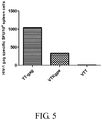
- the ELISPOT results of IFN- ⁇ showed that, the strength of the specific T-cell immune responses against HIV-1 gag induced by the recombinant virus VTKgpe was 330 SFC/10 6 splenic cells, which was significantly lower than the 1038 SFC/10 6 splenic cells induced by TT-gag ( Figure 5 ). Therefore, according to the result, the interference among the several HIV antigen genes in the same recombination region indeed existed, which decreased the strength of immune responses. Therefore, HIVgag, gp145 2M genes should be inserted into different regions of the Tiantan strain respectively, such as HA region, to ensure that gag can induce stronger cellular immunity.
- Example 6 Multivalent HIV vaccine that expresses different antigens in several recombination regions
- primer A55R-for with EcoRI restriction site (5' CATACGCGATCAGAATTCATCGTTGACATCTAGTATTGA TAG 3', SEQ ID NO:16) and primer A55R-Rev with StuI, XhoI and AscI restriction sites (5' TAAGGCCTCTCGAGGCGCGCCCTATCAACTACCTATAAAACTTTCC 3', SEQ ID NO:17) were used to amplify A55R fragment by PCR.
- the amplification conditions were as follows: 95°C 5 min; 95°C 30s, 55°C 30s, 72°C 1 min, 30 cycles; 72°C 5 min.
- the size of A55R fragment was 621 bp.
- Primer A57R-for with XhoII and PacI restriction sites (5' GAGAACCTCGAGTTAATTAATGACTTACATAAATGTCTGGGATAG 3', SEQ ID NO:18) and primer A57R-Rev with StuI restriction site (5' TCTAGGCCTTGTTAAAATACATTCTAATACGGTC 3', SEQ ID NO:19) were used to amplify A57R fragment by PCR.
- the amplification conditions were as follows: 95°C 5 min; 95°C 30s, 55°C 30s, 72°C 1 min, 30 cycles; 72°C 5 min.
- the size of A57R fragment was 600 bp.
- Primer A55R-DR-for with XhoII restriction site (5' AAATCTCGAGAGAATTAATCCCGCTCTATGGTCAG 3', SEQ ID NO:20) and primer A55R-DR-Rev with HindI restriction site (5' GCGAAGCTTTTGTTCTATCAACTACCTATAAAAC 3', SEQ ID NO:21) were used to amplify A55R-DR fragment by PCR.
- the amplification conditions were as follows: 95°C 5 min; 95°C 30s, 55°C 30s, 72°C 30s, 30 cycles; 72°C 2 min.
- the size of A55R-DR fragment was 279 bp.
- the A55R fragment obtained by the PCR amplification was double digested by Xho I and EcoR I .
- the A57R fragment was double digested by Xho I and Stu I .
- the digested fragments were then ligated into the plasmid pUC57 (Genscript, Cat. SD1176), which was double digested by Xho I and Stu I .
- a pUC57-A55RA57R plasmid was obtained.
- the A55R and A57R fragments were sequenced, and the results were showed in SEQ ID NO:5 and SEQ ID NO:6, respectively.
- the plasmid pLW73-Neo-I8RDR (plasmid sequence is shown in SEQ ID NO:7) was double digested by Asc I and Xho I , and a fragment Neo-GFP was obtained. The fragment Neo-GFP was ligated into the plasmid pUC57-A55RA57R, which was digested by the same restriction enzymes. A transfer plasmid pUC57-A55RA57R-GN was obtained. The size of the plasmid was 5763bp.
- PCR amplified fragment A55R-DR was double digested by enzymes Hind III and Xho I , and was then cloned into a plasmid pSC65, which was digested by the same restriction enzymes.
- a recombinant plasmid pSC65-A55R-DR was obtained.
- the A55R-DR fragment was sequenced, and the result was shown in SEQ ID NO:8.
- the plasmid pSC65-A55R-DR was double digested by Pac I and Xho I , and a fragment pE/L-DR was obtained.
- the fragment was ligated into the plasmid pUC57-A55RA57R-GN, which was double digested by Pac I and Xho I .
- a plasmid pVI76 was obtained.
- the plasmid size was 6117bp.
- the plasmid was sequenced, and the result was shown in SEQ ID NO:9.
- the Gag fragment (SEQ ID NO:2) and the plasmid pVI76 were double digested by KpnI and PacI and then ligated. A transfer plasmid pVI76-gag was obtained. KpnI and PacI restriction enzymes were used for double digestion verification. The result showed that, the sizes of the enzyme digestion products were 1488bp and 6117bp respectively, indicating that Gag gene was correctly inserted into plasmid pVI76.
- Liposome was used to transfect the recombinant plasmid pVI76-gag into the cells, according to the process delineated in the instruction manual of the kit (Invitrogen, Lipofectamine® 2000 transfection Reagent, Cat. 11668-027).
- the recombinant plasmid underwent homologous recombination with TT-EnvTK in HA region in the cell. 24 hours after the transfection, the cell sample was collected and frozen-thawed for 3 times.
- the selection process for recombinant viruses was the same as Example 2, the purified recombinant vaccinia virus TT-TK+/EG was obtained through 3 generations of green fluorescence plaques and 5 generations of white plaques selection purification.
- the genomic DNA of the recombinant virus TT-TK+/EG was extracted, and identification primers tkL-up (SEQ ID NO:14) and tkR-low (SEQ ID NO:15), SQEA57R-rev (5' TGTTAAAATACATTCTAATACGGTC 3', SEQ ID NO:22) and SQE55R-for (5' ATCGTTGACATCTAGTATTGATAG 3', SEQ ID NO:23) were used for PCR identification.
- the 1-5# clones of the recombinant vaccinia virus TT-TK+/EG were respectively inoculated at a dose of 1PFU/cell to infect CEF cells, and the cells were collected after being cultivated for 24 hours.
- 1ml of protein extraction buffer 1% SDS, 1mmol/L PMSF, 20mmol/L Tris-Cl pH7.0, 1% ⁇ -mercaptoethanol
- PAGE electrophoresis and membrane transfer were performed, and 5% skim milk was used for blocking at the room temperature for 2 hours.
- HIV-1 SF2 GP160 anti-serum and HIV-1 Gag anti-serum were used to respectively detect the expressions of HIV-1 Gp145 2M and Gag.
- a primary antibody diluted by 5% skim milk was incubated at the room temperature for 2 hours.
- PBS membrane was washed for 3 times, and each time for 10 min.
- a corresponding secondary antibody labeled by horseradish peroxidase was added, diluted at 1:5000 using 5% skim milk, and incubated at the room temperature for 1 hour.
- PBS membrane was washed for 3 times, and each time for 10 min.
Landscapes
- Health & Medical Sciences (AREA)
- Life Sciences & Earth Sciences (AREA)
- Chemical & Material Sciences (AREA)
- Virology (AREA)
- Organic Chemistry (AREA)
- General Health & Medical Sciences (AREA)
- Genetics & Genomics (AREA)
- Medicinal Chemistry (AREA)
- Microbiology (AREA)
- Engineering & Computer Science (AREA)
- Immunology (AREA)
- Molecular Biology (AREA)
- Pharmacology & Pharmacy (AREA)
- Public Health (AREA)
- Veterinary Medicine (AREA)
- Animal Behavior & Ethology (AREA)
- Biochemistry (AREA)
- Biophysics (AREA)
- Mycology (AREA)
- Epidemiology (AREA)
- Wood Science & Technology (AREA)
- Bioinformatics & Cheminformatics (AREA)
- Zoology (AREA)
- General Engineering & Computer Science (AREA)
- Biotechnology (AREA)
- Biomedical Technology (AREA)
- Communicable Diseases (AREA)
- Gastroenterology & Hepatology (AREA)
- Proteomics, Peptides & Aminoacids (AREA)
- Hematology (AREA)
- Plant Pathology (AREA)
- Physics & Mathematics (AREA)
- Oncology (AREA)
- AIDS & HIV (AREA)
- General Chemical & Material Sciences (AREA)
- Chemical Kinetics & Catalysis (AREA)
- Nuclear Medicine, Radiotherapy & Molecular Imaging (AREA)
- Tropical Medicine & Parasitology (AREA)
- Medicines Containing Antibodies Or Antigens For Use As Internal Diagnostic Agents (AREA)
- Micro-Organisms Or Cultivation Processes Thereof (AREA)
Applications Claiming Priority (2)
| Application Number | Priority Date | Filing Date | Title |
|---|---|---|---|
| CN201410558649.5A CN105586319B (zh) | 2014-10-20 | 2014-10-20 | 复制型痘苗病毒载体艾滋病疫苗 |
| PCT/CN2015/092170 WO2016062226A1 (zh) | 2014-10-20 | 2015-10-19 | 复制型痘苗病毒载体艾滋病疫苗 |
Publications (2)
| Publication Number | Publication Date |
|---|---|
| EP3211073A1 true EP3211073A1 (de) | 2017-08-30 |
| EP3211073A4 EP3211073A4 (de) | 2018-03-21 |
Family
ID=55760295
Family Applications (1)
| Application Number | Title | Priority Date | Filing Date |
|---|---|---|---|
| EP15852404.1A Withdrawn EP3211073A4 (de) | 2014-10-20 | 2015-10-19 | Vektor-hiv-impfstoff mit replikativem vaccinia-virus |
Country Status (4)
| Country | Link |
|---|---|
| US (1) | US20180119171A1 (de) |
| EP (1) | EP3211073A4 (de) |
| CN (1) | CN105586319B (de) |
| WO (1) | WO2016062226A1 (de) |
Families Citing this family (1)
| Publication number | Priority date | Publication date | Assignee | Title |
|---|---|---|---|---|
| CN110157721A (zh) * | 2019-01-07 | 2019-08-23 | 西安医学院 | 一种痘苗病毒天坛株的示踪打靶质粒及其制备方法 |
Family Cites Families (6)
| Publication number | Priority date | Publication date | Assignee | Title |
|---|---|---|---|---|
| EP1240333B1 (de) * | 1999-11-16 | 2008-04-09 | Geneart Ag | Das genom des hiv-1 intersubtyps (c/b') und seine anwendungen |
| JP2003321391A (ja) * | 2002-04-30 | 2003-11-11 | Japan Science & Technology Corp | 組換えワクシニアウイルスを用いたhivワクチン |
| WO2004087047A2 (en) * | 2003-02-07 | 2004-10-14 | Arizona Board Of Regents | Mutants of replication competent vaccinia virus |
| WO2005047458A2 (en) * | 2003-06-18 | 2005-05-26 | Genelux Corporation | Modified recombinant vaccina viruses and other microorganisms, uses thereof |
| CN101020052A (zh) * | 2006-02-16 | 2007-08-22 | 中国疾病预防控制中心性病艾滋病预防控制中心 | 基于复制型痘苗病毒载体的艾滋病疫苗 |
| WO2013040766A1 (zh) * | 2011-09-21 | 2013-03-28 | 中国疾病预防控制中心性病艾滋病预防控制中心 | 可诱导针对hiv的广谱免疫应答的方法和疫苗 |
-
2014
- 2014-10-20 CN CN201410558649.5A patent/CN105586319B/zh active Active
-
2015
- 2015-10-19 WO PCT/CN2015/092170 patent/WO2016062226A1/zh not_active Ceased
- 2015-10-19 EP EP15852404.1A patent/EP3211073A4/de not_active Withdrawn
-
2018
- 2018-01-12 US US15/520,183 patent/US20180119171A1/en not_active Abandoned
Also Published As
| Publication number | Publication date |
|---|---|
| CN105586319A (zh) | 2016-05-18 |
| US20180119171A1 (en) | 2018-05-03 |
| WO2016062226A1 (zh) | 2016-04-28 |
| EP3211073A4 (de) | 2018-03-21 |
| CN105586319B (zh) | 2021-01-08 |
Similar Documents
| Publication | Publication Date | Title |
|---|---|---|
| DK1335987T4 (en) | Modified variant of vaccinia virus Ankara | |
| AU2011316164B2 (en) | Recombinant modified vaccinia virus Ankara (MVA) influenza vaccine | |
| AU2016355468B2 (en) | CMV vectors comprising microRNA recognition elements | |
| AU2017318689A1 (en) | Methods for inducing an immune response against human immunodeficiency virus infection in subjects undergoing antiretroviral treatment | |
| WO2011047324A1 (en) | Recombinant modified vaccinia ankara (mva) vaccinia virus containing restructured insertion sites | |
| JP2013014588A (ja) | Mvaの使用に基づくワクチン | |
| WO2019055888A1 (en) | METHODS OF INDUCING AN IMMUNE RESPONSE AGAINST HUMAN IMMUNODEFICIENCY VIRUS INFECTION IN SUBJECTS UNDER ANTIRETROVIRAL TREATMENT | |
| KR20240124919A (ko) | 인유두종 바이러스 항원의 발현을 위한 렌티바이러스 벡터 및 이의 hpv 유발 암 치료에 대한 구현 | |
| Hanke et al. | Biodistribution and persistence of an MVA-vectored candidate HIV vaccine in SIV-infected rhesus macaques and SCID mice | |
| WO2004087047A2 (en) | Mutants of replication competent vaccinia virus | |
| FI105105B (fi) | Itsereplikoiva DNA-vektori immunisoimiseksi HIV:ta vastaan | |
| US20180119171A1 (en) | Replicative vaccinia virus vector hiv vaccine | |
| EP1992358A1 (de) | Aids-vakzine auf basis eines replikativen vaccinia-virus-vektors | |
| US20110064769A1 (en) | Vv promoter-driven overexpression of recombinant antigens | |
| DK2627774T3 (en) | INFLUENZAVACCINE BASED ON RECOMBINANT MODIFIED VACCINIAVIRUS ANKARA (VAT) | |
| HK1059453B (en) | Modified vaccinia ankara virus variant |
Legal Events
| Date | Code | Title | Description |
|---|---|---|---|
| PUAI | Public reference made under article 153(3) epc to a published international application that has entered the european phase |
Free format text: ORIGINAL CODE: 0009012 |
|
| 17P | Request for examination filed |
Effective date: 20170519 |
|
| AK | Designated contracting states |
Kind code of ref document: A1 Designated state(s): AL AT BE BG CH CY CZ DE DK EE ES FI FR GB GR HR HU IE IS IT LI LT LU LV MC MK MT NL NO PL PT RO RS SE SI SK SM TR |
|
| AX | Request for extension of the european patent |
Extension state: BA ME |
|
| DAV | Request for validation of the european patent (deleted) | ||
| DAX | Request for extension of the european patent (deleted) | ||
| A4 | Supplementary search report drawn up and despatched |
Effective date: 20180219 |
|
| RIC1 | Information provided on ipc code assigned before grant |
Ipc: A61K 39/21 20060101ALI20180213BHEP Ipc: C12N 7/01 20060101AFI20180213BHEP Ipc: A61K 39/12 20060101ALI20180213BHEP Ipc: A61P 31/18 20060101ALI20180213BHEP Ipc: C07K 14/005 20060101ALI20180213BHEP |
|
| 17Q | First examination report despatched |
Effective date: 20181221 |
|
| STAA | Information on the status of an ep patent application or granted ep patent |
Free format text: STATUS: THE APPLICATION IS DEEMED TO BE WITHDRAWN |
|
| 18D | Application deemed to be withdrawn |
Effective date: 20201104 |