EP3204024B1 - Compositions comprising bacterial strains - Google Patents
Compositions comprising bacterial strains Download PDFInfo
- Publication number
- EP3204024B1 EP3204024B1 EP16731639.7A EP16731639A EP3204024B1 EP 3204024 B1 EP3204024 B1 EP 3204024B1 EP 16731639 A EP16731639 A EP 16731639A EP 3204024 B1 EP3204024 B1 EP 3204024B1
- Authority
- EP
- European Patent Office
- Prior art keywords
- composition
- disease
- asthma
- compositions
- strain
- Prior art date
- Legal status (The legal status is an assumption and is not a legal conclusion. Google has not performed a legal analysis and makes no representation as to the accuracy of the status listed.)
- Active
Links
Images























Classifications
-
- A—HUMAN NECESSITIES
- A61—MEDICAL OR VETERINARY SCIENCE; HYGIENE
- A61K—PREPARATIONS FOR MEDICAL, DENTAL OR TOILETRY PURPOSES
- A61K35/00—Medicinal preparations containing materials or reaction products thereof with undetermined constitution
- A61K35/66—Microorganisms or materials therefrom
- A61K35/74—Bacteria
-
- C—CHEMISTRY; METALLURGY
- C07—ORGANIC CHEMISTRY
- C07K—PEPTIDES
- C07K1/00—General methods for the preparation of peptides, i.e. processes for the organic chemical preparation of peptides or proteins of any length
-
- A—HUMAN NECESSITIES
- A23—FOODS OR FOODSTUFFS; TREATMENT THEREOF, NOT COVERED BY OTHER CLASSES
- A23C—DAIRY PRODUCTS, e.g. MILK, BUTTER OR CHEESE; MILK OR CHEESE SUBSTITUTES; PREPARATION THEREOF
- A23C9/00—Milk preparations; Milk powder or milk powder preparations
- A23C9/12—Fermented milk preparations; Treatment using microorganisms or enzymes
-
- A—HUMAN NECESSITIES
- A23—FOODS OR FOODSTUFFS; TREATMENT THEREOF, NOT COVERED BY OTHER CLASSES
- A23L—FOODS, FOODSTUFFS OR NON-ALCOHOLIC BEVERAGES, NOT OTHERWISE PROVIDED FOR; PREPARATION OR TREATMENT THEREOF
- A23L33/00—Modifying nutritive qualities of foods; Dietetic products; Preparation or treatment thereof
- A23L33/10—Modifying nutritive qualities of foods; Dietetic products; Preparation or treatment thereof using additives
- A23L33/135—Bacteria or derivatives thereof, e.g. probiotics
-
- A—HUMAN NECESSITIES
- A61—MEDICAL OR VETERINARY SCIENCE; HYGIENE
- A61K—PREPARATIONS FOR MEDICAL, DENTAL OR TOILETRY PURPOSES
- A61K39/00—Medicinal preparations containing antigens or antibodies
- A61K39/02—Bacterial antigens
- A61K39/0216—Bacteriodetes, e.g. Bacteroides, Ornithobacter, Porphyromonas
-
- A—HUMAN NECESSITIES
- A61—MEDICAL OR VETERINARY SCIENCE; HYGIENE
- A61K—PREPARATIONS FOR MEDICAL, DENTAL OR TOILETRY PURPOSES
- A61K9/00—Medicinal preparations characterised by special physical form
- A61K9/14—Particulate form, e.g. powders, Processes for size reducing of pure drugs or the resulting products, Pure drug nanoparticles
- A61K9/19—Particulate form, e.g. powders, Processes for size reducing of pure drugs or the resulting products, Pure drug nanoparticles lyophilised, i.e. freeze-dried, solutions or dispersions
-
- A—HUMAN NECESSITIES
- A61—MEDICAL OR VETERINARY SCIENCE; HYGIENE
- A61P—SPECIFIC THERAPEUTIC ACTIVITY OF CHEMICAL COMPOUNDS OR MEDICINAL PREPARATIONS
- A61P1/00—Drugs for disorders of the alimentary tract or the digestive system
-
- A—HUMAN NECESSITIES
- A61—MEDICAL OR VETERINARY SCIENCE; HYGIENE
- A61P—SPECIFIC THERAPEUTIC ACTIVITY OF CHEMICAL COMPOUNDS OR MEDICINAL PREPARATIONS
- A61P1/00—Drugs for disorders of the alimentary tract or the digestive system
- A61P1/02—Stomatological preparations, e.g. drugs for caries, aphtae, periodontitis
-
- A—HUMAN NECESSITIES
- A61—MEDICAL OR VETERINARY SCIENCE; HYGIENE
- A61P—SPECIFIC THERAPEUTIC ACTIVITY OF CHEMICAL COMPOUNDS OR MEDICINAL PREPARATIONS
- A61P1/00—Drugs for disorders of the alimentary tract or the digestive system
- A61P1/04—Drugs for disorders of the alimentary tract or the digestive system for ulcers, gastritis or reflux esophagitis, e.g. antacids, inhibitors of acid secretion, mucosal protectants
-
- A—HUMAN NECESSITIES
- A61—MEDICAL OR VETERINARY SCIENCE; HYGIENE
- A61P—SPECIFIC THERAPEUTIC ACTIVITY OF CHEMICAL COMPOUNDS OR MEDICINAL PREPARATIONS
- A61P11/00—Drugs for disorders of the respiratory system
-
- A—HUMAN NECESSITIES
- A61—MEDICAL OR VETERINARY SCIENCE; HYGIENE
- A61P—SPECIFIC THERAPEUTIC ACTIVITY OF CHEMICAL COMPOUNDS OR MEDICINAL PREPARATIONS
- A61P11/00—Drugs for disorders of the respiratory system
- A61P11/02—Nasal agents, e.g. decongestants
-
- A—HUMAN NECESSITIES
- A61—MEDICAL OR VETERINARY SCIENCE; HYGIENE
- A61P—SPECIFIC THERAPEUTIC ACTIVITY OF CHEMICAL COMPOUNDS OR MEDICINAL PREPARATIONS
- A61P11/00—Drugs for disorders of the respiratory system
- A61P11/06—Antiasthmatics
-
- A—HUMAN NECESSITIES
- A61—MEDICAL OR VETERINARY SCIENCE; HYGIENE
- A61P—SPECIFIC THERAPEUTIC ACTIVITY OF CHEMICAL COMPOUNDS OR MEDICINAL PREPARATIONS
- A61P17/00—Drugs for dermatological disorders
-
- A—HUMAN NECESSITIES
- A61—MEDICAL OR VETERINARY SCIENCE; HYGIENE
- A61P—SPECIFIC THERAPEUTIC ACTIVITY OF CHEMICAL COMPOUNDS OR MEDICINAL PREPARATIONS
- A61P17/00—Drugs for dermatological disorders
- A61P17/02—Drugs for dermatological disorders for treating wounds, ulcers, burns, scars, keloids, or the like
-
- A—HUMAN NECESSITIES
- A61—MEDICAL OR VETERINARY SCIENCE; HYGIENE
- A61P—SPECIFIC THERAPEUTIC ACTIVITY OF CHEMICAL COMPOUNDS OR MEDICINAL PREPARATIONS
- A61P17/00—Drugs for dermatological disorders
- A61P17/06—Antipsoriatics
-
- A—HUMAN NECESSITIES
- A61—MEDICAL OR VETERINARY SCIENCE; HYGIENE
- A61P—SPECIFIC THERAPEUTIC ACTIVITY OF CHEMICAL COMPOUNDS OR MEDICINAL PREPARATIONS
- A61P19/00—Drugs for skeletal disorders
-
- A—HUMAN NECESSITIES
- A61—MEDICAL OR VETERINARY SCIENCE; HYGIENE
- A61P—SPECIFIC THERAPEUTIC ACTIVITY OF CHEMICAL COMPOUNDS OR MEDICINAL PREPARATIONS
- A61P19/00—Drugs for skeletal disorders
- A61P19/02—Drugs for skeletal disorders for joint disorders, e.g. arthritis, arthrosis
-
- A—HUMAN NECESSITIES
- A61—MEDICAL OR VETERINARY SCIENCE; HYGIENE
- A61P—SPECIFIC THERAPEUTIC ACTIVITY OF CHEMICAL COMPOUNDS OR MEDICINAL PREPARATIONS
- A61P25/00—Drugs for disorders of the nervous system
-
- A—HUMAN NECESSITIES
- A61—MEDICAL OR VETERINARY SCIENCE; HYGIENE
- A61P—SPECIFIC THERAPEUTIC ACTIVITY OF CHEMICAL COMPOUNDS OR MEDICINAL PREPARATIONS
- A61P25/00—Drugs for disorders of the nervous system
- A61P25/28—Drugs for disorders of the nervous system for treating neurodegenerative disorders of the central nervous system, e.g. nootropic agents, cognition enhancers, drugs for treating Alzheimer's disease or other forms of dementia
-
- A—HUMAN NECESSITIES
- A61—MEDICAL OR VETERINARY SCIENCE; HYGIENE
- A61P—SPECIFIC THERAPEUTIC ACTIVITY OF CHEMICAL COMPOUNDS OR MEDICINAL PREPARATIONS
- A61P27/00—Drugs for disorders of the senses
- A61P27/02—Ophthalmic agents
-
- A—HUMAN NECESSITIES
- A61—MEDICAL OR VETERINARY SCIENCE; HYGIENE
- A61P—SPECIFIC THERAPEUTIC ACTIVITY OF CHEMICAL COMPOUNDS OR MEDICINAL PREPARATIONS
- A61P29/00—Non-central analgesic, antipyretic or antiinflammatory agents, e.g. antirheumatic agents; Non-steroidal antiinflammatory drugs [NSAID]
-
- A—HUMAN NECESSITIES
- A61—MEDICAL OR VETERINARY SCIENCE; HYGIENE
- A61P—SPECIFIC THERAPEUTIC ACTIVITY OF CHEMICAL COMPOUNDS OR MEDICINAL PREPARATIONS
- A61P35/00—Antineoplastic agents
-
- A—HUMAN NECESSITIES
- A61—MEDICAL OR VETERINARY SCIENCE; HYGIENE
- A61P—SPECIFIC THERAPEUTIC ACTIVITY OF CHEMICAL COMPOUNDS OR MEDICINAL PREPARATIONS
- A61P35/00—Antineoplastic agents
- A61P35/04—Antineoplastic agents specific for metastasis
-
- A—HUMAN NECESSITIES
- A61—MEDICAL OR VETERINARY SCIENCE; HYGIENE
- A61P—SPECIFIC THERAPEUTIC ACTIVITY OF CHEMICAL COMPOUNDS OR MEDICINAL PREPARATIONS
- A61P37/00—Drugs for immunological or allergic disorders
-
- A—HUMAN NECESSITIES
- A61—MEDICAL OR VETERINARY SCIENCE; HYGIENE
- A61P—SPECIFIC THERAPEUTIC ACTIVITY OF CHEMICAL COMPOUNDS OR MEDICINAL PREPARATIONS
- A61P37/00—Drugs for immunological or allergic disorders
- A61P37/02—Immunomodulators
-
- A—HUMAN NECESSITIES
- A61—MEDICAL OR VETERINARY SCIENCE; HYGIENE
- A61P—SPECIFIC THERAPEUTIC ACTIVITY OF CHEMICAL COMPOUNDS OR MEDICINAL PREPARATIONS
- A61P37/00—Drugs for immunological or allergic disorders
- A61P37/02—Immunomodulators
- A61P37/06—Immunosuppressants, e.g. drugs for graft rejection
-
- A—HUMAN NECESSITIES
- A61—MEDICAL OR VETERINARY SCIENCE; HYGIENE
- A61P—SPECIFIC THERAPEUTIC ACTIVITY OF CHEMICAL COMPOUNDS OR MEDICINAL PREPARATIONS
- A61P37/00—Drugs for immunological or allergic disorders
- A61P37/08—Antiallergic agents
-
- A—HUMAN NECESSITIES
- A61—MEDICAL OR VETERINARY SCIENCE; HYGIENE
- A61P—SPECIFIC THERAPEUTIC ACTIVITY OF CHEMICAL COMPOUNDS OR MEDICINAL PREPARATIONS
- A61P43/00—Drugs for specific purposes, not provided for in groups A61P1/00-A61P41/00
-
- A—HUMAN NECESSITIES
- A61—MEDICAL OR VETERINARY SCIENCE; HYGIENE
- A61P—SPECIFIC THERAPEUTIC ACTIVITY OF CHEMICAL COMPOUNDS OR MEDICINAL PREPARATIONS
- A61P7/00—Drugs for disorders of the blood or the extracellular fluid
-
- A—HUMAN NECESSITIES
- A61—MEDICAL OR VETERINARY SCIENCE; HYGIENE
- A61P—SPECIFIC THERAPEUTIC ACTIVITY OF CHEMICAL COMPOUNDS OR MEDICINAL PREPARATIONS
- A61P9/00—Drugs for disorders of the cardiovascular system
-
- A—HUMAN NECESSITIES
- A61—MEDICAL OR VETERINARY SCIENCE; HYGIENE
- A61P—SPECIFIC THERAPEUTIC ACTIVITY OF CHEMICAL COMPOUNDS OR MEDICINAL PREPARATIONS
- A61P9/00—Drugs for disorders of the cardiovascular system
- A61P9/10—Drugs for disorders of the cardiovascular system for treating ischaemic or atherosclerotic diseases, e.g. antianginal drugs, coronary vasodilators, drugs for myocardial infarction, retinopathy, cerebrovascula insufficiency, renal arteriosclerosis
-
- A—HUMAN NECESSITIES
- A61—MEDICAL OR VETERINARY SCIENCE; HYGIENE
- A61P—SPECIFIC THERAPEUTIC ACTIVITY OF CHEMICAL COMPOUNDS OR MEDICINAL PREPARATIONS
- A61P9/00—Drugs for disorders of the cardiovascular system
- A61P9/14—Vasoprotectives; Antihaemorrhoidals; Drugs for varicose therapy; Capillary stabilisers
-
- C—CHEMISTRY; METALLURGY
- C12—BIOCHEMISTRY; BEER; SPIRITS; WINE; VINEGAR; MICROBIOLOGY; ENZYMOLOGY; MUTATION OR GENETIC ENGINEERING
- C12N—MICROORGANISMS OR ENZYMES; COMPOSITIONS THEREOF; PROPAGATING, PRESERVING, OR MAINTAINING MICROORGANISMS; MUTATION OR GENETIC ENGINEERING; CULTURE MEDIA
- C12N1/00—Microorganisms; Compositions thereof; Processes of propagating, maintaining or preserving microorganisms or compositions thereof; Processes of preparing or isolating a composition containing a microorganism; Culture media therefor
- C12N1/20—Bacteria; Culture media therefor
- C12N1/205—Bacterial isolates
-
- A—HUMAN NECESSITIES
- A23—FOODS OR FOODSTUFFS; TREATMENT THEREOF, NOT COVERED BY OTHER CLASSES
- A23V—INDEXING SCHEME RELATING TO FOODS, FOODSTUFFS OR NON-ALCOHOLIC BEVERAGES AND LACTIC OR PROPIONIC ACID BACTERIA USED IN FOODSTUFFS OR FOOD PREPARATION
- A23V2002/00—Food compositions, function of food ingredients or processes for food or foodstuffs
-
- A—HUMAN NECESSITIES
- A61—MEDICAL OR VETERINARY SCIENCE; HYGIENE
- A61K—PREPARATIONS FOR MEDICAL, DENTAL OR TOILETRY PURPOSES
- A61K39/00—Medicinal preparations containing antigens or antibodies
- A61K2039/51—Medicinal preparations containing antigens or antibodies comprising whole cells, viruses or DNA/RNA
- A61K2039/52—Bacterial cells; Fungal cells; Protozoal cells
-
- A—HUMAN NECESSITIES
- A61—MEDICAL OR VETERINARY SCIENCE; HYGIENE
- A61K—PREPARATIONS FOR MEDICAL, DENTAL OR TOILETRY PURPOSES
- A61K39/00—Medicinal preparations containing antigens or antibodies
- A61K2039/545—Medicinal preparations containing antigens or antibodies characterised by the dose, timing or administration schedule
-
- A—HUMAN NECESSITIES
- A61—MEDICAL OR VETERINARY SCIENCE; HYGIENE
- A61K—PREPARATIONS FOR MEDICAL, DENTAL OR TOILETRY PURPOSES
- A61K39/00—Medicinal preparations containing antigens or antibodies
- A61K2039/58—Medicinal preparations containing antigens or antibodies raising an immune response against a target which is not the antigen used for immunisation
-
- C—CHEMISTRY; METALLURGY
- C12—BIOCHEMISTRY; BEER; SPIRITS; WINE; VINEGAR; MICROBIOLOGY; ENZYMOLOGY; MUTATION OR GENETIC ENGINEERING
- C12R—INDEXING SCHEME ASSOCIATED WITH SUBCLASSES C12C - C12Q, RELATING TO MICROORGANISMS
- C12R2001/00—Microorganisms ; Processes using microorganisms
- C12R2001/01—Bacteria or Actinomycetales ; using bacteria or Actinomycetales
-
- Y—GENERAL TAGGING OF NEW TECHNOLOGICAL DEVELOPMENTS; GENERAL TAGGING OF CROSS-SECTIONAL TECHNOLOGIES SPANNING OVER SEVERAL SECTIONS OF THE IPC; TECHNICAL SUBJECTS COVERED BY FORMER USPC CROSS-REFERENCE ART COLLECTIONS [XRACs] AND DIGESTS
- Y02—TECHNOLOGIES OR APPLICATIONS FOR MITIGATION OR ADAPTATION AGAINST CLIMATE CHANGE
- Y02A—TECHNOLOGIES FOR ADAPTATION TO CLIMATE CHANGE
- Y02A50/00—TECHNOLOGIES FOR ADAPTATION TO CLIMATE CHANGE in human health protection, e.g. against extreme weather
- Y02A50/30—Against vector-borne diseases, e.g. mosquito-borne, fly-borne, tick-borne or waterborne diseases whose impact is exacerbated by climate change
Definitions
- This invention is in the field of compositions comprising bacterial strains isolated from the mammalian digestive tract and the use of such compositions in the treatment of disease.
- the human intestine is thought to be sterile in utero, but it is exposed to a large variety of maternal and environmental microbes immediately after birth. Thereafter, a dynamic period of microbial colonization and succession occurs, which is influenced by factors such as delivery mode, environment, diet and host genotype, all of which impact upon the composition of the gut microbiota, particularly during early life. Subsequently, the microbiota stabilizes and becomes adult-like [ 1].
- the human gut microbiota contains more than 500-1000 different phylotypes belonging essentially to two major bacterial divisions, the Bacteroidetes and the Firmicutes [2].
- the successful symbiotic relationships arising from bacterial colonization of the human gut have yielded a wide variety of metabolic, structural, protective and other beneficial functions.
- the enhanced metabolic activities of the colonized gut ensure that otherwise indigestible dietary components are degraded with release of by-products providing an important nutrient source for the host.
- the immunological importance of the gut microbiota is well-recognized and is exemplified in germfree animals which have an impaired immune system that is functionally reconstituted following the introduction of commensal bacteria [3-5].
- WO 2011/153226 describes pharmaceutical products using cellular constituents of various Bacteroides species.
- US 9011834 describes the preparation of an ethanol-treated bacterial spore population.
- the invention provides a composition comprising a bacterial strain of genus Bacteroides having a 16s rRNA sequence that is at least 98% identical to SEQ ID NO:4, for use in a method of treating or preventing an inflammatory or autoimmune disease
- the inventors have developed new therapies for treating and preventing inflammatory and autoimmune diseases.
- the inventors have developed new therapies for treating and preventing diseases and conditions mediated by IL-17 or the Th17 pathway.
- the inventors have identified that bacterial strains from the genus Bacteroides can be effective for reducing the Th17 inflammatory response.
- oral administration of compositions comprising Bacteroides coprocola may reduce the severity of the inflammatory response, including the Th17 inflammatory response, in mouse models of asthma, rheumatoid arthritis and multiple sclerosis.
- the inventors have identified that treatment with bacterial strains from this genus can reduce levels of cytokines that are part of the Th17 pathway, including IL-17, can alleviate the Th17 inflammatory response and can provide clinical benefits in mouse models of inflammatory and autoimmune diseases mediated by IL-17 and the Th17 pathway.
- the invention provides a composition comprising a bacterial strain of the genus Bacteroides having a 16s rRNA sequence that is at least 98% identical to SEQ ID NO:4, for use in a method of treating or preventing a disease or condition selected from the group consisting of: multiple sclerosis; arthritis, such as rheumatoid arthritis, osteoarthritis, psoriatic arthritis, or juvenile idiopathic arthritis; neuromyelitis optica (Devic's disease); ankylosing spondylitis; spondyloarthritis; psoriasis; systemic lupus erythematosus; inflammatory bowel disease, such as Crohn's disease or ulcerative colitis; celiac disease; asthma, such as allergic asthma or neutrophilic asthma; chronic obstructive pulmonary disease (COPD); uveitis; scleritis; vasculitis; Behcet's disease; atherosclerosis; atopic dermatitis
- the invention provides a composition comprising a bacterial strain of the genus Bacteroides having a 16s rRNA sequence that is at least 98% identical to SEQ ID NO:4, for use in a method of treating or preventing asthma, such as neutrophilic asthma or allergic asthma.
- a method of treating or preventing asthma such as neutrophilic asthma or allergic asthma.
- the inventors have identified that treatment with Bacteroides strains can reduce recruitment of neutrophils and eosinophils into the lungs, which can help treat or prevent asthma. Furthermore, the inventors have tested and demonstrated the efficacy of Bacteroides strains in mouse models of asthma.
- the composition is for use in a method of treating or preventing neutrophilic asthma or eosinophilic asthma.
- compositions of the invention on neutrophils and eosinophils mean that they may be particularly effective for treating or preventing neutrophilic asthma and eosinophilic asthma.
- the composition is for use in a method of reducing a neutrophilic inflammatory response in the treatment or prevention of asthma, or the composition is for use in a method of reducing an eosinophilic inflammatory response in the treatment or prevention of asthma.
- the invention provides a composition comprising a bacterial strain of the species Bacteroides coprocola, for use in the treatment of asthma, and in particular neutrophilic asthma.
- the invention provides a composition comprising a bacterial strain of the genus Bacteroides having a 16s rRNA sequence that is at least 98% identical to SEQ ID NO:4, for use in a method of treating or preventing rheumatoid arthritis.
- the inventors have identified that treatment with Bacteroides strains can provide clinical benefits in a mouse model of rheumatoid arthritis and can reduce joint swelling.
- the invention provides a composition comprising a bacterial strain of the species Bacteroides coprocola , for use in the treatment of rheumatoid arthritis. Compositions using Bacteroides coprocola may be particularly effective for treating rheumatoid arthritis.
- the invention provides a composition comprising a bacterial strain of the genus Bacteroides having a 16s rRNA sequence that is at least 98% identical to SEQ ID NO:4, for use in a method of treating or preventing multiple sclerosis.
- the inventors have identified that treatment with Bacteroides strains can reduce disease incidence and disease severity in a mouse model of multiple sclerosis.
- the invention provides a composition comprising a bacterial strain of the species Bacteroides coprocola , for use in the treatment of multiple sclerosis. Compositions using Bacteroides coprocola may be particularly effective for treating multiple sclerosis.
- the invention provides a composition comprising a bacterial strain of the genus Bacteroides having a 16s rRNA sequence that is at least 98% identical to SEQ ID NO:4, for use in a method of treating or preventing uveitis, such as posterior uveitis.
- the invention provides a composition comprising a bacterial strain of the species Bacteroides coprocola , for use in the treatment of uveitis.
- compositions disclosed herein are for use in a method of reducing IL-17 production or reducing Th17 cell differentiation in the treatment or prevention of a disease or condition mediated by IL-17 or the Th17 pathway.
- the compositions disclosed herein may be used in reducing IL-17 production or reducing Th17 cell differentiation in the treatment or prevention of asthma, rheumatoid arthritis or multiple sclerosis.
- the disclosure provides compositions comprising a bacterial strain of the species Bacteroides coprocola, for use in reducing IL-17 production or reducing Th17 cell differentiation in the treatment or prevention of asthma, rheumatoid arthritis or multiple sclerosis, or of asthma, rheumatoid arthritis, multiple sclerosis, uveitis or cancer
- the composition is for use in a patient with elevated IL-17 levels or Th17 cells.
- the effect on the Th17 inflammatory response shown for Bacteroides strains may be particularly beneficial for such patients.
- the bacterial strain in the composition is of Bacteroides coprocola.
- the bacterial strain has a 16s rRNA sequence that is at least 99%, 99.5% or 99.9% identical to SEQ ID NO:4.
- the bacterial strain for use in the invention has the 16s rRNA sequence represented by SEQ ID NO:4.
- the bacterial strain in the composition is of Bacteroides thetaiotaomicron. Closely related strains may also be used, such as bacterial strains that have a 16s rRNA sequence that is at least 95%, 96%, 97%, 98%, 99%, 99.5% or 99.9% identical to the 16s rRNA sequence of a bacterial strain of Bacteroides thetaiotaomicron.
- the bacterial strain has a 16s rRNA sequence that is at least 95%, 96%, 97%, 98%, 99%, 99.5% or 99.9% identical to SEQ ID NO:5.
- the bacterial strain disclosed herein has the 16s rRNA sequence represented by SEQ ID NO:5.
- the bacterial strain in the composition is of Bacteroides fragilis. Closely related strains may also be used, such as bacterial strains that have a genome with sequence identity to CR626927.1.
- the composition of the invention is for oral administration.
- Oral administration of the strains of the invention can be effective for treating IL-17- or Th17 pathway-mediated diseases and conditions. Also, oral administration is convenient for patients and practitioners and allows delivery to and / or partial or total colonisation of the intestine.
- composition of the invention comprises one or more pharmaceutically acceptable excipients or carriers.
- the composition of the invention comprises a bacterial strain that has been lyophilised. Lyophilisation is an effective and convenient technique for preparing stable compositions that allow delivery of bacteria.
- the invention provides a food product comprising the composition as described above.
- the invention provides a vaccine composition comprising the composition as described above.
- the inventors have identified and characterised a bacterial strain that is particularly useful for therapy.
- the strain of the invention is shown to be effective for treating the diseases described herein, such as arthritis, asthma and multiple sclerosis. Therefore, in another aspect, the invention provides a cell of the strain deposited under accession number NCIMB 42408.
- the invention also provides compositions comprising such cells, or biologically pure cultures of such cells.
- the invention also provides a cell of the strain deposited under accession number NCIMB 42408 for use in therapy, in particular for the diseases described herein.
- compositions of the invention comprise a bacterial strain of the genus Bacteroides having a 16s rRNA sequence that is at least 98% identical to SEQ ID NO:4.
- the examples demonstrate that bacteria of this genus are useful for treating or preventing diseases and conditions mediated by IL-17 or the Th17 pathway.
- Preferred bacterial strains are of the species Bacteroides coprocola.
- Bacteroides species disclosed herein include Bacteroides massiliensis, Bacteroides coprocola, Bacteroides thetaiotaomicron and Bacteroides caccae.
- Bacteroides fragilis Bacteroides is a genus of Gram-negative, obligately anaerobic bacteria. Bacteroides species are non-endospore-forming bacilli, and may be either motile or non-motile, depending on the species. Bacteroides species make up a substantial portion of the mammalian gastrointestinal flora and are essential for processing complex molecules.
- Bacteroides coprocola cells cultivated on EG blood agar plates are strictly anaerobic, non-spore-forming, non-motile and Gram-negative.
- the short rods or rod-shaped cells are about 0-8 ⁇ m in width and variable in length, generally in the range 1-4 ⁇ m.
- Example strains of species Bacteroides coprocola are described in [16].
- GenBank/EMBL/DDBJ accession numbers for the 16S rRNA gene sequence of these Bacteroides coprocola strains are AB200223, AB200224 and AB200225 (disclosed herein as SEQ ID NO:1, SEQ ID NO:2 and SEQ ID NO:3).
- strain 675 The bacterium deposited under accession number NCIMB 42408 was tested in the Examples and is also referred to herein as strain 675.
- a 16S rRNA sequence for the 675 strain that was tested is provided in SEQ ID NO:4.
- Strain 675 was deposited with the international depositary authority NCIMB, Ltd. (Ferguson Building, Aberdeen, AB21 9YA, Scotland) by 4D Pharma Research Ltd. (Life Sciences Innovation Building, Aberdeen, AB25 2ZS, Scotland) on 13th May 2015 as " Bacteroidales 675" and was assigned accession number NCIMB 42408.
- strain 675 comprises a chromosome and plasmid.
- a chromosome sequence for strain 675 is provided in SEQ ID NO:6 in the sequence listing published with WO 2016/203217 .
- a plasmid sequence for strain 675 is provided in SEQ ID NO:7 in the sequence listing published with WO 2016/203217 . These sequences were generated using the PacBio RS II platform.
- Bacterial strains closely related to the strain tested in the examples are also expected to be effective for treating or preventing diseases and conditions mediated by IL-17 or the Th17 pathway.
- the bacterial strain for use in the invention has a 16s rRNA sequence that is at least 99%, 99.5% or 99.9% identical to SEQ ID NO:4.
- the bacterial strain for use in the invention has the 16s rRNA sequence represented by SEQ ID NO:4.
- a further preferred bacterial strain disclosed herein is the Bacteroides thetaiotaomicron strain deposited under accession number NCIMB 42341. This strain was deposited with the international depositary authority NCIMB, Ltd. (Ferguson Building, Aberdeen, AB21 9YA, Scotland) on 3rd December 2014.
- a further preferred Bacteroides thetaiotaomicron strain disclosed herein is the strain described in EP1448995 .
- the accession number for the 16S rRNA gene sequence of Bacteroides thetaiotaomicron strain WAL 2926 is M58763 (disclosed herein as SEQ ID NO:5).
- the bacterial strain disclosed herein has a 16s rRNA sequence that is at least 95%, 96%, 97%, 98%, 99%, 99.5% or 99.9% identical to the 16s rRNA sequence of a bacterial strain of Bacteroides thetaiotaomicron.
- the bacterial strain disclosed herein has a 16s rRNA sequence that is at least 95%, 96%, 97%, 98%, 99%, 99.5% or 99.9% identical to SEQ ID NO:5.
- the bacterial strain for use in the invention has the 16s rRNA sequence represented by SEQ ID NO:5.
- the accession number for the Bacteroides fragilis NCTC 9343 strain complete genome is CR626927.1 (version: CR626927.1 GI:60491031).
- the bacterial strain disclosed herein has a genome with sequence identity to CR626927.1.
- the bacterial strain disclosed herein has a genome with at least 90% sequence identity (e.g. at least 92%, 94%, 95%, 96%, 97%, 98%, 99% or 100% sequence identity) to CR626927.1 across at least 60% (e.g. at least 65%, 70%, 75%, 80%, 85%, 95%, 96%, 97%, 98%, 99% or 100%) of CR626927.1.
- the bacterial strain disclosed herein may have a genome with at least 90% sequence identity to CR626927.1 across 70% of CR626927.1, or at least 90% sequence identity to CR626927.1 across 80% of CR626927.1, or at least 90% sequence identity to CR626927.1 across 90% of CR626927.1, or at least 90% sequence identity to CR626927.1 across 100% of CR626927.1, or at least 95% sequence identity to CR626927.1across 70% of CR626927.1, or at least 95% sequence identity to CR626927.1 across 80% of CR626927.1, or at least 95% sequence identity to CR626927.1 across 90% of CR626927.1, or at least 95% sequence identity to CR626927.1 across 100% of CR626927.1, or at least 98% sequence identity to CR626927.1 across 70% of CR626927.1, or at least 98% sequence identity to CR626927.1 across 80% of CR626927.1, or at
- the bacterial strain for use in the invention has a chromosome with sequence identity to SEQ ID NO:6 of WO 2016/203217 .
- the bacterial strain for use in the invention has a chromosome with at least 90% sequence identity (e.g. at least 92%, 94%, 95%, 96%, 97%, 98%, 99% or 100% sequence identity) to SEQ ID NO:6 of WO 2016/203217 across at least 60% (e.g. at least 65%, 70%, 75%, 80%, 85%, 95%, 96%, 97%, 98%, 99% or 100%) of SEQ ID NO:6 of WO 2016/203217 .
- the bacterial strain for use in the invention may have a chromosome with at least 90% sequence identity to SEQ ID NO:6 of WO 2016/203217 across 70% of SEQ ID NO:6 of WO 2016/203217 , or at least 90% sequence identity to SEQ ID NO:6 of WO 2016/203217 across 80% of SEQ ID NO:6 of WO 2016/203217 , or at least 90% sequence identity to SEQ ID NO:6 of WO 2016/203217 across 90% of SEQ ID NO:6 of WO 2016/203217 , or at least 90% sequence identity to SEQ ID NO:6 of WO 2016/203217 across 100% of SEQ ID NO:6 of WO 2016/203217 , or at least 95% sequence identity to SEQ ID NO:6 of WO 2016/203217 across 70% of SEQ ID NO:6 of WO 2016/203217 , or at least 95% sequence identity to SEQ ID NO:6 of WO 2016/203217 across 80% of SEQ ID NO:6 of WO 2016/203217 , or at least at least
- the bacterial strain for use in the invention has a plasmid with sequence identity to SEQ ID NO:7 of WO 2016/203217 .
- the bacterial strain for use in the invention has a plasmid with at least 90% sequence identity (e.g. at least 92%, 94%, 95%, 96%, 97%, 98%, 99% or 100% sequence identity) to SEQ ID NO:7 of WO 2016/203217 across at least 60% (e.g. at least 65%, 70%, 75%, 80%, 85%, 95%, 96%, 97%, 98%, 99% or 100%) of SEQ ID NO:7 of WO 2016/203217 .
- the bacterial strain for use in the invention may have a plasmid with at least 90% sequence identity to SEQ ID NO:7 of WO 2016/203217 across 70% of SEQ ID NO:7 of WO 2016/203217 , or at least 90% sequence identity to SEQ ID NO:7 of WO 2016/203217 across 80% of SEQ ID NO:7 of WO 2016/203217 , or at least 90% sequence identity to SEQ ID NO:7 of WO 2016/203217 across 90% of SEQ ID NO:7 of WO 2016/203217 , or at least 90% sequence identity to SEQ ID NO:7 of WO 2016/203217 across 100% of SEQ ID NO:7 of WO 2016/203217 , or at least 95% sequence identity to SEQ ID NO:7 of WO 2016/203217 across 70% of SEQ ID NO:7 of WO 2016/203217 , or at least 95% sequence identity to SEQ ID NO:7 of WO 2016/203217 across 80% of SEQ ID NO:7 of WO 2016/203217 , or at least at least
- the bacterial strain for use in the invention has a chromosome with sequence identity to SEQ ID NO:6 of WO 2016/203217 and a plasmid with sequence identity to SEQ ID NO:7 of WO 2016/203217 .
- Bacterial strains that are biotypes of the bacterium deposited under accession number 42408 are also expected to be effective for treating or preventing diseases and conditions mediated by IL-17 or the Thl7 pathway.
- Bacterial strains that are biotypes of a bacterium deposited under accession number NCIMB 42341, ATCC 29148 or ATCC 29741 are also expected to be effective for treating or preventing diseases and conditions mediated by IL-17 or the Th17 pathway.
- a biotype is a closely related strain that has the same or very similar physiological and biochemical characteristics.
- Strains that are biotypes of a bacterium deposited under accession number NCIMB 42408 and that are suitable for use in the invention may be identified by sequencing other nucleotide sequences for a bacterium deposited under accession number NCIMB 42408. For example, substantially the whole genome may be sequenced and a biotype strain for use in the invention may have at least 95%, 96%, 97%, 98%, 99%, 99.5% or 99.9% sequence identity across at least 80% of its whole genome (e.g. across at least 85%, 90%, 95% or 99%, or across its whole genome).
- Biotype strains may have sequences with at least 95%, 96%, 97%, 98%, 99%, 99.5% or 99.9% sequence identity to the corresponding sequence of a bacterium deposited under accession number NCIMB 42408.
- strains that are biotypes of a bacterium deposited under accession number NCIMB 42408 and that are suitable for use in the invention may be identified by using the accession number NCIMB 42408 deposit and restriction fragment analysis and/or PCR analysis, for example by using fluorescent amplified fragment length polymorphism (FAFLP) and repetitive DNA element (rep)-PCR fingerprinting, or protein profiling, or partial 16S or 23s rDNA sequencing.
- FAFLP fluorescent amplified fragment length polymorphism
- rep repetitive DNA element
- strains that are biotypes of a bacterium deposited under accession number NCIMB 42408and that are suitable for use in the invention are strains that provide the same pattern as a bacterium deposited under accession number NCIMB 42408 when analysed by amplified ribosomal DNA restriction analysis (ARDRA), for example when using Sau3AI restriction enzyme (for exemplary methods and guidance see, for example,[18]).
- ARDRA amplified ribosomal DNA restriction analysis
- biotype strains are identified as strains that have the same carbohydrate fermentation patterns as a bacterium deposited under accession number NCIMB 42408.
- Bacteroides strains that are useful in the compositions and methods of the invention may be identified using any appropriate method or strategy, including the assays described in the examples.
- strains for use in the invention may be identified by culturing in anaerobic YCFA and/or administering the bacteria to the type II collagen-induced arthritis mouse model and then assessing cytokine levels.
- a useful strain will have comparable immune modulatory activity to the NCIMB 42408 strain.
- a biotype strain will elicit comparable effects on the asthma, arthritis and multiple sclerosis disease models and comparable effects on cytokine levels to the effects shown in the Examples, which may be identified by using the culturing and administration protocols described in the Examples.
- a particularly preferred strain of the invention is the strain deposited under accession number NCIMB 42408. This is the exemplary 675 strain tested in the examples and shown to be effective for treating disease. Therefore, the invention provides a cell, such as an isolated cell, of the strain deposited under accession number NCIMB 42408. The invention also provides a composition comprising a cell of the strain deposited under accession number NCIMB 42408. The invention also provides a biologically pure culture of the strain deposited under accession number NCIMB 42408. The invention also provides a cell of the strain deposited under accession number NCIMB 42408, for use in therapy, in particular for the diseases described herein.
- a derivative of the strain deposited under accession number NCIMB 42408 may be a daughter strain (progeny) or a strain cultured (subcloned) from the original.
- a derivative of a strain of the invention may be modified, for example at the genetic level, without ablating the biological activity.
- a derivative strain of the invention is therapeutically active.
- a derivative strain will have comparable immune modulatory activity to the original NCIMB 42408 strain.
- a derivative strain will elicit comparable effects on the asthma, arthritis and multiple sclerosis disease models and comparable effects on cytokine levels to the effects shown in the Examples, which may be identified by using the culturing and administration protocols described in the Examples.
- a derivative of the NCIMB 42408 strain will generally be a biotype of the NCIMB 42408 strain.
- a derivative of the NCIMB 42341 will generally be a biotype of the NCIMB 42341 strain.
- references to cells of the strain deposited under accession number NCIMB 42408 encompass any cells that have the same safety and therapeutic efficacy characteristics as the strains deposited under accession number NCIMB 42408, and such cells are encompassed by the invention.
- References to cells of the Bacteroides thetaiotaomicron strain deposited under accession numbers NCIMB 42341, ATCC 29148 or ATCC 29741 encompass any cells that have the same safety and therapeutic efficacy characteristics as the strains deposited under accession number NCIMB 42341, ATCC 29148 or ATCC 29741.
- the bacterial strains in the compositions of the invention are viable and capable of partially or totally colonising the intestine.
- the bacterial compositions of the invention are effective for reducing the Th17 inflammatory response.
- treatment with compositions of the invention achieves a reduction in IL-17A levels and other Th17 pathway cytokines, and clinical improvements in animal models of conditions mediated by IL-17 and the Th17 pathway. Therefore, the compositions of the invention may be useful for treating or preventing inflammatory and autoimmune diseases, and in particular diseases or conditions mediated by IL-17.
- the compositions of the invention may be useful for reducing or preventing elevation of the IL-17 inflammatory response.
- Th17 cells are a subset of T helper cells that produce, for example, IL-17A, IL17-F, IL-21 and IL-22. Th17 cell differentiation and IL-17 expression may be driven by IL-23. These cytokines and others form important parts of the Th17 pathway, which is a well-established inflammatory signalling pathway that contributes to and underlies a number of inflammatory and autoimmune diseases (as described in, for example, [19-24]). Diseases wherein the Th17 pathway is activated are Th17 pathway-mediated diseases.
- Th17 pathway-mediated diseases can be ameliorated or alleviated by repressing the Th17 pathway, which may be through a reduction in the differentiation of Th17 cells or a reduction in their activity or a reduction in the level of Th17 pathway cytokines.
- Diseases mediated by the Th17 pathway may be characterised by increased levels of cytokines produced by Th17 cells, such as IL-17A, IL-17F, IL-21, IL-22, IL-26, IL-9 (reviewed in [25]).
- Diseases mediated by the Th17 pathway may be characterised by increased expression of Th-17-related genes, such as Stat3 or IL-23R.
- Diseases mediated by the Th17 pathway may be associated with increased levels of Th17 cells.
- IL-17 is a pro-inflammatory cytokine that contributes to the pathogenesis of several inflammatory and autoimmune diseases and conditions.
- IL-17 as used herein may refer to any member of the IL-17 family, including IL-17A, IL-17B, IL-17C, IL-17D, IL-17E, and IL-17F.
- IL-17-mediated diseases and conditions are characterised by high expression of IL-17 and/or the accumulation or presence of IL-17-positive cells in a tissue affected by the disease or condition.
- IL-17-mediated diseases and conditions are diseases and conditions that are exacerbated by high IL-17 levels or an increase in IL-17 levels, and that are alleviated by low IL-17 levels or a reduction in IL-17 levels.
- the IL-17 inflammatory response may be local or systemic.
- diseases and conditions that may be mediated by IL-17 or the Th17 pathway include multiple sclerosis; arthritis, such as rheumatoid arthritis, osteoarthritis, psoriatic arthritis, or juvenile idiopathic arthritis; neuromyelitis optica (Devic's disease); ankylosing spondylitis; spondyloarthritis; psoriasis; systemic lupus erythematosus; inflammatory bowel disease, such as Crohn's disease or ulcerative colitis; celiac disease; asthma, such as allergic asthma or neutrophilic asthma; chronic obstructive pulmonary disease (COPD); uveitis; scleritis; vasculitis; Behcet's disease; atherosclerosis; atopic dermatitis; emphysema; periodontitis; allergic rhinitis; and allograft rejection.
- the compositions of the invention are used for treating or preventing one or more of these conditions or
- compositions disclosed herein are for use in a method of reducing IL-17 production or reducing Th17 cell differentiation in the treatment or prevention of a disease or condition mediated by IL-17 or the Th17 pathway.
- the compositions of the invention are for use in treating or preventing an inflammatory or autoimmune disease, wherein said treatment or prevention is achieved by reducing or preventing elevation of the Th17 inflammatory response.
- the compositions of the invention are for use in treating a patient with an inflammatory or autoimmune disease, wherein the patient has elevated IL-17 levels or elevated Th17 cells or is exhibiting a Th17 inflammatory response.
- the patient may have been diagnosed with a chronic inflammatory or autoimmune disease or condition, or the composition of the invention may be for use in preventing an inflammatory or autoimmune disease or condition developing into a chronic inflammatory or autoimmune disease or condition.
- the disease or condition may not be responsive to treatment with TNF- ⁇ inhibitors.
- compositions of the invention are often associated with chronic inflammatory and autoimmune diseases, so the compositions of the invention may be particularly useful for treating or preventing chronic diseases or conditions as listed above.
- the compositions are for use in patients with chronic disease.
- the compositions are for use in preventing the development of chronic disease.
- compositions disclosed herein may be useful for treating diseases and conditions mediated by IL-17 or the Th17 pathway and for addressing the Th17 inflammatory response, so the compositions disclosed herein may be particularly useful for treating or preventing chronic disease, treating or preventing disease in patients that have not responded to other therapies (such as treatment with TNF- ⁇ inhibitors), and/or treating or preventing the tissue damage and symptoms associated with IL-17 and Th17 cells.
- IL-17 is known to activate matrix destruction in cartilage and bone tissue and IL-17 has an inhibitory effect on matrix production in chondrocytes and osteoblasts, so the compositions disclosed herein may be useful for treating or preventing bone erosion or cartilage damage.
- treatment with compositions of the invention provides a reduction or prevents an elevation in IL-17 levels, in particular IL-17A levels.
- treatment with compositions of the invention provides a reduction or prevents an elevation in IFN- ⁇ , IL-1 ⁇ , RANTES, MIP-1 ⁇ , IL-8 or IL-6 levels.
- Such reduction or prevention of elevated levels of these cytokines may be useful for treating or preventing inflammatory and autoimmune diseases and conditions, in particular those mediated by IL-17 or the Th17 pathway.
- the compositions of the invention are for use in treating or preventing asthma.
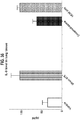
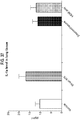
- the examples demonstrate that the compositions of the invention achieve a reduction in the recruitment of neutrophils and/or eosinophils into the airways following sensitisation and challenge with house dust mite extract and so they may be useful in the treatment or prevention of asthma.
- Asthma is a chronic disease characterised by inflammation and restriction of the airways.
- the inflammation in asthma may be mediated by IL-17 and/or Th17 cells, and so the compositions of the invention may be particularly effective for preventing or treating asthma.
- the inflammation in asthma may be mediated by eosinophils and/or neutrophils.
- the asthma is eosinophilic or allergic asthma.
- Eosinophilic and allergic asthma are characterised by increased numbers of eosinophils in peripheral blood and in airway secretions and is associated pathologically with thickening of the basement membrane zone and pharmacologically by corticosteroid responsiveness [26].
- Compositions that reduce or inhibit eosinophil recruitment or activation may be useful for treating or preventing eosinophilic and allergic asthma.
- compositions of the invention are for use in treating or preventing neutrophilic asthma (or non-eosinophilic asthma).
- neutrophilic asthma or non-eosinophilic asthma.
- High neutrophil numbers are associated with severe asthma that may be insensitive to corticosteroid treatment.
- Compositions that reduce or inhibit neutrophil recruitment or activation may be useful for treating or preventing neutrophilic asthma.
- Eosinophilic and neutrophilic asthma are not mutually exclusive conditions and treatments that help address either the eosinophil and neutrophil responses may be useful for treating asthma in general.
- compositions of the invention may be useful for preventing the development of severe asthma or for treating severe asthma.
- compositions of the invention are for use in methods reducing an eosinophilic inflammatory response in the treatment or prevention of asthma, or for use in methods of reducing a neutrophilic inflammatory response in the treatment or prevention of asthma.
- high levels of eosinophils in asthma is associated pathologically with thickening of the basement membrane zone, so reducing eosinophilic inflammatory response in the treatment or prevention of asthma may be able to specifically address this feature of the disease.
- elevated neutrophils either in combination with elevated eosinophils or in their absence, is associated with severe asthma and chronic airway narrowing. Therefore, reducing the neutrophilic inflammatory response may be particularly useful for addressing severe asthma.
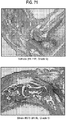
- the compositions reduce peribronchiolar infiltration in allergic asthma, or are for use in reducing peribronchiolar infiltration in the treatment of allergic asthma. In certain embodiments, the compositions reduce peribronchiolar and/or perivascular infiltration in neutrophilic asthma, or are for use in reducing peribronchiolar and/or perivascular infiltration in the treatment of allergic neutrophilic asthma.
- treatment with compositions of the invention provides a reduction or prevents an elevation in IL-1 ⁇ , IFN ⁇ , RANTES, MIP-1 ⁇ or IL-8 levels.
- the compositions of the invention are for use in a method of treating asthma that results in a reduction of the eosinophilic and/or neutrophilic inflammatory response.
- the patient to be treated has, or has previously been identified as having, elevated neutrophil or eosinophil levels, for example as identified through blood sampling or sputum analysis.
- the compositions of the invention may be useful for preventing the development of asthma in a new-born when administered to the new-born, or to a pregnant woman.
- the compositions may be useful for preventing the development of asthma in children.
- the compositions of the invention may be useful for treating or preventing adult-onset asthma.
- the compositions of the invention may be useful for managing or alleviating asthma.
- the compositions of the invention may be particularly useful for reducing symptoms associated with asthma that is aggravated by allergens, such as house dust mites.
- Treatment or prevention of asthma may refer to, for example, an alleviation of the severity of symptoms or a reduction in the frequency of exacerbations or the range of triggers that are a problem for the patient.
- the compositions of the invention are for use in treating or preventing rheumatoid arthritis (RA).
- RA is a systemic inflammatory disorder that primarily affects joints.
- RA is associated with an inflammatory response that results in swelling of joints, synovial hyperplasia, and destruction of cartilage and bone.
- IL-17 and Th17 cells may have a key role in RA, for example because IL-17 inhibits matrix production in chondrocytes and osteoblasts and activates the production and function of matrix metalloproteinases and because RA disease activity is correlated to IL-17 levels and Th-17 cell numbers [27,28], so the compositions of the invention may be particularly effective for preventing or treating RA.
- compositions of the invention are for use in lowering IL-17 levels or preventing elevation of IL-17 levels in the treatment or prevention of RA.
- treatment with compositions of the invention provides a reduction or prevents an elevation in IL-17 levels, in particular IL-17A levels.
- treatment with compositions of the invention provides a reduction or prevents an elevation in IFN- ⁇ or IL-6 levels.
- treatment with the compositions of the invention results in a reduction in the swelling of joints.
- the compositions of the invention are for use in patients with swollen joints or patients identified as at risk of having swollen joints.
- the compositions of the invention are for use in a method of reducing joint swelling in RA.
- treatment with the compositions of the invention results in a reduction in cartilage damage or bone damage.
- the compositions of the invention are for use in reducing or preventing cartilage or bone damage in the treatment of RA.
- the compositions are for use in treating patient with severe RA that are at risk of cartilage or bone damage.
- compositions of the invention are for use in preventing bone erosion or cartilage damage in the treatment of RA.
- compositions are for use in treating patients that exhibit bone erosion or cartilage damage or patients identified as at risk of bone erosion or cartilage damage.
- compositions of the invention are for use in treating chronic RA or late-stage RA, such as disease that includes joint destruction and loss of cartilage.
- compositions of the invention are for treating patients that have previously received anti-TNF-a therapy.
- the patients to be treated do not respond or no longer respond to anti-TNF- ⁇ therapy.
- compositions of the invention may be useful for modulating a patient's immune system, so in certain embodiments the compositions of the invention are for use in preventing RA in a patient that has been identified as at risk of RA, or that has been diagnosed with early-stage RA.
- the compositions of the invention may be useful for preventing the development of RA.
- compositions of the invention may be useful for managing or alleviating RA.
- the compositions of the invention may be particularly useful for reducing symptoms associated with joint swelling or bone destruction.
- Treatment or prevention of RA may refer to, for example, an alleviation of the severity of symptoms or a reduction in the frequency of exacerbations or the range of triggers that are a problem for the patient.
- the compositions of the invention are for use in treating or preventing multiple sclerosis.
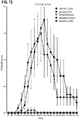
- the examples demonstrate that the compositions of the invention achieve a reduction in the disease incidence and disease severity in a mouse model of multiple sclerosis (the EAE model), and so they may be useful in the treatment or prevention of multiple sclerosis.
- Multiple sclerosis is an inflammatory disorder associated with damage to the myelin sheaths of neurons, particularly in the brain and spinal column.
- Multiple sclerosis is a chronic disease, which is progressively incapacitating and which evolves in episodes.
- IL-17 and Th17 cells may have a key role in multiple sclerosis, for example because IL-17 levels may correlate with multiple sclerosis lesions, IL-17 can disrupt blood brain barrier endothelial cell tight junctions, and Th17 cells can migrate into the central nervous system and cause neuronal loss [30,31]. Therefore, the compositions of the invention may be particularly effective for preventing or treating multiple sclerosis.
- treatment with the compositions of the invention results in a reduction in disease incidence or disease severity.
- the compositions of the invention are for use in reducing disease incidence or disease severity.
- treatment with the compositions of the invention prevents a decline in motor function or results in improved motor function.
- the compositions of the invention are for use in preventing a decline in motor function or for use in improving motor function.
- treatment with the compositions of the invention prevents the development of paralysis.
- the compositions of the invention are for use in preventing paralysis in the treatment of multiple sclerosis.
- compositions of the invention may be useful for modulating a patient's immune system, so in certain embodiments the compositions of the invention are for use in preventing multiple sclerosis in a patient that has been identified as at risk of multiple sclerosis, or that has been diagnosed with early-stage multiple sclerosis or "relapsing-remitting" multiple sclerosis.
- the compositions of the invention may be useful for preventing the development of sclerosis. Indeed, the examples show that administration of compositions of the invention prevented the development of disease in many mice.
- compositions of the invention may be useful for managing or alleviating multiple sclerosis.
- the compositions of the invention may be particularly useful for reducing symptoms associated with multiple sclerosis.
- Treatment or prevention of multiple sclerosis may refer to, for example, an alleviation of the severity of symptoms or a reduction in the frequency of exacerbations or the range of triggers that are a problem for the patient.
- the compositions of the invention are for use in treating or preventing uveitis.
- the compositions of the invention may achieve a reduction in disease incidence and disease severity in an animal model of uveitis and so they may be useful in the treatment or prevention of uveitis.
- Uveitis is inflammation of the uvea and can result in retinal tissue destruction. It can present in different anatomical forms (anterior, intermediate, posterior or diffuse) and result from different, but related, causes, including systemic autoimmune disorders.
- IL-17 and the Th17 pathway are centrally involved in uveitis, so the compositions of the invention may be particularly effective for preventing or treating uveitis.
- references [38-45] describe elevated serum levels of interleukin-17A in uveitis patients, specific association of IL17A genetic variants with panuveitis, the role of Th17-associated cytokines in the pathogenesis of experimental autoimmune uveitis, the imbalance between Th17 Cells and regulatory T Cells during monophasic experimental autoimmune uveitis, the up-regulation of IL-17A in patients with uveitis and active Adamantiades-Behçet and Vogt-Koyanagi-Harada (VKH) diseases, the treatment of non-infectious uveitis with secukinumab (anti-IL-17A antibody), and Th17 in uveitic eyes.
- VKH Vogt-Koyanagi-Harada
- the uveitis is posterior uveitis.
- Posterior uveitis presents primarily with inflammation of the retina and choroid and the compositions of the invention may be effective for reducing retinal inflammation and damage.
- treatment with the compositions of the invention results in a reduction in retinal damage.
- the compositions of the invention are for use in reducing or preventing retinal damage in the treatment of uveitis.
- the compositions are for use in treating patients with severe uveitis that are at risk of retinal damage.
- treatment with the compositions of the invention results in a reduction in optic disc inflammation.
- the compositions of the invention are for use in reducing or preventing optic disc inflammation.
- treatment with the compositions of the invention results in a reduction in retinal tissue infiltration by inflammatory cells.
- the compositions of the invention are for use in reducing retinal tissue infiltration by inflammatory cells.
- treatment with the compositions of the invention results in vision being maintained or improved.
- the compositions of the invention are for use in maintaining or improving vision.
- the compositions are for use in treating or preventing uveitis associated with a non-infectious or autoimmune disease, such as Behçet disease, Crohn's disease, Fuchs heterochromic iridocyclitis, granulomatosis with polyangiitis, HLA-B27 related uveitis, juvenile idiopathic arthritis, sarcoidosis, spondyloarthritis, sympathetic ophthalmia, tubulointerstitial nephritis and uveitis syndrome or Vogt-Koyanagi-Harada syndrome.
- IL-17A has been shown to be involved in, for example, Behçet and Vogt-Koyanagi-Harada diseases.
- Treatment or prevention of uveitis may refer to, for example, an alleviation of the severity of symptoms or a prevention of relapse.
- compositions of the invention are to be administered to the gastrointestinal tract in order to enable delivery to and / or partial or total colonisation of the intestine with the bacterial strain of the invention.
- compositions of the invention are administered orally, but they may be administered rectally, intranasally, or via buccal or sublingual routes.
- compositions of the invention may be administered as a foam, as a spray or a gel.
- compositions of the invention may be administered as a suppository, such as a rectal suppository, for example in the form of a theobroma oil (cocoa butter), synthetic hard fat (e.g. suppocire, witepsol), glycero-gelatin, polyethylene glycol, or soap glycerin composition.
- a rectal suppository for example in the form of a theobroma oil (coa butter), synthetic hard fat (e.g. suppocire, witepsol), glycero-gelatin, polyethylene glycol, or soap glycerin composition.
- the composition of the invention is administered to the gastrointestinal tract via a tube, such as a nasogastric tube, orogastric tube, gastric tube, jejunostomy tube (J tube), percutaneous endoscopic gastrostomy (PEG), or a port, such as a chest wall port that provides access to the stomach, jejunum and other suitable access ports.
- a tube such as a nasogastric tube, orogastric tube, gastric tube, jejunostomy tube (J tube), percutaneous endoscopic gastrostomy (PEG), or a port, such as a chest wall port that provides access to the stomach, jejunum and other suitable access ports.
- compositions of the invention may be administered once, or they may be administered sequentially as part of a treatment regimen. In certain embodiments, the compositions of the invention are to be administered daily.
- treatment according to the invention is accompanied by assessment of the patient's gut microbiota. Treatment may be repeated if delivery of and / or partial or total colonisation with the strain of the invention is not achieved such that efficacy is not observed, or treatment may be ceased if delivery and / or partial or total colonisation is successful and efficacy is observed.
- the composition of the invention may be administered to a pregnant animal, for example a mammal such as a human in order to prevent an inflammatory or autoimmune disease developing in her child in utero and / or after it is born.
- compositions of the invention may be administered to a patient that has been diagnosed with a disease or condition mediated by IL-17 or the Th17 pathway, or that has been identified as being at risk of a disease or condition mediated by IL-17 or the Th17 pathway.
- the compositions may also be administered as a prophylactic measure to prevent the development of diseases or conditions mediated by IL-17 or the Th17 pathway in a healthy patient.
- compositions of the invention may be administered to a patient that has been identified as having an abnormal gut microbiota.
- the patient may have reduced or absent colonisation by Bacteroides, and in particular Bacteroides coprocola.
- compositions of the invention may be administered as a food product, such as a nutritional supplement.
- compositions of the invention are for the treatment of humans, although they may be used to treat animals including monogastric mammals such as poultry, pigs, cats, dogs, horses or rabbits.
- the compositions of the invention may be useful for enhancing the growth and performance of animals. If administered to animals, oral gavage may be used.
- the composition of the invention comprises bacteria.
- the composition is formulated in freeze-dried form.
- the composition of the invention may comprise granules or gelatin capsules, for example hard gelatin capsules, comprising a bacterial strain of the invention.
- the composition of the invention comprises lyophilised bacteria. Lyophilisation of bacteria is a well-established procedure and relevant guidance is available in, for example, references [46-48].
- composition of the invention may comprise a live, active bacterial culture.
- the composition of the invention is encapsulated to enable delivery of the bacterial strain to the intestine.
- Encapsulation protects the composition from degradation until delivery at the target location through, for example, rupturing with chemical or physical stimuli such as pressure, enzymatic activity, or physical disintegration, which may be triggered by changes in pH. Any appropriate encapsulation method may be used. Exemplary encapsulation techniques include entrapment within a porous matrix, attachment or adsorption on solid carrier surfaces, self-aggregation by flocculation or with cross-linking agents, and mechanical containment behind a microporous membrane or a microcapsule. Guidance on encapsulation that may be useful for preparing compositions of the invention is available in, for example, references [49] and [50].
- the composition may be administered orally and may be in the form of a tablet, capsule or powder. Encapsulated products are preferred because Bacteroides are anaerobes. Other ingredients (such as vitamin C, for example), may be included as oxygen scavengers and prebiotic substrates to improve the delivery and / or partial or total colonisation and survival in vivo.
- the probiotic composition of the invention may be administered orally as a food or nutritional product, such as milk or whey based fermented dairy product, or as a pharmaceutical product.
- composition may be formulated as a probiotic.
- a composition of the invention includes a therapeutically effective amount of a bacterial strain of the invention.
- a therapeutically effective amount of a bacterial strain is sufficient to exert a beneficial effect upon a patient.
- a therapeutically effective amount of a bacterial strain may be sufficient to result in delivery to and / or partial or total colonisation of the patient's intestine.
- a suitable daily dose of the bacteria may be from about 1 x 10 3 to about 1 x 10 11 colony forming units (CFU); for example, from about 1 x 10 7 to about 1 x 10 10 CFU; in another example from about 1 x 10 6 to about 1 x 10 10 CFU.
- CFU colony forming units
- the composition contains the bacterial strain in an amount of from about 1 x 10 6 to about 1 x 10 11 CFU/g, respect to the weight of the composition; for example, from about 1 x 10 8 to about 1 x 10 10 CFU/g.
- the dose may be, for example, 1 g, 3g, 5g, and 10g.
- a probiotic such as the composition of the invention, is optionally combined with at least one suitable prebiotic compound.
- a prebiotic compound is usually a non-digestible carbohydrate such as an oligo- or polysaccharide, or a sugar alcohol, which is not degraded or absorbed in the upper digestive tract.
- Known prebiotics include commercial products such as inulin and transgalacto-oligosaccharides.
- the probiotic composition of the present invention includes a prebiotic compound in an amount of from about 1 to about 30% by weight, respect to the total weight composition, (e.g. from 5 to 20% by weight).
- Carbohydrates may be selected from the group consisting of: fructo- oligosaccharides (or FOS), short-chain fructo-oligosaccharides, inulin, isomalt-oligosaccharides, pectins, xylo-oligosaccharides (or XOS), chitosan-oligosaccharides (or COS), beta-glucans, arable gum modified and resistant starches, polydextrose, D-tagatose, acacia fibers, carob, oats, and citrus fibers.
- the prebiotics are the short-chain fructo-oligosaccharides (for simplicity shown herein below as FOSs-c.c); said FOSs-c.c. are not digestible carbohydrates, generally obtained by the conversion of the beet sugar and including a saccharose molecule to which three glucose molecules are bonded.
- compositions of the invention may comprise pharmaceutically acceptable excipients or carriers.
- suitable excipients may be found in the reference [51].
- Acceptable carriers or diluents for therapeutic use are well known in the pharmaceutical art and are described, for example, in reference [52].
- suitable carriers include lactose, starch, glucose, methyl cellulose, magnesium stearate, mannitol, sorbitol and the like.
- suitable diluents include ethanol, glycerol and water.
- the choice of pharmaceutical carrier, excipient or diluent can be selected with regard to the intended route of administration and standard pharmaceutical practice.
- the pharmaceutical compositions may comprise as, or in addition to, the carrier, excipient or diluent any suitable binder(s), lubricant(s), suspending agent(s), coating agent(s), solubilising agent(s).
- suitable binders include starch, gelatin, natural sugars such as glucose, anhydrous lactose, free-flow lactose, beta-lactose, corn sweeteners, natural and synthetic gums, such as acacia, tragacanth or sodium alginate, carboxymethyl cellulose and polyethylene glycol.
- suitable lubricants include sodium oleate, sodium stearate, magnesium stearate, sodium benzoate, sodium acetate, sodium chloride and the like.
- Preservatives, stabilizers, dyes and even flavouring agents may be provided in the pharmaceutical composition.
- preservatives include sodium benzoate, sorbic acid and esters of p-hydroxybenzoic acid.
- Antioxidants and suspending agents may be also used.
- compositions of the invention may be formulated as a food product.
- a food product may provide nutritional benefit in addition to the therapeutic effect of the invention, such as in a nutritional supplement.
- a food product may be formulated to enhance the taste of the composition of the invention or to make the composition more attractive to consume by being more similar to a common food item, rather than to a pharmaceutical composition.
- the composition of the invention is formulated as a milk-based product.
- milk-based product means any liquid or semi-solid milk- or whey- based product having a varying fat content.
- the milk-based product can be, e.g., cow's milk, goat's milk, sheep's milk, skimmed milk, whole milk, milk recombined from powdered milk and whey without any processing, or a processed product, such as yoghurt, curdled milk, curd, sour milk, sour whole milk, butter milk and other sour milk products.
- milk beverages such as whey beverages, fermented milks, condensed milks, infant or baby milks; flavoured milks, ice cream; milk-containing food such as sweets.
- compositions of the invention contain a single bacterial strain or species and do not contain any other bacterial strains or species. Such compositions may comprise only de minimis or biologically irrelevant amounts of other bacterial strains or species. Such compositions may be a culture that is substantially free from other species of organism.
- compositions for use in accordance with the invention may or may not require marketing approval.
- the lyophilised bacterial strain is reconstituted prior to administration.
- the reconstitution is by use of a diluent described herein.
- compositions of the invention can comprise pharmaceutically acceptable excipients, diluents or carriers.
- the invention provides a pharmaceutical composition
- a pharmaceutical composition comprising: a bacterial strain of the invention; and a pharmaceutically acceptable excipient, carrier or diluent; wherein the bacterial strain is in an amount sufficient to treat a disorder when administered to a subject in need thereof; and wherein the disorder is selected from the group consisting of asthma, allergic asthma, neutrophilic asthma, osteoarthritis, psoriatic arthritis, juvenile idiopathic arthritis, neuromyelitis optica (Devic's disease), ankylosing spondylitis, spondyloarthritis, systemic lupus erythematosus, celiac disease, chronic obstructive pulmonary disease (COPD), cancer, breast cancer, colon cancer, lung cancer, ovarian cancer, uveitis, scleritis, vasculitis, Behcet's disease, atherosclerosis, atopic dermatitis, emphysema, periodontitis, allergic rhinitis, and all
- the invention provides pharmaceutical composition comprising: a bacterial strain of the invention; and a pharmaceutically acceptable excipient, carrier or diluent; wherein the bacterial strain is in an amount sufficient to treat or prevent a disease or condition mediated by IL-17 or the Th17 pathway.
- said disease or condition is selected from the group consisting of rheumatoid arthritis, multiple sclerosis, psoriasis, inflammatory bowel disease, Crohn's disease, ulcerative colitis, celiac disease, asthma, allergic asthma, neutrophilic asthma, osteoarthritis, psoriatic arthritis, juvenile idiopathic arthritis, neuromyelitis optica (Devic's disease), ankylosing spondylitis, spondyloarthritis, systemic lupus erythematosus, chronic obstructive pulmonary disease (COPD), cancer, breast cancer, colon cancer, lung cancer, ovarian cancer, uveitis, scleritis, vasculitis, Behcet's disease, atherosclerosis, atopic dermatitis, emphysema, periodontitis, allergic rhinitis, and allograft rejection.
- rheumatoid arthritis multiple sclerosis
- psoriasis
- the invention provides the above pharmaceutical composition, wherein the amount of the bacterial strain is from about 1 ⁇ 10 3 to about 1 ⁇ 10 11 colony forming units per gram with respect to a weight of the composition.
- the invention provides the above pharmaceutical composition, wherein the composition is administered at a dose of 1 g, 3 g, 5 g or 10 g.
- the invention provides the above pharmaceutical composition, wherein the composition is administered by a method selected from the group consisting of oral, rectal, subcutaneous, nasal, buccal, and sublingual.
- the invention provides the above pharmaceutical composition, comprising a carrier selected from the group consisting of lactose, starch, glucose, methyl cellulose, magnesium stearate, mannitol and sorbitol.
- the invention provides the above pharmaceutical composition, comprising a diluent selected from the group consisting of ethanol, glycerol and water.
- the invention provides the above pharmaceutical composition, comprising an excipient selected from the group consisting of starch, gelatin, glucose, anhydrous lactose, free-flow lactose, beta-lactose, corn sweetener, acacia, tragacanth, sodium alginate, carboxymethyl cellulose, polyethylene glycol, sodium oleate, sodium stearate, magnesium stearate, sodium benzoate, sodium acetate and sodium chloride.
- an excipient selected from the group consisting of starch, gelatin, glucose, anhydrous lactose, free-flow lactose, beta-lactose, corn sweetener, acacia, tragacanth, sodium alginate, carboxymethyl cellulose, polyethylene glycol, sodium oleate, sodium stearate, magnesium stearate, sodium benzoate, sodium acetate and sodium chloride.
- the invention provides the above pharmaceutical composition, further comprising at least one of a preservative, an antioxidant and a stabilizer.
- the invention provides the above pharmaceutical composition, comprising a preservative selected from the group consisting of sodium benzoate, sorbic acid and esters of p-hydroxybenzoic acid.
- the invention provides the above pharmaceutical composition, wherein said bacterial strain is lyophilised.
- the invention provides the above pharmaceutical composition, wherein when the composition is stored in a sealed container at about 4°C or about 25°C and the container is placed in an atmosphere having 50% relative humidity, at least 80% of the bacterial strain as measured in colony forming units, remains after a period of at least about: 1 month, 3 months, 6 months, 1 year, 1.5 years, 2 years, 2.5 years or 3 years.
- the bacterial strains for use in the present invention can be cultured using standard microbiology techniques as detailed in, for example, references [53-55].
- Bacterial strains of the genus Bacteroides may be cultured using a method such as that outlined below, which may provide good growth and reliability. This method is particularly useful for culturing strains of the species Bacteroides coprocola.
- Bacterial strains of the genus Bacteroides may be cultured by using a liquid stock to inoculate the plate (or a larger liquid culture), rather than a scrape of frozen stock as may generally be used (see, for example, reference [56]).
- the establishment of mature colonies is reliable and quick if frozen stocks of Bacteroides strains are thawed and used as a liquid culture.
- a method suitable for culturing a bacterial strain of the genus Bacteroides may comprise:
- This method is particularly useful for culturing bacterial strains of Bacteroides coprocola.
- the frozen stock may be a frozen glycerol stock.
- the solid or liquid medium may be YCFA agar or YCFA medium.
- YCFA medium may include (per 100ml, approximate values): Casitone (1.0 g), yeast extract (0.25 g), NaHCO 3 (0.4 g), cysteine (0.1 g), K 2 HPO 4 (0.045 g), KH 2 PO 4 (0.045 g), NaCl (0.09 g), (NH 4 ) 2 SO 4 (0.09 g), MgSO 4 ⁇ 7H 2 O (0.009 g), CaCl 2 (0.009 g), resazurin (0.1 mg), hemin (1 mg), biotin (1 ⁇ g), cobalamin (1 ⁇ g), p-aminobenzoic acid (3 ⁇ g), folic acid (5 ⁇ g), and pyridoxamine (15 ⁇ g).
- the incubating in step (d) may be performed for at least 36 hours, such as 48 or 72 hours.
- the incubating in step (d) may be performed in an anaerobic environment, such as an anaerobic hood.
- the culture provided in step (d) may be used to subculture a larger culture of the bacterial strain. Such subculturing allows greater amounts of bacteria to be prepared and may be useful for providing compositions of the invention at a commercial scale.
- the thawing in step (b) may be performed at room temperature, or by hand warming.
- the amount of liquid stock added in step (c) may be between 300 ⁇ l and 5ml, such 500 ⁇ l.
- the stock may be 20% glycerol stock.
- the above method may be used for preparing a pharmaceutical composition or a food product, in which case the method may comprise additional steps of isolating the bacterial strain, optionally lyophilising the bacterial strain, and combining the bacterial strain with one or more pharmaceutically acceptable excipients or carriers, or one or more food substances.
- This pharmaceutical composition or food product prepared by the method may be used in a method of treating or preventing a disease or condition mediated by IL-17 or the Th17 pathway.
- An exemplary method of culturing bacterial strains of the genus Bacteroides, and in particular of the species Bacteroides coprocola, may comprise:
- the inventors have identified that the bacterial strains of the invention are useful for treating or preventing diseases or conditions mediated by IL-17 or the Th17 pathway. This is likely to be a result of the effect that the bacterial strains of the invention have on the host immune system. Therefore, the compositions of the invention may also be useful for preventing diseases or conditions mediated by IL-17 or the Th17 pathway, when administered as vaccine compositions.
- the bacterial strains of the invention may be killed, inactivated or attenuated.
- the compositions may comprise a vaccine adjuvant.
- the compositions are for administration via injection, such as via subcutaneous injection.
- composition comprising X may consist exclusively of X or may include something additional e.g. X + Y.
- references to a percentage sequence identity between two nucleotide sequences means that, when aligned, that percentage of nucleotides are the same in comparing the two sequences.
- This alignment and the percent homology or sequence identity can be determined using software programs known in the art, for example those described in section 7.7.18 of ref. [65].
- a preferred alignment is determined by the Smith-Waterman homology search algorithm using an affine gap search with a gap open penalty of 12 and a gap extension penalty of 2, BLOSUM matrix of 62.
- the Smith-Waterman homology search algorithm is disclosed in ref. [66].
- a process or method comprising numerous steps may comprise additional steps at the beginning or end of the method, or may comprise additional intervening steps. Also, steps may be combined, omitted or performed in an alternative order, if appropriate.
- mice were administered with compositions comprising bacterial strains according to the invention and were subsequently challenged with house dust mite (HDM) extract to elicit an allergic inflammatory response.
- the inflammatory response to HDM includes eosinophilic and neutrophilic components, is mediated by IL-17 and the Th17 pathway, and is a model for asthma.
- the magnitude and characteristics of the inflammatory response exhibited by mice treated with compositions of the invention were compared to control groups.
- the compositions of the invention were found to alleviate the inflammatory response, and to reduce recruitment of eosinophils and neutrophils, indicating that they may be useful for treating IL-17- and Th17-mediated conditions such as eosinophilia, neutrophilia and asthma.
- mice On day 14 animals were sacrificed by lethal intraperitoneal injection with pentabarbitol (Streuli Pharma AG, Uznach, Cat: 1170139A) immediately followed by a bronchoalveolar lavage (BAL).
- pentabarbitol Streuli Pharma AG, Uznach, Cat: 1170139A
- mice Female 7 week old BALB/c mice were purchased from Charles River Laboratories and randomly allocated to cages totally 5 mice per cage (Ventilated cages sourced from Indulab AG, Gams, Switzerland Cage type: "The SealsafeTM - IVC cage. Product number 1248L). Cages were labeled with study number, group number and experimental starting date. Mice were monitored weekly and acclimatized to facility for 7 days prior to initiation of study (Study Day -14). Animals were 8 weeks old on Study Day -14. Potable water and food were available ad libitum. Cage enrichment was present.
- mice were anesthetized by i.p. injection with 9.75 mg xylasol and 48.75 mg ketasol per kg (Dr. E. Graeub AG, Bern, Switzerland) and administered with 15ug of HDM (Catalogue number: XPB70D3A25, Lot number: 231897, Greer Laboratories, Lenoir, NC, USA) in a volume of 30ul PBS per nasal.
- HDM Catalogue number: XPB70D3A25, Lot number: 231897, Greer Laboratories, Lenoir, NC, USA
- Dexamethasone 21-phosphate disodium salt (Sigma-Aldrich, Catalogue number D1159, Lot N° SLBD.1030V) was solved in H 2 O and administered to the animals in a dose of 3mg/kg in a volume of 200ul per oral at days indicated in study protocol above.
- mice treated with the bacteria or the vehicle No morbidity or mortality was noted in the mice treated with the bacteria or the vehicle.
- vehicle treatment negative control
- dexamethasone treatment positive control
- mice were administered with compositions comprising bacterial strains according to the invention and were subsequently sensitised with subcutaneous administrations of house dust mite (HDM) extract and challenged with an intranasal administration of HDM in order to model the inflammatory response of severe neutrophilic asthma.
- the magnitude and characteristics of the inflammatory response exhibited by mice treated with compositions of the invention were compared to control groups.
- the compositions of the invention were found to alleviate the inflammatory response, and in particular to reduce recruitment of neutrophils, in a manner comparable to the positive control comprising administrations of anti-IL-17 antibodies. The data therefore indicate that the compositions of the invention may be useful for treating IL-17- and Th17-mediated conditions such as neutrophilia and asthma.
- BAL bronchoalveolar lavage
- mice Female 7 week old C57BL/6 mice were purchased from Charles River Laboratories and randomly allocated to cages totally 5 mice per cage (Ventilated cages sourced from Indulab AG, Gams, Switzerland Cage type: "The SealsafeTM - IVC cage. Product number 1248L). Cages were labelled with study number, group number and experimental starting date. Mice were monitored weekly and acclimatized to facility for 7 days prior to initiation of study (Study Day -14). Animals were 8 weeks old on Study Day -14. Potable water and food were available ad libitum. Cage enrichment was present.
- HDM sensitization 50 ⁇ g of HDM (Catalogue number: XPB70D3A25, Lot number: 231897, Greer Laboratories, Lenoir, NC, USA) in PBS was emulsified in equal volume of complete Freund's adjuvant (CFA Chondrex Inc. Washington, USA) and administered subcutaneously in a volume of 200 ⁇ l, twice over two weeks on opposite flanks. A week after the second immunization, mice were anesthetized by i.p. injection with 9.75 mg xylasol and 48.75 mg ketasol per kg (Dr. E. Graeub AG, Bern, Switzerland) and then given intranasal challenges of 15 ⁇ g of HDM in a volume of 30ul PBS on 4 consecutive days. Analysis was performed one day after the final challenge.
- Anti-IL-17 neutralizing antibody was sourced from Bio X Cell and was stored at 4°C (Clone 17F3, Cat. Number BE0173, Bio X Cell) and administered per i.p. at a dose of 12.5 mg/kg at days indicated in study protocol above.
- strain 675 exhibited a strong effect and reduced total neutrophil numbers relative to the negative controls. In addition, strain 675 reduced eosinophil numbers relative to the controls, as shown in Figures 11 and 12 .
- Example 3 Efficacy of bacterial inocula to treat arthritis in a type II collagen-induced arthritis mouse model
- Bacterial cultures were grown up for administration in an anaerobic workstation (Don Whitley Scientific) according to the growth scheme below.
- Bacterial strain #675 was grown using glycerol stocks.
- Glycerol stocks were stored at -80°C. Three times per week, glycerol stocks were thawed at room temperature and streaked on YCFA plates. A new glycerol aliquot was used on each occasion. Bacteria were allowed to grow on a given plate for up to 72 hours.
- Solutions to be administered to the animals were prepared twice daily with an eight hour interval for morning (AM) and afternoon (PM) treatments.
- a bacterial colony was picked from the streaked plate and transferred into a tube containing YCFA media.
- Bacterial strain #675 was allowed to grow for 16 hours before AM administrations.
- Bacteria were sub-cultured at 1% into YCFA media for PM administrations. OD values were recorded for each strain after morning and afternoon treatment preparations.
- mice Male male DBA/1 mice were randomly allocated to experimental groups and allowed to acclimatise for two weeks. On Day 0, animals were administered by subcutaneous injection with 100 microliters of an emulsion containing 100 micrograms of type II collagen (CII) in incomplete's Freund's adjuvant supplemented with 4 mg/ml Mycobacterium tuberculosis H37Ra. On Day 21, animals were administered by subcutaneous injection with a booster emulsion containing 100 ⁇ g of type II collagen in incomplete Freund's adjuvant.
- CII type II collagen
- Treatments were given according to the administration schedule below. From Day -14 until the end of the experiment on Day 45, animals were weighed three times per week. From Day 21 until the end of the experiment, animals were scored three times per week for clinical signs of arthritis to include swelling of the hind- and front paws, radio-carpal (wrist) joints and tibio-tarsal (ankle) joints.
- mice On Day 45 mice were culled and terminal blood samples were taken for cytokine analysis.
- the collagen-induced arthritis (CIA) mouse model is a well-established mouse model for rheumatoid arthritis [67]. Immunisation with CII causes a pathogenesis that includes several important pathological features of rheumatoid arthritis, including synovial hyperplasia, mononuclear cell infiltration and cartilage degradation. Significantly, the development of CIA is mediated by Th17 cells through secretion of IL-17A [68]. The immune response underlying the arthritis model is enhanced by the use of Freund's adjuvant supplemented with Mycobacterium tuberculosis.
- spleens were collected from three satellite animals in each group. Cells were cultured for 72 hours in the presence or absence of type II collagen. Cytokines, including TNF- ⁇ , IL-6, IFN- ⁇ , IL-4, IL-10 and IL-17, were quantified in the culture supernatants and in terminal serum by Luminex. Cell proliferation was quantified using a tritiated thymidine incorporation method.
- the vehicle used for the biotherapeutics was Yeast extract-Casitone-Fatty Acids (YCFA) medium.
- YCFA Yeast extract-Casitone-Fatty Acids
- Group Dose Administration Disease Induction Route Regimen 1 Vehicle 5 ml / kg PO BID: Day -14 * -End Day 0: Collagen / CFA, once, SC 4 Biotherapeutic #675 5 ml / kg Day 21: Collagen / IFA, once, SC PO: oral gavage, SC: subcutaneous injection, BID: twice a day, CFA: complete Freund's adjuvant. * Except Group 4 treated from Day 0.
- mice were checked daily for non-specific clinical signs to include abnormal posture (hunched), abnormal coat condition (piloerection) and abnormal activity levels (reduced or increased activity).
- mice were scored three times per week for clinical signs of arthritis to include swelling of the hind- and front paws, radio-carpal (wrist) joints and tibio-tarsal (ankle) joints. Each limb was scored using the following scale: (0) normal, (1) slight swelling, (2) mild swelling, (3) moderate swelling and (4) severe swelling. A clinical score was calculated by adding each limb score. The maximum possible clinical score for an animal was (16). Animals with a score equal to (12) on two consecutive occasions and animals with a score greater than (12) on any one occasion were culled. Data were graphed (Mean ⁇ SEM).
- Spleen cells were cultured for 72 hours in presence or absence of type II Collagen. After 72 hours, cells were pulsed overnight in the presence of tritiated thymidine. Cell proliferation was quantified by measuring thymidine incorporation. Data were graphed (Mean ⁇ SEM). Supernatants were taken and tested for the presence of key cytokines.
- Terminal supernatants from the spleen cell cultures were tested in order to quantitate TNF- ⁇ , IL-6, IFN- ⁇ , IL-4, IL-10 and IL-17 by Luminex. Data were graphed (Mean ⁇ SEM).
- the bodyweights measured between Day -14 and Day -1 in the biotherapeutic-treated groups did not differ from the bodyweights measured in the vehicle-treated group on any given day.
- the data are presented in Figure 20 . Data from animals culled prior to the scheduled end of the experiment and from Satellite animals were excluded from the analyses. Day 28, Day 35 and Day 42 data were further analysed by one-way ANOVA followed by Dunnett's post-test for multiple comparisons to the vehicle-treated group.
- Clinical score data were analysed by two-way ANOVA followed by Dunnett's post-test for multiple comparisons between days in the vehicle-treated group then for multiple comparisons between experimental groups and the vehicle-treated group each day. The data are presented in Figure 21 . Data recorded from animals culled prior to the end of the experiment were excluded from the analysis. When animals were culled due to the severity of the clinical signs of arthritis, the last recorded score was reported for the following days and used in the statistical analyses.
- Biotherapeutic #675 did not reduce the clinical scores when compared to the vehicle-treated group. Animals in this group were immunised at a different time when compared to other experimental groups, which may explain the higher clinical scores observed.
- splenocytes were cultured in the presence of soluble anti-CD3 and anti-CD28 (anti-CD3/CD28) as positive control stimuli to confirm the proliferative potential of the cells.
- splenocytes were cultured in the presence of CII at 50 ⁇ g/ml.
- Splenocyte proliferative response to CII were analysed by two-way ANOVA followed by Sydak's post-test for multiple comparisons between unstimulated and CII-stimulated splenocytes and one-way ANOVA followed by Dunnett's post-test for comparison of CII-stimulated response in different experimental groups with the vehicle-treated group.
- the data are presented in Figure 22 .
- CII induced a highly significant increase of 3 H-thymidine incorporation (cpm) when compared to the unstimulated splenocytes in the vehicle-treated group (p ⁇ 0.0001).
- Splenocyte proliferation for group treated with biotherapeutic #675 was set up on a different day, therefore comparison with the vehicle-treated group was not preformed, although a notable reduction was observed.
- IL-4 6,406 pg/ml
- IL-6 306 pg/ml
- IL-10 10,987 pg/ml
- IL-17A 11,447 pg/ml
- IFN- ⁇ 15,581 pg/ml
- TNF- ⁇ 76 pg/ml
- the group means of IL-4 in tissue culture supernatants after stimulation with CII were ⁇ 5pg/ml. These are not considered biologically significant and not included here.
- the group means of TNF- ⁇ in tissue culture supernatants after stimulation with collagen were below limit of quantitation.
- IFN- ⁇ is the major cytokine driving disease in the CIA model.
- the scatter plot in Figure 23 demonstrates IFN- ⁇ levels after CII stimulation, with group median being higher for the Vehicle-treated group compared to the biotherapeutic (see Figure 27 ).
- IL-17A levels were 50pg/ml in CII-stimulated cultures for the Vehicle-treated group. The levels of this cytokine appeared to be lower in the biotherapeutic group compared to the Vehicle-treated group (see Figure 27 ).
- IL-10 in Vehicle-treated group were 13 pg/ml and 2.1 pg/ml for CII-stimulated, and media control cultures, respectively. Higher levels of IL-10 (which is an anti-inflammatory cytokine) for the vehicle-treated group may be expected because inflammation and pro-inflammatory cytokine induction could be accompanied by an anti-inflammatory feedback mechanism.
- Inflammatory cytokines such as IL-6 and TNF- ⁇ are not typically produced at high levels in anti-CII cultures. However, their levels may be altered as a result of immune modulation. Levels of IL-6 in CII-stimulated cultures were modest, reaching 10pg/ml. Although higher than in media control cultures, these differences were too small to provide rationale for performing statistical analyses.
- Splenocyte cultures for this group were set up on a different day and are therefore separate from the Vehicle-treated group. Although direct comparisons may not be appropriate, it appears that treatment with Biotherapeutic #675 was effective at lowering IFN- ⁇ , IL-17A and IL-6 levels.
- Bacterial growth was confirmed by measuring the optical density at 600 nm using a spectrophotometer. Bacterial identity was confirmed by comparing streaked plate pictures to reference pictures.
- Biotherapeutic #675 was effective for reducing histopathological damage observed in hind limb joints and reducing joint inflammation scores, cartilage damage scores, bone damage scores and total histopathology scores (see Figure 70 ), although statistical comparisons with the vehicle group could not be performed.
- Biotherapeutic #675 was shown to be effective at treating arthritis in this model. Animals treated with biotherapeutic #675 were immunised at a different time when compared to the vehicle-treated group, which may explain the higher clinical scores observed. However, biotherapeutic #675 was effective for reducing pathological disease in the joints, as demonstrated in the histopathological analysis.
- T cell cytokines tested showed detectable increases between Collagen II-stimulated and media controls in the Vehicle-treated group. These increases were not as obvious in the biotherapeutic-treated group. This broadly supports the proliferative recall responses to Collagen II described above. There was evidence of suppression of the Th1/Th17 axis, which is the pathogenic response in this model and in human RA. Correlation of reduced levels of cytokines with reduced proliferation is suggestive of immune modulation. There was no evidence that this modulation resulted either from enhanced levels of Th2 associated IL-4 or with increases in the immune modulating cytokine, IL-10.
- mice tested in Example 1 were subjected to further analyses to further characterise the effect of the compositions of the invention on the allergic asthma inflammatory response.
- Blood withdrawal and serum preparation on day 14 Blood withdrawal and serum preparation on day 14. Blood samples of animals were collected via cardiac puncture. Serum was isolated from the blood sample by centrifugation for 5 min at 14000g and stored at -20 °C.
- Total IgE and house-dust-mite (HDM) specific IgG1 antibody production were measured in the BAL and serum by ELISA assay.
- mice tested in Example 2 were subjected to further analyses to further characterise the effect of the compositions of the invention on the neutrophilic response associated with severe asthma.
- Histological analysis supported the differential cell counts from the BAL fluid, showing a reduced cellular infiltrate in mice treated with Strain 675 (see Figures 51-53 ).
- Example 6 Efficacy of bacterial inocula in a mouse model of multiple sclerosis
- mice were administered with compositions comprising bacterial strains according to the invention and the mice were subsequently immunised with myelin oligodendrocyte glycoprotein to induce experimental autoimmune encephalomyelitis (EAE).
- EAE is the most commonly used experimental model for human multiple sclerosis.
- the compositions of the invention were found to have a striking effect on disease incidence and disease severity.
- mice were analysed for disease incidence and disease severity three times a week. Scoring was performed blind. Disease severity was assessed using a clinical score ranging from 0 to 5, with 5 indicating a dead mouse (see clinical scoring system below).
- mice On the indicated days mice were weighed and observed for disease activity score and disease incidence. Disease activity score observations: 0 - No obvious changes in motor function compared to non-immunized mice. 0.5 - Tip of tail is limp. 1.0 - Limp tail. 1.5 - Limp tail and hind leg inhibition. 2.0 - Limp tail and weakness of hind legs. OR - There are obvious signs of head tilting when the walk is observed. The balance is poor. 2.5 - Limp tail and dragging of hind legs. - OR - There is a strong head tilt that causes the mouse to occasionally fall over. 3.0 - Limp tail and complete paralysis of hind legs. 3.5 - Limp tail and complete paralysis of hind legs.
- Mouse In addition to: Mouse is moving around the cage, but when placed on its side, is unable to right itself. Hind legs are together on one side of body. 4.0 - Limp tail, complete hind leg and partial front leg paralysis. - Mouse is minimally moving around the cage but appears alert and feeding 4.5 - Complete hind and partial front leg paralysis, no movement around the cage. Mouse is immediately euthanized and removed from cage. 5.0 Mouse is euthanized due to severe paralysis.
- strain 675 may be useful for treating or preventing multiple sclerosis.
- a composition described herein containing at least one bacterial strain described herein is stored in a sealed container at 25°C or 4°C and the container is placed in an atmosphere having 30%, 40%, 50%, 60%, 70%, 75%, 80%, 90% or 95% relative humidity. After 1 month, 2 months, 3 months, 6 months, 1 year, 1.5 years, 2 years, 2.5 years or 3 years, at least 50%, 60%, 70%, 80% or 90% of the bacterial strain shall remain as measured in colony forming units determined by standard protocols.
Landscapes
- Health & Medical Sciences (AREA)
- Life Sciences & Earth Sciences (AREA)
- Chemical & Material Sciences (AREA)
- Engineering & Computer Science (AREA)
- General Health & Medical Sciences (AREA)
- Medicinal Chemistry (AREA)
- Pharmacology & Pharmacy (AREA)
- Animal Behavior & Ethology (AREA)
- Public Health (AREA)
- Veterinary Medicine (AREA)
- Bioinformatics & Cheminformatics (AREA)
- Organic Chemistry (AREA)
- Nuclear Medicine, Radiotherapy & Molecular Imaging (AREA)
- Chemical Kinetics & Catalysis (AREA)
- General Chemical & Material Sciences (AREA)
- Immunology (AREA)
- Pulmonology (AREA)
- Microbiology (AREA)
- Epidemiology (AREA)
- Mycology (AREA)
- Biomedical Technology (AREA)
- Dermatology (AREA)
- Neurosurgery (AREA)
- Neurology (AREA)
- Rheumatology (AREA)
- Polymers & Plastics (AREA)
- Food Science & Technology (AREA)
- Molecular Biology (AREA)
- Physical Education & Sports Medicine (AREA)
- Cardiology (AREA)
- Heart & Thoracic Surgery (AREA)
- Genetics & Genomics (AREA)
- Wood Science & Technology (AREA)
- Biotechnology (AREA)
- Zoology (AREA)
- Orthopedic Medicine & Surgery (AREA)
- Vascular Medicine (AREA)
- Nutrition Science (AREA)
- Biochemistry (AREA)
- Psychiatry (AREA)
Description
- This invention is in the field of compositions comprising bacterial strains isolated from the mammalian digestive tract and the use of such compositions in the treatment of disease.
- The human intestine is thought to be sterile in utero, but it is exposed to a large variety of maternal and environmental microbes immediately after birth. Thereafter, a dynamic period of microbial colonization and succession occurs, which is influenced by factors such as delivery mode, environment, diet and host genotype, all of which impact upon the composition of the gut microbiota, particularly during early life. Subsequently, the microbiota stabilizes and becomes adult-like [ 1]. The human gut microbiota contains more than 500-1000 different phylotypes belonging essentially to two major bacterial divisions, the Bacteroidetes and the Firmicutes [2]. The successful symbiotic relationships arising from bacterial colonization of the human gut have yielded a wide variety of metabolic, structural, protective and other beneficial functions. The enhanced metabolic activities of the colonized gut ensure that otherwise indigestible dietary components are degraded with release of by-products providing an important nutrient source for the host. Similarly, the immunological importance of the gut microbiota is well-recognized and is exemplified in germfree animals which have an impaired immune system that is functionally reconstituted following the introduction of commensal bacteria [3-5].
- Dramatic changes in microbiota composition have been documented in gastrointestinal disorders such as inflammatory bowel disease (IBD). For example, the levels of Clostridium cluster XIVa bacteria are reduced in IBD patients whilst numbers of E. coli are increased, suggesting a shift in the balance of symbionts and pathobionts within the gut [6-9]. Interestingly, this microbial dysbiosis is also associated with imbalances in T effector cell populations.
- In recognition of the potential positive effect that certain bacterial strains may have on the animal gut, various strains have been proposed for use in the treatment of various diseases (see, for example, [10-13]). Also, certain strains, including mostly Lactobacillus and Bifidobacterium strains, have been proposed for use in treating various inflammatory and autoimmune diseases that are not directly linked to the intestines (see [14] and [15] for reviews). However, the relationship between different diseases and different bacterial strains, and the precise effects of particular bacterial strains on the gut and at a systemic level and on any particular types of diseases, are poorly characterised.
- There is a requirement in the art for new methods of treating inflammatory and autoimmune diseases. There is also a requirement for the potential effects of gut bacteria to be characterised so that new therapies using gut bacteria can be developed.
-
WO 2011/153226 describes pharmaceutical products using cellular constituents of various Bacteroides species. -
US 2014/335131 ,CN 104546935 ,CN 103156888 andCN 104546942 describe the use of Bacteroides fragilis, thetaiotaomicron, vulgatus and dorei in therapy. -
US 9011834 - The invention provides a composition comprising a bacterial strain of genus Bacteroides having a 16s rRNA sequence that is at least 98% identical to SEQ ID NO:4, for use in a method of treating or preventing an inflammatory or autoimmune disease
- The inventors have developed new therapies for treating and preventing inflammatory and autoimmune diseases. In particular, the inventors have developed new therapies for treating and preventing diseases and conditions mediated by IL-17 or the Th17 pathway. In particular, the inventors have identified that bacterial strains from the genus Bacteroides can be effective for reducing the Th17 inflammatory response. As described in the examples, oral administration of compositions comprising Bacteroides coprocola may reduce the severity of the inflammatory response, including the Th17 inflammatory response, in mouse models of asthma, rheumatoid arthritis and multiple sclerosis.
- The inventors have identified that treatment with bacterial strains from this genus can reduce levels of cytokines that are part of the Th17 pathway, including IL-17, can alleviate the Th17 inflammatory response and can provide clinical benefits in mouse models of inflammatory and autoimmune diseases mediated by IL-17 and the Th17 pathway.
- In particular embodiments, the invention provides a composition comprising a bacterial strain of the genus Bacteroides having a 16s rRNA sequence that is at least 98% identical to SEQ ID NO:4, for use in a method of treating or preventing a disease or condition selected from the group consisting of: multiple sclerosis; arthritis, such as rheumatoid arthritis, osteoarthritis, psoriatic arthritis, or juvenile idiopathic arthritis; neuromyelitis optica (Devic's disease); ankylosing spondylitis; spondyloarthritis; psoriasis; systemic lupus erythematosus; inflammatory bowel disease, such as Crohn's disease or ulcerative colitis; celiac disease; asthma, such as allergic asthma or neutrophilic asthma; chronic obstructive pulmonary disease (COPD); uveitis; scleritis; vasculitis; Behcet's disease; atherosclerosis; atopic dermatitis; emphysema; periodontitis; allergic rhinitis; and allograft rejection. The effect shown for the bacterial strains from the genus Bacteroides on the Th17 inflammatory response may provide therapeutic benefits for diseases and conditions mediated by IL-17 and the Th17 pathway, such as those listed above.
- In preferred embodiments, the invention provides a composition comprising a bacterial strain of the genus Bacteroides having a 16s rRNA sequence that is at least 98% identical to SEQ ID NO:4, for use in a method of treating or preventing asthma, such as neutrophilic asthma or allergic asthma. The inventors have identified that treatment with Bacteroides strains can reduce recruitment of neutrophils and eosinophils into the lungs, which can help treat or prevent asthma. Furthermore, the inventors have tested and demonstrated the efficacy of Bacteroides strains in mouse models of asthma. In certain embodiments, the composition is for use in a method of treating or preventing neutrophilic asthma or eosinophilic asthma. The effect shown for the compositions of the invention on neutrophils and eosinophils mean that they may be particularly effective for treating or preventing neutrophilic asthma and eosinophilic asthma. Indeed, in certain embodiments, the composition is for use in a method of reducing a neutrophilic inflammatory response in the treatment or prevention of asthma, or the composition is for use in a method of reducing an eosinophilic inflammatory response in the treatment or prevention of asthma. In preferred embodiments, the invention provides a composition comprising a bacterial strain of the species Bacteroides coprocola, for use in the treatment of asthma, and in particular neutrophilic asthma.
- In further preferred embodiments, the invention provides a composition comprising a bacterial strain of the genus Bacteroides having a 16s rRNA sequence that is at least 98% identical to SEQ ID NO:4, for use in a method of treating or preventing rheumatoid arthritis. The inventors have identified that treatment with Bacteroides strains can provide clinical benefits in a mouse model of rheumatoid arthritis and can reduce joint swelling. In preferred embodiments, the invention provides a composition comprising a bacterial strain of the species Bacteroides coprocola, for use in the treatment of rheumatoid arthritis. Compositions using Bacteroides coprocola may be particularly effective for treating rheumatoid arthritis.
- In further preferred embodiments, the invention provides a composition comprising a bacterial strain of the genus Bacteroides having a 16s rRNA sequence that is at least 98% identical to SEQ ID NO:4, for use in a method of treating or preventing multiple sclerosis. The inventors have identified that treatment with Bacteroides strains can reduce disease incidence and disease severity in a mouse model of multiple sclerosis. In preferred embodiments, the invention provides a composition comprising a bacterial strain of the species Bacteroides coprocola, for use in the treatment of multiple sclerosis. Compositions using Bacteroides coprocola may be particularly effective for treating multiple sclerosis.
- In further preferred embodiments, the invention provides a composition comprising a bacterial strain of the genus Bacteroides having a 16s rRNA sequence that is at least 98% identical to SEQ ID NO:4, for use in a method of treating or preventing uveitis, such as posterior uveitis. In certain embodiments, the invention provides a composition comprising a bacterial strain of the species Bacteroides coprocola, for use in the treatment of uveitis.
- In certain embodiments, the compositions disclosed herein are for use in a method of reducing IL-17 production or reducing Th17 cell differentiation in the treatment or prevention of a disease or condition mediated by IL-17 or the Th17 pathway. In particular, the compositions disclosed herein may be used in reducing IL-17 production or reducing Th17 cell differentiation in the treatment or prevention of asthma, rheumatoid arthritis or multiple sclerosis. Preferably, the disclosure provides compositions comprising a bacterial strain of the species Bacteroides coprocola, for use in reducing IL-17 production or reducing Th17 cell differentiation in the treatment or prevention of asthma, rheumatoid arthritis or multiple sclerosis, or of asthma, rheumatoid arthritis, multiple sclerosis, uveitis or cancer In certain embodiments, the composition is for use in a patient with elevated IL-17 levels or Th17 cells. The effect on the Th17 inflammatory response shown for Bacteroides strains may be particularly beneficial for such patients.
- In preferred embodiments of the invention, the bacterial strain in the composition is of Bacteroides coprocola. Preferably, the bacterial strain has a 16s rRNA sequence that is at least 99%, 99.5% or 99.9% identical to SEQ ID NO:4. Preferably, the bacterial strain for use in the invention has the 16s rRNA sequence represented by SEQ ID NO:4.
- In further preferred embodiments of the disclosure, the bacterial strain in the composition is of Bacteroides thetaiotaomicron. Closely related strains may also be used, such as bacterial strains that have a 16s rRNA sequence that is at least 95%, 96%, 97%, 98%, 99%, 99.5% or 99.9% identical to the 16s rRNA sequence of a bacterial strain of Bacteroides thetaiotaomicron. Preferably, the bacterial strain has a 16s rRNA sequence that is at least 95%, 96%, 97%, 98%, 99%, 99.5% or 99.9% identical to SEQ ID NO:5. Preferably, the bacterial strain disclosed herein has the 16s rRNA sequence represented by SEQ ID NO:5.
- In further preferred embodiments disclosed herein, the bacterial strain in the composition is of Bacteroides fragilis. Closely related strains may also be used, such as bacterial strains that have a genome with sequence identity to CR626927.1.
- In certain embodiments, the composition of the invention is for oral administration. Oral administration of the strains of the invention can be effective for treating IL-17- or Th17 pathway-mediated diseases and conditions. Also, oral administration is convenient for patients and practitioners and allows delivery to and / or partial or total colonisation of the intestine.
- In certain embodiments, the composition of the invention comprises one or more pharmaceutically acceptable excipients or carriers.
- In certain embodiments, the composition of the invention comprises a bacterial strain that has been lyophilised. Lyophilisation is an effective and convenient technique for preparing stable compositions that allow delivery of bacteria.
- In certain embodiments, the invention provides a food product comprising the composition as described above.
- In certain embodiments, the invention provides a vaccine composition comprising the composition as described above.
- In developing the above invention, the inventors have identified and characterised a bacterial strain that is particularly useful for therapy. The strain of the invention is shown to be effective for treating the diseases described herein, such as arthritis, asthma and multiple sclerosis. Therefore, in another aspect, the invention provides a cell of the strain deposited under accession number NCIMB 42408. The invention also provides compositions comprising such cells, or biologically pure cultures of such cells. The invention also provides a cell of the strain deposited under accession number NCIMB 42408 for use in therapy, in particular for the diseases described herein.
-
-
Figure 1 : Mouse model of house dust mite-induced asthma - Total BAL fluid cell counts. -
Figure 2 : Mouse model of house dust mite-induced asthma - Total eosinophil count in BALF. -
Figure 3 : Mouse model of house dust mite-induced asthma - Proportion of eosinophils in BALF. -
Figure 4 : Mouse model of house dust mite-induced asthma - Total macrophage count in BALF. -
Figure 5 : Mouse model of house dust mite-induced asthma - Proportion of macrophages in BALF. -
Figure 6 : Mouse model of house dust mite-induced asthma - Total neutrophil count in BALF. -
Figure 7 : Mouse model of house dust mite-induced asthma - Proportion of neutrophils in BALF. -
Figure 8 : Mouse model of house dust mite-induced asthma - Total lymphocyte count in BALF. -
Figure 9 : Mouse model of house dust mite-induced asthma - Proportion of lymphocytes in BALF. -
Figure 10 : Mouse model of severe neutrophilic asthma - Total BAL fluid cell counts. -
Figure 11 : Mouse model of severe neutrophilic asthma - Total eosinophil count in BALF. -
Figure 12 : Mouse model of severe neutrophilic asthma - Proportion of eosinophils in BALF. -
Figure 13 : Mouse model of severe neutrophilic asthma - Total macrophage count in BALF. -
Figure 14 : Mouse model of severe neutrophilic asthma - Proportion of macrophages in BALF. -
Figure 15 : Mouse model of severe neutrophilic asthma - Total neutrophil count in BALF. -
Figure 16 : Mouse model of severe neutrophilic asthma - Proportion of neutrophils in BALF. -
Figure 17 : Mouse model of severe neutrophilic asthma - Total lymphocyte count in BALF. -
Figure 18 : Mouse model of severe neutrophilic asthma - Proportion of lymphocytes in BALF. -
Figure 19 : Mouse model of rheumatoid arthritis - Bodyweights, days -14 to 0. Data are presented as Mean ± SEM percentages of the initial (Day -14) bodyweights. Statistical significance: ▲ p < 0.05 and ▲ ▲ ▲ ▲ p < 0.0001 when compared to the vehicle-treated group. -
Figure 20 : Mouse model of rheumatoid arthritis - Bodyweights,days 0 to 42. Data are presented as Mean ± SEM percentages of the initial (Day 0) bodyweights. ▲ p < 0.05, ◆ p < 0.05, ▲ ▲ ▲ p < 0.001, •••• p < 0.0001 when compared to the vehicle-treated group. -
Figure 21 : Mouse model of rheumatoid arthritis - Clinical Scores. Data are presented as Mean ± SEM. **** p < 0.0001 when compared toDay 21 in the vehicle-treated group. ◆,O p < 0.05 when compared to the vehicle-treated group on a given day. -
Figure 22 : Mouse model of rheumatoid arthritis - Splenocyte proliferative response to Collagen II. Media background subtracted [CII-stimulated - media background] counts per minute based on 3H-TdR incorporation. All data are presented as Mean ± SEM. -
Figure 23 : Mouse model of rheumatoid arthritis - Levels of IFNγ in tissue culture supernatants from Vehicle-treated group. Lines represent group median values. -
Figure 24 : Mouse model of rheumatoid arthritis - Levels of IL-17A in tissue culture supernatants from Vehicle-treated group. Lines represent group median values. -
Figure 25 : Mouse model of rheumatoid arthritis - Levels of IL-10 in tissue culture supernatants from Vehicle-treated group. Lines represent group median values. -
Figure 26 : Mouse model of rheumatoid arthritis - Levels of IL-6 in tissue culture supernatants from Vehicle-treated group. Lines represent group median values. -
Figure 27 : Mouse model of rheumatoid arthritis - Levels of cytokine in tissue culture supernatants from biotherapeutic #675-treated group (Group 4). Lines represent group median values. -
Figure 28 : Mouse model of house dust mite-induced asthma - Total IgE in Serum -
Figure 29 : Mouse model of house dust mite-induced asthma - HDM specific IgG1 in Serum -
Figure 30 : Mouse model of house dust mite-induced asthma - Total IgE in BALF -
Figure 31 : Mouse model of house dust mite-induced asthma - HDM specific IgG1 in BALF -
Figure 32 : Mouse model of house dust mite-induced asthma - Histological Analysis - Mean Peribronchiolar Infiltration Score -
Figure 33 : Mouse model of house dust mite-induced asthma - Histological Analysis - Mean Perivascular Infiltration Score -
Figure 34 : Mouse model of house dust mite-induced asthma - Histological Analysis - Mean Inflammatory Score (Average of both Peribronchiolar and Perivascular Infiltration Score) -
Figure 35 : Mouse model of house dust mite-induced asthma - Histological Analysis - Mucus Score -
Figure 36 : Mouse model of house dust mite-induced asthma - IL-9 level in lung tissue -
Figure 37 : Mouse model of house dust mite-induced asthma - IL-1a level in lung tissue -
Figure 38 : Mouse model of house dust mite-induced asthma - IFNγ level in lung tissue -
Figure 39 : Mouse model of house dust mite-induced asthma - IL-17A level in lung tissue -
Figure 40 : Mouse model of house dust mite-induced asthma - IL-4 level in lung tissue -
Figure 41 : Mouse model of house dust mite-induced asthma - IL-5 level in lung tissue -
Figure 42 : Mouse model of house dust mite-induced asthma - IL-1b level in lung tissue -
Figure 43 : Mouse model of house dust mite-induced asthma - RANTES level in lung tissue -
Figure 44 : Mouse model of house dust mite-induced asthma - MIP-1a level in lung tissue -
Figure 45 : Mouse model of house dust mite-induced asthma - KC level in lung tissue -
Figure 46 : Mouse model of house dust mite-induced asthma - MIP-2 level in lung tissue -
Figure 47 : Mouse model of severe neutrophilic asthma - HDM specific IgG1 in Serum -
Figure 48 : Mouse model of severe neutrophilic asthma - HDM specific IgG2a in Serum -
Figure 49 : Mouse model of severe neutrophilic asthma - HDM specific IgG1 in BALF -
Figure 50 : Mouse model of severe neutrophilic asthma - HDM specific IgG2a in BALF -
Figure 51 : Mouse model of severe neutrophilic asthma - Histological Analysis - Mean Peribronchiolar Infiltration Score -
Figure 52 : Mouse model of severe neutrophilic asthma - Histological Analysis - Mean Perivascular Infiltration Score -
Figure 53 : Mouse model of severe neutrophilic asthma - Histological Analysis - Mean Inflammatory Score (Average of both Peribronchiolar and Perivascular Infiltration Score) -
Figure 54 : Mouse model of severe neutrophilic asthma - TNFα level in lung tissue -
Figure 55 : Mouse model of severe neutrophilic asthma - IL-1a level in lung tissue -
Figure 56 : Mouse model of severe neutrophilic asthma - IFNγ level in lung tissue -
Figure 57 : Mouse model of severe neutrophilic asthma - IL-17F level in lung tissue -
Figure 58 : Mouse model of severe neutrophilic asthma - IL-1b level in lung tissue -
Figure 59 : Mouse model of severe neutrophilic asthma - RANTES level in lung tissue -
Figure 60 : Mouse model of severe neutrophilic asthma - MIP-2 level in lung tissue -
Figure 61 : Mouse model of severe neutrophilic asthma - KC level in lung tissue -
Figure 62 : Mouse model of severe neutrophilic asthma - IL-17A level in lung tissue -
Figure 63 : Mouse model of severe neutrophilic asthma -MIP-1a level in lung tissue -
Figure 64 : Mouse model of severe neutrophilic asthma - IL-33 level in lung tissue -
Figure 65 : Mouse model of rheumatoid arthritis - Visual Template for Histopathology Scoring. Representative images showing composite scores from mouse tarsal joints in a collagen-induced arthritis study. -
Figure 66 : Mouse model of rheumatoid arthritis - Histopathology: Inflammation Scores. Data are presented as Mean ± SEM. ** p < 0.01 when compared to the vehicle-treated group. -
Figure 67 : Mouse model of rheumatoid arthritis - Histopathology: Vehicle-treated group Cartilage Scores. Data are presented as Mean ± SEM. -
Figure 68 : Mouse model of rheumatoid arthritis - Histopathology: Bone Scores. Data are presented as Mean ± SEM. -
Figure 69 : Mouse model of rheumatoid arthritis - Histopathology: Total Scores. Data are presented as Mean ± SEM. -
Figure 70 : Mouse model of rheumatoid arthritis - Histopathology: Strain #675. Data are presented as Mean ± SEM. -
Figure 71 : Mouse model of rheumatoid arthritis - Histopathology: Representative Pictures. Animal ID (#n.n) and limb (R for right, L for left) are indicated between brackets. Top left image (vehicle): extensive joint and bone destruction with inflammation and fibrosis extending to the peri-articular soft tissues. Lower image (strain #675): synovitis and bursitis extending focally to peri-articular tissues, mild articular cartilage damage and intra-articular debris, bone structure unaffected. -
Figure 72 : Mouse model of multiple sclerosis - clinical score. -
Figure 73 : Mouse model of multiple sclerosis - disease incidence. - The compositions of the invention comprise a bacterial strain of the genus Bacteroides having a 16s rRNA sequence that is at least 98% identical to SEQ ID NO:4. The examples demonstrate that bacteria of this genus are useful for treating or preventing diseases and conditions mediated by IL-17 or the Th17 pathway. Preferred bacterial strains are of the species Bacteroides coprocola.
- Examples of Bacteroides species disclosed herein include Bacteroides massiliensis, Bacteroides coprocola, Bacteroides thetaiotaomicron and Bacteroides caccae. A further example of a Bacteroides species disclosed herein is Bacteroides fragilis. Bacteroides is a genus of Gram-negative, obligately anaerobic bacteria. Bacteroides species are non-endospore-forming bacilli, and may be either motile or non-motile, depending on the species. Bacteroides species make up a substantial portion of the mammalian gastrointestinal flora and are essential for processing complex molecules.
- Bacteroides coprocola cells cultivated on EG blood agar plates are strictly anaerobic, non-spore-forming, non-motile and Gram-negative. The short rods or rod-shaped cells are about 0-8µm in width and variable in length, generally in the range 1-4µm. Example strains of species Bacteroides coprocola are described in [16]. The type strain, M16T (=JCM 12979T=DSM 17136T), was isolated from faeces of a healthy human. Two additional strains [M11 (=JCM 12980) and M156 (=JCM 12981)] are included in this species. GenBank/EMBL/DDBJ accession numbers for the 16S rRNA gene sequence of these Bacteroides coprocola strains are AB200223, AB200224 and AB200225 (disclosed herein as SEQ ID NO:1, SEQ ID NO:2 and SEQ ID NO:3).
- The bacterium deposited under accession number NCIMB 42408 was tested in the Examples and is also referred to herein as
strain 675. A 16S rRNA sequence for the 675 strain that was tested is provided in SEQ ID NO:4.Strain 675 was deposited with the international depositary authority NCIMB, Ltd. (Ferguson Building, Aberdeen, AB21 9YA, Scotland) by 4D Pharma Research Ltd. (Life Sciences Innovation Building, Aberdeen, AB25 2ZS, Scotland) on 13th May 2015 as "Bacteroidales 675" and was assigned accession number NCIMB 42408. - The genome of
strain 675 comprises a chromosome and plasmid. A chromosome sequence forstrain 675 is provided in SEQ ID NO:6 in the sequence listing published withWO 2016/203217 . A plasmid sequence forstrain 675 is provided in SEQ ID NO:7 in the sequence listing published withWO 2016/203217 . These sequences were generated using the PacBio RS II platform. - Bacterial strains closely related to the strain tested in the examples are also expected to be effective for treating or preventing diseases and conditions mediated by IL-17 or the Th17 pathway. Preferably, the bacterial strain for use in the invention has a 16s rRNA sequence that is at least 99%, 99.5% or 99.9% identical to SEQ ID NO:4. Preferably, the bacterial strain for use in the invention has the 16s rRNA sequence represented by SEQ ID NO:4.
- A further preferred bacterial strain disclosed herein is the Bacteroides thetaiotaomicron strain deposited under accession number NCIMB 42341. This strain was deposited with the international depositary authority NCIMB, Ltd. (Ferguson Building, Aberdeen, AB21 9YA, Scotland) on 3rd December 2014.
- Further preferred Bacteroides thetaiotaomicron strains disclosed herein are the type strain ATCC 29148 = CCUG 10774 = CIP 104206 = DSM 2079 = JCM 5827 = NCTC 10582 = VPI 5482 and strain WAL 2926 = ATCC 29741. A further preferred Bacteroides thetaiotaomicron strain disclosed herein is the strain described in
EP1448995 . The accession number for the 16S rRNA gene sequence of Bacteroides thetaiotaomicron strain WAL 2926 is M58763 (disclosed herein as SEQ ID NO:5). - In certain instances, the bacterial strain disclosed herein has a 16s rRNA sequence that is at least 95%, 96%, 97%, 98%, 99%, 99.5% or 99.9% identical to the 16s rRNA sequence of a bacterial strain of Bacteroides thetaiotaomicron. Preferably, the bacterial strain disclosed herein has a 16s rRNA sequence that is at least 95%, 96%, 97%, 98%, 99%, 99.5% or 99.9% identical to SEQ ID NO:5. Preferably, the bacterial strain for use in the invention has the 16s rRNA sequence represented by SEQ ID NO:5.
- A preferred Bacteroides fragilis strain disclosed herein is the type strain ATCC 25285 = CCUG 4856 = CIP 77.16 = DSM 2151 = JCM 11019 = LMG 10263 = NCTC 9343. The accession number for the Bacteroides fragilis NCTC 9343 strain complete genome is CR626927.1 (version: CR626927.1 GI:60491031).
- In certain instances, the bacterial strain disclosed herein has a genome with sequence identity to CR626927.1. In preferred embodiments, the bacterial strain disclosed herein has a genome with at least 90% sequence identity (e.g. at least 92%, 94%, 95%, 96%, 97%, 98%, 99% or 100% sequence identity) to CR626927.1 across at least 60% (e.g. at least 65%, 70%, 75%, 80%, 85%, 95%, 96%, 97%, 98%, 99% or 100%) of CR626927.1. For example, the bacterial strain disclosed herein may have a genome with at least 90% sequence identity to CR626927.1 across 70% of CR626927.1, or at least 90% sequence identity to CR626927.1 across 80% of CR626927.1, or at least 90% sequence identity to CR626927.1 across 90% of CR626927.1, or at least 90% sequence identity to CR626927.1 across 100% of CR626927.1, or at least 95% sequence identity to CR626927.1across 70% of CR626927.1, or at least 95% sequence identity to CR626927.1 across 80% of CR626927.1, or at least 95% sequence identity to CR626927.1 across 90% of CR626927.1, or at least 95% sequence identity to CR626927.1 across 100% of CR626927.1, or at least 98% sequence identity to CR626927.1 across 70% of CR626927.1, or at least 98% sequence identity to CR626927.1 across 80% of CR626927.1, or at least 98% sequence identity to CR626927.1 across 90% of CR626927.1, or at least 98% sequence identity to CR626927.1 across 100% of CR626927.1.
- In certain instances, the bacterial strain for use in the invention has a chromosome with sequence identity to SEQ ID NO:6 of
WO 2016/203217 . In preferred instances, the bacterial strain for use in the invention has a chromosome with at least 90% sequence identity (e.g. at least 92%, 94%, 95%, 96%, 97%, 98%, 99% or 100% sequence identity) to SEQ ID NO:6 ofWO 2016/203217 across at least 60% (e.g. at least 65%, 70%, 75%, 80%, 85%, 95%, 96%, 97%, 98%, 99% or 100%) of SEQ ID NO:6 ofWO 2016/203217 . For example, the bacterial strain for use in the invention may have a chromosome with at least 90% sequence identity to SEQ ID NO:6 ofWO 2016/203217 across 70% of SEQ ID NO:6 ofWO 2016/203217 , or at least 90% sequence identity to SEQ ID NO:6 ofWO 2016/203217 across 80% of SEQ ID NO:6 ofWO 2016/203217 , or at least 90% sequence identity to SEQ ID NO:6 ofWO 2016/203217 across 90% of SEQ ID NO:6 ofWO 2016/203217 , or at least 90% sequence identity to SEQ ID NO:6 ofWO 2016/203217 across 100% of SEQ ID NO:6 ofWO 2016/203217 , or at least 95% sequence identity to SEQ ID NO:6 ofWO 2016/203217 across 70% of SEQ ID NO:6 ofWO 2016/203217 , or at least 95% sequence identity to SEQ ID NO:6 ofWO 2016/203217 across 80% of SEQ ID NO:6 ofWO 2016/203217 , or at least 95% sequence identity to SEQ ID NO:6 ofWO 2016/203217 across 90% of SEQ ID NO:6 ofWO 2016/203217 , or at least 95% sequence identity to SEQ ID NO:6 ofWO 2016/203217 across 100% of SEQ ID NO:6 ofWO 2016/203217 , or at least 98% sequence identity to SEQ ID NO:6 ofWO 2016/203217 across 70% of SEQ ID NO:6 ofWO 2016/203217 , or at least 98% sequence identity to SEQ ID NO:6 ofWO 2016/203217 across 80% of SEQ ID NO:6 ofWO 2016/203217 , or at least 98% sequence identity to SEQ ID NO:6 ofWO 2016/203217 across 90% of SEQ ID NO:6 ofWO 2016/203217 , or at least 98% sequence identity to SEQ ID NO:6 ofWO 2016/203217 across 100% of SEQ ID NO:6 ofWO 2016/203217 . - In certain instances, the bacterial strain for use in the invention has a plasmid with sequence identity to SEQ ID NO:7 of
WO 2016/203217 . In preferred instances, the bacterial strain for use in the invention has a plasmid with at least 90% sequence identity (e.g. at least 92%, 94%, 95%, 96%, 97%, 98%, 99% or 100% sequence identity) to SEQ ID NO:7 ofWO 2016/203217 across at least 60% (e.g. at least 65%, 70%, 75%, 80%, 85%, 95%, 96%, 97%, 98%, 99% or 100%) of SEQ ID NO:7 ofWO 2016/203217 . For example, the bacterial strain for use in the invention may have a plasmid with at least 90% sequence identity to SEQ ID NO:7 ofWO 2016/203217 across 70% of SEQ ID NO:7 ofWO 2016/203217 , or at least 90% sequence identity to SEQ ID NO:7 ofWO 2016/203217 across 80% of SEQ ID NO:7 ofWO 2016/203217 , or at least 90% sequence identity to SEQ ID NO:7 ofWO 2016/203217 across 90% of SEQ ID NO:7 ofWO 2016/203217 , or at least 90% sequence identity to SEQ ID NO:7 ofWO 2016/203217 across 100% of SEQ ID NO:7 ofWO 2016/203217 , or at least 95% sequence identity to SEQ ID NO:7 ofWO 2016/203217 across 70% of SEQ ID NO:7 ofWO 2016/203217 , or at least 95% sequence identity to SEQ ID NO:7 ofWO 2016/203217 across 80% of SEQ ID NO:7 ofWO 2016/203217 , or at least 95% sequence identity to SEQ ID NO:7 ofWO 2016/203217 across 90% of SEQ ID NO:7 ofWO 2016/203217 , or at least 95% sequence identity to SEQ ID NO:7 ofWO 2016/203217 across 100% of SEQ ID NO:7 ofWO 2016/203217 , or at least 98% sequence identity to SEQ ID NO:7 ofWO 2016/203217 across 70% of SEQ ID NO:7 ofWO 2016/203217 , or at least 98% sequence identity to SEQ ID NO:7 ofWO 2016/203217 across 80% of SEQ ID NO:7 ofWO 2016/203217 , or at least 98% sequence identity to SEQ ID NO:7 ofWO 2016/203217 across 90% of SEQ ID NO:7 ofWO 2016/203217 , or at least 98% sequence identity to SEQ ID NO:7 ofWO 2016/203217 across 100% of SEQ ID NO:7 ofWO 2016/203217 . - In certain instances, the bacterial strain for use in the invention has a chromosome with sequence identity to SEQ ID NO:6 of
WO 2016/203217 and a plasmid with sequence identity to SEQ ID NO:7 ofWO 2016/203217 . - Bacterial strains that are biotypes of the bacterium deposited under accession number 42408 are also expected to be effective for treating or preventing diseases and conditions mediated by IL-17 or the Thl7 pathway. Bacterial strains that are biotypes of a bacterium deposited under accession number NCIMB 42341, ATCC 29148 or ATCC 29741 are also expected to be effective for treating or preventing diseases and conditions mediated by IL-17 or the Th17 pathway. A biotype is a closely related strain that has the same or very similar physiological and biochemical characteristics.
- Strains that are biotypes of a bacterium deposited under accession number NCIMB 42408 and that are suitable for use in the invention may be identified by sequencing other nucleotide sequences for a bacterium deposited under accession number NCIMB 42408. For example, substantially the whole genome may be sequenced and a biotype strain for use in the invention may have at least 95%, 96%, 97%, 98%, 99%, 99.5% or 99.9% sequence identity across at least 80% of its whole genome (e.g. across at least 85%, 90%, 95% or 99%, or across its whole genome). Other suitable sequences for use in identifying biotype strains may include hsp60 or repetitive sequences such as BOX, ERIC, (GTG)5, or REP or [17]. Biotype strains may have sequences with at least 95%, 96%, 97%, 98%, 99%, 99.5% or 99.9% sequence identity to the corresponding sequence of a bacterium deposited under accession number NCIMB 42408.
- Alternatively, strains that are biotypes of a bacterium deposited under accession number NCIMB 42408 and that are suitable for use in the invention may be identified by using the accession number NCIMB 42408 deposit and restriction fragment analysis and/or PCR analysis, for example by using fluorescent amplified fragment length polymorphism (FAFLP) and repetitive DNA element (rep)-PCR fingerprinting, or protein profiling, or partial 16S or 23s rDNA sequencing.
- In certain embodiments, strains that are biotypes of a bacterium deposited under accession number NCIMB 42408and that are suitable for use in the invention are strains that provide the same pattern as a bacterium deposited under accession number NCIMB 42408 when analysed by amplified ribosomal DNA restriction analysis (ARDRA), for example when using Sau3AI restriction enzyme (for exemplary methods and guidance see, for example,[18]). Alternatively, biotype strains are identified as strains that have the same carbohydrate fermentation patterns as a bacterium deposited under accession number NCIMB 42408.
- Other Bacteroides strains that are useful in the compositions and methods of the invention, such as biotypes of a bacterium deposited under accession number NCIMB 42408, may be identified using any appropriate method or strategy, including the assays described in the examples. For instance, strains for use in the invention may be identified by culturing in anaerobic YCFA and/or administering the bacteria to the type II collagen-induced arthritis mouse model and then assessing cytokine levels. In particular, bacterial strains that have similar growth patterns, metabolic type and/or surface antigens to a bacterium deposited under accession number NCIMB 42408 and be useful in the invention. A useful strain will have comparable immune modulatory activity to the NCIMB 42408 strain. In particular, a biotype strain will elicit comparable effects on the asthma, arthritis and multiple sclerosis disease models and comparable effects on cytokine levels to the effects shown in the Examples, which may be identified by using the culturing and administration protocols described in the Examples.
- A particularly preferred strain of the invention is the strain deposited under accession number NCIMB 42408. This is the exemplary 675 strain tested in the examples and shown to be effective for treating disease. Therefore, the invention provides a cell, such as an isolated cell, of the strain deposited under accession number NCIMB 42408. The invention also provides a composition comprising a cell of the strain deposited under accession number NCIMB 42408. The invention also provides a biologically pure culture of the strain deposited under accession number NCIMB 42408. The invention also provides a cell of the strain deposited under accession number NCIMB 42408, for use in therapy, in particular for the diseases described herein.
- A derivative of the strain deposited under accession number NCIMB 42408 may be a daughter strain (progeny) or a strain cultured (subcloned) from the original. A derivative of a strain of the invention may be modified, for example at the genetic level, without ablating the biological activity. In particular, a derivative strain of the invention is therapeutically active. A derivative strain will have comparable immune modulatory activity to the original NCIMB 42408 strain. In particular, a derivative strain will elicit comparable effects on the asthma, arthritis and multiple sclerosis disease models and comparable effects on cytokine levels to the effects shown in the Examples, which may be identified by using the culturing and administration protocols described in the Examples. A derivative of the NCIMB 42408 strain will generally be a biotype of the NCIMB 42408 strain. A derivative of the NCIMB 42341 will generally be a biotype of the NCIMB 42341 strain.
- References to cells of the strain deposited under accession number NCIMB 42408 encompass any cells that have the same safety and therapeutic efficacy characteristics as the strains deposited under accession number NCIMB 42408, and such cells are encompassed by the invention. References to cells of the Bacteroides thetaiotaomicron strain deposited under accession numbers NCIMB 42341, ATCC 29148 or ATCC 29741 encompass any cells that have the same safety and therapeutic efficacy characteristics as the strains deposited under accession number NCIMB 42341, ATCC 29148 or ATCC 29741.
- In preferred embodiments, the bacterial strains in the compositions of the invention are viable and capable of partially or totally colonising the intestine.
- As demonstrated in the examples, the bacterial compositions of the invention are effective for reducing the Th17 inflammatory response. In particular, treatment with compositions of the invention achieves a reduction in IL-17A levels and other Th17 pathway cytokines, and clinical improvements in animal models of conditions mediated by IL-17 and the Th17 pathway. Therefore, the compositions of the invention may be useful for treating or preventing inflammatory and autoimmune diseases, and in particular diseases or conditions mediated by IL-17. In particular, the compositions of the invention may be useful for reducing or preventing elevation of the IL-17 inflammatory response.
- Th17 cells are a subset of T helper cells that produce, for example, IL-17A, IL17-F, IL-21 and IL-22. Th17 cell differentiation and IL-17 expression may be driven by IL-23. These cytokines and others form important parts of the Th17 pathway, which is a well-established inflammatory signalling pathway that contributes to and underlies a number of inflammatory and autoimmune diseases (as described in, for example, [19-24]). Diseases wherein the Th17 pathway is activated are Th17 pathway-mediated diseases. Th17 pathway-mediated diseases can be ameliorated or alleviated by repressing the Th17 pathway, which may be through a reduction in the differentiation of Th17 cells or a reduction in their activity or a reduction in the level of Th17 pathway cytokines. Diseases mediated by the Th17 pathway may be characterised by increased levels of cytokines produced by Th17 cells, such as IL-17A, IL-17F, IL-21, IL-22, IL-26, IL-9 (reviewed in [25]). Diseases mediated by the Th17 pathway may be characterised by increased expression of Th-17-related genes, such as Stat3 or IL-23R. Diseases mediated by the Th17 pathway may be associated with increased levels of Th17 cells.
- IL-17 is a pro-inflammatory cytokine that contributes to the pathogenesis of several inflammatory and autoimmune diseases and conditions. IL-17 as used herein may refer to any member of the IL-17 family, including IL-17A, IL-17B, IL-17C, IL-17D, IL-17E, and IL-17F. IL-17-mediated diseases and conditions are characterised by high expression of IL-17 and/or the accumulation or presence of IL-17-positive cells in a tissue affected by the disease or condition. Similarly, IL-17-mediated diseases and conditions are diseases and conditions that are exacerbated by high IL-17 levels or an increase in IL-17 levels, and that are alleviated by low IL-17 levels or a reduction in IL-17 levels. The IL-17 inflammatory response may be local or systemic.
- Examples of diseases and conditions that may be mediated by IL-17 or the Th17 pathway include multiple sclerosis; arthritis, such as rheumatoid arthritis, osteoarthritis, psoriatic arthritis, or juvenile idiopathic arthritis; neuromyelitis optica (Devic's disease); ankylosing spondylitis; spondyloarthritis; psoriasis; systemic lupus erythematosus; inflammatory bowel disease, such as Crohn's disease or ulcerative colitis; celiac disease; asthma, such as allergic asthma or neutrophilic asthma; chronic obstructive pulmonary disease (COPD); uveitis; scleritis; vasculitis; Behcet's disease; atherosclerosis; atopic dermatitis; emphysema; periodontitis; allergic rhinitis; and allograft rejection. In preferred embodiments, the compositions of the invention are used for treating or preventing one or more of these conditions or diseases. In further preferred embodiments, these conditions or diseases are mediated by IL-17 or the Th17 pathway.
- In certain instances, the compositions disclosed herein are for use in a method of reducing IL-17 production or reducing Th17 cell differentiation in the treatment or prevention of a disease or condition mediated by IL-17 or the Th17 pathway. In certain embodiments, the compositions of the invention are for use in treating or preventing an inflammatory or autoimmune disease, wherein said treatment or prevention is achieved by reducing or preventing elevation of the Th17 inflammatory response. In certain embodiments, the compositions of the invention are for use in treating a patient with an inflammatory or autoimmune disease, wherein the patient has elevated IL-17 levels or elevated Th17 cells or is exhibiting a Th17 inflammatory response. In certain embodiments, the patient may have been diagnosed with a chronic inflammatory or autoimmune disease or condition, or the composition of the invention may be for use in preventing an inflammatory or autoimmune disease or condition developing into a chronic inflammatory or autoimmune disease or condition. In certain embodiments, the disease or condition may not be responsive to treatment with TNF-α inhibitors. These uses of the invention may be applied to any of the specific disease or conditions listed in the preceding paragraph.
- IL-17 and the Th17 pathway are often associated with chronic inflammatory and autoimmune diseases, so the compositions of the invention may be particularly useful for treating or preventing chronic diseases or conditions as listed above. In certain embodiments, the compositions are for use in patients with chronic disease. In certain embodiments, the compositions are for use in preventing the development of chronic disease.
- The compositions disclosed herein may be useful for treating diseases and conditions mediated by IL-17 or the Th17 pathway and for addressing the Th17 inflammatory response, so the compositions disclosed herein may be particularly useful for treating or preventing chronic disease, treating or preventing disease in patients that have not responded to other therapies (such as treatment with TNF-α inhibitors), and/or treating or preventing the tissue damage and symptoms associated with IL-17 and Th17 cells. For example, IL-17 is known to activate matrix destruction in cartilage and bone tissue and IL-17 has an inhibitory effect on matrix production in chondrocytes and osteoblasts, so the compositions disclosed herein may be useful for treating or preventing bone erosion or cartilage damage.
- In certain embodiments, treatment with compositions of the invention provides a reduction or prevents an elevation in IL-17 levels, in particular IL-17A levels. In certain embodiments, treatment with compositions of the invention provides a reduction or prevents an elevation in IFN-γ, IL-1β, RANTES, MIP-1α, IL-8 or IL-6 levels. Such reduction or prevention of elevated levels of these cytokines may be useful for treating or preventing inflammatory and autoimmune diseases and conditions, in particular those mediated by IL-17 or the Th17 pathway.
- In preferred embodiments, the compositions of the invention are for use in treating or preventing asthma. The examples demonstrate that the compositions of the invention achieve a reduction in the recruitment of neutrophils and/or eosinophils into the airways following sensitisation and challenge with house dust mite extract and so they may be useful in the treatment or prevention of asthma. Asthma is a chronic disease characterised by inflammation and restriction of the airways. The inflammation in asthma may be mediated by IL-17 and/or Th17 cells, and so the compositions of the invention may be particularly effective for preventing or treating asthma. The inflammation in asthma may be mediated by eosinophils and/or neutrophils.
- In certain embodiments, the asthma is eosinophilic or allergic asthma. Eosinophilic and allergic asthma are characterised by increased numbers of eosinophils in peripheral blood and in airway secretions and is associated pathologically with thickening of the basement membrane zone and pharmacologically by corticosteroid responsiveness [26]. Compositions that reduce or inhibit eosinophil recruitment or activation may be useful for treating or preventing eosinophilic and allergic asthma.
- In additional embodiments, the compositions of the invention are for use in treating or preventing neutrophilic asthma (or non-eosinophilic asthma). High neutrophil numbers are associated with severe asthma that may be insensitive to corticosteroid treatment. Compositions that reduce or inhibit neutrophil recruitment or activation may be useful for treating or preventing neutrophilic asthma.
- Eosinophilic and neutrophilic asthma are not mutually exclusive conditions and treatments that help address either the eosinophil and neutrophil responses may be useful for treating asthma in general.
- Increased IL-17 levels and activation of the Th17 pathway are associated with severe asthma, so the compositions of the invention may be useful for preventing the development of severe asthma or for treating severe asthma.
- In certain embodiments, the compositions of the invention are for use in methods reducing an eosinophilic inflammatory response in the treatment or prevention of asthma, or for use in methods of reducing a neutrophilic inflammatory response in the treatment or prevention of asthma. As noted above, high levels of eosinophils in asthma is associated pathologically with thickening of the basement membrane zone, so reducing eosinophilic inflammatory response in the treatment or prevention of asthma may be able to specifically address this feature of the disease. Also, elevated neutrophils, either in combination with elevated eosinophils or in their absence, is associated with severe asthma and chronic airway narrowing. Therefore, reducing the neutrophilic inflammatory response may be particularly useful for addressing severe asthma.
- In certain embodiments, the compositions reduce peribronchiolar infiltration in allergic asthma, or are for use in reducing peribronchiolar infiltration in the treatment of allergic asthma. In certain embodiments, the compositions reduce peribronchiolar and/or perivascular infiltration in neutrophilic asthma, or are for use in reducing peribronchiolar and/or perivascular infiltration in the treatment of allergic neutrophilic asthma.
- In certain embodiments, treatment with compositions of the invention provides a reduction or prevents an elevation in IL-1β, IFNγ, RANTES, MIP-1α or IL-8 levels.
- In certain embodiments, the compositions of the invention are for use in a method of treating asthma that results in a reduction of the eosinophilic and/or neutrophilic inflammatory response. In certain embodiments, the patient to be treated has, or has previously been identified as having, elevated neutrophil or eosinophil levels, for example as identified through blood sampling or sputum analysis. The compositions of the invention may be useful for preventing the development of asthma in a new-born when administered to the new-born, or to a pregnant woman. The compositions may be useful for preventing the development of asthma in children. The compositions of the invention may be useful for treating or preventing adult-onset asthma. The compositions of the invention may be useful for managing or alleviating asthma. The compositions of the invention may be particularly useful for reducing symptoms associated with asthma that is aggravated by allergens, such as house dust mites.
- Treatment or prevention of asthma may refer to, for example, an alleviation of the severity of symptoms or a reduction in the frequency of exacerbations or the range of triggers that are a problem for the patient.
- In preferred embodiments, the compositions of the invention are for use in treating or preventing rheumatoid arthritis (RA). The examples demonstrate that the compositions of the invention achieve a reduction in the clinical signs of RA in a mouse model, reduce cartilage and bone damage, and reduce the IL-17 inflammatory response, and so they may be useful in the treatment or prevention of RA. RA is a systemic inflammatory disorder that primarily affects joints. RA is associated with an inflammatory response that results in swelling of joints, synovial hyperplasia, and destruction of cartilage and bone. IL-17 and Th17 cells may have a key role in RA, for example because IL-17 inhibits matrix production in chondrocytes and osteoblasts and activates the production and function of matrix metalloproteinases and because RA disease activity is correlated to IL-17 levels and Th-17 cell numbers [27,28], so the compositions of the invention may be particularly effective for preventing or treating RA.
- In certain embodiments, the compositions of the invention are for use in lowering IL-17 levels or preventing elevation of IL-17 levels in the treatment or prevention of RA. In certain embodiments, treatment with compositions of the invention provides a reduction or prevents an elevation in IL-17 levels, in particular IL-17A levels. In certain embodiments, treatment with compositions of the invention provides a reduction or prevents an elevation in IFN-γ or IL-6 levels.
- In certain embodiments, treatment with the compositions of the invention results in a reduction in the swelling of joints. In certain embodiments, the compositions of the invention are for use in patients with swollen joints or patients identified as at risk of having swollen joints. In certain embodiments, the compositions of the invention are for use in a method of reducing joint swelling in RA.
- In certain embodiments, treatment with the compositions of the invention results in a reduction in cartilage damage or bone damage. In certain embodiments, the compositions of the invention are for use in reducing or preventing cartilage or bone damage in the treatment of RA. In certain embodiments, the compositions are for use in treating patient with severe RA that are at risk of cartilage or bone damage.
- Increased IL-17 levels and Th17 cell numbers are associated with cartilage and bone destruction in RA [27,28]. IL-17 is known to activate matrix destruction in cartilage and bone tissue and IL-17 has an inhibitory effect on matrix production in chondrocytes and osteoblasts. Therefore, in certain embodiments, the compositions of the invention are for use in preventing bone erosion or cartilage damage in the treatment of RA. In certain embodiments, the compositions are for use in treating patients that exhibit bone erosion or cartilage damage or patients identified as at risk of bone erosion or cartilage damage.
- TNF-α is also associated with RA, but TNF-α is not involved in the pathogenesis of the later stages of the disease. In contrast, IL-17 has a role throughout all stages of chronic disease [29]. Therefore, in certain embodiments the compositions of the invention are for use in treating chronic RA or late-stage RA, such as disease that includes joint destruction and loss of cartilage. In certain embodiments, the compositions of the invention are for treating patients that have previously received anti-TNF-a therapy. In certain embodiments, the patients to be treated do not respond or no longer respond to anti-TNF-α therapy.
- The compositions of the invention may be useful for modulating a patient's immune system, so in certain embodiments the compositions of the invention are for use in preventing RA in a patient that has been identified as at risk of RA, or that has been diagnosed with early-stage RA. The compositions of the invention may be useful for preventing the development of RA.
- The compositions of the invention may be useful for managing or alleviating RA. The compositions of the invention may be particularly useful for reducing symptoms associated with joint swelling or bone destruction. Treatment or prevention of RA may refer to, for example, an alleviation of the severity of symptoms or a reduction in the frequency of exacerbations or the range of triggers that are a problem for the patient.
- In preferred embodiments, the compositions of the invention are for use in treating or preventing multiple sclerosis. The examples demonstrate that the compositions of the invention achieve a reduction in the disease incidence and disease severity in a mouse model of multiple sclerosis (the EAE model), and so they may be useful in the treatment or prevention of multiple sclerosis. Multiple sclerosis is an inflammatory disorder associated with damage to the myelin sheaths of neurons, particularly in the brain and spinal column. Multiple sclerosis is a chronic disease, which is progressively incapacitating and which evolves in episodes. IL-17 and Th17 cells may have a key role in multiple sclerosis, for example because IL-17 levels may correlate with multiple sclerosis lesions, IL-17 can disrupt blood brain barrier endothelial cell tight junctions, and Th17 cells can migrate into the central nervous system and cause neuronal loss [30,31]. Therefore, the compositions of the invention may be particularly effective for preventing or treating multiple sclerosis.
- In certain embodiments, treatment with the compositions of the invention results in a reduction in disease incidence or disease severity. In certain embodiments, the compositions of the invention are for use in reducing disease incidence or disease severity. In certain embodiments, treatment with the compositions of the invention prevents a decline in motor function or results in improved motor function. In certain embodiments, the compositions of the invention are for use in preventing a decline in motor function or for use in improving motor function. In certain embodiments, treatment with the compositions of the invention prevents the development of paralysis. In certain embodiments, the compositions of the invention are for use in preventing paralysis in the treatment of multiple sclerosis.
- The compositions of the invention may be useful for modulating a patient's immune system, so in certain embodiments the compositions of the invention are for use in preventing multiple sclerosis in a patient that has been identified as at risk of multiple sclerosis, or that has been diagnosed with early-stage multiple sclerosis or "relapsing-remitting" multiple sclerosis. The compositions of the invention may be useful for preventing the development of sclerosis. Indeed, the examples show that administration of compositions of the invention prevented the development of disease in many mice.
- The compositions of the invention may be useful for managing or alleviating multiple sclerosis. The compositions of the invention may be particularly useful for reducing symptoms associated with multiple sclerosis. Treatment or prevention of multiple sclerosis may refer to, for example, an alleviation of the severity of symptoms or a reduction in the frequency of exacerbations or the range of triggers that are a problem for the patient.
- In further preferred embodiments, the compositions of the invention are for use in treating or preventing uveitis. The compositions of the invention may achieve a reduction in disease incidence and disease severity in an animal model of uveitis and so they may be useful in the treatment or prevention of uveitis. Uveitis is inflammation of the uvea and can result in retinal tissue destruction. It can present in different anatomical forms (anterior, intermediate, posterior or diffuse) and result from different, but related, causes, including systemic autoimmune disorders. IL-17 and the Th17 pathway are centrally involved in uveitis, so the compositions of the invention may be particularly effective for preventing or treating uveitis. References [38-45] describe elevated serum levels of interleukin-17A in uveitis patients, specific association of IL17A genetic variants with panuveitis, the role of Th17-associated cytokines in the pathogenesis of experimental autoimmune uveitis, the imbalance between Th17 Cells and regulatory T Cells during monophasic experimental autoimmune uveitis, the up-regulation of IL-17A in patients with uveitis and active Adamantiades-Behçet and Vogt-Koyanagi-Harada (VKH) diseases, the treatment of non-infectious uveitis with secukinumab (anti-IL-17A antibody), and Th17 in uveitic eyes.
- In certain embodiments, the uveitis is posterior uveitis. Posterior uveitis presents primarily with inflammation of the retina and choroid and the compositions of the invention may be effective for reducing retinal inflammation and damage.
- In certain embodiments, treatment with the compositions of the invention results in a reduction in retinal damage. In certain embodiments, the compositions of the invention are for use in reducing or preventing retinal damage in the treatment of uveitis. In certain embodiments, the compositions are for use in treating patients with severe uveitis that are at risk of retinal damage. In certain embodiments, treatment with the compositions of the invention results in a reduction in optic disc inflammation. In certain embodiments, the compositions of the invention are for use in reducing or preventing optic disc inflammation. In certain embodiments, treatment with the compositions of the invention results in a reduction in retinal tissue infiltration by inflammatory cells. In certain embodiments, the compositions of the invention are for use in reducing retinal tissue infiltration by inflammatory cells. In certain embodiments, treatment with the compositions of the invention results in vision being maintained or improved. In certain embodiments, the compositions of the invention are for use in maintaining or improving vision.
- In certain embodiments, the compositions are for use in treating or preventing uveitis associated with a non-infectious or autoimmune disease, such as Behçet disease, Crohn's disease, Fuchs heterochromic iridocyclitis, granulomatosis with polyangiitis, HLA-B27 related uveitis, juvenile idiopathic arthritis, sarcoidosis, spondyloarthritis, sympathetic ophthalmia, tubulointerstitial nephritis and uveitis syndrome or Vogt-Koyanagi-Harada syndrome. IL-17A has been shown to be involved in, for example, Behçet and Vogt-Koyanagi-Harada diseases.
- Treatment or prevention of uveitis may refer to, for example, an alleviation of the severity of symptoms or a prevention of relapse.
- Preferably, the compositions of the invention are to be administered to the gastrointestinal tract in order to enable delivery to and / or partial or total colonisation of the intestine with the bacterial strain of the invention. Generally, the compositions of the invention are administered orally, but they may be administered rectally, intranasally, or via buccal or sublingual routes.
- In certain embodiments, the compositions of the invention may be administered as a foam, as a spray or a gel.
- In certain embodiments, the compositions of the invention may be administered as a suppository, such as a rectal suppository, for example in the form of a theobroma oil (cocoa butter), synthetic hard fat (e.g. suppocire, witepsol), glycero-gelatin, polyethylene glycol, or soap glycerin composition.
- In certain embodiments, the composition of the invention is administered to the gastrointestinal tract via a tube, such as a nasogastric tube, orogastric tube, gastric tube, jejunostomy tube (J tube), percutaneous endoscopic gastrostomy (PEG), or a port, such as a chest wall port that provides access to the stomach, jejunum and other suitable access ports.
- The compositions of the invention may be administered once, or they may be administered sequentially as part of a treatment regimen. In certain embodiments, the compositions of the invention are to be administered daily.
- In certain embodiments of the invention, treatment according to the invention is accompanied by assessment of the patient's gut microbiota. Treatment may be repeated if delivery of and / or partial or total colonisation with the strain of the invention is not achieved such that efficacy is not observed, or treatment may be ceased if delivery and / or partial or total colonisation is successful and efficacy is observed.
- In certain embodiments, the composition of the invention may be administered to a pregnant animal, for example a mammal such as a human in order to prevent an inflammatory or autoimmune disease developing in her child in utero and / or after it is born.
- The compositions of the invention may be administered to a patient that has been diagnosed with a disease or condition mediated by IL-17 or the Th17 pathway, or that has been identified as being at risk of a disease or condition mediated by IL-17 or the Th17 pathway. The compositions may also be administered as a prophylactic measure to prevent the development of diseases or conditions mediated by IL-17 or the Th17 pathway in a healthy patient.
- The compositions of the invention may be administered to a patient that has been identified as having an abnormal gut microbiota. For example, the patient may have reduced or absent colonisation by Bacteroides, and in particular Bacteroides coprocola.
- The compositions of the invention may be administered as a food product, such as a nutritional supplement.
- Generally, the compositions of the invention are for the treatment of humans, although they may be used to treat animals including monogastric mammals such as poultry, pigs, cats, dogs, horses or rabbits. The compositions of the invention may be useful for enhancing the growth and performance of animals. If administered to animals, oral gavage may be used.
- Generally, the composition of the invention comprises bacteria. In preferred embodiments of the invention, the composition is formulated in freeze-dried form. For example, the composition of the invention may comprise granules or gelatin capsules, for example hard gelatin capsules, comprising a bacterial strain of the invention.
- Preferably, the composition of the invention comprises lyophilised bacteria. Lyophilisation of bacteria is a well-established procedure and relevant guidance is available in, for example, references [46-48].
- Alternatively, the composition of the invention may comprise a live, active bacterial culture.
- In preferred embodiments, the composition of the invention is encapsulated to enable delivery of the bacterial strain to the intestine. Encapsulation protects the composition from degradation until delivery at the target location through, for example, rupturing with chemical or physical stimuli such as pressure, enzymatic activity, or physical disintegration, which may be triggered by changes in pH. Any appropriate encapsulation method may be used. Exemplary encapsulation techniques include entrapment within a porous matrix, attachment or adsorption on solid carrier surfaces, self-aggregation by flocculation or with cross-linking agents, and mechanical containment behind a microporous membrane or a microcapsule. Guidance on encapsulation that may be useful for preparing compositions of the invention is available in, for example, references [49] and [50].
- The composition may be administered orally and may be in the form of a tablet, capsule or powder. Encapsulated products are preferred because Bacteroides are anaerobes. Other ingredients (such as vitamin C, for example), may be included as oxygen scavengers and prebiotic substrates to improve the delivery and / or partial or total colonisation and survival in vivo. Alternatively, the probiotic composition of the invention may be administered orally as a food or nutritional product, such as milk or whey based fermented dairy product, or as a pharmaceutical product.
- The composition may be formulated as a probiotic.
- A composition of the invention includes a therapeutically effective amount of a bacterial strain of the invention. A therapeutically effective amount of a bacterial strain is sufficient to exert a beneficial effect upon a patient. A therapeutically effective amount of a bacterial strain may be sufficient to result in delivery to and / or partial or total colonisation of the patient's intestine.
- A suitable daily dose of the bacteria, for example for an adult human, may be from about 1 x 10³ to about 1 x 10¹¹ colony forming units (CFU); for example, from about 1 x 10⁷ to about 1 x 10¹⁰ CFU; in another example from about 1 x 10⁶ to about 1 x 10¹⁰ CFU.
- In certain embodiments, the composition contains the bacterial strain in an amount of from about 1 x 10⁶ to about 1 x 10¹¹ CFU/g, respect to the weight of the composition; for example, from about 1 x 10⁸ to about 1 x 10¹⁰ CFU/g. The dose may be, for example, 1 g, 3g, 5g, and 10g.
- Typically, a probiotic, such as the composition of the invention, is optionally combined with at least one suitable prebiotic compound. A prebiotic compound is usually a non-digestible carbohydrate such as an oligo- or polysaccharide, or a sugar alcohol, which is not degraded or absorbed in the upper digestive tract. Known prebiotics include commercial products such as inulin and transgalacto-oligosaccharides.
- In certain embodiments, the probiotic composition of the present invention includes a prebiotic compound in an amount of from about 1 to about 30% by weight, respect to the total weight composition, (e.g. from 5 to 20% by weight). Carbohydrates may be selected from the group consisting of: fructo- oligosaccharides (or FOS), short-chain fructo-oligosaccharides, inulin, isomalt-oligosaccharides, pectins, xylo-oligosaccharides (or XOS), chitosan-oligosaccharides (or COS), beta-glucans, arable gum modified and resistant starches, polydextrose, D-tagatose, acacia fibers, carob, oats, and citrus fibers. In one aspect, the prebiotics are the short-chain fructo-oligosaccharides (for simplicity shown herein below as FOSs-c.c); said FOSs-c.c. are not digestible carbohydrates, generally obtained by the conversion of the beet sugar and including a saccharose molecule to which three glucose molecules are bonded.
- The compositions of the invention may comprise pharmaceutically acceptable excipients or carriers. Examples of such suitable excipients may be found in the reference [51]. Acceptable carriers or diluents for therapeutic use are well known in the pharmaceutical art and are described, for example, in reference [52]. Examples of suitable carriers include lactose, starch, glucose, methyl cellulose, magnesium stearate, mannitol, sorbitol and the like. Examples of suitable diluents include ethanol, glycerol and water. The choice of pharmaceutical carrier, excipient or diluent can be selected with regard to the intended route of administration and standard pharmaceutical practice. The pharmaceutical compositions may comprise as, or in addition to, the carrier, excipient or diluent any suitable binder(s), lubricant(s), suspending agent(s), coating agent(s), solubilising agent(s). Examples of suitable binders include starch, gelatin, natural sugars such as glucose, anhydrous lactose, free-flow lactose, beta-lactose, corn sweeteners, natural and synthetic gums, such as acacia, tragacanth or sodium alginate, carboxymethyl cellulose and polyethylene glycol. Examples of suitable lubricants include sodium oleate, sodium stearate, magnesium stearate, sodium benzoate, sodium acetate, sodium chloride and the like. Preservatives, stabilizers, dyes and even flavouring agents may be provided in the pharmaceutical composition. Examples of preservatives include sodium benzoate, sorbic acid and esters of p-hydroxybenzoic acid. Antioxidants and suspending agents may be also used.
- The compositions of the invention may be formulated as a food product. For example, a food product may provide nutritional benefit in addition to the therapeutic effect of the invention, such as in a nutritional supplement. Similarly, a food product may be formulated to enhance the taste of the composition of the invention or to make the composition more attractive to consume by being more similar to a common food item, rather than to a pharmaceutical composition. In certain embodiments, the composition of the invention is formulated as a milk-based product. The term "milk-based product" means any liquid or semi-solid milk- or whey- based product having a varying fat content. The milk-based product can be, e.g., cow's milk, goat's milk, sheep's milk, skimmed milk, whole milk, milk recombined from powdered milk and whey without any processing, or a processed product, such as yoghurt, curdled milk, curd, sour milk, sour whole milk, butter milk and other sour milk products. Another important group includes milk beverages, such as whey beverages, fermented milks, condensed milks, infant or baby milks; flavoured milks, ice cream; milk-containing food such as sweets.
- In certain embodiments, the compositions of the invention contain a single bacterial strain or species and do not contain any other bacterial strains or species. Such compositions may comprise only de minimis or biologically irrelevant amounts of other bacterial strains or species. Such compositions may be a culture that is substantially free from other species of organism.
- The compositions for use in accordance with the invention may or may not require marketing approval.
- In some cases, the lyophilised bacterial strain is reconstituted prior to administration. In some cases, the reconstitution is by use of a diluent described herein.
- The compositions of the invention can comprise pharmaceutically acceptable excipients, diluents or carriers.
- In certain embodiments, the invention provides a pharmaceutical composition comprising: a bacterial strain of the invention; and a pharmaceutically acceptable excipient, carrier or diluent; wherein the bacterial strain is in an amount sufficient to treat a disorder when administered to a subject in need thereof; and wherein the disorder is selected from the group consisting of asthma, allergic asthma, neutrophilic asthma, osteoarthritis, psoriatic arthritis, juvenile idiopathic arthritis, neuromyelitis optica (Devic's disease), ankylosing spondylitis, spondyloarthritis, systemic lupus erythematosus, celiac disease, chronic obstructive pulmonary disease (COPD), cancer, breast cancer, colon cancer, lung cancer, ovarian cancer, uveitis, scleritis, vasculitis, Behcet's disease, atherosclerosis, atopic dermatitis, emphysema, periodontitis, allergic rhinitis, and allograft rejection.
- In certain embodiments, the invention provides pharmaceutical composition comprising: a bacterial strain of the invention; and a pharmaceutically acceptable excipient, carrier or diluent; wherein the bacterial strain is in an amount sufficient to treat or prevent a disease or condition mediated by IL-17 or the Th17 pathway. In preferred embodiments, said disease or condition is selected from the group consisting of rheumatoid arthritis, multiple sclerosis, psoriasis, inflammatory bowel disease, Crohn's disease, ulcerative colitis, celiac disease, asthma, allergic asthma, neutrophilic asthma, osteoarthritis, psoriatic arthritis, juvenile idiopathic arthritis, neuromyelitis optica (Devic's disease), ankylosing spondylitis, spondyloarthritis, systemic lupus erythematosus, chronic obstructive pulmonary disease (COPD), cancer, breast cancer, colon cancer, lung cancer, ovarian cancer, uveitis, scleritis, vasculitis, Behcet's disease, atherosclerosis, atopic dermatitis, emphysema, periodontitis, allergic rhinitis, and allograft rejection.
- In certain embodiments, the invention provides the above pharmaceutical composition, wherein the amount of the bacterial strain is from about 1 × 10³ to about 1 × 10¹¹ colony forming units per gram with respect to a weight of the composition.
- In certain embodiments, the invention provides the above pharmaceutical composition, wherein the composition is administered at a dose of 1 g, 3 g, 5 g or 10 g.
- In certain embodiments, the invention provides the above pharmaceutical composition, wherein the composition is administered by a method selected from the group consisting of oral, rectal, subcutaneous, nasal, buccal, and sublingual.
- In certain embodiments, the invention provides the above pharmaceutical composition, comprising a carrier selected from the group consisting of lactose, starch, glucose, methyl cellulose, magnesium stearate, mannitol and sorbitol.
- In certain embodiments, the invention provides the above pharmaceutical composition, comprising a diluent selected from the group consisting of ethanol, glycerol and water.
- In certain embodiments, the invention provides the above pharmaceutical composition, comprising an excipient selected from the group consisting of starch, gelatin, glucose, anhydrous lactose, free-flow lactose, beta-lactose, corn sweetener, acacia, tragacanth, sodium alginate, carboxymethyl cellulose, polyethylene glycol, sodium oleate, sodium stearate, magnesium stearate, sodium benzoate, sodium acetate and sodium chloride.
- In certain embodiments, the invention provides the above pharmaceutical composition, further comprising at least one of a preservative, an antioxidant and a stabilizer.
- In certain embodiments, the invention provides the above pharmaceutical composition, comprising a preservative selected from the group consisting of sodium benzoate, sorbic acid and esters of p-hydroxybenzoic acid.
- In certain embodiments, the invention provides the above pharmaceutical composition, wherein said bacterial strain is lyophilised.
- In certain embodiments, the invention provides the above pharmaceutical composition, wherein when the composition is stored in a sealed container at about 4°C or about 25°C and the container is placed in an atmosphere having 50% relative humidity, at least 80% of the bacterial strain as measured in colony forming units, remains after a period of at least about: 1 month, 3 months, 6 months, 1 year, 1.5 years, 2 years, 2.5 years or 3 years.
- The bacterial strains for use in the present invention can be cultured using standard microbiology techniques as detailed in, for example, references [53-55].
- Bacterial strains of the genus Bacteroides may be cultured using a method such as that outlined below, which may provide good growth and reliability. This method is particularly useful for culturing strains of the species Bacteroides coprocola.
- Bacterial strains of the genus Bacteroides, and in particular of the species Bacteroides coprocola, may be cultured by using a liquid stock to inoculate the plate (or a larger liquid culture), rather than a scrape of frozen stock as may generally be used (see, for example, reference [56]). The establishment of mature colonies is reliable and quick if frozen stocks of Bacteroides strains are thawed and used as a liquid culture.
- A method suitable for culturing a bacterial strain of the genus Bacteroides, may comprise:
- (a) providing a frozen stock of the bacterial strain;
- (b) thawing the frozen stock to provide a liquid stock;
- (c) adding the liquid stock to a solid or liquid medium; and
- (d) incubating the solid or liquid media to provide a culture of the bacterial strain.
- This method is particularly useful for culturing bacterial strains of Bacteroides coprocola.
- The frozen stock may be a frozen glycerol stock. The solid or liquid medium may be YCFA agar or YCFA medium. YCFA medium may include (per 100ml, approximate values): Casitone (1.0 g), yeast extract (0.25 g), NaHCO3 (0.4 g), cysteine (0.1 g), K2HPO4 (0.045 g), KH2PO4 (0.045 g), NaCl (0.09 g), (NH4)2SO4 (0.09 g), MgSO4 · 7H2O (0.009 g), CaCl2 (0.009 g), resazurin (0.1 mg), hemin (1 mg), biotin (1 µg), cobalamin (1 µg), p-aminobenzoic acid (3 µg), folic acid (5 µg), and pyridoxamine (15 µg).
- The incubating in step (d) may be performed for at least 36 hours, such as 48 or 72 hours. The incubating in step (d) may be performed in an anaerobic environment, such as an anaerobic hood. The culture provided in step (d) may be used to subculture a larger culture of the bacterial strain. Such subculturing allows greater amounts of bacteria to be prepared and may be useful for providing compositions of the invention at a commercial scale.
- The thawing in step (b) may be performed at room temperature, or by hand warming.
- The amount of liquid stock added in step (c) may be between 300µl and 5ml, such 500µl. The stock may be 20% glycerol stock.
- The above method may be used for preparing a pharmaceutical composition or a food product, in which case the method may comprise additional steps of isolating the bacterial strain, optionally lyophilising the bacterial strain, and combining the bacterial strain with one or more pharmaceutically acceptable excipients or carriers, or one or more food substances. This pharmaceutical composition or food product prepared by the method may be used in a method of treating or preventing a disease or condition mediated by IL-17 or the Th17 pathway.
- An exemplary method of culturing bacterial strains of the genus Bacteroides, and in particular of the species Bacteroides coprocola, may comprise:
- 1. 500µl of 20% glycerol stock is plated onto YCFA agar.
- 2. Plates are left in the anaerobic hood for 48/72 hours to generate mature colonies.
- 3. The bacteria are cultured in 10ml volumes, whether this be from a single colony or a 1% liquid subculture.
- 4. Plates with colonies are only used for 2/3 days after mature colony morphology is achieved.
- The inventors have identified that the bacterial strains of the invention are useful for treating or preventing diseases or conditions mediated by IL-17 or the Th17 pathway. This is likely to be a result of the effect that the bacterial strains of the invention have on the host immune system. Therefore, the compositions of the invention may also be useful for preventing diseases or conditions mediated by IL-17 or the Th17 pathway, when administered as vaccine compositions. In certain such embodiments, the bacterial strains of the invention may be killed, inactivated or attenuated. In certain such embodiments, the compositions may comprise a vaccine adjuvant. In certain embodiments, the compositions are for administration via injection, such as via subcutaneous injection.
- The practice of the present invention will employ, unless otherwise indicated, conventional methods of chemistry, biochemistry, molecular biology, immunology and pharmacology, within the skill of the art. Such techniques are explained fully in the literature. See, e.g., references [57] and [58-64], etc.
- The term "comprising" encompasses "including" as well as "consisting" e.g. a composition "comprising" X may consist exclusively of X or may include something additional e.g. X + Y.
- The term "about" in relation to a numerical value x is optional and means, for example, x±10%.
- The word "substantially" does not exclude "completely" e.g. a composition which is "substantially free" from Y may be completely free from Y. Where necessary, the word "substantially" may be omitted from the definition of the invention.
- References to a percentage sequence identity between two nucleotide sequences means that, when aligned, that percentage of nucleotides are the same in comparing the two sequences. This alignment and the percent homology or sequence identity can be determined using software programs known in the art, for example those described in section 7.7.18 of ref. [65]. A preferred alignment is determined by the Smith-Waterman homology search algorithm using an affine gap search with a gap open penalty of 12 and a gap extension penalty of 2, BLOSUM matrix of 62. The Smith-Waterman homology search algorithm is disclosed in ref. [66].
- Unless specifically stated, a process or method comprising numerous steps may comprise additional steps at the beginning or end of the method, or may comprise additional intervening steps. Also, steps may be combined, omitted or performed in an alternative order, if appropriate.
- Various embodiments of the invention are described herein. It will be appreciated that the features specified in each embodiment may be combined with other specified features, to provide further embodiments. In particular, embodiments highlighted herein as being suitable, typical or preferred may be combined with each other (except when they are mutually exclusive).
- Mice were administered with compositions comprising bacterial strains according to the invention and were subsequently challenged with house dust mite (HDM) extract to elicit an allergic inflammatory response. The inflammatory response to HDM includes eosinophilic and neutrophilic components, is mediated by IL-17 and the Th17 pathway, and is a model for asthma. The magnitude and characteristics of the inflammatory response exhibited by mice treated with compositions of the invention were compared to control groups. The compositions of the invention were found to alleviate the inflammatory response, and to reduce recruitment of eosinophils and neutrophils, indicating that they may be useful for treating IL-17- and Th17-mediated conditions such as eosinophilia, neutrophilia and asthma.
- 675
- Groups:
- 1. Negative control group. Treatment with vehicle control (per oral).
- 3. Treatment with therapeutic bacteria inoculum strain 675 (per oral).
- 7. Positive control group. Treatment with Dexamethasone (i.p.).
- 8. Untreated Control Group.
- Day -14 to day 13: Daily administration of vehicle control per oral (Group 1).
- Day -14 to day 13: Daily administration of therapeutic bacteria inoculum per oral (Group 2-6).
-
Day -
Day -
Day 14 Sacrifice of all animals for analysis. - On
day 14 animals were sacrificed by lethal intraperitoneal injection with pentabarbitol (Streuli Pharma AG, Uznach, Cat: 1170139A) immediately followed by a bronchoalveolar lavage (BAL). - Cells were isolated from the BAL (bronchoalveolar lavage) fluid and differential cell counts performed (200 cell counts/ samples).
- Mice.
Female 7 week old BALB/c mice were purchased from Charles River Laboratories and randomly allocated to cages totally 5 mice per cage (Ventilated cages sourced from Indulab AG, Gams, Switzerland Cage type: "The SealsafeTM - IVC cage. Product number 1248L). Cages were labeled with study number, group number and experimental starting date. Mice were monitored weekly and acclimatized to facility for 7 days prior to initiation of study (Study Day -14). Animals were 8 weeks old on Study Day -14. Potable water and food were available ad libitum. Cage enrichment was present. Daily care of the animals was performed according to local authorization license number 2283.1 (issued and approved by: Service de la consommation et des affaires vétérinaires du Canton de Vaud). Potable water and food were available ad libitum and refreshed once daily. Cage enrichment was present. Animal welfare regulations were observed as given by official authorities of Switzerland under ordinance 455.163 of the FVO (Federal Veterinary Office) on laboratory animal husbandry, production of genetically modified animals, and methods of animal experimentation. - Culturing of bacteria inoculum. Within a sterile workstation, a cryo-vial of bacteria was thawed by warming in gloved hand and ∼0.7 ml of contents injected into a Hungate tube (Cat Number, 1020471, Glasgerätebau Ochs, Bovenden-Lenglern, Germany), containing 8 ml of anaerobic YCFA. Two tubes per strain were usually prepared. The Hungate tubes were then incubated (static) at 37°C for up to 24-26 hours (for strain 675).
- Since the bacterial ODs of
inoculum strain 675 was found to be variable, 3 different culturing approaches were performed each day. 2 vials were cultured as described above and a third sample was cultured utilizing a 400ul aliquot from the prior day's culture for seeding. On 4 treatment days the latter approach was utilized, because of poor growth from the frozen stock. Of note, this approach resulted in robust growth ofbacterial strain 675 on all occasions. - Culturing of vehicle control. A Hungate tube containing 8 ml of anaerobic YCFA was incubated (static) at 37°C for 16h.
- Administration of bacteria inoculum or vehicle control. 400ul of cultured bacteria inoculum or vehicle control were administered per day per oral gavage.
- Intranasal sensitization. Mice were anesthetized by i.p. injection with 9.75 mg xylasol and 48.75 mg ketasol per kg (Dr. E. Graeub AG, Bern, Switzerland) and administered with 15ug of HDM (Catalogue number: XPB70D3A25, Lot number: 231897, Greer Laboratories, Lenoir, NC, USA) in a volume of 30ul PBS per nasal.
- Preparation and administration of positive control compound Dexamethasone. Dexamethasone 21-phosphate disodium salt (Sigma-Aldrich, Catalogue number D1159, Lot N° SLBD.1030V) was solved in H2O and administered to the animals in a dose of 3mg/kg in a volume of 200ul per oral at days indicated in study protocol above.
- Terminal procedure. On
day 14 animals were sacrificed by lethal i.p. injection with pentabarbitol (Streuli Pharma AG, Uznach, Cat: 1170139A) immediately followed by bronchoalveolar lavage (BAL) in 500 ul of saline. - Measurement of cellular infiltrates into BAL. Cells were isolated from the BAL fluid and differential cell counts were performed based upon standard morphological and cytochemical criteria.
- Graphs and statistical analysis. All graphs were generated with
Graphpad Prism Version 6 and a one-way ANOVA was applied. Results from the statistical analysis were provided with the individual data tables. Error bars represent Standard Error of the Mean (SEM). - The results of the experiments are shown in
Figures 1-9 . - No morbidity or mortality was noted in the mice treated with the bacteria or the vehicle. The two controls, vehicle treatment (negative control) and the dexamethasone treatment (positive control) behaved as expected, with impaired eosinophilia and neutrophilia noted following dexamethasone treatment.
- The most important results of this experiment are displayed in
Figures 6 and7 , which report on the total number and percentage of neutrophils detected in bronchiolar lavage following challenge with HDM.Strain 675 reduced total neutrophils and the proportion of neutrophils in BAL relative to the vehicle-only control. - Mice were administered with compositions comprising bacterial strains according to the invention and were subsequently sensitised with subcutaneous administrations of house dust mite (HDM) extract and challenged with an intranasal administration of HDM in order to model the inflammatory response of severe neutrophilic asthma. The magnitude and characteristics of the inflammatory response exhibited by mice treated with compositions of the invention were compared to control groups. The compositions of the invention were found to alleviate the inflammatory response, and in particular to reduce recruitment of neutrophils, in a manner comparable to the positive control comprising administrations of anti-IL-17 antibodies. The data therefore indicate that the compositions of the invention may be useful for treating IL-17- and Th17-mediated conditions such as neutrophilia and asthma.
- 675
- Groups:
- 1. Negative control group. Treatment with vehicle control (per oral).
- 3. Treatment with therapeutic bacteria inoculum strain 675 (per oral).
- 7. Positive control group. Treatment anti-IL-17 (i.p.).
- 8. Untreated Control Group.
- 9: Healthy mice (baseline).
- Day -14 to day 17: Daily administration of vehicle control per oral (Group 1).
- Day -14 to day 17: Daily administration of therapeutic bacteria inoculum per oral (Group 2-6).
- Day 0: Sensitization with HDM in CFA (s.c.) (Group 1-8).
- Day 7: Sensitization with HDM in CFA (s.c.) (Group 1-8).
-
Day 13, 15, 17: Administration of anti IL-17 neutralizing antibody per i.p. (Group 7). -
Day - Day 18: Sacrifice of all animals for analysis.
- On
day 14 animals were sacrificed by lethal intraperitoneal injection with pentabarbitol (Streuli PharmaAG, Uznach, Cat: 1170139A) immediately followed by a bronchoalveolar lavage (BAL). Cells were isolated from the BAL fluid and differential cell counts performed (200 cell counts/ samples). - Mice.
Female 7 week old C57BL/6 mice were purchased from Charles River Laboratories and randomly allocated to cages totally 5 mice per cage (Ventilated cages sourced from Indulab AG, Gams, Switzerland Cage type: "The SealsafeTM - IVC cage. Product number 1248L). Cages were labelled with study number, group number and experimental starting date. Mice were monitored weekly and acclimatized to facility for 7 days prior to initiation of study (Study Day -14). Animals were 8 weeks old on Study Day -14. Potable water and food were available ad libitum. Cage enrichment was present. Daily care of the animals was performed according to local authorization license number 2283.1 (issued and approved by: Service de la consommation et des affaires vétérinaires du Canton de Vaud). Potable water and food were available ad libitum and refreshed once daily. Cage enrichment was present. Animal welfare regulations were observed as given by official authorities of Switzerland under ordinance 455.163 of the FVO (Federal Veterinary Office) on laboratory animal husbandry, production of genetically modified animals, and methods of animal experimentation. - Culturing of bacteria inoculum. Within a sterile workstation, a cryo-vial of bacteria was thawed by warming in gloved hand and ∼0.7 ml of contents injected into a Hungate tube (Cat Number, 1020471, Glasgerätebau Ochs, Bovenden-Lenglern, Germany), containing 8 ml of anaerobic YCFA. Two tubes per strain were usually prepared. The Hungate tubes were then incubated (static) at 37°C for up to 24-26 hours (for strain 675).
- Since the bacterial ODs of
inoculum strain 675 were variable, 3 different culturing approaches were performed each day. 2 vials were cultured as described above and a third sample was cultured utilizing a 400ul aliquot from the prior day's culture for seeding. On 4 treatment days the latter approach was utilized, because of poor growth from the frozen stock. Of note, this approach resulted in robust growth ofbacterial strain 675 on all occasions. - Culturing of vehicle control. A Hungate tube containing 8 ml of anaerobic YCFA was incubated (static) at 37°C for 16h.
- Administration of bacteria inoculum or vehicle control. 400ul of cultured bacteria inoculum or vehicle control were administered per day per oral gavage.
- HDM sensitization. 50 µg of HDM (Catalogue number: XPB70D3A25, Lot number: 231897, Greer Laboratories, Lenoir, NC, USA) in PBS was emulsified in equal volume of complete Freund's adjuvant (CFA Chondrex Inc. Washington, USA) and administered subcutaneously in a volume of 200 µl, twice over two weeks on opposite flanks. A week after the second immunization, mice were anesthetized by i.p. injection with 9.75 mg xylasol and 48.75 mg ketasol per kg (Dr. E. Graeub AG, Bern, Switzerland) and then given intranasal challenges of 15 µg of HDM in a volume of 30ul PBS on 4 consecutive days. Analysis was performed one day after the final challenge.
- Preparation and administration of positive control compound anti mouse IL-17 antibody. Anti-IL-17 neutralizing antibody was sourced from Bio X Cell and was stored at 4°C (Clone 17F3, Cat. Number BE0173, Bio X Cell) and administered per i.p. at a dose of 12.5 mg/kg at days indicated in study protocol above.
- Terminal procedure. On
day 18 animals were sacrificed by lethal i.p. injection with pentabarbitol (Streuli Pharma AG, Uznach, Cat: 1170139A) immediately followed by bronchoalveolar lavage (BAL) in 500 ul of saline. - Measurement of cellular infiltrates into BAL. Cells were isolated from the BAL fluid and differential cell counts were performed based upon standard morphological and cytochemical criteria.
- Graphs and statistical analysis. All graphs were generated with
Graphpad Prism Version 6 and a one-way ANOVA was applied. Results from the statistical analysis are provided with the individual data tables. Error bars represent Standard Error of the Mean (SEM). - The results of the experiment are shown in
Figures 10-18 . - No morbidity or mortality was noted in the mice treated with the bacteria or the vehicle. As shown in
Figures 15 and16 ,strain 675 exhibited a strong effect and reduced total neutrophil numbers relative to the negative controls. In addition,strain 675 reduced eosinophil numbers relative to the controls, as shown inFigures 11 and12 . - 675
- Bacterial cultures were grown up for administration in an anaerobic workstation (Don Whitley Scientific) according to the growth scheme below.
- Mon/Weds/Fri: Transfer glycerol stock to ice and streak a YCFA plate from glycerol stock. Use plate as follows for a maximum of 3 days.
- Daily PM: Pick single colony of each strain from plate cultures, transfer to 8 ml hungate tube containing YCFA overnight (ON1)
- AM:
Subculture 80 ul (1%) ON1 into fresh 8 ml tube (DC1). Use ON1 culture for AM oral gavage. - PM: Use DC1 culture for PM oral gavage.
-
Bacterial strain # 675 was grown using glycerol stocks. - Glycerol stocks were stored at -80°C. Three times per week, glycerol stocks were thawed at room temperature and streaked on YCFA plates. A new glycerol aliquot was used on each occasion. Bacteria were allowed to grow on a given plate for up to 72 hours.
- Solutions to be administered to the animals were prepared twice daily with an eight hour interval for morning (AM) and afternoon (PM) treatments. A bacterial colony was picked from the streaked plate and transferred into a tube containing YCFA media.
Bacterial strain # 675 was allowed to grow for 16 hours before AM administrations. Bacteria were sub-cultured at 1% into YCFA media for PM administrations. OD values were recorded for each strain after morning and afternoon treatment preparations. - Adult male DBA/1 mice were randomly allocated to experimental groups and allowed to acclimatise for two weeks. On
Day 0, animals were administered by subcutaneous injection with 100 microliters of an emulsion containing 100 micrograms of type II collagen (CII) in incomplete's Freund's adjuvant supplemented with 4 mg/ml Mycobacterium tuberculosis H37Ra. OnDay 21, animals were administered by subcutaneous injection with a booster emulsion containing 100 µg of type II collagen in incomplete Freund's adjuvant. - Treatments were given according to the administration schedule below. From Day -14 until the end of the experiment on
Day 45, animals were weighed three times per week. FromDay 21 until the end of the experiment, animals were scored three times per week for clinical signs of arthritis to include swelling of the hind- and front paws, radio-carpal (wrist) joints and tibio-tarsal (ankle) joints. - On
Day 45 mice were culled and terminal blood samples were taken for cytokine analysis. - On Day -14,
Day 0 andDay 45, faecal samples were collected for microbiological analysis, immediately snap-frozen and stored at -80°C. - The collagen-induced arthritis (CIA) mouse model is a well-established mouse model for rheumatoid arthritis [67]. Immunisation with CII causes a pathogenesis that includes several important pathological features of rheumatoid arthritis, including synovial hyperplasia, mononuclear cell infiltration and cartilage degradation. Significantly, the development of CIA is mediated by Th17 cells through secretion of IL-17A [68]. The immune response underlying the arthritis model is enhanced by the use of Freund's adjuvant supplemented with Mycobacterium tuberculosis.
- On
Day 21, spleens were collected from three satellite animals in each group. Cells were cultured for 72 hours in the presence or absence of type II collagen. Cytokines, including TNF-α, IL-6, IFN-γ, IL-4, IL-10 and IL-17, were quantified in the culture supernatants and in terminal serum by Luminex. Cell proliferation was quantified using a tritiated thymidine incorporation method. - All Groups were n=15 (n=12 for the main study group and n=3 for satellite groups)
- The vehicle used for the biotherapeutics was Yeast extract-Casitone-Fatty Acids (YCFA) medium.
Group Dose Administration Disease Induction Route Regimen 1 Vehicle 5 ml/kg PO BID: Day -14*-End Day 0: Collagen/CFA, once, SC 4 Biotherapeutic # 6755 ml/kg Day 21: Collagen/IFA, once, SC PO: oral gavage, SC: subcutaneous injection, BID: twice a day, CFA: complete Freund's adjuvant. * Except Group 4 treated fromDay 0. - From Day -14 until the end of the experiment, animals were weighed three times per week. Data were graphed (Mean ± SEM).
- From Day -14 until the end of the experiment, animals were checked daily for non-specific clinical signs to include abnormal posture (hunched), abnormal coat condition (piloerection) and abnormal activity levels (reduced or increased activity).
- From
Day 21 until the end of the experiment onDay 45, animals were scored three times per week for clinical signs of arthritis to include swelling of the hind- and front paws, radio-carpal (wrist) joints and tibio-tarsal (ankle) joints. Each limb was scored using the following scale: (0) normal, (1) slight swelling, (2) mild swelling, (3) moderate swelling and (4) severe swelling. A clinical score was calculated by adding each limb score. The maximum possible clinical score for an animal was (16). Animals with a score equal to (12) on two consecutive occasions and animals with a score greater than (12) on any one occasion were culled. Data were graphed (Mean ± SEM). - On
Day 21, three satellite animals per group were culled and spleens were dissected out. Spleen cells were cultured for 72 hours in presence or absence of type II Collagen. After 72 hours, cells were pulsed overnight in the presence of tritiated thymidine. Cell proliferation was quantified by measuring thymidine incorporation. Data were graphed (Mean ± SEM). Supernatants were taken and tested for the presence of key cytokines. - Terminal supernatants from the spleen cell cultures were tested in order to quantitate TNF-α, IL-6, IFN-γ, IL-4, IL-10 and IL-17 by Luminex. Data were graphed (Mean ± SEM).
- On Day -14,
Day 0 andDay 45, faecal samples were collected from each animal, immediately snap-frozen, and stored at -80°C. Caeca (including content) were immediately snap-frozen and stored at -80°C. A bacterial identification test was performed daily by plating the bacteria. - At the end of the experiment, hind paws were stored in tissue fixative. Samples were transferred into decalcification solution. Tissue samples were processed, sectioned and stained with Haematoxylin & Eosin. Sections were scored by a qualified histopathologist, blind to the experimental design, for signs of arthritis to include inflammation, articular cartilage damage and damage to the underlying metaphyseal bone. A detailed scoring system was used (see below). Data were graphed (Mean ± SEM). Raw and analysed data were provided as well as representative pictures.
Table 1: Histopathology Scoring System Grade Description Inflammation 0 Normal joint 1 Mild synovial hyperplasia with inflammation dominated by neutrophils. Low numbers of neutrophils and macrophages in joint space. 2 Synovial hyperplasia with moderate to marked inflammation involving both neutrophils and macrophages. Neutrophils and macrophages in joint space; may be some necrotic tissue debris. 3 Synovial hyperplasia with marked inflammation involving both neutrophils and macrophages. Loss of synoviocyte lining. Inflammation may extend from synovium to surrounding tissue including muscle. Numerous neutrophils and macrophages in joint space, together with significant necrotic tissue debris. Articular cartilage damage 0 Normal joint 1 Articular cartilage shows only mild degenerative change. Early pannus formation may be present peripherally. 2 Articular cartilage shows moderate degenerative change and focal loss. Pannus formation is present focally. 3 Significant disruption and loss of articular cartilage with extensive pannus formation. Damage to the underlying metaphyseal bone 0 Normal joint 1 No change to underlying metaphyseal bone. 2 May be focal necrosis or fibrosis of metaphyseal bone. 3 Disruption or collapse of metaphyseal bone. Extensive inflammation, necrosis or fibrosis extending to medullary space of the metaphysis. - Some animals were culled prior to the scheduled end of the study due to the severity of the clinical signs of arthritis or due to the severity of the non-specific clinical observations.
- One animal in
Group 1 was culled (vehicle-treated, animal arrived from the supplier with broken leg). - Eleven animals were culled due to the severity of the clinical signs of arthritis: five animals in Group 1 (vehicle-treated), and six animals in Group 4 (biotherapeutic #675-treated).
- Five animals were culled due to the severity of the non-specific clinical signs including abnormal posture (hunched), abnormal coat condition (piloerection), abnormal activity levels (reduced activity): three animals in Group 1 (vehicle-treated) and two animals in Group 4 (biotherapeutic #675-treated).
- Bodyweight data recorded from Day -14 until
Day 0 and expressed as a percentage of the initial (Day -14) bodyweights were analysed by two-way ANOVA followed by Dunnett's post-test for multiple comparisons with Day -14 then for multiple comparison with the vehicle-treated group. The data are presented inFigure 19 . Data from animals culled prior to the scheduled end of the experiment were excluded from the analyses. - When compared to Day -14, twice daily administrations by oral gavage induced a significant bodyweight loss in the vehicle-treated group on Day -9 and Day -7.
- Group 4 (untreated until
Day 0 then biotherapeutic #675-treated) bodyweights were significantly higher than in the vehicle-treated group from Day -11 until Day -1 (p < 0.0001 except Day -4 where p < 0.05). - The bodyweights measured between Day -14 and Day -1 in the biotherapeutic-treated groups did not differ from the bodyweights measured in the vehicle-treated group on any given day.
- Bodyweight data recorded from
Day 0 untilDay 28 and expressed as a percentage of the initial (Day 0) bodyweights were analysed by two-way ANOVA followed by Dunnett's post-test for multiple comparisons withDay 0 in the Vehicle group then for multiple comparison with the vehicle-treated group. The data are presented inFigure 20 . Data from animals culled prior to the scheduled end of the experiment and from Satellite animals were excluded from the analyses.Day 28,Day 35 andDay 42 data were further analysed by one-way ANOVA followed by Dunnett's post-test for multiple comparisons to the vehicle-treated group. - The onset of clinical signs of arthritis was associated with a significant bodyweight loss on Day 26 and Day 28 (p < 0.0001) when compared to
Day 0 in the vehicle-treated group. - When compared to the vehicle-treated group, the bodyweights were significantly higher in Group 4 (biotherapeutic #675-treated) on Day 3,
Day 5, Day 10 (p < 0.05) and on Day 26 (p < 0.001). - When analysing the data by one-way ANOVA, the bodyweights were significantly higher in Group 4 (biotherapeutic #675-treated) when compared to the vehicle-treated group on Day 28 (p < 0.01). There was no significant difference between experimental groups on
Day 35 orDay 42. - Clinical score data were analysed by two-way ANOVA followed by Dunnett's post-test for multiple comparisons between days in the vehicle-treated group then for multiple comparisons between experimental groups and the vehicle-treated group each day. The data are presented in
Figure 21 . Data recorded from animals culled prior to the end of the experiment were excluded from the analysis. When animals were culled due to the severity of the clinical signs of arthritis, the last recorded score was reported for the following days and used in the statistical analyses. - A significant increase of the clinical scores was observed in the vehicle-treated group from
Day 28 until Day 45 (p < 0.0001) when compared toDay 21. -
Biotherapeutic # 675 did not reduce the clinical scores when compared to the vehicle-treated group. Animals in this group were immunised at a different time when compared to other experimental groups, which may explain the higher clinical scores observed. - To validate the assay, splenocytes were cultured in the presence of soluble anti-CD3 and anti-CD28 (anti-CD3/CD28) as positive control stimuli to confirm the proliferative potential of the cells.
- Strong proliferative responses to anti-CD3/CD28 were seen in all experimental groups, showing cells were healthy, viable and able to respond to activation signals.
- To test the proliferative response in presence of Collagen II (CII), splenocytes were cultured in the presence of CII at 50 µg/ml. Splenocyte proliferative response to CII were analysed by two-way ANOVA followed by Sydak's post-test for multiple comparisons between unstimulated and CII-stimulated splenocytes and one-way ANOVA followed by Dunnett's post-test for comparison of CII-stimulated response in different experimental groups with the vehicle-treated group. The data are presented in
Figure 22 . - CII induced a highly significant increase of 3H-thymidine incorporation (cpm) when compared to the unstimulated splenocytes in the vehicle-treated group (p < 0.0001).
- Splenocyte proliferation for group treated with
biotherapeutic # 675 was set up on a different day, therefore comparison with the vehicle-treated group was not preformed, although a notable reduction was observed. - Levels of each cytokine were measured in tissue culture supernatants derived from anti-CD3/CD28 stimulated cultures by luminex analysis. These showed robust responses for all cytokines measured (mean levels in vehicle group were as follows: IL-4 = 6,406 pg/ml; IL-6 = 306 pg/ml; IL-10 = 10,987 pg/ml; IL-17A = 11,447 pg/ml; IFN-γ = 15,581 pg/ml; TNF-α = 76 pg/ml).
- The following sections summarise the data obtained from the Collagen II-stimulated cultures. Where applicable, statistical analyses of the differences between cytokine levels in supernatants of unstimulated and CII-stimulated splenocytes were conducted using two-way ANOVA followed by Sidak's post-test for multiple comparisons, while one-way ANOVA followed by Dunnett's post-test was used for comparison of CII-stimulated response in biotherapeutic-treated groups with the vehicle-treated group. There was no significant difference in cytokine levels between the groups in both cases. This is likely due to the small sample size used (n=3).
- In order to more accurately present the distribution of the data for the cytokines with substantial spread of the data, these are presented as scatter plots.
- The group means of IL-4 in tissue culture supernatants after stimulation with CII were <5pg/ml. These are not considered biologically significant and not included here. The group means of TNF-α in tissue culture supernatants after stimulation with collagen were below limit of quantitation.
- Along with IL-17, IFN-γ is the major cytokine driving disease in the CIA model. The scatter plot in
Figure 23 demonstrates IFN-γ levels after CII stimulation, with group median being higher for the Vehicle-treated group compared to the biotherapeutic (seeFigure 27 ). - Levels of IL-17A were 50pg/ml in CII-stimulated cultures for the Vehicle-treated group. The levels of this cytokine appeared to be lower in the biotherapeutic group compared to the Vehicle-treated group (see
Figure 27 ). - Levels of IL-10 in Vehicle-treated group were 13 pg/ml and 2.1 pg/ml for CII-stimulated, and media control cultures, respectively. Higher levels of IL-10 (which is an anti-inflammatory cytokine) for the vehicle-treated group may be expected because inflammation and pro-inflammatory cytokine induction could be accompanied by an anti-inflammatory feedback mechanism.
- Inflammatory cytokines such as IL-6 and TNF-α are not typically produced at high levels in anti-CII cultures. However, their levels may be altered as a result of immune modulation. Levels of IL-6 in CII-stimulated cultures were modest, reaching 10pg/ml. Although higher than in media control cultures, these differences were too small to provide rationale for performing statistical analyses.
- Splenocyte cultures for this group were set up on a different day and are therefore separate from the Vehicle-treated group. Although direct comparisons may not be appropriate, it appears that treatment with
Biotherapeutic # 675 was effective at lowering IFN-γ, IL-17A and IL-6 levels. - Bacterial growth was confirmed by measuring the optical density at 600 nm using a spectrophotometer. Bacterial identity was confirmed by comparing streaked plate pictures to reference pictures.
- Following the improved bacterial preparation method, consistently high doses of bacterial strain were administered from Day -2 and Day -3 (except for strain #675 from Day 0) as indicated by the high OD values measured.
- Faecal samples were collected and snap-frozen on Day -14,
Day 0 and at termination. - The histopathology results are shown in
Figures 66-71 . As expected for this model, intra-individual and inter-individual variability was observed in terms of the presence/absence of arthritis or the severity of change present. - The nature of the pathology was as expected for this model, with extensive mixed chronic-active inflammation of the synovium and bursa extending to involve the peri-articular soft tissues (muscle, adipose tissue, dermal collagen). In the most severely affected joints there was articular cartilage degeneration and loss with intra-articular debris and inflammation and disruption of the joint and bone structure by fibrosis and inflammation.
- The incidence of histopathological changes was: vehicle - 80% (16/20); Biotherapeutic #675 - 83% (20/24).
Biotherapeutic # 675 was effective for reducing histopathological damage observed in hind limb joints and reducing joint inflammation scores, cartilage damage scores, bone damage scores and total histopathology scores (seeFigure 70 ), although statistical comparisons with the vehicle group could not be performed. - Increased clinical scores were observed from
Day 28 after the first administration of type II collagen, as expected in this model of arthritis in DBA/1 mice.Biotherapeutic # 675 was shown to be effective at treating arthritis in this model. Animals treated withbiotherapeutic # 675 were immunised at a different time when compared to the vehicle-treated group, which may explain the higher clinical scores observed. However,biotherapeutic # 675 was effective for reducing pathological disease in the joints, as demonstrated in the histopathological analysis. - Proliferative recall responses to Collagen II were seen in splenocyte cultures from all experimental groups. Statistics were not performed for cultures of
biotherapeutic # 675, as these were established at a different time, but a reduction in collagen-specific response relative to the control was observed. - Most of the T cell cytokines tested showed detectable increases between Collagen II-stimulated and media controls in the Vehicle-treated group. These increases were not as obvious in the biotherapeutic-treated group. This broadly supports the proliferative recall responses to Collagen II described above. There was evidence of suppression of the Th1/Th17 axis, which is the pathogenic response in this model and in human RA. Correlation of reduced levels of cytokines with reduced proliferation is suggestive of immune modulation. There was no evidence that this modulation resulted either from enhanced levels of Th2 associated IL-4 or with increases in the immune modulating cytokine, IL-10.
- The mice tested in Example 1 were subjected to further analyses to further characterise the effect of the compositions of the invention on the allergic asthma inflammatory response.
- Blood withdrawal and serum preparation on
day 14. Blood samples of animals were collected via cardiac puncture. Serum was isolated from the blood sample by centrifugation for 5 min at 14000g and stored at -20 °C. - Organ removal on
day 14. Collection of the left lung lobe in formalin for follow-on histological analysis. Collection of the right lung lobes (all remaining lobes) and removal of serum for snap freezing and follow-on analysis. Remaining BAL fluid was snap frozen for follow-on analysis. - Total IgE and house-dust-mite (HDM) specific IgG1 antibody production were measured in the BAL and serum by ELISA assay.
- Left lung lobes were fixed in formalin followed by embedment in paraffin, sectioning, and staining with hematoxylin and eosin and PAS. Subsequent histological scoring was performed blinded as followed: Five random fields of view per sample were scored for inflammation (peribronchial infiltration and perivascular infiltration) and mucus production. Inflammatory infiltration was scored with the following grading system:
- 0 - normal
- 1 - mild inflammatory infiltrates
- 2 - moderate inflammatory infiltrates
- 3 - marked inflammatory infiltrates
- 4 - severe inflammatory infiltrates
- 5 - very severe inflammatory infiltrates
- In each field of view, airways were measured in size and mucus cell numbers were quantified/ um.
- Right lung lobes (all remaining lobes) isolated for quantification of inflammatory mediators were snap frozen for subsequent measurement of CCL11, IFN-gamma, IL-1 alpha, IL-1 beta, IL-4, IL-5, IL-9, IL-17A, CXCL1, CCL3, CXCL2 and CCL5 by commercially available multiplex assay (Merck-Millipore). Analysis was performed according to the manufacturer's instructions.
- The results of the experiments are shown in
Figures 28-46 . - In support of the findings described in Example 1, analysis of the cellular infiltrates in the lung tissue of mice treated with
strain 675 showed a notable and statistically significant reduction in mean inflammation score (seeFigures 32 and34 ). - Antibody levels in the BAL fluid and serum were analysed (see
Figures 28-31 ). No clear effect of the bacterial treatment on serum antibody levels was observed. This may reflect a failure in the experiment, because the spread of data and the error bars for each treatment are large, and the positive and negative controls do not appear to have behaved as would be expected. Also, the baseline serum antibody levels could have masked any changes. - Similarly, no clear effect of the bacterial treatment on cytokine levels in lung tissue was observed (see
Figures 36-46 ). Again, this may reflect a failure in the experiment, because the spread of data and the error bars for each treatment are large, and the positive and negative controls do not appear to have behaved as would be expected. It is also possible that the mechanism of action involved influences earlier cytokine responses that were no longer detectable onday 4 post the final HDM airway challenge. Some care should be taken when interpreting the cytokine data in the current study, due to the variability in the levels detected. This variability could in part be explained by the fact that the lung tissue was separated for the different analyses, and thus one lung lobe might not have been fully representative or comparable to the same lobe in other mice due to patchy distribution of the inflammation. - The mice tested in Example 2 were subjected to further analyses to further characterise the effect of the compositions of the invention on the neutrophilic response associated with severe asthma.
- Organ removal on
day 18. Collection of the left lung lobe in formalin for follow-on histological analysis. Collection of the right lung lobes (all remaining lobes) and removal of serum for snap freezing and follow-on analysis. Remaining BAL fluid was snap frozen for follow-on analysis. - Measurement of inflammatory mediators in lung tissue (follow-on analysis). Right lung lobes (all remaining lobes) isolated for quantification of inflammatory mediators were snap frozen for subsequent measurement of IFN-gamma, IL-1 alpha, IL-1 beta, CXCL1, CCL3, CXCL2, CCL5, IL-17A, TNF-alpha, IL-17F, IL-23 and IL-33 by commercially available multiplex assay (Merck-Millipore). Analysis was performed according to the manufacturer's instructions.
- Measurement of antibody levels in serum and BAL fluid (follow-on analysis). House-dust-mite (HDM) specific IgG1 and IgG2a antibody production were measured in the BAL and serum by ELISA assay.
- Isolation of lung and histological analysis (follow-on analysis). Left lung lobes were fixed in formalin followed by embedment in paraffin, sectioning, and staining with hematoxylin and eosin and PAS. Subsequent histological scoring was performed blinded as followed: Five random fields of view per sample were scored for inflammation (peribronchial infiltration and perivascular infiltration) and mucus production. Inflammatory infiltration was scored with the following grading system:
- 0 - normal
- 1 - mild inflammatory infiltrates
- 2 - moderate inflammatory infiltrates
- 3 - marked inflammatory infiltrates
- 4 - severe inflammatory infiltrates
- 5 - very severe inflammatory infiltrates
- The results of the experiments are shown in
Figures 47-64 . - Further analysis of antibody levels revealed that the efficacy of
bacterial strain 675 was also reflected in reduced HDM-specific IgG1 levels in the BAL fluid and serum (seeFigures 47 and49 ). Firm conclusions regarding an effect on IgG2a levels cannot be drawn. Overall, the data from the antibody analysis is suggestive of a reduction related to an overall reduced inflammatory response, as opposed to a selective effect on antibody isotype switching. - Histological analysis supported the differential cell counts from the BAL fluid, showing a reduced cellular infiltrate in mice treated with Strain 675 (see
Figures 51-53 ). - In relation to cytokine levels, as for Example 4, the spread of data and the error bars for each treatment are large, and the positive and negative controls do not appear to have behaved as necessarily would be expected. It is also possible that the mechanism of action involves influencing earlier cytokine responses that were no longer detectable on
day 4 post the final HDM airway challenge. Some care should be taken when interpreting the cytokine data in the current study, due to the variability in the levels detected. This variability could in part be explained by the fact that the lung tissue was separated for the different analyses, and thus one lung lobe might not have been fully representative or comparable to the same lobe in other mice due to patchy distribution of the inflammation. Despite this variability, a clear anti-inflammatory effect on cytokine levels forstrain 675 was shown, and the positive control anti-IL-17 Ab generally behaved as expected. - With the above caveats, the data in
Figures 56 ,58 ,59 ,61 and63 suggest that treatment with the bacterial strains of the invention may achieve a reduction in the levels of IL-1b, IFNγ, RANTES, MIP-1a and KC (the mouse orthologue of human IL-8), which may be indicative of a mechanism of action related to influences on chemokine release (and thus recruitment of cells) by stromal or innate immune cells. These cytokines are part of the Th17 pathway. Taking this dataset together, a clear conclusion can be drawn thatStrain 675 was highly effective at protecting mice against inflammation in this mouse model of severe neutrophilic asthma. - Mice were administered with compositions comprising bacterial strains according to the invention and the mice were subsequently immunised with myelin oligodendrocyte glycoprotein to induce experimental autoimmune encephalomyelitis (EAE). EAE is the most commonly used experimental model for human multiple sclerosis. The compositions of the invention were found to have a striking effect on disease incidence and disease severity.
- 675: bacteria deposited under accession number NCIMB 42408
- Groups:
- 1. Negative control group. Treatment with vehicle control (per oral).
- 3. Treatment with therapeutic bacteria inoculum strain 675 (per oral).
- 9. Positive control group. Treatment with Dexamethasone (i.p.).
- 10. Untreated Control Group.
- Days -14 to day 27: Daily administration of vehicle control per oral (Group 1).
- Days -14 to day 27: Daily administration of therapeutic bacteria inoculum per oral (Group 4).
- Days 0-28: administration of Dexamethasone (i.p.) three times a week (Group 9)
- Day 0: MOG35-55 (myelin oligodendrocyte glycoprotein - 2mg/ml) and CFA (2mg/ml MTB) were mixed 1:1 resulting in 1mg/ml solutions. 100µl of the peptide-CFA mixture was injected subcutaneously into each hind leg. Administration of pertussis toxin intraperitoneally (300ng).
- Day 1: Administration of pertussis toxin intraperitoneally (300ng).
- Days 7-onwards: Measurement of disease incidence and weight three times a week.
- Mice were analysed for disease incidence and disease severity three times a week. Scoring was performed blind. Disease severity was assessed using a clinical score ranging from 0 to 5, with 5 indicating a dead mouse (see clinical scoring system below).
- On the indicated days mice were weighed and observed for disease activity score and disease incidence.
Disease activity score observations: 0 - No obvious changes in motor function compared to non-immunized mice. 0.5 - Tip of tail is limp. 1.0 - Limp tail. 1.5 - Limp tail and hind leg inhibition. 2.0 - Limp tail and weakness of hind legs. OR - There are obvious signs of head tilting when the walk is observed. The balance is poor. 2.5 - Limp tail and dragging of hind legs. - OR - There is a strong head tilt that causes the mouse to occasionally fall over. 3.0 - Limp tail and complete paralysis of hind legs. 3.5 - Limp tail and complete paralysis of hind legs. In addition to: Mouse is moving around the cage, but when placed on its side, is unable to right itself. Hind legs are together on one side of body. 4.0 - Limp tail, complete hind leg and partial front leg paralysis. - Mouse is minimally moving around the cage but appears alert and feeding 4.5 - Complete hind and partial front leg paralysis, no movement around the cage. Mouse is immediately euthanized and removed from cage. 5.0 Mouse is euthanized due to severe paralysis. - When an animal has equal or greater disease activity score of 1, it is considered to have a positive disease incidence score.
- The results of the study are shown in
Figures 72 and73 . - Disease induction in the negative control groups was successful with high scores shown by the vehicle control and the untreated control. The effect of treatment with
strain 675 was striking and the mice treated withstrain 675 exhibited notably reduced disease incidence and disease severity. Indeed, the reduction in disease incidence and disease severity was comparable to the positive control group. These data indicate thestrain 675 may be useful for treating or preventing multiple sclerosis. - A composition described herein containing at least one bacterial strain described herein is stored in a sealed container at 25°C or 4°C and the container is placed in an atmosphere having 30%, 40%, 50%, 60%, 70%, 75%, 80%, 90% or 95% relative humidity. After 1 month, 2 months, 3 months, 6 months, 1 year, 1.5 years, 2 years, 2.5 years or 3 years, at least 50%, 60%, 70%, 80% or 90% of the bacterial strain shall remain as measured in colony forming units determined by standard protocols.
-
- SEQ ID NO:1 (Bacteroides coprocola gene for 16S rRNA, partial sequence, strain: M11 - AB200223)

- SEQ ID NO:2 (Bacteroides coprocola gene for 16S rRNA, partial sequence, strain: M16 - AB200224)


- SEQ ID NO:3 (Bacteroides coprocola gene for 16S rRNA, partial sequence, strain: M158 - AB200225)


- SEQ ID NO:4 (consensus 16S rRNA sequence for strain 675)

- SEQ ID NO:5 (Bacteroides thetaiotaomicron gene for 16S rRNA, partial sequence - M58763)


- SEQ ID NO:6 (strain 675 chromosome sequence) - see electronic sequence listing of
WO 2016/203217 . - SEQ ID NO:7 (strain 675 plasmid sequence) - see electronic sequence listing of
WO 2016/203217 . -
- [1] Spor et al. (2011) Nat Rev Microbiol. 9(4):279-90.
- [2] Eckburg et al. (2005) Science. 10;308(5728):1635-8.
- [3] Macpherson et al. (2001) Microbes Infect. 3(12):1021-35
- [4] Macpherson et al. (2002) Cell Mol Life Sci. 59(12):2088-96.
- [5] Mazmanian et al. (2005) .
- [6] Frank et al. (2007) PNAS 104(34):13780-5.
- [7] Scanlan et al. (2006) J Clin Microbiol. 44(11):3980-8.
- [8] Kang et al. (2010) Inflamm Bowel Dis. 16(12):2034-42.
- [9] Machiels et al. (2013) Gut. 63(8):1275-83.
- [10]
WO 2013/050792 - [11]
WO 03/046580 - [12]
WO 2013/008039 - [13]
WO 2014/167338 - [14] Goldin and Gorbach (2008) Clin Infect Dis. 46 Suppl 2:S96-100.
- [15] Azad et al. (2013) BMJ. 347:f6471.
- [16] Kitahara et al. (2005) Int J Syst Evol Microbiol. 55(Pt 5):2143-7.
- [17] Masco et al. (2003) Systematic and Applied Microbiology, 26:557-563.
- [18] Srůtková et al. (2011) J Microbiol. Methods, 87(1):10-6.
- [19] Ye et al. (2015) PLoS One. 10(1):e0117704.
- [20] Fabro et al. (2015) Immunobiology. 220(1):124-35.
- [21] Yin et al. (2014) Immunogenetics. 66(3):215-8.
- [22] Cheluvappa et al. (2014) Clin Exp Immunol. 175(2):316-22.
- [23] Schieck et al. (2014) J Allergy Clin Immunol. 133(3):888-91.
- [24] Balato et al. (2014) J Eur Acad Dermatol Venereol. 28(8):1016-24.
- [25] Monteleone et al. (2011) BMC Medicine. 2011, 9:122.
- [26] Fahy (2009) Proc Am Thorac Soc 6.256-259
- [27] Miossec and Kolls (2012) Nat Rev Drug Discov. 11(10):763-76.
- [28] Yang et al. (2014) Trends Pharmacol Sci. 35(10):493-500.
- [29] Koenders et al. (2006) J. Immunol. 176:6262-6269.
- [30] Amedei et al. (2012) Int J Mol Sci. 13(10):13438-60.
- [31] Shabgah et al. (2014) Postepy. Dermatol. Alergol. 31(4):256-61.
- [38] Zhang (2015) Inflammation. Aug 23.
- [39] Sun et al. (2015) Cytokine. 74(1):76-80.
- [40] Mucientes et al. (2015) Br J Ophthalmol. 99(4):566-70.
- [41] Jawad et al. (2013) Ocul Immunol Inflamm. 21(6):434-9.
- [42] Maya et al. (2014) J Ophthalmology. 310329
- [43] Chi et al. (2007) J. Allergy and Clinical Immunology. 119(5):1218-1224.
- [44] Chi et al. (2008) Investigative Ophthalmology &Visual Science. 49(7): 3058-3064.
- [45] Luger and Caspi (2008) Semin. Immunopathol. 30(2): 134-143.
- [46] Miyamoto-Shinohara et al. (2008) J. Gen. Appl. Microbiol., 54, 9-24.
- [47] Cryopreservation and Freeze-Drying Protocols, ed. by Day and McLellan, Humana Press.
- [48] Leslie et al. (1995) Appl. Environ. Microbiol. 61, 3592-3597.
- [49] Mitropoulou et al. (2013) J Nutr Metab. (2013) 716861.
- [50] Kailasapathy et al. (2002) Curr Issues Intest Microbiol. 3(2):39-48.
- [51] Handbook of Pharmaceutical Excipients, 2nd Edition, (1994), Edited by A Wade and PJ Weller
- [52] Remington's Pharmaceutical Sciences, Mack Publishing Co. (A. R. Gennaro edit. 1985)
- [53] Handbook of Microbiological Media, Fourth Edition (2010) Ronald Atlas, CRC Press.
- [54] Maintaining Cultures for Biotechnology and Industry (1996) Jennie C. Hunter-Cevera, Academic Press
- [55] Strobel (2009) Methods Mol Biol. 581:247-61.
- [56] "Creating Bacterial Glycerol Stocks for Long-term Storage of Plasmids" Addgene - https://www.addgene.org/plasmid-protocols/create-glycerol-stock/
- [57] Gennaro (2000) Remington: The Science and Practice of Pharmacy. 20th edition, ISBN: 0683306472.
- [58] Molecular Biology Techniques: An Intensive Laboratory Course, (Ream et al., eds., 1998, Academic Press).
- [59] Methods In Enzymology (S. Colowick and N. Kaplan, eds., Academic Press, Inc.)
- [60] Handbook of Experimental Immunology, Vols. I-IV (D.M. Weir and C.C. Blackwell, eds, 1986, Blackwell Scientific Publications)
- [61] Sambrook et al. (2001) Molecular Cloning: A Laboratory Manual, 3rd edition (Cold Spring Harbor Laboratory Press).
- [62] Handbook of Surface and Colloidal Chemistry (Birdi, K.S. ed., CRC Press, 1997)
- [63] Ausubel et al. (eds) (2002) Short protocols in molecular biology, 5th edition (Current Protocols).
- [64] PCR (Introduction to Biotechniques Series), 2nd ed. (Newton & Graham eds., 1997, Springer Verlag)
- [65] Current Protocols in Molecular Biology (F.M. Ausubel et al., eds., 1987)
- [66] Smith & Waterman (1981) Adv. Appl. Math. 2: 482-489.
- [67] Brand et al. (2007) Nature Protocols. 2(5):1269-1275
- [68] Jiao et al. (2014) Immunopathology and Infectious Diseases. 184(4): 1085-93.
-
- <110> 4D PHARMA RESEARCH LIMITED
- <120> COMPOSITIONS COMPRISING BACTERIAL STRAINS
- <130> P065778WO
- <150>
GB 1510470.6
<151> 2015-06-15 - <150>
GB 1520510.7
<151> 2015-11-20 - <150>
GB 1603786.3
<151> 2016-03-04 - <160> 5
- <170> SeqWin2010, version 1.0
- <210> 1
<211> 1491
<212> DNA
<213> Bacteroides coprocola - <400> 1

- <210> 2
<211> 1490
<212> DNA
<213> Bacteroides coprocola - <400> 2


- <210> 3
<211> 1491
<212> DNA
<213> Bacteroides coprocola - <400> 3

- <210> 4
<211> 1474
<212> DNA
<213> Bacteroides - <400> 4


- <210> 5
<211> 1482
<212> DNA
<213> Bacteroides thetaiotaomicron - <400> 5

Claims (15)
- A composition comprising a bacterial strain of genus Bacteroides having a 16s rRNA sequence that is at least 98% identical to SEQ ID NO:4 , for use in a method of treating or preventing an inflammatory or autoimmune disease.
- The composition for use of claim 1, wherein the composition is for use in a method of treating or preventing a disease or condition selected from the group consisting of asthma, such as allergic asthma or neutrophilic asthma; arthritis, such as rheumatoid arthritis, osteoarthritis, psoriatic arthritis, or juvenile idiopathic arthritis; multiple sclerosis; neuromyelitis optica (Devic's disease); ankylosing spondylitis; spondyloarthritis; psoriasis; systemic lupus erythematosus; inflammatory bowel disease, such as Crohn's disease or ulcerative colitis; celiac disease; chronic obstructive pulmonary disease (COPD);; uveitis; scleritis; vasculitis; Behcet's disease; atherosclerosis; atopic dermatitis; emphysema; periodontitis; allergic rhinitis; and allograft rejection.
- The composition for use of claim 2, wherein the composition is for use in a method of treating or preventing asthma, such as neutrophilic asthma or allergic asthma, and wherein the composition is for use in a method of reducing neutrophilia or eosinophilia in the treatment of asthma.
- The composition for use of claim 2, wherein the composition is for use in a method of treating or preventing rheumatoid arthritis, and wherein the composition is for use in a method of reducing joint swelling in rheumatoid arthritis.
- The composition for use of claim 2, wherein the composition is for use in a method of treating or preventing multiple sclerosis, and wherein the composition is for use in a method of reducing disease incidence or disease severity.
- The composition for use of claim 2, wherein the composition is for use in a method of treating or preventing uveitis, and wherein the composition is for use in a method of reducing or preventing retinal damage in uveitis.
- The composition for use of any preceding claim, wherein the composition is for use in a method of reducing IL-17 production or reducing Th17 cell differentiation in the treatment or prevention of the inflammatory or autoimmune disease.
- The composition for use of any preceding claim, wherein the composition is for use in a patient with elevated IL-17 levels or Th17 cells.
- The composition for use of any preceding claim, wherein the bacterial strain is of the species Bacteroides coprocola.
- The composition for use of any of claims 1-9, wherein the bacterial strain has a 16s rRNA sequence that is at least 99%, 99.5% or 99.9% identical to SEQ ID NO:4, or wherein the bacterial strain has the 16s rRNA sequence represented by SEQ ID NO:4.
- The composition for use of any preceding claim, wherein the composition is for oral administration, wherein the composition comprises one or more pharmaceutically acceptable excipients or carriers, and/or wherein the bacterial strain is lyophilised.
- A food product or a vaccine composition comprising the composition of any preceding claim, for the use of any preceding claim.
- A cell or biologically pure culture of the strain deposited under accession number NCIMB 42408.
- A composition comprising the cell of claim 13, optionally comprising a pharmaceutically acceptable carrier or excipient.
- A cell of the strain deposited under accession number NCIMB 42408 for use in therapy, optionally wherein the cell is for use in a method defined in any of claims 1-8.
Priority Applications (7)
| Application Number | Priority Date | Filing Date | Title |
|---|---|---|---|
| SM20190540T SMT201900540T1 (en) | 2015-06-15 | 2016-06-15 | Compositions comprising bacterial strains |
| SI201630339T SI3204024T1 (en) | 2015-06-15 | 2016-06-15 | Compositions comprising bacterial strains |
| HRP20191720 HRP20191720T1 (en) | 2015-06-15 | 2016-06-15 | Compositions comprising bacterial strains |
| MEP-2019-259A ME03562B (en) | 2015-06-15 | 2016-06-15 | COMPOSITIONS CONTAINING BACTERIAL STRAINS |
| EP19187822.2A EP3626248A1 (en) | 2015-06-15 | 2016-06-15 | Compositions comprising bacterial strains |
| PL16731639T PL3204024T3 (en) | 2015-06-15 | 2016-06-15 | Compositions comprising bacterial strains |
| RSP20191213 RS59307B1 (en) | 2015-06-15 | 2016-06-15 | Compositions comprising bacterial strains |
Applications Claiming Priority (4)
| Application Number | Priority Date | Filing Date | Title |
|---|---|---|---|
| GBGB1510470.6A GB201510470D0 (en) | 2015-06-15 | 2015-06-15 | Compositions comprising bacterial strains |
| GBGB1520510.7A GB201520510D0 (en) | 2015-11-20 | 2015-11-20 | Compositions comprising bacterial strains |
| GBGB1603786.3A GB201603786D0 (en) | 2016-03-04 | 2016-03-04 | Compositions comprising bacterial strains |
| PCT/GB2016/051768 WO2016203217A1 (en) | 2015-06-15 | 2016-06-15 | Compositions comprising bacterial strains |
Related Child Applications (1)
| Application Number | Title | Priority Date | Filing Date |
|---|---|---|---|
| EP19187822.2A Division EP3626248A1 (en) | 2015-06-15 | 2016-06-15 | Compositions comprising bacterial strains |
Publications (2)
| Publication Number | Publication Date |
|---|---|
| EP3204024A1 EP3204024A1 (en) | 2017-08-16 |
| EP3204024B1 true EP3204024B1 (en) | 2019-07-24 |
Family
ID=56194510
Family Applications (2)
| Application Number | Title | Priority Date | Filing Date |
|---|---|---|---|
| EP16731639.7A Active EP3204024B1 (en) | 2015-06-15 | 2016-06-15 | Compositions comprising bacterial strains |
| EP19187822.2A Withdrawn EP3626248A1 (en) | 2015-06-15 | 2016-06-15 | Compositions comprising bacterial strains |
Family Applications After (1)
| Application Number | Title | Priority Date | Filing Date |
|---|---|---|---|
| EP19187822.2A Withdrawn EP3626248A1 (en) | 2015-06-15 | 2016-06-15 | Compositions comprising bacterial strains |
Country Status (32)
| Country | Link |
|---|---|
| US (5) | US10058574B2 (en) |
| EP (2) | EP3204024B1 (en) |
| JP (2) | JP6375051B2 (en) |
| KR (1) | KR20180012847A (en) |
| CN (2) | CN108271355B (en) |
| AU (2) | AU2016278066B2 (en) |
| BR (1) | BR112017025004A2 (en) |
| CA (1) | CA2988657A1 (en) |
| CL (1) | CL2017003192A1 (en) |
| CO (1) | CO2017013446A2 (en) |
| CY (1) | CY1122148T1 (en) |
| DK (1) | DK3204024T3 (en) |
| EA (1) | EA201890047A1 (en) |
| ES (1) | ES2748826T3 (en) |
| HR (1) | HRP20191720T1 (en) |
| HU (1) | HUE046681T2 (en) |
| IL (2) | IL255794B (en) |
| LT (1) | LT3204024T (en) |
| MA (2) | MA41010B1 (en) |
| MD (1) | MD3204024T2 (en) |
| ME (1) | ME03562B (en) |
| MX (1) | MX2017016525A (en) |
| PE (1) | PE20180268A1 (en) |
| PL (1) | PL3204024T3 (en) |
| PT (1) | PT3204024T (en) |
| RS (1) | RS59307B1 (en) |
| SG (1) | SG10201912325WA (en) |
| SI (1) | SI3204024T1 (en) |
| SM (1) | SMT201900540T1 (en) |
| TW (1) | TWI794139B (en) |
| WO (1) | WO2016203217A1 (en) |
| ZA (1) | ZA201707854B (en) |
Families Citing this family (40)
| Publication number | Priority date | Publication date | Assignee | Title |
|---|---|---|---|---|
| GB201112091D0 (en) | 2011-07-14 | 2011-08-31 | Gt Biolog Ltd | Bacterial strains isolated from pigs |
| GB201117313D0 (en) | 2011-10-07 | 2011-11-16 | Gt Biolog Ltd | Bacterium for use in medicine |
| GB201306536D0 (en) | 2013-04-10 | 2013-05-22 | Gt Biolog Ltd | Polypeptide and immune modulation |
| PL3065748T3 (en) | 2014-12-23 | 2018-07-31 | 4D Pharma Research Limited | A bacteroides thetaiotaomicron strain and its use in reducing inflammation |
| KR20170091157A (en) | 2014-12-23 | 2017-08-08 | 4디 파마 리서치 리미티드 | Pirin polypeptide and immune modulation |
| MA41060B1 (en) | 2015-06-15 | 2019-11-29 | 4D Pharma Res Ltd | Compositions comprising bacterial strains |
| MA41010B1 (en) | 2015-06-15 | 2020-01-31 | 4D Pharma Res Ltd | Compositions comprising bacterial strains |
| SI3240554T1 (en) | 2015-06-15 | 2019-12-31 | 4D Pharma Research Limited, | Blautia stercosis and wexlerae for use in the treatment of inflammatory and autoimmune diseases |
| EA201890050A1 (en) | 2015-06-15 | 2018-06-29 | 4Д Фарма Рисёрч Лимитед | COMPOSITIONS CONTAINING BACTERIAL STRAINS |
| MD3650033T2 (en) | 2015-06-15 | 2022-08-31 | 4D Pharma Res Ltd | Compositions comprising bacterial strains |
| GB201520497D0 (en) | 2015-11-20 | 2016-01-06 | 4D Pharma Res Ltd | Compositions comprising bacterial strains |
| AU2016357554B2 (en) | 2015-11-20 | 2019-04-04 | Cj Bioscience, Inc. | Compositions comprising bacterial strains |
| GB201520638D0 (en) | 2015-11-23 | 2016-01-06 | 4D Pharma Res Ltd | Compositions comprising bacterial strains |
| GB201520631D0 (en) | 2015-11-23 | 2016-01-06 | 4D Pharma Res Ltd | Compositions comprising bacterial strains |
| GB201612191D0 (en) | 2016-07-13 | 2016-08-24 | 4D Pharma Plc | Compositions comprising bacterial strains |
| EP3520801A1 (en) | 2016-03-04 | 2019-08-07 | 4D Pharma Plc | Compositions comprising bacterial blautia strains for treating visceral hypersensitivity |
| US11786562B2 (en) * | 2016-04-19 | 2023-10-17 | Genome Research Limited | Bacteriotherapy |
| US9999641B2 (en) | 2016-06-14 | 2018-06-19 | Vedanta Biosciences, Inc. | Treatment of clostridium difficile infection |
| ES2960053T3 (en) | 2016-06-14 | 2024-02-29 | Vedanta Biosciences Inc | Clostridium difficile infection treatment |
| TW201821093A (en) | 2016-07-13 | 2018-06-16 | 英商4D製藥有限公司 | Composition comprising a bacterial strain |
| GB201621123D0 (en) | 2016-12-12 | 2017-01-25 | 4D Pharma Plc | Compositions comprising bacterial strains |
| AU2017376780B2 (en) | 2016-12-15 | 2024-12-12 | Novome Biotechnologies, Inc. | Compositions and methods for modulating growth of a genetically modified gut bacterial cell |
| EP3606325B1 (en) | 2017-04-03 | 2024-09-04 | Gusto Global, LLC | Rational design of microbial-based biotherapeutics |
| JP7212945B2 (en) | 2017-05-22 | 2023-01-26 | フォーディー ファーマ リサーチ リミテッド | Compositions containing bacterial strains |
| TW201907931A (en) | 2017-05-24 | 2019-03-01 | 英商4D製藥研究有限公司 | Composition comprising a bacterial strain |
| MD3804737T2 (en) | 2017-06-14 | 2022-10-31 | 4D Pharma Res Limited | Compositions comprising bacterial strains |
| WO2018229188A1 (en) | 2017-06-14 | 2018-12-20 | 4D Pharma Research Limited | Compositions comprising bacterial strains |
| CN115813955A (en) | 2017-06-14 | 2023-03-21 | 4D制药研究有限公司 | Compositions comprising bacterial strains |
| EP3476396A1 (en) * | 2017-10-31 | 2019-05-01 | Institut Gustave Roussy | Bacterial and cell compositions for the treatment of colorectal cancer and methods for assessing a prognosis for patients having the same |
| WO2019115759A1 (en) * | 2017-12-14 | 2019-06-20 | Københavns Universitet | Bacterial compositions and the use thereof for the treatment or prevention of asthma or other wheezing disorders or allergy in a child |
| CA3103064A1 (en) * | 2018-06-19 | 2019-12-26 | 4D Pharma Research Ltd | Dosage form comprising a live biotherapeutic product |
| JP7558170B2 (en) | 2018-08-17 | 2024-09-30 | ヴェダンタ バイオサイエンシーズ インコーポレーテッド | How to reduce dysbiosis and restore your microbiome |
| US12144834B2 (en) | 2018-09-13 | 2024-11-19 | Xbiome Inc. | Methods and compositions for treating gastrointestinal and inflammatory disorders |
| WO2020074569A1 (en) * | 2018-10-09 | 2020-04-16 | 4D Pharma Research Limited | Compositions comprising bacterial strains |
| US12421518B2 (en) | 2018-12-10 | 2025-09-23 | Tenza, Inc. | Methods and compositions for treating hyperoxaluria |
| EP4054624A4 (en) * | 2019-11-05 | 2023-12-27 | Beth Israel Deaconess Medical Center, Inc. | MYCOBACTERIAL COMPOSITIONS AND BIOMARKERS FOR USE IN THE TREATMENT AND MONITORING THERAPEUTIC RESPONSIVENESS |
| EP3839039A1 (en) | 2019-12-16 | 2021-06-23 | 4D Pharma Research Limited | Providing bacterial biomass with improved storage stability |
| JP2023523666A (en) | 2019-12-20 | 2023-06-07 | フォーディー ファーマ レオン エス.エル.ユー. | Freeze-drying process |
| WO2021236935A1 (en) | 2020-05-22 | 2021-11-25 | Qx Therapeutics Inc. | Compositions and methods for treating lung injuries associated with viral infections |
| EP4306118A4 (en) * | 2021-03-08 | 2025-04-23 | Juntendo Educational Foundation | COMPOSITION AND PEDESTRICULANT WITH ANTI-INFLAMMATORY EFFECT |
Family Cites Families (360)
| Publication number | Priority date | Publication date | Assignee | Title |
|---|---|---|---|---|
| NL154598B (en) | 1970-11-10 | 1977-09-15 | Organon Nv | PROCEDURE FOR DETERMINING AND DETERMINING LOW MOLECULAR COMPOUNDS AND PROTEINS THAT CAN SPECIFICALLY BIND THESE COMPOUNDS AND TEST PACKAGING. |
| US3817837A (en) | 1971-05-14 | 1974-06-18 | Syva Corp | Enzyme amplification assay |
| US3939350A (en) | 1974-04-29 | 1976-02-17 | Board Of Trustees Of The Leland Stanford Junior University | Fluorescent immunoassay employing total reflection for activation |
| US3996345A (en) | 1974-08-12 | 1976-12-07 | Syva Company | Fluorescence quenching with immunological pairs in immunoassays |
| US4275149A (en) | 1978-11-24 | 1981-06-23 | Syva Company | Macromolecular environment control in specific receptor assays |
| US4277437A (en) | 1978-04-05 | 1981-07-07 | Syva Company | Kit for carrying out chemically induced fluorescence immunoassay |
| US4366241A (en) | 1980-08-07 | 1982-12-28 | Syva Company | Concentrating zone method in heterogeneous immunoassays |
| NL8300698A (en) | 1983-02-24 | 1984-09-17 | Univ Leiden | METHOD FOR BUILDING FOREIGN DNA INTO THE NAME OF DIABIC LOBAL PLANTS; AGROBACTERIUM TUMEFACIENS BACTERIA AND METHOD FOR PRODUCTION THEREOF; PLANTS AND PLANT CELLS WITH CHANGED GENETIC PROPERTIES; PROCESS FOR PREPARING CHEMICAL AND / OR PHARMACEUTICAL PRODUCTS. |
| US4816567A (en) | 1983-04-08 | 1989-03-28 | Genentech, Inc. | Recombinant immunoglobin preparations |
| US4683202A (en) | 1985-03-28 | 1987-07-28 | Cetus Corporation | Process for amplifying nucleic acid sequences |
| DK122686D0 (en) | 1986-03-17 | 1986-03-17 | Novo Industri As | PREPARATION OF PROTEINS |
| FR2613624B1 (en) | 1987-04-10 | 1990-11-23 | Roussy Inst Gustave | ORAL ADMINISTRATIVE PHARMACEUTICAL COMPOSITION FOR REDUCING THE EFFECTS OF B-LACTAMINES |
| DE68928665T2 (en) | 1988-08-02 | 1998-11-12 | Gastro Services Pty Ltd | TREATING GASTRO-INTESTINAL DISEASES |
| US5443826A (en) | 1988-08-02 | 1995-08-22 | Borody; Thomas J. | Treatment of gastro-intestinal disorders with a fecal composition or a composition of bacteroides and E. Coli |
| KR100225087B1 (en) | 1990-03-23 | 1999-10-15 | 한스 발터라벤 | The expression of phytase in plants |
| CA2082279C (en) | 1990-05-09 | 2007-09-04 | Grethe Rasmussen | Cellulase preparation comprising an endoglucanase enzyme |
| GB9107305D0 (en) | 1991-04-08 | 1991-05-22 | Unilever Plc | Probiotic |
| US5443951A (en) | 1992-07-20 | 1995-08-22 | Kabushiki Kaisha Yakult Honsha | Species-specific oligonucleotides for bifidobacteria and a method of detection using the same |
| ATE219143T1 (en) | 1992-12-10 | 2002-06-15 | Dsm Nv | PRODUCTION OF HETEROLOGUE PROTEINS IN FILAMENTOUS FUNGI |
| US5741665A (en) | 1994-05-10 | 1998-04-21 | University Of Hawaii | Light-regulated promoters for production of heterologous proteins in filamentous fungi |
| US5599795A (en) | 1994-08-19 | 1997-02-04 | Mccann; Michael | Method for treatment of idiopathic inflammatory bowel disease (IIBD) |
| AUPM823094A0 (en) | 1994-09-16 | 1994-10-13 | Goodman Fielder Limited | Probiotic compositions |
| AUPM864894A0 (en) | 1994-10-07 | 1994-11-03 | Borody, Thomas Julius | Treatment of bowel-dependent neurological disorders |
| RU2078815C1 (en) | 1995-01-17 | 1997-05-10 | Московский научно-исследовательский институт эпидемиологии и микробиологии им.Г.Н.Габричевского | Strain of bacterium bifidobacterium breve used for preparing the bacterial curative-prophylaxis bifido-containing preparations |
| JPH08259450A (en) | 1995-03-17 | 1996-10-08 | Nichinichi Seiyaku Kk | Interferon production enhancer |
| US6861053B1 (en) | 1999-08-11 | 2005-03-01 | Cedars-Sinai Medical Center | Methods of diagnosing or treating irritable bowel syndrome and other disorders caused by small intestinal bacterial overgrowth |
| AUPN698495A0 (en) | 1995-12-06 | 1996-01-04 | Pharma Pacific Pty Ltd | Improved therapeutic formulation and method |
| SE508045C2 (en) | 1996-02-26 | 1998-08-17 | Arla Ekonomisk Foerening | Adhesion inhibitors, preparations containing the same and process for their preparation |
| KR20000064729A (en) | 1996-03-20 | 2000-11-06 | 번스 필프 앤드 컴파니 리미티드 | Alteration of microbial populations in the gastrointestinal tract |
| AUPN881396A0 (en) | 1996-03-20 | 1996-04-18 | Arnott's Biscuits Limited | Enhancement of microbial colonization of the gastrointestinal tract |
| CN1120235C (en) | 1996-03-27 | 2003-09-03 | 诺沃奇梅兹有限公司 | Alkaline protease deficient filamentous fungi |
| US6033864A (en) | 1996-04-12 | 2000-03-07 | The Regents Of The University Of California | Diagnosis, prevention and treatment of ulcerative colitis, and clinical subtypes thereof, using microbial UC pANCA antigens |
| AU6773598A (en) | 1997-03-26 | 1998-10-20 | Institut Pasteur | Treatment of gastrointestinal disease with ppar modulators |
| SE511524C2 (en) | 1997-06-02 | 1999-10-11 | Essum Ab | Lactobacillus casei rhamnosus strain and pharmaceutical preparation for the control of pathogenic intestinal bacteria |
| US5925657A (en) | 1997-06-18 | 1999-07-20 | The General Hospital Corporation | Use of PPARγ agonists for inhibition of inflammatory cytokine production |
| AUPO758297A0 (en) | 1997-06-27 | 1997-07-24 | Rowe, James Baber | Control of acidic gut syndrome |
| US5951977A (en) | 1997-10-14 | 1999-09-14 | The United States Of America, As Represented By The Secretary Of Agriculture | Competitive exclusion culture for swine |
| IT1298918B1 (en) | 1998-02-20 | 2000-02-07 | Mendes Srl | USE OF ARGININE DEIMINASE BACTERIA TO INDUCE APOPTOSIS AND / OR REDUCE AN INFLAMMATORY REACTION AND PHARMACEUTICAL COMPOSITIONS |
| DE19826928A1 (en) | 1998-06-17 | 1999-12-23 | Novartis Consumer Health Gmbh | Medicines containing viable anaerobic bacteria that inhibit sulfate reduction by sulfate-reducing bacteria |
| ID29150A (en) | 1999-01-15 | 2001-08-02 | Entpr Ireland Cs | USE OF LACTOBACILLUS SALIVARIUS |
| US7090973B1 (en) | 1999-04-09 | 2006-08-15 | Oscient Pharmaceuticals Corporation | Nucleic acid sequences relating to Bacteroides fragilis for diagnostics and therapeutics |
| DK1206457T3 (en) | 1999-08-27 | 2004-02-16 | Lilly Co Eli | Biaryl-oxa (thia) zole derivatives and their use as modulators PPAPs |
| KR20020077421A (en) | 2000-02-08 | 2002-10-11 | 에프. 호프만-라 로슈 아게 | Use of acid-stable subtilisin proteases in animal feed |
| FR2808689B1 (en) | 2000-05-11 | 2004-09-03 | Agronomique Inst Nat Rech | USE OF HYDROGENOTROPHIC ACETOGENIC STRAINS FOR THE PREVENTION OR TREATMENT OF DIGESTIVE DISORDERS |
| US20020013270A1 (en) | 2000-06-05 | 2002-01-31 | Bolte Ellen R. | Method for treating a mental disorder |
| AUPQ899700A0 (en) | 2000-07-25 | 2000-08-17 | Borody, Thomas Julius | Probiotic recolonisation therapy |
| EP1414853A2 (en) | 2000-11-27 | 2004-05-06 | Washington University | Method for studying the effects of commensal microflora on mammalian intestine and treatments of gastrointestinal-associated disease based thereon |
| DE10101793A1 (en) | 2001-01-17 | 2002-08-01 | Manfred Nilius | Use of SLPI to treat inflammatory bowel disease |
| EP1227152A1 (en) | 2001-01-30 | 2002-07-31 | Société des Produits Nestlé S.A. | Bacterial strain and genome of bifidobacterium |
| KR100437497B1 (en) | 2001-03-07 | 2004-06-25 | 주식회사 프로바이오닉 | Acid-tolerant Lactobacillus reuteri Probio-16 suppressing the growth of pathogenic microorganisms and rotavirus, and Probiotics containing the same |
| EP1243273A1 (en) | 2001-03-22 | 2002-09-25 | Societe Des Produits Nestle S.A. | Composition comprising a prebiotic for decreasing infammatory process and abnormal activation of non-specific immune parameters |
| ATE463505T1 (en) | 2001-04-20 | 2010-04-15 | Inst Systems Biology | TOLL-LIKE RECEPTOR 5 LIGANDS AND METHODS OF USE |
| EP1260227A1 (en) | 2001-05-23 | 2002-11-27 | Societe Des Produits Nestle S.A. | Lipoteichoic acid from lactic acid bacteria and its use to modulate immune responses mediated by gram-negative bacteria, potential pathogenic gram-positive bacteria |
| US20030092163A1 (en) | 2001-07-26 | 2003-05-15 | Collins John Kevin | Probiotic bifidobacterium strains |
| MXPA04001999A (en) | 2001-09-05 | 2004-07-16 | Vsl Pharmaceuticals Inc | Lactic acid bacteria comprising unmethylated cytosine-guanine dinucleotides for use in therapy. |
| GB0127916D0 (en) | 2001-11-21 | 2002-01-16 | Rowett Res Inst | Method |
| EP1529054A4 (en) | 2001-11-27 | 2005-12-28 | Univ Washington | THERAPEUTIC PROTEIN AND TREATMENTS |
| EP1581119B1 (en) | 2001-12-17 | 2013-01-30 | Corixa Corporation | Compositions and methods for the therapy and diagnosis of inflammatory bowel disease |
| US7101565B2 (en) | 2002-02-05 | 2006-09-05 | Corpak Medsystems, Inc. | Probiotic/prebiotic composition and delivery method |
| DE10206995B4 (en) | 2002-02-19 | 2014-01-02 | Orthomol Pharmazeutische Vertriebs Gmbh | Micronutrient combination product with pro- and prebiotics |
| JP2003261453A (en) | 2002-03-11 | 2003-09-16 | Nippon Berumu Kk | Antitumor agent and radiation-protecting agent consisting of e. faecalis |
| DE60322570D1 (en) | 2002-06-28 | 2008-09-11 | Puleva Biotech Sa | PROBIOTIC STRAINS, METHOD FOR THEIR SELECTION, THESE INGREDIENT COMPOSITIONS AND THEIR USE |
| US20040005304A1 (en) | 2002-07-08 | 2004-01-08 | Mak Wood, Inc. | Novel compositions and methods for treating neurological disorders and associated gastrointestinal conditions |
| GB0307026D0 (en) | 2003-03-27 | 2003-04-30 | Rowett Res Inst | Bacterial supplement |
| EP1481681A1 (en) | 2003-05-30 | 2004-12-01 | Claudio De Simone | Lactic acid bacteria combination and compositions thereof |
| GB0316915D0 (en) | 2003-07-18 | 2003-08-20 | Glaxo Group Ltd | Compounds |
| AU2003247193A1 (en) | 2003-07-23 | 2005-02-04 | M.D.Lab Corp. | Acid tolerant probiotic lactobacillus plantarum probio-38 that can suppress the growth of pathogenic microorganism and tge coronavirus |
| US7485325B2 (en) | 2003-08-06 | 2009-02-03 | Gayle Dorothy Swain | Animal food supplement compositions and methods of use |
| JP4683881B2 (en) | 2003-08-27 | 2011-05-18 | 有限会社アーク技研 | Antitumor active |
| US8192733B2 (en) | 2003-08-29 | 2012-06-05 | Cobb & Associates | Probiotic composition useful for dietary augmentation and/or combating disease states and adverse physiological conditions |
| US20050163764A1 (en) | 2003-09-22 | 2005-07-28 | Yale University | Treatment with agonists of toll-like receptors |
| GB0323039D0 (en) | 2003-10-01 | 2003-11-05 | Danisco | Method |
| JP4740866B2 (en) | 2003-10-24 | 2011-08-03 | ナムローゼ フェンノートシャップ ニュートリシア | Symbiotic composition for infants |
| US20050239706A1 (en) | 2003-10-31 | 2005-10-27 | Washington University In St. Louis | Modulation of fiaf and the gastrointestinal microbiota as a means to control energy storage in a subject |
| CA2550106A1 (en) | 2003-12-17 | 2005-06-30 | N.V. Nutricia | Lactic acid producing bacteria and lung function |
| ES2235642B2 (en) | 2003-12-18 | 2006-03-01 | Gat Formulation Gmbh | CONTINUOUS MULTI-MICROENCAPSULATION PROCESS FOR THE IMPROVEMENT OF STABILITY AND STORAGE OF BIOLOGICALLY ACTIVE INGREDIENTS. |
| CA2557800A1 (en) | 2004-03-22 | 2005-10-06 | Yossef Raviv | Cellular and viral inactivation |
| WO2005107381A2 (en) | 2004-05-07 | 2005-11-17 | Hans-Gustaf Ljunggren | Use of flagellin as an adjuvant for vaccine |
| PE20060426A1 (en) | 2004-06-02 | 2006-06-28 | Schering Corp | TARTARIC ACID DERIVATIVES AS INHIBITORS OF MMPs, ADAMs, TACE AND TNF-alpha |
| US7638513B2 (en) | 2004-06-02 | 2009-12-29 | Schering Corporation | Compounds for the treatment of inflammatory disorders |
| NZ586338A (en) | 2004-06-07 | 2012-02-24 | Qu Biolog Inc | Bacterial compositions for the treatment of cancer |
| PT1629850E (en) | 2004-08-24 | 2007-08-14 | Nutricia Nv | Nutritional composition comprising indigestible oligosaccharides |
| US20060062773A1 (en) | 2004-09-21 | 2006-03-23 | The Procter & Gamble Company | Compositions for maintaining and restoring normal gastrointestinal flora |
| KR100468522B1 (en) | 2004-10-12 | 2005-01-31 | 주식회사 프로바이오닉 | 2 -63new acid tolerant probiotic enterococcus faecium probio-63 that can suppress the growth of corona virus and porcine circovirus type 2 |
| US20060115465A1 (en) | 2004-10-29 | 2006-06-01 | Macfarlane George | Treatment of gastrointestinal disorders |
| ITMI20042189A1 (en) | 2004-11-16 | 2005-02-16 | Anidral Srl | COMPOSITION BASED ON PROBIOTIC BACTERIA AND ITS USE IN THE PREVENTION OF E-OR IN THE TREATMENT OF PATHOLOGIES AND-OR RESPIRATORY INFECTIONS AND IN THE IMPROVEMENT OF INTESTINAL FUNCTIONALITY |
| PL1855550T3 (en) | 2005-02-28 | 2012-03-30 | Nutricia Nv | Nutritional composition with probiotics |
| WO2006102536A2 (en) | 2005-03-23 | 2006-09-28 | University Of Southern California | Treatment of disease conditions through modulation of hydrogen sulfide produced by small intestinal bacterial overgrowth |
| EP1861490A4 (en) | 2005-03-23 | 2010-11-17 | Univ St Louis | USE OF ARRAYS TO MODULATE NUTRIENT CAPTURE FUNCTIONS BY THE GASTROINTESTINAL MICROBIOTE |
| JP2006265212A (en) | 2005-03-25 | 2006-10-05 | Institute Of Physical & Chemical Research | IL-21 production inducer |
| US20100233312A9 (en) | 2005-04-11 | 2010-09-16 | The Procter & Gamble Company | Compositions comprising probiotic and sweetener components |
| EP1714660A1 (en) | 2005-04-21 | 2006-10-25 | N.V. Nutricia | Uronic acid and probiotics |
| WO2006114778A1 (en) | 2005-04-26 | 2006-11-02 | Teagasc- The Agriculture And Food Development Authority | Probiotic composition suitable for animals |
| PL2161336T5 (en) | 2005-05-09 | 2017-10-31 | Ono Pharmaceutical Co | Human monoclonal antibodies to programmed death 1(PD-1) and methods for treating cancer using anti-PD-1 antibodies alone or in combination with other immunotherapeutics |
| US7572474B2 (en) | 2005-06-01 | 2009-08-11 | Mead Johnson Nutrition Company | Method for simulating the functional attributes of human milk oligosaccharides in formula-fed infants |
| US8075934B2 (en) | 2008-10-24 | 2011-12-13 | Mead Johnson Nutrition Company | Nutritional composition with improved digestibility |
| JP2007084533A (en) | 2005-08-24 | 2007-04-05 | Prima Meat Packers Ltd | Immune response modulating composition and food containing the composition as an active ingredient |
| US7625704B2 (en) | 2005-08-31 | 2009-12-01 | Fred Hutchinson Cancer Research Center | Methods and compositions for identifying bacteria associated with bacteria vaginosis |
| SI1933869T1 (en) | 2005-09-01 | 2010-02-26 | Schering Corp | Use of il-23 and il-17 antagonists to treat autoimmune ocular inflammatory disease |
| US20090028840A1 (en) | 2005-09-23 | 2009-01-29 | Gwangju Institute Of Sciecne And Technology | Compositions For Preventing Or Treating Arthritis Comprising Lactic Acid Bacteria and Collangen As Active Ingredients |
| EP1776877A1 (en) | 2005-10-21 | 2007-04-25 | N.V. Nutricia | Method for stimulating the intestinal flora |
| EP1940243B1 (en) | 2005-10-24 | 2011-08-03 | Nestec S.A. | Dietary fiber formulation and method of administration |
| JP2007116991A (en) | 2005-10-28 | 2007-05-17 | Eternal Light General Institute Inc | Functional food |
| US7767420B2 (en) | 2005-11-03 | 2010-08-03 | Momenta Pharmaceuticals, Inc. | Heparan sulfate glycosaminoglycan lyase and uses thereof |
| US7553864B2 (en) | 2005-12-01 | 2009-06-30 | Schering Corporation | Compounds for the treatment of inflammatory disorders and microbial diseases |
| WO2007098371A2 (en) | 2006-02-16 | 2007-08-30 | Wayne State University | Use of flagellin to prevent and treat gram negative bacterial infection |
| US20080260906A1 (en) | 2006-03-17 | 2008-10-23 | Marko Stojanovic | Compositions comprising probiotic and sweetener components |
| JP5031249B2 (en) | 2006-03-22 | 2012-09-19 | 学校法人北里研究所 | Bacteria-containing composition having anti-inflammatory effect |
| WO2007136719A2 (en) | 2006-05-18 | 2007-11-29 | Biobalance Llc | Biotherapeutic compositions comprising probiotic escherichia coli and uses thereof |
| WO2007140230A2 (en) | 2006-05-26 | 2007-12-06 | Nestec S.A. | Methods of use and nutritional compositions of touchi extract |
| WO2007140613A1 (en) | 2006-06-06 | 2007-12-13 | Mcgill University | Fermented milk product and use thereof |
| WO2007147019A2 (en) * | 2006-06-13 | 2007-12-21 | Zymogenetics, Inc. | Il-17 and il-23 antagonists and methods of using the same |
| TW200819540A (en) | 2006-07-11 | 2008-05-01 | Genelux Corp | Methods and compositions for detection of microorganisms and cells and treatment of diseases and disorders |
| US8691213B2 (en) | 2006-08-04 | 2014-04-08 | SHS International | Protein free formula |
| WO2008031438A2 (en) | 2006-09-13 | 2008-03-20 | Region Hovedstaden V/Gentofte Hospital | Treatment of asthma, eczema and/or allergy using non-pathogenic organisms |
| US20080069861A1 (en) | 2006-09-19 | 2008-03-20 | National Starch And Chemical Investment Holding Corporation | Probiotic/Non-Probiotic Combinations |
| RU2420538C2 (en) | 2006-10-27 | 2011-06-10 | Пфайзер Продактс Инк. | Hard capsules made from hydroxypropyl methylcellulose and method of producing said capsules |
| WO2008053444A2 (en) | 2006-11-01 | 2008-05-08 | The Procter & Gamble Company | Treating a respiratory condition with bifidobacterium |
| EP1920782A1 (en) | 2006-11-10 | 2008-05-14 | Glycotope Gmbh | Carboyhdrate specific cellular immunity inducing microorganisms and fractions thereof |
| WO2008064489A1 (en) | 2006-12-01 | 2008-06-05 | Mcmaster University | Probiotics to inhibit inflammation |
| WO2008076696A2 (en) | 2006-12-18 | 2008-06-26 | Washington University In St. Louis | The gut microbiome as a biomarker and therapeutic target for treating obesity or an obesity related disorder |
| DE102006062250A1 (en) | 2006-12-22 | 2008-06-26 | Roland Saur-Brosch | Use of a composition of minerals and / or vitamins and optionally acetogenic and / or butyrogenic bacteria for oral or rectal administration for the treatment and prevention of abdominal discomfort |
| WO2008083157A2 (en) | 2006-12-29 | 2008-07-10 | Washington University In St. Louis | Altering pgc-1alapha, ampk, fiaf, or the gastrointestinal microbiota as a means to modulate body fat and/or weight loss in a subject |
| JP2008195635A (en) | 2007-02-09 | 2008-08-28 | Crossfield Bio Inc | Lactic acid bacteria preparation for horse |
| MX2009008875A (en) | 2007-02-28 | 2009-08-28 | Mead Johnson Nutrition Co | Product containing inactivated probiotic for children or infants. |
| RU2466185C2 (en) | 2007-03-28 | 2012-11-10 | Элиментари Хелт Лимитед | PROBIOTIC STRAIN Bifidobacterium longum, PROBIOTIC COMPOSITION AND USE OF STRAIN Bifidobacterium longum |
| RU2473681C2 (en) | 2007-03-28 | 2013-01-27 | Элиментари Хелт Лимитед | PROBIOTIC STRAIN OF Bifidobacterium longum, COMPOSITION CONTAINING SUCH STRAIN AND USE THEREOF |
| US20080299098A1 (en) | 2007-04-24 | 2008-12-04 | Chea-Yun Se | Broad-Spectrum Antibacterial and Antifungal Activity of Lactobacillus Johnsonii D115 |
| EP1997499A1 (en) | 2007-05-31 | 2008-12-03 | Puleva Biotech, S.A. | Mammalian milk microorganisms, compositions containing them and their use for the treatment of mastitis |
| EP1997906A1 (en) | 2007-06-01 | 2008-12-03 | Friesland Brands B.V. | Lactobacillus |
| EP1997905A1 (en) | 2007-06-01 | 2008-12-03 | Friesland Brands B.V. | Nucleic acid amplification |
| EP1997907A1 (en) | 2007-06-01 | 2008-12-03 | Friesland Brands B.V. | Bifidobacteria |
| WO2008153377A1 (en) | 2007-06-15 | 2008-12-18 | N.V. Nutricia | Nutrition with non-viable bifidobacterium and non-digestible oligosaccharide |
| EP2522358B1 (en) | 2007-06-27 | 2016-11-09 | Laboratorios Ordesa, S.l. | Peptides against rotavirus infection |
| HUP0700552A2 (en) | 2007-08-27 | 2009-03-30 | Janos Dr Feher | Method and composition inhibiting inflammation |
| WO2009030254A1 (en) | 2007-09-04 | 2009-03-12 | Curevac Gmbh | Complexes of rna and cationic peptides for transfection and for immunostimulation |
| WO2009043856A2 (en) | 2007-10-01 | 2009-04-09 | University College Cork, National University Of Ireland, Cork | Modulation of tissue fatty acid composition of a host by human gut bacteria |
| ES2431572T3 (en) | 2007-10-20 | 2013-11-27 | Université de Liège | Bifidobacterial species |
| CA2740434C (en) | 2007-10-26 | 2017-11-07 | Brenda E. Moore | Probiotic compositions and methods for inducing and supporting weight loss |
| ES2567079T3 (en) | 2007-11-02 | 2016-04-19 | Momenta Pharmaceuticals, Inc. | Polysaccharide compositions that are not anticoagulants |
| EP2065048A1 (en) | 2007-11-30 | 2009-06-03 | Institut Pasteur | Use of a L. casei strain, for the preparation of a composition for inhibiting mast cell activation |
| BRPI0821165B8 (en) | 2007-12-07 | 2021-05-25 | Nutricia Nv | use of a composition |
| WO2009079564A2 (en) | 2007-12-17 | 2009-06-25 | Emory University | Immunogenic compositions and methods of use thereof |
| ES2343499B1 (en) | 2007-12-24 | 2011-06-10 | Consejo Superior De Investigaciones Cientificas | MICROORGANISMS TO IMPROVE THE STATE OF HEALTH OF INDIVIDUALS WITH DISORDERS RELATED TO THE INTAKE OF GLUTEN. |
| WO2009100331A2 (en) | 2008-02-06 | 2009-08-13 | The Procter & Gamble Company | Compositions methods and kits for enhancing immune response to a respiratory condition |
| EP2103226A1 (en) | 2008-03-18 | 2009-09-23 | Friesland Brands B.V. | Long-life probiotic food product |
| AU2009236585B2 (en) | 2008-04-18 | 2013-03-07 | Vaxinnate Corporation | Deletion mutants of flagellin and methods of use |
| CA2722738C (en) | 2008-05-13 | 2017-04-25 | Glycotope Gmbh | Fermentation process |
| MX2008006546A (en) | 2008-05-21 | 2009-11-23 | Sigma Alimentos Sa De Cv | Bifidobacteria that produces folic acid, food composition and use of said bifidobacteria. |
| CN101590081A (en) | 2008-05-28 | 2009-12-02 | 青岛东海药业有限公司 | Preparations of Eubacterium protrudoides and Eubacterium dimorpha and their application |
| CN102940652B (en) | 2008-05-28 | 2015-03-25 | 青岛东海药业有限公司 | Eubacterium biforme preparation and use thereof |
| WO2009149149A1 (en) | 2008-06-04 | 2009-12-10 | Trustees Of Dartmouth College | Prevention or treatment of immune-relevant disease by modification of microfloral populations |
| EP2133088A3 (en) | 2008-06-09 | 2010-01-27 | Nestec S.A. | Rooibos and inflammation |
| WO2009151315A1 (en) | 2008-06-13 | 2009-12-17 | N.V. Nutricia | Nutritional composition for infants delivered via caesarean section |
| WO2009154463A2 (en) | 2008-06-20 | 2009-12-23 | Stichting Top Institute Food And Nutrition | Butyrate as a medicament to improve visceral perception in humans |
| EP2138186A1 (en) | 2008-06-24 | 2009-12-30 | Nestec S.A. | Probiotics, secretory IgA and inflammation |
| WO2010002241A1 (en) | 2008-06-30 | 2010-01-07 | N.V. Nutricia | Nutritional composition for infants delivered via caesarean section |
| KR101017448B1 (en) | 2008-09-18 | 2011-02-23 | 주식회사한국야쿠르트 | Bifidobacterium long gum H.Y.8004 having the health promoting effect of large intestine and product containing it as an active ingredient |
| US20100074870A1 (en) | 2008-09-19 | 2010-03-25 | Bristol-Myers Squibb Company | Probiotic infant products |
| US8137718B2 (en) | 2008-09-19 | 2012-03-20 | Mead Johnson Nutrition Company | Probiotic infant products |
| KR101057357B1 (en) | 2008-09-22 | 2011-08-17 | 광주과학기술원 | Pharmaceutical and Food Compositions for Preventing or Treating Arthritis Comprising Lactic Acid Bacteria and Collagen as Active Ingredients |
| US9603876B2 (en) | 2008-09-25 | 2017-03-28 | New York University | Compositions and methods for restoring gastrointestinal microbiota following antibiotic treatment |
| WO2010037408A1 (en) | 2008-09-30 | 2010-04-08 | Curevac Gmbh | Composition comprising a complexed (m)rna and a naked mrna for providing or enhancing an immunostimulatory response in a mammal and uses thereof |
| WO2010037402A1 (en) | 2008-10-02 | 2010-04-08 | Dako Denmark A/S | Molecular vaccines for infectious disease |
| BRPI0922296A2 (en) | 2008-12-05 | 2015-08-11 | Nestec Sa | Compositions for use in low birth weight newborns. |
| CA2746805A1 (en) | 2008-12-19 | 2010-06-24 | Nestec S.A. | Prevention and treatment of rotavirus diarrhoea |
| IT1392672B1 (en) | 2009-01-12 | 2012-03-16 | Wyeth Consumer Healthcare S P A | COMPOSITIONS INCLUDING PROBIOTIC COMPONENTS AND PREBIOTICS AND MINERAL SALTS, WITH LACTOFERRINA |
| TW201613969A (en) | 2009-03-05 | 2016-04-16 | Abbvie Inc | IL-17 binding proteins |
| JP5710876B2 (en) | 2009-03-26 | 2015-04-30 | クロスフィールドバイオ株式会社 | Novel Bifidobacterium and its utilization |
| MX2011011659A (en) | 2009-05-07 | 2012-02-28 | Tate & Lyle Ingredients France SAS | Compositions and methods for making alpha-(1,2)-branched alpha-(1,6) oligodextrans. |
| EP2251020A1 (en) | 2009-05-11 | 2010-11-17 | Nestec S.A. | Short-time high temperature treatment generates microbial preparations with anti-inflammatory profiles |
| EP2251022A1 (en) | 2009-05-11 | 2010-11-17 | Nestec S.A. | Non-replicating micro-organisms and their immune boosting effect |
| JP5860396B2 (en) | 2009-05-11 | 2016-02-16 | ネステク ソシエテ アノニム | Lactobacillus johnsonii La1NCC533 (CNCMI-1225) and immune disorders |
| KR20100128168A (en) | 2009-05-27 | 2010-12-07 | 중앙대학교 산학협력단 | New strain with excellent conjugated linoleic acid production capacity |
| US20100311686A1 (en) | 2009-06-03 | 2010-12-09 | Kasper Lloyd H | Nutraceutical composition and methods for preventing or treating multiple sclerosis |
| WO2010143940A1 (en) | 2009-06-12 | 2010-12-16 | N.V. Nutricia | Synergistic mixture of beta-galacto-oligosaccharides with beta-1,3 and beta-1,4/1,6 linkages |
| WO2010147714A1 (en) | 2009-06-16 | 2010-12-23 | The Trustees Of Columbia University In The City Of New York | Autism-associated biomarkers and uses thereof |
| WO2011005756A1 (en) | 2009-07-06 | 2011-01-13 | Puretech Ventures, Llc | Delivery of agents targeted to microbiota niches |
| WO2011011094A1 (en) | 2009-07-24 | 2011-01-27 | Dowd Scot E | Universal microbial diagnosis, detection, quantification, and specimen-targeted therapy |
| PT2467032T (en) | 2009-08-18 | 2018-04-04 | Nestec Sa | A nutritional composition comprising bifidobacterium longum strains and reducing food allergy symptoms, especially in infants and children |
| US20110053829A1 (en) | 2009-09-03 | 2011-03-03 | Curevac Gmbh | Disulfide-linked polyethyleneglycol/peptide conjugates for the transfection of nucleic acids |
| JP2013505289A (en) | 2009-09-23 | 2013-02-14 | トーマス・ジュリアス・ボロディ | Treatment of intestinal infections |
| EP2308498A1 (en) | 2009-09-30 | 2011-04-13 | Nestec S.A. | Administration of Bifidobacterium breve during infancy to prevent inflammation later in life |
| EP2486143A1 (en) | 2009-10-05 | 2012-08-15 | AAK Patent B.V. | Methods for diagnosing irritable bowel syndrome |
| EP3144004A1 (en) | 2009-10-06 | 2017-03-22 | Scott Dorfner | Antibiotic formulations providing reduced gastrointestinal side effects and clostridium difficile infection relapse, and related methods |
| RU2546251C2 (en) | 2009-11-11 | 2015-04-10 | Алиментари Хелс Лимитед | Probiotic strain of bifidus bacteria |
| CN102651973A (en) | 2009-12-18 | 2012-08-29 | 希尔氏宠物营养品公司 | Pet food compositions containing probiotics and methods of making and using same |
| AU2011209407B2 (en) * | 2010-01-28 | 2014-02-27 | Ab-Biotics S.A. | Probiotic composition for use in the treatment of bowel inflammation |
| US20150104418A1 (en) | 2014-12-18 | 2015-04-16 | Microbios, Inc. | Bacterial composition |
| FR2955774A1 (en) | 2010-02-02 | 2011-08-05 | Aragan | PREPARATION FOR TREATING PONDERAL EXCES AND ASSOCIATED DISORDERS AND APPLICATIONS THEREOF |
| NL2004201C2 (en) | 2010-02-05 | 2011-08-08 | Friesland Brands Bv | Use of sialyl oligosaccharides to modulate the immune system. |
| NL2004200C2 (en) | 2010-02-05 | 2011-08-08 | Friesland Brands Bv | Use of sialyl oligosaccharides in weight management. |
| IT1398553B1 (en) | 2010-03-08 | 2013-03-01 | Probiotical Spa | COMPOSITION INCLUDING PROBIOTIC BACTERIA FOR THE TREATMENT OF PATHOLOGIES ASSOCIATED WITH THE ALTERATION OF THE IMMUNE SYSTEM. |
| JP5737646B2 (en) | 2010-03-24 | 2015-06-17 | 森下仁丹株式会社 | Antiallergic agent |
| WO2011121379A1 (en) | 2010-03-30 | 2011-10-06 | Assistance Publique - Hopitaux De Paris | Use of bifidobacteria for preventing allergy in breastfed infants |
| US8951512B2 (en) | 2010-05-04 | 2015-02-10 | New York University | Methods for treating bone disorders by characterizing and restoring mammalian bacterial microbiota |
| WO2011149335A1 (en) | 2010-05-25 | 2011-12-01 | N.V. Nutricia | Immune imprinting nutritional composition |
| WO2011153226A2 (en) * | 2010-06-01 | 2011-12-08 | Moore Research Enterprises Llc | Cellular constituents from bacteroides, compositions thereof, and therapeutic methods employing bacteroides or cellular constituents thereof |
| WO2011151941A1 (en) | 2010-06-04 | 2011-12-08 | 国立大学法人東京大学 | Composition having activity of inducing proliferation or accumulation of regulatory t cell |
| TWI417054B (en) | 2010-06-15 | 2013-12-01 | Jen Shine Biotechnology Co Ltd | Novel enterococcus faecium ljs-01 and its use for probiotic |
| EP2397145A1 (en) | 2010-06-18 | 2011-12-21 | Nestec S.A. | L. johnsonii La1, B. longum NCC2705 and immune disorders |
| FR2962045B1 (en) | 2010-07-05 | 2012-08-17 | Bifinove | MACROMOLECULAR COMPLEX OF BACTERIAL ORIGIN AND USE OF SAID MOLECULAR COMPLEX FOR PREVENTING AND TREATING INFLAMMATORY RHUMATISMS |
| TWI401086B (en) | 2010-07-20 | 2013-07-11 | Univ China Medical | Lactobacillus plantarum and uses thereof |
| RU2581922C2 (en) | 2010-07-26 | 2016-04-20 | Кью Байолоджикс Инк. | Immunogenic anti-inflammatory compositions |
| KR102435108B1 (en) | 2010-08-04 | 2022-08-22 | 핀치 테라퓨틱스 홀딩스 엘엘씨 | Compositions for fecal floral transplantation and methods for making and using them and devices for delivering them |
| WO2012024638A2 (en) | 2010-08-20 | 2012-02-23 | New York University | Compositions and methods for treating obesity and related disorders by characterizing and restoring mammalian bacterial microbiota |
| KR101250463B1 (en) | 2010-10-12 | 2013-04-15 | 대한민국 | Oxygen tolerant Bifidobacterium longum from Korean neonate fecal samples and probiotic compositions produced by the same |
| KR20130113476A (en) | 2010-10-27 | 2013-10-15 | ?티백트 에이/에스 | Capture of target dna and rna by probes comprising intercalator molecules |
| CN102031235B (en) | 2010-11-09 | 2012-07-25 | 中国农业大学 | Enterococcus faecium ANSE228 and application thereof |
| EP2455092A1 (en) | 2010-11-11 | 2012-05-23 | Nestec S.A. | Non-replicating probiotic micro-organisms protect against upper respiratory tract infections |
| WO2012071380A1 (en) | 2010-11-24 | 2012-05-31 | Oragenics, Inc. | Use of bacteria to treat and prevent respiratory infections |
| CN102093967B (en) | 2010-12-02 | 2013-01-30 | 中国农业科学院特产研究所 | A strain of Enterococcus faecium derived from mink and its application |
| ES2389547B1 (en) | 2010-12-07 | 2013-08-08 | Consejo Superior De Investigaciones Científicas (Csic) | BIFIDOBACTERIUM CECT 7765 AND ITS USE IN THE PREVENTION AND / OR TREATMENT OF OVERWEIGHT, OBESITY AND ASSOCIATED PATHOLOGIES. |
| KR20140030132A (en) | 2011-01-10 | 2014-03-11 | 클리브랜드 바이오랩스, 아이엔씨. | Use of toll-like receptor agonist for treating cancer |
| HUE033189T2 (en) | 2011-01-31 | 2017-11-28 | Synformulas Gmbh | Bifidobacterium bifidum strains for application in gastrointestinal diseases |
| JP5840368B2 (en) | 2011-02-02 | 2016-01-06 | カルピス株式会社 | Substances for preventing and improving arthritis |
| PL2672980T3 (en) | 2011-02-09 | 2018-05-30 | Lavivo Ab | Synbiotic compositions for restoration and reconstitution of gut microbiota |
| CN103561752B (en) | 2011-03-09 | 2016-04-20 | 明尼苏达大学评议会 | Compositions and methods for transplanting colonic microbiota |
| BRPI1100857A2 (en) | 2011-03-18 | 2013-05-21 | Eduardo Nowill Alexandre | immunomodulatory agent and combinations thereof, their use and immunotherapeutic method for real time recontextualization, reprogramming and rebuilding of the immune system |
| WO2012140636A1 (en) | 2011-04-11 | 2012-10-18 | Alimentary Health Limited | A probiotic formulation |
| WO2012142605A1 (en) | 2011-04-15 | 2012-10-18 | Samaritan Health Services | Rapid recolonization deployment agent |
| KR20140053887A (en) | 2011-04-20 | 2014-05-08 | 미코 바이오, 인크. | Composition and method for enhancing an immune response |
| EP2707379A4 (en) | 2011-05-13 | 2014-10-08 | Glycosyn LLC | USE OF PURIFIED 2'-FUCOSYLLACTOSE, 3-FUCOSYLLACTOSE AND LACTODIFUCOTÉTOSE AS PREBIOTICS |
| KR20120133133A (en) | 2011-05-30 | 2012-12-10 | 한국 한의학 연구원 | Composition for Prevention or Treatment of Respiratory Disease Comprising Herbal Extract and Fermentation Product thereof with Lactic acid Bacteria |
| US20140171339A1 (en) | 2011-06-06 | 2014-06-19 | The University Of North Carolina At Chapel Hill | Methods and kits for detecting adenomas, colorectal cancer, and uses thereof |
| GB201110095D0 (en) | 2011-06-15 | 2011-07-27 | Danisco | Method of treatment |
| JP2013005759A (en) | 2011-06-24 | 2013-01-10 | Kyodo Milk Industry Co Ltd | Method for estimating intestinal bacterial flora of mouse |
| JP6222626B2 (en) | 2011-07-07 | 2017-11-01 | 長岡香料株式会社 | Fructose absorption inhibitor |
| US20130017999A1 (en) | 2011-07-14 | 2013-01-17 | Marc Fremont | Methods and Compositions for Evaluating and/or Treating Chronic Immune Diseases |
| GB201112091D0 (en) | 2011-07-14 | 2011-08-31 | Gt Biolog Ltd | Bacterial strains isolated from pigs |
| US20130022575A1 (en) | 2011-07-19 | 2013-01-24 | Microbial Rx | Systems and methods of replacing intestinal flora |
| CN102304483A (en) | 2011-08-12 | 2012-01-04 | 北京金泰得生物科技股份有限公司 | Enterococcus faecium for feeding and applications thereof |
| KR101261872B1 (en) | 2011-08-23 | 2013-05-14 | 대한민국 (식품의약품안전처장) | A intestinal microbial enzyme mixture and it's preparation thereof |
| US20140363397A1 (en) | 2011-09-14 | 2014-12-11 | Queen's University At Kingston | Method for treatment of disorders of the gastrointestinal system |
| GB201117313D0 (en) | 2011-10-07 | 2011-11-16 | Gt Biolog Ltd | Bacterium for use in medicine |
| EA201490512A1 (en) | 2011-10-11 | 2014-09-30 | Ачим Байотерапьютикс Аб | COMPOSITIONS CONTAINING CULTIVATED IN ANAEROBIC CONDITIONS HUMAN INTESTINE MICROBIOT |
| CN103082292B (en) | 2011-11-02 | 2015-03-04 | 深圳华大基因研究院 | Use of Roseburia for the treatment and prevention of obesity-related diseases |
| CN102373172B (en) | 2011-11-03 | 2013-03-20 | 北京龙科方舟生物工程技术有限公司 | Enterococcus faecium and application thereof |
| EP2785828B1 (en) | 2011-12-01 | 2020-04-08 | The University of Tokyo | Human-derived bacteria that induce proliferation or accumulation of regulatory t cells |
| ES2408279B1 (en) | 2011-12-15 | 2014-09-09 | Universidad De Las Palmas De Gran Canaria | PROBIOTIC LACTIC ACID BACTERIA |
| ITBG20120010A1 (en) | 2012-02-24 | 2013-08-25 | Milano Politecnico | DEVICE FOR SURGICAL TRAINING |
| ITMI20120471A1 (en) | 2012-03-26 | 2013-09-27 | Giovanni Mogna | COMPOSITION BASED ON BACTERIA BIFID BACTERIUM LONGUM STRIPS ABLE TO HELP THE EXTENSION OF LIFE |
| JP5792105B2 (en) | 2012-03-27 | 2015-10-07 | 森永乳業株式会社 | Method for producing lacto-N-biose I |
| WO2013146319A1 (en) | 2012-03-30 | 2013-10-03 | 味の素株式会社 | Diabetes-inducible bacterium |
| WO2013154826A2 (en) | 2012-04-11 | 2013-10-17 | Nestec Sa | Methods for diagnosing impending diarrhea |
| GB201206599D0 (en) | 2012-04-13 | 2012-05-30 | Univ Manchester | Probiotic bacteria |
| EP2836218A4 (en) | 2012-04-13 | 2015-10-21 | Trustees Boston College | PREBIOTIC COMPOSITIONS AND METHODS OF USE |
| EP2850202B1 (en) | 2012-05-18 | 2020-03-11 | Genome Research Limited | Methods and groups |
| ES2436251B1 (en) | 2012-05-25 | 2014-10-08 | Consejo Superior De Investigaciones Científicas (Csic) | BACTEROIDS CECT 7771 AND ITS USE IN THE PREVENTION AND TREATMENT OF OVERWEIGHT, OBESITY AND METABOLIC AND IMMUNOLOGICAL ALTERATIONS. |
| EP3659598A1 (en) | 2012-06-04 | 2020-06-03 | Gaurav Agrawal | Compositions and methods for treating crohn's disease and related conditions and infections |
| CN106620189B (en) | 2012-06-06 | 2021-11-19 | 上海交通大学 | Method for improving intestinal flora structure and application |
| EP2864355B1 (en) | 2012-06-25 | 2016-10-12 | Orega Biotech | Il-17 antagonist antibodies |
| ES2609654T3 (en) | 2012-07-31 | 2017-04-21 | Nestec S.A. | Nutritive composition to promote the health of the musculoskeletal system of patients suffering from inflammatory bowel disease (IBD) |
| WO2014019271A1 (en) | 2012-08-01 | 2014-02-06 | Bgi Shenzhen | Biomarkers for diabetes and usages thereof |
| EP2890808A4 (en) | 2012-08-29 | 2016-09-28 | California Inst Of Techn | DIAGNOSIS AND TREATMENT OF AUTISM SPECTRUM DISORDER |
| KR20150046310A (en) | 2012-08-29 | 2015-04-29 | 샐릭스 파마슈티컬스 인코포레이티드 | Laxative compositions and methods for treating constipation and related gastrointestinal diseases and conditions |
| CA2884816A1 (en) | 2012-09-13 | 2014-03-20 | Massachusetts Institute Of Technology | Programmable drug delivery profiles of tumor-targeted bacteria |
| KR101473058B1 (en) | 2012-09-19 | 2014-12-16 | 주식회사 쎌바이오텍 | Composition for preventing or treating irritable bowel syndrome |
| CN103652322B (en) | 2012-09-21 | 2016-02-10 | 临沂思科生物科技有限公司 | A kind of preparation method of lactobacteria-containing composite probiotics feed additive |
| US20150299776A1 (en) | 2012-10-03 | 2015-10-22 | Metabogen Ab | Identification of a Person having Risk for Atherosclerosis and Associated Disease by the Person's Gut Microbiome and the Prevention of such Diseases |
| FR2997091B1 (en) | 2012-10-22 | 2016-05-06 | Fond Mediterranee Infection | USE OF ANTIOXIDANT COMPOUND FOR THE CULTURE OF BACTERIA SENSITIVE TO OXYGEN TENSION |
| WO2014070225A1 (en) | 2012-10-30 | 2014-05-08 | Deerland Enzymes, Inc. | Prebiotic compositions comprising one or more types of bacteriophage |
| EP2914275A1 (en) | 2012-10-30 | 2015-09-09 | Nestec S.A. | Compositions comprising microparticles and probiotics to deliver a synergistic immune effect |
| JP2015535280A (en) | 2012-11-01 | 2015-12-10 | レイクスユニフェルシテイト フローニンゲン | Methods and compositions for stimulating beneficial bacteria in the gastrointestinal tract |
| WO2014075745A1 (en) | 2012-11-19 | 2014-05-22 | Université Catholique de Louvain | Use of akkermansia for treating metabolic disorders |
| US8906668B2 (en) | 2012-11-23 | 2014-12-09 | Seres Health, Inc. | Synergistic bacterial compositions and methods of production and use thereof |
| NZ709392A (en) | 2012-11-23 | 2016-10-28 | Seres Therapeutics Inc | Synergistic bacterial compositions and methods of production and use thereof |
| JP2016501852A (en) | 2012-11-26 | 2016-01-21 | トーマス・ジュリアス・ボロディ | Compositions for the recovery of fecal microbiota and methods for making and using them |
| IL239317B (en) | 2012-12-12 | 2022-07-01 | Broad Inst Inc | Delivery, engineering and optimization of systems, methods and compositions for sequence manipulation and therapeutic applications |
| EP2931898B1 (en) | 2012-12-12 | 2016-03-09 | The Broad Institute, Inc. | Engineering and optimization of systems, methods and compositions for sequence manipulation with functional domains |
| ES2576126T3 (en) | 2012-12-12 | 2016-07-05 | The Broad Institute, Inc. | Modification by genetic technology and optimization of improved enzyme systems, methods and compositions for sequence manipulation |
| US20140193464A1 (en) | 2013-01-08 | 2014-07-10 | Imagilin Technology, Llc | Effects of probiotics on humans and animals under environmental or biological changes |
| EP3904502A3 (en) * | 2013-02-04 | 2022-02-23 | Seres Therapeutics, Inc. | Compositions and methods |
| US11185562B2 (en) | 2013-02-04 | 2021-11-30 | Seres Therapeutics, Inc. | Compositions and methods for inhibition of pathogenic bacterial growth |
| CA2940226A1 (en) | 2013-02-22 | 2014-08-28 | The Regents Of The University Of California | Compositions and methods for promoting growth of beneficial microbes to treat or prevent disease or prolong life |
| MX2015011700A (en) | 2013-03-05 | 2016-07-20 | Univ Groningen | Use of faecali bacterium prausnitzii htf-f (dsm 26943) to suppress inflammation. |
| AU2014239883B2 (en) | 2013-03-14 | 2019-01-17 | Therabiome, Llc | Targeted gastrointestinal tract delivery of probiotic organisms and/or therapeutic agents |
| EP2971148A4 (en) | 2013-03-14 | 2016-08-17 | Seres Therapeutics Inc | Methods for pathogen detection and enrichment from materials and compositions |
| HK1220326A1 (en) * | 2013-03-15 | 2017-05-05 | Seres Therapeutics, Inc. | Network-based microbial compositions and methods |
| US9669059B2 (en) | 2013-03-15 | 2017-06-06 | University Of Florida Research Foundation, Incorporated | Butyrogenic bacteria as probiotics to treat clostridium difficile |
| CN103142656A (en) | 2013-03-18 | 2013-06-12 | 广州知光生物科技有限公司 | Application of bacteroides fragilis in preparing composition for preventing and treating colon cancer |
| CN103156888A (en) * | 2013-03-18 | 2013-06-19 | 广州知光生物科技有限公司 | Application of bacteroides fragilis in preparation of composition for treating inflammatory bowel diseases |
| CN103146620A (en) | 2013-03-25 | 2013-06-12 | 广州知光生物科技有限公司 | Bacteroides fragilis with characteristics of probiotics |
| JP2014196260A (en) | 2013-03-29 | 2014-10-16 | 公立大学法人奈良県立医科大学 | Preventive or therapeutic composition of chronic obstructive pulmonary disease |
| GB201306536D0 (en) | 2013-04-10 | 2013-05-22 | Gt Biolog Ltd | Polypeptide and immune modulation |
| WO2014182966A1 (en) | 2013-05-10 | 2014-11-13 | California Institute Of Technology | Probiotic prevention and treatment of colon cancer |
| EP4234011A3 (en) | 2013-06-05 | 2023-09-20 | Rebiotix, Inc. | Microbiota restoration therapy (mrt), compositions and methods of manufacture |
| US9511099B2 (en) | 2013-06-05 | 2016-12-06 | Rebiotix, Inc. | Microbiota restoration therapy (MRT), compositions and methods of manufacture |
| WO2014201037A2 (en) | 2013-06-10 | 2014-12-18 | New York University | Methods for manipulating immune responses by altering microbiota |
| WO2014200334A1 (en) | 2013-06-14 | 2014-12-18 | N.V. Nutricia | Synbiotic composition for treatment of infections in allergic patients |
| WO2015003001A1 (en) | 2013-07-01 | 2015-01-08 | The Washington University | Methods for identifying supplements that increase gut colonization by an isolated bacterial species, and compositions derived therefrom |
| WO2015003305A1 (en) | 2013-07-08 | 2015-01-15 | 吉瑞高新科技股份有限公司 | Electronic cigarette case |
| JP2016530239A (en) | 2013-07-09 | 2016-09-29 | ピュアテック ベンチャーズ、エルエルシー | Disease treatment composition comprising a combination of microbiota-derived bioactive molecules |
| WO2015013214A2 (en) | 2013-07-21 | 2015-01-29 | Whole Biome, Inc. | Methods and systems for microbiome characterization, monitoring and treatment |
| US20160192689A1 (en) | 2013-07-31 | 2016-07-07 | Wikifoods, Inc. | Encapsulated functional food compositions |
| EP3033091B1 (en) | 2013-08-16 | 2022-09-07 | Versitech Limited | Probiotic composition and use thereof in the prevention and treatment of hepatocellular carcinoma |
| CN103509741B (en) | 2013-08-22 | 2015-02-18 | 河北农业大学 | Braun bacterium AUH-JLD56 and application thereof in arctigenin conversion |
| ITMI20131467A1 (en) | 2013-09-06 | 2015-03-07 | Sofar Spa | USE OF A COMPOSITION INCLUDING MICRO-ORGANISMS TO INCREASE THE INTESTINAL PRODUCTION OF BUTIRRIC ACID, FOLIC ACID OR NIACINE ACID AND / OR TO REDUCE THE INTESTINAL PRODUCTION OF SUCCINIC ACID |
| WO2015038731A1 (en) | 2013-09-12 | 2015-03-19 | The Johns Hopkins University | Biofilm formation to define risk for colon cancer |
| US10058576B2 (en) | 2013-10-03 | 2018-08-28 | The Trustees Of The University Of Pennsylvania | Compositions and methods comprising a defined microbiome and methods of use thereof |
| EP3071052B1 (en) | 2013-10-18 | 2020-02-26 | InnovaChildfood AB | A nutritionally balanced composite meal for infants and small children and a method of producing said meal |
| PL229020B1 (en) | 2013-11-13 | 2018-05-30 | Inst Biotechnologii Surowic I Szczepionek Biomed Spolka Akcyjna | New strain of Bifidobacterium breve |
| MX367109B (en) | 2013-11-25 | 2019-08-05 | Seres Therapeutics Inc | Synergistic bacterial compositions and methods of production and use thereof. |
| WO2015095241A2 (en) | 2013-12-16 | 2015-06-25 | Seres Health, Inc. | Bacterial compositions and methods of use thereof for treatment of immune system disorders |
| CN103981115B (en) | 2013-12-24 | 2018-10-26 | 北京大伟嘉生物技术股份有限公司 | One plant height resistance enterococcus faecium and its application |
| CN103981117B (en) | 2013-12-24 | 2018-10-26 | 北京大伟嘉生物技术股份有限公司 | One plant height resistance enterococcus faecium and its cultural method and application |
| CN103820363B (en) | 2014-01-27 | 2016-02-24 | 福建省农业科学院生物技术研究所 | A kind of preparation and application of faecium bacterium powder |
| CN103865846B (en) | 2014-02-27 | 2016-03-30 | 扬州绿保生物科技有限公司 | A kind of faecium and preparation method thereof |
| CN103849590B (en) | 2014-03-25 | 2016-07-06 | 上海交通大学 | The one acidproof bifidobacterium breve BB8dpH of strain and application thereof |
| KR101683474B1 (en) | 2014-03-26 | 2016-12-08 | 주식회사 쎌바이오텍 | Composition for preventing or treating irritable bowel syndrome |
| US9783858B2 (en) | 2014-04-02 | 2017-10-10 | Northwestern University | Altered microbiome of chronic pelvic pain |
| KR101583546B1 (en) | 2014-04-09 | 2016-01-11 | 국립암센터 | Method for prediction of reactivity to sorafenib treatment Using gene polymorphism |
| CN106659746A (en) | 2014-04-10 | 2017-05-10 | 国立研究开发法人理化学研究所 | Compositions and methods for induction of TH17 cells |
| CN104195075B (en) | 2014-08-14 | 2017-04-19 | 生合生物科技股份有限公司 | A kind of Enterococcus faecium EF08 and its feed additive and feed |
| WO2015168534A1 (en) | 2014-05-02 | 2015-11-05 | Novogy, Inc. | Therapeutic treatment of gastrointestinal microbial imbalances through competitive microbe displacement |
| JP6629840B2 (en) | 2014-05-08 | 2020-01-15 | パノプテス・ファーマ・ゲーエムベーハー | Compounds for treating ophthalmic diseases and disorders |
| CN106687130B (en) | 2014-08-05 | 2020-01-21 | 深圳华大基因科技有限公司 | Use of Eubacterium spp in the prevention and treatment of colorectal cancer-related diseases |
| WO2016033439A2 (en) | 2014-08-28 | 2016-03-03 | Yale University | Compositions and methods for the treating an inflammatory disease or disorder |
| WO2016036615A1 (en) | 2014-09-03 | 2016-03-10 | California Institute Of Technology | Microbe-based modulation of serotonin biosynthesis |
| CN104546933A (en) * | 2014-09-30 | 2015-04-29 | 深圳华大基因科技有限公司 | Application of bacteroides caccae in treatment or prevention of rheumatoid arthritis or related diseases thereof |
| CN104546934B (en) | 2014-09-30 | 2019-04-09 | 深圳华大基因科技有限公司 | Application of Parabacteroides faecalis in the treatment or prevention of rheumatoid arthritis or its related diseases |
| CN104546942A (en) * | 2014-09-30 | 2015-04-29 | 深圳华大基因科技有限公司 | Application of bacteroides dorei in treating or preventing rheumatoid arthritis or related diseases thereof |
| CN104546940A (en) | 2014-09-30 | 2015-04-29 | 深圳华大基因科技有限公司 | Application of common bacteroides in treatment or prevention of rheumatoid arthritis or related diseases thereof |
| CN104546932A (en) | 2014-09-30 | 2015-04-29 | 深圳华大基因科技有限公司 | Application of bacteroides ovatus in treating or preventing rheumatoid arthritis or related diseases thereof |
| CN104546935A (en) * | 2014-09-30 | 2015-04-29 | 深圳华大基因科技有限公司 | Application of bacteroides thetaiotaomicron in treating or preventing rheumatoid arthritis or related diseases thereof |
| US10046030B2 (en) | 2014-10-07 | 2018-08-14 | University Of Virginia Patent Foundation | Compositions and methods for preventing and treating infection |
| US10716816B2 (en) | 2014-10-24 | 2020-07-21 | Evolve Biosystems Inc. | Activated bifidobacteria and methods of use thereof |
| CN107106616A (en) | 2014-10-30 | 2017-08-29 | 加利福尼亚技术学院 | The composition and method of bacterium including improvement neurodevelopmental disorder behavior |
| CA2966363A1 (en) | 2014-10-30 | 2016-05-06 | California Institute Of Technology | Compositions and methods comprising bacteria for improving behavior in neurodevelopmental disorders |
| CA2964480A1 (en) | 2014-10-31 | 2016-05-06 | Whole Biome Inc. | Methods and compositions relating to microbial treatment and diagnosis of disorders |
| CN104435000A (en) | 2014-11-12 | 2015-03-25 | 江南大学 | Application of lactic acid bacteria for treating bronchial asthma |
| AU2015353465B2 (en) | 2014-11-25 | 2021-07-29 | Memorial Sloan-Kettering Cancer Center | Intestinal microbiota and GVHD |
| MA41020A (en) | 2014-11-25 | 2017-10-03 | Evelo Biosciences Inc | PROBIOTIC AND PREBIOTIC COMPOSITIONS, AND THEIR METHODS OF USE FOR MODULATION OF THE MICROBIOME |
| PL3065748T3 (en) | 2014-12-23 | 2018-07-31 | 4D Pharma Research Limited | A bacteroides thetaiotaomicron strain and its use in reducing inflammation |
| KR20170091157A (en) | 2014-12-23 | 2017-08-08 | 4디 파마 리서치 리미티드 | Pirin polypeptide and immune modulation |
| CN104560820B (en) | 2014-12-30 | 2017-10-20 | 杭州师范大学 | VREF KQ2.6 and application |
| KR102735818B1 (en) | 2015-01-23 | 2024-11-28 | 템플 유니버시티-오브 더 커먼웰쓰 시스템 오브 하이어 에듀케이션 | Uses of short-chain fatty acids in cancer prevention |
| CN105982919A (en) | 2015-02-26 | 2016-10-05 | 王汉成 | Biological retarder anti-cancer technology |
| WO2016139217A1 (en) | 2015-03-04 | 2016-09-09 | Ab-Biotics, S.A. | Composition comprising anaerobically cultivated human intestinal microbiota |
| GB2553701A (en) | 2015-03-18 | 2018-03-14 | Whole Biome Inc | Methods and compositions relating to microbial treatment and diagnosis of skin disorders |
| US20180078587A1 (en) | 2015-03-18 | 2018-03-22 | Trustees Of Tufts College | Compositions and methods for preventing colorectal cancer |
| WO2016196605A1 (en) | 2015-06-01 | 2016-12-08 | The University Of Chicago | Treatment of cancer by manipulation of commensal microflora |
| SI3240554T1 (en) | 2015-06-15 | 2019-12-31 | 4D Pharma Research Limited, | Blautia stercosis and wexlerae for use in the treatment of inflammatory and autoimmune diseases |
| EA201890050A1 (en) | 2015-06-15 | 2018-06-29 | 4Д Фарма Рисёрч Лимитед | COMPOSITIONS CONTAINING BACTERIAL STRAINS |
| MD3650033T2 (en) | 2015-06-15 | 2022-08-31 | 4D Pharma Res Ltd | Compositions comprising bacterial strains |
| MA41010B1 (en) | 2015-06-15 | 2020-01-31 | 4D Pharma Res Ltd | Compositions comprising bacterial strains |
| MA41060B1 (en) | 2015-06-15 | 2019-11-29 | 4D Pharma Res Ltd | Compositions comprising bacterial strains |
| CN105112333A (en) | 2015-08-31 | 2015-12-02 | 江南大学 | Bifidobacterium longum with good intestinal tract colonizing ability and screening method and application of bifidobacterium longum |
| GB201520497D0 (en) | 2015-11-20 | 2016-01-06 | 4D Pharma Res Ltd | Compositions comprising bacterial strains |
| AU2016357554B2 (en) | 2015-11-20 | 2019-04-04 | Cj Bioscience, Inc. | Compositions comprising bacterial strains |
| GB201520631D0 (en) | 2015-11-23 | 2016-01-06 | 4D Pharma Res Ltd | Compositions comprising bacterial strains |
| GB201520638D0 (en) | 2015-11-23 | 2016-01-06 | 4D Pharma Res Ltd | Compositions comprising bacterial strains |
| EP3379935A4 (en) | 2015-11-25 | 2019-08-28 | Memorial Sloan-Kettering Cancer Center | METHODS AND COMPOSITIONS FOR REDUCING ENTEROCOCCI INFECTION OR COLONIZATION |
| EP3520801A1 (en) | 2016-03-04 | 2019-08-07 | 4D Pharma Plc | Compositions comprising bacterial blautia strains for treating visceral hypersensitivity |
| TW201821093A (en) | 2016-07-13 | 2018-06-16 | 英商4D製藥有限公司 | Composition comprising a bacterial strain |
| GB201621123D0 (en) | 2016-12-12 | 2017-01-25 | 4D Pharma Plc | Compositions comprising bacterial strains |
| WO2018112363A1 (en) | 2016-12-16 | 2018-06-21 | Evelo Biosciences, Inc. | Methods of treating cancer using parabacteroides |
| WO2018112365A2 (en) | 2016-12-16 | 2018-06-21 | Evelo Biosciences, Inc. | Methods of treating colorectal cancer and melanoma using parabacteroides goldsteinii |
| TW201907931A (en) | 2017-05-24 | 2019-03-01 | 英商4D製藥研究有限公司 | Composition comprising a bacterial strain |
| TW201906620A (en) | 2017-07-05 | 2019-02-16 | 美商艾弗洛生物科技股份有限公司 | Composition and method for treating cancer using BIFIDOBACTERIUM ANIMALIS SSP. LACTIS |
-
2015
- 2015-06-15 MA MA41010A patent/MA41010B1/en unknown
-
2016
- 2016-06-15 HU HUE16731639A patent/HUE046681T2/en unknown
- 2016-06-15 PL PL16731639T patent/PL3204024T3/en unknown
- 2016-06-15 EP EP16731639.7A patent/EP3204024B1/en active Active
- 2016-06-15 HR HRP20191720 patent/HRP20191720T1/en unknown
- 2016-06-15 PT PT167316397T patent/PT3204024T/en unknown
- 2016-06-15 SG SG10201912325WA patent/SG10201912325WA/en unknown
- 2016-06-15 RS RSP20191213 patent/RS59307B1/en unknown
- 2016-06-15 ES ES16731639T patent/ES2748826T3/en active Active
- 2016-06-15 MA MA051455A patent/MA51455A/en unknown
- 2016-06-15 CN CN201680041407.6A patent/CN108271355B/en not_active Expired - Fee Related
- 2016-06-15 EP EP19187822.2A patent/EP3626248A1/en not_active Withdrawn
- 2016-06-15 MD MDE20170057T patent/MD3204024T2/en not_active IP Right Cessation
- 2016-06-15 AU AU2016278066A patent/AU2016278066B2/en not_active Ceased
- 2016-06-15 CN CN202011077125.6A patent/CN112156114A/en active Pending
- 2016-06-15 LT LTEP16731639.7T patent/LT3204024T/en unknown
- 2016-06-15 SM SM20190540T patent/SMT201900540T1/en unknown
- 2016-06-15 CA CA2988657A patent/CA2988657A1/en active Pending
- 2016-06-15 JP JP2017501360A patent/JP6375051B2/en not_active Expired - Fee Related
- 2016-06-15 MX MX2017016525A patent/MX2017016525A/en unknown
- 2016-06-15 WO PCT/GB2016/051768 patent/WO2016203217A1/en not_active Ceased
- 2016-06-15 KR KR1020187000113A patent/KR20180012847A/en not_active Ceased
- 2016-06-15 EA EA201890047A patent/EA201890047A1/en unknown
- 2016-06-15 SI SI201630339T patent/SI3204024T1/en unknown
- 2016-06-15 TW TW105118810A patent/TWI794139B/en not_active IP Right Cessation
- 2016-06-15 ME MEP-2019-259A patent/ME03562B/en unknown
- 2016-06-15 DK DK16731639.7T patent/DK3204024T3/en active
- 2016-06-15 PE PE2017002722A patent/PE20180268A1/en unknown
- 2016-06-15 BR BR112017025004A patent/BR112017025004A2/en not_active Application Discontinuation
-
2017
- 2017-05-10 US US15/592,178 patent/US10058574B2/en active Active
- 2017-11-20 IL IL255794A patent/IL255794B/en active IP Right Grant
- 2017-11-20 ZA ZA2017/07854A patent/ZA201707854B/en unknown
- 2017-12-13 CL CL2017003192A patent/CL2017003192A1/en unknown
- 2017-12-27 CO CONC2017/0013446A patent/CO2017013446A2/en unknown
-
2018
- 2018-07-19 US US16/040,356 patent/US10391130B2/en active Active
- 2018-07-20 JP JP2018136622A patent/JP2018203742A/en active Pending
-
2019
- 2019-07-08 US US16/505,098 patent/US10780134B2/en not_active Expired - Fee Related
- 2019-10-10 CY CY20191101065T patent/CY1122148T1/en unknown
-
2020
- 2020-04-10 US US16/845,867 patent/US11040075B2/en not_active Expired - Fee Related
- 2020-08-19 IL IL276798A patent/IL276798B/en unknown
-
2021
- 2021-05-12 US US17/318,015 patent/US20220008486A1/en not_active Abandoned
- 2021-12-20 AU AU2021290210A patent/AU2021290210A1/en not_active Abandoned
Non-Patent Citations (1)
| Title |
|---|
| None * |
Also Published As
Similar Documents
| Publication | Publication Date | Title |
|---|---|---|
| US20220257668A1 (en) | Compositions comprising bacterial strains | |
| EP3369425B1 (en) | Compositions comprising bacterial strains | |
| US11040075B2 (en) | Compositions comprising bacterial strains | |
| EP3240554B1 (en) | Blautia stercosis and wexlerae for use in treating inflammatory and autoimmune diseases | |
| HK40030608A (en) | Compositions comprising bacterial strains | |
| HK1260125B (en) | Compositions comprising bacterial strains | |
| HK1240831B (en) | Compositions comprising bacterial strains | |
| HK1240831A1 (en) | Compositions comprising bacterial strains | |
| HK1240835A1 (en) | Compositions comprising bacterial strains | |
| HK1240835B (en) | Compositions comprising bacterial strains | |
| HK1246675B (en) | Compositions comprising bacterial strains | |
| HK40023525A (en) | Compositions comprising bacterial strains | |
| HK1244202B (en) | Blautia stercosis and wexlerae for use in treating inflammatory and autoimmune diseases | |
| OA20451A (en) | Compositions comprising bacterial strains. |
Legal Events
| Date | Code | Title | Description |
|---|---|---|---|
| PUAI | Public reference made under article 153(3) epc to a published international application that has entered the european phase |
Free format text: ORIGINAL CODE: 0009012 |
|
| 17P | Request for examination filed |
Effective date: 20170510 |
|
| AK | Designated contracting states |
Kind code of ref document: A1 Designated state(s): AL AT BE BG CH CY CZ DE DK EE ES FI FR GB GR HR HU IE IS IT LI LT LU LV MC MK MT NL NO PL PT RO RS SE SI SK SM TR |
|
| AX | Request for extension of the european patent |
Extension state: BA ME |
|
| 17Q | First examination report despatched |
Effective date: 20171010 |
|
| REG | Reference to a national code |
Ref country code: HK Ref legal event code: DE Ref document number: 1240831 Country of ref document: HK |
|
| GRAP | Despatch of communication of intention to grant a patent |
Free format text: ORIGINAL CODE: EPIDOSNIGR1 |
|
| INTG | Intention to grant announced |
Effective date: 20190319 |
|
| GRAS | Grant fee paid |
Free format text: ORIGINAL CODE: EPIDOSNIGR3 |
|
| GRAA | (expected) grant |
Free format text: ORIGINAL CODE: 0009210 |
|
| AK | Designated contracting states |
Kind code of ref document: B1 Designated state(s): AL AT BE BG CH CY CZ DE DK EE ES FI FR GB GR HR HU IE IS IT LI LT LU LV MC MK MT NL NO PL PT RO RS SE SI SK SM TR |
|
| AX | Request for extension of the european patent |
Extension state: BA ME |
|
| REG | Reference to a national code |
Ref country code: GB Ref legal event code: FG4D |
|
| REG | Reference to a national code |
Ref country code: CH Ref legal event code: EP |
|
| REG | Reference to a national code |
Ref country code: DE Ref legal event code: R096 Ref document number: 602016017364 Country of ref document: DE |
|
| REG | Reference to a national code |
Ref country code: AT Ref legal event code: REF Ref document number: 1157389 Country of ref document: AT Kind code of ref document: T Effective date: 20190815 |
|
| REG | Reference to a national code |
Ref country code: IE Ref legal event code: FG4D |
|
| REG | Reference to a national code |
Ref country code: HR Ref legal event code: TUEP Ref document number: P20191720T Country of ref document: HR |
|
| REG | Reference to a national code |
Ref country code: RO Ref legal event code: EPE |
|
| REG | Reference to a national code |
Ref country code: DK Ref legal event code: T3 Effective date: 20191003 |
|
| REG | Reference to a national code |
Ref country code: NL Ref legal event code: FP |
|
| REG | Reference to a national code |
Ref country code: PT Ref legal event code: SC4A Ref document number: 3204024 Country of ref document: PT Date of ref document: 20191014 Kind code of ref document: T Free format text: AVAILABILITY OF NATIONAL TRANSLATION Effective date: 20190924 |
|
| REG | Reference to a national code |
Ref country code: NO Ref legal event code: T2 Effective date: 20190724 |
|
| REG | Reference to a national code |
Ref country code: SE Ref legal event code: TRGR |
|
| REG | Reference to a national code |
Ref country code: HR Ref legal event code: T1PR Ref document number: P20191720 Country of ref document: HR |
|
| REG | Reference to a national code |
Ref country code: EE Ref legal event code: FG4A Ref document number: E018241 Country of ref document: EE Effective date: 20191018 |
|
| REG | Reference to a national code |
Ref country code: MD Ref legal event code: VAGR Ref document number: 3204024 Country of ref document: MD Kind code of ref document: T2 |
|
| REG | Reference to a national code |
Ref country code: GR Ref legal event code: EP Ref document number: 20190403070 Country of ref document: GR Effective date: 20200122 |
|
| REG | Reference to a national code |
Ref country code: MA Ref legal event code: VAGR Ref document number: 41010 Country of ref document: MA Kind code of ref document: B1 |
|
| REG | Reference to a national code |
Ref country code: SK Ref legal event code: T3 Ref document number: E 32614 Country of ref document: SK |
|
| REG | Reference to a national code |
Ref country code: ES Ref legal event code: FG2A Ref document number: 2748826 Country of ref document: ES Kind code of ref document: T3 Effective date: 20200318 |
|
| REG | Reference to a national code |
Ref country code: HU Ref legal event code: AG4A Ref document number: E046681 Country of ref document: HU |
|
| REG | Reference to a national code |
Ref country code: DE Ref legal event code: R097 Ref document number: 602016017364 Country of ref document: DE |
|
| REG | Reference to a national code |
Ref country code: HR Ref legal event code: ODRP Ref document number: P20191720 Country of ref document: HR Payment date: 20200527 Year of fee payment: 5 |
|
| PLBE | No opposition filed within time limit |
Free format text: ORIGINAL CODE: 0009261 |
|
| STAA | Information on the status of an ep patent application or granted ep patent |
Free format text: STATUS: NO OPPOSITION FILED WITHIN TIME LIMIT |
|
| 26N | No opposition filed |
Effective date: 20200603 |
|
| VSFP | Annual fee paid to validation state [announced via postgrant information from national office to epo] |
Ref country code: MD Payment date: 20200508 Year of fee payment: 5 |
|
| REG | Reference to a national code |
Ref country code: HR Ref legal event code: ODRP Ref document number: P20191720 Country of ref document: HR Payment date: 20210615 Year of fee payment: 6 |
|
| VSFP | Annual fee paid to validation state [announced via postgrant information from national office to epo] |
Ref country code: MD Payment date: 20210421 Year of fee payment: 6 |
|
| REG | Reference to a national code |
Ref country code: GB Ref legal event code: 732E Free format text: REGISTERED BETWEEN 20211230 AND 20220105 |
|
| REG | Reference to a national code |
Ref country code: HR Ref legal event code: ODRP Ref document number: P20191720 Country of ref document: HR Payment date: 20220615 Year of fee payment: 7 |
|
| PGFP | Annual fee paid to national office [announced via postgrant information from national office to epo] |
Ref country code: SM Payment date: 20220531 Year of fee payment: 7 Ref country code: SK Payment date: 20220513 Year of fee payment: 7 Ref country code: SE Payment date: 20220411 Year of fee payment: 7 Ref country code: RS Payment date: 20220516 Year of fee payment: 7 Ref country code: RO Payment date: 20220517 Year of fee payment: 7 Ref country code: PT Payment date: 20220615 Year of fee payment: 7 Ref country code: NO Payment date: 20220609 Year of fee payment: 7 Ref country code: MC Payment date: 20220531 Year of fee payment: 7 Ref country code: LU Payment date: 20220615 Year of fee payment: 7 Ref country code: LT Payment date: 20220615 Year of fee payment: 7 Ref country code: IE Payment date: 20220413 Year of fee payment: 7 Ref country code: HU Payment date: 20220430 Year of fee payment: 7 Ref country code: EE Payment date: 20220504 Year of fee payment: 7 Ref country code: DK Payment date: 20220610 Year of fee payment: 7 Ref country code: CZ Payment date: 20220526 Year of fee payment: 7 Ref country code: BG Payment date: 20220413 Year of fee payment: 7 |
|
| VSFP | Annual fee paid to validation state [announced via postgrant information from national office to epo] |
Ref country code: MD Payment date: 20220505 Year of fee payment: 7 |
|
| PGFP | Annual fee paid to national office [announced via postgrant information from national office to epo] |
Ref country code: TR Payment date: 20220615 Year of fee payment: 7 Ref country code: SI Payment date: 20220505 Year of fee payment: 7 Ref country code: PL Payment date: 20220407 Year of fee payment: 7 Ref country code: LV Payment date: 20220420 Year of fee payment: 7 Ref country code: GR Payment date: 20220513 Year of fee payment: 7 Ref country code: FI Payment date: 20220609 Year of fee payment: 7 Ref country code: BE Payment date: 20220526 Year of fee payment: 7 Ref country code: AT Payment date: 20220525 Year of fee payment: 7 |
|
| PGFP | Annual fee paid to national office [announced via postgrant information from national office to epo] |
Ref country code: MT Payment date: 20220623 Year of fee payment: 7 Ref country code: IS Payment date: 20220506 Year of fee payment: 7 |
|
| PGFP | Annual fee paid to national office [announced via postgrant information from national office to epo] |
Ref country code: HR Payment date: 20220719 Year of fee payment: 7 Ref country code: CY Payment date: 20220506 Year of fee payment: 7 |
|
| PGFP | Annual fee paid to national office [announced via postgrant information from national office to epo] |
Ref country code: AL Payment date: 20220615 Year of fee payment: 7 |
|
| PGFP | Annual fee paid to national office [announced via postgrant information from national office to epo] |
Ref country code: CH Payment date: 20220702 Year of fee payment: 7 |
|
| PGFP | Annual fee paid to national office [announced via postgrant information from national office to epo] |
Ref country code: MK Payment date: 20220427 Year of fee payment: 7 |
|
| REG | Reference to a national code |
Ref country code: GB Ref legal event code: 732E Free format text: REGISTERED BETWEEN 20230810 AND 20230816 |
|
| REG | Reference to a national code |
Ref country code: DE Ref legal event code: R081 Ref document number: 602016017364 Country of ref document: DE Owner name: CJ BIOSCIENCE, INC., KR Free format text: FORMER OWNER: 4D PHARMA RESEARCH LTD., ABERDEEN, ABERDEENSHIRE, GB |
|
| REG | Reference to a national code |
Ref country code: NL Ref legal event code: PD Owner name: CJ BIOSCIENCE, INC.; KR Free format text: DETAILS ASSIGNMENT: CHANGE OF OWNER(S), ASSIGNMENT; FORMER OWNER NAME: 4D PHARMA RESEARCH LIMITED Effective date: 20231114 |
|
| REG | Reference to a national code |
Ref country code: HR Ref legal event code: PBON Ref document number: P20191720 Country of ref document: HR Effective date: 20230615 |
|
| REG | Reference to a national code |
Ref country code: LT Ref legal event code: MM4D Effective date: 20230615 |
|
| REG | Reference to a national code |
Ref country code: EE Ref legal event code: MM4A Ref document number: E018241 Country of ref document: EE Effective date: 20230630 |
|
| PG25 | Lapsed in a contracting state [announced via postgrant information from national office to epo] |
Ref country code: MC Free format text: LAPSE BECAUSE OF NON-PAYMENT OF DUE FEES Effective date: 20230630 |
|
| REG | Reference to a national code |
Ref country code: NO Ref legal event code: MMEP Ref country code: DK Ref legal event code: EBP Effective date: 20230630 |
|
| REG | Reference to a national code |
Ref country code: SK Ref legal event code: MM4A Ref document number: E 32614 Country of ref document: SK Effective date: 20230615 |
|
| REG | Reference to a national code |
Ref country code: SE Ref legal event code: EUG |
|
| PG25 | Lapsed in a contracting state [announced via postgrant information from national office to epo] |
Ref country code: RS Free format text: LAPSE BECAUSE OF NON-PAYMENT OF DUE FEES Effective date: 20230615 Ref country code: RO Free format text: LAPSE BECAUSE OF NON-PAYMENT OF DUE FEES Effective date: 20230615 Ref country code: PT Free format text: LAPSE BECAUSE OF NON-PAYMENT OF DUE FEES Effective date: 20231215 Ref country code: MC Free format text: LAPSE BECAUSE OF NON-PAYMENT OF DUE FEES Effective date: 20230630 Ref country code: LV Free format text: LAPSE BECAUSE OF NON-PAYMENT OF DUE FEES Effective date: 20230615 Ref country code: FI Free format text: LAPSE BECAUSE OF NON-PAYMENT OF DUE FEES Effective date: 20230615 Ref country code: CZ Free format text: LAPSE BECAUSE OF NON-PAYMENT OF DUE FEES Effective date: 20230615 Ref country code: CY Free format text: LAPSE BECAUSE OF NON-PAYMENT OF DUE FEES Effective date: 20230615 |
|
| REG | Reference to a national code |
Ref country code: CH Ref legal event code: PL |
|
| REG | Reference to a national code |
Ref country code: AT Ref legal event code: MM01 Ref document number: 1157389 Country of ref document: AT Kind code of ref document: T Effective date: 20230615 |
|
| REG | Reference to a national code |
Ref country code: BE Ref legal event code: MM Effective date: 20230630 |
|
| REG | Reference to a national code |
Ref country code: MD Ref legal event code: KA4A Ref document number: 3204024 Country of ref document: MD Kind code of ref document: T2 |
|
| PG25 | Lapsed in a contracting state [announced via postgrant information from national office to epo] |
Ref country code: LU Free format text: LAPSE BECAUSE OF NON-PAYMENT OF DUE FEES Effective date: 20230615 |
|
| REG | Reference to a national code |
Ref country code: IE Ref legal event code: MM4A |
|
| PG25 | Lapsed in a contracting state [announced via postgrant information from national office to epo] |
Ref country code: LU Free format text: LAPSE BECAUSE OF NON-PAYMENT OF DUE FEES Effective date: 20230615 |
|
| REG | Reference to a national code |
Ref country code: SI Ref legal event code: KO00 Effective date: 20240227 |
|
| PG25 | Lapsed in a contracting state [announced via postgrant information from national office to epo] |
Ref country code: GR Free format text: LAPSE BECAUSE OF NON-PAYMENT OF DUE FEES Effective date: 20240109 |
|
| PG25 | Lapsed in a contracting state [announced via postgrant information from national office to epo] |
Ref country code: LT Free format text: LAPSE BECAUSE OF NON-PAYMENT OF DUE FEES Effective date: 20230615 |
|
| PG25 | Lapsed in a contracting state [announced via postgrant information from national office to epo] |
Ref country code: IE Free format text: LAPSE BECAUSE OF NON-PAYMENT OF DUE FEES Effective date: 20230615 |
|
| PG25 | Lapsed in a contracting state [announced via postgrant information from national office to epo] |
Ref country code: AT Free format text: LAPSE BECAUSE OF NON-PAYMENT OF DUE FEES Effective date: 20230615 |
|
| PG25 | Lapsed in a contracting state [announced via postgrant information from national office to epo] |
Ref country code: SM Free format text: LAPSE BECAUSE OF NON-PAYMENT OF DUE FEES Effective date: 20240105 Ref country code: LT Free format text: LAPSE BECAUSE OF NON-PAYMENT OF DUE FEES Effective date: 20230615 Ref country code: IE Free format text: LAPSE BECAUSE OF NON-PAYMENT OF DUE FEES Effective date: 20230615 Ref country code: HU Free format text: LAPSE BECAUSE OF NON-PAYMENT OF DUE FEES Effective date: 20230616 Ref country code: GR Free format text: LAPSE BECAUSE OF NON-PAYMENT OF DUE FEES Effective date: 20240109 Ref country code: EE Free format text: LAPSE BECAUSE OF NON-PAYMENT OF DUE FEES Effective date: 20230630 Ref country code: AT Free format text: LAPSE BECAUSE OF NON-PAYMENT OF DUE FEES Effective date: 20230615 Ref country code: SK Free format text: LAPSE BECAUSE OF NON-PAYMENT OF DUE FEES Effective date: 20230615 Ref country code: CH Free format text: LAPSE BECAUSE OF NON-PAYMENT OF DUE FEES Effective date: 20230630 |
|
| VS25 | Lapsed in a validation state [announced via postgrant information from nat. office to epo] |
Ref country code: MD Free format text: LAPSE BECAUSE OF NON-PAYMENT OF DUE FEES Effective date: 20230615 |
|
| PG25 | Lapsed in a contracting state [announced via postgrant information from national office to epo] |
Ref country code: SI Free format text: LAPSE BECAUSE OF NON-PAYMENT OF DUE FEES Effective date: 20230616 |
|
| PG25 | Lapsed in a contracting state [announced via postgrant information from national office to epo] |
Ref country code: SI Free format text: LAPSE BECAUSE OF NON-PAYMENT OF DUE FEES Effective date: 20230616 Ref country code: SE Free format text: LAPSE BECAUSE OF NON-PAYMENT OF DUE FEES Effective date: 20230616 Ref country code: NO Free format text: LAPSE BECAUSE OF NON-PAYMENT OF DUE FEES Effective date: 20230630 Ref country code: HR Free format text: LAPSE BECAUSE OF NON-PAYMENT OF DUE FEES Effective date: 20230615 Ref country code: BE Free format text: LAPSE BECAUSE OF NON-PAYMENT OF DUE FEES Effective date: 20230630 |
|
| REG | Reference to a national code |
Ref country code: ES Ref legal event code: PC2A Owner name: CJ BIOSCIENCE, INC. Effective date: 20240626 |
|
| PGFP | Annual fee paid to national office [announced via postgrant information from national office to epo] |
Ref country code: GB Payment date: 20240530 Year of fee payment: 9 |
|
| PGFP | Annual fee paid to national office [announced via postgrant information from national office to epo] |
Ref country code: DE Payment date: 20240604 Year of fee payment: 9 |
|
| PG25 | Lapsed in a contracting state [announced via postgrant information from national office to epo] |
Ref country code: DK Free format text: LAPSE BECAUSE OF NON-PAYMENT OF DUE FEES Effective date: 20230630 |
|
| PGFP | Annual fee paid to national office [announced via postgrant information from national office to epo] |
Ref country code: NL Payment date: 20240613 Year of fee payment: 9 |
|
| PG25 | Lapsed in a contracting state [announced via postgrant information from national office to epo] |
Ref country code: DK Free format text: LAPSE BECAUSE OF NON-PAYMENT OF DUE FEES Effective date: 20230630 |
|
| PGFP | Annual fee paid to national office [announced via postgrant information from national office to epo] |
Ref country code: FR Payment date: 20240611 Year of fee payment: 9 |
|
| PGFP | Annual fee paid to national office [announced via postgrant information from national office to epo] |
Ref country code: IT Payment date: 20240612 Year of fee payment: 9 |
|
| PGFP | Annual fee paid to national office [announced via postgrant information from national office to epo] |
Ref country code: ES Payment date: 20240703 Year of fee payment: 9 |
|
| PG25 | Lapsed in a contracting state [announced via postgrant information from national office to epo] |
Ref country code: BG Free format text: LAPSE BECAUSE OF NON-PAYMENT OF DUE FEES Effective date: 20230615 |
|
| PG25 | Lapsed in a contracting state [announced via postgrant information from national office to epo] |
Ref country code: BG Free format text: LAPSE BECAUSE OF NON-PAYMENT OF DUE FEES Effective date: 20230615 |
|
| PG25 | Lapsed in a contracting state [announced via postgrant information from national office to epo] |
Ref country code: PL Free format text: LAPSE BECAUSE OF NON-PAYMENT OF DUE FEES Effective date: 20230615 |
|
| PG25 | Lapsed in a contracting state [announced via postgrant information from national office to epo] |
Ref country code: PL Free format text: LAPSE BECAUSE OF NON-PAYMENT OF DUE FEES Effective date: 20230615 |
|
| PG25 | Lapsed in a contracting state [announced via postgrant information from national office to epo] |
Ref country code: IS Free format text: LAPSE BECAUSE OF NON-PAYMENT OF DUE FEES Effective date: 20240104 |
|
| VS25 | Lapsed in a validation state [announced via postgrant information from nat. office to epo] |
Ref country code: MA Free format text: LAPSE BECAUSE OF NON-PAYMENT OF DUE FEES Effective date: 20200616 |
|
| VSFP | Annual fee paid to validation state [announced via postgrant information from national office to epo] |
Ref country code: MA Payment date: 20220531 Year of fee payment: 7 Ref country code: MA Payment date: 20210524 Year of fee payment: 6 Ref country code: MA Payment date: 20200701 Year of fee payment: 5 |
|
| REG | Reference to a national code |
Ref country code: DE Ref legal event code: R119 Ref document number: 602016017364 Country of ref document: DE |
|
| REG | Reference to a national code |
Ref country code: NL Ref legal event code: MM Effective date: 20250701 |
|
| GBPC | Gb: european patent ceased through non-payment of renewal fee |
Effective date: 20250615 |
|
| PG25 | Lapsed in a contracting state [announced via postgrant information from national office to epo] |
Ref country code: NL Free format text: LAPSE BECAUSE OF NON-PAYMENT OF DUE FEES Effective date: 20250701 |
|
| PG25 | Lapsed in a contracting state [announced via postgrant information from national office to epo] |
Ref country code: GB Free format text: LAPSE BECAUSE OF NON-PAYMENT OF DUE FEES Effective date: 20250615 |
|
| PG25 | Lapsed in a contracting state [announced via postgrant information from national office to epo] |
Ref country code: DE Free format text: LAPSE BECAUSE OF NON-PAYMENT OF DUE FEES Effective date: 20260101 |
|
| PG25 | Lapsed in a contracting state [announced via postgrant information from national office to epo] |
Ref country code: IT Free format text: LAPSE BECAUSE OF NON-PAYMENT OF DUE FEES Effective date: 20250615 |
|
| PG25 | Lapsed in a contracting state [announced via postgrant information from national office to epo] |
Ref country code: FR Free format text: LAPSE BECAUSE OF NON-PAYMENT OF DUE FEES Effective date: 20250630 |