EP3200798B1 - Behandlung von autoimmunkrankheiten - Google Patents
Behandlung von autoimmunkrankheiten Download PDFInfo
- Publication number
- EP3200798B1 EP3200798B1 EP15771948.5A EP15771948A EP3200798B1 EP 3200798 B1 EP3200798 B1 EP 3200798B1 EP 15771948 A EP15771948 A EP 15771948A EP 3200798 B1 EP3200798 B1 EP 3200798B1
- Authority
- EP
- European Patent Office
- Prior art keywords
- molecule
- treatment
- autoimmune diseases
- queuine
- pyrrolo
- Prior art date
- Legal status (The legal status is an assumption and is not a legal conclusion. Google has not performed a legal analysis and makes no representation as to the accuracy of the status listed.)
- Active
Links
- QWQAKESRAMSQNY-UHFFFAOYSA-N CCCCCCCC(NC(N1)=Nc([nH]cc2CN(Cc3ccccc3)Cc3ccccc3)c2C1=O)=O Chemical compound CCCCCCCC(NC(N1)=Nc([nH]cc2CN(Cc3ccccc3)Cc3ccccc3)c2C1=O)=O QWQAKESRAMSQNY-UHFFFAOYSA-N 0.000 description 1
Images




Classifications
-
- A—HUMAN NECESSITIES
- A61—MEDICAL OR VETERINARY SCIENCE; HYGIENE
- A61K—PREPARATIONS FOR MEDICAL, DENTAL OR TOILETRY PURPOSES
- A61K31/00—Medicinal preparations containing organic active ingredients
- A61K31/33—Heterocyclic compounds
- A61K31/395—Heterocyclic compounds having nitrogen as a ring hetero atom, e.g. guanethidine or rifamycins
- A61K31/495—Heterocyclic compounds having nitrogen as a ring hetero atom, e.g. guanethidine or rifamycins having six-membered rings with two or more nitrogen atoms as the only ring heteroatoms, e.g. piperazine or tetrazines
- A61K31/505—Pyrimidines; Hydrogenated pyrimidines, e.g. trimethoprim
- A61K31/519—Pyrimidines; Hydrogenated pyrimidines, e.g. trimethoprim ortho- or peri-condensed with heterocyclic rings
-
- A—HUMAN NECESSITIES
- A61—MEDICAL OR VETERINARY SCIENCE; HYGIENE
- A61K—PREPARATIONS FOR MEDICAL, DENTAL OR TOILETRY PURPOSES
- A61K45/00—Medicinal preparations containing active ingredients not provided for in groups A61K31/00 - A61K41/00
- A61K45/06—Mixtures of active ingredients without chemical characterisation, e.g. antiphlogistics and cardiaca
-
- A—HUMAN NECESSITIES
- A61—MEDICAL OR VETERINARY SCIENCE; HYGIENE
- A61P—SPECIFIC THERAPEUTIC ACTIVITY OF CHEMICAL COMPOUNDS OR MEDICINAL PREPARATIONS
- A61P1/00—Drugs for disorders of the alimentary tract or the digestive system
- A61P1/04—Drugs for disorders of the alimentary tract or the digestive system for ulcers, gastritis or reflux esophagitis, e.g. antacids, inhibitors of acid secretion, mucosal protectants
-
- A—HUMAN NECESSITIES
- A61—MEDICAL OR VETERINARY SCIENCE; HYGIENE
- A61P—SPECIFIC THERAPEUTIC ACTIVITY OF CHEMICAL COMPOUNDS OR MEDICINAL PREPARATIONS
- A61P17/00—Drugs for dermatological disorders
- A61P17/06—Antipsoriatics
-
- A—HUMAN NECESSITIES
- A61—MEDICAL OR VETERINARY SCIENCE; HYGIENE
- A61P—SPECIFIC THERAPEUTIC ACTIVITY OF CHEMICAL COMPOUNDS OR MEDICINAL PREPARATIONS
- A61P19/00—Drugs for skeletal disorders
- A61P19/02—Drugs for skeletal disorders for joint disorders, e.g. arthritis, arthrosis
-
- A—HUMAN NECESSITIES
- A61—MEDICAL OR VETERINARY SCIENCE; HYGIENE
- A61P—SPECIFIC THERAPEUTIC ACTIVITY OF CHEMICAL COMPOUNDS OR MEDICINAL PREPARATIONS
- A61P25/00—Drugs for disorders of the nervous system
-
- A—HUMAN NECESSITIES
- A61—MEDICAL OR VETERINARY SCIENCE; HYGIENE
- A61P—SPECIFIC THERAPEUTIC ACTIVITY OF CHEMICAL COMPOUNDS OR MEDICINAL PREPARATIONS
- A61P29/00—Non-central analgesic, antipyretic or antiinflammatory agents, e.g. antirheumatic agents; Non-steroidal antiinflammatory drugs [NSAID]
-
- A—HUMAN NECESSITIES
- A61—MEDICAL OR VETERINARY SCIENCE; HYGIENE
- A61P—SPECIFIC THERAPEUTIC ACTIVITY OF CHEMICAL COMPOUNDS OR MEDICINAL PREPARATIONS
- A61P3/00—Drugs for disorders of the metabolism
- A61P3/08—Drugs for disorders of the metabolism for glucose homeostasis
- A61P3/10—Drugs for disorders of the metabolism for glucose homeostasis for hyperglycaemia, e.g. antidiabetics
-
- A—HUMAN NECESSITIES
- A61—MEDICAL OR VETERINARY SCIENCE; HYGIENE
- A61P—SPECIFIC THERAPEUTIC ACTIVITY OF CHEMICAL COMPOUNDS OR MEDICINAL PREPARATIONS
- A61P37/00—Drugs for immunological or allergic disorders
-
- A—HUMAN NECESSITIES
- A61—MEDICAL OR VETERINARY SCIENCE; HYGIENE
- A61P—SPECIFIC THERAPEUTIC ACTIVITY OF CHEMICAL COMPOUNDS OR MEDICINAL PREPARATIONS
- A61P37/00—Drugs for immunological or allergic disorders
- A61P37/02—Immunomodulators
- A61P37/06—Immunosuppressants, e.g. drugs for graft rejection
-
- A—HUMAN NECESSITIES
- A61—MEDICAL OR VETERINARY SCIENCE; HYGIENE
- A61P—SPECIFIC THERAPEUTIC ACTIVITY OF CHEMICAL COMPOUNDS OR MEDICINAL PREPARATIONS
- A61P43/00—Drugs for specific purposes, not provided for in groups A61P1/00-A61P41/00
Definitions
- the invention relates to a novel approach to the treatment of autoimmune diseases, particularly multiple sclerosis.
- MS Multiple sclerosis
- CNS central nervous system
- This damage disrupts the ability of parts of the nervous system to communicate, resulting in a wide range of problems including fatigue, blurred vision, cognitive impairment, and spasticity.
- Many patients suffer from the development of irreversible motor disability. Long term prognosis is poor, within 15 years of disease onset approximately 50% of patients are unable to walk unassisted (Polman and Uitdehaag, 2000).
- MS takes several forms, with new symptoms either occurring in isolated attacks (relapsing forms) or building up over time (progressive forms).
- Interferons may produce flu-like symptoms and some people taking glatiramer experience a post-injection reaction with flushing, chest tightness, heart palpitations, breathlessness, and anxiety, which usually lasts less than thirty minutes. More dangerous but much less common is liver damage. Glatiramer is associated with skin irritation at the site of injection.
- Additional therapies include:
- Corticosteroids or steroids are sometimes given for a few days, either in the form of tablets or by intravenous drip. While there is no evidence that steroids have any effect on the long-term course of the disease, they can be effective at speeding up recovery from relapse.
- Monoclonal antibodies have raised high levels of interest.
- the CD52 monoclonal antibody alemtuzumab, CD25 monoclonal antibody daclizumab and CD20 monoclonal antibodies such as rituximab, ocrelizumab and ofatumumab have all shown some benefit and are under study as potential treatments. Their use has also been accompanied by the appearance of potentially dangerous adverse effects, most importantly opportunistic infections.
- the present invention provides new medicaments for the treatment of autoimmune diseases, particularly multiple sclerosis.
- Th cell function and differentiation can lead to inflammation and autoimmune disease.
- the activation of naive CD4+ T cells by antigen causes them to differentiate into specialized effector T (Teff) cells (Th1, Th2, or Th17) and into regulatory T (Treg) cells, which suppress the functions of Teff cells, thereby keeping immune responses in check.
- Teff effector T
- Th1 and Th17 cells and their signature cytokines IFN- ⁇ and IL-17 have been shown to play a critical role in the development of many autoimmune diseases, including multiple sclerosis (MS).
- TGT tRNA guanine transglycosylase
- QTRTD1 queuine tRNA-ribosyltransferase domain containing 1
- those molecules which are selective in avoiding competing pathways such as not being substrate for Hypoxanthine-guanine phosphoribosyltransferase (HPRT) or, more positively lower interferon gamma levels are particularly efficacious.
- HPRT Hypoxanthine-guanine phosphoribosyltransferase
- the present invention provides new medicaments for the treatment of autoimmune diseases, particularly multiple sclerosis.
- a molecule capable of acting as substrate for the queuine-insertase enzyme complex and where said molecule is not a substrate for Hypoxanthine-guanine phosphoribosyltransferase (HPRT) for use in the treatment of autoimmune diseases.
- HPRT Hypoxanthine-guanine phosphoribosyltransferase
- the autoimmune disease is multiple sclerosis.
- a molecule capable of acting as substrate for the queuine-insertase enzyme complex where said molecule is not a substrate for HPRT and where said molecule has the effect of lowering interferon gamma, for use in the treatment of auto-immune diseases.
- the autoimmune disease is multiple sclerosis.
- molecules that lower interferon gamma production in wild-type cells preferred are those molecules that are able to lower it at a concentration of 100 ⁇ M
- TGT-KO cells can test for molecules that lower interferon gamma production by using cells from animals wherein the TGT gene has been knocked out.
- TGT-KO cells subsequently referred to as TGT-KO cells.
- Preferred are those molecules that at a concentration of 100 ⁇ M do not lower it ⁇ 3,500 ng/ml.
- the reaction was incubated for 2 h at 37 °C. After incubation the reaction was made up to 400 ⁇ L with buffer. The reaction mixture was extracted by addition of an of equal volume (400 ⁇ L), of Acid Phenol:chloroform (5:1; pH 4.5) and centrifuged at 16,000 x g for 5 min. The upper aqueous phase was transferred to a new 1.5 mL tube.
- the radiolabelled tRNA with [8- 14 C] guanine in the third position of the anticodon loop (tRNA*) was precipitated by the addition of 0.1 volume (40 ⁇ L) of 3 M sodium acetate (aq.) and 2 volumes of ethanol (800 ⁇ L) and incubated overnight at -20 °C.
- the tRNA* was pelleted by centrifugation at 16,000 x g for 20 min at 4 °C. The pellet was washed with 1 mL of ice-cold 70 % ethanol, without disturbing the pellet. The tRNA* pellet was resuspended in 20 ⁇ L nuclease-free water and the concentration measured spectrophotometrically at A 260 .
- Guanine, queuine, N -((2-amino-4-oxo-4,7-dihydro-3 H -pyrrolo[2,3- d ]pyrimidin-5-yl)methyl)-3-phenylpropan-1-aminium chloride (shown as compound I) and 7-methylguanine were assessed for their ability to replace guanine in yeast tRNA.
- yeast tRNA was charged with [8- 14 C] guanine (tRNA*) by the E. coli TGT enzyme.
- a 260 absorbance units of tRNA* was used along with 200 ⁇ M of specified molecule. Reactions were processed on 1 ml DEAE cellulose columns. Reaction flow-through and washes were collected and analysed by liquid scintillation counting for presence of displaced [ 14 C] guanine.
- HPRT Reactions are set up in 100 ⁇ L volume in triplicate with the following components:
- reaction mix was preheated to 37 °C before 10 ng of recombinant human HPRT enzyme was added. Reactions are allowed to proceed for 1 h before being stopped by heating for 8 min at 100 °C. A control reaction comprising heat-inactivated enzyme (treated at 100 °C for 8 min prior to adding to the reaction) was also always included.
- reaction will yield GMP product in amounts ⁇ 60% of the control reaction containing only [8- 14 C]-guanine.
- Single cell suspensions of spleen were made by extrusion through a 70 micron nylon mesh and the cell washed in cRPMI medium (Roswell Park Memorial Institute media containing 10% fetal bovine serum, 2 mM L-glutamine, 100 units penicillin, 1 mg/ml streptomycin) by centrifugation at 240 x g for 5 minutes, counted and seeded at a final density of 1 x 10 6 /mL to U-bottomed 96 well plates containing medium alone (negative control) or 100 ⁇ l of 50 ⁇ g/mL myelin oligodendrocyte glycoprotein peptide (MOG 33-55 ).
- cRPMI medium Roswell Park Memorial Institute media containing 10% fetal bovine serum, 2 mM L-glutamine, 100 units penicillin, 1 mg/ml streptomycin
- This test can be used with both wild cells or TGT-KO cells as described herein
- Suitable molecules for use in the invention include:
- the compounds of the present invention operate via a new drug pathway. They exploit an enzyme complex made of two proteins: TGT (tRNA guanine transglycosylase) and QTRTD1 (queuine tRNA transglycosylase domain containing 1) herein referred to as the queuine-insertase enzyme complex.
- TGT tRNA guanine transglycosylase
- QTRTD1 queuine tRNA transglycosylase domain containing 1
- the effect is to decrease populations of effector T cells (Teff) and/or increase the relative populations of regulatory T cells (Treg) cells.
- Treg cells are a part of the immune system that are intricately involved in the determination of self from non-self proteins, i.e., protecting proteins of the self from being attacked by the immune system
- the natural substrate for the queuine-insertase enzyme complex is queuine, a molecule that cannot be synthesised by eukaryotic cells. However, it is readily produced by most bacteria, and in humans queuine must be harvested either from injested food or the gut microflora.
- the queuine-insertase enzyme complex inserts queuine into the anticodon loop of tyrosyl-, histidinyl-, asparaginyl- and aspartyl-transfer RNA (tRNA of the GUN family; tRNA GUN ) at the wobble position. The majority of tRNA GUN in the body is modified at the wobble position with queuine.
- the present invention revolves around molecules able to exploit the beneficial aspects of 6TG (queuine-insertase dependent exchange into the wobble position of tRNA GUN ), but which circumvent the problem associated with 6TGs' main biological activity (i.e. HPRT activity and subsequent insertion into DNA).
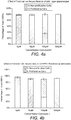
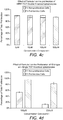
- Figures 4a -4d show that proliferation was reduced to less than 50% in wild-type T cells upon treatment with N -((2-amino-4-oxo-4,7-dihydro-3 H -pyrrolo[2,3- d ]pyrimidin-5-yl)methyl)-3-phenylpropan-1-aminium chloride at 100 ⁇ M concentration (shown as Compound I in Figure 4a-d ).
- Lack of HPRT involvement in the observed effect was demonstrated by a similar reduction of proliferation of cells in which the HPRT gene had been knocked out (HPRT KO, Figure 4b ).
- the substrate of the queuine-insertase enzyme complex functions to suppress encepholitogenic effector and memory T cell populations without impacting the naive population. These same immune cell populations broadly contribute to the pathogenesis of all autoimmune diseases.
- the transfer RNA (tRNA) of rapidly proliferating cells is deficient (hypomodified) in queuine modification; examples include foetal liver, multiple tumour types and regenerating adult liver.
- tRNA of adult, fully differentiated cells contains high levels of queuine, which cannot be displaced once incorporated.
- Compounds of the present invention find utility in the treatment of auto-immune conditions, including but not limited to multiple sclerosis, rheumatoid arthritis, ulcerative colitis, psoriasis, diabetes and inflammatory bowel disease, including Crohn's disease; and as agents to suppress transplant rejection.
- a method of treating multiple sclerosis in a mammal, particularly a human comprising administering to said mammal an amount of a molecule as defined herein, or a pharmaceutically acceptable salt or solvate thereof.
- treatment' is intended to include curing, reversing, alleviating, palliative and prophylactic treatment of the condition.
- the invention further relates to molecules of the invention in combination with other suitable agents, for use in the treatment multiple sclerosis.
- patients suffering from multiple sclerosis are commonly co-administered additional therapeutic agents.
- intravenous corticosteroids such as methylprednisolone or techniques such as or plasmapheresis may be coadministered with any treatment.
- Suitable co-administrants would include:
- Such agents may be administered sequentially, simultaneously or concomitantly.
- the invention also relates to a pharmaceutical composition
- a pharmaceutical composition comprising a molecule of the present invention and a pharmaceutically acceptable diluent or carrier.
- compositions suitable for the delivery of compounds of the present invention and methods for their preparation will be readily apparent to those skilled in the art. Such compositions and methods for their preparation may be found, for example, in Remington's Pharmaceutical Sciences, 19th Edition (Mack Publishing Company, 1995).
- Compounds of formula (I) may be administered orally.
- Oral administration may involve swallowing, so that the compound enters the gastrointestinal tract, or buccal or sublingual administration may be employed by which the compound enters the blood stream directly from the mouth.
- Formulations suitable for oral administration include solid formulations such as tablets, capsules containing particulates, liquids, or powders, lozenges (including liquid-filled), chews, multi- and nano-particulates, gels, solid solution, liposome, films, ovules, sprays and liquid formulations.
- Liquid formulations include suspensions, solutions, syrups and elixirs. Such formulations may be employed as fillers in soft or hard capsules and typically comprise a carrier, for example, water, ethanol, polyethylene glycol, propylene glycol, methylcellulose, or a suitable oil, and one or more emulsifying agents and/or suspending agents. Liquid formulations may also be prepared by the reconstitution of a solid, for example, from a sachet.
- Compounds of formula (I) may also be used in fast-dissolving, fast-disintegrating dosage forms such as those described in Expert Opinion in Therapeutic Patents, 11 (6), 981-986, by Liang and Chen (2001 ).
- the drug may make up from 1 weight % to 80 weight % of the dosage form, more typically from 5 weight % to 60 weight % of the dosage form.
- tablets generally contain a disintegrant.
- disintegrants include sodium starch glycolate, sodium carboxymethyl cellulose, calcium carboxymethyl cellulose, croscarmellose sodium, crospovidone, polyvinylpyrrolidone, methyl cellulose, microcrystalline cellulose, lower alkyl-substituted hydroxypropyl cellulose, starch, pregelatinised starch and sodium alginate.
- the disintegrant will comprise from 1 weight % to 25 weight %.
- the disintegrant will comprise from 5 weight % to 20 weight % of the dosage form.
- Binders are generally used to impart cohesive qualities to a tablet formulation. Suitable binders include microcrystalline cellulose, gelatin, sugars, polyethylene glycol, natural and synthetic gums, polyvinylpyrrolidone, pregelatinised starch, hydroxypropyl cellulose and hydroxypropyl methylcellulose. Tablets may also contain diluents, such as lactose (monohydrate, spray-dried monohydrate, anhydrous and the like), mannitol, xylitol, dextrose, sucrose, sorbitol, microcrystalline cellulose, starch and dibasic calcium phosphate dihydrate.
- Tablets may also optionally comprise surface active agents, such as sodium lauryl sulfate and polysorbate 80, and glidants such as silicon dioxide and talc.
- surface active agents may comprise from 0.2 weight % to 5 weight % of the tablet, and glidants may comprise from 0.2 weight % to 1 weight % of the tablet.
- Tablets also generally contain lubricants such as magnesium stearate, calcium stearate, zinc stearate, sodium stearyl fumarate, and mixtures of magnesium stearate with sodium lauryl sulphate.
- Lubricants generally comprise from 0.25 weight % to 10 weight %. In one embodiment of the present invention, lubricants comprise from 0.5 weight % to 3 weight % of the tablet.
- Other possible ingredients include anti-oxidants, colourants, flavouring agents, preservatives and taste-masking agents.
- Exemplary tablets contain up to about 80% drug, from about 10 weight % to about 90 weight % binder, from about 0 weight % to about 85 weight % diluent, from about 2 weight % to about 10 weight % disintegrant, and from about 0.25 weight % to about 10 weight % lubricant.
- Tablet blends may be compressed directly or by roller to form tablets. Tablet blends or portions of blends may alternatively be wet-, dry-, or melt-granulated, melt congealed, or extruded before tabletting.
- the final formulation may comprise one or more layers and may be coated or uncoated; it may even be encapsulated. Formulations of tablets are discussed in Pharmaceutical Dosage Forms: Tablets, Vol. 1, by H. Lieberman and L. Lachman (Marcel Dekker, New York, 1980 ).
- Consumable oral films for human or veterinary use are typically pliable watersoluble or water-swellable thin film dosage forms which may be rapidly dissolving or mucoadhesive and typically comprise a compound of formula (I), a film-forming polymer, a binder, a solvent, a humectant, a plasticiser, a stabiliser or emulsifier, a viscosity-modifying agent and a solvent. Some components of the formulation may perform more than one function.
- the film-forming polymer may be selected from natural polysaccharides, proteins, or synthetic hydrocolloids and is typically present in the range 0.01 to 99 weight %, more typically in the range 30 to 80 weight %.
- Films in accordance with the invention are typically prepared by evaporative drying of thin aqueous films coated onto a peelable backing support or paper. This may be done in a drying oven or tunnel, typically a combined coater dryer, or by freeze-drying or vacuuming.
- Solid formulations for oral administration may be formulated to be immediate and/or modified release.
- Modified release includes delayed, sustained, pulsed, controlled, targeted and programmed release.
- Suitable modified release formulations for the purposes of the invention are described in US Patent No. 6,106,864 . Details of other suitable release technologies such as high energy dispersions and osmotic and coated particles are to be found in Pharmaceutical Technology On-line, 25(2), 1-14, by Verma et al (2001 ). The use of chewing gum to achieve controlled release is described in WO-A-00/35298 .
- Compounds of formula (I) may also be administered directly into the blood stream, into muscle, or into an internal organ.
- parenteral administration includes intravenous, intraarterial, intraperitoneal, intrathecal, intraventricular, intraurethral, intrasternal, intracranial, intramuscular and subcutaneous administration.
- Suitable devices for parenteral administration include needle (including microneedle) injectors, needle-free injectors and infusion techniques.
- Compounds of the invention may also be administered topically to the skin or mucosa, that is, dermally or transdermally.
- the compounds of formula (I) can also be administered intranasally or by inhalation, typically in the form of a dry powder (either alone, as a mixture, for example, in a dry blend with lactose, or as a mixed component particle, for example, mixed with phospholipids, such as phosphatidylcholine) from a dry powder inhaler, as an aerosol spray from a pressurised container, pump, spray, atomiser (preferably an atomiser using electrohydrodynamics to produce a fine mist), or nebuliser, with or without the use of a suitable propellant, such as 1,1,1,2-tetrafluoroethane or 1,1,1,2,3,3,3-heptafluoropropane, or as nasal drops.
- a dry powder either alone, as a mixture, for example, in a dry blend with lactose, or as a mixed component particle, for example, mixed with phospholipids, such as phosphatidylcholine
- atomiser preferably
- the powder may comprise a bioadhesive agent, for example, chitosan or cyclodextrin.
- the powder may comprise a bioadhesive agent, for example, chitosan or cyclodextrin.
- the pressurised container, pump, spray, atomizer, or nebuliser contains a solution or suspension of the compound of formula (I) comprising, for example, ethanol, aqueous ethanol, or a suitable alternative agent for dispersing, solubilising, or extending release of the compound, a propellant as solvent and an optional surfactant, such as sorbitan trioleate, oleic acid, or an oligolactic acid.
- a solution or suspension of the compound of formula (I) comprising, for example, ethanol, aqueous ethanol, or a suitable alternative agent for dispersing, solubilising, or extending release of the compound, a propellant as solvent and an optional surfactant, such as sorbitan trioleate, oleic acid, or an oligolactic acid.
- the drug product Prior to use in a dry powder or suspension formulation, the drug product is micronised to a size suitable for delivery by inhalation (typically less than 5 microns). This may be achieved by any appropriate comminuting method, such as spiral jet milling, fluid bed jet milling, supercritical fluid processing to form nanoparticles, high pressure homogenisation, or spray drying.
- comminuting method such as spiral jet milling, fluid bed jet milling, supercritical fluid processing to form nanoparticles, high pressure homogenisation, or spray drying.
- Capsules made, for example, from gelatin or hydroxypropylmethylcellulose
- blisters and cartridges for use in an inhaler or insufflator may be formulated to contain a powder mix of the compound of the invention, a suitable powder base such as lactose or starch and a performance modifier such as I-leucine, mannitol, or magnesium stearate.
- the lactose may be anhydrous or in the form of the monohydrate, preferably the latter.
- Other suitable excipients include dextran, glucose, maltose, sorbitol, xylitol, fructose, sucrose and trehalose.
- a suitable solution formulation for use in an atomiser using electrohydrodynamics to produce a fine mist may contain from 1 ⁇ g to 20mg of the compound of the invention per actuation and the actuation volume may vary from 1 ⁇ l to 100 ⁇ l.
- a typical formulation may comprise a compound of formula (I), propylene glycol, sterile water, ethanol and sodium chloride.
- Alternative solvents which may be used instead of propylene glycol include glycerol and polyethylene glycol.
- Suitable flavours such as menthol and levomenthol, or sweeteners, such as saccharin or saccharin sodium, may be added to those formulations of the invention intended for intranasal administration.
- Formulations for intranasal administration may be formulated to be immediate and/or modified release using, for example, PGLA. Modified release includes delayed, sustained, pulsed, controlled, targeted and programmed release.
- Compounds of formula (I) may also be administered directly to the eye or ear, typically in the form of drops of a micronised suspension or solution in isotonic, pH-adjusted, sterile saline.
- Compounds of formula (I) may be combined with soluble macromolecular entities, such as cyclodextrin and suitable derivatives thereof or polyethylene glycol-containing polymers, in order to improve their solubility, dissolution rate, taste, bioavailability and/or stability when using any of the aforementioned modes of administration.
- Drug-cyclodextrin complexes for example, are found to be generally useful for most dosage forms and administration routes. Both inclusion and non-inclusion complexes may be used.
- the cyclodextrin may be used as an auxiliary additive, i.e. as a carrier, diluent, or solubiliser.
- 2,4-Diamino-6-hydroxypyrimidine (3.00 g, 24 mmol) was added to a solution of sodium acetate (6.4g, 76 mmol) in millipore water (90 mL) and stirred at 50 °C for 1 hour. While still at 50 °C a solution of crude chloro(formyl)acetonitrile (3.00 g, 32 mmol) in mQ water (44 mL) was added dropwise with a dropping funnel, during which time the reaction turned beigeand heating continued for 18 h at 50 °C, after which time the reaction was heated to 100 °C for 3 h. The reaction mixture was allowed to cool to room temperature and the solid removed by filtration.
- HMDS (6mmol, 1.3mL) was added to a mixture of 4,7-dihydro-4-oxo-2-[(triphenylmethyl)amino]-3H-pyrrolo[2,3-d]pyrimidine-5-carbonitrile (1.30 g, 3 mmol) with ammonium sulphate (397 mg, 0.3mmol) in dry toluene (8mL) in a round bottomed flask. A reflux condenser was fitted, and the flask was heated at reflux temperature overnight. The mixture was cooled to room temperature and concentrated under reduced pressure. Under a positive pressure of argon, the crude reaction mixture was solubilised in dry dichloromethane (8mL) and cooled to -78 °C.
- EAE Disease was induced in 8-10 week old female mice (C57BL/6) by subcutaneous (s.c.) injection of 200 ⁇ l emulsion containing 150 ⁇ g MOG 33-55 peptide (Genscript) in Complete Freund's Adjuvant (CFA; containing 5mg/ml heat-inactivated Mycobacterium tuberculosis).
- CFA Complete Freund's Adjuvant
- mice were administered 500 ng Pertussis Toxin (Kaketsuken, Japan) intraperitoneally (i.p.) and again two days later.
- Protocol is based on the Nature Protocols for Active induction of experimental allergic encephalomyelitis, which includes the scoring methodology: Stromnes IM, Goverman JM (2006) Active induction of experimental allergic encephalomyelitis. Nat Protoc. 1(4): 1810-9 .
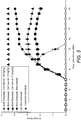
- Figure 5 shows the results of the in vivo testing for molecule N -((2-amino-4-oxo-4,7-dihydro-3 H -pyrrolo[2,3- d ]pyrimidin-5-yl)methyl)-3-phenylpropan-1-aminium chloride (shown as Compound I).
- the EAE score relates to an assessment of disease progression with respect to issues like tail paralysis and limb paralysis, a higher score is a worse condition.
- a score of 1 indicates decreased tail tone
- a score of 2 indicates hind leg weakness (paraparesis)
- a score of 3 indicates hind limb paralysis and/or incontinence. Note that the untreated animals have a continuous and progressive worsening of disease.
- Figure 6 shows that in agreement with the observed disability scores, treated animals showed a dramatic return to normal weight gain, reaching a weight level 96.6% that of controls (19.9 grams versus 20.6 grams), at 21 days post inoculation (dpi). This contrasts with the sustained drop in body weight of non-treated EAE diseased animals to a level 86.4% that of controls at 21 dpi (17.8 grams versus 20.6 grams). Motor coordination and hind-limb strength were also evaluated by the ability of mice to cross a horizontal bar ( Figure 7 ). Non-diseased animals crossed the bar with an average time of 4.3 ⁇ 0.57 seconds. From 9 dpi, EAE mice showed a rapid deterioration in performance and were subsequently unable to maintain a grip on the apparatus.
Landscapes
- Health & Medical Sciences (AREA)
- Veterinary Medicine (AREA)
- Public Health (AREA)
- General Health & Medical Sciences (AREA)
- Animal Behavior & Ethology (AREA)
- Life Sciences & Earth Sciences (AREA)
- Medicinal Chemistry (AREA)
- Pharmacology & Pharmacy (AREA)
- Chemical & Material Sciences (AREA)
- General Chemical & Material Sciences (AREA)
- Chemical Kinetics & Catalysis (AREA)
- Nuclear Medicine, Radiotherapy & Molecular Imaging (AREA)
- Organic Chemistry (AREA)
- Bioinformatics & Cheminformatics (AREA)
- Engineering & Computer Science (AREA)
- Immunology (AREA)
- Epidemiology (AREA)
- Diabetes (AREA)
- Rheumatology (AREA)
- Endocrinology (AREA)
- Neurology (AREA)
- Obesity (AREA)
- Pain & Pain Management (AREA)
- Emergency Medicine (AREA)
- Dermatology (AREA)
- Biomedical Technology (AREA)
- Hematology (AREA)
- Neurosurgery (AREA)
- Orthopedic Medicine & Surgery (AREA)
- Physical Education & Sports Medicine (AREA)
- Transplantation (AREA)
- Pharmaceuticals Containing Other Organic And Inorganic Compounds (AREA)
- Medicines That Contain Protein Lipid Enzymes And Other Medicines (AREA)
Claims (9)
- Molekül, das als Substrat für den Queuin-Insertase-Enzymkomplex wirken kann und wobei das Molekül kein Substrat für Hypoxanthin-Guanin-Phosphoribosyltransferase (HPRT) ist, zur Verwendung bei der Behandlung von Autoimmunkrankheiten.
- Molekül, das als Substrat für den Queuin-Insertase-Enzymkomplex wirken kann, wobei das Molekül kein Substrat für HPRT ist und wobei das Molekül die Interferon-Gamma-Produktion verringert, zur Verwendung bei der Behandlung von Autoimmunkrankheiten.
- Molekül zur Verwendung bei der Behandlung von Autoimmunkrankheiten nach einem vorhergehenden Anspruch, wobei das Molekül eine Verdrängung von ≥50 pmol in einem Guanin-Verdrängungsassay aufweist.
- Molekül zur Verwendung bei der Behandlung von Autoimmunkrankheiten nach einem vorhergehenden Anspruch, wobei das Molekül ein GMP-Produkt in Mengen von ≥60% der Kontrolle im HPRT-Assay ergibt.
- Molekül zur Verwendung bei der Behandlung von Autoimmunkrankheiten nach einem vorhergehenden Anspruch, wobei das Molekül die Interferon-Gamma-Produktion in Wildtyp-Zellen bei einer Konzentration von 100 µM verringert.
- Molekül zur Verwendung bei der Behandlung von Autoimmunkrankheiten nach den Ansprüchen 1 bis 5, wobei die Autoimmunkrankheit ausgewählt ist aus rheumatoider Arthritis, Colitis ulcerosa, Psoriasis, Diabetes und entzündlicher Darmerkrankung, einschließlich Morbus Crohn; und als Mittel zur Unterdrückung der Transplantatabstoßung.
- Molekül zur Verwendung bei der Behandlung von Autoimmunkrankheiten nach den Ansprüchen 1 bis 5, wobei die Autoimmunkrankheit Multiple Sklerose ist.
- Molekül zur Verwendung bei der Behandlung von Autoimmunkrankheiten nach den Ansprüchen 1 bis 7, in Kombination mit zusätzlichen therapeutischen Mitteln.
- Molekül zur Verwendung bei der Behandlung von Autoimmunkrankheiten nach Anspruch 8, wobei die therapeutischen Mittel Arzneimittel zur Behandlung der Auswirkungen von Multiple Sklerose-Schaden bei Patienten sind.
Applications Claiming Priority (2)
| Application Number | Priority Date | Filing Date | Title |
|---|---|---|---|
| GBGB1417165.6A GB201417165D0 (en) | 2014-09-29 | 2014-09-29 | Treatments for Autoimmune Disease |
| PCT/EP2015/072488 WO2016050806A1 (en) | 2014-09-29 | 2015-09-29 | Treatments for autoimmune disease |
Publications (2)
| Publication Number | Publication Date |
|---|---|
| EP3200798A1 EP3200798A1 (de) | 2017-08-09 |
| EP3200798B1 true EP3200798B1 (de) | 2019-05-22 |
Family
ID=51901287
Family Applications (1)
| Application Number | Title | Priority Date | Filing Date |
|---|---|---|---|
| EP15771948.5A Active EP3200798B1 (de) | 2014-09-29 | 2015-09-29 | Behandlung von autoimmunkrankheiten |
Country Status (7)
| Country | Link |
|---|---|
| US (2) | US20170258797A1 (de) |
| EP (1) | EP3200798B1 (de) |
| JP (3) | JP2017529402A (de) |
| AU (1) | AU2015326936B2 (de) |
| ES (1) | ES2741447T3 (de) |
| GB (1) | GB201417165D0 (de) |
| WO (1) | WO2016050806A1 (de) |
Families Citing this family (13)
| Publication number | Priority date | Publication date | Assignee | Title |
|---|---|---|---|---|
| GB201417165D0 (en) | 2014-09-29 | 2014-11-12 | Provost Fellows & Scholars College Of The Holy Undivided Trinity Of Queen Elizabeth Near Dublin | Treatments for Autoimmune Disease |
| WO2016141243A1 (en) * | 2015-03-03 | 2016-09-09 | The Regents Of The University Of California | Enzymatic modification of nucleic acids |
| ES2800917T3 (es) | 2016-08-30 | 2021-01-05 | Amabiotics | Compuestos para tratar enfermedades asociadas con una disfunción mitocondrial |
| WO2019067145A1 (en) * | 2017-08-28 | 2019-04-04 | Asdera Llc | USE OF CYCLODEXTRINS IN DISEASES AND DISORDERS INVOLVING PHOSPHOLIPID DISRUPTION |
| CA3076821A1 (en) * | 2017-09-28 | 2019-04-04 | Asdera Llc | Use of cyclodextrins in diseases and disorders involving phospholipid dysregulation |
| CA3093212A1 (en) | 2018-03-07 | 2019-09-12 | Amabiotics | Compounds for treating alzheimer's disease |
| EP3810112A4 (de) * | 2018-06-21 | 2022-03-16 | Sanovel Ilac Sanayi Ve Ticaret Anonim Sirketi | Kombination aus fingolimod und modafinil |
| WO2021048431A1 (en) | 2019-09-12 | 2021-03-18 | Amabiotics | Compounds for treating ataxia |
| EP4028014A1 (de) | 2019-09-12 | 2022-07-20 | Stellate Therapeutics | Verbindungen zur behandlung von neurodegenerativen erkrankungen |
| GB202011812D0 (en) | 2020-07-29 | 2020-09-09 | Provost Fellows Found Scholars And The Other Members Of Board Of The College Of The Holy And Undivid | Compounds |
| GB202011811D0 (en) | 2020-07-29 | 2020-09-09 | Provost Fellows Found Scholars And The Other Members Of Board Of The College Of The Holy And Undivid | Compounds |
| CN114163397A (zh) * | 2021-11-18 | 2022-03-11 | 安徽益多康尔医药科技有限公司 | 一种2-氨基噻唑-4-腈及其制备方法 |
| WO2025153819A1 (en) | 2024-01-16 | 2025-07-24 | Azadyne Limited | Protein manufacturing process additives |
Family Cites Families (23)
| Publication number | Priority date | Publication date | Assignee | Title |
|---|---|---|---|---|
| EP0089955A1 (de) | 1981-09-21 | 1983-10-05 | MONCADA, Jaime | Verbesserter rotormotor |
| JPS5885889A (ja) | 1981-11-18 | 1983-05-23 | Takeda Chem Ind Ltd | 新規7−デアザプリン誘導体 |
| JPS58157790A (ja) | 1982-03-16 | 1983-09-19 | Takeda Chem Ind Ltd | 7−デアザプリン誘導体およびその製造法 |
| JPS5936615A (ja) | 1982-08-24 | 1984-02-28 | Takeda Chem Ind Ltd | 発がん予防剤 |
| EP0119591B1 (de) | 1983-03-17 | 1988-06-22 | Takeda Chemical Industries, Ltd. | Thiodeazapurinderivate |
| JPS6056980A (ja) | 1983-09-07 | 1985-04-02 | Takeda Chem Ind Ltd | 7−デアザプリン誘導体の製造法 |
| CA1293727C (en) * | 1986-08-26 | 1991-12-31 | Catherine Rose Kostlan | 9-deazaguanines |
| US5061707A (en) * | 1986-08-26 | 1991-10-29 | Warner-Lambert Company | 9-deazaguanines to treat psoriasis |
| CA1294960C (en) | 1986-10-24 | 1992-01-28 | Thomas C. Malone | 7-deazaguanines as immunomodulators |
| US5002950A (en) * | 1986-10-24 | 1991-03-26 | Warner-Lambert Co. | 7-deazaguanines as immunomodulators |
| KR0166088B1 (ko) | 1990-01-23 | 1999-01-15 | . | 수용해도가 증가된 시클로덱스트린 유도체 및 이의 용도 |
| US5376645A (en) | 1990-01-23 | 1994-12-27 | University Of Kansas | Derivatives of cyclodextrins exhibiting enhanced aqueous solubility and the use thereof |
| US5312900A (en) | 1991-04-08 | 1994-05-17 | La Jolla Cancer Research Foundation | 23K protein with binding specificity for queuine |
| WO1996033703A2 (en) * | 1995-04-25 | 1996-10-31 | Oridigm Corporation | S-adenosyl methionine regulation of metabolic pathways and its use in diagnosis and therapy |
| GB9518953D0 (en) | 1995-09-15 | 1995-11-15 | Pfizer Ltd | Pharmaceutical formulations |
| WO2000035298A1 (en) | 1996-11-27 | 2000-06-22 | Wm. Wrigley Jr. Company | Chewing gum containing medicament active agents |
| GB9711643D0 (en) | 1997-06-05 | 1997-07-30 | Janssen Pharmaceutica Nv | Glass thermoplastic systems |
| US20030078231A1 (en) * | 2001-06-22 | 2003-04-24 | Wilburn Michael D. | Orthomolecular sulpho-adenosylmethionine derivatives with antioxidant properties |
| KR100795847B1 (ko) | 2007-01-03 | 2008-01-21 | 강동훈 | 투명 수지와 종이마개의 결합체 및 이의 접착 방법 |
| US8158636B2 (en) | 2008-05-19 | 2012-04-17 | Plexxikon Inc. | Compounds and methods for kinase modulation, and indications therefor |
| WO2010065491A2 (en) * | 2008-12-01 | 2010-06-10 | Carolus Therapeutics, Inc. | Methods of treating inflammatory disorders |
| WO2012150866A1 (en) | 2011-05-03 | 2012-11-08 | Industrial Research Limited | Phosphoribosyltransferase inhibitors and uses thereof |
| GB201417165D0 (en) | 2014-09-29 | 2014-11-12 | Provost Fellows & Scholars College Of The Holy Undivided Trinity Of Queen Elizabeth Near Dublin | Treatments for Autoimmune Disease |
-
2014
- 2014-09-29 GB GBGB1417165.6A patent/GB201417165D0/en not_active Ceased
-
2015
- 2015-09-29 EP EP15771948.5A patent/EP3200798B1/de active Active
- 2015-09-29 JP JP2017535966A patent/JP2017529402A/ja active Pending
- 2015-09-29 US US15/514,968 patent/US20170258797A1/en not_active Abandoned
- 2015-09-29 AU AU2015326936A patent/AU2015326936B2/en active Active
- 2015-09-29 ES ES15771948T patent/ES2741447T3/es active Active
- 2015-09-29 WO PCT/EP2015/072488 patent/WO2016050806A1/en not_active Ceased
-
2018
- 2018-05-10 US US15/976,012 patent/US11229652B2/en active Active
-
2020
- 2020-01-17 JP JP2020006026A patent/JP7345182B2/ja active Active
-
2022
- 2022-02-04 JP JP2022016315A patent/JP2022062191A/ja active Pending
Non-Patent Citations (1)
| Title |
|---|
| None * |
Also Published As
| Publication number | Publication date |
|---|---|
| GB201417165D0 (en) | 2014-11-12 |
| JP2022062191A (ja) | 2022-04-19 |
| JP2020090515A (ja) | 2020-06-11 |
| JP7345182B2 (ja) | 2023-09-15 |
| ES2741447T3 (es) | 2020-02-11 |
| NZ730757A (en) | 2021-05-28 |
| AU2015326936A1 (en) | 2017-04-27 |
| US20180256583A1 (en) | 2018-09-13 |
| US11229652B2 (en) | 2022-01-25 |
| EP3200798A1 (de) | 2017-08-09 |
| CA2962866A1 (en) | 2016-04-07 |
| JP2017529402A (ja) | 2017-10-05 |
| WO2016050806A1 (en) | 2016-04-07 |
| AU2015326936B2 (en) | 2021-01-21 |
| US20170258797A1 (en) | 2017-09-14 |
Similar Documents
| Publication | Publication Date | Title |
|---|---|---|
| US11229652B2 (en) | Treatments for autoimmune disease | |
| US11518765B2 (en) | Substituted pyrimidine derivatives useful in the treatment of autoimmune diseases | |
| US11713317B2 (en) | Tricyclic heterocyclic compounds as sting activators | |
| CA2962866C (en) | Treatments of autoimmune diseases with substrates for the queuine-insertase complex | |
| EP4188553B1 (de) | Verbindungen | |
| US20230295165A1 (en) | Compounds | |
| NZ730757B2 (en) | Treatments for autoimmune diseases | |
| NZ730806B2 (en) | Substituted pyrimidine derivatives useful in the treatment of autoimmune diseases | |
| EA050697B1 (ru) | Соединение для лечения заболеваний, опосредованных tgt-путем |
Legal Events
| Date | Code | Title | Description |
|---|---|---|---|
| STAA | Information on the status of an ep patent application or granted ep patent |
Free format text: STATUS: THE INTERNATIONAL PUBLICATION HAS BEEN MADE |
|
| PUAI | Public reference made under article 153(3) epc to a published international application that has entered the european phase |
Free format text: ORIGINAL CODE: 0009012 |
|
| STAA | Information on the status of an ep patent application or granted ep patent |
Free format text: STATUS: REQUEST FOR EXAMINATION WAS MADE |
|
| 17P | Request for examination filed |
Effective date: 20170328 |
|
| AK | Designated contracting states |
Kind code of ref document: A1 Designated state(s): AL AT BE BG CH CY CZ DE DK EE ES FI FR GB GR HR HU IE IS IT LI LT LU LV MC MK MT NL NO PL PT RO RS SE SI SK SM TR |
|
| AX | Request for extension of the european patent |
Extension state: BA ME |
|
| DAV | Request for validation of the european patent (deleted) | ||
| DAX | Request for extension of the european patent (deleted) | ||
| GRAP | Despatch of communication of intention to grant a patent |
Free format text: ORIGINAL CODE: EPIDOSNIGR1 |
|
| STAA | Information on the status of an ep patent application or granted ep patent |
Free format text: STATUS: GRANT OF PATENT IS INTENDED |
|
| INTG | Intention to grant announced |
Effective date: 20181001 |
|
| RAP1 | Party data changed (applicant data changed or rights of an application transferred) |
Owner name: THE PROVOST, FELLOWS, FOUNDATION SCHOLARS, AND THE |
|
| GRAS | Grant fee paid |
Free format text: ORIGINAL CODE: EPIDOSNIGR3 |
|
| GRAA | (expected) grant |
Free format text: ORIGINAL CODE: 0009210 |
|
| STAA | Information on the status of an ep patent application or granted ep patent |
Free format text: STATUS: THE PATENT HAS BEEN GRANTED |
|
| AK | Designated contracting states |
Kind code of ref document: B1 Designated state(s): AL AT BE BG CH CY CZ DE DK EE ES FI FR GB GR HR HU IE IS IT LI LT LU LV MC MK MT NL NO PL PT RO RS SE SI SK SM TR |
|
| RAP1 | Party data changed (applicant data changed or rights of an application transferred) |
Owner name: THE PROVOST, FELLOWS, FOUNDATION SCHOLARS, & THE O |
|
| REG | Reference to a national code |
Ref country code: GB Ref legal event code: FG4D |
|
| REG | Reference to a national code |
Ref country code: CH Ref legal event code: EP |
|
| REG | Reference to a national code |
Ref country code: IE Ref legal event code: FG4D |
|
| REG | Reference to a national code |
Ref country code: DE Ref legal event code: R096 Ref document number: 602015030824 Country of ref document: DE |
|
| REG | Reference to a national code |
Ref country code: AT Ref legal event code: REF Ref document number: 1135257 Country of ref document: AT Kind code of ref document: T Effective date: 20190615 |
|
| REG | Reference to a national code |
Ref country code: NL Ref legal event code: FP |
|
| REG | Reference to a national code |
Ref country code: SE Ref legal event code: TRGR |
|
| REG | Reference to a national code |
Ref country code: LT Ref legal event code: MG4D |
|
| PG25 | Lapsed in a contracting state [announced via postgrant information from national office to epo] |
Ref country code: NO Free format text: LAPSE BECAUSE OF FAILURE TO SUBMIT A TRANSLATION OF THE DESCRIPTION OR TO PAY THE FEE WITHIN THE PRESCRIBED TIME-LIMIT Effective date: 20190822 Ref country code: HR Free format text: LAPSE BECAUSE OF FAILURE TO SUBMIT A TRANSLATION OF THE DESCRIPTION OR TO PAY THE FEE WITHIN THE PRESCRIBED TIME-LIMIT Effective date: 20190522 Ref country code: PT Free format text: LAPSE BECAUSE OF FAILURE TO SUBMIT A TRANSLATION OF THE DESCRIPTION OR TO PAY THE FEE WITHIN THE PRESCRIBED TIME-LIMIT Effective date: 20190922 Ref country code: FI Free format text: LAPSE BECAUSE OF FAILURE TO SUBMIT A TRANSLATION OF THE DESCRIPTION OR TO PAY THE FEE WITHIN THE PRESCRIBED TIME-LIMIT Effective date: 20190522 Ref country code: AL Free format text: LAPSE BECAUSE OF FAILURE TO SUBMIT A TRANSLATION OF THE DESCRIPTION OR TO PAY THE FEE WITHIN THE PRESCRIBED TIME-LIMIT Effective date: 20190522 Ref country code: LT Free format text: LAPSE BECAUSE OF FAILURE TO SUBMIT A TRANSLATION OF THE DESCRIPTION OR TO PAY THE FEE WITHIN THE PRESCRIBED TIME-LIMIT Effective date: 20190522 |
|
| PG25 | Lapsed in a contracting state [announced via postgrant information from national office to epo] |
Ref country code: BG Free format text: LAPSE BECAUSE OF FAILURE TO SUBMIT A TRANSLATION OF THE DESCRIPTION OR TO PAY THE FEE WITHIN THE PRESCRIBED TIME-LIMIT Effective date: 20190822 Ref country code: LV Free format text: LAPSE BECAUSE OF FAILURE TO SUBMIT A TRANSLATION OF THE DESCRIPTION OR TO PAY THE FEE WITHIN THE PRESCRIBED TIME-LIMIT Effective date: 20190522 Ref country code: RS Free format text: LAPSE BECAUSE OF FAILURE TO SUBMIT A TRANSLATION OF THE DESCRIPTION OR TO PAY THE FEE WITHIN THE PRESCRIBED TIME-LIMIT Effective date: 20190522 Ref country code: GR Free format text: LAPSE BECAUSE OF FAILURE TO SUBMIT A TRANSLATION OF THE DESCRIPTION OR TO PAY THE FEE WITHIN THE PRESCRIBED TIME-LIMIT Effective date: 20190823 |
|
| REG | Reference to a national code |
Ref country code: AT Ref legal event code: MK05 Ref document number: 1135257 Country of ref document: AT Kind code of ref document: T Effective date: 20190522 |
|
| PG25 | Lapsed in a contracting state [announced via postgrant information from national office to epo] |
Ref country code: SK Free format text: LAPSE BECAUSE OF FAILURE TO SUBMIT A TRANSLATION OF THE DESCRIPTION OR TO PAY THE FEE WITHIN THE PRESCRIBED TIME-LIMIT Effective date: 20190522 Ref country code: RO Free format text: LAPSE BECAUSE OF FAILURE TO SUBMIT A TRANSLATION OF THE DESCRIPTION OR TO PAY THE FEE WITHIN THE PRESCRIBED TIME-LIMIT Effective date: 20190522 Ref country code: AT Free format text: LAPSE BECAUSE OF FAILURE TO SUBMIT A TRANSLATION OF THE DESCRIPTION OR TO PAY THE FEE WITHIN THE PRESCRIBED TIME-LIMIT Effective date: 20190522 Ref country code: DK Free format text: LAPSE BECAUSE OF FAILURE TO SUBMIT A TRANSLATION OF THE DESCRIPTION OR TO PAY THE FEE WITHIN THE PRESCRIBED TIME-LIMIT Effective date: 20190522 Ref country code: EE Free format text: LAPSE BECAUSE OF FAILURE TO SUBMIT A TRANSLATION OF THE DESCRIPTION OR TO PAY THE FEE WITHIN THE PRESCRIBED TIME-LIMIT Effective date: 20190522 Ref country code: CZ Free format text: LAPSE BECAUSE OF FAILURE TO SUBMIT A TRANSLATION OF THE DESCRIPTION OR TO PAY THE FEE WITHIN THE PRESCRIBED TIME-LIMIT Effective date: 20190522 |
|
| REG | Reference to a national code |
Ref country code: ES Ref legal event code: FG2A Ref document number: 2741447 Country of ref document: ES Kind code of ref document: T3 Effective date: 20200211 |
|
| REG | Reference to a national code |
Ref country code: DE Ref legal event code: R097 Ref document number: 602015030824 Country of ref document: DE |
|
| PG25 | Lapsed in a contracting state [announced via postgrant information from national office to epo] |
Ref country code: SM Free format text: LAPSE BECAUSE OF FAILURE TO SUBMIT A TRANSLATION OF THE DESCRIPTION OR TO PAY THE FEE WITHIN THE PRESCRIBED TIME-LIMIT Effective date: 20190522 |
|
| PLBE | No opposition filed within time limit |
Free format text: ORIGINAL CODE: 0009261 |
|
| STAA | Information on the status of an ep patent application or granted ep patent |
Free format text: STATUS: NO OPPOSITION FILED WITHIN TIME LIMIT |
|
| PG25 | Lapsed in a contracting state [announced via postgrant information from national office to epo] |
Ref country code: TR Free format text: LAPSE BECAUSE OF FAILURE TO SUBMIT A TRANSLATION OF THE DESCRIPTION OR TO PAY THE FEE WITHIN THE PRESCRIBED TIME-LIMIT Effective date: 20190522 |
|
| 26N | No opposition filed |
Effective date: 20200225 |
|
| PG25 | Lapsed in a contracting state [announced via postgrant information from national office to epo] |
Ref country code: PL Free format text: LAPSE BECAUSE OF FAILURE TO SUBMIT A TRANSLATION OF THE DESCRIPTION OR TO PAY THE FEE WITHIN THE PRESCRIBED TIME-LIMIT Effective date: 20190522 |
|
| PG25 | Lapsed in a contracting state [announced via postgrant information from national office to epo] |
Ref country code: SI Free format text: LAPSE BECAUSE OF FAILURE TO SUBMIT A TRANSLATION OF THE DESCRIPTION OR TO PAY THE FEE WITHIN THE PRESCRIBED TIME-LIMIT Effective date: 20190522 Ref country code: MC Free format text: LAPSE BECAUSE OF FAILURE TO SUBMIT A TRANSLATION OF THE DESCRIPTION OR TO PAY THE FEE WITHIN THE PRESCRIBED TIME-LIMIT Effective date: 20190522 |
|
| REG | Reference to a national code |
Ref country code: CH Ref legal event code: PL |
|
| PG25 | Lapsed in a contracting state [announced via postgrant information from national office to epo] |
Ref country code: IE Free format text: LAPSE BECAUSE OF NON-PAYMENT OF DUE FEES Effective date: 20190929 Ref country code: LU Free format text: LAPSE BECAUSE OF NON-PAYMENT OF DUE FEES Effective date: 20190929 Ref country code: CH Free format text: LAPSE BECAUSE OF NON-PAYMENT OF DUE FEES Effective date: 20190930 Ref country code: LI Free format text: LAPSE BECAUSE OF NON-PAYMENT OF DUE FEES Effective date: 20190930 |
|
| REG | Reference to a national code |
Ref country code: BE Ref legal event code: MM Effective date: 20190930 |
|
| PG25 | Lapsed in a contracting state [announced via postgrant information from national office to epo] |
Ref country code: BE Free format text: LAPSE BECAUSE OF NON-PAYMENT OF DUE FEES Effective date: 20190930 |
|
| PG25 | Lapsed in a contracting state [announced via postgrant information from national office to epo] |
Ref country code: CY Free format text: LAPSE BECAUSE OF FAILURE TO SUBMIT A TRANSLATION OF THE DESCRIPTION OR TO PAY THE FEE WITHIN THE PRESCRIBED TIME-LIMIT Effective date: 20190522 |
|
| PG25 | Lapsed in a contracting state [announced via postgrant information from national office to epo] |
Ref country code: IS Free format text: LAPSE BECAUSE OF FAILURE TO SUBMIT A TRANSLATION OF THE DESCRIPTION OR TO PAY THE FEE WITHIN THE PRESCRIBED TIME-LIMIT Effective date: 20190922 |
|
| PG25 | Lapsed in a contracting state [announced via postgrant information from national office to epo] |
Ref country code: HU Free format text: LAPSE BECAUSE OF FAILURE TO SUBMIT A TRANSLATION OF THE DESCRIPTION OR TO PAY THE FEE WITHIN THE PRESCRIBED TIME-LIMIT; INVALID AB INITIO Effective date: 20150929 Ref country code: MT Free format text: LAPSE BECAUSE OF FAILURE TO SUBMIT A TRANSLATION OF THE DESCRIPTION OR TO PAY THE FEE WITHIN THE PRESCRIBED TIME-LIMIT Effective date: 20190522 |
|
| PG25 | Lapsed in a contracting state [announced via postgrant information from national office to epo] |
Ref country code: MK Free format text: LAPSE BECAUSE OF FAILURE TO SUBMIT A TRANSLATION OF THE DESCRIPTION OR TO PAY THE FEE WITHIN THE PRESCRIBED TIME-LIMIT Effective date: 20190522 |
|
| P01 | Opt-out of the competence of the unified patent court (upc) registered |
Effective date: 20230526 |
|
| PGFP | Annual fee paid to national office [announced via postgrant information from national office to epo] |
Ref country code: DE Payment date: 20250919 Year of fee payment: 11 |
|
| PGFP | Annual fee paid to national office [announced via postgrant information from national office to epo] |
Ref country code: IT Payment date: 20250919 Year of fee payment: 11 Ref country code: NL Payment date: 20250918 Year of fee payment: 11 |
|
| PGFP | Annual fee paid to national office [announced via postgrant information from national office to epo] |
Ref country code: GB Payment date: 20250912 Year of fee payment: 11 |
|
| PGFP | Annual fee paid to national office [announced via postgrant information from national office to epo] |
Ref country code: FR Payment date: 20250922 Year of fee payment: 11 |
|
| PGFP | Annual fee paid to national office [announced via postgrant information from national office to epo] |
Ref country code: SE Payment date: 20250918 Year of fee payment: 11 |
|
| PGFP | Annual fee paid to national office [announced via postgrant information from national office to epo] |
Ref country code: ES Payment date: 20251028 Year of fee payment: 11 |