EP3177611B1 - Optionally fused heterocyclyl-substituted derivatives of pyrimidine useful for the treatment of inflammatory, metabolic, oncologic and autoimmune diseases - Google Patents
Optionally fused heterocyclyl-substituted derivatives of pyrimidine useful for the treatment of inflammatory, metabolic, oncologic and autoimmune diseases Download PDFInfo
- Publication number
- EP3177611B1 EP3177611B1 EP15744925.7A EP15744925A EP3177611B1 EP 3177611 B1 EP3177611 B1 EP 3177611B1 EP 15744925 A EP15744925 A EP 15744925A EP 3177611 B1 EP3177611 B1 EP 3177611B1
- Authority
- EP
- European Patent Office
- Prior art keywords
- substituted
- unsubstituted
- phenyl
- group
- alkyl
- Prior art date
- Legal status (The legal status is an assumption and is not a legal conclusion. Google has not performed a legal analysis and makes no representation as to the accuracy of the status listed.)
- Active
Links
- 0 CC(CCCCCCCCCC*c(ncnc1NC*)c1F)C1=CC=CC=CC=C(*=C)C=CC=CC=C1 Chemical compound CC(CCCCCCCCCC*c(ncnc1NC*)c1F)C1=CC=CC=CC=C(*=C)C=CC=CC=C1 0.000 description 87
- AQKOJKCYBNUFLU-UHFFFAOYSA-N Fc(c(F)ncn1)c1F Chemical compound Fc(c(F)ncn1)c1F AQKOJKCYBNUFLU-UHFFFAOYSA-N 0.000 description 21
- GSOGADJIIMVREB-UHFFFAOYSA-N FC(c1ccc(C2NCCC2)cc1)(F)F Chemical compound FC(c1ccc(C2NCCC2)cc1)(F)F GSOGADJIIMVREB-UHFFFAOYSA-N 0.000 description 2
- NGSUIOCYKKQJQM-SBIWHPGTSA-N C/C(/CN)=C\N=C(/C)\S(C)(O)O Chemical compound C/C(/CN)=C\N=C(/C)\S(C)(O)O NGSUIOCYKKQJQM-SBIWHPGTSA-N 0.000 description 1
- BHQZWRFNCYZLJI-UHFFFAOYSA-N C/C(/O)=N/C(C1NCCC1)=N Chemical compound C/C(/O)=N/C(C1NCCC1)=N BHQZWRFNCYZLJI-UHFFFAOYSA-N 0.000 description 1
- HMTGJOWHDCSEBH-ZVUJYOSOSA-N C/C=N\C(\C)=C(/C(C)=N)\F Chemical compound C/C=N\C(\C)=C(/C(C)=N)\F HMTGJOWHDCSEBH-ZVUJYOSOSA-N 0.000 description 1
- PDSKWUZFFRWRCD-UHFFFAOYSA-N C=CCCCCCN Chemical compound C=CCCCCCN PDSKWUZFFRWRCD-UHFFFAOYSA-N 0.000 description 1
- KHUYDAXKNDLHFK-UHFFFAOYSA-N C=NCCCCc1ccc(C(F)(F)F)cc1 Chemical compound C=NCCCCc1ccc(C(F)(F)F)cc1 KHUYDAXKNDLHFK-UHFFFAOYSA-N 0.000 description 1
- NNVQIHRIEXCIOV-UHFFFAOYSA-N CC(C)(C)CC(C(N)=O)Nc1nc(C(F)(F)F)nc(N(CCC2)C2c2ccc(C(F)(F)F)cc2)c1F Chemical compound CC(C)(C)CC(C(N)=O)Nc1nc(C(F)(F)F)nc(N(CCC2)C2c2ccc(C(F)(F)F)cc2)c1F NNVQIHRIEXCIOV-UHFFFAOYSA-N 0.000 description 1
- FBKLOZLXQUHYFE-UHFFFAOYSA-N CC(C)(C)CC(C(N)=O)Nc1ncnc(N(CCC2)C2c(cc2)ccc2OC(C)(C)C)c1F Chemical compound CC(C)(C)CC(C(N)=O)Nc1ncnc(N(CCC2)C2c(cc2)ccc2OC(C)(C)C)c1F FBKLOZLXQUHYFE-UHFFFAOYSA-N 0.000 description 1
- ZZDJPXNTXOTHTO-UHFFFAOYSA-N CC(C)(C)CC(C(N)=O)Nc1ncnc(N(CCC2)C2c2ccc(C(F)(F)F)cc2)c1C Chemical compound CC(C)(C)CC(C(N)=O)Nc1ncnc(N(CCC2)C2c2ccc(C(F)(F)F)cc2)c1C ZZDJPXNTXOTHTO-UHFFFAOYSA-N 0.000 description 1
- PQNWKBAYDBUQAL-UHFFFAOYSA-N CC(C1)CNC1c1ccc(C(F)(F)F)cc1 Chemical compound CC(C1)CNC1c1ccc(C(F)(F)F)cc1 PQNWKBAYDBUQAL-UHFFFAOYSA-N 0.000 description 1
- PALFTTJRTMOMCA-UHFFFAOYSA-N CC(CC1)CCC1C(C)(F)F Chemical compound CC(CC1)CCC1C(C)(F)F PALFTTJRTMOMCA-UHFFFAOYSA-N 0.000 description 1
- YSKDAIRVRGXQDD-UHFFFAOYSA-N CC(CC1c2ccc(C(F)(F)F)cc2)CN1c(ncnc1NCc2ccc(CC(N)=O)cc2)c1F Chemical compound CC(CC1c2ccc(C(F)(F)F)cc2)CN1c(ncnc1NCc2ccc(CC(N)=O)cc2)c1F YSKDAIRVRGXQDD-UHFFFAOYSA-N 0.000 description 1
- ZZWWORBDFXOJLA-UHFFFAOYSA-N CC(CCN(C)C(C)=O)CN Chemical compound CC(CCN(C)C(C)=O)CN ZZWWORBDFXOJLA-UHFFFAOYSA-N 0.000 description 1
- NHULDSLAXOHLGR-UHFFFAOYSA-N CC(N1CCC(CN)CC1)=O Chemical compound CC(N1CCC(CN)CC1)=O NHULDSLAXOHLGR-UHFFFAOYSA-N 0.000 description 1
- BPDSRWDNRGYJLB-NFJWQWPMSA-N CC1(C(F)(F)F)C=CC([C@@H]2NCCC2)=CC1 Chemical compound CC1(C(F)(F)F)C=CC([C@@H]2NCCC2)=CC1 BPDSRWDNRGYJLB-NFJWQWPMSA-N 0.000 description 1
- JPKGGPSPBZKMGB-UHFFFAOYSA-N CC1(CNc2ncnc(N(CCC3)C3c3ccc(C(F)(F)F)cc3)c2F)CCC1 Chemical compound CC1(CNc2ncnc(N(CCC3)C3c3ccc(C(F)(F)F)cc3)c2F)CCC1 JPKGGPSPBZKMGB-UHFFFAOYSA-N 0.000 description 1
- VLRGQNPFRNJMAC-UHFFFAOYSA-N CC1C=C(C(F)(F)F)C=CC1C1NCCC1 Chemical compound CC1C=C(C(F)(F)F)C=CC1C1NCCC1 VLRGQNPFRNJMAC-UHFFFAOYSA-N 0.000 description 1
- IEKZIURUEQEWBL-QJZWIMRPSA-N CC1C=C(CC(OC)=O)[C@@H]1/C=C\CC(CCN)=C Chemical compound CC1C=C(CC(OC)=O)[C@@H]1/C=C\CC(CCN)=C IEKZIURUEQEWBL-QJZWIMRPSA-N 0.000 description 1
- CNZDEGRUPXUZMO-UHFFFAOYSA-N CCC(C)CNC(Cc1ccc(CC)cc1)=O Chemical compound CCC(C)CNC(Cc1ccc(CC)cc1)=O CNZDEGRUPXUZMO-UHFFFAOYSA-N 0.000 description 1
- HZVXRBYSEFUJPS-UHFFFAOYSA-N CCC(C)NCC(C)F Chemical compound CCC(C)NCC(C)F HZVXRBYSEFUJPS-UHFFFAOYSA-N 0.000 description 1
- DSPWXYUQUICNDO-UHFFFAOYSA-N CCC1(F)[I]=[F]1 Chemical compound CCC1(F)[I]=[F]1 DSPWXYUQUICNDO-UHFFFAOYSA-N 0.000 description 1
- CAARDVKATXZGKP-UHFFFAOYSA-N CCC1CCOCC1 Chemical compound CCC1CCOCC1 CAARDVKATXZGKP-UHFFFAOYSA-N 0.000 description 1
- IYGJEAYPGGGFAR-UHFFFAOYSA-N CCCC(C(CNCN)F)N Chemical compound CCCC(C(CNCN)F)N IYGJEAYPGGGFAR-UHFFFAOYSA-N 0.000 description 1
- OLHVFNARBGNRQK-UHFFFAOYSA-N CCCCNCC/C=[I]\CC Chemical compound CCCCNCC/C=[I]\CC OLHVFNARBGNRQK-UHFFFAOYSA-N 0.000 description 1
- QTBGHUNNGIXQAS-UHFFFAOYSA-N CCCCOCC(C)c(cc1)ccc1OC(C=C)(F)F Chemical compound CCCCOCC(C)c(cc1)ccc1OC(C=C)(F)F QTBGHUNNGIXQAS-UHFFFAOYSA-N 0.000 description 1
- GEFOQRKYVVEKCB-UHFFFAOYSA-N CCCNC(C)c1ccc(C(F)(F)F)cc1 Chemical compound CCCNC(C)c1ccc(C(F)(F)F)cc1 GEFOQRKYVVEKCB-UHFFFAOYSA-N 0.000 description 1
- QJGXOPOWASBTIR-UXIFOJSPSA-N CCC[C@@H](C(C(CC)C(CCC1)C1C(CC1)CCC1C(F)(F)F)F)NCC(CC(C)C)CC=C(C)C Chemical compound CCC[C@@H](C(C(CC)C(CCC1)C1C(CC1)CCC1C(F)(F)F)F)NCC(CC(C)C)CC=C(C)C QJGXOPOWASBTIR-UXIFOJSPSA-N 0.000 description 1
- XSNOYOOSCWSMPB-UHFFFAOYSA-N CCOCN(CCCCN)CCC[FH+] Chemical compound CCOCN(CCCCN)CCC[FH+] XSNOYOOSCWSMPB-UHFFFAOYSA-N 0.000 description 1
- YXYQRTKYZJGAFX-DFYQSJSGSA-N CC[C@H](C)C([F]CP[F]/C(/C)=C\CC)=C Chemical compound CC[C@H](C)C([F]CP[F]/C(/C)=C\CC)=C YXYQRTKYZJGAFX-DFYQSJSGSA-N 0.000 description 1
- PWBRLMKOCGLZAH-UHFFFAOYSA-N CCc1ccc(CC=O)cc1 Chemical compound CCc1ccc(CC=O)cc1 PWBRLMKOCGLZAH-UHFFFAOYSA-N 0.000 description 1
- YNQLUTRBYVCPMQ-UHFFFAOYSA-N CCc1ccccc1 Chemical compound CCc1ccccc1 YNQLUTRBYVCPMQ-UHFFFAOYSA-N 0.000 description 1
- AOQNRSVQXSHZMO-UHFFFAOYSA-N CNC(Cc1ccc(CNc2ncnc(N(CCC3)C3c3ccc(C(F)(F)F)cc3)c2F)cc1)=O Chemical compound CNC(Cc1ccc(CNc2ncnc(N(CCC3)C3c3ccc(C(F)(F)F)cc3)c2F)cc1)=O AOQNRSVQXSHZMO-UHFFFAOYSA-N 0.000 description 1
- NAFRTQQGXMMCNI-UHFFFAOYSA-N CNC(Cc1ccc(CNc2ncnc(N(CCOC3)C3c3ccc(C(F)(F)F)cc3)c2F)cc1)=O Chemical compound CNC(Cc1ccc(CNc2ncnc(N(CCOC3)C3c3ccc(C(F)(F)F)cc3)c2F)cc1)=O NAFRTQQGXMMCNI-UHFFFAOYSA-N 0.000 description 1
- NSFGVEJVRHERRM-UHFFFAOYSA-N CNCN(CCC1)C1C(CC1)CCC1C(F)(F)F Chemical compound CNCN(CCC1)C1C(CC1)CCC1C(F)(F)F NSFGVEJVRHERRM-UHFFFAOYSA-N 0.000 description 1
- HSVVLPOVGBCCRB-UHFFFAOYSA-N COCC1(CNc2ncnc(N(CCC3)C3c3ccc(C(F)(F)F)cc3)c2F)CCC1 Chemical compound COCC1(CNc2ncnc(N(CCC3)C3c3ccc(C(F)(F)F)cc3)c2F)CCC1 HSVVLPOVGBCCRB-UHFFFAOYSA-N 0.000 description 1
- QGKFYRMABWIOIW-UHFFFAOYSA-N COc1cc(C2NCCC2)ccc1 Chemical compound COc1cc(C2NCCC2)ccc1 QGKFYRMABWIOIW-UHFFFAOYSA-N 0.000 description 1
- IMGMCBHZBZUFDW-UHFFFAOYSA-N CS(N1CCC(CN)CC1)(=O)=O Chemical compound CS(N1CCC(CN)CC1)(=O)=O IMGMCBHZBZUFDW-UHFFFAOYSA-N 0.000 description 1
- UXJIZYFLLSUGDK-PEHGTWAWSA-N C[C@H](C1)C=C(CN)CC=CC1C(F)(F)F Chemical compound C[C@H](C1)C=C(CN)CC=CC1C(F)(F)F UXJIZYFLLSUGDK-PEHGTWAWSA-N 0.000 description 1
- NCXAMMJWLXTKGA-SNVBAGLBSA-N C[IH](N(CCC1)C1=[IH])=CC[C@H](CN)C=C Chemical compound C[IH](N(CCC1)C1=[IH])=CC[C@H](CN)C=C NCXAMMJWLXTKGA-SNVBAGLBSA-N 0.000 description 1
- VKLYPBVGJOVWCM-UHFFFAOYSA-O C[S+](N1CC(CNc(ncnc2N(CCOC3)C3c3ccc(C(F)(F)F)cc3)c2F)CC1)(O)=O Chemical compound C[S+](N1CC(CNc(ncnc2N(CCOC3)C3c3ccc(C(F)(F)F)cc3)c2F)CC1)(O)=O VKLYPBVGJOVWCM-UHFFFAOYSA-O 0.000 description 1
- ADSAFTVHEUIYKV-UHFFFAOYSA-O C[SH+](N1CC(CN)CC1)(O)O Chemical compound C[SH+](N1CC(CN)CC1)(O)O ADSAFTVHEUIYKV-UHFFFAOYSA-O 0.000 description 1
- ALKKURDGPRLYFX-UHFFFAOYSA-N Cc1ccc(C(CCC2)N2c(ncnc2NCc3ccc(CC(N)=O)cc3)c2F)cc1 Chemical compound Cc1ccc(C(CCC2)N2c(ncnc2NCc3ccc(CC(N)=O)cc3)c2F)cc1 ALKKURDGPRLYFX-UHFFFAOYSA-N 0.000 description 1
- CWDNLSYUBPIFFV-UHFFFAOYSA-N Cc1ccc(C(CCC2)N2c2ncnc(NCc3cnc(C)cc3)c2F)[o]1 Chemical compound Cc1ccc(C(CCC2)N2c2ncnc(NCc3cnc(C)cc3)c2F)[o]1 CWDNLSYUBPIFFV-UHFFFAOYSA-N 0.000 description 1
- QWIAHMVNMONKCU-UHFFFAOYSA-N Cc1ncnc2c1cc[nH]2 Chemical compound Cc1ncnc2c1cc[nH]2 QWIAHMVNMONKCU-UHFFFAOYSA-N 0.000 description 1
- LXHPJQWEUTUYFX-JHJMLUEUSA-N FC(C1=CCC=C([C@@H]2NCCC2)C=C1)[F]F Chemical compound FC(C1=CCC=C([C@@H]2NCCC2)C=C1)[F]F LXHPJQWEUTUYFX-JHJMLUEUSA-N 0.000 description 1
- VVHJGRYLRCCJNN-SNVBAGLBSA-N FC(Oc1cc(F)c([C@@H]2NCCOC2)cc1)(F)F Chemical compound FC(Oc1cc(F)c([C@@H]2NCCOC2)cc1)(F)F VVHJGRYLRCCJNN-SNVBAGLBSA-N 0.000 description 1
- HBXMNLJLIGPTDU-SNVBAGLBSA-N FC(Oc1ccc([C@@H]2NCCOC2)cc1)(F)F Chemical compound FC(Oc1ccc([C@@H]2NCCOC2)cc1)(F)F HBXMNLJLIGPTDU-SNVBAGLBSA-N 0.000 description 1
- CIKZGJQMDSCDJG-GHMZBOCLSA-N FC([C@H](CCC1)CC=C1[C@@H]1NCCC1)(F)F Chemical compound FC([C@H](CCC1)CC=C1[C@@H]1NCCC1)(F)F CIKZGJQMDSCDJG-GHMZBOCLSA-N 0.000 description 1
- YUTAYTDSZFZURL-UHFFFAOYSA-N FC(c1ccc(C(CCC2)N2c2ncnc(NCC3CCC3)c2F)cc1)(F)F Chemical compound FC(c1ccc(C(CCC2)N2c2ncnc(NCC3CCC3)c2F)cc1)(F)F YUTAYTDSZFZURL-UHFFFAOYSA-N 0.000 description 1
- DFPRVPWLMSMINL-UHFFFAOYSA-N FC(c1ccc(C(COCC2)N2c(ncnc2NCC3CCOCC3)c2F)cc1)(F)F Chemical compound FC(c1ccc(C(COCC2)N2c(ncnc2NCC3CCOCC3)c2F)cc1)(F)F DFPRVPWLMSMINL-UHFFFAOYSA-N 0.000 description 1
- KTZJLUZNWTZOQG-UHFFFAOYSA-N FC(c1ccc(CC2NCCOC2)cc1)(F)F Chemical compound FC(c1ccc(CC2NCCOC2)cc1)(F)F KTZJLUZNWTZOQG-UHFFFAOYSA-N 0.000 description 1
- CKCJOQMDMYPVKX-SNVBAGLBSA-N FC(c1ccc([C@@H]2NCCOC2)cc1)(F)F Chemical compound FC(c1ccc([C@@H]2NCCOC2)cc1)(F)F CKCJOQMDMYPVKX-SNVBAGLBSA-N 0.000 description 1
- CKCJOQMDMYPVKX-SNVBAGLBSA-O FC(c1ccc([C@@H]2NCC[OH+]C2)cc1)(F)F Chemical compound FC(c1ccc([C@@H]2NCC[OH+]C2)cc1)(F)F CKCJOQMDMYPVKX-SNVBAGLBSA-O 0.000 description 1
- TVYYYHGFTRHEBB-UHFFFAOYSA-N NC(Cc1ccc(CNc2ncnc(N(CCOC3)C3c3ccccc3)c2F)[s]1)=O Chemical compound NC(Cc1ccc(CNc2ncnc(N(CCOC3)C3c3ccccc3)c2F)[s]1)=O TVYYYHGFTRHEBB-UHFFFAOYSA-N 0.000 description 1
- SLWVKQOAPGHXAB-UHFFFAOYSA-N NC(Cc1ccc(C[n]2c3ncnc(N(CCOC4)C4c4ccc(C(F)(F)F)cn4)c3cc2)cc1)=O Chemical compound NC(Cc1ccc(C[n]2c3ncnc(N(CCOC4)C4c4ccc(C(F)(F)F)cn4)c3cc2)cc1)=O SLWVKQOAPGHXAB-UHFFFAOYSA-N 0.000 description 1
- TYFRVGQDSKRTAV-UHFFFAOYSA-N NC(Cc1ccc(C[n]2c3ncnc(N(CCOC4)C4c4ccccc4)c3cc2)cc1)=O Chemical compound NC(Cc1ccc(C[n]2c3ncnc(N(CCOC4)C4c4ccccc4)c3cc2)cc1)=O TYFRVGQDSKRTAV-UHFFFAOYSA-N 0.000 description 1
- PYSXYYNAKACDQZ-UHFFFAOYSA-N NC(Cc1ccc(C[n]2c3ncnc(N(CCOC4)C4c4cnc(C(F)(F)F)cc4)c3cc2)cc1)=O Chemical compound NC(Cc1ccc(C[n]2c3ncnc(N(CCOC4)C4c4cnc(C(F)(F)F)cc4)c3cc2)cc1)=O PYSXYYNAKACDQZ-UHFFFAOYSA-N 0.000 description 1
- MOQXTRBNZFLFOF-UHFFFAOYSA-N NCC1(CCOCC1)C(O)=O Chemical compound NCC1(CCOCC1)C(O)=O MOQXTRBNZFLFOF-UHFFFAOYSA-N 0.000 description 1
- JYTKAOGAECWBMI-UHFFFAOYSA-N NCC1(COCC1)O Chemical compound NCC1(COCC1)O JYTKAOGAECWBMI-UHFFFAOYSA-N 0.000 description 1
- LQUZVYPVDGKDFJ-UHFFFAOYSA-N NCCCCCI Chemical compound NCCCCCI LQUZVYPVDGKDFJ-UHFFFAOYSA-N 0.000 description 1
- OWHVQAOFKMCXHA-GOSISDBHSA-N NCCNC(C1(CNc(ncnc2N(CCOC3)[C@H]3c3ccc(C(F)(F)F)cc3)c2F)CCOCC1)=O Chemical compound NCCNC(C1(CNc(ncnc2N(CCOC3)[C@H]3c3ccc(C(F)(F)F)cc3)c2F)CCOCC1)=O OWHVQAOFKMCXHA-GOSISDBHSA-N 0.000 description 1
- YPYSQDYLCWIDNJ-UHFFFAOYSA-N NCc1ccc(CC(N)=O)cc1 Chemical compound NCc1ccc(CC(N)=O)cc1 YPYSQDYLCWIDNJ-UHFFFAOYSA-N 0.000 description 1
- BBUYJAYHBUEDHG-UHFFFAOYSA-N OC(CC1CCC(CNc2ncnc(N(CCOC3)C3c(cc3)ccc3OC(F)(F)F)c2F)CC1)=O Chemical compound OC(CC1CCC(CNc2ncnc(N(CCOC3)C3c(cc3)ccc3OC(F)(F)F)c2F)CC1)=O BBUYJAYHBUEDHG-UHFFFAOYSA-N 0.000 description 1
- UXMJSULVNZILDS-UHFFFAOYSA-N OC(Cc1ccc(CNc2ncnc(N(CCOC3)C3c3ccccc3)c2F)[s]1)=O Chemical compound OC(Cc1ccc(CNc2ncnc(N(CCOC3)C3c3ccccc3)c2F)[s]1)=O UXMJSULVNZILDS-UHFFFAOYSA-N 0.000 description 1
- VRNPGKSCAHOTFU-UHFFFAOYSA-N OC(c1ccc(CNc2ncnc(N(CCC3)C3c3ccc(C(F)(F)F)cc3)c2F)cc1)=O Chemical compound OC(c1ccc(CNc2ncnc(N(CCC3)C3c3ccc(C(F)(F)F)cc3)c2F)cc1)=O VRNPGKSCAHOTFU-UHFFFAOYSA-N 0.000 description 1
Images


Classifications
-
- C—CHEMISTRY; METALLURGY
- C07—ORGANIC CHEMISTRY
- C07D—HETEROCYCLIC COMPOUNDS
- C07D403/00—Heterocyclic compounds containing two or more hetero rings, having nitrogen atoms as the only ring hetero atoms, not provided for by group C07D401/00
- C07D403/02—Heterocyclic compounds containing two or more hetero rings, having nitrogen atoms as the only ring hetero atoms, not provided for by group C07D401/00 containing two hetero rings
- C07D403/12—Heterocyclic compounds containing two or more hetero rings, having nitrogen atoms as the only ring hetero atoms, not provided for by group C07D401/00 containing two hetero rings linked by a chain containing hetero atoms as chain links
-
- C—CHEMISTRY; METALLURGY
- C07—ORGANIC CHEMISTRY
- C07D—HETEROCYCLIC COMPOUNDS
- C07D487/00—Heterocyclic compounds containing nitrogen atoms as the only ring hetero atoms in the condensed system, not provided for by groups C07D451/00 - C07D477/00
- C07D487/02—Heterocyclic compounds containing nitrogen atoms as the only ring hetero atoms in the condensed system, not provided for by groups C07D451/00 - C07D477/00 in which the condensed system contains two hetero rings
- C07D487/04—Ortho-condensed systems
-
- A—HUMAN NECESSITIES
- A61—MEDICAL OR VETERINARY SCIENCE; HYGIENE
- A61K—PREPARATIONS FOR MEDICAL, DENTAL OR TOILETRY PURPOSES
- A61K31/00—Medicinal preparations containing organic active ingredients
- A61K31/33—Heterocyclic compounds
- A61K31/395—Heterocyclic compounds having nitrogen as a ring hetero atom, e.g. guanethidine or rifamycins
- A61K31/495—Heterocyclic compounds having nitrogen as a ring hetero atom, e.g. guanethidine or rifamycins having six-membered rings with two or more nitrogen atoms as the only ring heteroatoms, e.g. piperazine or tetrazines
- A61K31/505—Pyrimidines; Hydrogenated pyrimidines, e.g. trimethoprim
- A61K31/506—Pyrimidines; Hydrogenated pyrimidines, e.g. trimethoprim not condensed and containing further heterocyclic rings
-
- A—HUMAN NECESSITIES
- A61—MEDICAL OR VETERINARY SCIENCE; HYGIENE
- A61K—PREPARATIONS FOR MEDICAL, DENTAL OR TOILETRY PURPOSES
- A61K31/00—Medicinal preparations containing organic active ingredients
- A61K31/33—Heterocyclic compounds
- A61K31/395—Heterocyclic compounds having nitrogen as a ring hetero atom, e.g. guanethidine or rifamycins
- A61K31/495—Heterocyclic compounds having nitrogen as a ring hetero atom, e.g. guanethidine or rifamycins having six-membered rings with two or more nitrogen atoms as the only ring heteroatoms, e.g. piperazine or tetrazines
- A61K31/505—Pyrimidines; Hydrogenated pyrimidines, e.g. trimethoprim
- A61K31/519—Pyrimidines; Hydrogenated pyrimidines, e.g. trimethoprim ortho- or peri-condensed with heterocyclic rings
-
- A—HUMAN NECESSITIES
- A61—MEDICAL OR VETERINARY SCIENCE; HYGIENE
- A61K—PREPARATIONS FOR MEDICAL, DENTAL OR TOILETRY PURPOSES
- A61K31/00—Medicinal preparations containing organic active ingredients
- A61K31/33—Heterocyclic compounds
- A61K31/395—Heterocyclic compounds having nitrogen as a ring hetero atom, e.g. guanethidine or rifamycins
- A61K31/535—Heterocyclic compounds having nitrogen as a ring hetero atom, e.g. guanethidine or rifamycins having six-membered rings with at least one nitrogen and one oxygen as the ring hetero atoms, e.g. 1,2-oxazines
- A61K31/5375—1,4-Oxazines, e.g. morpholine
- A61K31/5377—1,4-Oxazines, e.g. morpholine not condensed and containing further heterocyclic rings, e.g. timolol
-
- A—HUMAN NECESSITIES
- A61—MEDICAL OR VETERINARY SCIENCE; HYGIENE
- A61P—SPECIFIC THERAPEUTIC ACTIVITY OF CHEMICAL COMPOUNDS OR MEDICINAL PREPARATIONS
- A61P1/00—Drugs for disorders of the alimentary tract or the digestive system
-
- A—HUMAN NECESSITIES
- A61—MEDICAL OR VETERINARY SCIENCE; HYGIENE
- A61P—SPECIFIC THERAPEUTIC ACTIVITY OF CHEMICAL COMPOUNDS OR MEDICINAL PREPARATIONS
- A61P1/00—Drugs for disorders of the alimentary tract or the digestive system
- A61P1/04—Drugs for disorders of the alimentary tract or the digestive system for ulcers, gastritis or reflux esophagitis, e.g. antacids, inhibitors of acid secretion, mucosal protectants
-
- A—HUMAN NECESSITIES
- A61—MEDICAL OR VETERINARY SCIENCE; HYGIENE
- A61P—SPECIFIC THERAPEUTIC ACTIVITY OF CHEMICAL COMPOUNDS OR MEDICINAL PREPARATIONS
- A61P1/00—Drugs for disorders of the alimentary tract or the digestive system
- A61P1/16—Drugs for disorders of the alimentary tract or the digestive system for liver or gallbladder disorders, e.g. hepatoprotective agents, cholagogues, litholytics
-
- A—HUMAN NECESSITIES
- A61—MEDICAL OR VETERINARY SCIENCE; HYGIENE
- A61P—SPECIFIC THERAPEUTIC ACTIVITY OF CHEMICAL COMPOUNDS OR MEDICINAL PREPARATIONS
- A61P1/00—Drugs for disorders of the alimentary tract or the digestive system
- A61P1/18—Drugs for disorders of the alimentary tract or the digestive system for pancreatic disorders, e.g. pancreatic enzymes
-
- A—HUMAN NECESSITIES
- A61—MEDICAL OR VETERINARY SCIENCE; HYGIENE
- A61P—SPECIFIC THERAPEUTIC ACTIVITY OF CHEMICAL COMPOUNDS OR MEDICINAL PREPARATIONS
- A61P11/00—Drugs for disorders of the respiratory system
-
- A—HUMAN NECESSITIES
- A61—MEDICAL OR VETERINARY SCIENCE; HYGIENE
- A61P—SPECIFIC THERAPEUTIC ACTIVITY OF CHEMICAL COMPOUNDS OR MEDICINAL PREPARATIONS
- A61P11/00—Drugs for disorders of the respiratory system
- A61P11/02—Nasal agents, e.g. decongestants
-
- A—HUMAN NECESSITIES
- A61—MEDICAL OR VETERINARY SCIENCE; HYGIENE
- A61P—SPECIFIC THERAPEUTIC ACTIVITY OF CHEMICAL COMPOUNDS OR MEDICINAL PREPARATIONS
- A61P11/00—Drugs for disorders of the respiratory system
- A61P11/06—Antiasthmatics
-
- A—HUMAN NECESSITIES
- A61—MEDICAL OR VETERINARY SCIENCE; HYGIENE
- A61P—SPECIFIC THERAPEUTIC ACTIVITY OF CHEMICAL COMPOUNDS OR MEDICINAL PREPARATIONS
- A61P11/00—Drugs for disorders of the respiratory system
- A61P11/08—Bronchodilators
-
- A—HUMAN NECESSITIES
- A61—MEDICAL OR VETERINARY SCIENCE; HYGIENE
- A61P—SPECIFIC THERAPEUTIC ACTIVITY OF CHEMICAL COMPOUNDS OR MEDICINAL PREPARATIONS
- A61P17/00—Drugs for dermatological disorders
-
- A—HUMAN NECESSITIES
- A61—MEDICAL OR VETERINARY SCIENCE; HYGIENE
- A61P—SPECIFIC THERAPEUTIC ACTIVITY OF CHEMICAL COMPOUNDS OR MEDICINAL PREPARATIONS
- A61P17/00—Drugs for dermatological disorders
- A61P17/02—Drugs for dermatological disorders for treating wounds, ulcers, burns, scars, keloids, or the like
-
- A—HUMAN NECESSITIES
- A61—MEDICAL OR VETERINARY SCIENCE; HYGIENE
- A61P—SPECIFIC THERAPEUTIC ACTIVITY OF CHEMICAL COMPOUNDS OR MEDICINAL PREPARATIONS
- A61P17/00—Drugs for dermatological disorders
- A61P17/04—Antipruritics
-
- A—HUMAN NECESSITIES
- A61—MEDICAL OR VETERINARY SCIENCE; HYGIENE
- A61P—SPECIFIC THERAPEUTIC ACTIVITY OF CHEMICAL COMPOUNDS OR MEDICINAL PREPARATIONS
- A61P17/00—Drugs for dermatological disorders
- A61P17/06—Antipsoriatics
-
- A—HUMAN NECESSITIES
- A61—MEDICAL OR VETERINARY SCIENCE; HYGIENE
- A61P—SPECIFIC THERAPEUTIC ACTIVITY OF CHEMICAL COMPOUNDS OR MEDICINAL PREPARATIONS
- A61P19/00—Drugs for skeletal disorders
-
- A—HUMAN NECESSITIES
- A61—MEDICAL OR VETERINARY SCIENCE; HYGIENE
- A61P—SPECIFIC THERAPEUTIC ACTIVITY OF CHEMICAL COMPOUNDS OR MEDICINAL PREPARATIONS
- A61P19/00—Drugs for skeletal disorders
- A61P19/02—Drugs for skeletal disorders for joint disorders, e.g. arthritis, arthrosis
-
- A—HUMAN NECESSITIES
- A61—MEDICAL OR VETERINARY SCIENCE; HYGIENE
- A61P—SPECIFIC THERAPEUTIC ACTIVITY OF CHEMICAL COMPOUNDS OR MEDICINAL PREPARATIONS
- A61P19/00—Drugs for skeletal disorders
- A61P19/08—Drugs for skeletal disorders for bone diseases, e.g. rachitism, Paget's disease
-
- A—HUMAN NECESSITIES
- A61—MEDICAL OR VETERINARY SCIENCE; HYGIENE
- A61P—SPECIFIC THERAPEUTIC ACTIVITY OF CHEMICAL COMPOUNDS OR MEDICINAL PREPARATIONS
- A61P19/00—Drugs for skeletal disorders
- A61P19/08—Drugs for skeletal disorders for bone diseases, e.g. rachitism, Paget's disease
- A61P19/10—Drugs for skeletal disorders for bone diseases, e.g. rachitism, Paget's disease for osteoporosis
-
- A—HUMAN NECESSITIES
- A61—MEDICAL OR VETERINARY SCIENCE; HYGIENE
- A61P—SPECIFIC THERAPEUTIC ACTIVITY OF CHEMICAL COMPOUNDS OR MEDICINAL PREPARATIONS
- A61P21/00—Drugs for disorders of the muscular or neuromuscular system
-
- A—HUMAN NECESSITIES
- A61—MEDICAL OR VETERINARY SCIENCE; HYGIENE
- A61P—SPECIFIC THERAPEUTIC ACTIVITY OF CHEMICAL COMPOUNDS OR MEDICINAL PREPARATIONS
- A61P21/00—Drugs for disorders of the muscular or neuromuscular system
- A61P21/04—Drugs for disorders of the muscular or neuromuscular system for myasthenia gravis
-
- A—HUMAN NECESSITIES
- A61—MEDICAL OR VETERINARY SCIENCE; HYGIENE
- A61P—SPECIFIC THERAPEUTIC ACTIVITY OF CHEMICAL COMPOUNDS OR MEDICINAL PREPARATIONS
- A61P25/00—Drugs for disorders of the nervous system
-
- A—HUMAN NECESSITIES
- A61—MEDICAL OR VETERINARY SCIENCE; HYGIENE
- A61P—SPECIFIC THERAPEUTIC ACTIVITY OF CHEMICAL COMPOUNDS OR MEDICINAL PREPARATIONS
- A61P25/00—Drugs for disorders of the nervous system
- A61P25/28—Drugs for disorders of the nervous system for treating neurodegenerative disorders of the central nervous system, e.g. nootropic agents, cognition enhancers, drugs for treating Alzheimer's disease or other forms of dementia
-
- A—HUMAN NECESSITIES
- A61—MEDICAL OR VETERINARY SCIENCE; HYGIENE
- A61P—SPECIFIC THERAPEUTIC ACTIVITY OF CHEMICAL COMPOUNDS OR MEDICINAL PREPARATIONS
- A61P27/00—Drugs for disorders of the senses
- A61P27/02—Ophthalmic agents
-
- A—HUMAN NECESSITIES
- A61—MEDICAL OR VETERINARY SCIENCE; HYGIENE
- A61P—SPECIFIC THERAPEUTIC ACTIVITY OF CHEMICAL COMPOUNDS OR MEDICINAL PREPARATIONS
- A61P27/00—Drugs for disorders of the senses
- A61P27/02—Ophthalmic agents
- A61P27/14—Decongestants or antiallergics
-
- A—HUMAN NECESSITIES
- A61—MEDICAL OR VETERINARY SCIENCE; HYGIENE
- A61P—SPECIFIC THERAPEUTIC ACTIVITY OF CHEMICAL COMPOUNDS OR MEDICINAL PREPARATIONS
- A61P29/00—Non-central analgesic, antipyretic or antiinflammatory agents, e.g. antirheumatic agents; Non-steroidal antiinflammatory drugs [NSAID]
-
- A—HUMAN NECESSITIES
- A61—MEDICAL OR VETERINARY SCIENCE; HYGIENE
- A61P—SPECIFIC THERAPEUTIC ACTIVITY OF CHEMICAL COMPOUNDS OR MEDICINAL PREPARATIONS
- A61P3/00—Drugs for disorders of the metabolism
-
- A—HUMAN NECESSITIES
- A61—MEDICAL OR VETERINARY SCIENCE; HYGIENE
- A61P—SPECIFIC THERAPEUTIC ACTIVITY OF CHEMICAL COMPOUNDS OR MEDICINAL PREPARATIONS
- A61P3/00—Drugs for disorders of the metabolism
- A61P3/04—Anorexiants; Antiobesity agents
-
- A—HUMAN NECESSITIES
- A61—MEDICAL OR VETERINARY SCIENCE; HYGIENE
- A61P—SPECIFIC THERAPEUTIC ACTIVITY OF CHEMICAL COMPOUNDS OR MEDICINAL PREPARATIONS
- A61P3/00—Drugs for disorders of the metabolism
- A61P3/06—Antihyperlipidemics
-
- A—HUMAN NECESSITIES
- A61—MEDICAL OR VETERINARY SCIENCE; HYGIENE
- A61P—SPECIFIC THERAPEUTIC ACTIVITY OF CHEMICAL COMPOUNDS OR MEDICINAL PREPARATIONS
- A61P3/00—Drugs for disorders of the metabolism
- A61P3/08—Drugs for disorders of the metabolism for glucose homeostasis
- A61P3/10—Drugs for disorders of the metabolism for glucose homeostasis for hyperglycaemia, e.g. antidiabetics
-
- A—HUMAN NECESSITIES
- A61—MEDICAL OR VETERINARY SCIENCE; HYGIENE
- A61P—SPECIFIC THERAPEUTIC ACTIVITY OF CHEMICAL COMPOUNDS OR MEDICINAL PREPARATIONS
- A61P31/00—Antiinfectives, i.e. antibiotics, antiseptics, chemotherapeutics
- A61P31/04—Antibacterial agents
-
- A—HUMAN NECESSITIES
- A61—MEDICAL OR VETERINARY SCIENCE; HYGIENE
- A61P—SPECIFIC THERAPEUTIC ACTIVITY OF CHEMICAL COMPOUNDS OR MEDICINAL PREPARATIONS
- A61P35/00—Antineoplastic agents
-
- A—HUMAN NECESSITIES
- A61—MEDICAL OR VETERINARY SCIENCE; HYGIENE
- A61P—SPECIFIC THERAPEUTIC ACTIVITY OF CHEMICAL COMPOUNDS OR MEDICINAL PREPARATIONS
- A61P37/00—Drugs for immunological or allergic disorders
-
- A—HUMAN NECESSITIES
- A61—MEDICAL OR VETERINARY SCIENCE; HYGIENE
- A61P—SPECIFIC THERAPEUTIC ACTIVITY OF CHEMICAL COMPOUNDS OR MEDICINAL PREPARATIONS
- A61P37/00—Drugs for immunological or allergic disorders
- A61P37/02—Immunomodulators
- A61P37/06—Immunosuppressants, e.g. drugs for graft rejection
-
- A—HUMAN NECESSITIES
- A61—MEDICAL OR VETERINARY SCIENCE; HYGIENE
- A61P—SPECIFIC THERAPEUTIC ACTIVITY OF CHEMICAL COMPOUNDS OR MEDICINAL PREPARATIONS
- A61P37/00—Drugs for immunological or allergic disorders
- A61P37/08—Antiallergic agents
-
- A—HUMAN NECESSITIES
- A61—MEDICAL OR VETERINARY SCIENCE; HYGIENE
- A61P—SPECIFIC THERAPEUTIC ACTIVITY OF CHEMICAL COMPOUNDS OR MEDICINAL PREPARATIONS
- A61P39/00—General protective or antinoxious agents
-
- A—HUMAN NECESSITIES
- A61—MEDICAL OR VETERINARY SCIENCE; HYGIENE
- A61P—SPECIFIC THERAPEUTIC ACTIVITY OF CHEMICAL COMPOUNDS OR MEDICINAL PREPARATIONS
- A61P43/00—Drugs for specific purposes, not provided for in groups A61P1/00-A61P41/00
-
- A—HUMAN NECESSITIES
- A61—MEDICAL OR VETERINARY SCIENCE; HYGIENE
- A61P—SPECIFIC THERAPEUTIC ACTIVITY OF CHEMICAL COMPOUNDS OR MEDICINAL PREPARATIONS
- A61P5/00—Drugs for disorders of the endocrine system
- A61P5/14—Drugs for disorders of the endocrine system of the thyroid hormones, e.g. T3, T4
-
- A—HUMAN NECESSITIES
- A61—MEDICAL OR VETERINARY SCIENCE; HYGIENE
- A61P—SPECIFIC THERAPEUTIC ACTIVITY OF CHEMICAL COMPOUNDS OR MEDICINAL PREPARATIONS
- A61P5/00—Drugs for disorders of the endocrine system
- A61P5/48—Drugs for disorders of the endocrine system of the pancreatic hormones
- A61P5/50—Drugs for disorders of the endocrine system of the pancreatic hormones for increasing or potentiating the activity of insulin
-
- A—HUMAN NECESSITIES
- A61—MEDICAL OR VETERINARY SCIENCE; HYGIENE
- A61P—SPECIFIC THERAPEUTIC ACTIVITY OF CHEMICAL COMPOUNDS OR MEDICINAL PREPARATIONS
- A61P9/00—Drugs for disorders of the cardiovascular system
- A61P9/10—Drugs for disorders of the cardiovascular system for treating ischaemic or atherosclerotic diseases, e.g. antianginal drugs, coronary vasodilators, drugs for myocardial infarction, retinopathy, cerebrovascula insufficiency, renal arteriosclerosis
-
- C—CHEMISTRY; METALLURGY
- C07—ORGANIC CHEMISTRY
- C07D—HETEROCYCLIC COMPOUNDS
- C07D239/00—Heterocyclic compounds containing 1,3-diazine or hydrogenated 1,3-diazine rings
- C07D239/02—Heterocyclic compounds containing 1,3-diazine or hydrogenated 1,3-diazine rings not condensed with other rings
- C07D239/24—Heterocyclic compounds containing 1,3-diazine or hydrogenated 1,3-diazine rings not condensed with other rings having three or more double bonds between ring members or between ring members and non-ring members
- C07D239/28—Heterocyclic compounds containing 1,3-diazine or hydrogenated 1,3-diazine rings not condensed with other rings having three or more double bonds between ring members or between ring members and non-ring members with hetero atoms or with carbon atoms having three bonds to hetero atoms with at the most one bond to halogen, directly attached to ring carbon atoms
- C07D239/46—Two or more oxygen, sulphur or nitrogen atoms
- C07D239/48—Two nitrogen atoms
-
- C—CHEMISTRY; METALLURGY
- C07—ORGANIC CHEMISTRY
- C07D—HETEROCYCLIC COMPOUNDS
- C07D239/00—Heterocyclic compounds containing 1,3-diazine or hydrogenated 1,3-diazine rings
- C07D239/02—Heterocyclic compounds containing 1,3-diazine or hydrogenated 1,3-diazine rings not condensed with other rings
- C07D239/24—Heterocyclic compounds containing 1,3-diazine or hydrogenated 1,3-diazine rings not condensed with other rings having three or more double bonds between ring members or between ring members and non-ring members
- C07D239/28—Heterocyclic compounds containing 1,3-diazine or hydrogenated 1,3-diazine rings not condensed with other rings having three or more double bonds between ring members or between ring members and non-ring members with hetero atoms or with carbon atoms having three bonds to hetero atoms with at the most one bond to halogen, directly attached to ring carbon atoms
- C07D239/46—Two or more oxygen, sulphur or nitrogen atoms
- C07D239/48—Two nitrogen atoms
- C07D239/49—Two nitrogen atoms with an aralkyl radical, or substituted aralkyl radical, attached in position 5, e.g. trimethoprim
-
- C—CHEMISTRY; METALLURGY
- C07—ORGANIC CHEMISTRY
- C07D—HETEROCYCLIC COMPOUNDS
- C07D401/00—Heterocyclic compounds containing two or more hetero rings, having nitrogen atoms as the only ring hetero atoms, at least one ring being a six-membered ring with only one nitrogen atom
- C07D401/02—Heterocyclic compounds containing two or more hetero rings, having nitrogen atoms as the only ring hetero atoms, at least one ring being a six-membered ring with only one nitrogen atom containing two hetero rings
- C07D401/04—Heterocyclic compounds containing two or more hetero rings, having nitrogen atoms as the only ring hetero atoms, at least one ring being a six-membered ring with only one nitrogen atom containing two hetero rings directly linked by a ring-member-to-ring-member bond
-
- C—CHEMISTRY; METALLURGY
- C07—ORGANIC CHEMISTRY
- C07D—HETEROCYCLIC COMPOUNDS
- C07D401/00—Heterocyclic compounds containing two or more hetero rings, having nitrogen atoms as the only ring hetero atoms, at least one ring being a six-membered ring with only one nitrogen atom
- C07D401/02—Heterocyclic compounds containing two or more hetero rings, having nitrogen atoms as the only ring hetero atoms, at least one ring being a six-membered ring with only one nitrogen atom containing two hetero rings
- C07D401/12—Heterocyclic compounds containing two or more hetero rings, having nitrogen atoms as the only ring hetero atoms, at least one ring being a six-membered ring with only one nitrogen atom containing two hetero rings linked by a chain containing hetero atoms as chain links
-
- C—CHEMISTRY; METALLURGY
- C07—ORGANIC CHEMISTRY
- C07D—HETEROCYCLIC COMPOUNDS
- C07D401/00—Heterocyclic compounds containing two or more hetero rings, having nitrogen atoms as the only ring hetero atoms, at least one ring being a six-membered ring with only one nitrogen atom
- C07D401/14—Heterocyclic compounds containing two or more hetero rings, having nitrogen atoms as the only ring hetero atoms, at least one ring being a six-membered ring with only one nitrogen atom containing three or more hetero rings
-
- C—CHEMISTRY; METALLURGY
- C07—ORGANIC CHEMISTRY
- C07D—HETEROCYCLIC COMPOUNDS
- C07D403/00—Heterocyclic compounds containing two or more hetero rings, having nitrogen atoms as the only ring hetero atoms, not provided for by group C07D401/00
- C07D403/02—Heterocyclic compounds containing two or more hetero rings, having nitrogen atoms as the only ring hetero atoms, not provided for by group C07D401/00 containing two hetero rings
- C07D403/04—Heterocyclic compounds containing two or more hetero rings, having nitrogen atoms as the only ring hetero atoms, not provided for by group C07D401/00 containing two hetero rings directly linked by a ring-member-to-ring-member bond
-
- C—CHEMISTRY; METALLURGY
- C07—ORGANIC CHEMISTRY
- C07D—HETEROCYCLIC COMPOUNDS
- C07D403/00—Heterocyclic compounds containing two or more hetero rings, having nitrogen atoms as the only ring hetero atoms, not provided for by group C07D401/00
- C07D403/14—Heterocyclic compounds containing two or more hetero rings, having nitrogen atoms as the only ring hetero atoms, not provided for by group C07D401/00 containing three or more hetero rings
-
- C—CHEMISTRY; METALLURGY
- C07—ORGANIC CHEMISTRY
- C07D—HETEROCYCLIC COMPOUNDS
- C07D405/00—Heterocyclic compounds containing both one or more hetero rings having oxygen atoms as the only ring hetero atoms, and one or more rings having nitrogen as the only ring hetero atom
- C07D405/02—Heterocyclic compounds containing both one or more hetero rings having oxygen atoms as the only ring hetero atoms, and one or more rings having nitrogen as the only ring hetero atom containing two hetero rings
- C07D405/12—Heterocyclic compounds containing both one or more hetero rings having oxygen atoms as the only ring hetero atoms, and one or more rings having nitrogen as the only ring hetero atom containing two hetero rings linked by a chain containing hetero atoms as chain links
-
- C—CHEMISTRY; METALLURGY
- C07—ORGANIC CHEMISTRY
- C07D—HETEROCYCLIC COMPOUNDS
- C07D405/00—Heterocyclic compounds containing both one or more hetero rings having oxygen atoms as the only ring hetero atoms, and one or more rings having nitrogen as the only ring hetero atom
- C07D405/14—Heterocyclic compounds containing both one or more hetero rings having oxygen atoms as the only ring hetero atoms, and one or more rings having nitrogen as the only ring hetero atom containing three or more hetero rings
-
- C—CHEMISTRY; METALLURGY
- C07—ORGANIC CHEMISTRY
- C07D—HETEROCYCLIC COMPOUNDS
- C07D407/00—Heterocyclic compounds containing two or more hetero rings, at least one ring having oxygen atoms as the only ring hetero atoms, not provided for by group C07D405/00
- C07D407/02—Heterocyclic compounds containing two or more hetero rings, at least one ring having oxygen atoms as the only ring hetero atoms, not provided for by group C07D405/00 containing two hetero rings
- C07D407/04—Heterocyclic compounds containing two or more hetero rings, at least one ring having oxygen atoms as the only ring hetero atoms, not provided for by group C07D405/00 containing two hetero rings directly linked by a ring-member-to-ring-member bond
-
- C—CHEMISTRY; METALLURGY
- C07—ORGANIC CHEMISTRY
- C07D—HETEROCYCLIC COMPOUNDS
- C07D409/00—Heterocyclic compounds containing two or more hetero rings, at least one ring having sulfur atoms as the only ring hetero atoms
- C07D409/02—Heterocyclic compounds containing two or more hetero rings, at least one ring having sulfur atoms as the only ring hetero atoms containing two hetero rings
- C07D409/12—Heterocyclic compounds containing two or more hetero rings, at least one ring having sulfur atoms as the only ring hetero atoms containing two hetero rings linked by a chain containing hetero atoms as chain links
-
- C—CHEMISTRY; METALLURGY
- C07—ORGANIC CHEMISTRY
- C07D—HETEROCYCLIC COMPOUNDS
- C07D409/00—Heterocyclic compounds containing two or more hetero rings, at least one ring having sulfur atoms as the only ring hetero atoms
- C07D409/14—Heterocyclic compounds containing two or more hetero rings, at least one ring having sulfur atoms as the only ring hetero atoms containing three or more hetero rings
-
- C—CHEMISTRY; METALLURGY
- C07—ORGANIC CHEMISTRY
- C07D—HETEROCYCLIC COMPOUNDS
- C07D411/00—Heterocyclic compounds containing two or more hetero rings, at least one ring having oxygen and sulfur atoms as the only ring hetero atoms
- C07D411/02—Heterocyclic compounds containing two or more hetero rings, at least one ring having oxygen and sulfur atoms as the only ring hetero atoms containing two hetero rings
- C07D411/12—Heterocyclic compounds containing two or more hetero rings, at least one ring having oxygen and sulfur atoms as the only ring hetero atoms containing two hetero rings linked by a chain containing hetero atoms as chain links
-
- C—CHEMISTRY; METALLURGY
- C07—ORGANIC CHEMISTRY
- C07D—HETEROCYCLIC COMPOUNDS
- C07D413/00—Heterocyclic compounds containing two or more hetero rings, at least one ring having nitrogen and oxygen atoms as the only ring hetero atoms
- C07D413/02—Heterocyclic compounds containing two or more hetero rings, at least one ring having nitrogen and oxygen atoms as the only ring hetero atoms containing two hetero rings
- C07D413/04—Heterocyclic compounds containing two or more hetero rings, at least one ring having nitrogen and oxygen atoms as the only ring hetero atoms containing two hetero rings directly linked by a ring-member-to-ring-member bond
-
- C—CHEMISTRY; METALLURGY
- C07—ORGANIC CHEMISTRY
- C07D—HETEROCYCLIC COMPOUNDS
- C07D413/00—Heterocyclic compounds containing two or more hetero rings, at least one ring having nitrogen and oxygen atoms as the only ring hetero atoms
- C07D413/02—Heterocyclic compounds containing two or more hetero rings, at least one ring having nitrogen and oxygen atoms as the only ring hetero atoms containing two hetero rings
- C07D413/12—Heterocyclic compounds containing two or more hetero rings, at least one ring having nitrogen and oxygen atoms as the only ring hetero atoms containing two hetero rings linked by a chain containing hetero atoms as chain links
-
- C—CHEMISTRY; METALLURGY
- C07—ORGANIC CHEMISTRY
- C07D—HETEROCYCLIC COMPOUNDS
- C07D413/00—Heterocyclic compounds containing two or more hetero rings, at least one ring having nitrogen and oxygen atoms as the only ring hetero atoms
- C07D413/14—Heterocyclic compounds containing two or more hetero rings, at least one ring having nitrogen and oxygen atoms as the only ring hetero atoms containing three or more hetero rings
-
- C—CHEMISTRY; METALLURGY
- C07—ORGANIC CHEMISTRY
- C07D—HETEROCYCLIC COMPOUNDS
- C07D417/00—Heterocyclic compounds containing two or more hetero rings, at least one ring having nitrogen and sulfur atoms as the only ring hetero atoms, not provided for by group C07D415/00
- C07D417/02—Heterocyclic compounds containing two or more hetero rings, at least one ring having nitrogen and sulfur atoms as the only ring hetero atoms, not provided for by group C07D415/00 containing two hetero rings
- C07D417/04—Heterocyclic compounds containing two or more hetero rings, at least one ring having nitrogen and sulfur atoms as the only ring hetero atoms, not provided for by group C07D415/00 containing two hetero rings directly linked by a ring-member-to-ring-member bond
-
- C—CHEMISTRY; METALLURGY
- C07—ORGANIC CHEMISTRY
- C07D—HETEROCYCLIC COMPOUNDS
- C07D417/00—Heterocyclic compounds containing two or more hetero rings, at least one ring having nitrogen and sulfur atoms as the only ring hetero atoms, not provided for by group C07D415/00
- C07D417/02—Heterocyclic compounds containing two or more hetero rings, at least one ring having nitrogen and sulfur atoms as the only ring hetero atoms, not provided for by group C07D415/00 containing two hetero rings
- C07D417/12—Heterocyclic compounds containing two or more hetero rings, at least one ring having nitrogen and sulfur atoms as the only ring hetero atoms, not provided for by group C07D415/00 containing two hetero rings linked by a chain containing hetero atoms as chain links
-
- C—CHEMISTRY; METALLURGY
- C07—ORGANIC CHEMISTRY
- C07D—HETEROCYCLIC COMPOUNDS
- C07D417/00—Heterocyclic compounds containing two or more hetero rings, at least one ring having nitrogen and sulfur atoms as the only ring hetero atoms, not provided for by group C07D415/00
- C07D417/14—Heterocyclic compounds containing two or more hetero rings, at least one ring having nitrogen and sulfur atoms as the only ring hetero atoms, not provided for by group C07D415/00 containing three or more hetero rings
-
- C—CHEMISTRY; METALLURGY
- C07—ORGANIC CHEMISTRY
- C07D—HETEROCYCLIC COMPOUNDS
- C07D451/00—Heterocyclic compounds containing 8-azabicyclo [3.2.1] octane, 9-azabicyclo [3.3.1] nonane, or 3-oxa-9-azatricyclo [3.3.1.0<2,4>] nonane ring systems, e.g. tropane or granatane alkaloids, scopolamine; Cyclic acetals thereof
- C07D451/02—Heterocyclic compounds containing 8-azabicyclo [3.2.1] octane, 9-azabicyclo [3.3.1] nonane, or 3-oxa-9-azatricyclo [3.3.1.0<2,4>] nonane ring systems, e.g. tropane or granatane alkaloids, scopolamine; Cyclic acetals thereof containing not further condensed 8-azabicyclo [3.2.1] octane or 3-oxa-9-azatricyclo [3.3.1.0<2,4>] nonane ring systems, e.g. tropane; Cyclic acetals thereof
- C07D451/04—Heterocyclic compounds containing 8-azabicyclo [3.2.1] octane, 9-azabicyclo [3.3.1] nonane, or 3-oxa-9-azatricyclo [3.3.1.0<2,4>] nonane ring systems, e.g. tropane or granatane alkaloids, scopolamine; Cyclic acetals thereof containing not further condensed 8-azabicyclo [3.2.1] octane or 3-oxa-9-azatricyclo [3.3.1.0<2,4>] nonane ring systems, e.g. tropane; Cyclic acetals thereof with hetero atoms directly attached in position 3 of the 8-azabicyclo [3.2.1] octane or in position 7 of the 3-oxa-9-azatricyclo [3.3.1.0<2,4>] nonane ring system
-
- C—CHEMISTRY; METALLURGY
- C07—ORGANIC CHEMISTRY
- C07D—HETEROCYCLIC COMPOUNDS
- C07D471/00—Heterocyclic compounds containing nitrogen atoms as the only ring hetero atoms in the condensed system, at least one ring being a six-membered ring with one nitrogen atom, not provided for by groups C07D451/00 - C07D463/00
- C07D471/02—Heterocyclic compounds containing nitrogen atoms as the only ring hetero atoms in the condensed system, at least one ring being a six-membered ring with one nitrogen atom, not provided for by groups C07D451/00 - C07D463/00 in which the condensed system contains two hetero rings
- C07D471/04—Ortho-condensed systems
-
- C—CHEMISTRY; METALLURGY
- C07—ORGANIC CHEMISTRY
- C07D—HETEROCYCLIC COMPOUNDS
- C07D471/00—Heterocyclic compounds containing nitrogen atoms as the only ring hetero atoms in the condensed system, at least one ring being a six-membered ring with one nitrogen atom, not provided for by groups C07D451/00 - C07D463/00
- C07D471/02—Heterocyclic compounds containing nitrogen atoms as the only ring hetero atoms in the condensed system, at least one ring being a six-membered ring with one nitrogen atom, not provided for by groups C07D451/00 - C07D463/00 in which the condensed system contains two hetero rings
- C07D471/10—Spiro-condensed systems
Definitions
- aspects and embodiments described herein relate to compounds active towards nuclear receptors, pharmaceutical compositions comprising the compounds, and methods of treating inflammatory, metabolic, oncologic and autoimmune diseases or disorders using the compounds.
- Nuclear receptors are a family of transcription factors involved in the regulation of physiological functions, such as cell differentiation, embryonic development, and organ physiology. Nuclear receptors have also been identified as important pathological regulators in diseases such as cancer, diabetes, and autoimmune disorders.
- nuclear receptors examples include the nucelar retinoic acid receptor-related orphan receptors (RORs).
- RORs contain four principal domains: an N-terminal A/B domain, a DNA-binding domain, a hinge domain and a ligand binding domain. Binding of ligands to the ligand-binding domain is believed to cause conformational changes in the domain resulting in downstream actions. Different isoforms exist and these isoforms differ in their N-terminal A/B domain only.
- RORs consist of three members, namely ROR alpha (ROR ⁇ ), ROR beta (R0R ⁇ ) and ROR gamma (ROR ⁇ or RORc).
- ROR ⁇ is expressed in many tissues such as cerebellar Purkinje cells, the liver, thymus, skeletal muscle, skin, lung, adipose tissue and kidney.
- RORy also has a broad expression pattern and was the most recently discovered of the three members. To date, five splice variants have been recorded for RORy coding for two different protein isoforms: ROR ⁇ 1 and RORy2 (RORy2 is also known as RORyt). Generally RORy is used to describe ROR ⁇ 1 and/or RORyt. ROR ⁇ 1 is expressed in many tissues and is predominantly expressed in the kidneys, liver, and skeletal muscle. In contrast, expression of RORyt is restricted to lymphoid organs such as the thymus. RORyt has been identified as a key regulator of Th17 cell differentiation.
- Th17 cells are a subset of T helper cells which preferentially produce the cytokines IL-17A, IL-17F, IL-21 and IL-22. Th17 cells and their products have been shown to be associated with the pathology of many human inflammatory and autoimmune disorders.
- R and R 2 are combined to form a fused ring.
- R 5 is -(CR 8 R 9 )p-CR 13 R 14 R 15 wherein R 14 and R 15 are combined to form a ring system.
- composition comprising a compound of the herein above described type and at least one pharmaceutical acceptable excipient.
- the herein above described compound or pharmaceutical composition are for use in therapy.
- the herein above described compound or pharmaceutical composition are for use in the treatment and/or prevention of inflammatory, metabolic and autoimmune diseases or disorders.
- the herein above described compound or pharmaceutical composition are for modulating the activity of a retinoic acid receptor-related orphan receptor (ROR).
- ROR retinoic acid receptor-related orphan receptor
- any "R" group(s) such as, without limitation, R 1 , R 2 , R 3 , R 4 , R 5 , R 8 , R 9 , and R 10 , represent substituents that can be attached to the indicated atom.
- R groups includes but is not limited to hydrogen, alkyl, alkenyl, alkynyl, cycloalkyl, cycloalkenyl, cycloalkynyl, aryl, heteroaryl, and heteroalicyclyl.
- R a and R b of an NR a R b group are indicated to be “taken together” or “combined”, it means that they are covalently bonded to one another at their terminal atoms to form a ring that includes the nitrogen:
- any given group disclosed herein may comprise further hydrogen(s) than the one(s) provided by a R-group, being hydrogen, attached to the group.
- the substituent(s) (which may be present one or more times, such as 1, 2, 3 or 4 times) are independently selected from alkyl, alkenyl, alkynyl, cycloalkyl, cycloalkenyl, cycloalkynyl, aryl, heteroaryl, heteroalicyclyl, aralkyl, heteroaralkyl, (heteroalicyclyl)alkyl, hydroxy, oxo, alkoxy, aryloxy, acyl, ester, O-carboxy, mercapto, alkylthio, arylthio, cyano, halogen, carbonyl, thiocarbonyl, C-amido, N-amido, S-sulfonamido, N-sulfonamido, nitro, silyl, sulfenyl, sulfinyl, s
- substituent on a group is deemed to be "substituted," the substitutent itself is substituted with one or more of the indicated substitutents.
- substituted it is meant that one or more hydrogen atoms on the referenced substituent may be replaced with a group(s) individually and independently selected from alkyl, alkenyl, alkynyl, cycloalkyl, cycloalkenyl, cycloalkynyl, aryl, heteroaryl, heteroalicyclyl, aralkyl, heteroaralkyl, (heteroalicyclyl)alkyl, hydroxy, oxo, alkoxy, aryloxy, acyl, ester, O-carboxy, mercapto, alkylthio, arylthio, cyano, halogen, carbonyl, thiocarbonyl, C-amido, N-amido, S-sulfonamido, N-sulfon
- C m to C n refers to the number of carbon atoms in the relevant group. That is, the group can contain from “m” to "n”, inclusive, carbon atoms.
- a "C 1 to C 6 alkyl” group refers to all alkyl groups having from 1 to 6 carbons, that is, CH 3 -, CH 3 CH 2 -, CH 3 CH 2 CH 2 -, (CH 3 ) 2 CH-, CH 3 CH 2 CH 2 CH 2 -, CH 3 CH 2 CH(CH 3 )-, CH 3 CH(CH) 3 CH 2 - , CH 3 CH(CH) 3 CH 2 - and (CH 3 ) 3 C-. If no "m” and "n" are designated with regard to a group, the broadest range described in these definitions is to be assumed.
- alkyl refers to a straight or branched hydrocarbon chain group that is fully saturated (no double or triple bonds).
- the alkyl group may have 1 to 20 carbon atoms (whenever it appears herein, a numerical range such as “1 to 20” refers to each integer in the given range; e.g., "1 to 20 carbon atoms” means that the alkyl group may consist of 1 carbon atom, 2 carbon atoms, 3 carbon atoms, etc., up to and including 20 carbon atoms, although the present definition also covers the occurrence of the term "alkyl” where no numerical range is designated).
- the alkyl group may also be a medium size alkyl having 1 to 10 carbon atoms, such as "C 1-6 ".
- the alkyl group could also be a lower alkyl having 1 to 4 carbon atoms.
- the alkyl group of the compounds may be designated as "C 1 -C 4 alkyl,” “C 1-4 alkyl” or similar designations.
- “C 1 -C 4 alkyl” or “C 1-4 alkyl” indicates that there are one to four carbon atoms in the alkyl chain, i.e., the alkyl chain is selected from the group consisting of methyl, ethyl, propyl, iso-propyl, n-butyl, iso-butyl, sec-butyl, and t-butyl.
- Typical alkyl groups include, but are in no way limited to, methyl, ethyl, propyl, isopropyl, butyl, isobutyl, tertiary butyl, pentyl, hexyl, and the like.
- the substituent group(s) is(are) one or more group(s) individually and independently selected from alkenyl, alkynyl, cycloalkyl, cycloalkenyl, cycloalkynyl, aryl, heteroaryl, heteroalicyclyl, aralkyl, heteroaralkyl, (heteroalicyclyl)alkyl, hydroxy, oxo, alkoxy, aryloxy, acyl, ester, O-carboxy, mercapto, alkylthio, arylthio, cyano, halogen, carbonyl, thiocarbonyl, C-amido, N-amido, S-sulfonamido, N-sulfonamido, nitro, silyl, sulfenyl, sulfinyl, sulfonyl, haloalkyl, haloalkoxy, trihalomethanesulfonyl
- alkenyl refers to an alkyl group that contains in the straight or branched hydrocarbon chain one or more double bonds. If more than one double bond is present, the double bonds may be conjugated or not conjugated.
- the alkenyl group may have 2 to 20 carbon atoms (whenever it appears herein, a numerical range such as “2 to 20" refers to each integer in the given range; e.g., "2 to 20 carbon atoms” means that the alkenyl group may consist of 2 carbon atoms, 3 carbon atoms, 4 carbon atoms, etc., up to and including 20 carbon atoms, although the present definition also covers the occurrence of the term "alkenyl" where no numerical range is designated).
- the substituent group(s) is(are) one or more group(s) individually and independently selected from alkyl, alkenyl, alkynyl, cycloalkyl, cycloalkenyl, cycloalkynyl, aryl, heteroaryl, heteroalicyclyl, aralkyl, heteroaralkyl, (heteroalicyclyl)alkyl, hydroxy, oxo, alkoxy, mercapto, alkylthio, cyano, halogen, nitro, haloalkyl, haloalkoxy, and amino, including mono- and di-substituted amino groups, and the protected derivatives thereof.
- alkynyl refers to an alkyl group that contains in the straight or branched hydrocarbon chain one or more triple bonds.
- the alkynyl group may have 2 to 20 carbon atoms (whenever it appears herein, a numerical range such as “2 to 20” refers to each integer in the given range; e.g., "2 to 20 carbon atoms” means that the alkynyl group may consist of 2 carbon atoms, 3 carbon atoms, 4 carbon atoms, etc., up to and including 20 carbon atoms, although the present definition also covers the occurrence of the term "alkynyl” where no numerical range is designated).
- An alkynyl group may be unsubstituted or substituted. When substituted, the substituent(s) may be selected from the same groups disclosed above with regard to alkenyl group substitution.
- hetero may be attached to a group and refers to one or more carbon atom(s) and the associated hydrogen atom(s) in the attached group have been independently replaced with the same or different heteroatoms selected from nitrogen, oxygen, phosphorus and sulfur.
- heteroalkyl refers to a straight or branched alkyl group consisting of the stated number of carbon atoms, where one or more carbon atom(s), such as 1, 2, 3 or 4 carbon atom(s), and the associated hydrogen atom(s) have been independently replaced with the same or different heteroatoms selected from nitrogen, oxygen and sulfur.
- the carbon atom(s) being replace may be in the middle or at the end of the alkyl group.
- heteroalkyl include, but are not limited to, -S-alkyl, -O-alkyl, -NH-alkyl, -alkylene-O-alkyl, etc
- aryl refers to a carbocyclic (all carbon) ring or two or more fused rings (rings that share two adjacent carbon atoms) that have a fully delocalized pi-electron system.
- aryl groups include, but are not limited to, benzene, naphthalene and azulene. An aryl group may be substituted.
- substituent group(s) that is(are) one or more group(s) independently selected from alkyl, alkenyl, alkynyl, cycloalkyl, cycloalkenyl, cycloalkynyl, aryl, heteroaryl, heteroalicyclyl, aralkyl, heteroaralkyl, (heteroalicyclyl)alkyl, hydroxy, oxo, alkoxy, aryloxy, acyl, ester, O-carboxy, mercapto, alkylthio, arylthio, cyano, halogen, carbonyl, thiocarbonyl, C-amido, N-amido, S-sulfonamido, N-sulfonamido, nitro, silyl, sulfenyl, sulfinyl, sulfonyl, haloalkyl, haloalkoxy, trihal
- substituents on an aryl group may form a non-aromatic ring fused to the aryl group, including a cycloalkyl, cycloalkenyl, cycloalkynyl, and heterocyclyl.
- heteroaryl refers to a monocyclic or multicyclic aromatic ring system (a ring system with fully delocalized pi-electron system), in which at least one of the atoms in the ring system is a heteroatom, that is, an element other than carbon, including but not limited to, nitrogen, oxygen and sulfur.
- Examples of monocyclic "heteroaryl” include, but are not limited to, furan, thiophene, phthalazine, pyrrole, oxazole, thiazole, imidazole, pyrazole, isoxazole, isothiazole, triazole, thiadiazole, pyridine, pyridazine, pyrimidine, pyrazine, tetrazole, and triazine.
- Examples of multicyclic "heteroaryl” include, but are not limited to, quinoline, isoquinoline, quinazoline, quinoxaline, indole, purines, benzofuran, benzothiophene, benzopyranones (e.g.
- a heteroaryl may be substituted.
- hydrogen atoms are replaced by substituent group(s) that is(are) one or more group(s) independently selected from alkyl, alkenyl, alkynyl, cycloalkyl, cycloalkenyl, cycloalkynyl, aryl, heteroaryl, heteroalicyclyl, aralkyl, heteroaralkyl, (heteroalicyclyl)alkyl, hydroxy, oxo, alkoxy, aryloxy, acyl, ester, O-carboxy, mercapto, alkylthio, arylthio, cyano, halogen, carbonyl, thiocarbonyl, C-amido, N-amido, S-sulfonamido, N-sulfonamido, nitro, silyl, sulfenyl, sulfinyl,
- substituents on a heteroayl group may form a non-aromatic ring fused to the aryl group, including a cycloalkyl, cycloalkenyl, cycloalkynyl, and heterocyclyl.
- aralkyl or “arylalkyl” is an aryl group connected, as a substituent, via an alkylene group.
- the alkylene and aryl group of an aralkyl may be substituted. Examples include but are not limited to benzyl, substituted benzyl, 2-phenylethyl, 3-phenylpropyl, and naphthylalkyl.
- the alkylene group is a lower alkylene group.
- heteroarylkyl or “heteroarylalkyl” is heteroaryl group connected, as a substituent, via an alkylene group.
- the alkylene and heteroaryl group of heteroaralkyl may be substituted. Examples include but are not limited to 2-thienylmethyl, 3-thienylmethyl, furylmethyl, thienylethyl, pyrrolylalkyl, pyridylalkyl, isoxazolylalkyl, pyrazolylalkyl and imidazolylalkyl, and their substituted as well as benzo-fused analogs.
- the alkylene group is a lower alkylene group.
- alkylene is a straight-chained tethering group, forming bonds to connect molecular fragments via their terminal carbon atoms.
- the alkylene may have 1 to 20 carbon atoms.
- the alkylene may also be a medium size alkylene having 1 to 10 carbon atoms, such as "C 1-6 "
- the alkylene could also be a lower alkylene having 1 to 4 carbon atoms.
- the alkylene may be designated as "C 1 -C 4 alkylene", "C 1-4 alkylene” or similar designations.
- Non-limiting examples include, methylene (-CH 2 -), ethylene (-CH 2 CH 2 -), propylene (-CH 2 CH 2 CH 2 -), and butylene (-(CH 2 ) 4 -) groups.
- methylene ethylene
- ethylene -CH 2 CH 2 -
- propylene -CH 2 CH 2 CH 2 -
- butylene -(CH 2 ) 4 -
- heteroalkylene by itself or in combination with another term refers to an alkylene group consisting of the stated number of carbon atoms in which one or more of the carbon atoms, such as 1, 2, 3 or 4 carbon atom(s), are independently replaced with the same or different heteroatoms selected from oxygen, sulfur and nitrogen.
- heteroalkylene examples include, but not limited to -CH 2 -O-, -CH 2 -CH 2 -O-, -CH 2 -CH 2 -CH 2 -O-, -CH 2 -NH-, -CH 2 -CH 2 -NH-, -CH 2 -CH 2 -CH 2 -NH-, -CH 2 -CH 2 -NH-, -CH 2 -CH 2 -, -O-CH 2 -CH 2 -O-CH 2 -CH 2 -O-, -O-CH 2 -CH 2 -O-CH 2 -CH 2 -, and the like.
- arylalkylidene refers to an alkylidene group in which either R' or R" is an aryl group. An alkylidene group may be substituted.
- alkoxy refers to the group -OR wherein R is an alkyl, e.g. methoxy, ethoxy, n-propoxy, cyclopropoxy, 1-methylethoxy (isopropoxy), n-butoxy, iso-butoxy, sec-butoxy, tert-butoxy, amoxy, tert-amoxy and the like. An alkoxy may be substituted.
- alkylthio refers to the formula -SR wherein R is an alkyl is defined as above, e.g. methylmercapto, ethylmercapto, n-propylmercapto, 1-methylethylmercapto (isopropylmercapto), n-butylmercapto, iso-butylmercapto, sec-butylmercapto, tert-butylmercapto, and the like.
- An alkylthio may be substituted.
- aryloxy and arylthio refers to RO- and RS-, in which R is an aryl as defined above, e.g., phenoxy, naphthalenyloxy, azulenyloxy, anthracenyloxy, naphthalenylthio, phenylthio and the like. Both an aryloxy and arylthio may be substituted.
- alkenyloxy refers to the formula -OR wherein R is an alkenyl as defined above, e.g., vinyloxy, propenyloxy, n-butenyloxy, iso-butenyloxy, sec-pentenyloxy, tert-pentenyloxy, and the like.
- the alkenyloxy may be substituted.
- acyl refers to a hydrogen, alkyl, alkenyl, alkynyl, or aryl connected, as substituents, via a carbonyl group. Examples include formyl, acetyl, propanoyl, benzoyl, and acryl. An acyl may be substituted.
- cycloalkyl refers to a completely saturated (no double bonds) mono- or multi- cyclic hydrocarbon ring system. When composed of two or more rings, the rings may be joined together in a fused, bridged or spiro-connected fashion. Cycloalkyl groups may range from C 3 to C 10 , such as from C 3 to C 6 . A cycloalkyl group may be unsubstituted or substituted. Typical cycloalkyl groups include, but are in no way limited to, cyclopropyl, cyclobutyl, cyclopentyl, cyclohexyl, and the like.
- the substituent(s) may be an alkyl or selected from those indicated above with regard to substitution of an alkyl group unless otherwise indicated.
- substituents on a cycloalkyl group may form an aromatic ring fused to the cycloalkyl group, including an aryl and a heteroaryl.
- cycloalkenyl refers to a cycloalkyl group that contains one or more double bonds in the ring although, if there is more than one, they cannot form a fully delocalized pi-electron system in the ring (otherwise the group would be "aryl,” as defined herein). When composed of two or more rings, the rings may be connetected together in a fused, bridged or spiro-connected fashion. Cycloalkenyl groups may range from C 3 to C 10 , such as from C 5 to C 10 . A cycloalkenyl group may be unsubstituted or substituted.
- substituent(s) When substituted, the substituent(s) may be an alkyl or selected from the groups disclosed above with regard to alkyl group substitution unless otherwise indicated.
- substituents on a cycloalkenyl group When substituted, substituents on a cycloalkenyl group may form an aromatic ring fused to the cycloalkenyl group, including an aryl and a heteroaryl.
- cycloalkynyl refers to a cycloalkyl group that contains one or more triple bonds in the ring. When composed of two or more rings, the rings may be joined together in a fused, bridged or spiro-connected fashion. Cycloalkynyl groups may range from C 8 to C 12 . A cycloalkynyl group may be unsubstituted or substituted. When substituted, the substituent(s) may be an alkyl or selected from the groups disclosed above with regard to alkyl group substitution unless otherwise indicated. When substituted, substituents on a cycloalkynyl group may form an aromatic ring fused to the cycloalkynyl group, including an aryl and a heteroaryl.
- heteroalicyclic or “heteroalicyclyl” refers to a 3- to 18 membered ring which consists of carbon atoms and from one to five heteroatoms selected from the group consisting of nitrogen, oxygen and sulfur.
- the heteroalicyclic or heteroalicyclyl groups may range from C 2 to C 10 , in some embodiments it may range from C 2 to C 9 , and in other embodiments it may range from C 2 to C 8 .
- heteroalicyclic or “heteroalicyclyl” may be monocyclic, bicyclic, tricyclic, or tetracyclic ring system, which may be joined together in a fused, bridged or spiro-connected fashion; and the nitrogen, carbon and sulfur atoms in the "heteroalicyclic” or “heteroalicyclyl” may be oxidized; the nitrogen may be quaternized; and the rings may also contain one or more double bonds provided that they do not form a fully delocalized pi-electron system throughout all the rings, examples are 2H-benzo[b][1,4]oxazin-3(4H)-one, 3,4-dihydroquinolin-2(1H)-one, 1,2,3,4-tetrahydroquinoline, 3,4-dihydro-2H-benzo[b][1,4]oxazine, 2,3-dihydrobenzo[d]oxazole, 2,3-dihydro-1H-benz
- Heteroalicyclyl groups may be unsubstituted or substituted.
- the substituent(s) may be one or more groups independently selected from the group consisting of alkyl, alkenyl, alkynyl, cycloalkyl, cycloalkenyl, cycloalkynyl, aryl, heteroaryl, heteroalicyclyl, aralkyl, heteroaralkyl, (heteroalicyclyl)alkyl, hydroxy, oxo, alkoxy, aryloxy, acyl, ester, O-carboxy, mercapto, alkylthio, arylthio, cyano, halogen, C-amido, N-amido, S-sulfonamido, N-sulfonamido, isocyanato, thiocyanato, isothiocyanato, nitro, silyl, haloalkyl, haloalkoxy, trihalomethan
- heteroalicyclic or “heteroalicyclyl” include but are not limited to, azepinyl, dioxolanyl, imidazolinyl, morpholinyl, oxetanyl, oxiranyl, piperidinyl N-Oxide, piperidinyl, piperazinyl, pyrrolidinyl, pyranyl, 4-piperidonyl, pyrazolidinyl, 2-oxopyrrolidinyl, tetrahydrofuranyl, tetrahydropyranyl, thiamorpholinyl, thiamorpholinyl sulfoxide, and thiamorpholinyl sulfone.
- substituents on a heteroalicyclyl group may form an aromatic ring fused to the heteroalicyclyl group, including an aryl and a heteroaryl.
- a "(cycloalkyl)alkyl” is a cycloalkyl group connected, as a substituent, via an alkylene group.
- the alkylene and cycloalkyl of a (cycloalkyl)alkyl may be substituted. Examples include but are not limited cyclopropylmethyl, cyclobutylmethyl, cyclopropylethyl, cyclopropylbutyl, cyclobutylethyl, cyclopropylisopropyl, cyclopentylmethyl, cyclopentylethyl, cyclohexylmethyl, cyclohexylethyl, cycloheptylmethyl, and the like.
- the alkylene group is a lower alkylene group.
- a "(cycloalkenyl)alkyl” is a cycloalkenyl group connected, as a substituent, via an alkylene group.
- the alkylene and cycloalkenyl of a (cycloalkenyl)alkyl may be substituted.
- the alkylene group is a lower alkylene group.
- a "(cycloalkynyl)alkyl” is a cycloalkynyl group connected, as a substituent, via an alkylene group.
- the alkylene and cycloalkynyl of a (cycloalkynyl)alkyl may be substituted.
- the alkylene group is a lower alkylene group.
- halo or halogen refers to F (fluoro), Cl (chloro), Br (bromo) or I (iodo).
- haloalkyl refers to an alkyl group in which one or more of the hydrogen atoms are replaced by halogen. Such groups include but are not limited to, chloromethyl, fluoromethyl, difluoromethyl, trifluoromethyl and 1-chloro-2-fluoromethyl, 2-fluoroisobutyl. A haloalkyl may be substituted.
- haloalkoxy refers to a RO-group in which R is a haloalkyl group.
- groups include but are not limited to, chloromethoxy, fluoromethoxy, difluoromethoxy, trifluoromethoxy and 1-chloro-2-fluoromethoxy, 2-fluoroisobutyoxy.
- a haloalkoxy may be substituted.
- R can be hydrogen, alkyl, alkenyl, alkynyl, cycloalkyl, cycloalkenyl, cycloalkynyl, aryl, heteroaryl, heteroalicyclyl, aralkyl, or (heteroalicyclyl)alkyl, as defined herein.
- An O-carboxy may be substituted.
- a C-carboxy may be substituted.
- a “trihalomethanesulfonyl” group refers to an "X 3 CSO 2 -" group" wherein X is a halogen.
- a dashed bond, ----- represents an optional unsaturation between the atoms forming the bond.
- a dashed bond is present in a ring system it may form part of an aromatic ring system.
- a “nitro” group refers to a "-NO 2 " group
- a “cyano” group refers to a "-CN” group.
- a “cyanato” group refers to an "-OCN” group.
- An “isocyanato” group refers to a "-NCO” group.
- a “thiocyanato” group refers to a "-SCN” group.
- a “hydroxy” group or “hydroxyl” group refers to an "-OH” group.
- An “isothiocyanato” group refers to an " -NCS” group.
- a sulfinyl may be substituted.
- a “sulfonyl” group refers to an “SO 2 R" group in which R can be the same as defined with respect to O-carboxy. A sulfonyl may be substituted.
- S-sulfonamido refers to a "-SO 2 NR A R B " group in which R A and R B indendently of each other can be the same as defined with respect to the R group as defined for O-carboxy, or combined to form a ring system selected from the group consisting of substituted or unsubstituted C 3-8 cycloalkyl, substituted or unsubstituted C 3-8 cycloalkenyl, substituted or unsubstituted C 3-8 cycloalkyl, substituted or unsubstituted C 3-8 cycloalkenyl substituted or unsubstituted heteroalicyclyl, substituted or unsubstituted aryl, and substituted or unsubstituted heteroaryl.
- a S-sulfonamido may be substituted.
- N-sulfonamido refers to a "RSO 2 N(R A )-" group in which R and R A indendently of each other can be the same as defined with respect to the R group as defined for O-carboxy.
- An N-sulfonamido may be substituted.
- a "trihalomethanesulfonamido" group refers to an "X 3 CSO 2 N(R)-" group with X as halogen and R can be the same as defined with respect to O-carboxy.
- a trihalomethanesulfonamido may be substituted.
- a C-amido may be substituted.
- An N-amido may be substituted.
- a lower alkoxyalkyl refers to an alkoxy group connected via a lower alkylene group.
- a lower alkoxyalkyl may be substituted.
- amine refers to "RNH 2 " (a primary amine), “R 2 NH” (a secondary amine), “R 3 N” (a tertiary amine). An amino group may be substituted.
- a lower aminoalkyl refers to an amino group connected via a lower alkylene group.
- a lower aminoalkyl may be substituted.
- Any unsubstituted or monosubstituted amine group on a compound herein can be converted to an amide, any hydroxyl group can be converted to an ester and any carboxyl group can be converted to either an amide or ester using techniques well-known to those skilled in the art (see, for example, Greene and Wuts, Protective Groups in Organic Synthesis, 3rd Ed., John Wiley & Sons, New York, NY, 1999 ).
- each center may independently be of R-configuration or S-configuration or a mixture thereof.
- the compounds provided herein may be enatiomerically pure or be stereoisomeric mixtures.
- compounds provided herein may be scalemic mixtures.
- each double bond may independently be E or Z or a mixture thereof.
- all tautomeric forms are also intended to be included.
- tautomer and “tautomeric” refer to alternate forms of a compound disclosed herein that differ in the position of a proton.
- isotopes may be present in the compounds described herein.
- Each chemical element as represented in a compound structure may include any isotope of said element.
- a hydrogen atom can be any isotope of hydrogen, including but not limited to hydrogen-1 (protium) and hydrogen-2 (deuterium).
- reference herein to a compound encompasses all potential isotopic forms unless the context clearly dictates otherwise.
- salts refers to a salt of a compound that does not abrogate the biological activity and properties of the compound.
- Pharmaceutical salts can be obtained by reaction of a compound disclosed herein with an acid or base.
- Base-formed salts include, without limitation, ammonium salt (NH 4 + ); alkali metal, such as, without limitation, sodium or potassium, salts; alkaline earth, such as, without limitation, calcium or magnesium, salts; salts of organic bases such as, without limitation, dicyclohexylamine, piperidine, piperazine, methylpiperazine, N-methyl-D-glucamine, diethylamine, ethylenediamine, tris(hydroxymethyl)methylamine; and salts with the amino group of amino acids such as, without limitation, arginine and lysine.
- Useful acid-based salts include, without limitation, acetates, adipates, aspartates, ascorbates, benzoates, butyrates, caparate, caproate, caprylate, camsylates, citrates, decanoates, formates, fumarates, gluconates, glutarate, glycolates, hexanoates, laurates, lactates, maleates, nitrates, oleates, oxalates, octanoates, propanoates, palmitates, phosphates, sebacates, succinates, stearates, sulfates, sulfonates, such as methanesulfonates, ethanesulfonates, p-toluenesulfonates, salicylates, tartrates, and tosylates.
- solvates and hydrates are complexes of a compound with one or more solvent of water molecules, or 1 to about 100, or 1 to about 10, or one to about 2, 3 or 4, solvent or water molecules.
- Anti-drug refers to a compound or composition acting against or opposing illicit drugs or their use. Compounds of the present application may act as anti-drugs.
- to "modulate" the activity of a receptor means either to activate it, i.e., to increase its cellular function over the base level measured in the particular environment in which it is found, or deactivate it, i.e., decrease its cellular function to less than the measured base level in the environment in which it is found and/or render it unable to perform its cellular function at all, even in the presence of a natural binding partner.
- a natural binding partner is an endogenous molecule that is an agonist for the receptor.
- An "agonist” is defined as a compound that increases the basal activity of a receptor (i.e. signal transduction mediated by the receptor).
- partial agonist refers to a compound that has an affinity for a receptor but, unlike an agonist, when bound to the receptor it elicits only a fractional degree of the pharmacological response normally associated with the receptor even if a large number of receptors are occupied by the compound.
- an "inverse agonist” is defined as a compound, which reduces, or suppresses the basal activity of a receptor, such that the compound is not technically an antagonist but, rather, is an agonist with negative intrinsic activity.
- antagonist refers to a compound that binds to a receptor to form a complex that does not give rise to any response, as if the receptor was unoccupied.
- An antagonist attenuates the action of an agonist on a receptor.
- An antagonist may bind reversibly or irreversibly, effectively eliminating the activity of the receptor permanently or at least until the antagonist is metabolized or dissociates or is otherwise removed by a physical or biological process.
- a "subject” refers to an animal that is the object of treatment, observation or experiment.
- Animal includes cold- and warm-blooded vertebrates and invertebrates such as birds, fish, shellfish, reptiles and, in particular, mammals.
- “Mammal” includes, without limitation, mice; rats; rabbits; guinea pigs; dogs; cats; sheep; goats; cows; horses; primates, such as monkeys, chimpanzees, and apes, and, in particular, humans.
- a "patient” refers to a subject that is being treated by a medical professional such as an M.D. or a D.V.M. to attempt to cure, or at least ameliorate the effects of, a particular disease or disorder or to prevent the disease or disorder from occurring in the first place.
- a “carrier” refers to a compound that facilitates the incorporation of a compound into cells or tissues.
- DMSO dimethyl sulfoxide
- DMSO dimethyl sulfoxide
- a "diluent” refers to an ingredient in a pharmaceutical composition that lacks pharmacological activity but may be pharmaceutically necessary or desirable.
- a diluent may be used to increase the bulk of a potent drug whose mass is too small for manufacture or administration. It may also be a liquid for the dissolution of a drug to be administered by injection, ingestion or inhalation.
- a common form of diluent in the art is a buffered aqueous solution such as, without limitation, phosphate buffered saline that mimics the composition of human blood.
- an “excipient” refers to an inert substance that is added to a pharmaceutical composition to provide, without limitation, bulk, consistency, stability, binding ability, lubrication, disintegrating ability etc., to the composition.
- a “diluent” is a type of excipient.
- a "receptor” is intended to include any molecule present inside or on the surface of a cell that may affect cellular physiology when it is inhibited or stimulated by a ligand.
- a receptor comprises an extracellular domain with ligand-binding properties, a transmembrane domain that anchors the receptor in the cell membrane, and a cytoplasmic domain that generates a cellular signal in response to ligand binding ("signal transduction").
- a receptor also includes any intracellular molecule that in response to ligation generates a signal.
- a receptor also includes any molecule having the characteristic structure of a receptor, but with no identifiable ligand.
- a receptor includes a truncated, modified, mutated receptor, or any molecule comprising partial or all of the sequences of a receptor.
- Ligand is intended to include any substance that interacts with a receptor.
- “Selective” or “selectivity” is defined as a compound's ability to generate a desired response from a particular receptor type, subtype, class or subclass while generating less or little response from other receptor types. "Selective” or “selectivity" of one or more particular subtypes of a receptor means a compound's ability to increase the activity of the subtypes while causing less, little or no increase in the activity of other subtypes.
- coadministration refers to the delivery of two or more separate chemical entities, whether in vitro or in vivo. Coadministration means the simultaneous delivery of separate agents; the simultaneous delivery of a mixture of agents; as well as the delivery of one agent followed by delivery of a second agent or additional agents. Agents that are coadministered are typically intended to work in conjunction with each other.
- an effective amount means an amount of active compound or pharmaceutical agent that elicits the biological or medicinal response in a tissue, system, animal or human that is being sought by a researcher, veterinarian, medical doctor or other clinician, which includes alleviation or palliation of the symptoms of the disease being treated.
- prevent/preventing should not be construed to mean that a condition and/or a disease never might occur again after use of a compound or pharmaceutical composition according to embodiments disclosed herein to achieve prevention. Further, the term should neither be construed to mean that a condition not might occur, at least to some extent, after such use to prevent said condition. Rather, “prevent/preventing” is intended to mean that the condition to be prevented, if occurring despite such use, will be less severe than without such use.
- variables of the compounds of Formula (I) may be particularly useful in their end use application.
- R and R 2 in combination with the pyrimidine ring form a ring system selected from pyrrolo[2,3-d]pyrimidine and 6,7-dihydro-5H-pyrrolo[2,3-d]pyrimidine.
- the ring system may be pyrrolo[2,3-d]pyrimidine.
- B is a ring system selected from the group consisting of aryl, heteroaryl, and bicyclic heteroalicyclyl, provided that it is not 5,6-dichloro-1H-benzo[d]imidazole-2-yl; i.e.
- B is a ring system selected from the group consisting of aryl, monocyclic heteroaryl, and bicyclic heteroalicyclyl.
- R and R 2 in combination with the pyrimidine ring form a pyrrolo[2,3-d]pyrimidine or 6,7-dihydro-5H-pyrrolo[2,3-d]pyrimidine.
- the compounds of Formula (I) may also have the Formula (IIa): wherein R 4e and R 4d are independently selected from the group consisting of hydrogen, halogen, substituted or unsubstituted C 1-4 alkyl, substituted or unsubstituted C 1-4 alkoxy, and -OH.
- R 4e and R 4d may be independently selected from the group consisting of hydrogen, methyl, and fluorine.
- the compounds of Formula (I), compounds of Formula (IIa), and compounds of any one of Formulae (IIb-IIe) have R 5 being -(CR 8 R 9 ) p OR 12 .
- R 7 , R 8 , R 9 , and R 12 are independently selected of each other from hydrogen, substituted or unsubstituted C 1-6 alkyl, substituted or unsubstituted aryl-C 1-6 alkyl and substituted or unsubstituted aryl.
- Preferred groups of R 7 , R 8 , R 9 , and R 12 are selected from hydrogen, C 1-6 alkyl, C 1-6 haloalkyl, C 1-6 hydroxyalkyl, and aryl, while even more preferred groups are selected from hydrogen, methyl, ethyl and tert-butyl.
- the integer p is preferably selected from 0, 1 or 2. In some embodiments, p is 0.
- R 5 is -(CR 8 R 9 )p-CR 13 R 14 R 15 .
- R 14 and R 15 are combined to form a ring system.
- the integer "p" may be 0 (zero), or 1. While it is not intended that the ring system be particular limited, preferred ring systems are selected from the group consisting of substituted or unsubstituted C 3-7 cycloalkyl, substituted or unsubstituted C 3-7 cycloalkenyl, substituted or unsubstituted C 2-6 heteroalicyclyl, substituted or unsubstituted aryl, and substituted or unsubstituted heteroaryl.
- R 14 and R 15 may be combined to form a ring system selected from the group consisting of phenyl, naphthyl, cyclopropyl, cyclobutyl, cyclopentyl, cyclohexyl, cycloheptyl, azetidinyl, thietanyl, pyrrolyl, pyrazolyl imidazolyl, pyrrolidinyl, imidazolinyl, pyrazolidinyl, thiazolidinyl, isothiazolidinyl, triazolyl, tetrazolyl, oxazolyl, isoxazolyl, oxadiazolyl, oxathianyl, thiazolyl, isothiazolyl, pyridyl, pyridazinyl, pyrazinyl, pyrimidinyl, triazinyl, piperidinyl, piperazinyl, morpholinyl,
- R 14 and R 15 are combined to form a ring system selected from the group consisting of cycloheptyl, cyclohexyl, cyclopentyl, dioxanyl, furyl, imidazolyl, isothiazolyl, isoxazolyl, morpholinyl, oxazolyl, oxetanyl, oxathianyl, phenyl, piperidinyl, pyranyl, pyrazolidinyl, pyrazolyl, pyridyl, pyrimidyl, pyrrolidinyl, pyrrolyl, tetrahydrofuryl, tetrahydropyranyl, tetrazolyl, thianyl, thiazolyl, thienyl, thiomorpholinyl, thiopyryl, and triazolyl, all of which may be unsubstituted or substituted.
- Some embodiments relate to the ring system formed being phenyl, pyridyl, cyclopentyl, cyclohexyl, piperidyl, pyrrolidinyl, oxetanyl, and tetrahydropyranyl, all which may be substituted by (CH 2 ) q (R 5a ) as defined herein. Some embodiments relate to the ring system being phenyl, pyridyl, piperidinyl oxetanyl, or cyclohexyl. In embodiments wherein R 14 and R 15 are combined to form an aromatic ring system, R 13 is absent.
- the ring system formed by the combination of R 14 and R 15 may, in alternative embodiments, be substituted with groups other than -(CH 2 )q(R5 a ).
- R 13 is selected from the group consisting of hydrogen, -CN, CH 3 , fluorine, -OH, -CH 2 OH, -OCH 3 , -CH 2 CH 2 OH, -CO 2 H, -CO 2 -C 1-4 alkyl, -CH 2 SO 2 R 20 and -CONR 8 R 9 wherein R 8 and R 9 are independently of each other selected from hydrogen, C 1-4 alkyl and C 1-4 aminoalkyl or R 8 and R 9 are combined to form a C 2 -C 6 heteroalicyclyl.
- Some embodiments relate to R 13 taken together with R 6a to form a ring system selected from the group consisting of substituted or unsubstituted C 3-6 cycloalkyl and substituted or unsubstituted C 2-5 heteroalicyclyl.
- R 13 is absent or hydrogen.
- Y is NR.
- R may be selected from the group consisting of hydrogen, C 1-4 alkyl, C 1-4 haloalkyl, and C 1-4 hydroxyalkyl. In one embodiment R is hydrogen.
- R 1 is selected from the group consisting of hydrogen, halogen, substituted or unsubstituted C 1-4 alkyl, and substituted or unsubstituted C 1-4 alkoxy. R 1 may thus include C 1-4 haloalkyl and C 1-4 hydroxyalkyl groups. In some embodiments, R 1 is hydrogen or CF 3 .
- R 2 is selected from the group consisting of hydrogen, halogen, C 1-4 alkyl, C 1-4 haloalkyl, and C 1-4 hydroxyalkyl.
- R 2 is a halogen such as fluorine.
- the compounds of Formula (I), compounds of Formula (IIa), and compounds of any one of Formulae (IIb-IIe), as disclosed herein may have an R 3 group selected from hydrogen, halogen, C 1-4 alkyl, C 1-4 haloalkyl, C 1-4 hydroxyalkyl, oxo, C 1-4 alkoxy and C 1-4 haloalkoxy, unless otherwise specified.
- R 3 is selected from the group consisting of hydrogen, methyl, fluorine, chlorine and oxo. In some embodiments, R 3 is hydrogen.
- the integer m is selected from 2, 3, or 4, and at least two of the R 3 groups present are bound to the same atom of ring system C.
- R 3 is flouro, such as geminally arranged fluoro atoms.
- R 4a is selected from the group consisting of hydrogen, halogen, C 1-6 alkyl, C 1-6 haloalkyl, C 1-6 hydroxyalkyl, C 1 -C 6 alkoxy, C 1-6 haloalkoxy, heteroaryl and aryl.
- R 4a groups are selected from the group consisting of methyl, ethyl, propyl, iso-propyl, tert -butyl, chlorine, bromine, fluorine, methoxy, ethoxy, C 1-2 haloalkyl, C 1-2 haloalkoxy and triazolyl.
- R 4a groups are -CF 3 , - CF 2 CF 3 , -CHF 2 , -OCF 3 , -OCF 2 CF 3 , and -OCHF 2 .
- R 4a is selected from the group consisting of isopropyl, halogen, ethoxy, CF 3 , -OCF 3 .
- R 4a is arranged in the para- or meta-position, in relation to the the carbon carrying ring system C.
- R 4b is selected from hydrogen, oxo, halogen, C 1-4 alkyl, C 1-4 haloalkyl, C 1-4 hydroxyalkyl, C 1 -C 4 alkoxy, and C 1-4 haloalkoxy.
- R 4b may be further selected from methyl, ethyl, propyl, iso-propyl, tert- butyl, chlorine, bromine, fluorine, methoxy, ethoxy, -OH, C 1-2 haloalkyl, and C 1-2 haloalkoxy.
- R 4b groups comprise -CF 3 , , -CHF 2 , -OCF 3 , , and -OCHF 2 .
- R 4b is hydrogen.
- R 4a being selected from the group consisting of methyl, ethyl, propyl, iso-propyl, tert-butyl, chlorine, bromine, fluorine, methoxy, ethoxy, C 1-2 haloalkyl, C 1-2 haloalkoxy, and triazolyl arranged in the above mentioned para- or meta-position, and R 4b being hydrogen.
- R 6a is selected from the group consisting of hydrogen, substituted or unsubstituted C 1-6 alkyl, substituted or unsubstituted C 1-6 alkoxy, and substituted or unsubstituted aryl, or R 6a and R 13 are taken together to form a ring system selected from substituted or unsubstituted C 3-6 cycloalkyl, and substituted or unsubstituted C 2-9 heteroalicyclyl.
- R 6a are selected from hydrogen, C 1-6 alkyl, C 1-6 haloalkyl, C 1-6 hydroxyalkyl, C 1-6 alkoxy, C 1-6 haloalkoxy, and aryl. It is preferred however, that R 6a is hydrogen.
- R 6b is selected from hydrogen, substituted or unsubstituted C 1-6 alkyl, substituted or unsubstituted C 1-6 alkoxy, substituted or unsubstituted aryl-C 1-6 alkyl, substituted or unsubstituted C 2-9 heteroalicyclyl-C 1-6 alkyl, and substituted or unsubstituted aryl in the compounds of Formula (I).
- R 6b may be hydrogen, C 1-6 alkyl, C 1-6 haloalkyl, C 1-6 hydroxyalkyl, C 1 -C 6 alkoxy, C 1-6 haloalkoxy, C 1-6 -alkoxy-C 1-6 -alkyl-, aryl-C 1-6 alkyl-, C 2-9 heteroalicyclyl-C 1-4 alkyl-, C 1-6 -alkoxyaryl-, haloaryl, and aryl.
- Particular examples of compounds of Formula (I) have an R 6b group selected from hydrogen, -(CH 2 )C(CH 3 ) 3 , -(CH 2 )CONH 2 , phenyl, phenyl substituted with 1 to 3 halogens, -CH(CH 3 )OC(CH 3 ) 3 , -CH 2 -phenyl-OCH 3 , -phenyl-OCH 3 , -CH 2 -pyridyl, CH 2 -cyclohexyl-CH 2 CO 2 H, -CH 2 -cyclohexyl-CH 2 CONH 2 ,CH 2 -cyclohexyl-CH 2 -tetrazolyl, -CH 2 -cyclohexyl-CH 2 OH, -CH 2 -cyclohexyl-NHSO 2 CH 3 ,-CH 2 -cyclohexyl-NHSO 2 CH 2 CF 3 , -CH 2 -cyclohexyl-
- R 6a and R 6b being taken together to form a ring system selected from substituted or unsubstituted C 3-6 cycloalkyl, substituted or unsubstituted C 2-9 heteroalicyclyl.
- Ring system B in compounds of of Formula (I), compounds of Formula (IIa), and compounds of any one of Formulae (IIb-IIe), as disclosed herein is not intended to be particularly limited, unless otherwise indicated.
- ring system B is a mono- or bicyclic aryl, a mono- or bicyclic heteroaryl, or a bicyclic heteroalicyclyl. Further, ring system B may be a monocyclic heteroalicyclyl. Ring system B may, but need not, be substituted with at least one of R 4a or R 4b that is a non-hydrogen substituent.
- ring system B is a mono-cyclic, 6-membered aryl or heteroaryl substituted with R 4a .
- ring system B is selected from the group consisting of phenyl, pyridyl, pyridazinyl, pyrimidinyl, naphthyl and furanyl, such as from the group consisting of phenyl, pyridyl, and pyrimidinyl.
- ring system B is selected from the group consisting of phenyl, and pyridyl.
- n is an integer selected from 1, 2, 3 and 4. Alternatively, n may be 0 meaning that R 4a will be the only substituent on ring system B.
- the ring B is a bicyclic ring system, such as bicyclic aryl, bicyclic heteroaryl, or bicyclic heteroalicyclyl ring systems, e.g. benzazepine, benzazocines, benzimidazole, benzimidazoline, benzodioxin, benzodioxole, benzofuran, benzoisothiazole, benzothiadiazine, benzothiadiazole, benzothiazepine, benzothiazine, benzothiazole, benzothiophene, benzotriazole, benzoxadiazole, benzoxathiole, benzoxazepine, benzoxazine, benzoxazole, benzisoxazole, benzodioxole, chromane, chromene, coumarin, cyclopentapyridine, cyclopentapyrimidine, diazanaphthalene, dioxolopyridine
- ring system C is a C 2-9 heteroalicyclylIn some embodiments ring system C is a 4-7-membered heteroalicyclyl.
- ring system C may be pyrrolidinyl or morpholinyl.
- n and m may take any particular combination.
- m is 1 or 2.
- m may be 0 (zero) meaning that the ring system C is unsubstituted.
- n is an integer selected from 1, 2, 3 and 4.
- n may be 0 meaning that R 4a will be the only substituent on ring system B.
- n may be 0 and R 4a hydrogen, i.e. the ring system B is unsubstituted.
- Compounds disclosed herein may also comprise compounds of Formula (IIb): wherein:
- R 5 may be selected from the group consisting of substituted or unsubstituted C 4-7 cycloalkyl, substituted or unsubstituted C 6-12 membered aryl, substituted or unsubstituted 4-membered heteroalicyclyl, substituted or unsubstituted 5-membered heteroaryl, substituted or unsubstituted 5-membered heteroalicyclyl, substituted or unsubstituted 6-membered heteroaryl, a substituted or unsubstituted 6-membered heteroalicyclyl, substituted or unsubstituted 7-membered heteroaryl, and a substituted or unsubstituted 7-membered heteroalicyclyl.
- R 5 may be selected from the group consisting of phenyl, naphthyl, cyclopropyl, cyclobutyl, cyclopentyl, cyclohexyl, cycloheptyl, azetidinyl, thietanyl, pyrrolyl, pyrazoleyl imidazolyl, pyrrolidinyl, imidazolinyl, pyrazolidinyl, thiazolidinyl, isothiazolidinyl, triazolyl, tetrazolyl, oxazolyl, isoxazolyl, oxadiazolyl, oxathianyl thiazolyl, isothiazolyl, pyridyl, pyridazinyl, pyrazinyl, pyrimidinyl, triazinyl, piperidinyl, piperazinyl, morpholinyl, thiomorpholinyl, diox
- R 5 may be selected from the group consisting of cycloheptyl, cyclohexyl, cyclopentyl, dioxanyl, furyl, imidazolyl, isothiazolyl, isoxazolyl, morpholinyl, oxazolyl, oxetanyl, oxathianyl, phenyl, piperidinyl, pyranyl, pyrazolidinyl, pyrazolyl, pyridyl, pyrimidyl, pyrrolidinyl, pyrrolyl, tetrahydrofuryl, tetrahydropyranyl, tetrazolyl, thianyl, thiazolyl, thienyl, thiomorpholinyl, thiopyryl, and triazolyl, any of which may be substituted or unsubstituted.
- Compounds disclosed herein may also comprise compounds of Formula (IIc): wherein:
- Compounds disclosed herein may also comprise compounds of Formula (IId): wherein:
- Compounds disclosed herein may also comprise compounds of Formula (IIe): or pharmaceutically acceptable salts, hydrates, solvates, polymorphs, and stereoisomers thereof, wherein:
- B is aryl or heteroaryl, for example phenyl, pyridyl, pyrazolyl, pyridazinyl, pyrimidinyl, naphthyl and furanyl, unless otherwise specified.
- Some embodiments relates to B being phenyl, pyrimidyl or pyridyl.
- B is a 6-membered aryl substituted with R 4a in the para -position or meta-position, a 6-membered heteroaryl substituted with R 4a in the para -position or meta-position, or a 5-membered heteroaryl substituted with R 4a in 2- or 3-position, unless otherwise specified.
- the 6-membered aryl is phenyl and the 6-membered heteroaryl is pyridyl or pyrimidinyl.
- R 4a being selected from the group consisting of halogen, -CN, C 1-4 alkyl, C 1-4 haloalkyl, C 1 -C 4 alkoxy, C 1-4 haloalkoxy and heteroaryl, for example isopropyl, -CN, ethoxy, CF 3 , and -OCF 3 .
- R 4b being selected from the group consisting of hydrogen, oxo, halogen, C 1-4 alkyl, C 1-4 haloalkyl, C 1-4 hydroxyalkyl, C 1 -C 4 alkoxy, C 1-4 haloalkoxy, and heteroaryl.
- R 4a being selected from the group consisting of halogen,-CN, C 1-4 alkyl, C 1-4 haloalkyl, C 1 -C 4 alkoxy, and C 1-4 haloalkoxy, for example isopropyl, ethoxy, -CF 3 , -CHF 2 , -OCF 3 , and -OCHF 2 and R 4b being selected from the group consisting of hydrogen, halogen, and -OH.
- D is selected from the group consisting of aryl, such as phenyl; heteroaryl, such as pyridyl, and pyrimidyl; C 3-8 cycloalkyl, such as cyclohexyl; and C 2-8 heteroalicyclyl, such as piperidyl, tetrahydro-2H-pyranyl, thiopyranyl, tetrahydro-2H-thiopyranyl, tetrahydro-2H-thiopyranyl-1,1-dioxide, pyrrolidinyl, thianyl and oxetanyl, all which may be substituted with one or more R 5a .
- aryl such as phenyl
- heteroaryl such as pyridyl, and pyrimidyl
- C 3-8 cycloalkyl such as cyclohexyl
- C 2-8 heteroalicyclyl such as piperidyl, tetrahydro-2H-pyranyl,
- R 5a being selected from hydrogen, C 1-6 alkyl, such as methyl and ethyl; C 1-6 hydroxyalkyl, such as methanol and ethanol; -(CH 2 ) q -CN; -(CH 2 ) q -CO 2 R 20 ; -(CH 2 ) q -C 1-6 alkoxy, such as methoxy and ethoxy and methoxyethyl; oxo, -(CH 2 ) q -heteroaryl, such as -(CH 2 -) q -tetrazolyl, -(CH 2 -) q -imidazolyl, -(CH 2 -) q -triazolyl; -(CH 2 -) q -CONR 20 R 21 ; -(CH 2 -) q -COR 20 ; -(CH 2 -) q -SO 2 R 20 ; -(CH 2 -) q
- the ring system D may comprise further hydrogen(s) than the one(s) provided by R 5a being hydrogen.
- R 20 , R 21 , and R 22 are independently of each other selected from the group consisting of hydrogen, methyl, ethyl, cyclopropyl, -CF 3 , and-CHF 2 ,
- R 13 is absent, or selected from the group consisting of hydrogen, -OH, -CN, C 1-4 hydroxyalkyl, C 1-6 haloalkyl, -(CH 2 -) q CO 2 H -(CH 2 -) q -SO 2 R 20 , -(CH 2 -) q -NR 21 SO 2 R 20 and C 1-6 alkoxy, or R 13 combined with the atom to which it is attached and an adjacent R 5a to form a C 3-5 cycloalkyl, or C 2-4 heteroalicyclyl.
- R 6a is hydrogen, or combined with R 5a , R 6b or R 13 to form ring system such as a C 3-6 cycloalkyl or C 2-5 -heteroalicyclyl; R 6b is hydrogen or absent. In some embodiments both R 6a and R 6b are hydrogen.
- D is selected from the group consisting of aryl, such as phenyl; heteroaryl, such as pyridyl, and pyrimidyl; C 3-8 cycloalkyl, such as cyclopentyl and cyclohexyl; and C 2-8 heteroalicyclyl, such as a mono-cyclic or a bridged C 2-8 heteroalicyclyl, such as piperidyl, tetrahydro-2H-pyranyl , thiopyranyl, tetrahydro-2H-thiopyranyl, tetrahydro-2H-thiopyranyl-1,1-dioxide, oxetanyl, tropanyl, and pyrrolidinyl, all which may be substituted with one or more R 5a ;
- R 6a is hydrogen, or combined with R 5a , R 6b or R 13 to form ring system such as a C 3-6 cycloalkyl or C 2-5 -heteroalicyclyl; R 6b is hydrogen or absent; for example both R 6a and R 6b are hydrogen.
- B may be phenyl or pyridyl. Further, B may be phenyl with R 4a in the para -position or meta-position, or a 6-membered heteroaryl substituted with R 4a in the para -position or meta -position, or a 5-membered heteroaryl substituted with R 4a in 2- or 3-position, wherein R 4a is selected from a group other than hydrogen.
- A is selected from the group consisting of phenyl, pyridyl, pyrrolyl, furyl, pyranyl, thiopyranyl, thienyl, pyrazinyl, pyrimidinyl, triazinyl, naphthyl, indolyl, iso-indolyl, pyrazolyl, imidazolyl, triazolyl, tetrazolyl, and oxazolyl.
- A is selected from the group consisting of phenyl, pyridyl, pyrimidinyl, and wherein R 1 is arranged in position 1 of the 6 membered ring, R 1 is arranged in position 4 of the 6 membered ring, Y 1 arranged in position 3 of the 6 membered ring, Y 2 arranged in position 5 of the 6 membered ring.
- R 1 is selected from the group consisting of hydrogen, -OH, halogen, substituted or unsubstituted C 1-4 alkyl, substituted or unsubstituted C 1-4 alkoxy, and substituted or unsubstituted C 2-4 alkenyl
- R 2 is selected from the group consisting of hydrogen, halogen, substituted or unsubstituted C 1-4 alkyl, substituted or unsubstituted C 1-4 alkoxy, -CN, -OH and -NO 2 ; or R and R 2 are combined to form a fuse
- B is a ring system selected from the group consisting of aryl, heteroaryl, and bicyclic heteroalicyclyl
- C is a ring system selected from the group consisting of C 2-9 heteroalicyclyl and heteroaryl; wherein B is attached to a carbon atom adjacent the N atom of ring system C.
- halogen is selected from fluoro or chloro.
- the present disclosure relates to a pharmaceutical composition
- a pharmaceutical composition comprising physiologically acceptable surface active agents, carriers, diluents, excipients, smoothing agents, suspension agents, film forming substances, and coating assistants, or a combination thereof; and a compound of Formula (I), compounds of Formula (IIa), and compounds of any one of Formulae (IIb-IIe), as disclosed herein.
- the compounds of Formula (I), compounds of Formula (IIa), and compounds of any one of Formulae (IIb-IIe), included in the pharmaceutical composition may also be any compound of the preferred embodiments described above.
- the present disclosure relates to a pharmaceutical composition
- a pharmaceutical composition comprising physiologically acceptable surface active agents, carriers, diluents, excipients, smoothing agents, suspension agents, film forming substances, and coating assistants, or a combination thereof; and a compound of Formula (I), compounds of Formula (IIa), and compounds of any one of Formulae (IIb-IIe).
- Acceptable carriers or diluents, as well as other additives to be combined with a compound of Formula (I), compounds of Formula (IIa), and compounds of any one of Formulae (IIb-IIe), as disclosed herein to provide a pharmaceutical composition, for therapeutic use are well known in the pharmaceutical art, and are described, for example, in Remington's Pharmaceutical Sciences, 18th Ed., Mack Publishing Co., Easton, PA (1990 ).
- Preservatives Preservatives, stabilizers, dyes, sweeteners, fragrances, flavoring agents, taste masking agents, and the like may be provided in the pharmaceutical composition.
- sodium benzoate, ascorbic acid and esters of p-hydroxybenzoic acid may be added as preservatives.
- antioxidants and suspending agents may be used.
- alcohols, esters, sulfated aliphatic alcohols, and the like may be used as surface active agents; sucrose, glucose, lactose, starch, crystallized cellulose, mannitol, light anhydrous silicate, magnesium aluminate, magnesium methasilicate aluminate, synthetic aluminum silicate, calcium carbonate, sodium acid carbonate, calcium hydrogen phosphate, calcium carboxymethyl cellulose, and the like may be used as excipients; magnesium stearate, talc, hardened oil and the like may be used as smoothing agents; coconut oil, olive oil, sesame oil, peanut oil, soya may be used as suspension agents or lubricants; cellulose acetate phthalate as a derivative of a carbohydrate such as cellulose or sugar, or methylacetate-methacrylate copolymer as a derivative of polyvinyl may be used as suspension agents; and plasticizers such as ester phthalates and the like may be used as suspension agents.
- composition refers to a mixture of a compound disclosed herein with other chemical components, such as diluents or carriers.
- the pharmaceutical composition facilitates administration of the compound to an organism. Multiple techniques of administering a compound exist in the art including, but not limited to, oral, injection, aerosol, parenteral, and topical administration.
- Pharmaceutical compositions can also be obtained by reacting compounds with inorganic or organic acids such as hydrochloric acid, hydrobromic acid, sulfuric acid, nitric acid, phosphoric acid, methanesulfonic acid, ethanesulfonic acid, p-toluenesulfonic acid, salicylic acid and the like. Similar, pharmaceutical compositions can also be obtained by reacting compounds with inorganic or organic bases, such as ammonia, sodium carbonate, sodium hydrogen carbonate, sodium hydroxide, and the like.
- carrier defines a chemical compound that facilitates the incorporation of a compound into cells or tissues.
- DMSO dimethyl sulfoxide
- dimethyl sulfoxide (DMSO) is a commonly utilized carrier as it facilitates the uptake of many organic compounds into the cells or tissues of an organism.
- diluent defines chemical compounds diluted in water that will dissolve the compound of interest as well as stabilize the biologically active form of the compound. Salts dissolved in buffered solutions are utilized as diluents in the art.
- One commonly used buffered solution is phosphate buffered saline because it mimics the salt conditions of human blood. Since buffer salts can control the pH of a solution at low concentrations, a buffered diluent rarely modifies the biological activity of a compound.
- physiologically acceptable defines a carrier or diluent that does not abrogate the biological activity and properties of the compound.
- compositions described herein can be administered to a human patient per se, or in pharmaceutical compositions where they are mixed with other active ingredients, as in combination therapy, or suitable carriers or excipient(s).
- suitable carriers or excipient(s) suitable carriers or excipient(s).
- Suitable routes of administration may, for example, include oral, rectal, transmucosal, topical, or intestinal administration; parenteral delivery, including intramuscular, subcutaneous, intravenous, intramedullary injections, as well as intrathecal, direct intraventricular, intraperitoneal, intranasal, or intraocular injections.
- parenteral delivery including intramuscular, subcutaneous, intravenous, intramedullary injections, as well as intrathecal, direct intraventricular, intraperitoneal, intranasal, or intraocular injections.
- the compounds can also be administered in sustained or controlled release dosage forms, including depot injections, osmotic pumps, pills, transdermal (including electrotransport) patches, and the like, for prolonged and/or timed, pulsed administration at a predetermined rate.
- compositions may be manufactured in a manner that is itself known, e.g., by means of conventional mixing, dissolving, granulating, dragee-making, levigating, emulsifying, encapsulating, entrapping or tabletting processes.
- compositions for use as described herein may be formulated in conventional manner using one or more physiologically acceptable carriers comprising excipients and auxiliaries which facilitate processing of the active compounds into preparations which can be used pharmaceutically. Proper formulation is dependent upon the route of administration chosen. Any of the well-known techniques, carriers, and excipients may be used as suitable and as understood in the art; e.g., in Remington's Pharmaceutical Sciences, above.
- Injectables can be prepared in conventional forms, either as liquid solutions or suspensions, solid forms suitable for solution or suspension in liquid prior to injection, or as emulsions.
- Suitable excipients are, for example, water, saline, dextrose, mannitol, lactose, lecithin, albumin, sodium glutamate, cysteine hydrochloride, and the like.
- the injectable pharmaceutical compositions may contain minor amounts of nontoxic auxiliary substances, such as wetting agents, pH buffering agents, and the like.
- Physiologically compatible buffers include, but are not limited to, Hanks's solution, Ringer's solution, or physiological saline buffer. If desired, absorption enhancing preparations (for example, liposomes), may be utilized.
- penetrants appropriate to the barrier to be permeated may be used in the formulation.
- compositions for parenteral administration include aqueous solutions of the active compounds in water-soluble form. Additionally, suspensions of the active compounds may be prepared as appropriate oily injection suspensions. Suitable lipophilic solvents or vehicles include fatty oils such as sesame oil, or other organic oils such as soybean, grapefruit or almond oils, or synthetic fatty acid esters, such as ethyl oleate or triglycerides, or liposomes.
- Aqueous injection suspensions may contain substances which increase the viscosity of the suspension, such as sodium carboxymethyl cellulose, sorbitol, or dextran.
- the suspension may also contain suitable stabilizers or agents that increase the solubility of the compounds to allow for the preparation of highly concentrated solutions.
- Formulations for injection may be presented in unit dosage form, e.g., in ampoules or in multi-dose containers, with an added preservative.
- the compositions may take such forms as suspensions, solutions or emulsions in oily or aqueous vehicles, and may contain formulatory agents such as suspending, stabilizing and/or dispersing agents.
- the active ingredient may be in powder form for constitution with a suitable vehicle, e.g. , sterile pyrogen-free water, before use.
- the compounds can be formulated readily by combining the active compounds with pharmaceutically acceptable carriers well known in the art.
- Such carriers enable the compounds disclosed herein to be formulated as tablets, pills, dragees, capsules, liquids, gels, syrups, slurries, suspensions and the like, for oral ingestion by a patient to be treated.
- Pharmaceutical preparations for oral use can be obtained by combining the active compounds with solid excipient, optionally grinding a resulting mixture, and processing the mixture of granules, after adding suitable auxiliaries, if desired, to obtain tablets or dragee cores.
- Suitable excipients are, in particular, fillers such as sugars, including lactose, sucrose, mannitol, or sorbitol; cellulose preparations such as, for example, maize starch, wheat starch, rice starch, potato starch, gelatin, gum tragacanth, methyl cellulose, hydroxypropylmethylcellulose, sodium carboxymethylcellulose, and/or polyvinylpyrrolidone (PVP).
- disintegrating agents may be added, such as the cross-linked polyvinyl pyrrolidone, agar, or alginic acid or a salt thereof such as sodium alginate.
- Dragee cores are provided with suitable coatings.
- concentrated sugar solutions may be used, which may optionally contain gum arabic, talc, polyvinyl pyrrolidone, carbopol gel, polyethylene glycol, and/or titanium dioxide, lacquer solutions, and suitable organic solvents or solvent mixtures.
- Dyestuffs or pigments may be added to the tablets or dragee coatings for identification or to characterize different combinations of active compound doses.
- concentrated sugar solutions may be used, which may optionally contain gum arabic, talc, polyvinyl pyrrolidone, carbopol gel, polyethylene glycol, and/or titanium dioxide, lacquer solutions, and suitable organic solvents or solvent mixtures.
- Dyestuffs or pigments may be added to the tablets or dragee coatings for identification or to characterize different combinations of active compound doses.
- compositions which can be used orally include push-fit capsules made of gelatin, as well as soft, sealed capsules made of gelatin and a plasticizer, such as glycerol or sorbitol.
- the push-fit capsules can contain the active ingredients in admixture with filler such as lactose, binders such as starches, and/or lubricants such as talc or magnesium stearate and, optionally, stabilizers.
- the active compounds may be dissolved or suspended in suitable liquids, such as fatty oils, liquid paraffin, or liquid polyethylene glycols.
- stabilizers may be added. All formulations for oral administration should be in dosages suitable for such administration.
- compositions may take the form of tablets or lozenges formulated in conventional manner.
- the compounds for use as described herein are conveniently delivered in the form of an aerosol spray presentation from pressurized packs or a nebulizer, with the use of a suitable propellant, e.g., dichlorodifluoromethane, trichlorofluoromethane, dichlorotetrafluoroethane, carbon dioxide or other suitable gas.
- a suitable propellant e.g., dichlorodifluoromethane, trichlorofluoromethane, dichlorotetrafluoroethane, carbon dioxide or other suitable gas.
- the dosage unit may be determined by providing a valve to deliver a metered amount.
- Capsules and cartridges of, e.g., gelatin for use in an inhaler or insufflator may be formulated containing a powder mix of the compound and a suitable powder base such as lactose or starch.
- Topical ophthalmic compositions may be formulated as a solution in water buffered at a pH of 5.0 to 8.0.
- ingredients that may be desirable to use in the ophthalmic preparations include preservatives (such as benzalkonium chloride, stabilized oxychloro complex, which is sold as PuriteTM, or stabilized chlorine dioxide), cosolvents (such as polysorbate 20, 60 and 80, Pluronic® F-68, F-84 and P-103, cyclodextrin, or Solutol) and viscosity-building agents (such as polyvinyl alcohol, polyvinyl pyrrolidone, methyl cellulose, hydroxypropyl methyl cellulose, hydroxyethyl cellulose, carboxymethyl cellulose, or hydroxypropyl cellulose).
- preservatives such as benzalkonium chloride, stabilized oxychloro complex, which is sold as PuriteTM, or stabilized chlorine dioxide
- cosolvents such as polysorbate 20, 60 and 80, Pluronic® F-68, F-84 and P-103, cyclodextrin, or Solutol
- compositions for intraocular delivery include aqueous ophthalmic solutions of the active compounds in water-soluble form, such as eyedrops, or in gellan gum ( Shedden et al., Clin. Ther., 23(3):440-50 (2001 )) or hydrogels ( Mayer et al., Ophthalmologica, 210(2):101-3 (1996 )); ophthalmic ointments; ophthalmic suspensions, such as microparticulates, drug-containing small polymeric particles that are suspended in a liquid carrier medium ( Joshi, A., J. Ocul. Pharmacol., 10(1):29-45 (1994 )), lipid-soluble formulations ( Alm et al., Prog. Clin. Biol. Res., 312:447-58 (1989 )), and microspheres ( Mordenti, Toxicol. Sci., 52(1):101-6 (1999 )); and ocular inserts.
- aqueous ophthalmic solutions of the active compounds in water-soluble form such
- Such suitable pharmaceutical formulations for intraocular delivery are most often and preferably formulated to be sterile, isotonic and buffered for stability and comfort.
- Pharmaceutical compositions for intranasal delviery may also include drops and sprays often prepared to simulate in many respects nasal secretions to ensure maintenance of normal ciliary action.
- suitable formulations are most often and preferably isotonic, slightly buffered to maintain a pH of 5.5 to 6.5, and most often and preferably include antimicrobial preservatives and appropriate drug stabilizers.
- Pharmaceutical formulations for intraauricular delivery include suspensions and ointments for topical application in the ear. Common solvents for such aural formulations include glycerin and water.
- the compounds disclosed herein may also be formulated in rectal compositions such as suppositories or retention enemas, e.g., containing conventional suppository bases such as cocoa butter or other glycerides.
- the compounds may also be formulated as a depot preparation. Such long acting formulations may be administered by implantation (for example subcutaneously or intramuscularly) or by intramuscular injection.
- the compounds may be formulated with suitable polymeric or hydrophobic materials (for example as an emulsion in an acceptable oil) or ion exchange resins, or as sparingly soluble derivatives, for example, as a sparingly soluble salt.
- a suitable pharmaceutical carrier may be a cosolvent system comprising benzyl alcohol, a nonpolar surfactant, a water-miscible organic polymer, and an aqueous phase.
- a common cosolvent system used is the VPD co-solvent system, which is a solution of 3% w/v benzyl alcohol, 8% w/v of the nonpolar surfactant Polysorbate 80TM, and 65% w/v polyethylene glycol 300, made up to volume in absolute ethanol.
- VPD co-solvent system is a solution of 3% w/v benzyl alcohol, 8% w/v of the nonpolar surfactant Polysorbate 80TM, and 65% w/v polyethylene glycol 300, made up to volume in absolute ethanol.
- the proportions of a co-solvent system may be varied considerably without destroying its solubility and toxicity characteristics.
- co-solvent components may be varied: for example, other low-toxicity nonpolar surfactants may be used instead of POLYSORBATE 80TM; the fraction size of polyethylene glycol may be varied; other biocompatible polymers may replace polyethylene glycol, e.g. , polyvinyl pyrrolidone; and other sugars or polysaccharides may substitute for dextrose.
- hydrophobic pharmaceutical compounds may be employed.
- Liposomes and emulsions are well known examples of delivery vehicles or carriers for hydrophobic drugs.
- Certain organic solvents such as dimethylsulfoxide also may be employed.
- the compounds may be delivered using a sustained-release system, such as semipermeable matrices of solid hydrophobic polymers containing the therapeutic agent.
- sustained-release materials have been established and are well known by those skilled in the art. Sustained-release capsules may, depending on their chemical nature, release the compounds for a few weeks up to over 100 days.
- additional strategies for protein stabilization may be employed.
- Agents intended to be administered intracellularly may be administered using techniques well known to those of ordinary skill in the art.
- such agents may be encapsulated into liposomes. All molecules present in an aqueous solution at the time of liposome formation are incorporated into the aqueous interior.
- the liposomal contents are both protected from the external micro-environment and, because liposomes fuse with cell membranes, are efficiently delivered into the cell cytoplasm.
- the liposome may be coated with a tissue-specific antibody. The liposomes will be targeted to and taken up selectively by the desired organ.
- small hydrophobic organic molecules may be directly administered intracellularly.
- compositions may be combined with other compositions that contain other therapeutic or diagnostic agents.
- the compounds or pharmaceutical compositions disclosed herein as described above may be used to modulate the activity of a retinoic acid receptor-related orphan receptor (ROR), such as a ROR ⁇ , ROR ⁇ and/or ROR ⁇ (RORc) receptor.
- ROR retinoic acid receptor-related orphan receptor
- ROR ⁇ ROR ⁇
- RORc ROR ⁇
- Modulators of ROR ⁇ have been reviewed by B. Fauber and S. Magnuson in J. Med. Chem., February 6, 2014 .
- Examples of ROR ⁇ receptors are ROR ⁇ 1 and ROR ⁇ t receptors.
- the compounds or pharmaceutical compositions as described above may also display selective modulation of a particular ROR receptor relative to a different ROR receptor.
- some compounds or pharmaceutical compositions modulate the activity of an ROR ⁇ receptor to a larger extent than they modulate the activity of ROR ⁇ and/or ROR ⁇ receptors.
- the compounds or pharmaceutical compositions disclosed herein may also be used to modulate the activity of regulatory T cells (Tregs).
- Tregs regulatory T cells
- the compounds or pharmaceutical compositions disclosed herein may also be used to modulate the activity of cells producing IL17 in a ROR ⁇ t dependent manner, for example, ⁇ T cells, Th17 cells and ILC3 cells.
- the compounds or pharmaceutical compositions as described herein and above may also be used in therapy or may be used to treat inflammatory, metabolic, oncologic and autoimmune diseases or disorders.
- diseases or disorders are inflammatory, metabolic, oncologic and autoimmune diseases or disorders mediated or affected by IL17 and/or ROR ⁇ (RORc).
- RORc ROR ⁇
- the role of ROR ⁇ in the pathogenesis of autoimmune or inflammatory diseases has been disclosed in Immunity 2007, 26, 643-654 ; Nat. Rev. Immunol. 2006, 6, 205-217 ; J. Immunol. 2009, 183, 7169-7177 ; Brain Pathol. 2004, 14, 164-174 ; Brain 2007, 130, 1089-1104 ; and Nat Rev. Immunol.2008, 8, 183-192 .
- diseases or disorders include asthma, chronic obstructive pulmonary disease (COPD), bronchitis, atherosclerosis, helicobacter pylori infection, allergic diseases including allergic rhinitis, allergic conjunctivitis and uveitis, sprue and food allergy, atopic dermatitis, cystic fibrosis, lung allograph rejection, multiple sclerosis, rheumatoid arthritis, juvenile rheumatoid arthritis, osteoarthritis, ankylosing spondylitis, psoriasis, psoriatic arthritis, steatosis, steatohepatitis, non-alcoholic fatty liver disease (NAFLD), non-alcoholic steatohepatitis (NASH), lupus erythematosus, Hashimoto's disease, pancreatitis, autoimmune diabetes, autoimmune ocular disease, ulcerative colitis, colitis, Crohn's disease, inflammatory bowel disease (IBD),
- compounds or pharmaceutical compositions having an antagonistic or inverse agonistic effect on ROR ⁇ may be used to reduce levels of IL17 and/or other gene products, such as interleukins, and cytokines, regulated ROR ⁇ .
- This may for example be in subjects suffering from for example, asthma, chronic obstructive pulmonary disease (COPD), bronchitis, atherosclerosis, helicobacter pylori infection, allergic diseases including allergic rhinitis, allergic conjunctivitis and uveitis, sprue and food allergy, atopic dermatitis, cystic fibrosis, lung allograph rejection, multiple sclerosis, rheumatoid arthritis, juvenile rheumatoid arthritis, osteoarthritis, ankylosing spondylitis, psoriasis, psoriatic arthritis, steatosis, steatohepatitis, non-alcoholic fatty liver disease (NAFLD), non-alcoholic steatohepatitis
- compounds or pharmaceutical compositions having an agonistic effect on ROR ⁇ may be used to increase IL17 levels.
- Increasing IL17 levels may be particularly useful in immune compromised conditions or boosting the immune system response for example during infections and in cancer.
- the compounds or pharmaceutical compositions may be administered to the patient by any suitable means.
- methods of administration include, among others, (a) administration though oral pathways, which administration includes administration in capsule, tablet, granule, spray, syrup, or other such forms; (b) administration through non-oral pathways such as rectal, vaginal, intraurethral, intraocular, intranasal, or intraauricular, which administration includes administration as an aqueous suspension, an oily preparation or the like or as a drip, spray, suppository, salve, ointment or the like; (c) administration via injection, subcutaneously, intraperitoneally, intravenously, intramuscularly, intradermally, intraorbitally, intracapsularly, intraspinally, intrasternally, or the like, including infusion pump delivery; (d) administration locally such as by injection directly in the renal or cardiac area, e.g., by depot implantation, by intratumoral injection, or by intra-lymph node injection; (e) administration topically; as well
- compositions suitable for administration include compositions where the active ingredients are contained in an amount effective to achieve its intended purpose.
- the therapeutically effective amount of the compounds disclosed herein required as a dose will depend on the route of administration, the type of animal, including mammal, e.g. human, being treated, and the physical characteristics of the specific animal under consideration.
- the dose can be tailored to achieve a desired effect, but will depend on such factors as weight, diet, concurrent medication and other factors which those skilled in the medical arts will recognize.
- a therapeutically effective amount means an amount of compound effective to prevent, alleviate or ameliorate symptoms of disease or prolong the survival of the subject being treated. Determination of a therapeutically effective amount is well within the capability of those skilled in the art, especially in light of the detailed disclosure provided herein.
- the useful in vivo dosage to be administered and the particular mode of administration will vary depending upon the age, weight and mammalian species treated, the particular compounds employed, and the specific use for which these compounds are employed.
- the determination of effective dosage levels can be accomplished by one skilled in the art using routine pharmacological methods. Typically, human clinical applications of products are commenced at lower dosage levels, with dosage level being increased until the desired effect is achieved. Alternatively, acceptable in vitro studies can be used to establish useful doses and routes of administration of the compositions identified by the present methods using established pharmacological methods.
- dosages may be between about 10 microgram/kg and 100 mg/kg body weight, preferably between about 100 microgram/kg and 10 mg/kg body weight.
- dosages may be based and calculated upon the surface area of the patient, as understood by those of skill in the art.
- the exact formulation, route of administration and dosage for the pharmaceutical compositions disclosed herein can be chosen by the individual physician in view of the patient's condition. (See e.g., Fingl et al. 1975, in "The Pharmacological Basis of Therapeutics", with particular reference to Ch. 1, p. 1 ).
- the dose range of the composition administered to the patient can be from about 0.5 to 1000 mg/kg of the patient's body weight.
- the dosage may be a single one or a series of two or more given in the course of one or more days, as is needed by the patient.
- those same dosages may be used, or dosages that are between about 0.1% and 500%, more preferably between about 25% and 250% of the established human dosage.
- a suitable human dosage can be inferred from ED 50 or ID 50 values, or other appropriate values derived from in vitro or in vivo studies, as qualified by toxicity studies and efficacy studies in animals.
- the attending physician would know how to and when to terminate, interrupt, or adjust administration due to toxicity or organ dysfunctions. Conversely, the attending physician would also know to adjust treatment to higher levels if the clinical response were not adequate (precluding toxicity).
- the magnitude of an administrated dose in the management of the disorder of interest will vary with the severity of the condition to be treated and to the route of administration. The severity of the condition may, for example, be evaluated, in part, by standard prognostic evaluation methods. Further, the dose and perhaps the dose frequency will also vary according to the age, body weight, and response of the individual patient. A program comparable to that discussed above may be used in veterinary medicine.
- the daily dosage regimen for an adult human patient may be, for example, an oral dose of between 0.1 mg and 2000 mg of each active ingredient, preferably between 1 mg and 500 mg, e.g. 5 to 200 mg.
- An ocular eye drop may range in concentration between 0.005 and 5 percent. In one embodiment, an eye drop may range between 0.01 and 1 percent, or between 0.01 and 0.3 percent in another embodiment.
- an intravenous, subcutaneous, or intramuscular dose of each active ingredient of between 0.01 mg and 100 mg, preferably between 0.1 mg and 60 mg, e.g. 1 to 40 mg is used.
- dosages may be calculated as the free base.
- the composition is administered 1 to 4 times per day.
- the compositions disclosed herein may be administered by continuous intravenous infusion, preferably at a dose of each active ingredient up to 1000 mg per day.
- the compounds disclosed herein in certain situations it may be necessary to administer the compounds disclosed herein in amounts that exceed, or even far exceed, the above-stated, preferred dosage range or frequency in order to effectively and aggressively treat particularly aggressive diseases or infections.
- the compounds will be administered for a period of continuous therapy, for example for a week or more, or for months or years.
- Dosage amount and interval may be adjusted individually to provide plasma or tissue levels of the active moiety which are sufficient to maintain the modulating effects, or minimal effective concentration (MEC).
- MEC minimal effective concentration
- the MEC will vary for each compound but can be estimated from in vitro data. Dosages necessary to achieve the MEC will depend on individual characteristics and route of administration. However, HPLC assays or bioassays can be used to determine plasma concentrations.
- Dosage intervals can also be determined using MEC value.
- Compositions should be administered using a regimen which maintains plasma levels above the MEC for 10-90% of the time, preferably between 30-90% and most preferably between 50-90%.
- the effective local concentration of the drug may not be related to plasma concentration.
- the amount of composition administered may be dependent on the subject being treated, on the subject's weight, the severity of the affliction, the manner of administration and the judgment of the prescribing physician.
- the toxicology of a particular compound, or of a subset of the compounds, sharing certain chemical moieties may be established by determining in vitro toxicity towards a cell line, such as a mammalian, and preferably human, cell line. The results of such studies are often predictive of toxicity in animals, such as mammals, or more specifically, humans.
- a cell line such as a mammalian, and preferably human, cell line.
- the results of such studies are often predictive of toxicity in animals, such as mammals, or more specifically, humans.
- the toxicity of particular compounds in an animal model such as mice, rats, rabbits, or monkeys, may be determined using known methods.
- the efficacy of a particular compound may be established using several recognized methods, such as in vitro methods, animal models, or human clinical trials.
- compositions may, if desired, be presented in a pack or dispenser device which may contain one or more unit dosage forms containing the active ingredient.
- the pack may for example comprise metal or plastic foil, such as a blister pack.
- the pack or dispenser device may be accompanied by instructions for administration.
- the pack or dispenser may also be accompanied with a notice associated with the container in form prescribed by a governmental agency regulating the manufacture, use, or sale of pharmaceuticals, which notice is reflective of approval by the agency of the form of the drug for human or veterinary administration. Such notice, for example, may be the labeling approved by the U.S. Food and Drug Administration for prescription drugs, or the approved product insert.
- Compositions comprising a compound disclosed herein formulated in a compatible pharmaceutical carrier may also be prepared, placed in an appropriate container, and labeled for treatment of an indicated condition.
- starting materials were obtained from commercial suppliers, such as (but not limited to); ABchem, ABCR, Alfa Aesar, Anaspec, Anichem, Apollo Scientific, ASDI-Inter, Asiba Pharmatech, Astatech, Bachem, Chem-Impex, ChemCollect, Chembridge, Combi-Blocks, Enamine, Fluka, Fluorochem, Frontier Scientific, HDH Pharma, InFarmatik, InterBioScreen, Life Chemicals, Manchester organics, Matrix, MercaChem, NetChem, Oakwood Chemical, PepTech, Pharmcore, PrincetonBio, Sigma-Aldrich, TRC, Tyger Scientific and Ukrorgsyn.
- N,N-dimethylformamide (DMF), dimethyl sulfoxide (DMSO) and dichloromethane (DCM) were dried over molecular sieves.
- Analytical HPLC was performed on a Waters Acquity system using a C18 reverse phase column (Merck Chromolith Speedrod RP-18E) with a linear gradient of the binary solvent system water/acetonitrile/formic acid (A: 100/0/0.1% and B: 0/100/0.1%) with a flow rate of 3.0 mL/min and UV detection at 254 nm at room temperature, combined with MS detection on a Waters Micromass QZ Quadrupole Mass Spectrometer instrument using electron spray ionization, or on a Shimadzu Nexera X2 system using a C18 reverse phase column (Acquity UPLC BEH C18 1.7 ⁇ m, 2.1 x 50 mm), with a linear gradient of the binary solvent system water/methanol/formic acid (A: 100/0/
- Preparative HPLC was performed on a Waters Acquity system using a C18 reverse phase column (Supelco ASCENTIS C18 581358-U, 15 cm x 21.2 mm), with a linear gradient of the binary solvent system water/acetonitrile/formic acid (A: 100/0/0.1% and B: 0/100/0.1%) with a flow rate of 15 mL/min and UV detection at 254 nm, combined with MS detection on a Waters Micromass QZ Quadrupole Mass Spectrometer instrument using electron spray ionization.
- the compounds disclosed herein may be made by one of the following four general methods. Further, additional guidance for preparing building blocks to be used in providing compounds disclosed herein is present in the co-pending international application PCT/EP2015/067692 also claiming priority from SE 1450920-2 and SE 1451406-1 .
- a fluorenylmethyloxycarbonyl (Fmoc) protected amino acid was coupled to a Rink resin to produce 1a using the coupling reagents 1-hydroxy-7-azabenzotriazol (HOAt) and N,N' -diisopropylcarbodiimide (DIC) in the presence of a suitable base, e.g. ethyldiisopropylamine (DIPEA), in DCM/DMF (e.g. in a 1:1 ratio).
- DIPEA ethyldiisopropylamine
- DCM/DMF e.g. in a 1:1 ratio
- the mixture was agitated at a suitable temperature until complete conversion of the starting materials was observed, typically overnight at room temperature (i.e. 20-25 °C).
- the Fmoc group was removed from 1a by treatment with a base, e.g.
- a rink amide resin (0.88 g, 0.68 mmol/g, 0.6 mmol) was swelled in dry DMF (8 mL) for 15 minutes. The resin was drained and treated twice with 20% piperidine in DMF (2 x 8 mL) for 30 minutes each. The resin was drained and washed with DMF (3 x 8 mL), methanol (2 x 8 mL), DMF (2 x 8 mL) and DCM (3 x 8 mL). The resin was swelled in dry DCM (8 mL) for 15 minutes and drained.
- the resin was swelled in dry DCM (8 mL) for 15 minutes and drained.
- a solution of acetic anhydride (0.57 mL, 6 mmol) and pyridine (0.97 mL, 12 mmol) dissolved in DCM (8 mL) was added and the mixture was agitated at room temperature for 1 hour.
- the resin was drained and washed with DCM (3 x 8 mL), DMF (3 x 8 mL) and DCM (3 x 8 mL).
- the resin was swelled in dry DMSO (8 mL) for 15 minutes and drained.
- a halogenated pyrrolopyrimidine 2b e.g. 6-chloro-7-deazapurine
- an alkyl halide 2a e.g. 4-(bromomethyl)-1,2-dimethoxybenzene
- a suitable solvent e.g. cesium carbonate in dry dioxane or sodium hydride in dry tetrahydrofuran.
- the mixture was stirred at room temperature until completion of reaction, typically overnight.
- the reaction may for example be monitored by thin layer chromatography.
- the reaction may for example be monitored by thin layer chromatography.
- the desired product was obtained upon work-up, e.g.
- 2-(4-trifluoromethyl-phenyl)-pyrrolidine and a suitable base in an appropriate solvent, e.g. cesium carbonate in dry DMSO.
- an appropriate solvent e.g. cesium carbonate in dry DMSO.
- the reaction was achieved by microwave irradiation at elevated temperatures for a period of time, e.g. at 100-150 °C for 1 hour. The reaction may for example be monitored by thin layer chromatography.
- the desired compound 2d was obtained upon work-up, for example by extraction with EtOAc, washing with water at a suitable pH and brine, drying over an appropriate drying agent, e.g. Na 2 SO 4 , and purification by flash column chromatrography (CC) using an appropriate eluent combination on a suitable column material, e.g. heptane/EtOAc or DCM/MeOH on silica gel, or recrystallization from a suitable solvent or solvent mixture, e.g. toluene/heptan
- 6-Chloro-7-deazapurine (77 mg, 0.5 mmol) and 4-(bromomethyl)-1,2-dimethoxy-benzene (127 mg, 0.55 mmol) were dissolved in dry dioxane (5 mL) and cesium carbonate (325 mg, 1.0 mmol) was added. The mixture was stirred overnight at room temperature, concentrated in vacuo, redissolved in water, extracted with EtOAc, washed with brine, dried over sodium sulfate, filtered and concentrated in vacuo.
- a compound containing a free amino or hydroxyl group 3a e.g. 1-tetrahydropyran-4-ylpropan-2-amine
- a fluorinated aromatic compound 3b e.g. 4,5,6-trifluoro-pyrimidine
- a suitable base e.g. DIPEA or cesium carbonate in dry DMSO or dioxane.
- Conversion to 3c was typically achieved after stirring at room temperature overnight.
- the reaction may for example be monitored by thin layer chromatography.
- the reaction may for example be monitored by thin layer chromatography.
- the desired product was obtained upon work-up, e.g.
- An example of such treatment is cesium carbonate in dry DMSO, heated under microwave irradiation during a period of time, e.g. at 80-150 °C for 1 hour.
- the reaction may for example be monitored by thin layer chromatography.
- the desired compound 3d was obtained upon work-up, for example by extraction with EtOAc, washing with water at a suitable pH and brine, drying over an appropriate drying agent, e.g. Na 2 SO 4 , and purification by flash column chromatrography (CC) using an appropriate eluent combination on a suitable column material, e.g. heptane/EtOAc or DCM/MeOH on silica gel, or recrystallization from a suitable solvent or solvent mixture, e.g. toluene/heptane.
- CC flash column chromatrography
- 4,5,6-Trifluoro-pyrimidine (0.27 g, 2.0 mmol) and 2-(4-trifluoromethylphenyl)-pyrrolidine (0.43 g, 2.0 mmol) were dissolved in dry DMSO (4 mL) and DIPEA (0.7 mL, 4.0 mmol) was added. The reaction was stirred at room temperature overnight, poured into 3M aq. calcium chloride, extracted with EtOAc, washed with brine, dried over sodium sulfate, filtered and concentrated in vacuo.
- tert-butyl 4-(trifluoromethylsulfonamido) benzylcarbamate (1.3 g, 41 %) as pale yellow solid.
- N-[4-(aminomethyl)phenyl]-1,1,1-trifluoro-methanesulfonamide was isolated after BOC deprotection, as described for tert-butyl (((trans)-4-(methylsulfonamido) cyclohexyl)methyl) carbamate.
- the initial two steps of general method 4 may be performed in accordance with general method 3.
- the methyl ester 4a was subsequently hydrolyzed to yield 4b, e.g. by treatment with 1M lithium hydroxide in an appropriate solvent combination, e.g. water/tetrahydrofuran/methanol (e.g. in a ratio of 1:1:1). Hydrolysis was typically achieved after stirring at room temperature overnight.
- the reaction may for example be monitored by thin layer chromatography
- the reaction may for example be monitored by thin layer chromatography.
- the desired product was obtained upon work-up, e.g. by extraction with EtOAc, washing with water at a suitable pH and brine, drying over an appropriate drying agent, e.g.
- Amide analogues 4c were prepared by treatment of 4b with ammonium chloride, HOAt, N -(3-dimethylaminopropyl)- N' -ethylcarbodiimide hydrochloride (EDC) and DIPEA in an appropriate solvent, e.g. DMF, followed by stirring at room temperature overnight.
- a suitable column material e.g. heptane/EtOAc or DCM/MeOH on silica gel
- a suitable solvent or solvent mixture e.g. toluene/heptane.
- Amide analogues 4c were prepared by treatment of 4b with ammonium chloride, HOAt, N -(3-dimethylaminopropyl)- N' -ethylcarbodiimide hydrochloride (EDC) and DIPEA in an appropriate solvent, e.g. DMF, followed by stirring at room temperature overnight.
- the reaction may for example be monitored by thin layer chromatography.
- the desired compound 4c was obtained upon work-up, for example by extraction with EtOAc, washing with water at a suitable pH and brine, drying over an appropriate drying agent, e.g. Na 2 SO 4 , and purification by flash column chromatrography (CC) using an appropriate eluent combination on a suitable column material, e.g. heptane/EtOAc or DCM/MeOH on silica gel, or recrystallization from a suitable solvent or solvent mixture, e.g. toluene/heptane.
- CC flash column chromatrography
- the activity of the compounds was evaluated using a Fluorescence Polarization (FP) Assay and, in most cases, a Th17 Assay and/or ROR ⁇ Reporter assay (also referred to as Gal4 assay).
- FP assay Fluorescence Polarization
- the FP assay is an in vitro assay monitoring binding within the ligand binding pocket.
- the ROR ⁇ and the Th17 assays are both cell-based assays monitoring functional activity of the compound assayed.
- a buffer containing 10 mM Hepes, 150 mM NaCl, 1 mM DTT, 0.05% Pluronic F-127 detergent (all from Sigma), and 100 nM human ROR ⁇ t (Ligand Binding Domain obtained from Crelux (Planegg, Germany), batch no PC5032-1) was complemented with 1 ⁇ l test compounds diluted in 100% DMSO. The total volume was 25 ⁇ l, in a black Perkin Elmer OptiPlate. As negative control, 1 ⁇ l DMSO was used. Samples were incubated at room temperature for 30 min, followed by addition 5 ⁇ l of probe diluted in assay buffer to a concentration of 125 nM (final concentration of probe is 25 nM).
- the probe is a fluorescently labeled (TAMRA) RORyt ligand identified by Nuevolution with a total molecular weight of 910 g/mole as shown in Graph A in figure 1 .
- Graph (B) in figure 2 shows the polarization signal rises with increasing concentration of human RORyt (LBD), using 50 nM TAMRA-labelled probe concentration.
- Graph (C) of figure 2 shows the RORyt inhibitor SR2211 (1,1,1,3,3,3-hexafluoro-2-(2-fluoro-4'-((4-(pyridin-4-ylmethyl)piperazin-1-yl)methyl)-[1,1'-biphenyl]-4-yl)propan-2-ol; see Kumar et al, ACS Chem. Biol., 2012, 7 (4), pp 672-677 ) inhibits the probe from binding RORyt with an IC50 of 0.36 ⁇ M, which is close to the value reported in the literature.
- the plate was incubated for 10 min at room temperature and fluorescence polarization was read using an Envision 2102 plate reader (Perkin Elmer) with the TAMRA FP optical module installed.
- PBMCs Human peripheral blood mononuclear cells
- BD Pharmingen 5 ⁇ g/ml coated 96-well plates (400,000 cells/well, 160 ⁇ l RPMI 1640 + 10 % Fetal Bovine Serum
- Test compounds were tested in triplicates, diluted 1000-fold in medium (final DMSO concentration is 0.1%). Incubated for seven days at 37°C, 5 % CO 2 , 95% humidity, and 2-fluoro-4'-[[4-(4-pyridinylmethyl)-1-piperazinyl]methyl]- ⁇ , ⁇ -bis(trifluoromethyl)-[1,1'-biphenyl]-4-methanol (SR2211 Calbiochem, Cat. No. 557353) was used as positive control.
- ROR ⁇ functional assays were performed using a commercially available assay product (INDIGO Biosciences, State College, PA, USA; product #IB04001).
- the ROR ⁇ reporter cells are HEK293t cells transfected with one vector that provides high level constitutive expression of a hybrid protein comprised of the yeast Gal4-DNA binding domain fused to the ligand binding domain of human ROR ⁇ , and a second vector comprising the firefly luciferase cDNA functionally linked to the upstream activation sequence (UAS) of yeast Gal4.
- UAS upstream activation sequence
- a suspension of ROR ⁇ Reporter Cells was prepared using the protocol and culture medium provided in the kit product, and 100 ⁇ l of the Reporter Cell suspension was then dispensed into wells of a white, collagen-treated, 96-well assay plate.
- Concentrated stocks of test compounds were prepared in DMSO, then further diluted using media provided in the kit to generate '2x-concentration' treatment media. 100 ⁇ l of medium for each respective treatment concentration dispensed into triplicate assay wells, thereby combining with the reporter cells. All media formulations contained 10% charcoal stripped Fetal Bovine Serum, but are otherwise proprietary to INDIGO Biosciences. Final treatment concentrations for each test compound were 1,000 nM and 100 nM, each with 0.1% residual DMSO.
- ROR ⁇ may be of interest to provide compounds with selective modulation of ROR ⁇ for example compounds that are selective to ROR ⁇ over ROR ⁇ , compounds that are selective for ROR ⁇ versus ROR ⁇ , and compounds that are selective for ROR ⁇ versus BOTH ROR ⁇ and ROR ⁇ . It may also be of interest to provide compounds that are selective for ROR ⁇ versus further nuclear hormone receptors such as CAR1, FXR, GR, LXR ⁇ , LXR ⁇ , PPAR ⁇ , PXR, RAR ⁇ , RXR ⁇ , TR ⁇ , VDR. It is apparent to those skilled in the art that these nuclear hormone receptors are merely examples, and that selectivity against other nuclear receptors may also be of interest.
- nuclear hormone receptors are merely examples, and that selectivity against other nuclear receptors may also be of interest.
- ROR ⁇ and one or more further nuclear hormone receptors may for example be of interest to provide compounds that modulate ROR ⁇ and one or more further nuclear hormone receptors, as well as compounds that modulate both ROR ⁇ and ROR ⁇ , or ROR ⁇ and ROR ⁇ . It may also be of interest to provide compounds that modulate ROR ⁇ and BOTH ROR ⁇ and ROR ⁇ , as well as compounds that modulate both ROR ⁇ and one or more further nuclear hormone receptors such as CAR1, FXR, GR, LXR ⁇ , LXR ⁇ , PPAR ⁇ , PXR, RAR ⁇ , RXR ⁇ , TR ⁇ , VDR. It is apparent to those skilled in the art that these nuclear hormone receptors are merely examples, and that modulation of even other nuclear receptors may also be of interest.
- the reporter assay may be modified to provide activity data for compounds against said other nuclear hormone receptor.
- the reporter assay may be modified to provide activity data for compounds against said other nuclear hormone receptor.
- Those skilled in the art know how to accomplish such modification.
- the selectivity of a compound towards ROR ⁇ versus said other nuclear hormone receptor can be established.
- a compound may be said to be selective for ROR ⁇ versus another nuclear hormone receptor if the activity of the compound against ROR ⁇ is greater than 5, 10, 20, or 100 fold higher for ROR ⁇ than for said other nuclear receptor.
- the compound(s) or pharmaceutical composition(s) described herein may modulate the activity of an ROR ⁇ receptor to a larger extent than it modulates the activity of ROR ⁇ and/or ROR ⁇ receptors.
- Example. No. Gal4 activity range @ 0.1 ⁇ M (% inhibition) 73 >0 227 >80 89 >20 228 >20 90 >0 229 >50 91 >20 230 >50 93 >0 231 >50 94 >80 232 >50 95 >20 233 >20 96 >0 234 >0 97 >20 235 >0 98 >20 236 >80 99 >20 237 >80 104 >0 238 >0 111 >50 239 >20 112 >0 240 >80 113 >50 245 >20 114 >20 246 >20 115 >50 247 >20 116 >20 248 >20 117 >50 252 >80 118 >0 253 >50 119 >20 254 >50 121 >20 255 >20 123 >0 257 >50 126 >20 258 >80 128
- Figure 3 graphically illustrates the assay results of example no. 89.
- compounds having inhibition values of greater than 80% in both an ROR ⁇ Reporter Assay (Gal4) and a Th17 Assay are disclosed herein. According to an embodiment the compounds have inhibition values of greater than 80% in both a ROR ⁇ Reporter Assay (Gal4) and a Th17 Assay, and a FP activity range less than 1000nM, such as less than 500nM.
- the compounds are having inhibition values of greater than 80% in at least one of a ROR ⁇ Reporter Assay (Gal4) and a Th17 Assay. According to an embodiment the compounds have inhibition values of greater than 80% in at least one of a ROR ⁇ Reporter Assay (Gal4) and a Th17 Assay, and a FP activity range less than 1000nM, such as less than 500nM.
- the compounds are having inhibition values of greater than 50% in both an ROR ⁇ Reporter Assay (Gal4) and a Th17 Assay. According to an embodiment the compounds have inhibition values of greater than 50% in both a ROR ⁇ Reporter Assay (Gal4) and a Th17 Assay, and a FP activity range less than 1000nM, such as less than 500nM.
- the compounds are having inhibition values of greater than 50% in at least one of a ROR ⁇ Reporter Assay (Gal4) and a Th17 Assay. According to an embodiment the compounds have inhibition values of greater than 50% in at least one of a ROR ⁇ Reporter Assay (Gal4) and a Th17 Assay, and a FP activity range less than 2000nM, such as less than 1000nM, such as less than 500nM.
- the compounds are having inhibition values of greater than 20% in both an ROR ⁇ Reporter Assay (Gal4) and a Th17 Assay. According to an embodiment the compounds have inhibition values of greater than 20% in both a ROR ⁇ Reporter Assay (Gal4) and a Th17 Assay, and a FP activity range less than 2000nM, such as less than 1000nM, such as less than 500nM.
- the compounds are having inhibition values of greater than 50% in a ROR ⁇ Reporter Assay (Gal4) at 1 ⁇ M and inhibition values of greater than 20% in a ROR ⁇ Reporter Assay (Gal4) at 0.1 uM. According to an embodiment the compounds are having inhibition values of greater than 50% in a ROR ⁇ Reporter Assay (Gal4) at 1 ⁇ M and inhibition values of greater than 20% in a ROR ⁇ Reporter Assay (Gal4) at 0.1 ⁇ M, and a FP activity range less than 2000nM, such as less than 1000nM, such as less than 500nM.
- the compounds are having inhibition values of greater than 20% in at least one of a ROR ⁇ Reporter Assay (Gal4) and a Th17 Assay. According to an embodiment the compounds have inhibition values of greater than 20% in at least one of a ROR ⁇ Reporter Assay (Gal4) and a Th17 Assay, and a FP activity range less than 2000nM, such as less than 1000nM, such as less than 500nM.
- EAE is an animal model for multiple sclerosis used to evaluate the efficacy of test compounds.
- EAE was induced at WuXi AppTec (Shanghai) in female C57BL/6 mice obtained from SLAC Laboratories, Shanghai by injection of 100 ⁇ l (100 ⁇ g MOG 35-55 peptide in complete Freund's adjuvant containing 200 ⁇ g M.tuberculosis/mouse) emulsion (with a 25-G needle) subcutaneously in the shaved back of the mouse.
- Each mouse was also given 200 ng PTX in 200 ⁇ l of PBS by intraperitoneal injection at 0 and 48 hours after immunization.
- compound or vehicle (2% DMSO, 10% HP- ⁇ -CD in MilliQ water) was given orally twice daily at various doses selected from 3, 10, and 30 mg/kg, beginning at the day of EAE induction. Treatment lasted for 25 days, and the animals were scored daily for EAE symptoms using the following scoring system: 0, Normal mouse; no overt signs of disease; 1, Limp tail or hind limb weakness but not both; 2 Limp tail and hind limb weakness; 3 Partial hind limb paralysis; 4 Complete hind limb paralysis; 5 Moribund state; death by EAE: sacrifice for humane reasons. The clinical score can be expressed as the mean score for each treatment group +/- S.E.M.
- Example 204 was tested in the EAE study at 10 and 30 mg/kg. Example 204 was shown to delay onset and lower clinical score at both doses.
- Collagen-induced arthritis is an animal model of rheumatoid arthritis used to evaluate the efficacy of test compounds.
- CIA was induced at Washington Biotechnology Inc. (Baltimore) in male DBA/1J mice (Jackson Laboratories) by subcutaneous injection at the base of the tail with 50 ⁇ l of a bovine collagen/complete Freund's adjuvant emulsion. After 21 days, the mice were further boosted by a further subcutaneous injection of 50 ⁇ l of a collagen/incomplete Freund's adjuvant emulsion.
- compound or vehicle 2% DMSO, 10% HP- ⁇ -CD in MilliQ water
- compound or vehicle 2% DMSO, 10% HP- ⁇ -CD in MilliQ water
- various doses selected from 3, 10, 30 mg/kg, beginning at the day of CIA induction (Prophylactic setting), or after disease initiation (at day 27, therapeutic setting).Treatment lasted until day 41, and the animals were scored three times weekly. Each paw was scored and the sum of all four scores was recorded as the Arthritic Index (AI). The maximum possible AI was 16.
- 0 no visible effects of arthritis
- 1 edema and/or erythema of one digit
- 2 edema and/or erythema of 2 joints
- 3 edema and/or erythema of more than 2 joints
- 4 severe arthritis of the entire paw and digits including limb deformation and ankylosis of the joint.
- the Arthritis Index for each treatment can be expressed as the mean score for each treatment group +/- S.E.M.
- Example 204 was tested in the CIA study at 10 and 30 mg/kg in prophylactic setting and at 30 mg/kg in therapeutic setting. Example 204 was shown to significantly reduce disease severity at both prophylactic doses. Example 204 was shown to arrest disease development in the therapeutic setting.
- compounds disclosed herein have been found to at least modulate the activity of ROR ⁇ . Additionally it has been found that compounds disclosed herein have in vivo usefulness, and could consequently be useful in treating inflammatory, metabolic and autoimmune diseases.
Landscapes
- Chemical & Material Sciences (AREA)
- Organic Chemistry (AREA)
- Health & Medical Sciences (AREA)
- Veterinary Medicine (AREA)
- General Health & Medical Sciences (AREA)
- Medicinal Chemistry (AREA)
- Public Health (AREA)
- Pharmacology & Pharmacy (AREA)
- Life Sciences & Earth Sciences (AREA)
- Animal Behavior & Ethology (AREA)
- General Chemical & Material Sciences (AREA)
- Nuclear Medicine, Radiotherapy & Molecular Imaging (AREA)
- Chemical Kinetics & Catalysis (AREA)
- Engineering & Computer Science (AREA)
- Bioinformatics & Cheminformatics (AREA)
- Diabetes (AREA)
- Immunology (AREA)
- Physical Education & Sports Medicine (AREA)
- Epidemiology (AREA)
- Hematology (AREA)
- Obesity (AREA)
- Orthopedic Medicine & Surgery (AREA)
- Pulmonology (AREA)
- Rheumatology (AREA)
- Neurology (AREA)
- Endocrinology (AREA)
- Dermatology (AREA)
- Neurosurgery (AREA)
- Biomedical Technology (AREA)
- Ophthalmology & Optometry (AREA)
- Child & Adolescent Psychology (AREA)
- Transplantation (AREA)
- Pain & Pain Management (AREA)
- Toxicology (AREA)
- Cardiology (AREA)
- Heart & Thoracic Surgery (AREA)
- Vascular Medicine (AREA)
- Communicable Diseases (AREA)
- Oncology (AREA)
- Emergency Medicine (AREA)
Description
- Aspects and embodiments described herein relate to compounds active towards nuclear receptors, pharmaceutical compositions comprising the compounds, and methods of treating inflammatory, metabolic, oncologic and autoimmune diseases or disorders using the compounds.
- Nuclear receptors are a family of transcription factors involved in the regulation of physiological functions, such as cell differentiation, embryonic development, and organ physiology. Nuclear receptors have also been identified as important pathological regulators in diseases such as cancer, diabetes, and autoimmune disorders.
- Examples of nuclear receptors include the nucelar retinoic acid receptor-related orphan receptors (RORs). RORs contain four principal domains: an N-terminal A/B domain, a DNA-binding domain, a hinge domain and a ligand binding domain. Binding of ligands to the ligand-binding domain is believed to cause conformational changes in the domain resulting in downstream actions. Different isoforms exist and these isoforms differ in their N-terminal A/B domain only.
- RORs consist of three members, namely ROR alpha (RORα), ROR beta (R0Rβ) and ROR gamma (RORγ or RORc).
- RORα is expressed in many tissues such as cerebellar Purkinje cells, the liver, thymus, skeletal muscle, skin, lung, adipose tissue and kidney.
- RORy also has a broad expression pattern and was the most recently discovered of the three members. To date, five splice variants have been recorded for RORy coding for two different protein isoforms: RORγ1 and RORy2 (RORy2 is also known as RORyt). Generally RORy is used to describe RORγ1 and/or RORyt. RORγ1 is expressed in many tissues and is predominantly expressed in the kidneys, liver, and skeletal muscle. In contrast, expression of RORyt is restricted to lymphoid organs such as the thymus. RORyt has been identified as a key regulator of Th17 cell differentiation. Th17 cells are a subset of T helper cells which preferentially produce the cytokines IL-17A, IL-17F, IL-21 and IL-22. Th17 cells and their products have been shown to be associated with the pathology of many human inflammatory and autoimmune disorders.
- There is thus evidence that RORα and RORy play a role in the pathogenesis of many diseases.
- It would be desirable to provide compounds that modulate the activity of RORα and/or RORy for use in treating inflammatory, metabolic and autoimmune diseases.
- In one aspect provided herein are compounds of Formula (I)

- Y is NR or O;
- R is hydrogen or substituted or unsubstituted C1-4 alkyl;
- R1 is selected from the group consisting of hydrogen, -OH, halogen, substituted or unsubstituted C1-4 alkyl, substituted or unsubstituted C1-4 alkoxy, and substituted or unsubstituted C2-4 alkenyl;
- R2 is selected from the group consisting of hydrogen, halogen, substituted or unsubstituted C1-4 alkyl, substituted or unsubstituted C1-4 alkoxy, -CN, and -OH ;
- or R and R2 are combined to form a substituted or unsubstituted fused ring;
- R3 is selected from the group consisting of hydrogen, halogen, -OH, substituted or unsubstituted C1-4 alkyl, substituted or unsubstituted C1-4 alkoxy, oxo, -C(=O)R10;
- R4a is selected from the group consisting of hydrogen, halogen, -OH, -CN, substituted or unsubstituted C1-6 alkyl, substituted or unsubstituted C1-C6 alkoxy, substituted or unsubstituted C1-6 alkenyl, substituted or unsubstituted C3-C6 cycloalkyl,
- substituted or unsubstituted aryl, substituted or unsubstituted aryl-C1-6 alkyl, substituted or unsubstituted heteroaryl, and substituted or unsubstituted heteroaryl-C1-6 alkyl;
- R4b is selected from the group consisting of hydrogen, halogen, oxo, -OH, substituted or unsubstituted C1-4 alkyl, substituted or unsubstituted C1-4 alkoxy, and -C(=O)R10;
- R5 is selected from the group consisting of -(CR8R9)pOR12, -(CR8R9)p-CR13R14R15,-(CR8R9)p-C(=O)OR7, and -(CR8R9)p-C(=O)NR8R9;
- n, m, and p are integers independently selected from the group consisting of 0, 1, 2, 3 and 4;
- R6a, R6b are independently selected from the group consisting of hydrogen, halogen, substituted or unsubstituted C1-6 alkyl, substituted or unsubstituted C1-6 alkenyl, substituted or unsubstituted C2-6 alkynyl, substituted or unsubstituted C1-6 alkoxy, substituted or unsubstituted C1-6 heteroalkyl, substituted or unsubstituted C3-8 cycloalkyl, substituted or unsubstituted C3-8 cycloalkenyl, substituted or unsubstituted C2-9 heteroalicyclyl, substituted or unsubstituted aryl, and substituted or unsubstituted heteroaryl, or R6a and R6b are taken together to form an oxo group or a ring system selected from substituted or unsubstituted C3-6 cycloalkyl, and substituted or unsubstituted C2-9 heteroalicyclyl, or R6a and R13 are taken together to form a ring system selected from substituted or unsubstituted C3-6 cycloalkyl, and substituted or unsubstituted C2-5 heteroalicyclyl;
- R7, R8, R9, and R12, are independently selected from the group consisting of hydrogen, substituted or unsubstituted C1-6 alkyl, substituted or unsubstituted C3-6 cycloalkyl, and substituted or unsubstituted C2-9 heteroalicyclyl;
- R10 is selected from the group consisting of C1-6 alkyl, C1-6 alkoxy, -OH, -NH2, -NH(C1-6 alkyl), -N(C1-6 alkyl)2, and C3-7 cycloalkyl;
- R13 is absent, or selected from the group consisting of hydrogen, -OH, -CN, fluorine, substituted or unsubstituted C1-6 alkyl, substituted or unsubstituted C1-6 alkenyl, substituted or unsubstituted C1-6 alkoxy, substituted or unsubstituted C3-8 cycloalkyl, substituted or unsubstituted C3-8 cycloalkenyl, and -(CR8R9)p-C(=O)OR7, -(CR8R9)p-SO2R7 and -(CR8R9)p-C(=O)NR8R9;
- R14 and R15 are independently selected from the group consisting of hydrogen, and substituted or unsubstituted C1-6 alkyl, substituted or unsubstituted C3-6 cycloalkyl, and substituted or unsubstituted C2-9 heteroalicyclyl; or
- R14 and R15 are combined to form a ring system selected from the group consisting of substituted or unsubstituted C3-8 cycloalkyl, substituted or unsubstituted C3-8 cycloalkenyl, substituted or unsubstituted C2-9 heteroalicyclyl, substituted or unsubstituted aryl, and substituted or unsubstituted heteroaryl;
- B is a ring system selected from the group consisting of aryl, heteroaryl, and bicyclic heteroalicyclyl, provided that it is not 5,6-dichloro-1H-benzo[d]imidazol-2-yl when R1 and R2 both are hydrogen;
- C is a ring system selected from C2-9 heteroalicyclyl ;
- wherein B is attached to a carbon atom adjacent the N atom of ring system C; and
- with the proviso the compound is not:
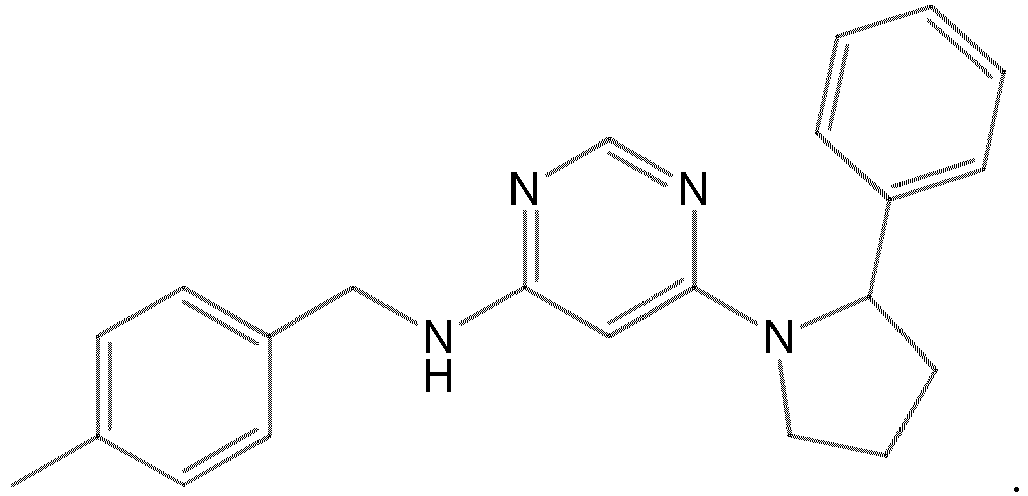
- According to a further aspect, R and R2 are combined to form a fused ring. In another aspect, R5 is -(CR8R9)p-C(=O)OR7, or -(CR8R9)p-C(=O)NR8R9. Alternatively, R5 is -(CR8R9)p-CR13R14R15 wherein R14 and R15 are combined to form a ring system.
- According to another aspect, there is provided a pharmaceutical composition comprising a compound of the herein above described type and at least one pharmaceutical acceptable excipient.
- According to yet another aspect, the herein above described compound or pharmaceutical composition are for use in therapy.
- According to another aspect, the herein above described compound or pharmaceutical composition are for use in the treatment and/or prevention of inflammatory, metabolic and autoimmune diseases or disorders.
- In another aspect, the herein above described compound or pharmaceutical composition are for modulating the activity of a retinoic acid receptor-related orphan receptor (ROR).
- Further, advantageous features of various embodiments are defined in the dependent claims and within the detailed description below.
- Unless defined otherwise, all technical and scientific terms used herein have the same meaning as is commonly understood by one of ordinary skill in the art.
- As used herein, any "R" group(s) such as, without limitation, R1, R2, R3, R4, R5, R8, R9, and R10, represent substituents that can be attached to the indicated atom. A non-limiting list of R groups includes but is not limited to hydrogen, alkyl, alkenyl, alkynyl, cycloalkyl, cycloalkenyl, cycloalkynyl, aryl, heteroaryl, and heteroalicyclyl. If two "R" groups are covalently bonded to the same atom or to adjacent atoms, then they may be "taken together" or "combined" as defined herein to form a cycloalkyl, aryl, heteroaryl or heteroalicyclyl group. For example, without limitation, if Ra and Rb of an NRaRb group are indicated to be "taken together" or "combined", it means that they are covalently bonded to one another at their terminal atoms to form a ring that includes the nitrogen:

- As readily recognized by the skilled person, any given group disclosed herein may comprise further hydrogen(s) than the one(s) provided by a R-group, being hydrogen, attached to the group.
- Whenever a group is described as being "unsubstituted or substituted," if substituted, the substituent(s) (which may be present one or more times, such as 1, 2, 3 or 4 times) are independently selected from alkyl, alkenyl, alkynyl, cycloalkyl, cycloalkenyl, cycloalkynyl, aryl, heteroaryl, heteroalicyclyl, aralkyl, heteroaralkyl, (heteroalicyclyl)alkyl, hydroxy, oxo, alkoxy, aryloxy, acyl, ester, O-carboxy, mercapto, alkylthio, arylthio, cyano, halogen, carbonyl, thiocarbonyl, C-amido, N-amido, S-sulfonamido, N-sulfonamido, nitro, silyl, sulfenyl, sulfinyl, sulfonyl, haloalkyl, haloalkoxy, trihalomethanesulfonyl, trihalomethanesulfonamido, and amino, including mono- and di-substituted amino groups, and the protected derivatives thereof.
- When a substituent on a group is deemed to be "substituted," the substitutent itself is substituted with one or more of the indicated substitutents. When the referenced substituent is substituted, it is meant that one or more hydrogen atoms on the referenced substituent may be replaced with a group(s) individually and independently selected from alkyl, alkenyl, alkynyl, cycloalkyl, cycloalkenyl, cycloalkynyl, aryl, heteroaryl, heteroalicyclyl, aralkyl, heteroaralkyl, (heteroalicyclyl)alkyl, hydroxy, oxo, alkoxy, aryloxy, acyl, ester, O-carboxy, mercapto, alkylthio, arylthio, cyano, halogen, carbonyl, thiocarbonyl, C-amido, N-amido, S-sulfonamido, N-sulfonamido, nitro, silyl, sulfenyl, sulfinyl, sulfonyl, haloalkyl, haloalkoxy, trihalomethanesulfonyl, trihalomethanesulfonamido, and amino, including mono- and di-substituted amino groups, and the protected derivatives thereof. The protecting groups that may form the protective derivatives of the above substituents are known to those of skill in the art and may be found in references Greene and Wuts, Protective Groups in Organic Synthesis, 3rd Ed., John Wiley & Sons, New York, NY, 1999.
- As used herein, "Cm to Cn," "Cm-Cn" or "Cm-n" in which "m" and "n" are integers refers to the number of carbon atoms in the relevant group. That is, the group can contain from "m" to "n", inclusive, carbon atoms. Thus, for example, a "C1 to C6 alkyl" group refers to all alkyl groups having from 1 to 6 carbons, that is, CH3-, CH3CH2-, CH3CH2CH2-, (CH3)2CH-, CH3CH2CH2CH2-, CH3CH2CH(CH3)-, CH3CH(CH)3CH2- , CH3CH(CH)3CH2- and (CH3)3C-. If no "m" and "n" are designated with regard to a group, the broadest range described in these definitions is to be assumed.
- As used herein, "alkyl" refers to a straight or branched hydrocarbon chain group that is fully saturated (no double or triple bonds). The alkyl group may have 1 to 20 carbon atoms (whenever it appears herein, a numerical range such as "1 to 20" refers to each integer in the given range; e.g., "1 to 20 carbon atoms" means that the alkyl group may consist of 1 carbon atom, 2 carbon atoms, 3 carbon atoms, etc., up to and including 20 carbon atoms, although the present definition also covers the occurrence of the term "alkyl" where no numerical range is designated). The alkyl group may also be a medium size alkyl having 1 to 10 carbon atoms, such as "C1-6". The alkyl group could also be a lower alkyl having 1 to 4 carbon atoms. The alkyl group of the compounds may be designated as "C1-C4 alkyl," "C1-4 alkyl" or similar designations. By way of example only, "C1-C4 alkyl" or "C1-4 alkyl" indicates that there are one to four carbon atoms in the alkyl chain, i.e., the alkyl chain is selected from the group consisting of methyl, ethyl, propyl, iso-propyl, n-butyl, iso-butyl, sec-butyl, and t-butyl. Typical alkyl groups include, but are in no way limited to, methyl, ethyl, propyl, isopropyl, butyl, isobutyl, tertiary butyl, pentyl, hexyl, and the like. When substituted, the substituent group(s) is(are) one or more group(s) individually and independently selected from alkenyl, alkynyl, cycloalkyl, cycloalkenyl, cycloalkynyl, aryl, heteroaryl, heteroalicyclyl, aralkyl, heteroaralkyl, (heteroalicyclyl)alkyl, hydroxy, oxo, alkoxy, aryloxy, acyl, ester, O-carboxy, mercapto, alkylthio, arylthio, cyano, halogen, carbonyl, thiocarbonyl, C-amido, N-amido, S-sulfonamido, N-sulfonamido, nitro, silyl, sulfenyl, sulfinyl, sulfonyl, haloalkyl, haloalkoxy, trihalomethanesulfonyl, trihalomethanesulfonamido, and amino, including mono- and di-substituted amino groups, and the protected derivatives thereof.
- As used herein, "alkenyl" refers to an alkyl group that contains in the straight or branched hydrocarbon chain one or more double bonds. If more than one double bond is present, the double bonds may be conjugated or not conjugated. The alkenyl group may have 2 to 20 carbon atoms (whenever it appears herein, a numerical range such as "2 to 20" refers to each integer in the given range; e.g., "2 to 20 carbon atoms" means that the alkenyl group may consist of 2 carbon atoms, 3 carbon atoms, 4 carbon atoms, etc., up to and including 20 carbon atoms, although the present definition also covers the occurrence of the term "alkenyl" where no numerical range is designated). When substituted, the substituent group(s) is(are) one or more group(s) individually and independently selected from alkyl, alkenyl, alkynyl, cycloalkyl, cycloalkenyl, cycloalkynyl, aryl, heteroaryl, heteroalicyclyl, aralkyl, heteroaralkyl, (heteroalicyclyl)alkyl, hydroxy, oxo, alkoxy, mercapto, alkylthio, cyano, halogen, nitro, haloalkyl, haloalkoxy, and amino, including mono- and di-substituted amino groups, and the protected derivatives thereof.
- As used herein, "alkynyl" refers to an alkyl group that contains in the straight or branched hydrocarbon chain one or more triple bonds. The alkynyl group may have 2 to 20 carbon atoms (whenever it appears herein, a numerical range such as "2 to 20" refers to each integer in the given range; e.g., "2 to 20 carbon atoms" means that the alkynyl group may consist of 2 carbon atoms, 3 carbon atoms, 4 carbon atoms, etc., up to and including 20 carbon atoms, although the present definition also covers the occurrence of the term "alkynyl" where no numerical range is designated). An alkynyl group may be unsubstituted or substituted. When substituted, the substituent(s) may be selected from the same groups disclosed above with regard to alkenyl group substitution.
- As used herein, "hetero" may be attached to a group and refers to one or more carbon atom(s) and the associated hydrogen atom(s) in the attached group have been independently replaced with the same or different heteroatoms selected from nitrogen, oxygen, phosphorus and sulfur.
- As used herein, "heteroalkyl," by itself or in combination with another term, refers to a straight or branched alkyl group consisting of the stated number of carbon atoms, where one or more carbon atom(s), such as 1, 2, 3 or 4 carbon atom(s), and the associated hydrogen atom(s) have been independently replaced with the same or different heteroatoms selected from nitrogen, oxygen and sulfur. The carbon atom(s) being replace may be in the middle or at the end of the alkyl group. Examples of heteroalkyl include, but are not limited to, -S-alkyl, -O-alkyl, -NH-alkyl, -alkylene-O-alkyl, etc
- As used herein, "aryl" refers to a carbocyclic (all carbon) ring or two or more fused rings (rings that share two adjacent carbon atoms) that have a fully delocalized pi-electron system. Examples of aryl groups include, but are not limited to, benzene, naphthalene and azulene. An aryl group may be substituted. When substituted, hydrogen atoms are replaced by substituent group(s) that is(are) one or more group(s) independently selected from alkyl, alkenyl, alkynyl, cycloalkyl, cycloalkenyl, cycloalkynyl, aryl, heteroaryl, heteroalicyclyl, aralkyl, heteroaralkyl, (heteroalicyclyl)alkyl, hydroxy, oxo, alkoxy, aryloxy, acyl, ester, O-carboxy, mercapto, alkylthio, arylthio, cyano, halogen, carbonyl, thiocarbonyl, C-amido, N-amido, S-sulfonamido, N-sulfonamido, nitro, silyl, sulfenyl, sulfinyl, sulfonyl, haloalkyl, haloalkoxy, trihalomethanesulfonyl, trihalomethanesulfonamido, and amino, including mono- and di-substituted amino groups, and the protected derivatives thereof. When substituted, substituents on an aryl group may form a non-aromatic ring fused to the aryl group, including a cycloalkyl, cycloalkenyl, cycloalkynyl, and heterocyclyl.
- As used herein, "heteroaryl" refers to a monocyclic or multicyclic aromatic ring system (a ring system with fully delocalized pi-electron system), in which at least one of the atoms in the ring system is a heteroatom, that is, an element other than carbon, including but not limited to, nitrogen, oxygen and sulfur. Examples of monocyclic "heteroaryl" include, but are not limited to, furan, thiophene, phthalazine, pyrrole, oxazole, thiazole, imidazole, pyrazole, isoxazole, isothiazole, triazole, thiadiazole, pyridine, pyridazine, pyrimidine, pyrazine, tetrazole, and triazine. Examples of multicyclic "heteroaryl" include, but are not limited to, quinoline, isoquinoline, quinazoline, quinoxaline, indole, purines, benzofuran, benzothiophene, benzopyranones (e.g. coumarin, chromone, and isocoumarin). A heteroaryl may be substituted. When substituted, hydrogen atoms are replaced by substituent group(s) that is(are) one or more group(s) independently selected from alkyl, alkenyl, alkynyl, cycloalkyl, cycloalkenyl, cycloalkynyl, aryl, heteroaryl, heteroalicyclyl, aralkyl, heteroaralkyl, (heteroalicyclyl)alkyl, hydroxy, oxo, alkoxy, aryloxy, acyl, ester, O-carboxy, mercapto, alkylthio, arylthio, cyano, halogen, carbonyl, thiocarbonyl, C-amido, N-amido, S-sulfonamido, N-sulfonamido, nitro, silyl, sulfenyl, sulfinyl, sulfonyl, haloalkyl, haloalkoxy, trihalomethanesulfonyl, trihalomethanesulfonamido, and amino, including mono- and di-substituted amino groups, and the protected derivatives thereof. When substituted, substituents on a heteroayl group may form a non-aromatic ring fused to the aryl group, including a cycloalkyl, cycloalkenyl, cycloalkynyl, and heterocyclyl.
- An "aralkyl" or "arylalkyl" is an aryl group connected, as a substituent, via an alkylene group. The alkylene and aryl group of an aralkyl may be substituted. Examples include but are not limited to benzyl, substituted benzyl, 2-phenylethyl, 3-phenylpropyl, and naphthylalkyl. In some cases, the alkylene group is a lower alkylene group.
- A "heteroaralkyl" or "heteroarylalkyl" is heteroaryl group connected, as a substituent, via an alkylene group. The alkylene and heteroaryl group of heteroaralkyl may be substituted. Examples include but are not limited to 2-thienylmethyl, 3-thienylmethyl, furylmethyl, thienylethyl, pyrrolylalkyl, pyridylalkyl, isoxazolylalkyl, pyrazolylalkyl and imidazolylalkyl, and their substituted as well as benzo-fused analogs. In some cases, the alkylene group is a lower alkylene group.
- An "alkylene" is a straight-chained tethering group, forming bonds to connect molecular fragments via their terminal carbon atoms. The alkylene may have 1 to 20 carbon atoms. The alkylene may also be a medium size alkylene having 1 to 10 carbon atoms, such as "C1-6" The alkylene could also be a lower alkylene having 1 to 4 carbon atoms. The alkylene may be designated as "C1-C4 alkylene", "C1-4 alkylene" or similar designations. Non-limiting examples include, methylene (-CH2-), ethylene (-CH2CH2-), propylene (-CH2CH2CH2-), and butylene (-(CH2)4-) groups. In the case of methylene, the two connected fragments are connected to the same carbon atom. A lower alkylene group may be substituted.
- As used herein, "heteroalkylene" by itself or in combination with another term refers to an alkylene group consisting of the stated number of carbon atoms in which one or more of the carbon atoms, such as 1, 2, 3 or 4 carbon atom(s), are independently replaced with the same or different heteroatoms selected from oxygen, sulfur and nitrogen. Examples of heteroalkylene include, but not limited to -CH2-O-, -CH2-CH2-O-, -CH2-CH2-CH2-O-, -CH2-NH-, -CH2-CH2-NH-, -CH2-CH2-CH2-NH-, -CH2-CH2-NH-CH2-, -O-CH2-CH2-O-CH2-CH2-O-, -O-CH2-CH2-O-CH2-CH2-, and the like.
- As used herein, "alkylidene" refers to a divalent group, such as =CR'R", which is attached to one carbon of another group, forming a double bond. Alkylidene groups include, but are not limited to, methylidene (=CH2) and ethylidene (=CHCH3). As used herein, "arylalkylidene" refers to an alkylidene group in which either R' or R" is an aryl group. An alkylidene group may be substituted.
- As used herein, "alkoxy" refers to the group -OR wherein R is an alkyl, e.g. methoxy, ethoxy, n-propoxy, cyclopropoxy, 1-methylethoxy (isopropoxy), n-butoxy, iso-butoxy, sec-butoxy, tert-butoxy, amoxy, tert-amoxy and the like. An alkoxy may be substituted.
- As used herein, "alkylthio" refers to the formula -SR wherein R is an alkyl is defined as above, e.g. methylmercapto, ethylmercapto, n-propylmercapto, 1-methylethylmercapto (isopropylmercapto), n-butylmercapto, iso-butylmercapto, sec-butylmercapto, tert-butylmercapto, and the like. An alkylthio may be substituted.
- As used herein, "aryloxy" and "arylthio" refers to RO- and RS-, in which R is an aryl as defined above, e.g., phenoxy, naphthalenyloxy, azulenyloxy, anthracenyloxy, naphthalenylthio, phenylthio and the like. Both an aryloxy and arylthio may be substituted.
- As used herein, "alkenyloxy" refers to the formula -OR wherein R is an alkenyl as defined above, e.g., vinyloxy, propenyloxy, n-butenyloxy, iso-butenyloxy, sec-pentenyloxy, tert-pentenyloxy, and the like. The alkenyloxy may be substituted.
- As used herein, "acyl" refers to a hydrogen, alkyl, alkenyl, alkynyl, or aryl connected, as substituents, via a carbonyl group. Examples include formyl, acetyl, propanoyl, benzoyl, and acryl. An acyl may be substituted.
- As used herein, "cycloalkyl" refers to a completely saturated (no double bonds) mono- or multi- cyclic hydrocarbon ring system. When composed of two or more rings, the rings may be joined together in a fused, bridged or spiro-connected fashion. Cycloalkyl groups may range from C3 to C10, such as from C3 to C6. A cycloalkyl group may be unsubstituted or substituted. Typical cycloalkyl groups include, but are in no way limited to, cyclopropyl, cyclobutyl, cyclopentyl, cyclohexyl, and the like. If substituted, the substituent(s) may be an alkyl or selected from those indicated above with regard to substitution of an alkyl group unless otherwise indicated. When substituted, substituents on a cycloalkyl group may form an aromatic ring fused to the cycloalkyl group, including an aryl and a heteroaryl.
- As used herein, "cycloalkenyl" refers to a cycloalkyl group that contains one or more double bonds in the ring although, if there is more than one, they cannot form a fully delocalized pi-electron system in the ring (otherwise the group would be "aryl," as defined herein). When composed of two or more rings, the rings may be connetected together in a fused, bridged or spiro-connected fashion. Cycloalkenyl groups may range from C3 to C10, such as from C5 to C10. A cycloalkenyl group may be unsubstituted or substituted. When substituted, the substituent(s) may be an alkyl or selected from the groups disclosed above with regard to alkyl group substitution unless otherwise indicated. When substituted, substituents on a cycloalkenyl group may form an aromatic ring fused to the cycloalkenyl group, including an aryl and a heteroaryl.
- As used herein, "cycloalkynyl" refers to a cycloalkyl group that contains one or more triple bonds in the ring. When composed of two or more rings, the rings may be joined together in a fused, bridged or spiro-connected fashion. Cycloalkynyl groups may range from C8 to C12. A cycloalkynyl group may be unsubstituted or substituted. When substituted, the substituent(s) may be an alkyl or selected from the groups disclosed above with regard to alkyl group substitution unless otherwise indicated. When substituted, substituents on a cycloalkynyl group may form an aromatic ring fused to the cycloalkynyl group, including an aryl and a heteroaryl.
- As used herein, "heteroalicyclic" or "heteroalicyclyl" refers to a 3- to 18 membered ring which consists of carbon atoms and from one to five heteroatoms selected from the group consisting of nitrogen, oxygen and sulfur. The heteroalicyclic or heteroalicyclyl groups may range from C2 to C10, in some embodiments it may range from C2 to C9, and in other embodiments it may range from C2 to C8. The "heteroalicyclic" or "heteroalicyclyl" may be monocyclic, bicyclic, tricyclic, or tetracyclic ring system, which may be joined together in a fused, bridged or spiro-connected fashion; and the nitrogen, carbon and sulfur atoms in the "heteroalicyclic" or "heteroalicyclyl" may be oxidized; the nitrogen may be quaternized; and the rings may also contain one or more double bonds provided that they do not form a fully delocalized pi-electron system throughout all the rings, examples are 2H-benzo[b][1,4]oxazin-3(4H)-one, 3,4-dihydroquinolin-2(1H)-one, 1,2,3,4-tetrahydroquinoline, 3,4-dihydro-2H-benzo[b][1,4]oxazine, 2,3-dihydrobenzo[d]oxazole, 2,3-dihydro-1H-benzo[d]imidazole, indoline, and 1,3-dihydro-2H-benzo[d]imidazol-2-one, and benzo[d]oxazol-2(3H)-one. Heteroalicyclyl groups may be unsubstituted or substituted. When substituted, the substituent(s) may be one or more groups independently selected from the group consisting of alkyl, alkenyl, alkynyl, cycloalkyl, cycloalkenyl, cycloalkynyl, aryl, heteroaryl, heteroalicyclyl, aralkyl, heteroaralkyl, (heteroalicyclyl)alkyl, hydroxy, oxo, alkoxy, aryloxy, acyl, ester, O-carboxy, mercapto, alkylthio, arylthio, cyano, halogen, C-amido, N-amido, S-sulfonamido, N-sulfonamido, isocyanato, thiocyanato, isothiocyanato, nitro, silyl, haloalkyl, haloalkoxy, trihalomethanesulfonyl, trihalomethanesulfonamido, and amino, including mono- and di-substituted amino groups, and the protected derivatives thereof. Examples of such "heteroalicyclic" or "heteroalicyclyl" include but are not limited to, azepinyl, dioxolanyl, imidazolinyl, morpholinyl, oxetanyl, oxiranyl, piperidinyl N-Oxide, piperidinyl, piperazinyl, pyrrolidinyl, pyranyl, 4-piperidonyl, pyrazolidinyl, 2-oxopyrrolidinyl, tetrahydrofuranyl, tetrahydropyranyl, thiamorpholinyl, thiamorpholinyl sulfoxide, and thiamorpholinyl sulfone. When substituted, substituents on a heteroalicyclyl group may form an aromatic ring fused to the heteroalicyclyl group, including an aryl and a heteroaryl.
- A "(cycloalkyl)alkyl" is a cycloalkyl group connected, as a substituent, via an alkylene group. The alkylene and cycloalkyl of a (cycloalkyl)alkyl may be substituted. Examples include but are not limited cyclopropylmethyl, cyclobutylmethyl, cyclopropylethyl, cyclopropylbutyl, cyclobutylethyl, cyclopropylisopropyl, cyclopentylmethyl, cyclopentylethyl, cyclohexylmethyl, cyclohexylethyl, cycloheptylmethyl, and the like. In some cases, the alkylene group is a lower alkylene group.
- A "(cycloalkenyl)alkyl" is a cycloalkenyl group connected, as a substituent, via an alkylene group. The alkylene and cycloalkenyl of a (cycloalkenyl)alkyl may be substituted. In some cases, the alkylene group is a lower alkylene group.
- A "(cycloalkynyl)alkyl" is a cycloalkynyl group connected, as a substituent, via an alkylene group. The alkylene and cycloalkynyl of a (cycloalkynyl)alkyl may be substituted. In some cases, the alkylene group is a lower alkylene group.
- As used herein, "halo" or "halogen" refers to F (fluoro), Cl (chloro), Br (bromo) or I (iodo).
- As used herein, "haloalkyl" refers to an alkyl group in which one or more of the hydrogen atoms are replaced by halogen. Such groups include but are not limited to, chloromethyl, fluoromethyl, difluoromethyl, trifluoromethyl and 1-chloro-2-fluoromethyl, 2-fluoroisobutyl. A haloalkyl may be substituted.
- As used herein, "haloalkoxy" refers to a RO-group in which R is a haloalkyl group. Such groups include but are not limited to, chloromethoxy, fluoromethoxy, difluoromethoxy, trifluoromethoxy and 1-chloro-2-fluoromethoxy, 2-fluoroisobutyoxy. A haloalkoxy may be substituted.
- An "O-carboxy" group refers to a "RC(=O)O-" group in which R can be hydrogen, alkyl, alkenyl, alkynyl, cycloalkyl, cycloalkenyl, cycloalkynyl, aryl, heteroaryl, heteroalicyclyl, aralkyl, or (heteroalicyclyl)alkyl, as defined herein. An O-carboxy may be substituted.
- A "C-carboxy" group refers to a "-C(=O)OR" group in which R can be the same as defined with respect to O-carboxy. A C-carboxy may be substituted.
- A "trihalomethanesulfonyl" group refers to an "X3CSO2-" group" wherein X is a halogen.
- A dashed bond, -----, represents an optional unsaturation between the atoms forming the bond. This bond may be unsaturated (e.g. C=C, C=N, C=O) or saturated (e.g. C-C, C-N, C-O). When a dashed bond is present in a ring system it may form part of an aromatic ring system.
- A "nitro" group refers to a "-NO2" group
- A "cyano" group refers to a "-CN" group.
- A "cyanato" group refers to an "-OCN" group.
- An "isocyanato" group refers to a "-NCO" group.
- A "thiocyanato" group refers to a "-SCN" group.
- A "carbonyl" group refers to a "-C(=O)-" group.
- A "thiocarbonyl" group refers to a "-C(=S)-" group.
- An "oxo" group refers to a " =O " group.
- A "hydroxy" group or "hydroxyl" group refers to an "-OH" group.
- An "isothiocyanato" group refers to an " -NCS" group.
- A "sulfinyl" group refers to an "-S(=O)-R" group in which R can be the same as defined with respect to O-carboxy. A sulfinyl may be substituted.
- A "sulfonyl" group refers to an "SO2R" group in which R can be the same as defined with respect to O-carboxy. A sulfonyl may be substituted.
- An "S-sulfonamido" group refers to a "-SO2NRARB" group in which RA and RB indendently of each other can be the same as defined with respect to the R group as defined for O-carboxy, or combined to form a ring system selected from the group consisting of substituted or unsubstituted C3-8 cycloalkyl, substituted or unsubstituted C3-8 cycloalkenyl, substituted or unsubstituted C3-8 cycloalkyl, substituted or unsubstituted C3-8 cycloalkenyl substituted or unsubstituted heteroalicyclyl, substituted or unsubstituted aryl, and substituted or unsubstituted heteroaryl. A S-sulfonamido may be substituted.
- An "N-sulfonamido" group refers to a "RSO2N(RA)-" group in which R and RA indendently of each other can be the same as defined with respect to the R group as defined for O-carboxy. An N-sulfonamido may be substituted.
- A "trihalomethanesulfonamido" group refers to an "X3CSO2N(R)-" group with X as halogen and R can be the same as defined with respect to O-carboxy. A trihalomethanesulfonamido may be substituted.
- A "C-amido" group refers to a "-C(=O)NRARB" group in which RA and RB indendently of each other can be the same as defined with respect to the R group as defined for O-carboxy, or combined to form a ring system selected from the group consisting of substituted or unsubstituted C3-8 cycloalkyl, substituted or unsubstituted C3-8 cycloalkenyl, substituted or unsubstituted C3-8 cycloalkyl, substituted or unsubstituted C3-8 cycloalkenyl substituted or unsubstituted heteroalicyclyl, substituted or unsubstituted aryl, and substituted or unsubstituted heteroaryl. A C-amido may be substituted.
- An "N-amido" group refers to a "RC(=O)NRA-" group in which R and RA indendently of each other can be the same as defined with respect to the R group as defined for O-carboxy. An N-amido may be substituted.
- An "ester" refers to a "-C(=O)OR" group in which R can be the same as defined with respect to O-carboxy. An ester may be substituted.
- A lower alkoxyalkyl refers to an alkoxy group connected via a lower alkylene group. A lower alkoxyalkyl may be substituted.
- An "amine" or "amino" refers to "RNH2" (a primary amine), "R2NH" (a secondary amine), "R3N" (a tertiary amine). An amino group may be substituted.
- A lower aminoalkyl refers to an amino group connected via a lower alkylene group. A lower aminoalkyl may be substituted.
- Any unsubstituted or monosubstituted amine group on a compound herein can be converted to an amide, any hydroxyl group can be converted to an ester and any carboxyl group can be converted to either an amide or ester using techniques well-known to those skilled in the art (see, for example, Greene and Wuts, Protective Groups in Organic Synthesis, 3rd Ed., John Wiley & Sons, New York, NY, 1999).
- As used herein, the abbreviations for any protective groups, amino acids and other compounds, are, unless indicated otherwise, in accord with their common usage, recognized abbreviations, or the IUPAC-IUB Commission on Biochemical Nomenclature (See, Biochem. 11:942-944 (1972)).
- As employed herein, the following terms have their accepted meaning in the chemical literature.
- CDCl3
- deuterated chloroform
- DCM
- dichloromethane or CH2Cl2
- DIPEA
- N,N-diisopropylethylamine
- DMF
- N,N-dimethylformamide
- DMSO
- dimethyl sulfoxide
- EtOAc
- ethyl acetate
- h
- hour(s)
- MeOH
- methanol
- TFA
- trifluoroacetic acid
- It is understood that, in any compound disclosed herein having one or more chiral centers, if an absolute stereochemistry is not expressly indicated, then each center may independently be of R-configuration or S-configuration or a mixture thereof. Thus, the compounds provided herein may be enatiomerically pure or be stereoisomeric mixtures. Further, compounds provided herein may be scalemic mixtures. In addition, it is understood that in any compound having one or more double bond(s) generating geometrical isomers that can be defined as E or Z each double bond may independently be E or Z or a mixture thereof. Likewise, all tautomeric forms are also intended to be included.
- As used herein, "tautomer" and "tautomeric" refer to alternate forms of a compound disclosed herein that differ in the position of a proton. Non-limiting examples include enol-keto and imine-enamine tautomers, or the tautomeric forms of heteroaryl groups containing a ring atom attached to both a ring -NH- moiety and a ring =N- moiety such as pyrazoles, imidazoles, benzimidazoles, triazoles, and tetrazoles.
- It is understood that isotopes may be present in the compounds described herein. Each chemical element as represented in a compound structure may include any isotope of said element. For example, in a compound described herein a hydrogen atom can be any isotope of hydrogen, including but not limited to hydrogen-1 (protium) and hydrogen-2 (deuterium). Thus, reference herein to a compound encompasses all potential isotopic forms unless the context clearly dictates otherwise.
- As used herein, "pharmaceutically acceptable salt" refers to a salt of a compound that does not abrogate the biological activity and properties of the compound. Pharmaceutical salts can be obtained by reaction of a compound disclosed herein with an acid or base. Base-formed salts include, without limitation, ammonium salt (NH4 +); alkali metal, such as, without limitation, sodium or potassium, salts; alkaline earth, such as, without limitation, calcium or magnesium, salts; salts of organic bases such as, without limitation, dicyclohexylamine, piperidine, piperazine, methylpiperazine, N-methyl-D-glucamine, diethylamine, ethylenediamine, tris(hydroxymethyl)methylamine; and salts with the amino group of amino acids such as, without limitation, arginine and lysine. Useful acid-based salts include, without limitation, acetates, adipates, aspartates, ascorbates, benzoates, butyrates, caparate, caproate, caprylate, camsylates, citrates, decanoates, formates, fumarates, gluconates, glutarate, glycolates, hexanoates, laurates, lactates, maleates, nitrates, oleates, oxalates, octanoates, propanoates, palmitates, phosphates, sebacates, succinates, stearates, sulfates, sulfonates, such as methanesulfonates, ethanesulfonates, p-toluenesulfonates, salicylates, tartrates, and tosylates.
- Pharmaceutically acceptable solvates and hydrates are complexes of a compound with one or more solvent of water molecules, or 1 to about 100, or 1 to about 10, or one to about 2, 3 or 4, solvent or water molecules.
- "Anti-drug" refers to a compound or composition acting against or opposing illicit drugs or their use. Compounds of the present application may act as anti-drugs.
- As used herein, to "modulate" the activity of a receptor means either to activate it, i.e., to increase its cellular function over the base level measured in the particular environment in which it is found, or deactivate it, i.e., decrease its cellular function to less than the measured base level in the environment in which it is found and/or render it unable to perform its cellular function at all, even in the presence of a natural binding partner. A natural binding partner is an endogenous molecule that is an agonist for the receptor.
- An "agonist" is defined as a compound that increases the basal activity of a receptor (i.e. signal transduction mediated by the receptor).
- As used herein, "partial agonist" refers to a compound that has an affinity for a receptor but, unlike an agonist, when bound to the receptor it elicits only a fractional degree of the pharmacological response normally associated with the receptor even if a large number of receptors are occupied by the compound.
- An "inverse agonist" is defined as a compound, which reduces, or suppresses the basal activity of a receptor, such that the compound is not technically an antagonist but, rather, is an agonist with negative intrinsic activity.
- As used herein, "antagonist" refers to a compound that binds to a receptor to form a complex that does not give rise to any response, as if the receptor was unoccupied. An antagonist attenuates the action of an agonist on a receptor. An antagonist may bind reversibly or irreversibly, effectively eliminating the activity of the receptor permanently or at least until the antagonist is metabolized or dissociates or is otherwise removed by a physical or biological process.
- As used herein, a "subject" refers to an animal that is the object of treatment, observation or experiment. "Animal" includes cold- and warm-blooded vertebrates and invertebrates such as birds, fish, shellfish, reptiles and, in particular, mammals. "Mammal" includes, without limitation, mice; rats; rabbits; guinea pigs; dogs; cats; sheep; goats; cows; horses; primates, such as monkeys, chimpanzees, and apes, and, in particular, humans.
- As used herein, a "patient" refers to a subject that is being treated by a medical professional such as an M.D. or a D.V.M. to attempt to cure, or at least ameliorate the effects of, a particular disease or disorder or to prevent the disease or disorder from occurring in the first place.
- As used herein, a "carrier" refers to a compound that facilitates the incorporation of a compound into cells or tissues. For example, without limitation, dimethyl sulfoxide (DMSO) is a commonly utilized carrier that facilitates the uptake of many organic compounds into cells or tissues of a subject.
- As used herein, a "diluent" refers to an ingredient in a pharmaceutical composition that lacks pharmacological activity but may be pharmaceutically necessary or desirable. For example, a diluent may be used to increase the bulk of a potent drug whose mass is too small for manufacture or administration. It may also be a liquid for the dissolution of a drug to be administered by injection, ingestion or inhalation. A common form of diluent in the art is a buffered aqueous solution such as, without limitation, phosphate buffered saline that mimics the composition of human blood.
- As used herein, an "excipient" refers to an inert substance that is added to a pharmaceutical composition to provide, without limitation, bulk, consistency, stability, binding ability, lubrication, disintegrating ability etc., to the composition. A "diluent" is a type of excipient.
- A "receptor" is intended to include any molecule present inside or on the surface of a cell that may affect cellular physiology when it is inhibited or stimulated by a ligand. Typically, a receptor comprises an extracellular domain with ligand-binding properties, a transmembrane domain that anchors the receptor in the cell membrane, and a cytoplasmic domain that generates a cellular signal in response to ligand binding ("signal transduction"). A receptor also includes any intracellular molecule that in response to ligation generates a signal. A receptor also includes any molecule having the characteristic structure of a receptor, but with no identifiable ligand. In addition, a receptor includes a truncated, modified, mutated receptor, or any molecule comprising partial or all of the sequences of a receptor.
- "Ligand" is intended to include any substance that interacts with a receptor.
- "Selective" or "selectivity" is defined as a compound's ability to generate a desired response from a particular receptor type, subtype, class or subclass while generating less or little response from other receptor types. "Selective" or "selectivity" of one or more particular subtypes of a receptor means a compound's ability to increase the activity of the subtypes while causing less, little or no increase in the activity of other subtypes.
- As used herein, "coadministration" of pharmacologically active compounds refers to the delivery of two or more separate chemical entities, whether in vitro or in vivo. Coadministration means the simultaneous delivery of separate agents; the simultaneous delivery of a mixture of agents; as well as the delivery of one agent followed by delivery of a second agent or additional agents. Agents that are coadministered are typically intended to work in conjunction with each other.
- The term "an effective amount" as used herein means an amount of active compound or pharmaceutical agent that elicits the biological or medicinal response in a tissue, system, animal or human that is being sought by a researcher, veterinarian, medical doctor or other clinician, which includes alleviation or palliation of the symptoms of the disease being treated.
- When used herein, "prevent/preventing" should not be construed to mean that a condition and/or a disease never might occur again after use of a compound or pharmaceutical composition according to embodiments disclosed herein to achieve prevention. Further, the term should neither be construed to mean that a condition not might occur, at least to some extent, after such use to prevent said condition. Rather, "prevent/preventing" is intended to mean that the condition to be prevented, if occurring despite such use, will be less severe than without such use.
- According to one aspect compounds of Formula (I)

- Y is NR or O;
- R is hydrogen or substituted or unsubstituted C1-4 alkyl;
- R1 is selected from the group consisting of hydrogen, -OH, halogen, substituted or unsubstituted C1-4 alkyl, substituted or unsubstituted C1-4 alkoxy, and substituted or unsubstituted C2-4 alkenyl;
- R2 is selected from the group consisting of hydrogen, halogen, substituted or unsubstituted C1-4 alkyl, substituted or unsubstituted C1-4 alkoxy, -CN, and -OH ;
- or R and R2 are combined to form a substituted or unsubstituted fused ring;
- R3 is selected from the group consisting of hydrogen, halogen, -OH, substituted or unsubstituted C1-4 alkyl, substituted or unsubstituted C1-4 alkoxy, oxo, -C(=O)R10;
- R4a is selected from the group consisting of hydrogen, halogen, -OH, substituted or unsubstituted C1-6 alkyl, substituted or unsubstituted C1-C6 alkoxy, substituted or unsubstituted C1-6 alkenyl, substituted or unsubstituted C3-C6 cycloalkyl, substituted or unsubstituted aryl, substituted or unsubstituted aryl-C1-6 alkyl, substituted or unsubstituted heteroaryl, and substituted or unsubstituted heteroaryl-C1-6 alkyl;
- R4b is selected from the group consisting of hydrogen, halogen, oxo, -OH, substituted or unsubstituted C1-4 alkyl, substituted or unsubstituted C1-4 alkoxy, and - C(=O)R10;
- R5 is selected from the group consisting of -(CR8R9)pOR12, -(CR8R9)p-CR13R14R15, -(CR8R9)p-C(=O)OR7, and -(CR8R9)p-C(=O)NR8R9;
- n, m, and p are integers independently selected from the group consisting of 0, 1, 2, 3 and 4;
- R6a, R6b are independently selected from the group consisting of hydrogen, halogen, substituted or unsubstituted C1-6 alkyl, substituted or unsubstituted C1-6 alkenyl, substituted or unsubstituted C2-6 alkynyl, substituted or unsubstituted C1-6 alkoxy, substituted or unsubstituted C1-6 heteroalkyl, substituted or unsubstituted C3-8 cycloalkyl, substituted or unsubstituted C3-8 cycloalkenyl, substituted or unsubstituted C2-9 heteroalicyclyl, substituted or unsubstituted aryl, and substituted or unsubstituted heteroaryl, or R6a and R6b are taken together to form an oxo group or a ring system selected from substituted or unsubstituted C3-6 cycloalkyl, and substituted or unsubstituted C2-9 heteroalicyclyl, or R6a and R13 are taken together to form a ring system selected from substituted or unsubstituted C3-6 cycloalkyl, and substituted or unsubstituted C2-5 heteroalicyclyl;
- R7, R8, R9, and R12, are independently selected from the group consisting of hydrogen, substituted or unsubstituted C1-6 alkyl, substituted or unsubstituted C3-6 cycloalkyl, and substituted or unsubstituted C2-9 heteroalicyclyl;
- R10 is selected from the group consisting of C1-6 alkyl, C1-6 alkoxy, -OH, -NH2, -NH(C1-6 alkyl), -N(C1-6 alkyl)2, and C3-7 cycloalkyl;
- R13, if not to be taken together with R6a, is absent, or selected from the group consisting of hydrogen, -OH, -CN substituted or unsubstituted C1-6 alkyl, substituted or unsubstituted C1-6 alkenyl, substituted or unsubstituted C1-6 alkoxy, substituted or unsubstituted C3-8 cycloalkyl, substituted or unsubstituted C3-8 cycloalkenyl, and-(CR8R9)p-C(=O)OR7, -(CR8R9)p-SO2R7 and -(CR8R9)p-C(=O)NR8R9;
- R14 and R15 are independently selected from the group consisting of hydrogen, and substituted or unsubstituted C1-6 alkyl, substituted or unsubstituted C3-6 cycloalkyl, and substituted or unsubstituted C2-9 heteroalicyclyl; or
- R14 and R15 are combined to form a ring system selected from the group consisting of substituted or unsubstituted C3-8 cycloalkyl, substituted or unsubstituted C3-8 cycloalkenyl, substituted or unsubstituted C2-9 heteroalicyclyl, substituted or unsubstituted aryl, and substituted or unsubstituted heteroaryl;
- B is a ring system selected from the group consisting of aryl, heteroaryl, and bicyclic heteroalicyclyl, provided that it is not 5,6-dichloro-1H-benzo[d]imidazol-2-yl when R1 and R2 both are hydrogen;
- C is a ring system selected from C2-9 heteroalicyclyl;
- wherein B is attached to a carbon atom adjacent the N atom of ring system C; and with the proviso the compound is not:

- As with any group of structurally related compounds which possess a particular utility, certain embodiments of variables of the compounds of Formula (I) may be particularly useful in their end use application.
- In some embodiments of the compounds of Formula (I), R and R2 in combination with the pyrimidine ring form a ring system selected from pyrrolo[2,3-d]pyrimidine and 6,7-dihydro-5H-pyrrolo[2,3-d]pyrimidine. The ring system may be pyrrolo[2,3-d]pyrimidine.
- In some embodiments according to Formula (I) B is a ring system selected from the group consisting of aryl, heteroaryl, and bicyclic heteroalicyclyl, provided that it is not 5,6-dichloro-1H-benzo[d]imidazole-2-yl; i.e.

- In some further embodiments according to Formula (I), B is a ring system selected from the group consisting of aryl, monocyclic heteroaryl, and bicyclic heteroalicyclyl.In some embodiments of the compounds of Formula (I), R and R2 in combination with the pyrimidine ring form a pyrrolo[2,3-d]pyrimidine or 6,7-dihydro-5H-pyrrolo[2,3-d]pyrimidine. The compounds of Formula (I) may also have the Formula (IIa):

- Embodiment disclosed herein below in relation to various groups, rings and substituents of compounds of Formula (I) are, as indicated, equally applicable to compounds of any one of the Formulae (IIa-IIe) provided below herein, provided that the relevant group, integer, ring and/or substituent is present in the Formula of concern, as readily appreciated by the skilled person.
- According to another embodiment, the compounds of Formula (I), compounds of Formula (IIa), and compounds of any one of Formulae (IIb-IIe) as disclosed herein below, have R5 being -(CR8R9)p-C(=O)OR7 or -(CR8R9)p-C(=O)NR8R9, unless otherwise specified. In an alternative embodiment, the compounds of Formula (I), compounds of Formula (IIa), and compounds of any one of Formulae (IIb-IIe) have R5 being -(CR8R9)pOR12. In these embodiments, R7, R8, R9, and R12 are independently selected of each other from hydrogen, substituted or unsubstituted C1-6 alkyl, substituted or unsubstituted aryl-C1-6 alkyl and substituted or unsubstituted aryl. Preferred groups of R7, R8, R9, and R12 are selected from hydrogen, C1-6 alkyl, C1-6 haloalkyl, C1-6 hydroxyalkyl, and aryl, while even more preferred groups are selected from hydrogen, methyl, ethyl and tert-butyl. The integer p is preferably selected from 0, 1 or 2. In some embodiments, p is 0.
- According to yet another embodiment, R5 is -(CR8R9)p-CR13R14R15. In this embodiment it is preferred that R14 and R15 are combined to form a ring system. Further, the integer "p" may be 0 (zero), or 1. While it is not intended that the ring system be particular limited, preferred ring systems are selected from the group consisting of substituted or unsubstituted C3-7 cycloalkyl, substituted or unsubstituted C3-7 cycloalkenyl, substituted or unsubstituted C2-6 heteroalicyclyl, substituted or unsubstituted aryl, and substituted or unsubstituted heteroaryl. For example, R14 and R15 may be combined to form a ring system selected from the group consisting of phenyl, naphthyl, cyclopropyl, cyclobutyl, cyclopentyl, cyclohexyl, cycloheptyl, azetidinyl, thietanyl, pyrrolyl, pyrazolyl imidazolyl, pyrrolidinyl, imidazolinyl, pyrazolidinyl, thiazolidinyl, isothiazolidinyl, triazolyl, tetrazolyl, oxazolyl, isoxazolyl, oxadiazolyl, oxathianyl, thiazolyl, isothiazolyl, pyridyl, pyridazinyl, pyrazinyl, pyrimidinyl, triazinyl, piperidinyl, piperazinyl, morpholinyl, thiomorpholinyl, dioxolanyl, dioxanyl, furyl, dihydrofuranyl, furazanyl, tetrahydrofuryl, pyranyl, tetrahydropyranyl, tetrahydrothiopyranyl, dithiolanyl, dithianyl, thiopyranyl, thianyl, thienyl, oxetanyl, quinolyl, isoquinolyl, indolyl, iso-indolyl, and tetrahydrothienyl, any of which may be substituted or unsubstituted. Preferably, R14 and R15 are combined to form a ring system selected from the group consisting of cycloheptyl, cyclohexyl, cyclopentyl, dioxanyl, furyl, imidazolyl, isothiazolyl, isoxazolyl, morpholinyl, oxazolyl, oxetanyl, oxathianyl, phenyl, piperidinyl, pyranyl, pyrazolidinyl, pyrazolyl, pyridyl, pyrimidyl, pyrrolidinyl, pyrrolyl, tetrahydrofuryl, tetrahydropyranyl, tetrazolyl, thianyl, thiazolyl, thienyl, thiomorpholinyl, thiopyryl, and triazolyl, all of which may be unsubstituted or substituted. Some embodiments relate to the ring system formed being phenyl, pyridyl, cyclopentyl, cyclohexyl, piperidyl, pyrrolidinyl, oxetanyl, and tetrahydropyranyl, all which may be substituted by (CH2)q(R5a) as defined herein. Some embodiments relate to the ring system being phenyl, pyridyl, piperidinyl oxetanyl, or cyclohexyl. In embodiments wherein R14 and R15 are combined to form an aromatic ring system, R13 is absent.
- In a further embodiment, the ring system formed by the combination of R14 and R15 is substituted with -(CH2)q(R5a) wherein R5A is independently selected from the group consisting of -CH2COOR20, -CH2CONR21R22, -CN, C1-6 alkyl, -CH2-imidazolyl,-CH2-SO2R20, -CH2C(CH3)2(OR20), -OCH3, -CH2-triazolyl, -CF3, dimethyl substituted-imidazolyl-2,4-dione, -CH2-SO2NR21R22, morpholinyl, -C(=O)-morpholinyl, piperidyl-CH2OR20, -OCH2-tetrahydrofuryl, piperazinonyl, piperidinyl-CONR21R22, -OH,-CONR21R22, -CH(OR20)CH3, -COOR20, -CH2-pyrrolidyl, C1-6 alkylene-OH, cyclopentyl, pyrrolidonyl, tetrazolyl, -CH2- tetrazolyl, -CH2OR20, acyl, -SOR20, -SO2R20, -COR20,-NR21SO2R20, -SO2NR21R22, and halogen;
- R20, R21, and R22 are independently of each other selected from the group consisting of hydrogen, substituted or unsubstituted C1-6 alkyl, -CN, substituted or unsubstituted C3-6 cycloalkyl, substituted or unsubstituted C2-6 heteroalicyclyl; and
- q is an integer selected from 0, 1 or 2.
- Of course the ring system formed by the combination of R14 and R15 may, in alternative embodiments, be substituted with groups other than -(CH2)q(R5a).
- According to some embodiments, R13 is selected from the group consisting of hydrogen, -CN, CH3, fluorine, -OH, -CH2OH, -OCH3, -CH2CH2OH, -CO2H, -CO2-C1-4 alkyl, -CH2SO2R20 and -CONR8R9 wherein R8 and R9 are independently of each other selected from hydrogen, C1-4 alkyl and C1-4 aminoalkyl or R8 and R9 are combined to form a C2-C6 heteroalicyclyl. Some embodiments relate to R13 taken together with R6a to form a ring system selected from the group consisting of substituted or unsubstituted C3-6 cycloalkyl and substituted or unsubstituted C2-5 heteroalicyclyl.
- According to some embodiments, R13 is absent or hydrogen.
- In some embodiments of the compounds of Formula (I), Y is NR. Further, while R may be selected from the group consisting of hydrogen, C1-4 alkyl, C1-4 haloalkyl, and C1-4 hydroxyalkyl. In one embodiment R is hydrogen.
- According to some embodiments, R1 is selected from the group consisting of hydrogen, halogen, substituted or unsubstituted C1-4 alkyl, and substituted or unsubstituted C1-4 alkoxy. R1 may thus include C1-4 haloalkyl and C1-4 hydroxyalkyl groups. In some embodiments, R1 is hydrogen or CF3.
- According to some embodiments, R2 is selected from the group consisting of hydrogen, halogen, C1-4 alkyl, C1-4 haloalkyl, and C1-4 hydroxyalkyl. In some embdoiments, R2 is a halogen such as fluorine.
- In some embodiments, the compounds of Formula (I), compounds of Formula (IIa), and compounds of any one of Formulae (IIb-IIe), as disclosed herein may have an R3 group selected from hydrogen, halogen, C1-4 alkyl, C1-4 haloalkyl, C1-4 hydroxyalkyl, oxo, C1-4 alkoxy and C1-4 haloalkoxy, unless otherwise specified. According to one embodiment R3 is selected from the group consisting of hydrogen, methyl, fluorine, chlorine and oxo. In some embodiments, R3 is hydrogen.
- In some compounds of Formula (I), compounds of Formula (IIa), and compounds of any one of Formulae (IIb-IIe), as disclosed herein the integer m is selected from 2, 3, or 4, and at least two of the R3 groups present are bound to the same atom of ring system C. This embodiment provides compounds with one or two geminally substituted atoms that are part of ring system C. In some embodiments, R3 is flouro, such as geminally arranged fluoro atoms.
- According to some embodiments of the compounds of Formula (I), compounds of Formula (IIa), and compounds of any one of Formulae (IIb-IIe), as disclosed herein, R4a is selected from the group consisting of hydrogen, halogen, C1-6 alkyl, C1-6 haloalkyl, C1-6 hydroxyalkyl, C1-C6 alkoxy, C1-6 haloalkoxy, heteroaryl and aryl. In some embdoiments R4a groups are selected from the group consisting of methyl, ethyl, propyl, iso-propyl, tert-butyl, chlorine, bromine, fluorine, methoxy, ethoxy, C1-2 haloalkyl, C1-2 haloalkoxy and triazolyl. In some embodiments R4a groups are -CF3, - CF2CF3, -CHF2, -OCF3, -OCF2CF3, and -OCHF2. In some embodiments R4a is selected from the group consisting of isopropyl, halogen, ethoxy, CF3, -OCF3.
- In some embodiments, wherein the ring system B is 6-membered aryl or heteroaryl, R4a is arranged in the para- or meta-position, in relation to the the carbon carrying ring system C.
- According to some embodiments, R4b is selected from hydrogen, oxo, halogen, C1-4 alkyl, C1-4 haloalkyl, C1-4 hydroxyalkyl, C1-C4 alkoxy, and C1-4 haloalkoxy. In this embodiment, R4b may be further selected from methyl, ethyl, propyl, iso-propyl, tert-butyl, chlorine, bromine, fluorine, methoxy, ethoxy, -OH, C1-2 haloalkyl, and C1-2 haloalkoxy. Examples of R4b groups comprise -CF3, , -CHF2, -OCF3, , and -OCHF2. In some embodiments R4b is hydrogen.
- Some embodiments relate to R4a being selected from the group consisting of methyl, ethyl, propyl, iso-propyl, tert-butyl, chlorine, bromine, fluorine, methoxy, ethoxy, C1-2 haloalkyl, C1-2 haloalkoxy, and triazolyl arranged in the above mentioned para- or meta-position, and R4b being hydrogen.
- In some embodiments of the compounds of of Formula (I), compounds of Formula (IIa), and compounds of any one of Formulae (IIb-IIe), as disclosed herein, R6a is selected from the group consisting of hydrogen, substituted or unsubstituted C1-6 alkyl, substituted or unsubstituted C1-6 alkoxy, and substituted or unsubstituted aryl, or R6a and R13 are taken together to form a ring system selected from substituted or unsubstituted C3-6 cycloalkyl, and substituted or unsubstituted C2-9 heteroalicyclyl. Further examples of R6a are selected from hydrogen, C1-6 alkyl, C1-6 haloalkyl, C1-6 hydroxyalkyl, C1-6 alkoxy, C1-6 haloalkoxy, and aryl. It is preferred however, that R6a is hydrogen.
- According to some embodiments, R6b is selected from hydrogen, substituted or unsubstituted C1-6 alkyl, substituted or unsubstituted C1-6 alkoxy, substituted or unsubstituted aryl-C1-6 alkyl, substituted or unsubstituted C2-9 heteroalicyclyl-C1-6 alkyl, and substituted or unsubstituted aryl in the compounds of Formula (I). Thus, R6b may be hydrogen, C1-6 alkyl, C1-6 haloalkyl, C1-6 hydroxyalkyl, C1-C6 alkoxy, C1-6 haloalkoxy, C1-6-alkoxy-C1-6-alkyl-, aryl-C1-6 alkyl-, C2-9 heteroalicyclyl-C1-4 alkyl-, C1-6-alkoxyaryl-, haloaryl, and aryl. Particular examples of compounds of Formula (I) have an R6b group selected from hydrogen, -(CH2)C(CH3)3, -(CH2)CONH2, phenyl, phenyl substituted with 1 to 3 halogens, -CH(CH3)OC(CH3)3, -CH2-phenyl-OCH3, -phenyl-OCH3, -CH2-pyridyl, CH2-cyclohexyl-CH2CO2H, -CH2-cyclohexyl-CH2CONH2,CH2-cyclohexyl-CH2-tetrazolyl, -CH2-cyclohexyl-CH2OH, -CH2-cyclohexyl-NHSO2CH3,-CH2-cyclohexyl-NHSO2CH2CF3, -CH2-cyclohexyl-CH2CN, -CH2-phenyl-CH2CO2H,-CH2-phenyl-CH2CONH2, -CH2-phenyl-CH2CONH2CH3, -CH2-phenyl-CH2-tetrazolyl,-CH2-phenyl-CONH2, -CH2-phenyl-SO2NH-cyclopropyl, -CH2-phenyl-SO2CH3, -CH2-phenyl-NHSO2CF3, -CH2-phenyl-NHSO2CH3, -CH2-phenyl-NHSO2CHF2, -CH2-pyridyl-CH3, -CH2-pyridyl-SO2CH3, -CH2-pyridyl-CH2CONH2, -CH2-pyrimidyl-NHSO2CH3,-CH2-piperidyl-COCH3, -CH2-piperidyl-SO2CH3, -CH2-piperidyl-SO2CF3, -CH2-thienyl-CH2CO2H, -CH2-cyclobutyl-CH2CO2H, -CH2-cyclobutyl-CH2CONH2, -CH2-cyclobutyl-CO2H, -CH2-cyclobutyl-CONH2, -CH2-tetrahydrothiopyryl, -CH2-cyclopentyl, -CH2-cyclohexyl, -CH2-tetrahydrofuranyl, -CH2-tetrahydropyranyl, -CH2-oxetanyl, and -CH2-pyranyl.
- Some embodiments relate to R6a and R6b being taken together to form a ring system selected from substituted or unsubstituted C3-6 cycloalkyl, substituted or unsubstituted C2-9 heteroalicyclyl.
- Ring system B in compounds of of Formula (I), compounds of Formula (IIa), and compounds of any one of Formulae (IIb-IIe), as disclosed herein is not intended to be particularly limited, unless otherwise indicated. In some embodiments, ring system B is a mono- or bicyclic aryl, a mono- or bicyclic heteroaryl, or a bicyclic heteroalicyclyl. Further, ring system B may be a monocyclic heteroalicyclyl. Ring system B may, but need not, be substituted with at least one of R4a or R4b that is a non-hydrogen substituent. Compounds of of Formula (I), compounds of Formula (IIa), and compounds of any one of Formulae (IIb-IIe), as disclosed herein, may also have a ring system B that is a mono-cyclic, 6-membered aryl or heteroaryl substituted with R4a. In some embodiments ring system B is selected from the group consisting of phenyl, pyridyl, pyridazinyl, pyrimidinyl, naphthyl and furanyl, such as from the group consisting of phenyl, pyridyl, and pyrimidinyl. Some embodiments ring system B is selected from the group consisting of phenyl, and pyridyl. In some embodiments, n is an integer selected from 1, 2, 3 and 4. Alternatively, n may be 0 meaning that R4a will be the only substituent on ring system B.
- In some embodiments, the ring B is a bicyclic ring system, such as bicyclic aryl, bicyclic heteroaryl, or bicyclic heteroalicyclyl ring systems, e.g. benzazepine, benzazocines, benzimidazole, benzimidazoline, benzodioxin, benzodioxole, benzofuran, benzoisothiazole, benzothiadiazine, benzothiadiazole, benzothiazepine, benzothiazine, benzothiazole, benzothiophene, benzotriazole, benzoxadiazole, benzoxathiole, benzoxazepine, benzoxazine, benzoxazole, benzisoxazole, benzodioxole, chromane, chromene, coumarin, cyclopentapyridine, cyclopentapyrimidine, diazanaphthalene, dioxolopyridine, dioxolopyrimidine, dihydrobenzodioxine, dihydrobenzooxathiine, furofuran, furopyridine, furopyridine, furopyrimidine, imidazopyridine, imidazopyrimidines, indane, indazole, indene, indole, indoline, indolizines, isobenzofuran, isochromenes, isoindole, isoindoline, isoquinoline, naphthalene, naphthyridine, oxathiolopyridine, oxathiolopyrimidine, oxazolopyridine, oxazolopyrimidine, pteridine, purine, pyranopyridine, pyranopyrimidine, pyrazolodiazepines, pyrazolopyridine, pyrazolopyrimidine, pyridobenzthiazine, pyridodiazepene, pyridooxazine, pyridopyrazine, pyridopyrimidine, pyridothiazine, pyrimidooxazine, pyrimidopyrimidine, pyrimidothiazine, pyrrolizine, pyrroloimidazole, pyrrolopyrazine, pyrrolopyridine, pyrrolopyrimidine, quinazoline, quinoline, quinolone, quinolizidine, quinoxaline, tetralin, thiazolopyridine, thiazolopyrimidine, thienodiazepine, thienopyridine, thienopyrimidine, thiochromane, thiochromene, thiopyranopyridine, thiopyranopyrimidine, triazolopyridazine, triazolopyridine or triazolopyrimidine, all of which may be unsubstituted or substituted.
- Like ring system B, the ring system C in compounds of Formula (I), compounds of Formula (IIa), and compounds of any one of Formulae (IIb-IIe), as disclosed herein, is not intended to be particularly limited in scope, unless otherwise specified. According to one embodiment, ring system C is a C2-9 heteroalicyclylIn some embodiments ring system C is a 4-7-membered heteroalicyclyl. For example, ring system C may be pyrrolidinyl or morpholinyl.
- The integer values of n and m may take any particular combination. In one embodiment, m is 1 or 2. Further, m may be 0 (zero) meaning that the ring system C is unsubstituted. In another embodiment, n is an integer selected from 1, 2, 3 and 4. Alternatively, n may be 0 meaning that R4a will be the only substituent on ring system B. Alternatively, n may be 0 and R4a hydrogen, i.e. the ring system B is unsubstituted.
- According to yet another embodiment, the compounds of Formula (I), compounds of Formula (IIa), and compounds of any one of Formulae (IIb-IIe), as disclosed herein, have R5 being -(CR8R9)p-C(=O)NR8R9; R8 and R9 are independently of each other selected from H and substituted or unsubstituted C1-6 alkyl; p is 0; and R6b is hydrogen or -(CH2)C(CH3)3.
- Compounds disclosed herein may also comprise compounds of Formula (IIb):

- C is a pyrrolidine ring or a morpholine ring;
- R1 is selected from the group consisting of hydrogen, halogen, substituted or unsubstituted C1-4 alkyl, and substituted or unsubstituted C1-4 alkoxy; some compounds of Formula (IIb) have an R1 that is hydrogen or -CF3;
- R3 is independently selected from the group consisting of hydrogen, substituted or unsubstituted C1-4 alkyl, and halogen;
- R4a is selected from the group consisting of hydrogen, halogen, -OH, substituted or unsubstituted C1-6 alkyl, substituted or unsubstituted C1-C6 alkoxy, substituted or unsubstituted C1-6 alkenyl, substituted or unsubstituted aryl, substituted or unsubstituted aryl-C1-6 alkyl, substituted or unsubstituted heteroaryl, substituted or unsubstituted heteroaryl-C1-6 alkyl; some compounds of Formula (IIb) have an R4a that is selected from the group consisting of halogen, -CF3, -OCF3, iso-propyl, tert-butyl, - C1-6 alkoxy, C1-6 alkoxy substituted with one or more halogens, and phenyl;
- R4b is independently selected from the group consisting of hydrogen, halogen,-OH, substituted or unsubstituted C1-4 alkyl, substituted or unsubstituted C1-4 alkoxy,-C(=O)R10;
- R5 is selected from the group consisting of substituted or unsubstituted C3-7 cycloalkyl, substituted or unsubstituted C3-7 cycloalkenyl, substituted or unsubstituted C2-6 heteroalicyclyl, unsubstituted or substituted aryl, and unsubstituted or substituted heteroaryl;
- R6a are R6b are independently selected from the group consisting of hydrogen and substituted or unsubstituted C1-6 alkyl; and
- m is an integer independently selected from the group consisting of 1, 2, and 3; and
- n is an integer independently selected from the group consisting of 1, 2, 3, and 4.
- In compounds of Formula (IIb), R5 may be selected from the group consisting of substituted or unsubstituted C4-7 cycloalkyl, substituted or unsubstituted C6-12 membered aryl, substituted or unsubstituted 4-membered heteroalicyclyl, substituted or unsubstituted 5-membered heteroaryl, substituted or unsubstituted 5-membered heteroalicyclyl, substituted or unsubstituted 6-membered heteroaryl, a substituted or unsubstituted 6-membered heteroalicyclyl, substituted or unsubstituted 7-membered heteroaryl, and a substituted or unsubstituted 7-membered heteroalicyclyl. Thus, R5 may be selected from the group consisting of phenyl, naphthyl, cyclopropyl, cyclobutyl, cyclopentyl, cyclohexyl, cycloheptyl, azetidinyl, thietanyl, pyrrolyl, pyrazoleyl imidazolyl, pyrrolidinyl, imidazolinyl, pyrazolidinyl, thiazolidinyl, isothiazolidinyl, triazolyl, tetrazolyl, oxazolyl, isoxazolyl, oxadiazolyl, oxathianyl thiazolyl, isothiazolyl, pyridyl, pyridazinyl, pyrazinyl, pyrimidinyl, triazinyl, piperidinyl, piperazinyl, morpholinyl, thiomorpholinyl, dioxolanyl, dioxanyl, furyl, dihydrofuranyl, furazanyl, tetrahydrofuryl, pyranyl, tetrahydropyranyl, tetrahydrothiopyranyl, dithiolanyl, dithianyl, thiopyranyl, thianyl, thienyl, oxetanyl, quinolyl, isoquinolyl, indolyl, iso-indolyl, and tetrahydrothienyl, any of which may be substituted or unsubstituted. Especially, R5 may be selected from the group consisting of cycloheptyl, cyclohexyl, cyclopentyl, dioxanyl, furyl, imidazolyl, isothiazolyl, isoxazolyl, morpholinyl, oxazolyl, oxetanyl, oxathianyl, phenyl, piperidinyl, pyranyl, pyrazolidinyl, pyrazolyl, pyridyl, pyrimidyl, pyrrolidinyl, pyrrolyl, tetrahydrofuryl, tetrahydropyranyl, tetrazolyl, thianyl, thiazolyl, thienyl, thiomorpholinyl, thiopyryl, and triazolyl, any of which may be substituted or unsubstituted.
- If substituted, R5 may be substituted with -(CH2)q(R5a), wherein R5a is independently selected from the group consisting of -CH2COOR20, -CH2CONR21R22, oxo, -CN, -CH2-CN, C1-6 alkyl, -CH2-imidazolyl, -CH2-SO2R20, -CH2C(CH3)2(OR20),-OR20, -CH2-triazolyl, -CF3, dimethyl substituted-imidazolyl-2,4-dione, -CH2-SO2NR21R22, morpholinyl, -C(=O)-morpholinyl, piperidyl-CH2OR20, -OCH2-tetrahydrofuryl, piperazinonyl, piperidinyl-CONR21R22, -OH, -CONR21R22,-CH(OR20)CH3, -COOR20, -CH2-pyrrolidyl, C1-6 alkylene-OH, cyclopentyl, pyrrolidonyl, , -NR21SO2R20, tetrazolyl, -CH2-tetrazolyl, -CH2OR20, acyl, -SOR20, -SO3R20, -SO2R20, -SO2NR21R22, and halogen;
- R20, R21, and R22 are independently of each other selected from the group consisting of hydrogen, substituted or unsubstituted C1-6 alkyl, -CN, substituted or unsubstituted C3-6 cycloalkyl, substituted or unsubstituted C2-6 heteroalicyclyl; and
- q is an integer selected from 0, 1 or 2.
- Further, R5 may be selected from the group consisting of unsubstituted aryl, unsubstituted heteroaryl, aryl substituted with one or more C1-6 alkoxy, aryl substituted with -CH2COOC1-6 alkyl, aryl substituted with -CH2CONH-(C1-6 alkyl), aryl substituted with CH2CON(C1-6 alkyl)2, -(CH2)-C(=O)OR7, -C(=O)OR7, -(CH2)-C(=O)NR8R9 or-C(=O)NR8R9, heteroaryl substituted with -(CH2)-C(=O)NR8R9 or SO2R7, and C2-9 heteroalicyclyl substituted with -(CH2)-C(=O)NR8R9 or SO2R7;
R7, R8, and R9 are independently selected from the group consisting of hydrogen, unsubstituted C1-6 alkyl, and C1-6 alkylene substituted with furanyl. - Compounds disclosed herein may also comprise compounds of Formula (IIc):

- R3 is hydrogen, fluorine or methyl;
- R4a is selected from the group consisting of hydrogen, fluorine, chlorine,-C(CH3)3, -CH2(CH3)2, -CF3, -OCH3, -OC(CH3)3, and -OCF3;
- R4b is selected from the group consisting of hydrogen, fluorine, chlorine, and - OCH3;
- m and n are integers independently selected from 1 or 2;
- Y is OR7 or NR8R9;
- R7, R8, and R9 are independently selected from H and C1-6 alkyl; and
- B is selected from the group consisting of phenyl, pyridyl, pyrimidinyl, 2-benzothiazolyl, quinolinyl, and 1,4-benzodioxanyl; and
- C is pyrrolidinyl or morpholinyl.
- Compounds disclosed herein may also comprise compounds of Formula (IId):
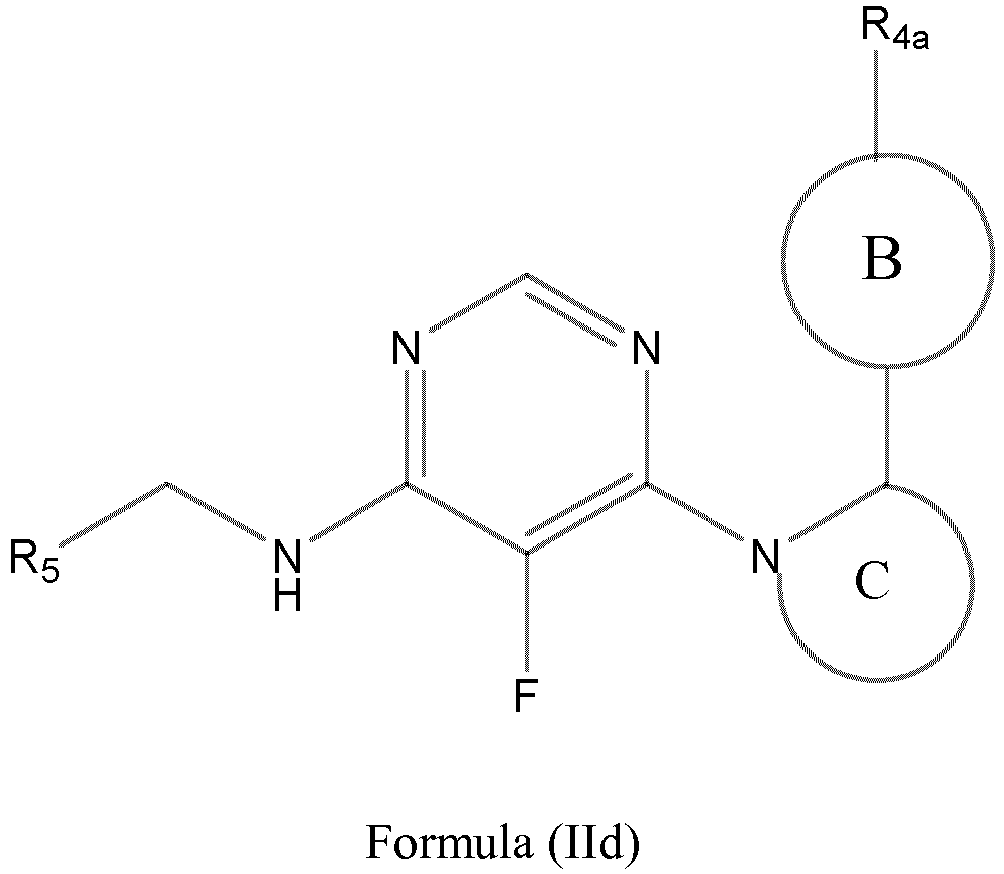
- B is selected from phenyl, pyridyl and pyrimidyl;
- C is pyrrolidinyl or morpholinyl;
- R4a is a substituent arrange in para- or meta-position compared to the carbon atom in the ring system C, and selected from the group consisting of hydrogen, halogen, C1-4 alkyl, C1-4 alkoxy, C1-4 haloalkyl (for example -CF3), C1-4 haloalkoxy (for example -OCF3), and heteroaryl;
- R5 is a ring selected from the group consisting of phenyl, pyrimidinyl, pyridyl, pyridinyl-N-oxide, cyclohexyl, pyrrolyl, pyrazolyl, furanyl, pyrrolidonyl, tetrahydrofuranyl, tetrahydropyranyl, benzopyrrolidonyl, cyclobutyl, oxetanyl, tetrahydrothiophenyl, tetrahydro-2H-thiopyranyl, cyclopentyl, cycloheptanyl, tetrahydrothiophenyl-1,1-dioxide, tetrahydro-2H-thiopyranyl-1,1-dioxide, 1,4-oxathianyl-4,4-dioxide, and piperidinyl, any of which may be unsubstituted or substituted with (R5b)t;
- R5b, when present, is independently selected from the group consisting of-CH2COOR20, -CH2CONR21R22, oxo, -CN, -CH2-CN, -C1-6 alkyl, -CH2-imidazolyl,-CH2-SO2R20, -CH2C(CH3)2(OR20), -OR20, -CH2-triazolyl, -CF3, dimethyl substituted-imidazolidinyl-2,4-dione, -CH2-SO2NR21R22, morpholinyl, -C(=O)-morpholinyl, piperazinonyl, piperidinyl-CONR21R22, -OH, -COR20, -CONR21R22, -CH(OR20)CH3,-COOR20, -CH2-pyrrolidonyl, -C1-6-alkylene-OH, -cyclopentyl, -pyrrolidonyl, -tetrazolyl, -CH2-triazolyl, -CH2OR20, -acyl, -SOR20, -SO2R20, -SO2NR21R22, -NR21SO2R20, and halogen;
- R20, R21, and R22 are independently selected from H, -C1-6 alkyl, -C1-6 haloalkyl, -C3-6 cycloalkyl, and -C1-6 heteroalicyclyl; and
- t is an integer selected from 1 or 2.
- Compounds disclosed herein may also comprise compounds of Formula (IIe):

- n, p and v are an integer selected from 0,1 and 2;
- R is hydrogen or C1-4 alkyl;
- R1 is selected from the group consisting of hydrogen, -OH, halogen, substituted or unsubstituted C1-4 alkyl, and substituted or unsubstituted C1-4 alkoxy;
- R2 is selected from the group consisting of hydrogen, halogen, C1-4 alkyl, C1-4 haloalkyl, and C1-4 hydroxyalkyl;
- or R and R2 are combined to form a fused ring;
- R3 is selected from the group consisting of hydrogen, halogen, -OH, substituted or unsubstituted C1-4 alkyl, substituted or unsubstituted C1-4 alkoxy, oxo, and -C(=O)R10;
- R4a is selected from the group consisting of hydrogen, halogen, -OH, substituted or unsubstituted C1-6 alkyl, substituted or unsubstituted C1-C6 alkoxy, substituted or unsubstituted C1-6 alkenyl, substituted or unsubstituted aryl, substituted or unsubstituted aryl-C1-6 alkyl, substituted or unsubstituted C3-C6 cycloalkyl, substituted or unsubstituted heteroaryl, and substituted or unsubstituted heteroaryl-C1-6 alkyl;
- R4b is selected from the group consisting of hydrogen, oxo, halogen, -OH, substituted or unsubstituted C1-4 alkyl, and substituted or unsubstituted C1-4 alkoxy,-C(=O)R10;
- R5a is selected from the group consisting of hydrogen, halogen, oxo, -CN, -OH, substituted or unsubstituted C1-6 alkyl, substituted or unsubstituted C1-6 alkenyl, substituted or unsubstituted C1-6 alkoxy, substituted or unsubstituted C3-8 cycloalkyl, substituted or unsubstituted C3-8 cycloalkenyl, , substituted or unsubstituted aryl, substituted or unsubstituted aryl-C1-6 alkyl, substituted or unsubstituted C2-C8 heteroalicyclyl, substituted or unsubstituted C2-C8 heteroalicyclyl-C1-6 alkyl, substituted or unsubstituted heteroaryl, substituted or unsubstituted heteroaryl-C1-6 alkyl,-(CH2)qCO2R20, -(CH2)q-CONR20R21, -(CH2)q-SOR20, -(CH2)q-SO2R20, -(CH2)q-SO2NR21R22, and -(CH2)qNR21SO2R20;
- q is an integer selected from 0 or 1;
- R20, R21, and R22 are independently of each other selected from the group consisting of hydrogen, substituted or unsubstituted C1-6 alkyl, -CN, substituted or unsubstituted C3-6 cycloalkyl, and substituted or unsubstituted C2-6 heteroalicyclyl, or R21 and R22 are combined to form a C3-6 cycloalkyl;
- R6a, R6b are independently selected from the group consisting of hydrogen, substituted or unsubstituted C1-6 alkyl, substituted or unsubstituted C1-6 alkenyl, substituted or unsubstituted C2-6 alkynyl, substituted or unsubstituted C1-6 alkoxy, substituted or unsubstituted C1-6 heteroalkyl, substituted or unsubstituted C3-8 cycloalkyl, substituted or unsubstituted C3-8 cycloalkenyl, substituted or unsubstituted C2-9 heteroalicyclyl, substituted or unsubstituted aryl, and substituted or unsubstituted heteroaryl, or R6a and R6b are taken together to form and oxo group or a ring system selected from substituted or unsubstituted C3-6 cycloalkyl, and substituted or unsubstituted C2*9 heteroalicyclyl, or R6a and R13 are taken together to form a ring system selected from substituted or unsubstituted C3-6 cycloalkyl, and substituted or unsubstituted C2-5 heteroalicyclyl;
- R7, R8, and R9 are independently selected from the group consisting of hydrogen, substituted or unsubstituted C1-6 alkyl, substituted or unsubstituted C3-6 cycloalkyl, and substituted or unsubstituted C2-9 heteroalicyclyl;
- R10 is selected from the group consisting of C1-6 alkyl, C1-6 alkoxy, -OH, -NH2, -NH(C1-6 alkyl), -N(C1-6 alkyl)2, and C3-7 cycloalkyl;
- R13, if not to be taken together with R6a, is absent, or selected from the group consisting of hydrogen, -CN, -OH, substituted or unsubstituted C1-6 alkyl, substituted or unsubstituted C1-6 alkenyl, substituted or unsubstituted C1-6 alkoxy, substituted or unsubstituted C3-8 cycloalkyl, substituted or unsubstituted C3-8 cycloalkenyl, and-(CR8R9)p-C(=O)OR7, -(CR8R9)p-SO2R7 and -(CR8R9)p-C(=O)NR8R9;
- B is a ring system selected from the group consisting of aryl, heteroaryl, and, C2-C9 bicyclic heteroalicyclyl;
- D is a ring system selected from the group consisting of aryl, heteroaryl, C3-8 cycloalkyl and, C2-C9 heteroalicyclyl,
- C is a ring system selected from C2-9 heteroalicyclyl, and
- with the proviso the compound is not:

- Some embodiments relates to the compound according to Formula (IIe) wherein
- R3 is selected from the group consisting of hydrogen, halogen, C1-4 alkyl, C1-4 haloalkyl, C1-4 hydroxyalkyl, oxo, C1-4 alkoxy and C1-4 haloalkoxy;
- R4a is selected from the group consisting of hydrogen, halogen, C1-4 alkyl, C1-4 alkoxy, C1-4 haloalkyl, C1-4 haloalkoxy, and heteroaryl;
- R4b is selected from the group consisting of hydrogen, oxo, halogen, C1-4 alkyl, C1-4 haloalkyl, C1-4 hydroxyalkyl, C1-4 alkoxy, and C1-4 haloalkoxy;
- R6a is selected from the group consisting of hydrogen, halogen, C1-6 alkyl, C1-6 haloalkyl, C1-6 hydroxyalkyl, C1-6 alkoxy, and C1-6 haloalkoxy;
- R6b is selected from the group consisting of hydrogen, C1-6 alkyl, C1-6 haloalkyl, C1-6 hydroxyalkyl, C1-6 alkoxy, C1-6 alkoxy-C1-6 alkyl, C1-6 haloalkoxy, aryl- C1-6 alkyl, substituted or unsubstituted C2-9 heteroalicyclyl-C1-6 alkyl, and substituted or unsubstituted aryl;
- or R6a and R6b are taken together to form and oxo group or a ring system selected from substituted or unsubstituted C3-6 cycloalkyl, and substituted or unsubstituted C2-9 heteroalicyclyl,
- or R6a and R13 are taken together to form a ring system selected from substituted or unsubstituted C3-6 cycloalkyl, and substituted or unsubstituted C2-5 heteroalicyclyl;
- In some embodiments the compounds of Formula (I), compounds of Formula (IIa), and compounds of any one of Formulae (IIb-IIe), as disclosed herein, B is aryl or heteroaryl, for example phenyl, pyridyl, pyrazolyl, pyridazinyl, pyrimidinyl, naphthyl and furanyl, unless otherwise specified. Some embodiments relates to B being phenyl, pyrimidyl or pyridyl.
- In some embodiments the compounds of Formula (I), compounds of Formula (IIa), and compounds of any one of Formulae (IIb-IIe), as disclosed herein, B is a 6-membered aryl substituted with R4a in the para-position or meta-position, a 6-membered heteroaryl substituted with R4a in the para-position or meta-position, or a 5-membered heteroaryl substituted with R4a in 2- or 3-position, unless otherwise specified. In some embodiments the 6-membered aryl is phenyl and the 6-membered heteroaryl is pyridyl or pyrimidinyl. Some embodiments relate to R4a being selected from the group consisting of halogen, -CN, C1-4 alkyl, C1-4 haloalkyl, C1-C4 alkoxy, C1-4 haloalkoxy and heteroaryl, for example isopropyl, -CN, ethoxy, CF3, and -OCF3. Some embodiments relate to R4b being selected from the group consisting of hydrogen, oxo, halogen, C1-4 alkyl, C1-4 haloalkyl, C1-4 hydroxyalkyl, C1-C4 alkoxy, C1-4 haloalkoxy, and heteroaryl. Some embodiments relate to R4a being selected from the group consisting of halogen,-CN, C1-4 alkyl, C1-4 haloalkyl, C1-C4 alkoxy, and C1-4 haloalkoxy, for example isopropyl, ethoxy, -CF3, -CHF2, -OCF3, and -OCHF2 and R4b being selected from the group consisting of hydrogen, halogen, and -OH.
- In some embodiments the compounds of Formulae (IIe), D is selected from the group consisting of aryl, such as phenyl; heteroaryl, such as pyridyl, and pyrimidyl; C3-8 cycloalkyl, such as cyclohexyl; and C2-8 heteroalicyclyl, such as piperidyl, tetrahydro-2H-pyranyl, thiopyranyl, tetrahydro-2H-thiopyranyl, tetrahydro-2H-thiopyranyl-1,1-dioxide, pyrrolidinyl, thianyl and oxetanyl, all which may be substituted with one or more R5a. Some embodiments relates to R5a being selected from hydrogen, C1-6 alkyl, such as methyl and ethyl; C1-6 hydroxyalkyl, such as methanol and ethanol; -(CH2)q-CN; -(CH2)q-CO2R20; -(CH2)q-C1-6 alkoxy, such as methoxy and ethoxy and methoxyethyl; oxo, -(CH2)q-heteroaryl, such as -(CH2-)q-tetrazolyl, -(CH2-)q-imidazolyl, -(CH2-)q-triazolyl; -(CH2-)q-CONR20R21; -(CH2-)q-COR20; -(CH2-)q-SO2R20; -(CH2-)q-NR21SOR20; and -(CH2-)q-SO2NR21R22;
- R20, R21, and R22 are independently of each other selected from the group consisting of hydrogen, -OH, substituted or unsubstituted C1-6 alkyl, -CN, substituted or unsubstituted C3-6 cycloalkyl, and substituted or unsubstituted C2-6 heteroalicyclyl, or R21 and R22 are combined to form a C3-6 cycloalkyl; and
- q is an integer selected from 0 or 1.
- As for any given group disclosed herein,the ring system D may comprise further hydrogen(s) than the one(s) provided by R5a being hydrogen.
- In some embodiments R20, R21, and R22 are independently of each other selected from the group consisting of hydrogen, methyl, ethyl, cyclopropyl, -CF3, and-CHF2,
- In some embodiments the compunds of Formula (I), compounds of Formula (IIa), and compounds of any one of Formulae (IIb-IIe), as disclosed herein, R13 is absent, or selected from the group consisting of hydrogen, -OH, -CN, C1-4 hydroxyalkyl, C1-6 haloalkyl, -(CH2-)qCO2H -(CH2-)q-SO2R20, -(CH2-)q-NR21SO2R20 and C1-6 alkoxy, or R13 combined with the atom to which it is attached and an adjacent R5a to form a C3-5 cycloalkyl, or C2-4 heteroalicyclyl.
- In some embodiments the compounds of Formula (I), compounds of Formula (IIa), and compounds of any one of Formulae (IIb-IIe), as disclosed herein, R6a is hydrogen, or combined with R5a, R6b or R13 to form ring system such as a C3-6 cycloalkyl or C2-5-heteroalicyclyl; R6b is hydrogen or absent. In some embodiments both R6a and R6b are hydrogen.
- In some embodiments the compounds according to Formula (IIe)
- R is hydrogen; R2 is selected from Cl or F; or R and R2 are combined to form a pyrrolo[2,3-d]pyrimidine, 6,7-dihydro-5H-pyrrolo[2,3-d]pyrimidine;
- m is an integer selected from 0,1 and 2;
- n is an integer selected from 0 and 1;
- v is an integer selected from 0 and 1;
- R3 is hydrogen or fluoro
- B is aryl or heteroaryl, for example phenyl, pyridyl, pyrazolyl, pyridazinyl, pyrimidinyl, naphthyl or furanyl;
- C is C2-9 heteroalicyclyl, for example pyrrolidinyl or morpholinyl;
- R4a is selected from the group consisting of halogen, C1-4 alkyl, C1-4 haloalkyl, C1-C4 alkoxy, C1-4 haloalkoxy and heteroaryl, for example -CF3, -CHF2, -OCF3,-OCHF2, and triazolyl;
- R4b is selected from the group consisting of hydrogen, -OH, oxo, halogen, C1-4 alkyl, C1-4 haloalkyl, C1-4 hydroxyalkyl, C1-C4 alkoxy, C1-4 haloalkoxy, and heteroaryl.
- D is selected from the group consisting of aryl, such as phenyl; heteroaryl, such as pyridyl, and pyrimidyl; C3-8 cycloalkyl, such as cyclopentyl and cyclohexyl; and C2-8 heteroalicyclyl, such as a mono-cyclic or a bridged C2-8 heteroalicyclyl, such as piperidyl, tetrahydro-2H-pyranyl , thiopyranyl, tetrahydro-2H-thiopyranyl, tetrahydro-2H-thiopyranyl-1,1-dioxide, oxetanyl, tropanyl, and pyrrolidinyl, all which may be substituted with one or more R5a;
- R5a is selected from halogen, C1-6 alkyl, such as methyl and ethyl; C1-6 hydroxyalkyl, such as methanol and ethanol; C1-6 haloalkyl, such as -CF3, -(CH2)q-CN; -(CH2)q-acyl; -(CH2)q-C1-6 alkoxy, such as methoxy and ethoxy and methoxyethyl;-(CH2)q-heteroaryl, such as -(CH2-)q-tetrazolyl, -(CH2-)q-imidazolyl, -(CH2-)q-triazolyl; -(CH2-)q-CONR20R21; -(CH2-)q-COR20; -(CH2-)q-SO2R20; -(CH2-)q-NR21SOR20;-(CH2-)q- SO2NR21R22;
- R20, R21, and R22 are independently of each other selected from the group consisting of hydrogen, -OH, substituted or unsubstituted C1-6 alkyl, -CN, substituted or unsubstituted C3-6 cycloalkyl, and substituted or unsubstituted C2-6 heteroalicyclyl, or R21 and R22 are combined to form a C3-6 cycloalkyl; and
- q is an integer selected from 0 or 1;
- R13 is absent, or selected from the group consisting of hydrogen, -OH,-CN, C1-4 hydroxyalkyl, C1-6 haloalkyl, -(CH2-)q-SO2R20, -(CH2-)q-NR21SO2R20 and C1-6 alkoxy, or R13 combined with the atom to which it is attached and an adjacent R5a to form a C3-5 cycloalkyl, or C2-4 heteroalicyclyl; In some embodiments R13 is absent or hydrogen.
- R6a is hydrogen, or combined with R5a, R6b or R13 to form ring system such as a C3-6 cycloalkyl or C2-5-heteroalicyclyl; R6b is hydrogen or absent; for example both R6a and R6b are hydrogen.
- In such an embodiment, B may be phenyl or pyridyl. Further, B may be phenyl with R4a in the para-position or meta-position, or a 6-membered heteroaryl substituted with R4a in the para-position or meta-position, or a 5-membered heteroaryl substituted with R4a in 2- or 3-position, wherein R4a is selected from a group other than hydrogen.
- According to one aspect disclosed herein are compounds of Formula (X)

- Y1 is NR or O;
- Y2 is N or C;
- R is hydrogen or substituted or unsubstituted C1-4 alkyl;
- R1 is selected from the group consisting of hydrogen, -OH, halogen, -CN,-NO2, -NH2, alkylamino, amide, acyl, ester, O-carboxy, mercapto, alkylthio, arylthio, carbonyl, thisocarbonyl, C amido, N amido, S-sulfonamido, N sulfonamide, silyl, sulfenyl, sulfinyl, sulfonyl, substituted or unsubstituted C1-6 alkyl, substituted or unsubstituted C1-6 alkoxy,substituted or unsubstituted C1-6 alkenyl, substituted or unsubstituted C2-6 alkynyl, substituted or unsubstituted C1-6 heteroalkyl, substituted or unsubstituted aryl, substituted or unsubstituted heteroaryl, substituted or unsubstituted C3-9 cycloalkyl, substituted or unsubstituted C3-8 cycloalkenyl, substituted or unsubstituted C2-9 heteroaliyclyl;
- R2 is selected from the group consisting of hydrogen, -OH, halogen, -CN, - NO2, -NH2, alkylamino, amide, acyl, ester, O-carboxy, mercapto, alkylthio, arylthio, carbonyl, thisocarbonyl, C amido, N amido, S-sulfonamido, N sulfonamide, silyl, sulfenyl, sulfinyl, sulfonyl, substituted or unsubstituted C1-6 alkyl, substituted or unsubstituted C1-6 alkoxy,substituted or unsubstituted C1-6 alkenyl, substituted or unsubstituted C2-6 alkynyl, substituted or unsubstituted C1-6 heteroalkyl, substituted or unsubstituted aryl, substituted or unsubstituted heteroaryl, substituted or unsubstituted C3-9 cycloalkyl, substituted or unsubstituted C3-8 cycloalkenyl, substituted or unsubstituted C2-9 heteroaliyclyl;
- or R and R2 are combined to form a fused ring;
- R4a is selected from the group consisting of hydrogen, halogen, -OH, substituted or unsubstituted C1-6 alkyl, substituted or unsubstituted C1-C6 alkoxy, substituted or unsubstituted C1-6 alkenyl, substituted or unsubstituted aryl, substituted or unsubstituted aryl-C1-6 alkyl, substituted or unsubstituted heteroaryl, substituted or unsubstituted heteroaryl-C1-6 alkyl;
- R3 and R4b are independently selected from the group consisting of hydrogen, halogen, -OH, substituted or unsubstituted C1-4 alkyl, substituted or unsubstituted C1-4 alkoxy, -C(=O)R10;
- R5 is selected from the group consisting of -(CR8R9)pOR12, -(CR8R9)p-CR13R14R15, -(CR8R9)p-C(=O)OR7, and -(CR8R9)p-C(=O)NR8R9;
- n, m, and p are integers independently selected from the group consisting of 0, 1, 2, 3 and 4;
- R6a, R6b are independently selected from the group consisting of hydrogen, substituted or unsubstituted C1-6 alkyl, substituted or unsubstituted C1-6 alkenyl, substituted or unsubstituted C1-6 alkynyl, substituted or unsubstituted C1-6 alkoxy, substituted or unsubstituted C1-6 heteroalkyl, substituted or unsubstituted C3-8 cycloalkyl, substituted or unsubstituted C3-8 cycloalkenyl, substituted or unsubstituted C2-9 heteroalicyclyl, substituted or unsubstituted aryl, and substituted or unsubstituted heteroaryl;
- R7, R8, R9, and R12, are independently selected from the group consisting of hydrogen, substituted or unsubstituted C1-6 alkyl, substituted or unsubstituted C3-6 cycloalkyl, and substituted or unsubstituted C2-9 heteroalicyclyl;
- R10 is selected from the group consisting of C1-6 alkyl, C1-6 alkoxy, -NH2,-NH(C1-6 alkyl), -N(C1-6 alkyl)2, and C3-7 cycloalkyl;
- R13 is absent, or selected from the group consisting of hydrogen, -OH, substituted or unsubstituted C1-6 alkyl, substituted or unsubstituted C1-6 alkenyl, substituted or unsubstituted C1-6 alkoxy, substituted or unsubstituted C3-8 cycloalkyl, substituted or unsubstituted C3-8 cycloalkenyl, and -(CR8R9)p-C(=O)OR7, and-(CR8R9)p-C(=O)NR8R9;
- R14 and R15 are independently selected from the group consisting of hydrogen, and substituted or unsubstituted C1-6 alkyl, substituted or unsubstituted C3-6 cycloalkyl, substituted or unsubstituted C2-9 heteroalicyclyl; or
- R14 and R15 are combined to form a ring system selected from the group consisting of substituted or unsubstituted C3-8 cycloalkyl, substituted or unsubstituted C3-8 cycloalkenyl, substituted or unsubstituted C3-8 cycloalkyl, substituted or unsubstituted C3-8 cycloalkenyl substituted or unsubstituted C2-9 heteroalicyclyl, substituted or unsubstituted aryl, and substituted or unsubstituted heteroaryl;
- A, B and C are independently of each other a ring system selected from the group consisting of aryl, heteroaryl, C3-8 cycloalkyl, C3-8 cycloalkenyl, and C2-9 heteroaliyclyl. -
- In a related embodiment A is selected from the group consisting of phenyl, pyridyl, pyrrolyl, furyl, pyranyl, thiopyranyl, thienyl, pyrazinyl, pyrimidinyl, triazinyl, naphthyl, indolyl, iso-indolyl, pyrazolyl, imidazolyl, triazolyl, tetrazolyl, and oxazolyl. In yet a related embodiment A is selected from the group consisting of phenyl, pyridyl, pyrimidinyl, and wherein R1 is arranged in position 1 of the 6 membered ring, R1 is arranged in
position 4 of the 6 membered ring, Y1 arranged in position 3 of the 6 membered ring, Y2 arranged inposition 5 of the 6 membered ring.In a related embodiment R1 is selected from the group consisting of hydrogen, -OH, halogen, substituted or unsubstituted C1-4 alkyl, substituted or unsubstituted C1-4 alkoxy, and substituted or unsubstituted C2-4 alkenyl; and R2 is selected from the group consisting of hydrogen, halogen, substituted or unsubstituted C1-4 alkyl, substituted or unsubstituted C1-4 alkoxy, -CN, -OH and -NO2; or R and R2 are combined to form a fused ring; - In yet a related embodiment B is a ring system selected from the group consisting of aryl, heteroaryl, and bicyclic heteroalicyclyl; C is a ring system selected from the group consisting of C2-9 heteroalicyclyl and heteroaryl; wherein B is attached to a carbon atom adjacent the N atom of ring system C.
- In some embodiments whenever a halogen is specified as a substituent the halogen is selected from fluoro or chloro.
-
-
Figure 1 illustrates the TAMRA-labelled probe. -
Figure 2 illustrates the characterisation of the Fluorescence Polarization (FP) assay with the TAMRA-labelled probe used in the FP assay. -
Figure 3 depicts the assay results of example no. 89 in (A) Fluorescence Polarization Assay, (B) RORy Reporter Assay (Gal4), and (C) Th17 Assay. Specific examples of compounds are disclosed in Table 1 below. - In another aspect, the present disclosure relates to a pharmaceutical composition comprising physiologically acceptable surface active agents, carriers, diluents, excipients, smoothing agents, suspension agents, film forming substances, and coating assistants, or a combination thereof; and a compound of Formula (I), compounds of Formula (IIa), and compounds of any one of Formulae (IIb-IIe), as disclosed herein. The compounds of Formula (I), compounds of Formula (IIa), and compounds of any one of Formulae (IIb-IIe), included in the pharmaceutical composition may also be any compound of the preferred embodiments described above. In another aspect, the present disclosure relates to a pharmaceutical composition comprising physiologically acceptable surface active agents, carriers, diluents, excipients, smoothing agents, suspension agents, film forming substances, and coating assistants, or a combination thereof; and a compound of Formula (I), compounds of Formula (IIa), and compounds of any one of Formulae (IIb-IIe). Acceptable carriers or diluents, as well as other additives to be combined with a compound of Formula (I), compounds of Formula (IIa), and compounds of any one of Formulae (IIb-IIe), as disclosed herein to provide a pharmaceutical composition, for therapeutic use are well known in the pharmaceutical art, and are described, for example, in Remington's Pharmaceutical Sciences, 18th Ed., Mack Publishing Co., Easton, PA (1990).
- Preservatives, stabilizers, dyes, sweeteners, fragrances, flavoring agents, taste masking agents, and the like may be provided in the pharmaceutical composition. For example, sodium benzoate, ascorbic acid and esters of p-hydroxybenzoic acid may be added as preservatives. In addition, antioxidants and suspending agents may be used. In various embodiments, alcohols, esters, sulfated aliphatic alcohols, and the like may be used as surface active agents; sucrose, glucose, lactose, starch, crystallized cellulose, mannitol, light anhydrous silicate, magnesium aluminate, magnesium methasilicate aluminate, synthetic aluminum silicate, calcium carbonate, sodium acid carbonate, calcium hydrogen phosphate, calcium carboxymethyl cellulose, and the like may be used as excipients; magnesium stearate, talc, hardened oil and the like may be used as smoothing agents; coconut oil, olive oil, sesame oil, peanut oil, soya may be used as suspension agents or lubricants; cellulose acetate phthalate as a derivative of a carbohydrate such as cellulose or sugar, or methylacetate-methacrylate copolymer as a derivative of polyvinyl may be used as suspension agents; and plasticizers such as ester phthalates and the like may be used as suspension agents.
- The term "pharmaceutical composition" refers to a mixture of a compound disclosed herein with other chemical components, such as diluents or carriers. The pharmaceutical composition facilitates administration of the compound to an organism. Multiple techniques of administering a compound exist in the art including, but not limited to, oral, injection, aerosol, parenteral, and topical administration. Pharmaceutical compositions can also be obtained by reacting compounds with inorganic or organic acids such as hydrochloric acid, hydrobromic acid, sulfuric acid, nitric acid, phosphoric acid, methanesulfonic acid, ethanesulfonic acid, p-toluenesulfonic acid, salicylic acid and the like. Similar, pharmaceutical compositions can also be obtained by reacting compounds with inorganic or organic bases, such as ammonia, sodium carbonate, sodium hydrogen carbonate, sodium hydroxide, and the like.
- The term "carrier" defines a chemical compound that facilitates the incorporation of a compound into cells or tissues. For example dimethyl sulfoxide (DMSO) is a commonly utilized carrier as it facilitates the uptake of many organic compounds into the cells or tissues of an organism. The term "diluent" defines chemical compounds diluted in water that will dissolve the compound of interest as well as stabilize the biologically active form of the compound. Salts dissolved in buffered solutions are utilized as diluents in the art. One commonly used buffered solution is phosphate buffered saline because it mimics the salt conditions of human blood. Since buffer salts can control the pH of a solution at low concentrations, a buffered diluent rarely modifies the biological activity of a compound.
- The term "physiologically acceptable" defines a carrier or diluent that does not abrogate the biological activity and properties of the compound.
- The pharmaceutical compositions described herein can be administered to a human patient per se, or in pharmaceutical compositions where they are mixed with other active ingredients, as in combination therapy, or suitable carriers or excipient(s). Techniques for formulation and administration of the compounds of the instant application may be found in "Remington's Pharmaceutical Sciences," Mack Publishing Co., Easton, PA, 18th edition, 1990.
- Suitable routes of administration may, for example, include oral, rectal, transmucosal, topical, or intestinal administration; parenteral delivery, including intramuscular, subcutaneous, intravenous, intramedullary injections, as well as intrathecal, direct intraventricular, intraperitoneal, intranasal, or intraocular injections. The compounds can also be administered in sustained or controlled release dosage forms, including depot injections, osmotic pumps, pills, transdermal (including electrotransport) patches, and the like, for prolonged and/or timed, pulsed administration at a predetermined rate.
- The pharmaceutical compositions may be manufactured in a manner that is itself known, e.g., by means of conventional mixing, dissolving, granulating, dragee-making, levigating, emulsifying, encapsulating, entrapping or tabletting processes.
- Pharmaceutical compositions for use as described herein may be formulated in conventional manner using one or more physiologically acceptable carriers comprising excipients and auxiliaries which facilitate processing of the active compounds into preparations which can be used pharmaceutically. Proper formulation is dependent upon the route of administration chosen. Any of the well-known techniques, carriers, and excipients may be used as suitable and as understood in the art; e.g., in Remington's Pharmaceutical Sciences, above.
- Injectables can be prepared in conventional forms, either as liquid solutions or suspensions, solid forms suitable for solution or suspension in liquid prior to injection, or as emulsions. Suitable excipients are, for example, water, saline, dextrose, mannitol, lactose, lecithin, albumin, sodium glutamate, cysteine hydrochloride, and the like. In addition, if desired, the injectable pharmaceutical compositions may contain minor amounts of nontoxic auxiliary substances, such as wetting agents, pH buffering agents, and the like. Physiologically compatible buffers include, but are not limited to, Hanks's solution, Ringer's solution, or physiological saline buffer. If desired, absorption enhancing preparations (for example, liposomes), may be utilized.
- For transmucosal administration, penetrants appropriate to the barrier to be permeated may be used in the formulation.
- Pharmaceutical formulations for parenteral administration, e.g., by bolus injection or continuous infusion, include aqueous solutions of the active compounds in water-soluble form. Additionally, suspensions of the active compounds may be prepared as appropriate oily injection suspensions. Suitable lipophilic solvents or vehicles include fatty oils such as sesame oil, or other organic oils such as soybean, grapefruit or almond oils, or synthetic fatty acid esters, such as ethyl oleate or triglycerides, or liposomes. Aqueous injection suspensions may contain substances which increase the viscosity of the suspension, such as sodium carboxymethyl cellulose, sorbitol, or dextran. Optionally, the suspension may also contain suitable stabilizers or agents that increase the solubility of the compounds to allow for the preparation of highly concentrated solutions. Formulations for injection may be presented in unit dosage form, e.g., in ampoules or in multi-dose containers, with an added preservative. The compositions may take such forms as suspensions, solutions or emulsions in oily or aqueous vehicles, and may contain formulatory agents such as suspending, stabilizing and/or dispersing agents. Alternatively, the active ingredient may be in powder form for constitution with a suitable vehicle, e.g., sterile pyrogen-free water, before use.
- For oral administration, the compounds can be formulated readily by combining the active compounds with pharmaceutically acceptable carriers well known in the art. Such carriers enable the compounds disclosed herein to be formulated as tablets, pills, dragees, capsules, liquids, gels, syrups, slurries, suspensions and the like, for oral ingestion by a patient to be treated. Pharmaceutical preparations for oral use can be obtained by combining the active compounds with solid excipient, optionally grinding a resulting mixture, and processing the mixture of granules, after adding suitable auxiliaries, if desired, to obtain tablets or dragee cores. Suitable excipients are, in particular, fillers such as sugars, including lactose, sucrose, mannitol, or sorbitol; cellulose preparations such as, for example, maize starch, wheat starch, rice starch, potato starch, gelatin, gum tragacanth, methyl cellulose, hydroxypropylmethylcellulose, sodium carboxymethylcellulose, and/or polyvinylpyrrolidone (PVP). If desired, disintegrating agents may be added, such as the cross-linked polyvinyl pyrrolidone, agar, or alginic acid or a salt thereof such as sodium alginate. Dragee cores are provided with suitable coatings. For this purpose, concentrated sugar solutions may be used, which may optionally contain gum arabic, talc, polyvinyl pyrrolidone, carbopol gel, polyethylene glycol, and/or titanium dioxide, lacquer solutions, and suitable organic solvents or solvent mixtures. Dyestuffs or pigments may be added to the tablets or dragee coatings for identification or to characterize different combinations of active compound doses. For this purpose, concentrated sugar solutions may be used, which may optionally contain gum arabic, talc, polyvinyl pyrrolidone, carbopol gel, polyethylene glycol, and/or titanium dioxide, lacquer solutions, and suitable organic solvents or solvent mixtures. Dyestuffs or pigments may be added to the tablets or dragee coatings for identification or to characterize different combinations of active compound doses.
- Pharmaceutical preparations which can be used orally include push-fit capsules made of gelatin, as well as soft, sealed capsules made of gelatin and a plasticizer, such as glycerol or sorbitol. The push-fit capsules can contain the active ingredients in admixture with filler such as lactose, binders such as starches, and/or lubricants such as talc or magnesium stearate and, optionally, stabilizers. In soft capsules, the active compounds may be dissolved or suspended in suitable liquids, such as fatty oils, liquid paraffin, or liquid polyethylene glycols. In addition, stabilizers may be added. All formulations for oral administration should be in dosages suitable for such administration.
- For buccal administration, the compositions may take the form of tablets or lozenges formulated in conventional manner.
- For administration by inhalation, the compounds for use as described herein are conveniently delivered in the form of an aerosol spray presentation from pressurized packs or a nebulizer, with the use of a suitable propellant, e.g., dichlorodifluoromethane, trichlorofluoromethane, dichlorotetrafluoroethane, carbon dioxide or other suitable gas. In the case of a pressurized aerosol the dosage unit may be determined by providing a valve to deliver a metered amount. Capsules and cartridges of, e.g., gelatin for use in an inhaler or insufflator may be formulated containing a powder mix of the compound and a suitable powder base such as lactose or starch.
- Further disclosed herein are various pharmaceutical compositions well known in the pharmaceutical art for uses that include intraocular, intranasal, and intraauricular delivery. Suitable penetrants for these uses are generally known in the art. Topical ophthalmic compositions may be formulated as a solution in water buffered at a pH of 5.0 to 8.0. Other ingredients that may be desirable to use in the ophthalmic preparations include preservatives (such as benzalkonium chloride, stabilized oxychloro complex, which is sold as Purite™, or stabilized chlorine dioxide), cosolvents (such as
polysorbate U.S. Patent 7,931,909 . - Pharmaceutical compositions for intraocular delivery include aqueous ophthalmic solutions of the active compounds in water-soluble form, such as eyedrops, or in gellan gum (Shedden et al., Clin. Ther., 23(3):440-50 (2001)) or hydrogels (Mayer et al., Ophthalmologica, 210(2):101-3 (1996)); ophthalmic ointments; ophthalmic suspensions, such as microparticulates, drug-containing small polymeric particles that are suspended in a liquid carrier medium (Joshi, A., J. Ocul. Pharmacol., 10(1):29-45 (1994)), lipid-soluble formulations (Alm et al., Prog. Clin. Biol. Res., 312:447-58 (1989)), and microspheres (Mordenti, Toxicol. Sci., 52(1):101-6 (1999)); and ocular inserts.
- Such suitable pharmaceutical formulations for intraocular delivery are most often and preferably formulated to be sterile, isotonic and buffered for stability and comfort. Pharmaceutical compositions for intranasal delviery may also include drops and sprays often prepared to simulate in many respects nasal secretions to ensure maintenance of normal ciliary action. As disclosed in Remington's Pharmaceutical Sciences, 18th Ed., Mack Publishing Co., Easton, PA (1990), and well-known to those skilled in the art, suitable formulations are most often and preferably isotonic, slightly buffered to maintain a pH of 5.5 to 6.5, and most often and preferably include antimicrobial preservatives and appropriate drug stabilizers. Pharmaceutical formulations for intraauricular delivery include suspensions and ointments for topical application in the ear. Common solvents for such aural formulations include glycerin and water.
- The compounds disclosed herein may also be formulated in rectal compositions such as suppositories or retention enemas, e.g., containing conventional suppository bases such as cocoa butter or other glycerides.
- In addition to the formulations described previously, the compounds may also be formulated as a depot preparation. Such long acting formulations may be administered by implantation (for example subcutaneously or intramuscularly) or by intramuscular injection. Thus, for example, the compounds may be formulated with suitable polymeric or hydrophobic materials (for example as an emulsion in an acceptable oil) or ion exchange resins, or as sparingly soluble derivatives, for example, as a sparingly soluble salt.
- For hydrophobic compounds, a suitable pharmaceutical carrier may be a cosolvent system comprising benzyl alcohol, a nonpolar surfactant, a water-miscible organic polymer, and an aqueous phase. A common cosolvent system used is the VPD co-solvent system, which is a solution of 3% w/v benzyl alcohol, 8% w/v of the
nonpolar surfactant Polysorbate 80™, and 65% w/v polyethylene glycol 300, made up to volume in absolute ethanol. Naturally, the proportions of a co-solvent system may be varied considerably without destroying its solubility and toxicity characteristics. Furthermore, the identity of the co-solvent components may be varied: for example, other low-toxicity nonpolar surfactants may be used instead of POLYSORBATE 80™; the fraction size of polyethylene glycol may be varied; other biocompatible polymers may replace polyethylene glycol, e.g., polyvinyl pyrrolidone; and other sugars or polysaccharides may substitute for dextrose. - Alternatively, other delivery systems for hydrophobic pharmaceutical compounds may be employed. Liposomes and emulsions are well known examples of delivery vehicles or carriers for hydrophobic drugs. Certain organic solvents such as dimethylsulfoxide also may be employed. Additionally, the compounds may be delivered using a sustained-release system, such as semipermeable matrices of solid hydrophobic polymers containing the therapeutic agent. Various sustained-release materials have been established and are well known by those skilled in the art. Sustained-release capsules may, depending on their chemical nature, release the compounds for a few weeks up to over 100 days. Depending on the chemical nature and the biological stability of the therapeutic reagent, additional strategies for protein stabilization may be employed.
- Agents intended to be administered intracellularly may be administered using techniques well known to those of ordinary skill in the art. For example, such agents may be encapsulated into liposomes. All molecules present in an aqueous solution at the time of liposome formation are incorporated into the aqueous interior. The liposomal contents are both protected from the external micro-environment and, because liposomes fuse with cell membranes, are efficiently delivered into the cell cytoplasm. The liposome may be coated with a tissue-specific antibody. The liposomes will be targeted to and taken up selectively by the desired organ. Alternatively, small hydrophobic organic molecules may be directly administered intracellularly.
- Additional therapeutic or diagnostic agents may be incorporated into the pharmaceutical compositions. Alternatively or additionally, pharmaceutical compositions may be combined with other compositions that contain other therapeutic or diagnostic agents.
- The compounds or pharmaceutical compositions disclosed herein as described above may be used to modulate the activity of a retinoic acid receptor-related orphan receptor (ROR), such as a RORα, RORβ and/or RORγ (RORc) receptor. Modulators of RORγ have been reviewed by B. Fauber and S. Magnuson in J. Med. Chem., February 6, 2014. Examples of RORγ receptors are RORγ1 and RORγt receptors. The compounds or pharmaceutical compositions as described above may also display selective modulation of a particular ROR receptor relative to a different ROR receptor. For example, according to some embodiments disclosed herein some compounds or pharmaceutical compositions modulate the activity of an RORγ receptor to a larger extent than they modulate the activity of RORα and/or RORβ receptors.
- The compounds or pharmaceutical compositions disclosed herein may also be used to modulate the activity of regulatory T cells (Tregs).
- The compounds or pharmaceutical compositions disclosed herein may also be used to modulate the activity of cells producing IL17 in a RORγt dependent manner, for example, γδT cells, Th17 cells and ILC3 cells.
- Publications providing useful background information are Arthritis & Rheumatism, 2014, 66, 579-588; Curr Top Microbial Immun, 2014, 378, 171-182; Drug Disc. Today, 2014, May; Nature Rev. Drug Disc. 2012, 11, 763-776, and Nature Rev. Drug Disc., 2014, 13, 197-216.
- The compounds or pharmaceutical compositions as described herein and above may also be used in therapy or may be used to treat inflammatory, metabolic, oncologic and autoimmune diseases or disorders. Examples of such diseases or disorders are inflammatory, metabolic, oncologic and autoimmune diseases or disorders mediated or affected by IL17 and/or RORγ (RORc). The role of RORγ in the pathogenesis of autoimmune or inflammatory diseases has been disclosed in Immunity 2007, 26, 643-654; Nat. Rev. Immunol. 2006, 6, 205-217; J. Immunol. 2009, 183, 7169-7177; Brain Pathol. 2004, 14, 164-174; Brain 2007, 130, 1089-1104; and Nat Rev. Immunol.2008, 8, 183-192.
- More specific examples of diseases or disorders include asthma, chronic obstructive pulmonary disease (COPD), bronchitis, atherosclerosis, helicobacter pylori infection, allergic diseases including allergic rhinitis, allergic conjunctivitis and uveitis, sprue and food allergy, atopic dermatitis, cystic fibrosis, lung allograph rejection, multiple sclerosis, rheumatoid arthritis, juvenile rheumatoid arthritis, osteoarthritis, ankylosing spondylitis, psoriasis, psoriatic arthritis, steatosis, steatohepatitis, non-alcoholic fatty liver disease (NAFLD), non-alcoholic steatohepatitis (NASH), lupus erythematosus, Hashimoto's disease, pancreatitis, autoimmune diabetes, autoimmune ocular disease, ulcerative colitis, colitis, Crohn's disease, inflammatory bowel disease (IBD), inflammatory bowel syndrome (IBS), Sjogren's syndrome, optic neuritis, type I diabetes, neuromyelitis optica, Myasthenia Gravis, Guillain-Barre syndrome, Graves' disease, scleritis, obesity, obesity-induced insulin resistance and type II diabetes and cancer.
- More specifically, compounds or pharmaceutical compositions having an antagonistic or inverse agonistic effect on RORγ may be used to reduce levels of IL17 and/or other gene products, such as interleukins, and cytokines, regulated RORγ. This may for example be in subjects suffering from for example, asthma, chronic obstructive pulmonary disease (COPD), bronchitis, atherosclerosis, helicobacter pylori infection, allergic diseases including allergic rhinitis, allergic conjunctivitis and uveitis, sprue and food allergy, atopic dermatitis, cystic fibrosis, lung allograph rejection, multiple sclerosis, rheumatoid arthritis, juvenile rheumatoid arthritis, osteoarthritis, ankylosing spondylitis, psoriasis, psoriatic arthritis, steatosis, steatohepatitis, non-alcoholic fatty liver disease (NAFLD), non-alcoholic steatohepatitis (NASH), lupus erythematosus, Hashimoto's disease, pancreatitis, autoimmune diabetes, autoimmune ocular disease, ulcerative colitis, colitis, Crohn's disease, inflammatory bowel disease (IBD), inflammatory bowel syndrome (IBS), Sjogren's syndrome, optic neuritis, type I diabetes, neuromyelitis optica, Myasthenia Gravis, Guillain-Barre syndrome, Graves' disease, scleritis, obesity, obesity-induced insulin resistance and type II diabetes.
- Conversely, compounds or pharmaceutical compositions having an agonistic effect on RORγ may be used to increase IL17 levels. Increasing IL17 levels may be particularly useful in immune compromised conditions or boosting the immune system response for example during infections and in cancer.
- The compounds or pharmaceutical compositions may be administered to the patient by any suitable means. Non-limiting examples of methods of administration include, among others, (a) administration though oral pathways, which administration includes administration in capsule, tablet, granule, spray, syrup, or other such forms; (b) administration through non-oral pathways such as rectal, vaginal, intraurethral, intraocular, intranasal, or intraauricular, which administration includes administration as an aqueous suspension, an oily preparation or the like or as a drip, spray, suppository, salve, ointment or the like; (c) administration via injection, subcutaneously, intraperitoneally, intravenously, intramuscularly, intradermally, intraorbitally, intracapsularly, intraspinally, intrasternally, or the like, including infusion pump delivery; (d) administration locally such as by injection directly in the renal or cardiac area, e.g., by depot implantation, by intratumoral injection, or by intra-lymph node injection; (e) administration topically; as well as (f) administration to cells ex vivo followed by insertion of said cells into the patient; as deemed appropriate by those of skill in the art for bringing the compound disclosed herein into contact with living tissue.
- Pharmaceutical compositions suitable for administration include compositions where the active ingredients are contained in an amount effective to achieve its intended purpose. The therapeutically effective amount of the compounds disclosed herein required as a dose will depend on the route of administration, the type of animal, including mammal, e.g. human, being treated, and the physical characteristics of the specific animal under consideration. The dose can be tailored to achieve a desired effect, but will depend on such factors as weight, diet, concurrent medication and other factors which those skilled in the medical arts will recognize. More specifically, a therapeutically effective amount means an amount of compound effective to prevent, alleviate or ameliorate symptoms of disease or prolong the survival of the subject being treated. Determination of a therapeutically effective amount is well within the capability of those skilled in the art, especially in light of the detailed disclosure provided herein.
- As will be readily apparent to one skilled in the art, the useful in vivo dosage to be administered and the particular mode of administration will vary depending upon the age, weight and mammalian species treated, the particular compounds employed, and the specific use for which these compounds are employed. The determination of effective dosage levels, that is the dosage levels necessary to achieve the desired result, can be accomplished by one skilled in the art using routine pharmacological methods. Typically, human clinical applications of products are commenced at lower dosage levels, with dosage level being increased until the desired effect is achieved. Alternatively, acceptable in vitro studies can be used to establish useful doses and routes of administration of the compositions identified by the present methods using established pharmacological methods.
- In non-human animal studies, applications of potential products are commenced at higher dosage levels, with dosage being decreased until the desired effect is no longer achieved or adverse side effects disappear. The dosage may range broadly, depending upon the desired effects and the therapeutic indication.
- Typically, dosages may be between about 10 microgram/kg and 100 mg/kg body weight, preferably between about 100 microgram/kg and 10 mg/kg body weight. Alternatively dosages may be based and calculated upon the surface area of the patient, as understood by those of skill in the art. The exact formulation, route of administration and dosage for the pharmaceutical compositions disclosed herein can be chosen by the individual physician in view of the patient's condition. (See e.g., Fingl et al. 1975, in "The Pharmacological Basis of Therapeutics", with particular reference to Ch. 1, p. 1).
- Typically, the dose range of the composition administered to the patient can be from about 0.5 to 1000 mg/kg of the patient's body weight. The dosage may be a single one or a series of two or more given in the course of one or more days, as is needed by the patient. In instances where human dosages for compounds have been established for at least some condition, those same dosages may be used, or dosages that are between about 0.1% and 500%, more preferably between about 25% and 250% of the established human dosage. Where no human dosage is established, as will be the case for newly-discovered pharmaceutical compounds, a suitable human dosage can be inferred from ED50 or ID50 values, or other appropriate values derived from in vitro or in vivo studies, as qualified by toxicity studies and efficacy studies in animals.
- It should be noted that the attending physician would know how to and when to terminate, interrupt, or adjust administration due to toxicity or organ dysfunctions. Conversely, the attending physician would also know to adjust treatment to higher levels if the clinical response were not adequate (precluding toxicity). The magnitude of an administrated dose in the management of the disorder of interest will vary with the severity of the condition to be treated and to the route of administration. The severity of the condition may, for example, be evaluated, in part, by standard prognostic evaluation methods. Further, the dose and perhaps the dose frequency will also vary according to the age, body weight, and response of the individual patient. A program comparable to that discussed above may be used in veterinary medicine.
- Although the exact dosage will be determined on a drug-by-drug basis, in most cases, some generalizations regarding the dosage can be made. The daily dosage regimen for an adult human patient may be, for example, an oral dose of between 0.1 mg and 2000 mg of each active ingredient, preferably between 1 mg and 500 mg, e.g. 5 to 200 mg. An ocular eye drop may range in concentration between 0.005 and 5 percent. In one embodiment, an eye drop may range between 0.01 and 1 percent, or between 0.01 and 0.3 percent in another embodiment. In other embodiments, an intravenous, subcutaneous, or intramuscular dose of each active ingredient of between 0.01 mg and 100 mg, preferably between 0.1 mg and 60 mg, e.g. 1 to 40 mg is used. In cases of administration of a pharmaceutically acceptable salt, dosages may be calculated as the free base. In some embodiments, the composition is administered 1 to 4 times per day. Alternatively the compositions disclosed herein may be administered by continuous intravenous infusion, preferably at a dose of each active ingredient up to 1000 mg per day. As will be understood by those of skill in the art, in certain situations it may be necessary to administer the compounds disclosed herein in amounts that exceed, or even far exceed, the above-stated, preferred dosage range or frequency in order to effectively and aggressively treat particularly aggressive diseases or infections. In some embodiments, the compounds will be administered for a period of continuous therapy, for example for a week or more, or for months or years.
- Dosage amount and interval may be adjusted individually to provide plasma or tissue levels of the active moiety which are sufficient to maintain the modulating effects, or minimal effective concentration (MEC). The MEC will vary for each compound but can be estimated from in vitro data. Dosages necessary to achieve the MEC will depend on individual characteristics and route of administration. However, HPLC assays or bioassays can be used to determine plasma concentrations.
- Dosage intervals can also be determined using MEC value. Compositions should be administered using a regimen which maintains plasma levels above the MEC for 10-90% of the time, preferably between 30-90% and most preferably between 50-90%.
- In cases of local or ex vivo administration or selective uptake, the effective local concentration of the drug may not be related to plasma concentration.
- The amount of composition administered may be dependent on the subject being treated, on the subject's weight, the severity of the affliction, the manner of administration and the judgment of the prescribing physician.
- Compounds disclosed herein can be evaluated for efficacy and toxicity using known methods. For example, the toxicology of a particular compound, or of a subset of the compounds, sharing certain chemical moieties, may be established by determining in vitro toxicity towards a cell line, such as a mammalian, and preferably human, cell line. The results of such studies are often predictive of toxicity in animals, such as mammals, or more specifically, humans. Alternatively, the toxicity of particular compounds in an animal model, such as mice, rats, rabbits, or monkeys, may be determined using known methods. The efficacy of a particular compound may be established using several recognized methods, such as in vitro methods, animal models, or human clinical trials. Recognized in vitro models exist for nearly every class of condition, including but not limited to cancer, cardiovascular disease, and various immune dysfunction. Similarly, acceptable animal models may be used to establish efficacy of chemicals to treat such conditions. When selecting a model to determine efficacy, the skilled artisan can be guided by the state of the art to choose an appropriate model, dose, and route of administration, and regime. Of course, human clinical trials can also be used to determine the efficacy of a compound in humans.
- The compositions may, if desired, be presented in a pack or dispenser device which may contain one or more unit dosage forms containing the active ingredient. The pack may for example comprise metal or plastic foil, such as a blister pack. The pack or dispenser device may be accompanied by instructions for administration. The pack or dispenser may also be accompanied with a notice associated with the container in form prescribed by a governmental agency regulating the manufacture, use, or sale of pharmaceuticals, which notice is reflective of approval by the agency of the form of the drug for human or veterinary administration. Such notice, for example, may be the labeling approved by the U.S. Food and Drug Administration for prescription drugs, or the approved product insert. Compositions comprising a compound disclosed herein formulated in a compatible pharmaceutical carrier may also be prepared, placed in an appropriate container, and labeled for treatment of an indicated condition.
- As described above with reference to specific illustrative embodiments, it is not intended to be limited to the specific form set forth herein. Any combination of the above mentioned embodiments should be appreciated as being within the scope of the invention. Rather, the invention is limited only by the accompanying claims and other embodiments than the specific above are equally possible within the scope of these appended claims.
- In the claims, the term "comprises/comprising" does not exclude the presence of other species or steps. Additionally, although individual features may be included in different claims, these may possibly advantageously be combined, and the inclusion in different claims does not imply that a combination of features is not feasible and/or advantageous. In addition, singular references do not exclude a plurality. The terms "a", "an", "first", "second" etc. do not preclude a plurality. The phrases "at least one" or "one or more" refer to 1 or a number greater than 1, such as to 1, 2, 3, 4, 5, 6, 7, 8, 9, or 10.
- The following examples are mere examples and should by no mean be interpreted to limit the scope of the invention. Rather, the invention is limited only by the accompanying claims.
- Unless otherwise stated, starting materials were obtained from commercial suppliers, such as (but not limited to); ABchem, ABCR, Alfa Aesar, Anaspec, Anichem, Apollo Scientific, ASDI-Inter, Asiba Pharmatech, Astatech, Bachem, Chem-Impex, ChemCollect, Chembridge, Combi-Blocks, Enamine, Fluka, Fluorochem, Frontier Scientific, HDH Pharma, InFarmatik, InterBioScreen, Life Chemicals, Manchester organics, Matrix, MercaChem, NetChem, Oakwood Chemical, PepTech, Pharmcore, PrincetonBio, Sigma-Aldrich, TRC, Tyger Scientific and Ukrorgsyn. N,N-dimethylformamide (DMF), dimethyl sulfoxide (DMSO) and dichloromethane (DCM) were dried over molecular sieves. Analytical HPLC was performed on a Waters Acquity system using a C18 reverse phase column (Merck Chromolith Speedrod RP-18E) with a linear gradient of the binary solvent system water/acetonitrile/formic acid (A: 100/0/0.1% and B: 0/100/0.1%) with a flow rate of 3.0 mL/min and UV detection at 254 nm at room temperature, combined with MS detection on a Waters Micromass QZ Quadrupole Mass Spectrometer instrument using electron spray ionization, or on a Shimadzu Nexera X2 system using a C18 reverse phase column (Acquity UPLC BEH C18 1.7µm, 2.1 x 50 mm), with a linear gradient of the binary solvent system water/methanol/formic acid (A: 100/0/0.1% and B: 0/100/0.1%) with a flow rate of 0.78 mL/min and UV detection at 254 nm, combined with MS detecting on a Shimadzu LCMS-2020 Spectrometer instrument using electron spray ionization. Preparative HPLC was performed on a Waters Acquity system using a C18 reverse phase column (Supelco ASCENTIS C18 581358-U, 15 cm x 21.2 mm), with a linear gradient of the binary solvent system water/acetonitrile/formic acid (A: 100/0/0.1% and B: 0/100/0.1%) with a flow rate of 15 mL/min and UV detection at 254 nm, combined with MS detection on a Waters Micromass QZ Quadrupole Mass Spectrometer instrument using electron spray ionization. Chiral resolution was performed on a Lux Cellulose2 (250 x 21 mm) column using a mobile phase of 0.2% diethyamine in hexane/ethanol, with a flow of 20 mL/min and UV detection at 290 nm. 1H NMR spectra were recorded on a Bruker Avance 300 spectrometer (at 300 MHz), using CD3OD, CDCl3, DMSO-d 6 or C6D6 solvents. Chemical shifts are reported in ppm (δ) using residual solvent as an internal standard; CDCl3: 7.26 ppm; CD3OD: 3.31; DMSO-d6: 2.50 ppm. Coupling constants (J) are given in Hz.
- The compounds disclosed herein may be made by one of the following four general methods. Further, additional guidance for preparing building blocks to be used in providing compounds disclosed herein is present in the co-pending international application
PCT/EP2015/067692 SE 1450920-2 SE 1451406-1 -

- A fluorenylmethyloxycarbonyl (Fmoc) protected amino acid was coupled to a Rink resin to produce 1a using the coupling reagents 1-hydroxy-7-azabenzotriazol (HOAt) and N,N'-diisopropylcarbodiimide (DIC) in the presence of a suitable base, e.g. ethyldiisopropylamine (DIPEA), in DCM/DMF (e.g. in a 1:1 ratio). The mixture was agitated at a suitable temperature until complete conversion of the starting materials was observed, typically overnight at room temperature (i.e. 20-25 °C). The Fmoc group was removed from 1a by treatment with a base, e.g. 20% piperidine in DMF for 30 minutes at room temperature, to yield 1b. An aromatic fluorinated building block, e.g. 4,5,6-trifluoro-pyrimidine, was coupled to a compound containing a free amino group in a nucleophilic aromatic substitution reaction to produce 1c. The reaction may for example be done by addition of DIPEA in dimethyl sulfoxide (DMSO) followed by agitation overnight at room temperature. An aromatic nucleophilic substitution reaction was subsequently performed by addition of a compound containing a free amine to 1c, in the presence of a suitable base, to yield 1d. An example the addition of 4-methyl-2-[4-(trifluoromethyl)phenyl]pyrrolidine and DIPEA in DMSO, followed by agitation overnight at elevated temperature, e.g. 80-100 °C. The desired compound 1e was obtained by cleavage from the resin upon treatment of 1d with an acid, e.g. 2,2,2-trifluoroethanoic acid (TFA) as an 80% solution in DCM upon stirring for 1 hour at room temperature. The obtained mixture was concentrated in vacuo and purification by e.g. flash column chromatography (CC) using an appropriate eluent combination on a suitable column material, e.g. heptane/EtOAc on silica gel.
-

- A rink amide resin (0.88 g, 0.68 mmol/g, 0.6 mmol) was swelled in dry DMF (8 mL) for 15 minutes. The resin was drained and treated twice with 20% piperidine in DMF (2 x 8 mL) for 30 minutes each. The resin was drained and washed with DMF (3 x 8 mL), methanol (2 x 8 mL), DMF (2 x 8 mL) and DCM (3 x 8 mL). The resin was swelled in dry DCM (8 mL) for 15 minutes and drained. A solution of (2R)-2-(9H-fluoren-9-ylmethoxycarbonylamino)-3-(4-fluorophenyl)propanoic acid (0.49 g, 1.2 mol) and 1-hydroxy-7-azabenzotriazol (0.16 mg, 1.2 mmol) dissolved in DMF/DCM (1:1, 8 mL) was added, followed by DIPEA (0.31 mL, 3.6 mmol) and DIC (0.19 mL, 1.2 mmol). The reaction was agitated at room temperature overnight, drained and washed with DMF (3 x 8 mL), MeOH (2 x 8 mL), DMF (2 x 8 mL) and DCM (3 x 8 mL). The resin was swelled in dry DCM (8 mL) for 15 minutes and drained. A solution of acetic anhydride (0.57 mL, 6 mmol) and pyridine (0.97 mL, 12 mmol) dissolved in DCM (8 mL) was added and the mixture was agitated at room temperature for 1 hour. The resin was drained and washed with DCM (3 x 8 mL), DMF (3 x 8 mL) and DCM (3 x 8 mL). The resin was swelled in dry DMSO (8 mL) for 15 minutes and drained. A solution of 4,5,6-trifluoro-pyrimidine (0.16 g, 1.2 mmol) in dry DMSO (6 mL) was added, followed by DIPEA (0.26 mL, 3.0 mmol). The mixture was agitated overnight at room temperature, drained and washed with DCM (3 x 8 mL), DMF (3 x 8 mL) and DCM (3 x 8 mL). The resin was swelled in dry DMSO (8 mL) for 15 minutes and drained. A solution of 4-methyl-2-[4-(trifluoromethyl)phenyl]pyrrolidine (0.28, 1.2 mmol) in dry DMSO (6 mL) was added, followed by DIPEA (0.26 mL, 3.0 mmol). The mixture was agitated overnight at 80°C, drained and washed with DCM (3 x 8 mL), DMF (3 x 8 mL) and DCM (3 x 8 mL). The resin was swelled in dry DCM (8 mL) for 15 minutes and drained. A solution of 80% TFA in dry DCM (8 mL) was added and the mixture was agitated for 1 hour. The filtrate was collected and the treatment repeated once. The resin was washed with acetonitrile (ACN, 8 mL) and the filtrated collected. The pooled filtrates were concentrated in vacuo and purified by flash CC (eluent: DCM/MeOH, on silica gel) yielding (2R)-2-[[5-fluoro-6-[4-methyl-2-[4-(trifluoromethyl)phenyl]pyrrolidin-1-yl]pyrimidin-4-yl]amino]-3-(4-fluorophenyl)propanamide 37 (37 mg, 12% yield). 1H NMR (300 MHz, DMSO-d6 ) δ 7.70-7.55 (m, 2H), 7.50-7.45 (s, 1H), 7.43-7.36 (m, 2H), 7.33-7.23 (m, 2H), 7.10-7.00 (m, 2H), 5.22-5.18 (m, 1H), 4.67-4.55 (m, 1H), 4.02-3.92 (m, 1H), 3.43-3.38 (m, 1H), 3.05-2.96 (m, 1H), 2.57-2.52 (m, 1H), 2.31-2.28 (m, 1H), 1.35-1.29 (m, 1H), 1.02 (d, J = 6.1 Hz, 3H). m/z 506 (M+H).
- General method 1 was used to prepare the following example numbers using the shown starting materials:
Ex. No. Fmoc protected amino acid Aromatic fluorinated building block Free amine 5 
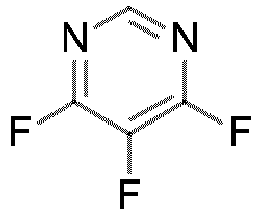
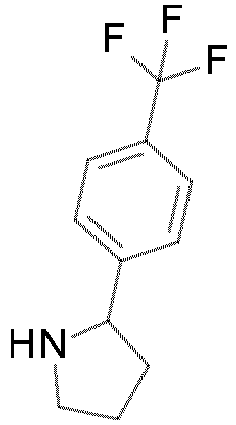
(2R)-2-(9H-fluoren-9-ylmethoxycarbonylamino)-4,4-dimethyl-pentanoic acid 4,5,6-trifluoropyrimidine 2-[4-(trifluoromethyl)phenyl]pyrrolidine 6 

(2R)-2-(9H-fluoren-9-ylmethoxycarbonylamino)-4,4-dimethyl-pentanoic acid 4,6-difluoropyrimidine 
9 


(2R)-2-(9H-fluoren-9-ylmethoxycarbonylamino)-3-(2,4,5-trifluorophenyl)propanoic acid 4,5,6-trifluoropyrimidine 2-pyrrolidin-2-yl-1,3-benzothiazole 11 


(2R)-2-(9H-fluoren-9-ylmethoxycarbonylamino)-4,4-dimethyl-pentanoic acid 4,5,6-trifluoropyrimidine 2-(2,4-dichlorophenyl)pyrrolidine 13 


9H-fluoren-9-ylmethyl N-[(1R)-1-carbamoyl-3,3-dimethylbutyl]carbamate 4,5,6-trifluoro-2-(trifluoromethyl)pyrimidine 2-[4-(trifluoromethyl)phenyl]pyrrolidine 14 

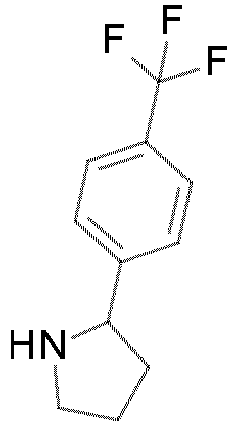
(2R)-2-(9H-fluoren-9-ylmethoxycarbonylamino)-4,4-dimethyl-pentanoic acid 4,6-difluoro-5-methylpyrimidine 2-[4-(trifluoromethyl)phenyl]pyrrolidine 15 


(2R)-2-(9H-fluoren-9-ylmethoxycarbonylamino)-4,4-dimethyl-pentanoic acid 4,6-difluoro-2,5-dimethyl-pyrimidine 2-[4-(trifluoromethyl)phenyl]pyrrolidine 17 


(2R)-2-(9H-fluoren-9-ylmethoxycarbonylamino)-3-(4-methoxyphenyl)propanoic acid 4,5,6-trifluoropyrimidine 2-[4-(trifluoromethyl)phenyl]pyrrolidine 18 


(2R)-2-(9H-fluoren-9-ylmethoxycarbonylamino)-4,4-dimethyl-pentanoic acid 4,5,6-trifluoropyrimidine 4-methyl-2-[4-(trifluoromethyl)phenyl]pyrrolidine 19 


(2R)-2-(9H-fluoren-9-ylmethoxycarbonylamino)-4,4-dimethyl-pentanoic acid 4,5,6-trifluoropyrimidine 2-(4-tert-butylphenyl)pyrrolidine 20 


(2R)-2-(9H-fluoren-9-ylmethoxycarbonylamino)-4,4-dimethyl-pentanoic acid 4,5,6-trifluoropyrimidine 3-[4-(trifluoromethyl)phenyl]morpholine 23 
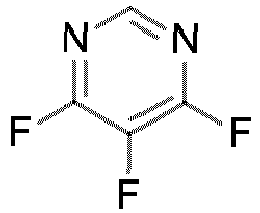

(2R)-2-(9H-fluoren-9-ylmethoxycarbonylamino)-4,4-dimethyl-pentanoic acid 4,5,6-trifluoropyrimidine 6-pyrrolidin-2-ylquinoline 24 


(2R)-2-(9H-fluoren-9-ylmethoxycarbonylamino)-4,4-dimethyl-pentanoic acid 4,5,6-trifluoropyrimidine 2-(2,3-dihydro-1,4-benzodioxin-6-yl)pyrrolidine 34 


(2R)-2-(9H-fluoren-9-ylmethoxycarbonylamino)-4-methyl-pentanoic acid 4,5,6-trifluoropyrimidine 4-methyl-2-[4-(trifluoromethyl)phenyl]pyrrolidine 35 


(2R)-2-(9H-fluoren-9-ylmethoxycarbonylamino)-4,4-dimethyl-pentanoic acid 4,5,6-trifluoropyrimidine 2-[2-chloro-4-(trifluoromethyl)phenyl]pyrrolidine 37 


(2R)-2-(9H-fluoren-9-ylmethoxycarbonylamino)-3-(4-fluorophenyl)propanoic acid 4,5,6-trifluoropyrimidine 4-methyl-2-[4-(trifluoromethyl)phenyl]pyrrolidine 38 


(2R)-2-(9H-fluoren-9-ylmethoxycarbonylamino)-4,4-dimethyl-pentanoic acid 4,5,6-trifluoropyrimidine 3-methyl-2-[4-(trifluoromethyl)phenyl]pyrrolidine 39 

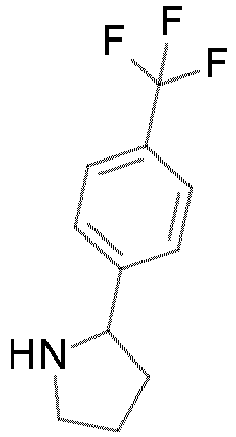
(2R)-2-(9H-fluoren-9-ylmethoxycarbonylamino)-4,4-dimethyl-pentanoic acid 2,3,4-trifluoropyridine 2-[4-(trifluoromethyl)phenyl]pyrrolidine 42 


(2R)-2-(9H-fluoren-9-ylmethoxycarbonylamino)-4,4-dimethyl-pentanoic acid 4,5,6-trifluoropyrimidine 2-pyrrolidin-2-yl-5-(trifluoromethyl)pyridine 43 


(2R)-2-(9H-fluoren-9-ylmethoxycarbonylamino)-4,4-dimethyl-pentanoic acid 4,5,6-trifluoropyrimidine 2-pyrrolidin-2-yl-5-(trifluoromethyl)pyridine 51 


(2R)-3-tert-butoxy-2-(9H-fluoren-9-ylmethoxycarbonylamino)butanoic acid 4,5,6-trifluoropyrimidie 2-[4-(trifluoromethyl)phenyl]pyrrolidine 52 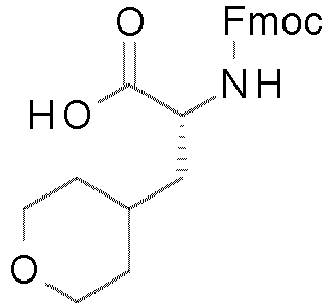


(2R)-2-(9H-fluoren-9-ylmethoxycarbonylamno)-3-tetrahydropyran-4-yl-propanoic acid 4,5,6-trifluoropyrimidine 2-[4-(trifluoromethyl)phenyl]pyrrolidine 62 


(2R)-2-(9H-fluoren-9-ylmethoxycarbonylamino)-4,4-dimethyl-pentanoic acid 4,5,6-trifluoropyrimidine 2-[4-(trifluoromethyl)phenyl]pyrrolidine 63 


(2R)-2-(9H-fluoren-9-ylmethoxycarbonylamino)-3-(2-oxopyrrolidin-3-yl)propanoic acid 4,5,6-trifluoropyrimidine 2-[4-(trifluoromethyl)phenyl]pyrrolidine 65 


(2R)-2-(9H-fluoren-9-ylmethoxycarbonylamino)-4,4-dimethyl-pentanoic acid 4,5,6-trifluoropyrimidine 2-[2-methoxy-4-(trifluoromethyl)phenyl]pyrrolidine 68 


(2R)-2-(9H-fluoren-9-ylmethoxycarbonylamino)-4,4-dimethyl-pentanoic acid 4,5,6-trifluoropyrimidine 3-[4-(trifluoromethoxy)phenyl]morpholine 72 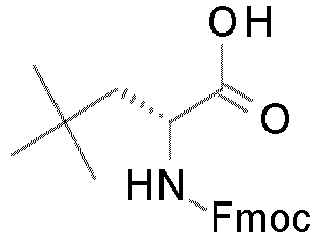


(2R)-2-(9H-fluoren-9-ylmethoxycarbonylamino)-4,4-dimethyl-pentanoic acid 4,5,6-trifluoropyrimidine 2-[3-fluoro-4-(trifluoromethyl)phenyl]pyrrolidine 77 


(2R)-2-hydroxy-4-methyl-pentanoic acid 4,5,6-trifluoropyrimidine 2-[4-(trifluoromethyl)phenyl]pyrrolidine 78 


(2R)-2-hydroxy-4-methyl-pentanoic acid 4,5,6-trifluoropyrimidine 2-[4-(trifluoromethyl)phenyl]pyrrolidine -
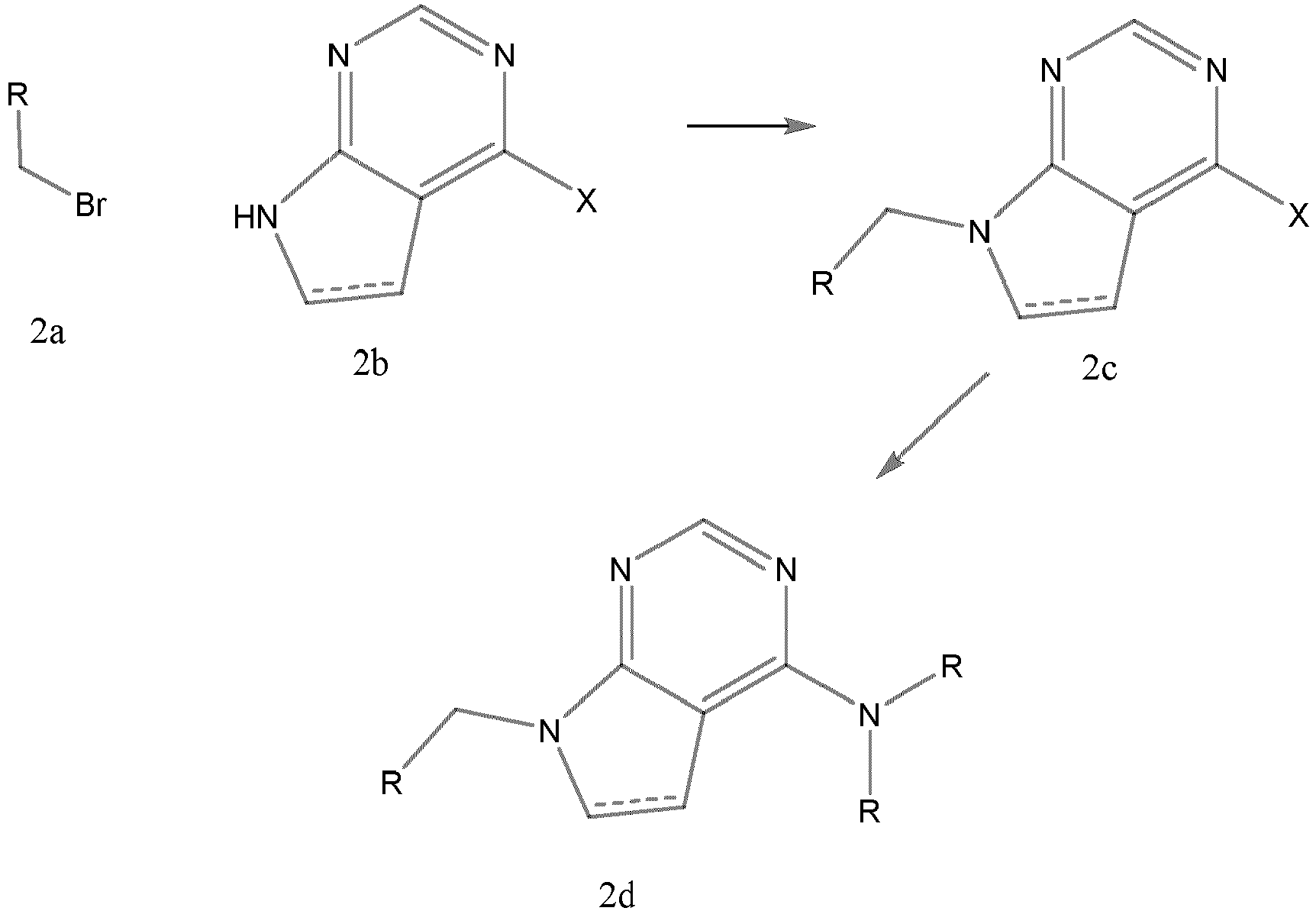
- A halogenated pyrrolopyrimidine 2b, e.g. 6-chloro-7-deazapurine, was N-alkylated by addition of an alkyl halide 2a, e.g. 4-(bromomethyl)-1,2-dimethoxybenzene, and an appropriate base in a suitable solvent, e.g. cesium carbonate in dry dioxane or sodium hydride in dry tetrahydrofuran. The mixture was stirred at room temperature until completion of reaction, typically overnight. The reaction may for example be monitored by thin layer chromatography. The reaction may for example be monitored by thin layer chromatography. The desired product was obtained upon work-up, e.g. by extraction with EtOAc, washing with water at a suitable pH and brine, drying over an appropriate drying agent, e.g. Na2SO4, and purification by flash column chromatrography (CC) using an appropriate eluent combination on a suitable column material, e.g. heptane/EtOAc or DCM/MeOH on silica gel, or recrystallization from a suitable solvent or solvent mixture, e.g. toluene/heptane. Nucleophilic aromatic substitution of the halogen on intermediate 2c was achieved upon addition of a building block containing a free amino group, e.g. 2-(4-trifluoromethyl-phenyl)-pyrrolidine, and a suitable base in an appropriate solvent, e.g. cesium carbonate in dry DMSO. The reaction was achieved by microwave irradiation at elevated temperatures for a period of time, e.g. at 100-150 °C for 1 hour. The reaction may for example be monitored by thin layer chromatography. The desired compound 2d was obtained upon work-up, for example by extraction with EtOAc, washing with water at a suitable pH and brine, drying over an appropriate drying agent, e.g. Na2SO4, and purification by flash column chromatrography (CC) using an appropriate eluent combination on a suitable column material, e.g. heptane/EtOAc or DCM/MeOH on silica gel, or recrystallization from a suitable solvent or solvent mixture, e.g. toluene/heptane.
-

- 6-Chloro-7-deazapurine (77 mg, 0.5 mmol) and 4-(bromomethyl)-1,2-dimethoxy-benzene (127 mg, 0.55 mmol) were dissolved in dry dioxane (5 mL) and cesium carbonate (325 mg, 1.0 mmol) was added. The mixture was stirred overnight at room temperature, concentrated in vacuo, redissolved in water, extracted with EtOAc, washed with brine, dried over sodium sulfate, filtered and concentrated in vacuo. The crude product was purified by flash CC (eluent: DCM/MeOH, on silica gel) yielding 4-chloro-7-(3,4-dimethoxybenzyl)-7H-pyrrolo[2,3-d]pyrimidine (65 mg, 43% yield).
- 4-Chloro-7-(3,4-dimethoxybenzyl)-7H-pyrrolo[2,3-d]pyrimidine (63 mg, 0.21 mmol) and 2-(4-trifluoromethyl-phenyl)-pyrrolidine (45 mg, 0.21 mmol) were dissolved in dry DMSO (4 mL). Cesium carbonate (137 mg, 0.42 mmol) was added, and the mixture was heated at 150 °C for 30 minutes in a microwave reactor. The mixture was poured onto 3M aq. calcium chloride, extracted with EtOAc, washed with brine, dried over sodium sulfate, filtered and concentrated in vacuo. The crude product was purified by preparative HPLC yielding 7-[(3,4-dimethoxyphenyl)methyl]-4-[2-[4-(trifluoromethyl)phenyl]pyrrolidin-1-yl]pyrrolo[2,3-d]pyrimidine 69 (9 mg, 9% yield). 1H NMR (300 MHz, DMSO-d6 ) δ 8.07 (s, 1H), 7.64 (d, J = 8.1 Hz, 2H), 7.43 (d, J = 8.0 Hz, 2H), 7.22 (s, 1H), 6.97 (s, 1H), 6.84 (d, J = 8.3 Hz, 1H), 6.71 (d, J = 8.1 Hz, 1H), 5.62 (s, 1H), 5.22 (s, 2H), 4.30-3.81 (m, 3H), 3.68 (s, 6H), 2.22-1.71 (m, 4H). m/z 483 (M+H).
- General method 2 was used to prepare the following example numbers using the shown starting materials:
Ex. No. Halogenated pyrrolopyrimidine Alkyl halide Free amine 4 


4-chloro-7H-pyrrolo[2,3-d]pyrimidine 3-[(2-bromobutanoylamino)methyl]furan-2-carboxylic acid 2-(4-phenylphenyl)pyrrolidine 67 

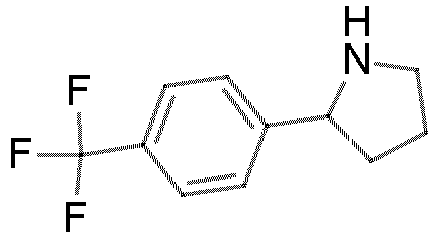
4-chloro-1H-pyrrolo[2,3-b]pyridine 4-(bromomethyl)-1,2-dimethoxy-benzene 2-[4-(trifluoromethyl)phenyl]pyrrolidine 69 


4-chloro-7H-pyrrolo[2,3-d]pyrimidine 4-(bromomethyl)-1,2-dimethoxy-benzene 2-[4-(trifluoromethyl)phenyl]pyrrolidine 85 


4-chloro-7H-pyrrolo[2,3-d]pyrimidine 2-[4-(bromomethyl)phenyl] acetic acid 2-[4-(trifluoromethyl)phenyl]pyrrolidine 195 


4-chloro-7H-pyrrolo[2,3-d]pyrimidine 2-[4-(bromomethyl)phenyl]acetic acid (2R)-2-[4-(trifluoromethyl)phenyl]pyrrolidine 196 


4-chloro-7H-pyrrolo[2,3-d]pyrimidine 2-[4-(chloromethyl)phenyl]acetamide (2R)-2-[4-(trifluoromethyl)phenyl]pyrrolidine 252 


4-chloro-7H-pyrrolo[2,3-d]pyrimidine 2-[4-(chloromethyl)phenyl]acetamide (3S)-3-[4-(trifluoromethoxy)phenyl]morpholine 265 

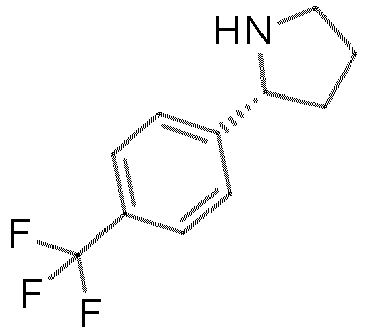
4-chloro-6,7-dihydro-5H-pyrrolo[2,3-d]pyrimidine 2-[4-(chloromethyl)phenyl]acetamide (2R)-2-[4-(trifluoromethyl)phenyl]pyrrolidine 284 


4-chloro-7H-pyrrolo[2,3-d]pyrimidine 2-[4-(chloromethyl)phenyl]acetamide 3-phenylmorpholine 290 


4-chloro-7H-pyrrolo[2,3-d]pyrimidine 4-(bromomethyl)-1-methylsulfonyl-piperidine (3S)-3-[4-(trifluoromethoxy)phenyl]morpholine 326 


4-chloro-7H-pyrrolo[2,3-d]pyrimidine 2-[4-(chloromethyl)phenyl]acetamide (3S)-3-[6-(trifluoromethyl)-3-pyridyl]morpholine 328 

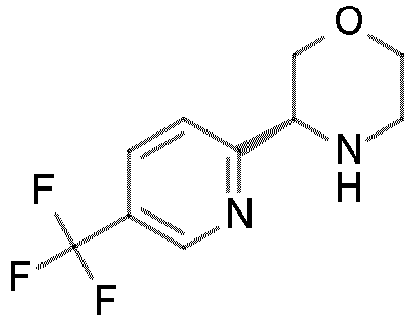
4-chloro-7H-pyrrolo[2,3-d]pyrimidine 2-[4-(chloromethyl)phenyl]acetamide (3S)-3-[5-(trifluoromethyl)-2-pyridyl]morpholine 329 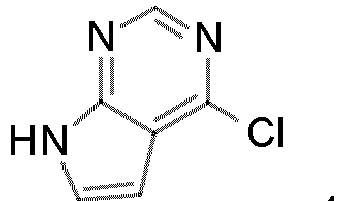


4-chloro-7H-pyrrolo[2,3-d]pyrimidine 5-(chloromethyl)-2-methylsulfonyl-pyridine (3S)-3-[4-(trifluoromethoxy)phenyl]morpholine 330 


4-chloro-7H-pyrrolo[2,3-d]pyrimidine 2-(chloromethyl)-5-methylsulfonyl-pyridine (3S)-3-[4-(trifluoromethoxy)phenyl]morpholine - To a solution of 2-(4-(hydroxymethyl) phenyl) acetic acid (20 g, 120.48 mmol) in MeOH: toluene (1: 1) (200 mL) at 0°C was added trimethylsilyldiazomethane (TMSCHN2, 27.51 g, 240 mmol), and the mixture was stirred at room temperature for 16 hours. After completion, the solvent was evaporated and the crude compound was purified by flash CC (Eluent: EtOAc/pet ether, on silica gel) to afford methyl 2-(4-(hydroxymethyl) phenyl) acetate (Compound-2) (18 g, 83 %) as an off white solid.
- To a solution of methyl 2-(4-(hydroxymethyl) phenyl) acetate (3.4 g, 1.87 mmol) in MeOH (10 vol) was added aqueous NH3 (34 ml), and the mixture was heated at 90°C for 16 hours in a sealed tube. After completion, the reaction mixture was allowed to room temperature, filtered and concentrated in vacuo to afford 2-(4-(hydroxymethyl) phenyl) acetamide (1.1 g, 35 %) as an off white solid.
- To a solution of 2-(4-(hydroxymethyl) phenyl) acetamide (2 g, 12.12 mmol), Et3N (5.1 mL, 36.36 mmol) in DMF (20 mL) was added methane sulfonyl chloride (1.5 mL, 18.18 mmol), and the mixture was stirred at room temperature for 3 hours. After completion, the reaction mixture was poured into ice water and filtered the solid to afford 2-(4-(chloromethyl) phenyl) acetamide (1.2 g, 54 %) as an off white solid.
-

- A compound containing a free amino or hydroxyl group 3a, e.g. 1-tetrahydropyran-4-ylpropan-2-amine, was coupled to a fluorinated aromatic compound 3b, e.g. 4,5,6-trifluoro-pyrimidine, upon treatment with a suitable base in an appropriate solvent, e.g. DIPEA or cesium carbonate in dry DMSO or dioxane. Conversion to 3c was typically achieved after stirring at room temperature overnight. The reaction may for example be monitored by thin layer chromatography. The reaction may for example be monitored by thin layer chromatography. The desired product was obtained upon work-up, e.g. by extraction with EtOAc, washing with water at a suitable pH and brine, drying over an appropriate drying agent, e.g. Na2SO4, and purification by flash column chromatrography (CC) using an appropriate eluent combination on a suitable column material, e.g. heptane/EtOAc or DCM/MeOH on silica gel, or recrystallization from a suitable solvent or solvent mixture, e.g. toluene/heptane. Subsequent nucleophilic aromatic substitution of 3c with a building block containing a free amino or hydroxyl group can be achieved upon treatment with a suitable base in an appropriate solvent. An example of such treatment is cesium carbonate in dry DMSO, heated under microwave irradiation during a period of time, e.g. at 80-150 °C for 1 hour. The reaction may for example be monitored by thin layer chromatography. The desired compound 3d was obtained upon work-up, for example by extraction with EtOAc, washing with water at a suitable pH and brine, drying over an appropriate drying agent, e.g. Na2SO4, and purification by flash column chromatrography (CC) using an appropriate eluent combination on a suitable column material, e.g. heptane/EtOAc or DCM/MeOH on silica gel, or recrystallization from a suitable solvent or solvent mixture, e.g. toluene/heptane.
-

- 4,5,6-Trifluoro-pyrimidine (0.27 g, 2.0 mmol) and 2-(4-trifluoromethylphenyl)-pyrrolidine (0.43 g, 2.0 mmol) were dissolved in dry DMSO (4 mL) and DIPEA (0.7 mL, 4.0 mmol) was added. The reaction was stirred at room temperature overnight, poured into 3M aq. calcium chloride, extracted with EtOAc, washed with brine, dried over sodium sulfate, filtered and concentrated in vacuo. The crude product was purified by flash CC (eluent: DCM/MeOH, on silica gel) yielding 4,5-difluoro-6-[2-[4-(trifluoromethyl)phenyl]pyrrolidin-1-yl]pyrimidine (0.58 g, 88% yield).
- 4,5-difluoro-6-[2-[4-(trifluoromethyl)phenyl]pyrrolidin-1-yl]pyrimidine (0.33 g, 1.0 mmol) and 1-tetrahydropyran-4-ylpropan-2-amine hydrochloride (0.18 g, 1.0 mmol) were dissolved in dry DMSO (2 mL) and cesium carbonate (0.65 g, 2.0 mmol) was added. The reaction was heated in a microwave reactor for 1 hour at 100 °C, poured into 3M aq. calcium chloride, extracted with EtOAc, washed with brine, dried over sodium sulfate, filtered and concentrated in vacuo. The crude product was purified by flash CC (eluent: DCM/MeOH, on silica gel), yielding 5-fluoro-N-(1-methyl-2-tetrahydropyran-4-yl-ethyl)-6-[2-[4-(trifluoromethyl)phenyl]pyrrolidin-1-yl]pyrimidin-4-amine 41 (205 mg, 45% yield). 1H NMR (300 MHz, CDCl3) δ 7.90 (s, 1H), 7.58 (d, J = 8.0 Hz, 2H), 7.33 (d, J = 8.0Hz, 2H), 5.40 (d, J = 7.8 Hz, 1H), 4.28-4.24 (m, 2H), 4.05-4.00 (m, 1H), 4.00-3.91 (m, 2H), 3.86-3.79 (m, 1H), 3.39-3.25 (m, 2H), 2.39-2.25 (m, 1H), 1.99-1.83 (m, 3H), 1.76-1.64 (m, 2H), 1.41-1.18 (m, 7H). m/z 453 (M+H).
- General method 3 was used to prepare the following example numbers using the shown starting materials:
Ex. No. Free amine or alcohol (1) Free amine or alcohol (2) Fluorinated aromatic compound 16 


2-[4-(trifluoromethyl)phenyl] pyrrolidine 4-methoxy-4-methyl-pentan-2-amine 4,5,6-trifluoropyrimidine 21 


2-[4-(trifluoromethyl)phenyl] pyrrolidine 3,3-dimethylbutan-1-amine 4,5,6-trifluoropyrimidine 29 


2-[4-(trifluoromethyl)phenyl] pyrrolidine (2R)-2-amino-3-(4-methoxyphenyl)propan-1-ol 4,5,6-trifluoropyrimidine 30 


2-[4-(trifluoromethyl)phenyl] pyrrolidine (2R)-2-amino-4,4-dimethyl-pentan-1-ol 4,5,6-trifluoropyrimidine 31 


2-[4-(trifluoromethyl)phenyl] pyrrolidine (2R)-N,4,4-trimethyl-2-(methylamino)pentanamide 4,5,6-trifluoropyrimidine 33 


4-methyl-2-[4-(trifluoromethyl)phenyl] pyrrolidine (2R)-2-amino-4-methyl-pentanoic acid 4,5,6-trifluoropyrimidine 36 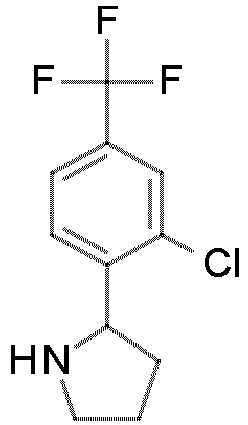


2-[2-chloro-4-(trifluoromethyl)phenyl] pyrrolidine (2R)-2-amino-4,4-dimethyl-pentanoic acid 4,5,6-trifluoropyrimidine 41 


2-[4-(trifluoromethyl)phenyl] pyrrolidine 1-tetrahydropyran-4-ylpropan-2-amine 4,5,6-trifluoropyrimidine 44 

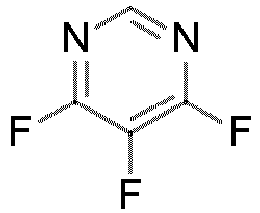
2-[4-(trifluoromethyl)phenyl] pyrrolidine 4-(aminomethyl)benzoic acid 4,5,6-trifluoropyrimidine 45 
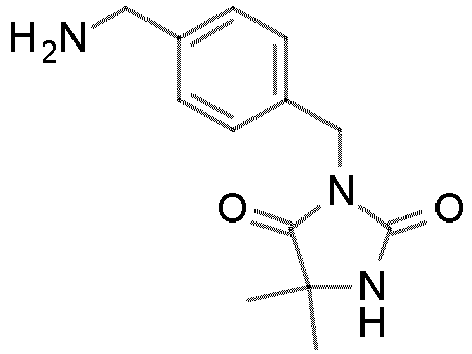

2-[4-(trifluoromethyl)phenyl]pyrrolidine 3-[[4-(aminomethyl)phenyl]me thyl]-5,5-dimethyl-imidazolidine-2,4-dione 4,5,6-trifluoropyrimidine 46 


2-[4-(trifluoromethyl)phenyl] pyrrolidine [4-(aminomethyl)phenyl]me thanesulfonamide 4,5,6-trifluoropyrimidine 48 


2-[4-(trifluoromethyl)phenyl] pyrrolidine [4-(trifluoromethyl)phenyl] methanamine 4,5,6-trifluoropyrimidine 53 


2-[4-(trifluoromethyl)phenyl] pyrrolidine (3,4-dimethoxyphenyl)methanamine 4,5,6-trifluoropyrimidine 54 
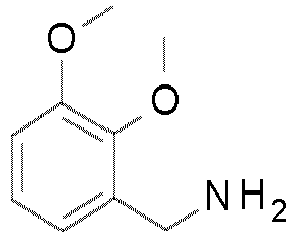

2-[4-(trifluoromethyl)phenyl] pyrrolidine (2,3-dimethoxyphenyl)methanamine 4,5,6-trifluoropyrimidine 55 


2-[4-(trifluoromethyl)phenyl] pyrrolidine 1-(3,4-dihydro-2H-1,5-benzodioxepin-7-yl)propan-1-amine 4,5,6-trifluoropyrimidine 56 


2-[4-(trifluoromethyl)phenyl] pyrrolidine (4-morpholinophenyl)methanamine 4,5,6-trifluoropyrimidine 57 

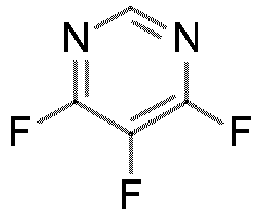
2-[4-(trifluoromethyl)phenyl] pyrrolidine [4-(aminomethyl)phenyl]-morpholino- methanone 4,5,6-trifluoropyrimidine 58 


2-[4-(trifluoromethyl)phenyl]pyrrolidine [1-[5-(aminomethyl)-2-pyridyl]-4-piperidyl]methanol 4,5,6-trifluoropyrimidine 59 


2-[4-(trifluoromethyl)phenyl] pyrrolidine [4-(tetrahydrofuran-2-ylmethoxy)phenyl]methanamine 4,5,6-trifluoropyrimidine 60 


2-[4-(trifluoromethyl)phenyl] pyrrolidine 4-[4-(aminomethyl)phenyl]piperazin-2-one 4,5,6-trifluoropyrimidine 61 


2-[4-(trifluoromethyl)phenyl] pyrrolidine 1-[4-(aminomethyl)phenyl]piperidine-3-carboxamide 4,5,6-trifluoropyrimidine 64 


2-[4-(trifluoromethyl)phenyl] pyrrolidine (1R)-3,3-dimethyl-1-morpholin-2-yl-butan-1-amine 4,5,6-trifluoropyrimidine 66 


2-[4-(trifluoromethyl)phenyl] pyrrolidine (6-methyl-3-pyridyl)methanamine 2,3,4-trifluoropyridine 70 

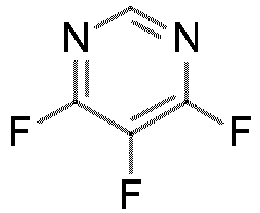
2-[4-(trifluoromethyl)phenyl] pyrrolidine methyl 2-[4-(aminomethyl)phenyl]ac etate 4,5,6-trifluoropyrimidine 71 


2-[4-(trifluoromethyl)phenyl] pyrrolidine 1-[2-[(1R)-1-amino-3,3-dimethylbutyl]morpholin-4-yl]ethanone 4,5,6-trifluoropyrimidine 73 


2-[3-fluoro-4-(trifluoromethyl)phenyl] pyrrolidine (6-methyl-3-pyridyl)methanol 4,5,6-trifluoropyrimidine 74 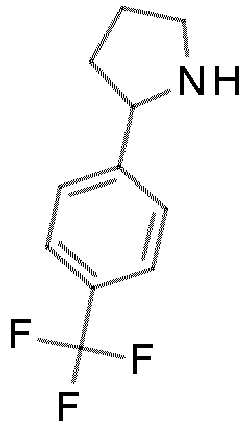
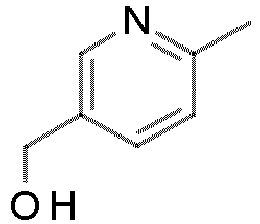

2-[4-(trifluoromethyl)phenyl] pyrrolidine (6-methyl-3-pyridyl)methanol 4,5,6-trifluoropyrimidine 80 


5-[4-(trifluoromethyl)phenyl]-1H-pyrazole (2R)-2-hydroxy-4-methyl-pentanamide 4,5,6-trifluoropyrimidine 88 
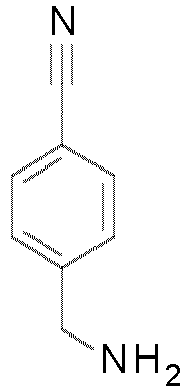

2-[4-(trifluoromethyl)phenyl] pyrrolidine 4-(aminomethyl)benzonitrile 4,5,6-trifluoropyrimidine 89 


2-[4-(trifluoromethyl)phenyl] pyrrolidine (6-methyl-3-pyridyl)methanamine 4,5,6-trifluoropyrimidine 90 


2-(4-methoxyphenyl)pyrrolidine (6-methyl-3-pyridyl)methanamine 4,5,6-trifluoropyrimidine 93 


2-[4-(trifluoromethyl)phenyl] pyrrolidine (4-methylcyclohexyl)methanamine 4,5,6-trifluoropyrimidine 94 


2-[4-(trifluoromethyl)phenyl] pyrrolidine [4-(imidazol-1-ylmethyl)phenyl]methanamine 4,5,6-trifluoropyrimidine 95 


2-[4-(trifluoromethyl)phenyl] pyrrolidine [4-(methylsulfonylmethyl)phenyl]methanamine 4,5,6-trifluoropyrimidine 96 


5-[4-(trifluoromethyl)phenyl]-1H-triazole (6-methyl-3-pyridyl)methanamine 4,5,6-trifluoropyrimidine 97 


2-[4-(trifluoromethoxy)phenyl ]pyrrolidine (6-methyl-3-pyridyl)methanamine 4,5,6-trifluoropyrimidine 98 


2-[4-(trifluoromethyl)phenyl] pyrrolidine 1-[4-(aminomethyl)phenyl]-2-methyl-propan-2-ol 4,5,6-trifluoropyrimidine 99 


2-[4-(trifluoromethyl)phenyl] pyrrolidine (2-methoxy-6-methyl-3-pyridyl)methanamine 4,5,6-trifluoropyrimidine 100 


2-[4-(trifluoromethyl)phenyl] pyrrolidine 5-(aminomethyl)pyridin-2-ol 4,5,6-trifluoropyrimidine 104 
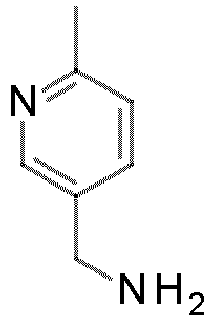
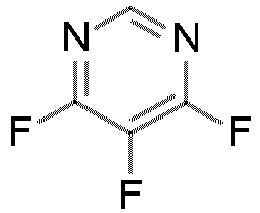
(6-methyl-3-pyridyl)methanamine 4,5,6-trifluoropyrimidine 2-pyrrolidin-2-yl-5-(trifluoromethyl)phenol 105 


2-[4-(trifluoromethyl)phenyl] pyrrolidine (1-methylpyrrol-3-yl)methanamine 4,5,6-trifluoropyrimidine 106 


2-[4-(trifluoromethyl)phenyl] pyrrolidine (1-methylpyrazol-4-yl)methanamine 4,5,6-trifluoropyrimidine 107 


2-[4-(trifluoromethyl)phenyl] pyrrolidine (5-methyl-2-furyl)methanamine 4,5,6-trifluoropyrimidine 108 


2-[4-(trifluoromethyl)phenyl] pyrrolidine 5-(aminomethyl)pyrrolidin-2-one 4,5,6-trifluoropyrimidine 109 


2-[4-(trifluoromethyl)phenyl] pyrrolidine 4-(aminomethyl)-1-methyl-pyrrolidin-2-one 4,5,6-trifluoropyrimidine 110 


2-[4-(trifluoromethyl)phenyl] pyrrolidine 5-(aminomethyl)-N,N-dimethyltetrahydrofuran-2-carboxamide 4,5,6-trifluoropyrimidine 111 


2-[4-(trifluoromethyl)phenyl] pyrrolidine (4-methoxytetrahydropyran-4-yl)methanamine 4,5,6-trifluoropyrimidine 112 


2-[4-(trifluoromethyl)phenyl] pyrrolidine 1-[6-(aminomethyl)-2-methyl-3-pyridyl]ethanol 4,5,6-trifluoropyrimidine 113 

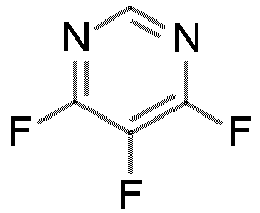
2-[4-(trifluoromethyl)phenyl] pyrrolidine (2-methoxy-4-pyridyl)methanamine 4,5,6-trifluoropyrimidine 114 


2-[4-(trifluoromethyl)phenyl] pyrrolidine (6-methoxy-3-pyridyl)methanamine 4,5,6-trifluoropyrimidine 115 
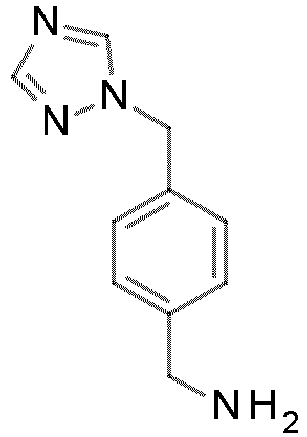

2-[4-(trifluoromethyl)phenyl] pyrrolidine [4-(1,2,4-triazol-1-ylmethyl)phenyl]methanamine 4,5,6-trifluoropyrimidine 116 


2-[4-(trifluoromethyl)phenyl] pyrrolidine 1-(6-methoxy-3-pyridyl)-N-methyl-methanamine 4,5,6-trifluoropyrimidine 120 


2-[4-(trifluoromethyl)phenyl] pyrrolidine 4-(2-aminoethyl)benzoic acid 4,5,6-trifluoropyrimidine 121 


2-[4-(trifluoromethyl)phenyl] pyrrolidine (3-aminopyrrolidin-1-yl)-(4-pyridyl)methanone 4,5,6-trifluoropyrimidine 122 


2-[4-(trifluoromethyl)phenyl] pyrrolidine 5-(aminomethyl)indolin-2-one 4,5,6-trifluoropyrimidine 123 


2-[4-(trifluoromethyl)phenyl] pyrrolidine 3-methyl-1-(1H-tetrazol-5-yl)butan-1-amine 4,5,6-trifluoropyrimidine 124 


2-[4-(trifluoromethyl)phenyl] pyrrolidine 1-[4-(aminomethyl)phenyl]me thyl]pyrrolidin-2-one 4,5,6-trifluoropyrimidine 126 


2-[4-(trifluoromethyl)phenyl] pyrrolidine [6-(trifluoromethyl)-3-pyridyl]methanamine 4,5,6-trifluoropyrimidine 128 


2-[4-(trifluoromethyl)phenyl] pyrrolidine 2-[4-(aminomethyl)phenyl]ethanol 4,5,6-trifluoropyrimidine 129 


2-[4-(trifluoromethyl)phenyl] pyrrolidine 4-(aminomethyl)tetrahydropyran-4-ol 4,5,6-trifluoropyrimidine 130 


2-[4-(trifluoromethyl)phenyl] pyrrolidine 4-(aminomethyl)-1-cyclopentyl-pyrrolidin-2-one 4,5,6-trifluoropyrimidine 131 


2-[4-(trifluoromethyl)phenyl] pyrrolidine (4-methoxy-2-pyridyl)methanamine 4,5,6-trifluoropyrimidine 132 


2-[4-(trifluoromethyl)phenyl] pyrrolidine (6-methyl-2-pyridyl)methanamine 4,5,6-trifluoropyrimidine 134 

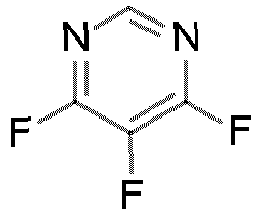
2-[4-(trifluoromethyl)phenyl] pyrrolidine 3,9-diazaspiro[4.5]decan-2-one 4,5,6-trifluoropyrimidine 135 


2-[4-(trifluoromethyl)phenyl] pyrrolidine 1-methyl-4-(methylaminomethyl)pyr rolidin-2-one 4,5,6-trifluoropyrimidine 136 


2-[4-(trifluoromethyl)phenyl] pyrrolidine 1-(5-ethyl-2-pyridyl)-N-methyl-methanamine 4,5,6-trifluoropyrimidine 137 


2-[4-(trifluoromethyl)phenyl] pyrrolidine 1-[4-(aminomethyl)phenyl]py rrolidin-2-one 4,5,6-trifluoropyrimidine 138 


2-[4-(trifluoromethyl)phenyl] pyrrolidine [4-(1H-tetrazol-5-yl)phenyl]methanamine 4,5,6-trifluoropyrimidine 139 


2-[4-(trifluoromethyl)phenyl] pyrrolidine phenylmethanamine 4,5,6-trifluoropyrimidine 140 


2-[4-(trifluoromethyl)phenyl] pyrrolidine 4-pyridylmethanamine 4,5,6-trifluoropyrimidine 141 


2-[4-(trifluoromethyl)phenyl] pyrrolidine 3-pyridylmethanamine 4,5,6-trifluoropyrimidine 142 


2-[4-(trifluoromethyl)phenyl] pyrrolidine (3,5-dimethoxyphenyl)methanamine 4,5,6-trifluoropyrimidine 143 


2-[4-(trifluoromethyl)phenyl] pyrrolidine 1-[3-(aminomethyl)phenyl]pyrrolidin-2-one 4,5,6-trifluoropyrimidine 144 


2-[4-(trifluoromethyl)phenyl] pyrrolidine 3-(aminomethyl)-N-methyl-benzamide 4,5,6-trifluoropyrimidine 145 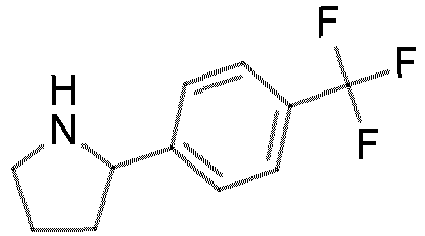


2-[4-(trifluoromethyl)phenyl] pyrrolidine 3-(aminomethyl)-N,N-dimethyl-benzamide 4,5,6-trifluoropyrimidine 146 


2-[4-(trifluoromethyl)phenyl] pyrrolidine [3-(1,2,4-triazol-1-ylmethyl)phenyl]methanamine 4,5,6-trifluoropyrimidine 147 


2-[4-(trifluoromethyl)phenyl] pyrrolidine [3-(methoxymethyl)phenyl] methanamine 4,5,6-trifluoropyrimidine 148 


2-[4-(trifluoromethyl)phenyl] pyrrolidine 2-[4-(aminomethyl)cyclohexy l]acetic acid 4,5,6-trifluoropyrimidine 150 
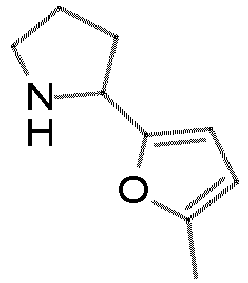

(6-methyl-3-pyridyl)methanamine 2-(5-methyl-2-furyl)pyrrolidine 4,5,6-trifluoropyrimidine 151 


2-[4-(trifluoromethyl)phenyl] pyrrolidine cyclobutylmethanamine 4,5,6-trifluoropyrimidine 152 


2-[4-(trifluoromethyl)phenyl] pyrrolidine (1-methylcyclobutyl)methanamine 4,5,6-trifluoropyrimidine 154 


(2R)-2-[4-(trifluoromethyl)phenyl] pyrrolidine tetrahydrofuran-3-ylmethanamine 4,5,6-trifluoropyrimidine 155 


(2R)-2-[4-(trifluoromethyl)phenyl] pyrrolidine tetrahydropyran-2-ylmethanamine 4,5,6-trifluoropyrimidine 159 


(2R)-2-[4-(trifluoromethyl)phenyl] pyrrolidine tetrahydrothiophen-2-ylmethanamine 4,5,6-trifluoropyrimidine 161 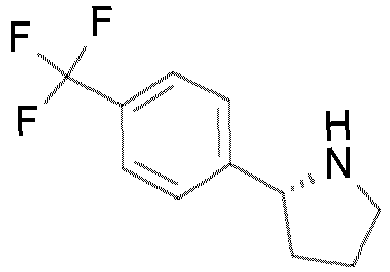


(2R)-2-[4-(trifluoromethyl)phenyl] pyrrolidine (4-methyltetrahydropyran-4-yl)methanamine 4,5,6-trifluoropyrimidine 164 


(2R)-2-[4-(trifluoromethyl)phenyl] pyrrolidine tetrahydrothiopyran-4-ylmethanamine 4,5,6-trifluoropyrimidine 165 


(2R)-2-[4-(trifluoromethyl)phenyl] pyrrolidine 3-(aminomethyl)tetrahydro thiophen-3-ol 4,5,6-trifluoropyrimidine 166 


(2R)-2-[4-(trifluoromethyl)phenyl] pyrrolidine (4,4-dimethylcyclohexyl)meth anamine 4,5,6-trifluoropyrimidine 167 


(2R)-2-[4-(trifluoromethyl)phenyl] pyrrolidine 1-(aminomethyl)cycloheptanol 4,5,6-trifluoropyrimidine 168 


(2R)-2-[4-(trifluoromethyl)phenyl] pyrrolidine (2-methoxycyclohexyl)methanamine 4,5,6-trifluoropyrimidine 169 


(2R)-2-[4-(trifluoromethyl)phenyl] pyrrolidine 4-(aminomethyl)tetrahydro thiopyran-4-ol 4,5,6-trifluoropyrimidine 170 


(2R)-2-[4-(trifluoromethyl)phenyl] pyrrolidine (1,1-dioxothiolan-2-yl)methanamine 4,5,6-trifluoropyrimidine 175 


(2R)-2-[4-(trifluoromethyl)phenyl] pyrrolidine (2-tert-butyltetrahydropyran-3-yl)methanamine 4,5,6-trifluoropyrimidine 178 


(4-isopropylcyclohexyl)methanamine 4,5,6-trifluoropyrimidine 181 


(2R)-2-[4-(trifluoromethyl)phenyl] pyrrolidine tetrahydrofuran-2-ylmethanamine 4,5,6-trifluoropyrimidine 182 
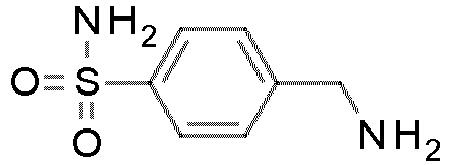

(2R)-2-[4-(trifluoromethyl)phenyl] pyrrolidine 4-(amino methyl)benzenesulfonamide 4,5,6-trifluoropyrimidine 183 
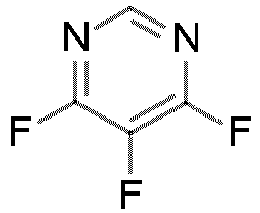

(6-chloro-3-pyridyl)methanamine 4,5,6-trifluoropyrimidine 184 


(2R)-2-[4-(trifluoromethyl)phenyl] pyrrolidine (1,1-dioxothiolan-3-yl)methanamine 4,5,6-trifluoropyrimidine 185 

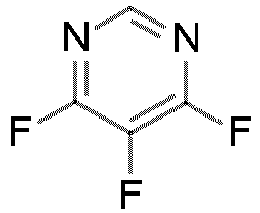
(2R)-2-[4-(trifluoromethyl)phenyl] pyrrolidine 3-thienylmethanamine 4,5,6-trifluoropyrimidine 186 


(2R)-2-[4-(trifluoromethyl)phenyl] pyrrolidine tetrahydropyran-3-ylmethanamine 4,5,6-trifluoropyrimidine 188 


(2R)-2-[4-(trifluoromethyl)phenyl] pyrrolidine [1-(methoxymethyl)cyclobutyl]methanamine 4,5,6-trifluoropyrimidine 189 


(2R)-2-[4-(trifluoromethyl)phenyl] pyrrolidine 2-[4-(aminomethyl)phenyl]-N-methyl-acetamide 4,5,6-trifluoropyrimidine 190 


(2R)-2-[4-(trifluoromethyl)phenyl] pyrrolidine [4-(1H-tetrazol-5-ylmethyl)cyclohexyl]methanamine 4,5,6-trifluoropyrimidine 191 
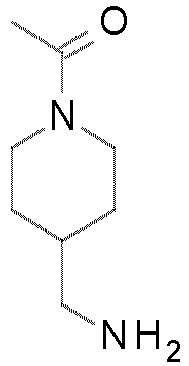

(2R)-2-[4-(trifluoromethyl)phenyl] pyrrolidine 1-[4-(aminomethyl)-1-piperidyl]ethanone 4,5,6-trifluoropyrimidine 193 


(2R)-2-[4-(trifluoromethyl)phenyl] pyrrolidine (1-oxidopyridin-1-ium-3-yl)methanamine 4,5,6-trifluoropyrimidine 194 


(2R)-2-[4-(trifluoromethyl)phenyl] pyrrolidine (1-oxidopyridin-1-ium-4-yl)methanamine 4,5,6-trifluoropyrimidine 197 


(2R)-2-[4-(trifluoromethyl)phenyl] pyrrolidine (1-methylsulfonyl-4-piperidyl)methanamine 4,5,6-trifluoropyrimidine 198 


(2R)-2-[4-(trifluoromethyl)phenyl] pyrrolidine (3-methyloxetan-3-yl)methanamine 4,5,6-trifluoropyrimidine 199 


(2R)-2-[4-(trifluoromethyl)phenyl] pyrrolidine (2-methyltetrahydrofuran-2-yl)methanamine 4,5,6-trifluoropyrimidine 200 
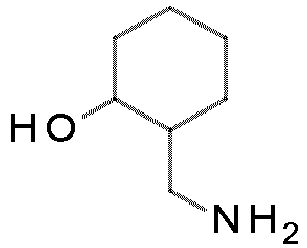
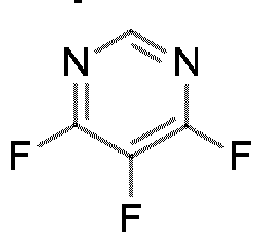
(2R)-2-[4-(trifluoromethyl)phenyl] pyrrolidine 2-(aminomethyl)cyclohexanol 4,5,6-trifluoropyrimidine 201 


(2R)-2-[4-(trifluoromethyl)phenyl] pyrrolidine (2-methyltetrahydrothiophen-2-yl)methanamine 4,5,6-trifluoropyrimidine 202 


(2R)-2-[4-(trifluoromethyl)phenyl] pyrrolidine (4,4-dioxo-1,4-oxathian-2-yl)methanamine 4,5,6-trifluoropyrimidine 203 


(2R)-2-[4-(trifluoromethyl)phenyl] pyrrolidine 2-thienylmethanamine 4,5,6-trifluoropyrimidine 208 


tetrahydropyran-4-ylmethanamine 4,5,6-trifluoropyrimidine 209 


2-methyl-2-[4-(trifluoromethyl)phenyl] pyrrolidine (6-methyl-3-pyridyl)methanamine 4,5,6-trifluoropyrimidine 210 


(6-methyl-3-pyridyl)methanamine 4,5,6-trifluoropyrimidine (2R)-2-[2-fluoro-4-(trifluoromethyl)phenyl] pyrrolidine 211 
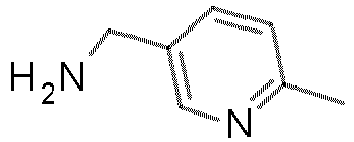

4-methyl-2-[4-(trifluoromethyl)phenyl] pyrrolidine (6-methyl-3-pyridyl)methanamine 4,5,6-trifluoropyrimidine 212 


4-methoxy-2-[4-(trifluoromethyl)phenyl] pyrrolidine (6-methyl-3-pyridyl)methanamine 4,5,6-trifluoropyrimidine 213 
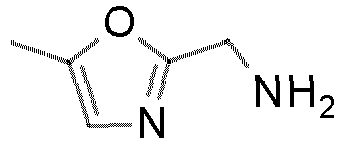

2-[4-(trifluoromethyl)phenyl] pyrrolidine (5-methyloxazol-2-yl)methanamine 4,5,6-trifluoropyrimidine 214 

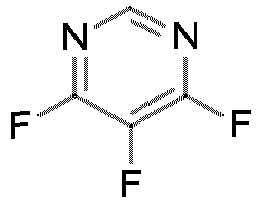
2-[4-(trifluoromethyl)phenyl] pyrrolidine 5-(aminomethyl)-1,3,4-oxadiazol-2-ol 4,5,6-trifluoropyrimidine 215 
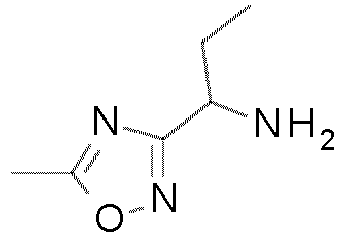

2-[4-(trifluoromethyl)phenyl] pyrrolidine 1-(5-methyl-1,2,4-oxadiazol-3-yl)propan-1-amine 4,5,6-trifluoropyrimidine 216 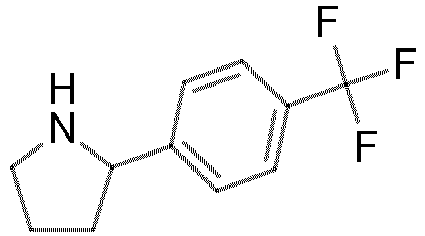


2-[4-(trifluoromethyl)phenyl] pyrrolidine 5-(aminomethyl)isoxazol-3-ol 4,5,6-trifluoropyrimidine 217 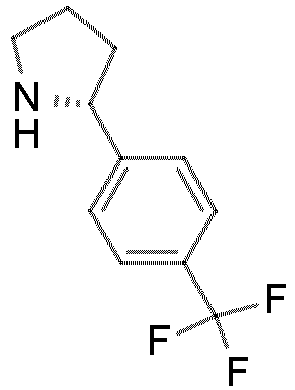


(2R)-2-[4-(trifluoromethyl)phenyl] pyrrolidine [3-(aminomethyl)phenyl]methanol 4,5,6-trifluoropyrimidine 218 


(2R)-2-[4-(trifluoromethyl)phenyl] pyrrolidine cyclopentylmethanamine 4,5,6-trifluoropyrimidine 219 

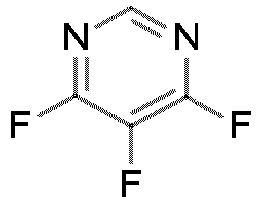
(2R)-2-[4-(trifluoromethyl)phenyl] pyrrolidine (4-methylsulfonylphenyl)methanamine 4,5,6-trifluoropyrimidine 220 


3-(aminomethyl)tetrahydro furan-3-ol 4,5,6-trifluoropyrimidine 221 


(2R)-2-[4-(trifluoromethyl)phenyl] pyrrolidine 2-[4-(aminomethyl)tetrahydro pyran-4-yl]ethanol 4,5,6-trifluoropyrimidine 222 


(2R)-2-[4-(trifluoromethyl)phenyl] pyrrolidine (1,1-dioxothian-4-yl)methanamine 4,5,6-trifluoropyrimidine 223 


(2R)-2-[4-(trifluoromethyl)phenyl] pyrrolidine 4-(aminomethyl)-1,1-dioxo-thian-4-ol 4,5,6-trifluoropyrimidine 224 


(2R)-2-[4-(trifluoromethyl)phenyl] pyrrolidine 4-(aminomethyl)-N-cyclopropyl-benzenesulfonamide 4,5,6-trifluoropyrimidine 225 


(2R)-2-[4-(trifluoromethyl)phenyl] pyrrolidine [4-(aminomethyl)cyclohexyl]methanol 4,5,6-trifluoropyrimidine 226 


(2R)-2-[4-(trifluoromethyl)phenyl] pyrrolidine 4-(aminomethyl)benzamide 4,5,6-trifluoropyrimidine 227 

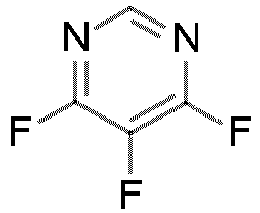
(2R)-2-[4-(trifluoromethyl)phenyl] pyrrolidine [4-(aminomethyl)phenyl]methanol 4,5,6-trifluoropyrimidine 228 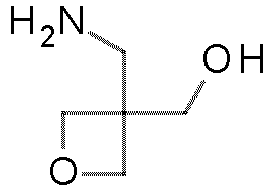


[3-(aminomethyl)oxetan-3-yl]methanol 4,5,6-trifluoropyrimidine 229 


2-methyl-2-[4-(trifluoromethyl)phenyl] pyrrolidine 2-[4-(aminomethyl)phenyl]acetamide 4,5,6-trifluoropyrimidine 230 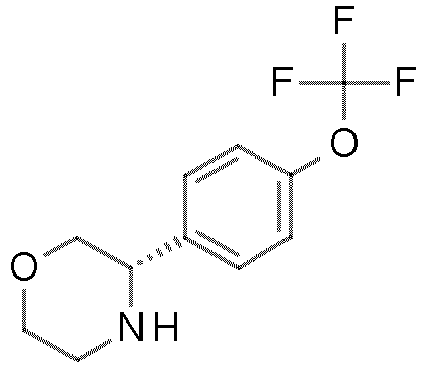


(3S)-3-[4-(trifluoromethoxy)phenyl]morpholine 2-[4-(aminomethyl)phenyl]acetamide 4,5,6-trifluoropyrimidine 231 


4,4-difluoro-2-[4-(trifluoromethyl)phenyl] pyrrolidine 2-[4-(aminomethyl)phenyl]acetamide 4,5,6-trifluoropyrimidine 232 


(2R)-2-[2-fluoro-4-(trifluoromethyl)phenyl] pyrrolidine 2-[4-(aminomethyl)phenyl]acetamide 4,5,6-trifluoropyrimidine 233 


(3S)-3-[4-(trifluoromethoxy)phenyl]morpholine 1-[4-(aminomethyl)-1-piperidyl]ethanone 4,5,6-trifluoropyrimidine 234 
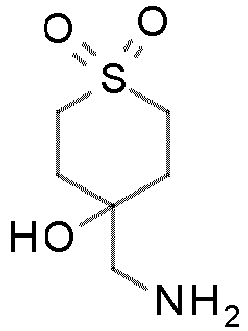

(3S)-3-[4-(trifluoromethoxy)phenyl]morpholine 4-(aminomethyl)-1,1-dioxo-thian-4-ol 4,5,6-trifluoropyrimidine 235 


(3S)-3-[4-(trifluoromethoxy)phenyl]morpholine (3-methyloxetan-3-yl)methanamine 4,5,6-trifluoropyrimidine 236 


(3S)-3-[4-(trifluoromethoxy)phenyl]morpholine 4-(aminomethyl)-N-cyclopropyl-benzenesulfonamide 4,5,6-trifluoropyrimidine 237 


(3S)-3-[4-(trifluoromethoxy)phenyl]morpholine (1-methylsulfonyl-4-piperidyl)methanamine 4,5,6-trifluoropyrimidine 238 


(3S)-3-[4-(trifluoromethoxy)phenyl]morpholine 3-(aminomethyl)tetrahydrofuran-3-ol 4,5,6-trifluoropyrimidine 239 


(3S)-3-[4-(trifluoromethoxy)phenyl]morpholine 2-[4-(aminomethyl)tetrahydropyran-4-yl]ethanol 4,5,6-trifluoropyrimidine 240 
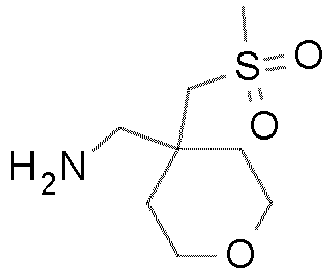

(2R)-2-[4-(trifluoromethyl)phenyl] pyrrolidine [4-(methylsulfonylmethyl)tetrahydropyran-4-yl]methanamine 4,5,6-trifluoropyrimidine 241 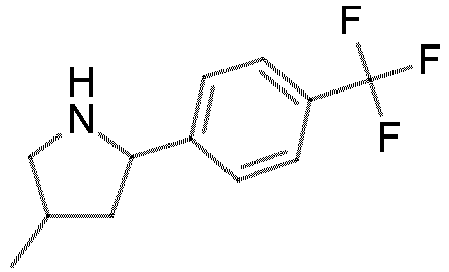


4-methyl-2-[4-(trifluoromethyl)phenyl] pyrrolidine 2-[4-(aminomethyl)phenyl]acetamide 4,5,6-trifluoropyrimidine 242 


4-methyl-2-[4-(trifluoromethyl)phenyl] pyrrolidine 2-[4-(aminomethyl)phenyl]acetamide 4,5,6-trifluoropyrimidine 243 


(3S)-3-[4-(trifluoromethoxy)phenyl ]morpholine 2-[4-(aminomethyl)cyclohexyl]acetic acid 4,5,6-trifluoropyrimidine 244 


(3S)-3-[4-(trifluoromethyl)phenyl] morpholine 2-[4-(aminomethyl)phenyl]acetamide 4,5,6-trifluoropyrimidine 245 


(3S)-3-[4-(trifluoromethoxy)phenyl]morpholine 2-[4-(aminomethyl)cyclohexyl]acetamide 4,5,6-trifluoropyrimidine 246 


(3S)-3-[4-(trifluoromethoxy)phenyl]morpholine [4-(1H-tetrazol-5-ylmethyl)phenyl]methanamine 4,5,6-trifluoropyrimidine 247 


(3S)-3-[4-(trifluoromethyl)phenyl] morpholine tetrahydropyran-4-ylmethanamine 4,5,6-trifluoropyrimidine 248 


4-methyl-2-[4-(trifluoromethyl)phenyl]pyrrolidine 2-[4-(aminomethyl)phenyl]acetamide 4,5,6-trifluoropyrimidine 249 


(3S)-3-[4-(trifluoromethyl)phenyl] morpholine 1-(aminomethyl)cyclopentanecarboxamide 4,5,6-trifluoropyrimidine 250 


(3S)-3-[4-(trifluoromethyl)phenyl] morpholine 1-(aminomethyl)-N,N-dimethyl-cyclopentanecarboxamide 4,5,6-trifluoropyrimidine 251 


(3S)-3-[4-(trifluoromethyl)phenyl] morpholine N-[2-(aminomethyl)cyclopen tyl]methanesulfonamid e 4,5,6-trifluoropyrimidine 253 


(3S)-3-[4-(trifluoromethyl)phenyl] morpholine [4-(methylsulfonylmethyl) tetrahydropyran-4-yl]methanamine 4,5,6-trifluoropyrimidine 254 

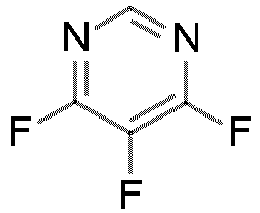
(3S)-3-[4-(trifluoromethyl)phenyl] morpholine methyl 4-(aminomethyl)tetrahydropyran-4-carboxylate 4,5,6-trifluoropyrimidine 255 


(3S)-3-[4-(trifluoromethyl)phenyl] morpholine 4-(aminomethyl)tetrahydropyran-4-carboxamide 4,5,6-trifluoropyrimidine 256 


(3S)-3-[4-(trifluoromethyl)phenyl] morpholine N-(2-aminoethyl)-4-(aminomethyl)tetrahydropyran-4-carboxamide 4,5,6-trifluoropyrimidine 257 


(3S)-3-[4-(trifluoromethyl)phenyl] morpholine 4-(aminomethyl)tetrahydropyran-4-carbonitrile 4,5,6-trifluoropyrimidine 258 


(3S)-3-[2-fluoro-4-(trifluoromethoxy)phenyl]morpholine 2-[4-(aminomethyl)phenyl]acetamide 4,5,6-trifluoropyrimidine 259 


4,4-difluoro-2-[4-(trifluoromethyl)phenyl]pyrrolidine tetrahydropyran-4-ylmethanamine 4,5,6-trifluoropyrimidine 260 


4,4-difluoro-2-[4-(trifluoromethyl)phenyl]pyrrolidine [4-(methylsulfonylmethyl) tetrahydropyran-4-yl]methanamine 4,5,6-trifluoropyrimidine 261 


4,4-difluoro-2-[4-(trifluoromethyl)phenyl]pyrrolidine [3-(aminomethyl)oxetan-3-yl]methanol 4,5,6-trifluoropyrimidine 262 


(3S)-3-[4-(trifluoromethyl)phenyl] morpholine 1-[4-(aminomethyl)-4-fluoro-1-piperidyl]ethanone 4,5,6-trifluoropyrimidine 263 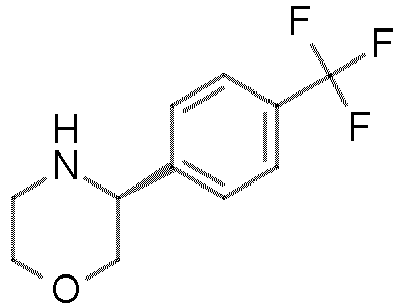
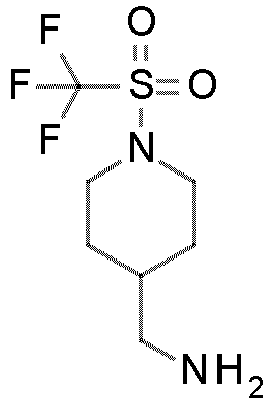

(3S)-3-[4-(trifluoromethyl)phenyl] morpholine [1-(trifluoromethylsulfonyl)-4-piperidyl]methanamine 4,5,6-trifluoropyrimidine 264 

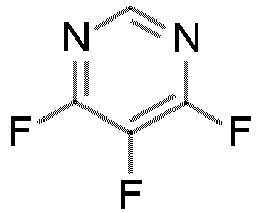
(3S)-3-[4-(trifluoromethyl)phenyl] morpholine (4-fluorotetrahydropyran-4-yl)methanamine 4,5,6-trifluoropyrimidine 266 

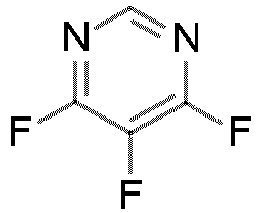
(3S)-3-[4-(trifluoromethyl)phenyl] morpholine (4-fluoro-1-methylsulfonyl-4-piperidyl)methanamine 4,5,6-trifluoropyrimidine 267 
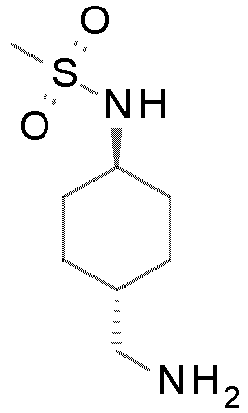

(3S)-3-[4-(trifluoromethoxy)phenyl]morpholine N-[4-(aminomethyl)cyclohexyl]methanesulfonamide 4,5,6-trifluoropyrimidine 268 


(3S)-3-[4-(trifluoromethyl)phenyl] morpholine 4-(aminomethyl)tetrahydropyran-4-carboxylic acid 4,5,6-trifluoropyrimidine 273 


3-phenylmorpholine 4,5,6-trifluoropyrimidine 4-(aminomethyl)-N-cyclopropyl-benzenesulfonamide 274 


3-phenylmorpholine (1-methylsulfonyl-4-piperidyl)methanamine 4,5,6-trifluoropyrimidine 276 


3-phenylmorpholine 2-[4-(aminomethyl)phenyl]acetic acid 4,5,6-trifluoropyrimidine 279 

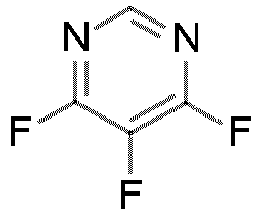
2-phenylpyrrolidine 2-[4-(aminomethyl)phenyl]acetamide 4,5,6-trifluoropyrimidine 280 


5-[4-(trifluoromethyl)phenyl]pyrrolidin-3-one 2-[4-(aminomethyl)phenyl]acetamide 4,5,6-trifluoropyrimidine 282 


3-phenylmorpholine 2-[5-(aminomethyl)-2-thienyl]acetic acid 4,5,6-trifluoropyrimidine 283 


3-phenylmorpholine 2-[5-(aminomethyl)-2-thienyl]acetamide 4,5,6-trifluoropyrimidine 285 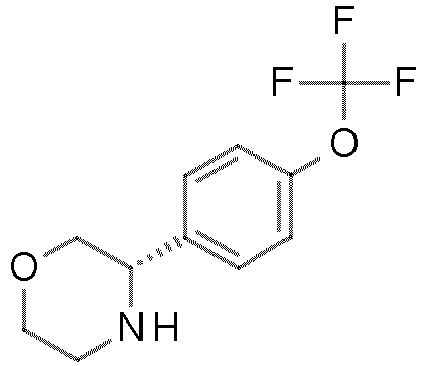
AND Enantiomer 

(3S)-3-[4-(trifluoromethoxy)phenyl]morpholine N-[4-(aminomethyl)cyclohex yl]-2,2,2-trifluoro-ethanesulfonamide 4,5,6-trifluoropyrimidine 286 


(3S)-3-[4-(trifluoromethyl)phenyl] morpholine 4-(aminomethyl)-N-methyltetrahydropyran-4-carboxamide 4,5,6-trifluoropyrimidine 287 
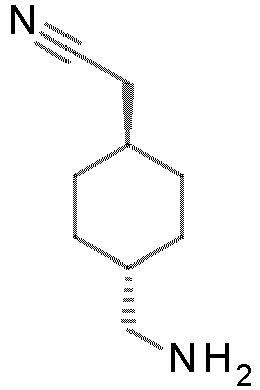

(3S)-3-[4-(trifluoromethyl)phenyl] morpholine 2-[4-(aminomethyl)cyclohexyl]acetonitrile 4,5,6-trifluoropyrimidine 288 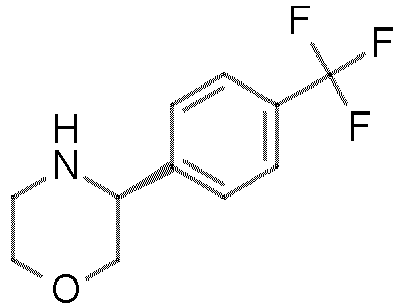


(3S)-3-[4-(trifluoromethyl)phenyl] morpholine [4-(1H-tetrazol-5-ylmethyl)cyclohexyl]methanamine 4,5,6-trifluoropyrimidine 291 


(3S)-3-[4-(trifluoromethyl)phenyl] morpholine N-[4-(aminomethyl)phenyl]-1,1,1-trifluoro-methanesulfonamide 4,5,6-trifluoropyrimidine 292 


(3S)-3-[4-(trifluoromethyl)phenyl] morpholine 2-[4-(aminomethyl)phenyl]-N-cyano-acetamide 4,5,6-trifluoropyrimidine 293 

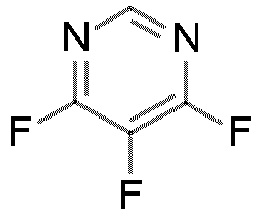
(3S)-3-[4-(trifluoromethyl)phenyl] morpholine (6-methylsulfonyl-3-pyridyl)methanamine 4,5,6-trifluoropyrimidine 294 


(3S)-3-[4-(trifluoromethyl)phenyl] morpholine 2,2-dimethyl-4-methylsulfonyl-butan-1-amine 4,5,6-trifluoropyrimidine 295 

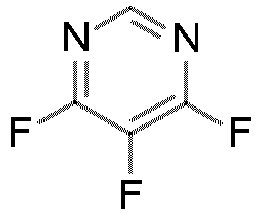
(3S)-3-[4-(trifluoromethyl)phenyl] morpholine 2-(aminomethyl)-2-methyl-cyclohexanol 4,5,6-trifluoropyrimidine 296 


(3S)-3-[4-(trifluoromethyl)phenyl] morpholine [1-(aminomethyl)cyclopropyl]methanol 4,5,6-trifluoropyrimidine 297 
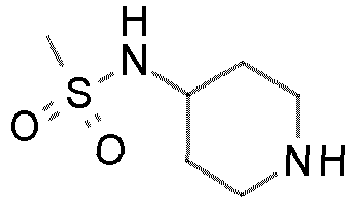

(3S)-3-[4-(trifluoromethyl)phenyl] morpholine N-(4-piperidyl)methanesulfonamide 4,5,6-trifluoropyrimidine 299 


2-(1,3-benzodioxol-5-yl)pyrrolidine 2-[4-(aminomethyl)phenyl]acetamide 4,5,6-trifluoropyrimidine 300 


4-pyrrolidin-2-ylphenol 2-[4-(aminomethyl)phenyl]acetamide 4,5,6-trifluoropyrimidine 301 
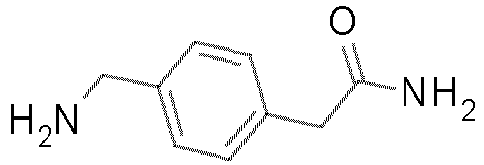

2-(4-ethoxyphenyl)pyrrolidine 2-[4-(aminomethyl)phenyl] acetamide 4,5,6-trifluoropyrimidine 302 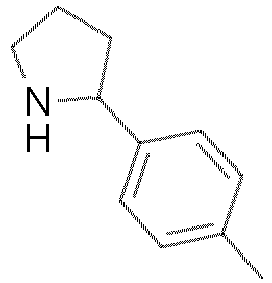


2-(p-tolyl)pyrrolidine 2-[4-(aminomethyl)phenyl]acetamide 4,5,6-trifluoropyrimidine 303 


2-(4-isopropylphenyl)pyrrolidine 2-[4-(aminomethyl)phenyl]acetamide 4,5,6-trifluoropyrimidine 304 


2-(3-methoxyphenyl)pyrrolidine 2-[4-(aminomethyl)phenyl]acetamide 4,5,6-trifluoropyrimidine 305 

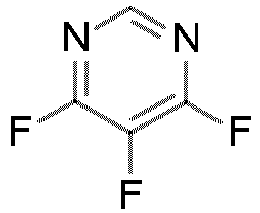
2-(3-bromophenyl)pyrrolidine 2-[4-(aminomethyl)phenyl]acetamide 4,5,6-trifluoropyrimidine 306 


2-(3-chlorophenyl)pyrrolidine 2-[4-(aminomethyl)phenyl]acetamide 4,5,6-trifluoropyrimidine 307 


2-[4-(trifluoromethyl)phenyl]azetidine 2-[4-(aminomethyl)phenyl]acetamide 4,5,6-trifluoropyrimidine 308 


2-[4-(trifluoromethyl)phenyl ]piperidine 2-[4-(aminomethyl)phenyl]acetamide 4,5,6-trifluoropyrimidine 309 


(3S)-3-[4-(trifluoromethyl)phenyl] morpholine (4-methylsulfonylmorphol in-2-yl)methanamine 4,5,6-trifluoropyrimidine 310 


2-pyrrolidin-2-yl-1,3-benzothiazole 2-[4-(aminomethyl)phenyl]acetamide 4,5,6-trifluoropyrimidine 311 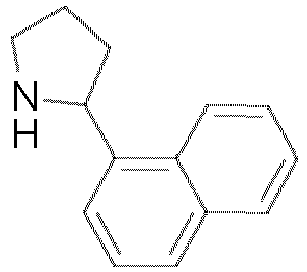


2-(1-naphthyl)pyrrolidine 2-[4-(aminomethyl)phenyl]acetamide 4,5,6-trifluoropyrimidine 312 


2-(2-naphthyl)pyrrolidine 2-[4-(aminomethyl)phenyl]acetamide 4,5,6-trifluoropyrimidine 313 


2-(5-methyl-2-furyl)pyrrolidine 2-[4-(aminomethyl)phenyl]acetamide 4,5,6-trifluoropyrimidine 314 


5-methyl-3-pyrrolidin-2-yl-1,2,4-oxadiazole 2-[4-(aminomethyl)phenyl]acetamide 4,5,6-trifluoropyrimidine 315 


2-methyl-5-pyrrolidin-2-yl-1,3,4-oxadiazole 2-[4-(aminomethyl)phenyl]acetamide 4,5,6-trifluoropyrimidine 316 


2-(5-ethyl-2-furyl)pyrrolidine 2-[4-(aminomethyl)phenyl]acetamide 4,5,6-trifluoropyrimidine 317 


1,3-dimethyl-4-pyrrolidin-2-yl-pyrazole 2-[4-(aminomethyl)phenyl]acetamide 4,5,6-trifluoropyrimidine 318 


2-(2,4-dimethoxyphenyl)pyrrolidine 2-[4-(aminomethyl)phenyl]acetamide 4,5,6-trifluoropyrimidine 319 


(3S)-3-[4-(trifluoromethyl)phenyl] morpholine 4-(aminomethyl)benzene sulfonic acid 4,5,6-trifluoropyrimidine 320 


(3S)-3-[4-(trifluoromethyl)phenyl] morpholine 4-(aminomethyl)-N-(2-methoxyethyl)benzenes ulfonamide 4,5,6-trifluoropyrimidine 321 


2-benzylpyrrolidine 2-[4-(aminomethyl)phenyl]acetamide 4,5,6-trifluoropyrimidine 324 


2-pyrrolidin-2-yl-5-(trifluoromethyl)phenol (1-methylsulfonyl-4-piperidyl)methanamine 4,5,6-trifluoropyrimidine 325 


(2R)-2-[4-(trifluoromethyl)phenyl] pyrrolidine (2R)-2-amino-4,4-dimethyl-pentanoic acid 4,5,6-trifluoropyrimidine 327 
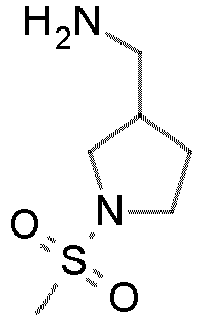

(3S)-3-[4-(trifluoromethyl)phenyl] morpholine (1-methylsulfonylpyrrolidin-3-yl)methanamine 4,5,6-trifluoropyrimidine - To 4-[(tert-butoxycarbonylamino)methyl]cyclohexanecarboxylic acid (0.84 g, 3.2 mmol) was added slowly solution of a BH3-THF solution in THF (16 mL, 1M). The reaction was allowed to stir for 2.5 hours, concentrated in vacuo, and the residue was redissolved and stirred with an aq. sodium hydroxide solution (1M, 30 mL) for 20 min. Ethyl acetate was added, and the mixture was allowed to stir for another 10 min. The phases were separated and the EtOAc phase was concentrated in vacuo and the crude product thereof was purified by flash CC (eluent: EtOAc/heptane, on silica gel) yielding tert-butyl N-[[4 (hydroxymethyl)cyclohexyl]methyl]carbamate (0.76 g, quant yield).
- Tert-butyl N-[[4-(hydroxymethyl)cyclohexyl]methyl]carbamate (0.60 g, 2.5 mmol) was dissolved in DCM (20 mL) and Et3N (1mL) and then methanesulfonyl chloride was the added to the solution. The reaction was stirred over night at room temperature whereafter concentration under reduced pressure yielded a solid that was mixed with water and EtOAc. The EtOAc phase was separated and washed with brine and dried over sodium sulfate. Filtration and concentration in vacuo of the EtOAC phase gave a solid that was dissolved dry DMSO (10 mL). Potassium cyanide (0.36 g, 5.5 mmol) was added and the reaction was heated to 90 °C for 4 hours. The crude reaction was poured into water and the resulting mixture was extracted with EtOAc. The organic phase was dried over sodium sulfate, filtered and concentrated in vacuo. The crude product was purified by flash CC (eluent: EtOAc/heptane, on silica gel) yielding tert-butyl N-[[4-(cyanomethyl)cyclohexyl]methyl]carbamate (0.57 g, 88% yield).
- To a solution of tert-butyl N-[[4-(cyanomethyl)cyclohexyl]methyl]carbamate (160 mg, 0.60 mmol) in nitrobenzene was added triethylammonium chloride (160 mg, 1.2 mmol) and sodium azide (91 mg, 1.4 mmol). The resulting mixture was heated to 105 °C for 11 hours using microwave irradiation. Some more sodium azide (40 mg, 0.7 mmol) was added and the reaction was heated for another 45 min at 105 °C with microwave irradiation. The reaction was extracted with water and the water phase was washed with ether, made acidic with 1M HCl and extracted with EtOAc. The EtOAc phase was dried using sodium sulfate, filtered and concentrated in vacuo and finally purified by flash CC (eluent: EtOAc/heptane, on silica gel) yielding tert-butyl N-[[4-(1H-tetrazol-5-ylmethyl)cyclohexyl]methyl]carbamate (33 mg, 18% yield).
- Tert-butyl N-[[4-(4-(1 H-tetrazol-5 -ylmethyl)cyclohexyl]methyl] carbamate (33 mg, 0.11 mmol) was dissolved in DCM (2 mL), TFA (1 mL) was added, and the reaction was stirred for 2 hours. Concentration of the reaction mixture yielded [4-(1H-tetrazol-5-ylmethyl)cyclohexyl]methylammonium 2,2,2-trifluoroacetate that was used without further purification. Using an extra equivalent of the base in the General Method 3 gave [4-(1H-tetrazol-5-ylmethyl)cyclohexyl]methanamine in situ during the reaction.
- Tert-butyl N-(3-pyridylmethyl)carbamate (1.7 g, 8.4 mmol) was dissolved in DCM, meta-chloroperbenzoic acid (6.1 g, 25 mmol, 70%) was added, and the reaction was stirred at room temperature for 3 hours. After concentration in vacuo, the crude product was purified by flash CC (eluent: EtOAc/heptane followed by EtOAc/MeOH/ammounium hydroxide, on silica gel) to yield tert-butyl N-[(1-oxidopyridin-1-ium-3-yl)methyl]carbamate (1.9 g, 97% yield).
- Tert-butyl N-[(1-oxidopyridin-1-ium-3-yl)methyl]carbamate (1.9 g, 8.2 mmol) was dissolved in DCM (2 mL) followed by the addition of TFA . The reaction was heated to reflux overnight. After concentration in vacuo the residue was dissolved in a mixture of MEOH and DCM and the solution was then stirred together with Amberlite IRA-67 free base (7 g, washed and dried) for 30 min. The mixture was filtered with DCM and MeOH. Concentration of the filtrate gave 1-oxidopyridin-1-ium-3-yl)methanamine_(0.91 g, 91 % yield).
- Tert-butyl N-(4-pyridylmethyl)carbamate (100 mg, 0.48 mmol) was dissolved in DCM, meta-chloroperbenzoic acid (350 mg, 2.2 mmol, 70%) was added, and the reaction was stirred at room temperature for 4 hours. After concentration in vacuo the crude product was purified by flash CC (eluent: EtOAc/heptane followed by ethyl acetate/MeOH/ammounium hydroxide, on silica gel) to yield tert-butyl N-[(1-oxidopyridin-1-ium-4-yl)methyl]carbamate.
- Tert-butyl N-[(1-oxidopyridin-1-ium-4-yl)methyl]carbamate (80 mg, 0.64 mmol) was dissolved in DCM followed by the addition of TFA (0.19 mL). The reaction was heated to 60 °C by mircrowave irradiation for 30 min. After cooling, the solution was then stirred together with Amberlite IRA-67 free base (0.5 g, washed and dried) for 30 min. The mixture was filtered with DCM and MeOH. Concentration of the filtrate yielded 1-oxidopyridin-1-ium-4-yl)methanamine (48 mg, 61% yield).
- Tert-butyl N-[(4-fluoro-4-piperidyl)methyl]carbamate (232 mg, 1 mmol) was dissolved in 4 mL DCM and trimethylamine (TEA, 160µL, 1.1 mmol) was added. The mixture was cooled to 0°C and acetyl chloride (80 µL, 1.1 mmol) was added. The mixture was stirred for 1 hour while returning to room temperature. The mixture was poured into H2O, extracted with EtOAc, washed with brine, dried over Na2SO4, concentrated in vacuo and purified by flash CC (eluent: Heptane/EtOAc, on silica gel) yielding tert-butyl N-[(1-acetyl-4-fluoro-4-piperidyl)methyl]carbamate. The pruduct was dissolved in 2 mL DCM and a solution of 4M HCl in dioxane (2 mL) was added. The mixture was stirred overnight at room temperature. The mixture was concentrated, and the crude 1-[4-(aminomethyl)-4-fluoro-1-piperidyl]ethanone hydrocloride was used in the next step without further purification (180 mg, 86%).
- Tert-butyl N-[(4-fluoro-4-piperidyl)methyl]carbamate (232 mg, 1 mmol) was dissolved in 4 mL DCM and TEA (160µL, 1.1 mmol) was added. The mixture was cooled to 0°C and methanesulfonyl chloride (90 µL, 1.1 mmol) was added. The mixture was stirred for 1 hour while returning to room temperature. The mixture was poured into H2O, extracted with EtOAc, washed with brine, dried over Na2SO4, concentrated in vacuo and purified by flash CC (eluent: Heptane/EtOAc) yielding tert-butyl N-[(4-fluoro-1-methylsulfonyl-4-piperidyl)methyl]carbamate. The product was dissolved in 2 mL DCM and a solution of 4M HCl in dioxane (2 mL) was added. The mixture was stirred overnight at room temperature. The mixture was concentrated, and the crude (4-fluoro-1-methylsulfonyl-4-piperidyl)methanamine hydrochloride was used in the next step without further purification (162 mg, 61%).
- To a solution of tert-butyl (((trans)-4-aminocyclohexyl)methyl)carbamate (2 g, 8.77 mmol) in CH2Cl2 (20 mL) at -78°C was added DIPEA (2.26 g, 17.54 mmol), methane sulfonyl chloride (1 g, 8.77 mmol), and the mixture was stirred at room temperature for 4 hours. After completion, the reaction mixture was poured into ice water and extracted with CH2Cl2 (3 x 30 mL). The combined extracts were washed with water (2 x 20 mL), brine (20 mL), dried over anhydrous Na2SO4, filtered and evaporated. The crude compound was purified by flash CC (eluent: DCM/MeOH, on silica gel) to afford tert-butyl (((trans)-4-(methylsulfonamido)cyclohexyl)methyl)carbamate (230 mg) as yellow liquid.
- To a solution of tert-butyl (((trans)-4-(methylsulfonamido) cyclohexyl)methyl) carbamate (0.23 g, 0.751 mmol) in dioxane (1 mL) was added 4 N HCl in dioxane (2.3 mL), and the mixture was stirred at room temperature for 3 hours. After completion, the reaction mixture was evaporated to afford N-((trans)-4-(aminomethyl)cyclohexyl)methanesulfonamide (140 mg, 91 %) as an off white solid.
- To a solution of tert-butyl 4-aminobenzylcarbamate (2 g, 9.0 mmol) in CH2Cl2 (20 mL) at -78°C was added Et3N (1.8 g, 18.01 mmol), trifluoromethanesulfonic anhydride (2.54 g, 9.0 mmol), and the mixture was stirred at room temperature for 16 hours. After completion, the reaction mixture was diluted with CH2Cl2 (75 mL) and washed with saturated aq. NaHCO3 (40 mL), water (40 mL), brine (30 mL), dried over anhydrous Na2SO4, filtered and evaporated. The crude compound was purified by flash CC (Eluent: EtOAc/Pet ether, on silica gel) to afford tert-butyl 4-(trifluoromethylsulfonamido) benzylcarbamate (1.3 g, 41 %) as pale yellow solid. N-[4-(aminomethyl)phenyl]-1,1,1-trifluoro-methanesulfonamide was isolated after BOC deprotection, as described for tert-butyl (((trans)-4-(methylsulfonamido) cyclohexyl)methyl) carbamate.
- 2-[4-(aminomethyl)phenyl]-N-cyano-acetamide 2-[4-[(tert-butoxycarbonylamino)methyl]phenyl]acetic acid (265 mg, 1.0 mmol), [dimethylamino(triazolo[4,5-b]pyridin-3-yloxy)methylene]-dimethyl-ammonium hexafluorophosphate (HATU, 380 mg, 1.0 mmol) and cyanamide (42 mg, 1.0 mmol) were dissolved in 5 mL dry DMF, and DIPEA (0.35 mL, 2.0 mmol) was added. The mixture was stirred at room temperature for 4 hours, poured into H2O, extracted with EtOAc, washed with brine, dried over Na2SO4, concentrated in vacuo and purified by flash CC (eluent: DCM/MeOH, on silica gel) yielding tert-butyl tert-butyl N-[[4-[2-(cyanoamino)-2-oxo-ethyl]phenyl]methyl]carbamate. The pruduct was dissolved in 2 mL DCM and a solution of 4M HCl in dioxane (2 mL) was added. The mixture was stirred overnight at room temperature, concentrated, and the crude 2-[4-(aminomethyl)phenyl]-N-cyano-acetamide hydrochloride was used in the next step without further purification (120 mg, 53%).
-

- The initial two steps of
general method 4 may be performed in accordance with general method 3. The methyl ester 4a was subsequently hydrolyzed to yield 4b, e.g. by treatment with 1M lithium hydroxide in an appropriate solvent combination, e.g. water/tetrahydrofuran/methanol (e.g. in a ratio of 1:1:1). Hydrolysis was typically achieved after stirring at room temperature overnight. The reaction may for example be monitored by thin layer chromatography The reaction may for example be monitored by thin layer chromatography. The desired product was obtained upon work-up, e.g. by extraction with EtOAc, washing with water at a suitable pH and brine, drying over an appropriate drying agent, e.g. Na2SO4, and purification by flash column chromatrography (CC) using an appropriate eluent combination on a suitable column material, e.g. heptane/EtOAc or DCM/MeOH on silica gel, or recrystallization from a suitable solvent or solvent mixture, e.g. toluene/heptane. Amide analogues 4c were prepared by treatment of 4b with ammonium chloride, HOAt, N-(3-dimethylaminopropyl)-N'-ethylcarbodiimide hydrochloride (EDC) and DIPEA in an appropriate solvent, e.g. DMF, followed by stirring at room temperature overnight. The reaction may for example be monitored by thin layer chromatography. The desired compound 4c was obtained upon work-up, for example by extraction with EtOAc, washing with water at a suitable pH and brine, drying over an appropriate drying agent, e.g. Na2SO4, and purification by flash column chromatrography (CC) using an appropriate eluent combination on a suitable column material, e.g. heptane/EtOAc or DCM/MeOH on silica gel, or recrystallization from a suitable solvent or solvent mixture, e.g. toluene/heptane. -

- Methyl 2-[5-(hydroxymethyl)pyrimidin-2-yl]acetate (0.36 g, 2.0 mmol) and 4,5,6-trifluoro-pyrimidine (0.27 g, 2.0 mmol) were dissolved in dry DMSO (4 mL) and DIPEA (0.7 mL, 4.0 mmol) was added. The reaction was stirred at room temperature overnight, poured into 3M aq. calcium chloride, extracted with EtOAc, washed with brine, dried over sodium sulfate, filtered and concentrated in vacuo. The crude product was purified by flash CC (eluent: DCM/MeOH, on silica gel) yielding methyl 2-[5-[(5,6-difluoropyrimidin-4-yl)oxymethyl]pyrimidin-2-yl]acetate (0.39 g, 66 % yield).
- Methyl 2-[5-[(5 ,6-difluoropyrimidin-4-yl)oxymethyl]pyrimidin-2-yl] acetate (0.30 g, 1.0 mmol) and 2-(4-trifluoromethyl-phenyl)-pyrrolidine (0.22 g, 1.0 mmol) were dissolved in dry DMSO (2 mL) and cesium carbonate (0.65 g, 2.0 mmol) was added. The reaction was heated in a microwave reactor for 1 hour at 100 °C, poured into 3M aq. calcium chloride, extracted with EtOAc, washed with brine, dried over sodium sulfate, filtered and concentrated in vacuo. The crude product was purified by flash CC (eluent: DCM/MeOH, on silica gel) yielding methyl 2-[5-[[5-fluoro-6-[2-[4-(trifluoromethyl)phenyl]pyrrolidin-1-yl]pyrimidin-4-yl]oxymethyl]pyrimidin-2-yl]acetate (0.24 g, 49% yield).
- Methyl 2-[5-[[5-fluoro-6-[2-[4-(trifluoromethyl)phenyl]pyrrolidin-1-yl]pyrimidin-4-yl]oxymethyl]pyrimidin-2-yl]acetate (0.20 g, 0.41 mmol) was dissolved in 2M aq. lithium hydroxide/tetrahydrofuran/methanol (1:1:1, 10 mL) and stirred at room temperature overnight. The solvents were removed in vacuo and the residue purified by preparative HPLC yielding 2-[5-[[5-fluoro-6-[2-[4-(trifluoromethyl)phenyl]pyrrolidin-1-yl]pyrimidin-4-yl]oxymethyl]pyrimidin-2-yl]acetic acid (0.15 g, 76% yield).
- 2-[5-[[5-Fluoro-6-[2-[4-(trifluoromethyl)phenyl]pyrrolidin-1-yl]pyrimidin-4-yl]oxymethyl]pyrimidin-2-yl]acetic acid (0.12 g, 0.25 mmol), ammonium chloride (14 mg, 0.25 mmol), HOAt (31 mg, 0.25 mmol), EDC (39 mg, 0.25 mmol) and DIPEA (45 µL, 0.25 mmol) were dissolved in dry DMF (2 mL), and the reaction was stirred at room temperature overnight. The mixture was concentrated in vacuo, redissolved in EtOAc, washed with sat. aq. potassium carbonate, aq. potassium bisulfate (10%) and brine, dried over sodium sulfate, filtered and concentrated in vacuo. The residue was purified by flash CC (eluent: eluent: DCM/MeOH, on silica gel) yielding 2-[5-[[5-fluoro-6-[2-[4-(trifluoromethyl)phenyl]pyrrolidin-1-yl]pyrimidin-4-yl]oxymethyl]pyrimidin-2-yl]acetamide 86 (68 mg, 56% yield). 1H NMR (300 MHz, CD3OD) δ 8.02 (s, 1H), 7.94 - 7.83 (m, 2H), 7.47 (d, J = 8.1 Hz, 2H), 7.25 (d, J = 8.0 Hz, 2H), 5.32 (d, J = 7.7 Hz, 1H), 4.02-3.96 (m, 1H), 3.81 - 3.52 (m, 4H), 2.38 - 2.19 (m, 1H), 1.97 - 1.71 (m, 3H). m/z 477 (M+H).
-
General method 4 was used to prepare the following example numbers using the shown starting materials:Ex. No. Free amine or alcohol (1) Methyl ester Fluorinated aromatic compound 32 


2-[4-(trifluoromethyl)phenyl]pyrrolidine methyl 2-[4-(aminomethyl)phenyl] acetate 4,5,6- trifluoropyrimidine 40 


2-[4-(trifluoromethyl)phenyl]pyrrolidine methyl 2-[4-(aminomethyl)phenyl] acetate 4,5,6-trifluoropyrimidine 79 


2-[4-(trifluoromethyl)phenyl]pyrrolidine methyl 2-[4-(hydroxymethyl)phenyl] acetate 4,5,6-trifluoropyrimidine 81 


(2R)-2-[4-(trifluoromethyl)phenyl]pyrrolidine methyl 2-[4-(aminomethyl)phenyl] acetate 4,5,6-trifluoropyrimidine 83 


[4-(trifluoromethyl)phenyl]methanamine methyl 2-[4-(hydroxymethyl)phenyl] acetate 4,5,6-trifluoropyrimidine 84 


5-pyrrolidin-2-yl-2-(trifluoromethyl)pyridine methyl 2-[4-(hydroxymethyl)phenyl] acetate 4,5,6-trifluoropyrimidine 86 


2-[4-(trifluoromethyl)phenyl]pyrrolidine methyl 2-[5-(hydroxymethyl)pyrimidin-2-yl] acetate 4,5,6-trifluoropyrimidine 87 


2-[4-(trifluoromethyl)phenyl]pyrrolidine methyl 2-[5-(aminomethyl)pyrimidin-2-yl] acetate 4,5,6-trifluoropyrimidine 91 


3-[4-(trifluoromethoxy)phenyl]morpholine methyl 2-[4-(aminomethyl)phenyl] acetate 4,5,6-trifluoropyrimidine 117 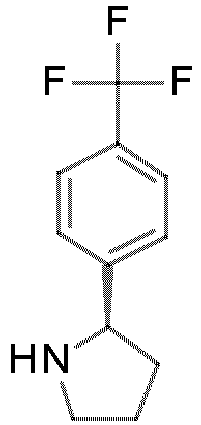


(2R)-2-[4-(trifluoromethyl)phenyl]pyrrolidine methyl 2-[4-(aminomethyl)phenyl] acetate 4,5,6-trifluoropyrimidine 118 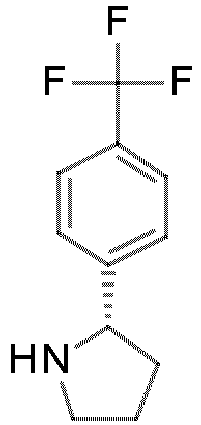


(2S)-2-[4-(trifluoromethyl)phenyl]pyrrolidine methyl 2-[4-(aminomethyl)phenyl] acetate 4,5,6-trifluoropyrimidine 119 


3-[4-(trifluoromethyl)phenyl]morpholine methyl 2-[4-(aminomethyl)phenyl] acetate 4,5,6-trifluoropyrimidine 192 


2-[4-(trifluoromethoxy)phenyl]pyrrolidine methyl 2-[4-(aminomethyl)phenyl] acetate 4,5,6-trifluoropyrimidine 204 


(3S)-3-[4-(trifluoromethyl)phenyl]morpholine methyl 2-[4-(aminomethyl)phenyl] acetate 4,5,6-trifluoropyrimidine 205 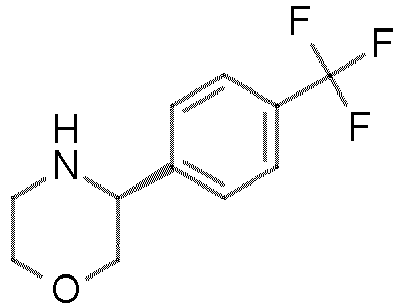


(3S)-3-[4-(trifluoromethyl)phenyl]morpholine methyl 2-[4-(aminomethyl)cyclohexyl] acetate 4,5,6-trifluoropyrimidine 206 


(3S)-3-[4-(trifluoromethyl)phenyl]morpholine methyl 2-[4-(aminomethyl)cyclohexyl] acetate 4,5,6-trifluoropyrimidine 207 
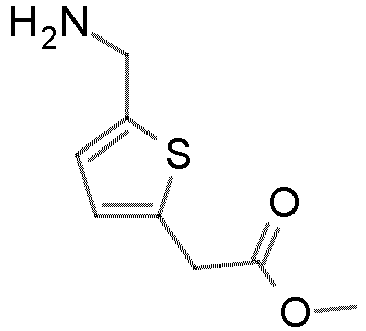

(2R)-2-[4-(trifluoromethyl)phenyl]pyrrolidine methyl 2-[5-(aminomethyl)-2-thienyl] acetate 4,5,6-trifluoropyrimidine Table of 1H NMR and MS Data for example compounds. Ex. No. 1H NMR or MS Data 4 m/z 589 (M+H) 5 1H NMR (400 MHz, CDCl3) δ 7.91 (d, J = 1.9 Hz, 1H), 7.56 (d, J = 8.0 Hz, 2H), 7.28 (d, J = 8.2 Hz, 2H), 6.46 (s, 1H), 5.41 (d, J = 7.9 Hz, 1H), 5.24 (s, 1H), 4.69 (s, 1H), 4.58 (s, 1H), 4.08 - 3.99 (m, 1H), 3.83 - 3.72 (m, 1H), 2.36 (dt, J = 15.4, 5.7 Hz, 1H), 2.05 (dd, J = 14.6, 3.6 Hz, 1H), 2.01 - 1.86 (m, 3H), 1.50 (dd, J = 14.7, 8.7 Hz, 1H), 0.96 (s, 9H). 6 1H NMR (300 MHz, CD3OD) δ 8.23 (s, 1H), 8.06 - 7.92 (m, 1H), 7.75 - 7.55 (m, 2H), 7.48 - 7.29 (m, 2H), 5.44 - 4.98 (m, 2H), 4.50 - 4.21 (m, 1H), 3.95 - 3.48 (m, 3H), 2.62 - 2.42 (m, 1H), 2.11 - 1.90 (m, 3H), 0.94 (s, 9H). 9 m/z 517 (M+H) 11 m/z 454 (M+H) 13 1H NMR (300 MHz, CDCl3) δ 7.57 (dd, J = 8.2, 3.3 Hz, 2H), 7.31 (dd, J = 8.0, 3.3 Hz, 2H), 5.46 - 5.30 (m, 1H), 4.69 - 4.51 (m, 1H), 4.17 - 4.00 (m, 1H), 3.91 - 3.77 (m, 1H), 2.54 - 2.25 (m, 1H), 2.12 - 1.87 (m, 4H), 1.64 - 1.46 (m, 1H), 1.04 - 0.77 (m, 9H). 14 m/z 450 (M+H) 15 m/z 464 (M+H) 16 1H NMR (300 MHz, CDCl3) δ 7.94 (d, J = 1.8 Hz, 1H), 7.65 - 7.50 (m, 2H), 7.35 - 7.28 (m, 2H), 5.62 - 5.47 (m, 1H), 5.42 (t, J = 8.8 Hz, 1H), 4.22 - 3.94 (m, 2H), 3.89 - 3.66 (m, 1H), 2.49 - 2.28 (m, 1H), 2.05 - 1.82 (m, 3H), 1.81 - 1.55 (m, 4H), 1.26 (dd, J = 6.3, 0.8 Hz, 3H), 1.23 - 1.15 (m, 4H), 1.11 (s, 2H). 17 1H NMR (300 MHz, CDCl3) δ 7.90 (dd, J = 3.2, 1.8 Hz, 1H), 7.63 - 7.52 (m, 2H), 7.35 - 7.25 (m, 2H), 7.23 - 7.11 (m, 2H), 6.90 - 6.76 (m, 2H), 5.41 (d, J = 8.0 Hz, 1H), 5.12 - 4.96 (m, 1H), 4.83 - 4.66 (m, 1H), 4.12 - 3.98 (m, 1H), 3.79 (s, 3H), 3.20 - 2.98 (m, J = 6.7 Hz, 2H), 2.46 - 2.27 (m, 1H), 2.04 - 1.83 (m, 3H). 18 1H NMR (300 MHz, DMSO-d 6) δ 7.71 - 7.55 (m, 3H), 7.42 (t, J = 9.0 Hz, 2H), 7.15 (s, 1H), 6.89 (d, J = 6.9 Hz, 1H), 6.63 - 6.49 (m, 1H), 5.29 - 5.17 (m, 1H), 4.53 - 4.39 (m, 1H), 4.17 - 3.90 (m, 1H), 3.42 (t, J = 10.0 Hz, 2H), 2.66 - 2.53 (m, 1H), 2.41 - 2.18 (m, 1H), 1.75 - 1.54 (m, 2H), 1.42 - 1.28 (m, 1H), 1.10 - 0.99 (m, 3H), 0.85 (dd, J = 8.4, 3.7 Hz, 9H). 19 1H NMR (300 MHz, DMSO-d 6) δ 7.75 (dd, J = 6.4, 1.9 Hz, 1H), 7.30 (dd, J = 8.1, 6.1 Hz, 2H), 7.18 -7.01 (m, 3H), 6.87 (d, J = 14.0 Hz, 1H), 6.55 - 6.44 (m, 1H), 5.30 (d, J = 7.2 Hz, 1H), 4.46 (qd, J = 9.1, 3.4 Hz, 1H), 3.99 - 3.89 (m, 1H), 3.73 - 3.60 (m, 1H), 2.34 - 2.19 (m, 1H), 1.91 - 1.50 (m, 5H), 1.31 - 1.17 (m, 9H). 20 1H NMR (300 MHz, DMSO-d 6) δ 7.93 - 7.83 (m, 1H), 7.71 (dd, J = 8.4, 2.5 Hz, 2H), 7.60 (d, J = 8.0 Hz, 2H), 7.22 (s, 1H), 6.93 (d, J = 6.6 Hz, 1H), 6.84 (d, J = 8.6 Hz, 1H), 5.46 (d, J = 3.3 Hz, 1H), 4.58 - 4.45 (m, 1H), 4.35 - 4.26 (m, 1H), 4.07 - 3.81 (m, 3H), 3.73 - 3.60 (m, 1H), 3.50 - 3.38 (m, 1H), 1.81 - 1.55 (m, 2H), 0.88 (d, J = 3.6 Hz, 9H). 21 1H NMR (300 MHz, CDCl3) δ 7.95 (s, 1H), 7.55 (d, J = 7.9 Hz, 2H), 7.29 (d, J = 7.4 Hz, 2H), 5.41 (d, J = 8.2 Hz, 1H), 4.44 (s, 1H), 4.12 - 3.96 (m, 1H), 3.88 - 3.69 (m, 1H), 3.53 - 3.31 (m, 2H), 2.48 - 2.28 (m, 1H), 2.06 - 1.81 (m, 3H), 1.56 - 1.40 (m, 2H), 0.95 (s, 9H). 23 m/z 437 (M+H) 24 m/z 444 (M+H) 29 1H NMR (300 MHz, DMSO-d 6) δ 7.74 - 7.59 (m, 3H), 7.39 (d, J = 8.0 Hz, 2H), 7.10 (t, J = 8.0 Hz, 2H), 6.78 (dd, J = 8.4, 6.2 Hz, 2H), 6.46 - 6.31 (m, 1H), 5.34 (d, J = 7.7 Hz, 1H), 4.72 (t, J = 5.3 Hz, 1H), 4.21 - 4.07 (m, 1H), 4.02 - 3.86 (m, 1H), 3.68 (s, 3H), 2.88 - 2.58 (m, 2H), 2.41 - 2.21 (m, 1H), 1.98 - 1.68 (m, 3H), 1.05 (t, J = 7.0 Hz, 1H). 30 1H NMR (300 MHz, DMSO-d 6) δ 7.77 - 7.58 (m, 3H), 7.46 - 7.32 (m, 2H), 6.29 (d, J = 8.6 Hz, 1H), 5.41 - 5.29 (m, 1H), 4.70 - 4.53 (m, 1H), 4.24 - 4.08 (m, 1H), 4.02 - 3.88 (m, 1H), 3.76 - 3.60 (m, 1H), 2.44 - 2.23 (m, 1H), 2.01 - 1.70 (m, 3H), 1.55 - 1.33 (m, 2H), 0.90 - 0.78 (m, 9H). 31 m/z 482 (M+H) 32 1H NMR (300 MHz, CD3OD) δ 7.72 (s, 1H), 7.60 (d, J= 8.1 Hz, 2H), 7.38 (d, J = 8.1 Hz, 2H), 7.32 - 7.17 (m, 4H), 5.49 - 5.37 (m, 1H), 4.61 - 4.45 (m, 2H), 4.13 - 3.96 (m, 1H), 3.90 - 3.72 (m, 1H), 3.57 (s, 2H), 2.54 - 2.35 (m, 1H), 2.08 - 1.85 (m, 3H). 33 1H NMR (300 MHz, CDCl3) δ 7.94 - 7.75 (m, 1H), 7.54 (d, J= 8.3 Hz, 2H), 7.32 (dd, J = 8.4, 2.8 Hz, 2H), 5.27 (t, J = 8.4 Hz, 1H), 4.93 - 4.79 (m, 1H), 4.66 - 4.48 (m, 1H), 4.21 - 4.04 (m, 1H), 3.53 - 3.38 (m, 1H), 2.68 - 2.51 (m, 1H), 2.48 - 2.27 (m, 1H), 1.90 - 1.57 (m, 3H), 1.12 (d, J = 6.4 Hz, 3H), 1.01 - 0.84 (m, 6H). 34 1H NMR (300 MHz, CDCl3) δ 7.89 - 7.77 (m, 1H), 7.54 (d, J = 8.1 Hz, 2H), 7.32 (d, J = 7.9 Hz, 2H), 5.27 (t, J = 8.7 Hz, 1H), 4.91 - 4.73 (m, 1H), 4.64 - 4.47 (m, 1H), 4.24 - 4.02 (m, 1H), 3.46 (t, J = 10.4 Hz, 1H), 2.71 - 2.50 (m, 1H), 2.46 - 2.29 (m, 1H), 1.89 - 1.58 (m, 3H), 1.17 - 1.04 (m, 3H), 1.01 - 0.90 (m, 6H). 35 1H NMR (300 MHz, CDCl3) δ 7.93 (dd, J = 5.7, 1.9 Hz, 1H), 7.70 - 7.64 (m, 1H), 7.44 (t, J = 7.2 Hz, 1H), 7.21 (dd, J = 8.1, 5.4 Hz, 1H), 5.59 - 5.44 (m, 1H), 4.76 - 4.68 (m, 1H), 4.64 - 4.50 (m, 1H), 3.89 - 3.74 (m, 1H), 2.52 - 2.36 (m, 1H), 2.13 - 1.80 (m, 4H), 1.58 - 1.43 (m, 1H), 1.02 - 0.89 (m, 9H). 36 1H NMR (300 MHz, CDCl3) δ 7.93 (d, J = 4.1 Hz, 1H), 7.67 (s, 1H), 7.45 (t, J = 6.4 Hz, 1H), 7.20 (d, J = 8.4 Hz, 1H), 5.72 - 5.60 (m, 1H), 4.83 - 4.70 (m, 1H), 4.61 - 4.46 (m, 1H), 4.16 - 4.02 (m, 1H), 3.92 - 3.74 (m, 1H), 2.53 - 2.36 (m, 1H), 2.12 - 1.81 (m, 4H), 1.62 - 1.47 (m, 1H), 1.03 - 0.93 (m, 9H). 37 1H NMR (300 MHz, DMSO-d 6) δ 7.70 - 7.55 (m, 3H), 7.52 - 7.45 (m, 1H), 7.39 (d, J = 7.9 Hz, 2H), 7.35 - 7.20 (m, 2H), 7.08 - 6.99 (m, 2H), 5.29 - 5.10 (m, 1H), 3.48 - 3.37 (m, 1H), 2.98 (t, J = 11.9 Hz, 2H), 2.34 - 2.20 (m, 1H), 1.41 - 1.21 (m, 1H), 1.10 - 0.94 (m, 3H). 38 1H NMR (300 MHz, CDCl3) δ 7.95 - 7.85 (m, 1H), 7.62 - 7.50 (m, 2H), 7.35 - 7.29 (m, 1H), 7.26 - 7.17 (m, 1H), 5.33 - 5.23 (m, 1H), 4.15 (t, J = 9.9 Hz, 1H), 4.03 - 3.88 (m, 1H), 3.83 - 3.70 (m, 1H), 1.77 - 1.62 (m, 3H), 1.19 (d, J = 6.6 Hz, 2H), 1.01 - 0.87 (m, 12H). 39 m/z 453 (M+H) 40 1H NMR (300 MHz, DMSO-d 6) δ 7.70 (d, J = 2.0 Hz, 1H), 7.65 (d, J = 8.1 Hz, 2H), 7.40 (d, J = 7.8 Hz, 2H), 7.23 - 7.08 (m, 4H), 6.92 - 6.75 (m, 1H), 5.37 (d, J = 7.9 Hz, 1H), 4.56 - 4.37 (m, 2H), 4.05 - 3.86 (m, 1H), 3.78 - 3.61 (m, 1H), 3.31 - 3.27 (m, 2H), 2.46 - 2.22 (m, 2H), 1.97 - 1.70 (m, 3H). 41 1H NMR (400 MHz, CDCl3) δ 7.90 (S, 1H), 7.56 (d, J = 8.6 Hz, 2H), 7.30 (d, J= 8.6 Hz, 2H), 5.40 (d, J = 7.9 Hz, 1H), 4.25 (s, 2H), 4.07 - 3.97 (m, 1H), 3.91 (dd, J = 11.1, 4.3 Hz, 2H), 3.83 - 3.71 (m, 1H), 3.39 - 3.26 (m, 2H), 2.42 - 2.30 (m, 1H), 2.03 - 1.85 (m, 3H), 1.69 (d, J = 13.0 Hz, 2H), 1.49 - 1.20 (m, 4H), 1.19 - 1.13 (m, 3H). 42 1H NMR (400 MHz, DMSO-d6) δ 8.83 - 8.77 (m, 1H), 8.11 (d, J = 8.1 Hz, 1H), 8.05 (d, J = 6.2 Hz, 1H), 7.62 - 7.55 (m, 1H), 5.59 (s, 1H), 4.67 - 4.58 (m, 1H), 4.07 (t, J = 9.7 Hz, 1H), 3.92 - 3.81 (m, 1H), 2.56 (s, 1H), 2.21 - 1.95 (m, 4H), 1.89 - 1.73 (m, 2H), 0.97 - 0.87 (m, 9H). 43 1H NMR (400 MHz, CDCl3) δ 7.94 (dd, J = 6.4, 2.0 Hz, 1H), 7.03 (dd, J = 8.6, 4.2 Hz, 2H), 6.93 - 6.86 (m, 2H), 6.52 (s, 1H), 5.35 (s, 1H), 5.22 (s, 1H), 4.61 (s, 1H), 4.58 - 4.48 (m, 1H), 3.98 (s, 1H), 3.73 (t, J = 7.3 Hz, 1H), 2.38 - 2.22 (m, 1H), 2.06 (dt, J = 14.5, 3.0 Hz, 1H), 1.98 - 1.88 (m, 3H), 1.53 - 1.42 (m, 1H), 1.32 (dd, J = 5.6, 1.2 Hz, 9H), 0.93 (dd, J = 17.0, 3.0 Hz, 9H). 44 m/z 461 (M+H) 45 m/z 557 (M+H) 46 m/z 510 (M+H) 48 m/z 485 (M+H) 51 1H NMR (400 MHz, CDCl3) δ 7.92 (dd, J = 5.3, 2.0 Hz, 1H), 7.55 (t, J = 7.6 Hz, 2H), 7.26 (s, 2H), 6.23 (s, 1H), 5.45 - 5.31 (m, 2H), 5.18 (dd, J = 7.6, 2.3 Hz, 1H), 4.54 - 4.45 (m, 1H), 4.14 - 3.99 (m, 2H), 3.84 - 3.73 (m, 1H), 2.45 - 2.31 (m, 1H), 2.04 - 1.85 (m, 3H), 1.21 (d, J = 6.4 Hz, 3H), 1.16 (d, J = 22.8 Hz, 9H). 52 1H NMR (400 MHz, DMSO-d6) δ 7.75 (d, J = 8.6 Hz, 1H), 7.66 (dd, J = 8.5, 2.7 Hz, 2H), 7.46 - 7.39 (m, 2H), 7.34 - 7.29 (m, 1H), 6.95 (d, J = 11.9 Hz, 1H), 6.77 (d, J = 20.9 Hz, 1H), 5.38 (s, 1H), 4.52 - 4.37 (m, 1H), 3.97 (d, J = 8.1 Hz, 1H), 3.83 - 3.67 (m, 3H), 3.29 - 3.09 (m, 2H), 2.40 - 2.30 (m, 1H), 1.98 - 1.74 (m, 3H), 1.73 - 1.46 (m, 5H), 1.25 - 1.05 (m, 2H). 53 m/z 477 (M+H) 54 m/z 477 (M+H) 55 m/z 517 (M+H) 56 m/z 502 (M+H) 57 m/z 530 (M+H) 58 m/z 531 (M+H) 59 m/z 517 (M+H) 60 m/z 515 (M+H) 61 m/z 543 (M+H) 62 1H NMR (400 MHz, CDCl3) δ 7.91 (d, J = 1.9 Hz, 1H), 7.56 (d, J = 8.0 Hz, 2H), 7.28 (d, J = 8.2 Hz, 2H), 6.46 (s, 1H), 5.41 (d, J = 7.9 Hz, 1H), 5.24 (s, 1H), 4.69 (s, 1H), 4.58 (s, 1H), 4.08 - 3.99 (m, 1H), 3.83 - 3.72 (m, 1H), 2.36 (dt, J = 15.4, 5.7 Hz, 1H), 2.05 (dd, J = 14.6, 3.6 Hz, 1H), 2.01 - 1.86 (m, 3H), 1.50 (dd, J = 14.7, 8.7 Hz, 1H), 0.96 (s, 9H). 63 1H NMR (400 MHz, CDCl3) δ 7.88 (dd, J= 5.1, 2.0 Hz, 1H), 7.54 (d, J = 8.6 Hz, 2H), 7.28 (d, J= 8.3 Hz, 2H), 6.92 (d, J= 22.7 Hz, 1H), 6.71 (d, J = 3.7 Hz, 1H), 6.41 (s, 0H), 5.61 (d, J = 8.8 Hz, 1H), 5.47 - 5.29 (m, 2H), 4.81 - 4.56 (m, 1H), 4.09 - 3.98 (m, 1H), 3.84 - 3.71 (m, 1H), 3.44 - 3.28 (m, 2H), 2.59 - 2.47 (m, 1H), 2.46 - 2.29 (m, 2H), 2.25 - 2.10 (m, 1H), 2.09 - 1.81 (m, 6H). 64 1H NMR (300 MHz, DMSO-d6) δ 7.73 (dd, J= 7.1, 2.0 Hz, 1H), 7.64 (t, J = 7.3 Hz, 2H), 7.41 (dd, J = 7.8, 3.7 Hz, 2H), 6.51 - 6.22 (m, 1H), 5.35 (d, J= 7.5 Hz, 1H), 4.21 (s, 1H), 3.96 (s, 1H), 3.69 (d, J = 10.0 Hz, 2H), 3.35 (s, 1H), 3.27 - 3.05 (m, 1H), 2.69 (d, J = 11.7 Hz, 1H), 2.64 - 2.52 (m, 2H), 2.42 - 2.14 (m, 3H), 1.99 - 1.71 (m, 3H), 1.51 (d, J = 11.3 Hz, 1H), 1.47 - 1.32 (m, 1H), 0.79 (dd, J = 9.0, 4.2 Hz, 9H). 65 1H NMR (400 MHz, CDCl3) δ 7.93 (dd, J = 6.8, 1.7 Hz, 1H), 7.15 - 6.99 (m, 3H), 6.44 (s, 1H), 5.60 (d, J = 8.1 Hz, 1H), 5.20 (s, 1H), 4.66 - 4.51 (m, 2H), 4.02 (s, 1H), 3.93 (d, J = 2.4 Hz, 3H), 3.75 (t, J = 8.8 Hz, 1H), 2.30 (t, J = 7.3 Hz, 1H), 2.09 - 2.02 (m, 1H), 1.90 (dt, J = 27.6, 9.5 Hz, 3H), 1.47 (M, 1H), 0.93 (d, J = 17.1 Hz, 9H). 66 m/z 431 (M+H) 67 1H NMR (300 MHz, DMSO-d 6) δ 8.15 (s, 1H), 7.76 (d, J= 5.6 Hz, 1H), 7.66 (d, J = 8.0 Hz, 2H), 7.47 (d, J = 7.7 Hz, 2H), 7.17 (d, J = 3.4 Hz, 1H), 6.96 (s, 1H), 6.82 (dd, J = 8.0, 1.4 Hz, 1H), 6.68 (d, J = 8.4 Hz, 1H), 6.44 (s, 1H), 5.90 (d, J = 5.6 Hz, 1H), 5.31 (d, J = 8.3 Hz, 1H), 5.26 - 5.14 (m, 2H), 4.19 - 4.02 (m, 1H), 3.92 - 3.76 (m, 1H), 3.70 - 3.63 (m, 6H), 2.47 - 2.37 (m, 1H), 2.09 - 1.79 (m, 3H). 68 1H NMR (300 MHz, CDCl3) δ 7.99 (d, J= 1.7 Hz, 1H), 7.58 - 7.47 (m, 2H), 7.22 - 7.13 (m, 2H), 6.36 (s, 1H), 5.57 (s, 1H), 5.29 (s, 1H), 4.89 (d, J = 7.5 Hz, 1H), 4.68 - 4.58 (m, 1H), 4.42 - 4.31 (m, 1H), 4.08 - 3.90 (m, 3H), 3.84 - 3.69 (m, 1H), 3.50 - 3.35 (m, 1H), 2.15 - 2.02 (m, 1H), 1.64 - 1.56 (m, 1H), 0.99 (s, 9H). 69 1H NMR (300 MHz, DMSO-d 6) δ 7.71 (d, J = 2.0 Hz, 1H), 7.65 (d, J= 8.1 Hz, 2H), 7.40 (d, J = 7.8 Hz, 2H), 7.21 - 7.10 (m, 5H), 5.37 (d, J = 7.9 Hz, 1H), 4.55 - 4.38 (m, 2H), 4.05 - 3.87 (m, 1H), 3.81 - 3.65 (m, 1H), 3.64 - 3.53 (m, 5H), 2.39 - 2.21 (m, 1H), 1.99 - 1.67 (m, 3H). 70 1H NMR (300 MHz, DMSO-d 6) δ 7.71 (d, J = 2.0 Hz, 1H), 7.65 (d, J = 8.1 Hz, 2H), 7.40 (d, J = 7.8 Hz, 2H), 7.21 - 7.10 (m, 5H), 5.37 (d, J = 7.9 Hz, 1H), 4.55 - 4.38 (m, 2H), 4.05 - 3.87 (m, 1H), 3.81 - 3.65 (m, 1H), 3.64 - 3.53 (m, 5H), 2.39 - 2.21 (m, 1H), 1.99 - 1.67 (m, 3H). 71 m/z 538 (M+H) 72 1H NMR (400 MHz, CDCl3) δ 7.90 (d, J = 5.4 Hz, 1H), 7.52 (q, J = 7.2 Hz, 1H), 7.10 - 6.97 (m, 2H), 6.41 (s, 1H), 5.36 (s, 1H), 5.22 (s, 1H), 4.70 (s, 1H), 4.58 (s, 1H), 4.03 (s, 1H), 3.78 (d, J = 10.8 Hz, 1H), 2.37 (s, 1H), 2.10 - 1.86 (m, 4H), 1.52 - 1.46 (m, 1H), 1.26 (s, 1H), 0.95 (d, J= 11.6 Hz, 8H). 73 1H NMR (400 MHz, CDCl3) δ 8.57 (d, J = 2.4 Hz, 1H), 7.96 (s, 1H), 7.66 (dd, J = 7.8, 2.4 Hz, 1H), 7.52 (t, J = 7.8 Hz, 1H), 7.15 (d, J = 7.8 Hz, 1H), 7.05 (d, J = 8.1 Hz, 1H), 6.99 (d, J = 11.0 Hz, 1H), 5.44 - 5.32 (m, 3H), 4.06 (dt, J = 6.8, 3.9 Hz, 1H), 3.86 - 3.76 (m, 1H), 2.55 (s, 3H), 2.45 - 2.32 (m, 1H), 2.07 - 1.87 (m, 3H). 74 1H NMR (400 MHz, CDCl3) δ 8.56 (d, J = 2.4 Hz, 1H), 7.95 (s, 1H), 7.65 (dd, J = 7.9, 2.6 Hz, 1H), 7.54 (d, J = 8.3 Hz, 2H), 7.28 (s, 2H), 7.14 (d, J = 7.8 Hz, 1H), 5.46 - 5.31 (m, 3H), 4.12 - 4.02 (m, 1H), 3.86 - 3.77 (m, 1H), 2.55 (s, 3H), 2.43 - 2.32 (m, 1H), 2.03 - 1.87 (m, 3H). 77 1H NMR (300 MHz, CDCl3) δ 7.95 (s, 1H), 7.56 (d, J = 7.9 Hz, 2H), 7.28 (d, J = 9.8 Hz, 4H), 6.10 (s, 1H), 5.46 (dt, J = 8.1, 3.4 Hz, 2H), 5.30 (s, 1H), 4.15 - 4.01 (m, 1H), 3.92 - 3.75 (m, 1H), 2.47 - 2.31 (m, 1H), 2.07 - 1.72 (m, 7H), 1.02 - 0.86 (m, 6H). 78 1H NMR (300 MHz, CDCl3) δ 7.93 (s, 1H), 7.56 (d, J= 8.3 Hz, 2H), 7.26 (d, 4H), 6.17 (s, 1H), 5.53 - 5.32 (m, 3H), 4.09 (s, 1H), 3.91 - 3.78 (m, 1H), 2.48 - 2.31 (m, 1H), 2.08 - 1.48 (m, 7H), 0.92 (dd, J = 7.8, 6.1 Hz, 6H). 79 1H NMR (300 MHz, CDCl3) δ 7.96 (s, 1H), 7.54 (d, J = 8.3 Hz, 2H), 7.40 (d, J = 8.1 Hz, 2H), 7.27 (d, J= 8.1 Hz, 4H), 5.47 - 5.30 (m, 3H), 4.13 - 4.01 (m, 1H), 3.88 - 3.75 (m, 1H), 3.65 (s, 2H), 2.44 - 2.31 (m, 1H), 2.04 - 1.85 (m, 3H). 80 1H NMR (400 MHz, DMSO-d6) δ 10.46 (s, 0.3H), 8.77 - 8.73 (m, 0.64H), 8.69 (d, J = 2.9 Hz, 0.63H), 8.53 (s, 0.57H), 8.19 (dd, J = 8.1, 2.5 Hz, 2H), 7.86 (d, J = 8.4 Hz, 2H), 7.61 (s, 0.68H), 7.33 (dd, J = 8.8, 2.8 Hz, 1H), 7.22 (s, 0.67H), 5.81 (d, J = 6.0 Hz, 0.36H), 5.31 (dd, J = 9.6, 3.7 Hz, 0.71H), 4.27 - 4.20 (m, 0.42H), 1.95 - 1.79 (m, 2H), 1.79 - 1.66 (m, 1H), 1.59 - 1.51 (m, 1H), 1.01 - 0.89 (m, 6H). Note: Due to the presence of isomers the protons were integrated in decimals 81 1H NMR (300 MHz, CDCl3) δ 7.95 (d, J = 1.8 Hz, 1H), 7.55 (d, J = 8.3 Hz, 2H), 7.31 - 7.21 (m, 6H), 5.41 (d, J = 7.9 Hz, 1H), 4.93 (s, 1H), 4.66 - 4.50 (m, 2H), 4.10 - 3.98 (m, 1H), 3.86 - 3.72 (m, 1H), 3.63 (s, 2H), 2.49 - 2.29 (m, 1H), 2.03 - 1.84 (m, 3H). 83 1H NMR (300 MHz, CDCl3) δ 8.10 (s, 1H), 7.61 (d, J = 8.0 Hz, 2H), 7.46 (dd, J = 8.3, 2.2 Hz, 4H), 7.37 - 7.29 (m, 2H), 5.46 (s, 2H), 4.79 (d, J = 6.1 Hz, 2H), 3.68 (s, 2H). 84 1H NMR (300 MHz, DMSO-d 6) δ 8.74 - 8.60 (m, 1H), 8.01 - 7.84 (m, 2H), 7.80 (d, J = 7.9 Hz, 1H), 7.33 (d, J = 8.1 Hz, 2H), 7.24 (d, J = 8.2 Hz, 2H), 6.95 - 6.73 (m, 1H), 5.44 (d, J = 7.7 Hz, 1H), 5.40 - 5.24 (m, 2H), 4.17 - 3.95 (m, 1H), 3.86 - 3.67 (m, 1H), 3.36 (s, 2H), 2.46 - 2.29 (m, 1H), 2.04 - 1.76 (m, 3H). 85 1H NMR (300 MHz, DMSO-d 6) δ 12.19 (s, 1H), 8.07 (s, 1H), 7.64 (d, J = 8.0 Hz, 2H), 7.44 (d, J = 8.0 Hz, 2H), 7.16 (s, 5H), 6.80 - 6.55 (m, 1H), 5.61 (d, J = 7.8 Hz, 1H), 5.44 - 5.19 (m, 2H), 4.32 - 4.05 (m, 1H), 4.05 - 3.78 (m, 1H), 3.50 (s, 2H), 2.44 - 2.27 (m, 1H), 2.12 - 1.70 (m, 3H). 86 1H NMR (300 MHz, CD3OD) δ 8.02 (dd, J = 2.3, 1.2 Hz, 1H), 7.93 - 7.85 (m, 2H), 7.47 (d, J = 8.1 Hz, 2H), 7.25 (d, J = 8.0 Hz, 2H), 5.32 (d, J = 7.7 Hz, 1H), 4.81 (d, J = 4.9 Hz, 2H), 4.04 - 3.92 (m, 1H), 3.72 - 3.55 (m, 3H), 2.40 - 2019 (m, 1H), 1.95 - 1.70 (m, 3H). 87 1H NMR (300 MHz, CD3OD) δ 7.92 (s, 1H), 7.84 - 7.79 (m, 1H), 7.65 (t, J = 1.6 Hz, 1H), 7.48 (d, J = 8.0 Hz, 2H), 7.26 (d, J = 8.0 Hz, 2H), 5.34 - 5.26 (m, 1H), 4.39 - 4.25 (m, 2H), 4.00 - 3.87 (m, 1H), 3.77 - 3.60 (m, 3H), 2.40 - 2.23 (m, 1H), 1.96 - 1.73 (m, 3H). 88 1H NMR (300 MHz, CD3OD) δ 7.70 (t, J = 1.7 Hz, 1H), 7.67 - 7.56 (m, 4H), 7.45 (dd, J = 8.2, 1.6 Hz, 2H), 7.38 (d, J = 7.9 Hz, 2H), 5.47 - 5.39 (m, 1H), 4.63 (s, 2H), 4.13 - 4.00 (m, 1H), 3.86 - 3.73 (m, 1H), 2.51 - 2.35 (m, 1H), 2.06 - 1.84 (m, 3H). 89 1H NMR (300 MHz, CD3OD) δ 8.35 (d, J = 2.2 Hz, 1H), 7.78 - 7.70 (m, 1H), 7.65 (dd, J = 8.0, 2.3 Hz, 1H), 7.57 (d, J = 8.0 Hz, 2H), 7.35 (d, J = 8.0 Hz, 2H), 7.19 (d, J = 8.0 Hz, 1H), 5.48 - 5.36 (m, 1H), 4.55 (d, J = 3.5 Hz, 2H), 4.13 - 3.95 (m, 1H), 3.89 - 3.70 (m, 1H), 2.47 (s, 3H), 2.46 - 2.31 (m, 1H), 2.04 - 1.81 (m, 3H). 90 1H NMR (300 MHz, CD3OD) δ 8.39 - 8.30 (m, 1H), 7.74 (d, J = 1.7 Hz, 1H), 7.63 (dd, J = 8.0, 2.3 Hz, 1H), 7.18 (d, J = 8.0 Hz, 1H), 7.07 - 7.01 (m, 2H), 6.84 - 6.77 (m, 2H), 5.36 - 5.24 (m, 1H), 4.53 (d, J = 3.8 Hz, 2H), 4.05 - 3.92 (m, 1H), 3.75 - 3.64 (m, 5H), 2.47 (s, 3H), 2.36 - 2.23 (m, 1H), 1.95 - 1.82 (m, 3H). 91 1H NMR (400 MHz, DMSO-d 6) δ 12.20 (s, 1H), 7.84 (d, J = 2.0 Hz, 1H), 7.63 (q, J = 4.5 Hz, 1H), 7.53 - 7.47 (m, 2H), 7.33 (d, J = 8.6 Hz, 2H), 7.25 - 7.14 (m, 4H), 5.42 (s, 1H), 4.58 - 4.44 (m, 2H), 4.28 (dd, J = 12.1, 2.3 Hz, 1H), 4.01 - 3.81 (m, 3H), 3.65 (td, J = 11.2, 2.9 Hz, 2H), 3.51 (s, 2H), 3.30 - 3.24 (m, 1H). 93 1H NMR (300 MHz, CD3OD) δ 7.72 (t, J = 2.0 Hz, 1H), 7.58 (d, J = 8.1 Hz, 2H), 7.36 (d, J = 8.1 Hz, 2H), 5.44 - 5.37 (m, 1H), 4.10 - 3.99 (m, 1H), 3.84 - 3.72 (m, 1H), 3.31 - 3.25 (m, 1H), 3.16 (dd, J = 7.0, 5.2 Hz, 1H), 2.51 - 2.34 (m, 1H), 2.04 - 1.84 (m, 3H), 1.81 - 1.65 (m, 3H), 1.48 - 1.38 (m, 2H), 1.38 - 1.21 (m, 2H), 1.00 - 0.82 (m, 6H). 94 1H NMR (300 MHz, CD3OD) δ 7.70 (s, 2H), 7.58 (d, J = 8.2 Hz, 2H), 7.36 (d, J= 8.1 Hz, 2H), 7.28 (d, J= 8.2 Hz, 2H), 7.16 (d, J= 8.2 Hz, 2H), 7.06 (s, 1H), 6.96 (s, 1H), 5.44 - 5.38 (m, 1H), 4.55 (d, J = 4.7 Hz, 2H), 4.10 - 3.98 (m, 1H), 3.85 - 3.69 (m, 1H), 2.49 - 2.32 (m, 1H), 2.03 - 1.82 (m, 3H). 95 1H NMR (300 MHz, CD3OD) δ 7.72 (dd, J = 1.7, 0.7 Hz, 1H), 7.59 (d, J = 8.1 Hz, 2H), 7.43 - 7.29 (m, 6H), 5.46 - 5.39 (m, 1H), 4.65 - 4.52 (m, 2H), 4.37 (s, 2H), 4.11 - 4.00 (m, 1H), 3.80 (dtd, J= 10.4, 7.5, 2.8 Hz, 1H), 2.83 (s, 3H), 2.52 - 2.35 (m, 1H), 2.07 - 1.85 (m, 3H). 96 1H NMR (300 MHz, DMSO-d 6) δ 9.46 (s, 1H), 8.90 (t, J = 5.9 Hz, 1H), 8.47 (d, J = 2.5 Hz, 1H), 8.38 (d, J = 1.2 Hz, 1H), 8.27 (d, J = 8.2 Hz, 2H), 7.87 (d, J = 8.6 Hz, 2H), 7.66 (dd, J = 8.0, 2.3 Hz, 1H), 7.22 (d, J = 8.0 Hz, 1H), 4.67 (d, J = 5.9 Hz, 2H), 2.44 (s, 3H). 97 1H NMR (300 MHz, DMSO-d 6) δ 8.34 (d, J = 2.2 Hz, 1H), 7.73 (d, J = 2.0 Hz, 1H), 7.53 (dd, J = 8.0, 2.3 Hz, 1H), 7.44 - 7.34 (m, 1H), 7.33 - 7.22 (m, 4H), 7.14 (d, J = 7.9 Hz, 1H), 5.38 - 5.28 (m, 1H), 4.52 - 4.36 (m, 2H), 4.00 - 3.86 (m, 1H), 3.71 - 3.62 (m, 1H), 2.40 (s, 3H), 2.36 - 2.25 (m, 1H), 2.01 - 1.66 (m, 3H). 98 1H NMR (300 MHz, CD3OD) δ 7.72 (d, J = 1.7 Hz, 1H), 7.60 (d, J = 8.0 Hz, 2H), 7.38 (d, J = 8.0 Hz, 2H), 7.25 - 7.09 (m, 4H), 5.51 - 5.37 (m, 1H), 4.63 - 4.46 (m, 2H), 4.12 - 4.00 (m, 1H), 3.86 - 3.73 (m, 1H), 2.72 (s, 2H), 2.54 - 2.38 (m, 1H), 2.04 - 1.86 (m, 3H), 1.15 (s, 6H). 99 1H NMR (300 MHz, CD3OD) δ 7.69 (t, J = 1.4 Hz, 1H), 7.57 (d, J = 8.0 Hz, 2H), 7.39 - 7.31 (m, 3H), 6.66 (d, J = 7.3 Hz, 1H), 5.40 (d, J = 7.7 Hz, 1H), 4.45 (s, 2H), 4.09 - 3.98 (m, 1H), 3.92 (d, J = 1.2 Hz, 3H), 3.85 - 3.69 (m, 1H), 2.50 - 2.33 (m, 4H), 2.05 - 1.81 (m, 3H). 100 m/z 434 (M+H) 104 1H NMR (300 MHz, DMSO-d 6) δ 10.29 (s, 1H), 8.33 (d, J = 2.2 Hz, 1H), 7.74 (d, J = 2.0 Hz, 1H), 7.53 (dd, J = 7.9, 2.3 Hz, 1H), 7.44 - 7.29 (m, 1H), 7.14 (d, J = 8.0 Hz, 1H), 7.11 - 6.96 (m, 3H), 5.46 (d, J = 7.9 Hz, 1H), 4.51 - 4.33 (m, 2H), 4.04 - 3.86 (m, 1H), 3.76 - 3.56 (m, 1H), 2.40 (s, 3H), 2.31 - 2.10 (m, 1H), 2.01 - 1.83 (m, 1H), 1.83 - 1.60 (m, 2H). 105 m/z 420 (M+H) 106 m/z 421 (M+H) 107 m/z 421 (M+H) 108 m/z 424 (M+H) 109 m/z 438 (M+H) 110 m/z 482 (M+H) 111 m/z 455 (M+H) 112 m/z 476 (M+H) 113 1H NMR (300 MHz, CD3OD) δ 7.99 (dd, J = 5.3, 1.0 Hz, 1H), 7.71 (t, J = 1.3 Hz, 1H), 7.59 (d, J = 8.0 Hz, 2H), 7.38 (d, J = 7.9 Hz, 2H), 6.86 (dt, J = 5.4, 1.2 Hz, 1H), 6.67 (s, 1H), 5.43 (d, J = 7.8 Hz, 1H), 4.63 - 4.46 (m, 2H), 4.13 - 3.98 (m, 1H), 3.90 - 3.75 (m, 4H), 2.52 - 2.35 (m, 1H), 2.06 - 1.84 (m, 3H). 114 1H NMR (300 MHz, DMSO-d 6) δ 8.05 (dd, J = 2.4, 0.8 Hz, 1H), 7.74 (d, J = 2.0 Hz, 1H), 7.67 - 7.60 (m, 2H), 7.59 (d, J = 2.5 Hz, 0H), 7.39 (d, J = 8.2 Hz, 3H), 6.73 (dd, J = 8.5, 0.8 Hz, 1H), 5.36 (d, J = 7.8 Hz, 1H), 4.48 - 4.32 (m, 2H), 3.98 - 3.90 (m, 1H), 3.79 (s, 3H), 3.76 - 3.62 (m, 1H), 2.38 - 2.26 (m, 1H), 1.97 - 1.71 (m, 3H). 115 1H NMR (300 MHz, DMSO-d 6) δ 8.62 (s, 1H), 7.94 (s, 1H), 7.71 - 7.61 (m, 3H), 7.46 - 7.35 (m, 3H), 7.30 - 7.13 (m, 4H), 5.35 (s, 3H), 4.54 - 4.33 (m, 2H), 3.98 - 3.89 (m, 1H), 3.77 - 3.61 (m, 1H), 2.42 - 2.27 (m, 1H), 1.95 - 1.70 (m, 3H). 116 1H NMR (300 MHz, CD3OD) δ 7.97 (s, 1H), 7.77 (s, 1H), 7.56 (d, J = 8.0 Hz, 2H), 7.48 (dd, J = 8.8, 1.6 Hz, 1H), 7.35 (d, J = 8.0 Hz, 2H), 6.69 (d, J = 8.6 Hz, 1H), 5.46 - 5.34 (m, 1H), 4.55 (q, J = 15.5 Hz, 2H), 4.11 - 3.97 (m, 1H), 3.86 (s, 3H), 3.85 - 3.68 (m, 1H), 2.95 (d, J = 3.7 Hz, 3H), 2.50 - 2.34 (m, 1H), 2.02 - 1.80 (m, 3H). 117 1H NMR (300 MHz, CDCl3) δ 7.95 (d, J = 1.8 Hz, 1H), 7.55 (d, J = 8.3 Hz, 2H), 7.31 - 7.21 (m, 6H), 5.41 (d, J = 7.9 Hz, 1H), 4.93 (s, 1H), 4.66 - 4.50 (m, 2H), 4.10 - 3.98 (m, 1H), 3.86 - 3.72 (m, 1H), 3.63 (s, 2H), 2.49 - 2.29 (m, 1H), 2.03 - 1.84 (m, 3H). 118 m/z 475 (M+H) 119 1H NMR (300 MHz, DMSO-d 6) δ 12.25 (s, 1H), 7.84 (d, J = 1.7 Hz, 1H), 7.75 - 7.56 (m, 5H), 7.27 - 7.11 (m, 4H), 5.46 (s, 1H), 4.51 (d, J = 6.1 Hz, 2H), 4.30 (dd, J = 12.1, 2.3 Hz, 1H), 4.08 - 3.81 (m, 4H), 3.66 (td, J = 11.0, 2.9 Hz, 1H), 3.51 (s, 2H). 120 m/z 475 (M+H) 121 m/z 501 (M+H) 122 m/z 472 (M+H) 123 m/z 465 (M+H) 124 m/z 514 (M+H) 126 1H NMR (300 MHz, DMSO-d 6) δ 8.67 (s, 1H), 7.95 - 7.89 (m, 1H), 7.82 (dd, J = 7.8, 0.7 Hz, 1H), 7.72 (d, J = 2.0 Hz, 1H), 7.65 (d, J = 8.0 Hz, 2H), 7.54 (t, J = 6.0 Hz, 1H), 7.40 (d, J = 8.1 Hz, 2H), 5.37 (d, J = 8.0 Hz, 1H), 4.69 - 4.49 (m, 2H), 4.06 - 3.91 (m, 1H), 3.80 - 3.63 (m, 1H), 2.39 - 2.26 (m, 1H), 2.02 - 1.70 (m, 3H). 128 m/z 461 (M+H) 129 m/z 441 (M+H) 130 m/z 492 (M+H) 131 m/z 448 (M+H) 132 m/z 432 (M+H) 134 m/z 464 (M+H) 135 m/z 452 (M+H) 136 m/z 460 (M+H) 137 m/z 500 (M+H) 138 m/z 485 (M+H) 139 m/z 417 (M+H) 140 m/z 418 (M+H) 141 m/z 418 (M+H) 142 m/z 477 (M+H) 143 m/z 500 (M+H) 144 m/z 474 (M+H) 145 m/z 488 (M+H) 146 m/z 498 (M+H) 147 m/z 461 (M+H) 148 m/z 481 (M+H) 150 m/z 368 (M+H) 151 m/z 495 (M+H) 152 m/z 409 (M+H) 154 m/z 411 (M+H) 155 m/z 425 (M+H) 159 m/z 427 (M+H) 161 m/z 439 (M+H) 164 m/z 441 (M+H) 165 m/z 443 (M+H) 166 m/z 451 (M+H) 167 m/z 453 (M+H) 168 m/z 453 (M+H) 169 m/z 457 (M+H) 170 m/z 459 (M+H) 175 m/z 481 (M+H) 178 m/z 465 (M+H) 181 m/z 411 (M+H) 182 m/z 496 (M+H) 183 m/z 452 (M+H) 184 m/z 459 (M+H) 185 m/z 423 (M+H) 186 m/z 425 (M+H) 188 m/z 439 (M+H) 189 m/z 488 (M+H) 190 1H NMR (300 MHz, CD3OD) δ 7.71 (s (br), 1H), 7.59 (d, J = 8.1 Hz, 2H), 7.37 (d, J = 8.1 Hz, 2H), 5.41 (d, J = 7.9 Hz, 1H), 4.14 - 3.96 (m, 1H), 3.87-3.72 (m, 1H), 3.28 - 3.06 (m, 2H), 2.82 (d, J = 6.8 Hz, 2H), 2.57 - 2.33 (m, 1H), 2.07-1.85 (m, 3H), 1.85 - 1.63 (m, 5H), 1.63-1.42 (m, 1H), 1.17 - 0.81 (m, 4H). 191 1H NMR (300 MHz, CD3OD) δ 7.73 (s (br), Hz, 1H), 7.59 (d, J = 8.0 Hz, 2H), 7.38 (d, J = 8.0 Hz, 2H), 5.41 (d, J = 7.9 Hz, 2H), 4.56 - 4.42 (m, 1H), 4.19 - 3.99 (m, 1H), 3.90 (d, J = 13.8 Hz, 1H), 3.85-3.3.73 (m, 1H), 3.30 - 3.15 (m, 2H), 3.13-3.0 (m, 1H), 2.66-2.52 (m, 1H), 2.52 - 2.36 (m, 1H), 2.08 (s (br), 3H), 2.05 - 1.68 (m, 6H), 1.33 - 0.98 (m, 2H). 192 1H NMR (300 MHz, cdcl3) δ 7.96 (d, J = 1.8 Hz, 2H), 7.25 (d, J = 4.5 Hz, 11H), 7.20 - 7.09 (m, 4H), 5.38 (d, J = 7.9 Hz, 1H), 4.94 (s, 1H), 4.58 (t, J = 6.0 Hz, 2H), 4.02 (s, 1H), 3.82 - 3.70 (m, 1H), 3.63 (s, 2H), 2.40 - 2.29 (m, 1H), 2.00 - 1.84 (m, 3H). 193 1H NMR (300 MHz, C6D6) δ 8.11 (d, J = 2.0 Hz, 1H), 8.04 (s, 1H), 7.64 (d, J = 6.4 Hz, 1H), 7.32 (d, J = 8.0 Hz, 2H), 6.93 (d, J = 8.0 Hz, 2H), 6.55 (d, J = 7.8 Hz, 1H), 6.11 (dd, J = 7.9, 6.4 Hz, 1H), 5.84 - 5.74 (m, 1H), 5.18 (d, J = 7.9 Hz, 1H), 4.20 - 3.99 (m, 2H), 3.92 - 3.75 (m, 1H), 3.64 - 3.46 (m, 1H), 1.89 - 1.68 (m, 1H), 1.48 - 1.28 (m, 3H). 194 1H NMR (300 MHz, DMSO-d 6) δ 8.13 - 8.07 (m, 2H), 7.72 (d, J = 2.0 Hz, 1H), 7.69 - 7.62 (m, 2H), 7.51 - 7.44 (m, 1H), 7.41 (d, J = 8.1 Hz, 2H), 7.27 - 7.20 (m, 2H), 5.38 (d, J = 7.8 Hz, 2H), 4.43 (t, J = 5.5 Hz, 2H), 4.04 - 3.91 (m, 2H), 3.77 - 3.65 (m, 2H), 2.40 - 2.30 (m, 1H), 1.94 - 1.75 (m, 4H). 195 1H NMR (300 MHz, DMSO-d 6) δ 12.19 (s, 1H), 8.07 (s, 1H), 7.64 (d, J = 8.0 Hz, 2H), 7.44 (d, J = 8.0 Hz, 2H), 7.16 (s, 5H), 6.80 - 6.55 (m, 1H), 5.61 (d, J = 7.8 Hz, 1H), 5.44 - 5.19 (m, 2H), 4.32 - 4.05 (m, 1H), 4.05 - 3.78 (m, 1H), 3.50 (s, 2H), 2.44 - 2.27 (m, 1H), 2.12 - 1.70 (m, 3H). 196 1H NMR (300 MHz, DMSO-d 6) δ 7.20 (s, 1H), 6.71 (d, J = 8.1 Hz, 2H), 6.53 (d, J = 8.1 Hz, 2H), 6.35 (d, J = 8.0 Hz, 2H), 6.24 (d, J = 7.9 Hz, 2H), 6.13 (s, 1H), 5.60 (s, 1H), 4.78 (d, J = 7.9 Hz, 1H), 4.55 - 4.35 (m, 2H), 3.43 - 3.27 (m, 1H), 3.21 - 3.03 (m, 1H), 1.74 - 1.52 (m, 1H), 1.26 - 1.02 (m, 3H). 197 1H NMR (300 MHz, DMSO-d 6) δ 7.73 (s, 1H), 7.64 (d, J = 8.9 Hz, 2H), 7.43 - 7.34 (m, 2H), 6.89 (s, 1H), 5.47 - 5.23 (m, 1H), 4.07 - 3.88 (m, 1H), 3.76 - 3.63 (m, 1H), 3.57 - 3.46 (m, 2H), 3.27 - 3.06 (m, 2H), 2.81 (s, 3H), 2.67 - 2.54 (m, 2H), 2.42 - 2.27 (m, 1H), 2.01 - 1.56 (m, 5H), 1.27 - 1.01 (m, 3H). 198 1H NMR (400 MHz, CDCl3) δ 7.91 (d, J = 1.9 Hz, 1H), 7.55 (d, J = 8.0 Hz, 2H), 7.29 (d, J = 8.1 Hz, 2H), 5.41 (d, J = 7.9 Hz, 1H), 4.80 (s, 1H), 4.52 (dd, J = 6.1, 2.1 Hz, 2H), 4.38 (d, J = 6.0 Hz, 2H), 4.08 - 3.97 (m, 1H), 3.79-3.70 (m, 1H), 3.68 (dd, J = 13.7, 6.3 Hz, 1H), 3.58 (dd, J = 13.7, 5.9 Hz, 1H), 2.39 - 2.36 (m, 1H), 1.97 - 1.89 (m, 3H), 1.32 (s, 3H). 199 1H NMR (300 MHz, CDCl3) δ 7.89 (d, J = 1.8 Hz, 1H), 7.55 (d, J = 7.9 Hz, 2H), 7.29 (d, J = 9.3 Hz, 2H), 5.40 (d, J = 7.7 Hz, 1H), 4.92 (s, 1H), 4.03-4.01 (m, 1H), 3.89 - 3.72 (m, 3H), 3.52-.3.44 (m, 2H), 2.39 - 2.35 (m, 1H), 2.00 - 1.73 (m, 6H), 1.73 - 1.58 (m, 1H), 1.20 (d,J = 3.0 Hz, 3H). 200 1H NMR (300 MHz, CDCl3) δ 7.84 (t, J = 2.2 Hz, 1H), 7.55 (d, J = 7.9 Hz, 2H), 7.28 (d, J = 7.9 Hz, 2H), 5.38 (t, J = 7.5 Hz, 1H), 4.99 (s, 1H), 4.76 (s, 1H), 4.00 (s, 1H), 3.84 - 3.59 (m, 3H), 3.00 - 2.90 (m, 1H), 2.3-2.32 (m, 1H), 2.01 - 1.81 (m, 4H), 1.77 - 1.51 (m, 3H), 1.50 - 1.33 (m, 3H), 1.32 - 1.21 (m, 2H). 201 1H NMR (400 MHz, CDCl3) δ 7.89 (d, J = 1.8 Hz, 1H), 7.55 (dd, J = 8.4, 2.2 Hz, 2H), 7.30 (dd, J = 8.5, 2.2 Hz, 2H), 5.41 (d, J = 7.2 Hz, 1H), 5.06 (s, 1H), 4.04 (s, 1H), 3.77 (td, J = 7.5, 3.2 Hz, 1H), 3.57 (dd, J = 6.1, 3.9 Hz, 1H), 3.01 - 2.80 (m, 2H), 2.37 (td, J = 9.6, 8.8, 4.5 Hz, 1H), 2.13 - 2.00 (m, 2H), 2.00 - 1.79 (m, 4H), 1.73 - 1.68 (m, 1H), 1.42 (s, 3H). 202 1H NMR (300 MHz, CDCl3) δ 7.91 (d, J = 1.9 Hz, 1H), 7.55 (d, J = 7.8Hz, 2H), 7.28 (d, J = 8.8 Hz, 2H), 5.40 (d, J = 7.8 Hz, 1H), 4.77 (s, 1H), 4.57 - 4.42 (m, 1H), 4.21 - 4.09 (m, 2H), 4.02 - 4.01 (m, 1H), 3.85 - 3.50 (m, 3H), 3.26 - 3.13 (m, 2H), 2.38 - 2.35 (m, 1H), 2.20 - 2.05 (m, 2H), 1.97-1.89 (m, 3H). 203 1H NMR (400 MHz, CDCl3) δ 7.96 (d, J = 1.9 Hz, 1H), 7.54 (d, J = 8.1 Hz, 2H), 7.29 - 7.26 (m, 2H), 7.20 (dd, J = 5.0, 1.3 Hz, 1H), 6.98 (d, J = 3.3 Hz, 1H), 6.94-6.92 (m, 1H), 5.40 (d, J = 8.0 Hz, 1H), 4.90 - 4.66 (m, 2H), 4.03-4.01 (m, 1H), 3.80 - 3.75 (m, 1H), 2.37 - 2.35 (m, 1H), 2.00 - 1.82 (m, 3H). 204 1H NMR (300 MHz, DMSO-d6) δ 7.84 (d, J = 1.7 Hz, 1H), 7.75 - 7.55 (m, 5H), 7.41 (s, 1H), 7.25 - 7.13 (m, 4H), 6.83 (s, 1H), 5.45 (s, 1H), 4.50 (d, J = 6.1 Hz, 2H), 4.29 (dd, J = 12.2, 2.3 Hz, 1H), 4.04 - 3.78 (m, 3H), 3.75 - 3.59 (m, 1H). 205 1H NMR (300 MHz, CDCl3) δ 7.98 (s, 1H), 7.59 (d, J = 1.4 Hz, 4H), 5.53 (s, 1H), 4.81 (s, 1H), 4.34 (d, J = 12.0 Hz, 1H), 4.07 - 3.88 (m, 3H), 3.83 - 3.71 (m, 1H), 3.54 - 3.15 (m, 3H), 2.25 (d, J = 6.5 Hz, 2H), 1.91 - 1.80 (m, 5H), 1.09 - 0.99 (m, 4H). 206 1H NMR (300 MHz, CDCl3) δ 7.98 (d, J = 1.7 Hz, 1H), 7.62 - 7.55 (m, 4H), 5.52 (s, 1H), 5.40 - 5.21 (m, 2H), 4.80 (s, 1H), 4.33 (dd, J = 11.9, 2.4 Hz, 1H), 4.06 - 3.89 (m, 3H), 3.83 - 3.72 (m, 1H), 3.48 - 3.35 (m, 1H), 3.32 (t, J = 6.4 Hz, 2H), 2.10 (d, J = 6.8 Hz, 2H), 1.90 - 1.78 (m, 5H), 1.52 - 1.41 (m, 1H), 1.02 (q, J = 10.5, 10.1 Hz, 4H). 207 1H NMR (400 MHz, CDCl3) δ 7.98 (s, 1H), 7.55 (d, J = 7.9 Hz, 2H), 7.27 (d, J = 8.9 Hz, 2H), 6.80 (dd, J = 20.3, 3.4 Hz, 2H), 5.42 (d, J = 7.8 Hz, 1H), 5.06 (s, 1H), 4.83 - 4.50 (m, 2H), 4.05 (m, 1H), 3.80 (s, 3H), 2.38 (q, J = 7.5 Hz, 1H), 2.01 - 1.87 (m, 3H). 208 1H NMR (300 MHz, CDCl3) δ 7.92 (d, J = 1.9 Hz, 1H), 7.55 (d, J = 7.9 Hz, 2H), 7.34 - 7.21 (m, 2H), 5.40 (d, J = 7.8 Hz, 1H), 4.61 (s, 1H), 4.07 - 3.90 (m, 3H), 3.85 - 3.69 (m, 1H), 3.43 - 3.22 (m, 4H), 2.46 - 2.30 (m, 1H), 2.03 - 1.71 (m, 4H), 1.71 - 1.47 (m, 2H), 1.41 - 1.17 (m, 3H). 209 1H NMR (300 MHz, CD3OD) δ 8.35 (s, 1H), 7.72 - 7.60 (m, 2H), 7.57 (d, J = 8.2 Hz, 2H), 7.43 (d, J= 8.3 Hz, 2H), 7.24 (d, J = 8.0 Hz, 1H), 4.55 (s, 2H), 4.10 - 3.95 (m, 2H), 2.50 (s, 3H), 2.28 - 2.13 (m, 1H), 2.12 - 1.83 (m, 6H). 210 m/z 450 (M+H) 211 m/z 446 (M+H) 212 m/z 462 (M+H) 213 m/z 422 (M+H) 214 m/z 425 (M+H) 215 m/z 451 (M+H) 216 m/z 424 (M+H) 217 m/z 447 (M+H) 218 m/z 409 (M+H) 219 m/z 495 (M+H) 220 1H NMR (300 MHz, CDCl3) δ 7.85 (d, J = 1.8 Hz, 1H), 7.56 (d, J = 7.9 Hz, 2H), 7.28 (d, J = 8.4 Hz, 2H), 5.61 (s, 1H), 5.41 (d, J = 7.9 Hz, 1H), 5.05 (s, 1H), 4.09 - 3.70 (m, 5H), 3.64 - 3.54 (m, 3H), 2.46 - 2.30 (m, 1H), 2.05 - 1.86 (m, 5H). 221 1H NMR (400 MHz, CDCl3) δ 7.86 (d, J = 1.8 Hz, 1H), 7.55 (d, J = 8.0 Hz, 2H), 7.30 (d, J = 7.9 Hz, 2H), 5.40 (d, J = 7.9 Hz, 1H), 5.07 (s, 1H), 4.03 - 4.00 (m, 1H), 3.82 - 3.72 (m, 6H), 3.65 - 3.57 (m, 3H), 3.50 (dd, J = 14.1, 6.8 Hz, 1H), 2.43 - 2.31 (m, 1H), 1.98 - 1.90 (m, 3H), 1.64 (t, J = 5.8 Hz, 2H), 1.59 - 1.42 (m, 4H). 222 1H NMR (400 MHz, CDCl3) δ 7.89 (d, J = 1.8 Hz, 1H), 7.55 (d, J = 8.0 Hz, 2H), 7.28 (d, J = 8.6 Hz, 3H), 5.39 (d, J = 8.1 Hz, 1H), 4.68 (s, 1H), 4.04 - 4.01 (m, 1H), 3.81 - 3.72 (m, 1H), 3.43 - 3.33 (m, 2H), 3.09-3.05 (m, 2H), 2.94 (t, J = 12.5 Hz, 2H), 2.39 - 2.34 (m, 1H), 2.15 (d, J = 10.4 Hz, 2H), 1.97-1.85 (m, 6H). 223 1H NMR (400 MHz, CDCl3) δ 7.84 (d, J = 1.7 Hz, 1H), 7.56 (d, J = 8.0 Hz, 2H), 7.28 (s, 2H), 6.57 (s, 1H), 5.41 (d, J = 7.8 Hz, 1H), 4.95 (s, 1H), 4.05 (s, 1H), 3.79 (d, J = 7.9 Hz, 1H), 3.59 - 3.26 (m, 4H), 2.86 (d, J = 13.5 Hz, 2H), 2.39 (t, J = 7.2 Hz, 1H), 2.21 - 1.74 (m, 6H). 224 1H NMR (300 MHz, CDCl3) δ 7.92 (d, J = 1.9 Hz, 1H), 7.84 (d, J = 8.0 Hz, 2H), 7.55 (d, J = 7.8 Hz, 2H), 7.45 (d, J = 8.0 Hz, 2H), 7.29 (d, J = 8.5 Hz, 2H), 5.46 - 5.33 (m, 1H), 4.94 (s, 1H), 4.80 - 4.62 (m, 3H), 4.05 - 4.01 (m, 1H), 3.80 - 3.78 (m, 1H), 2.41 - 2.36 (m, 1H), 2.23 - 2.21 (m, 1H), 1.99 - 1.91 (m, 3H), 0.70 - 0.54 (m, 4H). 225 1H NMR (300 MHz, CDCl3) δ 7.96 (s, 1H), 7.58 (d, J = 8.0 Hz, 2H), 5.47 (d, J = 7.9 Hz, 1H), 4.16 - 4.05 (m, 1H), 3.92 - 3.79 (m, 1H), 3.49 - 3.23 (m, 3H), 2.49 - 2.34 (m, 1H), 2.12 - 1.58 (m, 9H), 1.25 (s, 1H), 1.14 - 0.79 (m, 4H). 226 m/z 460 (M+H) 227 1H NMR (300 MHz, CDCl3) δ 7.87 (s, 1H), 7.51 (d, J = 8.1 Hz, 2H), 7.33 - 7.19 (m, 6H), 5.37 (d, J = 7.8 Hz, 1H), 4.59 (s, 2H), 4.55 (d, J = 6.0 Hz, 2H), 4.07 - 3.94 (m, 1H), 3.83 - 3.68 (m, 1H), 2.46 - 2.25 (m, 1H), 2.03 - 1.80 (m, 3H). 228 1H NMR (300 MHz, CDCl3) δ 7.84 (d, J = 1.8 Hz, 1H), 7.56 (d, J = 8.0 Hz, 2H), 7.27 (d, J = 7.2 Hz, 2H), 5.44 - 5.24 (m, 2H), 4.89 (s, 1H), 4.46 - 4.31 (m, 4H), 4.10 - 3.96 (m, 1H), 3.86 - 3.66 (m, 5H), 2.46 - 2.28 (m, 1H), 2.04 - 1.85 (m, 3H). 229 1H NMR (300 MHz, CD3OD) δ 7.61 (s, 1H), 7.57 (d, J = 8.0 Hz, 2H), 7.42 (d, J = 8.0 Hz, 2H), 4.53 (s, 2H), 4.10 - 3.96 (m, 2H), 3.48 (s, 2H), 2.26 - 2.10 (m, 1H), 2.09 - 1.82 (m, 6H). 230 1H NMR (400 MHz, CDCl3) δ 8.02 (d, J = 1.7 Hz, 1H), 7.52 (d, J = 8.6 Hz, 2H), 7.35 (d, J = 7.8 Hz, 2H), 7.30 - 7.24 (m, 2H), 7.17 (d, J = 8.2 Hz, 2H), 5.53 (s, 1H), 5.32 (s, 2H), 5.03 (s, 1H), 4.67 (d, J = 5.7 Hz, 2H), 4.38 - 4.29 (m, 1H), 4.05 - 3.90 (m, 3H), 3.77 (td, J = 11.2, 2.8 Hz, 1H), 3.58 (s, 2H), 3.48 - 3.39 (m, 1H). 231 1H NMR (400 MHz, CDCl3) δ 7.92 (d, J = 1.8 Hz, 1H), 7.57 (d, J = 8.0 Hz, 2H), 7.35 (d, J = 8.0 Hz, 2H), 7.30 (d, J = 7.8 Hz, 2H), 7.24 (d, J = 7.4 Hz, 2H), 5.88 - 5.49 (m, 1H), 5.31 (s, 2H), 4.94 (s, 1H), 4.72 - 4.50 (m, 2H), 4.31 (q, J = 13.0 Hz, 1H), 4.19 (q, J = 12.6 Hz, 1H), 3.57 (s, 2H), 3.16 - 2.77 (m, 1H), 2.58 - 1.97 (m, 1H). 232 1H NMR (400 MHz, CDCl3) δ 7.94 (d, J = 1.9 Hz, 1H), 7.34 - 7.28 (m, 4H), 7.25 - 7.17 (m, 3H), 5.60 (d, J = 8.2 Hz, 1H), 5.30 (s, 2H), 4.85 (s, 1H), 4.72 - 4.39 (m, 2H), 4.20 - 3.95 (m, 1H), 3.90 - 3.73 (m, 1H), 3.57 (s, 2H), 2.55 - 2.22 (m, 1H), 2.11 - 1.75 (m, 3H). 233 1H NMR (300 MHz, CD3OD) δ 7.86 (s, 1H), 7.65 - 7.56 (m, 4H), 5.45 (s, 1H), 4.60 - 4.46 (m, 1H), 4.30 (dd, J = 12.0, 2.8 Hz, 1H), 4.04 - 3.84 (m, 4H), 3.84 - 3.69 (m, 1H), 3.50 - 3.36 (m, 2H), 2.83 (s, 2H), 2.36 (t, J = 8.1 Hz, 1H), 2.13 - 2.06 (m, 3H), 1.96 - 1.69 (m, 3H), 1.33 - 0.98 (m, 2H). 234 1H NMR (300 MHz, CD3OD) δ 7.88 (s, 1H), 7.63 (d, J = 1.1 Hz, 4H), 5.53 - 5.47 (m, 1H), 4.34 (dd, J = 12.1, 2.5 Hz, 1H), 4.11 (q, J = 7.2 Hz, 1H), 4.06 - 3.88 (m, 3H), 3.85 - 3.70 (m, 1H), 3.52 (s, 2H), 3.50 - 3.36 (m, 2H), 2.97 - 2.86 (m, 2H), 2.15 - 2.02 (m, 4H). 235 1H NMR (300 MHz, CD3OD) δ 7.86 (s, 1H), 7.67 - 7.58 (m, 4H), 5.49 - 5.44 (m, 1H), 4.62 (d, J = 5.9 Hz, 2H), 4.36 - 4.26 (m, 3H), 4.05 - 3.87 (m, 3H), 3.84 - 3.71 (m, 1H), 3.61 (s, 2H), 3.50 - 3.38 (m, 1H), 1.33 (s, 3H). 236 1H NMR (300 MHz, CD3OD) δ 7.67 - 7.58 (m, 3H), 7.41 (s, 4H), 7.31 (d, J = 8.1 Hz, 2H), 5.34 - 5.23 (m, 1H), 4.51 (s, 2H), 4.12 (dd, J = 12.0, 2.6 Hz, 1H), 3.83 - 3.65 (m, 3H), 3.56 (td, J = 10.8, 2.8 Hz, 1H), 3.29 - 3.16 (m, 1H), 1.96 - 1.88 (m, 1H), 0.34 - 0.22 (m, 4H). 237 1H NMR (300 MHz, CD3OD) δ 7.86 (s, 1H), 7.66 - 7.59 (m, 4H), 5.47 - 5.42 (m, 1H), 4.30 (dd, J = 12.0, 2.9 Hz, 1H), 4.04 - 3.86 (m, 3H), 3.84 - 3.68 (m, 3H), 3.50 - 3.38 (m, 1H), 2.81 (s, 3H), 2.76 - 2.63 (m, 2H), 2.02 (d, J = 0.9 Hz, 1H), 1.92 - 1.67 (m, 3H), 1.38 - 1.19 (m, 3H). 238 m/z 443 (M+H) 239 m/z 485 (M+H) 240 m/z 517 (M+H) 241 m/z 492 (M+H) 242 m/z 492 (M+H) 243 m/z 513 (M+H) 244 m/z 504 (M+H) 245 1H NMR (300 MHz, CDCl3) δ 7.99 (d, J = 1.6 Hz, 1H), 7.52 (d, J = 8.3 Hz, 2H), 7.17 (d, J = 8.4 Hz, 2H), 5.50 (s, 1H), 5.41 - 5.18 (m, 2H), 4.81 (s, 1H), 4.33 (d, J = 11.8 Hz, 1H), 4.06 - 3.88 (m, 3H), 3.82 - 3.71 (m, 1H), 3.47 - 3.26 (m, 3H), 2.11 (d, J = 608 Hz, 2H), 1.91 - 1.73 (m, 5H), 1.03 (q, J = 10.3, 9.7 Hz, 4H). 246 1H NMR (300 MHz, CDCl3) δ 7.93 (d, J = 1.6 Hz, 1H), 7.58 - 7.46 (m, 2H), 7.27 - 7.10 (m, 6H), 5.56 (s, 1H), 5.36 (m, 1H), 4.59 (d, J = 5.7 Hz, 2H), 4.35 (dd, J = 12.0, 2.0 Hz, 1H), 4.24 (s, 2H), 4.08 - 3.89 (m, 3H), 3.77 (td, J = 11.2, 2.7 Hz, 1H), 3.49 (s, 1H), 3.43 (m, 1H). 247 1H NMR (300 MHz, CD3OD) δ 7.85 (s, 1H), 7.61 (s, 4H), 5.44 (t, J = 3.1 Hz, 1H), 4.29 (dd, J = 12.1, 2.9 Hz, 2H), 4.00 - 3.86 (m, 4H), 3.84 - 3.72 (m, 1H), 3.50 - 3.26 (m, 5H), 1.96 - 1.79 (m, 1H), 1.71 - 1.62 (m, 2H), 1.37 - 1.20 (m, 2H). 248 1H NMR (400 MHz, CDCl3) δ 7.88 (d, J = 1.8 Hz, 1H), 7.52 (d, J = 8.2 Hz, 2H), 7.36 - 7.27 (m, 4H), 7.23 (d, J = 8.1 Hz, 2H), 5.28-5.24 (m, 3H), 4.82 (m, 2H), 4.60 (dd, J = 10.3, 5.7 Hz, 2H), 4.08 (m, 1H), 3.57 (s, 2H), 3.45 (t, J = 10.3 Hz, 1H), 2.64 - 2.51 (m, 1H), 2.36 (m, 1H), 1.52 - 1.40 (m, 1H), 1.10 (d, J = 6.6 Hz, 3H). 249 1H NMR (300 MHz, CDCl3) δ 7.95 (d, J = 1.6 Hz, 1H), 7.58 (s, 4H), 5.94 (s, 1H), 5.51 (d, J = 17.3 Hz, 2H), 5.39 - 5.17 (m, 1H), 4.39 - 4.28 (m, 1H), 4.07 - 3.85 (m, 4H), 3.85 - 3.69 (m, 1H), 3.66 (d, J = 6.0 Hz, 2H), 3.51 - 3.30 (m, 1H), 1.98-1.94 (m, 2H), 1.88 - 1.66 (m, 6H). 250 1H NMR (300 MHz, CDCl3) δ 7.93 (d, J = 1.6 Hz, 1H), 7.58 (s, 4H), 5.50 (s, 2H), 4.32 (dd, J = 12.1, 2.3 Hz, 1H), 4.09 - 3.86 (m, 3H), 3.82 - 3.68 (m, 1H), 3.63 (d, J = 5.8 Hz, 2H), 3.48 - 3.30 (m, 1H), 3.00 (s, 6H), 2.28 - 1.92 (m, 2H), 1.94 - 1.75 (m, 6H). 251 1H NMR (300 MHz, CDCl3) δ 7.97 (s, 1H), 7.58 (s, 4H), 5.65-5.39 (m, 2H), 4.63 (d, J = 8.1 Hz, 1H), 4.39 - 4.28 (m, 1H), 4.08 - 3.69 (m, 5H), 3.61 - 3.24 (m, 4H), 2.98 (d, J = 2.2 Hz, 3H), 2.33 - 1.80 (m, 3H), 1.83 - 1.58 (m, 3H). 252 1H NMR (300 MHz, CDC13): δ 8.46 (s, 1H), 7.57 (d, J = 8.5 Hz, 2H), 7.28 - 7.18 (m, 6H), 6.97 (d, J = 3.7 Hz, 1H), 6.44 (d, J = 3.7 Hz, 1H), 6.05 (s, 1H), 5.44 - 5.35 (m, 3H), 4.55 - 451 (m, 2H), 4.13 - 08 (m, 2H), 3.86 - 3.72 (m, 1H), 3.60 - 155 (m, 3H). 253 1H NMR (300 MHz, CDCl3): δ 7.94 (d, J = 1.7 Hz, 1H), 7.59 (s, 4H), 5.78 (m, 1H), 5.55 (s, 1H), 4.35 (dd, J = 12.0, 2.2 Hz, 1H), 4.09 - 3.83 (m, 7H), 3.82 - 3.65 (m, 3H), 3.48 - 3.35 (m, 1H), 3.13 (s, 2H), 3.00 (s, 3H), 1.87 - 1.60 (m, 4H). 254 1H NMR (300 MHz, CDCl3) δ 7.96 (d, J = 1.7 Hz, 1H), 7.59 (s, 4H), 5.54 (s, 1H), 5.02 (m, 1H), 4.37-4.32 (m, 1H), 4.04-3.76 (m, 6H), 3.73-3.55 (m, 5H), 3.55-3.41 (m, 3H), 2.14-2.09 (m, 2H), 1.65-1.55 (m, 2H). 255 1H NMR (300 MHz, CDCl3): δ 7.95 (d, J = 1.8 Hz, 1H), 7.59 (s, 4H), 5.88 (s, 1H), 5.55 (s, 1H), 5.43 (s, 1H), 5.22 (q, J = 5.5 Hz, 1H), 4.37-4.33 (m, 1H), 4.04-4.63 (m, 10H), 3.46-3.37 (m, 1H), 2.06 (m, 2H), 1.75-1.66 (m, 2H). 256 1H NMR (300 MHz, DMSO-d 6) δ 7.96 - 7.84 (m, 2H), 7.84 - 7.75 (m, 1H), 7.72 (d, J = 8.2 Hz, 2H), 7.59 (d, J = 8.2 Hz, 2H), 6.87 (s, 1H), 5.44 (s, 1H), 4.37 - 4.04 (m, 3H), 4.04 - 3.81 (m, 4H), 3.61 (dd, J = 42.7, 13.3 Hz, 5H), 3.40 - 3.21 (m, 4H), 2.82 (d, J = 6.2 Hz, 2H), 1.95 (d, J = 13.7 Hz, 2H), 1.48 (t, J = 11.0 Hz, 2H). 257 1H NMR (300 MHz, CDCl3): δ 7.97 (d, J = 1.7 Hz, 1H), 7.60 (s, 4H), 5.59 (s, 1H), 5.07 (s, 1H), 4.39-4.35 (m, 1H), 4.04-3.93 (m, 5H), 3.80-3.64 (m, 5H), 3.48-3.38 (m, 1H), 1.89-1.54 (m, 4H). 258 1H NMR (400 MHz, CDCl3): δ 8.00 (d, J = 1.6 Hz, 1H), 7.58 (t, J = 8.4 Hz, 1H), 7.33 (d, J = 7.9 Hz, 2H), 7.26 (s, 2H), 7.00-6.93 (m, 2H), 5.61 (s, 1H), 5.33 (s, 2H), 5.02 (s, 1H), 4.70 - 4.61 (m, 2H), 4.20-4.16 (m, 1H), 4.06-3.96 (m, 3H), 3.81-3.75 (m, 1H), 3.62 - 3.55 (m, 3H). 259 1H NMR (300 MHz, CDCl3): δ 7.89 (d, J = 1.8 Hz, 1H), 7.57 (d, J = 8.1 Hz, 2H), 7.35 (d, J = 8.1 Hz, 2H), 5.60 (m, 1H), 4.73 (s, 1H), 4.32-4.16 (m, 2H), 3.99-3.94 (m, 2H), 3.40-3.30 (m, 4H), 2.94-2.87 (m, 1H), 2.41-2.35 (m, 1H), 1.82 (m, 1H), 1.66-1.62 (m, 2H), 1.40-1.26 (m, 2H). 260 1H NMR (300 MHz, CDCl3): δ 7.84 (d, J = 1.8 Hz, 1H), 7.57 (d, J = 8.1 Hz, 2H), 7.34 (d, J = 8.3 Hz, 2H), 5.66-5.58 (m, 2H), 4.31-4.15 (m, 2H), 4.06-3.86 (m, 4H), 3.70-3.66 (m, 2H), 3.09 (s, 2H), 2.98-2.86 (m, 4H), 2.40-2.34 (m, 1H), 1.80-1.54 (m, 4H), 1.11 - 0.95 (m, 1H). 261 1H NMR (400 MHz, CDCl3): δ 7.84 (d, J = 1.6 Hz, 1H), 7.58 (d, J = 8.0 Hz, 2H), 7.34 (d, J = 8.1 Hz, 2H), 5.60 (m, 1H), 5.01 (m, 1H), 4.93 (t, J = 7.3 Hz, 1H), 4.44-4.32 (m, 4H), 4.29-4.15 (m, 2H), 3.86-3.80 (m, 2H), 3.71 (d, J = 7.1 Hz, 2H), 2.94-2.86 (m, 1H), 2.45-2.34 (m, 1H). 262 1H NMR (300 MHz, CD3OD) δ 7.86 (s, 1H), 7.70 - 7.55 (s,4H), 5.47 (s, 1H), 4.38 - 4.25 (m, 2H), 4.05 - 3.86 (m, 3H), 3.86 - 3.55 (m, 4H), 3.53 - 3.30 (m, 3H), 2.10 (s, 3H), 1.96 - 1.48 (m, 4H). 263 1H NMR (300 MHz, CD3OD) δ 7.86 (s, 1H), 7.67 - 7.61 (m, 4H), 5.45 (s, 1H), 4.31 (dd, J = 12.0, 2.8 Hz, 2H), 4.05 - 3.88 (m, 5H), 3.85 - 3.72 (m, 1H), 3.51 - 3.35 (m, 2H), 3.16 - 3.01 (m, 2H), 1.95 - 1.81 (m, 3H), 1.38 - 1.20 (m, 2H). 264 1H NMR (300 MHz, CD3OD) δ 7.87 (t, J = 1.3 Hz, 1H), 7.67 - 7.61 (m, 4H), 5.47 (s, 1H), 4.06 - 3.89 (m, 3H), 3.86 - 3.63 (m, 7H), 3.49 - 3.38 (m, 1H), 1.92 - 1.69 (m, 4H). 265 1H NMR (400 MHz, CDCl3): δ 8.11 (s, 1H), 7.56 (d, J = 8.0 Hz, 2H), 7.29 (d, J = 8.2 Hz, 2H), 7.23 (d, J = 7.9 Hz, 2H), 7.21 (d, J = 7.6 Hz, 2H), 5.39 (d, J = 8.0 Hz, 1H), 5.31 (s, 2H), 4.56-4.44 (m, 2H), 4.01 (t, J = 9.8 Hz, 1H), 3.79-3.77 (m, 1H), 3.56 (s, 2H), 3.28-3.10 (m, 3H), 2.91 - 2.63 (m, 1H), 2.35 (m, 1H), 1.96-1.90 (m, 3H). 266 1H NMR (300 MHz, CD3OD) δ 7.87 (s, 1H), 7.71 - 7.56 (m, 4H), 5.48 (s, 1H), 4.33 (d, J = 11.9 Hz, 2H), 4.06 - 3.85 (m, 3H), 3.85 - 3.53 (m, 5H), 3.52 - 3.30 (m, 2H), 2.85 (s, 3H), 2.05 - 1.63 (m, 4H). 267 1H NMR (400 MHz, CDCl3): δ 7.98 (d, J = 1.5 Hz, 1H), 7.51 (d, J = 8.8 Hz, 2H), 7.17 (d, J = 8.3 Hz, 2H), 5.51 (s, 1H), 4.79 (d, J = 2.9 Hz, 1H), 4.33 (dd, J = 1.7, 12.0 Hz, 1H), 4.18 (br d, J = 7.8 Hz, 1H), 4.05 - 3.90 (m, 3H), 3.76 (dt, J = 3.2, 11.4 Hz, 1H), 3.48 - 3.23 (m, 4H), 2.98 (s, 3H), 2.11 (d, J = 10.3 Hz, 2H), 1.89 (br d, J = 12.7 Hz, 2H), 1.59 - 1.49 (m, 1H), 1.33 - 1.19 (m, 3H), 1.12 (m, 2H). 268 m/z 485 (M+H) 273 m/z 484 (M+H) 274 m/z 450 (M+H) 276 m/z 423 (M+H) 279 m/z 406 (M+H) 280 1H NMR (400 MHz, CDCl3): δ 7.97 (s, 1H), 7.58 (d, J = 8.3 Hz, 2H), 7.32 (d, J = 8.8 Hz, 4H), 7.26 - 7.21 (m, 2H), 5.99 (d, J = 9.3 Hz, 1H), 5.33 (br s, 2H), 4.99 (m, 1H), 4.69 - 4.56 (m, 2H), 4.38 - 4.20 (m, 2H), 3.57 (s, 2H), 3.22 (dd, J = 9.5, 18.3 Hz, 1H), 2.62 - 2.57 (m, 1H). 282 m/z 429 (M+H) 283 m/z 428 (M+H) 284 m/z 428 (M+H) 285 1H NMR (300 MHz, CDCl3) δ 7.98 (d, J = 1.7 Hz, 1H), 7.55 - 7.47 (m, 2H), 7.17 (dq, J = 8.9, 1.0 Hz, 2H), 5.51 (d, J = 2.8 Hz, 1H), 4.87 (s, 1H), 4.54 (d, J = 8.0 Hz, 1H), 4.33 (dd, J = 12.1, 2.1 Hz, 1H), 4.04 - 3.91 (m, 3H), 3.89 - 3.64 (m, 3H), 3.49 - 3.26 (m, 4H), 2.19 - 2.06 (m, 2H), 1.97 - 1.84 (m, 2H), 1.65-1.45 (m, 1H), 1.38 - 1.20 (m, 2H), 1.20 - 1.01 (m, 2H). 286 1H NMR (300 MHz, CD3OD) δ 7.86 (d, J = 1.6 Hz, 1H), 7.66 - 7.60 (m, 4H), 5.44 (t, J = 3.1 Hz, 1H), 4.31 (dd, J = 12.1, 2.9 Hz, 1H), 4.06 - 3.74 (m, 7H), 3.61 (d, J = 2.0 Hz, 2H), 3.53 - 3.39 (m, 3H), 2.67 (s, 3H), 2.14 - 1.99 (m, 2H), 1.72 - 1.54 (m, 2H). 287 1H NMR (300 MHz, DMSO-d 6) δ 7.84 (d, J = 1.8 Hz, 1H), 7.71 (d, J = 8.2 Hz, 2H), 7.58 (d, J = 8.2 Hz, 2H), 7.12 (s, 1H), 5.44 - 5.39 (m, 1H), 4.27 (dd, J = 12.1, 2.5 Hz, 1H), 3.89 (m, 3H), 3.72 - 3.60 (m, 1H), 3.41 - 3.25 (m, 2H), 3.20 - 3.12 (m, 2H), 2.41 (d, J = 6.5 Hz, 2H), 1.80 - 1.67 (m, 4H), 1.60 - 1.43 (m, 2H), 1.07 - 0.80 (m, 4H). 288 1H NMR (300 MHz, DMSO-d 6) δ 7.83 (d, J = 1.8 Hz, 1H), 7.70 (d, J = 8.2 Hz, 2H), 7.58 (d, J = 8.2 Hz, 2H), 7.15 - 7.06 (m, 1H), 5.41 (s, 1H), 4.27 (dd, J = 12.1, 2.5 Hz, 1H), 3.99 - 3.80 (m, 3H), 3.71 - 3.60 (m, 1H), 3.39 - 3.25 (m, 2H), 3.18 - 3.11 (m, 2H), 2.75 (d, J = 6.7 Hz, 2H), 1.75 - 1.57 (m, 5H), 1.57 - 1.41 (m, 1H), 1.03 - 0.79 (m, 4H). 290 1H NMR (400 MHz, DMSO-d6): δ 8.21 (s, 1H), 7.49 (d, J = 8.8 Hz, 2H), 7.32 (d, J = 8.3 Hz, 2H), 7.27 (d, J = 3.9 Hz, 1H), 6.54 (d, J = 2.9 Hz, 1H), 5.93 (s, 1H), 4.53 (d, J = 13.2 Hz, 1H), 4.42 (d, J = 11.7 Hz, 1H), 4.14 - 4.05 (m, 2H), 4.00 - 3.91 (m, 2H), 3.66 (dt, J = 2.7, 11.6 Hz, 1H), 3.57 - 3.43 (m, 3H), 2.81 (s, 3H), 2.69 - 2.55 (m, 2H), 1.97 (m, 1H), 1.54 (br d, J = 11.2 Hz, 2H), 1.32 - 1.19 (m, 2H). 291 1H NMR (400 MHz, CDCl3): δ 7.95 (s, 1H), 7.56 (s, 4H), 7.19 (d, J = 8.3 Hz, 2H), 7.11 (d, J = 8.3 Hz, 2H), 5.53 (s, 1H), 5.15 - 5.06 (m, 1H), 4.58 (d, J = 5.4 Hz, 2H), 4.32 (d, J = 12.2 Hz, 1H), 4.03 - 3.86 (m, 3H), 3.80 - 3.70 (m, 1H), 3.40 (t, J = 10.5 Hz, 1H), 2.60 (s, 1H). 292 1H NMR (300 MHz, CD3OD) δ 7.85 (d, J = 1.6 Hz, 1H), 7.67 - 7.62 (m, 4H), 7.32 (d, J = 8.0 Hz, 2H), 7.24 (d, J = 8.2 Hz, 2H), 5.51 - 5.44 (m, 1H), 4.62 (s, 2H), 4.33 (dd, J = 12.1, 2.8 Hz, 1H), 4.07 - 3.89 (m, 3H), 3.85 - 3.75 (m, 1H), 3.66 (s, 2H), 3.53 - 3.37 (m, 1H). 293 1H NMR (400 MHz, CDCl3): δ 8.72 (s, 1H), 8.05 (d, J = 8.3 Hz, 1H), 8.00 - 7.92 (m, 2H), 7.60 (s, 4H), 5.60 (s, 1H), 5.22 (s, 1H), 4.81 (d, J = 5.9 Hz, 2H), 4.38 (dd, J = 2.0, 12.2 Hz, 1H), 4.09 - 3.99 (m, 2H), 3.95 (d, J = 11.2 Hz, 1H), 3.78 (dt, J = 2.7, 11.4 Hz, 1H), 3.44 (ddd, J = 3.4, 11.0, 13.9 Hz, 1H), 3.22 (s, 3H). 294 m/z 505 (M+H) 295 m/z 469 (M+H) 296 m/z 427 (M+H) 297 m/z 504 (M+H) 299 m/z 450 (M+H) 300 m/z 422 (M+H) 301 m/z 450 (M+H) 302 m/z 420 (M+H) 303 m/z 448 (M+H) 304 m/z 436 (M+H) 305 m/z 485 (M+H) 306 m/z 440 (M+H) 307 m/z 460 (M+H) 308 m/z 488 (M+H) 309 m/z 520 (M+H) 310 m/z 463 (M+H) 311 m/z 456 (M+H) 312 m/z 456 (M+H) 313 m/z 410 (M+H) 314 m/z 412 (M+H) 315 m/z 412 (M+H) 316 m/z 424 (M+H) 317 m/z 424 (M+H) 318 m/z 466 (M+H) 319 m/z 497 (M+H) 320 m/z 554 (M+H) 323 m/z 490 (M+H) 324 m/z 518 (M+H) 325 m/z 455 (M+H) 326 1H NMR (300 MHz, CDCl3): δ 8.92 (s, 1H), 8.40 (s, 1H), 8.09 (d, J = 8.4 Hz, 1H), 7.69 - 7.60 (m, 1H), 7.25 - 7.17 (m, 4H), 6.95 (d, J = 3.7 Hz, 1H), 6.42 (d, J = 3.7 Hz, 1H), 6.21 (s, 1H), 5.40 (s, 2H), 5.33 (br s, 2H), 4.49 (d, J = 12.5 Hz, 1H), 4.39 (d, J = 12.8 Hz, 1H), 4.18 - 4.05 (m, 2H), 3.90 - 3.76 (m, 1H), 3.68 - 3.58 (m, 1H), 3.56 (s, 2H). 327 m/z 504 (M+H) 328 1H NMR (300 MHz, CDCl3): δ 8.91 (s, 1H), 8.38 (s, 1H), 7.84 (d, J = 8.4 Hz, 1H), 7.37 (d, J = 8.0 Hz, 1H), 7.25 - 7.16 (m, 4H), 6.91 (d, J = 3.7 Hz, 1H), 6.35 (d, J = 3.7 Hz, 1H), 5.96 (s, 1H), 5.47 - 5.29 (m, 4H), 4.93 (d, J = 11.3 Hz, 1H), 4.70 (d, J = 12.4 Hz, 1H), 4.04 (dd, J = 3.7, 11.3 Hz, 2H), 3.88 - 3.62 (m, 2H), 3.55 (s, 2H). 329 m/z 534 (M+H) 330 m/z 534 (M+H) - The activity of the compounds was evaluated using a Fluorescence Polarization (FP) Assay and, in most cases, a Th17 Assay and/or RORγ Reporter assay (also referred to as Gal4 assay). The FP assay is an in vitro assay monitoring binding within the ligand binding pocket. The RORγ and the Th17 assays are both cell-based assays monitoring functional activity of the compound assayed.
- A buffer containing 10 mM Hepes, 150 mM NaCl, 1 mM DTT, 0.05% Pluronic F-127 detergent (all from Sigma), and 100 nM human RORγt (Ligand Binding Domain obtained from Crelux (Planegg, Germany), batch no PC5032-1) was complemented with 1 µl test compounds diluted in 100% DMSO. The total volume was 25 µl, in a black Perkin Elmer OptiPlate. As negative control, 1 µl DMSO was used. Samples were incubated at room temperature for 30 min, followed by
addition 5 µl of probe diluted in assay buffer to a concentration of 125 nM (final concentration of probe is 25 nM). The probe is a fluorescently labeled (TAMRA) RORyt ligand identified by Nuevolution with a total molecular weight of 910 g/mole as shown in Graph A infigure 1 . Graph (B) infigure 2 shows the polarization signal rises with increasing concentration of human RORyt (LBD), using 50 nM TAMRA-labelled probe concentration. Graph (C) offigure 2 shows the RORyt inhibitor SR2211 (1,1,1,3,3,3-hexafluoro-2-(2-fluoro-4'-((4-(pyridin-4-ylmethyl)piperazin-1-yl)methyl)-[1,1'-biphenyl]-4-yl)propan-2-ol; see Kumar et al, ACS Chem. Biol., 2012, 7 (4), pp 672-677) inhibits the probe from binding RORyt with an IC50 of 0.36 µM, which is close to the value reported in the literature. The plate was incubated for 10 min at room temperature and fluorescence polarization was read using an Envision 2102 plate reader (Perkin Elmer) with the TAMRA FP optical module installed. - Human peripheral blood mononuclear cells (PBMCs) were isolated from buffy coats of healthy human volunteers using the Ficoll paque PLUS kit (GE Healthcare, cat no 17-1440-02), as instructed by the manufacturer. Naive CD4+ T cells were isolated with Naive CD4+ T cell kit, human (Milteny Biotec, cat no 130-094-131). The following modifications were made to the manufacturer's protocol: 1) Incubation with Biotin-Antibody Cocktail and Anti-Biotin MicroBeads was prolonged to 30 minutes, and 2) Cells were washed with 40 mL of Miltenyi buffer. Differentiation of Th17 cells in anti-CD3 (BD Pharmingen, 5 µg/ml) coated 96-well plates (400,000 cells/well, 160 µl RPMI 1640 + 10 % Fetal Bovine Serum) containing 5 µg/ml anti-CD28 (BD Pharmingen), 10 ng/ml IL-2 (R&D Systems), 2.5 ng/ml TGFβ-1 (R&D Systems), 20 ng/ml IL-1β (R&D Systems), 20 ng/ml IL-6 (R&D Systems), 30 ng/ml IL-23 (R&D Systems), 2.5 µg/ml anti-IL-4 (R&D Systems) and 1 µg/ml anti-IFNy (R&D Systems) and with test compound during the entire differentiation (or vehicle, 0.1% DMSO for control). Test compounds were tested in triplicates, diluted 1000-fold in medium (final DMSO concentration is 0.1%). Incubated for seven days at 37°C, 5 % CO2, 95% humidity, and 2-fluoro-4'-[[4-(4-pyridinylmethyl)-1-piperazinyl]methyl]-α,α-bis(trifluoromethyl)-[1,1'-biphenyl]-4-methanol (SR2211 Calbiochem, Cat. No. 557353) was used as positive control. As negative control, cells were differentiated into Th0 using 5 µg/ml anti-CD28 (BD Pharmingen), 10 ng/ml IL-2 (R&D Systems), 2 µg/ml anti-IL4 (R&D Systems) and 2 µg/ml anti-IFNy (R&D Systems) are negative control. IL-17 levels in supernatants were measured with ELISA (R&D Systems).
- Cell-based RORγ functional assays were performed using a commercially available assay product (INDIGO Biosciences, State College, PA, USA; product #IB04001). The RORγ reporter cells are HEK293t cells transfected with one vector that provides high level constitutive expression of a hybrid protein comprised of the yeast Gal4-DNA binding domain fused to the ligand binding domain of human RORγ, and a second vector comprising the firefly luciferase cDNA functionally linked to the upstream activation sequence (UAS) of yeast Gal4. A suspension of RORγ Reporter Cells was prepared using the protocol and culture medium provided in the kit product, and 100 µl of the Reporter Cell suspension was then dispensed into wells of a white, collagen-treated, 96-well assay plate. Concentrated stocks of test compounds were prepared in DMSO, then further diluted using media provided in the kit to generate '2x-concentration' treatment media. 100 µl of medium for each respective treatment concentration dispensed into triplicate assay wells, thereby combining with the reporter cells. All media formulations contained 10% charcoal stripped Fetal Bovine Serum, but are otherwise proprietary to INDIGO Biosciences. Final treatment concentrations for each test compound were 1,000 nM and 100 nM, each with 0.1% residual DMSO. Separate control treatments were media supplemented with vehicle only (0.1% DMSO) to determine the constitutive level of RORγ activity in the reporter cells, and the reference inverse-agonist ursolic acid (f.c. 6,000 nM to 8.2 nM in 3-fold decrements) to establish a positive control inverse-agonist dose response. Assay plates were placed in a 37°C, 5% CO2, 85% humidity incubator for 24 hour. Treatment media were then discarded, 100 µl of luciferase detection reagent was added to each well, and relative light units (RLUs) were quantified from each assay well using a plate reading luminometer. Values of average RLU +/- standard deviation were computed for all treatment sets, followed by the calculations of fold-reduction: [Average RLUVehicle / Average RLUTest Cmpd]. Percent-reduction of RORγ activity in response to respective test compound treatments was calculated: [100*(1-[Ave RLUTest Cmpd / Ave RLUVehicle)] where the theoretical minimum reduction (0% reduction) derives from Vehicle treatment only, no treatment compound.
- In some aspects it may be of interest to provide compounds with selective modulation of RORγ for example compounds that are selective to RORγ over RORα, compounds that are selective for RORγ versus RORβ, and compounds that are selective for RORγ versus BOTH RORα and RORβ. It may also be of interest to provide compounds that are selective for RORγ versus further nuclear hormone receptors such as CAR1, FXR, GR, LXRα, LXRβ, PPARα, PXR, RARα, RXRα, TRα, VDR. It is apparent to those skilled in the art that these nuclear hormone receptors are merely examples, and that selectivity against other nuclear receptors may also be of interest. It may for example be of interest to provide compounds that modulate RORγ and one or more further nuclear hormone receptors, as well as compounds that modulate both RORγ and RORα, or RORγ and RORβ. It may also be of interest to provide compounds that modulate RORγ and BOTH RORα and RORβ, as well as compounds that modulate both RORγ and one or more further nuclear hormone receptors such as CAR1, FXR, GR, LXRα, LXRβ, PPARα, PXR, RARα, RXRα, TRα, VDR. It is apparent to those skilled in the art that these nuclear hormone receptors are merely examples, and that modulation of even other nuclear receptors may also be of interest. By substituting the ligand binding domain of another nuclear hormone receptor for the ligand binding domain of RORγ, the reporter assay (Gal4) may be modified to provide activity data for compounds against said other nuclear hormone receptor. Those skilled in the art know how to accomplish such modification. By comparing activity against RORγ to activity against another nuclear hormone receptor in this assay, the selectivity of a compound towards RORγ versus said other nuclear hormone receptor can be established. A compound may be said to be selective for RORγ versus another nuclear hormone receptor if the activity of the compound against RORγ is greater than 5, 10, 20, or 100 fold higher for RORγ than for said other nuclear receptor. The compound(s) or pharmaceutical composition(s) described herein may modulate the activity of an RORγ receptor to a larger extent than it modulates the activity of RORα and/or RORβ receptors.
- The results of the Fluorescence Polarization (FP) Assay, Th17 Assay, and RORγ Reporter (Gal4) Assay are shown in Tables 2-5 below.
Table 2. Activity Data of Example Compounds obtained from the Fluorescence Polarization (FP) Assay. Example. No. FP activity range (nM) Example. No. FP activity range (nM) 4 <500 188 <500 5 <500 189 <500 6 <10000 190 <500 9 <500 191 <500 11 <500 192 <500 13 <10000 193 <10000 14 <10000 194 <2000 15 <10000 195 <500 17 <500 196 <500 18 <500 197 <500 19 <500 198 <500 20 <2000 199 <1000 21 <10000 200 <1000 23 <500 201 <500 24 <500 202 <10000 26 <500 203 <2000 29 <1000 204 <500 30 <500 205 <500 31 <10000 206 <1000 32 <500 207 <500 33 <10000 208 <500 34 <1000 209 <1000 35 <500 210 <1000 36 <2000 211 <1000 37 <1000 212 <10000 38 <2000 213 <10000 39 <10000 214 <10000 40 <1000 215 <10000 41 <2000 216 <10000 42 <2000 217 <10000 43 <1000 218 <10000 44 <10000 219 <10000 45 <10000 220 <500 46 <1000 221 <500 48 <2000 222 <2000 51 <1000 223 <500 52 <2000 224 <500 53 <1000 225 <500 54 <1000 226 <10000 55 <10000 227 <500 56 <2000 228 <500 57 <10000 229 <500 58 <10000 230 <500 59 <10000 231 <500 60 <2000 232 <500 61 <10000 233 <500 62 <500 234 <1000 63 <2000 235 <2000 64 <2000 236 <500 65 <500 237 <500 66 <2000 238 <10000 67 <2000 239 <500 68 <2000 240 <500 69 <1000 241 <1000 70 <2000 242 <2000 71 <10000 243 <500 72 <1000 244 <2000 73 <2000 245 <1000 74 <2000 246 <500 79 <500 247 <10000 81 <500 248 <1000 85 <500 249 <10000 88 <500 250 <10000 89 <500 251 <10000 90 <1000 252 <500 91 <500 253 <1000 93 <500 254 <500 94 <500 255 <2000 95 <1000 256 <10000 97 <1000 257 <500 98 <1000 258 <500 100 <2000 259 <500 105 <10000 260 <500 106 <10000 261 <1000 107 <10000 262 <1000 108 <10000 263 <500 109 <2000 264 <500 110 <10000 265 <500 111 <500 266 <500 113 <500 267 <500 114 <1000 268 <10000 115 <500 273 <500 116 <1000 274 <2000 117 <500 276 <2000 118 <10000 278 <500 119 <1000 280 <500 120 <10000 282 <10000 122 <10000 283 <1000 123 <10000 284 <500 126 <2000 285 <500 128 <500 286 <2000 129 <500 287 <500 130 <10000 288 <500 131 <2000 290 <500 132 <10000 291 <1000 134 <10000 292 <500 135 <10000 293 <1000 136 <2000 294 <10000 137 <10000 295 <500 138 <500 296 <10000 139 <2000 297 <10000 140 <500 299 <1000 141 <2000 300 <10000 142 <2000 301 <500 143 <2000 302 <500 144 <10000 303 <500 145 <10000 304 <500 146 <2000 305 <500 147 <2000 306 <500 148 <1000 307 <2000 150 <10000 308 <10000 151 <10000 309 <2000 152 <500 310 <500 154 <500 311 <500 155 <10000 312 <500 159 <2000 313 <500 161 <500 314 <10000 164 <500 315 <10000 165 <500 316 <500 166 <500 317 <10000 167 <500 318 <500 168 <500 319 <500 169 <500 320 <500 170 <10000 323 <500 175 <10000 324 <500 178 <500 325 <1000 181 <10000 326 <500 182 <500 327 <1000 183 <500 328 <500 184 <500 329 <2000 185 <1000 330 <2000 186 <500 Table 3. Activity Data of Example Compounds obtained from the Th17 Assay. Example. No. Th17 activity range @ 1 µM (% inhibition) Example. No. Th17 activity range @ 1 µM (% inhibition) 6 >20 67 >80 13 >20 77 >50 16 >0 78 >50 18 >80 79 >50 19 >80 80 >50 29 >50 81 >80 30 >50 83 >20 33 >20 85 >80 35 >50 88 >80 36 >50 89 >20 38 >50 91 >80 40 >80 94 >80 62 >80 Table 4. Activity Data of Example Compounds obtained from the RORγ Reporter Assay (Gal4) at 1µM. Example. No. Gal4 activity range @ 1 µM (% inhibition) Example. No. Gal4 activity range @ 1 µM (% inhibition) 14 >0 220 >80 17 >80 221 >80 20 >50 222 >80 30 >80 223 >80 31 >0 224 >80 39 >20 225 >80 42 >20 226 >50 43 >80 227 >80 51 >80 228 >80 52 >80 229 >80 53 >20 230 >80 54 >50 231 >80 56 >20 232 >80 60 >20 233 >80 62 >80 234 >50 63 >20 235 >50 64 >20 236 >80 65 >20 237 >80 66 >50 238 >50 67 >80 239 >80 68 >80 240 >80 69 >50 245 >80 72 >80 246 >80 73 >20 247 >80 74 >80 248 >80 79 >50 252 >80 81 >80 253 >80 84 >20 254 >80 85 >80 255 >50 86 >20 257 >80 87 >20 258 >80 89 >80 259 >80 90 >20 260 >80 91 >80 261 >80 93 >50 262 >50 94 >80 263 >80 95 >80 264 >80 96 >20 265 >80 97 >80 266 >80 98 >80 267 >80 99 >50 273 >80 100 >20 274 >50 104 >20 276 >20 106 >20 279 >50 107 >0 280 >20 109 >20 282 >0 110 >0 283 >20 111 >80 284 >50 112 >20 285 >20 113 >80 286 >20 114 >80 287 >80 115 >80 288 >80 116 >50 290 >80 117 >80 291 >50 118 >20 292 >20 119 >80 295 >80 121 >50 299 >80 123 >20 300 >20 124 >20 301 >80 126 >50 302 >50 190 >80 303 >80 191 >80 304 >80 197 >80 305 >80 198 >80 306 >80 199 >80 307 >50 200 >80 308 >50 201 >80 313 >80 202 >50 316 >80 203 >50 318 >20 204 >80 319 >0 205 >80 320 >80 206 >80 323 >80 207 >80 324 >80 208 >80 326 >80 209 >50 327 >80 210 >80 328 >80 211 >50 Table 5. Activity Data of Example Compounds obtained from the RORγ Reporter Assay (Gal4) at 0.1 µM. Example. No. Gal4 activity range @ 0.1 µM (% inhibition) Example. No. Gal4 activity range @ 0.1 µM (% inhibition) 73 >0 227 >80 89 >20 228 >20 90 >0 229 >50 91 >20 230 >50 93 >0 231 >50 94 >80 232 >50 95 >20 233 >20 96 >0 234 >0 97 >20 235 >0 98 >20 236 >80 99 >20 237 >80 104 >0 238 >0 111 >50 239 >20 112 >0 240 >80 113 >50 245 >20 114 >20 246 >20 115 >50 247 >20 116 >20 248 >20 117 >50 252 >80 118 >0 253 >50 119 >20 254 >50 121 >20 255 >20 123 >0 257 >50 126 >20 258 >80 128 >50 259 >50 129 >50 260 >50 131 >20 261 >20 140 >20 262 >20 148 >50 263 >50 152 >0 264 >20 161 >20 265 >80 164 >20 266 >80 165 >50 267 >80 167 >0 273 >20 168 >50 274 >20 169 >0 276 >0 182 >50 279 >20 183 >50 280 >0 185 >50 282 >0 186 >0 283 >0 188 >0 284 >20 189 >20 285 >0 190 >80 286 >20 191 >50 287 >50 192 >50 288 >80 195 >80 290 >50 196 >80 291 >0 197 >80 292 >0 198 >20 295 >20 199 >20 299 >0 200 >20 300 >20 201 >0 301 >50 202 >0 302 >20 203 >0 303 >80 204 >50 304 >20 205 >50 305 >50 206 >20 306 >50 207 >20 307 >20 208 >50 308 >20 209 >20 313 >20 210 >50 316 >20 211 >0 318 >20 220 >20 320 >80 221 >50 323 >80 222 >20 324 >50 223 >50 326 >50 224 >80 327 >20 225 >80 328 >80 - As can be seen from the tables above, the compounds were found to show beneficial activity across the assays.
Figure 3 graphically illustrates the assay results of example no. 89. - According to an embodiment, compounds having inhibition values of greater than 80% in both an RORγ Reporter Assay (Gal4) and a Th17 Assay are disclosed herein. According to an embodiment the compounds have inhibition values of greater than 80% in both a RORγ Reporter Assay (Gal4) and a Th17 Assay, and a FP activity range less than 1000nM, such as less than 500nM.
- According to an embodiment the compounds are having inhibition values of greater than 80% in at least one of a RORγ Reporter Assay (Gal4) and a Th17 Assay. According to an embodiment the compounds have inhibition values of greater than 80% in at least one of a RORγ Reporter Assay (Gal4) and a Th17 Assay, and a FP activity range less than 1000nM, such as less than 500nM.
- According to an embodiment the compounds are having inhibition values of greater than 50% in both an RORγ Reporter Assay (Gal4) and a Th17 Assay. According to an embodiment the compounds have inhibition values of greater than 50% in both a RORγ Reporter Assay (Gal4) and a Th17 Assay, and a FP activity range less than 1000nM, such as less than 500nM.
- According to an embodiment the compounds are having inhibition values of greater than 50% in at least one of a RORγ Reporter Assay (Gal4) and a Th17 Assay. According to an embodiment the compounds have inhibition values of greater than 50% in at least one of a RORγ Reporter Assay (Gal4) and a Th17 Assay, and a FP activity range less than 2000nM, such as less than 1000nM, such as less than 500nM.
- According to an embodiment the compounds are having inhibition values of greater than 20% in both an RORγ Reporter Assay (Gal4) and a Th17 Assay. According to an embodiment the compounds have inhibition values of greater than 20% in both a RORγ Reporter Assay (Gal4) and a Th17 Assay, and a FP activity range less than 2000nM, such as less than 1000nM, such as less than 500nM.
- According to an embodiment the compounds are having inhibition values of greater than 50% in a RORγ Reporter Assay (Gal4) at 1µM and inhibition values of greater than 20% in a RORγ Reporter Assay (Gal4) at 0.1 uM. According to an embodiment the compounds are having inhibition values of greater than 50% in a RORγ Reporter Assay (Gal4) at 1µM and inhibition values of greater than 20% in a RORγ Reporter Assay (Gal4) at 0.1µM, and a FP activity range less than 2000nM, such as less than 1000nM, such as less than 500nM.
- According to an embodiment the compounds are having inhibition values of greater than 20% in at least one of a RORγ Reporter Assay (Gal4) and a Th17 Assay. According to an embodiment the compounds have inhibition values of greater than 20% in at least one of a RORγ Reporter Assay (Gal4) and a Th17 Assay, and a FP activity range less than 2000nM, such as less than 1000nM, such as less than 500nM.
- EAE is an animal model for multiple sclerosis used to evaluate the efficacy of test compounds. EAE was induced at WuXi AppTec (Shanghai) in female C57BL/6 mice obtained from SLAC Laboratories, Shanghai by injection of 100 µl (100 µg MOG35-55 peptide in complete Freund's adjuvant containing 200 µg M.tuberculosis/mouse) emulsion (with a 25-G needle) subcutaneously in the shaved back of the mouse. Each mouse was also given 200 ng PTX in 200 µl of PBS by intraperitoneal injection at 0 and 48 hours after immunization. For treatment, compound or vehicle (2% DMSO, 10% HP-β-CD in MilliQ water) was given orally twice daily at various doses selected from 3, 10, and 30 mg/kg, beginning at the day of EAE induction. Treatment lasted for 25 days, and the animals were scored daily for EAE symptoms using the following scoring system: 0, Normal mouse; no overt signs of disease; 1, Limp tail or hind limb weakness but not both; 2 Limp tail and hind limb weakness; 3 Partial hind limb paralysis; 4 Complete hind limb paralysis; 5 Moribund state; death by EAE: sacrifice for humane reasons. The clinical score can be expressed as the mean score for each treatment group +/- S.E.M.
- Results:_Example 204 was tested in the EAE study at 10 and 30 mg/kg. Example 204 was shown to delay onset and lower clinical score at both doses.
- Collagen-induced arthritis is an animal model of rheumatoid arthritis used to evaluate the efficacy of test compounds. CIA was induced at Washington Biotechnology Inc. (Baltimore) in male DBA/1J mice (Jackson Laboratories) by subcutaneous injection at the base of the tail with 50 µl of a bovine collagen/complete Freund's adjuvant emulsion. After 21 days, the mice were further boosted by a further subcutaneous injection of 50 µl of a collagen/incomplete Freund's adjuvant emulsion. For treatment, compound or vehicle (2% DMSO, 10% HP-β-CD in MilliQ water) was given orally twice daily at various doses selected from 3, 10, 30 mg/kg, beginning at the day of CIA induction (Prophylactic setting), or after disease initiation (at day 27, therapeutic setting).Treatment lasted until day 41, and the animals were scored three times weekly. Each paw was scored and the sum of all four scores was recorded as the Arthritic Index (AI). The maximum possible AI was 16. 0 = no visible effects of arthritis; 1 = edema and/or erythema of one digit; 2 = edema and/or erythema of 2 joints; 3 = edema and/or erythema of more than 2 joints; 4 = severe arthritis of the entire paw and digits including limb deformation and ankylosis of the joint. The Arthritis Index for each treatment can be expressed as the mean score for each treatment group +/- S.E.M.
- Results:_Example 204 was tested in the CIA study at 10 and 30 mg/kg in prophylactic setting and at 30 mg/kg in therapeutic setting. Example 204 was shown to significantly reduce disease severity at both prophylactic doses. Example 204 was shown to arrest disease development in the therapeutic setting.
- In summary, compounds disclosed herein have been found to at least modulate the activity of RORγ. Additionally it has been found that compounds disclosed herein have in vivo usefulness, and could consequently be useful in treating inflammatory, metabolic and autoimmune diseases.
| Ex. No. | Structure | Name |
| 4 |
 |
3-[[2-[4-[2-(4-phenylphenyl)pyrrolidin-1-yl]pyrrolo[2,3-d]pyrimidin-7-yl]butanoylamino]methyl]furan-2-carboxamide |
| 5 |
 |
(2R)-2-[[5-fluoro-6-[(2R)-2-[4-(trifluoromethyl)phenyl]pyrrolidin-1-yl]pyrimidin-4-yl]amino]-4,4-dimethyl-pentanamide or (2R)-2-[[5-fluoro-6-[(2S)-2-[4-(trifluoromethyl)phenyl]pyrrolidin-1-yl]pyrimidin-4-yl]amino]-4,4-dimethyl-pentanamide |
| 6 |
 |
(2R)-4,4-dimethyl-2-[[6-[2-[4-(trifluoromethyl)phenyl]pyrrolidin-1-yl]pyrimidin-4-yl]amino]pentanamide |
| 9 |
 |
(2R)-2-[[6-[2-(1,3-benzothiazol-2-yl)pyrrolidin-1-yl]-5-fluoro-pyrimidin-4-yl]amino]-3-(2,4,5-trifluorophenyl)propanamide |
| 11 |
 |
(2R)-2-[[6-[2-(2,4-dichlorophenyl)pyrrolidin-1-yl]-5-fluoro-pyrimidin-4-yl]amino]-4,4-dimethyl-pentanamide |
| 13 |
 |
(2R)-2-[[5-fluoro-2-(trifluoromethyl)-6-[2-[4-(trifluoromethyl)phenyl]pyrrolidin-1-yl]pyrimidin-4-yl]amino]-4,4-dimethyl-pentanamide |
| 14 |
 |
(2R)-4,4-dimethyl-2-[[5-methyl-6-[2-[4-(trifluoromethyl)phenyl]pyrrolidin-1-yl]pyrimidin-4-yl]amino]pentanamide |
| 15 |
 |
(2R)-2-[[2,5-dimethyl-6-[2-[4-(trifluoromethyl)phenyl]pyrrolidin-1-yl]pyrimidin-4-yl]amino]-4,4-dimethyl-pentanamide |
| 16 |
 |
5-fluoro-N-(3-methoxy-1,3-dimethyl-butyl)-6-[2-[4-(trifluoromethyl)phenyl]pyrrolidin-1-yl]pyrimidin-4-amine |
| 17 |
 |
(2R)-2-[[5-fluoro-6-[2-[4-(trifluoromethyl)phenyl]pyrrolidin-1-yl]pyrimidin-4-yl]amino]-3-(4-methoxyphenyl)propanamide |
| 18 |
 |
(2R)-2-[[5-fluoro-6-[4-methyl-2-[4-(trifluoromethyl)phenyl]pyrrolidin-1-yl]pyrimidin-4-yl]amino]-4,4-dimethyl-pentanamide |
| 19 |
 |
(2R)-2-[[6-[2-(4-tert-butylphenyl)pyrrolidin-1-yl]-5-fluoro-pyrimidin-4-yl]amino]-4,4-dimethyl-pentanamide |
| 20 |
 |
(2R)-2-[[5-fluoro-6-[3-[4-(trifluoromethyl)phenyl]morpholin-4-yl]pyrimidin-4-yl]amino]-4,4-dimethyl-pentanamide |
| 21 |
 |
N-(3,3-dimethylbutyl)-5-fluoro-6-[2-[4-(trifluoromethyl)phenyl]pyrrolidin-1-yl]pyrimidin-4-amine |
| 23 |
 |
(2R)-2-[[5-fluoro-6-[2-(6-quinolyl)pyrrolidin-1-yl]pyrimidin-4-yl]amino]-4,4-dimethyl-pentanamide |
| 24 |
 |
(2R)-2-[[6-[2-(2,3-dihydro-1,4-benzodioxin-6-yl)pyrrolidin-1-yl]-5-fluoro-pyrimidin-4-yl]amino]-4,4-dimethyl-pentanamide |
| 29 |
 |
(2R)-2-[[5-fluoro-6-[2-[4-(trifluoromethyl)phenyl]pyrrolidin-1-yl]pyrimidin-4-yl]amino]-3-(4-methoxyphenyl)propan-1-ol |
| 30 |
 |
(2R)-2-[[5-fluoro-6-[2-[4-(trifluoromethyl)phenyl]pyrrolidin-1-yl]pyrimidin-4-yl]amino]-4,4-dimethyl-pentan-1-ol |
| 31 |
 |
(2R)-2-[[5-fluoro-6-[2-[4-(trifluoromethyl)phenyl]pyrrolidin-1-yl]pyrimidin-4-yl]-methyl-amino]-N,4,4-trimethyl-pentanamide |
| 32 |
 |
2-[4-[[[5-fluoro-6-[2-[4-(trifluoromethyl)phenyl]pyrrolidin-1-yl]pyrimidin-4-yl]amino]methyl]phenyl]acetic acid |
| 33 |
 |
(2R)-2-[[5-fluoro-6-[4-methyl-2-[4-(trifluoromethyl)phenyl]pyrrolidin-1-yl]pyrimidin-4-yl]amino]-4-methyl-pentanoic acid |
| 34 |
 |
(2R)-2-[[5-fluoro-6-[4-methyl-2-[4-(trifluoromethyl)phenyl]pyrrolidin-1-yl]pyrimidin-4-yl]amino]-4-methyl-pentanamide |
| 35 |
 |
(2R)-2-[[6-[2-[2-chloro-4-(trifluoromethyl)phenyl]pyrrolidin-1-yl]-5-fluoro-pyrimidin-4-yl]amino]-4,4-dimethyl-pentanamide |
| 36 |
 |
(2R)-2-[[6-[2-[2-chloro-4-(trifluoromethyl)phenyl]pyrrolidin-1-yl]-5-fluoro-pyrimidin-4-yl]amino]-4,4-dimethyl-pentanoic acid |
| 37 |
 |
(2R)-2-[[5-fluoro-6-[4-methyl-2-[4-(trifluoromethyl)phenyl]pyrrolidin-1-yl]pyrimidin-4-yl]amino]-3-(4-fluorophenyl)propanamide |
| 38 |
 |
(2R)-2-[[5-fluoro-6-[3-methyl-2-[4-(trifluoromethyl)phenyl]pyrrolidin-1-yl]pyrimidin-4-yl]amino]-4,4-dimethyl-pentanamide |
| 39 |
 |
(2R)-2-[[3-fluoro-2-[2-[4-(trifluoromethyl)phenyl]pyrrolidin-1-yl]-4-pyridyl]amino]-4,4-dimethyl-pentanamide |
| 40 |
 |
2-[4-[[[5-fluoro-6-[2-[4-(trifluoromethyl)phenyl]pyrrolidin-1-yl]pyrimidin-4-yl]amino]methyl]phenyl]acetamide |
| 41 |
 |
5-fluoro-N-(1-methyl-2-tetrahydropyran-4-yl-ethyl)-6-[2-[4-(trifluoromethyl)phenyl]pyrrolidin-1-yl]pyrimidin-4-amine |
| 42 |
 |
(2R)-2-[[5-fluoro-6-[2-[5-(trifluoromethyl)-2-pyridyl]pyrrolidin-1-yl]pyrimidin-4-yl]amino]-4,4-dimethyl-pentanamide |
| 43 |
 |
(2R)-2-[[6-[2-(4-tert-butoxyphenyl)pyrrolidin-1-yl]-5-fluoro-pyrimidin-4-yl]amino]-4,4-dimethyl-pentanamide |
| 44 |
 |
4-[[[5-fluoro-6-[2-[4-(trifluoromethyl)phenyl]pyrrolidin-1-yl]pyrimidin-4-yl]amino]methyl]benzoic acid |
| 45 |
 |
3-[[4-[[[5-fluoro-6-[2-[4-(trifluoromethyl)phenyl]pyrrolidin-1-yl]pyrimidin-4-yl]amino]methyl]phenyl]methyl]-5,5-dimethyl-imidazolidine-2,4-dione |
| 46 |
 |
[4-[[[5-fluoro-6-[2-[4-(trifluoromethyl)phenyl]pyrrolidin-1-yl]pyrimidin-4-yl]amino]methyl]phenyl]methanesulfonamide |
| 48 |
 |
5-fluoro-N-[[4-(trifluoromethyl)phenyl]methyl]-6-[2-[4-(trifluoromethyl)phenyl]pyrrolidin-1-yl]pyrimidin-4-amine |
| 51 |
 |
(2R)-3-tert-butoxy-2-[[5-fluoro-6-[2-[4-(trifluoromethyl)phenyl]pyrrolidin-1-yl]pyrimidin-4-yl]amino]butanamide |
| 52 |
 |
(2R)-2-[[5-fluoro-6-[2-[4-(trifluoromethyl)phenyl]pyrrolidin-1-yl]pyrimidin-4-yl]amino]-3-tetrahydropyran-4-yl-propanamide |
| 53 |
 |
N-[(3,4-dimethoxyphenyl)methyl]-5-fluoro-6-[2-[4-(trifluoromethyl)phenyl]pyrrolidin-1-yl]pyrimidin-4-amine |
| 54 |
 |
N-[(2,3-dimethoxyphenyl)methyl]-5-fluoro-6-[2-[4-(trifluoromethyl)phenyl]pyrrolidin-1-yl]pyrimidin-4-amine |
| 55 |
 |
N-[1-(3,4-dihydro-2H-1,5-benzodioxepin-7-yl)propyl]-5-fluoro-6-[2-[4-(trifluoromethyl)phenyl]pyrrolidin-1-yl]pyrimidin-4-amine |
| 56 |
 |
5-fluoro-N-[(4-morpholinophenyl)methyl]-6-[2-[4-(trifluoromethyl)phenyl]pyrrolidin-1-yl]pyrimidin-4-amine |
| 57 |
 |
[4-[[[5-fluoro-6-[2-[4-(trifluoromethyl)phenyl]pyrrolidin-1-yl]pyrimidin-4-yl]amino]methyl]phenyl]-morpholino- methanone |
| 58 |
 |
[1-[5-[[[5-fluoro-6-[2-[4-(trifluoromethyl)phenyl]pyrrolidin-1-yl]pyrimidin-4-yl]amino]methyl]-2-pyridyl]-4-piperidyl]methanol |
| 59 |
 |
5-fluoro-N-[[4-(tetrahydrofuran-2-ylmethoxy)phenyl]methyl]-6-[2-[4-(trifluoromethyl)phenyl]pyrrolidin-1-yl]pyrimidin-4-amine |
| 60 |
 |
4-[4-[[[5-fluoro-6-[2-[4-(trifluoromethyl)phenyl]pyrrolidin-1-yl]pyrimidin-4-yl]amino]methyl]phenyl]piperazin-2-one |
| 61 |
 |
1-[4-[[[5-fluoro-6-[2-[4-(trifluoromethyl)phenyl]pyrrolidin-1-yl]pyrimidin-4-yl]amino]methyl]phenyl]piperidine-3-carboxamide |
| 62 |
 |
(2R)-2-[[5-fluoro-6-[(2R)-2-[4-(trifluoromethyl)phenyl]pyrrolidin-1-yl]pyrimidin-4-yl]amino]-4,4-dimethyl-pentanamide or (2R)-2-[[5-fluoro-6-[(2S)-2-[4-(trifluoromethyl)phenyl]pyrrolidin-1-yl]pyrimidin-4-yl]amino]-4,4-dimethyl-pentanamide |
| 63 |
 |
(2R)-2-[[5-fluoro-6-[2-[4-(trifluoromethyl)phenyl]pyrrolidin-1-yl]pyrimidin-4-yl]amino]-3-(2-oxopyrrolidin-3-yl)propanamide |
| 64 |
 |
N-[(1R)-3,3-dimethyl-1-morpholin-2-yl-butyl]-5-fluoro-6-[2-[4-(trifluoromethyl)phenyl]pyrrolidin-1-yl]pyrimidin-4-amine |
| 65 |
 |
(2R)-2-[[5-fluoro-6-[2-[2-methoxy-4-(trifluoromethyl)phenyl]pyrrolidin-1-yl]pyrimidin-4-yl]amino]-4,4-dimethyl-pentanamide |
| 66 |
 |
3-fluoro-N-[(6-methyl-3-pyridyl)methyl]-4-[2-[4-(trifluoromethyl)phenyl]pyrrolidin-1-yl]pyridin-2-amine |
| 67 |
 |
1-[(3,4-dimethoxyphenyl)methyl]-4-[2-[4-(trifluoromethyl)phenyl]pyrrolidin-1-yl]pyrrolo[2,3-b]pyridine |
| 68 |
 |
(2R)-2-[[5-fluoro-6-[3-[4-(trifluoromethoxy)phenyl]morpholi n-4-yl]pyrimidin-4-yl]amino]-4,4-dimethyl-pentanamide |
| 69 |
 |
7-[(3,4-dimethoxyphenyl)methyl]-4-[2-[4-(trifluoromethyl)phenyl]pyrrolidin-1-yl]pyrrolo[2,3-d]pyrimidine |
| 70 |
 |
methyl 2-[4-[[[5-fluoro-6-[2-[4-(trifluoromethyl)phenyl]pyrrolidin-1-yl]pyrimidin-4-yl]amino]methyl]phenyl]acetate |
| 71 |
 |
1-[2-[(1R)-1-[[5-fluoro-6-[2-[4-(trifluoromethyl)phenyl]pyrrolidin-1-yl]pyrimidin-4-yl]amino]-3,3-dimethyl-butyl]morpholin-4-yl]ethanone |
| 72 |
 |
(2R)-2-[[5-fluoro-6-[2-[3-fluoro-4-(trifluoromethyl)phenyl]pyrrolidin-1-yl]pyrimidin-4-yl]amino]-4,4-dimethyl-pentanamide |
| 73 |
 |
5-fluoro-4-[2-[3-fluoro-4-(trifluoromethyl)phenyl]pyrrolidin-1-yl]-6-[(6-methyl-3-pyridyl)methoxy]pyrimidine |
| 74 |
 |
5-fluoro-4-[(6-methyl-3-pyridyl)methoxy]-6-[2-[4-(trifluoromethyl)phenyl]pyrrolidin-1-yl]pyrimidine |
| 77 |
 |
(2R)-2-[5-fluoro-6-[(2R)-2-[4-(trifluoromethyl)phenyl]pyrrolidin-1-yl]pyrimidin-4-yl]oxy-4-methyl-pentanamide or (2R)-2-[5-fluoro-6-[(2S)-2-[4-(trifluoromethyl)phenyl]pyrrolidin-1-yl]pyrimidin-4-yl]oxy-4-methyl-pentanamide |
| 78 |
 |
(2R)-2-[5-fluoro-6-[(2R)-2-[4-(trifluoromethyl)phenyl]pyrrolidin-1-yl]pyrimidin-4-yl]oxy-4-methyl-pentanamide or (2R)-2-[5-fluoro-6-[(2S)-2-[4-(trifluoromethyl)phenyl]pyrrolidin-1-yl]pyrimidin-4-yl]oxy-4-methyl-pentanamide |
| 79 |
 |
2-[4-[[5-fluoro-6-[2-[4-(trifluoromethyl)phenyl]pyrrolidin-1-yl]pyrimidin-4-yl]oxymethyl]phenyl]acetic acid |
| 80 |
 |
(2R)-2-[5-fluoro-6-[5-[4-(trifluoromethyl)phenyl]pyrazol-1-yl]pyrimidin-4-yl]oxy-4-methyl-pentanamide |
| 81 |
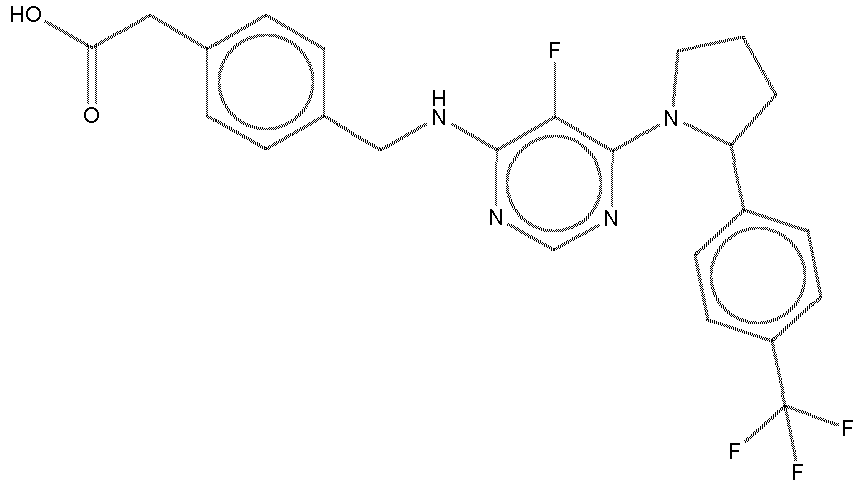 |
2-[4-[[[5-fluoro-6-[(2R)-2-[4-(trifluoromethyl)phenyl]pyrrolidin-1-yl]pyrimidin-4-yl]amino]methyl]phenyl]acetic acid |
| 83 |
 |
2-[4-[[5-fluoro-6-[[4-(trifluoromethyl)phenyl]methylamin o]pyrimidin-4-yl]oxymethyl]phenyl]acetic acid |
| 84 |
 |
2-[4-[[5-fluoro-6-[2-[6-(trifluoromethyl)-3-pyridyl]pyrrolidin-1-yl]pyrimidin-4-yl]oxymethyl]phenyl]acetamide |
| 85 |
 |
2-[4-[[4-[2-[4-(trifluoromethyl)phenyl]pyrrolidin-1-yl]pyrrolo[2,3-d]pyrimidin-7-yl]methyl]phenyl]acetic acid |
| 86 |
 |
2-[5-[[5-fluoro-6-[2-[4-(trifluoromethyl)phenyl]pyrrolidin-1-yl]pyrimidin-4-yl]oxymethyl]pyrimidin-2-yl]acetamide |
| 87 |
 |
2-[5-[[[5-fluoro-6-[2-[4-(trifluoromethyl)phenyl]pyrrolidin-1-yl]pyrimidin-4-yl]amino]methyl]pyrimidin-2-yl]acetamide |
| 88 |
 |
4-[[[5-fluoro-6-[2-[4-(trifluoromethyl)phenyl]pyrrolidin-1-yl]pyrimidin-4-yl]amino]methyl]benzonitrile |
| 89 |
 |
5-fluoro-N-[(6-methyl-3-pyridyl)methyl]-6-[2-[4-(trifluoromethyl)phenyl]pyrrolidin-1-yl]pyrimidin-4-amine |
| 90 |
 |
5-fluoro-6-[2-(4-methoxyphenyl)pyrrolidin-1-yl]-N-[(6-methyl-3-pyridyl)methyl]pyrimidin-4-amine |
| 91 |
 |
2-[4-[[[5-fluoro-6-[3-[4-(trifluoromethoxy)phenyl]morpholi n-4-yl]pyrimidin-4-yl]amino]methyl]phenyl]acetic acid |
| 93 |
 |
5-fluoro-N-[(4-methylcyclohexyl)methyl]-6-[2-[4-(trifluoromethyl)phenyl]pyrrolidin-1-yl]pyrimidin-4-amine |
| 94 |
 |
5-fluoro-N-[[4-(imidazol-1-ylmethyl)phenyl]methyl]-6-[2-[4-(trifluoromethyl)phenyl]pyrrolidin-1-yl]pyrimidin-4-amine |
| 95 |
 |
5-fluoro-N-[[4-(methylsulfonylmethyl)phenyl]meth yl]-6-[2-[4-(trifluoromethyl)phenyl]pyrrolidin-1-yl]pyrimidin-4-amine |
| 96 |
 |
5-fluoro-N-[(6-methyl-3-pyridyl)methyl]-6-[5-[4-(trifluoromethyl)phenyl]triazol-1-yl]pyrimidin-4-amine |
| 97 |
 |
5-fluoro-N-[(6-methyl-3-pyridyl)methyl]-6-[2-[4-(trifluoromethoxy)phenyl]pyrrolidin -1-yl]pyrimidin-4-amine |
| 98 |
 |
1-[4-[[[5-fluoro-6-[2-[4-(trifluoromethyl)phenyl]pyrrolidin-1-yl]pyrimidin-4-yl]amino]methyl]phenyl]-2-methyl-propan-2-ol |
| 99 |
 |
5-fluoro-N-[(2-methoxy-6-methyl-3-pyridyl)methyl]-6-[2-[4-(trifluoromethyl)phenyl]pyrrolidin-1-yl]pyrimidin-4-amine |
| 100 |
 |
5-[[[5-fluoro-6-[2-[4-(trifluoromethyl)phenyl]pyrrolidin-1-yl]pyrimidin-4-yl]amino]methyl]pyridin-2-ol |
| 104 |
 |
2-[1-[5-fluoro-6-[(6-methyl-3-pyridyl)methylamino]pyrimidin-4-yl]pyrrolidin-2-yl]-5-(trifluoromethyl)phenol |
| 105 |
 |
5-fluoro-N-[(1-methylpyrrol-3-yl)methyl]-6-[2-[4-(trifluoromethyl)phenyl]pyrrolidin-1-yl]pyrimidin-4-amine |
| 106 |
 |
5-fluoro-N-[(1-methylpyrazol-4-yl)methyl]-6-[2-[4-(trifluoromethyl)phenyl]pyrrolidin-1-yl]pyrimidin-4-amine |
| 107 |
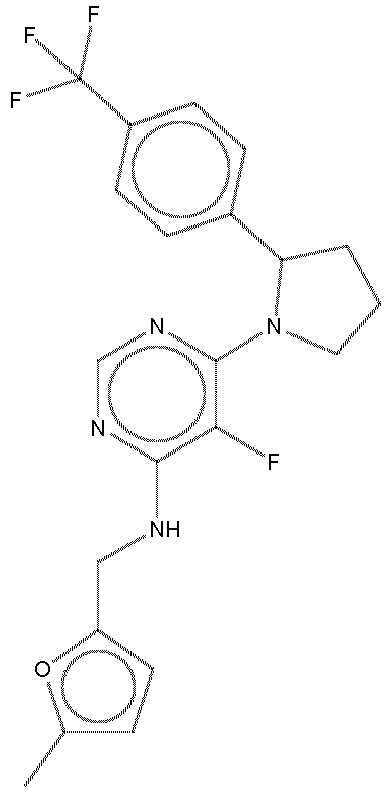 |
5-fluoro-N-[(5-methyl-2-furyl)methyl]-6-[2-[4-(trifluoromethyl)phenyl]pyrrolidin-1-yl]pyrimidin-4-amine |
| 108 |
 |
5-[[[5-fluoro-6-[2-[4-(trifluoromethyl)phenyl]pyrrolidin-1-yl]pyrimidin-4-yl]amino]methyl]pyrrolidin-2-one |
| 109 |
 |
4-[[[5-fluoro-6-[2-[4-(trifluoromethyl)phenyl]pyrrolidin-1-yl]pyrimidin-yl]amino]methyl]-1-methyl-pyrrolidin-2-one |
| 110 |
 |
5-[[[5-fluoro-6-[2-[4-(trifluoromethyl)phenyl]pyrrolidin-1-yl]pyrimidin-4-yl]amino]methyl]-N,N-dimethyl-tetrahydrofuran-2-carboxamide |
| 111 |
 |
5-fluoro-N-[(4-methoxytetrahydropyran-4-yl)methyl]-6-[2-[4-(trifluoromethyl)phenyl]pyrrolidin-1-yl]pyrimidin-4-amine |
| 112 |
 |
1-[6-[[[5-fluoro-6-[2-[4-(trifluoromethyl)phenyl]pyrrolidin-1-yl]pyrimidin-4-yl]amino]methyl]-2-methyl-3-pyridyl]ethanol |
| 113 |
 |
5-fluoro-N-[(2-methoxy-4-pyridyl)methyl]-6-[2-[4-(trifluoromethyl)phenyl]pyrrolidin-1-yl]pyrimidin-4-amine |
| 114 |
 |
5-fluoro-N-[(6-methoxy-3-pyridyl)methyl]-6-[2-[4-(trifluoromethyl)phenyl]pyrrolidin-1-yl]pyrimidin-4-amine |
| 115 |
 |
5-fluoro-N-[[4-(1,2,4-triazol-1-ylmethyl)phenyl]methyl]-6-[2-[4-(trifluoromethyl)phenyl]pyrrolidin-1-yl]pyrimidin-4-amine |
| 116 |
 |
5-fluoro-N-[(6-methoxy-3-pyridyl)methyl]-N-methyl-6-[2-[4-(trifluoromethyl)phenyl]pyrrolidin-1-yl]pyrimidin-4-amine |
| 117 |
 |
2-[4-[[[5-fluoro-6-[(2R)-2-[4-(trifluoromethyl)phenyl]pyrrolidin-1-yl]pyrimidin-4-yl]amino]methyl]phenyl]acetic acid |
| 118 |
 |
2-[4-[[[5-fluoro-6-[(2S)-2-[4-(trifluoromethyl)phenyl]pyrrolidin-1-yl]pyrimidin-4-yl]amino]methyl]phenyl]acetic acid |
| 119 |
 |
2-[4-[[[5-fluoro-6-[3-[4-(trifluoromethyl)phenyl]morpholin-4-yl]pyrimidin-4-yl]amino]methyl]phenyl]acetic acid |
| 120 |
 |
4-[2-[[5-fluoro-6-[2-[4-(trifluoromethyl)phenyl]pyrrolidin-1-yl]pyrimidin-4-yl]amino]ethyl]benzoic acid |
| 121 |
 |
[3-[[5-fluoro-6-[2-[4-(trifluoromethyl)phenyl]pyrrolidin-1-yl]pyrimidin-4-yl]amino]pyrrolidin-1-yl]-(4-pyridyl)methanone |
| 122 |
 |
5-[[[5-fluoro-6-[2-[4-(trifluoromethyl)phenyl]pyrrolidin-1-yl]pyrimidin-4-yl]amino]methyl]indolin-2-one |
| 123 |
 |
5-fluoro-N-[3-methyl-1-(1H-tetrazol-5-yl)butyl]-6-[2-[4-(trifluoromethyl)phenyl]pyrrolidin-1-yl]pyrimidin-4-amine |
| 124 |
 |
1-[[4-[[[5-fluoro-6-[2-[4-(trifluoromethyl)phenyl]pyrrolidin-1-yl]pyrimidin-4-yl]amino]methyl]phenyl]methyl]pyr rolidin-2-one |
| 126 |
 |
5-fluoro-6-[2-[4-(trifluoromethyl)phenyl]pyrrolidin-1-yl]-N-[[6-(trifluoromethyl)-3-pyridyl]methyl]pyrimidin-4-amine |
| 128 |
 |
2-[4-[[[5-fluoro-6-[2-[4-(trifluoromethyl)phenyl]pyrrolidin-1-yl]pyrimidin-4-yl]amino]methyl]phenyl]ethanol |
| 129 |
 |
4-[[[5-fluoro-6-[2-[4-(trifluoromethyl)phenyl]pyrrolidin-1-yl]pyrimidin-4-yl]amino]methyl]tetrahydropyran-4-ol |
| 130 |
 |
1-cyclopentyl-4-[[[5-fluoro-6-[2-[4-(trifluoromethyl)phenyl]pyrrolidin-1-yl]pyrimidin-4-yl]amino]methyl]pyrrolidin-2-one |
| 131 |
 |
5-fluoro-N- [(4-methoxy-2-pyridyl)methyl]-6-[2-[4-(trifluoromethyl)phenyl]pyrrolidin-1-yl]pyrimidin-4-amine |
| 132 |
 |
5-fluoro-N-[(6-methyl-2-pyridyl)methyl]-6-[2-[4-(trifluoromethyl)phenyl]pyrrolidin-1-yl]pyrimidin-4-amine |
| 134 |
 |
9-[5-fluoro-6-[2-[4-(trifluoromethyl)phenyl]pyrrolidin-1-yl]pyrimidin-4-yl]-3,9-diazaspiro[4.5]decan-2-one |
| 135 |
 |
4-[[[5-fluoro-6-[2-[4-(trifluoromethyl)phenyl]pyrrolidin-1-yl]pyrimidin-4-yl]-methyl-amino]methyl]-1-methyl-pyrrolidin-2-one |
| 136 |
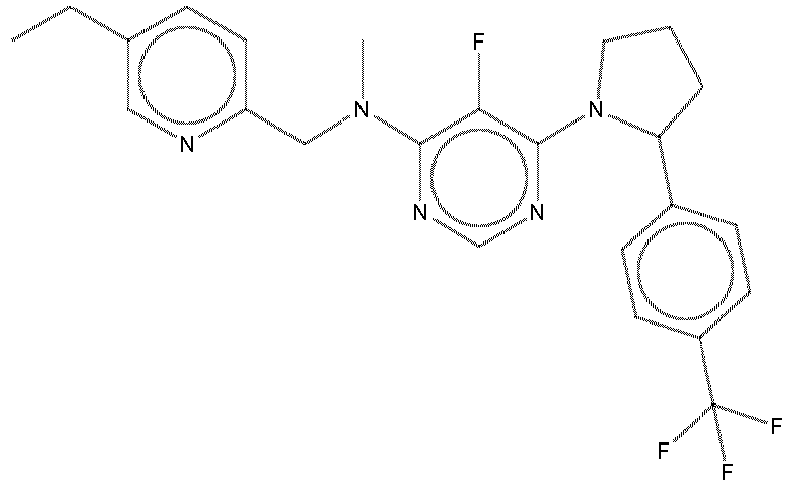 |
N-[(5-ethyl-2-pyridyl)methyl]-5-fluoro-N-methyl-6-[2-[4-(trifluoromethyl)phenyl]pyrrolidin-1-yl]pyrimidin-4-amine |
| 137 |
 |
1-[4-[[[5-fluoro-6-[2-[4-(trifluoromethyl)phenyl]pyrrolidin-1-yl]pyrimidin-4-yl]amino]methyl]phenyl]pyrrolidin-2-one |
| 138 |
 |
5-fluoro-N-[[4-(1H-tetrazol-5-yl)phenyl]methyl]-6-[2-[4-(trifluoromethyl)phenyl]pyrrolidin-1-yl]pyrimidin-4-amine |
| 139 |
 |
N-benzyl-5-fluoro-6-[2-[4-(trifluoromethyl)phenyl]pyrrolidin-1-yl]pyrimidin-4-amine |
| 140 |
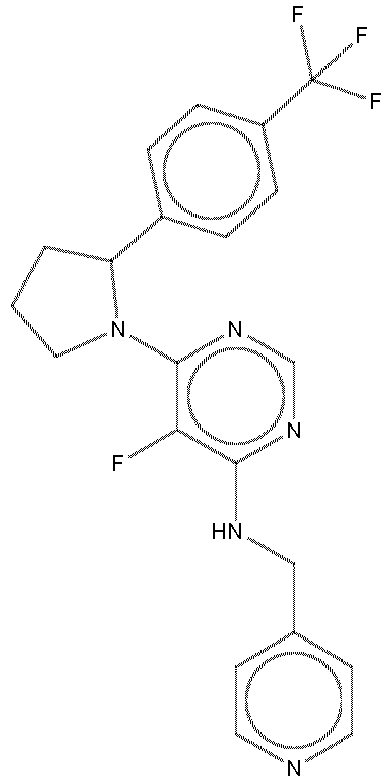 |
5-fluoro-N-(4-pyridylmethyl)-6-[2-[4-(trifluoromethyl)phenyl]pyrrolidin-1-yl]pyrimidin-4-amine |
| 141 |
 |
5-fluoro-N-(3-pyridylmethyl)-6-[2-[4-(trifluoromethyl)phenyl]pyrrolidin-1-yl]pyrimidin-4-amine |
| 142 |
 |
N-[(3,5-dimethoxyphenyl)methyl]-5-fluoro-6-[2-[4-(trifluoromethyl)phenyl]pyrrolidin-1-yl]pyrimidin-4-amine |
| 143 |
 |
1-[3-[[[5-fluoro-6-[2-[4-(trifluoromethyl)phenyl]pyrrolidin-1-yl]pyrimidin-4-yl]amino]methyl]phenyl]pyrrolidin-2-one |
| 144 |
 |
3-[[[5-fluoro-6-[2-[4-(trifluoromethyl)phenyl]pyrrolidin-1-yl]pyrimidin-4-yl]amino]methyl]-N-methyl-benzamide |
| 145 |
 |
3-[[[5-fluoro-6-[2-[4-(trifluoromethyl)phenyl]pyrrolidin-1-yl]pyrimidin-4-yl]amino]methyl]-N,N-dimethyl-benzamide |
| 146 |
 |
5-fluoro-N-[[3-(1,2,4-triazol-1-ylmethyl)phenyl]methyl]-6-[2-[4-(trifluoromethyl)phenyl]pyrrolidin-1-yl]pyrimidin-4-amine |
| 147 |
 |
5-fluoro-N-[[3-(methoxymethyl)phenyl]methyl]-6-[2-[4-(trifluoromethyl)phenyl]pyrrolidin-1-yl]pyrimidin-4-amine |
| 148 |
 |
2-[4-[[[5-fluoro-6-[2-[4-(trifluoromethyl)phenyl]pyrrolidin-1-yl]pyrimidin-4-yl]amino]methyl]cyclohexyl]acetic acid |
| 150 |
 |
5-fluoro-6-[2-(5-methyl-2-furyl)pyrrolidin-1-yl]-N-[(6-methyl-3-pyridyl)methyl]pyrimidin-4-amine |
| 151 |
 |
N-(cyclobutylmethyl)-5-fluoro-6-[2-[4-(trifluoromethyl)phenyl]pyrrolidin-1-yl]pyrimidin-4-amine |
| 152 |
 |
5-fluoro-N-[(1-methylcyclobutyl)methyl]-6-[2-[4-(trifluoromethyl)phenyl]pyrrolidin-1-yl]pyrimidin-4-amine |
| 154 |
 |
5-fluoro-N-(tetrahydrofuran-3-ylmethyl)-6-[(2R)-2-[4-(trifluoromethyl)phenyl]pyrrolidin-1-yl]pyrimidin-4-amine |
| 155 |
 |
5-fluoro-N-(tetrahydropyran-2-ylmethyl)-6-[(2R)-2-[4-(trifluoromethyl)phenyl]pyrrolidin-1-yl]pyrimidin-4-amine |
| 159 |
 |
5-fluoro-N-(tetrahydrothiophen-2-ylmethyl)-6-[(2R)-2-[4-(trifluoromethyl)phenyl]pyrrolidin-1-yl]pyrimidin-4-amine |
| 161 |
 |
5-fluoro-N-[(4-methyltetrahydropyran-4-yl)methyl]-6-[(2R)-2-[4-(trifluoromethyl)phenyl]pyrrolidin-1-yl]pyrimidin-4-amine |
| 164 |
 |
5-fluoro-N-(tetrahydrothiopyran-4-ylmethyl)-6-[(2R)-2-[4-(trifluoromethyl)phenyl]pyrrolidin-1-yl]pyrimidin-4-amine |
| 165 |
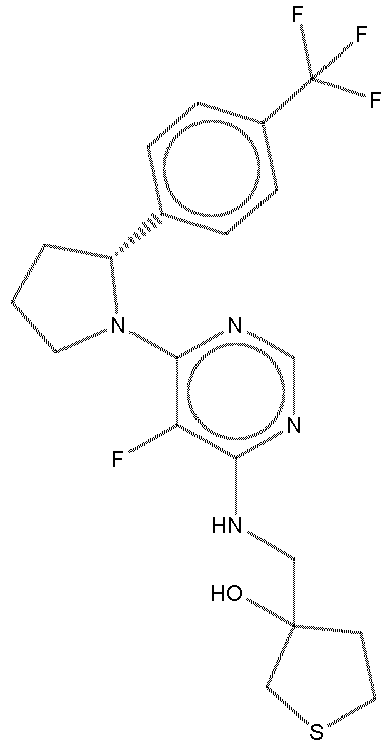 |
3-[[[5-fluoro-6-[(2R)-2-[4-(trifluoromethyl)phenyl]pyrrolidin-1-yl]pyrimidin-4-yl]amino]methyl]tetrahydrothiophen -3-ol |
| 166 |
 |
N-[(4,4-dimethylcyclohexyl)methyl]-5-fluoro-6-[(2R)-2-[4-(trifluoromethyl)phenyl]pyrrolidin-1-yl]pyrimidin-4-amine |
| 167 |
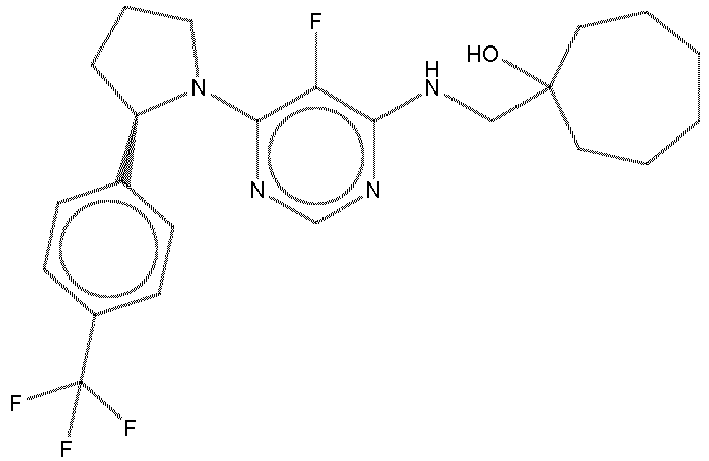 |
1-[[[5-fluoro-6-[(2R)-2-[4-(trifluoromethyl)phenyl]pyrrolidin-1-yl]pyrimidin-4-yl]amino]methyl]cycloheptanol |
| 168 |
 |
5-fluoro-N-[(2-methoxycyclohexyl)methyl]-6-[(2R)-2-[4-(trifluoromethyl)phenyl]pyrrolidin-1-yl]pyrimidin-4-amine |
| 169 |
 |
4-[[[5-fluoro-6-[(2R)-2-[4-(trifluoromethyl)phenyl]pyrrolidin-1-yl]pyrimidin-4-yl]amino]methyl]tetrahydrothiopyra n-4-ol |
| 170 |
 |
N-[(1,1-dioxothiolan-2-yl)methyl]-5-fluoro-6-[(2R)-2-[4-(trifluoromethyl)phenyl]pyrrolidin-1-yl]pyrimidin-4-amine |
| 175 |
 |
N-[(2-tert-butyltetrahydropyran-3-yl)methyl]-5-fluoro-6-[(2R)-2-[4-(trifluoromethyl)phenyl]pyrrolidin-1-yl]pyrimidin-4-amine |
| 178 |
 |
5-fluoro-N-[(4-isopropylcyclohexyl)methyl]-6-[(2R)-2-[4-(trifluoromethyl)phenyl]pyrrolidin-1-yl]pyrimidin-4-amine |
| 181 |
 |
5-fluoro-N-(tetrahydrofuran-2-ylmethyl)-6-[(2R)-2-[4-(trifluoromethyl)phenyl]pyrrolidin-1-yl]pyrimidin-4-amine |
| 182 |
 |
4-[[[5-fluoro-6-[(2R)-2-[4-(trifluoromethyl)phenyl]pyrrolidin-1-yl]pyrimidin-4-yl]amino]methyl]benzenesulfonami de |
| 183 |
 |
N-[(6-chloro-3-pyridyl)methyl]-5-fluoro-6-[(2R)-2-[4-(trifluoromethyl)phenyl]pyrrolidin-1-yl]pyrimidin-4-amine |
| 184 |
 |
N-[(1,1-dioxothiolan-3-yl)methyl]-5-fluoro-6-[(2R)-2-[4-(trifluoromethyl)phenyl]pyrrolidin-1-yl]pyrimidin-4-amine |
| 185 |
 |
5 -fluoro-N-(3 -thienylmethyl)-6-[(2R)-2-[4-(trifluoromethyl)phenyl]pyrrolidin-1-yl]pyrimidin-4-amine |
| 186 |
 |
5-fluoro-N-(tetrahydropyran-3-ylmethyl)-6-[(2R)-2-[4-(trifluoromethyl)phenyl]pyrrolidin-1-yl]pyrimidin-4-amine |
| 188 |
 |
5-fluoro-N-[[1-(methoxymethyl)cyclobutyl]methyl] -6-[(2R)-2-[4-(trifluoromethyl)phenyl]pyrrolidin-1-yl]pyrimidin-4-amine |
| 189 |
 |
2-[4-[[[5-fluoro-6-[(2R)-2-[4-(trifluoromethyl)phenyl]pyrrolidin-1-yl]pyrimidin-4-yl]amino]methyl]phenyl]-N-methyl-acetamide |
| 190 |
 |
5-fluoro-N-[[4-(1H-tetrazol-5-ylmethyl)cyclohexyl]methyl]-6-[(2R)-2-[4-(trifluoromethyl)phenyl]pyrrolidin-1-yl]pyrimidin-4-amine |
| 191 |
 |
1-[4-[[[5-fluoro-6-[(2R)-2-[4-(trifluoromethyl)phenyl]pyrrolidin-1-yl]pyrimidin-4-yl]amino]methyl]-1-piperidyl]ethanone |
| 192 |
 |
2-[4-[[[5-fluoro-6-[2-[4-(trifluoromethoxy)phenyl]pyrrolidin -1-yl]pyrimidin-4-yl]amino]methyl]phenyl]acetic acid |
| 193 |
 |
5-fluoro-N-[(1 -oxidopyridin-1-ium-3-yl)methyl]-6-[(2R)-2-[4-(trifluoromethyl)phenyl]pyrrolidin-1-yl]pyrimidin-4-amine |
| 194 |
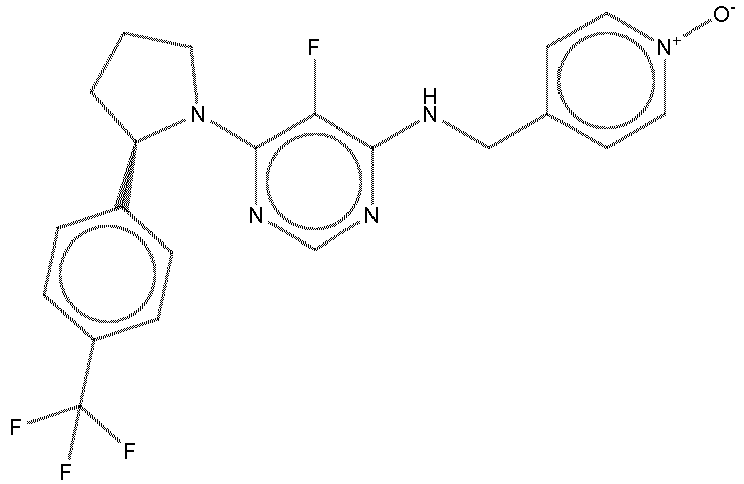 |
5-fluoro-N-[(1-oxidopyridin-1-ium-4-yl)methyl]-6-[(2R)-2-[4-(trifluoromethyl)phenyl]pyrrolidin-1-yl]pyrimidin-4-amine |
| 195 |
 |
2-[4-[[4-[(2R)-2-[4-(trifluoromethyl)phenyl]pyrrolidin-1-yl]pyrrolo[2,3-d]pyrimidin-7-yl]methyl]phenyl] acetic acid |
| 196 |
 |
2-[4-[[4-[(2R)-2-[4-(trifluoromethyl)phenyl]pyrrolidin-1-yl]pyrrolo[2,3-d]pyrimidin-7-yl]methyl]phenyl]acetamide |
| 197 |
 |
5-fluoro-N-[(1-methylsulfonyl-4-piperidyl)methyl]-6-[(2R)-2-[4-(trifluoromethyl)phenyl]pyrrolidin-1-yl]pyrimidin-4-amine |
| 198 |
 |
5-fluoro-N-[(3-methyloxetan-3-yl)methyl]-6-[2-[4-(trifluoromethyl)phenyl]pyrrolidin-1-yl]pyrimidin-4-amine |
| 199 |
 |
5-fluoro-N-[(2-methyltetrahydrofuran-2-yl)methyl]-6-[(2R)-2-[4-(trifluoromethyl)phenyl]pyrrolidin-1-yl]pyrimidin-4-amine |
| 200 |
 |
2-[[[5-fluoro-6-[(2R)-2-[4-(trifluoromethyl)phenyl]pyrrolidin-1-yl]pyrimidin-4-yl]amino]methyl]cyclohexanol |
| 201 |
 |
5-fluoro-N-[(2-methyltetrahydrothiophen-2-yl)methyl]-6-[(2R)-2-[4-(trifluoromethyl)phenyl]pyrrolidin-1-yl]pyrimidin-4-amine |
| 202 |
 |
N-[(4,4-dioxo-1,4-oxathian-2-yl)methyl]-5-fluoro-6-[(2R)-2-[4-(trifluoromethyl)phenyl]pyrrolidin-1-yl]pyrimidin-4-amine |
| 203 |
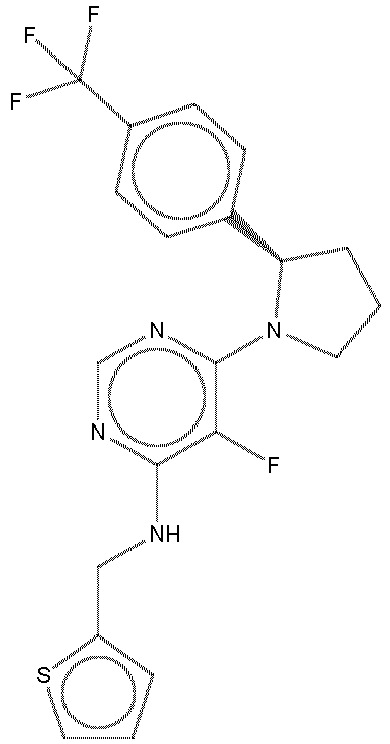 |
5-fluoro-N-(2-thienylmethyl)-6-[(2R)-2-[4-(trifluoromethyl)phenyl]pyrrolidin-1-yl]pyrimidin-4-amine |
| 204 |
 |
2-[4-[[[5-fluoro-6-[(3S)-3-[4-(trifluoromethyl)phenyl]morpholin-4-yl]pyrimidin-4-yl]amino]methyl]phenyl]acetamide |
| 205 |
 |
2-[4-[[[5-fluoro-6-[(3S)-3-[4-(trifluoromethyl)phenyl]morpholin-4-yl]pyrimidin-4-yl]amino]methyl]cyclohexyl]acetic acid |
| 206 |
 |
2-[4-[[[5-fluoro-6-[(3S)-3-[4-(trifluoromethyl)phenyl]morpholin-4-yl]pyrimidin-4-yl]amino]methyl]cyclohexyl]acetam ide |
| 207 |
 |
2-[5-[[[5-fluoro-6-[(2R)-2-[4-(trifluoromethyl)phenyl]pyrrolidin-1-yl]pyrimidin-4-yl]amino]methyl]-2-thienyl]acetic acid |
| 208 |
 |
5-fluoro-N-(tetrahydropyran-4-ylmethyl)-6-[(2R)-2-[4-(trifluoromethyl)phenyl]pyrrolidin-1-yl]pyrimidin-4-amine |
| 209 |
 |
5-fluoro-N-[(6-methyl-3-pyridyl)methyl]-6-[2-methyl-2-[4-(trifluoromethyl)phenyl]pyrrolidin-1-yl]pyrimidin-4-amine |
| 210 |
 |
5-fluoro-6-[(2R)-2-[2-fluoro-4-(trifluoromethyl)phenyl]pyrrolidin-1-yl]-N-[(6-methyl-3-pyridyl)methyl]pyrimidin-4-amine |
| 211 |
 |
5-fluoro-N-[(6-methyl-3-pyridyl)methyl]-6-[4-methyl-2-[4-(trifluoromethyl)phenyl]pyrrolidin-1-yl]pyrimidin-4-amine |
| 212 |
 |
5-fluoro-6-[4-methoxy-2-[4-(trifluoromethyl)phenyl]pyrrolidin-1-yl]-N-[(6-methyl-3-pyridyl)methyl]pyrimidin-4-amine |
| 213 |
 |
5-fluoro-N-[(5-methyloxazol-2-yl)methyl]-6-[2-[4-(trifluoromethyl)phenyl]pyrrolidin-1-yl]pyrimidin-4-amine |
| 214 |
 |
5-(((5-fluoro-6-(2-(4-(trifluoromethyl)phenyl)pyrrolidin-1-yl)pyrimidin-4-yl)amino)methyl)-1,3,4-oxadiazol-2-ol |
| 215 |
 |
5-fluoro-N-[1-(5-methyl-1,2,4-oxadiazol-3-yl)propyl]-6-[2-[4-(trifluoromethyl)phenyl]pyrrolidin-1-yl]pyrimidin-4-amine |
| 216 |
 |
5-[[[5-fluoro-6-[2-[4-(trifluoromethyl)phenyl]pyrrolidin-1-yl]pyrimidin-4-yl]amino]methyl]isoxazol-3-ol |
| 217 |
 |
[3-[[[5-fluoro-6-[(2R)-2-[4-(trifluoromethyl)phenyl]pyrrolidin-1-yl]pyrimidin-4-yl]amino]methyl]phenyl]methanol |
| 218 |
 |
N-(cyclopentylmethyl)-5-fluoro-6-[(2R)-2-[4-(trifluoromethyl)phenyl]pyrrolidin-1-yl]pyrimidin-4-amine |
| 219 |
 |
5-fluoro-N-[(4-methylsulfonylphenyl)methyl]-6-[(2R)-2-[4-(trifluoromethyl)phenyl]pyrrolidin-1-yl]pyrimidin-4-amine |
| 220 |
 |
3-[[[5-fluoro-6-[(2R)-2-[4-(trifluoromethyl)phenyl]pyrrolidin-1-yl]pyrimidin-4-yl]amino]methyl]tetrahydrofuran-3-ol |
| 221 |
 |
2-[4-[[[5-fluoro-6-[(2R)-2-[4-(trifluoromethyl)phenyl]pyrrolidin-1-yl]pyrimidin-4-yl]amino]methyl]tetrahydropyran-4-yl]ethanol |
| 222 |
 |
N-[(1,1-dioxothian-4-yl)methyl]-5-fluoro-6-[(2R)-2-[4-(trifluoromethyl)phenyl]pyrrolidin-1-yl]pyrimidin-4-amine |
| 223 |
 |
4-[[[5-fluoro-6-[(2R)-2-[4-(trifluoromethyl)phenyl]pyrrolidin-1-yl]pyrimidin-4-yl]amino]methyl]-1,1-dioxo-thian-4-ol |
| 224 |
 |
N-cyclopropyl-4-[[[5-fluoro-6-[(2R)-2-[4-(trifluoromethyl)phenyl]pyrrolidin-1-yl]pyrimidin-4-yl]amino]methyl]benzenesulfonami de |
| 225 |
 |
[4-[[[5-fluoro-6-[(2R)-2-[4-(trifluoromethyl)phenyl]pyrrolidin-1-yl]pyrimidin-4-yl]amino]methyl]cyclohexyl]metha nol |
| 226 |
 |
4-[[[5-fluoro-6-[(2R)-2-[4-(trifluoromethyl)phenyl]pyrrolidin-1-yl]pyrimidin-4-yl]amino]methyl]benzamide |
| 227 |
 |
[4-[[[5-fluoro-6-[(2R)-2-[4-(trifluoromethyl)phenyl]pyrrolidin-1-yl]pyrimidin-4-yl]amino]methyl]phenyl]methanol |
| 228 |
 |
[3-[[[5-fluoro-6-[(2R)-2-[4-(trifluoromethyl)phenyl]pyrrolidin-1-yl]pyrimidin-4-yl]amino]methyl]oxetan-3-yl]methanol |
| 229 |
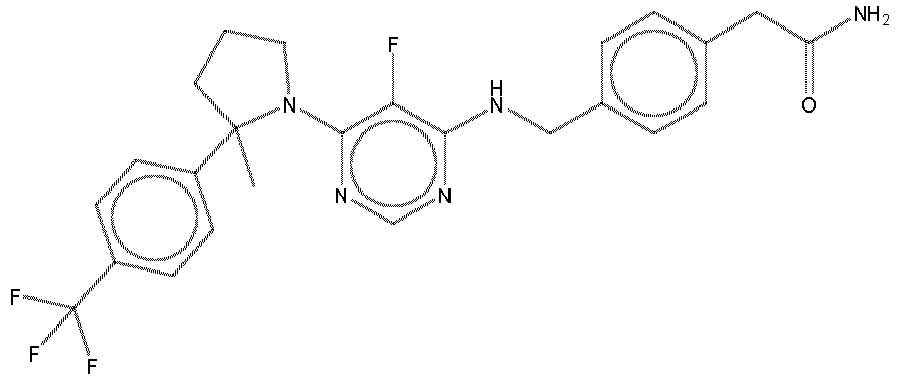 |
2-[4-[[[5-fluoro-6-[2-methyl-2-[4-(trifluoromethyl)phenyl]pyrrolidin-1-yl]pyrimidin-4-yl]amino]methyl]phenyl]acetamide |
| 230 |
 |
2-[4-[[[5-fluoro-6-[(3S)-3-[4-(trifluoromethoxy)phenyl]morpholi n-4-yl]pyrimidin-4-yl]amino]methyl]phenyl]acetamide |
| 231 |
 |
2-[4-[[[6-[4,4-difluoro-2-[4-(trifluoromethyl)phenyl]pyrrolidin-1-yl]-5-fluoro-pyrimidin-4-yl]amino]methyl]phenyl]acetamide |
| 232 |
 |
2-[4-[[[5-fluoro-6-[(2R)-2-[2-fluoro-4-(trifluoromethyl)phenyl]pyrrolidin-1-yl]pyrimidin-4-yl] amino]methyl]phenyl]acetamide |
| 233 |
 |
1-[4-[[[5-fluoro-6-[(3S)-3-[4-(trifluoromethyl)phenyl]morpholin-4-yl]pyrimidin-4-yl]amino]methyl]-1-piperidyl]ethanone |
| 234 |
 |
4-[[[5-fluoro-6-[(3S)-3-[4-(trifluoromethyl)phenyl]morpholin-4-yl]pyrimidin-4-yl]amino]methyl]-1,1-dioxo-thian-4-ol |
| 235 |
 |
5-fluoro-N-[(3-methyloxetan-3-yl)methyl]-6-[(3S)-3-[4-(trifluoromethyl)phenyl]morpholin-4-yl]pyrimidin-4-amine |
| 236 |
 |
N-cyclopropyl-4-[[[5-fluoro-6-[(3S)-3-[4-(trifluoromethyl)phenyl]morpholin-4-yl]pyrimidin-4-yl]amino]methyl]benzenesulfonami de |
| 237 |
 |
5-fluoro-N-[(1-methylsulfonyl-4-piperidyl)methyl]-6-[(3S)-3-[4-(trifluoromethyl)phenyl]morpholin-4-yl]pyrimidin-4-amine |
| 238 |
 |
3-[[[5-fluoro-6-[(3S)-3-[4-(trifluoromethyl)phenyl]morpholin-4-yl]pyrimidin-4-yl]amino]methyl]tetrahydrofuran-3-ol |
| 239 |
 |
2-[4-[[[5-fluoro-6-[(3S)-3-[4-(trifluoromethyl)phenyl]morpholin-4-yl]pyrimidin-4-yl]amino]methyl]tetrahydropyran-4-yl]ethanol |
| 240 |
 |
5-fluoro-N-[[4-(methylsulfonylmethyl)tetrahydropyran-4-yl]methyl]-6-[(2R)-2-[4-(trifluoromethyl)phenyl]pyrrolidin-1-yl]pyrimidin-4-amine |
| 241 |
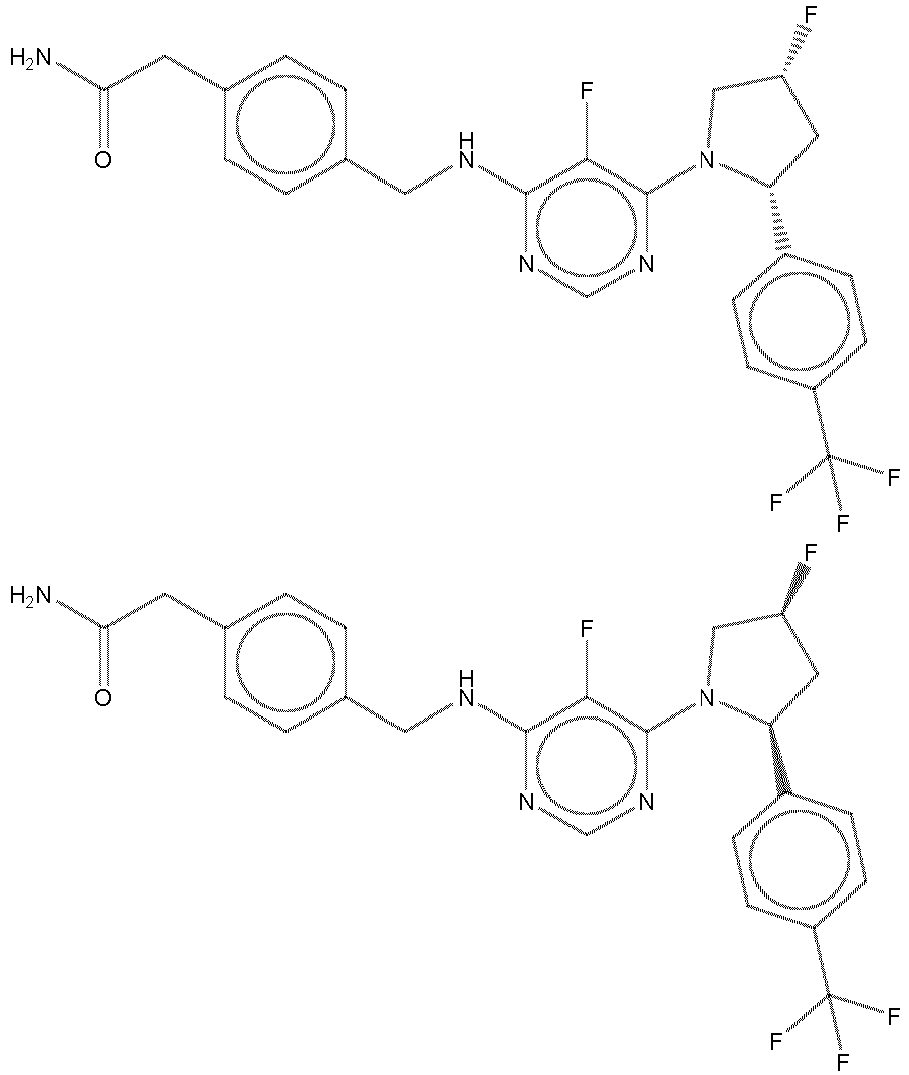 |
2-[4-[[[5-fluoro-6-[(2R,4R)-4-fluoro-2-[4-(trifluoromethyl)phenyl]pyrrolidin-1-yl]pyrimidin-4-yl]amino]methyl]phenyl]acetamide AND 2-[4-[[[5-fluoro-6-[(2S,4S)-4-fluoro-2-[4-(trifluoromethyl)phenyl]pyrrolidin-1-yl]pyrimidin-4-yl]amino]methyl]phenyl]acetamide |
| 242 |
 |
2-[4-[[[5-fluoro-6-[(2S,4R)-4-fluoro-2-[4-(trifluoromethyl)phenyl]pyrrolidin-1-yl]pyrimidin-4-yl]amino]methyl]phenyl]acetamide AND 2-[4-[[[5-fluoro-6-[(2R,4S)-4-fluoro-2-[4-(trifluoromethyl)phenyl]pyrrolidin-1-yl]pyrimidin-4-yl]amino]methyl]phenyl]acetamide |
| 243 |
 |
2-[4-[[[5-fluoro-6-[(3 S)-3-[4-(trifluoromethoxy)phenyl]morpholin-4-yl]pyrimidin-4-yl]amino]methyl]cyclohexyl]acetic acid |
| 244 |
 |
2-[4-[[[5-fluoro-6-[(3S)-3-[4-(trifluoromethyl)phenyl]morpholin-4-yl]pyrimidin-4-yl]amino]methyl]phenyl]-N-methyl-acetamide |
| 245 |
 |
2-[4-[[[5-fluoro-6-[(3 S)-3-[4-(trifluoromethoxy)phenyl]morpholin-4-yl]pyrimidin-4-yl]amino]methyl]cyclohexyl]acetamide |
| 246 |
 |
5-fluoro-N-[[4-(1H-tetrazol-5-ylmethyl)phenyl]methyl]-6-[(3S)-3-[4-(trifluoromethoxy)phenyl]morpholin-4-yl]pyrimidin-4-amine |
| 247 |
 |
5-fluoro-N-(tetrahydropyran-4-ylmethyl)-6-[(3S)-3-[4-(trifluoromethyl)phenyl]morpholin-4-yl]pyrimidin-4-amine |
| 248 |
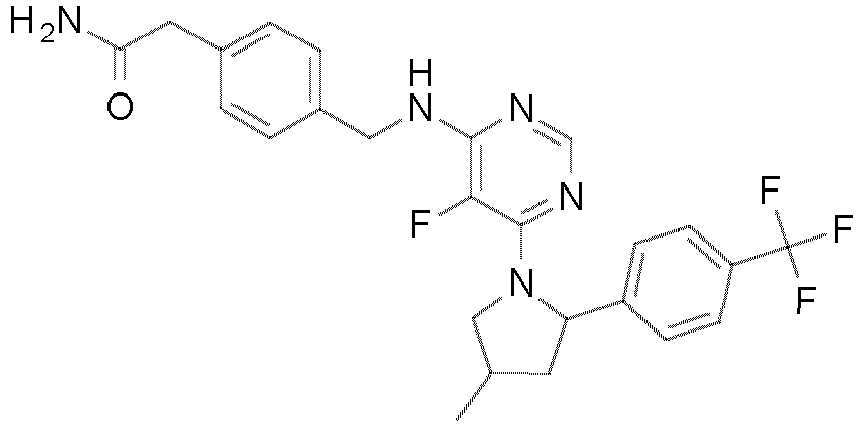 |
2-[4-[[[5-fluoro-6-[4-methyl-2-[4-(trifluoromethyl)phenyl]pyrrolidin-1-yl]pyrimidin-4-yl]amino]methyl]phenyl]acetamide |
| 249 |
 |
1-[[[5-fluoro-6-[(3S)-3-[4-(trifluoromethyl)phenyl]morpholin-4-yl]pyrimidin-4-yl]amino]methyl]cyclopentanecarboxamide |
| 250 |
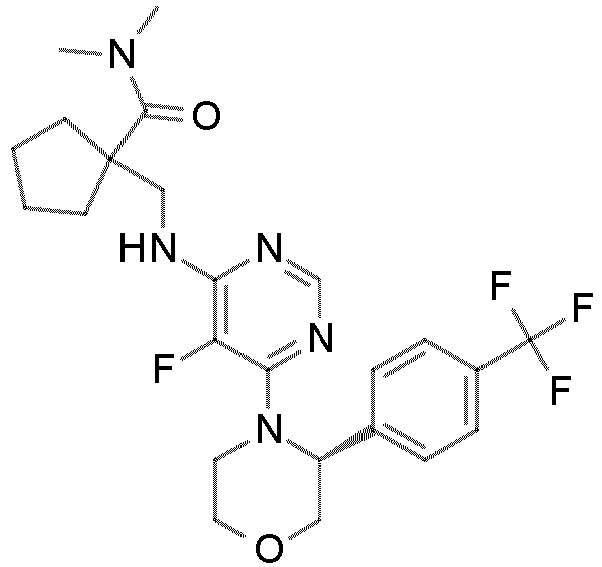 |
1-[[[5-fluoro-6-[(3S)-3-[4-(trifluoromethyl)phenyl]morpholin-4-yl]pyrimidin-4-yl]amino]methyl]-N,N-dimethyl-cyclopentanecarboxamide |
| 251 |
 |
N-[2-[[[5-fluoro-6-[(3S)-3-[4-(trifluoromethyl)phenyl]morpholin-4-yl]pyrimidin-4-yl]amino]methyl]cyclopentyl]methanesulfonamide |
| 252 |
 |
2-[4-[[4-[(3S)-3-[4-(trifluoromethoxy)phenyl]morpholin-4-yl]pyrrolo[2,3-d]pyrimidin-7-yl]methyl]phenyl]acetamide |
| 253 |
 |
5-fluoro-N-[[4-(methylsulfonylmethyl)tetrahydropy ran-4-yl]methyl]-6-[(3S)-3-[4-(trifluoromethyl)phenyl]morpholin-4-yl]pyrimidin-4-amine |
| 254 |
 |
methyl 4-[[[5-fluoro-6-[3-[4-(trifluoromethyl)phenyl]morpholin-4-yl]pyrimidin-4-yl]amino]methyl]tetrahydropyran-4-carboxylate |
| 255 |
 |
4-[[[5-fluoro-6-[(3 S)-3-[4-(trifluoromethyl)phenyl]morpholin-4-yl]pyrimidin-4-yl]amino]methyl]tetrahydropyran-4-carboxamide |
| 256 |
 |
N-(2-aminoethyl)-4-[[[5-fluoro-6-[(3S)-3-[4-(trifluoromethyl)phenyl]morpholin-4-yl]pyrimidin-4-yl]amino]methyl]tetrahydropyran-4-carboxamide |
| 257 |
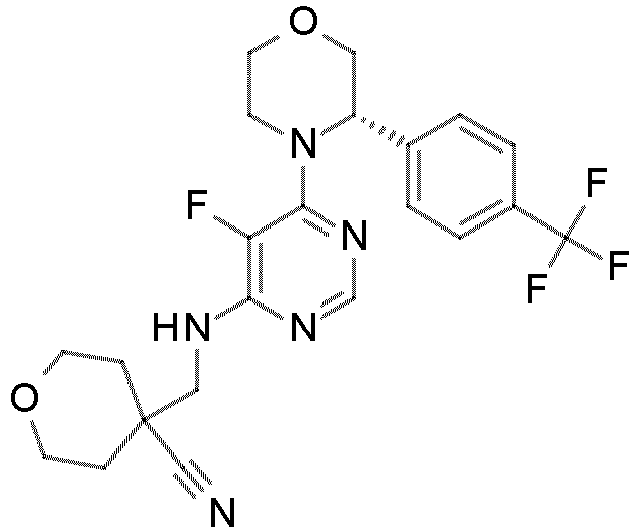 |
4-[[[5-fluoro-6-[(3S)-3-[4-(trifluoromethyl)phenyl]morpholin-4-yl]pyrimidin-4-yl]amino]methyl]tetrahydropyran-4-carbonitrile |
| 258 |
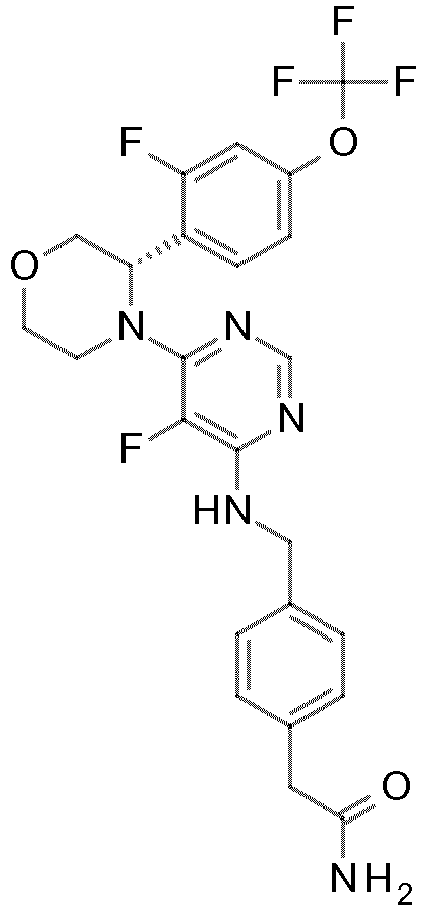 |
2-[4-[[[5-fluoro-6-[(3S)-3-[2-fluoro-4-(trifluoromethoxy)phenyl]morpholin-4-yl]pyrimidin-4-yl]amino]methyl]phenyl]acetamide |
| 259 |
 |
6-[4,4-difluoro-2-[4-(trifluoromethyl)phenyl]pyrrolidin-1-yl]-5-fluoro-N-(tetrahydropyran-4-ylmethyl)pyrimidin-4-amine |
| 260 |
 |
6-[4,4-difluoro-2-[4-(trifluoromethyl)phenyl]pyrrolidin-1-yl]-5-fluoro-N-[[4-(methylsulfonylmethyl)tetrahydropyran-4-yl]methyl]pyrimidin-4-amine |
| 261 |
 |
[3-[[[6-[4,4-difluoro-2-[4-(trifluoromethyl)phenyl]pyrrolidin-1-yl]-5-fluoro-pyrimidin-4-yl]amino]methyl]oxetan-3-yl]methanol |
| 262 |
 |
1-[4-fluoro-4-[[[5-fluoro-6-[(3S)-3-[4-(trifluoromethyl)phenyl]morpholin-4-yl]pyrimidin-4-yl]amino]methyl]-1-piperidyl]ethanone |
| 263 |
 |
5-fluoro-6-[(3S)-3-[4-(trifluoromethyl)phenyl]morpholin-4-yl]-N-[[1-(trifluoromethylsulfonyl)-4-piperidyl]methyl]pyrimidin-4-amine |
| 264 |
 |
5-fluoro-N-[(4-fluorotetrahydropyran-4-yl)methyl]-6-[(3S)-3-[4-(trifluoromethyl)phenyl]morpholin-4-yl]pyrimidin-4-amine |
| 265 |
 |
2-[4-[[4-[(2R)-2-[4-(trifluoromethyl)phenyl]pyrrolidin-1-yl]-5,6-dihydropyrrolo[2,3-d]pyrimidin-7-yl]methyl]phenyl]acetamide |
| 266 |
 |
5-fluoro-N-[(4-fluoro-1-methylsulfonyl-4-piperidyl)methyl]-6-[(3S)-3-[4-(trifluoromethyl)phenyl]morpholin-4-yl]pyrimidin-4-amine |
| 267 |
 |
N-[4-[[[5-fluoro-6-[(3S)-3-[4-(trifluoromethoxy)phenyl]morpholin-4-yl]pyrimidin-4-yl]amino]methyl]cyclohexyl]methanesulfonamide |
| 268 |
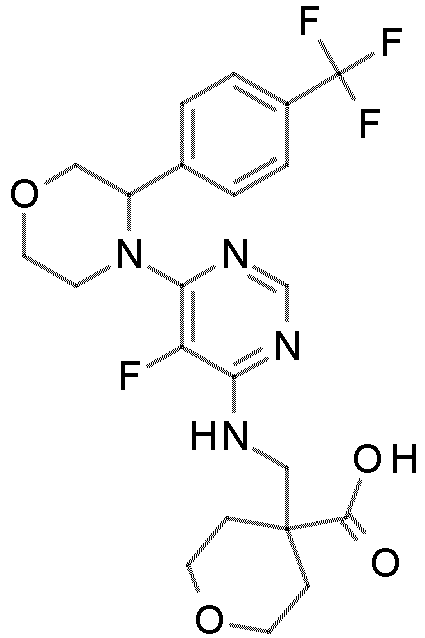 |
4-[[[5-fluoro-6-[3-[4-(trifluoromethyl)phenyl]morpholin-4-yl]pyrimidin-4-yl]amino]methyl]tetrahydropyran-4-carboxylic acid |
| 273 |
 |
N-cyclopropyl-4-[[[5-fluoro-6-(3-phenylmorpholin-4-yl)pyrimidin-4-yl]amino]methyl]benzenesulfonamide |
| 274 |
 |
5-fluoro-N-[(1-methylsulfonyl-4-piperidyl)methyl]-6-(3-phenylmorpholin-4-yl)pyrimidin-4-amine |
| 276 |
 |
2-[4-[[[5-fluoro-6-(3-phenylmorpholin-4-yl)pyrimidin-4-yl]amino]methyl]phenyl]acetic acid |
| 279 |
 |
2-[4-[[[5-fluoro-6-(2-phenylpyrrolidin-1-yl)pyrimidin-4-yl]amino]methyl]phenyl]acetamide |
| 280 |
 |
2-[4-[[[5-fluoro-6-[4-oxo-2-[4-(trifluoromethyl)phenyl]pyrrolidin-1-yl]pyrimidin-4-yl]amino]methyl]phenyl]acetamide |
| 282 |
 |
2-[5-[[[5-fluoro-6-(3-phenylmorpholin-4-yl)pyrimidin-4-yl]amino]methyl]-2-thienyl]acetic acid |
| 283 |
 |
2-[5-[[[5-fluoro-6-(3-phenylmorpholin-4-yl)pyrimidin-4-yl]amino]methyl]-2-thienyl]acetamide |
| 284 |
 |
2-[4-[[4-(3-phenylmorpholin-4-yl)pyrrolo[2,3-d]pyrimidin-7-yl]methyl]phenyl]acetamide |
| 285 |
 |
2,2,2-trifluoro-N-[4-[[[5-fluoro-6-[(3S)-3-[4-(trifluoromethoxy)phenyl]morpholi n-4-yl]pyrimidin-4-yl]amino]methyl]cyclohexyl]ethane sulfonamide |
| 286 |
 |
4-[[[5-fluoro-6-[(3S)-3-[4-(trifluoromethyl)phenyl]morpholin-4-yl]pyrimidin-4-yl]amino]methyl]-N-methyl-tetrahydropyran-4-carboxamide |
| 287 |
 |
2-[4-[[[5-fluoro-6-[(3 S)-3-[4-(trifluoromethyl)phenyl]morpholin-4-yl]pyrimidin-4-yl]amino]methyl]cyclohexyl]acetonitrile |
| 288 |
 |
5-fluoro-N-[[4-(1H-tetrazol-5-ylmethyl)cyclohexyl]methyl]-6-[(3S)-3-[4-(trifluoromethyl)phenyl]morpholin-4-yl]pyrimidin-4-amine |
| 290 |
 |
(3S)-4-[7-[(1-methylsulfonyl-4-piperidyl)methyl]pyrrolo[2,3-d]pyrimidin-4-yl]-3-[4-(trifluoromethoxy)phenyl]morpholine |
| 291 |
 |
1,1,1-trifluoro-N-[4-[[[5-fluoro-6-[(3S)-3-[4-(trifluoromethyl)phenyl]morpholin-4-yl]pyrimidin-4-yl]amino]methyl]phenyl]methanesulfonamide |
| 292 |
 |
N-cyano-2-[4-[[[5-fluoro-6-[3-[4-(trifluoromethyl)phenyl]morpholin-4-yl]pyrimidin-4-yl]amino]methyl]phenyl]acetamide |
| 293 |
 |
5-fluoro-N-[(6-methylsulfonyl-3-pyridyl)methyl]-6-[(3S)-3-[4-(trifluoromethyl)phenyl]morpholin-4-yl]pyrimidin-4-amine |
| 294 |
 |
N-(2,2-dimethyl-4-methylsulfonyl-butyl)-5-fluoro-6-[(3S)-3-[4-(trifluoromethyl)phenyl]morpholin-4-yl]pyrimidin-4-amine |
| 295 |
 |
2-[[[5-fluoro-6-[(3S)-3-[4-(trifluoromethyl)phenyl]morpholin-4-yl]pyrimidin-4-yl]amino]methyl]-2-methyl-cyclohexanol |
| 296 |
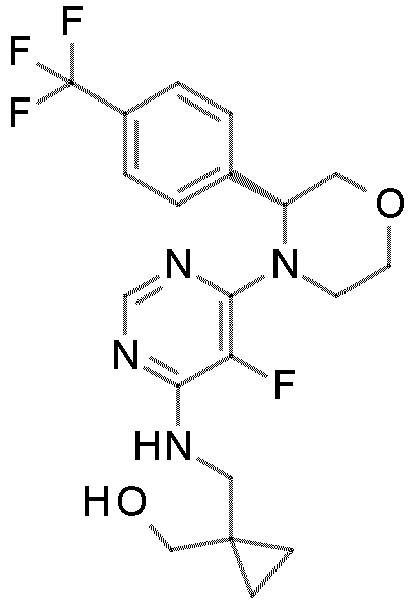 |
[1-[[[5-fluoro-6-[(3 S)-3-[4-(trifluoromethyl)phenyl]morpholin-4-yl]pyrimidin-4-yl]amino]methyl]cyclopropyl]methanol |
| 297 |
 |
N-[1-[5-fluoro-6-[(3S)-3-[4-(trifluoromethyl)phenyl]morpholin-4-yl]pyrimidin-4-yl]-4-piperidyl]methanesulfonamide |
| 299 |
 |
2-[4-[[[6-[2-(1,3-benzodioxol-5-yl)pyrrolidin-1-yl]-5-fluoro-pyrimidin-4-yl]amino]methyl]phenyl]acetamide |
| 300 |
 |
2-[4-[[[5-fluoro-6-[2-(4-hydroxyphenyl)pyrrolidin-1-yl]pyrimidin-4-yl]amino]methyl]phenyl]acetamide |
| 301 |
 |
2-[4-[[[6-[2-(4-ethoxyphenyl)pyrrolidin-1-yl]-5-fluoro-pyrimidin-4-yl]amino]methyl]phenyl]acetamide |
| 302 |
 |
2-[4-[[[5-fluoro-6-[2-(p-tolyl)pyrrolidin-1-yl]pyrimidin-4-yl]amino]methyl]phenyl]acetamide |
| 303 |
 |
2-[4-[[[5-fluoro-6-[2-(4-isopropylphenyl)pyrrolidin-1-yl]pyrimidin-4-yl]amino]methyl]phenyl]acetamide |
| 304 |
 |
2-[4-[[[5-fluoro-6-[2-(3-methoxyphenyl)pyrrolidin-1-yl]pyrimidin-4-yl]amino]methyl]phenyl]acetamide |
| 305 |
 |
2-[4-[[[6-[2-(3-bromophenyl)pyrrolidin-1-yl]-5-fluoro-pyrimidin-4-yl]amino]methyl]phenyl]acetamide |
| 306 |
 |
2-[4-[[[6-[2-(3-chlorophenyl)pyrrolidin-1-yl]-5-fluoro-pyrimidin-4-yl]amino]methyl]phenyl]acetamide |
| 307 |
 |
2-[4-[[[5-fluoro-6-[2-[4-(trifluoromethyl)phenyl]azetidin-1-yl]pyrimidin-4-yl]amino]methyl]phenyl]acetamide |
| 308 |
 |
2-[4-[[[5-fluoro-6-[2-[4-(trifluoromethyl)phenyl]-1-piperidyl]pyrimidin-4-yl]amino]methyl]phenyl]acetamide |
| 309 |
 |
5-fluoro-N-[(4-methylsulfonylmorpholin-2-yl)methyl]-6-[(3S)-3-[4-(trifluoromethyl)phenyl]morpholin-4-yl]pyrimidin-4-amine |
| 310 |
 |
2-[4-[[[6-[2-(1,3-benzothiazol-2-yl)pyrrolidin-1-yl]-5-fluoro-pyrimidin-4-yl]amino]methyl]phenyl]acetamide |
| 311 |
 |
2-[4-[[[5-fluoro-6-[2-(1-naphthyl)pyrrolidin-1-yl]pyrimidin-4-yl]amino]methyl]phenyl]acetamide |
| 312 |
 |
2-[4-[[[5-fluoro-6-[2-(2-naphthyl)pyrrolidin-1-yl]pyrimidin-4-yl]amino]methyl]phenyl]acetamide |
| 313 |
 |
2-[4-[[[5-fluoro-6-[2-(5-methyl-2-furyl)pyrrolidin-1-yl]pyrimidin-4-yl]amino]methyl]phenyl]acetamide |
| 314 |
 |
2-[4-[[[5-fluoro-6-[2-(5-methyl-1,2,4-oxadiazol-3-yl)pyrrolidin-1-yl]pyrimidin-4-yl]amino]methyl]phenyl]acetamide |
| 315 |
 |
2-[4-[[[5-fluoro-6-[2-(5-methyl-1,3,4-oxadiazol-2-yl)pyrrolidin-1-yl]pyrimidin-4-yl]amino]methyl]phenyl]acetamide |
| 316 |
 |
2-[4-[[[6-[2-(5-ethyl-2-furyl)pyrrolidin-1-yl]-5-fluoro-pyrimidin-4-yl]amino]methyl]phenyl]acetamide |
| 317 |
 |
2-[4-[[[6-[2-(1,3-dimethylpyrazol-4-yl)pyrrolidin-1-yl]-5-fluoro-pyrimidin-4-yl]amino]methyl]phenyl]acetamide |
| 318 |
 |
2-[4-[[[6-[2-(2,4-dimethoxyphenyl)pyrrolidin-1-yl]-5-fluoro-pyrimidin-4-yl]amino]methyl]phenyl]acetamide |
| 319 |
 |
4-[[[5-fluoro-6-[(2R)-2-[4-(trifluoromethyl)phenyl]pyrrolidin-1-yl]pyrimidin-4-yl]amino]methyl]benzenesulfonic acid |
| 320 |
 |
4-[[[5-fluoro-6-[(2R)-2-[4-(trifluoromethyl)phenyl]pyrrolidin-1-yl]pyrimidin-4-yl]amino]methyl]-N-(2-methoxyethyl)benzenesulfonamide |
| 323 |
 |
2-[4-[[[5-fluoro-6-[2-[2-hydroxy-4-(trifluoromethyl)phenyl]pyrrolidin-1-yl]pyrimidin-4-yl]amino]methyl]phenyl]acetamide |
| 324 |
 |
2-[1-[5-fluoro-6-[(1-methylsulfonyl-4-piperidyl)methylamino]pyrimidin-4-yl]pyrrolidin-2-yl]-5-(trifluoromethyl)phenol |
| 325 |
 |
(2R)-2-[[5-fluoro-6-[(2R)-2-[4-(trifluoromethyl)phenyl]pyrrolidin-1-yl]pyrimidin-4-yl]amino]-4,4-dimethyl-pentanoic acid |
| 326 |
 |
2-[4-[[4-[(3S)-3-[6-(trifluoromethyl)-3-pyridyl]morpholin-4-yl]pyrrolo[2,3-d]pyrimidin-7-yl]methyl]phenyl]acetamide |
| 327 |
 |
5-fluoro-N-[(1-methylsulfonylpyrrolidin-3-yl)methyl]-6-[(3S)-3-[4-(trifluoromethyl)phenyl]morpholin-4-yl]pyrimidin-4-amine |
| 328 |
 |
2-[4-[[4-[(3S)-3-[5-(trifluoromethyl)-2-pyridyl]morpholin-4-yl]pyrrolo[2,3-d]pyrimidin-7-yl]methyl]phenyl]acetamide |
| 329 |
 |
(3S)-4-[7-[(6-methylsulfonyl-3-pyridyl)methyl]pyrrolo[2,3-d]pyrimidin-4-yl]-3-[4-(trifluoromethoxy)phenyl]morpholine |
| 330 |
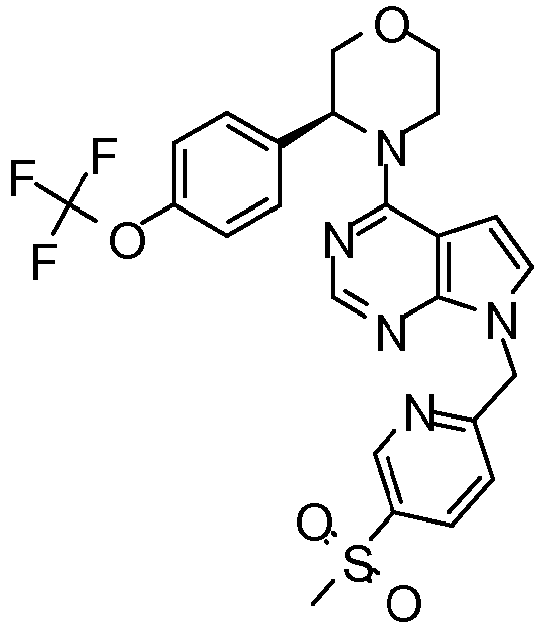 |
(3S)-4-[7-[(5-methylsulfonyl-2-pyridyl) methyl]pyrrolo[2,3-d]pyrimidin-4-yl]-3-[4-(trifluoromethoxy)phenyl] morpholine |
Claims (24)
- A compound of Formula (I)
 Y is NR or O;R is hydrogen or substituted or unsubstituted C1-4 alkyl;R1 is selected from the group consisting of hydrogen, -OH, halogen, substituted or unsubstituted C1-4 alkyl, substituted or unsubstituted C1-4 alkoxy, and substituted or unsubstituted C2-4 alkenyl;R2 is selected from the group consisting of hydrogen, halogen, substituted or unsubstituted C1-4 alkyl, substituted or unsubstituted C1-4 alkoxy, -CN, and -OH;or R and R2 are combined to form a substituted or unsubstituted fused ring;R3 is selected from the group consisting of hydrogen, halogen, -OH, substituted or unsubstituted C1-4 alkyl, substituted or unsubstituted C1-4 alkoxy, oxo, -C(=O)R10;R4a is selected from the group consisting of hydrogen, halogen, -OH, -CN, substituted or unsubstituted C1-6 alkyl, substituted or unsubstituted C1-C6 alkoxy, substituted or unsubstituted C1-6 alkenyl, substituted or unsubstituted C3-C6 cycloalkyl, substituted or unsubstituted aryl, substituted or unsubstituted aryl-C1-6 alkyl, substituted or unsubstituted heteroaryl, and substituted or unsubstituted heteroaryl-C1-6 alkyl;R4b is selected from the group consisting of hydrogen, halogen, oxo, -OH, substituted or unsubstituted C1-4 alkyl, substituted or unsubstituted C1-4 alkoxy, and - C(=O)R10;R5 is selected from the group consisting of -(CR8R9)pOR12, -(CR8R9)p-CR13R14R15, -(CR8R9)p-C(=O)OR7, and -(CR8R9)p-C(=O)NR8R9;n, m, and p are integers independently selected from the group consisting of 0, 1, 2, 3 and 4;R6a, R6b are independently selected from the group consisting of hydrogen, halogen, substituted or unsubstituted C1-6 alkyl, substituted or unsubstituted C1-6 alkenyl, substituted or unsubstituted C2-6 alkynyl, substituted or unsubstituted C1-6 alkoxy, substituted or unsubstituted C1-6 heteroalkyl, substituted or unsubstituted C3-8 cycloalkyl, substituted or unsubstituted C3-8 cycloalkenyl, substituted or unsubstituted C2-9 heteroalicyclyl, substituted or unsubstituted aryl, and substituted or unsubstituted heteroaryl, or R6a and R6b are taken together to form an oxo group or a ring system selected from substituted or unsubstituted C3-6 cycloalkyl, and substituted or unsubstituted C2-9 heteroalicyclyl, or R6a and R13 are taken together to form a ring system selected from substituted or unsubstituted C3-6 cycloalkyl, and substituted or unsubstituted C2-5 heteroalicyclyl;R7, R8, R9, and R12, are independently selected from the group consisting of hydrogen, substituted or unsubstituted C1-6 alkyl, substituted or unsubstituted C3-6 cycloalkyl, and substituted or unsubstituted C2-9 heteroalicyclyl;R10 is selected from the group consisting of C1-6 alkyl, C1-6 alkoxy, -OH, -NH2, -NH(C1-6 alkyl), -N(C1-6 alkyl)2, and C3-7 cycloalkyl;R13 is absent, or selected from the group consisting of hydrogen, -OH, -CN, fluorine, substituted or unsubstituted C1-6 alkyl, substituted or unsubstituted C1-6 alkenyl, substituted or unsubstituted C1-6 alkoxy, substituted or unsubstituted C3-8 cycloalkyl, substituted or unsubstituted C3-8 cycloalkenyl, and -(CR8R9)p-C(=O)OR7, -(CR8R9)p-SO2R7 and -(CR8R9)p-C(=O)NR8R9;R14 and R15 are independently selected from the group consisting of hydrogen, and substituted or unsubstituted C1-6 alkyl, substituted or unsubstituted C3-6 cycloalkyl, and substituted or unsubstituted C2-9 heteroalicyclyl; orR14 and R15 are combined to form a ring system selected from the group consisting of substituted or unsubstituted C3-8 cycloalkyl, substituted or unsubstituted C3-8 cycloalkenyl, substituted or unsubstituted C2-9 heteroalicyclyl, substituted or unsubstituted aryl, and substituted or unsubstituted heteroaryl;B is a ring system selected from the group consisting of aryl, heteroaryl, and bicyclic heteroalicyclyl, provided that it is not 5,6-dichloro-1H-benzo[d]imidazol-2-yl when R1 and R2 both are hydrogen;C is a ring system selected from C2-9 heteroalicyclyl;wherein B is attached to a carbon atom adjacent the N atom of ring system C; andwith the proviso the compound is not:
- The compound according to claim 1, wherein R and R2 in combination with the pyrimidine ring of formula (I) form a pyrrolo[2,3-d]pyrimidine or 6,7-dihydro-5H-pyrrolo[2,3-d]pyrimidine; or the compound is a compound of Formula (IIa):
 R4e and R4d are independently selected from the group consisting of hydrogen, halogen, substituted or unsubstituted C1-4 alkyl, substituted or unsubstituted C1-4 alkoxy, and -OH; orR4e and R4d are independently selected from the group consisting of hydrogen, methyl, and fluorine.
 - The compound according to any one of claims 1 to 2, wherein R5 is - (CR8R9)p-C(=O)OR7, or -(CR8R9)p-C(=O)NR8R9; or - (CR8R9)pOR12; or -(CR8R9)p-CR13R14R15.
- The compound according to claim 3, wherein R14 and R15 are combined to form a ring system selected from the group consisting of substituted or unsubstituted C3-7 cycloalkyl, substituted or unsubstituted C3-7 cycloalkenyl, substituted or unsubstituted C2-6 heteroalicyclyl, substituted or unsubstituted aryl, and substituted or unsubstituted heteroaryl; orR14 and R15 are combined to form a ring system selected from the group consisting of substituted or unsubstituted C4-7 cycloalkyl, substituted or unsubstituted C6-12 membered aryl, substituted or unsubstituted 4-membered heteroalicyclyl, substituted or unsubstituted 5-membered heteroaryl, substituted or unsubstituted 5-membered heteroalicyclyl, substituted or unsubstituted 6-membered heteroaryl, a substituted or unsubstituted 6-membered heteroalicyclyl, substituted or unsubstituted 7-membered heteroaryl, and a substituted or unsubstituted 7-membered heteroalicyclyl; orR14 and R15 are combined to form a ring system selected from the group consisting of phenyl, naphthyl, cyclopropyl, cyclobutyl, cyclopentyl, cyclohexyl, cycloheptyl, azetidinyl, thietanyl, pyrrolyl, pyrazoleyl imidazolyl, pyrrolidinyl, imidazolinyl, pyrazolidinyl, thiazolidinyl, isothiazolidinyl, triazolyl, tetrazolyl, oxazolyl, isoxazolyl, oxadiazolyl, oxathianyl thiazolyl, isothiazolyl, pyridyl, pyridazinyl, pyrazinyl, pyrimidinyl, triazinyl, piperidinyl, piperazinyl, morpholinyl, thiomorpholinyl, dioxolanyl, dioxanyl, furyl, dihydrofuranyl, furazanyl, tetrahydrofuryl, pyranyl, tetrahydropyranyl, tetrahydrothiopyranyl, dithiolanyl, dithianyl, thiopyranyl, thianyl, thienyl, oxetanyl, quinolyl, isoquinolyl, indolyl, iso-indolyl, and tetrahydrothienyl, any of which may be substituted or unsubstituted.
- The compound according to claim 4, wherein the ring system formed by the combination of R14 and R15 is substituted with -(CH2)q(R5a) wherein R5a is independently selected from the group consisting of -CH2COOR20, -CH2CONR21R22, oxo, -CN, -CH2-CN, C1-6 alkyl, -CH2-imidazolyl, -CH2-SO2R20, -CH2C(CH3)2(OR20),-OR20, -CH2-triazolyl, -CF3, dimethyl substituted-imidazolyl-2,4-dione, -CH2-SO2NR21R22, morpholinyl, -C(=O)-morpholinyl, piperidyl-CH2OR20, -OCH2-tetrahydrofuryl, piperazinonyl, piperidinyl-CONR21R22, -OH, -CONR21R22,-CH(OR20)CH3, -COOR20, -CH2-pyrrolidyl, C1-6 alkylene-OH, cyclopentyl, pyrrolidonyl, , -NR21SO2R20, tetrazolyl, -CH2-tetrazolyl, -CH2OR20, acyl, -SOR20, -SO3R20, -SO2R20, -SO2NR21R22, and halogen;R20, R21, and R22 are independently of each other selected from the group consisting of hydrogen, substituted or unsubstituted C1-6 alkyl, -CN, substituted or unsubstituted C3-6 cycloalkyl, substituted or unsubstituted C2-6 heteroalicyclyl; andq is an integer selected from 0, 1 or 2.
- The compound according to any one of claims 3 to 5, wherein R13 is absent or selected from the group consisting of hydrogen, -CN, -CH3, fluorine, -OH, -CH2OH, -OCH3, -CH2CH2OH, -CO2H, -CO2-C1-4-alkyl and -CONR8R9 wherein R8 and R9 are independently of each other selected from hydrogen, C1-4 alkyl, C1-4 aminoalkyl, or R8 and R9 are combined to form a C2-C6 heteroalicyclyl.
- The compound according to any one of claims 1 to 6, wherein Y is NR, andR is selected from the group consisting of hydrogen, C1-4 alkyl, C1-4 haloalkyl, and C1-4 hydroxyalkyl; orR is hydrogen.
- The compound according to any one of claims 1 to 7, wherein R1 is selected from the group consisting of hydrogen, halogen, substituted or unsubstituted C1-4 alkyl, and substituted or unsubstituted C1-4 alkoxy; orR1 is selected from the group consisting of hydrogen, halogen, C1-4 alkyl, C1-4 haloalkyl, and C1-4 hydroxyalkyl; orR1 is hydrogen or -CF3.
- The compound according to any one of claims 1 to 8, wherein R2 is selected from the group consisting of hydrogen, halogen, C1-4 alkyl, C1-4 haloalkyl, and C1-4 hydroxyalkyl; orR2 is halogen; orR2 is fluorine.
- The compound according to any one of claims 1 to 9, wherein R3 is selected from the group consisting of hydrogen, halogen, C1-4 alkyl, C1-4 haloalkyl, C1-4 hydroxyalkyl, oxo, C1-4 alkoxy and C1-4 haloalkoxy; orR3 is selected from the group consisting of hydrogen, methyl, fluorine, chlorine, and oxo; and/orwhenever m is an integer selected from 2, 3, or 4, at least two of the R3 groups present are bound to the same atom of ring system C.
- The compound according to any one of claims 1 to 10, wherein R4a is selected from the group consisting of hydrogen, halogen, C1-6 alkyl, C1-6 haloalkyl, C1-6 hydroxyalkyl, -CN, C1-C6 alkoxy, C1-6 haloalkoxy, C3-C5 cycloalkyl, heteroaryl and aryl; orR4a is selected from the group consisting of halogen, C1-4 alkyl, C1-4 haloalkyl, C1-C4 alkoxy, C1-4 haloalkoxy, and heteroaryl; orR4a is selected from the group consisting of methyl, ethyl, propyl, iso-propyl, tert-butyl, chlorine, fluorine, methoxy, ethoxy, C1-2 haloalkyl, C1-2 haloalkoxy, and triazolyl; orR4a is selected from the group consisting of -CF3, -CHF2, -OCF3, and -OCHF2.
- The compound according to any one of claims 1 to 11, wherein R4b is selected from the group consisting of hydrogen, oxo, halogen, C1-4 alkyl, C1-4 haloalkyl, C1-4 hydroxyalkyl, C1-C4 alkoxy, and C1-4 haloalkoxy; orR4b is selected from the group consisting of methyl, ethyl, propyl, iso-propyl, tert-butyl, chlorine, fluorine, methoxy, ethoxy, -OH, C1-2 haloalkyl, and C1-2 haloalkoxy; orR4b is selected from the group consisting of -CF3, -CF2CF3, -CHF2, -OCF3,-OCF2CF3, and -OCHF2.
- The compound according to any one of claims 1 to 12, wherein R6a is selected from the group consisting of hydrogen, halogen, substituted or unsubstituted C1-6 alkyl, substituted or unsubstituted C1-6 alkoxy, and substituted or unsubstituted aryl; orR6a and R13 are taken together to form a ring system selected from substituted or unsubstituted C3-6 cycloalkyl, and substituted or unsubstituted C2-9 heteroalicyclyl, or R6a and R6b are taken together to form a ring system selected from substituted or unsubstituted C3-6 cycloalkyl, and substituted or unsubstituted C2-9 heteroalicyclyl; orR6a is selected from the group consisting of hydrogen, halogen, C1-6 alkyl, C1-6 haloalkyl, C1-6 hydroxyalkyl, C1-6 alkoxy, C1-6 haloalkoxy, and aryl; orR6a is hydrogen.
- The compound according to any one of claims 1 to 13, wherein R6b is selected from the group consisting of hydrogen, substituted or unsubstituted C1-6 alkyl, substituted or unsubstituted C1-6 alkoxy, substituted or unsubstituted aryl-C1-6 alkyl, substituted or unsubstituted C2-9 heteroalicyclyl-C1-6 alkyl, substituted or unsubstituted heteroaryl, and substituted or unsubstituted aryl; orR6b is selected from the group consisting of hydrogen, C1-6 alkyl, C1-6 haloalkyl, C1-6 hydroxyalkyl, C1-C6 alkoxy, C1-6 haloalkoxy, C1-6-alkoxy-C1-6-alkyl; or R6b is selected from the group consisting of -(CH2)q-C3-6 cycloalkyl, -(CH2)q-aryl, -(CH2)q-C2-9 heteroalicyclyl, -(CH2)q-heteroaryl, which may be substituted by one or more substituent selected from the group consisting of halogen, C1-4 alkyl, C1-4 haloalkyl, C1-4 alkoxy, C3-5 cycloalkyl, -(CH2)q-CONR23R24, -(CH2)q-SO2R23, -(CH2)q-NR23SO2R24 and -(CH2)q-SO2NR23,R23, and R24 are independently of each other selected from the group consisting of hydrogen, substituted or unsubstituted C1-6 alkyl, -CN, substituted or unsubstituted C3-6 cycloalkyl, substituted or unsubstituted C2-6 heteroalicyclyl; andq is an integer selected from 0, or 1; orR6b is selected from the group consisting of hydrogen, -(CH2)C(CH3)3,-(CH2)CONH2, phenyl, phenyl substituted with 1 to 3 halogens, -CH(CH3)OC(CH3)3,-CH2-phenyl-OCH3, -phenyl-OCH3, -CH2-pyridyl, CH2-cyclohexyl-CH2CO2H, -CH2-cyclohexyl-CH2CONH2,CH2-cyclohexyl-CH2-tetrazolyl, -CH2-cyclohexyl-CH2OH,-CH2-cyclohexyl-NHSO2CH3, -CH2-cyclohexyl-NHSO2CH2CF3, -CH2-cyclohexyl-CH2CN, -CH2-phenyl-CH2CO2H, -CH2-phenyl-CH2CONH2, -CH2-phenyl-CH2CONH2CH3, -CH2-phenyl-CH2-tetrazolyl, -CH2-phenyl-CONH2, -CH2-phenyl-SO2NH-cyclopropyl, -CH2-phenyl-SO2CH3, -CH2-phenyl-NHSO2CF3, -CH2-phenyl-NHSO2CH3, -CH2-phenyl-NHSO2CHF2, -CH2-pyridyl-CH3, -CH2-pyridyl-SO2CH3,-CH2-pyridyl-CH2CONH2, -CH2-pyrimidyl-NHSO2CH3, -CH2-piperidyl-COCH3, -CH2-piperidyl-SO2CH3, -CH2-piperidyl-SO2CF3, -CH2-thienyl-CH2CO2H, -CH2-cyclobutyl-CH2CO2H, -CH2-cyclobutyl-CH2CONH2, -CH2-cyclobutyl-CO2H, -CH2-cyclobutyl-CONH2, -CH2-tetrahydrothiopyryl, -CH2-cyclopentyl, -CH2-cyclohexyl, -CH2-tetrahydrofuranyl, -CH2-tetrahydropyranyl, -CH2-oxetanyl, and -CH2-pyranyl; orR6b is hydrogen or -(CH2)C(CH3)3.
- The compound according to any one of claims 1 to 14, wherein R7, R8, R9, and R12 are independently selected of each other from hydrogen, substituted or unsubstituted C1-6 alkyl, substituted or unsubstituted aryl-C1-6 alkyl, substituted or unsubstituted heteroaryl-C1-6 alkyl and substituted or unsubstituted aryl; orR7, Rs, R9, and R12 are independently of each other selected from hydrogen, C1-6 alkyl, C1-6 haloalkyl, C1-6 hydroxyalkyl, and aryl; orR7, R8, R9, and R12 are independently of each other selected from hydrogen, C1-4 alkyl, C1-4 haloalkyl, and C1-4 hydroxyalkyl; orR7, R8, R9, and R12 are independently of each other selected from hydrogen, methyl, ethyl and tert-butyl.
- The compound according to any one of claims 1 to 15, wherein ring system B is aryl or heteroaryl; and/orring system B has at least one of R4a or R4b present and other than hydrogen; orring system B is a 6-membered aryl having R4a in the para-position or meta-position to ring system C, 6-membered heteroaryl having R4a in the para-position or meta-position to ring system C, or 5-membered heteroaryl having R4a in 2- or 3-position.
- The compound according to any one of claims 1 to 16, wherein
ring system B is selected from the group consisting of phenyl, pyridyl, pyrazolyl, pyridazinyl, pyrimidinyl, naphthyl and furanyl. - The compound according to any one of claims 1 to 17, wherein ring system C is a 4-7-membered heteroalicyclyl; orring system C is selected from the group consisting of a 5-membered heteroalicyclyl, and 6-membered heteroalicyclyl; orring system C is selected from the group consisting of pyrrolidinyl, piperidyl, azetidinyl and morpholinyl.
- The compound according to any one of claims 1 to 18, wherein m is an integer selected from the group consisting of 1, 2, 3 and 4; or
m is 1 or 2. - The compound according to any one of claims 1 to 19, wherein n is an integer selected from the group consisting of 1, 2, 3 and 4; or
n is 0 and/or m is 0. - The compound according to any one of claims 1 to 20, wherein p is an integer selected from 0, 1 or 2; or
p is 0. - The compound according to claim 1, selected from the group consisting of:


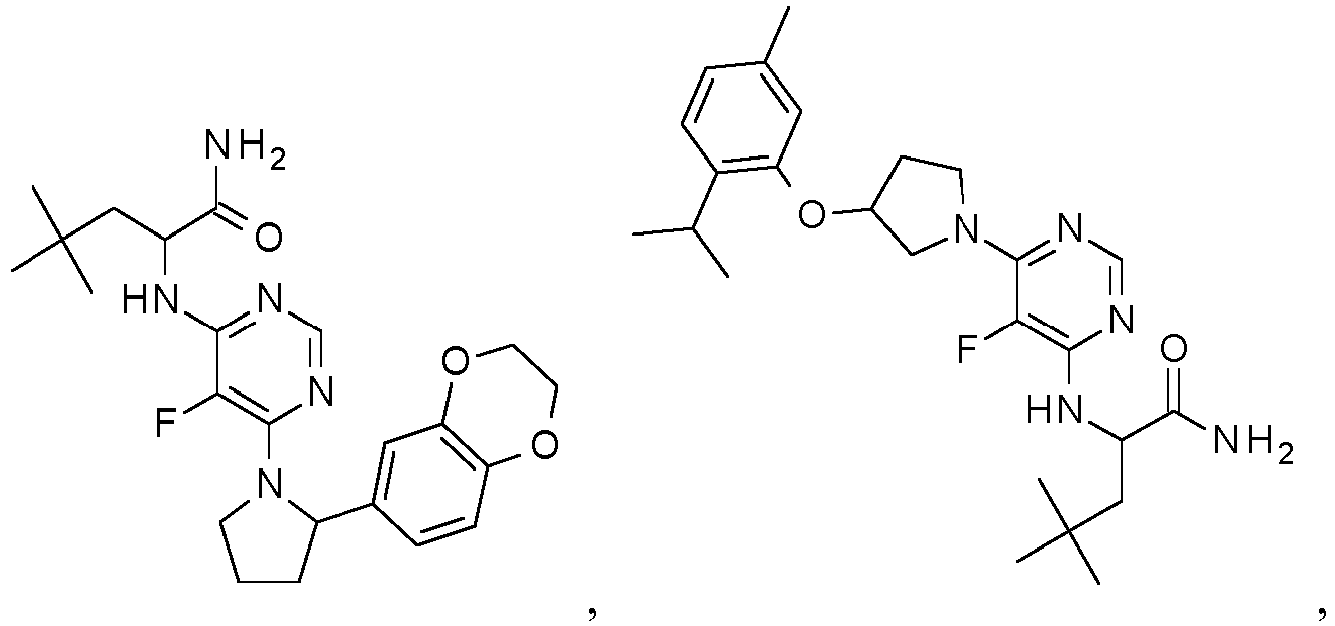


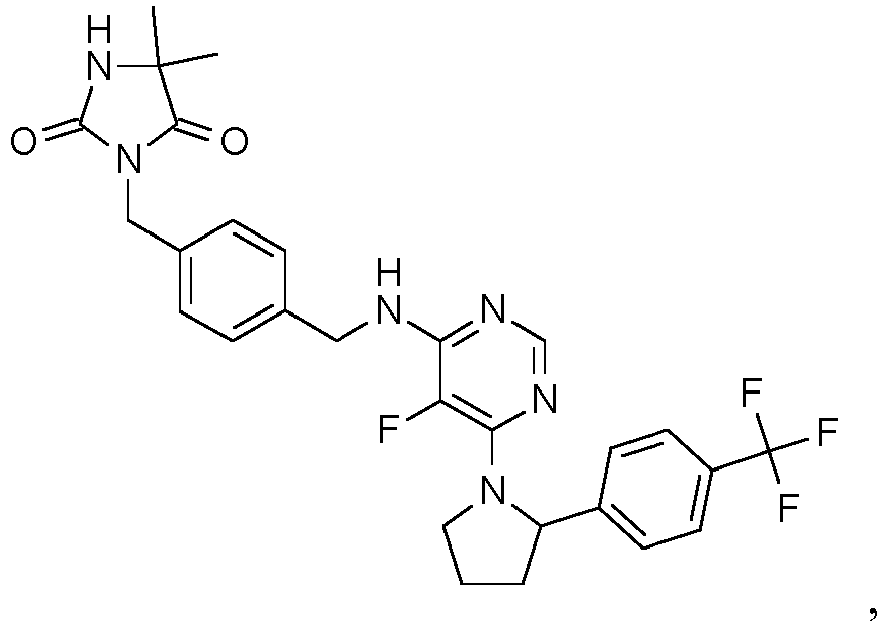


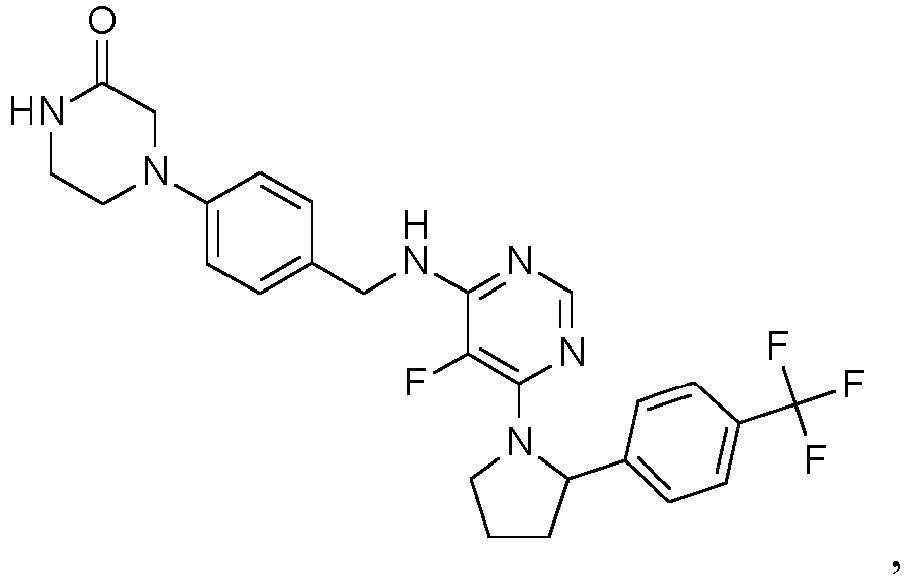


- A compound according to any one of claims 1-22 or pharmaceutical composition thereof comprising at least one acceptable excipient, for use in the treatment and/or prevention of inflammatory, metabolic and autoimmune diseases or disorders; or
for use in the treatment of a disease or disorder selected from the group consisting of asthma, chronic obstructive pulmonary disease (COPD), bronchitis, atherosclerosis, helicobacter pylori infection, allergic diseases including allergic rhinitis, allergic conjunctivitis and uvetis, sprue and food allergy, atopic dermatitis, cystic fibrosis, lung allograph rejection, multiple sclerosis, rheumatoid arthritis, juvenile rheumatoid arthritis, osteoarthritis, ankylosing spondylitis, psoriasis, psoriatic arthritis, steatosis, steatohepatitis, non-alcoholic fatty liver disease (NAFLD), non-alcoholic steatohepatitis (NASH), lupus erythematosus, Hashimoto's disease, pancreatisis, autoimmune diabetes, autoimmune ocular disease, ulcerative colitis, colitis, Crohn's disease, inflammatory bowel disease (IBD), inflammatory bowel syndrome (IBS), Sjögren's syndrome, optic neuritis, type I diabetes, neuromyelitis optica, Myastehnia Gravis, Guillain-Barre syndrome, Graves' disease, scleritis, obesity, obesity-induced insulin resistance and type II diabetes, and cancer. - The compound, pharmaceutically acceptable salts, hydrates, solvates, polymorphs, and stereoisomers thereof according to claim 1, whereinR4a is selected from the group consisting of hydrogen, halogen, -OH, substituted or unsubstituted C1-6 alkyl, substituted or unsubstituted C1-C6 alkoxy, substituted or unsubstituted C1-6 alkenyl, substituted or unsubstituted C3-C6 cycloalkyl, substituted or unsubstituted aryl, substituted or unsubstituted aryl-C1-6 alkyl, substituted or unsubstituted heteroaryl, and substituted or unsubstituted heteroaryl-C1-6 alkyl; and/orR13 is absent, or selected from the group consisting of hydrogen, -OH, -CN, substituted or unsubstituted C1-6 alkyl, substituted or unsubstituted C1-6 alkenyl, substituted or unsubstituted C1-6 alkoxy, substituted or unsubstituted C3-8 cycloalkyl, substituted or unsubstituted C3-8 cycloalkenyl, and -(CR8R9)p-C(=O)OR7, -(CR8R9)p-SO2R7 and -(CR8R9)p-C(=O)NR8R9.
Applications Claiming Priority (3)
| Application Number | Priority Date | Filing Date | Title |
|---|---|---|---|
| SE1450920 | 2014-08-04 | ||
| SE1451406 | 2014-11-21 | ||
| PCT/EP2015/067713 WO2016020295A1 (en) | 2014-08-04 | 2015-07-31 | Optionally fused heterocyclyl-substituted derivatives of pyrimidine useful for the treatment of inflammatory, metabolic, oncologic and autoimmune diseases |
Publications (2)
| Publication Number | Publication Date |
|---|---|
| EP3177611A1 EP3177611A1 (en) | 2017-06-14 |
| EP3177611B1 true EP3177611B1 (en) | 2021-10-06 |
Family
ID=53765209
Family Applications (2)
| Application Number | Title | Priority Date | Filing Date |
|---|---|---|---|
| EP15744925.7A Active EP3177611B1 (en) | 2014-08-04 | 2015-07-31 | Optionally fused heterocyclyl-substituted derivatives of pyrimidine useful for the treatment of inflammatory, metabolic, oncologic and autoimmune diseases |
| EP15745475.2A Active EP3177612B1 (en) | 2014-08-04 | 2015-07-31 | Optionally fused heterocyclyl-substituted derivatives of pyrimidine useful for the treatment of inflammatory, metabolic, oncologic and autoimmune diseases |
Family Applications After (1)
| Application Number | Title | Priority Date | Filing Date |
|---|---|---|---|
| EP15745475.2A Active EP3177612B1 (en) | 2014-08-04 | 2015-07-31 | Optionally fused heterocyclyl-substituted derivatives of pyrimidine useful for the treatment of inflammatory, metabolic, oncologic and autoimmune diseases |
Country Status (32)
| Country | Link |
|---|---|
| US (3) | US10683293B2 (en) |
| EP (2) | EP3177611B1 (en) |
| JP (3) | JP6604664B2 (en) |
| KR (2) | KR102523430B1 (en) |
| CN (2) | CN106573899B (en) |
| AU (3) | AU2015299142B2 (en) |
| BR (1) | BR112017002214B1 (en) |
| CA (2) | CA2957046C (en) |
| CL (2) | CL2017000271A1 (en) |
| CO (2) | CO2017002160A2 (en) |
| CR (2) | CR20170076A (en) |
| CY (1) | CY1125326T1 (en) |
| DK (1) | DK3177612T3 (en) |
| ES (1) | ES2911707T3 (en) |
| GT (1) | GT201700023A (en) |
| HR (1) | HRP20220522T1 (en) |
| IL (3) | IL250324B (en) |
| LT (1) | LT3177612T (en) |
| MA (1) | MA40552A (en) |
| MX (2) | MX381819B (en) |
| MY (2) | MY194204A (en) |
| NZ (2) | NZ729137A (en) |
| PE (2) | PE20170682A1 (en) |
| PH (2) | PH12017500164A1 (en) |
| PL (1) | PL3177612T3 (en) |
| RS (1) | RS63190B1 (en) |
| RU (2) | RU2719422C2 (en) |
| SG (3) | SG10202006053UA (en) |
| SI (1) | SI3177612T1 (en) |
| SM (1) | SMT202200197T1 (en) |
| WO (2) | WO2016020288A1 (en) |
| ZA (2) | ZA201700672B (en) |
Families Citing this family (16)
| Publication number | Priority date | Publication date | Assignee | Title |
|---|---|---|---|---|
| US9501791B2 (en) | 2014-07-18 | 2016-11-22 | Mark V. Dziuk | Online marketplace with seller financing |
| CR20170076A (en) | 2014-08-04 | 2017-06-26 | Nuevolution As | PIRIMIDIMA DERIVATIVES REPLACED WITH OPTIONALLY CONDENSED HETEROCICLYL USEFUL FOR THE TREATMENT OF INFLAMMATORY, METABOLIC, ONCOLOGICAL AND SELF-IMMUNITY DISEASES |
| US10450300B2 (en) | 2015-10-08 | 2019-10-22 | Suzhou Yunxuan Yiyao Keji Youxian Gongsi | Wnt signaling pathway inhibitors and therapeutic applications thereof |
| TWI728017B (en) | 2015-12-15 | 2021-05-21 | 瑞典商阿斯特捷利康公司 | Isoindole compounds, pharmaceutical composition comprising the same, and uses thereof |
| EP3638661A1 (en) | 2017-06-14 | 2020-04-22 | Astrazeneca AB | 2,3-dihydroisoindole-1-carboxamides useful as ror-gamma modulators |
| US11760701B2 (en) | 2018-02-27 | 2023-09-19 | The Research Foundation For The State University Of New Yrok | Difluoromethoxylation and trifluoromethoxylation compositions and methods for synthesizing same |
| WO2020035557A1 (en) | 2018-08-17 | 2020-02-20 | Leo Pharma A/S | Novel heteroaromatic modulators of the retinoid-related orphan receptor gamma |
| WO2020035556A1 (en) | 2018-08-17 | 2020-02-20 | Leo Pharma A/S | Novel heteroaromatic modulators of the retinoid-related orphan receptor gamma |
| CA3120388A1 (en) * | 2018-11-19 | 2020-05-28 | 11949098 Canada Inc. | Modulators of rar related orphan receptors (rors) |
| AU2020408107B2 (en) * | 2019-12-20 | 2026-04-23 | Nuevolution A/S | Compounds active towards nuclear receptors |
| AU2020405446A1 (en) * | 2019-12-20 | 2022-05-26 | Nuevolution A/S | Compounds active towards nuclear receptors |
| EP4126874A1 (en) | 2020-03-31 | 2023-02-08 | Nuevolution A/S | Compounds active towards nuclear receptors |
| US11613532B2 (en) | 2020-03-31 | 2023-03-28 | Nuevolution A/S | Compounds active towards nuclear receptors |
| US11548874B2 (en) | 2020-05-19 | 2023-01-10 | Florida State University Research Foundation, Inc. | Antifibrotic compounds and related methods |
| US11878986B2 (en) * | 2020-06-22 | 2024-01-23 | National Health Research Institutes | Poly heterocyclic conjugates and their pharmaceutical uses |
| MX2024002589A (en) * | 2021-08-30 | 2024-04-30 | Amgen Inc | Process for synthesizing naphthyridine derivatives and intermediates thereof. |
Family Cites Families (196)
| Publication number | Priority date | Publication date | Assignee | Title |
|---|---|---|---|---|
| US3236972A (en) * | 1963-12-31 | 1966-02-22 | Hudson Lamp Company | Noise level increaser for snap-action devices |
| US4298602A (en) | 1978-10-13 | 1981-11-03 | The Dow Chemical Company | Heterocyclic substituted triazolyl phosphorous compounds and their use as insecticides |
| DE3737748A1 (en) | 1987-11-03 | 1989-05-18 | Schering Ag | 3-arylsulphonylamino-1H-1,2,4-triazoles, processes for their preparation, and their use as herbicides and growth regulators |
| DE3905714A1 (en) | 1989-02-24 | 1990-09-06 | Bayer Ag | SULFONYLIMINO-AZINYLHETEROAZOLES, METHODS AND INTERMEDIATE PRODUCTS FOR THE PRODUCTION THEREOF AND THEIR USE AS HERBICIDES |
| DE3928605A1 (en) | 1989-08-30 | 1991-03-07 | Bayer Ag | SUBSTITUTED SULFONYLAMINOAZOLES |
| GB8929022D0 (en) | 1989-12-22 | 1990-02-28 | Ici Plc | Diazine derivatives |
| JPH04348326A (en) | 1990-07-09 | 1992-12-03 | Sumitomo Electric Ind Ltd | Organic nonlinear optical material |
| DE4124942A1 (en) | 1991-07-27 | 1993-01-28 | Thomae Gmbh Dr K | 5-LOW HETEROCYCLES, METHOD FOR THE PRODUCTION THEREOF AND MEDICAMENTS CONTAINING SUCH COMPOUNDS |
| JP3264492B2 (en) | 1992-01-13 | 2002-03-11 | スミスクライン・ビーチャム・コーポレイション | Pyridyl-substituted imidazole |
| WO1993022311A1 (en) | 1992-04-27 | 1993-11-11 | E.I. Du Pont De Nemours And Company | Fungicidal 1,3,4-oxadiazines and 1,3,4-thiadiazines |
| JPH06220059A (en) | 1993-01-28 | 1994-08-09 | Tanabe Seiyaku Co Ltd | Fused pyrimidine derivative and process for producing the same |
| DE4427529A1 (en) | 1994-08-04 | 1996-02-08 | Bayer Ag | Process for the preparation of 1,2,4-triazine-3,5-diones |
| EP0831829B1 (en) | 1995-06-07 | 2003-08-20 | Pfizer Inc. | Heterocyclic ring-fused pyrimidine derivatives |
| DE19536891A1 (en) | 1995-10-04 | 1997-04-10 | Basf Ag | New amino acid derivatives, their production and use |
| ZA973884B (en) | 1996-05-23 | 1998-11-06 | Du Pont Merck Pharma | Tetrahydropteridines and pyridylpiperazines for treatment of neurological disorders |
| CA2272705C (en) | 1996-11-27 | 2003-03-18 | Pfizer Inc. | Fused bicyclic pyrimidine derivatives |
| JPH10251255A (en) | 1997-03-14 | 1998-09-22 | Nissan Chem Ind Ltd | Azine derivative |
| JP2000086663A (en) | 1998-09-09 | 2000-03-28 | Taisho Pharmaceut Co Ltd | Aryltetrahydropyridine derivative |
| EP1396489A1 (en) | 1999-01-27 | 2004-03-10 | Pfizer Products Inc. | Heteroaromatic bicyclic derivatives useful as anticancer agents |
| US7122666B2 (en) | 1999-07-21 | 2006-10-17 | Sankyo Company, Limited | Heteroaryl-substituted pyrrole derivatives, their preparation and their therapeutic uses |
| JP2003104971A (en) | 1999-08-12 | 2003-04-09 | Wakunaga Pharmaceut Co Ltd | New anilide derivative or salt thereof, and medicine containing the same |
| AU7922900A (en) | 1999-10-27 | 2001-05-08 | Novartis Ag | Thiazole and imidazo (4,5-b) pyridine compounds and their pharmaceutical use |
| ATE449764T1 (en) | 1999-12-28 | 2009-12-15 | Pharmacopeia Inc | CYTOKINE, ESPECIALLY TNF-ALPHA, INHIBITORS |
| US7041675B2 (en) | 2000-02-01 | 2006-05-09 | Abbott Gmbh & Co. Kg | Heterocyclic compounds and their use as PARP inhibitors |
| WO2002022584A1 (en) | 2000-09-11 | 2002-03-21 | Merck & Co., Inc. | Thrombin inhibitors |
| JP2002284779A (en) | 2001-01-18 | 2002-10-03 | Sankyo Co Ltd | Medicine containing heteroaryl-substituted pyrrole derivative |
| DE10108480A1 (en) | 2001-02-22 | 2002-09-05 | Bayer Ag | Pyrazolylpyrimidine |
| WO2003011836A1 (en) | 2001-08-01 | 2003-02-13 | Merck & Co., Inc. | Tyrosine kinase inhibitors |
| US20030191121A1 (en) | 2001-08-09 | 2003-10-09 | Miller Ross A. | Piperazine carboxamide intermediates of HIV protease inhibitors and processes for their preparation |
| GB0127929D0 (en) | 2001-11-21 | 2002-01-16 | Celltech R&D Ltd | Chemical compounds |
| AU2003203148A1 (en) | 2002-02-05 | 2003-09-02 | High Point Pharmaceuticals, Llc | Novel aryl- and heteroarylpiperazines |
| AU2003212634A1 (en) | 2002-03-11 | 2003-09-22 | Zetiq Technologies Ltd. | Compounds useful in the treatment of cancer |
| JP2005534632A (en) | 2002-05-10 | 2005-11-17 | ニューロクライン バイオサイエンセズ, インコーポレイテッド | Substituted piperazines as melanocortin receptor ligands |
| GB0212785D0 (en) | 2002-05-31 | 2002-07-10 | Glaxo Group Ltd | Compounds |
| SE0201980D0 (en) | 2002-06-24 | 2002-06-24 | Astrazeneca Ab | Novel compounds |
| WO2004014384A2 (en) | 2002-08-13 | 2004-02-19 | Warner-Lambert Company Llc | Cyclic compounds containing zinc binding groups as matrix metalloproteinase inhibitors |
| JP4963357B2 (en) | 2002-10-30 | 2012-06-27 | チバ ホールディング インコーポレーテッド | Electroluminescent device |
| US20040097492A1 (en) | 2002-11-01 | 2004-05-20 | Pratt John K | Anti-infective agents |
| US7223870B2 (en) | 2002-11-01 | 2007-05-29 | Pfizer Inc. | Methods for preparing N-arylated oxazolidinones via a copper catalyzed cross coupling reaction |
| WO2004039785A1 (en) | 2002-11-01 | 2004-05-13 | Pfizer Products Inc. | Process for the preparation of pyrrolidinyl ethylamine compounds via a copper-mediated aryl amination |
| SE0203712D0 (en) | 2002-12-13 | 2002-12-13 | Astrazeneca Ab | Novel compounds |
| US7144911B2 (en) | 2002-12-31 | 2006-12-05 | Deciphera Pharmaceuticals Llc | Anti-inflammatory medicaments |
| US7202257B2 (en) | 2003-12-24 | 2007-04-10 | Deciphera Pharmaceuticals, Llc | Anti-inflammatory medicaments |
| US7569591B2 (en) | 2003-01-31 | 2009-08-04 | Vertex Pharmaceuticals Incorporated | Gyrase inhibitors and uses thereof |
| US7078419B2 (en) | 2003-03-10 | 2006-07-18 | Boehringer Ingelheim Pharmaceuticals, Inc. | Cytokine inhibitors |
| US7122557B2 (en) | 2003-03-18 | 2006-10-17 | Bristol-Myers Squibb Company | Sulfonyl-amidino-containing and tetrahydropyrimidino-containing compounds as factor Xa inhibitors |
| GB0306329D0 (en) | 2003-03-19 | 2003-04-23 | Glaxo Group Ltd | Compounds |
| EP1628666B1 (en) | 2003-05-14 | 2015-09-23 | NeuroGenetic Pharmaceuticals, Inc. | Compouds and uses thereof in modulating amyloid beta |
| DE10322469A1 (en) | 2003-05-19 | 2004-12-16 | Bayer Healthcare Ag | Heterocyclic compounds |
| WO2005033072A2 (en) | 2003-09-30 | 2005-04-14 | Scios Inc. | Heterocyclic amides and sulfonamides |
| WO2005040119A1 (en) | 2003-10-01 | 2005-05-06 | Bayer Healthcare Ag | Tetrahydro-naphthalene and urea derivatives |
| US20050124623A1 (en) | 2003-11-26 | 2005-06-09 | Bender John A. | Diazaindole-dicarbonyl-piperazinyl antiviral agents |
| WO2005068457A1 (en) | 2004-01-02 | 2005-07-28 | University Of Chicago | Cataltytic asymmetric hetero diels-alder reaction of a heteroaromatic c-nitroso dienophile: a novel method for synthesis of chiral non-racemic amino alcohols |
| US20050187389A1 (en) | 2004-01-13 | 2005-08-25 | Ambit Biosciences Corporation | Pyrrolopyrimidine derivatives and analogs and their use in the treatment and prevention of diseases |
| UA83416C2 (en) | 2004-02-13 | 2008-07-10 | Баниу Фармасьютикал Ко., Лтд. | Fused ring 4-oxopyrimidine derivative |
| CN1950082B (en) | 2004-03-03 | 2013-02-06 | 凯莫森特里克斯股份有限公司 | Bicyclic and bridged nitrogen heterocycles |
| WO2005117909A2 (en) | 2004-04-23 | 2005-12-15 | Exelixis, Inc. | Kinase modulators and methods of use |
| WO2005111003A1 (en) | 2004-04-29 | 2005-11-24 | Abbott Laboratories | Amino-tetrazoles analogues and methods of use |
| CA2560387C (en) | 2004-05-03 | 2013-09-24 | Boehringer Ingelheim Pharmaceuticals, Inc. | Cytokine inhibitors |
| FR2870541B1 (en) | 2004-05-18 | 2006-07-14 | Proskelia Sas | ANTIGONISTIC PYRIMIDINE DERIVATIVES OF VITRONECTIN RECEPTOR |
| SE0401342D0 (en) | 2004-05-25 | 2004-05-25 | Astrazeneca Ab | Therapeutic compounds |
| HRP20090093T3 (en) | 2004-06-04 | 2009-03-31 | Arena Pharmaceuticals Inc. | Substituted aryl and heteroaryl derivatives as modulators of metabolism and the prophylaxis and treatment of disorders related thereto |
| MY144903A (en) | 2004-06-17 | 2011-11-30 | Novartis Ag | Pyrrolopyridine derivatives and their use as crth2 antagonists |
| EP1763347A4 (en) | 2004-06-28 | 2009-05-20 | Incyte Corp | 3-aminocyclopentanecarboxamides as modulators of chemokine receptors |
| GEP20094843B (en) | 2004-06-28 | 2009-11-25 | Incyte Corp | 3-aminocyclopentane carboxamides as modulators of chemokine receptors |
| NZ554211A (en) | 2004-09-29 | 2010-10-29 | Portola Pharm Inc | Substituted 2H-1,3-Benzoxazin-4(3H)-ones |
| US8153640B2 (en) | 2004-10-29 | 2012-04-10 | Tibotec Pharmaceuticals Ltd. | HIV inhibiting bicyclic pyrimdine derivatives |
| CA2590110C (en) | 2004-12-30 | 2014-06-03 | Exelixis, Inc. | Kinase modulators and method of use |
| EP1856053A1 (en) | 2005-01-14 | 2007-11-21 | Millennium Pharmaceuticals, Inc. | Cinnamide and hydrocinnamide derivatives with raf-kinase inhibitory activity |
| US7358370B2 (en) | 2005-02-25 | 2008-04-15 | Serenex, Inc. | Benzene, pyridine, and pyridazine derivatives |
| US7470693B2 (en) | 2005-04-21 | 2008-12-30 | Bristol-Myers Squibb Company | Oxalamide derivatives as kinase inhibitors |
| US7931909B2 (en) | 2005-05-10 | 2011-04-26 | Allergan, Inc. | Ocular therapy using alpha-2 adrenergic receptor compounds having enhanced anterior clearance rates |
| DE102005023943A1 (en) | 2005-05-20 | 2006-11-23 | Grünenthal GmbH | Pentafluorosulfanyl-substituted compound and its use for the preparation of medicaments |
| US20060281712A1 (en) | 2005-06-14 | 2006-12-14 | Chi-Feng Yen | Pyrimidine compounds |
| US8193206B2 (en) | 2005-06-14 | 2012-06-05 | Taigen Biotechnology Co., Ltd. | Pyrimidine compounds |
| FR2889189A1 (en) | 2005-07-28 | 2007-02-02 | Cerep Sa | HYDANTOIN-DERIVED COMPOUNDS AND THEIR USE AS MCHR-1 ANTAGONISTS |
| CA2620179C (en) | 2005-08-16 | 2013-10-29 | Icagen, Inc. | Inhibitors of voltage-gated sodium channels |
| AU2006287528A1 (en) | 2005-09-07 | 2007-03-15 | Plexxikon, Inc. | 1 , 4 and 1 , 5-disubstituted indole derivatives for use as PPAR active compounds |
| JP4531027B2 (en) | 2005-09-29 | 2010-08-25 | 田辺三菱製薬株式会社 | Pharmaceutical composition |
| JP2007126551A (en) | 2005-11-02 | 2007-05-24 | Fujifilm Corp | Fluorescent polymer fine particles, fluorescence detection kit, and fluorescence detection method |
| GB0525337D0 (en) | 2005-12-13 | 2006-01-18 | Novartis Ag | Organic compounds |
| US7465795B2 (en) | 2005-12-20 | 2008-12-16 | Astrazeneca Ab | Compounds and uses thereof |
| NL2000323C2 (en) | 2005-12-20 | 2007-11-20 | Pfizer Ltd | Pyrimidine derivatives. |
| MEP1008A (en) | 2005-12-21 | 2010-02-10 | Incyte Corp | 3-aminocyclopentanecarboxamides as modulators of chemokine receptors |
| KR20080083188A (en) | 2006-01-11 | 2008-09-16 | 아스트라제네카 아베 | Morpholino pyrimidine derivatives and their use in therapy |
| JP2007186580A (en) | 2006-01-12 | 2007-07-26 | Fujifilm Corp | Polymer particle, fluorescent polymer fine particle, method for producing polymer fine particle, method for producing fluorescent polymer fine particle, fluorescence detection kit, and fluorescence detection method |
| UY30117A1 (en) | 2006-01-31 | 2007-06-29 | Tanabe Seiyaku Co | AMIS TRISUSTITUDED COMPOUND |
| FR2897061B1 (en) | 2006-02-03 | 2010-09-03 | Sanofi Aventis | TRICYCLIC N-HETEROARYL-CARBOXAMIDE DERIVATIVES CONTAINING A BENZIMIDAZOLE PATTERN, THEIR PREPARATION AND THEIR THERAPEUTIC USE. |
| ATE470665T1 (en) | 2006-03-22 | 2010-06-15 | Janssen Pharmaceutica Nv | CYCLOALKYLAMIN DERIVATIVES AS INHIBITORS OF THE INTERACTION BETWEEN MDM2 AND P53 |
| AR060403A1 (en) | 2006-04-12 | 2008-06-11 | Sanofi Aventis | AMINO COMPOUNDS- PYRIMIDINE 2.6- SUBSTITUTES -4- MONOSUSTITUTES AS ANTAGONISTS OF PROSTAGLANDINA D2 RECEIVER |
| US20080076924A1 (en) | 2006-06-30 | 2008-03-27 | Patrick Betschmann | Piperazines as P2X7 antagonists |
| EP2043651A2 (en) | 2006-07-05 | 2009-04-08 | Exelixis, Inc. | Methods of using igf1r and abl kinase modulators |
| US20080021063A1 (en) | 2006-07-18 | 2008-01-24 | Kazantsev Aleksey G | Compositions and methods for modulating sirtuin activity |
| JP2010501537A (en) | 2006-08-24 | 2010-01-21 | アストラゼネカ アクチボラグ | Morpholinopyrimidine derivatives useful for the treatment of proliferative disorders |
| JP5534811B2 (en) | 2006-08-24 | 2014-07-02 | アストラゼネカ アクチボラグ | Morpholinopyrimidine derivatives useful for the treatment of proliferative diseases |
| JP4776473B2 (en) | 2006-08-25 | 2011-09-21 | 株式会社ミツトヨ | Optical axis deflection laser interferometer, its calibration method, correction method, and measurement method |
| JP2008074892A (en) | 2006-09-19 | 2008-04-03 | Fujifilm Corp | Fluorescent polymer fine particle set, fluorescent detection composite set, fluorescent polymer fine particle composition, and fluorescence detection method |
| GB0625196D0 (en) | 2006-12-18 | 2007-01-24 | 7Tm Pharma As | Modulators of cannabinoid receptor |
| US8338437B2 (en) | 2007-02-28 | 2012-12-25 | Methylgene Inc. | Amines as small molecule inhibitors |
| CN101675041A (en) | 2007-03-20 | 2010-03-17 | 沃泰克斯药物股份有限公司 | Amino-metadiazine compound as kinase inhibitor |
| EP2014657A1 (en) | 2007-06-21 | 2009-01-14 | Bayer Schering Pharma Aktiengesellschaft | Diaminopyrimidines as modulators for an EP2 receptor |
| US8138183B2 (en) | 2007-07-09 | 2012-03-20 | Astrazeneca Ab | Morpholino pyrimidine derivatives used in diseases linked to mTOR kinase and/or PI3K |
| EP2178866A2 (en) | 2007-07-09 | 2010-04-28 | AstraZeneca AB | Trisubstituted pyrimidine derivatives for the treatment of proliferative diseases |
| BRPI0814818A2 (en) | 2007-07-09 | 2019-09-10 | Astrazeneca Ab | compound, use of a compound, methods for producing an antiproliferative effect and a inhibitor effect of mtor kinase in a warm-blooded animal, method for treating disease, and, pharmaceutical composition |
| AU2008273892A1 (en) | 2007-07-09 | 2009-01-15 | Astrazeneca Ab | Trisubstituted pyrimidine derivatives for the treatment of proliferative diseases |
| AR064865A1 (en) | 2007-07-13 | 2009-04-29 | Astrazeneca Ab | P2Y12 ANTIGONIST PIRIDINE DERIVATIVES |
| US8329897B2 (en) | 2007-07-26 | 2012-12-11 | Vitae Pharmaceuticals, Inc. | Synthesis of inhibitors of 11β-hydroxysteroid dehydrogenase type 1 |
| JP2011500727A (en) | 2007-10-22 | 2011-01-06 | シェーリング コーポレイション | Bicyclic heterocyclic derivatives and their use as modulators of GPR119 activity |
| WO2009079683A1 (en) | 2007-12-21 | 2009-07-02 | The University Of Sydney | Translocator protein ligands |
| US8642660B2 (en) * | 2007-12-21 | 2014-02-04 | The University Of Rochester | Method for altering the lifespan of eukaryotic organisms |
| FR2926556B1 (en) | 2008-01-22 | 2010-02-19 | Sanofi Aventis | N-AZABICYCLIC CARBOXAMIDE DERIVATIVES, THEIR PREPARATION AND THEIR THERAPEUTIC APPLICATION |
| EP2251001A4 (en) | 2008-02-08 | 2013-01-09 | Shiseido Co Ltd | Skin whitening agent and external preparation for the skin |
| WO2009102736A1 (en) | 2008-02-12 | 2009-08-20 | Dow Agrosciences Llc | Pesticidal compositions |
| EP2262783A2 (en) | 2008-02-21 | 2010-12-22 | Sanofi-Aventis | Covalently binding imaging probes |
| EP2284160B1 (en) | 2008-03-31 | 2013-05-15 | Zenyaku Kogyo Kabushikikaisha | Pyrimidine derivative having cell-protecting activity and use thereof |
| EP2264031B1 (en) | 2008-04-18 | 2015-04-15 | Daewoong Pharmaceutical Co., Ltd. | A novel benzoxazine benzimidazole derivative, a pharmaceutical composition comprising the same, and a use thereof |
| EP2291373B1 (en) | 2008-05-01 | 2013-09-11 | Vitae Pharmaceuticals, Inc. | Cyclic inhibitors of 11beta-hydroxysteroid dehydrogenase 1 |
| JP5627574B2 (en) | 2008-06-03 | 2014-11-19 | インターミューン, インコーポレイテッド | Compounds and methods for treating inflammatory and fibrotic diseases |
| US8338439B2 (en) | 2008-06-27 | 2012-12-25 | Celgene Avilomics Research, Inc. | 2,4-disubstituted pyrimidines useful as kinase inhibitors |
| MX2010014572A (en) | 2008-06-27 | 2011-03-24 | Novartis Ag | Organic compounds. |
| JP2010030970A (en) | 2008-07-31 | 2010-02-12 | Bayer Cropscience Ag | Insecticidal benzenedicarboxamide derivative |
| ES2439009T3 (en) | 2008-08-20 | 2014-01-21 | Merck Sharp & Dohme Corp. | Pyridine and pyrimidine derivatives substituted with ethenyl and their use in the treatment of viral infections |
| TW201020245A (en) | 2008-08-20 | 2010-06-01 | Schering Corp | Ethynyl-substituted pyridine and pyrimidine derivatives and their use in treating viral infections |
| CA2734486A1 (en) | 2008-08-20 | 2010-02-25 | Southern Research Institute | Substituted pyridine and pyrimidine derivatives and their use in treating viral infections |
| GB0815369D0 (en) | 2008-08-22 | 2008-10-01 | Summit Corp Plc | Compounds for treatment of duchenne muscular dystrophy |
| WO2010036316A1 (en) | 2008-09-24 | 2010-04-01 | Yangbo Feng | Urea and carbamate compounds and analogs as kinase inhibitors |
| JP2012506386A (en) | 2008-10-21 | 2012-03-15 | メタボレックス, インコーポレイテッド | Aryl GPR120 receptor agonist and uses thereof |
| GB2465405A (en) | 2008-11-10 | 2010-05-19 | Univ Basel | Triazine, pyrimidine and pyridine analogues and their use in therapy |
| US8211914B2 (en) | 2008-12-17 | 2012-07-03 | Madrigal Pharmaceuticals, Inc. | Inhibitors of diacylglycerol acyltransferase |
| EP2385832B1 (en) | 2009-01-08 | 2015-07-15 | Curis, Inc. | Phosphoinositide 3-kinase inhibitors with a zinc binding moiety |
| CN102388130B (en) | 2009-02-27 | 2014-08-27 | 细胞动力国际有限公司 | Differentiation of pluripotent cells |
| WO2010100127A1 (en) | 2009-03-04 | 2010-09-10 | Novartis Ag | Disubstituted imidazole derivatives as modulators of raf kinase |
| WO2010114900A1 (en) | 2009-03-31 | 2010-10-07 | Arqule, Inc. | Substituted indolo-piperidine compounds |
| WO2010114957A1 (en) | 2009-04-03 | 2010-10-07 | Schering Corporation | Bicyclic piperidine and piperazine derivatives as gpcr modulators for the treatment of obesity, diabetes and other metabolic disorders |
| WO2010120994A2 (en) | 2009-04-17 | 2010-10-21 | Wyeth Llc | Ureidoaryl-and carbamoylaryl-morpholino- pyrimidine compounds, their use as mtor kinase and pi3 kinase inhibitors, and their synthesis |
| US9186353B2 (en) | 2009-04-27 | 2015-11-17 | Abbvie Inc. | Treatment of osteoarthritis pain |
| JP5918693B2 (en) | 2009-05-05 | 2016-05-18 | ダナ ファーバー キャンサー インスティテュート インコーポレイテッド | EGFR inhibitor and disease treatment method |
| WO2010135470A1 (en) | 2009-05-19 | 2010-11-25 | Intermune, Inc. | Pifenidone derivatives for treating bronchial asthma |
| EP2461688B1 (en) | 2009-08-07 | 2016-03-16 | Dow AgroSciences LLC | Pesticidal compositions |
| NZ598262A (en) | 2009-08-17 | 2014-05-30 | Sloan Kettering Inst Cancer | Heat shock protein binding compounds, compositions, and methods for making and using same |
| CA2771822C (en) | 2009-09-04 | 2020-08-11 | Daniel A. Erlanson | Bruton's tyrosine kinase inhibitors |
| WO2011029043A1 (en) | 2009-09-04 | 2011-03-10 | Biogen Idec Ma Inc. | Heteroaryl btk inhibitors |
| AU2010308306A1 (en) | 2009-10-19 | 2012-05-10 | Synta Pharmaceuticals Corp. | Combination cancer therapy with HSP90 inhibitory compounds |
| KR20110049217A (en) | 2009-11-04 | 2011-05-12 | 다우어드밴스드디스플레이머티리얼 유한회사 | Novel organic light emitting compound and organic electroluminescent device employing the same |
| US8476225B2 (en) | 2009-12-04 | 2013-07-02 | Gilead Sciences, Inc. | Antiviral compounds |
| CA2783801A1 (en) | 2009-12-18 | 2011-06-23 | Activesite Pharmaceuticals, Inc. | Prodrugs of inhibitors of plasma kallikrein |
| WO2011078143A1 (en) | 2009-12-22 | 2011-06-30 | 塩野義製薬株式会社 | Pyrimidine derivatives and pharmaceutical composition containing same |
| JP5847733B2 (en) | 2010-01-28 | 2016-01-27 | ザ リージェンツ オブ ザ ユニバーシティ オブ ミシガン | Hanging drop array plate |
| WO2011105572A1 (en) | 2010-02-26 | 2011-09-01 | 持田製薬株式会社 | Novel heteroaryl derivative |
| AR080590A1 (en) | 2010-03-16 | 2012-04-18 | Aventis Pharma Inc | PYRIMIDINES REPLACED AS ANTAGONISTS OF PROSTAGLANDINA D2 RECEPTOR |
| US8691810B2 (en) | 2010-05-12 | 2014-04-08 | Abbvie Inc. | Pyrrolopyridine and pyrrolopyrimidine inhibitors of kinases |
| MX2012013128A (en) | 2010-05-13 | 2013-03-20 | Amgen Inc | Nitrogen- heterocyclic compounds as phosphodiesterase 10 inhibitors. |
| WO2011153553A2 (en) | 2010-06-04 | 2011-12-08 | The Regents Of The University Of California | Methods and compositions for kinase inhibition |
| ES2612503T3 (en) | 2010-09-14 | 2017-05-17 | Exelixis, Inc. | 9H-purine compounds as PI3K-delta inhibitors and methods for their preparation |
| BR112013006953A2 (en) | 2010-09-29 | 2016-07-26 | Intervet Int Bv | compound, pharmaceutical and anthelmintic compositions, use of a compound, kit, and method of treating a disease |
| US8877934B2 (en) | 2010-09-29 | 2014-11-04 | Intervet Inc. | N-heteroaryl compounds |
| JP5809157B2 (en) | 2010-10-08 | 2015-11-10 | 持田製薬株式会社 | Cyclic amide derivative |
| DE102010050558A1 (en) | 2010-11-05 | 2012-05-10 | Merck Patent Gmbh | 1H-pyrrolo [2,3-b] pyridine |
| US8729102B2 (en) | 2010-11-30 | 2014-05-20 | Takeda Pharmaceutical Company Limited | Bicyclic compound |
| JPWO2012074022A1 (en) | 2010-12-01 | 2014-05-19 | 旭硝子株式会社 | Iridium cation complex and luminescent composition |
| EP2667872B1 (en) | 2011-01-26 | 2019-01-02 | University Of Rochester | Small molecule rnase inhibitors and methods of use |
| KR20130133051A (en) | 2011-03-16 | 2013-12-05 | 에프. 호프만-라 로슈 아게 | 6,5-heterocyclic propargylic alcohol compounds and uses therefor |
| WO2012142308A1 (en) | 2011-04-13 | 2012-10-18 | Activesite Pharmaceuticals, Inc. | Prodrugs of inhibitors of plasma kallikrein |
| WO2012147890A1 (en) | 2011-04-27 | 2012-11-01 | 持田製薬株式会社 | Novel azole derivative |
| EP2716636A4 (en) | 2011-04-28 | 2014-11-26 | Mochida Pharm Co Ltd | Cyclic amide derivative |
| KR101931311B1 (en) | 2011-05-27 | 2018-12-20 | 아칠리온 파르마세우티칼스 인코포레이티드 | Subsituted aliphanes, cyclophanes, heteraphanes, heterophanes, hetero-heteraphanes and metallocenes useful for treating hcv infections |
| JP2014515364A (en) | 2011-05-27 | 2014-06-30 | プロビオドルグ エージー | Radiolabeled glutaminyl cyclase inhibitor |
| EP2554544A1 (en) | 2011-08-01 | 2013-02-06 | Almirall, S.A. | Pyridin-2(1h)-one derivatives as jak inhibitors |
| WO2013019824A2 (en) | 2011-08-02 | 2013-02-07 | Dow Agrosciences Llc | Pesticidal compositions and processes related thereto |
| WO2013022766A1 (en) | 2011-08-05 | 2013-02-14 | Flynn Gary A | Preparation and methods of use for ortho-aryl 5- membered heteroaryl-carboxamide containing multi-targeted kinase inhibitors |
| HK1199839A1 (en) | 2011-09-09 | 2015-07-24 | New York University | Amido compounds as ror-gamma-tmodulators and uses thereof |
| WO2013052526A1 (en) | 2011-10-06 | 2013-04-11 | Merck Sharp & Dohme Corp. | Triazolyl pde10 inhibitors |
| UA111640C2 (en) | 2011-11-08 | 2016-05-25 | Ф. Хоффманн-Ля Рош Аг | DERIVATIVES [1,2,3] TRIAZOLO [4,5-d] PYRIMIDINE AS A cannabinoid receptor agonist 2 |
| ES2748590T3 (en) | 2011-12-16 | 2020-03-17 | Us Health | Compounds and methods for the prevention and treatment of tumor metastases and tumorigenesis |
| CN103159738B (en) | 2011-12-19 | 2016-09-07 | 上海泓博智源医药股份有限公司 | The heteroaryl aroma compounds of alkynyl bridging and application thereof |
| US9474779B2 (en) | 2012-01-19 | 2016-10-25 | Agios Pharmaceuticals, Inc. | Therapeutically active compositions and their methods of use |
| WO2013117649A1 (en) | 2012-02-10 | 2013-08-15 | Galapagos Nv | Imidazo [4, 5 -c] pyridine derivatives useful for the treatment of degenerative and inflammatory diseases |
| CA2866707A1 (en) | 2012-03-07 | 2013-09-12 | H. Lee Moffitt Cancer Center And Research Institute, Inc. | Selective histone deactylase 6 inhibitors |
| WO2013157022A1 (en) | 2012-04-20 | 2013-10-24 | Advinus Therapeutics Limited | Substituted hetero-bicyclic compounds, compositions and medicinal applications thereof |
| CN102786512A (en) | 2012-05-31 | 2012-11-21 | 中国人民解放军军事医学科学院毒物药物研究所 | N-aryl unsaturated fused ring tertiary amine compound, preparation method thereof and application thereof to tumor resistance |
| JP2014078482A (en) | 2012-06-08 | 2014-05-01 | Fujifilm Corp | Nonaqueous electrolyte secondary battery and nonaqueous electrolytic solution |
| RU2015102537A (en) | 2012-06-28 | 2016-08-20 | Эббви Инк. | CYANOGUANIDINES AND THEIR APPLICATION AS ANTIVIRAL AGENTS |
| WO2014011911A2 (en) | 2012-07-11 | 2014-01-16 | Nimbus Iris, Inc. | Irak inhibitors and uses thereof |
| US9682958B2 (en) | 2012-07-23 | 2017-06-20 | Merck Patent Gmbh | Ligands and their preparation |
| CN108753679A (en) | 2012-07-24 | 2018-11-06 | 日产化学工业株式会社 | Culture media composition and the method for using the composition culture cell or tissue |
| WO2014015523A1 (en) * | 2012-07-27 | 2014-01-30 | Hutchison Medipharma Limited | Novel heteroaryl and heterocycle compounds, compositions and methods |
| DK2880025T3 (en) | 2012-08-02 | 2019-03-18 | Nerviano Medical Sciences Srl | SUBSTITUTED PYROLES ACTIVE AS KINase INHIBITORS |
| JP6429280B2 (en) | 2013-05-14 | 2018-11-28 | 国立大学法人京都大学 | Efficient cardiomyocyte induction method |
| JP6353452B2 (en) | 2013-09-04 | 2018-07-04 | 株式会社大塚製薬工場 | Method for preparing pluripotent stem cells |
| CN103588795A (en) | 2013-11-27 | 2014-02-19 | 中国科学院福建物质结构研究所 | Ionic cuprous luminous complexes and use thereof |
| CN113046237A (en) | 2014-02-25 | 2021-06-29 | 康宁股份有限公司 | Spheroid manufacturing device, spheroid recovery method and manufacturing method |
| TWI700283B (en) | 2014-08-04 | 2020-08-01 | 德商拜耳製藥公司 | 2-(morpholin-4-yl)-1,7-naphthyridines |
| CR20170076A (en) | 2014-08-04 | 2017-06-26 | Nuevolution As | PIRIMIDIMA DERIVATIVES REPLACED WITH OPTIONALLY CONDENSED HETEROCICLYL USEFUL FOR THE TREATMENT OF INFLAMMATORY, METABOLIC, ONCOLOGICAL AND SELF-IMMUNITY DISEASES |
| ES2911293T3 (en) | 2014-11-21 | 2022-05-18 | Akarna Therapeutics Ltd | Fused bicyclic compounds for the treatment of diseases |
| PH12017500935A1 (en) | 2014-11-21 | 2017-11-27 | Merck Sharp & Dohme | Insulin receptor partial agonists |
| US9695280B2 (en) | 2015-03-03 | 2017-07-04 | Ricoh Co., Ltd. | Methods for solid freeform fabrication |
-
2015
- 2015-07-31 CR CR20170076A patent/CR20170076A/en unknown
- 2015-07-31 MY MYPI2017700370A patent/MY194204A/en unknown
- 2015-07-31 US US15/501,226 patent/US10683293B2/en active Active
- 2015-07-31 SG SG10202006053UA patent/SG10202006053UA/en unknown
- 2015-07-31 NZ NZ729137A patent/NZ729137A/en unknown
- 2015-07-31 DK DK15745475.2T patent/DK3177612T3/en active
- 2015-07-31 MA MA040552A patent/MA40552A/en unknown
- 2015-07-31 RS RS20220427A patent/RS63190B1/en unknown
- 2015-07-31 AU AU2015299142A patent/AU2015299142B2/en active Active
- 2015-07-31 PL PL15745475.2T patent/PL3177612T3/en unknown
- 2015-07-31 SG SG11201700779RA patent/SG11201700779RA/en unknown
- 2015-07-31 EP EP15744925.7A patent/EP3177611B1/en active Active
- 2015-07-31 ES ES15745475T patent/ES2911707T3/en active Active
- 2015-07-31 HR HRP20220522TT patent/HRP20220522T1/en unknown
- 2015-07-31 MX MX2017001553A patent/MX381819B/en unknown
- 2015-07-31 CN CN201580041954.XA patent/CN106573899B/en active Active
- 2015-07-31 KR KR1020177005984A patent/KR102523430B1/en active Active
- 2015-07-31 AU AU2015299149A patent/AU2015299149B2/en active Active
- 2015-07-31 CN CN201580041938.0A patent/CN106661002B/en active Active
- 2015-07-31 WO PCT/EP2015/067692 patent/WO2016020288A1/en not_active Ceased
- 2015-07-31 RU RU2017104614A patent/RU2719422C2/en active
- 2015-07-31 LT LTEPPCT/EP2015/067692T patent/LT3177612T/en unknown
- 2015-07-31 WO PCT/EP2015/067713 patent/WO2016020295A1/en not_active Ceased
- 2015-07-31 CA CA2957046A patent/CA2957046C/en active Active
- 2015-07-31 CA CA2957048A patent/CA2957048C/en active Active
- 2015-07-31 RU RU2017104612A patent/RU2734261C2/en active
- 2015-07-31 KR KR1020177005925A patent/KR102538658B1/en active Active
- 2015-07-31 SG SG11201700777VA patent/SG11201700777VA/en unknown
- 2015-07-31 MX MX2017001554A patent/MX382747B/en unknown
- 2015-07-31 PE PE2017000167A patent/PE20170682A1/en not_active Application Discontinuation
- 2015-07-31 NZ NZ766530A patent/NZ766530A/en unknown
- 2015-07-31 SM SM20220197T patent/SMT202200197T1/en unknown
- 2015-07-31 JP JP2017505168A patent/JP6604664B2/en active Active
- 2015-07-31 PE PE2017000166A patent/PE20170684A1/en unknown
- 2015-07-31 SI SI201531831T patent/SI3177612T1/en unknown
- 2015-07-31 JP JP2017505167A patent/JP6624594B2/en active Active
- 2015-07-31 MY MYPI2017700384A patent/MY195016A/en unknown
- 2015-07-31 US US15/501,233 patent/US10689383B2/en active Active
- 2015-07-31 EP EP15745475.2A patent/EP3177612B1/en active Active
- 2015-07-31 CR CR20170077A patent/CR20170077A/en unknown
- 2015-07-31 BR BR112017002214-1A patent/BR112017002214B1/en active IP Right Grant
-
2017
- 2017-01-26 ZA ZA2017/00672A patent/ZA201700672B/en unknown
- 2017-01-26 ZA ZA2017/00671A patent/ZA201700671B/en unknown
- 2017-01-27 IL IL250324A patent/IL250324B/en active IP Right Grant
- 2017-01-27 PH PH12017500164A patent/PH12017500164A1/en unknown
- 2017-01-27 PH PH12017500163A patent/PH12017500163A1/en unknown
- 2017-01-29 IL IL250325A patent/IL250325B/en active IP Right Grant
- 2017-02-01 CL CL2017000271A patent/CL2017000271A1/en unknown
- 2017-02-01 CL CL2017000270A patent/CL2017000270A1/en unknown
- 2017-02-03 GT GT201700023A patent/GT201700023A/en unknown
- 2017-03-03 CO CONC2017/0002160A patent/CO2017002160A2/en unknown
- 2017-03-03 CO CONC2017/0002159A patent/CO2017002159A2/en unknown
-
2019
- 2019-10-10 JP JP2019187060A patent/JP7091596B2/en active Active
-
2020
- 2020-05-11 US US16/871,719 patent/US11254681B2/en active Active
- 2020-06-23 IL IL275624A patent/IL275624B/en active IP Right Grant
- 2020-08-03 AU AU2020213282A patent/AU2020213282B2/en active Active
-
2022
- 2022-05-10 CY CY20221100325T patent/CY1125326T1/en unknown
Non-Patent Citations (1)
| Title |
|---|
| None * |
Also Published As
Similar Documents
| Publication | Publication Date | Title |
|---|---|---|
| US10689383B2 (en) | Optionally fused heterocyclyl-substituted derivatives of pyrimidine useful for the treatment of inflammatory, metabolic, oncologic and autoimmune diseases | |
| EP3697410B1 (en) | Benzimidazole derivatives and their uses | |
| TW201910312A (en) | Cyclic amine derivative and pharmaceutical use thereof | |
| HK1236035B (en) | Optionally fused heterocyclyl-substituted derivatives of pyrimidine useful for the treatment of inflammatory, metabolic, oncologic and autoimmune diseases | |
| HK1236034B (en) | Optionally fused heterocyclyl-substituted derivatives of pyrimidine useful for the treatment of inflammatory, metabolic, oncologic and autoimmune diseases | |
| RU2815636C1 (en) | Optionally fused heterocyclyl-substituted pyrimidine derivatives useful for treatment of inflammatory, metabolic, oncological and autoimmune diseases | |
| AU2021249530A1 (en) | Compounds active towards nuclear receptors | |
| BR112017002217B1 (en) | COMPOUND OF FORMULA (I), PHARMACEUTICAL COMPOSITION, AND USES OF A COMPOUND |
Legal Events
| Date | Code | Title | Description |
|---|---|---|---|
| STAA | Information on the status of an ep patent application or granted ep patent |
Free format text: STATUS: THE INTERNATIONAL PUBLICATION HAS BEEN MADE |
|
| PUAI | Public reference made under article 153(3) epc to a published international application that has entered the european phase |
Free format text: ORIGINAL CODE: 0009012 |
|
| STAA | Information on the status of an ep patent application or granted ep patent |
Free format text: STATUS: REQUEST FOR EXAMINATION WAS MADE |
|
| 17P | Request for examination filed |
Effective date: 20170306 |
|
| AK | Designated contracting states |
Kind code of ref document: A1 Designated state(s): AL AT BE BG CH CY CZ DE DK EE ES FI FR GB GR HR HU IE IS IT LI LT LU LV MC MK MT NL NO PL PT RO RS SE SI SK SM TR |
|
| AX | Request for extension of the european patent |
Extension state: BA ME |
|
| RIN1 | Information on inventor provided before grant (corrected) |
Inventor name: TEUBER, LENE Inventor name: SARVARY, IAN Inventor name: HAAHR GOULIAEV, ALEX Inventor name: VESTERGAARD, MIKKEL Inventor name: SCHROEDER GLAD, SANNE Inventor name: GROEN NOERAGER, NIELS Inventor name: STASI, LUIGI PIERO Inventor name: BIRKEBAEK JENSEN, KIM |
|
| RIN1 | Information on inventor provided before grant (corrected) |
Inventor name: SCHROEDER GLAD, SANNE Inventor name: STASI, LUIGI PIERO Inventor name: VESTERGAARD, MIKKEL Inventor name: TEUBER, LENE Inventor name: BIRKEBAEK JENSEN, KIM Inventor name: HAAHR GOULIAEV, ALEX Inventor name: SARVARY, IAN Inventor name: GROEN NOERAGER, NIELS |
|
| REG | Reference to a national code |
Ref country code: HK Ref legal event code: DE Ref document number: 1236035 Country of ref document: HK |
|
| STAA | Information on the status of an ep patent application or granted ep patent |
Free format text: STATUS: EXAMINATION IS IN PROGRESS |
|
| 17Q | First examination report despatched |
Effective date: 20190521 |
|
| GRAP | Despatch of communication of intention to grant a patent |
Free format text: ORIGINAL CODE: EPIDOSNIGR1 |
|
| STAA | Information on the status of an ep patent application or granted ep patent |
Free format text: STATUS: GRANT OF PATENT IS INTENDED |
|
| INTG | Intention to grant announced |
Effective date: 20210422 |
|
| GRAS | Grant fee paid |
Free format text: ORIGINAL CODE: EPIDOSNIGR3 |
|
| GRAA | (expected) grant |
Free format text: ORIGINAL CODE: 0009210 |
|
| STAA | Information on the status of an ep patent application or granted ep patent |
Free format text: STATUS: THE PATENT HAS BEEN GRANTED |
|
| RIN1 | Information on inventor provided before grant (corrected) |
Inventor name: STASI, LUIGI PIERO Inventor name: TEUBER, LENE Inventor name: HAAHR GOULIAEV, ALEX Inventor name: VESTERGAARD, MIKKEL Inventor name: SARVARY, IAN Inventor name: GROEN NOERAGER, NIELS Inventor name: BIRKEBAEK JENSEN, KIM Inventor name: SCHROEDER GLAD, SANNE |
|
| AK | Designated contracting states |
Kind code of ref document: B1 Designated state(s): AL AT BE BG CH CY CZ DE DK EE ES FI FR GB GR HR HU IE IS IT LI LT LU LV MC MK MT NL NO PL PT RO RS SE SI SK SM TR |
|
| REG | Reference to a national code |
Ref country code: GB Ref legal event code: FG4D |
|
| REG | Reference to a national code |
Ref country code: CH Ref legal event code: EP Ref country code: AT Ref legal event code: REF Ref document number: 1436133 Country of ref document: AT Kind code of ref document: T Effective date: 20211015 |
|
| REG | Reference to a national code |
Ref country code: IE Ref legal event code: FG4D |
|
| REG | Reference to a national code |
Ref country code: DE Ref legal event code: R096 Ref document number: 602015073900 Country of ref document: DE |
|
| REG | Reference to a national code |
Ref country code: LT Ref legal event code: MG9D |
|
| REG | Reference to a national code |
Ref country code: NL Ref legal event code: MP Effective date: 20211006 |
|
| REG | Reference to a national code |
Ref country code: AT Ref legal event code: MK05 Ref document number: 1436133 Country of ref document: AT Kind code of ref document: T Effective date: 20211006 |
|
| PG25 | Lapsed in a contracting state [announced via postgrant information from national office to epo] |
Ref country code: RS Free format text: LAPSE BECAUSE OF FAILURE TO SUBMIT A TRANSLATION OF THE DESCRIPTION OR TO PAY THE FEE WITHIN THE PRESCRIBED TIME-LIMIT Effective date: 20211006 Ref country code: LT Free format text: LAPSE BECAUSE OF FAILURE TO SUBMIT A TRANSLATION OF THE DESCRIPTION OR TO PAY THE FEE WITHIN THE PRESCRIBED TIME-LIMIT Effective date: 20211006 Ref country code: FI Free format text: LAPSE BECAUSE OF FAILURE TO SUBMIT A TRANSLATION OF THE DESCRIPTION OR TO PAY THE FEE WITHIN THE PRESCRIBED TIME-LIMIT Effective date: 20211006 Ref country code: BG Free format text: LAPSE BECAUSE OF FAILURE TO SUBMIT A TRANSLATION OF THE DESCRIPTION OR TO PAY THE FEE WITHIN THE PRESCRIBED TIME-LIMIT Effective date: 20220106 Ref country code: AT Free format text: LAPSE BECAUSE OF FAILURE TO SUBMIT A TRANSLATION OF THE DESCRIPTION OR TO PAY THE FEE WITHIN THE PRESCRIBED TIME-LIMIT Effective date: 20211006 |
|
| PG25 | Lapsed in a contracting state [announced via postgrant information from national office to epo] |
Ref country code: IS Free format text: LAPSE BECAUSE OF FAILURE TO SUBMIT A TRANSLATION OF THE DESCRIPTION OR TO PAY THE FEE WITHIN THE PRESCRIBED TIME-LIMIT Effective date: 20220206 Ref country code: SE Free format text: LAPSE BECAUSE OF FAILURE TO SUBMIT A TRANSLATION OF THE DESCRIPTION OR TO PAY THE FEE WITHIN THE PRESCRIBED TIME-LIMIT Effective date: 20211006 Ref country code: PT Free format text: LAPSE BECAUSE OF FAILURE TO SUBMIT A TRANSLATION OF THE DESCRIPTION OR TO PAY THE FEE WITHIN THE PRESCRIBED TIME-LIMIT Effective date: 20220207 Ref country code: PL Free format text: LAPSE BECAUSE OF FAILURE TO SUBMIT A TRANSLATION OF THE DESCRIPTION OR TO PAY THE FEE WITHIN THE PRESCRIBED TIME-LIMIT Effective date: 20211006 Ref country code: NO Free format text: LAPSE BECAUSE OF FAILURE TO SUBMIT A TRANSLATION OF THE DESCRIPTION OR TO PAY THE FEE WITHIN THE PRESCRIBED TIME-LIMIT Effective date: 20220106 Ref country code: NL Free format text: LAPSE BECAUSE OF FAILURE TO SUBMIT A TRANSLATION OF THE DESCRIPTION OR TO PAY THE FEE WITHIN THE PRESCRIBED TIME-LIMIT Effective date: 20211006 Ref country code: LV Free format text: LAPSE BECAUSE OF FAILURE TO SUBMIT A TRANSLATION OF THE DESCRIPTION OR TO PAY THE FEE WITHIN THE PRESCRIBED TIME-LIMIT Effective date: 20211006 Ref country code: HR Free format text: LAPSE BECAUSE OF FAILURE TO SUBMIT A TRANSLATION OF THE DESCRIPTION OR TO PAY THE FEE WITHIN THE PRESCRIBED TIME-LIMIT Effective date: 20211006 Ref country code: GR Free format text: LAPSE BECAUSE OF FAILURE TO SUBMIT A TRANSLATION OF THE DESCRIPTION OR TO PAY THE FEE WITHIN THE PRESCRIBED TIME-LIMIT Effective date: 20220107 Ref country code: ES Free format text: LAPSE BECAUSE OF FAILURE TO SUBMIT A TRANSLATION OF THE DESCRIPTION OR TO PAY THE FEE WITHIN THE PRESCRIBED TIME-LIMIT Effective date: 20211006 |
|
| REG | Reference to a national code |
Ref country code: DE Ref legal event code: R097 Ref document number: 602015073900 Country of ref document: DE |
|
| PG25 | Lapsed in a contracting state [announced via postgrant information from national office to epo] |
Ref country code: SM Free format text: LAPSE BECAUSE OF FAILURE TO SUBMIT A TRANSLATION OF THE DESCRIPTION OR TO PAY THE FEE WITHIN THE PRESCRIBED TIME-LIMIT Effective date: 20211006 Ref country code: SK Free format text: LAPSE BECAUSE OF FAILURE TO SUBMIT A TRANSLATION OF THE DESCRIPTION OR TO PAY THE FEE WITHIN THE PRESCRIBED TIME-LIMIT Effective date: 20211006 Ref country code: RO Free format text: LAPSE BECAUSE OF FAILURE TO SUBMIT A TRANSLATION OF THE DESCRIPTION OR TO PAY THE FEE WITHIN THE PRESCRIBED TIME-LIMIT Effective date: 20211006 Ref country code: EE Free format text: LAPSE BECAUSE OF FAILURE TO SUBMIT A TRANSLATION OF THE DESCRIPTION OR TO PAY THE FEE WITHIN THE PRESCRIBED TIME-LIMIT Effective date: 20211006 Ref country code: DK Free format text: LAPSE BECAUSE OF FAILURE TO SUBMIT A TRANSLATION OF THE DESCRIPTION OR TO PAY THE FEE WITHIN THE PRESCRIBED TIME-LIMIT Effective date: 20211006 Ref country code: CZ Free format text: LAPSE BECAUSE OF FAILURE TO SUBMIT A TRANSLATION OF THE DESCRIPTION OR TO PAY THE FEE WITHIN THE PRESCRIBED TIME-LIMIT Effective date: 20211006 |
|
| PLBE | No opposition filed within time limit |
Free format text: ORIGINAL CODE: 0009261 |
|
| STAA | Information on the status of an ep patent application or granted ep patent |
Free format text: STATUS: NO OPPOSITION FILED WITHIN TIME LIMIT |
|
| 26N | No opposition filed |
Effective date: 20220707 |
|
| PG25 | Lapsed in a contracting state [announced via postgrant information from national office to epo] |
Ref country code: AL Free format text: LAPSE BECAUSE OF FAILURE TO SUBMIT A TRANSLATION OF THE DESCRIPTION OR TO PAY THE FEE WITHIN THE PRESCRIBED TIME-LIMIT Effective date: 20211006 |
|
| PG25 | Lapsed in a contracting state [announced via postgrant information from national office to epo] |
Ref country code: SI Free format text: LAPSE BECAUSE OF FAILURE TO SUBMIT A TRANSLATION OF THE DESCRIPTION OR TO PAY THE FEE WITHIN THE PRESCRIBED TIME-LIMIT Effective date: 20211006 |
|
| PG25 | Lapsed in a contracting state [announced via postgrant information from national office to epo] |
Ref country code: MC Free format text: LAPSE BECAUSE OF FAILURE TO SUBMIT A TRANSLATION OF THE DESCRIPTION OR TO PAY THE FEE WITHIN THE PRESCRIBED TIME-LIMIT Effective date: 20211006 |
|
| REG | Reference to a national code |
Ref country code: BE Ref legal event code: MM Effective date: 20220731 |
|
| PG25 | Lapsed in a contracting state [announced via postgrant information from national office to epo] |
Ref country code: LU Free format text: LAPSE BECAUSE OF NON-PAYMENT OF DUE FEES Effective date: 20220731 |
|
| PG25 | Lapsed in a contracting state [announced via postgrant information from national office to epo] |
Ref country code: IT Free format text: LAPSE BECAUSE OF FAILURE TO SUBMIT A TRANSLATION OF THE DESCRIPTION OR TO PAY THE FEE WITHIN THE PRESCRIBED TIME-LIMIT Effective date: 20211006 Ref country code: BE Free format text: LAPSE BECAUSE OF NON-PAYMENT OF DUE FEES Effective date: 20220731 |
|
| P01 | Opt-out of the competence of the unified patent court (upc) registered |
Effective date: 20230522 |
|
| PG25 | Lapsed in a contracting state [announced via postgrant information from national office to epo] |
Ref country code: IE Free format text: LAPSE BECAUSE OF NON-PAYMENT OF DUE FEES Effective date: 20220731 |
|
| PG25 | Lapsed in a contracting state [announced via postgrant information from national office to epo] |
Ref country code: HU Free format text: LAPSE BECAUSE OF FAILURE TO SUBMIT A TRANSLATION OF THE DESCRIPTION OR TO PAY THE FEE WITHIN THE PRESCRIBED TIME-LIMIT; INVALID AB INITIO Effective date: 20150731 |
|
| PG25 | Lapsed in a contracting state [announced via postgrant information from national office to epo] |
Ref country code: MK Free format text: LAPSE BECAUSE OF FAILURE TO SUBMIT A TRANSLATION OF THE DESCRIPTION OR TO PAY THE FEE WITHIN THE PRESCRIBED TIME-LIMIT Effective date: 20211006 Ref country code: CY Free format text: LAPSE BECAUSE OF FAILURE TO SUBMIT A TRANSLATION OF THE DESCRIPTION OR TO PAY THE FEE WITHIN THE PRESCRIBED TIME-LIMIT Effective date: 20211006 |
|
| VS25 | Lapsed in a validation state [announced via postgrant information from nat. office to epo] |
Ref country code: MA Free format text: LAPSE BECAUSE OF FAILURE TO SUBMIT A TRANSLATION OF THE DESCRIPTION OR TO PAY THE FEE WITHIN THE PRESCRIBED TIME-LIMIT Effective date: 20211006 |
|
| PG25 | Lapsed in a contracting state [announced via postgrant information from national office to epo] |
Ref country code: TR Free format text: LAPSE BECAUSE OF FAILURE TO SUBMIT A TRANSLATION OF THE DESCRIPTION OR TO PAY THE FEE WITHIN THE PRESCRIBED TIME-LIMIT Effective date: 20211006 |
|
| PG25 | Lapsed in a contracting state [announced via postgrant information from national office to epo] |
Ref country code: MT Free format text: LAPSE BECAUSE OF FAILURE TO SUBMIT A TRANSLATION OF THE DESCRIPTION OR TO PAY THE FEE WITHIN THE PRESCRIBED TIME-LIMIT Effective date: 20211006 |
|
| PGFP | Annual fee paid to national office [announced via postgrant information from national office to epo] |
Ref country code: GB Payment date: 20250619 Year of fee payment: 11 |
|
| PGFP | Annual fee paid to national office [announced via postgrant information from national office to epo] |
Ref country code: FR Payment date: 20250619 Year of fee payment: 11 |
|
| PGFP | Annual fee paid to national office [announced via postgrant information from national office to epo] |
Ref country code: DE Payment date: 20250620 Year of fee payment: 11 |
|
| PGFP | Annual fee paid to national office [announced via postgrant information from national office to epo] |
Ref country code: CH Payment date: 20250801 Year of fee payment: 11 |