EP3176247A1 - Device for producing organic substance from waste and method for producing organic substance from waste - Google Patents
Device for producing organic substance from waste and method for producing organic substance from waste Download PDFInfo
- Publication number
- EP3176247A1 EP3176247A1 EP15827247.6A EP15827247A EP3176247A1 EP 3176247 A1 EP3176247 A1 EP 3176247A1 EP 15827247 A EP15827247 A EP 15827247A EP 3176247 A1 EP3176247 A1 EP 3176247A1
- Authority
- EP
- European Patent Office
- Prior art keywords
- organic substance
- synthesis gas
- producing
- waste
- fermenter
- Prior art date
- Legal status (The legal status is an assumption and is not a legal conclusion. Google has not performed a legal analysis and makes no representation as to the accuracy of the status listed.)
- Withdrawn
Links
Images
Classifications
-
- C—CHEMISTRY; METALLURGY
- C12—BIOCHEMISTRY; BEER; SPIRITS; WINE; VINEGAR; MICROBIOLOGY; ENZYMOLOGY; MUTATION OR GENETIC ENGINEERING
- C12P—FERMENTATION OR ENZYME-USING PROCESSES TO SYNTHESISE A DESIRED CHEMICAL COMPOUND OR COMPOSITION OR TO SEPARATE OPTICAL ISOMERS FROM A RACEMIC MIXTURE
- C12P7/00—Preparation of oxygen-containing organic compounds
- C12P7/02—Preparation of oxygen-containing organic compounds containing a hydroxy group
- C12P7/04—Preparation of oxygen-containing organic compounds containing a hydroxy group acyclic
- C12P7/06—Ethanol, i.e. non-beverage
- C12P7/08—Ethanol, i.e. non-beverage produced as by-product or from waste or cellulosic material substrate
-
- B—PERFORMING OPERATIONS; TRANSPORTING
- B09—DISPOSAL OF SOLID WASTE; RECLAMATION OF CONTAMINATED SOIL
- B09B—DISPOSAL OF SOLID WASTE NOT OTHERWISE PROVIDED FOR
- B09B3/00—Destroying solid waste or transforming solid waste into something useful or harmless
- B09B3/60—Biochemical treatment, e.g. by using enzymes
- B09B3/65—Anaerobic treatment
-
- B—PERFORMING OPERATIONS; TRANSPORTING
- B09—DISPOSAL OF SOLID WASTE; RECLAMATION OF CONTAMINATED SOIL
- B09B—DISPOSAL OF SOLID WASTE NOT OTHERWISE PROVIDED FOR
- B09B3/00—Destroying solid waste or transforming solid waste into something useful or harmless
- B09B3/70—Chemical treatment, e.g. pH adjustment or oxidation
-
- C—CHEMISTRY; METALLURGY
- C01—INORGANIC CHEMISTRY
- C01B—NON-METALLIC ELEMENTS; COMPOUNDS THEREOF; METALLOIDS OR COMPOUNDS THEREOF NOT COVERED BY SUBCLASS C01C
- C01B3/00—Hydrogen; Gaseous mixtures containing hydrogen; Separation of hydrogen from mixtures containing it; Purification of hydrogen; Reversible storage of hydrogen
- C01B3/02—Production of hydrogen; Production of gaseous mixtures containing hydrogen
-
- C—CHEMISTRY; METALLURGY
- C07—ORGANIC CHEMISTRY
- C07C—ACYCLIC OR CARBOCYCLIC COMPOUNDS
- C07C29/00—Preparation of compounds having hydroxy or O-metal groups bound to a carbon atom not belonging to a six-membered aromatic ring
- C07C29/15—Preparation of compounds having hydroxy or O-metal groups bound to a carbon atom not belonging to a six-membered aromatic ring by reduction of oxides of carbon exclusively
- C07C29/151—Preparation of compounds having hydroxy or O-metal groups bound to a carbon atom not belonging to a six-membered aromatic ring by reduction of oxides of carbon exclusively with hydrogen or hydrogen-containing gases
- C07C29/152—Preparation of compounds having hydroxy or O-metal groups bound to a carbon atom not belonging to a six-membered aromatic ring by reduction of oxides of carbon exclusively with hydrogen or hydrogen-containing gases characterised by the reactor used
-
- C—CHEMISTRY; METALLURGY
- C08—ORGANIC MACROMOLECULAR COMPOUNDS; THEIR PREPARATION OR CHEMICAL WORKING-UP; COMPOSITIONS BASED THEREON
- C08J—WORKING-UP; GENERAL PROCESSES OF COMPOUNDING; AFTER-TREATMENT NOT COVERED BY SUBCLASSES C08B, C08C, C08F, C08G or C08H
- C08J11/00—Recovery or working-up of waste materials
- C08J11/04—Recovery or working-up of waste materials of polymers
- C08J11/10—Recovery or working-up of waste materials of polymers by chemically breaking down the molecular chains of polymers or breaking of crosslinks, e.g. devulcanisation
- C08J11/12—Recovery or working-up of waste materials of polymers by chemically breaking down the molecular chains of polymers or breaking of crosslinks, e.g. devulcanisation by dry-heat treatment only
-
- C—CHEMISTRY; METALLURGY
- C10—PETROLEUM, GAS OR COKE INDUSTRIES; TECHNICAL GASES CONTAINING CARBON MONOXIDE; FUELS; LUBRICANTS; PEAT
- C10J—PRODUCTION OF PRODUCER GAS, WATER-GAS, SYNTHESIS GAS FROM SOLID CARBONACEOUS MATERIAL, OR MIXTURES CONTAINING THESE GASES; CARBURETTING AIR OR OTHER GASES
- C10J3/00—Production of combustible gases containing carbon monoxide from solid carbonaceous fuels
- C10J3/72—Other features
- C10J3/82—Gas withdrawal means
-
- C—CHEMISTRY; METALLURGY
- C12—BIOCHEMISTRY; BEER; SPIRITS; WINE; VINEGAR; MICROBIOLOGY; ENZYMOLOGY; MUTATION OR GENETIC ENGINEERING
- C12M—APPARATUS FOR ENZYMOLOGY OR MICROBIOLOGY; APPARATUS FOR CULTURING MICROORGANISMS FOR PRODUCING BIOMASS, FOR GROWING CELLS OR FOR OBTAINING FERMENTATION OR METABOLIC PRODUCTS, i.e. BIOREACTORS OR FERMENTERS
- C12M21/00—Bioreactors or fermenters specially adapted for specific uses
- C12M21/12—Bioreactors or fermenters specially adapted for specific uses for producing fuels or solvents
-
- C—CHEMISTRY; METALLURGY
- C12—BIOCHEMISTRY; BEER; SPIRITS; WINE; VINEGAR; MICROBIOLOGY; ENZYMOLOGY; MUTATION OR GENETIC ENGINEERING
- C12M—APPARATUS FOR ENZYMOLOGY OR MICROBIOLOGY; APPARATUS FOR CULTURING MICROORGANISMS FOR PRODUCING BIOMASS, FOR GROWING CELLS OR FOR OBTAINING FERMENTATION OR METABOLIC PRODUCTS, i.e. BIOREACTORS OR FERMENTERS
- C12M43/00—Combinations of bioreactors or fermenters with other apparatus
-
- C—CHEMISTRY; METALLURGY
- C12—BIOCHEMISTRY; BEER; SPIRITS; WINE; VINEGAR; MICROBIOLOGY; ENZYMOLOGY; MUTATION OR GENETIC ENGINEERING
- C12P—FERMENTATION OR ENZYME-USING PROCESSES TO SYNTHESISE A DESIRED CHEMICAL COMPOUND OR COMPOSITION OR TO SEPARATE OPTICAL ISOMERS FROM A RACEMIC MIXTURE
- C12P7/00—Preparation of oxygen-containing organic compounds
- C12P7/02—Preparation of oxygen-containing organic compounds containing a hydroxy group
- C12P7/04—Preparation of oxygen-containing organic compounds containing a hydroxy group acyclic
- C12P7/06—Ethanol, i.e. non-beverage
-
- C—CHEMISTRY; METALLURGY
- C12—BIOCHEMISTRY; BEER; SPIRITS; WINE; VINEGAR; MICROBIOLOGY; ENZYMOLOGY; MUTATION OR GENETIC ENGINEERING
- C12P—FERMENTATION OR ENZYME-USING PROCESSES TO SYNTHESISE A DESIRED CHEMICAL COMPOUND OR COMPOSITION OR TO SEPARATE OPTICAL ISOMERS FROM A RACEMIC MIXTURE
- C12P7/00—Preparation of oxygen-containing organic compounds
- C12P7/02—Preparation of oxygen-containing organic compounds containing a hydroxy group
- C12P7/04—Preparation of oxygen-containing organic compounds containing a hydroxy group acyclic
- C12P7/06—Ethanol, i.e. non-beverage
- C12P7/065—Ethanol, i.e. non-beverage with microorganisms other than yeasts
-
- C—CHEMISTRY; METALLURGY
- C08—ORGANIC MACROMOLECULAR COMPOUNDS; THEIR PREPARATION OR CHEMICAL WORKING-UP; COMPOSITIONS BASED THEREON
- C08J—WORKING-UP; GENERAL PROCESSES OF COMPOUNDING; AFTER-TREATMENT NOT COVERED BY SUBCLASSES C08B, C08C, C08F, C08G or C08H
- C08J2400/00—Characterised by the use of unspecified polymers
- C08J2400/30—Polymeric waste or recycled polymer
-
- C—CHEMISTRY; METALLURGY
- C10—PETROLEUM, GAS OR COKE INDUSTRIES; TECHNICAL GASES CONTAINING CARBON MONOXIDE; FUELS; LUBRICANTS; PEAT
- C10J—PRODUCTION OF PRODUCER GAS, WATER-GAS, SYNTHESIS GAS FROM SOLID CARBONACEOUS MATERIAL, OR MIXTURES CONTAINING THESE GASES; CARBURETTING AIR OR OTHER GASES
- C10J2300/00—Details of gasification processes
- C10J2300/09—Details of the feed, e.g. feeding of spent catalyst, inert gas or halogens
- C10J2300/0913—Carbonaceous raw material
- C10J2300/0946—Waste, e.g. MSW, tires, glass, tar sand, peat, paper, lignite, oil shale
-
- C—CHEMISTRY; METALLURGY
- C10—PETROLEUM, GAS OR COKE INDUSTRIES; TECHNICAL GASES CONTAINING CARBON MONOXIDE; FUELS; LUBRICANTS; PEAT
- C10J—PRODUCTION OF PRODUCER GAS, WATER-GAS, SYNTHESIS GAS FROM SOLID CARBONACEOUS MATERIAL, OR MIXTURES CONTAINING THESE GASES; CARBURETTING AIR OR OTHER GASES
- C10J2300/00—Details of gasification processes
- C10J2300/09—Details of the feed, e.g. feeding of spent catalyst, inert gas or halogens
- C10J2300/0953—Gasifying agents
- C10J2300/0959—Oxygen
-
- C—CHEMISTRY; METALLURGY
- C10—PETROLEUM, GAS OR COKE INDUSTRIES; TECHNICAL GASES CONTAINING CARBON MONOXIDE; FUELS; LUBRICANTS; PEAT
- C10J—PRODUCTION OF PRODUCER GAS, WATER-GAS, SYNTHESIS GAS FROM SOLID CARBONACEOUS MATERIAL, OR MIXTURES CONTAINING THESE GASES; CARBURETTING AIR OR OTHER GASES
- C10J2300/00—Details of gasification processes
- C10J2300/18—Details of the gasification process, e.g. loops, autothermal operation
- C10J2300/1846—Partial oxidation, i.e. injection of air or oxygen only
-
- Y—GENERAL TAGGING OF NEW TECHNOLOGICAL DEVELOPMENTS; GENERAL TAGGING OF CROSS-SECTIONAL TECHNOLOGIES SPANNING OVER SEVERAL SECTIONS OF THE IPC; TECHNICAL SUBJECTS COVERED BY FORMER USPC CROSS-REFERENCE ART COLLECTIONS [XRACs] AND DIGESTS
- Y02—TECHNOLOGIES OR APPLICATIONS FOR MITIGATION OR ADAPTATION AGAINST CLIMATE CHANGE
- Y02E—REDUCTION OF GREENHOUSE GAS [GHG] EMISSIONS, RELATED TO ENERGY GENERATION, TRANSMISSION OR DISTRIBUTION
- Y02E50/00—Technologies for the production of fuel of non-fossil origin
- Y02E50/10—Biofuels, e.g. bio-diesel
-
- Y—GENERAL TAGGING OF NEW TECHNOLOGICAL DEVELOPMENTS; GENERAL TAGGING OF CROSS-SECTIONAL TECHNOLOGIES SPANNING OVER SEVERAL SECTIONS OF THE IPC; TECHNICAL SUBJECTS COVERED BY FORMER USPC CROSS-REFERENCE ART COLLECTIONS [XRACs] AND DIGESTS
- Y02—TECHNOLOGIES OR APPLICATIONS FOR MITIGATION OR ADAPTATION AGAINST CLIMATE CHANGE
- Y02E—REDUCTION OF GREENHOUSE GAS [GHG] EMISSIONS, RELATED TO ENERGY GENERATION, TRANSMISSION OR DISTRIBUTION
- Y02E50/00—Technologies for the production of fuel of non-fossil origin
- Y02E50/30—Fuel from waste, e.g. synthetic alcohol or diesel
-
- Y—GENERAL TAGGING OF NEW TECHNOLOGICAL DEVELOPMENTS; GENERAL TAGGING OF CROSS-SECTIONAL TECHNOLOGIES SPANNING OVER SEVERAL SECTIONS OF THE IPC; TECHNICAL SUBJECTS COVERED BY FORMER USPC CROSS-REFERENCE ART COLLECTIONS [XRACs] AND DIGESTS
- Y02—TECHNOLOGIES OR APPLICATIONS FOR MITIGATION OR ADAPTATION AGAINST CLIMATE CHANGE
- Y02W—CLIMATE CHANGE MITIGATION TECHNOLOGIES RELATED TO WASTEWATER TREATMENT OR WASTE MANAGEMENT
- Y02W30/00—Technologies for solid waste management
- Y02W30/50—Reuse, recycling or recovery technologies
- Y02W30/62—Plastics recycling; Rubber recycling
Definitions
- the present invention relates to an apparatus and a method for producing an organic substance from waste.
- the apparatus in a first embodiment thereof comprises: a synthesis gas generation furnace for generating a synthesis gas by partial oxidation of the waste; and an organic substance production unit for producing an organic substance from the synthesis gas.
- the organic substance production unit comprises: a synthesis unit for synthesizing an organic substance by subjecting the synthesis gas to catalytic reaction in the presence of a metal catalyst, and a fermenter for producing an organic substance by subjecting the synthesis gas to microbial fermentation.
- the fermenter may be connected downstream of the synthesis unit.
- the organic substance may be ethanol.
- the organic substance synthesized in the synthesis unit and the organic substance produced in the fermenter may be different from each other.
- the apparatus in a second embodiment thereof comprises: a synthesis gas generation furnace for generating a synthesis gas by partial oxidation of the waste; and an organic substance production unit for producing an organic substance from the synthesis gas.
- the organic substance production unit comprises: a synthesis unit for synthesizing a first organic substance by subjecting the synthesis gas to catalytic reaction in the presence of a metal catalyst, and a fermenter for producing a second organic substance by subjecting the first organic substance to microbial fermentation, the fermenter being connected in series to the synthesis unit.
- the first organic substance may be at least one substance selected from the group consisting of alcohols having 6 or less carbon atoms, aldehydes having 6 or less carbon atoms, and carboxylic acids having 6 or less carbon atoms
- the second organic substance may be at least one substance selected from the group consisting of alcohols, organic acids, fatty acids, fats and oils, ketones, dienes, biomass and saccharides.
- the method in a first embodiment thereof comprises: a synthesis gas-generating step for generating a synthesis gas by partial oxidation of waste; and an organic substance-producing step for producing an organic substance from the synthesis gas.
- the organic substance-producing step comprises: a synthesizing step for synthesizing an organic substance by subjecting the synthesis gas to catalytic reaction in the presence of a metal catalyst in a synthesis unit; and a fermentation step for producing an organic substance by subjecting the synthesis gas to microbial fermentation in a fermenter.
- the fermentation step may be performed after the synthesizing step.
- the organic substance may be ethanol.
- the organic substance synthesized in the synthesizing step and the organic substance produced in the fermentation step may be different from each other.
- the method in a second embodiment thereof comprises: a synthesis gas-generating step for generating a synthesis gas by partial oxidation of waste; and an organic substance-producing step for producing an organic substance from the synthesis gas.
- the organic substance-producing step comprises: a synthesizing step for synthesizing a first organic substance by subjecting the synthesis gas to catalytic reaction in the presence of a metal catalyst in a synthesis unit; and a fermentation step for producing a second organic substance by subjecting the first organic substance to microbial fermentation in a fermenter which is connected in series to the synthesis unit.
- the first organic substance may be at least one substance selected from the group consisting of alcohols having 6 or less carbon atoms, aldehydes having 6 or less carbon atoms, and carboxylic acids having 6 or less carbon atoms
- the second organic substance may be at least one substance selected from the group consisting of alcohols, organic acids, fatty acids, fats and oils, ketones, dienes, biomass and saccharides.
- the present invention can provide an apparatus and a method which can be used for effectively producing an organic substance from a synthesis gas obtained from a waste gasifier furnace.
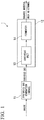
- FIG. 1 is a schematic view of the apparatus for producing an organic substance from waste according to one embodiment of the present invention.
- FIG. 1 is a schematic view of the apparatus for producing an organic substance from waste.
- the apparatus 1 shown in FIG. 1 is an apparatus for producing an organic substance from waste including waste plastic and the like.
- the organic substance to be produced may be alcohols, organic acids, fatty acids, fats and oils, ketones, biomass, saccharides and the like. More specific examples of the organic substance include ethanol, acetic acid, butanediol and the like.
- the present invention will be described in detail with reference to an embodiment in which ethanol is produced.
- the obtained organic substance may be used for any purposes without any limitation.
- the obtained organic substance can be used not only as a material for plastic, resin and the like, but also as fuel.
- the apparatus 1 has a synthesis gas generation furnace 11.
- a waste containing organic substances such as plastic, resin and the like is fed into the synthesis gas generation furnace 11.
- the waste is partially oxidized so as to generate a synthesis gas.
- the obtained synthesis gas contains carbon monoxide and hydrogen gas.
- a synthesis gas generated by partial oxidization of waste generally contains carbon monoxide and hydrogen at a molar ratio of 1: 1.5 to 1.5: 1.
- the synthesis gas generation furnace 11 is connected to an organic substance production unit 12.
- the synthesis gas obtained from the synthesis gas generation furnace 11 is fed into the organic substance production unit 12.
- a synthesis gas purifier for converting a synthesis gas into a carbon dioxide separator.
- the organic substance production unit 12 has a synthesis unit 13 and a fermenter 14.
- the synthesis unit 13 is connected to the synthesis gas generation furnace 11.
- a synthesis gas obtained from the synthesis gas generation furnace 11 is fed into the synthesis unit 13.
- the synthesis unit 13 contains a metal catalyst therein.
- an organic substance is synthesized by subjecting a synthesis gas to catalytic reaction in the presence of a metal catalyst.
- a metal catalyst preferably used in the catalytic reaction in the present invention, a four-way catalyst composed of rhodium, manganese, lithium, magnesium and the like can be mentioned.
- 2 mol of hydrogen is consumed per 1 mol of carbon monoxide.
- the fermenter 14 is connected to the synthesis unit 13. Namely, the fermenter 14 and the synthesis unit 13 are connected in series to each other. A gas exhausted from the synthesis unit 13 is fed into the fermenter 14. In the synthesis unit 13, hydrogen is consumed more than carbon monoxide, so that the exhausted gas from the synthesis unit 13 contains at least carbon monoxide.
- the fermenter 14 contains microorganisms.
- the microorganisms in the fermenter 14 cause the fermentation of the exhausted gas from the synthesis unit 13 to thereby produce ethanol. 1.
- anaerobic carboxydotrophic bacteria such as Clostridium genus and the like can be mentioned.
- ethanol is synthesized from carbon monoxide even without separately supplying hydrogen needed for the microbial fermentation, because the necessary hydrogen is obtained from water present in the system.
- a synthesis gas generated by partial oxidization of waste generally contains carbon monoxide and hydrogen at a molar ratio of 1.5: 1 to 1: 1.5.
- mol of hydrogen is consumed per 1 mol of carbon monoxide. Therefore, for example, in the case where only the synthesis unit 13 is provided, carbon monoxide contained in the obtained synthesis gas is not completely consumed.
- the synthesis unit 13 (wherein a metal catalyst is used) and the fermenter 14 are connected to each other in series. Therefore, excessive carbon monoxide in the synthesis unit 13 is consumed in the fermenter 14 to form ethanol. Accordingly, by the use of the apparatus 1 of the present invention, the utilization rate of carbon monoxide contained in the synthesis gas can be improved. As a result, the apparatus 1 of the present invention enables production of ethanol with high efficiency.
- the fermenter 14 is connected downstream of the synthesis unit 13.
- the fermenter 14 is more likely to cause a side reaction than the synthesis unit 13.
- by-products are formed in greater amounts than in the synthesis unit 13.
- the synthesis unit 13 with less formation of by-products is preferably disposed upstream, while the fermenter 14 with greater formation of by-products is preferably disposed downstream.
- the catalyst deterioration in the synthesis unit 13, which is caused by the by-products formed in the fermenter 14, can be suppressed.
- the present invention is in no way limited to such a configuration.
- the synthesis unit 13 may be connected downstream of the fermenter 14.
- the organic substance synthesized in the synthesis unit 13 and the organic substance produced in the fermenter 14 may be different from each other. In such a case, a plurality of organic substances can be produced.
- the organic substance synthesized in the synthesis unit 13 may be ethanol, while the organic substance produced in the fermenter 14 may be acetic acid.
- the organic substance synthesized in the synthesis unit 13 may be acetaldehyde, while the organic substance produced in the fermenter 14 may be ethanol.
- the synthesis unit 13 and the fermenter 14 are connected in series to each other.
- the synthesis unit 13 and the fermenter 14 are not necessarily required to be connected in series to each other.
- the synthesis unit 13 and the fermenter 14 may be connected in parallel to each other.
- the synthesis unit 13 may be connected downstream of the fermenter 14.
- the manner of connection between the synthesis unit 13 and the fermenter 14 can be determined appropriately, for example, in accordance with the kinds of the organic substances to be synthesized in the synthesis unit 13 and produced in the fermenter 14.
- the synthesis unit 13 synthesizes a first organic substance.
- the fermenter 14 produces a second organic substance by subjecting the first organic substance to microbial fermentation.
- the first organic substance may be at least one substance selected from the group consisting of alcohols having 6 or less carbon atoms, aldehydes having 6 or less carbon atoms, and carboxylic acids having 6 or less carbon atoms
- the second organic substance may be at least one substance selected from the group consisting of alcohols, organic acids, fatty acids, fats and oils, ketones, dienes, biomass and saccharides.
- the fermenter 14 is connected downstream of the synthesis unit 13.
- the present invention is in no way limited to such a configuration.
- the synthesis unit 13 may be connected downstream of the fermenter 14. In such a case, using one organic substance produced in the fermenter 14 as a raw material, another organic substance is synthesized in the synthesis unit 13.
Landscapes
- Chemical & Material Sciences (AREA)
- Organic Chemistry (AREA)
- Engineering & Computer Science (AREA)
- Life Sciences & Earth Sciences (AREA)
- Health & Medical Sciences (AREA)
- Wood Science & Technology (AREA)
- Zoology (AREA)
- Bioinformatics & Cheminformatics (AREA)
- Genetics & Genomics (AREA)
- General Health & Medical Sciences (AREA)
- Biochemistry (AREA)
- Chemical Kinetics & Catalysis (AREA)
- General Engineering & Computer Science (AREA)
- Biotechnology (AREA)
- Microbiology (AREA)
- General Chemical & Material Sciences (AREA)
- Sustainable Development (AREA)
- Biomedical Technology (AREA)
- Environmental & Geological Engineering (AREA)
- Combustion & Propulsion (AREA)
- Molecular Biology (AREA)
- Toxicology (AREA)
- Physics & Mathematics (AREA)
- Medicinal Chemistry (AREA)
- Polymers & Plastics (AREA)
- Thermal Sciences (AREA)
- Inorganic Chemistry (AREA)
- Oil, Petroleum & Natural Gas (AREA)
- Preparation Of Compounds By Using Micro-Organisms (AREA)
- Organic Low-Molecular-Weight Compounds And Preparation Thereof (AREA)
- Processing Of Solid Wastes (AREA)
- Low-Molecular Organic Synthesis Reactions Using Catalysts (AREA)
- Apparatus Associated With Microorganisms And Enzymes (AREA)
Abstract
Description
- The present invention relates to an apparatus and a method for producing an organic substance from waste.
- In recent years, the practical application has been considered with respect to a method for producing a chemical substance such as ethanol by microbial fermentation of a carbon monoxide-containing synthesis gas prepared from an exhaust gas from a steelworks- and the like (see, for example, Patent Document 1).
- Conventionally, a method is known in which ethanol is produced by reacting a synthesis gas obtained from biomass in the presence of a catalyst (see Patent Document 2).
-
- [Patent Document 1] International Patent Application Publication No.
2011/087380 - [Patent Document 2] Japanese Unexamined Patent Application Publication
- However, so far, a practically applicable apparatus for producing an organic material from waste has not yet been developed, and the fact is that even sufficient research thereon has not been made.
- It is a primary object of the present invention to provide an apparatus and a method which can be used for effectively producing an organic substance from a synthesis gas obtained from a waste gasifier furnace.
- With respect to the apparatus of the present invention for producing an organic substance from waste, the apparatus in a first embodiment thereof comprises: a synthesis gas generation furnace for generating a synthesis gas by partial oxidation of the waste; and an organic substance production unit for producing an organic substance from the synthesis gas. Further, the organic substance production unit comprises: a synthesis unit for synthesizing an organic substance by subjecting the synthesis gas to catalytic reaction in the presence of a metal catalyst, and a fermenter for producing an organic substance by subjecting the synthesis gas to microbial fermentation.
- In the apparatus of the first embodiment of the present invention, the fermenter may be connected downstream of the synthesis unit.
- In the apparatus of the first embodiment of the present invention, the organic substance may be ethanol.
- In the apparatus of the first embodiment of the present invention, the organic substance synthesized in the synthesis unit and the organic substance produced in the fermenter may be different from each other.
- With respect to the apparatus of the present invention for producing an organic substance from waste, the apparatus in a second embodiment thereof comprises: a synthesis gas generation furnace for generating a synthesis gas by partial oxidation of the waste; and an organic substance production unit for producing an organic substance from the synthesis gas. Further, the organic substance production unit comprises: a synthesis unit for synthesizing a first organic substance by subjecting the synthesis gas to catalytic reaction in the presence of a metal catalyst, and a fermenter for producing a second organic substance by subjecting the first organic substance to microbial fermentation, the fermenter being connected in series to the synthesis unit.
- In the apparatus of the second embodiment of the present invention, the first organic substance may be at least one substance selected from the group consisting of alcohols having 6 or less carbon atoms, aldehydes having 6 or less carbon atoms, and carboxylic acids having 6 or less carbon atoms, and the second organic substance may be at least one substance selected from the group consisting of alcohols, organic acids, fatty acids, fats and oils, ketones, dienes, biomass and saccharides.
- With respect to the method of the present invention for producing an organic substance from waste, the method in a first embodiment thereof comprises: a synthesis gas-generating step for generating a synthesis gas by partial oxidation of waste; and an organic substance-producing step for producing an organic substance from the synthesis gas. Further, the organic substance-producing step comprises: a synthesizing step for synthesizing an organic substance by subjecting the synthesis gas to catalytic reaction in the presence of a metal catalyst in a synthesis unit; and a fermentation step for producing an organic substance by subjecting the synthesis gas to microbial fermentation in a fermenter.
- In the method of the first embodiment of the present invention, the fermentation step may be performed after the synthesizing step.
- In the method of the first embodiment of the present invention, the organic substance may be ethanol.
- In the method of the first embodiment of the present invention, the organic substance synthesized in the synthesizing step and the organic substance produced in the fermentation step may be different from each other.
- With respect to the method of the present invention for producing an organic substance from waste, the method in a second embodiment thereof comprises: a synthesis gas-generating step for generating a synthesis gas by partial oxidation of waste; and an organic substance-producing step for producing an organic substance from the synthesis gas. Further, the organic substance-producing step comprises: a synthesizing step for synthesizing a first organic substance by subjecting the synthesis gas to catalytic reaction in the presence of a metal catalyst in a synthesis unit; and a fermentation step for producing a second organic substance by subjecting the first organic substance to microbial fermentation in a fermenter which is connected in series to the synthesis unit.
- In the method of the present invention of the second embodiment, the first organic substance may be at least one substance selected from the group consisting of alcohols having 6 or less carbon atoms, aldehydes having 6 or less carbon atoms, and carboxylic acids having 6 or less carbon atoms, and the second organic substance may be at least one substance selected from the group consisting of alcohols, organic acids, fatty acids, fats and oils, ketones, dienes, biomass and saccharides.
- As described above, the present invention can provide an apparatus and a method which can be used for effectively producing an organic substance from a synthesis gas obtained from a waste gasifier furnace.
-
FIG. 1 is a schematic view of the apparatus for producing an organic substance from waste according to one embodiment of the present invention. - Hereinbelow, the present invention will be described in detail with reference to preferred embodiments of the present invention. However, these embodiments are only examples. The present invention is in no way limited by these embodiments.
-
FIG. 1 is a schematic view of the apparatus for producing an organic substance from waste. The apparatus 1 shown inFIG. 1 is an apparatus for producing an organic substance from waste including waste plastic and the like. For example, the organic substance to be produced may be alcohols, organic acids, fatty acids, fats and oils, ketones, biomass, saccharides and the like. More specific examples of the organic substance include ethanol, acetic acid, butanediol and the like. Hereinbelow, the present invention will be described in detail with reference to an embodiment in which ethanol is produced. - The obtained organic substance may be used for any purposes without any limitation. For example, the obtained organic substance can be used not only as a material for plastic, resin and the like, but also as fuel.
- The apparatus 1 has a synthesis gas generation furnace 11. A waste containing organic substances such as plastic, resin and the like is fed into the synthesis gas generation furnace 11. In the synthesis gas generation furnace 11, the waste is partially oxidized so as to generate a synthesis gas. The obtained synthesis gas contains carbon monoxide and hydrogen gas. A synthesis gas generated by partial oxidization of waste generally contains carbon monoxide and hydrogen at a molar ratio of 1: 1.5 to 1.5: 1.
- The synthesis gas generation furnace 11 is connected to an organic
substance production unit 12. The synthesis gas obtained from the synthesis gas generation furnace 11 is fed into the organicsubstance production unit 12. Between the synthesis gas generation furnace 11 and the organicsubstance production unit 12, there may be provided a synthesis gas purifier, a synthesis gas reformer, a carbon dioxide separator, and the like. - The organic
substance production unit 12 has asynthesis unit 13 and afermenter 14. Thesynthesis unit 13 is connected to the synthesis gas generation furnace 11. A synthesis gas obtained from the synthesis gas generation furnace 11 is fed into thesynthesis unit 13. Thesynthesis unit 13 contains a metal catalyst therein. In thesynthesis unit 13, an organic substance is synthesized by subjecting a synthesis gas to catalytic reaction in the presence of a metal catalyst. As an example of the metal catalyst preferably used in the catalytic reaction in the present invention, a four-way catalyst composed of rhodium, manganese, lithium, magnesium and the like can be mentioned. In the catalytic reaction in thesynthesis unit 13, 2 mol of hydrogen is consumed per 1 mol of carbon monoxide. - The
fermenter 14 is connected to thesynthesis unit 13. Namely, thefermenter 14 and thesynthesis unit 13 are connected in series to each other. A gas exhausted from thesynthesis unit 13 is fed into thefermenter 14. In thesynthesis unit 13, hydrogen is consumed more than carbon monoxide, so that the exhausted gas from thesynthesis unit 13 contains at least carbon monoxide. - The
fermenter 14 contains microorganisms. The microorganisms in thefermenter 14 cause the fermentation of the exhausted gas from thesynthesis unit 13 to thereby produce ethanol. 1. As specific examples of the microorganisms preferably used for producing ethanol in thefermenter 14, anaerobic carboxydotrophic bacteria such as Clostridium genus and the like can be mentioned. In the microbial fermentation in thefermenter 14, ethanol is synthesized from carbon monoxide even without separately supplying hydrogen needed for the microbial fermentation, because the necessary hydrogen is obtained from water present in the system. - As mentioned above, a synthesis gas generated by partial oxidization of waste generally contains carbon monoxide and hydrogen at a molar ratio of 1.5: 1 to 1: 1.5. In the catalytic reaction in the
synthesis unit 13,2 mol of hydrogen is consumed per 1 mol of carbon monoxide. Therefore, for example, in the case where only thesynthesis unit 13 is provided, carbon monoxide contained in the obtained synthesis gas is not completely consumed. - However, in the apparatus 1 of the present invention, the synthesis unit 13 (wherein a metal catalyst is used) and the
fermenter 14 are connected to each other in series. Therefore, excessive carbon monoxide in thesynthesis unit 13 is consumed in thefermenter 14 to form ethanol. Accordingly, by the use of the apparatus 1 of the present invention, the utilization rate of carbon monoxide contained in the synthesis gas can be improved. As a result, the apparatus 1 of the present invention enables production of ethanol with high efficiency. - In this embodiment of the present invention, the
fermenter 14 is connected downstream of thesynthesis unit 13. Thefermenter 14 is more likely to cause a side reaction than thesynthesis unit 13. For this reason, in thefermenter 14, by-products are formed in greater amounts than in thesynthesis unit 13. Accordingly, in the organicsubstance production unit 12, thesynthesis unit 13 with less formation of by-products is preferably disposed upstream, while thefermenter 14 with greater formation of by-products is preferably disposed downstream. With such a configuration, the catalyst deterioration in thesynthesis unit 13, which is caused by the by-products formed in thefermenter 14, can be suppressed. However, the present invention is in no way limited to such a configuration. Thesynthesis unit 13 may be connected downstream of thefermenter 14. - Hereinbelow, the present invention will be described in detail with reference to further preferred embodiments of the present invention. In the following descriptions, components having substantially the same functions as those in the first embodiment are denoted with the same reference numerals, and the descriptions thereof are omitted. In the following embodiment, reference is also made to
FIG. 1 as in the first embodiment. - In the first embodiment, explanation is made as to the embodiment in which the organic substance synthesized in the
synthesis unit 13 and the organic substance produced in thefermenter 14 are the same. However, the present invention is in no way limited to the above embodiment. - In the present invention, the organic substance synthesized in the
synthesis unit 13 and the organic substance produced in thefermenter 14 may be different from each other. In such a case, a plurality of organic substances can be produced. - For example, the organic substance synthesized in the
synthesis unit 13 may be ethanol, while the organic substance produced in thefermenter 14 may be acetic acid. In another example, the organic substance synthesized in thesynthesis unit 13 may be acetaldehyde, while the organic substance produced in thefermenter 14 may be ethanol. - Further, in the first embodiment, explanation is made as to an example where the
synthesis unit 13 and thefermenter 14 are connected in series to each other. However, in the second embodiment, thesynthesis unit 13 and thefermenter 14 are not necessarily required to be connected in series to each other. For example, thesynthesis unit 13 and thefermenter 14 may be connected in parallel to each other. In another example, thesynthesis unit 13 may be connected downstream of thefermenter 14. In the second embodiment, the manner of connection between thesynthesis unit 13 and thefermenter 14 can be determined appropriately, for example, in accordance with the kinds of the organic substances to be synthesized in thesynthesis unit 13 and produced in thefermenter 14. - In the first and second embodiments, explanation is made as to examples where each of the
synthesis unit 13 and thefermenter 14 consumes a synthesis gas as the raw material. However, the present invention is in no way limited to the above embodiment. - For example, in this third embodiment, the
synthesis unit 13 synthesizes a first organic substance. Then, thefermenter 14 produces a second organic substance by subjecting the first organic substance to microbial fermentation. By this configuration, it is possible to produce an organic substance that is difficult to produce directly by microbial fermentation of a synthesis gas. Further, by subjecting not all but a part of the first organic substances to microbial fermentation in thefermenter 14, it is possible to produce both of the first and the second organic substances. - The kinds of the first and the second organic substances are not particularly limited. For example, the first organic substance may be at least one substance selected from the group consisting of alcohols having 6 or less carbon atoms, aldehydes having 6 or less carbon atoms, and carboxylic acids having 6 or less carbon atoms, and the second organic substance may be at least one substance selected from the group consisting of alcohols, organic acids, fatty acids, fats and oils, ketones, dienes, biomass and saccharides.
- In the third embodiment, explanation is made as to an example where the
fermenter 14 is connected downstream of thesynthesis unit 13. However, the present invention is in no way limited to such a configuration. For example, thesynthesis unit 13 may be connected downstream of thefermenter 14. In such a case, using one organic substance produced in thefermenter 14 as a raw material, another organic substance is synthesized in thesynthesis unit 13. -
- 1:
- Apparatus
- 11:
- Synthesis gas generation furnace
- 12:
- Organic substance production unit
- 13:
- Synthesis unit
- 14:
- Fermenter
Claims (12)
- An apparatus for producing an organic substance from waste, comprising:a synthesis gas generation furnace for generating a synthesis gas by partial oxidation of the waste; andan organic substance production unit for producing an organic substance from the synthesis gas,the organic substance production unit further comprising:a synthesis unit for synthesizing an organic substance by subjecting the synthesis gas to catalytic reaction in the presence of a metal catalyst, anda fermenter for producing an organic substance by subjecting the synthesis gas to microbial fermentation.
- The apparatus according to claim 1, wherein the fermenter is connected downstream of the synthesis unit.
- The apparatus according to claim 1 or 2, wherein the organic substance is ethanol.
- The apparatus according to claim 1 or 2, wherein the organic substance synthesized in the synthesis unit and the organic substance produced in the fermenter are different from each other.
- An apparatus for producing an organic substance from waste, comprising:a synthesis gas generation furnace for generating a synthesis gas by partial oxidation of the waste; andan organic substance production unit for producing an organic substance from the synthesis gas,the organic substance production unit further comprising:a synthesis unit for synthesizing a first organic substance by subjecting the synthesis gas to catalytic reaction in the presence of a metal catalyst, anda fermenter for producing a second organic substance by subjecting the first organic substance to microbial fermentation, the fermenter being connected in series to the synthesis unit.
- The apparatus according to claim 5, wherein:the first organic substance is at least one substance selected from the group consisting of alcohols having 6 or less carbon atoms, aldehydes having 6 or less carbon atoms, and carboxylic acids having 6 or less carbon atoms, andthe second organic substance is at least one substance selected from the group consisting of alcohols, organic acids, fatty acids, fats and oils, ketones, dienes, biomass and saccharides.
- A method for producing an organic substance from waste, comprising:a synthesis gas-generating step for generating a synthesis gas by partial oxidation of waste; andan organic substance-producing step for producing an organic substance from the synthesis gas,the organic substance-producing step further comprising:a synthesizing step for synthesizing an organic substance by subjecting the synthesis gas to catalytic reaction in the presence of a metal catalyst in a synthesis unit; anda fermentation step for producing an organic substance by subjecting the synthesis gas to microbial fermentation in a fermenter.
- The method according to claim 7, wherein the fermentation step is performed after the synthesizing step.
- The method according to claim 7 or 8, wherein the organic substance is ethanol.
- The method according to claim 7 or 8, wherein, the organic substance synthesized in the synthesizing step and the organic substance produced in the fermentation step are different from each other.
- A method for producing an organic substance from waste, comprising:a synthesis gas-generating step for generating a synthesis gas by partial oxidation of waste; andan organic substance-producing step for producing an organic substance from the synthesis gas,the organic substance-producing step further comprising:a synthesizing step for synthesizing a first organic substance by subjecting the synthesis gas to catalytic reaction in the presence of a metal catalyst in a synthesis unit; anda fermentation step for producing a second organic substance by subjecting the first organic substance to microbial fermentation in a fermenter which is connected in series to the synthesis unit.
- The method according to claim 11, wherein:the first organic substance is at least one substance selected from the group consisting of alcohols having 6 or less carbon atoms, aldehydes having 6 or less carbon atoms and carboxylic acids having 6 or less carbon atoms, andthe second organic substance is at least one substance selected from the group consisting of alcohols, organic acids, fatty acids, fats and oils, ketones, dienes, biomass and saccharides.
Priority Applications (1)
| Application Number | Priority Date | Filing Date | Title |
|---|---|---|---|
| EP19198583.7A EP3603831A1 (en) | 2014-07-30 | 2015-07-24 | Apparatus for producing organic substance from waste and method for producing organic substance from waste |
Applications Claiming Priority (2)
| Application Number | Priority Date | Filing Date | Title |
|---|---|---|---|
| JP2014155502 | 2014-07-30 | ||
| PCT/JP2015/071141 WO2016017550A1 (en) | 2014-07-30 | 2015-07-24 | Device for producing organic substance from waste and method for producing organic substance from waste |
Related Child Applications (1)
| Application Number | Title | Priority Date | Filing Date |
|---|---|---|---|
| EP19198583.7A Division EP3603831A1 (en) | 2014-07-30 | 2015-07-24 | Apparatus for producing organic substance from waste and method for producing organic substance from waste |
Publications (2)
| Publication Number | Publication Date |
|---|---|
| EP3176247A1 true EP3176247A1 (en) | 2017-06-07 |
| EP3176247A4 EP3176247A4 (en) | 2018-05-02 |
Family
ID=55217451
Family Applications (2)
| Application Number | Title | Priority Date | Filing Date |
|---|---|---|---|
| EP15827247.6A Withdrawn EP3176247A4 (en) | 2014-07-30 | 2015-07-24 | Device for producing organic substance from waste and method for producing organic substance from waste |
| EP19198583.7A Withdrawn EP3603831A1 (en) | 2014-07-30 | 2015-07-24 | Apparatus for producing organic substance from waste and method for producing organic substance from waste |
Family Applications After (1)
| Application Number | Title | Priority Date | Filing Date |
|---|---|---|---|
| EP19198583.7A Withdrawn EP3603831A1 (en) | 2014-07-30 | 2015-07-24 | Apparatus for producing organic substance from waste and method for producing organic substance from waste |
Country Status (5)
| Country | Link |
|---|---|
| US (3) | US10196655B2 (en) |
| EP (2) | EP3176247A4 (en) |
| JP (1) | JP6789115B2 (en) |
| CN (1) | CN106661525B (en) |
| WO (1) | WO2016017550A1 (en) |
Families Citing this family (2)
| Publication number | Priority date | Publication date | Assignee | Title |
|---|---|---|---|---|
| JP6412360B2 (en) * | 2014-07-30 | 2018-10-24 | 積水化学工業株式会社 | Apparatus for producing organic substance and method for producing organic substance |
| US11932818B2 (en) * | 2020-03-16 | 2024-03-19 | Lanzatech, Inc. | Tail gas of gas fermentation to dry gasification feedstock |
Family Cites Families (17)
| Publication number | Priority date | Publication date | Assignee | Title |
|---|---|---|---|---|
| CN1069719A (en) * | 1992-04-20 | 1993-03-10 | 杨明锋 | A kind of organic amino acid trace-fertilizer and production technique |
| KR100309437B1 (en) * | 1999-08-23 | 2001-09-26 | 윤명조 | Stackless waste material renewal process by oxygen enriched gas |
| MXPA06013654A (en) * | 2004-05-26 | 2007-07-24 | Novus Energy Llc | Ethanol production from biological wastes. |
| US20080166265A1 (en) * | 2007-01-10 | 2008-07-10 | Andrew Eric Day | Method and system for the transformation of molecules, this process being used to transform waste into useful substances and energy |
| US8383870B2 (en) * | 2008-07-18 | 2013-02-26 | Federal Express Corporation | Environmentally friendly methods and systems of energy production |
| US7863489B2 (en) * | 2008-07-31 | 2011-01-04 | Celanese International Corporation | Direct and selective production of ethanol from acetic acid utilizing a platinum/tin catalyst |
| CA2751882C (en) | 2009-02-12 | 2017-03-14 | Ichikawa Office Inc. | Method for producing ethanol |
| CN102803497A (en) | 2009-04-29 | 2012-11-28 | 兰扎泰克新西兰有限公司 | Improved carbon capture in fermentation |
| US8759047B2 (en) * | 2009-09-16 | 2014-06-24 | Coskata, Inc. | Process for fermentation of syngas from indirect gasification |
| PL3070170T3 (en) * | 2010-01-14 | 2019-02-28 | Lanzatech New Zealand Limited | Fermentation of co2 by using an electrical potential |
| JP2012001441A (en) | 2010-06-14 | 2012-01-05 | Sekisui Chem Co Ltd | Method for producing ethanol and system for producing ethanol |
| TWI576434B (en) | 2010-10-22 | 2017-04-01 | 藍瑟科技紐西蘭有限公司 | Method and system for producing alcohol and/or acid |
| JP2012205530A (en) | 2011-03-29 | 2012-10-25 | Mitsui Eng & Shipbuild Co Ltd | Ethanol production apparatus and method |
| US9856427B2 (en) * | 2011-05-27 | 2018-01-02 | The Regents Of The University Of California | Method to convert fermentation mixture into fuels |
| US8895274B2 (en) * | 2011-11-28 | 2014-11-25 | Coskata, Inc. | Processes for the conversion of biomass to oxygenated organic compound, apparatus therefor and compositions produced thereby |
| JP2013199461A (en) * | 2012-03-23 | 2013-10-03 | Ichikawa Office Inc | Method for synthesizing 1-butanol |
| KR20150058180A (en) * | 2012-09-20 | 2015-05-28 | 세키스이가가쿠 고교가부시키가이샤 | Productivity evaluation method, productivity evaluation device, program, and recording medium |
-
2015
- 2015-07-24 JP JP2016538324A patent/JP6789115B2/en not_active Expired - Fee Related
- 2015-07-24 EP EP15827247.6A patent/EP3176247A4/en not_active Withdrawn
- 2015-07-24 EP EP19198583.7A patent/EP3603831A1/en not_active Withdrawn
- 2015-07-24 WO PCT/JP2015/071141 patent/WO2016017550A1/en not_active Ceased
- 2015-07-24 US US15/325,169 patent/US10196655B2/en not_active Expired - Fee Related
- 2015-07-24 CN CN201580037708.7A patent/CN106661525B/en not_active Expired - Fee Related
-
2018
- 2018-12-31 US US16/236,821 patent/US10738330B2/en not_active Expired - Fee Related
-
2020
- 2020-06-30 US US16/916,647 patent/US20200325497A1/en not_active Abandoned
Also Published As
| Publication number | Publication date |
|---|---|
| EP3176247A4 (en) | 2018-05-02 |
| JP6789115B2 (en) | 2020-11-25 |
| US20200325497A1 (en) | 2020-10-15 |
| WO2016017550A1 (en) | 2016-02-04 |
| CN106661525B (en) | 2021-03-02 |
| US10738330B2 (en) | 2020-08-11 |
| US20190136267A1 (en) | 2019-05-09 |
| US20170175149A1 (en) | 2017-06-22 |
| US10196655B2 (en) | 2019-02-05 |
| CN106661525A (en) | 2017-05-10 |
| EP3603831A1 (en) | 2020-02-05 |
| JPWO2016017550A1 (en) | 2017-05-25 |
Similar Documents
| Publication | Publication Date | Title |
|---|---|---|
| Chen et al. | Production of caproic acid from mixed organic waste: an environmental life cycle perspective | |
| JP2019504153A (en) | Integrated system and method for producing methanol product | |
| Singh et al. | Life cycle assessment of biomass-based hydrogen production technologies: a review | |
| JP2012205530A (en) | Ethanol production apparatus and method | |
| Li et al. | Metabolic modeling of bacterial co-culture systems predicts enhanced carbon monoxide-to-butyrate conversion compared to monoculture systems | |
| US20200325497A1 (en) | Apparatus for producing organic substance from waste and method for producing organic substance from waste | |
| JP2024513839A (en) | Integrated fermentation and electrolysis processes to improve carbon capture efficiency | |
| CA2979782A1 (en) | Method and apparatus for producing organic substances | |
| CN106536705A (en) | Apparatus for producing organic matter from waste and method for producing organic matter from waste | |
| Damiri et al. | A review of alternative processes for green hydrogen production focused on generating hydrogen from biomass | |
| JP6491413B2 (en) | Organic substance manufacturing method and organic substance manufacturing apparatus | |
| US12269005B2 (en) | Process and apparatus for providing a feedstock | |
| US10550408B2 (en) | Apparatus for producing organic substance and method for producing organic substance | |
| WO2016017551A1 (en) | Device for producing organic materials from waste and method for producing organic materials from waste | |
| CN101563439B (en) | Accelerate from the raw methanogenic method and system of biomass | |
| TW201018659A (en) | Trans-esterification reaction method and system thereof | |
| EP3176148B1 (en) | Alcohol production device and alcohol production method | |
| JP2014161793A (en) | Methane fermentation system and methane fermentation method | |
| JP2010193767A (en) | Method for treating glycerol |
Legal Events
| Date | Code | Title | Description |
|---|---|---|---|
| 17P | Request for examination filed |
Effective date: 20170110 |
|
| AK | Designated contracting states |
Kind code of ref document: A1 Designated state(s): AL AT BE BG CH CY CZ DE DK EE ES FI FR GB GR HR HU IE IS IT LI LT LU LV MC MK MT NL NO PL PT RO RS SE SI SK SM TR |
|
| AX | Request for extension of the european patent |
Extension state: BA ME |
|
| PUAI | Public reference made under article 153(3) epc to a published international application that has entered the european phase |
Free format text: ORIGINAL CODE: 0009012 |
|
| DAV | Request for validation of the european patent (deleted) | ||
| DAX | Request for extension of the european patent (deleted) | ||
| A4 | Supplementary search report drawn up and despatched |
Effective date: 20180404 |
|
| RIC1 | Information provided on ipc code assigned before grant |
Ipc: C12P 7/06 20060101ALI20180327BHEP Ipc: C08J 11/12 20060101ALI20180327BHEP Ipc: C12M 1/00 20060101ALI20180327BHEP Ipc: B09B 3/00 20060101AFI20180327BHEP |
|
| 17Q | First examination report despatched |
Effective date: 20190520 |
|
| STAA | Information on the status of an ep patent application or granted ep patent |
Free format text: STATUS: THE APPLICATION IS DEEMED TO BE WITHDRAWN |
|
| 18D | Application deemed to be withdrawn |
Effective date: 20191001 |