EP3174902B1 - An anti-cd45rc antibody for use as drug - Google Patents
An anti-cd45rc antibody for use as drug Download PDFInfo
- Publication number
- EP3174902B1 EP3174902B1 EP15744591.7A EP15744591A EP3174902B1 EP 3174902 B1 EP3174902 B1 EP 3174902B1 EP 15744591 A EP15744591 A EP 15744591A EP 3174902 B1 EP3174902 B1 EP 3174902B1
- Authority
- EP
- European Patent Office
- Prior art keywords
- cd45rc
- antibody
- monoclonal antibody
- cells
- cd45rc monoclonal
- Prior art date
- Legal status (The legal status is an assumption and is not a legal conclusion. Google has not performed a legal analysis and makes no representation as to the accuracy of the status listed.)
- Active
Links
Images

Classifications
-
- C—CHEMISTRY; METALLURGY
- C07—ORGANIC CHEMISTRY
- C07K—PEPTIDES
- C07K16/00—Immunoglobulins [IG], e.g. monoclonal or polyclonal antibodies
- C07K16/18—Immunoglobulins [IG], e.g. monoclonal or polyclonal antibodies against material from animals or humans
- C07K16/28—Immunoglobulins [IG], e.g. monoclonal or polyclonal antibodies against material from animals or humans against receptors, cell surface antigens or cell surface determinants
- C07K16/289—Immunoglobulins [IG], e.g. monoclonal or polyclonal antibodies against material from animals or humans against receptors, cell surface antigens or cell surface determinants against CD45
-
- A—HUMAN NECESSITIES
- A61—MEDICAL OR VETERINARY SCIENCE; HYGIENE
- A61K—PREPARATIONS FOR MEDICAL, DENTAL OR TOILETRY PURPOSES
- A61K31/00—Medicinal preparations containing organic active ingredients
- A61K31/33—Heterocyclic compounds
- A61K31/395—Heterocyclic compounds having nitrogen as a ring hetero atom, e.g. guanethidine or rifamycins
- A61K31/435—Heterocyclic compounds having nitrogen as a ring hetero atom, e.g. guanethidine or rifamycins having six-membered rings with one nitrogen as the only ring hetero atom
- A61K31/4353—Heterocyclic compounds having nitrogen as a ring hetero atom, e.g. guanethidine or rifamycins having six-membered rings with one nitrogen as the only ring hetero atom ortho- or peri-condensed with heterocyclic ring systems
- A61K31/436—Heterocyclic compounds having nitrogen as a ring hetero atom, e.g. guanethidine or rifamycins having six-membered rings with one nitrogen as the only ring hetero atom ortho- or peri-condensed with heterocyclic ring systems the heterocyclic ring system containing a six-membered ring having oxygen as a ring hetero atom, e.g. rapamycin
-
- A—HUMAN NECESSITIES
- A61—MEDICAL OR VETERINARY SCIENCE; HYGIENE
- A61K—PREPARATIONS FOR MEDICAL, DENTAL OR TOILETRY PURPOSES
- A61K31/00—Medicinal preparations containing organic active ingredients
- A61K31/66—Phosphorus compounds
- A61K31/664—Amides of phosphorus acids
-
- A—HUMAN NECESSITIES
- A61—MEDICAL OR VETERINARY SCIENCE; HYGIENE
- A61K—PREPARATIONS FOR MEDICAL, DENTAL OR TOILETRY PURPOSES
- A61K38/00—Medicinal preparations containing peptides
- A61K38/04—Peptides having up to 20 amino acids in a fully defined sequence; Derivatives thereof
- A61K38/12—Cyclic peptides, e.g. bacitracins; Polymyxins; Gramicidins S, C; Tyrocidins A, B or C
- A61K38/13—Cyclosporins
-
- A—HUMAN NECESSITIES
- A61—MEDICAL OR VETERINARY SCIENCE; HYGIENE
- A61K—PREPARATIONS FOR MEDICAL, DENTAL OR TOILETRY PURPOSES
- A61K39/00—Medicinal preparations containing antigens or antibodies
- A61K39/395—Antibodies; Immunoglobulins; Immune serum, e.g. antilymphocytic serum
- A61K39/39533—Antibodies; Immunoglobulins; Immune serum, e.g. antilymphocytic serum against materials from animals
- A61K39/3955—Antibodies; Immunoglobulins; Immune serum, e.g. antilymphocytic serum against materials from animals against proteinaceous materials, e.g. enzymes, hormones, lymphokines
-
- A—HUMAN NECESSITIES
- A61—MEDICAL OR VETERINARY SCIENCE; HYGIENE
- A61K—PREPARATIONS FOR MEDICAL, DENTAL OR TOILETRY PURPOSES
- A61K45/00—Medicinal preparations containing active ingredients not provided for in groups A61K31/00 - A61K41/00
- A61K45/06—Mixtures of active ingredients without chemical characterisation, e.g. antiphlogistics and cardiaca
-
- A—HUMAN NECESSITIES
- A61—MEDICAL OR VETERINARY SCIENCE; HYGIENE
- A61P—SPECIFIC THERAPEUTIC ACTIVITY OF CHEMICAL COMPOUNDS OR MEDICINAL PREPARATIONS
- A61P1/00—Drugs for disorders of the alimentary tract or the digestive system
- A61P1/02—Stomatological preparations, e.g. drugs for caries, aphtae, periodontitis
-
- A—HUMAN NECESSITIES
- A61—MEDICAL OR VETERINARY SCIENCE; HYGIENE
- A61P—SPECIFIC THERAPEUTIC ACTIVITY OF CHEMICAL COMPOUNDS OR MEDICINAL PREPARATIONS
- A61P1/00—Drugs for disorders of the alimentary tract or the digestive system
- A61P1/04—Drugs for disorders of the alimentary tract or the digestive system for ulcers, gastritis or reflux esophagitis, e.g. antacids, inhibitors of acid secretion, mucosal protectants
-
- A—HUMAN NECESSITIES
- A61—MEDICAL OR VETERINARY SCIENCE; HYGIENE
- A61P—SPECIFIC THERAPEUTIC ACTIVITY OF CHEMICAL COMPOUNDS OR MEDICINAL PREPARATIONS
- A61P1/00—Drugs for disorders of the alimentary tract or the digestive system
- A61P1/16—Drugs for disorders of the alimentary tract or the digestive system for liver or gallbladder disorders, e.g. hepatoprotective agents, cholagogues, litholytics
-
- A—HUMAN NECESSITIES
- A61—MEDICAL OR VETERINARY SCIENCE; HYGIENE
- A61P—SPECIFIC THERAPEUTIC ACTIVITY OF CHEMICAL COMPOUNDS OR MEDICINAL PREPARATIONS
- A61P17/00—Drugs for dermatological disorders
-
- A—HUMAN NECESSITIES
- A61—MEDICAL OR VETERINARY SCIENCE; HYGIENE
- A61P—SPECIFIC THERAPEUTIC ACTIVITY OF CHEMICAL COMPOUNDS OR MEDICINAL PREPARATIONS
- A61P17/00—Drugs for dermatological disorders
- A61P17/06—Antipsoriatics
-
- A—HUMAN NECESSITIES
- A61—MEDICAL OR VETERINARY SCIENCE; HYGIENE
- A61P—SPECIFIC THERAPEUTIC ACTIVITY OF CHEMICAL COMPOUNDS OR MEDICINAL PREPARATIONS
- A61P19/00—Drugs for skeletal disorders
- A61P19/02—Drugs for skeletal disorders for joint disorders, e.g. arthritis, arthrosis
-
- A—HUMAN NECESSITIES
- A61—MEDICAL OR VETERINARY SCIENCE; HYGIENE
- A61P—SPECIFIC THERAPEUTIC ACTIVITY OF CHEMICAL COMPOUNDS OR MEDICINAL PREPARATIONS
- A61P21/00—Drugs for disorders of the muscular or neuromuscular system
-
- A—HUMAN NECESSITIES
- A61—MEDICAL OR VETERINARY SCIENCE; HYGIENE
- A61P—SPECIFIC THERAPEUTIC ACTIVITY OF CHEMICAL COMPOUNDS OR MEDICINAL PREPARATIONS
- A61P21/00—Drugs for disorders of the muscular or neuromuscular system
- A61P21/04—Drugs for disorders of the muscular or neuromuscular system for myasthenia gravis
-
- A—HUMAN NECESSITIES
- A61—MEDICAL OR VETERINARY SCIENCE; HYGIENE
- A61P—SPECIFIC THERAPEUTIC ACTIVITY OF CHEMICAL COMPOUNDS OR MEDICINAL PREPARATIONS
- A61P25/00—Drugs for disorders of the nervous system
-
- A—HUMAN NECESSITIES
- A61—MEDICAL OR VETERINARY SCIENCE; HYGIENE
- A61P—SPECIFIC THERAPEUTIC ACTIVITY OF CHEMICAL COMPOUNDS OR MEDICINAL PREPARATIONS
- A61P29/00—Non-central analgesic, antipyretic or antiinflammatory agents, e.g. antirheumatic agents; Non-steroidal antiinflammatory drugs [NSAID]
-
- A—HUMAN NECESSITIES
- A61—MEDICAL OR VETERINARY SCIENCE; HYGIENE
- A61P—SPECIFIC THERAPEUTIC ACTIVITY OF CHEMICAL COMPOUNDS OR MEDICINAL PREPARATIONS
- A61P3/00—Drugs for disorders of the metabolism
- A61P3/08—Drugs for disorders of the metabolism for glucose homeostasis
- A61P3/10—Drugs for disorders of the metabolism for glucose homeostasis for hyperglycaemia, e.g. antidiabetics
-
- A—HUMAN NECESSITIES
- A61—MEDICAL OR VETERINARY SCIENCE; HYGIENE
- A61P—SPECIFIC THERAPEUTIC ACTIVITY OF CHEMICAL COMPOUNDS OR MEDICINAL PREPARATIONS
- A61P35/00—Antineoplastic agents
-
- A—HUMAN NECESSITIES
- A61—MEDICAL OR VETERINARY SCIENCE; HYGIENE
- A61P—SPECIFIC THERAPEUTIC ACTIVITY OF CHEMICAL COMPOUNDS OR MEDICINAL PREPARATIONS
- A61P37/00—Drugs for immunological or allergic disorders
- A61P37/02—Immunomodulators
-
- A—HUMAN NECESSITIES
- A61—MEDICAL OR VETERINARY SCIENCE; HYGIENE
- A61P—SPECIFIC THERAPEUTIC ACTIVITY OF CHEMICAL COMPOUNDS OR MEDICINAL PREPARATIONS
- A61P37/00—Drugs for immunological or allergic disorders
- A61P37/02—Immunomodulators
- A61P37/06—Immunosuppressants, e.g. drugs for graft rejection
-
- A—HUMAN NECESSITIES
- A61—MEDICAL OR VETERINARY SCIENCE; HYGIENE
- A61P—SPECIFIC THERAPEUTIC ACTIVITY OF CHEMICAL COMPOUNDS OR MEDICINAL PREPARATIONS
- A61P37/00—Drugs for immunological or allergic disorders
- A61P37/08—Antiallergic agents
-
- A—HUMAN NECESSITIES
- A61—MEDICAL OR VETERINARY SCIENCE; HYGIENE
- A61P—SPECIFIC THERAPEUTIC ACTIVITY OF CHEMICAL COMPOUNDS OR MEDICINAL PREPARATIONS
- A61P43/00—Drugs for specific purposes, not provided for in groups A61P1/00-A61P41/00
-
- A—HUMAN NECESSITIES
- A61—MEDICAL OR VETERINARY SCIENCE; HYGIENE
- A61P—SPECIFIC THERAPEUTIC ACTIVITY OF CHEMICAL COMPOUNDS OR MEDICINAL PREPARATIONS
- A61P7/00—Drugs for disorders of the blood or the extracellular fluid
-
- A—HUMAN NECESSITIES
- A61—MEDICAL OR VETERINARY SCIENCE; HYGIENE
- A61P—SPECIFIC THERAPEUTIC ACTIVITY OF CHEMICAL COMPOUNDS OR MEDICINAL PREPARATIONS
- A61P7/00—Drugs for disorders of the blood or the extracellular fluid
- A61P7/04—Antihaemorrhagics; Procoagulants; Haemostatic agents; Antifibrinolytic agents
-
- A—HUMAN NECESSITIES
- A61—MEDICAL OR VETERINARY SCIENCE; HYGIENE
- A61K—PREPARATIONS FOR MEDICAL, DENTAL OR TOILETRY PURPOSES
- A61K39/00—Medicinal preparations containing antigens or antibodies
- A61K2039/505—Medicinal preparations containing antigens or antibodies comprising antibodies
- A61K2039/507—Comprising a combination of two or more separate antibodies
-
- A—HUMAN NECESSITIES
- A61—MEDICAL OR VETERINARY SCIENCE; HYGIENE
- A61K—PREPARATIONS FOR MEDICAL, DENTAL OR TOILETRY PURPOSES
- A61K39/00—Medicinal preparations containing antigens or antibodies
- A61K2039/57—Medicinal preparations containing antigens or antibodies characterised by the type of response, e.g. Th1, Th2
- A61K2039/577—Medicinal preparations containing antigens or antibodies characterised by the type of response, e.g. Th1, Th2 tolerising response
Definitions
- the present disclosure is in the field of immunotherapy.
- One approach in the treatment of a variety of diseases is to achieve the elimination or the inactivation of pathogenic leukocytes and the potential for induction of tolerance to inactivate pathological immune responses.
- the prevention of cell, tissue or organ transplant rejection and the treatment of autoimmune diseases require either the induction or the restoration of immunological tolerance respectively.
- the breakdown of tolerance associated with autoimmune disorders and the lack of tolerance for allografts associated with transplant rejection are thought to be primarily T-cell mediated immune responses.
- T cells regulatory T cells
- the protein CD45 is a highly glycosylated transmembrane tyrosine phosphatase expressed by hematopoietic cells and described as an essential regulator of T and B cell antigen receptor signaling.
- the cytoplasmic domain of CD45 regulates the activity of Lck and JAKs, which are essential components of the signal transduction process of antigen recognition by T and B cells.
- CD45 protein There is several isoforms of the CD45 protein, generated by alternative splicing of exons 4 (A), exon 5 (B) and exon 6 (C) (the inclusion of exons 4 and 6 in CD45 mRNA is tightly regulated whereas the inclusion of exon 5 appears stochastic). These different extracellular domains differ in size and charge (3, 4). Individuals express different levels of CD45 isoforms (5) and while the function of the different CD45 isoforms is not clear, differential expression of these isoforms have been associated with the level of activation of T cells and allows dissociation of naive vs. memory T cells (6). Importantly, this pattern of isoforms expression is highly conserved across species emphazing its functional role and importance (7).
- CD45RA, CD45RB and CD45RC isoforms are mainly expressed by naive cells while the shortest isoform CD45RO is express by activated/memory T cells.
- CD45RC + cells also express the A and B isoforms whereas CD45RC - do not (8).
- CD45RO activated/memory T cells can also revert and express again A, B or C isoforms (8).
- CD4 and CD8 + T cells had high levels of message for exon B with variable expression of double-exons AB and BC (8).
- CD45RB low a population of CD4 Treg can be defined as CD45RB low .
- Treatment of mice with anti-CD45RB antibodies can prevent and reverse kidney allograft rejection (9, 10).
- This antibody was also shown to prevent the onset of diabetes in a non-obese diabetic mouse model (11). Comparing two different CD45RB specific mAbs, it has been found that the antibody that was effective for tolerance induction also showed the most effective peripheral cell depletion capacity (9).
- the tolerogenic mAb was able to stimulate tyrosine phosphatase activity on splenic lymphocyte membranes, thereby suggesting a possible immunoregulatory capacity of this antibody.
- the mechanisms of CD45RB mAbs were either induction of apoptotic cell death or dysregulation the signaling apparatus causing lack of effector cell function followed by activation induced cell death.
- CD45RC has been described in rodents and human (12). In rodents, it has been shown that both CD4 + and CD8 + T cells CD45RC + are potent Th1 effector cells capable of promoting transplant rejection and organ inflammation (13, 14), while T cells expressing undetectable or low levels of CD45RC are Th2 and regulatory T cells and inhibit allograft rejection, GVHD and cell-mediated autoimmune diseases (15-17).
- CD40Ig a fusion molecule capable of blocking CD40-CD40L interaction
- CD40Ig a fusion molecule capable of blocking CD40-CD40L interaction
- CD45RC + T cells exhibit different cytokine profiles after polyclonal stimulation and that the frequency of these cells is imbalanced in patients with vasculitis (5).
- the international patent application WO 98/11918 relates to the use of antibodies to CD45R leukocyte antigens for immunomodulation based on results obtained mainly with anti-CD45RB antibodies corresponding to the results described above (9, 11) and very succinctly with anti-CD45RO antibodies. Nevertheless, said application has also suggested that an anti-CD45RC antibody could be useful in the prevention and/or treatment of transplant rejection as well as treatment of autoimmune disease in generic terms. However no prophylactic or therapeutic effect has been concretely evaluated in this document. The proposed prevention and/or treatment of such disease is thus absolutely not substantiated.
- anti-porcine CD45RC IgM, MIL15
- an anti-CD45RC antibody in particular an anti-CD45RC monoclonal antibody may be useful in therapy, especially for preventing allogeneic transplant rejection such as GVHD in a patient in need thereof.
- the present invention relates to an isolated anti-CD45RC monoclonal antibody for use in preventing or reducing transplant rejection in a patient in need thereof, wherein the anti-CD45RC monoclonal antibody is a CD45RC+ cell depleting antibody.
- the present invention is defined by the claims.
- the inventors fulfill this need in providing antibodies that have the capacity to decrease aggressive effector T cells or B cells while increasing tolerogenic regulatory T cells.
- the present disclosure is indeed based on the discovery that induction of transplantation tolerance is obtained with a treatment with an anti-CD45RC monoclonal antibody. Accordingly, the inventors targeted the cell populations expressing CD45RC using an anti-CD45RC monoclonal antibody (OX22 clone) administered for 10 to 20 days every 2.5 days and demonstrated the potency and advantages of such strategy for allograft survival in a rat cardiac transplantation model. They showed that short-term anti-CD45RC antibody treatment resulted in permanent allograft survival with no signs of chronic rejection and associated to inhibition of effector T cells, as well as induction of regulatory T cells of increased activity and that this tolerance could be transferred to secondary irradiated recipients. Both CD4 + and CD8 + Tregs transferred tolerance.
- CD45 also known as CD45R or PTPRC
- CD45R also known as CD45R or PTPRC
- CD45R transmembrane glycoprotein existing in different isoforms.
- These distinct isoforms of CD45 differ in their extracellular domain structures which arise from alternative splicing of 3 variable exons coding for part of the CD45 extracellular region (3).
- the various isoforms of CD45 have different extracellular domains, but have the same transmembrane and cytoplasmic segments having two homologous, highly conserved phosphatase domains of approximately 300 residues.
- CD45RC refers to a 200-220 kD single chain type I membrane glycoprotein well known from the skilled man in the art (3). It is an exon 6 splice variant (exon C) of the tyrosine phosphatase CD45.
- the CD45RC isoform is expressed on B cells, majority of CD8 + T cells and a subset of CD4 + T cells, but not on myeloid cells.
- CD45 and its isoforms non-covalently associate with lymphocyte phosphatase-associated phosphoprotein (LPAP) on T and B lymphocytes.
- LPAP lymphocyte phosphatase-associated phosphoprotein
- CD45 has been reported to be associated with several other cell surface antigens, including CD1, CD2, CD3, and CD4. CD45 is involved in signalling lymphocytes activation.
- mAbs monoclonal antibodies
- anti-CD45R anti-CD45 receptor
- other mAbs have a restricted specificity, dependent on which of the alternatively spliced exons (A, B or C) they recognize.
- A, B or C alternatively spliced exons
- mAbs recognizing the product of exon A are consequently designated anti-CD45RA
- those recognizing the product of exon B are consequently designated anti-CD45RB
- those recognizing the product of exon C are consequently designated anti-CD45RC.
- an antibody that specifically binds to CD45RC binds to a polypeptide sequence defined by SEQ ID NO: 2 and encoded by the nucleotide sequence SEQ ID NO: 1 (exon 6, isoform C) as listed in Table A: Table A: Nucleotide and polypeptide sequences of Exon 6 Exon 6 (SEQ ID NO: 1) Product of the exon 6 (SEQ ID NO: 2)
- an "isolated antibody”, as used herein, is intended to refer to an antibody that is substantially free of other antibodies having different antigenic specificities (e.g., an isolated antibody that specifically binds to a CD45RC protein is substantially free of antibodies that specifically bind antigens other than CD45RC proteins).
- An isolated antibody that specifically binds a human CD45RC protein may, however, have cross-reactivity to other antigens, such as CD45RC proteins from other species.
- an isolated antibody can be substantially free of other cellular material and/or chemicals.
- antibody or “immunoglobulin” have the same meaning, and will be used equally in the present disclosure.
- the term “antibody” as used herein refers to immunoglobulin molecules and immunologically active portions of immunoglobulin molecules, i.e., molecules that contain an antigen binding site that immunospecifically binds an antigen.
- the term antibody encompasses not only whole antibody molecules, but also antibody fragments as well as variants (including derivatives) of antibodies and antibody fragments.
- two heavy chains are linked to each other by disulfide bonds and each heavy chain is linked to a light chain by a disulfide bond. There are two types of light chain, lambda (1) and kappa (k).
- the heavy chain includes two domains, a variable domain (VL) and a constant domain (CL).
- the heavy chain includes four domains, a variable domain (VH) and three constant domains (CH1, CH2 and CH3, collectively referred to as CH).
- VL variable domain
- VH variable domain
- CH constant domain
- the constant region domains of the light (CL) and heavy (CH) chains confer important biological properties such as antibody chain association, secretion, trans-placental mobility, complement binding, and binding to Fc receptors (FcR).
- the Fv fragment is the N-terminal part of the Fab fragment of an immunoglobulin and consists of the variable portions of one light chain and one heavy chain.
- the specificity of the antibody resides in the structural complementarity between the antibody combining site and the antigenic determinant.
- Antibody combining sites are made up of residues that are primarily from the hypervariable or complementarity determining regions (CDRs). Occasionally, residues from nonhypervariable or framework regions (FR) influence the overall domain structure and hence the combining site.
- Complementarity Determining Regions or CDRs refer to amino acid sequences which together define the binding affinity and specificity of the natural Fv region of a native immunoglobulin binding site.
- the light and heavy chains of an immunoglobulin each have three CDRs, designated L-CDR1, L-CDR2, L- CDR3 and H-CDR1, H-CDR2, H-CDR3, respectively.
- An antigen-binding site therefore, includes six CDRs, comprising the CDR set from each of a heavy and a light chain V region.
- Framework Regions (FRs) refer to amino acid sequences interposed between CDRs.
- the anti-CD45RC monoclonal antibody has preferably an IgG isotype (such as IgG1, IgG2, IgG3 or IgG4).
- Fab denotes an antibody fragment having a molecular weight of about 50,000 and antigen binding activity, in which about a half of the N-terminal side of H chain and the entire L chain, among fragments obtained by treating IgG with a protease, papaine, are bound together through a disulfide bond.
- F(ab')2 refers to an antibody fragment having a molecular weight of about 100,000 and antigen binding activity, which is slightly larger than the Fab bound via a disulfide bond of the hinge region, among fragments obtained by treating IgG with a protease, pepsin.
- Fab refers to an antibody fragment having a molecular weight of about 50,000 and antigen binding activity, which is obtained by cutting a disulfide bond of the hinge region of the F(ab')2.
- a single chain Fv (“scFv”) polypeptide is a covalently linked VH:: VL heterodimer which is usually expressed from a gene fusion including VH and VL encoding genes linked by a peptide-encoding linker.
- dsFv is a VH:: VL heterodimer stabilised by a disulfide bond.
- Divalent and multivalent antibody fragments can form either spontaneously by association of monovalent scFvs, or can be generated by coupling monovalent scFvs by a peptide linker, such as divalent sc(Fv)2.
- a peptide linker such as divalent sc(Fv)2.
- the term "diabodies” refers to small antibody fragments with two antigen-binding sites, which fragments comprise a heavy-chain variable domain (VH) connected to a light- chain variable domain (VL) in the same polypeptide chain (VH-VL).
- Antibodies directed against the CD45RC surface marker can be raised according to known methods by administering the appropriate antigen or epitope (such as the peptide of SEQ ID NO: 2) to a host animal selected, e.g., from rats, pigs, cows, horses, rabbits, goats, sheep, Camelidae (camel, dromedary, llama) and mice, among others.
- a host animal selected, e.g., from rats, pigs, cows, horses, rabbits, goats, sheep, Camelidae (camel, dromedary, llama) and mice, among others.
- a host animal selected, e.g., from rats, pigs, cows, horses, rabbits, goats, sheep, Camelidae (camel, dromedary, llama) and mice, among others.
- Various adjuvants known in the art can be used to enhance antibody production.
- antibodies can be polyclonal, monoclo
- Techniques for production and isolation include but are not limited to the hybridoma technique, the human B-cell hybridoma technique and the EBV-hybridoma technique.
- techniques described for the production of single chain antibodies can be adapted to produce single chain antibodies against the CD45RC surface marker.
- Useful antibodies herein disclosed also include antibody fragments including but not limited to F(ab')2 fragments, which can be generated by pepsin digestion of an intact antibody molecule, and Fab fragments, which can be generated by reducing the disulfide bridges of the F(ab')2 fragments as well as scFv and dsFv as above-mentioned.
- Fab and/or scFv expression libraries can be constructed to allow rapid identification of fragments having the desired specificity to the CD45RC surface marker.
- Useful antibodies herein disclosed also include different antibody formats created from these fragments, in particular formats of chimerized or humanized, multispecific and/or multivalent antibodies.
- antibody formats correspond to different combinations of domains and regions such as variable domains of heavy single chain antibodies (VHH) from Camelidae (camel, dromedary, llama), specifically recognizing a type of antigen.
- VHH variable domains of heavy single chain antibodies
- antibodies which bind the CD45RC antigen include the mouse monoclonal antibodies OX-22 (anti-rat CD45RC), OX-32 (anti-rat CD45RC), MT2 (anti-human CD45RC), and RP1/12 (anti-rat CD45RC).
- Monoclonal antibodies directed against CD45RC are well known from the skilled man in the art such as the antibodies commercialized by Santa Cruz Biotech.
- antibodies which bind the CD45RC antigen that are contemplated by the present disclosure include antibodies such as the monoclonal antibody OX-22 or a derivative thereof.
- Such monoclonal antibody is well known from the skilled man in the art and has been initially described in Spickett et al. 1983 and is commercialized by several companies.
- the anti-CD45RC monoclonal antibody is an anti-human CD45RC monoclonal antibody.
- antibodies which bind the human CD45RC antigen include antibodies such as the monoclonal antibody MT2 or a derivative thereof and the monoclonal antibody RP1/12 or a derivative thereof.
- Such monoclonal antibodies are well known from the skilled man in the art and are commercialized by several companies.
- the derivative of MT2 is an antibody which comprises the VL chain and the VH chain of MT2.
- a derivative of RP1/12 refers to an anti-CD45RC antibody which specifically binds to human CD45RC and which comprises the 6 CDRs of RP1/12.
- the derivative of RP1/12 is an antibody which comprises the VL chain and the VH chain of RP1/12.
- chimeric antibody refers to a genetically engineered fusion of parts of an animal antibody, typically a mouse antibody, with parts of a human antibody. Generally, chimeric antibodies contain approximately 33% mouse protein and 67% human protein. Developed to reduce the Human anti-animal antibodies response elicited by animal antibodies, they combine the specificity of the animal antibody with the efficient human immune system interaction of a human antibody.
- Humanized antibodies and antibody fragments therefrom can also be prepared according to known techniques.
- “Humanized antibodies” are forms of non-human (e.g., rodent) chimeric antibodies that contain minimal sequence derived from non-human immunoglobulin.
- humanized antibodies are human immunoglobulins (recipient antibody) in which residues from a hypervariable region (CDRs) of the recipient are replaced by residues from a hypervariable region of a non-human species (donor antibody) such as mouse, rat, rabbit or nonhuman primate having the desired specificity, affinity and capacity.
- donor antibody such as mouse, rat, rabbit or nonhuman primate having the desired specificity, affinity and capacity.
- framework region (FR) residues of the human immunoglobulin are replaced by corresponding non-human residues.
- humanized antibodies may comprise residues that are not found in the recipient antibody or in the donor antibody. These modifications are made to further refine antibody performance.
- the humanized antibody will comprise substantially all of at least one, and typically two, variable domains, in which all or substantially all of the hypervariable loops correspond to those of a non-human immunoglobulin and all or substantially all of the FRs are those of a human immunoglobulin sequence.
- the humanized antibody optionally also will comprise at least a portion of an immunoglobulin constant region (Fc), typically that of a human immunoglobulin.
- Fc immunoglobulin constant region
- the human chimeric antibody herein disclosed can be produced by obtaining nucleic sequences encoding VL and VH domains as previously described, constructing a human chimeric antibody expression vector by inserting them into an expression vector for animal cell having genes encoding human antibody CH and human antibody CL, and expressing the coding sequence by introducing the expression vector into an animal cell.
- the CH domain of a human chimeric antibody it may be any region which belongs to human immunoglobulin, but those of IgG class are suitable and any one of subclasses belonging to IgG class, such as IgG1, IgG2, IgG3 and IgG4, can also be used.
- the CL of a human chimeric antibody may be any region which belongs to Ig, and those of kappa class or lambda class can be used.
- Methods for producing chimeric antibodies involve conventional recombinant DNA and gene transfection techniques are well known in the art (See patent documents US5,202,238 ; and US5,204,244 ).
- the humanized antibody herein disclosed may be produced by obtaining nucleic acid sequences encoding CDR domains, as previously described, constructing a humanized antibody expression vector by inserting them into an expression vector for animal cell having genes encoding (i) a heavy chain constant region identical to that of a human antibody and (ii) a light chain constant region identical to that of a human antibody, and expressing the genes by introducing the expression vector into an animal cell.
- the humanized antibody expression vector may be either of a type in which a gene encoding an antibody heavy chain and a gene encoding an antibody light chain exists on separate vectors or of a type in which both genes exist on the same vector (tandem type).
- humanized antibody expression vector of the tandem type In respect of easiness of construction of a humanized antibody expression vector, easiness of introduction into animal cells, and balance between the expression levels of antibody H and L chains in animal cells, humanized antibody expression vector of the tandem type is preferred.
- tandem type humanized antibody expression vector include pKANTEX93 ( WO 97/10354 ), pEE18 and the like.
- amino acid sequence modification(s) of the MT2 or RP1/12 antibody are also contemplated.
- a humanized antibody is produced by simply grafting only CDRs in VH and VL of an antibody derived from a non-human animal in FRs of the VH and VL of a human antibody, the antigen binding activity is reduced in comparison with that of the original antibody derived from a non-human animal.
- several amino acid residues of the VH and VL of the non- human antibody are directly or indirectly associated with the antigen binding activity.
- substitution of these amino acid residues with different amino acid residues derived from FRs of the VH and VL of the human antibody would reduce of the binding activity.
- attempts have to be made to identify, among amino acid sequences of the FR of the VH and VL of human antibodies, an amino acid residue which is directly associated with binding to the antibody, or which interacts with an amino acid residue of CDR, or which maintains the three-dimensional structure of the antibody and which is directly associated with binding to the antigen.
- the reduced antigen binding activity could be increased by replacing the identified amino acids with amino acid residues of the original antibody derived from a non- human animal.
- hydropathic index of amino acids may be considered.
- the importance of the hydropathic amino acid index in conferring interactive biologic function on a protein is generally understood in the art. It is accepted that the relative hydropathic character of the amino acid contributes to the secondary structure of the resultant protein, which in turn defines the interaction of the protein with other molecules, for example, enzymes, substrates, receptors, DNA, antibodies, antigens, and the like.
- Each amino acid has been assigned a hydropathic index on the basis of their hydrophobicity and charge characteristics these are: iso leucine (+4.5); valine (+4.2); leucine (+3.8) ; phenylalanine (+2.8); cysteine/cystine (+2.5); methionine (+1.9); alanine (+1.8); glycine (-0.4); threonine (-0.7); serine (-0.8); tryptophane (-0.9); tyrosine (-1.3); proline (-1.6); histidine (-3.2); glutamate (-3.5); glutamine (-3.5); aspartate (-3.5); asparagine (-3.5); lysine (-3.9); and arginine (-4.5).
- the antibodies are fully human monoclonal antibodies.
- Such fully human monoclonal antibodies directed against human CD45RC can be generated using transgenic or transchromosomic mice carrying parts of the human immune system rather than the mouse system.
- transgenic and transchromosomic mice include mice referred to herein as the HuMAb Mouse® and KM Mouse®, respectively, and are collectively referred to herein as "human Ig mice.”
- Fully human antibodies herein disclosed can also be raised using a mouse that carries human immunoglobulin sequences on transgenes and transchomosomes, such as a mouse that carries a human heavy chain transgene and a human light chain transchromosome.
- This mouse is referred to herein as a "KM mouse” and is described in detail in PCT Publication WO 02/43478 .
- a modified form of this mouse, which further comprises a homozygous disruption of the endogenous FcyRIIB receptor gene, is also described in PCT Publication WO 02/43478 and referred to herein as a "KM/FCGR2D mouse®.”
- mice with either the HCo7 or HCol2 heavy chain transgenes or both can be used.
- Still additional transgenic animal embodiments include the OmniRatTM (OMT, Inc., PCT Publication Nos. WO2008/151081 ; Geurts et al. (2009) Science. Jul 24;325(5939):433 and Menoret at al. (2010) Eur J Immunol. Oct;40(10):2932-41 .
- the anti-CD45RC antibody is a CD45RC + cell depleting antibody.
- CD45RC + cell depleting antibodies are defined as those antibodies which bind to a CD45RC + cell surface marker on the surface of CD45RC + cells (preferably CD45RC) and mediate their destruction or depletion (i.e. reduce circulating CD45RC + T cell levels in a patient treated therewith) when they bind to said cell surface marker.
- depletion may be achieved via various mechanisms such as antibody-dependent cell mediated cytotoxicity (ADCC) and/or complement dependent cytotoxicity (CDC), inhibition of CD45RC + cell proliferation and/or induction of CD45RC + cell death (e.g. via apoptosis).
- ADCC antibody-dependent cell mediated cytotoxicity
- CDC complement dependent cytotoxicity
- the CD45RC + cell depleting antibodies more preferably an anti-CD45RC antibody, optionally conjugated with or fused to a cytotoxic agent.
- the term includes antibody fragments and different antibody formats created from these fragments, in particular formats of chimerized or humanized, multispecific and/or multivalent antibodies.
- the "antibody formats” correspond to different combinations of domains and regions such as variable domains of heavy single chain antibodies (VHH) from Camelidae (camel, dromedary, llama), specifically recognizing a type of antigen.
- VHH variable domains of heavy single chain antibodies
- CD45RC + cells for example those that deplete CD45RC + cells via antibody-dependent cell mediated cytotoxicity (ADCC), complement dependent cytotoxicity (CDC), inhibition of CD45RC + cell proliferation or induction of CD45RC + cell death (e.g. via apoptosis).
- ADCC antibody-dependent cell mediated cytotoxicity
- CDC complement dependent cytotoxicity
- inhibition of CD45RC + cell proliferation or induction of CD45RC + cell death e.g. via apoptosis.
- ADCC antibody-dependent cell-mediated cytotoxicity
- FcRs Fc receptors
- cytotoxic cells e.g. NK cells, neutrophils, monocytes and macrophages
- an in vitro ADCC assay such as that described in US Patent No. 5,500,362 or 5,821,337 may be performed.
- complement dependent cytotoxicity refers to the lysis of a target cell in the presence of complement. Activation of the classical complement pathway is initiated by the binding of the first component of the complement system to antibodies which are bound to their cognate antigen.
- a CDC assay e.g. as described in Gazzano-Santoro et al. (1997) may be performed.
- a "growth inhibitory agent” when used herein refers to a compound or composition which inhibits growth of a cell, especially CD45RC + cells, either in vitro or in vivo.
- growth inhibitory agents include agents that block cell cycle progression, such as agents that induce G1 arrest and M-phase arrest.
- Classical M-phase blockers include the vincas (vincristine and vinblastine), taxanes, and topoisomerase II inhibitors such as doxorubicin, epirubicin, daunorubicin, etoposide, and bleomycin.
- cytotoxic agent refers to a substance that inhibits or prevents the function of cells and/or causes destruction of cells.
- the term is intended to include radioactive isotopes (e.g.
- I 131 , I 125 , Y 90 , Rel 86 , Rel 88 , Sml 53 , Bi 212 , P 32 , and radioactive isotopes of Lu chemotherapeutic agents, e.g., methotrexate, adriamicin, vinca alkaloids (vincristine, vinblastine, etoposide), doxorubicin, melphalan, mitomycin C, chlorambucil, daunorubicin or other intercalating agents, enzymes and fragments thereof such as nucleolytic enzymes, antibiotics, and toxins such as small molecule toxins or enzymatically active toxins of bacterial, fungal, plant or animal origin, including fragments and/or variants thereof, e.g., gelonin, ricin, saporin, and the various antitumor or anticancer agents disclosed below.
- chemotherapeutic agents e.g., methotrexate, adri
- Conjugation of the antibodies herein disclosed with cytotoxic agents or growth inhibitory agents may be made using a variety of bifunctional protein coupling agents including but not limited to N-succinimidyl (2-pyridyldithio) propionate (SPDP), succinimidyl (N-maleimidomethyl) cyclohexane-1-carboxylate, iminothiolane (IT), bifunctional derivatives of imidoesters (such as dimethyl adipimidate HCL), active esters (such as disuccinimidyl suberate), aldehydes (such as glutaraldehyde), bis-azido compounds (such as bis (p-azidobenzoyl) hexanediamine), bis-diazonium derivatives (such as bis-(p- diazoniumbenzoyl)-ethylenediamine), diisocyanates (such as tolyene 2,6diisocyanate), and bis-active fluorine compounds (such as
- a ricin immunotoxin can be prepared as described in Vitetta et al (1987).
- Carbon labeled 1- isothiocyanatobenzyl methyldiethylene triaminepentaacetic acid (MX-DTPA) is an exemplary chelating agent for conjugation of radio nucleotide to the antibody ( WO 94/11026 ).
- compositions for use in inducing immune tolerance in a patient in need thereof.
- compositions for use in preventing or reducing transplant rejection in a patient in need thereof are methods and compositions for use in preventing or reducing transplant rejection in a patient in need thereof.
- the anti-CD45RC antibody is an anti-CD45RC monoclonal antibody, more particularly an anti-human CD45RC monoclonal antibody as described above.
- an isolated anti-CD45RC antibody for use in inducing immune tolerance in a patient in need thereof.
- the anti-CD45RC antibody is an anti-CD45RC monoclonal antibody, more particularly an anti-human CD45RC monoclonal antibody as described above.
- immune tolerance refers to a state of unresponsiveness of the immune system to specific substances or tissues that have the capacity to elicit an immune response while preserving immune responses against other substances or tissues.
- immune response includes T cell mediated and/or B cell mediated immune responses.
- exemplary immune responses include T cell responses, e.g., cytokine production and cellular cytotoxicity
- immune response includes immune responses that are indirectly effected by T cell activation, e.g., antibody production (humoral responses) and activation of cytokine responsive cells, e.g., macrophages.
- Immune cells involved in the immune response include lymphocytes, such as B cells and T cells (CD4 + , CD8 + , Th1 and Th2 cells); antigen presenting cells (e.g. professional antigen presenting cells such as dendritic cells); natural killer cells; myeloid cells, such as macrophages, eosinophils, mast cells, basophils, and granulocytes.
- an isolated anti-CD45RC antibody for use in expanding and/or potentiating regulatory T cells in a patient in need thereof.
- expanding refers to the process of converting and/or amplifying a given population of cells (e.g. immune cells such as Treg cells).
- the term “potentiating” refers to the process of increasing the function of a given population of cells (e.g. increasing the suppressive capacity of Treg cells as detailed in the Section Examples below).
- said Treg cells are Foxp3 + and/or CD45RC low Treg cells.
- an isolated anti-CD45RC antibody for use in preventing or reducing transplant rejection in a patient in need thereof.
- the anti-CD45RC antibody is an anti-CD45RC monoclonal antibody, more particularly an anti-human CD45RC monoclonal antibody as described above.
- the term "preventing or reducing transplant rejection” is meant to encompass prevention or inhibition of immune transplant rejection, as well as delaying the onset or the progression of immune transplant rejection.
- the term is also meant to encompass prolonging survival of a transplant in a patient, or reversing failure of a transplant in a patient.
- the term is meant to encompass ameliorating a symptom of an immune transplant rejection, including, for example, ameliorating an immunological complication associated with immune rejection, such as for example, interstitial fibrosis, chronic graft arteriosclerosis, or vasculitis.
- transplant rejection encompasses both acute and chronic transplant rejection.
- Acute rejection is the rejection by the immune system of a tissue transplant recipient when the transplanted tissue is immunologically foreign. Acute rejection is characterized by infiltration of the transplant tissue by immune cells of the recipient, which carry out their effector function and destroy the transplant tissue. The onset of acute rejection is rapid and generally occurs in humans within a few weeks after transplant surgery. Generally, acute rejection can be inhibited or suppressed with immunosuppressive drugs such as rapamycin, cyclosporin, anti-CD40L monoclonal antibody and the like. "Chronic rejection” generally occurs in humans within several months to years after engraftment, even in the presence of successful immunosuppression of acute rejection. Fibrosis is a common factor in chronic rejection of all types of organ transplants.
- transplantation refers to the insertion of a transplant (also called graft) into a recipient, whether the transplantation is syngeneic (where the donor and recipient are genetically identical), allogeneic (where the donor and recipient are of different genetic origins but of the same species), or xenogeneic (where the donor and recipient are from different species).
- the host is human and the graft is an isograft, derived from a human of the same or different genetic origins.
- the graft is derived from a species different from that into which it is transplanted, including animals from phylogenically widely separated species, for example, a baboon heart being transplanted into a human host.
- the transplant rejection is an allogeneic transplant rejection.
- the donor of the transplant is a human.
- the donor of the transplant can be a living donor or a deceased donor, namely a cadaveric donor.
- the transplant is an organ, a tissue or cells.
- organ refers to a solid vascularized organ that performs a specific function or group of functions within an organism.
- the term organ includes, but is not limited to, heart, lung, kidney, liver, pancreas, skin, uterus, bone, cartilage, small or large bowel, bladder, brain, breast, blood vessels, esophagus, fallopian tube, gallbladder, ovaries, pancreas, prostate, placenta, spinal cord, limb including upper and lower, spleen, stomach, testes, thymus, thyroid, trachea, ureter, urethra, uterus.
- tissue refers to any type of tissue in human or animals, and includes, but is not limited to, vascular tissue, skin tissue, hepatic tissue, pancreatic tissue, neural tissue, urogenital tissue, gastrointestinal tissue, skeletal tissue including bone and cartilage, adipose tissue, connective tissue including tendons and ligaments, amniotic tissue, chorionic tissue, dura, pericardia, muscle tissue, glandular tissue, facial tissue, ophthalmic tissue.
- the transplant is a cardiac allotransplant.
- cells refers to a composition enriched for cells of interest, preferably a composition comprising at least 30%, preferably at least 50%, even more preferably at least 65% of said cells.
- the cells are selected from the group consisting of multipotent hematopoietic stem cells derived from bone marrow, peripheral blood, or umbilical cord blood; or pluripotent (i.e. embryonic stem cells (ES) or induced pluripotent stem cells (iPS)) or multipotent stem cell-derived differentiated cells of different cell lineages such as cardiomyocytes, beta-pancreatic cells, hepatocytes, neurons, etc...
- pluripotent i.e. embryonic stem cells (ES) or induced pluripotent stem cells (iPS)
- multipotent stem cell-derived differentiated cells of different cell lineages such as cardiomyocytes, beta-pancreatic cells, hepatocytes, neurons, etc...
- the cell composition is used for allogeneic hematopoietic stem cell transplantation (HSCT) and thus comprises multipotent hematopoietic stem cells, usually derived from bone marrow, peripheral blood, or umbilical cord blood.
- HSCT allogeneic hematopoietic stem cell transplantation
- HSCT can be curative for patients with leukemia and lymphomas.
- an important limitation of allogeneic HCT is the development of graft versus host disease (GVHD), which occurs in a severe form in about 30-50% of humans who receive this therapy.
- GVHD graft versus host disease
- Antibodies herein disclosed are useful in preventing or reducing Graft-versus-Host-Disease (GvHD).
- the patient in need thereof is affected with a disease selected from the group consisting of acute myeloid leukemia (AML); acute lymphoid leukemia (ALL); chronic myeloid leukemia (CML); myelodysplasia syndrome (MDS) / myeloproliferative syndrome; lymphomas such as Hodgkin and non-Hodgkin lymphomas, chronic lymphatic leukemia (CLL) and multiple myeloma.
- AML acute myeloid leukemia
- ALL acute lymphoid leukemia
- CML chronic myeloid leukemia
- MDS myelodysplasia syndrome
- lymphomas such as Hodgkin and non-Hodgkin lymphomas, chronic lymphatic leukemia (CLL) and multiple myeloma.
- an isolated anti-CD45RC antibody for use in preventing or treating autoimmune diseases, unwanted immune responses against proteins expressed in the course of gene therapy or therapeutic proteins, allergies and lymphoma or cancer which are associated with CD45RC + cells in a patient thereof.
- the anti-CD45RC antibody is an anti-CD45RC monoclonal antibody as described above.
- the terms “prevent”, “preventing” and “prevention” refer to the administration of therapy to an individual who may ultimately manifest at least one symptom of a disease, disorder, or condition, but who has not yet done so, to reduce the chance that the individual will develop the symptom of the disease, disorder, or condition over a given period of time. Such a reduction may be reflected, for example, in a delayed onset of the at least one symptom of the disease, disorder, or condition in the patient.
- treat refers to the administration of therapy to an individual in an attempt to reduce the frequency and/or severity of symptoms of a disease, defect, disorder, or adverse condition of a patient.
- autoimmune disease refers to a disease in which the immune system produces an immune response (for example, a B-cell or a T-cell response) against an antigen that is part of the normal host (that is an auto-antigen), with consequent injury to tissues.
- an autoimmune disease the immune system of the host fails to recognize a particular antigen as "self” and an immune reaction is mounted against the host's tissues expressing the antigen.
- Exemplary autoimmune diseases affecting humans include rheumatoid arthritis, juvenile oligoarthritis, collagen-induced arthritis, adjuvant-induced arthritis, Sjogren's syndrome, multiple sclerosis, experimental autoimmune encephalomyelitis, inflammatory bowel disease (for example, Crohn's disease and ulcerative colitis), autoimmune gastric atrophy, pemphigus vulgaris, psoriasis, vitiligo, type 1 diabetes, non-obese diabetes, myasthenia gravis, Grave's disease, Hashimoto's thyroiditis, sclerosing cholangitis, sclerosing sialadenitis, systemic lupus erythematosis, autoimmune thrombocytopenia purpura, Goodpasture's syndrome, Addison's disease, systemic sclerosis, polymyositis, dermatomyositis, acquired hemophilia, thrombotic thrombocytopenic purpura and the like.
- the term "unwanted immune response against a therapeutic protein” refers to any unwanted immune reaction directed to proteins expressed in the course of gene therapy, and/or therapeutic proteins, such as factor VIII (hemophilia A) and other coagulation factors, enzyme replacement therapies, monoclonal antibodies (e.g. natalizumab, rituximab, infliximab), polyclonal antibodies, enzymes or cytokines (e.g. IFN ⁇ ).
- factor VIII hemophilia A
- enzyme replacement therapies e.g. natalizumab, rituximab, infliximab
- monoclonal antibodies e.g. natalizumab, rituximab, infliximab
- polyclonal antibodies e.g. cytokines (e.g. IFN ⁇ ).
- an isolated anti-CD45RC antibody herein disclosed may be used to prevent immune reactivity towards proteins normally absent in the patient due to mutations, while their reconstitution is achieved by gene therapy.
- protein therapy is an area of medical innovation that is becoming more widespread, and involves the application of proteins, such as enzymes, antibodies or cytokines, directly to patients as therapeutic products.
- proteins such as enzymes, antibodies or cytokines
- One of the major hurdles in delivery of such medicaments involves the immune responses directed against the therapeutic protein themselves.
- Administration of protein-based therapeutics is often accompanied by administration of immune suppressants, which are used in order to facilitate a longer lifetime of the protein and therefore increased uptake of the protein into the cells and tissues of the organism.
- General immune suppressants can however be disadvantageous due to the unspecific nature of the immune suppression that is carried out, resulting in unwanted side effects in the patient. Therefore, this approach can be applied to suppress an immune response against therapeutic proteins and peptides, such as therapeutic antibodies, cytokines, enzymes or any other protein administered to a patient.
- allergy refers to a disorder (or improper reaction) of the immune system. Allergic reactions occur to normally harmless environmental substances known as allergens; these reactions are acquired, predictable, and rapid. Strictly, allergy is one of four forms of hypersensitivity and is called type I (or immediate) hypersensitivity. It is characterized by excessive activation of certain white blood cells called mast cells and basophils by a type of antibody known as IgE, resulting in an extreme inflammatory response. Common allergic reactions include eczema, hives, hay fever, asthma, food allergies, and reactions to the venom of stinging insects such as wasps and bees.
- composition comprising an isolated anti-CD45RC antibody herein disclosed such as an anti-CD45RC monoclonal antibody.
- the pharmaceutical composition comprises an isolated anti-human CD45RC monoclonal antibody.
- the pharmaceutical composition comprises an isolated anti-CD45RC monoclonal antibody selected from the group consisting of MT2 or a derivative thereof, RP1/12 or a derivative thereof and a pharmaceutically acceptable excipient.
- an antibody herein disclosed may be combined with pharmaceutically acceptable excipients, and optionally sustained-release matrices, such as biodegradable polymers, to form therapeutic compositions.
- pharmaceutically acceptable excipients such as a carboxylate, aminoethyl cellulose, aminoethyl cellulose, aminoethyl cellulose, aminoethyl cellulose, aminoethyl, adiluent, encapsulating material or formulation auxiliary of any type.
- compositions for a topical, oral, parenteral, intranasal, intravenous, intramuscular, subcutaneous or intraocular administration and the like.
- the pharmaceutical compositions contain vehicles which are pharmaceutically acceptable for a formulation capable of being injected.
- vehicles which are pharmaceutically acceptable for a formulation capable of being injected.
- These may be in particular isotonic, sterile, saline solutions (monosodium or disodium phosphate, sodium, potassium, calcium or magnesium chloride and the like or mixtures of such salts), or dry, especially freeze-dried compositions which upon addition, depending on the case, of sterilized water or physiological saline, permit the constitution of injectable solutions.
- the doses used for the administration can be adapted as a function of various parameters, and in particular as a function of the mode of administration used, of the relevant pathology, or alternatively of the desired duration of treatment.
- an effective amount of the antibody may be dissolved or dispersed in a pharmaceutically acceptable carrier or aqueous medium.
- suitable for injectable use include sterile aqueous solutions or dispersions; formulations including sesame oil, peanut oil or aqueous propylene glycol; and sterile powders for the extemporaneous preparation of sterile injectable solutions or dispersions.
- the form must be sterile and must be fluid to the extent that easy syringability exists. It must be stable under the conditions of manufacture and storage and must be preserved against the contaminating action of microorganisms, such as bacteria and fungi.
- Dosages to be administered depend on individual needs, on the desired effect and the chosen route of administration. It is understood that the dosage administered will be dependent upon the age, sex, health, and weight of the recipient, concurrent treatment, if any, frequency of treatment, and the nature of the effect desired.
- the total dose required for each treatment may be administered by multiple doses or in a single dose.
- the doses used for the administration can be adapted as a function of various parameters, and in particular as a function of the mode of administration used, of the relevant pathology, or alternatively of the desired duration of treatment.
- the daily dosage of the antibodies may be varied over a wide range from 0.01 to 1,000 mg per adult per day.
- the compositions contain 0.01, 0.05, 0.1, 0.5, 1.0, 2.5, 5.0, 10.0, 15.0, 25.0, 50.0, 100, 250 and 500 mg of the active ingredient for the symptomatic adjustment of the dosage to the subject to be treated.
- a medicament typically contains from about 0.01 mg to about 500 mg of the active ingredient, preferably from 1 mg to about 100 mg of the active ingredient.
- An effective amount of the drug is ordinarily supplied at a dosage level from 0.0002 mg/kg to about 20 mg/kg of body weight per day, especially from about 0.001 mg/kg to 10 mg/kg of body weight per day.
- the pharmaceutical composition herein disclosed may further comprise an immunosuppressive drug.
- the immunosuppressive drug is selected from the group consisting of cytostatics such as mammalian target of rapamycin (mTOR) inhibitors and rapamycin (sirolimus); alkylating agents (cyclophosphamide) and antimetabolites (azathioprine, mercaptopurine and methotrexate); therapeutic antibodies (such as anti-CD40L monoclonal antibodies, anti-IL-2R monoclonal antibodies, anti-CD3 monoclonal antibodies, antilymphocyte globulin (ALG) and anti-thymocyte globulin (ATG)); calcineurin inhibitors (cyclosporine); glucocorticoids and mycophenolate mofetil.
- cytostatics such as mammalian target of rapamycin (mTOR) inhibitors and rapamycin (sirolimus); alkylating agents (cyclophosphamide) and antimetabolites (azathioprine, mercaptopurine and methotrexate); therapeutic
- the methods include pre-treatment in vivo therapies to prevent rejection of transplanted organs, tissues or cells and post-transplant in vivo therapies to reverse an immune response.
- a method for inducing immune tolerance in a patient in need thereof comprising a step of administering to said patient a therapeutically effective amount of an anti-CD45RC antibody (such as an anti-CD45RC monoclonal antibody).
- an anti-CD45RC antibody such as an anti-CD45RC monoclonal antibody
- a method for expanding and/or potentiating regulatory T cells in a patient in need thereof comprising a step of administering to said patient a therapeutically effective amount of an anti-CD45RC antibody (such as an anti-CD45RC monoclonal antibody).
- an anti-CD45RC antibody such as an anti-CD45RC monoclonal antibody
- a method for preventing or reducing transplant rejection in a patient in need thereof comprising a step of administering to said patient a therapeutically effective amount of an anti-CD45RC antibody (such as an anti-CD45RC monoclonal antibody) previously and/or simultaneously and/or subsequently to the transplantation.
- an anti-CD45RC antibody such as an anti-CD45RC monoclonal antibody
- the transplant rejection is an allogeneic transplant rejection.
- a method for preventing or reducing GVHD in a patient in need thereof comprising a step of administering to said patient a therapeutically effective amount of an anti-CD45RC antibody (such as an anti-CD45RC monoclonal antibody) previously and/or simultaneously and/or subsequently to the allogeneic hematopoietic stem cell transplantation (HSCT).
- an anti-CD45RC antibody such as an anti-CD45RC monoclonal antibody
- the term "previously" means that the antibody of interest is administered to the recipient patient before the transplantation, for instance 20, 15, 10, 5 days before the transplantation.
- the term "simultaneously" means that the antibody of interest is administered to the recipient patient the same day that the transplantation.
- the term "subsequently" means that the antibody of interest is administered to the recipient patient after the transplantation, for instance 2, 3, 4, 5, 6 or 7 days following the transplantation.
- a method for improving survival of the transplant in a transplanted patient comprising a step of administering to said patient a therapeutically effective amount of an anti-CD45RC antibody (such as an anti-CD45RC monoclonal antibody).
- an anti-CD45RC antibody such as an anti-CD45RC monoclonal antibody
- a method for preventing or reducing GVHD in a patient in need thereof comprising the steps of (a) pre-treating the allogeneic hematopoietic stem cells (or a hematopoietic stem cell graft) with a therapeutically effective amount of an anti-CD45RC antibody; and (b) administering to the patient in need thereof the pre-treated allogeneic hematopoietic stem cells obtained at step (a).
- hematopoietic stem cells or a hematopoietic stem cell graft treated with an anti-CD45RC antibody.
- a method for preventing or treating autoimmune diseases, unwanted immune response against therapeutic proteins, allergies and lymphoma or cancer which are associated with CD45RC + cells in a patient in need thereof comprising a step of administering to said patient a therapeutically effective amount of an anti-CD45RC antibody (such as an anti-CD45RC monoclonal antibody).
- an anti-CD45RC antibody such as an anti-CD45RC monoclonal antibody
- terapéuticaally effective amount is meant an amount sufficient to achieve a concentration of antibodies which is capable of preventing, treating or slowing down the disease to be treated. Such concentrations can be routinely determined by those of skilled in the art.
- the amount of the polypeptide actually administered will typically be determined by a physician or a veterinarian, in the light of the relevant circumstances, including the condition to be treated, the chosen route of administration, the actual compound administered, the age, weight, and response of the patient, the severity of the subject's symptoms, and the like. It will also be appreciated by those of skilled in the art that the dosage may be dependent on the stability of the administered polypeptide.
- the treatment with an anti-CD45RC antibody is administered in more than one cycle, i.e. the administration of an anti-CD45RC antibody (such as an anti-CD45RC monoclonal antibody) is repeated at least once.
- the intervals i.e. the time between the start of two subsequent cycles, are typically several days.
- Kit-of-part compositions
- the anti-CD45RC antibody (such as an anti-CD45RC monoclonal antibody) and the immunusuppressive drug may be combined within one formulation and administered simultaneously. However, they may also be administered separately, using separate compositions. It is further noted that they may be administered at different times.
- kit-of-part composition comprising an isolated anti-CD45RC antibody and an immunosuppressive drug.
- kit-of-part composition comprising an anti-CD45RC antibody and an immunosuppressive drug for use in preventing or reducing transplant rejection in a patient in need thereof.
- the transplant rejection is an allogeneic transplant rejection.
- kit-of-part composition comprising an anti-CD45RC antibody and an immunosuppressive drug for use in preventing or treating autoimmune diseases, alloimmune responses, allergies and lymphoma or cancer which are associated with CD45RC + cells in a patient in need thereof.
- kit means especially a "kit-of-parts" in the sense that the combination partners as defined above can be dosed independently or by use of different fixed combinations with distinguished amounts of the combination partners, i.e. simultaneously or at different time points.
- the parts of the kit of parts can then, e.g., be administered simultaneously or chronologically staggered, that is at different time points and with equal or different time intervals for any part of the kit of parts.
- the ratio of the total amounts of the combination partners to be administered in the combined preparation can be varied.
- the combination partners can be administered by the same route or by different routes. When the administration is sequential, the first partner may be for instance administered 1, 2, 3, 4, 5, 6, 7, days before the second partner.
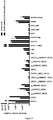
- FIGURES are a diagrammatic representation of FIGURES.
- EXAMPLE 1 Short-term anti-CD45RC antibody treatment results in transplantation tolerance associated with induction of potent regulatory cells.
- Anti-CD45RC administration The OX22 (IgG1 anti-rat CD45RC) mouse hybridoma was used to produce the anti-CD45RC monoclonal antibody. Anti-CD45RC mAbs were given at a dose of 0.8 mg/kg/2.5days i.v. from day 0 to 5, 10 or 20 post-transplantation. Control IgG1 (3G8, anti-human CD16, with no cross-reaction with the rat) was used at the same dose.
- tissue specimens were analyzed for chronic rejection at day 120 post-transplantation as previously described. Briefly, tissues were fixed in paraformaldhéhyde, paraffin embedded, cut in 5 ⁇ m-thick sections and stained with hematoxylin-eosin-saffron.(24)
- Lymphocyte preparation isolation of subpopulations and adoptive transfert: Spleen were harvested at day 120 and splenocytes or sub-populations were purified as previously described (16). Cell transfers were performed by i.v. injection of total splenocytes or purified sub-populations on the day of transplantation of LEW.1W onto LEW.1A sublethally irradiated (4.5 Gy day -1) recipient.
- T cells and pDC were purified and sorted as previously described (20). Flow cytometry and cell sorting was performed using antibodies directed to T cells (TCR ⁇ , clone R7/3), CD4 + CD25 - T cells (clones OX35 and OX39), CD8 + T cells (clone OX8), CD8 + or CD4 + CD45RC low T cells (clones OX8 and OX22), and CD4 + CD45R + 85C7 + pDCs (clones His24, OX35 and 85C7), CDllb and CD45RA + B cells (OX33) obtained from the European Collection of Cell Culture (Salisbury, UK).
- Antibody detection Alloantibodies. Donor spleens were digested by collagenase D, stopped with 400 ⁇ l EDTA 0.1mM, and red cells were lysed. Serum of recipients were added to donor splenocytes at a dilution 1/8, and incubated with either anti-rat IgG-FITC (Jackson ImmunoResearch Labs INC, Baltimore, USA), anti-rat IgG1 (MCA 194, Serotec), anti-rat IgG2a (MCA 278, Serotec), or anti-rat IgG2b (STAR114F, Serotec) and anti-Ms Ig-FITC(115-095-164, Jackson ImmunoResearch).
- FACS Canto (BD Biosciences, Mountain View, CA) was used to measure fluorescence, and data were analyzed using the FLOWJO software (Tree Star, Inc. USA). Geometric mean of fluorescence (MFI) of tested sera was divided by mean of 5 naive Lewis 1A sera MFI as control.
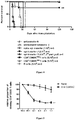
- Tolerance induction following short-term anti-CD45RC antibody treatment As we previously demonstrated the presence and potential of CD8 + T cells with absent or low expression of the CD45RC surface marker, we speculated that a targeting strategy using an anti-CD45RC MAb would promote tolerance in cardiac transplanted recipients. Thus, we have administered an anti-CD45RC antibody (OX22, 0.8 mg/kg/i.v.) every 2.5 days during 20, 10 or 5 days to transplanted rat recipients (cardiac allograft MHC mismatched, LEW.1W grafted onto LEW.1A), starting the day of the transplantation.
- an anti-CD45RC antibody OX22, 0.8 mg/kg/i.v.
- anti-CD45RC antibody treatment resulted in inhibition of both acute and chronic rejection, without compromising immunity and capacity of the recipients to mount antibody responses against cognate antigens.
- Short-term anti-CD45RC antibody treatment resulted in temporary lymphocyte reduction but increased regulatory populations:
- We observed at day 4 a complete absence of CD45RC + cells and a slight decreased of T and B cells (as CD45RC is expressed by both populations).
- Short-term anti-CD45RC antibody treatment resulted in potentiation of CD8 + CD45RC -/low Tregs and transferable tolerance:
- adoptive cell transfer of 150.10 e6 splenocytes resulted in indefinite allograft survival in all recipients compared to recipients transferred with naive splenocytes or non-transferred.
- CD8 + CD45RC low Tregs were sorted at day 120 and added in a dose dependent manner in an assay were CFSE-labeled CD4 + CD25 - effector T cells were cocultured with donor-derived plasmacytoid dendritic cells (pDC) ( Figure 5 ). In absence of Tregs, we observed a strong proliferation of the CD4 + CD25 - Teff cells.
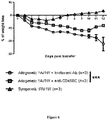
- EXAMPLE 2 Anti-CD45RC mAb treatment reduces lethality and weight loss in a model of GVHD.
- splenocytes were injected intravenously in syngeneic or allogeneic rats treated 24 hours earlier with whole-body sublethal irradiation of 7.8 Gy.
- Recipients received anti-CD45RC mAbs (OX22) or an irrelevant control mAbs starting day 0 and every 3 days at 2mg/kg/injection. Recipients were weighted every day and sacrifice when percentage of weight loss was >20% of their initial weight.
- Anti-CD45RC mAb treatment reduces lethality and weight loss in a model of GVHD: To determine whether administration of the anti-CD45RC could prevent the development of acute graft versus host disease (GVHD), recipients received either syngeneic or allogeneic splenocytes following whole-body sublethal irradiation. Anti-CD45RC or irrelevant control mAbs were then administered i.p. every 3 days. We observed that recipients that received syngeneic splenocytes started to lose weight but then recovered from the whole-body irradiation and gained weight until the end of the experiment.
- GVHD acute graft versus host disease
Landscapes
- Health & Medical Sciences (AREA)
- Chemical & Material Sciences (AREA)
- Life Sciences & Earth Sciences (AREA)
- Medicinal Chemistry (AREA)
- General Health & Medical Sciences (AREA)
- Veterinary Medicine (AREA)
- Public Health (AREA)
- Pharmacology & Pharmacy (AREA)
- Animal Behavior & Ethology (AREA)
- Organic Chemistry (AREA)
- Bioinformatics & Cheminformatics (AREA)
- Engineering & Computer Science (AREA)
- Nuclear Medicine, Radiotherapy & Molecular Imaging (AREA)
- Chemical Kinetics & Catalysis (AREA)
- General Chemical & Material Sciences (AREA)
- Immunology (AREA)
- Epidemiology (AREA)
- Diabetes (AREA)
- Proteomics, Peptides & Aminoacids (AREA)
- Gastroenterology & Hepatology (AREA)
- Neurology (AREA)
- Hematology (AREA)
- Physical Education & Sports Medicine (AREA)
- Orthopedic Medicine & Surgery (AREA)
- Molecular Biology (AREA)
- Biochemistry (AREA)
- Biophysics (AREA)
- Genetics & Genomics (AREA)
- Endocrinology (AREA)
- Rheumatology (AREA)
- Dermatology (AREA)
- Mycology (AREA)
- Microbiology (AREA)
- Obesity (AREA)
- Medicines Containing Antibodies Or Antigens For Use As Internal Diagnostic Agents (AREA)
- Pain & Pain Management (AREA)
- Transplantation (AREA)
- Pulmonology (AREA)
- Neurosurgery (AREA)
- Emergency Medicine (AREA)
Applications Claiming Priority (2)
| Application Number | Priority Date | Filing Date | Title |
|---|---|---|---|
| EP14306231 | 2014-08-01 | ||
| PCT/EP2015/067707 WO2016016442A1 (en) | 2014-08-01 | 2015-07-31 | An anti-cd45rc antibody for use as drug |
Publications (2)
| Publication Number | Publication Date |
|---|---|
| EP3174902A1 EP3174902A1 (en) | 2017-06-07 |
| EP3174902B1 true EP3174902B1 (en) | 2019-04-17 |
Family
ID=51302957
Family Applications (1)
| Application Number | Title | Priority Date | Filing Date |
|---|---|---|---|
| EP15744591.7A Active EP3174902B1 (en) | 2014-08-01 | 2015-07-31 | An anti-cd45rc antibody for use as drug |
Country Status (5)
| Country | Link |
|---|---|
| US (1) | US20170226209A1 (https=) |
| EP (1) | EP3174902B1 (https=) |
| JP (2) | JP6692343B2 (https=) |
| ES (1) | ES2726645T3 (https=) |
| WO (1) | WO2016016442A1 (https=) |
Families Citing this family (14)
| Publication number | Priority date | Publication date | Assignee | Title |
|---|---|---|---|---|
| US20170226209A1 (en) * | 2014-08-01 | 2017-08-10 | INSERM (Institut National de la Santé et de la Recherche Médicale) | An anti-cd45rc antibody for use as drug |
| HK1256681A1 (zh) | 2015-04-06 | 2019-10-04 | President And Fellows Of Harvard College | 用於非清髓性预处理的组合物和方法 |
| CN109641051A (zh) * | 2016-06-17 | 2019-04-16 | 美真达治疗公司 | 用于耗尽细胞的组合物和方法 |
| EP3571230A4 (en) | 2017-01-20 | 2020-12-16 | Magenta Therapeutics, Inc. | COMPOSITIONS AND METHODS FOR DELETION OF CD137 + CELLS |
| EP3498293A1 (en) * | 2017-12-15 | 2019-06-19 | Institut National De La Sante Et De La Recherche Medicale (Inserm) | Treatment of monogenic diseases with an anti-cd45rc antibody |
| EP3626265A1 (en) * | 2018-09-21 | 2020-03-25 | INSERM (Institut National de la Santé et de la Recherche Médicale) | Anti-human cd45rc antibodies and uses thereof |
| NZ781538A (en) | 2019-04-24 | 2025-12-19 | Heidelberg Pharma Res Gmbh | Amatoxin antibody-drug conjugates and uses thereof |
| JP2022535527A (ja) * | 2019-06-04 | 2022-08-09 | マジェンタ セラピューティクス インコーポレイテッド | 自己免疫疾患を治療するための方法および組成物 |
| WO2021168128A1 (en) * | 2020-02-18 | 2021-08-26 | Magenta Therapeutics, Inc. | Compositions and methods for allogeneic transplantation |
| WO2021186056A1 (en) | 2020-03-20 | 2021-09-23 | INSERM (Institut National de la Santé et de la Recherche Médicale) | Chimeric antigen receptor specific for human cd45rc and uses thereof |
| WO2022060874A1 (en) * | 2020-09-15 | 2022-03-24 | City Of Hope | Ex vivo expansion of regulatory t cells for suppression of graft versus host disease |
| PL4401842T3 (pl) | 2021-09-16 | 2025-11-24 | Aboleris Pharma | Domeny wiążące przeciwko ludzkiemu CD45RC i ich zastosowania |
| AU2022422572A1 (en) | 2021-12-23 | 2024-06-06 | Cimeio Therapeutics Ag | Discernible cell surface protein variants of cd45 for use in cell therapy |
| IL321599A (en) | 2022-12-23 | 2025-08-01 | Cimeio Therapeutics Ag | Antibodies targeting cd45 |
Family Cites Families (35)
| Publication number | Priority date | Publication date | Assignee | Title |
|---|---|---|---|---|
| US877397A (en) | 1907-07-15 | 1908-01-21 | American Pulley Co | Reel. |
| GB8308235D0 (en) | 1983-03-25 | 1983-05-05 | Celltech Ltd | Polypeptides |
| US5225539A (en) | 1986-03-27 | 1993-07-06 | Medical Research Council | Recombinant altered antibodies and methods of making altered antibodies |
| US4946778A (en) | 1987-09-21 | 1990-08-07 | Genex Corporation | Single polypeptide chain binding molecules |
| IL85035A0 (en) | 1987-01-08 | 1988-06-30 | Int Genetic Eng | Polynucleotide molecule,a chimeric antibody with specificity for human b cell surface antigen,a process for the preparation and methods utilizing the same |
| US5204244A (en) | 1987-10-27 | 1993-04-20 | Oncogen | Production of chimeric antibodies by homologous recombination |
| US5202238A (en) | 1987-10-27 | 1993-04-13 | Oncogen | Production of chimeric antibodies by homologous recombination |
| GB8823869D0 (en) | 1988-10-12 | 1988-11-16 | Medical Res Council | Production of antibodies |
| DE69120146T2 (de) | 1990-01-12 | 1996-12-12 | Cell Genesys Inc | Erzeugung xenogener antikörper |
| US6075181A (en) | 1990-01-12 | 2000-06-13 | Abgenix, Inc. | Human antibodies derived from immunized xenomice |
| US6673986B1 (en) | 1990-01-12 | 2004-01-06 | Abgenix, Inc. | Generation of xenogeneic antibodies |
| US6150584A (en) | 1990-01-12 | 2000-11-21 | Abgenix, Inc. | Human antibodies derived from immunized xenomice |
| US5661016A (en) | 1990-08-29 | 1997-08-26 | Genpharm International Inc. | Transgenic non-human animals capable of producing heterologous antibodies of various isotypes |
| US5874299A (en) | 1990-08-29 | 1999-02-23 | Genpharm International, Inc. | Transgenic non-human animals capable of producing heterologous antibodies |
| US5633425A (en) | 1990-08-29 | 1997-05-27 | Genpharm International, Inc. | Transgenic non-human animals capable of producing heterologous antibodies |
| US5545806A (en) | 1990-08-29 | 1996-08-13 | Genpharm International, Inc. | Ransgenic non-human animals for producing heterologous antibodies |
| US5625126A (en) | 1990-08-29 | 1997-04-29 | Genpharm International, Inc. | Transgenic non-human animals for producing heterologous antibodies |
| US5770429A (en) | 1990-08-29 | 1998-06-23 | Genpharm International, Inc. | Transgenic non-human animals capable of producing heterologous antibodies |
| ATE158021T1 (de) | 1990-08-29 | 1997-09-15 | Genpharm Int | Produktion und nützung nicht-menschliche transgentiere zur produktion heterologe antikörper |
| WO1993012227A1 (en) | 1991-12-17 | 1993-06-24 | Genpharm International, Inc. | Transgenic non-human animals capable of producing heterologous antibodies |
| US6300129B1 (en) | 1990-08-29 | 2001-10-09 | Genpharm International | Transgenic non-human animals for producing heterologous antibodies |
| US5789650A (en) | 1990-08-29 | 1998-08-04 | Genpharm International, Inc. | Transgenic non-human animals for producing heterologous antibodies |
| US5814318A (en) | 1990-08-29 | 1998-09-29 | Genpharm International Inc. | Transgenic non-human animals for producing heterologous antibodies |
| US6255458B1 (en) | 1990-08-29 | 2001-07-03 | Genpharm International | High affinity human antibodies and human antibodies against digoxin |
| EP1400536A1 (en) | 1991-06-14 | 2004-03-24 | Genentech Inc. | Method for making humanized antibodies |
| DK0752248T3 (da) | 1992-11-13 | 2000-11-13 | Idec Pharma Corp | Terapeutisk anvendelse af kimæriske og radioaktivt mærkede antistoffer mod humant B-lymfocytbegrænset differentieringsantig |
| JPH08509612A (ja) | 1993-04-26 | 1996-10-15 | ジェンファーム インターナショナル インコーポレイテッド | 異種抗体を産生することができるトランスジェニック非ヒト動物 |
| US6106834A (en) | 1993-06-02 | 2000-08-22 | Research Corporation Technologies, Inc. | Use of anti-CD45 leukocyte antigen antibodies for immunomodulation |
| ES2233974T3 (es) | 1995-09-11 | 2005-06-16 | Kyowa Hakko Kogyo Co., Ltd. | Anticuerpo contra la cadena alfa del receptor de la interleucina 5 humana. |
| WO2000067796A1 (en) * | 1999-05-07 | 2000-11-16 | Genentech, Inc. | Treatment of autoimmune diseases with antagonists which bind to b cell surface markers |
| EP1212422B1 (en) | 1999-08-24 | 2007-02-21 | Medarex, Inc. | Human ctla-4 antibodies and their uses |
| CA2430013C (en) | 2000-11-30 | 2011-11-22 | Medarex, Inc. | Transgenic transchromosomal rodents for making human antibodies |
| CN1789416B (zh) | 2001-05-11 | 2011-11-16 | 协和发酵麒麟株式会社 | 含人抗体λ轻链基因的人类人工染色体 |
| PL2602323T3 (pl) | 2007-06-01 | 2018-06-29 | Open Monoclonal Technology, Inc. | Kompozycje i sposoby hamowania endogennych genów immunoglobin i wytwarzania transgenicznych ludzkich przeciwciał typu idiotypowego |
| US20170226209A1 (en) | 2014-08-01 | 2017-08-10 | INSERM (Institut National de la Santé et de la Recherche Médicale) | An anti-cd45rc antibody for use as drug |
-
2015
- 2015-07-31 US US15/500,615 patent/US20170226209A1/en not_active Abandoned
- 2015-07-31 WO PCT/EP2015/067707 patent/WO2016016442A1/en not_active Ceased
- 2015-07-31 ES ES15744591T patent/ES2726645T3/es active Active
- 2015-07-31 JP JP2017505102A patent/JP6692343B2/ja active Active
- 2015-07-31 EP EP15744591.7A patent/EP3174902B1/en active Active
-
2019
- 2019-12-04 JP JP2019219654A patent/JP7015820B2/ja active Active
Non-Patent Citations (1)
| Title |
|---|
| None * |
Also Published As
| Publication number | Publication date |
|---|---|
| JP2017527541A (ja) | 2017-09-21 |
| US20170226209A1 (en) | 2017-08-10 |
| ES2726645T3 (es) | 2019-10-08 |
| JP2020055843A (ja) | 2020-04-09 |
| EP3174902A1 (en) | 2017-06-07 |
| JP7015820B2 (ja) | 2022-02-03 |
| JP6692343B2 (ja) | 2020-05-13 |
| WO2016016442A1 (en) | 2016-02-04 |
Similar Documents
| Publication | Publication Date | Title |
|---|---|---|
| EP3174902B1 (en) | An anti-cd45rc antibody for use as drug | |
| EP2640749B1 (en) | Silent fc variants of anti-cd40 antibodies | |
| CN101720227B (zh) | 细胞毒性抗lag-3单克隆抗体及其在治疗或预防器官移植排斥和自身免疫病中的用途 | |
| TW200916478A (en) | Anti-CD37 antibodies | |
| JP2025106512A (ja) | 調節性t細胞及びその使用 | |
| EP1664122B1 (en) | Therapeutic humanised antibodies against cd45 isoforms | |
| DE112016001013T5 (de) | Antikörper, verwendungen und verfahren | |
| US20250388687A1 (en) | Epo receptor agonists and antagonists | |
| JP2024539630A (ja) | 抗steap2キメラ抗原受容体及びその使用 | |
| KR20230154239A (ko) | 항체-매개 이식 거부의 치료에 사용하기 위한 항-cd38 항체 | |
| RU2849860C1 (ru) | Применение связывающих cxcl13 молекул для лечения повреждения периферических нервов | |
| CN113557244A (zh) | 预防或治疗移植物抗宿主病(GvHD)的抗CCR7 mAb的用途 | |
| US11702470B2 (en) | Use of CXCL13 binding molecules to promote peripheral nerve regeneration | |
| US20200095326A1 (en) | Combination of ant-cd303 and anti-amhrii antibodies | |
| EP4106812A1 (en) | Compositions and methods for inducing immune tolerance in transplantation recipients | |
| US20070141027A1 (en) | Non-lethal conditioning methods for conditioning a recipient for bone marrow transplantation | |
| Granofszky | Targeting Interleukin-6 for the Induction of chimerism-based Transplantation Tolerance | |
| CN116997570A (zh) | 用于治疗抗体介导的移植排斥的抗cd38抗体 | |
| HK1185626A (en) | Silent fc variants of anti-cd40 antibodies | |
| HK1185626B (en) | Silent fc variants of anti-cd40 antibodies |
Legal Events
| Date | Code | Title | Description |
|---|---|---|---|
| STAA | Information on the status of an ep patent application or granted ep patent |
Free format text: STATUS: THE INTERNATIONAL PUBLICATION HAS BEEN MADE |
|
| 17P | Request for examination filed |
Effective date: 20170130 |
|
| AK | Designated contracting states |
Kind code of ref document: A1 Designated state(s): AL AT BE BG CH CY CZ DE DK EE ES FI FR GB GR HR HU IE IS IT LI LT LU LV MC MK MT NL NO PL PT RO RS SE SI SK SM TR |
|
| AX | Request for extension of the european patent |
Extension state: BA ME |
|
| PUAI | Public reference made under article 153(3) epc to a published international application that has entered the european phase |
Free format text: ORIGINAL CODE: 0009012 |
|
| STAA | Information on the status of an ep patent application or granted ep patent |
Free format text: STATUS: REQUEST FOR EXAMINATION WAS MADE |
|
| DAV | Request for validation of the european patent (deleted) | ||
| DAX | Request for extension of the european patent (deleted) | ||
| STAA | Information on the status of an ep patent application or granted ep patent |
Free format text: STATUS: EXAMINATION IS IN PROGRESS |
|
| 17Q | First examination report despatched |
Effective date: 20180309 |
|
| GRAP | Despatch of communication of intention to grant a patent |
Free format text: ORIGINAL CODE: EPIDOSNIGR1 |
|
| STAA | Information on the status of an ep patent application or granted ep patent |
Free format text: STATUS: GRANT OF PATENT IS INTENDED |
|
| INTG | Intention to grant announced |
Effective date: 20190117 |
|
| GRAS | Grant fee paid |
Free format text: ORIGINAL CODE: EPIDOSNIGR3 |
|
| GRAA | (expected) grant |
Free format text: ORIGINAL CODE: 0009210 |
|
| STAA | Information on the status of an ep patent application or granted ep patent |
Free format text: STATUS: THE PATENT HAS BEEN GRANTED |
|
| AK | Designated contracting states |
Kind code of ref document: B1 Designated state(s): AL AT BE BG CH CY CZ DE DK EE ES FI FR GB GR HR HU IE IS IT LI LT LU LV MC MK MT NL NO PL PT RO RS SE SI SK SM TR |
|
| REG | Reference to a national code |
Ref country code: GB Ref legal event code: FG4D |
|
| REG | Reference to a national code |
Ref country code: CH Ref legal event code: NV Representative=s name: VALIPAT S.A. C/O BOVARD SA NEUCHATEL, CH Ref country code: CH Ref legal event code: EP |
|
| REG | Reference to a national code |
Ref country code: DE Ref legal event code: R096 Ref document number: 602015028486 Country of ref document: DE |
|
| REG | Reference to a national code |
Ref country code: AT Ref legal event code: REF Ref document number: 1121452 Country of ref document: AT Kind code of ref document: T Effective date: 20190515 Ref country code: IE Ref legal event code: FG4D |
|
| REG | Reference to a national code |
Ref country code: SE Ref legal event code: TRGR |
|
| REG | Reference to a national code |
Ref country code: NL Ref legal event code: FP |
|
| REG | Reference to a national code |
Ref country code: LT Ref legal event code: MG4D |
|
| REG | Reference to a national code |
Ref country code: ES Ref legal event code: FG2A Ref document number: 2726645 Country of ref document: ES Kind code of ref document: T3 Effective date: 20191008 |
|
| PG25 | Lapsed in a contracting state [announced via postgrant information from national office to epo] |
Ref country code: PT Free format text: LAPSE BECAUSE OF FAILURE TO SUBMIT A TRANSLATION OF THE DESCRIPTION OR TO PAY THE FEE WITHIN THE PRESCRIBED TIME-LIMIT Effective date: 20190817 Ref country code: NO Free format text: LAPSE BECAUSE OF FAILURE TO SUBMIT A TRANSLATION OF THE DESCRIPTION OR TO PAY THE FEE WITHIN THE PRESCRIBED TIME-LIMIT Effective date: 20190717 Ref country code: AL Free format text: LAPSE BECAUSE OF FAILURE TO SUBMIT A TRANSLATION OF THE DESCRIPTION OR TO PAY THE FEE WITHIN THE PRESCRIBED TIME-LIMIT Effective date: 20190417 Ref country code: FI Free format text: LAPSE BECAUSE OF FAILURE TO SUBMIT A TRANSLATION OF THE DESCRIPTION OR TO PAY THE FEE WITHIN THE PRESCRIBED TIME-LIMIT Effective date: 20190417 Ref country code: HR Free format text: LAPSE BECAUSE OF FAILURE TO SUBMIT A TRANSLATION OF THE DESCRIPTION OR TO PAY THE FEE WITHIN THE PRESCRIBED TIME-LIMIT Effective date: 20190417 Ref country code: LT Free format text: LAPSE BECAUSE OF FAILURE TO SUBMIT A TRANSLATION OF THE DESCRIPTION OR TO PAY THE FEE WITHIN THE PRESCRIBED TIME-LIMIT Effective date: 20190417 |
|
| PG25 | Lapsed in a contracting state [announced via postgrant information from national office to epo] |
Ref country code: PL Free format text: LAPSE BECAUSE OF FAILURE TO SUBMIT A TRANSLATION OF THE DESCRIPTION OR TO PAY THE FEE WITHIN THE PRESCRIBED TIME-LIMIT Effective date: 20190417 Ref country code: GR Free format text: LAPSE BECAUSE OF FAILURE TO SUBMIT A TRANSLATION OF THE DESCRIPTION OR TO PAY THE FEE WITHIN THE PRESCRIBED TIME-LIMIT Effective date: 20190718 Ref country code: RS Free format text: LAPSE BECAUSE OF FAILURE TO SUBMIT A TRANSLATION OF THE DESCRIPTION OR TO PAY THE FEE WITHIN THE PRESCRIBED TIME-LIMIT Effective date: 20190417 Ref country code: LV Free format text: LAPSE BECAUSE OF FAILURE TO SUBMIT A TRANSLATION OF THE DESCRIPTION OR TO PAY THE FEE WITHIN THE PRESCRIBED TIME-LIMIT Effective date: 20190417 Ref country code: BG Free format text: LAPSE BECAUSE OF FAILURE TO SUBMIT A TRANSLATION OF THE DESCRIPTION OR TO PAY THE FEE WITHIN THE PRESCRIBED TIME-LIMIT Effective date: 20190717 |
|
| REG | Reference to a national code |
Ref country code: AT Ref legal event code: MK05 Ref document number: 1121452 Country of ref document: AT Kind code of ref document: T Effective date: 20190417 |
|
| PG25 | Lapsed in a contracting state [announced via postgrant information from national office to epo] |
Ref country code: IS Free format text: LAPSE BECAUSE OF FAILURE TO SUBMIT A TRANSLATION OF THE DESCRIPTION OR TO PAY THE FEE WITHIN THE PRESCRIBED TIME-LIMIT Effective date: 20190817 |
|
| REG | Reference to a national code |
Ref country code: DE Ref legal event code: R097 Ref document number: 602015028486 Country of ref document: DE |
|
| PG25 | Lapsed in a contracting state [announced via postgrant information from national office to epo] |
Ref country code: CZ Free format text: LAPSE BECAUSE OF FAILURE TO SUBMIT A TRANSLATION OF THE DESCRIPTION OR TO PAY THE FEE WITHIN THE PRESCRIBED TIME-LIMIT Effective date: 20190417 Ref country code: RO Free format text: LAPSE BECAUSE OF FAILURE TO SUBMIT A TRANSLATION OF THE DESCRIPTION OR TO PAY THE FEE WITHIN THE PRESCRIBED TIME-LIMIT Effective date: 20190417 Ref country code: DK Free format text: LAPSE BECAUSE OF FAILURE TO SUBMIT A TRANSLATION OF THE DESCRIPTION OR TO PAY THE FEE WITHIN THE PRESCRIBED TIME-LIMIT Effective date: 20190417 Ref country code: AT Free format text: LAPSE BECAUSE OF FAILURE TO SUBMIT A TRANSLATION OF THE DESCRIPTION OR TO PAY THE FEE WITHIN THE PRESCRIBED TIME-LIMIT Effective date: 20190417 Ref country code: SK Free format text: LAPSE BECAUSE OF FAILURE TO SUBMIT A TRANSLATION OF THE DESCRIPTION OR TO PAY THE FEE WITHIN THE PRESCRIBED TIME-LIMIT Effective date: 20190417 Ref country code: EE Free format text: LAPSE BECAUSE OF FAILURE TO SUBMIT A TRANSLATION OF THE DESCRIPTION OR TO PAY THE FEE WITHIN THE PRESCRIBED TIME-LIMIT Effective date: 20190417 |
|
| PLBE | No opposition filed within time limit |
Free format text: ORIGINAL CODE: 0009261 |
|
| STAA | Information on the status of an ep patent application or granted ep patent |
Free format text: STATUS: NO OPPOSITION FILED WITHIN TIME LIMIT |
|
| PG25 | Lapsed in a contracting state [announced via postgrant information from national office to epo] |
Ref country code: MC Free format text: LAPSE BECAUSE OF FAILURE TO SUBMIT A TRANSLATION OF THE DESCRIPTION OR TO PAY THE FEE WITHIN THE PRESCRIBED TIME-LIMIT Effective date: 20190417 Ref country code: SM Free format text: LAPSE BECAUSE OF FAILURE TO SUBMIT A TRANSLATION OF THE DESCRIPTION OR TO PAY THE FEE WITHIN THE PRESCRIBED TIME-LIMIT Effective date: 20190417 |
|
| 26N | No opposition filed |
Effective date: 20200120 |
|
| PG25 | Lapsed in a contracting state [announced via postgrant information from national office to epo] |
Ref country code: TR Free format text: LAPSE BECAUSE OF FAILURE TO SUBMIT A TRANSLATION OF THE DESCRIPTION OR TO PAY THE FEE WITHIN THE PRESCRIBED TIME-LIMIT Effective date: 20190417 |
|
| PG25 | Lapsed in a contracting state [announced via postgrant information from national office to epo] |
Ref country code: SI Free format text: LAPSE BECAUSE OF FAILURE TO SUBMIT A TRANSLATION OF THE DESCRIPTION OR TO PAY THE FEE WITHIN THE PRESCRIBED TIME-LIMIT Effective date: 20190417 |
|
| PG25 | Lapsed in a contracting state [announced via postgrant information from national office to epo] |
Ref country code: IE Free format text: LAPSE BECAUSE OF NON-PAYMENT OF DUE FEES Effective date: 20190731 |
|
| PG25 | Lapsed in a contracting state [announced via postgrant information from national office to epo] |
Ref country code: CY Free format text: LAPSE BECAUSE OF FAILURE TO SUBMIT A TRANSLATION OF THE DESCRIPTION OR TO PAY THE FEE WITHIN THE PRESCRIBED TIME-LIMIT Effective date: 20190417 |
|
| PG25 | Lapsed in a contracting state [announced via postgrant information from national office to epo] |
Ref country code: MT Free format text: LAPSE BECAUSE OF FAILURE TO SUBMIT A TRANSLATION OF THE DESCRIPTION OR TO PAY THE FEE WITHIN THE PRESCRIBED TIME-LIMIT Effective date: 20190417 Ref country code: HU Free format text: LAPSE BECAUSE OF FAILURE TO SUBMIT A TRANSLATION OF THE DESCRIPTION OR TO PAY THE FEE WITHIN THE PRESCRIBED TIME-LIMIT; INVALID AB INITIO Effective date: 20150731 |
|
| PG25 | Lapsed in a contracting state [announced via postgrant information from national office to epo] |
Ref country code: MK Free format text: LAPSE BECAUSE OF FAILURE TO SUBMIT A TRANSLATION OF THE DESCRIPTION OR TO PAY THE FEE WITHIN THE PRESCRIBED TIME-LIMIT Effective date: 20190417 |
|
| P01 | Opt-out of the competence of the unified patent court (upc) registered |
Effective date: 20230526 |
|
| REG | Reference to a national code |
Ref country code: BE Ref legal event code: PD Owner name: NANTES UNIVERSITE; FR Free format text: DETAILS ASSIGNMENT: CHANGE OF OWNER(S), MERGE; FORMER OWNER NAME: UNIVERSITE DE NANTES Effective date: 20230919 |
|
| REG | Reference to a national code |
Ref country code: GB Ref legal event code: 732E Free format text: REGISTERED BETWEEN 20231026 AND 20231101 |
|
| REG | Reference to a national code |
Ref country code: DE Ref legal event code: R081 Ref document number: 602015028486 Country of ref document: DE Owner name: INSTITUT NATIONAL DE LA SANTE ET DE LA RECHERC, FR Free format text: FORMER OWNERS: INSTITUT NATIONAL DE LA SANTE ET DE LA RECHERCHE MEDICALE (INSERM), PARIS, FR; UNIVERSITE DE NANTES, NANTES, FR Ref country code: DE Ref legal event code: R081 Ref document number: 602015028486 Country of ref document: DE Owner name: NANTES UNIVERSITE, FR Free format text: FORMER OWNERS: INSTITUT NATIONAL DE LA SANTE ET DE LA RECHERCHE MEDICALE (INSERM), PARIS, FR; UNIVERSITE DE NANTES, NANTES, FR |
|
| REG | Reference to a national code |
Ref country code: ES Ref legal event code: PC2A Owner name: NANTES UNIVERSITE Effective date: 20250717 |
|
| PGFP | Annual fee paid to national office [announced via postgrant information from national office to epo] |
Ref country code: NL Payment date: 20250721 Year of fee payment: 11 Ref country code: LU Payment date: 20250721 Year of fee payment: 11 |
|
| PGFP | Annual fee paid to national office [announced via postgrant information from national office to epo] |
Ref country code: ES Payment date: 20250826 Year of fee payment: 11 |
|
| PGFP | Annual fee paid to national office [announced via postgrant information from national office to epo] |
Ref country code: DE Payment date: 20250722 Year of fee payment: 11 |
|
| PGFP | Annual fee paid to national office [announced via postgrant information from national office to epo] |
Ref country code: IT Payment date: 20250724 Year of fee payment: 11 |
|
| PGFP | Annual fee paid to national office [announced via postgrant information from national office to epo] |
Ref country code: BE Payment date: 20250721 Year of fee payment: 11 Ref country code: GB Payment date: 20250722 Year of fee payment: 11 |
|
| PGFP | Annual fee paid to national office [announced via postgrant information from national office to epo] |
Ref country code: FR Payment date: 20250725 Year of fee payment: 11 |
|
| PGFP | Annual fee paid to national office [announced via postgrant information from national office to epo] |
Ref country code: SE Payment date: 20250722 Year of fee payment: 11 Ref country code: CH Payment date: 20250801 Year of fee payment: 11 |