EP3157542B1 - Methods to treat inflammation of the lung - Google Patents
Methods to treat inflammation of the lung Download PDFInfo
- Publication number
- EP3157542B1 EP3157542B1 EP15810310.1A EP15810310A EP3157542B1 EP 3157542 B1 EP3157542 B1 EP 3157542B1 EP 15810310 A EP15810310 A EP 15810310A EP 3157542 B1 EP3157542 B1 EP 3157542B1
- Authority
- EP
- European Patent Office
- Prior art keywords
- pharmaceutical composition
- ltxa
- cells
- lung
- lfa
- Prior art date
- Legal status (The legal status is an assumption and is not a legal conclusion. Google has not performed a legal analysis and makes no representation as to the accuracy of the status listed.)
- Active
Links
Images

Classifications
-
- A—HUMAN NECESSITIES
- A61—MEDICAL OR VETERINARY SCIENCE; HYGIENE
- A61K—PREPARATIONS FOR MEDICAL, DENTAL OR TOILETRY PURPOSES
- A61K38/00—Medicinal preparations containing peptides
- A61K38/16—Peptides having more than 20 amino acids; Gastrins; Somatostatins; Melanotropins; Derivatives thereof
- A61K38/164—Peptides having more than 20 amino acids; Gastrins; Somatostatins; Melanotropins; Derivatives thereof from bacteria
-
- A—HUMAN NECESSITIES
- A61—MEDICAL OR VETERINARY SCIENCE; HYGIENE
- A61K—PREPARATIONS FOR MEDICAL, DENTAL OR TOILETRY PURPOSES
- A61K39/00—Medicinal preparations containing antigens or antibodies
- A61K39/02—Bacterial antigens
-
- A—HUMAN NECESSITIES
- A61—MEDICAL OR VETERINARY SCIENCE; HYGIENE
- A61K—PREPARATIONS FOR MEDICAL, DENTAL OR TOILETRY PURPOSES
- A61K9/00—Medicinal preparations characterised by special physical form
- A61K9/0012—Galenical forms characterised by the site of application
- A61K9/007—Pulmonary tract; Aromatherapy
- A61K9/0073—Sprays or powders for inhalation; Aerolised or nebulised preparations generated by other means than thermal energy
- A61K9/0075—Sprays or powders for inhalation; Aerolised or nebulised preparations generated by other means than thermal energy for inhalation via a dry powder inhaler [DPI], e.g. comprising micronized drug mixed with lactose carrier particles
-
- A—HUMAN NECESSITIES
- A61—MEDICAL OR VETERINARY SCIENCE; HYGIENE
- A61K—PREPARATIONS FOR MEDICAL, DENTAL OR TOILETRY PURPOSES
- A61K9/00—Medicinal preparations characterised by special physical form
- A61K9/0012—Galenical forms characterised by the site of application
- A61K9/007—Pulmonary tract; Aromatherapy
- A61K9/0073—Sprays or powders for inhalation; Aerolised or nebulised preparations generated by other means than thermal energy
- A61K9/0078—Sprays or powders for inhalation; Aerolised or nebulised preparations generated by other means than thermal energy for inhalation via a nebulizer such as a jet nebulizer, ultrasonic nebulizer, e.g. in the form of aqueous drug solutions or dispersions
-
- A—HUMAN NECESSITIES
- A61—MEDICAL OR VETERINARY SCIENCE; HYGIENE
- A61K—PREPARATIONS FOR MEDICAL, DENTAL OR TOILETRY PURPOSES
- A61K9/00—Medicinal preparations characterised by special physical form
- A61K9/0012—Galenical forms characterised by the site of application
- A61K9/007—Pulmonary tract; Aromatherapy
- A61K9/0073—Sprays or powders for inhalation; Aerolised or nebulised preparations generated by other means than thermal energy
- A61K9/008—Sprays or powders for inhalation; Aerolised or nebulised preparations generated by other means than thermal energy comprising drug dissolved or suspended in liquid propellant for inhalation via a pressurized metered dose inhaler [MDI]
-
- A—HUMAN NECESSITIES
- A61—MEDICAL OR VETERINARY SCIENCE; HYGIENE
- A61P—SPECIFIC THERAPEUTIC ACTIVITY OF CHEMICAL COMPOUNDS OR MEDICINAL PREPARATIONS
- A61P11/00—Drugs for disorders of the respiratory system
-
- A—HUMAN NECESSITIES
- A61—MEDICAL OR VETERINARY SCIENCE; HYGIENE
- A61P—SPECIFIC THERAPEUTIC ACTIVITY OF CHEMICAL COMPOUNDS OR MEDICINAL PREPARATIONS
- A61P11/00—Drugs for disorders of the respiratory system
- A61P11/06—Antiasthmatics
-
- A—HUMAN NECESSITIES
- A61—MEDICAL OR VETERINARY SCIENCE; HYGIENE
- A61P—SPECIFIC THERAPEUTIC ACTIVITY OF CHEMICAL COMPOUNDS OR MEDICINAL PREPARATIONS
- A61P29/00—Non-central analgesic, antipyretic or antiinflammatory agents, e.g. antirheumatic agents; Non-steroidal antiinflammatory drugs [NSAID]
-
- A—HUMAN NECESSITIES
- A61—MEDICAL OR VETERINARY SCIENCE; HYGIENE
- A61P—SPECIFIC THERAPEUTIC ACTIVITY OF CHEMICAL COMPOUNDS OR MEDICINAL PREPARATIONS
- A61P31/00—Antiinfectives, i.e. antibiotics, antiseptics, chemotherapeutics
- A61P31/04—Antibacterial agents
-
- A—HUMAN NECESSITIES
- A61—MEDICAL OR VETERINARY SCIENCE; HYGIENE
- A61P—SPECIFIC THERAPEUTIC ACTIVITY OF CHEMICAL COMPOUNDS OR MEDICINAL PREPARATIONS
- A61P31/00—Antiinfectives, i.e. antibiotics, antiseptics, chemotherapeutics
- A61P31/10—Antimycotics
-
- A—HUMAN NECESSITIES
- A61—MEDICAL OR VETERINARY SCIENCE; HYGIENE
- A61P—SPECIFIC THERAPEUTIC ACTIVITY OF CHEMICAL COMPOUNDS OR MEDICINAL PREPARATIONS
- A61P31/00—Antiinfectives, i.e. antibiotics, antiseptics, chemotherapeutics
- A61P31/12—Antivirals
-
- A—HUMAN NECESSITIES
- A61—MEDICAL OR VETERINARY SCIENCE; HYGIENE
- A61P—SPECIFIC THERAPEUTIC ACTIVITY OF CHEMICAL COMPOUNDS OR MEDICINAL PREPARATIONS
- A61P37/00—Drugs for immunological or allergic disorders
- A61P37/08—Antiallergic agents
-
- C—CHEMISTRY; METALLURGY
- C07—ORGANIC CHEMISTRY
- C07K—PEPTIDES
- C07K14/00—Peptides having more than 20 amino acids; Gastrins; Somatostatins; Melanotropins; Derivatives thereof
- C07K14/195—Peptides having more than 20 amino acids; Gastrins; Somatostatins; Melanotropins; Derivatives thereof from bacteria
Definitions
- the invention relates to pharmaceutical compositions, and methods for treating lung inflammation.
- Lung inflammation is characterized by the massive infiltration of activated white blood cells (WBCs) in the lung and airway subsequent to many immune related causes.
- WBCs activated white blood cells
- some treatments are available to treat the underlying disease, many of these diseases do not have a cure and are chronic diseases, or the treatment for the disease is not immediately effective, and the resulting lung inflammation remains a health concern for the patient.
- Steroids are used as an adjunct therapy to treat lung inflammation, however the chronic use of steroids often leads to multiple side effects such as proximal myopathy, chusinggoid habitus, hyperglycemia, diabetes, infections and osteoporosis.
- Other drugs are known to down regulate the immune system, but many of these drugs are unable to differentiate between resting and activated immune cells, and generally have a potent immunosuppression effect.
- LFA-1 Lymphocyte function-associated antigen 1
- Lung inflammation is a general term for inflammation affecting any part of the lung or surrounding tissue and fluid, and the up-regulation of certain cytokines.
- Clinical characteristics of lung inflammation may include shortness of breath, increased fluid and/or mucus in the lungs, increased coughing, associated pain when breathing and inability to breathe.
- the treatment for lung inflammation is aimed at reducing inflammation and the associated clinical symptoms caused by uncontrolled lung inflammation.
- LFA-1 a chronic disorder that causes lung inflammation
- a chronic disorder that causes lung inflammation including, for example, simvastatin, a small molecule drug that can target LFA-1, and efalizumab, a monoclonal antibody against LFA-1.
- simvastatin was shown to reduce airway and sputum eosinophilia, but it did not affect airway hyperresponsiveness or reduce the expression of inflammatory cytokines (IL-4, 5) compared to the placebo.
- IL-4, 5 inflammatory cytokines
- the present invention provides a pharmaceutical composition comprising a leukotoxin and a pharmaceutically acceptable carrier for use in a method of reducing lung inflammation in a subject in need thereof by reducing local cytokine levels in bronchoalveolar lavage fluid or lung tissue, wherein the lung inflammation is characterized by an infiltration in the lung tissue of white blood cells comprising cells with upregulated and activated LFA-1 on their surface to which the leukotoxin specifically binds and the lung inflammation is caused by a disease selected from the group consisting of cystic fibrosis, chronic obstructive pulmonary disease, allergies, and an infection, wherein the subject has been identified as having increased levels of activated white blood cells that express a greater level of LFA-1 compared to white blood cells from a normal healthy subject, and wherein the pharmaceutical composition is in a form suitable for administration by using an inhaler selected from the group consisting of a nebulizer, a metered-dose inhaler, and a dry powder inhaler.
- an inhaler selected from
- Disclosed herein is also a method of reducing lung inflammation in a subject in need thereof, characterized by increased levels of activated white blood cells, the method comprising administering to the subject an amount of a pharmaceutical composition effective to reduce said lung inflammation, wherein the pharmaceutical composition comprises a leukotoxin and a pharmaceutically acceptable carrier.
- the activated white blood cells express a greater level of LFA-1 compared to white blood cells from a normal healthy subject, and may be further characterized as CD11a hi cells.
- the leukotoxin may be prepared from Aggregatibacter actinomycetemcomitans, and recombinantly. In a preferred embodiment, the leukotoxin has at least 90% homology with the peptide according to SEQ ID NO: 1.
- the leukotoxin may be administered orally, parenterally, intravenously, intraperitoneally or by inhalation.
- the inflammation is caused by a disease or chronic disorder.
- the disease or chronic disorder may be asthma, cystic fibrosis, chronic obstructive pulmonary disease, an allergen, or an infection.
- the subject may also have a bacterial, fungal, or viral infection that causes the inflammation.
- the amount administered to the subject is effective to reduce local cytokine levels in bronchoalveolar lavage fluid or lung tissue, and the cytokines may be IL-4, IL-5, IL-9, II,-17F and IL-23 ⁇ .
- the amount of leukotoxin administered is effective to reduce the level of at least one cytokine at least about five-fold.
- a method of treating a disease characterized by lung inflammation comprising administering a pharmaceutical composition to a subject in need of such treatment in an amount effective to reduce said inflammation, wherein the pharmaceutical composition comprises a leukotoxin and a pharmaceutically acceptable carrier, and wherein the disease is selected from the group consisting of asthma, cystic fibrosis, chronic obstructive pulmonary disease, allergies, and an infection.
- compositions comprising leukotoxin and a pharmaceutically acceptable carrier, wherein the pharmaceutical composition is in a form suitable for inhalation.
- pharmaceutically acceptable carrier is a form of an aerosol or a dry powder.
- This disclosure relates to methods for treating lung inflammation using LtxA, and incorporates the discovery that administering LtxA to a patient suffering lung inflammation characterized by activated inflammatory cells expressing LFA-1 results in the rapid depletion of the activated inflammatory cells.
- LFA-1 is a ⁇ 2-integrin expressed on the surface of white blood cells that is composed of CD11a and CD 18, and in its active conformation is involved in immune cell migration and signaling. It has now been discovered that LtxA rapidly targets all inflammatory WBCs that express the activated conformation of LFA-1 on their surface that migrate to the lung, providing a robust targeted anti-inflammatory local effect in the lung, while having little or no toxic effect on bronchial/tracheal epithelial cells.
- LtxA is a ⁇ 115 kDa protein produced by the Gram negative bacterium Aggregatibacter actinomycetemcomitans. LtxA binds specifically to LFA-1 and cells that lack LFA-1 are resistant to its toxicity. For example, LtxA is not active against human red blood cells, human epithelial cells, rat cells, or mouse cells. LtxA also remains active in the presence of human peripheral blood.
- LtxA preparations can be used, highly purified LtxA is preferred.
- isolated polypeptide refers to a polypeptide that has been separated from other proteins, lipids, and nucleic acids with which it is naturally associated.
- the polypeptide constitutes at least 10% (i.e., any percentage between 10% and 100%, e.g., 20%, 30%, 40%, 50%, 60%, 70 %, 80%, 85%, 90%, 95%, and 99%) by dry weight of the purified preparation. Purity can be measured by any appropriate standard method, for example, by column chromatography, polyacrylamide gel electrophoresis, or HPLC analysis.
- An isolated polypeptide of the invention can be purified from a natural source, produced by recombinant DNA techniques, or by chemical methods.
- a functional equivalent of LtxA refers to a polypeptide derivative of the LtxA polypeptide, e.g., a protein having one or more point mutations, insertions, deletions, truncations, a fusion protein, or a combination thereof. It retains substantially the activity of the LtxA polypeptide, i.e., the ability to target and kill WBCs that express the activated conformation of LFA-1 on their surface while having little or no toxic effect on other cells or organs in the body.
- the isolated polypeptide can contain SEQ ID NO: 1 or a functional fragment of SEQ ID NO: 1.
- the functional equivalent is at least 75% (e.g., any number between 75% and 100%, inclusive, e.g., 70 %, 80%, 85%, 90%, 95%, and 99%) identical to SEQ ID NO: 1.
- LtxA obtained by recombinant DNA technology may have the same amino acid sequence as naturally a occurring LtxA (SEQ ID NO: 1) or an functionally equivalent thereof.
- LtxA also covers chemically modified LtxA. Examples of chemically modified LtxA include LtxA subjected to conformational change, addition or deletion of a sugar chain, and LtxA to which a compound such as polyethylene glycol has been bound.
- amino acid composition of the LtxA polypeptide described herein may vary without disrupting the ability of the polypeptide to target and kill WBCs.
- it can contain one or more conservative amino acid substitutions.
- a "conservative amino acid substitution” is one in which the amino acid residue is replaced with an amino acid residue having a similar side chain. Families of amino acid residues having similar side chains have been defined in the art.
- amino acids with basic side chains e.g., lysine, arginine, histidine
- acidic side chains e.g., aspartic acid, glutamic acid
- uncharged polar side chains e.g., glycine, asparagine, glutamine, serine, threonine, tyrosine, cysteine
- nonpolar side chains e.g., alanine, valine, leucine, isoleucine, proline, phenylalanine, methionine, tryptophan
- beta-branched side chains e.g., threonine, valine, isoleucine
- aromatic side chains e.g., tyrosine, phenylalanine, tryptophan, histidine
- a predicted nonessential amino acid residue in SEQ ID NO: 1 is preferably replaced with another amino acid residue from the same side chain family.
- mutations can be introduced randomly along all or part of SEQ ID NO: 1, such as by saturation mutagenesis, and the resultant mutants can be screened for the ability to reduce inflammation and/or to identify mutants that retain the activity as described below in the examples.
- “Substantially identical” as used herein refers to that the nucleic or amino acid sequence is at least 60%, 65%, 70%, 75%, 80%, 85%, 90%, 95%, 97%, 98% or 99% identical over a region of 8, 9, 10, 11, 12, 13, 14, 15, 16, 17, 18, 19, 20, 21, 22, 23, 24, 25, 30, 35, 40, 45, 50 or more nucleotides or amino acids, or with respect to nucleic acids, if the first sequence is substantially complementary to the complement of the second sequence.
- such variant nucleic acid and polypeptide sequences will share 75% or more (i.e. 80, 85, 90, 95, 97, 98, 99% or more) sequence identity with the sequences recited in the application.
- the leukotoxin has at least 90% or greater per cent homology with the peptide according to SEQ ID NO: 1.
- a LtxA polypeptide as described in this invention can be obtained as a naturally occurring polypeptide or a recombinant polypeptide.
- a nucleic acid encoding it e.g., SEQ ID NO: 2
- GST glutathione-s-transferase
- 6x-His epitope tag or M13 Gene 3 protein.
- the resultant fusion nucleic acid expresses in suitable host cells a fusion protein that can be isolated by methods known in the art.
- the isolated fusion protein can be further treated, e.g., by enzymatic digestion, to remove the fusion partner and obtain the recombinant polypeptide of this invention.
- the present invention also provides a pharmaceutical composition that contains LtxA and a pharmaceutically acceptable carrier suitable for administration to the lung.
- pharmaceutically acceptable carriers include, but are not limited tomicroparticles, dry dispersible powders, anhydrous ethanol, particles formed by spray drying, and the like, and other preparations as known in the art to be suitable for pulmonary administration.
- the pharmaceutical compositions of the present invention containing LtxA may be administered using commonly known devices configured for the delivery of pharmaceutical compositions in the form of powder or liquid aerosol particles to the bronchioles of the lung.
- Such devices include, but are not limited to. inhalers, nebulizers, nasal sprayers, dry powder inhalation systems; ultrasonic inhalation systems; metered dose inhalers; solution metering devices.
- the pharmaceutically acceptable carriers of the pharmaceutical composition of the invention may comprise a wide variety of non-active ingredients which are useful for formulation purposes and which do not materially affect the novel and useful properties of LtxA.
- pharmaceutically acceptable refers to a component that is not biologically or otherwise undesirable, i.e., the component may be incorporated into a pharmaceutical composition of the invention and administered to a patient's lung without causing any undesirable biological effects or interacting in a deleterious manner with any of the other components of the formulation composition in which it is contained.
- pharmaceutically acceptable refers to a component other than a pharmacologically active agent, it is implied that the component has met the required standards of toxicological and manufacturing testing or that it is included on the Inactive Ingredient Guide prepared by the U.S. Food and Drug Administration.
- Inhalation products are typically packaged in multidose form, for nebulizers and other inhalations systems as known in the art.
- Preservatives may be used to prevent microbial contamination during use. Suitable preservatives include: biguanides, hydrogen peroxide, hydrogen peroxide producers, benzalkonium chloride, chlorobutanol, benzododecinium bromide, methyl paraben, propyl paraben, phenylethyl alcohol, edetate disodium, sorbic acid, polyquaternium-1, or other agents known to those skilled in the art. Such preservatives are typically employed at a level of from 0.001 to 1% (w/w). Unit dose formulations of the present invention will be sterile, but typically unpreserved. Such formulations, therefore, generally will not contain preservatives.
- the pharmaceutical composition may further comprise antibiotics, antiviral agents, corticosteroids, ⁇ -agonists (long or short acting), leukotriene modifiers, antihistamines, phosphodiesterase inhibitors, sodium cromoglycate, Nedocromil, cytokines, and theophylline.
- antibiotics include without limitation, cefazolin, cephradine, cefaclor, cephapirin, ceftizoxime, cefoperazone, cefotetan, cefutoxime, cefotaxime, cefadroxil, ceftazidime, cephalexin, cephalothin, cefamandole, cefoxitin, cefonicid, ceforanide, ceftriaxone, cefadroxil, cephradine, cefuroxime, ampicillin, amoxicillin, cyclacillin, ampicillin, penicillin G, penicillin V potassium, piperacillin, oxacillin, bacampicillin, cloxacillin, ticarcillin, azlocillin, carbenicillin, methicillin, nafcillin, erythromycin, tetracycline, doxycycline, minocycline, aztreonam, chloramphenicol, ciprofloxaci
- corticosteroids examples include cortisone, prednisolone, triamcinolone, flurometholone, dexamethasone, medrysone, loteprednol, fluazacort, hydrocortisone, prednisone triamcinolone, betamethasone, prednisone, methylprednisolone, triamcinolone acetonide, triamcinolone hexacatonide, paramethasone acetate, diflorasone, fluocinolone and fluocinonide, derivatives thereof, and mixtures thereof.
- antiviral agents include interferon gamma, zidovudine, amantadine hydrochloride, ribavirin, acyclovir, valciclovir, dideoxycytidine, and derivatives thereof.
- antihistamines include, and are not limited to, loradatine, hydroxyzine, diphenhydramine, chlorpheniramine, brompheniramine, cyproheptadine, terfenadine, clemastine, triprolidine, carbinoxamine, diphenylpyraline, phenindamine, azatadine, tripelennamine, dexchlorpheniramine, dexbrompheniramine, methdilazine, and trimprazine doxylamine, pheniramine, pyrilamine, chiorcyclizine, thonzylamine, and derivatives thereof.
- the disclosure provides a method of reducing lung inflammation in a subject in need thereof, characterized by increased levels of activated WBCs, by administering to the subject a pharmaceutical composition comprising leukotoxin and a pharmaceutically acceptable carrier in an amount effective to reduce lung inflammation.
- the disclosure provides a method of treating a disease characterized by lung inflammation, comprising administering to a subject in need thereof a pharmaceutical composition comprising leukotoxin and a pharmaceutically acceptable carrier in an amount effective to reduce lung inflammation characterizing the disease.
- the disclosure provides a method for screening a subject for lung inflammation by requesting a biological sample from the subject, requesting an analysis of the biological sample to determine whether the subject expresses one or more biomarkers associate with lung inflammation, and then treating the subject with a pharmaceutical composition comprising LtxA.
- the subject is currently undergoing treatment with LtxA, and the dose of LtxA is further determined according to the presence of lung inflammation biomarkers.
- Lung inflammation can be characterized by an increase in active WBCs expressing a greater level of the activated conformation of LFA-1 compared to WBC's of a healthy subject without lung inflammation.
- WBCs that have a greater level of the activated conformation of LFA-1 are also referred to as CD11a hi cells.
- CD11a hi cells can be identified in biological samples from a subject such as lung tissue, peripheral blood mononuclear cells (PBMCs) or a BAL sample, thus a clinician can determine whether a subject is in need of treatment for lung inflammation.
- PBMCs peripheral blood mononuclear cells
- a biological sample from a subject can also be screened for the increased expression of certain cytokines (biomarkers) to determine whether the subject is in need of a treatment for lung inflammation.
- cytokines/biomarkers include IL-4, IL-5, IL-9, IL-17F and IL-23 ⁇ .
- Standard assays are known in the art to detect cytokines in biological samples, examples of biological samples include without limitation lung tissue, peripheral blood mononuclear cells (PBMCs) or a BAL sample.
- PBMCs peripheral blood mononuclear cells
- Lung inflammation can be caused by many diseases and chronic conditions, such as asthma, chronic obstructive pulmonary disease (COPD), allergic bronchopulmonary aspergillosis, hypersensitivity pneumonia, eosinophilic pneumonia, emphysema, bronchitis, allergic bronchitis bronchiectasis, cystic fibrosis, tuberculosis, hypersensitivity pneumonitis, occupational asthma, sarcoid, reactive airway disease syndrome, interstitial lung disease, hyper-eosinophilic syndrome, rhinitis, sinusitis, exercise-induced asthma, pollution-induced asthma, cough variant asthma, parasitic lung disease, bacterial infections, respiratory syncytial virus (RSV) infection, parainfluenza virus (PIV) infection, rhinovirus (RV) infection and adenovirus infection.
- COPD chronic obstructive pulmonary disease
- PAV parainfluenza virus
- RV rhinovirus
- adenovirus infection adenovirus infection
- Cystic fibrosis is a disease characterized by chronic inflammation and immune-mediated damage to the lung and airway, resulting in respiratory failure and death.
- Activated LFA-1 neutrophils responding to bacterial infection are predominantly responsible for the immune-mediated injury.
- Neutrophils generally play a role in the elimination of bacterial pathogens, however, in the case of CF, activated LFA-1 neutrophils are less immunologically effective, thus a target for LtxA therapy.
- Asthma is a chronic condition that is also characterized by lung inflammation, whereby activated WBCs infiltrate into the airways and release inflammatory mediators which further cause bronchial epithelium damage.
- Allergic asthma is IgE mediated and involves initial exposure to an inhaled allergen and subsequent antigen presentation to T-helper type 2 lymphocytes, which secrete IL-4 and IL-13. Allergic asthma can be further characterized by airway inflammation in BAL and lung tissue, persistent Th2 response with increased cytokine production, progressive airway remodeling and bronchial hyperactivity.
- the WBCs to be targeted can also be characterized as CD11a hi cells, which are monocytes and non-helper T-cells that express LFA-1 with a Mean Fluorescent Intensity (MFI) of about 10 3 - 10 5 .
- MFI Mean Fluorescent Intensity
- the treatment methods of the present invention treat patients suffering asthma attacks characterized by CD11a hi cells with an LFA-1 MFI of about 10 4 - 10 5 .
- CD11a hi cells can identify CD11a hi cells by MFI using standard techniques and reagents known in the art.
- COPD chronic obstructive pulmonary disease
- COPD can cause coughing that produces large amounts of mucus (a slimy substance), wheezing, shortness of breath, chest tightness, and other symptoms.
- mucus a slimy substance
- wheezing wheezing
- shortness of breath chest tightness
- other symptoms a slimy substance
- COPD less air flows in and out of the airways because of one or more of the following: the airways and air sacs lose their elastic quality; the walls between many of the air sacs are destroyed; the walls of the airways become thick and inflamed, and the airways make more mucus than usual, which can clog them.
- Treating refers to administration of a compound or pharmaceutical composition to a subject, who has lung inflammation, with the purpose to cure, alleviate, relieve, remedy, delay the onset of, or ameliorate lung inflammation, the symptoms of lung inflammation, the disease state secondary to lung inflammation, or the predisposition toward lung inflammation.
- the term “subject” refers to any animal (e.g., a mammal), including, but not limited to humans, non-human primates, rodents, dogs, cats, horses, cows, sheep, domesticated animals and the like, which is to be the recipient of a particular treatment.
- the terms “subject” and “patient” are used interchangeably herein in reference to a human subject.
- a “therapeutically effective amount” refers to the amount of an agent or pharmaceutical composition sufficient to produce beneficial or desired results.
- a therapeutically effective amount can be administered in one or more administrations, applications or dosages and is not intended to be limited to a particular formulation or administration route.
- the agent or pharmaceutical composition can be administered in vivo alone or co-administered in conjunction with other drugs or therapy.
- co-administration or “co-administered” refers to the administration of at least two agent(s) or therapies to a subject. In some embodiments, the co-administration of two or more agents or therapies is concurrent. In other embodiments, a first agent/therapy is administered prior to a second agent/therapy.
- compositions of the invention may be administered locally or systemically.
- Routes of administration include nasal, pulmonary, buccal, parenteral (intravenous, subcutaneous, and intramuscular), and oral. Also administration from implants is possible.
- Suitable preparation forms are, for example granules, powders, tablets, coated tablets, (micro) capsules, microparticles, syrups, emulsions, microemulsions, defined as optically isotropic thermodynamically stable systems consisting of water, oil and surfactant, liquid crystalline phases, defined as systems characterized by long-range order but short-range disorder (examples include lamellar, hexagonal and cubic phases, either water- or oil continuous), or their dispersed counterparts, gels, dispersions, suspensions, creams, aerosols, droplets or injectable solution in ampule form and also preparations with protracted release of active compounds, in whose preparation excipients, diluents, adjuvants or carriers are customarily used as described above.
- the dosage required depends on the choice of the route of administration; the nature of the formulation; the nature of the patient's illness; the subject's size, weight, surface area, age, and sex; other drugs being administered; and the judgment of the clinician. Suitable dosages are in the range of 0.01-100 mg/kg. Variations in the needed dosage are to be expected in view of the variety of compounds available that may be combined with LtxA and the different efficiencies of various routes of administration. Variations in these dosage levels can be adjusted using standard empirical routines for optimization as is well understood in the art that may be employed by the ordinarily skilled artisan without undue experimentation. Encapsulation of the compound in a suitable delivery vehicle (e.g., polymeric microparticles or implantable devices) may increase the efficiency of delivery.
- a suitable delivery vehicle e.g., polymeric microparticles or implantable devices
- the pharmaceutical composition is suitable for pulmonary administration or nasal administration.
- compositions of the disclosure can be administered intranasally or by inhalation and are conveniently delivered in the form of a dry powder inhaler or an aerosol spray presentation of liquid or powder particles from a pressurized container, pump, spray or nebulizer with the use of a suitable propellant, e.g. dichlorodifluoromethane, trichlorofluoromethane, dichlorotetrafluoro-ethane, a hydrofluoroalkane such as 1,1,1,2-tetrafluoroethane (HFA 134A3 or 1,1,1,2,3,3,3-heptafluoropropane (HFA 227EA3), carbon dioxide or other suitable gas.
- a suitable propellant e.g. dichlorodifluoromethane, trichlorofluoromethane, dichlorotetrafluoro-ethane, a hydrofluoroalkane such as 1,1,1,2-tetrafluoroethane (HFA 134
- the dosage unit may be determined by providing a valve to deliver a metered amount.
- the pressurized container, pump, spray or nebulizer may contain a solution or suspension of the active compound, e.g. using a mixture of ethanol and the propellant as the solvent, which may additionally contain a lubricant, e.g. sorbitan trioleate.
- a lubricant e.g. sorbitan trioleate.
- Capsules and cartridges (made, for example, from gelatin) for use in an inhaler or insufflator may be formulated to contain a powder mix of a polypeptide of the invention and a suitable powder base such as lactose or starch.
- Aerosol or dry powder formulations are preferably arranged so that each metered dose or "puff contains at least 0.1 mg of the LtxA polypeptide of the invention for delivery to the patient. It will be appreciated that the overall daily dose with an aerosol will vary from patient to patient, and may be administered in a single dose or, more usually, in divided doses throughout the day.
- the disclosure provides a kit for the treatment of lung inflammation.
- the kit may contain multiple doses, capsules, or cartridges of a pharmaceutical composition comprising LtxA to be used in conjunction with an inhalation device to administer the LtxA pharmaceutical composition.
- the kit may further comprise a set of instructions to perform the methods of treatment as previously described.
- the kit may further comprise reagents to detect lung inflammation, or determine the efficacy of the LtxA treatment.
- LtxA Purification. LtxA was purified from culture supernatants of A. actinomycetemcomitans strain 4500 ( Diaz et al., (2006) Microb Pathog 40, 48-55 .)
- PBMCs Isolation of PBMCs from blood.
- Whole blood was collected from 8 allergic asthma patients and 11 non-allergic healthy controls who did not exhibit any allergies. All of the allergic asthma patients are ages 5-50. Patients had recent evidence of reversible airway disease on spirometry and allergy to dust mite as determined by skin testing. Patients were allowed to be on any combination of short-acting bronchodilators, inhaled corticosteroids, and long-acting bronchodilators. Patients were excluded if they were pregnant, taking omalizumab (Xolair ® ) or other immunotherapy treatment, systemic corticosteroids, antibiotics within 30 days, or had significant comorbidities such as HIV, heart disease, diabetes, and cancer.
- Xolair ® omalizumab
- systemic corticosteroids antibiotics within 30 days, or had significant comorbidities such as HIV, heart disease, diabetes, and cancer.
- PBMCs were isolated using ficoll density gradient separation (Coming Cellgro, Manassas, VA). Viable cells were counted using Vi-Cell viability instrument.
- PBMCs (10 6 cells/ml) from patients and controls were stained with antibodies (Biolegend, San Diego, CA) to the following markers: CD4 (T helper cells), CD11a, CD14 (monocytes), and CD3 (T-cells).
- CD4 T helper cells
- CD11a CD14
- CD3 T-cells
- the treated PBMCs were washed with PBS and stained with annexin V along with the above antibodies and analyzed through flow cytometery to measure LtxA-mediated cell death.
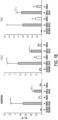
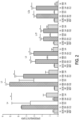
- mice Female BALB/c mice (6-8 weeks, 15-20 g, Jackson Laboratories, Bar Harbor, ME) were housed under specific pathogen-free conditions and a 12-hour light/dark cycle with access to food and water. Under isoflurane anesthesia, mice were exposed to HDM extract ( D. pteronyssinus; Greer Laboratories, Lenoir, NC) intranasally (25 ⁇ g in 10 ⁇ l of saline per nostril). Control (non-asthmatic) animals were administered an equal volume of saline alone (saline/no treatment, FIG. 1 and 2 ). The frequency of exposure for HDM/saline was 5 days/week, for a total of 5 weeks. Power calculations from pilot studies indicated that four animals per group were sufficient to detect a significant difference between control and experimental groups.
- HDM extract D. pteronyssinus
- Greer Laboratories Lenoir, NC
- Control animals were administered an equal volume of saline alone (saline/n
- HDM-exposed mice were divided into 4 groups of 4 mice/group and treated with (1) dexamethasone vehicle, saline (HDM/Dex vehicle, FIG. 1 and 2 ) subcutaneously (s.c.) once daily, five days per week, (2) dexamethasone, Sigma; 1.25 mg/kg (HDM/Dex, FIG. 1 and 2 ) s.c. once daily, five days per week, (3) LtxA vehicle, buffer (HDM/LtxA vehicle, FIG. 1 and 2 ) intraperitoneally (i.p.), three days per week, and (4) LtxA, 0.5 mg/kg (HDM/LtxA, FIG. 1 and 2 ) i.p., three days per week. HDM exposure was continued throughout the 3-week treatment period.
- BAL fluid from each mouse was subjected to RBC lysis for 10 minutes at room temperature, followed by washing twice at 400 x g for 5 minutes and resuspending the cell pellet in PBS. Total BAL fluid cell number was counted using a hemocytometer. Immunophenotypic analysis of BAL fluid cells was performed by antibody staining and flow cytometry. For each antibody stain, 10 6 cells were first blocked with Fc blocker (rat anti-mouse CD16/CD32, BD Biosciences, San Jose, CA) for 10 minutes at room temperature, followed by incubation with monoclonal antibodies at 4° C for 30 minutes and analysis on an LSR II flow cytometer (BD Biosciences).
- Fc blocker rat anti-mouse CD16/CD32, BD Biosciences, San Jose, CA
- CD3e T-cells
- CD45R/B220 B-cells
- Ly6G CCR3
- CCR3 neutraltrophils
- CCR3, Ly6G eosinophils
- MHC II macrosomal cell proliferation
- Blood from the mice was collected by ileac vein puncture immediately following the BAL fluid isolation. Blood was collected in anticoagulant tubes and centrifuged at 400 x g for 10 minutes.
- Lung tissue histology After collecting BAL fluid and blood, lungs were removed through dissection and stored in 10% neutral buffered formalin at room temperature until microscopic analysis. Sections of paraffin embedded fixed lung tissues were stained with H&E to analyze total lung inflammation. Sections were also stained with periodic acid Schiff reagent to identify mucous and goblet cell hyperplasia and Sirius red for eosinophils. The tissue preparation and examination was carried out at the New Jersey Medical School Histology Core Facility. Samples were examined by a board certified pathologist.
- RNA from the lung tissue was extracted with Trizol reagent (Life Technologies, Grand Island, NY). Relative mRNA levels were determined by qRT-PCR. One microgram of total RNA was reverse transcribed using High Capacity cDNA Reverse Transcription Kit (Life Technologies, Grand Island, NY). Amplification was carried out using TaqMan Fast Universal PCR Master Mix (Life Technologies, Grand Island, NY). The data was normalized to GAPDH. Gene expression was calculated using the ⁇ CT method relative to naive sample.
- LFA-1 expression of LFA-1 on WBCs from allergic asthma patients and healthy controls.
- PBMCs peripheral blood mononuclear cells
- PBMCs peripheral blood mononuclear cells
- LFA-1 CD11a
- WBCs stained with anti-CD4 and anti-CD11a antibodies revealed a unique cellular population in allergic asthma patients that consisted of CD4 - CD11a hi cells (MFI 10 4 - 10 5 ), which was absent from the healthy control samples.
- Immunophenotypic analysis revealed that this CD11a hi population in asthma samples consisted primarily of CD14 + monocytes and CD3 + non-helper T-cells.
- high LFA-1 expression defines a unique cellular population that is present in patients with allergic asthma.
- LtxA Effects of LtxA on PBMCs from allergic asthma patients.
- PBMC samples were treated with LtxA for 24 hours and then stained with annexin V and analyzed by flow cytometry (Figure 3A).
- LtxA killed only the CD11a hi cells and did not affect cells that had low expression of LFA-1.
- Cells were killed by both apoptosis (annexin V positive) and depletion.
- the cells that were depleted by LtxA express active state LFA-1 as revealed by staining with an antibody (mAb24) that recognizes specifically LFA-1 in the active conformation. The majority of these cells also stained positive for CD14, indicating that they were monocytes.
- LtxA in a mouse model for allergic asthma. Given the potential role that LFA-1 plays in the pathogenesis of allergic asthma and the ability for LtxA to target specifically the LFA-1 hi WBCs ex vivo that are unique to allergic asthma patients, an initial proof-of-principle evaluation of LtxA in a mouse model for allergic asthma was performed. Mice were administered house dust mite (HDM) extract or saline intranasally (i.n.) five days per week for five weeks.
- HDM house dust mite
- HDM-exposed mice were subdivided into four groups of four mice per group and received the following treatments for an additional three weeks: dexamethasone vehicle, subcutaneous (s.c.) 5 days/week; dexamethasone (1.25 mg/kg), s.c. 5 days/week; LtxA vehicle, intraperitoneal (i.p.) 3 days/week; LtxA (0.5 mg/kg), i.p. 3 days/week.
- BAL bronchoalveolar lavage
- LFA-1 is involved in the migration of WBCs to the lung tissue in this animal model
- the levels of LFA-1 on PBMCs and BAL fluid WBCs in two HDM-exposed mice that were treated with LtxA vehicle were examined.
- the migrated WBCs that were present in the BAL fluid had significantly higher levels of LFA-1 than on the WBCs in the peripheral blood of the same animal.
- H&E staining revealed a large infiltration of WBCs in the lung tissue of HDM-exposed mice treated with dexamethasone vehicle or LtxA vehicle. Infiltration was not evident in saline-exposed mice. The infiltration of WBCs in HDM-exposed mice was most evident surrounding the blood vessels and bronchioles. Significant goblet cell hyperplasia surrounding many of the bronchioles in the vehicle-treated controls, but not in the other samples was observed. Staining of polysaccharides with PAS in the lung tissue from LtxA vehicle-treated mice confirmed the presence of mucin-producing goblet cells and subepithelial accumulation of collagen.
- IL-4, IL-5, IL-9, IL-17F, and IL-23 ⁇ are the primary signaling molecules involved in disease.
- the levels of IL-4, IL-5, IL-9, IL-17F, and IL-23 ⁇ mRNA in the lung tissue from all mice were evaluated ( FIG. 2 ).
- the vehicle-treated mice had significantly greater expression of the proinflammatory cytokines compared to saline-exposed mice.
- dexamethasone caused reduction of IL-9, IL-17F, and IL-23 ⁇ while LtxA treatment caused significant reduction of all the cytokines that were examined.
Landscapes
- Health & Medical Sciences (AREA)
- Chemical & Material Sciences (AREA)
- Life Sciences & Earth Sciences (AREA)
- Medicinal Chemistry (AREA)
- General Health & Medical Sciences (AREA)
- Bioinformatics & Cheminformatics (AREA)
- Engineering & Computer Science (AREA)
- Animal Behavior & Ethology (AREA)
- Veterinary Medicine (AREA)
- Public Health (AREA)
- Pharmacology & Pharmacy (AREA)
- Organic Chemistry (AREA)
- Pulmonology (AREA)
- Epidemiology (AREA)
- Nuclear Medicine, Radiotherapy & Molecular Imaging (AREA)
- General Chemical & Material Sciences (AREA)
- Chemical Kinetics & Catalysis (AREA)
- Otolaryngology (AREA)
- Immunology (AREA)
- Gastroenterology & Hepatology (AREA)
- Proteomics, Peptides & Aminoacids (AREA)
- Oncology (AREA)
- Communicable Diseases (AREA)
- Dispersion Chemistry (AREA)
- Biophysics (AREA)
- Biochemistry (AREA)
- Genetics & Genomics (AREA)
- Molecular Biology (AREA)
- Microbiology (AREA)
- Mycology (AREA)
- Rheumatology (AREA)
- Virology (AREA)
- Pain & Pain Management (AREA)
- Medicines That Contain Protein Lipid Enzymes And Other Medicines (AREA)
- Medicinal Preparation (AREA)
- Medicines Containing Material From Animals Or Micro-Organisms (AREA)
Applications Claiming Priority (2)
| Application Number | Priority Date | Filing Date | Title |
|---|---|---|---|
| US201462014967P | 2014-06-20 | 2014-06-20 | |
| PCT/US2015/036814 WO2015196159A1 (en) | 2014-06-20 | 2015-06-19 | Methods to treat inflammation of the lung |
Publications (3)
| Publication Number | Publication Date |
|---|---|
| EP3157542A1 EP3157542A1 (en) | 2017-04-26 |
| EP3157542A4 EP3157542A4 (en) | 2018-02-07 |
| EP3157542B1 true EP3157542B1 (en) | 2024-12-25 |
Family
ID=54868677
Family Applications (1)
| Application Number | Title | Priority Date | Filing Date |
|---|---|---|---|
| EP15810310.1A Active EP3157542B1 (en) | 2014-06-20 | 2015-06-19 | Methods to treat inflammation of the lung |
Country Status (5)
| Country | Link |
|---|---|
| US (1) | US9724384B2 (enExample) |
| EP (1) | EP3157542B1 (enExample) |
| JP (1) | JP6649376B2 (enExample) |
| CA (1) | CA2952875C (enExample) |
| WO (1) | WO2015196159A1 (enExample) |
Families Citing this family (1)
| Publication number | Priority date | Publication date | Assignee | Title |
|---|---|---|---|---|
| DK4054662T3 (da) * | 2019-11-08 | 2024-07-22 | Hollister Inc | Hydrofile medicinske produkter og hydratiseringsmedier til hydratisering heraf |
Family Cites Families (8)
| Publication number | Priority date | Publication date | Assignee | Title |
|---|---|---|---|---|
| US7199125B2 (en) * | 2003-10-02 | 2007-04-03 | Bristol-Myers Squibb Company | Spiro-cyclic compounds useful as anti-inflammatory agents |
| US8053406B2 (en) | 2005-11-25 | 2011-11-08 | University Of Medicine And Dentistry Of New Jersey | Compositions for the treatment of cancer, and methods for testing and using the same |
| WO2007062150A2 (en) | 2005-11-25 | 2007-05-31 | University Of Medicine And Dentistry Of New Jersey | Leukotoxin compositions and therapeutic methods |
| US8926990B2 (en) * | 2009-10-13 | 2015-01-06 | Rutgers, The State University Of New Jersey | Treatment and diagnosis of inflammatory disorders and HIV |
| CN102065694A (zh) * | 2008-04-15 | 2011-05-18 | 萨可德公司 | 用于局部治疗免疫相关疾病的雾化的lfa-1拮抗剂 |
| EP2488198B1 (en) | 2009-10-13 | 2016-09-28 | Rutgers, the State University of New Jersey | Treatment and diagnosis of autoimmune disorders |
| US9352017B2 (en) | 2011-03-16 | 2016-05-31 | Rutgers, The State University Of New Jersey | Combination therapy with leukotoxin |
| WO2014210454A1 (en) * | 2013-06-27 | 2014-12-31 | Rutgers, The State University Of New Jersey | Treatment and diagnosis of ocular disease |
-
2015
- 2015-06-19 JP JP2017519463A patent/JP6649376B2/ja active Active
- 2015-06-19 WO PCT/US2015/036814 patent/WO2015196159A1/en not_active Ceased
- 2015-06-19 US US14/745,297 patent/US9724384B2/en active Active
- 2015-06-19 CA CA2952875A patent/CA2952875C/en active Active
- 2015-06-19 EP EP15810310.1A patent/EP3157542B1/en active Active
Also Published As
| Publication number | Publication date |
|---|---|
| WO2015196159A1 (en) | 2015-12-23 |
| JP6649376B2 (ja) | 2020-02-19 |
| CA2952875A1 (en) | 2015-12-23 |
| EP3157542A4 (en) | 2018-02-07 |
| EP3157542A1 (en) | 2017-04-26 |
| US20150366937A1 (en) | 2015-12-24 |
| US9724384B2 (en) | 2017-08-08 |
| CA2952875C (en) | 2022-06-28 |
| JP2017524732A (ja) | 2017-08-31 |
Similar Documents
| Publication | Publication Date | Title |
|---|---|---|
| US11344504B1 (en) | Combinations of mRNAs encoding immune modulating polypeptides and uses thereof | |
| EP2734541B1 (en) | Novel il-17r-ecd mutants | |
| US20210070805A1 (en) | Cd40 targeted peptides and uses thereof | |
| CN111741763B (zh) | 包含apl型肽的药用组合物 | |
| EP3013425B1 (en) | Leukotoxin for use in the treatment of ocular disease | |
| TW202402790A (zh) | 減少呼吸系統感染之方法 | |
| JP2024063095A (ja) | 喘息またはアレルギー性疾患を処置するための方法 | |
| JP2025000998A (ja) | ニューロメジンペプチドを使用して2型サイトカイン媒介性炎症を低減させる方法 | |
| US9724384B2 (en) | Methods to treat inflammation of the lung | |
| WO2004089292A2 (en) | Immunomodulatory agents for treatment of inflammatory diseases | |
| Geng et al. | The association between CD46 expression in B cells and the pathogenesis of airway allergy | |
| EP4076429A1 (en) | Compositions and methods for treating neuromuscular disorders | |
| US20260028673A1 (en) | Preferential depletion of tcf1+ progenitor t-cells in severe covid-19 as mediated by interleukin 12 (il-12) | |
| Fuhlbrigge et al. | Children and asthma in America 2004 survey | |
| WO2025155743A1 (en) | Chemokine ligand 18 (ccl18) for diagnosis and treatment of inflammatory lung disease | |
| WO2016049156A1 (en) | Compositions and methods for treating lung remodeling diseases | |
| HK40086833A (en) | Combinations of mrnas encoding immune modulating polypeptides and uses thereof | |
| WO2025124536A1 (zh) | 趋化因子受体8拮抗多肽化合物、组合物、试剂盒及用途 | |
| JP2023530046A (ja) | Tnfファミリーのメンバーの二重標的化のための方法および組合せ | |
| Russell | The role of macrophage migration inhibitory factor in airways disease | |
| Patel | The Role of Neutrophils and Their Proteases in Allergic Airway Disease | |
| Banchereau | Cells and Cytokines in Lung Inflammation |
Legal Events
| Date | Code | Title | Description |
|---|---|---|---|
| STAA | Information on the status of an ep patent application or granted ep patent |
Free format text: STATUS: THE INTERNATIONAL PUBLICATION HAS BEEN MADE |
|
| PUAI | Public reference made under article 153(3) epc to a published international application that has entered the european phase |
Free format text: ORIGINAL CODE: 0009012 |
|
| STAA | Information on the status of an ep patent application or granted ep patent |
Free format text: STATUS: REQUEST FOR EXAMINATION WAS MADE |
|
| 17P | Request for examination filed |
Effective date: 20161228 |
|
| AK | Designated contracting states |
Kind code of ref document: A1 Designated state(s): AL AT BE BG CH CY CZ DE DK EE ES FI FR GB GR HR HU IE IS IT LI LT LU LV MC MK MT NL NO PL PT RO RS SE SI SK SM TR |
|
| AX | Request for extension of the european patent |
Extension state: BA ME |
|
| DAV | Request for validation of the european patent (deleted) | ||
| DAX | Request for extension of the european patent (deleted) | ||
| A4 | Supplementary search report drawn up and despatched |
Effective date: 20180108 |
|
| RIC1 | Information provided on ipc code assigned before grant |
Ipc: A61K 38/16 20060101ALI20180102BHEP Ipc: A61P 11/06 20060101ALI20180102BHEP Ipc: C07K 14/47 20060101ALI20180102BHEP Ipc: A61K 38/00 20060101AFI20180102BHEP |
|
| STAA | Information on the status of an ep patent application or granted ep patent |
Free format text: STATUS: EXAMINATION IS IN PROGRESS |
|
| 17Q | First examination report despatched |
Effective date: 20200723 |
|
| RAP1 | Party data changed (applicant data changed or rights of an application transferred) |
Owner name: RUTGERS, THE STATE UNIVERSITY OF NEW JERSEY Owner name: ACTINOBAC BIOMED, INC. |
|
| RAP1 | Party data changed (applicant data changed or rights of an application transferred) |
Owner name: RUTGERS, THE STATE UNIVERSITY OF NEW JERSEY |
|
| GRAJ | Information related to disapproval of communication of intention to grant by the applicant or resumption of examination proceedings by the epo deleted |
Free format text: ORIGINAL CODE: EPIDOSDIGR1 |
|
| STAA | Information on the status of an ep patent application or granted ep patent |
Free format text: STATUS: GRANT OF PATENT IS INTENDED |
|
| RAP1 | Party data changed (applicant data changed or rights of an application transferred) |
Owner name: RUTGERS, THE STATE UNIVERSITY OF NEW JERSEY |
|
| RIC1 | Information provided on ipc code assigned before grant |
Ipc: A61P 37/08 20060101ALI20240607BHEP Ipc: A61P 31/12 20060101ALI20240607BHEP Ipc: A61P 31/10 20060101ALI20240607BHEP Ipc: A61P 31/04 20060101ALI20240607BHEP Ipc: A61P 29/00 20060101ALI20240607BHEP Ipc: A61P 11/00 20060101ALI20240607BHEP Ipc: C07K 14/195 20060101ALI20240607BHEP Ipc: A61K 9/00 20060101ALI20240607BHEP Ipc: A61K 38/16 20060101ALI20240607BHEP Ipc: C07K 14/47 20060101ALI20240607BHEP Ipc: A61P 11/06 20060101ALI20240607BHEP Ipc: A61K 38/00 20060101AFI20240607BHEP |
|
| GRAP | Despatch of communication of intention to grant a patent |
Free format text: ORIGINAL CODE: EPIDOSNIGR1 |
|
| INTG | Intention to grant announced |
Effective date: 20240719 |
|
| P01 | Opt-out of the competence of the unified patent court (upc) registered |
Free format text: CASE NUMBER: APP_54101/2024 Effective date: 20241001 |
|
| GRAS | Grant fee paid |
Free format text: ORIGINAL CODE: EPIDOSNIGR3 |
|
| GRAA | (expected) grant |
Free format text: ORIGINAL CODE: 0009210 |
|
| STAA | Information on the status of an ep patent application or granted ep patent |
Free format text: STATUS: THE PATENT HAS BEEN GRANTED |
|
| AK | Designated contracting states |
Kind code of ref document: B1 Designated state(s): AL AT BE BG CH CY CZ DE DK EE ES FI FR GB GR HR HU IE IS IT LI LT LU LV MC MK MT NL NO PL PT RO RS SE SI SK SM TR |
|
| REG | Reference to a national code |
Ref country code: GB Ref legal event code: FG4D |
|
| REG | Reference to a national code |
Ref country code: CH Ref legal event code: EP |
|
| REG | Reference to a national code |
Ref country code: DE Ref legal event code: R096 Ref document number: 602015090716 Country of ref document: DE |
|
| REG | Reference to a national code |
Ref country code: IE Ref legal event code: FG4D |
|
| REG | Reference to a national code |
Ref country code: LT Ref legal event code: MG9D |
|
| PG25 | Lapsed in a contracting state [announced via postgrant information from national office to epo] |
Ref country code: FI Free format text: LAPSE BECAUSE OF FAILURE TO SUBMIT A TRANSLATION OF THE DESCRIPTION OR TO PAY THE FEE WITHIN THE PRESCRIBED TIME-LIMIT Effective date: 20241225 |
|
| PG25 | Lapsed in a contracting state [announced via postgrant information from national office to epo] |
Ref country code: BG Free format text: LAPSE BECAUSE OF FAILURE TO SUBMIT A TRANSLATION OF THE DESCRIPTION OR TO PAY THE FEE WITHIN THE PRESCRIBED TIME-LIMIT Effective date: 20241225 |
|
| PG25 | Lapsed in a contracting state [announced via postgrant information from national office to epo] |
Ref country code: NO Free format text: LAPSE BECAUSE OF FAILURE TO SUBMIT A TRANSLATION OF THE DESCRIPTION OR TO PAY THE FEE WITHIN THE PRESCRIBED TIME-LIMIT Effective date: 20250325 |
|
| PG25 | Lapsed in a contracting state [announced via postgrant information from national office to epo] |
Ref country code: GR Free format text: LAPSE BECAUSE OF FAILURE TO SUBMIT A TRANSLATION OF THE DESCRIPTION OR TO PAY THE FEE WITHIN THE PRESCRIBED TIME-LIMIT Effective date: 20250326 Ref country code: LV Free format text: LAPSE BECAUSE OF FAILURE TO SUBMIT A TRANSLATION OF THE DESCRIPTION OR TO PAY THE FEE WITHIN THE PRESCRIBED TIME-LIMIT Effective date: 20241225 |
|
| PG25 | Lapsed in a contracting state [announced via postgrant information from national office to epo] |
Ref country code: RS Free format text: LAPSE BECAUSE OF FAILURE TO SUBMIT A TRANSLATION OF THE DESCRIPTION OR TO PAY THE FEE WITHIN THE PRESCRIBED TIME-LIMIT Effective date: 20250325 |
|
| REG | Reference to a national code |
Ref country code: NL Ref legal event code: MP Effective date: 20241225 |
|
| PG25 | Lapsed in a contracting state [announced via postgrant information from national office to epo] |
Ref country code: NL Free format text: LAPSE BECAUSE OF FAILURE TO SUBMIT A TRANSLATION OF THE DESCRIPTION OR TO PAY THE FEE WITHIN THE PRESCRIBED TIME-LIMIT Effective date: 20241225 |
|
| REG | Reference to a national code |
Ref country code: AT Ref legal event code: MK05 Ref document number: 1753633 Country of ref document: AT Kind code of ref document: T Effective date: 20241225 |
|
| PG25 | Lapsed in a contracting state [announced via postgrant information from national office to epo] |
Ref country code: SM Free format text: LAPSE BECAUSE OF FAILURE TO SUBMIT A TRANSLATION OF THE DESCRIPTION OR TO PAY THE FEE WITHIN THE PRESCRIBED TIME-LIMIT Effective date: 20241225 |
|
| PG25 | Lapsed in a contracting state [announced via postgrant information from national office to epo] |
Ref country code: PL Free format text: LAPSE BECAUSE OF FAILURE TO SUBMIT A TRANSLATION OF THE DESCRIPTION OR TO PAY THE FEE WITHIN THE PRESCRIBED TIME-LIMIT Effective date: 20241225 |
|
| PG25 | Lapsed in a contracting state [announced via postgrant information from national office to epo] |
Ref country code: ES Free format text: LAPSE BECAUSE OF FAILURE TO SUBMIT A TRANSLATION OF THE DESCRIPTION OR TO PAY THE FEE WITHIN THE PRESCRIBED TIME-LIMIT Effective date: 20241225 |
|
| PG25 | Lapsed in a contracting state [announced via postgrant information from national office to epo] |
Ref country code: IS Free format text: LAPSE BECAUSE OF FAILURE TO SUBMIT A TRANSLATION OF THE DESCRIPTION OR TO PAY THE FEE WITHIN THE PRESCRIBED TIME-LIMIT Effective date: 20250425 |
|
| PG25 | Lapsed in a contracting state [announced via postgrant information from national office to epo] |
Ref country code: PT Free format text: LAPSE BECAUSE OF FAILURE TO SUBMIT A TRANSLATION OF THE DESCRIPTION OR TO PAY THE FEE WITHIN THE PRESCRIBED TIME-LIMIT Effective date: 20250428 |
|
| PG25 | Lapsed in a contracting state [announced via postgrant information from national office to epo] |
Ref country code: EE Free format text: LAPSE BECAUSE OF FAILURE TO SUBMIT A TRANSLATION OF THE DESCRIPTION OR TO PAY THE FEE WITHIN THE PRESCRIBED TIME-LIMIT Effective date: 20241225 |
|
| PG25 | Lapsed in a contracting state [announced via postgrant information from national office to epo] |
Ref country code: AT Free format text: LAPSE BECAUSE OF FAILURE TO SUBMIT A TRANSLATION OF THE DESCRIPTION OR TO PAY THE FEE WITHIN THE PRESCRIBED TIME-LIMIT Effective date: 20241225 Ref country code: RO Free format text: LAPSE BECAUSE OF FAILURE TO SUBMIT A TRANSLATION OF THE DESCRIPTION OR TO PAY THE FEE WITHIN THE PRESCRIBED TIME-LIMIT Effective date: 20241225 |
|
| PG25 | Lapsed in a contracting state [announced via postgrant information from national office to epo] |
Ref country code: SK Free format text: LAPSE BECAUSE OF FAILURE TO SUBMIT A TRANSLATION OF THE DESCRIPTION OR TO PAY THE FEE WITHIN THE PRESCRIBED TIME-LIMIT Effective date: 20241225 |
|
| PG25 | Lapsed in a contracting state [announced via postgrant information from national office to epo] |
Ref country code: CZ Free format text: LAPSE BECAUSE OF FAILURE TO SUBMIT A TRANSLATION OF THE DESCRIPTION OR TO PAY THE FEE WITHIN THE PRESCRIBED TIME-LIMIT Effective date: 20241225 |
|
| PG25 | Lapsed in a contracting state [announced via postgrant information from national office to epo] |
Ref country code: IT Free format text: LAPSE BECAUSE OF FAILURE TO SUBMIT A TRANSLATION OF THE DESCRIPTION OR TO PAY THE FEE WITHIN THE PRESCRIBED TIME-LIMIT Effective date: 20241225 |
|
| PG25 | Lapsed in a contracting state [announced via postgrant information from national office to epo] |
Ref country code: SE Free format text: LAPSE BECAUSE OF FAILURE TO SUBMIT A TRANSLATION OF THE DESCRIPTION OR TO PAY THE FEE WITHIN THE PRESCRIBED TIME-LIMIT Effective date: 20241225 |
|
| REG | Reference to a national code |
Ref country code: DE Ref legal event code: R097 Ref document number: 602015090716 Country of ref document: DE |
|
| PG25 | Lapsed in a contracting state [announced via postgrant information from national office to epo] |
Ref country code: DK Free format text: LAPSE BECAUSE OF FAILURE TO SUBMIT A TRANSLATION OF THE DESCRIPTION OR TO PAY THE FEE WITHIN THE PRESCRIBED TIME-LIMIT Effective date: 20241225 |
|
| PLBE | No opposition filed within time limit |
Free format text: ORIGINAL CODE: 0009261 |
|
| STAA | Information on the status of an ep patent application or granted ep patent |
Free format text: STATUS: NO OPPOSITION FILED WITHIN TIME LIMIT |
|
| REG | Reference to a national code |
Ref country code: CH Ref legal event code: L10 Free format text: ST27 STATUS EVENT CODE: U-0-0-L10-L00 (AS PROVIDED BY THE NATIONAL OFFICE) Effective date: 20251105 |
|
| 26N | No opposition filed |
Effective date: 20250926 |
|
| REG | Reference to a national code |
Ref country code: CH Ref legal event code: H13 Free format text: ST27 STATUS EVENT CODE: U-0-0-H10-H13 (AS PROVIDED BY THE NATIONAL OFFICE) Effective date: 20260127 |
|
| PG25 | Lapsed in a contracting state [announced via postgrant information from national office to epo] |
Ref country code: MC Free format text: LAPSE BECAUSE OF FAILURE TO SUBMIT A TRANSLATION OF THE DESCRIPTION OR TO PAY THE FEE WITHIN THE PRESCRIBED TIME-LIMIT Effective date: 20241225 |
|
| PG25 | Lapsed in a contracting state [announced via postgrant information from national office to epo] |
Ref country code: LU Free format text: LAPSE BECAUSE OF NON-PAYMENT OF DUE FEES Effective date: 20250619 |
|
| PG25 | Lapsed in a contracting state [announced via postgrant information from national office to epo] |
Ref country code: IE Free format text: LAPSE BECAUSE OF NON-PAYMENT OF DUE FEES Effective date: 20250619 |
|
| PG25 | Lapsed in a contracting state [announced via postgrant information from national office to epo] |
Ref country code: HR Free format text: LAPSE BECAUSE OF FAILURE TO SUBMIT A TRANSLATION OF THE DESCRIPTION OR TO PAY THE FEE WITHIN THE PRESCRIBED TIME-LIMIT Effective date: 20241225 |
|
| PG25 | Lapsed in a contracting state [announced via postgrant information from national office to epo] |
Ref country code: CH Free format text: LAPSE BECAUSE OF NON-PAYMENT OF DUE FEES Effective date: 20250630 |
|
| PG25 | Lapsed in a contracting state [announced via postgrant information from national office to epo] |
Ref country code: LT Free format text: LAPSE BECAUSE OF FAILURE TO SUBMIT A TRANSLATION OF THE DESCRIPTION OR TO PAY THE FEE WITHIN THE PRESCRIBED TIME-LIMIT Effective date: 20241225 |
|
| PGFP | Annual fee paid to national office [announced via postgrant information from national office to epo] |
Ref country code: GB Payment date: 20260629 Year of fee payment: 12 |
|
| PGFP | Annual fee paid to national office [announced via postgrant information from national office to epo] |
Ref country code: DE Payment date: 20260629 Year of fee payment: 12 |
|
| PGFP | Annual fee paid to national office [announced via postgrant information from national office to epo] |
Ref country code: BE Payment date: 20260629 Year of fee payment: 12 |
|
| PGFP | Annual fee paid to national office [announced via postgrant information from national office to epo] |
Ref country code: FR Payment date: 20260625 Year of fee payment: 12 |
|
| PG25 | Lapsed in a contracting state [announced via postgrant information from national office to epo] |
Ref country code: CY Free format text: LAPSE BECAUSE OF FAILURE TO SUBMIT A TRANSLATION OF THE DESCRIPTION OR TO PAY THE FEE WITHIN THE PRESCRIBED TIME-LIMIT Effective date: 20241225 |