EP3143175B1 - Hypereutectic white iron alloys comprising vanadium, chromium, and nitrogen and articles made therefrom - Google Patents
Hypereutectic white iron alloys comprising vanadium, chromium, and nitrogen and articles made therefrom Download PDFInfo
- Publication number
- EP3143175B1 EP3143175B1 EP15792663.5A EP15792663A EP3143175B1 EP 3143175 B1 EP3143175 B1 EP 3143175B1 EP 15792663 A EP15792663 A EP 15792663A EP 3143175 B1 EP3143175 B1 EP 3143175B1
- Authority
- EP
- European Patent Office
- Prior art keywords
- alloy
- present
- usually
- nitrogen
- vanadium
- Prior art date
- Legal status (The legal status is an assumption and is not a legal conclusion. Google has not performed a legal analysis and makes no representation as to the accuracy of the status listed.)
- Active
Links
Images
Classifications
-
- C—CHEMISTRY; METALLURGY
- C22—METALLURGY; FERROUS OR NON-FERROUS ALLOYS; TREATMENT OF ALLOYS OR NON-FERROUS METALS
- C22C—ALLOYS
- C22C38/00—Ferrous alloys, e.g. steel alloys
- C22C38/18—Ferrous alloys, e.g. steel alloys containing chromium
- C22C38/40—Ferrous alloys, e.g. steel alloys containing chromium with nickel
- C22C38/58—Ferrous alloys, e.g. steel alloys containing chromium with nickel with more than 1.5% by weight of manganese
-
- C—CHEMISTRY; METALLURGY
- C21—METALLURGY OF IRON
- C21C—PROCESSING OF PIG-IRON, e.g. REFINING, MANUFACTURE OF WROUGHT-IRON OR STEEL; TREATMENT IN MOLTEN STATE OF FERROUS ALLOYS
- C21C1/00—Refining of pig-iron; Cast iron
- C21C1/08—Manufacture of cast-iron
-
- C—CHEMISTRY; METALLURGY
- C21—METALLURGY OF IRON
- C21D—MODIFYING THE PHYSICAL STRUCTURE OF FERROUS METALS; GENERAL DEVICES FOR HEAT TREATMENT OF FERROUS OR NON-FERROUS METALS OR ALLOYS; MAKING METAL MALLEABLE, e.g. BY DECARBURISATION OR TEMPERING
- C21D5/00—Heat treatments of cast-iron
- C21D5/04—Heat treatments of cast-iron of white cast-iron
-
- C—CHEMISTRY; METALLURGY
- C22—METALLURGY; FERROUS OR NON-FERROUS ALLOYS; TREATMENT OF ALLOYS OR NON-FERROUS METALS
- C22C—ALLOYS
- C22C33/00—Making ferrous alloys
- C22C33/08—Making cast-iron alloys
-
- C—CHEMISTRY; METALLURGY
- C22—METALLURGY; FERROUS OR NON-FERROUS ALLOYS; TREATMENT OF ALLOYS OR NON-FERROUS METALS
- C22C—ALLOYS
- C22C37/00—Cast-iron alloys
-
- C—CHEMISTRY; METALLURGY
- C22—METALLURGY; FERROUS OR NON-FERROUS ALLOYS; TREATMENT OF ALLOYS OR NON-FERROUS METALS
- C22C—ALLOYS
- C22C37/00—Cast-iron alloys
- C22C37/06—Cast-iron alloys containing chromium
-
- C—CHEMISTRY; METALLURGY
- C22—METALLURGY; FERROUS OR NON-FERROUS ALLOYS; TREATMENT OF ALLOYS OR NON-FERROUS METALS
- C22C—ALLOYS
- C22C37/00—Cast-iron alloys
- C22C37/06—Cast-iron alloys containing chromium
- C22C37/08—Cast-iron alloys containing chromium with nickel
-
- C—CHEMISTRY; METALLURGY
- C22—METALLURGY; FERROUS OR NON-FERROUS ALLOYS; TREATMENT OF ALLOYS OR NON-FERROUS METALS
- C22C—ALLOYS
- C22C37/00—Cast-iron alloys
- C22C37/10—Cast-iron alloys containing aluminium or silicon
-
- C—CHEMISTRY; METALLURGY
- C22—METALLURGY; FERROUS OR NON-FERROUS ALLOYS; TREATMENT OF ALLOYS OR NON-FERROUS METALS
- C22C—ALLOYS
- C22C38/00—Ferrous alloys, e.g. steel alloys
- C22C38/001—Ferrous alloys, e.g. steel alloys containing N
-
- C—CHEMISTRY; METALLURGY
- C22—METALLURGY; FERROUS OR NON-FERROUS ALLOYS; TREATMENT OF ALLOYS OR NON-FERROUS METALS
- C22C—ALLOYS
- C22C38/00—Ferrous alloys, e.g. steel alloys
- C22C38/002—Ferrous alloys, e.g. steel alloys containing In, Mg, or other elements not provided for in one single group C22C38/001 - C22C38/60
-
- C—CHEMISTRY; METALLURGY
- C22—METALLURGY; FERROUS OR NON-FERROUS ALLOYS; TREATMENT OF ALLOYS OR NON-FERROUS METALS
- C22C—ALLOYS
- C22C38/00—Ferrous alloys, e.g. steel alloys
- C22C38/02—Ferrous alloys, e.g. steel alloys containing silicon
-
- C—CHEMISTRY; METALLURGY
- C22—METALLURGY; FERROUS OR NON-FERROUS ALLOYS; TREATMENT OF ALLOYS OR NON-FERROUS METALS
- C22C—ALLOYS
- C22C38/00—Ferrous alloys, e.g. steel alloys
- C22C38/04—Ferrous alloys, e.g. steel alloys containing manganese
-
- C—CHEMISTRY; METALLURGY
- C22—METALLURGY; FERROUS OR NON-FERROUS ALLOYS; TREATMENT OF ALLOYS OR NON-FERROUS METALS
- C22C—ALLOYS
- C22C38/00—Ferrous alloys, e.g. steel alloys
- C22C38/06—Ferrous alloys, e.g. steel alloys containing aluminium
-
- C—CHEMISTRY; METALLURGY
- C22—METALLURGY; FERROUS OR NON-FERROUS ALLOYS; TREATMENT OF ALLOYS OR NON-FERROUS METALS
- C22C—ALLOYS
- C22C38/00—Ferrous alloys, e.g. steel alloys
- C22C38/18—Ferrous alloys, e.g. steel alloys containing chromium
- C22C38/40—Ferrous alloys, e.g. steel alloys containing chromium with nickel
- C22C38/42—Ferrous alloys, e.g. steel alloys containing chromium with nickel with copper
-
- C—CHEMISTRY; METALLURGY
- C22—METALLURGY; FERROUS OR NON-FERROUS ALLOYS; TREATMENT OF ALLOYS OR NON-FERROUS METALS
- C22C—ALLOYS
- C22C38/00—Ferrous alloys, e.g. steel alloys
- C22C38/18—Ferrous alloys, e.g. steel alloys containing chromium
- C22C38/40—Ferrous alloys, e.g. steel alloys containing chromium with nickel
- C22C38/44—Ferrous alloys, e.g. steel alloys containing chromium with nickel with molybdenum or tungsten
-
- C—CHEMISTRY; METALLURGY
- C22—METALLURGY; FERROUS OR NON-FERROUS ALLOYS; TREATMENT OF ALLOYS OR NON-FERROUS METALS
- C22C—ALLOYS
- C22C38/00—Ferrous alloys, e.g. steel alloys
- C22C38/18—Ferrous alloys, e.g. steel alloys containing chromium
- C22C38/40—Ferrous alloys, e.g. steel alloys containing chromium with nickel
- C22C38/46—Ferrous alloys, e.g. steel alloys containing chromium with nickel with vanadium
-
- C—CHEMISTRY; METALLURGY
- C22—METALLURGY; FERROUS OR NON-FERROUS ALLOYS; TREATMENT OF ALLOYS OR NON-FERROUS METALS
- C22C—ALLOYS
- C22C38/00—Ferrous alloys, e.g. steel alloys
- C22C38/18—Ferrous alloys, e.g. steel alloys containing chromium
- C22C38/40—Ferrous alloys, e.g. steel alloys containing chromium with nickel
- C22C38/48—Ferrous alloys, e.g. steel alloys containing chromium with nickel with niobium or tantalum
-
- C—CHEMISTRY; METALLURGY
- C22—METALLURGY; FERROUS OR NON-FERROUS ALLOYS; TREATMENT OF ALLOYS OR NON-FERROUS METALS
- C22C—ALLOYS
- C22C38/00—Ferrous alloys, e.g. steel alloys
- C22C38/18—Ferrous alloys, e.g. steel alloys containing chromium
- C22C38/40—Ferrous alloys, e.g. steel alloys containing chromium with nickel
- C22C38/50—Ferrous alloys, e.g. steel alloys containing chromium with nickel with titanium or zirconium
-
- C—CHEMISTRY; METALLURGY
- C22—METALLURGY; FERROUS OR NON-FERROUS ALLOYS; TREATMENT OF ALLOYS OR NON-FERROUS METALS
- C22C—ALLOYS
- C22C38/00—Ferrous alloys, e.g. steel alloys
- C22C38/18—Ferrous alloys, e.g. steel alloys containing chromium
- C22C38/40—Ferrous alloys, e.g. steel alloys containing chromium with nickel
- C22C38/52—Ferrous alloys, e.g. steel alloys containing chromium with nickel with cobalt
-
- C—CHEMISTRY; METALLURGY
- C22—METALLURGY; FERROUS OR NON-FERROUS ALLOYS; TREATMENT OF ALLOYS OR NON-FERROUS METALS
- C22C—ALLOYS
- C22C38/00—Ferrous alloys, e.g. steel alloys
- C22C38/18—Ferrous alloys, e.g. steel alloys containing chromium
- C22C38/40—Ferrous alloys, e.g. steel alloys containing chromium with nickel
- C22C38/54—Ferrous alloys, e.g. steel alloys containing chromium with nickel with boron
-
- C—CHEMISTRY; METALLURGY
- C22—METALLURGY; FERROUS OR NON-FERROUS ALLOYS; TREATMENT OF ALLOYS OR NON-FERROUS METALS
- C22C—ALLOYS
- C22C38/00—Ferrous alloys, e.g. steel alloys
- C22C38/18—Ferrous alloys, e.g. steel alloys containing chromium
- C22C38/40—Ferrous alloys, e.g. steel alloys containing chromium with nickel
- C22C38/56—Ferrous alloys, e.g. steel alloys containing chromium with nickel with more than 1.7% by weight of carbon
-
- C—CHEMISTRY; METALLURGY
- C21—METALLURGY OF IRON
- C21C—PROCESSING OF PIG-IRON, e.g. REFINING, MANUFACTURE OF WROUGHT-IRON OR STEEL; TREATMENT IN MOLTEN STATE OF FERROUS ALLOYS
- C21C5/00—Manufacture of carbon-steel, e.g. plain mild steel, medium carbon steel or cast steel or stainless steel
- C21C5/52—Manufacture of steel in electric furnaces
- C21C5/5241—Manufacture of steel in electric furnaces in an inductively heated furnace
-
- Y—GENERAL TAGGING OF NEW TECHNOLOGICAL DEVELOPMENTS; GENERAL TAGGING OF CROSS-SECTIONAL TECHNOLOGIES SPANNING OVER SEVERAL SECTIONS OF THE IPC; TECHNICAL SUBJECTS COVERED BY FORMER USPC CROSS-REFERENCE ART COLLECTIONS [XRACs] AND DIGESTS
- Y02—TECHNOLOGIES OR APPLICATIONS FOR MITIGATION OR ADAPTATION AGAINST CLIMATE CHANGE
- Y02P—CLIMATE CHANGE MITIGATION TECHNOLOGIES IN THE PRODUCTION OR PROCESSING OF GOODS
- Y02P10/00—Technologies related to metal processing
- Y02P10/20—Recycling
-
- Y—GENERAL TAGGING OF NEW TECHNOLOGICAL DEVELOPMENTS; GENERAL TAGGING OF CROSS-SECTIONAL TECHNOLOGIES SPANNING OVER SEVERAL SECTIONS OF THE IPC; TECHNICAL SUBJECTS COVERED BY FORMER USPC CROSS-REFERENCE ART COLLECTIONS [XRACs] AND DIGESTS
- Y02—TECHNOLOGIES OR APPLICATIONS FOR MITIGATION OR ADAPTATION AGAINST CLIMATE CHANGE
- Y02P—CLIMATE CHANGE MITIGATION TECHNOLOGIES IN THE PRODUCTION OR PROCESSING OF GOODS
- Y02P10/00—Technologies related to metal processing
- Y02P10/25—Process efficiency
Definitions
- the present invention relates to a hypereutectic white iron alloy that comprises chromium and nitrogen, as well as to articles such as pump components made therefrom (e.g., by sand casting).
- High chromium white iron alloys find use as abrasion resistant materials for the manufacture of, for example, casings of industrial pumps, in particular pumps which come into contact with abrasive slurries of minerals.
- This alloy material has exceptional wear resistance and good toughness with its hypoeutectic and eutectic compositions.
- high chromium white iron in accordance with the ASTM A532 Class III Type A contains from 23 % to 30 wt.% of chromium and about 3.0 % to 3.3 wt.% of carbon.
- CVF Carbide Volume Fraction
- hypereutectic high chromium white cast iron alloys have in the past not been suitable for the sand casting of large parts and there have been various attempts to address this problem.
- titanium nitride is produced intentionally within some steels by addition of titanium to an alloy. TiN forms at very high temperatures and nucleates directly from the melt in secondary steelmaking. Titanium nitride has the lowest solubility product of any metal nitride or carbide in austenite, a useful attribute in microalloyed steel formulas.
- SU 1 339 159 A1 relates to an alloy comprising C, Cr, Si, Mn, V, N, Cu, B, and Zr.
- SU 1 813 115 A3 discloses an alloy comprising C, Cr, Si, Mn, V, N, Ni, and Fe.
- SU 1 125 278 A1 describes an alloy comprising C, Cr, Mn, V, B, N, Cu, Mg, Al, and Fe.
- the alloy may optionally comprise one or more additional elements, especially manganese (up to 8), nickel (up to 5), cobalt (up to 5), copper (up to 5), molybdenum (up to 5), tungsten (up to 6),, niobium (up to 6), titanium (up to 5), magnesium and/or calcium (total up to 0.2), silicon (up to 3), one or more rare earth elements, i.e., one or more of Sc, Y, La, Ce, Pr, Nd, Pm, Sm, Eu, Gd, Tb, Dy, Ho, Er, Tm, Yb, Lu (total up to 3), and one or more of tantalum, zirconium, hafnium, aluminum, boron (total up to 3).
- the remainder of the alloy is constituted by iron and unavoidable impurities.
- the alloy may comprise one or more of the above elements in one or more (e.g., two, three, four, five, six, seven, eight, nine, ten, eleven, twelve, or all) of the following weight percentages: from 3.5 to 6 C, from 0.3 to 1 N, from 25 to 45 Cr, from 0.8 to 4.8 Mn, from 0.5 to 2 Ni, from 0.4 to 2 Cu, from 0.8 to 4 Mo, from 0 to 5 W, from 0.02 to 0.1 Mg and/or Ca, from 0.2 to 1.2 Si, from 0.08 to 1 of one or more rare earth elements, from 0.01 to 2.5 of one or more of Nb, Ta, Ti, Zr, Hf, Al, B.
- weight percentages from 3.5 to 6 C, from 0.3 to 1 N, from 25 to 45 Cr, from 0.8 to 4.8 Mn, from 0.5 to 2 Ni, from 0.4 to 2 Cu, from 0.8 to 4 Mo, from 0 to 5 W, from 0.02 to 0.1 Mg and/or Ca, from 0.2 to 1.2 Si
- the alloy may comprise one or more of the above elements in one or more (e.g., two, three, four, five, six, seven, eight, nine, ten, eleven, or all) of the following weight percentages: from 4 to 6 C, from 0.5 to 0.9 N, from 26 to 43 Cr, from 0.9 to 3.5 Mn, from 0.5 to 1.5 Ni, from 0.45 to 2 Cu, from 1 to 3 Mo, from 0 to 4 W, from 4 to 7 V, from 0.02 to 0.08 Mg and/or Ca, from 0.3 to 1 Si, from 0.1 to 0.8 of one or more rare earth elements, from 0.01 to 2 of one or more of Nb, Ta, Ti, Zr, Hf, Al, B.
- weight percentages from 4 to 6 C, from 0.5 to 0.9 N, from 26 to 43 Cr, from 0.9 to 3.5 Mn, from 0.5 to 1.5 Ni, from 0.45 to 2 Cu, from 1 to 3 Mo, from 0 to 4 W, from 4 to 7 V, from 0.02 to 0.08 Mg and/or Ca
- the alloy may comprise one or more of the above elements in one or more (e.g., two, three, four, five, six, seven, eight, nine, ten, eleven, or all) of the following weight percentages: from 4.5 to 5.9 C, from 0.6 to 0.78 N, from 27 to 42 Cr, from 1 to 3 Mn, from 0.6 to 1.2 Ni, from 0.5 to 2 Cu, from 1 to 3 Mo and/or W, from 4.5 to 6.5 V, from 0.02 to 0.08 Mg and/or Ca, from 0.3 to 1 Si, from 0.1 to 0.8 of one or more rare earth elements, from 0.01 to 1.5 of one or more of Nb, Ta, Ti, Zr, Hf, Al, B.
- weight percentages from 4.5 to 5.9 C, from 0.6 to 0.78 N, from 27 to 42 Cr, from 1 to 3 Mn, from 0.6 to 1.2 Ni, from 0.5 to 2 Cu, from 1 to 3 Mo and/or W, from 4.5 to 6.5 V, from 0.02 to 0.08 Mg and/or Ca
- the alloy of the present invention may comprise a carbonitride volume fraction (CNVF) of at least 50, e.g. at least 60, calculated as (% C + % N) x 12.33 + (% Cr + % M) x 0.55 - 15.2 %, wherein M represents the total percentage of one or more of V, Mo, Nb, and Ti (if present).
- CNVF carbonitride volume fraction
- the alloy of the present invention may have been subjected to a hardening treatment, e.g., a cryogenic hardening treatment or a heat treatment (e.g., at a temperature in the range from 1,200 K to 1366 K (1,700 °F to 2,000 °F)).
- a hardening treatment e.g., a cryogenic hardening treatment or a heat treatment (e.g., at a temperature in the range from 1,200 K to 1366 K (1,700 °F to 2,000 °F)).
- the article of the present invention may have been cast from the alloy and/or may be a component (e.g., a casing) of a pump (e.g., of a slurry pump).
- a component e.g., a casing
- a pump e.g., of a slurry pump
- the present invention provides a hypereutectic high chromium white iron alloy wherein a considerable portion of the carbon is replaced by nitrogen.
- This substitution of carbon by nitrogen beneficially causes a narrowing of the hypereutectic solidification temperature area and brings the solidification temperature closer to, or even renders it equal to, eutectic solidification temperatures, thereby narrowing the alloy liquidus temperature - solidus temperature interval. This causes a refinement of primary and eutectic phases of the cast high chromium alloy.
- the alloy of the present invention usually comprises one or more additional elements, i.e., in addition to Fe, Cr, C, V, and N.
- the alloy will also comprise at least one or more (and preferably all) of Mn, Ni, Mo, Cu and Si.
- other elements such as one or more of W, Co, Mg, Ca, Nb, Ta, Ti, Zr, Hf, Al, B, rare earth elements may (and often will) be present as well.
- Ni is usually present in the alloy of the present invention in a weight percentage of at least 0.2 %, e.g., at least 0.3 %, at least 0.4 %, at least 0.5 %, or at least 0.6 %, but usually not higher than 5 %, e.g., not higher than 4 %, not higher than 3 %, not higher than 2 %, not higher than 1.5 %, or not higher than 1.2 %.
- Co is usually present in the alloy of the present invention in a weight percentage of at least 0.1 %, e.g., at least 0.15 %, at least 0.2 %, at least 0.25 %, or at least 0.3 %, but usually not higher than 4 %, e.g., not higher than 3 %, not higher than 2 %, not higher than 1.5 %, not higher than 1 %, or not higher than 0.5 %.
- any conventional casting technology may be used to produce the alloy of the present invention.
- the cast alloy may be heat-treated at a temperature in the range of, for example, from 1255 to 1366 K (1800 to 2000 °F), followed by air cooling.
- the most preferred hardening method for the alloy of the present invention is by cryogenic treatment: cooling to a temperature of, for example, 200 to 89 K (-100 to -300 °F), and maintaining at this temperature for a time of, for example one hour per 2.54 cm (one inch) of casting wall thickness.
- the cryogenic tempering process may be performed with equipment and machinery that is conventional in the thermal cycling treatment field. First, the articles-under-treatment are placed in a treatment chamber which is connected to a supply of cryogenic fluid, such as liquid nitrogen or a similar low temperature fluid. Exposure of the chamber to the influence of the cryogenic fluid lowers the temperature until the desired level is reached.
- cryogenic fluid such as liquid nitrogen or a similar low temperature fluid.
- the alloy comprises one of more elements in one or more of the following weight percentages: C from 2.5 to 4 N from 0.9 to 1.2 Cr from 49 to 58 Mn from 6 to 8 Ni from 3 to 5.
- CNVF equals at least 60.
- An alloy of the following composition was used (in % by weight): C: 4.7, N: 0.03, Cr: 30, Mn: 2.4, Si: 0.45, S ⁇ 0.06, P ⁇ 0.06.
- the alloy was melted in a 30 kg high frequency induction furnace.
- the initial charge materials were steel scrap, ferroalloy and pig iron.
- the melt temperature was controlled at 1755 K (2700° F).
- the liquidus temperature of the alloy was determined to be 1665 K (2538 °F).
- the molten alloy was poured at 1700 K (2600 °F) into sand molds with dimensions of 20 mm ⁇ 20 mm ⁇ 110 mm to obtain four samples for testing.
- the castings were cooled to ambient temperature in sand molds. As a result, three of the samples had developed cracks throughout their length of 110 mm.
- the fourth sample developed surface cracks during Brinell hardness testing.
- the molten alloy was poured at 1669 K (2544 °F) into sand molds with dimensions of 20 mm ⁇ 20 mm ⁇ 110 mm to obtain four samples for testing.
- the castings were cooled to ambient temperature in sand molds. As a result, all four samples were free of cracks.
- the samples were treated with an abrasive blade and fractured. Examination of the fracture faces of the samples exhibited a very fine fracture face on all samples (mean primary M 7 (C,N) 3 carbonitride cross-sectional dimension of 30 ⁇ m or less).
- a production melt was made at 10,000 lbs. corresponding to 4500kg in an induction furnace, using 3 different alloys.
- the final alloy compositions were (in % by wt.) : Element C Cr Si Mn Ni Mo V N Cu Fe Eutectic alloy CM22 * 2.8 17.2 0.6 1.2 0.8 2.5 4.4 0.03 0.6
- the eutectic alloy CM22 was controlled at 1800 K (2780 °F) and, after a melt had formed, Fe-V80% was added. The melt (9000 lbs.) was then cooled to 1700 K (2600 °F) and was cast into two sand molds.
- a production melt was made at 10,000 lbs. corresponding to 4500kg in an induction furnace.
- the hypereutectic alloy T70 was controlled at 1800 K (2780 °F) and a portion of vanadium was added. After a melt had formed, the alloy was nitrided by adding nitro-vanadium (71%V - 18%N - 6%C) and thereafter cooled to 1678 K (2560 °F), and the Mg+Ti+Al + B was add to the pouring ladle and cast into three sand molds.
Landscapes
- Chemical & Material Sciences (AREA)
- Engineering & Computer Science (AREA)
- Materials Engineering (AREA)
- Metallurgy (AREA)
- Organic Chemistry (AREA)
- Mechanical Engineering (AREA)
- Manufacturing & Machinery (AREA)
- Physics & Mathematics (AREA)
- Thermal Sciences (AREA)
- Crystallography & Structural Chemistry (AREA)
- Heat Treatment Of Steel (AREA)
- Structures Of Non-Positive Displacement Pumps (AREA)
- Details Of Reciprocating Pumps (AREA)
Description
- The present invention relates to a hypereutectic white iron alloy that comprises chromium and nitrogen, as well as to articles such as pump components made therefrom (e.g., by sand casting).
- High chromium white iron alloys find use as abrasion resistant materials for the manufacture of, for example, casings of industrial pumps, in particular pumps which come into contact with abrasive slurries of minerals. This alloy material has exceptional wear resistance and good toughness with its hypoeutectic and eutectic compositions. For example, high chromium white iron in accordance with the ASTM A532 Class III Type A contains from 23 % to 30 wt.% of chromium and about 3.0 % to 3.3 wt.% of carbon. However, in severely abrasive applications the wear resistance of these high chromium white iron alloys is not satisfactory due to a lack of a sufficient "Carbide Volume Fraction" (CVF). It is well known that increasing the content of both Cr and C can considerably improve the wear resistance of high chromium white iron alloys under severely abrasive conditions. For example, hypereutectic Fe - Cr - C alloys for hardfacing typically contain 4.5 % C and 24 % Cr. The amount of carbides and in particular, the CVF can be estimated from the following experimentally developed equation: CVF = 12.33 x % C + 0.55 x (% Cr + % M) - 15.2 % (M representing one or more carbide forming elements in addition to chromium, if any). For the above hardfacing alloy, CVF = (12.33 x 4.5 %) + (0.55 x 24 %) - 15.2 % = 53.5 %.
- Hardfacing has the benefit of making an article wear resistant by cladding, i.e., by depositing a layer of an alloy of wear resistant composition thereon. However, hardfacing methods have disadvantages, including a limited thickness of the cladding, distortion of the article to be cladded, and high costs of labor, cladding material and equipment. Moreover, the cladding usually is susceptible to developing defects such as spalling and cracking due to thermal stresses and contraction, and it shows constraints with respect to thermal hardening.
- Further, making (slurry) pump components such as pump casings by common foundry methods from hypereutectic high chromium white iron alloys is virtually impossible due to high scrap and rejection rates. Pump casings are large and heavy and are not uniform in thickness. For example, cross-sections in some areas of a pump casing may be up to 25.4 cm (10 inch) and the wall thickness in at least some parts thereof may be 2.54 cm (1 inch) or even higher. In view thereof, it is virtually impossible for a casting to cool uniformly in a sand mold, which results in stress induced cracking during cooling.
- In particular, during solidification in a sand mold, hypereutectic high chromium cast iron forms a primary phase by nucleation and growth processes. Large primary chromium carbides, up to several hundreds microns in length, crystallize in the thick sections of the casting where the cooling is slower than in the remainder of the casting. These large primary carbides lower the fracture toughness of a casting, wherefore the casting usually cracks during the manufacturing process or later during application in the work field.
- For the foregoing reasons, hypereutectic high chromium white cast iron alloys have in the past not been suitable for the sand casting of large parts and there have been various attempts to address this problem.
- The background section of
WO 84/04760 WO 84/04760 WO 84/04760 WO 84/04760 -
U.S. Patent No. 5,803,152 , also seeks to refine the microstructure of, in particular, thick section hypereutectic white iron castings, in order to maximize the nucleation of primary carbides, thereby enabling an increase not only in fracture toughness but also in wear resistance. This refinement is achieved by introducing a particulate material into a stream of molten metal as the metal is being poured for a casting operation. The particulate material is to extract heat from, and to undercool, the molten metal into the primary phase solidification range between the liquidus and solidus temperatures. This method has the limitation of a difficult to achieve even distribution of the additive, a particulate material, into a stream of molten metal as the metal is being poured for a casting operation. The particulate material consists mainly of chromium carbides which contain about 10 % C and 90 % Cr and is added to the stream of molten metal in amounts of up to 10 %. This addition of carbides increases the carbon and chromium concentrations in the already hypereutectic base alloy iron and causes a shift and extension of the interval between liquidus temperature and solidus temperature. - Substituting nitrogen for carbon is known for the production of High Strength Low Alloy Steels (HSLAS). The HSLAS comprise about 0.15 % C, 0.03 % N and 0.15 % V. In this case it was shown that for every added 0.01 % of C the strength increases by 5.5 MPa after thermo-mechanical processing, while for every added 0.001 % of N the corresponding increase is 6 MPa. It was found that vanadium and nitrogen first form pure VN nuclei, which subsequently grow at the expense of solute nitrogen. When nitrogen is exhausted, the solute carbon precipitates and progressively transforms the nitrides into carbonitrides V(CyN1-y) instead of into precipitates of VC. These carbonitrides are of submicron size and crystallize in the face-centered cubic NaCl type crystal structure.
- Another advantage of the substitution of nitrogen for carbon in iron alloys is described in
U.S. Patent No. 6,761,777 . This patent discloses alloys containing from 0.01 % to 0.7 % of N and showing improved mechanical properties, in particular corrosion and wear resistance, due to nitrogen giving rise to the formation of carbonitride precipitates and solid solution strengthening. - Further, titanium nitride is produced intentionally within some steels by addition of titanium to an alloy. TiN forms at very high temperatures and nucleates directly from the melt in secondary steelmaking. Titanium nitride has the lowest solubility product of any metal nitride or carbide in austenite, a useful attribute in microalloyed steel formulas.
SU 1 339 159 A1 SU 1 813 115 A3 SU 1 125 278 A1 - The present invention provides a hypereutectic high chromium white iron alloy and is defined in the appended claims. The alloy comprises, in weight percent based on the total weight of the alloy, from 2.5 to 6.5 carbon, from 0.04 to 1.2 nitrogen, 3.5 to 7.5 vanadium, and from 18 to 58 chromium. The alloy may optionally comprise one or more additional elements, especially manganese (up to 8), nickel (up to 5), cobalt (up to 5), copper (up to 5), molybdenum (up to 5), tungsten (up to 6),, niobium (up to 6), titanium (up to 5), magnesium and/or calcium (total up to 0.2), silicon (up to 3), one or more rare earth elements, i.e., one or more of Sc, Y, La, Ce, Pr, Nd, Pm, Sm, Eu, Gd, Tb, Dy, Ho, Er, Tm, Yb, Lu (total up to 3), and one or more of tantalum, zirconium, hafnium, aluminum, boron (total up to 3). The remainder of the alloy is constituted by iron and unavoidable impurities.
- In one aspect, the alloy of the present invention may comprise one or more of the above elements in one or more (e.g., two, three, four, five, six, seven, eight, nine, ten, eleven, twelve, or all) of the following weight percentages: from 3 to 6 C, from 0.12 to 1.1 N, from 23 to 48 Cr, from 0.1 to 5 Mn, from 0.3 to 3 Ni, from 0.2 to 2.5 Cu, from 0.5 to 5 Mo, in particular from 0.5 to 4.5 Mo, from 0 to 5.5 W, from 0.01 to 0.15 Mg and/or Ca, from 0.1 to 2 Si, from 0.05 to 2 of one or more rare earth elements, from 0.001 to 6 of one or more of Nb, Ta, Ti, Zr, Hf, Al, B.
- In another aspect, the alloy may comprise one or more of the above elements in one or more (e.g., two, three, four, five, six, seven, eight, nine, ten, eleven, twelve, or all) of the following weight percentages: from 3.5 to 6 C, from 0.3 to 1 N, from 25 to 45 Cr, from 0.8 to 4.8 Mn, from 0.5 to 2 Ni, from 0.4 to 2 Cu, from 0.8 to 4 Mo, from 0 to 5 W, from 0.02 to 0.1 Mg and/or Ca, from 0.2 to 1.2 Si, from 0.08 to 1 of one or more rare earth elements, from 0.01 to 2.5 of one or more of Nb, Ta, Ti, Zr, Hf, Al, B.
- In yet another aspect, the alloy may comprise one or more of the above elements in one or more (e.g., two, three, four, five, six, seven, eight, nine, ten, eleven, or all) of the following weight percentages: from 4 to 6 C, from 0.5 to 0.9 N, from 26 to 43 Cr, from 0.9 to 3.5 Mn, from 0.5 to 1.5 Ni, from 0.45 to 2 Cu, from 1 to 3 Mo, from 0 to 4 W, from 4 to 7 V, from 0.02 to 0.08 Mg and/or Ca, from 0.3 to 1 Si, from 0.1 to 0.8 of one or more rare earth elements, from 0.01 to 2 of one or more of Nb, Ta, Ti, Zr, Hf, Al, B.
- In a still further aspect, the alloy may comprise one or more of the above elements in one or more (e.g., two, three, four, five, six, seven, eight, nine, ten, eleven, or all) of the following weight percentages: from 4.5 to 5.9 C, from 0.6 to 0.78 N, from 27 to 42 Cr, from 1 to 3 Mn, from 0.6 to 1.2 Ni, from 0.5 to 2 Cu, from 1 to 3 Mo and/or W, from 4.5 to 6.5 V, from 0.02 to 0.08 Mg and/or Ca, from 0.3 to 1 Si, from 0.1 to 0.8 of one or more rare earth elements, from 0.01 to 1.5 of one or more of Nb, Ta, Ti, Zr, Hf, Al, B.
- In another aspect, the alloy of the present invention may comprise at least 40 % by weight, e.g., at least 50 % by weight of iron and/or may comprise (from 1.1 to 1.5) x (% C + % N) of vanadium, e.g., (from 1.1 to 1.3) x (% C + % N) of vanadium and/or may comprise from 0.05 % to 2 % of boron and/or may comprise from 0.01 % to 0.8 % of aluminum and/or may comprise from 0.01 % to 1.5 % of titanium.
- In yet another aspect, the alloy of the present invention may comprise a carbonitride volume fraction (CNVF) of at least 50, e.g. at least 60, calculated as (% C + % N) x 12.33 + (% Cr + % M) x 0.55 - 15.2 %, wherein M represents the total percentage of one or more of V, Mo, Nb, and Ti (if present).
- In a still further aspect, the alloy of the present invention may have been subjected to a hardening treatment, e.g., a cryogenic hardening treatment or a heat treatment (e.g., at a temperature in the range from 1,200 K to 1366 K (1,700 °F to 2,000 °F)).
- The present invention also provides an article which comprises or consists (or consists essentially) of the alloy of the present invention as set forth above (including the various aspects thereof). If the article merely comprises the alloy of the present invention, it may, for example, be present in the form of a cladding (e.g., for hardfacing). The thickness of the cladding can vary over a wide range and can, for example, be in the range of from 1 mm to 5 cm or even higher. The same applies to the thickness of a section of an article that is made from the alloy of the present invention.
- In one aspect, the article of the present invention may have been cast from the alloy and/or may be a component (e.g., a casing) of a pump (e.g., of a slurry pump).
- The present invention also provides a method of manufacturing the article of the present invention as set forth above. The method comprises casting the alloy in a sand mold.
- The present invention also provides a method of making the alloy of the present invention as set forth above (including the various aspects thereof). The method comprises melting a mixture of two or more components which constitute a part of the alloy and adding to the resultant melt one or more metal nitrides and/or one or more metal carbonitrides which provide substantially all (e.g., at least 90 and in particular, at least 95 %) of the nitrogen that is to be present in the alloy.
- In one aspect of the method, the one or more metal nitrides may comprise an alloy that comprises Fe, N and Mn and/or Cr and/or may comprise V, N and C.
- The present invention is further described in the detailed description which follows, in reference to the drawings wherein:
-
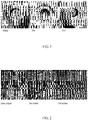
FIG. 1 shows photographs of three pump components made with the alloys described in Example 3 below; -
FIG. 2 shows photographs of the microstructure of the three alloys described in Example 3 below. - The particulars shown herein are by way of example and for purposes of illustrative discussion of the embodiments of the present invention only and are presented in the cause of providing what is believed to be the most useful and readily understood description of the principles and conceptual aspects of the present invention. In this regard, no attempt is made to show structural details of the present invention in more detail than is necessary for the fundamental understanding of the present invention, the description taken with the drawings making apparent to those skilled in the art how the several forms of the present invention may be embodied in practice.
- As used herein, the singular forms "a," "an," and "the" include the plural reference unless the context clearly dictates otherwise. For example, reference to "an alloy" would also mean that combinations of two or more alloys can be present unless specifically excluded.
- Except where otherwise indicated, all numbers expressing quantities of ingredients, reaction conditions, etc. used in the instant specification are to be understood as being modified in all instances by the term "about." Accordingly, unless indicated to the contrary, the numerical parameters set forth in the specification and claims are approximations that may vary depending upon the desired properties sought to be obtained by the present invention. At the very least, each numerical parameter should be construed in light of the number of significant digits and ordinary rounding conventions.
- Additionally, the disclosure of numerical ranges within this specification is considered to be a disclosure of all numerical values and ranges within that range. For example, if a range is from 1 to 50, it is deemed to include, for example, 1, 7, 34, 46.1, 23.7, or any other value or range within the range.
- The various embodiments disclosed herein can be used separately and in various combinations unless specifically stated to the contrary.
- The present invention provides a hypereutectic high chromium white iron alloy wherein a considerable portion of the carbon is replaced by nitrogen. This substitution of carbon by nitrogen beneficially causes a narrowing of the hypereutectic solidification temperature area and brings the solidification temperature closer to, or even renders it equal to, eutectic solidification temperatures, thereby narrowing the alloy liquidus temperature - solidus temperature interval. This causes a refinement of primary and eutectic phases of the cast high chromium alloy.
- Without wishing to be bound by any theory, it is believed that the substitution of carbon by nitrogen causes a change of the morphology of the chromium carbides M7C3 (with M = Cr, V, Mo, W, etc.) into carbonitrides M7(C,N)3. These carbonitrides optimize the refinement in terms of size and homogeneous distribution in the cast microstructure. The nitrogen can be incorporated into the alloy by, for example, adding a nitrogen containing alloy to a melt of the other alloy components. Examples of corresponding nitrogen containing alloys include Fe-Cr-7% N, Fe-Mn- 6% N, and 80%V-12% to 18% N ("Nitroven").
- In addition to iron, the alloy of the present invention comprises essential components, i.e., Cr, C, V, and N. The weight percentage of Cr in the alloy is at least 18 %, e.g., at least 20 %, at least 22 %, at least 23 %, at least 24 %, at least 25 %, at least 26 %, at least 27 %, at least 28 %, at least 29 %, at least 30 %, at least 31 %, at least 31.5 %, at least 32 %, at least 33 %, at least 34 %, or at least 35 %, but not higher than 58 %, e.g., not higher than 55 %, not higher than 52 %, not higher than 48 %, not higher than 47 %, not higher than 46 %, not higher than 45 %, not higher than 44 %, not higher than 43 %, or not higher than 42 %.
- The weight percentage of C in the alloy of the present invention is at least 2.5 %, e.g., at least 2.6 %, at least 2.7 %, at least 2.8 %, at least 2.9 %, at least 3.0 %, at least 3.1 %, at least 3.2 %, at least 3.3 %, at least 3.4 %, at least 3.5 %, at least 3.8 %, at least 4.0 %, at least 4.1 %, at least 4.2 %, at least 4.3 %, at least 4.4 %, or at least 4.5 %, but not higher than 6.5 %, e.g., not higher than 6.3 %, not higher than 6.2 %, not higher than 6.1 %, not higher than 6.0 %, or not higher than 5.9 %.
- The weight percentage of N in the alloy of the present invention is at least 0.04 %, e.g., at least 0.06 %, at least 0.08 %, at least 0.1 %, at least 0.12 %, at least 0.15 %, at least 0.18 %, at least 0.2 %, at least 0.25 %, at least 0.3 %, at least 0.4 %, at least 0.5 %, or at least 0.6 %, but not higher than 1.2 %, e.g., not higher than 1.1 %, not higher than 1 %, not higher than 0.9 %, or not higher than 0.8 %.
- The alloy of the present invention usually comprises one or more additional elements, i.e., in addition to Fe, Cr, C, V, and N. For example, often the alloy will also comprise at least one or more (and preferably all) of Mn, Ni, Mo, Cu and Si. However, other elements such as one or more of W, Co, Mg, Ca, Nb, Ta, Ti, Zr, Hf, Al, B, rare earth elements may (and often will) be present as well.
- The alloy of the present invention comprises at least V as additional element. The weight percentage of V is at least 3.5 %, optionally at least 3.8 %, at least 4 %, at least 4.2 %, at least 4.5 %, or at least 4.8 %, but not more than 7.5 %, or not more than 7 %. Additionally, it is preferred for V to be present in weight percentages from 1.1 to 1.5 times (in particular from 1.1 to 1.4 times, or from 1.1 to 1.3 times) the combined weight percentage of C and N. As a general rule, the preferred concentration of V decreases with increasing concentration of Cr (while the preferred concentration of N increases with increasing concentration of Cr).
- If employed, Mn is usually present in the alloy of the present invention in a weight percentage of at least 0.1 %, e.g., at least 0.3 %, at least 0.5 %, at least 0.8 %, at least 1 %, or at least 1.1 %, but usually not higher than 8 %, e.g., not higher than 7 %, not higher than 6 %, not higher than 5 %, not higher than 4 %, or not higher than 3 %.
- If employed, Ni is usually present in the alloy of the present invention in a weight percentage of at least 0.2 %, e.g., at least 0.3 %, at least 0.4 %, at least 0.5 %, or at least 0.6 %, but usually not higher than 5 %, e.g., not higher than 4 %, not higher than 3 %, not higher than 2 %, not higher than 1.5 %, or not higher than 1.2 %.
- If employed, Co is usually present in the alloy of the present invention in a weight percentage of at least 0.1 %, e.g., at least 0.15 %, at least 0.2 %, at least 0.25 %, or at least 0.3 %, but usually not higher than 4 %, e.g., not higher than 3 %, not higher than 2 %, not higher than 1.5 %, not higher than 1 %, or not higher than 0.5 %.
- If employed, Cu is usually present in the alloy of the present invention in a weight percentage of at least 0.1 %, e.g., at least 0.2 %, at least 0.3 %, at least 0.4 %, at least 0.45 %, or at least 0.5 %, but usually not higher than 4.5 %, e.g., not higher than 4 %, not higher than 3 %, not higher than 2 %, not higher than 1.5 %, or not higher than 1.2 %.
- If employed, Si is usually present in the alloy of the present invention in a weight percentage of at least 0.1 %, e.g., at least 0.2 %, at least 0.3 %, at least 0.4 %, at least 0.45 %, or at least 0.5 %, but usually not higher than 3 %, e.g., not higher than 2.5 %, not higher than 2 %, not higher than 1.5 %, or not higher than 1 %.
- If employed, Mo and/or W are usually present in the alloy of the present invention in a combined weight percentage of at least 0.3 %, e.g., at least 0.5 %, at least 0.6 %, or at least 0.7 %, but usually not higher than 6 %, e.g., not higher than 5 %, not higher than 4 %, not higher than 3.5 %, or not higher than 3 %. If only one of Mo and W is to be present, preference is usually given to Mo, which in this case is usually present in weight percentages not higher than 5 %, e.g., not higher than 4 %, not higher than 3.5 %, not higher than 3 %, or not higher than 2 %.
- If employed, Nb is usually present in the alloy of the present invention in a weight percentage of at least 0.1 %, e.g., at least 0.2 %, at least 0.3 %, at least 0.4 %, at least 0.5 %, or at least 0.6 %, but usually not higher than 5 %, e.g., not higher than 4 %, not higher than 3 %, not higher than 2 %, or not higher than 1 %.
- If employed, Ti is usually present in the alloy of the present invention in a weight percentage of at least 0.1 %, e.g., at least 0.2 %, at least 0.3 %, at least 0.4 %, at least 0.5 %, or at least 0.6 %, but usually not higher than 4 %, e.g., not higher than 3 %, not higher than 2 %, not higher than 1.5 %, or not higher than 1 %.
- If employed, Mg and/or Ca are usually present in the alloy of the present invention in a combined weight percentage of at least 0.01 %, e.g., at least 0.02 %, at least 0.03 %, or at least 0.04 %, but usually not higher than 0.2 %, e.g., not higher than 0.18 %, not higher than 0.15 %, or not higher than 0.12 %. Preferably, each of Mg and Ca is present in an individual weight percentage of at least 0.02 % and not higher than 0.08 %.
- If employed, one or more rare earth elements are usually present in the alloy of the present invention in a combined weight percentage of at least 0.05 %, e.g., at least 0.08 %, at least 0.1 %, or at least 0.15 %, but usually not higher than 2 %, e.g., not higher than 1 %, not higher than 0.9 %, or not higher than 0.8 %.
- If employed, one or more of Ta, Zr, Hf, Al, B are usually present in the alloy of the present invention in a combined weight percentage of at least 0.01 %, e.g., at least 0.05 %, at least 0.08 %, or at least 0.1 %, but usually not higher than 3 %, e.g., not higher than 2.5 %, not higher than 2 %, or not higher than 1.5 %. If B is present, the concentration thereof will usually be not lower than 0.05 %, e.g., not lower than 0.08 %, but usually not higher than 2 %, e.g., not higher than 1 %, not higher than 0.5 %, not higher than 0.3 %, or not higher than 0.1 %. If Al is present, the concentration thereof will usually be not lower than 0.01 %, e.g., not lower than 0.08 %, but usually not higher than 0.8 %, e.g., not higher than 0.6 %, or not higher than 0.5 %. Also, the combined weight percentage of Nb, Ti, Ta, Zr, Hf, Al, B, if one or more thereof are present at all, usually is at least 0.1, e.g., at least 0.2, at least 0.3, at least 0.4, or at least 0.5, but usually not higher than 4 %, e.g., not higher than 3 %, not higher than 2 %, or not higher than 1.5 %.
- Among the unavoidable impurities which are usually present in the alloy of the present invention, sulfur and phosphorus may be mentioned. Their concentrations are preferably not higher than 0.2 %, e.g., not higher than 0.1 %, or not higher than 0.06 % by weight each.
- The alloy of the present invention is particularly suitable for the production of parts which are to have a high wear (abrasion) resistance and are suitably produced by a process such as sand casting. Non-limiting examples of such parts include slurry pump components, such as casings, impellers, suction liners, pipes, nozzles, agitators, valve blades. Other components which may suitably be made, at least in part, from the alloy of the present invention include, for example, shell liners and lifter bars in ball mills and autogenous grinding mills, and components of coal pulverizers.
- Any conventional casting technology may be used to produce the alloy of the present invention. Additionally, the cast alloy may be heat-treated at a temperature in the range of, for example, from 1255 to 1366 K (1800 to 2000 °F), followed by air cooling. The most preferred hardening method for the alloy of the present invention is by cryogenic treatment: cooling to a temperature of, for example, 200 to 89 K (-100 to -300 °F), and maintaining at this temperature for a time of, for example one hour per 2.54 cm (one inch) of casting wall thickness. The cryogenic tempering process may be performed with equipment and machinery that is conventional in the thermal cycling treatment field. First, the articles-under-treatment are placed in a treatment chamber which is connected to a supply of cryogenic fluid, such as liquid nitrogen or a similar low temperature fluid. Exposure of the chamber to the influence of the cryogenic fluid lowers the temperature until the desired level is reached.
- In one embodiment of the alloy of the invention, the alloy comprises one of more elements in one or more of the following weight percentages:
C from 2.5 to 4 N from 0.9 to 1.2 Cr from 49 to 58 Mn from 6 to 8 Ni from 3 to 5. - In one embodiment of the alloy of the invention, a carbonitride volume fraction (CNVF): (% C + % N) x 12.33 + (% Cr + % M) x 0.55 - 15.2 equals at least 50, % M representing a total percentage of V, Mo, Nb, and Ti.
- In one embodiment of the alloy of the invention, CNVF equals at least 60.
- An alloy of the following composition was used (in % by weight): C: 4.7, N: 0.03, Cr: 30, Mn: 2.4, Si: 0.45, S < 0.06, P < 0.06. The alloy was melted in a 30 kg high frequency induction furnace. The initial charge materials were steel scrap, ferroalloy and pig iron. The melt temperature was controlled at 1755 K (2700° F). After all the charge materials had melted in the furnace, the liquidus temperature of the alloy was determined to be 1665 K (2538 °F). Then the molten alloy was poured at 1700 K (2600 °F) into sand molds with dimensions of 20 mm × 20 mm × 110 mm to obtain four samples for testing. The castings were cooled to ambient temperature in sand molds. As a result, three of the samples had developed cracks throughout their length of 110 mm. The fourth sample developed surface cracks during Brinell hardness testing.
- The Brinell hardness of the samples was determined (10 mm tungsten ball and load of 3000 kg) to be 600 HB.
- The Carbide Volume Fraction (CVF) of the samples can be calculated according to:

- Examination of the fractured faces of the samples revealed a very coarse fracture face (mean primary M7C3 carbide cross-sectional dimension of 200 µm or more).
- An alloy of the following composition was used (in % by weight): C: 4.4, N: 0.58, Cr: 31, Si: 0.45, Mn: 2.9, S < 0.06, P < 0.06. The alloy was melted in a 30 kg high frequency induction furnace. The initial charge materials were steel scrap, ferroalloy and pig iron. The melt temperature was controlled at 1800 K (2780 °F), whereafter the melt was nitrided by addition of Fe-Mn-8%N. After all the charge materials had melted in the furnace, the liquidus temperature of the alloy was determined to be 1634 K (2481 °F). Then the molten alloy was poured at 1669 K (2544 °F) into sand molds with dimensions of 20 mm × 20 mm × 110 mm to obtain four samples for testing. The castings were cooled to ambient temperature in sand molds. As a result, all four samples were free of cracks.
- The Brinell hardness of the samples was determined (10 mm tungsten ball and load of 3000 kg) to be 683 HB.
- The Carbonitride Volume Fraction (CNVF) of the samples can be calculated according to: CNVF = (% C + % N) x 12.33 + (% Cr + % M) x 0.55 - 15.2 = (4.4 %+ 0.58 %) x 12.33 + 31 % x 0.55 - 15.2 % = 63.25 %. (M= V, Mo, Nb, Ti)
- The samples were treated with an abrasive blade and fractured. Examination of the fracture faces of the samples exhibited a very fine fracture face on all samples (mean primary M7(C,N)3 carbonitride cross-sectional dimension of 30 µm or less).
- A production melt was made at 10,000 lbs. corresponding to 4500kg in an induction furnace, using 3 different alloys. The final alloy compositions were (in % by wt.) :
Element C Cr Si Mn Ni Mo V N Cu Fe Eutectic alloy CM22 * 2.8 17.2 0.6 1.2 0.8 2.5 4.4 0.03 0.6 Bal. CNVF = 28% Hypereutectic alloy T 60 4.1 18.2 0.5 1.8 0.6 4.0 5.1 0.12 0.5 Bal. CNVF = 52% Hypereutectic alloy T 70 4.7 32.1 0.5 2.4 0.6 0.7 5.9 0.68 0.6 Bal. CNVF = 70% * not according to the invention - Two commercial castings, i.e., slurry pump parts: Suction Liner 20 X18 HDMD 46, were cast from each of the above three alloy compositions. Each casting weighed 3500 lbs corresponding to 1600kg.
- In particular, the eutectic alloy CM22 was controlled at 1800 K (2780 °F) and, after a melt had formed, Fe-V80% was added. The melt (9000 lbs.) was then cooled to 1700 K (2600 °F) and was cast into two sand molds.
- The hypereutectic alloy T60 was controlled at 1800 K (2780 °F) and, after a melt had formed, Fe-V80% was added. The melt (9000 lbs.) was then nitrided by addition of Fe-Mn-7%N and thereafter cooled to 1728 K (2650 °F) and cast into two sand molds.
- The hypereutectic alloy T70 was controlled at 1800 K (2780 °F) and a portion of vanadium was added. After a melt had formed, the alloy was nitrided by adding nitro-vanadium (71%V - 18%N - 9%C) and thereafter cooled to 1689 K (2580 °F) and cast into two sand molds.
- Upon cooling the castings to ambient temperature, their hardness was tested before and after a hardening treatment. Further, after finish machining, each casting was assembled in a pump and was tested regarding its wear (abrasion) resistance with a well controlled flow of abrasion slurry for 1440 hours (see the photographs of the castings after the test in
FIG. 1 ). Thereafter each casting was weighed to determine its weight loss due to abrasion by the slurry. The obtained results were as follows:Alloy Hardness, as cast (HB) Hardness after Heat-Treatment at 1283 K (1850 °F) /6h Cryogenic hardening (144 K (-200 °F) /2h) Weight Loss (%) CM22 * 580 744 36 T60 650 700 27 T70 680 713 18 * not according to the invention - Further, the microstructure of the castings was evaluated (see photographs in
FIG. 2 ). As can be seen from the photographs shown inFIGs. 1 and 2 , with increasing percentage of CVF or CNVF the microstructure of the castings becomes more refined and the wear resistance increases. - A production melt was made at 10,000 lbs. corresponding to 4500kg in an induction furnace. The final alloy compositions was (in % by wt., balance Fe) :
Element C Cr Si Mn Ni Mo V N Cu Mg Ti Al B Alloy T-70 4.28 31.1 0.8 2.2 0.8 0.8 6.9 0.58 0.6 0.02 0.6 0.3 0.12 MgTiAlB CNVF=66% - The hypereutectic alloy T70 was controlled at 1800 K (2780 °F) and a portion of vanadium was added. After a melt had formed, the alloy was nitrided by adding nitro-vanadium (71%V - 18%N - 6%C) and thereafter cooled to 1678 K (2560 °F), and the Mg+Ti+Al + B was add to the pouring ladle and cast into three sand molds.
- Upon cooling the castings to ambient temperature, their hardness was tested before and after a hardening treatment. The hardness of the first two castings was 713 HB; after being cryogenically treated the hardness increased to 766 HB. The hardness of the third casting as cast was 688 HB; after being cryogenically treated the hardness increased to 744 HB. The magnesium content of the third casting was determined and had decreased from 0.021% to 0.094 during the 9 minutes of pouring the casting.
Claims (15)
- A hypereutectic white iron alloy, wherein the alloy comprises, in weight percent based on a total weight of the alloy:
C from 2.5 to 6.5 N from 0.04 to 1.2 Cr from 18 to 58 Mn from 0 to 8 Ni from 0 to 5 Co from 0 to 5 Cu from 0 to 5 Mo from 0 to 5 W from 0 to 6 V from 3.5 to 7.5 Nb from 0 to 6 Ti from 0 to 5 Mg + Ca from 0 to 0.2 Si from 0 to 3 one or more rare earth elements from 0 to 3 one or more of Ta, Zr, Hf, Al, B from 0 to 3, - The alloy of claim 1, wherein the alloy comprises one or more of the following weight percentages:
C from 3 to 6 N from 0.12 to 1.1 Cr from 23 to 48 Mn from 0.1 to 5 Ni from 0.3 to 3 Cu from 0.2 to 2.5 Mo from 0.5 to 4.5 W from 0 to 5.5 Mg + Ca from 0.01 to 0.15 Si from 0.1 to 2 one or more rare earth elements from 0.05 to 2 one or more of Nb, Ta, Ti, Zr, Hf, Al, B from 0.001 to 6 - The alloy of any one of claims 1 and 2, wherein the alloy comprises one or more of the following weight percentages:
C from 3.5 to 6 N from 0.3 to 1 Cr from 25 to 45 Mn from 0.8 to 4.8 Ni from 0.5 to 2 Cu from 0.4 to 2 Mo from 0.8 to 4 W from 0 to 5 Mg + Ca from 0.02 to 0.1 Si from 0.2 to 1.2 one or more rare earth elements from 0.08 to 1 one or more of Nb, Ta, Ti, Zr, Hf, Al, B from 0.01 to 3. - The alloy of any one of claims 1-3, wherein the alloy comprises one or more of the following weight percentages:
C from 4 to 6 N from 0.5 to 0.9 Cr from 26 to 43 Mn from 0.9 to 3.5 Ni from 0.5 to 1.5 Cu from 0.45 to 2 Mo from 1 to 3 W from 0 to 4 V from 4 to 7 Mg + Ca from 0.02 to 0.08 Si from 0.3 to 1 one or more rare earth elements from 0.1 to 0.8 one or more of Nb, Ta, Ti, Zr, Hf, Al, B from 0.01 to 2. - The alloy of any one of claims 1-4, wherein the alloy comprises one or more of the following weight percentages:
C from 4.5 to 5.9 N from 0.6 to 0.78 Cr from 27 to 42 Mn from 1 to 3 Ni from 0.6 to 1.2 Cu from 0.5 to 2 (Mo + W) from 1 to 3 V from 4.5 to 6.5 Mg + Ca from 0.02 to 0.08 Si from 0.3 to 1 one or more rare earth elements from 0.1 to 0.8 one or more of Nb, Ta, Ti, Zr, Hf, Al, B from 0.01 to 1.5 - The alloy of any one of claims 1-5, wherein the alloy comprises from 4 to 7 % of vanadium.
- The alloy of any one of claims 1-6, wherein the alloy comprises (from 1.1 to 1.5) x (% C + % N) of vanadium.
- The alloy of any one of claims 1-7, wherein the alloy comprises from 0.05 % to 2 % of boron.
- The alloy of any one of claims 1-8, wherein the alloy comprises at least 0.08 % of boron.
- The alloy of any one of claims 1-9, wherein the alloy comprises from 0.01 % to 1.5 % of titanium.
- The alloy of any one of claims 1-10, wherein the carbonitride volume fraction (CNVF): (% C + % N) x 12.33 + (% Cr + % M) x 0.55 - 15.2 equals at least 60, % M representing a total percentage of V, Mo, Nb, and Ti.
- The alloy of any one of claims 1-11, wherein the alloy comprises at least 29 % of Cr.
- An article which comprises or consists of the alloy of any one of claims 1-12.
- The article of claim 13, wherein the article is a component of a pump.
- A method of making the article of any one of claims 13 and 14, wherein the method comprises casting the alloy in a sand mold.
Applications Claiming Priority (2)
| Application Number | Priority Date | Filing Date | Title |
|---|---|---|---|
| US14/279,600 US9284631B2 (en) | 2014-05-16 | 2014-05-16 | Hypereutectic white iron alloys comprising chromium and nitrogen and articles made therefrom |
| PCT/US2015/031120 WO2015175959A1 (en) | 2014-05-16 | 2015-05-15 | Hypereutectic white iron alloys comprising chromium and nitrogen and articles made therefrom |
Publications (3)
| Publication Number | Publication Date |
|---|---|
| EP3143175A1 EP3143175A1 (en) | 2017-03-22 |
| EP3143175A4 EP3143175A4 (en) | 2017-12-27 |
| EP3143175B1 true EP3143175B1 (en) | 2020-09-09 |
Family
ID=54480788
Family Applications (1)
| Application Number | Title | Priority Date | Filing Date |
|---|---|---|---|
| EP15792663.5A Active EP3143175B1 (en) | 2014-05-16 | 2015-05-15 | Hypereutectic white iron alloys comprising vanadium, chromium, and nitrogen and articles made therefrom |
Country Status (5)
| Country | Link |
|---|---|
| US (2) | US9284631B2 (en) |
| EP (1) | EP3143175B1 (en) |
| CA (1) | CA2949352C (en) |
| PE (1) | PE20170109A1 (en) |
| WO (1) | WO2015175959A1 (en) |
Families Citing this family (40)
| Publication number | Priority date | Publication date | Assignee | Title |
|---|---|---|---|---|
| GB2546808B (en) * | 2016-02-01 | 2018-09-12 | Rolls Royce Plc | Low cobalt hard facing alloy |
| GB2546809B (en) * | 2016-02-01 | 2018-05-09 | Rolls Royce Plc | Low cobalt hard facing alloy |
| US9580777B1 (en) * | 2016-02-08 | 2017-02-28 | Roman Radon | Hypereutectic white iron alloys comprising chromium, boron and nitrogen and articles made therefrom |
| MA44552B1 (en) | 2016-06-24 | 2020-11-30 | Weir Minerals Australia Ltd | Erosion and corrosion resistant white cast iron |
| CN106424885A (en) * | 2016-11-21 | 2017-02-22 | 常熟市张桥华丰铸造五金厂 | Low-cost durable composite milling cutter |
| CN106521302A (en) * | 2016-11-21 | 2017-03-22 | 常熟市张桥华丰铸造五金厂 | Durable milling cutter high in mechanical strength |
| RU2642226C1 (en) * | 2017-04-27 | 2018-01-24 | Юлия Алексеевна Щепочкина | Cast iron |
| CN107214290A (en) * | 2017-06-22 | 2017-09-29 | 霍山县忠福机电科技有限公司 | A kind of truck brake rouses casting technique |
| RU2659535C1 (en) * | 2017-12-05 | 2018-07-02 | Юлия Алексеевна Щепочкина | Cast iron |
| RU2663950C1 (en) * | 2018-01-09 | 2018-08-13 | Юлия Алексеевна Щепочкина | Alloy |
| SE543517C2 (en) * | 2019-12-05 | 2021-03-16 | Ab Bruzaholms Bruk | High-chromium white iron alloy comprising rare-earth |
| US11353117B1 (en) | 2020-01-17 | 2022-06-07 | Vulcan Industrial Holdings, LLC | Valve seat insert system and method |
| US11421680B1 (en) | 2020-06-30 | 2022-08-23 | Vulcan Industrial Holdings, LLC | Packing bore wear sleeve retainer system |
| US12049889B2 (en) | 2020-06-30 | 2024-07-30 | Vulcan Industrial Holdings, LLC | Packing bore wear sleeve retainer system |
| US11421679B1 (en) | 2020-06-30 | 2022-08-23 | Vulcan Industrial Holdings, LLC | Packing assembly with threaded sleeve for interaction with an installation tool |
| CN111926241B (en) * | 2020-08-11 | 2022-03-01 | 东营嘉洲工业科技有限公司 | Method for manufacturing multi-element composite reinforced grinding ball and grinding ball gradation |
| US11384756B1 (en) | 2020-08-19 | 2022-07-12 | Vulcan Industrial Holdings, LLC | Composite valve seat system and method |
| USD997992S1 (en) | 2020-08-21 | 2023-09-05 | Vulcan Industrial Holdings, LLC | Fluid end for a pumping system |
| USD986928S1 (en) | 2020-08-21 | 2023-05-23 | Vulcan Industrial Holdings, LLC | Fluid end for a pumping system |
| USD980876S1 (en) | 2020-08-21 | 2023-03-14 | Vulcan Industrial Holdings, LLC | Fluid end for a pumping system |
| US12366245B1 (en) | 2020-08-27 | 2025-07-22 | Vulcan Industrial Holdings, LLC | Connecting rod assembly for reciprocating pump |
| US12055221B2 (en) | 2021-01-14 | 2024-08-06 | Vulcan Industrial Holdings, LLC | Dual ring stuffing box |
| US11391374B1 (en) | 2021-01-14 | 2022-07-19 | Vulcan Industrial Holdings, LLC | Dual ring stuffing box |
| US12292120B1 (en) | 2021-02-23 | 2025-05-06 | Vulcan Industrial Holdings, LLC | System and method for valve assembly |
| CN113025874B (en) * | 2021-03-29 | 2022-07-19 | 北京工业大学 | Hypereutectic high-chromium cast iron and inoculation modification treatment method thereof |
| CN113528982A (en) * | 2021-07-16 | 2021-10-22 | 昆山新浦瑞金属材料有限公司 | High-hardness wear-resistant steel shot and preparation method thereof |
| US12510164B1 (en) | 2021-08-18 | 2025-12-30 | Vulcan Industrial Holdings, LLC | Sleeved fluid end |
| US11846356B1 (en) | 2021-08-18 | 2023-12-19 | Vulcan Industrial Holdings, LLC | Self-locking plug |
| US20230072974A1 (en) * | 2021-08-26 | 2023-03-09 | Eddy Pump Corporation | Method of manufacturing cast iron components for industrial equipment |
| US12140240B1 (en) | 2022-01-19 | 2024-11-12 | Vulcan Industrial Holdings, LLC | Gradient material structures and methods of forming the same |
| US12297922B1 (en) | 2022-03-04 | 2025-05-13 | Vulcan Industrial Holdings, LLC | Valve seat with embedded structure and related methods |
| US12084732B2 (en) | 2022-03-29 | 2024-09-10 | Townley Foundry & Machine Co., Inc. | Hypereutectic white iron alloy comprising chromium, boron and nitrogen and cryogenically hardened articles made therefrom |
| US11434900B1 (en) | 2022-04-25 | 2022-09-06 | Vulcan Industrial Holdings, LLC | Spring controlling valve |
| US11920684B1 (en) | 2022-05-17 | 2024-03-05 | Vulcan Industrial Holdings, LLC | Mechanically or hybrid mounted valve seat |
| USD1113987S1 (en) | 2022-05-20 | 2026-02-17 | Vulcan Industrial Holdings, LLC | Header ring for a pumping system |
| USD1061623S1 (en) | 2022-08-03 | 2025-02-11 | Vulcan Industrial Holdings, LLC | Fluid end for a pumping system |
| CN115537642B (en) * | 2022-10-30 | 2023-05-02 | 北京工业大学 | Refining method of hypereutectic high-chromium cast iron primary carbide |
| CN116334473A (en) * | 2023-03-16 | 2023-06-27 | 长沙金铎机械有限公司 | Hypereutectic heat-resistant high-chromium cast iron guide plate and manufacturing method thereof |
| US12292121B2 (en) | 2023-08-10 | 2025-05-06 | Vulcan Industrial Holdings, LLC | Valve member including cavity, and related assemblies, systems, and methods |
| CN116970876B (en) * | 2023-09-21 | 2023-12-12 | 淄博大亚金属科技股份有限公司 | Rust-proof durable stainless steel sand and preparation method and application thereof |
Citations (2)
| Publication number | Priority date | Publication date | Assignee | Title |
|---|---|---|---|---|
| SU1125278A1 (en) * | 1983-06-13 | 1984-11-23 | Институт проблем литья АН УССР | Wear-resistant alloy |
| SU1339159A1 (en) * | 1985-07-12 | 1987-09-23 | В.Н.Белов | Cast iron |
Family Cites Families (15)
| Publication number | Priority date | Publication date | Assignee | Title |
|---|---|---|---|---|
| US2353688A (en) * | 1942-10-05 | 1944-07-18 | Electro Metallurg Co | Method of improving abrasion resistance of alloys |
| GB1119516A (en) * | 1964-12-05 | 1968-07-10 | Canada Iron Foundries Ltd | Wear and abrasion resistant alloy |
| LU63431A1 (en) * | 1971-06-29 | 1973-01-22 | ||
| ZA844074B (en) | 1983-05-30 | 1986-04-30 | Vickers Australia Ltd | Abrasion resistant materials |
| GB8403036D0 (en) * | 1984-02-04 | 1984-03-07 | Sheepbridge Equipment Ltd | Cast iron alloys |
| US5252149B1 (en) | 1989-08-04 | 1998-09-29 | Warman Int Ltd | Ferrochromium alloy and method thereof |
| RU1813115C (en) | 1991-03-25 | 1993-04-30 | По "Донецкгормаш" | Alloy for wear-resistant surfacing |
| CA2161959C (en) | 1993-05-21 | 2009-12-08 | Kevin Francis Dolman | Microstructurally refined multiphase castings |
| RU2037551C1 (en) * | 1993-07-19 | 1995-06-19 | Акционерное общество открытого типа "Уральский завод тяжелого машиностроения" | Pig iron |
| US5679908A (en) * | 1995-11-08 | 1997-10-21 | Crucible Materials Corporation | Corrosion resistant, high vanadium, powder metallurgy tool steel articles with improved metal to metal wear resistance and a method for producing the same |
| US6761777B1 (en) | 2002-01-09 | 2004-07-13 | Roman Radon | High chromium nitrogen bearing castable alloy |
| DE102005020081A1 (en) * | 2005-04-29 | 2006-11-09 | Köppern Entwicklungs-GmbH | Powder metallurgically produced, wear-resistant material |
| CN101497966B (en) | 2009-03-02 | 2011-01-26 | 暨南大学 | High hardness hypereutectic high chromium manganese molybdenum tungsten alloy wear-resistant steel material and its application |
| US20120160363A1 (en) | 2010-12-28 | 2012-06-28 | Exxonmobil Research And Engineering Company | High manganese containing steels for oil, gas and petrochemical applications |
| CN102251185B (en) | 2011-06-22 | 2012-09-05 | 山东省四方技术开发有限公司 | Preparation method of high-chromium roller for steel tube reducing mill or sizing mill and high-chromium roller prepared thereby |
-
2014
- 2014-05-16 US US14/279,600 patent/US9284631B2/en active Active
-
2015
- 2015-05-15 CA CA2949352A patent/CA2949352C/en active Active
- 2015-05-15 WO PCT/US2015/031120 patent/WO2015175959A1/en not_active Ceased
- 2015-05-15 PE PE2016002218A patent/PE20170109A1/en unknown
- 2015-05-15 EP EP15792663.5A patent/EP3143175B1/en active Active
-
2016
- 2016-02-08 US US15/018,602 patent/US20160153078A1/en not_active Abandoned
Patent Citations (2)
| Publication number | Priority date | Publication date | Assignee | Title |
|---|---|---|---|---|
| SU1125278A1 (en) * | 1983-06-13 | 1984-11-23 | Институт проблем литья АН УССР | Wear-resistant alloy |
| SU1339159A1 (en) * | 1985-07-12 | 1987-09-23 | В.Н.Белов | Cast iron |
Non-Patent Citations (1)
| Title |
|---|
| LLEWELLYN R J ET AL: "Scouring erosion resistance of metallic materials used in slurry pump service", 20040301, vol. 256, no. 6, 1 March 2004 (2004-03-01), pages 592 - 599, XP009113482, ISSN: 0043-1648, [retrieved on 20031203], DOI: 10.1016/J.WEAR.2003.10.002 * |
Also Published As
| Publication number | Publication date |
|---|---|
| US20150329944A1 (en) | 2015-11-19 |
| PE20170109A1 (en) | 2017-04-02 |
| EP3143175A4 (en) | 2017-12-27 |
| EP3143175A1 (en) | 2017-03-22 |
| US9284631B2 (en) | 2016-03-15 |
| WO2015175959A1 (en) | 2015-11-19 |
| CA2949352C (en) | 2020-03-24 |
| CA2949352A1 (en) | 2015-11-19 |
| US20160153078A1 (en) | 2016-06-02 |
Similar Documents
| Publication | Publication Date | Title |
|---|---|---|
| CA2949352C (en) | Hypereutectic white iron alloys comprising chromium and nitrogen and articles made therefrom | |
| US9580777B1 (en) | Hypereutectic white iron alloys comprising chromium, boron and nitrogen and articles made therefrom | |
| Chaus et al. | Microstructure and properties of M2 high-speed steel cast by the gravity and vacuum investment casting | |
| JP2019523821A (en) | Steel suitable for plastic molds | |
| JP2011174183A (en) | High-grade duplex stainless steel with much suppressed formation of intermetallic phases and having excellent corrosion resistance, embrittlement resistance, castability and hot workability | |
| JP2010514917A (en) | Hard alloy with dry composition | |
| JP6710484B2 (en) | Powder high speed tool steel | |
| KR20060125467A (en) | Plastic Molding Iron | |
| JP5537248B2 (en) | Machine structural steel, manufacturing method thereof, and machined part manufacturing method using machine structural steel | |
| US12084732B2 (en) | Hypereutectic white iron alloy comprising chromium, boron and nitrogen and cryogenically hardened articles made therefrom | |
| CN111492082B (en) | Steel material having excellent wear resistance and method for producing same | |
| JP5282546B2 (en) | High-strength, thick-walled spheroidal graphite cast iron with excellent wear resistance | |
| JP6793574B2 (en) | Low thermal expansion alloy | |
| JP6515957B2 (en) | Roll outer layer material for rolling having excellent wear resistance and composite roll for rolling | |
| JP5282547B2 (en) | High-strength, thick-walled spheroidal graphite cast iron with excellent wear resistance | |
| KR101981226B1 (en) | METHOD FOR MANUFACTURING CAST Ni-Cr-Mo STEEL HAVING HIGH STRENGTHIMPACT RESISTANCE AT LOW TEMPERATURE AND CAST Ni-Cr-Mo STEEL METHOD THEREBY | |
| JP6793583B2 (en) | Low thermal expansion alloy | |
| JP2007154295A (en) | Abrasion resistant cast steel and method for producing the same | |
| JP2024145541A (en) | Manufacturing method for high chromium cast iron | |
| JP6949352B2 (en) | Low thermal expansion alloy | |
| JP7081096B2 (en) | Precipitation hardening Ni alloy | |
| JP6872786B2 (en) | Low thermal expansion cast steel and forged steel with low anisotropy and little aging | |
| JP4672433B2 (en) | Heat-resistant casting alloy and manufacturing method thereof | |
| JP2017166066A (en) | Mold steel and mold | |
| JP2024039269A (en) | High chromium cast iron and manufacturing method of high chromium cast iron |
Legal Events
| Date | Code | Title | Description |
|---|---|---|---|
| STAA | Information on the status of an ep patent application or granted ep patent |
Free format text: STATUS: THE INTERNATIONAL PUBLICATION HAS BEEN MADE |
|
| PUAI | Public reference made under article 153(3) epc to a published international application that has entered the european phase |
Free format text: ORIGINAL CODE: 0009012 |
|
| STAA | Information on the status of an ep patent application or granted ep patent |
Free format text: STATUS: REQUEST FOR EXAMINATION WAS MADE |
|
| 17P | Request for examination filed |
Effective date: 20161123 |
|
| AK | Designated contracting states |
Kind code of ref document: A1 Designated state(s): AL AT BE BG CH CY CZ DE DK EE ES FI FR GB GR HR HU IE IS IT LI LT LU LV MC MK MT NL NO PL PT RO RS SE SI SK SM TR |
|
| AX | Request for extension of the european patent |
Extension state: BA ME |
|
| DAV | Request for validation of the european patent (deleted) | ||
| DAX | Request for extension of the european patent (deleted) | ||
| A4 | Supplementary search report drawn up and despatched |
Effective date: 20171124 |
|
| RIC1 | Information provided on ipc code assigned before grant |
Ipc: C22C 38/44 20060101ALI20171117BHEP Ipc: C22C 38/50 20060101ALI20171117BHEP Ipc: C22C 37/06 20060101ALI20171117BHEP Ipc: C22C 38/48 20060101ALI20171117BHEP Ipc: C22C 38/06 20060101ALI20171117BHEP Ipc: C22C 38/46 20060101ALI20171117BHEP Ipc: C22C 33/08 20060101ALI20171117BHEP Ipc: C22C 38/52 20060101ALI20171117BHEP Ipc: C22C 38/00 20060101ALI20171117BHEP Ipc: C22C 37/10 20060101ALI20171117BHEP Ipc: C22C 37/00 20060101AFI20171117BHEP Ipc: C22C 37/08 20060101ALI20171117BHEP Ipc: C22C 38/04 20060101ALI20171117BHEP Ipc: C22C 38/56 20060101ALI20171117BHEP Ipc: C22C 38/02 20060101ALI20171117BHEP Ipc: C21C 5/52 20060101ALI20171117BHEP Ipc: C21C 1/08 20060101ALI20171117BHEP Ipc: C22C 38/54 20060101ALI20171117BHEP Ipc: C22C 38/42 20060101ALI20171117BHEP Ipc: C22C 38/58 20060101ALI20171117BHEP Ipc: C21D 5/04 20060101ALI20171117BHEP |
|
| STAA | Information on the status of an ep patent application or granted ep patent |
Free format text: STATUS: EXAMINATION IS IN PROGRESS |
|
| 17Q | First examination report despatched |
Effective date: 20180823 |
|
| GRAP | Despatch of communication of intention to grant a patent |
Free format text: ORIGINAL CODE: EPIDOSNIGR1 |
|
| STAA | Information on the status of an ep patent application or granted ep patent |
Free format text: STATUS: GRANT OF PATENT IS INTENDED |
|
| RIC1 | Information provided on ipc code assigned before grant |
Ipc: C22C 37/10 20060101ALI20200115BHEP Ipc: C22C 38/02 20060101ALI20200115BHEP Ipc: C21C 5/52 20060101ALN20200115BHEP Ipc: C22C 37/08 20060101ALI20200115BHEP Ipc: C22C 38/48 20060101ALI20200115BHEP Ipc: C22C 38/50 20060101ALI20200115BHEP Ipc: C22C 38/54 20060101ALI20200115BHEP Ipc: C21D 5/04 20060101ALI20200115BHEP Ipc: C22C 33/08 20060101ALI20200115BHEP Ipc: C22C 38/44 20060101ALI20200115BHEP Ipc: C22C 38/42 20060101ALI20200115BHEP Ipc: C22C 38/06 20060101ALI20200115BHEP Ipc: C22C 38/58 20060101ALI20200115BHEP Ipc: C21C 1/08 20060101ALI20200115BHEP Ipc: C22C 38/46 20060101ALI20200115BHEP Ipc: C22C 37/00 20060101AFI20200115BHEP Ipc: C22C 38/52 20060101ALI20200115BHEP Ipc: C22C 38/00 20060101ALI20200115BHEP Ipc: C22C 37/06 20060101ALI20200115BHEP Ipc: C22C 38/56 20060101ALI20200115BHEP Ipc: C22C 38/04 20060101ALI20200115BHEP |
|
| RIC1 | Information provided on ipc code assigned before grant |
Ipc: C22C 33/08 20060101ALI20200117BHEP Ipc: C22C 37/08 20060101ALI20200117BHEP Ipc: C22C 38/48 20060101ALI20200117BHEP Ipc: C22C 37/06 20060101ALI20200117BHEP Ipc: C22C 38/44 20060101ALI20200117BHEP Ipc: C21C 1/08 20060101ALI20200117BHEP Ipc: C22C 38/04 20060101ALI20200117BHEP Ipc: C22C 38/56 20060101ALI20200117BHEP Ipc: C22C 38/54 20060101ALI20200117BHEP Ipc: C22C 37/10 20060101ALI20200117BHEP Ipc: C22C 38/02 20060101ALI20200117BHEP Ipc: C22C 38/52 20060101ALI20200117BHEP Ipc: C22C 38/00 20060101ALI20200117BHEP Ipc: C22C 38/50 20060101ALI20200117BHEP Ipc: C22C 38/46 20060101ALI20200117BHEP Ipc: C22C 37/00 20060101AFI20200117BHEP Ipc: C21D 5/04 20060101ALI20200117BHEP Ipc: C22C 38/58 20060101ALI20200117BHEP Ipc: C21C 5/52 20060101ALN20200117BHEP Ipc: C22C 38/42 20060101ALI20200117BHEP Ipc: C22C 38/06 20060101ALI20200117BHEP |
|
| INTG | Intention to grant announced |
Effective date: 20200219 |
|
| GRAS | Grant fee paid |
Free format text: ORIGINAL CODE: EPIDOSNIGR3 |
|
| GRAA | (expected) grant |
Free format text: ORIGINAL CODE: 0009210 |
|
| STAA | Information on the status of an ep patent application or granted ep patent |
Free format text: STATUS: THE PATENT HAS BEEN GRANTED |
|
| AK | Designated contracting states |
Kind code of ref document: B1 Designated state(s): AL AT BE BG CH CY CZ DE DK EE ES FI FR GB GR HR HU IE IS IT LI LT LU LV MC MK MT NL NO PL PT RO RS SE SI SK SM TR |
|
| RAP1 | Party data changed (applicant data changed or rights of an application transferred) |
Owner name: RADON, RAPHAEL Owner name: RADON, ROMAN |
|
| REG | Reference to a national code |
Ref country code: GB Ref legal event code: FG4D |
|
| RIN1 | Information on inventor provided before grant (corrected) |
Inventor name: RADON, RAPHAEL Inventor name: RADON, ROMAN |
|
| REG | Reference to a national code |
Ref country code: AT Ref legal event code: REF Ref document number: 1311652 Country of ref document: AT Kind code of ref document: T Effective date: 20200915 Ref country code: CH Ref legal event code: EP |
|
| REG | Reference to a national code |
Ref country code: IE Ref legal event code: FG4D |
|
| REG | Reference to a national code |
Ref country code: DE Ref legal event code: R096 Ref document number: 602015058856 Country of ref document: DE |
|
| REG | Reference to a national code |
Ref country code: LT Ref legal event code: MG4D |
|
| PG25 | Lapsed in a contracting state [announced via postgrant information from national office to epo] |
Ref country code: FI Free format text: LAPSE BECAUSE OF FAILURE TO SUBMIT A TRANSLATION OF THE DESCRIPTION OR TO PAY THE FEE WITHIN THE PRESCRIBED TIME-LIMIT Effective date: 20200909 Ref country code: GR Free format text: LAPSE BECAUSE OF FAILURE TO SUBMIT A TRANSLATION OF THE DESCRIPTION OR TO PAY THE FEE WITHIN THE PRESCRIBED TIME-LIMIT Effective date: 20201210 Ref country code: NO Free format text: LAPSE BECAUSE OF FAILURE TO SUBMIT A TRANSLATION OF THE DESCRIPTION OR TO PAY THE FEE WITHIN THE PRESCRIBED TIME-LIMIT Effective date: 20201209 Ref country code: BG Free format text: LAPSE BECAUSE OF FAILURE TO SUBMIT A TRANSLATION OF THE DESCRIPTION OR TO PAY THE FEE WITHIN THE PRESCRIBED TIME-LIMIT Effective date: 20201209 Ref country code: SE Free format text: LAPSE BECAUSE OF FAILURE TO SUBMIT A TRANSLATION OF THE DESCRIPTION OR TO PAY THE FEE WITHIN THE PRESCRIBED TIME-LIMIT Effective date: 20200909 Ref country code: LT Free format text: LAPSE BECAUSE OF FAILURE TO SUBMIT A TRANSLATION OF THE DESCRIPTION OR TO PAY THE FEE WITHIN THE PRESCRIBED TIME-LIMIT Effective date: 20200909 Ref country code: HR Free format text: LAPSE BECAUSE OF FAILURE TO SUBMIT A TRANSLATION OF THE DESCRIPTION OR TO PAY THE FEE WITHIN THE PRESCRIBED TIME-LIMIT Effective date: 20200909 |
|
| REG | Reference to a national code |
Ref country code: AT Ref legal event code: MK05 Ref document number: 1311652 Country of ref document: AT Kind code of ref document: T Effective date: 20200909 |
|
| REG | Reference to a national code |
Ref country code: NL Ref legal event code: MP Effective date: 20200909 |
|
| PG25 | Lapsed in a contracting state [announced via postgrant information from national office to epo] |
Ref country code: PL Free format text: LAPSE BECAUSE OF FAILURE TO SUBMIT A TRANSLATION OF THE DESCRIPTION OR TO PAY THE FEE WITHIN THE PRESCRIBED TIME-LIMIT Effective date: 20200909 Ref country code: RS Free format text: LAPSE BECAUSE OF FAILURE TO SUBMIT A TRANSLATION OF THE DESCRIPTION OR TO PAY THE FEE WITHIN THE PRESCRIBED TIME-LIMIT Effective date: 20200909 Ref country code: LV Free format text: LAPSE BECAUSE OF FAILURE TO SUBMIT A TRANSLATION OF THE DESCRIPTION OR TO PAY THE FEE WITHIN THE PRESCRIBED TIME-LIMIT Effective date: 20200909 |
|
| PG25 | Lapsed in a contracting state [announced via postgrant information from national office to epo] |
Ref country code: CZ Free format text: LAPSE BECAUSE OF FAILURE TO SUBMIT A TRANSLATION OF THE DESCRIPTION OR TO PAY THE FEE WITHIN THE PRESCRIBED TIME-LIMIT Effective date: 20200909 Ref country code: PT Free format text: LAPSE BECAUSE OF FAILURE TO SUBMIT A TRANSLATION OF THE DESCRIPTION OR TO PAY THE FEE WITHIN THE PRESCRIBED TIME-LIMIT Effective date: 20210111 Ref country code: RO Free format text: LAPSE BECAUSE OF FAILURE TO SUBMIT A TRANSLATION OF THE DESCRIPTION OR TO PAY THE FEE WITHIN THE PRESCRIBED TIME-LIMIT Effective date: 20200909 Ref country code: SM Free format text: LAPSE BECAUSE OF FAILURE TO SUBMIT A TRANSLATION OF THE DESCRIPTION OR TO PAY THE FEE WITHIN THE PRESCRIBED TIME-LIMIT Effective date: 20200909 Ref country code: EE Free format text: LAPSE BECAUSE OF FAILURE TO SUBMIT A TRANSLATION OF THE DESCRIPTION OR TO PAY THE FEE WITHIN THE PRESCRIBED TIME-LIMIT Effective date: 20200909 Ref country code: NL Free format text: LAPSE BECAUSE OF FAILURE TO SUBMIT A TRANSLATION OF THE DESCRIPTION OR TO PAY THE FEE WITHIN THE PRESCRIBED TIME-LIMIT Effective date: 20200909 |
|
| PG25 | Lapsed in a contracting state [announced via postgrant information from national office to epo] |
Ref country code: IS Free format text: LAPSE BECAUSE OF FAILURE TO SUBMIT A TRANSLATION OF THE DESCRIPTION OR TO PAY THE FEE WITHIN THE PRESCRIBED TIME-LIMIT Effective date: 20210109 Ref country code: AL Free format text: LAPSE BECAUSE OF FAILURE TO SUBMIT A TRANSLATION OF THE DESCRIPTION OR TO PAY THE FEE WITHIN THE PRESCRIBED TIME-LIMIT Effective date: 20200909 Ref country code: AT Free format text: LAPSE BECAUSE OF FAILURE TO SUBMIT A TRANSLATION OF THE DESCRIPTION OR TO PAY THE FEE WITHIN THE PRESCRIBED TIME-LIMIT Effective date: 20200909 Ref country code: ES Free format text: LAPSE BECAUSE OF FAILURE TO SUBMIT A TRANSLATION OF THE DESCRIPTION OR TO PAY THE FEE WITHIN THE PRESCRIBED TIME-LIMIT Effective date: 20200909 |
|
| REG | Reference to a national code |
Ref country code: DE Ref legal event code: R097 Ref document number: 602015058856 Country of ref document: DE |
|
| PG25 | Lapsed in a contracting state [announced via postgrant information from national office to epo] |
Ref country code: SK Free format text: LAPSE BECAUSE OF FAILURE TO SUBMIT A TRANSLATION OF THE DESCRIPTION OR TO PAY THE FEE WITHIN THE PRESCRIBED TIME-LIMIT Effective date: 20200909 |
|
| PLBE | No opposition filed within time limit |
Free format text: ORIGINAL CODE: 0009261 |
|
| STAA | Information on the status of an ep patent application or granted ep patent |
Free format text: STATUS: NO OPPOSITION FILED WITHIN TIME LIMIT |
|
| 26N | No opposition filed |
Effective date: 20210610 |
|
| PG25 | Lapsed in a contracting state [announced via postgrant information from national office to epo] |
Ref country code: SI Free format text: LAPSE BECAUSE OF FAILURE TO SUBMIT A TRANSLATION OF THE DESCRIPTION OR TO PAY THE FEE WITHIN THE PRESCRIBED TIME-LIMIT Effective date: 20200909 Ref country code: DK Free format text: LAPSE BECAUSE OF FAILURE TO SUBMIT A TRANSLATION OF THE DESCRIPTION OR TO PAY THE FEE WITHIN THE PRESCRIBED TIME-LIMIT Effective date: 20200909 |
|
| PG25 | Lapsed in a contracting state [announced via postgrant information from national office to epo] |
Ref country code: IT Free format text: LAPSE BECAUSE OF FAILURE TO SUBMIT A TRANSLATION OF THE DESCRIPTION OR TO PAY THE FEE WITHIN THE PRESCRIBED TIME-LIMIT Effective date: 20200909 |
|
| REG | Reference to a national code |
Ref country code: CH Ref legal event code: PL |
|
| PG25 | Lapsed in a contracting state [announced via postgrant information from national office to epo] |
Ref country code: LU Free format text: LAPSE BECAUSE OF NON-PAYMENT OF DUE FEES Effective date: 20210515 Ref country code: MC Free format text: LAPSE BECAUSE OF FAILURE TO SUBMIT A TRANSLATION OF THE DESCRIPTION OR TO PAY THE FEE WITHIN THE PRESCRIBED TIME-LIMIT Effective date: 20200909 Ref country code: LI Free format text: LAPSE BECAUSE OF NON-PAYMENT OF DUE FEES Effective date: 20210531 Ref country code: CH Free format text: LAPSE BECAUSE OF NON-PAYMENT OF DUE FEES Effective date: 20210531 |
|
| REG | Reference to a national code |
Ref country code: BE Ref legal event code: MM Effective date: 20210531 |
|
| PG25 | Lapsed in a contracting state [announced via postgrant information from national office to epo] |
Ref country code: IE Free format text: LAPSE BECAUSE OF NON-PAYMENT OF DUE FEES Effective date: 20210515 |
|
| PG25 | Lapsed in a contracting state [announced via postgrant information from national office to epo] |
Ref country code: FR Free format text: LAPSE BECAUSE OF NON-PAYMENT OF DUE FEES Effective date: 20210531 |
|
| PG25 | Lapsed in a contracting state [announced via postgrant information from national office to epo] |
Ref country code: BE Free format text: LAPSE BECAUSE OF NON-PAYMENT OF DUE FEES Effective date: 20210531 |
|
| PG25 | Lapsed in a contracting state [announced via postgrant information from national office to epo] |
Ref country code: HU Free format text: LAPSE BECAUSE OF FAILURE TO SUBMIT A TRANSLATION OF THE DESCRIPTION OR TO PAY THE FEE WITHIN THE PRESCRIBED TIME-LIMIT; INVALID AB INITIO Effective date: 20150515 |
|
| PG25 | Lapsed in a contracting state [announced via postgrant information from national office to epo] |
Ref country code: CY Free format text: LAPSE BECAUSE OF FAILURE TO SUBMIT A TRANSLATION OF THE DESCRIPTION OR TO PAY THE FEE WITHIN THE PRESCRIBED TIME-LIMIT Effective date: 20200909 |
|
| PG25 | Lapsed in a contracting state [announced via postgrant information from national office to epo] |
Ref country code: MK Free format text: LAPSE BECAUSE OF FAILURE TO SUBMIT A TRANSLATION OF THE DESCRIPTION OR TO PAY THE FEE WITHIN THE PRESCRIBED TIME-LIMIT Effective date: 20200909 |
|
| PG25 | Lapsed in a contracting state [announced via postgrant information from national office to epo] |
Ref country code: TR Free format text: LAPSE BECAUSE OF FAILURE TO SUBMIT A TRANSLATION OF THE DESCRIPTION OR TO PAY THE FEE WITHIN THE PRESCRIBED TIME-LIMIT Effective date: 20200909 |
|
| PG25 | Lapsed in a contracting state [announced via postgrant information from national office to epo] |
Ref country code: MT Free format text: LAPSE BECAUSE OF FAILURE TO SUBMIT A TRANSLATION OF THE DESCRIPTION OR TO PAY THE FEE WITHIN THE PRESCRIBED TIME-LIMIT Effective date: 20200909 |
|
| PGFP | Annual fee paid to national office [announced via postgrant information from national office to epo] |
Ref country code: DE Payment date: 20250528 Year of fee payment: 11 |
|
| REG | Reference to a national code |
Ref country code: DE Ref legal event code: R081 Ref document number: 602015058856 Country of ref document: DE Owner name: TOWNLEY FOUNDRY & MACHINE CO., INC., CHANDLER, US Free format text: FORMER OWNERS: RADON, RAPHAEL, ALEXANDRIA, VA, US; RADON, ROMAN, BELLEVIEW, FLA., US Ref country code: DE Ref legal event code: R082 Ref document number: 602015058856 Country of ref document: DE Representative=s name: COSMOVICI INTELLECTUAL PROPERTY, DE |
|
| REG | Reference to a national code |
Ref country code: GB Ref legal event code: 732E Free format text: REGISTERED BETWEEN 20260122 AND 20260128 |
|
| PGFP | Annual fee paid to national office [announced via postgrant information from national office to epo] |
Ref country code: GB Payment date: 20260327 Year of fee payment: 12 |