EP3139910B1 - Compositions comprising ursolic acid and/or resveratrol for treating obesity - Google Patents
Compositions comprising ursolic acid and/or resveratrol for treating obesity Download PDFInfo
- Publication number
- EP3139910B1 EP3139910B1 EP15788818.1A EP15788818A EP3139910B1 EP 3139910 B1 EP3139910 B1 EP 3139910B1 EP 15788818 A EP15788818 A EP 15788818A EP 3139910 B1 EP3139910 B1 EP 3139910B1
- Authority
- EP
- European Patent Office
- Prior art keywords
- resveratrol
- ursolic acid
- administered
- res
- present disclosure
- Prior art date
- Legal status (The legal status is an assumption and is not a legal conclusion. Google has not performed a legal analysis and makes no representation as to the accuracy of the status listed.)
- Active
Links
Images

Classifications
-
- A—HUMAN NECESSITIES
- A61—MEDICAL OR VETERINARY SCIENCE; HYGIENE
- A61K—PREPARATIONS FOR MEDICAL, DENTAL OR TOILETRY PURPOSES
- A61K31/00—Medicinal preparations containing organic active ingredients
- A61K31/56—Compounds containing cyclopenta[a]hydrophenanthrene ring systems; Derivatives thereof, e.g. steroids
-
- A—HUMAN NECESSITIES
- A61—MEDICAL OR VETERINARY SCIENCE; HYGIENE
- A61K—PREPARATIONS FOR MEDICAL, DENTAL OR TOILETRY PURPOSES
- A61K31/00—Medicinal preparations containing organic active ingredients
- A61K31/045—Hydroxy compounds, e.g. alcohols; Salts thereof, e.g. alcoholates
- A61K31/05—Phenols
-
- A—HUMAN NECESSITIES
- A61—MEDICAL OR VETERINARY SCIENCE; HYGIENE
- A61K—PREPARATIONS FOR MEDICAL, DENTAL OR TOILETRY PURPOSES
- A61K31/00—Medicinal preparations containing organic active ingredients
- A61K31/185—Acids; Anhydrides, halides or salts thereof, e.g. sulfur acids, imidic, hydrazonic or hydroximic acids
- A61K31/19—Carboxylic acids, e.g. valproic acid
-
- A—HUMAN NECESSITIES
- A61—MEDICAL OR VETERINARY SCIENCE; HYGIENE
- A61K—PREPARATIONS FOR MEDICAL, DENTAL OR TOILETRY PURPOSES
- A61K9/00—Medicinal preparations characterised by special physical form
- A61K9/0012—Galenical forms characterised by the site of application
- A61K9/0053—Mouth and digestive tract, i.e. intraoral and peroral administration
-
- A—HUMAN NECESSITIES
- A61—MEDICAL OR VETERINARY SCIENCE; HYGIENE
- A61P—SPECIFIC THERAPEUTIC ACTIVITY OF CHEMICAL COMPOUNDS OR MEDICINAL PREPARATIONS
- A61P11/00—Drugs for disorders of the respiratory system
-
- A—HUMAN NECESSITIES
- A61—MEDICAL OR VETERINARY SCIENCE; HYGIENE
- A61P—SPECIFIC THERAPEUTIC ACTIVITY OF CHEMICAL COMPOUNDS OR MEDICINAL PREPARATIONS
- A61P3/00—Drugs for disorders of the metabolism
- A61P3/04—Anorexiants; Antiobesity agents
-
- A—HUMAN NECESSITIES
- A61—MEDICAL OR VETERINARY SCIENCE; HYGIENE
- A61P—SPECIFIC THERAPEUTIC ACTIVITY OF CHEMICAL COMPOUNDS OR MEDICINAL PREPARATIONS
- A61P3/00—Drugs for disorders of the metabolism
- A61P3/08—Drugs for disorders of the metabolism for glucose homeostasis
- A61P3/10—Drugs for disorders of the metabolism for glucose homeostasis for hyperglycaemia, e.g. antidiabetics
-
- A—HUMAN NECESSITIES
- A61—MEDICAL OR VETERINARY SCIENCE; HYGIENE
- A61P—SPECIFIC THERAPEUTIC ACTIVITY OF CHEMICAL COMPOUNDS OR MEDICINAL PREPARATIONS
- A61P35/00—Antineoplastic agents
Definitions
- Type II diabetes, high blood pressure, and heart disease are components of the "metabolic syndrome", an umbrella term for maladies typically developed as a consequence of being overweight/obese and physically inactive.
- Studies have shown that physical activity and reduced calorie intake, or "calorie restriction” inhibit degenerative and chronic disease, especially those of the metabolic syndrome and cancer.
- Obesity is a chronic disease that is prevalent in modern society and is associated not only with a social stigma, but also with decreased life span and numerous medical problems - obesity is a primary risk factor for type II diabetes mellitus and is a strong risk factor for cardiovascular disease and cancer as well. Much of this obesity-induced pathology can be attributed to the strong association with dyslipidemia, hypertension, and insulin resistance. Many studies have demonstrated that reduction in obesity by diet and exercise reduces these risk factors dramatically. Unfortunately these treatments are largely unsuccessful with a failure rate reaching 95%. This failure may be due to the fact that the condition is strongly associated with genetically inherited factors that contribute to increased appetite, preference for highly caloric foods, reduced physical activity, and increased lipogenic metabolism. This indicates that people inheriting these genetic traits are prone to becoming obese regardless of their efforts to combat the condition.
- sibutramine an appetite depressant, and orlistat, a lipase inhibitor
- side effects including headaches, polydipsia (serious thirst), insomnia, constipation, hypertension, and increased pulse rate and fecal incontinence, frequent or urgent bowel movements, steatorrhea, and a reduction in the absorption of fat-soluble vitamins, respectively.
- Certain aspects of the present disclosure are directed to methods and compositions for treating obesity, diabetes, and/or cancer with a combination of ursolic acid and resveratrol. Certain aspects of the present disclosure are directed to compositions for supplementing a human diet.
- Ursolic acid is a phytonutrient found in a wide variety of food products and herbs especially apples, olives, and rosemary. As described herein, studies indicate that ursolic acid administration can mimic and enhance the effects of calorie restriction and exercise. Ursolic acid inhibits chronic inflammation and increases the effectiveness of anti-diabetic drugs such as Rosiglitazone and Metformin on glucose uptake into insulin resistant fat cells.
- Resveratrol is a phytonutrient found in the skin of red grapes and in other fruits. Resveratrol exerts many of its beneficial effects through its ability to mimic and enhance the effects of calorie restriction and exercise.
- Certain aspects of the present disclosure are directed to methods for treating obesity comprising administering an effective amount of ursolic acid and an effective amount of resveratrol to an obese subject.
- ursolic acid is administered at a dose of between 50, 100, 150, 200, 250, 300 to 250, 300, 350, 400, 450, 500, 550, 600 mg/day, including all values and ranges there between.
- 50, 100, 150, 200, 250, 300, 350, 400, 450, 500, 550, or 600 mg of ursolic acid is administered.
- the dose of ursolic acid is administered in one dose or in multiple doses over 0.5, 1, 2, 3, 4, 5, 6, 7, 8, 9, or 10 minutes, hours or days.
- resveratrol is administered at a dose of between 50, 100, 150, 200, 250, 300 to 250, 300, 350, 400, 450, 500, 550, 600 mg/day, including all values and ranges there between.
- 50, 100, 150, 200, 250, 300, 350, 400, 450, 500, 550, or 600 mg of resveratrol is administered.
- the dose of resveratrol is administered in one dose or in multiple doses over 0.5, 1, 2, 3, 4, 5, 6, 7, 8, 9, or 10 minutes, hours or days.
- ursolic acid and resveratrol are administered at a ratio of 4:1, 3:1, 2:1, 1:1, 1:2, 1:3, or 1:4, including all values and ranges there between.
- ursolic acid and resveratrol are administered individually. Individual administration refers to the compounds being formulated in separate formulations. The compounds when administered individually can be administered at the same time or within about 1, 2, 3, 4, 5, 6, 7, 8, 9, or 10 minutes, hours, or days.
- Ursolic acid and/or resveratrol are formulated in the same composition.
- Ursolic acid and/or resveratrol can be formulated as a tablet, a capsule, a concentrate, a powder, a beverage, a baked good, chocolate, caramel, cookie, bar, and/or snack.
- ursolic acid and/or resveratrol are administered orally.
- administration of ursolic acid is prior to administration of resveratrol. In a further aspect of the present disclosure administration of ursolic acid is concurrent with resveratrol. In still a further aspect of the present disclosure administration of resveratrol is prior to administration of ursolic acid.
- ursolic acid and resveratrol are administered to a subject having a body mass index (BMI) of 25, 30, 40, 50, or greater.
- BMI body mass index
- the subject can be diagnosed with pre-diabetes.
- Certain aspects of the present disclosure are directed to methods and compositions for treating diabetes comprising administering an effective amount of ursolic acid in combination with an effective amount of resveratrol to the subject.
- ursolic acid is administered at a dose of between 50, 100, 150, 200, 250, 300 to 250, 300, 350, 400, 450, 500, 550, 600 mg/day, including all values and ranges there between.
- 50, 100, 150, 200, 250, 300, 350, 400, 450, 500, 550, or 600 mg of ursolic acid is administered.
- the dose of ursolic acid is administered in one dose or in multiple doses over 0.5, 1, 2, 3, 4, 5, 6, 7, 8, 9, or 10 minutes, hours or days.
- resveratrol is administered at a dose of between 50, 100, 150, 200, 250, 300 to 250, 300, 350, 400, 450, 500, 550, 600 mg/day, including all values and ranges there between.
- 50, 100, 150, 200, 250, 300, 350, 400, 450, 500, 550, or 600 mg of resveratrol is administered.
- the dose of resveratrol is administered in one dose or in multiple doses over 0.5, 1, 2, 3, 4, 5, 6, 7, 8, 9, or 10 minutes, hours or days.
- ursolic acid and resveratrol are administered at a ratio of 4:1, 3:1, 2:1, 1:1, 1:2, 1:3, or 1:4, including all values and ranges there between.
- ursolic acid and resveratrol are administered individually. Individual administration refers to the compounds being formulated is separate formulations. The compounds when administered individually can be administered at the same time or within about 1, 2, 3, 4, 5, 6, 7, 8, 9, or 10 minutes, hours, or days.
- Ursolic acid and/or resveratrol are formulated in the same composition.
- Ursolic acid and/or resveratrol can be formulated as a tablet, a capsule, a concentrate, a powder, a beverage, a baked good, chocolate, caramel, cookie, bar, and/or snack.
- ursolic acid and/or resveratrol are administered orally.
- administration of ursolic acid is prior to administration of resveratrol. In a further aspect of the present disclosure administration of ursolic acid is concurrent with resveratrol. In still a further aspect of the present disclosure administration of resveratrol is prior to administration of ursolic acid.
- Certain aspects of the present disclosure are directed to methods and compositions for treating pre-diabetes comprising administering an effective amount of ursolic acid in combination with an effective amount of resveratrol to a subject.
- ursolic acid is administered at a dose of between 50, 100, 150, 200, 250, 300 to 250, 300, 350, 400, 450, 500, 550, 600 mg/day, including all values and ranges there between.
- 50, 100, 150, 200, 250, 300, 350, 400, 450, 500, 550, or 600 mg of ursolic acid is administered.
- the dose of ursolic acid is administered in one dose or in multiple doses over 0.5, 1, 2, 3, 4, 5, 6, 7, 8, 9, or 10 minutes, hours or days.
- resveratrol is administered at a dose of between 50, 100, 150, 200, 250, 300 to 250, 300, 350, 400, 450, 500, 550, 600 mg/day, including all values and ranges there between.
- 50, 100, 150, 200, 250, 300, 350, 400, 450, 500, 550, or 600 mg of resveratrol is administered.
- the dose of resveratrol is administered in one dose or in multiple doses over 0.5, 1, 2, 3, 4, 5, 6, 7, 8, 9, or 10 minutes, hours or days.
- ursolic acid and resveratrol are administered at a ratio of 4:1, 3:1, 2:1, 1:1, 1:2, 1:3, or 1:4, including all values and ranges there between.
- ursolic acid and resveratrol are administered individually. Individual administration refers to the compounds being formulated is separate formulations. The compounds when administered individually can be administered at the same time or within about 1, 2, 3, 4, 5, 6, 7, 8, 9, or 10 minutes, hours, or days.
- Ursolic acid and/or resveratrol are formulated in the same composition.
- Ursolic acid and/or resveratrol can be formulated as a tablet, a capsule, a concentrate, a powder, a beverage, a baked good, chocolate, caramel, cookie, bar, and/or snack.
- ursolic acid and/or resveratrol are administered orally.
- administration of ursolic acid is prior to administration of resveratrol. In a further aspect of the present disclosure administration of ursolic acid is concurrent with resveratrol. In still a further aspect of the present disclosure administration of resveratrol is prior to administration of ursolic acid.
- compositions and methods for treating skin cancer comprising administering an effective amount of ursolic acid in combination with an effective amount of resveratrol.
- ursolic acid is administered at a dose of between 50, 100, 150, 200, 250, 300 to 250, 300, 350, 400, 450, 500, 550, 600 mg/day, including all values and ranges there between.
- 50, 100, 150, 200, 250, 300, 350, 400, 450, 500, 550, or 600 mg of ursolic acid is administered.
- the dose of ursolic acid is administered in one dose or in multiple doses over 0.5, 1, 2, 3, 4, 5, 6, 7, 8, 9, or 10 minutes, hours or days.
- resveratrol is administered at a dose of between 50, 100, 150, 200, 250, 300 to 250, 300, 350, 400, 450, 500, 550, 600 mg/day, including all values and ranges there between.
- 50, 100, 150, 200, 250, 300, 350, 400, 450, 500, 550, or 600 mg of resveratrol is administered.
- the dose of resveratrol is administered in one dose or in multiple doses over 0.5, 1, 2, 3, 4, 5, 6, 7, 8, 9, or 10 minutes, hours or days.
- ursolic acid and resveratrol are administered at a ratio of 4:1, 3:1, 2:1, 1:1, 1:2, 1:3, or 1:4, including all values and ranges there between.
- ursolic acid and resveratrol are administered individually. Individual administration refers to the compounds being formulated is separate formulations. The compounds when administered individually can be administered at the same time or within about 1, 2, 3, 4, 5, 6, 7, 8, 9, or 10 minutes, hours, or days.
- Ursolic acid and/or resveratrol are formulated in the same composition.
- Ursolic acid and/or resveratrol can be formulated as a topical solution (crème, ointment, gel, etc.), tablet, a capsule, a concentrate, a powder, a beverage, a baked good, chocolate, caramel, cookie, bar, and/or snack.
- ursolic acid and/or resveratrol are administered topically.
- ursolic acid and/or resveratrol are administered orally.
- administration of ursolic acid is prior to administration of resveratrol. In a further aspect of the present disclosure administration of ursolic acid is concurrent with resveratrol. In still a further aspects of the present disclosure administration of resveratrol is prior to administration of ursolic acid.
- isolated can refer to a compound that is substantially free of cellular material, bacterial material, viral material, culture medium (when produced by recombinant DNA techniques), chemical precursors or other chemicals (when chemically synthesized).
- an isolated compound refers to one that can be administered to a subject as an isolated compound; in other words, the compound may not simply be considered “isolated” if it is adhered to a column or embedded in an agarose gel.
- the words “comprising” (and any form of comprising, such as “comprise” and “comprises”), “having” (and any form of having, such as “have” and “has”), "including” (and any form of including, such as “includes” and “include”) or “containing” (and any form of containing, such as “contains” and “contain”) are inclusive or open-ended and do not exclude additional, unrecited elements or method steps.
- Certain aspects of the present disclosure are directed to treating obesity, diabetes, and cancer with a combination of ursolic acid and resveratrol.
- Ursolic acid inhibits chronic inflammation. In diabetic rats, dietary ursolic acid decreases resting glucose levels, and improves glucose tolerance and insulin sensitivity. Also, in a rat model of hypertension, ursolic acid decreases blood pressure, resting glucose, LDL cholesterol, and triglycerides to near control levels. Furthermore, mice fed a high-fat diet containing ursolic acid showed a decrease in body weight, normalized glucose levels, an elevated level of circulating insulin, and a dramatic decrease in liver lipids compared to the control mice which became obese and diabetic.
- ursolic acid has the potential to reduce the risk of obesity and diabetes.
- ursolic acid increases the effectiveness of anti-diabetic drugs such as Rosiglitazone and Metformin on glucose uptake into insulin resistant fat cells.
- Ursolic acid is able to reduce fat accumulation and increase muscle mass gain when in a fed state and to induce fat burning and preserve muscle mass when in a fasted stated.
- ursolic acid also is effective in preventing the induction of skin, breast, prostate, and colon cancer throughout its anti-inflammatory effect.
- Resveratrol is a phytonutrient found in the skin of red grapes and in other fruits. Like ursolic acid, it also exerts many of its beneficial effects through its ability to mimic calorie restriction and exercise. The effects of resveratrol are currently a topic of numerous animal and human studies. In experimental animal studies, resveratrol has been shown to have anti-inflammatory, blood sugar lowering, and other beneficial cardiovascular effects. Resveratrol inhibited weight gain in rats fed atherogenic diet (1% cholesterol) with an accompanying decrease in liver inflammation. With regards to the metabolic syndrome, resveratrol improves insulin sensitivity in mice fed a high calorie diet. In type II diabetic humans, insulin sensitivity was improved by the fourth week following daily resveratrol intake.
- resveratrol may have lesser benefits except at very high doses. Like ursolic acid, resveratrol appears to enhance the activity of anti-diabetic drugs. In addition, resveratrol has been shown to inhibit the induction of skin and breast cancer.
- ursolic acid and resveratrol Animal studies using either ursolic acid or resveratrol show the same positive effects - preventing obesity, diabetes, and cancer. Recently the inventors have found that a combination of both ursolic acid and resveratrol has very potent synergistic effects on several critical diagnostic markers related to obesity, type II diabetes, and cancer. Recent results show that ursolic acid and resveratrol interact synergistically to dramatically and significantly increase the energy-sensing pathways (AMPK) and decrease the MTOR pathway. Both calorie restriction and exercises have strong effects on these pathways. In addition, a combination of ursolic acid and resveratrol strongly and significantly decreases the inflammatory pathway (NFKB) in the liver and pancreas induced by high fat diets.
- NFKB inflammatory pathway
- ursolic acid and resveratrol also synergistically increase glucose transport into muscle cells and increase adiponectin secretion from fat cells in diabetic experimental animals. Both of these activities counteract insulin resistance, obesity, and diabetes.
- the inventors have also found that ursolic acid and resveratrol can synergistically inhibit the inflammatory pathway in human monocytes treated to increase the activity of this pathway. Also, a combination of ursolic acid and resveratrol has an even greater effect when given with a partial calorie restriction and moderate exercise.
- Pre-diabetes is the state in which some but not all of the diagnostic criteria for diabetes are met, including impaired fasting glycemia or impaired fasting glucose (IFG) and impaired glucose tolerance (IGT).
- IFG refers to a condition in which the fasting blood glucose is elevated above what is considered normal levels but is not high enough to be classified as diabetes mellitus.
- Fasting blood glucose levels are in a continuum within a given population, with higher fasting glucose levels corresponding to a higher risk for complications caused by the high glucose levels.
- IFG is defined as a fasting glucose that is higher than the upper limit of normal, but not high enough to be classified as diabetes mellitus.
- IFG is considered a pre-diabetic state, associated with insulin resistance, increased mortality, and increased risk of cardiovascular pathology, although of lesser risk than IGT ( Barr et al. Circulation. 2007, 116(2):151-157 ). There is a 50% risk over 10 years of progressing to overt diabetes, but many newly identified IFG patients progress to diabetes in less than three years ( Nichols et al. Diabetes Care. 2007, 30(2):228-233 ).
- IGT is a pre-diabetic state of dysglycemia, that is associated with insulin resistance and increased risk of cardiovascular pathology. IGT may precede type 2 diabetes mellitus by many years. IGT is also a risk factor for mortality ( Nichols et al. Diabetes Care. 2007, 30(2):228-233 ).
- pre-diabetes can be diagnosed with a blood test with any of the following results: (1) Fasting blood sugar (glucose) level from 100 - 125 mg/dL (5.6 - 6.9 mM); (2) A blood sugar level of 140 to 199 mg/dL (7.8 to 11.0 mM) two hours after ingesting the standardized 75 gram glucose solution in the glucose tolerance test; (3) Glycated hemoglobin between 5.7 and 6.4%.
- glucose glucose
- Diabetes can be diagnosed with a blood test with any of the following results: (1) Fasting blood sugar (glucose) level ⁇ 126 mg/dL (7.0 mM); (2) A blood sugar level ⁇ 200 mg/dL (11.1 mM) two hours after ingesting the standardized 75 gram glucose solution in the glucose tolerance test; (3) Glycated hemoglobin ⁇ 6.5%; (4) Symptoms of hyperglycemia and casual plasma glucose ⁇ 200 mg/dL (11.1 mM).
- glucose glucose
- Obesity refers to a condition where excessive fat accumulates within the body.
- BMI body mass index
- Body mass index (BMI) is a widely used method for estimating body fat mass and is an accurate reflection of body fat percentage in the majority of the adult population. BMI is calculated by dividing the subject's mass by the square of his or her height, typically expressed either in metric or US "Customary" units as kg/m 2 or pounds x 703/inches 2 .
- a person with a BMI of 30.0 or greater is defined as obese, with higher BMI values being further classified as severe obesity (35.0 to 40), morbid obesity (40.0 to 45), and super obese (BMI ⁇ 45).
- Obesity is caused by an energy imbalance over a long period when an excessive amount of calories are ingested with respect to the amount of energy being expended. Treatment of obesity normally requires behavior therapy as well as a reduction of calories ingested and/or an increase in the amount of calories expended.
- Adiponectin (also referred to as GBP-28, apM1, AdipoQ and Acrp30) is a 244 amino acid protein that in humans is encoded by the ADIPOQ gene. It is a protein hormone that modulates a number of metabolic processes, including glucose regulation and fatty acid oxidation. Adiponectin is secreted into the bloodstream from adipose tissue and also from the placenta in pregnancy ( Chen et al. Diabetalogica. 2006, 49(6):1292-1302 ).
- adiponectin accounts for approximately 0.01% of all plasma protein at around 5-10 ⁇ g/mL and is very abundant in plasma relative to many hormones. Levels of the hormone are inversely correlated with body fat percentage in adults, while the association in infants and young children is less clear ( Ukkola and Santaniemi. J Mol Med. 2002, 80(11):696-702 ).
- Adiponectin in combination with leptin has been shown to completely reverse insulin resistance in mice ( Yamauchi et al. Nat Med. 2001, 7(8):941-946 ). Levels of adiponectin are reduced in diabetics compared to non-diabetics. Weight reduction significantly increases circulating levels ( Coppola et al, Int J Cardiol. 2008 134(3):414-416 ).
- Cancer develops via three phases: initiation, promotion, and progression.
- DNA mutations lead to activation of oncogenes and inactivation of tumor suppressor genes.
- DNA mutations in skin cancer are caused by environmental insults such as UV exposure and polycyclic aromatic hydrocarbons (PAHs). PAHs are present in smoke and can form DNA adducts when metabolized ( Baird et al Eniron. Mol. Mutagen. 2005, 45(2-3):106-144 ; Boffetta et al, Cancer Causes Control. 1997 8(3):444-472 ).
- PHAHs polycyclic aromatic hydrocarbons
- the tumor promotion phase is characterized by abnormal activity of many signal transduction pathways, including the nuclear factor kappa B (NFKB) pathway.
- NFKB nuclear factor kappa B
- a number of tumor-promoting factors including UV light ( Kato et al. Mol Cell 2003, 12(4):829-839 ; Lee et al. Int J Mol Med 2009, 23(5):679-684 ) and various tobacco constituents ( Rajendrasozhan et al. Pulm Pharmacol Ther 2010, 23(3):172-181 ; Tsurutani et al. Carcinogenesis 2005, 26(7):1182-1195 ) activate the NFKB pathway.
- NFKB inhibitor lKBa phosphorylate and activate kinases that phosphorylate the NFKB inhibitor lKBa, targeting it for degradation by proteaseomes.
- Stimuli including UV light ( Laszlo and Wu. Photochem Photobiol 2008, 84(6):1564-1568 ), smoke ( Rajendrasozhan et al. Pulm Pharmacol Ther 2010, 23(3):172-181 ), or inflammatory agents ( Hsing et al. PLoS One 2011, 6(3):e17598 ) also phosphorylate the active p65 subunit of NFKB at serines 536 and/or 276, allowing it to recruit histone acetyltransferases (HATs) ( Chen et al.
- HATs histone acetyltransferases
- Certain phytochemicals present in fruits and vegetables can inhibit cancer formation and growth in many experimental models. Also, epidemiological studies show that consumption of phytochemical-rich fruits and vegetables decreases the risk of many cancer types including skin cancer ( Ibiebele et al. Am J Clin Nutr 2007, 85(5):1401-1408 ; Kune et al. Nutr Cancer 1992, 18(3):237-244 ). Resveratrol inhibits formation of many tumor types in animal models, including those of the skin ( Aziz et al. FASEB J 2005, 19(9):1193-1195 ; Kapadia et al. Pharmacol Res 2002, 45(6):499-505 ).
- Ursolic acid (UA) also inhibits tumor formation in a number of models including chemically-induced skin cancer ( Huang et al. Cancer Res 1994, 54(3):701-708 ; Tokuda et al. Cancer Lett 1986, 33(3):279-285 ). Resveratrol and UA also inhibit NFKB signaling.
- AMPK is activated by exercise in humans and animals as indicated by an increase in phosphorylation of threonine 172 ( Birk and Wojtaszewski. J Physiol 2006, 577(Pt 3):1021-1032 ; Hoene et al. J Physiol 2009, 587(Pt 1):241-252 ; Koopman et al.
- AMPK also plays a key role in NFKB inhibition by different compounds used to treat diabetes ( Hattori et al. Hypertension 2006, 47(6):1183-1188 ; Tomizawa et al. Metabolism 2011,60(4):513-522 ).
- Resveratrol and UA improve symptoms of metabolic syndromes and diabetic symptoms in both animal and humans ( Baur et al. Nature 2006, 444(7117):337-342 ; Brasnyo et al. Br J Nutr 2011, 106(3):383-389 ; Jang et al. Int Immunopharmacol 2009, 9(1):113-119 ; Somova et al. Phytomedicine 2003, 10(2-3):115-121 ).
- Resveratrol activates AMPK in many organisms including humans ( Timmers et al. Cell Metab 2011, 14(5):612-622 ; Xu and Si.
- One drug may modulate the metabolism of the other ( Kimura et al. Food Chem Toxicol 2010, 48(1):429-435 ; Taesotikul et al. Drug Metab Pharmacokinet 2011, 26(2):154-161 ), or impact its ability to enter the bloodstream ( Lu et al. J Nutr Biochem 2005, 16(1):23-30 ) or the cell ( Suganuma et al. Cancer Res 1999, 59(1):44-47 ). Drugs can also enhance the ability of each other to induce similar downstream effects, many times by acting along different points on cell regulatory systems ( Khafif et al. Carcinogenesis 1998, 19(3):419-424 ; Saw et al. Biopharm Drug Dispos 2011, 32(5):289-300 ).
- Resveratrol has been shown to synergistically inhibit tumor cell growth through different mechanisms. Resveratrol has been shown to potentiate the cytotoxic effect of doxorubicin and docetaxel in MCF-7 breast cancer cells, and to enhance doxorubicin concentration in other cancer cell lines ( Al-Abd et al. Cell Prolif 2011;44(6):591-601 ). Resveratrol has also been shown to enhance cytotoxic effects of vincristine, paclitaxel, and doxorubicin in drug-resistant human epidermoid carcinoma line KBv200.
- Resveratrol has also been shown to decrease the expression of anti-apoptotic bcl-2 and drug efflux pump p-glycoprotein in these chemoresistant cells ( Quan et al. Biomed Pharmacother 2008;62(9):622-629 ).
- Ursolic acid has been shown to decrease viability of a number of chemoresistant cancer cell types, however the IC50 for UA was still lower in the parental cells ( Shan et al. Chin J Integr Med 2011, 17(8):607-611 ), which have lower levels of p-glycoprotein ( Zhang et al. Int J Biochem Cell Biol 2012, 44(8):1244-1253 ; Shi et al. Eur J Pharmacol 2011;669(1-3):38-44 ).
- These results described herein show the effects of UA can be enhanced by compounds such as resveratrol, which subvert traditional resistance phenotypes.
- the effects of UA and resveratrol were tested in various skin-relevant systems, including in vivo mouse skin, human keratinocytes, and skin cancer cell lines to determine if this combination has a synergistic effect.
- Ursolic acid and resveratrol can be administered to a subject either orally, parenterally (e.g., intravenously, intramuscularly, or subcutaneously), intraperitoneally, or locally (for example, powders, ointments or drops).
- the compounds are provided in a nutritional supplement formulation.
- a nutritional supplement formulation can be in any form, e.g., liquid, solid, gel, emulsion, powder, tablet, capsule, or gel cap (e.g., soft or hard gel cap).
- a nutritional supplement formulation typically will include one or more compositions that have been purified, isolated, or extracted (e.g., from plants) or synthesized, which are combined to provide a benefit (e.g., a health benefit in addition to a nutritional benefit) when used to supplement food in a diet.
- a benefit e.g., a health benefit in addition to a nutritional benefit
- compositions suitable for parenteral injection may comprise physiologically acceptable sterile aqueous or nonaqueous solutions, dispersions, suspensions, or emulsions, or may comprise sterile powders for reconstitution into sterile injectable solutions or dispersions.
- suitable aqueous and nonaqueous carriers, diluents, solvents, or vehicles include water, ethanol, polyols (propylene glycol, polyethylene glycol and glycerol), suitable mixtures thereof, triglycerides, including vegetable oils such as olive oil, or injectable organic esters such as ethyl oleate.
- Proper fluidity can be maintained, for example, by the use of a coating such as lecithin, by the maintenance of the required particle size in the case of dispersions, and/or by the use of surfactants.
- compositions may also contain adjuvants such as preserving, wetting, emulsifying, and/or dispersing agents. Prevention of microorganism contamination of the compositions can be accomplished by the addition of various antibacterial and antifungal agents, for example, parabens, chlorobutanol, phenol and sorbic acid. It may also be desirable to include isotonic agents, for example, sugars and sodium chloride. Prolonged absorption of injectable pharmaceutical compositions can be brought about by the use of agents capable of delaying absorption, for example, aluminum monostearate and/or gelatin.
- Solid dosage forms for oral administration include capsules, tablets, powders, and granules.
- the active compound is admixed with at least one inert customary excipient (or carrier) such as sodium citrate or dicalcium phosphate or
- fillers or extenders as for example, starches, lactose, sucrose, mannitol, or silicic acid;
- binders as for example, carboxymethylcellulose, alginates, gelatin, polyvinylpyrrolidone, sucrose, or acacia;
- humectants as for example, glycerol;
- disintegrating agents as for example, agar-agar, calcium carbonate, potato or tapioca starch, alginic acid, certain complex silicates, or sodium carbonate;
- solution retarders as for example, paraffin;
- absorption accelerators as for example, quaternary ammonium compounds;
- wetting agents as for example, paraffin
- compositions of a similar type may also be used as fillers in soft or hard filled gelatin capsules using such excipients as lactose or milk sugar, as well as high molecular weight polyethylene glycols.
- Solid dosage forms such as tablets, capsules, and granules can be prepared with coatings or shells, such as enteric coatings and others well known in the art. They may also contain opacifying agents, and can also be of such composition that they release the active compound or compounds in a delayed manner. Examples of embedding compositions that can be used are polymeric substances and waxes. The active compounds can also be in micro-encapsulated form, if appropriate, with one or more of the above-mentioned excipients.
- Liquid dosage forms for oral administration include acceptable emulsions, solutions, suspensions, syrups, and elixirs.
- the liquid dosage form may contain inert diluents commonly used in the art, such as water or other solvents, solubilizing agents and emulsifiers, as for example, ethyl alcohol, isopropyl alcohol, ethyl carbonate, ethyl acetate, benzyl alcohol, benzyl benzoate, propylene glycol, 1,3-butylene glycol, dimethylformamide, oils, in particular, cottonseed oil, groundnut oil, corn germ oil, olive oil, castor oil, sesame seed oil, glycerol, tetrahydrofurfuryl alcohol, polyethylene glycols, fatty acid esters of sorbitan, or mixtures of these substances.
- inert diluents commonly used in the art, such as water or other solvents, solubilizing agents and emulsifier
- Suspensions in addition to the active compound(s), may contain suspending agents, as for example, ethoxylated isostearyl alcohols, polyoxyethylene sorbitol or sorbitan esters, microcrystalline cellulose, aluminum metahydroxide, bentonite, agar-agar, or tragacanth, or mixtures of these substances.
- suspending agents as for example, ethoxylated isostearyl alcohols, polyoxyethylene sorbitol or sorbitan esters, microcrystalline cellulose, aluminum metahydroxide, bentonite, agar-agar, or tragacanth, or mixtures of these substances.
- Dosage forms for topical administration of ursolic acid and resveratrol include ointments, powders, sprays and inhalants.
- the compound(s) are admixed with a physiologically acceptable carrier, and any preservatives, buffers, and/or propellants that may be required.
- the doses are between about 1, 100, 200, 300, 400, 500, 600 to 500, 600, 700, 800, 900, 1000 mg, preferably between 200 and 600 mg.
- the ratio of ursolic acid to resveratrol can vary between about 4:1, 3:1 2:1, 1:1, 1:2, 1:3 to 1:4.
- the compounds are administered 1, 2, 3, 4, 5, 6, 7, 8, 9, or 10 times per day.
- the compounds are administered once every 1, 2, 3, 4, 5, 6, or 7 days.
- an effective amount means an amount effective, at dosages and for periods of time necessary, to achieve the desired therapeutic or prophylactic result.
- an "effective amount” in reference to decreasing cancer cell growth means an amount capable of decreasing, to some extent, the growth of some cancer or tumor cells.
- the term includes an amount capable of invoking a growth inhibitory, cytostatic and/or cytotoxic effect and/or apoptosis of the cancer or tumor cells. Effective doses will be easily determined by one of skill in the art and will depend on the severity and course of the disease, the patient's health and response to treatment, the patient's age, weight, height, sex, previous medical history and the judgment of the treating physician.
- subject means animals, such as dogs, cats, cows, horses, sheep, geese, and humans. Particularly preferred patients are mammals, including humans of both sexes.
- treating include preventative (e.g., prophylactic) and palliative treatment.
- Skeletal muscle is the major site for glucose uptake induced by insulin. Insulin binds to the insulin receptor on the muscle cell surface, leading to the activation of several cellular kinases, including Akt and Akt substrate 160 (AS 160) facilitating the translocation of the glucose transporter GLUT 4 to the surface of the muscle cell. Glucose then enters the muscle cell through GLUT4.
- Akt and Akt substrate 160 AS 160
- Glucose then enters the muscle cell through GLUT4.
- skeletal muscle AMP-activated protein kinase (AMPK) activation promotes glucose uptake and insulin sensitivity.
- T2DM type 2 diabetes mellitus
- Much data show the potential anti-diabetogenic and anti-inflammatory properties of phytonutrients, such as ursolic acid (UA) found in apples and berries and resveratrol (RES) found in peanuts and grapes.
- ursolic acid activates the insulin and AMPK signaling pathways in muscle cells and a combination of ursolic acid and resveratrol synergistically activate AMPK in muscle cells.
- UA and RES increase the availability of GLUT 4 transporters that can be translocated to the cell membrane for the uptake of glucose. Since obese and type 2 diabetic individuals have impaired insulin signaling and glucose uptake, phytonutrients, such as ursolic acid and resveratrol, may represent a novel therapeutic approach to improve insulin action and glucose uptake in these individuals.
- Ursolic acid (UA), resveratrol (RES), thiazolyl blue tetrazolium bromide (MTT reagent), and an Annexin V/propidium iodide staining kit were obtained from Sigma (St. Louis, MO).
- UA was obtained from Santa Cruz Biotechnology (Santa Cruz, CA).
- Human recombinant TNF ⁇ was acquired from R&D Systems (Minneapolis, MN).
- 12-O-tetradecanoylphorbol-13 acetate (TPA) was obtained from LC Laboratories (Woburn, MA).
- the CBA Mouse Th1/Th2/Th17 Cytokine Kit was obtained from Becton Dickinson (Franklin Lakes, NJ).
- HaCaT human keratinocytes were maintained in high glucose DMEM containing 10% fetal bovine serum, 50 U/ml penicillin, and 50 ng/ml streptomycin.
- MT1/2 mouse skin papilloma cells and Ca3/7 mouse skin carcinoma cells were maintained in Joklik MEM containing 8% FBS, 50 U/ml penicillin, 50 ng/ml streptomycin, 10 ⁇ g/ml transferrin, 50 ⁇ g/ml gentamicin sulfate, 5 ⁇ g/ml insulin, 5 ng/ml EGF, 10 ⁇ M o-phosphorylethanolamine, and 10 ⁇ M 2-aminoethanol.
- B16F10 metastatic mouse melanoma cells were grown in DMEM containing 10% FBS, 50 U/ml penicillin, 50 ng/ml streptomycin.
- A549 human lung adenocarcinoma cells were grown in DMEM/F12 containing 10% FBS, 50 U/ml penicillin, and 50 ng/ml streptomycin. All cells were grown in an incubator at 5% CO 2 and 37°C.
- mice Female SENCAR mice, 6-7 weeks old, were purchased from NCI Frederick (Frederick, MD). The dorsal skin of SENCAR mice were shaved and treated topically twice per week for 2 weeks with 200 ⁇ L acetone vehicle or 1-3 ⁇ mol UA, 1-3 ⁇ mol RES, or an equimolar combination of RES and UA. Each treatment was followed 30 minutes later with topical application of 200 ⁇ L acetone vehicle or 1-2 ⁇ g of the tumor promoter TPA.
- IHC Immunohistochemistry
- Cytokine analysis Epidermal samples for each treatment group were pooled and homogenized by mortar and pestle and lysed in 0.05% tween-20 in PBS containing 10 mM PMSF. Proteins were extracted by centrifugation and quantified by Bradford. Equivalent protein amounts (100 or 150 ⁇ g) per sample were analyzed in triplicate for levels of inflammatory cytokines, including interleukin-2, interleukin-4, interleukin-6, interleukin-10, interleukin-17A, interferon-y, and tumor necrosis factor- ⁇ using the CBA Mouse Th1/Th2/Th17 Cytokine Kit and an LSR II flow cytometer (Becton Dickinson) according to manufacturer's instructions. Data from each run was normalized to TPA group. Flow cytometry data was generated in the Flow Cytometry Shared Resource Facility.
- Luciferase assay for NFKB activity HaCaT cells were transfected with the NFKB Cignal Reporter Assay Kit from Qiagen, using Attractene transfection reagent, per manufacturer's instructions. Cells were plated at 1.5 x 10 4 cells/well in 96 well plates during the transfection. After 16 hr transfection, cells were resupplied with OptiMEM containing 0.5% FBS, 1% non-essential amino acids, 50 U/ml penicillin, and 50 ng/ml streptomycin for 24 hr. Cells were pretreated with various doses of RES or vehicle for 1 hr, followed by UA or vehicle for 1 hr.
- TNF ⁇ at 10 ng/ml was added and cells were incubated for 4 hr.
- Luminescence of both the TNF ⁇ -induced firefly luciferase and the transfection control Renilla luciferase were measured using the Dual-Luciferase Reporter Assay System from Promega and quantified using a Biotek Synergy HT spectrophotometer.
- MTT assay for cell viability Cells were plated at 1.5 x 10 4 cells/well on 96-well plates. Cells were pretreated with RES or 0.1% vehicle for 1 hr followed by various doses of UA or 0.1% DMSO vehicle for 24 hr. In the experiment with A549 cells, 5.0 x 10 3 cells/well were plated, and cells were treated with UA or 0.1% DMSO for 48 hr after 1 hr pretreatment with RES or vehicle. MTT reagent (0.5 mg/ml) was added, and cells were incubated for an additional 2.5 hr. Media was removed and formazan crystals were dissolved with 100 ⁇ l DMSO. Plates were measured at 570 nm with background subtraction at 650 nm, using a Biotek Synergy HT spectrophotometer.
- Annexin V/Propidium Iodide staining for apoptotic/necrotic cells Ca3/7 cells were plated at 2.5X I 05 cells/well on 6-well plates. Cells were treated with indicated doses of RES, UA, or 0.1% DMSO vehicle for 12 hr. Media and trypsinized cells were collected and spun at 150 x g for 3 min, rinsed and spun again, and resuspended in 1 X binding buffer containing Annexin V and propidium iodide according to the manufacturer's instructions. Cells were read on an LSR II flow cytometer with dead cells gated out. Flow cytometry data was generated in the Flow Cytometry Shared Resource Facility.
- mice were treated topically with the tumor promoter TPA.
- TPA tumor promoter
- This study simulates the promotion phase of the two-stage chemical carcinogenesis model in mice, in which a chemical tumor initiator, usually the PAH 7,12-dimethylbenz(a)anthracene (DMBA), and later promoter are applied to the backs of mice.
- DMBA PAH 7,12-dimethylbenz(a)anthracene
- the inventors selected doses of UA which had a moderate effect on TPA-induced changes in preliminary studies. Results revealed that RES at 1, 2, or 3 ⁇ mol total dose had no effect, while the same amounts of UA dose-dependently reversed 2 ⁇ g TPA-mediated epidermal thickening.
- the inventors also conducted similar experiments using 1 ⁇ g TPA as the promotion stimulus.
- the lack of impact of RES and UA on 2 ⁇ g TPA-induced epidermal proliferation may be due to a saturating effect of this high dose.
- UA dose-dependently decreased the effect of 1 ⁇ g TPA on epidermal thickening.
- 2 and 3 ⁇ mol doses of RES while having no effect by themselves, significantly enhanced the anti-hyperplastic effect of equimolar UA doses.
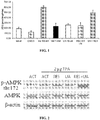
- RES and UA inhibit TPA-mediated inflammatory signaling in mouse epidermis. It was found that RES and UA have an at least additive inhibitory effect on TPA-mediated NFKB signaling in vivo, measured by phosphorylation of the NFKB subunit p65 and total COX-2 levels. Repeat studies demonstrated an additive inhibitory effect of RES and UA on TPA-increased p65 phosphorylation and COX-2 levels.
- RES and UA synergistically activate AMPK in mouse epidermis.
- RES and UA have been shown to activate AMPK, which may contribute to their anti-inflammatory, anti-diabetic, and/or anti-cancer effects. It was found that RES and UA synergistically activate AMPK in mouse epidermis ( FIG. 2 ). Repeat experiments also showed the combination of RES and UA activated AMPK in the epidermis. Activation of AMPK may contribute to the decrease in epidermal proliferation, hyperplasia, and inflammatory signaling mediated by the combination of RES and UA. In addition, these results indicate the combination of RES and UA may also synergistically ameliorate diseases inversely associated with AMPK signaling, such as insulin resistance.
- RES and UA additively inhibit TNFa-mediated NFKB activity in human keratinocytes.
- NFKB activity is important during the tumor promotion phase.
- the inventors conducted studies in HaCaT human keratinocytes to determine if RES and UA could additively or synergistically inhibit NFKB activity.
- Cells were pretreated with doses of RES (100 and 200 ⁇ M) and UA (10 and 20 ⁇ M), which had a moderate effect on TNF ⁇ -induced NFKB activity in preliminary experiments (measured by phosphorylation of active subunit p65).
- Combinations of RES and UA generally had an additive inhibitory effect on TNF ⁇ -mediated p65 phosphorylation.
- Downstream NFKB transcriptional activity was also analyzed via luciferase reporter gene assay.
- UA doses which had a moderate effect on TNF ⁇ -induced NFKB activity were selected.
- increasing doses of RES were combined with 20 ⁇ M UA.
- RES 100 and 200 ⁇ M
- RES enhances the cytotoxic effects of UA in skin cancer cell lines.
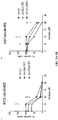
- increasing doses of RES lowered the IC50 values of UA.
- the fold by which the IC50 is decreased is indicated by resistance reversal ( FIG. 3 ), and is dose dependently enhanced by RES.
- the ability of 200 ⁇ M RES to enhance UA-mediated growth suppression was tested.
- RES strongly and significantly synergized with UA ( FIG. 4 ).
- the synergistic effects of RES and UA in the Ca3/7 cell line were confirmed by flow cytometry, which showed an enhancement of mixed apoptotic/necrotic cell death.
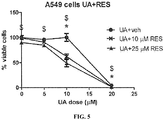
- the synergistic effects of RES and UA were also evident in the highly metastatic mouse melanoma cell line B16F10 as well as in the human lung adenocarcinoma cell line A549 ( FIG. 5 ).
Landscapes
- Health & Medical Sciences (AREA)
- Life Sciences & Earth Sciences (AREA)
- Veterinary Medicine (AREA)
- Animal Behavior & Ethology (AREA)
- General Health & Medical Sciences (AREA)
- Public Health (AREA)
- Chemical & Material Sciences (AREA)
- Pharmacology & Pharmacy (AREA)
- Medicinal Chemistry (AREA)
- Epidemiology (AREA)
- Diabetes (AREA)
- Organic Chemistry (AREA)
- Chemical Kinetics & Catalysis (AREA)
- General Chemical & Material Sciences (AREA)
- Nuclear Medicine, Radiotherapy & Molecular Imaging (AREA)
- Engineering & Computer Science (AREA)
- Bioinformatics & Cheminformatics (AREA)
- Obesity (AREA)
- Hematology (AREA)
- Endocrinology (AREA)
- Child & Adolescent Psychology (AREA)
- Emergency Medicine (AREA)
- Nutrition Science (AREA)
- Physiology (AREA)
- Pulmonology (AREA)
- Acyclic And Carbocyclic Compounds In Medicinal Compositions (AREA)
- Coloring Foods And Improving Nutritive Qualities (AREA)
- Medicinal Preparation (AREA)
- Mycology (AREA)
- Food Science & Technology (AREA)
- Polymers & Plastics (AREA)
- Botany (AREA)
- Medicines That Contain Protein Lipid Enzymes And Other Medicines (AREA)
Applications Claiming Priority (2)
| Application Number | Priority Date | Filing Date | Title |
|---|---|---|---|
| US201461988859P | 2014-05-05 | 2014-05-05 | |
| PCT/US2015/029224 WO2015171598A1 (en) | 2014-05-05 | 2015-05-05 | Methods and compositions comprising ursolic acid and/or resveratrol for treating obesity, diabetes, or cancer |
Publications (3)
| Publication Number | Publication Date |
|---|---|
| EP3139910A1 EP3139910A1 (en) | 2017-03-15 |
| EP3139910A4 EP3139910A4 (en) | 2017-11-29 |
| EP3139910B1 true EP3139910B1 (en) | 2019-11-27 |
Family
ID=54392898
Family Applications (1)
| Application Number | Title | Priority Date | Filing Date |
|---|---|---|---|
| EP15788818.1A Active EP3139910B1 (en) | 2014-05-05 | 2015-05-05 | Compositions comprising ursolic acid and/or resveratrol for treating obesity |
Country Status (6)
| Country | Link |
|---|---|
| US (7) | US10155003B2 (enExample) |
| EP (1) | EP3139910B1 (enExample) |
| JP (2) | JP6716468B2 (enExample) |
| AU (2) | AU2015256178B2 (enExample) |
| MY (1) | MY181685A (enExample) |
| WO (1) | WO2015171598A1 (enExample) |
Families Citing this family (7)
| Publication number | Priority date | Publication date | Assignee | Title |
|---|---|---|---|---|
| AU2015256178B2 (en) * | 2014-05-05 | 2020-02-27 | The Board Of Regents Of The University Of Texas System | Methods and compositions comprising ursolic acid and/or resveratrol for treating obesity, diabetes, or cancer |
| WO2017080958A1 (en) * | 2015-11-13 | 2017-05-18 | Unilever Plc | Composition for hair follicle growth |
| GB201702160D0 (en) | 2017-02-09 | 2017-03-29 | Univ Leeds Innovations Ltd | Inhibitors for use in therapy |
| WO2019011293A1 (zh) | 2017-07-13 | 2019-01-17 | 华东理工大学 | 靶向于pd-1的皂苷类化合物及其应用 |
| EP3681507B8 (en) * | 2017-09-13 | 2024-03-13 | Emmyon, Inc. | Ursolic acid morpholine and diethanolamine salts |
| US20250295615A1 (en) * | 2021-11-18 | 2025-09-25 | Board Of Regents, The University Of Texas System | Combinations of curcumin and ursolic acid and uses thereof |
| KR102991532B1 (ko) * | 2023-09-06 | 2026-07-20 | 바이오스펙트럼 주식회사 | 천연 화합물을 포함하는 비만 및/또는 대사성 질환의 예방 또는 치료용 조성물 |
Family Cites Families (13)
| Publication number | Priority date | Publication date | Assignee | Title |
|---|---|---|---|---|
| US20070269537A1 (en) * | 2003-02-10 | 2007-11-22 | Bioderm Research | Skin Condition Improvement Including Acne, Rosacea, and Topical Wounds by Artemisia Annua Extract via Iron Siderophore Trojan Horse Delivery System |
| JP2006273834A (ja) * | 2004-06-28 | 2006-10-12 | Kao Corp | Ampk活性化剤 |
| US7772195B2 (en) * | 2004-07-29 | 2010-08-10 | Board Of Trustees Of Michigan State University | Methods and compositions for the treatment of obesity, insulin related diseases and hypercholesterolemia |
| CN101516364B (zh) * | 2006-07-14 | 2011-12-28 | 帝斯曼知识产权资产管理有限公司 | 组合物及其用于治疗、共治疗或预防炎性病症的用途 |
| SG178716A1 (en) * | 2007-01-16 | 2012-03-29 | Ipintl Llc | Novel composition for treating metabolic syndrome |
| CN101032564B (zh) * | 2007-02-28 | 2011-03-23 | 天津津酒集团有限公司 | 调节血脂养生酒及其制备方法 |
| WO2010095926A1 (en) | 2009-02-20 | 2010-08-26 | N.V. Nutricia | Use of reveratrol for preserving cognitive functioning |
| AU2011240690C1 (en) * | 2010-04-12 | 2014-11-06 | Reata Pharmaceuticals Holdings, LLC | Method of treating obesity using antioxidant inflammation modulators |
| US9393221B2 (en) * | 2011-07-20 | 2016-07-19 | The General Hospital Corporation | Methods and compounds for reducing intracellular lipid storage |
| WO2014014530A1 (en) | 2012-07-17 | 2014-01-23 | Mylari Banavara L | Ursolic acid salts for treating diabetes and obesity |
| US9211298B2 (en) * | 2012-11-16 | 2015-12-15 | Song Gao | Compositions containing enriched natural crocin and/or crocetin, and their therapeutic or nutraceutical uses |
| AU2015256178B2 (en) * | 2014-05-05 | 2020-02-27 | The Board Of Regents Of The University Of Texas System | Methods and compositions comprising ursolic acid and/or resveratrol for treating obesity, diabetes, or cancer |
| KR20250008786A (ko) * | 2014-07-29 | 2025-01-15 | 센젠 하이타이드 바이오파마슈티컬 리미티드 | 베르베린 염, 우르소데옥시콜산 염 및 병용물, 이들의 제조 및 응용 방법 |
-
2015
- 2015-05-05 AU AU2015256178A patent/AU2015256178B2/en not_active Ceased
- 2015-05-05 EP EP15788818.1A patent/EP3139910B1/en active Active
- 2015-05-05 WO PCT/US2015/029224 patent/WO2015171598A1/en not_active Ceased
- 2015-05-05 JP JP2016566672A patent/JP6716468B2/ja active Active
- 2015-05-05 US US15/308,427 patent/US10155003B2/en active Active
- 2015-05-05 MY MYPI2016704048A patent/MY181685A/en unknown
-
2018
- 2018-12-14 US US16/221,094 patent/US10583145B2/en active Active
-
2020
- 2020-03-09 US US16/813,017 patent/US11166962B2/en active Active
- 2020-05-25 AU AU2020203419A patent/AU2020203419B2/en not_active Ceased
- 2020-06-10 JP JP2020100600A patent/JP2020147590A/ja active Pending
- 2020-07-01 US US16/918,378 patent/US11090311B2/en active Active
-
2021
- 2021-04-17 US US17/233,455 patent/US11684626B2/en active Active
- 2021-04-17 US US17/233,456 patent/US11642354B2/en active Active
- 2021-04-17 US US17/233,457 patent/US11690851B2/en active Active
Non-Patent Citations (1)
| Title |
|---|
| KIM JOUNGMOK ET AL: "AMPK activators: mechanisms of action and physiological activities", EXPERIMENTAL & MOLECULAR MEDICINE, vol. 48, April 2016 (2016-04-01), ISSN: 1226-3613 * |
Also Published As
| Publication number | Publication date |
|---|---|
| US20190192537A1 (en) | 2019-06-27 |
| US11166962B2 (en) | 2021-11-09 |
| US20220023241A1 (en) | 2022-01-27 |
| US20170056414A1 (en) | 2017-03-02 |
| AU2020203419A1 (en) | 2020-06-11 |
| US10155003B2 (en) | 2018-12-18 |
| US20210252016A1 (en) | 2021-08-19 |
| EP3139910A4 (en) | 2017-11-29 |
| US20220226347A1 (en) | 2022-07-21 |
| WO2015171598A1 (en) | 2015-11-12 |
| US20200330480A1 (en) | 2020-10-22 |
| JP2020147590A (ja) | 2020-09-17 |
| US10583145B2 (en) | 2020-03-10 |
| US11090311B2 (en) | 2021-08-17 |
| US20200323879A1 (en) | 2020-10-15 |
| EP3139910A1 (en) | 2017-03-15 |
| JP2017514858A (ja) | 2017-06-08 |
| JP6716468B2 (ja) | 2020-07-01 |
| MY181685A (en) | 2020-12-31 |
| US11642354B2 (en) | 2023-05-09 |
| US11684626B2 (en) | 2023-06-27 |
| AU2020203419B2 (en) | 2021-05-13 |
| US11690851B2 (en) | 2023-07-04 |
| AU2015256178B2 (en) | 2020-02-27 |
| AU2015256178A1 (en) | 2016-11-24 |
Similar Documents
| Publication | Publication Date | Title |
|---|---|---|
| US11684626B2 (en) | Methods and compositions comprising ursolic acid and/or resveratrol for treating obesity, diabetes, or cancer | |
| Calvano et al. | Dietary berries, insulin resistance and type 2 diabetes: An overview of human feeding trials | |
| Verma et al. | Obesity and diabetes: an update | |
| Algenstaedt et al. | The effect of Morinda citrifolia L. fruit juice on the blood sugar level and other serum parameters in patients with diabetes type 2 | |
| Hajiaghaalipour et al. | Modulation of glucose transporter protein by dietary flavonoids in type 2 diabetes mellitus | |
| Li et al. | Quercetin preserves β‐cell mass and function in fructose‐induced hyperinsulinemia through modulating pancreatic Akt/FoxO1 activation | |
| Zahedi et al. | Effects of curcuminoids on inflammatory and oxidative stress biomarkers and clinical outcomes in critically ill patients: A randomized double‐blind placebo‐controlled trial | |
| US20250000878A1 (en) | Composition, formulations and methods of making and using botanicals and natural compounds for the promotion of healthy brain aging | |
| US20120128808A1 (en) | Agents from ficus hispida for the amelioration of metabolic syndrome and related diseases | |
| Sharma et al. | Anti-diabetic effects of blue honeyberry on high-fed-diet-induced type II diabetic mouse | |
| Poppitt et al. | Duodenal and ileal glucose infusions differentially alter gastrointestinal peptides, appetite response, and food intake: a tube feeding study | |
| Yamashita et al. | Cacao liquor procyanidins prevent postprandial hyperglycaemia by increasing glucagon-like peptide-1 activity and AMP-activated protein kinase in mice | |
| US20240358055A1 (en) | Dietary supplements for weight management and glycemic control | |
| Noori et al. | Role of natural mTOR inhibitors in treatment of diabetes mellitus | |
| Carmen Crespo et al. | A brief review of blue-and bilberries’ potential to curb cardio-metabolic perturbations: focus on diabetes | |
| Celestino et al. | South American herbal extracts reduce food intake through modulation of gastrointestinal hormones in overweight and obese women | |
| US20250205263A1 (en) | Oral composition comprising b-escin and the use thereof | |
| Thomas | Anorexia: aetiology, epidemiology and management in older people | |
| Thapa et al. | Bioactive Phytoconstituents Targeting Energy Expenditure and Appetite to Combat Obesity: A Comprehensive Review | |
| Landrier et al. | Tomatoes and lycopene: inflammatory modulator effects | |
| Jain et al. | Nutraceuticals and Obesity: Strategies for Weight Management | |
| Hastings | The Effects of Estrogenic Compounds on Adipogenesis Via PPARγ and Canonical Wnt Signaling | |
| Cyclophosphamide-Induced | Poster Communications | |
| CN112584825A (zh) | 包含甲基磺酰甲烷的用于预防或改善肥胖、脂肪肝及糖尿病的组合物 | |
| Semkoff | The effects of mango supplementation on clinical parameters of individuals with moderately elevated blood glucose |
Legal Events
| Date | Code | Title | Description |
|---|---|---|---|
| STAA | Information on the status of an ep patent application or granted ep patent |
Free format text: STATUS: THE INTERNATIONAL PUBLICATION HAS BEEN MADE |
|
| PUAI | Public reference made under article 153(3) epc to a published international application that has entered the european phase |
Free format text: ORIGINAL CODE: 0009012 |
|
| STAA | Information on the status of an ep patent application or granted ep patent |
Free format text: STATUS: REQUEST FOR EXAMINATION WAS MADE |
|
| 17P | Request for examination filed |
Effective date: 20161130 |
|
| AK | Designated contracting states |
Kind code of ref document: A1 Designated state(s): AL AT BE BG CH CY CZ DE DK EE ES FI FR GB GR HR HU IE IS IT LI LT LU LV MC MK MT NL NO PL PT RO RS SE SI SK SM TR |
|
| AX | Request for extension of the european patent |
Extension state: BA ME |
|
| RIN1 | Information on inventor provided before grant (corrected) |
Inventor name: LIANG, HUIYUN Inventor name: REYNA, SARA Inventor name: JUNCO, JACOB Inventor name: SLAGA, THOMAS J. |
|
| DAV | Request for validation of the european patent (deleted) | ||
| DAX | Request for extension of the european patent (deleted) | ||
| A4 | Supplementary search report drawn up and despatched |
Effective date: 20171027 |
|
| RIC1 | Information provided on ipc code assigned before grant |
Ipc: A61P 3/10 20060101ALI20171023BHEP Ipc: A61K 31/19 20060101ALI20171023BHEP Ipc: A61K 31/05 20060101AFI20171023BHEP Ipc: A61K 31/56 20060101ALI20171023BHEP Ipc: A61P 3/04 20060101ALI20171023BHEP |
|
| STAA | Information on the status of an ep patent application or granted ep patent |
Free format text: STATUS: EXAMINATION IS IN PROGRESS |
|
| 17Q | First examination report despatched |
Effective date: 20190314 |
|
| GRAP | Despatch of communication of intention to grant a patent |
Free format text: ORIGINAL CODE: EPIDOSNIGR1 |
|
| STAA | Information on the status of an ep patent application or granted ep patent |
Free format text: STATUS: GRANT OF PATENT IS INTENDED |
|
| RIC1 | Information provided on ipc code assigned before grant |
Ipc: A61P 3/04 20060101ALI20190523BHEP Ipc: A61K 31/56 20060101ALI20190523BHEP Ipc: A61K 9/00 20060101ALI20190523BHEP Ipc: A61P 3/10 20060101ALI20190523BHEP Ipc: A61K 31/19 20060101ALI20190523BHEP Ipc: A61K 31/05 20060101AFI20190523BHEP |
|
| INTG | Intention to grant announced |
Effective date: 20190619 |
|
| GRAS | Grant fee paid |
Free format text: ORIGINAL CODE: EPIDOSNIGR3 |
|
| GRAA | (expected) grant |
Free format text: ORIGINAL CODE: 0009210 |
|
| STAA | Information on the status of an ep patent application or granted ep patent |
Free format text: STATUS: THE PATENT HAS BEEN GRANTED |
|
| AK | Designated contracting states |
Kind code of ref document: B1 Designated state(s): AL AT BE BG CH CY CZ DE DK EE ES FI FR GB GR HR HU IE IS IT LI LT LU LV MC MK MT NL NO PL PT RO RS SE SI SK SM TR |
|
| REG | Reference to a national code |
Ref country code: GB Ref legal event code: FG4D |
|
| REG | Reference to a national code |
Ref country code: CH Ref legal event code: EP |
|
| REG | Reference to a national code |
Ref country code: AT Ref legal event code: REF Ref document number: 1205941 Country of ref document: AT Kind code of ref document: T Effective date: 20191215 |
|
| REG | Reference to a national code |
Ref country code: DE Ref legal event code: R096 Ref document number: 602015042593 Country of ref document: DE |
|
| REG | Reference to a national code |
Ref country code: IE Ref legal event code: FG4D |
|
| REG | Reference to a national code |
Ref country code: NL Ref legal event code: MP Effective date: 20191127 |
|
| REG | Reference to a national code |
Ref country code: LT Ref legal event code: MG4D |
|
| PG25 | Lapsed in a contracting state [announced via postgrant information from national office to epo] |
Ref country code: NO Free format text: LAPSE BECAUSE OF FAILURE TO SUBMIT A TRANSLATION OF THE DESCRIPTION OR TO PAY THE FEE WITHIN THE PRESCRIBED TIME-LIMIT Effective date: 20200227 Ref country code: GR Free format text: LAPSE BECAUSE OF FAILURE TO SUBMIT A TRANSLATION OF THE DESCRIPTION OR TO PAY THE FEE WITHIN THE PRESCRIBED TIME-LIMIT Effective date: 20200228 Ref country code: NL Free format text: LAPSE BECAUSE OF FAILURE TO SUBMIT A TRANSLATION OF THE DESCRIPTION OR TO PAY THE FEE WITHIN THE PRESCRIBED TIME-LIMIT Effective date: 20191127 Ref country code: LT Free format text: LAPSE BECAUSE OF FAILURE TO SUBMIT A TRANSLATION OF THE DESCRIPTION OR TO PAY THE FEE WITHIN THE PRESCRIBED TIME-LIMIT Effective date: 20191127 Ref country code: LV Free format text: LAPSE BECAUSE OF FAILURE TO SUBMIT A TRANSLATION OF THE DESCRIPTION OR TO PAY THE FEE WITHIN THE PRESCRIBED TIME-LIMIT Effective date: 20191127 Ref country code: SE Free format text: LAPSE BECAUSE OF FAILURE TO SUBMIT A TRANSLATION OF THE DESCRIPTION OR TO PAY THE FEE WITHIN THE PRESCRIBED TIME-LIMIT Effective date: 20191127 Ref country code: FI Free format text: LAPSE BECAUSE OF FAILURE TO SUBMIT A TRANSLATION OF THE DESCRIPTION OR TO PAY THE FEE WITHIN THE PRESCRIBED TIME-LIMIT Effective date: 20191127 Ref country code: BG Free format text: LAPSE BECAUSE OF FAILURE TO SUBMIT A TRANSLATION OF THE DESCRIPTION OR TO PAY THE FEE WITHIN THE PRESCRIBED TIME-LIMIT Effective date: 20200227 |
|
| PG25 | Lapsed in a contracting state [announced via postgrant information from national office to epo] |
Ref country code: HR Free format text: LAPSE BECAUSE OF FAILURE TO SUBMIT A TRANSLATION OF THE DESCRIPTION OR TO PAY THE FEE WITHIN THE PRESCRIBED TIME-LIMIT Effective date: 20191127 Ref country code: RS Free format text: LAPSE BECAUSE OF FAILURE TO SUBMIT A TRANSLATION OF THE DESCRIPTION OR TO PAY THE FEE WITHIN THE PRESCRIBED TIME-LIMIT Effective date: 20191127 Ref country code: IS Free format text: LAPSE BECAUSE OF FAILURE TO SUBMIT A TRANSLATION OF THE DESCRIPTION OR TO PAY THE FEE WITHIN THE PRESCRIBED TIME-LIMIT Effective date: 20200327 |
|
| PG25 | Lapsed in a contracting state [announced via postgrant information from national office to epo] |
Ref country code: AL Free format text: LAPSE BECAUSE OF FAILURE TO SUBMIT A TRANSLATION OF THE DESCRIPTION OR TO PAY THE FEE WITHIN THE PRESCRIBED TIME-LIMIT Effective date: 20191127 |
|
| PG25 | Lapsed in a contracting state [announced via postgrant information from national office to epo] |
Ref country code: CZ Free format text: LAPSE BECAUSE OF FAILURE TO SUBMIT A TRANSLATION OF THE DESCRIPTION OR TO PAY THE FEE WITHIN THE PRESCRIBED TIME-LIMIT Effective date: 20191127 Ref country code: PT Free format text: LAPSE BECAUSE OF FAILURE TO SUBMIT A TRANSLATION OF THE DESCRIPTION OR TO PAY THE FEE WITHIN THE PRESCRIBED TIME-LIMIT Effective date: 20200419 Ref country code: ES Free format text: LAPSE BECAUSE OF FAILURE TO SUBMIT A TRANSLATION OF THE DESCRIPTION OR TO PAY THE FEE WITHIN THE PRESCRIBED TIME-LIMIT Effective date: 20191127 Ref country code: RO Free format text: LAPSE BECAUSE OF FAILURE TO SUBMIT A TRANSLATION OF THE DESCRIPTION OR TO PAY THE FEE WITHIN THE PRESCRIBED TIME-LIMIT Effective date: 20191127 Ref country code: DK Free format text: LAPSE BECAUSE OF FAILURE TO SUBMIT A TRANSLATION OF THE DESCRIPTION OR TO PAY THE FEE WITHIN THE PRESCRIBED TIME-LIMIT Effective date: 20191127 Ref country code: EE Free format text: LAPSE BECAUSE OF FAILURE TO SUBMIT A TRANSLATION OF THE DESCRIPTION OR TO PAY THE FEE WITHIN THE PRESCRIBED TIME-LIMIT Effective date: 20191127 |
|
| REG | Reference to a national code |
Ref country code: DE Ref legal event code: R097 Ref document number: 602015042593 Country of ref document: DE |
|
| PG25 | Lapsed in a contracting state [announced via postgrant information from national office to epo] |
Ref country code: SK Free format text: LAPSE BECAUSE OF FAILURE TO SUBMIT A TRANSLATION OF THE DESCRIPTION OR TO PAY THE FEE WITHIN THE PRESCRIBED TIME-LIMIT Effective date: 20191127 Ref country code: SM Free format text: LAPSE BECAUSE OF FAILURE TO SUBMIT A TRANSLATION OF THE DESCRIPTION OR TO PAY THE FEE WITHIN THE PRESCRIBED TIME-LIMIT Effective date: 20191127 |
|
| REG | Reference to a national code |
Ref country code: AT Ref legal event code: MK05 Ref document number: 1205941 Country of ref document: AT Kind code of ref document: T Effective date: 20191127 |
|
| PLBE | No opposition filed within time limit |
Free format text: ORIGINAL CODE: 0009261 |
|
| STAA | Information on the status of an ep patent application or granted ep patent |
Free format text: STATUS: NO OPPOSITION FILED WITHIN TIME LIMIT |
|
| 26N | No opposition filed |
Effective date: 20200828 |
|
| PG25 | Lapsed in a contracting state [announced via postgrant information from national office to epo] |
Ref country code: SI Free format text: LAPSE BECAUSE OF FAILURE TO SUBMIT A TRANSLATION OF THE DESCRIPTION OR TO PAY THE FEE WITHIN THE PRESCRIBED TIME-LIMIT Effective date: 20191127 Ref country code: AT Free format text: LAPSE BECAUSE OF FAILURE TO SUBMIT A TRANSLATION OF THE DESCRIPTION OR TO PAY THE FEE WITHIN THE PRESCRIBED TIME-LIMIT Effective date: 20191127 Ref country code: PL Free format text: LAPSE BECAUSE OF FAILURE TO SUBMIT A TRANSLATION OF THE DESCRIPTION OR TO PAY THE FEE WITHIN THE PRESCRIBED TIME-LIMIT Effective date: 20191127 |
|
| PG25 | Lapsed in a contracting state [announced via postgrant information from national office to epo] |
Ref country code: LI Free format text: LAPSE BECAUSE OF NON-PAYMENT OF DUE FEES Effective date: 20200531 Ref country code: IT Free format text: LAPSE BECAUSE OF FAILURE TO SUBMIT A TRANSLATION OF THE DESCRIPTION OR TO PAY THE FEE WITHIN THE PRESCRIBED TIME-LIMIT Effective date: 20191127 Ref country code: CH Free format text: LAPSE BECAUSE OF NON-PAYMENT OF DUE FEES Effective date: 20200531 Ref country code: MC Free format text: LAPSE BECAUSE OF FAILURE TO SUBMIT A TRANSLATION OF THE DESCRIPTION OR TO PAY THE FEE WITHIN THE PRESCRIBED TIME-LIMIT Effective date: 20191127 |
|
| REG | Reference to a national code |
Ref country code: BE Ref legal event code: MM Effective date: 20200531 |
|
| PG25 | Lapsed in a contracting state [announced via postgrant information from national office to epo] |
Ref country code: LU Free format text: LAPSE BECAUSE OF NON-PAYMENT OF DUE FEES Effective date: 20200505 |
|
| PG25 | Lapsed in a contracting state [announced via postgrant information from national office to epo] |
Ref country code: IE Free format text: LAPSE BECAUSE OF NON-PAYMENT OF DUE FEES Effective date: 20200505 Ref country code: FR Free format text: LAPSE BECAUSE OF NON-PAYMENT OF DUE FEES Effective date: 20200531 |
|
| PG25 | Lapsed in a contracting state [announced via postgrant information from national office to epo] |
Ref country code: BE Free format text: LAPSE BECAUSE OF NON-PAYMENT OF DUE FEES Effective date: 20200531 |
|
| PG25 | Lapsed in a contracting state [announced via postgrant information from national office to epo] |
Ref country code: TR Free format text: LAPSE BECAUSE OF FAILURE TO SUBMIT A TRANSLATION OF THE DESCRIPTION OR TO PAY THE FEE WITHIN THE PRESCRIBED TIME-LIMIT Effective date: 20191127 Ref country code: MT Free format text: LAPSE BECAUSE OF FAILURE TO SUBMIT A TRANSLATION OF THE DESCRIPTION OR TO PAY THE FEE WITHIN THE PRESCRIBED TIME-LIMIT Effective date: 20191127 Ref country code: CY Free format text: LAPSE BECAUSE OF FAILURE TO SUBMIT A TRANSLATION OF THE DESCRIPTION OR TO PAY THE FEE WITHIN THE PRESCRIBED TIME-LIMIT Effective date: 20191127 |
|
| PG25 | Lapsed in a contracting state [announced via postgrant information from national office to epo] |
Ref country code: MK Free format text: LAPSE BECAUSE OF FAILURE TO SUBMIT A TRANSLATION OF THE DESCRIPTION OR TO PAY THE FEE WITHIN THE PRESCRIBED TIME-LIMIT Effective date: 20191127 |
|
| P01 | Opt-out of the competence of the unified patent court (upc) registered |
Effective date: 20231009 |
|
| PGFP | Annual fee paid to national office [announced via postgrant information from national office to epo] |
Ref country code: GB Payment date: 20260526 Year of fee payment: 12 |
|
| PGFP | Annual fee paid to national office [announced via postgrant information from national office to epo] |
Ref country code: DE Payment date: 20260529 Year of fee payment: 12 |