EP3132740B1 - Verfahren zum erfassen biometrischer informationen sowie elektronische vorrichtung damit - Google Patents
Verfahren zum erfassen biometrischer informationen sowie elektronische vorrichtung damit Download PDFInfo
- Publication number
- EP3132740B1 EP3132740B1 EP16183812.3A EP16183812A EP3132740B1 EP 3132740 B1 EP3132740 B1 EP 3132740B1 EP 16183812 A EP16183812 A EP 16183812A EP 3132740 B1 EP3132740 B1 EP 3132740B1
- Authority
- EP
- European Patent Office
- Prior art keywords
- electronic device
- sensor
- processor
- motion
- various embodiments
- Prior art date
- Legal status (The legal status is an assumption and is not a legal conclusion. Google has not performed a legal analysis and makes no representation as to the accuracy of the status listed.)
- Active
Links
Images










Classifications
-
- A—HUMAN NECESSITIES
- A61—MEDICAL OR VETERINARY SCIENCE; HYGIENE
- A61B—DIAGNOSIS; SURGERY; IDENTIFICATION
- A61B5/00—Measuring for diagnostic purposes; Identification of persons
- A61B5/72—Signal processing specially adapted for physiological signals or for diagnostic purposes
- A61B5/7271—Specific aspects of physiological measurement analysis
- A61B5/7285—Specific aspects of physiological measurement analysis for synchronizing or triggering a physiological measurement or image acquisition with a physiological event or waveform, e.g. an ECG signal
-
- A—HUMAN NECESSITIES
- A61—MEDICAL OR VETERINARY SCIENCE; HYGIENE
- A61B—DIAGNOSIS; SURGERY; IDENTIFICATION
- A61B5/00—Measuring for diagnostic purposes; Identification of persons
- A61B5/02—Detecting, measuring or recording for evaluating the cardiovascular system, e.g. pulse, heart rate, blood pressure or blood flow
- A61B5/0205—Simultaneously evaluating both cardiovascular conditions and different types of body conditions, e.g. heart and respiratory condition
-
- A—HUMAN NECESSITIES
- A61—MEDICAL OR VETERINARY SCIENCE; HYGIENE
- A61B—DIAGNOSIS; SURGERY; IDENTIFICATION
- A61B5/00—Measuring for diagnostic purposes; Identification of persons
- A61B5/103—Measuring devices for testing the shape, pattern, colour, size or movement of the body or parts thereof, for diagnostic purposes
- A61B5/11—Measuring movement of the entire body or parts thereof, e.g. head or hand tremor or mobility of a limb
-
- A—HUMAN NECESSITIES
- A61—MEDICAL OR VETERINARY SCIENCE; HYGIENE
- A61B—DIAGNOSIS; SURGERY; IDENTIFICATION
- A61B5/00—Measuring for diagnostic purposes; Identification of persons
- A61B5/103—Measuring devices for testing the shape, pattern, colour, size or movement of the body or parts thereof, for diagnostic purposes
- A61B5/11—Measuring movement of the entire body or parts thereof, e.g. head or hand tremor or mobility of a limb
- A61B5/1118—Determining activity level
-
- A—HUMAN NECESSITIES
- A61—MEDICAL OR VETERINARY SCIENCE; HYGIENE
- A61B—DIAGNOSIS; SURGERY; IDENTIFICATION
- A61B5/00—Measuring for diagnostic purposes; Identification of persons
- A61B5/44—Detecting, measuring or recording for evaluating the integumentary system, e.g. skin, hair or nails
- A61B5/441—Skin evaluation, e.g. for skin disorder diagnosis
- A61B5/443—Evaluating skin constituents, e.g. elastin, melanin, water
-
- A—HUMAN NECESSITIES
- A61—MEDICAL OR VETERINARY SCIENCE; HYGIENE
- A61B—DIAGNOSIS; SURGERY; IDENTIFICATION
- A61B5/00—Measuring for diagnostic purposes; Identification of persons
- A61B5/68—Arrangements of detecting, measuring or recording means, e.g. sensors, in relation to patient
- A61B5/6801—Arrangements of detecting, measuring or recording means, e.g. sensors, in relation to patient specially adapted to be attached to or worn on the body surface
-
- A—HUMAN NECESSITIES
- A61—MEDICAL OR VETERINARY SCIENCE; HYGIENE
- A61B—DIAGNOSIS; SURGERY; IDENTIFICATION
- A61B5/00—Measuring for diagnostic purposes; Identification of persons
- A61B5/68—Arrangements of detecting, measuring or recording means, e.g. sensors, in relation to patient
- A61B5/6801—Arrangements of detecting, measuring or recording means, e.g. sensors, in relation to patient specially adapted to be attached to or worn on the body surface
- A61B5/6802—Sensor mounted on worn items
- A61B5/681—Wristwatch-type devices
-
- A—HUMAN NECESSITIES
- A61—MEDICAL OR VETERINARY SCIENCE; HYGIENE
- A61B—DIAGNOSIS; SURGERY; IDENTIFICATION
- A61B5/00—Measuring for diagnostic purposes; Identification of persons
- A61B5/68—Arrangements of detecting, measuring or recording means, e.g. sensors, in relation to patient
- A61B5/6801—Arrangements of detecting, measuring or recording means, e.g. sensors, in relation to patient specially adapted to be attached to or worn on the body surface
- A61B5/6843—Monitoring or controlling sensor contact pressure
-
- A—HUMAN NECESSITIES
- A61—MEDICAL OR VETERINARY SCIENCE; HYGIENE
- A61B—DIAGNOSIS; SURGERY; IDENTIFICATION
- A61B5/00—Measuring for diagnostic purposes; Identification of persons
- A61B5/74—Details of notification to user or communication with user or patient; User input means
- A61B5/7475—User input or interface means, e.g. keyboard, pointing device, joystick
-
- G—PHYSICS
- G04—HOROLOGY
- G04G—ELECTRONIC TIME-PIECES
- G04G21/00—Input or output devices integrated in time-pieces
- G04G21/02—Detectors of external physical values, e.g. temperature
- G04G21/025—Detectors of external physical values, e.g. temperature for measuring physiological data
-
- G—PHYSICS
- G06—COMPUTING OR CALCULATING; COUNTING
- G06F—ELECTRIC DIGITAL DATA PROCESSING
- G06F1/00—Details not covered by groups G06F3/00 - G06F13/00 and G06F21/00
- G06F1/16—Constructional details or arrangements
- G06F1/1613—Constructional details or arrangements for portable computers
- G06F1/163—Wearable computers, e.g. on a belt
-
- G—PHYSICS
- G06—COMPUTING OR CALCULATING; COUNTING
- G06F—ELECTRIC DIGITAL DATA PROCESSING
- G06F1/00—Details not covered by groups G06F3/00 - G06F13/00 and G06F21/00
- G06F1/16—Constructional details or arrangements
- G06F1/1613—Constructional details or arrangements for portable computers
- G06F1/1633—Constructional details or arrangements of portable computers not specific to the type of enclosures covered by groups G06F1/1615 - G06F1/1626
- G06F1/1684—Constructional details or arrangements related to integrated I/O peripherals not covered by groups G06F1/1635 - G06F1/1675
-
- G—PHYSICS
- G06—COMPUTING OR CALCULATING; COUNTING
- G06F—ELECTRIC DIGITAL DATA PROCESSING
- G06F1/00—Details not covered by groups G06F3/00 - G06F13/00 and G06F21/00
- G06F1/16—Constructional details or arrangements
- G06F1/1613—Constructional details or arrangements for portable computers
- G06F1/1633—Constructional details or arrangements of portable computers not specific to the type of enclosures covered by groups G06F1/1615 - G06F1/1626
- G06F1/1684—Constructional details or arrangements related to integrated I/O peripherals not covered by groups G06F1/1635 - G06F1/1675
- G06F1/1694—Constructional details or arrangements related to integrated I/O peripherals not covered by groups G06F1/1635 - G06F1/1675 the I/O peripheral being a single or a set of motion sensors for pointer control or gesture input obtained by sensing movements of the portable computer
-
- G—PHYSICS
- G06—COMPUTING OR CALCULATING; COUNTING
- G06F—ELECTRIC DIGITAL DATA PROCESSING
- G06F1/00—Details not covered by groups G06F3/00 - G06F13/00 and G06F21/00
- G06F1/26—Power supply means, e.g. regulation thereof
- G06F1/32—Means for saving power
- G06F1/3203—Power management, i.e. event-based initiation of a power-saving mode
- G06F1/3206—Monitoring of events, devices or parameters that trigger a change in power modality
- G06F1/3215—Monitoring of peripheral devices
-
- G—PHYSICS
- G06—COMPUTING OR CALCULATING; COUNTING
- G06F—ELECTRIC DIGITAL DATA PROCESSING
- G06F1/00—Details not covered by groups G06F3/00 - G06F13/00 and G06F21/00
- G06F1/26—Power supply means, e.g. regulation thereof
- G06F1/32—Means for saving power
- G06F1/3203—Power management, i.e. event-based initiation of a power-saving mode
- G06F1/3206—Monitoring of events, devices or parameters that trigger a change in power modality
- G06F1/3231—Monitoring the presence, absence or movement of users
-
- G—PHYSICS
- G06—COMPUTING OR CALCULATING; COUNTING
- G06F—ELECTRIC DIGITAL DATA PROCESSING
- G06F1/00—Details not covered by groups G06F3/00 - G06F13/00 and G06F21/00
- G06F1/26—Power supply means, e.g. regulation thereof
- G06F1/32—Means for saving power
- G06F1/3203—Power management, i.e. event-based initiation of a power-saving mode
- G06F1/3234—Power saving characterised by the action undertaken
- G06F1/325—Power saving in peripheral device
-
- A—HUMAN NECESSITIES
- A61—MEDICAL OR VETERINARY SCIENCE; HYGIENE
- A61B—DIAGNOSIS; SURGERY; IDENTIFICATION
- A61B2560/00—Constructional details of operational features of apparatus; Accessories for medical measuring apparatus
- A61B2560/02—Operational features
- A61B2560/0204—Operational features of power management
- A61B2560/0209—Operational features of power management adapted for power saving
-
- A—HUMAN NECESSITIES
- A61—MEDICAL OR VETERINARY SCIENCE; HYGIENE
- A61B—DIAGNOSIS; SURGERY; IDENTIFICATION
- A61B2562/00—Details of sensors; Constructional details of sensor housings or probes; Accessories for sensors
- A61B2562/02—Details of sensors specially adapted for in-vivo measurements
- A61B2562/0219—Inertial sensors, e.g. accelerometers, gyroscopes, tilt switches
-
- A—HUMAN NECESSITIES
- A61—MEDICAL OR VETERINARY SCIENCE; HYGIENE
- A61B—DIAGNOSIS; SURGERY; IDENTIFICATION
- A61B2562/00—Details of sensors; Constructional details of sensor housings or probes; Accessories for sensors
- A61B2562/02—Details of sensors specially adapted for in-vivo measurements
- A61B2562/0223—Magnetic field sensors
-
- A—HUMAN NECESSITIES
- A61—MEDICAL OR VETERINARY SCIENCE; HYGIENE
- A61B—DIAGNOSIS; SURGERY; IDENTIFICATION
- A61B2562/00—Details of sensors; Constructional details of sensor housings or probes; Accessories for sensors
- A61B2562/02—Details of sensors specially adapted for in-vivo measurements
- A61B2562/0257—Proximity sensors
-
- A—HUMAN NECESSITIES
- A61—MEDICAL OR VETERINARY SCIENCE; HYGIENE
- A61B—DIAGNOSIS; SURGERY; IDENTIFICATION
- A61B5/00—Measuring for diagnostic purposes; Identification of persons
- A61B5/02—Detecting, measuring or recording for evaluating the cardiovascular system, e.g. pulse, heart rate, blood pressure or blood flow
- A61B5/021—Measuring pressure in heart or blood vessels
-
- A—HUMAN NECESSITIES
- A61—MEDICAL OR VETERINARY SCIENCE; HYGIENE
- A61B—DIAGNOSIS; SURGERY; IDENTIFICATION
- A61B5/00—Measuring for diagnostic purposes; Identification of persons
- A61B5/02—Detecting, measuring or recording for evaluating the cardiovascular system, e.g. pulse, heart rate, blood pressure or blood flow
- A61B5/024—Measuring pulse rate or heart rate
- A61B5/02438—Measuring pulse rate or heart rate with portable devices, e.g. worn by the patient
-
- A—HUMAN NECESSITIES
- A61—MEDICAL OR VETERINARY SCIENCE; HYGIENE
- A61B—DIAGNOSIS; SURGERY; IDENTIFICATION
- A61B5/00—Measuring for diagnostic purposes; Identification of persons
- A61B5/145—Measuring characteristics of blood in vivo, e.g. gas concentration or pH-value ; Measuring characteristics of body fluids or tissues, e.g. interstitial fluid or cerebral tissue
- A61B5/14542—Measuring characteristics of blood in vivo, e.g. gas concentration or pH-value ; Measuring characteristics of body fluids or tissues, e.g. interstitial fluid or cerebral tissue for measuring blood gases
-
- Y—GENERAL TAGGING OF NEW TECHNOLOGICAL DEVELOPMENTS; GENERAL TAGGING OF CROSS-SECTIONAL TECHNOLOGIES SPANNING OVER SEVERAL SECTIONS OF THE IPC; TECHNICAL SUBJECTS COVERED BY FORMER USPC CROSS-REFERENCE ART COLLECTIONS [XRACs] AND DIGESTS
- Y02—TECHNOLOGIES OR APPLICATIONS FOR MITIGATION OR ADAPTATION AGAINST CLIMATE CHANGE
- Y02D—CLIMATE CHANGE MITIGATION TECHNOLOGIES IN INFORMATION AND COMMUNICATION TECHNOLOGIES [ICT], I.E. INFORMATION AND COMMUNICATION TECHNOLOGIES AIMING AT THE REDUCTION OF THEIR OWN ENERGY USE
- Y02D10/00—Energy efficient computing, e.g. low power processors, power management or thermal management
Definitions
- the present disclosure relates to an electronic device. More particularly, the present disclosure relates to a device and method for detecting biometric information.
- biometric information when electronic devices measure users' biometric information, the measurement of biometric information is impossible, or the accuracy of the measured biometric information may be deteriorated according to the motion of the electronic devices.
- a processor configured to (set to) perform A, B, and C may be a dedicated processor, e.g., an embedded processor, for performing a corresponding operation, or a generic-purpose processor, e.g., a central processing unit (CPU) or an application processor (AP), capable of performing a corresponding operation by executing one or more software programs stored in a memory device.
- a dedicated processor e.g., an embedded processor
- a generic-purpose processor e.g., a central processing unit (CPU) or an application processor (AP), capable of performing a corresponding operation by executing one or more software programs stored in a memory device.
- an electronic device may include at least one of: a piece of furniture or a building/structure; an electronic board; an electronic signature receiving device; a projector; and various measuring instruments (e.g., a water meter, an electricity meter, a gas meter, or a wave meter).
- various measuring instruments e.g., a water meter, an electricity meter, a gas meter, or a wave meter.
- An electronic device may also include a combination of one or more of the above-mentioned devices. Further, it will be apparent to those skilled in the art that an electronic device according to various embodiments of the present disclosure is not limited to the above-mentioned devices.
- the kernel 141 may control or manage system resources (e.g., the bus 110, the processor 120, or the memory 130, etc.) used for executing an operation or a function implemented in the rest of the programming modules, for example, the middleware 143, the API 145, or the application 147. Also, the kernel 141 may provide an interface for allowing the middleware 143, the API 145, or the application 147 to access an individual element of the electronic device 101 and control or manage the same.
- system resources e.g., the bus 110, the processor 120, or the memory 130, etc.
- the kernel 141 may provide an interface for allowing the middleware 143, the API 145, or the application 147 to access an individual element of the electronic device 101 and control or manage the same.
- the middleware 143 may perform a mediation role so that the API 145 or the application 147 may communicate with the kernel 141 to give and take data. Also, in connection with task requests received from the application 147, the middleware 143 may perform a control (e.g., scheduling or load balancing) for a task request using, for example, a method of assigning priority that may use a system resource (e.g., the bus 110, the processor 120, or the memory 130, etc.) of the electronic device 101 to at least one application 134.
- a control e.g., scheduling or load balancing
- the API 145 is an interface for allowing the application 147 to control a function provided by the kernel 141 or the middleware 143, and may include at least one interface or function (e.g., an instruction) for file control, window control, image processing, or character control, etc.
- the I/O interface 150 may transfer an instruction or data input from a user via an I/O unit (e.g., a sensor, a keyboard, or a touchscreen) to the processor 120, the memory 130, or the communication interface 170 via the bus 110, for example.
- the I/O interface 150 may provide data regarding a user's touch input via the touchscreen to the processor 120.
- the I/O interface 150 may, for example, output an instruction or data received via the bus 110 from the processor 120, the memory 130, or the communication interface 170 via the I/O unit (e.g., a speaker or a display).
- the I/O interface 150 may output voice data processed by the processor 120 to a user via a speaker.
- the display 160 may include, for example, a liquid crystal display (LCD), a light emitting diode (LED) display, an organic LED (OLED) display, a micro electro mechanical system (MEMS) display, or an electronic paper display.
- the display 160 may display various types of contents (for example, text, images, videos, icons, or symbols) for users.
- the display 160 may include a touch screen, and may receive, for example, a touch, gesture, proximity, or hovering input by using an electronic pen or a part of the user's body.
- the network 162 may include at least one of communication networks such as a computer network (for example, a local area network (LAN) or a wide area network (WAN)), the internet, and a telephone network.
- a computer network for example, a local area network (LAN) or a wide area network (WAN)
- WAN wide area network
- the electronic devices 102 and 104 may be devices of the same type as that the electronic device 101 or devices of different types from that of the electronic device 101.
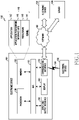
- the server 106 may include a group of one or more servers.
- all or some of the operations executed in the electronic device 101 may be carried out in another electronic device or a plurality of electronic devices (for example, the electronic device 102 or 104 and the server 106).
- the electronic device 101 when the electronic device 101 should perform some functions or services automatically or by a request, the electronic device 101 may make a request for performing at least some functions related to the functions or services to another device (for example, the electronic device 102 or 104, or the server 106) instead of performing the functions or services by itself or additionally.
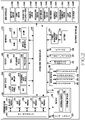
- the cellular module 221 may provide voice communication, image communication, a short message service, or an internet service, etc. via a communication network (e.g., LTE, LTE-A, CDMA, WCDMA, UMTS, WiBro, or GSM, etc.). Also, the cellular module 221 may perform discrimination and authentication of an electronic device within a communication network using, for example, a subscriber identify module (e.g., a SIM card 224). According to an embodiment, the cellular module 221 may perform at least a portion of functions that may be provided by the AP 210. According to an embodiment, the cellular module 221 may include a CP. Also, the cellular module 221 may be, for example, implemented as an SoC.
- a communication network e.g., LTE, LTE-A, CDMA, WCDMA, UMTS, WiBro, or GSM, etc.
- the cellular module 221 may perform discrimination and authentication of an electronic device within a communication network using, for example, a subscribe
- the AP 210 may be implemented to include at least a portion (e.g., the cellular module 221) of the above-described elements.
- the RF module 229 may perform transmission/reception of data, for example, transmission/reception of an RF signal.
- the RF module 229 may include, for example, a transceiver, a power amp module (PAM), a frequency filter, or a low noise amplifier (LNA), etc., though not shown.
- the RF module 229 may further include a part for transmitting/receiving an electromagnetic wave on a free space in wireless communication, for example, a conductor or a conducting line, etc. Though FIG.
- the sensor module 240 may include, for example, an E-nose sensor (not shown), an electromyography (EMG) sensor (not shown), an electroencephalogram (EEG) sensor (not shown), an electrocardiogram (ECG) sensor (not shown), an infrared (IR) sensor (not shown), an iris sensor (not shown), or a fingerprint sensor (not shown), etc.
- the sensor module 240 may further include a control circuit for controlling at least one sensor belonging thereto.
- the input unit 250 may include a touch panel 252, a (digital) pen sensor 254, a key 256, or an ultrasonic input unit 258.
- the touch panel 252 may recognize a touch input using at least one of capacitive, resistive, infrared, or ultrasonic methods.
- the touch panel 252 may further include a control circuit.
- a capacitive touch panel may perform detection by a physical contact or proximity recognition.
- the touch panel 252 may further include a tactile layer. In this case, the touch panel 252 may provide a tactile reaction to a user.
- the interface 270 may include, for example, a high-definition multimedia interface (HDMI) 272, a USB 274, an optical interface 276, or a D-subminiature (D-sub) 278.
- the interface 270 may be included, for example, in the communication interface 170 illustrated in FIG. 1 .
- the interface 270 may include, for example, a mobile high-definition link (MHL) interface, an SD card/multi-media card (MMC) interface, or an infrared data association (IrDA) standard interface.
- MHL mobile high-definition link
- MMC SD card/multi-media card
- IrDA infrared data association
- the aforementioned elements of the electronic device according to various embodiments of the present disclosure may be constituted by one or more components, and the name of the corresponding element may vary with a type of electronic device.
- the electronic device according to various embodiments of the present disclosure may include at least one of the aforementioned elements. Some elements may be omitted or other additional elements may be further included in the electronic device. Further, some of the components of the electronic device according to the various embodiments of the present disclosure may be combined to form a single entity, and thus, may equivalently execute functions of the corresponding elements prior to the combination.
- the application manager 341 may manage, for example, a life cycle of at least one of the applications 370.
- the window manager 342 may manage graphical user interface (GUI) resources used by a screen.
- GUI graphical user interface
- the multimedia manager 343 may grasp formats used for the reproduction of various media files, and may perform an encoding or decoding of the media file by using a codec suitable for the corresponding format.
- the resource manager 344 may manage resources such as a source code, a memory, and a storage space of at least one of the applications 370.
- the connectivity manager 348 may manage wireless connection of, for example, Wi-Fi or BT.
- the notification manager 349 can display or notify of an event such as an arrival message, promise, proximity notification, and the like in such a way that does not disturb a user.
- the location manager 350 may manage location information of the electronic device.
- the graphic manager 351 may manage graphic effects to be provided to a user and user interfaces related to the graphic effects.
- the security manager 352 may provide one or more security functions used for system security or user authentication. According to an embodiment, when the electronic device (for example, electronic device 101) has a call function, the middleware 330 may further include a telephony manager for managing a voice call function or a video call function of the electronic device.
- the notification relay application may include a function of transferring, to the external electronic device, notification information generated from other applications of the electronic device 101(for example, an SMS/MMS application, an e-mail application, a health management application, or an environmental information application). Further, the notification relay application may receive notification information from, for example, a control device and provide the received notification information to the user.
- notification information generated from other applications of the electronic device 101(for example, an SMS/MMS application, an e-mail application, a health management application, or an environmental information application).
- the notification relay application may receive notification information from, for example, a control device and provide the received notification information to the user.
- FIGS. 4A , 4B , and 4C A three-dimensional X-Y-Z Cartesian coordinate system is illustrated in FIGS. 4A , 4B , and 4C , where the 'Z-axis' may denote the vertical direction (thickness direction) of the main body of the electronic device; the 'X-axis' may denote the lateral direction of the main body; and the 'Y-axis' may denote the longitudinal direction of the main body.
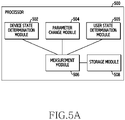
- the device state determination module 502 may determine the state of the electronic device (e.g., a wearing or non-wearing state, a proximity or non-proximity state, or an in-use (holding) or not-in-use (non-holding) state). According to various embodiments, the device state determination module 502 may determine the state of the electronic device based on at least one sensor. According to an embodiment, the device state determination module 502 may determine the state of the electronic device based on information acquired through at least one of an acceleration sensor, a terrestrial magnetism sensor, a gyro sensor, a proximity sensor, an atmospheric pressure sensor (or a pressure sensor), and a temperature sensor.
- an acceleration sensor e.g., a terrestrial magnetism sensor, a gyro sensor, a proximity sensor, an atmospheric pressure sensor (or a pressure sensor), and a temperature sensor.
- the user state determination module 505 may determine, for example, the user's motion, the strength of the motion, etc. when biometric information is measured. For example, the user state determination module 505 may determine the user's state to be a sleep state when the user's motion strength is lower than a selected (or specified) strength. Further, the user state determination module 505 may determine the user's state to be an active state (e.g., a state in which the user does not sleep) when the user's motion strength is higher than, or equal to, the selected (or specified) strength. According to an embodiment, the user state determination module 505 may provide information on the user's motion to the measurement module 506 or the parameter change module 504 in order to change a biometric information measurement method.
- the user state determination module 505 may provide information on the user's motion to the measurement module 506 or the parameter change module 504 in order to change a biometric information measurement method.
- the user state determination module 505 may determine the user's state based on schedule information stored in the electronic device. For example, a first time (e.g., from about 11:00 P.M. to about 8:00 A.M.) may be specified as a 'sleeping time,' and a second time may be specified as an 'active time' (e.g., from about 8:00 A.M. to about 11:00 P.M.) in the schedule stored in the electronic device.
- the user state determination module 505 may determine the user's state at the first time to be a 'sleep state' based on the schedule. Further, the user state determination module 505 may determine the user's state at the second time to be an 'active state' based on the schedule.
- the measurement module 506 may monitor a change in the motion for a predetermined period of time (e.g., about 10 seconds) with respect to the time when the period arrives.
- a predetermined period of time e.g., about 10 seconds
- the measurement module 506 may measure biometric information.
- the processor 500 may include at least one of the device state determination module 502, the parameter change module 504, the user state determination module 505, the measurement module 506, and the storage module 508 in order to perform the above-described measurement operations.
- the device state determination module 502, the parameter change module 504, the user state determination module 505, the measurement module 506, and the storage module 508 may be included in a plurality of processors (or chips).
- the device state determination module 502 and the user state determination module 505 may be included in a first processor (or a first chip).
- the parameter change module 504 may be included in a second processor (or a second chip).
- the measurement module 506 may be included in a third processor (or a third chip).
- FIG. 5B is a view illustrating an operation of measuring biometric information by an electronic device (e.g., the electronic device 101, the processor 120 of the electronic device 101, the electronic device 400, or the processor 500), according to various embodiments of the present disclosure.
- an electronic device e.g., the electronic device 101, the processor 120 of the electronic device 101, the electronic device 400, or the processor 500
- the electronic device may operate at least one sensor (e.g., biometric sensor) for measuring biometric information when the measured motion of the electronic device satisfies a selected (or specified) reference.
- at least one sensor e.g., biometric sensor
- An electronic device may include: a housing; a fastener coupled to a part of the housing and detachably attached to a part of a user's body; at least one first sensor (e.g., an acceleration sensor, a terrestrial magnetism sensor, a gyro sensor, a proximity sensor, or a combination thereof) configured to detect the motion of the electronic device; at least one second sensor (e.g., a heart rate sensor) configured to detect a change in the user's body; a memory; and a processor electrically connected to the at least one first sensor, the at least one second sensor, and the memory.
- a first sensor e.g., an acceleration sensor, a terrestrial magnetism sensor, a gyro sensor, a proximity sensor, or a combination thereof
- at least one second sensor e.g., a heart rate sensor
- the at least one first sensor may include a proximity sensor, a gyro sensor, a terrestrial magnetism sensor, or an acceleration sensor.
- the instructions may be set to configure the processor to: acquire additional information on the motion of the electronic device using at least a part of the at least one first sensor for a third period of time, which is shorter than the first period of time, immediately after the second period of time passes; and activate (operate or trigger) the at least one second sensor based on at least a part of the additional information, without activating (operating or triggering) the second sensor when the information on the motion does not satisfy a selected (or specified) condition.
- At least one of the second period of time and the third period of time may be set to include the time point when the first period of time passes.
- the instructions may be set to configure the processor to: acquire data from at least one of the at least one first sensor and the at least one second sensor; and change at least one of a period of time and a sampling rate for activating (operating or triggering) the at least one second sensor based on at least a part of the data.
- the at least one first sensor may include at least one of a proximity sensor, a gyro sensor, a terrestrial magnetism sensor, and an acceleration sensor.
- the instructions may be set to configure the processor to: acquire additional information on the motion of the electronic device using at least a part of the at least one first sensor for a selected (or specified) time from the time when the period of time passes; and activate (operate or trigger) the at least one second sensor based on at least a part of the additional information, without activating (operating or triggering) the second sensor when at least a part of the motion does not satisfy a selected (or specified) condition.
- the instructions may be set to configure the processor to change the selected (or specified) time for acquiring the additional information based on data acquired from at least one of the at least one first sensor and the at least one second sensor.
- an electronic device may include a memory and a processor electrically connected to the memory.
- the memory may be set to configure the processor to: determine whether the electronic device is close to a user's body; acquire information on the motion of the electronic device using at least one first sensor within a selected (or specified) time range from the time when a selected (or specified) period passes in a case where the electronic device is close to the user's body part; and acquire the user's biometric information through at least one second sensor based on at least a part of the information on the motion.
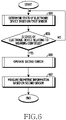
- FIG. 6 is a flowchart illustrating a biometric information measurement operation of an electronic device (e.g., the electronic device 101, the processor 120 of the electronic device 101, the processor 500, or the electronic device 400) according to various embodiments of the present disclosure.
- an electronic device e.g., the electronic device 101, the processor 120 of the electronic device 101, the processor 500, or the electronic device 400
- the electronic device may determine the state (e.g., wearing state, proximity state, in-use state, or holding state) of the electronic device based on a first sensor.
- the electronic device e.g., the processor 120 or 500
- the state of the electronic device relating to wearing may be a state in which the electronic device makes contact with at least a part of a body, a state in which the electronic device accesses at least a part of a body, etc.
- the first sensor may be constituted by at least one of an acceleration sensor, a terrestrial magnetism sensor, a gyro sensor, a proximity sensor, an atmospheric pressure sensor, and a temperature sensor.
- the electronic device e.g., the processor 120 or 500
- the electronic device e.g., the processor 120 or 500
- the electronic device may perform the operation of determining the state of the electronic device in operation 601.
- the electronic device may operate at least one second sensor based on at least one of when a selected (or specified) period of time has elapsed, when the motion of the electronic device that is acquired using at least a part of at least one first sensor satisfies a selected (or specified) reference, and when a selected (or specified) time arrives.
- the electronic device may operate a first timer that represents a selected (or specified) period of time and may operate at least one second sensor when the first timer ends.
- the electronic device when the state of the electronic device is determined to be a wearing state, the electronic device identifies the motion of the electronic device and operates at least one second sensor when the motion satisfies a selected (or specified) reference.
- the electronic device may identify whether a selected (or specified) time (e.g., about 6:11 in a case where a wearing determination time is about 6:10) arrives and may operate at least one second sensor.
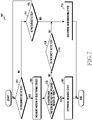
- FIG. 7 is a flowchart illustrating a performance procedure of a method of determining the state of an electronic device (e.g., the electronic device 101, the processor 120 of the electronic device 101, the processor 500, or the electronic device 400) according to various embodiments of the present disclosure.
- an electronic device e.g., the electronic device 101, the processor 120 of the electronic device 101, the processor 500, or the electronic device 400
- the performance procedure of the state determination method may be a detailed operation for the operation 601 illustrated in FIG. 6 .
- the electronic device may identify whether the proximity of an external object (e.g., a user) to the electronic device is detected based on at least one first sensor (e.g., proximity sensor).
- the proximity may be associated with a state in which the electronic device is close to a body, a state in which the electronic device makes contact with a body, etc.
- the electronic device e.g., the processor 120 or 500
- the electronic device may measure the motion of the electronic device based on at least one first sensor (e.g., an acceleration sensor, a terrestrial magnetism sensor, or a gyro sensor) in operation 703.
- the motion may be associated with the motion of the electronic device or user.
- the electronic device e.g., the processor 120 or 500
- the electronic device may measure the motion based on information acquired through at least one of an acceleration sensor, a terrestrial magnetism sensor, and a gyro sensor in response to the detection of the proximity.
- the electronic device may identify whether the motion of the electronic device is detected in operation 711. According to various embodiments, in the state in which no proximity is detected, the electronic device (e.g., the processor 120 or 500) may determine whether to perform the operation of determining the detection of proximity again based on the motion of the electronic device. For example, although no proximity is detected, the electronic device (e.g., the processor 120 or 500) may determine that proximity is likely to be detected when the motion of the electronic device is detected.
- the electronic device e.g., the processor 120 or 500
- the electronic device may determine whether the electronic device is close to a body based on at least one first sensor in operation 701.
- the electronic device may determine the state of the electronic device to be a state (non-wearing state) not relating to wearing (or a state in which the user does not hold or use the electronic device) in operation 713.
- the electronic device may determine whether the motion of the electronic device, which is measured during the operation of the first timer, satisfies a selected (or specified) reference in operation 807. According to an embodiment, the electronic device (e.g., the processor 120 or 500) may determine whether a motion by which biometric information can be accurately measured is generated. According to various embodiments, the electronic device (e.g., the processor 120 or 500) may determine whether at least a part of the motion measured during the operation of the first timer satisfies a selected (or specified) reference.
- the electronic device e.g., the processor 120 or 500 may identify whether the second time ends in operation 817.
- the electronic device may attempt to measure biometric information.
- the measurement of biometric information may be performed by operating at least one second sensor.
- the second sensor may include a light emitting part that emits light and a light receiving part that receives the light of the light emitting part, and the electronic device (e.g., the processor 120 or 500) may measure biometric information based on a signal output from the second sensor.
- the electronic device e.g., the processor 120 or 500
- the electronic device may identify whether a normal measurement result is obtained based on the motion of the electronic device. For example, when a motion that does not satisfy a selected (or specified) condition is detected after the measurement of the biometric information starts, the electronic device (e.g., the processor 120 or 500) may determine that the measurement of the biometric information has failed.
- the electronic device may accumulate the number of failures in operation 907.
- the electronic device e.g., the processor 120 or 500
- the electronic device may identify the cumulative number of failures.
- the electronic device e.g., the processor 120 or 500
- a threshold value e.g., about three times.
- the electronic device may determine that the measurement has continually failed so that it is impossible to measure biometric information.
- the electronic device may deactivate at least one second sensor.
- the electronic device e.g., the processor 120 or 500 may determine that it is impossible to measure biometric information, and may stop the operation of the second sensor accordingly in operation 911.
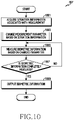
- FIG. 10 is a flowchart illustrating the performance procedure of a method of measuring biometric information by an electronic device (e.g., the electronic device 101, the processor 120 of the electronic device 101, the processor 500, or the electronic device 400) according to various embodiments of the present disclosure.
- an electronic device e.g., the electronic device 101, the processor 120 of the electronic device 101, the processor 500, or the electronic device 400
- the performance procedure of the method of measuring biometric information may be a detailed operation for the operation 607 illustrated in FIG. 6 .
- the electronic device may reduce power consumption that is generated when biometric information is measured by changing the measurement parameter based on the situation information.
- the electronic device e.g., the processor 120 or 500
- the electronic device may identify whether the biometric information is completely measured. According to an embodiment, the electronic device (e.g., the processor 120 or 500) may identify whether the biometric information measurement result is successfully obtained.
- the electronic device may output the measured biometric information in operation 1009.
- the electronic device e.g., the processor 120 or 500
- At least one of the operations 1001 to 1009 may be omitted.
- operation 1009 may be omitted.
- the electronic device e.g., the processor 120 or 500
- the electronic device may measure biometric information.
- the electronic device e.g., the processor 120 or 500
- the electronic device may operate at least one second sensor to emit light for a selected (or specified) period of time and may acquire a signal output from the second sensor.
- the electronic device When the measurement quality satisfies the selected (or specified) reference in operation 1105, the electronic device (e.g., the processor 120 or 500) may measure biometric information based on a selected (or specified) measurement time in operation 1107.
- the measurement time may be associated with the light-emitting time of the second sensor.
- the electronic device when the measurement quality satisfies the selected (or specified) reference, the electronic device (e.g., the processor 120 or 500) may acquire biometric information by emitting light through the second sensor for the selected (or specified) time (e.g., about 10 seconds) every time a biometric information measurement period (e.g., about 1-minute period) arrives.
- the electronic device may change the measurement time in order to reduce power consumption.
- the electronic device e.g., the processor 120 or 500
- At least one of the operations 1101 to 1111 may be omitted.
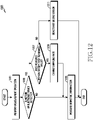
- FIG. 12 is a flowchart illustrating the performance procedure of a method of changing a measurement parameter by an electronic device (e.g., the electronic device 101, the processor 120 of the electronic device 101, the processor 500, or the electronic device 400) according to the invention.
- an electronic device e.g., the electronic device 101, the processor 120 of the electronic device 101, the processor 500, or the electronic device 400
- the performance procedure of the method of changing a measurement parameter may be a detailed operation for the operation 1003 illustrated in FIG. 10 .
- the electronic device may measure biometric information.
- the electronic device e.g., the processor 120 or 500
- the electronic device may operate at least one second sensor to emit light for a selected (or specified) period of time and may acquire a signal output from the second sensor.
- the electronic device may measure biometric information in operation 1205.
- the electronic device e.g., the processor 120 or 500
- the electronic device changes the sampling rate of a signal output from the second sensor in operation 1209.
- the electronic device e.g., the processor 120 or 500
- the electronic device deactivates the second sensor in operation 1211.
- the electronic device e.g., the processor 120 or 500 may determine that it is impossible to correct the noise according to the motion, and may accordingly stop measuring the biometric information.
- At least one of the operations 1201 to 1211 may be omitted.
- the operations 1207 and 1211 may be omitted.
- the electronic device may change the sampling rate in operation 1209.
- the electronic device may measure biometric information according to the changed sampling rate in operation 1205.
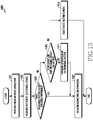
- FIG. 13 is a flowchart illustrating the performance procedure of a method of changing a measurement parameter by an electronic device (e.g., the electronic device 101, the processor 120 of the electronic device 101, the processor 500, or the electronic device 400) according to various embodiments of the present disclosure.
- an electronic device e.g., the electronic device 101, the processor 120 of the electronic device 101, the processor 500, or the electronic device 400
- the performance procedure of the method of changing a measurement parameter may be a detailed operation for the operation 1003 illustrated in FIG. 10 .
- the electronic device may measure biometric information.
- the electronic device e.g., the processor 120 or 500
- the electronic device may operate at least one second sensor to emit light for a selected (or specified) period of time and may acquire a signal output from the second sensor.
- the electronic device may measure biometric information in operation 1307.
- the electronic device e.g., the processor 120 or 500
- the electronic device e.g., the processor 120 or 500 may determine whether information for obtaining a result is collected in operation 1309.
- the electronic device may perform an operation of determining the motion thereof in operation 1311.
- the electronic device e.g., the processor 120 or 500
- the electronic device may not deactivate the second sensor even though the motion is generated and may perform the operation of determining the motion until the motion satisfies the selected (or specified) reference.
- the electronic device may deactivate the second sensor in operation 1313.
- the electronic device e.g., the processor 120 or 500
- At least one of the operations 1301 to 1313 may be omitted.
- the operations 1309 and 1311 may be omitted.
- the electronic device e.g., the processor 120 or 500
- the electronic device may deactivate the second sensor in operation 1313.
- the electronic device e.g., the processor 120 or 500
- the electronic device may measure biometric information in operation 1307.
- FIG. 14 is a flowchart illustrating the performance procedure of a method of changing a measurement parameter by an electronic device (e.g., the electronic device 101, the processor 120 of the electronic device 101, the processor 500, or the electronic device 400) according to various embodiments of the present disclosure.
- an electronic device e.g., the electronic device 101, the processor 120 of the electronic device 101, the processor 500, or the electronic device 400
- the performance procedure of the method of changing a measurement parameter may be a detailed operation for the operation 1003 illustrated in FIG. 10 .
- the electronic device may measure biometric information.
- the electronic device e.g., the processor 120 or 500
- the electronic device may identify whether the motion of the electronic device is detected while the biometric information is being measured. According to various embodiments, the electronic device (e.g., the processor 120 or 500) may measure the motion of the electronic device based on at least one first sensor.
- the electronic device may change the measurement trigger based on the motion in operation 1409.
- the electronic device e.g., the processor 120 or 500
- the electronic device e.g., the processor 120 or 500
- the electronic device may identify whether the motion that satisfies the selected (or specified) reference is measured without performing the biometric information measurement operation, and when the motion that satisfies the selected (or specified) reference is detected, the electronic device may perform the biometric information measurement operation.
- FIG. 15 is a flowchart illustrating the performance procedure of a method of changing a measurement parameter by an electronic device (e.g., the electronic device 101, the processor 120 of the electronic device 101, the processor 500, or the electronic device 400) according to various embodiments of the present disclosure.
- an electronic device e.g., the electronic device 101, the processor 120 of the electronic device 101, the processor 500, or the electronic device 400
- the performance procedure of the method of changing a measurement parameter may be a detailed operation for the operation 1003 illustrated in FIG. 10 .
- the electronic device may measure biometric information.
- the electronic device e.g., the processor 120 or 500
- the electronic device may identify the previous measurement result while measuring the biometric information.
- the previous measurement result may be a result based on data acquired by at least one first sensor or at least one second sensor of the electronic device (e.g., the processor 120 or 500).
- the electronic device e.g., the processor 120 or 500
- the electronic device may perform the biometric information measurement operation based on the operation of a timer in operation 1507. According to an embodiment, the electronic device (e.g., the processor 120 or 500) may attempt to measure biometric information according to a period having a selected (or specified) period of time.
- the electronic device may change the measurement trigger based on the motion in operation 1509.
- the electronic device e.g., the processor 120 or 500
- the electronic device e.g., the processor 120 or 500
- at least one of the operations 1501 to 1511 may be omitted.
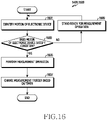
- FIG. 16 is a flowchart illustrating the performance procedure of a method of changing a measurement trigger by an electronic device (e.g., the electronic device 101, the processor 120 of the electronic device 101, the processor 500, or the electronic device 400) according to various embodiments of the present disclosure.
- an electronic device e.g., the electronic device 101, the processor 120 of the electronic device 101, the processor 500, or the electronic device 400
- the performance procedure of the method of changing a measurement trigger may be a detailed operation for the operation 1409 illustrated in FIG. 14 or the operation 1509 illustrated in FIG. 15 .
- the electronic device may identify the motion of the electronic device.
- the electronic device e.g., the processor 120 or 500
- the electronic device e.g., the processor 120 or 500
- the electronic device When the motion that satisfies the condition is not detected in operation 1603, the electronic device (e.g., the processor 120 or 500) may stand by without measuring biometric information in operation 1609. According to an embodiment, the electronic device (e.g., the processor 120 or 500) may stand by without performing the measurement operation until the motion that does not affect the measurement is detected. For example, when the measurement trigger is changed based on the motion, the electronic device (e.g., the processor 120 or 500) may not perform the measurement operation even though a measurement period arrives.
- the electronic device may change the measurement trigger based on a timer after measuring the biometric information based on the motion that satisfies the condition.
- the electronic device e.g., the processor 120 or 500
- at least one of the operations 1601 to 1609 may be omitted.
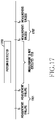
- FIG. 17 is a view illustrating an operation of changing a measurement trigger by an electronic device (e.g., the electronic device 101, the processor 120 of the electronic device 101, the processor 500, or the electronic device 400) according to various embodiments of the present disclosure.
- an electronic device e.g., the electronic device 101, the processor 120 of the electronic device 101, the processor 500, or the electronic device 400
- the electronic device may attempt to measure biometric information according to a period having a selected (or specified) period of time (e.g., about 1 minute). For example, the electronic device (e.g., the processor 120 or 500) may measure biometric information with a selected (or specified) period as a measurement trigger.
- a selected (or specified) period of time e.g., about 1 minute.
- the electronic device e.g., the processor 120 or 500
- the electronic device e.g., the processor 120 or 500
- the electronic device may change the measurement trigger when the motion of the electronic device does not satisfy a selected (or specified) condition (e.g., when the motion by which biometric information cannot be accurately measured is detected) at the time points t1 and t2 when the selected (or specified) period arrives.
- a selected (or specified) condition e.g., when the motion by which biometric information cannot be accurately measured is detected
- the electronic device e.g., the processor 120 or 500
- the electronic device e.g., the processor 120 or 500
- the electronic device may change the measurement trigger when a measurement failure according to the motion is continuously generated (1701) a selected (or specified) number of times (e.g., about two times) or more.
- the electronic device may monitor the motion by changing the measurement trigger based on the detection of the motion after the measurement failure is continuously generated a selected (or specified) number of times or more, and may perform the measurement operation at time t3 when the motion satisfies the selected (or specified) condition without performing the measurement operation (1705) based on the timer for the time interval 1703 for which the motion is detected.
- the electronic device e.g., the processor 120 or 500
- the performance procedure of the method of changing a measurement parameter may be a detailed operation for the operation 1003 illustrated in FIG. 10 .
- the electronic device may measure biometric information.
- the electronic device e.g., the processor 120 or 500
- the electronic device may operate at least one second sensor to emit light for a selected (or specified) period of time and may acquire a signal output from the second sensor.
- the electronic device may determine whether the physical characteristic uses an amount of emitted light more than a threshold value.
- the electronic device e.g., the processor 120 or 500
- the amounts of emitted light according to melanin indices may be defined as listed in Table 2 below. Table 2 Melanin Index Type of skin color Current intensity 5-10 Very light 31-40% 11-20 Light 41-50% 21-30 Intermediate 51-60% 31-40 Tan 61-70% 41-70 Brown 71-80% 71-99 black 81-100%
- the electronic device e.g., the processor 120 or 500
- the electronic device may measure biometric information based on the changed measurement period in operation 1809.
- at least one of the operations 1801 to 1811 may be omitted.
- FIG. 19 is a flowchart illustrating the performance procedure of a method of changing a measurement parameter by an electronic device (e.g., the electronic device 101, the processor 120 of the electronic device 101, the processor 500, or the electronic device 400) according to various embodiments of the present disclosure.
- an electronic device e.g., the electronic device 101, the processor 120 of the electronic device 101, the processor 500, or the electronic device 400
- the performance procedure of the method of changing a measurement parameter may be a detailed operation for the operation 1003 illustrated in FIG. 10 .
- the electronic device may measure biometric information.
- the electronic device e.g., the processor 120 or 500
- the electronic device may operate at least one second sensor to emit light for a selected (or specified) period of time and may acquire a signal output from the second sensor.
- the electronic device may determine whether a motion condition needs to be changed.
- the motion condition may not be required since it may be determined that there is no motion, or the strength of a motion is low.
- the motion condition is not required, it may be determined that the motion condition needs to be changed.
- the electronic device e.g., the processor 120 or 500
- the electronic device e.g., the processor 120 or 500
- the electronic device may measure biometric information based on the changed motion condition in operation 1909.
- at least one of the operations 1901 to 1911 may be omitted.
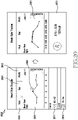
- FIG. 20 is a view illustrating a screen configuration of an external electronic device (e.g., a smart phone) that is connected to an electronic device (e.g., the electronic device 101 or 400) through wireless or wired communication according to various embodiments of the present disclosure.
- an external electronic device e.g., a smart phone
- an electronic device e.g., the electronic device 101 or 400
- the electronic device e.g., the processor 120 or 500
- may store biometric information e.g., heart rate information
- biometric information e.g., heart rate information
- the electronic device may store biometric information (e.g., heart rate information), which is measured at every selected (or specified) period, in a memory and may display the measurement result 2000 on the screen thereof based on an input.
- the electronic device when displaying (2007) the result of the heart rate information, the electronic device (e.g., the processor 120 or 500) may display an indicator together for the time point at which the average value is higher or lower than a predetermined reference.
- the electronic device e.g., the processor 120 or 500
- an exclamation mark 2009 displayed in the time interval between 3 hour and 4 hour may be an indicator that represents that heart rate information more than the average value is measured.
- the electronic device when an input for the indicator is detected, the electronic device (e.g., the processor 120 or 500) may display detailed information relating to the corresponding time interval. For example, the electronic device (e.g., the processor 120 or 500) may display the heart rate information 2021 that corresponds to the time interval relevant to the indicator for which the input is detected and the state information 2023 (e.g., calorie consumption, etc.) of the electronic device or a user for the corresponding time interval together.
- the drawing illustrates that the user practiced running from 3:15 to 3:20 so that the user's heart rate increased.
- a method of operating an electronic device may include: determining whether the electronic device is worn on a part of the user's body using at least one first sensor (e.g., at least one of a proximity sensor, an acceleration sensor, a gyro sensor, and a terrestrial magnetism sensor); acquiring information on the motion of the electronic device using at least a part of the at least one first sensor for a second period of time shortly before and/or immediately after a first period of time selected (or specified) passes from the time when the electronic device is worn on a part of the user's body; and activating (operating or triggering) at least one second sensor (e.g., a heart rate sensor) based on at least a part of the information on the motion.
- at least one first sensor e.g., at least one of a proximity sensor, an acceleration sensor, a gyro sensor, and a terrestrial magnetism sensor
- acquiring information on the motion of the electronic device using at least a part of the at least one first sensor for a second
- the second period of time may be shorter than the first period of time.
- the at least one second sensor may include a biometric sensor.
- the biometric sensor may include at least one of a heart rate sensor, a blood pressure sensor, an ECG sensor, a skin moisture sensor, and an oxygen saturation sensor.
- the activating may include: acquiring additional information on the motion of the electronic device using at least a part of the at least one first sensor for a third period of time, which is shorter than the first period of time, immediately after the second period of time passes; and activating (operating or triggering) the at least one second sensor based on at least a part of the additional information in a case where the information on the motion does not satisfy a selected condition.
- At least one of the second period of time and the third period of time may include the time point when the first period of time passes.
- the activating may include: when data is not received from the activated (operated or triggered) second sensor within a selected (or specified) time, activating (operating or triggering) the second sensor again after the selected (specified) time passes.
- the activating may include: acquiring additional information on the motion of the electronic device using at least a part of the at least one first sensor for a period of time that is substantially the same as the second period of time before the selected (or specified) time passes; and activating (operating or triggering) the at least one second sensor again based on at least a part of the additional information.
- the method of operating the electronic device may further include: acquiring data from at least one of the at least one first sensor and the at least one second sensor; and changing the first period of time and/or the second period of time and/or the third period of time based on at least a part of the acquired data.
- the method of operating the electronic device may further include: acquiring data from at least one of the at least one first sensor and the at least one second sensor; and changing at least one condition for activating (operating or triggering) the at least one second sensor based on at least a part of the data.
- the method of operating the electronic device may further include: acquiring data from at least one of the at least one first sensor and the at least one second sensor; and changing at least one of a period of time and a sampling rate for activating (operating or triggering) the at least one second sensor based on at least a part of the data.
- a method of operating an electronic device includes: determining whether the electronic device is worn on a part of a user's body using at least one first sensor; activating (operating or triggering) at least one second sensor based on at least a part of the measured motion of the electronic device within a selected (or specified) time range when a selected (or specified) period of time passes from the time when the electronic device is worn on the user's body part; and measuring biometric information based on the at least one second sensor.
- the at least one first sensor may include at least one of a proximity sensor, a gyro sensor, a terrestrial magnetism sensor, and an acceleration sensor.
- the method may include: acquiring additional information on the motion of the electronic device using at least a part of the at least one first sensor for a selected (or specified) time from the time when the period of time passes; and activating (operating or triggering) the at least one second sensor based on at least a part of the additional information, without activating (operating or triggering) the second sensor when at least a part of the motion does not satisfy a selected (or specified) condition.
- the measuring of the biometric information based on the at least one second sensor may include: acquiring data from at least one of the at least one first sensor and the at least one second sensor; and changing at least one condition for activating (operating or triggering) the at least one second sensor based on at least a part of the data.
- the acquiring of the additional information on the motion may include changing the selected (or specified) time for acquiring the additional information based on data acquired from at least one of the at least one first sensor and the at least one second sensor.
- a method of operating an electronic device may include: determining whether the electronic device is close to a user's body; acquiring information on the motion of the electronic device using at least one first sensor within a selected (or specified) time range from the time when a selected (or specified) period passes in a case where the electronic device is close to the user's body part; and acquiring the user's biometric information through at least one second sensor based on at least a part of the information on the motion.
- the electronic device and the method can selectively operate a biometric sensor based on a selected (or specified) condition, thereby measuring biometric information while reducing power consumption.
- the electronic device and the method can operate a biometric sensor according to a selected (or specified) period, thereby continually measuring biometric information.
- the electronic device and method can measure the motion of the electronic device and can selectively measure a user's biometric information based on the measured motion, thereby improving the accuracy of the measured biometric information.
- a terminology “module” used for the present disclosure may mean, for example, a unit including a combination of one or two or more among a hardware, a software, or a firmware.
- a “module” may be interchangeably used with a terminology such as a unit, a logic, a logical block, a component, or a circuit, etc.
- a “module” may be a minimum unit of an integrally configured part or a portion thereof.
- a “module” may be a minimum unit performing one or more functions or a portion thereof.
- a “module” may be mechanically or electronically implemented.
- a “module” may include at least one of an application-specific IC (ASIC) chip, a field-programmable gate arrays (FPGAs), or a programmable-logic device which are known, or to be developed in the future, and performing certain operations.
- ASIC application-specific IC
- FPGAs field-programmable gate arrays
- programmable-logic device which are known, or to be developed in the future, and performing certain operations.
- the non-transitory computer-readable storage media may include a hard disk, a magnetic media such as a floppy disk and a magnetic tape, compact disc ROM (CD-ROM), optical media such as DVD, magneto-optical media such as a floptical disk, and a hardware device specially configured for storing and performing a program instruction (e.g., a programming module) such as ROM, RAM, a flash memory, etc.
- a program instruction may include not only a machine language code generated by a compiler but also a high-level language code executable by a computer using an interpreter, etc.
- the above-described hardware device may be configured to operate as one or more software modules in order to perform an operation of the present disclosure, and vice versa.
- a module or a programming module according to the present disclosure may include at least one of the above-described elements, omit a portion thereof, or further include additional other elements. Operations performed by a module, a programming module, or other elements according to the present disclosure may be executed in a sequential, parallel, or heuristic method. Also, a portion of the operations may be executed in a different sequence, omitted, or other operations may be added.
Landscapes
- Health & Medical Sciences (AREA)
- Engineering & Computer Science (AREA)
- Life Sciences & Earth Sciences (AREA)
- Physics & Mathematics (AREA)
- Theoretical Computer Science (AREA)
- General Health & Medical Sciences (AREA)
- Biophysics (AREA)
- Heart & Thoracic Surgery (AREA)
- Medical Informatics (AREA)
- Molecular Biology (AREA)
- Surgery (AREA)
- Animal Behavior & Ethology (AREA)
- Biomedical Technology (AREA)
- Public Health (AREA)
- Veterinary Medicine (AREA)
- Pathology (AREA)
- General Physics & Mathematics (AREA)
- Computer Hardware Design (AREA)
- General Engineering & Computer Science (AREA)
- Physiology (AREA)
- Human Computer Interaction (AREA)
- Cardiology (AREA)
- Dentistry (AREA)
- Oral & Maxillofacial Surgery (AREA)
- Artificial Intelligence (AREA)
- Signal Processing (AREA)
- Psychiatry (AREA)
- Computer Vision & Pattern Recognition (AREA)
- Dermatology (AREA)
- Pulmonology (AREA)
- User Interface Of Digital Computer (AREA)
- Telephone Function (AREA)
Claims (12)
- Elektronische Vorrichtung (101), welche Folgendes umfasst:mindestens einen ersten Sensor, der konfiguriert ist, um eine Bewegung der elektronischen Vorrichtung zu erkennen;mindestens einen zweiten Sensor (470,240I), der konfiguriert ist, um eine Änderung in dem Körper des Benutzers zu erkennen;einen Speicher (130); undeinen Prozessor (120,500), der mit dem mindestens einen ersten Sensor, dem mindestens einen zweiten Sensor und dem Speicher elektrisch verbunden ist,wobei der Speicher Anweisungen speichert, die den Prozessor bei der Ausführung zu Folgendem konfigurieren:Bestimmen (601), ob die elektronische Vorrichtung an einem Körperteil eines Benutzers getragen wird, unter Verwenden erster Bewegungsdaten, die durch den mindestens einen ersten Sensor erhalten werden,Erfassen von Informationen über die Bewegung, die der elektronischen Vorrichtung entspricht, die erzeugt wird, während die elektronische Vorrichtung an einem Körperteil des Benutzers getragen wird,Aktivieren (605) des mindestens einen zweiten Sensors basierend auf mindestens einem Teil der Informationen über die erfasste Bewegung,Identifizieren (1203), ob eine Bewegung der elektronischen Vorrichtung erkannt wird, basierend auf zweiten Bewegungsdaten, die durch den mindestens einen ersten Sensor erhalten werden, während ein biologisches Signal durch den mindestens einen zweiten Sensor erhalten wird,wenn die Bewegung der elektronischen Vorrichtung erkannt wird, Identifizieren (1207), ob die gemessene Bewegung einen Referenzwert erfüllt,wenn identifiziert wird, dass die Bewegung den Referenzwert erfüllt, Ändern (1209) einer Abtastrate des biologischen Signals, das von dem mindestens einen zweiten Sensor ausgegeben wird, undwenn die Bewegung den Referenzwert nicht erfüllt, Deaktivieren (1211) des mindestens einen zweiten Sensors.
- Elektronische Vorrichtung nach Anspruch 1, wobei der mindestens eine zweite Sensor einen biometrischen Sensor (240I) umfasst.
- Elektronische Vorrichtung nach Anspruch 1, wobei bei dem Bestimmen, dass die elektronische Vorrichtung an dem Körperteil des Benutzers getragen wird, die Anweisungen den Prozessor zu Folgendem konfigurieren:Betreiben (801) eines ersten Zeitgebers und Messen der ersten Bewegungsdaten unter Verwenden mindestens eines Teils des mindestens einen ersten Sensors;als Reaktion auf das Bestimmen, dass die ersten Bewegungsdaten höher als ein Schwellenwert sind, Betreiben (811) eines zweiten Zeitgebers und Ausführen (813) einer weiteren Messung der zweiten Bewegungsdaten unter Verwenden des mindestens einen Teils des mindestens einen ersten Sensors;wenn die weitere Messung der zweiten Bewegungsdaten kleiner als oder gleich dem Schwellenwert ist, Aktivieren (809) des mindestens einen zweiten Sensors; undwenn die weitere Messung der zweiten Bewegungsdaten den Schwellenwert überschreitet, Deaktivieren des mindestens einen zweiten Sensors.
- Elektronische Vorrichtung nach Anspruch 1, wobei die Anweisungen den Prozessor zu Folgendem konfigurieren:Erhalten (607) des biologischen Signals, das dem Körper des Benutzers entspricht, unter Verwenden des mindestens einen zweiten Sensors,Erhalten (1205) von Zusatzinformationen über die zweiten Bewegungsdaten, die während des Erhaltens des biologischen Signals erzeugt werden, unter Verwenden des mindestens einen ersten Sensors, undInaktivieren (1211) des mindestens einen zweiten Sensors zumindest teilweise basierend auf einer Bestimmung, dass die Zusatzinformationen die spezifizierte Bedingung nicht erfüllen.
- Elektronische Vorrichtung nach Anspruch 1, wobei die Anweisungen den Prozessor zu Folgendem konfigurieren:
Ausführen (1803) des Aussenden eines Lichts des mindestens einen zweiten Sensors zumindest teilweise basierend auf einem spezifizierten Zeitraum. - Elektronische Vorrichtung nach Anspruch 1, wobei die Anweisungen den Prozessor zu Folgendem konfigurieren:
basierend auf dem biologischen Signal, Erzeugen von Herzfrequenzinformationen, die dem Benutzer entsprechen. - Elektronische Vorrichtung nach Anspruch 1, wobei der mindestens eine erste Sensor einen Bewegungssensor umfasst.
- Verfahren zum Betreiben einer elektronischen Vorrichtung (101), welches Folgendes umfasst:Bestimmen (601), ob die elektronische Vorrichtung an einem Körperteil eines Benutzers getragen wird, unter Verwenden erster Bewegungsdaten, die durch den mindestens einen ersten Sensor der elektronischen Vorrichtung erhalten werden;Erfassen von Informationen über die Bewegung, die der elektronischen Vorrichtung entspricht, die erzeugt wird, während die elektronische Vorrichtung an einem Körperteil des Benutzers getragen wird;Aktivieren (605) des mindestens einen zweiten Sensors der elektronischen Vorrichtung basierend auf mindestens einem Teil der Informationen über die erfasste Bewegung;Identifizieren (1203), ob eine Bewegung der elektronischen Vorrichtung erkannt wird, basierend auf zweiten Bewegungsdaten, die durch den mindestens einen ersten Sensor erhalten werden, während ein biologisches Signal durch den mindestens einen zweiten Sensor erhalten wird;wenn die Bewegung der elektronischen Vorrichtung erkannt wird, Identifizieren (1207), ob die gemessene Bewegung einen Referenzwert erfüllt;wenn identifiziert wird, dass die Bewegung den Referenzwert erfüllt, Ändern (1209) einer Abtastrate des biologischen Signals, das von dem mindestens einen zweiten Sensor ausgegeben wird; undwenn die Bewegung den Referenzwert nicht erfüllt, Deaktivieren (1211) des mindestens einen zweiten Sensors.
- Verfahren nach Anspruch 8, wobei der mindestens eine zweite Sensor einen biometrischen Sensor (240I) umfasst.
- Verfahren nach Anspruch 8, welches ferner Folgendes umfasst: wobei bei dem Bestimmen, dass die elektronische Vorrichtung an dem Körperteil des Benutzers getragen wird:ein erster Zeitgeber betrieben wird (801) und die ersten Bewegungsdaten unter Verwenden mindestens eines Teils des mindestens einen ersten Sensors gemessen werden;als Reaktion auf das Bestimmen, dass die ersten Bewegungsdaten höher als ein Schwellenwert sind, ein zweiter Zeitgeber betrieben wird (811) und eine weitere Messung der zweiten Bewegungsdaten unter Verwenden des mindestens einen Teils des mindestens einen ersten Sensors ausgeführt wird (813);wenn die weitere Messung der zweiten Bewegungsdaten kleiner als oder gleich dem Schwellenwert ist, der mindestens eine zweite Sensor aktiviert wird (809); undwenn die weitere Messung der zweiten Bewegungsdaten der elektronischen Vorrichtung den Schwellenwert überschreitet, der mindestens eine zweite Sensor deaktiviert wird.
- Verfahren nach Anspruch 8, welches ferner Folgendes umfasst:Erhalten (607) des biologischen Signals, das dem Körper des Benutzers entspricht, unter Verwenden des aktivierten mindestens einen zweiten Sensors;Erhalten (1205) von Zusatzinformationen über die zweiten Bewegungsdaten, die während des Erhaltens des biologischen Signals erzeugt werden, unter Verwenden des mindestens einen ersten Sensors, undInaktivieren (1211) des mindestens einen zweiten Sensors zumindest teilweise basierend auf einer Bestimmung, dass die Zusatzinformationen die spezifizierte Bedingung nicht erfüllen.
- Verfahren nach Anspruch 8, welches ferner Folgendes umfasst:
Erzeugen von Herzfrequenzinformationen, die dem Benutzer entsprechen, unter Verwenden des biologischen Signals.
Applications Claiming Priority (1)
| Application Number | Priority Date | Filing Date | Title |
|---|---|---|---|
| KR1020150113972A KR102398716B1 (ko) | 2015-08-12 | 2015-08-12 | 생체 정보 검출 방법 및 그 방법을 처리하는 전자 장치 |
Publications (2)
| Publication Number | Publication Date |
|---|---|
| EP3132740A1 EP3132740A1 (de) | 2017-02-22 |
| EP3132740B1 true EP3132740B1 (de) | 2022-04-06 |
Family
ID=56883528
Family Applications (1)
| Application Number | Title | Priority Date | Filing Date |
|---|---|---|---|
| EP16183812.3A Active EP3132740B1 (de) | 2015-08-12 | 2016-08-11 | Verfahren zum erfassen biometrischer informationen sowie elektronische vorrichtung damit |
Country Status (4)
| Country | Link |
|---|---|
| US (2) | US10231675B2 (de) |
| EP (1) | EP3132740B1 (de) |
| KR (1) | KR102398716B1 (de) |
| WO (1) | WO2017026680A1 (de) |
Families Citing this family (70)
| Publication number | Priority date | Publication date | Assignee | Title |
|---|---|---|---|---|
| US12080421B2 (en) | 2013-12-04 | 2024-09-03 | Apple Inc. | Wellness aggregator |
| US20160019360A1 (en) | 2013-12-04 | 2016-01-21 | Apple Inc. | Wellness aggregator |
| US11210381B2 (en) | 2014-07-08 | 2021-12-28 | Pixart Imaging Inc. | Individualized control system and detection device thereof with high security |
| US10698996B2 (en) * | 2014-07-08 | 2020-06-30 | Pixart Imaging Inc. | Wearable device having higher security and skin sensor equipped thereon |
| WO2017094346A1 (ja) * | 2015-12-01 | 2017-06-08 | ソニー株式会社 | 情報処理装置、情報処理方法及びプログラム |
| SE541780C2 (en) | 2016-07-07 | 2019-12-17 | Brighter Ab Publ | Method involving a mobile phone for monitoring a medical device |
| KR20180016866A (ko) * | 2016-08-08 | 2018-02-20 | 엘지전자 주식회사 | 와치타입 단말기 |
| US10521107B2 (en) | 2016-09-24 | 2019-12-31 | Apple Inc. | Devices, methods, and graphical user interfaces for selecting and interacting with different device modes |
| KR102687114B1 (ko) * | 2017-02-23 | 2024-07-23 | 삼성전자 주식회사 | 전자 장치의 생체 정보 획득 방법 및 이를 위한 전자 장치 |
| KR102374990B1 (ko) | 2017-03-21 | 2022-03-16 | 삼성전자 주식회사 | 피부 관련 정보를 제공하는 방법 및 이를 사용하는 전자 장치 |
| US10524735B2 (en) | 2017-03-28 | 2020-01-07 | Apple Inc. | Detecting conditions using heart rate sensors |
| KR102398184B1 (ko) | 2017-07-13 | 2022-05-16 | 삼성전자주식회사 | 섭취한 음식에 대한 소화율을 제공하기 위한 전자 장치 및 방법 |
| EP3430993A1 (de) * | 2017-07-21 | 2019-01-23 | Koninklijke Philips N.V. | Vorrichtung zur messung eines physiologischen parameters mit einem am körper tragbaren sensor |
| GB2566101A (en) * | 2017-09-05 | 2019-03-06 | B Secur Ltd | Wearable authentication device |
| WO2019060298A1 (en) | 2017-09-19 | 2019-03-28 | Neuroenhancement Lab, LLC | METHOD AND APPARATUS FOR NEURO-ACTIVATION |
| WO2019107888A1 (ko) * | 2017-11-29 | 2019-06-06 | 삼성전자 주식회사 | 전자 장치 및 사용자 터치 입력을 이용한 rf 통신 연결 방법 |
| US11717686B2 (en) | 2017-12-04 | 2023-08-08 | Neuroenhancement Lab, LLC | Method and apparatus for neuroenhancement to facilitate learning and performance |
| US10955974B2 (en) | 2017-12-19 | 2021-03-23 | Google Llc | Wearable electronic devices having an inward facing input device and methods of use thereof |
| US12280219B2 (en) | 2017-12-31 | 2025-04-22 | NeuroLight, Inc. | Method and apparatus for neuroenhancement to enhance emotional response |
| US11318277B2 (en) | 2017-12-31 | 2022-05-03 | Neuroenhancement Lab, LLC | Method and apparatus for neuroenhancement to enhance emotional response |
| DK180246B1 (en) | 2018-03-12 | 2020-09-11 | Apple Inc | User interfaces for health monitoring |
| US11364361B2 (en) | 2018-04-20 | 2022-06-21 | Neuroenhancement Lab, LLC | System and method for inducing sleep by transplanting mental states |
| DK180118B1 (en) | 2018-05-07 | 2020-05-15 | Apple Inc. | Devices and methods for adjusting the provision of notifications |
| DK201870335A1 (en) | 2018-05-07 | 2019-12-04 | Apple Inc. | DEVICES, METHODS, AND GRAPHICAL USER INTERFACES FOR PROACTIVE MANAGEMENT OF NOTIFICATIONS |
| US11317833B2 (en) | 2018-05-07 | 2022-05-03 | Apple Inc. | Displaying user interfaces associated with physical activities |
| KR102606689B1 (ko) * | 2018-06-14 | 2023-11-28 | 삼성전자 주식회사 | 전자 장치에서 생체 정보 제공 방법 및 장치 |
| KR102570783B1 (ko) | 2018-07-02 | 2023-08-25 | 삼성전자 주식회사 | 전자 장치 및 이를 이용한 생체 신호에 기초하여 개인화된 생체 정보 제공 방법 |
| CN113382683A (zh) | 2018-09-14 | 2021-09-10 | 纽罗因恒思蒙特实验有限责任公司 | 改善睡眠的系统和方法 |
| TWI682767B (zh) * | 2018-10-12 | 2020-01-21 | 鋐雩科技有限公司 | 震動感測裝置 |
| KR102657522B1 (ko) | 2018-11-06 | 2024-04-15 | 삼성전자주식회사 | 저혈압의 발생을 식별하기 위한 전자 장치 및 그의 동작 방법 |
| ES2854124T3 (es) * | 2018-11-08 | 2021-09-20 | Vivior Ag | Sistema para detectar si un monitor de comportamiento visual es portado por el usuario |
| KR102655878B1 (ko) * | 2018-11-23 | 2024-04-09 | 삼성전자주식회사 | Pwv 알고리즘을 이용하여 혈압 값을 산출하는 전자 장치 및 그 혈압 값 산출 방법 |
| KR102696363B1 (ko) | 2018-12-04 | 2024-08-20 | 삼성전자주식회사 | 웨어러블 장치에서 생체 신호의 측정을 가이드 하기 위한 방법 |
| KR102649997B1 (ko) | 2019-03-18 | 2024-03-22 | 삼성전자주식회사 | 전자 장치 및 전자 장치의 동작 방법 |
| KR102737255B1 (ko) * | 2019-03-19 | 2024-12-03 | 삼성전자주식회사 | 전자 장치 및 전자 장치에서의 생체 정보 알림 방법 |
| DK201970532A1 (en) | 2019-05-06 | 2021-05-03 | Apple Inc | Activity trends and workouts |
| US11786694B2 (en) | 2019-05-24 | 2023-10-17 | NeuroLight, Inc. | Device, method, and app for facilitating sleep |
| US11234077B2 (en) | 2019-06-01 | 2022-01-25 | Apple Inc. | User interfaces for managing audio exposure |
| US11209957B2 (en) | 2019-06-01 | 2021-12-28 | Apple Inc. | User interfaces for cycle tracking |
| US11228835B2 (en) | 2019-06-01 | 2022-01-18 | Apple Inc. | User interfaces for managing audio exposure |
| US11152100B2 (en) | 2019-06-01 | 2021-10-19 | Apple Inc. | Health application user interfaces |
| US12002588B2 (en) | 2019-07-17 | 2024-06-04 | Apple Inc. | Health event logging and coaching user interfaces |
| KR20210029873A (ko) * | 2019-09-06 | 2021-03-17 | 삼성전자주식회사 | 전자 장치 및 그를 이용한 바이탈 사인 획득 방법 |
| EP4004702A1 (de) | 2019-09-09 | 2022-06-01 | Apple Inc. | Benutzerschnittstelle für forschungsstudien |
| US12437042B2 (en) * | 2019-09-20 | 2025-10-07 | Micron Technology, Inc. | Methods and apparatus for persistent biometric profiling |
| KR102379263B1 (ko) * | 2020-03-05 | 2022-03-29 | 인제대학교 산학협력단 | 가정용 진통 측정기 및 이를 이용한 진통 측정 시스템 |
| US20230147448A1 (en) * | 2020-03-16 | 2023-05-11 | icuco Inc. | Body motion sensor, program, and information presentation system |
| KR20210136389A (ko) * | 2020-05-07 | 2021-11-17 | 삼성전자주식회사 | 보행에 관한 정보를 확인하는 전자 장치 및 보행에 관한 정보를 확인하는 전자 장치의 동작 방법 |
| AU2020233622B2 (en) | 2020-05-11 | 2022-03-10 | Apple Inc. | System, method and user interface for supporting scheduled mode changes on electronic devices |
| AU2021102471B4 (en) | 2020-05-11 | 2022-02-10 | Apple Inc. | System, method and user interface for supporting scheduled mode changes on electronic devices |
| JP7073463B2 (ja) * | 2020-06-02 | 2022-05-23 | アップル インコーポレイテッド | ヘルスアプリケーションのためのユーザインタフェース |
| WO2021247745A1 (en) | 2020-06-02 | 2021-12-09 | Apple Inc. | User interfaces for tracking of physical activity events |
| DK181037B1 (en) | 2020-06-02 | 2022-10-10 | Apple Inc | User interfaces for health applications |
| US11698710B2 (en) | 2020-08-31 | 2023-07-11 | Apple Inc. | User interfaces for logging user activities |
| KR102267707B1 (ko) * | 2020-10-13 | 2021-06-23 | (주)웰리시스 | 웨어러블 패치형 생체신호 측정장치의 전력절감 제어 시스템 및 제어 방법 |
| KR102811206B1 (ko) * | 2020-10-23 | 2025-05-22 | 삼성전자주식회사 | 생체 정보 측정을 위한 웨어러블 장치 및 방법 |
| KR102471623B1 (ko) * | 2020-11-20 | 2022-11-28 | 링크페이스 주식회사 | 복수의 센서를 이용한 호흡 신호 측정 방법 및 이를 실행하는 시스템 |
| CN116744846A (zh) | 2021-01-06 | 2023-09-12 | 三星电子株式会社 | 具有多个光学传感器的电子设备及其控制方法 |
| KR20220125967A (ko) * | 2021-03-08 | 2022-09-15 | 삼성전자주식회사 | 전자 장치 및 신호 안정화 시간 개선 방법 |
| KR102517472B1 (ko) * | 2021-03-12 | 2023-04-04 | 주식회사 휴이노 | 생체 신호 데이터를 추출하기 위한 방법, 디바이스 및 비일시성의 컴퓨터 판독 가능 기록 매체 |
| US11379106B1 (en) | 2021-05-12 | 2022-07-05 | Apple Inc. | Devices, methods, and graphical user interfaces for adjusting the provision of notifications |
| KR102519957B1 (ko) * | 2022-03-10 | 2023-04-10 | 주식회사 아이삭 | 비접촉식 생체신호 측정기 및 측정방법 |
| US20230337981A1 (en) * | 2022-04-22 | 2023-10-26 | Meta Platforms Technologies, Llc | Systems for optimizing power consumption of a wearable device using sensor-based determinations of positional states of a portion of the wearable device, and methods of use thereof |
| US12405706B2 (en) | 2022-05-10 | 2025-09-02 | Apple Inc. | Devices, methods, and graphical user interfaces for providing focus modes |
| US12541277B2 (en) | 2022-06-05 | 2026-02-03 | Apple Inc. | Systems and methods for interacting with multiple applications on an electronic device |
| US20240175683A1 (en) * | 2022-11-25 | 2024-05-30 | Sword Health, S.A. | Adjustment of frequency of a motion tracking system |
| WO2024117748A1 (ko) * | 2022-11-29 | 2024-06-06 | 삼성전자 주식회사 | 웨어러블 전자 장치 및 이의 동작 방법 |
| KR102841369B1 (ko) * | 2023-01-06 | 2025-08-04 | 주식회사 멜퍼 | 복수의 감지부재를 구비하는 손목착용 감지시스템 및 이를 이용한 손목착용 감지방법 |
| KR102767912B1 (ko) * | 2023-05-04 | 2025-02-14 | 주식회사 솔루엠 | Ppg 센서부를 이용하여 멘탈 헬스케어 디바이스의 활성화를 제어하는 방법 |
| KR102850389B1 (ko) * | 2024-12-02 | 2025-08-28 | (주)유유코리아 | 웨어러블 장치를 이용한 인지장애 환자의 이상 징후 감지 시스템 및 이를 이용한 이상 징후 감지 방법 |
Family Cites Families (15)
| Publication number | Priority date | Publication date | Assignee | Title |
|---|---|---|---|---|
| US4129125A (en) | 1976-12-27 | 1978-12-12 | Camin Research Corp. | Patient monitoring system |
| JP4822208B2 (ja) | 2006-02-08 | 2011-11-24 | セイコーインスツル株式会社 | 運動計測装置 |
| KR100911716B1 (ko) * | 2007-10-30 | 2009-08-10 | 엘아이지넥스원 주식회사 | 착용형 휴대용 기기의 착용 여부 판단 방법 및 장치 |
| JP5657526B2 (ja) | 2008-05-14 | 2015-01-21 | ハートマイルズ、リミテッド ライアビリティー カンパニー | 身体活動モニタ及びデータ収集ユニット |
| US20110092780A1 (en) | 2009-10-16 | 2011-04-21 | Tao Zhang | Biosensor module with automatic power on capability |
| KR20120033526A (ko) * | 2010-09-30 | 2012-04-09 | 경북대학교 산학협력단 | 심폐지구력 측정장치 및 이를 이용한 생체정보 측정 시스템 |
| US10463300B2 (en) | 2011-09-19 | 2019-11-05 | Dp Technologies, Inc. | Body-worn monitor |
| JP6064431B2 (ja) | 2012-08-17 | 2017-01-25 | 富士通株式会社 | 運動判定プログラム、携帯電子機器、運動判定方法及び情報処理装置 |
| US9146605B2 (en) | 2013-01-31 | 2015-09-29 | Salutron, Inc. | Ultra low power actigraphy based on dynamic threshold |
| US9554747B2 (en) | 2013-08-26 | 2017-01-31 | EveryFit, Inc. | Power efficient system and method for measuring physical activity in resource constrained devices |
| KR102136836B1 (ko) | 2013-09-09 | 2020-08-13 | 삼성전자주식회사 | 생체 신호들을 이용하여 사용자 인증을 수행하는 착용형 기기 및 그 착용형 기기의 인증 방법 |
| KR20150046976A (ko) | 2013-10-23 | 2015-05-04 | 송지훈 | 건강상태 체크단말 |
| US9668367B2 (en) * | 2014-02-04 | 2017-05-30 | Microsoft Technology Licensing, Llc | Wearable computing systems |
| KR20160024627A (ko) | 2014-08-26 | 2016-03-07 | 삼성전자주식회사 | 전자 장치 및 전자 장치에서 수면 모니터링 방법 |
| EP2851001A3 (de) | 2014-12-03 | 2015-04-22 | Sensirion AG | Tragbare elektronische Vorrichtung |
-
2015
- 2015-08-12 KR KR1020150113972A patent/KR102398716B1/ko active Active
-
2016
- 2016-06-03 US US15/173,099 patent/US10231675B2/en active Active
- 2016-07-15 WO PCT/KR2016/007727 patent/WO2017026680A1/en not_active Ceased
- 2016-08-11 EP EP16183812.3A patent/EP3132740B1/de active Active
-
2019
- 2019-01-24 US US16/256,497 patent/US10945677B2/en active Active
Also Published As
| Publication number | Publication date |
|---|---|
| US10945677B2 (en) | 2021-03-16 |
| US20190150854A1 (en) | 2019-05-23 |
| EP3132740A1 (de) | 2017-02-22 |
| KR20170019745A (ko) | 2017-02-22 |
| WO2017026680A1 (en) | 2017-02-16 |
| KR102398716B1 (ko) | 2022-05-17 |
| US20170042485A1 (en) | 2017-02-16 |
| US10231675B2 (en) | 2019-03-19 |
Similar Documents
| Publication | Publication Date | Title |
|---|---|---|
| US10945677B2 (en) | Method for detecting biometric information and electronic device using same | |
| US12324655B2 (en) | Method for measuring biological signal and wearable electronic device for the same | |
| US12064665B2 (en) | Electronic apparatus and operating method thereof | |
| EP3357421B1 (de) | Elektronische vorrichtung zur authentifizierung biometrischer daten und system | |
| US10236081B2 (en) | Device for providing health management service and method thereof | |
| KR102534724B1 (ko) | 전자 장치 및 그의 동작 방법 | |
| EP3130979B1 (de) | Verfahren zur steuerung je nach status und elektronische vorrichtung dafür | |
| KR102620178B1 (ko) | 전자 장치 및 그의 동작 방법 | |
| US10845220B2 (en) | Method of sensing rotation of rotation member and electronic device performing same | |
| EP3141984B1 (de) | Elektronische vorrichtung zur leistungsverwaltung und verfahren zur steuerung davon | |
| EP2989973A1 (de) | Elektronische vorrichtung und schlafüberwachungsverfahren in elektronischer vorrichtung | |
| US20170023971A1 (en) | Wearable electronic device | |
| US10123735B2 (en) | Electronic device for determining sleep state and method of controlling same | |
| EP3381369B1 (de) | Elektronische vorrichtung und verfahren zur messung biometrischer informationen | |
| US9949064B2 (en) | Electronic device and operating method thereof | |
| US11082551B2 (en) | Electronic device and operating method thereof |
Legal Events
| Date | Code | Title | Description |
|---|---|---|---|
| PUAI | Public reference made under article 153(3) epc to a published international application that has entered the european phase |
Free format text: ORIGINAL CODE: 0009012 |
|
| STAA | Information on the status of an ep patent application or granted ep patent |
Free format text: STATUS: THE APPLICATION HAS BEEN PUBLISHED |
|
| AK | Designated contracting states |
Kind code of ref document: A1 Designated state(s): AL AT BE BG CH CY CZ DE DK EE ES FI FR GB GR HR HU IE IS IT LI LT LU LV MC MK MT NL NO PL PT RO RS SE SI SK SM TR |
|
| AX | Request for extension of the european patent |
Extension state: BA ME |
|
| STAA | Information on the status of an ep patent application or granted ep patent |
Free format text: STATUS: REQUEST FOR EXAMINATION WAS MADE |
|
| 17P | Request for examination filed |
Effective date: 20170613 |
|
| RBV | Designated contracting states (corrected) |
Designated state(s): AL AT BE BG CH CY CZ DE DK EE ES FI FR GB GR HR HU IE IS IT LI LT LU LV MC MK MT NL NO PL PT RO RS SE SI SK SM TR |
|
| STAA | Information on the status of an ep patent application or granted ep patent |
Free format text: STATUS: EXAMINATION IS IN PROGRESS |
|
| 17Q | First examination report despatched |
Effective date: 20190213 |
|
| GRAP | Despatch of communication of intention to grant a patent |
Free format text: ORIGINAL CODE: EPIDOSNIGR1 |
|
| STAA | Information on the status of an ep patent application or granted ep patent |
Free format text: STATUS: GRANT OF PATENT IS INTENDED |
|
| INTG | Intention to grant announced |
Effective date: 20211109 |
|
| GRAS | Grant fee paid |
Free format text: ORIGINAL CODE: EPIDOSNIGR3 |
|
| GRAA | (expected) grant |
Free format text: ORIGINAL CODE: 0009210 |
|
| STAA | Information on the status of an ep patent application or granted ep patent |
Free format text: STATUS: THE PATENT HAS BEEN GRANTED |
|
| AK | Designated contracting states |
Kind code of ref document: B1 Designated state(s): AL AT BE BG CH CY CZ DE DK EE ES FI FR GB GR HR HU IE IS IT LI LT LU LV MC MK MT NL NO PL PT RO RS SE SI SK SM TR |
|
| REG | Reference to a national code |
Ref country code: GB Ref legal event code: FG4D |
|
| REG | Reference to a national code |
Ref country code: CH Ref legal event code: EP |
|
| REG | Reference to a national code |
Ref country code: AT Ref legal event code: REF Ref document number: 1480519 Country of ref document: AT Kind code of ref document: T Effective date: 20220415 |
|
| REG | Reference to a national code |
Ref country code: DE Ref legal event code: R096 Ref document number: 602016070706 Country of ref document: DE |
|
| REG | Reference to a national code |
Ref country code: IE Ref legal event code: FG4D |
|
| REG | Reference to a national code |
Ref country code: LT Ref legal event code: MG9D |
|
| REG | Reference to a national code |
Ref country code: NL Ref legal event code: MP Effective date: 20220406 |
|
| REG | Reference to a national code |
Ref country code: AT Ref legal event code: MK05 Ref document number: 1480519 Country of ref document: AT Kind code of ref document: T Effective date: 20220406 |
|
| PG25 | Lapsed in a contracting state [announced via postgrant information from national office to epo] |
Ref country code: NL Free format text: LAPSE BECAUSE OF FAILURE TO SUBMIT A TRANSLATION OF THE DESCRIPTION OR TO PAY THE FEE WITHIN THE PRESCRIBED TIME-LIMIT Effective date: 20220406 |
|
| PG25 | Lapsed in a contracting state [announced via postgrant information from national office to epo] |
Ref country code: SE Free format text: LAPSE BECAUSE OF FAILURE TO SUBMIT A TRANSLATION OF THE DESCRIPTION OR TO PAY THE FEE WITHIN THE PRESCRIBED TIME-LIMIT Effective date: 20220406 Ref country code: PT Free format text: LAPSE BECAUSE OF FAILURE TO SUBMIT A TRANSLATION OF THE DESCRIPTION OR TO PAY THE FEE WITHIN THE PRESCRIBED TIME-LIMIT Effective date: 20220808 Ref country code: NO Free format text: LAPSE BECAUSE OF FAILURE TO SUBMIT A TRANSLATION OF THE DESCRIPTION OR TO PAY THE FEE WITHIN THE PRESCRIBED TIME-LIMIT Effective date: 20220706 Ref country code: LT Free format text: LAPSE BECAUSE OF FAILURE TO SUBMIT A TRANSLATION OF THE DESCRIPTION OR TO PAY THE FEE WITHIN THE PRESCRIBED TIME-LIMIT Effective date: 20220406 Ref country code: HR Free format text: LAPSE BECAUSE OF FAILURE TO SUBMIT A TRANSLATION OF THE DESCRIPTION OR TO PAY THE FEE WITHIN THE PRESCRIBED TIME-LIMIT Effective date: 20220406 Ref country code: GR Free format text: LAPSE BECAUSE OF FAILURE TO SUBMIT A TRANSLATION OF THE DESCRIPTION OR TO PAY THE FEE WITHIN THE PRESCRIBED TIME-LIMIT Effective date: 20220707 Ref country code: FI Free format text: LAPSE BECAUSE OF FAILURE TO SUBMIT A TRANSLATION OF THE DESCRIPTION OR TO PAY THE FEE WITHIN THE PRESCRIBED TIME-LIMIT Effective date: 20220406 Ref country code: ES Free format text: LAPSE BECAUSE OF FAILURE TO SUBMIT A TRANSLATION OF THE DESCRIPTION OR TO PAY THE FEE WITHIN THE PRESCRIBED TIME-LIMIT Effective date: 20220406 Ref country code: BG Free format text: LAPSE BECAUSE OF FAILURE TO SUBMIT A TRANSLATION OF THE DESCRIPTION OR TO PAY THE FEE WITHIN THE PRESCRIBED TIME-LIMIT Effective date: 20220706 Ref country code: AT Free format text: LAPSE BECAUSE OF FAILURE TO SUBMIT A TRANSLATION OF THE DESCRIPTION OR TO PAY THE FEE WITHIN THE PRESCRIBED TIME-LIMIT Effective date: 20220406 |
|
| PG25 | Lapsed in a contracting state [announced via postgrant information from national office to epo] |
Ref country code: RS Free format text: LAPSE BECAUSE OF FAILURE TO SUBMIT A TRANSLATION OF THE DESCRIPTION OR TO PAY THE FEE WITHIN THE PRESCRIBED TIME-LIMIT Effective date: 20220406 Ref country code: PL Free format text: LAPSE BECAUSE OF FAILURE TO SUBMIT A TRANSLATION OF THE DESCRIPTION OR TO PAY THE FEE WITHIN THE PRESCRIBED TIME-LIMIT Effective date: 20220406 Ref country code: LV Free format text: LAPSE BECAUSE OF FAILURE TO SUBMIT A TRANSLATION OF THE DESCRIPTION OR TO PAY THE FEE WITHIN THE PRESCRIBED TIME-LIMIT Effective date: 20220406 Ref country code: IS Free format text: LAPSE BECAUSE OF FAILURE TO SUBMIT A TRANSLATION OF THE DESCRIPTION OR TO PAY THE FEE WITHIN THE PRESCRIBED TIME-LIMIT Effective date: 20220806 |
|
| REG | Reference to a national code |
Ref country code: DE Ref legal event code: R097 Ref document number: 602016070706 Country of ref document: DE |
|
| PG25 | Lapsed in a contracting state [announced via postgrant information from national office to epo] |
Ref country code: SM Free format text: LAPSE BECAUSE OF FAILURE TO SUBMIT A TRANSLATION OF THE DESCRIPTION OR TO PAY THE FEE WITHIN THE PRESCRIBED TIME-LIMIT Effective date: 20220406 Ref country code: SK Free format text: LAPSE BECAUSE OF FAILURE TO SUBMIT A TRANSLATION OF THE DESCRIPTION OR TO PAY THE FEE WITHIN THE PRESCRIBED TIME-LIMIT Effective date: 20220406 Ref country code: RO Free format text: LAPSE BECAUSE OF FAILURE TO SUBMIT A TRANSLATION OF THE DESCRIPTION OR TO PAY THE FEE WITHIN THE PRESCRIBED TIME-LIMIT Effective date: 20220406 Ref country code: EE Free format text: LAPSE BECAUSE OF FAILURE TO SUBMIT A TRANSLATION OF THE DESCRIPTION OR TO PAY THE FEE WITHIN THE PRESCRIBED TIME-LIMIT Effective date: 20220406 Ref country code: DK Free format text: LAPSE BECAUSE OF FAILURE TO SUBMIT A TRANSLATION OF THE DESCRIPTION OR TO PAY THE FEE WITHIN THE PRESCRIBED TIME-LIMIT Effective date: 20220406 Ref country code: CZ Free format text: LAPSE BECAUSE OF FAILURE TO SUBMIT A TRANSLATION OF THE DESCRIPTION OR TO PAY THE FEE WITHIN THE PRESCRIBED TIME-LIMIT Effective date: 20220406 |
|
| PLBE | No opposition filed within time limit |
Free format text: ORIGINAL CODE: 0009261 |
|
| STAA | Information on the status of an ep patent application or granted ep patent |
Free format text: STATUS: NO OPPOSITION FILED WITHIN TIME LIMIT |
|
| 26N | No opposition filed |
Effective date: 20230110 |
|
| PG25 | Lapsed in a contracting state [announced via postgrant information from national office to epo] |
Ref country code: MC Free format text: LAPSE BECAUSE OF FAILURE TO SUBMIT A TRANSLATION OF THE DESCRIPTION OR TO PAY THE FEE WITHIN THE PRESCRIBED TIME-LIMIT Effective date: 20220406 Ref country code: AL Free format text: LAPSE BECAUSE OF FAILURE TO SUBMIT A TRANSLATION OF THE DESCRIPTION OR TO PAY THE FEE WITHIN THE PRESCRIBED TIME-LIMIT Effective date: 20220406 |
|
| REG | Reference to a national code |
Ref country code: CH Ref legal event code: PL |
|
| GBPC | Gb: european patent ceased through non-payment of renewal fee |
Effective date: 20220811 |
|
| PG25 | Lapsed in a contracting state [announced via postgrant information from national office to epo] |
Ref country code: LU Free format text: LAPSE BECAUSE OF NON-PAYMENT OF DUE FEES Effective date: 20220811 Ref country code: LI Free format text: LAPSE BECAUSE OF NON-PAYMENT OF DUE FEES Effective date: 20220831 Ref country code: CH Free format text: LAPSE BECAUSE OF NON-PAYMENT OF DUE FEES Effective date: 20220831 |
|
| REG | Reference to a national code |
Ref country code: BE Ref legal event code: MM Effective date: 20220831 |
|
| PG25 | Lapsed in a contracting state [announced via postgrant information from national office to epo] |
Ref country code: SI Free format text: LAPSE BECAUSE OF FAILURE TO SUBMIT A TRANSLATION OF THE DESCRIPTION OR TO PAY THE FEE WITHIN THE PRESCRIBED TIME-LIMIT Effective date: 20220406 |
|
| PG25 | Lapsed in a contracting state [announced via postgrant information from national office to epo] |
Ref country code: IE Free format text: LAPSE BECAUSE OF NON-PAYMENT OF DUE FEES Effective date: 20220811 Ref country code: FR Free format text: LAPSE BECAUSE OF NON-PAYMENT OF DUE FEES Effective date: 20220831 |
|
| PG25 | Lapsed in a contracting state [announced via postgrant information from national office to epo] |
Ref country code: BE Free format text: LAPSE BECAUSE OF NON-PAYMENT OF DUE FEES Effective date: 20220831 |
|
| PG25 | Lapsed in a contracting state [announced via postgrant information from national office to epo] |
Ref country code: GB Free format text: LAPSE BECAUSE OF NON-PAYMENT OF DUE FEES Effective date: 20220811 |
|
| PG25 | Lapsed in a contracting state [announced via postgrant information from national office to epo] |
Ref country code: IT Free format text: LAPSE BECAUSE OF FAILURE TO SUBMIT A TRANSLATION OF THE DESCRIPTION OR TO PAY THE FEE WITHIN THE PRESCRIBED TIME-LIMIT Effective date: 20220406 |
|
| PG25 | Lapsed in a contracting state [announced via postgrant information from national office to epo] |
Ref country code: HU Free format text: LAPSE BECAUSE OF FAILURE TO SUBMIT A TRANSLATION OF THE DESCRIPTION OR TO PAY THE FEE WITHIN THE PRESCRIBED TIME-LIMIT; INVALID AB INITIO Effective date: 20160811 |
|
| PG25 | Lapsed in a contracting state [announced via postgrant information from national office to epo] |
Ref country code: CY Free format text: LAPSE BECAUSE OF FAILURE TO SUBMIT A TRANSLATION OF THE DESCRIPTION OR TO PAY THE FEE WITHIN THE PRESCRIBED TIME-LIMIT Effective date: 20220406 |
|
| PG25 | Lapsed in a contracting state [announced via postgrant information from national office to epo] |
Ref country code: MK Free format text: LAPSE BECAUSE OF FAILURE TO SUBMIT A TRANSLATION OF THE DESCRIPTION OR TO PAY THE FEE WITHIN THE PRESCRIBED TIME-LIMIT Effective date: 20220406 |
|
| PG25 | Lapsed in a contracting state [announced via postgrant information from national office to epo] |
Ref country code: MT Free format text: LAPSE BECAUSE OF FAILURE TO SUBMIT A TRANSLATION OF THE DESCRIPTION OR TO PAY THE FEE WITHIN THE PRESCRIBED TIME-LIMIT Effective date: 20220406 |
|
| PG25 | Lapsed in a contracting state [announced via postgrant information from national office to epo] |
Ref country code: BG Free format text: LAPSE BECAUSE OF FAILURE TO SUBMIT A TRANSLATION OF THE DESCRIPTION OR TO PAY THE FEE WITHIN THE PRESCRIBED TIME-LIMIT Effective date: 20220406 |
|
| PG25 | Lapsed in a contracting state [announced via postgrant information from national office to epo] |
Ref country code: BG Free format text: LAPSE BECAUSE OF FAILURE TO SUBMIT A TRANSLATION OF THE DESCRIPTION OR TO PAY THE FEE WITHIN THE PRESCRIBED TIME-LIMIT Effective date: 20220406 |
|
| PGFP | Annual fee paid to national office [announced via postgrant information from national office to epo] |
Ref country code: DE Payment date: 20250721 Year of fee payment: 10 |
|
| PG25 | Lapsed in a contracting state [announced via postgrant information from national office to epo] |
Ref country code: TR Free format text: LAPSE BECAUSE OF FAILURE TO SUBMIT A TRANSLATION OF THE DESCRIPTION OR TO PAY THE FEE WITHIN THE PRESCRIBED TIME-LIMIT Effective date: 20220406 |