EP3131576B1 - Mittel und verfahren zur herstellung von neisseria meningitidis kapsel-polysacchariden mit geringer dispersität - Google Patents
Mittel und verfahren zur herstellung von neisseria meningitidis kapsel-polysacchariden mit geringer dispersität Download PDFInfo
- Publication number
- EP3131576B1 EP3131576B1 EP15720621.0A EP15720621A EP3131576B1 EP 3131576 B1 EP3131576 B1 EP 3131576B1 EP 15720621 A EP15720621 A EP 15720621A EP 3131576 B1 EP3131576 B1 EP 3131576B1
- Authority
- EP
- European Patent Office
- Prior art keywords
- carbohydrate
- acceptor
- donor
- seq
- ratio
- Prior art date
- Legal status (The legal status is an assumption and is not a legal conclusion. Google has not performed a legal analysis and makes no representation as to the accuracy of the status listed.)
- Active
Links
- 0 CCC(C([C@]1C2(C)O)(NC(C)=O)O[C@@]1OP(*)O)[C@@]2(*)O Chemical compound CCC(C([C@]1C2(C)O)(NC(C)=O)O[C@@]1OP(*)O)[C@@]2(*)O 0.000 description 4
Images
























Classifications
-
- C—CHEMISTRY; METALLURGY
- C12—BIOCHEMISTRY; BEER; SPIRITS; WINE; VINEGAR; MICROBIOLOGY; ENZYMOLOGY; MUTATION OR GENETIC ENGINEERING
- C12P—FERMENTATION OR ENZYME-USING PROCESSES TO SYNTHESISE A DESIRED CHEMICAL COMPOUND OR COMPOSITION OR TO SEPARATE OPTICAL ISOMERS FROM A RACEMIC MIXTURE
- C12P19/00—Preparation of compounds containing saccharide radicals
- C12P19/04—Polysaccharides, i.e. compounds containing more than five saccharide radicals attached to each other by glycosidic bonds
-
- A—HUMAN NECESSITIES
- A61—MEDICAL OR VETERINARY SCIENCE; HYGIENE
- A61K—PREPARATIONS FOR MEDICAL, DENTAL OR TOILETRY PURPOSES
- A61K39/00—Medicinal preparations containing antigens or antibodies
- A61K39/02—Bacterial antigens
- A61K39/095—Neisseria
-
- C—CHEMISTRY; METALLURGY
- C07—ORGANIC CHEMISTRY
- C07K—PEPTIDES
- C07K14/00—Peptides having more than 20 amino acids; Gastrins; Somatostatins; Melanotropins; Derivatives thereof
- C07K14/195—Peptides having more than 20 amino acids; Gastrins; Somatostatins; Melanotropins; Derivatives thereof from bacteria
- C07K14/22—Peptides having more than 20 amino acids; Gastrins; Somatostatins; Melanotropins; Derivatives thereof from bacteria from Neisseriaceae (F)
-
- C—CHEMISTRY; METALLURGY
- C08—ORGANIC MACROMOLECULAR COMPOUNDS; THEIR PREPARATION OR CHEMICAL WORKING-UP; COMPOSITIONS BASED THEREON
- C08B—POLYSACCHARIDES; DERIVATIVES THEREOF
- C08B37/00—Preparation of polysaccharides not provided for in groups C08B1/00 - C08B35/00; Derivatives thereof
- C08B37/0006—Homoglycans, i.e. polysaccharides having a main chain consisting of one single sugar, e.g. colominic acid
- C08B37/0009—Homoglycans, i.e. polysaccharides having a main chain consisting of one single sugar, e.g. colominic acid alpha-D-Glucans, e.g. polydextrose, alternan, glycogen; (alpha-1,4)(alpha-1,6)-D-Glucans; (alpha-1,3)(alpha-1,4)-D-Glucans, e.g. isolichenan or nigeran; (alpha-1,4)-D-Glucans; (alpha-1,3)-D-Glucans, e.g. pseudonigeran; Derivatives thereof
-
- C—CHEMISTRY; METALLURGY
- C12—BIOCHEMISTRY; BEER; SPIRITS; WINE; VINEGAR; MICROBIOLOGY; ENZYMOLOGY; MUTATION OR GENETIC ENGINEERING
- C12N—MICROORGANISMS OR ENZYMES; COMPOSITIONS THEREOF; PROPAGATING, PRESERVING, OR MAINTAINING MICROORGANISMS; MUTATION OR GENETIC ENGINEERING; CULTURE MEDIA
- C12N9/00—Enzymes; Proenzymes; Compositions thereof; Processes for preparing, activating, inhibiting, separating or purifying enzymes
- C12N9/10—Transferases (2.)
- C12N9/12—Transferases (2.) transferring phosphorus containing groups, e.g. kinases (2.7)
- C12N9/1241—Nucleotidyltransferases (2.7.7)
-
- C—CHEMISTRY; METALLURGY
- C12—BIOCHEMISTRY; BEER; SPIRITS; WINE; VINEGAR; MICROBIOLOGY; ENZYMOLOGY; MUTATION OR GENETIC ENGINEERING
- C12P—FERMENTATION OR ENZYME-USING PROCESSES TO SYNTHESISE A DESIRED CHEMICAL COMPOUND OR COMPOSITION OR TO SEPARATE OPTICAL ISOMERS FROM A RACEMIC MIXTURE
- C12P19/00—Preparation of compounds containing saccharide radicals
- C12P19/18—Preparation of compounds containing saccharide radicals produced by the action of a glycosyl transferase, e.g. alpha-, beta- or gamma-cyclodextrins
-
- C—CHEMISTRY; METALLURGY
- C12—BIOCHEMISTRY; BEER; SPIRITS; WINE; VINEGAR; MICROBIOLOGY; ENZYMOLOGY; MUTATION OR GENETIC ENGINEERING
- C12Y—ENZYMES
- C12Y207/00—Transferases transferring phosphorus-containing groups (2.7)
- C12Y207/07—Nucleotidyltransferases (2.7.7)
-
- A—HUMAN NECESSITIES
- A61—MEDICAL OR VETERINARY SCIENCE; HYGIENE
- A61K—PREPARATIONS FOR MEDICAL, DENTAL OR TOILETRY PURPOSES
- A61K39/00—Medicinal preparations containing antigens or antibodies
- A61K2039/555—Medicinal preparations containing antigens or antibodies characterised by a specific combination antigen/adjuvant
- A61K2039/55511—Organic adjuvants
- A61K2039/55544—Bacterial toxins
Definitions
- the present invention relates to in vitro methods for producing Neisseria meningitidis capsular polysaccharides which have a defined length.
- the present invention also relates to compositions comprising at least one capsule polymerase, at least one donor carbohydrate and at least one acceptor carbohydrate, wherein the ratio of donor carbohydrate to acceptor carbohydrate is a ratio from 10:1 to 400:1.
- the present invention provides truncated versions of the capsule polymerases of Neisseria meningitidis serogroup X.
- the invention provides for methods for the production of said vaccines.
- Bacterial meningitidis is a serious threat to global health. It is estimated that each year bacterial meningitidis accounts for 170,000 deaths worldwide (WHO, http://www.who.int/nuvi/meningitidis/en/). Despite the availability of potent antimicrobial agents, case-fatality rates are high (10 - 40%) and survivors frequently suffer from sequelae such as neurologic disability or limb loss and deafness (Van Deuren et al., Clin Micriobiol Rev 2000; 13(1): 144-166 ; Kaper et al., Nat Rev Microbiol 2004, 2(2): 123-140 ).
- Neisseria meningitidis is one of the most important causative agents of bacterial meningitidis because of its potential to spread in epidemic waves ( Kaper et al., Nat Rev Microbiol 2004, 2(2): 123-140 ; Rosenstein et al., N Eng J Med 2001, 344(18): 1378-1388 ).
- Crucial virulence determinants of disease causing Nm species are their extracellular polysaccharide capsules that are essential for meningococcal survival in human serum ( Vogel et al., Infect Immun 1997, 65(10): 4022-4029 ).
- Serogroup A ( Nm A) and C ( Nm C) are the main causes of meningococcal meningitidis in sub-Saharan Africa, while serogroups B ( Nm B) and C are the major disease causing isolates in industrialized countries.
- serogroups W-135 ( Nm W-135) and Y ( NmY ) are becoming increasingly prevalent. For Nm W-135, this is most explicitly evidenced by the 2002 epidemic in Burkina Faso with over 13,000 cases and more than 1,400 deaths ( Connolly et al., Lancet 2004, 364(9449): 1974-1983 ; WHO, Epidemic and Pandemic Alert and Response (EPR) 2008).
- NmY is gaining importance in the United States where its prevalence increased from 2% during 1989-1991 to 37% during 1997-2002 ( Pollard et al., J Paediatr Child Health 2001, 37(5): S20-S27 ).
- NmX serogroup X
- the serogroups A, B, C, 29E, H, I, K, L, W-135, X , Y and Z are well known in the art and are described, e.g., in Frosch,M., VOGEL,U. (2006) loc. cit..
- the capsular polysaccharides (CPS) of all serogroups are negatively charged linear polymers.
- Serogroup B and C are encapsuled in homoplymeric CPS composed of sialic acid (Neu5Ac) moieties that are linked by either ⁇ -2 ⁇ 8 glycosidic linkages in serogroup B or by ⁇ -2 ⁇ 9 linkages in serogroup C ( Bhattacharjee et al., J Biol Chem 1975, 250(5): 1926-1932 ).
- Serogroup W-135 and Y both are heteropolymers. They are composed of either galactose/Neu5Ac repeating units [ ⁇ 6)- ⁇ -D-Glc p -(1 ⁇ 4)- ⁇ -Neu5Ac-(2 ⁇ ] n in serogroup W-135 or glucose/Neu5Ac repeating units [ ⁇ 6)- ⁇ -D-Gal p -(1 ⁇ 4)- ⁇ -Neu5Ac-(2 ⁇ ] n in serogroup Y ( Bhattacharjee et al., Can J Biochem 1976, 54(1): 1-8 ).
- the CPS of NmA and NmX do not contain Neu5Ac moieties, but are instead built from N-Acetyl-mannosamine 1-phosphate [ ⁇ 6)- ⁇ -D-Man p NAc-(1 ⁇ OPO 3 ⁇ ] n or N-Acetyl-glucosamine 1-phosphate [ ⁇ 6)- ⁇ -D-Glc p NAc-(1 ⁇ OPO 3 ⁇ ] n repeating units, respectively ( Bundle et al., Carbohydr Res 1973, 26(1): 268-270 ; Bundle et al., J Biol Chem 1974, 249(15): 4797-4801 ); Bundle et al., J Biol Chem 1974, 249(7): 2275-2281 ; Jennings et al., J Infect Dis 1977, 136 Suppl: S78-S83 ).
- polysaccharide production for neisserial vaccines still requires fermentation of Neisseria meningitidis with subsequent multistep purification of the polysaccharides from the culture medium.
- the obtained capsule polysaccharides are mostly long polymers.
- the oligosaccharides ranging in size between degree of polymerization (DP) DP10 to DP60 are needed. Therefore, after purification of the capsule polysaccharides from the culture medium, the obtained polysaccharides have to be fragmented and the fragments have to be characterized and sorted by length.
- the technical problem underlying the present invention is the provision of means and methods which lead to a more convenient production process of vaccines against Neisseria meningitidis.
- the present invention relates, in particular, to an in vitro method for producing Neisseria meningitidis capsular polysaccharides which have a defined length, said method comprising the steps as defined under (I) or (II):
- the present invention also relates to a composition
- a composition comprising:
- the invention further relates to a polypeptide comprising the amino acid sequence of any one of SEQ ID NO: 28 or 29; or an amino acid sequence having at least 80% identity to SEQ ID NO: 28 or 29 and being functional, wherein the function comprises the ability to transfer GlcNAc-1P or a derivative thereof from UDP-GlcNAc or a derivative thereof onto an acceptor carbohydrate.
- the present invention solves the above identified technical problem since, as documented herein below and in the appended Examples, it was surprisingly found that capsule polysaccharides of Neisseria meningitidis (Nm) serogroups A and X which have a uniform and defined length can be produced in vitro.
- Nm Neisseria meningitidis
- inventive means and methods have the advantageous property that the biohazard in association with large scale Nm cultures and the significant costs for purifying capsular polysaccharides which have the desired length can be avoided. Moreover, the inventive methods provide the perspective that vaccine production chains can be established also in areas that are lacking advanced infrastructural conditions.
- the present invention provides for a pyrogen-free, enzyme catalyzed in vitro synthesis production of capsular polysaccharides which have a defined length.
- the inventors of the present invention surprisingly identified that the capsular polymerase (CP) of Nm serogroup A (CP-A) can be regulated by the ratio of donor to acceptor saccharides. Furthermore, it has been found that this capsular polymerase can be regulated via the donor-acceptor ratio such that it produces capsular polysaccharides with a uniform and defined length. This finding is of high relevance as for vaccine production, neisserial capsular polysaccharides with a uniform and defined length are required.
- the inventors of the present invention astonishingly found that, when terminally truncated, also the capsule polymerase of Nm serogroup X (CP-X) can be regulated via the donor-acceptor ratio in order to produce capsular polysaccharides with a uniform and defined length.
- this terminally truncated version of the capsule polymerase of Nm serogroup X has the additional advantage that it can also be regulated by the reaction time.
- a suitable reacting time e.g.
- the terminally truncated version of the capsule polymerase of Nm serogroup X can be forced to produce capsular polysaccharides with a uniform and defined length of DP10 to DP60. This length is needed for effective vaccine production. It is noted that the inventive truncated (e.g. terminally truncated) capsular polymerase of NmX has the additional advantage that it has a significantly improved activity as compared to its full length counterpart.
- the present invention paves the way for efficient, economical and fast in vitro production methods for Nm capsule polysaccharides, which are suitable for vaccine development.
- NmA also called CP-A or CsaB
- the minimal efficient acceptor is the dimer
- the reducing end phosphate group can be extended with rather large chemical groups (such as decyl-ester groups). This latter finding bears the perspective that chain elongation can be primed with reagents of very high purity and functional groups that facilitate conjugation of glycans to carrier proteins in the vaccine production chain.
- an O-acetyltransferase e.g. the CsaC of NmA
- an O-acetyltransferase e.g. the CsaC of NmA
- Nm capsular polysaccharides must be O-acetylated.
- O-acetylation has also an effect on the immunogenicity of the produced capsular polysaccharides.
- Natural capsule polysaccharides of NmA are O-acetylated in position 3-O and to a minor extend in positition 4-O of ManNAc ( Gudlavalleti, Carbohydr. Res.
- capsular polysaccharides of NmA are immunogenic only if they are O-acetylated ( Berry et al., 2002 Infection and immunity 70 (7), 3707-3713 ).
- an O-acetyltransferase (such as the CsaC of NmA ) can be directly added to the mixture comprising the capsule polymerase, the donor carbohydrate(s) and the acceptor carbohydrate(s).
- in vitro production and O-acetylation can be performed in a one-pot reaction.
- the O-acetyltransferase may be used in step (a) of the herein described in vitro method for producing Nm capsular polysaccharides.
- O-acetylation may be performed as an additional step after the synthesis of the Nm capsular polysaccharides.
- O-acetylation may be performed after step (a) in the additional step (a').
- the present invention provides for effective in vitro methods for producing exactly the type of Nm capsular polysaccharides which is required for vaccine production (i.e. capsular polysaccharides which have a defined length and which are O-acetylated). Thereby, the previously used cost- and time-intensive vaccine production processes can be avoided.
- isolated Nm capsular polymerases are regulated by the donor-acceptor ratio and/or by the reaction time to allow for the production of Nm capsular polysaccharides which have a uniform and defined length. Accordingly, the invention provides for methods for producing Nm capsular polysaccharides, wherein the capsular polymerases are regulated by the donor-acceptor ratio and/or the reaction time so as to produce capsular polysaccharides which have a uniform and defined length.
- a further advantageous property of the methods of the invention is that they can be combined with an O-acetyltransferase to generate O-acetylated capsular polysaccharides which can directly be used for vaccine production.
- the present invention relates to an in vitro method for producing Neisseria meningitidis capsular polysaccharides which have a defined length, said method comprising the steps:
- capsular polysaccharides which have the desired length of DP10 to DP60 can be produced by using CP-A or a terminally truncated version of CP-X and a ratio of donor carbohydrate to acceptor carbohydrate which is approximately between 10:1 and 400:1. Therefore, in the herein described methods, if the length of the Nm capsular polysaccharides is regulated via the ratio of donor carbohydrate to acceptor carbohydrate, than the donor:acceptor ratio is 10:1 to 400:1 (e.g. 20:1 to 400:1).
- the ratio may be 10:1, 20:1, 40:1, 60:1, 80:1, 100:1, 150:1, 200:1, 220:1, 240:1, 250:1, 300:1, 350:1 or 400:1.
- other donor acceptor ratios e.g. ratios from 2:1 to 2000: 1 may be used.
- the ratio of donor carbohydrate to acceptor carbohydrate is preferably from 10:1 to 240:1, and more preferably from 10:1 to 80:1, and even more preferably from 10:1 to 75:1, and even more preferably from 20:1 to 75:1, and most preferably from 20:1 to 60:1 (e.g. 40:1 to 60:1 or 50:1).
- CP-A includes a polypeptide which has the amino acid sequence of SEQ ID NO: 9 or 10 and a polypeptide which has at least 80% (preferably at least 90%) sequence identity to SEQ ID NO: 9 (CP-A wildtyp/full-length) or to SEQ ID NO: 10 ( ⁇ N69-CP-A).
- the terminally truncated CP-X is used and if it is regulated via the ratio of donor carbohydrate to acceptor carbohydrate (and not via the reaction time) then the following ratios are preferably used.
- the capsule polymerase is a polypeptide which has the amino acid sequence of SEQ ID NO: 28 or which has at least 80% (preferably at least 90%) sequence identity to SEQ ID NO: 28 ( ⁇ C99-CP-X)
- the ratio of donor carbohydrate to acceptor carbohydrate is preferably from 10:1 to 80:1, more preferably from 20:1 to 60:1, even more preferably from 20:1 to 50:1, and most preferably from 33:1 to 50:1.
- the capsule polymerase is a polypeptide which has the amino acid sequence of SEQ ID NO: 25 or which has at least 80% (preferably at least 90%) sequence identity to SEQ ID NO: 25 ( ⁇ N58-CP-X)
- the ratio of donor carbohydrate to acceptor carbohydrate is preferably from 10:1 to 80:1, more preferably from 20:1 to 50:1, and most preferably from 20:1 to 33:1 (e.g. 33:1).
- the capsule polymerase is a polypeptide which has the amino acid sequence of SEQ ID NO: 29 or which has at least 80% (preferably at least 90%) sequence identity to SEQ ID NO: 29 ( ⁇ N58 ⁇ C99-CP-X)
- the ratio of donor carbohydrate to acceptor carbohydrate is preferably from 50:1 to 400:1, more preferably from 80:1 to 400:1, even more preferably from 100:1 to 400:1, and most preferably from 100:1 to 200:1.
- All capsule polymerases which are applied in the herein described methods are functional.
- a polypeptide which has at least 80% (preferably at least 90%) sequence identity to any one of the sequences of SEQ ID NOs: 9, 10, 25, 28, and 29 is considered to be functional, i.e. to have the same function as the polypeptide which has the sequence of SEQ ID NO: 9, 10, 25, 28, or 29, respectively.
- the function of a polypeptide having the sequence of SEQ ID NO: 9 or 10 is the ability to transfer ManNAc-1 P (or a derivative thereof) from UDP-ManNAc (or a derivative thereof) onto an acceptor carbohydrate.
- at least 80 % of the acceptor carbohydrates are polysaccharides with a DP of ⁇ 4.
- polypeptide having the sequence of any one of SEQ ID NOs: 25, 28, and 29 is the ability to transfer GlcNAc-1P (or a derivative thereof) from UDP-GlcNAc (or a derivative thereof) onto an acceptor carbohydrate.
- the length of the produced capsular polysaccharides is regulated via the donor: acceptor ratio, then 50-100 nM of the capsular polymerase may be used.
- the amount of donor carbohydrate may be 1-100 mM, e.g. 5-10 mM.
- the amount of acceptor carbohydrate is adjusted to the amount of donor carbohydrate so as to result in the desired donor:acceptor ratio ratio.
- the amount of acceptor carbohydrate may be 1-1000 ⁇ M, e.g. 10-40 ⁇ M.
- the acceptor carbohydrates are polysaccharides with a DP of ⁇ 4.
- the CP-A is used, then 1-100 nM (preferably 70-100 nM) of CP-A, 10 mM donor carbohydrate (e.g. a dimer of ManNAc-1-phosphate), and an amount of acceptor carbohydrate (e.g.
- purified capsular polysaccharides of NmA resulting in a ratio of donor carbohydrate to acceptor carbohydrate which is from 10:1 to 400:1, preferably from 10:1 to 240:1, more preferably from 10:1 to 80:1, even more preferably from 10:1 to 75:1, even more preferably from 20:1 to 75:1, and most preferably from 20:1 to 60:1 (e.g. 40:1 to 60:1 or 50:1) may be used.
- 10 mM donor carbohydrate e.g.
- step (a) the capsule polymerase is further incubated with the UDP-GlcNAc-epimerase), and an amount of acceptor carbohydrate (e.g. purified capsular polysaccharides of NmA of which at least 80% have a DP of ⁇ 4) resulting in a ratio of donor carbohydrate to acceptor carbohydrate which is from 20:1 to 60:1 is used.
- acceptor carbohydrate e.g. purified capsular polysaccharides of NmA of which at least 80% have a DP of ⁇ 4
- CP-A includes a polypeptide having the amino acid sequence as shown in SEQ ID NO: 9 (CP-A wildtyp/full-length) or SEQ ID NO: 10 ( ⁇ N69-CP-A) and a polypeptide with an amino acid sequence having at least 80% (preferably at least 90%) sequence identity to SEQ ID NO: 9 or to SEQ ID NO: 10 and being functional.
- the length of the produced Nm polysaccharides is regulated via the donor:acceptor ratio and 50-70 nM of a polypeptide having the amino acid sequence of SEQ ID NO: 25 ( ⁇ N58-CP-X), 28 ( ⁇ C99-CP-X), or 29 ( ⁇ N58 ⁇ C99-CP-X), or having an amino acid sequence which is at least 80% (preferably at least 90%) identical to SEQ ID NO: 25, 28, or 29 and being functional; 10 mM donor carbohydrate (e.g. UDP-GlcNAc), and an amount of acceptor carbohydrate (e.g. purified capsular polysaccharides of NmX of which at least 80% have a DP of ⁇ 4) resulting in the desired ratio of donor carbohydrate to acceptor carbohydrate is used.
- mM donor carbohydrate e.g. UDP-GlcNAc
- acceptor carbohydrate e.g. purified capsular polysaccharides of NmX of which at least 80% have a
- the length of the Nm CPS is regulated by the reaction time, and 50-70 nM capsular polymerase (e.g. ⁇ C99-CP-X or ⁇ N58 ⁇ C99-CP-X), 10 mM donor carbohydrate (e.g. UDP-GlcNAc) and 10-30 ⁇ M acceptor carbohydrate (e.g. purified capsular polysaccharides of NmX of which at least 80% have a DP of ⁇ 4) is used.
- 50-70 nM capsular polymerase e.g. ⁇ C99-CP-X or ⁇ N58 ⁇ C99-CP-X
- 10 mM donor carbohydrate e.g. UDP-GlcNAc
- 10-30 ⁇ M acceptor carbohydrate e.g. purified capsular polysaccharides of NmX of which at least 80% have a DP of ⁇ 4
- Step (a) of the herein provided in vitro method may be performed by incubating the capsule polymerase, the donor carbohydrate and the acceptor carbohydrate in a reaction buffer (e.g. a buffer comprising 50 mM Tris pH 8.0 and 20 mM MgCl 2 ).
- the incubation in step (a) may be performed at a temperature range between 20°C and 40°C, preferably between 25°C and 37°C, more preferably between 30 and 37 °C.
- the length of the Nm capsular polysaccharides is regulated via the ratio of donor carbohydrate to acceptor carbohydrate (and not via the reaction time) and if the CP-A or a C-terminally truncated version of the CP-X is used (e.g. ⁇ C99-CP-X), then the donor:acceptor ratio (i.e. the donor:acceptor quotient) reflects the avDP (i.e. the length of the major species within the produced capsular polysaccharides).
- the donor:acceptor ratio is 15:1
- the CP-A or the C-terminally truncated CP-X produces capsular polysaccharides which have an avDP15.
- the donor:acceptor ratio is 50:1
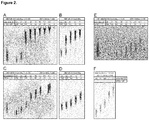
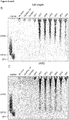
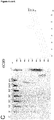
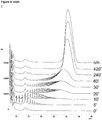
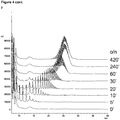
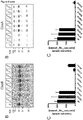
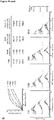
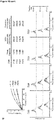
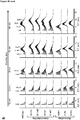
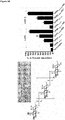
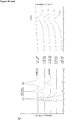
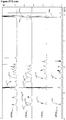
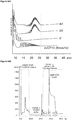
- the CP-A or the C-terminally truncated CP-X produces capsular polysaccharides which have an avDP50 (see, e.g., Fig. 1A , 2C, 2F ).
- the major species i.e. the main components of the produced capsular polysaccharides have a length around DP15 (or DP50, respectively).
- the product pool has an avDP15 (or avDP50, respectively) and is narrowly distritubted around the major species having a DP of 15 (or 50, respectively).
- the donor:acceptor ratio is from 15:1 to 20:1
- the major species of the produced capsular polysaccharides have a length of avDP15 to avDP20.
- the produced capsular polysaccharides comprise as a main component capsular polysaccharides having a DP corresponding to about the ratio of donor carbohydrate to acceptor carbohydrate.
- the acceptor carbohydrates are polysaccharides with a DP of ⁇ 4.
- the length of the produced capsular polysaccharides can easily be regulated via the donor:acceptor ratio.
- One aspect of the invention relates to the above described method, wherein the donor:acceptor ratio is from 15:1 to 20:1, and wherein at least 60% (preferably 80%, most preferably 90%) of the produced capsular polysaccharides have a length, or in other words, a degree of polymerisation corresponding to the ratio of donor carbohydrate to acceptor carbohydrate -20/+30 repeating units.
- Neisseria meningitidis capsular polysaccharides which have a defined length means that the produced capsular polysaccharides have a defined DP (degree of polymerization) or a defined avDP (average degree of polymerization), e.g. a DP between 10 and 60 or an avDP between 15 and 20.
- the term "Neisseria meningitidis capsular polysaccharides which have a defined length” preferably means that at least 60% (more preferably at least 80%, most preferably at least 90%) of the produced capsular polysaccharides have a length between DP10 and DP60.
- the DP may be between DP20 and DP60.
- the DP indicates the number of monosaccharide-units which built up the capsular polysaccharide.
- a DP of 10 means that the capsular polysaccharide consists of 10 monosaccharide-units and a DP of 60 means that the capsular polysaccharide consists of 60 monosaccharide-units.
- a NmX capsular polysaccharide having DP10 means that the capsular polysaccharide consists of 10 GlcNAc-1P repeating units. Acidic hydrolysis used to produce oligosaccharide fragments form long polysaccharide chains, results in fragments of different lengths, which in subsequent chromatographic steps can be separated into size classes.
- the average DP (avDP) describes the dispersion of chains with one class and can be calculated according to established protocols as described, e.g. in Berti (2012) Vaccine 30 (45), 6409-6415 . Or, in other words, the avDP describes the average length of a polysaccharide pool.
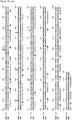
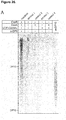
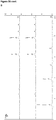
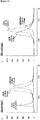
- Alternative ways to determine the DP of oligosaccharides are high percentage polyacrylamide gel electrophoresis or HPLC-anion-exchange chromatography as demonstrated in the appended examples.
- the avDP may be determined by the protocol described in Berti (2012) 30(45): 6409-15., which includes 31 P NMR and High Performance Anionic Exchange Chromatography with Pulsed Amperometric Detection (HPAEC-PAD).
- capsular polysaccharides having an avDP of 15 to 20 For vaccine production usually capsular polysaccharides having an avDP of 15 to 20 is used.
- the product pool of polysaccharides with an avDP of 15 to 20 consists of polysaccharides having a DP of 10 to 60.
- the herein provided in vitro methods have the advantage that capsule polysaccharides with the length which is desired for vaccine production (i.e. DP10 to DP60) can directly be produced.
- the term "Neisseria meningitidis capsular polysaccharides which have a defined length” also means that the produced capsular polysaccharides have a low dispersity (i.e. a narrow product distribution).
- capsule polymerase of Nm serogroup A if the capsule polymerase of Nm serogroup A is used, than capsule polysaccharides of Nm serogroup A are produced.
- capsule polymerase of Nm serogroup X if a truncated version of the capsule polymerase of Nm serogroup X is used, that capsule polysaccharides of Nm serogroup X are produced.
- terminally truncated versions of the capsule polymerase of Nm serogroup X may be identified.
- These terminally truncated proteins have the advantage that they have an increased activity as compared to the full length CP-X.
- a further advantageous property of these terminally truncated proteins is that they can be regulated by the ratio of donor carbohydrates to acceptor carbohydrates such that they produce capsular polysaccharides which have a uniform and defined length. This is surprising since the full length CP-X cannot be regulated by the donor-acceptor ratio.
- terminally truncated versions of the CP-X can also be regulated by the reaction time so as to produce capsular polysaccharides which have a uniform and defined length. More specifically, the time how long the terminally truncated CP-X is incubated with the donor carbohydrates (and, optionally, the acceptor carbohydrates) regulates the length of the produced capsule polysaccharides. Accordingly, an incubation time can be chosen which results in the production of capsule polysaccharides of NmX which have the length which is desired for vaccine production (i.e. DP10 to DP60). Accordingly, one embodiment of the invention relates to an in vitro method for producing Neisseria meningitidis capsular polysaccharides which have a defined length, said method comprising the steps:
- the invention relates to an in vitro method for producing Neisseria meningitidis capsular polysaccharides which have a defined length, said method comprising the steps:
- the reaction can be stopped at any time whereby the resulting avDP depends on the reaction time. Therefore, if the truncated version of the CP-X is regulated via the reaction time, then the ratio of donor carbohydrate to acceptor carbohydrate is not relevant.
- the ratio of donor carbohydrate to acceptor carbohydrate can range from 1:1 to 50000:1, preferably from 10:1 to 10000:1 (e.g. from 200:1 to 10000:1, or more preferably from 100: 1 to 8000:1).
- the herein described capsule polymerases are active even if they are coupled to a solid phase.
- Immobilizing a component on a solid phase has the advantage that it reduces labor in the isolating step (b). More specifically, immobilizing a component to a solid phase omits further purification steps to remove the produced capsular polysaccharides from the reaction mixture of step (a).
- one of the components may be immobilized (i.e. bound/coupled) on a solid phase.
- the donor carbohydrate or the capsule polymerase may be immobilized on a solid phase.
- the solid phase may be column, such as a His-Trap column (i.e. a column having His-Trap beads).
- the capsule polymerase is immobilized on a solid phase.
- a polypeptide which has the amino acid sequence of SEQ ID NO: 29 ( ⁇ N58 ⁇ C99-CP-X) or which has at least 80% (preferably at least 90%) sequence identity to SEQ ID NO: 29 and being functional may be immobilized on a solid phase.
- the capsule polymerase of Nm serogroup X is capable of a de novo synthesis of capsular polysaccharides.
- the CP-X is able to synthesize capsular polysaccharides in the absence of acceptor carbohydrates ( Fiebig, Glycobiology (2014) 24:150-8 ).
- acceptor carbohydrates Fiebig, Glycobiology (2014) 24:150-8 .
- one aspect of the invention relates to an in vitro method for producing Nm capsular polysaccharides of NmX which have a defined length, said method comprising the steps:
- the inventive terminally truncated versions of the capsule polymerase of Nm serogroup X can be regulated by both, the donor-acceptor ratio and the reaction time (i.e. the time how long the terminally truncated version of the CP-X is incubated with the donor saccharides and the acceptor saccharides).
- one aspect of the invention relates to an in vitro method for producing Neisseria meningitidis capsular polysaccharides which have a defined length, said method comprising the steps:
- the invention relates to an in vitro method for producing Neisseria meningitidis capsular polysaccharides which have a defined length, said method comprising the steps:
- the invention relates to an in vitro method for producing Nm capsular polysaccharides of NmX which have a defined length, said method comprising the steps:
- capsular polysaccharides of NmX which have the desired length of DP10 to DP60 can be produced by using a terminally truncated version of CP-X and a ratio of donor carbohydrate to acceptor carbohydrate which is approximately between 10:1 and 400:1.
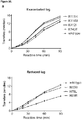
- the appended Examples also demonstrate that higher donor-acceptor ratios (e.g., 200:1 or 8000:1) can be used to produce Nm capsule polysaccharides which have a defined length, if the terminally truncated version of the CP-X is regulated via the reaction time (i.e. if the reaction time is from 3 to 45 min).
- the ratio of donor carbohydrate to acceptor carbohydrate is not relevant.
- the donor:acceptor ratio can be from 10:1 to 10000:1, preferably from 100:1 to 8000:1 (e.g.
- the ratio of donor carbohydrate to acceptor carbohydrate of 10:1, 20:1, 40:1, 60:1, 80:1, 100:1, 120:1, 140:1, 160:1, 180:1, 200:1, 220:1, 240:1, 250:1, 300:1, 350:1, 400:1, 450:1, 500:1, 550:1, 600:1, 650:1, 700:1, 750:1, 800:1, 850:1, 900:1, 950:1, 1000:1, 2000:1, 3000:1, 4000:1, 5000:1, 6000:1, 7000:1, 8000:1, 9000:1, or 10000:1 may be used.
- the truncated version of the CP-X is used in a concentration ranging from 20 to 500 nM, preferably from 20 to 200 nM, or more preferably from 50 to 100 nM (e.g. 50 nM).
- said truncated version of the CP-X is incubated with a donor concentration of 1 to 100 mM, preferably of 1 to 50 mM, more preferably of 2 to 20 mM, even more preferably of 5 to 10 mM, or most preferably of 10 mM UDP-GlcNAc; and with an acceptor concentration resulting in a donor to acceptor ratio from 10:1 to 10000:1, preferably from 100:1 to 8000:1, (e.g. from 200:1 to 1000:1) and that the reaction time ranges from 3 to 45 minutes, more preferably from 5 to 30 minutes, or most preferably from.5 to 10 minutes.
- at least 80 % of the acceptor carbohydrates are polysaccharides with a DP of ⁇ 4.
- the concentration of the truncated version of the CP-X ranges from 20 to 500 nM, preferably from 20 to 200 nM, or more preferably from 50 to 100 nM (e.g. 50 nM).
- said truncated version of the CP-X is incubated with a donor concentration of 1 to 100 mM, preferably of 1 to 50 mM, more preferably of 2 to 20 mM, even more preferably of 5 to 10 mM, or most preferably of 10 mM UDP-GlcNAc; and with an acceptor concentration resulting in a donor to acceptor ratio from 10:1 to 10000:1, preferably from 100:1 to 8000:1 (e.g. 200:1 to 1000:1); and that the reaction time ranges from 3 to 45 minutes.
- at least 80 % of the acceptor carbohydrates are polysaccharides with a DP of ⁇ 4.
- the reaction time ranges (i.e. is) from 3 to 45 minutes.
- the reaction time ranges from 5 to 30 minutes, more preferably from 5 to 10 minutes (e.g. 5 or 10 min).
- the capsule polymerase is a polypeptide which has at least 80% (preferably at least 90%) sequence identity to SEQ ID NO: 28 ( ⁇ C99-CP-X) and being functional, then the reaction time ranges preferably from 5 to 10 minutes, and is most preferably 5 minutes.
- the capsule polymerase is a polypeptide which has at least 80% (preferably at least 90%) sequence identity to SEQ ID NO: 25 ( ⁇ N58-CP-X) and being functional, then the reaction time ranges preferably from 5 to 30 minutes. Furthermore, if the capsule polymerase is a polypeptide which has at least 80% (preferably at least 90%) sequence identity to SEQ ID NO: 29 ( ⁇ N58 ⁇ C99-CP-X) and being functional, then the reaction time ranges preferably from 5 to 30 minutes and is most preferably 10 minutes.
- the temperature in the incubation step (a) may be from 20°C to 40°C, preferably from 25°C to 37°C, more preferably from 30°C to 37°C, and most preferably 37°C.
- the reaction time may be 3-45 min, preferably 5-30 minutes.
- the reaction time may be 3 min, 5 min, 10 min, 15 min, 20 min, 25 min 30 min, 35 min, 40 min or 45 min.
- a C- and N-terminally truncated version of the CP-X (such as ⁇ N58 ⁇ C99-CP-X) is used.
- This truncated version of the CP-X may be a polypeptide having the amino acid sequence of SEQ ID NO: 29 or a polypeptide having an amino acid sequence which has at least 80% homology to SEQ ID NO: 29 and being functional.
- reaction time may be, e.g., 4-7 hours.
- step (b) of the herein described in vitro methods for producing Nm CPS which have a defined length i.e. which have low dispersity in terms of length
- the resulting CPS are isolated. Isolation of the synthesized CPS may be performed, e.g., by anion exchange chromatography (AEC).
- AEC anion exchange chromatography
- the produced CPS may be purified via AEC by using a MonoQ HR5/5 column (Pharmacia biotech) at a flow rate of 1mL/min and a linear sodium chloride gradient or by High Performance Anionic Exchange Chromatography with Pulsed Amperometric Detection (HPAEC-PAD) as described ( Berti et al. 2012 Vaccine. (2012) 30:6409-15 ).
- composition comprising:
- one aspect of the invention relates to a composition
- a composition comprising:
- compositions 20 nM to 500 ⁇ M (preferably 20 to 200 nM, more preferably 50 to 100 nM, e.g. 50-70 nM) of the capsular polymerase (e.g. ⁇ C99-CP-X, ⁇ N58 ⁇ C99-CP-X or ⁇ N58-CP-X, or a polypeptide having at least 80% (preferably at least 90%) identity to any one of SEQ ID NOs: 25, 28 and 29 and being functional) may be used.
- the amount of donor carbohydrate e.g. UDP-GlcNAc
- the acceptor carbohydrate may be purified capsular polysaccharides of NmX.
- the amount of the acceptor carbohydrate is adjusted to result in a ratio of donor carbohydrate to acceptor carbohydrate of 10:1 to 10000:1, preferably of 100:1 to 8000:1 (e.g. of 200:1 to 1000:1).
- the amount of the acceptor carbohydrate may be 1-1000 ⁇ M, e.g. 10-40 ⁇ M.
- the ratio of donor carbohydrate to acceptor carbohydrate is 10:1 to 10000:1, e.g. 20:1, 40:1, 60:1, 80:1, 100:1, 150:1, 200:1, 220:1, 240:1, 250:1, 300:1, 350:1, 400:1, 450:1, 500:1, 550:1, 600:1, 650:1, 700:1, 750:1, 800:1, 850:1, 900:1, 950:1, 1000:1, 2000:1, 3000:1, 4000:1, 5000:1, 6000:1, 7000:1, 8000:1, 9000:1 or 10000:1.
- the donor-acceptor-ratio may be from 2:1 to 2000:1.
- One aspect of the invention relates to the herein described composition, wherein the ratio of donor carbohydrate to acceptor carbohydrate is a ratio from 20:1 to 240:1.
- composition of the invention may be suitable for storage (e.g. storage under cold temperatures to prevent that the synthesis of capsular polysaccharides starts).
- the composition may be suitable for storage in 4 °C, 0 °C, -10 °C, -20 °C or -80 °C.
- compositions and in vitro methods comprise "at least one" capsule polymerase. Therefore, the herein disclosed compositions and in vitro methods can comprise several capsular polymerases of different types in one reaction mixture (e.g. CP-A together with the terminally truncated CP-X). However, it is preferred that the inventive compositions and in vitro methods comprise only capsule polymerases of one type (e.g. only the terminally truncated version of CP-X).
- kits for carrying out the in vitro methods of the invention comprising the above described composition.
- the embodiments disclosed in connection with the in vitro method of the present invention apply, mutatis mutandis, to the composition and the kit of the present invention.
- the kit of the present invention further comprises, optionally (a) reaction buffer(s), storage solutions, wash solutions and/or remaining reagents or materials required for the conduction of the assays as described herein.
- parts of the kit of the invention can be packaged individually in vials or bottles or in combination in containers or multicontainer units. These vials/bottles/containers or multicontainers may, in addition to the capsule polymerases and donor carbohydrates and acceptor carbohydrates as described herein, comprise preservatives or buffers for storage.
- the kit may contain instructions for use.
- composition of the present invention or the kit of the present invention may be advantageously used for carrying out the in vitro methods as described herein (i.e. for producing Nm capsular polysaccharides of NmX which have a defined length).
- manufacture of the kit of the present invention follows preferably standard procedures which are known to the person skilled in the art.
- the capsule polymerase of NmA (CP-A also designated as CsaB) may be used.
- the DNA sequence of the wild type full length CP-A is shown herein as SEQ ID NO: 1.
- the DNA sequence of the full length CP-A which is optimized for expression in E. coli i.e. a codon optimized DNA sequence
- SEQ ID NO: 2 The DNA sequence of the full length CP-A which is optimized for expression in E. coli (i.e. a codon optimized DNA sequence) is shown herein as SEQ ID NO: 2.
- the polypeptide resulting from the expression of the wild type or codon optimized CP-A polynucleotide is identical.
- the amino acid sequence of the full length CP-A is given in SEQ ID NO: 9.
- ⁇ N69-CP-A means that 69 amino acids are lacking at the N-terminus of the CP-A protein.
- ⁇ N69-CP-A is also designated as "dN69-CsaB”.
- SEQ ID NO: 3 The polynucleotide sequence of the wild type ⁇ N69-CP-A is shown in SEQ ID NO: 46.
- the amino acid sequence of the expressed wild type or codon optimized ⁇ N69-CP-A is identical and in SEQ ID NO: 10. Surprisingly, ⁇ N69-CP-A is advantageous over the full length CP-A. In particular, as demonstrated in the appended illustrative examples, while increased degradation and concomitantly reduced expression was seen for the codon optimized full length CP-A, the codon optimized ⁇ N69-CP-A is well expressed and no degradation is detectable. In addition, as shown in the appended examples, by using the radioincorporation assay as described in Fiebig, Glycobiology (2014) 24:150-8 , it was demonstrated the ⁇ N69-CP-A protein is active (i.e.
- a truncated version of the CP-A i.e. ⁇ 69-CP-A
- said truncated version of the CP-A is the polypeptide of any one of (a) to (f):
- the herein provided truncated version of the CP-A comprises the ability to transfer ManNAc-1 P or a derivative thereof from UDP-ManNAc or a derivative thereof onto an acceptor carbohydrate (i.e. onto the hydroxyl group of C6 of a capsular polysaccharide from NmA or a derivative thereof). Accordingly, this function can be the ability to transfer ManNAc-1 P from UDP-ManNAc onto an acceptor carbohydrate.
- the acceptor carbohydrate may be extended/activated at the reducing end or the reducing end phosphate.
- the size of the produced capsular polysaccharides can be controlled by the ratio of donor and acceptor carbohydrate when the ratio is in the range of 10:1 to 400:1, preferably from 10:1 to 240:1, more preferably from 10:1 to 80:1, even more preferably from 10:1 to 75:1, even more preferably from 20:1 to 75:1, and most preferably from 20:1 to 60:1 (e.g. 40:1 to 60:1 such as 50:1). Within this range, only one product distribution corresponding in size to the calculated donor-acceptor ratio is obtained at reaction endpoints.
- the transfer of ManNAc-1 P (or a derivative thereof) from UDP-ManNAc (or a derivative thereof) onto an acceptor carbohydrate may be performed by incubating a truncated version of the CP-A (i.e. ⁇ N69-CP-A) with UDP-ManNAc (or a derivative thereof) and an acceptor carbohydrate (e.g. a tetramer or a dimer consisting of ManNAc-1 P units linked together by phosphodiester bonds). Whether a transfer from ManNAc-1 P (or a derivative thereof) from UDP-ManNAc (or a derivative thereof) onto an acceptor carbohydrate has occurred can be tested, e.g.
- HPAEC-PAD High Performance Anionic Exchange Chromatography with Pulsed Amperometric Detection
- a derivative of ManNAc-1 P may be ManNAc-3-O-Ac or ManNAc-4-O-Ac or ManNAc-3,4-di-O-Ac.
- a derivative of UDP-ManNAc may be UDP-ManNAc-3-O-Ac or UDP-ManNAc-4-O-Ac or UDP-ManNAc-3,4-di-O-Ac.
- CP-A i.e. ⁇ N69-CP-A
- the function comprises the ability to transfer ManNAc-1 P (or a derivative thereof) from UDP-ManNAc (or a derivative thereof) onto an acceptor carbohydrate
- the truncated version of the CP-A shows the same activity profile as the full length CP-A.
- An activity profile means that elongated products are of similar or identical dispersity.
- the full length CP-A, the codon optimized CP-A, the ⁇ N69-CP-A or the codon optimized ⁇ N69-CP-A may be used in the herein described in vitro methods for producing Nm capsular polysaccharides or compositions. Also disclosed herein is the in vitro method described herein or the composition described herein, wherein the capsule polymerase of Neisseria meningitidis serogroup A is the polypeptide of any one of (a) to (f):
- capsule polymerase of Neisseria meningitidis serogroup A is the polypeptide of any one of (a) to (f):
- the function of the above under items (a) to (f) described capsule polymerase of Neisseria meningitidis serogroup A comprises the ability to transfer ManNAc-1 P or a derivative thereof from UDP-ManNAc or a derivative thereof onto an acceptor carbohydrate.
- the acceptor carbohydrates are polysaccharides with a DP of ⁇ 4.
- the acceptor (or at least 80% of the acceptor carbohydrates) may be DP4, DP5 or DP6; preferably the acceptor (or at least 80% of the acceptor carbohydrates) is a tetramer or pentamer of ManNAc-1P with a free reducing end.
- the full length CP-A, the codon optimized CP-A or the codon optimized ⁇ N69-CP-A may be used in the herein described in vitro methods for producing Nm capsular polysaccharides or in the herein described compositions.
- the ratio of donor carbohydrate to acceptor carbohydrate is from 10:1 to 400:1, preferably from 10:1 to 240:1, and more preferably from 10:1 to 80:1, and even more preferably from 10:1 to 75:1, even more preferably from 20:1 to 75:1, and most preferably from 20:1 to 60:1 (e.g. 40:1 to 60:1 such as 50:1).
- the codon optimized ⁇ N69-CP-A is used in the herein described in vitro methods for producing Nm CPS which have a defined length or in the herein described compositions.
- the inventors of the present invention surprisingly identified truncated versions of the capsule polymerase of Nm serogroup X (CP-X).
- CP-X Nm serogroup X
- the CP-X-fragment ⁇ N67 ⁇ C99-CP-X (wherein 67 amino acids are lacking at the N-terminus and 99 amino acids are lacking at the C-terminus) was demonstrated to be functional (i.e. able to transfer GlcNAc-1P (or a derivative thereof) from UDP-GlcNAc (or a derivative thereof) onto an acceptor carbohydrate.
- at least 80 % of the acceptor carbohydrates are polysaccharides with a DP of ⁇ 4.
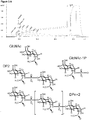
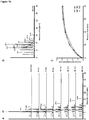
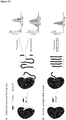
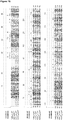
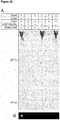
- the acceptor (or at least 80% of the acceptor carbohydrates) may be DP4, DP5, or DP6 (see, e.g., Figure 3E ); preferably, the acceptor (or at least 80% of the acceptor carbohydrates) is a tetramer or pentamer of GlcNAc-1 P with a free reducing end as shown in Fig 3 .
- the DNA sequence of ⁇ N67 ⁇ C99-CP-X is provided herein as SEQ ID NO: 23 and the amino acid sequence is shown herein as SEQ ID NO: 31.
- the C-terminally truncated ⁇ C136-CP-X (wherein 136 amino acids are lacking at the C-terminus) is active, as several C-terminal mutations (except of a mutation at position 351) do not affect activity of the CP-X (unpublished data, see also Fig. 6C ).
- the fragment ⁇ N83 ⁇ C136-CP-X (wherein 83 amino acids are lacking at the N-terminus and 136 amino acids are lacking at the C-terminus) is considered to be active because the CP-A is still active if it carries a mutation at amino acid 250 (in the N-terminus) which corresponds to amino acid 84 in CP-X.
- the inventors of the present invention surprisingly found that, when terminally truncated, the CP-X can be regulated via the donor-acceptor ratio such that it produces CPS with a uniform and defined length. Furthermore, these terminally truncated versions of the CP-X have the additional advantage that they can also be regulated by the reaction time. Moreover, the inventive terminally truncated versions of CP-X have the superior property that they have a significantly improved activity as compared to the full length CP-X.
- the DNA sequence of the full length CP-X is shown herein as SEQ ID NO: 16 and the amino acid sequence of the full length CP-X is shown herein as SEQ ID NO: 24.
- the illustrative appended examples demonstrate several truncated versions of the CP-X which are capable of producing Nm X capsular polysaccharides.
- the proteins ⁇ N58-CP-X (wherein 58 amino acids are lacking at the N-terminus of CP-X and which comprises approximately 88% of the full length CP-X), ⁇ C99-CP-X (wherein 98 amino acids are lacking at the C-terminus of CP-X and which comprises approximately 80% of the full length CP-X) and ⁇ N58 ⁇ C99-CP-X (wherein 58 amino acids are lacking at the N-terminus and 98 amino acids are lacking at the C-terminus and which comprises approximately 68% of the full length CP-X) have been demonstrated to be functional capsular polysaccharides.
- ⁇ N58-CP-X " ⁇ C99-CP-X” and “ ⁇ N58 ⁇ C99-CP-X” are also designated as “dN58-CsxA”, “dC99-CsxA” and “dN58dC99-CsxA”, respectively.
- ⁇ C99 it is noted that this designation has been chosen as the DNA sequence which was used to generate the ⁇ C99-CP-X construct ends with codon 387 of the CP-X sequence. However, this DNA sequence was cloned to have an Xhol restriction site (CTCGAG) at the 3' end. The codon CTC within this site encodes leucine.
- CTCGAG Xhol restriction site
- Amino acid 388 of wild type CP-X is also a leucine (however encoded by CTT). Therefore, in the proteins ⁇ C99-CP-X and ⁇ N58 ⁇ C99-CP-X, 98 (instead of 99) amino acids are lacking at the C-terminus.
- the herein provided polynucleotide encoding ⁇ C99-CP-X i.e. SEQ ID NO: 20
- the resulting polypeptide has the sequence as given herein in SEQ ID NO: 28.
- the herein provided polynucleotide encoding ⁇ N58 ⁇ C99-CP-X i.e.
- SEQ ID NO: 21 is expressed in a host cell, then the resulting polypeptide has the sequence as given herein in SEQ ID NO: 29.
- ⁇ C99-CP-X and “ ⁇ N58 ⁇ C99-CP-X” are also designated as “dC99-CsxA” and “dN58dC99-CsxA”, respectively.
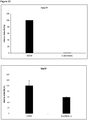
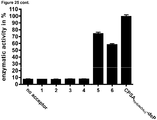
- truncated versions of the CP-X have a considerably higher activity as compared to the full length CP-X. More specifically, by using a radioincorporation assay, the appended illustrative examples demonstrate that truncated versions of the CP-X (e.g. ⁇ N58-CP-X, ⁇ C99-CP-X or ⁇ N58 ⁇ C99-CP-X) are more active (i.e. assemble more saccharide monomers to capsule polysaccharides) as compared to the full length CP-X.
- CP-X e.g. ⁇ N58-CP-X, ⁇ C99-CP-X or ⁇ N58 ⁇ C99-CP-X
- the truncated version of the CP-X may preferably be a terminally truncated version of the CP-X. Accordingly, further disclosed herein is a truncated version of the CP-X, which is a polypeptide comprising:
- the function of the terminally truncated version of the CP-X comprises the ability to transfer GlcNAc-1 P from UDP-GlcNAc onto an acceptor carbohydrate.
- acceptor carbohydrates are polysaccharides with a DP of ⁇ 4.
- the acceptor (or at least 80% of the acceptor carbohydrates) may be DP4, DP5, or DP6; preferably, the acceptor (or at least 80% of the acceptor carbohydrates) is a tetramer or pentamer of GlcNAc-1 P with a free reducing end as shown in Fig 3 .
- the terminally truncated version of CP-X which is applied herein has also the ability to transfer defivatives of GlcNAc-1 P from derivatives of UDP-GlcNAc onto an acceptor carbohydrate.
- the function of the terminally truncated version of the CP-X comprises the ability to transfer GlcNAc-1 P or a derivative thereof from UDP-GlcNAc or a derivative thereof onto an acceptor carbohydrate. Therefore, also disclosed herein is a truncated version of the CP-X, which is a polypeptide comprising:
- the herein provided terminally truncated version of the CP-X comprises maximal 50-95% of the full length CP-X. It is envisaged, that the terminally truncated version of the CP-X comprises minimal 50% of the full length CP-X and maximal 95% of the full length CP-X.
- the terminally truncated CP-X of the invention may comprise 50-95%, 55-90%, 60-85% or 65-80% of the full length CP-X.
- the terminally truncated CP-X may comprise 50%, 55%, 60%, 65%, 70%, 75%, 80%, 85%, 90% or 95% or the full length CP-X.
- the herein provided terminally truncated version of the CP-X comprises the ability to transfer GlcNAc-1P (or a derivative thereof) from UDP-GlcNAc (or a derivative thereof) onto an acceptor carbohydrate (i.e. onto the hydroxyl group of C4 of a capsular polysaccharide from NmX (or a derivative thereof)).
- the acceptor carbohydrate may be extended/activated at the reducing end or the reducing end phosphate.
- at least 80 % of the acceptor carbohydrates are polysaccharides with a DP of ⁇ 4.
- the acceptor (or at least 80% of the acceptor carbohydrates) may be DP4, DP5, or DP6; preferably, the acceptor (or at least 80% of the acceptor carbohydrates) is a tetramer or pentamer of GlcNAc-1P with a free reducing end as shown in Fig 3 .
- the size of the produced capsular polysaccharides can be controlled by the ratio of donor and acceptor carbohydrate when the ratio is in the range of 10:1-400:1. Within this range, only one product distribution with a low dispersity (compared to full-length CP-X) is obtained at reaction endpoints. More specifically, within this range, only one product distribution with a low dispersity is obtained during all time points of the reaction.
- the transfer GlcNAc-1P (or a derivative thereof) from UDP-GlcNAc (or a derivative thereof) onto an acceptor carbohydrate may be performed by incubating a truncated version of the CP-X (e.g. ⁇ C99-CP-X, ⁇ N58-CP-X or ⁇ N58 ⁇ C99-CP-X) with UDP-GlcNAc (or a derivative thereof) and an acceptor carbohydrate and in reaction buffer (50 mM Tris pH 8.0, and 20 mM MgCl 2 , and optionally 1-2 mM (e.g.
- the acceptor carbohydrates are polysaccharides with a DP of ⁇ 4.
- the acceptor or at least 80% of the acceptor carbohydrates
- Whether a transfer from GlcNAc-1P (or a derivative thereof) from UDP-GlcNAc (or a derivative thereof) onto an acceptor carbohydrate has occurred can be tested, e.g. by high percentage PAGE and developed by alcian blue/silver staining ( Fiebig et al., Glycobiology. 2014 Feb;24(2):150-8 ) in the presence of a size marker or by 31 P NMR monitoring the characteristic phosphodiester signal ( Fiebig et al., Glycobiology. 2014 Feb;24(2): 150-8 ), or by High Performance Anionic Exchange Chromatography with Pulsed Amperometric Detection (HPAEC-PAD) as described ( Berti et al. Vaccine. 2012 Oct 5;30(45):6409-15 ; Fiebig et al., Glycobiology. 2014 Feb;24(2): 150-8 ).
- HPAEC-PAD High Performance Anionic Exchange Chromatography with Pulsed Amperometric
- the C-terminally truncated CP-X as well as the C-and N-terminally truncated CP-X can be regulated via the donor-acceptor ratio and/or via the reaction time so as to produce capsular polysaccharides that have a uniform and defined length.
- the appended examples show that the truncated proteins ⁇ C99-CP-X and ⁇ N58 ⁇ C99-CP-X can be regulated via the donor-acceptor ratio or via the reaction time such that they produce capsular polysaccharides which have a uniform and defined length.
- a terminally truncated version of the CP-X which is a C-terminally or a C-and N-terminally truncated version of the full length CP-X.
- the terminally truncated version of the CP-X which is described and provided herein is the construct ⁇ C99-CP-X or ⁇ N58 ⁇ C99-CP-X.
- the invention relates to the herein provided terminally truncated version of the CP-X, comprising
- the invention relates to the terminally truncated version of the CP-X comprising:
- a particular embodiment of the invention relates to the above described terminally truncated version of the CP-X, wherein the function comprises the ability to transfer GlcNAc-1 P or a derivative thereof from UDP-GlcNAc or a derivative thereof onto an acceptor carbohydrate; wherein the produced polymers have a DP between 10 and 60 or an avDP between 15 and 20, when the ratio of donor carbohydrate to acceptor carbohydrate is in the range of 10:1 to 400:1.
- at least 80 % of the acceptor carbohydrates are polysaccharides with a DP of ⁇ 4.
- the acceptor (or at least 80% of the acceptor carbohydrates) may be DP4, DP5, or DP6; preferably, the acceptor (or at least 80% of the acceptor carbohydrates) is a tetramer or pentamer of GlcNAc-1 P with a free reducing end as shown in Fig 3 .
- terminally truncated version of the CP-X i.e. the polypeptide described above under items (i) and (ii)
- the terminally truncated version of the CP-X may be used in the herein described in vitro methods for producing Nm capsular polysaccharides or in the herein described compositions.
- the terminally truncated CP-X is regulated via the ratio of donor carbohydrate to acceptor carbohydrate (and not via the reaction time) then the following preferred ratios can produce a product distribution with a low dispersity.
- the terminally truncated version of the CP-X is regulated via the ratio of donor carbohydrate to acceptor carbohydrate, then the following preferred ratios can produce capsular polysaccharides of which at least 60%, (preferably at least 80%) have a defined length between DP10 and DP60 or between avDP15 and avDP20.
- the following capsule polymerases and ratios are preferably used in the compositions described herein.
- the capsule polymerase is a polypeptide which has at least 80% (preferably at least 85%, even more preferably at least 90%, even more preferably at least 95%, even more preferably at least 96%, even more preferably at least 97%, even more preferably at least 98% or most preferably at least 99%) sequence identity to a polypeptide encoded by a nucleic acid molecule which comprises the nucleic acid sequence of SEQ ID NO: 20 ( ⁇ C99-CP-X) and being functional, then the ratio of donor carbohydrate to acceptor carbohydrate is preferably from 10:1 to 80:1, more preferably from 20:1 to 60:1, even more preferably from 20:1 to 50:1, and most preferably from 33:1 to 50:1.
- the capsule polymerase is a polypeptide which has at least 80% (preferably at least 85%, even more preferably at least 90%, even more preferably at least 95%, even more preferably at least 96%, even more preferably at least 97%, even more preferably at least 98% or most preferably at least 99%) sequence identity to a polypeptide encoded by a nucleic acid molecule which comprises the nucleic acid sequence of SEQ ID NO: 17 ( ⁇ N58-CP-X) and being functional, then the ratio of donor carbohydrate to acceptor carbohydrate is preferably from 10:1 to 80:1, more preferably from 20:1 to 50:1, and most preferably from 20:1 to 33:1 (e.g. 33:1).
- the capsule polymerase is a polypeptide which has at least 80% (preferably at least 85%, even more preferably at least 90%, even more preferably at least 95%, even more preferably at least 96%, even more preferably at least 97%, even more preferably at least 98% or most preferably at least 99%) sequence identity to a polypeptide encoded by a nucleic acid molecule which comprises the nucleic acid sequence of SEQ ID NO: 21 ( ⁇ N58 ⁇ C99-CP-X) and being functional, then the ratio of donor carbohydrate to acceptor carbohydrate is preferably from 50:1 to 400:1, more preferably from 80:1 to 400:1, even more preferably from 100:1 to 400:1, and most preferably from 100:1 to 200:1.
- the capsule polymerase is a polypeptide which comprises an amino acid sequence which has at least 80% (preferably at least 85%, even more preferably at least 90%, even more preferably at least 95%, even more preferably at least 96%, even more preferably at least 97%, even more preferably at least 98% or most preferably at least 99%) sequence identity to SEQ ID NO: 28 ( ⁇ C99-CP-X) and being functional, then the ratio of donor carbohydrate to acceptor carbohydrate is preferably from 10:1 to 80:1, more preferably from 20:1 to 60:1, even more preferably from 20:1 to 50:1, and most preferably from 33:1 to 50:1.
- the capsule polymerase is a polypeptide which comprises an amino acid sequence which has at least 80% (preferably at least 85%, even more preferably at least 90%, even more preferably at least 95%, even more preferably at least 96%, even more preferably at least 97%, even more preferably at least 98% or most preferably at least 99%) sequence identity to SEQ ID NO: 25 ( ⁇ N58-CP-X) and being functional, then the ratio of donor carbohydrate to acceptor carbohydrate is preferably from 10:1 to 80:1, more preferably from 20:1 to 50:1, and most preferably from 20:1 to 33:1 (e.g. 33:1).
- the capsule polymerase is a polypeptide which comprises an amino acid sequence which has at least 80% (preferably at least 85%, even more preferably at least 90%, even more preferably at least 95%, even more preferably at least 96%, even more preferably at least 97%, even more preferably at least 98% or most preferably at least 99%) sequence identity to SEQ ID NO: 29 ( ⁇ N58 ⁇ C99-CP-X) and being functional, then the ratio of donor carbohydrate to acceptor carbohydrate is preferably from 50:1 to 400:1, more preferably from 80:1 to 400:1, even more preferably from 100:1 to 400:1, and most preferably from 100:1 to 200:1.
- the terminally truncated version of the CP-X may also be a polypeptide comprising the construct ⁇ N65 ⁇ C10-CP-X (which is shown in SEQ ID NOs: 22 and 30) or ⁇ N67 ⁇ C99-CP-X (which is shown in SEQ ID NOs: 23 and 31) which have been demonstrated to be active (data not shown) and which can be regulated via the donor-acceptor ratio or via the reaction time such that they produce capsular polysaccharides with a uniform and defined length.
- the terminally truncated version of the CP-X of the present invention may be a polypeptide comprising the amino acid of SEQ ID NOs: 28 or 29.
- terminally truncated versions of the CP-X comprising the amino acid sequence of any one of SEQ ID NOs: 25, 28, 29, 30 or 31 wherein one, two, three or more amino acid residues are added, deleted or substituted.
- the polypeptides may have the function of the terminally truncated version of the CP-X (i.e. the ability to transfer GlcNAc-1 P or a derivative thereof from UDP-GlcNAc or a derivative thereof onto an acceptor carbohydrate).
- at least 80 % of the acceptor carbohydrates are polysaccharides with a DP of ⁇ 4.
- the amino acid sequence of the polypeptides may be at least 80%, more preferably at least 85%, more preferably at least 90%, more preferably at least 95%, more preferably at least 96%, more preferably at least 97%, more preferably at least 98%, and most preferably at least 99% identical to SEQ ID NO: 25, 28, 29, 30 or 31.
- the polypeptides may have the function of a truncated version of the CP-X.
- the function comprises the ability to transfer GlcNAc-1 P (or a derivative thereof) from UDP-GlcNAc (or a derivative thereof) onto an acceptor carbohydrate; wherein at least 60% (preferably at least 80%) of the produced polymers have a DP between 10 and 60 or an avDP between 15 and 20, when the ratio of donor carbohydrate to acceptor carbohydrate is in the range of 10:1 to 400:1.
- at least 80 % of the acceptor carbohydrates are polysaccharides with a DP of ⁇ 4.
- the acceptor (or at least 80% of the acceptor carbohydrates) may be DP4, DP5, or DP6; preferably, the acceptor (or at least 80% of the acceptor carbohydrates) is a tetramer or pentamer of GlcNAc-1 P with a free reducing end as shown in Fig 3 .
- terminally truncated versions of the CP-X may be linked (e.g. operatively linked) to additional, heterologous sequences.
- the nucleic acid molecule encoding a truncated version of the CP-X may be linked to additional, heterologous nucleic acid sequences in a recombinant nucleic acid molecule.
- said additional nucleic acid sequence may be a coding gene.
- nucleic acid molecule relates to nucleic acid molecules originating from a different genetic context and combined by molecular biological methods.
- different genetic context relates to genomes from different species, varieties or individuals or different positions within a genome.
- Recombinant nucleic acid molecules can contain not only natural sequences but also sequences, which, compared to the natural ones are mutated or chemically modified or else, the sequences are altogether newly synthesized sequences.
- the terminally truncated version of the CP-X may be linked to an additional heterologous molecule.
- Said additional heterologous molecule may be a nucleic acid molecule which is preferably operatively linked to a truncated version of the CP-X.
- Said additional heterologous nucleic acid molecule may originate from a different genetic context than the truncated version of the CP-X.
- Non-limiting examples of additional heterologous molecules comprise in particular marker molecules, like luciferase, galactosidase, GFP, EGFP, DsRed, etc. or tag-molecules, like Flag-tags, CBP and others.
- said additional heterologous molecule is a tag, such as a Strepll-tag, a thrombin-tag, a his-tag, a MBP-tag or a S3N10-tag.
- said additional heterologous molecule is a nucleic acid molecule encoding a restriction site (e.g. a restriction site of the enzymes BamHI/BgIII, Xhol or Ndel). It is also envisaged that the truncated CP-X of the invention is linked to several additional sequences (e.g. several tags or several restriction sites). Yet, as detailed below, also sequences which optimize (e.g.
- terminally truncated CP-X may be operatively linked to the nucleic acid sequence of the truncated CP-X.
- a sequence may be a particular promoter sequence.
- a suitable promoter for the expression of the terminally truncated version of the CP-X may be, e.g., Tac-, T7-, or Lacpromoter.
- One embodiment of the present invention relates to a nucleic acid molecule encoding the herein described truncated version of the CP-X.
- the invention also relates to a vector comprising said nucleic acid molecule.
- the present invention further relates to vectors containing a nucleic acid molecule of the present invention encoding a terminally truncated version of the CP-X.
- the present invention relates also to a vector comprising the nucleic acid construct encoding the herein described truncated version of the CP-X.
- vector relates to circular or linear nucleic acid molecules which can autonomously replicate in host cells into which they are introduced.
- the "vector” as used herein particularly refers to plasmids, cosmids, viruses, bacteriophages and other vectors commonly used in genetic engineering.
- the vectors of the invention are suitable for the transformation of cells, like fungal cells, cells of microorganisms such as yeast or prokaryotic cells.
- such vectors are suitable for stable transformation of bacterial cells, for example to express the truncated version of the CP-X of the present invention.
- the vector as provided is an expression vector.
- expression vectors have been widely described in the literature. As a rule, they may not only contain a selection marker gene and a replication-origin ensuring replication in the host selected, but also a promoter, and in most cases a termination signal for transcription. Between the promoter and the termination signal there is preferably at least one restriction site or a polylinker which enables the insertion of a nucleic acid sequence/molecule desired to be expressed.
- the nucleic acid construct is inserted into that vector in a manner that the resulting vector comprises only one promoter suitable to be employed in context of this invention.
- the promoter can be excised either from the nucleic acid construct or from the expression vector prior to ligation.
- a non-limiting example of the vector of the present invention is the plasmid vector pET22b comprising a nucleic acid construct of the present invention.
- vectors suitable to comprise a nucleic acid construct of the present invention to form the vector of the present invention are known in the art and are, for example other vectors for bacterial expression systems such as vectors of the pET series (Novagen) or pQE vectors (Qiagen).
- the present invention relates to a host cell comprising the herein described vector.
- the invention relates to a host cell comprising a nucleic acid construct encoding a terminally truncated version of the CP-X and/or the vector of the present invention.
- the host cell of the present invention may be a prokaryotic cell, for example, a bacterial cell.
- the host cell of the present invention may be Escherichia coli.
- the host cell provided herein is intended to be particularly useful for generating the terminally truncated version of the CP-X of the present invention.
- the host cell of the present invention may be a prokaryotic or eukaryotic cell, comprising a nucleic acid construct of the invention or the vector of the invention or a cell derived from such a cell and containing a nucleic acid construct of the invention or the vector of the invention.
- the host cell is genetically modified with a nucleic acid construct of the invention or the vector of the invention in such a way that it contains the nucleic acid construct of the present invention integrated into the genome.
- such host cell of the invention but also the host cell of the invention in general, may be a bacterial, yeast, or fungus cell.
- the host cell of the present invention is capable to express or expresses a terminally truncated version of the CP-X as defined herein and as illustrative characterized in SEQ ID NOs: 20 or 21, for example in SEQ ID NO: 21.
- An overview of examples of different corresponding expression systems to be used for generating the host cell of the present invention is for instance contained in Methods in Enzymology 153 (1987), 385-516 , in Bitter et al. (Methods in Enzymology 153 (1987), 516-544 ), in Sawers et al.
- the transformation or genetically engineering of the host cell with a nucleic acid construct of the invention or the vector according to the invention can be carried out by standard methods, as for instance described in Sambrook and Russell (2001), Molecular Cloning: A Laboratory Manual, CSH Press, Cold Spring Harbor, NY, USA ; Methods in Yeast Genetics, A Laboratory Course Manual, Cold Spring Harbor Laboratory Press, 1990 .
- nucleic acid molecules, vectors, host cells and polypeptides described herein may be used for producing (i.e. synthesizing) Nm capsular polysaccharides which have a defined length.
- the terminally truncated version of the inventive CP-X as described herein may be used.
- the Nm CPS have preferably a DP of 10 to 60 (i.e. an avDP of 15 to 20), it is preferred that the Nm CPS which are produced by the herein described in vitro methods have this size.
- the CP-A or a terminally truncated version of the CP-X is used, then the produced Nm CPS have a DP or 10 to 60 (i.e. an avDP of 15 to 20), if the donorto-acceptor-ratio is in the range from 10:1 to 400:1.
- the produced Nm CPS have a DP of 10 to 60 (i.e. an avDP of 15 to 20) if the incubation time ranges from 3 to 45 minutes.
- the capsular polysaccharides have a DP of 10 to 60 or an avDP of 15 to 20.
- at least 60% (more preferably at least 80%) of the capsular polysaccharides have a DP of 10 to 60 or an avDP of 15 to 20.
- a further embodiment of the invention relates to the in vitro methods of the invention or the composition of the invention, wherein
- the ratio of donor carbohydrate to acceptor carbohydrate may be 50:1.
- the donor carbohydrate which is contacted with at least one purified capsule polymerase (CP) may further be activated during step (a).
- CP purified capsule polymerase
- one embodiment of the invention relates to the in vitro methods of the invention, wherein said donor carbohydrate is activated or wherein said donor carbohydrate is activated during step (a).
- Said activation during step (a) may be performed by contacting said donor carbohydrate with an activating enzyme.
- said donor carbohydrate may be further contacted with PEP and/or at least one activating nucleotide.
- said donor carbohydrate may be activated.
- said donor carbohydrate may be activated by linkage to an activating nucleotide.
- Said activating nucleotide may be, e.g. CMP, CDP, CTP, UMP, UDP, TDP, AMP or UTP, preferably UDP.
- the activation may be mediated by linkage of an activating nucleotide such as CMP, UDP, TDP or AMP.
- the activating nucleotide is UDP.
- the activation of a carbohydrate by linkage of a nucleotide may be catalyzed by several activating enzymes which are known in the art. Such activating enzymes may be incubated with the at least one donor carbohydrate, at least one acceptor carbohydrate and the at least one CP during step (a) of the in vitro method provided herein.
- UDP-ManNAc is preferably synthesized from UDP-GlcNAc using the enzyme UDP-GlcNAc-epimerase.
- SEQ ID NO: 32 the nucleotide sequence of UDP-GlcNAc-epimerase cloned from Neisseria meningitidis serogroup A is shown, the corresponding polypeptide sequence of UDP-GlcNAc-epimerase is shown in SEQ ID NO: 33.
- One particular embodiment of the present invention relates to the herein provided in vitro methods or the herein provided composition, wherein the capsule polymerase is a truncated version of the capsule polymerase of Neisseria meningitidis serogroup X and wherein at least one donor carbohydrate is UDP-GlcNAc.
- another embodiment of the present invention relates to the herein provided in vitro methods or the herein provided composition, wherein the capsule polymerase is a truncated version of the capsule polymerase of Neisseria meningitidis serogroup X and wherein at least one donor carbohydrate is GlcNAc-1-P.
- the capsule polymerase is the capsule polymerase of Neisseria meningitidis serogroup A and at least one donor carbohydrate is UDP-ManNAc.
- the sugar building block UDP-ManNAc is commercially not available. Therefore, a further advantage of the described in vitro methods or compositions is that UDP-ManNAc can be synthesized (during the described in vitro method for producing Nm capsular polysaccharides) from cheap UDP-GlcNAc.
- capsule polymerase is the capsule polymerase of Neisseria meningitidis serogroup A and wherein at least one donor carbohydrate is UDP-GlcNAc.
- UDP-ManNAc is preferably synthesized from UDP-GlcNAc using the enzyme UDP-GlcNAc-epimerase.
- SEQ ID NO: 32 the nucleotide sequence of UDP-GlcNAc-epimerase cloned from Neisseria meningitidis serogroup A is shown, the corresponding polypeptide sequence of UDP-GlcNAc-epimerase is shown in SEQ ID NO: 33.
- step (a) the capsule polymerase is further incubated with the UDP-GlcNAc-epimerase.
- one embodiment of the invention relates to the herein provided composition, further comprising the UDP-GlcNAc-epimerase.
- the UDP-GlcNAc-epimerase e.g. CsaA of NmA
- the UDP-GlcNAc-epimerase may be used in a concentration of 1-2000 nmol, e.g. 10 nmol.
- the capsular polymerase may be a truncated version of the CP-X or a functional derivative thereof and at least one donor carbohydrate may be GlcNAc-1-phosphate.
- Said donor carbohydrate GlcNAc-1-phosphate may be further contacted with at least one nucleotide and/or phosphoenolpyruvate (PEP) and auxiliary enzymes.
- Said nucleotide can be, e.g., UMP, UDP or UTP.
- Said donor carbohydrate GlcNAc-1-phosphate may further be activated during incubation with the terminally truncated CP-X.
- the CP to be applied in the means and methods described herein may be a truncated version of CP-X or a functional derivative thereof and at least one donor carbohydrate may be UDP-GlcNAc or a derivative thereof.
- Examples for derivatives of UDP-GlcNAc may be compounds that are alkylated or hydroxylated or that comprise additional functional groups, such as carboxylic acids, azides, amides, acetyl groups or halogen atoms; see also " Carbohydrate chemistry” Volumes 1-34, Cambridge [England], Royal Society of Chemistry, loc. cit ..
- the saccharides described herein may also be labelled forms of these saccharides.
- the saccharides may be labelled radioactively, such as [ 14 C] or [ 3 H], Such labelling may be inter alia useful in diagnostic applications and uses of the saccharides described herein. Such diagnostic applications and uses will be further described herein below.
- the terminally truncated version of the CP-X is contacted with at least one donor carbohydrate and with at least one acceptor carbohydrate during the incubation step (a) of the in vitro method presented herein.
- Said acceptor carbohydrate may be oligomeric or polymeric CPS of Neisseria meningitidis serogroup X (CPSX), and/or a carbohydrate structure containing terminal GlcNAc residues such as hyaluronic acid, heparin, heparin sulphate or protein-linked oligosaccharides.
- the acceptor carbohydrate has a DP ⁇ 4.
- acceptor carbohydrates with a length of DP ⁇ 4 are particularly preferred in the herein described methods for producing Nm capsular polysaccharides which have a defined length.
- the acceptor carbohydrates are purified capsular polysaccharides of the respective serogroup and have different length.
- at least 80 % of the acceptor carbohydrates are polysaccharides with a DP of ⁇ 4.
- the acceptor carbohydrates may also consist of polysaccharides with a DP of ⁇ 4.
- the acceptor or at least 80% of the acceptor carbohydrates
- the acceptor is preferably DP4, DP5, or DP6; more preferably the acceptor (or at least 80% of the acceptor carbohydrates) is a tetramer or pentamer of ManNAc-1 P with a free reducing end.
- the acceptor (or at least 80% of the acceptor carbohydrates) is preferably DP4, DP5, or DP6; more preferably, the acceptor (or at least 80% of the acceptor carbohydrates) is a tetramer or pentamer of GlcNAc-1 P with a free reducing end as shown in Fig 3 .
- An example of the present invention relates to the in vitro method for producing Nm capsular polysaccharides of Nm X which have a defined length, said method comprising the steps:
- a further example of the present invention relates to the in vitro method for producing Nm capsular polysaccharides of NmX which have a defined length, said method comprising the steps:
- Another example of the present invention relates to the in vitro method for producing Nm capsular polysaccharides of Nm X which have a defined length, said method comprising the steps:
- the CP to be used is CP-A or a functional derivative thereof and at least one donor carbohydrate may be UDP-ManNAc or a derivative thereof.
- UDP-ManNAc may be compounds that are alkylated or hydroxylated or that comprise additional functional groups such as carboxylic acids, azides, amides, acetyl groups or halogen atoms; see also " Carbohydrate chemistry” Volumes 1-34:monosaccharides, disaccharides, and specific oligosaccharides, Reviews of the literature published during 1967-2000, Cambridge (England), Royal Society of Chemistry .
- the CP is CP-A or a functional derivative thereof and at least one donor carbohydrate is ManNAc-1-phosphate or a derivative thereof.
- said donor carbohydrate ManNAc-1-phosphate (ManNAc-1-P) may be contacted with at least one nucleotide and/or phosphoenolpyruvate (PEP) and auxiliary enzymes during step (a) of the in vitro method.
- Said nucleotide can be, e.g., UMP, UDP and UTP.
- Said donor carbohydrate ManNAc-1-phosphate may be activated during incubation with CP-A. In accordance with the herein presented in vitro method, this activation may yield the activated sugar nucleotide UDP-ManNAc, or its derivatives UDP-ManNAc-3-O-Ac or UDP-ManNAc-4-O-Ac or UDP-ManNAc-3,4-di-O-Ac.
- the capsule polymerase is the capsule polymerase of Neisseria meningitidis serogroup A and wherein at least one donor carbohydrate is ManNAc-1-P.
- CP-A or a functional derivative thereof is contacted with at least one donor carbohydrate and with an acceptor carbohydrate during the incubation step (a) of the described in vitro method.
- the acceptor carbohydrate may be oligomeric or polymeric CPS of Neisseria meningitidis serogroup A (CPSA) and/or a carbohydrate structure containing terminal GlcNAc or ManNAc residues such as hyaluronic acid, heparin, heparin sulphate or protein-linked oligosaccharides.
- CPSA Neisseria meningitidis serogroup A
- ManNAc residues such as hyaluronic acid, heparin, heparin sulphate or protein-linked oligosaccharides.
- the acceptor carbohydrate of CP-A may be the cheap and easily commercially available UDP-GlcNAc, as the UDP-GlcNAc-epimerase can be used to convert UDP-GlcNAc into UDP-ManNAc.
- An example of the present disclosure is the in vitro method for producing Nm capsular polysaccharides of NmA which have a defined length, said method comprising the steps:
- a further example of the present disclosure is the in vitro method for producing Nm capsular polysaccharides of Nm A which have a defined length, said method comprising the steps:
- the acceptor carbohydrate is preferred by the CP (e.g. CP-A) if it is presented in non-acetylated form. Moreover, the acceptor is even more preferred if presented in non-acetylated, de-phosphorylated form. Accordingly, one embodiment of the present invention relates to the herein provided in vitro methods or the herein provided composition, wherein the acceptor carbohydrate is non-acetylated and/or dephosphorylated, preferably non-acetylated and dephosphorylated.
- one or more carbohydrates of the CPS-subunits may be derivatized and may contain, for example, additional functional groups such as acetyl groups, amino groups, alkyl groups, hydroxyl groups, carboxylic acids, azides, amides, or halogen atoms; see also " Carbohydrate chemistry" Volumes 1-34: monosaccharides, disaccharides, and specific oligosaccharides, Reviews of the literature published during 1967-2000, Cambridge (England), Royal Society of Chemistry .
- the acceptor carbohydrate carries one or more additional functional groups at its reducing end.
- Said additional functional groups may be, e.g., acetyl groups, carboxylic acids, azides, amides, or halogen atoms; see also " Carbohydrate chemistry” Volumes 1-34, Cambridge [England], Royal Society of Chemistry, loc. cit ..
- One embodiment of the present invention relates to the herein provided in vitro method or the herein provided composition, wherein said acceptor carbohydrate is capsule polysaccharide of Neisseria meningitidis serogroup A or X or a carbohydrate structure containing terminal GlcNAc residues.
- Said carbohydrate structure containing terminal GlcNAc-residues may be hyaluronic acid, heparin sulphate, heparan sulphate or protein-linked oligosaccharides.
- the inventors of the present invention analyzed the minimal length of the priming acceptor for CP-A. Therefore, synthetic compounds which are shown in Figure 25 which vary not only in length, but also with respect to O-acetylation (compounds 2, 4, 6 are 3-O-acetylated) and reducing end modifications have been used. In compounds 1, 2, 5, 6 the reducing ends are occupied by a decyl-phosphate-ester, while a methyl group (OMe) is present in the compounds 3 and 4.
- the minimal acceptor recognized by CP-A or a derivative of CP-A can be defined as the dimer of ManNAc-1P units linked together by phosphodiester bonds.
- the presence of a phosphodiester at the reducing end seems obligatory, because compounds ending with OMe groups are not used by the capsule polymerase.
- a dimer of ManNAc-1P carrying a phosphodiester at the reducing end was identified as minimal acceptor for CP-A or derivatives of CP-A (such as ⁇ N69-CP-A).
- the inventors of the present invention identified two important features of CP-A: (i) the minimal efficient acceptor is a dimer and (ii) the reducing end phosphate group can be extended with rather large chemical groups (such as decyl-ester). This latter finding bears the perspective that chain elongation can be primed with reagents of very high purity and functional groups that facilitate conjugation of glycans to carrier proteins in the vaccine production chain ( Costantino (2011) Expert opinion on drug discovery 6 (10), 1045-1066 ; Bardotti (2008) Vaccine 26 (18), 2284-2296 ).
- chain elongation may be primed with a number of functional groups that allow conjugation to carrier proteins, e.g., Alkyl-azides, Alkyl-amindes or sulfhydryl-reagents chemical functions as described in Costantino et al., 2011 Expt. Opin. Drug. Discov. 6:1053 ; Table 2.
- carrier proteins e.g., Alkyl-azides, Alkyl-amindes or sulfhydryl-reagents chemical functions as described in Costantino et al., 2011 Expt. Opin. Drug. Discov. 6:1053 ; Table 2.
- one embodiment of the present invention relates to the in vitro method of the invention or the composition of the invention, wherein said acceptor carbohydrate is a dimer of ManNAc carrying a phosphodiester at the reducing end.
- the capsule polymerase may be the capsule polymerase of Neisseria meningitidis serogroup A.
- the phosphate group at the reducing end may be extended with alkyl-azides, alkyl-amindes or sulfhydryl-groups and chemical functions as described in Costantino (2011) Expt. Opin. Drug. Discov. 6:1053 ; Table 2.
- the acceptor carbohydrate may be a disaccharide carrying a decyl-phosphate-ester at the reducing end.
- the capsule polymerase may be the capsule polymerase of Neisseria meningitidis serogroup A.
- the acceptor is a dimer of ManNAc carrying a phosphodiester at the reducing end (which may be extended with large chemical groups such as a decyl-ester)
- the capsular polymerase may be CP-A or a derivative of CP-A (such as ⁇ N69-CP-A).
- the capsule polymerase (CP) which is incubated with the at least one donor carbohydrate in the presented in vitro methods and compositions may be purified.
- Said CP (or a functional fragment or derivative thereof) may be isolated from Neisseria meningitidis lysates or recombinantly produced.
- Recombinant production of a CP (or a functional fragment or derivative thereof) may be performed by transferring the DNA coding for the CP (or the functional fragment or derivative thereof) into a vector and using a host (e.g. eukaryotic host cells such as insect cells or yeast or prokaryotic host cells such as Escherichia coli ) to express the CP (or the functional fragment or derivative thereof).
- a host e.g. eukaryotic host cells such as insect cells or yeast or prokaryotic host cells such as Escherichia coli
- the CP (or the functional fragment or derivative thereof) may be purified from the cell lysate.
- the CP (or the functional fragment or derivative thereof) may be produced by purifying the recombinant CP (or the functional fragment or derivative thereof) from bacteria via his-tag purification following the instructions of the Qiaexpressionist.
- a CP (or a functional fragment or derivative thereof) may also be synthetically or chemically produced. Therefore solid phase peptide synthesis (SPPS) may be applied.
- SPPS solid phase peptide synthesis
- the donor carbohydrates which are used in the herein provided means and methods may be obtained from commercial sources or may be chemically synthesized ( Wolf, Chemistry (2009) 15:7656-64 ; Wolf, Eur J Cell Biol. (2010) 89:63-75 .
- the acceptor carbohydrates which are used in the inventive means and methods may be obtained by purifying them from Neisseria meningitidis cultures and can be chemically synthesized as described in the attached manuscript ( Black (2010) Synthesis of structures corresponding to the capsular polysaccharide of Neisseria meningitidis group A. 4th Baltic Meeting on Microbial Carbohydrates, Abstracts, p.
- One embodiment of the invention relates to the herein provided in vitro methods or composition, wherein said acceptor carbohydrate is purified.
- the acceptor carbohydrate which is contacted with the donor carbohydrate and the CP may be purified according to the in vitro method described herein. If said acceptor carbohydrate is oligomeric or polymeric CPS of Neisseria meningitidis, it may be hydrolysed.
- one aspect of the invention relates to the herein provided in vitro methods or composition, wherein said acceptor capsule polysaccharide is hydrolysed.
- capsule polysaccharides of NmA are immunogenic only if O-acetylated ( Berry (2002) Infection and immunity 70 (7), 3707-3713 ). Therefore, in the herein described in vitro methods for producing capsular polysaccharides an O-acetyltransferase can be used which is able to perform this modification in a nature identical form. Accordingly, one embodiment of the invention relates to the herein provided in vitro method, further comprising O-acetylation of the produced capsule polysaccharides. Said O-acetylation may be performed by contacting the produced capsule polysaccharides with an O-acetyltransferase. Also provided herein is the composition of the invention, further comprising an O-acetyltransferase.
- the O-acetyltransferase which is used in the inventive methods and compositions may be, e.g. the CsaC of Nm A . Accordingly, one aspect of the invention relates to the in vitro methods of the invention or the composition of the invention, wherein the O-acetyltransferase is the polypeptide of any one of (a) to (f):
- this O-acetyltransferase comprises the ability to transfer Acetyl-groups from the donor Acetyl-Coenzyme A onto hydroxyl-groups of UDP-ManNAc or oligo- and polymeric structures consisting of ManNAc-1-phosphate units linked together by phosphodiester linkages. Or, in other words this O-acetlytransferase catalyses the formation of an ester-bond between an Acetyl-group and a hydroxyl-group of ManNAc-1-phosphate containing molecule.
- one aspect of the invention relates to the in vitro methods of the invention or the composition of the invention, wherein the O-acetyltransferase is the polypeptide of any one of (a) to (f):
- production and O-acetylation of capsular polysaccharides may be performed by using a two-step protocol or in a one-pot reaction.
- the O-acetylation of capsular polysaccharides may be performed by incubating in vitro synthesized capsular polysaccharides (e.g. 1 mg) in the presence of an O-acetyltransferase (e.g.1.2 nmol CsaC of Nm A) in a total volume of 0.5 mL.
- the reaction may be performed in reaction buffer (e.g.
- capsule polysaccharides of Nm A are only immunogenic if they are O-acetylated.
- natural capsule polysaccharides of Nm A are O-acetylated in positions 3 and 4 of ManNAc.
- the used capsule polymerase may be CP-A.
- the capsule polymerase is the capsule polymerase of Neisseria meningitidis serogroup A.
- the capsule polysaccharides produced by the inventive in vitro methods may be O-acetylated in positions 3 and 4 of ManNAc.
- the capsule polysaccharides e.g. the O-acetylated capsular polysaccharides
- the capsule polysaccharides which are produced by the herein described methods may be used for glycoconjugate vaccine production.
- one embodiment of the present invention relates to a method for producing a vaccine comprising the herein provided in vitro method.
- Said method for producing a vaccine may further comprise covalently attaching the produced capsular polysaccharides to a carrier molecule.
- Said carrier molecule may be tetanus toxoid or CRM 197 (Cross-Reacting Material 197), an inactive form of diphteria-toxin ( Micoli et al., 2013; PNAS ).
- the invention relates to a method for the production of a vaccine against a strain genus Neisseria comprising the steps of:
- the invention relates to a method for the production of a vaccine against a strain or strains of the genus Neisseria, in particular N. meningitidis by combining (a) Nm capsular polysaccharide(s) of the invention with a biologically acceptable carrier.
- Another embodiment of the present invention also relates to a capsular polysaccharide which has been produced by the in vitro method of the present invention.
- the CPS obtainable by the in vitro methods described hereinabove are useful as pharmaceuticals, e.g., as vaccines.
- the herein described CPS are advantageous as vaccines in the prophylaxis and treatment of diseases caused by Neisseria meningitidis, such as neisserial meningitidis.
- one embodiment of the present invention relates to the capsular polysaccharide of the invention for use as a medicament.
- the synthetic CPS obtainable by the inventive in vitro method may be used as vaccines. In a preferred embodiment of the present invention, they are used in vaccination of a human subject. Also disclosed is the use of the CPS obtainable by the inventive in vitro method for the preparation of a vaccine. In a specific embodiment of the present invention, the CPS obtainable by the in vitro methods described herein are used as vaccines against meningococcal meningitidis caused by Neisseria meningitidis serogroup A or X. Thus, the medicaments disclosed herein may be useful in pharmaceutical and vaccination purposes, i.e. for the treatment of Neisseria -induced diseases or the vaccination against these pathogens.
- one embodiment of the present invention relates to a vaccine comprising the capsular polysaccharide of the invention, optionally further comprising a pharmaceutically acceptable carrier.
- the capsular polysaccharide of the invention or the vaccine of the invention for use in vaccination of a subject.
- the present invention provides for a method for treating and/or preventing a meningococcal meningitidis comprising the administration of (a) capsular polysaccharide(s) of the present invention or the vaccine(s) of the present invention to a subject in need of such a treatment.
- said subject is a human patient.
- a “patient” or “subject” for the purposes of the present invention includes both humans and other animals, particularly mammals, and other organisms. Thus, the methods are applicable to both human therapy and veterinary applications.
- the patient is a mammal, and in the most preferred embodiment the patient is human being.
- the herein provided capsular polysaccharide(s) or vaccine(s) may be used for the vaccination against meningococcal meningitidis caused by Neisseria meningitidis serogroup A or X.
- the medicaments provided herein are pharmaceutical compositions and may comprise the CPS of the present invention.
- the pharmacological compositions may further comprise antibodies specifically directed against the CPS of the present invention.
- Such CPS as well as the antibodies directed against the same may be used, inter alia, in vaccination protocols, either alone or in combination. Therefore, the pharmaceutical compositions of the present invention which comprise the CPS of the invention or antibodies directed against these CPS, may be used for pharmaceutical purposes such as effective therapy of infected humans or animals and/or, preferably for vaccination purposes.
- the present invention relates to pharmaceutical compositions comprising the CPS as described herein and/or antibodies or antibody fragments against the CPS as described herein and, optionally, a pharmaceutically acceptable carrier.
- the pharmaceutical compositions described herein may be used, inter alia, for the treatment and/or prevention of Neisseria-induced diseases and/or infections.
- the pharmaceutical composition of the invention is used as a vaccine as will be further described herein below.
- the present invention also relates to pharmaceutical compositions comprising the capsular polysaccharides described herein.
- Said capsular polysaccharides may be isolated but it is also envisaged that these capsular polysaccharides are to be used in context with other structures, e.g., toxins, adjuvants and the like.
- toxins may, inter alia, function as carriers for the capsular polysaccharides produced by the herein described methods.
- the capsular polysaccharide produced by the herein described methods may preferably be used as a vaccine, i.e. the compounds provided herein can be employed for the vaccination of a subject.
- a subject may be a mammal and, in a particular embodiment, a human being.
- the vaccines provided herein are particularly useful in the vaccination against Neisseria.
- the medicament/pharmaceutical composition (e.g. the vaccine) of the present invention comprises the CPS produced by the in vitro methods of the invention and may further comprise a pharmaceutically acceptable carrier, excipient and/or diluent.
- suitable pharmaceutical carriers include phosphate buffered saline solutions, water, emulsions, such as oil/water emulsions, various types of wetting agents, sterile solutions etc.
- Compositions comprising such carriers can be formulated by well known conventional methods. These pharmaceutical compositions can be administered to the subject at a suitable dose.
- compositions may be effected by different ways, e.g., by intravenous, intraperitoneal, subcutaneous, intramuscular, topical, intradermal, intranasal or intrabronchial administration.
- the dosage regimen will be determined by the attending physician and clinical factors. As is well known in the medical arts, dosages for any one patient depends upon many factors, including the patient's size, body surface area, age, the particular compound to be administered, sex, time and route of administration, general health, and other drugs being administered concurrently.
- the pharmaceutical composition of the present invention may be employed at about 0.01 ⁇ g to 1 g CPS per dose, or about 0.5 ⁇ g to 500 ⁇ g CPS per dose, or about 1 ⁇ g to 300 ⁇ g CPS per dose.
- doses below or above this exemplary ranges are envisioned, especially considering the aforementioned factors.
- Administration of the suitable compositions may be effected by different ways, e.g., by intravenous, intraperitoneal, subcutaneous, intramuscular, topical or intradermal administration.
- Neisseria infections can demand an administration to the site of infection, like the brain. Progress can be monitored by periodic assessment.
- the compositions of the invention may be administered locally or systemically.
- compositions of the invention may also be administered directly to the target site, e.g., by biolistic delivery to an internal or external target site or by catheter to a site in an artery.
- Preparations for parenteral administration include sterile aqueous or non-aqueous solutions, suspensions, and emulsions.
- non-aqueous solvents are propylene glycol, polyethylene glycol, vegetable oils such as olive oil, and injectable organic esters such as ethyl oleate.
- Aqueous carriers include water, alcoholic/aqueous solutions, emulsions or suspensions, including saline and buffered media.
- Parenteral vehicles include sodium chloride solution, Ringer's dextrose, dextrose and sodium chloride, lactated Ringer's, or fixed oils.
- Intravenous vehicles include fluid and nutrient replenishers, electrolyte replenishers (such as those based on Ringer's dextrose), and the like.
- Preservatives and other additives may also be present such as, for example, antimicrobials, anti-oxidants, chelating agents, and inert gases and the like.
- the pharmaceutical composition of the invention may comprise further agents such as interleukins and/or interferons depending on the intended use of the pharmaceutical composition.
- the pharmaceutical composition (e.g. the vaccine) of the invention may also be administered as co-therapy together with at least one other active agent.
- This at least other active agent may be a medicament which is conventionally used as adjuvant or for preventing and/or treating Nm infections.
- the other active agent may be, e.g., a vaccine, an antibiotic, an anti-inflammatory agent, an interleukin or an interferon.
- the pharmaceutical composition as defined herein is a vaccine.
- Vaccines may be prepared, inter alia, from one or more CPS as described herein, or from one or more antibodies as described herein, i.e. antibodies against the CPS as disclosed herein. Accordingly, in context with the present invention, vaccines may comprise one or more CPS as described herein and/or one or more antibodies, fragments of said antibodies or derivatives of the antibodies of the invention, i.e. antibodies against the CPS as disclosed herein.
- the CPS or the antibodies, fragments or derivatives of said antibodies of the invention which are used in a pharmaceutical composition may be formulated, e.g., as neutral or salt forms.
- Pharmaceutically acceptable salts such as acid addition salts, and others, are known in the art.
- Vaccines can be, inter alia, used for the treatment and/or the prevention of an infection with pathogens, e.g. Neisseria, and are administered in dosages compatible with the method of formulation, and in such amounts that will be pharmacologically effective for prophylactic or therapeutic treatments.
- a vaccination protocol can comprise active or passive immunization, whereby active immunization entails the administration of an antigen or antigens (like the capsule polysaccharides of the present invention or antibodies directed against these CPS) to the subject/patient in an attempt to elicit a protective immune response.
- Passive immunization entails the transfer of preformed immunoglobulins or derivatives or fragments thereof (e.g., the antibodies, the derivatives or fragments thereof of the present invention, i.e. specific antibodies directed against the CPS obtained by the means and methods provided herein) to a subject/patient.
- vaccines are prepared as injectables, either as liquid solutions or suspensions; solid forms suitable for solution in or suspension in liquid prior to injection may also be prepared.
- the preparation may be emulsified or the protein may be encapsulated in liposomes.
- the active immunogenic ingredients are often mixed with pharmacologically acceptable excipients which are compatible with the active ingredient.
- Suitable excipients include but are not limited to water, saline, dextrose, glycerol, ethanol and the like; combinations of these excipients in various amounts also may be used.
- the vaccine may also contain small amounts of auxiliary substances such as wetting or emulsifying reagents, pH buffering agents, and/or adjuvants which enhance the effectiveness of the vaccine.
- such adjuvants can include aluminum compositions, like aluminumhydroxide, aluminumphosphate or aluminumphosphohydroxide (as used in "Gen H-B-Vax®” or "DPT-Impfstoff Behring”), N-acetyl-muramyl-L-threonyl-D-isoglutamine (thr-DMP), N-acetyl-nornuramyl-L-alanyl-D-isoglutamine (CGP 11687, also referred to as nor-MDP), N-acetylmuramyul-L-alanyl-D-isoglutaminyl-L-alanine-2-(1'2'-dipalmitoyl-sn-glycero-3-hydroxyphaosphoryloxy)-ethylamine (CGP 19835A, also referred to as MTP-PE), MF59 and RIBI (MPL + TDM + CWS) in a 2% squalene/Tween-
- the vaccines are usually administered by intravenous or intramuscular injection.
- Additional formulations which are suitable for other modes of administration include suppositories and, in some cases, oral formulations.
- traditional binders and carriers may include but are not limited to polyalkylene glycols or triglycerides.
- Oral formulation include such normally employed excipients as, for example, pharmaceutical grades of mannitol, lactose, starch, magnesium stearate, sodium saccharine, cellulose, magnesium carbonate and the like. These compositions may take the form of solutions, suspensions, tables, pills, capsules, sustained release formulations or powders and contain about 10% to about 95% of active ingredient, preferably about 25% to about 70%.
- Vaccines are administered in a way compatible with the dosage formulation, and in such amounts as will be prophylactically and/or therapeutically effective.
- the quantity to be administered generally is in the range of about 0.01 ⁇ g to 1 g antigen per dose, or about 0.5 ⁇ g to 500 ⁇ g antigen per dose, or about 1 ⁇ g to 300 ⁇ g antigen per dose (in the present case CPS being the antigen), and depends upon the subject to be dosed, the capacity of the subject's immune system to synthesize antibodies, and the degree of protection sought.
- Precise amounts of active ingredient required to be administered also may depend upon the judgment of the practitioner and may be unique to each subject.
- the vaccine may be given in a single or multiple dose schedule.
- a multiple dose is one in which a primary course of vaccination may be with one to ten separate doses, followed by other doses given at subsequent time intervals required to maintain and/or to reinforce the immune response, for example, at one to four months for a second dose, and if required by the individual, a subsequent dose(s) after several months.
- the dosage regimen also will be determined, at least in part, by the need of the individual, and be dependent upon the practitioner's judgment. It is contemplated that the vaccine containing the immunogenic compounds of the invention may be administered in conjunction with other immunoregulatory agents, for example, with immunoglobulins, with cytokines or with molecules which optimize antigen processing, like listeriolysin.
- nucleic acid molecules of the invention may also comprise PNAs, modified DNA analogs containing amide backbone linkages.
- Such PNAs are useful, inter alia, as probes for DNA/RNA hybridization.
- the proteins of the invention may be, inter alia, useful for the detection of anti-pathogenic (like, e.g., anti-bacterial or anti-viral) antibodies in biological test samples of infected individuals. It is also contemplated that antibodies of the invention and compositions comprising such antibodies of the invention may be useful in discriminating acute from non-acute infections.
- the CPS as provided herein can also be used in diagnostic settings, for example as "standards", in, e.g., chromatographic approaches. Therefore, the present CPS can be used in comparative analysis and can be used either alone or in combination to diagnostic methods known in the art.
- the diagnostic compositions of the invention optionally comprise suitable means for detection.
- the CPS as disclosed and described herein as well as specific antibodies or fragments or derivatives thereof directed or raised specifically against these CPS are, for example, suitable for use in immunoassays in which they can be utilized in liquid phase or bound to a solid phase carrier.
- Solid phase carriers are known to those in the art and may comprise polystyrene beads, latex beads, magnetic beads, colloid metal particles, glass and/or silicon chips and surfaces, nitrocellulose strips, membranes, sheets, animal red blood cells, or red blood cell ghosts, duracytes and the walls of wells of a reaction tray, plastic tubes or other test tubes.
- Suitable methods of immobilizing nucleic acids, (poly)peptides, proteins, antibodies, microorganisms etc. on solid phases include but are not limited to ionic, hydrophobic, covalent interactions and the like.
- immunoassays which can utilize said proteins, antigenic fragments, fusion proteins, antibodies or fragments or derivatives of said antibodies of the invention are competitive and non-competitive immunoassays in either a direct or indirect format.
- Commonly used detection assays can comprise radioisotopic or non-radioisotopic methods. Examples of such immunoassays are the radioimmunoassay (RIA), the sandwich (immunometric assay) and the Western blot assay.
- these detection methods comprise, inter alia, IRMA (Immune Radioimmunometric Assay), EIA (Enzyme Immuno Assay), ELISA (Enzyme Linked Immuno Assay), FIA (Fluorescent Immuno Assay), and CLIA (Chemioluminescent Immune Assay).
- IRMA Immunune Radioimmunometric Assay
- EIA Enzyme Immuno Assay
- ELISA Enzyme Linked Immuno Assay
- FIA Fluorescent Immuno Assay
- CLIA Cyclonescent Immune Assay
- Other detection methods that are used in the art are those that do not utilize tracer molecules.
- One prototype of these methods is the agglutination assay, based on the property of a given molecule to bridge at least two particles.
- the CPS of the invention can be bound to many different carriers.
- Examples of well-known carriers include glass, polystyrene, polyvinyl chloride, polypropylene, polyethylene, polycarbonate, dextran, nylon, amyloses, natural and modified celluloses, polyacrylamides, agaroses, and magnetite.
- the nature of the carrier can be either soluble or insoluble for the purposes of the invention.
- biomolecules A variety of techniques are available for labeling biomolecules. Theses techniques are well known to the person skilled in the art and comprise, inter alia, covalent coupling of enzymes or biotinyl groups, iodinations, phosphorylations, biotinylations, random priming, nick-translations, tailing (using terminal transferases) or labeling of carbohydrates.
- Detection methods comprise, but are not limited to, autoradiography, fluorescence microscopy, direct and indirect enzymatic reactions, etc.
- the CPS described herein may be detected by methods known in the art as well as described and exemplified herein.
- an ELISA (Enzyme-linked immunosorbent assay) based method described herein may be used for the detection and quantification of the chimeric CPS described herein.
- the chimeric CPS described herein may be immobilized by an antibody or other binding molecule, such as a lectine or similar, contacting one part or building block of the chimeric CPS.
- Detection of a second part or building block of the chimeric CPS described herein can be achieved by, e.g., contacting with an antibody or other binding molecule as described herein which is labeled for further detection or a secondary antibody or other binding molecule as described which is labeled for further detection.
- the present invention further relates to antibodies specifically binding to the synthetic CPS obtainable by the in vitro methods described herein.
- antibody herein is used in the broadest sense and specifically encompasses intact monoclonal antibodies, polyclonal antibodies, multispecific antibodies (e.g., bispecific antibodies) formed from at least two intact antibodies, and antibody fragments, so long as they exhibit the desired biological activity. Also human, humanized, camelized or CDR-grafted antibodies are comprised.
- monoclonal antibody refers to an antibody obtained from a population of substantially homogeneous antibodies, i.e. the individual antibodies comprising the population are identical except for possible naturally occurring mutations that may be present in minor amounts. Monoclonal antibodies are highly specific, being directed against a single antigenic site. Furthermore, in contrast to polyclonal antibody preparations which include different antibodies directed against different determinants (epitopes), each monoclonal antibody is directed against a single determinant on the antigen. In addition to their specificity, the monoclonal antibodies are advantageous in that they may be synthesized uncontaminated by other antibodies.
- the modifier "monoclonal” indicates the character of the antibody as being obtained from a substantially homogeneous population of antibodies, and is not to be constructed as requiring production of the antibody by any particular method.
- the monoclonal antibodies to be used in accordance with the present invention may be made by the hybridoma method first described by Kohler, G. et al., Nature 256 (1975) 495 , or may be made by recombinant DNA methods (see, e.g., U.S. Pat. No. 4,816,567 ).
- "Antibody fragments” comprise a portion of an intact antibody.
- antibodies specifically recognize CPS obtainable by the in vitro method described herein.
- Antibodies or fragments thereof as described herein may also be used in pharmaceutical and medical settings such as vaccination/immunization, particularly passive vaccination/immunization.
- antibody includes antigen-binding portions, i.e., "antigen binding sites,” (e.g., fragments, subsequences, complementarity determining regions (CDRs)) that retain capacity to bind an antigen (such as CPS produced by the herein described methods), comprising or alternatively consisting of, for example, (i) a Fab fragment, a monovalent fragment consisting of the VL, VH, CL and CH1 domains; (ii) a F(ab')2 fragment, a bivalent fragment comprising two Fab fragments linked by a disulfide bridge at the hinge region; (iii) a Fd fragment consisting of the VH and CH1 domains; (iv) a Fv fragment consisting of the VL and VH domains of a single arm of an antibody, (v) a dAb fragment ( Ward; 1989; Nature 341; 544-546 ), which consists of a VH domain; and (vi) an isolated complementarity determining a fragment.
- the antibodies of the present invention may be used for vaccinating against, treating and/or diagnosing meningococcal meningitidis caused by Neisseria meningitidis serogroup A or X.
- carbohydrate as used herein comprises building blocks such as saccharides and sugars in any form as well as aldehydes and ketones with several hydroxyl groups added.
- a carbohydrate may contain one or more of said building blocks linked via covalent bonds such as glycosidic linkages.
- a carbohydrate may be of any length, i.e. it may be monomeric, dimeric, trimeric or multimeric.
- a carbohydrate may also contain one or more building blocks as side chains linked to the main chain via covalent bonds.
- a carbohydrate may also contain one or more activated saccharides such as nucleotide sugars. Examples of nucleotide sugars are UDP-GlcNAc, UDP-ManNAc, UDP-GlcUA, UDP-Xyl, GDP-Man and GDP-Fuc.
- nucleic acid molecule refers to DNA or RNA or hybrids thereof or any modification thereof that is known in the state of the art (see, e.g., US 5525711 , US 4711955 , US 5792608 or EP 302175 for examples of modifications).
- the polynucleotide sequence may be single- or double-stranded, linear or circular, natural or synthetic.
- the polynucleotide sequence may be genomic DNA, cDNA, mRNA, antisense RNA, ribozymal or a DNA encoding such RNAs or chimeroplasts ( Gamper, Nucleic Acids Research, 2000, 28, 4332 - 4339 ).
- Said polynucleotide sequence may be in the form of a plasmid or of viral DNA or RNA.
- the present invention relates to a nucleic acid molecule having the nucleotide sequence of any one of SEQ ID NOs: 1-8, 16-23 and 32.
- the present invention also encompasses nucleic acid molecules comprising the nucleic acid molecule of any one of SEQ ID NO: 1-8, 16-23 and 32 wherein one, two, three or more nucleotides are added, deleted or substituted.
- Such a nucleic acid molecule may encode a polypeptide being active (i.e. functional).
- the term "activity", “functionality” or “being functional” as used herein refers in particular to the ability of having substantially the same function as the non-modified polynucleotide.
- the present invention further relates to nucleic acid molecules which are complementary to the inventive nucleic acid molecules described above. Also encompassed are nucleic acid molecules which are able to hybridize to nucleic acid molecules described herein.
- a nucleic acid molecule of the present invention may also be a fragment of the inventive nucleic acid molecules described herein. Particularly, such a fragment is a functional fragment, which means that the fragment has the same function as the non-modified polynucleotide.
- hybridization or “hybridizes” as used herein in context of nucleic acid molecules/polynucleotieds/DNA sequences may relate to hybridizations under stringent or non-stringent conditions. If not further specified, the conditions are preferably stringent. Said hybridization conditions may be established according to conventional protocols described, for example, in Sambrook, Russell “Molecular Cloning, A Laboratory Manual”, Cold Spring Harbor Laboratory, N.Y. (2001 ); Ausubel, “Current Protocols in Molecular Biology", Green Publishing Associates and Wiley Interscience, N.Y. (1989 ), or Higgins and Hames (Eds.) "Nucleic acid hybridization, a practical approach” IRL Press Oxford, Washington DC, (1985 ).
- Typical blocking reagents include Denhardt's reagent, BLOTTO, heparin, denatured salmon sperm DNA, and commercially available proprietary formulations.
- the inclusion of specific blocking reagents may require modification of the hybridization conditions described above, due to problems with compatibility.
- low stringent hybridization conditions for the detection of homologous or not exactly complementary sequences may, for example, be set at 6 x SSC, 1% SDS at 65°C.
- the length of the probe and the composition of the nucleic acid to be determined constitute further parameters of the hybridization conditions.
- Hybridizing nucleic acid molecules also comprise fragments of the above described molecules.
- nucleic acid molecules which hybridize with any of the aforementioned nucleic acid molecules also include complementary fragments, derivatives and allelic variants of these molecules.
- a hybridization complex refers to a complex between two nucleic acid sequences by virtue of the formation of hydrogen bonds between complementary G and C bases and between complementary A and T bases; these hydrogen bonds may be further stabilized by base stacking interactions. The two complementary nucleic acid sequences hydrogen bond in an antiparallel configuration.
- a hybridization complex may be formed in solution (e.g., Cot or Rot analysis) or between one nucleic acid sequence present in solution and another nucleic acid sequence immobilized on a solid support (e.g., membranes, filters, chips, pins or glass slides to which, e.g., cells have been fixed).
- a solid support e.g., membranes, filters, chips, pins or glass slides to which, e.g., cells have been fixed.
- complementary or complementarity refer to the natural binding of polynucleotides under permissive salt and temperature conditions by base-pairing.
- the sequence "A-G-T” binds to the complementary sequence "T-C-A”.
- Complementarity between two single-stranded molecules may be "partial", in which only some of the nucleic acids bind, or it may be complete when total complementarity exists between single-stranded molecules.
- the degree of complementarity between nucleic acid strands has significant effects on the efficiency and strength of hybrid
- hybridizing sequences preferably refers to sequences which display a sequence identity of at least 80%, more preferably at least 85%, even more preferably at least 90%, even more preferably at least 95%, even more preferably at least 96%, even more preferably at least 97%, even more preferably at least 98% and most preferably at least 99% identity with a nucleic acid sequence as described above.
- polypeptides and nucleic acid molecule provided herein preferably show a homology, determined by sequence identity, of at least 80%, more preferably of at least 85%, even more preferably of at least 90%, even more preferably of at least 95%, even more preferably of at least 96%, even more preferably of at least 97%, even more preferably of at least 98, and most preferably of at least 99% identity to a sequence as shown in any one of SEQ ID NOs: 20 or 21, or 28 or 29 as defined herein above.
- polypeptides and nucleic acid molecules to be employed in accordance with this invention preferably show a homology, determined by sequence identity, to the sequences indicated under any one of SEQ ID NOs: 20 or 21, or 28 or 29, preferably over the entire length of the sequences compared.
- the homologous sequences are preferably fragments having a length of at least 100, more preferably at least 200, more preferably at least 300, more preferably at least 400 and more preferably at least 500, more preferably at least 600, more preferably at least 700, more preferably at least 800 and most preferably at least 900 nucleotides which have an identity of at least 80%, more preferably of at least 85%, even more preferably of at least 90%, even more preferably of at least 95%, even more preferably of at least 96%, even more preferably of at least 97%, even more preferably of at least 98, and most preferably of at least 99% with the sequence shown under any one of SEQ ID NOs: 1-3, 9, 10, 16, 17, 20-25 or 28-33, respectively.
- sequence identity preferably relates to the percentage of the (amino acid or nucleotide) residues of the shorter sequence which are identical with the (amino acid or nucleotide) residues of the longer sequence.
- Sequence identity can be determined conventionally with the use of computer programs such as the Bestfit program (Wisconsin Sequence Analysis Package, Version 8 for Unix, Genetics Computer Group, University Research Park, 575 Science Drive Madison, WI 53711), CLUSTALW computer program ( Thompson; 1994; Nucl Acids Res; 2; 4673-4680 ) or FASTDB ( Brutlag; 1990; Comp App Biosci; 6; 237-245 ).
- Bestfit utilizes the local homology algorithm of Smith and Waterman, Advances in Applied Mathematics 2 (1981), 482-489 , in order to find the segment having the highest sequence identity between two sequences.
- the parameters are preferably so adjusted that the percentage of identity is calculated over the entire length of the reference sequence and that homology gaps of up to 5% of the total number of the nucleotides or amino acids in the reference sequence are permitted.
- the so-called optional parameters are preferably left at their preset ("default") values.
- the deviations appearing in the comparison between a given sequence and the above-described sequences of the invention may be caused for instance by addition, deletion, substitution, insertion or recombination.
- Such a sequence comparison can preferably also be carried out with the program "fasta20u66” (version 2.0u66, September 1998 by William R. Pearson and the University of Virginia; see also W.R. Pearson, Methods in Enzymology 183 (1990), 63-98 , appended examples and http://workbench.sdsc.edu/).
- the "default" parameter settings may be used.
- the in vitro methods described herein may also be used for automated high-throughput approaches using robotic liquid dispensing workstations.
- a plurality of assay mixtures are run in parallel. These mixtures may have the same or different concentrations of the respective ingredients.
- one of these mixtures serves as a negative control, i. e. at zero concentration or below the limits of assay detection.
- binding buffer 50 mM Tris pH 8.0, 300 mM NaCl
- proteins eluted in step gradients using 10%, 30%, 50% and 100% elution buffer (binding buffer containing 500 mM imidazol).
- Fractions containing recombinant protein were pooled and the buffer exchanged to storage buffer (50 mM Tris pH 8.0, 50 mM NaCl for CsaA/CsaB; 50 mM Hepes pH 7.05, 100 mM NaCl, 5 mM MgCl 2 and 1 mM EDTA for CsaC) using the HiPrep 26/10 Desalting column (GE Healthcare).
- Isolated proteins were concentrated using Amicon Ultra centrifugal devices (Millipore 30 MWCO). After separation into aliquots, samples were snap frozen in liquid nitrogen and stored at -80°C.
- a radioactive assay system which is an adaptation of a protocol described by Weisgerber (1990; J.Biol.Chem. 265, 1578-1587 ) was used. Briefly, assays were carried out with 5 ⁇ l of the soluble fractions of bacterial lysates expressing either recombinant CsaB and CsaA or CsxA or the respective purified and epitope-tagged proteins in a total volume of 25 ⁇ l assay buffer (50 mM Tris pH 8.0 or various pH for determination of the pH optimum).
- Divalent cations were added from stock solutions.
- the reaction was primed with 5 ng of the respective priming oligosaccharides (hydrolysates of the respective capsule polysaccharides) and started by the addition of 0.05 ⁇ m ⁇ l UDP-GlcNAc (Calbiochem) containing 0.05 ⁇ Ci UDP-[ 14 C]-GlcNAc (American Radiolabeled Chemicals).
- Samples were incubated at 37°C and 5 ⁇ l aliquots spotted onto Whatman 3MM CHR paper after 0, 5, 10 and 30 min. Following descending paper chromatography, the chromatographically immobile 14 C-labled CPSA was quantified by scintillation counting.
- UDP-GlcNAc nicotinamide adenine dinucleotide
- NADH nicotinamide adenine dinucleotide
- enzymes/substrates 0.25 mM adenosine triphosphate (ATP, Roche), 1 mM phosphoenolpyruvate (PEP, ABCR), 0.3 mM (NADH, Roche), 9-15 units/ml pyruvate kinase, 13.5-21 units/ml lactic dehydrogenase (PK/LDH mix Sigma), 0.05 mg/ml nucleoside monophosphate kinase (Roche). Absorption was measured at 340 nm every 30 min using a Biotek EL 808 96-well plate reader.
- the donor:acceptor ratio influences the product distribution of CsaB- and CsxA-reactions in a different manner
- CsaB was able to produce the desired product pool (see Fig 1A , marker) containing chains ranging from ⁇ DP20-DP60. Moreover, the observed chains lengths correlate very well with the expected DPs in the respective reaction. This finding emphasizes that the chain lengths produced by CsaB are controlled by the donor:acceptor ratio, indicating a distributive elongation mechanism. It is of note that the repetition of the experiment in the presence of an excess of the epimerase CsaA lead to the same results, emphasizing that the observed finding are not due to limited supply with UDP-ManNAc.
- CsxA and CsaB belong to the family of stealth proteins(Sperisen et al., 2005). All members of stealth harbour four conserved regions on amino acid level separated and/or extended by non-conserved regions of varying length. Based on these sequence characteristics, a schematic alignment of CsaB and CsxA shows that the two enzymes differ mainly in their terminal extensions ( Fig. 1C ). Thus, we hypothesised that the difference in elongation behaviour might be encoded in the enzyme's termini and designed truncated constructs ( Fig. 1C ).
- CsxA primers were designed annealing in regions that were predicted to be unstructured by the secondary structure prediction software PHYRE2(Kelley and Sternberg, 2009) to make sure that no important structural elements were destroyed.
- PHYRE2 Kelley and Sternberg, 2009
- the CsxA truncations were expressed as N-terminally MBP- and C-terminally His 6 -tagged fusion constructs.
- the radioactive incorporation assay was used to monitor enzymatic activity from lysates(Fiebig et al., 2014a).
- MBP-CsxA-His 6 forms complexes > 669 kDa in the presence of low amounts of NaCl (25 mM) and partly dissociates into tri- to tetrameric assemblies in high salt conditions (700 mM NaCl) (Fiebig et al., 2014a).
- the preparative SEC step included in the purification procedure of the truncated CsxA constructs indicated that the termini might influence the oligomerisation behavior of this enzyme. To further interrogate this finding, analytical size exclusion chromatography was performed.
- ⁇ C99-CsxA showed salt-dependent oligomerisation behavior similar to full-length-CsxA, suggesting that the C-terminus is not involved in the formation of the correct oligomeric state ( Fig. 5 ).
- the truncation of the N-terminus resulted in roughly dimeric assemblies that could be observed at both high and low NaCl concentrations for both ⁇ N58-CsxA and ⁇ N58 ⁇ C99-CsxA ( Fig. 5 ).
- Full-length-CsaB is mostly expressed as ⁇ N69 truncation with only residual amounts of the original construct present in the purified sample(Fiebig et al., 2014b). Consequently, so far, only the product profile of ⁇ N69-CsaB has been analysed ( Fig. 1A ). However, to investigate if the minor amounts of full-length-CsaB can influence the product profile, we also repeated the experiment shown in Fig. 1A with purified full-length-CsaB. No influence on the product profile could be observed ( Fig. 2F ) indicating that the first 69 amino acids are not important for the elongation behaviour of this polymerase.
- Protocols in glycoconjugate vaccine manufacturing often require free reducing ends for the conjugation of saccharides to the carrier protein(Costantino et al., 2011).
- Acceptors of a single DP were purified from a mixture of hydrolysed, dephosphorylated CPSX and CPSA using anion exchange chromatography ( Fig. 3A ).
- ⁇ N58-CsxA showed the characteristics of a processive enzyme and a preference for intermediate chain lengths ( Fig. 4B ).
- ⁇ N58 ⁇ C99-CsxA appears to be fully distributive over time and again, produces much shorter chains and narrower distributions compared to ⁇ C99-CsxA (compare Fig. 4E /F and 32 A/B). However, a repeat of the experiment with lower acceptor concentrations indicated that the synthesis of longer chains is possible ( Fig. 4D ).
- CPSA and CPSX oligosaccharides - CPSA and CPSX oligosaccharide mixtures(Fiebig et al., 2014b; Fiebig et al., 2014a) were dephosphorylated using either acid phosphatase (Sigma) or alkaline phosphatase (CIP, NEB) according to the manufacturer's guidelines.
- Anion exchange chromatography (AEC) was performed on an ⁇ KTA FPLC (GE Healthcare) equipped with a MonoQ HR 5/5 column (Pharmacia Biotech) at a flow-rate of 1 ml/min. H 2 O and 1 M NaCl were used as mobile phases M 1 and M 2 , respectively.
- Samples were separated using a combination of linear gradients (0% to 5% over 1 ml, 5% to 20% over 10 ml, 20% to 30% over 20 ml).
- the amount of oligosaccharide in each fraction was estimated from the peak area obtained at 214 nm under the assumption that each residue contributes equally to the absorbance of the respective oligomer.
- Fractions were dialysed against water (ZelluTrans, Roth, 1 kDa MWCO), freeze-dried and equal concentrations were adjusted with H 2 O.
- CsaB and CsxA reaction products were incubated in 25-100 uL reaction buffer (50 mM Tris pH 8.0, 20 mM MgCl 2 , (2 mM DTT, only for CsxA)) in the presence of 2 mM (CsaB) or 5 mM (CsxA) UDP-GlcNAc and acceptors in a concentration resulting in the d/a ratios indicated in Fig. 1 and 4 .
- CsaB reactions were supplemented with 0.1 ⁇ M ( Fig. 1A) or 1 ⁇ M ( Fig. 4A ) CsaA for in situ UDP-ManNAc production.
- reaction volume was upscaled to 700 uL.
- the UDP-GlcNAc concentration was increased to 10 mM and the CsaB concentration was decreased to 50 nM.
- Aliquots were snap-frozen after the indicated time-points and heat-inactivated for 3-5 min at 98°C.
- HPLC-AEC and high percentage PAGE followed by Alcian blue/silver staining was performed as described before (Fiebig et al., 2014b).
- Example 2 Dissection of hexosyl - and sialyltransferase-Domain in the bifunctional capsule polymerases from Neisseria meningitidis W-135 and Y provides evidence for the Existance of a New Sialyltransferase Family
- Nm Neisseria meningitidis
- CPSs extracellular polysaccharide capsules
- W-135 and Y these are heteropolymers of the repeating units [ ⁇ 6)- ⁇ -D-Gal-(1 ⁇ 4)- ⁇ -Neu5Ac-(2 ⁇ ] n in Nm W-135 and [ ⁇ 6)- ⁇ -D-Glc-(1 ⁇ 4)- ⁇ -Neu5Ac-(2 ⁇ ] n in NmY.
- capsule polymerases SiaD W-135 and SiaD Y , which synthesise these highly unusual polymers, are composed of two GT-B folded glycosyltransferase domains (an N-terminal hexosyl- and a C-terminal sialyltransferase domain) and a linker region (amino acids 399-762) of unknown function.
- a mutational approach and synthetic fluorescent substrates to define the boundaries of the hexosyl- and sialyltransferase domains.
- Our results reveal that the active sialyltransferase domain encompasses a large portion of the linker region and indeed may define a new family in the CAZy classification.
- Hot start Phusion-DNA-Polymerase (Thermo Scientific; Fermentas) was used in these experiments primers containing Ndel or Xhol sites and PCR conditions were: 1 cycle of 98 °C/120 s; 30 cycles 98 °C/15 s, 65 °C/30 s, 72 °C/30 s, and 1 cycle 72 °C/300 s. Used primers together with the obtained truncation variants are listed in Table 2. PCR-products after digestion with Ndel and Xhol (New England BioLabs® lcn .) were purified and ligated into the respective sites of the expression vector pET22-b (Novagen). After transformation into E.
- Nm W-135-(S972A)-His 6 and Nm Y-(S972A)-His 6 were used as hexosyltransferases and Nm W-135-(E307A)-His 6 and Nm Y-(E307A)-His 6 as sialyltransferases.
- 4-MU-Sia-Gal/Glc were obtained by mixing 4 mM 4-MU-Sia*Na (Sigma or Iris Biotech GmbH) with 4 mM donor sugar UDP-Gal/UDP-Glc (Sigma) and 20 ⁇ g ml -1 of the respective hexosyltransferase ( Nm W-135-(S972A)-His 6 or Nm Y- (S972A)-His 6 ) in reaction buffer (20 mM Tris/HCI pH 8.0, 20 mM MgCI2, and 2 mM DTT).
- reaction products were removed by ultra-filtration (Amicon®Ultra 10 Molecular Weight Cut-Off (MWCO) Millipore) and filtrates containing the reaction products (4-MU-Sia-Gal or 4-MU-Sia-Glc) were lyophilised (Christ; Alpha 1-2 LD plus). After dissolution in water, samples were desalted on P2-gel filtration columns (Bio-Rad). Reaction products were identified by high-performance liquid chromatography using an UFLC-RX system (Shimadzu) coupled to a fluorescence detector (RF-10A XL). Samples were excited at 315 nm and monitored at 375 nm.
- MWCO Molecular Weight Cut-Off
- Radioactive incorporation assays were performed as described ( Romanow, J Biol Chem. (2013) 26;288(17):11718-30 ). For activity testing with fluorescent compounds, reactions were carried out in a total volume of 25 ⁇ l. Mixtures contained 50 mM Tris/HCI pH 8.0, 20 mM MgCl 2 , 2 mM DTT, 1 mM acceptor (4-MU-Sia-Gal/Glc, 4-MU-Sia-Gal/Glc-Sia, or 4-MU-Sia-Gal/Glc-Sia-Gal/Glc) plus 2 mM of the nucleotide sugar (UDP-Gal/Glc; Sigma and/or 2 mM CMP-Neu5Ac; Nacalai tesque) depending on the tested enzyme.
- reactions were started by addition of 20 ⁇ g ml -1 purified enzyme or, if the soluble fraction of bacterial lysates was used as enzyme source, with 72-100 ⁇ g ml -1 total protein. After appropriate incubation times, reactions were stopped by shock freezing in liquid nitrogen.
- Synthesised polymers were analysed and quantified via the fluorescent tag. Separation of 4-MU-labelled oligo- and polysaccharides was achieved by anion exchange chromatography (CarboPac® PA-100 column, Dionex) using an ultrafast HPLC system (UFLC-RX, Shimadzu) with coupled fluorescence detection (FD; detector RF-10A XL). Before loading onto the CarboPac® PA-100 column, samples were 500-fold diluted in water. For the elution the buffer components A (20 mM NaNO 3 ) and B (1 M NaNO 3 ) were used to establish a curved gradient, reaching 21.65 % buffer B over 35 min.
- the flow rate was set to 0.6 ml min -1 and the column temperature to 50 °C.
- the curved portion of the gradient is described by the following formula in with the index -1.425 describes the slope (LS Solution; Shimadzu; Keys, Glycobiology (2013);23(5):613-8 ).
- B % 21.65 ⁇ e ⁇ 1.425 t / 25 ⁇ 1 e ⁇ 1.425 ⁇ 1
- SDS-PAGE and immunoblotting SDS-PAGE and immunoblotting.
- SDS-PAGE was performed under reducing conditions using 2.5 % (v/v) ⁇ -mercaptoethanol.
- Western blot analysis was done on a PVDF membrane (Millipore).
- penta-His antibody Qiagen
- IgG 1 anti mouse IR Dye800 antibody Odyssey Infrared Imaging®
- Protein bands were visualised and quantified with the infrared fluorescence detection system (LI-COR®) according to the manufacturer's instructions.
- the new assay system was then used to record the wild-type SiaD W-135/Y reactions over time.
- the enzymes were primed with 1 mM 4-MU-DP3 in the presence of limited substrate concentrations (CMP-Sia and UDP-Gal/Glc, 2 mM each) and reactions run up to 40 min. Samples were taken between 0.25 min and 40 min as indicated ( Fig. 10 ) and products displayed by HPLC-FD. Exemplarily shown are the results obtained with SiaD W-135 . Under the conditions used the successive elongation of the 4-MU-DP3 primer up to DP19 (in the case of SiaDy DP16) could be recorded. The well separated peaks migrated at precisely identical positions in three independent replicates and thus allowed the assignation of retention times to the individual DP (see also Table 2).
- the illustrated table represents the retention time of appropriate produced capsule polysaccharides of Nm W-135 and NmY during the elution with 1 M NaNO 3 using an adapted curve gradient on the CarboPac PA-100 column.
- the elution is based on the charge of oligosaccharides and therefore all polysaccharides with sialic acid on the reducing end are represented by odd numbers and such with hexose on the reducing end are represented by even numbers.
- FIG 12A a schematic representation of the linear sequence of SiaD W-135 and SiaDy is shown.
- the GT-B folds comprising hexosyl- and sialyltransferase domain are shown separated by a stretch of 379 amino acids (dark bar, called linker hereafter). Since in bioinformatics analyses neither sequence homologies nor structural folds could be identified for the linker, we hypothesised that this region is not part of the catalytic domains, but maybe needed to give the GT-B folds the freedom to tertiary organize. This hypothesis was challenged when the GT-B folds (constructs C ⁇ 639 and N ⁇ 777 see Fig.
- linker parts of the linker
- mutant N ⁇ 398-His 6 which comprises the entire linker sequence (see Fig. 12A ) was constructed and was tested directly from bacterial lysates in parallel to the monovalent enzyme ( Nm W-135-(E307A)-His 6 ) and the isolated GT-B fold ( Nm W-135-C ⁇ 639-His 6 ). Addition of the linker in construct N ⁇ 398-His 6 restored activity ( Fig. 13 ).
- N ⁇ 609 is well expressed as a soluble protein
- the mutant N ⁇ 639 was foremost found in the insoluble fraction ( Fig. 12B ).
- Further truncation as shown for construct N ⁇ 676, N ⁇ 729, and N ⁇ 777 generated recombinant proteins that were well expressed in the soluble fraction, but had not functional activity. This effect on protein stability was confirmed with SiaD Y (see truncations N ⁇ 676 and N ⁇ 729 in Fig. 12B ).
- hexosyl- and sialyltransferase can be separated in SiaD W-135 and SiaDy and can be expressed as functionally active proteins.
- the C-terminal GT-B folds comprise only parts of the functionally active sialyltransferases.
- the active sialyltransferases start with a predicted helical segment starting at F609 (see also Fig. 16 ).
- the sequence stretch connecting the two GT-B folds is thus not just a linking element, but part of the functional SiaTF domains in SiaD W-135/Y .
- our data indicate that the capsule polymerases of Nm W-135 and Y cannot be easily regulated via the donor-acceptor ratio; see Fig. 33 .
- sialyltransferase domains in SiaD W-135/Y define a new sialyltransferase family.
- Blast search analyses carried out with the C-terminal GT-B folds of SiaD W-135 and SiaDy were unable to assign the sequences to one of the sialyltransferase families existing in the CAZy classification system ( Coutinho (2003) J.Mol.Biol. 328, 307-317 ). Nevertheless, these searchers revealed weak homology to open reading frames in some bacterial proteins of unknown function.
- the D/E-D/E-G motif which is part of the catalytic centre in bacterial sialyltransferases of CAZy families GT-38, GT-52, GT-80 and in pfam 05855 ( Freiberger (2007) Molecular Microbiology 65, 1258-1275 ), was found to be replaced by QHG (QYA in SiaD W-135/Y and a sequence encoding a putative sialyltransferase in Listeria).
- polysialyltransferase from Neisseria meningitidis serogroup B ( Nm B) synthesises a homopolymer of ⁇ 2,8-linked sialic acid residues known as polysialic acid.
- Nm B Neisseria meningitidis serogroup B
- the chemical and immunological identity of the bacterial polymer with polysialic acid expressed in the human brain constitutes a highly effective molecular mimicry which contributes to virulence of Nm B ( Muhlenhoff, Curr. Opin. Struct. Biol. 8, 558-564 (1998 ); Roberts, Annu. Rev. Microbiol. 50, 285-315 (1996 )).
- polySia is a dynamically regulated posttranslational modification predominantly found on the neural cell adhesion molecule, NCAM ( Mühlenhoff, Neurochem. Res. 38,:1134-1143 (2013 )).
- polySia acts as a powerful anti-adhesive, globally down regulating cellular interactions and increasing cellular motility ( Johnson, J. Biol. Chem. 280, 137 -145 (2005 )). These unique anti-adhesive properties provide plasticity in the developing and adult nervous system ( Rutishauser, Nat. Rev. Neurosci. 9, 26-35 (2008 )) and play a role in immune development ( Drake, Proc. Natl. Acad. Sci. U.S.A. 106, 11995 -12000 (2009 )). PolySia is re-expressed at the cell surface by various tumors to promote invasion and metastatic potential ( Hildebrandt, Adv.
- a critical feature of enzymes for use in glycoengineering applications is the ability to synthesize uniform products of defined length.
- the primary feature determining product length and dispersity for polymerases is the extent of their interaction with the growing polysaccharide acceptor ( Fig. 17 ).
- An extended binding site confers increased affinity and an increased rate of transfer to longer chains which occupy more of the binding subsites, and may result in processive elongation ( Levengood, J. Am. Chem. Soc. 133, 12758-12766 (2011 ) and Forsee, J. Biol. Chem. 281, 6283 - 6289 (2006 )).
- This elongation-bias causes broad product distributions which are skewed towards longer chain lengths ( Fig.
- reaction time course and pattern of chain elongation was determined for all 51 enzymes. This was achieved using a recently developed fluorescent acceptor, a 1,2-diamino-4,5-methylenedioxybenzene labeled trimer of sialic acid (DMBDP3), with HPLC separation of reaction products ( Keys, Anal. Biochem. 427, 107-115 (2012 )) adapted to 96-well format (see Methods).
- DMBDP3 1,2-diamino-4,5-methylenedioxybenzene labeled trimer of sialic acid
- the enzymes also exhibited different reaction kinetics which correlated broadly with the measured product dispersity. Enzymes in the high and medium dispersity categories displayed skewed product profiles and kinetic lag phases typical of polymerases with extended substrate binding sites ( Fig. 18a and b ). In stark contrast are the product profiles and reaction kinetics of enzymes in the low dispersity category. The majority of these enzymes have no lag phase (i.e. initial reaction rate is the maximum observed rate) and uniformly elongate acceptors giving narrow product distributions ( Fig. 18c ). For the low dispersity clones, the product distributions throughout the reaction closely fit a Poisson distribution, indicating that these enzymes use a distributive mechanism of elongation.
- the Lys69Gln mutation is exclusively associated with enzymes in the low dispersity category, which display a distributive mechanism of elongation and Poissonian product distributions.
- the presence of numerous additional mutations in these enzymes indicates that the Lys69Gln exchange plays a dominant role in determining the mechanism of chain elongation.
- the molecular mechanism by which a single amino acid exchange potently affects chain elongation is of high interest for the rational engineering of related polymerases. We speculate that the mutation either alters interaction with the growing end of the polysaccharide or blocks entry of the polysaccharide to the extended binding site.
- the Phe460lle exchange was the most common mutation, present in 51% of the analyzed clones, and more than tripled the yield of activity when present alone in the ⁇ 25 polyST Nm B sequence.
- the results are consistent with previous neutral drift experiments ( Gupta, Nat. Methods 5, 939-942 (2008 )), and suggest that the accumulated mutations may stabilize the polyST structure.
- the diverse elongation phenotypes were associated with specific amino acid exchanges.
- the Lys69Gln mutation was exclusively associated with the twelve clones exhibiting a distributive mechanism of elongation and the most uniform product distributions, indicating a dominant role for this residue in determining the mechanism of chain elongation.
- the Lys69Arg, His78Leu and Asn100Ile mutations also resulted in a narrowing of the product distribution, albeit less striking than that of Lys69Gln.
- the mutations Arg111His, Lys114Met, Lys412Ile and Lys143Thr were demonstrated to increase activity specifically with acceptors of >10 residues in length, causing broadening of the product distributions.
- a distributive mechanism of elongation indicates the absence of extended interactions with the polysaccharide chain and strictly nonprocessive elongation.
- distributive enzymes display no chain-length bias, but uniformly elongate the pool of acceptors resulting in narrow product distributions which approach a Poisson distribution ( Chang, Journal of Molecular Biology 93, 219-235 (1975 )), as observed for polySTs containing the Lys69Gln exchange.
- Lys69Gln mutation blocks entry of the polysaccharide to the extended binding site.
- residue 69 is involved in acceptor binding is supported by homology models of the polyST Nm B structure which place this residue on a surface exposed loop in the vicinity of the proposed acceptor binding site (F. Freiberger and H. Fuchs, unpublished data).
- Plasmids were isolated using NucleoSpin PlasmidTM or ExtractTM kits from Machery-Nagel (Steinheim, Germany). Enzymes were purchased from New England Biolabs (Frankfurt, Germany) and all steps carried out according to the manufacturer's instructions.
- the DNA sequence of the ⁇ 25polySTNmB was optimized for expression in E. coli. according to guidelines set out by Welch and colleagues24 and synthesized by Eurofins MWG Operon (Ebersberg, Germany). The gene was cloned into pET32a-Strep22 via BamHI/NotI restriction sites giving the plasmid p3775.
- the first library was created by two rounds of error-prone PCR (epPCR), starting on the p3775 template.
- Buffer condition 3 320 ⁇ M MnSO4; and an additional 40 ⁇ M dGTP
- Diversify® PCR random mutagenesis kit (Clontec, California, USA) was used with 100 ng of template plasmid in a 50 ⁇ l reaction using and the T7/T7-term primer pair (Supplementary Table 2).
- PCR amplification was carried out with the following program:
- Reaction products were separated on an agarose gel, the amplified gene purified with the NucleoSpin ExtractTM kit and eluted in 50 ⁇ l. Of the eluted product, 3 ⁇ l, was used as template in a second epPCR reaction with the same buffer conditions and thermocycler program. The product of the second reaction was cloned via BamHI/NotI restriction sites into the pET32a-Strep vector22.
- the protocol for the second library was designed to facilitate a high level of recombination within and between the clusters of high mutability identified from sequencing the first round clones ( Fig. 19 ).
- Degenerate oligonucleotides encoding all of the diversity observed within short sequence elements were designed and ordered from Sigma-Aldrich (Steinheim, Germany) with the highest available purity (HPLC grade).
- the degenerate oligonucleotides were used to spike standard gene shuffling reactions with fragments (50 - 600 bp) of the sequenced first-round clones as template.
- four reactions with different ratios of [oligonucleotides] : [gene fragments] were used and the reaction products pooled in the final library.
- 122 plasmids from the first-round clones were pooled and used as template for amplification of the coding sequences using the T7/T7-term primer pair.
- the amplified product was purified via agarose gel electrophoresis and 1.6 ⁇ g was digested with 0.5 units of DNasel (New England Biolabs, Frankfurt am Main, Germany) in 40 ⁇ l volume for 1 min 50 sec at 25°C. The reaction was stopped by addition of 30 mM EDTA and incubation at 75°C for 10 min. DNasel products were separated by agarose gel electrophoresis and fragments of 50 - 600 bp were extracted and purified.
- the protocol for the third library was designed to enable fine-grade shuffling of sequences from the second round of screening with no further introduction of mutations.
- the 22 plasmids from the second-round clones were pooled, coding sequences were amplified and DNasel digested as above, and gene fragments of 50 - 200 bp were extracted and purified.
- a single PCR assembly and amplification reaction was carried out as described above without the addition of synthetic oligonucleotides.
- the shuffled product was cloned into the expression vector as described above.
- Positive clones were picked from the master plates and the amount of polySia synthesised by each clone was quantified with the same assay in microtiter plate format22. In each round of screening 10,000 - 20,000 clones were screened and those producing at least 80% of the wild type level of polySia were considered to be neutrally drifting.
- Protein expression was carried out at 15°C for 20 h with shaking at 1000 rpm. Cultures typically reached an OD600 of 8.0 - 9.0. Expression cultures were harvested in two 100 ⁇ l aliquots, pellets were washed with PBS, and stored at -80°C until analysis.
- pellets were resuspended in 100 ⁇ l lysis buffer (50 mM Tris pH 8.0, 5% glycerol, 200 ⁇ g/ml lysozyme, 10 ⁇ g/ml Dnase I, 1 mM PMSF) then subjected to two cycles of freeze-sonication (15 min on ice, snap freezing in liquid nitrogen, and thawing in sonication bath at 23°C). Unlysed cells and debris were removed by centrifugation at 4000 g for 10 min, and cleared lysates were supplemented with 1 mM EDTA. The final cell free extracts were used directly in activity assays and protein determinations.
- lysis buffer 50 mM Tris pH 8.0, 5% glycerol, 200 ⁇ g/ml lysozyme, 10 ⁇ g/ml Dnase I, 1 mM PMSF
- Polysialyltransferase assays The in vitro activity of polySTs was determined as previously described18 except that all steps were carried out in 96-well microtiter plates using a 96-channel pipette for accuracy.
- the recombinant enzymes were assayed at 25°C in 100 ⁇ l volumes containing 50 mM Tris- HCI pH 8.0, 25 mM KCI, 20 mM MgCI2, 5% glycerol, 200 - 1000 ⁇ M CMP-Neu5Ac, and 5.32 ⁇ M DMBDP3. Reactions were started by the addition of 25 ⁇ l of cell free extract.
- Reaction samples were quenched by 10-fold dilution in 100 mM Tris-HCI pH 8.0, 20 mM EDTA, followed by 10 min at 50°C. Stopped samples were centrifuged at 4000 g for 1 h prior to HPLC analysis. Separation of 10 ⁇ l samples was carried out on a CarboPac PA-100 column as previously described18. During the neutral drift experiments each plate contained two copies of the ⁇ 25polySTNmB reference sequence and clones with at least 25% of the wild type level of activity were considered to be neutrally drifting.
- Protein determinations Total protein concentrations were determined with the BCA assay (Thermo Scientific, Rockford, IL, USA) according to the manufacturer's instructions.
- polyST expression level was carried out as previously described22. Briefly, samples of cell free extract were separated by 12% SDS-PAGE. For Western blot analysis, proteins were transferred onto PVDF (polyvinylidene fluoride) membranes (LI-COR Biosciences) and detected with 1 ⁇ g/ml mouse anti-penta-his antibody (Qiagen) and anti-mouse IR800 (1 : 20,000, LI-COR Biosciences) and quantified by comparison with protein standards according to the recommendations of the Odyssey infrared imaging system (LI-COR Biosciences).
- PVDF polyvinylidene fluoride
- Example 4 Exploring the capsule biosynthesis machinery of NmA with regard to its suitability for in vitro vaccine production
- Nm A Neisseria meningitidis serogroup A
- CPS capsular polysaccharide
- the NmA CPS (CPSA) consists of N -acetyl-mannosamine 1-phosphate units, linked by phosphodiester bonds to give the polymer [ ⁇ 6)- ⁇ -D-Man p NAc-(1 ⁇ OPO 3 ⁇ ] n ( Liu (1971) JBC 246 (9), 2849-2858 ).
- CPSA NmA CPS
- the six most virulent Nm serogroups wear negative CPSs.
- Negative charge in CPSA and CPSX is due to the phosphodiester group, while negative charge in CPSB, -C, -W, and -Y results from the incorporation of the sialic acid ( Stephens (2009) Vaccine 27 Suppl 2, B71-B77 ).
- CPSB which is identical with polysialic acid in the human host, all CPS are immunogenic and cause the production of antibodies that are bacteriotoxic in the presence of complement ( Gotschlich (1969) The Journal of experimental medicine 129 (6), 1367-1384 ; Stephens (2007) Lancet 369 (9580), 2196-2210 ).
- MenAfriVac® a conjugate vaccine with CPSA coupled to tetanus toxoid as carrier protein, has been specifically designed to address these needs ( Frasch (2012) Human vaccines & immunotherapeutics 8 (6), 715-724 ).
- the chromosomal locus (cps for capsular polysaccharide synthesis) contains the genetic information for CPS synthesis, modification and surface transport.
- the locus is sub-structured into six regions: A - D, D' and E ( Figure 21 ).
- the sequences encoded in region A are serogroup-specific and encode inter alia the polymerases responsible for CPS synthesis ( Harrison (2013) Emerging infectious diseases 19 (4), 566-573 ).
- Regions B and C are highly conserved and encode the proteins necessary for export and assembly of the polysaccharide on the cell surface.
- region A comprises four open reading frames (ORF) csaA, -B, -C and -D (previously designated sacA-D or mynA-D ) .
- ORF open reading frames
- csaA was presumed to encode an UDP- N -acetyl- D -glucosamine 2-epimerase and csaB a capsule polymerase ( Swartley (1998) Journal of bacteriology 180 (6), 1533-1539 ). Additional evidence that CsaB is in fact the NmA specific capsule polymerase arose from the demonstration that it clusters together with CsxA, the proven CP from Nm X ( Muindi (2014) Glycobiology 24 (2), 139-149 ; Fiebig Glycobiology. (2014) 24:150-8 ) in the so called stealth protein family, which comprises exclusively D-hexose-1-phosphoryl transferases ( Sperisen (2005) PLoS computational biology 1 (6 )).
- CsaA was purified by IMAC (immobilized metal ion affinity chromatography) followed by a desalting step and yielded 40 mg protein / L expression culture. Though some additional faint bands were visible in Coosmassie stained SDS-PAGE ( Fig. 22A ), a protein fraction highly enriched in CsaA was obtained.
- CsaC was purified following the protocol described by Gudlavalleti (2004, The Journal of biological chemistry 279 (41), 42765-42773 ) and yielded 96 mg homogenously pure protein / L culture ( Fig 22A ).
- StrepII-CsaB-His 6 encoding the putative poly-ManNAc-1-phosphoryl transferase, was well expressed and appeared with >60% in the soluble fraction.
- the major product revealed with the anti-penta-His antibody in western blot migrated with an apparent molecular mass of 50 kDa, strongly deviating from the calculated molecular mass of 67 kDa ( Fig 22B , left lanes). Because faint signals with molecular masses >50 kDa were additionally displayed with the anti-penta-His antibody, we concluded that Strepll-CsaB-His 6 is either prone to N-terminal degradation or translated from an alternative start codon.
- csaB was codon optimized (using the DNA 2.0 software and the published codon frequency tables; Welch et al. (2009)) and expression tested with the constructs StrepII-CsaB co -His 6 and ⁇ 69-CsaB co -His 6 . While increased degradation and concomitantly reduced expression was seen for StrepII-CsaB co -His 6 , ⁇ 69-CsaB co -His 6 was well expressed and no degradation was detectable in western blot with the anti-penta-His antibody ( Fig 22B ).
- the natural CPSA is O-acetylated in positions 3 and 4 of ManNAc ( Liu (1971) The Journal of biological chemistry 246 (9), 2849-2858 ; Gudlavalleti et al., Carbohydr Res. 2006 ), we therefore interrogated if ⁇ 69-CsaB co -His 6 recognizes and elongates acetylated and non-acetylated CPSA hyd with the same efficiency. Therefore, the hydrolysis of CPSA was carried out before and after base treatment to obtain O-acetylated (CPSA hyd(OAc) ) and de-O-acetylated (CPSA hyd(deOAc) ) shorter saccharide chains.
- CPSA hydrolysis results in a large distribution of saccharide chain lenghts (ranging in size between degree of polymerization, DP, 1 and 70)
- anion exchange chromatography was used to separate two fractions, the averaged DP (avDP) 6 (comprising DP1-DP10) and avDP15 (comprising DP10-DP70). Both fractions were used to prime the enzyme reactions as indicated in the subsequent experimental steps.
- the native acetylated oligomers (CPSA hyd(OAc) of avDP6 and avDP15 CPSA hyd(OAc) ) were found to be poor acceptors, but activity increased steep after removal of acetyl-groups and even steeper after release of the capping phosphate residue, making CPSA hyd(deOAc) -deP the most efficient acceptors.
- the size of the priming polymers was not of significance for enzymatic activity ( Fig. 24 ; compare avDP6 and avDP15).
- the minimal acceptor recognized by ⁇ 69-CsaB co -His 6 could be defined as the dimer of ManNAc-1P units linked together by phosphodiester bonds.
- the presence of a phosphodiester at the reducing end seems obligatory, because compounds ending with OMe groups are not used.
- test reactions were carried out having the enzymes ⁇ 69-CsaB co -His 6 and Strepll-CsaA-His 6 at equal concentration (50 nM) and the priming oligosaccharide (CPSA hyd(deOAc) -deP of avDP6) in 100-fold molar excess. Reactions were started by addition of 5 mM UDP-GlcNAc. Control reactions ( Fig. 26A control-1 - 4), in which components were omitted as indicated, were carried out in parallel.
- reaction mixture was supplemented with recombinant CsaC-His 6 and acetly-CoA.
- control reactions with single compounds missing (see scheme added to Fig. 28 ) were carried out in parallel.
- products were analyzed by alcian-blue/silver stained high percentage PAGE ( Fig 28A ) and immunoblotting with mAb 932 ( Fig. 28B ).
- a product recognized by mAb 932 was produced ( Fig 28B ), indicating that CsaC-His 6 can acetylate the produced CPSA in situ.
- Nm A vaccines licensed today are glycoconjugate vaccines, with CPSA oligosaccharides coupled to carrier proteins. CPSA oligosaccharides are thereby hydrolysis products of CPSA isolated from large scale Nm A cultures ( Bardotti (2008) Vaccine 26 (18), 2284-2296 ). To avoid the significant coast and biohazard in association with large scale Nm A cultures and the pyrogen-free production of polysaccharides, the enzyme catalyzed in vitro synthesis of CPSA would provide an attractive alternative.
- CPSA iv/OAc O-acetylated CPSA
- Nm A glycoconjugate vaccines in which the glycan parts (CPSA hyd of avDP15) are derived from natural polymers by acidic hydrolysis, show some variation in the acetylation patterns. Even though this hydrolysis is carried out under optimized conditions, the probability that acetyl-groups are released is very high.
- O-acetyltransferases from encapsulated bacterial strains have been cloned and functionally characterized ( Bergfeld (2007) The Journal of biological chemistry 282 (30), 22217-22227 ). In these studies addressing also structure-function-relationships the enzymes could be grouped into two families.
- the ⁇ / ⁇ -hydrolase fold positions one of the catalytic serine-residues to the tip of a narrow turn. This structural motif may impact substrate recognition by the enzyme.
- CsaB is capable of self-priming.
- the mechanism underlying the de novo start of chain polymerisation is not understood, but was similarly observed with the CP of Nm X ( Fiebig, Glycobiology (2014) 24:150-8 ).
- the interpretation of the phenomenon is however further complicated by the fact that no such reaction was detectable in the presence of the artificial compounds 1 - 4.
- a possible explanation may be that these compounds compete against UDP-ManNAc in the active site pocket and thus block the initiation of the chain.
- more experimental work is needed to understand and explain this reaction.
- csaB co flanked 5' by a BamHI site and 3' by a XhoI site was synthesized from Eurofins MWG Operon. All other csaA-C sequences described herein were amplified by polymerase chain reaction (PCR) using the primers shown in Table 4 and genomic DNA from Nm strain Z2491 or csaB co as template. PCR products were cloned via the restriction sites shown in Table 4 into the corresponding sites of the vector pET22b-Strep ( Schwarzer (2009) The Journal of biological chemistry 284 (14), 9465-9474 ) driving the expression of recombinant proteins under the control of the T7 promoter.
- PCR polymerase chain reaction
- the lysis was intensified by 3 cylces of sonication (Branson sonifier 450, 100% amplitude) interrupted by 3 min of cooling on ice. Soluble and insoluble fractions were separated by centrifugation (16,000xg, 30 min, 4°C), the supernatant mixed (1:1) with Laemmli-buffer and used for PAGE as described below.
- pellets from 125 mL expression culture were pelleted by centrifugation (6,000xg, 10 min, 4°C). After a washing step with PBS, cells were resuspended in 7.5 ml binding buffer (50 mM Tris pH 8.0, 300 mM NaCl) complemented with 40 ⁇ g/ml Bestatin (Sigma), 1 ⁇ g/ml Pepstatin (Applichem), 100 ⁇ M PMSF (Stratagene) and sonified (Branson Digital Sonifier, 50% amplitude, 8x 30s, interrupted by cooling on ice).
- Fractions containing recombinant protein were pooled and the buffer exchanged to storage buffer (50 mM Tris pH 8.0, 50 mM NaCl for CsaA/CsaB; 50 mM Hepes pH 7.05, 100 mM NaCl, 5 mM MgCl2 and 1 mM EDTA for CsaC) using the HiPrep 26/10 Desalting column (GE Healthcare). Isolated proteins were concentrated using Amicon Ultra centrifugal devices (Millipore 30 MWCO). After separation into aliquots, samples were snap frozen in liquid nitrogen and stored at -80°C.
- SDS-PAGE and immunoblotting - SDS-PAGE was performed under reducing conditions using 2.5% (v/v) ⁇ -mercaptoethanol and 1.5% (w/v) SDS. Proteins were stained using Roti-Blue (Carl Roth GmbH) according to the manufacturer's guidelines. For western blot analysis samples and standard proteins were blotted onto PVDF membranes (Millipore). His-tagged proteins were detected with 0.5 ⁇ g/ml anti-penta-His antibody (Qiagen) and goat anti-mouse IR680 or goat anti-mouse IR800 antibody (LI-COR) as second antibody. Second antibodies were used in a 1:20,000 dilution.
- CPSA oligosaccharides - CPSA oligosaccharide samples with an averaged degree of polymerization (avDP) of 6 and 15, respectively were generated by acidic hydrolysis of long CPSA chains isolated from bacterial cultures (CPSA n ). Therefore, solutions containing 2.5 mg CPSA/mL sodium acetate buffer (50 mM sodium acetate, pH 4.8) were incubated at 73°C for 6 h and two pool fractions (avDP 6 and 15, respectively) were purified by anionic exchange chromatography (Q-Sepharose column, GE Healthcare) using a sodium acetate gradient.
- avDP averaged degree of polymerization
- avDP and the dispersion of saccharide chains was determined by 31 P NMR and High Performance Anionic Exchange Chromatography-Pulsed Amperometric Detection (HPAEC-PAD) analysis following an established protocol ( Berti (2012) Vaccine 30 (45), 6409-6415 ). If used in enzymatic reactions, hydrolyzed CPSA (CPSA hyd ) was dephosphorylated (CPSA hyd -deP) using acid phosphatase (Sigma) according to the manufacturer's guidelines.
- HPAEC-PAD High Performance Anionic Exchange Chromatography-Pulsed Amperometric Detection
- assays were carried out with 5 ⁇ l of the soluble fractions of bacterial lysates expressing either recombinant CsaB or CsaA (see Fig 22C ) or with purified and epitope-tagged proteins (112 pmol Strepll-CsaA-His 6 ; 88 pmol ⁇ 69CsaB co -His 6 ) in a total volume of 25 ⁇ l assay buffer (50 mM Tris pH 8.0 or various pH for determination of the pH optimum). Divalent cations were added from stock solutions.
- the reaction was primed with 5 ng avDP15 and started by the addition of 0.05 ⁇ mol UDP-GlcNAc (Calbiochem) containing 0.05 ⁇ Ci UDP-[ 14 C]-GlcNAc (American Radiolabeled Chemicals). Samples were incubated at 37°C and 5 ⁇ l aliquots spotted onto Whatman 3MM CHR paper after 0, 5, 10 and 30 min. Following descending paper chromatography, the chromatographically immobile 14 C-labled CPSA was quantified by scintillation counting.
- UDP-GlcNAc nicotinamide adenine dinucleotide
- NADH nicotinamide adenine dinucleotide
- enzymes/substrates 0.25 mM adenosine triphosphate (ATP, Roche), 1 mM phosphoenolpyruvate (PEP, ABCR), 0.3 mM (NADH, Roche), 9-15 units/ml pyruvate kinase, 13.5-21 units/ml lactic dehydrogenase (PK/LDH mix Sigma), 0.05 mg/ml nucleoside monophosphate kinase (Roche). Absorption was measured at 340 nm every 30 min using a Biotek EL 808 96-well plate reader.
- reaction volume was adjusted to 750 ⁇ l.
- Strepll-CsaA-His 6 was used at 50 nM. Reactions as well as control samples were incubated over night at 37°C. 5 ⁇ l of each sample were then used for separation on high percentage (25%) PAGE and visualized by a combined Alcian blue/silver staining procedure ( Min (1986) Analytical biochemistry 155 (2), 275-285 ).
- HPLC-AEC was performed on a Prominence UFLC-XR (Shimadzu) equipped with a CarboPac PA-100 column (2x250 mm, Dionex).
- reaction buffer 50 mM Tris pH 8.0, 20 mM MgCl 2
- reaction buffer 50 mM Tris pH 8.0, 20 mM MgCl 2
- 10 mM UDP-GlcNAc 10 mM UDP-GlcNAc in a total volume of 9 ml.
- the reaction was primed with 1 ⁇ g of CPSA hyd(deOAc) -deP of avDP6.
- Acetylation of 1 mg CPSA iv was performed for 4 h at 37°C in the presence of 1.2 nmol CsaC and 14 mM acetyl-CoA (Sigma) in a total volume of 0.5 ml acetylation buffer (25 mM Tris pH 7.5, 50 mM NaCl). Both CPSA iv and CPSA iv(OAc) were purified via anion exchange chromatography (AEC) using a MonoQ HR5/5 column (Pharmacia biotech) at a flow rate of 1 ml/min and a linear sodium chloride gradient.
- AEC anion exchange chromatography
- CPS containing fractions eluting at 540 mM NaCl were pooled, dialysed (ZelluTrans, Roth, 1 kDa MWCO) against water and freeze dried for further analysis.
- dot blot analyses small aliquots of the purified CPSA iv and CPSA iv(OAc) was spotted onto nitro-cellulose (Whatman) and incubated with mAb 932 specifically directed against CPSA (OAc) (mAb 935 was generated in the laboratory of Prof. Dr. D. Bitter-Suermann, Hannover Medical School, Institute for Medical Microbiology, and was kindly provided for this study) in a 1:10,000 dilution.
- Dot blots were developed with goat anti-mouse IR800 antibody (LI-COR) in 1:20,000 dilution.
- Example 5 Design and Expression of N- and C-terminally truncated CsxA-constructs carrying an N-terminal MBP- and a C-terminal His 6 -tag
- the secondary structure prediction software PHYRE ( Kelley et al., 2009, Nat Protoc. 4, 363-371 ) was used to predict secondary structure elements within the CsxA amino acid sequence. Amplification of csxA using the truncation primers FF52 and FF53, annealing upstream of the conserved region (CR) 1 and downstream of CR2 in unstructured regions where no secondary structure was predicted, resulted in a dN58- or dC99-truncated CsxA, respectively.
- PCR products were cloned into a modified pET43.1 vector enabling the expression of the truncated genes as N-terminally MBP- and C-terminally His 6 -tagged fusion constructs.
- soluble fractions were used in a radioactive incorporation assay.
- the Odyssey-Software could be used to determine the amount of the respective constructs within the soluble and the insoluble fraction. The former was used to normalize the enzymatic activity obtained in the radioactive incorporation assay.
- the truncated constructs shown in Fig 29 were generated. It could be shown that the truncation of the N-terminus by 58 aa resulted in an increase of the ratio of the amount of protein between soluble and insoluble fraction by 80%. Moreover, the enzymatic activity was increased by 38% if compared to the full-length construct.
- Group II polymerases are supposed to be part of the capsule transport complex ( Steenbergen (2008) Mol.Microbiol. 68, 1252-1267 ).
- the improved solubility could indicate that hydrophobic aa within the first 58 aa of the CsxA sequence are exposed on the enzyme's surface to undergo protein-protein interactions with other components of the capsule transport complex.
- the truncation studies showed that the minimal catalytic domain of CsxA can be reduced to a polypeptide of 329 aa, which corresponds to a reduction of 33% of the full-length sequence. Furthermore, the results indicate that the truncated termini do not contain aa of CsxA's active center.
- optimised expression vector is described in Fiebig (Glycobiology (2014) 24:150-8 ) as MBP-CsxA-His 6 (tac).
- the C-terminally (e.g. ⁇ C99-CP-X) as well as the C-and N-terminally (e.g. ⁇ N58 ⁇ C99-CP-X) truncated version of CP-X show a distributive polymerisation ( Fig. 32 ).
- the length of the produced capsular polysaccharides can be regulated via the reaction time ( Fig. 32 ).
- the C-and N-terminally truncated CP-X is regulated by the reaction time, the polydispersity is lower as it the C-terminally truncated version is used. Therefore, the C-and N-terminally truncated CP-X is the polypeptide which is most suitable for a regulation via the reaction time.
- Example 7 Production of capsular polysaccharides using a capsule polymerase coupled to a solid phase
- Oligosaccharide fractions were prepared as described in Example 1 and fractions containing DP2-10 were pooled to get a mixture of short oligosaccharides ranging from DP2-10.
- the donor to acceptor ratio was experimentally determined using 10 mM UDP-GlcNAc and variable amounts of acceptor substrate in over-night reactions to give a product distribution ranging from DP10-DP60 ( Fig. 34 a) . All obtained product pools were within the DP10-DP60 range and the lowest d/a was chosen for the subsequent experiment. In particular, the d/a was approximately between 100:1 and 200:1.
- ⁇ N58 ⁇ C99 CsxA was expressed in a 50 mL culture volume and purified via His-Trap as described in Fiebig et al 2014a. Briefly, the cells were lysed by sonication in binding buffer (50 mM Tris pH 8.0, 1 mM DTT, 500 mM NaCl) and coupled to a 1 mL His-Trap column. The column was washed with binding buffer containing 37,5 mM imidazole to remove cell debris and non-specifically bound protein before it was equilibrated with a buffer only containing 50 mM Tris pH 8.0 and 1 mM DTT.
- binding buffer 50 mM Tris pH 8.0, 1 mM DTT, 500 mM NaCl
- the reaction mix containing 50 mM Tris pH 8.0, 10 mM UDP-GlcNAc, 20 mM MgCl2, 1 mM DTT and the amount of acceptor determined in Fig. 34A was up-scaled to 5 mL and loaded onto the His-Trap column containing the immobilized ⁇ N58 ⁇ C99 CsxA.
- the mix was circulated through the column using a Peristaltic P1 pump (GE Healthcare) for 2 h and aliquots were taken every 20 min. Aliquots were snap-frozen in liquid nitrogen and ⁇ N58 ⁇ C99 CsxA was subsequently inactivated for 2.5 min at 98°C.
- the analysis was performed using the HPLC-assay described in Example 4.
- the present invention refers to the following nucleotide and amino acid sequences:
- sequences provided herein may be linked to (a) tag(s).
- the sequences may have a Strepll-thrombin-tag at the N-terminus and/or a his-tag at the C-terminus.
- the constructs may be prepared by using appropriate restriction sites.
- CP-A-constructs may be cloned by using BamHI/Bg1II and Xhol. It is mentioned that, if the N-terminus is extended (e.g. by tags), then ATG/Met1 can be omitted. Accordingly, a construct comprising the full length CP-A may comprise not 545 but 544 CP-A-amino acids.
- SEQ ID NOs: 34 and 37 show an example for a StrepII-thrombin-BamHI/Bg1II-CP-A-XhoI-his construct.
- all herein disclosed sequences may be used to produce constructs as demonstrated for CP-A in SEQ ID NOs: 34 and 37.
- sequences provided herein may be cloned into the vector by using Ndel/Xhol.
- SEQ ID NOs: 40 and 43 show an example for a NdeI- ⁇ N69-CP-A-XhoI-his construct.
- all herein disclosed sequences may be used to produce constructs as demonstrated for the codon optimized ⁇ N69-CP-A in SEQ ID NOs: 40 and 43.
- sequences provided herein may be linked to (a) tag(s).
- the sequences may have an N-terminal MBP-tag followed by the protease resistant linker S3N10, and/or a C-terminal his-tag.
- the sequences provided herein e.g. the sequences corresponding to CP-X or fragments thereof
- the N-terminus is not truncated, then the ATG1/Met1 may not be in the construct.
- SEQ ID NOs: 47 and 49 show an example for a MBP-S3N10-BamHI-CP-X-Xhol-his construct. In context of the invention, all herein disclosed sequences may be used to produce constructs as demonstrated for CP-X in SEQ ID NOs: 47 and 49.
- sequences provided herein may have a free N-terminus. These constructs may be used, inter alia for crystallization approaches.
- the sequences may be cloned into a vector by using Ndel and/or Xhol.
- SEQ ID NOs: 51 and 52 show an example for an NdeI- ⁇ N65 ⁇ C10-CP-X-XhoI-his construct.
- all herein disclosed sequences may be used to produce constructs as demonstrated for ⁇ N65 ⁇ C10-CP-X in SEQ ID NOs: 51 and 52.
Landscapes
- Chemical & Material Sciences (AREA)
- Health & Medical Sciences (AREA)
- Life Sciences & Earth Sciences (AREA)
- Organic Chemistry (AREA)
- Engineering & Computer Science (AREA)
- General Health & Medical Sciences (AREA)
- Wood Science & Technology (AREA)
- Zoology (AREA)
- Genetics & Genomics (AREA)
- Biochemistry (AREA)
- Bioinformatics & Cheminformatics (AREA)
- Medicinal Chemistry (AREA)
- Microbiology (AREA)
- General Engineering & Computer Science (AREA)
- Molecular Biology (AREA)
- Chemical Kinetics & Catalysis (AREA)
- Biotechnology (AREA)
- General Chemical & Material Sciences (AREA)
- Mycology (AREA)
- Materials Engineering (AREA)
- Gastroenterology & Hepatology (AREA)
- Biophysics (AREA)
- Proteomics, Peptides & Aminoacids (AREA)
- Immunology (AREA)
- Polymers & Plastics (AREA)
- Pharmacology & Pharmacy (AREA)
- Epidemiology (AREA)
- Animal Behavior & Ethology (AREA)
- Public Health (AREA)
- Veterinary Medicine (AREA)
- Biomedical Technology (AREA)
- Medicines Containing Antibodies Or Antigens For Use As Internal Diagnostic Agents (AREA)
- Medicinal Preparation (AREA)
- Micro-Organisms Or Cultivation Processes Thereof (AREA)
Claims (17)
- In vitro-Verfahren zur Herstellung von Neisseria meningitidis-Kapselpolysacchariden, die eine definierte Länge haben, wobei das Verfahren die wie unter (I) oder (II) definierten Schritte umfasst:(I)(a) Inkubieren mindestens einer Kapselpolymerase mit mindestens einem Donor-Kohlenhydrat und mindestens einem Akzeptor-Kohlenhydrat; wobei das Donor-Kohlenhydrat aktiviert ist oder wobei das Donor-Kohlenhydrat während Schritt (a) aktiviert wird; und wobei das Verhältnis von Donor-Kohlenhydrat zu Akzeptor-Kohlenhydrat ein Verhältnis von 10:1 bis 400:1, bevorzugt von 20:1 bis 400:1 ist, und(b) Isolieren der entstehenden Kapselpolysaccharide,wobei die Kapselpolymerase eine C-terminal oder C- und N-terminal trunkierte Version der Kapselpolymerase von Neisseria meningitidis Serogruppe X ist, die aus der Aminosäuresequenz von SEQ ID NO:28 oder 29 oder aus einer Aminosäuresequenz mit mindestens 80% Identität mit SEQ ID NO:28 oder 29 besteht und wobei die Kapselpolymerase über das Donor-Akzeptor-Verhältnis reguliert werden kann; oder(II)wobei die Kapselpolymerase eine C-terminal oder C- und N-terminal trunkierte Version des Kapselpolymerase von Neisseria meningitidis Serogruppe X ist, die aus der Aminosäuresequenz von SEQ ID NO:28 oder 29 oder aus einer Aminosäuresequenz mit mindestens 80% Identität mit SEQ ID NO:28 oder 29 besteht, und wobei die Kapselpolymerase durch die Reaktionszeit reguliert werden kann.(a) Inkubieren mindestens einer Kapselpolymerase mit mindestens einem Donor-Kohlenhydrat und mindestens einem Akzeptor-Kohlenhydrat; wobei das Donor-Kohlenhydrat aktiviert ist oder wobei das Donor-Kohlenhydrat während Schritt (a) aktiviert wird; und wobei(i) das Verhältnis von Donor-Kohlenhydrat zu Akzeptor-Kohlenhydrat ein Verhältnis von 10:1 bis 10000:1, bevorzugt von 200:1 bis 1000:1 ist, und(ii) die Inkubationszeit im Bereich von 3 bis 45 Minuten liegt; und(b) Isolieren der entstehenden Kapselpolysaccharide,
- Zusammensetzung, umfassend:(i) mindestens eine Kapselpolymerase;(ii) mindestens ein Donor-Kohlenhydrat, wobei das Donor-Kohlenhydrat aktiviert ist; und(iii) mindestens ein Akzeptor-Kohlenhydrat,wobei das Verhältnis von Donor-Kohlenhydrat zu Akzeptor-Kohlenhydrat ein Verhältnis von 10:1 bis 10000:1, bevorzugt von 20:1 bis 1000:1 oder von 20:1 bis 240:1 ist,
und wobei die Kapselpolymerase eine C-terminal oder C- und N-terminal trunkierte Version der Kapselpolymerase von Neisseria meningitidis Serogruppe X ist, die aus der Aminosäuresequenz von SEQIDNO:28 oder 29 besteht oder aus einer Aminosäuresequenz mit mindestens 80% Identität mit SEQ ID NO:28 oder 29 besteht, und wobei die Kapselpolymerase über das Donor-Akzeptor-Verhältnis und über die Reaktionszeit reguliert werden kann. - Polypeptid, das die Aminosäuresequenz einer beliebigen von SEQ ID NO:28 oder 29 oder eine Aminosäuresequenz mit mindestens 80% Identität mit SEQ ID NO:28 oder 29 umfasst und funktionell ist, wobei die Funktion die Fähigkeit umfasst, GlcNAc-1P oder ein Derivat davon von UDP-GlcNAc oder einem Derivat davon auf ein Akzeptor-Kohlenhydrat zu übertragen.
- Polypeptid nach Anspruch 3, wobei die Funktion die Fähigkeit umfasst, GlcNAc-1P oder ein Derivat davon von UDP-GlcNAc oder einem Derivat davon auf ein Akzeptor-Kohlenhydrat zu übertragen; wobei mindestens 60% der hergestellten Polymere einen DP zwischen 10 und 60 oder einen mittleren DP (avDP; average degree of polymerisation) zwischen 15 und 20 aufweisen, wenn das Verhältnis von Donor-Kohlenhydrat zu Akzeptor-Kohlenhydrat im Bereich von 10:1 bis 1000:1 liegt.
- Nucleinsäuremolekül, das das Polypeptid nach Anspruch 3 oder 4 codiert, wobei die Nucleinsäure in einem Vektor umfasst sein kann, und wobei der Vektor in einer Wirtszelle umfasst sein kann.
- Verfahren nach Anspruch 1 oder Zusammensetzung nach Anspruch 2, wobei die trunkierte Version der Kapselpolymerase von Neisseria meningitidis Serogruppe X das wie in Anspruch 3 oder 4 definierte Polypeptid ist.
- Verfahren nach Anspruch 1 oder 6, wobei mindestens 60% der hergestellten Kapselpolysaccharide einen DP von 10 bis 60 oder einen mittleren DP von 15 bis 20 aufweisen.
- Verfahren nach einem der Ansprüche 1, 6 und 7 oder Zusammensetzung nach einem der Ansprüche 2, 3 und 7, wobei(i) das Verhältnis von Donor-Kohlenhydrat zu Akzeptor-Kohlenhydrat ein Verhältnis von 20:1 bis 80:1 ist; und die Kapselpolymerase entweder ein Polypeptid ist, das maximal 80% der Aminosäuresequenz von SEQ ID NO:24 umfasst und die Aminosäuresequenz von SEQ ID NO:28 umfasst; oder(ii) das Verhältnis von Donor-Kohlenhydrat zu Akzeptor-Kohlenhydrat ein Verhältnis von 100:1 bis 400:1 ist; und die Kapselpolymerase ein Polypeptid ist, das maximal 68% der Aminosäuresequenz von SEQ ID NO:24 umfasst und die Aminosäuresequenz von SEQ ID NO:29 umfasst.
- Verfahren nach einem der Ansprüche 1 und 6 bis 8, wobei das Donor-Kohlenhydrat während Schritt (a) durch Inkontaktbringen des Donor-Kohlenhydrats mit einem aktivierendem Enzym aktiviert wird; wobei in Schritt (a) das Donor-Kohlenhydrat des Weiteren mit PEP und/oder mindestens einem aktivierenden Nucleotid in Kontakt gebracht werden kann.
- Verfahren nach einem der Ansprüche 1 und 6 bis 9 oder Zusammensetzung nach einem der Ansprüche 2, 6 und 8, wobei das Donor-Kohlenhydrat durch Verknüpfung mit einem aktivierenden Nucleotid aktiviert wird, wobei das aktivierende Nucleotid CMP, CDP, CTP, UMP, UDP, TDP, AMP oder UTP sein kann.
- Verfahren nach einem der Ansprüche 1 und 6 bis 10 oder Zusammensetzung nach einem der Ansprüche 2, 6, 8 und 10, wobei(i) die Kapselpolymerase eine trunkierte Version der Kapselpolymerase von Neisseria meningitidis Serogruppe X ist und wobei mindestens ein Donor-Kohlenhydrat UDP-GlcNAc ist; oder(ii) die Kapselpolymerase eine trunkierte Version der Kapselpolymerase von Neisseria meningitidis Serogruppe X ist und wobei mindestens ein Donor-Kohlenhydrat GlcNAc-1-P ist.
- Verfahren nach einem der Ansprüche 1 und 6 bis 11 oder Zusammensetzung nach einem der Ansprüche 2, 6, 8, 10 und 11, wobei das Akzeptor-Kohlenhydrat ein Kapselpolysaccharid von Neisseria meningitidis Serogruppe X oder eine Kohlenhydratstruktur ist, die terminale GlcNAc-Reste enthält; und wobei die Kohlenhydratstruktur, die terminale GlcNAc-Reste enthält, Hyaluronsäure, Heparinsulfat, Heparansulfat oder Protein-gebundene Oligosaccharide sein kann.
- Verfahren nach einem der Ansprüche 1 und 6 bis 12 oder Zusammensetzung nach einem der Ansprüche 2, 6, 8 und 10 bis 12, wobei mindestens 80% der Akzeptor-Kohlenhydrate Polysaccharide mit einem DP von ≥ 4 sind.
- Verfahren nach einem der Ansprüche 1 und 6 bis 13 oder Zusammensetzung nach einem der Ansprüche 2, 6, 8 und 10 bis 13, wobei das Akzeptor-Kohlenhydrat(i) nicht-acetyliert und/oder dephosphoryliert, bevorzugt nicht-acetyliert und dephosphoryliert ist;(ii) eine oder mehrere zusätzliche funktionelle Gruppen an seinem reduzierenden Ende trägt; und/oder(iii) aufgereinigt ist.
- Verfahren nach einem der Ansprüche 1 und 6 bis 14, des Weiteren umfassend das kovalente Anheften der hergestellten Kapselpolysaccharide an ein Trägermolekül, wobei das Trägermolekül ein Tetanustoxoid oder CRM197 sein kann.
- Verfahren nach einem der Ansprüche 1 und 6 bis 15, wobei die Kapselpolymerase auf einer festen Phase immobilisiert ist.
- Verfahren zur Herstellung eines Impfstoffs, das das Verfahren nach einem der Ansprüche 1 und 6 bis 16 umfasst.
Applications Claiming Priority (2)
| Application Number | Priority Date | Filing Date | Title |
|---|---|---|---|
| US201461980819P | 2014-04-17 | 2014-04-17 | |
| PCT/EP2015/058399 WO2015158898A2 (en) | 2014-04-17 | 2015-04-17 | Means and methods for producing neisseria meningitidis capsular polysaccharides of low dispersity |
Publications (2)
| Publication Number | Publication Date |
|---|---|
| EP3131576A2 EP3131576A2 (de) | 2017-02-22 |
| EP3131576B1 true EP3131576B1 (de) | 2021-06-30 |
Family
ID=53052806
Family Applications (1)
| Application Number | Title | Priority Date | Filing Date |
|---|---|---|---|
| EP15720621.0A Active EP3131576B1 (de) | 2014-04-17 | 2015-04-17 | Mittel und verfahren zur herstellung von neisseria meningitidis kapsel-polysacchariden mit geringer dispersität |
Country Status (3)
| Country | Link |
|---|---|
| US (1) | US10407703B2 (de) |
| EP (1) | EP3131576B1 (de) |
| WO (1) | WO2015158898A2 (de) |
Families Citing this family (2)
| Publication number | Priority date | Publication date | Assignee | Title |
|---|---|---|---|---|
| AU2017321863B2 (en) | 2016-09-02 | 2024-07-11 | Sanofi Vaccines US Inc. | Neisseria meningitidis vaccine |
| US20220145343A1 (en) * | 2019-02-08 | 2022-05-12 | The Regents Of The University Of California | Materials and methods for the preparation of bacterial capsular polysaccharides |
Citations (2)
| Publication number | Priority date | Publication date | Assignee | Title |
|---|---|---|---|---|
| WO2011023764A1 (en) * | 2009-08-26 | 2011-03-03 | Medizinische Hochschule Hannover | Means and methods for producing artificial capsular polysaccharides of neisseria meningitidis |
| WO2013174832A1 (en) * | 2012-05-22 | 2013-11-28 | Novartis Ag | Meningococcus serogroup x conjugate |
Family Cites Families (12)
| Publication number | Priority date | Publication date | Assignee | Title |
|---|---|---|---|---|
| US1490409A (en) * | 1922-08-28 | 1924-04-15 | Ventresca Florence | Toy device |
| US4711955A (en) | 1981-04-17 | 1987-12-08 | Yale University | Modified nucleotides and methods of preparing and using same |
| CA1223831A (en) | 1982-06-23 | 1987-07-07 | Dean Engelhardt | Modified nucleotides, methods of preparing and utilizing and compositions containing the same |
| US4816567A (en) | 1983-04-08 | 1989-03-28 | Genentech, Inc. | Recombinant immunoglobin preparations |
| US5792608A (en) | 1991-12-12 | 1998-08-11 | Gilead Sciences, Inc. | Nuclease stable and binding competent oligomers and methods for their use |
| US5525711A (en) | 1994-05-18 | 1996-06-11 | The United States Of America As Represented By The Secretary Of The Department Of Health And Human Services | Pteridine nucleotide analogs as fluorescent DNA probes |
| WO2003080678A1 (en) * | 2002-03-26 | 2003-10-02 | Chiron Srl | Modified saccharides having improved stability in water |
| US20060073168A1 (en) * | 2004-08-11 | 2006-04-06 | Stephens David S | Neisseria meningitidis serogroup a capsular polysaccharide acetyltransferase, methods and compositions |
| WO2006050567A1 (en) * | 2004-11-12 | 2006-05-18 | Ultimate Nominees Pty Ltd | Non-toxic dispersants for hydrated lime slurries |
| US9486515B2 (en) | 2005-06-27 | 2016-11-08 | Glaxosmithkline Biologicals S.A. | Immunogenic composition |
| US7491517B2 (en) | 2006-07-19 | 2009-02-17 | Jeeri R Reddy | Method of producing meningococcal meningitis vaccine for Neisseria meningitidis serotypes A,C,Y, and W-135 |
| DE202009010424U1 (de) * | 2009-07-31 | 2010-12-16 | Becker Marine Systems Gmbh & Co. Kg | Anlenkeinrichtung für Flossenruder für Wasserfahrzeuge |
-
2015
- 2015-04-17 EP EP15720621.0A patent/EP3131576B1/de active Active
- 2015-04-17 US US15/303,641 patent/US10407703B2/en not_active Expired - Fee Related
- 2015-04-17 WO PCT/EP2015/058399 patent/WO2015158898A2/en not_active Ceased
Patent Citations (2)
| Publication number | Priority date | Publication date | Assignee | Title |
|---|---|---|---|---|
| WO2011023764A1 (en) * | 2009-08-26 | 2011-03-03 | Medizinische Hochschule Hannover | Means and methods for producing artificial capsular polysaccharides of neisseria meningitidis |
| WO2013174832A1 (en) * | 2012-05-22 | 2013-11-28 | Novartis Ag | Meningococcus serogroup x conjugate |
Non-Patent Citations (4)
| Title |
|---|
| COSTANTINO P ET AL: "The design of semi-synthetic and synthetic glycoconjugate vaccines", EXPERT OPINION ON DRUG DISCO, INFORMA HEALTHCARE, LONDON, GB, vol. 6, no. 10, 1 October 2011 (2011-10-01), pages 1045 - 1066, XP008163752, ISSN: 1746-0441, DOI: 10.1517/17460441.2011.609554 * |
| T. FIEBIG ET AL: "Functional expression of the capsule polymerase of Neisseria meningitidis serogroup X: A new perspective for vaccine development", GLYCOBIOLOGY, vol. 24, no. 2, 20 November 2013 (2013-11-20), pages 150 - 158, XP055194905, ISSN: 0959-6658, DOI: 10.1093/glycob/cwt102 * |
| XIE O ET AL: "Characterization of size, structure and purity of serogroup X Neisseria meningitidis polysaccharide, and development of an assay for quantification of human antibodies", VACCINE, ELSEVIER, AMSTERDAM, NL, vol. 30, no. 40, 31 August 2012 (2012-08-31), pages 5812 - 5823, XP002705005, ISSN: 0264-410X, [retrieved on 20120724], DOI: 10.1016/J.VACCINE.2012.07.032 * |
| XIE OULI ET AL: "Emergence of serogroup X meningococcal disease in Africa: Need for a vaccine", VACCINE, ELSEVIER, AMSTERDAM, NL, vol. 31, no. 27, 24 April 2013 (2013-04-24), pages 2852 - 2861, XP028558907, ISSN: 0264-410X, DOI: 10.1016/J.VACCINE.2013.04.036 * |
Also Published As
| Publication number | Publication date |
|---|---|
| WO2015158898A3 (en) | 2015-12-10 |
| US20170037440A1 (en) | 2017-02-09 |
| WO2015158898A2 (en) | 2015-10-22 |
| EP3131576A2 (de) | 2017-02-22 |
| US10407703B2 (en) | 2019-09-10 |
Similar Documents
| Publication | Publication Date | Title |
|---|---|---|
| DeAngelis | Microbial glycosaminoglycan glycosyltransferases | |
| Saxena et al. | Multidomain architecture of beta-glycosyl transferases: implications for mechanism of action | |
| Karlyshev et al. | Analysis of Campylobacter jejuni capsular loci reveals multiple mechanisms for the generation of structural diversity and the ability to form complex heptoses | |
| Sugiarto et al. | A sialyltransferase mutant with decreased donor hydrolysis and reduced sialidase activities for directly sialylating LewisX | |
| Kämpf et al. | In vivo production of a novel glycoconjugate vaccine against Shigella flexneri 2a in recombinant Escherichia coli: identification of stimulating factors for in vivo glycosylation | |
| Fiebig et al. | Molecular cloning and functional characterization of components of the capsule biosynthesis complex of Neisseria meningitidis serogroup A: toward in vitro vaccine production | |
| Vann et al. | The NeuC protein of Escherichia coli K1 is a UDP N-acetylglucosamine 2-epimerase | |
| Fiebig et al. | Functional expression of the capsule polymerase of Neisseria meningitidis serogroup X: a new perspective for vaccine development | |
| Oliver et al. | Streptococcus pneumoniae serotype 11D has a bispecific glycosyltransferase and expresses two different capsular polysaccharide repeating units | |
| Molina et al. | Deciphering an undecided enzyme: Investigations of the structural determinants involved in the linkage specificity of alternansucrase | |
| Romanow et al. | Biochemical and biophysical characterization of the sialyl-/hexosyltransferase synthesizing the meningococcal serogroup W135 heteropolysaccharide capsule | |
| Jakobsson et al. | Endosialidases: versatile tools for the study of polysialic acid | |
| King et al. | The structural basis for catalytic function of GMD and RMD, two closely related enzymes from the GDP‐d‐rhamnose biosynthesis pathway | |
| Cifuente et al. | A multi-enzyme machine polymerizes the Haemophilus influenzae type b capsule | |
| Liston et al. | Domain interactions control complex formation and polymerase specificity in the biosynthesis of the Escherichia coli O9a antigen | |
| Litschko et al. | A new family of capsule polymerases generates teichoic acid-like capsule polymers in gram-negative pathogens | |
| Litschko et al. | The capsule polymerase CslB of Neisseria meningitidis serogroup L catalyzes the synthesis of a complex trimeric repeating unit comprising glycosidic and phosphodiester linkages | |
| EP3131576B1 (de) | Mittel und verfahren zur herstellung von neisseria meningitidis kapsel-polysacchariden mit geringer dispersität | |
| Silva et al. | Proteins encoded by Sphingomonas elodea ATCC 31461 rmlA and ugpG genes, involved in gellan gum biosynthesis, exhibit both dTDP-and UDP-glucose pyrophosphorylase activities | |
| Watanabe et al. | Molecular characterization of a novel β1, 3-galactosyltransferase for capsular polysaccharide synthesis by Streptococcus agalactiae type Ib | |
| US20130012471A1 (en) | Means and methods for producing artificial capsular polysaccharides of neisseria meningitidis | |
| Chen et al. | Characterization and mutational analysis of two UDP-galactose 4-epimerases in Streptococcus pneumoniae TIGR4 | |
| Kelly et al. | Klebsiella pneumoniae O-polysaccharide biosynthesis highlights the diverse organization of catalytic modules in ABC transporter-dependent glycan assembly | |
| Guérin et al. | Molecular mechanisms underlying the structural diversity of rhamnose-rich cell wall polysaccharides in lactococci | |
| US11891598B2 (en) | Means and methods for producing phosphate containing capsular polysaccharides |
Legal Events
| Date | Code | Title | Description |
|---|---|---|---|
| STAA | Information on the status of an ep patent application or granted ep patent |
Free format text: STATUS: THE INTERNATIONAL PUBLICATION HAS BEEN MADE |
|
| PUAI | Public reference made under article 153(3) epc to a published international application that has entered the european phase |
Free format text: ORIGINAL CODE: 0009012 |
|
| STAA | Information on the status of an ep patent application or granted ep patent |
Free format text: STATUS: REQUEST FOR EXAMINATION WAS MADE |
|
| 17P | Request for examination filed |
Effective date: 20161011 |
|
| AK | Designated contracting states |
Kind code of ref document: A2 Designated state(s): AL AT BE BG CH CY CZ DE DK EE ES FI FR GB GR HR HU IE IS IT LI LT LU LV MC MK MT NL NO PL PT RO RS SE SI SK SM TR |
|
| AX | Request for extension of the european patent |
Extension state: BA ME |
|
| DAV | Request for validation of the european patent (deleted) | ||
| DAX | Request for extension of the european patent (deleted) | ||
| STAA | Information on the status of an ep patent application or granted ep patent |
Free format text: STATUS: EXAMINATION IS IN PROGRESS |
|
| 17Q | First examination report despatched |
Effective date: 20171113 |
|
| STAA | Information on the status of an ep patent application or granted ep patent |
Free format text: STATUS: REQUEST FOR EXAMINATION WAS MADE |
|
| PUAG | Search results despatched under rule 164(2) epc together with communication from examining division |
Free format text: ORIGINAL CODE: 0009017 |
|
| STAA | Information on the status of an ep patent application or granted ep patent |
Free format text: STATUS: EXAMINATION IS IN PROGRESS |
|
| 17Q | First examination report despatched |
Effective date: 20180911 |
|
| B565 | Issuance of search results under rule 164(2) epc |
Effective date: 20180911 |
|
| RIC1 | Information provided on ipc code assigned before grant |
Ipc: C12P 19/00 20060101ALI20180906BHEP Ipc: A61K 39/095 20060101AFI20180906BHEP Ipc: C08B 37/00 20060101ALI20180906BHEP Ipc: C12P 19/18 20060101ALI20180906BHEP Ipc: C12N 1/20 20060101ALI20180906BHEP |
|
| GRAP | Despatch of communication of intention to grant a patent |
Free format text: ORIGINAL CODE: EPIDOSNIGR1 |
|
| STAA | Information on the status of an ep patent application or granted ep patent |
Free format text: STATUS: GRANT OF PATENT IS INTENDED |
|
| INTG | Intention to grant announced |
Effective date: 20201116 |
|
| GRAS | Grant fee paid |
Free format text: ORIGINAL CODE: EPIDOSNIGR3 |
|
| GRAA | (expected) grant |
Free format text: ORIGINAL CODE: 0009210 |
|
| STAA | Information on the status of an ep patent application or granted ep patent |
Free format text: STATUS: THE PATENT HAS BEEN GRANTED |
|
| AK | Designated contracting states |
Kind code of ref document: B1 Designated state(s): AL AT BE BG CH CY CZ DE DK EE ES FI FR GB GR HR HU IE IS IT LI LT LU LV MC MK MT NL NO PL PT RO RS SE SI SK SM TR |
|
| REG | Reference to a national code |
Ref country code: CH Ref legal event code: EP |
|
| REG | Reference to a national code |
Ref country code: DE Ref legal event code: R096 Ref document number: 602015070842 Country of ref document: DE Ref country code: AT Ref legal event code: REF Ref document number: 1405729 Country of ref document: AT Kind code of ref document: T Effective date: 20210715 |
|
| REG | Reference to a national code |
Ref country code: IE Ref legal event code: FG4D |
|
| REG | Reference to a national code |
Ref country code: LT Ref legal event code: MG9D |
|
| PG25 | Lapsed in a contracting state [announced via postgrant information from national office to epo] |
Ref country code: FI Free format text: LAPSE BECAUSE OF FAILURE TO SUBMIT A TRANSLATION OF THE DESCRIPTION OR TO PAY THE FEE WITHIN THE PRESCRIBED TIME-LIMIT Effective date: 20210630 Ref country code: BG Free format text: LAPSE BECAUSE OF FAILURE TO SUBMIT A TRANSLATION OF THE DESCRIPTION OR TO PAY THE FEE WITHIN THE PRESCRIBED TIME-LIMIT Effective date: 20210930 Ref country code: HR Free format text: LAPSE BECAUSE OF FAILURE TO SUBMIT A TRANSLATION OF THE DESCRIPTION OR TO PAY THE FEE WITHIN THE PRESCRIBED TIME-LIMIT Effective date: 20210630 |
|
| REG | Reference to a national code |
Ref country code: NL Ref legal event code: MP Effective date: 20210630 |
|
| REG | Reference to a national code |
Ref country code: AT Ref legal event code: MK05 Ref document number: 1405729 Country of ref document: AT Kind code of ref document: T Effective date: 20210630 |
|
| PG25 | Lapsed in a contracting state [announced via postgrant information from national office to epo] |
Ref country code: LV Free format text: LAPSE BECAUSE OF FAILURE TO SUBMIT A TRANSLATION OF THE DESCRIPTION OR TO PAY THE FEE WITHIN THE PRESCRIBED TIME-LIMIT Effective date: 20210630 Ref country code: GR Free format text: LAPSE BECAUSE OF FAILURE TO SUBMIT A TRANSLATION OF THE DESCRIPTION OR TO PAY THE FEE WITHIN THE PRESCRIBED TIME-LIMIT Effective date: 20211001 Ref country code: RS Free format text: LAPSE BECAUSE OF FAILURE TO SUBMIT A TRANSLATION OF THE DESCRIPTION OR TO PAY THE FEE WITHIN THE PRESCRIBED TIME-LIMIT Effective date: 20210630 Ref country code: SE Free format text: LAPSE BECAUSE OF FAILURE TO SUBMIT A TRANSLATION OF THE DESCRIPTION OR TO PAY THE FEE WITHIN THE PRESCRIBED TIME-LIMIT Effective date: 20210630 Ref country code: NO Free format text: LAPSE BECAUSE OF FAILURE TO SUBMIT A TRANSLATION OF THE DESCRIPTION OR TO PAY THE FEE WITHIN THE PRESCRIBED TIME-LIMIT Effective date: 20210930 |
|
| PG25 | Lapsed in a contracting state [announced via postgrant information from national office to epo] |
Ref country code: SK Free format text: LAPSE BECAUSE OF FAILURE TO SUBMIT A TRANSLATION OF THE DESCRIPTION OR TO PAY THE FEE WITHIN THE PRESCRIBED TIME-LIMIT Effective date: 20210630 Ref country code: SM Free format text: LAPSE BECAUSE OF FAILURE TO SUBMIT A TRANSLATION OF THE DESCRIPTION OR TO PAY THE FEE WITHIN THE PRESCRIBED TIME-LIMIT Effective date: 20210630 Ref country code: EE Free format text: LAPSE BECAUSE OF FAILURE TO SUBMIT A TRANSLATION OF THE DESCRIPTION OR TO PAY THE FEE WITHIN THE PRESCRIBED TIME-LIMIT Effective date: 20210630 Ref country code: CZ Free format text: LAPSE BECAUSE OF FAILURE TO SUBMIT A TRANSLATION OF THE DESCRIPTION OR TO PAY THE FEE WITHIN THE PRESCRIBED TIME-LIMIT Effective date: 20210630 Ref country code: ES Free format text: LAPSE BECAUSE OF FAILURE TO SUBMIT A TRANSLATION OF THE DESCRIPTION OR TO PAY THE FEE WITHIN THE PRESCRIBED TIME-LIMIT Effective date: 20210630 Ref country code: RO Free format text: LAPSE BECAUSE OF FAILURE TO SUBMIT A TRANSLATION OF THE DESCRIPTION OR TO PAY THE FEE WITHIN THE PRESCRIBED TIME-LIMIT Effective date: 20210630 Ref country code: PT Free format text: LAPSE BECAUSE OF FAILURE TO SUBMIT A TRANSLATION OF THE DESCRIPTION OR TO PAY THE FEE WITHIN THE PRESCRIBED TIME-LIMIT Effective date: 20211102 Ref country code: NL Free format text: LAPSE BECAUSE OF FAILURE TO SUBMIT A TRANSLATION OF THE DESCRIPTION OR TO PAY THE FEE WITHIN THE PRESCRIBED TIME-LIMIT Effective date: 20210630 Ref country code: AT Free format text: LAPSE BECAUSE OF FAILURE TO SUBMIT A TRANSLATION OF THE DESCRIPTION OR TO PAY THE FEE WITHIN THE PRESCRIBED TIME-LIMIT Effective date: 20210630 |
|
| PG25 | Lapsed in a contracting state [announced via postgrant information from national office to epo] |
Ref country code: PL Free format text: LAPSE BECAUSE OF FAILURE TO SUBMIT A TRANSLATION OF THE DESCRIPTION OR TO PAY THE FEE WITHIN THE PRESCRIBED TIME-LIMIT Effective date: 20210630 |
|
| REG | Reference to a national code |
Ref country code: DE Ref legal event code: R097 Ref document number: 602015070842 Country of ref document: DE |
|
| PG25 | Lapsed in a contracting state [announced via postgrant information from national office to epo] |
Ref country code: DK Free format text: LAPSE BECAUSE OF FAILURE TO SUBMIT A TRANSLATION OF THE DESCRIPTION OR TO PAY THE FEE WITHIN THE PRESCRIBED TIME-LIMIT Effective date: 20210630 |
|
| PLBE | No opposition filed within time limit |
Free format text: ORIGINAL CODE: 0009261 |
|
| STAA | Information on the status of an ep patent application or granted ep patent |
Free format text: STATUS: NO OPPOSITION FILED WITHIN TIME LIMIT |
|
| PG25 | Lapsed in a contracting state [announced via postgrant information from national office to epo] |
Ref country code: AL Free format text: LAPSE BECAUSE OF FAILURE TO SUBMIT A TRANSLATION OF THE DESCRIPTION OR TO PAY THE FEE WITHIN THE PRESCRIBED TIME-LIMIT Effective date: 20210630 |
|
| 26N | No opposition filed |
Effective date: 20220331 |
|
| PG25 | Lapsed in a contracting state [announced via postgrant information from national office to epo] |
Ref country code: IT Free format text: LAPSE BECAUSE OF FAILURE TO SUBMIT A TRANSLATION OF THE DESCRIPTION OR TO PAY THE FEE WITHIN THE PRESCRIBED TIME-LIMIT Effective date: 20210630 |
|
| PGFP | Annual fee paid to national office [announced via postgrant information from national office to epo] |
Ref country code: GB Payment date: 20220421 Year of fee payment: 8 Ref country code: FR Payment date: 20220408 Year of fee payment: 8 Ref country code: DE Payment date: 20220427 Year of fee payment: 8 |
|
| PGFP | Annual fee paid to national office [announced via postgrant information from national office to epo] |
Ref country code: CH Payment date: 20220421 Year of fee payment: 8 |
|
| REG | Reference to a national code |
Ref country code: BE Ref legal event code: MM Effective date: 20220430 |
|
| PG25 | Lapsed in a contracting state [announced via postgrant information from national office to epo] |
Ref country code: MC Free format text: LAPSE BECAUSE OF FAILURE TO SUBMIT A TRANSLATION OF THE DESCRIPTION OR TO PAY THE FEE WITHIN THE PRESCRIBED TIME-LIMIT Effective date: 20210630 Ref country code: LU Free format text: LAPSE BECAUSE OF NON-PAYMENT OF DUE FEES Effective date: 20220417 |
|
| PG25 | Lapsed in a contracting state [announced via postgrant information from national office to epo] |
Ref country code: BE Free format text: LAPSE BECAUSE OF NON-PAYMENT OF DUE FEES Effective date: 20220430 |
|
| PG25 | Lapsed in a contracting state [announced via postgrant information from national office to epo] |
Ref country code: LT Free format text: LAPSE BECAUSE OF FAILURE TO SUBMIT A TRANSLATION OF THE DESCRIPTION OR TO PAY THE FEE WITHIN THE PRESCRIBED TIME-LIMIT Effective date: 20210630 Ref country code: IE Free format text: LAPSE BECAUSE OF NON-PAYMENT OF DUE FEES Effective date: 20220417 |
|
| REG | Reference to a national code |
Ref country code: DE Ref legal event code: R119 Ref document number: 602015070842 Country of ref document: DE |
|
| REG | Reference to a national code |
Ref country code: CH Ref legal event code: PL |
|
| GBPC | Gb: european patent ceased through non-payment of renewal fee |
Effective date: 20230417 |
|
| PG25 | Lapsed in a contracting state [announced via postgrant information from national office to epo] |
Ref country code: GB Free format text: LAPSE BECAUSE OF NON-PAYMENT OF DUE FEES Effective date: 20230417 |
|
| PG25 | Lapsed in a contracting state [announced via postgrant information from national office to epo] |
Ref country code: LI Free format text: LAPSE BECAUSE OF NON-PAYMENT OF DUE FEES Effective date: 20230430 Ref country code: GB Free format text: LAPSE BECAUSE OF NON-PAYMENT OF DUE FEES Effective date: 20230417 Ref country code: FR Free format text: LAPSE BECAUSE OF NON-PAYMENT OF DUE FEES Effective date: 20230430 Ref country code: DE Free format text: LAPSE BECAUSE OF NON-PAYMENT OF DUE FEES Effective date: 20231103 Ref country code: CH Free format text: LAPSE BECAUSE OF NON-PAYMENT OF DUE FEES Effective date: 20230430 |
|
| PG25 | Lapsed in a contracting state [announced via postgrant information from national office to epo] |
Ref country code: HU Free format text: LAPSE BECAUSE OF FAILURE TO SUBMIT A TRANSLATION OF THE DESCRIPTION OR TO PAY THE FEE WITHIN THE PRESCRIBED TIME-LIMIT; INVALID AB INITIO Effective date: 20150417 |
|
| PG25 | Lapsed in a contracting state [announced via postgrant information from national office to epo] |
Ref country code: MK Free format text: LAPSE BECAUSE OF FAILURE TO SUBMIT A TRANSLATION OF THE DESCRIPTION OR TO PAY THE FEE WITHIN THE PRESCRIBED TIME-LIMIT Effective date: 20210630 Ref country code: CY Free format text: LAPSE BECAUSE OF FAILURE TO SUBMIT A TRANSLATION OF THE DESCRIPTION OR TO PAY THE FEE WITHIN THE PRESCRIBED TIME-LIMIT Effective date: 20210630 |
|
| PG25 | Lapsed in a contracting state [announced via postgrant information from national office to epo] |
Ref country code: MT Free format text: LAPSE BECAUSE OF FAILURE TO SUBMIT A TRANSLATION OF THE DESCRIPTION OR TO PAY THE FEE WITHIN THE PRESCRIBED TIME-LIMIT Effective date: 20210630 |
|
| PG25 | Lapsed in a contracting state [announced via postgrant information from national office to epo] |
Ref country code: TR Free format text: LAPSE BECAUSE OF FAILURE TO SUBMIT A TRANSLATION OF THE DESCRIPTION OR TO PAY THE FEE WITHIN THE PRESCRIBED TIME-LIMIT Effective date: 20210630 |