EP3100742B1 - Anticancer agent composition comprising a cdc7 inhibitor and a wee1 inhibitor - Google Patents
Anticancer agent composition comprising a cdc7 inhibitor and a wee1 inhibitor Download PDFInfo
- Publication number
- EP3100742B1 EP3100742B1 EP15743649.4A EP15743649A EP3100742B1 EP 3100742 B1 EP3100742 B1 EP 3100742B1 EP 15743649 A EP15743649 A EP 15743649A EP 3100742 B1 EP3100742 B1 EP 3100742B1
- Authority
- EP
- European Patent Office
- Prior art keywords
- compound
- inhibitor
- cells
- cdc7
- hydroxy
- Prior art date
- Legal status (The legal status is an assumption and is not a legal conclusion. Google has not performed a legal analysis and makes no representation as to the accuracy of the status listed.)
- Active
Links
Images






Classifications
-
- A—HUMAN NECESSITIES
- A61—MEDICAL OR VETERINARY SCIENCE; HYGIENE
- A61K—PREPARATIONS FOR MEDICAL, DENTAL OR TOILETRY PURPOSES
- A61K31/00—Medicinal preparations containing organic active ingredients
- A61K31/33—Heterocyclic compounds
- A61K31/395—Heterocyclic compounds having nitrogen as a ring hetero atom, e.g. guanethidine or rifamycins
- A61K31/55—Heterocyclic compounds having nitrogen as a ring hetero atom, e.g. guanethidine or rifamycins having seven-membered rings, e.g. azelastine, pentylenetetrazole
- A61K31/553—Heterocyclic compounds having nitrogen as a ring hetero atom, e.g. guanethidine or rifamycins having seven-membered rings, e.g. azelastine, pentylenetetrazole having at least one nitrogen and one oxygen as ring hetero atoms, e.g. loxapine, staurosporine
-
- A—HUMAN NECESSITIES
- A61—MEDICAL OR VETERINARY SCIENCE; HYGIENE
- A61K—PREPARATIONS FOR MEDICAL, DENTAL OR TOILETRY PURPOSES
- A61K31/00—Medicinal preparations containing organic active ingredients
- A61K31/33—Heterocyclic compounds
- A61K31/395—Heterocyclic compounds having nitrogen as a ring hetero atom, e.g. guanethidine or rifamycins
-
- A—HUMAN NECESSITIES
- A61—MEDICAL OR VETERINARY SCIENCE; HYGIENE
- A61K—PREPARATIONS FOR MEDICAL, DENTAL OR TOILETRY PURPOSES
- A61K31/00—Medicinal preparations containing organic active ingredients
- A61K31/33—Heterocyclic compounds
- A61K31/395—Heterocyclic compounds having nitrogen as a ring hetero atom, e.g. guanethidine or rifamycins
- A61K31/435—Heterocyclic compounds having nitrogen as a ring hetero atom, e.g. guanethidine or rifamycins having six-membered rings with one nitrogen as the only ring hetero atom
- A61K31/4353—Heterocyclic compounds having nitrogen as a ring hetero atom, e.g. guanethidine or rifamycins having six-membered rings with one nitrogen as the only ring hetero atom ortho- or peri-condensed with heterocyclic ring systems
- A61K31/437—Heterocyclic compounds having nitrogen as a ring hetero atom, e.g. guanethidine or rifamycins having six-membered rings with one nitrogen as the only ring hetero atom ortho- or peri-condensed with heterocyclic ring systems the heterocyclic ring system containing a five-membered ring having nitrogen as a ring hetero atom, e.g. indolizine, beta-carboline
-
- A—HUMAN NECESSITIES
- A61—MEDICAL OR VETERINARY SCIENCE; HYGIENE
- A61K—PREPARATIONS FOR MEDICAL, DENTAL OR TOILETRY PURPOSES
- A61K31/00—Medicinal preparations containing organic active ingredients
- A61K31/33—Heterocyclic compounds
- A61K31/395—Heterocyclic compounds having nitrogen as a ring hetero atom, e.g. guanethidine or rifamycins
- A61K31/435—Heterocyclic compounds having nitrogen as a ring hetero atom, e.g. guanethidine or rifamycins having six-membered rings with one nitrogen as the only ring hetero atom
- A61K31/44—Non condensed pyridines; Hydrogenated derivatives thereof
- A61K31/4427—Non condensed pyridines; Hydrogenated derivatives thereof containing further heterocyclic ring systems
- A61K31/444—Non condensed pyridines; Hydrogenated derivatives thereof containing further heterocyclic ring systems containing a six-membered ring with nitrogen as a ring heteroatom, e.g. amrinone
-
- A—HUMAN NECESSITIES
- A61—MEDICAL OR VETERINARY SCIENCE; HYGIENE
- A61K—PREPARATIONS FOR MEDICAL, DENTAL OR TOILETRY PURPOSES
- A61K31/00—Medicinal preparations containing organic active ingredients
- A61K31/33—Heterocyclic compounds
- A61K31/395—Heterocyclic compounds having nitrogen as a ring hetero atom, e.g. guanethidine or rifamycins
- A61K31/435—Heterocyclic compounds having nitrogen as a ring hetero atom, e.g. guanethidine or rifamycins having six-membered rings with one nitrogen as the only ring hetero atom
- A61K31/47—Quinolines; Isoquinolines
- A61K31/472—Non-condensed isoquinolines, e.g. papaverine
- A61K31/4725—Non-condensed isoquinolines, e.g. papaverine containing further heterocyclic rings
-
- A—HUMAN NECESSITIES
- A61—MEDICAL OR VETERINARY SCIENCE; HYGIENE
- A61K—PREPARATIONS FOR MEDICAL, DENTAL OR TOILETRY PURPOSES
- A61K31/00—Medicinal preparations containing organic active ingredients
- A61K31/33—Heterocyclic compounds
- A61K31/395—Heterocyclic compounds having nitrogen as a ring hetero atom, e.g. guanethidine or rifamycins
- A61K31/495—Heterocyclic compounds having nitrogen as a ring hetero atom, e.g. guanethidine or rifamycins having six-membered rings with two or more nitrogen atoms as the only ring heteroatoms, e.g. piperazine or tetrazines
- A61K31/496—Non-condensed piperazines containing further heterocyclic rings, e.g. rifampin, thiothixene or sparfloxacin
-
- A—HUMAN NECESSITIES
- A61—MEDICAL OR VETERINARY SCIENCE; HYGIENE
- A61K—PREPARATIONS FOR MEDICAL, DENTAL OR TOILETRY PURPOSES
- A61K31/00—Medicinal preparations containing organic active ingredients
- A61K31/33—Heterocyclic compounds
- A61K31/395—Heterocyclic compounds having nitrogen as a ring hetero atom, e.g. guanethidine or rifamycins
- A61K31/495—Heterocyclic compounds having nitrogen as a ring hetero atom, e.g. guanethidine or rifamycins having six-membered rings with two or more nitrogen atoms as the only ring heteroatoms, e.g. piperazine or tetrazines
- A61K31/505—Pyrimidines; Hydrogenated pyrimidines, e.g. trimethoprim
- A61K31/506—Pyrimidines; Hydrogenated pyrimidines, e.g. trimethoprim not condensed and containing further heterocyclic rings
-
- A—HUMAN NECESSITIES
- A61—MEDICAL OR VETERINARY SCIENCE; HYGIENE
- A61K—PREPARATIONS FOR MEDICAL, DENTAL OR TOILETRY PURPOSES
- A61K31/00—Medicinal preparations containing organic active ingredients
- A61K31/33—Heterocyclic compounds
- A61K31/395—Heterocyclic compounds having nitrogen as a ring hetero atom, e.g. guanethidine or rifamycins
- A61K31/495—Heterocyclic compounds having nitrogen as a ring hetero atom, e.g. guanethidine or rifamycins having six-membered rings with two or more nitrogen atoms as the only ring heteroatoms, e.g. piperazine or tetrazines
- A61K31/505—Pyrimidines; Hydrogenated pyrimidines, e.g. trimethoprim
- A61K31/519—Pyrimidines; Hydrogenated pyrimidines, e.g. trimethoprim ortho- or peri-condensed with heterocyclic rings
-
- A—HUMAN NECESSITIES
- A61—MEDICAL OR VETERINARY SCIENCE; HYGIENE
- A61K—PREPARATIONS FOR MEDICAL, DENTAL OR TOILETRY PURPOSES
- A61K31/00—Medicinal preparations containing organic active ingredients
- A61K31/33—Heterocyclic compounds
- A61K31/395—Heterocyclic compounds having nitrogen as a ring hetero atom, e.g. guanethidine or rifamycins
- A61K31/535—Heterocyclic compounds having nitrogen as a ring hetero atom, e.g. guanethidine or rifamycins having six-membered rings with at least one nitrogen and one oxygen as the ring hetero atoms, e.g. 1,2-oxazines
- A61K31/5375—1,4-Oxazines, e.g. morpholine
- A61K31/5377—1,4-Oxazines, e.g. morpholine not condensed and containing further heterocyclic rings, e.g. timolol
-
- A—HUMAN NECESSITIES
- A61—MEDICAL OR VETERINARY SCIENCE; HYGIENE
- A61K—PREPARATIONS FOR MEDICAL, DENTAL OR TOILETRY PURPOSES
- A61K45/00—Medicinal preparations containing active ingredients not provided for in groups A61K31/00 - A61K41/00
- A61K45/06—Mixtures of active ingredients without chemical characterisation, e.g. antiphlogistics and cardiaca
-
- A—HUMAN NECESSITIES
- A61—MEDICAL OR VETERINARY SCIENCE; HYGIENE
- A61P—SPECIFIC THERAPEUTIC ACTIVITY OF CHEMICAL COMPOUNDS OR MEDICINAL PREPARATIONS
- A61P35/00—Antineoplastic agents
-
- A—HUMAN NECESSITIES
- A61—MEDICAL OR VETERINARY SCIENCE; HYGIENE
- A61P—SPECIFIC THERAPEUTIC ACTIVITY OF CHEMICAL COMPOUNDS OR MEDICINAL PREPARATIONS
- A61P35/00—Antineoplastic agents
- A61P35/02—Antineoplastic agents specific for leukemia
-
- A—HUMAN NECESSITIES
- A61—MEDICAL OR VETERINARY SCIENCE; HYGIENE
- A61P—SPECIFIC THERAPEUTIC ACTIVITY OF CHEMICAL COMPOUNDS OR MEDICINAL PREPARATIONS
- A61P43/00—Drugs for specific purposes, not provided for in groups A61P1/00-A61P41/00
Definitions
- the present invention relates to an anticancer composition. More specifically, the present invention relates to an anticancer composition comprising a Cdc7 inhibitor and an M-phase promoter, wherein the Cdc7 inhibitor is a furanone derivative selected from the compounds (I-D) and (I-E) and the M-phase promotor is a Wee1 inhibitor of MK-1775.
- Cancer is a disease that is caused by the non-limiting growth of cells which have lost the control of the cell cycle. Since cancer cells generally grow faster than normal cells, it is considered that cancer can be treated by the control of cell division and DNA replication. In fact, gemcitabine having a DNA replication inhibitory effect is widely used in the treatment of non-small cell lung cancer, pancreatic cancer, bile duct cancer, urinary bladder cancer, breast cancer, or ovary cancer, etc.
- proteins are involved in the process of the cell cycle.
- the biological functions of proteins are regulated by various mechanisms of post-translational modifications. Specifically, methylation, acetylation, glycosylation, phosphorylation, and the like are involved in the functional or structural modifications of proteins.
- the phosphorylation is an important mechanism related to the regulation of many functions such as intracellular signal transduction, cell cycle, and cell death. For example, 1/3 or more of the intracellular proteins of mammalian cells are deemed to be phosphorylated.
- Protein kinases are enzymes that catalyze the reaction of bonding a phosphoric acid group to a particular amino acid residue in their substrate proteins. This action of the protein kinases phosphorylates a protein at a particular phosphorylation site.
- the protein kinases are classified as follows on the basis of the types of amino acids at sites to be phosphorylated:
- Cdc7 a serine-threonine kinase, is an essential protein kinase that participates in the initiation of DNA replication in the cell cycle.
- Cdc7 forms a complex with a cofactor, such as Dbf4 (ASK), which activates its phosphorylating effect, and phosphorylates a substrate MCM (minichromosome maintenance) protein. This phosphorylation appears to allow Cdc45 and DNA polymerase to assemble on DNA so that an MCM complex is formed to start DNA replication (see Non-Patent Document 1).
- Cdc7 has received attention as a target of anticancer agents and has been actively studied.
- Cdc7 has been found to be overexpressed not only in general human tumor-derived cell lines but in cancer cells, such as breast cancer, colon cancer, and lung cancer cells, collected from organisms (see Non-Patent Document 2).
- cancer cells such as breast cancer, colon cancer, and lung cancer cells, collected from organisms.
- Cdc7 is overexpressed in triple negative (ER-/PR-/Her2-) breast cancer cells having p53 mutation (see Non-Patent Document 3).
- Cdc7 is thus expected to serve as a promising target for triple negative-type breast cancer, which has been regarded as being difficult to treat.
- RNA interference technique inhibited the growth of human tumor cells such as HeLa and HCT116, but was less effective for inhibiting normal cells (normal human skin fibroblasts) (see Non-Patent Document 4).
- Cdc7 is also an essential protein kinase involved in the initiation of DNA replication in the cell cycle, its deletion induces the death of cancer cells, regardless of the status of the p53 gene that controls the suppression of the cell growth cycle involving intracellular DNA repair, cell growth arrest, apoptosis, etc.
- Masai et al. have utilized a fluorescent probe of recently developed Fucci (fluorescent ubiquitination-based cell cycle indicator) to study cell death induced by the deletion of Cdc7 while observing the progression of the cell cycle at real time (see Non-Patent Document 5).
- inhibitors that selectively inhibit Cdc7 are expected to exhibit an effective therapeutic effect on various cancers.
- Various compounds having a Cdc7 inhibitory effect have been reported so far (see Patent Document 1).
- furanone derivatives having a Cdc7 inhibitory effect have been reported (see Patent Document 2).
- Weel is a nuclear protein kinase that belongs to protein kinases of the serine-threonine family and plays a role as a regulator important for the progression of the cell cycle together with a dephosphorylating enzyme Cdc25.
- the Weel kinase suppresses the activity of Cdkl kinase through the phosphorylation of its Tyr14 and Tyr15, whereas Cdc25 dephosphorylates and activates these tyrosine residues.
- Weel or Cdc25 undergoes activation or suppression by the G2/M checkpoint mechanisms. Specifically, the transition from the G2-phase to the M-phase is controlled by the balance between the functions of these enzymes Weel and Cdc25 located downstream of the checkpoint.
- Weel inhibitors to anticancer treatment has therefore been deliberated.
- a Weel inhibitor MK-1775 has been reported to have an anticancer effect (see Non-Patent Document 6). Its anticancer effect or selectivity for cancer cells, however, is less than satisfactory.
- Non-Patent Document 7 a Weel inhibitor MK-1775 developed by Merck KGaA has been reported to enhance the cytotoxic effect of a DNA-damaging agent such as gemcitabine on human sarcoma.
- Cdc7 inhibitors do not directly cause DNA damage.
- Patent Document 3 describes a Cdc7 inhibitor that is a furanone derivative and a medicine including the same.
- Non-Patent Document 8 describes WEE1 kinase targeting combined with DNA-damaging cancer therapy to catalyse mitotic catastrophe and mentions the Wee1 inhibitor MK-1775.
- Non-Patent Document 9 describes Wee1 kinase as a target for cancer therapy and mentions the Wee1 inhibitor MK-1775.
- An object of the present invention is to provide an anticancer composition (combination drug) that induces cell death selectively and specifically for only cancer cells through the control of DNA replication and cell cycle checkpoint mechanisms.
- the present invention relates to a pharmaceutical composition for use in the treatment of cancer in a subject comprising a Cdc7 inhibitor and an M-phase promoter, wherein the Cdc7 inhibitor is a furanone derivative selected from the compounds (I-D) and (I-E) and the M-phase promotor is a Wee1 inhibitor of MK-1775.
- the Cdc7 inhibitor is a furanone derivative selected from the compounds (I-D) and (I-E)
- the M-phase promotor is a Wee1 inhibitor of MK-1775.
- the cancer is one or more of pancreatic cancer, breast cancer and colon cancer.
- the combination of a Cdc7 inhibitor and an M-phase promoter can bring about cell death more efficiently with higher selectivity and specificity for a wide range of cancer cells, as compared with use of the Cdc7 inhibitor or the M-phase promoter alone.
- the Cdc7 inhibitor can maintain cell survival by leading cancer cells to cell death while safely arresting the cell cycle of normal cells.
- the M-phase promoter causes the accumulation of DNA damage and the induction of mitotic-phase cell death by promoting abnormal progression to the M-phase through the invalidation of the cell cycle checkpoints of cancer cells.
- Such an anticancer agent has the new mechanism of action.
- Cdc7 inhibitor refers to a drug that inhibits Cdc7 kinase activity and includes drugs inhibiting Cdc7 kinase, such as low-molecular compounds, polypeptides, proteins, nucleic acids (siRNA, miRNA, aptamers, etc.), and other high-molecular compounds.
- Cdc7 causes abnormal DNA replication specific for cancer cells to proceed to induce cell death.
- the normal DNA replication checkpoint mechanism works to arrest the cell cycle so that the survival thereof can be maintained.
- Cdc7 causes the phosphorylation of the MCM protein in a complex before DNA replication and promotes replication origin firing.
- Cdc7 inhibits replication origin firing and therefore decreases the replication origin to stall replication forks, resulting in an incomplete replication state.
- the cell cycle proceeds abnormally so that DNA damage is induced in the M-phase to cause the accumulation of the DNA damage. Finally, cell death specific for cancer cells is induced.
- Cdc7 inhibitors examples include compounds listed in JP 2013-525354 A , JP 2013-525304 A , JP 2013-525303 A , JP 2013-522212 A , JP 2013-511487 A , JP 2012-533553 A , JP 2012-533551 A , JP 2012-519653 A , JP 2011-507908 A , JP 2010-527324 A , JP 2010-519324 A , JP 2010-505922 A , JP 2009-534400 A , JP 2009-531373 A (International Publication No.
- Patent Document 2 JP 2009-519919 A , JP 2009-515849 A , JP 2007-501827 A , JP 2007-501825 A , Domestic Re-publication of PCT International Publication for Patent Application Nos. 2011/102399 and 2010/122979 , and International Publication Nos. WO 2011/102399 , WO 2012/002568 , and WO 2012/133802 (Patent Document 2).
- Cdc7 inhibitors include furanone derivatives represented by the following formula (I): wherein A represents -COOR1 or a hydrogen atom; R1 represents a hydrogen atom, a hydrocarbon group optionally having a substituent, or a heterocyclic ring optionally having a substituent; R2 and R3 are the same or different and each represent a hydrogen atom, a hydrocarbon group optionally having a substituent, a phenyl group optionally having a substituent, a heterocyclic ring optionally having a substituent, a heterocyclic fused ring optionally having a substituent, or an amino group optionally having a substituent, or R2 and R3 optionally form a heterocyclic ring optionally having a substituent or a heterocyclic fused ring optionally having a substituent, together with the nitrogen atom bonded thereto; and R4 represents a hydrogen atom or a halogen atom, provided that when A represents -COOR1, R2 and R3 do not represent
- examples of the hydrocarbon group optionally having a substituent include a) a linear or branched alkyl group having 1 to 6 carbon atoms (e.g., methyl, ethyl, isopropyl, tert-butyl, and hexyl), b) a linear or branched alkenyl group having 1 to 6 carbon atoms (e.g., vinyl, allyl, isopropenyl, and 2-butenyl), c) an alkynyl group having 2 to 6 carbon atoms (e.g., ethynyl, propargyl, and 2-butynyl), d) a cycloalkyl group having 3 to 8 carbon atoms (e.g., cyclopropyl, cyclopentyl, cyclohexyl, and cycloheptyl),e) a cycloalkenyl group having 3 to 8 carbon atoms (e.g.,
- heterocyclic moiety of the heterocyclic ring optionally having a substituent examples include an alicyclic heterocyclic group and an aromatic heterocyclic group.
- the alicyclic heterocyclic group include a 3- to 8-membered heterocyclic group containing at least one heteroatom selected from a nitrogen atom, a sulfur atom, and an oxygen atom. Specific examples thereof include pyrrolidinyl, piperidyl, piperazinyl, morpholinyl, and thiomorpholinyl.
- aromatic heterocyclic group examples include a 5- or 6-membered monocyclic aromatic heterocyclic group containing at least one heteroatom selected from a nitrogen atom, a sulfur atom, and an oxygen atom. Specific examples thereof include imidazolyl, pyrazolyl, thienyl, thiazolyl, and pyridyl.
- heterocyclic fused ring moiety of the heterocyclic fused ring optionally having a substituent examples include a 3- to 8-membered ring-fused bicyclic heterocyclic group containing at least one heteroatom selected from a nitrogen atom, a sulfur atom, and an oxygen atom.
- Specific examples thereof include benzothiophenyl, benzimidazolyl, indazolyl, benzoxazolyl, benzothiazolyl, indolyl, isoquinolyl, and phthalimide.
- Examples of the amino group optionally having a substituent include an amino group having a linear, branched, or cyclic alkyl group having 1 to 6 carbon atoms, an aryl group, a heteroaryl group, or the like which is substituted or unsubstituted and include an amino group bonded to an alkyl group, an alkylamino group, an aryl group, a heteroaryl group, a heterocyclic group, a heterocyclic fused ring group, or the like which has one or two or more substituents or is unsubstituted.
- the "one or two or more substituents" in these groups bonded to an amino group may be one or two or more identical or different arbitrary groups, unless otherwise specified.
- Examples thereof include a halogen atom, a substituted or unsubstituted alkyl group, a substituted or unsubstituted alkenyl group, a substituted or unsubstituted alkynyl group, a substituted or unsubstituted alkoxy group, an amino group, a nitro group, a cyano group, a hydroxy group, a substituted or unsubstituted alkylamino group, a carbamoyl group, a carboxyl group, a formyl group, an acetyl group, and a benzoyl group.
- substituted in the hydrocarbon group optionally having a substituent, the heterocyclic ring optionally having a substituent, the phenyl group optionally having a substituent, or the heterocyclic fused ring optionally having a substituent may be one or two or more arbitrary types of substituents that are located at arbitrary chemically possible positions, unless otherwise specified. In the case of two or more substituents, these substituents may be the same as or different from each other.
- Examples thereof include a halogen atom, a substituted or unsubstituted alkyl group, a substituted or unsubstituted alkoxy group, a substituted or unsubstituted amino group, a nitro group, a cyano group, a hydroxy group, a substituted or unsubstituted alkylamino group, a carbamoyl group, a carboxyl group, a formyl group, an acetyl group, and a benzoyl group.
- heterocyclic group in the heterocyclic ring optionally having a substituent or the heterocyclic fused ring optionally having a substituent which is formed by R2 and R3 together with the nitrogen atom bonded thereto include a 3- to 8-membered heterocyclic group containing at least one heteroatom selected from a nitrogen atom, a sulfur atom, and an oxygen atom or a 3-to 8-membered ring-fused bicyclic alicyclic heterocyclic group containing at least one heteroatom selected from a nitrogen atom, a sulfur atom, and an oxygen atom and specifically include pyrrolidinyl, piperidyl, morpholinyl, thiomorpholinyl, azepinyl, diazepinyl, dihydroisoquinolyl, tetrahydroisoquinolyl, tetrahydroquinolyl, isoindolinyl, indolinyl, tetrahydrobenzazepinyl, benzazepin
- the compound (I) may include isomers, for example, depending on the types of substituents. These isomers may be indicated by only one form of a chemical structure. Also encompassed are all structurally possible isomers (geometric isomers, optical isomers, tautomers, etc.) and encompasses isomers alone and mixtures thereof. Described herein are stereoisomers represented by the formulas (Z)-(I) and (E)-(I), and mixtures thereof.
- Examples of the pharmaceutically acceptable salt of the compound (I) include: salts of inorganic acids such as hydrochloric acid, sulfuric acid, carbonic acid, and phosphoric acid; and salts of organic acids such as formic acid, acetic acid, fumaric acid, maleic acid, methanesulfonic acid, and p-toluenesulfonic acid.
- the compound (I) and the pharmaceutically acceptable salt thereof can be produced by a method described in, for example, International Publication No. WO 2012/133802 .
- the defined groups may vary under conditions of the implemented method or may be inappropriate for carrying out the method.
- the compound (I) and the pharmaceutically acceptable salt thereof can be readily produced by a method usually used in organic synthetic chemistry, for example, approaches of the protection and deprotection of functional groups [ T.W. Greene, Protective Groups in Organic Synthesis 3rd Edition, John Wiley & Sons, Inc., 1999 ]. If necessary, the order of reaction steps including the introduction of substituents may be changed.
- the compound of the formula (I) is preferably a compound wherein A is -COOR1 or a hydrogen atom and more preferably has the structure of the following compound (I-A), compound (I-B), compound (I-C), compound (I-D), or compound (I-E). According to the invention, the compound of formula (I) is selected from compounds (I-D) and (I-E).
- the compound (I-A) is a compound of Example 245 in the specification of Patent Document 2: International Publication No. WO 2012/133802 ;
- the compound (I-B) is a compound of Example 244 in the specification of Patent Document 2: International Publication No. WO 2012/133802 ;
- the compound (I-C) is a compound of Example 351 in the specification of Patent Document 2: International Publication No. WO 2012/133802 ;
- the compound (I-D) is a compound of Example 246 in Patent Document 2: International Publication No. WO 2012/133802 ;
- the compound (I-E) is a compound of Example 347 in Patent Document 2: International Publication No. WO 2012/133802 .
- Cdc7 inhibitors include: compound (I-F): 2-(pyridin-4-yl)-1,5,6,7-tetrahydro-4H-pyrrolo[3,2-c]pyridinone (Merck KGaA, catalog No.: 217707-5MGCN, 217707) or compound (I-G): 5-(2-amino-pyrimidin-4-yl)-2-(2,4-dichloro-phenyl)-1H-pyrrole-3-carboxylic acid amide (compound F26 in the specifications of JP 2009-531373 A and International Publication No. WO 2007/110344 )
- the M-phase promoter refers to a drug having the function of promoting the process from the transition of cells through the G2/M checkpoint of the cell cycle to the M-phase, which is a mitotic phase.
- the G2/M checkpoint is a checkpoint that controls the transition from the G2-phase to the M-phase.
- ATR ataxia-telangiectasia mutated related
- activated by phosphorylation phosphorylates and activates Chk1.
- the active form of Chk1 downregulates the phosphorylation of Cdc25 and inhibits the dephosphorylation of Cdkl by the phosphorylated Cdc25.
- Cdkl is therefore kept in a highly phosphorylated and inactive state.
- the cell cycle of the cells is arrested without proceeding to the M-phase.
- the transition of the cells to the M-phase occurs to promote the cell cycle.
- a substance that participates in the mechanism of the process from the G2/M checkpoint of the cell cycle to the transition to the M-phase and promotes the transition of cells to the M-phase can be regarded as the M-phase promoter even if the substance is any of low molecules and high molecules such as nucleic acids or proteins.
- M-phase promoters examples include a Weel inhibitor, a Chk1 inhibitor, a Myt1 inhibitor, and a Cdc25 activator. Further examples thereof include an Hsp90 inhibitor (geldanamycin, Oncogene, 2008; 27: 5567 ) and a poly(ADP-ribose) glycohydrolase (PARG) inhibitor ( Biochem Biophys Res Commun, 2013; 441: 793 ; and Molecules, 2011; 16: 1854 ), which have not been reported to participate directly in the G2/M checkpoint, but have been reported to promote the transition from the G2-phase to the M-phase.
- Hsp90 inhibitor geldanamycin, Oncogene, 2008; 27: 5567
- PARG poly(ADP-ribose) glycohydrolase
- Weel is a nuclear kinase that belongs to protein kinases of the Ser/Thr family. Weel inhibits Cdkl through the phosphorylation thereof at Tyr15 and Thr14 sites in the amino acid sequence. This Cdkl plays an important role in various cyclin-dependent pathways of cell cycle checkpoints.
- the DNA damage checkpoint controls the G2/M transition by delaying the transition of cells having DNA damage to the M-phase (mitosis).
- a drug that inhibits the functions of the Wee1 kinase (this drug is referred to as a Weel inhibitor) promotes the transition of cells to the M-phase via the G2/M transition.
- the Weel inhibitor can be a typical example of the M-phase promoter.
- the M-phase promotor is the Weel inhibitor MK-1775.
- MK-1775 represented by the following structural formula: is a potent and selective Weel inhibitor having ICso of 5.2 nM and has the function of masking the DNA damage checkpoint. Its application to ovary cancer by combined use with a standard chemical therapy using a DNA-damaging agent has been attempted.
- Wee1 inhibitors include miR-424, miR-381, and 6-butyl-4-(2-chlorophenyl)-9-hydroxypyrrolo[3,4-c]carbazole-1,3-(2H,6H)-dione, 9-methoxy-4-(2-methoxy-5-nitrophenyl)-4,5,6,10c-tetrahydropyrrolo[3,4-c]carbazole-1,3(2H,3aH)-dione, N-[3-(4-(2-chlorophenyl)-9-hydroxy-1,3-dioxo-2,3-dihydropyrrolo[3,4-c]carbazol-6(1H)-yl)propanoyl]benzenesulfonamide, 4-(2,6-dichlorophenyl)-9-hydroxy-6-(3-hydroxypropyl)pyrrolo[3,4-c]carbazole-1,3(2H,6H)-dione, 4-(2-
- Chk1 inhibitors include a kinase (e.g., Chk1) inhibitor UCN-01, a Chk1 inhibitor SCH900776, GDC-0425, XL844, CEP-3891, CHIR-124, CHIR-600, PF-00394691, PF-00477736, N-aryl-N'-pyrazinylurea, Go6976, SB-218078, ICP-1, PD-0166285, CBP-501, staurosporine, isogranulatimide, debromohymenialdisine (DBH), scytonemin, pyrimidine, pyrrolopyrimidine, pyrazolopyrimidine, furanopyrimidine, pyrazoloquinoline, imidazopyrazine, pyrimidinylindazolylamine, 2-ureidothiophene, 3-ureidothiophene, triazolone, diarylurea, benzimidazole quinolone, dibenzimi
- Hsp90 inhibitors include geldanamycin, tanespimycin (17-AAG), 17-aminodemethoxygeldanamycin (IPI-493), 17-dimethylaminoethylamino-17-demethoxygeldanamycin (17-DMAG), XL888, SNX-2112, SNX-5422, SNX-7081, ganetespib (STA-9090), AT13387, AUY922, Debio0932, BIIB028, BIIB021, MPC-3100, MPC-0767, retaspimycin (IPI-504), PU3, PU24FCI, PU-H58, PU-H71, DS-2248, KW-2478, CCT018159, CCT0129397, BJ-B11, elesclomol (STA-4783), G3130, gedunin, herbimycin, radester, KNK437, HSP990, and NVP-BEP800
- Myt1 inhibitors include:
- the compound (I) or the pharmaceutically acceptable salt thereof can be used as a pharmaceutical drug, particularly, an antitumor agent, in the form of a conventional pharmaceutical preparation for oral administration or parenteral administration such as instillation.
- the preparation for oral administration includes: solid preparations such as tablets, granules, powders, and capsules; and liquid preparations such as syrups. These preparations can be prepared by conventional methods.
- the solid preparations can be prepared by using conventional pharmaceutical carriers such as lactose, starch (e.g., corn starch), crystalline cellulose (e.g., microcrystalline cellulose), hydroxypropylcellulose, calcium carboxymethylcellulose, talc, and magnesium stearate.
- the capsules can be prepared by the encapsulation of the granules or the powders thus prepared.
- the syrups can be prepared by the dissolution or suspension of the compound (I) or the pharmaceutically acceptable salt thereof in an aqueous solution containing sucrose, carboxymethylcellulose, or the like.
- the preparation for parenteral administration includes injections for instillation.
- the injection preparations can also be prepared by a conventional method and can be appropriately incorporated into a tonicity agent (e.g., mannitol, sodium chloride, glucose, sorbitol, glycerol, xylitol, fructose, maltose, and mannose), a stabilizer (e.g., sodium sulfide and albumin), and an antiseptic (e.g., benzyl alcohol and methyl p-hydroxybenzoate).
- a tonicity agent e.g., mannitol, sodium chloride, glucose, sorbitol, glycerol, xylitol, fructose, maltose, and mannose
- a stabilizer e.g., sodium sulfide and albumin
- an antiseptic e.g., benzyl alcohol and methyl p-hydroxybenzoate
- the compound (I) or the pharmaceutically acceptable salt thereof is pharmaceutically effective and is particularly effective for the treatment of tumor.
- the tumor include: solid tumors such as breast cancer, colon cancer, and lung cancer; and blood cancers such as leukemia, lymphoma, and myeloma.
- the compound (I) or the pharmaceutically acceptable salt thereof is effective for suppressing a wide range of cancer types.
- the dose of the compound (I) or the pharmaceutically acceptable salt thereof can vary according to the severity of a disease, the age and body weight of a patient, a dosage form, etc.
- the daily dose in an adult is usually in the range of 1 mg to 1,000 mg, which can be administered in one portion or in two or three divided potions through an oral route or a parenteral route.
- the ratio between the Cdc7 inhibitor and the M-phase promoter in the pharmaceutical composition is 1:300 to 10:1, preferably 1:100 to 3:1, more preferably 1:30 to 1.2:1.
- the present inventor had previously demonstrated that the cytotoxicity of a particular Cdc7 inhibitor to Colo205 is decreased by its coadministration with paclitaxel, and confirmed that a compound, such as paclitaxel, which inhibits the G2/M-phase, cannot be used in a favorable concomitant drug with a particular Cdc7 inhibitor. Accordingly, the influence of the Weel inhibitor MK-1775 and the Cdc7 inhibitor in combination on the viability of Colo205 was studied.
- COLO205 (RCB2127, RIKEN BRC) was cultured in a 10-cm dish using an RPMI-1640 medium (Sigma-Aldrich Corp., R8758) supplemented with 10% FCS (Equitech-Bio, Inc.) and 5% penicillin-streptomycin (GIBCO/Thermo Fisher Scientific, Inc., 15140).
- the medium was removed from the cells in a well grown state (70 to 90% confluent), and the cells were dissociated from the dish by treatment with 2 mL of trypsin (TrypL Express, manufactured by GIBCO/Thermo Fisher Scientific, Inc.) and recovered into the same medium as above.
- Panc-1 (ATCC, CRL-1469) was cultured in a 10-cm dish using a D-MEM medium (Sigma-Aldrich Corp., D5796) supplemented with 10% FCS (Equitech-Bio, Inc.) and 5% penicillin-streptomycin (GIBCO/Thermo Fisher Scientific, Inc., 15140). The medium was removed from the cells in a well grown state (70 to 90% confluent), and the cells were dissociated from the dish by treatment with 2 mL of trypsin (TrypL Express, manufactured by GIBCO/Thermo Fisher Scientific, Inc.) and recovered into the same medium as above.
- NHDF cells (Cryo NHDF-NeoCC-2509, manufactured by Sanko Junyaku Co., Ltd.) were cultured in a 10-cm dish using a medium (Brett Kit FGM2, CLCC-3132). The medium was removed from the NHDF cells in a well grown state (70 to 90% confluent), and the cells were washed with 5 mL of HEPES-buffered saline in a subculture reagent set (CLCC-5034, manufactured by Sanko Junyaku Co., Ltd.).
- the whole dish was covered with 3 mL of a trypsin/EDTA solution included in the set.
- the cells were dissociated from the dish by giving a small impact on the side of the dish with taps of a hand. Then, 3 mL of a trypsin-neutralizing solution included in the set was added to the cells, which were then recovered.
- the recovered cells of each line were seeded at 2.5 x 10 5 cells/ml/well to a 6-well plate (BD Falcon, catalog No. 353046). The cells were cultured overnight in a 5% CO 2 incubator. On the next day, 500 ⁇ l of a medium supplemented with 1.5 ⁇ l of a stock solution having a 1000-fold concentration of each compound to be added was added to each well, and the cells were further cultured for 48 to 72 hours under conditions involving a final concentration of 1 ⁇ M.
- the cells were dissociated from the well by treatment with trypsin (TrypL Express, manufactured by GIBCO/Thermo Fisher Scientific, Inc.) and washed with DPBS. Then, 1 ml of cold ethanol was added thereto, and the cells were stored at -30°C until staining. The cells were washed with DPBS once before staining and left standing with a propidium iodide (PI) solution at room temperature for 30 minutes or longer in the dark. The cells stained with PI were studied for the cell cycle and the rate of cell death indicated by SubG1 using FACS.
- the concentration of MK-1775 was examined for the upregulation of phosphorylated histone H3. Subsequently, the Cdc7 inhibitor and MK-1775 were added within the concentration range that would promote the M-phase to the cultures of the colon cancer cells Colo205 cells.
- the BLISS scoring is a criterion often used in the evaluation of the synergistic effect of drugs used in combination ( Borisy et al., Proc. Natl. Acad. Sci. USA. 100 (13): 7977-7982 (2003 ); and Buck et al., Mol. Cancer. Ther. 5 (11) (2006 )). This BLISS scoring was used to analyze the effect of the Cdc7 inhibitor and the Weel inhibitor used in combination on the inhibition of cancer cell growth.
- 0.1 ⁇ M of compound (I-D) was coadministered with DMSO (control) or 0.25 ⁇ M, 0.5 ⁇ M, and 0.75 ⁇ M each of the Weel inhibitor MK-1775 to Colo205 cells, and the number of cells that died was examined.
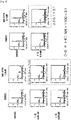
- 0.1 ⁇ M of compound (I-E) was coadministered with DMSO (control) or each concentration of MK-1775 to the cells, and the number of cells that died was examined. The results are shown in Fig. 1 .
- MK-1775 in the concentration range of 0.1 to 1 ⁇ M efficiency increased the proportion of cells in the M-phase.
- synergistic increase was observed in the ratio of the killed cells to the cells treated with MK-1775 and compound (I-D) or compound (I-E) in combination.
- the NHDF cells were treated with compound (I-D) or compound (I-E) and varying concentrations of MK-1775 in combination.
- 0.1 ⁇ M of compound (I-D) was coadministered with DMSO (control) or 0.25 ⁇ M, 0.5 ⁇ M, and 0.75 ⁇ M each of MK-1775 to NHDF cells, and the number of cells that died was examined.
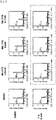
- 0.1 ⁇ M of compound (I-E) was coadministered with DMSO (control) or each concentration of MK-1775 to the cells, and the number of cells that died was examined. The results are shown in Fig. 2 .
- 0.1 ⁇ M of compound (I-D) was coadministered with DMSO (control) or 0.5 ⁇ M and 0.75 ⁇ M each of MK-1775 to pancreatic cancer cell line Panc-1 cells, and the number of cells that died was examined.
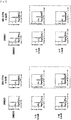
- 0.1 ⁇ M of compound (I-E) was coadministered with DMSO (control) or each concentration of MK-1775 to the cells, and the number of cells that died was examined. The results are shown in Fig. 3 .
- the cell death of the Panc-1 cells (pancreatic cancer cell line) induced by compound (I-D) or compound (I-E) was also found to be synergistically increased by the coadministration with the Weel inhibitor.
- composition (ratio by ⁇ M) of compound (I-E) and MK-1775 in the combination drug was changed within the range of 1:100 to 3:1, such as 0.01:1.0, 0.03:0.1, and 0.3:0.1, compound (I-E) and MK-1775 were coadministered to Colo205 cells, and the number of cells that died was examined. The results are shown in Fig. 4 .
- the range of compound (I-E):MK-1775 1:100 to 3:1, the cell death induced by compound (I-E) was found to be sufficiently synergistically increased by the coadministration with the Weel inhibitor.
- a Cdc7 inhibitor was coadministered with MK-1775 to Colo205 cells, and the number of cells that died was examined, in the same way as in Example 1 except that compound (I-A) was used as the Cdc7 inhibitor. The results are shown in Fig. 5 . Even when compound (I-A) was used as a different Cdc7 inhibitor, the induced cell death was found to be synergistically increased by the coadministration with the Weel inhibitor MK-1775.
- a Cdc7 inhibitor was coadministered with MK-1775 to Colo205 cells, and the number of cells that died was examined, in the same way as in Example 1 except that compound (I-B) was used as the Cdc7 inhibitor, and the concentration of compound (I-B) was set to 0.3 ⁇ M. The results are shown in Fig. 6 . Even when compound (I-B) was used as a different Cdc7 inhibitor, the induced cell death was found to be synergistically increased by the coadministration with the Weel inhibitor MK-1775.
- a Cdc7 inhibitor was coadministered with MK-1775 to Colo205 cells, and the number of cells that died was examined, in the same way as in Example 1 except that compound (I-C) was used as the Cdc7 inhibitor, and the concentration of compound (I-C) was set to 0.1 ⁇ M or 0.3 ⁇ M. The results are shown in Fig. 7 . Even when compound (I-C) was used, the induced cell death was found to be synergistically increased by the coadministration with the Weel inhibitor MK-1775.
- a Cdc7 inhibitor was coadministered with MK-1775 to Colo205 cells, and the number of cells that died was examined, in the same way as in Example 1 except that: compound (I-F) or compound (I-G) was used as the Cdc7 inhibitor; the concentration thereof was set to 0.1 ⁇ M or 0.3 ⁇ M; and the concentration of MK-1775 was set to 0.5 ⁇ M.
- the results are shown in Fig. 8 . Even when compound (I-F) or compound (I-G) was used, the induced cell death was found to be synergistically increased by the coadministration with the Weel inhibitor MK-1775.
- the compound (I-G) is compound F26 described in the specifications of JP 2009-531373 A and International Publication No. WO 2007/110344
- the compound (I-F) is a Cdc7/Cdk9 inhibitor of Merck KGaA (catalog No.: 217707-5MGCN), as mentioned above.
- a Cdc7 inhibitor and an M-phase promoter were coadministered in combination to Colo205 cells, and the number of cells that died was examined, in the same way as in Example 1 except that: compound (I-D) or compound (I-E) was used as the Cdc7 inhibitor; the concentration thereof was set to 0.3 ⁇ M or 0.1 ⁇ M; a Chk1 inhibitor SCH900776 was used instead of the Weel inhibitor MK-1775 as the M-phase promoter; and the concentration thereof was set to 3.3 ⁇ M. The results are shown in Fig. 9 . Even when SCH900776 (SCH) was used as a different M-phase promoter, the induced cell death was found to be synergistically increased by the coadministration with compound (I-D) or compound (I-E).
- a Cdc7 inhibitor and an M-phase promoter were coadministered in combination to Colo205 cells, and the number of cells that died was examined, in the same way as in Example 1 except that: compound (I-D) or compound (I-E) was used as the Cdc7 inhibitor; the concentration thereof was set to 0.1 ⁇ M, 0.03 ⁇ M, or 0.3 ⁇ M; a Chk1 inhibitor UCN-01 was used instead of the Weel inhibitor MK-1775 as the M-phase promoter; and the concentration thereof was set to 333 nM. The results are shown in Fig. 10 . Even when UCN-01 was used as a different M-phase promoter, the induced cell death was found to be synergistically increased by the coadministration with compound (I-D) or compound (I-E).
- a Cdc7 inhibitor and an M-phase promoter were coadministered in combination to Colo205 cells, and the number of cells that died was examined, in the same way as in Example 1 except that: compound (I-D) or compound (I-E) was used as the Cdc7 inhibitor; the concentration thereof was set to 0.1 ⁇ M, 0.03 ⁇ M, or 0.3 ⁇ M; an Hsp90 inhibitor geldanamycin was used instead of the Weel inhibitor MK-1775 as the M-phase promoter; and the concentration thereof was set to 10 nM or 33 nM. The results are shown in Fig. 11 . Even when geldanamycin was used as a different M-phase promoter, the induced cell death was found to be synergistically increased by the coadministration with compound (I-D) or compound (I-E).
- the BLISS scoring was used to analyze the effect of the Cdc7 inhibitor and the Weel inhibitor (MK-1775) used in combination on the inhibition of cancer cell growth.
- Human mammary gland cancer MDA-MB-231 cells (ATCC No. HTB-26) were cultured in a T75 flask using a Leibovitz's L-15 medium (Life Technologies Corp., #11415-064) supplemented with 10% fetal bovine serum (FBS) (Equitech-Bio, Inc.) and 5% penicillin-streptomycin (Nacalai Tesque, Inc.) (hereinafter, referred to as a growth medium) in a 37°C incubator (without CO 2 ).
- FBS fetal bovine serum
- penicillin-streptomycin Nacalai Tesque, Inc.
- the MDA-MB-231 cells were resuspended at a cell density of 0.035 ⁇ 10 6 cells/mL in a fresh growth medium. Then, the cell suspension was added at 100 ⁇ L/well to a 96-well cell culture plate (Falcon, #353075) and cultured overnight in a 37°C incubator (3,500 cells per well). Approximately 24 hours after the inoculation, the medium was removed, and 80 ⁇ L of a fresh growth medium was added to each well.
- a 10 mM DMSO stock solution of a first test compound Cdc7 inhibitor (compound (I-D) or compound (I-E) was diluted into 10 concentrations (10 mM, 5 mM, 2.5 mM, 1.25 mM, 0.625 mM, 0.313 mM, 0.156 mM, 0.0781 mM, 0.0391 mM, and 0.0195 mM) with DMSO. Each solution was further diluted 100-fold with a growth medium and added at 10 ⁇ L/well to the plate (1000-fold dilution; final administration concentration range: 19.5 to 10000 nM).
- a 10 mM DMSO stock solution of a second test compound Weel inhibitor (MK-1775) was diluted into 8 concentrations (1 mM, 0.5 mM, 0.25 mM, 0.125 mM, 0.0625 mM, 0.0313 mM, 0.0156 mM, and 0.00781 mM) with DMSO. Each solution was further diluted 100-fold with a growth medium and added at 10 ⁇ L/well to the plate (1000-fold dilution; final administration concentration range: 7.81 to 1000 nM). Also, DMSO was diluted 100-fold with a growth medium and added at 20 ⁇ L/well to the plate (control wells).
- the average number from the control wells was used as the number of untreated control cells (G unt72 ), and the average number from the compound-treated wells was used as the number of compound-treated cells (G 72 ).
- Wells in which the medium was merely replaced 24 hours after the cell inoculation were counted as an initial value and used as the initial number of cells (G 0 ).
- Rate of cell growth G ( G 72 ⁇ G 0 / G unt 72 ⁇ G 0
- Described herein is an anticancer composition of a Cdc7 inhibitor and an M-phase promoter that brings about cell death more efficiently with higher selectivity and specificity for a wide range of cancer cells, as compared with use of the Cdc7 inhibitor or the M-phase promoter alone.
Landscapes
- Health & Medical Sciences (AREA)
- Life Sciences & Earth Sciences (AREA)
- Chemical & Material Sciences (AREA)
- Veterinary Medicine (AREA)
- Public Health (AREA)
- Medicinal Chemistry (AREA)
- General Health & Medical Sciences (AREA)
- Animal Behavior & Ethology (AREA)
- Pharmacology & Pharmacy (AREA)
- Epidemiology (AREA)
- General Chemical & Material Sciences (AREA)
- Organic Chemistry (AREA)
- Nuclear Medicine, Radiotherapy & Molecular Imaging (AREA)
- Chemical Kinetics & Catalysis (AREA)
- Engineering & Computer Science (AREA)
- Hematology (AREA)
- Oncology (AREA)
- Bioinformatics & Cheminformatics (AREA)
- Pharmaceuticals Containing Other Organic And Inorganic Compounds (AREA)
- Medicines That Contain Protein Lipid Enzymes And Other Medicines (AREA)
- Nitrogen Condensed Heterocyclic Rings (AREA)
Description
- The present invention relates to an anticancer composition. More specifically, the present invention relates to an anticancer composition comprising a Cdc7 inhibitor and an M-phase promoter, wherein the Cdc7 inhibitor is a furanone derivative selected from the compounds (I-D) and (I-E) and the M-phase promotor is a Wee1 inhibitor of MK-1775.
- Cancer is a disease that is caused by the non-limiting growth of cells which have lost the control of the cell cycle. Since cancer cells generally grow faster than normal cells, it is considered that cancer can be treated by the control of cell division and DNA replication. In fact, gemcitabine having a DNA replication inhibitory effect is widely used in the treatment of non-small cell lung cancer, pancreatic cancer, bile duct cancer, urinary bladder cancer, breast cancer, or ovary cancer, etc.
- Various proteins are involved in the process of the cell cycle. In general, the biological functions of proteins are regulated by various mechanisms of post-translational modifications. Specifically, methylation, acetylation, glycosylation, phosphorylation, and the like are involved in the functional or structural modifications of proteins. Among these post-translational modifications, the phosphorylation is an important mechanism related to the regulation of many functions such as intracellular signal transduction, cell cycle, and cell death. For example, 1/3 or more of the intracellular proteins of mammalian cells are deemed to be phosphorylated.
- Protein kinases are enzymes that catalyze the reaction of bonding a phosphoric acid group to a particular amino acid residue in their substrate proteins. This action of the protein kinases phosphorylates a protein at a particular phosphorylation site. The protein kinases are classified as follows on the basis of the types of amino acids at sites to be phosphorylated:
- serine-threonine kinase (which phosphorylates a Ser/S or Thr/T residue) and
- tyrosine kinase (which phosphorylates Tyr/Y)
- Cdc7, a serine-threonine kinase, is an essential protein kinase that participates in the initiation of DNA replication in the cell cycle. Cdc7 forms a complex with a cofactor, such as Dbf4 (ASK), which activates its phosphorylating effect, and phosphorylates a substrate MCM (minichromosome maintenance) protein. This phosphorylation appears to allow Cdc45 and DNA polymerase to assemble on DNA so that an MCM complex is formed to start DNA replication (see Non-Patent Document 1).
- In recent years, Cdc7 has received attention as a target of anticancer agents and has been actively studied. For example, Cdc7 has been found to be overexpressed not only in general human tumor-derived cell lines but in cancer cells, such as breast cancer, colon cancer, and lung cancer cells, collected from organisms (see Non-Patent Document 2). Particularly, it has recently been shown that Cdc7 is overexpressed in triple negative (ER-/PR-/Her2-) breast cancer cells having p53 mutation (see Non-Patent Document 3). Cdc7 is thus expected to serve as a promising target for triple negative-type breast cancer, which has been regarded as being difficult to treat. In fact, a Cdc7 expression suppression experiment using an RNA interference technique has demonstrated that the inhibition of Cdc7 expression induces the arrest of the cell cycle of normal cells. More importantly, the inhibition of Cdc7 based on the RNA interference technique inhibited the growth of human tumor cells such as HeLa and HCT116, but was less effective for inhibiting normal cells (normal human skin fibroblasts) (see Non-Patent Document 4).
- The deletion of DNA replication factors often brings about cell death to cancer cells. Since Cdc7 is also an essential protein kinase involved in the initiation of DNA replication in the cell cycle, its deletion induces the death of cancer cells, regardless of the status of the p53 gene that controls the suppression of the cell growth cycle involving intracellular DNA repair, cell growth arrest, apoptosis, etc. Masai et al. have utilized a fluorescent probe of recently developed Fucci (fluorescent ubiquitination-based cell cycle indicator) to study cell death induced by the deletion of Cdc7 while observing the progression of the cell cycle at real time (see Non-Patent Document 5). They have showed that the inhibition of Cdc7 induces clear cell cycle response in both of p53-positive and p53-negative cells. Particularly, in the p53-negative cells, the progression of the cell cycle is temporarily arrested in the G2-phase prior to the M-phase so that cyclin B1 and other mitotic control gene products accumulate. Subsequently, the G2-phase proceeds to the abnormal M-phase, and cell death occurs after the mitosis. On the other hand, in the p53-positive cancer cells, cyclin B1 does not accumulate, whereas most of the cancer cells are reportedly killed by transition to the abnormal S-phase after the deletion of Cdc7 (see Non-Patent Document 5).
- Thus, inhibitors that selectively inhibit Cdc7 are expected to exhibit an effective therapeutic effect on various cancers. Various compounds having a Cdc7 inhibitory effect have been reported so far (see Patent Document 1). Particularly, furanone derivatives having a Cdc7 inhibitory effect have been reported (see Patent Document 2).
- Weel is a nuclear protein kinase that belongs to protein kinases of the serine-threonine family and plays a role as a regulator important for the progression of the cell cycle together with a dephosphorylating enzyme Cdc25.
- The Weel kinase suppresses the activity of Cdkl kinase through the phosphorylation of its Tyr14 and Tyr15, whereas Cdc25 dephosphorylates and activates these tyrosine residues. Weel or Cdc25 undergoes activation or suppression by the G2/M checkpoint mechanisms. Specifically, the transition from the G2-phase to the M-phase is controlled by the balance between the functions of these enzymes Weel and Cdc25 located downstream of the checkpoint.
- From the aforementioned functions of Weel, it is considered that the inhibition of Weel can cause the transition of abnormal or defective cells to the M-phase, leading to immature mitosis or cell death. The application of Weel inhibitors to anticancer treatment has therefore been deliberated. In fact, a Weel inhibitor MK-1775 has been reported to have an anticancer effect (see Non-Patent Document 6). Its anticancer effect or selectivity for cancer cells, however, is less than satisfactory.
- On the other hand, a Weel inhibitor MK-1775 developed by Merck KGaA has been reported to enhance the cytotoxic effect of a DNA-damaging agent such as gemcitabine on human sarcoma (Non-Patent Document 7). Unlike the DNA-damaging agent such as gemcitabine, Cdc7 inhibitors do not directly cause DNA damage. Hence, no conventional technique has disclosed the combination of a Cdc7 inhibitor and a Weel inhibitor or reported its anticancer effect on cancer cells or cancer cell selectivity.
Patent Document 3 describes a Cdc7 inhibitor that is a furanone derivative and a medicine including the same.
Non-Patent Document 8 describes WEE1 kinase targeting combined with DNA-damaging cancer therapy to catalyse mitotic catastrophe and mentions the Wee1 inhibitor MK-1775.
Non-PatentDocument 9 describes Wee1 kinase as a target for cancer therapy and mentions the Wee1 inhibitor MK-1775. -
- [Patent Document 1] International Publication No.
WO 2008/046982 - [Patent Document 2] International Publication No.
WO 2012/133802 - [Patent Document 3]
US 2014/0018533 A1 -
- [Non-Patent Document 1] H. Masai et al., Journal of Cellular Physiology, 190, 2002, 287-296.
- [Non-Patent Document 2] D. Bonte et al., Neoplasia, 10, 2008, 920-931.
- [Non-Patent Document 3] S. Rodriguez-Acebes et al., The American Journal of 10 Pathology, 177, 2010, 2034-2045.
- [Non-Patent Document 4] A. Montagnoli et al., Cancer Research, 64, 2004, 7110-7116.
- [Non-Patent Document 5] Masai et al., PLoS One (2012), 7 (5), e36372.
- [Non-Patent Document 6] A.D. Guertin et al., Molecular Cancer Therapeutics (2013), 12 (8), 1442-1452.
- [Non-Patent Document 7] J.M. Kreahling et al., PLoS One (2013), 8 (3), e57523
- [Non-Patent Document 8] P. De Witt Hamer et al. Clin. Cancer. Res 2011, 7(13), 4200-4207.
- [Non-Patent Document 9] Khanh Do et al., Cell Cycle, 2013, 12:19, 3348-3353.
- An object of the present invention is to provide an anticancer composition (combination drug) that induces cell death selectively and specifically for only cancer cells through the control of DNA replication and cell cycle checkpoint mechanisms.
- The present invention relates to a pharmaceutical composition for use in the treatment of cancer in a subject comprising a Cdc7 inhibitor and an M-phase promoter, wherein the Cdc7 inhibitor is a furanone derivative selected from the compounds (I-D) and (I-E) and the M-phase promotor is a Wee1 inhibitor of MK-1775.
- In some cases, the cancer is one or more of pancreatic cancer, breast cancer and colon cancer.
- The combination of a Cdc7 inhibitor and an M-phase promoter can bring about cell death more efficiently with higher selectivity and specificity for a wide range of cancer cells, as compared with use of the Cdc7 inhibitor or the M-phase promoter alone. Particularly, the Cdc7 inhibitor can maintain cell survival by leading cancer cells to cell death while safely arresting the cell cycle of normal cells. On the other hand, the M-phase promoter causes the accumulation of DNA damage and the induction of mitotic-phase cell death by promoting abnormal progression to the M-phase through the invalidation of the cell cycle checkpoints of cancer cells. Such an anticancer agent has the new mechanism of action.
- The figures not relating to compounds (I-D), (I-E) and MK-1775 are for reference.
-
Fig. 1 is a diagram of FACS showing the interaction between compound (I-D) or compound (I-E) as a Cdc7 inhibitor and a Weel inhibitor (MK-1775) as an M-phase promoter for colon cancer cells. -
Fig. 2 is a diagram of FACS showing the interaction between compound (I-D) or compound (I-E) and a Weel inhibitor (MK-1775) for normal cells. -
Fig. 3 is a diagram of FACS showing the interaction between compound (I-D) or compound (I-E) and MK-1775 for Panc-1 cells (pancreatic cancer cell line). -
Fig. 4 is a diagram of FACS showing that a combination drug of compound (I-D) or compound (I-E) and MK-1775 is effective even if its composition is changed. -
Fig. 5 is a diagram of FACS showing the interaction between compound (I-A) as a Cdc7 inhibitor and MK-1775 in combination. -
Fig. 6 is a diagram of FACS showing the interaction between compound (I-B) as a Cdc7 inhibitor and MK-1775 in combination. -
Fig. 7 is a diagram of FACS showing the interaction between compound (I-C) as a Cdc7 inhibitor and MK-1775 in combination. -
Fig. 8 is a diagram of FACS showing the interaction between a Cdc7 inhibitor (compound (I-F) or compound (I-G)) and MK-1775 in combination. -
Fig. 9 is a diagram of FACS showing the interaction between a Chk1 inhibitor SCH900776 (SCH) as an M-phase promoter and compound (I-D) or compound (I-E) in combination. -
Fig. 10 is a diagram of FACS showing the interaction between a kinase (e.g., Chk1) inhibitor UCN-01 as an M-phase promoter and compound (I-D) or compound (I-E) in combination. -
Fig. 11 is a diagram of FACS showing the interaction between an Hsp90 inhibitor geldanamycin as an M-phase promoter and compound (I-D) or compound (I-E) in combination. -
Fig. 12 is a diagram of the rate of inhibition of cell growth showing the interaction between compound (I-D) and a Weel inhibitor (MK-1775) in combination for human breast cancer cells (MDA-MB-231). -
Fig. 13 is a diagram of the rate of inhibition of cell growth showing the interaction between compound (I-E) and a Weel inhibitor (MK-1775) in combination for human breast cancer cells (MDA-MB-231). -
Fig. 14 is a diagram of BLISS scores showing the interaction between compound (I-D) and a Weel inhibitor (MK-1775) in combination for human breast cancer cells (MDA-MB-231). -
Fig. 15 is a diagram of BLISS scores showing the interaction between compound (I-E) and a Weel inhibitor (MK-1775) in combination for human breast cancer cells (MDA-MB-231). - Cdc7 inhibitor refers to a drug that inhibits Cdc7 kinase activity and includes drugs inhibiting Cdc7 kinase, such as low-molecular compounds, polypeptides, proteins, nucleic acids (siRNA, miRNA, aptamers, etc.), and other high-molecular compounds.
- The inhibition of Cdc7 allows abnormal DNA replication specific for cancer cells to proceed to induce cell death. In normal cells, the normal DNA replication checkpoint mechanism works to arrest the cell cycle so that the survival thereof can be maintained. More specifically, Cdc7 causes the phosphorylation of the MCM protein in a complex before DNA replication and promotes replication origin firing.
- The inhibition of Cdc7 inhibits replication origin firing and therefore decreases the replication origin to stall replication forks, resulting in an incomplete replication state. In the presence of a cancerous gene mutation that influences the DNA replication checkpoint, the cell cycle proceeds abnormally so that DNA damage is induced in the M-phase to cause the accumulation of the DNA damage. Finally, cell death specific for cancer cells is induced.
- Examples of Cdc7 inhibitors include compounds listed in
JP 2013-525354 A JP 2013-525304 A JP 2013-525303 A JP 2013-522212 A JP 2013-511487 A JP 2012-533553 A JP 2012-533551 A JP 2012-519653 A JP 2011-507908 A JP 2010-527324 A JP 2010-519324 A JP 2010-505922 A JP 2009-534400 A JP 2009-531373 A WO 2007/110344 ),JP 2009-519919 A JP 2009-515849 A JP 2007-501827 A JP 2007-501825 A 2011/102399 2010/122979 WO 2011/102399 ,WO 2012/002568 , andWO 2012/133802 (Patent Document 2). - Cdc7 inhibitors include furanone derivatives represented by the following formula (I):

WO 2012/133802 (Patent Document 2). - In the formula (I), examples of the hydrocarbon group optionally having a substituent include
a) a linear or branched alkyl group having 1 to 6 carbon atoms (e.g., methyl, ethyl, isopropyl, tert-butyl, and hexyl), b) a linear or branched alkenyl group having 1 to 6 carbon atoms (e.g., vinyl, allyl, isopropenyl, and 2-butenyl), c) an alkynyl group having 2 to 6 carbon atoms (e.g., ethynyl, propargyl, and 2-butynyl), d) a cycloalkyl group having 3 to 8 carbon atoms (e.g., cyclopropyl, cyclopentyl, cyclohexyl, and cycloheptyl),e) a cycloalkenyl group having 3 to 8 carbon atoms (e.g., cyclohexenyl and cycloheptenyl), and f) an aralkyl group whose aryl moiety is aryl having 6 to 14 carbon atoms (e.g., phenyl, naphthyl, and indenyl) and whose alkylene moiety is a group in which one hydrogen atom has been removed from the alkyl group. - Examples of the heterocyclic moiety of the heterocyclic ring optionally having a substituent include an alicyclic heterocyclic group and an aromatic heterocyclic group. Examples of the alicyclic heterocyclic group include a 3- to 8-membered heterocyclic group containing at least one heteroatom selected from a nitrogen atom, a sulfur atom, and an oxygen atom. Specific examples thereof include pyrrolidinyl, piperidyl, piperazinyl, morpholinyl, and thiomorpholinyl. Examples of the aromatic heterocyclic group include a 5- or 6-membered monocyclic aromatic heterocyclic group containing at least one heteroatom selected from a nitrogen atom, a sulfur atom, and an oxygen atom. Specific examples thereof include imidazolyl, pyrazolyl, thienyl, thiazolyl, and pyridyl.
- Examples of the heterocyclic fused ring moiety of the heterocyclic fused ring optionally having a substituent include a 3- to 8-membered ring-fused bicyclic heterocyclic group containing at least one heteroatom selected from a nitrogen atom, a sulfur atom, and an oxygen atom. Specific examples thereof include benzothiophenyl, benzimidazolyl, indazolyl, benzoxazolyl, benzothiazolyl, indolyl, isoquinolyl, and phthalimide.
- Examples of the amino group optionally having a substituent include an amino group having a linear, branched, or cyclic alkyl group having 1 to 6 carbon atoms, an aryl group, a heteroaryl group, or the like which is substituted or unsubstituted and include an amino group bonded to an alkyl group, an alkylamino group, an aryl group, a heteroaryl group, a heterocyclic group, a heterocyclic fused ring group, or the like which has one or two or more substituents or is unsubstituted. The "one or two or more substituents" in these groups bonded to an amino group may be one or two or more identical or different arbitrary groups, unless otherwise specified. Examples thereof include a halogen atom, a substituted or unsubstituted alkyl group, a substituted or unsubstituted alkenyl group, a substituted or unsubstituted alkynyl group, a substituted or unsubstituted alkoxy group, an amino group, a nitro group, a cyano group, a hydroxy group, a substituted or unsubstituted alkylamino group, a carbamoyl group, a carboxyl group, a formyl group, an acetyl group, and a benzoyl group.
- The "substituent" in the hydrocarbon group optionally having a substituent, the heterocyclic ring optionally having a substituent, the phenyl group optionally having a substituent, or the heterocyclic fused ring optionally having a substituent may be one or two or more arbitrary types of substituents that are located at arbitrary chemically possible positions, unless otherwise specified. In the case of two or more substituents, these substituents may be the same as or different from each other. Examples thereof include a halogen atom, a substituted or unsubstituted alkyl group, a substituted or unsubstituted alkoxy group, a substituted or unsubstituted amino group, a nitro group, a cyano group, a hydroxy group, a substituted or unsubstituted alkylamino group, a carbamoyl group, a carboxyl group, a formyl group, an acetyl group, and a benzoyl group.
- Examples of the heterocyclic group in the heterocyclic ring optionally having a substituent or the heterocyclic fused ring optionally having a substituent which is formed by R2 and R3 together with the nitrogen atom bonded thereto include a 3- to 8-membered heterocyclic group containing at least one heteroatom selected from a nitrogen atom, a sulfur atom, and an oxygen atom or a 3-to 8-membered ring-fused bicyclic alicyclic heterocyclic group containing at least one heteroatom selected from a nitrogen atom, a sulfur atom, and an oxygen atom and specifically include pyrrolidinyl, piperidyl, morpholinyl, thiomorpholinyl, azepinyl, diazepinyl, dihydroisoquinolyl, tetrahydroisoquinolyl, tetrahydroquinolyl, isoindolinyl, indolinyl, tetrahydrobenzazepinyl, benzazepinyl, benzodiazepinyl, benzoxazepinyl, and benzothiazepinyl. Examples of the halogen atom include fluorine, chlorine, and bromine.
- The compound (I) may include isomers, for example, depending on the types of substituents. These isomers may be indicated by only one form of a chemical structure. Also encompassed are all structurally possible isomers (geometric isomers, optical isomers, tautomers, etc.) and encompasses isomers alone and mixtures thereof. Described herein are stereoisomers represented by the formulas (Z)-(I) and (E)-(I), and mixtures thereof.

- Examples of the pharmaceutically acceptable salt of the compound (I) include: salts of inorganic acids such as hydrochloric acid, sulfuric acid, carbonic acid, and phosphoric acid; and salts of organic acids such as formic acid, acetic acid, fumaric acid, maleic acid, methanesulfonic acid, and p-toluenesulfonic acid. This includes salts of alkali metals such as sodium and potassium; salts of alkaline earth metals such as magnesium and calcium; salts of organic amines such as lower alkylamine and lower alcohol amine; salts of basic amino acids such as lysine, arginine, and ornithine; and other salts such as ammonium salt.
- The compound (I) and the pharmaceutically acceptable salt thereof can be produced by a method described in, for example, International Publication No.
WO 2012/133802 . In the production method described in International Publication No.WO 2012/133802 , the defined groups may vary under conditions of the implemented method or may be inappropriate for carrying out the method. In such a case, the compound (I) and the pharmaceutically acceptable salt thereof can be readily produced by a method usually used in organic synthetic chemistry, for example, approaches of the protection and deprotection of functional groups [T.W. Greene, Protective Groups in Organic Synthesis 3rd Edition, John Wiley & Sons, Inc., 1999]. If necessary, the order of reaction steps including the introduction of substituents may be changed. - The compound of the formula (I) is preferably a compound wherein A is -COOR1 or a hydrogen atom and more preferably has the structure of the following compound (I-A), compound (I-B), compound (I-C), compound (I-D), or compound (I-E). According to the invention, the compound of formula (I) is selected from compounds (I-D) and (I-E).
formula (I-A): isopropyl 5-[(1H-pyrrolo[2,3-b]pyridin-3-yl)methylene]-2-(morpholinoamino)-4-oxo-4,5-dihydrofuran-3-carboxylate


compound (I-E): cyclopropylmethyl 5-[(1H-pyrrolo[2,3-b]pyridin-3-yl)methylene]-2-(morpholinoamino)-4-oxo-4,5-dihydrofuran-3-carboxylate
- In this context, the compound (I-A) is a compound of Example 245 in the specification of Patent Document 2: International Publication No.
WO 2012/133802 ; the compound (I-B) is a compound of Example 244 in the specification of Patent Document 2: International Publication No.WO 2012/133802 ; the compound (I-C) is a compound of Example 351 in the specification of Patent Document 2: International Publication No.WO 2012/133802 ; the compound (I-D) is a compound of Example 246 in Patent Document 2: International Publication No.WO 2012/133802 ; and the compound (I-E) is a compound of Example 347 in Patent Document 2: International Publication No.WO 2012/133802 . - Other Cdc7 inhibitors include:
compound (I-F): 2-(pyridin-4-yl)-1,5,6,7-tetrahydro-4H-pyrrolo[3,2-c]pyridinone (Merck KGaA, catalog No.: 217707-5MGCN, 217707)
compound (I-G): 5-(2-amino-pyrimidin-4-yl)-2-(2,4-dichloro-phenyl)-1H-pyrrole-3-carboxylic acid amide (compound F26 in the specifications ofJP 2009-531373 A WO 2007/110344 )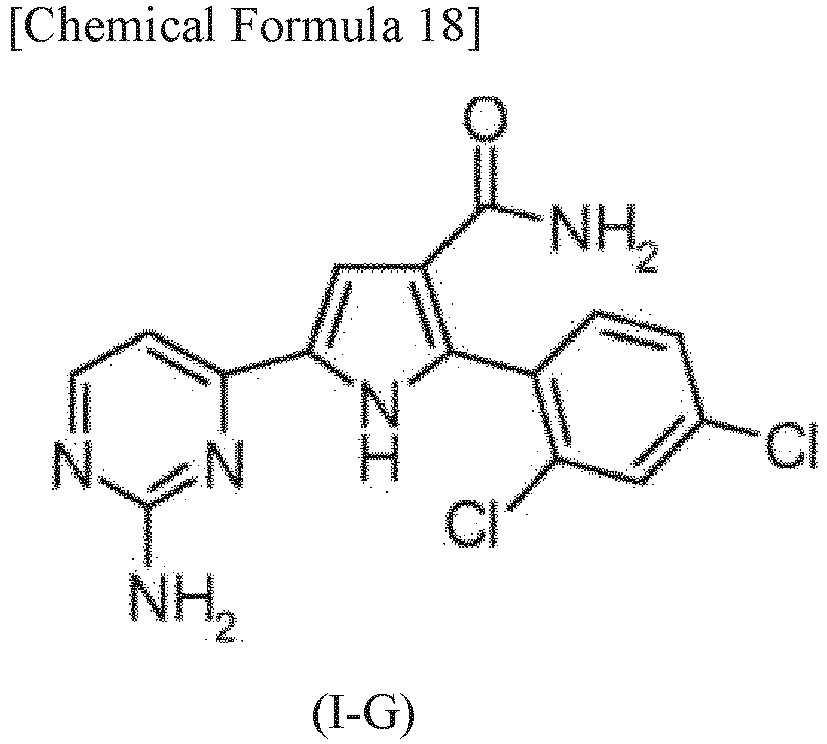
- The M-phase promoter refers to a drug having the function of promoting the process from the transition of cells through the G2/M checkpoint of the cell cycle to the M-phase, which is a mitotic phase.
- The G2/M checkpoint is a checkpoint that controls the transition from the G2-phase to the M-phase. Upon activation of this control by DNA damage or the like, the initiation of the M-phase is inhibited so that the cells remain in the G2-phase. In response to DNA damage, ATR (ataxia-telangiectasia mutated related) activated by phosphorylation phosphorylates and activates Chk1. Subsequently, the active form of Chk1 downregulates the phosphorylation of Cdc25 and inhibits the dephosphorylation of Cdkl by the phosphorylated Cdc25. Cdkl is therefore kept in a highly phosphorylated and inactive state. Thus, the cell cycle of the cells is arrested without proceeding to the M-phase.
- Thus, in the unphosphorylated state of Cdkl, the transition of the cells to the M-phase occurs to promote the cell cycle. A substance that participates in the mechanism of the process from the G2/M checkpoint of the cell cycle to the transition to the M-phase and promotes the transition of cells to the M-phase can be regarded as the M-phase promoter even if the substance is any of low molecules and high molecules such as nucleic acids or proteins.
- Examples of M-phase promoters include a Weel inhibitor, a Chk1 inhibitor, a Myt1 inhibitor, and a Cdc25 activator. Further examples thereof include an Hsp90 inhibitor (geldanamycin, Oncogene, 2008; 27: 5567) and a poly(ADP-ribose) glycohydrolase (PARG) inhibitor (Biochem Biophys Res Commun, 2013; 441: 793; and Molecules, 2011; 16: 1854), which have not been reported to participate directly in the G2/M checkpoint, but have been reported to promote the transition from the G2-phase to the M-phase.
- In this context, Weel is a nuclear kinase that belongs to protein kinases of the Ser/Thr family. Weel inhibits Cdkl through the phosphorylation thereof at Tyr15 and Thr14 sites in the amino acid sequence. This Cdkl plays an important role in various cyclin-dependent pathways of cell cycle checkpoints.
- In the G2/M checkpoint, Weel phosphorylates Cdkl at Tyr15 and Thr14 so that the kinase activity of the Cdkl is kept low to hinder the transition to the M-phase (mitosis). On the other hand, during the transition to the M-phase, the activity of Weel is reduced by some control factors, resulting in enhanced Cdkl activity.
- The DNA damage checkpoint controls the G2/M transition by delaying the transition of cells having DNA damage to the M-phase (mitosis).
- Thus, a drug that inhibits the functions of the Wee1 kinase (this drug is referred to as a Weel inhibitor) promotes the transition of cells to the M-phase via the G2/M transition. Hence, the Weel inhibitor can be a typical example of the M-phase promoter.
- According to the invention, the M-phase promotor is the Weel inhibitor MK-1775. MK-1775 represented by the following structural formula:


- Examples of Wee1 inhibitors include miR-424, miR-381, and 6-butyl-4-(2-chlorophenyl)-9-hydroxypyrrolo[3,4-c]carbazole-1,3-(2H,6H)-dione,
9-methoxy-4-(2-methoxy-5-nitrophenyl)-4,5,6,10c-tetrahydropyrrolo[3,4-c]carbazole-1,3(2H,3aH)-dione,
N-[3-(4-(2-chlorophenyl)-9-hydroxy-1,3-dioxo-2,3-dihydropyrrolo[3,4-c]carbazol-6(1H)-yl)propanoyl]benzenesulfonamide,
4-(2,6-dichlorophenyl)-9-hydroxy-6-(3-hydroxypropyl)pyrrolo[3,4-c]carbazole-1,3(2H,6H)-dione,
4-(2,6-dichlorophenyl)-9-hydroxy-6-(2-hydroxyethyl)pyrrolo[3,4-c]carbazole-l,3(2H,6H)-dione,
3-(4-(2-chlorophenyl)-9-hydroxy-1,3-dioxo-2,3-dihydropyrrolo[3,4-c]carbazol-(1H)-yl)-N-(1H-tetrazol-5-yl)propanamide,
4-(2-chlorophenyl)-9-hydroxy-6-[2-(1H-1,2,4-triazol-5-ylsulfinyl)ethyl]pyrrolo[3,4-c]carbazole-1,3(2H,6H)-dione,
6-(3-bromopropyl)-4-(2-chlorophenyl)-9-hydroxypyrrolo[3,4-c]carbazole-1,3(2H,6H)-dione,
3-(4-(2-chlorophenyl)-9-hydroxy-1,3-dioxo-2,3-dihydropyrrolo[3,4-c]carbazol-6(1H)-yl)propanoic acid,
N-[3-(4-(2-chlorophenyl)-9-hydroxy-1,3-dioxo-2,3-dihydropyrrolo[3,4-c]carbazol-6(1H)-yl)propanoyl]-2-(dimethylamino)ethanesulfonamide,
4-(2-chlorophenyl)-9-hydroxypyrrolo[3,4-c]carbazole-1,3(2H,6H)-dione, N-[3-(4-(2-chlorophenyl)-9-hydroxy-1,3-dioxo-2,3-dihydropyrrolo[3,4-c]carbazol-6(1H)-yl)propanoyl]methanesulfonamide,
4'-(4-(2-chlorophenyl)-9-hydroxy-1,3-dioxo-2,3-dihydropyrrolo[3,4-c]carbazol-6(1H)-yl)butanoic acid,
N-[4-(4-(2-chlorophenyl)-9-hydroxy-1,3-dioxo-2,3-dihydropyrrolo[3,4-c]carbazol-6(1H)-yl)butanoyl]methanesulfonamide,
6-acetyl-4-(2-chlorophenyl)-9-hydroxypyrrolo[3,4-c]carbazole-1,3(2H,6H)-dione,
3-(4-(2,6-dichlorophenyl)-9-hydroxy-1,3-dioxo-2,3-dihydropyrrolo[3,4-c]carbazol-6(1H)-yl)-N-[2-(dimethylamino)ethyl]propanamide,
3-(4-(2-chlorophenyl)-9-hydroxy-1,3-dioxo-2,3-dihydropyrrolo[3,4-c]carbazol-6(1H)-yl)propanenitrile,
4-(2-chlorophenyl)-9-hydroxy-6-[3-(1H-tetrazol-5-yl)propyl]pyrrolo[3,4-c]carbazole-1,3(2H,6H)-dione,
4-(2-chlorophenyl))-9-hydroxy-6-[2-(1H-imidazol-2-ylsulfanyl)ethyl]pyrrolo[3,4-c]carbazole-1,3(2H,6H)-dione,
N-[4-(4-(2-chlorophenyl)-9-hydroxy-1,3-dioxo-2,3-dihydropyrrolo[3,4-c]carbazol-6(1H)-yl)butanoyl]benzenesulfonamide,
4-(2-chlorophenyl)-9-hydroxy-6-[2-(1H-1,2,4-triazol-5-ylsulfonyl)ethyl]pyrrolo[3,4-c]carbazole-1,3(2H,6H)-dione,
4-(2-chlorophenyl)-9-hydroxy-6-[2-(1H-imidazol-2-ylsulfinyl)ethyl]pyrrolo[3,4-c]carbazole-1,3(2H,6H)-dione,
4-(2-chlorophenyl)-9-hydroxy-6-[2-(1H-tetrazol-5-yl)ethyl]pyrrolo[3,4-c]carbazole-1,3(2H,6H)-dione,
3-(9-hydroxy-1,3-dioxo-4-phenyl-2,3-dihydropyrrolo[3,4-c]carbazol-6(1H)-yl)propanamide,
4-(2-chlorophenyl)-9-hydroxy-6-[2-(1H-imidazol-2-ylsulfonyl)ethyl]pyrrolo[3,4-c]carbazole-1,3(2H,6H)-dione,
3-(9-hydroxy-1,3-dioxo-4-phenyl-2,3-dihydropyrrolo[3,4-c]carbazol-6(1H)-yl)propanoic acid,
4-(2-chlorophenyl)-6-(2,3-dihydroxypropyl)-9-hydroxypyrrolo[3,4-c]carbazole-1,3(2H,6H)-dione,
2-(4-(2,6-dichlorophenyl)-9-hydroxy-1,3-dioxo-2,3-dihydropyrrolo[3,4-c]carbazol-6(1H)-yl)ethylmethanesulfonate,
4-(2-chlorophenyl)-9-hydroxy-6-[2-(4H-l,2,4-triazol-3-ylsulfanyl)ethyl]pyrrolo[3,4-c]carbazole-1,3(2H,6H)-dione,
9-hydroxy-6-(2-hydroxyethyl)-4-phenylpyrrolo[3,4-c]carbazole-1,3(2H,6H)-dione, 6-(3-bromopropyl)-4-(2,6-dichlorophenyl)-9-hydroxypyrrolo[3,4-c]carbazole-1,3(2H,6H)-dione,
4-(2-chlorophenyl)-9-hydroxy-6-(3-methoxypropyl)pyrrolo[3,4-c]carbazole-1,3(2H,6H)-dione,
4-(2-chlorophenyl)-9-hydroxy-6-(2-hydroxypropyl)pyrrolo[3,4-c]carbazole-1,3(2H,6H)-dione,
4-(2-chlorophenyl)-9-hydroxy-6-[(2S)-3-hydroxy-2-methylpropyl]pyrrolo[3,4-c]carbazole-1,3(2H,6H)-dione,
3-(4-(2-chlorophenyl)-9-hydroxy-1,3-dioxo-2,3-dihydropyrrolo[3,4-c]carbazol-6(1H)-yl)-N-[2-(1H-imidazol-5-yl)ethyl]propanamide,
9-hydroxy-6-(3-hydroxypropyl)-4-(2-methoxyphenyl)pyrrolo[3,4-c]carbazole-1,3(2H,6H)-dione,
methyl 3-(4-(2-chlorophenyl)-9-hydroxy-1,3-dioxo-2,3-dihydropyrrolo[3,4-c]carbazol-6(1H)-yl)propanoate,
3-(4-(2-chlorophenyl)-9-hydroxy-1,3-dioxo-2,3-dihydropyrrolo[3,4-c]carbazol-6(1H)-yl)-N-[2-(4-morpholinyl)ethyl]propanamide,
4-(4-(2-chlorophenyl)-9-hydroxy-1,3-dioxo-2,3-dihydropyrrolo[3,4-c]carbazol-6(1H)-yl]butanenitrile,
4-(2-chloro-6-methoxyphenyl)-9-hydroxy-6-(2-hydroxyethyl)pyrrolo[3,4-c]carbazole-1,3(2H,6H)-dione,
3-(4-(2-chlorophenyl)-9-hydroxy-1,3-dioxo-2,3-dihydropyrrolo[3,4-c]carbazol-6(1H)-yl)-N-[2-(dimethylamino)ethyl]propanamide,
4-(2-chlorophenyl)-6-(3,4-dihydroxybutyl)-9-hydroxypyrrolo[3,4-c]carbazole-1,3(2H,6H)-dione,
3-(4-(2-chloro-6-methoxyphenyl)-9-hydroxy-1,3-dioxo-2,3-dihydropyrrolo[3,4-c]carbazol-6(1H)-yl)-N-[2-(dimethylamino)ethyl]propanamide,
4-(2-chlorophenyl)-9-hydroxy-6-[(2R)-3-hydroxy-2-methylpropyl]pyrrolo[3,4-c]carbazole-1,3(2H,6H)-dione,
2-(4-(2-chlorophenyl)-9-hydroxy-1,3-dioxo-2,3-dihydropyrrolo[3,4-c]carbazol-6(1H)-yl)ethylmethanesulfonate,
4-(2-chloro-6-methoxyphenyl)-9-hydroxy-6-(3-hydroxypropyl)pyrrolo[3,4-c]carbazole-1,3(2H,6H)-dione,
9-hydroxy-6-(2-hydroxyethyl)-4-(2-methoxyphenyl)pyrrolo[3,4-c]carbazole-1,3(2H,6H)-dione,
4-(2-chlorophenyl)-6-(2-hydroxyethyl)-9-hydroxypyrrolo[3,4-c]carbazole-1,3(2H,6H)-dione,
4-(2-chlorophenyl)-9-hydroxy-6-[3-(methylsulfanyl)propylpyrrolo[3,4-c]carbazole-1,3(2H,6H)-dione,
4-(2-chlorophenyl)-6-ethyl-9-hydroxypyrrolo[3,4-c]carbazole-1,3(2H,6H)-dione,
4-(2-chlorophenyl)-9-hydroxy-6-isopropylpyrrolo[3,4-c]carbazole-1,3(2H,6H)-dione,
4-(2-chlorophenyl)-9-hydroxy-6-[3-(1H-imidazol-1-yl)propyl]pyrrolo[3,4-c]carbazole-1,3(2H,6H)-dione,
4-(2-chloro-6-methoxyphenyl)-9-hydroxy-6-[3-(4-morpholinyl)propyl]pyrrolo[3,4-c]carbazole-1,3(2H,6H)-dione,
6-(2-chloroethyl)-4-(2-chlorophenyl)-9-hydroxypyrrolo[3,4-c]carbazole-1,3(2H,6H)-dione,
6-(3-bromopropyl)-4-(2-chloro-6-methoxyphenyl)-9-hydroxypyrrolo[3,4-c]carbazole-1,3(2H,6H)-dione,
4-(2-chlorophenyl)-9-hydroxy-6-[2-hydroxy-3-(methylamino)propyl]pyrrolo[3,4-c]carbazole-1,3(2H,6H)-dione,
4-(2-chlorophenyl)-9-hydroxy-6-methylpyrrolo[3,4-c]carbazole-1,3(2H,6H)-dione,
4-(2-chlorophenyl)-9-hydroxy-6-[2-hydroxy-3-(4-morpholinyl)propyl]pyrrolo[3,4-c]carbazole-1,3(2H,6H)-dione, and
4-(2,6-dichlorophenyl)-9-hydroxy-6-[3-(1H-imidazol-1-yl)propyl]pyrrolo[3,4-c]carbazole-1,3(2H,6H)-dione
described in the specification ofJP 2006-504632 A - Examples of Chk1 inhibitors include a kinase (e.g., Chk1) inhibitor UCN-01, a Chk1 inhibitor SCH900776, GDC-0425, XL844, CEP-3891, CHIR-124, CHIR-600, PF-00394691, PF-00477736, N-aryl-N'-pyrazinylurea, Go6976, SB-218078, ICP-1, PD-0166285, CBP-501, staurosporine, isogranulatimide, debromohymenialdisine (DBH), scytonemin, pyrimidine, pyrrolopyrimidine, pyrazolopyrimidine, furanopyrimidine, pyrazoloquinoline, imidazopyrazine, pyrimidinylindazolylamine, 2-ureidothiophene, 3-ureidothiophene, triazolone, diarylurea, benzimidazole quinolone, dibenzodiazepinone, indolinone, aminopyrazole, indenopyrazole, and diazepinoindolone.
- Examples of Hsp90 inhibitors include geldanamycin, tanespimycin (17-AAG), 17-aminodemethoxygeldanamycin (IPI-493), 17-dimethylaminoethylamino-17-demethoxygeldanamycin (17-DMAG), XL888, SNX-2112, SNX-5422, SNX-7081, ganetespib (STA-9090), AT13387, AUY922, Debio0932, BIIB028, BIIB021, MPC-3100, MPC-0767, retaspimycin (IPI-504), PU3, PU24FCI, PU-H58, PU-H71, DS-2248, KW-2478, CCT018159, CCT0129397, BJ-B11, elesclomol (STA-4783), G3130, gedunin, herbimycin, radester, KNK437, HSP990, and NVP-BEP800.
- Examples of Myt1 inhibitors include:
- 2-(4-fluorophenylamino)-4-(4-pyridyl)thiazole,
- 2-(4-fluorophenylamino)-4-(4-fluorophenyl)thiazole,
- 3-(3,4-dichlorophenyl)-5-[4-[2-[(2-pyridyl)amino]thiazolyl]]-isoxazole, and
- 3-(3,4-dichlorophenyl)-5-[4-[2-(3-pyridyl)amino]thiazolyl]-isoxazole,
- which are compounds described in
JP 2002-531500 A - 1,4-bis(2-phenylamino-4-thiazolyl)benzene,
- 1,4-bis(2-phenylamino-4-thiazolyl)benzene dihydrobromide,
- 1-[2-phenyl-4-(5-bromo)thiazolyl]-4-[2-phenyl-4-thiazolyl]benzene,
- 1-[2-phenyl-4-(5-bromo)thiazolyl]-4-[2-phenyl-4-thiazolyl]benzene dihydrobromide,
- 1,4-bis(2-phenyl)-(4-(5-bromo)thiazolylbenzene,
- 1,4-bis(2-phenyl)-(4-(5-bromo)thiazolylbenzene dihydrobromide,
- 1,4-bis(2-(3-pyridylamino)-4-thiazolyl)benzene,
- 1,4-bis(2-(3-pyridylamino)-4-thiazolyl)benzene bistrifluoroacetate,
- 1-[(2-(3-pyridylamino)-4-(5-bromo)thiazolyl)]-4-[2-(3-pyridylamino)-4-thiazolyl]benzene,
- 1-[(2-(3-pyridylamino)-4-(5-bromo)thiazolyl)]-4-[2-(3-pyridylamino)-4-thiazolyl]benzene bistrifluoroacetate,
- 1,3-bis(2-(3-pyridylamino)-4-thiazolyl)benzene,
- 1,3-bis(2-(3-pyridylamino)-4-thiazolyl)benzene dihydrobromide,
- 1,4-bis(2-(2-pyridylamino)-4-thiazolyl)benzene,
- 1,4-bis(2-(2-pyridylamino)-4-thiazolyl)benzene dihydrobromide,
- 1,3-bis(2-(2-pyridylamino)-4-thiazolyl)benzene,
- 1,3-bis(2-(2-pyridylamino)-4-thiazolyl)benzene dihydrobromide,
- 4,4'-di(2,2-phenylaminothiazolyl),
- 4,4'-di(2,2-phenylaminothiazolyl) dihydrobromide,
- 4,4'-di(2-(2-methoxypyrid-5-ylamino)thiazolyl),
- 4,4'-di(2-(2-methoxypyrid-5-ylamino)thiazolyl) bistrifluoroacetate,
- 4,4'-di(2-(2-pyridyl)aminothiazolyl), and
- 4,4'-di(2-(2-pyridyl)aminothiazolyl) bistrifluoroacetate,
- which are compounds described in
JP 2002-531503 A - bis[2-(4-phenyl-5-methyl)thiazolyl]amine,
- bis[2-(4-phenyl-5-methyl)thiazolyl]amine hydrobromide,
- bis[2-(4-(2-pyridyl)thiazolyl]amine,
- bis[2-(4-(2-pyridyl)thiazolyl]amine dihydrobromide,
- bis[2-[4-(3-pyridyl)thiazolyl)amine,
- bis[2-[4-(3-pyridyl)thiazolyl)amine bistrifluoroacetate,
- N,N-bis(5(3,4-dichlorophenyl)-2-thiazolyl)amine,
- N,N-bis(5(3,4-dichlorophenyl)-2-thiazolyl)amine dihydrobromide,
- 1,3-bis[4-(3-pyridyl)-2-thiazolylamino]benzene, and
- 1,3-bis[4-(3-pyridyl)-2-thiazolylamino]benzene dihydrobromide,
- which are compounds described in
JP 2002-531504 A - dasatinib.
- The compound (I) or the pharmaceutically acceptable salt thereof can be used as a pharmaceutical drug, particularly, an antitumor agent, in the form of a conventional pharmaceutical preparation for oral administration or parenteral administration such as instillation.
- The preparation for oral administration includes: solid preparations such as tablets, granules, powders, and capsules; and liquid preparations such as syrups. These preparations can be prepared by conventional methods. The solid preparations can be prepared by using conventional pharmaceutical carriers such as lactose, starch (e.g., corn starch), crystalline cellulose (e.g., microcrystalline cellulose), hydroxypropylcellulose, calcium carboxymethylcellulose, talc, and magnesium stearate. The capsules can be prepared by the encapsulation of the granules or the powders thus prepared. The syrups can be prepared by the dissolution or suspension of the compound (I) or the pharmaceutically acceptable salt thereof in an aqueous solution containing sucrose, carboxymethylcellulose, or the like.
- The preparation for parenteral administration includes injections for instillation. The injection preparations can also be prepared by a conventional method and can be appropriately incorporated into a tonicity agent (e.g., mannitol, sodium chloride, glucose, sorbitol, glycerol, xylitol, fructose, maltose, and mannose), a stabilizer (e.g., sodium sulfide and albumin), and an antiseptic (e.g., benzyl alcohol and methyl p-hydroxybenzoate).
- The compound (I) or the pharmaceutically acceptable salt thereof is pharmaceutically effective and is particularly effective for the treatment of tumor. Examples of the tumor include: solid tumors such as breast cancer, colon cancer, and lung cancer; and blood cancers such as leukemia, lymphoma, and myeloma. The compound (I) or the pharmaceutically acceptable salt thereof is effective for suppressing a wide range of cancer types.
- The dose of the compound (I) or the pharmaceutically acceptable salt thereof can vary according to the severity of a disease, the age and body weight of a patient, a dosage form, etc. The daily dose in an adult is usually in the range of 1 mg to 1,000 mg, which can be administered in one portion or in two or three divided potions through an oral route or a parenteral route.
- The ratio between the Cdc7 inhibitor and the M-phase promoter in the pharmaceutical composition is 1:300 to 10:1, preferably 1:100 to 3:1, more preferably 1:30 to 1.2:1.
- In order to examine the synergistic effect of a Cdc7 inhibitor and an M-phase promoter, a Weel inhibitor MK-1775 was coadministered with the Cdc7 inhibitor (compound I-D or compound I-E).
- The present inventor had previously demonstrated that the cytotoxicity of a particular Cdc7 inhibitor to Colo205 is decreased by its coadministration with paclitaxel, and confirmed that a compound, such as paclitaxel, which inhibits the G2/M-phase, cannot be used in a favorable concomitant drug with a particular Cdc7 inhibitor. Accordingly, the influence of the Weel inhibitor MK-1775 and the Cdc7 inhibitor in combination on the viability of Colo205 was studied.
- COLO205 (RCB2127, RIKEN BRC) was cultured in a 10-cm dish using an RPMI-1640 medium (Sigma-Aldrich Corp., R8758) supplemented with 10% FCS (Equitech-Bio, Inc.) and 5% penicillin-streptomycin (GIBCO/Thermo Fisher Scientific, Inc., 15140). The medium was removed from the cells in a well grown state (70 to 90% confluent), and the cells were dissociated from the dish by treatment with 2 mL of trypsin (TrypL Express, manufactured by GIBCO/Thermo Fisher Scientific, Inc.) and recovered into the same medium as above.
- Panc-1 (ATCC, CRL-1469) was cultured in a 10-cm dish using a D-MEM medium (Sigma-Aldrich Corp., D5796) supplemented with 10% FCS (Equitech-Bio, Inc.) and 5% penicillin-streptomycin (GIBCO/Thermo Fisher Scientific, Inc., 15140). The medium was removed from the cells in a well grown state (70 to 90% confluent), and the cells were dissociated from the dish by treatment with 2 mL of trypsin (TrypL Express, manufactured by GIBCO/Thermo Fisher Scientific, Inc.) and recovered into the same medium as above.
- NHDF cells (Cryo NHDF-NeoCC-2509, manufactured by Sanko Junyaku Co., Ltd.) were cultured in a 10-cm dish using a medium (Brett Kit FGM2, CLCC-3132). The medium was removed from the NHDF cells in a well grown state (70 to 90% confluent), and the cells were washed with 5 mL of HEPES-buffered saline in a subculture reagent set (CLCC-5034, manufactured by Sanko Junyaku Co., Ltd.).
- After removal of the HEPES-buffered saline, the whole dish was covered with 3 mL of a trypsin/EDTA solution included in the set. The cells were dissociated from the dish by giving a small impact on the side of the dish with taps of a hand. Then, 3 mL of a trypsin-neutralizing solution included in the set was added to the cells, which were then recovered.
- The recovered cells of each line were seeded at 2.5 x 10⁵ cells/ml/well to a 6-well plate (BD Falcon, catalog No. 353046). The cells were cultured overnight in a 5% CO2 incubator. On the next day, 500 µl of a medium supplemented with 1.5 µl of a stock solution having a 1000-fold concentration of each compound to be added was added to each well, and the cells were further cultured for 48 to 72 hours under conditions involving a final concentration of 1 µM.
- After the reaction of the cells with the compound for 48 to 72 hours, the cells were dissociated from the well by treatment with trypsin (TrypL Express, manufactured by GIBCO/Thermo Fisher Scientific, Inc.) and washed with DPBS. Then, 1 ml of cold ethanol was added thereto, and the cells were stored at -30°C until staining. The cells were washed with DPBS once before staining and left standing with a propidium iodide (PI) solution at room temperature for 30 minutes or longer in the dark. The cells stained with PI were studied for the cell cycle and the rate of cell death indicated by SubG1 using FACS.
- First, the concentration of MK-1775 was examined for the upregulation of phosphorylated histone H3. Subsequently, the Cdc7 inhibitor and MK-1775 were added within the concentration range that would promote the M-phase to the cultures of the colon cancer cells Colo205 cells.
- The BLISS scoring is a criterion often used in the evaluation of the synergistic effect of drugs used in combination (Borisy et al., Proc. Natl. Acad. Sci. USA. 100 (13): 7977-7982 (2003); and Buck et al., Mol. Cancer. Ther. 5 (11) (2006)). This BLISS scoring was used to analyze the effect of the Cdc7 inhibitor and the Weel inhibitor used in combination on the inhibition of cancer cell growth.
- Specifically, 0.1 µM of compound (I-D) was coadministered with DMSO (control) or 0.25 µM, 0.5 µM, and 0.75 µM each of the Weel inhibitor MK-1775 to Colo205 cells, and the number of cells that died was examined. Also, 0.1 µM of compound (I-E) was coadministered with DMSO (control) or each concentration of MK-1775 to the cells, and the number of cells that died was examined. The results are shown in
Fig. 1 . - The cell death induced by compound (I-D) or compound (I-E) was found to be synergistically increased by the coadministration with the Weel inhibitor.
- MK-1775 in the concentration range of 0.1 to 1 µM efficiency increased the proportion of cells in the M-phase. Actually, synergistic increase was observed in the ratio of the killed cells to the cells treated with MK-1775 and compound (I-D) or compound (I-E) in combination.
- In order to examine whether the synergistic effect of compound (I-D) or compound (I-E) and MK-1775 (Weel inhibitor) would be observed in normal cells, normal human skin fibroblast (NHDF) cells were treated with the combination drug and examined.
- The NHDF cells were treated with compound (I-D) or compound (I-E) and varying concentrations of MK-1775 in combination.
- Specifically, 0.1 µM of compound (I-D) was coadministered with DMSO (control) or 0.25 µM, 0.5 µM, and 0.75 µM each of MK-1775 to NHDF cells, and the number of cells that died was examined. Also, 0.1 µM of compound (I-E) was coadministered with DMSO (control) or each concentration of MK-1775 to the cells, and the number of cells that died was examined. The results are shown in
Fig. 2 . - The examination of compound (I-D) or compound (I-E) at a concentration of 0.1 µM showed no increase in cytotoxicity to the NHDF cells as normal cells even supplemented with the Weel inhibitor MK-1775, demonstrating that the effect brought about by the combination of compound (I-D) or compound (I-E) and MK-1775 is selective for cancer cells.
- Specifically, 0.1 µM of compound (I-D) was coadministered with DMSO (control) or 0.5 µM and 0.75 µM each of MK-1775 to pancreatic cancer cell line Panc-1 cells, and the number of cells that died was examined. Also, 0.1 µM of compound (I-E) was coadministered with DMSO (control) or each concentration of MK-1775 to the cells, and the number of cells that died was examined. The results are shown in
Fig. 3 . The cell death of the Panc-1 cells (pancreatic cancer cell line) induced by compound (I-D) or compound (I-E) was also found to be synergistically increased by the coadministration with the Weel inhibitor. - While the composition (ratio by µM) of compound (I-E) and MK-1775 in the combination drug was changed within the range of 1:100 to 3:1, such as 0.01:1.0, 0.03:0.1, and 0.3:0.1, compound (I-E) and MK-1775 were coadministered to Colo205 cells, and the number of cells that died was examined. The results are shown in
Fig. 4 . In the range of compound (I-E):MK-1775 = 1:100 to 3:1, the cell death induced by compound (I-E) was found to be sufficiently synergistically increased by the coadministration with the Weel inhibitor. - A Cdc7 inhibitor was coadministered with MK-1775 to Colo205 cells, and the number of cells that died was examined, in the same way as in Example 1 except that compound (I-A) was used as the Cdc7 inhibitor. The results are shown in
Fig. 5 . Even when compound (I-A) was used as a different Cdc7 inhibitor, the induced cell death was found to be synergistically increased by the coadministration with the Weel inhibitor MK-1775. - A Cdc7 inhibitor was coadministered with MK-1775 to Colo205 cells, and the number of cells that died was examined, in the same way as in Example 1 except that compound (I-B) was used as the Cdc7 inhibitor, and the concentration of compound (I-B) was set to 0.3 µM. The results are shown in
Fig. 6 . Even when compound (I-B) was used as a different Cdc7 inhibitor, the induced cell death was found to be synergistically increased by the coadministration with the Weel inhibitor MK-1775. - A Cdc7 inhibitor was coadministered with MK-1775 to Colo205 cells, and the number of cells that died was examined, in the same way as in Example 1 except that compound (I-C) was used as the Cdc7 inhibitor, and the concentration of compound (I-C) was set to 0.1 µM or 0.3 µM. The results are shown in
Fig. 7 . Even when compound (I-C) was used, the induced cell death was found to be synergistically increased by the coadministration with the Weel inhibitor MK-1775. - A Cdc7 inhibitor was coadministered with MK-1775 to Colo205 cells, and the number of cells that died was examined, in the same way as in Example 1 except that: compound (I-F) or compound (I-G) was used as the Cdc7 inhibitor; the concentration thereof was set to 0.1 µM or 0.3 µM; and the concentration of MK-1775 was set to 0.5 µM. The results are shown in
Fig. 8 . Even when compound (I-F) or compound (I-G) was used, the induced cell death was found to be synergistically increased by the coadministration with the Weel inhibitor MK-1775. In this context, the compound (I-G) is compound F26 described in the specifications ofJP 2009-531373 A WO 2007/110344 , and the compound (I-F) is a Cdc7/Cdk9 inhibitor of Merck KGaA (catalog No.: 217707-5MGCN), as mentioned above. - A Cdc7 inhibitor and an M-phase promoter were coadministered in combination to Colo205 cells, and the number of cells that died was examined, in the same way as in Example 1 except that: compound (I-D) or compound (I-E) was used as the Cdc7 inhibitor; the concentration thereof was set to 0.3 µM or 0.1 µM; a Chk1 inhibitor SCH900776 was used instead of the Weel inhibitor MK-1775 as the M-phase promoter; and the concentration thereof was set to 3.3 µM. The results are shown in
Fig. 9 . Even when SCH900776 (SCH) was used as a different M-phase promoter, the induced cell death was found to be synergistically increased by the coadministration with compound (I-D) or compound (I-E). - A Cdc7 inhibitor and an M-phase promoter were coadministered in combination to Colo205 cells, and the number of cells that died was examined, in the same way as in Example 1 except that: compound (I-D) or compound (I-E) was used as the Cdc7 inhibitor; the concentration thereof was set to 0.1 µM, 0.03 µM, or 0.3 µM; a Chk1 inhibitor UCN-01 was used instead of the Weel inhibitor MK-1775 as the M-phase promoter; and the concentration thereof was set to 333 nM. The results are shown in
Fig. 10 . Even when UCN-01 was used as a different M-phase promoter, the induced cell death was found to be synergistically increased by the coadministration with compound (I-D) or compound (I-E). - A Cdc7 inhibitor and an M-phase promoter were coadministered in combination to Colo205 cells, and the number of cells that died was examined, in the same way as in Example 1 except that: compound (I-D) or compound (I-E) was used as the Cdc7 inhibitor; the concentration thereof was set to 0.1 µM, 0.03 µM, or 0.3 µM; an Hsp90 inhibitor geldanamycin was used instead of the Weel inhibitor MK-1775 as the M-phase promoter; and the concentration thereof was set to 10 nM or 33 nM. The results are shown in
Fig. 11 . Even when geldanamycin was used as a different M-phase promoter, the induced cell death was found to be synergistically increased by the coadministration with compound (I-D) or compound (I-E). - The BLISS scoring was used to analyze the effect of the Cdc7 inhibitor and the Weel inhibitor (MK-1775) used in combination on the inhibition of cancer cell growth.
- Human mammary gland cancer MDA-MB-231 cells (ATCC No. HTB-26) were cultured in a T75 flask using a Leibovitz's L-15 medium (Life Technologies Corp., #11415-064) supplemented with 10% fetal bovine serum (FBS) (Equitech-Bio, Inc.) and 5% penicillin-streptomycin (Nacalai Tesque, Inc.) (hereinafter, referred to as a growth medium) in a 37°C incubator (without CO2).
- The MDA-MB-231 cells were resuspended at a cell density of 0.035 × 10⁶ cells/mL in a fresh growth medium. Then, the cell suspension was added at 100 µL/well to a 96-well cell culture plate (Falcon, #353075) and cultured overnight in a 37°C incubator (3,500 cells per well). Approximately 24 hours after the inoculation, the medium was removed, and 80 µL of a fresh growth medium was added to each well.
- A 10 mM DMSO stock solution of a first test compound Cdc7 inhibitor (compound (I-D) or compound (I-E) was diluted into 10 concentrations (10 mM, 5 mM, 2.5 mM, 1.25 mM, 0.625 mM, 0.313 mM, 0.156 mM, 0.0781 mM, 0.0391 mM, and 0.0195 mM) with DMSO. Each solution was further diluted 100-fold with a growth medium and added at 10 µL/well to the plate (1000-fold dilution; final administration concentration range: 19.5 to 10000 nM). A 10 mM DMSO stock solution of a second test compound Weel inhibitor (MK-1775) was diluted into 8 concentrations (1 mM, 0.5 mM, 0.25 mM, 0.125 mM, 0.0625 mM, 0.0313 mM, 0.0156 mM, and 0.00781 mM) with DMSO. Each solution was further diluted 100-fold with a growth medium and added at 10 µL/well to the plate (1000-fold dilution; final administration concentration range: 7.81 to 1000 nM). Also, DMSO was diluted 100-fold with a growth medium and added at 20 µL/well to the plate (control wells).
- After the addition of the compounds, the cells were incubated for 72 hours. Then, Mildform(R) 10N (Wako Pure Chemical Industries, Ltd., #133-10311) was added at 100 µL/well and incubated at room temperature for 45 minutes to fix the cells. Each well was washed with 100 µL of phosphate-buffered saline (PBS) three times. Hoechst 33342 (Life Technologies Corp., #H3570) diluted into 2 µM with PBS was added at 100 µL/well and incubated at room temperature for 30 minutes to stain the nuclei. Each well was washed with 100 µL of PBS three times. Then, the number of nuclei (the number of cells) was measured using a cell image analyzer (ArrayScan VTI HCS Reader, Thermo Fischer Scientific, Inc.) (Ex/Em = 350/461 nm).
- After 72 hours, the average number from the control wells was used as the number of untreated control cells (Gunt72), and the average number from the compound-treated wells was used as the number of compound-treated cells (G72). Wells in which the medium was merely replaced 24 hours after the cell inoculation were counted as an initial value and used as the initial number of cells (G0).
- The rate of cell growth in each well was calculated according to the following expression:

Figs. 12 and13 :
- Assuming that the first test compound and the second test compound each acted as a single agent (i.e., the rate of cell growth when the concentration of either of the compounds was 0), the theoretical BLISS independence (BLISSin) of each well can be calculated according to the following expression:

- The BLISS score of each well can be determined from the difference between the theoretical value BLISSin and the actually measured value of the rate of cell growth. If the BLISS score is a positive number, the synergistic effect appears to be present.

- The results of this test are shown in
Figs. 14 and15 . - These results indicate that the combined use of the Cdc7 inhibitor compound (I-D) or compound (I-E) and the Weel inhibitor (MK-1775) synergistically inhibits the growth of cancer cells.
- Described herein is an anticancer composition of a Cdc7 inhibitor and an M-phase promoter that brings about cell death more efficiently with higher selectivity and specificity for a wide range of cancer cells, as compared with use of the Cdc7 inhibitor or the M-phase promoter alone.
Claims (4)
- A pharmaceutical composition for use in the treatment of cancer in a subject comprising a Cdc7 inhibitor and an M-phase promoter, wherein the Cdc7 inhibitor is a furanone derivative selected from the compounds (I-D) and (I-E):


- The pharmaceutical composition for use according to claim 1, wherein the Cdc7 inhibitor is the furanone derivative compound (I-D).
- The pharmaceutical composition for use according to claim 1, wherein the Cdc7 inhibitor is the furanone derivative compound (I-E).
- The pharmaceutical composition for use according to any one of claims 1 to 3, wherein the cancer is one or more of pancreatic cancer, breast cancer and colon cancer.
Applications Claiming Priority (2)
| Application Number | Priority Date | Filing Date | Title |
|---|---|---|---|
| JP2014018075 | 2014-01-31 | ||
| PCT/JP2015/051987 WO2015115355A1 (en) | 2014-01-31 | 2015-01-26 | Anticancer agent composition |
Publications (3)
| Publication Number | Publication Date |
|---|---|
| EP3100742A1 EP3100742A1 (en) | 2016-12-07 |
| EP3100742A4 EP3100742A4 (en) | 2017-10-04 |
| EP3100742B1 true EP3100742B1 (en) | 2020-05-20 |
Family
ID=53756929
Family Applications (1)
| Application Number | Title | Priority Date | Filing Date |
|---|---|---|---|
| EP15743649.4A Active EP3100742B1 (en) | 2014-01-31 | 2015-01-26 | Anticancer agent composition comprising a cdc7 inhibitor and a wee1 inhibitor |
Country Status (4)
| Country | Link |
|---|---|
| US (1) | US9974795B2 (en) |
| EP (1) | EP3100742B1 (en) |
| JP (1) | JP6569908B2 (en) |
| WO (1) | WO2015115355A1 (en) |
Families Citing this family (27)
| Publication number | Priority date | Publication date | Assignee | Title |
|---|---|---|---|---|
| CN103459388B (en) | 2011-03-31 | 2015-11-25 | 卡尔那生物科学株式会社 | Novel furanone derivative |
| JP6569908B2 (en) | 2014-01-31 | 2019-09-04 | カルナバイオサイエンス株式会社 | Anticancer composition |
| WO2019067666A1 (en) * | 2017-09-27 | 2019-04-04 | Lam Therapeutics, Inc. | Therapeutic methods relating to hsp90 inhbitors |
| US11474098B2 (en) | 2017-12-22 | 2022-10-18 | The Trustees Of Columbia University In The City Of New York | Drug target for preventing pathologic calcium overload in cardiomyocytes and methods of screening for same |
| WO2019165473A1 (en) * | 2018-02-26 | 2019-08-29 | Sierra Oncology, Inc | Methods of treatment of cancer comprising cdc7 inhibitors |
| GB201807147D0 (en) * | 2018-05-01 | 2018-06-13 | Oncologica Uk Ltd | Therapeutic combination |
| CN108558797B (en) * | 2018-05-28 | 2020-04-17 | 华南师范大学 | Fluorine-containing derivative of bisetherified furanone, preparation method thereof and application of fluorine-containing derivative in preparation of antitumor drugs |
| JP7579781B2 (en) * | 2018-09-24 | 2024-11-08 | グラクソスミスクライン・リミテッド・ライアビリティ・カンパニー | Methods of Treating Cancer Including CDC7 Inhibitors |
| CN113995758B (en) * | 2021-11-04 | 2023-06-02 | 中山大学 | Application of carbazole-pyrimidine derivative in preparation of antitumor drugs |
| CN121712509A (en) | 2023-05-04 | 2026-03-20 | 锐新医药公司 | Combination therapy for RAS related diseases or conditions |
| US20250049810A1 (en) | 2023-08-07 | 2025-02-13 | Revolution Medicines, Inc. | Methods of treating a ras protein-related disease or disorder |
| IL327306A (en) | 2023-10-12 | 2026-05-01 | Revolution Medicines Inc | Macrocyclic ras inhibitors |
| WO2025171296A1 (en) | 2024-02-09 | 2025-08-14 | Revolution Medicines, Inc. | Ras inhibitors |
| WO2025217307A1 (en) | 2024-04-09 | 2025-10-16 | Revolution Medicines, Inc. | Methods for predicting response to a ras(on) inhibitor and combination therapies |
| WO2025240847A1 (en) | 2024-05-17 | 2025-11-20 | Revolution Medicines, Inc. | Ras inhibitors |
| WO2025255438A1 (en) | 2024-06-07 | 2025-12-11 | Revolution Medicines, Inc. | Methods of treating a ras protein-related disease or disorder |
| WO2025265060A1 (en) | 2024-06-21 | 2025-12-26 | Revolution Medicines, Inc. | Therapeutic compositions and methods for managing treatment-related effects |
| WO2026006747A1 (en) | 2024-06-28 | 2026-01-02 | Revolution Medicines, Inc. | Ras inhibitors |
| WO2026015790A1 (en) | 2024-07-12 | 2026-01-15 | Revolution Medicines, Inc. | Methods of treating a ras related disease or disorder |
| WO2026015825A1 (en) | 2024-07-12 | 2026-01-15 | Revolution Medicines, Inc. | Use of ras inhibitor for treating pancreatic cancer |
| WO2026015801A1 (en) | 2024-07-12 | 2026-01-15 | Revolution Medicines, Inc. | Methods of treating a ras related disease or disorder |
| WO2026015796A1 (en) | 2024-07-12 | 2026-01-15 | Revolution Medicines, Inc. | Methods of treating a ras related disease or disorder |
| WO2026050446A1 (en) | 2024-08-29 | 2026-03-05 | Revolution Medicines, Inc. | Ras inhibitors |
| WO2026072904A2 (en) | 2024-09-26 | 2026-04-02 | Revolution Medicines, Inc. | Compositions and methods for treating lung cancer |
| WO2026090116A2 (en) | 2024-10-21 | 2026-04-30 | Revolution Medicines, Inc. | Ras inhibitors |
| WO2026090245A1 (en) | 2024-10-22 | 2026-04-30 | Revolution Medicines, Inc. | Use of ras inhibitors for treating cancer |
| US20260108528A1 (en) | 2024-10-22 | 2026-04-23 | Revolution Medicines, Inc. | Methods of treating a ras protein-related disease or disorder |
Citations (2)
| Publication number | Priority date | Publication date | Assignee | Title |
|---|---|---|---|---|
| WO2000033837A2 (en) * | 1998-12-07 | 2000-06-15 | Smithkline Beecham Corporation | Myt1 kinase inhibitors |
| WO2000033841A1 (en) * | 1998-12-07 | 2000-06-15 | Smithkline Beecham Corporation | Myt1 kinase inhibitors |
Family Cites Families (34)
| Publication number | Priority date | Publication date | Assignee | Title |
|---|---|---|---|---|
| US6987113B2 (en) | 1997-06-11 | 2006-01-17 | Sugen, Inc. | Tyrosine kinase inhibitors |
| JP2002531504A (en) | 1998-12-07 | 2002-09-24 | スミスクライン・ビーチャム・コーポレイション | MYT1 kinase inhibitor |
| US6335342B1 (en) | 2000-06-19 | 2002-01-01 | Pharmacia & Upjohn S.P.A. | Azaindole derivatives, process for their preparation, and their use as antitumor agents |
| CA2483496A1 (en) | 2002-04-26 | 2003-11-06 | Warner-Lambert Company Llc | Inhibitors of checkpoint kinases (wee1 and chk1) |
| DE60320560T2 (en) | 2002-07-17 | 2008-12-11 | Pfizer Italia S.R.L. | Heterocyclic pyrazole derivatives as kinase inhibitors |
| US20050137220A1 (en) | 2003-07-23 | 2005-06-23 | Pharmacia Corporation | Beta-carboline compounds and analogues thereof as mitogen-activated protein kinase-activated protein kinase-2 inhibitors |
| US20050043346A1 (en) | 2003-08-08 | 2005-02-24 | Pharmacia Italia S.P.A. | Pyridylpyrrole derivatives active as kinase inhibitors |
| DE602004014163D1 (en) | 2003-08-08 | 2008-07-10 | Pfizer Italia Srl | PYRIMIDYLPYRROL DERIVATIVES ACTING AS KINASEINHIBITORS |
| FR2876103B1 (en) | 2004-10-01 | 2008-02-22 | Aventis Pharma Sa | NOVEL BIS-AZAINDOL DERIVATIVES, THEIR PREPARATION AND THEIR PHARMACEUTICAL USE AS INHIBITORS OF KINASES |
| AU2005293831B2 (en) | 2004-10-14 | 2011-01-06 | F. Hoffmann-La Roche Ag | Novel Azaindole thiazolinones as anti-cancer agents |
| US20060122232A1 (en) | 2004-12-06 | 2006-06-08 | Development Center For Biotechnology | 4-Hydroxyfuroic acid derivatives |
| US7371862B2 (en) | 2005-11-11 | 2008-05-13 | Pfizer Italia S.R.L. | Azaindolylidene derivatives as kinase inhibitors, process for their preparation and pharmaceutical compositions comprising them |
| US7618982B2 (en) | 2005-12-19 | 2009-11-17 | Nerviano Medical Sciences S.R.L. | Heteroarylpyrrolopyridinones active as kinase inhibitors |
| UA94097C2 (en) | 2006-03-27 | 2011-04-11 | НЕРВИАНО МЕДИКАЛ САЙЕНСИЗ С.р.л. | Pyridyl- and pyrimidinyl-substituted pyrrole-, thiophene- and furane-derivatives as kinase inhibitors |
| CN101472915A (en) | 2006-04-19 | 2009-07-01 | 诺瓦提斯公司 | Indazole compounds and methods for inhibition of CDC7 |
| FR2907120B1 (en) | 2006-10-12 | 2013-01-11 | Sanofi Aventis | NOVEL IMIDAZOLON DERIVATIVES, THEIR PREPARATION AS MEDICAMENTS, PHARMACEUTICAL COMPOSITIONS, USE AS PROTEIN INHIBITORS KINASES IN PARTICULAR CDC7 |
| US8207180B2 (en) | 2006-11-28 | 2012-06-26 | Nerviano Medical Sciences S.R.L. | Tricyclic indoles and (4,5-dihydro) indoles |
| ES2546816T3 (en) | 2007-02-27 | 2015-09-28 | Nerviano Medical Sciences S.R.L. | Active isoquinolinpyrrolopyridinones as kinase inhibitors |
| WO2008109443A2 (en) | 2007-03-02 | 2008-09-12 | Mdrna, Inc. | Nucleic acid compounds for inhibiting cdk2 gene expression and uses thereof |
| AR069869A1 (en) | 2007-12-21 | 2010-02-24 | Exelixis Inc | BENZOFIDE DERIVATIVES [3,2-D] PROTEINQUINASE INHIBITING PYRIMIDINS, PHARMACEUTICAL COMPOSITIONS THAT INCLUDE THEM AND USES OF THE SAME IN THE TREATMENT OF CANCER. |
| WO2009155052A1 (en) | 2008-05-28 | 2009-12-23 | Wyeth | 3-substituted-1h-pyrrolo[2,3-b]pyridine and 3-substituted-1h-pyrrolo[3,2-b]pyridine compounds, their use as mtor kinase and pi3 kinase inhibitors, and their syntheses |
| WO2010030727A1 (en) | 2008-09-10 | 2010-03-18 | Wyeth Llc | 3-substituted-1h-indole, 3-substituted-1h-pyrrolo[2,3-b]pyridine and 3-substituted-1h-pyrrolo[3,2-b]pyridine compounds, their use as mtor kinase and pi3 kinase inhibitors, and their syntheses |
| EP2403857B1 (en) | 2009-03-05 | 2013-12-04 | Takeda Pharmaceutical Company Limited | Thienopyrimidine as cdc7 kinase inhibitors |
| JP2012533553A (en) | 2009-07-15 | 2012-12-27 | アボット・ラボラトリーズ | Pyrrolopyridine kinase inhibitor |
| EP2454262B1 (en) | 2009-07-15 | 2014-05-14 | Abbott Laboratories | Pyrrolopyrazine inhibitors of kinases |
| TW201127384A (en) | 2009-11-18 | 2011-08-16 | Nerviano Medical Sciences Srl | Therapeutic combination comprising a Cdc7 inhibitor and an antineoplastic agent |
| CA2790284C (en) | 2010-02-17 | 2019-01-08 | Takeda Pharmaceutical Company Limited | Thieno-pyrimidine compounds having cdc7 inhibitory activity |
| CN102844023B (en) | 2010-03-08 | 2016-01-20 | 索隆-基特林癌症研究协会 | CDC7 inhibitors of kinases with and uses thereof |
| JP2013525304A (en) | 2010-04-16 | 2013-06-20 | アッヴィ・インコーポレイテッド | Pyrrolopyrazinone kinase inhibitor |
| ES2454567T3 (en) | 2010-04-16 | 2014-04-10 | Abbvie Inc. | Phthalazin- (2h) -one kinase inhibitors |
| CA2795422A1 (en) | 2010-04-19 | 2011-10-27 | Abbvie Inc. | Pyrrolopyridine inhibitors of kinases |
| JP2013533844A (en) | 2010-06-29 | 2013-08-29 | Sbiバイオテック株式会社 | Azaindole derivatives |
| CN103459388B (en) | 2011-03-31 | 2015-11-25 | 卡尔那生物科学株式会社 | Novel furanone derivative |
| JP6569908B2 (en) | 2014-01-31 | 2019-09-04 | カルナバイオサイエンス株式会社 | Anticancer composition |
-
2015
- 2015-01-26 JP JP2015559925A patent/JP6569908B2/en active Active
- 2015-01-26 WO PCT/JP2015/051987 patent/WO2015115355A1/en not_active Ceased
- 2015-01-26 EP EP15743649.4A patent/EP3100742B1/en active Active
- 2015-01-26 US US15/115,606 patent/US9974795B2/en active Active
Patent Citations (2)
| Publication number | Priority date | Publication date | Assignee | Title |
|---|---|---|---|---|
| WO2000033837A2 (en) * | 1998-12-07 | 2000-06-15 | Smithkline Beecham Corporation | Myt1 kinase inhibitors |
| WO2000033841A1 (en) * | 1998-12-07 | 2000-06-15 | Smithkline Beecham Corporation | Myt1 kinase inhibitors |
Also Published As
| Publication number | Publication date |
|---|---|
| JP6569908B2 (en) | 2019-09-04 |
| WO2015115355A1 (en) | 2015-08-06 |
| JPWO2015115355A1 (en) | 2017-03-23 |
| EP3100742A1 (en) | 2016-12-07 |
| US20170065609A1 (en) | 2017-03-09 |
| US9974795B2 (en) | 2018-05-22 |
| EP3100742A4 (en) | 2017-10-04 |
Similar Documents
| Publication | Publication Date | Title |
|---|---|---|
| US9974795B2 (en) | Anticancer agent composition | |
| EP4181920B1 (en) | Kat6 inhibitor and combinations for breast cancer treatment | |
| Dreas et al. | Mitogen-activated protein kinase (MAPK) interacting kinases 1 and 2 (MNK1 and MNK2) as targets for cancer therapy: recent progress in the development of MNK inhibitors | |
| Collins et al. | Targeting the cell division cycle in cancer: CDK and cell cycle checkpoint kinase inhibitors | |
| Kothayer et al. | Synthesis and in vitro anticancer evaluation of some 4, 6-diamino-1, 3, 5-triazine-2-carbohydrazides as Rad6 ubiquitin conjugating enzyme inhibitors | |
| EP1712242B1 (en) | Method of regulating phosphorylation of sr protein and antiviral agents comprising sr protein activity regulator as the active ingredient | |
| Hirai et al. | Recent advances in the development of selective small molecule inhibitors for cyclin-dependent kinases | |
| EP3153165A1 (en) | Rapamycin derivative, preparation method therefor, and pharmaceutical composition and uses thereof | |
| Nguyen et al. | Radioprotection by hymenialdisine-derived checkpoint kinase 2 inhibitors | |
| Lv et al. | Furthering the design and the discovery of small molecule ATP-competitive mTOR inhibitors as an effective cancer treatment | |
| Hsieh et al. | Enhanced degradation of dihydrofolate reductase through inhibition of NAD kinase by nicotinamide analogs | |
| US20190000858A1 (en) | Inhibitors of N-Linked Glycosylation and Methods Using Same | |
| KR20180120765A (en) | Combination therapy for proliferative disorders | |
| JP2007513967A (en) | Compositions for use in the treatment of cell proliferative diseases driven by mutant receptor tyrosine kinases | |
| AU2020267382B2 (en) | Compositions and methods for treating cancer | |
| Deng et al. | DC120, a novel and potent inhibitor of AKT kinase, induces tumor cell apoptosis and suppresses tumor growth | |
| HK1230988A1 (en) | Anticancer agent composition | |
| RU2833058C1 (en) | Methods and combinations of kat6 inhibitors for treating cancer | |
| US20250228851A1 (en) | Allosteric inhibitor compounds for overcoming cancer resistance | |
| Walda | Characterization of a Novel Small Molecule Inhibitor of Asparagine Synthetase | |
| Wesselborg et al. | Novel meriolin derivatives potently inhibit cell cycle progression and transcription in leukemia and lymphoma cells via inhibition of cyclin-dependent kinases (CDKs) | |
| Ripani | Synergy between thiazolides and glutathione-S-transferases in cell death induction in colorectal tumor cells | |
| Etman et al. | Cyclin-Dependent Kinase as a Novel Therapeutic Target: An Endless Story | |
| Bocanegra-García et al. | Antitubercular drugs development: recent advances in selected therapeutic targets and rational drug design | |
| as a Novel et al. | Current Chemical Biology |
Legal Events
| Date | Code | Title | Description |
|---|---|---|---|
| PUAI | Public reference made under article 153(3) epc to a published international application that has entered the european phase |
Free format text: ORIGINAL CODE: 0009012 |
|
| STAA | Information on the status of an ep patent application or granted ep patent |
Free format text: STATUS: REQUEST FOR EXAMINATION WAS MADE |
|
| 17P | Request for examination filed |
Effective date: 20160819 |
|
| AK | Designated contracting states |
Kind code of ref document: A1 Designated state(s): AL AT BE BG CH CY CZ DE DK EE ES FI FR GB GR HR HU IE IS IT LI LT LU LV MC MK MT NL NO PL PT RO RS SE SI SK SM TR |
|
| AX | Request for extension of the european patent |
Extension state: BA ME |
|
| DAX | Request for extension of the european patent (deleted) | ||
| A4 | Supplementary search report drawn up and despatched |
Effective date: 20170901 |
|
| RIC1 | Information provided on ipc code assigned before grant |
Ipc: A61K 31/437 20060101ALI20170828BHEP Ipc: A61P 35/02 20060101ALI20170828BHEP Ipc: A61P 35/00 20060101ALI20170828BHEP Ipc: A61K 31/519 20060101ALI20170828BHEP Ipc: A61K 31/506 20060101ALI20170828BHEP Ipc: A61K 31/4725 20060101ALI20170828BHEP Ipc: A61P 43/00 20060101ALI20170828BHEP Ipc: A61K 31/496 20060101ALI20170828BHEP Ipc: A61K 31/5377 20060101ALI20170828BHEP Ipc: A61K 31/444 20060101ALI20170828BHEP Ipc: A61K 31/395 20060101ALI20170828BHEP Ipc: A61K 31/553 20060101ALI20170828BHEP Ipc: A61K 45/06 20060101AFI20170828BHEP |
|
| REG | Reference to a national code |
Ref country code: HK Ref legal event code: DE Ref document number: 1230988 Country of ref document: HK |
|
| STAA | Information on the status of an ep patent application or granted ep patent |
Free format text: STATUS: EXAMINATION IS IN PROGRESS |
|
| 17Q | First examination report despatched |
Effective date: 20190401 |
|
| REG | Reference to a national code |
Ref country code: DE Ref legal event code: R079 Ref document number: 602015053053 Country of ref document: DE Free format text: PREVIOUS MAIN CLASS: A61K0045060000 Ipc: A61K0031496000 |
|
| GRAP | Despatch of communication of intention to grant a patent |
Free format text: ORIGINAL CODE: EPIDOSNIGR1 |
|
| STAA | Information on the status of an ep patent application or granted ep patent |
Free format text: STATUS: GRANT OF PATENT IS INTENDED |
|
| RIC1 | Information provided on ipc code assigned before grant |
Ipc: A61K 45/06 20060101ALI20191108BHEP Ipc: A61K 31/5377 20060101ALI20191108BHEP Ipc: A61P 35/00 20060101ALI20191108BHEP Ipc: A61K 31/496 20060101AFI20191108BHEP Ipc: A61K 31/519 20060101ALI20191108BHEP |
|
| INTG | Intention to grant announced |
Effective date: 20191202 |
|
| RIN1 | Information on inventor provided before grant (corrected) |
Inventor name: SAWA, MASAAKI Inventor name: TANAKA, CHIKA Inventor name: FUNAKOSHI, YOKO Inventor name: ASAMI, TOKIKO |
|
| GRAS | Grant fee paid |
Free format text: ORIGINAL CODE: EPIDOSNIGR3 |
|
| GRAA | (expected) grant |
Free format text: ORIGINAL CODE: 0009210 |
|
| STAA | Information on the status of an ep patent application or granted ep patent |
Free format text: STATUS: THE PATENT HAS BEEN GRANTED |
|
| AK | Designated contracting states |
Kind code of ref document: B1 Designated state(s): AL AT BE BG CH CY CZ DE DK EE ES FI FR GB GR HR HU IE IS IT LI LT LU LV MC MK MT NL NO PL PT RO RS SE SI SK SM TR |
|
| REG | Reference to a national code |
Ref country code: GB Ref legal event code: FG4D |
|
| REG | Reference to a national code |
Ref country code: CH Ref legal event code: NV Representative=s name: BOVARD AG PATENT- UND MARKENANWAELTE, CH Ref country code: CH Ref legal event code: EP |
|
| REG | Reference to a national code |
Ref country code: DE Ref legal event code: R096 Ref document number: 602015053053 Country of ref document: DE |
|
| REG | Reference to a national code |
Ref country code: AT Ref legal event code: REF Ref document number: 1272166 Country of ref document: AT Kind code of ref document: T Effective date: 20200615 |
|
| REG | Reference to a national code |
Ref country code: NL Ref legal event code: FP |
|
| REG | Reference to a national code |
Ref country code: LT Ref legal event code: MG4D |
|
| PG25 | Lapsed in a contracting state [announced via postgrant information from national office to epo] |
Ref country code: PT Free format text: LAPSE BECAUSE OF FAILURE TO SUBMIT A TRANSLATION OF THE DESCRIPTION OR TO PAY THE FEE WITHIN THE PRESCRIBED TIME-LIMIT Effective date: 20200921 Ref country code: SE Free format text: LAPSE BECAUSE OF FAILURE TO SUBMIT A TRANSLATION OF THE DESCRIPTION OR TO PAY THE FEE WITHIN THE PRESCRIBED TIME-LIMIT Effective date: 20200520 Ref country code: LT Free format text: LAPSE BECAUSE OF FAILURE TO SUBMIT A TRANSLATION OF THE DESCRIPTION OR TO PAY THE FEE WITHIN THE PRESCRIBED TIME-LIMIT Effective date: 20200520 Ref country code: IS Free format text: LAPSE BECAUSE OF FAILURE TO SUBMIT A TRANSLATION OF THE DESCRIPTION OR TO PAY THE FEE WITHIN THE PRESCRIBED TIME-LIMIT Effective date: 20200920 Ref country code: GR Free format text: LAPSE BECAUSE OF FAILURE TO SUBMIT A TRANSLATION OF THE DESCRIPTION OR TO PAY THE FEE WITHIN THE PRESCRIBED TIME-LIMIT Effective date: 20200821 Ref country code: FI Free format text: LAPSE BECAUSE OF FAILURE TO SUBMIT A TRANSLATION OF THE DESCRIPTION OR TO PAY THE FEE WITHIN THE PRESCRIBED TIME-LIMIT Effective date: 20200520 Ref country code: NO Free format text: LAPSE BECAUSE OF FAILURE TO SUBMIT A TRANSLATION OF THE DESCRIPTION OR TO PAY THE FEE WITHIN THE PRESCRIBED TIME-LIMIT Effective date: 20200820 |
|
| PG25 | Lapsed in a contracting state [announced via postgrant information from national office to epo] |
Ref country code: BG Free format text: LAPSE BECAUSE OF FAILURE TO SUBMIT A TRANSLATION OF THE DESCRIPTION OR TO PAY THE FEE WITHIN THE PRESCRIBED TIME-LIMIT Effective date: 20200820 Ref country code: RS Free format text: LAPSE BECAUSE OF FAILURE TO SUBMIT A TRANSLATION OF THE DESCRIPTION OR TO PAY THE FEE WITHIN THE PRESCRIBED TIME-LIMIT Effective date: 20200520 Ref country code: LV Free format text: LAPSE BECAUSE OF FAILURE TO SUBMIT A TRANSLATION OF THE DESCRIPTION OR TO PAY THE FEE WITHIN THE PRESCRIBED TIME-LIMIT Effective date: 20200520 Ref country code: HR Free format text: LAPSE BECAUSE OF FAILURE TO SUBMIT A TRANSLATION OF THE DESCRIPTION OR TO PAY THE FEE WITHIN THE PRESCRIBED TIME-LIMIT Effective date: 20200520 |
|
| REG | Reference to a national code |
Ref country code: AT Ref legal event code: MK05 Ref document number: 1272166 Country of ref document: AT Kind code of ref document: T Effective date: 20200520 |
|
| PG25 | Lapsed in a contracting state [announced via postgrant information from national office to epo] |
Ref country code: AL Free format text: LAPSE BECAUSE OF FAILURE TO SUBMIT A TRANSLATION OF THE DESCRIPTION OR TO PAY THE FEE WITHIN THE PRESCRIBED TIME-LIMIT Effective date: 20200520 |
|
| PG25 | Lapsed in a contracting state [announced via postgrant information from national office to epo] |
Ref country code: IT Free format text: LAPSE BECAUSE OF FAILURE TO SUBMIT A TRANSLATION OF THE DESCRIPTION OR TO PAY THE FEE WITHIN THE PRESCRIBED TIME-LIMIT Effective date: 20200520 Ref country code: SM Free format text: LAPSE BECAUSE OF FAILURE TO SUBMIT A TRANSLATION OF THE DESCRIPTION OR TO PAY THE FEE WITHIN THE PRESCRIBED TIME-LIMIT Effective date: 20200520 Ref country code: EE Free format text: LAPSE BECAUSE OF FAILURE TO SUBMIT A TRANSLATION OF THE DESCRIPTION OR TO PAY THE FEE WITHIN THE PRESCRIBED TIME-LIMIT Effective date: 20200520 Ref country code: AT Free format text: LAPSE BECAUSE OF FAILURE TO SUBMIT A TRANSLATION OF THE DESCRIPTION OR TO PAY THE FEE WITHIN THE PRESCRIBED TIME-LIMIT Effective date: 20200520 Ref country code: DK Free format text: LAPSE BECAUSE OF FAILURE TO SUBMIT A TRANSLATION OF THE DESCRIPTION OR TO PAY THE FEE WITHIN THE PRESCRIBED TIME-LIMIT Effective date: 20200520 Ref country code: RO Free format text: LAPSE BECAUSE OF FAILURE TO SUBMIT A TRANSLATION OF THE DESCRIPTION OR TO PAY THE FEE WITHIN THE PRESCRIBED TIME-LIMIT Effective date: 20200520 Ref country code: CZ Free format text: LAPSE BECAUSE OF FAILURE TO SUBMIT A TRANSLATION OF THE DESCRIPTION OR TO PAY THE FEE WITHIN THE PRESCRIBED TIME-LIMIT Effective date: 20200520 Ref country code: ES Free format text: LAPSE BECAUSE OF FAILURE TO SUBMIT A TRANSLATION OF THE DESCRIPTION OR TO PAY THE FEE WITHIN THE PRESCRIBED TIME-LIMIT Effective date: 20200520 |
|
| REG | Reference to a national code |
Ref country code: DE Ref legal event code: R097 Ref document number: 602015053053 Country of ref document: DE |
|
| PG25 | Lapsed in a contracting state [announced via postgrant information from national office to epo] |
Ref country code: SK Free format text: LAPSE BECAUSE OF FAILURE TO SUBMIT A TRANSLATION OF THE DESCRIPTION OR TO PAY THE FEE WITHIN THE PRESCRIBED TIME-LIMIT Effective date: 20200520 Ref country code: PL Free format text: LAPSE BECAUSE OF FAILURE TO SUBMIT A TRANSLATION OF THE DESCRIPTION OR TO PAY THE FEE WITHIN THE PRESCRIBED TIME-LIMIT Effective date: 20200520 |
|
| PLBE | No opposition filed within time limit |
Free format text: ORIGINAL CODE: 0009261 |
|
| STAA | Information on the status of an ep patent application or granted ep patent |
Free format text: STATUS: NO OPPOSITION FILED WITHIN TIME LIMIT |
|
| 26N | No opposition filed |
Effective date: 20210223 |
|
| PG25 | Lapsed in a contracting state [announced via postgrant information from national office to epo] |
Ref country code: SI Free format text: LAPSE BECAUSE OF FAILURE TO SUBMIT A TRANSLATION OF THE DESCRIPTION OR TO PAY THE FEE WITHIN THE PRESCRIBED TIME-LIMIT Effective date: 20200520 |
|
| PG25 | Lapsed in a contracting state [announced via postgrant information from national office to epo] |
Ref country code: MC Free format text: LAPSE BECAUSE OF FAILURE TO SUBMIT A TRANSLATION OF THE DESCRIPTION OR TO PAY THE FEE WITHIN THE PRESCRIBED TIME-LIMIT Effective date: 20200520 |
|
| PG25 | Lapsed in a contracting state [announced via postgrant information from national office to epo] |
Ref country code: LU Free format text: LAPSE BECAUSE OF NON-PAYMENT OF DUE FEES Effective date: 20210126 |
|
| PG25 | Lapsed in a contracting state [announced via postgrant information from national office to epo] |
Ref country code: IE Free format text: LAPSE BECAUSE OF NON-PAYMENT OF DUE FEES Effective date: 20210126 |
|
| PG25 | Lapsed in a contracting state [announced via postgrant information from national office to epo] |
Ref country code: HU Free format text: LAPSE BECAUSE OF FAILURE TO SUBMIT A TRANSLATION OF THE DESCRIPTION OR TO PAY THE FEE WITHIN THE PRESCRIBED TIME-LIMIT; INVALID AB INITIO Effective date: 20150126 |
|
| P01 | Opt-out of the competence of the unified patent court (upc) registered |
Effective date: 20230522 |
|
| PG25 | Lapsed in a contracting state [announced via postgrant information from national office to epo] |
Ref country code: CY Free format text: LAPSE BECAUSE OF FAILURE TO SUBMIT A TRANSLATION OF THE DESCRIPTION OR TO PAY THE FEE WITHIN THE PRESCRIBED TIME-LIMIT Effective date: 20200520 |
|
| REG | Reference to a national code |
Ref country code: HK Ref legal event code: WD Ref document number: 1230988 Country of ref document: HK |
|
| PG25 | Lapsed in a contracting state [announced via postgrant information from national office to epo] |
Ref country code: MK Free format text: LAPSE BECAUSE OF FAILURE TO SUBMIT A TRANSLATION OF THE DESCRIPTION OR TO PAY THE FEE WITHIN THE PRESCRIBED TIME-LIMIT Effective date: 20200520 |
|
| PG25 | Lapsed in a contracting state [announced via postgrant information from national office to epo] |
Ref country code: TR Free format text: LAPSE BECAUSE OF FAILURE TO SUBMIT A TRANSLATION OF THE DESCRIPTION OR TO PAY THE FEE WITHIN THE PRESCRIBED TIME-LIMIT Effective date: 20200520 |
|
| PG25 | Lapsed in a contracting state [announced via postgrant information from national office to epo] |
Ref country code: MT Free format text: LAPSE BECAUSE OF FAILURE TO SUBMIT A TRANSLATION OF THE DESCRIPTION OR TO PAY THE FEE WITHIN THE PRESCRIBED TIME-LIMIT Effective date: 20200520 |
|
| PGFP | Annual fee paid to national office [announced via postgrant information from national office to epo] |
Ref country code: GB Payment date: 20251218 Year of fee payment: 12 |
|
| PGFP | Annual fee paid to national office [announced via postgrant information from national office to epo] |
Ref country code: FR Payment date: 20251127 Year of fee payment: 12 |
|
| PGFP | Annual fee paid to national office [announced via postgrant information from national office to epo] |
Ref country code: BE Payment date: 20251217 Year of fee payment: 12 |
|
| REG | Reference to a national code |
Ref country code: CH Ref legal event code: U11 Free format text: ST27 STATUS EVENT CODE: U-0-0-U10-U11 (AS PROVIDED BY THE NATIONAL OFFICE) Effective date: 20260201 |
|
| PGFP | Annual fee paid to national office [announced via postgrant information from national office to epo] |
Ref country code: NL Payment date: 20260126 Year of fee payment: 12 |
|
| PGFP | Annual fee paid to national office [announced via postgrant information from national office to epo] |
Ref country code: DE Payment date: 20260130 Year of fee payment: 12 |
|
| PGFP | Annual fee paid to national office [announced via postgrant information from national office to epo] |
Ref country code: CH Payment date: 20260201 Year of fee payment: 12 |