EP3094380B1 - Verfahren zur behandlung von leiden im zusammenhang mit dem stoffwechselsyndrom unter verwendung von retinsäurerezeptoragonisten - Google Patents
Verfahren zur behandlung von leiden im zusammenhang mit dem stoffwechselsyndrom unter verwendung von retinsäurerezeptoragonisten Download PDFInfo
- Publication number
- EP3094380B1 EP3094380B1 EP15737537.9A EP15737537A EP3094380B1 EP 3094380 B1 EP3094380 B1 EP 3094380B1 EP 15737537 A EP15737537 A EP 15737537A EP 3094380 B1 EP3094380 B1 EP 3094380B1
- Authority
- EP
- European Patent Office
- Prior art keywords
- rarβ
- mice
- diet
- agonist
- levels
- Prior art date
- Legal status (The legal status is an assumption and is not a legal conclusion. Google has not performed a legal analysis and makes no representation as to the accuracy of the status listed.)
- Active
Links
- HXBKPYIEQLLNBK-UHFFFAOYSA-N CCCCCCCCc(cc1)ccc1-c(cc1)ccc1C(O)=O Chemical compound CCCCCCCCc(cc1)ccc1-c(cc1)ccc1C(O)=O HXBKPYIEQLLNBK-UHFFFAOYSA-N 0.000 description 1
- SOCICAIWKSNGLP-UHFFFAOYSA-N CCCCCCCCc(cc1)ccc1C(C=C1)=CCC=C1C([n]1cncc1)=O Chemical compound CCCCCCCCc(cc1)ccc1C(C=C1)=CCC=C1C([n]1cncc1)=O SOCICAIWKSNGLP-UHFFFAOYSA-N 0.000 description 1
- VRGQQLFRUKMDSW-UHFFFAOYSA-N CCCCCc(cc1)ccc1-c(cc1)ccc1C(O)=O Chemical compound CCCCCc(cc1)ccc1-c(cc1)ccc1C(O)=O VRGQQLFRUKMDSW-UHFFFAOYSA-N 0.000 description 1
Images








Classifications
-
- A—HUMAN NECESSITIES
- A61—MEDICAL OR VETERINARY SCIENCE; HYGIENE
- A61K—PREPARATIONS FOR MEDICAL, DENTAL OR TOILETRY PURPOSES
- A61K31/00—Medicinal preparations containing organic active ingredients
- A61K31/045—Hydroxy compounds, e.g. alcohols; Salts thereof, e.g. alcoholates
- A61K31/07—Retinol compounds, e.g. vitamin A
-
- A—HUMAN NECESSITIES
- A61—MEDICAL OR VETERINARY SCIENCE; HYGIENE
- A61K—PREPARATIONS FOR MEDICAL, DENTAL OR TOILETRY PURPOSES
- A61K31/00—Medicinal preparations containing organic active ingredients
- A61K31/185—Acids; Anhydrides, halides or salts thereof, e.g. sulfur acids, imidic, hydrazonic or hydroximic acids
- A61K31/19—Carboxylic acids, e.g. valproic acid
- A61K31/192—Carboxylic acids, e.g. valproic acid having aromatic groups, e.g. sulindac, 2-aryl-propionic acids, ethacrynic acid
-
- A—HUMAN NECESSITIES
- A61—MEDICAL OR VETERINARY SCIENCE; HYGIENE
- A61K—PREPARATIONS FOR MEDICAL, DENTAL OR TOILETRY PURPOSES
- A61K31/00—Medicinal preparations containing organic active ingredients
- A61K31/33—Heterocyclic compounds
- A61K31/395—Heterocyclic compounds having nitrogen as a ring hetero atom, e.g. guanethidine or rifamycins
- A61K31/41—Heterocyclic compounds having nitrogen as a ring hetero atom, e.g. guanethidine or rifamycins having five-membered rings with two or more ring hetero atoms, at least one of which being nitrogen, e.g. tetrazole
- A61K31/425—Thiazoles
- A61K31/426—1,3-Thiazoles
-
- A—HUMAN NECESSITIES
- A61—MEDICAL OR VETERINARY SCIENCE; HYGIENE
- A61K—PREPARATIONS FOR MEDICAL, DENTAL OR TOILETRY PURPOSES
- A61K45/00—Medicinal preparations containing active ingredients not provided for in groups A61K31/00 - A61K41/00
- A61K45/06—Mixtures of active ingredients without chemical characterisation, e.g. antiphlogistics and cardiaca
-
- A—HUMAN NECESSITIES
- A61—MEDICAL OR VETERINARY SCIENCE; HYGIENE
- A61P—SPECIFIC THERAPEUTIC ACTIVITY OF CHEMICAL COMPOUNDS OR MEDICINAL PREPARATIONS
- A61P1/00—Drugs for disorders of the alimentary tract or the digestive system
- A61P1/16—Drugs for disorders of the alimentary tract or the digestive system for liver or gallbladder disorders, e.g. hepatoprotective agents, cholagogues, litholytics
-
- A—HUMAN NECESSITIES
- A61—MEDICAL OR VETERINARY SCIENCE; HYGIENE
- A61P—SPECIFIC THERAPEUTIC ACTIVITY OF CHEMICAL COMPOUNDS OR MEDICINAL PREPARATIONS
- A61P13/00—Drugs for disorders of the urinary system
- A61P13/12—Drugs for disorders of the urinary system of the kidneys
-
- A—HUMAN NECESSITIES
- A61—MEDICAL OR VETERINARY SCIENCE; HYGIENE
- A61P—SPECIFIC THERAPEUTIC ACTIVITY OF CHEMICAL COMPOUNDS OR MEDICINAL PREPARATIONS
- A61P3/00—Drugs for disorders of the metabolism
- A61P3/04—Anorexiants; Antiobesity agents
-
- A—HUMAN NECESSITIES
- A61—MEDICAL OR VETERINARY SCIENCE; HYGIENE
- A61P—SPECIFIC THERAPEUTIC ACTIVITY OF CHEMICAL COMPOUNDS OR MEDICINAL PREPARATIONS
- A61P3/00—Drugs for disorders of the metabolism
- A61P3/06—Antihyperlipidemics
-
- A—HUMAN NECESSITIES
- A61—MEDICAL OR VETERINARY SCIENCE; HYGIENE
- A61P—SPECIFIC THERAPEUTIC ACTIVITY OF CHEMICAL COMPOUNDS OR MEDICINAL PREPARATIONS
- A61P3/00—Drugs for disorders of the metabolism
- A61P3/08—Drugs for disorders of the metabolism for glucose homeostasis
- A61P3/10—Drugs for disorders of the metabolism for glucose homeostasis for hyperglycaemia, e.g. antidiabetics
-
- A—HUMAN NECESSITIES
- A61—MEDICAL OR VETERINARY SCIENCE; HYGIENE
- A61P—SPECIFIC THERAPEUTIC ACTIVITY OF CHEMICAL COMPOUNDS OR MEDICINAL PREPARATIONS
- A61P9/00—Drugs for disorders of the cardiovascular system
Definitions
- the invention relates to the treatment of certain metabolic syndrome related conditions.
- the invention relates to controlling the level of cholesterol, triglyceride, and/or lipids in a subject in need thereof.
- Metabolic syndrome is caused by a cluster of metabolic risk factors which include, but are not limited to, insulin resistance, hypertension (high blood pressure), cholesterol abnormalities, and an increased risk for blood clotting.
- metabolic syndrome related conditions include vitamin deficiencies, diabetes, fatty liver, high blood pressure, insulin resistance, obesity, abnormal cholesterol and/or triglyceride levels, artery and heart diseases.
- High fat diet After smoking, high fat diet is said to be the second most lethal habit, causing 300,000 deaths each year in the U.S. alone.
- High fat diet leads to many health problems, including obesity, stroke, cancer, high blood pressure, diabetes, osteoarthritis, rheumatoid arthritis, multiple sclerosis, heart disease, and diseases in other organs such as liver and kidney.
- Diabetes is a group of diseases characterized by high blood glucose levels that result from defects in the body's ability to produce and/or use insulin.
- 2011 there were an estimated 366 million cases of diabetes worldwide, according to the International Diabetes Federation, and these cases are estimated to increase to 522 million by 2030 (1, 2).
- U.S. there were 23.7 million diagnosed cases, with an estimated healthcare cost of $113 billion (2, 3).
- Type II diabetes results when insulin-directed metabolism of glucose is impaired in peripheral tissues such as fat and muscle, and production of insulin by pancreatic ⁇ -cells cannot meet metabolic demands due to loss of ⁇ -cell number and function (4).
- type I diabetes autoimmune destruction of insulin-producing pancreatic ⁇ -cells gives rise to hyperglycemia (5).
- Type II diabetes is more common. In early stages of type II diabetes the body does not use insulin properly, a phenomenon known as insulin resistance. In response to insulin resistance the pancreas will make extra insulin to make up for it. But over time there won't be enough insulin to keep blood glucose at normal levels because insulin-producing pancreatic ⁇ -cells will fail to cope with increasing demand leading to their destruction and decreased function. Type II diabetes is an increasingly prevalent disease that due to a high frequency of complications leads to a significant reduction of life expectancy. Because of diabetes associated microvascular complications, type II diabetes is currently the most frequent cause of adult-onset loss of vision, renal failure, and amputations in the industrialized world. In addition, the presence of type II diabetes is associated with a two to five fold increase in cardiovascular disease risk. After long duration of disease, most patients with type II diabetes will eventually fail on oral therapy and become insulin dependent with the necessity for daily injections and multiple daily glucose measurements.
- gestational diabetes A third type of diabetes, gestational diabetes, is developed by many women usually around the 24th week of pregnancy. Treatment for gestational diabetes aims to keep blood glucose levels equal to those of pregnant women who don't have gestational diabetes.
- diabetes Some patients with diabetes can manage their conditions with healthy eating and exercise. Some will need to have prescribed medications and/or insulin to keep blood glucose levels. In addition, diabetes is a progressive disease. Even if medication is not required at first, it may be needed overtime.
- Non-alcoholic fatty liver disease is marked by lipid accumulation in hepatocytes (steatosis) without evidence of hepatitis or liver fibrosis (69, 70).
- NAFLD non-alcohol steatohepatitis
- 69 liver fibrosis
- NAFLD non-alcohol steatohepatitis
- 69 liver fibrosis
- HSCs hepatic stellate cells
- VA total body vitamin A pool
- HSCs proliferate and become highly fibrotic through hyper-secretion col1a1 and ⁇ -SMA leading to liver scarring and an inflammation cascade that drives further hepatic fibrosis and liver damage (72,73).
- kidney failure is the most common cause of kidney failure, accounting for nearly 44 percent of new cases. Even when diabetes is controlled, the disease can lead to Chronic Kidney Disease (CKD) and kidney failure. Nearly 24 million people in the United States have diabetes, and nearly 180,000 people are living with kidney failure as a result of diabetes. People with kidney failure undergo either dialysis, an artificial blood-cleaning process, or transplantation to receive a healthy kidney from a donor. In 2005, care for patients with kidney failure cost the United States nearly $32 billion.
- CKD Chronic Kidney Disease
- Triglycerides are composed of glycerol and various fatty acids, which are used to store energy and provide energy to muscles. Triglycerides are the end product of digesting and breaking down fats in meals, but some triglycerides are made in the body from other energy sources such as carbohydrates. Normally only small amounts are found in the blood. Extra triglycerides are stored in different places of the body in case they are needed later. High blood triglyceride levels (e.g., as in hypertriglyceridemia) have been linked to obesity, diabetes, and a greater chance for heart disease.
- Cholesterol is a sterol, one of three major classes of lipids which all animal cells make and utilize to construct their membranes. It is also the precursor of the steroid hormones, bile acids and vitamin D. Since cholesterol is insoluble in water, it is transported in the blood plasma within protein particles (lipoproteins). Elevated serum cholesterol levels are a major risk factor for development of atherosclerosis, myocardial infarction, and ischemic stroke. Approximately 71 million American adults have significantly elevated cholesterol levels, and among these adults only 1 out of 3 have this condition under control ((CDC) CfDCaP., 2011, MMWR Morb Mortal Wkly Rep. 60(4):109-14 ).
- the American Heart Association recommends that everyone over the age of 20 should get a lipid panel test to measure cholesterol and triglycerides at least every five years.
- a healthy diet and exercise plan can lower triglyceride levels, improve cholesterol, and lower the risk of heart disease and other hypertriglyceridemia or hypercholesterolemia-associated diseases. It takes time for participants to lose body weight and improve their plasma triglyceride and cholesterol levels. Often even after these levels are normalized, the great majority of participants regain body weight and fall back to the previous hyperlipidemia and hypercholesterolemia conditions when followed for 3-5 years. In certain conditions, such as familial hypercholesterolemia, medication or even surgery is required.
- Drugs useful for the treatment of hypertriglyceridemia include fat absorption inhibitors that block pancreatic triglyceride lipase in the intestine, thermogenic agents that increase basal metabolism rate, as well as anorectics that suppress appetite.
- Drugs useful for the treatment of hypercholesterolemia include inhibitors for cholesterol biosynthesis (statins), cholesterol absorption inhibitors, bile acid sequestrants, fibric acid derivatives and high doses (3-6 g/day) of niacin. Each of these drugs has its therapeutic limitations, and severe side-effects have been reported for some drugs.
- Current lipid lowering therapies do not sufficiently address the high triglyceride and cholesterol levels that are now known to be an important risk factor for cardiovascular disease without unwanted side effects.
- statins In addition, more than 50 million Americans are currently prescribed statins, but up to 20% of adults with elevated cholesterol are unable to use statins due to side effects such as muscle achiness and weakness ( Mampuya et al., 2013, Am Heart J., 166(3):597-603. doi: 10.1016/j.ahj.2013.06.004 .).
- Retinoids are structurally related to vitamin A (VA) and are used to treat dermatological disorders and some cancers ( Tang et al., 2011, Annu Rev Pathol., 6:345-64. doi: 10.1146/annurev-pathol-011110-130303 ; Baldwin et al., 2013, J Drugs Dermatol., 12(6):638-42 . PubMed PMID: 23839179).
- VA vitamin A
- Previously, numerous studies have demonstrated that a common side effect of retinoid administration to humans and rodents is both hypertriglyceridemia and hypercholesterolemia ( Ellis et al., 1982, Arch Dermatol., 118(8):559-N
- the present invention provides a retinoic acid receptor-beta (RAR ⁇ ) agonist for use in treating hyperlipidemia, hypercholesterolemia or hypertriglyceridemia in a subject in need thereof, wherein the retinoic acid receptor-beta (RAR ⁇ ) agonist is AC261066 or AC55649.
- RAR ⁇ retinoic acid receptor-beta
- the retinoic acid receptor-beta (RAR ⁇ ) agonist is administered orally. In another embodiment, the RAR ⁇ agonist is administered intravenously. In another embodiment, the RAR ⁇ agonist is administered subcutaneously.
- the subject is administered a second drug, wherein the second drug is another retinoic acid receptor-beta (RAR ⁇ ) agonist.
- RAR ⁇ retinoic acid receptor-beta
- the present invention also provides a pharmaceutical composition
- a pharmaceutical composition comprising a retinoic acid receptor-beta (RAR ⁇ ) agonist, or a pharmaceutically acceptable salt thereof, and a pharmaceutically acceptable carrier, for use in treating hyperlipidemia, hypercholesterolemia or hypertriglyceridemia in a subject in need thereof, wherein said retinoic acid receptor-beta (RAR ⁇ ) agonist is AC261066 or AC55649.
- RAR ⁇ retinoic acid receptor-beta
- RAR ⁇ level is increased in an organ.
- the organ may be pancreas, liver, kidney, testes, muscle, or adipose tissue.
- the agonist of retinoic acid receptor-beta is administered three times daily.
- the agonist of retinoic acid receptor-beta is administered at an amount from 30-200 mg per day.
- the RAR ⁇ agonist is administered at an amount from 50-150 mg per day, or at an amount from 50-100 mg per day, or at an amount from 100-150 mg per day.
- the agonist of retinoic acid receptor-beta does not elevate serum triglyceride in the subject.
- the agonist of retinoic acid receptor-beta does not increase cardiovascular risk in the subject.
- vitamin A is also administered to the subject.
- vitamin A and the agonist of RAR ⁇ are administered concomitantly.
- vitamin A and the agonist of RAR ⁇ are administered sequentially.
- the pharmaceutical composition may comprise the retinoic acid receptor-beta (RAR ⁇ ) agonist at an amount from 10mg to 60 mg.
- RAR ⁇ retinoic acid receptor-beta
- the amount of the RAR ⁇ agonist is from 15 mg to 50 mg, or from 15 mg to 35 mg, or from 35 mg to 50 mg, or from 30 mg to 200 mg, or from 50 mg to 150 mg, or from 50 mg to 100 mg, or is from 100 mg to 150 mg.
- the pharmaceutical composition may comprise the retinoic acid receptor-beta (RAR ⁇ ) agonist at a concentration from 0.1 mg to 10 mg per 100 ml.
- RAR ⁇ retinoic acid receptor-beta
- the concentration is from 0.5 mg to 5 mg per 100 ml, or from 1 mg to 3 mg per 100 ml, or is from 1.5 mg to 2.5 mg per 100 ml.
- the pharmaceutical composition comprises both vitamin A and the agonist of RAR ⁇ .
- the triglyceride and/or cholesterol level in an organ of the subject e.g., pancreas, liver, kidney, testes, muscle, or adipose tissue
- an organ of the subject e.g., pancreas, liver, kidney, testes, muscle, or adipose tissue
- the retinoic acid receptor-beta (RAR ⁇ ) agonist may reduce triglyceride or cholesterol synthesis in the subject according to certain embodiments.
- the retinoic acid receptor-beta (RAR ⁇ ) agonist may reduce triglyceride or cholesterol transport in the subject according to certain embodiments.
- the subject is administered a second drug, wherein the second drug is a drug for treating hypertriglyceridemia or a condition associated with hypertriglyceridemia.
- the second drug is a drug for treating hypercholesterolemia or a condition associated with hypercholesterolemia.
- the second drug is another retinoic acid receptor-beta (RAR ⁇ ) agonist according to certain embodiments .
- RAR ⁇ retinoic acid receptor-beta
- the triglyceride level in the blood of the subject is reduced to be less than 150 mg/dL.
- the triglyceride level in the blood of the subject is reduced to be 150 to 199 mg/dL.
- the cholesterol level in the blood of the subject is reduced to be 200 mg/dL or less.
- the cholesterol level in the blood of the subject is reduced to be 201 to 240 mg/dL.
- the production of HMG-CoA reductase in the subject is reduced at the mRNA level.
- the therapeutic effect may be achieved from about 1 day to about 8 days after the agonist is administered to the subject in need.
- the pharmaceutical composition may further comprise another agonist of RAR ⁇ according to certain embodiments .
- the present invention relates to uses of retinoic acid receptor ⁇ (RAR ⁇ ) agonists in this regard.
- RAR ⁇ retinoic acid receptor ⁇
- ES cells are pluripotent cells derived from the inner cell mass of blastocyst-stage (day 3.5) embryos (10, 11). Upon LIF removal, ES cells spontaneously differentiate into all three primary embryonic germ layers: endoderm, mesoderm, and ectoderm (10).
- endoderm endoderm
- mesoderm mesoderm
- ectoderm Several research groups have shown that the directed differentiation of ES cells along the endocrine pathway can be achieved by using a wide range of growth/differentiation factors, including retinoic acid (RA) treatment (12-17).
- RA retinoic acid
- Vitamin A metabolite all trans-retinoic acid (RA) acting through its cognate receptors, retinoic acid receptor (RAR) alpha, beta, gamma, possesses anti-obesity and anti-lipogenic properties through regulation of genes involved in energy metabolism and adipogenesis (75).
- RA trans-retinoic acid
- RAR retinoic acid receptor alpha, beta, gamma
- RAR ⁇ retinoic acid receptor ⁇
- vitamin A and RAR ⁇ agonists are effective in treating and preventing high fat diet associated disease in pancreas, liver, kidney, testes, muscle, or adipose tissue and other organs. Furthermore, the inventors discovered that vitamin A and such (RAR ⁇ ) agonists can restore vitamin A signaling in organs that show vitamin A deficiencies.
- Vitamin A and these RAR ⁇ agonists increase insulin signaling, decrease fat deposit, prevent inflammation, and decrease oxidative stress in various organs, including pancreas, liver, kidney, testes, muscle, or adipose tissue. They also decrease the level of alpha smooth muscle actin ( ⁇ -SMA) but increase the level of lethicin:retinol acyltransferase (LRAT) and RAR ⁇ .
- ⁇ -SMA alpha smooth muscle actin
- LRAT lethicin:retinol acyltransferase
- vitamin A and these RAR ⁇ agonists decrease the activation of hepatic stellate cells (HSCs) and the level of hepatic reactive oxygen species (ROS).
- the present inventors discovered that vitamin A or agonists of retinoic acid receptor-beta (RAR ⁇ ) do not elevate serum triglyceride or increase cardiovascular risk at a clinically significant level.
- RAR ⁇ retinoic acid receptor-beta
- retinoid agonist administration to humans and rodents includes both elevated triglyceride and cholesterol levels.
- the inventors of the present application carefully studied different types of retinoid agonists using carefully-designed animal models. Contrary to the reports that retinoid agonists increase triglyceride and cholesterol levels, the inventors discovered that RAR ⁇ (e.g., RAR ⁇ 2) agonists can actually lower serum cholesterol and/or triglyceride level in animals.
- RAR ⁇ e.g., RAR ⁇ 2
- the present invention thus provides a retinoic acid receptor-beta (RAR ⁇ ) agonist for use in treating hyperlipidemia, hypercholesterolemia or hypertriglyceridemia in a subject in need thereof, wherein the retinoic acid receptor-beta (RAR ⁇ ) agonist is AC261066 or AC55649.
- RAR ⁇ retinoic acid receptor-beta
- the retinoic acid receptor-beta (RAR ⁇ ) agonist is administered orally. In another embodiment, the RAR ⁇ agonist is administered intravenously. In another embodiment, the RAR ⁇ agonist is administered subcutaneously.
- the subject is administered a second drug, wherein the second drug is another retinoic acid receptor-beta (RAR ⁇ ) agonist.
- RAR ⁇ retinoic acid receptor-beta
- the present invention also provides a pharmaceutical composition
- a pharmaceutical composition comprising a retinoic acid receptor-beta (RAR ⁇ ) agonist, or a pharmaceutically acceptable salt thereof, and a pharmaceutically acceptable carrier, for use in treating hyperlipidemia, hypercholesterolemia or hypertriglyceridemia in a subject in need thereof, wherein said retinoic acid receptor-beta (RAR ⁇ ) agonist is AC261066 or AC55649.
- RAR ⁇ retinoic acid receptor-beta
- the retinoic acid receptor is a type of nuclear receptor that is activated by both all-trans retinoic acid and 9-cis retinoic acid.
- RAREs retinoic acid response elements
- RAR retinoic acid receptors
- RAR ⁇ retinoic acid receptors
- RAR ⁇ retinoic acid receptors
- RAR ⁇ retinoic acid receptors
- RAR ⁇ retinoic acid receptors
- RAR ⁇ retinoic acid receptors
- RAR ⁇ retinoic acid receptors
- RAR ⁇ retinoic acid receptors
- RAR ⁇ retinoic acid receptors
- RAR ⁇ retinoic acid receptors
- the RAR ⁇ subtype consists of four known isoforms RAR ⁇ 1, RAR ⁇ 2, RAR ⁇ 3 and RAR ⁇ 4.
- the ligand binding domains of the four isoforms are identical, while the variation between the isoforms is located within the proximal N-terminus, which encompasses the ligand-independent activation domain (AF-1) ( Lund et al., 2005, J. Med. Chem. 48:7517-7519 ).
- AF-2 the ligand binding domain of a given RAR isotype cooperates with the AF-1 domain in a promoter context manner
- the AF-2 domains are conserved between the isoforms, the AF-1 domains are not ( Lund et al., 2005, J. Med. Chem. 48:7517-7519 , Gelman et al. 1999, J. Biol.
- RAR ⁇ e.g., RAR ⁇ 2
- RAR ⁇ agonists Lund et al., 2005, J. Med. Chem. 48:7517-7519 ; Germain et al., 2004, EMBO reports, 5(9): 877-882 ).
- the cooperation and complexes formed between AC261066 and/or AC 55649 with AF-1 and AF-2 may serve as an effective model system for identifying and selecting additional compounds that may be used to control hypertriglyceridemia, hypercholesterolemia and conditions associated thereof (e.g., Fig. 26 ).
- RAR ⁇ agonists include AC261066, AC55649, Tazarotene, Adapalene, 9-cis-retinoic acid, and TTNPB.
- AC261066 and AC55649 are highly-specific RAR ⁇ agonists.
- the term "highly-specific RAR ⁇ agonists" also includes other agonists having a binding affinity similar to AC261066 or AC55649, e.g., at least 50% or greater, preferably 75% or greater, more preferably 90% or greater of the RAR ⁇ binding affinity of AC261066 or AC55649.
- highly-specific RAR ⁇ 2 agonists include agonists having a binding affinity similar to AC261066 or AC55649, e.g., at least 50% or greater, preferably 75% or greater, more preferably 90% or greater of the RAR ⁇ 2 binding affinity of AC261066 or AC55649.
- a highly-specific RAR ⁇ (e.g., RAR ⁇ 2) agonist preferably has an affinity for RAR ⁇ (e.g., RAR ⁇ 2) greater than 6.00 pEC50, more preferably greater than 6.50 pEC50, more preferably greater than 7.00 pEC50, more preferably greater than 7.50 pEC50, more preferably greater than 7.75 pEC50, and even more preferably greater than 8.00 pEC50.
- RAR ⁇ agonists include the fluorinated alkoxythiazoles previously described (65), such as:
- RAR ⁇ agonists also include those disclosed in published PCT patent application WO2008/064136 , WO2007/009083 and published U.S. patent application US2009/0176837 .
- the highly specific RAR ⁇ agonists e.g., AC261066 and AC55649, are highly isoform-selective agonists for the human RAR ⁇ 2 receptors as described in Lund et al. (2005, J. Med. Chem., 48, 7517-7519 .
- the other RAR ⁇ 2 receptor agonist may be selected from the following compounds or an ester thereof (RAR ⁇ 2 binding activities indicated in Tables 1 and 2 below):
- R-SAT Technology
- Beta Arrestin 2 modulates the activity of Nuclear Receptor RAR beta 2 through activation of ERK2 kinase, Oncogen, 25(2):218-29 and Burstein et al., 2006, Integrative Functional Assays, Chemical Genomics and High Throughput Screening: Harnessing signal transduction pathways to a common HTS readout, Curr Pharm Des, 12(14): 1717-29 .
- RAR ⁇ 2 receptor modulating activities of the above compounds are provided in Table 1 and Table 2 of WO2007/009083 : TABLE 1 RAR ⁇ 2 Compound no. % Eff. pEC50 - 1 39 8.64 2 126 8.10 3 107 8.02 4 44 7.82 6 104 7.73 8 79 7.66 9 76 7.59 10 64 7.58 11 78 7.56 12 72 7.54 13 85 7.38 15 76 7.37 16 37 7.34 18 108 7.32 20 98 7.26 22 36 7.24 24 58 7.21 25 65 7.20 26 36 7.15 27 95 7.12 29 78 7.08 31 80 7.02 32 70 7.02 33 98 6.96 35 83 6.94 - 36 42 6.91 37 49 6.87 38 70 6.81 44 41 6.61 45 78 6.59 46 54 6.58 47 58 6.58 49 59 6.55 50 85 6.53 51 59 6.51 52 45 6.41 53 99 6.29 54 39 6.18 55 84 6.17 56 105 6.17 57 77 6.17 58 66 6.15 59 35 6.11 60 51 6.
- the highly specific RAR ⁇ agonist e.g., AC261066, can prevent hepatic steatosis and activation of HSCs, marked by decreased expression of ⁇ -SMA.
- AC261066 can significantly diminish hepatic gene expression of pro-inflammatory mediators tumor necrosis factor-alpha (TNF ⁇ ) and monocyte chemotactic protein-1 (MCP-1).
- TNF ⁇ tumor necrosis factor-alpha
- MCP-1 monocyte chemotactic protein-1
- the term "subject” means an animal, preferably a mammal, and most preferably a human.
- a subject in need thereof is in need of treating hyperlipidemia, hypercholesterolemia or hypertriglyceridemia and may be a patient having a metabolic syndrome related condition as discussed herein.
- the subject may have insulin resistance, hypertension (high blood pressure), vitamin A deficiency, diabetes, fatty liver, high blood pressure, insulin resistance, obesity, abnormal (e.g., elevated) cholesterol, triglyceride and/or glucose levels, artery and heart diseases.
- Vitamin A deficiency and abnormal (e.g., elevated) cholesterol, triglyceride and/or glucose levels may be indicated by measurement in serum or a non-serum sample, including a sample from an organ (e.g., pancreas, liver, kidney, testes, muscle, or adipose tissue), of an animal, e.g., human.
- an organ e.g., pancreas, liver, kidney, testes, muscle, or adipose tissue
- vitamin A deficiency refers to a lack of vitamin A or related metabolites including trans retinol, or a decreased level thereof in a serum sample or a non-serum sample, including a sample from an organ (e.g., pancreas, liver, kidney, testes, muscle, or adipose tissue), of an animal, e.g., human.
- An animal having vitamin A deficiency according to the present invention may have a normal vitamin A (or related metabolites) level as measured using a serum sample, but still exhibits vitamin A deficiency as measured using a non-serum sample from the animal.
- hypoglycemia refers to a condition of high blood sugar in which an excessive amount of glucose circulates in the blood plasma. This is generally a glucose level higher than 11.1 mmol/l (200 mg/dl), but symptoms may not start to become noticeable until even higher values such as 15-20 mmol/l ( ⁇ 250-300 mg/dl).
- a subject with a consistent range between -5.6 and ⁇ 7 mmol/l (100-126 mg/dl) (American Diabetes Association guidelines) is considered hyperglycemic, while above 7 mmol/l (126 mg/dl) is generally held to have diabetes. Chronic levels exceeding 7 mmol/l (125 mg/dl) can produce organ damage.
- hypotriglyceridemia refers to a condition in which the triglyceride level is elevated with regard to the normal average level of triglycerides in a respective reference subject typically of the same ethnic background, age and gender.
- triglyceride tests are blood tests that measure the total amount of triglycerides in the blood.
- NCEP National Cholesterol Education Program
- normal triglycerides means there are less than 150 milligrams per deciliter (mg/dL); borderline high triglycerides are 150 to 199 mg/dL; while high triglycerides are 200 to 499 mg/dL and very high triglycerides are 500 mg/dL or higher
- NCEP Expert Panel on Detection, Evaluation, and Treatment of High Blood Cholesterol in Adults (Adult Treatment Panel III), 2002, Circulation, 106:3143-3421 ).
- hypertriglyceridemia in particular refers to blood triglyceride levels above about 150 mg/dl, in particular above about 180 mg/dl, or it could be a lower level that a physician treating the subject would consider to be significant.
- non-pharmacologic measures are usually prescribed, e.g., a change in lifestyle including increased exercise, low fat diet and smoking cessation.
- levels of triglycerides are greater than 200 mg/dL, drug treatment is typically given.
- hypocholesterolemia refers to a condition in which the cholesterol level is elevated with regard to the normal average level of cholesterol in a respective reference subject typically of the same ethnic background, age and gender.
- cholesterol tests are blood tests that measure the total amount of cholesterol in the blood.
- the term in particular refers to blood cholesterol levels above about 200, in particular above about 240 mg/dl , or it could be a lower level that a physician treating the subject would consider to be significant.
- Some lipid panels provide more detailed information, with information on the presence and sizes of various fat particles in the blood.
- HDL high cholesterol
- HDL 60 mg/dL or higher is good -- it protects against heart disease.
- HDL between 40 and 59 mg/dL are acceptable.
- Less than 40 mg/dL HDL is low, increasing the risk of heart disease.
- LDL bad cholesterol
- An LDL of less than 100 mg/dL is optimal.
- An LDL of 100 to 129 mg/dL is near-optimal.
- LDL between 130 and 159 mg/dL is borderline high.
- LDL cholesterol between 160 and 189 mg/dL is high.
- An LDL of 190 mg/dL or more is considered very high.
- condition associated with hypertriglyceridemia refers to a disease condition which can be caused by and have as a symptom of elevated blood triglyceride levels, or a condition in which a physician treating the subject would consider controlling the level of triglyceride as helpful for the treatment or prevention of the condition.
- Conditions associated with hypertriglyceridemia include, but are not limited to, hyperlipidemia, atherosclerosis, cardiovascular diseases, stroke, insulin resistance, diabetes mellitus, diabetic nephropathy, idiopathic pancreatitis, metabolic syndrome, high blood pressure, obesity, high sugar diet, alcohol abuse, chronic renal failure, Rett Syndrome, and glycogen storage diseases, etc.
- Conditions associated with hypertriglyceridemia also include situations where the treatment of an unrelated disease causes elevated triglyceride levels as a drug side effect.
- Rett Syndrome is an X-linked syndrome characterized by a series of symptoms, including loss of language, loss of coordination, and an autism-like presentation. Some of the effects of this syndrome appear to result from dysregulation of both cholesterol and triglyceride metabolism and might be treated with statins ( Buchovecky et al, Nature Genetics, 45(9):1013-20 ; Justice, MJ, Seminar at Sloan Kettering Institute, May 1, 2014 ).
- Hypertriglyceridemia may be classified as either primary or acquired ( Assmann, et al., 1991, Am. J. Cardiol., 68: 13A-16A ; Mancini et al., 1991, Am. J. Cardiol., 68: 17A-21A ).
- Primary hypertriglyceridemias are inherited disorders, which include chylomicronemia (type I hyperlipoproteinemia), type V hyperlipoproteinemia, type III hyperlipoproteinemia (remnant hyperlipidemia or familial dysbetalipoproteinemia), familial hypertriglyceridemia, familial combined hyperlipidemia, and hepatic lipase deficiency (Assmann et al., 1991).
- the severity of the symptoms depends in part on whether the patient is homozygous or heterozygous.
- Primary hypertriglyceridemias may present as early as childhood. Acquired hypertriglyceridemia may be attributed to many factors, including metabolic disorders such as type II diabetes, diabetic nephropathy, metabolic syndrome, insulin resistance, pre-diabetes, syndrome X, obesity, hyperuricemia, Alström's syndrome, Rett Syndrome, and type I glycogen storage disease ( Kreisberg, 1998, Am. J. Cardiol., 82: 67U-73U ; Schmidt et al., 1996, Metabolism , 45: 699-706 ; Paisey et al., 2004, Clin.
- Acquired hypertriglyceridemia can be due to lifestyle factors such as diet (high sugar or carbohydrate intake) or alcohol consumption ( Coughlan et al., 2000, Postgrad. Med., 108: 77-84 ).
- Chronic disease states such as renal disease (including nephrotic syndrome and renal failure) or paraproteinemia can also cause elevated triglycerides ( Attman et al., 1997, Contrib. Nephrol., 120:1-10 ; Oda et al., 1998, Nephrol. Dial. Transplant., 13:45-49 ; Matteucci et al., 1996, Clin. Rheumatol., 15:20-24 .). These disorders may also manifest in childhood.
- condition associated with hypercholesterolemia refers to a disease condition which can be caused by and have as a symptom of elevated blood cholesterol levels, or a condition in which a physician treating the subject would consider it helpful for the treatment or prevention of the condition by controlling the level of cholesterol of the subject.
- Conditions associated with hypercholesterolemia include, but are not limited to, hyperlipidemia, atherosclerosis, cardiovascular diseases, myocardial infarction, stroke, angina pectoris, ischemic colitis, transient ischemic attacks, Rett Syndrome, and peripheral artery disease.
- Conditions associated with hypercholesterolemia also include situations where the treatment of an unrelated disease causes elevated cholesterol level as a drug side effect.
- hypercholesterolemia causes for conditions associated with hypercholesterolemia can be for example diabetes, diabetic nephropathy, nephritic syndrome, overweight, gout, alcohol abuse, hypothyroidism, anorexia nervosa, Zieve's syndrome, pregnancy, Rett Syndrome, and metabolic syndrome. There is also a genetic form of this metabolic derangement resulting in familial hypercholesterolemia.
- hypercholesterolemia contributes directly to the pathology of many forms of disease conditions, e.g. atherosclerosis, cardiovascular diseases, myocardial infarction, stroke, angina pectoris, ischemic colitis, transient ischemic attacks, and/or peripheral artery disease.
- hypercholesterolemia Type IIa hyperlipoproteinemia
- xanthelasma palpebrarum yellow patches underneath the skin around the eyelids
- arcus senilis white or gray discoloration of the peripheral cornea
- xanthomata deposition of yellowish cholesterol-rich material of the tendons, especially of the fingers.
- Type III hyperlipidemia may be associated with xanthomata of the palms, knees and elbows.
- tissue ischemia may manifest as specific symptoms.
- temporary ischemia of the brain may manifest as temporary loss of vision, dizziness and impairment of balance, aphasia (difficulty speaking), paresis (weakness) and paresthesia (numbness or tingling), usually on one side of the body.
- Insufficient blood supply to the heart may manifest as chest pain
- ischemia of the eye may manifest as transient visual loss in one eye.
- Insufficient blood supply to the legs may manifest as calf pain when walking, while in the intestines it may present as abdominal pain after eating a meal.
- Hyperlipidemias are conditions of abnormal plasma lipid/lipoprotein levels. Specific types of hyperlipidemias associated with vascular disease include Type IIb and Type IV hyperlipidemias. Type IV hyperlipidemia is characterized by elevated plasma levels of very low density lipoprotein (VLDL). Type IIb hyperlipidemia is characterized by elevated levels of VLDL and low density lipoprotein (LDL). One of the major causes of atherosclerosis and the related diseases, coronary heart disease (CHD), peripheral arterial disease (PAD), and cerebrovascular disease, is dyslipidemia. Dyslipidemia is an imbalance of each of the lipid components: total cholesterol (TC), high density lipoprotein (HDL) cholesterol, low density lipoprotein (LDL) cholesterol, and serum triglycerides.
- TC total cholesterol
- HDL high density lipoprotein
- LDL low density lipoprotein
- serum triglycerides serum triglycerides.
- Lipoproteins are classified by their density: very low density lipoprotein (VLDL), intermediate density lipoprotein (IDL), low density lipoprotein (LDL) and high density lipoprotein (HDL). All the lipoproteins carry cholesterol, but elevated levels of the lipoproteins other than HDL (termed non-HDL cholesterol), particularly LDL-cholesterol, are associated with an increased risk of atherosclerosis and coronary heart disease. In contrast, HDL ("good” cholesterol) helps remove cholesterol from the body tissues by efflux and carry cholesterol back to the liver for disposal. A high level of HDL cholesterol may lower one's chances of developing heart disease or stroke. LDL (“bad” cholesterol) carries mostly fat and only a small amount of protein from the liver to other parts of the body.
- VLDL very low density lipoprotein
- IDL intermediate density lipoprotein
- LDL low density lipoprotein
- HDL high density lipoprotein
- VLDL contains very little protein and it distributes the triglyceride produced by the liver.
- a high VLDL cholesterol level (e.g., as in hypercholesterolemia) can cause the buildup of cholesterol in the arteries and increases the risk of heart disease and stroke.
- An increase in plasma triglyceride levels causes a decrease in HDL levels.
- Elevated levels of non-HDL cholesterol and LDL ("bad" cholesterol) in the blood may be a consequence of diet, obesity, inherited (genetic) diseases (such as LDL receptor mutations in familial hypercholesterolemia), or the presence of other diseases such as diabetes and an underactive thyroid.
- inherited (genetic) diseases such as LDL receptor mutations in familial hypercholesterolemia
- other diseases such as diabetes and an underactive thyroid.
- RAR ⁇ e.g., RAR ⁇ 2
- RAR ⁇ e.g., RAR ⁇ 2
- the present invention thus establishes a new, specific role for RAR ⁇ (e.g., RAR ⁇ 2) agonists in lowering cholesterol and triglycerides in animals.
- the present invention discloses pharmaceutical compositions comprising a RAR ⁇ (e.g., RAR ⁇ 2) agonist, and uses of such RAR ⁇ (e.g., RAR ⁇ 2) agonists for controlling the levels of triglyceride and/or cholesterol in a subject in need thereof.
- RAR ⁇ e.g., RAR ⁇ 2
- RAR ⁇ 2 sterol regulatory element binding protein 2
- SREBP-2 sterol regulatory element binding protein 2
- HMG-CoA reductase (3-hydroxy-3-methyl-glutaryl-CoA reductase or HMGCR) is the rate-controlling enzyme of the mevalonate pathway which leads to the production of cholesterol, isoprenoids and related molecules.
- HMG-CoA reductase is the target of statins, a collection of drugs that are prescribed to limit cholesterol production, thus treating heart diseases. The reduction of HMG-CoA reductase production could lead to a decrease in the amount of cholesterol production.
- control refers to decrease, reduce or maintain the level of a molecule, e.g., triglyceride, cholesterol or glucose in a subject.
- the level may be measured in a serum sample or a non-serum sample, including a sample from an organ (e.g., pancreas, liver, kidney, testes, muscle, or adipose tissue).
- the control may be at the stage of triglyceride or cholesterol synthesis, transport or function.
- the terms “decrease” and “reduce” are used interchangeably to refer to a negative change in the level, activity or function of a molecule, cell or organ.
- the particular level, activity or function is lower by about 25%, about 50%, about 75%, about 90%, about 1-fold, about 2-fold, about 5 fold, about 10-fold, about 25-fold, about 50-fold, or about 100 fold, or lower, when compared to a control.
- the terms “elevate”, “increase”, “improve” and “enhance” are used interchangeably to refer to a positive change in the level, activity or function of a molecule, cell or organ. It is meant that the particular level, activity or function is higher by about 25%, about 50%, about 75%, about 90%, about 1-fold, about 2-fold, about 5 fold, about 10-fold, about 25-fold, about 50-fold, or about 100 fold, or higher, when compared to a control.
- therapeutically effective refers to a benefit including, but not limited to, the treatment or amelioration of symptoms of a condition discussed herein.
- therapeutically effective amount or the amount of agent required to provide a therapeutic effect will vary depending upon the intended application (in vitro or in vivo), or the subject and disease condition being treated (e.g., nature of the severity of the condition to be treated, the particular inhibitor, the route of administration and the age, weight, general health, and response of the individual patient), which can be readily determined by a person of skill in the art.
- an amount of vitamin A or an agonist of RAR ⁇ is therapeutically effective if it is sufficient to effect the treatment or amelioration of symptoms of a condition discussed herein.
- clinical significant side effect refers to a level of an undesired side effect caused by the administration of any drug or pharmaceutical composition that a physician treating the subject would consider significant.
- Such side effect may be elevated triglyceride and/or cholesterol level (e.g., in a serum sample or a non-serum sample, including a sample from an organ (e.g., pancreas, liver, kidney, testes, muscle, or adipose tissue)) or an increased cardiovascular risk.
- clinical significant level is used herein to refer to a level of a side effect such as cardiovascular risk caused by the administration of a pharmaceutical composition (e.g., vitamin A or RAR ⁇ agonist) that a physician treating the subject would consider to be significant.
- a pharmaceutical composition e.g., vitamin A or RAR ⁇ agonist
- the term "pharmaceutically acceptable salt” refers to those salts which are, within the scope of sound medical judgment, suitable for use in contact with the tissues of humans and lower animals without undue toxicity, irritation, allergic response and the like, and are commensurate with a reasonable benefit/risk ratio.
- the salt preferably is derived from an inorganic or organic acid or base.
- suitable salts see, e.g., Berge et al, J. Pharm. Sci. 66: 1-19 (1977 ) wad Remington: The Science and Practice of Pharmacy, 20th Ed., ed. A. Gennaro, Lippincott Williams & Wilkins, 2000 .
- pharmaceutically acceptable carrier is used herein to refer to a material that is compatible with a recipient subject, preferably a mammal, more preferably a human, and is suitable for delivering an active agent to the target site without terminating the activity of the agent.
- the toxicity or adverse effects, if any, associated with the carrier preferably are commensurate with a reasonable risk/benefit ratio for the intended use of the active agent.
- carrier is used interchangeably herein, and includes any and all solvents, diluents, and other liquid vehicles, dispersion or suspension aids, surface active agents, isotonic agents, thickening or emulsifying agents, preservatives, solid binders, lubricants and the like, as suited to the particular dosage form desired.
- compositions of the invention can be manufactured by methods well known in the art such as conventional granulating, mixing, dissolving, encapsulating, lyophilizing, or emulsifying processes, among others.
- Compositions may be produced in various forms, including granules, precipitates, or particulates, powders, including freeze dried, rotary dried or spray dried powders, amorphous powders, tablets, capsules, syrup, suppositories, injections, emulsions, elixirs, suspensions or solutions.
- Formulations may optionally contain solvents, diluents, and other liquid vehicles, dispersion or suspension aids, surface active agents, pH modifiers, isotonic agents, thickening or emulsifying agents, stabilizers and preservatives, solid binders, lubricants and the like, as suited to the particular dosage form desired.
- the agonist of RAR ⁇ can be administered by any method known to one skilled in the art.
- the agonist of RAR ⁇ may be administered orally or parenterally.
- parenteral includes subcutaneous, intravenous, intramuscular, intra- articular, intra- synovial, intrasternal, intrathecal, intrahepatic, intralesional and intracranial injection or infusion techniques.
- the compositions are administered orally, intravenously, or subcutaneously.
- the formulations of the invention may be designed to be short-acting, fast-releasing, or long-acting.
- compounds can be administered in a local rather than systemic means, such as administration (e.g., by injection) at a tumor site.
- Liquid dosage forms for oral administration include, but are not limited to, pharmaceutically acceptable emulsions, microemulsions, solutions, suspensions, syrups and elixirs.
- the liquid dosage forms may contain inert diluents commonly used in the art such as, for example, water or other solvents, solubilizing agents and emulsifiers.
- the oral compositions can also include adjuvants such as wetting agents, emulsifying and suspending agents, sweetening, flavoring, and perfuming agents.
- sterile injectable aqueous or oleaginous suspensions may be formulated according to the known art using suitable dispersing or wetting agents and suspending agents.
- the sterile injectable preparation may also be a sterile injectable solution, suspension or emulsion in a nontoxic parenterally acceptable diluent or solvent, for example, as a solution in 1,3-butanediol.
- acceptable vehicles and solvents that may be employed are water, Ringer's solution, U.S.P. and isotonic sodium chloride solution.
- sterile, fixed oils are conventionally employed as a solvent or suspending medium.
- any bland fixed oil can be employed including synthetic mono- or diglycerides.
- fatty acids such as oleic acid are used in the preparation of injectables.
- Solid dosage forms for oral administration include capsules, tablets, pills, powders, and granules.
- the active compound is mixed with at least one inert, pharmaceutically acceptable excipient or carrier such as sodium citrate or dicalcium phosphate and/or a) fillers or extenders such as starches, lactose, sucrose, glucose, mannitol, and silicic acid, b) binders such as, for example, carboxymethylcellulose, alginates, gelatin, polyvinylpyrrolidinone, sucrose, and acacia, c) humectants such as glycerol, d) disintegrating agents such as agar, calcium carbonate, potato or tapioca starch, alginic acid, certain silicates, and sodium carbonate, e) solution retarding agents such as paraffin, f) absorption accelerators such as quaternary ammonium compounds, g) wetting agents such as, for example, cetyl alcohol and glycerol mono
- Solid compositions of a similar type may also be employed as fillers in soft and hard-filled gelatin capsules using such excipients as lactose or milk sugar as well as high molecular weight polyethylene glycols and the like.
- the solid dosage forms of tablets, dragees, capsules, pills, and granules can be prepared with coatings and shells such as enteric coatings and other coatings well known in the pharmaceutical formulating art.
- Combination therapies that comprise the combination of vitamin A and agonist of RAR ⁇ of the present invention, and further with one or more other therapeutic agents can be used, for example, to: 1) enhance the therapeutic effect(s) of the methods of the present invention and/or the one or more other therapeutic agents; 2) reduce the side effects exhibited by the methods of the present invention and/or the one or more other therapeutic agents; and/or 3) reduce the effective dose of vitamin A or agonist of RAR ⁇ of the present invention and/or the one or more other therapeutic agents.
- the RAR ⁇ (e.g., RAR ⁇ 2) agonist of the present invention may be used in combination with a second drug for treating hypertriglyceridemia and hypertriglyceridemia associated conditions.
- a second drug may be a fat absorption inhibitors by blocking pancreatic triglyceride lipase in the intestine, such as Orlistat; a thermogenic agent which increases basal metabolism rate and "fat burning", such as thyroid hormones and ⁇ 3-adrenergic agonists; or an appetite suppressant drug (suppression of food intake), such as serotonin agonists, sympathomimetic agents and leptin.
- the RAR ⁇ (e.g., RAR ⁇ 2) agonist of the present invention may be used in combination with a second drug for treating hypercholesterolemia and hypercholesterolemia-associated conditions.
- the second drug may be an HMG-CoA reductase inhibitor (inhibitors for cholesterol biosynthesis; so-called "statins”); a cholesterol absorption inhibitor (such as ezetimibe); a bile acid sequestrant (such as cholestyramine and colestipol); a fibric acid derivative (such as fenofibrate and gemfibrozil); a high dose (3-6 g/day) of niacin; an apolipoprotein inhibitor (such as monoclonal antibodies and antisense oligonucleotides mipomersen and ISIS-APOCIII); a proprotein convertase subtilisin/kexin type 9 (PCSK9) inhibitor (such as monoclonal antibodies alirocumab, evolocumab, bococizum
- the pharmaceutical composition for use in the present invention is also compatible with physical exercise, a diet and/or dietary therapy approaches to reduce or prevent hypertriglyceridemia and/or hypercholesterolemia.
- a diet and/or dietary therapy approaches to reduce or prevent hypertriglyceridemia and/or hypercholesterolemia.
- Such diets or dietary therapies relate e.g. to the reduction of caloric intake, fat intake and/or cholesterol intake.
- reducing saturated dietary fat may be recommended to reduce total blood cholesterol and LDL in a subject in need thereof according to the present invention.
- other treatments such as LDL apheresis or even surgery (for particularly severe subtypes of familial hypercholesterolemia) may be performed.
- RAR ⁇ e.g., RAR ⁇ 2
- RAR ⁇ 2 e.g., RAR ⁇ 2
- RAR ⁇ 2 a second drug used to treat an unrelated condition where the second drug causes a clinically significant level of side effect by increasing triglyceride and/or cholesterol levels in the subject.
- the second drug includes but is not limited to one selected from the group consisting of diuretics (including thiazide) and loop diuretics; ⁇ -blockers (e.g., Atenolol, Bisoprolol, Metoprolol, Nadolol, Propanolol); protease Inhibitors; angiotensin converting enzyme inhibitors; estrogen replacement therapy; oral contraceptives with second and third generation progestogens; estrogen receptor modulators; prednisones, amiodarones; cyclosporine; progestin; anabolic steroids; retinoids; and acitretin; immunosuppressive drugs (such as rapamycin); protease inhibitors (such as ritonavir); indinavir; and nelfinavir; and antipsychotics (such as clozapine).
- diuretics including thiazide
- loop diuretics e.g., Atenolol, Bisoprol
- the amount or suitable dosage of the agonist of RAR ⁇ depends upon a number of factors, including the nature of the severity of the condition to be treated, the route of administration and the age, weight, general health, and response of the individual subject. In certain embodiments, the suitable dose level is one that achieves this therapeutic response and also minimizes any side effects associated with the administration.
- the agonist of RAR ⁇ may be administered at an amount from about 30 mg to about 200 mg per day, e.g., about 50 mg to about 150 mg per day, about 50 to about 100 mg per day, about 100mg to about 150 mg per day.
- the agonist of RAR ⁇ may be administered in single or divided or multiple doses. It will be understood that a suitable dosage of the agonist of RAR ⁇ may be taken at any time of the day or night, with food or without food.
- the treatment period during which an agent is administered is then followed by a non-treatment period of a particular time duration, during which the therapeutic agents are not administered to the patient. This non-treatment period can then be followed by a series of subsequent treatment and non-treatment periods of the same or different frequencies for the same or different lengths of time.
- the expression profile of one or more such genes may be a therapeutic effect indicator which may be used to direct therapeutic regimen and doses according to the present invention.
- the therapeutic effect of the retinoic acid receptor-beta (RAR ⁇ ) agonist may be achieved relatively quickly from about 1 day to about 8 days (e.g., 2 days, 3 days, 4 days, 5 days, 6 days, 7 days) after it is administered to the subject in need, it may take longer time.
- RAR ⁇ retinoic acid receptor-beta
- the pharmaceutical composition for use in the present invention can be administered when triglyceride and/or cholesterol levels are already elevated in a subject, but can also be administered in advance, if the triglyceride and/or cholesterol levels are expected to rise in the near future or if any potential rise of triglyceride or cholesterol levels would be detrimental for the health and/or status of the patient. In the latter case (detrimental effect) the pharmaceutical composition for use in the present invention is in particular administered to anticipate and prevent peaks of triglyceride and/or cholesterol levels.
- Pancreatic endocrine differentiation protocol A slightly modified version of the established protocols published by Borowiak (14) and D'Amour (15) was used to carry out differentiation of hormone expressing endocrine cells from mouse ESCs. Prior to differentiation, ESCs were seeded at 5x10 5 on 30 mm gelatin-coated plates. After overnight culture, cells were exposed to 250 nM BIO-Acetoxime (EMD Bioscience, San Diego, CA) + 50 ng/ml activin A (R&D Systems, Minneapolis, MN) in Advanced RPMI (GIBCO, Grand Island, NY) supplemented with 1X L-Glu and 0.2% FBS (GIBCO) for 1 day, and then to activin A alone in the same media.
- BIO-Acetoxime EMD Bioscience, San Diego, CA
- activin A R&D Systems, Minneapolis, MN
- RT-PCR analysis Various markers for endodermal (day 5), pancreatic progenitor (day 11), endocrine progenitor (day 14) and endocrine (day 17) differentiation were analyzed by semi-quantitative RT-PCR in J1 wild-type and RAR ⁇ KO ESCs. Specific primers used and amplification conditions are listed in Table-3. Primers were designed around introns whenever possible. Primers not designed around introns are shown in Table 1 with an asterisk. Total RNA extraction, semi-quantitative and quantitative PCR reactions were performed as previously described (18). Amplified PCR products were resolved on 1.5% agarose gels and visualized by staining with ethidium bromide.
- PCR bands were sequenced for verification of the correct amplicon. Quantitation of semi-quantitative gels was performed using ImageJ software (National Institutes of Health) from three experimental biological repeats. Table 3: Primer sequences used for RT-PCR All primers for RT-PCR are designed around introns, except those marked with *. Primer Application Forward sequence (5' ⁇ )3') Reverse sequence (5' ⁇ )3') Product size (bp) mlnsl RT-PCR TAGTGACCAGCTATAATCAGAG (SEQ ID No. 1) ACGCCAAGGTCTGAAGGTCC(SEQ ID No. 2) 289 mGcg RT-PCR CCGCCGTGCCCAAGATTTT (SEQ ID No.
- Phalloidin-TRITC (Millipore, FAK100, 1:1000, Billerica, MA) was used to stain the actin stress fiber network (F-actin). Nuclei were stained using DAPI contained in Vectashield® mounting medium for fluorescence (Vector labs, Burlingame, CA). Quantitation of C-peptide positive stained cells and islet surface area was performed using NIS-Elements Advanced Research software (Nikon).
- mice C57BL/6 WT and RAR ⁇ KO mice were used for this experiment as previously described (26). Briefly, mice were fasted for 15 hours overnight and a 50% dextrose solution (2g/kg body weight) was injected intraperitoneally. Blood glucose levels were measured from the tail vein at 0, 15, 30, 60, and 120 min using the One Touch Blood Glucose Monitoring System (LifeScan) (32).
- LifeScan One Touch Blood Glucose Monitoring System
- the endocrine differentiation protocol was selected because it included RA-treatment at day 7 and also showed expression of later stage endocrine markers using human ES cells (15).
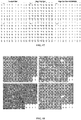
- the D'Amour et al. (2006) pancreatic differentiation protocol was used with some slight modifications to generate pancreatic endocrine cells in culture through the use of specific growth factors ( Figure 1A ).
- the first modification replaced Wnt3a with BIO-acetoxime (BIO).
- BIO BIO-acetoxime
- Wnt3a has been documented as being important for mesendoderm specification and BIO-acetoxime is a selective inhibitor of GSK-3 ⁇ which indirectly acts as a Wnt3a agonist during cell differentiation (33, 34).
- nicotinamide was included during the last stage of differentiation because various published protocols included this reagent due to strong evidence for its efficacy in pancreatic differentiation (35, 36).
- RA-dependent Cyp26a1 expression was observed in both WT and RAR ⁇ KO ES cells, suggesting that KO cells are still responding to RA stimuli ( Figure 2A ).
- the inventors sought to determine the impact of such a retinoid receptor on the expression of Pdx1, which consists in a master regulator of pancreatic cell fate (39-41).
- WT and RAR ⁇ KO ES cells were differentiated into pancreatic endocrine cells, as described in Figure 1 , and indirect immunofluorescence staining for Pdx1 was performed at the different stages of the protocol ( Figure 2B ).
- Pdx1 expression was observed in WT differentiating cells by day-5, and was still present at all the other stages tested in a heterogeneous pattern ( Figure 2B ).
- Pdx1 protein was absent from nuclei of differencing cells at day-5 and 11, and was only detected by day-14 of the protocol in RAR ⁇ null cells ( Figure 2B ).
- Neurogenin-3 (Ngn3), a master transcription factor during onset of pancreatic endocrine lineages (39, 41, 43), displayed a phased induction pattern in WT cells but was not induced in RAR ⁇ knockout ( Figure 3A ).
- Paired-box 6 (Pax6) and Islet1 (Isl-1) represent two important transcription factors in pancreatic islet cell differentiation, which are expressed from intermediate (''''mid'''') to terminally differentiated (""late”") stages (39, 40, 44, 45). While no difference were noted for Pax6 expression patterns, Isl-1 displayed a delayed expression peak in RAR ⁇ KO cells as compared to WT (day-14 versus day-11) ( Figure 3B ).
- Example 5 Deletion of RAR ⁇ affects in vivo glucose metabolism and pancreatic islet functionality
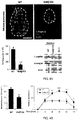
- the tissue culture system used to study diverse steps of pancreatic endocrine differentiation provided important insights about the role played by RAR ⁇ in such a physiological process. Specifically, the absence of RAR ⁇ expression leads to decreased or delayed expression of crucial transcription factors involved in islet cell differentiation, as well as decreased expression of functional differentiation markers ( Figure 2 and 3 ). Thus, the inventors sought to validate the relevance of this finding in an in vivo model.
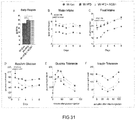
- mice of both groups were fasted for 15 hours and blood glucose concentration was measured. While blood glucose levels in WT were normal (between 70 and 105 mg/dL) (49), RAR ⁇ KO animals were found to be in a hypoglycemic state, slightly below normal levels (61 ⁇ 4.7 mg/dL) ( Figure 4B ) (50).
- a time-course blood glucose reading experiment was performed which an intraperitoneal injection of 2 mg/Kg (body weight) dextrose at time ""0"".
- RAR ⁇ KO caused a reduction in ⁇ -cell terminal differentiation markers' expression, such as Ins1 and Iapp in the cell culture system ( Figure 3 ), as well as a decreased number of C-peptide expressing cells in RAR ⁇ null-mice pancreatic islets ( Figure 4 ).
- Recent findings by Dalgin et al. (54) also linked RA signaling and endocrine cell fate.
- Ngn3 the bHLH transcription factor Neurogenin3 (Ngn3) constitutes another key player in the commitment of endoderm to pancreatic precursors (40, 43, 47).
- Ngn3 is the earliest to be expressed in the endocrine differentiation pathway (40, 55). While no links between RA signaling and Ngn3 expression was reported in the literature, RAR ⁇ KO cells displayed decreased levels of this transcription factor during pancreatic differentiation ( Figure 3 ). Thus, the impact of RAR ⁇ deletion on Ngn3 could be indirect and involving the participation of intermediate factors.
- Pax6 and Isl-1 represent two major transcription factors having a role in endocrine lineage specification after bud formation (45, 56) Considering that Pax6 expression is not affected by RAR ⁇ KO, and that the Isl-1 peak of expression is only delayed by such a deletion, it appears that absence of RA signaling through RAR ⁇ is insufficient to completely abrogate endocrine differentiation, but may lead to significant defects in islet cell function.
- RAR ⁇ expression is also known to depend on epigenetic regulation (60, 61). For instance, aberrant hypermethylation of various promoter elements was reported in different pancreatic disorders such as cancer, diabetes, and chronic pancreatitis (62-64). Therefore, epigenetic silencing of RAR ⁇ or other associated effectors could play a role in the onset of certain cases of diabetes.
- AC261066 (a RAR ⁇ agonist from Tocris) solution.
- AC261066 was dissolved in dimethyl sulfoxide (DMSO) at the concentration of 1.5 mg/ml and 3.0 mg/ml, and diluted in the drinking water for mice to the final concentration of 1.5 mg/100 ml and 3.0 mg/100 ml.
- DMSO dimethyl sulfoxide
- mice were maintained on either a standard laboratory chow-fed diet (CFD) with 13 % kcal fat, (diet# 5053, Lab Diet, Inc, St. Louis, MO) or a high fat, western style diet (HFD) with 60% kcals from fat, (diet #58126, Lab Diet, Inc., St. Louis, MO) for 4 months.
- CFD chow-fed diet
- HFD high fat, western style diet
- the high fat diet group was further split into 2 groups for 3 months: i) high fat diet and the drinking water containing 1% DMSO; ii) high fat diet and the drinking water containing 1.5 mg/100 ml AC261066, a specific RAR ⁇ agonist. Then mice were sacrificed by cervical dislocation. Blood and various tissue samples were harvested.
- PCR products were resolved on 2% agarose gels and visualized by staining with ethidium bromide.
- Primers for gene expression used were as follows: RAR ⁇ 2, F: 5'-TGGCATTGTTTGCACGCTGA-3' (SEQ ID No. 25), R: 5'-CCCCCCTTTGGCAAAGAATAGA-3' (SEQ ID No. 26), CYP26A1, F: 5'-CTTTATAAGGCCGCCCAGGTTAC-3' (SEQ ID No. 27), R: 5'-CCCGATCCGCAATTAAAGATGA-3' (SEQ ID No. 28), LRAT, F: 5'-TCTGGCATCTCTCCTACGCTG-3' (SEQ ID No.
- R 5'-GTTCCAAGTCCTTCAGTCTCTTGC-3' (SEQ ID No. 30), INS2, F: 5'-TGTGGGGAGCGTGGCTTCTTCT-3' (SEQ ID No. 31), R: 5'-CAGCTCCAGTTGTGCCACTTGT-3' (SEQ ID No. 32), HPRT, F:5'-TGCTCGAGTGTGATGAAGG-3' (SEQ ID No. 33), R:5'-TCCCTGTTGACTGGTCATT-3' (SEQ ID No. 34).
- pancreatic retinoids Analysis of pancreatic retinoids.
- the frozen pancreas tissue samples ( ⁇ 100 mg) were homogenized in 500 ⁇ l cold phosphate-buffered saline (PBS).
- PBS cold phosphate-buffered saline
- 100 ⁇ l serum was diluted in cold PBS to total volume of 500 ⁇ l.
- Retinyl acetate was added to each sample before the retinoid extraction for the calculation of extraction efficiency.
- the retinoids were extracted into 350 ⁇ l of organic solution (acetonitrile/butanol, 50:50, v/v) in the dark.
- HPLC high performance liquid chromatography
- Each sample (100 ⁇ l of the 350 ⁇ l) was loaded onto an analytical 5- ⁇ m reverse phase C18 column (Vydac, Hesperia, CA) and eluted at a flow rate of 1.5 ml/min.
- Two mobile phase gradient systems were used.
- Retinoids were identified by HPLC based on two criteria: an exact match of the retention times of unknown peaks with those of authentic retinoid standards and identical UV light spectra (220-400 nm) of unknowns against spectra from authentic retinoid standards during HPLC by the use of a photodiode array detector.
- the amounts of retinoids were calculated from the areas under the peaks detected at the wave-length of 325 nm.
- the levels of retinol and retinyl esters were normalized to the tissue weight.
- pancreata Retinoid levels in pancreatic tissue.
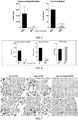
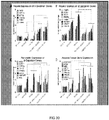
- Our HPLC analysis revealed that that pancreata from HF-fed obese mice had dramatically decreased levels retinol (VA, vitamin A) compared to CF (control diet) controls ( Fig 5 ).
- Retinyl palmitate was undetectable in pancreata tissue from HF-fed mice ( Fig 5 ), showing profound pancreas vitamin A deficiency.
- the serum retinol levels are similar or a bit higher in the HF diet mice, but the pancreas retinol levels are much lower in the HF diet mice, showing vitamin A deficiency in the pancreas even in the presence of normal serum vitamin A ( Fig 6 ).
- AC261066 decreases oxidative stress levels in the pancreas from HF-fed mice.
- High fat diet results in excessive reactive oxygen species (ROS) production that triggers inflammatory responses and subsequent injuries in many tissues. Therefore, we examined the levels of 4-hydroxynonenal (4-HNE), an ⁇ , ⁇ -unsaturated hydroxyalkenal that is produced by lipid peroxidation in cells during oxidative stress, and is a marker of oxidative stress caused by reactive oxygen species (ROS) in the pancreas.
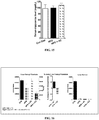
- the pancreatic islets from HF-fed mice showed an increase in the 4-HNE levels compared to the chow-fed controls ( Fig 7 ).
- the pancreatic islet samples from the high fat diet plus AC261066 group exhibited markedly lower 4-HNE staining intensity levels compared to HF-vehicle treated mice ( Fig 7 ).
- AC261066 does diminish pancreatic islet insulin expression.
- Pancreatic islets stained for pro-insulin c-peptide (green) and glucagon (red) revealed that islets from HF and HF + AC261066 fed mice showed a marked increase in c-peptide staining compared to control diet controls ( Fig 8 ).
- AC261066 slightly decreased c-peptide level in the HF diet mice.
- AC2621066 increased pancreatic mRNA expression of RAR ⁇ in obese and vitamin A deficient mice. Consistent with our HPLC data demonstrating that pancreata tissue from HF-fed, obese mice had significantly decreased VA (vitamin A) levels, and significantly decreased mRNA levels of the VA responsive gene and VA signaling transcription factor, RAR ⁇ . RAR ⁇ was decreased in pancreata of HF-fed obese mice compared to control diet fed mice ( Fig 9 ). mRNA levels of RAR ⁇ in pancreata HF-AC261066 treated mice were increased compared to HF-vehicle treated mice ( Fig 9 ), and near levels observed in non-obese controls, suggesting that AC261066 can prevent or reverse the loss of VA signaling in VA depleted tissue. Similar findings in vitamin A deficient mice, Fig. 10 .
- liver paraffin sections were cut 5 microns thick and mounted on glass slides and stained with hematoxylin and eosin (H and E) using standard protocols.
- PCR products were resolved on 2% agarose gels and visualized by staining with ethidium bromide.
- Primers for gene expression used were as follows: RAR ⁇ 2, F: 5'-TGGCATTGTTTGCACGCTGA-3' (SEQ ID No. 25), R: 5'-CCCCCCTTTGGCAAAGAATAGA-3' (SEQ ID No. 26), CYP26A1, F: 5'-CTTTATAAGGCCGCCCAGGTTAC-3' (SEQ ID No. 27), R: 5'-CCCGATCCGCAATTAAAGATGA-3' (SEQ ID No. 28), LRAT, F: 5'-TCTGGCATCTCTCCTACGCTG-3' (SEQ ID No.
- the frozen liver tissue samples ( ⁇ 100 mg) were homogenized in 500 ⁇ l cold phosphate-buffered saline (PBS).
- PBS cold phosphate-buffered saline
- 100 ⁇ l serum was diluted in cold PBS to total volume of 500 ⁇ l.
- Retinyl acetate was added to each sample before the retinoid extraction for the calculation of extraction efficiency.
- the retinoids were extracted into 350 ⁇ l of organic solution (acetonitrile/butanol, 50:50, v/v) in the dark.
- HPLC high performance liquid chromatography
- Each sample (100 ⁇ l of the 350 ⁇ l) was loaded onto an analytical 5- ⁇ m reverse phase C18 column (Vydac, Hesperia, CA) and eluted at a flow rate of 1.5 ml/min.
- Two mobile phase gradient systems were used.
- Retinoids were identified by HPLC based on two criteria: an exact match of the retention times of unknown peaks with those of authentic retinoid standards and identical UV light spectra (220-400 nm) of unknowns against spectra from authentic retinoid standards during HPLC by the use of a photodiode array detector.
- the amounts of retinoids were calculated from the areas under the peaks detected at the wave-length of 325 nm.
- the levels of retinol and retinyl esters were normalized to the tissue weight.
- the frozen liver tissue samples ( ⁇ 100 mg) were homogenized in 500 ⁇ l cold phosphate-buffered saline (PBS).
- PBS cold phosphate-buffered saline
- 100 ⁇ l serum was diluted in cold PBS to total volume of 500 ⁇ l.
- Retinyl acetate was added to each sample before the retinoid extraction for the calculation of extraction efficiency.
- the retinoids were extracted into 350 ⁇ l of organic solution (acetonitrile/butanol, 50:50, v/v) in the dark.
- HPLC high performance liquid chromatography
- Each sample (100 ⁇ l of the 350 ⁇ l) was loaded onto an analytical 5- ⁇ m reverse phase C18 column (Vydac, Hesperia, CA) and eluted at a flow rate of 1.5 ml/min.
- Two mobile phase gradient systems were used.
- Retinoids were identified by HPLC based on two criteria: an exact match of the retention times of unknown peaks with those of authentic retinoid standards and identical UV light spectra (220-400 nm) of unknowns against spectra from authentic retinoid standards during HPLC by the use of a photodiode array detector.
- the amounts of retinoids were calculated from the areas under the peaks detected at the wave-length of 325 nm.
- the levels of retinol and retinyl esters were normalized to the tissue weight.
- AC261066 diminished hepatic steatosis.
- H and E staining of liver sections from treatment mice revealed that 4 months of a HF western style diet lead to increased hepatocyte lipid accumulation in HF-fed mice compared to CFD-fed mice ( Fig 11 ).
- HF-fed mice treated with AC261066 showed marked decreased hepatocyte lipid infiltration compared to HF-vehicle treated mice ( Fig 11 ).
- HF-fed mice treated with a RAR ⁇ ligand (CD1530) showed no decrease in hepatic lipid accumulation ( Fig 11 ).
- AC261066 diminishes hepatic gene expression of alpha-SMA (alpha-smooth muscle actin) and SREBP1c. Consistent with our immunofluorescence microscopy showing that ⁇ -SMA protein is decreased in HF-AC261011 fed mice compared to HF-vehicle controls, hepatic mRNA levels of alpha-SMA were also decreased in livers of HF-AC261011 fed mice, but not in the livers of HF-CD1530 treated mice ( Fig 12 ).
- SREBP1-c which codes for a transcription factor responsible for de novo synthesis of triglyceride and is often over-expressed in livers of animals with experimentally induced NAFLD. Our analysis revealed that mRNA levels of SREBP1-c are markedly higher in livers of HF-fed and HF-fed CD1530 treated mice, but not in livers of HF-AC261011 treated mice ( Fig 12 ).
- AC261066 diminishes hepatic stellate cell (HSC) activation. Liver sections co-stained with the neutral lipid stain oil-red-o were in agreement with the H and E staining, demonstrating that HF-fed obese mice had ectopic accumulation of hepatic lipids (red) compared to CF controls ( Fig 13 ). Livers of HF-AC261066-fed mice had marked diminished hepatic lipid accumulation compared to HF vehicle-fed mice ( Fig 13 ). This effect was not observed in the livers of HF-fed mice treated with the CD1530 (RAR ⁇ agonist).
- HSCs Activated HSCs contribute to normal liver tissue repair processes, but unresolved HSC activation can lead to fibrotic lesion formation and the progression of steatosis to advanced NAFLD, such as non-alcoholic steatohepatitis (NASH).
- NAFLD non-alcoholic steatohepatitis
- ⁇ -SMA antibody To examine whether HF-fed obese mice exhibited evidence of increased activation of HSCs we stained liver sections with an ⁇ -SMA antibody. This analysis revealed the livers of HF-fed mice had increased ⁇ -SMA positive (green) staining compared to lean, CF controls. ⁇ -SMA positive areas tended to cluster in areas with hepatocyte lipid infiltration ( Fig 13 ).
- livers of HF-fed-AC261066 treated mice had decreased intensity and regions of ⁇ -SMA positive staining ( Fig 13 ). Moreover, clustering ⁇ -SMA in lipid positive (red) regions was not observed in liver of HF-AC261066 treated mice. Livers of HF-fed CD1530 treated mice had no evidence decreased lipid accumulation or ⁇ -SMA expression intensity or patterns compared to HF fed-vehicle treated mice.
- AC261066 diminishes hepatic gene expression of pro-inflammatory mediators.
- NAFLD is typically associated with increased hepatic expression of pro-inflammatory cytokines and mediators such as the monocyte chemokine MCP-1 and the cytokine TNF- ⁇ .
- MCP-1 and TNF- ⁇ pro-inflammatory cytokines and mediators
- Our analysis revealed that mRNA levels of both MCP-1 and TNF- ⁇ were markedly elevated in livers of HF-fed mice HF-fed CD1530 treated mice, but not in livers of HF-fed AC261066 treated mice ( Fig 14 ).
- AC261066 does not elevate serum triglyceride levels.
- HF or HF + AC261066 feeding does not affect serum triglyceride levels compared CF controls. This suggests that AC261066 does not increase risk for cardiovascular disease and suggests that the liver lipid lowering effect of AC261066 does not correlate with increased hepatic lipid export.
- AC261066 partially reverses depletion of VA in livers of HF-fed Obese Mice.
- the liver stores approximately 80-90% of total body VA, therefore we conducted HPLC to determine the tissue levels of the major storage form of VA, retinyl-palmitate and of all-trans retinol in lean CF, HF and HF + AC261066 fed mice.
- Our analysis revealed that levels of retinyl-palmitate and retinol were decreased by 97% and 92% in livers in HF-fed, obese mice compared to lean, CF controls( Fig 16 ).
- Livers of mice fed HF + AC261066 and CD1530 also had significantly lowered retinyl palmitate and retinol compared to controls, however compared to HF-vehicle treated mice, we observed 55% higher levels of retinyl palmitate in the livers from HF-AC261066 fed mice, while retinyl palmitate levels in the liver of HF + CD1530 treated mice were almost 48% lower than livers from HF-vehicle treated mice ( Fig 16 ). This suggests that longer administration of AC261066 to HF-fed obese mice may have significantly reversed HF-obesity driven liver VA depletion.
- Oxidative stress level is lower in the liver from the high fat diet plus AC261066 group than that in the high fat diet group.
- High fat diet results in excessive reactive oxygen species (ROS) production that triggers inflammatory responses and subsequent injuries in many tissues. Therefore, we examined the levels of 4-hydroxynonenal (4-HNE), an ⁇ , ⁇ -unsaturated hydroxyalkenal that is produced by lipid peroxidation in cells during oxidative stress, and is a marker of oxidative stress caused by reactive oxygen species (ROS) in the liver.
- the liver from the high fat diet group showed a large increase in the 4-HNE levels compared to the control fat diet group, and the liver samples from the high fat diet plus AC261066 group exhibited lower 4-HNE levels than those from the high fat diet group ( Fig. 17 ).
- Kidney paraffin sections were cut 5 microns thick and mounted on glass slides and stained with hematoxylin and eosin (H and E) using standard protocols.
- PCR products were resolved on 2% agarose gels and visualized by staining with ethidium bromide.
- Primers for gene expression used were as follows: RAR ⁇ 2, F: 5'-TGGCATTGTTTGCACGCTGA-3' (SEQ ID No. 25), R: 5'-CCCCCCTTTGGCAAAGAATAGA-3' (SEQ ID No. 26), CYP26A1, F: 5'-CTTTATAAGGCCGCCCAGGTTAC-3' (SEQ ID No. 27), R: 5'-CCCGATCCGCAATTAAAGATGA-3' (SEQ ID No. 28), TNF ⁇ , F: 5'-CCTGTAGCCCACGTCGTAG-3' (SEQ ID No.
- R 5'-GGGAGTAGACAAGGTACAACCC-3' (SEQ ID No. 36), HPRT, F: 5'-TGCTCGAGTGTGATGAAGG-3' (SEQ ID No. 33), R:5'-TCCCTGTTGACTGGTCATT-3' (SEQ ID No. 34).
- kidney retinoids Analysis of kidney retinoids.
- the frozen kidney tissue samples ( ⁇ 100 mg) were homogenized in 500 ⁇ l cold phosphate-buffered saline (PBS).
- PBS cold phosphate-buffered saline
- 100 ⁇ l serum was diluted in cold PBS to total volume of 500 ⁇ l.
- Retinyl acetate was added to each sample before the retinoid extraction for the calculation of extraction efficiency.
- the retinoids were extracted into 350 ⁇ l of organic solution (acetonitrile/butanol, 50:50, v/v) in the dark.
- HPLC high performance liquid chromatography
- Each sample (100 ⁇ l of the 350 ⁇ l) was loaded onto an analytical 5- ⁇ m reverse phase C18 column (Vydac, Hesperia, CA) and eluted at a flow rate of 1.5 ml/min.
- Two mobile phase gradient systems were used.
- Retinoids were identified by HPLC based on two criteria: an exact match of the retention times of unknown peaks with those of authentic retinoid standards and identical UV light spectra (220-400 nm) of unknowns against spectra from authentic retinoid standards during HPLC by the use of a photodiode array detector.
- the amounts of retinoids were calculated from the areas under the peaks detected at the wave-length of 325 nm.
- the levels of retinol and retinyl esters were normalized to the tissue weight.
- AC261066 diminished renal lipid accumulation. H and E staining of kidney sections from treatment mice revealed that 4 months of a HF western style diet lead to increased renal lipid accumulation in HF-fed mice compared to CFD-fed mice ( Fig 18 ). HF-fed mice treated with AC261066 showed markedly decreased renal lipid infiltration compared to HF-vehicle treated mice ( Fig 18 ). HF-fed mice treated with a RAR ⁇ ligand (CD1530) showed no decrease in renal lipid accumulation ( Fig 18 ).
- AC261066 diminishes renal expression of alpha-SMA. Kidney sections co-stained with the neutral lipid stain oil-red-o were in agreement with the H and E staining, demonstrating that HF-fed obese mice had ectopic accumulation of renal lipids (red) compared to CF controls ( Fig 18 ). Kidneys of HF-AC261066-fed mice had marked diminished hepatic lipid accumulation compared to HF vehicle-fed mice ( Fig 19 ). Alpha-SMA is required for normal kidney tissue repair processes, but unchecked alpha-SMA secretion can lead to fibrotic lesion formation and the progression of advanced renal disease.
- kidney sections stained with the neutral lipid stain oil-red-o showed marked increase in renal lipid droplets in kidneys of HF-fed mice compared to control fed mice.
- kidney sections from HF + AC261066 treated mice had comparably less oil red o positive areas.
- ⁇ -SMA (green) staining also revealed that kidneys of HF-fed mice had increased ⁇ -SMA positive areas compared to control fed mice ( Fig 19 ). This increase in ⁇ -SMA positive areas was not observed in kidneys of HF + AC261066 treated mice.
- AC261066 diminishes kidney gene expression of pro-inflammatory mediators. Fibrosis is associated increased renal expression of pro-inflammatory cytokines and mediators. We examined whether kidneys of HF-fed mice had evidence of inflammation marked by increased expression of inflammatory cytokines such as TNF- ⁇ . Our analysis revealed that mRNA levels of TNF- ⁇ were markedly elevated in livers of HF-fed mice, but not in livers of HF-fed AC261066 treated mice ( Fig 21 ).
- Oxidative stress level as assessed by 4-hydroxynoneal (4-HNE), is lower in the kidneys from the high fat diet plus AC261066 group than that in the high fat diet group.
- High fat diet results in excessive reactive oxygen species (ROS) production that triggers inflammatory responses and subsequent injuries in many tissues.
- ROS reactive oxygen species
- PCR products were resolved on 2% agarose gels and visualized by staining with ethidium bromide.
- Primers for gene expression used were as follows: RAR ⁇ 2 , F: 5'-TGGCATTGTTTGCACGCTGA-3' (SEQ ID No. 25), R: 5'-CCCCCCTTTGGCAAAGAATAGA-3' (SEQ ID No. 26), CYP26A1 , F: 5'-CTTTATAAGGCCGCCCAGGTTAC-3' (SEQ ID No. 27), R: 5'-CCCGATCCGCAATTAAAGATGA-3' (SEQ ID No. 28), HPRT , F: 5'-TGCTCGAGTGTGATGAAGG-3' (SEQ ID No. 33), R:5'-TCCCTGTTGACTGGTCATT-3' (SEQ ID No. 34).
- the frozen kidney tissue samples ( ⁇ 100 mg) were homogenized in 500 ⁇ l cold phosphate-buffered saline (PBS). In addition, 100 ⁇ l serum was diluted in cold PBS to total volume of 500 ⁇ l. Retinyl acetate was added to each sample before the retinoid extraction for the calculation of extraction efficiency. The retinoids were extracted into 350 ⁇ l of organic solution (acetonitrile/butanol, 50:50, v/v) in the dark. The high performance liquid chromatography (HPLC) was performed using a Waters Millennium system (Waters).
- HPLC high performance liquid chromatography
- Each sample (100 ⁇ l of the 350 ⁇ l) was loaded onto an analytical 5- ⁇ m reverse phase C18 column (Vydac, Hesperia, CA) and eluted at a flow rate of 1.5 ml/min.
- Two mobile phase gradient systems were used.
- Retinoids were identified by HPLC based on two criteria: an exact match of the retention times of unknown peaks with those of authentic retinoid standards and identical UV light spectra (220-400 nm) of unknowns against spectra from authentic retinoid standards during HPLC by the use of a photodiode array detector.
- the amounts of retinoids were calculated from the areas under the peaks detected at the wave-length of 325 nm.
- the levels of retinol and retinyl esters were normalized to the tissue weight.
- Testes of HF-fed Mice have decreased expression of VA relevant genes expression. Consistent with the HPLC data demonstrating that VA levels are diminished in kidney of HF-fed mice, our testes gene expression analysis revealed that PAP ⁇ 2 and CYP26A1, and RAR gamma2 mRNAs are markedly decreased in the testes of HF-fed mice ( Fig 24 ).
- KAP ⁇ agonist AC55649 is prepared at a concentration of 3.0mg/100ml in 1% DMSO and is used to treat mice as described in Examples 6-10.
- AC261066 ( Lund et al., Discovery of a potent, orally available, and isoform-selective retinoic acid beta2 receptor agonist. J Med Chem. 2005;48(24):7517-9 ) and CD1530 ( Thacher et al. Therapeutic applications for ligands of retinoid receptors. Curr Pharm Des.
- DMSO dimethyl sulfoxide
- Example 12 Mice, diet, and drug treatment.
- WT male C57/BL6 male mice were maintained on either a standard laboratory chow-fed diet (Con) with 13 % kcal fat, (diet# 5053, Lab Diet, Inc, St. Louis, MO) or a high fat, western style diet (HFD) with 45% kcals from fat, (diet #58126, Lab Diet, Inc., St. Louis, MO) for 4 months.
- Con standard laboratory chow-fed diet
- HFD high fat, western style diet
- HFD group was further split into 3 groups for 3 months: i) HFD and the drinking water containing 1% DMSO; ii) high fat diet (HFD) and drinking water containing 1.5 mg/100 ml AC261066, a specific PAP ⁇ agonist in 1% DMSO or iii) HFD and drinking water containing 1.5 mg/100 ml CD1530, a specific RAR ⁇ agonist in 1% DMSO. Then mice were sacrificed by cervical dislocation. Blood and various tissue samples were harvested.
- Example 13 Serum triglyceride and cholesterol level measurements.
- the analysis of serum triglyceride levels was carried out using a bichromatic assay at the Laboratory of Comparative Pathology of the Memorial Sloan-Kettering Cancer Center.
- Example 15 - Selective RAR ⁇ (e.g., PAP ⁇ 2) agonists effectively control and reduce serum triglyceride and cholesterol levels.
- HFD-fed mice treated with a RAR ⁇ agonist, CD1530 showed no decrease in serum cholesterol and triglycerides levels ( Fig. 25A ).
- Q-RT-PCR quantitative real time PCR
- AC261066 significantly reduced hepatic mRNA levels of the lipogenic proteins srebpl-c , fas , dgat1 , fgf21, and ppar-y in HFD-fed mice ( Fig. 25B ).
- AC261066 treatment prevented a large decrease in the hepatic mRNA levels of sirt1 and ⁇ ar- ⁇ , two proteins involved in beta-oxidation of fatty acids ( Fig.1B ).
- Our gene expression analysis also revealed that AC261066 treatments significantly reduced hepatic mRNA levels of srebp-2 and hmgcr ( Fig.25B ).
- Srebp-2 is a transcription factor that increases mRNA levels of hmgcr (3-hydroxy-3-methylglutaryl-coenzyme A reductase, or HMG-CoA reductase), the rate-limiting enzyme in de novo cholesterol synthesis. This effect was not observed in the livers of HFD-fed mice treated with CD1530 (RAR ⁇ agonist), showing specificity of AC261066 for RAR ⁇ 2 ( Fig. 1B ). Gene expression of pepck, which is the rate-limiting enzyme in gluconeogenesis, was not affected by either AC261066 or CD1530 ( Fig. 25B ).
- Example 16 - Retinoic Acid Receptor ⁇ (RAR ⁇ ) Agonists Diminish Body Weight, Diet Induced Glucose Intolerance and Insulin Resistance in High Fat and Genetic Models of Diabetes.
- PAP ⁇ agonists AC261066 and AC55649 lead to significant reductions in body weights of obese, high fat (HF)-fed mice ( Fig 27A ) and in genetically obese and diabetic Ob / Ob and Db / Db mice ( Fig 27E ).
- Early stages of T2D begins with altered insulin metabolism referred to as insulin resistance (IR), which leads to enlargement of the insulin producing cells of pancreas known as ⁇ -cells and overproduction of insulin to compensate for the IR.
- IR insulin resistance
- PAP ⁇ agonists could improve IR and as a result decrease pancreatic insulin secretion. Therefore we then sought to determine if PAP ⁇ agonists reduce the enlargement of ⁇ -cells in HF-fed and genetically diabetic mice.
- pancreas sections Using immunohistochemistry and an anti-body for insulin, we examined pancreas sections and found that PAP ⁇ agonists led to the reduction pancreatic ⁇ -cells (also known as Islets) and pancreatic insulin content ( Fig 28A, B ).
- pancreatic ⁇ -cells also known as Islets
- pancreatic insulin content Fig 28A, B
- PAP ⁇ agonists i) reduce obesity in HF-fed an genetically obese Ob/Ob and Db/Db mice, ii) improve glucose intolerance and peripheral insulin resistance in a dietary and genetic model of obesity and diabetes.
- Example 18 - Retinoic Acid Receptor ⁇ (RAR ⁇ ) Agonists Reduce the Accumulation of Liver, Pancreas, Kidney, Muscle and Adipose Triglycerides in Dietary and Genetic Models of Diabetes. Obesity leads to the accumulation of lipids in organs such as the liver, kidney and adipose tissue. Excessive lipids in organs can alter their function and lead to IR and promote the pathogenesis of T2D. Given the reductions in body weight and improved metabolic profile in mice treated with PAP ⁇ agonists, we examined the organs of HF and genetically obese diabetic mice for the presence of lipids.
- Example 19 - Retinoic Acid Receptor ⁇ (RAR ⁇ ) Agonist AC261066 Alters Tissue Expression of Genes Involved in Lipogenesis and Mitochondrial Oxidation of Lipids.
- Tissue lipids can be altered by increasing lipid breakdown (catabolism) and/or by diminishing lipid synthesis. With the exception of the liver, most organs do not synthesize lipids and will utilize lipids delivered through the blood.
- Type 2 diabetes (T2D) is associated with a decreased ability of organs such as muscle to catabolize lipids thus leading to the accumulation of excess lipids.
- liver, pancreas and adipose tissue from HFD-fed and genetically obese mice treated with PAP ⁇ agonist had significant increases in genes that stimulate ⁇ -oxidation of lipids including the transcription factor PPAR ⁇ , the transporter proteins CPT1- ⁇ and CPT2 and the lipid catabolic enzyme acetyl-CoA acetyltransferase 1 (ACAT1) ( Figure 30A , C and D).
- ACAT1 acetyl-CoA acetyltransferase 1
- liver and pancreas we also detected a significant decrease in expression of genes involved in the suppression of ⁇ -oxidation and stimulation of lipogenesis, including the rate limiting enzyme in de novo fatty acid synthesis fatty acid synthase (FASN), the lipogenic transcription factor SREBP1 and acetyl-CoA acetyltransferase 1 (ACC1) ( Figure 30B, and C ). Consistent with the decreases in body and adipose tissue weights, PAP ⁇ agonist treatment also led to a significant increase in genes responsible for adipocyte lipolysis such as hormone sensitive lipase (HSL) and perilipin (PLIN) ( Figure 30D ).
- HSL hormone sensitive lipase
- PLIN perilipin
- ADIPOQ Adipose tissue expression of the gene adiponectin
- Example 20 Acute Administration of Retinoic Acid Receptor ⁇ (RAR ⁇ ) Agonist Reverses High Fat Induced Glucose Intolerance and Insulin Resistance.
- RAR ⁇ Retinoic Acid Receptor ⁇
- Wild type (wt) male C57/BL6 male mice were maintained on either a standard laboratory chow-fed diet (Con) with 13 % kcal fat, (diet# 5053, Lab Diet, Inc, St. Louis, MO) or a high fat, western style diet (HFD) with 45% kcals from fat, (diet #58126, Lab Diet, Inc., St. Louis, MO) for 4 months.
- Con standard laboratory chow-fed diet
- HFD high fat, western style diet
- the Con and HFD groups were further split into 3 additional groups for 4 months to: i) remain on either Con or HFD and the drinking water containing 1% DMSO; ii) Con or HFD and drinking water containing 3.0 mg/100 ml AC261066, a specific PAP ⁇ agonist in 1% DMSO, or iii) Con or HFD and drinking water containing 3.0 mg/100 ml of AC55649, another specific PAP ⁇ agonist in 1% DMSO. All mice remained on their diets for 4 months. After 4 months mice were subjected to metabolic studies and then sacrificed by cervical dislocation and tissues were snap frozen at -70 C° for future RNA isolation and histology.
- mice Lep -ob and Lepr -db mice commonly referred to as ob/ob (stock #000632, Jackson Labs, Bar Harbor, Maine) and db/db (stock #000642, Jackson Labs, Bar Harbor, Maine) mice respectively.
- Ob / ob and db / db mice are homozygous knockout mice for the leptin ( ob ) or leptin receptor ( db ) genes. Both ob/ob and db/db mice were developed in a C57BL/6J background strain and both genetic alterations leads to spontaneous development of obesity by 4-5 weeks of age when fed a standard laboratory chow diet.
- GTT intraperitoneal glucose tolerance test
- Tail vein blood was collected at 15, 30, 45, 60, and 120 minutes post-injection for glucose measurements using a FreeStyle Lite Blood Glucose Monitoring System (Abbott Diabetes Care, Inc. Alameda, CA).
- ITT Insulin tolerance tests
- RNA Isolation and cDNA Synthesis-Total RNA was isolated from whole pancreas and small intestine homogenates using RNeasy mini kits (Qiagen, Valencia, CA) and quantified using a Nano Drop 2000 spectrophotometer (Thermo Scientific, Wilmington, DE). Total RNA (2 ⁇ g) was used to synthesize cDNA with random primers using a qScript cDNA synthesis kit (Quanta Biosciences, Gaithersburg, MD).
- S.E.M standard error of the mean
- Tissue Triglyceride Analysis Total tissue lipids were extracted from using the Folch method. Briefly, total lipids were extracted from aliquots of tissue homogenates using chloroform: methanol (2:1) and partitioned using dH2O. Organic phase solvents containing lipids were evaporated under nitrogen gas and re-suspended in 0.5% (v/v) Triton X-100 solution in water. Tissue triglycerides were determined enzymatically using Triglycerides Reagent kit (Invitrogen, Life Technologies, Carlsbad, CA, USA) according to the manufacture's protocol. Tissue triglycerides were normalized to tissue protein concentrations and reported as mean ⁇ standard error of the mean (S.E.M) and P-values were calculated using one-way analysis of variance followed by Bonferroni multiple comparison test post-hoc analysis.
- S.E.M standard error of the mean
- Quantitative RT-PCR quantitative RT-PCR-Q-PCR was performed using SYBR Green PCR master mix on a Bio-Rad MyiQ2 Real Time PCR iCycler (Bio-Rad, Inc. Hercules, CA). Gene specific primers (Table 5) were used to amplify mRNA target genes, which were normalized to Hprt internal control genes. cDNA from 3-5 mice per experimental group was analyzed for relative mRNA fold changes, calculated using the Pfaffl method (Pfaffl MW, A new mathematical model for relative quantification in real-time RT-PCR, Nucleic Acids Res. 2001 May 1;29(9):e45 ).
- PDK1 Pyruvate dehydrogena se kinase isoenzyme 1 22802 6 TTACTCAGTGGAACACCGCC
- PDK4 Pyruvate dehydrogena se kinase isoenzyme 4 27273 TGACAGGGCTTTCTGGTCTT (SEQ ID NO.
- Example 22 - Retinoic Acid Receptor ⁇ (RAR ⁇ ) Agonists Diminish Diet Induced Body Weight Increases and Glucose Intolerance in a High Fat Model of Diabetes.
- Three months of HF-fat (45% Kcal/fat) feeding led to a significant increase in body weight compared to con-fed mice ( Fig 32A ).
- HF-fed mice treated with AC261066 or AC55649 for 3 months had approximately a 10% decrease in body weights ( Fig 32A ).
- Metabolic studies demonstrated that water administration of the PAP ⁇ agonists AC261066 and AC55649 lead to improved glucose tolerance and area under the curve glucose in HF-fed mice ( Fig 32B , C).
- HFD high fat diet
- HFD high fat diet
- PAP ⁇ agonist a specific PAP ⁇ agonist
- GTT intra-peritoneal glucose tolerance test
- GTT Glucose Tolerance Test
- Means are expressed as ⁇ standard error of the mean (S.E.M) and P -values were calculated using one-way analysis of variance followed by Bonferroni post-hoc analysis. Grubbs' maximum normal residual test was used for detection of one or more outliers.
- Example 23 - Retinoic Acid Receptor ⁇ (RAR ⁇ ) Agonist AC261066 Alters Renal Expression of Genes involved in Lipid Metabolism and Inflammation in Models of Obesity and Diabetes.
- Diabetic kidney disease aka diabetic nephropathy (DN)
- DN diabetic nephropathy
- FFA free fatty acids
- kidney mRNA transcripts of genes involved in de novo lipid synthesis (SREBP1, FASN) and ⁇ -oxidation (catabolism) of lipids (PPAR- ⁇ and CPT1- ⁇ ) and found that in comparison to wt con-fed mice, HFD-fed mice had a 4-5 fold increase in kidney mRNA levels of SREBP1 and FASN ( Figure 33A ).
- HF-fed mice treated with AC261066 had no increase in mRNA transcripts of SREBP1 and FASN ( Fig 33A ).
- mRNA transcripts of PPAR- ⁇ and CPT1- ⁇ were increased approximately 2-fold in HF-fed mice treated with AC261066 ( Fig 33A ).
- HFD, Ob / Ob and Db / Db mice treated with AC261066 had 40-50% reductions in kidney mRNA transcripts of MCP-1 ( Fig. 33B ) and TNF- ⁇ ( Fig. 33C, E ) respectively.
- Kidney mRNA transcripts of ⁇ -SMA which contributes to DN fibrosis, was increased 5-6 fold in HFD Ob / Ob and Db / Db mice compared to wt con ( Fig. 33D ).
- HFD Ob / Ob and Db / Db mice treated AC261066 had 40-50% reductions in ⁇ -SMA transcripts compared to their respective HFD and genetic controls ( Fig. 33D ).
- Retinoic Acid Receptor ⁇ (RAR ⁇ ) Agonists Diminish The Activation of Fibrogenic Kidney Stellate Cells.
- RSCs Renal stellate cells
- ⁇ -SMA fibroblasts
- Quiescent RSCs do not express ⁇ -SMA, but unchecked activation of RSCs and secretion of ⁇ -SMA contributes to renal fibrosis and the pathogenesis of DN.
- RSCs express the mesenchymal protein marker vimentin.
- Db / Db mice which spontaneously diabetes and DN in a similar manner to humans, we detected more than a 4-fold increase in activated ⁇ -SMA positive RSCs compared to wt con mice ( Figure 33F, G ).
- Db/Db mice treated with AC261066 for 4 weeks had more than a 50% reduction in ⁇ -SMA positive RSCs ( Fig 33F, G ).
- Alexa-fluor 488 conjugated anti-mouse secondary antibody (1:500) (Invitrogen, Carlsbad, CA) for immunofluorescence labeling of insulin followed by visualization using a Nikon TE2000 inverted fluorescence microscope (Nikon, Inc).
Landscapes
- Health & Medical Sciences (AREA)
- Veterinary Medicine (AREA)
- Chemical & Material Sciences (AREA)
- Medicinal Chemistry (AREA)
- Pharmacology & Pharmacy (AREA)
- Life Sciences & Earth Sciences (AREA)
- Animal Behavior & Ethology (AREA)
- General Health & Medical Sciences (AREA)
- Public Health (AREA)
- General Chemical & Material Sciences (AREA)
- Engineering & Computer Science (AREA)
- Bioinformatics & Cheminformatics (AREA)
- Chemical Kinetics & Catalysis (AREA)
- Nuclear Medicine, Radiotherapy & Molecular Imaging (AREA)
- Organic Chemistry (AREA)
- Diabetes (AREA)
- Epidemiology (AREA)
- Hematology (AREA)
- Obesity (AREA)
- Emergency Medicine (AREA)
- Endocrinology (AREA)
- Gastroenterology & Hepatology (AREA)
- Child & Adolescent Psychology (AREA)
- Urology & Nephrology (AREA)
- Cardiology (AREA)
- Heart & Thoracic Surgery (AREA)
- Acyclic And Carbocyclic Compounds In Medicinal Compositions (AREA)
- Medicines That Contain Protein Lipid Enzymes And Other Medicines (AREA)
- Pharmaceuticals Containing Other Organic And Inorganic Compounds (AREA)
Claims (4)
- Retinsäurerezeptor-beta(RARß)-Agonist zur Verwendung bei einem Behandeln von Hyperlipidämie, Hypercholesterinämie oder Hypertriglyceridämie in einem Subjekt, das dies benötigt, wobei der Retinsäurerezeptor-beta(RARß)-Agonist AC261066 oder AC55649 ist.
- Retinsäurerezeptor-beta(RARß)-Agonist zur Verwendung nach Anspruch 1, wobei der Retinsäurerezeptor-beta(RARß)-Agonist oral, intravenös oder subkutan verabreicht wird.
- Retinsäurerezeptor-beta(RARß)-Agonist zur Verwendung nach Anspruch 1, wobei dem Subjekt ein zweites Arzneimittel verabreicht wird, wobei das zweite Arzneimittel ein anderer Retinsäurerezeptor-beta(RARß)-Agonist ist.
- Pharmazeutische Zusammensetzung, die einen Retinsäurerezeptor-beta(RARß)-Agonisten oder ein pharmazeutisch unbedenkliches Salz davon und eine pharmazeutisch unbedenkliche Trägersubstanz umfasst, zur Verwendung bei dem Behandeln von Hyperlipidämie, Hypercholesterinämie oder Hypertriglyceridämie in einem Subjekt, das dies benötigt, wobei der Retinsäurerezeptor-beta(RARß)-Agonist AC261066 oder AC55649 ist.
Applications Claiming Priority (3)
| Application Number | Priority Date | Filing Date | Title |
|---|---|---|---|
| PCT/US2014/012083 WO2014113695A1 (en) | 2013-01-18 | 2014-01-17 | Methods of treating diseases associated with high fat diet and vitamin a deficiency using retinoic acid receptor agonists |
| US201461990808P | 2014-05-09 | 2014-05-09 | |
| PCT/US2015/011820 WO2015109231A1 (en) | 2014-01-17 | 2015-01-16 | Methods of treating metabolic syndrome related conditions using retinoic acid receptor agonists |
Publications (3)
| Publication Number | Publication Date |
|---|---|
| EP3094380A1 EP3094380A1 (de) | 2016-11-23 |
| EP3094380A4 EP3094380A4 (de) | 2017-10-25 |
| EP3094380B1 true EP3094380B1 (de) | 2021-04-28 |
Family
ID=53543499
Family Applications (1)
| Application Number | Title | Priority Date | Filing Date |
|---|---|---|---|
| EP15737537.9A Active EP3094380B1 (de) | 2014-01-17 | 2015-01-16 | Verfahren zur behandlung von leiden im zusammenhang mit dem stoffwechselsyndrom unter verwendung von retinsäurerezeptoragonisten |
Country Status (5)
| Country | Link |
|---|---|
| US (2) | US11160769B2 (de) |
| EP (1) | EP3094380B1 (de) |
| CN (1) | CN106211757B (de) |
| CA (1) | CA2937107C (de) |
| WO (1) | WO2015109231A1 (de) |
Families Citing this family (5)
| Publication number | Priority date | Publication date | Assignee | Title |
|---|---|---|---|---|
| WO2015109231A1 (en) | 2014-01-17 | 2015-07-23 | Cornell University | Methods of treating metabolic syndrome related conditions using retinoic acid receptor agonists |
| WO2019241597A1 (en) | 2018-06-14 | 2019-12-19 | Cornell University | Compositions and methods for providing cardioprotective effects |
| CN109359833B (zh) * | 2018-09-27 | 2022-05-27 | 中国石油大学(华东) | 一种基于abc-brann模型的海洋平台燃爆风险分析方法 |
| EP4401829A4 (de) * | 2021-09-15 | 2025-07-16 | Univ Cornell | Zusammensetzungen und verfahren zur linderung von alkohollebererkrankungen |
| CN114392266B (zh) * | 2022-01-22 | 2022-11-15 | 暨南大学附属第一医院(广州华侨医院) | 包含PPARγ抑制剂的药物组合物及其应用 |
Family Cites Families (17)
| Publication number | Priority date | Publication date | Assignee | Title |
|---|---|---|---|---|
| US5707798A (en) | 1993-07-13 | 1998-01-13 | Novo Nordisk A/S | Identification of ligands by selective amplification of cells transfected with receptors |
| FR2723315B1 (fr) | 1994-08-02 | 1996-10-25 | Cird Galderma | Procede et composition pour stimuler la differenciation des cellules preadipocytaires et traitements therapeutiques associes |
| IL132032A0 (en) * | 1997-03-24 | 2001-03-19 | Galderma Res & Dev | Retinoid related molecules for the treatment of non-insulin dependent diabetes mellitus |
| EP0977892A1 (de) * | 1997-04-24 | 2000-02-09 | Institut National De La Sante Et De La Recherche Medicale (Inserm) | Methoden und zusammensetzungen zur regulation der expresssion von matrix-metalloproteinase genen |
| AR031078A1 (es) * | 1999-10-29 | 2003-09-10 | Takeda Pharmaceutical | Compuesto acido (e)-4-[4-(5-metil-2-fenil-4-oxalilmetoxi)benziloxiimino]-4-fenilbutirico cristalino, composicion farmaceutica que lo comprende y su uso para fabricar esta ultima. |
| CA2560595C (en) * | 2004-03-29 | 2013-01-22 | Wyeth | Multi-vitamin and mineral nutritional supplements |
| DK1868454T3 (da) * | 2005-04-06 | 2013-04-02 | Nestec Sa | Sammensætning til ernæringsmæssig forbedring af glucosekontrol og insulinvirkning |
| JP2009501721A (ja) | 2005-07-12 | 2009-01-22 | アカディア ファーマシューティカルズ インコーポレイテッド | レチノイン酸受容体における活性を伴う化合物 |
| JP2008081427A (ja) * | 2006-09-27 | 2008-04-10 | R&R Inc | 分泌障害性疾患の予防及び/又は治療のための医薬 |
| WO2008064136A2 (en) | 2006-11-17 | 2008-05-29 | Acadia Pharmaceuticals Inc. | Compounds with activity at retinoic acid receptors |
| US8236855B2 (en) | 2007-05-17 | 2012-08-07 | Case Western Reserve University | Methods of treating metabolic disorders |
| EP2397039A1 (de) * | 2010-06-21 | 2011-12-21 | Abbott Laboratories | Zusammensetzungen zur Verzögerung der Weiterentwicklung von Diabetes unter Verwendung von Salacia-oblonga-Extrakt |
| US9439884B2 (en) | 2011-05-26 | 2016-09-13 | Beth Israel Deaconess Medical Center, Inc. | Methods for the treatment of immune disorders |
| EP3616701A1 (de) * | 2011-06-24 | 2020-03-04 | GRI Bio, Inc. | Vorbeugung und behandlung entzündlicher erkrankungen |
| WO2014113695A1 (en) * | 2013-01-18 | 2014-07-24 | Cornell University | Methods of treating diseases associated with high fat diet and vitamin a deficiency using retinoic acid receptor agonists |
| US11191755B2 (en) | 2014-01-17 | 2021-12-07 | Cornell University | Compositions and methods for providing cardioprotective effects |
| WO2015109231A1 (en) | 2014-01-17 | 2015-07-23 | Cornell University | Methods of treating metabolic syndrome related conditions using retinoic acid receptor agonists |
-
2015
- 2015-01-16 WO PCT/US2015/011820 patent/WO2015109231A1/en not_active Ceased
- 2015-01-16 EP EP15737537.9A patent/EP3094380B1/de active Active
- 2015-01-16 CN CN201580012615.9A patent/CN106211757B/zh active Active
- 2015-01-16 CA CA2937107A patent/CA2937107C/en active Active
- 2015-01-16 US US15/112,159 patent/US11160769B2/en active Active
-
2021
- 2021-11-01 US US17/515,796 patent/US20220304945A1/en not_active Abandoned
Non-Patent Citations (2)
| Title |
|---|
| IDRES N. ET AL.: "Activation of retinoic-acid receptor-dependent transcription by all-trans-retinoic acid metabolites and isomers.", J. BIOL. CHEM., vol. 277, no. 35, 30 August 2002 (2002-08-30), pages 31491 - 31498 * |
| REINER: "Managing the residual cardiovascular disease risk associated with HDL-cholesterol and triglycerides in statin-treated patients: A clinical update", NMCD. NUTRITION METABOLISM AND CARDIOVASCULAR DISEASES, vol. 23, no. 9, 2013, pages 799 - 807, XP028716124, ISSN: 0939-4753, DOI: 10.1016/J.NUMECD.2013.05.002 * |
Also Published As
| Publication number | Publication date |
|---|---|
| WO2015109231A1 (en) | 2015-07-23 |
| CA2937107A1 (en) | 2015-07-23 |
| EP3094380A4 (de) | 2017-10-25 |
| US11160769B2 (en) | 2021-11-02 |
| EP3094380A1 (de) | 2016-11-23 |
| CN106211757B (zh) | 2022-06-07 |
| CA2937107C (en) | 2020-12-22 |
| CN106211757A (zh) | 2016-12-07 |
| US20180263924A1 (en) | 2018-09-20 |
| US20220304945A1 (en) | 2022-09-29 |
Similar Documents
| Publication | Publication Date | Title |
|---|---|---|
| US20220304945A1 (en) | Methods of treating metabolic syndrome related conditions using retinoic acid receptor agonists | |
| US11207277B2 (en) | Methods of treating diseases associated with high-fat diet and vitamin a deficiency using retinoic acid receptor agonists | |
| Rabbani et al. | Glyoxalase 1 modulation in obesity and diabetes | |
| Li et al. | Quercetin preserves β‐cell mass and function in fructose‐induced hyperinsulinemia through modulating pancreatic Akt/FoxO1 activation | |
| Inoue et al. | Astaxanthin functions differently as a selective peroxisome proliferator-activated receptor γ modulator in adipocytes and macrophages | |
| Yang et al. | Puerarin protects pancreatic β-cells in obese diabetic mice via activation of GLP-1R signaling | |
| Yu et al. | Fucoidan ameliorates pancreatic β‐cell death and impaired insulin synthesis in streptozotocin‐treated β cells and mice via a Sirt‐1‐dependent manner | |
| Wang et al. | Puerarin ameliorates hyperglycemia in HFD diabetic mice by promoting β-cell neogenesis via GLP-1R signaling activation | |
| Dhalla et al. | Blockade of Na+ channels in pancreatic α-cells has antidiabetic effects | |
| Mrazek et al. | Apigenin inhibits pancreatic stellate cell activity in pancreatitis | |
| Nygaard et al. | Metformin stimulates FGF21 expression in primary hepatocytes | |
| Zhou et al. | Rosiglitazone inhibits hepatic insulin resistance induced by chronic pancreatitis and IKK-β/NF-κB expression in liver | |
| Dasari et al. | Canagliflozin and dapagliflozin attenuate glucolipotoxicity-induced oxidative stress and apoptosis in cardiomyocytes via inhibition of sodium-glucose cotransporter-1 | |
| Zhang et al. | Effects of amide constituents from pepper on adipogenesis in 3T3-L1 cells | |
| Chmiel-Perzyńska et al. | Experimental diabetes mellitus type 1 increases hippocampal content of kynurenic acid in rats | |
| Sarafidis | Thiazolidinedione derivatives in diabetes and cardiovascular disease: an update | |
| Lei et al. | Histone deacetylase 3-selective inhibitor RGFP966 ameliorates impaired glucose tolerance through β-cell protection | |
| Brar et al. | Metabolic dysfunction-associated steatotic liver disease and heart failure with preserved ejection fraction: A state-of-the-art review | |
| Yang et al. | Rosiglitazone inhibits expression and secretion of PEDF in adipose tissue and liver of male SD rats via a PPAR-γ independent mechanism | |
| Liang et al. | L-165,041, troglitazone and their combination treatment to attenuate high glucose-induced receptor for advanced glycation end products (RAGE) expression | |
| S Sahajpal et al. | Molecular remodeling of the insulin receptor pathway by thiazolidinediones in type 2 diabetes mellitus: A brief review | |
| AU2017101212A4 (en) | Method of selectively inhibiting mpges-1 | |
| Zhao et al. | Long-lasting glucagon-like peptide 1 analogue exendin-4 ameliorates the secretory and synthetic function of islets isolated from severely scalded rats | |
| Puckett | The Emerging Potential of Zyflamend as a Caloric Restriction Mimetic | |
| Cao | Sirt3 Deficiency Induces β-Cell Dysfunction via Activating the LPA-ATX Pathway |
Legal Events
| Date | Code | Title | Description |
|---|---|---|---|
| PUAI | Public reference made under article 153(3) epc to a published international application that has entered the european phase |
Free format text: ORIGINAL CODE: 0009012 |
|
| 17P | Request for examination filed |
Effective date: 20160721 |
|
| AK | Designated contracting states |
Kind code of ref document: A1 Designated state(s): AL AT BE BG CH CY CZ DE DK EE ES FI FR GB GR HR HU IE IS IT LI LT LU LV MC MK MT NL NO PL PT RO RS SE SI SK SM TR |
|
| AX | Request for extension of the european patent |
Extension state: BA ME |
|
| DAX | Request for extension of the european patent (deleted) | ||
| RIN1 | Information on inventor provided before grant (corrected) |
Inventor name: TRASINO, STEVEN Inventor name: TANG, XIAO-HAN Inventor name: GUDAS, LORRAINE J Inventor name: PEREZ, RONALD Inventor name: BENOIT, YANNICK |
|
| A4 | Supplementary search report drawn up and despatched |
Effective date: 20170925 |
|
| RIC1 | Information provided on ipc code assigned before grant |
Ipc: A61K 31/426 20060101ALI20170918BHEP Ipc: A61K 31/192 20060101ALI20170918BHEP Ipc: A61P 3/10 20060101AFI20170918BHEP |
|
| STAA | Information on the status of an ep patent application or granted ep patent |
Free format text: STATUS: EXAMINATION IS IN PROGRESS |
|
| 17Q | First examination report despatched |
Effective date: 20190821 |
|
| GRAP | Despatch of communication of intention to grant a patent |
Free format text: ORIGINAL CODE: EPIDOSNIGR1 |
|
| STAA | Information on the status of an ep patent application or granted ep patent |
Free format text: STATUS: GRANT OF PATENT IS INTENDED |
|
| INTG | Intention to grant announced |
Effective date: 20201113 |
|
| RAP1 | Party data changed (applicant data changed or rights of an application transferred) |
Owner name: CORNELL UNIVERSITY |
|
| RIN1 | Information on inventor provided before grant (corrected) |
Inventor name: TANG, XIAO-HAN Inventor name: GUDAS, LORRAINE J Inventor name: BENOIT, YANNICK Inventor name: PEREZ, RONALD Inventor name: TRASINO, STEVEN |
|
| GRAS | Grant fee paid |
Free format text: ORIGINAL CODE: EPIDOSNIGR3 |
|
| GRAA | (expected) grant |
Free format text: ORIGINAL CODE: 0009210 |
|
| STAA | Information on the status of an ep patent application or granted ep patent |
Free format text: STATUS: THE PATENT HAS BEEN GRANTED |
|
| AK | Designated contracting states |
Kind code of ref document: B1 Designated state(s): AL AT BE BG CH CY CZ DE DK EE ES FI FR GB GR HR HU IE IS IT LI LT LU LV MC MK MT NL NO PL PT RO RS SE SI SK SM TR |
|
| REG | Reference to a national code |
Ref country code: GB Ref legal event code: FG4D |
|
| REG | Reference to a national code |
Ref country code: CH Ref legal event code: EP |
|
| REG | Reference to a national code |
Ref country code: AT Ref legal event code: REF Ref document number: 1386441 Country of ref document: AT Kind code of ref document: T Effective date: 20210515 |
|
| REG | Reference to a national code |
Ref country code: DE Ref legal event code: R096 Ref document number: 602015068638 Country of ref document: DE |
|
| REG | Reference to a national code |
Ref country code: IE Ref legal event code: FG4D |
|
| REG | Reference to a national code |
Ref country code: NL Ref legal event code: FP |
|
| REG | Reference to a national code |
Ref country code: LT Ref legal event code: MG9D |
|
| REG | Reference to a national code |
Ref country code: AT Ref legal event code: MK05 Ref document number: 1386441 Country of ref document: AT Kind code of ref document: T Effective date: 20210428 |
|
| PG25 | Lapsed in a contracting state [announced via postgrant information from national office to epo] |
Ref country code: HR Free format text: LAPSE BECAUSE OF FAILURE TO SUBMIT A TRANSLATION OF THE DESCRIPTION OR TO PAY THE FEE WITHIN THE PRESCRIBED TIME-LIMIT Effective date: 20210428 Ref country code: AT Free format text: LAPSE BECAUSE OF FAILURE TO SUBMIT A TRANSLATION OF THE DESCRIPTION OR TO PAY THE FEE WITHIN THE PRESCRIBED TIME-LIMIT Effective date: 20210428 Ref country code: BG Free format text: LAPSE BECAUSE OF FAILURE TO SUBMIT A TRANSLATION OF THE DESCRIPTION OR TO PAY THE FEE WITHIN THE PRESCRIBED TIME-LIMIT Effective date: 20210728 Ref country code: LT Free format text: LAPSE BECAUSE OF FAILURE TO SUBMIT A TRANSLATION OF THE DESCRIPTION OR TO PAY THE FEE WITHIN THE PRESCRIBED TIME-LIMIT Effective date: 20210428 Ref country code: FI Free format text: LAPSE BECAUSE OF FAILURE TO SUBMIT A TRANSLATION OF THE DESCRIPTION OR TO PAY THE FEE WITHIN THE PRESCRIBED TIME-LIMIT Effective date: 20210428 |
|
| PG25 | Lapsed in a contracting state [announced via postgrant information from national office to epo] |
Ref country code: RS Free format text: LAPSE BECAUSE OF FAILURE TO SUBMIT A TRANSLATION OF THE DESCRIPTION OR TO PAY THE FEE WITHIN THE PRESCRIBED TIME-LIMIT Effective date: 20210428 Ref country code: SE Free format text: LAPSE BECAUSE OF FAILURE TO SUBMIT A TRANSLATION OF THE DESCRIPTION OR TO PAY THE FEE WITHIN THE PRESCRIBED TIME-LIMIT Effective date: 20210428 Ref country code: NO Free format text: LAPSE BECAUSE OF FAILURE TO SUBMIT A TRANSLATION OF THE DESCRIPTION OR TO PAY THE FEE WITHIN THE PRESCRIBED TIME-LIMIT Effective date: 20210728 Ref country code: PL Free format text: LAPSE BECAUSE OF FAILURE TO SUBMIT A TRANSLATION OF THE DESCRIPTION OR TO PAY THE FEE WITHIN THE PRESCRIBED TIME-LIMIT Effective date: 20210428 Ref country code: PT Free format text: LAPSE BECAUSE OF FAILURE TO SUBMIT A TRANSLATION OF THE DESCRIPTION OR TO PAY THE FEE WITHIN THE PRESCRIBED TIME-LIMIT Effective date: 20210830 Ref country code: ES Free format text: LAPSE BECAUSE OF FAILURE TO SUBMIT A TRANSLATION OF THE DESCRIPTION OR TO PAY THE FEE WITHIN THE PRESCRIBED TIME-LIMIT Effective date: 20210428 Ref country code: IS Free format text: LAPSE BECAUSE OF FAILURE TO SUBMIT A TRANSLATION OF THE DESCRIPTION OR TO PAY THE FEE WITHIN THE PRESCRIBED TIME-LIMIT Effective date: 20210828 Ref country code: GR Free format text: LAPSE BECAUSE OF FAILURE TO SUBMIT A TRANSLATION OF THE DESCRIPTION OR TO PAY THE FEE WITHIN THE PRESCRIBED TIME-LIMIT Effective date: 20210729 Ref country code: LV Free format text: LAPSE BECAUSE OF FAILURE TO SUBMIT A TRANSLATION OF THE DESCRIPTION OR TO PAY THE FEE WITHIN THE PRESCRIBED TIME-LIMIT Effective date: 20210428 |
|
| PG25 | Lapsed in a contracting state [announced via postgrant information from national office to epo] |
Ref country code: RO Free format text: LAPSE BECAUSE OF FAILURE TO SUBMIT A TRANSLATION OF THE DESCRIPTION OR TO PAY THE FEE WITHIN THE PRESCRIBED TIME-LIMIT Effective date: 20210428 Ref country code: SK Free format text: LAPSE BECAUSE OF FAILURE TO SUBMIT A TRANSLATION OF THE DESCRIPTION OR TO PAY THE FEE WITHIN THE PRESCRIBED TIME-LIMIT Effective date: 20210428 Ref country code: SM Free format text: LAPSE BECAUSE OF FAILURE TO SUBMIT A TRANSLATION OF THE DESCRIPTION OR TO PAY THE FEE WITHIN THE PRESCRIBED TIME-LIMIT Effective date: 20210428 Ref country code: DK Free format text: LAPSE BECAUSE OF FAILURE TO SUBMIT A TRANSLATION OF THE DESCRIPTION OR TO PAY THE FEE WITHIN THE PRESCRIBED TIME-LIMIT Effective date: 20210428 Ref country code: CZ Free format text: LAPSE BECAUSE OF FAILURE TO SUBMIT A TRANSLATION OF THE DESCRIPTION OR TO PAY THE FEE WITHIN THE PRESCRIBED TIME-LIMIT Effective date: 20210428 Ref country code: EE Free format text: LAPSE BECAUSE OF FAILURE TO SUBMIT A TRANSLATION OF THE DESCRIPTION OR TO PAY THE FEE WITHIN THE PRESCRIBED TIME-LIMIT Effective date: 20210428 |
|
| REG | Reference to a national code |
Ref country code: DE Ref legal event code: R097 Ref document number: 602015068638 Country of ref document: DE |
|
| PLBE | No opposition filed within time limit |
Free format text: ORIGINAL CODE: 0009261 |
|
| STAA | Information on the status of an ep patent application or granted ep patent |
Free format text: STATUS: NO OPPOSITION FILED WITHIN TIME LIMIT |
|
| 26N | No opposition filed |
Effective date: 20220131 |
|
| PG25 | Lapsed in a contracting state [announced via postgrant information from national office to epo] |
Ref country code: IS Free format text: LAPSE BECAUSE OF FAILURE TO SUBMIT A TRANSLATION OF THE DESCRIPTION OR TO PAY THE FEE WITHIN THE PRESCRIBED TIME-LIMIT Effective date: 20210828 Ref country code: AL Free format text: LAPSE BECAUSE OF FAILURE TO SUBMIT A TRANSLATION OF THE DESCRIPTION OR TO PAY THE FEE WITHIN THE PRESCRIBED TIME-LIMIT Effective date: 20210428 |
|
| PG25 | Lapsed in a contracting state [announced via postgrant information from national office to epo] |
Ref country code: IT Free format text: LAPSE BECAUSE OF FAILURE TO SUBMIT A TRANSLATION OF THE DESCRIPTION OR TO PAY THE FEE WITHIN THE PRESCRIBED TIME-LIMIT Effective date: 20210428 |
|
| PG25 | Lapsed in a contracting state [announced via postgrant information from national office to epo] |
Ref country code: MC Free format text: LAPSE BECAUSE OF FAILURE TO SUBMIT A TRANSLATION OF THE DESCRIPTION OR TO PAY THE FEE WITHIN THE PRESCRIBED TIME-LIMIT Effective date: 20210428 |
|
| PG25 | Lapsed in a contracting state [announced via postgrant information from national office to epo] |
Ref country code: LU Free format text: LAPSE BECAUSE OF NON-PAYMENT OF DUE FEES Effective date: 20220116 |
|
| PG25 | Lapsed in a contracting state [announced via postgrant information from national office to epo] |
Ref country code: HU Free format text: LAPSE BECAUSE OF FAILURE TO SUBMIT A TRANSLATION OF THE DESCRIPTION OR TO PAY THE FEE WITHIN THE PRESCRIBED TIME-LIMIT; INVALID AB INITIO Effective date: 20150116 |
|
| PG25 | Lapsed in a contracting state [announced via postgrant information from national office to epo] |
Ref country code: MK Free format text: LAPSE BECAUSE OF FAILURE TO SUBMIT A TRANSLATION OF THE DESCRIPTION OR TO PAY THE FEE WITHIN THE PRESCRIBED TIME-LIMIT Effective date: 20210428 Ref country code: CY Free format text: LAPSE BECAUSE OF FAILURE TO SUBMIT A TRANSLATION OF THE DESCRIPTION OR TO PAY THE FEE WITHIN THE PRESCRIBED TIME-LIMIT Effective date: 20210428 |
|
| PG25 | Lapsed in a contracting state [announced via postgrant information from national office to epo] |
Ref country code: MT Free format text: LAPSE BECAUSE OF FAILURE TO SUBMIT A TRANSLATION OF THE DESCRIPTION OR TO PAY THE FEE WITHIN THE PRESCRIBED TIME-LIMIT Effective date: 20210428 |
|
| PG25 | Lapsed in a contracting state [announced via postgrant information from national office to epo] |
Ref country code: TR Free format text: LAPSE BECAUSE OF FAILURE TO SUBMIT A TRANSLATION OF THE DESCRIPTION OR TO PAY THE FEE WITHIN THE PRESCRIBED TIME-LIMIT Effective date: 20210428 |
|
| REG | Reference to a national code |
Ref country code: CH Ref legal event code: U11 Free format text: ST27 STATUS EVENT CODE: U-0-0-U10-U11 (AS PROVIDED BY THE NATIONAL OFFICE) Effective date: 20260201 |
|
| PGFP | Annual fee paid to national office [announced via postgrant information from national office to epo] |
Ref country code: NL Payment date: 20260126 Year of fee payment: 12 |
|
| PGFP | Annual fee paid to national office [announced via postgrant information from national office to epo] |
Ref country code: GB Payment date: 20260127 Year of fee payment: 12 |
|
| PGFP | Annual fee paid to national office [announced via postgrant information from national office to epo] |
Ref country code: DE Payment date: 20260128 Year of fee payment: 12 Ref country code: IE Payment date: 20260127 Year of fee payment: 12 |
|
| PGFP | Annual fee paid to national office [announced via postgrant information from national office to epo] |
Ref country code: BE Payment date: 20260127 Year of fee payment: 12 |
|
| PGFP | Annual fee paid to national office [announced via postgrant information from national office to epo] |
Ref country code: FR Payment date: 20260126 Year of fee payment: 12 |
|
| PGFP | Annual fee paid to national office [announced via postgrant information from national office to epo] |
Ref country code: CH Payment date: 20260201 Year of fee payment: 12 |