EP3091694A2 - Method and device for starting rice cooker - Google Patents
Method and device for starting rice cooker Download PDFInfo
- Publication number
- EP3091694A2 EP3091694A2 EP16165504.8A EP16165504A EP3091694A2 EP 3091694 A2 EP3091694 A2 EP 3091694A2 EP 16165504 A EP16165504 A EP 16165504A EP 3091694 A2 EP3091694 A2 EP 3091694A2
- Authority
- EP
- European Patent Office
- Prior art keywords
- rice cooker
- starting
- time
- rice
- cooking
- Prior art date
- Legal status (The legal status is an assumption and is not a legal conclusion. Google has not performed a legal analysis and makes no representation as to the accuracy of the status listed.)
- Granted
Links
Images



Classifications
-
- A—HUMAN NECESSITIES
- A47—FURNITURE; DOMESTIC ARTICLES OR APPLIANCES; COFFEE MILLS; SPICE MILLS; SUCTION CLEANERS IN GENERAL
- A47J—KITCHEN EQUIPMENT; COFFEE MILLS; SPICE MILLS; APPARATUS FOR MAKING BEVERAGES
- A47J27/00—Cooking-vessels
- A47J27/004—Cooking-vessels with integral electrical heating means
-
- G—PHYSICS
- G05—CONTROLLING; REGULATING
- G05B—CONTROL OR REGULATING SYSTEMS IN GENERAL; FUNCTIONAL ELEMENTS OF SUCH SYSTEMS; MONITORING OR TESTING ARRANGEMENTS FOR SUCH SYSTEMS OR ELEMENTS
- G05B19/00—Program-control systems
- G05B19/02—Program-control systems electric
- G05B19/04—Program control other than numerical control, i.e. in sequence controllers or logic controllers
-
- A—HUMAN NECESSITIES
- A23—FOODS OR FOODSTUFFS; TREATMENT THEREOF, NOT COVERED BY OTHER CLASSES
- A23L—FOODS, FOODSTUFFS OR NON-ALCOHOLIC BEVERAGES, NOT OTHERWISE PROVIDED FOR; PREPARATION OR TREATMENT THEREOF
- A23L7/00—Cereal-derived products; Malt products; Preparation or treatment thereof
- A23L7/10—Cereal-derived products
- A23L7/196—Products in which the original granular shape is maintained, e.g. parboiled rice
-
- A—HUMAN NECESSITIES
- A47—FURNITURE; DOMESTIC ARTICLES OR APPLIANCES; COFFEE MILLS; SPICE MILLS; SUCTION CLEANERS IN GENERAL
- A47J—KITCHEN EQUIPMENT; COFFEE MILLS; SPICE MILLS; APPARATUS FOR MAKING BEVERAGES
- A47J36/00—Parts, details or accessories of cooking-vessels
- A47J36/32—Time-controlled igniting mechanisms or alarm devices
- A47J36/321—Time-controlled igniting mechanisms or alarm devices the electronic control being performed over a network, e.g. by means of a handheld device
-
- H—ELECTRICITY
- H04—ELECTRIC COMMUNICATION TECHNIQUE
- H04L—TRANSMISSION OF DIGITAL INFORMATION, e.g. TELEGRAPHIC COMMUNICATION
- H04L12/00—Data switching networks
- H04L12/28—Data switching networks characterised by path configuration, e.g. LAN [Local Area Networks] or WAN [Wide Area Networks]
- H04L12/2803—Home automation networks
-
- A—HUMAN NECESSITIES
- A23—FOODS OR FOODSTUFFS; TREATMENT THEREOF, NOT COVERED BY OTHER CLASSES
- A23V—INDEXING SCHEME RELATING TO FOODS, FOODSTUFFS OR NON-ALCOHOLIC BEVERAGES AND LACTIC OR PROPIONIC ACID BACTERIA USED IN FOODSTUFFS OR FOOD PREPARATION
- A23V2002/00—Food compositions, function of food ingredients or processes for food or foodstuffs
Definitions
- the present disclosure relates to the field of smart home, and more particularly, to a method and a device for starting a rice cooker.
- a rice cooker (usually an electric rice cooker) is one kind of indispensable kitchen household appliance in a modem home life. With the continuous development of intelligent household appliances, currently launched rice cookers also provide multiple functions, such as timing, cooking, heat insulation, and a menu for selection.
- a user When using the rice cooker to cook rice or congee, a user needs only to put rice and water in an appropriate proportion in the rice cooker, and press a mechanical or virtual switch on an operation panel thereof to start a cooking function of the rice cooker; alternatively, the user can also select an appointment cooking function on the operation panel of the rice cooker, and set a time for starting the cooking function according to prompts, for example, set the rice cooker to start cooking at 6:00 am, or start cooking after five hours, which causes the rice cooker to start the cooking function when the time set by the user arrives.
- the present disclosure provides a method and a device for starting a rice cooker.
- the technical solutions are as follows:
- the detecting whether rice and water in the rice cooker meet the cooking condition includes:
- the method before starting the cooking function of the rice cooker, the method further includes:
- the method before starting the cooking function of the rice cooker, the method further includes:
- the determining the starting time for starting the cooking function of the rice cooker includes:
- the method further includes:
- the displaying prompt information includes:
- a device for starting a rice cooker including:
- the first detection module includes:
- the device further includes:
- the device further includes:
- the starting time determination module includes: an alarm time acquisition submodule and a first time determination submodule; or the starting time determination module includes: an information acquisition submodule, a time calculation submodule and a second time determination submodule; or the starting time determination module includes: a third time determination submodule; or the starting time determination module includes: a fourth time determination submodule; wherein the alarm time acquisition submodule is configured to, if it is detected that a time that the rice and the water in the rice cooker meet the cooking condition is in a second time interval, acquire an alarm time set in an alarm device; the first time determination submodule is configured to determine a starting time according to the alarm time; the information acquisition submodule is configured to, if it is detected that a time that the rice and the water in the rice cooker meet the cooking condition is in a third time interval, acquire route information between a specified smart device and the rice cooker and road condition information corresponding to the route information; the time calculation submodule is configured to calculate an arrival time of the specified smart device according to the route
- the device further includes:
- the information prompt module includes:
- a device for starting a rice cooker including:
- a computer program which when executing on a processor of a device, performs a method according to any one of the above methods according to a first aspect of embodiments of the present disclosure.
- Fig. 1 is a schematic diagram illustrating an implementation environment that a method for starting a rice cooker involves, according to some of exemplary embodiments.
- the implementation environment includes: a rice cooker 110, a first smart router 120, at least one smart household appliance 130 and at least one mobile terminal 140.
- the smart household appliance 130 may include: a smart television, a lighting device, a security device, a smart air conditioner, a smart refrigerator and a smart socket, and the like.
- the mobile terminal 140 may be a smart mobile phone, a tablet, an ebook reader, a smart band, a smart watch and smart glasses, and the like.
- the rice cooker 110, at least one smart household appliance 130 and at least one mobile terminal 140 are connected to a home smart network via the first smart router 120, where the rice cooker 110 and at least one smart household appliance 130 are connected with the first smart router 120 using a short distance wireless communication mode, while the at least one mobile terminal 140 may be connected with the first smart router 120 using the short distance wireless communication mode or via an operator network.
- implementation environment may further include: a second smart router 150.
- the first smart router 120 is connected to the second smart router 150 through internet; the second smart router 150 can also be connected to the smart household appliance and the mobile terminal.
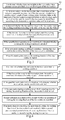
- Fig. 2 is a flow chart illustrating a method for starting a rice cooker, according to an exemplary embodiment.
- the method for starting the rice cooker is applicable in the rice cooker 110 shown in Fig. 1 .
- the method for starting the rice cooker may include the following steps.
- step 202 it is detected whether rice and water in the rice cooker meet a cooking condition.
- step 204 if the rice and the water in the rice cooker meet the cooking condition, it is detected whether a specified user operation is received.
- step 206 if a detection result is that the specified user operation is not received, a cooking function of the rice cooker is started.
- the detecting whether rice and water in the rice cooker meet the cooking condition includes:
- the method before starting the cooking function of the rice cooker, the method further includes:
- the method further includes:
- the determining the starting time for starting the cooking function of the rice cooker includes:
- the method further includes:
- the displaying prompt information includes:
- the method for starting a rice cooker provided by the embodiments of the present disclosure, whether the rice and the water in the rice cooker meet the cooking condition is detected, and if the rice and the water in the rice cooker meet the cooking condition, then it is detected whether a specified user operation is received, and if the specified user operation is not received, the cooking function of the rice cooker is started.
- the cooking function is started automatically, the problem of failing to cook due to that the user forgot to make a cooking operation or an appointment operation manually is avoided, and user experience is improved.
- Fig. 3 is a flow chart illustrating a method for starting a rice cooker, according to another exemplary embodiment.
- the method for starting the rice cooker is applicable in the rice cooker 110 shown in Fig. 1 .
- the method for starting the rice cooker may include the following steps.
- step 302 it is detected whether there weight in the rice cooker via a pressure sensor provided on a bottom of a pan of the rice cooker.
- the pressure sensor may be provided on the bottom of the pan of the rice cooker, and pressure parameters of the bottom of the pan may be collected by the pressure sensor. If the pressure parameter is larger than a preset parameter threshold, it may be decided that there is weight in the rice cooker.
- step 304 if there are weights in the rice cooker, then a total mass of the weight is acquired; an inner pot of the rice cooker is heated for a predetermined length of time; a temperature variation value in the inner pot of the rice cooker is acquired between the temperature before and after heating; and a ratio of the rice and the water in the rice cooker is determined according to the temperature variation value and the total mass.
- Specific heat capacity of the rice is different from that of the water, that is, for rice and water with the same mass, thermal energy required for rising the same temperature is different.
- the specific heat capacity C1 of the rice is about 2000J (Kg ⁇ ) -1
- the specific heat capacity C2 of the water is about 4200J (Kg ⁇ °C) -1 , that is, one kilogram of rice needs to absorb only 2000 Joules of thermal energy when the temperature rises 1°C
- one kilogram of water needs to absorb only 4200 Joules of thermal energy when the temperature rises 1°C.
- the ratio of the rice and the water may be calculated according to the following formulas.
- elements except m 1 and m 2 are known in the above formulas, m 1 and m 2 may be calculated via the above equations, and then the mass ratio of the rice and the water may be obtained.
- step 306 it is detected whether the rice and the water in the rice cooker meet the cooking condition according to the ratio of the rice and the water.
- the rice cooker can detect whether the mass ratio is in a predetermined proportional range. If the mass ratio is in the predetermined proportional range, it may be determined that the rice and the water in the rice cooker already meet the cooking condition.
- step 308 if the rice and the water in the rice cooker meet the cooking condition, it is detected whether a specified user operation is received.
- the specified user operation may be an operation of starting the cooking function or an operation for making an appointment to start cooking at a specified time point. If a cooking operation or an appointment operation is not received within a period of time after the rice cooker detects that the rice and the water meet the cooking condition, it may be because the user forgot to make the cooking operation or the appointment operation.
- step 310 if the specified user operation is not received, it is detected whether an automatic starting condition is satisfied.
- the rice cooker can detect whether at least one of the following automatic starting conditions is satisfied.
- the rice cooker can inquire working state of each lighting device in the smart home from the smart router in the smart home. If each lighting device is in the closed state, the user may have been away or have fallen asleep, at this time, the rice cooker may determine that the user forgot to make the cooking operation or the appointment operation, and the automatic starting condition is satisfied.
- step 312 if the automatic starting condition is satisfied, a starting time for starting the cooking function of the rice cooker is determined.
- the starting time may be determined by the rice cooker through one of the following methods.
- the rice cooker can also directly determine the starting time which is automatically determined because it is decided that the user forgot to cook rice last time as the starting time. For example, the time automatically determined by the rice cooker last time for starting the cooking function this morning is 6:40 am, the rice cooker can set the starting time as 6:40 am next morning.
- step 3134 when the starting time arrives, the cooking function of the rice cooker is started.
- a cooking mode may also be decided through the mass ratio of the rice and the water obtained in step 304.
- the cooking mode may include cooking rice or congee.
- the cooking function of the rice cooker is started according to the determined cooking mode.
- the method for starting a rice cooker provided by the embodiments of the present disclosure, whether the rice and the water in the rice cooker meet the cooking condition is detected, and if the rice and the water in the rice cooker meet the cooking condition, then it is detected whether a specified user operation is received, and if the specified user operation is not received, the cooking function of the rice cooker is started.
- the cooking function is started automatically, the problem of failing to cook due to that the user forgot to make a cooking operation or an appointment operation manually is avoided, and user experience is improved.
- the cooking mode is decided according to the mass ratio of the rice and the water, and when the starting time arrives, the cooking function of the rice cooker is started according to the determined cooking mode, thereby, the user does not need to set or select manually, and user experience is further improved.
- Fig. 4 is a flow chart illustrating a method for starting a rice cooker, according to further another exemplary embodiment.
- the method for starting the rice cooker is applicable in the rice cooker 110 shown in Fig. 1 .
- the method for starting the rice cooker may include the following steps.
- step 402 it is detected whether rice and water in the rice cooker meet a cooking condition.
- step 404 if the rice and the water in the rice cooker meet the cooking condition, it is detected whether a specified user operation is received.
- step 406 if the specified user operation is not received, it is detected whether an automatic starting condition is satisfied.
- step 408 if the automatic starting condition is satisfied, a starting time for starting the cooking function of the rice cooker is determined.
- the description to the method for detecting if the rice and the water are in conformity with the cooking condition and the automatic starting condition is satisfied and determining the starting time by the rice cooker may refer to the description to steps 302-312 in corresponding embodiments, which is not elaborated herein.
- step 410 prompt information is displayed to prompt whether an operation of starting the cooking function of the rice cooker is cancelled.
- the rice cooker can push the prompt information to a mobile terminal.
- a mobile terminal such as a smart mobile phone
- the rice cooker can push the prompt information to a smart television.
- the rice cooker can push the prompt information to the smart television to prompt the user whether the starting is cancelled. If the smart television is in an open state, the prompt information is directly displayed at a specified position on a screen of the smart television; and if the smart television is in a closed state, the smart television is controlled to open and the prompt information is displayed at the specified position on the screen of the smart television.
- the rice cooker can emit a sound-light prompt itself.
- a prompt such as voice, buzz, and flashing lights, to remind the user that the rice cooker is ready to start the cooking function automatically.
- the prompt information When the prompt information is pushed to the mobile terminal or the smart television, the prompt information may include information, such as a starting time and a cooking mode.
- step 412 if an instruction for cancelling the operation of starting the cooking function of the rice cooker is not received within a second predetermined period of time, the cooking function of the rice cooker is started when the starting time arrives.
- the cooking function of the rice cooker is started when the starting time arrives.
- an appointment is cancelled. For example, after viewing the prompt information via the smart mobile phone or the smart television, the user selects a cancel button, the smart mobile phone or the smart television pushes a cancel instruction to the rice cooker, and this starting operation is cancelled by the rice cooker.
- the method for starting a rice cooker provided by the embodiments of the present disclosure, whether the rice and the water in the rice cooker meet the cooking condition is detected, and if the rice and the water in the rice cooker meet the cooking condition, then it is detected whether a specified user operation is received, and if the specified user operation is not received, the cooking function of the rice cooker is started.
- the cooking function is started automatically, the problem of failing to cook due to that the user forgot to make a cooking operation or an appointment operation manually is avoided, and user experience is improved.
- the prompt information used to prompt whether the operation for starting the cooking function of the rice cooker is cancelled is displayed. If the instruction for cancelling the operation of starting the cooking function of the rice cooker is not received within the second predetermined period of time, the cooking function of the rice cooker is started when the starting time arrives, so as to facilitate the user to know a starting state of the rice cooker timely, thus avoiding an error detection.
- Embodiments of devices of the present disclosure are described hereinafter, which may be used for performing embodiments of methods of the present disclosure.
- the details not described in the embodiments of devices of the present disclosure please refer to the embodiments of methods of the present disclosure.
- Fig. 5 is a block diagram illustrating a device for starting a rice cooker, according to an exemplary embodiment.
- the device for starting the rice cooker may be applicable in the rice cooker 110 shown in Fig. 1 , and may be used to perform the method shown in any one of Figs. 2-4 .
- the device for starting the rice cooker includes but not limited to: a first detection module 501, a second detection module 502 and a starting module 503.
- the first detection module 501 is configured to detect whether rice and water in the rice cooker meet a cooking condition.
- the second detection module 502 is configured to, if the rice and the water in the rice cooker meet the cooking condition, detect whether a specified user operation is received.
- the starting module 503 is configured to, if a detection result detected by the second detection module 502 is that the specified user operation is not received, start a cooking function of the rice cooker.
- the device for starting a rice cooker provided by the embodiments of the present disclosure, whether the rice and the water in the rice cooker meet the cooking condition is detected, and if the rice and the water in the rice cooker meet the cooking condition, then it is detected whether a specified user operation is received, and if the specified user operation is not received, the cooking function of the rice cooker is started.
- Fig. 6 is a block diagram illustrating a device for starting a rice cooker, according to another exemplary embodiment.
- the device for starting the rice cooker may be applicable in the rice cooker 110 shown in Fig. 1 , and may be used to perform the method shown in any one of Figs. 2-4 .
- the device for starting the rice cooker includes, but is not limited to, a first detection module 501, a second detection module 502 and a starting module 503.
- the first detection module 501 is configured to detect whether rice and water in the rice cooker meet a cooking condition.
- the second detection module 502 is configured to, if the rice and the water in the rice cooker meet the cooking condition, detect whether a specified user operation is received.
- the starting module 503 is configured to, if a detection result detected by the second detection module 502 is that the specified user operation is not received, start a cooking function of the rice cooker.
- the first detection module 501 includes: a weight detection submodule 501a, a mass acquisition submodule 501b, a heating submodule 501c, a temperature variation acquisition submodule 501d, a ratio determination submodule 501e and a condition detection submodule 501f.
- the weight detection submodule 501a is configured to detect whether there is weight in the rice cooker via a pressure sensor provided on a bottom of a pan of the rice cooker.
- the mass acquisition submodule 501b is configured to, if there is weight in the rice cooker, acquire a total mass of the weight.
- the heating submodule 501c configured to heat an inner pot of the rice cooker for a predetermined length of time.
- the temperature variation acquisition submodule 501d is configured to acquire a temperature variation value in the inner pot of the rice cooker between the temperature before and after heating.
- the ratio determination submodule 501e is configured to determine a ratio of the rice and the water in the rice cooker according to the temperature variation value and the total mass.
- the condition detection submodule 501f is configured to detect whether the rice and the water in the rice cooker meet the cooking condition according to the ratio of the rice and the water.
- the device further includes: a third detection module 504.
- the third detection module 504 is configured to detect whether an automatic starting condition is satisfied before the starting module 503 starts the cooking function of the rice cooker, wherein the automatic starting condition includes at least one of the following conditions:
- the device further includes: a starting time determination module 505.
- the starting time determination module 505 is configured to determine a starting time for starting the cooking function of the rice cooker before the starting module 503 starts the cooking function of the rice cooker.
- the starting module 503 is configured to the cooking function of the rice cooker when the starting time arrives.
- the starting time determination module 505 includes: an alarm time acquisition submodule 505a and a first time determination submodule 505b; or the starting time determination module 505 includes: an information acquisition submodule 505c , a time calculation submodule 505d and a second time determination submodule 505e; or the starting time determination module 505 includes: a third time determination submodule 505f; or the starting time determination module 505 includes: a fourth time determination submodule 505g.
- the alarm time acquisition submodule 505a is configured to, if it is detected that a time that the rice and the water in the rice cooker meet the cooking condition is in a second time interval, acquire an alarm time set in an alarm device.
- the first time determination submodule 505b is configured to determine a starting time according to the alarm time.
- the information acquisition submodule 505c is configured to, if it is detected that a time that the rice and the water in the rice cooker meet the cooking condition is in a third time interval, acquire route information between a specified smart device and the rice cooker and road condition information corresponding to the route information.
- the time calculation submodule 505d is configured to calculate an arrival time of the specified smart device according to the route information and the road condition information.
- the second time determination submodule 505e is configured to determine the starting time according to the arrival time.
- the third time determination submodule 505f is configured to determine a time when the user manually started the cooking function of the rice cooker last time as the starting time.
- the fourth time determination submodule 505g is configured to use a starting time which is automatically determined last time as the starting time.
- the device further includes: an information prompt module 506.
- the information prompt module 506 is configured to display prompt information before the starting module starts the cooking function of the rice cooker, wherein the prompt information is used to prompt whether an operation of starting the cooking function of the rice cooker is cancelled.
- the starting module 503 is configured to, if an instruction for cancelling the operation of starting the cooking function of the rice cooker is not received within a second predetermined period of time, perform the operation of starting the cooking function of the rice cooker.
- the information prompt module 506 includes: a first push submodule 506a, a second push submodule 506b and a prompt submodule 506c.
- the first push submodule 506a is configured to, when it is detected that there is no user activity in a room, push the prompt information to a mobile terminal.
- the second push submodule 506b is configured to, when it is detected that there is user activity in the room, push the prompt information to a smart television.
- the prompt submodule 506c is configured to, when it is detected that there is user activity in the room, emit a sound-light prompt via the rice cooker.
- the device further includes: a cooking mode determination module 507.
- the cooking mode determination module 507 is configured to determine a cooking mode according to the ratio of the rice and the water before the starting module 503 starts the cooking function of the rice cooker, wherein the cooking mode includes cooking rice or congee.
- the starting module 503 is configured to start the cooking function of the rice cooker according to the cooking mode.
- the device for starting a rice cooker provided by the embodiments of the present disclosure, whether the rice and the water in the rice cooker meet the cooking condition is detected, and if the rice and the water in the rice cooker meet the cooking condition, then it is detected whether a specified user operation is received, and if the specified user operation is not received, the cooking function of the rice cooker is started.
- the cooking mode is decided according to the mass ratio of the rice and the water, and when the starting time arrives, the cooking function of the rice cooker is started according to the determined cooking mode, thereby, the user does not need to set or select manually, and user experience is further improved.
- the prompt information used to prompt whether the operation for starting the cooking function of the rice cooker is cancelled is displayed. If the instruction for cancelling the operation of starting the cooking function of the rice cooker is not received within the second predetermined period of time, the cooking function of the rice cooker is started when the starting time arrives, so as to facilitate the user to know a starting state of the rice cooker timely, thus avoiding an error detection.
- Fig. 7 is a block diagram illustrating a device 700 according to an exemplary embodiment.
- the device 700 may be a mobile phone, a computer, a digital broadcast terminal, a messaging device, a router device, a gaming console, a tablet, a medical device, exercise equipment, a personal digital assistant, a smart control device, a smart household appliance, a smart wearable device, and the like.
- the device 700 may include one or more of the following components: a processing component 702, a memory 704, a power component 706, a multimedia component 708, an audio component 710, a sensor component 714, and a communication component 716.
- the processing component 702 typically controls overall operations of the device 700, such as the operations associated with display, telephone calls, data communications, camera operations, and recording operations.
- the processing component 702 may include one or more processors 718 to execute instructions to perform all or part of the steps in the above described methods.
- the processing component 702 may include one or more modules which facilitate the interaction between the processing component 702 and other components.
- the processing component 702 may include a multimedia module to facilitate the interaction between the multimedia component 708 and the processing component 702.
- the memory 704 is configured to store various types of data to support the operation of the device 700. Examples of such data include instructions for any applications or methods operated on the device 700, contact data, phonebook data, messages, pictures, video, etc.
- the memory 704 may be implemented using any type of volatile or non-volatile memory devices, or a combination thereof, such as a static random access memory (SRAM), an electrically erasable programmable read-only memory (EEPROM), an erasable programmable read-only memory (EPROM), a programmable read-only memory (PROM), a read-only memory (ROM), a magnetic memory, a flash memory, a magnetic or optical disk.
- SRAM static random access memory
- EEPROM electrically erasable programmable read-only memory
- EPROM erasable programmable read-only memory
- PROM programmable read-only memory
- ROM read-only memory
- magnetic memory a magnetic memory
- flash memory a flash memory
- magnetic or optical disk a magnetic or optical
- the power component 706 provides power to various components of the device 700.
- the power component 706 may include a power management system, one or more power sources, and any other components associated with the generation, management, and distribution of power in the device 700.
- the multimedia component 708 includes a screen providing an output interface between the device 700 and the user.
- the screen may include a liquid crystal display (LCD) and a touch panel (TP). If the screen includes the touch panel, the screen may be implemented as a touch screen to receive input signals from the user.
- the touch panel includes one or more touch sensors to sense touches, swipes, and gestures on the touch panel. The touch sensors may not only sense a boundary of a touch or swipe action, but also sense a period of time and a pressure associated with the touch or swipe action.
- the multimedia component 708 includes a front camera and/or a rear camera. The front camera and the rear camera may receive an external multimedia datum while the device 700 is in an operation mode, such as a photographing mode or a video mode. Each of the front camera and the rear camera may be a fixed optical lens system or have focus and optical zoom capability.
- the audio component 710 is configured to output and/or input audio signals.
- the audio component 710 includes a microphone ("MIC") configured to receive an external audio signal when the device 700 is in an operation mode, such as a call mode, a recording mode, and a voice recognition mode.
- the received audio signal may be further stored in the memory 704 or transmitted via the communication component 716.
- the audio component 710 further includes a speaker to output audio signals.
- the sensor component 714 includes one or more sensors to provide status assessments of various aspects of the device 700. For instance, the sensor component 714 may detect an open/closed status of the device 700, relative positioning of components, a change in position of the device 700 or a component of the device 700, and a change in temperature of the device 700. In some embodiments, the sensor component 714 may further include a magnetic sensor, a pressure sensor, or a temperature sensor.
- the communication component 716 is configured to facilitate communication, wired or wirelessly, between the device 700 and other devices.
- the device 700 can access a wireless network based on a communication standard, such as WiFi, 2G, or 3G, or a combination thereof.
- the communication component 716 receives a broadcast signal or broadcast associated information from an external broadcast management system via a broadcast channel.
- the communication component 716 further includes a near field communication (NFC) module to facilitate short-range communications.
- the NFC module may be implemented based on a radio frequency identification (RFID) technology, an infrared data association (IrDA) technology, an ultra-wideband (UWB) technology, a Bluetooth (BT) technology, and other technologies.
- RFID radio frequency identification
- IrDA infrared data association
- UWB ultra-wideband
- BT Bluetooth
- the device 700 may be implemented with one or more application specific integrated circuits (ASICs), digital signal processors (DSPs), digital signal processing devices (DSPDs), programmable logic devices (PLDs), field programmable gate arrays (FPGAs), controllers, micro-controllers, microprocessors, or other electronic components, for performing the above described methods.
- ASICs application specific integrated circuits
- DSPs digital signal processors
- DSPDs digital signal processing devices
- PLDs programmable logic devices
- FPGAs field programmable gate arrays
- controllers micro-controllers, microprocessors, or other electronic components, for performing the above described methods.
- non-transitory computer-readable storage medium including instructions, such as included in the memory 704, executable by the processor 718 in the device 700, for performing the above-described methods.
- the non-transitory computer-readable storage medium may be a ROM, a RAM, a CD-ROM, a magnetic tape, a floppy disc, an optical data storage device, and the like.
Landscapes
- Engineering & Computer Science (AREA)
- Food Science & Technology (AREA)
- Automation & Control Theory (AREA)
- Signal Processing (AREA)
- Computer Networks & Wireless Communication (AREA)
- Health & Medical Sciences (AREA)
- Nutrition Science (AREA)
- Life Sciences & Earth Sciences (AREA)
- Chemical & Material Sciences (AREA)
- Polymers & Plastics (AREA)
- Physics & Mathematics (AREA)
- General Physics & Mathematics (AREA)
- Cookers (AREA)
Abstract
Description
- The present disclosure relates to the field of smart home, and more particularly, to a method and a device for starting a rice cooker.
- A rice cooker (usually an electric rice cooker) is one kind of indispensable kitchen household appliance in a modem home life. With the continuous development of intelligent household appliances, currently launched rice cookers also provide multiple functions, such as timing, cooking, heat insulation, and a menu for selection.
- When using the rice cooker to cook rice or congee, a user needs only to put rice and water in an appropriate proportion in the rice cooker, and press a mechanical or virtual switch on an operation panel thereof to start a cooking function of the rice cooker; alternatively, the user can also select an appointment cooking function on the operation panel of the rice cooker, and set a time for starting the cooking function according to prompts, for example, set the rice cooker to start cooking at 6:00 am, or start cooking after five hours, which causes the rice cooker to start the cooking function when the time set by the user arrives.
- The present disclosure provides a method and a device for starting a rice cooker. The technical solutions are as follows:
- According to a first aspect of embodiments of the present disclosure, there is provided a method for starting a rice cooker, including:
- detecting whether rice and water in the rice cooker meet a cooking condition;
- if the rice and the water in the rice cooker meet the cooking condition, detecting whether a specified user operation is received; and
- if a detection result is that the specified user operation is not received, starting a cooking function of the rice cooker.
- Optionally, the detecting whether rice and water in the rice cooker meet the cooking condition includes:
- detecting whether there is weight in the rice cooker via a pressure sensor provided on a bottom of a pan of the rice cooker;
- if there is weight in the rice cooker, acquiring a total mass of the weight;
- heating an inner pot of the rice cooker for a predetermined length of time;
- acquiring a temperature variation value in the inner pot of the rice cooker between before and after heating;
- determining a ratio of the rice and the water in the rice cooker according to the temperature variation value and the total mass; and
- detecting whether the rice and the water in the rice cooker meet the cooking condition according to the ratio of the rice and the water.
- Optionally, before starting the cooking function of the rice cooker, the method further includes:
- detecting whether an automatic starting condition is satisfied, wherein the automatic starting condition includes at least one of the following conditions:
- it is decided that a user has entered into a sleep state according to physiological parameters of the user detected by a wearable device;
- it is decided that there is no user activity in a room according to monitoring data of a security device in a smart home; and
- it is detected that a time that the rice and the water in the rice cooker meet the cooking condition is in a first time interval, and each lighting device in the smart home is in a closed state.
- Optionally, before starting the cooking function of the rice cooker, the method further includes:
- determining a starting time for starting the cooking function of the rice cooker;
- the starting a cooking function of the rice cooker includes:
- when the starting time arrives, starting the cooking function of the rice cooker.
- Optionally, the determining the starting time for starting the cooking function of the rice cooker includes:
- if it is detected that a time that the rice and the water in the rice cooker meet the cooking condition is in a second time interval, acquiring an alarm time set in an alarm device, and determining a starting time according to the alarm time;
- if it is detected that a time that the rice and the water in the rice cooker meet the cooking condition is in a third time interval, acquiring route information between a specified smart device and the rice cooker and road condition information corresponding to the route information, calculating an arrival time of the specified smart device according to the route information and the road condition information, and determining the starting time according to the arrival time;
- determining a time when the user manually started the cooking function of the rice cooker last time as the starting time; or
- using a starting time which is automatically determined last time as the starting time.
- Optionally, the method further includes:
- before starting the cooking function of the rice cooker, displaying prompt information to prompt whether an operation of starting the cooking function of the rice cooker is cancelled; and
- if an instruction for cancelling the operation of starting the cooking function of the rice cooker is not received within a second predetermined period of time, performing the operation of starting the cooking function of the rice cooker.
- Optionally, the displaying prompt information includes:
- when it is detected that there is no user activity in a room, pushing the prompt information to a mobile terminal;
- when it is detected that there is user activity in the room, pushing the prompt information to a smart television; or
- when it is detected that there is user activity in the room, emitting a sound-light prompt via the rice cooker.
- According to a second aspect of embodiments of the present disclosure, there is provided a device for starting a rice cooker, including:
- a first detection module configured to detect whether rice and water in the rice cooker meet a cooking condition;
- a second detection module configured to, if the rice and the water in the rice cooker meet the cooking condition, detect whether a specified user operation is received; and
- a starting module configured to, if a detection result detected by the second detection module is that the specified user operation is not received, start a cooking function of the rice cooker.
- Optionally, the first detection module includes:
- a weight detection submodule configured to detect whether there is weight in the rice cooker via a pressure sensor provided on a bottom of a pan of the rice cooker;
- a mass acquisition submodule configured to, if there is weight in the rice cooker, acquire a total mass of the weight;
- a heating submodule configured to heat an inner pot of the rice cooker for a predetermined length of time;
- a temperature variation acquisition submodule configured to acquire a temperature variation value in the inner pot of the rice cooker between before and after heating;
- a ratio determination submodule configured to determine a ratio of the rice and the water in the rice cooker according to the temperature variation value and the total mass; and
- a condition detection submodule configured to detect whether the rice and the water in the rice cooker meet the cooking condition according to the ratio of the rice and the water.
- Optionally, the device further includes:
- a third detection module configured to detect whether an automatic starting condition is satisfied before the starting module starts the cooking function of the rice cooker, wherein the automatic starting condition includes at least one of the following conditions:
- it is decided that a user has entered into a sleep state according to physiological parameters of the user detected by a wearable device;
- it is decided that there is no user activity in a room according to monitoring data of a security device in a smart home; and
- it is detected that a time that the rice and the water in the rice cooker meet the cooking condition is in a first time interval, and each lighting device in the smart home is in a closed state.
- Optionally, the device further includes:
- a starting time determination module configured to determine a starting time for starting the cooking function of the rice cooker before the starting module starts the cooking function of the rice cooker;
- wherein the starting module starts the cooking function of the rice cooker when the starting time arrives.
- Optionally, the starting time determination module includes: an alarm time acquisition submodule and a first time determination submodule; or the starting time determination module includes: an information acquisition submodule, a time calculation submodule and a second time determination submodule; or the starting time determination module includes: a third time determination submodule; or the starting time determination module includes: a fourth time determination submodule; wherein
the alarm time acquisition submodule is configured to, if it is detected that a time that the rice and the water in the rice cooker meet the cooking condition is in a second time interval, acquire an alarm time set in an alarm device;
the first time determination submodule is configured to determine a starting time according to the alarm time;
the information acquisition submodule is configured to, if it is detected that a time that the rice and the water in the rice cooker meet the cooking condition is in a third time interval, acquire route information between a specified smart device and the rice cooker and road condition information corresponding to the route information;
the time calculation submodule is configured to calculate an arrival time of the specified smart device according to the route information and the road condition information;
the second time determination submodule is configured to determine the starting time according to the arrival time;
the third time determination submodule is configured to determine a time when the user manually started the cooking function of the rice cooker last time as the starting time; and
the fourth time determination submodule is configured to use a starting time which is automatically determined last time as the starting time. - Optionally, the device further includes:
- an information prompt module configured to display prompt information before the starting module starts the cooking function of the rice cooker, wherein the prompt information is used to prompt whether an operation of starting the cooking function of the rice cooker is cancelled;
- wherein the starting module is configured to, if an instruction for cancelling the operation of starting the cooking function of the rice cooker is not received within a second predetermined period of time, perform the operation of starting the cooking function of the rice cooker.
- Optionally, the information prompt module includes:
- a first push submodule configured to, when it is detected that there is no user activity in a room, push the prompt information to a mobile terminal;
- a second push submodule configured to, when it is detected that there is user activity in the room, push the prompt information to a smart television; and
- a prompt submodule configured to, when it is detected that there is user activity in the room, emit a sound-light prompt via the rice cooker.
- According to a third aspect of embodiments of the present disclosure, there is provided a device for starting a rice cooker, including:
- a processor; and
- a memory for storing instructions executable by the processor;
- wherein the processor is configured to:
- detect whether rice and water in the rice cooker meet a cooking condition;
- if the rice and the water in the rice cooker meet the cooking condition, detect whether a specified user operation is received; and
- if a detection result is that the specified user operation is not received, start a cooking function of the rice cooker.
- According to a fourth aspect of embodiments of the present disclosure, there is provided a computer program, which when executing on a processor of a device, performs a method according to any one of the above methods according to a first aspect of embodiments of the present disclosure.
- The technical solutions provided by the embodiments of the present disclosure may include the following advantageous effects:
- In the present disclosure, whether the rice and the water in the rice cooker meet the cooking condition is detected, and if the rice and the water in the rice cooker meet the cooking condition, then it is detected whether a specified user operation is received, and if the specified user operation is not received, the cooking function of the rice cooker is started. By doing so, that is, when it is detected that the rice and the water in the rice cooker have been ready and a specified operation of the user is not received, the cooking function is started automatically, the problem of failing to cook due to that the user forgot to make a cooking operation or an appointment operation manually is avoided, and user experience is improved.
- It is to be understood that both the foregoing general description and the following detailed description are exemplary and explanatory only and are not restrictive of the invention.
- The accompanying drawings, which are incorporated in and constitute a part of this specification, illustrate embodiments consistent with the invention, and together with the description, serve to explain the principles of the invention.
-
Fig. 1 is a schematic diagram illustrating an implementation environment that a method for starting a rice cooker involves, according to a part of exemplary embodiment. -
Fig. 2 is a flow chart illustrating a method for starting a rice cooker, according to an exemplary embodiment. -
Fig. 3 is a flow chart illustrating a method for starting a rice cooker, according to another exemplary embodiment. -
Fig. 4 is a flow chart illustrating a method for starting a rice cooker, according to further another exemplary embodiment. -
Fig. 5 is a block diagram illustrating a device for starting a rice cooker, according to an exemplary embodiment. -
Fig. 6 is a block diagram illustrating a device for starting a rice cooker, according to another exemplary embodiment. -
Fig. 7 is a block diagram illustrating a device according to an exemplary embodiment. - Reference will now be made in detail to exemplary embodiments, examples of which are illustrated in the accompanying drawings. The following description refers to the accompanying drawings in which the same numbers in different drawings represent the same or similar elements unless otherwise represented. The implementations set forth in the following description of exemplary embodiments do not represent all implementations consistent with the invention. Instead, they are merely examples of devices and methods consistent with some aspects related to the invention as recited in the appended claims.
-
Fig. 1 is a schematic diagram illustrating an implementation environment that a method for starting a rice cooker involves, according to some of exemplary embodiments. The implementation environment includes: arice cooker 110, a firstsmart router 120, at least onesmart household appliance 130 and at least onemobile terminal 140. - The
smart household appliance 130 may include: a smart television, a lighting device, a security device, a smart air conditioner, a smart refrigerator and a smart socket, and the like. - The
mobile terminal 140 may be a smart mobile phone, a tablet, an ebook reader, a smart band, a smart watch and smart glasses, and the like. - The
rice cooker 110, at least onesmart household appliance 130 and at least onemobile terminal 140 are connected to a home smart network via the firstsmart router 120, where therice cooker 110 and at least onesmart household appliance 130 are connected with the firstsmart router 120 using a short distance wireless communication mode, while the at least onemobile terminal 140 may be connected with the firstsmart router 120 using the short distance wireless communication mode or via an operator network. - In addition, the implementation environment may further include: a second
smart router 150. - The first
smart router 120 is connected to the secondsmart router 150 through internet; the secondsmart router 150 can also be connected to the smart household appliance and the mobile terminal. -
Fig. 2 is a flow chart illustrating a method for starting a rice cooker, according to an exemplary embodiment. The method for starting the rice cooker is applicable in therice cooker 110 shown inFig. 1 . As shown inFig. 2 , the method for starting the rice cooker may include the following steps. - In
step 202, it is detected whether rice and water in the rice cooker meet a cooking condition. - In
step 204, if the rice and the water in the rice cooker meet the cooking condition, it is detected whether a specified user operation is received. - In
step 206, if a detection result is that the specified user operation is not received, a cooking function of the rice cooker is started. - Optionally, the detecting whether rice and water in the rice cooker meet the cooking condition includes:
- detecting whether there weight in the rice cooker via a pressure sensor provided on a bottom of a pan of the rice cooker;
- if there is weight in the rice cooker, acquiring a total mass of the weight;
- heating an inner pot of the rice cooker for a predetermined length of time;
- acquiring a temperature variation value in the inner pot of the rice cooker between before and after heating;
- determining a ratio of the rice and the water in the rice cooker according to the temperature variation value and the total mass; and
- detecting whether the rice and the water in the rice cooker meet the cooking condition according to the ratio of the rice and the water.
- Optionally, before starting the cooking function of the rice cooker, the method further includes:
- detecting whether an automatic starting condition is satisfied, where the automatic starting condition includes at least one of the following conditions:
- after detecting that the rice and the water in the rice cooker meet the cooking condition, the rice cooker does not receive a specified operation within a first predetermined period of time;
- it is decided that a user has entered into a sleep state according to physiological parameters of the user detected by a wearable device;
- it is decided that there is no user activity in a room according to monitoring data of a security device in a smart home; and
- it is detected that a time that the rice and the water in the rice cooker meet the cooking condition is in a first time interval, and each lighting device in the smart home is in a closed state.
- Optionally, wherein before starting the cooking function of the rice cooker, the method further includes:
- determining a starting time for starting the cooking function of the rice cooker;
- the starting a cooking function of the rice cooker includes:
- when the starting time arrives, starting the cooking function of the rice cooker.
- Optionally, the determining the starting time for starting the cooking function of the rice cooker includes:
- if it is detected that a time that the rice and the water in the rice cooker meet the cooking condition is in a second time interval, acquiring an alarm time set in an alarm device, and determining a starting time according to the alarm time;
- if it is detected that a time that the rice and the water in the rice cooker meet the cooking condition is in a third time interval, acquiring route information between a specified smart device and the rice cooker and road condition information corresponding to the route information, calculating an arrival time of the specified smart device according to the route information and the road condition information, and determining the starting time according to the arrival time;
- determining a time when the user manually started the cooking function of the rice cooker last time as the starting time; or
- using a starting time which is automatically determined last time as the starting time.
- Optionally, the method further includes:
- before starting the cooking function of the rice cooker, displaying prompt information to prompt whether an operation of starting the cooking function of the rice cooker is cancelled; and
- if an instruction for cancelling the operation of starting the cooking function of the rice cooker is not received within a second predetermined period of time, performing the operation of starting the cooking function of the rice cooker.
- Optionally, the displaying prompt information includes:
- when it is detected that there is no user activity in a room, pushing the prompt information to a mobile terminal;
- when it is detected that there is user activity in the room, pushing the prompt information to a smart television; or
- when it is detected that there is user activity in the room, emitting a sound-light prompt via the rice cooker.
- In summary, in the method for starting a rice cooker provided by the embodiments of the present disclosure, whether the rice and the water in the rice cooker meet the cooking condition is detected, and if the rice and the water in the rice cooker meet the cooking condition, then it is detected whether a specified user operation is received, and if the specified user operation is not received, the cooking function of the rice cooker is started. By doing so, that is, when it is detected that the rice and the water in the rice cooker have been ready and a specified operation of the user is not received, the cooking function is started automatically, the problem of failing to cook due to that the user forgot to make a cooking operation or an appointment operation manually is avoided, and user experience is improved.
-
Fig. 3 is a flow chart illustrating a method for starting a rice cooker, according to another exemplary embodiment. The method for starting the rice cooker is applicable in therice cooker 110 shown inFig. 1 . As shown inFig. 3 , the method for starting the rice cooker may include the following steps. - In
step 302, it is detected whether there weight in the rice cooker via a pressure sensor provided on a bottom of a pan of the rice cooker. - In embodiments of the present disclosure, the pressure sensor may be provided on the bottom of the pan of the rice cooker, and pressure parameters of the bottom of the pan may be collected by the pressure sensor. If the pressure parameter is larger than a preset parameter threshold, it may be decided that there is weight in the rice cooker.
- In
step 304, if there are weights in the rice cooker, then a total mass of the weight is acquired; an inner pot of the rice cooker is heated for a predetermined length of time; a temperature variation value in the inner pot of the rice cooker is acquired between the temperature before and after heating; and a ratio of the rice and the water in the rice cooker is determined according to the temperature variation value and the total mass. - Specific heat capacity of the rice is different from that of the water, that is, for rice and water with the same mass, thermal energy required for rising the same temperature is different. The specific heat capacity C1 of the rice is about 2000J (Kg·□)-1, the specific heat capacity C2 of the water is about 4200J (Kg·°C)-1, that is, one kilogram of rice needs to absorb only 2000 Joules of thermal energy when the temperature rises 1°C, and one kilogram of water needs to absorb only 4200 Joules of thermal energy when the temperature rises 1°C. When the rice and the water are heated together, the increased temperature of both is the same. Thereby, in the case that the specific heat capacity of the rice and the water and the total mass of the rice and the water do not vary, the ratio of the rice and the water may be calculated according to the following formulas. It should be noted that the ratio of the rice and the water here is a mass ratio of the rice and the water:

- In
step 306, it is detected whether the rice and the water in the rice cooker meet the cooking condition according to the ratio of the rice and the water. - After the mass ratio of the rice and the water is obtained, the rice cooker can detect whether the mass ratio is in a predetermined proportional range. If the mass ratio is in the predetermined proportional range, it may be determined that the rice and the water in the rice cooker already meet the cooking condition.
- In
step 308, if the rice and the water in the rice cooker meet the cooking condition, it is detected whether a specified user operation is received. - The specified user operation may be an operation of starting the cooking function or an operation for making an appointment to start cooking at a specified time point. If a cooking operation or an appointment operation is not received within a period of time after the rice cooker detects that the rice and the water meet the cooking condition, it may be because the user forgot to make the cooking operation or the appointment operation.
- In
step 310, if the specified user operation is not received, it is detected whether an automatic starting condition is satisfied. - The rice cooker can detect whether at least one of the following automatic starting conditions is satisfied.
- 1) It is decided that a user has entered into a sleep state according to physiological parameters of the user detected by a wearable device.
The wearable device of the user can collect the physiological parameters of the user, and decide whether the user enters into the sleep state based on the physiological parameters. After detecting that the rice and the water already meet the cooking condition, the rice cooker can inquire whether the user enters into the sleep state from the wearable device via a smart home network. If the user does not enter into the sleep state, the rice cooker waits the user to make the cooking operation or the appointment operation; and if the user has entered into the sleep state, the rice cooker determines that the user forgot to make the cooking operation or the appointment operation, and the automatic starting condition is satisfied. - 2) It is decided that there is no user activity in a room according to monitoring data of a security device in a smart home.
The security device in the smart home can monitor user activities and behaviors in the room via a detection device, such as a camera or an infrared alarm buzzer. After detecting that the rice and the water already meet the cooking condition, the rice cooker can inquire whether there is user activity in the room from the security device via the smart home network. If there is user activity, the rice cooker waits the user to make the cooking operation or the appointment operation; and if there is no user activity, the rice cooker determines that the user forgot to make the cooking operation or the appointment operation, and the automatic starting condition is satisfied. - 3) It is detected that a time that the rice and the water in the rice cooker meet the cooking condition is in a first time interval, and each lighting device in the smart home is in a closed state.
- For example, when the rice cooker detects that the time that the rice and the water meet the cooking condition is between 6:00 pm to 12:00 pm, the rice cooker can inquire working state of each lighting device in the smart home from the smart router in the smart home. If each lighting device is in the closed state, the user may have been away or have fallen asleep, at this time, the rice cooker may determine that the user forgot to make the cooking operation or the appointment operation, and the automatic starting condition is satisfied.
- In
step 312, if the automatic starting condition is satisfied, a starting time for starting the cooking function of the rice cooker is determined. - Optionally, the starting time may be determined by the rice cooker through one of the following methods.
- 1) If it is detected that a time that the rice and the water in the rice cooker meet the cooking condition is in a second time interval, an alarm time set in an alarm device is acquired, and a starting time is determined according to the alarm time.
For example, if detecting that the time that the rice and the water meet the cooking condition is after 9:00 pm, the rice cooker assumes that the rice and the water may be prepared for breakfast next morning by the user. At this time, the rice cooker can acquire the alarm time set in the smart mobile phone of the user or an alarm clock, and determine the starting time according to the alarm time, for example, a time point of 20 minutes before the alarm time as the starting time. - 2) If it is detected that a time that the rice and the water in the rice cooker meet the cooking condition is in a third time interval, route information between a specified smart device and the rice cooker and road condition information corresponding to the route information are acquired, an arrival time of the specified smart device is calculated according to the route information and the road condition information, and the starting time is determined according to the arrival time.
For example, if the rice cooker detects that the time that the rice and the water meet the cooking condition is in the daytime, the rice and the water may be prepared for lunch or dinner that day by the user; At this time, if the user is not in the room, the route information between the smart phone of the user and the rice cooker and road condition information corresponding to the route information may be acquired via the smart router, a time for the user to get home may be estimated in combination with a current time, and the starting time may be determined according to the time for the user to get home. For example, assume that the time for the user to get home is 6:00 pm, the rice cooker can set the starting time to 5:40 pm. - 3) A time when the user manually started the cooking function of the rice cooker last time is determined as the starting time.
The rice cooker can also determine the time when the user manually started the cooking function of the rice cooker last time as the starting time. For example, the time when the user manually started the cooking function of the rice cooker this morning is 7:00 am, the rice cooker can set the starting time to 7:00 am next morning. - 4) A starting time which is automatically determined last time is used as the starting time.
- Alternatively, the rice cooker can also directly determine the starting time which is automatically determined because it is decided that the user forgot to cook rice last time as the starting time. For example, the time automatically determined by the rice cooker last time for starting the cooking function this morning is 6:40 am, the rice cooker can set the starting time as 6:40 am next morning.
- In
step 314, when the starting time arrives, the cooking function of the rice cooker is started. - Optionally, since the mass ratio of the rice and the water for cooking rice is different from that for cooking congee, in the embodiments of the present disclosure, before the cooking function is started, a cooking mode may also be decided through the mass ratio of the rice and the water obtained in
step 304. The cooking mode may include cooking rice or congee. When the starting time arrives, the cooking function of the rice cooker is started according to the determined cooking mode. - In summary, in the method for starting a rice cooker provided by the embodiments of the present disclosure, whether the rice and the water in the rice cooker meet the cooking condition is detected, and if the rice and the water in the rice cooker meet the cooking condition, then it is detected whether a specified user operation is received, and if the specified user operation is not received, the cooking function of the rice cooker is started. By doing so, that is, when it is detected that the rice and the water in the rice cooker have been ready and a specified operation of the user is not received, the cooking function is started automatically, the problem of failing to cook due to that the user forgot to make a cooking operation or an appointment operation manually is avoided, and user experience is improved.
- Furthermore, in the method for starting a rice cooker provided by the embodiments of the present disclosure, the cooking mode is decided according to the mass ratio of the rice and the water, and when the starting time arrives, the cooking function of the rice cooker is started according to the determined cooking mode, thereby, the user does not need to set or select manually, and user experience is further improved.
-
Fig. 4 is a flow chart illustrating a method for starting a rice cooker, according to further another exemplary embodiment. The method for starting the rice cooker is applicable in therice cooker 110 shown inFig. 1 . As shown inFig. 4 , the method for starting the rice cooker may include the following steps. - In
step 402, it is detected whether rice and water in the rice cooker meet a cooking condition. - In
step 404, if the rice and the water in the rice cooker meet the cooking condition, it is detected whether a specified user operation is received. - In
step 406, if the specified user operation is not received, it is detected whether an automatic starting condition is satisfied. - In
step 408, if the automatic starting condition is satisfied, a starting time for starting the cooking function of the rice cooker is determined. - The description to the method for detecting if the rice and the water are in conformity with the cooking condition and the automatic starting condition is satisfied and determining the starting time by the rice cooker may refer to the description to steps 302-312 in corresponding embodiments, which is not elaborated herein.
- In
step 410, prompt information is displayed to prompt whether an operation of starting the cooking function of the rice cooker is cancelled. - When it is detected that there is no user activity in a room, the rice cooker can push the prompt information to a mobile terminal. For example, when it is detected that there is no user activity in the room via a security device in a smart home, the rice cooker can push the prompt information to the mobile terminal, such as a smart mobile phone, to prompt the user whether the starting is cancelled.
- When it is detected that there is user activity in the room, the rice cooker can push the prompt information to a smart television. For example, when it is detected that there is user activity in the room via the security device in the smart home, the rice cooker can push the prompt information to the smart television to prompt the user whether the starting is cancelled. If the smart television is in an open state, the prompt information is directly displayed at a specified position on a screen of the smart television; and if the smart television is in a closed state, the smart television is controlled to open and the prompt information is displayed at the specified position on the screen of the smart television.
- When it is detected that there is user activity in the room, the rice cooker can emit a sound-light prompt itself. For example, when it is detected that there is user activity in the room via the security device in the smart home, the rice cooker can emit a prompt, such as voice, buzz, and flashing lights, to remind the user that the rice cooker is ready to start the cooking function automatically.
- When the prompt information is pushed to the mobile terminal or the smart television, the prompt information may include information, such as a starting time and a cooking mode.
- In
step 412, if an instruction for cancelling the operation of starting the cooking function of the rice cooker is not received within a second predetermined period of time, the cooking function of the rice cooker is started when the starting time arrives. - For example, after the prompt information is displayed, if the operation of cancelling the starting the cooking function by the user is not received within 10 minutes, or the operation of cancelling the starting the cooking function by the user is not received before the starting time arrives, the cooking function of the rice cooker is started when the starting time arrives.
- If the instruction for cancelling the operation of starting the cooking function of the rice cooker is received within the second predetermined period of time, an appointment is cancelled. For example, after viewing the prompt information via the smart mobile phone or the smart television, the user selects a cancel button, the smart mobile phone or the smart television pushes a cancel instruction to the rice cooker, and this starting operation is cancelled by the rice cooker.
- In summary, in the method for starting a rice cooker provided by the embodiments of the present disclosure, whether the rice and the water in the rice cooker meet the cooking condition is detected, and if the rice and the water in the rice cooker meet the cooking condition, then it is detected whether a specified user operation is received, and if the specified user operation is not received, the cooking function of the rice cooker is started. By doing so, that is, when it is detected that the rice and the water in the rice cooker have been ready and a specified operation of the user is not received, the cooking function is started automatically, the problem of failing to cook due to that the user forgot to make a cooking operation or an appointment operation manually is avoided, and user experience is improved.
- In addition, in the method for starting a rice cooker provided by the embodiments of the present disclosure, before starting the cooking function of the rice cooker, the prompt information used to prompt whether the operation for starting the cooking function of the rice cooker is cancelled is displayed. If the instruction for cancelling the operation of starting the cooking function of the rice cooker is not received within the second predetermined period of time, the cooking function of the rice cooker is started when the starting time arrives, so as to facilitate the user to know a starting state of the rice cooker timely, thus avoiding an error detection.
- Embodiments of devices of the present disclosure are described hereinafter, which may be used for performing embodiments of methods of the present disclosure. For the details not described in the embodiments of devices of the present disclosure, please refer to the embodiments of methods of the present disclosure.
-
Fig. 5 is a block diagram illustrating a device for starting a rice cooker, according to an exemplary embodiment. The device for starting the rice cooker may be applicable in therice cooker 110 shown inFig. 1 , and may be used to perform the method shown in any one ofFigs. 2-4 . As shown inFig. 5 , the device for starting the rice cooker includes but not limited to: afirst detection module 501, asecond detection module 502 and a startingmodule 503. - The
first detection module 501 is configured to detect whether rice and water in the rice cooker meet a cooking condition. - The
second detection module 502 is configured to, if the rice and the water in the rice cooker meet the cooking condition, detect whether a specified user operation is received. - The starting
module 503 is configured to, if a detection result detected by thesecond detection module 502 is that the specified user operation is not received, start a cooking function of the rice cooker. - In summary, in the device for starting a rice cooker provided by the embodiments of the present disclosure, whether the rice and the water in the rice cooker meet the cooking condition is detected, and if the rice and the water in the rice cooker meet the cooking condition, then it is detected whether a specified user operation is received, and if the specified user operation is not received, the cooking function of the rice cooker is started. By doing so, that is, when it is detected that the rice and the water in the rice cooker have been ready and a specified operation of the user is not received, the cooking function is started automatically, the problem of failing to cook due to that the user forgot to make a cooking operation or an appointment operation manually is avoided, and user experience is improved.
-
Fig. 6 is a block diagram illustrating a device for starting a rice cooker, according to another exemplary embodiment. The device for starting the rice cooker may be applicable in therice cooker 110 shown inFig. 1 , and may be used to perform the method shown in any one ofFigs. 2-4 . As shown inFig. 5 , the device for starting the rice cooker includes, but is not limited to, afirst detection module 501, asecond detection module 502 and a startingmodule 503. - The
first detection module 501 is configured to detect whether rice and water in the rice cooker meet a cooking condition. - The
second detection module 502 is configured to, if the rice and the water in the rice cooker meet the cooking condition, detect whether a specified user operation is received. - The starting
module 503 is configured to, if a detection result detected by thesecond detection module 502 is that the specified user operation is not received, start a cooking function of the rice cooker. - Optionally, the
first detection module 501 includes: a weight detection submodule 501a, a mass acquisition submodule 501b, a heating submodule 501c, a temperature variation acquisition submodule 501d, a ratio determination submodule 501e and a condition detection submodule 501f. - The weight detection submodule 501a is configured to detect whether there is weight in the rice cooker via a pressure sensor provided on a bottom of a pan of the rice cooker.
- The mass acquisition submodule 501b is configured to, if there is weight in the rice cooker, acquire a total mass of the weight.
- The heating submodule 501c configured to heat an inner pot of the rice cooker for a predetermined length of time.
- The temperature variation acquisition submodule 501d is configured to acquire a temperature variation value in the inner pot of the rice cooker between the temperature before and after heating.
- The ratio determination submodule 501e is configured to determine a ratio of the rice and the water in the rice cooker according to the temperature variation value and the total mass.
- The condition detection submodule 501f is configured to detect whether the rice and the water in the rice cooker meet the cooking condition according to the ratio of the rice and the water.
- Optionally, the device further includes: a
third detection module 504. - The
third detection module 504 is configured to detect whether an automatic starting condition is satisfied before the startingmodule 503 starts the cooking function of the rice cooker, wherein the automatic starting condition includes at least one of the following conditions: - it is decided that a user has entered into a sleep state according to physiological parameters of the user detected by a wearable device;
- it is decided that there is no user activity in a room according to monitoring data of a security device in a smart home; and
- it is detected that a time that the rice and the water in the rice cooker meet the cooking condition is in a first time interval, and each lighting device in the smart home is in a closed state.
- Optionally, the device further includes: a starting
time determination module 505. - The starting
time determination module 505 is configured to determine a starting time for starting the cooking function of the rice cooker before the startingmodule 503 starts the cooking function of the rice cooker. - The starting
module 503 is configured to the cooking function of the rice cooker when the starting time arrives. - Optionally, the starting
time determination module 505 includes: an alarm time acquisition submodule 505a and a first time determination submodule 505b; or the startingtime determination module 505 includes: an information acquisition submodule 505c , a time calculation submodule 505d and a second time determination submodule 505e; or the startingtime determination module 505 includes: a third time determination submodule 505f; or the startingtime determination module 505 includes: a fourth time determination submodule 505g. - The alarm time acquisition submodule 505a is configured to, if it is detected that a time that the rice and the water in the rice cooker meet the cooking condition is in a second time interval, acquire an alarm time set in an alarm device.
- The first time determination submodule 505b is configured to determine a starting time according to the alarm time.
- The information acquisition submodule 505c is configured to, if it is detected that a time that the rice and the water in the rice cooker meet the cooking condition is in a third time interval, acquire route information between a specified smart device and the rice cooker and road condition information corresponding to the route information.
- The time calculation submodule 505d is configured to calculate an arrival time of the specified smart device according to the route information and the road condition information.
- The second time determination submodule 505e is configured to determine the starting time according to the arrival time.
- The third time determination submodule 505f is configured to determine a time when the user manually started the cooking function of the rice cooker last time as the starting time.
- The fourth time determination submodule 505g is configured to use a starting time which is automatically determined last time as the starting time.
- Optionally, the device further includes: an information
prompt module 506. - The information
prompt module 506 is configured to display prompt information before the starting module starts the cooking function of the rice cooker, wherein the prompt information is used to prompt whether an operation of starting the cooking function of the rice cooker is cancelled. - The starting
module 503 is configured to, if an instruction for cancelling the operation of starting the cooking function of the rice cooker is not received within a second predetermined period of time, perform the operation of starting the cooking function of the rice cooker. - Optionally, the information
prompt module 506 includes: a first push submodule 506a, a second push submodule 506b and a prompt submodule 506c. - The first push submodule 506a is configured to, when it is detected that there is no user activity in a room, push the prompt information to a mobile terminal.
- The second push submodule 506b is configured to, when it is detected that there is user activity in the room, push the prompt information to a smart television.
- The prompt submodule 506c is configured to, when it is detected that there is user activity in the room, emit a sound-light prompt via the rice cooker.
- Optionally, the device further includes: a cooking
mode determination module 507. - The cooking
mode determination module 507 is configured to determine a cooking mode according to the ratio of the rice and the water before the startingmodule 503 starts the cooking function of the rice cooker, wherein the cooking mode includes cooking rice or congee. - The starting
module 503 is configured to start the cooking function of the rice cooker according to the cooking mode. - In summary, in the device for starting a rice cooker provided by the embodiments of the present disclosure, whether the rice and the water in the rice cooker meet the cooking condition is detected, and if the rice and the water in the rice cooker meet the cooking condition, then it is detected whether a specified user operation is received, and if the specified user operation is not received, the cooking function of the rice cooker is started. By doing so, that is, when it is detected that the rice and the water in the rice cooker have been ready and a specified operation of the user is not received, the cooking function is started automatically, the problem of failing to cook due to that the user forgot to make a cooking operation or an appointment operation manually is avoided, and user experience is improved.
- Furthermore, in the device for starting a rice cooker provided by the embodiments of the present disclosure, the cooking mode is decided according to the mass ratio of the rice and the water, and when the starting time arrives, the cooking function of the rice cooker is started according to the determined cooking mode, thereby, the user does not need to set or select manually, and user experience is further improved.
- In addition, in the device for starting a rice cooker provided by the embodiments of the present disclosure, before starting the cooking function of the rice cooker, the prompt information used to prompt whether the operation for starting the cooking function of the rice cooker is cancelled is displayed. If the instruction for cancelling the operation of starting the cooking function of the rice cooker is not received within the second predetermined period of time, the cooking function of the rice cooker is started when the starting time arrives, so as to facilitate the user to know a starting state of the rice cooker timely, thus avoiding an error detection.
-
Fig. 7 is a block diagram illustrating adevice 700 according to an exemplary embodiment. For example, thedevice 700 may be a mobile phone, a computer, a digital broadcast terminal, a messaging device, a router device, a gaming console, a tablet, a medical device, exercise equipment, a personal digital assistant, a smart control device, a smart household appliance, a smart wearable device, and the like. - Referring to
Fig. 7 , thedevice 700 may include one or more of the following components: aprocessing component 702, amemory 704, apower component 706, amultimedia component 708, anaudio component 710, asensor component 714, and acommunication component 716. - The
processing component 702 typically controls overall operations of thedevice 700, such as the operations associated with display, telephone calls, data communications, camera operations, and recording operations. Theprocessing component 702 may include one ormore processors 718 to execute instructions to perform all or part of the steps in the above described methods. Moreover, theprocessing component 702 may include one or more modules which facilitate the interaction between theprocessing component 702 and other components. For instance, theprocessing component 702 may include a multimedia module to facilitate the interaction between themultimedia component 708 and theprocessing component 702. - The
memory 704 is configured to store various types of data to support the operation of thedevice 700. Examples of such data include instructions for any applications or methods operated on thedevice 700, contact data, phonebook data, messages, pictures, video, etc. Thememory 704 may be implemented using any type of volatile or non-volatile memory devices, or a combination thereof, such as a static random access memory (SRAM), an electrically erasable programmable read-only memory (EEPROM), an erasable programmable read-only memory (EPROM), a programmable read-only memory (PROM), a read-only memory (ROM), a magnetic memory, a flash memory, a magnetic or optical disk. Thememory 704 also stores one or more modules, the one or more modules are configured to be performed by one ormore processors 718 to perform all or part of steps of the method shown in any one of the aboveFigs. 2-4 . - The
power component 706 provides power to various components of thedevice 700. Thepower component 706 may include a power management system, one or more power sources, and any other components associated with the generation, management, and distribution of power in thedevice 700. - The
multimedia component 708 includes a screen providing an output interface between thedevice 700 and the user. In some embodiments, the screen may include a liquid crystal display (LCD) and a touch panel (TP). If the screen includes the touch panel, the screen may be implemented as a touch screen to receive input signals from the user. The touch panel includes one or more touch sensors to sense touches, swipes, and gestures on the touch panel. The touch sensors may not only sense a boundary of a touch or swipe action, but also sense a period of time and a pressure associated with the touch or swipe action. In some embodiments, themultimedia component 708 includes a front camera and/or a rear camera. The front camera and the rear camera may receive an external multimedia datum while thedevice 700 is in an operation mode, such as a photographing mode or a video mode. Each of the front camera and the rear camera may be a fixed optical lens system or have focus and optical zoom capability. - The
audio component 710 is configured to output and/or input audio signals. For example, theaudio component 710 includes a microphone ("MIC") configured to receive an external audio signal when thedevice 700 is in an operation mode, such as a call mode, a recording mode, and a voice recognition mode. The received audio signal may be further stored in thememory 704 or transmitted via thecommunication component 716. In some embodiments, theaudio component 710 further includes a speaker to output audio signals. - The
sensor component 714 includes one or more sensors to provide status assessments of various aspects of thedevice 700. For instance, thesensor component 714 may detect an open/closed status of thedevice 700, relative positioning of components, a change in position of thedevice 700 or a component of thedevice 700, and a change in temperature of thedevice 700. In some embodiments, thesensor component 714 may further include a magnetic sensor, a pressure sensor, or a temperature sensor. - The
communication component 716 is configured to facilitate communication, wired or wirelessly, between thedevice 700 and other devices. Thedevice 700 can access a wireless network based on a communication standard, such as WiFi, 2G, or 3G, or a combination thereof. In one exemplary embodiment, thecommunication component 716 receives a broadcast signal or broadcast associated information from an external broadcast management system via a broadcast channel. In one exemplary embodiment, thecommunication component 716 further includes a near field communication (NFC) module to facilitate short-range communications. For example, the NFC module may be implemented based on a radio frequency identification (RFID) technology, an infrared data association (IrDA) technology, an ultra-wideband (UWB) technology, a Bluetooth (BT) technology, and other technologies. - In exemplary embodiments, the
device 700 may be implemented with one or more application specific integrated circuits (ASICs), digital signal processors (DSPs), digital signal processing devices (DSPDs), programmable logic devices (PLDs), field programmable gate arrays (FPGAs), controllers, micro-controllers, microprocessors, or other electronic components, for performing the above described methods. - In exemplary embodiments, there is also provided a non-transitory computer-readable storage medium including instructions, such as included in the
memory 704, executable by theprocessor 718 in thedevice 700, for performing the above-described methods. For example, the non-transitory computer-readable storage medium may be a ROM, a RAM, a CD-ROM, a magnetic tape, a floppy disc, an optical data storage device, and the like.
Claims (15)
- A method for starting a rice cooker, comprising:detecting (202, 402) whether rice and water in the rice cooker meet a cooking condition;if the rice and the water in the rice cooker meet the cooking condition, detecting (204, 404) whether a specified user operation is received; andif a detection result is that the specified user operation is not received, starting (206) a cooking function of the rice cooker.
- The method according to claim 1, wherein the detecting (202) whether rice and water in the rice cooker meet the cooking condition comprises:detecting (302) whether there is weight in the rice cooker via a pressure sensor provided on a bottom of a pan of the rice cooker;if there is weight in the rice cooker, acquiring (304) a total mass of the weight;heating (304) an inner pot of the rice cooker for a predetermined length of time;acquiring (304) a temperature variation value in the inner pot of the rice cooker between before and after heating;determining (304) a ratio of the rice and the water in the rice cooker according to the temperature variation value and the total mass; anddetecting (306) whether the rice and the water in the rice cooker meet the cooking condition according to the ratio of the rice and the water.
- The method according to claim 1 or 2, wherein before starting (206) the cooking function of the rice cooker, the method further comprises:detecting (308) whether an automatic starting condition is satisfied, wherein the automatic starting condition comprises at least one of the following conditions:it is decided that a user has entered into a sleep state according to physiological parameters of the user detected by a wearable device;it is decided that there is no user activity in a room according to monitoring data of a security device in a smart home; andit is detected that a time that the rice and the water in the rice cooker meet the cooking condition is in a first time interval, and each lighting device in the smart home is in a closed state.
- The method according to claim 1, 2 or 3, wherein before starting (206) the cooking function of the rice cooker, the method further comprises:determining (312, 408) a starting time for starting the cooking function of the rice cooker;the step of starting (206) a cooking function of the rice cooker comprises:when the starting time arrives, starting (314) the cooking function of the rice cooker.
- The method according to claim 4, wherein the step of determining (312) the starting time for starting the cooking function of the rice cooker comprises:if it is detected that a time that the rice and the water in the rice cooker meet the cooking condition is in a second time interval, acquiring an alarm time set in an alarm device, and determining a starting time according to the alarm time;if it is detected that a time that the rice and the water in the rice cooker meet the cooking condition is in a third time interval, acquiring route information between a specified smart device and the rice cooker and road condition information corresponding to the route information, calculating an arrival time of the specified smart device according to the route information and the road condition information, and determining the starting time according to the arrival time;determining a time when the user manually started the cooking function of the rice cooker last time as the starting time; orusing a starting time which is automatically determined last time as the starting time.
- The method according to any of the preceding claims, further comprising:before starting (206) the cooking function of the rice cooker, displaying (410) prompting information to prompt whether an operation of starting the cooking function of the rice cooker is cancelled; andif an instruction for cancelling the operation of starting the cooking function of the rice cooker is not received within a second predetermined period of time, performing (412) the operation of starting the cooking function of the rice cooker.
- The method according to claim 6, wherein the step of displaying prompting information comprises:when it is detected that there is no user activity in a room, pushing the prompting information to a mobile terminal;when it is detected that there is user activity in the room, pushing the prompting information to a smart television; orwhen it is detected that there is user activity in the room, emitting a sound-light prompt via the rice cooker.
- A device for starting a rice cooker, comprising:a first detection module (501) configured to detect whether rice and water in the rice cooker meet a cooking condition;a second detection module (502) configured to, if the rice and the water in the rice cooker meet the cooking condition, detect whether a specified user operation is received; anda starting module (503) configured to, if a detection result detected by the second detection module (502) is that the specified user operation is not received, start a cooking function of the rice cooker.
- The device according to claim 8, wherein the first detection module (501) comprises:a weight detection submodule (501a) configured to detect whether there is weight in the rice cooker via a pressure sensor provided on a bottom of a pan of the rice cooker;a mass acquisition submodule (501b) configured to, if there is weight in the rice cooker, acquire a total mass of the weight;a heating submodule (501c) configured to heat an inner pot of the rice cooker for a predetermined length of time;a temperature variation acquisition submodule (501d) configured to acquire the temperature variation value in the inner pot of the rice cooker between before and after heating;a ratio determination submodule (501e) configured to determine a ratio of the rice and the water in the rice cooker according to the temperature variation value and the total mass; anda condition detection submodule (501f) configured to detect whether the rice and the water in the rice cooker meet the cooking condition according to the ratio of the rice and the water.
- The device according to claim 8 or 9, further comprising:a third detection module (504) configured to detect whether an automatic starting condition is satisfied before the starting module (503) starts the cooking function of the rice cooker, wherein the automatic starting condition comprises at least one of the following conditions:it is decided that a user has entered into a sleep state according to physiological parameters of the user detected by a wearable device;it is decided that there is no user activity in a room according to monitoring data of a security device in a smart home; andit is detected that a time that the rice and the water in the rice cooker meet the cooking condition is in a first time interval, and each lighting device in the smart home is in a closed state.
- The device according to claim 8, 9 or 10, further comprising:a starting time determination module (505) configured to determine a starting time for starting the cooking function of the rice cooker before the starting module (503) starts the cooking function of the rice cooker;wherein the starting module (503) starts the cooking function of the rice cooker when the starting time arrives.
- The device according to claim 11, wherein the starting time determination module (505) comprises: an alarm time acquisition submodule (505a) and a first time determination submodule (505b); or the starting time determination module (505) comprises: an information acquisition submodule (505c), a time calculation submodule (505d) and a second time determination submodule (505e); or the starting time determination module (505) comprises: a third time determination submodule (505f); or the starting time determination module (505) comprises: a fourth time determination submodule (505g); wherein,
the alarm time acquisition submodule (505a) is configured to, if it is detected that a time that the rice and the water in the rice cooker meet the cooking condition is in a second time interval, acquire an alarm time set in an alarm device;
the first time determination submodule (505b) is configured to determine a starting time according to the alarm time;
the information acquisition submodule (505c) is configured to, if it is detected that a time that the rice and the water in the rice cooker meet the cooking condition is in a third time interval, acquire route information between a specified smart device and the rice cooker and road condition information corresponding to the route information;
the time calculation submodule (505d) is configured to calculate an arrival time of the specified smart device according to the route information and the road condition information;
the second time determination submodule (505e) is configured to determine the starting time according to the arrival time;
the third time determination submodule (505f) is configured to determine a time when the user manually started the cooking function of the rice cooker last time as the starting time; and
the fourth time determination submodule (505g) is configured to use a starting time which is automatically determined last time as the starting time. - The device according to any of claims 8 to 12, further comprising:an information prompting module (506) configured to display prompting information before the starting module (503) starts the cooking function of the rice cooker, wherein the prompting information is used to prompt whether an operation of starting the cooking function of the rice cooker is cancelled;wherein the starting module (503) is configured to, if an instruction for cancelling the operation of starting the cooking function of the rice cooker is not received within a second predetermined period of time, perform the operation of starting the cooking function of the rice cooker.
- The device according to claim 13, wherein the information prompt module (506) comprises:a first push submodule (506a) configured to, when it is detected that there is no user activity in a room, push the prompt information to a mobile terminal;a second push submodule (506b) configured to, when it is detected that there is user activity in the room, push the prompt information to a smart television; anda prompt submodule (506c) configured to, when it is detected that there is user activity in the room, emit a sound-light prompt via the rice cooker.
- A computer program, which when executing on a processor (718) of a device, performs a method according to any one of claims 1-7.
Applications Claiming Priority (1)
| Application Number | Priority Date | Filing Date | Title |
|---|---|---|---|
| CN201510221433.4A CN104865857B (en) | 2015-05-04 | 2015-05-04 | Start the method and device of rice cooker |
Publications (3)
| Publication Number | Publication Date |
|---|---|
| EP3091694A2 true EP3091694A2 (en) | 2016-11-09 |
| EP3091694A3 EP3091694A3 (en) | 2017-01-11 |
| EP3091694B1 EP3091694B1 (en) | 2020-06-03 |
Family
ID=53911769
Family Applications (1)
| Application Number | Title | Priority Date | Filing Date |
|---|---|---|---|
| EP16165504.8A Not-in-force EP3091694B1 (en) | 2015-05-04 | 2016-04-15 | Method and device for starting rice cooker |
Country Status (8)
| Country | Link |
|---|---|
| US (1) | US20160324366A1 (en) |
| EP (1) | EP3091694B1 (en) |
| JP (1) | JP6314288B2 (en) |
| KR (1) | KR101777692B1 (en) |
| CN (1) | CN104865857B (en) |
| MX (1) | MX375146B (en) |
| RU (1) | RU2636374C2 (en) |
| WO (1) | WO2016177004A1 (en) |
Families Citing this family (28)
| Publication number | Priority date | Publication date | Assignee | Title |
|---|---|---|---|---|
| AU2015288164A1 (en) | 2014-07-07 | 2017-02-16 | Breville USA, Inc. | Systems, articles and methods related to providing customized cooking instruction |
| WO2016106127A1 (en) | 2014-12-22 | 2016-06-30 | ChefSteps, Inc. | Food preparation guidance system |
| WO2016123355A1 (en) | 2015-01-30 | 2016-08-04 | ChefSteps, Inc. | Food preparation control system |
| CN104865857B (en) * | 2015-05-04 | 2018-02-02 | 小米科技有限责任公司 | Start the method and device of rice cooker |
| EP3378028A4 (en) * | 2015-11-16 | 2019-04-03 | Chefsteps Inc. | AGGREGATION AND PERSONALIZATION OF DATA FOR REMOTE CONTROL COOKING DEVICES |
| CN105824596A (en) * | 2016-04-19 | 2016-08-03 | 北京小米移动软件有限公司 | Control method and control device of measuring cup, and measuring cup |
| CN107402521A (en) * | 2016-05-21 | 2017-11-28 | 广东艾诗凯奇智能科技有限公司 | A kind of method for starting wall-breaking machine |
| CN108415306B (en) * | 2017-02-09 | 2021-07-20 | 佛山市顺德区美的电热电器制造有限公司 | Control method and device of cooking equipment |
| CN108415307B (en) * | 2017-02-09 | 2021-07-02 | 佛山市顺德区美的电热电器制造有限公司 | Cooking control method and device and cooker |
| CN108415304B (en) * | 2017-02-09 | 2020-07-31 | 佛山市顺德区美的电热电器制造有限公司 | Control method and device for cooking appliance |
| CN108415308B (en) * | 2017-02-09 | 2021-09-14 | 佛山市顺德区美的电热电器制造有限公司 | Cooking appointment control method and device and cooker |
| CN108415294B (en) * | 2017-02-09 | 2021-02-23 | 佛山市顺德区美的电热电器制造有限公司 | Control method and device |
| CN108418846B (en) * | 2017-02-09 | 2020-11-27 | 佛山市顺德区美的电热电器制造有限公司 | Reservation processing method and device |
| CN108415298B (en) * | 2017-02-09 | 2020-12-29 | 佛山市顺德区美的电热电器制造有限公司 | Control method and device |
| CN108415292A (en) * | 2017-02-09 | 2018-08-17 | 佛山市顺德区美的电热电器制造有限公司 | A kind of control method and device |
| CN107361625A (en) * | 2017-04-11 | 2017-11-21 | 浙江苏泊尔家电制造有限公司 | Cooking apparatus and the method cooked using cooking apparatus |
| CN109199073B (en) * | 2017-06-30 | 2021-07-30 | 佛山市顺德区美的电热电器制造有限公司 | Water leakage treatment device, cooking utensil, water leakage detection method and computer equipment |
| WO2019014512A1 (en) * | 2017-07-14 | 2019-01-17 | Sharkninja Operating Llc | Multicooker |
| CN109801588B (en) * | 2017-11-14 | 2021-07-02 | 广东美的生活电器制造有限公司 | Control method, control device and computer readable medium |
| WO2019108817A1 (en) | 2017-11-29 | 2019-06-06 | Martinez Eric Benjamin | Converting plastic bags to a recyclable plastic form |
| WO2019149722A1 (en) * | 2018-02-02 | 2019-08-08 | Koninklijke Philips N.V. | System and method for optimal sensor placement |
| US11213158B2 (en) | 2018-08-29 | 2022-01-04 | Breville USA, Inc. | Cooking system |
| CN110448155A (en) * | 2019-08-28 | 2019-11-15 | 青岛澳柯玛生活电器有限公司 | A kind of acoustic control electric cooker |
| CN112585656B (en) * | 2020-02-25 | 2022-06-17 | 华为技术有限公司 | Method and device for identifying special road conditions, electronic equipment and storage medium |
| CN111281120B (en) * | 2020-03-27 | 2021-05-25 | 珠海格力电器股份有限公司 | Method, device and device for controlling cooking equipment |
| US12220248B2 (en) * | 2020-09-17 | 2025-02-11 | Panasonic Intellectual Property Management Co., Ltd. | Information processing apparatus and information processing method |
| CN114847751B (en) * | 2022-05-05 | 2024-02-06 | 南京新骥厨具设备发展有限公司 | Temperature control method, system, equipment and storage medium of combined steaming cabinet |
| CN115227068B (en) * | 2022-08-05 | 2023-10-27 | 慕思健康睡眠股份有限公司 | Control method based on intelligent mattress and related products |
Family Cites Families (22)
| Publication number | Priority date | Publication date | Assignee | Title |
|---|---|---|---|---|
| KR200141223Y1 (en) * | 1993-11-02 | 1999-03-20 | 구자홍 | Cooking quantity detection device of electric insulation rice cooker |
| JP3546811B2 (en) * | 2000-06-12 | 2004-07-28 | タイガー魔法瓶株式会社 | Reservation time setting system for cooking home appliances |
| JP2003000426A (en) * | 2001-06-25 | 2003-01-07 | Tiger Vacuum Bottle Co Ltd | Fully automatic electric rice cooker |
| JP3801093B2 (en) * | 2002-05-10 | 2006-07-26 | 松下電器産業株式会社 | Automatic rice cooker |
| JP2004057611A (en) * | 2002-07-30 | 2004-02-26 | Kubota Corp | Rice detection method and automatic rice cooker |
| JP4023403B2 (en) * | 2003-07-02 | 2007-12-19 | 松下電器産業株式会社 | rice cooker |
| JP2005124786A (en) * | 2003-10-23 | 2005-05-19 | Matsushita Electric Ind Co Ltd | Rice cooker and its program |
| JP4214956B2 (en) * | 2004-06-01 | 2009-01-28 | パナソニック株式会社 | rice cooker |
| JP3980615B2 (en) * | 2005-12-20 | 2007-09-26 | 富士通テン株式会社 | Navigation device and receiving device |
| CN201595655U (en) * | 2009-12-29 | 2010-10-06 | 周志武 | Intelligent electric cooker |
| CN101940433B (en) * | 2010-02-22 | 2012-10-17 | 谢国华 | Electric heating kettle with weighting function and weighting control method thereof |
| JP5460813B1 (en) * | 2012-10-23 | 2014-04-02 | 三菱電機株式会社 | rice cooker |
| WO2014097589A1 (en) * | 2012-12-20 | 2014-06-26 | パナソニック株式会社 | Information provision method and program |
| CN203122063U (en) * | 2013-03-12 | 2013-08-14 | 李连利 | Intelligent reminding and leakage protection electric cooker |
| JP2014226236A (en) * | 2013-05-21 | 2014-12-08 | パナソニック株式会社 | Rice cooker, rice cooking system, control method of rice cooker, and control program of rice cooker |
| KR101400108B1 (en) * | 2013-10-18 | 2014-05-28 | 홍 데이빗 | Electric rice cooker |
| CN103750732B (en) * | 2014-01-09 | 2016-10-19 | 美的集团股份有限公司 | The automatic selecting method of electric cooker mode of operation and electric cooker |
| CN203897990U (en) * | 2014-01-09 | 2014-10-29 | 美的集团股份有限公司 | Electric cooker |
| CN103838160B (en) * | 2014-03-19 | 2017-08-04 | 重庆羽狐科技有限公司 | Electric cooker long-range control method |
| RU146069U1 (en) * | 2014-06-20 | 2014-09-27 | Общество С Ограниченной Ответственностью "Редмонд" | DEVICE FOR THERMAL PROCESSING OF PRODUCTS WITH A UNIVERSAL HEATING ELEMENT |
| CN104503374B (en) * | 2014-10-28 | 2017-03-15 | 武汉领傲科技有限公司 | A kind of intelligent reminding memorandum system and method |
| CN104865857B (en) * | 2015-05-04 | 2018-02-02 | 小米科技有限责任公司 | Start the method and device of rice cooker |
-
2015
- 2015-05-04 CN CN201510221433.4A patent/CN104865857B/en active Active
- 2015-12-24 KR KR1020167004011A patent/KR101777692B1/en active Active
- 2015-12-24 MX MX2016003776A patent/MX375146B/en active IP Right Grant
- 2015-12-24 JP JP2017516028A patent/JP6314288B2/en active Active
- 2015-12-24 WO PCT/CN2015/098711 patent/WO2016177004A1/en not_active Ceased
- 2015-12-24 RU RU2016110869A patent/RU2636374C2/en active
-
2016
- 2016-04-15 EP EP16165504.8A patent/EP3091694B1/en not_active Not-in-force
- 2016-05-04 US US15/146,305 patent/US20160324366A1/en not_active Abandoned
Non-Patent Citations (1)
| Title |
|---|
| None |
Also Published As
| Publication number | Publication date |
|---|---|
| CN104865857A (en) | 2015-08-26 |
| CN104865857B (en) | 2018-02-02 |
| WO2016177004A1 (en) | 2016-11-10 |
| RU2636374C2 (en) | 2017-11-22 |
| JP2017523888A (en) | 2017-08-24 |
| EP3091694A3 (en) | 2017-01-11 |
| MX375146B (en) | 2025-03-06 |
| KR101777692B1 (en) | 2017-09-12 |
| RU2016110869A (en) | 2017-09-28 |
| JP6314288B2 (en) | 2018-04-18 |
| MX2016003776A (en) | 2017-03-07 |
| US20160324366A1 (en) | 2016-11-10 |
| EP3091694B1 (en) | 2020-06-03 |
Similar Documents
| Publication | Publication Date | Title |
|---|---|---|
| EP3091694B1 (en) | Method and device for starting rice cooker | |
| KR101846752B1 (en) | Method and device for turning on air conditioner | |
| RU2642410C2 (en) | Intelligent household appliance control method, device and system, mobile and wearable intelligent household appliances and apparatus | |
| CN106133627B (en) | Cooking equipment operating method and device | |
| RU2709445C1 (en) | Method and device for controlling kitchen extract, as well as data medium | |
| EP3016084B1 (en) | Methods and devices for mode switch | |
| EP3099017B1 (en) | A method and a device for controlling a smart home power supply | |
| CN106559297B (en) | Method and device for controlling electricity consumption of household appliances | |
| EP3316232B1 (en) | Method, apparatus and storage medium for controlling target device | |
| JP6143453B2 (en) | refrigerator | |
| CN107080460A (en) | Prevent the method and device that liquid overflows in pot | |
| CN105159185A (en) | Pressure cooker intelligent control method and apparatus | |
| CN106569411B (en) | Intelligent cooking utensil reminding method and device | |
| US20150288764A1 (en) | Method and apparatus for controlling smart terminal | |
| KR102130615B1 (en) | Alarm setting method and apparatus | |
| CN107432656A (en) | Processing method, device and the intelligent appliance of food materials | |
| CN105403251A (en) | Method and apparatus for early warning of indoor environment | |
| JP6495371B2 (en) | refrigerator | |
| CN106594825A (en) | Information reminding method and device for range hood and terminal | |
| CN112019763B (en) | A photographing method and terminal device |
Legal Events
| Date | Code | Title | Description |
|---|---|---|---|
| PUAI | Public reference made under article 153(3) epc to a published international application that has entered the european phase |
Free format text: ORIGINAL CODE: 0009012 |
|
| AK | Designated contracting states |
Kind code of ref document: A2 Designated state(s): AL AT BE BG CH CY CZ DE DK EE ES FI FR GB GR HR HU IE IS IT LI LT LU LV MC MK MT NL NO PL PT RO RS SE SI SK SM TR |
|
| AX | Request for extension of the european patent |
Extension state: BA ME |
|
| PUAL | Search report despatched |
Free format text: ORIGINAL CODE: 0009013 |
|
| AK | Designated contracting states |
Kind code of ref document: A3 Designated state(s): AL AT BE BG CH CY CZ DE DK EE ES FI FR GB GR HR HU IE IS IT LI LT LU LV MC MK MT NL NO PL PT RO RS SE SI SK SM TR |
|
| AX | Request for extension of the european patent |
Extension state: BA ME |
|
| RIC1 | Information provided on ipc code assigned before grant |
Ipc: H04L 12/28 20060101AFI20161205BHEP |
|
| STAA | Information on the status of an ep patent application or granted ep patent |
Free format text: STATUS: REQUEST FOR EXAMINATION WAS MADE |
|
| 17P | Request for examination filed |
Effective date: 20170228 |
|
| RBV | Designated contracting states (corrected) |
Designated state(s): AL AT BE BG CH CY CZ DE DK EE ES FI FR GB GR HR HU IE IS IT LI LT LU LV MC MK MT NL NO PL PT RO RS SE SI SK SM TR |
|
| STAA | Information on the status of an ep patent application or granted ep patent |
Free format text: STATUS: EXAMINATION IS IN PROGRESS |
|
| 17Q | First examination report despatched |
Effective date: 20191119 |
|
| REG | Reference to a national code |
Ref country code: DE Ref legal event code: R079 Ref document number: 602016037356 Country of ref document: DE Free format text: PREVIOUS MAIN CLASS: H04L0012280000 Ipc: A47J0036320000 |
|
| GRAP | Despatch of communication of intention to grant a patent |
Free format text: ORIGINAL CODE: EPIDOSNIGR1 |
|
| STAA | Information on the status of an ep patent application or granted ep patent |
Free format text: STATUS: GRANT OF PATENT IS INTENDED |
|
| RIC1 | Information provided on ipc code assigned before grant |
Ipc: H04L 12/28 20060101ALI20200121BHEP Ipc: A47J 36/32 20060101AFI20200121BHEP |
|
| INTG | Intention to grant announced |
Effective date: 20200214 |
|
| GRAS | Grant fee paid |
Free format text: ORIGINAL CODE: EPIDOSNIGR3 |
|
| GRAA | (expected) grant |
Free format text: ORIGINAL CODE: 0009210 |
|
| STAA | Information on the status of an ep patent application or granted ep patent |
Free format text: STATUS: THE PATENT HAS BEEN GRANTED |
|
| AK | Designated contracting states |
Kind code of ref document: B1 Designated state(s): AL AT BE BG CH CY CZ DE DK EE ES FI FR GB GR HR HU IE IS IT LI LT LU LV MC MK MT NL NO PL PT RO RS SE SI SK SM TR |
|
| REG | Reference to a national code |
Ref country code: GB Ref legal event code: FG4D |
|
| REG | Reference to a national code |
Ref country code: CH Ref legal event code: EP Ref country code: AT Ref legal event code: REF Ref document number: 1276105 Country of ref document: AT Kind code of ref document: T Effective date: 20200615 |
|
| REG | Reference to a national code |
Ref country code: DE Ref legal event code: R096 Ref document number: 602016037356 Country of ref document: DE |
|
| REG | Reference to a national code |
Ref country code: LT Ref legal event code: MG4D |
|
| PG25 | Lapsed in a contracting state [announced via postgrant information from national office to epo] |
Ref country code: SE Free format text: LAPSE BECAUSE OF FAILURE TO SUBMIT A TRANSLATION OF THE DESCRIPTION OR TO PAY THE FEE WITHIN THE PRESCRIBED TIME-LIMIT Effective date: 20200603 Ref country code: LT Free format text: LAPSE BECAUSE OF FAILURE TO SUBMIT A TRANSLATION OF THE DESCRIPTION OR TO PAY THE FEE WITHIN THE PRESCRIBED TIME-LIMIT Effective date: 20200603 Ref country code: GR Free format text: LAPSE BECAUSE OF FAILURE TO SUBMIT A TRANSLATION OF THE DESCRIPTION OR TO PAY THE FEE WITHIN THE PRESCRIBED TIME-LIMIT Effective date: 20200904 Ref country code: NO Free format text: LAPSE BECAUSE OF FAILURE TO SUBMIT A TRANSLATION OF THE DESCRIPTION OR TO PAY THE FEE WITHIN THE PRESCRIBED TIME-LIMIT Effective date: 20200903 Ref country code: FI Free format text: LAPSE BECAUSE OF FAILURE TO SUBMIT A TRANSLATION OF THE DESCRIPTION OR TO PAY THE FEE WITHIN THE PRESCRIBED TIME-LIMIT Effective date: 20200603 |
|
| REG | Reference to a national code |
Ref country code: NL Ref legal event code: MP Effective date: 20200603 |
|
| PG25 | Lapsed in a contracting state [announced via postgrant information from national office to epo] |
Ref country code: LV Free format text: LAPSE BECAUSE OF FAILURE TO SUBMIT A TRANSLATION OF THE DESCRIPTION OR TO PAY THE FEE WITHIN THE PRESCRIBED TIME-LIMIT Effective date: 20200603 Ref country code: HR Free format text: LAPSE BECAUSE OF FAILURE TO SUBMIT A TRANSLATION OF THE DESCRIPTION OR TO PAY THE FEE WITHIN THE PRESCRIBED TIME-LIMIT Effective date: 20200603 Ref country code: BG Free format text: LAPSE BECAUSE OF FAILURE TO SUBMIT A TRANSLATION OF THE DESCRIPTION OR TO PAY THE FEE WITHIN THE PRESCRIBED TIME-LIMIT Effective date: 20200903 Ref country code: RS Free format text: LAPSE BECAUSE OF FAILURE TO SUBMIT A TRANSLATION OF THE DESCRIPTION OR TO PAY THE FEE WITHIN THE PRESCRIBED TIME-LIMIT Effective date: 20200603 |
|
| REG | Reference to a national code |
Ref country code: AT Ref legal event code: MK05 Ref document number: 1276105 Country of ref document: AT Kind code of ref document: T Effective date: 20200603 |
|
| PG25 | Lapsed in a contracting state [announced via postgrant information from national office to epo] |
Ref country code: AL Free format text: LAPSE BECAUSE OF FAILURE TO SUBMIT A TRANSLATION OF THE DESCRIPTION OR TO PAY THE FEE WITHIN THE PRESCRIBED TIME-LIMIT Effective date: 20200603 Ref country code: NL Free format text: LAPSE BECAUSE OF FAILURE TO SUBMIT A TRANSLATION OF THE DESCRIPTION OR TO PAY THE FEE WITHIN THE PRESCRIBED TIME-LIMIT Effective date: 20200603 |
|
| PG25 | Lapsed in a contracting state [announced via postgrant information from national office to epo] |
Ref country code: IT Free format text: LAPSE BECAUSE OF FAILURE TO SUBMIT A TRANSLATION OF THE DESCRIPTION OR TO PAY THE FEE WITHIN THE PRESCRIBED TIME-LIMIT Effective date: 20200603 Ref country code: CZ Free format text: LAPSE BECAUSE OF FAILURE TO SUBMIT A TRANSLATION OF THE DESCRIPTION OR TO PAY THE FEE WITHIN THE PRESCRIBED TIME-LIMIT Effective date: 20200603 Ref country code: PT Free format text: LAPSE BECAUSE OF FAILURE TO SUBMIT A TRANSLATION OF THE DESCRIPTION OR TO PAY THE FEE WITHIN THE PRESCRIBED TIME-LIMIT Effective date: 20201006 Ref country code: RO Free format text: LAPSE BECAUSE OF FAILURE TO SUBMIT A TRANSLATION OF THE DESCRIPTION OR TO PAY THE FEE WITHIN THE PRESCRIBED TIME-LIMIT Effective date: 20200603 Ref country code: ES Free format text: LAPSE BECAUSE OF FAILURE TO SUBMIT A TRANSLATION OF THE DESCRIPTION OR TO PAY THE FEE WITHIN THE PRESCRIBED TIME-LIMIT Effective date: 20200603 Ref country code: AT Free format text: LAPSE BECAUSE OF FAILURE TO SUBMIT A TRANSLATION OF THE DESCRIPTION OR TO PAY THE FEE WITHIN THE PRESCRIBED TIME-LIMIT Effective date: 20200603 Ref country code: SM Free format text: LAPSE BECAUSE OF FAILURE TO SUBMIT A TRANSLATION OF THE DESCRIPTION OR TO PAY THE FEE WITHIN THE PRESCRIBED TIME-LIMIT Effective date: 20200603 Ref country code: EE Free format text: LAPSE BECAUSE OF FAILURE TO SUBMIT A TRANSLATION OF THE DESCRIPTION OR TO PAY THE FEE WITHIN THE PRESCRIBED TIME-LIMIT Effective date: 20200603 |
|
| PG25 | Lapsed in a contracting state [announced via postgrant information from national office to epo] |
Ref country code: SK Free format text: LAPSE BECAUSE OF FAILURE TO SUBMIT A TRANSLATION OF THE DESCRIPTION OR TO PAY THE FEE WITHIN THE PRESCRIBED TIME-LIMIT Effective date: 20200603 Ref country code: PL Free format text: LAPSE BECAUSE OF FAILURE TO SUBMIT A TRANSLATION OF THE DESCRIPTION OR TO PAY THE FEE WITHIN THE PRESCRIBED TIME-LIMIT Effective date: 20200603 Ref country code: IS Free format text: LAPSE BECAUSE OF FAILURE TO SUBMIT A TRANSLATION OF THE DESCRIPTION OR TO PAY THE FEE WITHIN THE PRESCRIBED TIME-LIMIT Effective date: 20201003 |
|
| REG | Reference to a national code |
Ref country code: DE Ref legal event code: R097 Ref document number: 602016037356 Country of ref document: DE |
|
| PLBE | No opposition filed within time limit |
Free format text: ORIGINAL CODE: 0009261 |
|
| STAA | Information on the status of an ep patent application or granted ep patent |
Free format text: STATUS: NO OPPOSITION FILED WITHIN TIME LIMIT |
|
| PG25 | Lapsed in a contracting state [announced via postgrant information from national office to epo] |
Ref country code: DK Free format text: LAPSE BECAUSE OF FAILURE TO SUBMIT A TRANSLATION OF THE DESCRIPTION OR TO PAY THE FEE WITHIN THE PRESCRIBED TIME-LIMIT Effective date: 20200603 |
|
| 26N | No opposition filed |
Effective date: 20210304 |
|
| PG25 | Lapsed in a contracting state [announced via postgrant information from national office to epo] |
Ref country code: SI Free format text: LAPSE BECAUSE OF FAILURE TO SUBMIT A TRANSLATION OF THE DESCRIPTION OR TO PAY THE FEE WITHIN THE PRESCRIBED TIME-LIMIT Effective date: 20200603 |
|
| PG25 | Lapsed in a contracting state [announced via postgrant information from national office to epo] |
Ref country code: MC Free format text: LAPSE BECAUSE OF FAILURE TO SUBMIT A TRANSLATION OF THE DESCRIPTION OR TO PAY THE FEE WITHIN THE PRESCRIBED TIME-LIMIT Effective date: 20200603 |
|
| PG25 | Lapsed in a contracting state [announced via postgrant information from national office to epo] |
Ref country code: LU Free format text: LAPSE BECAUSE OF NON-PAYMENT OF DUE FEES Effective date: 20210415 |
|
| REG | Reference to a national code |
Ref country code: BE Ref legal event code: MM Effective date: 20210430 |
|
| PG25 | Lapsed in a contracting state [announced via postgrant information from national office to epo] |
Ref country code: LI Free format text: LAPSE BECAUSE OF NON-PAYMENT OF DUE FEES Effective date: 20210430 Ref country code: CH Free format text: LAPSE BECAUSE OF NON-PAYMENT OF DUE FEES Effective date: 20210430 |
|
| PG25 | Lapsed in a contracting state [announced via postgrant information from national office to epo] |
Ref country code: IE Free format text: LAPSE BECAUSE OF NON-PAYMENT OF DUE FEES Effective date: 20210415 |
|
| PG25 | Lapsed in a contracting state [announced via postgrant information from national office to epo] |
Ref country code: IS Free format text: LAPSE BECAUSE OF FAILURE TO SUBMIT A TRANSLATION OF THE DESCRIPTION OR TO PAY THE FEE WITHIN THE PRESCRIBED TIME-LIMIT Effective date: 20201003 |
|
| PG25 | Lapsed in a contracting state [announced via postgrant information from national office to epo] |
Ref country code: BE Free format text: LAPSE BECAUSE OF NON-PAYMENT OF DUE FEES Effective date: 20210430 |
|
| PG25 | Lapsed in a contracting state [announced via postgrant information from national office to epo] |
Ref country code: HU Free format text: LAPSE BECAUSE OF FAILURE TO SUBMIT A TRANSLATION OF THE DESCRIPTION OR TO PAY THE FEE WITHIN THE PRESCRIBED TIME-LIMIT; INVALID AB INITIO Effective date: 20160415 |
|
| P01 | Opt-out of the competence of the unified patent court (upc) registered |
Effective date: 20230523 |
|
| PG25 | Lapsed in a contracting state [announced via postgrant information from national office to epo] |
Ref country code: CY Free format text: LAPSE BECAUSE OF FAILURE TO SUBMIT A TRANSLATION OF THE DESCRIPTION OR TO PAY THE FEE WITHIN THE PRESCRIBED TIME-LIMIT Effective date: 20200603 |
|
| PGFP | Annual fee paid to national office [announced via postgrant information from national office to epo] |
Ref country code: DE Payment date: 20220620 Year of fee payment: 8 |
|
| PG25 | Lapsed in a contracting state [announced via postgrant information from national office to epo] |
Ref country code: MK Free format text: LAPSE BECAUSE OF FAILURE TO SUBMIT A TRANSLATION OF THE DESCRIPTION OR TO PAY THE FEE WITHIN THE PRESCRIBED TIME-LIMIT Effective date: 20200603 |
|
| PGFP | Annual fee paid to national office [announced via postgrant information from national office to epo] |
Ref country code: GB Payment date: 20240419 Year of fee payment: 9 |
|
| PGFP | Annual fee paid to national office [announced via postgrant information from national office to epo] |
Ref country code: FR Payment date: 20240425 Year of fee payment: 9 |
|
| PG25 | Lapsed in a contracting state [announced via postgrant information from national office to epo] |
Ref country code: MT Free format text: LAPSE BECAUSE OF FAILURE TO SUBMIT A TRANSLATION OF THE DESCRIPTION OR TO PAY THE FEE WITHIN THE PRESCRIBED TIME-LIMIT Effective date: 20200603 |
|
| REG | Reference to a national code |
Ref country code: DE Ref legal event code: R119 Ref document number: 602016037356 Country of ref document: DE |
|
| PG25 | Lapsed in a contracting state [announced via postgrant information from national office to epo] |
Ref country code: TR Free format text: LAPSE BECAUSE OF FAILURE TO SUBMIT A TRANSLATION OF THE DESCRIPTION OR TO PAY THE FEE WITHIN THE PRESCRIBED TIME-LIMIT Effective date: 20200603 |
|
| GBPC | Gb: european patent ceased through non-payment of renewal fee |
Effective date: 20250415 |
|
| PG25 | Lapsed in a contracting state [announced via postgrant information from national office to epo] |
Ref country code: DE Free format text: LAPSE BECAUSE OF NON-PAYMENT OF DUE FEES Effective date: 20251104 |
|
| PG25 | Lapsed in a contracting state [announced via postgrant information from national office to epo] |
Ref country code: GB Free format text: LAPSE BECAUSE OF NON-PAYMENT OF DUE FEES Effective date: 20250415 |
|
| PG25 | Lapsed in a contracting state [announced via postgrant information from national office to epo] |
Ref country code: FR Free format text: LAPSE BECAUSE OF NON-PAYMENT OF DUE FEES Effective date: 20250430 |