EP3083323B1 - Procede et dispositif de gestion de l'energie d'un vehicule hybride - Google Patents
Procede et dispositif de gestion de l'energie d'un vehicule hybride Download PDFInfo
- Publication number
- EP3083323B1 EP3083323B1 EP14809917.9A EP14809917A EP3083323B1 EP 3083323 B1 EP3083323 B1 EP 3083323B1 EP 14809917 A EP14809917 A EP 14809917A EP 3083323 B1 EP3083323 B1 EP 3083323B1
- Authority
- EP
- European Patent Office
- Prior art keywords
- battery
- power
- traction
- consumed
- bat
- Prior art date
- Legal status (The legal status is an assumption and is not a legal conclusion. Google has not performed a legal analysis and makes no representation as to the accuracy of the status listed.)
- Active
Links
Images

Classifications
-
- B—PERFORMING OPERATIONS; TRANSPORTING
- B60—VEHICLES IN GENERAL
- B60L—PROPULSION OF ELECTRICALLY-PROPELLED VEHICLES; SUPPLYING ELECTRIC POWER FOR AUXILIARY EQUIPMENT OF ELECTRICALLY-PROPELLED VEHICLES; ELECTRODYNAMIC BRAKE SYSTEMS FOR VEHICLES IN GENERAL; MAGNETIC SUSPENSION OR LEVITATION FOR VEHICLES; MONITORING OPERATING VARIABLES OF ELECTRICALLY-PROPELLED VEHICLES; ELECTRIC SAFETY DEVICES FOR ELECTRICALLY-PROPELLED VEHICLES
- B60L1/00—Supplying electric power to auxiliary equipment of vehicles
- B60L1/003—Supplying electric power to auxiliary equipment of vehicles to auxiliary motors, e.g. for pumps, compressors
-
- B—PERFORMING OPERATIONS; TRANSPORTING
- B60—VEHICLES IN GENERAL
- B60W—CONJOINT CONTROL OF VEHICLE SUB-UNITS OF DIFFERENT TYPE OR DIFFERENT FUNCTION; CONTROL SYSTEMS SPECIALLY ADAPTED FOR HYBRID VEHICLES; ROAD VEHICLE DRIVE CONTROL SYSTEMS FOR PURPOSES NOT RELATED TO THE CONTROL OF A PARTICULAR SUB-UNIT
- B60W20/00—Control systems specially adapted for hybrid vehicles
- B60W20/10—Controlling the power contribution of each of the prime movers to meet required power demand
- B60W20/15—Control strategies specially adapted for achieving a particular effect
-
- B—PERFORMING OPERATIONS; TRANSPORTING
- B60—VEHICLES IN GENERAL
- B60L—PROPULSION OF ELECTRICALLY-PROPELLED VEHICLES; SUPPLYING ELECTRIC POWER FOR AUXILIARY EQUIPMENT OF ELECTRICALLY-PROPELLED VEHICLES; ELECTRODYNAMIC BRAKE SYSTEMS FOR VEHICLES IN GENERAL; MAGNETIC SUSPENSION OR LEVITATION FOR VEHICLES; MONITORING OPERATING VARIABLES OF ELECTRICALLY-PROPELLED VEHICLES; ELECTRIC SAFETY DEVICES FOR ELECTRICALLY-PROPELLED VEHICLES
- B60L15/00—Methods, circuits, or devices for controlling the traction-motor speed of electrically-propelled vehicles
- B60L15/20—Methods, circuits, or devices for controlling the traction-motor speed of electrically-propelled vehicles for control of the vehicle or its driving motor to achieve a desired performance, e.g. speed, torque, programmed variation of speed
- B60L15/2045—Methods, circuits, or devices for controlling the traction-motor speed of electrically-propelled vehicles for control of the vehicle or its driving motor to achieve a desired performance, e.g. speed, torque, programmed variation of speed for optimising the use of energy
-
- B—PERFORMING OPERATIONS; TRANSPORTING
- B60—VEHICLES IN GENERAL
- B60L—PROPULSION OF ELECTRICALLY-PROPELLED VEHICLES; SUPPLYING ELECTRIC POWER FOR AUXILIARY EQUIPMENT OF ELECTRICALLY-PROPELLED VEHICLES; ELECTRODYNAMIC BRAKE SYSTEMS FOR VEHICLES IN GENERAL; MAGNETIC SUSPENSION OR LEVITATION FOR VEHICLES; MONITORING OPERATING VARIABLES OF ELECTRICALLY-PROPELLED VEHICLES; ELECTRIC SAFETY DEVICES FOR ELECTRICALLY-PROPELLED VEHICLES
- B60L50/00—Electric propulsion with power supplied within the vehicle
- B60L50/10—Electric propulsion with power supplied within the vehicle using propulsion power supplied by engine-driven generators, e.g. generators driven by combustion engines
- B60L50/16—Electric propulsion with power supplied within the vehicle using propulsion power supplied by engine-driven generators, e.g. generators driven by combustion engines with provision for separate direct mechanical propulsion
-
- B—PERFORMING OPERATIONS; TRANSPORTING
- B60—VEHICLES IN GENERAL
- B60L—PROPULSION OF ELECTRICALLY-PROPELLED VEHICLES; SUPPLYING ELECTRIC POWER FOR AUXILIARY EQUIPMENT OF ELECTRICALLY-PROPELLED VEHICLES; ELECTRODYNAMIC BRAKE SYSTEMS FOR VEHICLES IN GENERAL; MAGNETIC SUSPENSION OR LEVITATION FOR VEHICLES; MONITORING OPERATING VARIABLES OF ELECTRICALLY-PROPELLED VEHICLES; ELECTRIC SAFETY DEVICES FOR ELECTRICALLY-PROPELLED VEHICLES
- B60L58/00—Methods or circuit arrangements for monitoring or controlling batteries or fuel cells, specially adapted for electric vehicles
- B60L58/10—Methods or circuit arrangements for monitoring or controlling batteries or fuel cells, specially adapted for electric vehicles for monitoring or controlling batteries
- B60L58/12—Methods or circuit arrangements for monitoring or controlling batteries or fuel cells, specially adapted for electric vehicles for monitoring or controlling batteries responding to state of charge [SoC]
-
- B—PERFORMING OPERATIONS; TRANSPORTING
- B60—VEHICLES IN GENERAL
- B60L—PROPULSION OF ELECTRICALLY-PROPELLED VEHICLES; SUPPLYING ELECTRIC POWER FOR AUXILIARY EQUIPMENT OF ELECTRICALLY-PROPELLED VEHICLES; ELECTRODYNAMIC BRAKE SYSTEMS FOR VEHICLES IN GENERAL; MAGNETIC SUSPENSION OR LEVITATION FOR VEHICLES; MONITORING OPERATING VARIABLES OF ELECTRICALLY-PROPELLED VEHICLES; ELECTRIC SAFETY DEVICES FOR ELECTRICALLY-PROPELLED VEHICLES
- B60L58/00—Methods or circuit arrangements for monitoring or controlling batteries or fuel cells, specially adapted for electric vehicles
- B60L58/10—Methods or circuit arrangements for monitoring or controlling batteries or fuel cells, specially adapted for electric vehicles for monitoring or controlling batteries
- B60L58/18—Methods or circuit arrangements for monitoring or controlling batteries or fuel cells, specially adapted for electric vehicles for monitoring or controlling batteries of two or more battery modules
- B60L58/20—Methods or circuit arrangements for monitoring or controlling batteries or fuel cells, specially adapted for electric vehicles for monitoring or controlling batteries of two or more battery modules having different nominal voltages
-
- B—PERFORMING OPERATIONS; TRANSPORTING
- B60—VEHICLES IN GENERAL
- B60W—CONJOINT CONTROL OF VEHICLE SUB-UNITS OF DIFFERENT TYPE OR DIFFERENT FUNCTION; CONTROL SYSTEMS SPECIALLY ADAPTED FOR HYBRID VEHICLES; ROAD VEHICLE DRIVE CONTROL SYSTEMS FOR PURPOSES NOT RELATED TO THE CONTROL OF A PARTICULAR SUB-UNIT
- B60W10/00—Conjoint control of vehicle sub-units of different type or different function
- B60W10/04—Conjoint control of vehicle sub-units of different type or different function including control of propulsion units
- B60W10/06—Conjoint control of vehicle sub-units of different type or different function including control of propulsion units including control of combustion engines
-
- B—PERFORMING OPERATIONS; TRANSPORTING
- B60—VEHICLES IN GENERAL
- B60W—CONJOINT CONTROL OF VEHICLE SUB-UNITS OF DIFFERENT TYPE OR DIFFERENT FUNCTION; CONTROL SYSTEMS SPECIALLY ADAPTED FOR HYBRID VEHICLES; ROAD VEHICLE DRIVE CONTROL SYSTEMS FOR PURPOSES NOT RELATED TO THE CONTROL OF A PARTICULAR SUB-UNIT
- B60W10/00—Conjoint control of vehicle sub-units of different type or different function
- B60W10/04—Conjoint control of vehicle sub-units of different type or different function including control of propulsion units
- B60W10/08—Conjoint control of vehicle sub-units of different type or different function including control of propulsion units including control of electric propulsion units, e.g. motors or generators
-
- B—PERFORMING OPERATIONS; TRANSPORTING
- B60—VEHICLES IN GENERAL
- B60W—CONJOINT CONTROL OF VEHICLE SUB-UNITS OF DIFFERENT TYPE OR DIFFERENT FUNCTION; CONTROL SYSTEMS SPECIALLY ADAPTED FOR HYBRID VEHICLES; ROAD VEHICLE DRIVE CONTROL SYSTEMS FOR PURPOSES NOT RELATED TO THE CONTROL OF A PARTICULAR SUB-UNIT
- B60W10/00—Conjoint control of vehicle sub-units of different type or different function
- B60W10/24—Conjoint control of vehicle sub-units of different type or different function including control of energy storage means
- B60W10/26—Conjoint control of vehicle sub-units of different type or different function including control of energy storage means for electrical energy, e.g. batteries or capacitors
-
- B—PERFORMING OPERATIONS; TRANSPORTING
- B60—VEHICLES IN GENERAL
- B60W—CONJOINT CONTROL OF VEHICLE SUB-UNITS OF DIFFERENT TYPE OR DIFFERENT FUNCTION; CONTROL SYSTEMS SPECIALLY ADAPTED FOR HYBRID VEHICLES; ROAD VEHICLE DRIVE CONTROL SYSTEMS FOR PURPOSES NOT RELATED TO THE CONTROL OF A PARTICULAR SUB-UNIT
- B60W20/00—Control systems specially adapted for hybrid vehicles
-
- B—PERFORMING OPERATIONS; TRANSPORTING
- B60—VEHICLES IN GENERAL
- B60W—CONJOINT CONTROL OF VEHICLE SUB-UNITS OF DIFFERENT TYPE OR DIFFERENT FUNCTION; CONTROL SYSTEMS SPECIALLY ADAPTED FOR HYBRID VEHICLES; ROAD VEHICLE DRIVE CONTROL SYSTEMS FOR PURPOSES NOT RELATED TO THE CONTROL OF A PARTICULAR SUB-UNIT
- B60W20/00—Control systems specially adapted for hybrid vehicles
- B60W20/10—Controlling the power contribution of each of the prime movers to meet required power demand
- B60W20/13—Controlling the power contribution of each of the prime movers to meet required power demand in order to stay within battery power input or output limits; in order to prevent overcharging or battery depletion
-
- H—ELECTRICITY
- H02—GENERATION; CONVERSION OR DISTRIBUTION OF ELECTRIC POWER
- H02J—ELECTRIC POWER NETWORKS; CIRCUIT ARRANGEMENTS OR SYSTEMS FOR SUPPLYING OR DISTRIBUTING ELECTRIC POWER; SYSTEMS FOR STORING ELECTRIC ENERGY
- H02J7/00—Circuit arrangements for charging or discharging batteries or for supplying loads from batteries
- H02J7/14—Circuit arrangements for charging or discharging batteries or for supplying loads from batteries for charging batteries from dynamo-electric generators driven at varying speed, e.g. on vehicle
- H02J7/1423—Circuit arrangements for charging or discharging batteries or for supplying loads from batteries for charging batteries from dynamo-electric generators driven at varying speed, e.g. on vehicle with multiple batteries
-
- H—ELECTRICITY
- H02—GENERATION; CONVERSION OR DISTRIBUTION OF ELECTRIC POWER
- H02J—ELECTRIC POWER NETWORKS; CIRCUIT ARRANGEMENTS OR SYSTEMS FOR SUPPLYING OR DISTRIBUTING ELECTRIC POWER; SYSTEMS FOR STORING ELECTRIC ENERGY
- H02J7/00—Circuit arrangements for charging or discharging batteries or for supplying loads from batteries
- H02J7/14—Circuit arrangements for charging or discharging batteries or for supplying loads from batteries for charging batteries from dynamo-electric generators driven at varying speed, e.g. on vehicle
- H02J7/1438—Circuit arrangements for charging or discharging batteries or for supplying loads from batteries for charging batteries from dynamo-electric generators driven at varying speed, e.g. on vehicle in combination with power supplies for loads other than batteries
-
- H—ELECTRICITY
- H02—GENERATION; CONVERSION OR DISTRIBUTION OF ELECTRIC POWER
- H02J—ELECTRIC POWER NETWORKS; CIRCUIT ARRANGEMENTS OR SYSTEMS FOR SUPPLYING OR DISTRIBUTING ELECTRIC POWER; SYSTEMS FOR STORING ELECTRIC ENERGY
- H02J7/00—Circuit arrangements for charging or discharging batteries or for supplying loads from batteries
- H02J7/34—Parallel operation in networks using both storage and other DC sources, e.g. providing buffering
-
- B—PERFORMING OPERATIONS; TRANSPORTING
- B60—VEHICLES IN GENERAL
- B60L—PROPULSION OF ELECTRICALLY-PROPELLED VEHICLES; SUPPLYING ELECTRIC POWER FOR AUXILIARY EQUIPMENT OF ELECTRICALLY-PROPELLED VEHICLES; ELECTRODYNAMIC BRAKE SYSTEMS FOR VEHICLES IN GENERAL; MAGNETIC SUSPENSION OR LEVITATION FOR VEHICLES; MONITORING OPERATING VARIABLES OF ELECTRICALLY-PROPELLED VEHICLES; ELECTRIC SAFETY DEVICES FOR ELECTRICALLY-PROPELLED VEHICLES
- B60L2210/00—Converter types
- B60L2210/10—DC to DC converters
- B60L2210/12—Buck converters
-
- B—PERFORMING OPERATIONS; TRANSPORTING
- B60—VEHICLES IN GENERAL
- B60L—PROPULSION OF ELECTRICALLY-PROPELLED VEHICLES; SUPPLYING ELECTRIC POWER FOR AUXILIARY EQUIPMENT OF ELECTRICALLY-PROPELLED VEHICLES; ELECTRODYNAMIC BRAKE SYSTEMS FOR VEHICLES IN GENERAL; MAGNETIC SUSPENSION OR LEVITATION FOR VEHICLES; MONITORING OPERATING VARIABLES OF ELECTRICALLY-PROPELLED VEHICLES; ELECTRIC SAFETY DEVICES FOR ELECTRICALLY-PROPELLED VEHICLES
- B60L2210/00—Converter types
- B60L2210/10—DC to DC converters
- B60L2210/14—Boost converters
-
- B—PERFORMING OPERATIONS; TRANSPORTING
- B60—VEHICLES IN GENERAL
- B60L—PROPULSION OF ELECTRICALLY-PROPELLED VEHICLES; SUPPLYING ELECTRIC POWER FOR AUXILIARY EQUIPMENT OF ELECTRICALLY-PROPELLED VEHICLES; ELECTRODYNAMIC BRAKE SYSTEMS FOR VEHICLES IN GENERAL; MAGNETIC SUSPENSION OR LEVITATION FOR VEHICLES; MONITORING OPERATING VARIABLES OF ELECTRICALLY-PROPELLED VEHICLES; ELECTRIC SAFETY DEVICES FOR ELECTRICALLY-PROPELLED VEHICLES
- B60L2210/00—Converter types
- B60L2210/40—DC to AC converters
-
- B—PERFORMING OPERATIONS; TRANSPORTING
- B60—VEHICLES IN GENERAL
- B60L—PROPULSION OF ELECTRICALLY-PROPELLED VEHICLES; SUPPLYING ELECTRIC POWER FOR AUXILIARY EQUIPMENT OF ELECTRICALLY-PROPELLED VEHICLES; ELECTRODYNAMIC BRAKE SYSTEMS FOR VEHICLES IN GENERAL; MAGNETIC SUSPENSION OR LEVITATION FOR VEHICLES; MONITORING OPERATING VARIABLES OF ELECTRICALLY-PROPELLED VEHICLES; ELECTRIC SAFETY DEVICES FOR ELECTRICALLY-PROPELLED VEHICLES
- B60L2240/00—Control parameters of input or output; Target parameters
- B60L2240/10—Vehicle control parameters
- B60L2240/12—Speed
-
- B—PERFORMING OPERATIONS; TRANSPORTING
- B60—VEHICLES IN GENERAL
- B60L—PROPULSION OF ELECTRICALLY-PROPELLED VEHICLES; SUPPLYING ELECTRIC POWER FOR AUXILIARY EQUIPMENT OF ELECTRICALLY-PROPELLED VEHICLES; ELECTRODYNAMIC BRAKE SYSTEMS FOR VEHICLES IN GENERAL; MAGNETIC SUSPENSION OR LEVITATION FOR VEHICLES; MONITORING OPERATING VARIABLES OF ELECTRICALLY-PROPELLED VEHICLES; ELECTRIC SAFETY DEVICES FOR ELECTRICALLY-PROPELLED VEHICLES
- B60L2240/00—Control parameters of input or output; Target parameters
- B60L2240/10—Vehicle control parameters
- B60L2240/34—Cabin temperature
-
- B—PERFORMING OPERATIONS; TRANSPORTING
- B60—VEHICLES IN GENERAL
- B60L—PROPULSION OF ELECTRICALLY-PROPELLED VEHICLES; SUPPLYING ELECTRIC POWER FOR AUXILIARY EQUIPMENT OF ELECTRICALLY-PROPELLED VEHICLES; ELECTRODYNAMIC BRAKE SYSTEMS FOR VEHICLES IN GENERAL; MAGNETIC SUSPENSION OR LEVITATION FOR VEHICLES; MONITORING OPERATING VARIABLES OF ELECTRICALLY-PROPELLED VEHICLES; ELECTRIC SAFETY DEVICES FOR ELECTRICALLY-PROPELLED VEHICLES
- B60L2240/00—Control parameters of input or output; Target parameters
- B60L2240/40—Drive Train control parameters
- B60L2240/42—Drive Train control parameters related to electric machines
- B60L2240/423—Torque
-
- B—PERFORMING OPERATIONS; TRANSPORTING
- B60—VEHICLES IN GENERAL
- B60L—PROPULSION OF ELECTRICALLY-PROPELLED VEHICLES; SUPPLYING ELECTRIC POWER FOR AUXILIARY EQUIPMENT OF ELECTRICALLY-PROPELLED VEHICLES; ELECTRODYNAMIC BRAKE SYSTEMS FOR VEHICLES IN GENERAL; MAGNETIC SUSPENSION OR LEVITATION FOR VEHICLES; MONITORING OPERATING VARIABLES OF ELECTRICALLY-PROPELLED VEHICLES; ELECTRIC SAFETY DEVICES FOR ELECTRICALLY-PROPELLED VEHICLES
- B60L2240/00—Control parameters of input or output; Target parameters
- B60L2240/40—Drive Train control parameters
- B60L2240/44—Drive Train control parameters related to combustion engines
- B60L2240/443—Torque
-
- B—PERFORMING OPERATIONS; TRANSPORTING
- B60—VEHICLES IN GENERAL
- B60L—PROPULSION OF ELECTRICALLY-PROPELLED VEHICLES; SUPPLYING ELECTRIC POWER FOR AUXILIARY EQUIPMENT OF ELECTRICALLY-PROPELLED VEHICLES; ELECTRODYNAMIC BRAKE SYSTEMS FOR VEHICLES IN GENERAL; MAGNETIC SUSPENSION OR LEVITATION FOR VEHICLES; MONITORING OPERATING VARIABLES OF ELECTRICALLY-PROPELLED VEHICLES; ELECTRIC SAFETY DEVICES FOR ELECTRICALLY-PROPELLED VEHICLES
- B60L2240/00—Control parameters of input or output; Target parameters
- B60L2240/40—Drive Train control parameters
- B60L2240/54—Drive Train control parameters related to batteries
- B60L2240/547—Voltage
-
- B—PERFORMING OPERATIONS; TRANSPORTING
- B60—VEHICLES IN GENERAL
- B60L—PROPULSION OF ELECTRICALLY-PROPELLED VEHICLES; SUPPLYING ELECTRIC POWER FOR AUXILIARY EQUIPMENT OF ELECTRICALLY-PROPELLED VEHICLES; ELECTRODYNAMIC BRAKE SYSTEMS FOR VEHICLES IN GENERAL; MAGNETIC SUSPENSION OR LEVITATION FOR VEHICLES; MONITORING OPERATING VARIABLES OF ELECTRICALLY-PROPELLED VEHICLES; ELECTRIC SAFETY DEVICES FOR ELECTRICALLY-PROPELLED VEHICLES
- B60L2250/00—Driver interactions
- B60L2250/26—Driver interactions by pedal actuation
-
- B—PERFORMING OPERATIONS; TRANSPORTING
- B60—VEHICLES IN GENERAL
- B60L—PROPULSION OF ELECTRICALLY-PROPELLED VEHICLES; SUPPLYING ELECTRIC POWER FOR AUXILIARY EQUIPMENT OF ELECTRICALLY-PROPELLED VEHICLES; ELECTRODYNAMIC BRAKE SYSTEMS FOR VEHICLES IN GENERAL; MAGNETIC SUSPENSION OR LEVITATION FOR VEHICLES; MONITORING OPERATING VARIABLES OF ELECTRICALLY-PROPELLED VEHICLES; ELECTRIC SAFETY DEVICES FOR ELECTRICALLY-PROPELLED VEHICLES
- B60L2270/00—Problem solutions or means not otherwise provided for
- B60L2270/10—Emission reduction
- B60L2270/12—Emission reduction of exhaust
-
- B—PERFORMING OPERATIONS; TRANSPORTING
- B60—VEHICLES IN GENERAL
- B60W—CONJOINT CONTROL OF VEHICLE SUB-UNITS OF DIFFERENT TYPE OR DIFFERENT FUNCTION; CONTROL SYSTEMS SPECIALLY ADAPTED FOR HYBRID VEHICLES; ROAD VEHICLE DRIVE CONTROL SYSTEMS FOR PURPOSES NOT RELATED TO THE CONTROL OF A PARTICULAR SUB-UNIT
- B60W2510/00—Input parameters relating to a particular sub-units
- B60W2510/24—Energy storage means
- B60W2510/242—Energy storage means for electrical energy
- B60W2510/244—Charge state
-
- B—PERFORMING OPERATIONS; TRANSPORTING
- B60—VEHICLES IN GENERAL
- B60W—CONJOINT CONTROL OF VEHICLE SUB-UNITS OF DIFFERENT TYPE OR DIFFERENT FUNCTION; CONTROL SYSTEMS SPECIALLY ADAPTED FOR HYBRID VEHICLES; ROAD VEHICLE DRIVE CONTROL SYSTEMS FOR PURPOSES NOT RELATED TO THE CONTROL OF A PARTICULAR SUB-UNIT
- B60W2530/00—Input parameters relating to vehicle conditions or values, not covered by groups B60W2510/00 or B60W2520/00
-
- B—PERFORMING OPERATIONS; TRANSPORTING
- B60—VEHICLES IN GENERAL
- B60W—CONJOINT CONTROL OF VEHICLE SUB-UNITS OF DIFFERENT TYPE OR DIFFERENT FUNCTION; CONTROL SYSTEMS SPECIALLY ADAPTED FOR HYBRID VEHICLES; ROAD VEHICLE DRIVE CONTROL SYSTEMS FOR PURPOSES NOT RELATED TO THE CONTROL OF A PARTICULAR SUB-UNIT
- B60W2540/00—Input parameters relating to occupants
- B60W2540/10—Accelerator pedal position
-
- B—PERFORMING OPERATIONS; TRANSPORTING
- B60—VEHICLES IN GENERAL
- B60W—CONJOINT CONTROL OF VEHICLE SUB-UNITS OF DIFFERENT TYPE OR DIFFERENT FUNCTION; CONTROL SYSTEMS SPECIALLY ADAPTED FOR HYBRID VEHICLES; ROAD VEHICLE DRIVE CONTROL SYSTEMS FOR PURPOSES NOT RELATED TO THE CONTROL OF A PARTICULAR SUB-UNIT
- B60W2710/00—Output or target parameters relating to a particular sub-units
- B60W2710/08—Electric propulsion units
- B60W2710/083—Torque
-
- B—PERFORMING OPERATIONS; TRANSPORTING
- B60—VEHICLES IN GENERAL
- B60Y—INDEXING SCHEME RELATING TO ASPECTS CROSS-CUTTING VEHICLE TECHNOLOGY
- B60Y2200/00—Type of vehicle
- B60Y2200/90—Vehicles comprising electric prime movers
- B60Y2200/92—Hybrid vehicles
-
- B—PERFORMING OPERATIONS; TRANSPORTING
- B60—VEHICLES IN GENERAL
- B60Y—INDEXING SCHEME RELATING TO ASPECTS CROSS-CUTTING VEHICLE TECHNOLOGY
- B60Y2300/00—Purposes or special features of road vehicle drive control systems
- B60Y2300/52—Engine fuel consumption
-
- H—ELECTRICITY
- H02—GENERATION; CONVERSION OR DISTRIBUTION OF ELECTRIC POWER
- H02J—ELECTRIC POWER NETWORKS; CIRCUIT ARRANGEMENTS OR SYSTEMS FOR SUPPLYING OR DISTRIBUTING ELECTRIC POWER; SYSTEMS FOR STORING ELECTRIC ENERGY
- H02J2105/00—Networks for supplying or distributing electric power characterised by their spatial reach or by the load
- H02J2105/30—Networks for supplying or distributing electric power characterised by their spatial reach or by the load the load networks being external to vehicles, i.e. exchanging power with vehicles
- H02J2105/33—Networks for supplying or distributing electric power characterised by their spatial reach or by the load the load networks being external to vehicles, i.e. exchanging power with vehicles exchanging power with road vehicles
- H02J2105/37—Networks for supplying or distributing electric power characterised by their spatial reach or by the load the load networks being external to vehicles, i.e. exchanging power with vehicles exchanging power with road vehicles exchanging power with electric vehicles [EV] or with hybrid electric vehicles [HEV]
-
- Y—GENERAL TAGGING OF NEW TECHNOLOGICAL DEVELOPMENTS; GENERAL TAGGING OF CROSS-SECTIONAL TECHNOLOGIES SPANNING OVER SEVERAL SECTIONS OF THE IPC; TECHNICAL SUBJECTS COVERED BY FORMER USPC CROSS-REFERENCE ART COLLECTIONS [XRACs] AND DIGESTS
- Y02—TECHNOLOGIES OR APPLICATIONS FOR MITIGATION OR ADAPTATION AGAINST CLIMATE CHANGE
- Y02T—CLIMATE CHANGE MITIGATION TECHNOLOGIES RELATED TO TRANSPORTATION
- Y02T10/00—Road transport of goods or passengers
- Y02T10/10—Internal combustion engine [ICE] based vehicles
- Y02T10/40—Engine management systems
-
- Y—GENERAL TAGGING OF NEW TECHNOLOGICAL DEVELOPMENTS; GENERAL TAGGING OF CROSS-SECTIONAL TECHNOLOGIES SPANNING OVER SEVERAL SECTIONS OF THE IPC; TECHNICAL SUBJECTS COVERED BY FORMER USPC CROSS-REFERENCE ART COLLECTIONS [XRACs] AND DIGESTS
- Y02—TECHNOLOGIES OR APPLICATIONS FOR MITIGATION OR ADAPTATION AGAINST CLIMATE CHANGE
- Y02T—CLIMATE CHANGE MITIGATION TECHNOLOGIES RELATED TO TRANSPORTATION
- Y02T10/00—Road transport of goods or passengers
- Y02T10/60—Other road transportation technologies with climate change mitigation effect
- Y02T10/62—Hybrid vehicles
-
- Y—GENERAL TAGGING OF NEW TECHNOLOGICAL DEVELOPMENTS; GENERAL TAGGING OF CROSS-SECTIONAL TECHNOLOGIES SPANNING OVER SEVERAL SECTIONS OF THE IPC; TECHNICAL SUBJECTS COVERED BY FORMER USPC CROSS-REFERENCE ART COLLECTIONS [XRACs] AND DIGESTS
- Y02—TECHNOLOGIES OR APPLICATIONS FOR MITIGATION OR ADAPTATION AGAINST CLIMATE CHANGE
- Y02T—CLIMATE CHANGE MITIGATION TECHNOLOGIES RELATED TO TRANSPORTATION
- Y02T10/00—Road transport of goods or passengers
- Y02T10/60—Other road transportation technologies with climate change mitigation effect
- Y02T10/64—Electric machine technologies in electromobility
-
- Y—GENERAL TAGGING OF NEW TECHNOLOGICAL DEVELOPMENTS; GENERAL TAGGING OF CROSS-SECTIONAL TECHNOLOGIES SPANNING OVER SEVERAL SECTIONS OF THE IPC; TECHNICAL SUBJECTS COVERED BY FORMER USPC CROSS-REFERENCE ART COLLECTIONS [XRACs] AND DIGESTS
- Y02—TECHNOLOGIES OR APPLICATIONS FOR MITIGATION OR ADAPTATION AGAINST CLIMATE CHANGE
- Y02T—CLIMATE CHANGE MITIGATION TECHNOLOGIES RELATED TO TRANSPORTATION
- Y02T10/00—Road transport of goods or passengers
- Y02T10/60—Other road transportation technologies with climate change mitigation effect
- Y02T10/70—Energy storage systems for electromobility, e.g. batteries
-
- Y—GENERAL TAGGING OF NEW TECHNOLOGICAL DEVELOPMENTS; GENERAL TAGGING OF CROSS-SECTIONAL TECHNOLOGIES SPANNING OVER SEVERAL SECTIONS OF THE IPC; TECHNICAL SUBJECTS COVERED BY FORMER USPC CROSS-REFERENCE ART COLLECTIONS [XRACs] AND DIGESTS
- Y02—TECHNOLOGIES OR APPLICATIONS FOR MITIGATION OR ADAPTATION AGAINST CLIMATE CHANGE
- Y02T—CLIMATE CHANGE MITIGATION TECHNOLOGIES RELATED TO TRANSPORTATION
- Y02T10/00—Road transport of goods or passengers
- Y02T10/60—Other road transportation technologies with climate change mitigation effect
- Y02T10/7072—Electromobility specific charging systems or methods for batteries, ultracapacitors, supercapacitors or double-layer capacitors
-
- Y—GENERAL TAGGING OF NEW TECHNOLOGICAL DEVELOPMENTS; GENERAL TAGGING OF CROSS-SECTIONAL TECHNOLOGIES SPANNING OVER SEVERAL SECTIONS OF THE IPC; TECHNICAL SUBJECTS COVERED BY FORMER USPC CROSS-REFERENCE ART COLLECTIONS [XRACs] AND DIGESTS
- Y02—TECHNOLOGIES OR APPLICATIONS FOR MITIGATION OR ADAPTATION AGAINST CLIMATE CHANGE
- Y02T—CLIMATE CHANGE MITIGATION TECHNOLOGIES RELATED TO TRANSPORTATION
- Y02T10/00—Road transport of goods or passengers
- Y02T10/60—Other road transportation technologies with climate change mitigation effect
- Y02T10/72—Electric energy management in electromobility
-
- Y—GENERAL TAGGING OF NEW TECHNOLOGICAL DEVELOPMENTS; GENERAL TAGGING OF CROSS-SECTIONAL TECHNOLOGIES SPANNING OVER SEVERAL SECTIONS OF THE IPC; TECHNICAL SUBJECTS COVERED BY FORMER USPC CROSS-REFERENCE ART COLLECTIONS [XRACs] AND DIGESTS
- Y02—TECHNOLOGIES OR APPLICATIONS FOR MITIGATION OR ADAPTATION AGAINST CLIMATE CHANGE
- Y02T—CLIMATE CHANGE MITIGATION TECHNOLOGIES RELATED TO TRANSPORTATION
- Y02T10/00—Road transport of goods or passengers
- Y02T10/80—Technologies aiming to reduce greenhouse gasses emissions common to all road transportation technologies
- Y02T10/84—Data processing systems or methods, management, administration
-
- Y—GENERAL TAGGING OF NEW TECHNOLOGICAL DEVELOPMENTS; GENERAL TAGGING OF CROSS-SECTIONAL TECHNOLOGIES SPANNING OVER SEVERAL SECTIONS OF THE IPC; TECHNICAL SUBJECTS COVERED BY FORMER USPC CROSS-REFERENCE ART COLLECTIONS [XRACs] AND DIGESTS
- Y10—TECHNICAL SUBJECTS COVERED BY FORMER USPC
- Y10S—TECHNICAL SUBJECTS COVERED BY FORMER USPC CROSS-REFERENCE ART COLLECTIONS [XRACs] AND DIGESTS
- Y10S903/00—Hybrid electric vehicles, HEVS
- Y10S903/902—Prime movers comprising electrical and internal combustion motors
- Y10S903/903—Prime movers comprising electrical and internal combustion motors having energy storing means, e.g. battery, capacitor
- Y10S903/904—Component specially adapted for hev
- Y10S903/906—Motor or generator
Definitions
- the present invention relates to the energy management of a hybrid vehicle.
- a method and a device for managing the energy of a hybrid vehicle comprising a heat engine and one or more electric traction machines.
- a powertrain for a hybrid propulsion or traction vehicle comprises a heat engine and one or more electric machines, powered by at least one traction battery on board the vehicle.
- the power supply to the electrical machine (s) is provided by one or more high voltage batteries, while the general electrical architecture of the vehicle (starter, equipment, air conditioning, etc.) is supplied to from a low voltage on-board battery.
- the vehicle has several components to ensure its movement. Its energy management device has a degree of freedom to achieve the torque requested by the driver, namely the distribution of power between the heat engine and the electric machine. Optimizing the management of energy flows can meet various objectives, such as the dynamic performance of the vehicle, the minimization of fuel consumption, or the limitation of carbon dioxide emissions or polluting particles.
- the equivalence factor represents the cost of the electrical energy stored in the battery.
- T driv T SG + T CE .
- the calculation carried out on the basis of the torque requested by the driver, T drive of the thermal speed ⁇ CE , and of the equivalence factor K of the high voltage battery makes it possible to determine at any time the optimum value of the electrical torque T SG.
- the speed of the electric machine and that of the heat engine being proportional on each transmission ratio, the only degree of freedom allowing the energy optimization of the GMP, is the electric torque T SG .
- the present invention aims to improve the overall energy optimization of a hybrid GMP, by introducing an additional degree of freedom into the calculation of the optimal consumption.
- the proposed method is based on the choice of an operating point, in response to the driver's torque request, involving the minimum fuel consumption in the heat engine.
- This operating point is determined by requiring the electric machine to supply a torque that minimizes a criterion of cumulative fuel consumption through the consumption of the heat engine, the power consumed in the traction battery, and the power consumed in the engine. on-board battery.
- the energy stored in the vehicle's on-board battery is put to good use.
- the proposed measures exploit the potential of the vehicle's on-board battery in the management of energy flows, in particular to minimize the energy consumption criterion, and to optimize the management of the power consumed by the vehicle accessories. By taking this energy reservoir into account and optimizing its use, it is thus possible to reduce the overall energy consumption of the vehicle.
- the benefits of this strategy are all the more important as the traction battery has a low energy storage capacity.
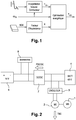
- the vehicle in question comprises a heat engine 1. It may include one or more electric traction machines 2, at least one high voltage traction battery 4 and a low voltage on-board battery 6 for the accessories 8 of the vehicle.
- a current inverter 3 transforms the direct currents supplied by the traction battery 2 and by the on-board battery 6, into alternating currents for the electric machine 2.
- a current transformer 7 converts the high voltage current of the traction battery 4 , in low voltage current from the on-board battery 6.
- the input variables are the engine torque request T drive , interpreted from the action of the driver on the accelerator pedal, the heat engine speed ⁇ CE and the equivalence factor K, taking into account the state of charge of the battery (SOC).
- the electric torque T SG linked to the equivalence factor K, is the only degree of freedom to determine the operating point of the GMP.
- the new optimization technique exploits an additional degree of freedom in this type of computation.
- the energy distribution is always carried out between electric power and thermal power, but the invention takes into account the energy buffer available in the battery of the low voltage network, to calculate the electric torque.
- FIG. 2 there is schematically shown the device for managing the energy of a hybrid vehicle concerned.
- This device comprises a heat engine 1, one or more electric traction machines 2, at least one high voltage traction battery 4, a low voltage on-board battery 6 for the accessories 8 of the vehicle.
- the heat engine 1 of the vehicle is mechanically connected by the transmission to the electric machine 2 which delivers the electric traction torque T SG .
- the inverter 3 ensures the transformation of the direct currents supplied by the traction battery 4 and by the on-board battery 6, into alternating currents for the electric machine 2.
- the transformer 7 has a reversible operation, which allows to take advantage of the energy stock available in the low-voltage battery 6 so as not to draw energy from the high-voltage battery 4, when the latter has a charge level (SOC) that is too low.
- the operating point of the hybrid vehicle involving the minimum fuel consumption in the heat engine is determined by imposing on the electric machine 2 a torque T SG which minimizes a criterion of cumulative fuel consumption through the consumption of the engine.
- thermal ConsoMth g / h
- the power consumed in the traction battery P bat HT the power consumed in the traction battery P bat HT
- the power consumed in the on-board battery P bat BT the values of the electric torque T SG and of the inherent power of the P DC / DC transformer are determined, making it possible to minimize the criterion of cumulative fuel consumption (ConsoMth (g / h )).
- P HT bat is the power consumed in the high voltage battery 4
- P BT bat is and that which is consumed in the low voltage battery 6.
- the power consumed in the transformer 7 is P DC / DC .
- the power consumed in the high voltage battery P bat HT is the sum of the electric traction energy supplied to the wheels of the vehicle ⁇ SG .
- T SG of the electrical losses P loss of the electrical machine 2 and of the inverter 3, and of the DC / DC power P consumed in the converter 7.
- the power P bat LV consumed in the low voltage battery 6 is equal to sum the power P acc consumed in the accessories 8 and the power - P DC / DC supplied by the converter 7.
- the power consumed in the traction battery P bat HT (Pbatterie_ 48V) and the power consumed in the on-board battery P bat BT (Pbatterie_14V) are modulated in the cumulative consumption criterion ( ConsoMth (g / h ), by equivalence factors K, K ' taking into account their respective charge levels.
- the power of the low voltage battery is modulated by its own equivalence factor K'.
- a torque is thus obtained for each operating point of the GMP. values ( T SG , P dc / dc ) , which makes it possible to minimize fuel consumption.
- the degrees of freedom of the new calculation are now the electric torque, and the inherent power of the transformer P dc / dc , which are obtained from the 'state of the two equivalence factors K and K'.
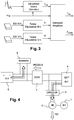
- the new algorithm for calculating the minimum consumption is shown schematically on the figure 3 .
- K ' of the 14V battery which depends on the charge level (SOE) of the latter.
- the invention proposes to distribute the load between the two batteries.
- the electric load supplied by the electric machine 2 operating as a generator is distributed between the traction battery 4 and the on-board battery 6.
- the transfer of energy from the 48V battery to it. this to power the accessories, which was accompanied by a loss of efficiency, can be avoided.
- control now relates not only to the electric torque T SG , but also to the power P dc / dc of transformer 7.
- the new minimization criterion tends to increase the share of low voltage to the detriment of that of the high voltage battery in the supply of electrical energy to the wheels.
- the adjustment is made on the battery power transferred to the low voltage P dc / dc . This decreases, so that the share of the 14V battery in the power supply of the accessories increases, while that of the 48V battery decreases.
- the 48V battery can then only power the electric machine 2, while the 14V battery is the only one to power the accessories 8.
- the consumption of the heat engine is zero, so that the minimization of the energy criterion depends only on the distribution of the electrical energy to be distributed, between the 14V battery and the 48V battery.
- the equivalence factor K of the traction battery (48V) is high, the function minimizes P battery _ 48V .
- the equivalence factor K 'of the on-board battery is low, it increases P battery_14V .
- P dc / dc tends towards 0, so that recharging takes place only from the electric motor to the traction battery, while the 14V battery supplies the accessories 8 autonomously.
- the 48V battery delivers power to both the 14V battery and the electric motor.
Landscapes
- Engineering & Computer Science (AREA)
- Mechanical Engineering (AREA)
- Transportation (AREA)
- Power Engineering (AREA)
- Combustion & Propulsion (AREA)
- Chemical & Material Sciences (AREA)
- Automation & Control Theory (AREA)
- Sustainable Energy (AREA)
- Sustainable Development (AREA)
- Life Sciences & Earth Sciences (AREA)
- Electric Propulsion And Braking For Vehicles (AREA)
- Hybrid Electric Vehicles (AREA)
- Charge And Discharge Circuits For Batteries Or The Like (AREA)
- Dc-Dc Converters (AREA)
- Inverter Devices (AREA)
Description
- La présente invention concerne la gestion de l'énergie d'un véhicule hybride.
- Plus précisément, elle a pour objet un procédé et un dispositif de de gestion de l'énergie d'un véhicule hybride comportant un moteur thermique et une ou plusieurs machines électriques de traction.
- Un groupe motopropulseur de véhicule à propulsion, ou à traction, hybride, comprend un moteur thermique et une ou plusieurs machines électriques, alimentées par au moins une batterie de traction embarquée à bord du véhicule. L'alimentation de la, ou des, machine(s) électrique(s) est assurée par une ou plusieurs batteries à haute tension, tandis que l'architecture électrique générale du véhicule (démarreur, équipements, climatisation, etc.) est alimentée à partir d'une batterie de bord à basse tension.
- Le véhicule bénéficie de plusieurs organes pour assurer son déplacement. Son dispositif de gestion énergétique dispose d'un degré de liberté pour réaliser le couple demandé par le conducteur, à savoir la répartition de la puissance entre le moteur thermique et la machine électrique. L'optimisation de la gestion des flux énergétiques peut répondre à différents objectifs, comme par exemple les performances dynamiques du véhicule, la minimisation de la consommation de carburant, ou encore la limitation des émissions de dioxyde de carbone ou des particules polluantes. Le principe appliqué pour choisir le meilleur point de fonctionnement peut consister à minimiser un critère de consommation de carburant en grammes par unité de temps (g/h), égal à la somme de la consommation du moteur « Conso Mth (g/h) » et de la consommation électrique en pondérant l'énergie d'origine électrique Pbatterie (W) par un facteur de pondération ou d'équivalence K dans une équation du type : Critère (g/h) = Conso Mth (g/h) + K. Pbatterie (W). Le facteur d'équivalence représente le coût de l'énergie électrique stockée dans la batterie. Il peut être piloté de diverses manières, notamment de manière discrète en fonction de l'état d'énergie instantanée de la batterie (il est d'autant plus élevé que la charge de la batterie est faible), et en fonction des conditions de roulage du véhicule, par exemple conformément à l'enseignement de la publication
FR 2 988 674 DE102011087969 . - En appelant Tdriv le couple demandé par le conducteur, TSG le couple électrique et TCE le couple thermique, la répartition du couple entre les deux sources motrices peut s'écrire Tdriv = TSG + TCE . Exprimé en carburant, le critère de consommation énergétique C sur un point de fonctionnement du GMP, s'écrit comme la somme de la consommation de carburant Qfuel (dépendant du couple TCE et du régime ωCE ) et de la consommation électrique traduite en équivalent de carburant consommé : C = Qfuel (TCE, ωCE ) + K.Pbat . Le bilan électrique de la batterie Pbat est alors la somme de la puissance électrique motrice ωSG. TSG , et des pertes Ploss électriques issues de la machine électrique et de l'onduleur délivrant à celle-ci une tension alternative à partir de la batterie : Pbat = ωSG.TSG + Ploss (ωSG, TSG ).
- Comme résumé sur la
figure 1 , le calcul effectué sur la base du couple demandé par le conducteur, Tdrive du régime thermique ωCE , et du facteur d'équivalence K de la batterie haute tension, permet de déterminer à chaque instant la valeur du couple électrique TSG optimale. Toutefois, le régime de la machine électrique et celui du moteur thermique étant proportionnels sur chaque rapport de transmission, le seul degré de liberté permettant l'optimisation énergétique du GMP, est le couple électrique TSG. - La présente invention vise à améliorer l'optimisation énergétique globale d'un GMP hybride, en introduisant dans le calcul de la consommation optimale, un degré de liberté supplémentaire.
- Dans ce but, elle prévoit de prendre en compte l'énergie contenue dans la batterie basse tension, dans la gestion énergétique du véhicule.
- A cet effet, elle prévoit d'utiliser un transformateur réversible permettant de profiter du stock d'énergie disponible dans la batterie de bord du véhicule, de manière à ne pas soutirer d'énergie à la batterie de traction, lorsque celle-ci a un niveau de charge trop faible.
- La méthode proposée repose sur le choix d'un point de fonctionnement, en réponse à la demande de couple du conducteur, impliquant le minimum de consommation de carburant dans le moteur thermique. Ce point de fonctionnement est déterminé en imposant à la machine électrique la fourniture un couple minimisant un critère de consommation de carburant cumulée au travers de la consommation du moteur thermique, de la puissance consommée dans la batterie de traction, et de la puissance consommée dans la batterie de bord.
- L'énergie stockée dans la batterie de bord du véhicule, généralement non prise en compte dans les flux énergétiques d'un véhicule hybride, est mise à profit. Les mesures proposées exploitent le potentiel de la batterie de bord du véhicule dans la gestion des flux énergétiques, notamment pour minimiser le critère de consommation énergétique, et optimiser la gestion de la puissance consommée par les accessoires du véhicule. En tenant compte de ce réservoir d'énergie et en optimisant son exploitation, il est ainsi possible de réduire la consommation d'énergie globale du véhicule. Les bénéfices de cette stratégie sont d'autant plus importants que la batterie de traction dispose d'une faible capacité de stockage d'énergie.
- D'autres caractéristiques et avantages de la présente invention ressortiront clairement de la description suivante d'un mode de réalisation non limitatif de celle-ci, en se reportant aux dessins annexés, sur lesquels :
- la
figure 1 est un algorithme d'optimisation implanté dans calculateur de GMP Hybride, - la
figure 2 est un schéma d'architecture électrique de véhicule hybride, - la
figure 3 est un nouvel algorithme d'optimisation incluant un degré de liberté supplémentaire, - la
figure 4 montre les flux électriques en traction avec une batterie 14V chargée, - la
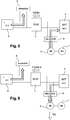
figure 5 montre les flux électriques en recharge avec une batterie 14V chargée, - la
figure 6 montre les flux électriques en traction avec deux batteries chargées, - la
figure 7 montre les flux électriques en traction avec la batterie 14V très faiblement chargée, et - la
figure 8 montre les flux électriques en recharge avec la batterie 14V très faiblement chargée. - La
figure 1 présente de façon synthétique, le principe de base de l'optimisation énergétique sur un véhicule hybride, qui conduit à imposer à la machine électrique une consigne de couple TSG permettant d'optimiser le critère de consommation de carburant exprimé en équivalents grammes de carburant (g) par heure (h) dans l'équation : Critère (g/h) = Conso Mth (g/h) + K. Pbatterie (W). Le véhicule concerné comporte un moteur thermique 1. Il peut comporter une ou plusieurs machines électriques de traction 2, au moins une batterie de traction haute tension 4 et une batterie de bord 6 à basse tension pour les accessoires 8 du véhicule. Un onduleur de courant 3 transforme les courants continus fournis par la batterie de traction 2 et par la batterie de bord 6, en courants alternatifs pour la machine électrique 2. Un transformateur de courant 7 convertit le courant à haute tension de la batterie de traction 4, en courant basse tension de la batterie de bord 6. Dans ce calcul d'optimisation, les variables d'entrée sont la demande de couple moteur Tdrive, interprétée à partir de l'action du conducteur sur la pédale d'accélérateur, le régime du moteur thermique ωCE et le facteur d'équivalence K, tenant compte de l'état de charge de la batterie (SOC). Le couple électrique TSG, lié au facteur d'équivalence K, est le seul degré de liberté pour déterminer le point de fonctionnement du GMP. - La nouvelle technique d'optimisation exploite un degré de liberté supplémentaire dans ce type de calcul. La répartition énergétique s'effectue toujours entre puissance électrique et puissance thermique, mais l'invention prend en compte le tampon d'énergie disponible dans la batterie du réseau basse tension, pour calculer le couple électrique.
- Sur la
figure 2 , on a schématiquement représenté le dispositif de gestion de l'énergie d'un véhicule hybride concerné. Ce dispositif comporte un moteur thermique 1, une ou plusieurs machines électriques de traction 2, au moins une batterie de traction haute tension 4, une batterie de bord 6 à basse tension pour les accessoires 8 du véhicule. Le moteur thermique 1 du véhicule est relié mécaniquement par la transmission à la machine électrique 2 qui délivre le couple de traction électrique TSG. L'onduleur 3 assure la transformation des courants continus fournis par la batterie de traction 4 et par la batterie de bord 6, en courants alternatifs pour la machine électrique 2. Conformément à l'invention, le transformateur 7 a un fonctionnement réversible, qui permet de profiter du stock d'énergie disponible dans la batterie basse tension 6 pour ne pas soutirer d'énergie à la batterie haute tension 4, lorsque celle-ci a un niveau de charge (SOC) trop faible. Désormais, le point de fonctionnement du véhicule hybride impliquant le minimum de consommation de carburant dans le moteur thermique, est déterminé en imposant à la machine électrique 2 un couple TSG qui minimise un critère de consommation de carburant cumulée au travers de la consommation du moteur thermique ConsoMth(g/h), de la puissance consommée dans la batterie de traction Pbat HT, et aussi de la puissance consommée dans la batterie de bord Pbat BT. Sur chaque point de fonctionnement du GMP, on détermine les valeurs du couple électrique TSG et de la puissance propre du transformateur P DC/DC permettant de minimiser le critère de consommation de carburant cumulée (ConsoMth (g/h)). - Cette nouvelle régulation est régie par les équations suivantes (dans lesquelles on compte par convention une puissance négative en mode recharge) :


- Si la batterie haute tension 4 est une batterie de 48V (48 volts) et la batterie basse tension 6 de 14V (14 volts), le critère de consommation permettant de trouver le point de fonctionnement avec le minimum de consommation de carburant est dans cet exemple :

- Dans cette équation, la puissance consommée dans la batterie de traction Pbat HT (Pbatterie_ 48V) et la puissance consommée dans la batterie de bord Pbat BT (Pbatterie_14V) sont modulées dans le critère de consommation cumulée (ConsoMth(g/h), par des facteurs d'équivalence K, K' tenant compte de leurs niveaux de charge respectifs. La puissance de la batterie basse tension est modulée par son propre facteur d'équivalence K'. On obtient ainsi pour chaque point de fonctionnement du GMP un couple de valeurs (TSG, P dc/dc ), qui permet de minimiser la consommation de carburant. Les degrés de liberté du nouveau calcul sont désormais le couple électrique, et la puissance propre du transformateur P dc/dc , qui sont issus de l'état des deux facteurs d'équivalence K et K'.
- Le nouvel algorithme de calcul du minimum de consommation, est schématisé sur la
figure 3 . Aux trois entrées de calcul dans le bloc de lafigure 1 , s'ajoute le facteur d'équivalence K' de la batterie 14V, qui dépend du niveau de charge (SOE) de celle-ci. - Par ailleurs, au lieu de recharger uniquement la batterie 48V par le moteur thermique (en mode générateur), comme c'est le cas actuellement, l'invention propose de répartir la charge entre les deux batteries. La charge électrique fournie par la machine électrique 2 fonctionnant en générateur est répartie entre la batterie de traction 4 et la batterie de bord 6. Dès lors que la batterie 14V est rechargée régulièrement, le transfert d'énergie de la batterie de 48V sur celle-ci pour alimenter les accessoires, qui s'accompagnait d'une perte de rendement, peut être évité. Pour cela, le pilotage porte désormais, non seulement sur le couple électrique TSG, mais aussi sur la puissance P dc/dc du transformateur 7.
- Si par exemple, la batterie 14V est fortement chargée, son facteur d'équivalence K' est faible. La batterie 48V déchargée. Son propre facteur d'équivalence K est élevé (cf.
figure 4 ). En traction, le nouveau critère de minimisation tend à faire augmenter la part de la basse tension au détriment de celle de la batterie haute tension dans l'apport d'énergie électrique aux roues. Comme la machine électrique doit être alimentée, l'ajustement s'effectue sur la puissance de batterie transférée vers la basse tension P dc/dc . Celle-ci baisse, de sorte que la part de la batterie 14V dans l'alimentation des accessoires augmente, tandis celle de la batterie de 48V diminue. Conformément à lafigure 4 , la batterie 48V peut alors alimenter uniquement la machine électrique 2, tandis que la batterie 14V est seule à alimenter les accessoires 8. - En mode de recharge (cf.
figure 5 ), la consommation du moteur thermique est nulle, de sorte que la minimisation du critère énergétique ne dépend que de la répartition de l'énergie électrique à distribuer, entre la batterie 14V et la batterie 48V. Comme le facteur d'équivalence K de la batterie de traction (48V) est élevé, la fonction minimise P batterie_ 48V. Comme le facteur d'équivalence K' de la batterie de bord est faible, elle augmente Pbatterie_14V. P dc/dc tend vers 0, si bien que la recharge d'effectue uniquement du moteur électrique vers la batterie de traction, tandis que la batterie 14V alimente les accessoires 8 de façon autonome. - En mode traction, avec les deux batteries fortement chargées (cf.
figure 6 ), les deux facteurs d'équivalence K et K' sont très faibles. La fonction de minimisation tend à imposer l'utilisation des deux batteries, et donc aussi à diminuer P dc/dc puisque K' est faible. La batterie 14V alimente les accessoires seule, et la batterie 48V dédie toute son énergie à la traction électrique. Dans cette situation, aucun carburant n'est consommé. - En mode traction avec la batterie 14V pratiquement déchargée et la batterie 48V chargée (cf.
figure 7 ), la batterie 48V délivre de l'énergie à la fois à la batterie 14V et au moteur électrique. - En mode recharge avec la batterie 14V pratiquement déchargée et la batterie 48V chargée (cf.
figure 8 ), la recharge de la batterie 14V est privilégiée. Si le couple de recharge est suffisamment fort, il est possible de recharger simultanément la batterie 48V.
Claims (9)
- Procédé de gestion de l'énergie d'un véhicule hybride comportant un moteur thermique (1), une ou plusieurs machines électriques de traction (2), au moins une batterie de traction haute tension (4), une batterie de bord (6) à basse tension pour les accessoires (8) du véhicule, un onduleur de courant (3) apte à transformer les courants continus fournis par la batterie de traction (2) et par la batterie de bord (6) en courants alternatifs pour la machine électrique (2), et un transformateur de courant (7) réversible permettant de convertir le courant haute tension de la batterie de traction (4) en courant basse tension de la batterie de bord (6), et de profiter du stock d'énergie disponible dans la batterie basse tension (6) pour ne pas soutirer d'énergie à la batterie haute tension (4) lorsque celle-ci a un niveau de charge (SOC) relativement faible, caractérisé en ce que le point de fonctionnement du véhicule impliquant le minimum de consommation de carburant dans le moteur thermique est déterminé en imposant à la machine électrique (2) un couple (TSG ) minimisant un critère de consommation de carburant cumulée au travers de la consommation du moteur thermique (ConsoMth (g/h)) , de la puissance consommée dans la batterie de traction (Pbat HT ),et de la puissance consommée dans la batterie de bord (Pbat BT ).
- Procédé de gestion d'énergie selon la revendication 1, caractérisé en ce que la puissance consommée dans la batterie de traction (Pbat HT ) et la puissance consommée dans la batterie de bord (Pbat BT ) sont modulées par des facteurs d'équivalence (K, K') tenant compte de leurs niveaux de charge respectifs.
- Procédé de gestion d'énergie selon la revendication 2, caractérisé en ce que la puissance consommée dans la batterie haute tension (Pbat HT ) est la somme de l'énergie électrique de traction fournie (ωSG.TSG ), des pertes électriques (Ploss ) de la machine électrique (2) et de l'onduleur (3), et de la puissance (P DC/DC ) consommée dans le convertisseur (7).
- Procédé de gestion d'énergie selon la revendication 2 ou 3, caractérisé en ce que la puissance (Pbat BT ) consommée dans la batterie basse tension (6) est égale à somme de la puissance (Pacc ) consommée dans les accessoires (8) et de la puissance (-P DC/DC ) fournie par le convertisseur (7) .
- Procédé de gestion d'énergie selon la revendication 2, 3 ou 4, caractérisé en ce qu'on détermine sur chaque point de fonctionnement du moteur, les valeurs du couple électrique (TSG ) et de la puissance propre (P DC/DC ) du transformateur (7), permettant de minimiser le critère de consommation de carburant cumulée (ConsoMth (g/h)).
- Procédé de gestion de l'énergie selon l'une des revendications précédentes, caractérisé en ce que la charge électrique fournie par la machine électrique (2) fonctionnant en générateur est répartie entre la batterie de traction (4) et la batterie de bord (6).
- Dispositif de gestion de l'énergie d'un véhicule hybride comportant un moteur thermique (1), une ou plusieurs machines électriques de traction (2), au moins une batterie de traction haute tension (4), une batterie de bord (6) à basse tension pour les accessoires (8) du véhicule, un onduleur de courant (3) apte à transformer les courants continus fournis par la batterie de traction (2) et par la batterie de bord (6) en courants alternatifs pour la machine électrique (2), caractérisé en ce qu'il comporte entre la batterie de traction (4) et la batterie de bord (6) un transformateur de courant réversible (7) dont la puissance propre (P DC/DC ) est déterminée sur chaque point de fonctionnement du moteur, ainsi que la valeur du couple de traction (TSG ) imposé à la machine électrique (2), de manière à minimiser, un critère de consommation de carburant (ConsoMth(g/h)) cumulant la consommation du moteur thermique (ConsoMth(g/h)), la puissance (Pbat HT ) consommée dans la batterie de traction (4), et la puissance (Pbat BT ) consommée dans la batterie de bord (6).
- Dispositif de gestion selon la revendication 7, caractérisé en ce que la valeur du couple de traction (TSG ) et de la puissance (P DC/DC ) du transformateur sont issues de l'état de deux facteurs d'équivalence (K, K'), modulant respectivement la part de la puissance (Pbat HT ) consommée dans la batterie de traction (4), et de la puissance (Pbat BT ) consommée dans la batterie de bord (6).
- Dispositif de gestion selon la revendication 8, caractérisé en ce que les facteurs d'équivalence (K, K') dépendent du niveau de charge respectif de la batterie de traction (4) et de la batterie de bord (6) du véhicule.
Applications Claiming Priority (2)
| Application Number | Priority Date | Filing Date | Title |
|---|---|---|---|
| FR1362679A FR3014803B1 (fr) | 2013-12-16 | 2013-12-16 | Procede et dispositif de gestion de l’energie d’un vehicule hybride |
| PCT/FR2014/052796 WO2015092173A2 (fr) | 2013-12-16 | 2014-11-04 | Procede et dispositif de gestion de l'energie d'un vehicule hybride |
Publications (2)
| Publication Number | Publication Date |
|---|---|
| EP3083323A2 EP3083323A2 (fr) | 2016-10-26 |
| EP3083323B1 true EP3083323B1 (fr) | 2022-01-05 |
Family
ID=50543149
Family Applications (1)
| Application Number | Title | Priority Date | Filing Date |
|---|---|---|---|
| EP14809917.9A Active EP3083323B1 (fr) | 2013-12-16 | 2014-11-04 | Procede et dispositif de gestion de l'energie d'un vehicule hybride |
Country Status (7)
| Country | Link |
|---|---|
| US (1) | US9783190B2 (fr) |
| EP (1) | EP3083323B1 (fr) |
| JP (1) | JP6518684B2 (fr) |
| KR (1) | KR102186032B1 (fr) |
| CN (1) | CN106414146B (fr) |
| FR (1) | FR3014803B1 (fr) |
| WO (1) | WO2015092173A2 (fr) |
Families Citing this family (18)
| Publication number | Priority date | Publication date | Assignee | Title |
|---|---|---|---|---|
| US10379143B2 (en) | 2014-07-23 | 2019-08-13 | Cummins, Inc. | System and method for improving a battery management and accumulator system |
| WO2016032964A1 (fr) | 2014-08-26 | 2016-03-03 | Cummins, Inc. | Commande d'accessoire de moteur électrique |
| FR3038081B1 (fr) * | 2015-06-25 | 2018-05-18 | Renault S.A.S | Procede de commande d'un facteur d'equivalence energetique pour un vehicule automobile hybride. |
| CN105119335B (zh) * | 2015-09-01 | 2017-04-19 | 捷开通讯科技(上海)有限公司 | 充电控制方法 |
| KR20170052095A (ko) * | 2015-11-03 | 2017-05-12 | 현대자동차주식회사 | 배터리 제어 시스템 및 릴레이 융착 검출 방법 |
| KR101988095B1 (ko) * | 2016-01-07 | 2019-06-13 | 현대자동차주식회사 | 하이브리드 차량의 출력 제어 시스템 및 방법 |
| DE102016208893A1 (de) * | 2016-05-23 | 2017-11-23 | Robert Bosch Gmbh | Kraftfahrzeugbordnetz mit wenigstens zwei Energiespeichern, Verfahren zum Betreiben eines Kraftfahrzeugbordnetzes und Mittel zu dessen Implementierung |
| US10099702B2 (en) * | 2016-08-25 | 2018-10-16 | GM Global Technology Operations LLC | Method and apparatus for vehicle accessory and load management |
| FR3069497B1 (fr) * | 2017-07-26 | 2019-08-02 | Psa Automobiles Sa | Procede pour vehicule hybride de controle d’un alternateur de recharge d’une batterie d’un reseau de bord |
| FR3076121B1 (fr) | 2017-12-21 | 2022-01-28 | Continental Automotive France | Procede de controle d'un convertisseur de courant continu dans un reseau de bord d'un vehicule automobile |
| JP7068893B2 (ja) * | 2018-03-30 | 2022-05-17 | 本田技研工業株式会社 | 車両電源システム |
| FR3083765B1 (fr) * | 2018-07-16 | 2020-06-19 | Renault S.A.S. | Procede de pilotage d’un groupe motopropulseur hybride d’un vehicule automobile |
| CN110329076B (zh) * | 2019-08-08 | 2024-02-27 | 河南职业技术学院 | 一种混合动力工程机械车辆电能控制系统的控制方法 |
| CN112849119B (zh) * | 2019-11-12 | 2022-06-24 | 上海汽车变速器有限公司 | 混合动力汽车发动机和电机多变量扭矩寻优控制分配方法 |
| CN115315399B (zh) * | 2020-03-30 | 2024-08-02 | 三菱电机株式会社 | 电梯 |
| DE102020119974A1 (de) | 2020-07-29 | 2022-02-03 | Dr. Ing. H.C. F. Porsche Aktiengesellschaft | Hochvolt-Ladeanordnung für ein Elektrofahrzeug sowie ein Verfahren zum Laden einer Traktionsbatterie |
| CN112906296B (zh) * | 2021-02-02 | 2022-05-10 | 武汉理工大学 | 混合动力汽车全服役期能量优化方法、系统和存储介质 |
| DE102021206414A1 (de) | 2021-06-22 | 2022-12-22 | Psa Automobiles Sa | Rekuperation elektrischer Energie in eine Zweitbatterie eines Fahrzeugs |
Family Cites Families (10)
| Publication number | Priority date | Publication date | Assignee | Title |
|---|---|---|---|---|
| US6664651B1 (en) * | 2000-11-14 | 2003-12-16 | Ford Motor Company | Engine on idle arbitration for a hybrid electric vehicle |
| US6831429B2 (en) * | 2003-03-10 | 2004-12-14 | Visteon Global Technologies, Inc. | Prediction of available torque and power from battery-powered traction motor |
| JP2008149894A (ja) | 2006-12-18 | 2008-07-03 | Denso Corp | 車両用電源装置 |
| CN102202930B (zh) * | 2008-10-31 | 2014-01-01 | 丰田自动车株式会社 | 电动车辆和电动车辆的控制方法 |
| JP5386155B2 (ja) * | 2008-11-28 | 2014-01-15 | 株式会社日立製作所 | 蓄電装置 |
| KR101103877B1 (ko) * | 2009-07-30 | 2012-01-12 | 현대자동차주식회사 | 하이브리드차량의 가변 전압 제어 방법 |
| DE102010009565A1 (de) * | 2010-02-26 | 2011-09-01 | Bayerische Motoren Werke Aktiengesellschaft | Verfahren zur Ermittlung einer Lastpunktverschiebung für einen Verbrennungsmotor eines Hybridfahrzeugs |
| US20120112533A1 (en) * | 2010-11-09 | 2012-05-10 | Hitachi Automotive Products (Usa), Inc. | Power supply system for hybrid vehicle |
| KR20130016875A (ko) * | 2011-08-09 | 2013-02-19 | 현대자동차주식회사 | 하이브리드 차량 |
| FR2988674B1 (fr) | 2012-03-28 | 2015-04-10 | Renault Sa | Procede et dispositif de commande d'un facteur d'equivalence energetique dans un groupe motopropulseur hybride |
-
2013
- 2013-12-16 FR FR1362679A patent/FR3014803B1/fr not_active Expired - Fee Related
-
2014
- 2014-11-04 US US15/036,630 patent/US9783190B2/en active Active
- 2014-11-04 WO PCT/FR2014/052796 patent/WO2015092173A2/fr not_active Ceased
- 2014-11-04 CN CN201480064944.3A patent/CN106414146B/zh active Active
- 2014-11-04 JP JP2016558281A patent/JP6518684B2/ja active Active
- 2014-11-04 KR KR1020167015614A patent/KR102186032B1/ko active Active
- 2014-11-04 EP EP14809917.9A patent/EP3083323B1/fr active Active
Also Published As
| Publication number | Publication date |
|---|---|
| WO2015092173A3 (fr) | 2015-09-03 |
| US20160264126A1 (en) | 2016-09-15 |
| JP6518684B2 (ja) | 2019-05-22 |
| FR3014803B1 (fr) | 2017-11-03 |
| JP2017501936A (ja) | 2017-01-19 |
| EP3083323A2 (fr) | 2016-10-26 |
| FR3014803A1 (fr) | 2015-06-19 |
| WO2015092173A2 (fr) | 2015-06-25 |
| KR102186032B1 (ko) | 2020-12-03 |
| KR20160099555A (ko) | 2016-08-22 |
| US9783190B2 (en) | 2017-10-10 |
| CN106414146B (zh) | 2020-06-19 |
| CN106414146A (zh) | 2017-02-15 |
Similar Documents
| Publication | Publication Date | Title |
|---|---|---|
| WO2015092173A2 (fr) | Procede et dispositif de gestion de l'energie d'un vehicule hybride | |
| Onori et al. | Adaptive Pontryagin’s Minimum Principle supervisory controller design for the plug-in hybrid GM Chevrolet Volt | |
| US8401779B2 (en) | SEG (smart energy gateway) for optimized energy flow control | |
| US8022674B2 (en) | State of charge control method and systems for vehicles | |
| CN103223942B (zh) | 用于机动车的混合动力单元的运行方法以及混合动力单元 | |
| CN103153686B (zh) | 用于混合动力车辆的控制装置和装备有控制装置的混合动力车辆 | |
| US9050969B2 (en) | Trip oriented energy management control | |
| CN110053513A (zh) | 用于电气化车辆的智能充电电池系统和方法 | |
| US7183746B1 (en) | Cart charge system | |
| CN113942491B (zh) | 一种串联式混合动力系统及联网混合动力车辆能量管理方法 | |
| EP2885146B1 (fr) | Procede de limitation de couple d'une machine electrique de vehicule hybride, dans le cas d'une forte demande en couple | |
| CN104859660A (zh) | 利用过去能量消耗中的变量预测电动车辆能量消耗 | |
| CN105492281B (zh) | 发电控制装置及发电控制方法 | |
| CN105946850A (zh) | 混合动力车辆 | |
| JP2013102686A (ja) | 車両用エネルギー貯蔵装置を制御する方法およびシステム | |
| CN107054104B (zh) | 调整电动车辆操作以使电网平衡 | |
| US10604144B2 (en) | Method and apparatus for controlling power of mild hybrid electric vehicle | |
| US20150091526A1 (en) | Battery charge control apparatus | |
| US11312360B2 (en) | Control system for vehicle | |
| JP2012085396A (ja) | 車両用電力制御装置 | |
| Sadeq | Hybrid and electric vehicles: a comprehensive guide | |
| US20250074257A1 (en) | Power control planning and optimization for hybrid vehicles | |
| FR3015411A1 (fr) | Procede de calcul de consigne de couple pour une machine electrique couplee a un moteur thermique d'un vehicule hybride | |
| Leska et al. | Optimization of the longitudinal dynamics of parallel hybrid railway vehicles | |
| Leska et al. | Optimal operating strategy for hybrid railway vehicles based on a sensitivity analysis |
Legal Events
| Date | Code | Title | Description |
|---|---|---|---|
| PUAI | Public reference made under article 153(3) epc to a published international application that has entered the european phase |
Free format text: ORIGINAL CODE: 0009012 |
|
| 17P | Request for examination filed |
Effective date: 20160428 |
|
| AK | Designated contracting states |
Kind code of ref document: A2 Designated state(s): AL AT BE BG CH CY CZ DE DK EE ES FI FR GB GR HR HU IE IS IT LI LT LU LV MC MK MT NL NO PL PT RO RS SE SI SK SM TR |
|
| AX | Request for extension of the european patent |
Extension state: BA ME |
|
| RIN1 | Information on inventor provided before grant (corrected) |
Inventor name: KETFI-CHERIF, AHMED Inventor name: DEBERT, MAXIME Inventor name: NAIR, KARIMA |
|
| DAX | Request for extension of the european patent (deleted) | ||
| REG | Reference to a national code |
Ref country code: DE Ref legal event code: R079 Ref document number: 602014082057 Country of ref document: DE Free format text: PREVIOUS MAIN CLASS: B60L0011180000 Ipc: B60W0020000000 |
|
| RIC1 | Information provided on ipc code assigned before grant |
Ipc: B60W 20/00 20160101AFI20210408BHEP Ipc: B60W 10/06 20060101ALI20210408BHEP Ipc: B60W 10/08 20060101ALI20210408BHEP Ipc: B60W 10/26 20060101ALI20210408BHEP Ipc: H02J 7/14 20060101ALI20210408BHEP |
|
| GRAP | Despatch of communication of intention to grant a patent |
Free format text: ORIGINAL CODE: EPIDOSNIGR1 |
|
| STAA | Information on the status of an ep patent application or granted ep patent |
Free format text: STATUS: GRANT OF PATENT IS INTENDED |
|
| INTG | Intention to grant announced |
Effective date: 20210601 |
|
| GRAS | Grant fee paid |
Free format text: ORIGINAL CODE: EPIDOSNIGR3 |
|
| GRAA | (expected) grant |
Free format text: ORIGINAL CODE: 0009210 |
|
| STAA | Information on the status of an ep patent application or granted ep patent |
Free format text: STATUS: THE PATENT HAS BEEN GRANTED |
|
| AK | Designated contracting states |
Kind code of ref document: B1 Designated state(s): AL AT BE BG CH CY CZ DE DK EE ES FI FR GB GR HR HU IE IS IT LI LT LU LV MC MK MT NL NO PL PT RO RS SE SI SK SM TR |
|
| REG | Reference to a national code |
Ref country code: GB Ref legal event code: FG4D Free format text: NOT ENGLISH |
|
| REG | Reference to a national code |
Ref country code: CH Ref legal event code: EP |
|
| REG | Reference to a national code |
Ref country code: AT Ref legal event code: REF Ref document number: 1460279 Country of ref document: AT Kind code of ref document: T Effective date: 20220115 |
|
| REG | Reference to a national code |
Ref country code: DE Ref legal event code: R096 Ref document number: 602014082057 Country of ref document: DE |
|
| REG | Reference to a national code |
Ref country code: IE Ref legal event code: FG4D Free format text: LANGUAGE OF EP DOCUMENT: FRENCH |
|
| RAP4 | Party data changed (patent owner data changed or rights of a patent transferred) |
Owner name: RENAULT S.A.S |
|
| REG | Reference to a national code |
Ref country code: LT Ref legal event code: MG9D |
|
| REG | Reference to a national code |
Ref country code: NL Ref legal event code: MP Effective date: 20220105 |
|
| REG | Reference to a national code |
Ref country code: AT Ref legal event code: MK05 Ref document number: 1460279 Country of ref document: AT Kind code of ref document: T Effective date: 20220105 |
|
| PG25 | Lapsed in a contracting state [announced via postgrant information from national office to epo] |
Ref country code: NL Free format text: LAPSE BECAUSE OF FAILURE TO SUBMIT A TRANSLATION OF THE DESCRIPTION OR TO PAY THE FEE WITHIN THE PRESCRIBED TIME-LIMIT Effective date: 20220105 |
|
| RAP4 | Party data changed (patent owner data changed or rights of a patent transferred) |
Owner name: RENAULT S.A.S |
|
| PG25 | Lapsed in a contracting state [announced via postgrant information from national office to epo] |
Ref country code: SE Free format text: LAPSE BECAUSE OF FAILURE TO SUBMIT A TRANSLATION OF THE DESCRIPTION OR TO PAY THE FEE WITHIN THE PRESCRIBED TIME-LIMIT Effective date: 20220105 Ref country code: RS Free format text: LAPSE BECAUSE OF FAILURE TO SUBMIT A TRANSLATION OF THE DESCRIPTION OR TO PAY THE FEE WITHIN THE PRESCRIBED TIME-LIMIT Effective date: 20220105 Ref country code: PT Free format text: LAPSE BECAUSE OF FAILURE TO SUBMIT A TRANSLATION OF THE DESCRIPTION OR TO PAY THE FEE WITHIN THE PRESCRIBED TIME-LIMIT Effective date: 20220505 Ref country code: NO Free format text: LAPSE BECAUSE OF FAILURE TO SUBMIT A TRANSLATION OF THE DESCRIPTION OR TO PAY THE FEE WITHIN THE PRESCRIBED TIME-LIMIT Effective date: 20220405 Ref country code: LT Free format text: LAPSE BECAUSE OF FAILURE TO SUBMIT A TRANSLATION OF THE DESCRIPTION OR TO PAY THE FEE WITHIN THE PRESCRIBED TIME-LIMIT Effective date: 20220105 Ref country code: HR Free format text: LAPSE BECAUSE OF FAILURE TO SUBMIT A TRANSLATION OF THE DESCRIPTION OR TO PAY THE FEE WITHIN THE PRESCRIBED TIME-LIMIT Effective date: 20220105 Ref country code: ES Free format text: LAPSE BECAUSE OF FAILURE TO SUBMIT A TRANSLATION OF THE DESCRIPTION OR TO PAY THE FEE WITHIN THE PRESCRIBED TIME-LIMIT Effective date: 20220105 Ref country code: BG Free format text: LAPSE BECAUSE OF FAILURE TO SUBMIT A TRANSLATION OF THE DESCRIPTION OR TO PAY THE FEE WITHIN THE PRESCRIBED TIME-LIMIT Effective date: 20220405 |
|
| PG25 | Lapsed in a contracting state [announced via postgrant information from national office to epo] |
Ref country code: PL Free format text: LAPSE BECAUSE OF FAILURE TO SUBMIT A TRANSLATION OF THE DESCRIPTION OR TO PAY THE FEE WITHIN THE PRESCRIBED TIME-LIMIT Effective date: 20220105 Ref country code: LV Free format text: LAPSE BECAUSE OF FAILURE TO SUBMIT A TRANSLATION OF THE DESCRIPTION OR TO PAY THE FEE WITHIN THE PRESCRIBED TIME-LIMIT Effective date: 20220105 Ref country code: GR Free format text: LAPSE BECAUSE OF FAILURE TO SUBMIT A TRANSLATION OF THE DESCRIPTION OR TO PAY THE FEE WITHIN THE PRESCRIBED TIME-LIMIT Effective date: 20220406 Ref country code: FI Free format text: LAPSE BECAUSE OF FAILURE TO SUBMIT A TRANSLATION OF THE DESCRIPTION OR TO PAY THE FEE WITHIN THE PRESCRIBED TIME-LIMIT Effective date: 20220105 Ref country code: AT Free format text: LAPSE BECAUSE OF FAILURE TO SUBMIT A TRANSLATION OF THE DESCRIPTION OR TO PAY THE FEE WITHIN THE PRESCRIBED TIME-LIMIT Effective date: 20220105 |
|
| PG25 | Lapsed in a contracting state [announced via postgrant information from national office to epo] |
Ref country code: IS Free format text: LAPSE BECAUSE OF FAILURE TO SUBMIT A TRANSLATION OF THE DESCRIPTION OR TO PAY THE FEE WITHIN THE PRESCRIBED TIME-LIMIT Effective date: 20220505 |
|
| REG | Reference to a national code |
Ref country code: DE Ref legal event code: R097 Ref document number: 602014082057 Country of ref document: DE |
|
| PG25 | Lapsed in a contracting state [announced via postgrant information from national office to epo] |
Ref country code: SM Free format text: LAPSE BECAUSE OF FAILURE TO SUBMIT A TRANSLATION OF THE DESCRIPTION OR TO PAY THE FEE WITHIN THE PRESCRIBED TIME-LIMIT Effective date: 20220105 Ref country code: SK Free format text: LAPSE BECAUSE OF FAILURE TO SUBMIT A TRANSLATION OF THE DESCRIPTION OR TO PAY THE FEE WITHIN THE PRESCRIBED TIME-LIMIT Effective date: 20220105 Ref country code: RO Free format text: LAPSE BECAUSE OF FAILURE TO SUBMIT A TRANSLATION OF THE DESCRIPTION OR TO PAY THE FEE WITHIN THE PRESCRIBED TIME-LIMIT Effective date: 20220105 Ref country code: EE Free format text: LAPSE BECAUSE OF FAILURE TO SUBMIT A TRANSLATION OF THE DESCRIPTION OR TO PAY THE FEE WITHIN THE PRESCRIBED TIME-LIMIT Effective date: 20220105 Ref country code: DK Free format text: LAPSE BECAUSE OF FAILURE TO SUBMIT A TRANSLATION OF THE DESCRIPTION OR TO PAY THE FEE WITHIN THE PRESCRIBED TIME-LIMIT Effective date: 20220105 Ref country code: CZ Free format text: LAPSE BECAUSE OF FAILURE TO SUBMIT A TRANSLATION OF THE DESCRIPTION OR TO PAY THE FEE WITHIN THE PRESCRIBED TIME-LIMIT Effective date: 20220105 |
|
| PLBE | No opposition filed within time limit |
Free format text: ORIGINAL CODE: 0009261 |
|
| STAA | Information on the status of an ep patent application or granted ep patent |
Free format text: STATUS: NO OPPOSITION FILED WITHIN TIME LIMIT |
|
| PG25 | Lapsed in a contracting state [announced via postgrant information from national office to epo] |
Ref country code: AL Free format text: LAPSE BECAUSE OF FAILURE TO SUBMIT A TRANSLATION OF THE DESCRIPTION OR TO PAY THE FEE WITHIN THE PRESCRIBED TIME-LIMIT Effective date: 20220105 |
|
| 26N | No opposition filed |
Effective date: 20221006 |
|
| PG25 | Lapsed in a contracting state [announced via postgrant information from national office to epo] |
Ref country code: SI Free format text: LAPSE BECAUSE OF FAILURE TO SUBMIT A TRANSLATION OF THE DESCRIPTION OR TO PAY THE FEE WITHIN THE PRESCRIBED TIME-LIMIT Effective date: 20220105 |
|
| PG25 | Lapsed in a contracting state [announced via postgrant information from national office to epo] |
Ref country code: MC Free format text: LAPSE BECAUSE OF FAILURE TO SUBMIT A TRANSLATION OF THE DESCRIPTION OR TO PAY THE FEE WITHIN THE PRESCRIBED TIME-LIMIT Effective date: 20220105 |
|
| REG | Reference to a national code |
Ref country code: CH Ref legal event code: PL |
|
| P01 | Opt-out of the competence of the unified patent court (upc) registered |
Effective date: 20230608 |
|
| REG | Reference to a national code |
Ref country code: BE Ref legal event code: MM Effective date: 20221130 |
|
| PG25 | Lapsed in a contracting state [announced via postgrant information from national office to epo] |
Ref country code: LI Free format text: LAPSE BECAUSE OF NON-PAYMENT OF DUE FEES Effective date: 20221130 Ref country code: IT Free format text: LAPSE BECAUSE OF FAILURE TO SUBMIT A TRANSLATION OF THE DESCRIPTION OR TO PAY THE FEE WITHIN THE PRESCRIBED TIME-LIMIT Effective date: 20220105 Ref country code: CH Free format text: LAPSE BECAUSE OF NON-PAYMENT OF DUE FEES Effective date: 20221130 |
|
| PG25 | Lapsed in a contracting state [announced via postgrant information from national office to epo] |
Ref country code: LU Free format text: LAPSE BECAUSE OF NON-PAYMENT OF DUE FEES Effective date: 20221104 |
|
| PG25 | Lapsed in a contracting state [announced via postgrant information from national office to epo] |
Ref country code: IE Free format text: LAPSE BECAUSE OF NON-PAYMENT OF DUE FEES Effective date: 20221104 |
|
| PG25 | Lapsed in a contracting state [announced via postgrant information from national office to epo] |
Ref country code: BE Free format text: LAPSE BECAUSE OF NON-PAYMENT OF DUE FEES Effective date: 20221130 |
|
| REG | Reference to a national code |
Ref country code: GB Ref legal event code: 732E Free format text: REGISTERED BETWEEN 20231228 AND 20240103 |
|
| PG25 | Lapsed in a contracting state [announced via postgrant information from national office to epo] |
Ref country code: HU Free format text: LAPSE BECAUSE OF FAILURE TO SUBMIT A TRANSLATION OF THE DESCRIPTION OR TO PAY THE FEE WITHIN THE PRESCRIBED TIME-LIMIT; INVALID AB INITIO Effective date: 20141104 |
|
| PG25 | Lapsed in a contracting state [announced via postgrant information from national office to epo] |
Ref country code: CY Free format text: LAPSE BECAUSE OF FAILURE TO SUBMIT A TRANSLATION OF THE DESCRIPTION OR TO PAY THE FEE WITHIN THE PRESCRIBED TIME-LIMIT Effective date: 20220105 |
|
| REG | Reference to a national code |
Ref country code: DE Ref legal event code: R081 Ref document number: 602014082057 Country of ref document: DE Owner name: NEW H POWERTRAIN HOLDING, S.L.U., ES Free format text: FORMER OWNER: RENAULT S.A.S., BOULOGNE BILLANCOURT, FR |
|
| PG25 | Lapsed in a contracting state [announced via postgrant information from national office to epo] |
Ref country code: MK Free format text: LAPSE BECAUSE OF FAILURE TO SUBMIT A TRANSLATION OF THE DESCRIPTION OR TO PAY THE FEE WITHIN THE PRESCRIBED TIME-LIMIT Effective date: 20220105 |
|
| PG25 | Lapsed in a contracting state [announced via postgrant information from national office to epo] |
Ref country code: MT Free format text: LAPSE BECAUSE OF FAILURE TO SUBMIT A TRANSLATION OF THE DESCRIPTION OR TO PAY THE FEE WITHIN THE PRESCRIBED TIME-LIMIT Effective date: 20220105 |
|
| PG25 | Lapsed in a contracting state [announced via postgrant information from national office to epo] |
Ref country code: TR Free format text: LAPSE BECAUSE OF FAILURE TO SUBMIT A TRANSLATION OF THE DESCRIPTION OR TO PAY THE FEE WITHIN THE PRESCRIBED TIME-LIMIT Effective date: 20220105 |
|
| PGFP | Annual fee paid to national office [announced via postgrant information from national office to epo] |
Ref country code: DE Payment date: 20251119 Year of fee payment: 12 |
|
| PGFP | Annual fee paid to national office [announced via postgrant information from national office to epo] |
Ref country code: GB Payment date: 20251120 Year of fee payment: 12 |
|
| PGFP | Annual fee paid to national office [announced via postgrant information from national office to epo] |
Ref country code: FR Payment date: 20251126 Year of fee payment: 12 |