EP3082957B1 - Cancer treatments using combinations of pi3k/akt pathway and erk inhibitors - Google Patents
Cancer treatments using combinations of pi3k/akt pathway and erk inhibitors Download PDFInfo
- Publication number
- EP3082957B1 EP3082957B1 EP14871139.3A EP14871139A EP3082957B1 EP 3082957 B1 EP3082957 B1 EP 3082957B1 EP 14871139 A EP14871139 A EP 14871139A EP 3082957 B1 EP3082957 B1 EP 3082957B1
- Authority
- EP
- European Patent Office
- Prior art keywords
- cancer
- cas
- inhibitors
- delta
- therapeutics
- Prior art date
- Legal status (The legal status is an assumption and is not a legal conclusion. Google has not performed a legal analysis and makes no representation as to the accuracy of the status listed.)
- Active
Links
Images


Classifications
-
- A—HUMAN NECESSITIES
- A61—MEDICAL OR VETERINARY SCIENCE; HYGIENE
- A61K—PREPARATIONS FOR MEDICAL, DENTAL OR TOILETRY PURPOSES
- A61K31/00—Medicinal preparations containing organic active ingredients
- A61K31/33—Heterocyclic compounds
- A61K31/395—Heterocyclic compounds having nitrogen as a ring hetero atom, e.g. guanethidine or rifamycins
- A61K31/435—Heterocyclic compounds having nitrogen as a ring hetero atom, e.g. guanethidine or rifamycins having six-membered rings with one nitrogen as the only ring hetero atom
- A61K31/44—Non condensed pyridines; Hydrogenated derivatives thereof
- A61K31/4427—Non condensed pyridines; Hydrogenated derivatives thereof containing further heterocyclic ring systems
- A61K31/4439—Non condensed pyridines; Hydrogenated derivatives thereof containing further heterocyclic ring systems containing a five-membered ring with nitrogen as a ring hetero atom, e.g. omeprazole
-
- A—HUMAN NECESSITIES
- A61—MEDICAL OR VETERINARY SCIENCE; HYGIENE
- A61K—PREPARATIONS FOR MEDICAL, DENTAL OR TOILETRY PURPOSES
- A61K31/00—Medicinal preparations containing organic active ingredients
- A61K31/33—Heterocyclic compounds
- A61K31/395—Heterocyclic compounds having nitrogen as a ring hetero atom, e.g. guanethidine or rifamycins
- A61K31/495—Heterocyclic compounds having nitrogen as a ring hetero atom, e.g. guanethidine or rifamycins having six-membered rings with two or more nitrogen atoms as the only ring heteroatoms, e.g. piperazine or tetrazines
- A61K31/505—Pyrimidines; Hydrogenated pyrimidines, e.g. trimethoprim
- A61K31/506—Pyrimidines; Hydrogenated pyrimidines, e.g. trimethoprim not condensed and containing further heterocyclic rings
-
- A—HUMAN NECESSITIES
- A61—MEDICAL OR VETERINARY SCIENCE; HYGIENE
- A61K—PREPARATIONS FOR MEDICAL, DENTAL OR TOILETRY PURPOSES
- A61K31/00—Medicinal preparations containing organic active ingredients
- A61K31/33—Heterocyclic compounds
- A61K31/395—Heterocyclic compounds having nitrogen as a ring hetero atom, e.g. guanethidine or rifamycins
- A61K31/535—Heterocyclic compounds having nitrogen as a ring hetero atom, e.g. guanethidine or rifamycins having six-membered rings with at least one nitrogen and one oxygen as the ring hetero atoms, e.g. 1,2-oxazines
- A61K31/5375—1,4-Oxazines, e.g. morpholine
- A61K31/5377—1,4-Oxazines, e.g. morpholine not condensed and containing further heterocyclic rings, e.g. timolol
-
- A—HUMAN NECESSITIES
- A61—MEDICAL OR VETERINARY SCIENCE; HYGIENE
- A61K—PREPARATIONS FOR MEDICAL, DENTAL OR TOILETRY PURPOSES
- A61K45/00—Medicinal preparations containing active ingredients not provided for in groups A61K31/00 - A61K41/00
- A61K45/06—Mixtures of active ingredients without chemical characterisation, e.g. antiphlogistics and cardiaca
-
- A—HUMAN NECESSITIES
- A61—MEDICAL OR VETERINARY SCIENCE; HYGIENE
- A61P—SPECIFIC THERAPEUTIC ACTIVITY OF CHEMICAL COMPOUNDS OR MEDICINAL PREPARATIONS
- A61P35/00—Antineoplastic agents
-
- A—HUMAN NECESSITIES
- A61—MEDICAL OR VETERINARY SCIENCE; HYGIENE
- A61P—SPECIFIC THERAPEUTIC ACTIVITY OF CHEMICAL COMPOUNDS OR MEDICINAL PREPARATIONS
- A61P35/00—Antineoplastic agents
- A61P35/02—Antineoplastic agents specific for leukemia
-
- A—HUMAN NECESSITIES
- A61—MEDICAL OR VETERINARY SCIENCE; HYGIENE
- A61P—SPECIFIC THERAPEUTIC ACTIVITY OF CHEMICAL COMPOUNDS OR MEDICINAL PREPARATIONS
- A61P43/00—Drugs for specific purposes, not provided for in groups A61P1/00-A61P41/00
-
- C—CHEMISTRY; METALLURGY
- C12—BIOCHEMISTRY; BEER; SPIRITS; WINE; VINEGAR; MICROBIOLOGY; ENZYMOLOGY; MUTATION OR GENETIC ENGINEERING
- C12Q—MEASURING OR TESTING PROCESSES INVOLVING ENZYMES, NUCLEIC ACIDS OR MICROORGANISMS; COMPOSITIONS OR TEST PAPERS THEREFOR; PROCESSES OF PREPARING SUCH COMPOSITIONS; CONDITION-RESPONSIVE CONTROL IN MICROBIOLOGICAL OR ENZYMOLOGICAL PROCESSES
- C12Q1/00—Measuring or testing processes involving enzymes, nucleic acids or microorganisms; Compositions therefor; Processes of preparing such compositions
-
- C—CHEMISTRY; METALLURGY
- C12—BIOCHEMISTRY; BEER; SPIRITS; WINE; VINEGAR; MICROBIOLOGY; ENZYMOLOGY; MUTATION OR GENETIC ENGINEERING
- C12Q—MEASURING OR TESTING PROCESSES INVOLVING ENZYMES, NUCLEIC ACIDS OR MICROORGANISMS; COMPOSITIONS OR TEST PAPERS THEREFOR; PROCESSES OF PREPARING SUCH COMPOSITIONS; CONDITION-RESPONSIVE CONTROL IN MICROBIOLOGICAL OR ENZYMOLOGICAL PROCESSES
- C12Q1/00—Measuring or testing processes involving enzymes, nucleic acids or microorganisms; Compositions therefor; Processes of preparing such compositions
- C12Q1/68—Measuring or testing processes involving enzymes, nucleic acids or microorganisms; Compositions therefor; Processes of preparing such compositions involving nucleic acids
- C12Q1/6876—Nucleic acid products used in the analysis of nucleic acids, e.g. primers or probes
- C12Q1/6883—Nucleic acid products used in the analysis of nucleic acids, e.g. primers or probes for diseases caused by alterations of genetic material
- C12Q1/6886—Nucleic acid products used in the analysis of nucleic acids, e.g. primers or probes for diseases caused by alterations of genetic material for cancer
-
- G—PHYSICS
- G01—MEASURING; TESTING
- G01N—INVESTIGATING OR ANALYSING MATERIALS BY DETERMINING THEIR CHEMICAL OR PHYSICAL PROPERTIES
- G01N33/00—Investigating or analysing materials by specific methods not covered by groups G01N1/00 - G01N31/00
- G01N33/48—Biological material, e.g. blood, urine; Haemocytometers
- G01N33/50—Chemical analysis of biological material, e.g. blood, urine; Testing involving biospecific ligand binding methods; Immunological testing
-
- C—CHEMISTRY; METALLURGY
- C12—BIOCHEMISTRY; BEER; SPIRITS; WINE; VINEGAR; MICROBIOLOGY; ENZYMOLOGY; MUTATION OR GENETIC ENGINEERING
- C12Q—MEASURING OR TESTING PROCESSES INVOLVING ENZYMES, NUCLEIC ACIDS OR MICROORGANISMS; COMPOSITIONS OR TEST PAPERS THEREFOR; PROCESSES OF PREPARING SUCH COMPOSITIONS; CONDITION-RESPONSIVE CONTROL IN MICROBIOLOGICAL OR ENZYMOLOGICAL PROCESSES
- C12Q2600/00—Oligonucleotides characterized by their use
- C12Q2600/106—Pharmacogenomics, i.e. genetic variability in individual responses to drugs and drug metabolism
-
- C—CHEMISTRY; METALLURGY
- C12—BIOCHEMISTRY; BEER; SPIRITS; WINE; VINEGAR; MICROBIOLOGY; ENZYMOLOGY; MUTATION OR GENETIC ENGINEERING
- C12Q—MEASURING OR TESTING PROCESSES INVOLVING ENZYMES, NUCLEIC ACIDS OR MICROORGANISMS; COMPOSITIONS OR TEST PAPERS THEREFOR; PROCESSES OF PREPARING SUCH COMPOSITIONS; CONDITION-RESPONSIVE CONTROL IN MICROBIOLOGICAL OR ENZYMOLOGICAL PROCESSES
- C12Q2600/00—Oligonucleotides characterized by their use
- C12Q2600/156—Polymorphic or mutational markers
Definitions
- the present invention provides, inter alia, methods, kits and pharmaceutical compositions for treating or ameliorating the effects of a cancer in a subject using a first anti-cancer agent, which is BVD-523 or a pharmaceutically acceptable salt thereof and a second anti-cancer agent, which is an inhibitor of the PI3K/Akt pathway or a pharmaceutically acceptable salt thereof.
- a first anti-cancer agent which is BVD-523 or a pharmaceutically acceptable salt thereof
- a second anti-cancer agent which is an inhibitor of the PI3K/Akt pathway or a pharmaceutically acceptable salt thereof.
- RAF and MEK kinase inhibitors are approved for single-agent use in advanced metastatic BRAF mutant melanoma, and the combination of dabrafenib and trametinib is currently undergoing Food and Drug Administration (FDA) review for this indication.
- FDA Food and Drug Administration
- ERK protein kinase inhibitors have been synthesized and proposed, inter alia, as anti-cancer agents ( WO2005113541 ).
- patterns of disease response to MAPK pathway and PI3K/Akt inhibitors appear to be influenced by the intrinsic genetic heterogeneity present in the cancers where the drugs are used. For instance, certain genetic alterations, including PTEN and other changes that activate the PI3K cell growth signaling pathway, may predict a poor initial response, and/or relatively rapid progression, in BRAF mutant melanoma treated with the RAF inhibitor vemurafenib. Likewise, direct mutations in MEK gene loci appear to emerge in tumors that have progressed following either BRAF, MEK, or combined drug treatment.
- RAS and RAF gene amplification and splicing mutations suggest that acquired drug resistance is produced when oncogenic pleiotropy encounters the selective pressure of targeted drug treatment.
- PIK3CA-activating mutations are a frequent source of acquired resistance in these cancers.
- mechanistically distinct inhibitors targeting only the MAPK pathway are not sufficient for effective therapy.
- novel targeted agents and therapies are needed to treat such cancers.
- the present invention is directed to meeting these and other needs.
- the invention relates to a first anti-cancer agent (i), which is BVD-523 or a pharmaceutically acceptable salt thereof and a second anti-cancer agent (ii), which is an inhibitor of the PI3K/Akt pathway or a pharmaceutically acceptable salt thereof, for use in treating or ameliorating the effects of cancer in a subject.
- the invention further relates to an in vitro method of effecting cancer cell death comprising contacting the cancer cell with an effective amount of (i) a first anti-cancer agent, which is BVD-523 or a pharmaceutically acceptable salt thereof and (ii) a second anti-cancer agent, which is a an inhibitor of the PI3K/Akt pathway or a pharmaceutically acceptable salt thereof.
- a first anti-cancer agent which is BVD-523 or a pharmaceutically acceptable salt thereof
- a second anti-cancer agent which is a an inhibitor of the PI3K/Akt pathway or a pharmaceutically acceptable salt thereof.
- the invention also relates to a composition comprising BVD-523 or a pharmaceutically acceptable salt thereof for use in combination with an inhibitor of the PI3K/Akt pathway or a pharmaceutically acceptable salt thereof for use in treating or ameliorating the effects of cancer in a subject.
- the invention relates to a composition
- a composition comprising an inhibitor of the PI3K/Akt pathway or a pharmaceutically acceptable salt thereof for use in combination with BVD-523 or a pharmaceutically acceptable salt thereof for use in treating or ameliorating the effects of cancer in a subject.
- a method of treating or ameliorating the effects of a cancer in a subject in need thereof comprises administering to the subject an effective amount of (i) a first anti-cancer agent, which is BVD-523 or a pharmaceutically acceptable salt thereof and (ii) a second anti-cancer agent, which is an inhibitor of the PI3K/Akt pathway or a pharmaceutically acceptable salt thereof, to treat or ameliorate the effects of the cancer.
- a first anti-cancer agent which is BVD-523 or a pharmaceutically acceptable salt thereof
- a second anti-cancer agent which is an inhibitor of the PI3K/Akt pathway or a pharmaceutically acceptable salt thereof
- an effective amount of (i) BVD-523 or a pharmaceutically acceptable salt thereof and (ii) pictilisib (GDC-0941) or a pharmaceutically acceptable salt thereof is to be administered to the subject to treat or ameliorate the effects of the cancer.
- kits for use in treating or ameliorating the effects of a cancer in a subject in need thereof comprises an effective amount of (i) a first anti-cancer agent, which is BVD-523 or a pharmaceutically acceptable salt thereof and (ii) a second anti-cancer agent, which is a PI3K/Akt inhibitor or a pharmaceutically acceptable salt thereof, packaged together with instructions for their use.
- the method comprises:
- the method comprises:
- Another embodiment of the present invention is a pharmaceutical composition for use in treating or ameliorating the effects of a cancer in a subject in need thereof.
- the pharmaceutical composition comprises a pharmaceutically acceptable diluent or carrier and an effective amount of (i) a first anti-cancer agent, which is BVD-523 or a pharmaceutically acceptable salt thereof and (ii) a second anti-cancer agent, which is an inhibitor of the PI3K/Akt pathway or a pharmaceutically acceptable salt thereof, wherein administration of the first and second anti-cancer agents provides a synergistic effect compared to administration of either anti-cancer agent alone.
- a further embodiment of the present invention is an in vitro method of effecting cancer cell death.
- the method comprises contacting the cancer cell with an effective amount of (i) a first anti-cancer agent, which is BVD-523 or a pharmaceutically acceptable salt thereof and (ii) a second anti-cancer agent, which is an inhibitor of the PI3K/Akt pathway or a pharmaceutically acceptable salt thereof.
- a method of treating or ameliorating the effects of a cancer in a subject in need thereof comprises administering to the subject an effective amount of (i) a first anti-cancer agent, which is BVD-523 or a pharmaceutically acceptable salt thereof and (ii) a second anti-cancer agent, which is an inhibitor of the PI3K/Akt pathway or a pharmaceutically acceptable salt thereof, to treat or ameliorate the effects of the cancer.
- a first anti-cancer agent which is BVD-523 or a pharmaceutically acceptable salt thereof
- a second anti-cancer agent which is an inhibitor of the PI3K/Akt pathway or a pharmaceutically acceptable salt thereof
- the terms "treat,” “treating,” “treatment” and grammatical variations thereof mean subjecting an individual subject to a protocol, regimen, process or remedy, in which it is desired to obtain a physiologic response or outcome in that subject, e.g., a patient.
- the methods and compositions of the present invention may be used to slow the development of disease symptoms or delay the onset of the disease or condition, or halt the progression of disease development.
- every treated subject may not respond to a particular treatment protocol, regimen, process or remedy, treating does not require that the desired physiologic response or outcome be achieved in each and every subject or subject population, e.g., patient population. Accordingly, a given subject or subject population, e.g., patient population, may fail to respond or respond inadequately to treatment.
- ameliorate means to decrease the severity of the symptoms of a disease in a subject.
- a "subject" is a mammal, preferably, a human.
- other categories of mammals within the scope of the present invention include, for example, farm animals, domestic animals, laboratory animals, etc.
- farm animals include cows, pigs, horses, goats, etc.
- domestic animals include dogs, cats, etc.
- laboratory animals include primates, rats, mice, rabbits, guinea pigs, etc.
- cancers include both solid and hemotologic cancers.
- solid cancers include adrenocortical carcinoma, anal cancer, bladder cancer, bone cancer (such as osteosarcoma), brain cancer, breast cancer, carcinoid cancer, carcinoma, cervical cancer, colon cancer, endometrial cancer, esophageal cancer, extrahepatic bile duct cancer, Ewing family of cancers, extracranial germ cell cancer, eye cancer, gallbladder cancer, gastric cancer, germ cell tumor, gestational trophoblastic tumor, head and neck cancer, hypopharyngeal cancer, islet cell carcinoma, kidney cancer, large intestine cancer, laryngeal cancer, leukemia, lip and oral cavity cancer, liver cancer, lung cancer, lymphoma, malignant mesothelioma, Merkel cell carcinoma, mycosis fungoides, myelodysplastic syndrome, myeloproliferative disorders, nasopharyngeal cancer, neuroblastoma, oral cancer,
- hematologic tumors/cancers include, but are not limited to, leukemias, such as adult/childhood acute lymphoblastic leukemia, adult/childhood acute myeloid leukemia, chronic lymphocytic leukemia, chronic myelogenous leukemia, and hairy cell leukemia, lymphomas, such as AIDS-related lymphoma, cutaneous T-cell lymphoma, adult/childhood Hodgkin lymphoma, mycosis fungoides, adult/childhood non-Hodgkin lymphoma, primary central nervous system lymphoma, Sezary syndrome, cutaneous T-cell lymphoma, and Waldenstrom macroglobulinemia, as well as other proliferative disorders such as chronic myeloproliferative disorders, Langerhans cell histiocytosis, multiple myeloma/plasma cell neoplasm, myelodysplastic syndromes, and myelodysplastic/myeloproliferative neoplasm
- the cancer is selected from the group consisting of a cancer of the large intestine, breast cancer, liver cancer, colon cancer, pancreatic cancer, endometrial cancers, stomach cancer, lung cancer, and leukemia. More preferably, the cancer is colon cancer.
- BVD-523 corresponds to a compound according to formula (I): and pharmaceutically acceptable salts thereof.
- BVD-523 may be synthesized according to the methods disclosed, e.g., in U.S. Patent No. 7,354,939 . Enantiomers and racemic mixtures of both enantiomers of BVD-523 are also contemplated within the scope of the present invention.
- BVD-523 is an ERK1/2 inhibitor with a mechanism of action that is believed to be, e.g., unique and distinct from certain other ERK1/2 inhibitors, such as SCH772984.
- ERK1/2 inhibitors such as SCH772984, inhibit autophosphorylation of ERK (Morris et al., 2013), whereas BVD-523 allows for the autophosphorylation of ERK while still inhibiting ERK. (See, e.g., FIG. 4 ).
- an "inhibitor" of the PI3K/Akt pathway is any substance that decreases the expression or the activity of phosphatidylinositol-3 kinases (PI3Ks) or downstream proteins, such as Akt.
- PI3Ks when activated, phosphorylate the inositol ring 3'-OH group in inositol phospholipids to generate the second messenger phosphatidylinositol-3,4,5-trisphosphate (PI-3,4,5-P(3)).
- Akt interacts with these phospholipids, causing it to translocate to the inner membrane, where it is phosphorylated and activated.
- Activated Akt modulates the function of numerous substrates involved in the regulation of cell survival, cell cycle progression and cellular growth.
- Non-limiting examples of inhibitors of the PI3K/Akt pathway according to the present invention include A-674563 ( CAS # 552325-73-2 ), AGL 2263, AMG-319 (Amgen, Thousand Oaks, CA), AS-041164 (5-benzo[1,3]dioxol-5-ylmethylene-thiazolidine-2,4-dione), AS-604850 (5-(2,2-Difluoro-benzo[1,3]dioxol-5-ylmethylene)-thiazolidine-2,4-dione), AS-605240 (5-quinoxilin-6-methylene-1,3-thiazolidine-2,4-dione), AT7867 ( CAS # 857531-00-1 ), benzimidazole series, Genentech (Roche Holdings Inc., South San Francisco, CA), BML-257 ( CAS # 32387-96-5 ), CAL-120 (Gilead Sciences, Foster City, CA), CAL-129 (Gilead Sciences),
- PI3 kinase delta inhibitors-2 Incozen (Incozen Therapeutics), PI3 kinase inhibitor, Roche-4 (Roche Holdings Inc.), PI3 kinase inhibitors, Roche (Roche Holdings Inc.), PI3 kinase inhibitors, Roche-5 (Roche Holdings Inc.), PI3-alpha/delta inhibitors, Pathway Therapeutics (Pathway Therapeutics Ltd., South San Francisco, CA), PI3-delta inhibitors, Cellzome (Cellzome AG, Heidelberg, Germany), PI3-delta inhibitors, Intellikine (Intellikine Inc., La Jolla, CA), PI3-delta inhibitors, Pathway Therapeutics-1 (Pathway Therapeutics Ltd.), PI3-delta inhibitors, Pathway Therapeutics-2 (Pathway Therapeutics Ltd.), PI3-delta/gamma inhibitors, Cellzome (Cellzome AG), PI3-delta
- the subject with cancer has a somatic KRAS mutation or is refractory to MAPK pathway inhibitor treatment. In another aspect of this embodiment, the subject with cancer has a somatic KRAS mutation and a somatic PIK3CA mutation.
- nucleic acid means a change occurring in any cell that is not destined to become a germ cell.
- the mutation may be a substitution, deletion, insertion, or a fusion.
- Methods for identifying mutations in nucleic acids, such as the above-listed RAS genes, are known in the art. Non-limiting examples include PCR, sequencing, hybrid capture, in-solution capture, molecular inversion probes, fluorescent in situ hybridization (FISH) assays, and combinations thereof.
- FISH fluorescent in situ hybridization
- sequencing methods include, but are not limited to, Sanger sequencing (also referred to as dideoxy sequencing) and various sequencing-by-synthesis (SBS) methods as disclosed in, e.g., Metzker 2005, sequencing by hybridization, by ligation (for example, WO 2005021786 ), by degradation (for example, U.S. Patent Nos. 5,622,824 and 6,140,053 ) and nanopore sequencing (which is commercially available from Oxford Nanopore Technologies, UK).
- SBS sequencing-by-synthesis
- PCR-based methods for detecting mutations are known in the art and employ PCR amplification, where each target sequence in the sample has a corresponding pair of unique, sequence-specific primers.
- PCR-RFLP polymerase chain reaction-restriction fragment length polymorphism
- the mutation is discriminated by digestion with specific restriction endonucleases and is identified by electrophoresis. See, e.g., Ota et al., 2007. Mutations may also be detected using real time PCR. See, e.g., International Application publication No. WO2012046981 .
- Hybrid capture methods are known in the art and are disclosed in e.g., U.S. Patent Publication No. 20130203632 and U.S. Patent Nos. 8,389,219 and 8,288,520 . These methods are based on the selective hybridization of the target genomic regions to user-designed oligonucleotides.
- the hybridization can be to oligonucleotides immobilized on high or low density microarrays (on-array capture), or solution-phase hybridization to oligonucleotides modified with a ligand (e.g. biotin) which can subsequently be immobilized to a solid surface, such as a bead (in-solution capture).
- a ligand e.g. biotin
- MIP Molecular Inversion Probe
- genomic homology regions are ligated by undergoing an inversion in configuration (as suggested by the name of the technique) and creating a circular molecule. After the first restriction, all molecules are amplified with universal primers. Amplicons are restricted again to ensure short fragments for hybridization on a microarray. Generated short fragments are labeled and, through a Tag sequence, hybridized to a cTag (complementary strand for index) on an array. After the formation of TagcTag duplex, a signal is detected.
- cTag complementary strand for index
- Tables 1 and 2 show the SEQ ID Nos. of representative nucleic acid and amino acid sequences of wild type K-RAS and PIK3CA from various animal sources, respectively, in the sequence listing. These sequences may be used in methods for identifying subjects with a mutant K-RAS and/or PIK3CA genotype (such as in the methods set forth below).
- Table 1 K-RAS sequences SEQ ID No.
- being "refractory" to a MAPK pathway inhibitor treatment means that the MAPK pathway inhibitor has reduced efficacy in treating cancer.
- mitogen-activated protein kinase (MAPK) pathway inhibitor means any substance that reduces the activity, expression or phosphorylation of proteins in the MAPK pathway that result in a reduction of cell growth or an increase in cell death.
- FIG. 5 An overview of the mammalian MAPK cascades is shown in FIG. 5 .
- the details of the MAPK pathways are reviewed in e.g., Akinleye et al ., 2013. Briefly, with respect to the ERK1/2 module in FIG. 5 (light purple box), the MAPK 1/2 signaling cascade is activated by ligand binding to receptor tyrosine kinases (RTK).
- RTK receptor tyrosine kinases
- the activated receptors recruit and phosphorylate adaptor proteins Grb2 and SOS, which then interact with membrane-bound GTPase Ras and cause its activation.
- Ras recruits and activates Raf kinases (A-Raf, B-Raf, and C-Raf/RaF-1).
- the activated Raf kinases activate MAPK 1/2 (MKK1/2), which in turn catalyzes the phosphorylation of threonine and tyrosine residues in the activation sequence Thr-Glu-Tyr of ERK1/2.
- MKK1/2 MAPK 1/2
- upstream kinases MAP3Ks, such as MEKK1/4, ASK1/2, and MLK1/2/3, activate MAP2K3/6 (MKK3/6), MAP2K4 (MKK4), and MAP2K7 (MKK7).
- MAP3Ks such as MEKK1/4, ASK1/2, and MLK1/2/3
- MKK3/6 MAP2K3/6
- MKK4 MAP2K4
- MKK7 MAP2K7
- JNKs activate several transcription factors, including c-Jun, ATF-2, NF-ATc1, HSF-1 and STAT3.
- c-Jun the kinases upstream of MAP2K5
- MEKK2 the kinases upstream of MEKK5
- MEKK3 the kinases upstream of MEK5
- MEKK3 the kinases upstream of MEK5
- BMK1 big MAP kinase 1
- Non-limiting examples of MAPK pathway inhibitors according to the present invention include RAS inhibitors, RAF inhibitors, MEK inhibitors, ERK1/2 inhibitors, pharmaceutically acceptable salts thereof, and combinations thereof.
- RAS inhibitor means those substances that (i) directly interact with RAS, e.g., by binding to RAS and (ii) decrease the expression or the activity of RAS.
- RAS inhibitors include, but are not limited to, farnesyl transferase inhibitors (such as, e.g., tipifarnib and lonafarnib), farnesyl groupcontaining small molecules (such as, e.g., salirasib and TLN-4601), DCAI, as described by Maurer (Maurer, et al., 2012), Kobe0065 and Kobe2602, as described by Shima (Shima, et al., 2013), and HBS 3 (Patgiri, et al., 2011), and AIK-4 (Allinky).
- farnesyl transferase inhibitors such as, e.g., tipifarnib and lonafarnib
- farnesyl groupcontaining small molecules such as, e.g., salirasib and TL
- RAF inhibitor means those substances that (i) directly interacts with RAF, e.g., by binding to RAF and (ii) decrease the expression or the activity of RAF, such as, e.g., A-RAF, B-RAF, and C-RAF (Raf-1).
- Non-limiting exemplary RAF inhibitors include: AAL881 (Novartis); AB-024 (Ambit Biosciences), ARQ-736 (ArQule), ARQ-761 (ArQule), AZ628 (Axon Medchem BV), BeiGene-283 (BeiGene), BIIB-024 (MLN 2480) (Sunesis & Takeda), b-raf inhibitor (Sareum), BRAF kinase inhibitor (Selexagen Therapeutics), BRAF siRNA 313 (tacaccagcaagctagatgca) and 523 (cctatcgttagagtcttcctg) (Liu et al., 2007), CTT239065 (Institute of Cancer Research), dabrafenib (GSK2118436), DP-4978 (Deciphera Pharmaceuticals), HM-95573 (Hanmi), GDC-0879 (Genentech), GW-5074 (Sigma Aldrich
- MEK inhibitor means those substances that (i) directly interact with MEK, e.g., by binding to MEK and (ii) decrease the expression or the activity of MEK. Therefore, inhibitors that act upstream of MEK, such as RAS inhibitors and RAF inhibitors, are not MEK inhibitors according to the present invention.
- Non-limiting examples of MEK inhibitors according to the present invention include anthrax toxin, antroquinonol (Golden Biotechnology), ARRY-142886 (6-(4-bromo-2-chloro-phenylamino)-7-fluoro-3-methyl-3H-benzoimidazole-5-carboxylic acid (2-hydroxy-ethoxy)-amide) (Array BioPharma), ARRY-438162 (Array BioPharma), AS-1940477 (Astellas), AS-703988 (Merck KGaA), bentamapimod (Merck KGaA), BI-847325 (Boehringer Ingelheim), E-6201 (Eisai), GDC-0623 (Hoffmann-La Roche), GDC-0973 (cobimetinib) (Hoffmann-La Roche), L783277 (Merck), lethal factor portion of anthrax toxin, MEK162 (Array BioPharma), PD 098059 (2-(2'-amin
- an "ERK1/2 inhibitor” means those substances that (i) directly interact with ERK1 and/or ERK2, e.g., by binding to ERK1/2 and (ii) decrease the expression or the activity of ERK1 and/or ERK2 protein kinases. Therefore, inhibitors that act upstream of ERK1/2, such as MEK inhibitors and RAF inhibitors, are not ERK1/2 inhibitors according to the present invention.
- Non-limiting examples of ERK1/2 inhibitors according to the present invention include AEZS-131 (Aeterna Zentaris), AEZS-136 (Aeterna Zentaris), BVD-523 (BioMed Valley Discoveries, Inc.), SCH-722984 (Merck & Co.), SCH-772984 (Merck & Co.), SCH-900353 (MK-8353) (Merck & Co.), pharmaceutically acceptable salts thereof, and combinations thereof.
- At least one additional therapeutic agent selected from the group consisting of an antibody or fragment thereof, a cytotoxic agent, a drug, a toxin, a radionuclide, an immunomodulator, a photoactive therapeutic agent, a radiosensitizing agent, a hormone, an anti-angiogenesis agent, and combinations thereof is to be administered.
- an "antibody” encompasses naturally occurring immunoglobulins as well as non-naturally occurring immunoglobulins, including, for example, single chain antibodies, chimeric antibodies (e.g., humanized murine antibodies), heteroconjugate antibodies (e.g., bispecific antibodies). Fragments of antibodies include those that bind antigen, (e.g., Fab', F(ab') 2 , Fab, Fv, and rlgG). See also, e.g., Pierce Catalog and Handbook, 1994-1995 (Pierce Chemical Co., Rockford, III .); Kuby, J., Immunology, 3rd Ed., W.H. Freeman & Co., New York (1998 ). The term antibody also includes bivalent or bispecific molecules, diabodies, triabodies, and tetrabodies. The term "antibody” further includes both polyclonal and monoclonal antibodies.
- therapeutic antibodies examples include rituximab (Rituxan), Cetuximab (Erbitux), bevacizumab (Avastin), and Ibritumomab (Zevalin).
- Cytotoxic agents according to the present invention include DNA damaging agents, antimetabolites, anti-microtubule agents, antibiotic agents, etc.
- DNA damaging agents include alkylating agents, platinum-based agents, intercalating agents, and inhibitors of DNA replication.
- Non-limiting examples of DNA alkylating agents include cyclophosphamide, mechlorethamine, uramustine, melphalan, chlorambucil, ifosfamide, carmustine, lomustine, streptozocin, busulfan, temozolomide, pharmaceutically acceptable salts thereof, prodrugs, and combinations thereof.
- Non-limiting examples of platinum-based agents include cisplatin, carboplatin, oxaliplatin, nedaplatin, satraplatin, triplatin tetranitrate, pharmaceutically acceptable salts thereof, prodrugs, and combinations thereof.
- Non-limiting examples of intercalating agents include doxorubicin, daunorubicin, idarubicin, mitoxantrone, pharmaceutically acceptable salts thereof, prodrugs, and combinations thereof.
- Non-limiting examples of inhibitors of DNA replication include irinotecan, topotecan, amsacrine, etoposide, etoposide phosphate, teniposide, pharmaceutically acceptable salts thereof, prodrugs, and combinations thereof.
- Antimetabolites include folate antagonists such as methotrexate and premetrexed, purine antagonists such as 6-mercaptopurine, dacarbazine, and fludarabine, and pyrimidine antagonists such as 5-fluorouracil, arabinosylcytosine, capecitabine, gemcitabine, decitabine, pharmaceutically acceptable salts thereof, prodrugs, and combinations thereof.
- Anti-microtubule agents include without limitation vinca alkaloids, paclitaxel (Taxol ® ), docetaxel (Taxotere ® ), and ixabepilone (Ixempra ® ).
- Antibiotic agents include without limitation actinomycin, anthracyclines, valrubicin, epirubicin, bleomycin, plicamycin, mitomycin, pharmaceutically acceptable salts thereof, prodrugs, and combinations thereof.
- Cytotoxic agents according to the present invention also include inhibitors of the mTOR pathway.
- Non-limiting examples of such inhibitors include zotarolimus (AbbVie), umirolimus (Biosensors), temsirolimus (Pfizer), sirolimus (Pfizer), sirolimus NanoCrystal (Elan Pharmaceutical Technologies), sirolimus TransDerm (TransDerm), sirolimus-PNP (Samyang), everolimus (Novartis), biolimus A9 (Biosensors), ridaforolimus (Ariad), rapamycin, TCD-10023 (Terumo), DE-109 (MacuSight), MS-R001 (MacuSight), MS-R002 (MacuSight), MS-R003 (MacuSight), Perceiva (MacuSight), XL-765 (Exelixis), quinacrine (Cleveland BioLabs), PKI-587 (Pfizer), PF-04691502 (Pfizer), GDC
- toxin means an antigenic poison or venom of plant or animal origin.
- An example is diphtheria toxin or portions thereof.
- radionuclide means a radioactive substance administered to the patient, e.g., intravenously or orally, after which it penetrates via the patient's normal metabolism into the target organ or tissue, where it delivers local radiation for a short time.
- radionuclides include, but are not limited to, I-125, At-211, Lu-177, Cu-67, I-131, Sm-153, Re-186, P-32, Re-188, In-114m, and Y-90.
- the term "immunomodulator” means a substance that alters the immune response by augmenting or reducing the ability of the immune system to produce antibodies or sensitized cells that recognize and react with the antigen that initiated their production.
- Immunomodulators may be recombinant, synthetic, or natural preparations and include cytokines, corticosteroids, cytotoxic agents, thymosin, and immunoglobulins. Some immunomodulators are naturally present in the body, and certain of these are available in pharmacologic preparations.
- immunomodulators include, but are not limited to, granulocyte colonystimulating factor (G-CSF), interferons, imiquimod and cellular membrane fractions from bacteria, IL-2, IL-7, IL-12, CCL3, CCL26, CXCL7, and synthetic cytosine phosphate-guanosine (CpG).
- G-CSF granulocyte colonystimulating factor
- interferons imiquimod and cellular membrane fractions from bacteria
- IL-2, IL-7, IL-12, CCL3, CCL26, CXCL7 and synthetic cytosine phosphate-guanosine (CpG).
- photoactive therapeutic agent means compounds and compositions that become active upon exposure to light. Certain examples of photoactive therapeutic agents are described in U.S. Patent Application Serial No. 2011/0152230 A1 , "Photoactive Metal Nitrosyls For Blood Pressure Regulation And Cancer Therapy.”
- radiosensitizing agent means a compound that makes tumor cells more sensitive to radiation therapy.
- radiosensitizing agents include misonidazole, metronidazole, tirapazamine, and trans sodium crocetinate.
- hormone means a substance released by cells in one part of a body that affects cells in another part of the body.
- hormones include, but are not limited to, prostaglandins, leukotrienes, prostacyclin, thromboxane, amylin, antimullerian hormone, adiponectin, adrenocorticotropic hormone, angiotensinogen, angiotensin, vasopressin, atriopeptin, brain natriuretic peptide, calcitonin, cholecystokinin, corticotropin-releasing hormone, encephalin, endothelin, erythropoietin, follicle-stimulating hormone, galanin, gastrin, ghrelin, glucagon, gonadotropinreleasing hormone, growth hormone-releasing hormone, human chorionic gonadotropin, human placental lactogen, growth hormone, inhibin, insulin,
- hormone-interfering compounds include, but are not limited to, tamoxifen (Nolvadex ® ), anastrozole (Arimidex ® ), letrozole (Femara ® ), and fulvestrant (Faslodex ® ). Such compounds are also within the meaning of hormone in the present invention.
- an "anti-angiogenesis” agent means a substance that reduces or inhibits the growth of new blood vessels, such as, e.g., an inhibitor of vascular endothelial growth factor (VEGF) and an inhibitor of endothelial cell migration.
- VEGF vascular endothelial growth factor
- Anti-angiogenesis agents include without limitation 2-methoxyestradiol, angiostatin, bevacizumab, cartilage-derived angiogenesis inhibitory factor, endostatin, IFN- ⁇ , IL-12, itraconazole, linomide, platelet factor-4, prolactin, SU5416, suramin, tasquinimod, tecogalan, tetrathiomolybdate, thalidomide, thrombospondin, thrombospondin, TNP-470, ziv-aflibercept, pharmaceutically acceptable salts thereof, prodrugs, and combinations thereof.
- administration of the first and second anti-cancer agents provides a synergistic effect compared to administration of either anti-cancer agent alone.
- synergistic means more than additive. Synergistic effects may be measured by various assays known in the art, including but not limited to those disclosed herein, such as the excess over bliss assay.
- an effective amount of (i) BVD-523 or a pharmaceutically acceptable salt thereof and (ii) pictilisib (GDC-0941) or a pharmaceutically acceptable salt thereof is to be administered to the subject to treat or ameliorate the effects of the cancer.
- Suitable and preferred subjects are as disclosed herein.
- the methods may be used to treat the cancers disclosed above, including those cancers with the mutational backgrounds identified above. Methods of identifying such mutations are also as set forth above.
- the BVD-523 or a pharmaceutically acceptable salt thereof is administered in the form of a pharmaceutical composition further comprising a pharmaceutically acceptable carrier or diluent.
- the pictilisib (GDC-0941) or a pharmaceutically acceptable salt thereof is administered in the form of a pharmaceutical composition further comprising a pharmaceutically acceptable carrier or diluent.
- At least one additional therapeutic agent preferably an inhibitor of the mTOR pathway, is to be administered as disclosed herein.
- administration of the first and second anti-cancer agents provides a synergistic effect compared to administration of either anti-cancer agent alone.
- kits for use in treating or ameliorating the effects of a cancer in a subject in need thereof comprises an effective amount of (i) a first anti-cancer agent, which is BVD-523 or a pharmaceutically acceptable salt thereof and (ii) a second anti-cancer agent, which is a PI3K/Akt inhibitor or a pharmaceutically acceptable salt thereof, packaged together with instructions for their use.
- kits may include suitable storage containers, e.g., ampules, vials, tubes, etc., for each anti-cancer agent of the present invention (which may e.g., may be in the form of pharmaceutical compositions) and other reagents, e.g., buffers, balanced salt solutions, etc., for use in administering the anti-cancer agents to subjects.
- suitable storage containers e.g., ampules, vials, tubes, etc.
- other reagents e.g., buffers, balanced salt solutions, etc.
- the anti-cancer agents of the invention and other reagents may be present in the kits in any convenient form, such as, e.g., in a solution or in a powder form.
- the kits may further include a packaging container, optionally having one or more partitions for housing the anti-cancer agents or pharmaceutical compositions containing same and other optional reagents.
- kits may be used to treat the cancers disclosed above, including those cancers with the mutational backgrounds identified herein. Methods of identifying such mutations are as set forth above.
- the kit further comprises at least one additional therapeutic agent, preferably an inhibitor of the mTOR pathway, as disclosed herein.
- administration of the first and second anti-cancer agents provides a synergistic effect compared to administration of either anti-cancer agent alone.
- Suitable and preferred PI3K/Akt inhibitors and subjects are as set forth above.
- the methods may be used to treat the cancers disclosed above, including those cancers with the mutational backgrounds identified above. Methods of identifying such mutations are also as set forth above.
- Identifying a subject with cancer that has somatic KRAS and PIK3CA mutations may comprise:
- biological samples include, but are not limited to, blood, plasma, urine, skin, saliva, and biopsies.
- Biological samples are obtained from a subject by routine procedures and methods which are known in the art.
- the screening may comprise detection of at least one of the KRAS and PIK3CA mutations using a method as disclosed herein.
- the screening method is selected from PCR, sequencing, hybrid capture, in-solution capture, MIP, and combinations thereof.
- Other preferred methods include FISH, Sanger sequencing, deep sequencing, and combinations thereof.
- At least one additional therapeutic agent preferably an inhibitor of the mTOR pathway, is to be administered as disclosed herein.
- administration of the first and second anti-cancer agents provides a synergistic effect compared to administration of either anti-cancer agent alone.
- Also disclosed herein is a method for treating or ameliorating the effects of a subject with cancer.
- the method comprises:
- RAF inhibitors and MEK inhibitors are as disclosed herein. Suitable and preferred PI3K/Akt inhibitors and subjects are also as set forth above. The methods may be used to treat the cancers disclosed above, including those cancers with the mutational backgrounds identified above. Methods of identifying such mutations are also as set forth above.
- Identifying a subject with cancer that is refractory to a therapy selected from the group consisting of RAF inhibitor therapy, MEK inhibitor therapy, and RAF and MEK inhibitor therapy may comprise:
- the screening may comprise detection of a somatic BRAF mutation using a method as disclosed herein.
- the screening method is selected from PCR, sequencing, hybrid capture, in-solution capture, MIP, and combinations thereof.
- Other preferred screening methods include FISH, Sanger sequencing, deep sequencing, and combinations thereof.
- Table 3 shows the SEQ ID Nos. of representative nucleic acid and amino acid sequences of wild type BRAF from various animal sources the sequence listing. These sequences may be used in methods for identifying subjects with a mutant BRAF genotype (such as in the methods disclosed herein).
- Table 3 B-RAF sequences SEQ ID No.
- nucleic acid human 49 polypeptide human 50 nucleic acid rat (Rattus norvegicus) 51 polypeptide rat (Rattus norvegicus) 52 nucleic acid mouse, Mus musculus 53 polypeptide mouse, Mus musculus 54 nucleic acid rabbit, Oryctolagus cuniculus 55 polypeptide rabbit, Oryctolagus cuniculus 56 nucleic acid guinea pig, Cavia porcellus 57 polypeptide guinea pig, Cavia porcellus 58 nucleic acid dog, Canis lupus familiaris variant x1 59 polypeptide dog, Canis lupus familiaris variant x1 60 nucleic acid dog, Canis lupus familiaris variant x2 61 polypeptide dog, Canis lupus familiaris variant x2 62 nucleic acid cat, Felis catus 63 polypeptide cat, Felis catus 64 nucleic acid cow
- the method may further comprise administering at least one additional therapeutic agent, preferably an inhibitor of the mTOR pathway, as disclosed herein.
- Administration of the first and second anti-cancer agents may provide a synergistic effect compared to administration of either anti-cancer agent alone.
- Another embodiment of the present invention is a pharmaceutical composition for use in treating or ameliorating the effects of a cancer in a subject in need thereof.
- the pharmaceutical composition comprises a pharmaceutically acceptable diluent or carrier and an effective amount of (i) a first anti-cancer agent, which is BVD-523 or a pharmaceutically acceptable salt thereof and (ii) a second anti-cancer agent, which is an inhibitor of the PI3K/Akt pathway or a pharmaceutically acceptable salt thereof, wherein administration of the first and second anti-cancer agents provides a synergistic effect compared to administration of either anti-cancer agent alone.
- Suitable and preferred PI3K/Akt inhibitors and subjects are also as set forth above.
- the pharmaceutical compositions of the invention may be used to treat the cancers disclosed above, including those cancers with the mutational backgrounds identified herein. Methods of identifying such mutations are also as set forth above.
- the pharmaceutical composition further comprises at least one additional therapeutic agent, preferably an inhibitor of the mTOR pathway, as disclosed herein.
- compositions according to the present invention may be in a unit dosage form comprising both anti-cancer agents.
- first anti-cancer agent is in a first unit dosage form and the second anti-cancer agent is in a second unit dosage form, separate from the first.
- the first and second anti-cancer agents may be co-administered to the subject, either simultaneously or at different times, as deemed most appropriate by a physician. If the first and second anti-cancer agents are administered at different times, for example, by serial administration, the first anti-cancer agent may be administered to the subject before the second anti-cancer agent. Alternatively, the second anti-cancer agent may be administered to the subject before the first anti-cancer agent.
- a further embodiment of the present invention is an in vitro method of effecting cancer cell death.
- the method comprises contacting the cancer cell with an effective amount of (i) a first anti-cancer agent, which is BVD-523 or a pharmaceutically acceptable salt thereof and (ii) a second anti-cancer agent, which is an inhibitor of the PI3K/Akt pathway or a pharmaceutically acceptable salt thereof.
- "contacting" means bringing BVD-523, an inhibitor of the PI3K/Akt pathway, and optionally one or more additional therapeutic agents into close proximity to the cancer cells.
- This may be accomplished using conventional techniques of drug delivery to mammals or in the in vitro situation by, e.g., providing BVD-523, an inhibitor of the PI3K/Akt pathway, and optionally other therapeutic agents to a culture media in which the cancer cells are located.
- Suitable and preferred PI3K/Akt inhibitors are also as set forth above.
- effecting cancer cell death may be accomplished in cancer cells having various mutational backgrounds and/or that are characterized as disclosed above. Methods of identifying such mutations are also as set forth above.
- the methods of this embodiment may be used to effect cancer cell death, by e.g., killing cancer cells, in cells of the types of cancer disclosed herein.
- the cancer cell is a mammalian cancer cell.
- the mammalian cancer cell is obtained from a mammal selected from the group consisting of humans, primates, farm animals, and domestic animals. More preferably, the mammalian cancer cell is a human cancer cell.
- the method further comprises contacting the cancer cell with at least one additional therapeutic agent, preferably an inhibitor of the mTOR pathway, as disclosed herein.
- Contacting the cancer cell with the first and second anti-cancer agents may provide a synergistic effect compared to contacting with either anti-cancer agent alone.
- an "effective amount” or a "therapeutically effective amount” of an anti-cancer agent of the invention including pharmaceutical compositions containing same that are disclosed herein is an amount of such agent or composition that is sufficient to effect beneficial or desired results as described herein when administered to a subject.
- Effective dosage forms, modes of administration, and dosage amounts may be determined empirically, and making such determinations is within the skill of the art. It is understood by those skilled in the art that the dosage amount will vary with the route of administration, the rate of excretion, the duration of the treatment, the identity of any other drugs being administered, the age, size, and species of mammal, e.g., human patient, and like factors well known in the arts of medicine and veterinary medicine.
- a suitable dose of an agent or composition according to the invention will be that amount of the agent or composition, which is the lowest dose effective to produce the desired effect.
- the effective dose of an agent or composition of the present invention may be administered as two, three, four, five, six or more sub-doses, administered separately at appropriate intervals throughout the day.
- a suitable, non-limiting example of a dosage of BVD-523, a PI3K/Akt pathway inhibitor, or another anti-cancer agent disclosed herein is from about 1 mg/kg to about 2400 mg/kg per day, such as from about 1 mg/kg to about 1200 mg/kg per day, 75 mg/kg per day to about 300 mg/kg per day, including from about 1 mg/kg to about 100 mg/kg per day.
- Other representative dosages of such agents include about 1 mg/kg, 5 mg/kg, 10 mg/kg, 15 mg/kg, 20 mg/kg, 25 mg/kg, 30 mg/kg, 35 mg/kg, 40 mg/kg, 45 mg/kg, 50 mg/kg, 60 mg/kg, 70 mg/kg, 75 mg/kg, 80 mg/kg, 90 mg/kg, 100 mg/kg, 125 mg/kg, 150 mg/kg, 175 mg/kg, 200 mg/kg, 250 mg/kg, 300 mg/kg, 400 mg/kg, 500 mg/kg, 600 mg/kg, 700 mg/kg, 800 mg/kg, 900 mg/kg, 1000 mg/kg, 1100 mg/kg, 1200 mg/kg, 1300 mg/kg, 1400 mg/kg, 1500 mg/kg, 1600 mg/kg, 1700 mg/kg, 1800 mg/kg, 1900 mg/kg, 2000 mg/kg, 2100 mg/kg, 2200 mg/kg, and 2300 mg/kg per day.
- BVD-523, PI3K/Akt pathway inhibitors, other anti-cancer agents, or pharmaceutical compositions containing same of the present invention may be administered in any desired and effective manner: for oral ingestion, or as an ointment or drop for local administration to the eyes, or for parenteral or other administration in any appropriate manner such as intraperitoneal, subcutaneous, topical, intradermal, inhalation, intrapulmonary, rectal, vaginal, sublingual, intramuscular, intravenous, intraarterial, intrathecal, or intralymphatic.
- BVD-523, PI3K/Akt pathway inhibitors, other anti-cancer agents, or pharmaceutical compositions containing same of the present invention may be administered in conjunction with other treatments.
- BVD-523, PI3K/Akt pathway inhibitors, other anti-cancer agents, or the pharmaceutical compositions containing the same of the present invention may be encapsulated or otherwise protected against gastric or other secretions, if desired.
- compositions of the invention comprise one or more active ingredients, e.g. anti-cancer agents, in admixture with one or more pharmaceutically-acceptable diluents or carriers and, optionally, one or more other compounds, drugs, ingredients and/or materials.
- active ingredients e.g. anti-cancer agents
- pharmaceutically-acceptable diluents or carriers optionally, one or more other compounds, drugs, ingredients and/or materials.
- the agents/compounds of the present invention are formulated into pharmaceutically-acceptable dosage forms by conventional methods known to those of skill in the art. See, e.g., Remington, The Science and Practice of Pharmacy (21st Edition, Lippincott Williams and Wilkins, Philadelphia, PA .).
- diluents or carriers are well known in the art (see, e.g., Remington, The Science and Practice of Pharmacy (21st Edition, Lippincott Williams and Wilkins, Philadelphia, PA .) and The National Formulary (American Pharmaceutical Association, Washington, D.C .)) and include sugars (e.g., lactose, sucrose, mannitol, and sorbitol), starches, cellulose preparations, calcium phosphates (e.g., dicalcium phosphate, tricalcium phosphate and calcium hydrogen phosphate), sodium citrate, water, aqueous solutions (e.g., saline, sodium chloride injection, Ringer's injection, dextrose injection, dextrose and sodium chloride injection, lactated Ringer's injection), alcohols (e.g., ethyl alcohol, propyl alcohol, and benzyl alcohol), polyols (e.g., glycerol, propylene glycol, and polyethylene glycol,
- Each pharmaceutically acceptable diluents or carriers used in a pharmaceutical composition of the invention must be "acceptable” in the sense of being compatible with the other ingredients of the formulation and not injurious to the subject.
- Diluents or carriers suitable for a selected dosage form and intended route of administration are well known in the art, and acceptable diluents or carriers for a chosen dosage form and method of administration can be determined using ordinary skill in the art.
- compositions of the invention may, optionally, contain additional ingredients and/or materials commonly used in pharmaceutical compositions.
- ingredients and materials are well known in the art and include (1) fillers or extenders, such as starches, lactose, sucrose, glucose, mannitol, and silicic acid; (2) binders, such as carboxymethylcellulose, alginates, gelatin, polyvinyl pyrrolidone, hydroxypropylmethyl cellulose, sucrose and acacia; (3) humectants, such as glycerol; (4) disintegrating agents, such as agar-agar, calcium carbonate, potato or tapioca starch, alginic acid, certain silicates, sodium starch glycolate, cross-linked sodium carboxymethyl cellulose and sodium carbonate; (5) solution retarding agents, such as paraffin; (6) absorption accelerators, such as quaternary ammonium compounds; (7) wetting agents, such as cetyl alcohol and glycerol monostearate; (8) absorbents, such as
- compositions of the present invention suitable for oral administration may be in the form of capsules, cachets, pills, tablets, powders, granules, a solution or a suspension in an aqueous or non-aqueous liquid, an oil-in-water or water-in-oil liquid emulsion, an elixir or syrup, a pastille, a bolus, an electuary or a paste.
- These formulations may be prepared by methods known in the art, e.g., by means of conventional pancoating, mixing, granulation or lyophilization processes.
- Solid dosage forms for oral administration may be prepared, e.g., by mixing the active ingredient(s) with one or more pharmaceutically-acceptable diluents or carriers and, optionally, one or more fillers, extenders, binders, humectants, disintegrating agents, solution retarding agents, absorption accelerators, wetting agents, absorbents, lubricants, and/or coloring agents.
- Solid compositions of a similar type may be employed as fillers in soft and hard-filled gelatin capsules using a suitable excipient.
- a tablet may be made by compression or molding, optionally with one or more accessory ingredients.
- Compressed tablets may be prepared using a suitable binder, lubricant, inert diluent, preservative, disintegrant, surface-active or dispersing agent. Molded tablets may be made by molding in a suitable machine.
- the tablets, and other solid dosage forms, such as dragees, capsules, pills and granules, may optionally be scored or prepared with coatings and shells, such as enteric coatings and other coatings well known in the pharmaceuticalformulating art. They may also be formulated so as to provide slow or controlled release of the active ingredient therein. They may be sterilized by, for example, filtration through a bacteria-retaining filter.
- compositions may also optionally contain opacifying agents and may be of a composition such that they release the active ingredient only, or preferentially, in a certain portion of the gastrointestinal tract, optionally, in a delayed manner.
- the active ingredient can also be in microencapsulated form.
- Liquid dosage forms for oral administration include pharmaceutically-acceptable emulsions, microemulsions, solutions, suspensions, syrups and elixirs.
- the liquid dosage forms may contain suitable inert diluents commonly used in the art.
- the oral compositions may also include adjuvants, such as wetting agents, emulsifying and suspending agents, sweetening, flavoring, coloring, perfuming and preservative agents.
- Suspensions may contain suspending agents.
- compositions of the present invention for rectal or vaginal administration may be presented as a suppository, which may be prepared by mixing one or more active ingredient(s) with one or more suitable nonirritating diluents or carriers which are solid at room temperature, but liquid at body temperature and, therefore, will melt in the rectum or vaginal cavity and release the active compound.
- suitable nonirritating diluents or carriers which are solid at room temperature, but liquid at body temperature and, therefore, will melt in the rectum or vaginal cavity and release the active compound.
- suitable nonirritating diluents or carriers which are solid at room temperature, but liquid at body temperature and, therefore, will melt in the rectum or vaginal cavity and release the active compound.
- suitable nonirritating diluents or carriers which are solid at room temperature, but liquid at body temperature and, therefore, will melt in the rectum or vaginal cavity and release the active compound.
- Dosage forms for the topical or transdermal administration include powders, sprays, ointments, pastes, creams, lotions, gels, solutions, patches, drops and inhalants.
- the active agent(s)/compound(s) may be mixed under sterile conditions with a suitable pharmaceutically-acceptable diluent or carrier.
- the ointments, pastes, creams and gels may contain excipients.
- Powders and sprays may contain excipients and propellants.
- compositions of the present invention suitable for parenteral administrations may comprise one or more agent(s)/compound(s) in combination with one or more pharmaceutically-acceptable sterile isotonic aqueous or non-aqueous solutions, dispersions, suspensions or emulsions, or sterile powders which may be reconstituted into sterile injectable solutions or dispersions just prior to use, which may contain suitable antioxidants, buffers, solutes which render the formulation isotonic with the blood of the intended recipient, or suspending or thickening agents.
- suitable antioxidants, buffers, solutes which render the formulation isotonic with the blood of the intended recipient, or suspending or thickening agents may contain suitable antioxidants, buffers, solutes which render the formulation isotonic with the blood of the intended recipient, or suspending or thickening agents.
- Proper fluidity can be maintained, for example, by the use of coating materials, by the maintenance of the required particle size in the case of dispersions, and by the use of surfactants
- compositions may also contain suitable adjuvants, such as wetting agents, emulsifying agents and dispersing agents. It may also be desirable to include isotonic agents. In addition, prolonged absorption of the injectable pharmaceutical form may be brought about by the inclusion of agents which delay absorption.
- a drug e.g., pharmaceutical formulation
- the rate of absorption of the active agent/drug then depends upon its rate of dissolution which, in turn, may depend upon crystal size and crystalline form.
- delayed absorption of a parenterallyadministered agent/drug may be accomplished by dissolving or suspending the active agent/drug in an oil vehicle.
- injectable depot forms may be made by forming microencapsule matrices of the active ingredient in biodegradable polymers. Depending on the ratio of the active ingredient to polymer, and the nature of the particular polymer employed, the rate of active ingredient release can be controlled. Depot injectable formulations are also prepared by entrapping the drug in liposomes or microemulsions which are compatible with body tissue. The injectable materials can be sterilized for example, by filtration through a bacterial-retaining filter.
- the formulations may be presented in unit-dose or multi-dose sealed containers, for example, ampules and vials, and may be stored in a lyophilized condition requiring only the addition of the sterile liquid diluent or carrier, for example water for injection, immediately prior to use.
- sterile liquid diluent or carrier for example water for injection
- Extemporaneous injection solutions and suspensions may be prepared from sterile powders, granules and tablets of the type described above.
- the present invention provides combinations shown to enhance the effects of ERK inhibitors.
- applicants have also shown that the combination of different ERK inhibitors is likewise synergistic. Therefore, it is contemplated that the effects of the combinations described herein can be further improved by the use of one or more additional ERK inhibitors. Accordingly, some embodiments of the present invention include one or more additional ERK inhibitors.
- mice Female athymic nude mice (Crl:NU(Ncr)- Foxn1 nu , Charles River) were eight weeks old with a body weight (BW) range of 14.6 to 25.7 grams on Day 1 of the study. The animals were fed ad libitum water (reverse osmosis, 1 ppm CI), and NIH 31 Modified and Irradiated Lab Diet ® consisting of 18.0% crude protein, 5.0% crude fat, and 5.0% crude fiber. The mice were housed on irradiated Enrich-o'cobs TM Laboratory Animal Bedding in static microisolators on a 12-hour light cycle at 20-22°C (68-72°F) and 40-60% humidity.
- BW body weight
- HCT116 human colon carcinoma cells were cultured in RPMI-1640 medium supplemented with 10% fetal bovine serum, 2 mM glutamine, 100 units/mL penicillin G sodium, 100 ⁇ g/mL streptomycin sulfate, and 25 ⁇ g/mL gentamicin.
- the tumor cells were grown in tissue culture flasks in a humidified incubator at 37°C, in an atmosphere of 5% CO 2 and 95% air.
- the HCT116 cells used for implantation were harvested during exponential growth and resuspended in 50% Matrigel (BD Biosciences): 50% phosphate buffered saline at a concentration of 2.5 ⁇ 10 7 cells/mL.
- 50% Matrigel 50% phosphate buffered saline at a concentration of 2.5 ⁇ 10 7 cells/mL.
- each test mouse was injected subcutaneously in the right flank with 5 ⁇ 10 6 cells (0.2 mL cell suspension), and tumor growth was monitored as the average size approached the target range of 100 to 150 mm 3 .
- Tumor weight may be estimated with the assumption that 1 mg is equivalent to 1 mm 3 of tumor volume.
- mice Ten days after tumor implantation, designated as Day 1 of the study, the animals were sorted into nine groups (Groups 1-9) each consisting of fifteen mice and one group (Group 10) consisting of ten mice. Individual tumor volumes ranged from 88 to 172 mm 3 and group mean tumor volumes were 130 or 131 mm 3 .
- BVD-523 and GDC-0941 were supplied as dry powders and were stored at room temperature.
- BVD-523 doses were prepared by suspending the required amount of BVD-523 powder in 1% carboxymethyl cellulose (CMC) in deionized water ("Vehicle"). A 10 mg/mL BVD-523 stock was prepared, and was used to dose the 100 mg/kg BVD-523 group. Aliquots of the stock were diluted with the vehicle to a concentration of 5.0 mg/mL, which provided a 50 mg/kg BVD-523 dosage in a dosing volume of 10 mL/kg. The BVD-523 doses were stored at 4°C for up to one week. The 1% CMC vehicle was used to dose the control group.
- CMC carboxymethyl cellulose
- GDC-0941 doses were formulated in 0.5% methylcellulose: 0.2% Tween 80 in deionized water.
- a 12 mg/mL GDC-0941 stock was prepared, and was used to dose the 120 mg/kg GDC-0941 group. Aliquots of the stock were diluted with the vehicle to a concentration of 6.0 mg/mL to provide the 60 mg/kg GDC-0941 dosage in a dosing volume of 10 mL/kg.
- the GDC-0941 doses were stored at 4°C for up to one week.
- Paclitaxel (Lot CP2N10007) was purchased as a dry powder from Phyton Biotech, LLC (Fort Worth, TX). A paclitaxel stock solution (30 mg/mL) in 50% ethanol: 50% Cremophor EL was prepared and stored at room temperature protected from light during the dosing period. On each day of dosing, an aliquot of the paclitaxel stock was diluted with 5% dextrose in water (D5W) to yield a 3.0 mg/mL paclitaxel dosing solution in a vehicle consisting of 5% ethanol: 5% Cremophor EL: 90% D5W.
- D5W dextrose in water
- mice were sorted into nine groups (Group 1-9) each consisting of fifteen mice and one group (Group 10) consisting of ten mice, and dosing was initiated according to the treatment plan summarized in Table 4 below. All doses were given by oral gavage (p.o.) except paclitaxel, which was given i.v.
- the dosing volume 10 mL/kg (0.2 mL per 20 grams of BW) was scaled to the BW of the individual animal.
- the GDC-0941 doses were to be given once daily (qd) until study end (qd to end), whereas the vehicle and BVD-523 doses were to be given twice daily (bid) until study end (bid to end).
- dosing was initiated in the afternoon of Day 1, so that one dose was given on the first day ("first day 1 dose"). Due to toxicity, dosing in the 100 mg/kg BVD-523 combination groups was modified during the study, as described below.
- Group 1 received 1% CMC vehicle p.o. bid to end, and served as the control group for calculation of %TGD.
- Group 10 received paclitaxel i.v. at 30 mg/kg once every other day (qod) for five doses (qod ⁇ 5), and served as the positive control for the model.
- Groups 2 and 3 received 60 and 120 mg/kg GDC-0941, respectively, p.o. qd to end.
- Groups 4 and 5 received 50 and 100 mg/kg BVD-523, respectively, p.o. bid to end.
- Groups 6 and 7 received the combinations of 50 mg/kg BVD-523 with 60 or 120 mg/kg GDC-0941, respectively.
- Groups 8 and 9 were scheduled to receive the combinations of 100 mg/kg BVD-523 with 60 or 120 mg/kg GDC-0941, respectively.
- dosing in Group 9 was ended on Day 29 and a dosing holiday was given on Days 31 and 32 in Group 8.
- the final dosing schedules are shown in Table 5.
- TTE log 10 endpoint volume ⁇ b / m
- the data set consists of the first observation that exceeded the endpoint volume used in analysis and the three consecutive observations that immediately preceded the attainment of this endpoint volume.
- the calculated TTE is usually less than the TP date, the day on which the animal was euthanized for tumor size. Animals with tumors that did not reach the endpoint volume were assigned a TTE value equal to the last day of the study. Any animal classified as having died from NTR (non-treatment-related) causes due to accident (NTRa) or due to unknown etiology (NTRu) were excluded from TTE calculations (and all further analyses). Animals classified as TR (treatment-related) deaths or NTRm (non-treatment-related death due to metastasis) were assigned a TTE value equal to the day of death.
- Treatment efficacy may be determined from the incidence and magnitude of regression responses observed during the study.
- Treatment may cause partial regression (PR) or complete regression (CR) of the tumor in an animal.
- PR partial regression
- CR complete regression
- the tumor volume was 50% or less of its Day 1 volume for three consecutive measurements during the course of the study, and equal to or greater than 13.5 mm 3 for one or more of these three measurements.
- a CR response the tumor volume was less than 13.5 mm 3 for three consecutive measurements during the course of the study.
- An animal with a CR response at the termination of the study was additionally classified as a tumor-free survivor (TFS). Animals were monitored for regression responses.
- TFS tumor-free survivor
- mice were weighed daily on Days 1-5, then twice per week until completion of the study. The mice were observed frequently for overt signs of any adverse, TR side effects, and clinical signs were recorded when observed. Individual BW loss was monitored as per protocol, and any animal whose weight exceeded the limits for acceptable BW loss was euthanized. Group mean BW loss also was monitored as per protocol. Dosing was to be suspended in any group that exceeded the limits for acceptable mean BW loss. If mean BW recovered, then dosing was to be resumed in that group, but at a lower dosage or less frequent dosing schedule. Acceptable toxicity for the maximum tolerated dose (MTD) was defined as a group mean BW loss of less than 20% during the study and not more than 10% TR deaths.
- MTD maximum tolerated dose
- a death was classified as TR if attributable to treatment side effects as evidenced by clinical signs and/or necropsy, or may also be classified as TR if due to unknown causes during the dosing period or within 14 days of the last dose.
- a death was classified as NTR if there was no evidence that death was related to treatment side effects.
- NTR deaths may be further characterized based on cause of death.
- a death was classified as NTRa if it resulted from an accident or human error.
- a death was classified as NTRm if necropsy indicated that it may have resulted from tumor dissemination by invasion and/or metastasis.
- a death was classified as NTRu if the cause of death was unknown and there was no available evidence of death related to treatment side effects, metastasis, accident or human error, although death due to treatment side effects cannot be excluded.
- mice per group When available, five mice per group were euthanized by terminal cardiac puncture under carbon dioxide anesthesia at 3, 6, and 12 hours post-final dose, and the full blood volumes were collected. For each sample, the serum was separated and stored frozen at -80°C until shipment. In addition, the tumors of these mice were harvested and divided into two parts. One part was snap-frozen and stored at -80°C. The other part was fixed for 16 to 24 hours in 10% neutral buffered formalin, and then transferred to 70% ethanol.
- a scatter plot was constructed to show TTE values for individual mice, by group.
- Group mean tumor volumes were plotted as a function of time. When an animal exited the study due to tumor size, the final tumor volume recorded for the animal was included with the data used to calculate the mean volume at subsequent time points. Error bars (when present) indicate one standard error of the mean (SEM).
- Tumor growth plots excluded the data for NTR deaths, and were truncated after 50% of the assessable animals in a group had exited the study or after the second TR death in a group, whichever came first.
- Kaplan-Meir plots show the percentage of animals in each group remaining in the study versus time. The Kaplan-Meier plot and logrank test share the same TTE data sets.
- Percent mean BW changes from Day 1 were calculated for each group for each day of BW measurement, and were plotted as a function of time. BW plots excluded the data for NTR deaths, and were truncated after 50% of the assessable animals in a group had exited the study.
- n number of animals in a group not dead from accidental or unknown causes (NTR deaths excluded from TGD calculations).
- MTV (n) median tumor volume (mm 3 ) for the number of animals on the day of TGD analysis (excludes animals attaining tumor volume endpoint).
- Mean BW Nadir lowest group mean body weight, as % change from Day 1; "-" indicates no decrease in mean body weight was observed.
- FIG. 1 is a scatter plot showing the individual TTEs for each group.
- FIG. 2 presents plots of mean tumor growth (2A) and Kaplan-Meier survival (2B) for each group in the study.
- FIG. 3 presents plots of percent mean BW changes from Day 1 for each group.
- Table 6 shows the clinical observations and study events recorded during the study.
- mice received 1% CMC vehicle p.o. bid to end and served as the control group for analysis of efficacy. All control tumors attained the 2000 mm 3 endpoint with a median TTE of 32.7 days, establishing a maximum possible TGD of 12.3 days (38%) for the 45-day study (Table 5). The scatter plot shows a relatively broad but uniform distribution of Group 1 TTEs ( FIG. 1 ). Mean tumor growth for controls was progressive ( FIG. 2A ). Response to GDC-0941 as Monotherapy (Groups 2 and 3)
- Groups 2 and 3 received GDC-0941 as monotherapy at 60 and 120 mg/kg, respectively, p.o. qd to end.
- the median TTEs for Groups 2 and 3 were 35.3 and 39.0 days, respectively, corresponding to TGDs of 2.6 days (8%) and 6.3 days (19%), with a significant survival difference only for the 120 mg/kg GDC-0941 group compared to controls (Group 1 vs. 2, P > 0.05; Group 1 vs. 3, P ⁇ 0.01). No regressions were recorded (Table 5).
- Group 2 had one 45-day survivor, whereas Group 3 had two 45-day survivors, and all other tumors in these groups attained the 2000 mm 3 endpoint volume (Table 5).
- the mean tumor growth plots for Groups 2 and 3 indicated negligible dose-related delays consistent with the TGDs ( FIG. 2A ).
- Groups 4 and 5 received BVD-523 as monotherapy at 50 and 100 mg/kg, respectively, p.o. bid to end.
- the median TTEs for Groups 4 and 5 were 43.5 and 45.0 days, respectively, which corresponded to TGD of 10.8 days (33%) for the 50 mg/kg BVD-523 group and the maximum TGD (12.3 days, 38%) for the 100 mg/kg BVD-523 group (Table 5).
- Group 5 had four TR deaths during the final days of the study (Days 42-45), and therefore this regimen was above the MTD and was not evaluated statistically ( FIG. 1 and Table 5).
- Logrank analysis detected a significant survival benefit for the 50 mg/kg BVD-523 treatment (Group 1 vs. 4, P ⁇ 0.001).
- Groups 6 and 7 received 50 mg/kg BVD-523 with 60 or 120 mg/kg GDC-0941, respectively, on the planned schedules (Table 5).
- the median TTEs for Groups 6 and 7 were each 45.0 days, corresponding to the maximum TGD (12.3 days, 38%), with a significant overall survival benefit compared to controls (Group 1 vs. 6 or 7, P ⁇ 0.001).
- No regression responses were recorded in either group (Table 5).
- Group 6 had five tumors that attained the 2000 mm 3 endpoint and ten 45-day survivors, whereas fourteen Group 7 mice were 45-day survivors (Table 5). Both combinations produced superior survival to the corresponding GDC-0941 treatment (Group 2 vs. 6 or 3 vs. 7, P ⁇ 0.001).
- the Group 7 combination was also superior to the corresponding BVD-523 regimen (Group 4 vs. 6, P > 0.05; Group 4 vs. 7, P ⁇ 0.001).
- Mean tumor growth for Group 6 was similar to that for the 50 mg/kg BVD-523 monotherapy (Group 4), while mean tumor growth for Group 7 showed greater delay compared to both Groups 3 and 4 ( FIG. 2A ).
- Groups 8 and 9 received 100 mg/kg BVD-523 with 60 or 120 mg/kg GDC-0941, respectively, on schedules modified due to toxicity (Table 5). As indicated in Table 5, Group 8 received a 2-day dosing holiday on Days 31-32, while Group 9 dosing was terminated on Day 29 (Table 5). The median TTE for Group 8 was 45.0 days, corresponding to the maximum TGD (12.3 days, 38%). However, 5/15 TR deaths were recorded (four on Days 31-32 and one on Day 44), and this regimen was above the MTD and was not evaluated statistically ( FIG. 1 and Table 5). The other ten Group 8 mice were 45-day survivors.
- Group 9 had one NTRu death on Day 26 and twelve TR deaths from Days 28-30, and this regimen was also above the MTD and was not evaluated statistically ( FIG. 1 and Table 5). The two remaining Group 9 mice were 45-day survivors. The mean tumor growth plots for Groups 8 and 9 were comparable to the plot for Group 5, the 100 mg/kg BVD-523 monotherapy ( FIG. 2A ).
- the paclitaxel treatment resulted in a median TTE of 45.0 days, which corresponded to the maximum TGD (12.3 days, 38%), and a significant overall survival benefit compared to controls (Group 1 vs. 10, P ⁇ 0.001).
- Group 10 had 8/10 PR responses, which were the only regressions recorded in the study (Table 5).
- the mean tumor growth plot for this group indicated noteworthy activity ( FIG. 2A ).
- Table 5 provides a summary of maximum mean BW losses, TR and NTR deaths.
- FIG. 3 presents plots of percent mean BW changes from Day 1 for each group.
- the 100 mg/kg BVD-523 group (Group 5) had no mean BW loss, but four Group 5 mice were found dead near study end on Days 42, 43, 44 and 45, respectively. Group 5 had no reported adverse clinical signs until Day 43, when two mice were noted to be dehydrated and cool to the touch (Table 6).
- the combinations of 100 mg/kg BVD-523 with 60 or 120 mg/kg GDC-0941 (Groups 8 and 9) resulted in five and twelve TR deaths, respectively (Table 5).
- Group 8 had two TR deaths on Day 31, and a dosing holiday was initiated. Two additional TR deaths were recorded on Day 32. Dosing was resumed on Day 33, with no adverse effects noted until Day 44, when one additional TR death was recorded (Table 6).
- Group 8 had a mean BW nadir of -6.7% on Day 45 (Table 5).
- Group 9 had one death due to unknown etiology (NTRu) on Day 26, followed by one TR death on Day 28 and two TR deaths on Day 29, when dosing was ended.
- NTRu unknown etiology
- Group 9 animals were found dead on Day 30, and these deaths were also assessed as TR.
- the 100 mg/kg BVD-523 mono- and combination therapies were above the MTD.
- BVD-523 was administered p.o. at 50 or 100 mg/kg on a bid schedule and GDC-0941 was given p.o. at 60 or 120 mg/kg on a daily schedule, alone and in combination.
- the 100 mg/kg BVD-523 monotherapy was acceptably tolerated until Day 42, when the first of four TR deaths occurred.
- the 100 mg/kg BVD-523 / 60 mg/kg GDC-0941 combination had the first death on Day 31, and a total of five TR deaths; whereas the 100 mg/kg BVD-523 / 120 mg/kg GDC-0941 combination had the first death on Day 26, and a total of twelve TR deaths.
- the addition of GDC-0941 shortened the onset of toxicity and increased the extent of toxicity in a dose-related manner. All other regimens in the study were well tolerated, and could be evaluated for efficacy.
- the median TTE for controls was 32.7 days, establishing a maximum possible TGD of 12.3 days (38%) for the 45-day study.
- the paclitaxel positive control treatment resulted in the maximum TGD and eight PRs, consistent with expected activity in this tumor model (DRS-NC internal data).
- the 50 mg/kg BVD-523 monotherapy resulted in marginal TGD of 10.8 days (33%), but a significant survival difference versus controls (P ⁇ 0.001).
- the 60 and 120 mg/kg GDC-0941 monotherapies produced small dose-related TGDs of 2.6 days (8%) and 6.3 days (19%), and significance versus controls for the higher GDC-0941 dosage (P ⁇ 0.01).
- GDC-0941 showed negligible delay on the tumor growth plot ( FIG. 2A ).
- the 50 mg/kg BVD-523 / 60 or 120 mg/kg GDC-0941 combinations each produced the maximum TGD, although they were distinct in the numbers of 45-day survivors (10/15 vs. 14/15). Both regimens were statistically superior to the corresponding GDC-0941 monotherapy, and the 50 mg/kg BVD-523 /120 mg/kg GDC-0941 combination was also statistically superior to the 50 mg/kg BVD-523 monotherapy.
- BVD-523 at 50 mg/kg p.o. bid to end was active.
- GDC-0941 was inactive at 60 mg/kg p.o. qd to end, and negligibly active at 120 mg/kg.
- BVD-523 at 100 mg/kg p.o. bid to end, alone or combined, was above the maximum tolerated dose (MTD).
- MTD maximum tolerated dose
- HCT116 cells (5 ⁇ 10 6 ) were seeded into 10 cm dishes in McCoy's 5A plus 10% FBS.
- A375 cells (2.5 ⁇ 10 6 ) were seeded into 10 cm dishes in DMEM plus 10% FBS.
- Cells were allowed to adhere overnight prior to addition of the indicated amount of test compound (BVD-523) or vehicle control.
- Cells were treated for either 4 or 24 hours before isolation of whole-cell protein lysates, as specified below. Cells were harvested by trypsinisation, pelleted and snap frozen. Lysates were prepared with RIPA (Radio-Immunoprecipitation Assay) buffer, clarified by centrifugation and quantitated by bicinchoninic acid assay (BCA) assay.
- RIPA Radio-Immunoprecipitation Assay
- Table 9 Antibody Details Antigen Size (kDa ) Supplier Cat No Dilution Incubation / Block Conditions Secondar y pRSK1/2 pS380 90 Cell Signalin g 9335 1:1000 o/n 4°C 5% BSA anti-rabbit pRSK1/2 pS380 90 Cell Signalin g 11989 1:2000 o/n 4°C 5% BSA anti-rabbit pRSK-T359/S36 3 90 Millipore 04-419 1:40000 o/n 4°C 5% BSA anti-rabbit Total RSK 90 Cell Signalin g 9333 1:1000 o/n 4°C 5% BSA anti-rabbit pErk 1/2 42/4 4 Cell Signalin g 9106S 1:500 o/n 4°C 5%
- FIG. 4 shows Western blot analyses of cells treated with BVD-523 at various concentrations for the following: 1) MAPK signaling components in A375 cells after 4 hours; 2) cell cycle and apoptosis signaling in A375 24 hours treatment with various amounts of BVD-523; and 3) MAPK signaling in HCT-116 cells treated for 4 hours.
- the results show that acute and prolonged treatment with BVD-523 in RAF and RAS mutant cancer cells in-vitro affects both substrate phosphorylation and effector targets of ERK kinases.
- the concentrations of BVD-523 required to induce these changes is typically in the low micromolar range.
- BVD-523 treatment induces complex changes in the MAPK feedback phosphatase, DUSP6: slowly migrating protein isoforms are reduced following acute treatment, while total protein levels are greatly reduced following prolonged BVD-523 treatment. Both of these findings are consistent with reduced activity of ERK kinases, which control DUSP6 function through both post-translational and transcriptional mechanisms. Overall, despite increases in cellular forms of ERK that are typically thought to be active, it appears likely that cellular ERK enzyme activity is fully inhibited following either acute or prolonged treatment with BVD-523.
- effector genes that require MAPK pathway signaling are altered following treatment with BVD-523.
- the G1/S cell-cycle apparatus is regulated at both post-translational and transcriptional levels by MAPK signaling, and cyclin-D1 protein levels are greatly reduced following prolonged BVD-523 treatment.
- gene expression and protein abundance of apoptosis effectors often require intact MAPK signaling, and total levels of Bim-EL increase following prolonged BVD-523 treatment.
- PARP protein cleavage and increased apoptosis were not noted in the A375 cell background; this suggests that additional factors may influence whether changes in BVD-523/ERK-dependent effector signaling are translated into definitive events such as cell death and cell cycle arrest.
- ERK inhibition alters a variety of molecular signaling events in cancer cells, making them susceptible to both decreased cell proliferation and survival.
- FIG. 4 shows that BVD-523 inhibits the MAPK signaling pathway and may be more favorable compared to RAF or MEK inhibition in this setting.
- BVD-523 properties of BVD-523 may make this a preferred agent for use as an ERK inhibitor, compared to other agents with a similar activity.
- kinase inhibitor drugs display unique and specific interactions with their enzyme targets, and that drug efficacy is strongly influenced by both the mode of direct inhibition, as well as susceptibility to adaptive changes that occur following treatment.
- inhibitors of ABL, KIT, EGFR and ALK kinases are effective only when their cognate target is found in active or inactive configurations.
- certain of these inhibitors are uniquely sensitive to either secondary genetic mutation, or post-translational adaptive changes, of the protein target.
- RAF inhibitors show differential potency to RAF kinases present in certain protein complexes and/or subcellular localizations.
- ERK kinases are similarly known to exist in diverse, variable, and complex biochemical states, it appears likely that BVD-523 may interact with and inhibit these targets in a fashion that is distinct and highly preferable to other agents.
- Test compounds were incubated with the cells for 72h at 37°C, 5% CO 2 in a humidified atmosphere.
- CellTiter-Glo ® reagent Promega, Madison, WI
- BMG FLUOstar plate reader BMG Labtech, Ortenberg, Germany
- Table 11 Cell Line Seeding Density and Growth Media Cell Line Seeding Density in 10% FBS (cells/well) Seeding Density in 1% CS-FBS (cells/well) Seeding Density in 2.5% FBS (cells/well) HCT116 Parental 1000 3000 2000 HCT116 PIK3CA (+/-) 3000 4500 7500 DLD-1 Parental - - 2000 DLD-1 PIK3CA (+/-) - - 3000
- Table 12 Description of PI3K-MTOR Inhibitors Studied Inhibitor Selectivity BYL719 PI3K ⁇ -selective inhibitor BKM120 Pan-PI3K ( ⁇ / ⁇ / ⁇ / ⁇ ) inhibitor INK128 mTOR inhibitor PF-04691502 PI3K/mTOR dual inhibitor
- Table 13 Description of Cell Lines Studied Cell Line Description HCT116 Parental Heterozygous parental cells containing one mutant PIK3CA allele (H1047R) and one wild type allele HCT116 PIK3CA (+/-) Knock out of mutant KRAS allele in heterozygous parental cells Knock-out of PIK3CA mutant allele (H1047R) in heterozygous parental cells DLD-1 Parental Heterozygous parental cells containing one mutant PIK3CA allele (E545K) and one wild type allele DLD-1 PIK3CA (+/-) Knock-out of PIK3CA mutant allele (E545K) in
- BVD-523 showed strong synergistic interactions with BYL719, BKM120 and PF04691502, and modestly synergistic with BKM120, in the parental HCT116 cell line, which carries the PIK3CA mutation. Potential synergies were also observed in the HCT116 isogenic cell line lacking the PIK3CA mutation, however, the strength and/or windows of synergy tended to be smaller relative to the parental line.
- RAF mutant melanoma cell line A375 cells were cultured in DMEM with 10% FBS and seeded into triplicate 96-well plates at an initial density of 2000 cells per well. Combination interactions between ERK inhibitors BVD-523 and SCH772984 were analized after 72 hours as described above in Example 4. Viability was determined using CellTiter-Glo ® reagent (Promega, Madison, WI) according to manufacturer's instructions and luminescence was detected using the BMG FLUOstar plate reader (BMG Labtech, Ortenberg, Germany).
Landscapes
- Health & Medical Sciences (AREA)
- Life Sciences & Earth Sciences (AREA)
- Chemical & Material Sciences (AREA)
- General Health & Medical Sciences (AREA)
- Medicinal Chemistry (AREA)
- Public Health (AREA)
- Veterinary Medicine (AREA)
- Animal Behavior & Ethology (AREA)
- Pharmacology & Pharmacy (AREA)
- Organic Chemistry (AREA)
- Engineering & Computer Science (AREA)
- Epidemiology (AREA)
- Proteomics, Peptides & Aminoacids (AREA)
- Immunology (AREA)
- Zoology (AREA)
- Wood Science & Technology (AREA)
- Analytical Chemistry (AREA)
- Molecular Biology (AREA)
- Genetics & Genomics (AREA)
- Pathology (AREA)
- Biochemistry (AREA)
- Biotechnology (AREA)
- Microbiology (AREA)
- Physics & Mathematics (AREA)
- Bioinformatics & Cheminformatics (AREA)
- Hematology (AREA)
- Chemical Kinetics & Catalysis (AREA)
- General Chemical & Material Sciences (AREA)
- Nuclear Medicine, Radiotherapy & Molecular Imaging (AREA)
- Biophysics (AREA)
- General Engineering & Computer Science (AREA)
- Biomedical Technology (AREA)
- Urology & Nephrology (AREA)
- Oncology (AREA)
- Hospice & Palliative Care (AREA)
- Food Science & Technology (AREA)
- General Physics & Mathematics (AREA)
- Cell Biology (AREA)
- Pharmaceuticals Containing Other Organic And Inorganic Compounds (AREA)
- Medicines That Contain Protein Lipid Enzymes And Other Medicines (AREA)
Description
- The present invention provides, inter alia, methods, kits and pharmaceutical compositions for treating or ameliorating the effects of a cancer in a subject using a first anti-cancer agent, which is BVD-523 or a pharmaceutically acceptable salt thereof and a second anti-cancer agent, which is an inhibitor of the PI3K/Akt pathway or a pharmaceutically acceptable salt thereof.
- Mutations affecting the MAPK and PI3K/Akt signaling pathways are observed at high frequencies in a variety of cancers. Drug inhibitors that target components of the MAPK signaling pathway show clinical efficacy in a many cancers, particularly those bearing mutations in the BRAF protein kinase. Both RAF and MEK kinase inhibitors are approved for single-agent use in advanced metastatic BRAF mutant melanoma, and the combination of dabrafenib and trametinib is currently undergoing Food and Drug Administration (FDA) review for this indication. Furthermore, it has been recently suggested that the combination of a MEK inhibitor and a PI3K inhibitor may be effective in cancer therapy (Hoeflich (2012), Cancer Res 72(1):210-9; Britten (2013), Cancer Chemother Pharmacol 71(6):1395-409; Sheppard (2013), Eur J Cancer 49(18):3936-44; and
WO2013152165 . Furthermore, ERK protein kinase inhibitors have been synthesized and proposed, inter alia, as anti-cancer agents (WO2005113541 ). - As with other targeted therapies, patterns of disease response to MAPK pathway and PI3K/Akt inhibitors appear to be influenced by the intrinsic genetic heterogeneity present in the cancers where the drugs are used. For instance, certain genetic alterations, including PTEN and other changes that activate the PI3K cell growth signaling pathway, may predict a poor initial response, and/or relatively rapid progression, in BRAF mutant melanoma treated with the RAF inhibitor vemurafenib. Likewise, direct mutations in MEK gene loci appear to emerge in tumors that have progressed following either BRAF, MEK, or combined drug treatment. Several additional examples, from RAS and RAF gene amplification and splicing mutations, suggest that acquired drug resistance is produced when oncogenic pleiotropy encounters the selective pressure of targeted drug treatment.
- In particular, a number of treated cancers bearing mutations affecting the MAPK signaling pathway develop additional, nascent lesions that affect the PI3K pathway. For example, PIK3CA-activating mutations are a frequent source of acquired resistance in these cancers. In this case, mechanistically distinct inhibitors targeting only the MAPK pathway are not sufficient for effective therapy.
- In view of the foregoing limitations, novel targeted agents and therapies are needed to treat such cancers. The present invention is directed to meeting these and other needs.
- Accordingly, the invention relates to a first anti-cancer agent (i), which is BVD-523 or a pharmaceutically acceptable salt thereof and a second anti-cancer agent (ii), which is an inhibitor of the PI3K/Akt pathway or a pharmaceutically acceptable salt thereof, for use in treating or ameliorating the effects of cancer in a subject.
- The invention further relates to an in vitro method of effecting cancer cell death comprising contacting the cancer cell with an effective amount of (i) a first anti-cancer agent, which is BVD-523 or a pharmaceutically acceptable salt thereof and (ii) a second anti-cancer agent, which is a an inhibitor of the PI3K/Akt pathway or a pharmaceutically acceptable salt thereof.
- Furthermore, the invention also relates to a composition comprising BVD-523 or a pharmaceutically acceptable salt thereof for use in combination with an inhibitor of the PI3K/Akt pathway or a pharmaceutically acceptable salt thereof for use in treating or ameliorating the effects of cancer in a subject.
- In addition, the invention relates to a composition comprising an inhibitor of the PI3K/Akt pathway or a pharmaceutically acceptable salt thereof for use in combination with BVD-523 or a pharmaceutically acceptable salt thereof for use in treating or ameliorating the effects of cancer in a subject.
- Further disclosed herein is a method of treating or ameliorating the effects of a cancer in a subject in need thereof. The method comprises administering to the subject an effective amount of (i) a first anti-cancer agent, which is BVD-523 or a pharmaceutically acceptable salt thereof and (ii) a second anti-cancer agent, which is an inhibitor of the PI3K/Akt pathway or a pharmaceutically acceptable salt thereof, to treat or ameliorate the effects of the cancer.
- Also disclosed is a method of treating or ameliorating the effects of a cancer in a subject in need thereof. In one embodiment of the invention, an effective amount of (i) BVD-523 or a pharmaceutically acceptable salt thereof and (ii) pictilisib (GDC-0941) or a pharmaceutically acceptable salt thereof, is to be administered to the subject to treat or ameliorate the effects of the cancer.
- An additional embodiment of the present invention is a kit for use in treating or ameliorating the effects of a cancer in a subject in need thereof. The kit comprises an effective amount of (i) a first anti-cancer agent, which is BVD-523 or a pharmaceutically acceptable salt thereof and (ii) a second anti-cancer agent, which is a PI3K/Akt inhibitor or a pharmaceutically acceptable salt thereof, packaged together with instructions for their use.
- Further disclosed herein is a method for treating or ameliorating the effects of a subject with cancer. The method comprises:
- (a) identifying a subject with cancer that has a somatic KRAS mutation and a somatic PIK3CA mutation; and
- (b) administering to the subject with somatic KRAS and PIK3CA mutations an effective amount of (i) a first anti-cancer agent, which is BVD-523 or a pharmaceutically acceptable salt thereof and (ii) a second anti-cancer agent, which is an inhibitor of the PI3K/Akt pathway or a pharmaceutically acceptable salt thereof, to treat or ameliorate the effects of the cancer.
- Also disclosed is a method for treating or ameliorating the effects of a subject with cancer. The method comprises:
- (a) identifying a subject with cancer that is refractory to a therapy selected from the group consisting of RAF inhibitor therapy, MEK inhibitor therapy, and RAF and MEK inhibitor therapy; and
- (b) administering to the subject identified in step (a) an effective amount of (i) a first anti-cancer agent, which is BVD-523 or a pharmaceutically acceptable salt thereof and (ii) a second anti-cancer agent, which is an inhibitor of the PI3K/Akt pathway or a pharmaceutically acceptable salt thereof, to treat or ameliorate the effects of the cancer.
- Another embodiment of the present invention is a pharmaceutical composition for use in treating or ameliorating the effects of a cancer in a subject in need thereof. The pharmaceutical composition comprises a pharmaceutically acceptable diluent or carrier and an effective amount of (i) a first anti-cancer agent, which is BVD-523 or a pharmaceutically acceptable salt thereof and (ii) a second anti-cancer agent, which is an inhibitor of the PI3K/Akt pathway or a pharmaceutically acceptable salt thereof, wherein administration of the first and second anti-cancer agents provides a synergistic effect compared to administration of either anti-cancer agent alone.
- A further embodiment of the present invention is an in vitro method of effecting cancer cell death. The method comprises contacting the cancer cell with an effective amount of (i) a first anti-cancer agent, which is BVD-523 or a pharmaceutically acceptable salt thereof and (ii) a second anti-cancer agent, which is an inhibitor of the PI3K/Akt pathway or a pharmaceutically acceptable salt thereof.
-
-
FIG. 1 is a plot showing individual times to endpoint for mice treated with various doses of a PI3K inhibitor (GDC-0941), an ERK inhibitor (BVD-523), or a combination of the two in the in vivo study. The number in the parenthesis indicate the dose in mg/kg. -
FIG. 2A is a line graph showing mean tumor growth in mice treated with various doses of GDC-0941, BVD-523, or a combination of the two in the in vivo study.FIG. 2B is a Kaplan-Meier plot for the in vivo study. The number in the parenthesis indicate the dose in mg/kg. -
FIG. 3 is a line graph showing percent mean body weight (BW) changes fromday 1 in the in vivo study. -
FIG. 4 shows that both direct ERK substrate phosphorylation and known effector pathways are modulated following acute and prolonged treatment with BVD-523 in vitro. Western blots were performed using a variety of antibodies to detect changes in whole-cell lysates of cancer lines exposed to BVD-523. In the A375 BRAF mutant cell line (a human melanoma cell line) and in the HCT116 KRAS mutant cell line (a human colorectal carcinoma cell line), phosphorylation of ERK-dependent residues (T359/S363) inRSK -
FIG. 5 shows a schematic of the mitogen-activated protein kinase (MAPK) pathway. -
FIG. 6 shows the results of single agent proliferation assays in HCT116 isogenic cells in McCoy's 5A containing either 10% FBS or 1% charcoal-stripped FBS (CS-FBS). Proliferation results are shown for treatment with BYL719 (FIG. 6A ), BKM120 (FIG. 6B ), INK128 (FIG. 6C ), PF-004691502 (FIG. 6D ), BVD-523 (FIG. 6E ), SCH772984 (FIG. 6F ), Paclitaxel (FIG. 6G ), and GDC-0941 (FIG. 6H ). -
FIG. 7 shows the results of the combination of BVD-523 and BYL719 in parental HCT116 and HCT116 PIK3CA (+/-) cells.FIG. 7A shows a dose matrix showing inhibition (%) for the combination in parental HCT116 cells.FIG. 7B shows Loewe excess for the combination in 7A andFIG. 7C shows Bliss excess for the combination in 7A.FIG. 7D shows a dose matrix showing inhibition (%) for the combination in HCT116 PIK3CA (+/-) cells.FIG. 7E shows Loewe excess for the combination in 7D andFIG. 7F shows Bliss excess for the combination in 7D.FIG. 7G - FIG. 7H show the results of single agent proliferation assays for the combination in 7A.FIG. 7I - FIG. 7J show the results of single agent proliferation assays for the combination in 7D. -
FIG. 8 shows the results of the combination of SCH772984 and BYL719 in parental HCT116 and HCT116 PIK3CA (+/-) cells.FIG. 8A shows a dose matrix showing inhibition (%) for the combination in parental HCT116 cells.FIG. 8B shows Loewe excess for the combination in 8A andFIG. 8C shows Bliss excess for the combination in 8A.FIG. 8D shows a dose matrix showing inhibition (%) for the combination in HCT116 PIK3CA (+/-) cells.FIG. 8E shows Loewe excess for the combination in 8D andFIG. 8F shows Bliss excess for the combination in 8D.FIG. 8G - FIG. 8H show the results of single agent proliferation assays for the combination in 8A.FIG. 8I - FIG. 8J show the results of single agent proliferation assays for the combination in 8D. -
FIG. 9 shows the results of the combination of BVD-523 and BKM120 in parental HCT116 and HCT116 PIK3CA (+/-) cells.FIG. 9A shows a dose matrix showing inhibition (%) for the combination in parental HCT116 cells.FIG. 9B shows Loewe excess for the combination in 9A andFIG. 9C shows Bliss excess for the combination in 9A.FIG. 9D shows a dose matrix showing inhibition (%) for the combination in HCT116 PIK3CA (+/-) cells.FIG. 9E shows Loewe excess for the combination in 9D andFIG. 9F shows Bliss excess for the combination in 9D.FIG. 9G - FIG. 9H show the results of single agent proliferation assays for the combination in 9A.FIG. 9I - FIG. 9J show the results of single agent proliferation assays for the combination in 9D. -
FIG. 10 shows the results of the combination of SCH772984 and BKM120 in parental HCT116 and HCT116 PIK3CA (+/-) cells.FIG. 10A shows a dose matrix showing inhibition (%) for the combination in parental HCT116 cells.FIG. 10B shows Loewe excess for the combination in 10A andFIG. 10C shows Bliss excess for the combination in 10A.FIG. 10D shows a dose matrix showing inhibition (%) for the combination in HCT116 PIK3CA (+/-) cells.FIG. 10E shows Loewe excess for the combination in 10D andFIG. 10F shows Bliss excess for the combination in 10D.FIG. 10G - FIG. 10H show the results of single agent proliferation assays for the combination in 10A.FIG. 10I - FIG. 10J show the results of single agent proliferation assays for the combination in 10D. -
FIG. 11 shows the results of the combination of BVD-523 and INK128 in parental HCT116 and HCT116 PIK3CA (+/-) cells.FIG. 11A shows a dose matrix showing inhibition (%) for the combination in parental HCT116 cells.FIG. 11B shows Loewe excess for the combination in 11A andFIG. 11C shows Bliss excess for the combination in 11A.FIG. 11D shows a dose matrix showing inhibition (%) for the combination in HCT116 PIK3CA (+/-) cells.FIG. 11E shows Loewe excess for the combination in 11D andFIG. 11F shows Bliss excess for the combination in 11D.FIG. 11G - FIG. 11H show the results of single agent proliferation assays for the combination in 11A.FIG. 11I - FIG. 11J show the results of single agent proliferation assays for the combination in 11D. -
FIG. 12 shows the results of the combination of SCH772984 and INK128 in parental HCT116 and HCT116 PIK3CA (+/-) cells.FIG. 12A shows a dose matrix showing inhibition (%) for the combination in parental HCT116 cells.FIG. 12B shows Loewe excess for the combination in 12A andFIG. 12C shows Bliss excess for the combination in 12A.FIG. 12D shows a dose matrix showing inhibition (%) for the combination in HCT116 PIK3CA (+/-) cells.FIG. 12E shows Loewe excess for the combination in 12D andFIG. 12F shows Bliss excess for the combination in 12D.FIG. 12G - FIG. 12H show the results of single agent proliferation assays for the combination in 12A.FIG. 12I - FIG. 12J show the results of single agent proliferation assays for the combination in 12D. -
FIG. 13 shows the results of the combination of BVD-523 and PF-004691502 in parental HCT116 and HCT116 PIK3CA (+/-) cells.FIG. 13A shows a dose matrix showing inhibition (%) for the combination in parental HCT116 cells.FIG. 13B shows Loewe excess for the combination in 13A andFIG. 13C shows Bliss excess for the combination in 13A.FIG. 13D shows a dose matrix showing inhibition (%) for the combination in HCT116 PIK3CA (+/-) cells.FIG. 13E shows Loewe excess for the combination in 13D andFIG. 13F shows Bliss excess for the combination in 13D.FIG. 13G - FIG. 13H show the results of single agent proliferation assays for the combination in 13A.FIG. 13I - FIG. 13J show the results of single agent proliferation assays for the combination in 13D. -
FIG. 14 shows the results of the combination of SCH772984 and PF-004691502 in parental HCT116 and HCT116 PIK3CA (+/-) cells.FIG. 14A shows a dose matrix showing inhibition (%) for the combination in parental HCT116 cells.FIG. 14B shows Loewe excess for the combination in 14A andFIG. 14C shows Bliss excess for the combination in 14A.FIG. 14D shows a dose matrix showing inhibition (%) for the combination in HCT116 PIK3CA (+/-) cells.FIG. 14E shows Loewe excess for the combination in 14D andFIG. 14F shows Bliss excess for the combination in 14D.FIG. 14G - FIG. 14H show the results of single agent proliferation assays for the combination in 14A.FIG. 14I - FIG. 14J show the results of single agent proliferation assays for the combination in 14D. -
FIG. 15 shows a comparison of single agent proliferation responses in parental HCT116 and HCT116 PIK3CA (+/-). Proliferation results are shown for treatment with BYL719 (FIG. 15A ), BKM120 (FIG. 15B ), INK128 (FIG. 15C ), PF-004691502 (FIG. 15D ), BVD-523 (FIG. 15E ), and SCH772984 (FIG. 15F ). -
FIG. 16 shows results of focused concentration combination assays in the HCT116 PIK3CA (+/-) isogenic cell line pair.FIG. 16A shows viability and Bliss scores for combinations with BVD-523 in parental HCT116 cells.FIG. 16B shows viability and Bliss scores for combinations with BVD-523 in HCT116 PIK3CA (+/-) cells.FIG. 16C shows viability and Bliss scores for combinations with SCH772984 in parental HCT116 cells.FIG. 16D shows viability and Bliss scores for combinations with SCH772984 in HCT116 PIK3CA (+/-) cells. -
FIG. 17 shows the results of the combination of BVD-523 and BYL719 in parental DLD-1 and DLD-1 PIK3CA (+/-) cells.FIG. 17A shows a dose matrix showing inhibition (%) for the combination in parental DLD-1 cells.FIG. 17B shows Loewe excess for the combination in 17A andFIG. 17C shows Bliss excess for the combination in 17A.FIG. 17D shows a dose matrix showing inhibition (%) for the combination in DLD-1 PIK3CA (+/-) cells.FIG. 17E shows Loewe excess for the combination in 17D andFIG. 17F shows Bliss excess for the combination in 17D.FIG. 17G - FIG. 17H show the results of single agent proliferation assays for the combination in 17A.FIG. 17I - FIG. 17J show the results of single agent proliferation assays for the combination in 17D. -
FIG. 18 shows the results of the combination of SCH772984 and BYL719 in parental DLD-1 and DLD-1 PIK3CA (+/-) cells.FIG. 18A shows a dose matrix showing inhibition (%) for the combination in parental DLD-1 cells.FIG. 18B shows Loewe excess for the combination in 18A andFIG. 18C shows Bliss excess for the combination in 18A.FIG. 18D shows a dose matrix showing inhibition (%) for the combination in DLD-1 PIK3CA (+/-) cells.FIG. 18E shows Loewe excess for the combination in 18D andFIG. 18F shows Bliss excess for the combination in 18D.FIG. 18G - FIG. 18H show the results of single agent proliferation assays for the combination in 18A.FIG. 18I - FIG. 18J show the results of single agent proliferation assays for the combination in 18D. -
FIG. 19 shows the results of the combination of BVD-523 and BKM120 in parental DLD-1 and DLD-1 PIK3CA (+/-) cells.FIG. 19A shows a dose matrix showing inhibition (%) for the combination in parental DLD-1 cells.FIG. 19B shows Loewe excess for the combination in 19A andFIG. 19C shows Bliss excess for the combination in 19A.FIG. 19D shows a dose matrix showing inhibition (%) for the combination in DLD-1 PIK3CA (+/-) cells.FIG. 19E shows Loewe excess for the combination in 19D andFIG. 19F shows Bliss excess for the combination in 19D.FIG. 19G - FIG. 19H show the results of single agent proliferation assays for the combination in 19A.FIG. 19I - FIG. 19J show the results of single agent proliferation assays for the combination in 19D. -
FIG. 20 shows the results of the combination of SCH772984 and BKM120 in parental DLD-1 and DLD-1 PIK3CA (+/-) cells.FIG. 20A shows a dose matrix showing inhibition (%) for the combination in parental DLD-1 cells.FIG. 20B shows Loewe excess for the combination in 20A andFIG. 20C shows Bliss excess for the combination in 20A.FIG. 20D shows a dose matrix showing inhibition (%) for the combination in DLD-1 PIK3CA (+/-) cells.FIG. 20E shows Loewe excess for the combination in 20D andFIG. 20F shows Bliss excess for the combination in 20D.FIG. 20G - FIG. 20H show the results of single agent proliferation assays for the combination in 20A.FIG. 20I - FIG. 20J show the results of single agent proliferation assays for the combination in 20D. -
FIG. 21 shows the results of the combination of BVD-523 and INK128 in parental DLD-1 and DLD-1 PIK3CA (+/-) cells.FIG. 21A shows a dose matrix showing inhibition (%) for the combination in parental DLD-1 cells.FIG. 21B shows Loewe excess for the combination in 21A andFIG. 21C shows Bliss excess for the combination in 21A.FIG. 21D shows a dose matrix showing inhibition (%) for the combination in DLD-1 PIK3CA (+/-) cells.FIG. 21E shows Loewe excess for the combination in 21D andFIG. 21F shows Bliss excess for the combination in 21D.FIG. 21G - FIG. 21H show the results of single agent proliferation assays for the combination in 21A.FIG. 21I - FIG. 21J show the results of single agent proliferation assays for the combination in 21D. -
FIG. 22 shows the results of the combination of SCH772984 and INK128 in parental DLD-1 and DLD-1 PIK3CA (+/-) cells.FIG. 22A shows a dose matrix showing inhibition (%) for the combination in parental DLD-1 cells.FIG. 22B shows Loewe excess for the combination in 22A andFIG. 22C shows Bliss excess for the combination in 22A.FIG. 22D shows a dose matrix showing inhibition (%) for the combination in DLD-1 PIK3CA (+/-) cells.FIG. 22E shows Loewe excess for the combination in 22D andFIG. 22F shows Bliss excess for the combination in 22D.FIG. 22G - FIG. 22H show the results of single agent proliferation assays for the combination in 22A.FIG. 22I - FIG. 22J show the results of single agent proliferation assays for the combination in 22D. -
FIG. 23 shows the results of the combination of BVD-523 and PF-004691502 in parental DLD-1 and DLD-1 PIK3CA (+/-) cells.FIG. 23A shows a dose matrix showing inhibition (%) for the combination in parental DLD-1 cells.FIG. 23B shows Loewe excess for the combination in 23A andFIG. 23C shows Bliss excess for the combination in 23A.FIG. 23D shows a dose matrix showing inhibition (%) for the combination in DLD-1 PIK3CA (+/-) cells.FIG. 23E shows Loewe excess for the combination in 23D andFIG. 23F shows Bliss excess for the combination in 23D.FIG. 23G - FIG. 23H show the results of single agent proliferation assays for the combination in 23A.FIG. 23I - FIG. 23J show the results of single agent proliferation assays for the combination in 23D. -
FIG. 24 shows the results of the combination of SCH772984 and PF-004691502 in parental DLD-1 and DLD-1 PIK3CA (+/-) cells.FIG. 24A shows a dose matrix showing inhibition (%) for the combination in parental DLD-1 cells.FIG. 24B shows Loewe excess for the combination in 24A andFIG. 24C shows Bliss excess for the combination in 24A.FIG. 24D shows a dose matrix showing inhibition (%) for the combination in DLD-1 PIK3CA (+/-) cells.FIG. 24E shows Loewe excess for the combination in 24D andFIG. 24F shows Bliss excess for the combination in 24D.FIG. 24G - FIG. 24H show the results of single agent proliferation assays for the combination in 24A.FIG. 24I - FIG. 24J show the results of single agent proliferation assays for the combination in 24D. -
FIG. 25 shows a comparison of single agent proliferation responses in parental DLD-1 and DLD-1 PIK3CA (+/-). Proliferation results are shown for treatment with BYL719 (FIG.25A ), BKM120 (FIG. 25B ), INK128 (FIG. 25C ), PF-004691502 (FIG. 25D ), BVD-523 (FIG. 25E ), and SCH772984 (FIG. 25F ). -
FIG. 26A shows Lowe Volumes for the combinations tested.FIG. 26B shows Bliss Volumes for the combinations tested.FIG. 26C shows Synergy Scores for the combinations tested. -
FIG. 27 shows the results of the combination of BVD-523 and SCH772984.FIG. 27A shows a dose matrix showing inhibition (%) for the combination in A375 cells.FIG. 27B - FIG. 27C show the results of single agent proliferation assays for the combination in 27A.FIG. 27D shows Loewe excess for the combination in 27A andFIG. 27E shows Bliss excess for the combination in 27A. - Disclosed herein is a method of treating or ameliorating the effects of a cancer in a subject in need thereof. The method comprises administering to the subject an effective amount of (i) a first anti-cancer agent, which is BVD-523 or a pharmaceutically acceptable salt thereof and (ii) a second anti-cancer agent, which is an inhibitor of the PI3K/Akt pathway or a pharmaceutically acceptable salt thereof, to treat or ameliorate the effects of the cancer.
- As used herein, the terms "treat," "treating," "treatment" and grammatical variations thereof mean subjecting an individual subject to a protocol, regimen, process or remedy, in which it is desired to obtain a physiologic response or outcome in that subject, e.g., a patient. In particular, the methods and compositions of the present invention may be used to slow the development of disease symptoms or delay the onset of the disease or condition, or halt the progression of disease development. However, because every treated subject may not respond to a particular treatment protocol, regimen, process or remedy, treating does not require that the desired physiologic response or outcome be achieved in each and every subject or subject population, e.g., patient population. Accordingly, a given subject or subject population, e.g., patient population, may fail to respond or respond inadequately to treatment.
- As used herein, the terms "ameliorate", "ameliorating" and grammatical variations thereof mean to decrease the severity of the symptoms of a disease in a subject.
- As used herein, a "subject" is a mammal, preferably, a human. In addition to humans, which is a preferred mammal in the present invention, other categories of mammals within the scope of the present invention include, for example, farm animals, domestic animals, laboratory animals, etc. Some examples of farm animals include cows, pigs, horses, goats, etc. Some examples of domestic animals include dogs, cats, etc. Some examples of laboratory animals include primates, rats, mice, rabbits, guinea pigs, etc.
- In the present invention, cancers include both solid and hemotologic cancers. Non-limiting examples of solid cancers include adrenocortical carcinoma, anal cancer, bladder cancer, bone cancer (such as osteosarcoma), brain cancer, breast cancer, carcinoid cancer, carcinoma, cervical cancer, colon cancer, endometrial cancer, esophageal cancer, extrahepatic bile duct cancer, Ewing family of cancers, extracranial germ cell cancer, eye cancer, gallbladder cancer, gastric cancer, germ cell tumor, gestational trophoblastic tumor, head and neck cancer, hypopharyngeal cancer, islet cell carcinoma, kidney cancer, large intestine cancer, laryngeal cancer, leukemia, lip and oral cavity cancer, liver cancer, lung cancer, lymphoma, malignant mesothelioma, Merkel cell carcinoma, mycosis fungoides, myelodysplastic syndrome, myeloproliferative disorders, nasopharyngeal cancer, neuroblastoma, oral cancer, oropharyngeal cancer, osteosarcoma, ovarian epithelial cancer, ovarian germ cell cancer, pancreatic cancer, paranasal sinus and nasal cavity cancer, parathyroid cancer, penile cancer, pituitary cancer, plasma cell neoplasm, prostate cancer, rhabdomyosarcoma, rectal cancer, renal cell cancer, transitional cell cancer of the renal pelvis and ureter, salivary gland cancer, Sezary syndrome, skin cancers (such as cutaneous t-cell lymphoma, Kaposi's sarcoma, mast cell tumor,and melanoma), small intestine cancer, soft tissue sarcoma, stomach cancer, testicular cancer, thymoma, thyroid cancer, urethral cancer, uterine cancer, vaginal cancer, vulvar cancer, and Wilms' tumor.
- Examples of hematologic tumors/cancers include, but are not limited to, leukemias, such as adult/childhood acute lymphoblastic leukemia, adult/childhood acute myeloid leukemia, chronic lymphocytic leukemia, chronic myelogenous leukemia, and hairy cell leukemia, lymphomas, such as AIDS-related lymphoma, cutaneous T-cell lymphoma, adult/childhood Hodgkin lymphoma, mycosis fungoides, adult/childhood non-Hodgkin lymphoma, primary central nervous system lymphoma, Sezary syndrome, cutaneous T-cell lymphoma, and Waldenstrom macroglobulinemia, as well as other proliferative disorders such as chronic myeloproliferative disorders, Langerhans cell histiocytosis, multiple myeloma/plasma cell neoplasm, myelodysplastic syndromes, and myelodysplastic/myeloproliferative neoplasms.
- Preferably, the cancer is selected from the group consisting of a cancer of the large intestine, breast cancer, liver cancer, colon cancer, pancreatic cancer, endometrial cancers, stomach cancer, lung cancer, and leukemia. More preferably, the cancer is colon cancer.
- In the present invention, BVD-523 corresponds to a compound according to formula (I):
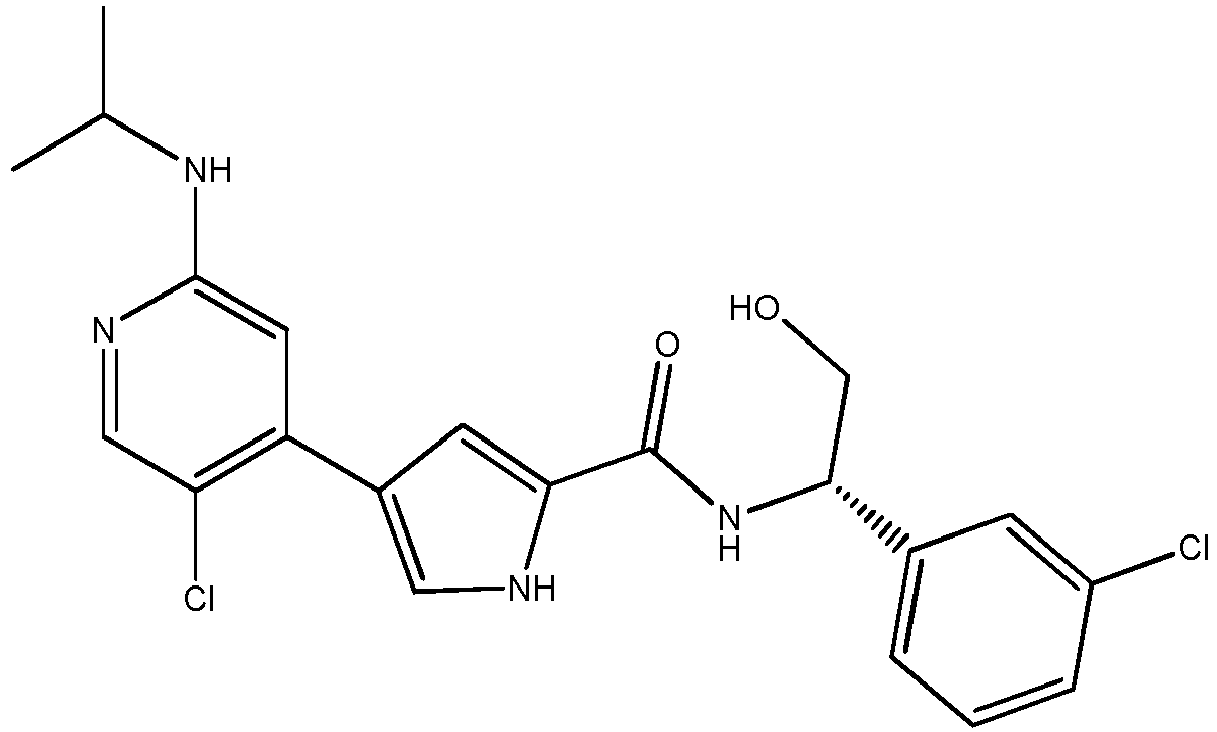
U.S. Patent No. 7,354,939 . Enantiomers and racemic mixtures of both enantiomers of BVD-523 are also contemplated within the scope of the present invention. BVD-523 is an ERK1/2 inhibitor with a mechanism of action that is believed to be, e.g., unique and distinct from certain other ERK1/2 inhibitors, such as SCH772984. For example, other ERK1/2 inhibitors, such as SCH772984, inhibit autophosphorylation of ERK (Morris et al., 2013), whereas BVD-523 allows for the autophosphorylation of ERK while still inhibiting ERK. (See, e.g.,FIG. 4 ). - As used herein, an "inhibitor" of the PI3K/Akt pathway is any substance that decreases the expression or the activity of phosphatidylinositol-3 kinases (PI3Ks) or downstream proteins, such as Akt. PI3Ks, when activated, phosphorylate the inositol ring 3'-OH group in inositol phospholipids to generate the second messenger phosphatidylinositol-3,4,5-trisphosphate (PI-3,4,5-P(3)). Akt interacts with these phospholipids, causing it to translocate to the inner membrane, where it is phosphorylated and activated. Activated Akt modulates the function of numerous substrates involved in the regulation of cell survival, cell cycle progression and cellular growth.
- Non-limiting examples of inhibitors of the PI3K/Akt pathway according to the present invention include A-674563 (CAS # 552325-73-2), AGL 2263, AMG-319 (Amgen, Thousand Oaks, CA), AS-041164 (5-benzo[1,3]dioxol-5-ylmethylene-thiazolidine-2,4-dione), AS-604850 (5-(2,2-Difluoro-benzo[1,3]dioxol-5-ylmethylene)-thiazolidine-2,4-dione), AS-605240 (5-quinoxilin-6-methylene-1,3-thiazolidine-2,4-dione), AT7867 (CAS # 857531-00-1), benzimidazole series, Genentech (Roche Holdings Inc., South San Francisco, CA), BML-257 (CAS # 32387-96-5), CAL-120 (Gilead Sciences, Foster City, CA), CAL-129 (Gilead Sciences), CAL-130 (Gilead Sciences), CAL-253 (Gilead Sciences), CAL-263 (Gilead Sciences), CAS # 612847-09-3, CAS # 681281-88-9, CAS # 75747-14-7, CAS # 925681-41-0, CAS # 98510-80-6, CCT128930 (CAS # 885499-61-6), CH5132799 (CAS # 1007207-67-1), CHR-4432 (Chroma Therapeutics, Ltd., Abingdon, UK), FPA 124 (CAS # 902779-59-3), GS-1101 (CAL-101) (Gilead Sciences), GSK 690693 (CAS # 937174-76-0), H-89 (CAS # 127243-85-0), Honokiol, IC87114 (Gilead Science), IPI-145 (Intellikine Inc.), KAR-4139 (Karus Therapeutics, Chilworth, UK), KAR-4141 (Karus Therapeutics), KIN-1 (Karus Therapeutics), KT 5720 (CAS # 108068-98-0), Miltefosine, MK-2206 dihydrochloride (CAS # 1032350-13-2), ML-9 (CAS # 105637-50-1), Naltrindole Hydrochloride, OXY-111A (NormOxys Inc., Brighton, MA), perifosine, PHT-427 (CAS # 1191951-57-1), PI3 kinase delta inhibitor, Merck KGaA (Merck & Co., Whitehouse Station, NJ), PI3 kinase delta inhibitors, Genentech (Roche Holdings Inc.), PI3 kinase delta inhibitors, Incozen (Incozen Therapeutics, Pvt. Ltd., Hydrabad, India), PI3 kinase delta inhibitors-2, Incozen (Incozen Therapeutics), PI3 kinase inhibitor, Roche-4 (Roche Holdings Inc.), PI3 kinase inhibitors, Roche (Roche Holdings Inc.), PI3 kinase inhibitors, Roche-5 (Roche Holdings Inc.), PI3-alpha/delta inhibitors, Pathway Therapeutics (Pathway Therapeutics Ltd., South San Francisco, CA), PI3-delta inhibitors, Cellzome (Cellzome AG, Heidelberg, Germany), PI3-delta inhibitors, Intellikine (Intellikine Inc., La Jolla, CA), PI3-delta inhibitors, Pathway Therapeutics-1 (Pathway Therapeutics Ltd.), PI3-delta inhibitors, Pathway Therapeutics-2 (Pathway Therapeutics Ltd.), PI3-delta/gamma inhibitors, Cellzome (Cellzome AG), PI3-delta/gamma inhibitors, Cellzome (Cellzome AG), PI3-delta/gamma inhibitors, Intellikine (Intellikine Inc.), PI3-delta/gamma inhibitors, Intellikine (Intellikine Inc.), PI3-delta/gamma inhibitors, Pathway Therapeutics (Pathway Therapeutics Ltd.), PI3-delta/gamma inhibitors, Pathway Therapeutics (Pathway Therapeutics Ltd.), PI3-gamma inhibitor Evotec (Evotec), PI3-gamma inhibitor, Cellzome (Cellzome AG), PI3-gamma inhibitors, Pathway Therapeutics (Pathway Therapeutics Ltd.), PI3K delta/gamma inhibitors, Intellikine-1 (Intellikine Inc.), PI3K delta/gamma inhibitors, Intellikine-1 (Intellikine Inc.), pictilisib (GDC-0941) (Roche Holdings Inc.), PIK-90 (CAS # 677338-12-4), SC-103980 (Pfizer, New York, NY), SF-1126 (Semafore Pharmaceuticals, Indianapolis, IN), SH-5, SH-6, Tetrahydro Curcumin, TG100-115 (Targegen Inc., San Diego, CA), Triciribine, X-339 (Xcovery, West Palm Beach, FL), XL-499 (Evotech, Hamburg, Germany), pharmaceutically acceptable salts thereof, and combinations thereof. Preferably, the inhibitor of the PI3K/Akt pathway is pictilisib (GDC-0941) or a pharmaceutically acceptable salt thereof.
- In one aspect of this embodiment, the subject with cancer has a somatic KRAS mutation or is refractory to MAPK pathway inhibitor treatment. In another aspect of this embodiment, the subject with cancer has a somatic KRAS mutation and a somatic PIK3CA mutation.
- As used herein, "somatic mutation" means a change occurring in any cell that is not destined to become a germ cell. The mutation may be a substitution, deletion, insertion, or a fusion. Methods for identifying mutations in nucleic acids, such as the above-listed RAS genes, are known in the art. Non-limiting examples include PCR, sequencing, hybrid capture, in-solution capture, molecular inversion probes, fluorescent in situ hybridization (FISH) assays, and combinations thereof.
- Various sequencing methods are known in the art. These include, but are not limited to, Sanger sequencing (also referred to as dideoxy sequencing) and various sequencing-by-synthesis (SBS) methods as disclosed in, e.g., Metzker 2005, sequencing by hybridization, by ligation (for example,
WO 2005021786 ), by degradation (for example,U.S. Patent Nos. 5,622,824 and6,140,053 ) and nanopore sequencing (which is commercially available from Oxford Nanopore Technologies, UK). In deep sequencing techniques, a given nucleotide in the sequence is read more than once during the sequencing process. Deep sequencing techniques are disclosed in e.g.,U.S. Patent Publication No. 20120264632 and International Patent Publication No.WO2012125848 . - PCR-based methods for detecting mutations are known in the art and employ PCR amplification, where each target sequence in the sample has a corresponding pair of unique, sequence-specific primers. For example, the polymerase chain reaction-restriction fragment length polymorphism (PCR-RFLP) method allows for rapid detection of mutations after the genomic sequences are amplified by PCR. The mutation is discriminated by digestion with specific restriction endonucleases and is identified by electrophoresis. See, e.g., Ota et al., 2007. Mutations may also be detected using real time PCR. See, e.g., International Application publication No.
WO2012046981 . - Hybrid capture methods are known in the art and are disclosed in e.g.,
U.S. Patent Publication No. 20130203632 andU.S. Patent Nos. 8,389,219 and8,288,520 . These methods are based on the selective hybridization of the target genomic regions to user-designed oligonucleotides. The hybridization can be to oligonucleotides immobilized on high or low density microarrays (on-array capture), or solution-phase hybridization to oligonucleotides modified with a ligand (e.g. biotin) which can subsequently be immobilized to a solid surface, such as a bead (in-solution capture). - Molecular Inversion Probe (MIP) techniques are known in the art and are disclosed in e.g., Absalan et al., 2008. This method uses MIP molecules, which are special "padlock" probes (Nilsson et al., 1994) for genotyping. A MIP molecule is a linear oligonucleotide that contains specific regions, universal sequences, restriction sites and a Tag (index) sequence (16-22 bp). A MIP hybridizes directly around the genetic marker/SNP of interest. The MIP method may also use a number of "padlock" probe sets that hybridize to genomic DNA in parallel (Hardenbol et al., 2003). In case of a perfect match, genomic homology regions are ligated by undergoing an inversion in configuration (as suggested by the name of the technique) and creating a circular molecule. After the first restriction, all molecules are amplified with universal primers. Amplicons are restricted again to ensure short fragments for hybridization on a microarray. Generated short fragments are labeled and, through a Tag sequence, hybridized to a cTag (complementary strand for index) on an array. After the formation of TagcTag duplex, a signal is detected.
- The following Tables 1 and 2 show the SEQ ID Nos. of representative nucleic acid and amino acid sequences of wild type K-RAS and PIK3CA from various animal sources, respectively, in the sequence listing. These sequences may be used in methods for identifying subjects with a mutant K-RAS and/or PIK3CA genotype (such as in the methods set forth below).
Table 1: K-RAS sequences SEQ ID No. polypeptide or nucleic acid sequence Organism Other Information 1 nucleic acid human isoform a 2 polypeptide human isoform a 3 nucleic acid human isoform b 4 polypeptide human isoform b 5 nucleic acid rat (Rattus norvegicus) 6 polypeptide rat (Rattus norvegicus) 7 nucleic acid mouse, Mus musculus 8 polypeptide mouse, Mus musculus 9 nucleic acid rabbit, Oryctolagus cuniculus 10 polypeptide rabbit, Oryctolagus cuniculus 11 nucleic acid guinea pig, Cavia porcellus variant 1 12 polypeptide guinea pig, Cavia porcellus variant 1 13 nucleic acid guinea pig, Cavia porcellus variant 2 14 polypeptide guinea pig, Cavia porcellus variant 2 15 nucleic acid dog, Canis lupus familiaris variant 1 16 polypeptide dog, Canis lupus familiaris variant 1 17 nucleic acid dog, Canis lupus familiaris variant 2 18 polypeptide dog, Canis lupus familiaris variant 2 19 nucleic acid cat, Felis catus variant 1 20 polypeptide cat, Felis catus variant 1 21 nucleic acid cat, Felis catus variant 2 22 polypeptide cat, Felis catus variant 2 23 nucleic acid cow, Bos taurus 24 polypeptide cow, Bos taurus 25 nucleic acid cow, Bos taurus variant X2 26 polypeptide cow, Bos taurus variant X2 27 nucleic acid cow, Bos taurus variant X3 28 polypeptide cow, Bos taurus variant X3 29 nucleic acid chicken, Gallus gallus 30 polypeptide chicken, Gallus gallus Table 2: PIK3CA sequences SEQ ID No. polypeptide or nucleic acid sequence Organism 31 nucleic acid human 32 polypeptide human 33 nucleic acid rat (Rattus norvegicus) 34 polypeptide rat (Rattus norvegicus) 35 nucleic acid mouse, Mus musculus 36 polypeptide mouse, Mus musculus 37 nucleic acid rabbit, Oryctolagus cuniculus 38 nucleic acid guinea pig, Cavia porcellus 39 polypeptide guinea pig, Cavia porcellus 40 nucleic acid dog, Canis lupus familiaris 41 polypeptide dog, Canis lupus familiaris 42 nucleic acid cat, Felis catus 43 polypeptide cat, Felis catus 44 nucleic acid cow, Bos taurus 45 polypeptide cow, Bos taurus 46 nucleic acid chicken, Gallus gallus 47 polypeptide chicken, Gallus gallus - As used herein, being "refractory" to a MAPK pathway inhibitor treatment means that the MAPK pathway inhibitor has reduced efficacy in treating cancer.
- As used herein, "mitogen-activated protein kinase (MAPK) pathway inhibitor" means any substance that reduces the activity, expression or phosphorylation of proteins in the MAPK pathway that result in a reduction of cell growth or an increase in cell death.
- An overview of the mammalian MAPK cascades is shown in
FIG. 5 . The details of the MAPK pathways are reviewed in e.g., Akinleye et al., 2013. Briefly, with respect to the ERK1/2 module inFIG. 5 (light purple box), theMAPK 1/2 signaling cascade is activated by ligand binding to receptor tyrosine kinases (RTK). The activated receptors recruit and phosphorylate adaptor proteins Grb2 and SOS, which then interact with membrane-bound GTPase Ras and cause its activation. In its activated GTP-bound form, Ras recruits and activates Raf kinases (A-Raf, B-Raf, and C-Raf/RaF-1). The activated Raf kinases activateMAPK 1/2 (MKK1/2), which in turn catalyzes the phosphorylation of threonine and tyrosine residues in the activation sequence Thr-Glu-Tyr of ERK1/2. With respect to the JNK/p38 module (yellow box inFIG. 5 ), upstream kinases, MAP3Ks, such as MEKK1/4, ASK1/2, and MLK1/2/3, activate MAP2K3/6 (MKK3/6), MAP2K4 (MKK4), and MAP2K7 (MKK7). These MAP2K's then activate JNK protein kinases, including JNK1, JNK2, and JNK3, as well as p38 α/β/γ/δ. To execute their functions, JNKs activate several transcription factors, including c-Jun, ATF-2, NF-ATc1, HSF-1 and STAT3. With respect to the ERK5 module (blue box inFIG. 5 ), the kinases upstream of MAP2K5 (MKK5) are MEKK2 and MEKK3. The best characterized downstream target of MEK5 is ERK5, also known as big MAP kinase 1 (BMK1) because it is twice the size of other MAPKs. - Non-limiting examples of MAPK pathway inhibitors according to the present invention include RAS inhibitors, RAF inhibitors, MEK inhibitors, ERK1/2 inhibitors, pharmaceutically acceptable salts thereof, and combinations thereof.
- As used herein, a "RAS inhibitor" means those substances that (i) directly interact with RAS, e.g., by binding to RAS and (ii) decrease the expression or the activity of RAS. Non-limiting examples of RAS inhibitors according to the present invention include, but are not limited to, farnesyl transferase inhibitors (such as, e.g., tipifarnib and lonafarnib), farnesyl groupcontaining small molecules (such as, e.g., salirasib and TLN-4601), DCAI, as described by Maurer (Maurer, et al., 2012), Kobe0065 and Kobe2602, as described by Shima (Shima, et al., 2013), and HBS 3 (Patgiri, et al., 2011), and AIK-4 (Allinky).
- As used herein, a "RAF inhibitor" means those substances that (i) directly interacts with RAF, e.g., by binding to RAF and (ii) decrease the expression or the activity of RAF, such as, e.g., A-RAF, B-RAF, and C-RAF (Raf-1). Non-limiting exemplary RAF inhibitors include:
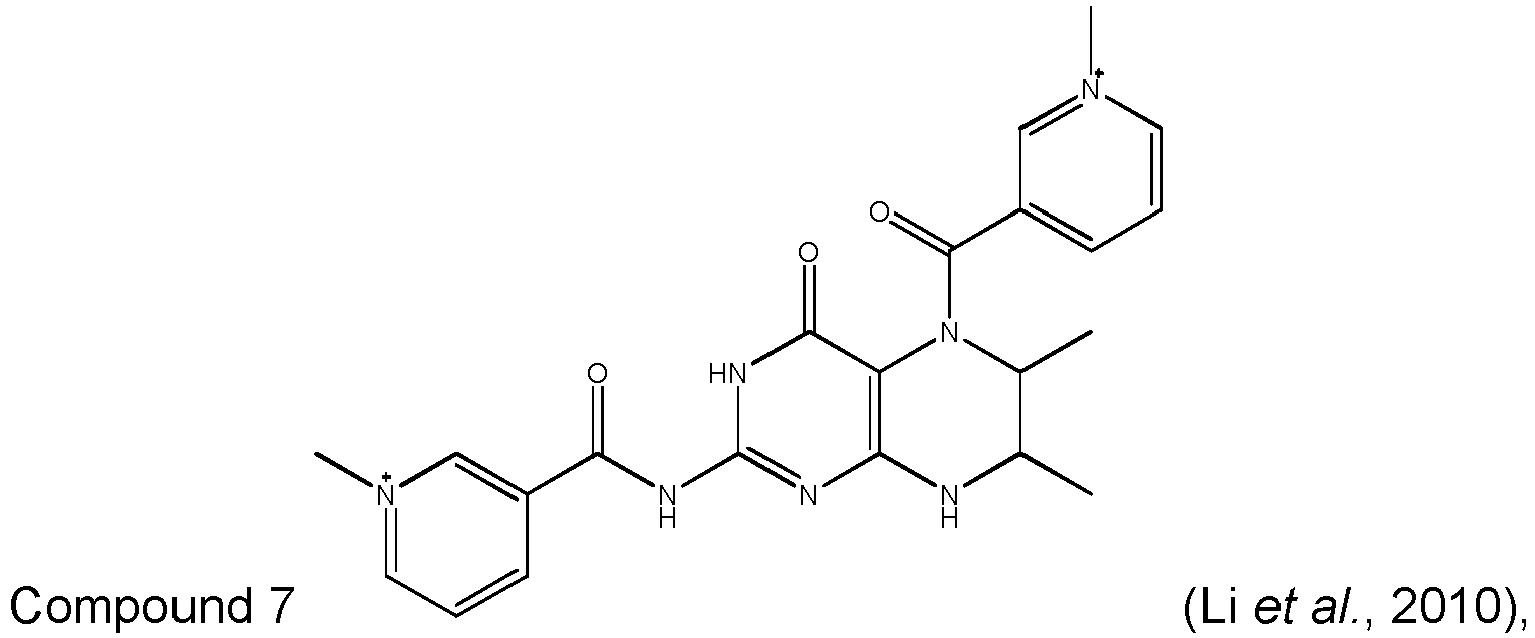


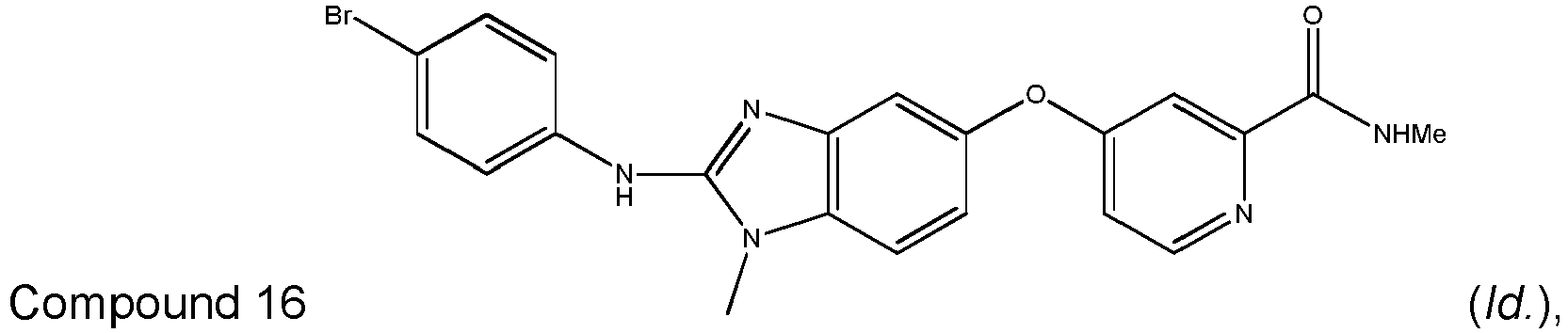


- As used herein, a "MEK inhibitor" means those substances that (i) directly interact with MEK, e.g., by binding to MEK and (ii) decrease the expression or the activity of MEK. Therefore, inhibitors that act upstream of MEK, such as RAS inhibitors and RAF inhibitors, are not MEK inhibitors according to the present invention. Non-limiting examples of MEK inhibitors according to the present invention include anthrax toxin, antroquinonol (Golden Biotechnology), ARRY-142886 (6-(4-bromo-2-chloro-phenylamino)-7-fluoro-3-methyl-3H-benzoimidazole-5-carboxylic acid (2-hydroxy-ethoxy)-amide) (Array BioPharma), ARRY-438162 (Array BioPharma), AS-1940477 (Astellas), AS-703988 (Merck KGaA), bentamapimod (Merck KGaA), BI-847325 (Boehringer Ingelheim), E-6201 (Eisai), GDC-0623 (Hoffmann-La Roche), GDC-0973 (cobimetinib) (Hoffmann-La Roche), L783277 (Merck), lethal factor portion of anthrax toxin, MEK162 (Array BioPharma), PD 098059 (2-(2'-amino-3'-methoxyphenyl)-oxanaphthalen-4-one) (Pfizer), PD 184352 (CI-1040) (Pfizer), PD-0325901 (Pfizer), pimasertib (Santhera Pharmaceuticals), RDEA119 (Ardea Biosciences/Bayer), refametinib (AstraZeneca), RG422 (Chugai Pharmaceutical Co.), RO092210 (Roche), RO4987655 (Hoffmann-La Roche), RO5126766 (Hoffmann-La Roche), selumetinib (AZD6244) (AstraZeneca), SL327 (Sigma), TAK-733 (Takeda), trametinib (Japan Tobacco), U0126 (1,4-diamino-2,3-dicyano-1,4-bis(2-aminophenylthio)butadiene) (Sigma), WX-554 (Wilex), YopJ polypeptide (Mittal et al., 2010), pharmaceutically acceptable salts thereof, and combinations thereof.
- As used herein, an "ERK1/2 inhibitor" means those substances that (i) directly interact with ERK1 and/or ERK2, e.g., by binding to ERK1/2 and (ii) decrease the expression or the activity of ERK1 and/or ERK2 protein kinases. Therefore, inhibitors that act upstream of ERK1/2, such as MEK inhibitors and RAF inhibitors, are not ERK1/2 inhibitors according to the present invention. Non-limiting examples of ERK1/2 inhibitors according to the present invention include AEZS-131 (Aeterna Zentaris), AEZS-136 (Aeterna Zentaris), BVD-523 (BioMed Valley Discoveries, Inc.), SCH-722984 (Merck & Co.), SCH-772984 (Merck & Co.), SCH-900353 (MK-8353) (Merck & Co.), pharmaceutically acceptable salts thereof, and combinations thereof.
- In an additional aspect of this embodiment, at least one additional therapeutic agent selected from the group consisting of an antibody or fragment thereof, a cytotoxic agent, a drug, a toxin, a radionuclide, an immunomodulator, a photoactive therapeutic agent, a radiosensitizing agent, a hormone, an anti-angiogenesis agent, and combinations thereof is to be administered.
- As used herein, an "antibody" encompasses naturally occurring immunoglobulins as well as non-naturally occurring immunoglobulins, including, for example, single chain antibodies, chimeric antibodies (e.g., humanized murine antibodies), heteroconjugate antibodies (e.g., bispecific antibodies). Fragments of antibodies include those that bind antigen, (e.g., Fab', F(ab')2, Fab, Fv, and rlgG). See also, e.g., Pierce Catalog and Handbook, 1994-1995 (Pierce Chemical Co., Rockford, III.); Kuby, J., Immunology, 3rd Ed., W.H. Freeman & Co., New York (1998). The term antibody also includes bivalent or bispecific molecules, diabodies, triabodies, and tetrabodies. The term "antibody" further includes both polyclonal and monoclonal antibodies.
- Examples of therapeutic antibodies that may be used in the present invention include rituximab (Rituxan), Cetuximab (Erbitux), bevacizumab (Avastin), and Ibritumomab (Zevalin).
- Cytotoxic agents according to the present invention include DNA damaging agents, antimetabolites, anti-microtubule agents, antibiotic agents, etc. DNA damaging agents include alkylating agents, platinum-based agents, intercalating agents, and inhibitors of DNA replication. Non-limiting examples of DNA alkylating agents include cyclophosphamide, mechlorethamine, uramustine, melphalan, chlorambucil, ifosfamide, carmustine, lomustine, streptozocin, busulfan, temozolomide, pharmaceutically acceptable salts thereof, prodrugs, and combinations thereof. Non-limiting examples of platinum-based agents include cisplatin, carboplatin, oxaliplatin, nedaplatin, satraplatin, triplatin tetranitrate, pharmaceutically acceptable salts thereof, prodrugs, and combinations thereof. Non-limiting examples of intercalating agents include doxorubicin, daunorubicin, idarubicin, mitoxantrone, pharmaceutically acceptable salts thereof, prodrugs, and combinations thereof. Non-limiting examples of inhibitors of DNA replication include irinotecan, topotecan, amsacrine, etoposide, etoposide phosphate, teniposide, pharmaceutically acceptable salts thereof, prodrugs, and combinations thereof. Antimetabolites include folate antagonists such as methotrexate and premetrexed, purine antagonists such as 6-mercaptopurine, dacarbazine, and fludarabine, and pyrimidine antagonists such as 5-fluorouracil, arabinosylcytosine, capecitabine, gemcitabine, decitabine, pharmaceutically acceptable salts thereof, prodrugs, and combinations thereof. Anti-microtubule agents include without limitation vinca alkaloids, paclitaxel (Taxol®), docetaxel (Taxotere®), and ixabepilone (Ixempra®). Antibiotic agents include without limitation actinomycin, anthracyclines, valrubicin, epirubicin, bleomycin, plicamycin, mitomycin, pharmaceutically acceptable salts thereof, prodrugs, and combinations thereof.
- Cytotoxic agents according to the present invention also include inhibitors of the mTOR pathway. Non-limiting examples of such inhibitors include zotarolimus (AbbVie), umirolimus (Biosensors), temsirolimus (Pfizer), sirolimus (Pfizer), sirolimus NanoCrystal (Elan Pharmaceutical Technologies), sirolimus TransDerm (TransDerm), sirolimus-PNP (Samyang), everolimus (Novartis), biolimus A9 (Biosensors), ridaforolimus (Ariad), rapamycin, TCD-10023 (Terumo), DE-109 (MacuSight), MS-R001 (MacuSight), MS-R002 (MacuSight), MS-R003 (MacuSight), Perceiva (MacuSight), XL-765 (Exelixis), quinacrine (Cleveland BioLabs), PKI-587 (Pfizer), PF-04691502 (Pfizer), GDC-0980 (Genentech and Piramed), dactolisib (Novartis), CC-223 (Celgene), PWT-33597 (Pathway Therapeutics), P-7170 (Piramal Life Sciences), LY-3023414 (Eli Lilly), INK-128 (Takeda), GDC-0084 (Genentech), DS-7423 (Daiichi Sankyo), DS-3078 (Daiichi Sankyo), CC-115 (Celgene), CBLC-137 (Cleveland BioLabs), AZD-2014 (AstraZeneca), X-480 (Xcovery), X-414 (Xcovery), EC-0371 (Endocyte), VS-5584 (Verastem), PQR-401 (Piqur), PQR-316 (Piqur), PQR-311 (Piqur), PQR-309 (Piqur), PF-06465603 (Pfizer), NV-128 (Novogen), nPT-MTOR (Biotica Technology), BC-210 (Biotica Technology), WAY-600 (Biotica Technology), WYE-354 (Biotica Technology), WYE-687 (Biotica Technology), LOR-220 (Lorus Therapeutics), HMPL-518 (Hutchison China MediTech), GNE-317 (Genentech), EC-0565 (Endocyte), CC-214 (Celgene), ABTL-0812 (Ability Pharmaceuticals), and pharmaceutically acceptable salts thereof, and combinations thereof.
- In the present invention, the term "toxin" means an antigenic poison or venom of plant or animal origin. An example is diphtheria toxin or portions thereof.
- In the present invention, the term "radionuclide" means a radioactive substance administered to the patient, e.g., intravenously or orally, after which it penetrates via the patient's normal metabolism into the target organ or tissue, where it delivers local radiation for a short time. Examples of radionuclides include, but are not limited to, I-125, At-211, Lu-177, Cu-67, I-131, Sm-153, Re-186, P-32, Re-188, In-114m, and Y-90.
- In the present invention, the term "immunomodulator" means a substance that alters the immune response by augmenting or reducing the ability of the immune system to produce antibodies or sensitized cells that recognize and react with the antigen that initiated their production. Immunomodulators may be recombinant, synthetic, or natural preparations and include cytokines, corticosteroids, cytotoxic agents, thymosin, and immunoglobulins. Some immunomodulators are naturally present in the body, and certain of these are available in pharmacologic preparations. Examples of immunomodulators include, but are not limited to, granulocyte colonystimulating factor (G-CSF), interferons, imiquimod and cellular membrane fractions from bacteria, IL-2, IL-7, IL-12, CCL3, CCL26, CXCL7, and synthetic cytosine phosphate-guanosine (CpG).
- In the present invention, "photoactive therapeutic agent" means compounds and compositions that become active upon exposure to light. Certain examples of photoactive therapeutic agents are described in
U.S. Patent Application Serial No. 2011/0152230 A1 , "Photoactive Metal Nitrosyls For Blood Pressure Regulation And Cancer Therapy." - In the present invention, "radiosensitizing agent" means a compound that makes tumor cells more sensitive to radiation therapy. Examples of radiosensitizing agents include misonidazole, metronidazole, tirapazamine, and trans sodium crocetinate.
- In the present invention, the term "hormone" means a substance released by cells in one part of a body that affects cells in another part of the body. Examples of hormones include, but are not limited to, prostaglandins, leukotrienes, prostacyclin, thromboxane, amylin, antimullerian hormone, adiponectin, adrenocorticotropic hormone, angiotensinogen, angiotensin, vasopressin, atriopeptin, brain natriuretic peptide, calcitonin, cholecystokinin, corticotropin-releasing hormone, encephalin, endothelin, erythropoietin, follicle-stimulating hormone, galanin, gastrin, ghrelin, glucagon, gonadotropinreleasing hormone, growth hormone-releasing hormone, human chorionic gonadotropin, human placental lactogen, growth hormone, inhibin, insulin, somatomedin, leptin, liptropin, luteinizing hormone, melanocyte stimulating hormone, motilin, orexin, oxytocin, pancreatic polypeptide, parathyroid hormone, prolactin, prolactin releasing hormone, relaxin, renin, secretin, somatostain, thrombopoietin, thyroid-stimulating hormone, testosterone, dehydroepiandrosterone, androstenedione, dihydrotestosterone, aldosterone, estradiol, estrone, estriol, cortisol, progesterone, calcitriol, and calcidiol.
- Some compounds interfere with the activity of certain hormones or stop the production of certain hormones. These hormone-interfering compounds include, but are not limited to, tamoxifen (Nolvadex®), anastrozole (Arimidex®), letrozole (Femara®), and fulvestrant (Faslodex®). Such compounds are also within the meaning of hormone in the present invention.
- As used herein, an "anti-angiogenesis" agent means a substance that reduces or inhibits the growth of new blood vessels, such as, e.g., an inhibitor of vascular endothelial growth factor (VEGF) and an inhibitor of endothelial cell migration. Anti-angiogenesis agents include without limitation 2-methoxyestradiol, angiostatin, bevacizumab, cartilage-derived angiogenesis inhibitory factor, endostatin, IFN-α, IL-12, itraconazole, linomide, platelet factor-4, prolactin, SU5416, suramin, tasquinimod, tecogalan, tetrathiomolybdate, thalidomide, thrombospondin, thrombospondin, TNP-470, ziv-aflibercept, pharmaceutically acceptable salts thereof, prodrugs, and combinations thereof.
- In another aspect of this embodiment, administration of the first and second anti-cancer agents provides a synergistic effect compared to administration of either anti-cancer agent alone. As used herein, "synergistic" means more than additive. Synergistic effects may be measured by various assays known in the art, including but not limited to those disclosed herein, such as the excess over bliss assay.
- Also disclosed is a method of treating or ameliorating the effects of a cancer in a subject in need thereof. In one embodiment of the invention, an effective amount of (i) BVD-523 or a pharmaceutically acceptable salt thereof and (ii) pictilisib (GDC-0941) or a pharmaceutically acceptable salt thereof, is to be administered to the subject to treat or ameliorate the effects of the cancer.
- Suitable and preferred subjects are as disclosed herein. The methods may be used to treat the cancers disclosed above, including those cancers with the mutational backgrounds identified above. Methods of identifying such mutations are also as set forth above.
- In one aspect of this embodiment, the BVD-523 or a pharmaceutically acceptable salt thereof is administered in the form of a pharmaceutical composition further comprising a pharmaceutically acceptable carrier or diluent.
- In an additional aspect of this embodiment, the pictilisib (GDC-0941) or a pharmaceutically acceptable salt thereof is administered in the form of a pharmaceutical composition further comprising a pharmaceutically acceptable carrier or diluent.
- In another aspect of this embodiment, at least one additional therapeutic agent, preferably an inhibitor of the mTOR pathway, is to be administered as disclosed herein.
- In a further aspect of this embodiment, administration of the first and second anti-cancer agents provides a synergistic effect compared to administration of either anti-cancer agent alone.
- An additional embodiment of the present invention is a kit for use in treating or ameliorating the effects of a cancer in a subject in need thereof. The kit comprises an effective amount of (i) a first anti-cancer agent, which is BVD-523 or a pharmaceutically acceptable salt thereof and (ii) a second anti-cancer agent, which is a PI3K/Akt inhibitor or a pharmaceutically acceptable salt thereof, packaged together with instructions for their use.
- The kits may include suitable storage containers, e.g., ampules, vials, tubes, etc., for each anti-cancer agent of the present invention (which may e.g., may be in the form of pharmaceutical compositions) and other reagents, e.g., buffers, balanced salt solutions, etc., for use in administering the anti-cancer agents to subjects. The anti-cancer agents of the invention and other reagents may be present in the kits in any convenient form, such as, e.g., in a solution or in a powder form. The kits may further include a packaging container, optionally having one or more partitions for housing the anti-cancer agents or pharmaceutical compositions containing same and other optional reagents.
- Suitable and preferred PI3K/Akt inhibitors and subjects are as set forth above. In this embodiment, the kit may be used to treat the cancers disclosed above, including those cancers with the mutational backgrounds identified herein. Methods of identifying such mutations are as set forth above.
- In an additional aspect of this embodiment, the kit further comprises at least one additional therapeutic agent, preferably an inhibitor of the mTOR pathway, as disclosed herein.
- In another aspect of this embodiment, administration of the first and second anti-cancer agents provides a synergistic effect compared to administration of either anti-cancer agent alone.
- Also disclosed is a method for treating or ameliorating the effects of a subject with cancer comprising:
- (a) identifying a subject with cancer that has a somatic KRAS mutation and a somatic PIK3CA mutation; and
- (b) administering to the subject with somatic KRAS and PIK3CA mutations an effective amount of (i) a first anti-cancer agent, which is BVD-523 or a pharmaceutically acceptable salt thereof and (ii) a second anti-cancer agent, which is an inhibitor of the PI3K/Akt pathway or a pharmaceutically acceptable salt thereof, to treat or ameliorate the effects of the cancer.
- Suitable and preferred PI3K/Akt inhibitors and subjects are as set forth above. The methods may be used to treat the cancers disclosed above, including those cancers with the mutational backgrounds identified above. Methods of identifying such mutations are also as set forth above.
- Identifying a subject with cancer that has somatic KRAS and PIK3CA mutations may comprise:
- (a) obtaining a biological sample from the subject; and
- (b) screening the sample to determine whether the subject has a somatic KRAS and PIK3CA mutations.
- In the present invention, biological samples include, but are not limited to, blood, plasma, urine, skin, saliva, and biopsies. Biological samples are obtained from a subject by routine procedures and methods which are known in the art.
- The screening may comprise detection of at least one of the KRAS and PIK3CA mutations using a method as disclosed herein. Preferably the screening method is selected from PCR, sequencing, hybrid capture, in-solution capture, MIP, and combinations thereof. Other preferred methods include FISH, Sanger sequencing, deep sequencing, and combinations thereof.
- In another aspect of this embodiment, at least one additional therapeutic agent, preferably an inhibitor of the mTOR pathway, is to be administered as disclosed herein.
- In a further aspect of this embodiment, administration of the first and second anti-cancer agents provides a synergistic effect compared to administration of either anti-cancer agent alone.
- Also disclosed herein is a method for treating or ameliorating the effects of a subject with cancer. The method comprises:
- (a) identifying a subject with cancer that is refractory to a therapy selected from the group consisting of RAF inhibitor therapy, MEK inhibitor therapy, and RAF and MEK inhibitor therapy; and
- (b) administering to the subject identified in step (a) an effective amount of (i) a first anti-cancer agent, which is BVD-523 or a pharmaceutically acceptable salt thereof and (ii) a second anti-cancer agent, which is an inhibitor of the PI3K/Akt pathway or a pharmaceutically acceptable salt thereof, to treat or ameliorate the effects of the cancer.
- RAF inhibitors and MEK inhibitors are as disclosed herein. Suitable and preferred PI3K/Akt inhibitors and subjects are also as set forth above. The methods may be used to treat the cancers disclosed above, including those cancers with the mutational backgrounds identified above. Methods of identifying such mutations are also as set forth above.
- Identifying a subject with cancer that is refractory to a therapy selected from the group consisting of RAF inhibitor therapy, MEK inhibitor therapy, and RAF and MEK inhibitor therapy may comprise:
- (a) obtaining a biological sample from the subject; and
- (b) screening the sample to determine whether the subject has a somatic BRAF mutation.
- The screening may comprise detection of a somatic BRAF mutation using a method as disclosed herein. Preferably, the screening method is selected from PCR, sequencing, hybrid capture, in-solution capture, MIP, and combinations thereof. Other preferred screening methods include FISH, Sanger sequencing, deep sequencing, and combinations thereof. The following Table 3 shows the SEQ ID Nos. of representative nucleic acid and amino acid sequences of wild type BRAF from various animal sources the sequence listing. These sequences may be used in methods for identifying subjects with a mutant BRAF genotype (such as in the methods disclosed herein).
Table 3: B-RAF sequences SEQ ID No. polypeptide or nucleic acid sequence Organism Other Information 48 nucleic acid human 49 polypeptide human 50 nucleic acid rat (Rattus norvegicus) 51 polypeptide rat (Rattus norvegicus) 52 nucleic acid mouse, Mus musculus 53 polypeptide mouse, Mus musculus 54 nucleic acid rabbit, Oryctolagus cuniculus 55 polypeptide rabbit, Oryctolagus cuniculus 56 nucleic acid guinea pig, Cavia porcellus 57 polypeptide guinea pig, Cavia porcellus 58 nucleic acid dog, Canis lupus familiaris variant x1 59 polypeptide dog, Canis lupus familiaris variant x1 60 nucleic acid dog, Canis lupus familiaris variant x2 61 polypeptide dog, Canis lupus familiaris variant x2 62 nucleic acid cat, Felis catus 63 polypeptide cat, Felis catus 64 nucleic acid cow, Bos taurus variant X1 65 polypeptide cow, Bos taurus variant X1 66 nucleic acid cow, Bos taurus variant X2 67 polypeptide cow, Bos taurus variant X2 68 nucleic acid cow, Bos taurus variant X3 69 polypeptide cow, Bos taurus variant X3 70 nucleic acid cow, Bos taurus variant X4 71 polypeptide cow, Bos taurus variant X4 72 nucleic acid cow, Bos taurus variant X5 73 polypeptide cow, Bos taurus variant X5 74 nucleic acid cow, Bos taurus variant X6 75 polypeptide cow, Bos taurus variant X6 76 nucleic acid cow, Bos taurus variant X7 77 polypeptide cow, Bos taurus variant X7 78 nucleic acid cow, Bos taurus variant X8 79 polypeptide cow, Bos taurus variant X8 80 nucleic acid cow, Bos taurus variant X9 81 polypeptide cow, Bos taurus variant X9 82 nucleic acid cow, Bos taurus variant X10 83 polypeptide cow, Bos taurus variant X10 84 nucleic acid cow, Bos taurus variant X11 85 polypeptide cow, Bos taurus variant X11 86 nucleic acid cow, Bos taurus variant 2 87 polypeptide cow, Bos taurus variant 2 88 nucleic acid horse, Equus caballus 89 polypeptide horse, Equus caballus 90 nucleic acid chicken, Gallus gallus 91 polypeptide chicken, Gallus gallus - The method may further comprise administering at least one additional therapeutic agent, preferably an inhibitor of the mTOR pathway, as disclosed herein.
- Administration of the first and second anti-cancer agents may provide a synergistic effect compared to administration of either anti-cancer agent alone.
- Another embodiment of the present invention is a pharmaceutical composition for use in treating or ameliorating the effects of a cancer in a subject in need thereof. The pharmaceutical composition comprises a pharmaceutically acceptable diluent or carrier and an effective amount of (i) a first anti-cancer agent, which is BVD-523 or a pharmaceutically acceptable salt thereof and (ii) a second anti-cancer agent, which is an inhibitor of the PI3K/Akt pathway or a pharmaceutically acceptable salt thereof, wherein administration of the first and second anti-cancer agents provides a synergistic effect compared to administration of either anti-cancer agent alone.
- Suitable and preferred PI3K/Akt inhibitors and subjects are also as set forth above. The pharmaceutical compositions of the invention may be used to treat the cancers disclosed above, including those cancers with the mutational backgrounds identified herein. Methods of identifying such mutations are also as set forth above.
- In one aspect of this embodiment, the pharmaceutical composition further comprises at least one additional therapeutic agent, preferably an inhibitor of the mTOR pathway, as disclosed herein.
- The pharmaceutical compositions according to the present invention may be in a unit dosage form comprising both anti-cancer agents. In another aspect of this embodiment, the first anti-cancer agent is in a first unit dosage form and the second anti-cancer agent is in a second unit dosage form, separate from the first.
- The first and second anti-cancer agents may be co-administered to the subject, either simultaneously or at different times, as deemed most appropriate by a physician. If the first and second anti-cancer agents are administered at different times, for example, by serial administration, the first anti-cancer agent may be administered to the subject before the second anti-cancer agent. Alternatively, the second anti-cancer agent may be administered to the subject before the first anti-cancer agent.
- A further embodiment of the present invention is an in vitro method of effecting cancer cell death. The method comprises contacting the cancer cell with an effective amount of (i) a first anti-cancer agent, which is BVD-523 or a pharmaceutically acceptable salt thereof and (ii) a second anti-cancer agent, which is an inhibitor of the PI3K/Akt pathway or a pharmaceutically acceptable salt thereof. In this embodiment, "contacting" means bringing BVD-523, an inhibitor of the PI3K/Akt pathway, and optionally one or more additional therapeutic agents into close proximity to the cancer cells. This may be accomplished using conventional techniques of drug delivery to mammals or in the in vitro situation by, e.g., providing BVD-523, an inhibitor of the PI3K/Akt pathway, and optionally other therapeutic agents to a culture media in which the cancer cells are located.
- Suitable and preferred PI3K/Akt inhibitors are also as set forth above. In this embodiment, effecting cancer cell death may be accomplished in cancer cells having various mutational backgrounds and/or that are characterized as disclosed above. Methods of identifying such mutations are also as set forth above.
- The methods of this embodiment, which may be carried out in vitro, may be used to effect cancer cell death, by e.g., killing cancer cells, in cells of the types of cancer disclosed herein.
- In one aspect of this embodiment, the cancer cell is a mammalian cancer cell. Preferably, the mammalian cancer cell is obtained from a mammal selected from the group consisting of humans, primates, farm animals, and domestic animals. More preferably, the mammalian cancer cell is a human cancer cell.
- In another aspect of this embodiment, the method further comprises contacting the cancer cell with at least one additional therapeutic agent, preferably an inhibitor of the mTOR pathway, as disclosed herein.
- Contacting the cancer cell with the first and second anti-cancer agents may provide a synergistic effect compared to contacting with either anti-cancer agent alone.
- In the present invention, an "effective amount" or a "therapeutically effective amount" of an anti-cancer agent of the invention including pharmaceutical compositions containing same that are disclosed herein is an amount of such agent or composition that is sufficient to effect beneficial or desired results as described herein when administered to a subject. Effective dosage forms, modes of administration, and dosage amounts may be determined empirically, and making such determinations is within the skill of the art. It is understood by those skilled in the art that the dosage amount will vary with the route of administration, the rate of excretion, the duration of the treatment, the identity of any other drugs being administered, the age, size, and species of mammal, e.g., human patient, and like factors well known in the arts of medicine and veterinary medicine. In general, a suitable dose of an agent or composition according to the invention will be that amount of the agent or composition, which is the lowest dose effective to produce the desired effect. The effective dose of an agent or composition of the present invention may be administered as two, three, four, five, six or more sub-doses, administered separately at appropriate intervals throughout the day.
- A suitable, non-limiting example of a dosage of BVD-523, a PI3K/Akt pathway inhibitor, or another anti-cancer agent disclosed herein is from about 1 mg/kg to about 2400 mg/kg per day, such as from about 1 mg/kg to about 1200 mg/kg per day, 75 mg/kg per day to about 300 mg/kg per day, including from about 1 mg/kg to about 100 mg/kg per day. Other representative dosages of such agents include about 1 mg/kg, 5 mg/kg, 10 mg/kg, 15 mg/kg, 20 mg/kg, 25 mg/kg, 30 mg/kg, 35 mg/kg, 40 mg/kg, 45 mg/kg, 50 mg/kg, 60 mg/kg, 70 mg/kg, 75 mg/kg, 80 mg/kg, 90 mg/kg, 100 mg/kg, 125 mg/kg, 150 mg/kg, 175 mg/kg, 200 mg/kg, 250 mg/kg, 300 mg/kg, 400 mg/kg, 500 mg/kg, 600 mg/kg, 700 mg/kg, 800 mg/kg, 900 mg/kg, 1000 mg/kg, 1100 mg/kg, 1200 mg/kg, 1300 mg/kg, 1400 mg/kg, 1500 mg/kg, 1600 mg/kg, 1700 mg/kg, 1800 mg/kg, 1900 mg/kg, 2000 mg/kg, 2100 mg/kg, 2200 mg/kg, and 2300 mg/kg per day. The effective dose of BVD-523, a PI3K/Akt pathway inhibitor, or another anti-cancer agent disclosed herein may be administered as two, three, four, five, six or more sub-doses, administered separately at appropriate intervals throughout the day.
- BVD-523, PI3K/Akt pathway inhibitors, other anti-cancer agents, or pharmaceutical compositions containing same of the present invention may be administered in any desired and effective manner: for oral ingestion, or as an ointment or drop for local administration to the eyes, or for parenteral or other administration in any appropriate manner such as intraperitoneal, subcutaneous, topical, intradermal, inhalation, intrapulmonary, rectal, vaginal, sublingual, intramuscular, intravenous, intraarterial, intrathecal, or intralymphatic. Further, BVD-523, PI3K/Akt pathway inhibitors, other anti-cancer agents, or pharmaceutical compositions containing same of the present invention may be administered in conjunction with other treatments. BVD-523, PI3K/Akt pathway inhibitors, other anti-cancer agents, or the pharmaceutical compositions containing the same of the present invention may be encapsulated or otherwise protected against gastric or other secretions, if desired.
- The pharmaceutical compositions of the invention comprise one or more active ingredients, e.g. anti-cancer agents, in admixture with one or more pharmaceutically-acceptable diluents or carriers and, optionally, one or more other compounds, drugs, ingredients and/or materials. Regardless of the route of administration selected, the agents/compounds of the present invention are formulated into pharmaceutically-acceptable dosage forms by conventional methods known to those of skill in the art. See, e.g., Remington, The Science and Practice of Pharmacy (21st Edition, Lippincott Williams and Wilkins, Philadelphia, PA.).
- Pharmaceutically acceptable diluents or carriers are well known in the art (see, e.g., Remington, The Science and Practice of Pharmacy (21st Edition, Lippincott Williams and Wilkins, Philadelphia, PA.) and The National Formulary (American Pharmaceutical Association, Washington, D.C.)) and include sugars (e.g., lactose, sucrose, mannitol, and sorbitol), starches, cellulose preparations, calcium phosphates (e.g., dicalcium phosphate, tricalcium phosphate and calcium hydrogen phosphate), sodium citrate, water, aqueous solutions (e.g., saline, sodium chloride injection, Ringer's injection, dextrose injection, dextrose and sodium chloride injection, lactated Ringer's injection), alcohols (e.g., ethyl alcohol, propyl alcohol, and benzyl alcohol), polyols (e.g., glycerol, propylene glycol, and polyethylene glycol), organic esters (e.g., ethyl oleate and tryglycerides), biodegradable polymers (e.g., polylactide-polyglycolide, poly(orthoesters), and poly(anhydrides)), elastomeric matrices, liposomes, microspheres, oils (e.g., corn, germ, olive, castor, sesame, cottonseed, and groundnut), cocoa butter, waxes (e.g., suppository waxes), paraffins, silicones, talc, silicylate, etc. Each pharmaceutically acceptable diluents or carriers used in a pharmaceutical composition of the invention must be "acceptable" in the sense of being compatible with the other ingredients of the formulation and not injurious to the subject. Diluents or carriers suitable for a selected dosage form and intended route of administration are well known in the art, and acceptable diluents or carriers for a chosen dosage form and method of administration can be determined using ordinary skill in the art.
- The pharmaceutical compositions of the invention may, optionally, contain additional ingredients and/or materials commonly used in pharmaceutical compositions. These ingredients and materials are well known in the art and include (1) fillers or extenders, such as starches, lactose, sucrose, glucose, mannitol, and silicic acid; (2) binders, such as carboxymethylcellulose, alginates, gelatin, polyvinyl pyrrolidone, hydroxypropylmethyl cellulose, sucrose and acacia; (3) humectants, such as glycerol; (4) disintegrating agents, such as agar-agar, calcium carbonate, potato or tapioca starch, alginic acid, certain silicates, sodium starch glycolate, cross-linked sodium carboxymethyl cellulose and sodium carbonate; (5) solution retarding agents, such as paraffin; (6) absorption accelerators, such as quaternary ammonium compounds; (7) wetting agents, such as cetyl alcohol and glycerol monostearate; (8) absorbents, such as kaolin and bentonite clay; (9) lubricants, such as talc, calcium stearate, magnesium stearate, solid polyethylene glycols, and sodium lauryl sulfate; (10) suspending agents, such as ethoxylated isostearyl alcohols, polyoxyethylene sorbitol and sorbitan esters, microcrystalline cellulose, aluminum metahydroxide, bentonite, agar-agar and tragacanth; (11) buffering agents; (12) excipients, such as lactose, milk sugars, polyethylene glycols, animal and vegetable fats, oils, waxes, paraffins, cocoa butter, starches, tragacanth, cellulose derivatives, polyethylene glycol, silicones, bentonites, silicic acid, talc, salicylate, zinc oxide, aluminum hydroxide, calcium silicates, and polyamide powder; (13) inert diluents, such as water or other solvents; (14) preservatives; (15) surface-active agents; (16) dispersing agents; (17) control-release or absorption-delaying agents, such as hydroxypropylmethyl cellulose, other polymer matrices, biodegradable polymers, liposomes, microspheres, aluminum monostearate, gelatin, and waxes; (18) opacifying agents; (19) adjuvants; (20) wetting agents; (21) emulsifying and suspending agents; (22), solubilizing agents and emulsifiers, such as ethyl alcohol, isopropyl alcohol, ethyl carbonate, ethyl acetate, benzyl alcohol, benzyl benzoate, propylene glycol, 1,3-butylene glycol, oils (in particular, cottonseed, groundnut, corn, germ, olive, castor and sesame oils), glycerol, tetrahydrofuryl alcohol, polyethylene glycols and fatty acid esters of sorbitan; (23) propellants, such as chlorofluorohydrocarbons and volatile unsubstituted hydrocarbons, such as butane and propane; (24) antioxidants; (25) agents which render the formulation isotonic with the blood of the intended recipient, such as sugars and sodium chloride; (26) thickening agents; (27) coating materials, such as lecithin; and (28) sweetening, flavoring, coloring, perfuming and preservative agents. Each such ingredient or material must be "acceptable" in the sense of being compatible with the other ingredients of the formulation and not injurious to the subject. Ingredients and materials suitable for a selected dosage form and intended route of administration are well known in the art, and acceptable ingredients and materials for a chosen dosage form and method of administration may be determined using ordinary skill in the art.
- The pharmaceutical compositions of the present invention suitable for oral administration may be in the form of capsules, cachets, pills, tablets, powders, granules, a solution or a suspension in an aqueous or non-aqueous liquid, an oil-in-water or water-in-oil liquid emulsion, an elixir or syrup, a pastille, a bolus, an electuary or a paste. These formulations may be prepared by methods known in the art, e.g., by means of conventional pancoating, mixing, granulation or lyophilization processes.
- Solid dosage forms for oral administration (capsules, tablets, pills, dragees, powders, granules and the like) may be prepared, e.g., by mixing the active ingredient(s) with one or more pharmaceutically-acceptable diluents or carriers and, optionally, one or more fillers, extenders, binders, humectants, disintegrating agents, solution retarding agents, absorption accelerators, wetting agents, absorbents, lubricants, and/or coloring agents. Solid compositions of a similar type may be employed as fillers in soft and hard-filled gelatin capsules using a suitable excipient. A tablet may be made by compression or molding, optionally with one or more accessory ingredients. Compressed tablets may be prepared using a suitable binder, lubricant, inert diluent, preservative, disintegrant, surface-active or dispersing agent. Molded tablets may be made by molding in a suitable machine. The tablets, and other solid dosage forms, such as dragees, capsules, pills and granules, may optionally be scored or prepared with coatings and shells, such as enteric coatings and other coatings well known in the pharmaceuticalformulating art. They may also be formulated so as to provide slow or controlled release of the active ingredient therein. They may be sterilized by, for example, filtration through a bacteria-retaining filter. These compositions may also optionally contain opacifying agents and may be of a composition such that they release the active ingredient only, or preferentially, in a certain portion of the gastrointestinal tract, optionally, in a delayed manner. The active ingredient can also be in microencapsulated form.
- Liquid dosage forms for oral administration include pharmaceutically-acceptable emulsions, microemulsions, solutions, suspensions, syrups and elixirs. The liquid dosage forms may contain suitable inert diluents commonly used in the art. Besides inert diluents, the oral compositions may also include adjuvants, such as wetting agents, emulsifying and suspending agents, sweetening, flavoring, coloring, perfuming and preservative agents. Suspensions may contain suspending agents.
- The pharmaceutical compositions of the present invention for rectal or vaginal administration may be presented as a suppository, which may be prepared by mixing one or more active ingredient(s) with one or more suitable nonirritating diluents or carriers which are solid at room temperature, but liquid at body temperature and, therefore, will melt in the rectum or vaginal cavity and release the active compound. The pharmaceutical compositions of the present invention which are suitable for vaginal administration also include pessaries, tampons, creams, gels, pastes, foams or spray formulations containing such pharmaceutically-acceptable diluents or carriers as are known in the art to be appropriate.
- Dosage forms for the topical or transdermal administration include powders, sprays, ointments, pastes, creams, lotions, gels, solutions, patches, drops and inhalants. The active agent(s)/compound(s) may be mixed under sterile conditions with a suitable pharmaceutically-acceptable diluent or carrier. The ointments, pastes, creams and gels may contain excipients. Powders and sprays may contain excipients and propellants.
- The pharmaceutical compositions of the present invention suitable for parenteral administrations may comprise one or more agent(s)/compound(s) in combination with one or more pharmaceutically-acceptable sterile isotonic aqueous or non-aqueous solutions, dispersions, suspensions or emulsions, or sterile powders which may be reconstituted into sterile injectable solutions or dispersions just prior to use, which may contain suitable antioxidants, buffers, solutes which render the formulation isotonic with the blood of the intended recipient, or suspending or thickening agents. Proper fluidity can be maintained, for example, by the use of coating materials, by the maintenance of the required particle size in the case of dispersions, and by the use of surfactants. These pharmaceutical compositions may also contain suitable adjuvants, such as wetting agents, emulsifying agents and dispersing agents. It may also be desirable to include isotonic agents. In addition, prolonged absorption of the injectable pharmaceutical form may be brought about by the inclusion of agents which delay absorption.
- In some cases, in order to prolong the effect of a drug (e.g., pharmaceutical formulation), it is desirable to slow its absorption from subcutaneous or intramuscular injection. This may be accomplished by the use of a liquid suspension of crystalline or amorphous material having poor water solubility.
- The rate of absorption of the active agent/drug then depends upon its rate of dissolution which, in turn, may depend upon crystal size and crystalline form. Alternatively, delayed absorption of a parenterallyadministered agent/drug may be accomplished by dissolving or suspending the active agent/drug in an oil vehicle. Injectable depot forms may be made by forming microencapsule matrices of the active ingredient in biodegradable polymers. Depending on the ratio of the active ingredient to polymer, and the nature of the particular polymer employed, the rate of active ingredient release can be controlled. Depot injectable formulations are also prepared by entrapping the drug in liposomes or microemulsions which are compatible with body tissue. The injectable materials can be sterilized for example, by filtration through a bacterial-retaining filter.
- The formulations may be presented in unit-dose or multi-dose sealed containers, for example, ampules and vials, and may be stored in a lyophilized condition requiring only the addition of the sterile liquid diluent or carrier, for example water for injection, immediately prior to use. Extemporaneous injection solutions and suspensions may be prepared from sterile powders, granules and tablets of the type described above.
- The present invention provides combinations shown to enhance the effects of ERK inhibitors. Herein, applicants have also shown that the combination of different ERK inhibitors is likewise synergistic. Therefore, it is contemplated that the effects of the combinations described herein can be further improved by the use of one or more additional ERK inhibitors. Accordingly, some embodiments of the present invention include one or more additional ERK inhibitors.
- The following examples are provided to further illustrate the methods of the present invention. These examples are illustrative only and are not intended to limit the scope of the invention in any way.
- Female athymic nude mice (Crl:NU(Ncr)-Foxn1nu , Charles River) were eight weeks old with a body weight (BW) range of 14.6 to 25.7 grams on
Day 1 of the study. The animals were fed ad libitum water (reverse osmosis, 1 ppm CI), andNIH 31 Modified and Irradiated Lab Diet® consisting of 18.0% crude protein, 5.0% crude fat, and 5.0% crude fiber. The mice were housed on irradiated Enrich-o'cobs™ Laboratory Animal Bedding in static microisolators on a 12-hour light cycle at 20-22°C (68-72°F) and 40-60% humidity. - HCT116 human colon carcinoma cells were cultured in RPMI-1640 medium supplemented with 10% fetal bovine serum, 2 mM glutamine, 100 units/mL penicillin G sodium, 100 µg/mL streptomycin sulfate, and 25 µg/mL gentamicin. The tumor cells were grown in tissue culture flasks in a humidified incubator at 37°C, in an atmosphere of 5% CO2 and 95% air.
- The HCT116 cells used for implantation were harvested during exponential growth and resuspended in 50% Matrigel (BD Biosciences): 50% phosphate buffered saline at a concentration of 2.5 × 10⁷ cells/mL. On the day of tumor implant, each test mouse was injected subcutaneously in the right flank with 5 × 10⁶ cells (0.2 mL cell suspension), and tumor growth was monitored as the average size approached the target range of 100 to 150 mm3. Tumors were measured in two dimensions using calipers, and volume was calculated using the formula:

- Ten days after tumor implantation, designated as
Day 1 of the study, the animals were sorted into nine groups (Groups 1-9) each consisting of fifteen mice and one group (Group 10) consisting of ten mice. Individual tumor volumes ranged from 88 to 172 mm3 and group mean tumor volumes were 130 or 131 mm3. - BVD-523 and GDC-0941 were supplied as dry powders and were stored at room temperature.
- BVD-523 doses were prepared by suspending the required amount of BVD-523 powder in 1% carboxymethyl cellulose (CMC) in deionized water ("Vehicle"). A 10 mg/mL BVD-523 stock was prepared, and was used to dose the 100 mg/kg BVD-523 group. Aliquots of the stock were diluted with the vehicle to a concentration of 5.0 mg/mL, which provided a 50 mg/kg BVD-523 dosage in a dosing volume of 10 mL/kg. The BVD-523 doses were stored at 4°C for up to one week. The 1% CMC vehicle was used to dose the control group.
- GDC-0941 doses were formulated in 0.5% methylcellulose: 0.2
% Tween 80 in deionized water. A 12 mg/mL GDC-0941 stock was prepared, and was used to dose the 120 mg/kg GDC-0941 group. Aliquots of the stock were diluted with the vehicle to a concentration of 6.0 mg/mL to provide the 60 mg/kg GDC-0941 dosage in a dosing volume of 10 mL/kg. The GDC-0941 doses were stored at 4°C for up to one week. - Paclitaxel (Lot CP2N10007) was purchased as a dry powder from Phyton Biotech, LLC (Fort Worth, TX). A paclitaxel stock solution (30 mg/mL) in 50% ethanol: 50% Cremophor EL was prepared and stored at room temperature protected from light during the dosing period. On each day of dosing, an aliquot of the paclitaxel stock was diluted with 5% dextrose in water (D5W) to yield a 3.0 mg/mL paclitaxel dosing solution in a vehicle consisting of 5% ethanol: 5% Cremophor EL: 90% D5W.
- On
Day 1 of the study, mice were sorted into nine groups (Group 1-9) each consisting of fifteen mice and one group (Group 10) consisting of ten mice, and dosing was initiated according to the treatment plan summarized in Table 4 below. All doses were given by oral gavage (p.o.) except paclitaxel, which was given i.v. For each agent, the dosing volume of 10 mL/kg (0.2 mL per 20 grams of BW) was scaled to the BW of the individual animal. The GDC-0941 doses were to be given once daily (qd) until study end (qd to end), whereas the vehicle and BVD-523 doses were to be given twice daily (bid) until study end (bid to end). For bid dosing, dosing was initiated in the afternoon ofDay 1, so that one dose was given on the first day ("first day 1 dose"). Due to toxicity, dosing in the 100 mg/kg BVD-523 combination groups was modified during the study, as described below. -
Group 1 received 1% CMC vehicle p.o. bid to end, and served as the control group for calculation of %TGD.Group 10 received paclitaxel i.v. at 30 mg/kg once every other day (qod) for five doses (qod × 5), and served as the positive control for the model. -
Groups Groups -
Groups Groups Group 9 was ended onDay 29 and a dosing holiday was given onDays Group 8. The final dosing schedules are shown in Table 5. - Tumors were measured using calipers twice per week, and each animal was euthanized when its tumor reached the pre-determined tumor volume endpoint of 2000 mm3 or on the final day, whichever came first. Animals that exited the study for tumor volume endpoint were documented as euthanized for tumor progression (TP), with the date of euthanasia. The time to endpoint (TTE) for analysis was calculated for each mouse by the following equation:

- Treatment outcome was evaluated from TGD, defined as the increase in the median TTE in a treatment group compared to the control group:


- T = median TTE for a treatment group, and
- C = median TTE for the designated control group.
- Treatment efficacy may be determined from the incidence and magnitude of regression responses observed during the study. Treatment may cause partial regression (PR) or complete regression (CR) of the tumor in an animal. In a PR response, the tumor volume was 50% or less of its
Day 1 volume for three consecutive measurements during the course of the study, and equal to or greater than 13.5 mm3 for one or more of these three measurements. In a CR response, the tumor volume was less than 13.5 mm3 for three consecutive measurements during the course of the study. An animal with a CR response at the termination of the study was additionally classified as a tumor-free survivor (TFS). Animals were monitored for regression responses. - Animals were weighed daily on Days 1-5, then twice per week until completion of the study. The mice were observed frequently for overt signs of any adverse, TR side effects, and clinical signs were recorded when observed. Individual BW loss was monitored as per protocol, and any animal whose weight exceeded the limits for acceptable BW loss was euthanized. Group mean BW loss also was monitored as per protocol. Dosing was to be suspended in any group that exceeded the limits for acceptable mean BW loss. If mean BW recovered, then dosing was to be resumed in that group, but at a lower dosage or less frequent dosing schedule. Acceptable toxicity for the maximum tolerated dose (MTD) was defined as a group mean BW loss of less than 20% during the study and not more than 10% TR deaths. A death was classified as TR if attributable to treatment side effects as evidenced by clinical signs and/or necropsy, or may also be classified as TR if due to unknown causes during the dosing period or within 14 days of the last dose. A death was classified as NTR if there was no evidence that death was related to treatment side effects. NTR deaths may be further characterized based on cause of death. A death was classified as NTRa if it resulted from an accident or human error. A death was classified as NTRm if necropsy indicated that it may have resulted from tumor dissemination by invasion and/or metastasis. A death was classified as NTRu if the cause of death was unknown and there was no available evidence of death related to treatment side effects, metastasis, accident or human error, although death due to treatment side effects cannot be excluded.
- When available, five mice per group were euthanized by terminal cardiac puncture under carbon dioxide anesthesia at 3, 6, and 12 hours post-final dose, and the full blood volumes were collected. For each sample, the serum was separated and stored frozen at -80°C until shipment. In addition, the tumors of these mice were harvested and divided into two parts. One part was snap-frozen and stored at -80°C. The other part was fixed for 16 to 24 hours in 10% neutral buffered formalin, and then transferred to 70% ethanol.
- Prism (GraphPad) for Windows 3.03 was used for graphical presentations and statistical analyses.
- The logrank test, which evaluates overall survival experience, was used to analyze the significance of the differences between the TTE values of two groups. Logrank analysis includes the data for all animals in a group except those assessed as NTR deaths. Two-tailed statistical analyses were conducted at significance level P = 0.05. The statistical tests were not adjusted for multiple comparisons. Prism summarizes test results as not significant (ns) at P > 0.05, significant (symbolized by "*") at 0.01 < P < 0.05, very significant ("**") at 0.001 < P ≤ 0.01, and extremely significant ("***") at P ≤ 0.001. Because tests of statistical significance do not provide an estimate of the magnitude of the difference between groups, all levels of significance were described as either significant or not significant within the text of this example. Groups with regimens above the MTD were not evaluated statistically.
- A scatter plot was constructed to show TTE values for individual mice, by group. Group mean tumor volumes were plotted as a function of time. When an animal exited the study due to tumor size, the final tumor volume recorded for the animal was included with the data used to calculate the mean volume at subsequent time points. Error bars (when present) indicate one standard error of the mean (SEM). Tumor growth plots excluded the data for NTR deaths, and were truncated after 50% of the assessable animals in a group had exited the study or after the second TR death in a group, whichever came first. Kaplan-Meir plots show the percentage of animals in each group remaining in the study versus time. The Kaplan-Meier plot and logrank test share the same TTE data sets. Percent mean BW changes from
Day 1 were calculated for each group for each day of BW measurement, and were plotted as a function of time. BW plots excluded the data for NTR deaths, and were truncated after 50% of the assessable animals in a group had exited the study. - Groups in the in vivo study were treated in accordance with the modified protocol as set forth in Table 4. The experiment was terminated on
Day 45. Table 5 presents a summary of the treatment responses for each group.Table 4 - Protocol Design for the HCT116-e399 Study. Grou P n Treatment Regimen 1 Treatment Regimen 2Agent mg/k g Rout e Schedu le Age nt mg/k g Rout e Schedu le 1 1 5 Vehicle - po bid to end first day 1 dose- - - - 2 1 5 GDC-0941 60 po qd to end - - - - 3 1 5 GDC-0941 120 po qd to end - - - - 4 1 5 BVD-523 50 po bid to end first day 1 dose- - - - 5 1 5 BVD-523 100 po bid to end first day 1 dose- - - - 6 1 5 BVD-523 50 po bid to end first day 1dose GDC 0941 60 po qd to end 7 1 5 BVD-523 50 po bid to end first day 1dose GDC 0941 120 po qd to end 8 1 5 BVD-523 100 po bid to end first day 1 doseaGDC 0941 60 po qd to enda 9 1 5 BVD-523 100 po bid to end first day 1 dosebGDC 0941 120 po qd to endb 10 1 0 Paclitax el 30 iv qod × 5 - - - - Vehicle = 1% CMC in deionized water
Note: All bid doses were started on the afternoon of the first day of dosing, so a single dose was given on the first and last days ("bid first 1 day dose").
aGroup 8 dosing holiday on Days 31-32. Final BVD-523 schedule = bid × 30first day 1 dose/2/bid to endfirst day 1 dose, and GDC-0941 schedule = 31/1/qd to end.
bGroup 9 dosing ended onDay 29. Final BVD-523 schedule = bid x28first day 1 dose, and GDC-0941 schedule = qd × 29Table 5 - Response Summary in the HCT116-e399 Study Gr ou p n Treatment Regimen Me dia n TTE T-C %T GD Statistical Significance MTV (n) Regressio ns Me an B W Na dir Death s Age nt mg /kg Ro ute Sche dule v s G 1v s G 2v s G 3v s G 4D45 P R C R T F S T R N T R 1 1 5 Vehi cle - po bid to end 32. 7 - - - - - - - 0 0 0 - 0 0 2 1 5 GDC 094160 po qd to end 35. 3 2. 6 8 n s - - - 1568 (1) 0 0 0 - 0 0 3 1 5 GDC 094112 0 po qd to end 39. 0 6. 3 19 * * - - - 1857 (2) 0 0 0 - 0 0 4 1 5 BVD-523 50 po bid to end 43. 5 1 0. 8 33 * * * - - - 1666 (5) 0 0 0 - 0 0 5 1 5 BVD-523 10 0 po bid to end 45. 0 1 2. 3 38 n e - - - 405( 11) 0 0 0 - 4 0 6 1 5 BVD-523 GDC 094150 60 po po bid to end qd to end 45. 0 1 2. 3 38 * * * * * * - n s 1226 (10) 0 0 0 - 0 0 7 1 5 BVD-523 GDC 094150 12 0 po po bid to end qd to end 45. 0 1 2. 3 38 * * * - * * * * * * 1268 (14) 0 0 0 - 0 0 8 1 5 BVD-523 GDC 094110 0 60 po po bid × 30/2/ bid to end 31/1/ qd to end 45. 0 1 2. 3 38 n e - - - 363( 10) 0 0 0 6.7 % Da y 455 0 9 1 4 BVD-523 GDC 094110 0 12 0 po po bid × 28 qd × 29 30. 0 - - n e - - - 1492 (2) 0 0 0 - 1 2 1 10 1 0 Pacli taxel 30 iv qod × 5 45. 0 1 2. 3 38 * * * - - - 688( 10) 8 0 0 - 8.7 % Da y 110 0 Study Endpoint = 2000 mm3; Study Duration = 45 Days. n = number of animals in a group not dead from accidental or unknown causes (NTR deaths excluded from TGD calculations). Vehicle = 1% CMC in deionized water. Note: All bid doses were started on the afternoon of the first day of dosing, so a single dose was given on the first and last days. Group 8 received a dosing holiday on Days 31-32 due to toxicity.Group 9 dosing was ended onDay 29 due to toxicity. TTE = time to endpoint, T-C = difference between median TTE (days) of treated versus control group, %TGD = [(T-C)/C] × 100. The maximum T-C in this study is 12.3 days (38%), compared toGroup 1. Statistical Significance (Logrank test): ne = not evaluated (above MTD), ns = not significant, * = P ≤ 0.05, ** = P ≤ 0.01, *** = P ≤ 0.001, compared to group indicated. MTV (n) = median tumor volume (mm3) for the number of animals on the day of TGD analysis (excludes animals attaining tumor volume endpoint). PR = partial regressions; CR = total number complete regressions; TFS = tumor free survivors, i.e. CRs at end of study. Mean BW Nadir = lowest group mean body weight, as % change fromDay 1; "-" indicates no decrease in mean body weight was observed. TR = treatment-related death; NTR = non-treatment-related death -
FIG. 1 is a scatter plot showing the individual TTEs for each group.FIG. 2 presents plots of mean tumor growth (2A) and Kaplan-Meier survival (2B) for each group in the study.FIG. 3 presents plots of percent mean BW changes fromDay 1 for each group. Table 6 below shows the clinical observations and study events recorded during the study.Table 6 - HCT116-e399 Clinical Observations & Study Events Group Animals Date Day Clinical Observations & Study Events 2 6, 8 6/3/2013 36 Tumor ulcerated/cannibalized. (LR) 3 5 5/28/2013 30 Found on cage top; dehydrated, but active. (JCH) 3 10, 11, 3, 4, 9 6/3/2013 36 Tumore ulcerated/cannibalized. (LR) 4 13 4/30/2013 2 Day 2 body weight carried over from Day 14 11,3,5 6/3/2013 36 Tumor ulcerated. (LR) 4 7, 8 6/10/2013 43 Tumor ulcerated. (LR) 5 6 6/3/2013 36 Tumor ulcerated. (LR) 5 5 6/9/2013 42 Found dead; beyond necropsy; TR by definition. (AR) 5 6 6/10/2013 43 Found dead; beyond necropsy; TR. (LP) 5 14 6/10/2013 43 Tumor ulcerated (LR) 5 3, 4 6/10/2013 43 Cool to the touch; slightly dehydrated. (KAS) 5 3 6/11/2013 44 Found dead; necropsy: impacted stomach, no evidence of gavage error; TR by definition (ER) 5 4 6/12/2013 45 Found dead; TR by definition (LR) 6 7 6/3/2013 36 Tumor ulcerated. (LR) 7 13, 6 6/3/2013 36 Tumor ulcerated. (LR) 8 14, 15 5/29/2013 31 Found dead; beyond necropsy; TR by definition. (LR) 8 All 5/29/2013 31 Stop dosing per PM. (AHR) EDC dosing stopped (AHR) 8 10, 3 5/30/2013 32 Found dead; beyond necropsy; TR by definition. (LR) 8 All 5/31/2013 33 Resume dosing per PM. (LR) EDC dosing resumed (LR). 8 9 6/3/2013 36 Cool to the touch. (LR) 8 7 6/11/2013 44 Cold to the touch; lethargic. (CS) Found dead; necropsy: impacted large stomach, autolyzed intestines, no evidence of gavage error; TR by definition. (ER) 9 10 5/24/2013 26 Found dead; beyond necropsy; unable to check for gavage error; NTRu (non-treatment-related (death) of unknown causes or etiology). (LR) 9 12 5/26/2013 28 Found dead; beyond necropsy; unable to check for gavage error; TR by definition. (AJW) 9 4 5/27/2013 29 Found dead; negative for gavage error; all other organs appear normal; TR. (KST) - The clinical observations included occasional notes of tumor ulceration, known to occur in the absence of treatment. The ulcerated tumors were deemed not to impact overall interpretation of activity, and therefore, all mice with ulcerated tumors were included in the data set for analysis. The detailed results of statistical analyses are located in Tables 7 and 8.
Table 7 - Statistical Analysis Groups Compared Vehicle(-) (po)bid to end Vehicle(-) (po)bid to end Vehicle(-) (po)bid to end Vehicle(-) (po)bid to end Vehicle(-) (po)bid to end Vehicle(-) (po)bid to end Vehicle(-) (po)bid to end Group 1 vs 2 Group 1 vs 3 Group 1 vs 4 Group 1 vs 5 Group 1 vs 6 Group 1 vs 7 Group 1 vs 8 MR228(60) (po)qd to end MR228(120) (po)qd to end MR216(50) (po)bid to end MR216(100) (po)bid to end MR216(50) (po)bid to end / MR228(60) (po)qd to end MR216(50) (po)bid to end / MR228(120) (po)qd to end MR216(100) (po)bid × 30 /2/bid to end / MR228(60) (po)31/1/qd to end Logrank test Chi square 2.635 7.162 21.86 Not Evaluated (Above MTD) 28.49 31.3 Not Evaluated (Above MTD) Df 1 1 1 1 1 P value 0.1045 0.0074 P<0.0001 P<0.0001 P<0.0001 P value summary ns ** *** *** *** Are survival curves diff.? No Yes Yes Yes Yes Median survival Column A 32.7 32.7 32.7 32.7 32.7 Column B 35.3 39 43.5 Undefined Undefined Ratio 0.9263 0.8385 0.7517 95% Cl of ratio 0.4436 to 1.409 0.3626 to 1.314 0.3025 to 1.201 Hazard Ratio Ratio 1.775 2.507 4.813 8.443 32.65 95% Cl of ratio 0.8748 to 4.154 1.364 to 7.456 4.060 to 30.70 6.347 to 54.19 7.700 to 69.58 Table 8 - Statistical Analysis Groups Compared Vehicle(-) (po)bid to end Vehicle(-) (po)bid to end MR228(60) (po)qd to end MR228(120) (po)qd to end MR216(50) (po)bid to end MR216(50) (po)bid to end Group 1 vs 9 Group 1 vs 10 Group 2 vs 6 Group 3 vs 7 Group 4 vs 6 Group 4 vs 7 MR216(100) (po)bid x28 / MR228(120) (po)qd x29 Paclitaxel(30) (iv)qod × 5 MR216(50) (po)bid to end / MR228(60) (po)qd to end MR216(50) (po)bid to end / MR228(120) (po)qd to end MR216(50) (po)bid to end / MR228(60) (po)qd to end MR216(50) (po)bid to end / MR228(120) (po)qd to end Logrank Test Chi square Not Evaluated (Above MTD) 24.03 17.43 19.75 3.17 10.91 Df 1 1 1 1 1 P value P<0.0001 P<0.0001 P<0.0001 0.075 0.001 P value summary *** *** *** ns *** Are survival curves diff.? Yes Yes Yes No Yes Median survival Column A 32.7 35.3 39 43.5 43.5 Column B Undefined Undefined Undefined Undefined Undefined Ratio 95% Cl of ratio Hazard Ratio Ratio Undefined 6.205 22.41 2.546 13.73 95% CI of ratio 3.136 to 23.70 4.075 to 37.39 0.9103 to 7.088 2.287 to 25.55 -
Group 1 mice received 1% CMC vehicle p.o. bid to end and served as the control group for analysis of efficacy. All control tumors attained the 2000 mm3 endpoint with a median TTE of 32.7 days, establishing a maximum possible TGD of 12.3 days (38%) for the 45-day study (Table 5). The scatter plot shows a relatively broad but uniform distribution ofGroup 1 TTEs (FIG. 1 ). Mean tumor growth for controls was progressive (FIG. 2A ). Response to GDC-0941 as Monotherapy (Groups 2 and 3) -
Groups Groups Group 1 vs. 2, P > 0.05;Group 1 vs. 3, P < 0.01). No regressions were recorded (Table 5).Group 2 had one 45-day survivor, whereasGroup 3 had two 45-day survivors, and all other tumors in these groups attained the 2000 mm3 endpoint volume (Table 5). The mean tumor growth plots forGroups FIG. 2A ). -
Groups Groups Group 5 had four TR deaths during the final days of the study (Days 42-45), and therefore this regimen was above the MTD and was not evaluated statistically (FIG. 1 and Table 5). Logrank analysis detected a significant survival benefit for the 50 mg/kg BVD-523 treatment (Group 1 vs. 4, P < 0.001). No regressions were recorded in either group (Table 5).Group 4 had five 45-day survivors, and all other tumors in this group attained the 2000 mm3 endpoint volume, whereas the elevenGroup 5 mice that did not die due to treatment were 45-day survivors (Table 5). The mean tumor growth plots for the 50 and 100 mg/kg BVD-523 groups illustrated dose-related delays (FIG. 2A ). -
Groups Groups Group 1 vs. 6 or 7, P < 0.001). No regression responses were recorded in either group (Table 5).Group 6 had five tumors that attained the 2000 mm3 endpoint and ten 45-day survivors, whereas fourteenGroup 7 mice were 45-day survivors (Table 5). Both combinations produced superior survival to the corresponding GDC-0941 treatment (Group 2 vs. 6 or 3 vs. 7, P < 0.001). TheGroup 7 combination was also superior to the corresponding BVD-523 regimen (Group 4 vs. 6, P > 0.05;Group 4 vs. 7, P < 0.001). Mean tumor growth forGroup 6 was similar to that for the 50 mg/kg BVD-523 monotherapy (Group 4), while mean tumor growth forGroup 7 showed greater delay compared to bothGroups 3 and 4 (FIG. 2A ). -
Groups Group 8 received a 2-day dosing holiday on Days 31-32, whileGroup 9 dosing was terminated on Day 29 (Table 5). The median TTE forGroup 8 was 45.0 days, corresponding to the maximum TGD (12.3 days, 38%). However, 5/15 TR deaths were recorded (four on Days 31-32 and one on Day 44), and this regimen was above the MTD and was not evaluated statistically (FIG. 1 and Table 5). The other tenGroup 8 mice were 45-day survivors.Group 9 had one NTRu death onDay 26 and twelve TR deaths from Days 28-30, and this regimen was also above the MTD and was not evaluated statistically (FIG. 1 and Table 5). The two remainingGroup 9 mice were 45-day survivors. The mean tumor growth plots forGroups Group 5, the 100 mg/kg BVD-523 monotherapy (FIG. 2A ). - The paclitaxel treatment resulted in a median TTE of 45.0 days, which corresponded to the maximum TGD (12.3 days, 38%), and a significant overall survival benefit compared to controls (
Group 1 vs. 10, P < 0.001).Group 10 had 8/10 PR responses, which were the only regressions recorded in the study (Table 5). The mean tumor growth plot for this group indicated noteworthy activity (FIG. 2A ). - Table 5 provides a summary of maximum mean BW losses, TR and NTR deaths.
FIG. 3 presents plots of percent mean BW changes fromDay 1 for each group. - The 60 and 120 mg/kg GDC-0941 groups (
Groups 2 and 3) and the 50 mg/kg BVD-523 group (Group 4) had no TR or NTR deaths, no mean BW losses, and no noteworthy adverse clinical signs. Likewise, the two-drug combinations of these regimens (Groups 6 and 7) had no TR or NTR deaths, no mean BW losses, and no noteworthy adverse clinical signs. - The 100 mg/kg BVD-523 group (Group 5) had no mean BW loss, but four
Group 5 mice were found dead near study end onDays Group 5 had no reported adverse clinical signs untilDay 43, when two mice were noted to be dehydrated and cool to the touch (Table 6). The combinations of 100 mg/kg BVD-523 with 60 or 120 mg/kg GDC-0941 (Groups 8 and 9) resulted in five and twelve TR deaths, respectively (Table 5).Group 8 had two TR deaths onDay 31, and a dosing holiday was initiated. Two additional TR deaths were recorded onDay 32. Dosing was resumed onDay 33, with no adverse effects noted untilDay 44, when one additional TR death was recorded (Table 6).Group 8 had a mean BW nadir of -6.7% on Day 45 (Table 5).Group 9 had one death due to unknown etiology (NTRu) onDay 26, followed by one TR death onDay 28 and two TR deaths onDay 29, when dosing was ended. Nineadditional Group 9 animals were found dead onDay 30, and these deaths were also assessed as TR. Thus, the 100 mg/kg BVD-523 mono- and combination therapies were above the MTD. - The present study also evaluated combinations of BVD-523 with GDC-0941 for efficacy in the HCT116 human colorectal carcinoma xenograft model. BVD-523 was administered p.o. at 50 or 100 mg/kg on a bid schedule and GDC-0941 was given p.o. at 60 or 120 mg/kg on a daily schedule, alone and in combination.
- BVD-523 at 100 mg/kg p.o. bid to end, either alone or combined with GDC-0941, was above the MTD. The 100 mg/kg BVD-523 monotherapy was acceptably tolerated until
Day 42, when the first of four TR deaths occurred. The 100 mg/kg BVD-523 / 60 mg/kg GDC-0941 combination had the first death onDay 31, and a total of five TR deaths; whereas the 100 mg/kg BVD-523 / 120 mg/kg GDC-0941 combination had the first death onDay 26, and a total of twelve TR deaths. Thus, the addition of GDC-0941 shortened the onset of toxicity and increased the extent of toxicity in a dose-related manner. All other regimens in the study were well tolerated, and could be evaluated for efficacy. - The median TTE for controls was 32.7 days, establishing a maximum possible TGD of 12.3 days (38%) for the 45-day study. The paclitaxel positive control treatment resulted in the maximum TGD and eight PRs, consistent with expected activity in this tumor model (DRS-NC internal data).
- The 50 mg/kg BVD-523 monotherapy resulted in marginal TGD of 10.8 days (33%), but a significant survival difference versus controls (P < 0.001). The 60 and 120 mg/kg GDC-0941 monotherapies produced small dose-related TGDs of 2.6 days (8%) and 6.3 days (19%), and significance versus controls for the higher GDC-0941 dosage (P < 0.01). However, GDC-0941 showed negligible delay on the tumor growth plot (
FIG. 2A ). - The 50 mg/kg BVD-523 / 60 or 120 mg/kg GDC-0941 combinations each produced the maximum TGD, although they were distinct in the numbers of 45-day survivors (10/15 vs. 14/15). Both regimens were statistically superior to the corresponding GDC-0941 monotherapy, and the 50 mg/kg BVD-523 /120 mg/kg GDC-0941 combination was also statistically superior to the 50 mg/kg BVD-523 monotherapy.
- In summary, BVD-523 at 50 mg/kg p.o. bid to end was active. GDC-0941 was inactive at 60 mg/kg p.o. qd to end, and negligibly active at 120 mg/kg. BVD-523 at 100 mg/kg p.o. bid to end, alone or combined, was above the maximum tolerated dose (MTD). The combination of 50 mg/kg BVD-523 / 120 mg/kg GDC-0941 was statistically superior to either monotherapy alone.
- For Western blot studies, HCT116 cells (5 × 10⁶) were seeded into 10 cm dishes in McCoy's 5A plus 10% FBS. A375 cells (2.5 × 10⁶) were seeded into 10 cm dishes in DMEM plus 10% FBS. Cells were allowed to adhere overnight prior to addition of the indicated amount of test compound (BVD-523) or vehicle control. Cells were treated for either 4 or 24 hours before isolation of whole-cell protein lysates, as specified below. Cells were harvested by trypsinisation, pelleted and snap frozen. Lysates were prepared with RIPA (Radio-Immunoprecipitation Assay) buffer, clarified by centrifugation and quantitated by bicinchoninic acid assay (BCA) assay. 20-50 µg of protein was resolved by SDS-PAGE electrophoresis, blotted onto PVDF membrane and probed using the antibodies detailed in Table 9 (for the 4-hour treatment) and Table 10 (for the 24-hour treatment) below.
Table 9 - Antibody Details Antigen Size (kDa ) Supplier Cat No Dilution Incubation / Block Conditions Secondar y pRSK1/2 pS380 90 Cell Signalin g 9335 1:1000 o/n 4°C 5% BSA anti-rabbit pRSK1/2 pS380 90 Cell Signalin g 11989 1:2000 o/n 4°C 5% BSA anti-rabbit pRSK-T359/S36 3 90 Millipore 04-419 1:40000 o/n 4°C 5% BSA anti-rabbit Total RSK 90 Cell Signalin g 9333 1:1000 o/n 4°C 5% BSA anti-rabbit pErk 1/2 42/4 4 Cell Signalin g 9106S 1:500 o/n 4°C 5% milk anti-mouse Total ERK 42/4 4 Cell Signalin g 9102 1:2000 o/n 4°C 5% milk anti-rabbit pMEK1/2 45 Cell Signalin g 9154 1:1000 o/n 4°C 5% BSA anti-rabbit Total MEK 45 Cell Signalin g 9126 1:1000 o/n 4°C 5% BSA anti-rabbit pS6-pS235 32 Cell Signalin g 2211S 1:3000 o/n 4°C 5% milk anti-rabbit Total S6 32 Cell Signalin g 2217 1:2000 o/n 4°C 5% milk anti-rabbit DUSP6 48 Cell Signalin g 3058S 1:1000 o/n 4°C 5% BSA anti-rabbit Total CRAF 73 BD Biosciences 61015 2 1:2000 o/n 4°C 5% milk anti-mouse pCRAF-Ser338 73 Cell Signalin g 9427 1:1000 o/n 4°C 5% BSA anti-rabbit pRB (Ser780) 105 Cell Signalin g 9307 1:2000 o/n 4°C 5% BSA anti-rabbit β-Actin 42 Sigma A5441 1:500,00 0 o/n 4°C 5% milk anti-mouse Table 10 - Antibody details Antigen Size (kDa ) Supplie r Cat No Dilution Incubation / Block Condition s Secondar y pRB (Ser780) 105 Cell Signalin g 9307 1:2000 o/n 4°C 5% BSA anti-rabbit CCND1 34 Abcam ab6152 1:500 o/n 4°C 5% milk anti-mouse Bim-EL 23 Millipore AB1700 3 1:1000 o/n 4°C 5% BSA anti-rabbit Bim-EL 23 Cell Signalin g 2933 1:1000 o/n 4°C 5% BSA anti-rabbit BCL-xL 30 Cell Signalin g 2762 1:2000 o/n 4°C 5% BSA anti-rabbit PARP 116/ 89 Cell Signalin g 9542 1:1000 o/n 4°C 5% milk anti-rabbit Cleaved Caspase 3 17,1 9 Cell Signalin g 9664X 1:1000 o/n 4°C 5% milk anti-rabbit DUSP6 48 Cell Signalin g 3058S 1:1000 o/n 4°C 5% BSA anti-rabbit pRSK1/2 pS380 90 Cell Signalin g 9335 1:1000 o/n 4°C 5% BSA anti-rabbit pRSK1/2 pS380 90 Cell Signalin g 11989 1:2000 o/n 4°C 5% BSA anti-rabbit pRSK-T359/S36 3 90 Millipore 04-419 1:40000 o/n 4°C 5% BSA anti-rabbit Total RSK 90 Cell Signalin g 9333 1:1000 o/n 4°C 5% BSA anti-rabbit pErk 1/2 42/4 4 Cell Signalin g 9106S 1:500 o/n 4°C 5% milk anti-mouse Total ERK 42/4 4 Cell Signalin g 9102 1:2000 o/n 4°C 5% milk anti-rabbit B-Actin 42 Sigma A5441 1:500,00 0 o/n 4°C 5% milk anti-mouse -
FIG. 4 shows Western blot analyses of cells treated with BVD-523 at various concentrations for the following: 1) MAPK signaling components in A375 cells after 4 hours; 2) cell cycle and apoptosis signaling inA375 24 hours treatment with various amounts of BVD-523; and 3) MAPK signaling in HCT-116 cells treated for 4 hours. The results show that acute and prolonged treatment with BVD-523 in RAF and RAS mutant cancer cells in-vitro affects both substrate phosphorylation and effector targets of ERK kinases. The concentrations of BVD-523 required to induce these changes is typically in the low micromolar range. - Changes in several specific activity markers are noteworthy. First, the abundance of slowly migrating isoforms of ERK kinase increase following BVD-523 treatment; modest changes can be observed acutely, and increase following prolonged treatment. While this could indicate an increase in enzymatically active, phosphorylated forms of ERK, it remains noteworthy that multiple proteins subject to both direct and indirect regulation by ERK remain "off" following BVD-523 treatment. First, RSK1/2 proteins exhibit reduced phosphorylation at residues that are strictly dependent on ERK for protein modification (T359/S363). Second, BVD-523 treatment induces complex changes in the MAPK feedback phosphatase, DUSP6: slowly migrating protein isoforms are reduced following acute treatment, while total protein levels are greatly reduced following prolonged BVD-523 treatment. Both of these findings are consistent with reduced activity of ERK kinases, which control DUSP6 function through both post-translational and transcriptional mechanisms. Overall, despite increases in cellular forms of ERK that are typically thought to be active, it appears likely that cellular ERK enzyme activity is fully inhibited following either acute or prolonged treatment with BVD-523.
- Consistent with these observations, effector genes that require MAPK pathway signaling are altered following treatment with BVD-523. The G1/S cell-cycle apparatus is regulated at both post-translational and transcriptional levels by MAPK signaling, and cyclin-D1 protein levels are greatly reduced following prolonged BVD-523 treatment. Similarly, gene expression and protein abundance of apoptosis effectors often require intact MAPK signaling, and total levels of Bim-EL increase following prolonged BVD-523 treatment. As noted above, however, PARP protein cleavage and increased apoptosis were not noted in the A375 cell background; this suggests that additional factors may influence whether changes in BVD-523/ERK-dependent effector signaling are translated into definitive events such as cell death and cell cycle arrest.
- Consistent with the cellular activity of BVD-523, marker analysis suggests that ERK inhibition alters a variety of molecular signaling events in cancer cells, making them susceptible to both decreased cell proliferation and survival.
- In sum,
FIG. 4 shows that BVD-523 inhibits the MAPK signaling pathway and may be more favorable compared to RAF or MEK inhibition in this setting. - Finally, properties of BVD-523 may make this a preferred agent for use as an ERK inhibitor, compared to other agents with a similar activity. It is known that kinase inhibitor drugs display unique and specific interactions with their enzyme targets, and that drug efficacy is strongly influenced by both the mode of direct inhibition, as well as susceptibility to adaptive changes that occur following treatment. For example, inhibitors of ABL, KIT, EGFR and ALK kinases are effective only when their cognate target is found in active or inactive configurations. Likewise, certain of these inhibitors are uniquely sensitive to either secondary genetic mutation, or post-translational adaptive changes, of the protein target. Finally, RAF inhibitors show differential potency to RAF kinases present in certain protein complexes and/or subcellular localizations. In summary, as ERK kinases are similarly known to exist in diverse, variable, and complex biochemical states, it appears likely that BVD-523 may interact with and inhibit these targets in a fashion that is distinct and highly preferable to other agents.
- Cells were seeded in 96-well plates at the densities and media conditions indicated in Table 11 in McCoy's 5A containing either 10% FBS or 1% charcoal-stripped FBS (CS-FBS), and allowed to adhere overnight prior to addition of compound or vehicle control. Compounds were prepared from DMSO stocks to give the desired final concentrations. The final DMSO concentration was constant at 0.1%. Test compounds were incubated with the cells for 72h at 37°C, 5% CO2 in a humidified atmosphere. CellTiter-Glo® reagent (Promega, Madison, WI) was added according to manufacturer's instructions and luminescence detected using the BMG FLUOstar plate reader (BMG Labtech, Ortenberg, Germany). The average media only background value was deducted and the data analysed using a 4-parameter logistic equation in GraphPad Prism (GraphPad Software, La Jolla, CA).
- Cells were seeded into triplicate 96-well plates at the densities indicated in Table 11 in McCoy's 5A media containing 2.5% FBS and allowed to adhere overnight prior to addition of test compound or vehicle control. Combinations were tested using either a 10x8 or for the follow-up HCT116 study a 3x1 dose matrix.
- Test compounds were incubated with the cells for 72h at 37°C, 5% CO2 in a humidified atmosphere. CellTiter-Glo® reagent (Promega, Madison, WI) was added according to manufacturer's instructions and luminescence detected using the BMG FLUOstar plate reader (BMG Labtech, Ortenberg, Germany). The average media only background value was deducted and the data analysed.
- For the 10×8 combination assays the combination interactions across the dose matrix were determined by the Loewe Additivity and Bliss independence models using Chalice™ Combination Analysis Software (Horizon Discovery Group, Cambridge, MA) as outlined in the user manual (available at chalice.horizondiscovery.com/chalice-portal/documentation/analyzer/home.jsp). Synergy is determined by comparing the experimentally observed level of inhibition at each combination point with the value expected for additivity, which is derived from the single-agent responses along the edges of the matrix. Potential synergistic interactions were identified by displaying the calculated excess inhibition over that predicted as being additive across the dose matrix as a heat map, and by reporting a quantitative Synergy Score' based on the Loewe model. The single agent data derived from the combination assay plates were presented as dose-response curves generated in GraphPad Prism (GraphPad Software, La Jolla, CA) (plotted using percentage viability relative to DMSO only treated controls).
- The 3x1 combination assay follow-up experiment was analysed using the Bliss additivity model in Microsoft Excel as follows: first, predicted fractional inhibition values for combined inhibition were calculated using the equation Cbliss = A + B - (A × B) where A and B are the fractional inhibitions obtained by drug A alone or drug B alone at specific concentrations. (Cbliss is the fractional inhibition that would be expected if the combination of the two drugs were exactly additive). Cbliss values were then subtracted from the experimentally observed fractional inhibition values to give an 'excess over Bliss' value which were plotted as heat maps ± SD. Excess of Bliss values greater than 0 indicate synergy, whereas values less than 0 indicate antagonism.
Table 11 - Cell Line Seeding Density and Growth Media Cell Line Seeding Density in 10% FBS (cells/well) Seeding Density in 1% CS-FBS (cells/well) Seeding Density in 2.5% FBS (cells/well) HCT116 Parental 1000 3000 2000 HCT116 PIK3CA (+/-) 3000 4500 7500 DLD-1 Parental - - 2000 DLD-1 PIK3CA (+/-) - - 3000 - The aim of this study was to assess the effects on cell viability of combining ERK inhibitors with a panel of PI3K-MTOR inhibitors (Table 12) in HCT116 and DLD1 cell line pairs that are isogenic for the presence or absence of PIK3CA activating mutations. (Table 13).
Table 12 - Description of PI3K-MTOR Inhibitors Studied Inhibitor Selectivity BYL719 PI3K α-selective inhibitor BKM120 Pan-PI3K (α/β/δ/γ) inhibitor INK128 mTOR inhibitor PF-04691502 PI3K/mTOR dual inhibitor Table 13 - Description of Cell Lines Studied Cell Line Description HCT116 Parental Heterozygous parental cells containing one mutant PIK3CA allele (H1047R) and one wild type allele HCT116 PIK3CA (+/-) Knock out of mutant KRAS allele in heterozygous parental cells Knock-out of PIK3CA mutant allele (H1047R) in heterozygous parental cells DLD-1 Parental Heterozygous parental cells containing one mutant PIK3CA allele (E545K) and one wild type allele DLD-1 PIK3CA (+/-) Knock-out of PIK3CA mutant allele (E545K) in heterozygous parental cells - Initial single agent assays were performed in the HCT116 isogenic cells in order to select appropriate concentration ranges to use in the combination assays (
FIG. 6 , Table 14). As high levels of serum can potentially mask interactions between targeted agents and specific mutant genotypes, due to an excess of growth factors, these assays were performed under both standard (10% FBS) and reduced serum conditions (1% charcoal-stripped FBS).Table 14 - Single agent IC50 values (µM) for each compound in the HCT116 PIK3CA (+/-) isogenic cell line pair Compound HCT116 Parental HCT116 PIK3CA (+/-) 10 % FBS 1% CS- FBS 10 % FBS 1% CS-FBS BYL719 n.d. n.d. n.d. n.d. BKM120 0.62 0.53 0.52 1.03 INK128 0.05 0.03 0.07 0.02 PF-04691502 0.29 0.07 0.42 1.54 BVD-523 0.17 0.02 0.12 0.01 SCH772984 0.14 0.03 0.08 0.01 Paclitaxel 0.002 0.003 0.002 0.003 GDC-0941 1.53 0.06 n.d. n.d. - Although, there were apparent differences in the calculated IC50 values between the two serum conditions, a reliable interpretation of these differences was confounded by the poor levels of cell growth and compromised cell health (microscopic observations) under the reduced serum conditions. As an intermediate to these conditions, all the combination assays were therefore performed in medium containing 2.5% serum.
- Combination interactions between two compounds were assessed across a matrix of concentrations using the Loewe Additivity and Bliss Independence Models with Chalice™ Bioinformatics Software (Horizon Discovery Group, Cambridge, MA). Chalice™ enables potential synergistic interactions to be identified by displaying the calculated excess inhibition over that predicted as being additive across the dose matrix as a heat map, and by reporting a quantitative Synergy Score' based on the Loewe model.
- BVD-523 showed strong synergistic interactions with BYL719, BKM120 and PF04691502, and modestly synergistic with BKM120, in the parental HCT116 cell line, which carries the PIK3CA mutation. Potential synergies were also observed in the HCT116 isogenic cell line lacking the PIK3CA mutation, however, the strength and/or windows of synergy tended to be smaller relative to the parental line.
- A similar pattern of results was seen with a second benchmark ERK inhibitor SCH772984 in this HCT116 isogenic pair supporting the notion that these synergies are specifically related to inhibition of ERK and not due to an off-target effect. (
FIG. 7 - FIG. 15 ) - These results were confirmed in the HCT116 isogenics in a repeat experiment using a narrower range of inhibitor concentrations. (
FIG. 16 ) BVD-523 and SCH772984 also showed a similar pattern of potentially synergistic interactions in the DLD-1 isogenic cells. (FIG. 17 - FIG. 25 ) However, in contrast to the HCT116 cells, synergies were weaker and there was little difference in the magnitude of synergy between the cell line lacking the PIK3CA mutation relative to the parental line. (FIG. 26 ) - In summary, these results suggest synergistic interactions between BVD-523 and PI3K-MTOR pathway inhibitors in cancer cell lines that are either wild type or mutated for PIK3CA.
- Single agent dose-response curves in 2.5% serum were derived from the combination assay plates. IC50 values are a mean derived from n=4 separate combinations. A comparison of the single agent dose responses derived from the combination assay data in the HCT116 isogenics showed that the cell line lacking the PIK3CA mutation was more sensitive to BVD-523 relative to the parental line that contained the mutation. A similar result was seen with SCH772984. This may indicate that PIK3CA mutation status is a potential biomarker for predicting response to single agent BVD-523 treatment. (Table 15)
Table 15 - Differential sensitivity to ERK inhibition in HCT116 isogenics IC50 HCT116 Parental HCT116 PIK3CA (+/-) BVD-523 0.13 0.04 SCH772984 0.21 0.03 - RAF mutant melanoma cell line A375 cells were cultured in DMEM with 10% FBS and seeded into triplicate 96-well plates at an initial density of 2000 cells per well. Combination interactions between ERK inhibitors BVD-523 and SCH772984 were analized after 72 hours as described above in Example 4. Viability was determined using CellTiter-Glo® reagent (Promega, Madison, WI) according to manufacturer's instructions and luminescence was detected using the BMG FLUOstar plate reader (BMG Labtech, Ortenberg, Germany).
- Visualization of the Loewe and Bliss 'excess inhibition' heat maps suggested that the combination of BVD-523 and SCH772984 was mainly additive with windows of potential synergy in mid-range doses (
FIG. 27 ).
In summary, these results suggest that interactions between BVD-523 and SCH772984 are at least additive, and in some cases synergistic. -
- ATEFI, Mohammad et al. "Reversing melanoma cross-resistance to BRAF and MEK inhibitors by co-targeting the AKT/mTOR pathway." PloS one 6.12 (2011): e28973.
- HALILOVIC, Ensar et al. "PIK3CA mutation uncouples tumor growth and cyclin D1 regulation from MEK/ERK and mutant KRAS signaling." Cancer research 70.17 (2010): 6804-6814.
- HOEFLICH, Klaus P. et al. "In vivo antitumor activity of MEK and phosphatidylinositol 3-kinase inhibitors in basal-like breast cancer models." Clinical Cancer Research 15.14 (2009): 4649-4664.
- KARAKAS, B., K. E. Bachman, and B. H. Park. "Mutation of the PIK3CA oncogene in human cancers." British journal of cancer 94.4 (2006): 455-459.
- LI, Hui-Fang, et al. "Recent advances in the research and development of B-Raf inhibitors." Current medicinal chemistry 17.16 (2010): 1618-1634.
- MITTAL, Rohit et al. "The acetyltransferase activity of the bacterial toxin YopJ of Yersinia is activated by eukaryotic host cell inositol hexakisphosphate." Journal of Biological Chemistry 285.26 (2010): 19927-19934
- WEE, Susan et al. "PI3K pathway activation mediates resistance to MEK inhibitors in KRAS mutant cancers." Cancer Research 69.10 (2009): 4286-4293.
-
- <110> SAHA, Saurabh
- <120> CANCER TREATMENTS USING COMBINATIONS OF PI3K/AKT PATHWAY AND ERK INHIBITORS
- <130> C065272/0375601
- <140>
US61/919,638
<141> 2013-12-20 - <160> 91
- <170> PatentIn version 3.3
- <210> 1
<211> 5436
<212> DNA
<213> Homo sapiens - <400> 1


- <210> 2
<211> 189
<212> PRT
<213> Homo sapiens - <400> 2


- <210> 3
<211> 5312
<212> DNA
<213> Homo sapiens - <400> 3


- <210> 4
<211> 188
<212> PRT
<213> Homo sapiens - <400> 4

- <210> 5
<211> 661
<212> DNA
<213> Rattus norvegicus - <400> 5

- <210> 6
<211> 188
<212> PRT
<213> Rattus norvegicus - <400> 6


- <210> 7
<211> 4670
<212> DNA
<213> Mus musculus - <400> 7
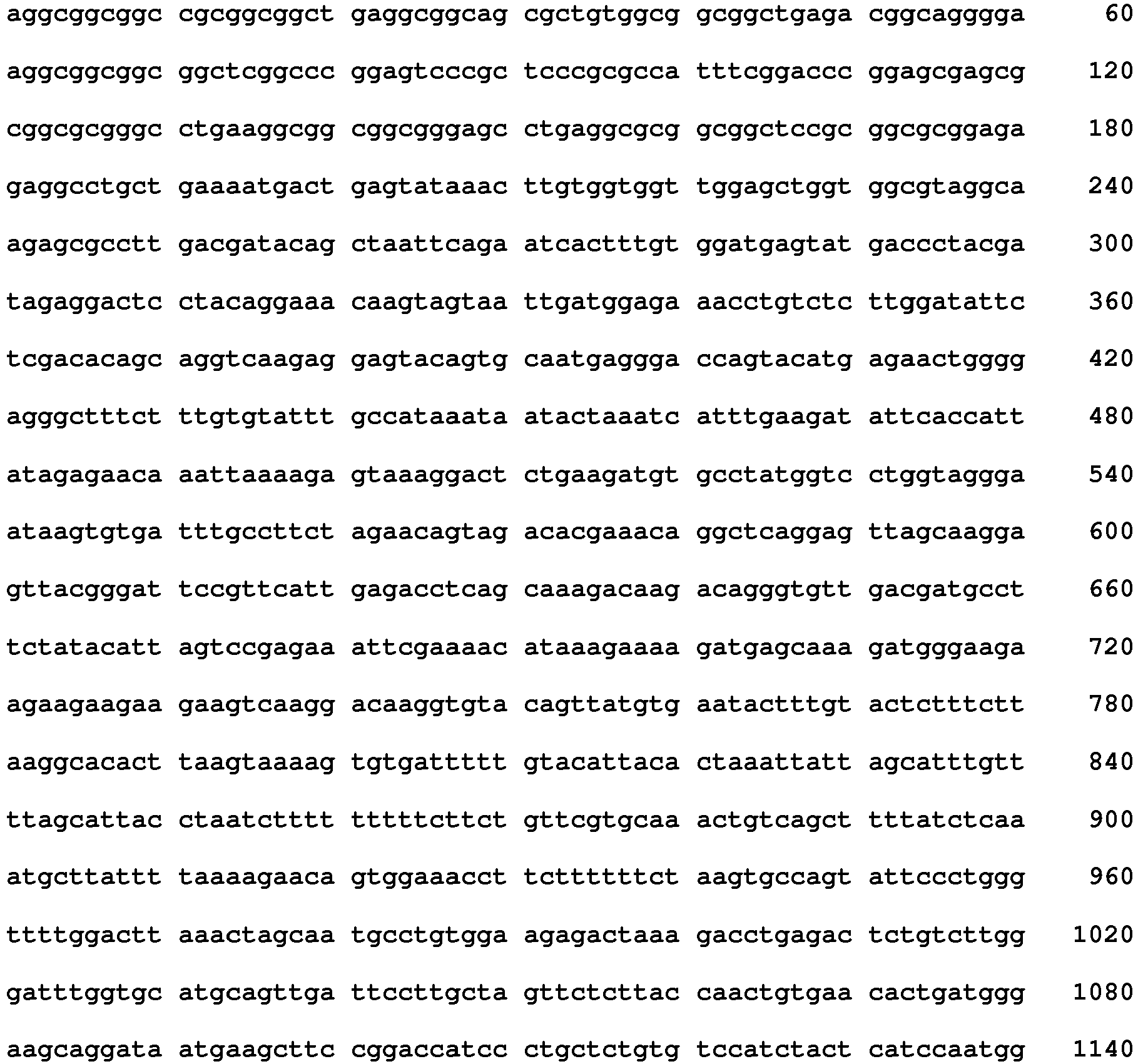


- <210> 8
<211> 188
<212> PRT
<213> Mus musculus - <400> 8

- <210> 9
<211> 2068
<212> DNA
<213> Oryctolagus cuniculus - <400> 9


- <210> 10
<211> 238
<212> PRT
<213> Oryctolagus cuniculus - <400> 10


- <210> 11
<211> 1039
<212> DNA
<213> Cavia porcellus - <400> 11

- <210> 12
<211> 227
<212> PRT
<213> Cavia porcellus - <400> 12


- <210> 13
<211> 835
<212> DNA
<213> Cavia porcellus - <400> 13


- <210> 14
<211> 188
<212> PRT
<213> Cavia porcellus - <400> 14


- <210> 15
<211> 4993
<212> DNA
<213> Canis lupus familiaris - <400> 15


- <210> 16
<211> 227
<212> PRT
<213> Canis lupus familiaris - <400> 16


- <210> 17
<211> 4876
<212> DNA
<213> Canis lupus familiaris - <400> 17


- <210> 18
<211> 188
<212> PRT
<213> Canis lupus familiaris - <400> 18


- <210> 19
<211> 1394
<212> DNA
<213> Felis catus - <400> 19


- <210> 20
<211> 188
<212> PRT
<213> Felis catus - <400> 20


- <210> 21
<211> 1512
<212> DNA
<213> Felis catus - <400> 21

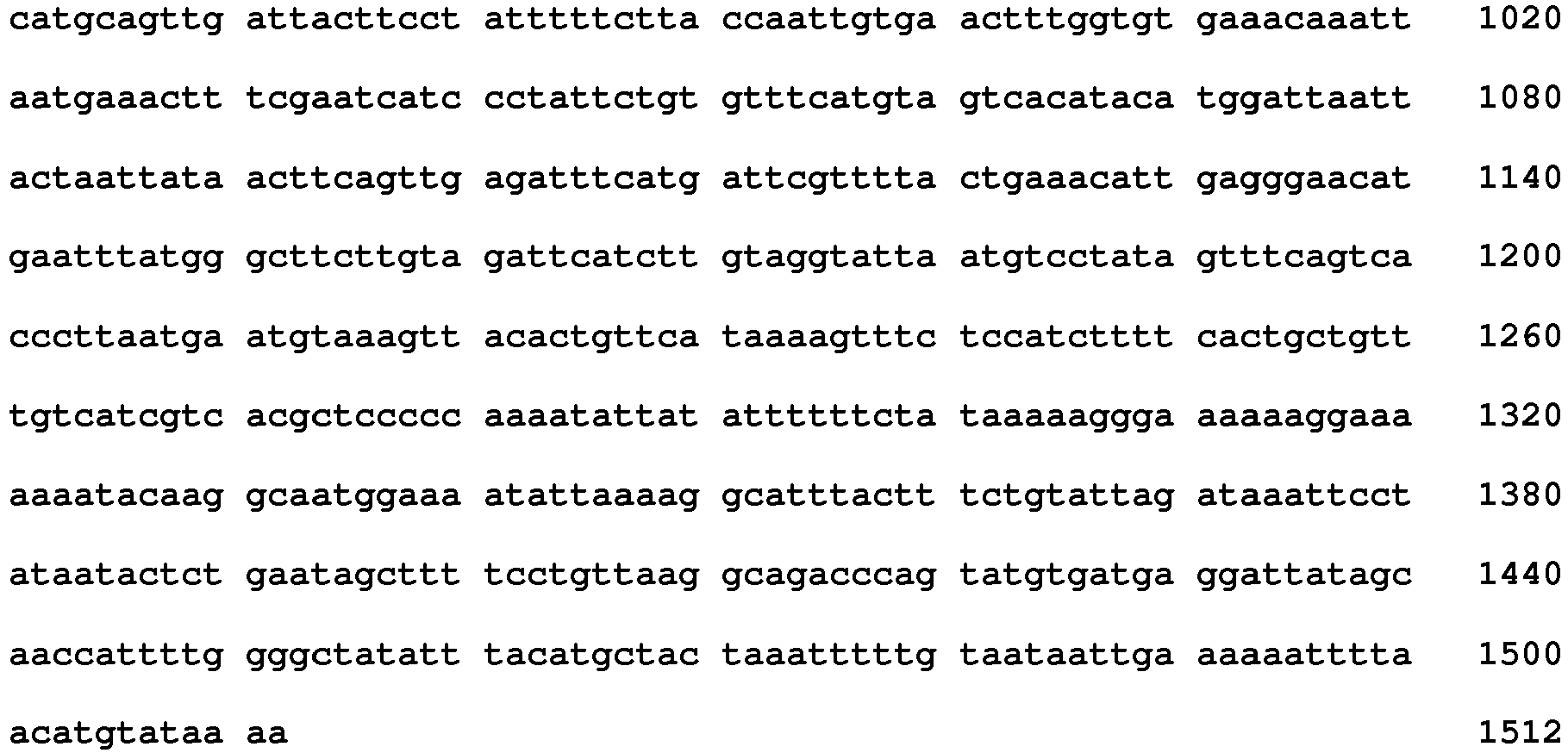
- <210> 22
<211> 227
<212> PRT
<213> Felis catus - <400> 22


- <210> 23
<211> 2144
<212> DNA
<213> Bos taurus - <400> 23


- <210> 24
<211> 188
<212> PRT
<213> Bos taurus - <400> 24


- <210> 25
<211> 1010
<212> DNA
<213> Bos taurus - <400> 25


- <210> 26
<211> 227
<212> PRT
<213> Bos taurus - <400> 26


- <210> 27
<211> 797
<212> DNA
<213> Bos taurus - <400> 27

- <210> 28
<211> 189
<212> PRT
<213> Bos taurus - <400> 28


- <210> 29
<211> 1112
<212> DNA
<213> Gallus gallus - <400> 29


- <210> 30
<211> 188
<212> PRT
<213> Gallus gallus - <400> 30


- <210> 31
<211> 3724
<212> DNA
<213> Homo sapiens - <400> 31


- <210> 32
<211> 1068
<212> PRT
<213> Homo sapiens - <400> 32


- <210> 33
<211> 6435
<212> DNA
<213> Rattus norvegicus - <400> 33


- <210> 34
<211> 1068
<212> PRT
<213> Rattus norvegicus - <400> 34


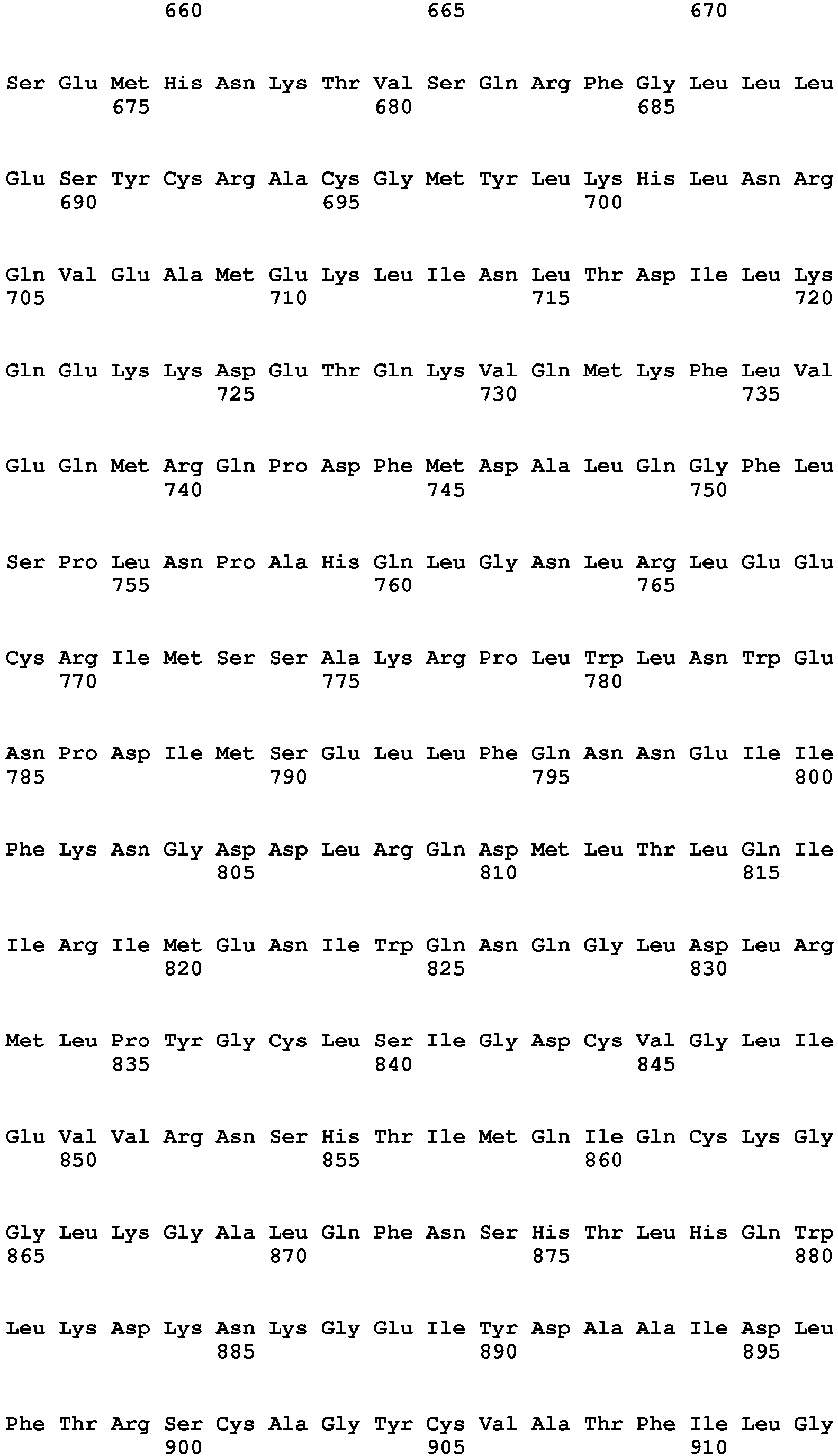

- <210> 35
<211> 8917
<212> DNA
<213> Mus musculus - <400> 35


- <210> 36
<211> 1068
<212> PRT
<213> Mus musculus - <400> 36
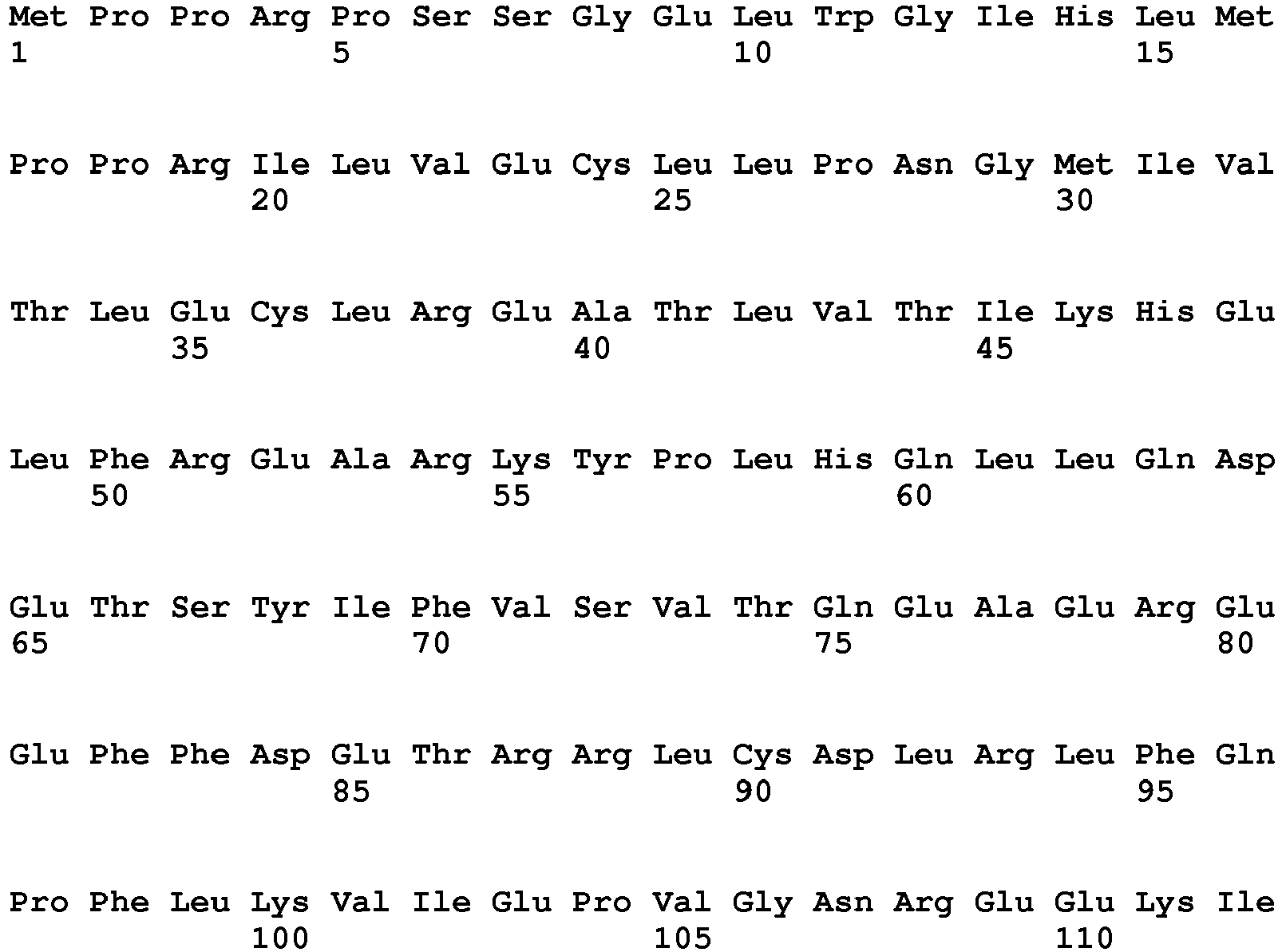


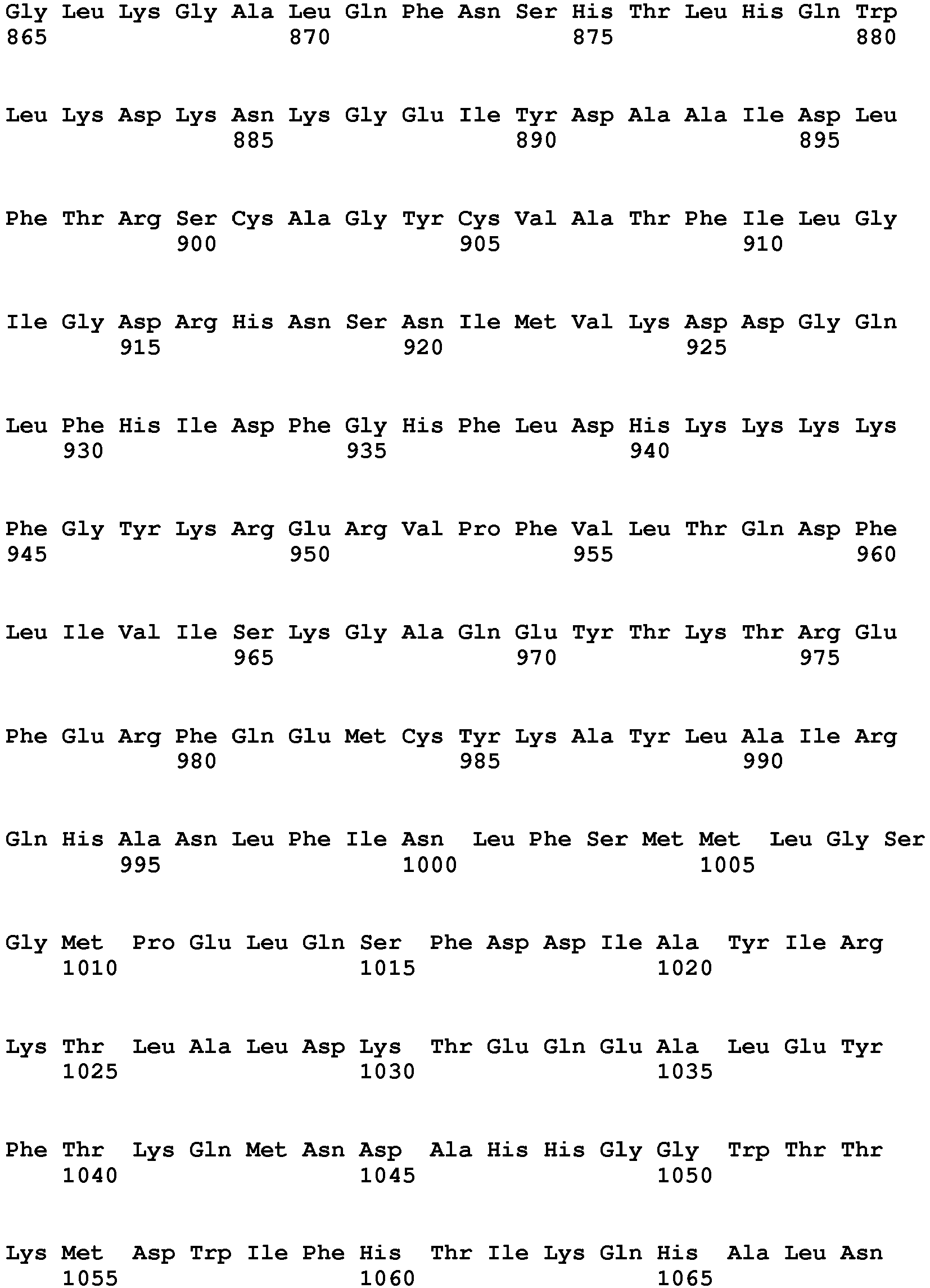
- <210> 37
<211> 4335
<212> DNA
<213> Oryctolagus cuniculus - <400> 37


- <210> 38
<211> 3505
<212> DNA
<213> Cavia porcellus - <220>
<221> misc_feature
<222> (1224)..(1225)
<223> n is a, c, g, or t - <400> 38


- <210> 39
<211> 1052
<212> PRT
<213> Cavia porcellus - <220>
<221> misc_feature
<222> (388)..(388)
<223> Xaa can be any naturally occurring amino acid - <400> 39

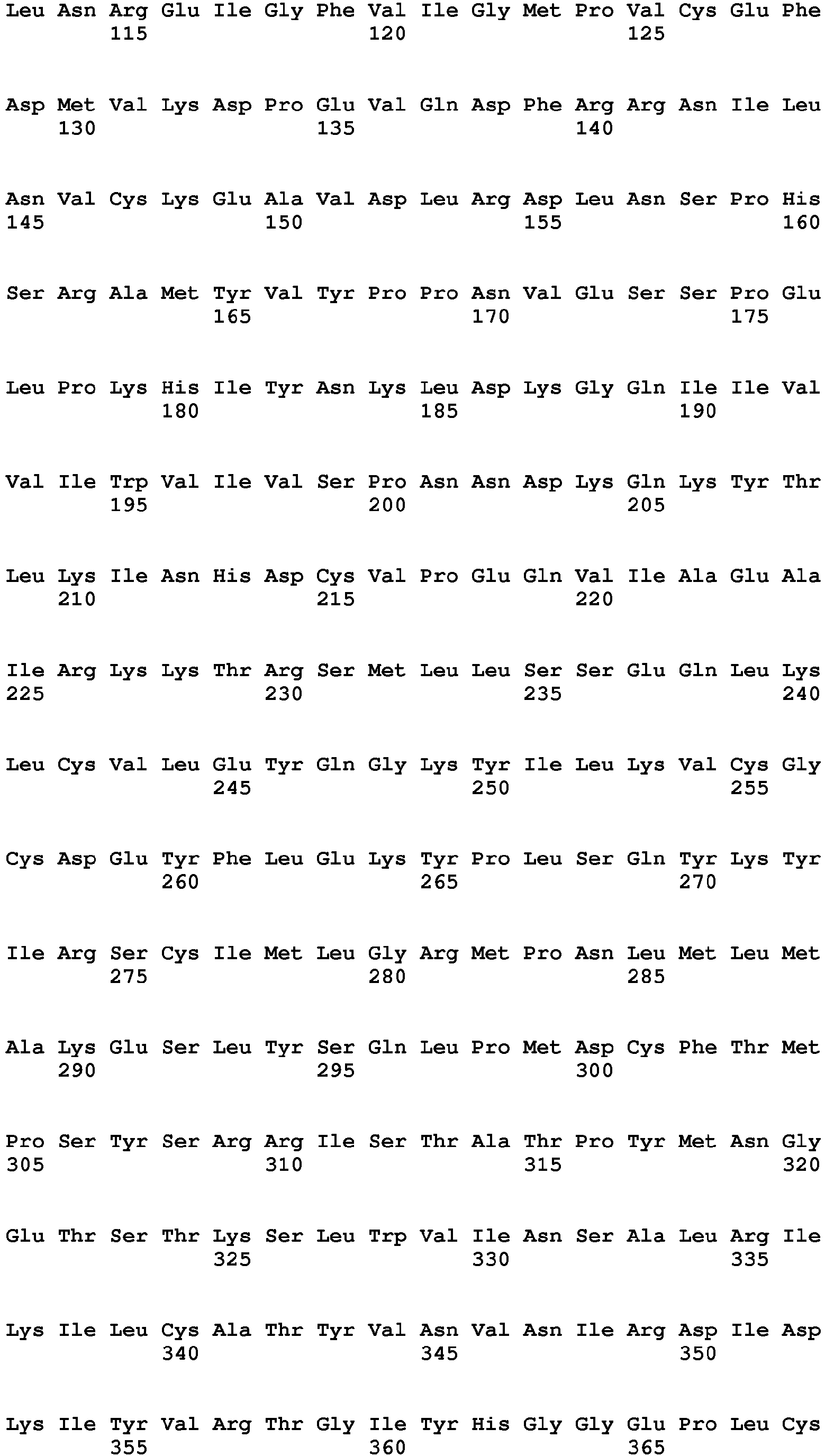


- <210> 40
<211> 6632
<212> DNA
<213> Canis lupus familiaris - <400> 40


- <210> 41
<211> 1068
<212> PRT
<213> Canis lupus familiaris - <400> 41


- <210> 42
<211> 3757
<212> DNA
<213> Felis catus - <400> 42


- <210> 43
<211> 1068
<212> PRT
<213> Felis catus - <400> 43


- <210> 44
<211> 3207
<212> DNA
<213> Bos taurus - <400> 44


- <210> 45
<211> 1068
<212> PRT
<213> Bos taurus - <400> 45
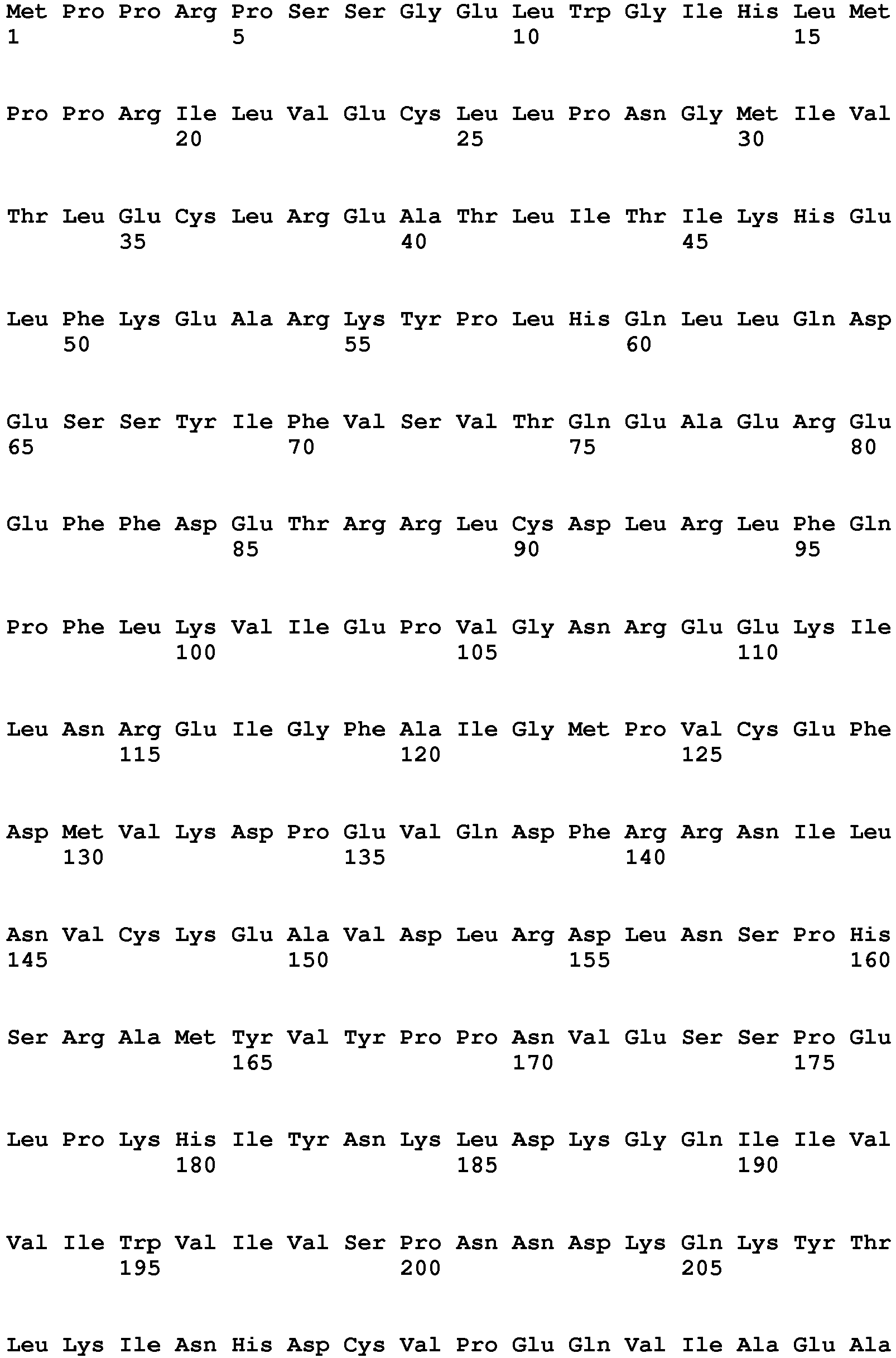


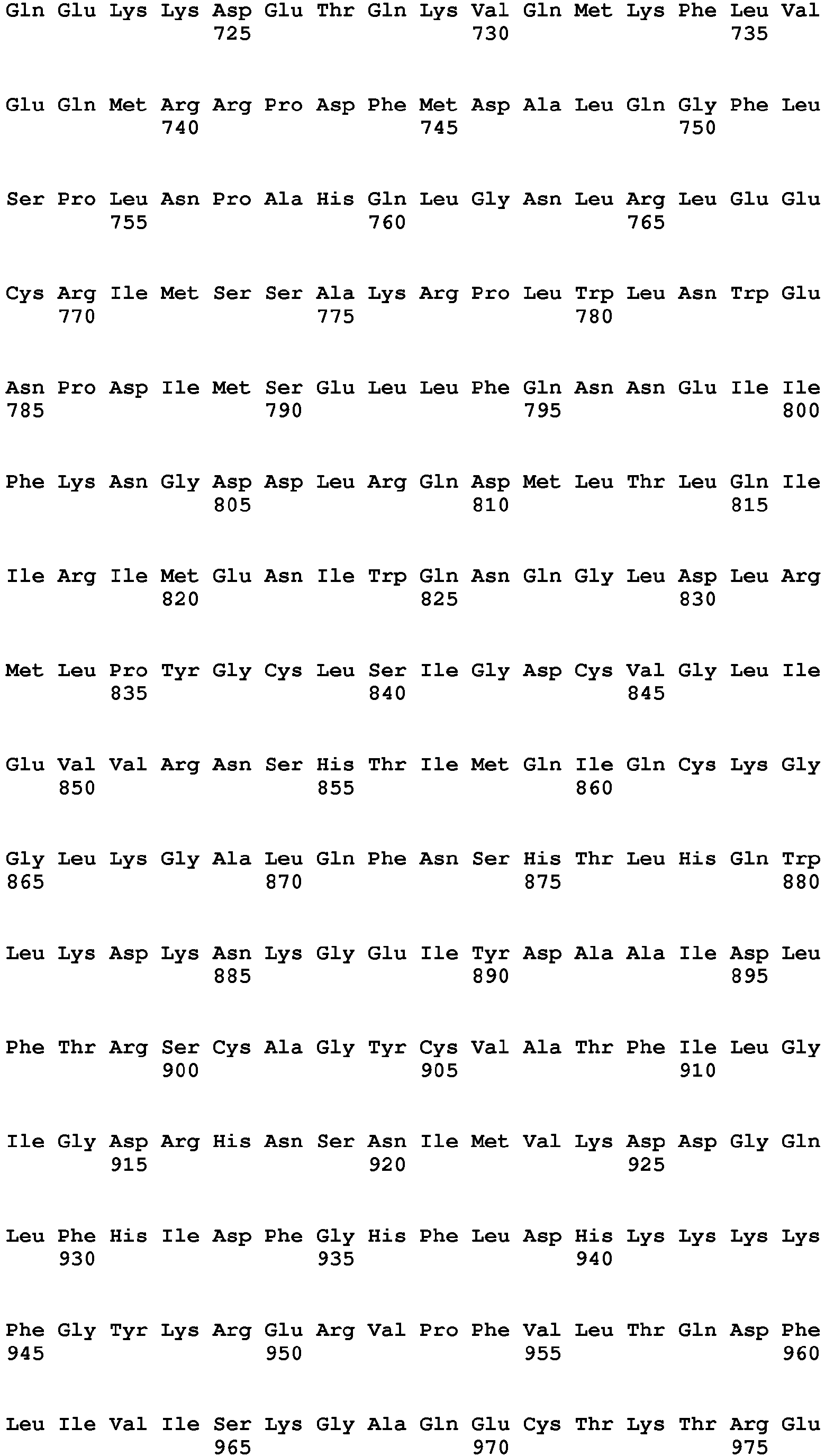

- <210> 46
<211> 3452
<212> DNA
<213> Gallus gallus - <400> 46


- <210> 47
<211> 1068
<212> PRT
<213> Gallus gallus - <400> 47


- <210> 48
<211> 2949
<212> DNA
<213> Homo sapiens - <400> 48


- <210> 49
<211> 766
<212> PRT
<213> Homo sapiens - <400> 49


- <210> 50
<211> 3906
<212> DNA
<213> Rattus norvegicus - <400> 50


- <210> 51
<211> 804
<212> PRT
<213> Rattus norvegicus - <400> 51


- <210> 52
<211> 9728
<212> DNA
<213> Mus musculus - <400> 52


- <210> 53
<211> 804
<212> PRT
<213> Mus musculus - <400> 53


- <210> 54
<211> 2232
<212> DNA
<213> Oryctolagus cuniculus - <400> 54

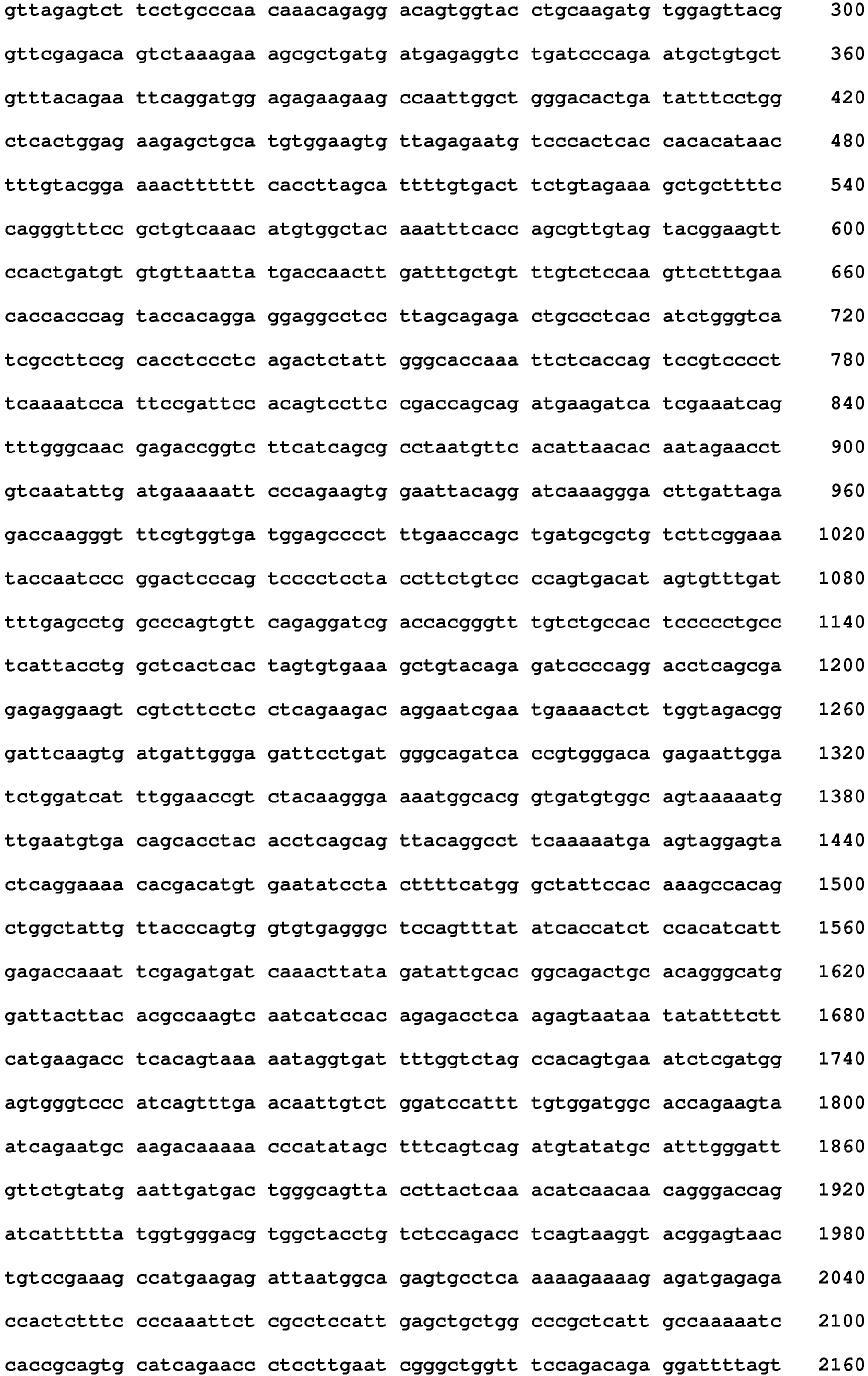

- <210> 55
<211> 743
<212> PRT
<213> Oryctolagus cuniculus - <400> 55

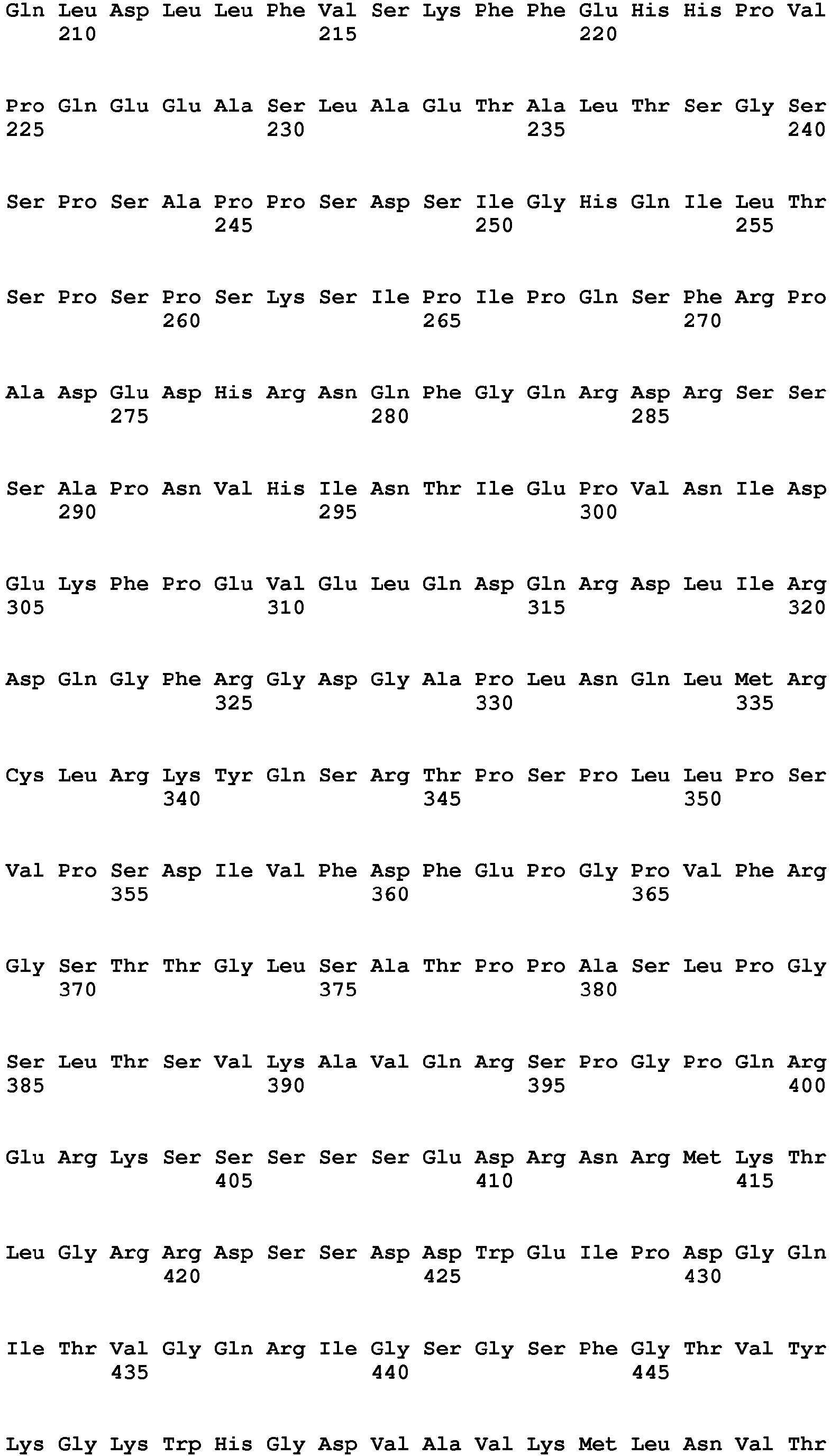


- <210> 56
<211> 2186
<212> DNA
<213> Cavia porcellus - <400> 56


- <210> 57
<211> 719
<212> PRT
<213> Cavia porcellus - <400> 57


- <210> 58
<211> 3229
<212> DNA
<213> Canis lupus familiaris - <400> 58


- <210> 59
<211> 617
<212> PRT
<213> Canis lupus familiaris - <400> 59


- <210> 60
<211> 1889
<212> DNA
<213> Canis lupus familiaris - <400> 60


- <210> 61
<211> 615
<212> PRT
<213> Canis lupus familiaris - <400> 61


- <210> 62
<211> 3521
<212> DNA
<213> Felis catus - <220>
<221> misc_feature
<222> (630)..(649)
<223> n is a, c, g, or t - <400> 62


- <210> 63
<211> 974
<212> PRT
<213> Felis catus - <220>
<221> misc_feature
<222> (210)..(217)
<223> Xaa can be any naturally occurring amino acid - <400> 63


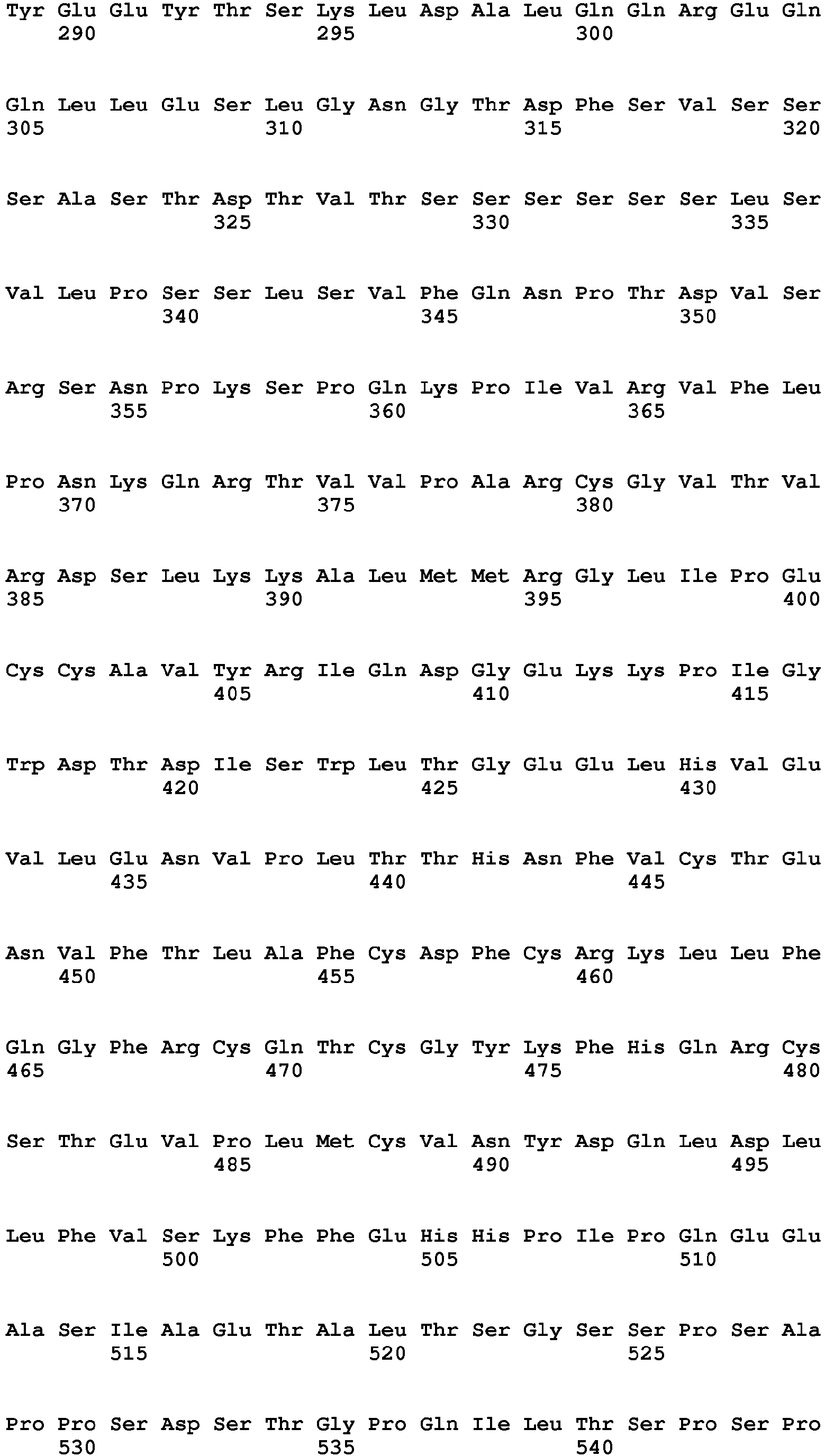


- <210> 64
<211> 3853
<212> DNA
<213> Bos taurus - <400> 64


- <210> 65
<211> 765
<212> PRT
<213> Bos taurus - <400> 65


- <210> 66
<211> 4936
<212> DNA
<213> Bos taurus - <400> 66


- <210> 67
<211> 797
<212> PRT
<213> Bos taurus - <400> 67


- <210> 68
<211> 4154
<212> DNA
<213> Bos taurus - <400> 68


- <210> 69
<211> 781
<212> PRT
<213> Bos taurus - <400> 69
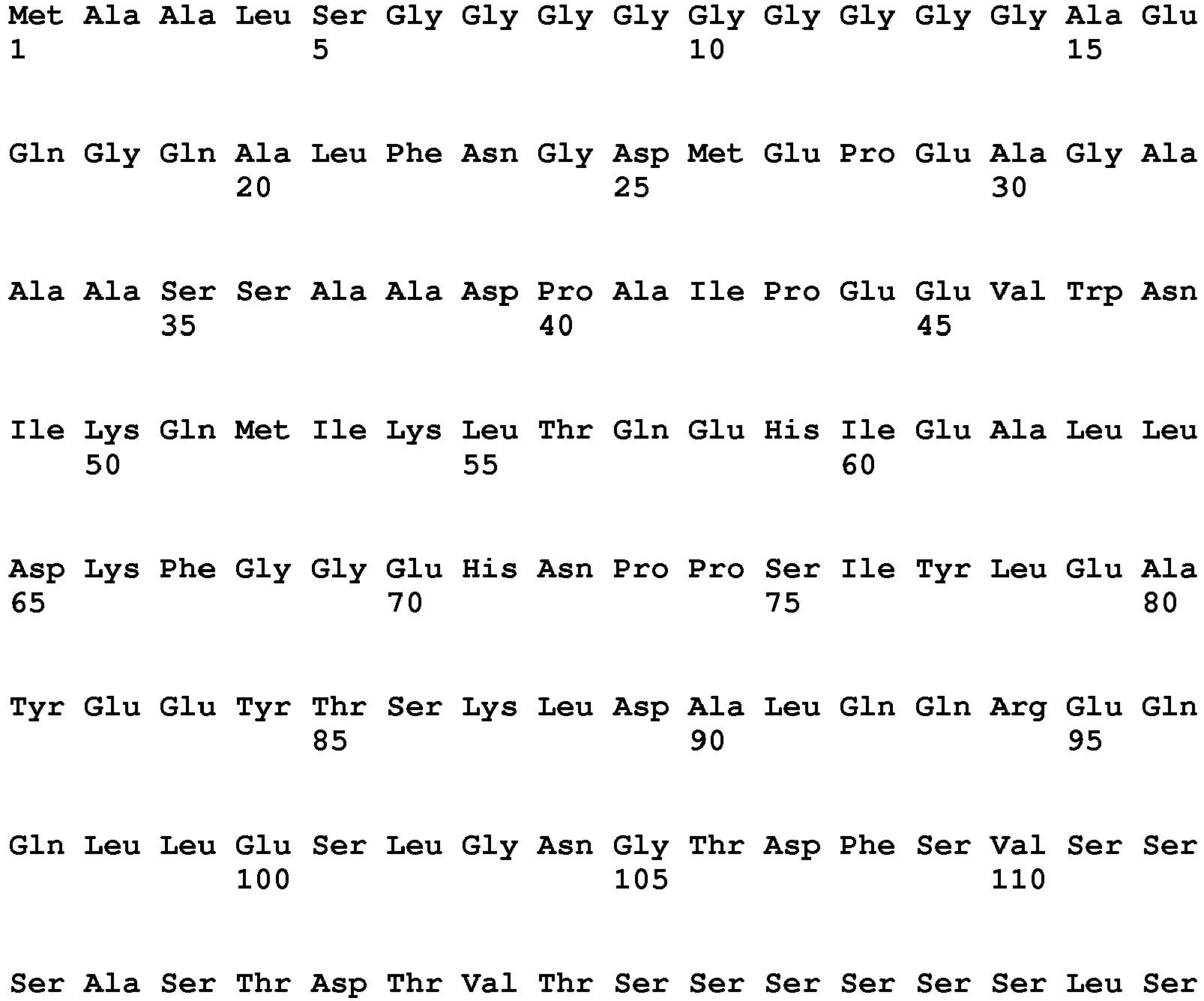


- <210> 70
<211> 7914
<212> DNA
<213> Bos taurus - <400> 70


- <210> 71
<211> 766
<212> PRT
<213> Bos taurus - <400> 71


- <210> 72
<211> 4670
<212> DNA
<213> Bos taurus - <400> 72


- <210> 73
<211> 761
<212> PRT
<213> Bos taurus - <400> 73
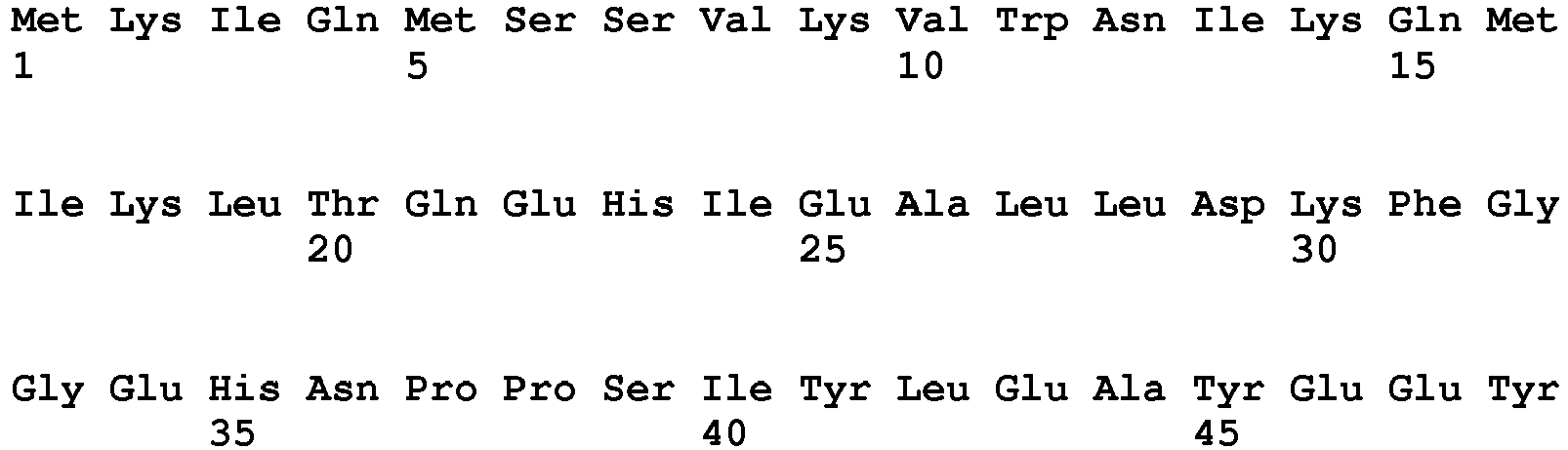


- <210> 74
<211> 4816
<212> DNA
<213> Bos taurus - <400> 74


- <210> 75
<211> 757
<212> PRT
<213> Bos taurus - <400> 75


- <210> 76
<211> 2499
<212> DNA
<213> Bos taurus - <400> 76


- <210> 77
<211> 744
<212> PRT
<213> Bos taurus - <400> 77


- <210> 78
<211> 2404
<212> DNA
<213> Bos taurus - <400> 78


- <210> 79
<211> 726
<212> PRT
<213> Bos taurus - <400> 79


- <210> 80
<211> 2331
<212> DNA
<213> Bos taurus - <400> 80


- <210> 81
<211> 681
<212> PRT
<213> Bos taurus - <400> 81


- <210> 82
<211> 2319
<212> DNA
<213> Bos taurus - <400> 82


- <210> 83
<211> 681
<212> PRT
<213> Bos taurus - <400> 83


- <210> 84
<211> 2661
<212> DNA
<213> Bos taurus - <400> 84


- <210> 85
<211> 679
<212> PRT
<213> Bos taurus - <400> 85


- <210> 86
<211> 7434
<212> DNA
<213> Bos taurus - <400> 86


- <210> 87
<211> 603
<212> PRT
<213> Bos taurus - <400> 87


- <210> 88
<211> 2295
<212> DNA
<213> Equus caballus - <220>
<221> misc_feature
<222> (79).. (79)
<223> n is a, c, g, or t - <400> 88


- <210> 89
<211> 764
<212> PRT
<213> Equus caballus - <220>
<221> misc_feature
<222> (27)..(27)
<223> Xaa can be any naturally occurring amino acid - <400> 89


- <210> 90
<211> 2678
<212> DNA
<213> Gallus gallus - <400> 90


- <210> 91
<211> 806
<212> PRT
<213> Gallus gallus - <400> 91


Claims (18)
- A first anti-cancer agent (i), which is BVD-523 or a pharmaceutically acceptable salt thereof and a second anti-cancer agent (ii), which is an inhibitor of the PI3K/Akt pathway or a pharmaceutically acceptable salt thereof, for use in treating or ameliorating the effects of cancer in a subject.
- A kit for use in treating or ameliorating the effects of a cancer in a subject comprising an effective amount of the first and second anti-cancer agent according to claim 1, packaged together with instructions for their use.
- The first and second anti-cancer agent for the use according to claim 1, wherein(i) the subject has been identified as having a somatic KRAS mutation and a somatic PIK3CA mutation; or(ii) the subject has been identified as having a cancer that is refractory to a therapy selected from the group consisting of RAF inhibitor therapy, MEK inhibitor therapy, and RAF and MEK inhibitor therapy.
- A pharmaceutical composition for use in treating or ameliorating the effects of a cancer in a subject, the pharmaceutical composition comprising a pharmaceutically acceptable diluent or carrier and an effective amount of the first and second anti-cancer agent according to claim 1, wherein administration of the first and second anti-cancer agents provides a synergistic effect compared to administration of either anti-cancer agent alone.
- An in vitro method of effecting cancer cell death comprising contacting the cancer cell with an effective amount of (i) a first anti-cancer agent, which is BVD-523 or a pharmaceutically acceptable salt thereof and (ii) a second anti-cancer agent, which is a an inhibitor of the PI3K/Akt pathway or a pharmaceutically acceptable salt thereof.
- The first and second anti-cancer agent for the use according to any one of claims 1 and 3, the kit for the use according to claim 2, the pharmaceutical composition for the use according to claim 4, or the in vitro method according to claim 5, wherein(i) the subject is a mammal, or wherein the cancer cell has been obtained from a subject, which is a mammal; and wherein the mammal may be selected from the group consisting of humans, primates, farm animals, and domestic animals; and/or(ii) the subject with cancer, or the subject from which the cancer cell has been obtained(ii-1) has a somatic KRAS mutation or is refractory to MAPK pathway inhibitor treatment; and/or(ii-2) has a somatic KRAS mutation and a somatic PIK3CA mutation.
- The first and second anti-cancer agent for the use according to any one of claims 1, 3 and 6, the kit for the use according to any one of claims 2 and 6, the pharmaceutical composition for the use according to any one of claims 4 and 6, or the in vitro method according to any one of claims 5 and 6, wherein the inhibitor of the PI3K/Akt pathway is selected from the group consisting of pictilisib (GDC-0941) (Roche Holdings Inc.), A-674563 (CAS # 552325-73-2), AGL 2263, AMG-319 (Amgen, Thousand Oaks, CA), AS-041164 (5-benzo[1,3]dioxol-5-ylmethylene-thiazolidine-2,4-dione), AS-604850 (5-(2,2-Difluoro-benzo[1,3]dioxol-5-ylmethylene)-thiazolidine-2,4-dione), AS-605240 (5-quinoxilin-6-methylene-1,3-thiazolidine-2,4-dione), AT7867 (CAS # 857531-00-1), benzimidazole series, Genentech (Roche Holdings Inc., South San Francisco, CA), BML-257 (CAS # 32387-96-5), CAL-120 (Gilead Sciences, Foster City, CA), CAL-129 (Gilead Sciences), CAL-130 (Gilead Sciences), CAL-253 (Gilead Sciences), CAL-263 (Gilead Sciences), CAS # 612847-09-3, CAS # 681281-88-9, CAS # 75747-14-7, CAS # 925681-41-0, CAS # 98510-80-6, CCT128930 (CAS # 885499-61-6), CH5132799 (CAS # 1007207-67-1), CHR-4432 (Chroma Therapeutics, Ltd., Abingdon, UK), FPA 124 (CAS # 902779-59-3), GS-1101 (CAL-101) (Gilead Sciences), GSK 690693 (CAS # 937174-76-0), H-89 (CAS # 127243-85-0), Honokiol, IC87114 (Gilead Science), IPI-145 (Intellikine Inc.), KAR-4139 (Karus Therapeutics, Chilworth, UK), KAR-4141 (Karus Therapeutics), KIN-1 (Karus Therapeutics), KT 5720 (CAS # 108068-98-0), Miltefosine, MK-2206 dihydrochloride (CAS # 1032350-13-2), ML-9 (CAS # 105637-50-1), Naltrindole Hydrochloride, OXY-111A (NormOxys Inc., Brighton, MA), perifosine, PHT-427 (CAS # 1191951-57-1), PI3 kinase delta inhibitor, Merck KGaA (Merck & Co., Whitehouse Station, NJ), PI3 kinase delta inhibitors, Genentech (Roche Holdings Inc.), PI3 kinase delta inhibitors, Incozen (Incozen Therapeutics, Pvt. Ltd., Hydrabad, India), PI3 kinase delta inhibitors-2, Incozen (Incozen Therapeutics), PI3 kinase inhibitor, Roche-4 (Roche Holdings Inc.), PI3 kinase inhibitors, Roche (Roche Holdings Inc.), PI3 kinase inhibitors, Roche-5 (Roche Holdings Inc.), PI3-alpha/delta inhibitors, Pathway Therapeutics (Pathway Therapeutics Ltd., South San Francisco, CA), PI3-delta inhibitors, Cellzome (Cellzome AG, Heidelberg, Germany), PI3-delta inhibitors, Intellikine (Intellikine Inc., La Jolla, CA), PI3-delta inhibitors, Pathway Therapeutics-1 (Pathway Therapeutics Ltd.), PI3-delta inhibitors, Pathway Therapeutics-2 (Pathway Therapeutics Ltd.), PI3-delta/gamma inhibitors, Cellzome (Cellzome AG), PI3-delta/gamma inhibitors, Cellzome (Cellzome AG), PI3-delta/gamma inhibitors, Intellikine (Intellikine Inc.), PI3-delta/gamma inhibitors, Intellikine (Intellikine Inc.), PI3-delta/gamma inhibitors, Pathway Therapeutics (Pathway Therapeutics Ltd.), PI3-delta/gamma inhibitors, Pathway Therapeutics (Pathway Therapeutics Ltd.), PI3-gamma inhibitor Evotec (Evotec), PI3-gamma inhibitor, Cellzome (Cellzome AG), PI3-gamma inhibitors, Pathway Therapeutics (Pathway Therapeutics Ltd.), PI3K delta/gamma inhibitors, lntellikine-1 (Intellikine Inc.), PI3K delta/gamma inhibitors, lntellikine-1 (Intellikine Inc.),, PIK-90 (CAS # 677338-12-4), SC-103980 (Pfizer, New York, NY), SF-1126 (Semafore Pharmaceuticals, Indianapolis, IN), SH-5, SH-6, Tetrahydro Curcumin, TG100-115 (Targegen Inc., San Diego, CA), Triciribine, X-339 (Xcovery, West Palm Beach, FL), XL-499 (Evotech, Hamburg, Germany), pharmaceutically acceptable salts thereof, and combinations thereof.
- The first and second anti-cancer agent for the use according to any one of claims 1, 3, 6 and 7, the kit for the use according to any one of claims 2, 6 and 7, the pharmaceutical composition for the use according to any one of claims 4, 6 and 7, or the in vitro method according to any one of claims 5-7, wherein the cancer is selected from the group consisting of colon cancer, a cancer of the large intestine, breast cancer, liver cancer, pancreatic cancer, endometrial cancers, stomach cancer, lung cancer, and leukemia.
- The first and second anti-cancer agent for the use according to any one of claims 1, 3 and 6-8, the kit for the use according to any one of claims 2 and 6-8, the pharmaceutical composition for the use according to any one of claims 4 and 6-8, or the in vitro method according to any one of claims 5-8,wherein at least one additional therapeutic agent is to be administered to the subject or the cancer cell, or wherein the kit comprises at least one additional therapeutic agent;wherein the additional therapeutic agent is selected from the group consisting of an antibody or fragment thereof, a cytotoxic agent, a drug, a toxin, a radionuclide, an immunomodulator, a photoactive therapeutic agent, a radiosensitizing agent, a hormone, an anti-angiogenesis agent, and combinations thereof;wherein the additional therapeutic agent may be an inhibitor of the mTOR pathway, such as an inhibitor of the mTOR pathway which is selected from the group consisting of zotarolimus (AbbVie), umirolimus (Biosensors), temsirolimus (Pfizer), sirolimus (Pfizer), sirolimus NanoCrystal (Elan Pharmaceutical Technologies), sirolimus TransDerm (TransDerm), sirolimus-PNP (Samyang), everolimus (Novartis), biolimus A9 (Biosensors), ridaforolimus (Ariad), rapamycin, TCD-10023 (Terumo), DE-109 (MacuSight), MS-R001 (MacuSight), MS-R002 (MacuSight), MS-R003 (MacuSight), Perceiva (MacuSight), XL-765 (Exelixis), quinacrine (Cleveland BioLabs), PKI-587 (Pfizer), PF-04691502 (Pfizer), GDC-0980 (Genentech and Piramed), dactolisib (Novartis), CC-223 (Celgene), PWT-33597 (Pathway Therapeutics), P-7170 (Piramal Life Sciences), LY-3023414 (Eli Lilly), INK-128 (Takeda), GDC-0084 (Genentech), DS-7423 (Daiichi Sankyo), DS-3078 (Daiichi Sankyo), CC-115 (Celgene), CBLC-137 (Cleveland BioLabs), AZD-2014 (AstraZeneca), X-480 (Xcovery), X-414 (Xcovery), EC-0371 (Endocyte), VS-5584 (Verastem), PQR-401 (Piqur), PQR-316 (Piqur), PQR-311 (Piqur), PQR-309 (Piqur), PF-06465603 (Pfizer), NV-128 (Novogen), nPT-MTOR (Biotica Technology), BC-210 (Biotica Technology), WAY-600 (Biotica Technology), WYE-354 (Biotica Technology), WYE-687 (Biotica Technology), LOR-220 (Lorus Therapeutics), HMPL-518 (Hutchison China MediTech), GNE-317 (Genentech), EC-0565 (Endocyte), CC-214 (Celgene), ABTL-0812 (Ability Pharmaceuticals), and pharmaceutically acceptable salts thereof, and combinations thereof.
- The first and second anti-cancer agent for the use according to any one of claims 1, 3 and 6-9, the kit for the use according to any one of claims 2 and 6-9, or the in vitro method according to any one of claims 5-9, wherein the second anti-cancer agent is pictilisib (GDC-0941) or a pharmaceutically acceptable salt thereof, wherein administration of the first and second anti-cancer agents provides a synergistic effect compared to administration of either anti-cancer agent alone; or wherein contacting the cancer cell with the first and second anti-cancer agents provides a synergistic effect compared to contacting the cancer cell with either anti-cancer agent alone.
- The first and second anti-cancer agent for the use according to any one of claims 1, 3 and 6-10, wherein the second anti-cancer agent is pictilisib (GDC-0941) or a pharmaceutically acceptable salt thereof, and wherein BVD-523 or a pharmaceutically acceptable salt thereof and/or pictilisib (GDC-0941) or a pharmaceutically acceptable salt thereof is to be administered in the form of a pharmaceutical composition, which further comprises a pharmaceutically acceptable carrier or diluent.
- The first and second anti-cancer agent for the use according to claim 3, wherein identifying a subject with cancer that has somatic KRAS and PIK3CA mutations comprises screening a biological sample obtained from the subject to determine whether the subject has a somatic KRAS and PIK3CA mutation; wherein the screening may comprise detection of at least one of the KRAS and PIK3CA mutations using(i) a method selected from the group consisting of PCR, sequencing, hybrid capture, in-solution capture, molecular inversion probes, and combinations thereof; or(ii) a method selected from the group consisting of a fluorescent in situ hybridization (FISH) assay, Sanger sequencing, deep sequencing, and combinations thereof.
- The first and second anti-cancer agent for the use according to claim 3, wherein identifying a subject with cancer that is refractory to a therapy selected from the group consisting of RAF inhibitor therapy, MEK inhibitor therapy, and RAF and MEK inhibitor therapy comprises screening a biological sample obtained from the subject to determine whether the subject has a somatic BRAF mutation;
wherein the screening may comprise detection of a BRAF mutation using(i) a method selected from the group consisting of PCR, sequencing, hybrid capture, in-solution capture, molecular inversion probes, and combinations thereof; or(ii) a method selected from the group consisting of a fluorescent in situ hybridization (FISH) assay, Sanger sequencing, deep sequencing, and combinations thereof. - The pharmaceutical composition for the use according to any one of claims 4 and 6-9, wherein(i) the pharmaceutical composition is in a unit dosage form comprising both anti-cancer agents; or(ii) the first anti-cancer agent is in a first unit dosage form and the second anti-cancer agent is in a second unit dosage form, separate from the first.
- The pharmaceutical composition for the use according to any one of claims 4 and 6-9, wherein(i) the first and second anti-cancer agents are to be co-administered to the subject; or(ii) wherein the first and second anti-cancer agents are to be administered to the subject serially; wherein the first anti-cancer agent may be administered to the subject before the second anti-cancer agent; or wherein the second anti-cancer agent may be administered to the subject before the first anti-cancer agent.
- A composition comprising BVD-523 or a pharmaceutically acceptable salt thereof for use in combination with an inhibitor of the PI3K/Akt pathway or a pharmaceutically acceptable salt thereof for use in treating or ameliorating the effects of cancer in a subject.
- A composition comprising an inhibitor of the PI3K/Akt pathway or a pharmaceutically acceptable salt thereof for use in combination with BVD-523 or a pharmaceutically acceptable salt thereof for use in treating or ameliorating the effects of cancer in a subject
- The composition for the use according to any one of claims 16 or 17, wherein the inhibitor of the PI3K/Akt pathway is selected from the group consisting of pictilisib (GDC-0941) (Roche Holdings Inc.), A-674563 (CAS # 552325-73-2), AGL 2263, AMG-319 (Amgen, Thousand Oaks, CA), AS-041164 (5-benzo[1,3]dioxol-5-ylmethylene-thiazolidine-2,4-dione), AS-604850 (5-(2,2-Difluoro-benzo[1,3]dioxol-5-ylmethylene)-thiazolidine-2,4-dione), AS-605240 (5-quinoxilin-6-methylene-1,3-thiazolidine-2,4-dione), AT7867 (CAS # 857531-00-1), benzimidazole series, Genentech (Roche Holdings Inc., South San Francisco, CA), BML-257 (CAS # 32387-96-5), CAL-120 (Gilead Sciences, Foster City, CA), CAL-129 (Gilead Sciences), CAL-130 (Gilead Sciences), CAL-253 (Gilead Sciences), CAL-263 (Gilead Sciences), CAS # 612847-09-3, CAS # 681281-88-9, CAS # 75747-14-7, CAS # 925681-41-0, CAS # 98510-80-6, CCT128930 (CAS # 885499-61-6), CH5132799 (CAS # 1007207-67-1), CHR-4432 (Chroma Therapeutics, Ltd., Abingdon, UK), FPA 124 (CAS # 902779-59-3), GS-1101 (CAL-101) (Gilead Sciences), GSK 690693 (CAS # 937174-76-0), H-89 (CAS # 127243-85-0), Honokiol, IC87114 (Gilead Science), IPI-145 (Intellikine Inc.), KAR-4139 (Karus Therapeutics, Chilworth, UK), KAR-4141 (Karus Therapeutics), KIN-1 (Karus Therapeutics), KT 5720 (CAS # 108068-98-0), Miltefosine, MK-2206 dihydrochloride (CAS # 1032350-13-2), ML-9 (CAS # 105637-50-1), Naltrindole Hydrochloride, OXY-111A (NormOxys Inc., Brighton, MA), perifosine, PHT-427 (CAS # 1191951-57-1), PI3 kinase delta inhibitor, Merck KGaA (Merck & Co., Whitehouse Station, NJ), PI3 kinase delta inhibitors, Genentech (Roche Holdings Inc.), PI3 kinase delta inhibitors, Incozen (Incozen Therapeutics, Pvt. Ltd., Hydrabad, India), PI3 kinase delta inhibitors-2, Incozen (Incozen Therapeutics), PI3 kinase inhibitor, Roche-4 (Roche Holdings Inc.), PI3 kinase inhibitors, Roche (Roche Holdings Inc.), PI3 kinase inhibitors, Roche-5 (Roche Holdings Inc.), PI3-alpha/delta inhibitors, Pathway Therapeutics (Pathway Therapeutics Ltd., South San Francisco, CA), PI3-delta inhibitors, Cellzome (Cellzome AG, Heidelberg, Germany), PI3-delta inhibitors, Intellikine (Intellikine Inc., La Jolla, CA), PI3-delta inhibitors, Pathway Therapeutics-1 (Pathway Therapeutics Ltd.), PI3-delta inhibitors, Pathway Therapeutics-2 (Pathway Therapeutics Ltd.), PI3-delta/gamma inhibitors, Cellzome (Cellzome AG), PI3-delta/gamma inhibitors, Cellzome (Cellzome AG), PI3-delta/gamma inhibitors, Intellikine (Intellikine Inc.), PI3-delta/gamma inhibitors, Intellikine (Intellikine Inc.), PI3-delta/gamma inhibitors, Pathway Therapeutics (Pathway Therapeutics Ltd.), PI3-delta/gamma inhibitors, Pathway Therapeutics (Pathway Therapeutics Ltd.), PI3-gamma inhibitor Evotec (Evotec), PI3-gamma inhibitor, Cellzome (Cellzome AG), PI3-gamma inhibitors, Pathway Therapeutics (Pathway Therapeutics Ltd.), PI3K delta/gamma inhibitors, lntellikine-1 (Intellikine Inc.), PI3K delta/gamma inhibitors, lntellikine-1 (Intellikine Inc.),, PIK-90 (CAS # 677338-12-4), SC-103980 (Pfizer, New York, NY), SF-1126 (Semafore Pharmaceuticals, Indianapolis, IN), SH-5, SH-6, Tetrahydro Curcumin, TG100-115 (Targegen Inc., San Diego, CA), Triciribine, X-339 (Xcovery, West Palm Beach, FL), XL-499 (Evotech, Hamburg, Germany), pharmaceutically acceptable salts thereof, and combinations thereof.
Priority Applications (1)
| Application Number | Priority Date | Filing Date | Title |
|---|---|---|---|
| EP22165473.4A EP4062917B1 (en) | 2013-12-20 | 2014-12-19 | Cancer treatments using combinations of pi3k/akt pathway and erk inhibitors |
Applications Claiming Priority (2)
| Application Number | Priority Date | Filing Date | Title |
|---|---|---|---|
| US201361919638P | 2013-12-20 | 2013-12-20 | |
| PCT/US2014/071728 WO2015095829A1 (en) | 2013-12-20 | 2014-12-19 | Cancer treatments using combinations of pi3k/akt pathway and erk inhibitors |
Related Child Applications (1)
| Application Number | Title | Priority Date | Filing Date |
|---|---|---|---|
| EP22165473.4A Division EP4062917B1 (en) | 2013-12-20 | 2014-12-19 | Cancer treatments using combinations of pi3k/akt pathway and erk inhibitors |
Publications (3)
| Publication Number | Publication Date |
|---|---|
| EP3082957A1 EP3082957A1 (en) | 2016-10-26 |
| EP3082957A4 EP3082957A4 (en) | 2017-06-21 |
| EP3082957B1 true EP3082957B1 (en) | 2022-04-06 |
Family
ID=53403792
Family Applications (2)
| Application Number | Title | Priority Date | Filing Date |
|---|---|---|---|
| EP22165473.4A Active EP4062917B1 (en) | 2013-12-20 | 2014-12-19 | Cancer treatments using combinations of pi3k/akt pathway and erk inhibitors |
| EP14871139.3A Active EP3082957B1 (en) | 2013-12-20 | 2014-12-19 | Cancer treatments using combinations of pi3k/akt pathway and erk inhibitors |
Family Applications Before (1)
| Application Number | Title | Priority Date | Filing Date |
|---|---|---|---|
| EP22165473.4A Active EP4062917B1 (en) | 2013-12-20 | 2014-12-19 | Cancer treatments using combinations of pi3k/akt pathway and erk inhibitors |
Country Status (6)
| Country | Link |
|---|---|
| US (1) | US11007183B2 (en) |
| EP (2) | EP4062917B1 (en) |
| JP (1) | JP6727127B2 (en) |
| AU (1) | AU2014368916B2 (en) |
| ES (2) | ES3059018T3 (en) |
| WO (1) | WO2015095829A1 (en) |
Families Citing this family (19)
| Publication number | Priority date | Publication date | Assignee | Title |
|---|---|---|---|---|
| US8193182B2 (en) | 2008-01-04 | 2012-06-05 | Intellikine, Inc. | Substituted isoquinolin-1(2H)-ones, and methods of use thereof |
| CA2711558C (en) | 2008-01-04 | 2016-12-13 | Intellikine, Inc. | Phosphatidyl inositol-3 kinase inhibiting compounds |
| AU2012205669B2 (en) | 2011-01-10 | 2015-08-20 | Infinity Pharmaceuticals Inc. | Processes for preparing isoquinolinones and solid forms of isoquinolinones |
| US8828998B2 (en) | 2012-06-25 | 2014-09-09 | Infinity Pharmaceuticals, Inc. | Treatment of lupus, fibrotic conditions, and inflammatory myopathies and other disorders using PI3 kinase inhibitors |
| KR102229478B1 (en) | 2012-11-01 | 2021-03-18 | 인피니티 파마슈티칼스, 인코포레이티드 | Treatment of cancers using pi3 kinase isoform modulators |
| WO2015116774A1 (en) | 2014-01-29 | 2015-08-06 | Synta Pharmaceuticals Corp. | Targeted therapeutics |
| CN106456795A (en) | 2014-03-03 | 2017-02-22 | 辛塔医药品有限公司 | Targeted therapeutics |
| EP3131586A4 (en) | 2014-03-18 | 2017-10-25 | Madrigal Pharmaceuticals, Inc. | Targeted therapeutics |
| US20150320755A1 (en) | 2014-04-16 | 2015-11-12 | Infinity Pharmaceuticals, Inc. | Combination therapies |
| CN106333951B (en) * | 2015-11-24 | 2018-11-02 | 中国科学院大连化学物理研究所 | A kind of application of mTOR kinase inhibitors and the composition of mapk kinase inhibitor |
| CN108697661A (en) * | 2015-12-18 | 2018-10-23 | 亚尼塔公司 | Combination for treating cancer |
| EP3423112A4 (en) * | 2016-02-29 | 2020-02-26 | Madrigal Pharmaceuticals, Inc. | Hsp90 inhibitor drug conjugates |
| MX391135B (en) | 2016-06-24 | 2025-03-21 | Infinity Pharmaceuticals Inc | COMBINATION THERAPIES. |
| JP7405408B2 (en) * | 2017-05-16 | 2023-12-26 | バイオメッド バレー ディスカバリーズ,インコーポレイティド | Compositions and methods for treating cancers with atypical BRAF mutations |
| CN110204529A (en) * | 2018-02-28 | 2019-09-06 | 朱允涛 | A kind of preparation method and purposes of deuterated compound in triazine class |
| TW202200563A (en) * | 2020-04-29 | 2022-01-01 | 中國商北京泰德製藥股份有限公司 | Quinoxalinone derivative as irreversible inhibitor of kras g12c mutant protein |
| CN113667747B (en) * | 2020-05-14 | 2025-01-24 | 长庚大学 | Treatments for oral cancer |
| KR20250057646A (en) * | 2023-10-18 | 2025-04-29 | 주식회사 애스톤사이언스 | Immunogenic KRAS peptides |
| WO2025110738A1 (en) * | 2023-11-24 | 2025-05-30 | 주식회사 캐니캐티케어 | Composition for detecting pik3ca gene mutant tumor in companion animal and method for diagnosing pik3ca gene mutant tumor in companion animal using same |
Family Cites Families (15)
| Publication number | Priority date | Publication date | Assignee | Title |
|---|---|---|---|---|
| CA2158642A1 (en) | 1993-03-19 | 1994-09-29 | Hubert Koster | Dna sequencing by mass spectrometry via exonuclease degradation |
| US6140053A (en) | 1996-11-06 | 2000-10-31 | Sequenom, Inc. | DNA sequencing by mass spectrometry via exonuclease degradation |
| US7601497B2 (en) | 2000-06-15 | 2009-10-13 | Qiagen Gaithersburg, Inc. | Detection of nucleic acids by target-specific hybrid capture method |
| US7439016B1 (en) | 2000-06-15 | 2008-10-21 | Digene Corporation | Detection of nucleic acids by type-specific hybrid capture method |
| GB0320059D0 (en) | 2003-08-27 | 2003-10-01 | Solexa Ltd | A method of sequencing |
| DK3305776T3 (en) * | 2004-05-14 | 2019-12-09 | Vertex Pharma | PYRROL COMPOUNDS AS INHIBITORS OF ERK-PROTEIN KINASES AND PHARMACEUTICAL COMPOSITIONS CONTAINING THESE COMPOUNDS |
| US7582623B2 (en) | 2004-05-20 | 2009-09-01 | The Regents Of The University Of California | Photoactive metal nitrosyls for blood pressure regulation and cancer therapy |
| US20060228721A1 (en) | 2005-04-12 | 2006-10-12 | Leamon John H | Methods for determining sequence variants using ultra-deep sequencing |
| RU2439074C2 (en) * | 2006-04-26 | 2012-01-10 | Ф. Хоффманн-Ля Рош Аг | THIENO[3,2-d]PYRIMIDINE DERIVATIVE AS PHOSPHATIDYL INOSITOL-3-KINASE (PI3K) INHIBITOR |
| TWI417389B (en) | 2008-10-27 | 2013-12-01 | Qiagen Gaithersburg Inc | Fast results hybrid capture assay on an automated platform |
| AU2010307043C1 (en) * | 2009-10-12 | 2014-03-13 | Glaxosmithkline Llc | Combination |
| KR20120046018A (en) | 2010-10-04 | 2012-05-09 | 삼성테크윈 주식회사 | Real time pcr detection of single nucleotide polymorphisms |
| WO2012068562A2 (en) * | 2010-11-19 | 2012-05-24 | The Regents Of The University Of California | Compositions and methods for detection and treatment of b-raf inhibitor-resistant melanomas |
| WO2012125848A2 (en) | 2011-03-16 | 2012-09-20 | Baylor College Of Medicine | A method for comprehensive sequence analysis using deep sequencing technology |
| CA2869152A1 (en) | 2012-04-06 | 2013-10-10 | Sanofi | Methods for treating cancer using pi3k inhibitor and mek inhibitor |
-
2014
- 2014-12-19 EP EP22165473.4A patent/EP4062917B1/en active Active
- 2014-12-19 ES ES22165473T patent/ES3059018T3/en active Active
- 2014-12-19 AU AU2014368916A patent/AU2014368916B2/en active Active
- 2014-12-19 US US15/105,839 patent/US11007183B2/en active Active
- 2014-12-19 ES ES14871139T patent/ES2918375T3/en active Active
- 2014-12-19 EP EP14871139.3A patent/EP3082957B1/en active Active
- 2014-12-19 WO PCT/US2014/071728 patent/WO2015095829A1/en not_active Ceased
- 2014-12-19 JP JP2016540554A patent/JP6727127B2/en active Active
Non-Patent Citations (3)
| Title |
|---|
| J. RENSHAW ET AL: "Dual Blockade of the PI3K/AKT/mTOR (AZD8055) and RAS/MEK/ERK (AZD6244) Pathways Synergistically Inhibits Rhabdomyosarcoma Cell Growth In Vitro and In Vivo", CLINICAL CANCER RESEARCH, vol. 19, no. 21, 5 August 2013 (2013-08-05), US, pages 5940 - 5951, XP055370253, ISSN: 1078-0432, DOI: 10.1158/1078-0432.CCR-13-0850 * |
| WILLIAM H. CHAPPELL ET AL: "Ras/Raf/MEK/ERK and PI3K/PTEN/Akt/mTOR Inhibitors: Rationale and Importance to Inhibiting These Pathways in Human Health", ONCOTARGET, vol. 2, no. 3, 4 March 2011 (2011-03-04), pages 135 - 164, XP055548291, DOI: 10.18632/oncotarget.240 * |
| XIAO-HONG ZHANG: "The novel dual PI3K/mTOR inhibitor GDC-0941 synergizes with the MEK inhibitor U0126 in non-small cell lung cancer cells", MOLECULAR MEDICINE REPORTS, 16 November 2011 (2011-11-16), GR, XP055370323, ISSN: 1791-2997, DOI: 10.3892/mmr.2011.682 * |
Also Published As
| Publication number | Publication date |
|---|---|
| WO2015095829A1 (en) | 2015-06-25 |
| AU2014368916B2 (en) | 2020-04-30 |
| US20160317517A1 (en) | 2016-11-03 |
| EP4062917B1 (en) | 2025-12-03 |
| AU2014368916A1 (en) | 2016-07-21 |
| EP3082957A1 (en) | 2016-10-26 |
| EP4062917A1 (en) | 2022-09-28 |
| ES3059018T3 (en) | 2026-03-16 |
| JP2017502014A (en) | 2017-01-19 |
| JP6727127B2 (en) | 2020-07-29 |
| EP3082957A4 (en) | 2017-06-21 |
| US11007183B2 (en) | 2021-05-18 |
| ES2918375T3 (en) | 2022-07-15 |
Similar Documents
| Publication | Publication Date | Title |
|---|---|---|
| EP4062917B1 (en) | Cancer treatments using combinations of pi3k/akt pathway and erk inhibitors | |
| US12076324B2 (en) | Cancer treatments using combinations of CDK and ERK inhibitors | |
| EP4043017B1 (en) | Cancer treatment using combinations of erk and raf inhibitors | |
| JP2022034068A (en) | Methods and Compositions for Treating Non-ERK MAPK Path Inhibitor Resistant Cancers | |
| WO2015095807A1 (en) | Cancer treatments using combinations of egfr and erk inhibitors | |
| US20160310477A1 (en) | Cancer treatments using combinations of mek type 1 and erk inhibitors | |
| WO2015095831A1 (en) | Cancer treatments using combinations of mtor and erk inhibitors | |
| HK1226350A1 (en) | Cancer treatments using combinations of pi3k/akt pathway and erk inhibitors | |
| HK1226350B (en) | Cancer treatments using combinations of pi3k/akt pathway and erk inhibitors | |
| HK40075625B (en) | Cancer treatment using combinations of erk and raf inhibitors | |
| HK40075625A (en) | Cancer treatment using combinations of erk and raf inhibitors | |
| HK40120025A (en) | Cancer treatments using combinations of cdk and erk inhibitors | |
| HK1226252B (en) | Cancer treatments using combinations of cdk and erk inhibitors | |
| HK1226252A1 (en) | Cancer treatments using combinations of cdk and erk inhibitors |
Legal Events
| Date | Code | Title | Description |
|---|---|---|---|
| PUAI | Public reference made under article 153(3) epc to a published international application that has entered the european phase |
Free format text: ORIGINAL CODE: 0009012 |
|
| 17P | Request for examination filed |
Effective date: 20160719 |
|
| AK | Designated contracting states |
Kind code of ref document: A1 Designated state(s): AL AT BE BG CH CY CZ DE DK EE ES FI FR GB GR HR HU IE IS IT LI LT LU LV MC MK MT NL NO PL PT RO RS SE SI SK SM TR |
|
| AX | Request for extension of the european patent |
Extension state: BA ME |
|
| DAX | Request for extension of the european patent (deleted) | ||
| A4 | Supplementary search report drawn up and despatched |
Effective date: 20170524 |
|
| RIC1 | Information provided on ipc code assigned before grant |
Ipc: A61K 45/06 20060101ALI20170518BHEP Ipc: A61K 31/5377 20060101ALI20170518BHEP Ipc: A61K 31/4439 20060101ALI20170518BHEP Ipc: A61P 35/00 20060101AFI20170518BHEP |
|
| REG | Reference to a national code |
Ref country code: HK Ref legal event code: DE Ref document number: 1226350 Country of ref document: HK |
|
| STAA | Information on the status of an ep patent application or granted ep patent |
Free format text: STATUS: EXAMINATION IS IN PROGRESS |
|
| 17Q | First examination report despatched |
Effective date: 20190205 |
|
| GRAP | Despatch of communication of intention to grant a patent |
Free format text: ORIGINAL CODE: EPIDOSNIGR1 |
|
| STAA | Information on the status of an ep patent application or granted ep patent |
Free format text: STATUS: GRANT OF PATENT IS INTENDED |
|
| INTG | Intention to grant announced |
Effective date: 20210319 |
|
| GRAJ | Information related to disapproval of communication of intention to grant by the applicant or resumption of examination proceedings by the epo deleted |
Free format text: ORIGINAL CODE: EPIDOSDIGR1 |
|
| STAA | Information on the status of an ep patent application or granted ep patent |
Free format text: STATUS: EXAMINATION IS IN PROGRESS |
|
| INTC | Intention to grant announced (deleted) | ||
| RAP3 | Party data changed (applicant data changed or rights of an application transferred) |
Owner name: BIOMED VALLEY DISCOVERIES, INC. |
|
| RIN1 | Information on inventor provided before grant (corrected) |
Inventor name: SAHA, SAURABH Inventor name: WELSCH, DEAN Inventor name: DECRESCENZO, GARY Inventor name: ROIX, JEFFREY JAMES |
|
| GRAP | Despatch of communication of intention to grant a patent |
Free format text: ORIGINAL CODE: EPIDOSNIGR1 |
|
| STAA | Information on the status of an ep patent application or granted ep patent |
Free format text: STATUS: GRANT OF PATENT IS INTENDED |
|
| INTG | Intention to grant announced |
Effective date: 20211025 |
|
| GRAS | Grant fee paid |
Free format text: ORIGINAL CODE: EPIDOSNIGR3 |
|
| GRAA | (expected) grant |
Free format text: ORIGINAL CODE: 0009210 |
|
| STAA | Information on the status of an ep patent application or granted ep patent |
Free format text: STATUS: THE PATENT HAS BEEN GRANTED |
|
| AK | Designated contracting states |
Kind code of ref document: B1 Designated state(s): AL AT BE BG CH CY CZ DE DK EE ES FI FR GB GR HR HU IE IS IT LI LT LU LV MC MK MT NL NO PL PT RO RS SE SI SK SM TR |
|
| REG | Reference to a national code |
Ref country code: GB Ref legal event code: FG4D |
|
| RIN1 | Information on inventor provided before grant (corrected) |
Inventor name: ROIX, JEFFREY JAMES Inventor name: DECRESCENZO, GARY Inventor name: WELSCH, DEAN Inventor name: SAHA, SAURABH |
|
| REG | Reference to a national code |
Ref country code: CH Ref legal event code: EP |
|
| REG | Reference to a national code |
Ref country code: AT Ref legal event code: REF Ref document number: 1480740 Country of ref document: AT Kind code of ref document: T Effective date: 20220415 |
|
| REG | Reference to a national code |
Ref country code: IE Ref legal event code: FG4D |
|
| REG | Reference to a national code |
Ref country code: DE Ref legal event code: R096 Ref document number: 602014083168 Country of ref document: DE |
|
| REG | Reference to a national code |
Ref country code: ES Ref legal event code: FG2A Ref document number: 2918375 Country of ref document: ES Kind code of ref document: T3 Effective date: 20220715 |
|
| REG | Reference to a national code |
Ref country code: LT Ref legal event code: MG9D |
|
| REG | Reference to a national code |
Ref country code: NL Ref legal event code: MP Effective date: 20220406 |
|
| REG | Reference to a national code |
Ref country code: AT Ref legal event code: MK05 Ref document number: 1480740 Country of ref document: AT Kind code of ref document: T Effective date: 20220406 |
|
| PG25 | Lapsed in a contracting state [announced via postgrant information from national office to epo] |
Ref country code: NL Free format text: LAPSE BECAUSE OF FAILURE TO SUBMIT A TRANSLATION OF THE DESCRIPTION OR TO PAY THE FEE WITHIN THE PRESCRIBED TIME-LIMIT Effective date: 20220406 |
|
| PG25 | Lapsed in a contracting state [announced via postgrant information from national office to epo] |
Ref country code: SE Free format text: LAPSE BECAUSE OF FAILURE TO SUBMIT A TRANSLATION OF THE DESCRIPTION OR TO PAY THE FEE WITHIN THE PRESCRIBED TIME-LIMIT Effective date: 20220406 Ref country code: PT Free format text: LAPSE BECAUSE OF FAILURE TO SUBMIT A TRANSLATION OF THE DESCRIPTION OR TO PAY THE FEE WITHIN THE PRESCRIBED TIME-LIMIT Effective date: 20220808 Ref country code: NO Free format text: LAPSE BECAUSE OF FAILURE TO SUBMIT A TRANSLATION OF THE DESCRIPTION OR TO PAY THE FEE WITHIN THE PRESCRIBED TIME-LIMIT Effective date: 20220706 Ref country code: LT Free format text: LAPSE BECAUSE OF FAILURE TO SUBMIT A TRANSLATION OF THE DESCRIPTION OR TO PAY THE FEE WITHIN THE PRESCRIBED TIME-LIMIT Effective date: 20220406 Ref country code: HR Free format text: LAPSE BECAUSE OF FAILURE TO SUBMIT A TRANSLATION OF THE DESCRIPTION OR TO PAY THE FEE WITHIN THE PRESCRIBED TIME-LIMIT Effective date: 20220406 Ref country code: GR Free format text: LAPSE BECAUSE OF FAILURE TO SUBMIT A TRANSLATION OF THE DESCRIPTION OR TO PAY THE FEE WITHIN THE PRESCRIBED TIME-LIMIT Effective date: 20220707 Ref country code: FI Free format text: LAPSE BECAUSE OF FAILURE TO SUBMIT A TRANSLATION OF THE DESCRIPTION OR TO PAY THE FEE WITHIN THE PRESCRIBED TIME-LIMIT Effective date: 20220406 Ref country code: BG Free format text: LAPSE BECAUSE OF FAILURE TO SUBMIT A TRANSLATION OF THE DESCRIPTION OR TO PAY THE FEE WITHIN THE PRESCRIBED TIME-LIMIT Effective date: 20220706 Ref country code: AT Free format text: LAPSE BECAUSE OF FAILURE TO SUBMIT A TRANSLATION OF THE DESCRIPTION OR TO PAY THE FEE WITHIN THE PRESCRIBED TIME-LIMIT Effective date: 20220406 |
|
| PG25 | Lapsed in a contracting state [announced via postgrant information from national office to epo] |
Ref country code: RS Free format text: LAPSE BECAUSE OF FAILURE TO SUBMIT A TRANSLATION OF THE DESCRIPTION OR TO PAY THE FEE WITHIN THE PRESCRIBED TIME-LIMIT Effective date: 20220406 Ref country code: PL Free format text: LAPSE BECAUSE OF FAILURE TO SUBMIT A TRANSLATION OF THE DESCRIPTION OR TO PAY THE FEE WITHIN THE PRESCRIBED TIME-LIMIT Effective date: 20220406 Ref country code: LV Free format text: LAPSE BECAUSE OF FAILURE TO SUBMIT A TRANSLATION OF THE DESCRIPTION OR TO PAY THE FEE WITHIN THE PRESCRIBED TIME-LIMIT Effective date: 20220406 Ref country code: IS Free format text: LAPSE BECAUSE OF FAILURE TO SUBMIT A TRANSLATION OF THE DESCRIPTION OR TO PAY THE FEE WITHIN THE PRESCRIBED TIME-LIMIT Effective date: 20220806 |
|
| REG | Reference to a national code |
Ref country code: DE Ref legal event code: R097 Ref document number: 602014083168 Country of ref document: DE |
|
| PG25 | Lapsed in a contracting state [announced via postgrant information from national office to epo] |
Ref country code: SM Free format text: LAPSE BECAUSE OF FAILURE TO SUBMIT A TRANSLATION OF THE DESCRIPTION OR TO PAY THE FEE WITHIN THE PRESCRIBED TIME-LIMIT Effective date: 20220406 Ref country code: SK Free format text: LAPSE BECAUSE OF FAILURE TO SUBMIT A TRANSLATION OF THE DESCRIPTION OR TO PAY THE FEE WITHIN THE PRESCRIBED TIME-LIMIT Effective date: 20220406 Ref country code: RO Free format text: LAPSE BECAUSE OF FAILURE TO SUBMIT A TRANSLATION OF THE DESCRIPTION OR TO PAY THE FEE WITHIN THE PRESCRIBED TIME-LIMIT Effective date: 20220406 Ref country code: EE Free format text: LAPSE BECAUSE OF FAILURE TO SUBMIT A TRANSLATION OF THE DESCRIPTION OR TO PAY THE FEE WITHIN THE PRESCRIBED TIME-LIMIT Effective date: 20220406 Ref country code: DK Free format text: LAPSE BECAUSE OF FAILURE TO SUBMIT A TRANSLATION OF THE DESCRIPTION OR TO PAY THE FEE WITHIN THE PRESCRIBED TIME-LIMIT Effective date: 20220406 Ref country code: CZ Free format text: LAPSE BECAUSE OF FAILURE TO SUBMIT A TRANSLATION OF THE DESCRIPTION OR TO PAY THE FEE WITHIN THE PRESCRIBED TIME-LIMIT Effective date: 20220406 |
|
| PLBE | No opposition filed within time limit |
Free format text: ORIGINAL CODE: 0009261 |
|
| STAA | Information on the status of an ep patent application or granted ep patent |
Free format text: STATUS: NO OPPOSITION FILED WITHIN TIME LIMIT |
|
| 26N | No opposition filed |
Effective date: 20230110 |
|
| PG25 | Lapsed in a contracting state [announced via postgrant information from national office to epo] |
Ref country code: AL Free format text: LAPSE BECAUSE OF FAILURE TO SUBMIT A TRANSLATION OF THE DESCRIPTION OR TO PAY THE FEE WITHIN THE PRESCRIBED TIME-LIMIT Effective date: 20220406 |
|
| PG25 | Lapsed in a contracting state [announced via postgrant information from national office to epo] |
Ref country code: SI Free format text: LAPSE BECAUSE OF FAILURE TO SUBMIT A TRANSLATION OF THE DESCRIPTION OR TO PAY THE FEE WITHIN THE PRESCRIBED TIME-LIMIT Effective date: 20220406 |
|
| P01 | Opt-out of the competence of the unified patent court (upc) registered |
Effective date: 20230420 |
|
| REG | Reference to a national code |
Ref country code: CH Ref legal event code: PL |
|
| REG | Reference to a national code |
Ref country code: BE Ref legal event code: MM Effective date: 20221231 |
|
| PG25 | Lapsed in a contracting state [announced via postgrant information from national office to epo] |
Ref country code: LU Free format text: LAPSE BECAUSE OF NON-PAYMENT OF DUE FEES Effective date: 20221219 |
|
| PG25 | Lapsed in a contracting state [announced via postgrant information from national office to epo] |
Ref country code: LI Free format text: LAPSE BECAUSE OF NON-PAYMENT OF DUE FEES Effective date: 20221231 Ref country code: IE Free format text: LAPSE BECAUSE OF NON-PAYMENT OF DUE FEES Effective date: 20221219 Ref country code: CH Free format text: LAPSE BECAUSE OF NON-PAYMENT OF DUE FEES Effective date: 20221231 |
|
| PG25 | Lapsed in a contracting state [announced via postgrant information from national office to epo] |
Ref country code: BE Free format text: LAPSE BECAUSE OF NON-PAYMENT OF DUE FEES Effective date: 20221231 |
|
| PG25 | Lapsed in a contracting state [announced via postgrant information from national office to epo] |
Ref country code: HU Free format text: LAPSE BECAUSE OF FAILURE TO SUBMIT A TRANSLATION OF THE DESCRIPTION OR TO PAY THE FEE WITHIN THE PRESCRIBED TIME-LIMIT; INVALID AB INITIO Effective date: 20141219 |
|
| PG25 | Lapsed in a contracting state [announced via postgrant information from national office to epo] |
Ref country code: CY Free format text: LAPSE BECAUSE OF FAILURE TO SUBMIT A TRANSLATION OF THE DESCRIPTION OR TO PAY THE FEE WITHIN THE PRESCRIBED TIME-LIMIT Effective date: 20220406 |
|
| PG25 | Lapsed in a contracting state [announced via postgrant information from national office to epo] |
Ref country code: MK Free format text: LAPSE BECAUSE OF FAILURE TO SUBMIT A TRANSLATION OF THE DESCRIPTION OR TO PAY THE FEE WITHIN THE PRESCRIBED TIME-LIMIT Effective date: 20220406 |
|
| PG25 | Lapsed in a contracting state [announced via postgrant information from national office to epo] |
Ref country code: MC Free format text: LAPSE BECAUSE OF FAILURE TO SUBMIT A TRANSLATION OF THE DESCRIPTION OR TO PAY THE FEE WITHIN THE PRESCRIBED TIME-LIMIT Effective date: 20220406 |
|
| PG25 | Lapsed in a contracting state [announced via postgrant information from national office to epo] |
Ref country code: MC Free format text: LAPSE BECAUSE OF FAILURE TO SUBMIT A TRANSLATION OF THE DESCRIPTION OR TO PAY THE FEE WITHIN THE PRESCRIBED TIME-LIMIT Effective date: 20220406 |
|
| PG25 | Lapsed in a contracting state [announced via postgrant information from national office to epo] |
Ref country code: MT Free format text: LAPSE BECAUSE OF FAILURE TO SUBMIT A TRANSLATION OF THE DESCRIPTION OR TO PAY THE FEE WITHIN THE PRESCRIBED TIME-LIMIT Effective date: 20220406 |
|
| PG25 | Lapsed in a contracting state [announced via postgrant information from national office to epo] |
Ref country code: BG Free format text: LAPSE BECAUSE OF FAILURE TO SUBMIT A TRANSLATION OF THE DESCRIPTION OR TO PAY THE FEE WITHIN THE PRESCRIBED TIME-LIMIT Effective date: 20220406 |
|
| PG25 | Lapsed in a contracting state [announced via postgrant information from national office to epo] |
Ref country code: BG Free format text: LAPSE BECAUSE OF FAILURE TO SUBMIT A TRANSLATION OF THE DESCRIPTION OR TO PAY THE FEE WITHIN THE PRESCRIBED TIME-LIMIT Effective date: 20220406 |
|
| PG25 | Lapsed in a contracting state [announced via postgrant information from national office to epo] |
Ref country code: TR Free format text: LAPSE BECAUSE OF FAILURE TO SUBMIT A TRANSLATION OF THE DESCRIPTION OR TO PAY THE FEE WITHIN THE PRESCRIBED TIME-LIMIT Effective date: 20220406 |
|
| PGFP | Annual fee paid to national office [announced via postgrant information from national office to epo] |
Ref country code: GB Payment date: 20251222 Year of fee payment: 12 |
|
| PGFP | Annual fee paid to national office [announced via postgrant information from national office to epo] |
Ref country code: IT Payment date: 20251218 Year of fee payment: 12 |
|
| PGFP | Annual fee paid to national office [announced via postgrant information from national office to epo] |
Ref country code: FR Payment date: 20251223 Year of fee payment: 12 |
|
| PGFP | Annual fee paid to national office [announced via postgrant information from national office to epo] |
Ref country code: ES Payment date: 20260122 Year of fee payment: 12 |
|
| PGFP | Annual fee paid to national office [announced via postgrant information from national office to epo] |
Ref country code: DE Payment date: 20251230 Year of fee payment: 12 |