EP3082799B1 - Verwendung von isoflavonen zur behandlung retroviraler infektion - Google Patents
Verwendung von isoflavonen zur behandlung retroviraler infektion Download PDFInfo
- Publication number
- EP3082799B1 EP3082799B1 EP14871042.9A EP14871042A EP3082799B1 EP 3082799 B1 EP3082799 B1 EP 3082799B1 EP 14871042 A EP14871042 A EP 14871042A EP 3082799 B1 EP3082799 B1 EP 3082799B1
- Authority
- EP
- European Patent Office
- Prior art keywords
- hiv
- compound
- retroviral infection
- treating
- cells
- Prior art date
- Legal status (The legal status is an assumption and is not a legal conclusion. Google has not performed a legal analysis and makes no representation as to the accuracy of the status listed.)
- Active
Links
- 0 C[C@](C(Oc(cc(c(*1OC11)c2)OC=C1c(cc1)ccc1O)c2OC)OC1C*)C(C)=C1O Chemical compound C[C@](C(Oc(cc(c(*1OC11)c2)OC=C1c(cc1)ccc1O)c2OC)OC1C*)C(C)=C1O 0.000 description 3
- SDUOEZOBOAPQKD-UHFFFAOYSA-N COc(cc(C(C(CO1)c(cc2)ccc2O)=O)c1c1)c1OC(C1O)OC(CO)C(O)=C1O Chemical compound COc(cc(C(C(CO1)c(cc2)ccc2O)=O)c1c1)c1OC(C1O)OC(CO)C(O)=C1O SDUOEZOBOAPQKD-UHFFFAOYSA-N 0.000 description 2
- DXYUAIFZCFRPTH-UHFFFAOYSA-N COc(cc(c(OC=C1c(cc2)ccc2O)c2)C1=O)c2O Chemical compound COc(cc(c(OC=C1c(cc2)ccc2O)c2)C1=O)c2O DXYUAIFZCFRPTH-UHFFFAOYSA-N 0.000 description 1
- JGSGSAMRHAKYAS-UHFFFAOYSA-N COc(cc12)c(CC(C3O)OC(CO)C(O)=C3O)cc1OC=C(c(cc1)ccc1O)C2=O Chemical compound COc(cc12)c(CC(C3O)OC(CO)C(O)=C3O)cc1OC=C(c(cc1)ccc1O)C2=O JGSGSAMRHAKYAS-UHFFFAOYSA-N 0.000 description 1
- ZQSIJRDFPHDXIC-UHFFFAOYSA-N Oc(cc1)ccc1C1=COc2cc(O)ccc2C1=O Chemical compound Oc(cc1)ccc1C1=COc2cc(O)ccc2C1=O ZQSIJRDFPHDXIC-UHFFFAOYSA-N 0.000 description 1
- GQWJDMIRJJLGIK-UHFFFAOYSA-N Oc(cc1OC=C2C3C=CC(O)=CC3)ccc1C2=O Chemical compound Oc(cc1OC=C2C3C=CC(O)=CC3)ccc1C2=O GQWJDMIRJJLGIK-UHFFFAOYSA-N 0.000 description 1
Images





Classifications
-
- A—HUMAN NECESSITIES
- A61—MEDICAL OR VETERINARY SCIENCE; HYGIENE
- A61K—PREPARATIONS FOR MEDICAL, DENTAL OR TOILETRY PURPOSES
- A61K31/00—Medicinal preparations containing organic active ingredients
- A61K31/33—Heterocyclic compounds
- A61K31/335—Heterocyclic compounds having oxygen as the only ring hetero atom, e.g. fungichromin
- A61K31/35—Heterocyclic compounds having oxygen as the only ring hetero atom, e.g. fungichromin having six-membered rings with one oxygen as the only ring hetero atom
- A61K31/352—Heterocyclic compounds having oxygen as the only ring hetero atom, e.g. fungichromin having six-membered rings with one oxygen as the only ring hetero atom condensed with carbocyclic rings, e.g. methantheline
-
- A—HUMAN NECESSITIES
- A61—MEDICAL OR VETERINARY SCIENCE; HYGIENE
- A61K—PREPARATIONS FOR MEDICAL, DENTAL OR TOILETRY PURPOSES
- A61K31/00—Medicinal preparations containing organic active ingredients
- A61K31/33—Heterocyclic compounds
- A61K31/395—Heterocyclic compounds having nitrogen as a ring hetero atom, e.g. guanethidine or rifamycins
- A61K31/41—Heterocyclic compounds having nitrogen as a ring hetero atom, e.g. guanethidine or rifamycins having five-membered rings with two or more ring hetero atoms, at least one of which being nitrogen, e.g. tetrazole
- A61K31/425—Thiazoles
- A61K31/427—Thiazoles not condensed and containing further heterocyclic rings
-
- A—HUMAN NECESSITIES
- A61—MEDICAL OR VETERINARY SCIENCE; HYGIENE
- A61K—PREPARATIONS FOR MEDICAL, DENTAL OR TOILETRY PURPOSES
- A61K31/00—Medicinal preparations containing organic active ingredients
- A61K31/33—Heterocyclic compounds
- A61K31/395—Heterocyclic compounds having nitrogen as a ring hetero atom, e.g. guanethidine or rifamycins
- A61K31/435—Heterocyclic compounds having nitrogen as a ring hetero atom, e.g. guanethidine or rifamycins having six-membered rings with one nitrogen as the only ring hetero atom
- A61K31/44—Non condensed pyridines; Hydrogenated derivatives thereof
- A61K31/4418—Non condensed pyridines; Hydrogenated derivatives thereof having a carbocyclic group directly attached to the heterocyclic ring, e.g. cyproheptadine
-
- A—HUMAN NECESSITIES
- A61—MEDICAL OR VETERINARY SCIENCE; HYGIENE
- A61K—PREPARATIONS FOR MEDICAL, DENTAL OR TOILETRY PURPOSES
- A61K31/00—Medicinal preparations containing organic active ingredients
- A61K31/33—Heterocyclic compounds
- A61K31/395—Heterocyclic compounds having nitrogen as a ring hetero atom, e.g. guanethidine or rifamycins
- A61K31/495—Heterocyclic compounds having nitrogen as a ring hetero atom, e.g. guanethidine or rifamycins having six-membered rings with two or more nitrogen atoms as the only ring heteroatoms, e.g. piperazine or tetrazines
- A61K31/505—Pyrimidines; Hydrogenated pyrimidines, e.g. trimethoprim
- A61K31/513—Pyrimidines; Hydrogenated pyrimidines, e.g. trimethoprim having oxo groups directly attached to the heterocyclic ring, e.g. cytosine
-
- A—HUMAN NECESSITIES
- A61—MEDICAL OR VETERINARY SCIENCE; HYGIENE
- A61K—PREPARATIONS FOR MEDICAL, DENTAL OR TOILETRY PURPOSES
- A61K31/00—Medicinal preparations containing organic active ingredients
- A61K31/33—Heterocyclic compounds
- A61K31/395—Heterocyclic compounds having nitrogen as a ring hetero atom, e.g. guanethidine or rifamycins
- A61K31/535—Heterocyclic compounds having nitrogen as a ring hetero atom, e.g. guanethidine or rifamycins having six-membered rings with at least one nitrogen and one oxygen as the ring hetero atoms, e.g. 1,2-oxazines
- A61K31/536—Heterocyclic compounds having nitrogen as a ring hetero atom, e.g. guanethidine or rifamycins having six-membered rings with at least one nitrogen and one oxygen as the ring hetero atoms, e.g. 1,2-oxazines ortho- or peri-condensed with carbocyclic ring systems
-
- A—HUMAN NECESSITIES
- A61—MEDICAL OR VETERINARY SCIENCE; HYGIENE
- A61K—PREPARATIONS FOR MEDICAL, DENTAL OR TOILETRY PURPOSES
- A61K31/00—Medicinal preparations containing organic active ingredients
- A61K31/63—Compounds containing para-N-benzenesulfonyl-N-groups, e.g. sulfanilamide, p-nitrobenzenesulfonyl hydrazide
- A61K31/635—Compounds containing para-N-benzenesulfonyl-N-groups, e.g. sulfanilamide, p-nitrobenzenesulfonyl hydrazide having a heterocyclic ring, e.g. sulfadiazine
-
- A—HUMAN NECESSITIES
- A61—MEDICAL OR VETERINARY SCIENCE; HYGIENE
- A61K—PREPARATIONS FOR MEDICAL, DENTAL OR TOILETRY PURPOSES
- A61K31/00—Medicinal preparations containing organic active ingredients
- A61K31/66—Phosphorus compounds
- A61K31/675—Phosphorus compounds having nitrogen as a ring hetero atom, e.g. pyridoxal phosphate
-
- A—HUMAN NECESSITIES
- A61—MEDICAL OR VETERINARY SCIENCE; HYGIENE
- A61K—PREPARATIONS FOR MEDICAL, DENTAL OR TOILETRY PURPOSES
- A61K31/00—Medicinal preparations containing organic active ingredients
- A61K31/70—Carbohydrates; Sugars; Derivatives thereof
- A61K31/7042—Compounds having saccharide radicals and heterocyclic rings
- A61K31/7048—Compounds having saccharide radicals and heterocyclic rings having oxygen as a ring hetero atom, e.g. leucoglucosan, hesperidin, erythromycin, nystatin, digitoxin or digoxin
-
- A—HUMAN NECESSITIES
- A61—MEDICAL OR VETERINARY SCIENCE; HYGIENE
- A61K—PREPARATIONS FOR MEDICAL, DENTAL OR TOILETRY PURPOSES
- A61K31/00—Medicinal preparations containing organic active ingredients
- A61K31/70—Carbohydrates; Sugars; Derivatives thereof
- A61K31/7042—Compounds having saccharide radicals and heterocyclic rings
- A61K31/7052—Compounds having saccharide radicals and heterocyclic rings having nitrogen as a ring hetero atom, e.g. nucleosides, nucleotides
- A61K31/706—Compounds having saccharide radicals and heterocyclic rings having nitrogen as a ring hetero atom, e.g. nucleosides, nucleotides containing six-membered rings with nitrogen as a ring hetero atom
- A61K31/7064—Compounds having saccharide radicals and heterocyclic rings having nitrogen as a ring hetero atom, e.g. nucleosides, nucleotides containing six-membered rings with nitrogen as a ring hetero atom containing condensed or non-condensed pyrimidines
- A61K31/7068—Compounds having saccharide radicals and heterocyclic rings having nitrogen as a ring hetero atom, e.g. nucleosides, nucleotides containing six-membered rings with nitrogen as a ring hetero atom containing condensed or non-condensed pyrimidines having oxo groups directly attached to the pyrimidine ring, e.g. cytidine, cytidylic acid
-
- A—HUMAN NECESSITIES
- A61—MEDICAL OR VETERINARY SCIENCE; HYGIENE
- A61K—PREPARATIONS FOR MEDICAL, DENTAL OR TOILETRY PURPOSES
- A61K38/00—Medicinal preparations containing peptides
- A61K38/16—Peptides having more than 20 amino acids; Gastrins; Somatostatins; Melanotropins; Derivatives thereof
- A61K38/17—Peptides having more than 20 amino acids; Gastrins; Somatostatins; Melanotropins; Derivatives thereof from animals; from humans
- A61K38/19—Cytokines; Lymphokines; Interferons
-
- A—HUMAN NECESSITIES
- A61—MEDICAL OR VETERINARY SCIENCE; HYGIENE
- A61K—PREPARATIONS FOR MEDICAL, DENTAL OR TOILETRY PURPOSES
- A61K38/00—Medicinal preparations containing peptides
- A61K38/16—Peptides having more than 20 amino acids; Gastrins; Somatostatins; Melanotropins; Derivatives thereof
- A61K38/17—Peptides having more than 20 amino acids; Gastrins; Somatostatins; Melanotropins; Derivatives thereof from animals; from humans
- A61K38/19—Cytokines; Lymphokines; Interferons
- A61K38/20—Interleukins [IL]
-
- A—HUMAN NECESSITIES
- A61—MEDICAL OR VETERINARY SCIENCE; HYGIENE
- A61K—PREPARATIONS FOR MEDICAL, DENTAL OR TOILETRY PURPOSES
- A61K45/00—Medicinal preparations containing active ingredients not provided for in groups A61K31/00 - A61K41/00
- A61K45/06—Mixtures of active ingredients without chemical characterisation, e.g. antiphlogistics and cardiaca
-
- A—HUMAN NECESSITIES
- A61—MEDICAL OR VETERINARY SCIENCE; HYGIENE
- A61P—SPECIFIC THERAPEUTIC ACTIVITY OF CHEMICAL COMPOUNDS OR MEDICINAL PREPARATIONS
- A61P31/00—Antiinfectives, i.e. antibiotics, antiseptics, chemotherapeutics
- A61P31/12—Antivirals
-
- A—HUMAN NECESSITIES
- A61—MEDICAL OR VETERINARY SCIENCE; HYGIENE
- A61P—SPECIFIC THERAPEUTIC ACTIVITY OF CHEMICAL COMPOUNDS OR MEDICINAL PREPARATIONS
- A61P31/00—Antiinfectives, i.e. antibiotics, antiseptics, chemotherapeutics
- A61P31/12—Antivirals
- A61P31/14—Antivirals for RNA viruses
-
- A—HUMAN NECESSITIES
- A61—MEDICAL OR VETERINARY SCIENCE; HYGIENE
- A61P—SPECIFIC THERAPEUTIC ACTIVITY OF CHEMICAL COMPOUNDS OR MEDICINAL PREPARATIONS
- A61P31/00—Antiinfectives, i.e. antibiotics, antiseptics, chemotherapeutics
- A61P31/12—Antivirals
- A61P31/14—Antivirals for RNA viruses
- A61P31/18—Antivirals for RNA viruses for HIV
Definitions
- the present invention is associated in part with a method of treating a retroviral infection, for example, HIV infection, by administering an agent, for example, isoflavones.
- a latent virus is a non-active virus present within a cell.
- Many Retroviruses have the capacity to be present as latent viruses in a host's cells.
- Latent viruses do not produce rapid lysis of host cells, but rather remain latent for long periods in the host before clinical symptoms appear.
- the term latency is used to denote the interval from infection to clinical manifestations.
- the latent viruses can begin replicating and cause diseases.
- Many antiviral drugs cannot eliminate latent viruses; however, are effective against actively replicating viruses.
- HIV Human immunodeficiency virus
- a lentivirus small virus
- HIV is the pathogenic agent of acquired immunodeficiency syndrome (AIDS).
- AIDS causes a progressive failure of the human immune system triggering the opportunistic infections.
- AIDS is one of the most devastating human diseases worldwide (Barresinoussi et al., 1983; UNAIDS, 2012).
- UNAIDS Unresinoussi et al., 1983; UNAIDS, 2012).
- HAART highly active anti-retroviral therapy
- HAART highly active anti-retroviral therapy
- this therapy does not efficiently reduce the residual, latent pro-viral DNA integrated into the host cellular genome
- HIV-1 is able to establish a latently infected status at the level of T cells (R. F. Siliciano & Greene, 2011).
- CD4 + T cells When activated CD4 + T cells are infected by HIV-1 and become a long-lived resting memory state, no viral replication is permissive.
- HIV-1 infected individuals Extremely slow pace of decay of HIV-1 reservoir is observed leading to treat HIV-1 infected individuals over 60 years (Finzi et al., 1999; J. D. Siliciano et al., 2003; Strain et al., 2003). Therefore, HAART alone cannot eliminate HIV-1. HIV-1 viremia rebounds when the antiretroviral therapy is interrupted. HIV-1 reservoir creates a barrier for HIV-1 eradication making HAART impractical.
- the molecular mechanisms of latency are complex and include the absence in resting CD4 + T cells of nuclear forms of key host transcription factors (e.g., NFkB, Sp1, and NFAT), the absence of Tat and associated host factors that promote efficient transcriptional elongation, epigenetic changes inhibiting HIV-1 gene expression, and transcriptional interference (Graci, Colacino, Peltz, Dougherty, & Gu, 2009; R. F. Siliciano & Greene, 2011). Molecular studies had established that transcription from the HIV-1 LTR was stimulated by inducible host transcription factors (Contreras et al., 2009; Folks et al., 1986; Graci et al., 2009; R. F. Siliciano & Greene, 2011). The clinical attempts for purging latently infected cells have been made using immune activation tactics. Small molecules are also investigated to reactivate HIV-1 from latency.
- key host transcription factors e.g., NFkB, Sp1, and NFAT
- WO 2012/035321 A1 discloses an anti-microtubule agent for use in a method of treating a subject having a latent virus, the method comprising: administering the anti-microtubule agent and an anti-viral agent to the subject.
- JP 2001 253823 A discloses a HIV promoter activity inhibitor containing a compound having an isoflavone skeleton, a 3-phenylcoumarin skeleton or a chalcone skeleton, or their glycosides.
- Novel intervention methods that activate latent viruses are desirable.
- activation of HIV-1 expression in the combination with HAART is expected to result in T-cell apoptosis or disruption of a cell expressing viral proteins by the host immune system, and thus depletion of the persistent HIV-1 reservoir.
- Such interventions would not just inhibit but can also eliminate HIV infection.
- the present invention relates to pharmaceutical preparations and methods for reactivating latent retroviral infections, for example, HIV infection.
- the present invention is based, in part, on the discovery that isoflavones and derivatives thereof, for example Daidzein (DDZ), can be used to activate the expression of quiescent, integrated retroviruses, for example, HIV, within latently infected cells, thereby depleting latent retroviral infection. Further, selective induction of latent retroviral infection would allow other antiretroviral drugs and the antiviral immune responses to access and eliminate residual retroviral infection.
- DDZ Daidzein
- Glycitein 7-glucoside (Glycitin), or combinations thereof for use in reactivating a latent retroviral infection in a subject.
- Glycitein 7-glucoside (Glycitin), or combinations thereof, for use in treating a retroviral infection in a subject, the treatment further comprising administering a therapy directed to stimulating the immune system of the subject.
- Glycitein 7-glucoside (Glycitin), or combinations thereof for use in treating a retroviral infection in a subject, the treatment further comprising administering a therapy directed to treating the retroviral infection.
- LTR long terminal repeat
- the methods of reactivating latent retroviral infections in a subject can be implemented alone or in combination with therapies directed to treating the retroviral infection at active stage of viral replication and/or therapies directed to stimulating the subject's immune system.
- agents refers to any chemical (e.g., inorganic or organic), biochemical or biological substance, molecule or macromolecule (e.g., biological macromolecule), a combination, or a mixture thereof, a sample of undetermined composition, or an extract made from biological materials such as bacteria, plants, fungi, animal cells, or tissues.
- agents include, but are not limited to, nucleic acids, oligonucleotides, ribozymes, polypeptides, proteins, peptides, peptidomimetics, antibodies, fragments or derivatives of antibodies, aptamers, chemical substances, organic molecules, small organic molecules, lipids, carbohydrates, polysaccharides, etc., and any combinations thereof.
- terapéuticaally effective amount refers to the amount of active ingredients used in the treatment of a retroviral infection, for example HIV infection, according to the current invention. This amount will reduce or eliminate the retroviral infection.
- prophylaxis is related to "prevention,” and refers to a measure or procedure the purpose of which is to prevent, rather than to treat or cure a disease. Therefore, the term “prophylactically effective amount” means the amount of the subject compound that will prevent the HIV infection in a subject receiving the prophylactically effective amount of the subject compound.
- Prevention includes but is not limited to, delaying the onset of symptoms, preventing relapse to a disease, or a combination thereof. Prevention as used herein does not require the complete absence of symptoms.
- Retroviruses as intended herein may particularly belong to the viral family Retroviridae, and more particularly to the subfamily Lentivirinae. Retroviruses as intended herein may be pathogenic (i.e., causing a demonstrable disease phenotype in an infected host) or may be non-pathogenic ( i.e., wherein an infected host's condition does not manifest a demonstrable disease phenotype). Particularly intended herein are retroviruses infecting animals, more preferably retroviruses of warm-blooded animals, even more preferably of vertebrate animals, still more preferably of mammals, yet more preferably of primates, and most preferably of humans.
- human retroviruses including, but not limited to, Human immunodeficiency virus type 1 (HIV-1), Simian immunodeficiency virus (SIV), Human immunodeficiency virus type 2 (HIV-2), Equine infectious anemia virus (EIAV), Feline immunodeficiency virus (FIV), Visna lentivirus, Bovine immunodeficiency virus (BIV), Simian retrovirus type 2 (SRV-2), Simian retrovirus type 1 (SRV-1), Squirrel monkey retrovirus (SMRV-H), Simian Mason-Pfizer virus (MPMV), Mouse mammary tumor virus (MMTV), Mouse intracisternal a-particle (IAP-MIA14), Hamster intracisternal a-particle (IAP-H18), Rous sarcoma virus (RSV), Bovine leukemia virus (BLV), Human T-cell leukemia virus type II (HTLV-2), Human T-cell leukemia virus type I (HTLV-1), Bab
- Reference to "diseases or conditions associated with a retrovirus” generally encompasses any and all states of a host resulting from the host having been infected with the retrovirus. Such states may include, but are not limited to, the presence of viral biological material in the infected host, e.g., the presence of provirus in the genome of one or more cells of the infected host, and/or the presence of viral nucleic acids, viral proteins, or viral particles in the infected host.
- Such states may also comprise of stages when the provirus is dormant or latent, pre-clinical stages when virus is produced in the infected host but without demonstrable disease symptoms, as well as clinical stages involving demonstrable disease symptoms, such as for example acquired immunodeficiency syndrome (AIDS) caused by HIV-1 and HIV-2, or adult T-cell leukemia/lymphoma (ATLL) or tropical spastic paraparesis (TSP) caused by HTLV-1.
- AIDS acquired immunodeficiency syndrome
- ATLL adult T-cell leukemia/lymphoma
- TSP tropical spastic paraparesis
- Reference to the "activity" of a target such as a complex or protein may generally encompass any one or more aspects of the biological activity of the target, such as without limitation any one or more aspects of its biochemical activity, enzymatic activity, signaling activity and/or structural activity, e.g., within a cell, tissue, organ or an organism.
- the activity is a methylation activity.
- the activity of a target may be modulated and, in particular, reduced by introducing into or expressing in a cell, tissue, organ, or an organism, a dominant negative variant of the target, e.g., a dominant negative variant of one or more constituents of the complex, or a dominant negative variant of the protein.
- Reference to the "level" of a target may preferably encompass the quantity and/or the availability (e.g., availability for performing its biological activity) of the target, e.g., within a cell, tissue, organ or an organism.
- the level of a target may be modulated by modulating the target's expression and/or modulating the expressed target. Modulation of the target's expression may be achieved or observed, e.g., at the level of heterogeneous nuclear RNA (hnRNA), precursor mRNA (pre-mRNA), mRNA, or cDNA encoding the target.
- decreasing the expression of a target may be achieved by methods known in the art, such as, e.g., by transfecting ( e.g., by electroporation, lipofection, etc.) or transducing ( e.g., using a viral vector) a cell, tissue, organ, or organism with an antisense agent, such as, e.g., antisense DNA or RNA oligonucleotide, a construct encoding the antisense agent, or an RNA interference agent, such as siRNA or shRNA, or a ribozyme or vectors encoding such, etc.
- an antisense agent such as, e.g., antisense DNA or RNA oligonucleotide, a construct encoding the antisense agent, or an RNA interference agent, such as siRNA or shRNA, or a ribozyme or vectors encoding such, etc.
- increasing the expression of a target may be achieved by methods known in the art, for example, transfecting (e.g., by electroporation, lipofection, etc.) or transducing ( e.g., using a viral vector) a cell, tissue, organ, or organism with a recombinant nucleic acid which encodes the target under the control of regulatory sequences effecting suitable expression level in the cell, tissue, organ, or organism.
- the level of the target may be modulated, for example, via alteration of the formation of the target (such as, e.g., folding, or interactions leading to formation of a complex), and/or the stability (e.g., the propensity of complex constituents to associate to a complex or disassociate from a complex), degradation or cellular localization, of the target.
- alteration of the formation of the target such as, e.g., folding, or interactions leading to formation of a complex
- the stability e.g., the propensity of complex constituents to associate to a complex or disassociate from a complex
- degradation or cellular localization of the target.
- positive control refers to a group where a phenomenon is expected. That is, they ensure that there is an effect when there should be an effect, by using an experimental treatment that is already known to produce that effect (and then comparing this to the treatment that is being investigated in the experiment).
- positive controls are PMA and SAHA.
- negative control refers to a group where no phenomenon is expected. They ensure that there is no effect when there should be no effect.
- a negative control is a group that has not been administered the drug of interest. This group receives no preparation, a sham preparation (that is, a placebo), an excipient-only (also called vehicle-only) preparation, or the proverbial "sugar pill".
- the control group should show a negative or null effect.
- DMSO dimethyl sulfoxide
- DMSO dimethyl sulfoxide
- pLTR-Luc refers to a plasmid which contains a HIV long terminal repeat (LTR) promoter and firefly luciferase reporter gene.
- the pLTR-Luc is used for investigating the ability of test samples to regulate gene expression from the LTR.
- pLTR-Luc plasmid is constructed on the basis of a molecular clone vector pVAX1 and HIV backbone pNL4-3 R - E - Luc + .
- the pLTR-Luc plasmid is mixed with polyethylenimine (PEI) and added to 293T cells for transfection. Test samples are added for stimulation afterwards.
- PEI polyethylenimine
- subject refers to an individual, which can be a human or a non-human animal, which is infected by a retrovirus.
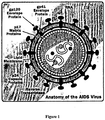
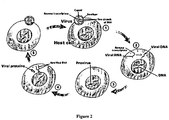
- the Human Immunodeficiency Virus is a Lentivirus, part of the family of Retroviridae. It is a single-stranded, positive-sense, diploid, enveloped RNA virus. Once inside a target cell, the viral RNA genome is reverse transcribed into double-stranded DNA through a virally encoded reverse transcriptase that is transported along with the viral genome into the target cell's cytoplasm. Subsequently, the transcribed viral DNA is imported into the target cell's nucleus and is integrated into the nuclear DNA by an integrase (also virally encoded). The latency of the HIV and other lentiviruses is due to their ability to integrate in the host cell genome and stay there in a latent form, i . e . without replicating.
- HIV Human Immunodeficiency Virus
- the virus avoids detection by the immune system and can stay there for years resulting in a so called “reservoir” of HIV in the infected subject.
- the viral DNA is transcribed producing new RNA genomes and viral proteins that are packaged and released from the cell as new virus particles, which can infect new cells.
- HIV mainly infects cells of the immune system, thereby weakening the immune response of the infected subject, which leads to its name "immunodeficiency virus".
- An HIV-positive subject may develop AIDS when the virus develops the ability to reproduce.
- the HIV will attach and destroy the CD4 + T-cells, macrophages, and microglial cells.
- the destruction of T-cells and macrophages will make the subject prone to infections that are normally easily avoided by the subject's immune system.
- CD4 + T-cell numbers in the subject's blood drop below 200 cells/ ⁇ l the cell-mediated immunity is lost, and infections with a variety of opportunistic microbes appear.
- Common opportunistic infections and tumors most of which are normally controlled by robust CD4 + T cell-mediated immunity then start to affect the subject.
- a subject with HIV infection or AIDS is not treated, he can eventually die from otherwise easy to cure infections, due to the impairment of the immune system.
- HIV-DNA Due to the latent character of HIV, reservoirs of HIV-DNA can continue to exist during the whole life span of the infected subject, without any significant signs, if e.g. controlled by constant antiviral treatment. Stopping the treatment will however eventually result in reactivation of the virus. The infected subject can therefore never be fully freed of the HIV infection.
- HIV-1 is the virus that was initially discovered and is the most virulent type, is more infective, and is the cause of the majority of HIV infections in the world. HIV-2 is less infective and smaller percentage of people exposed to HIV-2 is infected. HIV-2 is largely confined to West Africa.
- the treatment guidelines to treat HIV infections for the United States are set by the U.S. Department of Health and Human Services (DHHS).
- DHHS U.S. Department of Health and Human Services
- the current guidelines for adults and adolescents were stated on December 1, 2009.
- the details of the current guidelines are available at world wide website: aidsinfo.nih.gov/contentfiles/lvguidelines/adultandadolescentgl.pdf, the contents of which are herein incorporated by reference in its entirety. These guidelines may be revised in the future and such changes can be considered in the practice of the current invention.
- Highly active anti-retroviral therapy is not sufficient to eliminate HIV infection in a subject.
- the current invention provides compounds and methods that can be used to reactivate latent HIV infections.
- the re-activated HIV infections in a cell are prone to elimination by the subject's immune system and/or HAART.
- the current invention can be practiced alone or in combination with other HIV therapies that target HIV infection at an active stage of viral replication, for example, HAART, to achieve elimination of HIV infection in a subject. Accordingly, the current invention provides compounds and methods that may eliminate HIV infection in a subject.
- Embodiments of the current invention provide a class of compounds called isoflavones, and derivatives thereof, and their use in activation of latent retroviral infection, for example, latent HIV infection.
- Isoflavones comprise a class of organic compounds, often naturally occurring, related to the isoflavonoids.
- Isoflavones of nutritional interest are substituted derivatives of isoflavone, being related to the parent by the replacement of two or three hydrogen atoms with hydroxyl groups.
- the isoflavones of embodiments of the current invention include, but are not limited to, Daidzein, Daidzin, Genistein, Genistin, Glycitein, Glycitin, and pharmaceutically acceptable derivatives thereof.
- compositions include amides, salts, esters, ethers, organic based derivatives, hydrates, or solvates. Additional pharmaceutically acceptable derivatives are well known to a person of ordinary skill in the art and such derivatives are within the purview of this invention.
- Isoflavones are produced via a branch of the general phenylpropanoid pathway that produces flavonoid compounds in higher plants.
- the phenylpropanoid pathway begins from the amino acid phenylalanine, and an intermediate of the pathway, naringenin, is sequentially converted into the isoflavone genistein by two legume-specific enzymes, isoflavone synthase and a dehydratase.
- another intermediate, naringenin chalcone is converted to the isoflavone daidzein by sequential action of three legume-specific enzymes: chalcone reductase, type II chalcone isomerase, and isoflavone synthase.
- Isoflavones of the current invention are provided in Table 1.
- Table 1 Isoflavones that can reactivate a latent retrovirus, for example, latent HIV-1.
- the isoflavones are DDZ, DDN, GCT, GCN.
- DDZ Daidzein
- DDN Daidzin
- GCT Glycitein
- GCN Glycitin
- isoflavones are Genistein (GST) and Genistin (GSN). Also described are class compounds of Formula I and II as described below and use thereof for reactivating latent retroviral infection, for example latent HIV infection. Structures of Formula I and Formula II are provided in Table 2. Table 2. Core structures of isoflavones of capable of reactivating latent retroviruses, for example, latent HIV-1.
- R 1 , R 2 , R 3 , and R 4 independent of each other, can be H, OH, Glycosyl, Halogen, CH 3 , OCH 3 , CA 3 , OCA 3 , CN, NO 2 , A, or OA; wherein A is a branched or linear alkyl having 1 to 12 C-atoms, wherein one or more H atoms may be replaced by Halogen, OH, OA, COOH, COOA, CN, N(A) 2 .
- Such methods may include administering to the subject in need of such treatment, a therapeutically effective amount of one or more isoflavones, pharmaceutically acceptable derivatives thereof, or a combination thereof.
- R 1 , R 2 , R 3 , and R 4 independent of each other, are H, OH, Glycosyl, Halogen, CH 3 , OCH 3 , CA 3 , OCA 3 , CN, NO 2 , A, or OA, and wherein A is a branched or linear alkyl having 1 to 12 C-atoms, wherein one or more H atoms may be replaced by Hal, OH, OA, COOH, COOA, CN, or N(A) 2 .
- Described herein is a method of treating retroviral infection, for example, HIV infection, in a subject by administering to a subject in need of such treatment, a therapeutically effective amount of one or more isoflavones, compounds of Formula I or Formula II, pharmaceutically acceptable derivatives thereof, or a combination thereof.
- the methods of administering compounds of Formula I or Formula II, pharmaceutically acceptable derivatives thereof, or a combination thereof can be administered alone or in combination with other therapies directed against the retroviral infection at an active stage of viral infection.
- one method of reactivating HIV infection in a subject by administering compounds of Formula I or Formula II, pharmaceutically acceptable derivatives thereof, or a combination thereof is implemented in combination with HAART.
- Methods of treating retroviral infection in a subject by reactivating retroviral infection may be implemented in combination with one or more therapies directed to stimulating the subject's immune system. Stimulating the subject's immune system can facilitate the subject in more robustly fighting infections, for example, reactivated HIV infections and/or other microbial infections.
- Non-limiting examples of therapies directed to stimulating the subject's immune system include dendritic cell-based immunotherapy, T-cell adoptive transfer, autologous immune enhancement therapy, genetically engineered T-cells, immune recovery, and/or vaccination. Routine administration of these therapies and/or the modifications directed to treating HIV infections are well known to a person of ordinary skill in the art and such routine administrations and/or modifications are within the purview of the current invention.
- Non-limiting examples of therapies directed to stimulating a subject's immune system include administering one or more cytokines to the subject.
- cytokines include, but are not limited to, interleukin-2, interleukin-4, interleukin-5, interleukin-7, interleukin-10, transforming growth factor- ⁇ , interferon-y, and combinations thereof.
- Therapies directed to stimulating a subject's immune system can comprise of administering small molecule compounds, herbal extracts, and/or combination thereof capable of stimulating the immune system.
- ART Antiretroviral therapy
- HAV human immunodeficiency virus
- Standard treatments consist of a combination of at least three drugs (often called “highly active antiretroviral therapy” or HAART) that suppress HIV replication. Three drugs are used in order to reduce the likelihood of the virus developing resistance.
- ART has the potential both to reduce mortality and morbidity rates among HIV-infected people, and to improve their quality of life.
- HAART decreases the subject's total burden of HIV, maintains function of the immune system, and prevents opportunistic infections that often lead to death.
- Anti-retroviral drugs are broadly classified by the phase of the retrovirus life-cycle that the drug inhibits. Typical combinations include two NRTIs (Nucleoside Reverse Transcriptase Inhibitors) and one PI (Protease Inhibitor) or two NRTIs and one NNRTI (Non-Nucleoside Reverse Transcriptase Inhibitor). Combinations of antiretrovirals are subject to positive and negative synergies which limit the number of useful combinations.
- Entry inhibitors interfere with binding, fusion and entry of HIV-1 to the host cell by blocking one of several targets.
- Maraviroc and enfuvirtide are two agents in this class. Maraviroc works by targeting CCR5, a co-receptor located on human helper T-cells. Caution should be used when administering this drug due to a possible shift in tropism that allows HIV to target an alternative co-receptor such as CXCR4.
- CXCR4 an alternative co-receptor
- individuals may have a mutation in the CCR5 delta gene resulting in a nonfunctional CCR5 co-receptor and in turn, a means of resistance or slow progression of the disease.
- this can be overcome if an HIV variant that targets CXCR4 becomes dominant.
- Fuzeon is a peptide drug that must be injected and acts by interacting with the N-terminal heptad repeat of gp41 of HIV to form an inactive hetero six-helix bundle, therefore preventing infection of host cells.
- Nucleoside reverse transcriptase inhibitors and nucleotide reverse transciptase inhibitors (NtRTI) are nucleoside and nucleotide analogues that inhibit reverse transcription.
- NRTIs are chain terminators that, once incorporated, work by preventing other nucleosides from also being incorporated because of the absence of a 3' OH group; they both act as competitive substrate inhibitors.
- Non-limiting examples of NRTIs include deoxythymidine, zidovudine, stavudine, didanosine, zalcitabine, abacavir, lamivudine, emtricitabine, and tenofovir.
- NNRTI Non-Nucleoside reverse transcriptase inhibitors
- NNRTIs act as non-competitive inhibitors of reverse transcriptase.
- NNRTIs affect the handling of substrate (nucleotides) by reverse transcriptase by binding near the active site and causing "molecular arthritis.”
- NNRTIs can be further classified into 1st generation and 2nd generation NNRTIs. 1st generation NNRTIs are more rigid in structure and resistance can quickly be developed against them; However, 2nd generation NNRTIs have a more flexible structure and can adjust more readily and resist mutation more effectively.
- NNRTIs for example, include nevirapine, delavirdine, efavirenz, and rilpivirine.
- Integrase inhibitors inhibit the enzyme integrase, which is responsible for integration of viral DNA into the DNA of the infected cell.
- integrase inhibitors There are several integrase inhibitors currently under clinical trial, and raltegravir became the first to receive FDA approval in October 2007.
- Raltegravir has two metal binding groups that compete for substrate with two Mg 2+ ions at the metal binding site of integrase.
- Another clinically approved integrase inhibitor is Elvitegravir.
- Protease inhibitors block the viral protease enzyme necessary to produce mature virions upon budding from the host membrane. Particularly, these drugs prevent the cleavage of gag and gag/pol precursor proteins. Virus particles produced in the presence of protease inhibitors are defective and mostly non-infectious. Non-limiting examples of HIV protease inhibitors are Lopinavir, Indinavir, Nelfinavir, Amprenavir, and Ritonavir. Maturation inhibitors have a similar effect by binding to gag, but development of two experimental drugs in this class, Bevirimat and Vivecon, was halted in 2010. Resistance to some protease inhibitors is high. Second generation drugs have been developed that are effective against otherwise resistant HIV variants.
- multi-drug resistant strains can become the dominant genotypes very rapidly. Improper serial use of the reverse transcriptase inhibitors zidovudine, didanosine, zalcitabine, stavudine, and lamivudine can lead to the development of multi-drug resistant mutations.
- the mutations can include the V75I, F77L, K103N, F116Y, Q151M, and the M184V mutation. These mutations were observed before protease inhibitors had come into widespread use. The mutants retained sensitivity to the early protease inhibitor saquinavir. These mutants were also sensitive to the rarely used reverse transcriptase inhibitor foscarnet.
- HAART regimen examples include, but are not limited to, tenofovir/emtricitabine (a combination of two NRTIs) and efavirenz (a NNRTI); tenofovir/emtricitabine and raltegravir (an integrase inhibitor); tenofovir/emtricitabine, ritonavir, and darunavir (both latter are protease inhibitors); and tenofovir/emtricitabine, ritonavir, and atazanavir (both latter are protease inhibitors).
- Methods of treating retroviral infection in a subject by reactivating retroviral infection can also be implemented in combination with one or more therapies directed to treating the retroviral infection.
- the therapy directed to treating the retroviral infection includes administering one or more drugs selected from the group consisting of nucleoside reverse transcriptase inhibitors, non-nucleoside reverse transcriptase inhibitors, protease inhibitors, integrase inhibitors, and combinations thereof.
- Nucleoside reverse transcriptase inhibitors useful in embodiments of the present invention include tenofovir, emtricitabine, and combinations thereof.
- a non-nucleoside reverse transcriptase inhibitor useful in embodiments of the present invention incudes efavirenz.
- Protease inhibitors useful in embodiments of the present invention include ritonavir, darunavir, atazanavir, and combinations thereof.
- An integrase inhibitor useful in embodiments of the present invention incudes raltegravir.
- the therapy directed to treating the retroviral infection may include administering two nucleoside reverse transcriptase inhibitors and one protease inhibitor, or alternatively, two nucleoside reverse transcriptase inhibitors and one non-nucleoside reverse transcriptase inhibitor.
- compositions for use in accordance with embodiments of the present invention may include, in addition to active ingredient, a pharmaceutically acceptable excipient, carrier, buffer, stabilizer or other materials well known to those skilled in the art. Such materials should be non-toxic and should not interfere with the efficacy of the active ingredient.
- a pharmaceutically acceptable excipient such materials should be non-toxic and should not interfere with the efficacy of the active ingredient.
- the precise nature of the carrier or other material will depend on the route of administration, which may be any conventional route of systemic administration.
- the agent is administered orally.
- Other routes of administration that can be used in accordance with this invention include rectally, parenterally, by injection (e.g. intravenous, subcutaneous, intramuscular or intraperitioneal injection), or nasally.
- the active ingredient can be in the form of a parenterally acceptable aqueous solution which is pyrogen-free and has suitable pH, isotonicity and stability. Preservatives, stabilizers, buffers, antioxidants and/or other additives may be included, as required.
- compositions may be formulated in liquid or solid forms. Solid forms may be provided for reconstitution prior to administration by intravenous or subcutaneous injection, or for inhalation. The composition employed will depend on the physicochemical properties of the molecule and the route of delivery. Formulations may include excipients, or combinations of excipients, for example: sugars, amino acids and surfactants. Liquid formulations may include a wide range of antibody concentrations and pH. Solid formulations may be produced by lyophilisation, spray drying, or drying by supercritical fluid technology, for example. Formulations will depend upon the intended route of delivery; for example, formulations for pulmonary delivery may consist of particles with physical properties that ensure penetration into the deep lung upon inhalation.
- AIDS Research and Reference Reagent Program obtained through the AIDS Research and Reference Reagent Program, Division of AIDS, NIAID, National Institute of Health: J Lat full length clone 10.6, A72 and U1.
- Cells were grown in RPMI 1640 medium containing penicillin (100 IU/ml), streptomycin (100 IU/ml), and 10% fetal bovine serum at 37°C with 5% CO 2 .
- TZM-B1 cells were cultured in Dulbecco's modified Eagle's medium containing the same supplements.
- TZM-B1 cells (10 6 cells) were lysed in 200 ⁇ L of luciferase reporter lysis buffer (catalog number E387A, Promega, Madison, WI). After centrifugation, cell debris was discarded. Half of the lysis solution was used for analysis using a luminometer.
- p24 ELISA assay Assay for plasmid construction, and cell culture were performed using standard methodologies. The reactivation tests were carried out in cultures of latently infected cell line, J-Lat full length clone 10.6, TZM-B1 or 293T cells.
- the HIV-1 p24 production was assessed by ZeptoMetrix HIV-1 p24 Antigen ELISA kit, and luciferase activity was assessed by Promega Luciferase Assay System kit).
- the molecular structures were drawn by CambridgeSoft ChemDraw software.
- Isoflavones such as daidzein, increase p24 production in the supernatant of latently infected cell line, J-Lat full length clone 10.6.
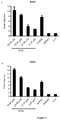
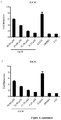
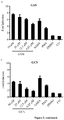
- J-Lat full length clone 10.6 cells were seeded in 96-well U bottom plates at 1 x 10 5 /well in 100 ⁇ l growth medium, followed by treatment of 50 ⁇ g/ml DDZ, DDN, GST, GSN, GCT, or GCN. The supernatant was collected on day 1, 2, and 3 for HIV-1 p24 test after co-incubation. 10 ⁇ M SAHA and 125 ng/ml PMA were used as positive controls; whereas, 0.25% DMSO was used as a negative control. The results obtained with untreated cells (marked as CO) were set at a value of 1. All the results are presented as fold induction compared to untreated cells.
- TZM-B1 cells were seeded in 96-well flat bottom plates at 1.3 x 10 5 /well in 100 ⁇ l growth medium. After overnight culture, TZM-Bl cells were co-incubated with serially diluted DDZ, DDN, GST, GSN, GCT or GCN for 48hrs. After 36 hr co-incubation, the supernatant was discarded. The cells were lysed by 50 ⁇ l lysis buffer and kept at room temperature for 30 min.
- isoflavones such as daidzein
- 293T cells were seeded in 24-well plates at 1 x 10 5 /well in 500 ⁇ l growth medium. After overnight culture, the medium was replaced with fresh culture medium.
- the pLTR-Luc plasmid was mixed with PEI and kept at room temperature for 15 min. Afterwards, the mixture was added to 293T cells. After 6 hr co-incubation, the medium was aspirated and transfected 293T cells were co-incubated with serially diluted DDZ, DDN, GST, GSN, GCT or GCN for 48hrs. After 36hr co-incubation, the supernatant was discarded.
- the cells were lysed by 200 ⁇ l lysis buffer and kept at room temperature for 30min. 150 ⁇ l lysate was transferred into a white plate for luciferase assay. 10 ⁇ M SAHA and 125ng/ml PMA were used as positive control and 0.25% DMSO as negative control, respectively. The result obtained with untreated cells (marked as CO) was set at a value of 1. All the results are presented as fold induction compared with untreated cells.
- Ul or J Lat cells were plated at 1 x 10 5 cells/ml in 96-well plates; supernatant was collected before stimulation with compounds daily, and viral release in the supernatant was quantified by p24 ELISA (PerkinElmer Life Sciences) or flow cytometry for GFP detection. Base-line levels were 50-100 pg/ml in control cells. Pre-treatment with inhibitor was done 1 h before stimulation by tested compounds.
- Daidzein activates HIV replication at the level of transcription
- Daidzein stimulates viral replication by affecting gene expression from an HIV LTR
- TZM-B1 cells that contain an integrated HIV LTR linked to the luciferase reporter gene in their genome were utilized.
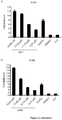
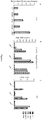
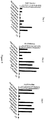
- Daidzein induced a dose-dependent increase in luciferase activity starting at concentration of 6.25 ⁇ M, and reached 14 fold induction of HIV replication compared with the unstimulated control in these cells at concentration of 50 ⁇ M ( Fig. 7A ).
- Daidzein-induced IDV replication is dependent on the Akt signaling pathway
- Akt pathway is involved in SAHA-induced HIV replication.
- Daidzein also activates this pathway.
- Akt inhibitors were utilized in a TZM-B1 and J Lat cell based assay, respectively.
- Akt inhibitors decreased Daidzein-induced viral replication by more than 50% ( Fig. 7B , compare lanes 2-3). Importantly, these inhibitors had no significant effect on basal levels of HIV production ( Fig. 7C ).
- genistein and genistin did not show potent activity to reactivate HIV replication in the latently infected T cell line J Lat, whereas the other four analogues Daidzein, Daizin, Glycitein and Glycitin potently reactivated HIV replication at a concentration of 50 ⁇ M, with induced HIV replication for 41-, 48-, 44-, 40-fold compared with unstimulated cells, respectively.
Landscapes
- Health & Medical Sciences (AREA)
- Life Sciences & Earth Sciences (AREA)
- Pharmacology & Pharmacy (AREA)
- Veterinary Medicine (AREA)
- Chemical & Material Sciences (AREA)
- Public Health (AREA)
- Medicinal Chemistry (AREA)
- General Health & Medical Sciences (AREA)
- Animal Behavior & Ethology (AREA)
- Epidemiology (AREA)
- Virology (AREA)
- Molecular Biology (AREA)
- Chemical Kinetics & Catalysis (AREA)
- Organic Chemistry (AREA)
- Nuclear Medicine, Radiotherapy & Molecular Imaging (AREA)
- General Chemical & Material Sciences (AREA)
- Oncology (AREA)
- Communicable Diseases (AREA)
- Zoology (AREA)
- Gastroenterology & Hepatology (AREA)
- Engineering & Computer Science (AREA)
- Bioinformatics & Cheminformatics (AREA)
- Immunology (AREA)
- Proteomics, Peptides & Aminoacids (AREA)
- Tropical Medicine & Parasitology (AREA)
- AIDS & HIV (AREA)
- Pharmaceuticals Containing Other Organic And Inorganic Compounds (AREA)
- Medicines That Contain Protein Lipid Enzymes And Other Medicines (AREA)
Claims (14)
- Verbindung, ausgewählt aus der Gruppe bestehend aus:


- Verbindung, ausgewählt aus der Gruppe bestehend aus:


zur Verwendung bei der Behandlung einer retroviralen Infektion bei einem Patienten, wobei die Behandlung ferner das Verabreichen einer Therapie umfasst, die darauf gerichtet ist, das Immunsystem des Patienten zu stimulieren. - Verbindung, ausgewählt aus der Gruppe bestehend aus:


- Verbindung zur Verwendung nach Anspruch 2, wobei die Therapie, die darauf gerichtet ist, das Immunsystem des Patienten zu stimulieren, dendritische zellbasierte Immuntherapie, T-Zell-Adoptivtransfer, autologe Immunverstärkungstherapie, gentechnisch veränderte T-Zellen, Immunwiederherstellung, Impfung oder Kombinationen davon umfasst.
- Verbindung zur Verwendung nach Anspruch 2, wobei die Therapie, die darauf gerichtet ist, das Immunsystem des Patienten zu stimulieren, das Verabreichen eines oder mehrerer Zytokine an den Patienten beinhaltet.
- Verbindung zur Verwendung nach Anspruch 5, wobei das eine oder die mehreren Zytokine ausgewählt sind aus der Gruppe bestehend aus Interleukin-2, Interleukin-4, Interleukin-5, Interleukin-7, Interleukin-10, transformierendem Wachstumsfaktor-a, Interferon-y und einer Kombination davon.
- Verbindung zur Verwendung nach einem vorhergehenden Anspruch, wobei die latente retrovirale Infektion eine Infektion mit dem humanen Immundefizienzvirus (HIV) ist.
- Verbindung zur Verwendung nach Anspruch 3, wobei die Therapie, die darauf gerichtet ist, die retrovirale Infektion zu behandeln, das Verabreichen von zumindest einem Nukleosid-Reverse-Transkriptase-Inhibitor umfasst, wobei der zumindest eine Nukleosid-Reverse-Transkriptase-Inhibitor vorzugsweise ausgewählt ist aus der Gruppe bestehend aus Tenofovir, Emtricitabin und Kombinationen davon.
- Verbindung zur Verwendung nach Anspruch 3, wobei die Therapie, die darauf gerichtet ist, die retrovirale Infektion zu behandeln, das Verabreichen von zumindest einem Nicht-Nukleosid-Reverse-Transkriptase-Inhibitor umfasst, wobei der zumindest eine Nicht-Nukleosid-Reverse-Transkriptase-Inhibitor vorzugsweise Efavirenz ist.
- Verbindung zur Verwendung nach Anspruch 3, wobei die Therapie, die darauf gerichtet ist, die retrovirale Infektion zu behandeln, das Verabreichen von zumindest einem Protease-Inhibitor umfasst, wobei der zumindest eine Protease-Inhibitor vorzugsweise ausgewählt ist aus der Gruppe bestehend aus Ritonavir, Darunavir, Atazanavir und Kombinationen davon.
- Verbindung zur Verwendung nach Anspruch 3, wobei die Therapie, die darauf gerichtet ist, die retrovirale Infektion zu behandeln, das Verabreichen von zumindest einem Integrase-Inhibitor umfasst, wobei der zumindest eine Integrase-Inhibitor vorzugsweise Raltegravir ist.
- Verbindung zur Verwendung nach Anspruch 3, wobei die Therapie, die darauf gerichtet ist, die retrovirale Infektion zu behandeln, das Verabreichen von einem oder mehreren Arzneimitteln umfasst, die aus der Gruppe ausgewählt sind, die aus einem Nukleosid-Reverse-Transkriptase-Inhibitor, einem Nicht-Nukleosid-Reverse-Transkriptase-Inhibitor, einem Protease-Inhibitor, einem Integrase-Inhibitor und Kombinationen davon besteht.
- Verbindung zur Verwendung nach Anspruch 3, wobei die Therapie, die darauf gerichtet ist, die retrovirale Infektion zu behandeln, das Verabreichen von zwei Nukleosid-Reverse-Transkriptase-Inhibitoren und einem Protease-Inhibitor umfasst, oder wobei die Therapie, die darauf gerichtet ist, die retrovirale Infektion zu behandeln, das Verabreichen von zwei Nukleosid-Reverse-Transkriptase-Inhibitoren und einem Nicht-Nukleosid-Reverse-Transkriptase-Inhibitor umfasst.
- Verbindung zur Verwendung nach Anspruch 3, wobei die Therapie, die darauf gerichtet ist, die retrovirale Infektion zu behandeln, das Verabreichen von zumindest einem Arzneimittel umfasst, das aus der Gruppe ausgewählt ist, die aus Tenofovir, Emtricitabin, Efavirenz, Raltegravir, Ritonavir, Darunavir, Atazanavir und Kombinationen davon besteht.
Applications Claiming Priority (2)
| Application Number | Priority Date | Filing Date | Title |
|---|---|---|---|
| US201361917175P | 2013-12-17 | 2013-12-17 | |
| PCT/CN2014/094083 WO2015090201A1 (en) | 2013-12-17 | 2014-12-17 | Use of isoflavones for the treatment of retroviral infection |
Publications (3)
| Publication Number | Publication Date |
|---|---|
| EP3082799A1 EP3082799A1 (de) | 2016-10-26 |
| EP3082799A4 EP3082799A4 (de) | 2017-08-09 |
| EP3082799B1 true EP3082799B1 (de) | 2021-04-28 |
Family
ID=53402112
Family Applications (1)
| Application Number | Title | Priority Date | Filing Date |
|---|---|---|---|
| EP14871042.9A Active EP3082799B1 (de) | 2013-12-17 | 2014-12-17 | Verwendung von isoflavonen zur behandlung retroviraler infektion |
Country Status (3)
| Country | Link |
|---|---|
| EP (1) | EP3082799B1 (de) |
| CN (1) | CN106061476B (de) |
| WO (1) | WO2015090201A1 (de) |
Family Cites Families (5)
| Publication number | Priority date | Publication date | Assignee | Title |
|---|---|---|---|---|
| JP2001253823A (ja) | 2000-03-09 | 2001-09-18 | Yasukazu Tanuma | Hiv遺伝子発現抑制剤 |
| CN101279993B (zh) * | 2008-03-28 | 2011-10-12 | 中国科学院上海有机化学研究所 | 3-芳基-8-羟基色原酮-7-O-α-D-呋喃阿拉伯糖苷化合物及其合成方法和用途 |
| GB201015305D0 (en) | 2010-09-14 | 2010-10-27 | Ucl Business Plc | Methods, compounds and compositions relating to activating a latent virus |
| CN102302484B (zh) * | 2011-07-11 | 2013-09-11 | 中国科学院上海药物研究所 | 异黄酮类化合物的用途 |
| WO2013182662A1 (en) * | 2012-06-06 | 2013-12-12 | Bionor Immuno As | Vaccine |
-
2014
- 2014-12-17 CN CN201480068689.XA patent/CN106061476B/zh active Active
- 2014-12-17 EP EP14871042.9A patent/EP3082799B1/de active Active
- 2014-12-17 WO PCT/CN2014/094083 patent/WO2015090201A1/en not_active Ceased
Non-Patent Citations (1)
| Title |
|---|
| None * |
Also Published As
| Publication number | Publication date |
|---|---|
| EP3082799A1 (de) | 2016-10-26 |
| CN106061476A (zh) | 2016-10-26 |
| EP3082799A4 (de) | 2017-08-09 |
| CN106061476B (zh) | 2021-06-08 |
| WO2015090201A1 (en) | 2015-06-25 |
Similar Documents
| Publication | Publication Date | Title |
|---|---|---|
| Xu et al. | Stoichiometry of the antiviral protein APOBEC3G in HIV-1 virions | |
| Bedoya et al. | Quinoline-based compounds as modulators of HIV transcription through NF-κB and Sp1 inhibition | |
| Mediouni et al. | Potent suppression of HIV-1 cell attachment by Kudzu root extract | |
| Geronikaki et al. | Anti-HIV agents: current status and recent trends | |
| Hartman et al. | The Continuing Evolution of HIV‐1 Therapy: Identification and Development of Novel Antiretroviral Agents Targeting Viral and Cellular Targets | |
| WO2010099169A2 (en) | A novel in vitro hiv-1 latency model for screening reactivation agents of hiv-1 | |
| WO2014151771A1 (en) | Compositions and methods for treating an immunodeficiency virus infection | |
| Desrosiers et al. | Thymidylate synthase is essential for efficient HIV-1 replication in macrophages | |
| EP3082799B1 (de) | Verwendung von isoflavonen zur behandlung retroviraler infektion | |
| Oguariri et al. | Evaluation of the effect of pyrimethamine, an anti-malarial drug, on HIV-1 replication | |
| Yildirir | SMAC mimetics sensitize HIV-infected cells to MG1-mediated death | |
| Nikolopoulos et al. | HIV/AIDS: recent advances in antiretroviral agents | |
| Mitsuya | Development of inhibitors of reverse transcriptase and protease as therapeutics against HIV infection | |
| EP1631145A2 (de) | P38-kinasehemmer-zusammensetzung sowie verfahren zu deren verwendung | |
| Schonhofer | Discovery and mechanistic study of HIV-1 transcriptional inhibitors from natural and synthetic products | |
| Wooding | Antiviral efficacy of nine nucleoside reverse transcriptase inhibitors against feline immunodeficiency virus in feline peripheral blood mononuclear cells | |
| Richard | Documentation and molecular analysis of African medicinal plants and naturally-produced chemical compounds that modulate latent HIV-1 infection | |
| Tashovski | BAG6 as a novel HIV-1 host factor | |
| Ferreira | New Insights Into the Nature of the HIV-2 Reservoir | |
| de Araujo Ferreira | New Insights into the Nature of the HIV-2 Reservoir | |
| WO1999060988A2 (en) | Combination therapy for treatment of fiv infection | |
| Thomas | Measuring the HIV-1 Reservoir in the Context of Eradication and Pathogen Co-Infection | |
| Radetskyy | ADAR1’s enhancement of HIV-1 replication and its relation with PKR activator | |
| Lucera | Lysine Acetylation and Small Molecule Epigenetic Inhibition Reveal Novel Mechanisms Controlling Cellular Susceptibility to HIV-1 Infection | |
| McCauley | Innate Detection of HIV-1 in Myeloid Dendritic Cells |
Legal Events
| Date | Code | Title | Description |
|---|---|---|---|
| PUAI | Public reference made under article 153(3) epc to a published international application that has entered the european phase |
Free format text: ORIGINAL CODE: 0009012 |
|
| 17P | Request for examination filed |
Effective date: 20160617 |
|
| AK | Designated contracting states |
Kind code of ref document: A1 Designated state(s): AL AT BE BG CH CY CZ DE DK EE ES FI FR GB GR HR HU IE IS IT LI LT LU LV MC MK MT NL NO PL PT RO RS SE SI SK SM TR |
|
| AX | Request for extension of the european patent |
Extension state: BA ME |
|
| DAX | Request for extension of the european patent (deleted) | ||
| A4 | Supplementary search report drawn up and despatched |
Effective date: 20170707 |
|
| RIC1 | Information provided on ipc code assigned before grant |
Ipc: A61P 31/18 20060101ALI20170704BHEP Ipc: A61K 31/675 20060101ALI20170704BHEP Ipc: A61K 31/513 20060101ALI20170704BHEP Ipc: A61K 38/19 20060101ALI20170704BHEP Ipc: A61K 45/06 20060101ALI20170704BHEP Ipc: A61K 31/635 20060101ALI20170704BHEP Ipc: A61K 38/20 20060101ALI20170704BHEP Ipc: A61K 31/427 20060101ALI20170704BHEP Ipc: A61P 31/12 20060101ALI20170704BHEP Ipc: A61K 31/4418 20060101ALI20170704BHEP Ipc: A61K 31/536 20060101ALI20170704BHEP Ipc: A61K 31/7068 20060101ALI20170704BHEP Ipc: A61K 31/352 20060101AFI20170704BHEP Ipc: A61P 31/14 20060101ALI20170704BHEP Ipc: A61K 31/7048 20060101ALI20170704BHEP |
|
| STAA | Information on the status of an ep patent application or granted ep patent |
Free format text: STATUS: EXAMINATION IS IN PROGRESS |
|
| 17Q | First examination report despatched |
Effective date: 20181218 |
|
| GRAP | Despatch of communication of intention to grant a patent |
Free format text: ORIGINAL CODE: EPIDOSNIGR1 |
|
| STAA | Information on the status of an ep patent application or granted ep patent |
Free format text: STATUS: GRANT OF PATENT IS INTENDED |
|
| GRAS | Grant fee paid |
Free format text: ORIGINAL CODE: EPIDOSNIGR3 |
|
| INTG | Intention to grant announced |
Effective date: 20210225 |
|
| GRAA | (expected) grant |
Free format text: ORIGINAL CODE: 0009210 |
|
| STAA | Information on the status of an ep patent application or granted ep patent |
Free format text: STATUS: THE PATENT HAS BEEN GRANTED |
|
| AK | Designated contracting states |
Kind code of ref document: B1 Designated state(s): AL AT BE BG CH CY CZ DE DK EE ES FI FR GB GR HR HU IE IS IT LI LT LU LV MC MK MT NL NO PL PT RO RS SE SI SK SM TR |
|
| REG | Reference to a national code |
Ref country code: GB Ref legal event code: FG4D |
|
| REG | Reference to a national code |
Ref country code: CH Ref legal event code: EP |
|
| REG | Reference to a national code |
Ref country code: DE Ref legal event code: R096 Ref document number: 602014077067 Country of ref document: DE |
|
| REG | Reference to a national code |
Ref country code: AT Ref legal event code: REF Ref document number: 1386327 Country of ref document: AT Kind code of ref document: T Effective date: 20210515 |
|
| REG | Reference to a national code |
Ref country code: IE Ref legal event code: FG4D |
|
| REG | Reference to a national code |
Ref country code: LT Ref legal event code: MG9D |
|
| REG | Reference to a national code |
Ref country code: AT Ref legal event code: MK05 Ref document number: 1386327 Country of ref document: AT Kind code of ref document: T Effective date: 20210428 |
|
| PG25 | Lapsed in a contracting state [announced via postgrant information from national office to epo] |
Ref country code: FI Free format text: LAPSE BECAUSE OF FAILURE TO SUBMIT A TRANSLATION OF THE DESCRIPTION OR TO PAY THE FEE WITHIN THE PRESCRIBED TIME-LIMIT Effective date: 20210428 Ref country code: LT Free format text: LAPSE BECAUSE OF FAILURE TO SUBMIT A TRANSLATION OF THE DESCRIPTION OR TO PAY THE FEE WITHIN THE PRESCRIBED TIME-LIMIT Effective date: 20210428 Ref country code: NL Free format text: LAPSE BECAUSE OF FAILURE TO SUBMIT A TRANSLATION OF THE DESCRIPTION OR TO PAY THE FEE WITHIN THE PRESCRIBED TIME-LIMIT Effective date: 20210428 Ref country code: AT Free format text: LAPSE BECAUSE OF FAILURE TO SUBMIT A TRANSLATION OF THE DESCRIPTION OR TO PAY THE FEE WITHIN THE PRESCRIBED TIME-LIMIT Effective date: 20210428 Ref country code: BG Free format text: LAPSE BECAUSE OF FAILURE TO SUBMIT A TRANSLATION OF THE DESCRIPTION OR TO PAY THE FEE WITHIN THE PRESCRIBED TIME-LIMIT Effective date: 20210728 Ref country code: HR Free format text: LAPSE BECAUSE OF FAILURE TO SUBMIT A TRANSLATION OF THE DESCRIPTION OR TO PAY THE FEE WITHIN THE PRESCRIBED TIME-LIMIT Effective date: 20210428 |
|
| PG25 | Lapsed in a contracting state [announced via postgrant information from national office to epo] |
Ref country code: GR Free format text: LAPSE BECAUSE OF FAILURE TO SUBMIT A TRANSLATION OF THE DESCRIPTION OR TO PAY THE FEE WITHIN THE PRESCRIBED TIME-LIMIT Effective date: 20210729 Ref country code: IS Free format text: LAPSE BECAUSE OF FAILURE TO SUBMIT A TRANSLATION OF THE DESCRIPTION OR TO PAY THE FEE WITHIN THE PRESCRIBED TIME-LIMIT Effective date: 20210828 Ref country code: LV Free format text: LAPSE BECAUSE OF FAILURE TO SUBMIT A TRANSLATION OF THE DESCRIPTION OR TO PAY THE FEE WITHIN THE PRESCRIBED TIME-LIMIT Effective date: 20210428 Ref country code: RS Free format text: LAPSE BECAUSE OF FAILURE TO SUBMIT A TRANSLATION OF THE DESCRIPTION OR TO PAY THE FEE WITHIN THE PRESCRIBED TIME-LIMIT Effective date: 20210428 Ref country code: SE Free format text: LAPSE BECAUSE OF FAILURE TO SUBMIT A TRANSLATION OF THE DESCRIPTION OR TO PAY THE FEE WITHIN THE PRESCRIBED TIME-LIMIT Effective date: 20210428 Ref country code: PL Free format text: LAPSE BECAUSE OF FAILURE TO SUBMIT A TRANSLATION OF THE DESCRIPTION OR TO PAY THE FEE WITHIN THE PRESCRIBED TIME-LIMIT Effective date: 20210428 Ref country code: NO Free format text: LAPSE BECAUSE OF FAILURE TO SUBMIT A TRANSLATION OF THE DESCRIPTION OR TO PAY THE FEE WITHIN THE PRESCRIBED TIME-LIMIT Effective date: 20210728 Ref country code: PT Free format text: LAPSE BECAUSE OF FAILURE TO SUBMIT A TRANSLATION OF THE DESCRIPTION OR TO PAY THE FEE WITHIN THE PRESCRIBED TIME-LIMIT Effective date: 20210830 Ref country code: ES Free format text: LAPSE BECAUSE OF FAILURE TO SUBMIT A TRANSLATION OF THE DESCRIPTION OR TO PAY THE FEE WITHIN THE PRESCRIBED TIME-LIMIT Effective date: 20210428 |
|
| REG | Reference to a national code |
Ref country code: NL Ref legal event code: MP Effective date: 20210428 |
|
| PG25 | Lapsed in a contracting state [announced via postgrant information from national office to epo] |
Ref country code: SM Free format text: LAPSE BECAUSE OF FAILURE TO SUBMIT A TRANSLATION OF THE DESCRIPTION OR TO PAY THE FEE WITHIN THE PRESCRIBED TIME-LIMIT Effective date: 20210428 Ref country code: SK Free format text: LAPSE BECAUSE OF FAILURE TO SUBMIT A TRANSLATION OF THE DESCRIPTION OR TO PAY THE FEE WITHIN THE PRESCRIBED TIME-LIMIT Effective date: 20210428 Ref country code: EE Free format text: LAPSE BECAUSE OF FAILURE TO SUBMIT A TRANSLATION OF THE DESCRIPTION OR TO PAY THE FEE WITHIN THE PRESCRIBED TIME-LIMIT Effective date: 20210428 Ref country code: DK Free format text: LAPSE BECAUSE OF FAILURE TO SUBMIT A TRANSLATION OF THE DESCRIPTION OR TO PAY THE FEE WITHIN THE PRESCRIBED TIME-LIMIT Effective date: 20210428 Ref country code: CZ Free format text: LAPSE BECAUSE OF FAILURE TO SUBMIT A TRANSLATION OF THE DESCRIPTION OR TO PAY THE FEE WITHIN THE PRESCRIBED TIME-LIMIT Effective date: 20210428 Ref country code: RO Free format text: LAPSE BECAUSE OF FAILURE TO SUBMIT A TRANSLATION OF THE DESCRIPTION OR TO PAY THE FEE WITHIN THE PRESCRIBED TIME-LIMIT Effective date: 20210428 |
|
| REG | Reference to a national code |
Ref country code: DE Ref legal event code: R097 Ref document number: 602014077067 Country of ref document: DE |
|
| PLBE | No opposition filed within time limit |
Free format text: ORIGINAL CODE: 0009261 |
|
| STAA | Information on the status of an ep patent application or granted ep patent |
Free format text: STATUS: NO OPPOSITION FILED WITHIN TIME LIMIT |
|
| 26N | No opposition filed |
Effective date: 20220131 |
|
| PG25 | Lapsed in a contracting state [announced via postgrant information from national office to epo] |
Ref country code: IS Free format text: LAPSE BECAUSE OF FAILURE TO SUBMIT A TRANSLATION OF THE DESCRIPTION OR TO PAY THE FEE WITHIN THE PRESCRIBED TIME-LIMIT Effective date: 20210828 Ref country code: AL Free format text: LAPSE BECAUSE OF FAILURE TO SUBMIT A TRANSLATION OF THE DESCRIPTION OR TO PAY THE FEE WITHIN THE PRESCRIBED TIME-LIMIT Effective date: 20210428 |
|
| PG25 | Lapsed in a contracting state [announced via postgrant information from national office to epo] |
Ref country code: MC Free format text: LAPSE BECAUSE OF FAILURE TO SUBMIT A TRANSLATION OF THE DESCRIPTION OR TO PAY THE FEE WITHIN THE PRESCRIBED TIME-LIMIT Effective date: 20210428 Ref country code: IT Free format text: LAPSE BECAUSE OF FAILURE TO SUBMIT A TRANSLATION OF THE DESCRIPTION OR TO PAY THE FEE WITHIN THE PRESCRIBED TIME-LIMIT Effective date: 20210428 |
|
| REG | Reference to a national code |
Ref country code: CH Ref legal event code: PL |
|
| REG | Reference to a national code |
Ref country code: BE Ref legal event code: MM Effective date: 20211231 |
|
| PG25 | Lapsed in a contracting state [announced via postgrant information from national office to epo] |
Ref country code: LU Free format text: LAPSE BECAUSE OF NON-PAYMENT OF DUE FEES Effective date: 20211217 Ref country code: IE Free format text: LAPSE BECAUSE OF NON-PAYMENT OF DUE FEES Effective date: 20211217 |
|
| PG25 | Lapsed in a contracting state [announced via postgrant information from national office to epo] |
Ref country code: BE Free format text: LAPSE BECAUSE OF NON-PAYMENT OF DUE FEES Effective date: 20211231 |
|
| PG25 | Lapsed in a contracting state [announced via postgrant information from national office to epo] |
Ref country code: LI Free format text: LAPSE BECAUSE OF NON-PAYMENT OF DUE FEES Effective date: 20211231 Ref country code: CH Free format text: LAPSE BECAUSE OF NON-PAYMENT OF DUE FEES Effective date: 20211231 |
|
| PG25 | Lapsed in a contracting state [announced via postgrant information from national office to epo] |
Ref country code: HU Free format text: LAPSE BECAUSE OF FAILURE TO SUBMIT A TRANSLATION OF THE DESCRIPTION OR TO PAY THE FEE WITHIN THE PRESCRIBED TIME-LIMIT; INVALID AB INITIO Effective date: 20141217 |
|
| PG25 | Lapsed in a contracting state [announced via postgrant information from national office to epo] |
Ref country code: CY Free format text: LAPSE BECAUSE OF FAILURE TO SUBMIT A TRANSLATION OF THE DESCRIPTION OR TO PAY THE FEE WITHIN THE PRESCRIBED TIME-LIMIT Effective date: 20210428 |
|
| PG25 | Lapsed in a contracting state [announced via postgrant information from national office to epo] |
Ref country code: MK Free format text: LAPSE BECAUSE OF FAILURE TO SUBMIT A TRANSLATION OF THE DESCRIPTION OR TO PAY THE FEE WITHIN THE PRESCRIBED TIME-LIMIT Effective date: 20210428 |
|
| PG25 | Lapsed in a contracting state [announced via postgrant information from national office to epo] |
Ref country code: TR Free format text: LAPSE BECAUSE OF FAILURE TO SUBMIT A TRANSLATION OF THE DESCRIPTION OR TO PAY THE FEE WITHIN THE PRESCRIBED TIME-LIMIT Effective date: 20210428 |
|
| PG25 | Lapsed in a contracting state [announced via postgrant information from national office to epo] |
Ref country code: MT Free format text: LAPSE BECAUSE OF FAILURE TO SUBMIT A TRANSLATION OF THE DESCRIPTION OR TO PAY THE FEE WITHIN THE PRESCRIBED TIME-LIMIT Effective date: 20210428 |
|
| PGFP | Annual fee paid to national office [announced via postgrant information from national office to epo] |
Ref country code: DE Payment date: 20251104 Year of fee payment: 12 |
|
| PGFP | Annual fee paid to national office [announced via postgrant information from national office to epo] |
Ref country code: GB Payment date: 20251030 Year of fee payment: 12 |
|
| PGFP | Annual fee paid to national office [announced via postgrant information from national office to epo] |
Ref country code: FR Payment date: 20251110 Year of fee payment: 12 |