EP3074029B1 - Antineuroinflammatorische und schützende verbindungen in achillea fragrantissima - Google Patents
Antineuroinflammatorische und schützende verbindungen in achillea fragrantissima Download PDFInfo
- Publication number
- EP3074029B1 EP3074029B1 EP14865412.2A EP14865412A EP3074029B1 EP 3074029 B1 EP3074029 B1 EP 3074029B1 EP 14865412 A EP14865412 A EP 14865412A EP 3074029 B1 EP3074029 B1 EP 3074029B1
- Authority
- EP
- European Patent Office
- Prior art keywords
- cells
- ttf
- induced
- levels
- achillolide
- Prior art date
- Legal status (The legal status is an assumption and is not a legal conclusion. Google has not performed a legal analysis and makes no representation as to the accuracy of the status listed.)
- Active
Links
Images














Classifications
-
- A—HUMAN NECESSITIES
- A61—MEDICAL OR VETERINARY SCIENCE; HYGIENE
- A61K—PREPARATIONS FOR MEDICAL, DENTAL OR TOILETRY PURPOSES
- A61K31/00—Medicinal preparations containing organic active ingredients
- A61K31/33—Heterocyclic compounds
- A61K31/335—Heterocyclic compounds having oxygen as the only ring hetero atom, e.g. fungichromin
- A61K31/35—Heterocyclic compounds having oxygen as the only ring hetero atom, e.g. fungichromin having six-membered rings with one oxygen as the only ring hetero atom
- A61K31/352—Heterocyclic compounds having oxygen as the only ring hetero atom, e.g. fungichromin having six-membered rings with one oxygen as the only ring hetero atom condensed with carbocyclic rings, e.g. methantheline
-
- A—HUMAN NECESSITIES
- A61—MEDICAL OR VETERINARY SCIENCE; HYGIENE
- A61K—PREPARATIONS FOR MEDICAL, DENTAL OR TOILETRY PURPOSES
- A61K31/00—Medicinal preparations containing organic active ingredients
- A61K31/33—Heterocyclic compounds
- A61K31/335—Heterocyclic compounds having oxygen as the only ring hetero atom, e.g. fungichromin
- A61K31/34—Heterocyclic compounds having oxygen as the only ring hetero atom, e.g. fungichromin having five-membered rings with one oxygen as the only ring hetero atom, e.g. isosorbide
- A61K31/343—Heterocyclic compounds having oxygen as the only ring hetero atom, e.g. fungichromin having five-membered rings with one oxygen as the only ring hetero atom, e.g. isosorbide condensed with a carbocyclic ring, e.g. coumaran, bufuralol, befunolol, clobenfurol, amiodarone
-
- A—HUMAN NECESSITIES
- A61—MEDICAL OR VETERINARY SCIENCE; HYGIENE
- A61K—PREPARATIONS FOR MEDICAL, DENTAL OR TOILETRY PURPOSES
- A61K36/00—Medicinal preparations of undetermined constitution containing material from algae, lichens, fungi or plants, or derivatives thereof, e.g. traditional herbal medicines
- A61K36/18—Magnoliophyta (angiosperms)
- A61K36/185—Magnoliopsida (dicotyledons)
- A61K36/28—Asteraceae or Compositae (Aster or Sunflower family), e.g. chamomile, feverfew, yarrow or echinacea
-
- A—HUMAN NECESSITIES
- A61—MEDICAL OR VETERINARY SCIENCE; HYGIENE
- A61P—SPECIFIC THERAPEUTIC ACTIVITY OF CHEMICAL COMPOUNDS OR MEDICINAL PREPARATIONS
- A61P25/00—Drugs for disorders of the nervous system
- A61P25/14—Drugs for disorders of the nervous system for treating abnormal movements, e.g. chorea, dyskinesia
- A61P25/16—Anti-Parkinson drugs
-
- A—HUMAN NECESSITIES
- A61—MEDICAL OR VETERINARY SCIENCE; HYGIENE
- A61P—SPECIFIC THERAPEUTIC ACTIVITY OF CHEMICAL COMPOUNDS OR MEDICINAL PREPARATIONS
- A61P25/00—Drugs for disorders of the nervous system
- A61P25/28—Drugs for disorders of the nervous system for treating neurodegenerative disorders of the central nervous system, e.g. nootropic agents, cognition enhancers, drugs for treating Alzheimer's disease or other forms of dementia
Definitions
- This invention is in the field of neurodegenerative conditions.
- These diseases have multifactorial pathogenesis, and in most of them, a massive neuronal cell death occurs as a consequence of an uncontrolled neuroinflammatory response as well as oxidative stress.
- These processes play a pivotal role in the initiation and progression of various neurodegenerative diseases and involves the activation of two main cell types in the brain - astrocytes and microglia. These cells can produce proinflammatory cytokines (such as TNF ⁇ ) and cytotoxic agents, leading to exaggeration of the disease processes.
- proinflammatory cytokines such as TNF ⁇
- cytotoxic agents leading to exaggeration of the disease processes.
- Neuroinflammation, oxidative stress, glutamate toxicity and amyloid beta toxicity are involved in the pathogenesis of Alzheimer's diseases and other neurodegenerative conditions.
- Achillea fragrantissima Af
- two compounds ( 1) an anti-neuroinflammatory and a protective compound determined by spectroscopic methods to be the sesquiterpene lactone achillolide A (AcA).
- AcA showed anti-inflammatory effects on microglial cells and splenocytes, and protective activity on oxidative stress-afflicted cells.
- AcA also protected cultured astrocytes and neurons from induced cell death via interference with cell signaling.
- AcA also protected cultured neurons from amyloid beta and glutamate-induced neuronal cell death.
- TTF 3,5,4'-trihydroxy-6,7,3'-trimethoxyflavone
- TTF was present in extracts of Af , even if these extracts showed biological activity.
- the effects of TTF in any biological system have not been studied previously, and this is the first disclosure to characterize the anti-oxidant, anti-inflammatory, and protective effects of this compound against oxidative stress, glutamate and amyloid beta toxicity in the context of neurodegenerative diseases. This is also the first study that demonstrates that TTF can interfere with cell signaling events.
- the present invention relates to a composition comprising 3,5,4'-trihydroxy-6,7,3'-trimethoxyflavone (TTF), for use in treating a mammal suffering from or susceptible to a neurodegenerative or neuroinflammatory condition.
- TTF 3,5,4'-trihydroxy-6,7,3'-trimethoxyflavone
- the present invention further relates to the composition above, wherein said neurodegenerative condition comprising death of neurons.
- the present disclosure further relates to the composition above, wherein said neurodegenerative condition is selected from Amyotrophic Lateral Sclerosis (ALS), ischemia, Huntingtons disease, schizophrenia, immunodeficiency virus-1 (IIIV-1)-associated dementia, Lewy body associated dementia, traumatic brain injury (TBI), glioma, glaucoma, multiple sclerosis and epilepsy.
- ALS Amyotrophic Lateral Sclerosis
- ischemia Huntingtons disease
- schizophrenia immunodeficiency virus-1 (IIIV-1)-associated dementia
- Lewy body associated dementia Lewy body associated dementia
- TBI traumatic brain injury
- glioma glaucoma
- multiple sclerosis multiple sclerosis and epilepsy.
- the present invention relates to a composition comprising TTF, for use in treating a mammal suffering from or susceptible to a disease which can be improved or prevented by affecting neuroinflammation.
- the present invention further relates to the composition above, wherein said affecting is inhibiting secretion of a cytokine selected from a group consisting of: IL-6 and IL-1 ⁇ .
- the present invention relates to a composition comprising TTF, for use in treating a mammal suffering from or susceptible to a disease which can be improved or prevented by affecting a condition selected from a group consisting of: neuronal oxidative stress and astrocytic oxidative stress.
- the present invention relates to a composition comprising TTF, for use in treating a mammal suffering from or susceptible to a disease which can be improved or prevented by affecting oxidative stress in brain.
- the present invention further relates to the composition above, wherein said affecting further comprising inhibiting phosphorylation of a factor selected from a group consisting of: extracellular signal regulated kinase (ERK) 1/2, mitogen activated protein kinase kinase (MEK1), stress-activated protein kinase/c-Jun N-terminal kinase (SAPK/JNK) and cyclic AMP response element-binding protein (CREB).
- ERK extracellular signal regulated kinase
- MEK1 mitogen activated protein kinase kinase
- SAPK/JNK stress-activated protein kinase/c-Jun N-terminal kinase
- CREB cyclic AMP response element-binding protein
- the present invention further relates to the composition above, wherein said affecting is reducing the levels of reactive oxygen species (ROS).
- ROS reactive oxygen species
- the present disclosure further relates to the composition in the preceding paragraph, wherein said ROS are induced by H 2 O 2 .
- the present invention further relates to the composition in the preceding paragraph, wherein said ROS are induced by amyloid beta or glutamate.
- the present disclosure relates to a composition comprising TTF, for use in treating a mammal suffering from or susceptible to a disease which can be improved or prevented by affecting glutamate toxicity.
- the present disclosure relates to a composition comprising TTF, for use in treating a mammal suffering from or susceptible to a disease which can be improved or prevented by affecting amyloid beta toxicity.
- the present invention relates to a composition comprising TTF, for use in treating a mammal suffering from or susceptible to a disease which can be improved or prevented by affecting microglial activation.
- the present disclosure relates to a composition comprising achillolide A (AcA), for use in treating a mammal suffering from or susceptible to a neurodegenerative condition.
- AcA achillolide A
- the present disclosure further relates to the composition in the preceding paragraph, wherein said neurodegenerative condition is selected from Amyotrophic Lateral Sclerosis (ALS), ischemia, immunodeficiency virus-1 (HIV-1)-associated dementia, Lewy body associated dementia, traumatic brain injury (TBI), glioma, schizophrenia, Huntington's disease, multiple sclerosis, glaucoma and epilepsy.
- ALS Amyotrophic Lateral Sclerosis
- HIV-1 immunodeficiency virus-1
- TBI traumatic brain injury
- glioma schizophrenia
- Huntington's disease multiple sclerosis
- glaucoma glaucoma
- epilepsy epilepsy
- the present disclosure relates to a composition comprising AcA, for use in treating a mammal suffering from or susceptible to a disease which can be improved or prevented by affecting neuroinflammation.
- the present disclosure relates to a composition comprising AcA, for use in treating a mammal suffering from or susceptible to a disease which can be improved or prevented by affecting a condition selected from a group consisting of: neuronal oxidative stress and astrocytic oxidative stress.
- the present disclosure relates to a composition comprising AcA, for use in treating a mammal suffering from or susceptible to a disease which can be improved or prevented by affecting oxidative stress in brain.
- the present disclosure relates to a composition comprising AcA, for use in treating a mammal suffering from or susceptible to a disease which can be improved or prevented by affecting glutamate toxicity.
- the present disclosure relates to a composition comprising AcA, for use in treating a mammal suffering from or susceptible to a disease which can be improved or prevented by affecting amyloid beta toxicity.
- a composition disclosure AcA for use in treating a mammal suffering from or susceptible to a disease which can be improved or prevented by affecting microglial activation.
- the present disclosure relates to a composition comprising AcA, for use in treating a mammal suffering from or susceptible to a disease which can be improved or prevented by increasing the levels of glial derived neurotrophic factor (GDNF) in astrocytes.
- GDNF glial derived neurotrophic factor
- the present disclosure relates to a composition comprising AcA, for use in treating a mammal suffering from inflammation, said inflammation can be improved or prevented by reducing levels of a cytokine in splenocytes.
- the present disclosure further relates to a composition according to any one of the preceding paragraphs, wherein said composition in the form of drug, food, medicinal food, food additive or beverage.
- TTF 3,5,4'-trihydroxy-6,7,3'-trimethoxyflavone
- TTF In primary cultures of glia cells, TTF inhibited the LPS-elicited secretion of the proinflammatory cytokines Interleukin 6 (IL-6) and IL-1beta. TTF also protected cultured astrocytes from H 2 O 2 -induced cell death via interference with cell signaling (inhibition of SAPK/JNK, ERK 1/2, MEK1 and CREB phosphorylation) and by reducing the levels of oxidative stress-induced intracellular ROS. TTF protected neuronal cells from amyloid beta and glutamate cytotoxicity.
- IL-6 Interleukin 6
- IL-1beta Interleukin 6
- TTF also protected cultured astrocytes from H 2 O 2 -induced cell death via interference with cell signaling (inhibition of SAPK/JNK, ERK 1/2, MEK1 and CREB phosphorylation) and by reducing the levels of oxidative stress-induced intracellular ROS. TTF protected neuronal cells from amyloid beta and
- TTF interfered with amyloid beta - induced cell signaling events (inhibition of SAPK/JNK, ERK 1/2, MEK1 and CREB phosphorylation) and reduced the amyloid beta and glutamate -induced levels of intracellular reactive oxygen species (ROS).
- ROS reactive oxygen species
- the anti-neuroinflammatory compound achillolide A was purified from Af.
- the purified anti-inflammatory molecule was fully characterized by its 1D and 2D NMR data and was found to be achillolide A isolated from the same Achillea : C 17 H 20 O 6 , MWt 320, 8DBEs.
- the structure of the pure molecule is presented in Formula II.
- achillolide A inhibited the LPS-elicited expression of the proinflammatory cytokines Interleukin 1 ⁇ (IL-1 ⁇ ) and Tumor necrosis factor- ⁇ (TNF ⁇ ) and of the inflammatory enzymes cyclooxygenase-2 (COX-2), induced nitric oxide synthase (iNOS) and matrix metalloproteinase-9 (MMP-9), and down-regulated nitric oxide (NO) and glutamate secretion from activated microglial cells.
- COX-2 cyclooxygenase-2
- iNOS induced nitric oxide synthase
- MMP-9 matrix metalloproteinase-9
- NO nitric oxide
- glutamate secretion from activated microglial cells.
- Achillolide A also inhibited the induced secretion of inflammatory cytokines from LPS-activated splenocytes.
- Achillolide A also induced the expression of glial derived neurotrophic factors (GDNF) in primary cultures of brain astrocytes, and protected these cells from oxidative stress induced cell death. Achillolide A also prevented the H 2 O 2 -induced ROS levels in primary cultures of brain astrocytes and prevented the H 2 O 2 -induced phosphorylation of MEK1, ERK1/2, p38 and SAPK/JNK in these cells. Studies with neuronal cells showed that achillolide A prevented the A ⁇ 25-35 -induced cytotoxic effect, the A ⁇ 25-35 -induced ROS elevation, and the A ⁇ 25-35 -induced SAPK/JNK, ERK1/2 phosphorylation at nanomolar concentrations.
- GDNF glial derived neurotrophic factors
- Oxidative stress has emerged as a major mechanism that underlies the etiology of a variety of neuropathological disorders, including ischemic stroke, traumatic brain injury (TBI), depression, schizophrenia, ALS, glaucoma, epilepsy, multiple sclerosis, and Huntington's disease.
- Oxidative stress caused by reactive oxygen species (ROS), is a major contributor to inflammatory bowel disease (IBD)-associated neoplasia. According to J Infect Dis.
- ROS reactive oxygen species
- MMPs matrix metalloproteinases
- ROS reactive oxygen species
- MMP-9 matrix metalloproteinases (MMPs) and reactive oxygen species (ROS), which are both produced as part of the host's immune response to bacteria, contribute to the pathogenesis of brain damage MMP-9 is released in an inactive proform (proMMP-9) and must be processed to become biologically active.
- the catalytic zinc molecule in proMMP-9 is sterically blocked in the prodomain by a cysteine residue (i.e., cysteine switch), a process that renders the enzyme inactive.
- cysteine residue i.e., cysteine switch
- Activation of proMMP-9 occurs when the prodomain is cleaved by other proteases or when the cysteine switch is disrupted. Disruption can occur, at physiological concentrations of ROS, as a result of oxidation of the cysteine thiol group.
- ROS reactive oxygen species
- IL-6 is a multifunctional cytokine produced mainly by monocytes, macrophages and activated T cells. Although IL-6 expression has been implicated in the pathogenesis of a variety of diseases including glomerulonephritis, multiple myeloma, rheumatoid arthritis, and cardiac myxoma, IL-6 was predominantly detected in ulcerative colitis and Crohn's disease specimens of the inflammatory samples. Serum IL-6 level correlates with the disease state as the level decrease upon improvement of the disease condition, and returns to the control level when inflammation in the gut subsides. Moreover, in colitis-associated cancer, IL-6 plays a critical tumor promoter during early tumorigenesis by enhancing proliferation and survival of normal and premalignant intestinal epithelial cells.
- Glutamate-evoked excitotoxicity has been implicated in the etiology of many neurodegenerative diseases including Alzheimer's disease, Parkinson's disease, and ischemic stroke.
- ROS provoked by glutamate-linked oxidative stress plays crucial role in the pathogenesis of these disorders.
- Amyloid beta induces ERK1/2, MEK1, SAPK/JNK and CREB phosphorylation.
- CREB is a prominent transcription factor in the nervous system, and activates transcription of target genes in response to diverse array of stimuli, including oxidative stress. It is also well known that hydrogenperoxide (H2O2) induces ERK1/2, MEK1, SAPK/JNK and CREB phosphorylation.
- H2O2 hydrogenperoxide
- HD Huntingtons disease
- Oxidative damage plays an important role in HD pathogenesis ( Mitochondrial dysfunction, metabolic deficits, and increased oxidative stress in Huntington's disease. Chen CM. Chang Gung Med J. 2011 34(2): 135-52 ) as well as ( Antioxidants in Huntington's disease. Johri A, Beal MF. Biochim Biophys Acta. 2012;1822(5):664-74 ).
- a ⁇ - amyloid beta ABAP - 2,2'-Azobis(amidinopropane); AcA - achillolide A Af - Achillea fragrantissima ; CAA- Cellular antioxidant activity; CNS - Central nervous system; COSY - Correlation spectroscopy; CREB - Cyclic AMP response element-binding protein; DCF-DA - 2'7'-dichlorofluorescein diacetate; DPPH - 2,2-diphenyl-1-picryhydrazyl; ERK - Extracellular signal regulated kinase; GDNF - Glial derived neurotrophic factor; H 2 O 2 -Hydrogen peroxide; HMBC - Heteronuclear multiple-bond correlation spectroscopy; HSQC - Heteronuclear single quantum coherence spectroscopy; MAPK- Mitogen-activated protein kinase
- TTF flavonoid TTF for counteracting oxidative damage in cultured astrocytes.
- inventors have purified and evaluated the effectiveness of the flavonoid TTF for counteracting oxidative damage in cultured astrocytes.
- TTF protected astrocytes from H 2 O 2 -induced cell death and attenuated the intracellular accumulation of ROS following treatment with H 2 O 2 or ABAP.
- quercetin which was used as a control flavonoid, had both free radical and H 2 O 2 scavenging abilities, its protective effect on brain astrocytes was significantly less than that of TTF.
- the results of the cellular anti-oxidant assay indicate that TTF (or its metabolite) can penetrate the plasma membrane and react with ROS inside the cells.
- TTF which is characterized by a relatively low polarity and low molecular weight (MWt 360.3), might traverse the blood brain barrier and affect brain functions as was shown for other flavonoids.
- the maximal protective activity of TTF against oxidative stress was higher than that of memantine.
- memantine could scavenge neither H 2 O 2 nor free radicals, TTF had free radical scavenging ability.
- TTF has complementary activities to those of memantine.
- Dulbecco's modified Eagle's medium (DMEM), Leibovitz-15 medium, glutamine, antibiotics (10,000 IU/mL penicillin and 10,000 ⁇ g/mL streptomycin), soybean trypsin inhibitor, fetal bovine serum (FBS) and Dulbecco's phosphate buffered saline (PBS) (without calcium and magnesium) were purchased from Biological Industries (Beit Haemek, Israel); 2-mercaptoethanol, crystal violet, 2,2- Diphenyl-1- picrylhydrazyl (DPPH), Quercetin (3,3',4',5,7-Pentahydroxyflavone), Memantine, and 2'7'-dichlorofluorescein diacetate (DCF-DA) were purchased from Sigma Chemical Co.
- Infra red (IR) spectra were obtained with a Bruker Fourier transform infra red spectra (FTIR) Vector 22 spectrometer. 1 H and 13 C NMR spectra were recorded on Bruker Avance-500 spectrometer. Correlation spectroscopy (COSY), heteronuclear single quantum coherence spectroscopy (HSQC) and heteronuclear multiple-bond correlation spectroscopy (HMBC) experiments were recorded using standard Bruker pulse sequences. High resolution electrospray mass spectroscopy (HRESIMS) measurements were performed using the instrument Waters Micromass SYNAPT HDMS mass spectrometer, time of flight (TOF).
- COSY Correlation spectroscopy
- HSQC heteronuclear single quantum coherence spectroscopy
- HMBC heteronuclear multiple-bond correlation spectroscopy
- the compound (MWt 360.3) was determined by proton and carbon NMR and mainly 2D NMR experiments to be 3,5,4'-trihydroxy-6,7,3'-trimethoxyflavone (TTF).
- TTF 3,5,4'-trihydroxy-6,7,3'-trimethoxyflavone
- astrocytes Primary cultures of astrocytes were prepared from cerebral cortices of 1-2 day-old neonatal Wistar rats as described (Elmann et al., 2011b). Fourteen days old astrocytes were used in the experiments. The research was conducted in accordance with the NIH guide for the care and use of laboratory animals, and was approved by the Institutional Animal Care and Use Committee of The Volcani Center, Agricultural Research Organization (IL-135/07, approval date 04.11.07). All efforts were made to minimize animal suffering and to reduce the number of animals used.
- Astrocytes were re-plated at 24-well poly-D-lysine-coated plastic plates at a density of 1x10 5 /well, in DMEM w/o Phenol Red containing 2% FBS, 2 mM glutamine, 100 U/mL penicilin, and 100 ⁇ g/mL streptomycin. H 2 O 2 in the presence or absence of TTF were added, and cell viability was determined using a commercial colorimetric assay (Roche Applied Science, Germany) according to the manufacturer's instructions. This assay is based on the measurement of lactate dehydrogenase (LDH) activity released from the cytosol of damaged cells into the incubation medium. The absorbance was measured at 492 nm in a plate reader.
- LDH lactate dehydrogenase
- cell viability was determined by a modification of the crystal violet assay (Kueng et al., 1989) as follows. At the end of cell treatments, cells were fixed with 150 ⁇ L of 5% (v/v) formaldehyde (in PBS) for 15 min at room temperature. Plates were washed by submersion in de-ionized water, dried and stained for 15 min with 150 ⁇ L of a 1% crystal violet solution. After careful aspiration of the crystal violet solution the plates were washed with de-ionized water, and dried prior to the solubilization of the bound dye with 150 ⁇ L of a 33% aqueous glacial acetic acid solution. The optical density of the plates was measured at 540 nm (with a 690 nm reference filter) in a microplate spectrophotometer.
- Intracellular ROS levels were detected using the non-fluorescent cell permeating compound, 2'7'-dichlorofluorescein diacetate (DCF-DA).
- DCF-DA is hydrolyzed by intracellular esterases and then oxidized by ROS to a fluorescent compound 2'-7'-DCF.
- Astrocytes were plated onto 24 wells plates (300,000 cells/well) and treated with DCF-DA (20 ⁇ M) for 30 min at 37°C.
- ROS levels (fluorescence) at time zero were measured in a plate reader with excitation at 485 nm and emission at 520 nm.
- Astrocytes were then treated with TTF for 2 h before the addition of H 2 O 2 and ROS levels (fluorescence) were measured in a plate reader with excitation at 485 nm and emission at 520 nm every hour for 4 h.
- CAA Cellular antioxidant activity
- DCF-DA non-fluorescent cell permeating compound
- DCF-DA is hydrolyzed by intracellular esterases and then oxidized by ROS to a fluorescent compound 2'-7'-DCF.
- Peroxyl radicals are generated by thermolysis of 2,2'-Azobis(amidinopropane) (ABAP) at physiological temperature. ABAP decomposes at approximately 1.36x10 -6 s -1 at 37°C, producing at most 1x10 12 radicals/mL/s (Bowry and Stocker, 1993; Niki et al., 1986; Thomas et al., 1997).
- the original medium of the cells was aspirated off and fresh medium was added to the cells.
- Dilutions of TTF first in DMSO and then in the growth medium were made freshly from stock solution just prior to each experiment and were used immediately.
- the final concentration of DMSO in the medium was 0.2%.
- Dilutions of H 2 O 2 in the growth medium were made freshly from 30% stock solution just prior to each experiment and were used immediately. Each treatment was performed in replicates.
- Enzyme-linked immunosorbent assays for total and phospho-SAPK/JNK, total and phospho-ERK(phospho-p44/42 MAPK), total and phospho-MEK1, and total and phospho CREB.
- ELISA was performed according to the manufacturer's protocol using the PathScan total SAPK/JNK sandwich ELISA kit (Cell Signaling TECHNOLOGY) and the PathScan phospho-SAPK/JNK (Thr183/Tyr185) sandwich ELISA kit (Cell Signaling TECHNOLOGY), respectively.
- PathScan total SAPK/JNK sandwich ELISA kit Cell Signaling TECHNOLOGY
- PathScan phospho-SAPK/JNK Thr183/Tyr185 sandwich ELISA kit
- ELISA phospho-p44/42 MAPK
- ELISA was performed according to the manufacturer's protocol using the PathScan total p44/42 MAPK (ERK 1/2) sandwich ELISA kit (Cell Signaling TECHNOLOGY) and the PathScan phospho-p44/42 MAPK (Thr202/Tyr204) sandwich ELISA kit (Cell Signaling TECHNOLOGY), respectively.
- ELISA was performed according to the manufacturer's protocol using the PathScan total MEK1 sandwich ELISA kit (Cell Signaling TECHNOLOGY) and the PathScan phospho-MEK1 (Ser217/221) sandwich ELISA kit (Cell Signaling TECHNOLOGY), respectively.
- ELISA was performed according to the manufacturer's protocol using the PathScan total CREB sandwich ELISA kit (Cell Signaling TECHNOLOGY) and the PathScan phospho-CREB (Ser133) sandwich ELISA kit (Cell Signaling TECHNOLOGY), respectively.
- the optical density was determined at 450 nm using a microplate reader.
- Antioxidant activity was measured using the 2,2-diphenyl-1-picryhydrazyl (DPPH) radical scavenging assay.
- DPPH 2,2-diphenyl-1-picryhydrazyl
- Different dilutions of TTF (or control drugs) were added to 1 mL of DPPH (3.9 mg/100 mL methanol) in test tubes wrapped in aluminum foil.
- Absorbance (A) was measured at 517 nm after 8 min incubation in the dark.
- the scavenging ability (%) of the samples was calculated as (A control - A sample )/A control ⁇ 100).
- H 2 O 2 The scavenging of H 2 O 2 was determined by the method of Ruch et al. Carcinogenesis. 1989 Jun;10(6):1003-8 , using 1 mM instead of 4 mM H 2 O 2 .
- a 1 mM solution of H 2 O 2 was prepared in PBS and was incubated with different concentrations of TTF, quercetin or memantine.
- Absorbance (A230) was determined spectrophotometrically 10 min later against blank solutions containing TTF, quercetin or memantine in PBS without H 2 O 2 .
- TTF protected astrocytes against H 2 O 2 -indiiced cell death.
- astrocytes were preincubated with different concentrations of this molecule, and the optimal concentration of TTF needed for a protective effect was determined. Following preincubation, H 2 O 2 was added, and cytotoxicity was determined 20 h later using the LDH assay. Results show that TTF exhibited a protective effect against H 2 O 2 -induced cell death, and was fully effective (92% protection) at 8 ⁇ M ( Fig. 2B ).
- the mitogen-activated protein kinases are a family of secondary messengers that convey signals from the cell surface to the nucleus in response to a wide range of stimuli, including stress.
- H 2 O 2 has been reported to stimulate the activity of the MAPK extracellular signal regulated kinase (ERK) and stress-activated protein kinase /c-Jun N-terminal kinase (SAPK/JNK) in primary cultured astrocytes (Tournier et al., 1997).
- ERK extracellular signal regulated kinase
- SAPK/JNK stress-activated protein kinase /c-Jun N-terminal kinase
- antioxidants have been shown to attenuate the activation of MAPK signaling, indicating that the MAPK signaling pathway is a target of ROS (Mantena and Katiyar, 2006).
- astrocytes were pretreated with different concentrations of TTF 2 h prior to their exposure to H 2 O 2 .
- Treatment of astrocytes with H 2 O 2 markedly increased the phosphorylation of SAPK/JNK, MEK1 and ERK 1/2, as was determined using specific ELISA kits ( Figure 3 ).
- TTF inhibited 80% of the H 2 O 2 -induced phosphorylation of SAPK/JNK in astrocytes, without affecting the total amount of SAPK/JNK in the cells ( Figure 3A ). TTF also inhibited 27% and 30% of the H 2 O 2 -induced phosphorylation of MEK1 ( Figure 3B ) and ERK 1/2 ( Figure 3C ), respectively, without affecting the total amounts of these proteins in the cells. In light of this correlation, inventors suggest that the protective effects of TTF on brain astrocytes under oxidative stress might be partially attributed to the inhibition of SAPK/JNK, MEK1 and ERK 1/2 phosphorylation.
- H 2 O 2 was shown to modulate the activity of transcription factors in mammalian cells and to induce the phosphorylation of cAMP response element-binding protein (CREB) in astrocytes.
- CREB cAMP response element-binding protein
- CREB is a prominent transcription factor in the nervous system, and activates transcription of target genes in response to diverse array of stimuli, including oxidative stress. Therefore it was of interest to determine the effect of TTF on CREB phosphorylation in astrocytes under oxidative stress. For this purpose, as in the previous experiments described above, astrocytes were pretreated with different concentrations of TTF 2 h prior to their exposure to H 2 O 2 .
- CREB is strongly phosphorylated in response to H 2 O 2
- TTF inhibited 80% of the H 2 O 2 -induced phosphorylation of CREB in astrocytes, without affecting the total amount of CREB in the cells ( Figure 4 ).
- inventors suggest that inhibition of CREB phosphorylation is involved in the protective effects of TTF against H 2 O 2 -induced astrocytic cell death.
- TTF inhibited the H 2 O 2 -induced generation of ROS.
- H 2 O 2 -induced cell death is accompanied by an increase in ROS levels.
- TTF could protect astrocytes from H 2 O 2 -induced cell death by inhibiting the production of ROS that are induced by H 2 O 2 .
- astrocytes were preloaded with the ROS indicator DCF-DA and were pretreated with various concentrations of TTF before the application of H 2 O 2 .
- ROS formation was determined by examining fluorescence every hour for 4 h. As shown in Figure 5A , H 2 O 2 induced production of ROS in astrocytes, with the maximum levels of ROS produced after 1 h.
- TTF To test whether treatment of astrocytes with TTF affected the induced ROS levels, and to determine the time at which TTF best ameliorates H 2 O 2 -induced ROS levels, the cells were preincubated with TTF (8 ⁇ M) for 2 h or 1 h, co-treated with H 2 O 2 and TTF, or post-treated (for 2 h or 1 h) with TTF. Results show that TTF inhibited the H 2 O 2 -induced elevation of intracellular ROS, and that TTF is more effective in attenuating ROS levels when applied 2 hr before the addition of H 2 O 2 to astrocytes ( Figure 5B ). Inventors have next compared the effect of TTF to those of quercetin and memantine.
- TTF was more efficient than memantine in reducing the H 2 O 2 -induced ROS, and at concentrations that were higher than 16 ⁇ M, there was no significant difference (p>0.05) between the abilities of TTF, quercetin, and memantine to reduce the H 2 O 2 -induced ROS.
- the ability of TTF to scavenge H 2 O 2 was measured, and was compared to the scavenging ability of quercetin and memantine.
- the compounds were incubated with 1 mM H 2 O 2 solution for 10 min, following which, the concentration of H 2 O 2 was determined spectrophotometrically by measuring its absorbance at 230 nm.
- TTF protects brain astrocytes from oxidative stress ( Fig. 2 ) and inhibits the H 2 O 2 -induced generation of ROS ( Fig. 5 ). These effects were probably not due to the direct scavenging of H 2 O 2 ( Figure 6 ) but might be related to a free-radical scavenging ability of TTF.
- the free-radical scavenging activity of TTF was determined in a cell free in vitro system using the 2,2-diphenyl-1-picryhydrazyl (DPPH) radical.
- DPPH 2,2-diphenyl-1-picryhydrazyl
- TTF was found to be a free-radical scavenger with an IC 50 value of 45 ⁇ M and 60% inhibition of DPPH absorbance at 517 nm ( Fig. 7 ).
- TTF was a better radical scavenger than memantine, which showed only 7% inhibition, and had a lower scavenging activity than quercetin, which was used as a control flavonoid (90% inhibition).
- the protective effect of TTF might be attributed in part to its radical scavenging ability rather to its H 2 O 2 -scavenging ability.
- TTF reduced peroxyl radical levels produced by 2,2'-Azobis(amidinopropane) in astrocytes.
- TTF might elicit its antioxidant effects by disrupting peroxyl radical chain reactions at the cell surface, or by penetrating the cell and reacting with ROS inside the cell.
- inventors used a cellular antioxidant activity assay and measured the ability of TTF to prevent the intracellular formation of DCF by peroxyl radicals generated intracellularly by ABAP.
- Astrocytes were pre-incubated with ABAP, which generates peroxyl radicals inside cells.
- the kinetics of DCF formation in astrocytes by peroxyl radicals generated from ABAP is shown in Figure 8A .
- TTF as a drug for the prevention or treatment of brain injuries and neurodegenerative diseases in which oxidative stress and astrocytic cell death play important roles.
- TTF inhibits the LPS-elicited secretion of the proinflammatory cytokines Interleukin Interleukin 6 (IL-6) and IL-1beta.
- IL-6 Interleukin Interleukin 6
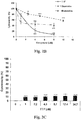
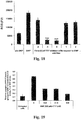
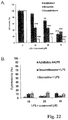
- TTF markedly inhibited the LPS-elicited IL-6 and IL-1 ⁇ secretion from microglial cells ( Fig. 9A-C and Fig 1 ) without a significant cytotoxic effect ( Fig 22B ).
- One embodiment of the invention refers to Amyloid beta 25-35 (A ⁇ 25-35 )-induced neuronal cell death.
- Inventors have examined the effect of TTF on neuronal viability following cell treatment with the cytotoxic peptide Amyloid beta 25-35 (A ⁇ 25-35 ).
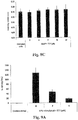
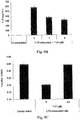
- Treatment of neuronal cells with A ⁇ 25-35 causes cytotoxicity [as was measured by the LDH method ( Fig. 10A ) and by the crystal violet staining ( Fig. 10B )].
- TTF prevents the cytotoxic effect at nanomolar concentrations.
- Another embodiment of the invention refers to A ⁇ 25-35 - induced reactive oxygen species (ROS) elevation.
- ROS reactive oxygen species
- Inventors next examined the effect of TTF on ROS levels induced by A ⁇ 25-35 .
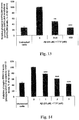
- Treatment of neuronal cells with A ⁇ 25-35 causes elevation in ROS levels, and treatment with TTF prevents the elevation in ROS levels ( Figure 11 )
- Another embodiment of the invention refers to A ⁇ 25-35 -induced phosphorylation of mitogen-activated protein kinases (MAPK) proteins.
- MAPK mitogen-activated protein kinases
- Inventors also examined the effect of TTF on signaling pathways induced by A ⁇ 25-35 .
- treatment of neuronal cells with A ⁇ 25-35 causes the phosphorylation of mitogen activated protein kinase kinase (MEK1), extracellular signal regulated kinase (ERK1/2) and stress-activated protein kinase/Jun-amino-terminal kinase (SAPK/JNK).
- MEK1 mitogen activated protein kinase kinase
- ERK1/2 extracellular signal regulated kinase
- SAPK/JNK stress-activated protein kinase/Jun-amino-terminal kinase
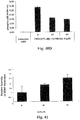
- FIGS 12-14 also demonstrate that TTF significantly inhibited the A ⁇ 25-35 -induced phosphorylation of these proteins in N2a neuronal cells, without affecting the total amount of each of those proteins.
- the protective effects of TTF on N2a cells might be partially attributed to the inhibition of the A ⁇ 25-35 -induced phosphorylation of these proteins which belong to the mitogen-activated protein kinases (MAPK) family.
- MAPK mitogen-activated protein kinases
- Another embodiment of the invention refers to A ⁇ 25-35 -induced phosphorylation of the transcription factor cyclic AMP response element-binding protein (CREB).
- CREB transcription factor cyclic AMP response element-binding protein
- Inventors also examined the effect of TTF on the A ⁇ 25-35 -induced phosphorylation of cyclic AMP response element-binding protein (CREB).
- treatment of neuronal cells with A ⁇ 25-35 caused the phosphorylation of CREB, and TTF significantly inhibited the A ⁇ 25-35 -induced phosphorylation of CREB in N2a neuronal cells, without affecting the total amount of this protein.
- the protective effects of TTF on N2a cells might be partially attributed to the inhibition of the A ⁇ 25-35 -induced phosphorylation of this transcription factor.
- Another embodiment of the invention refers to Glutamate-induced neuronal cell death.
- Inventors have examined the effect of TTF on neuronal viability following cell treatment with glutamate. Treatment of neuronal cells with glutamate causes cytotoxicity as was measured by the LDH method ( Fig. 16 ). As demonstrated in figure 16 , TTF prevents the cytotoxic effect at nanomolar concentrations.
- ROS Glutamate - induced reactive oxygen species
- Another embodiment of the invention refers to SNP - induced reactive oxygen species (ROS) elevation.
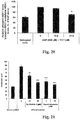
- Treatment of neuronal cells with SNP causes elevation in ROS levels, and treatment with TTF attenuates the elevation in ROS levels ( Figure 18 ).
- ROS reactive oxygen species
- Another embodiment of the invention refers to SNP -induced phosphorylation of mitogen-activated protein kinases (MAPK) proteins.
- MPK mitogen-activated protein kinases
- Inventors also examined the effect of TTF on signaling pathways induced by sodium nitroprusside (SNP).
- SNP sodium nitroprusside
- FIGS 19-20 demonstrate that TTF significantly inhibited the SNP - induced phosphorylation of these proteins in N2a neuronal cells, without affecting the total amount of each of those proteins.
- achillolide A a sesquiterpene lactone named achillolide A.
- the effects of achillolide A have not been studied previously in any biological system. Moreover, there are only few evidence regarding the effects of sesquiterpene lactones on microglial cells, and these studies were performed using the BV2 cell line and not primary microglial cells as was used in this disclosure. Results show that the maximal effect of achillolide A and memantine are similar, although memantine is active at lower concentrations. Alzheimer's diseases patients are usually treated with memantine alone or a combination of acetylcholinesterase inhibitors and memantine until late in the course of the disease. Therefore combination therapy might also work for achillolide A if it will fulfill all the requirements in human clinical trials.
- the inflammatory mediators that were tested in this disclosure have become accepted markers and therapeutic targets in neurodegenerative diseases, as specific inhibitors and knockout strategies of the relevant genes could protect against brain damage in various models of brain pathologies. Therefore, substances like achillolide A that can reduce microglial activation and can protect brain cells from oxidative stress might become potential tools for treatment of neurodegenerative diseases.
- achillolide A Although the molecular mechanisms that underlie the anti-inflammatory effects of achillolide A require further studies, results suggest that achillolide A deserves further evaluation of its potential to be developed as a drug for the prevention or treatment of brain injuries and neurodegenerative diseases, in which inflammation and oxidative stress are part of the pathophysiology.
- Achillolide A markedly inhibited the LPS-elicited nitrite accumulation ( Fig. 22A ) without a significant cytotoxic effect ( Fig 22B ).
- the inhibitory effect of achillolide A was compared to the inhibitory effect of the anti-inflammatory drug dexamethasone, and to memantine, which is used as a drug for the treatment of Alzheimer's disease. At low concentrations - memantine inhibited NO secretion more effectively than achillolide A.
- microglial cells When activated by pro-inflammatory stimuli, microglial cells secrete substantial levels of glutamate. The consequences could range from interference with normal neurotransmission to excitotoxicity for neurons in the vicinity.
- Treatment of microglial cells with LPS is known to increase glutamate secretion from microglial cells.
- the effect of sesquiterpenes on glutamate secretion from microglial cells was never studies before. Therefore, to test whether achillolide A affects the release of glutamate from microglial cells, LPS was added to the culture media of the cells in the presence or absence of achillolide A. Stimulation of the cells with LPS resulted in a 2.6 fold increase in glutamate secretion.
- Achillolide A inhibited 80% of the induced levels of secreted glutamate while dexamethasone, which was used as a control drug, inhibited 90% of the induced levels of glutamate ( Fig. 21 ).
- MMP-9 pathological activation of MMPs, in particular MMP-9, has been shown to cause a number of detrimental outcomes, including blood-brain-barrier (BBB) disruption, hemorrhage, neuronal apoptosis and brain damage.
- BBB blood-brain-barrier
- MMP-9 matrix metalloproteinase-9
- LPS was added to the culture media of microglial cells in the presence or absence of achillolide A, and the media conditioned by the cells was collected after 24 h.
- MMP-9 degrades denatured collagen (gelatin) in addition to collagen
- MMP-9 activity was measured using gelatin zymography.
- MMP-9 activity in un-stimulated microglial cells is very low.
- stimulation of the cells with LPS resulted in a remarkable increase in MMP-9 activity compared to control cells, and this activity was markedly inhibited by achillolide A ( Fig. 23A ).
- the inhibitory effect was probably the result of inhibition of MMP-9 transcription, as was indicated by quantitative real time PCR ( Fig. 23B ).
- the inhibitory effect was not a result of cell death as no toxicity was observed using the crystal violet assay for cell viability ( Fig. 23C ).
- Achillolide A also attenuated the LPS- induced transcription of cytokines and inflammatory enzymes. While in un-stimulated microglial cells, only a small amount of induced nitric oxide synthase (iNOS), cyclooxygenase-2 (COX-2), tumor necrosis factor- ⁇ (TNF ⁇ ) and interleukin 1 ⁇ (IL-1 ⁇ ) could be detected, stimulation of the cells with LPS resulted in a remarkable increase in the levels of these transcripts compared to control cells. The induced levels of each of these inflammatory mediators were significantly inhibited by achillolide A ( Fig. 24A ).
- iNOS induced nitric oxide synthase
- COX-2 cyclooxygenase-2
- TNF ⁇ tumor necrosis factor- ⁇
- IL-1 ⁇ interleukin 1 ⁇
- achillolide A inhibited by 59% the secretion of IL-1 ⁇ from the activated cells, and dexamethasone inhibited the secretion of this cytokine by 85%.
- ABAP generated radicals in a time-dependent manner, and treatment of cells with achillolide A moderated (54% inhibition) the increase in reactive oxygen species (ROS)-induced fluorescence.
- ROS reactive oxygen species
- Figure 25 shows that dexamethasone was more effective (75% inhibition at nanomolar concentrations) than achillolide A.
- the ability of achillolide A to scavenge free radicals was also determined in a cell free system using the 2,2-diphenyl-1-picryhydrazyl (DPPH) radical.
- DPPH 2,2-diphenyl-1-picryhydrazyl
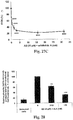
- achillolide A was found to be a free-radical scavenger with an IC 50 value of 45 ⁇ M and 60% maximal scavenging ability ( Fig. 26 ). Quercetin was used as a positive control for radical scavenging ability (90% scavenging activity).
- Dulbecco's modified Eagle's medium DMEM
- RPMI-1640 with or without phenol red
- Leibovitz-15 medium glutamine
- antibiotics 10,000 IU/mL penicillin and 10,000 ⁇ g/mL streptomycin
- soybean trypsin inhibitor fetal bovine serum
- FBS fetal bovine serum
- PBS Dulbecco's phosphate buffered saline
- Griess reagent and rabbit anti COX-2 polyclonal antibody were obtained from Cayman chemical, Ml, USA
- iNOS polyclonal antibody was purchased from AbD Serotec, Ox, UK
- Horseradish peroxidase (HRP)-conjugated anti-rabbit IgG was obtained from Jackson ImmunoResearch Laboratories Inc.
- kits were used for the assaying gene expression: RNeasy Plus Mini Kit ( Qiagen, Hilden, Germany ), Thermo Scientific Verso cDNA (Thermo Fisher Scientific Inc), TaqMan Gene Expression Assay from Applied Biosystems.
- the aerial parts of Af were collected in the Arava Valley.
- the plant was authenticated by the botanist Mrs Mimi Ron, The Mount Scopus Botanical Garden in The Hebrew University of Jerusalem, and the voucher specimen has been kept as part of the Arava Rift Valley Plant Collection; VPC (Dead Sea & Arava Science Center, Central Arava Branch, Israel) under the accession code AVPC0040.
- Cultures of primary rat microglial cells were prepared from cerebral cortices of 1-2 day-old neonatal Wistar rats as described. Microglial cells were seeded at 24-well plastic plates at 1x10 5 /well in RPMI-1640 containing 2% FBS, 2 mM glutamine, 100 U/mL penicilin, 100 ⁇ g/mL streptomycin, 1 mM sodium pyruvate, and 50 ⁇ M ⁇ -mercaptoethanol. Cells were cultured for 36 h before treatments. The research was conducted in accordance with the NIH guide for the care and use of laboratory animals, and was approved by the Institutional Animal Care and Use Committee of The Volcani Center, Agricultural Research Organization (IL-135/07, approval date 04.11.07). All efforts were made to minimize animal suffering, and to reduce the number of animals used.
- the cDNA was used for quantitative real-time PCR amplification with TaqMan chemistry (Applied Biosystems) using Rat MMP9, TNF ⁇ , IL1 ⁇ , iNOS, COX2 pre-designed TaqMan Gene Expression Assay from Applied Biosystems (Rn00579162_m1, Rn00562055_m1, Rn00580432_m1, Rn00561646_m1, Rn01483828_m1, respectively).
- Real time PCR was performed according to the protocol for "assay-on demand" primers (Applied Biosystems).
- ⁇ 10 5 microglial cells/well were plated in a 24-well tissue culture plate.
- Cells were stimulated with LPS (4.5 ng/mL) and concomitantly treated with achillolide A or a reference drug.
- NO levels in the culture medium were estimated with Griess reagent.
- 3.5 ⁇ 10 4 cells/well were plated on a 24-well tissue culture plate. After 24 h of incubation in DMEM containing 10% FBS, cells were stimulated with LPS (100 ng/mL) and treated with different concentrations of achillolide A. Conditioned media were collected twenty hours later, and were tested for glutamate levels using a colorimetric enzymatic assay kit (glutamate assay kit, BioVision, CA, USA) according to the manufacturer's instructions.
- LPS 100 ng/mL
- achillolide A Conditioned media were collected twenty hours later, and were tested for glutamate levels using a colorimetric enzymatic assay kit (glutamate assay kit, BioVision, CA, USA) according to the manufacturer's instructions.
- IL-1 ⁇ measurements 3.5 ⁇ 10 4 cells/well were plated on a 24-well tissue culture plate. After 24 h of incubation in DMEM containing 10% FBS, cells were stimulated with LPS (100 ng/mL) and treated with different concentrations of achillolide A. Conditioned media were collected twenty four hours later, and were tested with a rat IL1 ⁇ ELISA kit (Novus Biologicals; CO, USA), according to the manufacturer's instructions.
- MMP-9 activity was quantified by gelatin zymography.
- LDH Lactate Dehydrogenase
- CAA cellular antioxidant activity
- DCF-DA non-fluorescent cell permeating compound
- DCF-DA is hydrolyzed by intracellular esterases and then oxidized by ROS to a fluorescent compound 2'-7'-DCF.
- Peroxyl radicals are generated by thermolysis of 2,2'-Azobis(amidinopropane) (ABAP) at physiological temperature. ABAP decomposes at approximately 1.36x10 -6 s -1 at 37°C, producing at most 1x10 12 radicals/mL/s.
- Microglial cells (130,000 cells/well) were plated in DMEM containing 2% FBS, 8.4 mM HEPES, 2 mM glutamine, 100 U/mL penicillin and 100 ⁇ g/mL streptomycin, onto 24 wells plates.
- DMEM fetal bovine serum
- HEPES 8.4 mM HEPES
- 2 mM glutamine 100 U/mL penicillin and 100 ⁇ g/mL streptomycin
- cells were incubated for 1 h with achillolide A. Then cells were preloaded with DCF-DA for 30 min, washed twice with PBS, and ABAP (0.6 mM final concentration) was then added.
- the fluorescence which indicates ROS levels, was measured in a plate reader with excitation at 485 nm and emission at 520 nm.
- Antioxidant activity was measured using the 2,2-diphenyl-1-picryhydrazyl (DPPH) radical scavenging assay.
- DPPH 2,2-diphenyl-1-picryhydrazyl
- Different dilutions of achillolide A or quercetin were added to 1 mL of DPPH (3.9 mg/100 mL methanol) in test tubes wrapped in aluminum foil.
- Absorbance (A) was measured at 517 nm after 8 min incubation in the dark.
- the scavenging ability (%) of the samples was calculated as (A control - A sample )/A control ⁇ 100).
- achillolide A exhibits effects of on cultured neuronal cell.
- Amyloid beta 25-35 (A ⁇ 25-35 )-induced neuronal cell death.
- Inventors have examined the effect of achillolide A on neuronal viability following cell treatment with the cytotoxic peptide amyloid beta 25-35 (A ⁇ 25-35 ).
- Treatment of neuronal cells with A ⁇ 25-35 causes cytotoxicity [as was measured by the LDH method ( Fig. 27A ) and by the crystal violet staining ( Fig. 27B )].
- Fig. 27A the LDH method
- Fig. 27B crystal violet staining
- this disclosure relates to A ⁇ 25-35 - induced reactive oxygen species (ROS) elevation.
- ROS reactive oxygen species
- This disclosure further relates to A ⁇ 25-35 -induced SAPK/JNK phosphorylation.
- a ⁇ 25-35 induced SAPK/JNK phosphorylation.
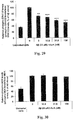
- Achillolide A significantly decreased A ⁇ 25-35 -induced phosphorylation of SAPK/JNK ( Figure 28 ) and ERK1/2 ( Figure 29 ) but not of MEK1 ( Fig 30 ) in N2a neuronal cells, without affecting the total amount of each of these proteins.
- the protective effects of achillolide A on N2a cells might be partially attributed to the inhibition of SAPK/JNK and ERK1/2 phosphorylation.
- This disclosure further relates to Glutamate-induced neuronal cell death.
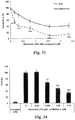
- Inventors have examined the effect of achillolide A on neuronal viability following cell treatment with glutamate. Treatment of neuronal cells with glutamate causes cytotoxicity as was measured by the LDH method ( Fig. 31-33 ), and achillolide A prevents the cytotoxic effect at nanomolar concentrations ( Figs 32 , 33 ).
- This disclsure further relates to Glutamate - induced reactive oxygen species (ROS) elevation.
- ROS reactive oxygen species
- Inventors next examined the effect of achillolide A on ROS levels induced by glutamate. Treatment of neuronal cells with glutamate causes elevation in ROS levels, and treatment with achillolide A prevents the elevation in ROS levels ( Figures 34 , 35 ).
- Procedure 5 Protective activity against H 2 O 2 -induced cell death in cultured astrocytes.
- Procedure 8 Anti-inflammatory activity in LPS-activated microglial cells.
- Procedure 10 Inhibitory activity against A ⁇ 25-35-induced SAPK/JNK activation in cultured N2a cells.
- Procedure 14 Inhibitory activity against glutamate-induced neuronal cell death.
- a TTF of the invention or AcA of the disclosure gains an inhibitory activity against glutamate -induced cell death in cultured neuronal cells, a person skilled in the art should follow the following steps:
- Procedure 17 Inhibitory activity against A ⁇ 25-35-induced neuronal cell death.
- Procedure 18 Measurement of NO levels in LPS-activated microglial cells.
- Procedure 19 Measurement of Glutamate Levels in Conditioned Media of LPS-activated microglial cells.
- Procedure 20 Measurement of MMP-9 activity in LPS-activated microglial cells.
- Procedure 21 Anti-inflammatory activity in LPS-activated splenocytes.
- Procedure 22 Elevation of GDNF levels in astrocytes.
- AcA of the disclosure gains a GDNF-inducing activity in cultured astrocytes, a person skilled in the art should follow the following steps:
- Procedure 23 Measurement of IL-1beta, TNFalpha, iNOS, COX-2 and MMP-9 transcripts in LPS-activated microglial cells by quantitative real-time PCR analysis.
- testable criteria regarding several factors in order to assist the skilled person in assessing whether or not a neurodegenerative condition shown to be improved or prevented by TTF or AcA, indeed involves the affecting of these factors.
- Inject LPS treat with achillolide A, sacrifice mice, remove brains, prepare brain homogenates, and test iNOS, COX-2, IL-1beta, IL-2 and TNFalpha levels by Western blot analysis as described in Neurobiol Learn Mem. 2011;96(2): 156-65 .
- Reduction in iNOS, COX-2, IL-1beta, IL-2 and TNFalpha levels in brain homogenates of mice treated with achillolide A indicates that achillolide A administration is the cause for reduction in iNOS, COX-2, IL-1beta, IL-2 and TNFalpha levels.
- Inject LPS treat with achillolide A/TTF sacrifice mice, remove brains, prepare brain homogenates, and test the levels of unphosphorylated and phosphorylated levels of ERK1/2, MEK1, CREB and SAPK/JNK by Western blot analysis as described in " Ursolic acid attenuates lipopolysaccharide-induced cognitive deficits in mouse brain through suppressing p38/NF-kB mediated inflammatory pathways.
- TTF/Achillolide A Reduction in ERK1/2, MEK1, CREB and SAPK/JNK phosphorylation levels in brain homogenates of mice treated with TTF/Achillolide A indicates that TTF/Achillolide A administration is the cause for reduction in ERK and SAPK/JNK phosphorylation levels.
- Neurotox Res. 2012;21(3):245-55 Reduction in nitrite (NO) levels in brain homogenates of mice treated with achillolide A indicates that achillolide A administration is the cause for reduction in nitrite (NO) levels.
- Inject MPP+ unilaterally, treat with AcA, sacrifice rat, remove brains, prepare homogenates or brain sections, and test GDNF levels by Western blot analysis and/or by immunofluorescence, respectively, as described in J Nutr Biochem. 2014;25(7):801-6 . Elevation in GDNF levels in brain homogenates/sections of MPP+-injected rats treated with achillolide A compared to vehicle-treated MPP+-injected rats indicates that achillolide A administration is the cause for elevation in GDNF levels.
- 6-hydroxydopamine (6-OHDA)-injected rats should be made in rats after treatment with achillolide A and in rats that were not treated with achillolide A.
- 6-OHDA 6-hydroxydopamine
- Injection of 6-OHDA into the medial forebrain bundle results in a significant increase in the number of MMP-9-positive cells in the substantia nigra zona compacta on the lesioned side of the brain compared to unlesioned side at 9 days after administration of 6-OHDA.
- Tg-AD Alzheimer's disease double transgenic mice
- APP/PS1 Alzheimer's disease double transgenic mice
- TTF/AcA to Tg-AD mice, sacrifice mice, prepare brain cryosections and following immunostaining and microscopic observation, calculate the number of neurons, as described in Butovsky O, Koronyo-Hamaoui M, Kunis G, Ophir E, Landa G, Cohen H, Schwartz M, (2006) Glatiramer acetate fights against Alzheimer's disease by inducing dendritic-like microglia expressing insulin-like growth factor 1.
- PROCEEDINGS OF THE NATIONAL ACADEMY OF SCIENCES OF THE UNITED STATES OF AMERICA 103:11784-11789 Elevation in the number of neurons in the brains of Tg-AD mice treated with achillolide A/TTF indicates that achillolide A/TTF administration is the cause for elevation in the number of neurons.
- Implant glutamate sensor that measure glutamate levels into mice brains, inject LPS, treat with achillolide A, and monitor glutamate levels as described in Molecules 2014, 19(6), 7341-7355;Fabrication of Implantable, Enzyme-Immobilized Glutamate Sensors for the Monitoring of Glutamate Concentration Changes in Vitro and in Vivo Tina T.-C. Tseng , Cheng-Fu Chang and Wen-Chin Chan . Reduction in glutamate levels in brains of mice treated with AcA indicates that AcA administration is the cause for reduction in glutamate levels.
Landscapes
- Health & Medical Sciences (AREA)
- Life Sciences & Earth Sciences (AREA)
- Natural Medicines & Medicinal Plants (AREA)
- Pharmacology & Pharmacy (AREA)
- Animal Behavior & Ethology (AREA)
- Chemical & Material Sciences (AREA)
- Veterinary Medicine (AREA)
- Medicinal Chemistry (AREA)
- Public Health (AREA)
- General Health & Medical Sciences (AREA)
- Epidemiology (AREA)
- Engineering & Computer Science (AREA)
- Neurology (AREA)
- Neurosurgery (AREA)
- Biomedical Technology (AREA)
- Bioinformatics & Cheminformatics (AREA)
- Alternative & Traditional Medicine (AREA)
- Microbiology (AREA)
- Mycology (AREA)
- Medical Informatics (AREA)
- Botany (AREA)
- Biotechnology (AREA)
- Chemical Kinetics & Catalysis (AREA)
- General Chemical & Material Sciences (AREA)
- Organic Chemistry (AREA)
- Nuclear Medicine, Radiotherapy & Molecular Imaging (AREA)
- Hospice & Palliative Care (AREA)
- Psychology (AREA)
- Psychiatry (AREA)
- Pharmaceuticals Containing Other Organic And Inorganic Compounds (AREA)
Claims (10)
- Zusammensetzung, umfassend 3,5,4'-Trihydroxy-6,7,3'-trimethoxyflavon (TTF), zur Verwendung bei einer Behandlung eines Säugetiers, das an einem neurodegenerativen oder neuroinflammatorischen Zustand leidet oder dafür anfällig ist.
- Zusammensetzung zur Verwendung nach Anspruch 1, wobei der neurodegenerative oder neuroinflammatorische Zustand ein Absterben von Neuronen, oxidativen Stress in neuronalen Zellen, oxidativen Stress in Astrozyten oder eine Mikrogliaaktivierung beinhaltet.
- Zusammensetzung, umfassend TTF, zur Verwendung bei der Behandlung eines Säugetiers, das an Neuroinflammation leidet, wobei die Neuroinflammation durch Verringern der Ausscheidungsspiegel eines Zytokins durch Immunzellen verbessert oder verhindert werden kann.
- Zusammensetzung zur Verwendung nach Anspruch 3, wobei das Zytokin aus einer Gruppe ausgewählt ist, die aus Folgendem besteht: IL-6 und IL-1β.
- Zusammensetzung zur Verwendung nach Anspruch 3, wobei das IL-6 während einer Krankheit ausgeschieden wird, die aus Folgenden ausgewählt wird: Glomerulonephritis, Multiples Myelom, Chronische Polyarthritis, Myxom des Herzens, Colitis Ulcerosa und Morbus Crohn.
- Zusammensetzung zur Verwendung nach Anspruch 2, wobei die Verwendung die Behandlung eines Säugetiers ist, das an einer Krankheit leidet oder dafür anfällig ist, die durch Beeinflussen des Zustands verbessert oder verhindert werden kann.
- Zusammensetzung zur Verwendung nach Anspruch 6, wobei das Beeinflussen ein Hemmen der Phosphorylierung eines Faktors umfasst, der aus einer Gruppe ausgewählt ist, die aus Folgendem besteht: extrazelluläre signalregulierte Kinase (ERK) 1/2, Mitogen-aktivierte Proteinkinase-Kinase (MEK1), stressaktivierte Proteinkinase/c-Jun N-terminale Kinase (SAPK/JNK) und zyklisches AMP-Antwortelement-bindendes Protein (CREB).
- Zusammensetzung zur Verwendung nach Anspruch 6, wobei das Beeinflussen die Spiegel reaktiver Sauerstoffspezies (ROS) verringert.
- Zusammensetzung zur Verwendung nach Anspruch 8, wobei die ROS Amyloid-betainduzierte oder Glutamat-induzierte ROS sind.
- Zusammensetzung zur Verwendung nach einem der Ansprüche 1-9, ferner umfassend Achillolid A.
Applications Claiming Priority (3)
| Application Number | Priority Date | Filing Date | Title |
|---|---|---|---|
| US201361908762P | 2013-11-26 | 2013-11-26 | |
| US201462077973P | 2014-11-11 | 2014-11-11 | |
| PCT/IB2014/066353 WO2015079390A1 (en) | 2013-11-26 | 2014-11-26 | Anti-neuroinflammatory and protective compounds in achillea fragrantissima |
Publications (3)
| Publication Number | Publication Date |
|---|---|
| EP3074029A1 EP3074029A1 (de) | 2016-10-05 |
| EP3074029A4 EP3074029A4 (de) | 2016-11-23 |
| EP3074029B1 true EP3074029B1 (de) | 2020-07-29 |
Family
ID=53198438
Family Applications (1)
| Application Number | Title | Priority Date | Filing Date |
|---|---|---|---|
| EP14865412.2A Active EP3074029B1 (de) | 2013-11-26 | 2014-11-26 | Antineuroinflammatorische und schützende verbindungen in achillea fragrantissima |
Country Status (6)
| Country | Link |
|---|---|
| US (1) | US11752125B2 (de) |
| EP (1) | EP3074029B1 (de) |
| CN (1) | CN106102757B (de) |
| DK (1) | DK3074029T3 (de) |
| IL (1) | IL245597B (de) |
| WO (1) | WO2015079390A1 (de) |
Families Citing this family (8)
| Publication number | Priority date | Publication date | Assignee | Title |
|---|---|---|---|---|
| US8933078B2 (en) | 2011-07-14 | 2015-01-13 | Research Cancer Institute Of America | Method of treating cancer with combinations of histone deacetylase inhibitors (HDAC1) substances |
| WO2018157081A1 (en) | 2017-02-27 | 2018-08-30 | Research Cancer Institute Of America | Compositions, methods, systems and/or kits for preventing and/or treating neoplasms |
| US11369585B2 (en) | 2017-03-17 | 2022-06-28 | Research Cancer Institute Of America | Compositions, methods, systems and/or kits for preventing and/or treating neoplasms |
| US12213958B2 (en) | 2017-11-17 | 2025-02-04 | Research Cancer Institute Of America | Compositions, methods, systems and/or kits for preventing and/or treating neoplasms |
| IL262298A (en) * | 2018-10-11 | 2020-04-30 | The State Of Israel Ministry Of Agriculture & Rural Development Agricultural Res Organization Aro Vo | System and method for quantifying bacteria in water by fluorescence range measurement and machine learning |
| ES2821599A1 (es) * | 2019-10-24 | 2021-04-26 | Univ Del Pais Vasco / Euskal Herriko Unibertsitatea | Compuestos y metodos para el tratamiento de la enfermedad de alzheimer |
| WO2021262749A1 (en) * | 2020-06-26 | 2021-12-30 | Research Cancer Institute Of America | Compositions and methods for preventing and/or treating viral infection |
| JP2023553162A (ja) * | 2020-12-10 | 2023-12-20 | ザ ステイト オブ イスラエル ミニストリー オブ アグリカルチャー アンド ルーラル デベロップメント アグリカルチュラル リサーチ オーガナイゼイション (エーアールオー) (ヴォルカニ センター) | 眼疾患及び障害を処置するための化合物 |
Family Cites Families (5)
| Publication number | Priority date | Publication date | Assignee | Title |
|---|---|---|---|---|
| GB2340222B (en) | 1998-07-14 | 2000-07-26 | Infrared Integrated Syst Ltd | Multi-array sensor and method of identifying events using same |
| CA2421887A1 (en) * | 2002-10-22 | 2004-04-22 | Jenken Biosciences, Inc. | Baicalein and baicalein analogs and uses thereof |
| US7115893B1 (en) | 2002-12-19 | 2006-10-03 | Honeywell International Inc. | Chemical agent sensor having a stationary linear fringe interferometer |
| US7189970B2 (en) | 2003-08-29 | 2007-03-13 | Power Diagnostic Technologies Ltd. | Imaging of fugitive gas leaks |
| US8124936B1 (en) | 2007-12-13 | 2012-02-28 | The United States Of America As Represented By The Secretary Of The Army | Stand-off chemical detector |
-
2014
- 2014-11-26 EP EP14865412.2A patent/EP3074029B1/de active Active
- 2014-11-26 CN CN201480074124.2A patent/CN106102757B/zh active Active
- 2014-11-26 DK DK14865412.2T patent/DK3074029T3/da active
- 2014-11-26 WO PCT/IB2014/066353 patent/WO2015079390A1/en not_active Ceased
- 2014-11-26 US US15/039,429 patent/US11752125B2/en active Active
-
2016
- 2016-05-11 IL IL245597A patent/IL245597B/en active IP Right Grant
Non-Patent Citations (1)
| Title |
|---|
| None * |
Also Published As
| Publication number | Publication date |
|---|---|
| US20170020842A1 (en) | 2017-01-26 |
| CN106102757A (zh) | 2016-11-09 |
| EP3074029A1 (de) | 2016-10-05 |
| WO2015079390A1 (en) | 2015-06-04 |
| IL245597A0 (en) | 2016-06-30 |
| CN106102757B (zh) | 2021-06-25 |
| IL245597B (en) | 2020-04-30 |
| EP3074029A4 (de) | 2016-11-23 |
| DK3074029T3 (da) | 2020-11-02 |
| US11752125B2 (en) | 2023-09-12 |
Similar Documents
| Publication | Publication Date | Title |
|---|---|---|
| US11752125B2 (en) | Anti-neuroinflammatory and protective compounds in Achillea fragrantissima | |
| Li et al. | Caffeic acid alleviates cerebral ischemic injury in rats by resisting ferroptosis via Nrf2 signaling pathway | |
| Zhao et al. | Black rice anthocyanin-rich extract and rosmarinic acid, alone and in combination, protect against DSS-induced colitis in mice | |
| Lim et al. | Effects of flavonoids on senescence-associated secretory phenotype formation from bleomycin-induced senescence in BJ fibroblasts | |
| Huang et al. | Anti-inflammatory effects of maslinic acid, a natural triterpene, in cultured cortical astrocytes via suppression of nuclear factor-kappa B | |
| Zhang et al. | Resveratrol protects dopamine neurons against lipopolysaccharide-induced neurotoxicity through its anti-inflammatory actions | |
| Leung et al. | Kaempferol induces apoptosis in human lung non-small carcinoma cells accompanied by an induction of antioxidant enzymes | |
| Joung et al. | Sargaquinoic acid attenuates inflammatory responses by regulating NF-κB and Nrf2 pathways in lipopolysaccharide-stimulated RAW 264.7 cells | |
| Kao et al. | Luteolin inhibits cytokine expression in endotoxin/cytokine-stimulated microglia | |
| Suh et al. | Protective effect of albiflorin against oxidative-stress-mediated toxicity in osteoblast-like MC3T3-E1 cells | |
| Hur et al. | Oleuropein reduces free fatty acid-induced lipogenesis via lowered extracellular signal-regulated kinase activation in hepatocytes | |
| Park et al. | 2, 3, 4′, 5-tetrahydroxystilbene-2-O-β-d-glucoside exerts anti-inflammatory effects on lipopolysaccharide-stimulated microglia by inhibiting NF-κB and activating AMPK/Nrf2 pathways | |
| Berköz | Diosmin suppresses the proinflammatory mediators in lipopolysaccharide-induced RAW264. 7 macrophages via NF-κB and MAPKs signal pathways. | |
| Wang et al. | Platycodin D inhibits oxidative stress and apoptosis in H9c2 cardiomyocytes following hypoxia/reoxygenation injury | |
| Li et al. | Genkwanin suppresses MPP+-induced cytotoxicity by inhibiting TLR4/MyD88/NLRP3 inflammasome pathway in a cellular model of Parkinson’s disease | |
| Meng et al. | RV09, a novel resveratrol analogue, inhibits NO and TNF-α production by LPS-activated microglia | |
| Lin et al. | Physalin A attenuates inflammation through down-regulating c-Jun NH2 kinase phosphorylation/Activator Protein 1 activation and up-regulating the antioxidant activity | |
| Hwang et al. | The hederagenin saponin SMG-1 is a natural FMLP receptor inhibitor that suppresses human neutrophil activation | |
| Hseu et al. | Antioxidant activity of Antrodia camphorata on free radical-induced endothelial cell damage | |
| Hwang et al. | Helianthus annuus L. flower prevents UVB‐induced photodamage in human dermal fibroblasts by regulating the MAPK/AP‐1, NFAT, and Nrf2 signaling pathways | |
| Montserrat-de la Paz et al. | Mitraphylline inhibits lipopolysaccharide-mediated activation of primary human neutrophils | |
| Park et al. | Schisandra chinensis α-iso-cubebenol induces heme oxygenase-1 expression through PI3K/Akt and Nrf2 signaling and has anti-inflammatory activity in Porphyromonas gingivalis lipopolysaccharide-stimulated macrophages | |
| Zhang et al. | Modulatory effects of sesamin on dopamine biosynthesis and L-DOPA-induced cytotoxicity in PC12 cells | |
| Chen et al. | Precursor-feeding strategy on the triterpenoid production and anti-inflammatory activity of Antrodia cinnamomea | |
| Lim et al. | Suppression of inducible nitric oxide synthase and cyclooxygenase-2 expression by tussilagone from Farfarae flos in BV-2 microglial cells |
Legal Events
| Date | Code | Title | Description |
|---|---|---|---|
| PUAI | Public reference made under article 153(3) epc to a published international application that has entered the european phase |
Free format text: ORIGINAL CODE: 0009012 |
|
| 17P | Request for examination filed |
Effective date: 20160609 |
|
| AK | Designated contracting states |
Kind code of ref document: A1 Designated state(s): AL AT BE BG CH CY CZ DE DK EE ES FI FR GB GR HR HU IE IS IT LI LT LU LV MC MK MT NL NO PL PT RO RS SE SI SK SM TR |
|
| AX | Request for extension of the european patent |
Extension state: BA ME |
|
| A4 | Supplementary search report drawn up and despatched |
Effective date: 20161024 |
|
| RIC1 | Information provided on ipc code assigned before grant |
Ipc: A61K 31/352 20060101ALI20161018BHEP Ipc: A61P 25/28 20060101ALI20161018BHEP Ipc: A61K 31/343 20060101ALI20161018BHEP Ipc: A61K 36/28 20060101AFI20161018BHEP Ipc: A61P 25/16 20060101ALI20161018BHEP |
|
| DAX | Request for extension of the european patent (deleted) | ||
| STAA | Information on the status of an ep patent application or granted ep patent |
Free format text: STATUS: EXAMINATION IS IN PROGRESS |
|
| 17Q | First examination report despatched |
Effective date: 20190118 |
|
| GRAP | Despatch of communication of intention to grant a patent |
Free format text: ORIGINAL CODE: EPIDOSNIGR1 |
|
| STAA | Information on the status of an ep patent application or granted ep patent |
Free format text: STATUS: GRANT OF PATENT IS INTENDED |
|
| INTG | Intention to grant announced |
Effective date: 20200224 |
|
| GRAS | Grant fee paid |
Free format text: ORIGINAL CODE: EPIDOSNIGR3 |
|
| GRAA | (expected) grant |
Free format text: ORIGINAL CODE: 0009210 |
|
| STAA | Information on the status of an ep patent application or granted ep patent |
Free format text: STATUS: THE PATENT HAS BEEN GRANTED |
|
| AK | Designated contracting states |
Kind code of ref document: B1 Designated state(s): AL AT BE BG CH CY CZ DE DK EE ES FI FR GB GR HR HU IE IS IT LI LT LU LV MC MK MT NL NO PL PT RO RS SE SI SK SM TR |
|
| REG | Reference to a national code |
Ref country code: CH Ref legal event code: EP |
|
| REG | Reference to a national code |
Ref country code: DE Ref legal event code: R096 Ref document number: 602014068410 Country of ref document: DE |
|
| REG | Reference to a national code |
Ref country code: AT Ref legal event code: REF Ref document number: 1295004 Country of ref document: AT Kind code of ref document: T Effective date: 20200815 |
|
| REG | Reference to a national code |
Ref country code: IE Ref legal event code: FG4D |
|
| REG | Reference to a national code |
Ref country code: DK Ref legal event code: T3 Effective date: 20201030 |
|
| REG | Reference to a national code |
Ref country code: CH Ref legal event code: NV Representative=s name: NOVAGRAAF INTERNATIONAL SA, CH |
|
| REG | Reference to a national code |
Ref country code: SE Ref legal event code: TRGR |
|
| REG | Reference to a national code |
Ref country code: LT Ref legal event code: MG4D |
|
| REG | Reference to a national code |
Ref country code: NL Ref legal event code: MP Effective date: 20200729 |
|
| REG | Reference to a national code |
Ref country code: AT Ref legal event code: MK05 Ref document number: 1295004 Country of ref document: AT Kind code of ref document: T Effective date: 20200729 |
|
| PG25 | Lapsed in a contracting state [announced via postgrant information from national office to epo] |
Ref country code: PT Free format text: LAPSE BECAUSE OF FAILURE TO SUBMIT A TRANSLATION OF THE DESCRIPTION OR TO PAY THE FEE WITHIN THE PRESCRIBED TIME-LIMIT Effective date: 20201130 Ref country code: NO Free format text: LAPSE BECAUSE OF FAILURE TO SUBMIT A TRANSLATION OF THE DESCRIPTION OR TO PAY THE FEE WITHIN THE PRESCRIBED TIME-LIMIT Effective date: 20201029 Ref country code: FI Free format text: LAPSE BECAUSE OF FAILURE TO SUBMIT A TRANSLATION OF THE DESCRIPTION OR TO PAY THE FEE WITHIN THE PRESCRIBED TIME-LIMIT Effective date: 20200729 Ref country code: HR Free format text: LAPSE BECAUSE OF FAILURE TO SUBMIT A TRANSLATION OF THE DESCRIPTION OR TO PAY THE FEE WITHIN THE PRESCRIBED TIME-LIMIT Effective date: 20200729 Ref country code: AT Free format text: LAPSE BECAUSE OF FAILURE TO SUBMIT A TRANSLATION OF THE DESCRIPTION OR TO PAY THE FEE WITHIN THE PRESCRIBED TIME-LIMIT Effective date: 20200729 Ref country code: BG Free format text: LAPSE BECAUSE OF FAILURE TO SUBMIT A TRANSLATION OF THE DESCRIPTION OR TO PAY THE FEE WITHIN THE PRESCRIBED TIME-LIMIT Effective date: 20201029 Ref country code: GR Free format text: LAPSE BECAUSE OF FAILURE TO SUBMIT A TRANSLATION OF THE DESCRIPTION OR TO PAY THE FEE WITHIN THE PRESCRIBED TIME-LIMIT Effective date: 20201030 Ref country code: LT Free format text: LAPSE BECAUSE OF FAILURE TO SUBMIT A TRANSLATION OF THE DESCRIPTION OR TO PAY THE FEE WITHIN THE PRESCRIBED TIME-LIMIT Effective date: 20200729 Ref country code: ES Free format text: LAPSE BECAUSE OF FAILURE TO SUBMIT A TRANSLATION OF THE DESCRIPTION OR TO PAY THE FEE WITHIN THE PRESCRIBED TIME-LIMIT Effective date: 20200729 |
|
| PG25 | Lapsed in a contracting state [announced via postgrant information from national office to epo] |
Ref country code: PL Free format text: LAPSE BECAUSE OF FAILURE TO SUBMIT A TRANSLATION OF THE DESCRIPTION OR TO PAY THE FEE WITHIN THE PRESCRIBED TIME-LIMIT Effective date: 20200729 Ref country code: RS Free format text: LAPSE BECAUSE OF FAILURE TO SUBMIT A TRANSLATION OF THE DESCRIPTION OR TO PAY THE FEE WITHIN THE PRESCRIBED TIME-LIMIT Effective date: 20200729 Ref country code: LV Free format text: LAPSE BECAUSE OF FAILURE TO SUBMIT A TRANSLATION OF THE DESCRIPTION OR TO PAY THE FEE WITHIN THE PRESCRIBED TIME-LIMIT Effective date: 20200729 Ref country code: IS Free format text: LAPSE BECAUSE OF FAILURE TO SUBMIT A TRANSLATION OF THE DESCRIPTION OR TO PAY THE FEE WITHIN THE PRESCRIBED TIME-LIMIT Effective date: 20201129 |
|
| PG25 | Lapsed in a contracting state [announced via postgrant information from national office to epo] |
Ref country code: NL Free format text: LAPSE BECAUSE OF FAILURE TO SUBMIT A TRANSLATION OF THE DESCRIPTION OR TO PAY THE FEE WITHIN THE PRESCRIBED TIME-LIMIT Effective date: 20200729 |
|
| PG25 | Lapsed in a contracting state [announced via postgrant information from national office to epo] |
Ref country code: CZ Free format text: LAPSE BECAUSE OF FAILURE TO SUBMIT A TRANSLATION OF THE DESCRIPTION OR TO PAY THE FEE WITHIN THE PRESCRIBED TIME-LIMIT Effective date: 20200729 Ref country code: IT Free format text: LAPSE BECAUSE OF FAILURE TO SUBMIT A TRANSLATION OF THE DESCRIPTION OR TO PAY THE FEE WITHIN THE PRESCRIBED TIME-LIMIT Effective date: 20200729 Ref country code: SM Free format text: LAPSE BECAUSE OF FAILURE TO SUBMIT A TRANSLATION OF THE DESCRIPTION OR TO PAY THE FEE WITHIN THE PRESCRIBED TIME-LIMIT Effective date: 20200729 Ref country code: RO Free format text: LAPSE BECAUSE OF FAILURE TO SUBMIT A TRANSLATION OF THE DESCRIPTION OR TO PAY THE FEE WITHIN THE PRESCRIBED TIME-LIMIT Effective date: 20200729 Ref country code: EE Free format text: LAPSE BECAUSE OF FAILURE TO SUBMIT A TRANSLATION OF THE DESCRIPTION OR TO PAY THE FEE WITHIN THE PRESCRIBED TIME-LIMIT Effective date: 20200729 |
|
| REG | Reference to a national code |
Ref country code: DE Ref legal event code: R097 Ref document number: 602014068410 Country of ref document: DE |
|
| PG25 | Lapsed in a contracting state [announced via postgrant information from national office to epo] |
Ref country code: AL Free format text: LAPSE BECAUSE OF FAILURE TO SUBMIT A TRANSLATION OF THE DESCRIPTION OR TO PAY THE FEE WITHIN THE PRESCRIBED TIME-LIMIT Effective date: 20200729 |
|
| PLBE | No opposition filed within time limit |
Free format text: ORIGINAL CODE: 0009261 |
|
| STAA | Information on the status of an ep patent application or granted ep patent |
Free format text: STATUS: NO OPPOSITION FILED WITHIN TIME LIMIT |
|
| PG25 | Lapsed in a contracting state [announced via postgrant information from national office to epo] |
Ref country code: MC Free format text: LAPSE BECAUSE OF FAILURE TO SUBMIT A TRANSLATION OF THE DESCRIPTION OR TO PAY THE FEE WITHIN THE PRESCRIBED TIME-LIMIT Effective date: 20200729 Ref country code: SK Free format text: LAPSE BECAUSE OF FAILURE TO SUBMIT A TRANSLATION OF THE DESCRIPTION OR TO PAY THE FEE WITHIN THE PRESCRIBED TIME-LIMIT Effective date: 20200729 |
|
| 26N | No opposition filed |
Effective date: 20210430 |
|
| PG25 | Lapsed in a contracting state [announced via postgrant information from national office to epo] |
Ref country code: LU Free format text: LAPSE BECAUSE OF NON-PAYMENT OF DUE FEES Effective date: 20201126 |
|
| PG25 | Lapsed in a contracting state [announced via postgrant information from national office to epo] |
Ref country code: SI Free format text: LAPSE BECAUSE OF FAILURE TO SUBMIT A TRANSLATION OF THE DESCRIPTION OR TO PAY THE FEE WITHIN THE PRESCRIBED TIME-LIMIT Effective date: 20200729 |
|
| PG25 | Lapsed in a contracting state [announced via postgrant information from national office to epo] |
Ref country code: IE Free format text: LAPSE BECAUSE OF NON-PAYMENT OF DUE FEES Effective date: 20201126 |
|
| PG25 | Lapsed in a contracting state [announced via postgrant information from national office to epo] |
Ref country code: TR Free format text: LAPSE BECAUSE OF FAILURE TO SUBMIT A TRANSLATION OF THE DESCRIPTION OR TO PAY THE FEE WITHIN THE PRESCRIBED TIME-LIMIT Effective date: 20200729 Ref country code: MT Free format text: LAPSE BECAUSE OF FAILURE TO SUBMIT A TRANSLATION OF THE DESCRIPTION OR TO PAY THE FEE WITHIN THE PRESCRIBED TIME-LIMIT Effective date: 20200729 Ref country code: CY Free format text: LAPSE BECAUSE OF FAILURE TO SUBMIT A TRANSLATION OF THE DESCRIPTION OR TO PAY THE FEE WITHIN THE PRESCRIBED TIME-LIMIT Effective date: 20200729 |
|
| PG25 | Lapsed in a contracting state [announced via postgrant information from national office to epo] |
Ref country code: MK Free format text: LAPSE BECAUSE OF FAILURE TO SUBMIT A TRANSLATION OF THE DESCRIPTION OR TO PAY THE FEE WITHIN THE PRESCRIBED TIME-LIMIT Effective date: 20200729 |
|
| PGFP | Annual fee paid to national office [announced via postgrant information from national office to epo] |
Ref country code: DE Payment date: 20241126 Year of fee payment: 11 |
|
| PGFP | Annual fee paid to national office [announced via postgrant information from national office to epo] |
Ref country code: DK Payment date: 20241129 Year of fee payment: 11 |
|
| PGFP | Annual fee paid to national office [announced via postgrant information from national office to epo] |
Ref country code: BE Payment date: 20241127 Year of fee payment: 11 |
|
| PGFP | Annual fee paid to national office [announced via postgrant information from national office to epo] |
Ref country code: GB Payment date: 20241125 Year of fee payment: 11 |
|
| PGFP | Annual fee paid to national office [announced via postgrant information from national office to epo] |
Ref country code: FR Payment date: 20241126 Year of fee payment: 11 |
|
| PGFP | Annual fee paid to national office [announced via postgrant information from national office to epo] |
Ref country code: SE Payment date: 20241129 Year of fee payment: 11 |
|
| PGFP | Annual fee paid to national office [announced via postgrant information from national office to epo] |
Ref country code: CH Payment date: 20241201 Year of fee payment: 11 |