EP3065763B2 - Use of il-22 dimer in manufacture of a medicament for intravenous administration - Google Patents
Use of il-22 dimer in manufacture of a medicament for intravenous administration Download PDFInfo
- Publication number
- EP3065763B2 EP3065763B2 EP14860301.2A EP14860301A EP3065763B2 EP 3065763 B2 EP3065763 B2 EP 3065763B2 EP 14860301 A EP14860301 A EP 14860301A EP 3065763 B2 EP3065763 B2 EP 3065763B2
- Authority
- EP
- European Patent Office
- Prior art keywords
- dimer
- individual
- seq
- sequence
- human
- Prior art date
- Legal status (The legal status is an assumption and is not a legal conclusion. Google has not performed a legal analysis and makes no representation as to the accuracy of the status listed.)
- Active
Links
Images

Classifications
-
- A—HUMAN NECESSITIES
- A61—MEDICAL OR VETERINARY SCIENCE; HYGIENE
- A61K—PREPARATIONS FOR MEDICAL, DENTAL OR TOILETRY PURPOSES
- A61K9/00—Medicinal preparations characterised by special physical form
- A61K9/0012—Galenical forms characterised by the site of application
- A61K9/0019—Injectable compositions; Intramuscular, intravenous, arterial, subcutaneous administration; Compositions to be administered through the skin in an invasive manner
-
- A—HUMAN NECESSITIES
- A61—MEDICAL OR VETERINARY SCIENCE; HYGIENE
- A61K—PREPARATIONS FOR MEDICAL, DENTAL OR TOILETRY PURPOSES
- A61K38/00—Medicinal preparations containing peptides
- A61K38/16—Peptides having more than 20 amino acids; Gastrins; Somatostatins; Melanotropins; Derivatives thereof
- A61K38/17—Peptides having more than 20 amino acids; Gastrins; Somatostatins; Melanotropins; Derivatives thereof from animals; from humans
- A61K38/19—Cytokines; Lymphokines; Interferons
- A61K38/20—Interleukins [IL]
-
- A—HUMAN NECESSITIES
- A61—MEDICAL OR VETERINARY SCIENCE; HYGIENE
- A61P—SPECIFIC THERAPEUTIC ACTIVITY OF CHEMICAL COMPOUNDS OR MEDICINAL PREPARATIONS
- A61P1/00—Drugs for disorders of the alimentary tract or the digestive system
- A61P1/16—Drugs for disorders of the alimentary tract or the digestive system for liver or gallbladder disorders, e.g. hepatoprotective agents, cholagogues, litholytics
-
- A—HUMAN NECESSITIES
- A61—MEDICAL OR VETERINARY SCIENCE; HYGIENE
- A61P—SPECIFIC THERAPEUTIC ACTIVITY OF CHEMICAL COMPOUNDS OR MEDICINAL PREPARATIONS
- A61P1/00—Drugs for disorders of the alimentary tract or the digestive system
- A61P1/18—Drugs for disorders of the alimentary tract or the digestive system for pancreatic disorders, e.g. pancreatic enzymes
-
- A—HUMAN NECESSITIES
- A61—MEDICAL OR VETERINARY SCIENCE; HYGIENE
- A61P—SPECIFIC THERAPEUTIC ACTIVITY OF CHEMICAL COMPOUNDS OR MEDICINAL PREPARATIONS
- A61P25/00—Drugs for disorders of the nervous system
-
- A—HUMAN NECESSITIES
- A61—MEDICAL OR VETERINARY SCIENCE; HYGIENE
- A61P—SPECIFIC THERAPEUTIC ACTIVITY OF CHEMICAL COMPOUNDS OR MEDICINAL PREPARATIONS
- A61P3/00—Drugs for disorders of the metabolism
-
- A—HUMAN NECESSITIES
- A61—MEDICAL OR VETERINARY SCIENCE; HYGIENE
- A61P—SPECIFIC THERAPEUTIC ACTIVITY OF CHEMICAL COMPOUNDS OR MEDICINAL PREPARATIONS
- A61P31/00—Antiinfectives, i.e. antibiotics, antiseptics, chemotherapeutics
- A61P31/12—Antivirals
-
- C—CHEMISTRY; METALLURGY
- C07—ORGANIC CHEMISTRY
- C07K—PEPTIDES
- C07K14/00—Peptides having more than 20 amino acids; Gastrins; Somatostatins; Melanotropins; Derivatives thereof
- C07K14/435—Peptides having more than 20 amino acids; Gastrins; Somatostatins; Melanotropins; Derivatives thereof from animals; from humans
- C07K14/52—Cytokines; Lymphokines; Interferons
- C07K14/54—Interleukins [IL]
Definitions
- This invention relates to the area of biological and medical technologies, in particular, this invention relates to the use of IL-22 dimer in the manufacture of a medicament for intravenous administration.
- Interleukin-22 also known as IL-10 related T cell-derived inducible factor (IL-TIF) is a glycoprotein expressed in and secreted from activated T cells and natural killer cells(NK cells).
- Activated T cells are mainly CD4+ cells, especially CD28 pathway activated T h 1 cells, T h 17 cells and T h 22 cells, among others.
- the expression of IL-22 mRNA was originally identified in IL-9 simulated T cells and mast cells in murine, as well as Concanavilin A (Con A) stimulated spleen cells ( Dumoutier, et al., J. Immunology, 164:1814-1819, 2000 ).
- the human IL- 22 mRNA is mainly expressed in peripheral T cells upon stimulation by anti-CD3 or Con A.
- Feng et al reported Interleukin-22 ameliorates cerulein-induced pancreatitis in mice( Int. J. Biol. Sci, 8(2), 249-257,2012 ).
- US2012/171100 and US2015/147293 disclose the use of IL-22 in treating viral hepatitis and nerve damage diseases or neurodegenerative disease, respectively.
- the present invention provides an IL-22 dimer for use in a method of treating a disease in a human individual, wherein the method comprises intravenously administering to the human individual an effective amount of the IL-22 dimer, wherein the amount of the IL-22 dimer is 2 ⁇ g/kg to 45 ⁇ g/kg, wherein the IL-22 dimer comprises two monomeric subunits, wherein each monomeric subunit comprises an IL-22 domain and a dimerization domain and wherein the dimerization domain comprises the CH2 and CH3 domains of human IgG and wherein the disease is selected from the group consisting of: metabolic disease, fatty liver, viral hepatitis, MODS, neurological disorder, and pancreatitis.
- the present invention further provides an IL-22 dimer for use in a method of treating a liver disease in a human individual, wherein the method comprises intravenously administering to the human individual an effective amount of the IL-22 dimer, wherein the amount of the IL-22 dimer is 2 ⁇ g/kg to 45 ⁇ g/kg, wherein the IL-22 dimer comprises two monomeric subunits, wherein each monomeric subunit comprises an IL-22 domain and a dimerization domain and wherein the dimerization domain comprises the CH2 and CH3 domains of human IgG and wherein the method prevents liver damage.
- the IL-22 dimer is shown as Formula I: M1-L-M2 I wherein,
- the IL-22 dimer retains the biological activity of IL-22 and has a serum half-life of longer than twice of that of either the first or the second monomer.
- the serum half-life of the IL-22 dimer is longer than three, five, or ten times of that of the first and/or the second monomer.
- the linker L is selected from the group consisting of:
- the "-" is a peptide bond.
- Z is 5-50 amino acid residues in length.
- Z comprises the sequence of SEQ ID NO: 1 or SEQ ID NO: 10.
- Z has the sequence of SEQ ID NO: 1 or SEQ ID NO: 10.
- the carrier protein contains at least two cysteines capable of forming intermolecular disulfide bonds.
- the carrier protein is disposed at the N-terminal of IL-22 monomer.
- the carrier protein is disposed at the C-terminal of IL-22 monomer.
- Fc fragment comprises the sequence of SEQ ID NO: 2 or SEQ ID NO: 9.
- Fc fragment has the sequence of SEQ ID NO: 2 or SEQ ID NO: 9.
- the IL-22 dimer comprises two monomeric subunits wherein each monomeric subunit comprises an IL-22 domain, a dimerization domain and optionally a linker connecting the IL-22 domain and the dimerization domain.
- the IL-22 domain is IL-22 monomer
- the dimerization domain comprises the CH2 and CH3 domains of human IgG
- the optional linker is a peptide connecting the IL-22 monomer and Fc fragment
- the dimer is formed by the connection of two dimerization domains via one or more disulfide bond(s).
- the number of said disulfide bond is 2-4.
- the monomeric subunit of each IL-22 dimer comprises an amino acid sequence selected from SEQ ID NO: 4 and SEQ ID NOs: 6-8.
- the first monomer and the second monomer of the IL-22 dimer are identical.
- the first monomer and the second monomer are different.
- the biological activity of the IL-22 dimer is selected from one or more biological activities in a group consisting of:
- the amount of the IL-22 dimer is 2 ⁇ g/kg to 30 ⁇ g/kg.
- the amount of the IL-22 dimer is 10 ⁇ g/kg to 45 ⁇ g/kg.
- the IL-22 dimer is administered no more than about once every week.
- the IL-22 dimer is administered no more than about once every month.
- the IL-22 dimer is administered no more than about once every three months.
- Each monomeric subunit comprises an IL-22 domain linked to a dimerization domain via an optional linker sequence.
- the linker sequence is about 6 to about 30 amino acids.
- the linker sequence comprises the sequence of SEQ ID NO: 1.
- the linker sequence has the sequence of SEQ ID NO: 1.
- the dimerization domain comprises at least two cysteines capable of forming intermolecular disulfide bonds.
- the dimerization domain comprises the sequence of SEQ ID NO: 2.
- the dimerization domain has the sequence of SEQ ID NO: 2.
- the IL-22 domain of each monomeric subunit has the sequence of SEQ ID NO: 3.
- the each monomeric subunit has the sequence selected from SEQ ID NO: 4 and SEQ ID NOs: 6-8.
- IL-22 dimer has an outstanding effect in the manufacture of a medicament for intravenous administration. On this basis, this invention is achieved.
- the present application provides an IL-22 dimer for use in treating a disease in a human individual using methods of administering an IL-22 dimer by following a specific dosing regimen, wherein the IL-22 dimer comprises two monomeric subunits, wherein each monomeric subunit comprises an IL-22 domain and a dimerization domain and wherein the dimerization domain comprises the CH2 and CH3 domains of human IgG and wherein the disease is selected from the group consisting of metabolic disease, fatty liver, viral hepatitis, MODS, neurological disorder, and pancreatitis.
- the present application also provides an IL-22 dimer for use in treating a liver disease in a human individual using methods of administering an IL-22 dimer by following a specific dosing regimen, wherein the IL-22 dimer comprises two monomeric subunits, wherein each monomeric subunit comprises an IL-22 domain and a dimerization domain and wherein the dimerization domain comprises the CH2 and CH3 domains of human IgG and wherein the method prevents liver damage.
- an IL-22 dimer specifically, a dimeric complex of IL-22-Fc monomers
- a dimeric complex of IL-22-Fc monomers is administered subcutaneously to an individual at a dosage of about 2 ⁇ g/kg
- delayed adverse events of the injection site such as dry skin, erythema and nummular eczema were observed after dosing.
- the dimeric complex of IL-22-Fc monomers administered intravenously to an individual demonstrated excellent safety profile. No adverse event of the injection site and skin was observed at doses of about 2 or 10 ⁇ g/kg.
- IL-22 dimer does not lead to an increased serum level of an inflammatory cytokine in human.
- the present application in one aspect provides an IL-22 dimer for use in a method of treating a disease in an human individual, wherein the method comprises intravenously administering to the human individual an effective amount of an IL-22 dimer, wherein the amount of the IL-22 dimer is 2 ⁇ g/kg to 45 ⁇ g/kg (such as about 10 ⁇ g/kg to about 45 ⁇ g/kg).
- the methods described herein comprise administering an effective amount of an IL-22 dimer to an individual via intravenous administration.
- Suitable dosage of the IL-22 dimer includes, for example, about 2 ⁇ g/kg to about 200 ⁇ g/kg, including for example about 5 ⁇ g/kg to about 80 ⁇ g/kg, about 10 ⁇ g/kg to about 45 ⁇ g/kg, or about 30 to about 40 ⁇ g/kg.
- the IL-22 dimer is administered intravenously at the dose of at least about any of 10 ⁇ g/kg, 20 ⁇ g/kg, 30 ⁇ g/kg, 40 ⁇ g/kg, or 50 ⁇ g/kg.
- the IL-22 dimer is administered intravenously at the dose of no more than about any of 10 ⁇ g/kg, 20 ⁇ g/kg, 30 ⁇ g/kg, 40 ⁇ g/kg, or 50 ⁇ g/kg.
- a method of administering an IL-22 dimer to an individual comprising intravenously administering to the individual an IL-22 dimer, wherein the amount of the IL-22 dimer is about 10 ⁇ g/kg to about 45 ⁇ g/kg.
- the amount of the IL-22 dimer is about 10 ⁇ g/kg to about 15 ⁇ g/kg, about 15 ⁇ g/kg to about 20 ⁇ g/kg, about 20 ⁇ g/kg to about 25 ⁇ g/kg, about 25 ⁇ g/kg to about 30 ⁇ g/kg, about 30 ⁇ g/kg to about 45 ⁇ g/kg.
- the IL-22 dimer is administered at about 20 ⁇ g/kg to about 40 ⁇ g/kg, including for example about 30 ⁇ g/kg to about 35 ⁇ g/kg.
- the IL-22 dimer is administered once every week. In some embodiments, the IL-22 dimer is administered once every 2, 3, 4, 5, 6, 7, 8, 9, 10, 11, 12, or 24 weeks. In some embodiments, the IL-22 dimer is administered once every 1, 2, 3, 4, 5, 6, 7, 8, 9, 10, or 12 months. In some embodiments, the IL-22 dimer is administered only once. In some embodiments, the IL-22 dimer is administered no more frequently than once every week, once every month, once every two months, or once every six months.
- a method of administering an IL-22 dimer to an individual comprising intravenously administering to the individual an effective amount of an IL-22 dimer, wherein the amount of the IL-22 dimer is about 2 ⁇ g/kg to about 200 ⁇ g/kg (such as about 10 ⁇ g/kg to about 45 ⁇ g/kg).
- a method of administering an IL-22 dimer to an individual comprising intravenously administering to the individual an effective amount of an IL-22 dimer, wherein the amount of the IL-22 dimer is about 2 ⁇ g/kg to about 200 ⁇ g/kg (such as about 10 ⁇ g/kg to about 45 ⁇ g/kg), wherein the IL-22 dimer is administered by intravenous push (IVP).
- IVP intravenous push
- a method of administering an IL-22 dimer to an individual comprising intravenously administering to the individual an effective amount of an IL-22 dimer, wherein the amount of the IL-22 dimer is about 2 ⁇ g/kg to about 200 ⁇ g/kg (such as about 10 ⁇ g/kg to about 45 ⁇ g/kg), wherein the IL-22 dimer is administered by intravenous infusion.
- a method of administering an IL-22 dimer to an individual comprising intravenously administering to the individual an effective amount of an IL-22 dimer, wherein the amount of the IL-22 dimer is about 2 ⁇ g/kg to about 200 ⁇ g/kg (such as about 10 ⁇ g/kg to about 45 ⁇ g/kg), wherein the IL-22 dimer is administered by continuous intravenous infusion.
- a method of administering an IL-22 dimer to an individual comprising intravenously administering to the individual an effective amount of an IL-22 dimer, wherein the amount of the IL-22 dimer is about 2 ⁇ g/kg to about 200 ⁇ g/kg (such as about 10 ⁇ g/kg to about 45 ⁇ g/kg).
- a method of administering an IL-22 dimer to an individual comprising intravenously administering to the individual an effective amount of an IL-22 dimer, wherein the amount of the IL-22 dimer is about 2 ⁇ g/kg to about 200 ⁇ g/kg (such as about 10 ⁇ g/kg to about 45 ⁇ g/kg), wherein the IL-22 dimer is administered at least about once a week, for example at least about 2x, 3x, 4x, 5x, 6x, or 7x a week.
- a method of administering an IL-22 dimer to an individual comprising intravenously administering to the individual an effective amount of an IL-22 dimer, wherein the amount of the IL-22 dimer is about 2 ⁇ g/kg/day to about 200 ⁇ g/kg/day (such as about 10 ⁇ g/kg/day to about 45 ⁇ g/kg/day), wherein the IL-22 dimer is administered continuously, for example via an infusion pump.
- a method of administering an IL-22 dimer to an individual comprising intravenously administering to the individual an effective amount of an IL-22 dimer, wherein the amount of the IL-22 dimer is about 2 ⁇ g/kg to about 200 ⁇ g/kg (such as about 10 ⁇ g/kg to about 45 ⁇ g/kg), wherein the IL-22 dimer is administered no more than about once a week, for example no more than about any of once every two weeks, once every three weeks, once every four weeks, once every five weeks, once every six weeks, once every eight weeks, once every ten weeks, once every twelve weeks.
- a method of administering an IL-22 dimer to an individual comprising intravenously administering to the individual an effective amount of an IL-22 dimer, wherein the amount of the IL-22 dimer is about 2 ⁇ g/kg to about 200 ⁇ g/kg (such as about 10 ⁇ g/kg to about 45 ⁇ g/kg), wherein the IL-22 dimer is administered no more than about once a month, for example no more than about any of once every two months, once every three months, once every four months, once every five months, once every six months, once every seven months, once every eleven months, once every twelve months.
- the IL-22 dimer is administered no more than about once every 2, 3, 4, 5, 6, or 7 years.
- the methods described herein can be useful for treating various diseases including but not limited to, metabolic disease, fatty liver, viral hepatitis, MODS (multiple organ dysfunction syndrome), neurological disorder, and pancreatitis.
- diseases including but not limited to, metabolic disease, fatty liver, viral hepatitis, MODS (multiple organ dysfunction syndrome), neurological disorder, and pancreatitis.
- a method of treating a disease in an individual comprising intravenously administering to the individual an effective amount of an IL-22 dimer, wherein the amount of the IL-22 dimer is about 2 ⁇ g/kg to about 200 ⁇ g/kg (such as about 10 ⁇ g/kg to about 45 ⁇ g/kg).
- the term "the individual to be treated” or “individual” refers to a mammal, such as human.
- An individual includes, but is not limited to, human, bovine, horse, feline, canine, rodent, or primate. In some embodiments, the individual is human.
- the individual to be treated is 16 years of age or younger, 18 years of age or younger, 25 years of age or younger, 35 years of age or younger, 45 years of age or younger, 55 years of age or younger, 65 years of age or younger, or 75 years of age or younger. In some embodiments, individual to be treated is 16 years of age or older, 18 years of age or older, 25 years of age or older, 35 years of age or older, 45 years of age or older, 55 years of age or older, 65 years of age or older, or 75 years of age or older.
- the individual administered with the IL-22 dimer does not show injection site reactions. In some embodiments, the individual administered with the IL-22 dimer does not show one or more of: dry skin, erythema, or nummular eczema, and/or significant abnormalities of the other safety evaluation indexes, such as physical examination, laboratory test, body weight, vital signs, electrocardiogram, and abdomen ultrasound.
- a method of treating a metabolic disease in an individual comprising intravenously administering to the individual an effective amount of an IL-22 dimer, wherein the amount of the IL-22 dimer is about 2 ⁇ g/kg to about 200 ⁇ g/kg (such as about 10 ⁇ g/kg to about 45 ⁇ g/kg).
- Metabolic diseases that can be treated with the methods described herein include, but are not limited to, diabetes, hyperlipidemia and hyperglycemia.
- a method of treating obesity in an individual comprising intravenously administering to the individual an effective amount of an IL-22 dimer, wherein the amount of the IL-22 dimer is about 2 ⁇ g/kg to about 200 ⁇ g/kg (such as about 10 ⁇ g/kg to about 45 ⁇ g/kg).
- the IL-22 dimer is administered by intravenous infusion.
- the IL-22 dimer is administered by intravenous push.
- the IL-22 is administered by continuous intravenous infusion.
- a method of treating hyperlipidemia in an individual comprising intravenously administering to the individual an effective amount of an IL-22 dimer, wherein the amount of the IL-22 dimer is about 2 ⁇ g/kg to about 200 ⁇ g/kg (such as about 10 ⁇ g/kg to about 45 ⁇ g/kg).
- a method of losing weight in an individual comprising intravenously administering to the individual an effective amount of an IL-22 dimer, wherein the amount of the IL-22 dimer is about 2 ⁇ g/kg to about 200 ⁇ g/kg (such as about 10 ⁇ g/kg to about 45 ⁇ g/kg).
- the IL-22 dimer is administered by intravenous infusion.
- the IL-22 dimer is administered by intravenous push.
- the IL-22 is administered by continuous intravenous infusion.
- a method of improving glucose tolerance in an individual comprising intravenously administering to the individual an effective amount of an IL-22 dimer, wherein the amount of the IL-22 dimer is about 2 ⁇ g/kg to about 200 ⁇ g/kg (such as about 10 ⁇ g/kg to about 45 ⁇ g/kg).
- a method of reducing adipocyte size in an individual comprising intravenously administering to the individual an effective amount of an IL-22 dimer, wherein the amount of the IL-22 dimer is about 2 ⁇ g/kg to about 200 ⁇ g/kg (such as about 10 ⁇ g/kg to about 45 ⁇ g/kg).
- the IL-22 dimer is administered by intravenous infusion.
- the IL-22 dimer is administered by intravenous push.
- the IL-22 is administered by continuous intravenous infusion.
- a method of treating fatty liver in an individual comprising intravenously administering to the individual an effective amount of an IL-22 dimer, wherein the amount of the IL-22 dimer is about 2 ⁇ g/kg to about 200 ⁇ g/kg (such as about 10 ⁇ g/kg to about 45 ⁇ g/kg).
- a method of reducing deposition of triglyceride in an individual comprising intravenously administering to the individual an effective amount of an IL-22 dimer, wherein the amount of the IL-22 dimer is about 2 ⁇ g/kg to about 200 ⁇ g/kg (such as about 10 ⁇ g/kg to about 45 ⁇ g/kg).
- a method of reducing steatosis in an individual comprising intravenously administering to the individual an effective amount of an IL-22 dimer, wherein the amount of the IL-22 dimer is about 2 ⁇ g/kg to about 200 ⁇ g/kg (such as about 10 ⁇ g/kg to about 45 ⁇ g/kg).
- the IL-22 dimer is administered by intravenous infusion.
- the IL-22 dimer is administered by intravenous push.
- the IL-22 is administered by continuous intravenous infusion.
- Fatty liver is a disease in which excessive amounts of lipids accumulate in the liver cells. Normally lipids account for 3%-4% of the total weight of the liver. If the amount of lipid goes beyond 5%, a fatty liver forms. Lipids may comprise up to 40%-50% of the liver weight in severe fatty liver diseases. Fatty liver mainly comes from the disorder of lipid metabolism of the liver. The main form of lipid in the liver is triglyceride, which is characterized by macrovesicular steatosis. Fatty liver can lead to fibrosis of liver, cirrhosis and hepatocellular carcinoma. In some embodiments, the fatty liver to be treated is alcoholic fatty liver disease (AFLD), which is caused by excessive alcohol intake (greater than 20 g ethanol per day).
- AFLD alcoholic fatty liver disease
- the fatty liver to be treated is non-alcoholic fatty liver disease (NAFLD), including non-alcoholic fatty liver disease and steatohepatitis.
- NAFLD non-alcoholic fatty liver disease
- the NAFLD is obesity fatty liver, diabetic fatty liver, overnutritional or malnutritional fatty liver, fatty liver of pregnancy, drug induced fatty liver, fatty liver of hyperlipidemia, and fatty liver of middle-aged and elderly.
- the NAFLD is induced by metabolic syndrome including insulin resistance, lipid metabolism dysfunction and etc.
- the NAFLD is induced indirectly by medicaments such as glucocorticoid, hormones, Tamoxifen, Methotrexate, Zidovudine, Aminodarone, acetylsalicylic acid (ASA), tetracycline, Didanosine, cocaine, perhexylene, hypervitaminosis A, diltizem; toxin such as, Amanitaphalloides Lepiota, Petrochemicals, phosphate, Bacillus Cereus toxin, organic solvent; indirect diseases induced such as, lipodystrophy, dysbetalipoproteinemia, Weber-Christian disease, Wolman's disease, acute fatty liver of pregnancy, Reye's syndrome; idiopathic immuno-disease such as, inflammatory bowel disease (IBD), arthritis, lupus erythematosus; viral infection such as HIV, HBV; bacterial infections; or severe weight loss such as, starvation, gastric bypass, intestinal
- medicaments
- a method of treating viral hepatitis in an individual comprising intravenously administering to the individual an effective amount of an IL-22 dimer, wherein the amount of the IL-22 dimer is about 2 ⁇ g/kg to about 200 ⁇ g/kg (such as about 10 ⁇ g/kg to about 45 ⁇ g/kg).
- Viral hepatitis is an inflammation of the liver caused by hepatitis A, B, C, D, or E virus.
- the viral hepatitis is any of hepatitis A, hepatitis B, hepatitis C, hepatitis D, hepatitis D, and hepatitis E.
- the viral hepatitis is acute viral hepatitis. In some embodiments, the viral hepatitis is chronic hepatitis. In some embodiments, the IL-22 dimer is administered by intravenous infusion. In some embodiments, the IL-22 dimer is administered by intravenous push. In some embodiments, the IL-22 is administered by continuous intravenous infusion.
- a method of preventing the development of cirrhosis, liver failure, or liver cancer in an individual comprising intravenously administering to the individual an effective amount of an IL-22 dimer, wherein the amount of the IL-22 dimer is about 2 ⁇ g/kg to about 200 ⁇ g/kg (such as about 10 ⁇ g/kg to about 45 ⁇ g/kg).
- the IL-22 dimer is administered by intravenous infusion.
- the IL-22 dimer is administered by intravenous push.
- the IL-22 is administered by continuous intravenous infusion.
- a method of preventing liver tissue damage in an individual comprising intravenously administering to the individual an effective amount of an IL-22 dimer, wherein the amount of the IL-22 dimer is about 2 ⁇ g/kg to about 200 ⁇ g/kg (such as about 10 ⁇ g/kg to about 45 ⁇ g/kg).
- a method of maintaining or decreasing the level of a hepatic enzyme such as transaminase, for example aspartate aminotransferase or alanine aminotransferase
- an individual such as a human individual
- intravenously administering to the individual an effective amount of an IL-22 dimer wherein the amount of the IL-22 dimer is about 2 ⁇ g/kg to about 200 ⁇ g/kg (such as about 10 ⁇ g/kg to about 45 ⁇ g/kg).
- the IL-22 dimer is administered by intravenous infusion.
- the IL-22 dimer is administered by intravenous push.
- the IL-22 is administered by continuous intravenous infusion.
- a method of treating multiple organ dysfunction syndrome (MODS) in an individual comprising intravenously administering to the individual an effective amount of an IL-22 dimer, wherein the amount of the IL-22 dimer is about 2 ⁇ g/kg to about 200 ⁇ g/kg (such as about 10 ⁇ g/kg to about 45 ⁇ g/kg).
- the IL-22 dimer is administered by intravenous infusion.
- the IL-22 dimer is administered by intravenous push.
- the IL-22 is administered by continuous intravenous infusion.
- SIRS Multiple organ dysfunction syndrome
- MOF multiple organ failure
- SIRS is an inflammatory state affecting the whole body. It is one of several conditions related to systemic inflammation, organ dysfunction, and organ failure. SIRS is a subset of cytokine storm, in which there is abnormal regulation of various cytokines. SIRS is also closely related to sepsis. When SIRS is due to an infection, it is considered as sepsis.
- Noninfectious causes of SIRS include trauma, burns, pancreatitis, ischemia and hemorrhage. Sepsis is a serious medical condition characterized by a whole-body inflammatory state. Sepsis can lead to septic shock, multiple organ dysfunction syndrome and death. Both SIRS and sepsis could ultimately progress to MODS.
- a method of treating SIRS in an individual comprising intravenously administering to the individual an effective amount of an IL-22 dimer, wherein the amount of the IL-22 dimer is about 2 ⁇ g/kg to about 200 ⁇ g/kg (such as about 10 ⁇ g/kg to about 45 ⁇ g/kg).
- a method of treating MOF in an individual comprising intravenously administering to the individual an effective amount of an IL-22 dimer, wherein the amount of the IL-22 dimer is about 2 ⁇ g/kg to about 200 ⁇ g/kg (such as about 10 ⁇ g/kg to about 45 ⁇ g/kg).
- a method of treating sepsis in an individual comprising intravenously administering to the individual an effective amount of an IL-22 dimer, wherein the amount of the IL-22 dimer is about 2 ⁇ g/kg to about 200 ⁇ g/kg (such as about 10 ⁇ g/kg to about 45 ⁇ g/kg).
- a method of treating liver failure in an individual comprising intravenously administering to the individual an effective amount of an IL-22 dimer, wherein the amount of the IL-22 dimer is about 2 ⁇ g/kg to about 200 ⁇ g/kg (such as about 10 ⁇ g/kg to about 45 ⁇ g/kg).
- the MODS, SIRS, MOF, sepsis, or liver failure is caused by trauma, which includes, but is not limited to, traffic accident, burns, heart attack, and severe infective diseases.
- a method of treating a neurological disorder in an individual comprising intravenously administering to the individual an effective amount of an IL-22 dimer, wherein the amount of the IL-22 dimer is about 2 ⁇ g/kg to about 200 ⁇ g/kg (such as about 10 ⁇ g/kg to about 45 ⁇ g/kg).
- Suitable neurological diseases include, but are not limited to, stroke, spinal cord injury, diseases associated with injured blood/brain barrier, and neurodegenerative diseases such as Alzheimer's disease, Parkinson's disease, Huntington's disease, amyotrophic lateral sclerosis, spinal muscular atrophy, spinal cerebellar and ataxias.
- a method of treating pancreatitis in an individual comprising intravenously administering to the individual an effective amount of an IL-22 dimer, wherein the amount of the IL-22 dimer is about 2 ⁇ g/kg to about 200 ⁇ g/kg (such as about 10 ⁇ g/kg to about 45 ⁇ g/kg).
- the pancreatitis is selected from the group consisting of: acute pancreatitis, chronic pancreatitis, alcoholic pancreatitis, recurrent pancreatitis, bile reflux pancreatitis, interstitial pancreatitis, necrotizing pancreatitis, post ERCP pancreatitis.
- Interleukin-22 refers to a protein, which (a) has essentially the same amino acid sequence as the human/murine IL-22 as described by Dumoutier et al. in U.S. Pat. No. 6,359,117 and (b) the same biological activity as natural IL-22.
- IL-22 of the present invention includes but is not limited to human IL-22, recombinant human IL-22, murine IL-22 and/or recombinant murine IL-22.
- Interleukin-22 also known as IL-10 related T cell-derived inducible factor (IL-TIF) is a glycoprotein expressed in and secreted from activated T cells and natural killer cells(NK cells).
- Activated T cells are mainly CD4+ cells, especially CD28 pathway activated T h 1 cells, T h 17 cells and T h 22 cells, among others.
- the expression of IL-22 mRNA was originally identified in IL-9 simulated T cells and mast cells in murine, as well as Concanavilin A (Con A) stimulated spleen cells ( Dumoutier, et al., J. Immunology, 164:1814-1819, 2000 ).
- the human IL- 22 mRNA is mainly expressed in peripheral T cells upon stimulation by anti-CD3 or Con A.
- Native IL- 22 precursor peptide consists of 179 amino acid residues, while the mature peptide consists of 146 amino acid residues.
- Dumoutier first reported the IL-22 cloned DNA sequences of mouse and human ( Dumoutier, et al., 2000; US Pat. No.6,359,117 and US Pat. No.6,274,710 ).
- IL-22 is mainly expressed in activated T cells(especially Th17 cells), the lectin-stimulated spleen cells (Duroutier JI 2002), IL-2/IL-12-stimulated NK cells ( Wolk, K et al, J.Immunology, 168:5379-5402, 2002 ), and in a number of organs and tissues, including gut, liver, stomach, kidney, lung, heart, thymus, spleen, upon LPS stimulation, in which an increase of the expression of IL-22 in those organs and tissues can be measured.
- IL-22 expresses its biological function through the combination of IL-22R1 receptor and IL-10R2 receptor.
- IL-22R1 is a receptor specific to IL-22 and is expressed in skin, kidney, the digestive system (pancreas, small intestine, liver, large intestine, colon), and the respiratory system (lung, bronchi). Published researches demonstrated that IL-22 is an immuno-modulator.
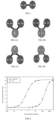
- FIGS. 1-3 illustrate the representative structures of an IL-22 dimer, in which the carrier protein includes but is not limited to Fc fragment of human IgG (such as IgG1, IgG2, IgG3 or IgG 4), or human albumin.
- FIGS 2B and 3B illustrate representative structures of the IL-22 dimer of the present invention.
- the IL-22 dimer of the present invention comprises two monomeric subunits, in which each monomeric subunit comprises an IL-22 domain and a dimerization domain and wherein the dimerization domain comprises the CH2 and CH3 domains of human IgG.
- Each of monomeric subunits comprises an IL-22 domain linked to a dimerization domain via an optional linker sequence.
- the IL-22 domain can be at the C terminus or N terminus of the dimerization domain.
- the carrier protein of the IL-22 dimer is formed by two dimerization domains via dimerization.
- amino acid sequence of the IL-22 dimer is shown in SEQ ID NO: 5 in which amino acid residues 1-146 represent IL-22, amino acid residues 147-162 represent the linker, and residues 163-308 represent another IL-22.
- amino acid sequence of an IL-22 monomer with Fc fragment which is used to form the IL-22 dimer of this embodiment, is shown in SEQ ID NO: 4 in which amino acid residues 1-146 represent an IL-22, amino acid residues 147-162 represent the linker, and residues 163-385 represent Fc fragment of human IgG2.
- a dimer is formed by the two IL-22 monomers with Fc fragment via the coupling of the Fc fragments.
- amino acid sequence of an IL-22 monomer with Fc fragment which is used to form the IL-22 dimer of this embodiment, is shown in SEQ ID NO: 6 in which amino acid residues 1-146 represent an IL-22, amino acid residues 147-152 represent the linker, and residues 153-375 represent Fc fragment of human IgG2.
- a dimer is formed by the two IL-22 monomers with Fc fragment via the coupling of the Fc fragments.
- amino acid sequence of an IL-22 monomer with Fc fragment which is used to form the IL-22 dimer of this embodiment, is shown in SEQ ID NO: 7 in which amino residues 1-223 represent Fc fragment of human IgG2, amino residues 224-239 represent the linker, and residues 240-385 represent an IL-22.
- a dimer is formed by the two IL-22 monomers with Fc fragment via the coupling of the Fc fragments.
- amino acid sequence of an IL-22 monomer with Fc fragment which is used to form the IL-22 dimer of this embodiment, is shown in SEQ ID NO: 8 in which amino acid residues 1-223 represent Fc fragment of human IgG2, amino acid residues 224-229 represent the linker, and residues 230-375 represent an IL-22.
- a dimer is formed by the two IL-22 monomers with Fc fragment via the coupling of the Fc fragments.
- linker peptide refers to oligo peptide disposed between one IL-22 monomer and carrier protein, or one IL-22 monomer(or IL-22 domain) and a dimerization domain and connecting the two domains together.
- linker There is no special restriction on the length of the linker.
- a linker is usually 5-50 amino acid residues in length. In general, a linker does not affect or significantly affect the proper fold and conformation formed by the configuration of the two IL-22 monomers.
- the linker contains an amino acid sequence selected from:
- the linker has the sequence of GSGGGSGGGGSGGGGS (i.e. amino acid residues of SEQ ID NO: 1) and ASTKGP (i.e. amino acid residues of SEQ ID NO: 10).
- an amino acid sequence not affecting the biological activity of IL-22 monomer can be added to the N-terminal or C-terminal of the fusion protein.
- appended amino acid sequence is beneficial to expression (e.g. signal peptide), purification (e.g. 6 x His sequence, the cleavage site of Saccharomyces cerevisiae ⁇ -factor signal peptide (Glu-Lys-Arg), or enhancement of biological activity of the fusion protein.
- the IL-22 dimer comprises two monomeric subunits, wherein each monomeric subunit comprises an IL-22 domain and a dimerization domain and wherein the dimerization domain comprises the CH2 and CH3 domains of human IgG.
- the IL-22 domain is fused to the N-terminus of the dimerization domain.
- the IL-22 domain is fused to the C-terminus of the dimerization domain.
- the IL-22 domain and the dimerization domain are linked via an optional peptide linker (for example a peptide linker of about 5 to about 50 amino acids in length, for example a linker having the sequence of SEQ ID NO: 10).
- the dimerization domain of IL-22 dimer comprises leucine zippers.
- the IL-22 domain has the sequence of SEQ ID NO:3.
- the Fc fragment comprises at least two cysteines capable of forming intermolecular disulfide bonds.
- the Fc fragment is truncated at the N-terminus, e.g., lacks the first 1, 2, 3, 4, 5, 6, 7, 8, 9, or 10 amino acids of a complete immunoglobulin Fc domain.
- the Fc fragment is of type IgG2.
- the Fc fragment is of type IgG4.
- the Fc fragment has the sequence of SEQ ID NO:2 or SEQ ID NO: 9.
- the IL-22 dimer comprises two IL-22 monomeric subunits, wherein each monomeric subunit comprises (for example has) the sequence of any of SEQ ID NO:4 or SEQ ID NOs: 6-8.
- the invention encompasses modifications to the polypeptides described herein, including functionally equivalent proteins which do not significantly affect their properties and variants which have enhanced or decreased activity. Modification of polypeptides is routine practice in the art and need not be described in detail herein. Examples of modified polypeptides include polypeptides with conservative substitutions of amino acid residues, one or more deletions or additions of amino acids which do not significantly deleteriously change the functional activity, non-conservative mutations which do not significantly deleteriously change the functional activity, or use of chemical analogs.
- Amino acid sequence insertions include amino- and/or carboxyl-terminal fusions ranging in length from one residue to polypeptides containing a hundred or more residues, as well as intrasequence insertions of single or multiple amino acid residues.
- terminal insertions include an N-terminal methionyl residue or an epitope tag.
- Other insertional variants of the IL-22 monomeric subunits include the fusion to the N- or C-terminus of the polypeptide, or a polypeptide which increases the serum half-life of the IL-22 dimer.
- amino acids are commonly found in proteins. Those amino acids can be grouped into nine classes or groups based on the chemical properties of their side chains. Substitution of one amino acid residue for another within the same class or group is referred to herein as a "conservative" substitution. Conservative amino acid substitutions can frequently be made in a protein without significantly altering the conformation or function of the protein. In contrast, non-conservative amino acid substitutions tend to disrupt conformation and function of a protein. Families of amino acid residues having similar side chains have been defined in the art.
- amino acids with basic side chains e.g., lysine, arginine, histidine
- acidic side chains e.g., aspartic acid, glutamic acid
- uncharged polar side chains e.g., glycine, asparagine, glutamine, serine, threonine, tyrosine, cysteine
- nonpolar side chains e.g., alanine, valine, leucine, isoleucine, proline, phenylalanine, methionine, tryptophan
- beta-branched side chains e.g., threonine, valine, isoleucine
- aromatic side chains e.g., tyrosine, phenylalanine, tryptophan, histidine
- Table 1 Example of amino acid classification Small/Aliphatic residues: Gly, Ala, Val, Leu, Ile Cyclic Imino Acid: Pro Hydroxyl-containing Residues: Ser, Thr Acidic Residues: Asp, Glu Amide Residues: Asn, Gln Basic Residues: Lys, Arg Imidazole Residue: His Aromatic Residues: Phe, Tyr, Trp Sulfur-containing Residues: Met, Cys
- the conservative amino acid substitution comprises substituting any of glycine (G), alanine (A), isoleucine (I), valine (V), and leucine (L) for any other of these aliphatic amino acids; serine (S) for threonine (T) and vice versa; aspartic acid (D) for glutamic acid (E) and vice versa; glutamine (Q) for asparagine (N) and vice versa; lysine (K) for arginine (R) and vice versa; phenylalanine (F), tyrosine (Y) and tryptophan (W) for any other of these aromatic amino acids; and methionine (M) for cysteine (C) and vice versa.
- G glycine
- A alanine
- I isoleucine
- V valine
- L leucine
- substitutions can also be considered conservative, depending on the environment of the particular amino acid and its role in the three-dimensional structure of the protein.
- G glycine
- A alanine
- V valine
- M Methionine
- L Lysine
- K arginine
- R arginine
- the IL-22 dimer described herein has an EC50 of no less than about 20 ng/mL (including for example no less than about any of 100 ng/mL , 200 ng/mL, 300 ng/mL, 400 ng/mL, or more) in an in vitro cell proliferation assay.
- the IL-22 dimer has an EC50 that is at least about 5x (including for example at least about 10x, 30x, 50x, 100x, 150x, 300x, 400x, 500x, 600x, 1000x or more) that of a wildtype monomeric IL-22 (for example the monomeric IL-22 having the sequence of SEQ ID NO:3) in an in vitro cell proliferation assay.
- the IL-22 dimer has an EC50 of no less than about 10 ng/mL (including for example no less than about any of 50 ng/mL, 100 ng/mL, 200 ng/mL, 300 ng/mL, 400 ng/mL, or more) in an in vitro STAT3 stimulation assay.
- the IL-22 dimer has an EC50 that is at least about 10x (including for example at least about 50x, 100x, 200x, 300x, 400x, 500x, 600x, 700x, 800x, 900x, 1000x, 1500x, or more) that of a wildtype monomeric IL-22 (for example the monomeric IL-22 having the sequence of SEQ ID NO:3) in an in vitro STAT3 stimulation assay.
- a wildtype monomeric IL-22 for example the monomeric IL-22 having the sequence of SEQ ID NO:3 in an in vitro STAT3 stimulation assay.
- the IL-22 dimer has a serum half-life that is significantly longer than that of IL-22. In some embodiments, the IL-22 dimer as a serum half-life of at least about any of 15, 30, 50, 100, 150, 200, 250, 300, or 350 hours. In some embodiments, while the dose of IL-22 dimer is 2 ⁇ g/kg, the serum half-life is at least about any of 15, 30, 50, 100, 150, or 200 hours. In some embodiments, while the dose of IL-22 dimer is 10 ⁇ g/kg, the serum half-life is at least about any of 50, 100, 150, or 200 hours.
- the serum half-life is at least about any of 100, 150, 200, or 250 hours. In some embodiments, while the dose of IL-22 dimer is 45 ⁇ g/kg, the serum half-life is at least about any of 100, 150, 200, 250, 300, or 350 hours.
- the IL-22 monomeric subunits of the IL-22 dimers may be expressed using recombinant DNA technology.
- the nucleotide sequence encoding IL-22 monomeric subunits can be inserted into a replicable cloning or protein expression vector at restriction sites using known techniques.
- a single nucleotide sequence encoding IL-22 monomeric subunits is inserted into a cloning or expression vector.
- a nucleotide sequence encoding the IL-22 region and a nucleotide sequence encoding the extension peptide region may be separately inserted into a cloning or expression vector in such a manner that when the nucleotide sequence is expressed as a protein, a continuous polypeptide is formed.
- a nucleotide sequence encoding a linker, a nucleotide sequence encoding a dimerization domain, and a nucleotide sequence encoding an IL-22 region may be separately inserted into a cloning or expression vector in such a manner that when the nucleotide sequence is expressed as a protein, a continuous polypeptide is formed.
- the nucleotide sequence encoding IL-22 monomeric subunit may be fused to a nucleotide sequence encoding an affinity or identification tag, such as, but not limited to, a His-tag, FLAG-tag, SUMO-tag, GST-tag, antibody-tag, or MBP-tag.
- an affinity or identification tag such as, but not limited to, a His-tag, FLAG-tag, SUMO-tag, GST-tag, antibody-tag, or MBP-tag.
- the cloning or expression vector may be then transfected or transformed into eukaryotic or prokaryotic cells using known techniques.
- IL-22 or IL-22 monomeric subunits may be expressed in vitro.
- the expression host cell may be any cell able to express IL-22 dimers.
- Suitable prokaryotic expression host cells may include, but are not limited to, Escherichia coli, Erwinia, Klesbsiella, Proteus, Salmonella, Serratia, Shigella, Bacillus subtilis, Bacillus licheniformis, Pseudomonas, and Streptomyces.
- Eukaryotic cell such as fungi or yeast
- Plant or algal cells may also be suitable for expression of IL-22 monomeric subunits, such as Chlamydomonas.
- Eukaryotic cell derived from multicellular organisms may also be suitable for expression of IL-22 monomeric subunits, for example, but not limited to, invertebrate cells such as Drosophila S2 and Spodoptera Sf9, or mammalian cells such as Chinese Hamster Ovary (CHO) cells, COS cells, human embryonic kidney cells (such as HEK293 cells), murine testis trophoblastic cells, human lung cells, and murine breast cancer cells.
- invertebrate cells such as Drosophila S2 and Spodoptera Sf9
- mammalian cells such as Chinese Hamster Ovary (CHO) cells, COS cells, human embryonic kidney cells (such as HEK293 cells), murine testis trophoblastic cells, human lung cells, and murine breast cancer cells.
- the host cells can be grown on conventional nutrient media and protein expression induced, if necessary. In some embodiments, the expression of IL-22 monomeric subunits do not require inducement.
- expressed IL-22 monomeric subunits will form IL-22 dimers.
- IL-22 monomeric subunits will require further inducement, such as by supplying an oxidation compound (such as hydrogen peroxide or a catalytic metal), UV light, or a chemical crosslinker (such as formaldehyde, 1,6-bismaleimidohexane, 1,3-dibromo-2-propanol, bis(2-chloroethyl)sulfide, or glutaraldehyde).
- an oxidation compound such as hydrogen peroxide or a catalytic metal
- UV light or a chemical crosslinker (such as formaldehyde, 1,6-bismaleimidohexane, 1,3-dibromo-2-propanol, bis(2-chloroethyl)sulfide, or glutaraldehyde).
- IL-22 dimers do not require inducement.
- host cell used to express IL-22 dimers is China Hamster Ovary (CHO cell).
- IL-22 dimers may be purified using any number of protein purification techniques. For example, IL-22 dimers may be purified using affinity chromatography, ion exchange chromatography, reverse-phase HPLC, size-exclusion chromatography, precipitation, or ultracentrifugation. In some embodiments, an affinity tag fused to the IL-22 monomeric subunit polypeptide may be removed.
- IL-22 dimers can be referred to the patent application PCT/CN2011/079124 filed by Generon (Shanghai) Corporation,LTD on Aug 30 th ,2011.
- kits and medicines suitable for any one of the methods described herein.
- a kit comprising an IL-22 dimer and an instruction for administering the IL-22 dimer intravenously, for example at a dosage of about 2 ⁇ g/kg to about 200 ⁇ g/kg (such as about 10 ⁇ g/kg to about 45 ⁇ g/kg).
- a unit dosage form for intravenous administration wherein the unit dosage form comprises an effective amount of IL-22 dimer that would allow administration of the IL-22 dimer at a dosage of about 2 ⁇ g/kg to about 200 ⁇ g/kg (such as about 10 ⁇ g/kg to about 45 ⁇ g/kg).
- a medicine comprising IL-22 dimer for intravenous administration, wherein the medicine comprises an effective amount of IL-22 dimer that would allow administration of the IL-22 dimer at a dosage of about 2 ⁇ g/kg to about 200 ⁇ g/kg (such as about 10 ⁇ g/kg to about 45 ⁇ g/kg).
- a use of IL-22 dimer for the manufacture of a medicament for treating a disease wherein the medicament is suitable for intravenous administration, and wherein the medicament comprises an effective amount of IL-22 dimer that would allow administration of IL-22 at a dosage of about 2 ⁇ g/kg to about 200 ⁇ g/kg (such as about 10 ⁇ g/kg to about 45 ⁇ g/kg).
- kit, medicine, medicament, and article of manufacture described herein can be provided in the form of vials (such as sealed vials), IV bags, and syringes.
- references to "about” a value or parameter herein includes (and describes) variations that are directed to that value or parameter per se. For example, description referring to "about X” includes description of "X”.
- Colo205 cells were cultured in RPMI1640 10% FBS medium and the cells were grown to the logarithmic phase. Supernatant was discarded and PBS was added to wash away residual culture medium, followed by addition of 2-5 mL 0.25% Trypsin-EDTA for digestion. Then medium was added and mixed to uniformity by pipetting. Mixture was centrifuged at 1500 rpm for 5 min and cells were collected and prepared into 5.0 ⁇ 10 5 Cell/ml cell suspension with basic medium. The suspension was added into the wells of 96-well plate (100 ⁇ L/well) and stayed overnight at 37°C, in 5% CO 2 incubator.
- the 96-well plate was removed from the CO 2 incubator and centrifuged at 800 rpm for 5 minutes at 4°C. Then, 90 ⁇ L of cell supernatant was withdrawn from each well and 90 ⁇ L0.1% BSA/RPMI 1640 was added to each well, followed by addition of IL-22 dimer (consisting of two monomeric subunits each comprising a sequence shown in SEQ ID NO: 4) to the final concentration of 1.4, 4.1, 12.3, 37.0, 111.1, 333.3, 1000, 3000 ng/mL, IL-22(rhIL-22, namely, recombinant human IL-22) to the final concentration of 0.01, 0.04, 0.12, 0.37, 1.1, 3.3, 10, 30 ng/mL. The mixture was incubated for 20 hours at 37°C in 5% CO 2 incubator and cell supernatant was collected and the OD value thereof was tested using IL-10 ELISA kit (R&D, Cat: S1000B).
- IL-10 ELISA kit R
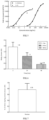
- the half effective concentration (EC50) value of IL-22 dimer is 229 ng/mL (2,675 pM) and that of IL-22 is 0.54 ng/mL (32.4 pM).It shows that the bioactivity of IL-22 dimer is far lower than that of IL-22 monomer in in vitro activity experiment.
- Colo205 cells were cultured in RPMI1640 10% FBS medium and the cells were grown to the logarithmic phase. Supernatant was discarded and PBS was added to wash away residual culture medium, followed by addition of 2-5 mL 0.25% Trypsin-EDTA for digestion. Then medium was added and mixed to uniformity by pipetting. Mixture was centrifuged at 1500 rpm for 5 min and cells were collected and prepared into 2.0 ⁇ 10 5 Cell/ml cell suspension with basic medium RPMI1640. The suspension was added into the wells of 96-well plate (100 ⁇ L/well) and stayed at 37°C for 6 hrs, in 5% CO 2 incubator.
- the suspension was treated respectively with various concentrations of rhIL-22 or IL-22 dimer (consisting of two monomeric subunits each comprising a sequence shown in SEQ ID NO: 4) for 1 hr.
- After discarding the supernatant add 40 ⁇ L cell lysis buffer (Cat No.9803S, Cell Signalling) into each well. The supernatant was collected by centrifugation. Protein concentration was determined using Bradford method. Additionally, STAT3 phosphorylation level was measured using an ELISA mothod (STAT3 [pY705] phosphor ELISA kit (Invitrogen, Cat:KH00481). The pSTAT3 content is calculated by dividing the detected concentration of pSTAT3 by protein concentration.
- the half effective concentration (EC50) value of IL-22 dimer activating STAT3 is 119.5 ng/mL (1394 pM, calculated using the theoretical molecular weight of IL-22 dimer which is 85.7 KD) and that of IL-22 is 0.14 ng/mL (6.9 pM, calculated using the molecular weight of IL-22 which is 16.7KD).
- 18 SD rats were randomly divided into 3 groups with 6 animals per group(half male and half female).
- the animals received a tail vein injection of 125 I-IL-22 dimer labeled by Iodogen method (consisting of two monomeric subunits each comprising a sequence shown in SEQ ID NO: 4) at a dose of 30 ⁇ g/kg.
- the animals were sacrificed at 2, 24 and 48 hrs after the injection, respectively.
- the organ tissues were collected and weighed, and the radioactivity counts were measured directly. Then the radioactivity counts per gram of tissues were calculated.
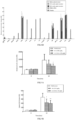
- the concentrations of IL-22 dimer in pancreas at 24, 48 hrs were decreased to 56% and 21% of that of IL-22 dimer at 2 hrs after the injection, respectively.
- the concentrations of IL-22 dimer in livers at 24 hrs and 48 hrs were decreased to 28% and 9% of that of IL-22 dimer at 2 hrs after the injection, respectively.
- the concentrations of IL-22 dimer in pancreas were about 1/5 of that of IL-22 dimer in liver.
- IL-22 dimer consisting of two monomeric subunits each comprising a sequence shown in SEQ ID NO: 4
- the animals were sacrificed at 2 hrs after the injection.
- the organ tissues were collected and stored in liquid nitrogen.
- the tissues were weighed and lysed by adding the lysis buffer to obtain the tissue homogenate. After centrifugation, the supernatant was separated and subjected to protein concentration determination.
- the concentrations of IL-22 dimer in the tissues were measured using an ELISA method (Human IL-22 ELISA Kit, Biolegend, Cat.No434506).
- IL-22 dimer 2.0 ⁇ g/kg SC dose group (n 6)(SC group): received a single subcutaneous dose of IL-22 dimer at 2.0 ⁇ g/kg.
- IL-22 dimer 2.0 ⁇ g/kg IV dose group (n 6)(IV group): IL-22 dimer were dissolved in 100 mL 5% glucose/saline solution and administered at a single dose of 2 ⁇ g/kg via intravenous infusion
- IL-22 dimer 10 ⁇ g/kg IV dose group (n 6)(IV group): IL-22 dimer were dissolved in 100 mL 5% glucose/saline solution and administered at a single dose of 10 ⁇ g/kg via intravenous infusion.
- IL-22 dimer 30 ⁇ g/kg IV dose group(n 6)(IV group): IL-22 dimer were dissolved in 100 mL 5% glucose/saline solution and administered at a single dose of 30 ⁇ g/kg via intravenous infusion.
- IL-22 dimer 45 ⁇ g/kg IV dose group(n 6)(IV group): IL-22 dimer were dissolved in 100 mL 5% glucose/saline solution and administered at a single dose of 45 ⁇ g/kg via intravenous infusion.
- the IL-22 dimer consisted of two monomeric subunits each comprising a sequence shown in SEQ ID NO: 4.
- the safety was evaluated through physical examination, laboratory test, body weight, vital signs, electrocardiogram, and abdomen ultrasound, etc.
- serum level of drug concentration, SAA-1, CRP, TG and cytokines were assayed.
- IL-22 dimer 2.0 ⁇ g/kg SC dose group totally six adverse events considered related to the investigated drug, including injection site dry skin(x 3), erythema(x 2), and nummular eczema(x 1).
- IL-22 dimer 10 ⁇ g/kg IV dose group two adverse events were observed, including chills (an infustion related reaction) (x 1) and headache(x 1).
- IL-22 dimer 30 ⁇ g/kg IV dose group six adverse events were observed, including local dry skin(x 4), allergic dermatitis(x 1), and infusion related reaction(x 1).
- IL-22 dimer 45 ⁇ g/kg IV dose group twelve adverse events were observed, including local dry skin(6), eye pruritus (x 3), erythematous rash (x 2), and somnolence (x 1).
- Placebo group adverse events including upper respiratory tract infection (x 1), lethargy(x 1) and hyperhidrosis (x 1) were observed.
- the vein blood samples were taken prior to the administration and at different time points following the administration. After centrifugation, the serum was separated and stored at ⁇ 70 °C. The drug concentration in the serum was measured using an ELISA method(Human IL-22 ELISA Kit, Biolegend, Cat.No434506). Pharmacokinetic parameters were analyzed using a non-compartmental model on the detected results (analysis software: Phoenix TM WinNonlin ® (Pharsight Corporation, Version 6.2.1).The results showed IL-22 dimer had a very excellent half-life in human, among which, the single dose of 45 ⁇ g/kg group had a half-life of 206 hrs which was significantly better than that of IL-22 monomer.
- IL-22 dimer can significantly increase the serum levels of SAA, CRP and decrease serum levels of TG
- the concentration of serum SAA-1 was measured using an ELISA method(human SAA ELISA kit, Cat No.KHA0011C, Invitrogen).
- Table 4 the maximum concentration(Cmax) and fold-increased of SAA-1 Group(IV) SAA-1 Cmax( ⁇ g/kg) Fold-increased of Cmax (relative to placebo group) Placebo 6* 1 IL-22 dimer 2 ⁇ g/kg ,IV 71 12 IL-22 dimer 10 ⁇ g/kg ,IV 402 67 IL-22 dimer 30 ⁇ g/kg ,IV 2355 393 IL-22 dimer 45 ⁇ g/kg ,IV 3194 532 * indicating average value of placebo group
- C-reactive protein(CRP) The levels of C-reactive protein(CRP) were measured using immunity transmission turbidity.
- the IV administration of IL-22 dimer significantly increased the serum concentration of C-reactive protein compared to the placebo group.
- the IV administration of IL-22 dimer significantly reduced the serum levels of triglyceride, exhibiting an obvious dose response relationship compared to the placebo group,.
- the serum samples of placebo group and IL-22 dimer 45 ⁇ g/kg IV group were collected before the administration and at 24, 48 hrs after the administration, and were measured using Proteome Profiler Arrays- Human Cytokine Array Panel A(Cat.No.ARY005, R&D systems) to obtain the levels of various cytokines.
- the PBMCs human Peripheral Blood Mononuclear Cells
- PMA phorbol myristate acetate
- the levels of inflammatory cytokines such as TNF ⁇ , IL-6, IL-1 ⁇ , IL-8, etc were markedly increased in the positive control(PBMCs+PMA). Showing a similar profile to the placebo group, the levels of CD54, MIF, Serpin E1 and CCL5 were relatively higher for the serum samples taken at 24 and 48 hrs after the administration in the IL-22 dimer 45 ⁇ g/kg IV group, and the levels of inflammatory cytokines such as TNF ⁇ , IL-6, IL-1 ⁇ , IL-8 did not markedly change compared to that of serum samples taken prior to the administration. These demonstrated that the administration of IL-22 dimer does not lead to increased levels of serum inflammatory cytokines.
- Example 6 Preventive and therapeutic efficacy of IL-22 or IL-22 dimer in rat model of acute pancreatitis induced by retrograde injection of sodium taurocholate into the biliopancreatic duct.
- Acute pancreatitis model induced by retrograde injection of sodium taurocholate into the biliopancreatic duct has been widely used to assess the pathogenesis of bile reflux pancreatitis and the efficacy of a medicament.
- the rat model of acute pancreatitis was produced by retrograde injection of 0.1 mL/100g 3.5% sodium taurocholate into the biliopancreatic duct.
- the IL-22 dimer consisted of two monomeric subunits each comprising a sequence shown in SEQ ID NO: 4.
- the animals were given free access to water and fasted for 12 hrs before surgery.
- Rats in the model group were anaesthetized with diethyl ether. The abdomen was opened by a midline incision, the duodenum and common bile duct were identified, then the common bile duct was temporarily occluded at the confluence of hepatic hilus hepatic duct using a microvascular clamp. Upon finding a mesenterium avascular area at lateral wall of duodenum, a 0.4 size needle was used to puncture and sideling insert into the bile-pancreatic duct in the mesenterium avascular area, and then pulled out.
- a polyethylene(PE) 10 tube was then inserted into the bile-pancreatic duct along the duodenal papilla for 8-10 mm via the hole, and fixed to avoid dropping out.
- 3.5% sodium taurocholate (0.1 mL/100 g) was slowly infused in a retrograde way, and the needle core was kept staying for 8 mins after injection.
- Rats were given free access to food and water after surgery.
- blood samples were taken from rat orbital venous plexus, and then the serum was separated by centrifuging. The serum levels of amylase and lipase were measured.
- the animals were sacrificed 48 hrs after surgery.
- the pancreas tissues of rats were taken and fixed in 10% formalin solution. Tissues at head, middle, and tail of the pancreas were sliced and made into 3 ⁇ m paraffin sections, respectively. The sections were stained with HE, and the pathological changes were observed under a light microscope. Scores of edema, necrosis, hemorrhage, inflammatory cell infiltration, etc were evaluated in a double blind fashion, according to the scales of Schmidt ( Schmidt et al. Ann Surg, 1992, 215(1):44-56 ). Scoring of 3 sections including the head, middle, and tail of the pancreas for each rat was performed.
- pancreatitis animal model was successfully established, as evidenced by a significant elevation in serum levels of amylase and lipase.
- IL-22 monomer has a trend to decrease the serum levels of amylase, but there was no significant difference.
- the IL-22 dimer was therapeutically effective in pancreatitis rat model, and the efficacy was better than that of IL-22.
- the efficacy was better than that of IL-22.
- obvious edema a mass of inflammatory cell infiltration, necrosis of partial acinar cell and adipose cell, and a small amount of hemorrhage were observed in the pancreatic tissues of model group.
- IL-22 dimer can significantly improve the pathology score in animals of pancreatitis, showing a protective role on pancreas.
- no significant protective effect of IL-22 monomer on pancreas was observed.
Landscapes
- Health & Medical Sciences (AREA)
- Life Sciences & Earth Sciences (AREA)
- Chemical & Material Sciences (AREA)
- Medicinal Chemistry (AREA)
- General Health & Medical Sciences (AREA)
- Animal Behavior & Ethology (AREA)
- Pharmacology & Pharmacy (AREA)
- Public Health (AREA)
- Veterinary Medicine (AREA)
- Organic Chemistry (AREA)
- Bioinformatics & Cheminformatics (AREA)
- Engineering & Computer Science (AREA)
- Gastroenterology & Hepatology (AREA)
- General Chemical & Material Sciences (AREA)
- Chemical Kinetics & Catalysis (AREA)
- Nuclear Medicine, Radiotherapy & Molecular Imaging (AREA)
- Epidemiology (AREA)
- Proteomics, Peptides & Aminoacids (AREA)
- Zoology (AREA)
- Immunology (AREA)
- Dermatology (AREA)
- Biochemistry (AREA)
- Molecular Biology (AREA)
- Toxicology (AREA)
- Biophysics (AREA)
- Genetics & Genomics (AREA)
- Hematology (AREA)
- Neurosurgery (AREA)
- Neurology (AREA)
- Diabetes (AREA)
- Biomedical Technology (AREA)
- Obesity (AREA)
- Virology (AREA)
- Communicable Diseases (AREA)
- Oncology (AREA)
- Medicines That Contain Protein Lipid Enzymes And Other Medicines (AREA)
- Medicinal Preparation (AREA)
- Acyclic And Carbocyclic Compounds In Medicinal Compositions (AREA)
Description
- This invention relates to the area of biological and medical technologies, in particular, this invention relates to the use of IL-22 dimer in the manufacture of a medicament for intravenous administration.
- Interleukin-22 (IL- 22), also known as IL-10 related T cell-derived inducible factor (IL-TIF), is a glycoprotein expressed in and secreted from activated T cells and natural killer cells(NK cells). Activated T cells are mainly CD4+ cells, especially CD28 pathway activated
T h1 cells, Th17 cells andT h22 cells, among others. The expression of IL-22 mRNA was originally identified in IL-9 simulated T cells and mast cells in murine, as well as Concanavilin A (Con A) stimulated spleen cells (Dumoutier, et al., J. Immunology, 164:1814-1819, 2000). The human IL- 22 mRNA is mainly expressed in peripheral T cells upon stimulation by anti-CD3 or Con A. Feng et al reported Interleukin-22 ameliorates cerulein-induced pancreatitis in mice(Int. J. Biol. Sci, 8(2), 249-257,2012). -
US2012/171100 andUS2015/147293 disclose the use of IL-22 in treating viral hepatitis and nerve damage diseases or neurodegenerative disease, respectively. - The present invention provides an IL-22 dimer for use in a method of treating a disease in a human individual, wherein the method comprises intravenously administering to the human individual an effective amount of the IL-22 dimer, wherein the amount of the IL-22 dimer is 2 µg/kg to 45 µg/kg, wherein the IL-22 dimer comprises two monomeric subunits, wherein each monomeric subunit comprises an IL-22 domain and a dimerization domain and wherein the dimerization domain comprises the CH2 and CH3 domains of human IgG and wherein the disease is selected from the group consisting of: metabolic disease, fatty liver, viral hepatitis, MODS, neurological disorder, and pancreatitis.
- The present invention further provides an IL-22 dimer for use in a method of treating a liver disease in a human individual, wherein the method comprises intravenously administering to the human individual an effective amount of the IL-22 dimer, wherein the amount of the IL-22 dimer is 2 µg/kg to 45 µg/kg, wherein the IL-22 dimer comprises two monomeric subunits, wherein each monomeric subunit comprises an IL-22 domain and a dimerization domain and wherein the dimerization domain comprises the CH2 and CH3 domains of human IgG and wherein the method prevents liver damage.
- The IL-22 dimer is shown as Formula I:
M1-L-M2 I
wherein, - M1 is a first monomer of IL-22,
- M2 is a second monomer of IL-22, and
- L is a linker connecting said first monomer and said second monomer and disposed therebetween, wherein the linker comprises a dimerization domain and wherein the dimerization domain comprises the CH2 and CH3 domains of human IgG.
- In some embodiments, the IL-22 dimer retains the biological activity of IL-22 and has a serum half-life of longer than twice of that of either the first or the second monomer.
- In some embodiments, the serum half-life of the IL-22 dimer is longer than three, five, or ten times of that of the first and/or the second monomer.
- The linker L is selected from the group consisting of:
- (i). a short peptide comprising 3 to 50 amino acids; and
- (ii). a polypeptide of Formula II:
-Z-Y-Z- II
- Y is a carrier protein, wherein the carrier protein is an Fc fragment of human IgG, wherein the Fc fragment contains CH2 and CH3 domains
- Z is nothing, or a short peptide(s) comprising 1 to 30 amino acids, and
- "-" is a chemical bond or a covalent bond.
- In some embodiments, the "-" is a peptide bond.
- In some embodiments, Z is 5-50 amino acid residues in length.
- In some embodiments, Z comprises the sequence of SEQ ID NO: 1 or SEQ ID NO: 10.
- In some embodiments, Z has the sequence of SEQ ID NO: 1 or SEQ ID NO: 10.
- In some embodiments, the carrier protein contains at least two cysteines capable of forming intermolecular disulfide bonds.
- In some embodiments, the carrier protein is disposed at the N-terminal of IL-22 monomer.
- In some embodiments, the carrier protein is disposed at the C-terminal of IL-22 monomer.
- In some embodiments, Fc fragment comprises the sequence of SEQ ID NO: 2 or SEQ ID NO: 9.
- In some embodiments, Fc fragment has the sequence of SEQ ID NO: 2 or SEQ ID NO: 9.
- The IL-22 dimer comprises two monomeric subunits wherein each monomeric subunit comprises an IL-22 domain, a dimerization domain and optionally a linker connecting the IL-22 domain and the dimerization domain.
- In some embodiments, the IL-22 domain is IL-22 monomer, the dimerization domain comprises the CH2 and CH3 domains of human IgG, the optional linker is a peptide connecting the IL-22 monomer and Fc fragment, and the dimer is formed by the connection of two dimerization domains via one or more disulfide bond(s).
- In some embodiments, the number of said disulfide bond is 2-4.
- In some embodiments, the monomeric subunit of each IL-22 dimer comprises an amino acid sequence selected from SEQ ID NO: 4 and SEQ ID NOs: 6-8.
- In some embodiments, the first monomer and the second monomer of the IL-22 dimer are identical.
- In some embodiments, the first monomer and the second monomer are different.
- In some embodiments, the biological activity of the IL-22 dimer is selected from one or more biological activities in a group consisting of:
- (a) reducing the levels of amylase and/or lipase in vivo,
- (b) ameliorating pancreatic edema in vivo,
- (c) inhibiting necrosis of acinar cells and/or adipocytes in pancreas in vivo,
- (d) ameliorating the infiltration of inflammatory cells in pancreas in vivo.
- In some embodiments, the amount of the IL-22 dimer is 2 µg/kg to 30 µg/kg.
- In some embodiments, the amount of the IL-22 dimer is 10 µg/kg to 45 µg/kg.
- In some embodiments, the IL-22 dimer is administered no more than about once every week.
- In some embodiments, the IL-22 dimer is administered no more than about once every month.
- In some embodiments, the IL-22 dimer is administered no more than about once every three months.
- Each monomeric subunit comprises an IL-22 domain linked to a dimerization domain via an optional linker sequence.
- In some embodiments, the linker sequence is about 6 to about 30 amino acids.
- In some embodiments, the linker sequence comprises the sequence of SEQ ID NO: 1.
- In some embodiments, the linker sequence has the sequence of SEQ ID NO: 1.
- In some embodiments, the dimerization domain comprises at least two cysteines capable of forming intermolecular disulfide bonds.
- In some embodiments, the dimerization domain comprises the sequence of SEQ ID NO: 2.
- In some embodiments, the dimerization domain has the sequence of SEQ ID NO: 2.
- In some embodiments, the IL-22 domain of each monomeric subunit has the sequence of SEQ ID NO: 3.
- In some embodiments, the each monomeric subunit has the sequence selected from SEQ ID NO: 4 and SEQ ID NOs: 6-8.
- It is clear for a skilled person in the art that, the technical features mentioned above and discussed in the examples below of the present invention could be combined with each other to result in a new or even better technical solution. Hence this invention should not be construed as limited to the embodiments set forth herein.
-
-
FIG. 1 is an illustration of an IL-22 dimer. In the figure, "-" represents a linker and the oval-shaped object labeled with "IL-22" represents an IL-22 monomer. -
FIGS. 2A and 2B are illustrations of IL-22 dimers.FIG 2B shows an exemplary IL-22 dimer according to the present invention. In the figures, "-" represents an amino acid linker and the oval-shaped object labeled with "IL-22" represents an IL-22 monomer. As illustrated inFIG. 2A , the oval-shaped object labeled with "C" represents a carrier protein wherein the IL-22 is disposed at the N-terminal of the carrier protein. As illustrated inFIG.2B , the half oval-shaped object labeled with "Fc" represents an Fc fragment which is a dimerizaion domain, showing a dimer is formed by the coupling of two Fc fragments via disulfide bond(s). -
FIGS. 3A and 3B are illustrations of IL-22 dimers.FIG 3B shows an exemplary IL-22 dimer according to the present invention. In the figures, "-" represents an amino acid linker, the oval-shaped object labeled with "IL-22" represents an IL-22 monomer. As illustrated inFIG.3A , the oval-shaped object labeled with "C" represents a carrier protein wherein the IL-22 is disposed at the C-terminal of the carrier protein. As illustrated inFIG.3B , the half oval-shaped object labeled with "Fc" represents an Fc fragment which is a dimerizaion domain, showing a dimer is formed by the coupling of two Fc fragments via disulfide bond(s). -
FIG. 4 shows the proliferative effect of IL-22 and IL-22 dimer on Colo205 cells in in vitro activity experiment. -
FIG. 5 shows the effect of IL-22 and IL-22 dimer on stimulating STAT3 in Colo205 cells in in vitro activity experiment. -
FIG. 6 shows the distribution of IL-22 dimer in pancreatic tissues in rats after administration. SD rats received a single intravenous injection of 30 µg/kg 125I labeled IL-22 dimer via cauda vein. The radioactivity counts in organ tissues were measured at 2, 24, and 48 hrs respectively after the injection. -
FIG. 7 shows the distribution of IL-22 dimer in pancreatic tissues in cynomolgus monkeys after administration. Cynomolgus monkeys received a single intravenous injection of 100 µg/kg IL-22 dimer. The drug concentrations in the organ tissues were measured at 2 hrs after the injection. - [0084]
FIG. 8A shows the changes of the serum levels of amyloid protein (SAA) in human with the time after intravenous administration of IL-22 dimer. - [0085]
FIG. 8B shows the changes of the serum levels of C-reactive protein in human with the time after intravenous administration of IL-22 dimer. - [0086]
FIG. 8C shows the changes of the serum levels of triglyceride in human with the time after intravenous administration of IL-22 dimer. -
FIG. 8D shows the effect on the serum levels of various cytokines in human with the time after intravenous administration of IL-22 dimer. -
FIG. 9A shows the effect of IL-22 and IL-22 dimer on serum amylase levels in pancreatitis model rats. -
FIG. 9B shows the effect of IL-22 and IL-22 dimer on serum lypase levels in pancreatitis model rats. - Upon an extensive and thorough study, the inventors have surprisingly found that IL-22 dimer has an outstanding effect in the manufacture of a medicament for intravenous administration. On this basis, this invention is achieved.
- The present application provides an IL-22 dimer for use in treating a disease in a human individual using methods of administering an IL-22 dimer by following a specific dosing regimen, wherein the IL-22 dimer comprises two monomeric subunits, wherein each monomeric subunit comprises an IL-22 domain and a dimerization domain and wherein the dimerization domain comprises the CH2 and CH3 domains of human IgG and wherein the disease is selected from the group consisting of metabolic disease, fatty liver, viral hepatitis, MODS, neurological disorder, and pancreatitis.
- The present application also provides an IL-22 dimer for use in treating a liver disease in a human individual using methods of administering an IL-22 dimer by following a specific dosing regimen, wherein the IL-22 dimer comprises two monomeric subunits, wherein each monomeric subunit comprises an IL-22 domain and a dimerization domain and wherein the dimerization domain comprises the CH2 and CH3 domains of human IgG and wherein the method prevents liver damage.
- The present application is based on the surprising finding that an IL-22 dimer, specifically, a dimeric complex of IL-22-Fc monomers, shows significantly lower toxicity when administered intravenously as compared to subcutaneous administration. Specifically, when a dimeric complex of IL-22-Fc monomers is administered subcutaneously to an individual at a dosage of about 2 µg/kg, delayed adverse events of the injection site, such as dry skin, erythema and nummular eczema were observed after dosing. On the other hand, the dimeric complex of IL-22-Fc monomers administered intravenously to an individual demonstrated excellent safety profile. No adverse event of the injection site and skin was observed at doses of about 2 or 10 µg/kg. Even at doses as high as 30-45 µg/kg, only limited adverse events such as dry skin, eye pruritus, erythematous rash were observed. Furthermore, the administration of IL-22 dimer does not lead to an increased serum level of an inflammatory cytokine in human.
- Thus, the present application in one aspect provides an IL-22 dimer for use in a method of treating a disease in an human individual, wherein the method comprises intravenously administering to the human individual an effective amount of an IL-22 dimer, wherein the amount of the IL-22 dimer is 2 µg/kg to 45µg/kg (such as about 10 µg/kg to about 45 µg/kg).
- The methods described herein comprise administering an effective amount of an IL-22 dimer to an individual via intravenous administration. Suitable dosage of the IL-22 dimer includes, for example, about 2 µg/kg to about 200 µg/kg, including for example about 5 µg/kg to about 80 µg/kg, about 10 µg/kg to about 45 µg/kg, or about 30 to about 40 µg/kg. In some embodiments, the IL-22 dimer is administered intravenously at the dose of at least about any of 10 µg/kg, 20 µg/kg, 30 µg/kg, 40 µg/kg, or 50 µg/kg. In some embodiments, the IL-22 dimer is administered intravenously at the dose of no more than about any of 10 µg/kg, 20 µg/kg, 30 µg/kg, 40 µg/kg, or 50 µg/kg.
- In some embodiments, there is provided a method of administering an IL-22 dimer to an individual (such as a human individual), comprising intravenously administering to the individual an IL-22 dimer, wherein the amount of the IL-22 dimer is about 10 µg/kg to about 45 µg/kg. In some embodiments, the amount of the IL-22 dimer is about 10 µg/kg to about 15 µg/kg, about 15 µg/kg to about 20 µg/kg, about 20 µg/kg to about 25 µg/kg, about 25 µg/kg to about 30 µg/kg, about 30 µg/kg to about 45 µg/kg. In some embodiments, the IL-22 dimer is administered at about 20 µg/kg to about 40 µg/kg, including for example about 30 µg/kg to about 35 µg/kg.
- In some embodiments, the IL-22 dimer is administered once every week. In some embodiments, the IL-22 dimer is administered once every 2, 3, 4, 5, 6, 7, 8, 9, 10, 11, 12, or 24 weeks. In some embodiments, the IL-22 dimer is administered once every 1, 2, 3, 4, 5, 6, 7, 8, 9, 10, or 12 months. In some embodiments, the IL-22 dimer is administered only once. In some embodiments, the IL-22 dimer is administered no more frequently than once every week, once every month, once every two months, or once every six months.
- In some embodiments, there is provided a method of administering an IL-22 dimer to an individual (such as a human individual), comprising intravenously administering to the individual an effective amount of an IL-22 dimer, wherein the amount of the IL-22 dimer is about 2 µg/kg to about 200 µg/kg (such as about 10 µg/kg to about 45 µg/kg). In some embodiments, there is provided a method of administering an IL-22 dimer to an individual (such as a human individual), comprising intravenously administering to the individual an effective amount of an IL-22 dimer, wherein the amount of the IL-22 dimer is about 2 µg/kg to about 200 µg/kg (such as about 10 µg/kg to about 45 µg/kg), wherein the IL-22 dimer is administered by intravenous push (IVP). In some embodiments, there is provided a method of administering an IL-22 dimer to an individual (such as a human individual, comprising intravenously administering to the individual an effective amount of an IL-22 dimer, wherein the amount of the IL-22 dimer is about 2 µg/kg to about 200 µg/kg (such as about 10 µg/kg to about 45 µg/kg), wherein the IL-22 dimer is administered by intravenous infusion. In some embodiments, there is provided a method of administering an IL-22 dimer to an individual (such as a human individual, comprising intravenously administering to the individual an effective amount of an IL-22 dimer, wherein the amount of the IL-22 dimer is about 2 µg/kg to about 200 µg/kg (such as about 10 µg/kg to about 45 µg/kg), wherein the IL-22 dimer is administered by continuous intravenous infusion.
- In some embodiments, there is provided a method of administering an IL-22 dimer to an individual (such as a human individual), comprising intravenously administering to the individual an effective amount of an IL-22 dimer, wherein the amount of the IL-22 dimer is about 2 µg/kg to about 200 µg/kg (such as about 10 µg/kg to about 45 µg/kg). In some embodiments, there is provided a method of administering an IL-22 dimer to an individual (such as a human individual), comprising intravenously administering to the individual an effective amount of an IL-22 dimer, wherein the amount of the IL-22 dimer is about 2 µg/kg to about 200 µg/kg (such as about 10 µg/kg to about 45 µg/kg), wherein the IL-22 dimer is administered at least about once a week, for example at least about 2x, 3x, 4x, 5x, 6x, or 7x a week. In some embodiments, there is provided a method of administering an IL-22 dimer to an individual (such as a human individual), comprising intravenously administering to the individual an effective amount of an IL-22 dimer, wherein the amount of the IL-22 dimer is about 2 µg/kg/day to about 200 µg/kg/day (such as about 10 µg/kg/day to about 45 µg/kg/day), wherein the IL-22 dimer is administered continuously, for example via an infusion pump. In some embodiments, there is provided a method of administering an IL-22 dimer to an individual (such as a human individual), comprising intravenously administering to the individual an effective amount of an IL-22 dimer, wherein the amount of the IL-22 dimer is about 2 µg/kg to about 200 µg/kg (such as about 10 µg/kg to about 45 µg/kg), wherein the IL-22 dimer is administered no more than about once a week, for example no more than about any of once every two weeks, once every three weeks, once every four weeks, once every five weeks, once every six weeks, once every eight weeks, once every ten weeks, once every twelve weeks. In some embodiments, there is provided a method of administering an IL-22 dimer to an individual (such as a human individual), comprising intravenously administering to the individual an effective amount of an IL-22 dimer, wherein the amount of the IL-22 dimer is about 2 µg/kg to about 200 µg/kg (such as about 10 µg/kg to about 45 µg/kg), wherein the IL-22 dimer is administered no more than about once a month, for example no more than about any of once every two months, once every three months, once every four months, once every five months, once every six months, once every seven months, once every eleven months, once every twelve months. In some embodiments, the IL-22 dimer is administered no more than about once every 2, 3, 4, 5, 6, or 7 years.
- The methods described herein can be useful for treating various diseases including but not limited to, metabolic disease, fatty liver, viral hepatitis, MODS (multiple organ dysfunction syndrome), neurological disorder, and pancreatitis.
- In some embodiments, there is provided a method of treating a disease in an individual (such as a human individual), comprising intravenously administering to the individual an effective amount of an IL-22 dimer, wherein the amount of the IL-22 dimer is about 2 µg/kg to about 200 µg/kg (such as about 10 µg/kg to about 45 µg/kg). As used herein, the term "the individual to be treated" or "individual" refers to a mammal, such as human. An individual includes, but is not limited to, human, bovine, horse, feline, canine, rodent, or primate. In some embodiments, the individual is human.
- In some embodiments, the individual to be treated is 16 years of age or younger, 18 years of age or younger, 25 years of age or younger, 35 years of age or younger, 45 years of age or younger, 55 years of age or younger, 65 years of age or younger, or 75 years of age or younger. In some embodiments, individual to be treated is 16 years of age or older, 18 years of age or older, 25 years of age or older, 35 years of age or older, 45 years of age or older, 55 years of age or older, 65 years of age or older, or 75 years of age or older.
- In some embodiments, the individual administered with the IL-22 dimer does not show injection site reactions. In some embodiments, the individual administered with the IL-22 dimer does not show one or more of: dry skin, erythema, or nummular eczema, and/or significant abnormalities of the other safety evaluation indexes, such as physical examination, laboratory test, body weight, vital signs, electrocardiogram, and abdomen ultrasound.
- In some embodiments, there is provided a method of treating a metabolic disease in an individual (such as a human individual), comprising intravenously administering to the individual an effective amount of an IL-22 dimer, wherein the amount of the IL-22 dimer is about 2 µg/kg to about 200 µg/kg (such as about 10 µg/kg to about 45 µg/kg). Metabolic diseases that can be treated with the methods described herein include, but are not limited to, diabetes, hyperlipidemia and hyperglycemia. In some embodiments, there is provided a method of treating obesity in an individual (such as a human individual), comprising intravenously administering to the individual an effective amount of an IL-22 dimer, wherein the amount of the IL-22 dimer is about 2 µg/kg to about 200 µg/kg (such as about 10 µg/kg to about 45 µg/kg). In some embodiments, the IL-22 dimer is administered by intravenous infusion. In some embodiments, the IL-22 dimer is administered by intravenous push. In some embodiments, the IL-22 is administered by continuous intravenous infusion.
- In some embodiments, there is provided a method of treating hyperlipidemia in an individual (such as a human individual), comprising intravenously administering to the individual an effective amount of an IL-22 dimer, wherein the amount of the IL-22 dimer is about 2 µg/kg to about 200 µg/kg (such as about 10 µg/kg to about 45 µg/kg). In some embodiments, there is provided a method of losing weight in an individual (such as a human individual), comprising intravenously administering to the individual an effective amount of an IL-22 dimer, wherein the amount of the IL-22 dimer is about 2 µg/kg to about 200 µg/kg (such as about 10 µg/kg to about 45 µg/kg). In some embodiments, the IL-22 dimer is administered by intravenous infusion. In some embodiments, the IL-22 dimer is administered by intravenous push. In some embodiments, the IL-22 is administered by continuous intravenous infusion.
- In some embodiments, there is provided a method of improving glucose tolerance in an individual (such as a human individual), comprising intravenously administering to the individual an effective amount of an IL-22 dimer, wherein the amount of the IL-22 dimer is about 2 µg/kg to about 200 µg/kg (such as about 10 µg/kg to about 45 µg/kg). In some embodiments, there is provided a method of reducing adipocyte size in an individual (such as a human individual, for example an overweight human individual), comprising intravenously administering to the individual an effective amount of an IL-22 dimer, wherein the amount of the IL-22 dimer is about 2 µg/kg to about 200 µg/kg (such as about 10 µg/kg to about 45 µg/kg). In some embodiments, the IL-22 dimer is administered by intravenous infusion. In some embodiments, the IL-22 dimer is administered by intravenous push. In some embodiments, the IL-22 is administered by continuous intravenous infusion. In some embodiments, there is provided a method of treating fatty liver in an individual (such as a human individual), comprising intravenously administering to the individual an effective amount of an IL-22 dimer, wherein the amount of the IL-22 dimer is about 2 µg/kg to about 200 µg/kg (such as about 10 µg/kg to about 45 µg/kg). In some embodiments, there is provided a method of reducing deposition of triglyceride in an individual (such as human individual), comprising intravenously administering to the individual an effective amount of an IL-22 dimer, wherein the amount of the IL-22 dimer is about 2 µg/kg to about 200 µg/kg (such as about 10 µg/kg to about 45 µg/kg). In some embodiments, there is provided a method of reducing steatosis in an individual (such as a human individual), comprising intravenously administering to the individual an effective amount of an IL-22 dimer, wherein the amount of the IL-22 dimer is about 2 µg/kg to about 200 µg/kg (such as about 10 µg/kg to about 45 µg/kg). In some embodiments, the IL-22 dimer is administered by intravenous infusion. In some embodiments, the IL-22 dimer is administered by intravenous push. In some embodiments, the IL-22 is administered by continuous intravenous infusion.
- Fatty liver is a disease in which excessive amounts of lipids accumulate in the liver cells. Normally lipids account for 3%-4% of the total weight of the liver. If the amount of lipid goes beyond 5%, a fatty liver forms. Lipids may comprise up to 40%-50% of the liver weight in severe fatty liver diseases. Fatty liver mainly comes from the disorder of lipid metabolism of the liver. The main form of lipid in the liver is triglyceride, which is characterized by macrovesicular steatosis. Fatty liver can lead to fibrosis of liver, cirrhosis and hepatocellular carcinoma. In some embodiments, the fatty liver to be treated is alcoholic fatty liver disease (AFLD), which is caused by excessive alcohol intake (greater than 20 g ethanol per day).
- In some embodiments, the fatty liver to be treated is non-alcoholic fatty liver disease (NAFLD), including non-alcoholic fatty liver disease and steatohepatitis. In some embodiments, the NAFLD is obesity fatty liver, diabetic fatty liver, overnutritional or malnutritional fatty liver, fatty liver of pregnancy, drug induced fatty liver, fatty liver of hyperlipidemia, and fatty liver of middle-aged and elderly. In some embodiments, the NAFLD is induced by metabolic syndrome including insulin resistance, lipid metabolism dysfunction and etc. In some embodiments, the NAFLD is induced indirectly by medicaments such as glucocorticoid, hormones, Tamoxifen, Methotrexate, Zidovudine, Aminodarone, acetylsalicylic acid (ASA), tetracycline, Didanosine, cocaine, perhexylene, hypervitaminosis A, diltizem; toxin such as, Amanitaphalloides Lepiota, Petrochemicals, phosphate, Bacillus Cereus toxin, organic solvent; indirect diseases induced such as, lipodystrophy, dysbetalipoproteinemia, Weber-Christian disease, Wolman's disease, acute fatty liver of pregnancy, Reye's syndrome; idiopathic immuno-disease such as, inflammatory bowel disease (IBD), arthritis, lupus erythematosus; viral infection such as HIV, HBV; bacterial infections; or severe weight loss such as, starvation, gastric bypass, intestinal operation. In some embodiments, there is provided a method of treating viral hepatitis in an individual (such as a human individual), comprising intravenously administering to the individual an effective amount of an IL-22 dimer, wherein the amount of the IL-22 dimer is about 2 µg/kg to about 200 µg/kg (such as about 10 µg/kg to about 45 µg/kg). Viral hepatitis is an inflammation of the liver caused by hepatitis A, B, C, D, or E virus. In some embodiments, the viral hepatitis is any of hepatitis A, hepatitis B, hepatitis C, hepatitis D, hepatitis D, and hepatitis E. In some embodiments, the viral hepatitis is acute viral hepatitis. In some embodiments, the viral hepatitis is chronic hepatitis. In some embodiments, the IL-22 dimer is administered by intravenous infusion. In some embodiments, the IL-22 dimer is administered by intravenous push. In some embodiments, the IL-22 is administered by continuous intravenous infusion.
- In some embodiments, there is provided a method of preventing the development of cirrhosis, liver failure, or liver cancer in an individual (such as a human individual) having viral hepatitis, comprising intravenously administering to the individual an effective amount of an IL-22 dimer, wherein the amount of the IL-22 dimer is about 2 µg/kg to about 200 µg/kg (such as about 10 µg/kg to about 45 µg/kg). In some embodiments, the IL-22 dimer is administered by intravenous infusion. In some embodiments, the IL-22 dimer is administered by intravenous push. In some embodiments, the IL-22 is administered by continuous intravenous infusion.
- In some embodiments, there is provided a method of preventing liver tissue damage in an individual (such as a human individual), comprising intravenously administering to the individual an effective amount of an IL-22 dimer, wherein the amount of the IL-22 dimer is about 2 µg/kg to about 200 µg/kg (such as about 10 µg/kg to about 45 µg/kg). In some embodiments, there is provided a method of maintaining or decreasing the level of a hepatic enzyme (such as transaminase, for example aspartate aminotransferase or alanine aminotransferase) in an individual (such as a human individual), comprising intravenously administering to the individual an effective amount of an IL-22 dimer, wherein the amount of the IL-22 dimer is about 2 µg/kg to about 200 µg/kg (such as about 10 µg/kg to about 45 µg/kg). In some embodiments, the IL-22 dimer is administered by intravenous infusion. In some embodiments, the IL-22 dimer is administered by intravenous push. In some embodiments, the IL-22 is administered by continuous intravenous infusion.
- In some embodiments, there is provided a method of treating multiple organ dysfunction syndrome (MODS) in an individual (such as a human individual), comprising intravenously administering to the individual an effective amount of an IL-22 dimer, wherein the amount of the IL-22 dimer is about 2 µg/kg to about 200 µg/kg (such as about 10 µg/kg to about 45 µg/kg). In some embodiments, the IL-22 dimer is administered by intravenous infusion. In some embodiments, the IL-22 dimer is administered by intravenous push. In some embodiments, the IL-22 is administered by continuous intravenous infusion.
- Multiple organ dysfunction syndrome (MODS), previously known as multiple organ failure (MOF), is altered organ function in an acutely ill patient such that homeostasis cannot be maintained without medical intervention. MODS usually results from uncontrolled inflammatory response which is triggered by infection, injury (accident or surgery), hypoperfusion and/or hypermetabolism. The uncontrolled inflammatory response will lead to SIRS or sepsis. SIRS is an inflammatory state affecting the whole body. It is one of several conditions related to systemic inflammation, organ dysfunction, and organ failure. SIRS is a subset of cytokine storm, in which there is abnormal regulation of various cytokines. SIRS is also closely related to sepsis. When SIRS is due to an infection, it is considered as sepsis. Noninfectious causes of SIRS include trauma, burns, pancreatitis, ischemia and hemorrhage. Sepsis is a serious medical condition characterized by a whole-body inflammatory state. Sepsis can lead to septic shock, multiple organ dysfunction syndrome and death. Both SIRS and sepsis could ultimately progress to MODS.
- Thus, in some embodiments, there is provided a method of treating SIRS in an individual (such as a human individual), comprising intravenously administering to the individual an effective amount of an IL-22 dimer, wherein the amount of the IL-22 dimer is about 2 µg/kg to about 200 µg/kg (such as about 10 µg/kg to about 45 µg/kg). In some embodiments, there is provided a method of treating MOF in an individual (such as human), comprising intravenously administering to the individual an effective amount of an IL-22 dimer, wherein the amount of the IL-22 dimer is about 2 µg/kg to about 200 µg/kg (such as about 10 µg/kg to about 45 µg/kg). In some embodiments, there is provided a method of treating sepsis in an individual (such as a human individual), comprising intravenously administering to the individual an effective amount of an IL-22 dimer, wherein the amount of the IL-22 dimer is about 2 µg/kg to about 200 µg/kg (such as about 10 µg/kg to about 45 µg/kg). In some embodiments, there is provided a method of treating liver failure in an individual (such as a human individual), comprising intravenously administering to the individual an effective amount of an IL-22 dimer, wherein the amount of the IL-22 dimer is about 2 µg/kg to about 200 µg/kg (such as about 10 µg/kg to about 45 µg/kg). In some embodiments, the MODS, SIRS, MOF, sepsis, or liver failure is caused by trauma, which includes, but is not limited to, traffic accident, burns, heart attack, and severe infective diseases.
- In some embodiments, there is provided a method of treating a neurological disorder in an individual (such as a human individual), comprising intravenously administering to the individual an effective amount of an IL-22 dimer, wherein the amount of the IL-22 dimer is about 2 µg/kg to about 200 µg/kg (such as about 10 µg/kg to about 45 µg/kg). Suitable neurological diseases that can be treated with the methods of the present application include, but are not limited to, stroke, spinal cord injury, diseases associated with injured blood/brain barrier, and neurodegenerative diseases such as Alzheimer's disease, Parkinson's disease, Huntington's disease, amyotrophic lateral sclerosis, spinal muscular atrophy, spinal cerebellar and ataxias.
- In some embodiments, there is provided a method of treating pancreatitis in an individual (such as a human individual), comprising intravenously administering to the individual an effective amount of an IL-22 dimer, wherein the amount of the IL-22 dimer is about 2 µg/kg to about 200 µg/kg (such as about 10 µg/kg to about 45 µg/kg). In some embodiments, the pancreatitis is selected from the group consisting of: acute pancreatitis, chronic pancreatitis, alcoholic pancreatitis, recurrent pancreatitis, bile reflux pancreatitis, interstitial pancreatitis, necrotizing pancreatitis, post ERCP pancreatitis.
- As used herein, the term "Interleukin-22" or "IL-22" refers to a protein, which (a) has essentially the same amino acid sequence as the human/murine IL-22 as described by
Dumoutier et al. in U.S. Pat. No. 6,359,117 and (b) the same biological activity as natural IL-22. IL-22 of the present invention includes but is not limited to human IL-22, recombinant human IL-22, murine IL-22 and/or recombinant murine IL-22. - Specifically, Interleukin-22 (IL- 22), also known as IL-10 related T cell-derived inducible factor (IL-TIF), is a glycoprotein expressed in and secreted from activated T cells and natural killer cells(NK cells). Activated T cells are mainly CD4+ cells, especially CD28 pathway activated
T h1 cells, Th17 cells andT h22 cells, among others. The expression of IL-22 mRNA was originally identified in IL-9 simulated T cells and mast cells in murine, as well as Concanavilin A (Con A) stimulated spleen cells (Dumoutier, et al., J. Immunology, 164:1814-1819, 2000). The human IL- 22 mRNA is mainly expressed in peripheral T cells upon stimulation by anti-CD3 or Con A. - Native IL- 22 precursor peptide consists of 179 amino acid residues, while the mature peptide consists of 146 amino acid residues. Dumoutier first reported the IL-22 cloned DNA sequences of mouse and human (
Dumoutier, et al., 2000; US Pat. No.6,359,117 andUS Pat. No.6,274,710 ). IL-22 is mainly expressed in activated T cells(especially Th17 cells), the lectin-stimulated spleen cells (Duroutier JI 2002), IL-2/IL-12-stimulated NK cells (Wolk, K et al, J.Immunology, 168:5379-5402, 2002), and in a number of organs and tissues, including gut, liver, stomach, kidney, lung, heart, thymus, spleen, upon LPS stimulation, in which an increase of the expression of IL-22 in those organs and tissues can be measured. IL-22 expresses its biological function through the combination of IL-22R1 receptor and IL-10R2 receptor. IL-22R1 is a receptor specific to IL-22 and is expressed in skin, kidney, the digestive system (pancreas, small intestine, liver, large intestine, colon), and the respiratory system (lung, bronchi). Published researches demonstrated that IL-22 is an immuno-modulator. - The structure of the IL-22 dimer of the present invention is exemplified as Formula I.
FIGS. 1-3 illustrate the representative structures of an IL-22 dimer, in which the carrier protein includes but is not limited to Fc fragment of human IgG (such as IgG1, IgG2, IgG3 or IgG 4), or human albumin.FIGS 2B and 3B illustrate representative structures of the IL-22 dimer of the present invention. - The IL-22 dimer of the present invention comprises two monomeric subunits, in which each monomeric subunit comprises an IL-22 domain and a dimerization domain and wherein the dimerization domain comprises the CH2 and CH3 domains of human IgG. Each of monomeric subunits comprises an IL-22 domain linked to a dimerization domain via an optional linker sequence. The IL-22 domain can be at the C terminus or N terminus of the dimerization domain. The carrier protein of the IL-22 dimer is formed by two dimerization domains via dimerization.
- An amino acid sequence of the IL-22 dimer is shown in SEQ ID NO: 5 in which amino acid residues 1-146 represent IL-22, amino acid residues 147-162 represent the linker, and residues 163-308 represent another IL-22.
- An amino acid sequence of an IL-22 monomer with Fc fragment, which is used to form the IL-22 dimer of this embodiment, is shown in SEQ ID NO: 4 in which amino acid residues 1-146 represent an IL-22, amino acid residues 147-162 represent the linker, and residues 163-385 represent Fc fragment of human IgG2. A dimer is formed by the two IL-22 monomers with Fc fragment via the coupling of the Fc fragments.
- An amino acid sequence of an IL-22 monomer with Fc fragment, which is used to form the IL-22 dimer of this embodiment, is shown in SEQ ID NO: 6 in which amino acid residues 1-146 represent an IL-22, amino acid residues 147-152 represent the linker, and residues 153-375 represent Fc fragment of human IgG2. A dimer is formed by the two IL-22 monomers with Fc fragment via the coupling of the Fc fragments.
- An amino acid sequence of an IL-22 monomer with Fc fragment, which is used to form the IL-22 dimer of this embodiment, is shown in SEQ ID NO: 7 in which amino residues 1-223 represent Fc fragment of human IgG2, amino residues 224-239 represent the linker, and residues 240-385 represent an IL-22. A dimer is formed by the two IL-22 monomers with Fc fragment via the coupling of the Fc fragments.
- An amino acid sequence of an IL-22 monomer with Fc fragment, which is used to form the IL-22 dimer of this embodiment, is shown in SEQ ID NO: 8 in which amino acid residues 1-223 represent Fc fragment of human IgG2, amino acid residues 224-229 represent the linker, and residues 230-375 represent an IL-22. A dimer is formed by the two IL-22 monomers with Fc fragment via the coupling of the Fc fragments.
- As used herein and in the claims, the term "linker peptide" or "linker" refers to oligo peptide disposed between one IL-22 monomer and carrier protein, or one IL-22 monomer(or IL-22 domain) and a dimerization domain and connecting the two domains together. There is no special restriction on the length of the linker. A linker is usually 5-50 amino acid residues in length. In general, a linker does not affect or significantly affect the proper fold and conformation formed by the configuration of the two IL-22 monomers. Some examples of linkers include (but are not limited to):
- Preferably, the linker contains an amino acid sequence selected from:
- (a). an amino acid sequence with 3-16 hydrophobic amino acid residues Gly or Pro, such as Gly-Pro-Gly-Pro-Gly-Pro;
- (b). an amino acid sequence encoded by multiple cloning sites. Such sequences usually contain 5-20 amino acid residues, preferably, 10-20 amino acid residues;
- (c). an amino acid sequence of a protein other than IL-22 monomer, such as an amino acid sequence of IgG or albumin; and
- (d). an amino acid sequence comprising any combination of (a), (b), and (c) above.
- In one preferred embodiment, the linker has the sequence of GSGGGSGGGGSGGGGS (i.e. amino acid residues of SEQ ID NO: 1) and ASTKGP (i.e. amino acid residues of SEQ ID NO: 10).
- In addition, an amino acid sequence not affecting the biological activity of IL-22 monomer can be added to the N-terminal or C-terminal of the fusion protein. In a preferred embodiment, such appended amino acid sequence is beneficial to expression (e.g. signal peptide), purification (e.g. 6 x His sequence, the cleavage site of Saccharomyces cerevisiae α-factor signal peptide (Glu-Lys-Arg), or enhancement of biological activity of the fusion protein.
- The IL-22 dimer comprises two monomeric subunits, wherein each monomeric subunit comprises an IL-22 domain and a dimerization domain and wherein the dimerization domain comprises the CH2 and CH3 domains of human IgG. In some embodiments, the IL-22 domain is fused to the N-terminus of the dimerization domain. In some embodiments, the IL-22 domain is fused to the C-terminus of the dimerization domain. In some embodiments, the IL-22 domain and the dimerization domain are linked via an optional peptide linker (for example a peptide linker of about 5 to about 50 amino acids in length, for example a linker having the sequence of SEQ ID NO: 10). In some embodiments, the dimerization domain of IL-22 dimer comprises leucine zippers.
- In some embodiments, the IL-22 domain has the sequence of SEQ ID NO:3. In some embodiments, the Fc fragment comprises at least two cysteines capable of forming intermolecular disulfide bonds. In some embodiments, the Fc fragment is truncated at the N-terminus, e.g., lacks the first 1, 2, 3, 4, 5, 6, 7, 8, 9, or 10 amino acids of a complete immunoglobulin Fc domain. In some embodiments, the Fc fragment is of type IgG2. In some embodiments, the Fc fragment is of type IgG4. In some embodiments, the Fc fragment has the sequence of SEQ ID NO:2 or SEQ ID NO: 9.
- In some embodiments, the IL-22 dimer comprises two IL-22 monomeric subunits, wherein each monomeric subunit comprises (for example has) the sequence of any of SEQ ID NO:4 or SEQ ID NOs: 6-8.
- The invention encompasses modifications to the polypeptides described herein, including functionally equivalent proteins which do not significantly affect their properties and variants which have enhanced or decreased activity. Modification of polypeptides is routine practice in the art and need not be described in detail herein. Examples of modified polypeptides include polypeptides with conservative substitutions of amino acid residues, one or more deletions or additions of amino acids which do not significantly deleteriously change the functional activity, non-conservative mutations which do not significantly deleteriously change the functional activity, or use of chemical analogs.
- Amino acid sequence insertions include amino- and/or carboxyl-terminal fusions ranging in length from one residue to polypeptides containing a hundred or more residues, as well as intrasequence insertions of single or multiple amino acid residues. Examples of terminal insertions include an N-terminal methionyl residue or an epitope tag. Other insertional variants of the IL-22 monomeric subunits include the fusion to the N- or C-terminus of the polypeptide, or a polypeptide which increases the serum half-life of the IL-22 dimer.
- Twenty amino acids are commonly found in proteins. Those amino acids can be grouped into nine classes or groups based on the chemical properties of their side chains. Substitution of one amino acid residue for another within the same class or group is referred to herein as a "conservative" substitution. Conservative amino acid substitutions can frequently be made in a protein without significantly altering the conformation or function of the protein. In contrast, non-conservative amino acid substitutions tend to disrupt conformation and function of a protein. Families of amino acid residues having similar side chains have been defined in the art. These families include amino acids with basic side chains (e.g., lysine, arginine, histidine), acidic side chains (e.g., aspartic acid, glutamic acid), uncharged polar side chains (e.g., glycine, asparagine, glutamine, serine, threonine, tyrosine, cysteine), nonpolar side chains (e.g., alanine, valine, leucine, isoleucine, proline, phenylalanine, methionine, tryptophan), beta-branched side chains (e.g., threonine, valine, isoleucine) and aromatic side chains (e.g., tyrosine, phenylalanine, tryptophan, histidine). (See Table 1 below.)
Table 1: Example of amino acid classification Small/Aliphatic residues: Gly, Ala, Val, Leu, Ile Cyclic Imino Acid: Pro Hydroxyl-containing Residues: Ser, Thr Acidic Residues: Asp, Glu Amide Residues: Asn, Gln Basic Residues: Lys, Arg Imidazole Residue: His Aromatic Residues: Phe, Tyr, Trp Sulfur-containing Residues: Met, Cys - In some embodiments, the conservative amino acid substitution comprises substituting any of glycine (G), alanine (A), isoleucine (I), valine (V), and leucine (L) for any other of these aliphatic amino acids; serine (S) for threonine (T) and vice versa; aspartic acid (D) for glutamic acid (E) and vice versa; glutamine (Q) for asparagine (N) and vice versa; lysine (K) for arginine (R) and vice versa; phenylalanine (F), tyrosine (Y) and tryptophan (W) for any other of these aromatic amino acids; and methionine (M) for cysteine (C) and vice versa. Other substitutions can also be considered conservative, depending on the environment of the particular amino acid and its role in the three-dimensional structure of the protein. For example, glycine (G) and alanine (A) can frequently be interchangeable, as can alanine (A) and valine (V). Methionine (M), which is relatively hydrophobic, can frequently be interchanged with leucine and isoleucine, and sometimes with valine. Lysine (K) and arginine (R) are frequently interchangeable in locations in which the significant feature of the amino acid residue is its charge and the differing pKs of these two amino acid residues are not significant. Still other changes can be considered "conservative" in particular environments (see, e.g., Biochemistry at pp. 13-15, 2nd ed. Lubert Stryer ed. (Stanford University); Henikoff et al., Proc. Nat'l Acad. Sci. USA (1992) 89: 10915-10919; Lei et al., J. Biol. Chem. (1995) 270(20): 11882-11886).
- It was surprising found that although certain IL-22 dimers have less activities than IL-22 in in vitro assays, they are significantly more active in an in vivo context in treating pancreatitis. For example, in some embodiments, the IL-22 dimer described herein has an EC50 of no less than about 20 ng/mL (including for example no less than about any of 100 ng/mL , 200 ng/mL, 300 ng/mL, 400 ng/mL, or more) in an in vitro cell proliferation assay. In some embodiments, the IL-22 dimer has an EC50 that is at least about 5x (including for example at least about 10x, 30x, 50x, 100x, 150x, 300x, 400x, 500x, 600x, 1000x or more) that of a wildtype monomeric IL-22 (for example the monomeric IL-22 having the sequence of SEQ ID NO:3) in an in vitro cell proliferation assay. In some embodiments, the IL-22 dimer has an EC50 of no less than about 10 ng/mL (including for example no less than about any of 50 ng/mL, 100 ng/mL, 200 ng/mL, 300 ng/mL, 400 ng/mL, or more) in an in vitro STAT3 stimulation assay. In some embodiments, the IL-22 dimer has an EC50 that is at least about 10x (including for example at least about 50x, 100x, 200x, 300x, 400x, 500x, 600x, 700x, 800x, 900x, 1000x, 1500x, or more) that of a wildtype monomeric IL-22 (for example the monomeric IL-22 having the sequence of SEQ ID NO:3) in an in vitro STAT3 stimulation assay.
- In some embodiments, the IL-22 dimer has a serum half-life that is significantly longer than that of IL-22. In some embodiments, the IL-22 dimer as a serum half-life of at least about any of 15, 30, 50, 100, 150, 200, 250, 300, or 350 hours. In some embodiments, while the dose of IL-22 dimer is 2 µg/kg, the serum half-life is at least about any of 15, 30, 50, 100, 150, or 200 hours. In some embodiments, while the dose of IL-22 dimer is 10 µg/kg, the serum half-life is at least about any of 50, 100, 150, or 200 hours. In some embodiments, while the dose of IL-22 dimer is 30 µg/kg, the serum half-life is at least about any of 100, 150, 200, or 250 hours. In some embodiments, while the dose of IL-22 dimer is 45 µg/kg, the serum half-life is at least about any of 100, 150, 200, 250, 300, or 350 hours.
- The IL-22 monomeric subunits of the IL-22 dimers may be expressed using recombinant DNA technology. The nucleotide sequence encoding IL-22 monomeric subunits can be inserted into a replicable cloning or protein expression vector at restriction sites using known techniques. In some embodiments, a single nucleotide sequence encoding IL-22 monomeric subunits is inserted into a cloning or expression vector. In some embodiments, a nucleotide sequence encoding the IL-22 region and a nucleotide sequence encoding the extension peptide region may be separately inserted into a cloning or expression vector in such a manner that when the nucleotide sequence is expressed as a protein, a continuous polypeptide is formed. In some embodiments, a nucleotide sequence encoding a linker, a nucleotide sequence encoding a dimerization domain, and a nucleotide sequence encoding an IL-22 region may be separately inserted into a cloning or expression vector in such a manner that when the nucleotide sequence is expressed as a protein, a continuous polypeptide is formed. In some embodiments, the nucleotide sequence encoding IL-22 monomeric subunit may be fused to a nucleotide sequence encoding an affinity or identification tag, such as, but not limited to, a His-tag, FLAG-tag, SUMO-tag, GST-tag, antibody-tag, or MBP-tag. In some embodiments, the cloning or expression vector may be then transfected or transformed into eukaryotic or prokaryotic cells using known techniques. In some embodiments, IL-22 or IL-22 monomeric subunits may be expressed in vitro.
- The expression host cell may be any cell able to express IL-22 dimers. Suitable prokaryotic expression host cells may include, but are not limited to, Escherichia coli, Erwinia, Klesbsiella, Proteus, Salmonella, Serratia, Shigella, Bacillus subtilis, Bacillus licheniformis, Pseudomonas, and Streptomyces. Eukaryotic cell, such as fungi or yeast, may also be suitable for expression of IL-22 monomeric subunits, for example, but not limited to, Saccharomyces, Schizosaccharomyces pombe, Kluyveromyces lactis, Kluyveromyces fragilis, Kluyveromyces waltii, Kluyveromyces drosophilarum, Kluyveromyces thermotolerans, Kluyveromyces marxianus, Pichia pastoris, Neurospora crassa, Schwanniomyces, Penicillium, Tolypocladium, Synechococcus and Aspergillus. Plant or algal cells may also be suitable for expression of IL-22 monomeric subunits, such as Chlamydomonas. Eukaryotic cell derived from multicellular organisms may also be suitable for expression of IL-22 monomeric subunits, for example, but not limited to, invertebrate cells such as Drosophila S2 and Spodoptera Sf9, or mammalian cells such as Chinese Hamster Ovary (CHO) cells, COS cells, human embryonic kidney cells (such as HEK293 cells), murine testis trophoblastic cells, human lung cells, and murine breast cancer cells. After the IL-22 monomeric subunit cloning plasmid is transformed or transfected into a host cell, the host cells can be grown on conventional nutrient media and protein expression induced, if necessary. In some embodiments, the expression of IL-22 monomeric subunits do not require inducement.
- In some embodiments, expressed IL-22 monomeric subunits will form IL-22 dimers. In some embodiments, IL-22 monomeric subunits will require further inducement, such as by supplying an oxidation compound (such as hydrogen peroxide or a catalytic metal), UV light, or a chemical crosslinker (such as formaldehyde, 1,6-bismaleimidohexane, 1,3-dibromo-2-propanol, bis(2-chloroethyl)sulfide, or glutaraldehyde).
- In some embodiments, the forming of IL-22 dimers do not require inducement. In some embodiments, host cell used to express IL-22 dimers is China Hamster Ovary (CHO cell). In some embodiments, IL-22 dimers may be purified using any number of protein purification techniques. For example, IL-22 dimers may be purified using affinity chromatography, ion exchange chromatography, reverse-phase HPLC, size-exclusion chromatography, precipitation, or ultracentrifugation. In some embodiments, an affinity tag fused to the IL-22 monomeric subunit polypeptide may be removed.
- The preparation methods of IL-22 dimers can be referred to the patent application
PCT/CN2011/079124 filed by Generon - Also provided as part of the disclosure are kits and medicines suitable for any one of the methods described herein. For example, in some embodiments, there is provided a kit comprising an IL-22 dimer and an instruction for administering the IL-22 dimer intravenously, for example at a dosage of about 2 µg/kg to about 200 µg/kg (such as about 10 µg/kg to about 45 µg/kg). In some embodiments, there is provided a unit dosage form for intravenous administration, wherein the unit dosage form comprises an effective amount of IL-22 dimer that would allow administration of the IL-22 dimer at a dosage of about 2 µg/kg to about 200 µg/kg (such as about 10 µg/kg to about 45 µg/kg). In some embodiments, there is provided a medicine comprising IL-22 dimer for intravenous administration, wherein the medicine comprises an effective amount of IL-22 dimer that would allow administration of the IL-22 dimer at a dosage of about 2 µg/kg to about 200 µg/kg (such as about 10 µg/kg to about 45 µg/kg). In some embodiments, there is provided a use of IL-22 dimer for the manufacture of a medicament for treating a disease, wherein the medicament is suitable for intravenous administration, and wherein the medicament comprises an effective amount of IL-22 dimer that would allow administration of IL-22 at a dosage of about 2 µg/kg to about 200 µg/kg (such as about 10 µg/kg to about 45 µg/kg).
- The kit, medicine, medicament, and article of manufacture described herein can be provided in the form of vials (such as sealed vials), IV bags, and syringes.
- It is understood that aspect and embodiments of the invention described herein include "consisting" and/or "consisting essentially of" aspects and embodiments.
- Reference to "about" a value or parameter herein includes (and describes) variations that are directed to that value or parameter per se. For example, description referring to "about X" includes description of "X".
- As used herein and in the appended claims, the singular forms "a," "or," and "the" include plural referents unless the context clearly dictates otherwise. It is understood that aspects and variations of the invention described herein include "consisting" and/or "consisting essentially of" aspects and variations.
- The following exemplary embodiments further describe the present invention. Although the description referred to particular embodiments, it will be clear to one skilled in the art that the present invention may be practiced with variation of these specific details. Further, for the embodiments in which details of the experimental methods are not described, such methods are carried out according to conventional conditions such as those described in Sambrook et al. Molecular Cloning: A Laboratory Manual (New York: Cold Spring Harbor Laboratory Press, 1989), or as suggested by the manufacturers.
- Colo205 cells were cultured in RPMI1640 10% FBS medium and the cells were grown to the logarithmic phase. Supernatant was discarded and PBS was added to wash away residual culture medium, followed by addition of 2-5 mL 0.25% Trypsin-EDTA for digestion. Then medium was added and mixed to uniformity by pipetting. Mixture was centrifuged at 1500 rpm for 5 min and cells were collected and prepared into 5.0∗105 Cell/ml cell suspension with basic medium. The suspension was added into the wells of 96-well plate (100 µL/well) and stayed overnight at 37°C, in 5% CO2 incubator. On the next day, the 96-well plate was removed from the CO2 incubator and centrifuged at 800 rpm for 5 minutes at 4°C. Then, 90 µL of cell supernatant was withdrawn from each well and 90 µL0.1% BSA/RPMI 1640 was added to each well, followed by addition of IL-22 dimer (consisting of two monomeric subunits each comprising a sequence shown in SEQ ID NO: 4) to the final concentration of 1.4, 4.1, 12.3, 37.0, 111.1, 333.3, 1000, 3000 ng/mL, IL-22(rhIL-22, namely, recombinant human IL-22) to the final concentration of 0.01, 0.04, 0.12, 0.37, 1.1, 3.3, 10, 30 ng/mL. The mixture was incubated for 20 hours at 37°C in 5% CO2 incubator and cell supernatant was collected and the OD value thereof was tested using IL-10 ELISA kit (R&D, Cat: S1000B).
- As shown in
FIG. 4 , the half effective concentration (EC50) value of IL-22 dimer is 229 ng/mL (2,675 pM) and that of IL-22 is 0.54 ng/mL (32.4 pM).It shows that the bioactivity of IL-22 dimer is far lower than that of IL-22 monomer in in vitro activity experiment. - Colo205 cells were cultured in RPMI1640 10% FBS medium and the cells were grown to the logarithmic phase. Supernatant was discarded and PBS was added to wash away residual culture medium, followed by addition of 2-5 mL 0.25% Trypsin-EDTA for digestion. Then medium was added and mixed to uniformity by pipetting. Mixture was centrifuged at 1500 rpm for 5 min and cells were collected and prepared into 2.0∗105 Cell/ml cell suspension with basic medium RPMI1640. The suspension was added into the wells of 96-well plate (100 µL/well) and stayed at 37°C for 6 hrs, in 5% CO2 incubator. The suspension was treated respectively with various concentrations of rhIL-22 or IL-22 dimer (consisting of two monomeric subunits each comprising a sequence shown in SEQ ID NO: 4) for 1 hr. After discarding the supernatant, add 40 µL cell lysis buffer (Cat No.9803S, Cell Signalling) into each well. The supernatant was collected by centrifugation. Protein concentration was determined using Bradford method. Additionally, STAT3 phosphorylation level was measured using an ELISA mothod (STAT3 [pY705] phosphor ELISA kit (Invitrogen, Cat:KH00481). The pSTAT3 content is calculated by dividing the detected concentration of pSTAT3 by protein concentration.
- As shown in
FIG. 5 , the half effective concentration (EC50) value of IL-22 dimer activating STAT3 is 119.5 ng/mL (1394 pM, calculated using the theoretical molecular weight of IL-22 dimer which is 85.7 KD) and that of IL-22 is 0.14 ng/mL (6.9 pM, calculated using the molecular weight of IL-22 which is 16.7KD). - 18 SD rats were randomly divided into 3 groups with 6 animals per group(half male and half female). The animals received a tail vein injection of 125I-IL-22 dimer labeled by Iodogen method (consisting of two monomeric subunits each comprising a sequence shown in SEQ ID NO: 4) at a dose of 30 µg/kg. The animals were sacrificed at 2, 24 and 48 hrs after the injection, respectively. The organ tissues were collected and weighed, and the radioactivity counts were measured directly. Then the radioactivity counts per gram of tissues were calculated.
- The results showed that the IL-22 dimer was stable in pancreas for 48 hrs after the injection. As shown in
FIG.6 , the concentrations of IL-22 dimer in pancreas at 24, 48 hrs were decreased to 56% and 21% of that of IL-22 dimer at 2 hrs after the injection, respectively. The concentrations of IL-22 dimer in livers at 24 hrs and 48 hrs were decreased to 28% and 9% of that of IL-22 dimer at 2 hrs after the injection, respectively. At 2 hrs after the injection, the concentrations of IL-22 dimer in pancreas were about 1/5 of that of IL-22 dimer in liver. - 3 male cynomolgus monkeys, weighing 4.3-4.6 kg, received intravenous injection of IL-22 dimer (consisting of two monomeric subunits each comprising a sequence shown in SEQ ID NO: 4) at a dose of 100 µg/kg. The animals were sacrificed at 2 hrs after the injection. The organ tissues were collected and stored in liquid nitrogen. The tissues were weighed and lysed by adding the lysis buffer to obtain the tissue homogenate. After centrifugation, the supernatant was separated and subjected to protein concentration determination. The concentrations of IL-22 dimer in the tissues were measured using an ELISA method (Human IL-22 ELISA Kit, Biolegend, Cat.No434506).
- The results showed that the concentration of IL-22 dimer in the pancreas was fairly low(about 0.76 ng/mg protein). As shown in
FIG.7 , this concentration was far lower than that of IL-22 dimer in liver(about 1/5 of the concentration in liver). - Healthy male volunteers were enrolled and randomized into 6 dose groups :
Placebo group (n=8): received a single dose of equal volume of 5% glucose/saline via intravenous infusion. - IL-22 dimer 2.0 µg/kg SC dose group (n=6)(SC group): received a single subcutaneous dose of IL-22 dimer at 2.0 µg/kg.
- IL-22 dimer 2.0 µg/kg IV dose group (n=6)(IV group): IL-22 dimer were dissolved in 100
mL 5% glucose/saline solution and administered at a single dose of 2 µg/kg via intravenous infusion - IL-22
dimer 10 µg/kg IV dose group (n=6)(IV group): IL-22 dimer were dissolved in 100mL 5% glucose/saline solution and administered at a single dose of 10 µg/kg via intravenous infusion. - IL-22 dimer 30 µg/kg IV dose group(n=6)(IV group): IL-22 dimer were dissolved in 100
mL 5% glucose/saline solution and administered at a single dose of 30 µg/kg via intravenous infusion. - IL-22 dimer 45 µg/kg IV dose group(n=6)(IV group): IL-22 dimer were dissolved in 100
mL 5% glucose/saline solution and administered at a single dose of 45 µg/kg via intravenous infusion. - Wherein, the IL-22 dimer consisted of two monomeric subunits each comprising a sequence shown in SEQ ID NO: 4.
- The safety was evaluated through physical examination, laboratory test, body weight, vital signs, electrocardiogram, and abdomen ultrasound, etc. In addition, the serum level of drug concentration, SAA-1, CRP, TG and cytokines were assayed.
- IL-22 dimer 2.0 µg/kg SC dose group: totally six adverse events considered related to the investigated drug, including injection site dry skin(x 3), erythema(x 2), and nummular eczema(x 1).
- IL-22 dimer 2.0 µg/kg IV dose group: no adverse events were observed.
- IL-22
dimer 10 µg/kg IV dose group: two adverse events were observed, including chills (an infustion related reaction) (x 1) and headache(x 1). - IL-22 dimer 30 µg/kg IV dose group: six adverse events were observed, including local dry skin(x 4), allergic dermatitis(x 1), and infusion related reaction(x 1).
- IL-22 dimer 45 µg/kg IV dose group: twelve adverse events were observed, including local dry skin(6), eye pruritus (x 3), erythematous rash (x 2), and somnolence (x 1).
- Placebo group: adverse events including upper respiratory tract infection (x 1), lethargy(x 1) and hyperhidrosis (x 1) were observed.
- The results of adverse events, physical examination, laboratory test, body weight, vital signs, electrocardiogram, and abdomen ultrasound data, etc, showed that a single intravenous administration of IL-22 dimer at a dose as high as 45 µg/kg demonstrated a good safety profile with no observed serious adverse events or life-threatening adverse events. Fewer adverse events were reported following IL-22 dimer dosing via IV compared to SC at the 2.0 µg/kg dose level, indicating that IV was much better tolerated by the study subjects(Table 2).The results demonstrated that intravenous administration of IL-22 dimer has a better safety and tolerability compared to subcutaneous administration.
Table 2 Adverse events at injection site and skin after IL-22 dimer administration Dosing group Injection site skin placebo Not observed Not observed 2 µg/kg, SC dry skin(X3), erythema(X2), and nummular eczema(X1) were observed 10-17 days after the administration Not observed 2 µg/kg, IV Not observed Not observed 10 µg/kg, IV Not observed Not observed 30 µg/kg, IV Not observed Local dry skin(X4), allergic dermatitis(x 1) 45 µg/kg, IV Not observed Local dry skin(X6), eye pruritus (X3), erythematous rash (x 2) - The vein blood samples were taken prior to the administration and at different time points following the administration. After centrifugation, the serum was separated and stored at <70 °C. The drug concentration in the serum was measured using an ELISA method(Human IL-22 ELISA Kit, Biolegend, Cat.No434506). Pharmacokinetic parameters were analyzed using a non-compartmental model on the detected results (analysis software: Phoenix™ WinNonlin® (Pharsight Corporation, Version 6.2.1).The results showed IL-22 dimer had a very excellent half-life in human, among which, the single dose of 45 µg/kg group had a half-life of 206 hrs which was significantly better than that of IL-22 monomer.
Table 3 Pharmacokinetic parameters(mean value, n=6) Dosage (µg/kg,IV) Tmax (hrs) Cmax (ng/mL) Tlast (hrs) Clast (ng/mL) AUC0-t (hr*ng/mL) AUC0-∞ (hr*ng/mL) AUC0-24 h (hr*ng/mL) T1/2 (hrs) Cl (mL/hr/kg) Vz (mL/kg) 2 0.7 15.5 60 3.75 437 650 247 39.4 3.35 177 10 0.2 62.3 284 4.41 4150 4840 1050 108 2.15 330 30 0.2 176 528 6.12 15400 16900 3230 161 1.82 419 45 0.2 247 528 7.73 18000 20400 4340 206 2.26 654 - C. IL-22 dimer can significantly increase the serum levels of SAA, CRP and decrease serum levels of TG
- The concentration of serum SAA-1 was measured using an ELISA method(human SAA ELISA kit, Cat No.KHA0011C, Invitrogen).
- The results showed the IV administration of IL-22 dimer can significantly increase the human serum concentration of SAA, indicating a very significant biological activity. As shown in
FIG.8A , compared to the placebo group, the concentration of SAA-1 was significantly increased at 12 hrs after the IL-22 dimer administration. High serum concentration of SAA remain fairly high in the 45 µg/kg dose group on day 15 after the administration .Table 4 the maximum concentration(Cmax) and fold-increased of SAA-1 Group(IV) SAA-1 Cmax(µg/kg) Fold-increased of Cmax (relative to placebo group) Placebo 6* 1 IL-22 dimer 2 µg/kg ,IV71 12 IL-22 dimer 10 µg/kg ,IV402 67 IL-22 dimer 30 µg/kg ,IV 2355 393 IL-22 dimer 45 µg/kg ,IV 3194 532 * indicating average value of placebo group - The levels of C-reactive protein(CRP) were measured using immunity transmission turbidity.
- As shown in
FIG. 8B , the IV administration of IL-22 dimer significantly increased the serum concentration of C-reactive protein compared to the placebo group. - The changes of serum triglycerides prior to and post the administration were detected using automatic blood biochemistry analyzer.
- As shown in
FIG.8C , the IV administration of IL-22 dimer significantly reduced the serum levels of triglyceride, exhibiting an obvious dose response relationship compared to the placebo group,. - The serum samples of placebo group and IL-22 dimer 45 µg/kg IV group were collected before the administration and at 24, 48 hrs after the administration, and were measured using Proteome Profiler Arrays- Human Cytokine Array Panel A(Cat.No.ARY005, R&D systems) to obtain the levels of various cytokines. The PBMCs(human Peripheral Blood Mononuclear Cells) were treated with 50 ng/mL PMA(phorbol myristate acetate) for 24 hrs and then the supernatant was used as a positive control. 200 µL of each serum samples was loaded and measured following the kit's instruction.
- As shown in
FIG.8D , the levels of inflammatory cytokines such as TNFα, IL-6, IL-1β, IL-8, etc were markedly increased in the positive control(PBMCs+PMA). Showing a similar profile to the placebo group, the levels of CD54, MIF, Serpin E1 and CCL5 were relatively higher for the serum samples taken at 24 and 48 hrs after the administration in the IL-22 dimer 45 µg/kg IV group, and the levels of inflammatory cytokines such as TNFα, IL-6, IL-1β, IL-8 did not markedly change compared to that of serum samples taken prior to the administration. These demonstrated that the administration of IL-22 dimer does not lead to increased levels of serum inflammatory cytokines. - Acute pancreatitis model induced by retrograde injection of sodium taurocholate into the biliopancreatic duct, has been widely used to assess the pathogenesis of bile reflux pancreatitis and the efficacy of a medicament. In this experiment, the rat model of acute pancreatitis was produced by retrograde injection of 0.1 mL/100g 3.5% sodium taurocholate into the biliopancreatic duct.
- SD rats were randomly divided into 3 groups:
Model control group(n=6), received a single intravenous injection of equal volume of solvent two hrs before surgery. - IL-22
monomer 40 µg/kg group(n=7), received a single intravenous injection of 40 µg/kg recombinant human IL-22(rhIL-22) two hrs before surgery. - IL-22
dimer 100 µg/kg group(n=7), received a single intravenous injection of 100 µg/kg IL-22 dimer (comprising an equal molar IL-22 molecule dosage in comparison to IL-22monomer 40 µg/kg group) two hrs before surgery. - The IL-22 dimer consisted of two monomeric subunits each comprising a sequence shown in SEQ ID NO: 4.
- The animals were given free access to water and fasted for 12 hrs before surgery.
- Rats in the model group were anaesthetized with diethyl ether. The abdomen was opened by a midline incision, the duodenum and common bile duct were identified, then the common bile duct was temporarily occluded at the confluence of hepatic hilus hepatic duct using a microvascular clamp. Upon finding a mesenterium avascular area at lateral wall of duodenum, a 0.4 size needle was used to puncture and sideling insert into the bile-pancreatic duct in the mesenterium avascular area, and then pulled out. A polyethylene(PE) 10 tube was then inserted into the bile-pancreatic duct along the duodenal papilla for 8-10 mm via the hole, and fixed to avoid dropping out. 3.5% sodium taurocholate (0.1 mL/100 g) was slowly infused in a retrograde way, and the needle core was kept staying for 8 mins after injection. Upon removing the polyethylene tube and microvascular clamp, the abdomen was closed. Rats were given free access to food and water after surgery. At 12 hrs after surgery, blood samples were taken from rat orbital venous plexus, and then the serum was separated by centrifuging. The serum levels of amylase and lipase were measured.
- The animals were sacrificed 48 hrs after surgery. The pancreas tissues of rats were taken and fixed in 10% formalin solution. Tissues at head, middle, and tail of the pancreas were sliced and made into 3 µm paraffin sections, respectively. The sections were stained with HE, and the pathological changes were observed under a light microscope. Scores of edema, necrosis, hemorrhage, inflammatory cell infiltration, etc were evaluated in a double blind fashion, according to the scales of Schmidt (Schmidt et al. Ann Surg, 1992, 215(1):44-56). Scoring of 3 sections including the head, middle, and tail of the pancreas for each rat was performed.
- The pancreatitis animal model was successfully established, as evidenced by a significant elevation in serum levels of amylase and lipase. As shown in
FIG.9A and 9B , compared to the model group, IL-22 monomer has a trend to decrease the serum levels of amylase, but there was no significant difference. The serum levels of amylase were significantly decreased after the IL-22 dimer treatment (P=0.03). Compared to the model group, the serum levels of lipase were significantly decreased (P=0.03) after the IL-22 monomer treatment, whereas the serum levels of lipase were significantly decreased after the IL-22 dimer treatment (P=0.008). It is worth noting that, at equal molar IL-22 dosage, the IL-22 dimer was therapeutically effective in pancreatitis rat model, and the efficacy was better than that of IL-22. Under a microscope, obvious edema, a mass of inflammatory cell infiltration, necrosis of partial acinar cell and adipose cell, and a small amount of hemorrhage were observed in the pancreatic tissues of model group. IL-22 dimer can significantly improve the pathology score in animals of pancreatitis, showing a protective role on pancreas. At equal molar IL-22 dosage, no significant protective effect of IL-22 monomer on pancreas was observed.Table 5 The pathology scores of pancreatic tissue in rats Edema Inflammatory cell infiltration Necrosis of acinar cell Hemorrhag e Necrosis of adipose cell Total Model group 6.2 ± 1.8 7.0 ± 1.2 3.8 ± 2.2 2.4 ± 2.1 1.4 ± 0.9 20.8 ± 4.0 IL-22 monomer group 40 µg/kg7.4 ± 1.7 5.7 ± 1.6 2.4 ± 1.7 3.7 ± 3.4 0.9 ± 0.7 20.1 ± 4.0 IL-22 dimer group 100 µg/kg4.3 ± 2.7b 5.7 ± 2.3 2.3 ± 0.5 2.3 ± 2.1 0.5 ± 0.8 15.2 ± 3.8a b a indicating P<0.05 compared to the model group.
b indicating P<0.05 compared to the IL-22 monomer group. - <110> Generon (Shanghai) Corporation Ltd.
- <120> USE OF IL-22 DIMER IN MANUFACTURE OF A MEDICAMENT FOR INTRAVENOUS
ADMINISTRATION - <130> P2014-1265
- <150>
CN2013105498381
<151> 2013-11-07 - <160> 10
- <170> PatentIn version 3.5
- <210> 1
<211> 16
<212> PRT
<213> Artificial sequence - <220>
<221> MISC_FEATURE
<223> short peptide - <400> 1

- <210> 2
<211> 223
<212> PRT
<213> Artificial sequence - <220>
<221> MISC_FEATURE
<223> IgG2 Fc - <400> 2


- <210> 3
<211> 146
<212> PRT
<213> Artificial sequence - <220>
<221> MISC_FEATURE
<223> IL-22 - <400> 3


- <210> 4
<211> 385
<212> PRT
<213> Artificial sequence - <220>
<221> MISC_FEATURE
<223> IL-22£-linker£-IgG2 Fc - <400> 4


- <210> 5
<211> 308
<212> PRT
<213> Artificial sequence - <220>
<221> MISC_FEATURE
<223> IL-22£-linker£-IL-22 - <400> 5


- <210> 6
<211> 375
<212> PRT
<213> Artificial sequence - <220>
<221> MISC_FEATURE
<223> IL-22-linker-IgG2 Fc - <400> 6
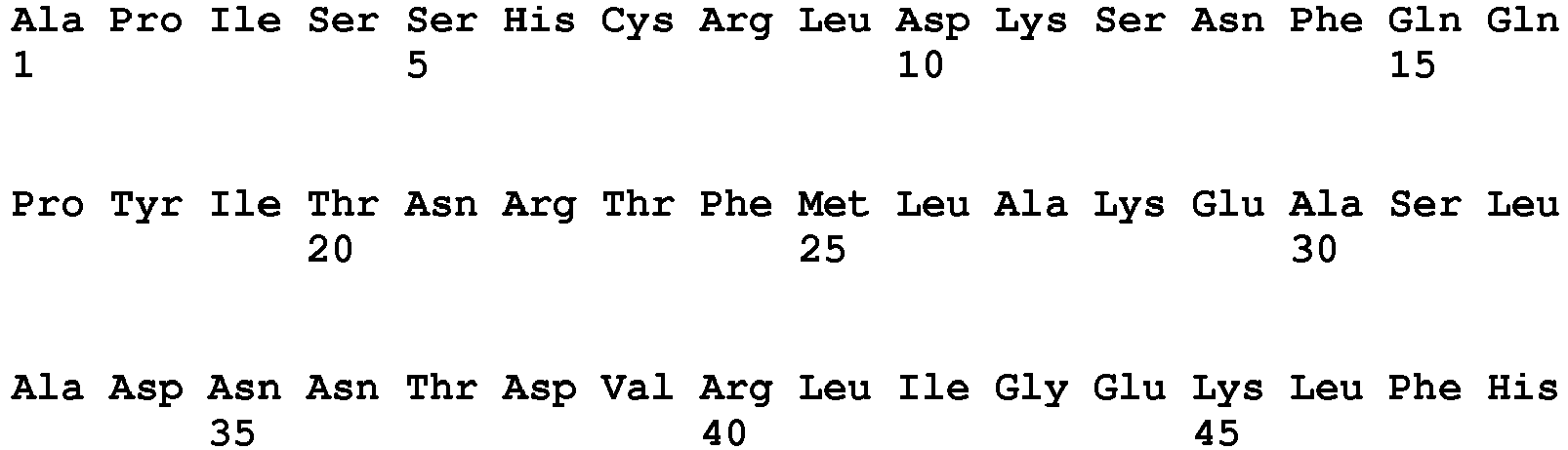


- <210> 7
<211> 385
<212> PRT
<213> Artificial sequence - <220>
<221> MISC_FEATURE
<223> IgG2 Fc-linker- IL-2 - <400> 7

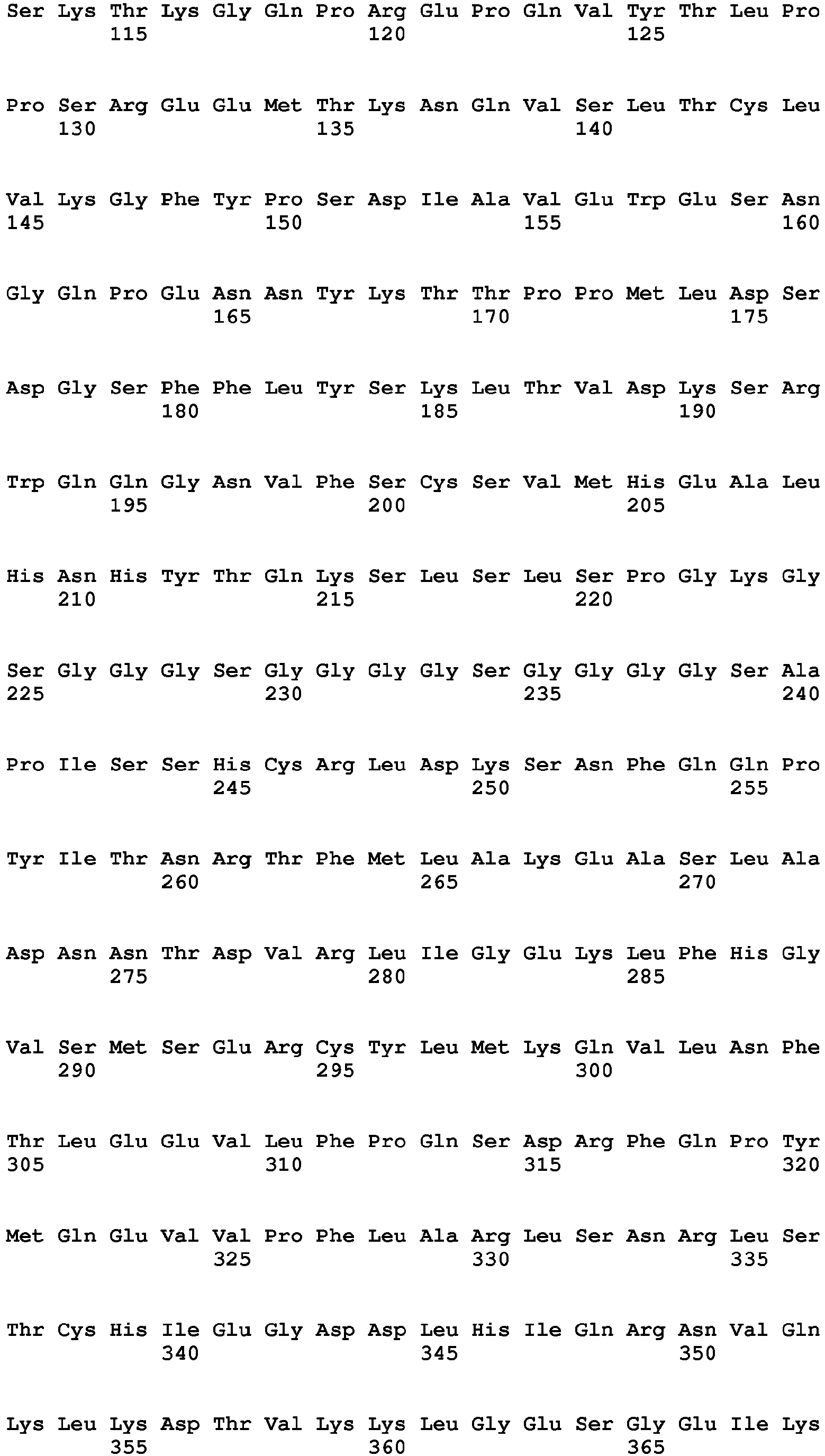

- <210> 8
<211> 375
<212> PRT
<213> Artificial sequence - <220>
<221> MISC_FEATURE
<223> IgG2 Fc-linker- IL-22 - <400> 8

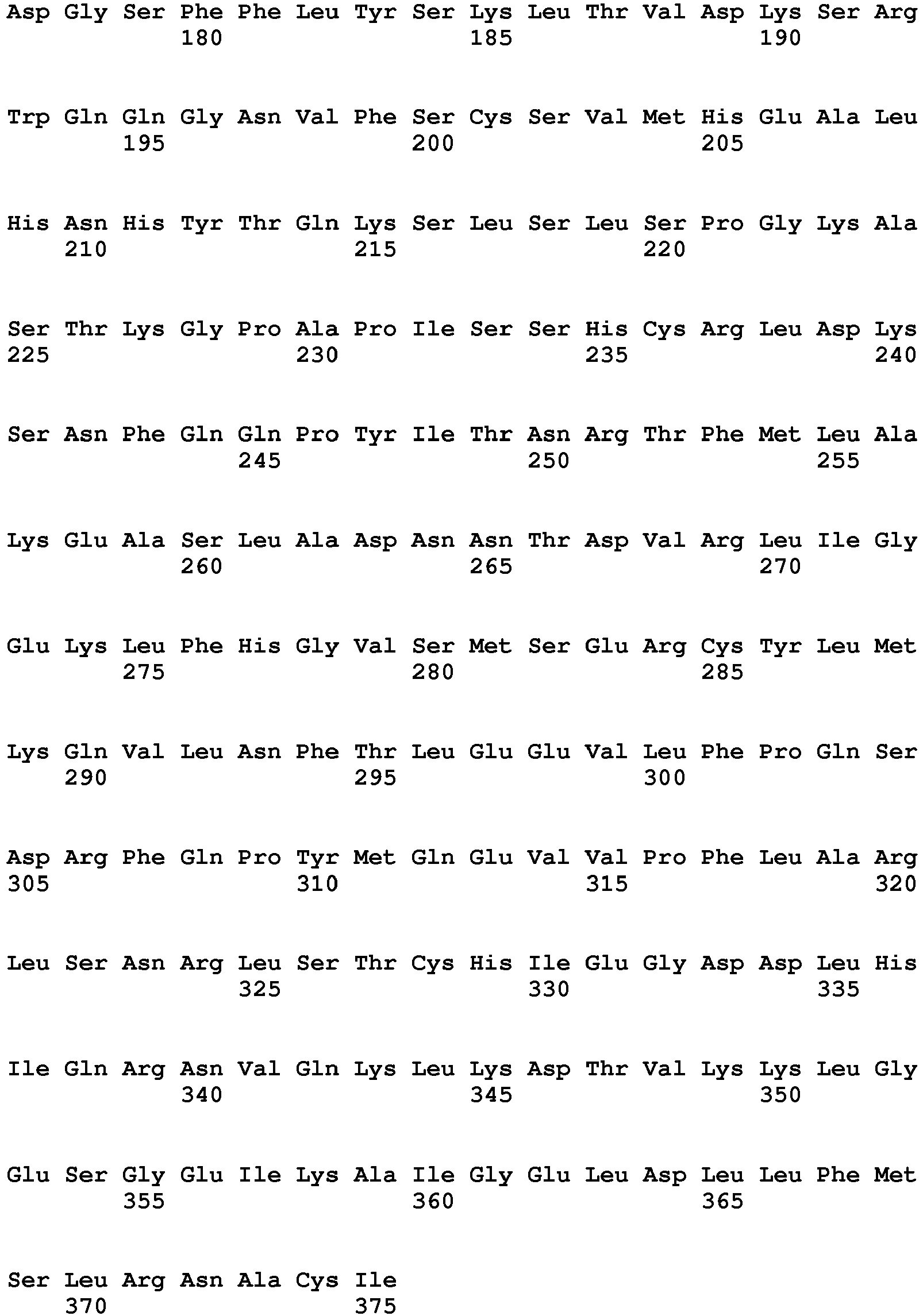
- <210> 9
<211> 228
<212> PRT
<213> homo sapiens - <400> 9


- <210> 10
<211> 6
<212> PRT
<213> Artificial sequence - <220>
<221> MISC_FEATURE
<223> short peptide - <400> 10

Claims (11)
- An IL-22 dimer for use in a method of treating a disease in a human individual, wherein the method comprises intravenously administering to the human individual an effective amount of the IL-22 dimer, wherein the amount of the IL-22 dimer is 2 µg/kg to 45 µg/kg, wherein the IL-22 dimer comprises two monomeric subunits, wherein each monomeric subunit comprises an IL-22 domain and a dimerization domain and wherein the dimerization domain comprises the CH2 and CH3 domains of human IgG and wherein the disease is selected from the group consisting of metabolic disease, fatty liver, viral hepatitis, MODS, neurological disorder, and pancreatitis.
- An IL-22 dimer for use in a method of treating a liver disease in a human individual, wherein the method comprises intravenously administering to the human individual an effective amount of the IL-22 dimer, wherein the amount of the IL-22 dimer is 2 µg/kg to 45 µg/kg, wherein the IL-22 dimer comprises two monomeric subunits, wherein each monomeric subunit comprises an IL-22 domain and a dimerization domain and wherein the dimerization domain comprises the CH2 and CH3 domains of human IgG and wherein the method prevents liver damage.
- The IL-22 dimer for use according to claim 1 or claim 2, wherein the IL-22 dimer is administered at the amount of:(i) 2 µg/kg to 30 µg/kg; or(ii) 10 µg/kg to 45 µg/kg.
- The IL-22 dimer for use according to any one of claims 1-3, wherein the IL-22 dimer is administered:(i) no more than once a week;(ii) no more than once a month; or(iii) no more than once every three months.
- The IL-22 dimer for use according to any one of claims 1-4, wherein each monomeric subunit comprises an IL-22 domain linked to a dimerization domain via an optional linker sequence.
- The IL-22 dimer for use according to claim 5, wherein the linker sequence is 6 to 30 amino acids.
- The IL-22 dimer for use according to claim 6, wherein the linker sequence comprises the sequence of SEQ ID NO: 1; optionally wherein the linker sequence consists of the sequence of SEQ ID NO:1.
- The IL-22 dimer for use according to any one of claims 1-7, wherein the dimerization domain comprises at least two cysteines capable of forming intermolecular disulfide bonds.
- The IL-22 dimer for use according to any one of claims 1-8, wherein the dimerization domain comprises the sequence of SEQ ID NO:2 or SEQ ID NO:9; optionally wherein the dimerization domain consists of the sequence of SEQ ID NO:2 or SEQ ID NO:9.
- The IL-22 dimer for use according to any one of claims 1-9, wherein the IL-22 domain of each monomeric subunit has the sequence of SEQ ID NO:3.
- The IL-22 dimer for use according to any one of claims 1-10, wherein each monomeric subunit comprises an amino acid sequence selected from SEQ ID NOs: 4 and 6-8.
Priority Applications (2)
| Application Number | Priority Date | Filing Date | Title |
|---|---|---|---|
| EP25165731.8A EP4606430A3 (en) | 2013-11-07 | 2014-11-06 | Use of il-22 dimer in manufacture of a medicament for intravenous administration |
| EP20193915.4A EP3808369B1 (en) | 2013-11-07 | 2014-11-06 | Use of il-22 dimers in manufacture of a medicament for intravenous administration |
Applications Claiming Priority (2)
| Application Number | Priority Date | Filing Date | Title |
|---|---|---|---|
| CN201310549838.1A CN104623637A (en) | 2013-11-07 | 2013-11-07 | Application of IL-22 dimer in preparation of intravenous injection drugs |
| PCT/CN2014/090520 WO2015067199A1 (en) | 2013-11-07 | 2014-11-06 | Use of il-22 dimer in manufacture of a medicament for intravenous administration |
Related Child Applications (3)
| Application Number | Title | Priority Date | Filing Date |
|---|---|---|---|
| EP20193915.4A Division EP3808369B1 (en) | 2013-11-07 | 2014-11-06 | Use of il-22 dimers in manufacture of a medicament for intravenous administration |
| EP20193915.4A Division-Into EP3808369B1 (en) | 2013-11-07 | 2014-11-06 | Use of il-22 dimers in manufacture of a medicament for intravenous administration |
| EP25165731.8A Division EP4606430A3 (en) | 2013-11-07 | 2014-11-06 | Use of il-22 dimer in manufacture of a medicament for intravenous administration |
Publications (4)
| Publication Number | Publication Date |
|---|---|
| EP3065763A1 EP3065763A1 (en) | 2016-09-14 |
| EP3065763A4 EP3065763A4 (en) | 2017-08-09 |
| EP3065763B1 EP3065763B1 (en) | 2020-09-02 |
| EP3065763B2 true EP3065763B2 (en) | 2023-11-01 |
Family
ID=53040917
Family Applications (3)
| Application Number | Title | Priority Date | Filing Date |
|---|---|---|---|
| EP14860301.2A Active EP3065763B2 (en) | 2013-11-07 | 2014-11-06 | Use of il-22 dimer in manufacture of a medicament for intravenous administration |
| EP20193915.4A Active EP3808369B1 (en) | 2013-11-07 | 2014-11-06 | Use of il-22 dimers in manufacture of a medicament for intravenous administration |
| EP25165731.8A Pending EP4606430A3 (en) | 2013-11-07 | 2014-11-06 | Use of il-22 dimer in manufacture of a medicament for intravenous administration |
Family Applications After (2)
| Application Number | Title | Priority Date | Filing Date |
|---|---|---|---|
| EP20193915.4A Active EP3808369B1 (en) | 2013-11-07 | 2014-11-06 | Use of il-22 dimers in manufacture of a medicament for intravenous administration |
| EP25165731.8A Pending EP4606430A3 (en) | 2013-11-07 | 2014-11-06 | Use of il-22 dimer in manufacture of a medicament for intravenous administration |
Country Status (11)
| Country | Link |
|---|---|
| US (3) | US10543169B2 (en) |
| EP (3) | EP3065763B2 (en) |
| CN (1) | CN104623637A (en) |
| AU (1) | AU2014346052B2 (en) |
| DK (1) | DK3065763T4 (en) |
| ES (2) | ES2834132T5 (en) |
| FI (1) | FI3065763T4 (en) |
| HU (1) | HUE052385T2 (en) |
| PL (1) | PL3065763T5 (en) |
| PT (1) | PT3065763T (en) |
| WO (1) | WO2015067199A1 (en) |
Families Citing this family (12)
| Publication number | Priority date | Publication date | Assignee | Title |
|---|---|---|---|---|
| CN101361968B (en) | 2007-08-06 | 2011-08-03 | 健能隆医药技术(上海)有限公司 | Use of interleukin-22 in treating fatty liver |
| US11246915B2 (en) | 2010-09-15 | 2022-02-15 | Applied Molecular Transport Inc. | Cholix toxin-derived fusion molecules for oral delivery of biologically active cargo |
| RU2593715C2 (en) | 2010-09-15 | 2016-08-10 | Рэндэлл Дж. МРСНИ | Systems and methods for delivery of bioactive products using transport sequences derived from bacterial toxin |
| CN104623637A (en) | 2013-11-07 | 2015-05-20 | 健能隆医药技术(上海)有限公司 | Application of IL-22 dimer in preparation of intravenous injection drugs |
| CN106470707A (en) | 2014-05-07 | 2017-03-01 | 应用分子运输有限责任公司 | CHOLIX toxin-derived fusion molecules for oral delivery of bioactive cargo |
| US11510966B2 (en) | 2016-04-15 | 2022-11-29 | Evive Biotechnology (Shanghai) Ltd | Use of IL-22 in treating necrotizing enterocolitis |
| WO2020096695A1 (en) | 2018-11-07 | 2020-05-14 | Applied Molecular Transport Inc. | Cholix-derived carriers for oral delivery of heterologous payload |
| EP4083058A3 (en) | 2018-11-07 | 2023-01-11 | Applied Molecular Transport Inc. | Delivery constructs for transcytosis and related methods |
| MX2022001975A (en) | 2019-08-16 | 2022-03-11 | Applied Molecular Transport Inc | COMPOSITIONS, FORMULATIONS AND PRODUCTION AND PURIFICATION OF INTERLEUKINS. |
| JP2023513227A (en) * | 2020-02-14 | 2023-03-30 | エバイブ バイオテクノロジー (シャンハイ) リミテッド | Methods of preventing or treating virus-induced organ damage or failure using IL-22 dimers |
| EP4106794A4 (en) | 2020-02-19 | 2024-03-20 | Evive Biotechnology (Shanghai) Ltd | Methods for treating graft versus host disease |
| EP4188366A4 (en) | 2020-07-28 | 2024-09-04 | Novelstar Pharmaceuticals, Inc. | NEW GASTRORETENTIVE DOSAGE FORM WITH EXTENDED RELEASE |
Citations (1)
| Publication number | Priority date | Publication date | Assignee | Title |
|---|---|---|---|---|
| WO2014145016A2 (en) † | 2013-03-15 | 2014-09-18 | Genentech, Inc. | Il-22 polypeptides and il-22 fc fusion proteins and methods of use |
Family Cites Families (104)
| Publication number | Priority date | Publication date | Assignee | Title |
|---|---|---|---|---|
| US4179337A (en) | 1973-07-20 | 1979-12-18 | Davis Frank F | Non-immunogenic polypeptides |
| US4657760A (en) | 1979-03-20 | 1987-04-14 | Ortho Pharmaceutical Corporation | Methods and compositions using monoclonal antibody to human T cells |
| JPS6023084B2 (en) | 1979-07-11 | 1985-06-05 | 味の素株式会社 | blood substitute |
| US4399216A (en) | 1980-02-25 | 1983-08-16 | The Trustees Of Columbia University | Processes for inserting DNA into eucaryotic cells and for producing proteinaceous materials |
| ZA811368B (en) | 1980-03-24 | 1982-04-28 | Genentech Inc | Bacterial polypedtide expression employing tryptophan promoter-operator |
| NZ201705A (en) | 1981-08-31 | 1986-03-14 | Genentech Inc | Recombinant dna method for production of hepatitis b surface antigen in yeast |
| US4640835A (en) | 1981-10-30 | 1987-02-03 | Nippon Chemiphar Company, Ltd. | Plasminogen activator derivatives |
| US4943529A (en) | 1982-05-19 | 1990-07-24 | Gist-Brocades Nv | Kluyveromyces as a host strain |
| AU2353384A (en) | 1983-01-19 | 1984-07-26 | Genentech Inc. | Amplification in eukaryotic host cells |
| US4713339A (en) | 1983-01-19 | 1987-12-15 | Genentech, Inc. | Polycistronic expression vector construction |
| AU3145184A (en) | 1983-08-16 | 1985-02-21 | Zymogenetics Inc. | High expression of foreign genes in schizosaccharomyces pombe |
| US4496689A (en) | 1983-12-27 | 1985-01-29 | Miles Laboratories, Inc. | Covalently attached complex of alpha-1-proteinase inhibitor with a water soluble polymer |
| US4879231A (en) | 1984-10-30 | 1989-11-07 | Phillips Petroleum Company | Transformation of yeasts of the genus pichia |
| US4965188A (en) | 1986-08-22 | 1990-10-23 | Cetus Corporation | Process for amplifying, detecting, and/or cloning nucleic acid sequences using a thermostable enzyme |
| US4683195A (en) | 1986-01-30 | 1987-07-28 | Cetus Corporation | Process for amplifying, detecting, and/or-cloning nucleic acid sequences |
| US4683202A (en) | 1985-03-28 | 1987-07-28 | Cetus Corporation | Process for amplifying nucleic acid sequences |
| EP0206448B1 (en) | 1985-06-19 | 1990-11-14 | Ajinomoto Co., Inc. | Hemoglobin combined with a poly(alkylene oxide) |
| US5206344A (en) | 1985-06-26 | 1993-04-27 | Cetus Oncology Corporation | Interleukin-2 muteins and polymer conjugation thereof |
| WO1987005330A1 (en) | 1986-03-07 | 1987-09-11 | Michel Louis Eugene Bergh | Method for enhancing glycoprotein stability |
| US4849227A (en) | 1986-03-21 | 1989-07-18 | Eurasiam Laboratories, Inc. | Pharmaceutical compositions |
| GB8610600D0 (en) | 1986-04-30 | 1986-06-04 | Novo Industri As | Transformation of trichoderma |
| US4791192A (en) | 1986-06-26 | 1988-12-13 | Takeda Chemical Industries, Ltd. | Chemically modified protein with polyethyleneglycol |
| IL85035A0 (en) | 1987-01-08 | 1988-06-30 | Int Genetic Eng | Polynucleotide molecule,a chimeric antibody with specificity for human b cell surface antigen,a process for the preparation and methods utilizing the same |
| JP3101690B2 (en) | 1987-03-18 | 2000-10-23 | エス・ビィ・2・インコーポレイテッド | Modifications of or for denatured antibodies |
| US5010182A (en) | 1987-07-28 | 1991-04-23 | Chiron Corporation | DNA constructs containing a Kluyveromyces alpha factor leader sequence for directing secretion of heterologous polypeptides |
| KR0154872B1 (en) | 1987-12-21 | 1998-10-15 | 로버트 에이. 아미테이지 | Acrobacterium Mediated Transformation of Germinating Plant Seeds |
| AU4005289A (en) | 1988-08-25 | 1990-03-01 | Smithkline Beecham Corporation | Recombinant saccharomyces |
| US5225538A (en) | 1989-02-23 | 1993-07-06 | Genentech, Inc. | Lymphocyte homing receptor/immunoglobulin fusion proteins |
| ES2038579T3 (en) | 1989-04-28 | 1997-02-16 | Rhein Biotech Proz & Prod Gmbh | YEAST CELLS OF THE GENUS SCHWANNIOMYCES. |
| EP0402226A1 (en) | 1989-06-06 | 1990-12-12 | Institut National De La Recherche Agronomique | Transformation vectors for yeast yarrowia |
| FR2649120B1 (en) | 1989-06-30 | 1994-01-28 | Cayla | NOVEL STRAIN AND ITS MUTANTS OF FILAMENTOUS MUSHROOMS, PROCESS FOR PRODUCING RECOMBINANT PROTEINS USING SAID STRAIN, AND STRAINS AND PROTEINS OBTAINED BY SAID METHOD |
| US5225212A (en) | 1989-10-20 | 1993-07-06 | Liposome Technology, Inc. | Microreservoir liposome composition and method |
| EP1400536A1 (en) | 1991-06-14 | 2004-03-24 | Genentech Inc. | Method for making humanized antibodies |
| HU217871B (en) | 1992-10-01 | 2000-04-28 | Schering Corp. | A method for the preparation of pharmaceutical compositions for the prophylaxis of insulin-dependent diabetes mellitus containing IL-10. |
| CA2150803C (en) | 1992-12-02 | 2006-01-31 | Henry Auer | Controlled release growth hormone containing microspheres |
| AU691811B2 (en) | 1993-06-16 | 1998-05-28 | Celltech Therapeutics Limited | Antibodies |
| US5951974A (en) | 1993-11-10 | 1999-09-14 | Enzon, Inc. | Interferon polymer conjugates |
| US5446090A (en) | 1993-11-12 | 1995-08-29 | Shearwater Polymers, Inc. | Isolatable, water soluble, and hydrolytically stable active sulfones of poly(ethylene glycol) and related polymers for modification of surfaces and molecules |
| AU1684195A (en) | 1994-02-22 | 1995-09-04 | Georgia Tech Research Corporation | Reduction of friction during wire drawing |
| PT779806E (en) | 1994-09-09 | 2001-02-28 | Takeda Chemical Industries Ltd | SUSTAINED LIBERATION PREPARATION CONTAINING A METALLIC SALT FROM A PEPTIDE |
| EP0739981A1 (en) | 1995-04-25 | 1996-10-30 | Vrije Universiteit Brussel | Variable fragments of immunoglobulins - use for therapeutic or veterinary purposes |
| PT831787E (en) | 1995-06-07 | 2002-02-28 | Alkermes Inc | COMPOSITION FOR SUSTAINED LIBERATION OF HUMAN GROWTH HORMONE |
| ZA965368B (en) | 1995-07-14 | 1997-01-14 | Novo Nordisk As | A pharmaceutical formulation |
| EP1039892B1 (en) | 1997-02-21 | 2004-04-28 | Abbott Laboratories | Use of polyunsaturated fatty acids for reducing the incidence of necrotizing enterocolitis |
| US6551799B2 (en) | 1999-12-07 | 2003-04-22 | Genentech, Inc. | Interleukin-22 polypeptides, nucleic acids encoding the same and methods for the treatment of pancreatic disorders |
| US6194551B1 (en) | 1998-04-02 | 2001-02-27 | Genentech, Inc. | Polypeptide variants |
| ATE375365T1 (en) | 1998-04-02 | 2007-10-15 | Genentech Inc | ANTIBODIES VARIANTS AND FRAGMENTS THEREOF |
| US7112324B1 (en) | 1998-04-21 | 2006-09-26 | Micromet Ag | CD 19×CD3 specific polypeptides and uses thereof |
| US20010023070A1 (en) | 1998-05-29 | 2001-09-20 | Reinhard Ebner | Interleukins-21 and 22 |
| EP1082433A4 (en) | 1998-05-29 | 2003-01-02 | Human Genome Sciences Inc | INTERLEUKINE 21 AND 22 |
| WO2000024758A1 (en) | 1998-10-26 | 2000-05-04 | Ludwig Institute For Cancer Research | ISOLATED NUCLEIC ACID MOLECULES WHICH ENCODE T CELL INDUCIBLE FACTORS (TIFs), THE PROTEINS ENCODED, AND USES THEREOF |
| US6274710B1 (en) | 1998-10-26 | 2001-08-14 | Ludwig Institute For Cancer Research | Antibodies which specifically bind T Cell inducible factors (TIFs) |
| US6737056B1 (en) | 1999-01-15 | 2004-05-18 | Genentech, Inc. | Polypeptide variants with altered effector function |
| PL209392B1 (en) | 1999-01-15 | 2011-08-31 | Genentech Inc | Polypeptide variants with altered effector function |
| US7307161B1 (en) | 1999-04-28 | 2007-12-11 | Genetics Institute, Llc | Human Gil-19/AE289 polynucleotides |
| US7226591B2 (en) | 2000-05-22 | 2007-06-05 | Genentech, Inc. | Interleukin-22 polypeptides, nucleic acids encoding the same and methods for the treatment of pancreatic disorders |
| CN1163263C (en) | 2000-01-07 | 2004-08-25 | 华中理工大学 | A kind of polypeptide drug oral spray |
| GB0024442D0 (en) | 2000-10-05 | 2000-11-22 | Isis Innovation | Genetic factors affecting the outcome of viral infections |
| CN1335182A (en) | 2001-08-08 | 2002-02-13 | 华中科技大学 | Insulin spray for oral cavity and its prepn process |
| US6797493B2 (en) | 2001-10-01 | 2004-09-28 | Lee-Hwei K. Sun | Fc fusion proteins of human granulocyte colony-stimulating factor with increased biological activities |
| CA2466229A1 (en) | 2001-11-06 | 2003-10-30 | Eli Lilly And Company | Use of il-19, il-22 and il-24 to treat hematopoietic disorders |
| WO2003059934A2 (en) | 2001-12-21 | 2003-07-24 | Human Genome Sciences, Inc. | Albumin fusion proteins |
| CN1176137C (en) | 2002-01-15 | 2004-11-17 | 泛亚生物技术有限公司 | Multi-arm fork type functional polyethylene glycol preparation method and its application in medicine |
| EP1499328B1 (en) | 2002-04-15 | 2015-09-16 | University of Pittsburgh - Of the Commonwealth System of Higher Education | Methods of treating necrotizing enterocolitis |
| US7597876B2 (en) | 2007-01-11 | 2009-10-06 | Immunomedics, Inc. | Methods and compositions for improved F-18 labeling of proteins, peptides and other molecules |
| US20030235561A1 (en) | 2002-06-25 | 2003-12-25 | Cell Based Delivery Inc. | Vascularized organized tissues and uses thereof |
| US7361740B2 (en) | 2002-10-15 | 2008-04-22 | Pdl Biopharma, Inc. | Alteration of FcRn binding affinities or serum half-lives of antibodies by mutagenesis |
| TWI335821B (en) | 2002-12-16 | 2011-01-11 | Genentech Inc | Immunoglobulin variants and uses thereof |
| US20050148029A1 (en) | 2003-09-29 | 2005-07-07 | Biosite, Inc. | Methods and compositions for determining treatment regimens in systemic inflammatory response syndromes |
| WO2005044292A2 (en) | 2003-11-05 | 2005-05-19 | Institut De Recherche Pour Le Developpement (Ird) | Biomarkers of resistance to hiv-infections in humans and biological applications thereof |
| US7651694B2 (en) | 2004-02-13 | 2010-01-26 | Nod Pharmaceuticals, Inc. | Therapeutic calcium phosphate particles and methods of making and using same |
| PT1737891E (en) | 2004-04-13 | 2013-04-16 | Hoffmann La Roche | Anti-p-selectin antibodies |
| US7670595B2 (en) | 2004-06-28 | 2010-03-02 | Merck Patent Gmbh | Fc-interferon-beta fusion proteins |
| TWI380996B (en) | 2004-09-17 | 2013-01-01 | Hoffmann La Roche | Anti-ox40l antibodies |
| CN100515491C (en) | 2005-01-04 | 2009-07-22 | 健能隆医药技术(上海)有限公司 | Medical application of interleukin-22 |
| GT200600065A (en) | 2005-02-14 | 2006-10-02 | ANTIBODIES FOR INTERLEUCINE-17F AND OTHER ANTAGONISTS OF THE SIGNALING OF IL-17F AND ITS USES | |
| EP1938104A2 (en) | 2005-10-17 | 2008-07-02 | Institute for Systems Biology | Tissue-and serum-derived glycoproteins and methods of their use |
| UA95613C2 (en) | 2005-11-09 | 2011-08-25 | Уеллстат Терепьютикс Корпорейшн | Compounds for the treatment of metabolic disorders |
| WO2007115230A2 (en) | 2006-03-30 | 2007-10-11 | University Of Medicine And Dentistry Of New Jersey | A strategy for homo- or hetero-dimerization of various proteins in solutions and in cells |
| WO2007123765A2 (en) | 2006-03-31 | 2007-11-01 | Human Genome Sciences Inc. | Neutrokine-alpha and neutrokine-alpha splice variant |
| WO2007149814A1 (en) | 2006-06-19 | 2007-12-27 | Wyeth | Methods of modulating il-22 and il-17 |
| WO2008085229A2 (en) | 2006-11-15 | 2008-07-17 | Arteriocyte Inc. | Cell-based therapies for treating liver disease |
| CN101361968B (en) | 2007-08-06 | 2011-08-03 | 健能隆医药技术(上海)有限公司 | Use of interleukin-22 in treating fatty liver |
| WO2009041734A1 (en) | 2007-09-26 | 2009-04-02 | Kyowa Hakko Kirin Co., Ltd. | Agonistic antibody against human thrombopoietin receptor |
| BRPI0818079B8 (en) | 2007-10-09 | 2021-07-27 | Enzymotec Ltd | lipid composition |
| CN101168049A (en) | 2007-10-23 | 2008-04-30 | 中国人民解放军军事医学科学院基础医学研究所 | Application of interleukin-22 in the preparation of medicines for treating liver diseases and its preparation method |
| CN101225110B (en) | 2007-10-23 | 2010-10-20 | 中国人民解放军军事医学科学院基础医学研究所 | Human interleukins-22 mutant as well as construction method and use thereof |
| KR101867606B1 (en) | 2007-11-07 | 2018-06-18 | 제넨테크, 인크. | Compositions and methods for treatment of microbial disorders |
| KR101361905B1 (en) | 2008-05-16 | 2014-02-21 | 제넨테크, 인크. | Use of biomarkers for assessing treatment of gastrointestinal inflammatory disorders with beta7 integrin antagonists |
| US8178051B2 (en) | 2008-11-05 | 2012-05-15 | Stephen Michael Lord | Apparatus and process for hydrogenation of a silicon tetrahalide and silicon to the trihalosilane |
| WO2010081112A1 (en) | 2009-01-12 | 2010-07-15 | Yu Liang Huang | Prevention and/or treatment of multiple organ dysfunction syndrome with interleukin-22 |
| AU2011205531B2 (en) | 2010-01-13 | 2013-10-10 | Amgen Inc. | IL-22-Fc and hepcidin activity |
| CN102380091A (en) * | 2010-08-31 | 2012-03-21 | 健能隆医药技术(上海)有限公司 | Application of interleukin-22 in curing virus hepatitis |
| CN103182072B (en) * | 2011-12-27 | 2017-05-03 | 健能隆医药技术(上海)有限公司 | Application of interleukin-22 in treating and preventing nerve injuries and neurodegeneration diseases |
| ES2739129T5 (en) | 2013-11-07 | 2024-04-02 | Memorial Sloan Kettering Cancer Center | IL-22 for use in the treatment of gastrointestinal graft-versus-host disease |
| CN104623637A (en) | 2013-11-07 | 2015-05-20 | 健能隆医药技术(上海)有限公司 | Application of IL-22 dimer in preparation of intravenous injection drugs |
| CN104623639A (en) | 2013-11-07 | 2015-05-20 | 健能隆医药技术(上海)有限公司 | Application of interleukin-22 dimer in preparation of drugs for treating pancreatitis |
| MX388871B (en) | 2014-06-27 | 2025-03-20 | Nogra Pharma Ltd | Aryl receptor modulators and methods for making and using the same. |
| MA41020A (en) | 2014-11-25 | 2017-10-03 | Evelo Biosciences Inc | PROBIOTIC AND PREBIOTIC COMPOSITIONS, AND THEIR METHODS OF USE FOR MODULATION OF THE MICROBIOME |
| US11510966B2 (en) | 2016-04-15 | 2022-11-29 | Evive Biotechnology (Shanghai) Ltd | Use of IL-22 in treating necrotizing enterocolitis |
| CN112020365A (en) | 2018-01-26 | 2020-12-01 | 豪夫迈·罗氏有限公司 | Composition and method of use |
| KR20200123118A (en) | 2018-02-21 | 2020-10-28 | 제넨테크, 인크. | Dosing for treatment with IL-22 Fc fusion protein |
| JP2023513227A (en) | 2020-02-14 | 2023-03-30 | エバイブ バイオテクノロジー (シャンハイ) リミテッド | Methods of preventing or treating virus-induced organ damage or failure using IL-22 dimers |
| EP4106794A4 (en) | 2020-02-19 | 2024-03-20 | Evive Biotechnology (Shanghai) Ltd | Methods for treating graft versus host disease |
-
2013
- 2013-11-07 CN CN201310549838.1A patent/CN104623637A/en active Pending
-
2014
- 2014-11-06 AU AU2014346052A patent/AU2014346052B2/en active Active
- 2014-11-06 ES ES14860301T patent/ES2834132T5/en active Active
- 2014-11-06 HU HUE14860301A patent/HUE052385T2/en unknown
- 2014-11-06 DK DK14860301.2T patent/DK3065763T4/en active
- 2014-11-06 FI FIEP14860301.2T patent/FI3065763T4/en active
- 2014-11-06 EP EP14860301.2A patent/EP3065763B2/en active Active
- 2014-11-06 PL PL14860301.2T patent/PL3065763T5/en unknown
- 2014-11-06 ES ES20193915T patent/ES3026668T3/en active Active
- 2014-11-06 EP EP20193915.4A patent/EP3808369B1/en active Active
- 2014-11-06 EP EP25165731.8A patent/EP4606430A3/en active Pending
- 2014-11-06 WO PCT/CN2014/090520 patent/WO2015067199A1/en not_active Ceased
- 2014-11-06 US US15/034,859 patent/US10543169B2/en active Active
- 2014-11-06 PT PT148603012T patent/PT3065763T/en unknown
-
2019
- 2019-12-10 US US16/709,833 patent/US11654104B2/en active Active
-
2023
- 2023-04-12 US US18/299,343 patent/US20230301901A1/en active Pending
Patent Citations (1)
| Publication number | Priority date | Publication date | Assignee | Title |
|---|---|---|---|---|
| WO2014145016A2 (en) † | 2013-03-15 | 2014-09-18 | Genentech, Inc. | Il-22 polypeptides and il-22 fc fusion proteins and methods of use |
Also Published As
| Publication number | Publication date |
|---|---|
| EP4606430A3 (en) | 2025-11-26 |
| ES2834132T3 (en) | 2021-06-16 |
| PL3065763T5 (en) | 2024-02-12 |
| EP3808369A1 (en) | 2021-04-21 |
| AU2014346052A1 (en) | 2016-05-26 |
| PT3065763T (en) | 2020-11-04 |
| EP3808369B1 (en) | 2025-03-26 |
| US10543169B2 (en) | 2020-01-28 |
| DK3065763T4 (en) | 2023-12-11 |
| EP4606430A2 (en) | 2025-08-27 |
| CN104623637A (en) | 2015-05-20 |
| US20200155448A1 (en) | 2020-05-21 |
| EP3065763B1 (en) | 2020-09-02 |
| AU2014346052B2 (en) | 2019-01-03 |
| US11654104B2 (en) | 2023-05-23 |
| EP3065763A1 (en) | 2016-09-14 |
| US20160263020A1 (en) | 2016-09-15 |
| WO2015067199A1 (en) | 2015-05-14 |
| DK3065763T3 (en) | 2020-10-26 |
| US20230301901A1 (en) | 2023-09-28 |
| HUE052385T2 (en) | 2021-04-28 |
| EP3065763A4 (en) | 2017-08-09 |
| FI3065763T4 (en) | 2023-12-19 |
| ES3026668T3 (en) | 2025-06-11 |
| ES2834132T5 (en) | 2024-05-28 |
| PL3065763T3 (en) | 2021-03-22 |
Similar Documents
| Publication | Publication Date | Title |
|---|---|---|
| US20230301901A1 (en) | Use of il-22 dimer in manufacture of a medicament for intravenous administration | |
| EP3065765B1 (en) | Use of il-22 dimers in manufacture of medicaments for treating pancreatitis | |
| ES2690147T3 (en) | Pegylated Apelina and uses thereof | |
| WO2019154189A1 (en) | Fgf21 variant, fusion protein and application thereof | |
| KR20220020819A (en) | Pharmaceutical parenteral composition of dual GLP1/2 agonist | |
| EP3442562B1 (en) | An il-22 dimer for use in treating necrotizing enterocolitis | |
| KR20210141748A (en) | Novel insulin analogues and uses thereof | |
| HK40052180A (en) | Use of il-22 dimers in manufacture of a medicament for intravenous administration | |
| CN101671390A (en) | Preparation and application of human interferon alpha derivative and polyethylene glycol modified substance thereof | |
| HK1227723A1 (en) | Use of il-22 dimer in manufacture of a medicament for intravenous administration | |
| HK1227723B (en) | Use of il-22 dimer in manufacture of a medicament for intravenous administration | |
| RU2753191C2 (en) | New recombinant growth hormone analogue with prolonged activity | |
| HK1223556B (en) | Use of il-22 dimers in manufacture of medicaments for treating pancreatitis | |
| HK40002973A (en) | An il-22 dimer for use in treating necrotizing enterocolitis | |
| HK40002973B (en) | An il-22 dimer for use in treating necrotizing enterocolitis |
Legal Events
| Date | Code | Title | Description |
|---|---|---|---|
| PUAI | Public reference made under article 153(3) epc to a published international application that has entered the european phase |
Free format text: ORIGINAL CODE: 0009012 |
|
| 17P | Request for examination filed |
Effective date: 20160607 |
|
| AK | Designated contracting states |
Kind code of ref document: A1 Designated state(s): AL AT BE BG CH CY CZ DE DK EE ES FI FR GB GR HR HU IE IS IT LI LT LU LV MC MK MT NL NO PL PT RO RS SE SI SK SM TR |
|
| AX | Request for extension of the european patent |
Extension state: BA ME |
|
| DAX | Request for extension of the european patent (deleted) | ||
| A4 | Supplementary search report drawn up and despatched |
Effective date: 20170712 |
|
| RIC1 | Information provided on ipc code assigned before grant |
Ipc: A61K 9/00 20060101ALI20170706BHEP Ipc: A61K 47/42 20170101ALI20170706BHEP Ipc: A61K 38/20 20060101AFI20170706BHEP Ipc: C07K 14/54 20060101ALI20170706BHEP |
|
| REG | Reference to a national code |
Ref country code: HK Ref legal event code: DE Ref document number: 1227723 Country of ref document: HK |
|
| STAA | Information on the status of an ep patent application or granted ep patent |
Free format text: STATUS: EXAMINATION IS IN PROGRESS |
|
| 17Q | First examination report despatched |
Effective date: 20181105 |
|
| TPAC | Observations filed by third parties |
Free format text: ORIGINAL CODE: EPIDOSNTIPA |
|
| GRAP | Despatch of communication of intention to grant a patent |
Free format text: ORIGINAL CODE: EPIDOSNIGR1 |
|
| STAA | Information on the status of an ep patent application or granted ep patent |
Free format text: STATUS: GRANT OF PATENT IS INTENDED |
|
| INTG | Intention to grant announced |
Effective date: 20200313 |
|
| GRAS | Grant fee paid |
Free format text: ORIGINAL CODE: EPIDOSNIGR3 |
|
| GRAA | (expected) grant |
Free format text: ORIGINAL CODE: 0009210 |
|
| STAA | Information on the status of an ep patent application or granted ep patent |
Free format text: STATUS: THE PATENT HAS BEEN GRANTED |
|
| AK | Designated contracting states |
Kind code of ref document: B1 Designated state(s): AL AT BE BG CH CY CZ DE DK EE ES FI FR GB GR HR HU IE IS IT LI LT LU LV MC MK MT NL NO PL PT RO RS SE SI SK SM TR |
|
| REG | Reference to a national code |
Ref country code: GB Ref legal event code: FG4D |
|
| REG | Reference to a national code |
Ref country code: AT Ref legal event code: REF Ref document number: 1308029 Country of ref document: AT Kind code of ref document: T Effective date: 20200915 Ref country code: CH Ref legal event code: EP |
|
| REG | Reference to a national code |
Ref country code: DE Ref legal event code: R096 Ref document number: 602014069834 Country of ref document: DE |
|
| REG | Reference to a national code |
Ref country code: IE Ref legal event code: FG4D |
|
| REG | Reference to a national code |
Ref country code: CH Ref legal event code: NV Representative=s name: E. BLUM AND CO. AG PATENT- UND MARKENANWAELTE , CH |
|
| REG | Reference to a national code |
Ref country code: DK Ref legal event code: T3 Effective date: 20201021 |
|
| REG | Reference to a national code |
Ref country code: PT Ref legal event code: SC4A Ref document number: 3065763 Country of ref document: PT Date of ref document: 20201104 Kind code of ref document: T Free format text: AVAILABILITY OF NATIONAL TRANSLATION Effective date: 20201029 |
|
| REG | Reference to a national code |
Ref country code: FI Ref legal event code: FGE |
|
| REG | Reference to a national code |
Ref country code: SE Ref legal event code: TRGR |
|
| REG | Reference to a national code |
Ref country code: NL Ref legal event code: FP |
|
| REG | Reference to a national code |
Ref country code: DE Ref legal event code: R082 Ref document number: 602014069834 Country of ref document: DE Representative=s name: MUELLER-BORE & PARTNER PATENTANWAELTE PARTG MB, DE Ref country code: DE Ref legal event code: R081 Ref document number: 602014069834 Country of ref document: DE Owner name: EVIVE BIOTECHNOLOGY (SHANGHAI) LTD, CN Free format text: FORMER OWNER: GENERON (SHANGHAI) CORPORATION LTD., SHANGHAI, CN |
|
| REG | Reference to a national code |
Ref country code: CH Ref legal event code: PCOW Ref country code: CH Ref legal event code: PFA Owner name: EVIVE BIOTECHNOLOGY (SHANGHAI) LTD, CN Free format text: FORMER OWNER: GENERON (SHANGHAI) CORPORATION LTD., CN |
|
| REG | Reference to a national code |
Ref country code: LT Ref legal event code: MG4D |
|
| PG25 | Lapsed in a contracting state [announced via postgrant information from national office to epo] |
Ref country code: GR Free format text: LAPSE BECAUSE OF FAILURE TO SUBMIT A TRANSLATION OF THE DESCRIPTION OR TO PAY THE FEE WITHIN THE PRESCRIBED TIME-LIMIT Effective date: 20201203 Ref country code: BG Free format text: LAPSE BECAUSE OF FAILURE TO SUBMIT A TRANSLATION OF THE DESCRIPTION OR TO PAY THE FEE WITHIN THE PRESCRIBED TIME-LIMIT Effective date: 20201202 Ref country code: NO Free format text: LAPSE BECAUSE OF FAILURE TO SUBMIT A TRANSLATION OF THE DESCRIPTION OR TO PAY THE FEE WITHIN THE PRESCRIBED TIME-LIMIT Effective date: 20201202 Ref country code: HR Free format text: LAPSE BECAUSE OF FAILURE TO SUBMIT A TRANSLATION OF THE DESCRIPTION OR TO PAY THE FEE WITHIN THE PRESCRIBED TIME-LIMIT Effective date: 20200902 Ref country code: LT Free format text: LAPSE BECAUSE OF FAILURE TO SUBMIT A TRANSLATION OF THE DESCRIPTION OR TO PAY THE FEE WITHIN THE PRESCRIBED TIME-LIMIT Effective date: 20200902 |
|
| REG | Reference to a national code |
Ref country code: NL Ref legal event code: HC Owner name: EVIVE BIOTECHNOLOGY (SHANGHAI) LTD; CN Free format text: DETAILS ASSIGNMENT: CHANGE OF OWNER(S), CHANGE OF OWNER(S) NAME; FORMER OWNER NAME: GENERON (SHANGHAI) CORPORATION LTD. Effective date: 20210121 |
|
| REG | Reference to a national code |
Ref country code: AT Ref legal event code: MK05 Ref document number: 1308029 Country of ref document: AT Kind code of ref document: T Effective date: 20200902 |
|
| PG25 | Lapsed in a contracting state [announced via postgrant information from national office to epo] |
Ref country code: LV Free format text: LAPSE BECAUSE OF FAILURE TO SUBMIT A TRANSLATION OF THE DESCRIPTION OR TO PAY THE FEE WITHIN THE PRESCRIBED TIME-LIMIT Effective date: 20200902 Ref country code: RS Free format text: LAPSE BECAUSE OF FAILURE TO SUBMIT A TRANSLATION OF THE DESCRIPTION OR TO PAY THE FEE WITHIN THE PRESCRIBED TIME-LIMIT Effective date: 20200902 |
|
| REG | Reference to a national code |
Ref country code: FI Ref legal event code: PCE Owner name: EVIVE BIOTECHNOLOGY (SHANGHAI) LTD |
|
| REG | Reference to a national code |
Ref country code: ES Ref legal event code: PC2A Owner name: EVIVE BIOTECHNOLOGY (SHANGHAI) LTD Effective date: 20210412 |
|
| RAP4 | Party data changed (patent owner data changed or rights of a patent transferred) |
Owner name: EVIVE BIOTECHNOLOGY (SHANGHAI) LTD |
|
| REG | Reference to a national code |
Ref country code: HU Ref legal event code: AG4A Ref document number: E052385 Country of ref document: HU |
|
| PG25 | Lapsed in a contracting state [announced via postgrant information from national office to epo] |
Ref country code: EE Free format text: LAPSE BECAUSE OF FAILURE TO SUBMIT A TRANSLATION OF THE DESCRIPTION OR TO PAY THE FEE WITHIN THE PRESCRIBED TIME-LIMIT Effective date: 20200902 Ref country code: SM Free format text: LAPSE BECAUSE OF FAILURE TO SUBMIT A TRANSLATION OF THE DESCRIPTION OR TO PAY THE FEE WITHIN THE PRESCRIBED TIME-LIMIT Effective date: 20200902 Ref country code: RO Free format text: LAPSE BECAUSE OF FAILURE TO SUBMIT A TRANSLATION OF THE DESCRIPTION OR TO PAY THE FEE WITHIN THE PRESCRIBED TIME-LIMIT Effective date: 20200902 Ref country code: CZ Free format text: LAPSE BECAUSE OF FAILURE TO SUBMIT A TRANSLATION OF THE DESCRIPTION OR TO PAY THE FEE WITHIN THE PRESCRIBED TIME-LIMIT Effective date: 20200902 |
|
| REG | Reference to a national code |
Ref country code: HU Ref legal event code: HC9C Owner name: EVIVE BIOTECHNOLOGY (SHANGHAI) LTD, CN Free format text: FORMER OWNER(S): GENERON (SHANGHAI) CORPORATION LTD., CN; EVIVE BIOTECHNOLOGY (SHANGHAI) LTD., CN |
|
| PG25 | Lapsed in a contracting state [announced via postgrant information from national office to epo] |
Ref country code: IS Free format text: LAPSE BECAUSE OF FAILURE TO SUBMIT A TRANSLATION OF THE DESCRIPTION OR TO PAY THE FEE WITHIN THE PRESCRIBED TIME-LIMIT Effective date: 20210102 Ref country code: AL Free format text: LAPSE BECAUSE OF FAILURE TO SUBMIT A TRANSLATION OF THE DESCRIPTION OR TO PAY THE FEE WITHIN THE PRESCRIBED TIME-LIMIT Effective date: 20200902 Ref country code: AT Free format text: LAPSE BECAUSE OF FAILURE TO SUBMIT A TRANSLATION OF THE DESCRIPTION OR TO PAY THE FEE WITHIN THE PRESCRIBED TIME-LIMIT Effective date: 20200902 |
|
| REG | Reference to a national code |
Ref country code: DE Ref legal event code: R026 Ref document number: 602014069834 Country of ref document: DE |
|
| PLBI | Opposition filed |
Free format text: ORIGINAL CODE: 0009260 |
|
| PLAX | Notice of opposition and request to file observation + time limit sent |
Free format text: ORIGINAL CODE: EPIDOSNOBS2 |
|
| REG | Reference to a national code |
Ref country code: ES Ref legal event code: FG2A Ref document number: 2834132 Country of ref document: ES Kind code of ref document: T3 Effective date: 20210616 |
|
| PG25 | Lapsed in a contracting state [announced via postgrant information from national office to epo] |
Ref country code: MC Free format text: LAPSE BECAUSE OF FAILURE TO SUBMIT A TRANSLATION OF THE DESCRIPTION OR TO PAY THE FEE WITHIN THE PRESCRIBED TIME-LIMIT Effective date: 20200902 Ref country code: SK Free format text: LAPSE BECAUSE OF FAILURE TO SUBMIT A TRANSLATION OF THE DESCRIPTION OR TO PAY THE FEE WITHIN THE PRESCRIBED TIME-LIMIT Effective date: 20200902 |
|
| REG | Reference to a national code |
Ref country code: FI Ref legal event code: MDE Opponent name: STRAWMAN LIMITED |
|
| 26 | Opposition filed |
Opponent name: STRAWMAN LIMITED Effective date: 20210601 |
|
| PG25 | Lapsed in a contracting state [announced via postgrant information from national office to epo] |
Ref country code: LU Free format text: LAPSE BECAUSE OF NON-PAYMENT OF DUE FEES Effective date: 20201106 |
|
| PG25 | Lapsed in a contracting state [announced via postgrant information from national office to epo] |
Ref country code: SI Free format text: LAPSE BECAUSE OF FAILURE TO SUBMIT A TRANSLATION OF THE DESCRIPTION OR TO PAY THE FEE WITHIN THE PRESCRIBED TIME-LIMIT Effective date: 20200902 |
|
| REG | Reference to a national code |
Ref country code: BE Ref legal event code: HC Owner name: EVIVE BIOTECHNOLOGY (SHANGHAI) LTD; CN Free format text: DETAILS ASSIGNMENT: CHANGE OF OWNER(S), CHANGE OF OWNER(S) NAME; FORMER OWNER NAME: GENERON (SHANGHAI) CORPORATION LTD. Effective date: 20210408 |
|
| PLBB | Reply of patent proprietor to notice(s) of opposition received |
Free format text: ORIGINAL CODE: EPIDOSNOBS3 |
|
| PG25 | Lapsed in a contracting state [announced via postgrant information from national office to epo] |
Ref country code: MT Free format text: LAPSE BECAUSE OF FAILURE TO SUBMIT A TRANSLATION OF THE DESCRIPTION OR TO PAY THE FEE WITHIN THE PRESCRIBED TIME-LIMIT Effective date: 20200902 Ref country code: CY Free format text: LAPSE BECAUSE OF FAILURE TO SUBMIT A TRANSLATION OF THE DESCRIPTION OR TO PAY THE FEE WITHIN THE PRESCRIBED TIME-LIMIT Effective date: 20200902 |
|
| PG25 | Lapsed in a contracting state [announced via postgrant information from national office to epo] |
Ref country code: MK Free format text: LAPSE BECAUSE OF FAILURE TO SUBMIT A TRANSLATION OF THE DESCRIPTION OR TO PAY THE FEE WITHIN THE PRESCRIBED TIME-LIMIT Effective date: 20200902 |
|
| P01 | Opt-out of the competence of the unified patent court (upc) registered |
Effective date: 20230529 |
|
| PUAH | Patent maintained in amended form |
Free format text: ORIGINAL CODE: 0009272 |
|
| STAA | Information on the status of an ep patent application or granted ep patent |
Free format text: STATUS: PATENT MAINTAINED AS AMENDED |
|
| 27A | Patent maintained in amended form |
Effective date: 20231101 |
|
| AK | Designated contracting states |
Kind code of ref document: B2 Designated state(s): AL AT BE BG CH CY CZ DE DK EE ES FI FR GB GR HR HU IE IS IT LI LT LU LV MC MK MT NL NO PL PT RO RS SE SI SK SM TR |
|
| REG | Reference to a national code |
Ref country code: DE Ref legal event code: R102 Ref document number: 602014069834 Country of ref document: DE |
|
| REG | Reference to a national code |
Ref country code: NL Ref legal event code: FP |
|
| REG | Reference to a national code |
Ref country code: DK Ref legal event code: T4 Effective date: 20231205 |
|
| REG | Reference to a national code |
Ref country code: SE Ref legal event code: RPEO |
|
| REG | Reference to a national code |
Ref country code: HK Ref legal event code: AM43 Ref document number: 1227723 Country of ref document: HK |
|
| REG | Reference to a national code |
Ref country code: ES Ref legal event code: DC2A Ref document number: 2834132 Country of ref document: ES Kind code of ref document: T5 Effective date: 20240528 |
|
| PGFP | Annual fee paid to national office [announced via postgrant information from national office to epo] |
Ref country code: PL Payment date: 20250901 Year of fee payment: 12 Ref country code: NL Payment date: 20250912 Year of fee payment: 12 |
|
| PGFP | Annual fee paid to national office [announced via postgrant information from national office to epo] |
Ref country code: GB Payment date: 20250918 Year of fee payment: 12 |
|
| PGFP | Annual fee paid to national office [announced via postgrant information from national office to epo] |
Ref country code: FR Payment date: 20250908 Year of fee payment: 12 |
|
| PGFP | Annual fee paid to national office [announced via postgrant information from national office to epo] |
Ref country code: SE Payment date: 20250910 Year of fee payment: 12 |
|
| PGFP | Annual fee paid to national office [announced via postgrant information from national office to epo] |
Ref country code: IE Payment date: 20250909 Year of fee payment: 12 |
|
| REG | Reference to a national code |
Ref country code: CH Ref legal event code: U11 Free format text: ST27 STATUS EVENT CODE: U-0-0-U10-U11 (AS PROVIDED BY THE NATIONAL OFFICE) Effective date: 20251201 |
|
| PGFP | Annual fee paid to national office [announced via postgrant information from national office to epo] |
Ref country code: PT Payment date: 20251105 Year of fee payment: 12 |
|
| PGFP | Annual fee paid to national office [announced via postgrant information from national office to epo] |
Ref country code: HU Payment date: 20251013 Year of fee payment: 12 |
|
| PGFP | Annual fee paid to national office [announced via postgrant information from national office to epo] |
Ref country code: DE Payment date: 20250910 Year of fee payment: 12 |
|
| PGFP | Annual fee paid to national office [announced via postgrant information from national office to epo] |
Ref country code: FI Payment date: 20251113 Year of fee payment: 12 Ref country code: DK Payment date: 20251112 Year of fee payment: 12 Ref country code: IT Payment date: 20251022 Year of fee payment: 12 |
|
| PGFP | Annual fee paid to national office [announced via postgrant information from national office to epo] |
Ref country code: BE Payment date: 20251003 Year of fee payment: 12 Ref country code: TR Payment date: 20251030 Year of fee payment: 12 |
|
| PGFP | Annual fee paid to national office [announced via postgrant information from national office to epo] |
Ref country code: CH Payment date: 20251201 Year of fee payment: 12 |
|
| PGFP | Annual fee paid to national office [announced via postgrant information from national office to epo] |
Ref country code: ES Payment date: 20251212 Year of fee payment: 12 |