EP3034495A1 - Compound for labelling sugar chain sample - Google Patents
Compound for labelling sugar chain sample Download PDFInfo
- Publication number
- EP3034495A1 EP3034495A1 EP14836674.3A EP14836674A EP3034495A1 EP 3034495 A1 EP3034495 A1 EP 3034495A1 EP 14836674 A EP14836674 A EP 14836674A EP 3034495 A1 EP3034495 A1 EP 3034495A1
- Authority
- EP
- European Patent Office
- Prior art keywords
- sugar chain
- carrier
- compound
- group
- capturing
- Prior art date
- Legal status (The legal status is an assumption and is not a legal conclusion. Google has not performed a legal analysis and makes no representation as to the accuracy of the status listed.)
- Withdrawn
Links
- 150000001875 compounds Chemical class 0.000 title claims abstract description 48
- 238000002372 labelling Methods 0.000 title claims description 16
- 125000004435 hydrogen atom Chemical group [H]* 0.000 claims abstract description 9
- 125000000217 alkyl group Chemical group 0.000 claims abstract description 7
- 238000000034 method Methods 0.000 claims description 35
- 229920000642 polymer Polymers 0.000 claims description 30
- 239000000126 substance Substances 0.000 claims description 23
- 238000005406 washing Methods 0.000 claims description 20
- 238000004949 mass spectrometry Methods 0.000 claims description 18
- 125000002344 aminooxy group Chemical group [H]N([H])O[*] 0.000 claims description 13
- 239000003153 chemical reaction reagent Substances 0.000 claims description 9
- 125000000524 functional group Chemical group 0.000 claims description 9
- 229920006037 cross link polymer Polymers 0.000 claims description 8
- 125000002496 methyl group Chemical group [H]C([H])([H])* 0.000 claims description 7
- 125000004432 carbon atom Chemical group C* 0.000 claims description 6
- 125000001183 hydrocarbyl group Chemical group 0.000 claims description 6
- 239000000178 monomer Substances 0.000 claims description 6
- 125000003172 aldehyde group Chemical group 0.000 claims description 5
- 125000001495 ethyl group Chemical group [H]C([H])([H])C([H])([H])* 0.000 claims description 3
- 239000000243 solution Substances 0.000 description 35
- 239000002245 particle Substances 0.000 description 29
- 238000006243 chemical reaction Methods 0.000 description 27
- OKKJLVBELUTLKV-UHFFFAOYSA-N Methanol Chemical compound OC OKKJLVBELUTLKV-UHFFFAOYSA-N 0.000 description 21
- 239000000523 sample Substances 0.000 description 21
- WEVYAHXRMPXWCK-UHFFFAOYSA-N Acetonitrile Chemical compound CC#N WEVYAHXRMPXWCK-UHFFFAOYSA-N 0.000 description 18
- 238000004458 analytical method Methods 0.000 description 11
- QTBSBXVTEAMEQO-UHFFFAOYSA-N Acetic acid Chemical compound CC(O)=O QTBSBXVTEAMEQO-UHFFFAOYSA-N 0.000 description 9
- 239000007864 aqueous solution Substances 0.000 description 9
- 239000011324 bead Substances 0.000 description 9
- VEXZGXHMUGYJMC-UHFFFAOYSA-N Hydrochloric acid Chemical compound Cl VEXZGXHMUGYJMC-UHFFFAOYSA-N 0.000 description 8
- 238000005119 centrifugation Methods 0.000 description 7
- WFDIJRYMOXRFFG-UHFFFAOYSA-N Acetic anhydride Chemical compound CC(=O)OC(C)=O WFDIJRYMOXRFFG-UHFFFAOYSA-N 0.000 description 6
- ZMANZCXQSJIPKH-UHFFFAOYSA-N Triethylamine Chemical compound CCN(CC)CC ZMANZCXQSJIPKH-UHFFFAOYSA-N 0.000 description 6
- 230000015572 biosynthetic process Effects 0.000 description 6
- 238000004128 high performance liquid chromatography Methods 0.000 description 6
- 239000007788 liquid Substances 0.000 description 6
- 238000003786 synthesis reaction Methods 0.000 description 6
- 102000003886 Glycoproteins Human genes 0.000 description 5
- 108090000288 Glycoproteins Proteins 0.000 description 5
- 238000000746 purification Methods 0.000 description 5
- 239000002904 solvent Substances 0.000 description 5
- 229910021642 ultra pure water Inorganic materials 0.000 description 5
- 239000012498 ultrapure water Substances 0.000 description 5
- IAZDPXIOMUYVGZ-UHFFFAOYSA-N Dimethylsulphoxide Chemical compound CS(C)=O IAZDPXIOMUYVGZ-UHFFFAOYSA-N 0.000 description 4
- ZRALSGWEFCBTJO-UHFFFAOYSA-N Guanidine Chemical compound NC(N)=N ZRALSGWEFCBTJO-UHFFFAOYSA-N 0.000 description 4
- SJRJJKPEHAURKC-UHFFFAOYSA-N N-Methylmorpholine Chemical compound CN1CCOCC1 SJRJJKPEHAURKC-UHFFFAOYSA-N 0.000 description 4
- 210000004027 cell Anatomy 0.000 description 4
- 230000000694 effects Effects 0.000 description 4
- 238000001840 matrix-assisted laser desorption--ionisation time-of-flight mass spectrometry Methods 0.000 description 4
- 108090000765 processed proteins & peptides Proteins 0.000 description 4
- 102000004169 proteins and genes Human genes 0.000 description 4
- 108090000623 proteins and genes Proteins 0.000 description 4
- XLYOFNOQVPJJNP-UHFFFAOYSA-N water Substances O XLYOFNOQVPJJNP-UHFFFAOYSA-N 0.000 description 4
- DNGJVDGPCGXBFF-UHFFFAOYSA-N 4-methyl-n-(methyldiazenyl)aniline Chemical compound CN=NNC1=CC=C(C)C=C1 DNGJVDGPCGXBFF-UHFFFAOYSA-N 0.000 description 3
- VYPSYNLAJGMNEJ-UHFFFAOYSA-N Silicium dioxide Chemical compound O=[Si]=O VYPSYNLAJGMNEJ-UHFFFAOYSA-N 0.000 description 3
- 125000003368 amide group Chemical group 0.000 description 3
- 239000012472 biological sample Substances 0.000 description 3
- 230000000052 comparative effect Effects 0.000 description 3
- 239000007857 degradation product Substances 0.000 description 3
- 229940079593 drug Drugs 0.000 description 3
- 239000003814 drug Substances 0.000 description 3
- 238000001914 filtration Methods 0.000 description 3
- 150000002632 lipids Chemical class 0.000 description 3
- 102000004196 processed proteins & peptides Human genes 0.000 description 3
- 239000007787 solid Substances 0.000 description 3
- 239000006228 supernatant Substances 0.000 description 3
- RYHBNJHYFVUHQT-UHFFFAOYSA-N 1,4-Dioxane Chemical compound C1COCCO1 RYHBNJHYFVUHQT-UHFFFAOYSA-N 0.000 description 2
- WXTMDXOMEHJXQO-UHFFFAOYSA-N 2,5-dihydroxybenzoic acid Chemical compound OC(=O)C1=CC(O)=CC=C1O WXTMDXOMEHJXQO-UHFFFAOYSA-N 0.000 description 2
- YOETUEMZNOLGDB-UHFFFAOYSA-N 2-methylpropyl carbonochloridate Chemical compound CC(C)COC(Cl)=O YOETUEMZNOLGDB-UHFFFAOYSA-N 0.000 description 2
- QGZKDVFQNNGYKY-UHFFFAOYSA-N Ammonia Chemical compound N QGZKDVFQNNGYKY-UHFFFAOYSA-N 0.000 description 2
- 229920001342 Bakelite® Polymers 0.000 description 2
- SRBFZHDQGSBBOR-IOVATXLUSA-N D-xylopyranose Chemical compound O[C@@H]1COC(O)[C@H](O)[C@H]1O SRBFZHDQGSBBOR-IOVATXLUSA-N 0.000 description 2
- CHJJGSNFBQVOTG-UHFFFAOYSA-N N-methyl-guanidine Natural products CNC(N)=N CHJJGSNFBQVOTG-UHFFFAOYSA-N 0.000 description 2
- UIIMBOGNXHQVGW-UHFFFAOYSA-M Sodium bicarbonate Chemical compound [Na+].OC([O-])=O UIIMBOGNXHQVGW-UHFFFAOYSA-M 0.000 description 2
- 102000004142 Trypsin Human genes 0.000 description 2
- 108090000631 Trypsin Proteins 0.000 description 2
- 150000008065 acid anhydrides Chemical class 0.000 description 2
- 230000010056 antibody-dependent cellular cytotoxicity Effects 0.000 description 2
- 230000021164 cell adhesion Effects 0.000 description 2
- 230000024245 cell differentiation Effects 0.000 description 2
- 230000004663 cell proliferation Effects 0.000 description 2
- 238000004587 chromatography analysis Methods 0.000 description 2
- 229940125904 compound 1 Drugs 0.000 description 2
- 229940125782 compound 2 Drugs 0.000 description 2
- 229940126214 compound 3 Drugs 0.000 description 2
- 238000011109 contamination Methods 0.000 description 2
- 238000011161 development Methods 0.000 description 2
- 230000018109 developmental process Effects 0.000 description 2
- 229960001760 dimethyl sulfoxide Drugs 0.000 description 2
- SWSQBOPZIKWTGO-UHFFFAOYSA-N dimethylaminoamidine Natural products CN(C)C(N)=N SWSQBOPZIKWTGO-UHFFFAOYSA-N 0.000 description 2
- 230000007246 mechanism Effects 0.000 description 2
- BDAGIHXWWSANSR-UHFFFAOYSA-N methanoic acid Natural products OC=O BDAGIHXWWSANSR-UHFFFAOYSA-N 0.000 description 2
- 239000000203 mixture Substances 0.000 description 2
- 102000039446 nucleic acids Human genes 0.000 description 2
- 108020004707 nucleic acids Proteins 0.000 description 2
- 150000007523 nucleic acids Chemical class 0.000 description 2
- 210000000056 organ Anatomy 0.000 description 2
- 238000003908 quality control method Methods 0.000 description 2
- 230000009467 reduction Effects 0.000 description 2
- 239000012488 sample solution Substances 0.000 description 2
- 239000012588 trypsin Substances 0.000 description 2
- KITDITKEKGYAMX-GJZGRUSLSA-N (2S)-2-[[(2S)-2-[(2-aminooxyacetyl)amino]-3-(1H-indol-3-yl)propanoyl]amino]-5-(diaminomethylideneamino)pentanamide Chemical compound NOCC(=O)N[C@@H](CC1=CNC2=CC=CC=C12)C(=O)N[C@@H](CCCNC(N)=N)C(=O)N KITDITKEKGYAMX-GJZGRUSLSA-N 0.000 description 1
- 0 *N(*)C(C(CCCNC(N)=N)NC([C@](CC1c(cccc2)c2N=C1)NC(CON)=O)=O)=O Chemical compound *N(*)C(C(CCCNC(N)=N)NC([C@](CC1c(cccc2)c2N=C1)NC(CON)=O)=O)=O 0.000 description 1
- QBXODCKYUZNZCY-UHFFFAOYSA-N 2-[(2-methylpropan-2-yl)oxycarbonylamino]oxyacetic acid Chemical compound CC(C)(C)OC(=O)NOCC(O)=O QBXODCKYUZNZCY-UHFFFAOYSA-N 0.000 description 1
- OSWFIVFLDKOXQC-UHFFFAOYSA-N 4-(3-methoxyphenyl)aniline Chemical compound COC1=CC=CC(C=2C=CC(N)=CC=2)=C1 OSWFIVFLDKOXQC-UHFFFAOYSA-N 0.000 description 1
- ATRRKUHOCOJYRX-UHFFFAOYSA-N Ammonium bicarbonate Chemical compound [NH4+].OC([O-])=O ATRRKUHOCOJYRX-UHFFFAOYSA-N 0.000 description 1
- 229910000013 Ammonium bicarbonate Inorganic materials 0.000 description 1
- -1 BEH Glycan Chemical class 0.000 description 1
- SHZGCJCMOBCMKK-UHFFFAOYSA-N D-mannomethylose Natural products CC1OC(O)C(O)C(O)C1O SHZGCJCMOBCMKK-UHFFFAOYSA-N 0.000 description 1
- WQZGKKKJIJFFOK-QTVWNMPRSA-N D-mannopyranose Chemical compound OC[C@H]1OC(O)[C@@H](O)[C@@H](O)[C@@H]1O WQZGKKKJIJFFOK-QTVWNMPRSA-N 0.000 description 1
- PNNNRSAQSRJVSB-SLPGGIOYSA-N Fucose Natural products C[C@H](O)[C@@H](O)[C@H](O)[C@H](O)C=O PNNNRSAQSRJVSB-SLPGGIOYSA-N 0.000 description 1
- WQZGKKKJIJFFOK-GASJEMHNSA-N Glucose Natural products OC[C@H]1OC(O)[C@H](O)[C@@H](O)[C@@H]1O WQZGKKKJIJFFOK-GASJEMHNSA-N 0.000 description 1
- 229930186217 Glycolipid Natural products 0.000 description 1
- 102000002068 Glycopeptides Human genes 0.000 description 1
- 108010015899 Glycopeptides Proteins 0.000 description 1
- ULEBESPCVWBNIF-BYPYZUCNSA-N L-arginine amide Chemical compound NC(=O)[C@@H](N)CCCNC(N)=N ULEBESPCVWBNIF-BYPYZUCNSA-N 0.000 description 1
- SHZGCJCMOBCMKK-DHVFOXMCSA-N L-fucopyranose Chemical compound C[C@@H]1OC(O)[C@@H](O)[C@H](O)[C@@H]1O SHZGCJCMOBCMKK-DHVFOXMCSA-N 0.000 description 1
- 102000004856 Lectins Human genes 0.000 description 1
- 108090001090 Lectins Proteins 0.000 description 1
- OVRNDRQMDRJTHS-CBQIKETKSA-N N-Acetyl-D-Galactosamine Chemical compound CC(=O)N[C@H]1[C@@H](O)O[C@H](CO)[C@H](O)[C@@H]1O OVRNDRQMDRJTHS-CBQIKETKSA-N 0.000 description 1
- NFVNYBJCJGKVQK-ZDUSSCGKSA-N N-[(Tert-butoxy)carbonyl]-L-tryptophan Chemical compound C1=CC=C2C(C[C@H](NC(=O)OC(C)(C)C)C(O)=O)=CNC2=C1 NFVNYBJCJGKVQK-ZDUSSCGKSA-N 0.000 description 1
- OVRNDRQMDRJTHS-UHFFFAOYSA-N N-acelyl-D-glucosamine Natural products CC(=O)NC1C(O)OC(CO)C(O)C1O OVRNDRQMDRJTHS-UHFFFAOYSA-N 0.000 description 1
- MBLBDJOUHNCFQT-UHFFFAOYSA-N N-acetyl-D-galactosamine Natural products CC(=O)NC(C=O)C(O)C(O)C(O)CO MBLBDJOUHNCFQT-UHFFFAOYSA-N 0.000 description 1
- OVRNDRQMDRJTHS-FMDGEEDCSA-N N-acetyl-beta-D-glucosamine Chemical compound CC(=O)N[C@H]1[C@H](O)O[C@H](CO)[C@@H](O)[C@@H]1O OVRNDRQMDRJTHS-FMDGEEDCSA-N 0.000 description 1
- MBLBDJOUHNCFQT-LXGUWJNJSA-N N-acetylglucosamine Natural products CC(=O)N[C@@H](C=O)[C@@H](O)[C@H](O)[C@H](O)CO MBLBDJOUHNCFQT-LXGUWJNJSA-N 0.000 description 1
- SXCPWPDVSBBIAL-UHFFFAOYSA-N NC(CCCCNC(N)=N)=O Chemical compound NC(CCCCNC(N)=N)=O SXCPWPDVSBBIAL-UHFFFAOYSA-N 0.000 description 1
- 238000005481 NMR spectroscopy Methods 0.000 description 1
- 102000015636 Oligopeptides Human genes 0.000 description 1
- 108010038807 Oligopeptides Proteins 0.000 description 1
- 102000016611 Proteoglycans Human genes 0.000 description 1
- 108010067787 Proteoglycans Proteins 0.000 description 1
- 239000007983 Tris buffer Substances 0.000 description 1
- WQZGKKKJIJFFOK-PHYPRBDBSA-N alpha-D-galactose Chemical compound OC[C@H]1O[C@H](O)[C@H](O)[C@@H](O)[C@H]1O WQZGKKKJIJFFOK-PHYPRBDBSA-N 0.000 description 1
- 229910021529 ammonia Inorganic materials 0.000 description 1
- 235000012538 ammonium bicarbonate Nutrition 0.000 description 1
- 239000001099 ammonium carbonate Substances 0.000 description 1
- 229940125644 antibody drug Drugs 0.000 description 1
- 239000012062 aqueous buffer Substances 0.000 description 1
- PYMYPHUHKUWMLA-UHFFFAOYSA-N arabinose Natural products OCC(O)C(O)C(O)C=O PYMYPHUHKUWMLA-UHFFFAOYSA-N 0.000 description 1
- 230000008901 benefit Effects 0.000 description 1
- SRBFZHDQGSBBOR-UHFFFAOYSA-N beta-D-Pyranose-Lyxose Natural products OC1COC(O)C(O)C1O SRBFZHDQGSBBOR-UHFFFAOYSA-N 0.000 description 1
- WQZGKKKJIJFFOK-VFUOTHLCSA-N beta-D-glucose Chemical compound OC[C@H]1O[C@@H](O)[C@H](O)[C@@H](O)[C@@H]1O WQZGKKKJIJFFOK-VFUOTHLCSA-N 0.000 description 1
- SQVRNKJHWKZAKO-UHFFFAOYSA-N beta-N-Acetyl-D-neuraminic acid Natural products CC(=O)NC1C(O)CC(O)(C(O)=O)OC1C(O)C(O)CO SQVRNKJHWKZAKO-UHFFFAOYSA-N 0.000 description 1
- 230000004071 biological effect Effects 0.000 description 1
- 230000033228 biological regulation Effects 0.000 description 1
- 239000007853 buffer solution Substances 0.000 description 1
- 238000005251 capillar electrophoresis Methods 0.000 description 1
- 125000003178 carboxy group Chemical group [H]OC(*)=O 0.000 description 1
- 231100000504 carcinogenesis Toxicity 0.000 description 1
- 230000012292 cell migration Effects 0.000 description 1
- 230000005859 cell recognition Effects 0.000 description 1
- 210000002421 cell wall Anatomy 0.000 description 1
- 230000007969 cellular immunity Effects 0.000 description 1
- 230000003196 chaotropic effect Effects 0.000 description 1
- 239000003795 chemical substances by application Substances 0.000 description 1
- 239000000356 contaminant Substances 0.000 description 1
- 230000003247 decreasing effect Effects 0.000 description 1
- 239000012153 distilled water Substances 0.000 description 1
- VHJLVAABSRFDPM-QWWZWVQMSA-N dithiothreitol Chemical compound SC[C@@H](O)[C@H](O)CS VHJLVAABSRFDPM-QWWZWVQMSA-N 0.000 description 1
- 230000002708 enhancing effect Effects 0.000 description 1
- 235000013305 food Nutrition 0.000 description 1
- 235000019253 formic acid Nutrition 0.000 description 1
- 229930182830 galactose Natural products 0.000 description 1
- 239000007863 gel particle Substances 0.000 description 1
- 238000002523 gelfiltration Methods 0.000 description 1
- 230000014509 gene expression Effects 0.000 description 1
- 239000008103 glucose Substances 0.000 description 1
- 238000010438 heat treatment Methods 0.000 description 1
- 230000007062 hydrolysis Effects 0.000 description 1
- 238000006460 hydrolysis reaction Methods 0.000 description 1
- 230000002209 hydrophobic effect Effects 0.000 description 1
- 238000001727 in vivo Methods 0.000 description 1
- 230000002401 inhibitory effect Effects 0.000 description 1
- 238000002347 injection Methods 0.000 description 1
- 239000007924 injection Substances 0.000 description 1
- 230000035992 intercellular communication Effects 0.000 description 1
- 230000008611 intercellular interaction Effects 0.000 description 1
- PGLTVOMIXTUURA-UHFFFAOYSA-N iodoacetamide Chemical compound NC(=O)CI PGLTVOMIXTUURA-UHFFFAOYSA-N 0.000 description 1
- 150000002500 ions Chemical class 0.000 description 1
- 239000002523 lectin Substances 0.000 description 1
- 238000004519 manufacturing process Methods 0.000 description 1
- 238000001819 mass spectrum Methods 0.000 description 1
- 239000011159 matrix material Substances 0.000 description 1
- 125000004492 methyl ester group Chemical group 0.000 description 1
- 150000004702 methyl esters Chemical class 0.000 description 1
- 238000013508 migration Methods 0.000 description 1
- 150000002772 monosaccharides Chemical class 0.000 description 1
- 229950006780 n-acetylglucosamine Drugs 0.000 description 1
- 230000010309 neoplastic transformation Effects 0.000 description 1
- 238000010979 pH adjustment Methods 0.000 description 1
- 239000008055 phosphate buffer solution Substances 0.000 description 1
- 239000011148 porous material Substances 0.000 description 1
- 239000000843 powder Substances 0.000 description 1
- 230000008569 process Effects 0.000 description 1
- 230000004853 protein function Effects 0.000 description 1
- 230000006916 protein interaction Effects 0.000 description 1
- 238000011002 quantification Methods 0.000 description 1
- 230000035484 reaction time Effects 0.000 description 1
- 230000001105 regulatory effect Effects 0.000 description 1
- 238000011160 research Methods 0.000 description 1
- 210000002966 serum Anatomy 0.000 description 1
- SQVRNKJHWKZAKO-OQPLDHBCSA-N sialic acid Chemical compound CC(=O)N[C@@H]1[C@@H](O)C[C@@](O)(C(O)=O)OC1[C@H](O)[C@H](O)CO SQVRNKJHWKZAKO-OQPLDHBCSA-N 0.000 description 1
- 125000005629 sialic acid group Chemical group 0.000 description 1
- 239000000741 silica gel Substances 0.000 description 1
- 229910002027 silica gel Inorganic materials 0.000 description 1
- 239000000377 silicon dioxide Substances 0.000 description 1
- 229910000030 sodium bicarbonate Inorganic materials 0.000 description 1
- 235000017557 sodium bicarbonate Nutrition 0.000 description 1
- 230000006641 stabilisation Effects 0.000 description 1
- 238000011105 stabilization Methods 0.000 description 1
- 238000012916 structural analysis Methods 0.000 description 1
- 238000012360 testing method Methods 0.000 description 1
- LENZDBCJOHFCAS-UHFFFAOYSA-N tris Chemical compound OCC(N)(CO)CO LENZDBCJOHFCAS-UHFFFAOYSA-N 0.000 description 1
- 238000004704 ultra performance liquid chromatography Methods 0.000 description 1
Images


Classifications
-
- C—CHEMISTRY; METALLURGY
- C07—ORGANIC CHEMISTRY
- C07K—PEPTIDES
- C07K5/00—Peptides containing up to four amino acids in a fully defined sequence; Derivatives thereof
- C07K5/04—Peptides containing up to four amino acids in a fully defined sequence; Derivatives thereof containing only normal peptide links
- C07K5/06—Dipeptides
- C07K5/06008—Dipeptides with the first amino acid being neutral
- C07K5/06017—Dipeptides with the first amino acid being neutral and aliphatic
- C07K5/0606—Dipeptides with the first amino acid being neutral and aliphatic the side chain containing heteroatoms not provided for by C07K5/06086 - C07K5/06139, e.g. Ser, Met, Cys, Thr
-
- C—CHEMISTRY; METALLURGY
- C07—ORGANIC CHEMISTRY
- C07D—HETEROCYCLIC COMPOUNDS
- C07D209/00—Heterocyclic compounds containing five-membered rings, condensed with other rings, with one nitrogen atom as the only ring hetero atom
- C07D209/02—Heterocyclic compounds containing five-membered rings, condensed with other rings, with one nitrogen atom as the only ring hetero atom condensed with one carbocyclic ring
- C07D209/04—Indoles; Hydrogenated indoles
- C07D209/10—Indoles; Hydrogenated indoles with substituted hydrocarbon radicals attached to carbon atoms of the hetero ring
- C07D209/18—Radicals substituted by carbon atoms having three bonds to hetero atoms with at the most one bond to halogen, e.g. ester or nitrile radicals
- C07D209/20—Radicals substituted by carbon atoms having three bonds to hetero atoms with at the most one bond to halogen, e.g. ester or nitrile radicals substituted additionally by nitrogen atoms, e.g. tryptophane
-
- C—CHEMISTRY; METALLURGY
- C07—ORGANIC CHEMISTRY
- C07K—PEPTIDES
- C07K5/00—Peptides containing up to four amino acids in a fully defined sequence; Derivatives thereof
- C07K5/04—Peptides containing up to four amino acids in a fully defined sequence; Derivatives thereof containing only normal peptide links
- C07K5/06—Dipeptides
- C07K5/06139—Dipeptides with the first amino acid being heterocyclic
- C07K5/06156—Dipeptides with the first amino acid being heterocyclic and Trp-amino acid; Derivatives thereof
-
- G—PHYSICS
- G01—MEASURING; TESTING
- G01N—INVESTIGATING OR ANALYSING MATERIALS BY DETERMINING THEIR CHEMICAL OR PHYSICAL PROPERTIES
- G01N33/00—Investigating or analysing materials by specific methods not covered by groups G01N1/00 - G01N31/00
- G01N33/48—Biological material, e.g. blood, urine; Haemocytometers
- G01N33/50—Chemical analysis of biological material, e.g. blood, urine; Testing involving biospecific ligand binding methods; Immunological testing
- G01N33/58—Chemical analysis of biological material, e.g. blood, urine; Testing involving biospecific ligand binding methods; Immunological testing involving labelled substances
-
- G—PHYSICS
- G01—MEASURING; TESTING
- G01N—INVESTIGATING OR ANALYSING MATERIALS BY DETERMINING THEIR CHEMICAL OR PHYSICAL PROPERTIES
- G01N2560/00—Chemical aspects of mass spectrometric analysis of biological material
Definitions
- the present invention relates to a novel compound for labeling a sugar chain sample, as well as a method for preparing a sugar chain sample and a method for analyzing a sugar chain which utilize the compound.
- Biotechnology fields such as sugar chains, glycoproteins, glycopeptides, peptides, oligopeptides, proteins, nucleic acids, and lipids, play important roles in biotechnology fields including medical science, cell engineering, organ engineering, and so forth. The elucidation of the control mechanism of biological reactions using these substances leads to developments in the biotechnology fields.
- Sugar chain is a generic term for molecules composed of monosaccharides, such as glucose, galactose, mannose, fucose, xylose, N-acetylglucosamine, N-acetylgalactosamine, and sialic acid, and derivatives thereof, which are linked via a glycosidic bond to give a chain form.
- sugar chains are very rich in diversity. It is about to be revealed that sugar chains are closely associated with various functions of naturally-occurring organisms, for example, intercellular communications, regulations of protein functions and interaction, and so forth.
- Sugar chains often exist in vivo in a form of glycoconjugate linked to a protein, a lipid, or the like.
- a biological polymer having a sugar chain include: proteoglycans in plant cell walls contributing to stabilization of the cells; glycolipids influencing cell differentiation, proliferation, adhesion, migration, and so on; glycoproteins associated with intercellular interaction and cell recognition; and the like.
- proteoglycans in plant cell walls contributing to stabilization of the cells
- glycolipids influencing cell differentiation, proliferation, adhesion, migration, and so on
- glycoproteins associated with intercellular interaction and cell recognition and the like.
- sugar chains play important roles in expressions of biological activity, and the like, in many cases.
- evaluating the sugar chains is quite important as a parameter in quality control of glycoprotein drugs.
- ADCC activity antibody-dependent cell-mediated cytotoxicity activity
- sugar chain analyses have been conducted by a wide variety of methods such as high-performance liquid chromatography (HPLC), nuclear magnetic resonance spectroscopy, capillary electrophoresis (CE method), mass spectrometry, and lectin array method.
- HPLC high-performance liquid chromatography
- CE method capillary electrophoresis
- mass spectrometry mass spectrometry
- lectin array method lectin array method
- a method has been reported by which a sugar chain sample is prepared by utilizing a sugar chain-capturing substance having a functional group (for example, a hydrazide group or an aminooxy group) capable of specifically reacting with an aldehyde group of a sugar chain (PTL 1) .
- a functional group for example, a hydrazide group or an aminooxy group
- PTL 1 an aldehyde group of a sugar chain
- aoWR N-Aminooxyacetyl-tryptophyl-(arginine methyl ester) having the following structure is used as a labeling reagent to increase the ionization efficiency of a sugar chain, which is the analysis target.
- the aoWR has an aminooxy group at a terminal end thereof, and this aminooxy group involves in a hydrazone bond or an oxime bond between the sugar chain-capturing substance and the sugar chain. Moreover, the sugar chain is released from the sugar chain-capturing substance by a hydrazone-oxime exchange reaction or an oxime-oxime exchange reaction, and simultaneously the aoWR can bind to the sugar chain. Hence, there is an advantage of enabling efficient sugar-chain labeling.
- R 1 and R 2 each independently represent any one of a hydrogen atom and an alkyl group.
- the compounds are conventional aoWR in which a methyl ester (-CO-CH 3 ) group is converted to an amide group (-CO-NR 1 R 2 ).
- the present inventors have found that the compound represented by the formula (1) not only improves the ionization efficiency but is also excellent in fluorescence intensity and storage stability, and that the compound is very useful inpreparing a sugar chain sample and detecting a sugar chain sample by using a sugar chain-capturing substance.
- the present invention relates to a novel compound represented by the above formula (1), a labeling reagent comprising the compound as an effective component, and a method for preparing a sugar chain sample and a method for analyzing a sugar chain which utilize the compound. More specifically, the present invention provides the following inventions.
- the present invention makes it possible to efficiently prepare a labeled sugar chain from an unpurified biological sample containing a lot of contaminants, and to efficiently detect the prepared labeled sugar chain by mass spectrometry.
- the present invention provides a novel compound represented by the following formula (1):
- R 1 and R 2 each independently represent any one of a hydrogen atom and an alkyl group.
- the ionization efficiency is high. Accordingly, when a sugar chain sample labeled with the compound of the present invention is subjected to mass spectrometry, it tends to be easier to conduct the analysis by MALDI-TOF MS.
- the alkyl group is preferably a methyl group or an ethyl group.
- the R 1 and/or R 2 are each a hydrogen atom, the synthesis is possible using a common commercially-available reagent as it is. Accordingly, the production process is readily shortened, and the cost reduction is possible.
- both R 1 and R 2 are preferably hydrogen atoms from the viewpoint of cost reduction.
- the compound of the present invention is preferably a compound designated as aoWR-NH2 having the following structure:
- the compound of the present invention represented by the formula (1) when binding to a sugar chain, exhibits an effect of increasing the ionization efficiency of the sugar chain in mass spectrometry, and further can also exhibit quite a high fluorescence intensity as described in the present Example 1.
- the fluorescence intensity of the compound of the present invention itself for example, aoWR-NH2
- the present invention also provides a labeling reagent comprising the compound of the present invention as an effective component, for increasing the ionization efficiency or imparting fluorescent characteristics.
- the compound of the present invention can be used in a method for preparing a sugar chain by using a carrier having a functional group for capturing the sugar chain, so that the sugar chain captured on the carrier can be released and labeled.
- the present invention provides a method for preparing a labeled sugar chain sample, comprising the steps of: (a) bringing a sample containing a sugar chain into contact with a carrier having any one of a hydrazide group and an aminooxy group as a functional group for capturing the sugar chain to cause an aldehyde group of the sugar chain to react with the any one of a hydrazide group and an aminooxy group of the carrier, thereby capturing the sugar chain on the carrier; (b) washing the carrier capturing the sugar chain; and (c) bringing the compound of the present invention into contact with the carrier capturing the sugar chain to release the sugar chain from the carrier and simultaneously to bind the compound of the present invention to the sugar chain, thereby obtaining a sugar chain sample labeled with the compound of the present invention
- polymer particles are preferably used as the “carrier” used in the step (a).
- the polymer particles which are either solid particles or gel particles, make it possible to readily recover a sugar chain captured on the polymer particles by means such as centrifugation or filtration. Meanwhile, the polymer particles can also be used while filled in a column.
- the method using the polymer particles filled in a column is important particularly from the viewpoint of successive operations.
- the use of a filter plate for example, MultiScreen Solvinert Filter Plate manufacturedbyMillipore Corporation
- the throughput of the sugar chain purification is greatly improved in comparison with conventional purificationmeans, for example, using a column represented by gel filtration.
- the use of magnetic beads as the particles makes it possible to collect the beads on the vessel wall surface and the like utilizing a magnetic force, so that the beads can be washed readily.
- the shape of the polymer particles is not particularly limited, but the shape is preferably spherical or similar shapes.
- the average particle diameter is preferably 0.05 to 1000 ⁇ m, more preferably 0.05 to 200 ⁇ m, furthermore preferably 0.1 to 200 ⁇ m, and most preferably 0.1 to 100 ⁇ m. If the average particle diameter is below the lower limit value, it becomes necessary to apply a high pressure to compensate for poor passage of the solution through a column filled with the polymer particles thus used. In addition, it is also difficult to recover the polymer particles by centrifugation or filtration. If the average particle diameter exceeds the upper limit value, the contact area between the polymer particles and the sample solution is small, and the efficiency of capturing the sugar chain is decreased.
- the carrier has any one of a hydrazide group and an aminooxy group as a functional group for capturing a sugar chain at least on a part of the surface.
- These functional groups are capable of reacting with an aldehyde group of a sugar chain, thereby capturing the sugar chain.
- a crosslinked polymer (polymer substance) having a crosslinked polymer structure represented by the following formula (2) or formula (3), or a carrier coated with the polymer substance.
- R 3 and R 4 each independently represent a hydrocarbon chain having 1 to 20 carbon atoms which may be interrupted with any one of -O-, -S-, -NH-, -CO-, and -CONH-;
- R 5 , R 6 , and R 7 each independently represent any one of H, CH 3 , and a hydrocarbon chain having 2 to 5 carbon atoms; and m and n each independently represent the number of monomer units.
- the example of the crosslinked polymer includes a crosslinked polymer having the following structure: (m and n each independently represent the number of monomer units).
- BlotGlyco (R) (manufactured by Sumitomo Bakelite Co., Ltd., #BS-45603), which is hydrazide group- containing polymer particles, can be suitably used.
- the pH of the reaction system is preferably 2 to 9, more preferably 2 to 7, and furthermore preferably 2 to 6.
- various buffer solutions can be used.
- the temperature during the capturing of the sugar chain is preferably4 to 90°C, more preferably 4 to 70°C, furthermore preferably 30 to 80°C, and most preferably 40 to 80°C.
- the reaction time can be set as appropriate.
- the sample solution may be passed through a column filled with the polymer particles.
- Washing the carrier capturing the sugar chain in the step (b) enables the removal of substances (non-specifically adsorbed substances) other than the sugar chain among substances captured with the carrier.
- a washing method using an aqueous solution of guanidine which is a chaotropic agent having an ability to dissociate a hydrophobic bond
- a washing method using pure water or an aqueous buffer solution for example, a phosphate buffer solution, a tris buffer solution, or the like.
- the temperature is 4 to 40 °C
- the washing time is 10 seconds to 3 0 minutes.
- the washing method polymer particles as the carrier is immersed in a washing liquid, and the washing liquid is repeatedly replaced, so that the carrier can be washed.
- the polymer particles are introduced in a centrifuge tube or a tube, and a washing liquid is added therein and shaken. Then, the polymer particles are precipitated by a centrifugation operation, and the supernatant is removed. These operations are repeated for the washing.
- polymer particles are introduced in a centrifuge tube, and a washing liquid is added therein. After the polymer particles are spontaneously precipitated or forcibly precipitated by centrifugation, the supernatant is removed. By repeating these operations, the carrier can be washed.
- the washing operations are preferably performed 3 to 6 times. In the case of using magnetic beads, the centrifugation operation is not necessary, and the process is thus simple.
- a tubular vessel which is a filter tube with a bottom surface portion provided with a filter having such a pore diameter that a liquid can pass therethrough but the beads cannot pass therethrough.
- the use of the filter tube with the polymer particles put therein enables the removal of a washing liquid required for the washing through the filter, and eliminates the need for the supernatant removal step after the centrifugation operation, so that the workability can be improved.
- various multiwell plates having 6 to 384 wells with bottom portions provided with the filter are commercially available.
- the use of these plates can increase the throughput.
- a multiwell plate having 96 wells solution dispensing instruments, suction removal systems, plate conveyance systems, and so forth have been developed, and such a 96-well plate is optimal for increasing the throughput.
- the washing treatment may be performed successively after the sugar-chain capturing reaction by passing a washing solution through a column. Meanwhile, in the case of using a multiplate, substances other than the carrier capturing the sugar chain may be removed by a filtration operation or a centrifugation operation.
- excessive functional groups on the carrier can be capped by utilizing, for example, acetic anhydride or the like.
- the compound of the present invention is brought into contact with the carrier capturing the sugar chain to release the sugar chain from the carrier and simultaneously to bind the compound of the present invention to the sugar chain.
- this step is carried out by a hydrazide-oxime exchange reaction as an aminooxy group present at a terminal end of the compound of the present invention acts on a hydrazone bond between the carrier and the sugar chain.
- this step is carried out by an oxime-oxime exchange reaction as the aminooxy group present at the terminal end the compound of the present invention acts on an oxime bond between the carrier and the sugar chain.
- the compound of the present invention makes it possible to release the sugar chain from the carrier and to label the sugar chain by a single treatment.
- the pH of the reaction solution during the exchange reaction the pH of 2 to 7 is preferable, the pH of 3 to 6 is more preferable, and the pH of 3.5 to 5.5 is most preferable.
- the reaction solution can be adjusted to the above pH.
- the temperature during the exchange reaction is preferably 50 to 95°C, more preferably 60 to 90°C, and most preferably 70 to 90°C.
- the reaction vessel is opened for the heat treatment. Thereby, the reaction proceeds while the solvent is being evaporated. Finally, the resultant is solidified to dryness. Thus, the exchange reaction can be carried out efficiently.
- the analysis by analysis means such as mass spectrometry may be conducted on the recovered labeled sugar chain solution as it is, or after the excessively-contained labeling compounds are removed.
- the present invention provides a method for analyzing a sugar chain, comprising the step of subjecting a labeled sugar chain sample prepared by the above-described method to mass spectrometry to detect a sugar chain. As described in Example 2, when a sugar chain labeled with the compound of the present invention
- aoWR-NH2 is subjected to mass spectrometry, no peak of a degradation product of the aoWR-NH2 is detected near peaks of the sugar chain.
- mass spectrometry method for example, MALDI-TOF MS can be suitably utilized.
- a mass spectrum obtained as a result of the mass spectrometry can be analyzed using analysis software or the like. Peaks of the sample sugar chain can be detected by reading the mass-to-charge ratio (m/z value). Further, the quantification of the sugar chain and the structural analysis of the sugar chain can be conducted based on the mass-to-charge ratio and the peak intensity (any indicator such as peak height or peak area).
- various databases for example, GlycoSuite and the like) can be utilized.
- HPLC was carried out on 20 mM aoWR and 20 mM aoWR-NH2 using Nexera (Shimadzu Corporation) as the HPLC system under the following conditions to measure the fluorescence intensities.
- the particles to which the N-linked sugar chain bound were washed with a 2 M aqueous solution of guanidine, water, and a 1% solution of triethylamine/methanol. Then, a 10% solution of acetic anhydride/methanol was added thereto and allowed to react at room temperature for 30 minutes, thereby capping unreacted hydrazide groups. After the capping, the beads were washed with 10 mM hydrochloric acid, methanol, and dimethyl sulfoxide.
- the carboxyl group of the sialic acid residue was methyl esterified. Specifically, 100 ⁇ L of a 500 mM solution of 1-methyl-3-p-tolyltriazene (MTT) (Tokyo Chemical Industry Co., Ltd., M0641)/dimethyl sulf oxide was added and allowed to react at 60 ° C f or 1 hour. After the reaction, the resultant was washed with methanol and water.
- MTT 1-methyl-3-p-tolyltriazene
- the recovered sugar chain solution was 10-fold diluted with acetonitrile, and then added to a silica column (included in the BlotGlyco kit), so that the labeled sugar chain was adsorbed to the silica gel. After the column was washed with acetonitrile, the labeled sugar chain was recovered using 50 ⁇ L of ultrapure water.
- the purification was performed in the same manner as in Example 2, but aoWR was used as a label and 50 ⁇ L of ultrapure water was added to the dried beads to recover the N-linked sugar chain.
- the purification was performed in the same manner as in Example 2, but aoWR (not humidified) was used as a label and 50 ⁇ L of ultrapure water was added to the dried beads to recover the N-linked sugar chain.
- the recovered labeled sugar chain solutions were analyzed using MALDI-TOF MS (Autoflex III smartbeam, manufactured by Bruker Daltonics Inc.) in a reflector mode and a positive ion mode.
- MALDI-TOF MS Autoflex III smartbeam, manufactured by Bruker Daltonics Inc.
- As the matrix 2,5-dihydroxybenzoic acid (Bruker, 201346) was used.
- the present invention makes it possible to prepare a labeled sugar chain sample efficiently from a biological sample, and to efficiently detect the prepared labeled sugar chain sample by mass spectrometry and the like.
- the present invention is widely utilizable in the fields of tests and researches related to sugar chains, and also applicable to the fields of, for example, property analysis, quality control, and so forth of drugs and foods containing sugar chains.
Landscapes
- Chemical & Material Sciences (AREA)
- Organic Chemistry (AREA)
- Health & Medical Sciences (AREA)
- Life Sciences & Earth Sciences (AREA)
- Molecular Biology (AREA)
- Medicinal Chemistry (AREA)
- General Health & Medical Sciences (AREA)
- Biochemistry (AREA)
- Engineering & Computer Science (AREA)
- Genetics & Genomics (AREA)
- Biophysics (AREA)
- Proteomics, Peptides & Aminoacids (AREA)
- Immunology (AREA)
- Biomedical Technology (AREA)
- Urology & Nephrology (AREA)
- Hematology (AREA)
- Cell Biology (AREA)
- Microbiology (AREA)
- Biotechnology (AREA)
- Food Science & Technology (AREA)
- Physics & Mathematics (AREA)
- Analytical Chemistry (AREA)
- General Physics & Mathematics (AREA)
- Pathology (AREA)
- Other Investigation Or Analysis Of Materials By Electrical Means (AREA)
- Preparation Of Compounds By Using Micro-Organisms (AREA)
- Saccharide Compounds (AREA)
- Peptides Or Proteins (AREA)
- Investigating Or Analysing Biological Materials (AREA)
Abstract

Description
- The present invention relates to a novel compound for labeling a sugar chain sample, as well as a method for preparing a sugar chain sample and a method for analyzing a sugar chain which utilize the compound.
- Biological polymers such as sugar chains, glycoproteins, glycopeptides, peptides, oligopeptides, proteins, nucleic acids, and lipids, play important roles in biotechnology fields including medical science, cell engineering, organ engineering, and so forth. The elucidation of the control mechanism of biological reactions using these substances leads to developments in the biotechnology fields.
- Sugar chain is a generic term for molecules composed of monosaccharides, such as glucose, galactose, mannose, fucose, xylose, N-acetylglucosamine, N-acetylgalactosamine, and sialic acid, and derivatives thereof, which are linked via a glycosidic bond to give a chain form. Among biological polymers, sugar chains are very rich in diversity. It is about to be revealed that sugar chains are closely associated with various functions of naturally-occurring organisms, for example, intercellular communications, regulations of protein functions and interaction, and so forth.
- Sugar chains often exist in vivo in a form of glycoconjugate linked to a protein, a lipid, or the like. Examples of a biological polymer having a sugar chain include: proteoglycans in plant cell walls contributing to stabilization of the cells; glycolipids influencing cell differentiation, proliferation, adhesion, migration, and so on; glycoproteins associated with intercellular interaction and cell recognition; and the like. There have been gradually revealed mechanisms of how sugar chains contained in these biological polymers control biological reactions in a highly precise manner while substituting, assisting, enhancing, regulating, or inhibiting functions mutually with the biological polymers. If involvements of such sugar chains in cell differentiation and proliferation, cell adhesion, immunity, and neoplastic transformation of cells are elucidated, a new development can be expected by closely relating this sugar chain engineering to medical science, cell engineering, or organ engineering.
- In glycoprotein drugs, sugar chains play important roles in expressions of biological activity, and the like, in many cases. Thus, evaluating the sugar chains is quite important as a parameter in quality control of glycoprotein drugs. Particularly, it has been reported that the structure of a sugar chain in an antibody drug determines the antibody-dependent cell-mediated cytotoxicity activity (ADCC activity). Since then, the importance of analyzing the structure of sugar chain has been increasing.
- Hence, recently, a method for analyzing a sugar chain structure in a rapid, simple, and precise manner has been demanded. Accordingly, sugar chain analyses have been conducted by a wide variety of methods such as high-performance liquid chromatography (HPLC), nuclear magnetic resonance spectroscopy, capillary electrophoresis (CE method), mass spectrometry, and lectin array method.
- For the sugar chain analyses using these various methods, it is necessary to separate and purify in advance a sugar chain from a protein, peptide, lipid, nucleic acid, or the like contained in a biological sample. However, such purification and labeling of a sugar chain require time and man-hour, so that it is difficult to prepare a large amount of various samples at a time.
- As a technique for solving this problem, a method has been reported by which a sugar chain sample is prepared by utilizing a sugar chain-capturing substance having a functional group (for example, a hydrazide group or an aminooxy group) capable of specifically reacting with an aldehyde group of a sugar chain (PTL 1) . In this method, the sugar chain captured by the sugar chain-capturing substance is released and labeled for the analysis by mass spectrometry or high-performance liquid chromatography. In addition, particularly, in the case of mass spectrometry, a compound (N-Aminooxyacetyl-tryptophyl-(arginine methyl ester); hereinafter referred to as "aoWR") having the following structure is used as a labeling reagent to increase the ionization efficiency of a sugar chain, which is the analysis target.

- The aoWR has an aminooxy group at a terminal end thereof, and this aminooxy group involves in a hydrazone bond or an oxime bond between the sugar chain-capturing substance and the sugar chain. Moreover, the sugar chain is released from the sugar chain-capturing substance by a hydrazone-oxime exchange reaction or an oxime-oxime exchange reaction, and simultaneously the aoWR can bind to the sugar chain. Hence, there is an advantage of enabling efficient sugar-chain labeling.
- [PTL 1] International Publication No.
WO2008/018170 - An object of the present invention is to provide a labeling compound enabling a more efficient analysis in mass spectrometry analysis of a sugar chain sample prepared by utilizing a sugar chain-capturing substance. Another object of the present invention is to provide a method for preparing a sugar chain sample and a method for analyzing a sugar chain which utilize the labeling compound.
- The present inventors have earnestly studied to achieve the above objects. As a result, the inventors have found out compounds having the following structure.

- In the formula (1), R1 and R2 each independently represent any one of a hydrogen atom and an alkyl group. The compounds are conventional aoWR in which a methyl ester (-CO-CH3) group is converted to an amide group (-CO-NR1R2). Measuring the fluorescence intensities revealed that the compound in which, for example, the amide group was -CO-NH2 (N-Aminooxyacetyl-tryptophyl-(arginine amide); hereinafter referred to as "aoWR-NH2") exhibited a significant fluorescence intensity approximately 2.7 times as high as that of aoWR (
Figs. 1 and2 ). Moreover, in a case where humidified aoWR was used as a labeling reagent in preparing a sugar chain sample using a sugar chain-capturing substance, when a sugar chain was detected by mass spectrometry, peaks of degradation products of the labeling reagent appeared near peaks of the sugar chain. In contrast, in a case where, for example, aoWR-NH2 was used among the above-described compounds, no peak of such a degradation product appeared (Fig. 3 ). - From the foregoing, the present inventors have found that the compound represented by the formula (1) not only improves the ionization efficiency but is also excellent in fluorescence intensity and storage stability, and that the compound is very useful inpreparing a sugar chain sample and detecting a sugar chain sample by using a sugar chain-capturing substance. These discoveries have led to the completion of the present invention.
- Thus, the present invention relates to a novel compound represented by the above formula (1), a labeling reagent comprising the compound as an effective component, and a method for preparing a sugar chain sample and a method for analyzing a sugar chain which utilize the compound. More specifically, the present invention provides the following inventions.
- [1] A compound represented by the following formula (1) :

- [2] The compound according to [1], wherein R1 and R2 in the formula (1) each independently represent any one of a hydrogen atom, a methyl group, and an ethyl group.
- [3] The compound according to [1] or [2], which is represented by the following formula:


- [4] A labeling reagent comprising the compound according to anyone of [1] to [3] as an effective component.
- [5] A method for preparing a labeled sugar chain sample, comprising the steps of:
- (a) bringing a sample containing a sugar chain into contact with a carrier having any one of a hydrazide group and an aminooxy group as a functional group for capturing the sugar chain to cause an aldehyde group of the sugar chain to react with the any one of a hydrazide group and an aminooxy group of the carrier, thereby capturing the sugar chain on the carrier;
- (b) washing the carrier capturing the sugar chain; and
- (c) bringing the compound according to any one of [1] to [3] into contact with the carrier capturing the sugar chain to release the sugar chain from the carrier and simultaneously to bind the compound to the sugar chain.
- [6] The method according to [5], wherein the carrier is coated with a polymer substance having a crosslinked polymer structure represented by the following formula (2) :

- [7] The method according to [6], wherein the carrier is coated with a polymer substance having a crosslinked polymer structure represented by the following formula (3):


- [8] A method for analyzing a sugar chain, comprising the step of subj ecting a labeled sugar chain sample prepared by the method according to any one of [5] to [7] to mass spectrometry to detect a sugar chain.
- The present invention makes it possible to efficiently prepare a labeled sugar chain from an unpurified biological sample containing a lot of contaminants, and to efficiently detect the prepared labeled sugar chain by mass spectrometry.
-
- [
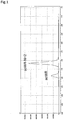
Fig. 1] Fig. 1 is a graph showing fluorescence peaks of aoWR-NH2 and aoWR detected as a result of detecting fluorescence intensities of the aoWR-NH2 and the aoWR using a HPLC system. - [
Fig. 2] Fig. 2 is a graph showing values of the fluorescence peak areas of the aoWR-NH2 and the aoWR detected inFig. 1 . - [
Fig. 3] Fig. 3 shows graphs for illustrating the result of detecting a sugar chain sample labeled with aoWR-NH2 or aoWR by mass spectrometry (MALDI-TOF MS). The result of detecting non-humidified aoWR is shown at the top of the figure, the result of detecting humidified aoWR is shown at the middle of the figure, and the result of detecting humidified aoWR-NH2 is shown at the bottom of the figure. - The present invention provides a novel compound represented by the following formula (1):

- In the formula (1), R1 and R2 each independently represent any one of a hydrogen atom and an alkyl group. In the case where the R1 and/or R2 are each an alkyl group, the ionization efficiency is high. Accordingly, when a sugar chain sample labeled with the compound of the present invention is subjected to mass spectrometry, it tends to be easier to conduct the analysis by MALDI-TOF MS. The alkyl group is preferably a methyl group or an ethyl group. On the other hand, in the case where the R1 and/or R2 are each a hydrogen atom, the synthesis is possible using a common commercially-available reagent as it is. Accordingly, the production process is readily shortened, and the cost reduction is possible.
- In the compound of the present invention, both R1 and R2 are preferably hydrogen atoms from the viewpoint of cost reduction. The compound of the present invention is preferably a compound designated as aoWR-NH2 having the following structure:

- The compound of the present invention represented by the formula (1), when binding to a sugar chain, exhibits an effect of increasing the ionization efficiency of the sugar chain in mass spectrometry, and further can also exhibit quite a high fluorescence intensity as described in the present Example 1. Surprisingly, the fluorescence intensity of the compound of the present invention itself, for example, aoWR-NH2, is approximately 2.7 times as high as that of conventional aoWR. Thus, the present invention also provides a labeling reagent comprising the compound of the present invention as an effective component, for increasing the ionization efficiency or imparting fluorescent characteristics.
- The compound of the present invention can be used in a method for preparing a sugar chain by using a carrier having a functional group for capturing the sugar chain, so that the sugar chain captured on the carrier can be released and labeled. Thus, the present invention provides a method for preparing a labeled sugar chain sample, comprising the steps of: (a) bringing a sample containing a sugar chain into contact with a carrier having any one of a hydrazide group and an aminooxy group as a functional group for capturing the sugar chain to cause an aldehyde group of the sugar chain to react with the any one of a hydrazide group and an aminooxy group of the carrier, thereby capturing the sugar chain on the carrier; (b) washing the carrier capturing the sugar chain; and (c) bringing the compound of the present invention into contact with the carrier capturing the sugar chain to release the sugar chain from the carrier and simultaneously to bind the compound of the present invention to the sugar chain, thereby obtaining a sugar chain sample labeled with the compound of the present invention.
- As the "carrier" used in the step (a), polymer particles are preferably used. The polymer particles, which are either solid particles or gel particles, make it possible to readily recover a sugar chain captured on the polymer particles by means such as centrifugation or filtration. Meanwhile, the polymer particles can also be used while filled in a column. The method using the polymer particles filled in a column is important particularly from the viewpoint of successive operations. The use of a filter plate (for example, MultiScreen Solvinert Filter Plate manufacturedbyMillipore Corporation) as a reaction vessel enables simultaneous treatment on multiple samples. Further, the throughput of the sugar chain purification is greatly improved in comparison with conventional purificationmeans, for example, using a column represented by gel filtration. Alternatively, the use of magnetic beads as the particles makes it possible to collect the beads on the vessel wall surface and the like utilizing a magnetic force, so that the beads can be washed readily.
- The shape of the polymer particles is not particularly limited, but the shape is preferably spherical or similar shapes. In the case of spherical polymer particles, the average particle diameter is preferably 0.05 to 1000 µm, more preferably 0.05 to 200 µm, furthermore preferably 0.1 to 200 µm, and most preferably 0.1 to 100 µm. If the average particle diameter is below the lower limit value, it becomes necessary to apply a high pressure to compensate for poor passage of the solution through a column filled with the polymer particles thus used. In addition, it is also difficult to recover the polymer particles by centrifugation or filtration. If the average particle diameter exceeds the upper limit value, the contact area between the polymer particles and the sample solution is small, and the efficiency of capturing the sugar chain is decreased.
- The carrier has any one of a hydrazide group and an aminooxy group as a functional group for capturing a sugar chain at least on a part of the surface. These functional groups are capable of reacting with an aldehyde group of a sugar chain, thereby capturing the sugar chain.
- As the carrier for capturing the sugar chain, it is particularly preferable to use a crosslinked polymer (polymer substance) having a crosslinked polymer structure represented by the following formula (2) or formula (3), or a carrier coated with the polymer substance.


- The example of the crosslinked polymer includes a crosslinked polymer having the following structure:


- In the present invention, "BlotGlyco(R)" (manufactured by Sumitomo Bakelite Co., Ltd., #BS-45603), which is hydrazide group- containing polymer particles, can be suitably used.
- When a sugar chain is captured with the polymer particles for capturing the sugar chain, the pH of the reaction system is preferably 2 to 9, more preferably 2 to 7, and furthermore preferably 2 to 6. For the pH adjustment, various buffer solutions can be used. The temperature during the capturing of the sugar chain is preferably4 to 90°C, more preferably 4 to 70°C, furthermore preferably 30 to 80°C, and most preferably 40 to 80°C. The reaction time can be set as appropriate. The sample solution may be passed through a column filled with the polymer particles.
- Washing the carrier capturing the sugar chain in the step (b) enables the removal of substances (non-specifically adsorbed substances) other than the sugar chain among substances captured with the carrier.
- As the method for removing the substances other than the sugar chain, it is possible to adopt: a washing method using an aqueous solution of guanidine, which is a chaotropic agent having an ability to dissociate a hydrophobic bond; or a washing method using pure water or an aqueous buffer solution (for example, a phosphate buffer solution, a tris buffer solution, or the like). As the washing conditions in the washing step, the temperature is 4 to 40 °C, and the washing time is 10 seconds to 3 0 minutes. As the washing method, polymer particles as the carrier is immersed in a washing liquid, and the washing liquid is repeatedly replaced, so that the carrier can be washed.
- To be more specific, the polymer particles are introduced in a centrifuge tube or a tube, and a washing liquid is added therein and shaken. Then, the polymer particles are precipitated by a centrifugation operation, and the supernatant is removed. These operations are repeated for the washing. For example, polymer particles are introduced in a centrifuge tube, and a washing liquid is added therein. After the polymer particles are spontaneously precipitated or forcibly precipitated by centrifugation, the supernatant is removed. By repeating these operations, the carrier can be washed. The washing operations are preferably performed 3 to 6 times. In the case of using magnetic beads, the centrifugation operation is not necessary, and the process is thus simple.
- Moreover, it is also possible to use a tubular vessel which is a filter tube with a bottom surface portion provided with a filter having such a pore diameter that a liquid can pass therethrough but the beads cannot pass therethrough. The use of the filter tube with the polymer particles put therein enables the removal of a washing liquid required for the washing through the filter, and eliminates the need for the supernatant removal step after the centrifugation operation, so that the workability can be improved.
- Further, various multiwell plates having 6 to 384 wells with bottom portions provided with the filter are commercially available. The use of these plates can increase the throughput. Particularly, for a multiwell plate having 96 wells, solution dispensing instruments, suction removal systems, plate conveyance systems, and so forth have been developed, and such a 96-well plate is optimal for increasing the throughput.
- When the sugar-chain capturing reaction is successively carried out, the washing treatment may be performed successively after the sugar-chain capturing reaction by passing a washing solution through a column. Meanwhile, in the case of using a multiplate, substances other than the carrier capturing the sugar chain may be removed by a filtration operation or a centrifugation operation.
- Note that excessive functional groups on the carrier can be capped by utilizing, for example, acetic anhydride or the like.
- In the step (c), the compound of the present invention is brought into contact with the carrier capturing the sugar chain to release the sugar chain from the carrier and simultaneously to bind the compound of the present invention to the sugar chain. In the case where a carrier having a hydrazide group is used as the carrier for capturing the sugar chain, this step is carried out by a hydrazide-oxime exchange reaction as an aminooxy group present at a terminal end of the compound of the present invention acts on a hydrazone bond between the carrier and the sugar chain. In the case where a carrier having an aminooxy group is used as the carrier for capturing the sugar chain, this step is carried out by an oxime-oxime exchange reaction as the aminooxy group present at the terminal end the compound of the present invention acts on an oxime bond between the carrier and the sugar chain. In this manner, the compound of the present invention makes it possible to release the sugar chain from the carrier and to label the sugar chain by a single treatment.
- As the pH of the reaction solution during the exchange reaction, the pH of 2 to 7 is preferable, the pH of 3 to 6 is more preferable, and the pH of 3.5 to 5.5 is most preferable. By adding an acetic acid/acetonitrile solution, the reaction solution can be adjusted to the above pH. The temperature during the exchange reaction is preferably 50 to 95°C, more preferably 60 to 90°C, and most preferably 70 to 90°C. During the exchange reaction, the reaction vessel is opened for the heat treatment. Thereby, the reaction proceeds while the solvent is being evaporated. Finally, the resultant is solidified to dryness. Thus, the exchange reaction can be carried out efficiently.
- The analysis by analysis means such as mass spectrometry may be conducted on the recovered labeled sugar chain solution as it is, or after the excessively-contained labeling compounds are removed.
- Additionally, the present invention provides a method for analyzing a sugar chain, comprising the step of subjecting a labeled sugar chain sample prepared by the above-described method to mass spectrometry to detect a sugar chain. As described in Example 2, when a sugar chain labeled with the compound of the present invention
- (aoWR-NH2) is subjected to mass spectrometry, no peak of a degradation product of the aoWR-NH2 is detected near peaks of the sugar chain. This makes it possible to efficiently detect the sugar chain by utilizing mass spectrometry. As the mass spectrometry method, for example, MALDI-TOF MS can be suitably utilized. A mass spectrum obtained as a result of the mass spectrometry can be analyzed using analysis software or the like. Peaks of the sample sugar chain can be detected by reading the mass-to-charge ratio (m/z value). Further, the quantification of the sugar chain and the structural analysis of the sugar chain can be conducted based on the mass-to-charge ratio and the peak intensity (any indicator such as peak height or peak area). In the analysis of a sugar chain, various databases (for example, GlycoSuite and the like) can be utilized.
- Hereinafter, the present invention will be described more specifically based on Synthesis Example, Examples, and Comparative Examples. However, the present invention is not limited to the following Synthesis Example and Examples.
- The synthesis scheme is described below.


- To the compound 1 (15.96 g), methanol (26 mL) was added and cooled to 0 °C. Subsequently, a 4 M solution of HCl/dioxane (26 mL) was added thereto. The resultant was stirred for 30 minutes at 0°C and then for 3 hours while the temperature was being raised to room temperature. The reaction solution was concentrated under a reduced pressure. Thus, a compound 2 (13.82 g) was obtained.
- THF (40 mL) was added to Boc-amino-oxyacetic acid (Merck KGaA: 851017, 2.45 g), and the solution was cooled to -40°C. To the solution, 4-methylmorpholine (1.55 g) and isobutyl chloroformate (2.09 g) were added and stirred for 15 minutes at -30°C and then for 35 minutes while the temperature was being raised to 0°C. Thereby, an acid anhydride mixture (B) was prepared. Next, distilled water (20 mL) was added to the compound 2 (13.82 g) and cooled to 5°C, and sodium hydrogen carbonate (1.29 g) was added thereto. The solution thus prepared was added to (B). The resultant was stirred for 1 hour at 5°C and then for 6 hours while the temperature was being raised to room temperature. The reaction solution was concentrated under a reduced pressure. Subsequently, the resultant was purified by ODS medium pressure chromatography. Thus, a compound 3 (4.82 g) was obtained.
- To the compound 3 (4.82 g), methanol (14.5 mL) was added and cooled to 0°C. Subsequently, a 4 M solution of HCl/dioxane (14.5 mL) was added thereto. The resultant was stirred for 2 hours while the temperature was being raised to room temperature. The reaction solution was concentrated under a reduced pressure. Of 3.96 g of the obtained residue, 3.2 g was purified by ODS medium pressure chromatography. Thus, a compound 4 (aoWR-NH2, 1.2 9 g) was obtained.
- HPLC was carried out on 20 mM aoWR and 20 mM aoWR-NH2 using Nexera (Shimadzu Corporation) as the HPLC system under the following conditions to measure the fluorescence intensities.
-
- Column: ACQUITY UPLC BEH Glycan 1.7 µm, 2.1 × 150 mm
- Solvent A: 50 mM aqueous solution of formic acid/ammonia (pH 4.4 )
- Solvent B: acetonitrile
- Gradient: solution A 25% (0 minutes) → solution A 42% (38.5 minutes)
- Column temperature: 60°C→flow rate: 0.5 mL/minute
- Ex: 280 nm, Em: 350 nm, Injection amount: 1 µL
- As a result, the aoWR-NH2 exhibited a fluorescence intensity approximately 2.7 times as high as that of the aoWR (
Figs. 1 and2 ). - To 40 mg of IgG from human serum (SIGMA, I4506), 2 mL of ultrapure water and 200 µL of each of a 1 M aqueous solution of ammonium bicarbonate (Wako Pure Chemical Industries, Ltd. , 017-02875) and a 120 mM aqueous solution of DTT (dithiothreitol, SIGMA, D9779) were added and allowed to react at 60°C for 30 minutes. After the reaction, 400 µL of a 123 mM aqueous solution of IAA (iodoacetamide, Wako Pure Chemical Industries, Ltd. , 093-02152) was added thereto and allowed to react under light-shielded condition at room temperature for 1 hour. Subsequently, a solution obtained by dissolving 16000 U of trypsin (SIGMA, T0303) in 400 µL of 1 mM hydrochloric acid was all added thereto and allowed to react at 37°C for 1.5 hours, thereby fragmentating the protein portion into peptides. The solution was heated at 90°C for 10 minutes to inactivate trypsin. Thereafter, the sugar chain was released from the peptides by the treatment with 80 U of peptide-N-glycosidaseF (Roche, 1-365-193). Thus, a sugar chain solution was obtained.
- To a disposable column in which 5 mg of particles having a hydrazide group (BlotGlyco (R)), manufactured by Sumitomo Bakelite Co., Ltd., BS-45603) had been introduced as a carrier for capturing a sugar chain, 20 µL of the sugar chain solution and 180 µL of a 2% solution of acetic acid/acetonitrile were added and allowed to react at 80°C for 1 hour. The reaction was carried out in an open system. It was visually confirmed that the solvent was completely evaporated, and that the particles were in a dried, solid state.
- The particles to which the N-linked sugar chain bound were washed with a 2 M aqueous solution of guanidine, water, and a 1% solution of triethylamine/methanol. Then, a 10% solution of acetic anhydride/methanol was added thereto and allowed to react at room temperature for 30 minutes, thereby capping unreacted hydrazide groups. After the capping, the beads were washed with 10 mM hydrochloric acid, methanol, and dimethyl sulfoxide.
- Subsequently, the carboxyl group of the sialic acid residue was methyl esterified. Specifically, 100 µL of a 500 mM solution of 1-methyl-3-p-tolyltriazene (MTT) (Tokyo Chemical Industry Co., Ltd., M0641)/dimethyl sulf oxide was added and allowed to react at 60 ° C f or 1 hour. After the reaction, the resultant was washed with methanol and water.
- Finally, the reactions were carried out, so that the sugar chain was cleaved from the particles and labeled. Specifically, 20 µL of an aqueous solution of the aoWR-NH2 and 180 µL of a 2% solution of acetic acid/acetonitrile were added and allowed to react at 80°C for 1 hour. After a humidification treatment (left standing in a powder form at a humidity of 100% at 37°C for 15 hours), ultrapure water was added to the aoWR-NH2 aqueous solution to adjust the aqueous solution to 20 mM. The reactions were carried out in an open system. It was visually confirmed that the solvent was completely evaporated, and that the particles were in a dried, solid state. To the dried beads, 50 µL of 2 mM hydrochloric acid was added to recover the N-linked sugar chain.
- The recovered sugar chain solution was 10-fold diluted with acetonitrile, and then added to a silica column (included in the BlotGlyco kit), so that the labeled sugar chain was adsorbed to the silica gel. After the column was washed with acetonitrile, the labeled sugar chain was recovered using 50 µL of ultrapure water.
- The purification was performed in the same manner as in Example 2, but aoWR was used as a label and 50 µL of ultrapure water was added to the dried beads to recover the N-linked sugar chain.
- The purification was performed in the same manner as in Example 2, but aoWR (not humidified) was used as a label and 50 µL of ultrapure water was added to the dried beads to recover the N-linked sugar chain.
- The recovered labeled sugar chain solutions were analyzed using MALDI-TOF MS (Autoflex III smartbeam, manufactured by Bruker Daltonics Inc.) in a reflector mode and a positive ion mode. As the matrix, 2,5-dihydroxybenzoic acid (Bruker, 201346) was used.
- As apparent from the result shown in
Fig. 3 , when aoWR was humidified, contamination peaks appeared which were smaller than the original mass-to-charge ratio by approximately 14 presumably due to the hydrolysis of the methyl ester group. In contrast, no contamination peak appeared from the aoWR-NH2 in which the functional group was substituted with an amide group. - The present invention makes it possible to prepare a labeled sugar chain sample efficiently from a biological sample, and to efficiently detect the prepared labeled sugar chain sample by mass spectrometry and the like. Thus , the present invention is widely utilizable in the fields of tests and researches related to sugar chains, and also applicable to the fields of, for example, property analysis, quality control, and so forth of drugs and foods containing sugar chains.
Claims (8)
- A compound represented by the following formula (1) :

- The compound according to claim 1, wherein R1 and R2 in the formula (1) each independently represent any one of a hydrogen atom, a methyl group, and an ethyl group.
- The compound according to claim 1 or 2, which is represented by the following formula:


- A labeling reagent comprising the compound according to any one of claims 1 to 3 as an effective component.
- A method for preparing a labeled sugar chain sample, comprising the steps of:(a) bringing a sample containing a sugar chain into contact with a carrier having any one of a hydrazide group and an aminooxy group as a functional group for capturing the sugar chain to cause an aldehyde group of the sugar chain to react with the any one of a hydrazide group and an aminooxy group of the carrier, thereby capturing the sugar chain on the carrier;(b) washing the carrier capturing the sugar chain; and(c) bringing the compound according to any one of claims 1 to 3 into contact with the carrier capturing the sugar chain to release the sugar chain from the carrier and simultaneously to bind the compound to the sugar chain.
- The method according to claim 5, wherein the carrier is coated with a polymer substance having a crosslinked polymer structure represented by the following formula (2) :

- The method according to claim 6, wherein the carrier is coated with a polymer substance having a crosslinked polymer structure represented by the following formula (3):


- A method for analyzing a sugar chain, comprising the step of subjecting a labeled sugar chain sample prepared by the method according to any one of claims 5 to 7 to mass spectrometry to detect a sugar chain.
Applications Claiming Priority (2)
| Application Number | Priority Date | Filing Date | Title |
|---|---|---|---|
| JP2013169090 | 2013-08-16 | ||
| PCT/JP2014/069804 WO2015022854A1 (en) | 2013-08-16 | 2014-07-28 | Compound for labelling sugar chain sample |
Publications (2)
| Publication Number | Publication Date |
|---|---|
| EP3034495A1 true EP3034495A1 (en) | 2016-06-22 |
| EP3034495A4 EP3034495A4 (en) | 2016-06-22 |
Family
ID=52468241
Family Applications (1)
| Application Number | Title | Priority Date | Filing Date |
|---|---|---|---|
| EP14836674.3A Withdrawn EP3034495A4 (en) | 2013-08-16 | 2014-07-28 | Compound for labelling sugar chain sample |
Country Status (5)
| Country | Link |
|---|---|
| US (1) | US20160168196A1 (en) |
| EP (1) | EP3034495A4 (en) |
| JP (1) | JP5682850B1 (en) |
| CN (1) | CN105473553A (en) |
| WO (1) | WO2015022854A1 (en) |
Families Citing this family (1)
| Publication number | Priority date | Publication date | Assignee | Title |
|---|---|---|---|---|
| WO2016017192A1 (en) * | 2014-07-28 | 2016-02-04 | 住友ベークライト株式会社 | Labeling agent, method for preparing labeled sugar chain sample, method for analyzing sugar chain, and method for inhibiting degradation of compound |
Family Cites Families (7)
| Publication number | Priority date | Publication date | Assignee | Title |
|---|---|---|---|---|
| JP4566604B2 (en) * | 2004-03-31 | 2010-10-20 | 塩野義製薬株式会社 | Glycolabeling reagent |
| JP4783292B2 (en) * | 2004-09-14 | 2011-09-28 | 住友ベークライト株式会社 | Analytical sample preparation method, analytical sample, and analytical sample preparation compound |
| WO2007108204A1 (en) * | 2006-03-16 | 2007-09-27 | Sumitomo Bakelite Co., Ltd. | Method of preparing analysis sample, analysis sample and sugar chain capture agent |
| EP2799868A3 (en) | 2006-08-09 | 2015-04-22 | Sumitomo Bakelite Co., Ltd. | Sugar chain-capturing substance and use thereof |
| JP5076878B2 (en) * | 2007-12-25 | 2012-11-21 | 住友ベークライト株式会社 | Method for analyzing glycoprotein sugar chains |
| KR20110028295A (en) * | 2008-06-12 | 2011-03-17 | 스미토모 베이클리트 컴퍼니 리미티드 | Sugar chain sample preparation method, sugar chain sample, and sugar chain analysis method |
| JP6048036B2 (en) * | 2011-09-29 | 2016-12-21 | 住友ベークライト株式会社 | Purification method of sugar chain |
-
2014
- 2014-07-28 CN CN201480045454.9A patent/CN105473553A/en active Pending
- 2014-07-28 JP JP2014550970A patent/JP5682850B1/en not_active Expired - Fee Related
- 2014-07-28 US US14/906,741 patent/US20160168196A1/en not_active Abandoned
- 2014-07-28 WO PCT/JP2014/069804 patent/WO2015022854A1/en not_active Ceased
- 2014-07-28 EP EP14836674.3A patent/EP3034495A4/en not_active Withdrawn
Also Published As
| Publication number | Publication date |
|---|---|
| US20160168196A1 (en) | 2016-06-16 |
| EP3034495A4 (en) | 2016-06-22 |
| CN105473553A (en) | 2016-04-06 |
| JPWO2015022854A1 (en) | 2017-03-02 |
| JP5682850B1 (en) | 2015-03-11 |
| WO2015022854A1 (en) | 2015-02-19 |
Similar Documents
| Publication | Publication Date | Title |
|---|---|---|
| JP5500067B2 (en) | Glycan labeling method | |
| EP2056106B1 (en) | Sugar chain-capturing substance and use thereof | |
| EP2006670B1 (en) | Method of esterifying bio-related molecule for mass spectrometry and method of mass spectrometry of obtained esterified derivative | |
| JP5125637B2 (en) | Glycan sample preparation method | |
| US9678083B2 (en) | Protected amine labels and use in detecting analytes | |
| NZ529986A (en) | Protein characterisation by isolating a single C-terminal peptide from each polypeptide in a mixture with water-stable reagents that are selective for lysine followed by detection by mass spectroscopy | |
| US20160168196A1 (en) | Compound for labeling sugar chain sample | |
| EP1267170A1 (en) | Method for characterising polypeptides | |
| JP7521307B2 (en) | Method and kit for labeling glycans | |
| JP2022122455A (en) | Method and kit for labeling sugar chain | |
| JP2009216608A (en) | Sample preparation method | |
| WO2016017192A1 (en) | Labeling agent, method for preparing labeled sugar chain sample, method for analyzing sugar chain, and method for inhibiting degradation of compound | |
| WO2015108020A1 (en) | Composition, method for preparing sugar chain sample, and method for analyzing sugar chain | |
| JP2024060941A (en) | Method and kit for labeling sugar chain | |
| JP2012189439A (en) | Method for manufacturing sugar chain sample | |
| Ren et al. | Qualitative and Quantitative Methods for N-Glycans in N-Glycomics | |
| JP6064541B2 (en) | Sugar chain purification method | |
| JP2014102216A (en) | Sugar chain refinement method | |
| JP2017096626A (en) | Preparation method of labeled sugar chain sample | |
| JP4946905B2 (en) | Oxylamino group-containing compound and labeled target compound | |
| AU2002310610A1 (en) | Characterising polypeptides |
Legal Events
| Date | Code | Title | Description |
|---|---|---|---|
| PUAI | Public reference made under article 153(3) epc to a published international application that has entered the european phase |
Free format text: ORIGINAL CODE: 0009012 |
|
| 17P | Request for examination filed |
Effective date: 20160128 |
|
| A4 | Supplementary search report drawn up and despatched |
Effective date: 20160419 |
|
| AK | Designated contracting states |
Kind code of ref document: A1 Designated state(s): AL AT BE BG CH CY CZ DE DK EE ES FI FR GB GR HR HU IE IS IT LI LT LU LV MC MK MT NL NO PL PT RO RS SE SI SK SM TR |
|
| AX | Request for extension of the european patent |
Extension state: BA ME |
|
| DAX | Request for extension of the european patent (deleted) | ||
| GRAP | Despatch of communication of intention to grant a patent |
Free format text: ORIGINAL CODE: EPIDOSNIGR1 |
|
| INTG | Intention to grant announced |
Effective date: 20170113 |
|
| STAA | Information on the status of an ep patent application or granted ep patent |
Free format text: STATUS: THE APPLICATION IS DEEMED TO BE WITHDRAWN |
|
| 18D | Application deemed to be withdrawn |
Effective date: 20170524 |