EP3028582A2 - Method for producing vegetable products using ultra high pressure - Google Patents
Method for producing vegetable products using ultra high pressure Download PDFInfo
- Publication number
- EP3028582A2 EP3028582A2 EP14832766.1A EP14832766A EP3028582A2 EP 3028582 A2 EP3028582 A2 EP 3028582A2 EP 14832766 A EP14832766 A EP 14832766A EP 3028582 A2 EP3028582 A2 EP 3028582A2
- Authority
- EP
- European Patent Office
- Prior art keywords
- high pressure
- ultra
- vegetable
- sterilization
- raw materials
- Prior art date
- Legal status (The legal status is an assumption and is not a legal conclusion. Google has not performed a legal analysis and makes no representation as to the accuracy of the status listed.)
- Granted
Links
Images





Classifications
-
- A—HUMAN NECESSITIES
- A23—FOODS OR FOODSTUFFS; TREATMENT THEREOF, NOT COVERED BY OTHER CLASSES
- A23B—PRESERVATION OF FOODS, FOODSTUFFS OR NON-ALCOHOLIC BEVERAGES; CHEMICAL RIPENING OF FRUIT OR VEGETABLES
- A23B2/00—Preservation of foods or foodstuffs, in general
- A23B2/10—Preservation of foods or foodstuffs, in general by treatment with pressure variation, shock, acceleration or shear stress
-
- A—HUMAN NECESSITIES
- A23—FOODS OR FOODSTUFFS; TREATMENT THEREOF, NOT COVERED BY OTHER CLASSES
- A23B—PRESERVATION OF FOODS, FOODSTUFFS OR NON-ALCOHOLIC BEVERAGES; CHEMICAL RIPENING OF FRUIT OR VEGETABLES
- A23B2/00—Preservation of foods or foodstuffs, in general
- A23B2/10—Preservation of foods or foodstuffs, in general by treatment with pressure variation, shock, acceleration or shear stress
- A23B2/103—Preservation of foods or foodstuffs, in general by treatment with pressure variation, shock, acceleration or shear stress using sub- or super-atmospheric pressures, or pressure variations transmitted by a liquid or gas
-
- A—HUMAN NECESSITIES
- A23—FOODS OR FOODSTUFFS; TREATMENT THEREOF, NOT COVERED BY OTHER CLASSES
- A23B—PRESERVATION OF FOODS, FOODSTUFFS OR NON-ALCOHOLIC BEVERAGES; CHEMICAL RIPENING OF FRUIT OR VEGETABLES
- A23B7/00—Preservation of fruit or vegetables; Chemical ripening of fruit or vegetables
- A23B7/005—Preserving by heating
- A23B7/0053—Preserving by heating by direct or indirect contact with heating gases or liquids
- A23B7/0056—Preserving by heating by direct or indirect contact with heating gases or liquids with packages
-
- A—HUMAN NECESSITIES
- A23—FOODS OR FOODSTUFFS; TREATMENT THEREOF, NOT COVERED BY OTHER CLASSES
- A23B—PRESERVATION OF FOODS, FOODSTUFFS OR NON-ALCOHOLIC BEVERAGES; CHEMICAL RIPENING OF FRUIT OR VEGETABLES
- A23B7/00—Preservation of fruit or vegetables; Chemical ripening of fruit or vegetables
- A23B7/02—Dehydrating; Subsequent reconstitution
-
- A—HUMAN NECESSITIES
- A23—FOODS OR FOODSTUFFS; TREATMENT THEREOF, NOT COVERED BY OTHER CLASSES
- A23B—PRESERVATION OF FOODS, FOODSTUFFS OR NON-ALCOHOLIC BEVERAGES; CHEMICAL RIPENING OF FRUIT OR VEGETABLES
- A23B7/00—Preservation of fruit or vegetables; Chemical ripening of fruit or vegetables
- A23B7/06—Blanching
-
- A—HUMAN NECESSITIES
- A23—FOODS OR FOODSTUFFS; TREATMENT THEREOF, NOT COVERED BY OTHER CLASSES
- A23B—PRESERVATION OF FOODS, FOODSTUFFS OR NON-ALCOHOLIC BEVERAGES; CHEMICAL RIPENING OF FRUIT OR VEGETABLES
- A23B7/00—Preservation of fruit or vegetables; Chemical ripening of fruit or vegetables
- A23B7/10—Preserving with acids; Acid fermentation
-
- A—HUMAN NECESSITIES
- A23—FOODS OR FOODSTUFFS; TREATMENT THEREOF, NOT COVERED BY OTHER CLASSES
- A23L—FOODS, FOODSTUFFS OR NON-ALCOHOLIC BEVERAGES, NOT OTHERWISE PROVIDED FOR; PREPARATION OR TREATMENT THEREOF
- A23L19/00—Products from fruits or vegetables; Preparation or treatment thereof
-
- A—HUMAN NECESSITIES
- A23—FOODS OR FOODSTUFFS; TREATMENT THEREOF, NOT COVERED BY OTHER CLASSES
- A23V—INDEXING SCHEME RELATING TO FOODS, FOODSTUFFS OR NON-ALCOHOLIC BEVERAGES AND LACTIC OR PROPIONIC ACID BACTERIA USED IN FOODSTUFFS OR FOOD PREPARATION
- A23V2002/00—Food compositions, function of food ingredients or processes for food or foodstuffs
Definitions
- the present invention relates to a method for producing vegetable products, which effectively sterilizes fungi, yeast, pathogenic bacteria, spores of a sporogenic microorganism, etc. growing in raw vegetables and cooked vegetables, using a non-heat-treated ultra-high pressure sterilization process.
- the producing method of the processing vegetables is limited to a weak heating and drying, freezing treatment which can minimize an organoleptic quality damage.
- Heat sterilization method includes blanching at 100°C for several seconds or post-sterilization at 85°C for 10 minutes or so, but, although it is a mild condition, a deterioration in quality by heating is occurred due to the property of the vegetables which are weak under the heat, and also the effective reduction of germs is difficult in the case of the heat-resistant germs.
- the method which is widely used as the most common long-term storage method at present is a drying method, and the representative example in the commercial drying methods is a hot-air drying. Since the hot-air drying has a sharp decline of the organoleptic quality such as a taste, flavor, texture, color, etc. after drying, and also has many cases in which a restoration is needed by heat-cooking in water, and thus, it follows many limitations in its use.
- Freezing drying is a drying method in which the chemical or physical changes such as volatilization or decomposition of a flavor components which is a weakness of the hot-air drying, browning reaction by an oxidation at a high temperature, a surface change according to a mutual coupling of fiber and pectin material and the like can be minimized, but there are weaknesses that a restoration in water is necessarily needed, a convenience is decreased and a cost of production is expensive. Even in the case of the freezing vegetables, since it needs a thawing processing, the deterioration in quality is followed, and the convenience in transportation, storage and the like may be decreased.
- the other method includes a reduction of germs and sterilization of microorganisms via dipping, spraying and the like by using the various natural antimicrobials such as alcohol, organic acid, surfactant, bacteriocin, calcium agent, etc., but since their effects controlling the microorganisms are relatively low, and the degradation in the organoleptic quality is caused, many limitations in the use are followed.
- the present invention developed a technique and process killing microorganisms in the vegetables by using ultra-high pressure as new sterilization method which makes various raw vegetables which have the limitation in their uses due to the above reasons be widely used as a major raw material of the processed foods, and is effective for enhancing the quality of the vegetable-based processed foods.
- the ultra-high pressure technique is non-heating sterilization technique and effectively controls the microorganisms with minimal effects in the chemical reaction such as the flavor, color and nutrition, etc. of foods and is mainly used in putting a premium of a group of the refrigerated distribution products such as beverage, source, jam, meat processing, fish processing and the like, but is not actively applied in the fields of the processed foods of vegetables yet.
- the object of the present invention is to provide the processing method of vegetable foods which is characterized in effectively killing pathogenic bacteria and spore of sporulation microbes in the raw vegetable and processed vegetable by using the ultra-high pressure non-heating sterilization method.
- Another object of the present invention is to provide the processing method of the vegetable foods which is characterized in treating in combination with the ultra-high pressure non-heating sterilization method and the natural antibiotics to kill pathogenic bacteria and spore of sporulation microbes.
- the present invention provides the processing method of vegetable foods, which is characterized in killing yeast, mold and pathogenic microbes by applying a pressure of 200 ⁇ 900MPa at the room temperature for 3 ⁇ 60 minutes by using the ultra-high pressure.
- the present invention also provide the processing method of the vegetable foods, which is characterized in killing pathogenic bacteria and spore of sporulation microbes by treating in combination with the ultra-high pressure non-heating sterilization method and the natural antibiotics.
- the new sterilization method for the pathogenic bacteria and spore of sporulation micobes via the ultra-high pressure and the combination of the organic acid and natural antibacterial agent under the condition of the room temperature and heating of the present invention can be variously used as the commercial sterilization technique which minimizes the damage of the quality in the raw vegetable and various vegetable processing foods due to the heat, and can effectively sterilize various microbes related to the hygiene and deterioration of quality.
- the present invention provides the method processing the vegetables foods, which comprises (a) selecting a vegetable raw material; (b) wrapping the selected vegetable raw material; and (c) sterilizing the wrapped vegetable raw material by applying a pressure of 200 ⁇ 900 MPa to the wrapped vegetable raw material at the room temperature for 3 ⁇ 60 minutes by using ultra-high pressure.
- the vegetable foods is a concept comprising a fresh vegetable and the cooked vegetable and foods by using them, and the fresh vegetable means the vegetables which go through steps of washing, dehydrating, selecting, measuring the quantity, and the like and do not go through the step of cooking, the cooked vegetables mean the vegetables which go through the cooking step such as blanching and the like as that added the boiling water and cooling process to the process such as washing, dehydrating, selecting, measuring the quantity, and the like.
- the step (a) for selecting vegetable raw material can mean one which goes through the selecting and measuring the quantity after washing and dehydrating the vegetable raw materials.
- the vegetable raw material can be washed three times by using the general tap water, and the water of the washed vegetable raw material can be removed by using a dehydrator or via a natural dehydration.
- a volume which is used in the product (for example, 50g) can be quantitatively isolated through the selecting process excluding the vegetables which are not in good condition, such as those having the torn or softened leaves or a disease, a yellow color, and the like.
- the wrapping step (b) can use a vacuum packing.
- the selected vegetable raw material can be vacuum packed by placing it in the transparent vinyl pouch.
- the sterilization step (c) is that sterilizing the microorganisms in the vegetable raw material by applying the constant temperature, time and pressure conditions to the wrapped vegetable raw material with the ultra-high pressure, and the pressure can be applied as 200 ⁇ 900 MPa at the room temperature for 3 ⁇ 60 minutes.
- the ultra-high pressure non-heating sterilization method is one of the sterilization methods for the microorganisms, and has a great effect in keeping the quality of the foods itself and inactivating the microorganisms and enzymes.
- the room temperature can be 15 ⁇ 20°C in the present invention.
- Another embodiment of the present invention can further comprise a semi-drying step for partially removing the water in the selected vegetable raw materials before the wrapping step; and a boiling water and cooling steps for blanching and then cooling the wrapping vegetable raw material after the wrapping step.
- the semi-drying step can be performed to prevent syneresis phenomenon which can be occurred when performing the refrigerator storage after going through the wrapping step and the boiling water step to be mentioned later.
- a part of the water in the vegetable raw material was removed by performing the drying process at the temperature of 55°C for 20 minutes.
- the boiling water and cooling steps are the processes performing the boiling water process such as blanching the vegetable raw material which went through the wrapping step and then cooling it, and it has advantages that microorganisms in the vegetable raw material are primarily killed and the organoleptic quality such as a taste, flavor, color, texture and the like can be enhanced. In addition, the damage of the quality due to the heat can be minimized by directly cooling it with flowing water soon after performing the boiling water process (the basic heat-cooking process).
- the present invention provides the method processing the vegetable foods, which comprises step (a) for selecting the vegetable raw material; step (b) for wrapping the selected vegetable raw material; and step (c) for sterilizing the wrapped vegetable raw material by applying the pressure of 500 ⁇ 900 MPa at the temperature of 70 ⁇ 100°C for 3 ⁇ 60 minutes with the ultra-high pressure.
- the use of the ultra-high pressure under the pressure of 200 ⁇ 900 MPa at the room temperature (25°C) for 3 ⁇ 60 minutes can sterilize the yeast, mold, pathogenic microbes, etc., without the damage of the quality due to the heat treatment and addition of the synthetic preservatives, but the application of the pressure of 200 ⁇ 900 MPa at the temperature of 70 ⁇ 100°C for 3 ⁇ 60 minutes can also kill the spores of the sporulation microbes and the shelf life can be extended.
- the sporulation microbes are killed under the high temperature pasteurization condition (retort) of 121°C , 2.1 Kgf/cm 2 , the organoleptic quality such as taste, texture, color and the like can be relatively enhanced by killing them under the low heating temperature condition such as 70 ⁇ 100°C, 500 ⁇ 900 MPa for 3 ⁇ 60 minutes described in the present invention, and it has an advantage that the effect is great in the vegetable-based processed foods wherein the color, texture and the like are important.
- retort high temperature pasteurization condition
- Another embodiment of the present invention can further comprise a semi-drying step for partially removing the water in the selected vegetable raw materials before the wrapping step; and the boiling water and cooling steps for blanching and then cooling the wrapping vegetable raw material after the wrapping step.
- the third embodiment of the present invention provides the method for processing the vegetable foods, which comprises treating in combination with the ultra-high pressure non-heating sterilization method and the natural antibacteria to maximize the ultra-pressure sterilization effect.
- the present invention provides the method for producing the vegetable foods, which is characterized in killing yeasts, molds, pathogenic microbes and sporous microorganisms by applying the pressure of 200 ⁇ 900 MPa at the room temperature or the temperature of 70 ⁇ 100°C for 3 ⁇ 60 minutes together with the natural antimicrobials which have the effect for decreasing the microorganisms.
- the natural antimicrobials can be selected from the group consisting of organic acid, bacteriocin and calcium agent. It is preferable that the natural antimicrobials are added as 0.05 ⁇ 3% (w/w) based on a total weight, and more preferably, are characterized by adding 0.5% (w/w).
- the above natural antimicrobials can be organic acids selected from the group consisting of lactic acid, acetic acid, citric acid, and succinic acid, and more preferably the organic acid can be lactic acid.
- the natural antimicrobials can be used by overall considering the expected sterilization effect for the product and the effect affecting the organoleptic quality such as the taste, flavor, color, texture, etc., of the product.
- Lactic acid generates the sterilization effect by being diffused into the cytoplasm via a cellular membrane of the microorganism and then affecting proteins and nucleic acids which are necessary for growing.
- the present invention controls pH of the vegetable foods to the acidic condition, pH 4 ⁇ 5 by using the organic acid.
- the addition of the organic acid can be performed before vacuum-packing.
- the treatment of the organic acid can be performed in the manner of dipping the fresh vegetable and the heat-cooking vegetable into the organic acid solution, or spraying the organic acid on the surface of the vegetable.
- Example 1-1 Production of the fresh vegetable food
- the representative processing method of the fresh vegetables by applying the ultra-high pressure non-heating sterilization is as follows, and as the vegetable raw materials, carrot, spinach, bean sprout, bracken, etc. which are vegetable raw materials for the representative Korean global dish of, bibimbob, were used.
- the vegetable raw materials were selected by removing the raw materials having damage, disease or insect pest.
- the selected vegetable raw materials were placed in the clear vinyl pouch and then were vacuum-wrapped.
- the fresh vegetable food was prepared by treating the vacuum-wrapped and the heating-cooked vegetable raw materials under ultra-high pressure of 500 MPa for 3 ⁇ 10 minutes.
- Example 1-2 preparation of the cooked vegetable food
- the representative processing process by applying the ultra-high pressure non-heating sterilization was as follows, its flow chart is represented in FIG. 1 .
- the vegetable raw materials were selected by removing the raw materials having damage, disease or insect pest.
- the vegetable raw materials after the semi-drying were placed in a clear vinyl pouch and then was vacuum-wrapped.
- the vegetable blanching was performed by dipping the vegetables in the boiling water, but in the present invention, since they were vacuum-wrapped in the wrapping weight of about 50 g, the heat transfer can be sufficiently occurred even by applying blanching process and the intended condition such as killing of some of microorganisms, enhancement of the organoleptic quality and the like can be achieved, and thus, the blanching was performed after vacuum-wrapping the semi-drying vegetables in the pouch.
- the fresh vegetable food was prepared by treating the vacuum-wrapped and the heating-cooked vegetable raw materials under ultra-high pressure of 500 MPa for 3 ⁇ 10 minutes.
- Example 2 The preparation of pathogenic microbes and the preparation of the test samples
- the representative pathogenic contaminable strains which can cause hygienic problems in the vegetable processing foods, Salmonella, Listeria and Staphylococcus strains were passage-cultured and then prepared by a centrifugation.
- blanching and cooling processes were performed to said washed and selected carrot and spinach as test samples of the cooked vegetables, and previously prepared strains were innoculated to be 10 5 ⁇ 10 1 CFU/g, and then vacuum-wrapped and used as test samples of the cooked vegetables.
- the ultra-high pressure treatment was performed by treating the vacuum-wrapped samples by laboratory scale High pressure processor under 100, 300, 500 MPa at the room temperature for 0, 5, 10, 15, 20 minutes, respectively.
- the ultra-high pressure come-up times was taken for 26 seconds to 2 minute and 30 seconds at 100 ⁇ 500 MPa.
- the determination of the microorganisms was performed by culturing them at 37 °C for 48 hours with the proper medium for each strain and then analyzing them by colony counting method.
- the ultra-high pressure sterilization effect was determined for the cooked vegetable samples prepared in Example 2 under the various conditions.
- most test groups which were ultra-high pressure non-heating sterilized under 500 MPa for 5 ⁇ 20 minutes exhibited the effect decreasing strains of 10 2 ⁇ 10 5 CFU/g, and the test results are represented in FIG. 4 .
- the ultra-high pressure sterilization effect was somewhat decreased in the cooked vegetable went through the heating process such as blanching, and the reason was estimated that the cellular cytoplasm, cellular liquid, etc. were leaked outward by the heat at the time of heat-cooking, and therefore water was decreased, the change of the tissue and physicochemical components was occurred, and thus the sterilization effect was somewhat decreased since the ultra-high pressure transfer mediator for the microorganism was different from the condition of the fresh vegetable.
- the pathogenic strains were cultured, diluted in the sterilized water and wrapped in the sterilized vinyl pouch, and then the ultra-high pressure sterilization was performed.
- the ultra-high pressure non-heating sterilization was performed under pH condition controlled with an organic acid such as lactic acid or HCl, at the pressure of 300 MPa for 5 minutes in the vegetable raw materials innoculated with Listeria strains.
- FIG. 5 is a graph exhibiting the sterilization effects according to the ultra-high pressure treatment (pressurized cells) / non-treatment (Non-pressurized cells) and pH conditions ((A) pH 7.2, (B) : pH 4.0, (C) : pH 5.0, (D) : pH 6.0), and as a result of the test, the increasing of the effect decreasing strains of 10 3 ⁇ 10 5 CFU/g was determined and thus the sterilization effect of 10 6 CFU/g was exhibited.
- the death mechanism of Listeria strain under the ultra-high pressure and acidic conditions was determined in detail via a scanning electron microscope (SEM) and the results are represented in FIG. 6 .
- SEM scanning electron microscope
- TSA is a general medium which is possible to determine the number of strains for Listeria strain
- MOX is a selection medium which is possible to determine Listeria strain forming biofilm. Both of these media were partitively used, sterilization effects for general Listeria strain and Listeria strain forming biofilm were separately observed, and then, the results are represented in FIG. 7 .
- Example 5 Test for storage of the fresh and cooked vegetables which were ultra-high pressure non-heating sterilized
- vegetables were prepared by only the heating-cooking (Thermal, heat-treating) and by further adding the ultra-high pressure sterilization to it and then it was checked as to whether or not of the growing of the aerobic and anaerobic microorganisms while storing them at 10°C and 15°C for 0 ⁇ 30 days
- the test group treated with 500 MPa for 3 minutes after heating-cooking exhibited the effect decreasing strains on average about 10 3 CFU/g relative to the simple heating-cooked control group without applying the ultra-high pressure, when storing it at the temperature 10°C ⁇ 15°C for 2 ⁇ 3 weeks and was also increased in the storage period. Since the effect decreasing strains of 10 3 ⁇ 10 5 CFU/g was enhanced in the completely seasoned vegetable side dishes such as bean sprouts, brackeny and the like as heating-cooked, the storage in the refrigeration for 3 weeks, which was not able in the existing heating-cooking method, was possible.
Landscapes
- Engineering & Computer Science (AREA)
- Life Sciences & Earth Sciences (AREA)
- Chemical & Material Sciences (AREA)
- Food Science & Technology (AREA)
- Polymers & Plastics (AREA)
- Zoology (AREA)
- Wood Science & Technology (AREA)
- Chemical Kinetics & Catalysis (AREA)
- General Chemical & Material Sciences (AREA)
- Health & Medical Sciences (AREA)
- Nutrition Science (AREA)
- Food Preservation Except Freezing, Refrigeration, And Drying (AREA)
- Preparation Of Fruits And Vegetables (AREA)
- Storage Of Fruits Or Vegetables (AREA)
Abstract
Description
- The present invention relates to a method for producing vegetable products, which effectively sterilizes fungi, yeast, pathogenic bacteria, spores of a sporogenic microorganism, etc. growing in raw vegetables and cooked vegetables, using a non-heat-treated ultra-high pressure sterilization process.
- The representative well-being food, Bibimbob, is a menu leading the globalization of Korean food and its sales have been enlarged in the various global markets such as U.S.A., Europe, China, Janan, etc. But, there are many problems in the processed food due to a storage quality limit of the vegetables and various cooking vegetables which are main materials, and thus, there are limitations in its enlargement in the global markets at present. Therefore, it can be as important as anything else to obtain the optimum production measure which is excellent in a processing quality.
- At present, the producing method of the processing vegetables is limited to a weak heating and drying, freezing treatment which can minimize an organoleptic quality damage. Heat sterilization method includes blanching at 100°C for several seconds or post-sterilization at 85°C for 10 minutes or so, but, although it is a mild condition, a deterioration in quality by heating is occurred due to the property of the vegetables which are weak under the heat, and also the effective reduction of germs is difficult in the case of the heat-resistant germs.
- The method which is widely used as the most common long-term storage method at present is a drying method, and the representative example in the commercial drying methods is a hot-air drying. Since the hot-air drying has a sharp decline of the organoleptic quality such as a taste, flavor, texture, color, etc. after drying, and also has many cases in which a restoration is needed by heat-cooking in water, and thus, it follows many limitations in its use.
- Freezing drying is a drying method in which the chemical or physical changes such as volatilization or decomposition of a flavor components which is a weakness of the hot-air drying, browning reaction by an oxidation at a high temperature, a surface change according to a mutual coupling of fiber and pectin material and the like can be minimized, but there are weaknesses that a restoration in water is necessarily needed, a convenience is decreased and a cost of production is expensive. Even in the case of the freezing vegetables, since it needs a thawing processing, the deterioration in quality is followed, and the convenience in transportation, storage and the like may be decreased.
- The other method includes a reduction of germs and sterilization of microorganisms via dipping, spraying and the like by using the various natural antimicrobials such as alcohol, organic acid, surfactant, bacteriocin, calcium agent, etc., but since their effects controlling the microorganisms are relatively low, and the degradation in the organoleptic quality is caused, many limitations in the use are followed.
- Accordingly, since the present processing and sterilization processes can not effectively control the microorganisms and extend a shelf life, new sterilization method which can effectively control microorganisms in the vegetable processing foods is needed.
- The present invention developed a technique and process killing microorganisms in the vegetables by using ultra-high pressure as new sterilization method which makes various raw vegetables which have the limitation in their uses due to the above reasons be widely used as a major raw material of the processed foods, and is effective for enhancing the quality of the vegetable-based processed foods.
- The ultra-high pressure technique is non-heating sterilization technique and effectively controls the microorganisms with minimal effects in the chemical reaction such as the flavor, color and nutrition, etc. of foods and is mainly used in putting a premium of a group of the refrigerated distribution products such as beverage, source, jam, meat processing, fish processing and the like, but is not actively applied in the fields of the processed foods of vegetables yet.
- Accordingly, the object of the present invention is to provide the processing method of vegetable foods which is characterized in effectively killing pathogenic bacteria and spore of sporulation microbes in the raw vegetable and processed vegetable by using the ultra-high pressure non-heating sterilization method.
- Other object of the present invention is to provide the processing method of the vegetable foods which is characterized in treating in combination with the ultra-high pressure non-heating sterilization method and the natural antibiotics to kill pathogenic bacteria and spore of sporulation microbes.
- In order to achieve the above object, the present invention provides the processing method of vegetable foods, which is characterized in killing yeast, mold and pathogenic microbes by applying a pressure of 200∼900MPa at the room temperature for 3∼60 minutes by using the ultra-high pressure.
- The present invention also provide the processing method of the vegetable foods, which is characterized in killing pathogenic bacteria and spore of sporulation microbes by treating in combination with the ultra-high pressure non-heating sterilization method and the natural antibiotics.
- The new sterilization method for the pathogenic bacteria and spore of sporulation micobes via the ultra-high pressure and the combination of the organic acid and natural antibacterial agent under the condition of the room temperature and heating of the present invention can be variously used as the commercial sterilization technique which minimizes the damage of the quality in the raw vegetable and various vegetable processing foods due to the heat, and can effectively sterilize various microbes related to the hygiene and deterioration of quality.
-
-
FIG.1 is a flow chart representing the sterilization process for cooked vegetable, which comprises the ultra-high pressure non-heating sterilization process. -
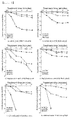
FIG. 2 is a drawing representing the sterilization effect of the pathogenic microbes in the peptone water by using ultra-high pressure. -
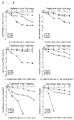
FIG. 3 is a drawing representing the sterilization effect for the phathogenic microbes in the raw vegetables by using ultra-high pressure. Unit in a vertical axis is Log (N/No), and is a value represented as Log data for the numbers of microbes after sterilization relative to those of microbes in the first. -
FIG. 4 is a drawing representing the sterilization effect for the pathogenic microbes in the cooked vegetables using ultra-high pressure. -
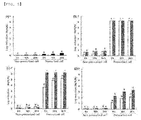
FIG. 5 is a drawing representing the sterilization effect at the time of treating in combination with ultra-high pressure and pH control. (A) pH 7.2, (B) pH 4.0, (C) pH 5.0, (D) pH 6.0. The group controlled with HCl is represented as □, and the group controlled with lactic acid is represented as ■. Alphabets A∼D, a∼b written in each graph are markers divided according to a significant difference (p<0.05) at the time of data statistic processing of each of data, mean that no significant difference is present between the same alphabets (e.g., A-A, b-b). -
FIG. 6 is an electron microscopy photograph of the pathogenic microbes treated in combination with ultra-high pressure and pH control. -
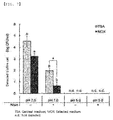
FIG. 7 is a drawing representing the sterilization effect at the time of treating in combination with the ultra-high pressure and pH control and nicin. The nicin addition group is represented as (+), and non-cicin addition group is represented as (-). -
FIG. 8 is an electron microscopy photograph of the pathogenic microbes when treating in combination of ultra-high pressure and pH control and nicin. -
FIG. 9 is a drawing for the contents of ascorbic acid and cartinoid of the extra-high valtage-treated vegetables.
The contents of ascorbic acid and a total of carotinoid (Carrot (■), spinach (□))
A-C: Classification according to the verification for significant difference of an average value in each carrot sample (p<0.05) (No significant difference in the case of the same alphabet)
a-c; Classification according to the verification for significant difference of an average value in each spinach sample (p<0.05) (No significant difference in the case of the same alphabet) -
FIG. 10 is an electron microscopy photograph of the ultra-high pressure treated vegetable. -
FIG. 11 is a drawing representing the sterilization effect for Bacillus spore by using the ultra-high pressure. - Hereinafter, the present invention will be explained in detail.
- As the first embodiment of the present invention, the present invention provides the method processing the vegetables foods, which comprises (a) selecting a vegetable raw material; (b) wrapping the selected vegetable raw material; and (c) sterilizing the wrapped vegetable raw material by applying a pressure of 200∼900 MPa to the wrapped vegetable raw material at the room temperature for 3∼60 minutes by using ultra-high pressure.
- The vegetable foods is a concept comprising a fresh vegetable and the cooked vegetable and foods by using them, and the fresh vegetable means the vegetables which go through steps of washing, dehydrating, selecting, measuring the quantity, and the like and do not go through the step of cooking, the cooked vegetables mean the vegetables which go through the cooking step such as blanching and the like as that added the boiling water and cooling process to the process such as washing, dehydrating, selecting, measuring the quantity, and the like.
- The step (a) for selecting vegetable raw material can mean one which goes through the selecting and measuring the quantity after washing and dehydrating the vegetable raw materials. For example, the vegetable raw material can be washed three times by using the general tap water, and the water of the washed vegetable raw material can be removed by using a dehydrator or via a natural dehydration. After then, a volume which is used in the product (for example, 50g) can be quantitatively isolated through the selecting process excluding the vegetables which are not in good condition, such as those having the torn or softened leaves or a disease, a yellow color, and the like.
- The wrapping step (b) can use a vacuum packing. For example, the selected vegetable raw material can be vacuum packed by placing it in the transparent vinyl pouch.
- The sterilization step (c) is that sterilizing the microorganisms in the vegetable raw material by applying the constant temperature, time and pressure conditions to the wrapped vegetable raw material with the ultra-high pressure, and the pressure can be applied as 200∼900 MPa at the room temperature for 3∼60 minutes.
- The ultra-high pressure non-heating sterilization method is one of the sterilization methods for the microorganisms, and has a great effect in keeping the quality of the foods itself and inactivating the microorganisms and enzymes.
- The room temperature can be 15∼20°C in the present invention.
- Another embodiment of the present invention can further comprise a semi-drying step for partially removing the water in the selected vegetable raw materials before the wrapping step; and a boiling water and cooling steps for blanching and then cooling the wrapping vegetable raw material after the wrapping step.
- The semi-drying step can be performed to prevent syneresis phenomenon which can be occurred when performing the refrigerator storage after going through the wrapping step and the boiling water step to be mentioned later. For example, a part of the water in the vegetable raw material was removed by performing the drying process at the temperature of 55°C for 20 minutes.
- The boiling water and cooling steps are the processes performing the boiling water process such as blanching the vegetable raw material which went through the wrapping step and then cooling it, and it has advantages that microorganisms in the vegetable raw material are primarily killed and the organoleptic quality such as a taste, flavor, color, texture and the like can be enhanced. In addition, the damage of the quality due to the heat can be minimized by directly cooling it with flowing water soon after performing the boiling water process (the basic heat-cooking process).
- As the second embodiment, the present invention provides the method processing the vegetable foods, which comprises step (a) for selecting the vegetable raw material; step (b) for wrapping the selected vegetable raw material; and step (c) for sterilizing the wrapped vegetable raw material by applying the pressure of 500∼900 MPa at the temperature of 70∼100°C for 3∼60 minutes with the ultra-high pressure.
- The use of the ultra-high pressure under the pressure of 200∼900 MPa at the room temperature (25°C) for 3∼60 minutes can sterilize the yeast, mold, pathogenic microbes, etc., without the damage of the quality due to the heat treatment and addition of the synthetic preservatives, but the application of the pressure of 200∼900 MPa at the temperature of 70∼100°C for 3∼60 minutes can also kill the spores of the sporulation microbes and the shelf life can be extended. It is general that the sporulation microbes are killed under the high temperature pasteurization condition (retort) of 121°C , 2.1 Kgf/cm2, the organoleptic quality such as taste, texture, color and the like can be relatively enhanced by killing them under the low heating temperature condition such as 70∼100°C, 500∼900 MPa for 3∼60 minutes described in the present invention, and it has an advantage that the effect is great in the vegetable-based processed foods wherein the color, texture and the like are important.
- Another embodiment of the present invention can further comprise a semi-drying step for partially removing the water in the selected vegetable raw materials before the wrapping step; and the boiling water and cooling steps for blanching and then cooling the wrapping vegetable raw material after the wrapping step.
- Since the detailed description for each step is substantially the same as that previously explained, the overlapping explanation will be omitted.
- The third embodiment of the present invention provides the method for processing the vegetable foods, which comprises treating in combination with the ultra-high pressure non-heating sterilization method and the natural antibacteria to maximize the ultra-pressure sterilization effect.
- More preferably, the present invention provides the method for producing the vegetable foods, which is characterized in killing yeasts, molds, pathogenic microbes and sporous microorganisms by applying the pressure of 200∼900 MPa at the room temperature or the temperature of 70∼100°C for 3∼60 minutes together with the natural antimicrobials which have the effect for decreasing the microorganisms.
- The natural antimicrobials can be selected from the group consisting of organic acid, bacteriocin and calcium agent. It is preferable that the natural antimicrobials are added as 0.05∼3% (w/w) based on a total weight, and more preferably, are characterized by adding 0.5% (w/w).
- Preferably, the above natural antimicrobials can be organic acids selected from the group consisting of lactic acid, acetic acid, citric acid, and succinic acid, and more preferably the organic acid can be lactic acid.
- The natural antimicrobials can be used by overall considering the expected sterilization effect for the product and the effect affecting the organoleptic quality such as the taste, flavor, color, texture, etc., of the product.
- Lactic acid generates the sterilization effect by being diffused into the cytoplasm via a cellular membrane of the microorganism and then affecting proteins and nucleic acids which are necessary for growing.
- * More preferably, in order to further increase the sterilization effect when treating in combination of the ultra-high pressure and organic acids, nicin being bacteriocin line as the natural antimicrobial can be added. At this time, the addition amount of nicin, 0.01∼1.0%, is proper and it can be changed when considering the effect affecting the organoleptic quality of the subject foods.
- More preferably, the present invention controls pH of the vegetable foods to the acidic condition, pH 4∼5 by using the organic acid.
- The addition of the organic acid can be performed before vacuum-packing. The treatment of the organic acid can be performed in the manner of dipping the fresh vegetable and the heat-cooking vegetable into the organic acid solution, or spraying the organic acid on the surface of the vegetable.
- Hereinafter, the preferable examples are provided to help the understanding of the present invention. However, the below examples are merely provided to more easily understand the present invention, and the present invention is not limited by the below examples.
- The representative processing method of the fresh vegetables by applying the ultra-high pressure non-heating sterilization is as follows, and as the vegetable raw materials, carrot, spinach, bean sprout, bracken, etc. which are vegetable raw materials for the representative Korean global dish of, bibimbob, were used.
- In order to remove pollutants such as dust, foreign material, and the like, attached to the surface of the vegetable raw materials, they were washed three times with clear water, and then were spin-dehydrated with spin-dryer at 700 rpm, for 1 minute.
- After dehydration, the vegetable raw materials were selected by removing the raw materials having damage, disease or insect pest.
- The selected vegetable raw materials were placed in the clear vinyl pouch and then were vacuum-wrapped.
- The fresh vegetable food was prepared by treating the vacuum-wrapped and the heating-cooked vegetable raw materials under ultra-high pressure of 500 MPa for 3∼10 minutes.
- The representative processing process by applying the ultra-high pressure non-heating sterilization was as follows, its flow chart is represented in
FIG. 1 . As the vegetable raw material, spinach and carrot were used. - In order to remove pollutants such as dust, foreign material, and the like, attached to the surface of the vegetable raw materials, they were washed three times with clear water and then were spin-dehydrated with spin-dryer at 700 rpm, for 1 minute.
- After dehydration, the vegetable raw materials were selected by removing the raw materials having damage, disease or insect pest.
- In order to minimize the syneresis phenomenon occurred when refrigerating the vegetable raw materials after vacuum-wrapping and heat-cooking, moisture in the vegetable raw material was removed via a semi-drying process at the temperature of 55°C for 20 minutes.
- The vegetable raw materials after the semi-drying were placed in a clear vinyl pouch and then was vacuum-wrapped.
- The basic heat-cooking process killing some of microorganisms such as Escherichia coli, etc. in the vegetable raw materials via blanching at the temperature of 95 °C for 5 minutes, and enhancing the organoleptic quality such as the taste, flavor, color, texture, and the like, was performed. If the basic heating-cooking process in the boiling water was completed, the cooling step was immediately performed to minimize the damage of quality due to the heat.
- In general, the vegetable blanching was performed by dipping the vegetables in the boiling water, but in the present invention, since they were vacuum-wrapped in the wrapping weight of about 50 g, the heat transfer can be sufficiently occurred even by applying blanching process and the intended condition such as killing of some of microorganisms, enhancement of the organoleptic quality and the like can be achieved, and thus, the blanching was performed after vacuum-wrapping the semi-drying vegetables in the pouch.
- The fresh vegetable food was prepared by treating the vacuum-wrapped and the heating-cooked vegetable raw materials under ultra-high pressure of 500 MPa for 3∼10 minutes.
- The representative pathogenic contaminable strains which can cause hygienic problems in the vegetable processing foods, Salmonella, Listeria and Staphylococcus strains were passage-cultured and then prepared by a centrifugation.
- Carrot and spinach mostly used in bibimbob as the vegetable raw materials were washed, selected and then, the previously prepared strains were innoculated to be 105∼107 CFU/g, and vacuum-packed to use as test samples of the fresh vegetables.
- In addition, the blanching and cooling processes were performed to said washed and selected carrot and spinach as test samples of the cooked vegetables, and previously prepared strains were innoculated to be 105∼101 CFU/g, and then vacuum-wrapped and used as test samples of the cooked vegetables.
- The ultra-high pressure treatment was performed by treating the vacuum-wrapped samples by laboratory scale High pressure processor under 100, 300, 500 MPa at the room temperature for 0, 5, 10, 15, 20 minutes, respectively. The ultra-high pressure come-up times was taken for 26 seconds to 2 minute and 30 seconds at 100∼500 MPa. After finishing the ultra-high pressure sterilization, the determination of the microorganisms was performed by culturing them at 37 °C for 48 hours with the proper medium for each strain and then analyzing them by colony counting method.
- In order to investigate the effect on the structure of the vegetable and the contents when treating the ultra-high pressure, at first, the microorganism was innoculated on pepton water and then the degree of death was investigated. After testing the gram-negative strain, Staphylococcus and Listeria, and gram-positive strain, Salmonella, when treating them under the ultra-high pressure of 500 MPa for 5 minutes, all were become below 102 CFU/g, and after 10 minutes, the strains were decreased to the below of the detection limit, about 105 CFU/g. The detailed test results are represented in
FIG. 2 . - The effect of the ultra-high pressure sterilization effect was determined for the fresh vegetable samples prepared in Example 2 under various conditions. As a result of the test, most test groups which were ultra-high pressure non-heating sterilized exhibited the effect decreasing strains of 102 ∼ 105 CFU/g, and the test results are represented in
FIG. 3 . - Although somewhat differences were occurred according to the kinds of microorganisms and vegetables, it was suggested that the ultra-high pressure was a good processing method for non-heatedly decreasing the various pathogenic strains.
- The ultra-high pressure sterilization effect was determined for the cooked vegetable samples prepared in Example 2 under the various conditions. As a result of the test, most test groups which were ultra-high pressure non-heating sterilized under 500 MPa for 5∼20 minutes exhibited the effect decreasing strains of 102 ∼ 105 CFU/g, and the test results are represented in
FIG. 4 . - In Gram-positive strains, Listeria and Staphylococcus, the ultra-high pressure sterilization effect was somewhat decreased in the cooked vegetable went through the heating process such as blanching, and the reason was estimated that the cellular cytoplasm, cellular liquid, etc. were leaked outward by the heat at the time of heat-cooking, and therefore water was decreased, the change of the tissue and physicochemical components was occurred, and thus the sterilization effect was somewhat decreased since the ultra-high pressure transfer mediator for the microorganism was different from the condition of the fresh vegetable.
- On the other hand, it was exhibited that in the case of Salmonella, it was a Gram-negative strain and was relatively well killed since it was weak in the heat resistance relative to Gram-positive strains having the cell wall structure consisting of peptidoglycan, Listeria and Staphylococcus, and was effectively killed since it had the pressure sensitivity under the ultra-high pressure, and the similar sterilization effect was exhibited regardless of the raw and cooked states.
- In order to enhance the ultra-high non-heating sterilization effect, the test was performed to investigate the sterilization effect when treating in combination with the ultra-high pressure and the organic acids.
- In order to investigate the correct sterilization effect for microorganisms in the present example, the pathogenic strains were cultured, diluted in the sterilized water and wrapped in the sterilized vinyl pouch, and then the ultra-high pressure sterilization was performed.
- The ultra-high pressure non-heating sterilization was performed under pH condition controlled with an organic acid such as lactic acid or HCl, at the pressure of 300 MPa for 5 minutes in the vegetable raw materials innoculated with Listeria strains.
- When performing the ultra-high pressure non-heating sterization after controlling the acidic pH to 4∼5 with lactic acid, the effect of the vegetable raw materials under the neutral condition of pH 7.2 which was non-controlling pH condition was compared with that ultra-high pressure non-heating sterilized at the pH 6.0, and the effects decreasing strains (Log reduction) soon after performing the ultra-high pressure treatment/non-treatment (0h), after 12 hours (12h), and after 24 hours (24h) are represented in
FIG. 5 . -
FIG. 5 is a graph exhibiting the sterilization effects according to the ultra-high pressure treatment (pressurized cells) / non-treatment (Non-pressurized cells) and pH conditions ((A) pH 7.2, (B) : pH 4.0, (C) : pH 5.0, (D) : pH 6.0), and as a result of the test, the increasing of the effect decreasing strains of 103∼105 CFU/g was determined and thus the sterilization effect of 106 CFU/g was exhibited. - The death mechanism of Listeria strain under the ultra-high pressure and acidic conditions was determined in detail via a scanning electron microscope (SEM) and the results are represented in
FIG. 6 . As a result of the analysis, since it was reviewed that the shape of the cell became more longer and was considered that the death reason was due to the deformation of the cellular inner structure, not due to the destruction of the cell membrane. - In order to further increase the sterilization effect when treating the combination of organic acid and ultra-high pressure non-heating sterilization, after adjusting pH to 5 by using the organic acid, nicin which was generated by lactobacillus of bacteriocin series was further added as the natural antimicrobial and the ultra-high pressure non-heating sterilization was performed at the pressure of 400 MPa for 20 minutes, and then the results were represented in
FIG. 7 . - In the above case, TSA is a general medium which is possible to determine the number of strains for Listeria strain, and MOX is a selection medium which is possible to determine Listeria strain forming biofilm. Both of these media were partitively used, sterilization effects for general Listeria strain and Listeria strain forming biofilm were separately observed, and then, the results are represented in
FIG. 7 . - When adjusting pH to 5.0 by using lactic acid, since 104∼105 CFU/g of Listeria strains were decreased without the addition of nicin, it was difficult to distinguish the effect of the nicin addition, but it was expected that the sterilization effect was theoretically increased when the ultra-high pressure was treated after performing the combination addition of the organic acid and nicin.
- In contrast, in the case of pH 7.0 without adding the organic acid, as a result of that the sterilization effect was determined at the time of adding nicin, the effect decreasing the strain was increased to about 102 CFU/g. And also, in the case of Listeria strain forming biofilm, a major cause of the pollution which can make the strain to attach to the facility surface, and the like, and to grow well, since the sterilization effect of 102 CFU/g or more was appeared when treating the combination of nicin and ultra-high pressure, it could be considered that several advantages were presented in the light of the hygiene securement.
- In order to review the death of Listeria strain by the ultra-high pressure and the above treatment in detail, Scanning Electron Microscope (SEM) observation was proceed and the results were represented in
FIG. 8 . As a result of the analysis, it was considered that nicin was penetrated to the inner of the microbial better along with that the ultra-high pressure effectively destructs the structure of the cell membrane, and thus the increasement of the sterilization effect was raised. - The test for reviewing the change in the property of the vegetables being ultra-high pressure non-heating sterilized and the contents of the components and for investigating the storage in refrigerator were performed for the carrot and spinach under the various condition.
- In the case of the storage test, vegetables were prepared by only the heating-cooking (Thermal, heat-treating) and by further adding the ultra-high pressure sterilization to it and then it was checked as to whether or not of the growing of the aerobic and anaerobic microorganisms while storing them at 10°C and 15°C for 0∼30 days
- The change of the contents for ascorbinic acid and cartinoid of the vegetables being ultra-high pressure non-heating treated under the various pressure conditions (control, heating-cooking (Thermal, Heat-treatment), non-heat treating ultra-high pressure sterilization 100MPa, 300MPa, 500MPa) was determined, and the results are represented in
FIG. 9 . As shown inFIG 9 , since it represents that the representative anti-oxidation components, ascorbinic acid and cartinoid, which are easily destructed by the heat treatment (Thermal) were remained in relative large amounts when treating with the ultra-high pressure (100MPa, 300 MPa, 500 MPa) in all of the carrot (■) and spinach (□), it can be considered that there is an advantage in veiw of maintaining the functional components which are the great advantage of the vegetable. - In addition, in order to review the property of vegetables treated with ultra-high pressure non-heating sterilization at the pressure of 500 MPa for 20 minutes in detail, the Scanning Electron Microscopic (SEM) observations were proceeded according to each process condition (A∼H), and the results are represented in
FIG. 10 . - As a result of the test, since there was no great difference for the organoleptic quality such as the taste, flavor, color, texture, and the like, between no treatment control and the test group practicing the ultra-high pressure non-heating sterilization under 500 MPa, the applicability of the ultra-high pressure as not only the hygienic treatment, but also the optimal processing method for enhancing the quality could be finally determined.
- In addition, the storage test was performed under the refrigerated condition after treating the heating-cooked vegetables with the ultra-high pressure non-heating sterilization, and the results were represented in the below Tables 1∼4.
- It was exhibited that the test group treated with 500 MPa for 3 minutes after heating-cooking exhibited the effect decreasing strains on average about 103 CFU/g relative to the simple heating-cooked control group without applying the ultra-high pressure, when storing it at the
temperature 10°C∼15°C for 2∼3 weeks and was also increased in the storage period. Since the effect decreasing strains of 103 ∼ 105 CFU/g was enhanced in the completely seasoned vegetable side dishes such as bean sprouts, brackeny and the like as heating-cooked, the storage in the refrigeration for 3 weeks, which was not able in the existing heating-cooking method, was possible. - The effect of the ultra-high pressure heating sterilization for the spore of Bacillus line which causes the problems in hygiene and quality of the vegetable-based processing foods was reviewed by using the heat-resistant vinyl pouch packing the Bacillus spore suspension and the results were represented in
FIG. 11 . - As a result of the test, when applying the ultra-high pressure of 700 MPa at the temperature of 75°C, the sterilization effect for Bacillus spore of about 103 CFU/g was reviewed. In the case of the vegetable processing foods, the high temperature-and high pressure-heating sterilization such as a retort could not applied due to the property of the product quality, and the sterilization was difficult since the chemical resistance for the natural antimicrobial was great due to the Cortex and coat being the unique structure of the spore, but the present invention could develop new low temperature-sterilization method which could effectively sterilize the Bacillus line spore under the mild condition of about 75°C.
[Table 1] Test result for the storage of the pre-treated and ultra-high pressure sterilized carrot Sample name Storage temperat ure 0 day (CFU/mL) 3 day (CFU/mL) 7 day (CFU/mL) 14 day (CFU/mL) 30 day (CFU/mL) Sous-vide Only 10°C 1.00±0.01×101 1.00±0.03×101 7.60±0.40×10⁴ 6.10±0.30×10⁴ TNTC 15°C 5.00±0.02×101 1.03±0.13×10⁶ 1.01±0.06×10⁶ TNTC Sous-vide + HPP 10°C 2.00±0.02×101 1.00±0.01×101 2.15±0.25×10² 9.15±0.85×10⁴ 6.33±0.50×10⁶ 15°C ND 9.25±0.45×10⁴ 5.45±0.05×10⁶ TNTC Cook-chi11 Only 10°C 4.35±0.65×10² 1.65±0.16×10⁶ 3.75±0.15×10⁷ TNTC TNTC 15°C 5.50±0.50×10⁶ TNTC 4.70±0.20×10⁷ TNTC Cook-chi11 + HPP 10°C 2.00±0.01×101 3.00±0.01×101 ND 1.00±0.10×101 3.50±0.03×10⁴ 15°C ND 3.19±0.03×10³ 7.30±0.10×10⁴ TNTC HPP: ultra-high pressure treatment [Table 2] Test results of storage for pre-treated and ultra-high pressure sterilized spinach Sample name Storage temperat ure 0 day (CFU/mL) 3 day (CFU/mL) 7 day (CFU/mL) 14 day (CFU/mL) 30 day (CFU/mL) Sous-vide Only 10°C 1.02±0.06×10⁴ 9.85±1.15×10³ TNTC TNTC TNTC 15°C 1.10±0.02×10⁶ TNTC TNTC TNTC Sous-vide + HPP 10°C 1.26±0.04×10⁴ 8.20±0.30×10³ 3.70±0.20×10⁵ 7.50±3.50×10³ TNTC 15°C 6.60±0.30×10³ TNTC TNTC TNTC Cook-chi11 Only 10°C 7.15±0.15×10³ 3.60±0.10×10³ TNTC TNTC TNTC 15°C 3.61±0.03×10⁷ TNTC TNTC TNTC Cook-chi11 + HPP 10°C 2.13±0.15×10³ 1.23±0.36×10³ 8.85±0.05×10³ 1.21±0.08×10³ 4.80±0.25×10⁴ 15°C 1.41±0.15×10⁶ TNTC TNTC TNTC [Table 3] The test result of the storage for aerobic strain when treating with ultra-high pressure treatment after completing seasoning (heating seasoning) for carrot and spinach Sample name Storage temperat ure 0 day (CFU/mL) 3 day (CFU/mL) 7 day (CFU/mL) 14 day (CFU/mL) brackeny Control 10°C 2.85±0.95X10³ 2.15±0.15X10³ 2.00±0.04X10³ 7.10±0.20X10⁴ 15°C 2.85±0.95X10⁴ TNTC TNTC brackeny HPP 10°C 3.00±1.00X101 1.77±0.46X10⁴ 4.00±3.00X10³ 1.50±0.50X10² 15°C 2.00±1.00X101 2.00±1.00X101 3.25±0.05X10³ Carrot Control 10°C 3.12±0.88X10³ 3.00±1.00X10² 3.00±1.00X10² 8.50±0.50X10² 15°C 1.15±0.09X10⁴ 1.05±0.15X10⁴ 3.80±0.10X10⁵ carrot HPP 10°C 2.00±1.00X101 4.25±0.25X10³ 3.50±1.50X10³ 1.00±0.02X10² 15°C 1.50±0.50X101 1.50±0.50X101 1.40±0.20X101 Spinach Control 10°C 1.58±0.40X10³ 5.65±0.75X10³ 2.42±0.09X10⁵ 6.00±0.90X10⁵ 15°C 4.05±0.05X10⁵ 4.60±0.50X10⁶ 9.50±0.50X10⁵ spinach HPP 10°C ND 1.08±0.93X10³ 1.08±0.93X10³ 1.08±0.93X10³ 15°C 8.05±0.05X10³ 8.05±0.05X10³ 8.05±0.05X10³ Bean sprouts Control 10°C 2.60±0.20X10³ 5.25±0.25X10³ 2.41±0.84X10⁵ 1.28±0.54X10⁷ 15°C 4.05±0.05X10⁵ TNTC TNTC Bean sprouts HPP 10°C ND 2.49±1.92X10³ 2.00±1.00X10³ 3.00±0.02X10² 15°C 5.24±0.21X10⁵ 5.65±2.25X10⁶ 3.70±0.30X10⁷ [Table 4] The test result of the storage for anaerobic strain when treating ultra-high pressure after completely seasoning (heating seasoning) of carrot and spinach Sample name Storage temperature 0 day (CFU/mL) 3 day (CFU/mL) 7 day (CFU/mL) 14 day (CFU/mL) brackeny Control 10°C 1.07±0.09X10³ 1.55±0.25X10³ 1.55±0.25X10³ 5.40±0.30X10⁴ 15°C 1.07±0.09X10³ TNTC TNTC brackeny HPP 10°C ND 1.37±0.29X10⁴ 1.00±0.07X10³ 1.00±0.12X10³ 15°C ND 2.00±1.00X10² 3.25±0.30X10⁴ Carrot Control 10°C 1.66±0.03X10³ 2.50±0.50X10² 1.00±0.10X10³ 1.20±0.30X10³ 15°C 3.50±1.50X10² 3.50±1.50X10² 1.52±0.36X10⁵ carrot HPP 10°C ND 4.30±0.30X10³ 1.00±0.50X10³ 1.00±0.20X10³ 15°C ND 1.00±0.20X101 1.00±0.60X101 Spinach Control 10°C 3.00±0.10X10² 3.00±0.40X10³ 7.55±0.25X10⁴ 4.30±0.60X10⁵ 15°C 4.00±0.20X10⁵ 4.60±0.80X10⁶ 1.50±0.40X1106 spinach HPP 10°C 1.00±0.05X101 1.50±0.50X101 1.05±0.35X10³ 1.05±0.35X10³ 15°C 1.00±0.10X10⁴ 1.00±0.10X10⁴ 1.00±0.10X10⁴ Bean sprouts Control 10°C 1.23±0.21X10³ 1.75±0.45X10³ 5.75±1.05X10⁴ 1.79±0.255X10⁷ 15°C 1.68±0.24X10⁴ 3.54±0.14X10⁷ TNTC Bean sprouts HPP 10°C ND 3.50±0.10X101 5.00±0.15X10³ 5.00±0.40X10³ 15°C 1.20±0.50X10⁴ 3.50±0.50X10⁶ 3.90±0.50X10⁷ TNTC : Too numerous to count
Claims (9)
- A method for processing vegetable foods comprising:(a) step for selecting vegetable raw materials;(b) step for wrapping the selected vegetable raw materials; and(c) step for sterilization by applying to the wrapped vegetable raw materials a pressure of 200∼900 MPa at a room temperature for 3∼60 minutes by using an ultra-high pressure.
- A method for processing vegetable foods comprising:(a) step for selecting vegetable raw materials;(b) step for wrapping the selected vegetable raw materials; and(c) step for sterilization by applying to the wrapped vegetable raw materials a pressure of 500∼900 MPa at a temperature of 70∼100°C for 3∼60 minutes by using an ultra-high pressure.
- The method for processing vegetable foods according to claim 1 or 2, further comprising:a semi-drying step for partially removing water of the selected vegetable raw materials before the step (b); andboiling water and cooling steps for blanching the wrapped vegetable raw materials and then cooling them after the step (b).
- The method for processing vegetable foods according to claim 1 or 2, further comprising the step for adding a natural antimicrobial agent before performing the wrapping step (b).
- The method for processing vegetable foods according to claim 4, wherein the natural antimicrobial agent is added as 0.05∼3% (w/w) based on the total weight.
- The method for processing vegetable foods according to claim 4, wherein the natural antimicrobial agent comprises at least one of organic acid and Nisin.
- The method for processing vegetable foods according to claim 6, wherein the organic acid is selected from the group consisting of lactic acid, citric acid, acetic acid, and succinic acid.
- The method for processing vegetable foods according to claim 6, wherein the organic acid is lactic acid.
- The method for processing vegetable foods according to claim 4, wherein the pH is controlled to pH 4∼5 with the natural antimicrobial agent.
Applications Claiming Priority (2)
| Application Number | Priority Date | Filing Date | Title |
|---|---|---|---|
| KR1020130091017A KR101550965B1 (en) | 2013-07-31 | 2013-07-31 | Producing method for raw and cooked vegetable with ultra high pressure |
| PCT/KR2014/003616 WO2015016458A2 (en) | 2013-07-31 | 2014-04-24 | Method for producing vegetable products using ultra high pressure |
Publications (3)
| Publication Number | Publication Date |
|---|---|
| EP3028582A2 true EP3028582A2 (en) | 2016-06-08 |
| EP3028582A4 EP3028582A4 (en) | 2017-01-25 |
| EP3028582B1 EP3028582B1 (en) | 2021-07-07 |
Family
ID=52432520
Family Applications (1)
| Application Number | Title | Priority Date | Filing Date |
|---|---|---|---|
| EP14832766.1A Active EP3028582B1 (en) | 2013-07-31 | 2014-04-24 | Method for producing vegetable products using ultra high pressure |
Country Status (7)
| Country | Link |
|---|---|
| US (1) | US20160174600A1 (en) |
| EP (1) | EP3028582B1 (en) |
| JP (1) | JP6532463B2 (en) |
| KR (1) | KR101550965B1 (en) |
| CN (1) | CN105473001A (en) |
| HK (1) | HK1217878A1 (en) |
| WO (1) | WO2015016458A2 (en) |
Cited By (2)
| Publication number | Priority date | Publication date | Assignee | Title |
|---|---|---|---|---|
| RU2631689C1 (en) * | 2016-11-15 | 2017-09-26 | Федеральное государственное бюджетное образовательное учреждение высшего образования "Кубанский государственный технологический университет" (ФГБОУ ВО "КубГТУ") | Method of producing preserves from jerusalem artichoke |
| WO2018151794A1 (en) * | 2017-02-14 | 2018-08-23 | Kraft Foods Group Brands Llc | Process for maintaining freshness of vegetable pieces |
Families Citing this family (12)
| Publication number | Priority date | Publication date | Assignee | Title |
|---|---|---|---|---|
| EP3267805B1 (en) * | 2015-03-10 | 2019-05-08 | Villa Food S.r.l. | Method for processing a food product and corresponding processing apparatus |
| KR101786182B1 (en) * | 2015-07-13 | 2017-10-17 | 씨제이제일제당 (주) | Method for Sterilization of Seasoning Sauce |
| AU2017207029B2 (en) * | 2016-01-15 | 2021-07-01 | The Coca-Cola Company | Continuous high pressure processing of food and beverage products |
| CN109152395A (en) * | 2016-05-26 | 2019-01-04 | Cj第制糖株式会社 | The method sterilized with meat and pickles class processed food of the mild heat to high-quality is adjusted by pH |
| CN106333289A (en) * | 2016-08-26 | 2017-01-18 | 中国农业大学 | Non-thermal processing method for Athyrium multidentatum(Doll.) Ching wild vegetable |
| CN107212236A (en) * | 2017-06-26 | 2017-09-29 | 苏州凌科特新材料有限公司 | A kind of composite biological preservative and preparation method thereof |
| CN108077711A (en) * | 2017-12-26 | 2018-05-29 | 北京爱果坊科技有限公司 | Sterilizing methods and sprouting bacteriostatic agent |
| JP6668541B1 (en) * | 2019-06-19 | 2020-03-18 | キユーピー株式会社 | Method for producing acetic acid-containing side dishes |
| PL4013238T3 (en) * | 2019-08-15 | 2025-05-19 | N.V. Nutricia | METHOD OF MANUFACTURING A PRODUCT CONTAINING FRUIT |
| KR102338683B1 (en) * | 2021-03-25 | 2021-12-10 | 홍봉기 | Processing method and apparatus of frozen marine product |
| KR102682819B1 (en) * | 2021-08-26 | 2024-07-09 | 주식회사 풀무원 | Processing method of mixed vegetables with improved green color and physical properties, and processed products of mixed vegetables using the same |
| JP7690706B1 (en) | 2023-12-28 | 2025-06-11 | 株式会社勝美ジャパン | This method for producing frozen vegetables involves heat sterilization before freezing and consumption without heating after thawing. |
Family Cites Families (23)
| Publication number | Priority date | Publication date | Assignee | Title |
|---|---|---|---|---|
| US2865765A (en) * | 1954-12-29 | 1958-12-23 | Du Pont | Process of preserving fresh produce in oriented film |
| JPS5867143A (en) * | 1982-01-26 | 1983-04-21 | Aizu Tenpou Jozo Kk | Preparation of chilled food of rootcrop |
| JPS63198947A (en) * | 1987-02-13 | 1988-08-17 | Nakagawachiyou | Retort processing of preservable starchy vegetables |
| JPH03290172A (en) * | 1990-04-09 | 1991-12-19 | Toyo Seikan Kaisha Ltd | Sterilizing preservation of food |
| JPH0530951A (en) * | 1991-01-07 | 1993-02-09 | Toshiyuki Ota | Treatment of food |
| CN1135165A (en) * | 1993-09-24 | 1996-11-06 | 尤尼利弗公司 | shelf-stable products |
| US6086936A (en) * | 1995-12-14 | 2000-07-11 | Kal Kan Foods, Inc. | High temperature/ultra-high pressure sterilization of foods |
| KR0159678B1 (en) * | 1995-12-15 | 1998-11-16 | 손경식 | Storage method of Kimchi using ultra high pressure |
| US6503881B2 (en) * | 1996-08-21 | 2003-01-07 | Micrologix Biotech Inc. | Compositions and methods for treating infections using cationic peptides alone or in combination with antibiotics |
| FR2779035B1 (en) * | 1998-05-29 | 2001-01-05 | Pernod Ricard | PROCESS FOR PRESERVING PREPARATION OF FRUITS BY TREATMENT AT VERY HIGH PRESSURE AND PREPARATION OF FRUITS OBTAINED |
| US6696019B2 (en) * | 1998-06-15 | 2004-02-24 | Bbi Bioseq, Inc. | Rapid cryobaric sterilization and vaccine preparation |
| US6017572A (en) * | 1998-09-17 | 2000-01-25 | Meyer; Richard S. | Ultra high pressure, high temperature food preservation process |
| US20040191382A1 (en) * | 2003-03-27 | 2004-09-30 | Cooper Kern L | Ultra-high-pressure vegetable sterilization method and product |
| MXPA06002062A (en) * | 2003-08-22 | 2006-05-19 | Danisco | Microcapsules. |
| KR100550447B1 (en) * | 2004-11-19 | 2006-02-08 | 씨제이 주식회사 | Manufacturing method of mixed herbs |
| JP4238225B2 (en) * | 2005-02-07 | 2009-03-18 | 越後製菓株式会社 | Processing method of fresh vegetables |
| KR20090040540A (en) * | 2007-10-22 | 2009-04-27 | 주식회사오뚜기 | Manufacturing method of retort vegetable porridge using ultra high pressure treatment |
| JP2010270014A (en) * | 2009-05-19 | 2010-12-02 | Adeka Clean Aid Co Ltd | Nisin stabilizer |
| US8425962B2 (en) * | 2010-03-02 | 2013-04-23 | Del Monte Corporation | Fruit and vegetable preservation process |
| JP2012010657A (en) * | 2010-07-02 | 2012-01-19 | Sanei Gen Ffi Inc | Food preservative and method for preserving food |
| JP5738561B2 (en) * | 2010-09-22 | 2015-06-24 | 東海漬物株式会社 | Novel cyclic bacteriocin |
| KR20120031706A (en) * | 2010-09-27 | 2012-04-04 | 강원대학교산학협력단 | Preparation method of codonopsis lanceolata extracts using ultra-high pressure |
| US20130183420A1 (en) * | 2012-01-13 | 2013-07-18 | Justin Wade Shimek | Premium Quality Refrigerated Vegetable Products and Methods of Making Them |
-
2013
- 2013-07-31 KR KR1020130091017A patent/KR101550965B1/en active Active
-
2014
- 2014-04-24 JP JP2016531506A patent/JP6532463B2/en active Active
- 2014-04-24 CN CN201480043165.5A patent/CN105473001A/en active Pending
- 2014-04-24 EP EP14832766.1A patent/EP3028582B1/en active Active
- 2014-04-24 WO PCT/KR2014/003616 patent/WO2015016458A2/en not_active Ceased
- 2014-04-24 HK HK16105517.5A patent/HK1217878A1/en unknown
- 2014-04-24 US US14/907,888 patent/US20160174600A1/en not_active Abandoned
Cited By (4)
| Publication number | Priority date | Publication date | Assignee | Title |
|---|---|---|---|---|
| RU2631689C1 (en) * | 2016-11-15 | 2017-09-26 | Федеральное государственное бюджетное образовательное учреждение высшего образования "Кубанский государственный технологический университет" (ФГБОУ ВО "КубГТУ") | Method of producing preserves from jerusalem artichoke |
| WO2018151794A1 (en) * | 2017-02-14 | 2018-08-23 | Kraft Foods Group Brands Llc | Process for maintaining freshness of vegetable pieces |
| CN110312429A (en) * | 2017-02-14 | 2019-10-08 | 卡夫食品集团品牌有限责任公司 | The method for maintaining vegetable tablets freshness |
| US11930833B2 (en) | 2017-02-14 | 2024-03-19 | Kraft Foods Group Brands Llc | Process for maintaining freshness of vegetable pieces |
Also Published As
| Publication number | Publication date |
|---|---|
| EP3028582A4 (en) | 2017-01-25 |
| WO2015016458A3 (en) | 2015-04-09 |
| EP3028582B1 (en) | 2021-07-07 |
| KR20150015227A (en) | 2015-02-10 |
| JP6532463B2 (en) | 2019-06-19 |
| CN105473001A (en) | 2016-04-06 |
| KR101550965B1 (en) | 2015-09-07 |
| WO2015016458A2 (en) | 2015-02-05 |
| US20160174600A1 (en) | 2016-06-23 |
| JP2016525369A (en) | 2016-08-25 |
| HK1217878A1 (en) | 2017-01-27 |
Similar Documents
| Publication | Publication Date | Title |
|---|---|---|
| EP3028582B1 (en) | Method for producing vegetable products using ultra high pressure | |
| Sharafi et al. | The potential of postbiotics as a novel approach in food packaging and biopreservation: a systematic review of the latest developments | |
| Alp et al. | The microbiological quality of various foods dried by applying different drying methods: a review | |
| Theron et al. | Organic acids and food preservation | |
| Gould | Preservation: past, present and future | |
| Sahu et al. | Food processing, food spoilage and their prevention: An overview | |
| Moerman | High hydrostatic pressure inactivation of vegetative microorganisms, aerobic and anaerobic spores in pork Marengo, a low acidic particulate food product | |
| Talib et al. | Modern trends and techniques for food preservation | |
| Settanni et al. | Microbiological investigation of Raphanus sativus L. grown hydroponically in nutrient solutions contaminated with spoilage and pathogenic bacteria | |
| KR20140084199A (en) | Improved method and apparatus for growing sprouts | |
| Shajil et al. | Recent food preservation techniques employed in the food industry | |
| Damdam et al. | Effect of combining UV‐C irradiation and vacuum sealing on the shelf life of fresh strawberries and tomatoes | |
| Park et al. | Synergistic effect of electrolyzed water and citric acid against Bacillus cereus cells and spores on cereal grains | |
| Reale et al. | Irradiation treatments to improve the shelf life of fresh black truffles (truffles preservation by gamma‐rays) | |
| Prokopov et al. | Methods of food preservation | |
| Zhang et al. | Effects of 405 nm light‐emitting diode treatment on microbial community on fresh‐cut pakchoi and antimicrobial action against Pseudomonas reinekei and Pseudomonas palleroniana | |
| Tong et al. | Antimicrobial strategies in food processing and Post-processing | |
| Priyanka et al. | Food preservation and Hurdle Technology | |
| JP5004186B2 (en) | Disinfection method of foods by long-term treatment with carbon dioxide gas at high pressure | |
| Breidt | Safety of minimally processed, acidified, and fermented vegetable products. | |
| Wei et al. | Comparative Study of ɛ‐Polylysine or Nisin Inhibition Kinetics of Lactococcus lactis and Spoilage Microorganisms in Fresh Flammulina velutipes Fruiting Bodies | |
| KR20160002159A (en) | Method for sterilization of rice and processed products thereof with ultra high pressure | |
| Chaves et al. | Microbiological safety of ingredients other than flour | |
| KR101416757B1 (en) | A method of treatment for improving the keeping quality of vegetable | |
| Bambace et al. | Improving ready‐to‐eat apple cubes' safety using chitosan‐based active coatings |
Legal Events
| Date | Code | Title | Description |
|---|---|---|---|
| PUAI | Public reference made under article 153(3) epc to a published international application that has entered the european phase |
Free format text: ORIGINAL CODE: 0009012 |
|
| 17P | Request for examination filed |
Effective date: 20160224 |
|
| AK | Designated contracting states |
Kind code of ref document: A2 Designated state(s): AL AT BE BG CH CY CZ DE DK EE ES FI FR GB GR HR HU IE IS IT LI LT LU LV MC MK MT NL NO PL PT RO RS SE SI SK SM TR |
|
| AX | Request for extension of the european patent |
Extension state: BA ME |
|
| DAX | Request for extension of the european patent (deleted) | ||
| A4 | Supplementary search report drawn up and despatched |
Effective date: 20170102 |
|
| RIC1 | Information provided on ipc code assigned before grant |
Ipc: A23B 7/06 20060101ALI20161221BHEP Ipc: A23L 3/3508 20060101ALI20161221BHEP Ipc: A23L 3/015 20060101ALI20161221BHEP Ipc: A23L 19/00 20160101AFI20161221BHEP Ipc: A23L 3/3571 20060101ALI20161221BHEP Ipc: A23B 7/10 20060101ALI20161221BHEP Ipc: A23B 7/005 20060101ALI20161221BHEP Ipc: A23B 7/155 20060101ALI20161221BHEP |
|
| STAA | Information on the status of an ep patent application or granted ep patent |
Free format text: STATUS: EXAMINATION IS IN PROGRESS |
|
| 17Q | First examination report despatched |
Effective date: 20180727 |
|
| GRAP | Despatch of communication of intention to grant a patent |
Free format text: ORIGINAL CODE: EPIDOSNIGR1 |
|
| STAA | Information on the status of an ep patent application or granted ep patent |
Free format text: STATUS: GRANT OF PATENT IS INTENDED |
|
| INTG | Intention to grant announced |
Effective date: 20210202 |
|
| GRAS | Grant fee paid |
Free format text: ORIGINAL CODE: EPIDOSNIGR3 |
|
| GRAA | (expected) grant |
Free format text: ORIGINAL CODE: 0009210 |
|
| STAA | Information on the status of an ep patent application or granted ep patent |
Free format text: STATUS: THE PATENT HAS BEEN GRANTED |
|
| AK | Designated contracting states |
Kind code of ref document: B1 Designated state(s): AL AT BE BG CH CY CZ DE DK EE ES FI FR GB GR HR HU IE IS IT LI LT LU LV MC MK MT NL NO PL PT RO RS SE SI SK SM TR |
|
| REG | Reference to a national code |
Ref country code: GB Ref legal event code: FG4D |
|
| REG | Reference to a national code |
Ref country code: AT Ref legal event code: REF Ref document number: 1407680 Country of ref document: AT Kind code of ref document: T Effective date: 20210715 |
|
| REG | Reference to a national code |
Ref country code: DE Ref legal event code: R096 Ref document number: 602014078654 Country of ref document: DE |
|
| REG | Reference to a national code |
Ref country code: IE Ref legal event code: FG4D |
|
| REG | Reference to a national code |
Ref country code: LT Ref legal event code: MG9D |
|
| REG | Reference to a national code |
Ref country code: NL Ref legal event code: MP Effective date: 20210707 |
|
| REG | Reference to a national code |
Ref country code: AT Ref legal event code: MK05 Ref document number: 1407680 Country of ref document: AT Kind code of ref document: T Effective date: 20210707 |
|
| PG25 | Lapsed in a contracting state [announced via postgrant information from national office to epo] |
Ref country code: HR Free format text: LAPSE BECAUSE OF FAILURE TO SUBMIT A TRANSLATION OF THE DESCRIPTION OR TO PAY THE FEE WITHIN THE PRESCRIBED TIME-LIMIT Effective date: 20210707 Ref country code: RS Free format text: LAPSE BECAUSE OF FAILURE TO SUBMIT A TRANSLATION OF THE DESCRIPTION OR TO PAY THE FEE WITHIN THE PRESCRIBED TIME-LIMIT Effective date: 20210707 Ref country code: SE Free format text: LAPSE BECAUSE OF FAILURE TO SUBMIT A TRANSLATION OF THE DESCRIPTION OR TO PAY THE FEE WITHIN THE PRESCRIBED TIME-LIMIT Effective date: 20210707 Ref country code: LT Free format text: LAPSE BECAUSE OF FAILURE TO SUBMIT A TRANSLATION OF THE DESCRIPTION OR TO PAY THE FEE WITHIN THE PRESCRIBED TIME-LIMIT Effective date: 20210707 Ref country code: BG Free format text: LAPSE BECAUSE OF FAILURE TO SUBMIT A TRANSLATION OF THE DESCRIPTION OR TO PAY THE FEE WITHIN THE PRESCRIBED TIME-LIMIT Effective date: 20211007 Ref country code: AT Free format text: LAPSE BECAUSE OF FAILURE TO SUBMIT A TRANSLATION OF THE DESCRIPTION OR TO PAY THE FEE WITHIN THE PRESCRIBED TIME-LIMIT Effective date: 20210707 Ref country code: NO Free format text: LAPSE BECAUSE OF FAILURE TO SUBMIT A TRANSLATION OF THE DESCRIPTION OR TO PAY THE FEE WITHIN THE PRESCRIBED TIME-LIMIT Effective date: 20211007 Ref country code: PT Free format text: LAPSE BECAUSE OF FAILURE TO SUBMIT A TRANSLATION OF THE DESCRIPTION OR TO PAY THE FEE WITHIN THE PRESCRIBED TIME-LIMIT Effective date: 20211108 Ref country code: NL Free format text: LAPSE BECAUSE OF FAILURE TO SUBMIT A TRANSLATION OF THE DESCRIPTION OR TO PAY THE FEE WITHIN THE PRESCRIBED TIME-LIMIT Effective date: 20210707 Ref country code: FI Free format text: LAPSE BECAUSE OF FAILURE TO SUBMIT A TRANSLATION OF THE DESCRIPTION OR TO PAY THE FEE WITHIN THE PRESCRIBED TIME-LIMIT Effective date: 20210707 Ref country code: ES Free format text: LAPSE BECAUSE OF FAILURE TO SUBMIT A TRANSLATION OF THE DESCRIPTION OR TO PAY THE FEE WITHIN THE PRESCRIBED TIME-LIMIT Effective date: 20210707 |
|
| PG25 | Lapsed in a contracting state [announced via postgrant information from national office to epo] |
Ref country code: PL Free format text: LAPSE BECAUSE OF FAILURE TO SUBMIT A TRANSLATION OF THE DESCRIPTION OR TO PAY THE FEE WITHIN THE PRESCRIBED TIME-LIMIT Effective date: 20210707 Ref country code: LV Free format text: LAPSE BECAUSE OF FAILURE TO SUBMIT A TRANSLATION OF THE DESCRIPTION OR TO PAY THE FEE WITHIN THE PRESCRIBED TIME-LIMIT Effective date: 20210707 Ref country code: GR Free format text: LAPSE BECAUSE OF FAILURE TO SUBMIT A TRANSLATION OF THE DESCRIPTION OR TO PAY THE FEE WITHIN THE PRESCRIBED TIME-LIMIT Effective date: 20211008 |
|
| REG | Reference to a national code |
Ref country code: DE Ref legal event code: R097 Ref document number: 602014078654 Country of ref document: DE |
|
| PG25 | Lapsed in a contracting state [announced via postgrant information from national office to epo] |
Ref country code: DK Free format text: LAPSE BECAUSE OF FAILURE TO SUBMIT A TRANSLATION OF THE DESCRIPTION OR TO PAY THE FEE WITHIN THE PRESCRIBED TIME-LIMIT Effective date: 20210707 |
|
| PLBE | No opposition filed within time limit |
Free format text: ORIGINAL CODE: 0009261 |
|
| STAA | Information on the status of an ep patent application or granted ep patent |
Free format text: STATUS: NO OPPOSITION FILED WITHIN TIME LIMIT |
|
| PG25 | Lapsed in a contracting state [announced via postgrant information from national office to epo] |
Ref country code: SM Free format text: LAPSE BECAUSE OF FAILURE TO SUBMIT A TRANSLATION OF THE DESCRIPTION OR TO PAY THE FEE WITHIN THE PRESCRIBED TIME-LIMIT Effective date: 20210707 Ref country code: SK Free format text: LAPSE BECAUSE OF FAILURE TO SUBMIT A TRANSLATION OF THE DESCRIPTION OR TO PAY THE FEE WITHIN THE PRESCRIBED TIME-LIMIT Effective date: 20210707 Ref country code: RO Free format text: LAPSE BECAUSE OF FAILURE TO SUBMIT A TRANSLATION OF THE DESCRIPTION OR TO PAY THE FEE WITHIN THE PRESCRIBED TIME-LIMIT Effective date: 20210707 Ref country code: EE Free format text: LAPSE BECAUSE OF FAILURE TO SUBMIT A TRANSLATION OF THE DESCRIPTION OR TO PAY THE FEE WITHIN THE PRESCRIBED TIME-LIMIT Effective date: 20210707 Ref country code: CZ Free format text: LAPSE BECAUSE OF FAILURE TO SUBMIT A TRANSLATION OF THE DESCRIPTION OR TO PAY THE FEE WITHIN THE PRESCRIBED TIME-LIMIT Effective date: 20210707 Ref country code: AL Free format text: LAPSE BECAUSE OF FAILURE TO SUBMIT A TRANSLATION OF THE DESCRIPTION OR TO PAY THE FEE WITHIN THE PRESCRIBED TIME-LIMIT Effective date: 20210707 |
|
| 26N | No opposition filed |
Effective date: 20220408 |
|
| PG25 | Lapsed in a contracting state [announced via postgrant information from national office to epo] |
Ref country code: IT Free format text: LAPSE BECAUSE OF FAILURE TO SUBMIT A TRANSLATION OF THE DESCRIPTION OR TO PAY THE FEE WITHIN THE PRESCRIBED TIME-LIMIT Effective date: 20210707 |
|
| REG | Reference to a national code |
Ref country code: CH Ref legal event code: PL |
|
| REG | Reference to a national code |
Ref country code: BE Ref legal event code: MM Effective date: 20220430 |
|
| PG25 | Lapsed in a contracting state [announced via postgrant information from national office to epo] |
Ref country code: MC Free format text: LAPSE BECAUSE OF FAILURE TO SUBMIT A TRANSLATION OF THE DESCRIPTION OR TO PAY THE FEE WITHIN THE PRESCRIBED TIME-LIMIT Effective date: 20210707 Ref country code: LU Free format text: LAPSE BECAUSE OF NON-PAYMENT OF DUE FEES Effective date: 20220424 Ref country code: LI Free format text: LAPSE BECAUSE OF NON-PAYMENT OF DUE FEES Effective date: 20220430 Ref country code: CH Free format text: LAPSE BECAUSE OF NON-PAYMENT OF DUE FEES Effective date: 20220430 |
|
| PG25 | Lapsed in a contracting state [announced via postgrant information from national office to epo] |
Ref country code: BE Free format text: LAPSE BECAUSE OF NON-PAYMENT OF DUE FEES Effective date: 20220430 |
|
| PG25 | Lapsed in a contracting state [announced via postgrant information from national office to epo] |
Ref country code: IE Free format text: LAPSE BECAUSE OF NON-PAYMENT OF DUE FEES Effective date: 20220424 |
|
| P01 | Opt-out of the competence of the unified patent court (upc) registered |
Effective date: 20230606 |
|
| PG25 | Lapsed in a contracting state [announced via postgrant information from national office to epo] |
Ref country code: HU Free format text: LAPSE BECAUSE OF FAILURE TO SUBMIT A TRANSLATION OF THE DESCRIPTION OR TO PAY THE FEE WITHIN THE PRESCRIBED TIME-LIMIT; INVALID AB INITIO Effective date: 20140424 |
|
| PG25 | Lapsed in a contracting state [announced via postgrant information from national office to epo] |
Ref country code: MK Free format text: LAPSE BECAUSE OF FAILURE TO SUBMIT A TRANSLATION OF THE DESCRIPTION OR TO PAY THE FEE WITHIN THE PRESCRIBED TIME-LIMIT Effective date: 20210707 Ref country code: CY Free format text: LAPSE BECAUSE OF FAILURE TO SUBMIT A TRANSLATION OF THE DESCRIPTION OR TO PAY THE FEE WITHIN THE PRESCRIBED TIME-LIMIT Effective date: 20210707 |
|
| PG25 | Lapsed in a contracting state [announced via postgrant information from national office to epo] |
Ref country code: MT Free format text: LAPSE BECAUSE OF FAILURE TO SUBMIT A TRANSLATION OF THE DESCRIPTION OR TO PAY THE FEE WITHIN THE PRESCRIBED TIME-LIMIT Effective date: 20210707 |
|
| PG25 | Lapsed in a contracting state [announced via postgrant information from national office to epo] |
Ref country code: TR Free format text: LAPSE BECAUSE OF FAILURE TO SUBMIT A TRANSLATION OF THE DESCRIPTION OR TO PAY THE FEE WITHIN THE PRESCRIBED TIME-LIMIT Effective date: 20210707 |
|
| PGFP | Annual fee paid to national office [announced via postgrant information from national office to epo] |
Ref country code: GB Payment date: 20260224 Year of fee payment: 13 |
|
| PGFP | Annual fee paid to national office [announced via postgrant information from national office to epo] |
Ref country code: FR Payment date: 20260224 Year of fee payment: 13 |
|
| PGFP | Annual fee paid to national office [announced via postgrant information from national office to epo] |
Ref country code: DE Payment date: 20260220 Year of fee payment: 13 |