EP2996701B1 - Composition comprising lactic acid bacteria for use in the preventive and/or curative treatment of bacterial vaginosis - Google Patents
Composition comprising lactic acid bacteria for use in the preventive and/or curative treatment of bacterial vaginosis Download PDFInfo
- Publication number
- EP2996701B1 EP2996701B1 EP14733289.4A EP14733289A EP2996701B1 EP 2996701 B1 EP2996701 B1 EP 2996701B1 EP 14733289 A EP14733289 A EP 14733289A EP 2996701 B1 EP2996701 B1 EP 2996701B1
- Authority
- EP
- European Patent Office
- Prior art keywords
- strain
- composition
- bacterium
- bacteria
- use according
- Prior art date
- Legal status (The legal status is an assumption and is not a legal conclusion. Google has not performed a legal analysis and makes no representation as to the accuracy of the status listed.)
- Active
Links
Images

Classifications
-
- A—HUMAN NECESSITIES
- A61—MEDICAL OR VETERINARY SCIENCE; HYGIENE
- A61K—PREPARATIONS FOR MEDICAL, DENTAL OR TOILETRY PURPOSES
- A61K35/00—Medicinal preparations containing materials or reaction products thereof with undetermined constitution
- A61K35/66—Microorganisms or materials therefrom
- A61K35/74—Bacteria
- A61K35/741—Probiotics
- A61K35/744—Lactic acid bacteria, e.g. enterococci, pediococci, lactococci, streptococci or leuconostocs
- A61K35/747—Lactobacilli, e.g. L. acidophilus or L. brevis
-
- A—HUMAN NECESSITIES
- A61—MEDICAL OR VETERINARY SCIENCE; HYGIENE
- A61K—PREPARATIONS FOR MEDICAL, DENTAL OR TOILETRY PURPOSES
- A61K47/00—Medicinal preparations characterised by the non-active ingredients used, e.g. carriers or inert additives; Targeting or modifying agents chemically bound to the active ingredient
- A61K47/06—Organic compounds, e.g. natural or synthetic hydrocarbons, polyolefins, mineral oil, petrolatum or ozokerite
- A61K47/26—Carbohydrates, e.g. sugar alcohols, amino sugars, nucleic acids, mono-, di- or oligo-saccharides; Derivatives thereof, e.g. polysorbates, sorbitan fatty acid esters or glycyrrhizin
-
- A—HUMAN NECESSITIES
- A61—MEDICAL OR VETERINARY SCIENCE; HYGIENE
- A61K—PREPARATIONS FOR MEDICAL, DENTAL OR TOILETRY PURPOSES
- A61K47/00—Medicinal preparations characterised by the non-active ingredients used, e.g. carriers or inert additives; Targeting or modifying agents chemically bound to the active ingredient
- A61K47/30—Macromolecular organic or inorganic compounds, e.g. inorganic polyphosphates
- A61K47/36—Polysaccharides; Derivatives thereof, e.g. gums, starch, alginate, dextrin, hyaluronic acid, chitosan, inulin, agar or pectin
-
- A—HUMAN NECESSITIES
- A61—MEDICAL OR VETERINARY SCIENCE; HYGIENE
- A61K—PREPARATIONS FOR MEDICAL, DENTAL OR TOILETRY PURPOSES
- A61K9/00—Medicinal preparations characterised by special physical form
- A61K9/0012—Galenical forms characterised by the site of application
- A61K9/0034—Urogenital system, e.g. vagina, uterus, cervix, penis, scrotum, urethra, bladder; Personal lubricants
-
- A—HUMAN NECESSITIES
- A61—MEDICAL OR VETERINARY SCIENCE; HYGIENE
- A61P—SPECIFIC THERAPEUTIC ACTIVITY OF CHEMICAL COMPOUNDS OR MEDICINAL PREPARATIONS
- A61P15/00—Drugs for genital or sexual disorders; Contraceptives
- A61P15/02—Drugs for genital or sexual disorders; Contraceptives for disorders of the vagina
-
- A—HUMAN NECESSITIES
- A61—MEDICAL OR VETERINARY SCIENCE; HYGIENE
- A61K—PREPARATIONS FOR MEDICAL, DENTAL OR TOILETRY PURPOSES
- A61K35/00—Medicinal preparations containing materials or reaction products thereof with undetermined constitution
- A61K2035/11—Medicinal preparations comprising living procariotic cells
- A61K2035/115—Probiotics
-
- Y—GENERAL TAGGING OF NEW TECHNOLOGICAL DEVELOPMENTS; GENERAL TAGGING OF CROSS-SECTIONAL TECHNOLOGIES SPANNING OVER SEVERAL SECTIONS OF THE IPC; TECHNICAL SUBJECTS COVERED BY FORMER USPC CROSS-REFERENCE ART COLLECTIONS [XRACs] AND DIGESTS
- Y02—TECHNOLOGIES OR APPLICATIONS FOR MITIGATION OR ADAPTATION AGAINST CLIMATE CHANGE
- Y02A—TECHNOLOGIES FOR ADAPTATION TO CLIMATE CHANGE
- Y02A50/00—TECHNOLOGIES FOR ADAPTATION TO CLIMATE CHANGE in human health protection, e.g. against extreme weather
- Y02A50/30—Against vector-borne diseases, e.g. mosquito-borne, fly-borne, tick-borne or waterborne diseases whose impact is exacerbated by climate change
Definitions
- the present invention relates to a composition comprising lactic bacteria for topical vaginal use.
- the composition of the present invention is effectively applicable in the preventive and/or curative treatment of vaginal infections caused by vaginal pathogens, with particular reference to Gardnerella vaginalis and/or coliform bacteria, responsible for bacterial vaginosis, even recurrent or relapsing.
- vaginal microbiota consists of a pool of endogenous microorganisms with various size and nature, which physiologically live as commensal colonizing the eco-environment, and which thus, by definition, form the ecosystem thereof.
- Such an ecosystem is represented, on the whole, by the epithelial cells lining the vagina and uterus, by the glandular ones secreting in the lumen of the organ and by the complex bacterial flora, which symbiotically interacts for maintaining a proper physiological status.
- the equilibrium condition thus obtained supports a dynamics which alternates with physiopathological phenomena, wherein the environment influences the microbiota, and the microorganisms, in turn, through a mainly ascending propagation, influence the reactivity of the cell-mediated immune defence.
- the vaginal microbial population is mixed and comprises about 50 bacterial species, both aerobic and anaerobic.
- the 95% of the microbial component is represented by lactobacilli, which form part of the "Doderlein complex", whereas the remaining 5% comprises commensal bacteria and opportunistic pathogens, among which Streptococcus epidermidis, Diphtheroids, Peptostreptococci, Bacteroides spp., Escherichia coli, Gardnerella vaginalis and Candida spp.
- the strains belonging to the genus Lactobacillus represent the prevalent component, as shown by both standard analytical and molecular techniques: the concentration of such microorganisms is of about 1x10 9 CFU/ml, a value about 100-fold greater than the concentration of the same bacterial group per gram of intestinal content.
- the most represented species of lactobacilli are L. acidophilus, L. fermentum, L. plantarum, L. brevis, L. jensenii, L. casei, L. cellobiosus, L. leichmanii, L. delbrueckii and L. salivarius.
- lactobacilli usually predominantly present, play a key role in preventing colonization by unwanted microorganisms, among which those responsible for bacterial vaginosis, fungal infections, sexually transmitted diseases and urinary tract infections (UTI).
- the vaginal wall cells have a main role in maintaining such an equilibrium, in particular the upper and middle layers of epithelium, the proliferation and maturation of which is hormone-related.
- the estrogen levels affect the glycogen content of the cells of the vaginal epithelium and the metabolism of the latter mediates the synthesis of organic acids, reducing the pH of the lumen of the organ up to values comprised between 3.5 and 4.5. Due to this mechanism, the invasion of exogenous pathogens or the replication of harmless microorganisms, usually existing at vaginal level at low amounts, is hindered. In prepubescent subjects the glycogen content of the vaginal epithelium is low and the pH is about 7.
- Bacterial vaginosis is the most common vaginal infection among women during reproductive age and it is also frequent among pregnant women. Bacterial vaginosis represents more than 60% of the overall vaginal infections.
- the National Center for Health Statistics - National Health and Nutrition Survey (NHANES) in a survey carried out on more than 12.000 women in USA on 2001-2004 showed that the prevalence of bacterial vaginosis was 29.2%, but only 15.7% was symptomatic.
- a good percentage of vaginosis is thus asymptomatic, namely does not lead to symptoms typical of vaginal inflammations such as itching, burning and pain during sexual activity.
- vaginal discharges with white or grayish secretions, characterized by a bad smell. Due to the fact that vaginal discharges substantially change depending on the menstrual cycle stage, the woman is often unable to understand that there is an ongoing infection and vaginosis is not diagnosed. The non-treatment of a vaginosis can lead to the onset of even severe vaginitis and infections, mainly in particularly sensitive subjects. Furthermore, it can contribute in transmitting infections through the sexual activity.
- the real cause of bacterial vaginosis is still presently an object of study and investigation.
- the main agent responsible for most of the cases is the Gram-variable bacterium Gardnerella vaginalis (80-85%) the only known species of genus Gardnerella, and the Gram-negative bacterium E.coli (10-15%). Additionally, the pathogenic bacterium E.coli is also responsible for aerobic vaginosis, which causes the risk of preterm births.
- a bacterial vaginosis onset is related to the simultaneous interaction with other risk factors.
- risk factors for example, an improper personal hygiene (for example an undue use of vaginal douches), the use of antibiotics or intrauterine mechanical contraceptives such as the coil, previous pregnancies and some genetic predisposition have to be cited.
- bacterial vaginosis does not cause any severe problem. Nevertheless, some quite severe potential complications have to be taken into account such as, for example, the increased risk of HIV infection, in the event of exposure to the virus, or the risk of infection by etiological agents of other sexually transmitted diseases, among which the genital virus Herpes simplex, Chlamydia and gonorrhea.
- Bacteria causing vaginosis can also infect the uterus and Fallopian tubes. Such a kind of infection is named pelvic inflammatory disease and can lead to infertility or impair the tubes, increasing the risk of ectopic pregnancies and infertility.
- bacterial vaginosis can be treated with molecules with antibiotic activity, among which metronidazole or clindamycin are very common. Both can be used even during pregnancy, but the recommended dosage is different. Although these actions are generally considered effective in the treatment of acute infections, they are often unable to provide a significant protection against possible relapses, which may occur at various times after the end of the therapy. Furthermore, the antibiotic molecules presently available still represent an approach based on organic synthetic drugs and, as such, clearly extraneous to the physiological habitat of the vagina.
- the Applicant following to an extended and intense research activity, gave a response to the above-cited needs.
- the Applicant after testing and studying many lactic bacteria, succeeded to select only some of them based on their specific activity in colonizing the vaginal mucosa and producing bacteriostatic and bactericidal molecules.
- the selected strains are effective against Gardnerella vaginalis and are anti- E.coli also performing at the same time an anti-inflammatory activity since they are strains producing interleukin 10 (IL-10) and interleukin 4 (IL-4).
- IL-10 interleukin 10
- IL-4 interleukin 4
- composition in the context of the present invention by composition is meant a pharmaceutical composition, or a supplement product or a medical device or a food composition.
- composition comprising a mixture of bacteria, which comprises or, alternatively, consists of strains of bacteria having both a specific antibacterial activity against Gardnerella vaginalis and E.coli and an anti-inflammatory activity with stimulation of the Interleukin IL-4 and Interleukin IL-10 production.
- composition wherein said mixture comprises or, alternatively, consists of at least a strain of bacteria having a specific antibacterial activity against Gardnerella vaginalis combined with at least a strain having an antibacterial E.coli activity and an anti-inflammatory activity with stimulation of the Interleukin IL-4 and Interleukin IL-10 production.
- composition comprising or, alternatively, consisting of a mixture of bacteria which comprises or, alternatively, consists of at least a strain of bacteria selected from the group comprising the strain Lactobacillus plantarum LMG P-21021 -LP01 and the strain Lactobacillus plantarum LMG P-21020 -LP02, combined with at least a strain of bacteria selected from the group comprising the strain of bacteria Lactobacillus fermentum DSM 26955 (LF15) and the strain of bacteria Lactobacillus fermentum DSM 26956 (LF16), for use in the preventive and/or curative treatment of bacterial vaginosis, vaginitis and vaginal infections related with coliform pathogens and/or Gardnerella; preferably for the treatment of recurrent or relapsing vaginosis.
- strain Lactobacillus plantarum LMG P-21021 -LP01 was deposited by Mofin Srl Company on 16.10.2001 at the BCCM LMG center.
- strain Lactobacillus plantarum LMG P-21020 -LP02 was deposited by Mofin Srl Company on 16.10.2001 at the BCCM LMG center.
- the composition of the present invention comprising or, alternatively, consisting of a mixture of bacteria which comprises or, alternatively, consists of the strain of bacteria Lactobacillus plantarum LMG P-21021 -LP01, combined with at least a strain of bacteria selected from the group comprising the strain of bacteria Lactobacillus fermentum DSM 26955 (LF15) and the strain of bacteria Lactobacillus fermentum DSM 26956 (LF16), for use in the preventive and/or curative treatment of bacterial vaginosis, vaginitis and vaginal infections related with coliform pathogens and/or Gardnerella; preferably for the treatment of recurrent or relapsing vaginosis.
- said composition comprising or, alternatively, consisting of a mixture of bacteria which comprises or, alternatively, consists of the strain of bacteria Lactobacillus plantarum LMG P-21021 -LP01 and the strain of bacteria Lactobacillus fermentum DSM 26955 (LF15).
- composition of the present invention comprising or, alternatively, consisting of a mixture of bacteria which comprises or, alternatively, consists of the strain of bacteria Lactobacillus plantarum LMG P-21020 -LP02, combined with at least a strain of bacteria selected from the group comprising the strain of bacteria Lactobacillus fermentum DSM 26955 (LF15) and the strain of bacteria Lactobacillus fermentum DSM 26956 (LF16), for use in the preventive and/or curative treatment of bacterial vaginosis, vaginitis and vaginal infections related with coliform pathogens and/or Gardnerella; preferably for the treatment of recurrent or relapsing vaginosis.
- said composition comprising or, alternatively, consisting of a mixture of bacteria which comprises or, alternatively, consists of the strain of bacteria Lactobacillus plantarum LMG P-21020 -LP02 and the strain of bacteria Lactobacillus fermentum DSM 26956 (LF16).
- a mixture of bacteria which comprises or, alternatively, consists of the strain of bacteria Lactobacillus plantarum LMG P-21020 -LP02 and the strain of bacteria Lactobacillus fermentum DSM 26956 (LF16).
- composition of the present invention further comprises a strain of bacteria selected from the group comprising or, alternatively, consisting of a strain Lactobacillus fermentum DSM 18296 (LF07) deposited on 24.05.2006 by Probiotical S.p.A Company.
- a strain of bacteria selected from the group comprising or, alternatively, consisting of a strain Lactobacillus fermentum DSM 18296 (LF07) deposited on 24.05.2006 by Probiotical S.p.A Company.
- the composition of the present invention further comprises at least a gelling substance, preferably having a marked muco-adhesive property, such as a natural gum or a plant gum and/or a plant gelatin.
- the plant gum and/or the plant gelatin is preferably selected from the group comprising a tannate or a gelatin tannate, an alginate, a xyloglucan or xylogel, a guar gum, a tara gum, an acacia, carob, oat, bamboo fiber, citrus fruit fibers and glucomannans.
- said gelling substance is selected from galactomannans of natural origin.
- the gelling substance is selected from guar gums.
- composition of the present invention further comprises at least a fiber with prebiotic activity selected from the group comprising inulin, fructo-oligosaccharides (FOS), galacto- and trans-galacto-oligosaccharides (GOS and TOS), gluco-oligosaccharides (GOS ⁇ ), xylo-oligosaccharides, (XOS), chitosan-oligosaccharides (COS), soy-oligosaccharides (SOS), isomalto-oligosaccharides (IMOS), resistant starch, pectins, psyllium, arabino-galactans, gluco-mannans and galacto-mannans.
- a fiber with prebiotic activity selected from the group comprising inulin, fructo-oligosaccharides (FOS), galacto- and trans-galacto-oligosaccharides (GOS and TOS), gluco-oligosaccharides (GOS ⁇ ), xylo-oli
- said fiber with prebiotic activity is selected from fructo-oligosaccharides (FOS), arabinogalactans or mixtures thereof.
- An embodiment of the present invention is represented by a composition, which comprises or, alternatively, consists of a strain of bacteria Lactobacillus fermentum DSM 26955 (LF15), a strain of bacteria Lactobacillus plantarum LMG P-21021 (LP01) and/or a guar gum and/or a prebiotic fiber selected from arabinogalactan and fructo-oligosaccharide (FOS) or mixtures thereof.
- compositions which comprises or, alternatively, consists of a strain of bacteria Lactobacillus fermentum DSM 26956 (LF16), a strain of bacteria Lactobacillus plantarum LMG P-21020 (LP02) and/or a guar gum and/or a prebiotic fiber selected from arabinogalactan and fructo-oligosaccharide (FOS) or mixtures thereof.
- LF16 lactobacillus fermentum DSM 26956
- LP02 strain of bacteria Lactobacillus plantarum LMG P-21020
- prebiotic fiber selected from arabinogalactan and fructo-oligosaccharide (FOS) or mixtures thereof.
- composition of the present invention may be in solid form, for topical vaginal use, as a tablet, a capsule, an ovule, a lozenge or granules or powder; or in liquid form, for topical vaginal use, as a solution, a liquid vaginal douche, a suspension or a gel.
- composition of the present invention contains excipients and technological additives, known to the skilled in the field, suitable for preparing a solid form for internal use, which is able to disintegrate and release the strains of bacteria after the hydration of said solid form inside the vaginal cavity.
- composition of the present invention is prepared by techniques and equipment known to the skilled in the field which is able to suitably adopt the compressibility, temperature and concentration parameters of the various excipients being used in order to avoid that the bacterial load contained in a solid form, for example a tablet or an ovule for internal use, is dramatically reduced over the time and/or that the bacterial cell suffers from the preparation process to such an extent to compromise its health condition and viability.
- composition of the present invention in the form of tablet or ovule has an optimum survival of the two lactobacilli both during the compression step and during the commercial life of the product at a storage temperature not greater than 25°C.
- the composition of the present invention in solid form for topical vaginal use has a shelf-life of 2 years at room temperature ensuring a minimum bacterial load of at least 400x10 6 viable cells, for each strain of bacterium therein contained, per tablet or ovule.
- the presence of the gelling agent guar gum, together with the strains of bacteria of the present invention L . fermentum LF15 and L . plantarum LP01 or L . fermentum LF16 and L. plantarum LP02, is able to rapidly establish an effective barrier effect against potential vaginal pathogens, with particular reference to Gardnerella vaginalis and/or coliform bacteria, well known causes of vaginosis, even relapsing.
- the efficacy is against bacterial vaginosis, mainly when is caused by Gardnerella vaginalis and/or coliform bacteria.
- the selected strains L. fermentum LF15 and L . fermentum LF16 are effective against Gardnerella vaginalis, whereas the selected strains L . plantarum LP01 and L. plantarum LP02 are active against E.coli and exert at the same time an anti-inflammatory activity since they are strains producing interleukin 10 (IL-10) and interleukin 4 (IL-4).
- IL-10 interleukin 10
- IL-4 interleukin 4
- muco-adhesive gelling agent selected from those described above, such as for example guar gum (natural galactomannan), is able to rapidly establish, through the formation of a hydrogel directly in the vagina and after very few minutes from disaggregation of the tablet or ovule, a mechanical barrier effect against potential vaginal pathogens, with particular reference to Gardnerella vaginalis and coliform bacteria, among which Escherichia coli has a particular importance.
- the muco-adhesive gelling agent for example guar gum
- guar gum hydrates in the vaginal environment, this mediates the formation of a gel having an optimum viscosity which, by evenly distributing over the mucosa, creates a physical-mechanical barrier action against the adhesion of the above-cited commensal or pathogenic bacteria.
- the main component of guar gum is a galactomannan, a trisaccharide consisting of mannose and galactose units, specifically polymerized to form ⁇ -D-mannopyranosil chains linked by a ⁇ -D-(1-4) glycosidic bond and with molecular weight around 200-300 kDa, to form a straight 1-4 chain with short side 1-6 branches of galactose.
- composition of the present invention in addition to the gelling agent for example the guar gum, contains the two specific microorganisms Lactobacillus fermentum LF15 and Lactobacillus plantarum LP01 or Lactobacillus fermentum LF16 and Lactobacillus plantarum LP02, at a concentration comprised from 1x10 7 to 1x10 10 , preferably from 1x10 8 to 1x10 9 CFU/g (and in any case not lesser than 400x10 6 of viable cells per strain, per tablet or ovule), which rapidly integrate in the vaginal microbiota restoring the "Doderlein" complex and, consequently, enhancing the barrier effect.
- the composition of the present invention contains the two specific microorganisms Lactobacillus fermentum LF15 and Lactobacillus plantarum LP01 or Lactobacillus fermentum LF16 and Lactobacillus plantarum LP02, in a ratio comprised from 3:1 to 1:3, preferably from 2:1 to 2:1, even more preferably 1:1; the gelling substance in an amount comprised from 1 to 50% by weight, preferably from 5 to 35%, even more preferably from 10 to 20%; the prebiotic fiber in an amount comprised from 1 to 50% by weight, preferably from 5 to 35%, even more preferably from 10 to 20%.
- the bacteria of the present invention are able to establish a long-term effective barrier effect due to the colonization of the vaginal mucosa, which leads to a self-regulated production of organic acids, mainly lactic and acetic.
- organic acids mainly lactic and acetic.
- These bacteria enhance the barrier effect against commensal or pathogenic bacteria responsible for vaginosis through the synthesis and release, by the two lactobacilli, of molecules with specific activity, mainly bacteriolysins and bacteriocins, in addition to the organic acids (lactic and acetic).
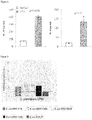
- the antagonistic activity of the strain L. plantarum LP01 and the strain L . plantarum LP02 was tested in vitro against 4 strains of Escherichia coli (ATCC 8739, ATCC 10536, ATCC 35218 and ATCC 25922). Only the results relative to the strain L . plantarum LP01 ( Figure 1 ) are presented, since both led to similar results.
- the results are disclosed in Figure 1 .
- the results are expressed as diameter of inhibition halo (mm) mediated by the lactobacillus on each strain of Escherichia coli.
- the significance threshold of the results was taken equal to 2 mm.
- An inhibition halo is an area of the dish wherein E . coli was unable to grow due to the barrier effect exerted by L. plantarum LP01.
- the results are disclosed as means ⁇ standard deviation (SD) of 3 independent experiments.
- the strain L. plantarum LP01 is able to significantly hinder all of the 4 strains of Escherichia coli being tested, with inhibition diameters greater than 4 mm.
- the strains of bacteria L. fermentum LF15 and L. fermentum LF16 are able to significantly hinder the rod-shaped, Gram-variable bacterium Gardnerella vaginalis.
- the antagonistic activity of said lactobacilli was tested against a strain of Gardnerella, by quantification of the optical density detected at the wavelength of 600 nm (OD 600 ) after 24 and 48 hours of microaerophilic growth. Gardnerella was grown in a liquid TH medium, whereas each lactobacillus tested in the experiment was cultured in a liquid MRS medium. At the end of the growing, the neutralized supernatants from the cultures of each lactobacillus were added at different percentages to fresh MRS inoculated with Gardnerella vaginalis 2%.
- paracasei DSM 21718 LPC08 (ID 1696) 0.653 1.130 1.538 1.724 L. paracasei DSM 24440 (ID 1608) 0.689 1.214 1.476 1.774 L. fermentum DSM 18289 (ID 1456) 0.727 0.541 0.591 0.745 L. fermentum DSM 18296 (ID 1459) 0.677 0.530 0.589 0.665 L. fermentum DSM 18297 (ID 1460) 0.681 0.583 0.717 0.710 L. fermentum DSM 26955 (LF15) 0.255 0.339 0.302 0.321 L.
- fermentum DSM 26956 (LF16) 0.483 0.425 0.486 0.416 Table 2 48 hours Fresh MRS amount 0.5 1 2 4 Gardnerella vaginalis 0.874 1.255 1.874 1.837 Neutralized supernatant Supernatant amount 0.5 1 2 4 L. crispatus DSM 24439 (ID 1626) 0.437 0.465 0.508 0.509 L. crispatus DSM 24438 (ID 1605) 0.367 0.369 0.362 0.380 L . paracasei DSM 21718 LPC08 (ID 1696) 0.489 0.625 1.082 1.734 L. paracasei DSM 24440 (ID 1608) 0.522 0.591 0.879 1.748 L.
- fermentum DSM 18289 ID 1456) 0.617 0.463 0.435 0.446 L. fermentum DSM 18296 (ID 1459) 0.489 0.474 0.379 0.370 L. fermentum DSM 18297 (ID 1460) 0.510 0.532 0.472 0.438 L. fermentum DSM 26955 (LF15) 0.255 0.317 0.233 0.212 L. fermentum DSM 26956 (LF16) 0.366 0.348 0.312 0.287
- vaginalis had values substantially similar to those obtained in fresh MRS, suggesting that these two lactobacilli exert no inhibitory action.
- the remaining five strains mediate an antagonistic action, mainly L . crispatus ID 1605 and L. fermentum ID 1459, although of a lesser extent than L. fermentum LF15.
- both lactobacilli are able to produce high amounts of lactic and acetic acids due to their facultative heterofermentative metabolism, contributing to rapidly and considerably lower the intravaginal pH.
- the presence of the two fibers such as for example arabinogalactan and short chain fructo-oligosaccharides (FOSsc) provides a selective nourishment for the microorganisms of the "Doderlein complex" and lactobacilli existing in the formulation, thereby promoting the ability of colonizing the vaginal ecosystem and the subsequent development.
- arabinogalactan and short chain fructo-oligosaccharides FOSsc
- composition of the present invention for topical vaginal use consists of:
- composition of the present invention is effectively applicable in the treatment of recurrent or relapsing vaginosis.
- Figure A Cytokine profile. Mean ⁇ S.E.M. of 10 independent experiments. The statistical meaning is calculated by using the Student's t -test. When calculated relative to the basal conditions (non-stimulated PBMC), the values p ⁇ 0.05 are considered statistically significant.
- the IL-10 production was assessed in the culture supernatant after one day from the stimulation.
- the IL-4 production was assessed in the culture supernatant after five days of stimulation. Similar results were obtained with the strain Lactobacillus plantarum LMG P-21020 -LP02.
- Figure 1 relates to the quantification of E.coli (ATCC 8739, ATCC 10536, ATCC 35218, ATCC 25922) inhibition by the strain Lactobacillus plantarum LMG P-21021 -LP01.
- Figure B relates to the quantification of E.coli (ATCC 8739, ATCC 10536, ATCC 35218, ATCC 25922) inhibition by the strain Lactobacillus plantarum LMG P-21020 -LP02.
- composition comprising or, alternatively, consisting of:
- the strain of bacterium Lactobacillus plantarum LMG P-21021 (LP01) and the strain of bacterium Lactobacillus fermentum DSM 26955 (LF15) are each present at a concentration comprised from 1x10 7 to 1x10 10 , preferably from 1x10 8 to 1x10 9 CFU/g (and in any case not lesser than 400x10 6 of viable cells per strain, per tablet or ovule).
- the two strains of bacteria of Lactobacillus exist in the composition in a weight ratio comprised from 1:3 to 3:1, preferably from 1:2 to 2:1, for example 1:1.
- the tara gum is in an amount comprised from 1 to 10% by weight, relative to the weight of the composition, preferably from 3 to 8%, for example 5%.
- the arabinogalactan fiber is in an amount comprised from 10 to 45% by weight, relative to the weight of the composition, preferably from 25 to 40%, for example 35%.
- the fructo-oligosaccharide fiber is in an amount comprised from 10 to 40% by weight, relative to the weight of the composition, preferably from 15 to 35%, for example 25%.
- the weight ratio between arabinogalactan fiber and fructo-oligosaccharide fiber is comprised from 1:2 to 2:1, preferably from 1:1.5 to 1.5:1.
- compositions may contain the two strains of bacteria of Lactobacillus at a concentration of 4x10 6 CFU/g each (weight 370 mg), 50 mg of tara gum, arabinogalactan 340 mg and fructo-oligosaccharide 240 mg; said composition can be in the form of slow-release vaginal tablet (composition).
- the Applicant tested both the two strains of bacterium Lactobacillus in vitro and the composition in vivo (study).
Landscapes
- Health & Medical Sciences (AREA)
- Life Sciences & Earth Sciences (AREA)
- Chemical & Material Sciences (AREA)
- General Health & Medical Sciences (AREA)
- Medicinal Chemistry (AREA)
- Animal Behavior & Ethology (AREA)
- Veterinary Medicine (AREA)
- Pharmacology & Pharmacy (AREA)
- Public Health (AREA)
- Epidemiology (AREA)
- Microbiology (AREA)
- Mycology (AREA)
- Molecular Biology (AREA)
- Engineering & Computer Science (AREA)
- Reproductive Health (AREA)
- Gynecology & Obstetrics (AREA)
- Chemical Kinetics & Catalysis (AREA)
- General Chemical & Material Sciences (AREA)
- Organic Chemistry (AREA)
- Bioinformatics & Cheminformatics (AREA)
- Biochemistry (AREA)
- Urology & Nephrology (AREA)
- Inorganic Chemistry (AREA)
- Oil, Petroleum & Natural Gas (AREA)
- Endocrinology (AREA)
- Nuclear Medicine, Radiotherapy & Molecular Imaging (AREA)
- Medicines Containing Material From Animals Or Micro-Organisms (AREA)
- Genetics & Genomics (AREA)
- Biotechnology (AREA)
- Medicinal Preparation (AREA)
- Wood Science & Technology (AREA)
- Zoology (AREA)
- Micro-Organisms Or Cultivation Processes Thereof (AREA)
- Tropical Medicine & Parasitology (AREA)
- Virology (AREA)
- Biomedical Technology (AREA)
- General Engineering & Computer Science (AREA)
Description
- The present invention relates to a composition comprising lactic bacteria for topical vaginal use. The composition of the present invention is effectively applicable in the preventive and/or curative treatment of vaginal infections caused by vaginal pathogens, with particular reference to Gardnerella vaginalis and/or coliform bacteria, responsible for bacterial vaginosis, even recurrent or relapsing.
- It is known that the vaginal microbiota consists of a pool of endogenous microorganisms with various size and nature, which physiologically live as commensal colonizing the eco-environment, and which thus, by definition, form the ecosystem thereof. Such an ecosystem is represented, on the whole, by the epithelial cells lining the vagina and uterus, by the glandular ones secreting in the lumen of the organ and by the complex bacterial flora, which symbiotically interacts for maintaining a proper physiological status. The equilibrium condition thus obtained supports a dynamics which alternates with physiopathological phenomena, wherein the environment influences the microbiota, and the microorganisms, in turn, through a mainly ascending propagation, influence the reactivity of the cell-mediated immune defence. The vaginal microbial population is mixed and comprises about 50 bacterial species, both aerobic and anaerobic. Usually the 95% of the microbial component is represented by lactobacilli, which form part of the "Doderlein complex", whereas the remaining 5% comprises commensal bacteria and opportunistic pathogens, among which Streptococcus epidermidis, Diphtheroids, Peptostreptococci, Bacteroides spp., Escherichia coli, Gardnerella vaginalis and Candida spp.
- Therefore, the strains belonging to the genus Lactobacillus represent the prevalent component, as shown by both standard analytical and molecular techniques: the concentration of such microorganisms is of about 1x10⁹ CFU/ml, a value about 100-fold greater than the concentration of the same bacterial group per gram of intestinal content. The most represented species of lactobacilli are L. acidophilus, L. fermentum, L. plantarum, L. brevis, L. jensenii, L. casei, L. cellobiosus, L. leichmanii, L. delbrueckii and L. salivarius.
- Several studies concerning the vaginal microbiota indicate that lactobacilli, usually predominantly present, play a key role in preventing colonization by unwanted microorganisms, among which those responsible for bacterial vaginosis, fungal infections, sexually transmitted diseases and urinary tract infections (UTI).
- The vaginal wall cells have a main role in maintaining such an equilibrium, in particular the upper and middle layers of epithelium, the proliferation and maturation of which is hormone-related. The estrogen levels, in fact, affect the glycogen content of the cells of the vaginal epithelium and the metabolism of the latter mediates the synthesis of organic acids, reducing the pH of the lumen of the organ up to values comprised between 3.5 and 4.5. Due to this mechanism, the invasion of exogenous pathogens or the replication of harmless microorganisms, usually existing at vaginal level at low amounts, is hindered. In prepubescent subjects the glycogen content of the vaginal epithelium is low and the pH is about 7.
- However, it is quite frequent that, due to different exogenous and endogenous factors, such as antibiotic intake, stress conditions, hormonal modulations related to pregnancy, menstrual cycle or the intake of high estrogen concentrations, an unbalance of this complex and equilibrated ecosystem occurs.
- Therefore, there is a need for effectively intervene in order to re-equilibrate and balance the vaginal ecosystem for avoiding that the alteration of the microbiota equilibrium leads to a prevalence of opportunistic microorganisms which, no longer hindered by the action of the "Doderlein complex", can cause vaginitis or vaginosis forms caused by opportunistic germs, among which Gardnerella and/or coliforms.
- In postmenopausal women, in which the drop of estrogen levels leads to a reduction of the vaginal glycogen concentration, the vaginal pH increases and the anaerobic bacteria become dominant so that a significant proliferation of Enterobacteriaceae takes place.
- Bacterial vaginosis is the most common vaginal infection among women during reproductive age and it is also frequent among pregnant women. Bacterial vaginosis represents more than 60% of the overall vaginal infections. The National Center for Health Statistics - National Health and Nutrition Survey (NHANES) in a survey carried out on more than 12.000 women in USA on 2001-2004 showed that the prevalence of bacterial vaginosis was 29.2%, but only 15.7% was symptomatic. A good percentage of vaginosis is thus asymptomatic, namely does not lead to symptoms typical of vaginal inflammations such as itching, burning and pain during sexual activity. Many of them, inter alia, do not either cause irritations, redness or swelling but, in any case, they cause an increase of vaginal discharges, with white or grayish secretions, characterized by a bad smell. Due to the fact that vaginal discharges substantially change depending on the menstrual cycle stage, the woman is often unable to understand that there is an ongoing infection and vaginosis is not diagnosed. The non-treatment of a vaginosis can lead to the onset of even severe vaginitis and infections, mainly in particularly sensitive subjects. Furthermore, it can contribute in transmitting infections through the sexual activity.
- Therefore, there is a need to effectively intervene for preventing and/or curing the onset of vaginosis and, consequently, of vaginitis and bacterial infections.
- The real cause of bacterial vaginosis is still presently an object of study and investigation. The main agent responsible for most of the cases is the Gram-variable bacterium Gardnerella vaginalis (80-85%) the only known species of genus Gardnerella, and the Gram-negative bacterium E.coli (10-15%). Additionally, the pathogenic bacterium E.coli is also responsible for aerobic vaginosis, which causes the risk of preterm births.
- Nevertheless, a bacterial vaginosis onset is related to the simultaneous interaction with other risk factors. Among the most significant risk factors, for example, an improper personal hygiene (for example an undue use of vaginal douches), the use of antibiotics or intrauterine mechanical contraceptives such as the coil, previous pregnancies and some genetic predisposition have to be cited.
- Women with bacterial vaginosis have abnormal vaginal discharges, with an unpleasant smell. The possible discharges are usually of white or grey color and can be quite fluid. Furthermore, affected women experience burning during urination and/or external genital itching. However, as already explained, a fair part of affected women do not have any symptom.
- In most of the cases, bacterial vaginosis does not cause any severe problem. Nevertheless, some quite severe potential complications have to be taken into account such as, for example, the increased risk of HIV infection, in the event of exposure to the virus, or the risk of infection by etiological agents of other sexually transmitted diseases, among which the genital virus Herpes simplex, Chlamydia and gonorrhea.
- Bacteria causing vaginosis can also infect the uterus and Fallopian tubes. Such a kind of infection is named pelvic inflammatory disease and can lead to infertility or impair the tubes, increasing the risk of ectopic pregnancies and infertility.
- It is known that bacterial vaginosis can be treated with molecules with antibiotic activity, among which metronidazole or clindamycin are very common. Both can be used even during pregnancy, but the recommended dosage is different. Although these actions are generally considered effective in the treatment of acute infections, they are often unable to provide a significant protection against possible relapses, which may occur at various times after the end of the therapy. Furthermore, the antibiotic molecules presently available still represent an approach based on organic synthetic drugs and, as such, clearly extraneous to the physiological habitat of the vagina.
- Thus, there is a need to effectively intervene for preventing and/or curing the onset of vaginosis and, consequently, of vaginitis and bacterial infections avoiding the use of synthetic molecules but, on the contrary, by adopting a treatment compatible with the physiological habitat of the vagina.
- Moreover, there is a need to have a natural and effective barrier effect, in the case of both an acute episode and possible relapses, which continues over the time in order to ensure a long-term protection and assure a long-lasting effective preventive and/or curative treatment.
- The Applicant, following to an extended and intense research activity, gave a response to the above-cited needs. In fact, the Applicant, after testing and studying many lactic bacteria, succeeded to select only some of them based on their specific activity in colonizing the vaginal mucosa and producing bacteriostatic and bactericidal molecules. The selected strains are effective against Gardnerella vaginalis and are anti-E.coli also performing at the same time an anti-inflammatory activity since they are strains producing interleukin 10 (IL-10) and interleukin 4 (IL-4). The selected strains having these specific proprieties (anti-E.coli and anti-inflammatory) are effective against bacterial vaginosis, vaginitis and related infections.
- It is an object of the present invention to provide a composition for use in the preventive and/or curative treatment of bacterial vaginosis, preferably of recurrent or relapsing vaginosis, having the characteristics as described in the appended claim.
- Preferred embodiments of the present invention are contemplated in the following detailed description.
- In the context of the present invention by composition is meant a pharmaceutical composition, or a supplement product or a medical device or a food composition.
- It is an object of the present invention a strain of bacteria belonging to the species Lactobacillus fermentum deposited by Probiotical S.p.A. Company on 03.01.2013 at the DSMZ center and having deposit number DSM 26955 (LF15) and a strain of bacteria belonging to the species Lactobacillus fermentum deposited by Probiotical S.p.A. Company on 03.01.2013 at the DSMZ center and having deposit number DSM 26956 (LF16), for use in the preventive and/or curative treatment of bacterial vaginosis, vaginitis and vaginal infections related with coliform pathogenic bacteria and/or Gardnerella.
- It is an object of the present invention a composition comprising a mixture of bacteria, which comprises or, alternatively, consists of strains of bacteria having both a specific antibacterial activity against Gardnerella vaginalis and E.coli and an anti-inflammatory activity with stimulation of the Interleukin IL-4 and Interleukin IL-10 production.
- It is an object of the present invention a composition wherein said mixture comprises or, alternatively, consists of at least a strain of bacteria having a specific antibacterial activity against Gardnerella vaginalis combined with at least a strain having an antibacterial E.coli activity and an anti-inflammatory activity with stimulation of the Interleukin IL-4 and Interleukin IL-10 production.
- It is an object of the present invention a composition comprising or, alternatively, consisting of a mixture of bacteria which comprises or, alternatively, consists of at least a strain of bacteria selected from the group comprising the strain Lactobacillus plantarum LMG P-21021 -LP01 and the strain Lactobacillus plantarum LMG P-21020 -LP02, combined with at least a strain of bacteria selected from the group comprising the strain of bacteria Lactobacillus fermentum DSM 26955 (LF15) and the strain of bacteria Lactobacillus fermentum DSM 26956 (LF16), for use in the preventive and/or curative treatment of bacterial vaginosis, vaginitis and vaginal infections related with coliform pathogens and/or Gardnerella; preferably for the treatment of recurrent or relapsing vaginosis.
- The strain Lactobacillus plantarum LMG P-21021 -LP01 was deposited by Mofin Srl Company on 16.10.2001 at the BCCM LMG center.
- The strain Lactobacillus plantarum LMG P-21020 -LP02 was deposited by Mofin Srl Company on 16.10.2001 at the BCCM LMG center.
- In a preferred embodiment, the composition of the present invention comprising or, alternatively, consisting of a mixture of bacteria which comprises or, alternatively, consists of the strain of bacteria Lactobacillus plantarum LMG P-21021 -LP01, combined with at least a strain of bacteria selected from the group comprising the strain of bacteria Lactobacillus fermentum DSM 26955 (LF15) and the strain of bacteria Lactobacillus fermentum DSM 26956 (LF16), for use in the preventive and/or curative treatment of bacterial vaginosis, vaginitis and vaginal infections related with coliform pathogens and/or Gardnerella; preferably for the treatment of recurrent or relapsing vaginosis.
- Preferably, said composition comprising or, alternatively, consisting of a mixture of bacteria which comprises or, alternatively, consists of the strain of bacteria Lactobacillus plantarum LMG P-21021 -LP01 and the strain of bacteria Lactobacillus fermentum DSM 26955 (LF15).
- In another preferred embodiment, the composition of the present invention comprising or, alternatively, consisting of a mixture of bacteria which comprises or, alternatively, consists of the strain of bacteria Lactobacillus plantarum LMG P-21020 -LP02, combined with at least a strain of bacteria selected from the group comprising the strain of bacteria Lactobacillus fermentum DSM 26955 (LF15) and the strain of bacteria Lactobacillus fermentum DSM 26956 (LF16), for use in the preventive and/or curative treatment of bacterial vaginosis, vaginitis and vaginal infections related with coliform pathogens and/or Gardnerella; preferably for the treatment of recurrent or relapsing vaginosis.
- Preferably, said composition comprising or, alternatively, consisting of a mixture of bacteria which comprises or, alternatively, consists of the strain of bacteria Lactobacillus plantarum LMG P-21020 -LP02 and the strain of bacteria Lactobacillus fermentum DSM 26956 (LF16).
- In another embodiment, the composition of the present invention further comprises a strain of bacteria selected from the group comprising or, alternatively, consisting of a strain Lactobacillus fermentum DSM 18296 (LF07) deposited on 24.05.2006 by Probiotical S.p.A Company.
- The composition of the present invention further comprises at least a gelling substance, preferably having a marked muco-adhesive property, such as a natural gum or a plant gum and/or a plant gelatin. The plant gum and/or the plant gelatin is preferably selected from the group comprising a tannate or a gelatin tannate, an alginate, a xyloglucan or xylogel, a guar gum, a tara gum, an acacia, carob, oat, bamboo fiber, citrus fruit fibers and glucomannans. Preferably said gelling substance is selected from galactomannans of natural origin. In a preferred embodiment, the gelling substance is selected from guar gums.
- Additionally, the composition of the present invention further comprises at least a fiber with prebiotic activity selected from the group comprising inulin, fructo-oligosaccharides (FOS), galacto- and trans-galacto-oligosaccharides (GOS and TOS), gluco-oligosaccharides (GOSα), xylo-oligosaccharides, (XOS), chitosan-oligosaccharides (COS), soy-oligosaccharides (SOS), isomalto-oligosaccharides (IMOS), resistant starch, pectins, psyllium, arabino-galactans, gluco-mannans and galacto-mannans. In an embodiment, said fiber with prebiotic activity is selected from fructo-oligosaccharides (FOS), arabinogalactans or mixtures thereof. An embodiment of the present invention is represented by a composition, which comprises or, alternatively, consists of a strain of bacteria Lactobacillus fermentum DSM 26955 (LF15), a strain of bacteria Lactobacillus plantarum LMG P-21021 (LP01) and/or a guar gum and/or a prebiotic fiber selected from arabinogalactan and fructo-oligosaccharide (FOS) or mixtures thereof.
- Another embodiment of the present invention is represented by a composition, which comprises or, alternatively, consists of a strain of bacteria Lactobacillus fermentum DSM 26956 (LF16), a strain of bacteria Lactobacillus plantarum LMG P-21020 (LP02) and/or a guar gum and/or a prebiotic fiber selected from arabinogalactan and fructo-oligosaccharide (FOS) or mixtures thereof.
- The composition of the present invention may be in solid form, for topical vaginal use, as a tablet, a capsule, an ovule, a lozenge or granules or powder; or in liquid form, for topical vaginal use, as a solution, a liquid vaginal douche, a suspension or a gel.
- The composition of the present invention contains excipients and technological additives, known to the skilled in the field, suitable for preparing a solid form for internal use, which is able to disintegrate and release the strains of bacteria after the hydration of said solid form inside the vaginal cavity.
- In addition, the composition of the present invention is prepared by techniques and equipment known to the skilled in the field which is able to suitably adopt the compressibility, temperature and concentration parameters of the various excipients being used in order to avoid that the bacterial load contained in a solid form, for example a tablet or an ovule for internal use, is dramatically reduced over the time and/or that the bacterial cell suffers from the preparation process to such an extent to compromise its health condition and viability.
- The composition of the present invention in the form of tablet or ovule has an optimum survival of the two lactobacilli both during the compression step and during the commercial life of the product at a storage temperature not greater than 25°C. The composition of the present invention in solid form for topical vaginal use has a shelf-life of 2 years at room temperature ensuring a minimum bacterial load of at least 400x106 viable cells, for each strain of bacterium therein contained, per tablet or ovule.
- The presence of the gelling agent guar gum, together with the strains of bacteria of the present invention L. fermentum LF15 and L. plantarum LP01 or L. fermentum LF16 and L. plantarum LP02, is able to rapidly establish an effective barrier effect against potential vaginal pathogens, with particular reference to Gardnerella vaginalis and/or coliform bacteria, well known causes of vaginosis, even relapsing. The efficacy is against bacterial vaginosis, mainly when is caused by Gardnerella vaginalis and/or coliform bacteria.
- The selected strains L. fermentum LF15 and L. fermentum LF16 are effective against Gardnerella vaginalis, whereas the selected strains L. plantarum LP01 and L. plantarum LP02 are active against E.coli and exert at the same time an anti-inflammatory activity since they are strains producing interleukin 10 (IL-10) and interleukin 4 (IL-4).
- The use of the muco-adhesive gelling agent, selected from those described above, such as for example guar gum (natural galactomannan), is able to rapidly establish, through the formation of a hydrogel directly in the vagina and after very few minutes from disaggregation of the tablet or ovule, a mechanical barrier effect against potential vaginal pathogens, with particular reference to Gardnerella vaginalis and coliform bacteria, among which Escherichia coli has a particular importance.
- As soon as the muco-adhesive gelling agent, for example guar gum, hydrates in the vaginal environment, this mediates the formation of a gel having an optimum viscosity which, by evenly distributing over the mucosa, creates a physical-mechanical barrier action against the adhesion of the above-cited commensal or pathogenic bacteria.
- The main component of guar gum is a galactomannan, a trisaccharide consisting of mannose and galactose units, specifically polymerized to form α-D-mannopyranosil chains linked by a β-D-(1-4) glycosidic bond and with molecular weight around 200-300 kDa, to form a straight 1-4 chain with short side 1-6 branches of galactose.
- The composition of the present invention, in addition to the gelling agent for example the guar gum, contains the two specific microorganisms Lactobacillus fermentum LF15 and Lactobacillus plantarum LP01 or Lactobacillus fermentum LF16 and Lactobacillus plantarum LP02, at a concentration comprised from 1x10⁷ to 1x10¹⁰, preferably from 1x10⁸ to 1x10⁹ CFU/g (and in any case not lesser than 400x106 of viable cells per strain, per tablet or ovule), which rapidly integrate in the vaginal microbiota restoring the "Doderlein" complex and, consequently, enhancing the barrier effect.
- The composition of the present invention contains the two specific microorganisms Lactobacillus fermentum LF15 and Lactobacillus plantarum LP01 or Lactobacillus fermentum LF16 and Lactobacillus plantarum LP02, in a ratio comprised from 3:1 to 1:3, preferably from 2:1 to 2:1, even more preferably 1:1; the gelling substance in an amount comprised from 1 to 50% by weight, preferably from 5 to 35%, even more preferably from 10 to 20%; the prebiotic fiber in an amount comprised from 1 to 50% by weight, preferably from 5 to 35%, even more preferably from 10 to 20%.
- In fact, the bacteria of the present invention are able to establish a long-term effective barrier effect due to the colonization of the vaginal mucosa, which leads to a self-regulated production of organic acids, mainly lactic and acetic. These bacteria enhance the barrier effect against commensal or pathogenic bacteria responsible for vaginosis through the synthesis and release, by the two lactobacilli, of molecules with specific activity, mainly bacteriolysins and bacteriocins, in addition to the organic acids (lactic and acetic).
- The antagonistic activity of the strain L. plantarum LP01 and the strain L. plantarum LP02 was tested in vitro against 4 strains of Escherichia coli (
ATCC 8739,ATCC 10536,ATCC 35218 and ATCC 25922). Only the results relative to the strain L. plantarum LP01 (Figure 1 ) are presented, since both led to similar results. - The results are disclosed in
Figure 1 . The results are expressed as diameter of inhibition halo (mm) mediated by the lactobacillus on each strain of Escherichia coli. The significance threshold of the results was taken equal to 2 mm. An inhibition halo is an area of the dish wherein E. coli was unable to grow due to the barrier effect exerted by L. plantarum LP01. The results are disclosed as means ± standard deviation (SD) of 3 independent experiments. - As it can be noted from histograms (
Figure 1 ), the strain L. plantarum LP01 is able to significantly hinder all of the 4 strains of Escherichia coli being tested, with inhibition diameters greater than 4 mm. - On the other hand, the strains of bacteria L. fermentum LF15 and L. fermentum LF16 are able to significantly hinder the rod-shaped, Gram-variable bacterium Gardnerella vaginalis. In particular, the antagonistic activity of said lactobacilli was tested against a strain of Gardnerella, by quantification of the optical density detected at the wavelength of 600 nm (OD600) after 24 and 48 hours of microaerophilic growth. Gardnerella was grown in a liquid TH medium, whereas each lactobacillus tested in the experiment was cultured in a liquid MRS medium. At the end of the growing, the neutralized supernatants from the cultures of each lactobacillus were added at different percentages to fresh MRS inoculated with Gardnerella vaginalis 2%. The growing of Gardnerella alone in fresh MRS (positive control) and with neutralized supernatant amounts comprised between 0.5% and 4%, after 24 and 48 hours. Only the results relative to the strain L. fermentum LF15 (Table 1 at 24 hours and Table 2 at 48 hours) are shown, since similar results were also obtained for the strain L. fermentum LF16.
Table 1 24 hours Fresh MRS amount 0.5 1 2 4 Gardnerella vaginalis 1.251 1.534 1.811 1.807 Neutralized supernatant Supernatant amount 0.5 1 2 4 L. crispatus DSM 24439 (ID 1626) 0.505 0.511 0.673 1.035 L. crispatus DSM 24438 (ID 1605) 0.531 0.484 0.462 0.511 L. paracasei DSM 21718 LPC08 (ID 1696) 0.653 1.130 1.538 1.724 L. paracasei DSM 24440 (ID 1608) 0.689 1.214 1.476 1.774 L. fermentum DSM 18289 (ID 1456) 0.727 0.541 0.591 0.745 L. fermentum DSM 18296 (ID 1459) 0.677 0.530 0.589 0.665 L. fermentum DSM 18297 (ID 1460) 0.681 0.583 0.717 0.710 L. fermentum DSM 26955 (LF15) 0.255 0.339 0.302 0.321 L. fermentum DSM 26956 (LF16) 0.483 0.425 0.486 0.416 Table 2 48 hours Fresh MRS amount 0.5 1 2 4 Gardnerella vaginalis 0.874 1.255 1.874 1.837 Neutralized supernatant Supernatant amount 0.5 1 2 4 L. crispatus DSM 24439 (ID 1626) 0.437 0.465 0.508 0.509 L. crispatus DSM 24438 (ID 1605) 0.367 0.369 0.362 0.380 L. paracasei DSM 21718 LPC08 (ID 1696) 0.489 0.625 1.082 1.734 L. paracasei DSM 24440 (ID 1608) 0.522 0.591 0.879 1.748 L. fermentum DSM 18289 (ID 1456) 0.617 0.463 0.435 0.446 L. fermentum DSM 18296 (ID 1459) 0.489 0.474 0.379 0.370 L. fermentum DSM 18297 (ID 1460) 0.510 0.532 0.472 0.438 L. fermentum DSM 26955 (LF15) 0.255 0.317 0.233 0.212 L. fermentum DSM 26956 (LF16) 0.366 0.348 0.312 0.287 - All the strains of bacterium listed in Table 1 and Table 2 were deposited by the Applicant and are available to the public in accordance with the requirements established by the Budapest Treaty. As expected, the growth of G. vaginalis alone in fresh MRS medium is directly proportional to the percentage of medium itself made available to the bacterium. When increasing the percentage of neutralized supernatant, namely brought to neutral pH in order to eliminate the non-specific inhibitory effects mediated by the organic acids produced by lactobacilli, the growth of G. vaginalis resulted decreased mainly in the case of L. fermentum LF15, capable to mediate a totally specific inhibitory action. On the other hand, with L. paracasei LPC08 and L. paracasei ID 1608 the growing of G. vaginalis had values substantially similar to those obtained in fresh MRS, suggesting that these two lactobacilli exert no inhibitory action. The remaining five strains mediate an antagonistic action, mainly L. crispatus ID 1605 and L. fermentum ID 1459, although of a lesser extent than L. fermentum LF15. The same applies for the strain L. fermentum LF16.
- In addition to the above-described specific inhibitory mechanisms, both lactobacilli are able to produce high amounts of lactic and acetic acids due to their facultative heterofermentative metabolism, contributing to rapidly and considerably lower the intravaginal pH.
- Furthermore, the presence of the two fibers, such as for example arabinogalactan and short chain fructo-oligosaccharides (FOSsc) provides a selective nourishment for the microorganisms of the "Doderlein complex" and lactobacilli existing in the formulation, thereby promoting the ability of colonizing the vaginal ecosystem and the subsequent development.
- The competitive advantage deriving from the capability of fermenting these particular carbon sources results in a fast increase of the L. fermentum LF15, L. plantarum LP01, L. fermentum LF16 and L. plantarum LP02 and other autochthonous lactobacilli populations, with subsequent synthesis of remarkable amounts of peptides with antimicrobial action and organic acids able to lowering the vaginal pH to values incompatible with most of the pathogenic species.
- Advantageously, the composition of the present invention for topical vaginal use consists of:
- a high bacterial population, for a fast colonization of the overall ecosystem,
- strains of bacteria in a good physiological status, for a prompt multiplication,
- a proper stability, under the storage conditions of the final product, so that to ensure the efficacy until the end of the shelf-life.
- The composition of the present invention is effectively applicable in the treatment of recurrent or relapsing vaginosis.
- This study assessed the induction of cytokines IL-4 and IL-10, which represent the main cytokines with immunoregulatory action. As it is shown in figure A, the tested strains of bacteria Lactobacillus plantarum LMG P-21021 -LP01 and Lactobacillus plantarum LMG P-21020 -LP02 are able to induce a statistically significant growth relative to the basal conditions in both the cytokines.
- Figure A: Cytokine profile. Mean ± S.E.M. of 10 independent experiments. The statistical meaning is calculated by using the Student's t-test. When calculated relative to the basal conditions (non-stimulated PBMC), the values p<0.05 are considered statistically significant. The IL-10 production was assessed in the culture supernatant after one day from the stimulation. The IL-4 production was assessed in the culture supernatant after five days of stimulation. Similar results were obtained with the strain Lactobacillus plantarum LMG P-21020 -LP02.
-
Figure 1 relates to the quantification of E.coli (ATCC 8739,ATCC 10536,ATCC 35218, ATCC 25922) inhibition by the strain Lactobacillus plantarum LMG P-21021 -LP01.
Figure B relates to the quantification of E.coli (ATCC 8739,ATCC 10536,ATCC 35218, ATCC 25922) inhibition by the strain Lactobacillus plantarum LMG P-21020 -LP02. - It is an object of the present invention a composition comprising or, alternatively, consisting of:
- a strain of bacterium Lactobacillus plantarum LMG P-21021 (LP01), and/or
- a strain of bacterium Lactobacillus fermentum DSM 26955 (LF15), and
- a tara gum, and
- an arabinogalactan fiber, and
- a fructo-oligosaccharide fiber, for use in the preventive and/or curative treatment of bacterial vaginosis, vaginitis and vaginal infections related with coliform pathogens and/or Gardnerella; and for use against recurrent or relapsing vaginosis.
- The strain of bacterium Lactobacillus plantarum LMG P-21021 (LP01) and the strain of bacterium Lactobacillus fermentum DSM 26955 (LF15) are each present at a concentration comprised from 1x10⁷ to 1x10¹⁰, preferably from 1x10⁸ to 1x10⁹ CFU/g (and in any case not lesser than 400x106 of viable cells per strain, per tablet or ovule). The two strains of bacteria of Lactobacillus exist in the composition in a weight ratio comprised from 1:3 to 3:1, preferably from 1:2 to 2:1, for example 1:1.
- The tara gum is in an amount comprised from 1 to 10% by weight, relative to the weight of the composition, preferably from 3 to 8%, for example 5%.
- The arabinogalactan fiber is in an amount comprised from 10 to 45% by weight, relative to the weight of the composition, preferably from 25 to 40%, for example 35%.
- The fructo-oligosaccharide fiber is in an amount comprised from 10 to 40% by weight, relative to the weight of the composition, preferably from 15 to 35%, for example 25%.
- The weight ratio between arabinogalactan fiber and fructo-oligosaccharide fiber is comprised from 1:2 to 2:1, preferably from 1:1.5 to 1.5:1.
- For example, one gram of composition may contain the two strains of bacteria of Lactobacillus at a concentration of 4x10⁶ CFU/g each (weight 370 mg), 50 mg of tara gum, arabinogalactan 340 mg and fructo-oligosaccharide 240 mg; said composition can be in the form of slow-release vaginal tablet (composition).
- The Applicant tested both the two strains of bacterium Lactobacillus in vitro and the composition in vivo (study).
- i) In vitro said strains of bacterium of Lactobacillus were tested against the strain of G. vaginalis ATCC 10231 grown in BHI (brain-heart infusion broth) containing 2% (w/w) of gelatin, 0.5% of yeast extract, 0.1% of starch and 0.1% of glucose. Each strain was cultured in a culture MRS medium. All the dishes were incubated at 37°C over 48 hours under anaerobic conditions (GasPak System).
The neutralized supernatants of each strain were added at different percentages to fresh BHI and inoculated with G. vaginalis ATCC 10231. The growth of the strain G. vaginalis alone and in the presence of different concentrations of neutralized supernatant from 0.5% to 4% was quantified by means of optical density at 600 nm (OD600) after 24 hours and 48 hours of incubation at 37°C under microaerophilic conditions. - ii) In vivo said composition was tested in 35 patients divided in: Group A, 24 subjects and Group B (placebo) 11 subjects. The placebo consisted of vaginal tablets of equal weight containing exclusively microcrystalline cellulose and anhydrous calcium hydrogen phosphate (inert ingredients). The vaginal tablets of the composition and placebo were administered to the subjects of Group A and Group B (placebo) once per day for 7 consecutive nights before going to bed. Next, one tablet every 3 days per 3 weeks. The complete treatment lasted 4 weeks for both the groups.
- In light of the in vitro inhibitory activity against E. coli primarily exerted by L. plantarum LP01 (29), the potential use of its combination with L. fermentum LF15 in aerobic vaginitis (AV), can prove to be highly useful and interesting. In fact, AV is mainly related to Escherichia coli, but also Streptococcus agalactiae and Staphylococcus aureus are involved. The standard AV treatment consists of oral or vaginal antibiotics, although it is unable to automatically restore a normal flora characterized by a high concentration of lactobacilli, thus easing relapses and reinfections. In conclusion, the study also represents an effective approach for preventing possible relapses caused by Gardnerella vaginalis (bacterial vaginosis) or Escherichia coli (aerobic vaginitis).
Methods. For this purpose, neutralized supernatants of each lactobacillus were assessed at percentages ranging from 0.5% to 4% for their capability to hindering the growth of G. vaginalis ATCC 10231.
The bacterium capable to exert the greatest inhibition was next tested along with L. plantarum LP01 in a placebo-controlled pilot test, with human interference, which involved 34 female subjects (age between 18 and 50, mean 34.7 ± 8.9, no menopausal women) diagnosed with BV. The two microorganisms L. fermentum LF15 (DSM 26955) and L. plantarum LP01 (LMG P-21021) were administered in the vagina by means of slow-release vaginal tablets also comprising 50 mg of tara gum. The amount of each strain was 400 millions of viable cells per dose. The women were instructed to apply a vaginal tablet once per day for 7 consecutive nights, next a tablet every 3 nights for a further application of 3 weeks (acute stage) and, finally, a tablet per week in order to maintain a long-term vaginal colonization against possible relapses. A clinical examination was performed and the Nugent score quantified for each patient at the beginning (d0), after 28 days (d28) and at the end of the second month for preventing relapses (d56). A statistical comparison between d28, or d56, and d0, as well as between d56 and d28 was performed in order to quantify the efficacy against possible relapses.
Results. L. fermentum LF15 showed the maximum inhibitory activity in vitro against G. vaginalis ATCC 10231 after 24 and 48 hours.
In the human test, the two selected lactobacilli, namely L. fermentum LF15 and L. plantarum LP01, significantly reduced the Nugent score below the threshold of 7 after 28 days in 22 of 24 patients in the Group with active agent (91.7%, p < 0.001). Eight women (33.3%) recorded a Nugent score between 4 and 6, evidence of an intermediate situation, whereas the remaining fourteen (58.3%) showed an assessment less to 4, thus suggesting the restoration of a physiological vaginal microbiota. At the end of the second month, only 4 women recorded a Nugent score greater than 7 and which can be defined as BV (16.7%, p = 0.065 relative to d28). In the placebo no significant differences were recorded at any time.
The present study suggests the ability of the two strains L. fermentum LF15 and L. plantarum LP01 to effectively hinder acute infections by Gardnerella and to significantly ameliorate the relative annoying symptoms in a very high percentage of women.
This result can be also ascribed to the presence of tara gum, capable to form a mechanical barrier against Gardnerella over the surface of the vaginal mucosa as primary mechanism.
Additionally, a long-term physiological protection is established due to the supplementation of the two lactobacilli in the vaginal microbiota and to their adhesion to the mucosal epithelial cells.
In light of the additional in vitro inhibitory activity against E. coli, their use in aerobic vaginitis (AV) is very useful.
The present study shows the ability of L. fermentum LF15 (DSM 26955) and L. plantarum LP01 (LMG P-21021) to effectively hinder acute infections by Gardnerella and to significantly ameliorate the annoying symptoms reported by women with BV. This evidence is ascribed to the presence of tara gum, an ingredient capable to create a mechanical barrier against the adhesion of Gardnerella and other possible detrimental microbes to the surface of the vaginal mucosa. The overall adaptation and tolerability were very good, since only one exclusion in the placebo was recorded due to the deviation from the protocol and no adverse events occurred.
A long-term physiological protection due to the supplementation of the two lactobacilli in the vaginal microbiota and their adhesion to the mucosal epithelial cells is also shown, since a very low percentage of relapses was recorded in the group with active agent during the second month of the protocol. In this regards, the use of arabinogalactan and fructo-oligosaccharides (FOS), two fibers capable to improve the vaginal colonization by the two lactobacilli, has a role in the long-term barrier against reinfections recorded in the second month of the study protocol.
Although the group with placebo included a lesser number of subjects relative to the group with active agent, the placebo effect was very low since no statistically significant differences were recorded neither after 28 days (p = 0.619) nor at the end of the protocol (p = 0.823), thus suggesting that the improvement recorded in the subjects receiving the two lactobacilli is specific and attributable to the global effect of the tested composition.
It is also interesting to underline the fact that an in vitro function exerted by a selected Lactobacillus, such as the inhibition of the Gardnerella growth by means of specific action mechanisms, was advantageously confirmed during this pilot test in female subjects diagnosed with BV. This suggests that the in vitro antagonism against G. vaginalis can prove to be a criterion for effectively selecting lactobacilli with a protective action in the event of BV, as regards both an acute treatment and the long-term prevention of relapses. In the in vitro step of the study, the selection of a proper growth medium suitable for the Gardnerella inhibition test was another key point since presumably certain components existing in MRS, the medium commonly used for growing lactobacilli before the inhibition assessment, can be able to promote the Gardnerella growing. In fact, the growth of Gardnerella in BHI alone was relatively poor, particularly after 48 hours.
Claims (15)
- A composition comprising a mixture of bacteria, which comprises or, alternatively, consists of:- at least a strain of bacterium selected from the group comprising the strain Lactobacillus plantarum LMG P-21021 (LP01) and the strain Lactobacillus plantarum LMG P-21020 (LP02), combined with:for use in the preventive and/or curative treatment of bacterial vaginosis, vaginitis and vaginal infections related with coliform pathogens and/or Gardnerella.- at least a strain of bacterium selected from the group comprising the strain of bacteria Lactobacillus fermentum DSM 26955 (LF15) and the strain of bacteria Lactobacillus fermentum DSM 26956 (LF16),
- The composition for use according to claim 1, for the treatment of recurrent or relapsing vaginosis.
- The composition for use according to claims 1 or 2, wherein said mixture of bacteria comprises or, alternatively, consists of the strain of bacterium Lactobacillus plantarum LMG P-21021 (LP01), combined with at least a strain of bacterium selected from the group comprising the strain of bacterium Lactobacillus fermentum DSM 26955 (LF15) and the strain of bacterium Lactobacillus fermentum DSM 26956 (LF16).
- The composition for use according to claim 3, wherein said mixture of bacteria comprises or, alternatively, consists of the strain of bacterium Lactobacillus plantarum LMG P-21021 (LP01) and the strain of bacterium Lactobacillus fermentum DSM 26955 (LF15).
- The composition for use according to claims 1 or 2, wherein said mixture of bacteria comprises or, alternatively, consists of the strain of bacterium Lactobacillus plantarum LMG P-21020 (LP02), combined with at least a strain of bacterium selected from the group comprising the strain of bacterium Lactobacillus fermentum DSM 26955 (LF15) and the strain of bacterium Lactobacillus fermentum DSM 26956 (LF16).
- The composition for use according to claim 5, wherein said mixture of bacteria comprises or, alternatively, consists of the strain of bacteria Lactobacillus plantarum LMG P-21020 (LP02) and the strain of bacteria Lactobacillus fermentum DSM 26956 (LF16).
- The composition for use according to any one of the preceding claims, wherein said composition further comprises at least a gelling substance, preferably having a marked muco-adhesive property, such as a natural gum or a plant gum and/or a plant gelatin selected from the group comprising a tannate or a gelatin tannate, an alginate, a xyloglucan or xylogel, a guar gum, a tara gum, an acacia, carob, oat, bamboo fiber, citrus fruit fibers and glucomannans. Preferably said gelling substance is selected from natural galactomannans; preferably, the gelling substance is selected from guar gums.
- The composition for use according to any one of the preceding claims, wherein said composition further comprises at least a fiber with prebiotic activity selected from the group comprising inulin, fructo-oligosaccharides (FOS), galacto and trans-galacto-oligosaccharides (GOS and TOS), gluco-oligosaccharides (GOSα), xylo-oligosaccharides, (XOS), chitosan-oligosaccharides (COS), soy-oligosaccharides (SOS), isomalto-oligosaccharides (IMOS), resistant starch, pectins, psyllium, arabino-galactans, gluco-mannans and galacto-mannans; preferably said fiber with prebiotic activity is selected from fructo-oligosaccharides (FOS), arabinogalactans or mixtures thereof.
- The composition for use according to any of the preceding claims, wherein said composition comprises a mixture comprising or, alternatively, consisting of:- a strain of bacterium Lactobacillus plantarum LMG P-21021 (LP01), and- a strain of bacterium Lactobacillus fermentum DSM 26955 (LF15); said composition further comprises:- a tara gum, and- an arabinogalactan fiber, and- a fructo-oligosaccharide fiber.
- The composition for use according to claim 9, wherein the strain of bacterium Lactobacillus plantarum LMG P-21021 (LP01) and the strain of bacterium Lactobacillus fermentum DSM 26955 (LF15) are each present in a concentration comprised from 1x10⁷ to 1x10¹⁰ CFU/g of composition, preferably from 1x10⁸ to 1x10⁹ CFU/g of composition.
- The composition for use according to claims 9 or 10, wherein said two strains of bacterium are present in the composition in a weight ratio comprised from 1:3 to 3:1, preferably from 1:2 to 2:1, for example 1:1.
- The composition for use according to any of claims 9-11, wherein the tara gum is present in an amount comprised from 1 to 10% by weight, relative to the weight of the composition, preferably from 3 to 8%, for example 5%.
- The composition for use according to any of claims 9-12, wherein said arabinogalactan fiber is present in an amount comprised from 10 to 45% by weight, relative to the weight of the composition, preferably from 25 to 40%, for example 35%; and said fructo-oligosaccharide fiber is present in an amount comprised from 10 to 40% by weight, relative to the weight of the composition, preferably from 15 to 35%, for example 25%.
- The composition for use according to any of claims 9-13, wherein the weight ratio between arabinogalactan fiber and fructo-oligosaccharide fiber is comprised from 1:2 to 2:1, preferably from 1:1.5 to 1.5:1.
- A strain of bacterium belonging to the species Lactobacillus fermentum deposited by Probiotical S.p.A. Company on 03.01.2013 at the DSMZ center and having deposit number DSM 26955 (LF15) and a strain of bacterium belonging to the species Lactobacillus fermentum deposited by Probiotical S.p.A. Company on 03.01.2013 at the DSMZ center and having deposit number DSM 26956 (LF16), for use in the preventive and/or curative treatment of bacterial vaginosis, vaginitis and vaginal infections related with pathogenic coliform bacteria and/or Gardnerella, preferably in the treatment of recurrent or relapsing vaginosis.
Applications Claiming Priority (2)
| Application Number | Priority Date | Filing Date | Title |
|---|---|---|---|
| IT000794A ITMI20130794A1 (en) | 2013-05-14 | 2013-05-14 | COMPOSITION INCLUDING LACTIC BACTERIA FOR USE IN THE PREVENTIVE AND CURATIVE TREATMENT OF BACTERIAL VAGINOSIS. |
| PCT/IB2014/000739 WO2014184643A1 (en) | 2013-05-14 | 2014-05-14 | Composition comprising lactic acid bacteria for use in the preventive and/or curative treatment of bacterial vaginosis |
Publications (2)
| Publication Number | Publication Date |
|---|---|
| EP2996701A1 EP2996701A1 (en) | 2016-03-23 |
| EP2996701B1 true EP2996701B1 (en) | 2020-06-24 |
Family
ID=48748369
Family Applications (1)
| Application Number | Title | Priority Date | Filing Date |
|---|---|---|---|
| EP14733289.4A Active EP2996701B1 (en) | 2013-05-14 | 2014-05-14 | Composition comprising lactic acid bacteria for use in the preventive and/or curative treatment of bacterial vaginosis |
Country Status (11)
| Country | Link |
|---|---|
| US (1) | US20160184372A1 (en) |
| EP (1) | EP2996701B1 (en) |
| JP (1) | JP6509822B2 (en) |
| KR (1) | KR102434323B1 (en) |
| CN (1) | CN105263504A (en) |
| BR (1) | BR112015028385A2 (en) |
| CA (1) | CA2912015A1 (en) |
| DK (1) | DK2996701T3 (en) |
| IT (1) | ITMI20130794A1 (en) |
| RU (1) | RU2015148752A (en) |
| WO (1) | WO2014184643A1 (en) |
Families Citing this family (30)
| Publication number | Priority date | Publication date | Assignee | Title |
|---|---|---|---|---|
| ITMI20110793A1 (en) | 2011-05-09 | 2012-11-10 | Probiotical Spa | STRAINS OF PROBIOTIC BACTERIA AND SYNBIOTIC COMPOSITION CONTAINING THEMSELVES INTENDED FOR THE BABY FOOD. |
| ITMI20110792A1 (en) | 2011-05-09 | 2012-11-10 | Probiotical Spa | STRAINS OF BACTERIA BELONGING TO THE BIFIDOBACTERIUM TYPE FOR USE IN THE TREATMENT OF HYPERCOLESTEROLEMIA. |
| ITMI20110791A1 (en) | 2011-05-09 | 2012-11-10 | Probiotical Spa | BACTERIA OF BACTERIA ABLE TO METABOLIZE THE OXALATES. |
| ITMI20111718A1 (en) | 2011-09-23 | 2013-03-24 | Probiotical Spa | A WATERPROOF MOISTURE AND OXYGEN MATERIAL FOR PACKAGING DIETARY, COSMETIC AND MEDICINAL PRODUCTS. |
| ITMI20130793A1 (en) | 2013-05-14 | 2014-11-15 | Probiotical Spa | COMPOSITION INCLUDING LACTIC BACTERIA FOR USE IN THE PREVENTIVE AND / OR CURATIVE TREATMENT OF THE RECURRENT CYCLES. |
| EP3064072A1 (en) * | 2015-02-11 | 2016-09-07 | AB-Biotics S.A. | Probiotic lactobacillus strains for use in treating urinary tract infections |
| ITUA20162013A1 (en) * | 2016-03-24 | 2017-09-24 | Probiotical Spa | Composition based on lactic bacteria for the simultaneous treatment of vaginal infections of fungal and bacterial origin. |
| WO2017163216A1 (en) * | 2016-03-24 | 2017-09-28 | Probiotical S.P.A. | Lactic acid bacterial composition for the treatment of bacterial vaginal infections by gardnerella vaginalis and, if present, of concurrent fungal infections |
| US20200069630A1 (en) * | 2016-07-11 | 2020-03-05 | Hennipen Life Sciences, Llc | Compositions for sexually transmitted diseases |
| IT201600084470A1 (en) | 2016-08-10 | 2018-02-10 | Probiotical Spa | Composition for use in the treatment of major depressive disorder |
| CN106265864A (en) * | 2016-08-30 | 2017-01-04 | 王守亮 | A kind of compound probiotic for reproductive system and its production and use |
| EP3522879A4 (en) * | 2016-10-04 | 2020-06-03 | Evofem, Inc. | METHOD FOR TREATING AND PREVENTING BACTERIAL VAGINOSIS |
| EP3427745A1 (en) | 2017-07-12 | 2019-01-16 | Nederlandse Organisatie voor toegepast- natuurwetenschappelijk onderzoek TNO | New probiotic composition for prevention of bacterial vaginosis |
| CA3081210C (en) | 2017-11-02 | 2023-04-11 | University-Industry Cooperation Group Of Kyung Hee University | Lactic acid bacteria and use for preventing or treating inflammatory diseases |
| JP7346421B2 (en) * | 2017-12-19 | 2023-09-19 | プロバイオティカル・エッセ・ピ・ア | Compositions for use in the treatment and/or amelioration of sleep and mood disorders |
| US11679135B2 (en) | 2017-12-19 | 2023-06-20 | Probiotical S.P.A. | Composition for use in the treatment and/or improvement of sleep and mood disorders |
| CN108295096B (en) * | 2017-12-21 | 2020-12-25 | 天津科睿恒生物科技有限公司 | Application of bacterial strain in preparation for preventing and treating mycotic and bacterial vaginosis |
| US10456430B1 (en) | 2018-05-25 | 2019-10-29 | Genmont Biotech Incorporation | Lactobacillus composition for prevention and treatment of bacterial vaginosis |
| US12036254B2 (en) * | 2018-10-26 | 2024-07-16 | Lac2biome S.r.l. | Bacterial strains of the Lactobacillus paracasei species for use, oral or topical, in the treatment of disorders of the female urogenital tract |
| CN109439592A (en) * | 2018-12-06 | 2019-03-08 | 青岛东海药业有限公司 | Lactobacillus plantarum preparation and its application |
| CN111632073A (en) * | 2019-03-01 | 2020-09-08 | 王飞 | Antibacterial and anti-inflammatory female privates probiotic composition and preparation thereof |
| CN110664731A (en) * | 2019-11-25 | 2020-01-10 | 哈尔滨欧替药业有限公司 | Vaginal expansion suppository containing lactobacillus and oligosaccharide and preparation method thereof |
| IT202000004663A1 (en) * | 2020-03-05 | 2021-09-05 | Marca Antonio La | New use of probiotics |
| ES2994609T3 (en) | 2020-03-16 | 2025-01-27 | Biosearch S A | Biocomposites comprising probiotics, collagen and bacterial extracellular polysaccharide and uses thereof |
| EP4274590A1 (en) * | 2021-01-05 | 2023-11-15 | Lactobio A/S | Strains, compositions and methods of use |
| IT202100015398A1 (en) * | 2021-06-11 | 2022-12-11 | Probiotical Spa | STRAINS OF PROBIOTIC BACTERIA FOR USE IN A PREVENTIVE TREATMENT METHOD OR ADJUVANT TREATMENT METHOD FOR VIRAL RESPIRATORY INFECTIONS |
| EP4522124A4 (en) * | 2022-05-12 | 2026-04-15 | One Bio Inc | PROCEDURES FOR THE TREATMENT OF UROGENITAL HEALTH CONDITIONS |
| IT202200022404A1 (en) * | 2022-10-31 | 2024-05-01 | Probionova Sa | Strains of bacteria for the treatment of gynecological disorders, their compositions and related uses |
| CN115418338B (en) * | 2022-11-03 | 2023-02-24 | 山东锦鲤生物工程有限公司 | Lactobacillus paracasei and application thereof |
| CN117821303A (en) * | 2023-12-25 | 2024-04-05 | 江南大学 | A strain of fermented mucus lactobacillus and its postbiotics that regulates vaginal barrier function and helps relieve vaginal inflammation |
Family Cites Families (15)
| Publication number | Priority date | Publication date | Assignee | Title |
|---|---|---|---|---|
| CA2354054C (en) * | 1998-12-11 | 2011-04-12 | Urex Biotech, Inc. | Oral administration of lactobacillus for the treatment and prevention of urogenital infection |
| IT1306716B1 (en) * | 1999-06-21 | 2001-10-02 | Mendes S U R L | ASSOCIATION OF LACTIC BACTERIA AND ITS USE FOR THE PREVENTION AND / OR THERAPEUTIC TREATMENT OF INFECTIONS AND INFLAMMATORY STATES. |
| BRPI0418986A (en) * | 2004-08-05 | 2007-12-11 | Anidral Srl | folic acid producing bifidobacterium bacterial strains, formulations and their uses |
| EP2269465A1 (en) * | 2006-05-03 | 2011-01-05 | Probiotical S.p.a. | Compositions comprising Bifidobacterium adolescentis |
| ITMI20061841A1 (en) * | 2006-09-27 | 2008-03-28 | Mofin S R L | MICROBIAL LIQUID CULTIVATIONS WITH HIGH STABILITY AND FERMENTATIVE ACTIVITY |
| AU2006350772C1 (en) * | 2006-11-17 | 2013-05-23 | Essity Hygiene And Health Aktiebolag | Hygiene tissue comprising a microbe-inhibiting composition |
| ITMI20062286A1 (en) * | 2006-11-28 | 2008-05-29 | Anidral Srl | A COMPOSITION FOR THE ADMINISTRATION OF BIOLOGICALLY ACTIVE PRINCIPLES IN GYNECOLOGICAL AND RECTAL AREA AS WELL AS ITS USES |
| PL210465B1 (en) * | 2007-06-04 | 2012-01-31 | Inst Biotechnologii Surowic I Szczepionek Biomed Społka Akcyjna | Composition of strains type Lactobacillus and application of the composition of strains type Lactobacillus |
| ES2778836T3 (en) * | 2009-03-05 | 2020-08-12 | Probiotical Spa | Strains of bacteria that have high anti-inflammatory activity |
| FI20095550A0 (en) * | 2009-05-19 | 2009-05-19 | Bayer Schering Pharma Oy | Vaginal delivery system |
| IT1397566B1 (en) * | 2009-05-27 | 2013-01-16 | Probiotical Spa | LACTOBACILLUS PENTOSUS MANUFACTURER OF BACTERIOCINES, FOOD AND PHARMACEUTICAL COMPOSITIONS CONTAINING THE SAME AND ITS USE |
| CN102595935A (en) * | 2009-07-27 | 2012-07-18 | 雀巢产品技术援助有限公司 | Nutritional compositions comprising fiber and probiotics |
| IT1403661B1 (en) * | 2011-01-28 | 2013-10-31 | Probiotical Spa | EFFERVESCENT COMPOSITION IN THE SOLID FORM FOR USE IN VAGINAL APPLICATIONS FOR THE TREATMENT OF VAGINAL INFECTIONS. |
| ITRM20110477A1 (en) * | 2011-09-09 | 2013-03-10 | Giovanni Mogna | COMPOSITION INCLUDING N-ACETYLCISTEIN AND / OR LYSOZYME MICROINCAPSULATE GASTROPROTECT IN ASSOCIATION WITH PROBIOTIC BACTERES ABLE TO RESTORE THE BARRIER EFFECT OF THE STOMACH THAT IS LOST DURING THE PHARMACOLOGICAL TREATMENT OF |
| ITRM20110475A1 (en) * | 2011-09-09 | 2013-03-10 | Probiotical Spa | BACTERIA OF LACTIC AND / OR BIFIED BACTERIA BACTERIA, OPTIONALLY ADDED TO N-ACETYLCISTEIN AND / OR LYSOZYME MICROINCAPSULATE GASTROPROTETTO, HAVING INHIBITION ACTIVITIES / REDUCTION OF THE GROWTH OF DIFFERENT E.COLI BIOTYPES, INCLUDING E.COLI O157: H7 E |
-
2013
- 2013-05-14 IT IT000794A patent/ITMI20130794A1/en unknown
-
2014
- 2014-05-14 EP EP14733289.4A patent/EP2996701B1/en active Active
- 2014-05-14 KR KR1020157035132A patent/KR102434323B1/en active Active
- 2014-05-14 WO PCT/IB2014/000739 patent/WO2014184643A1/en not_active Ceased
- 2014-05-14 JP JP2016513455A patent/JP6509822B2/en not_active Expired - Fee Related
- 2014-05-14 US US14/891,321 patent/US20160184372A1/en not_active Abandoned
- 2014-05-14 RU RU2015148752A patent/RU2015148752A/en not_active Application Discontinuation
- 2014-05-14 CA CA2912015A patent/CA2912015A1/en not_active Abandoned
- 2014-05-14 CN CN201480027964.3A patent/CN105263504A/en active Pending
- 2014-05-14 BR BR112015028385A patent/BR112015028385A2/en not_active IP Right Cessation
- 2014-05-14 DK DK14733289.4T patent/DK2996701T3/en active
Non-Patent Citations (1)
| Title |
|---|
| None * |
Also Published As
| Publication number | Publication date |
|---|---|
| CA2912015A1 (en) | 2014-11-20 |
| CN105263504A (en) | 2016-01-20 |
| KR102434323B1 (en) | 2022-08-18 |
| DK2996701T3 (en) | 2020-09-21 |
| US20160184372A1 (en) | 2016-06-30 |
| WO2014184643A1 (en) | 2014-11-20 |
| JP2016520076A (en) | 2016-07-11 |
| ITMI20130794A1 (en) | 2014-11-15 |
| JP6509822B2 (en) | 2019-05-08 |
| EP2996701A1 (en) | 2016-03-23 |
| BR112015028385A2 (en) | 2017-07-25 |
| KR20160007608A (en) | 2016-01-20 |
| RU2015148752A (en) | 2017-06-20 |
Similar Documents
| Publication | Publication Date | Title |
|---|---|---|
| US20160184372A1 (en) | Composition comprising lactic acid bacteria for use in the preventive and/or curative treatment of bacterial vaginosis | |
| Han et al. | Does probiotics work for bacterial vaginosis and vulvovaginal candidiasis | |
| CA2497989C (en) | Probiotic bacterium: lactobacillus fermentum | |
| CN104508117B (en) | New strain of Lactobacillus crispatus | |
| CN105555284B (en) | Lactobacillus pentosus strain as probiotics | |
| AU2012210296B2 (en) | Effervescent composition in solid form for use in vaginal applications for the treatment of vaginal infections | |
| US12005085B2 (en) | Probiotic method and composition for maintaining a healthy vaginal microbiome | |
| Barbés et al. | Potential role of lactobacilli as prophylactic agents against genital pathogens | |
| KR102737674B1 (en) | Probiotic composition and use thereof | |
| US12318411B2 (en) | Probiotic method and composition for maintaining a healthy vaginal microbiome | |
| US11730777B2 (en) | Mucoadhesive sustained-release vaginal tablet | |
| JP2019509312A (en) | Lactic acid bacteria composition for treating bacterial gonorrhea and concomitant fungal infections if present due to Gardnerella vaginalis | |
| TW201316996A (en) | A novel strain of Lactobacillus and its use in inhibition of vaginitis | |
| KR102519415B1 (en) | Composition for preventing or treating vaginitis | |
| Deshpande et al. | Probiotic Bacteriotherapy and Its Oral Health Perspective | |
| CN115697362A (en) | Compositions for treating Group B Streptococcal (GBS) infections | |
| KR102787888B1 (en) | Lactiplantibacillus plantarum ND88 and composition containing the same for improving, preventing or treating dental caries | |
| CN119530074A (en) | A kind of Lactobacillus gasseri M17C and composition thereof | |
| CN119530073A (en) | A kind of Lactobacillus crispatus X25B and its application | |
| Uzar | Probiotics in gynaecology | |
| Johannsen | Urogenital infections and probiotics | |
| Johannsen | Vaginal disorders and probiotics: clinical | |
| HK1207116B (en) | Novel strain of lactobacillus crispatus | |
| AU2007201813A1 (en) | Probiotic bacterium: Lactobacillus fermentum |
Legal Events
| Date | Code | Title | Description |
|---|---|---|---|
| PUAI | Public reference made under article 153(3) epc to a published international application that has entered the european phase |
Free format text: ORIGINAL CODE: 0009012 |
|
| 17P | Request for examination filed |
Effective date: 20151211 |
|
| AK | Designated contracting states |
Kind code of ref document: A1 Designated state(s): AL AT BE BG CH CY CZ DE DK EE ES FI FR GB GR HR HU IE IS IT LI LT LU LV MC MK MT NL NO PL PT RO RS SE SI SK SM TR |
|
| AX | Request for extension of the european patent |
Extension state: BA ME |
|
| DAX | Request for extension of the european patent (deleted) | ||
| STAA | Information on the status of an ep patent application or granted ep patent |
Free format text: STATUS: EXAMINATION IS IN PROGRESS |
|
| 17Q | First examination report despatched |
Effective date: 20180326 |
|
| REG | Reference to a national code |
Ref country code: DE Ref legal event code: R079 Ref document number: 602014066982 Country of ref document: DE Free format text: PREVIOUS MAIN CLASS: A61K0035740000 Ipc: A61K0035747000 |
|
| RIC1 | Information provided on ipc code assigned before grant |
Ipc: A61P 15/02 20060101ALI20191210BHEP Ipc: A61K 35/747 20150101AFI20191210BHEP |
|
| GRAP | Despatch of communication of intention to grant a patent |
Free format text: ORIGINAL CODE: EPIDOSNIGR1 |
|
| STAA | Information on the status of an ep patent application or granted ep patent |
Free format text: STATUS: GRANT OF PATENT IS INTENDED |
|
| INTG | Intention to grant announced |
Effective date: 20200131 |
|
| GRAS | Grant fee paid |
Free format text: ORIGINAL CODE: EPIDOSNIGR3 |
|
| GRAA | (expected) grant |
Free format text: ORIGINAL CODE: 0009210 |
|
| STAA | Information on the status of an ep patent application or granted ep patent |
Free format text: STATUS: THE PATENT HAS BEEN GRANTED |
|
| AK | Designated contracting states |
Kind code of ref document: B1 Designated state(s): AL AT BE BG CH CY CZ DE DK EE ES FI FR GB GR HR HU IE IS IT LI LT LU LV MC MK MT NL NO PL PT RO RS SE SI SK SM TR |
|
| REG | Reference to a national code |
Ref country code: GB Ref legal event code: FG4D |
|
| REG | Reference to a national code |
Ref country code: CH Ref legal event code: EP |
|
| REG | Reference to a national code |
Ref country code: AT Ref legal event code: REF Ref document number: 1283220 Country of ref document: AT Kind code of ref document: T Effective date: 20200715 |
|
| REG | Reference to a national code |
Ref country code: DE Ref legal event code: R096 Ref document number: 602014066982 Country of ref document: DE |
|
| REG | Reference to a national code |
Ref country code: IE Ref legal event code: FG4D |
|
| REG | Reference to a national code |
Ref country code: DK Ref legal event code: T3 Effective date: 20200917 |
|
| PG25 | Lapsed in a contracting state [announced via postgrant information from national office to epo] |
Ref country code: SE Free format text: LAPSE BECAUSE OF FAILURE TO SUBMIT A TRANSLATION OF THE DESCRIPTION OR TO PAY THE FEE WITHIN THE PRESCRIBED TIME-LIMIT Effective date: 20200624 Ref country code: NO Free format text: LAPSE BECAUSE OF FAILURE TO SUBMIT A TRANSLATION OF THE DESCRIPTION OR TO PAY THE FEE WITHIN THE PRESCRIBED TIME-LIMIT Effective date: 20200924 Ref country code: FI Free format text: LAPSE BECAUSE OF FAILURE TO SUBMIT A TRANSLATION OF THE DESCRIPTION OR TO PAY THE FEE WITHIN THE PRESCRIBED TIME-LIMIT Effective date: 20200624 Ref country code: GR Free format text: LAPSE BECAUSE OF FAILURE TO SUBMIT A TRANSLATION OF THE DESCRIPTION OR TO PAY THE FEE WITHIN THE PRESCRIBED TIME-LIMIT Effective date: 20200925 Ref country code: LT Free format text: LAPSE BECAUSE OF FAILURE TO SUBMIT A TRANSLATION OF THE DESCRIPTION OR TO PAY THE FEE WITHIN THE PRESCRIBED TIME-LIMIT Effective date: 20200624 |
|
| REG | Reference to a national code |
Ref country code: LT Ref legal event code: MG4D |
|
| PG25 | Lapsed in a contracting state [announced via postgrant information from national office to epo] |
Ref country code: LV Free format text: LAPSE BECAUSE OF FAILURE TO SUBMIT A TRANSLATION OF THE DESCRIPTION OR TO PAY THE FEE WITHIN THE PRESCRIBED TIME-LIMIT Effective date: 20200624 Ref country code: HR Free format text: LAPSE BECAUSE OF FAILURE TO SUBMIT A TRANSLATION OF THE DESCRIPTION OR TO PAY THE FEE WITHIN THE PRESCRIBED TIME-LIMIT Effective date: 20200624 Ref country code: RS Free format text: LAPSE BECAUSE OF FAILURE TO SUBMIT A TRANSLATION OF THE DESCRIPTION OR TO PAY THE FEE WITHIN THE PRESCRIBED TIME-LIMIT Effective date: 20200624 Ref country code: BG Free format text: LAPSE BECAUSE OF FAILURE TO SUBMIT A TRANSLATION OF THE DESCRIPTION OR TO PAY THE FEE WITHIN THE PRESCRIBED TIME-LIMIT Effective date: 20200924 |
|
| REG | Reference to a national code |
Ref country code: NL Ref legal event code: MP Effective date: 20200624 |
|
| REG | Reference to a national code |
Ref country code: AT Ref legal event code: MK05 Ref document number: 1283220 Country of ref document: AT Kind code of ref document: T Effective date: 20200624 |
|
| PG25 | Lapsed in a contracting state [announced via postgrant information from national office to epo] |
Ref country code: NL Free format text: LAPSE BECAUSE OF FAILURE TO SUBMIT A TRANSLATION OF THE DESCRIPTION OR TO PAY THE FEE WITHIN THE PRESCRIBED TIME-LIMIT Effective date: 20200624 Ref country code: AL Free format text: LAPSE BECAUSE OF FAILURE TO SUBMIT A TRANSLATION OF THE DESCRIPTION OR TO PAY THE FEE WITHIN THE PRESCRIBED TIME-LIMIT Effective date: 20200624 |
|
| PG25 | Lapsed in a contracting state [announced via postgrant information from national office to epo] |
Ref country code: RO Free format text: LAPSE BECAUSE OF FAILURE TO SUBMIT A TRANSLATION OF THE DESCRIPTION OR TO PAY THE FEE WITHIN THE PRESCRIBED TIME-LIMIT Effective date: 20200624 Ref country code: CZ Free format text: LAPSE BECAUSE OF FAILURE TO SUBMIT A TRANSLATION OF THE DESCRIPTION OR TO PAY THE FEE WITHIN THE PRESCRIBED TIME-LIMIT Effective date: 20200624 Ref country code: EE Free format text: LAPSE BECAUSE OF FAILURE TO SUBMIT A TRANSLATION OF THE DESCRIPTION OR TO PAY THE FEE WITHIN THE PRESCRIBED TIME-LIMIT Effective date: 20200624 Ref country code: SM Free format text: LAPSE BECAUSE OF FAILURE TO SUBMIT A TRANSLATION OF THE DESCRIPTION OR TO PAY THE FEE WITHIN THE PRESCRIBED TIME-LIMIT Effective date: 20200624 Ref country code: AT Free format text: LAPSE BECAUSE OF FAILURE TO SUBMIT A TRANSLATION OF THE DESCRIPTION OR TO PAY THE FEE WITHIN THE PRESCRIBED TIME-LIMIT Effective date: 20200624 Ref country code: PT Free format text: LAPSE BECAUSE OF FAILURE TO SUBMIT A TRANSLATION OF THE DESCRIPTION OR TO PAY THE FEE WITHIN THE PRESCRIBED TIME-LIMIT Effective date: 20201026 Ref country code: ES Free format text: LAPSE BECAUSE OF FAILURE TO SUBMIT A TRANSLATION OF THE DESCRIPTION OR TO PAY THE FEE WITHIN THE PRESCRIBED TIME-LIMIT Effective date: 20200624 |
|
| PG25 | Lapsed in a contracting state [announced via postgrant information from national office to epo] |
Ref country code: SK Free format text: LAPSE BECAUSE OF FAILURE TO SUBMIT A TRANSLATION OF THE DESCRIPTION OR TO PAY THE FEE WITHIN THE PRESCRIBED TIME-LIMIT Effective date: 20200624 Ref country code: PL Free format text: LAPSE BECAUSE OF FAILURE TO SUBMIT A TRANSLATION OF THE DESCRIPTION OR TO PAY THE FEE WITHIN THE PRESCRIBED TIME-LIMIT Effective date: 20200624 Ref country code: IS Free format text: LAPSE BECAUSE OF FAILURE TO SUBMIT A TRANSLATION OF THE DESCRIPTION OR TO PAY THE FEE WITHIN THE PRESCRIBED TIME-LIMIT Effective date: 20201024 |
|
| REG | Reference to a national code |
Ref country code: DE Ref legal event code: R097 Ref document number: 602014066982 Country of ref document: DE |
|
| PLBE | No opposition filed within time limit |
Free format text: ORIGINAL CODE: 0009261 |
|
| STAA | Information on the status of an ep patent application or granted ep patent |
Free format text: STATUS: NO OPPOSITION FILED WITHIN TIME LIMIT |
|
| 26N | No opposition filed |
Effective date: 20210325 |
|
| PG25 | Lapsed in a contracting state [announced via postgrant information from national office to epo] |
Ref country code: SI Free format text: LAPSE BECAUSE OF FAILURE TO SUBMIT A TRANSLATION OF THE DESCRIPTION OR TO PAY THE FEE WITHIN THE PRESCRIBED TIME-LIMIT Effective date: 20200624 |
|
| REG | Reference to a national code |
Ref country code: DE Ref legal event code: R119 Ref document number: 602014066982 Country of ref document: DE |
|
| REG | Reference to a national code |
Ref country code: DK Ref legal event code: EBP Effective date: 20210531 |
|
| REG | Reference to a national code |
Ref country code: CH Ref legal event code: PL |
|
| GBPC | Gb: european patent ceased through non-payment of renewal fee |
Effective date: 20210514 |
|
| PG25 | Lapsed in a contracting state [announced via postgrant information from national office to epo] |
Ref country code: CH Free format text: LAPSE BECAUSE OF NON-PAYMENT OF DUE FEES Effective date: 20210531 Ref country code: LI Free format text: LAPSE BECAUSE OF NON-PAYMENT OF DUE FEES Effective date: 20210531 Ref country code: LU Free format text: LAPSE BECAUSE OF NON-PAYMENT OF DUE FEES Effective date: 20210514 Ref country code: MC Free format text: LAPSE BECAUSE OF FAILURE TO SUBMIT A TRANSLATION OF THE DESCRIPTION OR TO PAY THE FEE WITHIN THE PRESCRIBED TIME-LIMIT Effective date: 20200624 |
|
| REG | Reference to a national code |
Ref country code: BE Ref legal event code: MM Effective date: 20210531 |
|
| PG25 | Lapsed in a contracting state [announced via postgrant information from national office to epo] |
Ref country code: IE Free format text: LAPSE BECAUSE OF NON-PAYMENT OF DUE FEES Effective date: 20210514 Ref country code: GB Free format text: LAPSE BECAUSE OF NON-PAYMENT OF DUE FEES Effective date: 20210514 Ref country code: DK Free format text: LAPSE BECAUSE OF NON-PAYMENT OF DUE FEES Effective date: 20210531 Ref country code: DE Free format text: LAPSE BECAUSE OF NON-PAYMENT OF DUE FEES Effective date: 20211201 |
|
| PG25 | Lapsed in a contracting state [announced via postgrant information from national office to epo] |
Ref country code: FR Free format text: LAPSE BECAUSE OF NON-PAYMENT OF DUE FEES Effective date: 20210531 |
|
| PG25 | Lapsed in a contracting state [announced via postgrant information from national office to epo] |
Ref country code: BE Free format text: LAPSE BECAUSE OF NON-PAYMENT OF DUE FEES Effective date: 20210531 |
|
| PG25 | Lapsed in a contracting state [announced via postgrant information from national office to epo] |
Ref country code: HU Free format text: LAPSE BECAUSE OF FAILURE TO SUBMIT A TRANSLATION OF THE DESCRIPTION OR TO PAY THE FEE WITHIN THE PRESCRIBED TIME-LIMIT; INVALID AB INITIO Effective date: 20140514 |
|
| PG25 | Lapsed in a contracting state [announced via postgrant information from national office to epo] |
Ref country code: CY Free format text: LAPSE BECAUSE OF FAILURE TO SUBMIT A TRANSLATION OF THE DESCRIPTION OR TO PAY THE FEE WITHIN THE PRESCRIBED TIME-LIMIT Effective date: 20200624 |
|
| PG25 | Lapsed in a contracting state [announced via postgrant information from national office to epo] |
Ref country code: MK Free format text: LAPSE BECAUSE OF FAILURE TO SUBMIT A TRANSLATION OF THE DESCRIPTION OR TO PAY THE FEE WITHIN THE PRESCRIBED TIME-LIMIT Effective date: 20200624 |
|
| PG25 | Lapsed in a contracting state [announced via postgrant information from national office to epo] |
Ref country code: TR Free format text: LAPSE BECAUSE OF FAILURE TO SUBMIT A TRANSLATION OF THE DESCRIPTION OR TO PAY THE FEE WITHIN THE PRESCRIBED TIME-LIMIT Effective date: 20200624 |
|
| PG25 | Lapsed in a contracting state [announced via postgrant information from national office to epo] |
Ref country code: MT Free format text: LAPSE BECAUSE OF FAILURE TO SUBMIT A TRANSLATION OF THE DESCRIPTION OR TO PAY THE FEE WITHIN THE PRESCRIBED TIME-LIMIT Effective date: 20200624 |
|
| PGFP | Annual fee paid to national office [announced via postgrant information from national office to epo] |
Ref country code: IT Payment date: 20260527 Year of fee payment: 13 |