EP2993838B1 - Verfahren zur einstellung der mitgliedsidentität einer gateway-vorrichtung und entsprechende verwaltung-gateway-vorrichtungen - Google Patents
Verfahren zur einstellung der mitgliedsidentität einer gateway-vorrichtung und entsprechende verwaltung-gateway-vorrichtungen Download PDFInfo
- Publication number
- EP2993838B1 EP2993838B1 EP14803473.9A EP14803473A EP2993838B1 EP 2993838 B1 EP2993838 B1 EP 2993838B1 EP 14803473 A EP14803473 A EP 14803473A EP 2993838 B1 EP2993838 B1 EP 2993838B1
- Authority
- EP
- European Patent Office
- Prior art keywords
- gateway device
- gateway
- management
- client
- load sharing
- Prior art date
- Legal status (The legal status is an assumption and is not a legal conclusion. Google has not performed a legal analysis and makes no representation as to the accuracy of the status listed.)
- Active
Links
Images


Classifications
-
- H—ELECTRICITY
- H04—ELECTRIC COMMUNICATION TECHNIQUE
- H04L—TRANSMISSION OF DIGITAL INFORMATION, e.g. TELEGRAPHIC COMMUNICATION
- H04L67/00—Network arrangements or protocols for supporting network services or applications
- H04L67/01—Protocols
- H04L67/10—Protocols in which an application is distributed across nodes in the network
- H04L67/1001—Protocols in which an application is distributed across nodes in the network for accessing one among a plurality of replicated servers
- H04L67/1004—Server selection for load balancing
- H04L67/1008—Server selection for load balancing based on parameters of servers, e.g. available memory or workload
-
- H—ELECTRICITY
- H04—ELECTRIC COMMUNICATION TECHNIQUE
- H04L—TRANSMISSION OF DIGITAL INFORMATION, e.g. TELEGRAPHIC COMMUNICATION
- H04L12/00—Data switching networks
- H04L12/64—Hybrid switching systems
- H04L12/6418—Hybrid transport
-
- H—ELECTRICITY
- H04—ELECTRIC COMMUNICATION TECHNIQUE
- H04L—TRANSMISSION OF DIGITAL INFORMATION, e.g. TELEGRAPHIC COMMUNICATION
- H04L12/00—Data switching networks
- H04L12/66—Arrangements for connecting between networks having differing types of switching systems, e.g. gateways
-
- H—ELECTRICITY
- H04—ELECTRIC COMMUNICATION TECHNIQUE
- H04L—TRANSMISSION OF DIGITAL INFORMATION, e.g. TELEGRAPHIC COMMUNICATION
- H04L47/00—Traffic control in data switching networks
- H04L47/10—Flow control; Congestion control
- H04L47/12—Avoiding congestion; Recovering from congestion
- H04L47/125—Avoiding congestion; Recovering from congestion by balancing the load, e.g. traffic engineering
-
- H—ELECTRICITY
- H04—ELECTRIC COMMUNICATION TECHNIQUE
- H04L—TRANSMISSION OF DIGITAL INFORMATION, e.g. TELEGRAPHIC COMMUNICATION
- H04L47/00—Traffic control in data switching networks
- H04L47/10—Flow control; Congestion control
- H04L47/24—Traffic characterised by specific attributes, e.g. priority or QoS
- H04L47/2466—Traffic characterised by specific attributes, e.g. priority or QoS using signalling traffic
-
- H—ELECTRICITY
- H04—ELECTRIC COMMUNICATION TECHNIQUE
- H04L—TRANSMISSION OF DIGITAL INFORMATION, e.g. TELEGRAPHIC COMMUNICATION
- H04L61/00—Network arrangements, protocols or services for addressing or naming
- H04L61/09—Mapping addresses
- H04L61/10—Mapping addresses of different types
- H04L61/103—Mapping addresses of different types across network layers, e.g. resolution of network layer into physical layer addresses or address resolution protocol [ARP]
Definitions
- the present invention relates to the field of computer networks, and in particular, to methods for setting a member identity of a gateway device, and management gateway devices.
- Existing multiple gateway devices implement traffic load sharing of multiple gateway devices by using a multi-gateway load sharing protocol.
- Multiple gateway devices need to negotiate, by using a protocol, an active virtual gateway device that is responsible for replying to an ARP (Address Resolution Protocol, Address Resolution Protocol) request of a client and allocating a different virtual MAC (Medium/Media Access Control, Medium/Media Access Control) address for the client, and the rest sharing gateway devices serve as active virtual forwarding devices responsible for managing a client allocated by the active virtual gateway device.
- ARP Address Resolution Protocol
- Address Resolution Protocol Address Resolution Protocol
- the rest sharing gateway devices serve as active virtual forwarding devices responsible for managing a client allocated by the active virtual gateway device.
- negotiation also needs to be performed by using a protocol to select one active virtual forwarding device from the rest active virtual forwarding devices to replace the active virtual forwarding device encountering the fault and manage a client of the active virtual forwarding device encountering the fault.
- negotiation always needs to be performed by using a protocol, which increases complexity of a selection process, and lowers the processing efficiency of a service mechanism, so that a process of implementing traffic load sharing of multiple gateway devices is not intelligent enough.
- US 6 751 191 B1 relates to a device for forwarding packets in a network, comprising: a first router having a first processor and a first memory associated therewith; and a second router having a second processor and a second memory associated therewith, the first router and the second router having a shared set of interfaces, the shared set of interfaces enabling the first router and the second router to share forwarding data for forwarding packets on the shared set of interfaces and to share updates including at least one of synchronized state information indicating states of ports associated with the set of interfaces and VLAN membership.
- CN 102 447 615 A relates to a switching method and router, wherein the switching method includes: an alternate router detects whether a master router is out of service according to a fast detection session established between the alternate router and the master router, wherein the alternate router is selected from backup routers; after detecting that the master router has been out of service, the alternate router switches from an alternate state to a master state and switches to be a new master router.
- CN 101 404 621 A relates to a method and a route device thereof for realizing the virtual router redundant protocol (VRRP) loading balance.
- the virtual router comprises a plurality of routing devices. Default gateway IP addresses of clients at the same network segment are configured into the virtual IP address of the virtual router.
- the virtual router chooses a main route device as a self-distributing virtual MAC address, distributes different virtual MAC addresses to other routing devices after receiving virtual MAC distributing request messages that are sent by other routing devices and sends the addresses to other routing devices by address responding messages.
- the virtual MAC addresses which are distributed to the routing devices of the virtual router are carried in the address analyzing response to be reverted to the clients.
- CN 100 407 671 C relates to a network communication method that has the function of partaking the network load.
- CN 1 533 108 A relates to a method for realizing gate load sharing and backing dynamically which sets all load sharing gates a VRRP backup group and sets a virtual IP address and a virtual MAC address against the said backup group to make all host gate addresses to direct the said virtual IP address.
- Each gate determines MASTER and the SLAVER, the MASTER sets up every gate forward lists according to the information of the SLAVER and the host message and each gate processes the host message according to the forward list. If the MASTER exits from the load sharing, then all the SLAVERS determine their new MASTER which sets up the forward lists.
- This method does not need to set different virtual IP addresses for the host in LAN at the same time when realizing dynamic load sharing and backup and realizes the backup between gates when abnormal things happen to the exit, interface and routes of the gate and WAN.
- CN 101 815 007 A relates to a fast switching method based on VRRP load balance, which comprises the following steps: Master equipment and Backup equipment judge whether routing equipment in a VRRPE backup group is abnormal; and abnormality occurs, the routing equipment in the VRRPE backup group performs role switching.
- US 2013/007183 A1 relates to methods, apparatus, and computer-accessible storage media for remotely updating an executing process that receives I/O requests on I/O port(s), stores write data to a write log on local storage, and uploads data from the write log to remote storage.
- An update for the process is detected and downloaded, and an updated process is instantiated from the update.
- the current process is directed to perform a shutdown for update during an update window.
- the current process saves its current configuration, flushes an in-memory portion of the write log to local storage, and releases its I/O port(s).
- the updated process loads the saved configuration, detects that the port(s) have been released, and starts accepting I/O requests on the ports.
- the current process flushes current data in memory while continuing to append new write data, stops accepting new write requests, and then flushes the new write data.
- a first aspect of the present invention provides a method according to claim 1. It includes:
- the setting, by the management gateway device, a member identity of the gateway device according to the gateway device priority includes:
- the method further includes: if the member identity of the gateway device is an active virtual gateway device, sending, by the management gateway device, the device information and the resource information to the gateway device.
- the method further includes: if the member identity of the gateway device is an active virtual forwarding device, allocating, by the management gateway device, a virtual MAC address from the resource information to the gateway device, and allocating the virtual MAC address to at least one client according to the device information and sending, by the management gateway device, the device information and the resource information to the gateway device.
- a second aspect of the present invention provides a method according to claim 4. It includes:
- the setting, by the management gateway device, a member identity of the gateway device according to the gateway device priority includes: setting, by the management gateway device, among the gateway devices with the member identity being an active virtual forwarding device and send the device information and the resource information to the gateway device, a gateway device with a highest gateway device priority to replace the gateway device encountering the fault.
- the method further includes: if the member identity of the gateway device is an active virtual forwarding device, allocating, by the management gateway device, a virtual MAC address from the resource information to the gateway device, and allocating the virtual MAC address to at least one client according to the device information.
- a third aspect of the present invention provides a management gateway device according to claim 6. It includes a gateway group setting module, a packet acquiring module, a priority acquiring module, and an identity setting module, where:
- the identity setting module includes a first setting unit, where:the first setting unit is configured to set the member identity of the gateway device as an active virtual forwarding device if the gateway device priority of the gateway device that joins the load sharing gateway device group is less than a gateway device priority of the management gateway device; and the first setting unit is further configured to set the member identity of the gateway device as an active virtual gateway device if the gateway device priority of the gateway device that joins the load sharing gateway device group is greater than the gateway device priority of the management gateway device.
- the device further includes an information sending module, where: the information sending module is configured to: if the member identity of the gateway device is an active virtual gateway device, send the device information and the resource information to the gateway device.
- the device further includes an address allocating module (26), where: the address allocating module (26) is configured to: if the member identity of the gateway device is an active virtual forwarding device, allocate a virtual MAC address from the resource information to the gateway device, and allocate the virtual MAC address to at least one client according to the device information.
- the address allocating module (26) is configured to: if the member identity of the gateway device is an active virtual forwarding device, allocate a virtual MAC address from the resource information to the gateway device, and allocate the virtual MAC address to at least one client according to the device information.
- a fourth aspect of the present invention provides a management gateway device according to claim 9. It includes a gateway group setting module, a packet acquiring module, a priority acquiring module, and an identity setting module, where:
- the identity setting module further includes a third setting unit, where: the third setting unit is configured to set, among the gateway devices with the member identity being an active virtual forwarding device, a gateway device with a highest gateway device priority to replace the gateway device encountering the fault.
- the device further includes an address allocating module, where: the address allocating module is configured to: if the member identity of the gateway device is an active virtual forwarding device, allocate a virtual MAC address from the resource information to the gateway device, and allocate the virtual MAC address to at least one client according to the device information.
- a controller allocates a virtual MAC address from resource information to a gateway device to guide forwarding, and allocates the virtual MAC address to at least one client according to device information, thereby implementing separation between control and forwarding.
- a member identity of a gateway device is set to an active virtual gateway device or an active virtual forwarding device by using gateway device priorities that are preset for multiple gateway devices by a user, which together with the features of negotiation of the independent claims aims to reduce complexity of a selection process, and to enhance the processing efficiency of a service mechanism, so that a process of implementing traffic load sharing of multiple gateway devices aims at being more intelligent.
- a user selects a gateway device in a virtual cluster as a device (hereinafter referred to as a management gateway device) that sets identities of other gateway devices, and sets a member identity of the management gateway device to an active virtual gateway device.
- a management gateway device a device that sets identities of other gateway devices, and sets a member identity of the management gateway device to an active virtual gateway device.
- the embodiments of the present invention may be applied to a scenario in which control and forwarding are separated.
- a controller allocates a virtual MAC address from resource information to a gateway device to guide forwarding, and allocates the virtual MAC address to at least one client according to device information, thereby implementing separation between control and forwarding.
- a method for setting a gateway device identity includes: S101: Acquire a negotiation packet of a gateway device.
- the negotiation packet includes a gateway device priority of the gateway device, where the gateway device priority may be a priority parameter that is set by a user according to a performance index of the gateway device.
- the gateway device priority may be a priority parameter that is set by a user according to a performance index of the gateway device.
- the gateway device that performs multi-gateway traffic load sharing with the management gateway device sends a negotiation packet to the management gateway device, to request to join a load sharing gateway device group.
- a gateway device with a member identity being an active virtual forwarding device already exists in the gateway devices of multi-gateway traffic load sharing, when the management gateway device encounters a fault, the management gateway device requests a negotiation packet from the gateway device with the member identity being an active virtual forwarding device.
- gateway devices with a member identity being an active virtual forwarding device already exist in the gateway devices of multi-gateway traffic load sharing, when any gateway device with a member identity being an active virtual forwarding device among the multiple gateway devices of multi-gateway traffic load sharing encounters a fault, the management gateway device requests a negotiation packet from another gateway device with a member identity being an active virtual forwarding device.
- S102 Acquire a gateway device priority carried in the negotiation packet.
- the gateway device priority of the gateway device is acquired from the negotiation packet.
- the member identity includes an active virtual gateway device and an active virtual forwarding device.
- a specific setting manner of setting the member identity of the gateway device according to the acquired gateway device priority in the negotiation packet of the gateway device may be as follows:
- the user may further set one gateway device in the virtual cluster to replace the gateway device encountering the fault, and the management gateway device sets the gateway device, which is set by the user in the virtual cluster, to an active virtual forwarding device.
- the management gateway device sends the member identity of the gateway device to the gateway device by using a VRRP (Virtual Router Redundancy Protocol, Virtual Router Redundancy Protocol) packet.
- VRRP Virtual Router Redundancy Protocol, Virtual Router Redundancy Protocol
- This embodiment of the present invention may be applied to a scenario in which control and forwarding are separated.
- a controller allocates a virtual MAC address from resource information to a gateway device to guide forwarding, and allocates the virtual MAC address to at least one client according to device information, thereby implementing separation between control and forwarding.
- a member identity of a gateway device is set to an active virtual gateway device or an active virtual forwarding device by using gateway device priorities that are preset for multiple gateway devices by a user, and a process of negotiation by running a protocol is not needed, which reduces complexity of a selection process, and enhances the processing efficiency of a service mechanism, so that a process of implementing traffic load sharing of multiple gateway devices is more intelligent.
- another method for setting a gateway device identity in an embodiment of the present invention includes: S201: Set a load sharing gateway device group in a virtual cluster, and acquire device information and resource information of the load sharing gateway device group, where the device information includes client information and gateway device information, the resource information includes virtual MAC addresses, and a gateway device is a gateway device in the load sharing gateway device group.
- the management gateway device when a management gateway device sets the load sharing gateway device group in the virtual cluster, serves as an active virtual gateway device of the load sharing gateway device group, sets a unique identifier for the load sharing gateway device group, and acquires the device information and the resource information that are included in the load sharing gateway device group, where the device information includes the client information and gateway device information of the load sharing gateway device group, and the resource information includes multiple virtual MAC addresses of the load sharing gateway device group.
- a user may set the identifier for some gateway devices in the virtual cluster, and the gateway devices may find the load sharing gateway device group by using the identifier, and send a negotiation packet to the management gateway device in the load sharing gateway device group, so as to request to join the load sharing gateway device group.
- the management gateway device requests a negotiation packet from the gateway device with the member identity being an active virtual forwarding device.
- gateway devices with a member identity being an active virtual forwarding device already exist in the load sharing gateway device group, when any gateway device with a member identity being an active virtual forwarding device in the load sharing gateway device group encounters a fault, the management gateway device requests a negotiation packet from another gateway device with a member identity being an active virtual forwarding device.
- Both the management gateway device and the gateway device are gateway devices in the load sharing gateway device group.
- the negotiation packet includes a gateway device priority of the gateway device, where the gateway device priority may be a priority parameter that is set by the user according to a performance index of the gateway device.
- the gateway device priority may be a priority parameter that is set by the user according to a performance index of the gateway device.
- S203 Acquire a gateway device priority carried in the negotiation packet.
- the gateway device priority of the gateway device is acquired from the negotiation packet.
- the management gateway device determines whether a gateway device priority of the gateway device that joins the load sharing gateway device group is less than its own gateway device priority; if yes, sets a member identity of the gateway device that joins the load sharing gateway device group to an active virtual forwarding device; and if not, sets the member identity of the gateway device that joins the load sharing gateway device group to an active virtual gateway device.
- the gateway device priority of the management gateway device is the same as the gateway device priority of the gateway device that joins the load sharing gateway device group, optionally, values of system MAC addresses are compared: if a system MAC address of the management gateway device is greater than a system MAC address of the gateway device that joins the load sharing gateway device group, the management gateway device sets the member identity of the gateway device that joins the load sharing gateway device group to an active virtual forwarding device, and if the system MAC address of the management gateway device is less than the system MAC address of the gateway device that joins the load sharing gateway device group, the management gateway device sets the member identity of the gateway device that joins the load sharing gateway device group to an active virtual gateway device.
- the management gateway device If the management gateway device encounters a fault, the management gateway device sets a member identity of a gateway device with a highest gateway device priority to an active virtual gateway device, and the gateway device becomes a management gateway device.
- the management gateway device sets, among the gateway devices with a member identity being an active virtual forwarding device, a gateway device with a highest gateway device priority to replace the gateway device encountering the fault.
- the member identity of the gateway device is an active virtual gateway device, send the device information and the resource information to the gateway device, so that the gateway device allocates a virtual MAC address to at least one client according to the device information and the resource information, and finally the client searches, according to the virtual MAC address, for a corresponding gateway device to serve as a service gateway.
- the management gateway device sets the member identity of the gateway device to an active virtual gateway device, the device information and resource information of the load sharing gateway device group are sent to the gateway device.
- the gateway device allocates a virtual MAC address to at least one client according to the device information and the resource information, and delivers its own virtual MAC address to a client group by using a VRRP packet, so that a client that has the virtual MAC address in the client group finds the gateway device to serve as a service gateway.
- a member identity of the gateway device is an active virtual forwarding device, allocate a virtual MAC address from the resource information to the gateway device, and allocate the virtual MAC address to at least one client according to the device information, so that the client searches, according to the virtual MAC address, for the gateway device to serve as a service gateway.
- the management gateway device if the management gateway device sets the member identity of the gateway device to an active virtual forwarding device, the management gateway device allocates one virtual MAC address from the resource information in the load sharing gateway device group to the gateway device, and allocates the virtual MAC address to at least one client according to the device information.
- the gateway device delivers its own virtual MAC address to a client group by using a VRRP packet, so that a client that has the virtual MAC address in the client group finds the gateway device to serve as a service gateway.
- This embodiment of the present invention may be applied to a scenario in which control and forwarding are separated.
- a controller allocates a virtual MAC address from resource information to a gateway device to guide forwarding, and allocates the virtual MAC address to at least one client according to device information, thereby implementing separation between control and forwarding.
- a load sharing gateway device group is set under an architecture of a virtual cluster, a member identity of a gateway device is set to an active virtual gateway device or an active virtual forwarding device by using gateway device priorities that are preset for multiple gateway devices by a user, and a process of negotiation by running a protocol is not needed, which reduces complexity of a selection process, and enhances flexibility of fault processing; in addition, the gateway device delivers its own virtual MAC address, so as to provide the virtual MAC address for a client to select a corresponding gateway device to serve as a service gateway, which implements separation between a function of setting a member identity and a function of delivering a virtual MAC address, and enhances the processing efficiency of a service mechanism, so that a process of implementing traffic load sharing of multiple gateway devices is more intelligent.
- FIG. 3 is a schematic flowchart of still another method for setting a gateway device identity according to an embodiment of the present invention.
- the method in this embodiment of the present invention is specifically applied to a scenario in which a new gateway device in a virtual cluster joins a load sharing gateway device group, and the method includes: S301: Set a load sharing gateway device group in a virtual cluster, and acquire device information and resource information that are included in the load sharing gateway device group, where the device information includes client information and gateway device information, and the resource information includes virtual MAC addresses.
- the management gateway device when a management gateway device sets the load sharing gateway device group in the virtual cluster, serves as an active virtual gateway device of the load sharing gateway device group, sets a unique identifier for the load sharing gateway device group, and acquires the device information and the resource information that are included in the load sharing gateway device group, where the device information includes the client information and gateway device information of the load sharing gateway device group, and the resource information includes multiple virtual MAC addresses of the load sharing gateway device group.
- a user may set the identifier for some gateway devices in the virtual cluster, and the gateway devices may find the load sharing gateway device group by using the identifier, and send a negotiation packet to the management gateway device in the load sharing gateway device group, so as to request to join the load sharing gateway device group.
- the negotiation packet of the gateway device that joins the load sharing gateway device group is acquired.
- the negotiation packet includes a gateway device priority of the gateway device that joins the load sharing gateway device group, where the gateway device priority may be a priority parameter that is set by the user according to a performance index of the gateway device that joins the load sharing gateway device group.
- S303 Acquire a gateway device priority carried in the negotiation packet.
- the gateway device priority of the gateway device that joins the load sharing gateway device group is acquired from the negotiation packet.
- the management gateway device determines that the gateway device priority of the gateway device that joins the load sharing gateway device group is less than its own gateway device priority, the member identity of the gateway device that joins the load sharing gateway device group is set to an active virtual forwarding device.
- the gateway device priority of the management gateway device is the same as the gateway device priority of the gateway device that joins the load sharing gateway device group, optionally, values of system MAC addresses are compared: if a system MAC address of the management gateway device is greater than a system MAC address of the gateway device that joins the load sharing gateway device group, the management gateway device sets the member identity of the gateway device that joins the load sharing gateway device group to an active virtual forwarding device, and if the system MAC address of the management gateway device is less than the system MAC address of the gateway device that joins the load sharing gateway device group, the management gateway device sets the member identity of the gateway device that joins the load sharing gateway device group to an active virtual gateway device.
- S305 If the member identity of the gateway device that joins the load sharing gateway device group is an active virtual forwarding device, allocate a virtual MAC address from the resource information to the gateway device that joins the load sharing gateway device group, and allocate the virtual MAC address to at least one client according to the device information, so that the client searches, according to the virtual MAC address, for the gateway device that joins the load sharing gateway device group to serve as a service gateway.
- the management gateway device if the management gateway device sets the member identity of the gateway device that joins the load sharing gateway device group to an active virtual forwarding device, the management gateway device allocates one virtual MAC address from the resource information in the load sharing gateway device group to the gateway device that joins the load sharing gateway device group, and allocates the virtual MAC address to at least one client according to the device information.
- the gateway device that joins the load sharing gateway device group delivers its own virtual MAC address to a client group by using a VRRP packet, so that a client that has the virtual MAC address in the client group finds the gateway device that joins the load sharing gateway device group to serve as a service gateway.
- the management gateway device determines that the gateway device priority of the gateway device that joins the load sharing gateway device group is greater than its own gateway device priority, the member identity of the gateway device that joins the load sharing gateway device group is set to an active virtual gateway device.
- the member identity of the gateway device that joins the load sharing gateway device group is an active virtual gateway device, send the device information and the resource information to the gateway device, so that the gateway device that joins the load sharing gateway device group allocates a virtual MAC address to at least one client according to the device information and the resource information, and finally the client searches, according to the virtual MAC address, for the corresponding gateway device that joins the load sharing gateway device group to serve as a service gateway.
- the management gateway device sets the member identity of the gateway device that joins the load sharing gateway device group to an active virtual gateway device, the device information and the resource information in the load sharing gateway device group are sent to the gateway device, and in this case, the gateway device that joins the load sharing gateway device group becomes a management gateway device.
- the gateway device that joins the load sharing gateway device group After the gateway device that joins the load sharing gateway device group becomes the management gateway device, the gateway device that joins the load sharing gateway device group allocates a virtual MAC address to at least one client according to the device information and the resource information, and delivers its own virtual MAC address to a client group by using a VRRP packet, so that a client that has the virtual MAC address in the client group finds the gateway device that joins the load sharing gateway device group to serve as a service gateway.
- This embodiment of the present invention may be applied to a scenario in which control and forwarding are separated.
- a controller allocates a virtual MAC address from resource information to a gateway device to guide forwarding, and allocates the virtual MAC address to at least one client according to device information, thereby implementing separation between control and forwarding.
- a load sharing gateway device group is set under an architecture of a virtual cluster, a member identity of a gateway device is set to an active virtual gateway device or an active virtual forwarding device by using gateway device priorities that are preset for multiple gateway devices by a user, and a process of negotiation by running a protocol is not needed, which reduces complexity of a selection process, and enhances flexibility of fault processing; in addition, the gateway device delivers its own virtual MAC address, so as to provide the virtual MAC address for a client to select a corresponding gateway device to serve as a service gateway, which implements separation between a function of setting a member identity and a function of delivering a virtual MAC address, and enhances the processing efficiency of a service mechanism, so that a process of implementing traffic load sharing of multiple gateway devices is more intelligent.
- FIG. 4 is a schematic flowchart of yet another method for setting a gateway device identity according to an embodiment of the present invention.
- the method in this embodiment of the present invention may be applied to a scenario in which a management gateway device with a member identity being an active virtual gateway device in a virtual sharing gateway group encounters a fault, and the method includes: S401: Set a load sharing gateway device group in a virtual cluster, and acquire device information and resource information that are included in the load sharing gateway device group, where the device information includes client information and gateway device information, the resource information includes virtual MAC addresses, and a gateway device is a gateway device in the load sharing gateway device group.
- the management gateway device when the management gateway device sets the load sharing gateway device group in the virtual cluster, the management gateway device serves as an active virtual gateway device of the load sharing gateway device group, sets a unique identifier for the load sharing gateway device group, and acquires the device information and the resource information that are included in the load sharing gateway device group, where the device information includes the client information and gateway device information of the load sharing gateway device group, and the resource information includes multiple virtual MAC addresses of the load sharing gateway device group.
- the management gateway device requests a negotiation packet from the gateway device with the member identity being an active virtual forwarding device.
- the management gateway device acquires negotiation packets of gateway devices with a member identity being an active virtual forwarding device in the load sharing gateway device group.
- the negotiation packet includes a gateway device priority of the gateway device, where the gateway device priority may be a priority parameter that is set by a user according to a performance index of the gateway device.
- S403 Acquire a gateway device priority carried in the negotiation packet.
- the management gateway device acquires, from the negotiation packet, the gateway device priority of the gateway device with the member identity being an active virtual forwarding device in the load sharing gateway device group.
- S404 Set a member identity of a gateway device with a highest gateway device priority to an active virtual gateway device.
- the management gateway device sets, by using the acquired gateway device priority of the gateway device with the member identity being an active virtual forwarding device in the load sharing gateway device group, the member identity of the gateway device with the highest gateway device priority to an active virtual gateway device.
- S405 If the member identity of the gateway device is an active virtual gateway device, send the device information and the resource information to the gateway device, so that the gateway device allocates a virtual MAC address to at least one client according to the device information and the resource information, and finally the client searches, according to the virtual MAC address, for a corresponding gateway device to serve as a service gateway.
- the management gateway device when the management gateway device sets the member identity of the gateway device with the highest gateway device priority to an active virtual gateway device in the load sharing gateway device group, the management gateway device sends the device information and the resource information to the gateway device, and in this case, the gateway device becomes a management gateway device.
- the gateway device After the gateway device becomes the management gateway device, the gateway device allocates a virtual MAC address to at least one client according to the device information and the resource information, where the at least one client is a client belonging to the original management gateway device, the gateway device delivers its own virtual MAC address to a client group by using a VRRP packet, so that a client that has the virtual MAC address in the client group finds the gateway device to serve as a service gateway.
- This embodiment of the present invention may be applied to a scenario in which control and forwarding are separated.
- a controller allocates a virtual MAC address from resource information to a gateway device to guide forwarding, and allocates the virtual MAC address to at least one client according to device information, thereby implementing separation between control and forwarding.
- a load sharing gateway device group is set under an architecture of a virtual cluster, a member identity of a gateway device is set to an active virtual gateway device or an active virtual forwarding device by using gateway device priorities that are preset for multiple gateway devices by a user, and a process of negotiation by running a protocol is not needed, which reduces complexity of a selection process, and enhances flexibility of fault processing; in addition, the gateway device delivers its own virtual MAC address, so as to provide the virtual MAC address for a client to select a corresponding gateway device to serve as a service gateway, which implements separation between a function of setting a member identity and a function of delivering a virtual MAC address, and enhances the processing efficiency of a service mechanism, so that a process of implementing traffic load sharing of multiple gateway devices is more intelligent.
- FIG. 5 is a schematic flowchart of still yet another method for setting a gateway device identity according to an embodiment of the present invention.
- the method in this embodiment of the present invention is specifically applied to a scenario in which a management gateway device serves as an active virtual gateway device in a virtual sharing gateway group, and any gateway device with a member identity being an active virtual forwarding device in the virtual sharing gateway group encounters a fault.
- the method includes: S501: Set a load sharing gateway device group in a virtual cluster, and acquire device information and resource information that are included in the load sharing gateway device group, where the device information includes client information and gateway device information, the resource information includes virtual MAC addresses, and a gateway device is a gateway device in the load sharing gateway device group.
- the management gateway device when the management gateway device sets the load sharing gateway device group in the virtual cluster, the management gateway device serves as an active virtual gateway device of the load sharing gateway device group, sets a unique identifier for the load sharing gateway device group, and acquires the device information and the resource information that are included in the load sharing gateway device group, where the device information includes the client information and the gateway device information of the load sharing gateway device group, the resource information includes multiple virtual MAC addresses of the load sharing gateway device group, and the gateway device is a gateway device in the load sharing gateway device group.
- gateway devices with a member identity being an active virtual forwarding device already exist in the load sharing gateway device group, when any gateway device with a member identity being an active virtual forwarding device in the load sharing gateway device group encounters a fault, the management gateway device requests a negotiation packet from another gateway device with a member identity being an active virtual forwarding device.
- the management gateway device acquires negotiation packets of the rest gateway devices with the member identity being an active virtual forwarding device in the load sharing gateway device group.
- the negotiation packet includes a gateway device priority of the gateway device, where the gateway device priority may be a priority parameter that is set by a user according to a performance index of the gateway device.
- S503 Acquire gateway device priorities carried in the negotiation packets.
- the management gateway device acquires, from the negotiation packets, the gateway device priorities of the gateway devices with a member identity being an active virtual forwarding device except the gateway device encountering the fault in the load sharing gateway device group.
- S504 Set, among the gateway devices with the member identity being an active virtual forwarding device, a gateway device with a highest gateway device priority to replace the gateway device encountering the fault.
- the management gateway device sets, by using the acquired gateway device priorities of the gateway devices with the member identity being an active virtual forwarding device in the load sharing gateway device group, the gateway device with the highest gateway device priority to replace the gateway device encountering the fault.
- the member identity of the gateway device with the highest gateway device priority is still an active virtual forwarding device.
- a member identity of the gateway device is an active virtual forwarding device, allocate a virtual MAC address from the resource information to the gateway device, and allocate the virtual MAC address to at least one client according to the device information, so that the client searches, according to the virtual MAC address, for the gateway device to serve as a service gateway.
- the management gateway device sets the member identity of the gateway device to an active virtual forwarding device, and enables the gateway device to replace the gateway device encountering the fault, the management gateway device allocates the virtual MAC address to at least one client according to the device information, where the at least one client is a client belonging to the original gateway device encountering the fault.
- the gateway device delivers its own virtual MAC address to a client group by using a VRRP packet, so that a client that has the virtual MAC address in the client group finds the gateway device to serve as a service gateway.
- a user may further set one gateway device in the virtual cluster to replace the device encountering the fault.
- the management gateway device sets the gateway device to an active virtual forwarding device, allocates a virtual MAC address from the resource information to the gateway device, and allocates the virtual MAC address to at least one client according to the device information, where the at least one client is a client that belongs to the original gateway device encountering the fault.
- the gateway device delivers its own virtual MAC address to a client group by using a VRRP packet, so that a client that has the virtual MAC address in the client group finds the gateway device to serve as a service gateway.
- This embodiment of the present invention may be applied to a scenario in which control and forwarding are separated.
- a controller allocates a virtual MAC address from resource information to a gateway device to guide forwarding, and allocates the virtual MAC address to at least one client according to device information, thereby implementing separation between control and forwarding.
- a load sharing gateway device group is set under an architecture of a virtual cluster, a member identity of a gateway device is set to an active virtual gateway device or an active virtual forwarding device by using gateway device priorities that are preset for multiple gateway devices by a user, and a process of negotiation by running a protocol is not needed, which reduces complexity of a selection process, and enhances flexibility of fault processing; in addition, the gateway device delivers its own virtual MAC address, so as to provide the virtual MAC address for a client to select a corresponding gateway device to serve as a service gateway, which implements separation between a function of setting a member identity and a function of delivering a virtual MAC address, and enhances the processing efficiency of a service mechanism, so that a process of implementing traffic load sharing of multiple gateway devices is more intelligent.
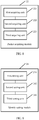
- FIG. 6 is a schematic structural diagram of a management gateway device according to an embodiment of the present invention.
- a management gateway device 1 in this embodiment of the present invention includes a packet acquiring module 11, a priority acquiring module 12, and an identity setting module 13.
- the packet acquiring module 11 is configured to acquire a negotiation packet of a gateway device.
- the negotiation packet includes a gateway device priority of the gateway device, where the gateway device priority may be a priority parameter that is set by a user according to a performance index of the gateway device.
- the packet acquiring module 11 needs to acquire a negotiation packet of a gateway device:
- the gateway device when there is a gateway device, in the virtual cluster, that needs to perform multi-gateway traffic load sharing with the management gateway device 1, the gateway device sends a negotiation packet to the management gateway device 1, so as to request to join the load sharing gateway device group.
- the management gateway device 1 If a gateway device with a member identity being an active virtual forwarding device already exists in the gateway devices of multi-gateway traffic load sharing, when the management gateway device 1 encounters a fault, the management gateway device requests a negotiation packet from the gateway device with the member identity being an active virtual forwarding device.
- gateway devices with a member identity being an active virtual forwarding device already exist in the gateway devices of multi-gateway traffic load sharing, when any gateway device with a member identity being an active virtual forwarding device among the multiple gateway devices of multi-gateway traffic load sharing encounters a fault, the management gateway device 1 requests a negotiation packet from another gateway device with a member identity being an active virtual forwarding device.
- the priority acquiring module 12 is configured to acquire a gateway device priority carried in the negotiation packet.
- the priority acquiring module 12 acquires the gateway device priority of the gateway device from the negotiation packet.
- the identity setting module 13 is configured to set a member identity of the gateway device according to the gateway device priority.
- the member identity includes an active virtual gateway device and an active virtual forwarding device
- the identity setting module 13 sets the member identity of the gateway device according to the gateway device priority in the negotiation packet that is of the gateway device and acquired by the priority acquiring module 12, and a specific setting manner may be as follows:
- the user may further set one gateway device in the virtual cluster to replace the gateway device encountering the fault, and the identity setting module 13 sets the gateway device, which is set by the user in the virtual cluster, to an active virtual forwarding device.
- the management gateway device 1 sends the member identity of the gateway device to the gateway device by using a VRRP (Virtual Router Redundancy Protocol, Virtual Router Redundancy Protocol) packet.
- VRRP Virtual Router Redundancy Protocol, Virtual Router Redundancy Protocol
- a member identity of a gateway device is set to an active virtual gateway device or an active virtual forwarding device by using gateway device priorities that are preset for multiple gateway devices by a user, and a process of negotiation by running a protocol is not needed, which reduces complexity of a selection process, and enhances the processing efficiency of a service mechanism, so that a process of implementing traffic load sharing of multiple gateway devices is more intelligent.
- FIG. 7 is a schematic structural diagram of another management gateway device according to an embodiment of the present invention.
- a management gateway device 2 in this embodiment of the present invention includes a gateway group setting module 21, a packet acquiring module 22, a priority acquiring module 23, an identity setting module 24, an information sending module 25, and an address allocating module 26.
- the gateway group setting module 21 is configured to set a load sharing gateway device group in a virtual cluster, and acquire device information and resource information that are included in the load sharing gateway device group, where the device information includes client information and gateway device information, the resource information includes virtual MAC addresses, and the gateway device is a gateway device in the load sharing gateway device group.
- the management gateway device 2 serves as an active virtual gateway device of the load sharing gateway device group
- the gateway group setting module 21 sets a unique identifier for the load sharing gateway device group, and acquires the device information and the resource information that are included in the load sharing gateway device group, where the device information includes the client information and gateway device information of the load sharing gateway device group, and the resource information includes multiple virtual MAC addresses of the load sharing gateway device group.
- a user may set the identifier for some gateway devices in the virtual cluster, and the gateway devices may find the load sharing gateway device group by using the identifier, and send a negotiation packet to the management gateway device 2 in the load sharing gateway device group, so as to request to join the load sharing gateway device group.
- the management gateway device 2 requests a negotiation packet from the gateway device with the member identity being an active virtual forwarding device.
- gateway devices with a member identity being an active virtual forwarding device already exist in the load sharing gateway device group, when any gateway device with a member identity being an active virtual forwarding device in the load sharing gateway device group encounters a fault, the management gateway device 2 requests a negotiation packet from another gateway device with a member identity being an active virtual forwarding device.
- Both the management gateway device and the gateway device are gateway devices in the load sharing gateway device group.
- the packet acquiring module 22 is configured to acquire a negotiation packet of a gateway device.
- the negotiation packet includes a gateway device priority of the gateway device, where the gateway device priority may be a priority parameter that is set by the user according to a performance index of the gateway device, and the packet acquiring module 22 acquires the negotiation packet of the gateway device.
- This embodiment of the present invention may be applied to a scenario in which control and forwarding are separated.
- a controller allocates a virtual MAC address from the resource information to a gateway device to guide forwarding, and allocates the virtual MAC address to at least one client according to the device information, thereby implementing separation between control and forwarding.
- FIG. 8 is a schematic structural diagram of a packet acquiring module provided by this embodiment of the present invention.
- the packet acquiring module 22 includes a first acquiring unit 221, a second acquiring unit 222, and a third acquiring unit 223.
- the first acquiring unit 221 is configured to: if it is detected that a gateway device joins the load sharing gateway device group, acquire a negotiation packet of the gateway device that joins the load sharing gateway device group.
- the first acquiring unit 221 acquires the negotiation packet of the gateway device.
- the second acquiring unit 222 is configured to acquire the negotiation packet of the gateway device if its own current member identity is an active virtual gateway device and when a fault occurs on itself.
- the second acquiring unit 222 acquires a negotiation packet of a gateway device with a member identity being an active virtual forwarding device in the load sharing gateway device group.
- the third acquiring unit 223 is configured to: if its own current member identity is an active virtual gateway device, and when any gateway device with the member identity being an active virtual forwarding device encounters a fault, acquire negotiation packets of other gateway devices with the member identity being an active virtual forwarding device.
- the third acquiring unit 223 acquires negotiation packets of the rest gateway devices with the member identity being an active virtual forwarding device in the load sharing gateway device group.
- the priority acquiring module 23 is configured to acquire a gateway device priority carried in the negotiation packet.
- the priority acquiring module 23 acquires the gateway device priority of the gateway device from the negotiation packet.
- the identity setting module 24 is configured to set a member identity of the gateway device according to the gateway device priority.
- the member identity includes an active virtual gateway device and an active virtual forwarding device
- the identity setting module 24 sets the member identity of the gateway device according to the gateway device priority that is in the gateway device negotiation packet and acquired by the priority acquiring module 23, and sends the member identity of the gateway device to the gateway device by using a VRRP packet.
- This embodiment of the present invention may be applied to a scenario in which control and forwarding are separated.
- a controller allocates a virtual MAC address from the resource information to a gateway device to guide forwarding, and allocates the virtual MAC address to at least one client according to the device information, thereby implementing separation between control and forwarding.
- FIG. 9 is a schematic structural diagram of an identity setting module provided by this embodiment of the present invention.
- the identity setting module 24 includes a first setting unit 241, a second setting unit 242, and a third setting unit 243.
- the first setting unit 241 is configured to set the member identity of the gateway device to an active virtual forwarding device if the gateway device priority of the gateway device is less than its own gateway device priority; and the first setting unit 241 is further configured to set the member identity of the gateway device to an active virtual gateway device if the gateway device priority of the gateway device is greater than its own gateway device priority.
- the first setting unit 241 sets the member identity of the gateway device to an active virtual forwarding device; and if the gateway device priority of the gateway device that joins the load sharing gateway device group is greater than the gateway device priority of the management gateway device 2, the first setting unit 241 sets the member identity of the gateway device to an active virtual gateway device.
- the first setting unit 241 sets the member identity of the gateway device to an active virtual gateway device; and if the gateway device priority of the gateway device that joins the load sharing gateway device group is the same as the gateway device priority of the management gateway device 2, and the system MAC address of the management gateway device 2 is less than the system MAC address of the gateway device that joins the load sharing gateway device group, the first setting unit 241 sets the member identity of the gateway device to an active virtual forwarding device.
- the second setting unit 242 is configured to set a member identity of a gateway device with a highest gateway device priority to an active virtual gateway device.
- the second setting unit 242 sets the member identity of the gateway device with the highest gateway device priority in the negotiation packets to an active virtual gateway device according to the negotiation packet that is of the gateway device with the member identity being an active virtual forwarding device in the load sharing gateway device group and acquired by the second acquiring unit 222.
- the third setting unit 243 is configured to set, among the gateway devices with the member identity being an active virtual forwarding device, a gateway device with a highest gateway device priority to replace the gateway device encountering the fault.
- the third setting unit 243 sets, according to the negotiation packets that are of the rest gateway devices with the member identity being an active virtual forwarding device in the load sharing gateway device group and acquired by the third acquiring unit 223, the gateway device with a highest gateway device priority in the negotiation packets to replace the gateway device encountering the fault.
- the member identity of the gateway device with the highest gateway device priority is still an active virtual forwarding device.
- the user may further set one gateway device in the virtual cluster to replace the device encountering the fault, and the third setting unit 243 sets the gateway device to an active virtual forwarding device.
- the information sending module 25 is configured to: if the member identity of the gateway device is an active virtual gateway device, send the device information and the resource information to the gateway device, so that the gateway device allocates a virtual MAC address to at least one client according to the device information and the resource information, and finally the client searches, according to the virtual MAC address, for a corresponding gateway device to serve as a service gateway.
- the information sending module 25 sends the device information and resource information of the load sharing gateway device group to the gateway device, and in this case, the gateway device becomes a management gateway device.
- the gateway device allocates a virtual MAC address to at least one client according to the device information and the resource information, and delivers its own virtual MAC address to a client group by using a VRRP packet, so that a client that has the virtual MAC address in the client group finds the gateway device to serve as a service gateway.
- the information sending module 25 sends the device information and the resource information to the gateway device, and in this case, the gateway device becomes a management gateway device.
- the gateway device allocates a virtual MAC address to at least one client according to the device information and the resource information, where the at least one client is a client belonging to the original management gateway device 2, the gateway device delivers its own virtual MAC address to a client group by using a VRRP packet, so that a client that has the virtual MAC address in the client group finds the gateway device to serve as a service gateway.
- the address allocating module 26 is configured to: if the member identity of the gateway device is an active virtual forwarding device, allocate a virtual MAC address from the resource information to the gateway device, and allocate the virtual MAC address to at least one client according to the device information, so that the client searches, according to the virtual MAC address, for the gateway device to serve as a service gateway.
- the address allocating module 26 allocates one virtual MAC address from the resource information in the load sharing gateway device group to the gateway device, and allocates the virtual MAC address to at least one client according to the device information.
- the gateway device delivers its own virtual MAC address to a client group by using a VRRP packet, so that a client that has the virtual MAC address in the client group finds the gateway device to serve as a service gateway.
- the address allocating module 26 allocates the virtual MAC address to at least one client according to the device information, where the at least one client is a client belonging to the original gateway device encountering the fault.
- the gateway device delivers its own virtual MAC address to a client group by using a VRRP packet, so that a client that has the virtual MAC address in the client group finds the gateway device to serve as a service gateway.
- the user may further set one gateway device in the virtual cluster to replace the device encountering the fault.
- the third setting unit 243 sets the gateway device to an active virtual forwarding device, and the address allocating module 26 allocates a virtual MAC address to the gateway device from the resource information, and allocates the virtual MAC address to at least one client according to the device information, where the at least one client is a client originally belonging to the gateway device encountering the fault.
- the gateway device delivers its own virtual MAC address to a client group by using a VRRP packet, so that a client that has the virtual MAC address in the client group finds the gateway device to serve as a service gateway.
- This embodiment of the present invention may be applied to a scenario in which control and forwarding are separated.
- a controller allocates a virtual MAC address from resource information to a gateway device to guide forwarding, and allocates the virtual MAC address to at least one client according to device information, thereby implementing separation between control and forwarding.
- a load sharing gateway device group is set under an architecture of a virtual cluster, a member identity of a gateway device is set to an active virtual gateway device or an active virtual forwarding device by using gateway device priorities that are preset for multiple gateway devices by a user, and a process of negotiation by running a protocol is not needed, which reduces complexity of a selection process, and enhances flexibility of fault processing; in addition, the gateway device delivers its own virtual MAC address, so as to provide the virtual MAC address for a client to select a corresponding gateway device to serve as a service gateway, which implements separation between a function of setting a member identity and a function of delivering a virtual MAC address, and enhances the processing efficiency of a service mechanism, so that a process of implementing traffic load sharing of multiple gateway devices is more intelligent.
- the management gateway device in the embodiments of the present invention may be implemented based on a computer system, and all the methods shown in FIG. 1 to FIG. 5 may be implemented in a computer system-based management gateway device.
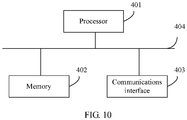
- FIG. 10 shows an embodiment of a computer system-based management gateway device.
- the management gateway device in this embodiment may include: a processor 401, a memory 402, and a communications interface 403.
- the memory 402 is configured to store program code.
- the processor 401 is configured to execute the program code stored in the memory 402.
- the memory 402 stores first program code
- the processor 401 is configured to execute the first program code, including executing the following operations: acquiring a negotiation packet of a gateway device; acquiring a gateway device priority carried in the negotiation packet; and setting a member identity of the gateway device according to the gateway device priority.
- the communications interface 403 is configured to communicate with an external device, for example, communicate with a user terminal. All messages (as shown in FIG. 1 to FIG. 5 of method embodiments) exchanged between a service control device and a user terminal are sent and received by using the communications interface 403.
- the processor 401 processes, according to the program code in the memory 402, a message received by the communications interface 403, and exchanges with the external device by using the communications interface 403.
- the processor 401 may be a central processing unit (central processing unit, CPU), an application-specific integrated circuit (application-specific integrated circuit, ASIC), or the like.
- the management gateway device in this embodiment may include a bus 404.
- the processor 401, the memory 402, and the communications interface 403 may be connected and communicate with each other by using the bus 404.
- the memory 402 may include an entity having a storage function, such as a random access memory (random access memory, RAM), a read-only memory (read-only memory, ROM), and a disk.
- RAM random access memory
- ROM read-only memory
- a calling context in this embodiment of the present invention may be temporarily stored in the RAM.
- This embodiment of the present invention may be applied to a scenario in which control and forwarding are separated.
- a controller allocates a virtual MAC address from resource information to a gateway device to guide forwarding, and allocates the virtual MAC address to at least one client according to device information, thereby implementing separation between control and forwarding.
- a member identity of a gateway device is set to an active virtual gateway device or an active virtual forwarding device by using gateway device priorities that are preset for multiple gateway devices by a user.
Landscapes
- Engineering & Computer Science (AREA)
- Computer Networks & Wireless Communication (AREA)
- Signal Processing (AREA)
- Computer Hardware Design (AREA)
- General Engineering & Computer Science (AREA)
- Data Exchanges In Wide-Area Networks (AREA)
- Small-Scale Networks (AREA)
Claims (10)
- Verfahren zur Festlegung einer Mitgliedsidentität einer "Gateway"-Vorrichtung, wobei die Mitgliedsidentität der "Gateway"-Vorrichtung eine Angabe ist, die entweder den Wert annimmt, dass die "Gateway"-Vorrichtung eine aktive virtuelle "Gateway"-Vorrichtung ist, oder den Wert, dass die "Gateway"-Vorrichtung eine aktive virtuelle Weiterleitungsvorrichtung ist, wobei eine aktive virtuelle "Gateway"-Vorrichtung dafür zuständig ist, auf eine "Address-Resolution-Protocol-", ARP-, Anforderung eines Clients zu antworten und eine unterschiedliche virtuelle "Medium-Access-Control", MAC, für den Client zuzuweisen, und eine aktive virtuelle Weiterleitungsvorrichtung dafür zuständig ist, einen Client zu verwalten, der von der aktiven virtuellen "Gateway"-Vorrichtung zugewiesen wird, umfassend:Festlegen (S201), durch eine Verwaltungs-"Gateway"-Vorrichtung, einer Lastteilungs-"Gateway"-Vorrichtungsgruppe, wobei die Verwaltungs-"Gateway"-Vorrichtung eine Mitgliedsidentität aufweist, die angibt, dass sie eine aktive virtuelle "Gateway"-Vorrichtung innerhalb der Lastteilungs-"Gateway"-Vorrichtungsgruppe ist, und Erfassen, durch die Verwaltungs-"Gateway"-Vorrichtung, von Vorrichtungsinformation und Ressourceninformation, die in der Lastteilungs-"Gateway"-Vorrichtungsgruppe enthalten sind, wobei eine "Gateway"-Vorrichtung in der Lastteilungs-"Gateway"-Vorrichtungsgruppe einem Client in einer Clientgruppe als ein "Gateway" dient, wobei die Vorrichtungsinformation Clientinformation und "Gateway"-Vorrichtungsinformation umfasst, wobei die Ressourceninformation mehrere virtuelle MAC-Adressen der Lastteilungs-"Gateway"-Vorrichtungsgruppe umfasst, wobei die Clientinformation und "Gateway"-Vorrichtungsinformation von der Verwaltungs-"Gateway"-Vorrichtung dafür genutzt werden, dem Client eine virtuelle MAC-Adresse zuzuweisen, und wobei die virtuelle MAC-Adresse zu den mehreren virtuellen MAC-Adressen gehört;Erfassen (S101), durch die Verwaltungs-"Gateway"-Vorrichtung, eines Aushandlungspakets der "Gateway"-Vorrichtung, das von der "Gateway"-Vorrichtung gesendet wird, wobei das Aushandlungspaket eine "Gateway"-Vorrichtungspriorität der "Gateway"-Vorrichtung umfasst;Erfassen (S102), durch die Verwaltungs-"Gateway"-Vorrichtung, der "Gateway"-Vorrichtungspriorität, die in dem Aushandlungspaket getragen wird; undFestlegen (S103), durch die Verwaltungs-"Gateway"-Vorrichtung, der Mitgliedsidentität der "Gateway"-Vorrichtung gemäß der "Gateway"-Vorrichtungspriorität;wobei das Erfassen (S101), durch die Verwaltungs-"Gateway"-Vorrichtung, des Aushandlungspakets der "Gateway"-Vorrichtung, das von der "Gateway"-Vorrichtung gesendet wird, Folgendes umfasst:
wenn die Verwaltungs-"Gateway"-Vorrichtung detektiert, dass die "Gateway"-Vorrichtung der Lastteilungs-"Gateway"-Vorrichtungsgruppe beitritt, Erfassen (S302), durch die Verwaltungs-"Gateway"-Vorrichtung, des Aushandlungspakets der "Gateway"-Vorrichtung, die der Lastteilungs-"Gateway"-Vorrichtungsgruppe beitritt, wobei das Festlegen (S103), durch die Verwaltungs-"Gateway"-Vorrichtung, einer Mitgliedsidentität der "Gateway"-Vorrichtung gemäß der "Gateway"-Vorrichtungspriorität Folgendes umfasst:wenn die "Gateway"-Vorrichtungspriorität der "Gateway"-Vorrichtung niedriger als eine "Gateway"-Vorrichtungspriorität der Verwaltungs-"Gateway"-Vorrichtung ist, Festlegen (S304), durch die Verwaltungs-"Gateway"-Vorrichtung, der Mitgliedsidentität der "Gateway"-Vorrichtung als eine aktive virtuelle Weiterleitungsvorrichtung; undwenn die "Gateway"-Vorrichtungspriorität der "Gateway"-Vorrichtung höher als die "Gateway"-Vorrichtungspriorität der Verwaltungs-"Gateway"-Vorrichtung ist, Festlegen (S306), durch die Verwaltungs-"Gateway"-Vorrichtung, der Mitgliedsidentität der "Gateway"-Vorrichtung als eine aktive virtuelle "Gateway"-Vorrichtung und Senden, von der Verwaltungs-"Gateway"-Vorrichtung, der Vorrichtungsinformation und der Ressourceninformation an die "Gateway"-Vorrichtung. - Verfahren nach Anspruch 1, ferner umfassend:
wenn die Mitgliedsidentität der "Gateway"-Vorrichtung eine aktive virtuelle "Gateway"-Vorrichtung ist, Senden (S205), von der Verwaltungs-"Gateway"-Vorrichtung, der Vorrichtungsinformation und der Ressourceninformation an die "Gateway"-Vorrichtung. - Verfahren nach Anspruch 1, ferner umfassend:
wenn die Mitgliedsidentität der "Gateway"-Vorrichtung eine aktive virtuelle Weiterleitungsvorrichtung ist, Zuweisen (S206), durch die Verwaltungs-"Gateway"-Vorrichtung, einer virtuellen MAC-Adresse aus der Ressourceninformation, der "Gateway"-Vorrichtung, und Zuweisen der virtuellen MAC-Adresse mindestens einem Client gemäß der Vorrichtungsinformation. - Verfahren zur Festlegung einer Mitgliedsidentität einer "Gateway"-Vorrichtung, wobei die Mitgliedsidentität der "Gateway"-Vorrichtung eine Angabe ist, die entweder den Wert annimmt, dass die "Gateway"-Vorrichtung eine aktive virtuelle "Gateway"-Vorrichtung ist, oder den Wert, dass die "Gateway"-Vorrichtung eine aktive virtuelle Weiterleitungsvorrichtung ist, wobei eine aktive virtuelle "Gateway"-Vorrichtung dafür zuständig ist, auf eine "Address-Resolution-Protocol-", ARP-, Anforderung eines Clients zu antworten und eine unterschiedliche virtuelle "Medium-Access-Control", MAC, für den Client zuzuweisen, und eine aktive virtuelle Weiterleitungsvorrichtung dafür zuständig ist, einen Client zu verwalten, der von der aktiven virtuellen "Gateway"-Vorrichtung zugewiesen wird, umfassend:Festlegen (S201), durch eine Verwaltungs-"Gateway"-Vorrichtung, einer Lastteilungs-"Gateway"-Vorrichtungsgruppe, wobei die Verwaltungs-"Gateway"-Vorrichtung eine Mitgliedsidentität aufweist, die angibt, dass sie eine aktive virtuelle "Gateway"-Vorrichtung innerhalb der Lastteilungs-"Gateway"-Vorrichtungsgruppe ist, und Erfassen, durch die Verwaltungs-"Gateway"-Vorrichtung, von Vorrichtungsinformation und Ressourceninformation, die in der Lastteilungs-"Gateway"-Vorrichtungsgruppe enthalten sind, wobei eine "Gateway"-Vorrichtung einem Client in einer Clientgruppe als ein "Gateway" dient, wobei die Vorrichtungsinformation Clientinformation und "Gateway"-Vorrichtungsinformation umfasst, wobei die Ressourceninformation mehrere virtuelle MAC-Adressen der Lastteilungs-"Gateway"-Vorrichtungsgruppe umfasst, die "Gateway"-Vorrichtung eine "Gateway"-Vorrichtung in der Lastteilungs-"Gateway"-Vorrichtungsgruppe ist, wobei die Clientinformation und "Gateway"-Vorrichtungsinformation von der Verwaltungs-"Gateway"-Vorrichtung dafür genutzt werden, dem Client eine virtuelle MAC-Adresse zuzuweisen, und wobei die virtuelle MAC-Adresse zu den mehreren virtuellen MAC-Adressen gehört;Erfassen (S101), durch die Verwaltungs-"Gateway"-Vorrichtung, eines Aushandlungspakets der "Gateway"-Vorrichtung, das von der "Gateway"-Vorrichtung gesendet wird, wobei das Aushandlungspaket eine "Gateway"-Vorrichtungspriorität der "Gateway"-Vorrichtung umfasst;Erfassen (S102), durch die Verwaltungs-"Gateway"-Vorrichtung, der "Gateway"-Vorrichtungspriorität, die in dem Aushandlungspaket getragen wird; undFestlegen (S103), durch die Verwaltungs-"Gateway"-Vorrichtung, der Mitgliedsidentität der "Gateway"-Vorrichtung gemäß der "Gateway"-Vorrichtungspriorität;wobei das Erfassen (S101), durch die Verwaltungs-"Gateway"-Vorrichtung, des Aushandlungspakets der "Gateway"-Vorrichtung, das von der "Gateway"-Vorrichtung gesendet wird, Folgendes umfasst:
wenn die Verwaltungs-"Gateway"-Vorrichtung detektiert, dass eine beliebige "Gateway"-Vorrichtung mit einer Mitgliedsidentität, die eine aktive virtuelle Weiterleitungsvorrichtung ist, auf einen Fehler trifft, Erfassen (S502), durch die Verwaltungs-"Gateway"-Vorrichtung, von Aushandlungspaketen anderer "Gateway"-Vorrichtungen mit der Mitgliedsidentität, die eine aktive virtuelle Weiterleitungsvorrichtung ist, wobei das Festlegen (S103), durch die Verwaltungs-"Gateway"-Vorrichtung, einer Mitgliedsidentität der "Gateway"-Vorrichtung gemäß der "Gateway"-Vorrichtungspriorität Folgendes umfasst:Festlegen (S504), durch die Verwaltungs-"Gateway"-Vorrichtung, unter den "Gateway"-Vorrichtungen mit der Mitgliedsidentität, die eine aktive virtuelle Weiterleitungsvorrichtung ist, einer "Gateway"-Vorrichtung mit einer höchsten "Gateway"-Vorrichtungspriorität, um die "Gateway"-Vorrichtung zu ersetzen, die auf den Fehler trifft. - Verfahren nach Anspruch 4, ferner umfassend:
wenn die Mitgliedsidentität der "Gateway"-Vorrichtung eine aktive virtuelle Weiterleitungsvorrichtung ist, Zuweisen (S206), durch die Verwaltungs-"Gateway"-Vorrichtung, einer virtuellen MAC-Adresse aus der Ressourceninformation, der "Gateway"-Vorrichtung, und Zuweisen der virtuellen MAC-Adresse mindestens einem Client gemäß der Vorrichtungsinformation. - Verwaltungs-"Gateway"-Vorrichtung, umfassend ein "Gateway"-Gruppen-Festlegungsmodul (21), ein Paketerfassungsmodul (11), ein Prioritätserfassungsmodul (12) und ein Identitätsfestlegungsmodul (13), wobei:das "Gateway"-Gruppen-Festlegungsmodul (21) dazu ausgebildet ist, eine Lastteilungs-"Gateway"-Vorrichtungsgruppe festzulegen, wobei die Verwaltungs-"Gateway"-Vorrichtung eine Mitgliedsidentität aufweist, die angibt, dass sie eine aktive virtuelle "Gateway"-Vorrichtung innerhalb der Lastteilungs-"Gateway"-Vorrichtungsgruppe ist, und durch die Verwaltungs-"Gateway"-Vorrichtung Vorrichtungsinformation und Ressourceninformation zu erfassen, die in der Lastteilungs-"Gateway"-Vorrichtungsgruppe enthalten sind, wobei eine "Gateway"-Vorrichtung einem Client in einer Clientgruppe als ein "Gateway" dient, und wobei eine aktive virtuelle "Gateway"-Vorrichtung dafür zuständig ist, auf eine "Address-Resolution-Protocol-", ARP-, Anforderung eines Clients zu antworten und eine unterschiedliche virtuelle "Medium-Access-Control", MAC, für den Client zuzuweisen, wobei die Vorrichtungsinformation Clientinformation und "Gateway"-Vorrichtungsinformation umfasst, wobei die Ressourceninformation mehrere virtuelle MAC-Adressen der Lastteilungs-"Gateway"-Vorrichtungsgruppe umfasst, wobei die Clientinformation und "Gateway"-Vorrichtungsinformation von der Verwaltungs-"Gateway"-Vorrichtung dafür genutzt werden, dem Client eine virtuelle MAC-Adresse zuzuweisen, und wobei die virtuelle MAC-Adresse zu den mehreren virtuellen MAC-Adressen gehört;das Paketerfassungsmodul (11) dazu ausgebildet ist, ein Aushandlungspaket der "Gateway"-Vorrichtung zu erfassen, das von der "Gateway"-Vorrichtung gesendet wird, wobei das Aushandlungspaket eine "Gateway"-Vorrichtungspriorität der "Gateway"-Vorrichtung umfasst;das Prioritätserfassungsmodul (12) dazu ausgebildet ist, die "Gateway"-Vorrichtungspriorität zu erfassen, die in dem Aushandlungspaket getragen wird; und das Identitätsfestlegungsmodul (13) dazu ausgebildet ist, eine Mitgliedsidentität der "Gateway"-Vorrichtung gemäß der "Gateway"-Vorrichtungspriorität festzulegen, wobei die Mitgliedsidentität der "Gateway"-Vorrichtung eine Angabe ist, die entweder den Wert annimmt, dass die "Gateway"-Vorrichtung eine aktive virtuelle "Gateway"-Vorrichtung ist, oder den Wert, dass die "Gateway"-Vorrichtung eine aktive virtuelle Weiterleitungsvorrichtung ist, wobei eine aktive virtuelle Weiterleitungsvorrichtung dafür zuständig ist, einen Client zu verwalten, der durch die aktive virtuelle "Gateway"-Vorrichtung zugewiesen wird;wobei das Paketerfassungsmodul (11) eine erste Erfassungseinheit (221) umfasst, wobei:
die erste Erfassungseinheit (221) dazu ausgebildet ist: wenn die Verwaltungs-"Gateway"-Vorrichtung detektiert, dass die "Gateway"-Vorrichtung der Lastteilungs-"Gateway"-Vorrichtungsgruppe beitritt, ein Aushandlungspaket der "Gateway"-Vorrichtung zu erfassen, die der Lastteilungs-"Gateway"-Vorrichtungsgruppe beitritt, wobei das Identitätsfestlegungsmodul (13) eine erste Festlegungseinheit (241) umfasst, wobei:die erste Festlegungseinheit (241) dazu ausgebildet ist, die Mitgliedsidentität der "Gateway"-Vorrichtung als eine aktive virtuelle Weiterleitungsvorrichtung festzulegen, wenn die "Gateway"-Vorrichtungspriorität der "Gateway"-Vorrichtung niedriger als die "Gateway"-Vorrichtungspriorität der Verwaltungs-"Gateway"-Vorrichtung ist; unddie erste Festlegungseinheit (241) ferner dazu ausgebildet ist, die Mitgliedsidentität der "Gateway"-Vorrichtung als eine aktive virtuelle "Gateway"-Vorrichtung festzulegen und die Vorrichtungsinformation und die Ressourceninformation an die "Gateway"-Vorrichtung zu senden, wenn die "Gateway"-Vorrichtungspriorität der "Gateway"-Vorrichtung höher als die "Gateway"-Vorrichtungspriorität der Verwaltungs-"Gateway"-Vorrichtung ist. - Verwaltungs-"Gateway"-Vorrichtung nach Anspruch 6, ferner umfassend ein Informationssendemodul (25), wobei:
das Informationssendemodul (25) dazu ausgebildet ist: wenn die Mitgliedsidentität der "Gateway"-Vorrichtung eine aktive virtuelle "Gateway"-Vorrichtung ist, die Vorrichtungsinformation und die Ressourceninformation an die "Gateway"-Vorrichtung zu senden. - Verwaltungs-"Gateway"-Vorrichtung nach Anspruch 6, ferner umfassend ein Adresszuweisungsmodul (26), wobei:
das Adresszuweisungsmodul (26) dazu ausgebildet ist: wenn die Mitgliedsidentität der "Gateway"-Vorrichtung eine aktive virtuelle Weiterleitungsvorrichtung ist, eine virtuelle MAC-Adresse aus der Ressourceninformation der "Gateway"-Vorrichtung zuzuweisen und die virtuelle MAC-Adresse mindestens einem Client gemäß der Vorrichtungsinformation zuzuweisen. - Verwaltungs-"Gateway"-Vorrichtung, umfassend ein "Gateway"-Gruppen-Festlegungsmodul (21), ein Paketerfassungsmodul (11), ein Prioritätserfassungsmodul (12) und ein Identitätsfestlegungsmodul (13), wobei:das "Gateway"-Gruppen-Festlegungsmodul (21) dazu ausgebildet ist, eine Lastteilungs-"Gateway"-Vorrichtungsgruppe festzulegen, wobei die Verwaltungs-"Gateway"-Vorrichtung eine Mitgliedsidentität aufweist, die angibt, dass sie eine aktive virtuelle "Gateway"-Vorrichtung innerhalb der Lastteilungs-"Gateway"-Vorrichtungsgruppe ist, und durch die Verwaltungs-"Gateway"-Vorrichtung Vorrichtungsinformation und Ressourceninformation zu erfassen, die in der Lastteilungs-"Gateway"-Vorrichtungsgruppe enthalten sind, wobei eine "Gateway"-Vorrichtung einem Client in einer Clientgruppe als ein "Gateway" dient, und wobei eine aktive virtuelle "Gateway"-Vorrichtung dafür zuständig ist, auf eine "Address-Resolution-Protocol-", ARP-, Anforderung eines Clients zu antworten und eine unterschiedliche virtuelle "Medium-Access-Control", MAC, für den Client zuzuweisen, wobei die Vorrichtungsinformation Clientinformation und "Gateway"-Vorrichtungsinformation umfasst, wobei die Ressourceninformation mehrere virtuelle MAC-Adressen der Lastteilungs-"Gateway"-Vorrichtungsgruppe umfasst, die "Gateway"-Vorrichtung eine "Gateway"-Vorrichtung in der Lastteilungs-"Gateway"-Vorrichtungsgruppe ist, wobei die Clientinformation und "Gateway"-Vorrichtungsinformation von der Verwaltungs-"Gateway"-Vorrichtung dafür genutzt werden, dem Client eine virtuelle MAC-Adresse zuzuweisen, und wobei die virtuelle MAC-Adresse zu den mehreren virtuellen MAC-Adressen gehört;das Paketerfassungsmodul (11) dazu ausgebildet ist, ein Aushandlungspaket der "Gateway"-Vorrichtung zu erfassen, das von der "Gateway"-Vorrichtung gesendet wird, wobei das Aushandlungspaket eine "Gateway"-Vorrichtungspriorität der "Gateway"-Vorrichtung umfasst;das Prioritätserfassungsmodul (12) dazu ausgebildet ist, die "Gateway"-Vorrichtungspriorität zu erfassen, die in dem Aushandlungspaket getragen wird; und das Identitätsfestlegungsmodul (13) dazu ausgebildet ist, eine Mitgliedsidentität der "Gateway"-Vorrichtung gemäß der "Gateway"-Vorrichtungspriorität festzulegen, wobei die Mitgliedsidentität der "Gateway"-Vorrichtung eine Angabe ist, die entweder den Wert annimmt, dass die "Gateway"-Vorrichtung eine aktive virtuelle "Gateway"-Vorrichtung ist, oder den Wert, dass die "Gateway"-Vorrichtung eine aktive virtuelle Weiterleitungsvorrichtung ist, wobei eine aktive virtuelle Weiterleitungsvorrichtung dafür zuständig ist, einen Client zu verwalten, der durch die aktive virtuelle "Gateway"-Vorrichtung zugewiesen wird;wobei das Paketerfassungsmodul (11) ferner eine dritte Erfassungseinheit (223) umfasst, wobei:
die dritte Erfassungseinheit (223) dazu ausgebildet ist: wenn die Verwaltungs-"Gateway"-Vorrichtung detektiert, dass eine beliebige "Gateway"-Vorrichtung mit der Mitgliedsidentität, die eine aktive virtuelle Weiterleitungsvorrichtung ist, auf einen Fehler trifft, Aushandlungspakete anderer "Gateway"-Vorrichtungen mit der Mitgliedsidentität, die eine aktive virtuelle Weiterleitungsvorrichtung ist, zu erfassen, wobei das Identitätsfestlegungsmodul (13) ferner eine dritte Festlegungseinheit (243) umfasst, wobei:
die dritte Festlegungseinheit (243) dazu ausgebildet ist, unter den "Gateway"-Vorrichtungen mit der Mitgliedsidentität, die eine aktive virtuelle Weiterleitungsvorrichtung ist, eine "Gateway"-Vorrichtung mit einer höchsten "Gateway"-Vorrichtungspriorität festzulegen, um die "Gateway"-Vorrichtung zu ersetzen, die auf den Fehler trifft. - Verwaltungs-"Gateway"-Vorrichtung nach Anspruch 9, ferner umfassend ein Adresszuweisungsmodul (26), wobei:
das Adresszuweisungsmodul (26) dazu ausgebildet ist: wenn die Mitgliedsidentität der "Gateway"-Vorrichtung eine aktive virtuelle Weiterleitungsvorrichtung ist, eine virtuelle MAC-Adresse aus der Ressourceninformation der "Gateway"-Vorrichtung zuzuweisen und die virtuelle MAC-Adresse mindestens einem Client gemäß der Vorrichtungsinformation zuzuweisen.
Applications Claiming Priority (2)
| Application Number | Priority Date | Filing Date | Title |
|---|---|---|---|
| CN201310204579.9A CN103312605B (zh) | 2013-05-29 | 2013-05-29 | 一种网关设备身份设置的方法及管理网关设备 |
| PCT/CN2014/072851 WO2014190791A1 (zh) | 2013-05-29 | 2014-03-04 | 一种网关设备身份设置的方法及管理网关设备 |
Publications (3)
| Publication Number | Publication Date |
|---|---|
| EP2993838A1 EP2993838A1 (de) | 2016-03-09 |
| EP2993838A4 EP2993838A4 (de) | 2016-09-21 |
| EP2993838B1 true EP2993838B1 (de) | 2020-01-01 |
Family
ID=49137404
Family Applications (1)
| Application Number | Title | Priority Date | Filing Date |
|---|---|---|---|
| EP14803473.9A Active EP2993838B1 (de) | 2013-05-29 | 2014-03-04 | Verfahren zur einstellung der mitgliedsidentität einer gateway-vorrichtung und entsprechende verwaltung-gateway-vorrichtungen |
Country Status (4)
| Country | Link |
|---|---|
| US (1) | US10419531B2 (de) |
| EP (1) | EP2993838B1 (de) |
| CN (1) | CN103312605B (de) |
| WO (1) | WO2014190791A1 (de) |
Families Citing this family (20)
| Publication number | Priority date | Publication date | Assignee | Title |
|---|---|---|---|---|
| CN108366436B (zh) | 2012-06-29 | 2023-05-16 | 华为技术有限公司 | 信息处理方法、转发面设备和控制面设备 |
| CN103312605B (zh) | 2013-05-29 | 2017-06-20 | 华为技术有限公司 | 一种网关设备身份设置的方法及管理网关设备 |
| US9577845B2 (en) | 2013-09-04 | 2017-02-21 | Nicira, Inc. | Multiple active L3 gateways for logical networks |
| CA2941122C (en) | 2014-03-13 | 2021-09-07 | Systech Corporation | Gateway management using virtual gateways and wildcards |
| US9590901B2 (en) | 2014-03-14 | 2017-03-07 | Nicira, Inc. | Route advertisement by managed gateways |
| US10075329B2 (en) * | 2014-06-25 | 2018-09-11 | A 10 Networks, Incorporated | Customizable high availability switchover control of application delivery controllers |
| US10038628B2 (en) | 2015-04-04 | 2018-07-31 | Nicira, Inc. | Route server mode for dynamic routing between logical and physical networks |
| US9923811B2 (en) | 2015-06-27 | 2018-03-20 | Nicira, Inc. | Logical routers and switches in a multi-datacenter environment |
| US10333849B2 (en) | 2016-04-28 | 2019-06-25 | Nicira, Inc. | Automatic configuration of logical routers on edge nodes |
| US10091161B2 (en) | 2016-04-30 | 2018-10-02 | Nicira, Inc. | Assignment of router ID for logical routers |
| US10560320B2 (en) * | 2016-06-29 | 2020-02-11 | Nicira, Inc. | Ranking of gateways in cluster |
| CN106411607B (zh) * | 2016-11-04 | 2019-08-20 | 锐捷网络股份有限公司 | 基于vxlan网络的流量转发控制方法及装置 |
| US10237123B2 (en) | 2016-12-21 | 2019-03-19 | Nicira, Inc. | Dynamic recovery from a split-brain failure in edge nodes |
| CN108235157B (zh) * | 2016-12-21 | 2020-12-22 | 中国电信股份有限公司 | 虚拟化网关状态的控制方法和系统 |
| US10616045B2 (en) | 2016-12-22 | 2020-04-07 | Nicira, Inc. | Migration of centralized routing components of logical router |
| US11122007B2 (en) * | 2019-07-31 | 2021-09-14 | Hewlett Packard Enterprise Development Lp | Data routing through a gateway cluster of a wide area network |
| US11528214B2 (en) | 2020-04-06 | 2022-12-13 | Vmware, Inc. | Logical router implementation across multiple datacenters |
| US11985027B2 (en) | 2021-03-04 | 2024-05-14 | Hewlett Packard Enterprise Development Lp | Systems and methods for seamless failover in branch deployments by superimposing clustering solution on VRRP |
| CN113794593B (zh) * | 2021-09-14 | 2023-05-26 | 新华三信息安全技术有限公司 | 一种集群故障处理方法及装置 |
| CN117880329B (zh) * | 2024-03-12 | 2024-05-28 | 福建时代星云科技有限公司 | 一种物联网设备多网关接入方法 |
Family Cites Families (17)
| Publication number | Priority date | Publication date | Assignee | Title |
|---|---|---|---|---|
| US6751191B1 (en) * | 1999-06-29 | 2004-06-15 | Cisco Technology, Inc. | Load sharing and redundancy scheme |
| US7881208B1 (en) * | 2001-06-18 | 2011-02-01 | Cisco Technology, Inc. | Gateway load balancing protocol |
| JP4248187B2 (ja) | 2002-03-27 | 2009-04-02 | シャープ株式会社 | 集積回路装置及びニューロ素子 |
| CN100407671C (zh) * | 2003-03-11 | 2008-07-30 | 华为技术有限公司 | 实现网络负载分担功能的网络通信方法 |
| CN100334866C (zh) * | 2003-03-21 | 2007-08-29 | 华为技术有限公司 | 一种实现网关动态负载分担和备份的方法 |
| US8547844B2 (en) * | 2007-07-10 | 2013-10-01 | Telefonaktiebolaget L M Ericsson (Publ) | System and method for balancing IP gateway services |
| CN101217402B (zh) * | 2008-01-15 | 2012-01-04 | 杭州华三通信技术有限公司 | 一种提高集群可靠性的方法和一种高可靠性通信节点 |
| CN101404621B (zh) * | 2008-11-24 | 2010-12-01 | 杭州华三通信技术有限公司 | 实现vrrp负载均衡的方法和路由设备 |
| CN101815007B (zh) * | 2010-03-17 | 2013-07-10 | 杭州华三通信技术有限公司 | 一种基于vrrp负载均衡的快速切换方法和设备 |
| CN102209064B (zh) * | 2010-03-29 | 2014-10-22 | 杭州华三通信技术有限公司 | 使用vrrp为接入设备提供备份的方法和vrrp网关设备 |
| US8625458B2 (en) * | 2010-05-26 | 2014-01-07 | Alcatel Lucent | Dynamic route cost adjustment of VRRP enabled subnets for routing protocols |
| CN102447615A (zh) * | 2010-10-15 | 2012-05-09 | 中兴通讯股份有限公司 | 一种切换方法和路由器 |
| US8706834B2 (en) * | 2011-06-30 | 2014-04-22 | Amazon Technologies, Inc. | Methods and apparatus for remotely updating executing processes |
| CN102315970B (zh) * | 2011-09-23 | 2013-09-18 | 北京星网锐捷网络技术有限公司 | 数据中心桥接参数配置方法、系统及网络设备 |
| US9590900B2 (en) * | 2012-08-08 | 2017-03-07 | Cisco Technology, Inc. | Protocol for supporting gateways with redundant routers in a shared domain |
| TWI476581B (zh) * | 2012-12-28 | 2015-03-11 | Ibm | 主動式/使用中資訊設備叢集中提供高可用性的方法、裝置與電腦程式產品 |
| CN103312605B (zh) * | 2013-05-29 | 2017-06-20 | 华为技术有限公司 | 一种网关设备身份设置的方法及管理网关设备 |
-
2013
- 2013-05-29 CN CN201310204579.9A patent/CN103312605B/zh active Active
-
2014
- 2014-03-04 EP EP14803473.9A patent/EP2993838B1/de active Active
- 2014-03-04 WO PCT/CN2014/072851 patent/WO2014190791A1/zh not_active Ceased
-
2015
- 2015-11-23 US US14/948,829 patent/US10419531B2/en active Active
Non-Patent Citations (1)
| Title |
|---|
| None * |
Also Published As
| Publication number | Publication date |
|---|---|
| CN103312605A (zh) | 2013-09-18 |
| EP2993838A4 (de) | 2016-09-21 |
| WO2014190791A1 (zh) | 2014-12-04 |
| US10419531B2 (en) | 2019-09-17 |
| CN103312605B (zh) | 2017-06-20 |
| US20160080483A1 (en) | 2016-03-17 |
| EP2993838A1 (de) | 2016-03-09 |
Similar Documents
| Publication | Publication Date | Title |
|---|---|---|
| US10419531B2 (en) | Method for setting gateway device identity, and management gateway device | |
| CN105323136B (zh) | 信息的处理方法及装置 | |
| US8549120B2 (en) | System and method for location based address assignment in the distribution of traffic in a virtual gateway | |
| EP2920932B1 (de) | Vorrichtung für hochleistungsfähige und hoch verfügbare multisteuerungen in einem single sdn/openflow-netzwerk | |
| EP2617165B1 (de) | System und verfahren zur bereitstellung ethernet über infiniband und virtual hub skalierbarkeit in einem middleware maschinenumgebung | |
| EP2157746B1 (de) | Steuersystem für Leitweglenkung in einem L3VPN Dienstnetz | |
| CN105745883B (zh) | 转发表同步的方法、网络设备和系统 | |
| EP1763204B1 (de) | Anordnung und Verfahren für redundante Switche unter Berücksichtigung der Arbeitsweise einer selbstlernenden Bridge | |
| EP4120652B1 (de) | Heissstandby-verfahren, vorrichtung und system | |
| CN111638957A (zh) | 一种集群共享式公有云负载均衡的实现方法 | |
| WO2018077238A1 (zh) | 一种基于交换机的负载均衡系统及方法 | |
| CN114900526B (zh) | 负载均衡方法及系统、计算机存储介质、电子设备 | |
| CN101827039B (zh) | 一种负载分担的方法和设备 | |
| EP4016928A1 (de) | Schicht-2-mietleitungsnetzsystem, konfigurationsverfahren und -vorrichtung | |
| CN115152192B (zh) | Pce受控网络可靠性 | |
| EP3534571A1 (de) | Dienstpaketübertragungsverfahren und knotenvorrichtung | |
| CN105704042A (zh) | 报文处理方法、bng及bng集群系统 | |
| US10447652B2 (en) | High availability bridging between layer 2 networks | |
| US20250063017A1 (en) | 5g user terminal ip address confirmation method, apparatus and system | |
| US10873527B2 (en) | Link protection method in SDN, switching device, and network controller | |
| CN102123105A (zh) | Vrrp标准协议与vrrp负载均衡协议之间的切换方法和设备 | |
| US11140091B2 (en) | Openflow protocol-based resource control method and system, and apparatus | |
| CN114745393B (zh) | 会话同步系统及其方法、云计算中心和云计算设备 | |
| US11303701B2 (en) | Handling failure at logical routers | |
| CN113254148A (zh) | 一种虚拟机的迁移方法及云管理平台 |
Legal Events
| Date | Code | Title | Description |
|---|---|---|---|
| PUAI | Public reference made under article 153(3) epc to a published international application that has entered the european phase |
Free format text: ORIGINAL CODE: 0009012 |
|
| 17P | Request for examination filed |
Effective date: 20151202 |
|
| AK | Designated contracting states |
Kind code of ref document: A1 Designated state(s): AL AT BE BG CH CY CZ DE DK EE ES FI FR GB GR HR HU IE IS IT LI LT LU LV MC MK MT NL NO PL PT RO RS SE SI SK SM TR |
|
| AX | Request for extension of the european patent |
Extension state: BA ME |
|
| DAX | Request for extension of the european patent (deleted) | ||
| A4 | Supplementary search report drawn up and despatched |
Effective date: 20160823 |
|
| RIC1 | Information provided on ipc code assigned before grant |
Ipc: H04L 12/703 20130101AFI20160816BHEP Ipc: H04L 12/803 20130101ALI20160816BHEP Ipc: H04L 12/24 20060101ALI20160816BHEP Ipc: H04L 29/06 20060101ALI20160816BHEP |
|
| RAP1 | Party data changed (applicant data changed or rights of an application transferred) |
Owner name: HUAWEI TECHNOLOGIES CO., LTD. |
|
| STAA | Information on the status of an ep patent application or granted ep patent |
Free format text: STATUS: EXAMINATION IS IN PROGRESS |
|
| 17Q | First examination report despatched |
Effective date: 20180817 |
|
| REG | Reference to a national code |
Ref country code: DE Ref legal event code: R079 Ref document number: 602014059399 Country of ref document: DE Free format text: PREVIOUS MAIN CLASS: H04L0012703000 Ipc: H04L0029120000 |
|
| GRAP | Despatch of communication of intention to grant a patent |
Free format text: ORIGINAL CODE: EPIDOSNIGR1 |
|
| STAA | Information on the status of an ep patent application or granted ep patent |
Free format text: STATUS: GRANT OF PATENT IS INTENDED |
|
| RIC1 | Information provided on ipc code assigned before grant |
Ipc: H04L 12/66 20060101ALI20190709BHEP Ipc: H04L 29/08 20060101ALI20190709BHEP Ipc: H04L 12/855 20130101ALI20190709BHEP Ipc: H04L 12/24 20060101ALI20190709BHEP Ipc: H04L 12/803 20130101ALI20190709BHEP Ipc: H04L 12/64 20060101ALI20190709BHEP Ipc: H04L 29/12 20060101AFI20190709BHEP Ipc: H04L 12/703 20130101ALI20190709BHEP Ipc: H04L 29/06 20060101ALI20190709BHEP |
|
| INTG | Intention to grant announced |
Effective date: 20190813 |
|
| GRAS | Grant fee paid |
Free format text: ORIGINAL CODE: EPIDOSNIGR3 |
|
| GRAA | (expected) grant |
Free format text: ORIGINAL CODE: 0009210 |
|
| STAA | Information on the status of an ep patent application or granted ep patent |
Free format text: STATUS: THE PATENT HAS BEEN GRANTED |
|
| AK | Designated contracting states |
Kind code of ref document: B1 Designated state(s): AL AT BE BG CH CY CZ DE DK EE ES FI FR GB GR HR HU IE IS IT LI LT LU LV MC MK MT NL NO PL PT RO RS SE SI SK SM TR |
|
| REG | Reference to a national code |
Ref country code: GB Ref legal event code: FG4D |
|
| REG | Reference to a national code |
Ref country code: CH Ref legal event code: EP Ref country code: AT Ref legal event code: REF Ref document number: 1221273 Country of ref document: AT Kind code of ref document: T Effective date: 20200115 |
|
| REG | Reference to a national code |
Ref country code: IE Ref legal event code: FG4D |
|
| REG | Reference to a national code |
Ref country code: DE Ref legal event code: R096 Ref document number: 602014059399 Country of ref document: DE |
|
| REG | Reference to a national code |
Ref country code: NL Ref legal event code: MP Effective date: 20200101 |
|
| REG | Reference to a national code |
Ref country code: LT Ref legal event code: MG4D |
|
| PG25 | Lapsed in a contracting state [announced via postgrant information from national office to epo] |
Ref country code: NO Free format text: LAPSE BECAUSE OF FAILURE TO SUBMIT A TRANSLATION OF THE DESCRIPTION OR TO PAY THE FEE WITHIN THE PRESCRIBED TIME-LIMIT Effective date: 20200401 Ref country code: FI Free format text: LAPSE BECAUSE OF FAILURE TO SUBMIT A TRANSLATION OF THE DESCRIPTION OR TO PAY THE FEE WITHIN THE PRESCRIBED TIME-LIMIT Effective date: 20200101 Ref country code: LT Free format text: LAPSE BECAUSE OF FAILURE TO SUBMIT A TRANSLATION OF THE DESCRIPTION OR TO PAY THE FEE WITHIN THE PRESCRIBED TIME-LIMIT Effective date: 20200101 Ref country code: RS Free format text: LAPSE BECAUSE OF FAILURE TO SUBMIT A TRANSLATION OF THE DESCRIPTION OR TO PAY THE FEE WITHIN THE PRESCRIBED TIME-LIMIT Effective date: 20200101 Ref country code: CZ Free format text: LAPSE BECAUSE OF FAILURE TO SUBMIT A TRANSLATION OF THE DESCRIPTION OR TO PAY THE FEE WITHIN THE PRESCRIBED TIME-LIMIT Effective date: 20200101 Ref country code: PT Free format text: LAPSE BECAUSE OF FAILURE TO SUBMIT A TRANSLATION OF THE DESCRIPTION OR TO PAY THE FEE WITHIN THE PRESCRIBED TIME-LIMIT Effective date: 20200527 Ref country code: NL Free format text: LAPSE BECAUSE OF FAILURE TO SUBMIT A TRANSLATION OF THE DESCRIPTION OR TO PAY THE FEE WITHIN THE PRESCRIBED TIME-LIMIT Effective date: 20200101 |
|
| PG25 | Lapsed in a contracting state [announced via postgrant information from national office to epo] |
Ref country code: IS Free format text: LAPSE BECAUSE OF FAILURE TO SUBMIT A TRANSLATION OF THE DESCRIPTION OR TO PAY THE FEE WITHIN THE PRESCRIBED TIME-LIMIT Effective date: 20200501 Ref country code: GR Free format text: LAPSE BECAUSE OF FAILURE TO SUBMIT A TRANSLATION OF THE DESCRIPTION OR TO PAY THE FEE WITHIN THE PRESCRIBED TIME-LIMIT Effective date: 20200402 Ref country code: BG Free format text: LAPSE BECAUSE OF FAILURE TO SUBMIT A TRANSLATION OF THE DESCRIPTION OR TO PAY THE FEE WITHIN THE PRESCRIBED TIME-LIMIT Effective date: 20200401 Ref country code: LV Free format text: LAPSE BECAUSE OF FAILURE TO SUBMIT A TRANSLATION OF THE DESCRIPTION OR TO PAY THE FEE WITHIN THE PRESCRIBED TIME-LIMIT Effective date: 20200101 Ref country code: SE Free format text: LAPSE BECAUSE OF FAILURE TO SUBMIT A TRANSLATION OF THE DESCRIPTION OR TO PAY THE FEE WITHIN THE PRESCRIBED TIME-LIMIT Effective date: 20200101 Ref country code: HR Free format text: LAPSE BECAUSE OF FAILURE TO SUBMIT A TRANSLATION OF THE DESCRIPTION OR TO PAY THE FEE WITHIN THE PRESCRIBED TIME-LIMIT Effective date: 20200101 |
|
| REG | Reference to a national code |
Ref country code: DE Ref legal event code: R097 Ref document number: 602014059399 Country of ref document: DE |
|
| PG25 | Lapsed in a contracting state [announced via postgrant information from national office to epo] |
Ref country code: DK Free format text: LAPSE BECAUSE OF FAILURE TO SUBMIT A TRANSLATION OF THE DESCRIPTION OR TO PAY THE FEE WITHIN THE PRESCRIBED TIME-LIMIT Effective date: 20200101 Ref country code: ES Free format text: LAPSE BECAUSE OF FAILURE TO SUBMIT A TRANSLATION OF THE DESCRIPTION OR TO PAY THE FEE WITHIN THE PRESCRIBED TIME-LIMIT Effective date: 20200101 Ref country code: MC Free format text: LAPSE BECAUSE OF FAILURE TO SUBMIT A TRANSLATION OF THE DESCRIPTION OR TO PAY THE FEE WITHIN THE PRESCRIBED TIME-LIMIT Effective date: 20200101 Ref country code: RO Free format text: LAPSE BECAUSE OF FAILURE TO SUBMIT A TRANSLATION OF THE DESCRIPTION OR TO PAY THE FEE WITHIN THE PRESCRIBED TIME-LIMIT Effective date: 20200101 Ref country code: SK Free format text: LAPSE BECAUSE OF FAILURE TO SUBMIT A TRANSLATION OF THE DESCRIPTION OR TO PAY THE FEE WITHIN THE PRESCRIBED TIME-LIMIT Effective date: 20200101 Ref country code: SM Free format text: LAPSE BECAUSE OF FAILURE TO SUBMIT A TRANSLATION OF THE DESCRIPTION OR TO PAY THE FEE WITHIN THE PRESCRIBED TIME-LIMIT Effective date: 20200101 Ref country code: EE Free format text: LAPSE BECAUSE OF FAILURE TO SUBMIT A TRANSLATION OF THE DESCRIPTION OR TO PAY THE FEE WITHIN THE PRESCRIBED TIME-LIMIT Effective date: 20200101 |
|
| REG | Reference to a national code |
Ref country code: CH Ref legal event code: PL |
|
| PLBE | No opposition filed within time limit |
Free format text: ORIGINAL CODE: 0009261 |
|
| STAA | Information on the status of an ep patent application or granted ep patent |
Free format text: STATUS: NO OPPOSITION FILED WITHIN TIME LIMIT |
|
| REG | Reference to a national code |
Ref country code: AT Ref legal event code: MK05 Ref document number: 1221273 Country of ref document: AT Kind code of ref document: T Effective date: 20200101 |
|
| 26N | No opposition filed |
Effective date: 20201002 |
|
| REG | Reference to a national code |
Ref country code: BE Ref legal event code: MM Effective date: 20200331 |
|
| PG25 | Lapsed in a contracting state [announced via postgrant information from national office to epo] |
Ref country code: LU Free format text: LAPSE BECAUSE OF NON-PAYMENT OF DUE FEES Effective date: 20200304 |
|
| PG25 | Lapsed in a contracting state [announced via postgrant information from national office to epo] |
Ref country code: IT Free format text: LAPSE BECAUSE OF FAILURE TO SUBMIT A TRANSLATION OF THE DESCRIPTION OR TO PAY THE FEE WITHIN THE PRESCRIBED TIME-LIMIT Effective date: 20200101 Ref country code: AT Free format text: LAPSE BECAUSE OF FAILURE TO SUBMIT A TRANSLATION OF THE DESCRIPTION OR TO PAY THE FEE WITHIN THE PRESCRIBED TIME-LIMIT Effective date: 20200101 Ref country code: CH Free format text: LAPSE BECAUSE OF NON-PAYMENT OF DUE FEES Effective date: 20200331 Ref country code: IE Free format text: LAPSE BECAUSE OF NON-PAYMENT OF DUE FEES Effective date: 20200304 Ref country code: LI Free format text: LAPSE BECAUSE OF NON-PAYMENT OF DUE FEES Effective date: 20200331 |
|
| PG25 | Lapsed in a contracting state [announced via postgrant information from national office to epo] |
Ref country code: SI Free format text: LAPSE BECAUSE OF FAILURE TO SUBMIT A TRANSLATION OF THE DESCRIPTION OR TO PAY THE FEE WITHIN THE PRESCRIBED TIME-LIMIT Effective date: 20200101 Ref country code: PL Free format text: LAPSE BECAUSE OF FAILURE TO SUBMIT A TRANSLATION OF THE DESCRIPTION OR TO PAY THE FEE WITHIN THE PRESCRIBED TIME-LIMIT Effective date: 20200101 Ref country code: BE Free format text: LAPSE BECAUSE OF NON-PAYMENT OF DUE FEES Effective date: 20200331 |
|
| REG | Reference to a national code |
Ref country code: DE Ref legal event code: R079 Ref document number: 602014059399 Country of ref document: DE Free format text: PREVIOUS MAIN CLASS: H04L0029120000 Ipc: H04L0067286900 |
|
| PG25 | Lapsed in a contracting state [announced via postgrant information from national office to epo] |
Ref country code: TR Free format text: LAPSE BECAUSE OF FAILURE TO SUBMIT A TRANSLATION OF THE DESCRIPTION OR TO PAY THE FEE WITHIN THE PRESCRIBED TIME-LIMIT Effective date: 20200101 Ref country code: MT Free format text: LAPSE BECAUSE OF FAILURE TO SUBMIT A TRANSLATION OF THE DESCRIPTION OR TO PAY THE FEE WITHIN THE PRESCRIBED TIME-LIMIT Effective date: 20200101 Ref country code: CY Free format text: LAPSE BECAUSE OF FAILURE TO SUBMIT A TRANSLATION OF THE DESCRIPTION OR TO PAY THE FEE WITHIN THE PRESCRIBED TIME-LIMIT Effective date: 20200101 |
|
| PG25 | Lapsed in a contracting state [announced via postgrant information from national office to epo] |
Ref country code: MK Free format text: LAPSE BECAUSE OF FAILURE TO SUBMIT A TRANSLATION OF THE DESCRIPTION OR TO PAY THE FEE WITHIN THE PRESCRIBED TIME-LIMIT Effective date: 20200101 Ref country code: AL Free format text: LAPSE BECAUSE OF FAILURE TO SUBMIT A TRANSLATION OF THE DESCRIPTION OR TO PAY THE FEE WITHIN THE PRESCRIBED TIME-LIMIT Effective date: 20200101 |
|
| PGFP | Annual fee paid to national office [announced via postgrant information from national office to epo] |
Ref country code: DE Payment date: 20240130 Year of fee payment: 11 Ref country code: GB Payment date: 20240201 Year of fee payment: 11 |
|
| PGFP | Annual fee paid to national office [announced via postgrant information from national office to epo] |
Ref country code: FR Payment date: 20240213 Year of fee payment: 11 |
|
| REG | Reference to a national code |
Ref country code: DE Ref legal event code: R119 Ref document number: 602014059399 Country of ref document: DE |
|
| GBPC | Gb: european patent ceased through non-payment of renewal fee |
Effective date: 20250304 |
|
| PG25 | Lapsed in a contracting state [announced via postgrant information from national office to epo] |
Ref country code: DE Free format text: LAPSE BECAUSE OF NON-PAYMENT OF DUE FEES Effective date: 20251001 |
|
| PG25 | Lapsed in a contracting state [announced via postgrant information from national office to epo] |
Ref country code: GB Free format text: LAPSE BECAUSE OF NON-PAYMENT OF DUE FEES Effective date: 20250304 |
|
| PG25 | Lapsed in a contracting state [announced via postgrant information from national office to epo] |
Ref country code: FR Free format text: LAPSE BECAUSE OF NON-PAYMENT OF DUE FEES Effective date: 20250331 |