EP2993234A1 - Cmp-acetylneuraminic acid hydroxylase targeting vector, transgenic animal for xenotransplantation introduced with the vector, and method of manufacturing the same - Google Patents
Cmp-acetylneuraminic acid hydroxylase targeting vector, transgenic animal for xenotransplantation introduced with the vector, and method of manufacturing the same Download PDFInfo
- Publication number
- EP2993234A1 EP2993234A1 EP13883590.5A EP13883590A EP2993234A1 EP 2993234 A1 EP2993234 A1 EP 2993234A1 EP 13883590 A EP13883590 A EP 13883590A EP 2993234 A1 EP2993234 A1 EP 2993234A1
- Authority
- EP
- European Patent Office
- Prior art keywords
- cmp
- acetylneuraminic acid
- vector
- acid hydroxylase
- gene
- Prior art date
- Legal status (The legal status is an assumption and is not a legal conclusion. Google has not performed a legal analysis and makes no representation as to the accuracy of the status listed.)
- Granted
Links
Images



Classifications
-
- C—CHEMISTRY; METALLURGY
- C12—BIOCHEMISTRY; BEER; SPIRITS; WINE; VINEGAR; MICROBIOLOGY; ENZYMOLOGY; MUTATION OR GENETIC ENGINEERING
- C12N—MICROORGANISMS OR ENZYMES; COMPOSITIONS THEREOF; PROPAGATING, PRESERVING, OR MAINTAINING MICROORGANISMS; MUTATION OR GENETIC ENGINEERING; CULTURE MEDIA
- C12N9/00—Enzymes; Proenzymes; Compositions thereof; Processes for preparing, activating, inhibiting, separating or purifying enzymes
- C12N9/0004—Oxidoreductases (1.)
- C12N9/0071—Oxidoreductases (1.) acting on paired donors with incorporation of molecular oxygen (1.14)
-
- C—CHEMISTRY; METALLURGY
- C12—BIOCHEMISTRY; BEER; SPIRITS; WINE; VINEGAR; MICROBIOLOGY; ENZYMOLOGY; MUTATION OR GENETIC ENGINEERING
- C12N—MICROORGANISMS OR ENZYMES; COMPOSITIONS THEREOF; PROPAGATING, PRESERVING, OR MAINTAINING MICROORGANISMS; MUTATION OR GENETIC ENGINEERING; CULTURE MEDIA
- C12N15/00—Mutation or genetic engineering; DNA or RNA concerning genetic engineering, vectors, e.g. plasmids, or their isolation, preparation or purification; Use of hosts therefor
- C12N15/09—Recombinant DNA-technology
- C12N15/63—Introduction of foreign genetic material using vectors; Vectors; Use of hosts therefor; Regulation of expression
- C12N15/79—Vectors or expression systems specially adapted for eukaryotic hosts
- C12N15/85—Vectors or expression systems specially adapted for eukaryotic hosts for animal cells
-
- A—HUMAN NECESSITIES
- A01—AGRICULTURE; FORESTRY; ANIMAL HUSBANDRY; HUNTING; TRAPPING; FISHING
- A01K—ANIMAL HUSBANDRY; AVICULTURE; APICULTURE; PISCICULTURE; FISHING; REARING OR BREEDING ANIMALS, NOT OTHERWISE PROVIDED FOR; NEW BREEDS OF ANIMALS
- A01K67/00—Rearing or breeding animals, not otherwise provided for; New or modified breeds of animals
- A01K67/027—New or modified breeds of vertebrates
- A01K67/0275—Genetically modified vertebrates, e.g. transgenic
- A01K67/0276—Knock-out vertebrates
-
- C—CHEMISTRY; METALLURGY
- C12—BIOCHEMISTRY; BEER; SPIRITS; WINE; VINEGAR; MICROBIOLOGY; ENZYMOLOGY; MUTATION OR GENETIC ENGINEERING
- C12N—MICROORGANISMS OR ENZYMES; COMPOSITIONS THEREOF; PROPAGATING, PRESERVING, OR MAINTAINING MICROORGANISMS; MUTATION OR GENETIC ENGINEERING; CULTURE MEDIA
- C12N15/00—Mutation or genetic engineering; DNA or RNA concerning genetic engineering, vectors, e.g. plasmids, or their isolation, preparation or purification; Use of hosts therefor
- C12N15/09—Recombinant DNA-technology
- C12N15/87—Introduction of foreign genetic material using processes not otherwise provided for, e.g. co-transformation
- C12N15/873—Techniques for producing new embryos, e.g. nuclear transfer, manipulation of totipotent cells or production of chimeric embryos
- C12N15/877—Techniques for producing new mammalian cloned embryos
- C12N15/8778—Swine embryos
-
- C—CHEMISTRY; METALLURGY
- C12—BIOCHEMISTRY; BEER; SPIRITS; WINE; VINEGAR; MICROBIOLOGY; ENZYMOLOGY; MUTATION OR GENETIC ENGINEERING
- C12N—MICROORGANISMS OR ENZYMES; COMPOSITIONS THEREOF; PROPAGATING, PRESERVING, OR MAINTAINING MICROORGANISMS; MUTATION OR GENETIC ENGINEERING; CULTURE MEDIA
- C12N15/00—Mutation or genetic engineering; DNA or RNA concerning genetic engineering, vectors, e.g. plasmids, or their isolation, preparation or purification; Use of hosts therefor
- C12N15/09—Recombinant DNA-technology
- C12N15/87—Introduction of foreign genetic material using processes not otherwise provided for, e.g. co-transformation
- C12N15/90—Stable introduction of foreign DNA into chromosome
- C12N15/902—Stable introduction of foreign DNA into chromosome using homologous recombination
- C12N15/907—Stable introduction of foreign DNA into chromosome using homologous recombination in mammalian cells
-
- C—CHEMISTRY; METALLURGY
- C12—BIOCHEMISTRY; BEER; SPIRITS; WINE; VINEGAR; MICROBIOLOGY; ENZYMOLOGY; MUTATION OR GENETIC ENGINEERING
- C12Y—ENZYMES
- C12Y114/00—Oxidoreductases acting on paired donors, with incorporation or reduction of molecular oxygen (1.14)
- C12Y114/18—Oxidoreductases acting on paired donors, with incorporation or reduction of molecular oxygen (1.14) with another compound as one donor, and incorporation of one atom of oxygen (1.14.18)
- C12Y114/18002—CMP-N-acetylneuraminate monooxygenase (1.14.18.2)
-
- A—HUMAN NECESSITIES
- A01—AGRICULTURE; FORESTRY; ANIMAL HUSBANDRY; HUNTING; TRAPPING; FISHING
- A01K—ANIMAL HUSBANDRY; AVICULTURE; APICULTURE; PISCICULTURE; FISHING; REARING OR BREEDING ANIMALS, NOT OTHERWISE PROVIDED FOR; NEW BREEDS OF ANIMALS
- A01K2217/00—Genetically modified animals
- A01K2217/07—Animals genetically altered by homologous recombination
- A01K2217/075—Animals genetically altered by homologous recombination inducing loss of function, i.e. knock out
-
- A—HUMAN NECESSITIES
- A01—AGRICULTURE; FORESTRY; ANIMAL HUSBANDRY; HUNTING; TRAPPING; FISHING
- A01K—ANIMAL HUSBANDRY; AVICULTURE; APICULTURE; PISCICULTURE; FISHING; REARING OR BREEDING ANIMALS, NOT OTHERWISE PROVIDED FOR; NEW BREEDS OF ANIMALS
- A01K2227/00—Animals characterised by species
- A01K2227/10—Mammal
- A01K2227/108—Swine
-
- A—HUMAN NECESSITIES
- A01—AGRICULTURE; FORESTRY; ANIMAL HUSBANDRY; HUNTING; TRAPPING; FISHING
- A01K—ANIMAL HUSBANDRY; AVICULTURE; APICULTURE; PISCICULTURE; FISHING; REARING OR BREEDING ANIMALS, NOT OTHERWISE PROVIDED FOR; NEW BREEDS OF ANIMALS
- A01K2267/00—Animals characterised by purpose
- A01K2267/03—Animal model, e.g. for test or diseases
- A01K2267/035—Animal model for multifactorial diseases
-
- C—CHEMISTRY; METALLURGY
- C12—BIOCHEMISTRY; BEER; SPIRITS; WINE; VINEGAR; MICROBIOLOGY; ENZYMOLOGY; MUTATION OR GENETIC ENGINEERING
- C12N—MICROORGANISMS OR ENZYMES; COMPOSITIONS THEREOF; PROPAGATING, PRESERVING, OR MAINTAINING MICROORGANISMS; MUTATION OR GENETIC ENGINEERING; CULTURE MEDIA
- C12N2810/00—Vectors comprising a targeting moiety
- C12N2810/50—Vectors comprising as targeting moiety peptide derived from defined protein
- C12N2810/80—Vectors comprising as targeting moiety peptide derived from defined protein from vertebrates
- C12N2810/85—Vectors comprising as targeting moiety peptide derived from defined protein from vertebrates mammalian
Definitions
- the present invention relates to a CMP-acetylneuraminic acid hydroxylase targeting vector, a transgenic animal for xenotransplantation introduced with the vector, and a method of manufacturing the same.
- Korean Network for Organ Sharing Korean Network for Organ Sharing
- the number of patients on the waiting list for organ transplantation is being added additionally one per every 16 minutes, however, 11 patients for a day on the waiting list are in a condition to face death without receiving the required organ transplantation.
- life science serves as a background for the development of technologies for xenotransplantation.
- transgenic animals The continued progress in animal genetics has made it possible to produce commercially useful transgenic animals along with functional verification of each gene via removal or insertion of a particular gene.
- methods for producing transgenic animals include random genetic manipulation methods using microinjection or viral infection, and gene targeting methods which target particular genes using embryonic stem cells or somatic cells.
- the microinjection method is a conventional method to insert foreign DNA into a pronucleus of a fertilized egg and has been widely used for the manufacture of transgenic animals ( Harbers et al., Nature, 293(5833): 540-2, 1981 ; Hammer et al., Nature, 315(6021): 680-683, 1985 ; van Berkel et al., Nat. Biotechnol., 20(5): 484-487, 2002 ; Damak et al., Biotechnology (NY),14(2): 185-186, 1996 ).
- the viral infection method is also widely used for the manipulation of animal genes ( Soriano et al., Genes Dev., 1(4): 366-375, 1987 ; Hirata et al., Cloning Stem Cells, 6(1): 31-36, 2004 ).
- the gene to be inserted is introduced as a gene of an animal by a viral vector and thus this method is more efficient than the microinjection method, however, this method still is not able to insert a foreign gene into a particular location or remove a particular endogenous gene therein.
- the maximum size of a gene to be inserted is limited to 7 kb, and the proteins expressed by the virus become a problem ( Wei et al., Annu. Rev. Pharmacol. Toxicol., 37: 119-141, 1997 ; Yanez et al., Gene Ther., 5(2): 149-159, 1998 ).
- a gene targeting technology capable of removing or inserting a particular gene may be used.
- the gene targeting technology was first used in the study of gene functions using mouse embryonic stem cells. Production of genetically manipulated live oocytes of a particular gene is made possible by inserting a mouse embryonic stem cell, in which the particular gene is targeted, into an embryo at the blastocyst stage by a homologous recombination.
- miniature pigs capable of supplying a large number of organs due to similarities in the size and physiological characteristics of organs to those of humans and the fecundity are considered.
- porcine organ transplantation relies on whether or not a series of immunological rejection responses (hyperacute-, acute vascular-, cell-mediated-, and chronic immunological rejection responses) can be overcome.
- the hyperacute immunological rejection response which occurs within a few minutes after transplantation, could be overcome by removing gene(s) involved in the synthesis of alpha-1,3-galactosyltransferase antigenic determinant and overexpressing human complement regulatory genes.
- GT alpha-1,3-galactosyltransferase
- N-glycolylneuraminic acid (hereinafter, "Neu5Gc”) antigen determinant, which is present in most mammals except humans, can also cause an immunological rejection response during xenotransplantation ( WO20061133356A ; Pam Tangvoranuntakul, Proc. Natl. Acad. Soc. USA 100: 12045-12050, 2003 ; Barbara Bighignoli, BMC genetics, 8: 27, 2007 ).
- Neu5Gc is converted from N-acetylneuraminic acid (hereinafter, "Neu5Ac”) by CMAH.
- Complements are protein complexes (C1-C9) consisting of proteins involved in immune responses, and they have the activities of complement fixation, in which complements, upon formation of an antigen-antibody complex, bind to cell membranes of bacterial and thereby produce holes, and an opsonization, in which complements bind to the antigen-antibody complex and promote phagocytosis.
- C1-C9 protein complexes
- Various proteins regulating the activities of the complements have been discovered, and these regulatory proteins regulate the complements by either preventing the activation of the complements or promoting the lysis of the activated complements.
- the DAF presents on the cell membranes of a host cell can prevent the binding between C2 and C4b, and MCP promotes the lysis of C4b and prevents the activation of complements in a host cell thereby preventing the activation of the complements and preventing the destruction of the host cell by the complements.
- CD59 which is present on the surface of a host cell, can prevent the binding between C7, C8 and C5b6 and thereby prevent the formation of a membrane attack complex.
- KR Patent Application Publication No. 10-2009-0104328 relates to CD70 expressing neuronal stem cells and their use for prevention of immune responses in transplantation, and describes a composition for inhibiting immune responses on transplanted organs, tissues, or cells including the CD70 expressing neuronal stem cells, and a method for inhibiting immune responses of an individual using the composition.
- KR Patent Application Publication No. 10-2001-0034847 relates to binding molecules derived from immunoglobulins which do not trigger complement-mediated lysis, which, as binding molecules of a recombinant polypeptide containing (i) a binding domain which can bind to a target molecule, and (ii) an effector domain including an amino acid sequence having a substantial homogeneity to the entirety or part of the constant domain of heavy chain of human immunoglobulin, are characterized in that the binding molecules can bind to target molecules without a serious complement-dependent lysis or destruction of cell-mediation of the target, and more preferably, binding molecules in which the effector domain can specifically bind to FcRn and/or FcyRIIb.
- the binding molecules are based on the chimeric domains derived from two or more of the human immunoglobulin heavy chain CH2 domains.
- the domain 233-236 and the domain 327-331 are corrected, and the residues beyond make the molecules null allotypic.
- the binding domains may be induced from arbitrary supply sources suitable for the application into the above molecules, for example, antibody, enzymes, hormones, receptors, cytokines or antigens, ligands, and adhesive molecules.
- nucleic acids, host cells, production processes and materials are disclosed, for example, uses for the prevention of B cell activation, breast cell degranulation, and phagocytosis, or for the prevention of the second binding molecule to the target molecule are disclosed.
- the present invention is contrived by the necessities described above, and an object of the present invention is to provide a knock-out vector for a gene synthesizing xenoantigen determinant (CMAH).
- CMAH gene synthesizing xenoantigen determinant
- Another object of the present invention is to provide a transgenic somatic cell line using a vector having higher efficiency and accuracy, compared to the conventional targeting vectors.
- Still another object of the present invention is to provide a non-human cloned animal manufactured by nuclear transplantation of the transgenic somatic cell line.
- Still another object of the present invention is to provide a method for producing xeno-organs for transplantation, which are eliminated of immune rejections, including breeding of non-human cloned animals followed by harvesting the organs.
- the present invention provides a CMP-acetylneuraminic acid hydroxylase targeting vector including CMP-acetylneuraminic acid hydroxylase 5' arm, PGKneopolyA, and CMP-acetylneuraminic acid hydroxylase 3' arm in sequential order.
- the CMP-acetylneuraminic acid hydroxylase 5' arm preferably includes the nucleotide sequence described in SEQ ID NO: 1, but it is not limited thereto.
- the PGKneopolyA preferably includes the nucleotide sequence described in SEQ ID NO: 2, but it is not limited thereto.
- the CMP-acetylneuraminic acid hydroxylase 3' arm preferably includes the nucleotide sequence described in SEQ ID NO: 3, but it is not limited thereto.
- the CMP-acetylneuraminic acid hydroxylase targeting vector preferably includes the restriction map described in FIG. 4 , but it is not limited thereto.
- the present invention provides a method for manufacturing knock-out cells of CMP-acetylneuraminic acid hydroxylase including transfecting the CMP-acetylneuraminic acid hydroxylase targeting vector of the present invention, and a zinc-finger nuclease vector to cells.
- the zinc-finger nuclease vector preferably includes the restriction map described in FIG. 1 , but it is not limited thereto.
- the present invention provides knock-out cells of CMP-acetylneuraminic acid hydroxylase manufactured by the method of the present invention.
- the above knock-out cells of the present invention were deposited to Division of Biological Infrastructure, Korea Research Institute of Bioscience and Biotechnology, located at Eoeun-dong, Yuseong-gu, Daejeon 34141, Korea, on July 2, 2013 under the Deposition No. of KCTC 12439BP.
- the present invention provides a method for manufacturing animals exclusive of humans by nuclear transplantation of the knock-out cells of CMP-acetylneuraminic acid hydroxylase.
- the present invention provides a method for producing xeno-organs for transplantation, which are eliminated of immune rejections, including breeding of non-human cloned animals followed by ablating the organs.
- the term "gene targeting vector” refers to a vector which can remove or insert a target gene to a particular gene location, and the vector includes a nucleotide sequence homologous to the particular gene being targeted for the occurrence of a homologous recombination.
- homologous refers to the degree of identity in nucleic acid sequence of a gene corresponding to the first domain or the second domain, and having at least 90% of identity, and preferably 95% or more of identity.
- the term "antigen determinant” refers to a region which is recognized as an antigen by an immune system of a receptor at the time of xenotransplantation, and is N-glycolylneuraminic acid (hereinafter, "Neu5Gc”), which is a cell surface glycan, and "antigen determinant synthesizing gene” refers to a gene encoding an enzyme which biosynthesizing the antigen determinant, and is CMP-acetylneuraminic acid hydroxylase (hereinafter, "CMAH”) involved in the biosynthesis of Neu5Gc.
- CMAH CMP-acetylneuraminic acid hydroxylase
- selection marker is for the selection of transfected cells by a gene targeting vector, and markers which render selectable phenotypes such as drug resistance, nutrient requirement, resistance to cytotoxic agents, and expression of surface proteins, and refers to a marker which enables a positive selection by allowing only those cells, which express particular markers under the environment treated with a selective agent, to survive
- selective marker gene refers to a gene which encodes the positive selection marker, for example, neomycin phosphotransferase (hereinafter, "neo”) is used for selecting stable transfected cells in eukaryotic cells, by rendering antibiotics resistance so that the eukaryotic cells can survive in a medium added with the antibiotic, neomycin.
- transformation refers to an introduction of DNA into a host cell and make the DNA replicable as an extrachromosomal factor or chromosomal integration. Transformation includes any method that can introduce any given nucleic acid molecule into an organism, a cell, a tissue, or an organ, and it may be performed using any standard method suitable for a host cell as known in the art. In order to distinguish the transformation by eukaryotic cells by plasmid or nonplasmid naked DNA from the transformation by cellular tumorigenesis, it is often called "transfection", and in the present invention they are used as having the same meaning.
- ZFNs Zinc-finger nucleases
- ZFNs refers to artificial restriction enzymes produced by a fusion of a zinc-finger DNA binding domain to a DNA-cleaved domain.
- the zinc-finger domain can be manipulated for targeting DNA sequences, and this makes the zinc-finger nucleases to target the desired DNA sequences within a complex genome. It may be used to accurately change the genome of higher order species.
- DNA-cleaving domain is used, for example, a non-specific cleaved domain derived from type II restriction enzyme FokI is typically used as a ZFNs-cleaving domain.
- This cleavage domain should be dimerized to cleave DNA and thus a pair of ZFNs are necessary for targeting the non-palindromic DNA domain.
- Standard ZFNs enable the cleaved domains to be fussed with the C-terminus of each zinc-finger domain.
- the two individual ZFNs should be separated at a limited distance from their C-termini and bind to the DNA on the opposite strand. It is necessary that the linker sequence most generally used between the zinc-finger domain and the cleaved domain be separated at a distance of 5 bp to 7 bp from the 5' edge in each binding domain.
- a few other protein engineering technologies are adopted to improve the activities and specificities of the nuclease domains used in the ZFNs.
- directed evolution is adopted for the production of FokI variants having improved cleaved activities.
- a structure-based design is adopted for the activation of only the intended hetero dimer species in order to improve the cleaved specificity of FokI by modifying the dimerized contact surfaces.
- the DNA-binding domain of each of the ZFNs has 3 to 6 zinc-finger repeats and can recognize the distance of from 9 bp to 18 bp. If the zinc-finger domains are completely specific to their intended target areas, even a pair 3-finger ZNFs, which can recognize an entire length of 18 bp, can theoretically target a single locus in a mammalian genome.
- the most simple method to produce a new zinc-finger array is to link small zinc-finger "modules" with known specificities.
- the most general modular assembly process involves, for the preparation of a 3-finger array capable of recognizing 9 bp target areas, linking of three separated zinc-fingers which can recognize each of 3 bp DNA sequences.
- Various selective methods may be used for producing zinc-finger arrays capable of targeting desired sequences.
- phage display was used to select proteins bound to the given DNA targets from partially randomized zinc-finger arrays from many pools.
- yeast one-hybrid system bacteria one-hybrid and two-hybrid systems, and mammalian cells were used.
- a more promising method to select a new zinc-finger array is to use the bacteria two-hybrid system, and is called "OPEN".
- This system uses the selection of a second round to obtain a 3-finger array capable of binding to a desired 9-bp sequence, after binding each zinc-finger of the pool selected in advance to be selected to bind to each given triplet.
- This system was developed by Zinc-Finger Consortium, as an alternative to the commercial source of manipulated zinc-finger arrays.
- the present inventors succeeded in preparing somatic cell lines inserted with G418 (Neo) gene so that somatic cells with a knock-out CMAH gene can be efficiently selected while removing the CMAH gene involved in the synthesis of Neu5Gc antigen determinant.
- the targeting vector and the cell line for transformation prepared in the present invention may be used for efficient production of cloned pigs for xenotransplantation, via complex regulation of the expression of genes involved in immunological rejection responses.
- the vector used in the present invention is a novel technology which can produce Fox1 protein having a nuclease function of removing zinc finger proteins that can recognize the sequence of a determinant gene in a somatic cell and genes within the determinant.
- the vector used in the present invention has improved efficiency and accuracy compared to that of the conventional targeting vector.
- the CMAH gene targeted by the vector is preferably the CMAH gene derived from mammals including cattle, sheep, goats, pigs, horses, rabbits, dogs, monkey, etc., more preferably the CMAH gene derived from pigs, and most preferably the CMAH gene derived from miniature pigs, but is not limited thereto.
- the vector of the present invention includes positive selection marker genes.
- Neo neomycin phosphotransferase
- Hyg hygromycin phosphotransferase
- hisD histidinoldehydrogenase
- Puro puromycin
- Gpt guanine phosphosribosyltransferase
- the gene targeting vector of the present invention When the gene targeting vector of the present invention is targeted into the host cell, a homologous recombination occurs between the gene for synthesizing an endogenous antigen determinant on the genome of the host cell and the targeting vector and the nucleotide sequence is substituted.
- the present invention relates to a transformant which is introduced with the above targeting vector.
- the transformation method may include any method that can introduce any given nucleic acid molecule into an organism, a cell, a tissue, or an organ, and it may be performed using any standard method suitable for a host cell as known in the art.
- the method may include electroporation, a calcium phosphate (CaPO 4 ) precipitation method, a calcium chloride (CaCl 2 ) precipitation method, microinjection, polyethylene glycol (PEG) method, DEAE-dextran method, a cationic liposome method, a lithium acetate-DMSO method, etc., but the method is not limited thereto.
- the present invention provides a non-human cloned animal to be prepared via nuclear transplantation of the somatic cell line for transformation.
- the non-human cloned animal may be possibly a mammal having a size similar to that of humans such as sheep, goats, pigs, dogs, etc., preferably pigs, and among them, most preferably miniature pigs.
- the nuclear transplantation used for the preparation of the cloned animals may possibly be performed using a method well-known in the art, and preferably the methods described in US 6,781,030B , US 6,603,059B , US 6,235,969B , US 7,355,094B , US 7,071,372B , KR 862298B , KR 500412B , KR 807644B , JP 4153878B , US 6,700,037B , US 7,291,764B , US 6,258,998B , US 6,548,741B , WO 03/089632A , US 7,371,922B , etc., and for pigs, those described in KR500412B , KR807644 , JP4153878B , US6,700,037B , KR Patent Application Publication No.
- the present invention provides a method for producing xeno organs for transplantation including ablating an organ necessary for transplantation, after breeding the non-human cloned animals.
- the organ may be ablated by the conventional surgical operation after breeding donor cloned animals by regulating the breeding period in consideration of sex, age, body weight, height, etc., of a recipient subject, and the ablated organs may be immediately transplanted to the recipient subject, or rapidly stored in a fridge.
- miniature pigs which can supply a large-scale of organs due to the similarity in size and physiological characteristics to those of humans and their fecundity are considered.
- miniature pigs which can control immunological rejection responses should be first produced.
- the success in the transplantation of pigs relies on whether or not a series of immunological rejection responses (hyperacute-, acute vascular-, cell-mediated-, and chronic immunological rejection responses) can be overcome.
- GT gene is a source gene causing acute immunological rejection responses during xenotransplantation, and when this gene is removed it is possible to develop a disease animal model for xenotransplantation in which biological rejection responses are removed.
- N-glycolylneuraminic acid (hereinafter, "Neu5Gc”) antigen determinant, which is present in most mammals excluding humans, can also cause an immunological rejection response during xenotransplantation ( WO20061133356A ; Pam Tangvoranuntakul, Proc. Natl. Acad. Soc. USA 100: 12045-12050, 2003 ; Barbara Bighignoli, BMC genetics, 8: 27, 2007 ).
- Neu5Gc is converted from N-acetylneuraminic acid (hereinafter, "Neu5Ac”) by CMAH.
- the pig of the present invention may be used as a model for obesity and diabetes. Additionally, according to the previous report ( Chandrasekharan et al., Sci Transl Med., 28: 42-54 ), a CMAH knock-out mouse can be possibly used as an experimental model for Duchenne muscular dystrophy in humans. According to these reports, the pig of the present invention may be used as a model for muscular dystrophy.
- the vector of the present invention was so prepared that donor DNA including NEO selection factor to be inserted into the genome was prepared by homologous recombination simultaneously along with CMAH targeting vector using zinc finger nuclease (ZFN), and it was confirmed that the vector of the present invention has a significantly higher targeting efficiency than the conventional targeting vector, and a multiple of CMAH targeting somatic cells were selected using the ZFN and the donor DNA, and CMAH gene-targeted miniature pigs were produced by transplantation of fertilized eggs.
- ZFN zinc finger nuclease
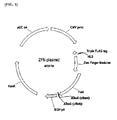
- the construct of the present invention includes a T7 promoter so that it can be CMV-driven and used in in vitro transcription reaction. All ZFNs are triple FLAGs in N-terminus. Restriction enzymes Xho I and Xba I are used to cleave immediately after the stop codon and linearize the template for mRNA synthesis.
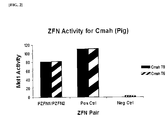
- ZFN activity is measured by yeast MEL-1 reporter assay ( Doyon et al., N at Biotechnol, 2008, 26(6): 702 ). ZFN-cleaving activity was measured before induction (0 h, blue bar) and after induction of ZFN expression (6h, red bar). MEL-1 level has a positive correlation with the ZFN activity which produces double stranded cleavage at the desired target area. After induction (6h), the ZFNs showing signals of >50% compared to the ZFN of positive control are considered as useful for genome editing experiments (even those ZFNs which show activities in an un-induced state (0h) may be excellent).
- 5'arm was obtained by PCR amplification using the genomic DNA of a Chicago miniature mini pig along with a sense primer (TCTAGACTCTCTATTTGGTGGCTCTGTTT, SEQ ID NO: 4) which includes an XbaI restriction site and an anti-sense primer (GAATTCAGGAGTTTCTTCCTTTCTGTTTT, SEQ ID NO: 5) which includes an EcoRI restriction site, and then ligated into a T-vector.
- the cloned DNA was confirmed to be a CMAH gene domain by DNA sequencing.
- 3'arm was amplified by PCR using the genomic DNA of a Chicago miniature mini pig as a template along with a sense primer (CTCGAGCCTACAACCCAGAATTTACTGCC, SEQ ID NO: 6) which includes an XhoI restriction site and an anti-sense primer (GGTACCAACAGGGACCTGCCAAGAGGCCA, SEQ ID NO: 7) which includes a KpnI restriction site, and then subcloned into a T-vector. The cloned DNA was confirmed to be a CMAH gene domain by DNA sequencing.
- CMAH 5'arm-PGKneopolyA-3'arm vector was performed by first cleaving the pKJ2 neo plasmid with EcoRI and XhoI to separate a PGKneoPolyA fragment (about 2 kb), and ligating the separated fragment into pBluscriptII (SK-) vector which was cleaved with EcoRI and XhoI, thereby obtaining pBSK-PGKneoPolyA plasmid.
- SK- pBluscriptII
- the 5 plasmid (T-easy vector) obtained above was cleaved with XbaI and EcoRI to obtain a 789 bp fragment, and then the fragment was ligated into pBSK-PGKneoPolyA plasmid, which was cleaved with XbaI and EcoRI, thereby constructing pBSK-5'arm-PGKneoPolyA plasmid.
- the 3plasmid (T-easy vector) obtained above was cleaved with XhoI and KpnI to obtain a 763 bp fragment, and then inserted into pBSK-5'arm-PGKneoPolyA plasmid, which was cleaved with XhoI and KpnI, thereby constructing pBSK-5'arm-PGKneoPolyA-3'arm plasmid.
- Example 4 ZFN Vector and method for transfection and selection of Donor DNA
- a gene targeting vector into a somatic cell of a miniature pig was performed via electroporation as described below.
- the cultured cells were recovered by trypsin treatment, suspended to obtain a liquid culture F10 having a cell number of 5 ⁇ 10 6 cells/0.4 mL, and then mixed with 4.5 ⁇ g of linearized donor DNA vector and 2.6 ⁇ g each of pZFN1 and pZFN2 DNA, and the cell-vector mixture was added into a 4 mm gap cuvette.
- the cuvette was installed onto a BTX Electro-cell manipulator (ECM 2001), and then subjected to an electric shock under the conditions of 480V, 4 pulses, and 1 ms.
- the cuvette was placed on ice for 10 minutes, transferred into a 10 mL liquid culture and suspended therein, and inoculated into a 48-well plate at a concentration of 1250 cells/well. 24 hours after the DNA introduction, they went through selection process for 11 days using 300 ⁇ g/mL G418.
- the thus-formed positive cloned somatic cells were subcultured using a 24-well culture plate and used for analysis.
- the thus-subcultured somatic cells were subcultured using a 12-well culture plate when they were 90% confluent in 3 to 4 days. Additionally, the cells were subcultured in a 6-well, a 60 mm culture dish, and a 100 mm culture dish at 3 to 4 day intervals, and then lyophilized or used in the experiments.
- PCR analysis for selection of knock-out cells was performed as described below. 100 ng of the genomic DNA separated from the cells was used as a template for PCR, and DNA was amplified using Neo3-1 primer (GCCTGCTTGCCGAATATCATGGTGGAAAAT, SEQ ID NO: 8) and CMAH Sc AS3 primer (AAGACTCCCACTTTAAAGGGTGGTGTGTAG, SEQ ID NO: 9) as primers along with Takara Ex Taq.
- PCR was performed under the conditions of 1 cycle at 98°C for 2 minutes; 40 cycles at 95°C for 30 seconds, 68°C for 30 seconds, 72°C for 2 minutes; and 1 cycle at 72°C for 15 minutes. After PCR, the amplified DNA was electrophoresed in a 0.8% agarose gel, and the presence/absence of about a 2 kb DNA band was finally confirmed
- CMAH neo vector transfection were 5 ⁇ 10 6 cells transfection (CMAH neo vector, ZFN plasmid), by culturing in 528 of 48-well plates, having a passage of 78 single colonies, and as a result of PCR analysis 64 single colonies, 28 were shown positive at the 1 st PCR, and finally 19 were shown positive at the 2 nd PCR.
- CMAH neo vector, ZFN plasmid The results of CMAH neo vector transfection were 5 ⁇ 10 6 cells transfection (CMAH neo vector, ZFN plasmid), by culturing in 528 of 48-well plates, having a passage of 78 single colonies, and as a result of PCR analysis 64 single colonies, 28 were shown positive at the 1 st PCR, and finally 19 were shown positive at the 2 nd PCR.
- Table 1 Number of transfected cells Number of G418 R colonies Number of G418 R colonies analyzed by PCR Number of PCR -positive
- oocytes were purchased from ART (Madison, WI), matured in vitro, and the oocytes were enucleated and transplanted with donor cells in which CMAH knockout (KO) was targeted ([pBSK-5'arm-PGKneoPolyA-3'arm plasmid] and pZFN1 and pZFN2 DNA[CMAH knock-out] vector), and a fusion was performed by two DC pulse electric stimuli at 1.2 kV/cm. Only the survived fused oocytes were selected and transplanted into the oviduct of a surrogate mother as shown in Table 2.
- CMAH knockout CMAH knockout
- Table 2 shows the results of nuclear substitution using CMAH KO cells, in which #1 and #2 indicate the ZFN transfection without donor DNA, and #3 to #9 indicate the ZFN transfection together with donor DNA.
- Example 7 Production of transgenic pigs in which CMAH knockout vector was targeted
- genomic DNA was extracted using GenEluteTM Mammalian Genomic DNA Miniprep kit (Sigma-Aldrich). For accurate analysis based on the extracted DNA, PCR analysis was performed in combination of primers for left arm region, right arm region, and a region including both left arm and right arm, and then confirmed the presence of gene introduction.
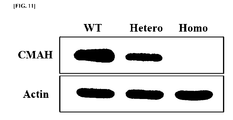
- CMAH knockout pig In order to confirm the presence of CMAH expression in a CMAH knockout pig, a somatic cell line was established from heterozygous and homozygous CMAH knockout pigs. Then, proteins were extracted from the cells using RIPA protein extract (Thermo Scientific, USA) solution, subjected to Western blot analysis, and thereby confirmed that CMAH protein was not expressed in the homozygous CMAH knockout pig, whereas CMAH protein expression was significantly reduced in the heterozygous CMAH knockout pig compared to that of a wild type pig. The results are shown in FIG. 11 .
- Example 9 Immune recognition response between a CMAH knock-out mouse model and human serum
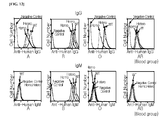
- the present inventors investigated the binding capacities to the thymocytes of a CMAH knock-out mouse model and the natural xenoreactive antibodies of human sera, the binding capacity between the homozygote-derived cells and IgG in all blood types (A, B, O and AB) were reduced compared to the WT- and heterozygote-derived cells, whereas the binding capacity with IgM did not show any significance in A, O and AB blood types ( FIG. 12 ).
- Example 10 Hearing loss due to aging in a CMAH knock-out mouse model
- the present inventors separated cochlea from a CMAH knock-out mouse model and performed a histological analysis, and as a result, discovered abnormality in the cochlear sensory epithelium at CMAH -/- old ( FIG. 13 ). Accordingly, the model can be used as 1) a hearing loss model according to aging and 2) a wound healing model.
Landscapes
- Life Sciences & Earth Sciences (AREA)
- Health & Medical Sciences (AREA)
- Genetics & Genomics (AREA)
- Engineering & Computer Science (AREA)
- Chemical & Material Sciences (AREA)
- Organic Chemistry (AREA)
- Zoology (AREA)
- Bioinformatics & Cheminformatics (AREA)
- Wood Science & Technology (AREA)
- Biotechnology (AREA)
- General Engineering & Computer Science (AREA)
- Biomedical Technology (AREA)
- General Health & Medical Sciences (AREA)
- Biochemistry (AREA)
- Molecular Biology (AREA)
- Microbiology (AREA)
- Biophysics (AREA)
- Physics & Mathematics (AREA)
- Plant Pathology (AREA)
- Environmental Sciences (AREA)
- Developmental Biology & Embryology (AREA)
- Veterinary Medicine (AREA)
- Animal Behavior & Ethology (AREA)
- Animal Husbandry (AREA)
- Biodiversity & Conservation Biology (AREA)
- Medicinal Chemistry (AREA)
- Mycology (AREA)
- Cell Biology (AREA)
- Micro-Organisms Or Cultivation Processes Thereof (AREA)
- Materials For Medical Uses (AREA)
Abstract
Description
- The present invention relates to a CMP-acetylneuraminic acid hydroxylase targeting vector, a transgenic animal for xenotransplantation introduced with the vector, and a method of manufacturing the same.
- According to Korean Network for Organ Sharing (KNOS), generally, about 20,000 patients are awaiting organ transplantation in Korea each year, but the actual number of organs being donated is reportedly even less than 10% what is required for the organ transplantation. Additionally, in the U.S., the number of patients on the waiting list for organ transplantation is being added additionally one per every 16 minutes, however, 11 patients for a day on the waiting list are in a condition to face death without receiving the required organ transplantation. In this regard, the development of technologies in life science serves as a background for the development of technologies for xenotransplantation.
- The continued progress in animal genetics has made it possible to produce commercially useful transgenic animals along with functional verification of each gene via removal or insertion of a particular gene. Examples of the methods for producing transgenic animals include random genetic manipulation methods using microinjection or viral infection, and gene targeting methods which target particular genes using embryonic stem cells or somatic cells.
- The microinjection method is a conventional method to insert foreign DNA into a pronucleus of a fertilized egg and has been widely used for the manufacture of transgenic animals (Harbers et al., Nature, 293(5833): 540-2, 1981; Hammer et al., Nature, 315(6021): 680-683, 1985; van Berkel et al., Nat. Biotechnol., 20(5): 484-487, 2002; Damak et al., Biotechnology (NY),14(2): 185-186, 1996). However, the efficiency of live transgenic oocytes derived from the fertilized eggs, where foreign DNA was inserted via microinjection, is very low to reach only 2% to 3% (Clark et al., Transgenic Res., 9: 263-275, 2000), and it is impossible to regulate the location for a foreign gene to be inserted or to remove a particular endogenous gene therein.
- The viral infection method is also widely used for the manipulation of animal genes (Soriano et al., Genes Dev., 1(4): 366-375, 1987; Hirata et al., Cloning Stem Cells, 6(1): 31-36, 2004). In the viral infection method, the gene to be inserted is introduced as a gene of an animal by a viral vector and thus this method is more efficient than the microinjection method, however, this method still is not able to insert a foreign gene into a particular location or remove a particular endogenous gene therein. Additionally, the maximum size of a gene to be inserted is limited to 7 kb, and the proteins expressed by the virus become a problem (Wei et al., Annu. Rev. Pharmacol. Toxicol., 37: 119-141, 1997; Yanez et al., Gene Ther., 5(2): 149-159, 1998).
- In order to overcome the problems described above, a gene targeting technology capable of removing or inserting a particular gene may be used. The gene targeting technology was first used in the study of gene functions using mouse embryonic stem cells. Production of genetically manipulated live oocytes of a particular gene is made possible by inserting a mouse embryonic stem cell, in which the particular gene is targeted, into an embryo at the blastocyst stage by a homologous recombination. By employing the gene targeting method into a mouse embryonic stem cell, a mouse in which a large number of particular genes were targeted was produced (Brandon et al., Curr.Biol., 5(6): 625-634, 1995; Capecchi et al., Science, 244(4910): 1288-1292, 1989; Thompson et al., Cell, 56(2): 313-321, 1989; Hamanaka et al., Hum. Mol. Genet., 9(3): 353-361, 2000; Thomas et al., Cell, 51(3): 503-512, 1987; te Riele et al., Proc. Natl. Acad. Sci. USA, 89(11): 5182-5132, 1992; Mansour et al., Nature, 336(6197): 348-352, 1988; Luo et al., Oncogene, 20(3): 320-328, 2001). When the gene targeting method is applied to cattle, it is possible to produce a disease model animal which can be used in xenotransplantation using an animal bioreactor or by removing a particular gene involved in immunological rejection responses or overexpressing the gene at a particular location, and these are expected to bring a big economic benefit from the industrial aspect.
- In producing gene-targeted animals, the use of embryonic stem cells has been considered essential. However, the use of their stem cells in cattle has been limited although cell lines similar to the embryonic stem cells have been reported in cattle including pigs and cows (Doetschman et al., Dev. Biol., 127(1): 224-227, 1988; Stice et al., Biol. Reprod., 54(1): 100-110, 1996; Sukoyan et al., Mol. Reprod. Dev., 36(2): 148-158, 1993; Iannaccone et al., Dev. Biol., 163(1): 288-292, 1994; Pain et al., Development, 122(8): 2339-2348, 1996; Thomson et al., Proc. Natl. Acad. Sci. USA, 92(17): 7844-7848, 1995; Wheeler et al., Reprod. Fertil. Dev., 6(5): 563-568, 1994). Instead, along with the suggestion that general somatic cells as a nuclear donor cell can be used in gene targeting, the production of transgenic cattle has been made possible (Brophy et al., Nat. Biotechnol.,21(2): 157-162, 2003; Cibelli et al., Science, 280(5367): 1256-1258, 1998; Campbell et al., Nature,380(6569): 64-66, 1996; Akira Onishi et al., Science, 289;1188-1190, 2000 Denning et al., Cloning Stem Cells, 3(4): 221-231, 2001; McCreath et al., Nature, 405(6790): 1066-1069, 2000).
- Meanwhile, as an optimal supplying source for xenotransplantation, miniature pigs capable of supplying a large number of organs due to similarities in the size and physiological characteristics of organs to those of humans and the fecundity are considered.
- The success of porcine organ transplantation relies on whether or not a series of immunological rejection responses (hyperacute-, acute vascular-, cell-mediated-, and chronic immunological rejection responses) can be overcome. Reportedly, the hyperacute immunological rejection response, which occurs within a few minutes after transplantation, could be overcome by removing gene(s) involved in the synthesis of alpha-1,3-galactosyltransferase antigenic determinant and overexpressing human complement regulatory genes.
- Specifically, a somatic cloned pig, in which alpha-1,3-galactosyltransferase (hereinafter, "GT") was heterozygously removed, was produced first by PPL Co., Ltd. of England in 2002 (Yifan Dai et al., Nat. Biotechnology, 20: 251-255, 2002). The GT gene is a gene which causes an acute immunological rejection response, and when this gene is removed it is possible to develop a disease model animal for xenotransplantation, in which the in vivo rejection responses are removed.
- In 2003, the above company succeeded in somatic cell replication where the GT gene was removed (
KR Patent Application Publication No. 10-2009-0056922 - Meanwhile, it was reported that N-glycolylneuraminic acid (hereinafter, "Neu5Gc") antigen determinant, which is present in most mammals except humans, can also cause an immunological rejection response during xenotransplantation (
WO20061133356A - Complements are protein complexes (C1-C9) consisting of proteins involved in immune responses, and they have the activities of complement fixation, in which complements, upon formation of an antigen-antibody complex, bind to cell membranes of bacterial and thereby produce holes, and an opsonization, in which complements bind to the antigen-antibody complex and promote phagocytosis. Various proteins regulating the activities of the complements have been discovered, and these regulatory proteins regulate the complements by either preventing the activation of the complements or promoting the lysis of the activated complements. The DAF presents on the cell membranes of a host cell can prevent the binding between C2 and C4b, and MCP promotes the lysis of C4b and prevents the activation of complements in a host cell thereby preventing the activation of the complements and preventing the destruction of the host cell by the complements. CD59, which is present on the surface of a host cell, can prevent the binding between C7, C8 and C5b6 and thereby prevent the formation of a membrane attack complex.
- In addition to the genes which regulate the activities of complements, it was reported that thrombosis can be inhibited by the overexpression of human CD39 gene, which occurs during the xenotransplantation (
US20080003212A , Karren, M. D., The Journal of Clinical Investigation, 113: 1440-1446,2004). - According to a previous report, the expression of a foreign gene in a place other than the place it is normally expressed can cause a disorder in embryonic development, and is fatal to the nervous system which is mostly developed at the later stage of embryonic development and at the early stage after birth (Gao et al., Neurochem. Res., 24(9): 1181-1188, 1999).
-
KR Patent Application Publication No. 10-2009-0104328 -
KR Patent Application Publication No. 10-2001-0034847 - The present invention is contrived by the necessities described above, and an object of the present invention is to provide a knock-out vector for a gene synthesizing xenoantigen determinant (CMAH).
- Another object of the present invention is to provide a transgenic somatic cell line using a vector having higher efficiency and accuracy, compared to the conventional targeting vectors.
- Still another object of the present invention is to provide a non-human cloned animal manufactured by nuclear transplantation of the transgenic somatic cell line.
- Still another object of the present invention is to provide a method for producing xeno-organs for transplantation, which are eliminated of immune rejections, including breeding of non-human cloned animals followed by harvesting the organs.
- In order to achieve the above objects, the present invention provides a CMP-acetylneuraminic acid hydroxylase targeting vector including CMP-acetylneuraminic acid hydroxylase 5' arm, PGKneopolyA, and CMP-acetylneuraminic acid hydroxylase 3' arm in sequential order.
- In an exemplary embodiment of the present invention, the CMP-acetylneuraminic acid hydroxylase 5' arm preferably includes the nucleotide sequence described in SEQ ID NO: 1, but it is not limited thereto.
- In another exemplary embodiment of the present invention, the PGKneopolyA preferably includes the nucleotide sequence described in SEQ ID NO: 2, but it is not limited thereto.
- In still another exemplary embodiment of the present invention, the CMP-acetylneuraminic acid hydroxylase 3' arm preferably includes the nucleotide sequence described in SEQ ID NO: 3, but it is not limited thereto.
- In still another exemplary embodiment of the present invention, the CMP-acetylneuraminic acid hydroxylase targeting vector preferably includes the restriction map described in
FIG. 4 , but it is not limited thereto. - Additionally, the present invention provides a method for manufacturing knock-out cells of CMP-acetylneuraminic acid hydroxylase including transfecting the CMP-acetylneuraminic acid hydroxylase targeting vector of the present invention, and a zinc-finger nuclease vector to cells.
- In an exemplary embodiment of the present invention, the zinc-finger nuclease vector preferably includes the restriction map described in
FIG. 1 , but it is not limited thereto. - Additionally, the present invention provides knock-out cells of CMP-acetylneuraminic acid hydroxylase manufactured by the method of the present invention.
- The above knock-out cells of the present invention were deposited to Division of Biological Infrastructure, Korea Research Institute of Bioscience and Biotechnology, located at Eoeun-dong, Yuseong-gu, Daejeon 34141, Korea, on July 2, 2013 under the Deposition No. of KCTC 12439BP.
- Additionally, the present invention provides a method for manufacturing animals exclusive of humans by nuclear transplantation of the knock-out cells of CMP-acetylneuraminic acid hydroxylase.
- Additionally, the present invention provides a method for producing xeno-organs for transplantation, which are eliminated of immune rejections, including breeding of non-human cloned animals followed by ablating the organs.
- As used herein, the term "gene targeting vector" refers to a vector which can remove or insert a target gene to a particular gene location, and the vector includes a nucleotide sequence homologous to the particular gene being targeted for the occurrence of a homologous recombination.
- As used herein, the term "homologous" refers to the degree of identity in nucleic acid sequence of a gene corresponding to the first domain or the second domain, and having at least 90% of identity, and preferably 95% or more of identity.
- As used herein, the term "antigen determinant" refers to a region which is recognized as an antigen by an immune system of a receptor at the time of xenotransplantation, and is N-glycolylneuraminic acid (hereinafter, "Neu5Gc"), which is a cell surface glycan, and "antigen determinant synthesizing gene" refers to a gene encoding an enzyme which biosynthesizing the antigen determinant, and is CMP-acetylneuraminic acid hydroxylase (hereinafter, "CMAH") involved in the biosynthesis of Neu5Gc.
- As used herein, the term "selection marker" is for the selection of transfected cells by a gene targeting vector, and markers which render selectable phenotypes such as drug resistance, nutrient requirement, resistance to cytotoxic agents, and expression of surface proteins, and refers to a marker which enables a positive selection by allowing only those cells, which express particular markers under the environment treated with a selective agent, to survive, and "selective marker gene" refers to a gene which encodes the positive selection marker, for example, neomycin phosphotransferase (hereinafter, "neo") is used for selecting stable transfected cells in eukaryotic cells, by rendering antibiotics resistance so that the eukaryotic cells can survive in a medium added with the antibiotic, neomycin.
- The term "transformation" refers to an introduction of DNA into a host cell and make the DNA replicable as an extrachromosomal factor or chromosomal integration. Transformation includes any method that can introduce any given nucleic acid molecule into an organism, a cell, a tissue, or an organ, and it may be performed using any standard method suitable for a host cell as known in the art. In order to distinguish the transformation by eukaryotic cells by plasmid or nonplasmid naked DNA from the transformation by cellular tumorigenesis, it is often called "transfection", and in the present invention they are used as having the same meaning.
- As used herein, the term "zinc-finger nucleases (ZFNs)" refers to artificial restriction enzymes produced by a fusion of a zinc-finger DNA binding domain to a DNA-cleaved domain. The zinc-finger domain can be manipulated for targeting DNA sequences, and this makes the zinc-finger nucleases to target the desired DNA sequences within a complex genome. It may be used to accurately change the genome of higher order species.
- In the present invention, "DNA-cleaving domain" is used, for example, a non-specific cleaved domain derived from type II restriction enzyme FokI is typically used as a ZFNs-cleaving domain. This cleavage domain should be dimerized to cleave DNA and thus a pair of ZFNs are necessary for targeting the non-palindromic DNA domain. Standard ZFNs enable the cleaved domains to be fussed with the C-terminus of each zinc-finger domain. For the dimerization of the two cleaved domains and cleaving DNA, the two individual ZFNs should be separated at a limited distance from their C-termini and bind to the DNA on the opposite strand. It is necessary that the linker sequence most generally used between the zinc-finger domain and the cleaved domain be separated at a distance of 5 bp to 7 bp from the 5' edge in each binding domain.
- A few other protein engineering technologies are adopted to improve the activities and specificities of the nuclease domains used in the ZFNs. For the production of FokI variants having improved cleaved activities, directed evolution is adopted. For the activation of only the intended hetero dimer species in order to improve the cleaved specificity of FokI by modifying the dimerized contact surfaces, a structure-based design is adopted.
- The DNA-binding domain of each of the ZFNs has 3 to 6 zinc-finger repeats and can recognize the distance of from 9 bp to 18 bp. If the zinc-finger domains are completely specific to their intended target areas, even a pair 3-finger ZNFs, which can recognize an entire length of 18 bp, can theoretically target a single locus in a mammalian genome.
- For enabling the binding to desired sequences, various strategies have been developed to manipulate Cys2His2 zinc-finger. They include both modular assembly and selection strategy that adopt phage display or cellular selection systems.
- The most simple method to produce a new zinc-finger array is to link small zinc-finger "modules" with known specificities. The most general modular assembly process involves, for the preparation of a 3-finger array capable of recognizing 9 bp target areas, linking of three separated zinc-fingers which can recognize each of 3 bp DNA sequences. As an alternative, a method of using a 1-finger or 2-finger module to prepare zinc-finger arrays having six or more individual zinc-fingers.
- Various selective methods may be used for producing zinc-finger arrays capable of targeting desired sequences. At the early stage of selection attempt, phage display was used to select proteins bound to the given DNA targets from partially randomized zinc-finger arrays from many pools. In a more recent attempt, yeast one-hybrid system, bacteria one-hybrid and two-hybrid systems, and mammalian cells were used. A more promising method to select a new zinc-finger array is to use the bacteria two-hybrid system, and is called "OPEN". This system uses the selection of a second round to obtain a 3-finger array capable of binding to a desired 9-bp sequence, after binding each zinc-finger of the pool selected in advance to be selected to bind to each given triplet. This system was developed by Zinc-Finger Consortium, as an alternative to the commercial source of manipulated zinc-finger arrays.
- The present invention will be described in detail.
- The present inventors succeeded in preparing somatic cell lines inserted with G418 (Neo) gene so that somatic cells with a knock-out CMAH gene can be efficiently selected while removing the CMAH gene involved in the synthesis of Neu5Gc antigen determinant.
- The targeting vector and the cell line for transformation prepared in the present invention may be used for efficient production of cloned pigs for xenotransplantation, via complex regulation of the expression of genes involved in immunological rejection responses.
- The vector used in the present invention is a novel technology which can produce Fox1 protein having a nuclease function of removing zinc finger proteins that can recognize the sequence of a determinant gene in a somatic cell and genes within the determinant.
- The vector used in the present invention has improved efficiency and accuracy compared to that of the conventional targeting vector.
- Additionally, the CMAH gene targeted by the vector is preferably the CMAH gene derived from mammals including cattle, sheep, goats, pigs, horses, rabbits, dogs, monkey, etc., more preferably the CMAH gene derived from pigs, and most preferably the CMAH gene derived from miniature pigs, but is not limited thereto.
- Additionally, the vector of the present invention includes positive selection marker genes.
- For the positive selection marker genes, neomycin phosphotransferase (Neo), hygromycin phosphotransferase (Hyg), histidinoldehydrogenase (hisD), puromycin (Puro), guanine phosphosribosyltransferase (Gpt), etc., may be used, and preferably Neo, but are not limited thereto.
- When the gene targeting vector of the present invention is targeted into the host cell, a homologous recombination occurs between the gene for synthesizing an endogenous antigen determinant on the genome of the host cell and the targeting vector and the nucleotide sequence is substituted.
- In another aspect, the present invention relates to a transformant which is introduced with the above targeting vector.
- The transformation method may include any method that can introduce any given nucleic acid molecule into an organism, a cell, a tissue, or an organ, and it may be performed using any standard method suitable for a host cell as known in the art. The method may include electroporation, a calcium phosphate (CaPO4) precipitation method, a calcium chloride (CaCl2) precipitation method, microinjection, polyethylene glycol (PEG) method, DEAE-dextran method, a cationic liposome method, a lithium acetate-DMSO method, etc., but the method is not limited thereto.
- Additionally, the present invention provides a non-human cloned animal to be prepared via nuclear transplantation of the somatic cell line for transformation.
- The non-human cloned animal may be possibly a mammal having a size similar to that of humans such as sheep, goats, pigs, dogs, etc., preferably pigs, and among them, most preferably miniature pigs.
- The nuclear transplantation used for the preparation of the cloned animals may possibly be performed using a method well-known in the art, and preferably the methods described in
US 6,781,030B ,US 6,603,059B ,US 6,235,969B ,US 7,355,094B ,US 7,071,372B ,KR 862298B KR 500412B KR 807644B JP 4153878B US 6,700,037B ,US 7,291,764B ,US 6,258,998B ,US 6,548,741B ,WO 03/089632A US 7,371,922B , etc., and for pigs, those described inKR500412B KR807644 JP4153878B US6,700,037B ,KR Patent Application Publication No. 10-2009-0056922 US7,291,764B ,US6,258,998B ,US6,548,741B ,WO03/089632A US 7,371,922B . These patent documents are incorporated herein as references. - Additionally, the present invention provides a method for producing xeno organs for transplantation including ablating an organ necessary for transplantation, after breeding the non-human cloned animals. The organ may be ablated by the conventional surgical operation after breeding donor cloned animals by regulating the breeding period in consideration of sex, age, body weight, height, etc., of a recipient subject, and the ablated organs may be immediately transplanted to the recipient subject, or rapidly stored in a fridge.
- As an optimal supplying source for xenotransplantation, miniature pigs which can supply a large-scale of organs due to the similarity in size and physiological characteristics to those of humans and their fecundity are considered. For this, miniature pigs which can control immunological rejection responses should be first produced. The success in the transplantation of pigs relies on whether or not a series of immunological rejection responses (hyperacute-, acute vascular-, cell-mediated-, and chronic immunological rejection responses) can be overcome.
- According to the previous report, GT gene is a source gene causing acute immunological rejection responses during xenotransplantation, and when this gene is removed it is possible to develop a disease animal model for xenotransplantation in which biological rejection responses are removed. In 2005, an organ, derived from a cloned pig where GT gene was removed, was transplanted into a monkey, and as a result, it was reported that the survival was sustained until 2 to 6 months after the transplantation without acute immunological rejection response (Kenji Kuwaki et al., Nature Medicine, 11(1): 29-31, 2005). However, it was reported that, even with the removal of GT gene, a serious rejection response may occur during organ transplantation by the activation of human complement genes caused by the xenoantigens which may go through with a different route (Tanemura, M. et al., Biochem. Biophys. Res. Commun., 235: 359-364, 1997; Komoda, H. et al., Xenotransplantation, 11: 237-246, 2004). Meanwhile, it was reported that N-glycolylneuraminic acid (hereinafter, "Neu5Gc") antigen determinant, which is present in most mammals excluding humans, can also cause an immunological rejection response during xenotransplantation (
WO20061133356A - Accordingly, in the case of the pig of the present invention, it may be used as a model for obesity and diabetes. Additionally, according to the previous report (Chandrasekharan et al., Sci Transl Med., 28: 42-54), a CMAH knock-out mouse can be possibly used as an experimental model for Duchenne muscular dystrophy in humans. According to these reports, the pig of the present invention may be used as a model for muscular dystrophy.
- As can be seen in the present invention, in the present invention, a somatic cell line where G418 (Neo) gene was inserted so that somatic cells with CMAH gene knock-out can be selected while removing CMAH gene involved in the synthesis of Neu5Gc antigen determinant, and the targeting vector and the cell line for transformation prepared by the present invention can be used for the efficient production of cloned pigs for xenotransplantation by the complex regulation of the expression of the genes involved in the immunological rejection responses.
- Additionally, to remove the CMAH protein expression in pigs, the vector of the present invention was so prepared that donor DNA including NEO selection factor to be inserted into the genome was prepared by homologous recombination simultaneously along with CMAH targeting vector using zinc finger nuclease (ZFN), and it was confirmed that the vector of the present invention has a significantly higher targeting efficiency than the conventional targeting vector, and a multiple of CMAH targeting somatic cells were selected using the ZFN and the donor DNA, and CMAH gene-targeted miniature pigs were produced by transplantation of fertilized eggs.
- [Description of Drawings]
-
FIG. 1 is a map of ZFN plasmid. -
FIG. 2 is a graph of ZFN activity. -
FIG. 3 is a diagram illustrating the ZFN's targeting of pig CMAH exon 8 by ZFN targeting forward & reverse plasmids. -
FIG. 4 is a diagram showing a donor DNA (CMAH neo targeting vector) map. -
FIG. 5 is an image showing the sequence of the CMAH targeting vector, wherein yellow indicates; 5', white indicates; PGK-neo-PolyA, gray indicates; 3arm', and pBSK- sequence is not included (DNA is inserted into a XbaI-KpnI site of pBSK). -
FIG. 6 is a diagram showing the screening strategy of CMAH knock-out somatic cells in pigs. -
FIG. 7 is a picture showing the result of transfection by CMAH neo vector. -
FIG. 8 is a diagram showing the locations for primer combination for confirming the transfection of CMAH knock-out pigs. -
FIG. 9 is a picture showing the PCR result analyzing the presence of transfection of CMAH knock-out pigs produced by nuclear substitution. -
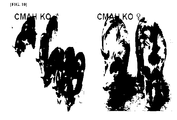
FIG. 10 shows the pictures of CMAH knock-out pigs produced by nuclear substitution. -
FIG. 11 shows the results of CMAH expression in a somatic cell line established in CMAH knock-out pigs produced by nuclear substitution. -
FIG. 12 shows the pictures of immunological recognition responses between a CMAH knock-out mouse model and human blood serum. -
FIG. 13 shows the pictures of hearing loss according to aging in a CMAH knock-out mouse model. - Hereinafter, the present invention will be described in detail with reference to non-limiting Examples. However, the exemplary embodiments disclosed herein are only for illustrative purposes and should not be construed as limiting the scope of the present invention.
- The construct of the present invention includes a T7 promoter so that it can be CMV-driven and used in in vitro transcription reaction. All ZFNs are triple FLAGs in N-terminus. Restriction enzymes Xho I and Xba I are used to cleave immediately after the stop codon and linearize the template for mRNA synthesis.
- ZFN activity is measured by yeast MEL-1 reporter assay (Doyon et al., N at Biotechnol, 2008, 26(6): 702). ZFN-cleaving activity was measured before induction (0 h, blue bar) and after induction of ZFN expression (6h, red bar). MEL-1 level has a positive correlation with the ZFN activity which produces double stranded cleavage at the desired target area. After induction (6h), the ZFNs showing signals of >50% compared to the ZFN of positive control are considered as useful for genome editing experiments (even those ZFNs which show activities in an un-induced state (0h) may be excellent).
- First, 5'arm was obtained by PCR amplification using the genomic DNA of a Chicago miniature mini pig along with a sense primer (TCTAGACTCTCTATTTGGTGGCTCTGTTT, SEQ ID NO: 4) which includes an XbaI restriction site and an anti-sense primer (GAATTCAGGAGTTTCTTCCTTTCTGTTTT, SEQ ID NO: 5) which includes an EcoRI restriction site, and then ligated into a T-vector. The cloned DNA was confirmed to be a CMAH gene domain by DNA sequencing.
- 3'arm was amplified by PCR using the genomic DNA of a Chicago miniature mini pig as a template along with a sense primer (CTCGAGCCTACAACCCAGAATTTACTGCC, SEQ ID NO: 6) which includes an XhoI restriction site and an anti-sense primer (GGTACCAACAGGGACCTGCCAAGAGGCCA, SEQ ID NO: 7) which includes a KpnI restriction site, and then subcloned into a T-vector. The cloned DNA was confirmed to be a CMAH gene domain by DNA sequencing.
- The construction of CMAH 5'arm-PGKneopolyA-3'arm vector was performed by first cleaving the pKJ2 neo plasmid with EcoRI and XhoI to separate a PGKneoPolyA fragment (about 2 kb), and ligating the separated fragment into pBluscriptII (SK-) vector which was cleaved with EcoRI and XhoI, thereby obtaining pBSK-PGKneoPolyA plasmid. Regarding the 5' linking, the 5 plasmid (T-easy vector) obtained above was cleaved with XbaI and EcoRI to obtain a 789 bp fragment, and then the fragment was ligated into pBSK-PGKneoPolyA plasmid, which was cleaved with XbaI and EcoRI, thereby constructing pBSK-5'arm-PGKneoPolyA plasmid. Finally, regarding the 3' linking, the 3plasmid (T-easy vector) obtained above was cleaved with XhoI and KpnI to obtain a 763 bp fragment, and then inserted into pBSK-5'arm-PGKneoPolyA plasmid, which was cleaved with XhoI and KpnI, thereby constructing pBSK-5'arm-PGKneoPolyA-3'arm plasmid.
- The introduction of a gene targeting vector into a somatic cell of a miniature pig was performed via electroporation as described below. In electroporation, the cultured cells were recovered by trypsin treatment, suspended to obtain a liquid culture F10 having a cell number of 5 × 10⁶ cells/0.4 mL, and then mixed with 4.5 µg of linearized donor DNA vector and 2.6 µg each of pZFN1 and pZFN2 DNA, and the cell-vector mixture was added into a 4 mm gap cuvette. The cuvette was installed onto a BTX Electro-cell manipulator (ECM 2001), and then subjected to an electric shock under the conditions of 480V, 4 pulses, and 1 ms. After the electric shock, the cuvette was placed on ice for 10 minutes, transferred into a 10 mL liquid culture and suspended therein, and inoculated into a 48-well plate at a concentration of 1250 cells/well. 24 hours after the DNA introduction, they went through selection process for 11 days using 300 µg/mL G418. The thus-formed positive cloned somatic cells were subcultured using a 24-well culture plate and used for analysis. The thus-subcultured somatic cells were subcultured using a 12-well culture plate when they were 90% confluent in 3 to 4 days. Additionally, the cells were subcultured in a 6-well, a 60 mm culture dish, and a 100 mm culture dish at 3 to 4 day intervals, and then lyophilized or used in the experiments.
- The PCR analysis for selection of knock-out cells was performed as described below. 100 ng of the genomic DNA separated from the cells was used as a template for PCR, and DNA was amplified using Neo3-1 primer (GCCTGCTTGCCGAATATCATGGTGGAAAAT, SEQ ID NO: 8) and CMAH Sc AS3 primer (AAGACTCCCACTTTAAAGGGTGGTGTGTAG, SEQ ID NO: 9) as primers along with Takara Ex Taq. PCR was performed under the conditions of 1 cycle at 98°C for 2 minutes; 40 cycles at 95°C for 30 seconds, 68°C for 30 seconds, 72°C for 2 minutes; and 1 cycle at 72°C for 15 minutes. After PCR, the amplified DNA was electrophoresed in a 0.8% agarose gel, and the presence/absence of about a 2 kb DNA band was finally confirmed
- The results of CMAH neo vector transfection were 5 × 10⁶ cells transfection (CMAH neo vector, ZFN plasmid), by culturing in 528 of 48-well plates, having a passage of 78 single colonies, and as a result of
PCR analysis 64 single colonies, 28 were shown positive at the 1st PCR, and finally 19 were shown positive at the 2nd PCR.[Table 1] Number of transfected cells Number of G418R colonies Number of G418R colonies analyzed by PCR Number of PCR - positive colonies 5 × 10⁶ 78 64 19 - The materials used herein are as follows.
- For nuclear substitution, oocytes were purchased from ART (Madison, WI), matured in vitro, and the oocytes were enucleated and transplanted with donor cells in which CMAH knockout (KO) was targeted ([pBSK-5'arm-PGKneoPolyA-3'arm plasmid] and pZFN1 and pZFN2 DNA[CMAH knock-out] vector), and a fusion was performed by two DC pulse electric stimuli at 1.2 kV/cm. Only the survived fused oocytes were selected and transplanted into the oviduct of a surrogate mother as shown in Table 2.
[Table 2] Recipients numbers Donor cells No.of embryos transferred Day of heat Comments 1 Male ZFN C3 192 1 2 live 2 Male ZFN C3 239 0 9 live 2 stillborn 3 Female A5 212 0 - 4 Female A9 221 0 1 live 5 Male D11 205 1 - 6 Male C5 238 1 3 live 7 Female H10 246 1 - 8 Male B2 240 1 1 with abnormality 9 Female D1 257 1 2 live - Table 2 shows the results of nuclear substitution using CMAH KO cells, in which #1 and #2 indicate the ZFN transfection without donor DNA, and #3 to #9 indicate the ZFN transfection together with donor DNA.
- After collecting ear tissues of offspring produced by normal delivery, the genomic DNA was extracted using GenElute™ Mammalian Genomic DNA Miniprep kit (Sigma-Aldrich). For accurate analysis based on the extracted DNA, PCR analysis was performed in combination of primers for left arm region, right arm region, and a region including both left arm and right arm, and then confirmed the presence of gene introduction.
- Combination of right arm primers
- forward direction Neo 3-1: TCGTGCTTTACGGTATCGCCGCTCCCGATT, SEQ ID NO: 10
- reverse direction ScAS3: AAGACTCCCACTTTAAAGGGTGGTGTGTAG, SEQ ID NO: 11
- Combination of left arm primers
- forward direction ScS5: CCCTTCCATCCCACCCGTCCTCATCCTTAC, SEQ ID NO: 12
- reverse direction CMAHR: ACTCTCTGTTTTCAGGCTGCTTGTT, SEQ ID NO: 13
- Combination of right arm and left arm primers
- forward direction ScS5: CCCTTCCATCCCACCCGTCCTCATCCTTAC, SEQ ID NO: 14
- reverse direction ScAS3: AAGACTCCCACTTTAAAGGGTGGTGTGTAG, SEQ ID NO: 15
- In order to confirm the presence of CMAH expression in a CMAH knockout pig, a somatic cell line was established from heterozygous and homozygous CMAH knockout pigs. Then, proteins were extracted from the cells using RIPA protein extract (Thermo Scientific, USA) solution, subjected to Western blot analysis, and thereby confirmed that CMAH protein was not expressed in the homozygous CMAH knockout pig, whereas CMAH protein expression was significantly reduced in the heterozygous CMAH knockout pig compared to that of a wild type pig. The results are shown in
FIG. 11 . - The present inventors investigated the binding capacities to the thymocytes of a CMAH knock-out mouse model and the natural xenoreactive antibodies of human sera, the binding capacity between the homozygote-derived cells and IgG in all blood types (A, B, O and AB) were reduced compared to the WT- and heterozygote-derived cells, whereas the binding capacity with IgM did not show any significance in A, O and AB blood types (
FIG. 12 ). - The present inventors separated cochlea from a CMAH knock-out mouse model and performed a histological analysis, and as a result, discovered abnormality in the cochlear sensory epithelium at CMAH -/- old (
FIG. 13 ). Accordingly, the model can be used as 1) a hearing loss model according to aging and 2) a wound healing model. - Issued pursuant to Rule 7.2 by following International deposit authorities Depositor: Jin-Hee Kim
- KONKUK UNIVERSITY, 120 Neungdong-ro,
- Gwangjin-gu, Seoul 140-701, Korea
-


| I. IDENTIFICATION OF THE MICROORGANISM | ||
| IDENTIFICATION FOR DISTINGUISH GIVEN BY DEPOSITOR: | ACCESSION NUMBER GIVEN BY INTERNATIONAL DEPOSITARY INSTITUTION: KCTC 12439BP | |
| Sus scrofa (SNU miniature pig) | ||
| CMAH knock-out mini-pig fibroblast cell line | ||
| II. SCIENTIFIC DESCRIPTION AND/OR PROPOSED TAXONOMIC DESIGNATION | ||
| MICROORGANISM DESIGNATED IN I INCLUDES DOCUMENTS HAVING FOLLOWING ITEMS | ||
| ▪ SCIENTIFIC PROPERTY □ PROPOSED TAXONOMIC DESIGNATION |
| III. RECEIPT AND DEPOSIT | ||
| INTERNATIONAL DEPOSITARY INSTITUTION DEPOSITS MICROORGANISM ON I RECEIVED ON JULY 2, 2013. |
| IV. RECEIPT OF CONVERSION REQUEST | ||
| IV. INTERNATIONAL DEPOSITARY INSTITUTION | ||
| NAME: KOREAN COLLECTION FOR TYPE CULTURES, KOREA RESEARCH INSTITUTE OF BIOSCIENCE AND BIOTECHNOLOGY | SIGNATURE: YOUR SIGNATURE IN YOUR OWN HANDWRITING | |
| ADDRESS: KRIBB, KOREA RESEARCH INSTITUTE OF BIOSCIENCE AND BIOTECHNOLOGY, 305-806, YESEONG-GU, GWAHAK-RO, DAEJEON | SIGNATURE: KYUNG-SOOK, BAE | |
| DATE: JULY 3, 2013 | ||
Claims (12)
- A CMP-acetylneuraminic acid hydroxylase targeting vector comprising CMP-acetylneuraminic acid hydroxylase 5' arm, PGKneopolyA, and CMP-acetylneuraminic acid hydroxylase 3' arm in sequential order.
- The CMP-acetylneuraminic acid hydroxylase targeting vector of claim 1, wherein the CMP-acetylneuraminic acid hydroxylase 5' arm consists of a nucleotide sequence described in SEQ ID NO: 1.
- The CMP-acetylneuraminic acid hydroxylase targeting vector of claim 1, wherein the PGKneopolyA consists of a nucleotide sequence described in SEQ ID NO: 2.
- The CMP-acetylneuraminic acid hydroxylase targeting vector of claim 1, wherein the CMP-acetylneuraminic acid hydroxylase 3' arm consists of a nucleotide sequence described in SEQ ID NO: 3.
- The CMP-acetylneuraminic acid hydroxylase targeting vector of claim 1, wherein the CMP-acetylneuraminic acid hydroxylase targeting vector has a restriction map depicted in FIG. 4.
- A method for preparing a knockout cell of CMP-acetylneuraminic acid hydroxylase comprising performing a transfection of a zinc-finger nuclease vector and the vector of claims 1 to 5 into cells.
- The method of claim 6, wherein the zinc-finger nuclease vector has a restriction map depicted in FIG. 1.
- The knockout cells of CMP-acetylneuraminic acid hydroxylase prepared according to a method of claim 6 or claim 7.
- The knockout cells of claim 8, which was deposited under deposition No. KCTC 12439BP.
- A method of manufacturing animals excluding humans, comprising:obtaining oocytes and maturing them via in vitro maturation;enucleating the oocytes, transplanting the cells of claim 8 or claim 9 into the enucleated oocytes, and performing a fusion between them;selecting only the survived fused oocytes and transplanting them into the oviduct of a surrogate mother.
- A method of producing xeno organs for transplantation eliminated of immune rejections, comprising:breeding cloned animals, excluding humans, manufactured by the method of claim 10, andablating organs from the cloned animals.
- A method of using the animals manufactured by the manufacturing method of claim 10 as a hearing loss model or wound healing model according to senescence.
Priority Applications (1)
| Application Number | Priority Date | Filing Date | Title |
|---|---|---|---|
| PL13883590T PL2993234T3 (en) | 2013-04-30 | 2013-08-23 | Cmp-acetylneuraminic acid hydroxylase targeting vector, transgenic animal for xenotransplantation introduced with the vector, and method of manufacturing the same |
Applications Claiming Priority (2)
| Application Number | Priority Date | Filing Date | Title |
|---|---|---|---|
| KR20130047938 | 2013-04-30 | ||
| PCT/KR2013/007592 WO2014178485A1 (en) | 2013-04-30 | 2013-08-23 | Cmp-acetylneuraminic acid hydroxylase targeting vector, vector-transduced transgenic animal for xenotransplantation, and method for producing same |
Publications (3)
| Publication Number | Publication Date |
|---|---|
| EP2993234A1 true EP2993234A1 (en) | 2016-03-09 |
| EP2993234A4 EP2993234A4 (en) | 2016-05-11 |
| EP2993234B1 EP2993234B1 (en) | 2018-10-10 |
Family
ID=51843597
Family Applications (1)
| Application Number | Title | Priority Date | Filing Date |
|---|---|---|---|
| EP13883590.5A Active EP2993234B1 (en) | 2013-04-30 | 2013-08-23 | Cmp-acetylneuraminic acid hydroxylase targeting vector, transgenic animal for xenotransplantation introduced with the vector, and method of manufacturing the same |
Country Status (9)
| Country | Link |
|---|---|
| US (1) | US20160102319A1 (en) |
| EP (1) | EP2993234B1 (en) |
| JP (1) | JP6267785B2 (en) |
| KR (1) | KR101821873B1 (en) |
| CN (1) | CN106062196B (en) |
| DK (1) | DK2993234T3 (en) |
| ES (1) | ES2703056T3 (en) |
| PL (1) | PL2993234T3 (en) |
| WO (1) | WO2014178485A1 (en) |
Families Citing this family (1)
| Publication number | Priority date | Publication date | Assignee | Title |
|---|---|---|---|---|
| AU2021283380B2 (en) * | 2020-06-03 | 2025-06-12 | Alexis Bio, Inc. | Selection and monitoring methods for xenotransplantation |
Family Cites Families (24)
| Publication number | Priority date | Publication date | Assignee | Title |
|---|---|---|---|---|
| EP0815252A1 (en) | 1995-03-24 | 1998-01-07 | Novartis AG | Gene therapy for transplantation and inflammatory or thrombotic conditions |
| GB9517780D0 (en) | 1995-08-31 | 1995-11-01 | Roslin Inst Edinburgh | Biological manipulation |
| US7291764B1 (en) | 1997-01-10 | 2007-11-06 | University of Massachusetts, a Public Institution of Higher Education of the Commonwealth of Massachusetts, as Represented by its Amherst Campus, Office of Vice Chancellor for Research at Amherst | Cloning pigs using non-quiescent differentiated donor cells or nuclei |
| US6235969B1 (en) | 1997-01-10 | 2001-05-22 | University Of Massachusetts | Cloning pigs using donor nuclei from non-quiescent differentiated cells |
| US6011197A (en) | 1997-03-06 | 2000-01-04 | Infigen, Inc. | Method of cloning bovines using reprogrammed non-embryonic bovine cells |
| WO2000022098A1 (en) | 1998-10-12 | 2000-04-20 | Geron Bio-Med Limited | Porcine oocytes with improved developmental competence |
| US6781030B1 (en) | 1998-11-02 | 2004-08-24 | Trustee Of Tufts College, Ballou Hall | Methods for cloning mammals using telophase oocytes |
| KR20000034847A (en) | 1998-11-17 | 2000-06-26 | 성재갑 | Humanized Antibody Specific for Human 4-1BB Molecule and Pharmaceutical Composition Comprising Same |
| US6700037B2 (en) | 1998-11-24 | 2004-03-02 | Infigen, Inc. | Method of cloning porcine animals |
| US6258998B1 (en) | 1998-11-24 | 2001-07-10 | Infigen, Inc. | Method of cloning porcine animals |
| CN1293188C (en) | 2000-01-04 | 2007-01-03 | 康涅狄格州大学 | Transferring nucleus of long-period cultured female or male cell including one changed by artificial induction gene into denucleated receptor cell |
| AU2002217606A1 (en) | 2001-12-29 | 2003-11-03 | Woo Suk Hwang | Gfp-transfected clon pig, gt knock-out clon pig and methods for production thereof |
| US7371922B2 (en) | 2002-07-31 | 2008-05-13 | The Board Of Trustees Of The University Of Illinois | Nuclear transfer with porcine embryonic stem cells |
| KR100500412B1 (en) | 2003-03-06 | 2005-07-12 | (주)엠젠바이오 | Method for production of cloned animal embryos by nuclear transfer |
| CA2528500A1 (en) * | 2003-06-06 | 2004-12-16 | University Of Pittsburgh | Porcine cmp-n-acetylneuraminic acid hydroxylase gene |
| ITMI20031909A1 (en) * | 2003-10-03 | 2005-04-04 | Keryos Spa | MAMMALIAN CELL LINES MODIFIED FOR THE PRODUCTION OF RECOMBINANT GLYCOPROTEINS. |
| WO2005111204A2 (en) * | 2004-05-07 | 2005-11-24 | University Of Pittsburgh Of The Commonwealth System Of Higher Education | Porcine forssman synthetase cdna and polypeptide |
| WO2006133356A2 (en) * | 2005-06-08 | 2006-12-14 | The Regents Of The University Of California | Elimination of n-glycolylneuraminic acid from mammalian products for human use |
| KR100862298B1 (en) | 2006-02-27 | 2008-10-13 | 김창현 | Dual pipet and method for enucleation, nuclear transplantation and somatic animal clon production by using the same |
| KR100807644B1 (en) | 2007-03-19 | 2008-02-28 | 충남대학교산학협력단 | Pig Production Method by Simultaneous Transplantation of In Vitro Fertilized Embryos and Somatic Cloned Embryos |
| WO2009069986A2 (en) | 2007-11-30 | 2009-06-04 | Korea Research Institute Of Bioscience And Biotechnology | Genetically-modified cell line for producing cloned miniature pigs for xenotransplantation and method for preparing the same. |
| KR100963030B1 (en) | 2008-03-31 | 2010-06-10 | 한화케미칼 주식회사 | CD70 expressing neural stem cells capable of inhibiting the transplant immune response and its use |
| ES2671733T3 (en) * | 2011-06-30 | 2018-06-08 | Sigma Aldrich Co. Llc | Cells deficient in CMP-N-acetylneuraminic hydroxylase and / or glycoprotein alpha-1,3-galactosyl transferase |
| KR101479671B1 (en) * | 2011-11-02 | 2015-01-08 | 건국대학교 산학협력단 | CMP-N-acetylneuraminic acid hydroxylase targeting vector and use of the same |
-
2013
- 2013-08-23 EP EP13883590.5A patent/EP2993234B1/en active Active
- 2013-08-23 WO PCT/KR2013/007592 patent/WO2014178485A1/en not_active Ceased
- 2013-08-23 DK DK13883590.5T patent/DK2993234T3/en active
- 2013-08-23 JP JP2016511663A patent/JP6267785B2/en active Active
- 2013-08-23 ES ES13883590T patent/ES2703056T3/en active Active
- 2013-08-23 CN CN201380077894.8A patent/CN106062196B/en active Active
- 2013-08-23 PL PL13883590T patent/PL2993234T3/en unknown
- 2013-08-23 US US14/787,965 patent/US20160102319A1/en not_active Abandoned
- 2013-08-23 KR KR1020157030862A patent/KR101821873B1/en active Active
Also Published As
| Publication number | Publication date |
|---|---|
| PL2993234T3 (en) | 2019-04-30 |
| US20160102319A1 (en) | 2016-04-14 |
| JP2016518839A (en) | 2016-06-30 |
| WO2014178485A1 (en) | 2014-11-06 |
| EP2993234B1 (en) | 2018-10-10 |
| DK2993234T3 (en) | 2019-01-07 |
| CN106062196A (en) | 2016-10-26 |
| KR101821873B1 (en) | 2018-01-25 |
| CN106062196B (en) | 2020-01-21 |
| ES2703056T3 (en) | 2019-03-06 |
| KR20160005694A (en) | 2016-01-15 |
| EP2993234A4 (en) | 2016-05-11 |
| JP6267785B2 (en) | 2018-01-24 |
Similar Documents
| Publication | Publication Date | Title |
|---|---|---|
| CN103930550B (en) | Genetically modified animals and methods for their production | |
| US6413769B1 (en) | α(1,3) galactosyltransferase negative porcine cells | |
| US10881084B2 (en) | Transgenic animals and methods of use | |
| KR101149475B1 (en) | Genetically-modified cell line for producing cloned miniature pigs for xenotransplantation and method for preparing the same | |
| JP2001513336A (en) | Use of "marina" transposans in the production of transgenic animals | |
| KR101763196B1 (en) | Transgenic cloned piglets for xenotransplantation and producing method thereof | |
| KR101068479B1 (en) | Alpha 1,3-galactosyltransferase gene targeting vector and uses thereof | |
| EP2993234B1 (en) | Cmp-acetylneuraminic acid hydroxylase targeting vector, transgenic animal for xenotransplantation introduced with the vector, and method of manufacturing the same | |
| KR101479671B1 (en) | CMP-N-acetylneuraminic acid hydroxylase targeting vector and use of the same | |
| US10717991B2 (en) | Transgenic pig which simultaneously expresses HO-1 gene and TNFR1-Fc gene, and comprises knocked-out GGTA1 gene, and use thereof | |
| KR102019992B1 (en) | Isoglobotrihexosylceramide synthase knock-out cell line, and cloned embryos and cloned animals using the same | |
| KR101843427B1 (en) | cell line for porcine isoglobotrihexosylceramide synthase knock-out and generation method for the same | |
| KR101236724B1 (en) | Gene targeting knock-in vector containing overexpression cassette, the method for constructing the same and transgenic cloned animal carrying the vector for xenotransplantation | |
| KR101515066B1 (en) | Genetically-modified cell line for inhibiting blood coagulation for xenotransplantation and method for preparing the same | |
| Houdebine et al. | Transgenesis for the study and the control of lactation | |
| US20240000051A1 (en) | Influenza a-resistant animals having edited anp32 genes | |
| AU2004200177B2 (en) | Alpha(1,3)-Galactosyltransferase Negative Swine | |
| AU766519B2 (en) | alpha(1,3)-galactosyltransferase negative swine | |
| JP2006129736A (en) | Pig cells for xenotransplantation, selection method thereof, and pigs for xenotransplantation |
Legal Events
| Date | Code | Title | Description |
|---|---|---|---|
| PUAI | Public reference made under article 153(3) epc to a published international application that has entered the european phase |
Free format text: ORIGINAL CODE: 0009012 |
|
| 17P | Request for examination filed |
Effective date: 20151125 |
|
| AK | Designated contracting states |
Kind code of ref document: A1 Designated state(s): AL AT BE BG CH CY CZ DE DK EE ES FI FR GB GR HR HU IE IS IT LI LT LU LV MC MK MT NL NO PL PT RO RS SE SI SK SM TR |
|
| AX | Request for extension of the european patent |
Extension state: BA ME |
|
| RIC1 | Information provided on ipc code assigned before grant |
Ipc: C12N 5/10 20060101ALI20160324BHEP Ipc: C12N 15/53 20060101ALI20160324BHEP Ipc: C12N 15/63 20060101AFI20160324BHEP Ipc: A01K 67/027 20060101ALI20160324BHEP |
|
| A4 | Supplementary search report drawn up and despatched |
Effective date: 20160408 |
|
| DAX | Request for extension of the european patent (deleted) | ||
| STAA | Information on the status of an ep patent application or granted ep patent |
Free format text: STATUS: EXAMINATION IS IN PROGRESS |
|
| 17Q | First examination report despatched |
Effective date: 20170919 |
|
| GRAP | Despatch of communication of intention to grant a patent |
Free format text: ORIGINAL CODE: EPIDOSNIGR1 |
|
| STAA | Information on the status of an ep patent application or granted ep patent |
Free format text: STATUS: GRANT OF PATENT IS INTENDED |
|
| INTG | Intention to grant announced |
Effective date: 20180430 |
|
| GRAS | Grant fee paid |
Free format text: ORIGINAL CODE: EPIDOSNIGR3 |
|
| GRAA | (expected) grant |
Free format text: ORIGINAL CODE: 0009210 |
|
| STAA | Information on the status of an ep patent application or granted ep patent |
Free format text: STATUS: THE PATENT HAS BEEN GRANTED |
|
| AK | Designated contracting states |
Kind code of ref document: B1 Designated state(s): AL AT BE BG CH CY CZ DE DK EE ES FI FR GB GR HR HU IE IS IT LI LT LU LV MC MK MT NL NO PL PT RO RS SE SI SK SM TR |
|
| REG | Reference to a national code |
Ref country code: GB Ref legal event code: FG4D |
|
| REG | Reference to a national code |
Ref country code: AT Ref legal event code: REF Ref document number: 1051281 Country of ref document: AT Kind code of ref document: T Effective date: 20181015 Ref country code: CH Ref legal event code: EP |
|
| REG | Reference to a national code |
Ref country code: IE Ref legal event code: FG4D |
|
| REG | Reference to a national code |
Ref country code: DE Ref legal event code: R096 Ref document number: 602013045074 Country of ref document: DE |
|
| REG | Reference to a national code |
Ref country code: DK Ref legal event code: T3 Effective date: 20190104 |
|
| REG | Reference to a national code |
Ref country code: NL Ref legal event code: FP |
|
| REG | Reference to a national code |
Ref country code: SE Ref legal event code: TRGR |
|
| REG | Reference to a national code |
Ref country code: LT Ref legal event code: MG4D |
|
| REG | Reference to a national code |
Ref country code: ES Ref legal event code: FG2A Ref document number: 2703056 Country of ref document: ES Kind code of ref document: T3 Effective date: 20190306 |
|
| REG | Reference to a national code |
Ref country code: AT Ref legal event code: MK05 Ref document number: 1051281 Country of ref document: AT Kind code of ref document: T Effective date: 20181010 |
|
| PG25 | Lapsed in a contracting state [announced via postgrant information from national office to epo] |
Ref country code: LT Free format text: LAPSE BECAUSE OF FAILURE TO SUBMIT A TRANSLATION OF THE DESCRIPTION OR TO PAY THE FEE WITHIN THE PRESCRIBED TIME-LIMIT Effective date: 20181010 Ref country code: NO Free format text: LAPSE BECAUSE OF FAILURE TO SUBMIT A TRANSLATION OF THE DESCRIPTION OR TO PAY THE FEE WITHIN THE PRESCRIBED TIME-LIMIT Effective date: 20190110 Ref country code: HR Free format text: LAPSE BECAUSE OF FAILURE TO SUBMIT A TRANSLATION OF THE DESCRIPTION OR TO PAY THE FEE WITHIN THE PRESCRIBED TIME-LIMIT Effective date: 20181010 Ref country code: BG Free format text: LAPSE BECAUSE OF FAILURE TO SUBMIT A TRANSLATION OF THE DESCRIPTION OR TO PAY THE FEE WITHIN THE PRESCRIBED TIME-LIMIT Effective date: 20190110 Ref country code: IS Free format text: LAPSE BECAUSE OF FAILURE TO SUBMIT A TRANSLATION OF THE DESCRIPTION OR TO PAY THE FEE WITHIN THE PRESCRIBED TIME-LIMIT Effective date: 20190210 Ref country code: FI Free format text: LAPSE BECAUSE OF FAILURE TO SUBMIT A TRANSLATION OF THE DESCRIPTION OR TO PAY THE FEE WITHIN THE PRESCRIBED TIME-LIMIT Effective date: 20181010 Ref country code: AT Free format text: LAPSE BECAUSE OF FAILURE TO SUBMIT A TRANSLATION OF THE DESCRIPTION OR TO PAY THE FEE WITHIN THE PRESCRIBED TIME-LIMIT Effective date: 20181010 Ref country code: LV Free format text: LAPSE BECAUSE OF FAILURE TO SUBMIT A TRANSLATION OF THE DESCRIPTION OR TO PAY THE FEE WITHIN THE PRESCRIBED TIME-LIMIT Effective date: 20181010 |
|
| PG25 | Lapsed in a contracting state [announced via postgrant information from national office to epo] |
Ref country code: AL Free format text: LAPSE BECAUSE OF FAILURE TO SUBMIT A TRANSLATION OF THE DESCRIPTION OR TO PAY THE FEE WITHIN THE PRESCRIBED TIME-LIMIT Effective date: 20181010 Ref country code: PT Free format text: LAPSE BECAUSE OF FAILURE TO SUBMIT A TRANSLATION OF THE DESCRIPTION OR TO PAY THE FEE WITHIN THE PRESCRIBED TIME-LIMIT Effective date: 20190210 Ref country code: GR Free format text: LAPSE BECAUSE OF FAILURE TO SUBMIT A TRANSLATION OF THE DESCRIPTION OR TO PAY THE FEE WITHIN THE PRESCRIBED TIME-LIMIT Effective date: 20190111 Ref country code: RS Free format text: LAPSE BECAUSE OF FAILURE TO SUBMIT A TRANSLATION OF THE DESCRIPTION OR TO PAY THE FEE WITHIN THE PRESCRIBED TIME-LIMIT Effective date: 20181010 |
|
| REG | Reference to a national code |
Ref country code: DE Ref legal event code: R097 Ref document number: 602013045074 Country of ref document: DE |
|
| PG25 | Lapsed in a contracting state [announced via postgrant information from national office to epo] |
Ref country code: CZ Free format text: LAPSE BECAUSE OF FAILURE TO SUBMIT A TRANSLATION OF THE DESCRIPTION OR TO PAY THE FEE WITHIN THE PRESCRIBED TIME-LIMIT Effective date: 20181010 |
|
| PLBE | No opposition filed within time limit |
Free format text: ORIGINAL CODE: 0009261 |
|
| STAA | Information on the status of an ep patent application or granted ep patent |
Free format text: STATUS: NO OPPOSITION FILED WITHIN TIME LIMIT |
|
| PG25 | Lapsed in a contracting state [announced via postgrant information from national office to epo] |
Ref country code: SM Free format text: LAPSE BECAUSE OF FAILURE TO SUBMIT A TRANSLATION OF THE DESCRIPTION OR TO PAY THE FEE WITHIN THE PRESCRIBED TIME-LIMIT Effective date: 20181010 Ref country code: EE Free format text: LAPSE BECAUSE OF FAILURE TO SUBMIT A TRANSLATION OF THE DESCRIPTION OR TO PAY THE FEE WITHIN THE PRESCRIBED TIME-LIMIT Effective date: 20181010 Ref country code: RO Free format text: LAPSE BECAUSE OF FAILURE TO SUBMIT A TRANSLATION OF THE DESCRIPTION OR TO PAY THE FEE WITHIN THE PRESCRIBED TIME-LIMIT Effective date: 20181010 Ref country code: SK Free format text: LAPSE BECAUSE OF FAILURE TO SUBMIT A TRANSLATION OF THE DESCRIPTION OR TO PAY THE FEE WITHIN THE PRESCRIBED TIME-LIMIT Effective date: 20181010 |
|
| 26N | No opposition filed |
Effective date: 20190711 |
|
| PG25 | Lapsed in a contracting state [announced via postgrant information from national office to epo] |
Ref country code: SI Free format text: LAPSE BECAUSE OF FAILURE TO SUBMIT A TRANSLATION OF THE DESCRIPTION OR TO PAY THE FEE WITHIN THE PRESCRIBED TIME-LIMIT Effective date: 20181010 |
|
| PG25 | Lapsed in a contracting state [announced via postgrant information from national office to epo] |
Ref country code: TR Free format text: LAPSE BECAUSE OF FAILURE TO SUBMIT A TRANSLATION OF THE DESCRIPTION OR TO PAY THE FEE WITHIN THE PRESCRIBED TIME-LIMIT Effective date: 20181010 |
|
| PG25 | Lapsed in a contracting state [announced via postgrant information from national office to epo] |
Ref country code: MC Free format text: LAPSE BECAUSE OF FAILURE TO SUBMIT A TRANSLATION OF THE DESCRIPTION OR TO PAY THE FEE WITHIN THE PRESCRIBED TIME-LIMIT Effective date: 20181010 Ref country code: CH Free format text: LAPSE BECAUSE OF NON-PAYMENT OF DUE FEES Effective date: 20190831 Ref country code: LU Free format text: LAPSE BECAUSE OF NON-PAYMENT OF DUE FEES Effective date: 20190823 Ref country code: LI Free format text: LAPSE BECAUSE OF NON-PAYMENT OF DUE FEES Effective date: 20190831 |
|
| REG | Reference to a national code |
Ref country code: BE Ref legal event code: MM Effective date: 20190831 |
|
| PG25 | Lapsed in a contracting state [announced via postgrant information from national office to epo] |
Ref country code: IE Free format text: LAPSE BECAUSE OF NON-PAYMENT OF DUE FEES Effective date: 20190823 |
|
| PG25 | Lapsed in a contracting state [announced via postgrant information from national office to epo] |
Ref country code: BE Free format text: LAPSE BECAUSE OF NON-PAYMENT OF DUE FEES Effective date: 20190831 |
|
| PG25 | Lapsed in a contracting state [announced via postgrant information from national office to epo] |
Ref country code: CY Free format text: LAPSE BECAUSE OF FAILURE TO SUBMIT A TRANSLATION OF THE DESCRIPTION OR TO PAY THE FEE WITHIN THE PRESCRIBED TIME-LIMIT Effective date: 20181010 |
|
| PG25 | Lapsed in a contracting state [announced via postgrant information from national office to epo] |
Ref country code: MT Free format text: LAPSE BECAUSE OF FAILURE TO SUBMIT A TRANSLATION OF THE DESCRIPTION OR TO PAY THE FEE WITHIN THE PRESCRIBED TIME-LIMIT Effective date: 20181010 Ref country code: HU Free format text: LAPSE BECAUSE OF FAILURE TO SUBMIT A TRANSLATION OF THE DESCRIPTION OR TO PAY THE FEE WITHIN THE PRESCRIBED TIME-LIMIT; INVALID AB INITIO Effective date: 20130823 |
|
| REG | Reference to a national code |
Ref country code: DE Ref legal event code: R081 Ref document number: 602013045074 Country of ref document: DE Owner name: THE CURATORS OF THE UNIVERSITY OF MISSOURI, CO, US Free format text: FORMER OWNERS: KONKUK UNIVERSITY INDUSTRIAL COOPERATION CORP., SEOUL, KR; THE CURATORS OF THE UNIVERSITY OF MISSOURI, COLOMBIA, MO., US Ref country code: DE Ref legal event code: R081 Ref document number: 602013045074 Country of ref document: DE Owner name: KIM, JIN-HOI, KR Free format text: FORMER OWNERS: KONKUK UNIVERSITY INDUSTRIAL COOPERATION CORP., SEOUL, KR; THE CURATORS OF THE UNIVERSITY OF MISSOURI, COLOMBIA, MO., US |
|
| REG | Reference to a national code |
Ref country code: GB Ref legal event code: 732E Free format text: REGISTERED BETWEEN 20211216 AND 20211222 |
|
| REG | Reference to a national code |
Ref country code: NL Ref legal event code: PD Owner name: JIN-HOI KIM; KO Free format text: DETAILS ASSIGNMENT: CHANGE OF OWNER(S), ASSIGNMENT; FORMER OWNER NAME: THE CURATORS OF THE UNIVERSITY OF MISSOURI Effective date: 20211220 |
|
| REG | Reference to a national code |
Ref country code: ES Ref legal event code: PC2A Owner name: JIN-HOI KIM Effective date: 20220131 |
|
| PG25 | Lapsed in a contracting state [announced via postgrant information from national office to epo] |
Ref country code: MK Free format text: LAPSE BECAUSE OF FAILURE TO SUBMIT A TRANSLATION OF THE DESCRIPTION OR TO PAY THE FEE WITHIN THE PRESCRIBED TIME-LIMIT Effective date: 20181010 |
|
| PGFP | Annual fee paid to national office [announced via postgrant information from national office to epo] |
Ref country code: NL Payment date: 20250821 Year of fee payment: 13 |
|
| PGFP | Annual fee paid to national office [announced via postgrant information from national office to epo] |
Ref country code: ES Payment date: 20250926 Year of fee payment: 13 |
|
| PGFP | Annual fee paid to national office [announced via postgrant information from national office to epo] |
Ref country code: DE Payment date: 20250820 Year of fee payment: 13 Ref country code: DK Payment date: 20250825 Year of fee payment: 13 |
|
| PGFP | Annual fee paid to national office [announced via postgrant information from national office to epo] |
Ref country code: IT Payment date: 20250825 Year of fee payment: 13 Ref country code: PL Payment date: 20250818 Year of fee payment: 13 |
|
| PGFP | Annual fee paid to national office [announced via postgrant information from national office to epo] |
Ref country code: GB Payment date: 20250821 Year of fee payment: 13 |
|
| PGFP | Annual fee paid to national office [announced via postgrant information from national office to epo] |
Ref country code: FR Payment date: 20250829 Year of fee payment: 13 |
|
| PGFP | Annual fee paid to national office [announced via postgrant information from national office to epo] |
Ref country code: SE Payment date: 20250820 Year of fee payment: 13 |
|
| REG | Reference to a national code |
Ref country code: DE Ref legal event code: R082 Ref document number: 602013045074 Country of ref document: DE Representative=s name: VUILLERMOZ, BRUNO, FR |