EP2990527B1 - A process for preparing of cotton textiles having self-cleaning and washing resistant properties - Google Patents
A process for preparing of cotton textiles having self-cleaning and washing resistant properties Download PDFInfo
- Publication number
- EP2990527B1 EP2990527B1 EP15468007.8A EP15468007A EP2990527B1 EP 2990527 B1 EP2990527 B1 EP 2990527B1 EP 15468007 A EP15468007 A EP 15468007A EP 2990527 B1 EP2990527 B1 EP 2990527B1
- Authority
- EP
- European Patent Office
- Prior art keywords
- particles
- spherical sio
- cotton
- sio
- perfluoroalkyl
- Prior art date
- Legal status (The legal status is an assumption and is not a legal conclusion. Google has not performed a legal analysis and makes no representation as to the accuracy of the status listed.)
- Active
Links
Images


Classifications
-
- D—TEXTILES; PAPER
- D06—TREATMENT OF TEXTILES OR THE LIKE; LAUNDERING; FLEXIBLE MATERIALS NOT OTHERWISE PROVIDED FOR
- D06M—TREATMENT, NOT PROVIDED FOR ELSEWHERE IN CLASS D06, OF FIBRES, THREADS, YARNS, FABRICS, FEATHERS OR FIBROUS GOODS MADE FROM SUCH MATERIALS
- D06M11/00—Treating fibres, threads, yarns, fabrics or fibrous goods made from such materials, with inorganic substances or complexes thereof; Such treatment combined with mechanical treatment, e.g. mercerising
- D06M11/77—Treating fibres, threads, yarns, fabrics or fibrous goods made from such materials, with inorganic substances or complexes thereof; Such treatment combined with mechanical treatment, e.g. mercerising with silicon or compounds thereof
- D06M11/79—Treating fibres, threads, yarns, fabrics or fibrous goods made from such materials, with inorganic substances or complexes thereof; Such treatment combined with mechanical treatment, e.g. mercerising with silicon or compounds thereof with silicon dioxide, silicic acids or their salts
-
- D—TEXTILES; PAPER
- D06—TREATMENT OF TEXTILES OR THE LIKE; LAUNDERING; FLEXIBLE MATERIALS NOT OTHERWISE PROVIDED FOR
- D06M—TREATMENT, NOT PROVIDED FOR ELSEWHERE IN CLASS D06, OF FIBRES, THREADS, YARNS, FABRICS, FEATHERS OR FIBROUS GOODS MADE FROM SUCH MATERIALS
- D06M23/00—Treatment of fibres, threads, yarns, fabrics or fibrous goods made from such materials, characterised by the process
- D06M23/08—Processes in which the treating agent is applied in powder or granular form
-
- D—TEXTILES; PAPER
- D06—TREATMENT OF TEXTILES OR THE LIKE; LAUNDERING; FLEXIBLE MATERIALS NOT OTHERWISE PROVIDED FOR
- D06M—TREATMENT, NOT PROVIDED FOR ELSEWHERE IN CLASS D06, OF FIBRES, THREADS, YARNS, FABRICS, FEATHERS OR FIBROUS GOODS MADE FROM SUCH MATERIALS
- D06M2101/00—Chemical constitution of the fibres, threads, yarns, fabrics or fibrous goods made from such materials, to be treated
- D06M2101/02—Natural fibres, other than mineral fibres
- D06M2101/04—Vegetal fibres
- D06M2101/06—Vegetal fibres cellulosic
-
- D—TEXTILES; PAPER
- D06—TREATMENT OF TEXTILES OR THE LIKE; LAUNDERING; FLEXIBLE MATERIALS NOT OTHERWISE PROVIDED FOR
- D06M—TREATMENT, NOT PROVIDED FOR ELSEWHERE IN CLASS D06, OF FIBRES, THREADS, YARNS, FABRICS, FEATHERS OR FIBROUS GOODS MADE FROM SUCH MATERIALS
- D06M2200/00—Functionality of the treatment composition and/or properties imparted to the textile material
- D06M2200/01—Stain or soil resistance
-
- D—TEXTILES; PAPER
- D06—TREATMENT OF TEXTILES OR THE LIKE; LAUNDERING; FLEXIBLE MATERIALS NOT OTHERWISE PROVIDED FOR
- D06M—TREATMENT, NOT PROVIDED FOR ELSEWHERE IN CLASS D06, OF FIBRES, THREADS, YARNS, FABRICS, FEATHERS OR FIBROUS GOODS MADE FROM SUCH MATERIALS
- D06M2200/00—Functionality of the treatment composition and/or properties imparted to the textile material
- D06M2200/05—Lotus effect
-
- D—TEXTILES; PAPER
- D06—TREATMENT OF TEXTILES OR THE LIKE; LAUNDERING; FLEXIBLE MATERIALS NOT OTHERWISE PROVIDED FOR
- D06M—TREATMENT, NOT PROVIDED FOR ELSEWHERE IN CLASS D06, OF FIBRES, THREADS, YARNS, FABRICS, FEATHERS OR FIBROUS GOODS MADE FROM SUCH MATERIALS
- D06M2200/00—Functionality of the treatment composition and/or properties imparted to the textile material
- D06M2200/10—Repellency against liquids
- D06M2200/11—Oleophobic properties
-
- D—TEXTILES; PAPER
- D06—TREATMENT OF TEXTILES OR THE LIKE; LAUNDERING; FLEXIBLE MATERIALS NOT OTHERWISE PROVIDED FOR
- D06M—TREATMENT, NOT PROVIDED FOR ELSEWHERE IN CLASS D06, OF FIBRES, THREADS, YARNS, FABRICS, FEATHERS OR FIBROUS GOODS MADE FROM SUCH MATERIALS
- D06M2200/00—Functionality of the treatment composition and/or properties imparted to the textile material
- D06M2200/10—Repellency against liquids
- D06M2200/12—Hydrophobic properties
-
- D—TEXTILES; PAPER
- D06—TREATMENT OF TEXTILES OR THE LIKE; LAUNDERING; FLEXIBLE MATERIALS NOT OTHERWISE PROVIDED FOR
- D06M—TREATMENT, NOT PROVIDED FOR ELSEWHERE IN CLASS D06, OF FIBRES, THREADS, YARNS, FABRICS, FEATHERS OR FIBROUS GOODS MADE FROM SUCH MATERIALS
- D06M2400/00—Specific information on the treatment or the process itself not provided in D06M23/00-D06M23/18
- D06M2400/01—Creating covalent bondings between the treating agent and the fibre
-
- D—TEXTILES; PAPER
- D06—TREATMENT OF TEXTILES OR THE LIKE; LAUNDERING; FLEXIBLE MATERIALS NOT OTHERWISE PROVIDED FOR
- D06M—TREATMENT, NOT PROVIDED FOR ELSEWHERE IN CLASS D06, OF FIBRES, THREADS, YARNS, FABRICS, FEATHERS OR FIBROUS GOODS MADE FROM SUCH MATERIALS
- D06M2400/00—Specific information on the treatment or the process itself not provided in D06M23/00-D06M23/18
- D06M2400/02—Treating compositions in the form of solgel or aerogel
Definitions
- the invention relates to a process for the preparation of self-cleaning wash-resistant and air-permeable superhydrophobic and oleophobic cotton textiles.
- the coating is applied in-situ to the surface of the cotton textile. This resulted in water sliding angles smaller than 15 degrees even after ten washings.
- Cotton fibres are natural cellulosic fibres that are widely used as a raw material for the manufacturing of various textile products. Their attractiveness is directly related to the chemical structure and morphological characteristics of the cellulosic fibres. These fibres are pleasant to the touch and exhibit a hydrophilic character to ensure product comfort, respiratory activity, and aesthetic appearance. The fibres are biodegradable, which, in terms of ecology and sustainable development, is their major advantage over synthetic fibres.
- Cotton fibres have been gaining attention as components in the production of specialized high-tech textiles; this is due to their advantages and successfully outcompeting ecologically less acceptable synthetic fibres.
- Such high-tech materials include bio-mimetic self-cleaning textiles, which must ensure simultaneous wetting resistances for a variety of polar and nonpolar liquids, in addition to air and water vapour permeabilities. These requirements can only be achieved by careful chemical modifications of the cellulosic fibre surface.
- textiles that are easy on the skin and, at the same time, offer the user welfare and protection against the environment are very common in everyday life.
- Such fabrics are on the one hand suitable for sports and leisure (e.g., obstacle courses, mountaineering, cross-country running, downhill skiing, motocrossing, mountain biking) and, on the other hand, serve as protective technical textiles.
- Technical textiles are used by professionals who frequently encounter water and soilage (e.g., butchers, plumbers, hairdressers, bricklayers, fine mechanics or firefighters). All of the mentioned users are also likely to be physically active, which results in sweating and may also stain the textiles. In such cases, it is recommended that the textile allows for the passage of body sweat, so that end users are not completely drenched with sweat for long periods.
- Superhydrophobicity and oleophobicity are basic properties of a solid surface that are dependent on the chemical composition and the surface roughness of a substrate. Chemical composition determines surface free energy and, consequently, surface wettability. Micro- and nanostructured surfaces can further influence wettability, if the roughness is inappropriate.
- EP 2,589,578 A1 patent application shows that a reduction in surface wettability can be achieved by the derivatives of catechols.
- the fluorinated catechol derivatives have been known to form vesicles (70 nm) or capsules with a hollow core 200 to 1000 nm in size, which increase microstructure. This combination of features enables the preparation of surfaces, such as carbon nanotubes, iron oxide nanoparticles and mesoporous silica, with water-repellent properties.
- U.S. Patent 7,732,497 B2 discloses the use of pre-prepared surface-treated particles for the preparation of a liquid repellent layer. A minimum of two particle sizes are used, and at least one particle surface is further functionalized by alkyl chains.
- US 7,985,475 B2 patent describes the preparation of superhydrophobic coatings by placing well-defined silicon nano-fibres on a surface coated with exogenous hydrophobic or amphiphilic materials.
- fluorinated molecules are also used to achieve hydrophobic properties.
- U.S. Patent 8,541,056 B2 discloses the preparation of water-repellent textiles by mechanical abrasion.
- the previously abraded substrates are coated with colloidal dispersions of various metal oxides (commercial products) and cross-linked using isocyanate compounds, which usually form at the end of polyurethane bonds.
- the preparation of water-repellent textiles is also possible by integrating fumed SiO 2 particles with the fibres through the use of binders without formaldehyde, as indicated in US patent application 20110287245 .
- Alkali metal salts of phosphorous are used as a catalyst for polymerization, which allows the matrix and the cellulose fibres to bond together.
- a method for preparing water-repellent coatings also includes the use of SiO 2 particles prepared from dimethyldichlorosilanes and coated with polycarboxylic acids.
- US patent application 20110250422A1 discloses the use of a porous matrix built from fluorosilanes for the preparation of hydro- and oleophobic coatings.
- the main significance of the coating given the pore size and the distribution of pores by volume, is its suitable surface roughness in combination with a low surface free energy that are provided by the building blocks of the porous structures.
- the coatings can also be used to reduce adhesion, which provides the surfaces with a self-cleaning effect.
- silica hydrosols are firstly prepared by water-base sol-gel method with surfactant emulsification, using tetraethoxysilane and ammonium hydroxide. Then silica hydrosols were applied to the cotton fabrics followed by the modification with silane and heat treatment.
- the present invention relates to a process that enables the preparation of wash-resistant, air-permeable superhydrophobic, oleophobic, and self-cleaning coatings from a variety of organic-modified silanes.
- pre-prepared first type of spherical SiO 2 particles are deposited
- in-situ monodisperse particles of SiO 2 are formed with the use of silanes.
- the formed particles are chemically bonded to the surface of cotton textiles, which acquire a low surface energy.
- the preparation of wash-resistant textiles is conducted using a wet process without compounds that release toxic formaldehyde.
- the process allows the chemical bonding of spherical SiO 2 particles to the cotton fibre surface, providing an appropriate surface roughness to the fabrics and is responsible for the following characteristics:
- the described wash-resistant properties can be achieved only with the use of the proposed process.
- siloxane particles which are spherical SiO 2 particles, i.e. first type of spherical SiO 2 particles.
- the spherical SiO 2 particles i.e. second type of spherical SiO 2 particles, grow in-situ over the cotton fibre surface covered with the spherical SiO 2 particles of the first step and form a network, thus, enabling the formation of chemical bonds between amorphous SiO 2 particles of the first step and the cotton fibre surface.
- These chemical bonds further consolidate in the third step and form a network with a water- and oil-repellent layer derived from a water-based precursor.
- wash-resistant, respiratory active textiles with superhydrophobic, highly oleophobic and self-cleaning properties.
- These textiles have a passive antibacterial protection and can be used for clothing, as in the above-described case.
- Superhydrophobic and oleophobic properties are derived from the roughness of a suitable double nano- and microstructured textile surface. Double roughness is achieved by applying pre-manufactured spherical SiO 2 particles to the surface of the textile, in the first step, and is supplemented by the in-situ formation of spherical SiO 2 particles on the surface of the textile, in the second step.
- the pre-manufactured spherical SiO 2 particles are responsible for the increase in the surface roughness, whereas the application of in-situ SiO 2 particles in the second step is unavoidable because of the lack of a chemical connection between the spherical SiO 2 particles and the cotton fibre surface.
- Non-bonded spherical SiO 2 particles are removed from the surface of the textile with the first washing. This disadvantage, which is inherent to the classical single step process, is eliminated by a second step.
- This step consists of covering and soaking the entire surface, i.e., the spherical SiO 2 particles of the first step and the fibres, with a solution of tetraethoxysilane (TEOS), base, water and alcohol, during which the in-situ formation of spherical SiO 2 particles of the second step with a size between 50 and 200 nm occurs.
- TEOS tetraethoxysilane
- the formation of spherical SiO 2 particles of the second step which is in a form of a thin porous coating allows the chemical bonding of spherical SiO 2 particles, deposited in the first step, to the surface of cotton.
- the spherical SiO 2 particles of the first step are used directly from the solution in which they have been prepared to avoid the problem of particle agglomeration, which is probable when dried particles are re-dispersed.
- Water- and alcohol-based dispersions in the proposed invention are characterized by a high content of cross-linked polysilsesquioxanes. Nanometre-sized siloxane spheres are responsible for the formation of a thin film of comparable thickness.
- a process for the preparation of the wash-resistant, vapour permeable, self-cleaning, and highly hydrophobic and oleophobic cotton textiles according to claim 1, involves the following steps:
- the aqueous/alcoholic dispersions of SiO 2 particles include pre-prepared monodisperse spherical SiO 2 particles. It is desirable that at least 95% of the particles in the dispersion are the same size.
- the SiO 2 particle size is 200 - 1000 nm.
- the weight ratio of alcohol:TEOS:NH3:water is 46:2:1:5. Preparation of the particles is not the subject of the patent.
- the dispersion of SiO 2 particles is 10% by weight and is used in the first step of the process for the cotton modification, i.e., for the application of the first coating on the cotton fibre surface.
- the ratio of the weight of the aqueous alcoholic dispersion of SiO 2 particles and the weight of the textiles should be 1:15.
- a padder is used to squeeze the excess dispersion from the textiles while passing the textile sample between two rollers at a pressure of 0.4 bar; the fabric is then air dried at room temperature for 10 min.
- the advantage of the first layer is that the deposited SiO 2 particles are well separated from each other, which enables a high surface roughness of the textile. The exact parameters are very important to avoid loss of the SiO 2 particles from the surface.
- SiO 2 particles are preferably prepared from tetraethoxysilane, so their surface is full of free-OH bonds, which will enable chemical linking between the SiO 2 particles and the cotton fibres of the textile in the next stage.
- the in-situ growth of particles by a sol-gel method allows greater coating density after a suitable thermal treatment.
- the cotton fibre surface, modified by spherical SiO 2 particles is coated by a second layer of siloxane particles.
- the weight ratio of alcohol:TEOS:NH 3 :water is in this case 30:5:2:5. This coating enables the chemical bonding of SiO 2 particles, which were deposited on the cotton fibre surface in the first step.
- the reactivity of the substrate which consists of cellulosic OH groups and surface OH groups on the spherical SiO 2 particles from the first layer, facilitates the connection to particles from the second step of the process.
- the colloidal dispersion at the concentration described for the in-situ process generates uniform spherical SiO 2 particles that are sized 50 - 200 nm.
- the in-situ deposited SiO 2 spherical particles give the cotton fibre surface a double roughness, or a bi-hierarchical roughness, and at the same time secures the SiO 2 particles deposited in the first step.
- the weight ratio between the pre-manufactured siloxane particles used in the first step and the in-situ siloxane particles prepared in the second step is between 1:2 and 1:3.
- the biomimetic surface of the textile which has already hardened, is coated again with a thin layer of hydrophobic and oleophobic silanes, preferably from hydrolysed fluorosilane (FAS), bis [(ureapropyl) triethoxysilane] bis(propyl)-terminiran-polydimethylsiloxane (PDMSU) or a mixture of FAS and PDMSU.
- a 10% aqueous/alcohol solution of silane is used for the coating.
- This layer allows further consolidation of the biomimetic surface from the first two steps and grants the textile surface superhydrophobic, high oleophobic and self-cleaning properties.
- the thickness of such a thin layer may not exceed 150 nm.
- Hardening of the surface is possible due to the covalent bonding between the free-OH groups present on the surface of the porous coating applied in the second step and the OH groups of the hydrolysed silane. Thermal curing of the coating results in an increased density and stability, as well as an increased washing fastness.
- Hydrophobic and oleophobic silanes which are used for the hardening of the rough surfaces, are selected from the groups of perfluoroalkyl-trialkoxysilanes, perfluoroalkyl-alkyldialkoxysilanes, perfluoroalkyl-dialkylalkoxysilanes, perfluoroalkyl-trihalosilanes, perfluoroalkyl-alkyldihalosilanes, perfluoroalkyl-dialkylhalosilanes and (trialkoxysilyl)alkyl terminated polydimethylsiloxane.
- the formation of individual layers with a specific particle size depends on the properties of the applied colloidal dispersions but is preferably within the conditions set out below.
- Various alcohols such as methanol, ethanol, isopropanol, and butanol, should be used in the preparation of colloidal dispersions. These solvents affect the growth and size of the particles.
- additional organic-modified silanes may also be used for the preparation of SiO 2 particles in the first and second steps, such as methyltriethoxysilane, vinyltriethoxysilane, and aminopropyltriethoxysilane.
- Monodisperse SiO 2 particles provide a uniform roughness over the entire surface of the textile. Application can be performed by the exhaustion method, dipping, or sputter deposition.
- Cotton fibres already possess their own roughness ( Figure 1 ), but because of their chemical composition (cellulose), they are extremely hydrophilic.
- the surface roughness is improved by the proposed process, as shown in Figure 2 .
- High washing fastness is provided by the in-situ growth of particles in the second layer and by further consolidation of the fluorosilane coating.
- the final coating maintains its properties after the first washing cycle, according to the standard ISO 105-C06: 1994 (E), and is equivalent to five washings in a household washing machine ( Figure 3 ). It is slightly changed after four washing cycles ( Figures 4 to 6 ).
- the modified textile displays high hydrophobic and oleophobic properties after twenty washings with static contact angles for n-hexadecane higher than 130°.
- the results that indicate the preservation of the superhydrophobicity and oleophobicity are disclosed in Figures 7 and 8 .
- the extremely low sliding angles for the modified textile ( Figure 9 ) allow rolling of the droplets and the simultaneous removal of dirt from the surface, demonstrating the self-cleaning properties.
- reaction conditions for the preparation of SiO 2 particles from tetraethoxysilane (TEOS 98%, Aldrich) in alcohol are as follows:
- a bottle 250 mL was filled with 130 g of ethanol and 8 g of TEOS. The solution was well mixed and allowed to stand for an additional 10 min at room temperature (RT).
- a mixture of ammonia (4 g (25%)) and water (20 g) was added to the prepared solution of EtOH and TEOS. The solution was re-mixed and left for 3 h at RT. The prepared solution was used for finishing the cotton fabric. After soaking the textile in the above described reaction mixture, the fabric was squeezed with an 85% spin effect and air dried.
- the application of a 10% FAS solution was followed by the impregnating procedure with full soaking, squeezing with an 85% spin effect, drying at 100 °C and curing at 150 °C for 5 min.
Landscapes
- Engineering & Computer Science (AREA)
- Textile Engineering (AREA)
- Treatments For Attaching Organic Compounds To Fibrous Goods (AREA)
Description
- The invention relates to a process for the preparation of self-cleaning wash-resistant and air-permeable superhydrophobic and oleophobic cotton textiles. The coating is applied in-situ to the surface of the cotton textile. This resulted in water sliding angles smaller than 15 degrees even after ten washings.
- Cotton fibres are natural cellulosic fibres that are widely used as a raw material for the manufacturing of various textile products. Their attractiveness is directly related to the chemical structure and morphological characteristics of the cellulosic fibres. These fibres are pleasant to the touch and exhibit a hydrophilic character to ensure product comfort, respiratory activity, and aesthetic appearance. The fibres are biodegradable, which, in terms of ecology and sustainable development, is their major advantage over synthetic fibres.
- Cotton fibres have been gaining attention as components in the production of specialized high-tech textiles; this is due to their advantages and successfully outcompeting ecologically less acceptable synthetic fibres. Such high-tech materials include bio-mimetic self-cleaning textiles, which must ensure simultaneous wetting resistances for a variety of polar and nonpolar liquids, in addition to air and water vapour permeabilities. These requirements can only be achieved by careful chemical modifications of the cellulosic fibre surface.
- The use of textiles that are easy on the skin and, at the same time, offer the user welfare and protection against the environment are very common in everyday life. Such fabrics are on the one hand suitable for sports and leisure (e.g., obstacle courses, mountaineering, cross-country running, downhill skiing, motocrossing, mountain biking) and, on the other hand, serve as protective technical textiles. Technical textiles are used by professionals who frequently encounter water and soilage (e.g., butchers, plumbers, hairdressers, bricklayers, fine mechanics or firefighters). All of the mentioned users are also likely to be physically active, which results in sweating and may also stain the textiles. In such cases, it is recommended that the textile allows for the passage of body sweat, so that end users are not completely drenched with sweat for long periods.
- Superhydrophobicity and oleophobicity are basic properties of a solid surface that are dependent on the chemical composition and the surface roughness of a substrate. Chemical composition determines surface free energy and, consequently, surface wettability. Micro- and nanostructured surfaces can further influence wettability, if the roughness is inappropriate.
-
EP 2,589,578 A1 patent application shows that a reduction in surface wettability can be achieved by the derivatives of catechols. In addition to a low surface free energy, the fluorinated catechol derivatives have been known to form vesicles (70 nm) or capsules with a hollow core 200 to 1000 nm in size, which increase microstructure. This combination of features enables the preparation of surfaces, such as carbon nanotubes, iron oxide nanoparticles and mesoporous silica, with water-repellent properties. - In
US Patent Application 20020192385A1 Jenkner et al. describe a method for the application of hydro- and oleophobic fluorinated coatings on polymeric substrates pre-treated by physical methods (plasma, corona discharge, and electromagnetic radiation). In the next step, fluorinated silanes are applied to the activated surface with bonding promoters (metal oxides). -
U.S. Patent 7,732,497 B2 discloses the use of pre-prepared surface-treated particles for the preparation of a liquid repellent layer. A minimum of two particle sizes are used, and at least one particle surface is further functionalized by alkyl chains. -
US 7,985,475 B2 patent describes the preparation of superhydrophobic coatings by placing well-defined silicon nano-fibres on a surface coated with exogenous hydrophobic or amphiphilic materials. In the patent, fluorinated molecules are also used to achieve hydrophobic properties. -
U.S. Patent 8,541,056 B2 discloses the preparation of water-repellent textiles by mechanical abrasion. The previously abraded substrates are coated with colloidal dispersions of various metal oxides (commercial products) and cross-linked using isocyanate compounds, which usually form at the end of polyurethane bonds. - The preparation of water-repellent textiles is also possible by integrating fumed SiO2 particles with the fibres through the use of binders without formaldehyde, as indicated in
US patent application 20110287245 . Alkali metal salts of phosphorous are used as a catalyst for polymerization, which allows the matrix and the cellulose fibres to bond together. A method for preparing water-repellent coatings also includes the use of SiO2 particles prepared from dimethyldichlorosilanes and coated with polycarboxylic acids. -
US patent application 20110250422A1 discloses the use of a porous matrix built from fluorosilanes for the preparation of hydro- and oleophobic coatings. The main significance of the coating, given the pore size and the distribution of pores by volume, is its suitable surface roughness in combination with a low surface free energy that are provided by the building blocks of the porous structures. The coatings can also be used to reduce adhesion, which provides the surfaces with a self-cleaning effect. - Bae et al. (Colloid Interface Sci., 337 (2009) 170-175) prepare a water-repellent layer on textiles, mainly because of their good qualities, such as tenderness, comfort, biodegradability, and low cost, as well as the possibility of applying the layer to casual wear. To produce the aforementioned textile coatings, the authors combine SiO2 particles with a chemical-based low-cost water repellent. By using this method, they obtain a static contact angle for water of 140°. Oil repellent properties, which are acquired by measuring the static contact angles for a series of n-alkanes (C6-C25), are not specified.
- The preparation of cotton textiles with high static contact angles for water (up to 150°) and n-hexadecane (near 120°) is possible with surface finishes prepared from alkoxy-functionalized PDMS in combination with perfluorinated alkoxy silanes. This low surface free energy of these coatings prevents the adhesion of bacteria to the surface, thereby imparting passive antimicrobial properties to cotton textiles (Vilćnik A. et al Langmuir, 25 (2009) 5869-5880).
- Ma et al. (J. Colloid Interface Sci., 392 (2013) 194-200) report on the use of a single-stage emulsion to prepare monodisperse polysiloxane spherical particles surface-functionalized with a variety of organic groups. In addition to water-repellency, the authors analyse the influence of the organic groups on the properties of the coatings, e.g., thermal stability. The purpose of generating particles on the surface of cotton was to imitate the surface structure of a lotus leaf.
- Stöber et al. (J. Colloid Interface Sci., 26 (1968) 62-69) previously reported on the mechanism of amorphous SiO2 particle formation and proposed a series of chemical reactions that resulted in the controlled growth of uniformly sized spherical particles.
- Leng et al describe in "Superoleophobic Cotton Textiles" (Langmuir 2009, 25, 2456-2460) the process for preparation of superoleofobic cotton textiles. The process includes the following steps: applying in situ generated silica particles which are covalently bonded on the cotton fibers. In the next step the adsorption of silica nanoparticles occurs, wherein the adsorption process is driven by electrostatic attraction (by treating with 3-aminopropyl-triethoxysiloxane and hydrochloric acid the surface charge is turned positive due to the protonation of amine groups) and the fabric is dipped into dispersion of negatively charged silica nanoparticles. The obtained roughened structure is stabilized by SiCl4 and in the next step the surface is modified with perfluoroalkyl silane.
- H. F. Hoefnagels et al describe in "Biomimetic superhydrophobic and highly oleophobic cotton textiles" (Langmuir 2007, 23, 13158-13163) biomimetic process for the preparation of superhydrophobic cotton textiles. By in-situ introducing silica particles to cotton fibres to generate a dual-size surface roughness, followed by hydrophobization with polydimethylsiloxane, normally hydrophilic cotton has been tutrned superhydrophobic.
- Liang et al describe in "Transformation of hydrophilic cotton fabrics into superhydrophobic surfaces for oil/water separation (The Journal of The Textile Institute 2012, 104, 305-311) the preparation process wherein silica hydrosols are firstly prepared by water-base sol-gel method with surfactant emulsification, using tetraethoxysilane and ammonium hydroxide. Then silica hydrosols were applied to the cotton fabrics followed by the modification with silane and heat treatment.
- Though modified cotton fabrics provide high contact angles for water and oil, it is necessary to wash technical cotton textiles for hygienic reasons. However, we do not want to lose the superhydrophobic, oleophobic, and self-cleaning properties that prevent the retention of various emulsions on the surface of cotton fabrics during the washing process. According to the literature, there are no reports on washing resistant cotton textiles prepared by SiO2 spherical particles, nor is there mention of the in-situ modification of cotton by SiO2 particles for the production of the aforementioned textiles.
- The present invention relates to a process that enables the preparation of wash-resistant, air-permeable superhydrophobic, oleophobic, and self-cleaning coatings from a variety of organic-modified silanes. In the first stage of the process, pre-prepared first type of spherical SiO2 particles are deposited, in the second stage, in-situ monodisperse particles of SiO2 are formed with the use of silanes. In the next stage, the formed particles are chemically bonded to the surface of cotton textiles, which acquire a low surface energy. An appropriate surface roughness, resulting from the chemical bonding between the SiO2 spherical particles and the cotton fibre surface, is maintained on the cotton even after four washing cycles according to ISO 105-C06: 1994 (E), which is equivalent to twenty washings in a household washing machine. The SiO2-cotton chemical links are further consolidated by the porous structure of hardened perfluoro-modified silanes. The process enables the preparation of finishes for cotton-based textiles and products that require durable superhydrophobic and oleophobic properties in combination with a highly breathable textile, which provides air and water vapour (perspiration) permeation.
- According to the invention, the preparation of wash-resistant textiles is conducted using a wet process without compounds that release toxic formaldehyde. The process allows the chemical bonding of spherical SiO2 particles to the cotton fibre surface, providing an appropriate surface roughness to the fabrics and is responsible for the following characteristics:
- superhydrophobicity, as determined by obtaining static contact angles for water (a 5 µL water droplet) between 160 and 170° for the finished surface of textiles and remaining as such after several consecutive washings;
- superoleophobicity, by measuring static contact angles for n-hexadecane (a droplet of n-hexadecane with a volume of 1 µL) on the textile and showing contact angles between 130 and 150°, which are maintained even after repeated washings;
- self-cleaning property, by measuring a tilt angle, which is the inclination needed for a water droplet to remove dirt from the textile surface, between 2 and 10° to a horizontal surface and exhibiting angles of less than 15° after ten household washings cycles;
- air permeability, as determined by the standard BS EN ISO 9237: 1999 after four washing cycles, which are conducted according to the standard ISO 105-C06: 1994 (E) and is the equivalent of twenty washings in a household washing machine;
- washing fastness, as exhibited by the rough surface of textiles, which are retained after washing (ISO 105-C06: 1994 (E));
- and thermal stability, as evidenced by the absence of degradation even after prolonged exposure to an elevated temperature (120 °C/30 min).
- The described wash-resistant properties can be achieved only with the use of the proposed process. In the first step, we apply pre-prepared siloxane particles, which are spherical SiO2 particles, i.e. first type of spherical SiO2 particles. In the second step, the spherical SiO2 particles, i.e. second type of spherical SiO2 particles, grow in-situ over the cotton fibre surface covered with the spherical SiO2 particles of the first step and form a network, thus, enabling the formation of chemical bonds between amorphous SiO2 particles of the first step and the cotton fibre surface. These chemical bonds further consolidate in the third step and form a network with a water- and oil-repellent layer derived from a water-based precursor.
- According to the present invention, it is possible to produce wash-resistant, respiratory active textiles with superhydrophobic, highly oleophobic and self-cleaning properties. These textiles have a passive antibacterial protection and can be used for clothing, as in the above-described case. Superhydrophobic and oleophobic properties are derived from the roughness of a suitable double nano- and microstructured textile surface. Double roughness is achieved by applying pre-manufactured spherical SiO2 particles to the surface of the textile, in the first step, and is supplemented by the in-situ formation of spherical SiO2 particles on the surface of the textile, in the second step. According to the proposed process, the pre-manufactured spherical SiO2 particles are responsible for the increase in the surface roughness, whereas the application of in-situ SiO2 particles in the second step is unavoidable because of the lack of a chemical connection between the spherical SiO2 particles and the cotton fibre surface. Non-bonded spherical SiO2 particles are removed from the surface of the textile with the first washing. This disadvantage, which is inherent to the classical single step process, is eliminated by a second step. This step consists of covering and soaking the entire surface, i.e., the spherical SiO2 particles of the first step and the fibres, with a solution of tetraethoxysilane (TEOS), base, water and alcohol, during which the in-situ formation of spherical SiO2 particles of the second step with a size between 50 and 200 nm occurs. At the same time, the formation of spherical SiO2 particles of the second step which is in a form of a thin porous coating allows the chemical bonding of spherical SiO2 particles, deposited in the first step, to the surface of cotton. The spherical SiO2 particles of the first step are used directly from the solution in which they have been prepared to avoid the problem of particle agglomeration, which is probable when dried particles are re-dispersed. Water- and alcohol-based dispersions in the proposed invention are characterized by a high content of cross-linked polysilsesquioxanes. Nanometre-sized siloxane spheres are responsible for the formation of a thin film of comparable thickness.
- The invention is presented in detail by the figures below:
-
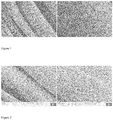
Figure 1 : Scanning electron microscopy (SEM) images of cotton fibres without modification. -
Figure 2 : SEM images of cotton fibres modified with 200 nm SiO2 particles. -
Figure 3 : SEM images of cotton fibres, modified by the operative procedure CO/AP600+IS150-FAS, after one washing cycle according to the standard ISO 105-C06: 1994 (E), which is equivalent to five washings in the household washing machine. -
Figure 4 : SEM images of cotton fibres, modified by the operative procedure CO/AP60+IS 150-FAS, after two washing cycles according to the standard ISO 105=C06: 1994 (E), which is equivalent to ten washings in a household washing machine. -
Figure 5 : SEM images of cotton fibres, modified by the operative procedure CO/AP60+IS 150-FAS, after three washing cycles in accordance with ISO 105-C06: 1994 (E), which is equivalent to fifteen washings in a household washing machine. -
Figure 6 : SEM images of cotton fibres, modified by the operative procedure CO/AP60+IS 150-FAS, after four washing cycles according to the standard ISO 105=C06: 1994 (E), which is equivalent to twenty washings in a household washing machine. -
Figure 7 : The static contact angles, θ, for water on cotton textiles functionalized by different implementation procedures (sample) and after a number of washings (W) According to ISO 105-C06: 1994 (E). -
Figure 8 : The static contact angles, θ, for n-hexadecane on cotton textiles functionalized by different implementation procedures (sample) and after a number of washings (W) according to ISO 105-C06: 1994 (E), -
Figure 9 : The tilt angles for water, a on cotton textiles functionalized by different implementation procedures (sample) and after different washings. - A process for the preparation of the wash-resistant, vapour permeable, self-cleaning, and highly hydrophobic and oleophobic cotton textiles according to claim 1, involves the following steps:
- modifying the cotton fabrics in advance with a deposition of pre-prepared first type of spherical SiO2 particles, wherein the modification is carried out using aqueous/alcoholic dispersions of spherical SiO2 particles 200-1000 nm in size;
- applying a second type of spherical SiO2 particles by an in-situ sol-gel method, wherein the second type of spherical SiO2 particles is grown in-situ on the surface of textile fibers from a colloidal nucleus disperison during which the in-situ formation of spherical SiO2 particles of the second step with a size between 50-200 nm occurs, and wherein the whole surface of the textile is covered with the same bi-hierarchical roughness through the formation of a thin porous coating, which enables the chemical bonding of the first type of spherical SiO2 particles, deposited in the first step, to the surface of cotton fabrics;
- the rough cotton surface is further consolidated by application of a sol-gel coating prepared from hydrophobic and oleophobic silanes.
- The aqueous/alcoholic dispersions of SiO2 particles, i.e., colloidal dispersions based on tetraethoxysilane, include pre-prepared monodisperse spherical SiO2 particles. It is desirable that at least 95% of the particles in the dispersion are the same size. The SiO2 particle size is 200 - 1000 nm. The weight ratio of alcohol:TEOS:NH3:water is 46:2:1:5. Preparation of the particles is not the subject of the patent. According to the invention, the dispersion of SiO2 particles is 10% by weight and is used in the first step of the process for the cotton modification, i.e., for the application of the first coating on the cotton fibre surface. The ratio of the weight of the aqueous alcoholic dispersion of SiO2 particles and the weight of the textiles should be 1:15. After application of the dispersion of SiO2 particles, a padder is used to squeeze the excess dispersion from the textiles while passing the textile sample between two rollers at a pressure of 0.4 bar; the fabric is then air dried at room temperature for 10 min. The advantage of the first layer is that the deposited SiO2 particles are well separated from each other, which enables a high surface roughness of the textile. The exact parameters are very important to avoid loss of the SiO2 particles from the surface. SiO2 particles are preferably prepared from tetraethoxysilane, so their surface is full of free-OH bonds, which will enable chemical linking between the SiO2 particles and the cotton fibres of the textile in the next stage.
- It is known that the in-situ growth of particles by a sol-gel method allows greater coating density after a suitable thermal treatment. In the second step, the cotton fibre surface, modified by spherical SiO2 particles, is coated by a second layer of siloxane particles. These are spherical SiO2 particles 50 - 200 nm in size, which are made in-situ by the sol-gel growth method from a colloidal nucleus dispersion. The weight ratio of alcohol:TEOS:NH3:water is in this case 30:5:2:5. This coating enables the chemical bonding of SiO2 particles, which were deposited on the cotton fibre surface in the first step. The reactivity of the substrate, which consists of cellulosic OH groups and surface OH groups on the spherical SiO2 particles from the first layer, facilitates the connection to particles from the second step of the process. Simultaneously, the colloidal dispersion at the concentration described for the in-situ process generates uniform spherical SiO2 particles that are sized 50 - 200 nm. The in-situ deposited SiO2 spherical particles give the cotton fibre surface a double roughness, or a bi-hierarchical roughness, and at the same time secures the SiO2 particles deposited in the first step. For the second step of the process, it is important to apply two to three times more particles, compared with the amount applied in the first step. Therefore, the smaller SiO2 particles that are produced during the in-situ growth completely cover the textile surface. The weight ratio between the pre-manufactured siloxane particles used in the first step and the in-situ siloxane particles prepared in the second step is between 1:2 and 1:3.
- In the third step, the biomimetic surface of the textile, which has already hardened, is coated again with a thin layer of hydrophobic and oleophobic silanes, preferably from hydrolysed fluorosilane (FAS), bis [(ureapropyl) triethoxysilane] bis(propyl)-terminiran-polydimethylsiloxane (PDMSU) or a mixture of FAS and PDMSU. A 10% aqueous/alcohol solution of silane is used for the coating. This layer allows further consolidation of the biomimetic surface from the first two steps and grants the textile surface superhydrophobic, high oleophobic and self-cleaning properties. The thickness of such a thin layer may not exceed 150 nm. Hardening of the surface is possible due to the covalent bonding between the free-OH groups present on the surface of the porous coating applied in the second step and the OH groups of the hydrolysed silane. Thermal curing of the coating results in an increased density and stability, as well as an increased washing fastness.
Hydrophobic and oleophobic silanes, which are used for the hardening of the rough surfaces, are selected from the groups of perfluoroalkyl-trialkoxysilanes, perfluoroalkyl-alkyldialkoxysilanes, perfluoroalkyl-dialkylalkoxysilanes, perfluoroalkyl-trihalosilanes, perfluoroalkyl-alkyldihalosilanes, perfluoroalkyl-dialkylhalosilanes and (trialkoxysilyl)alkyl terminated polydimethylsiloxane. - The formation of individual layers with a specific particle size depends on the properties of the applied colloidal dispersions but is preferably within the conditions set out below. Various alcohols, such as methanol, ethanol, isopropanol, and butanol, should be used in the preparation of colloidal dispersions. These solvents affect the growth and size of the particles. According to the invention, additional organic-modified silanes may also be used for the preparation of SiO2 particles in the first and second steps, such as methyltriethoxysilane, vinyltriethoxysilane, and aminopropyltriethoxysilane. Monodisperse SiO2 particles provide a uniform roughness over the entire surface of the textile. Application can be performed by the exhaustion method, dipping, or sputter deposition.
- Cotton fibres already possess their own roughness (
Figure 1 ), but because of their chemical composition (cellulose), they are extremely hydrophilic. The surface roughness is improved by the proposed process, as shown inFigure 2 . High washing fastness is provided by the in-situ growth of particles in the second layer and by further consolidation of the fluorosilane coating. The final coating maintains its properties after the first washing cycle, according to the standard ISO 105-C06: 1994 (E), and is equivalent to five washings in a household washing machine (Figure 3 ). It is slightly changed after four washing cycles (Figures 4 to 6 ). - The modified textile displays high hydrophobic and oleophobic properties after twenty washings with static contact angles for n-hexadecane higher than 130°. The results that indicate the preservation of the superhydrophobicity and oleophobicity are disclosed in
Figures 7 and8 . These figures show the static contact angles for water and n-hexadecane as a function of the number of washing cycles, according to the standard ISO 105-C06: 1994 (E), (1W = 5x washing in a household washing machine) for the various embodiments of the invention. The extremely low sliding angles for the modified textile (Figure 9 ) allow rolling of the droplets and the simultaneous removal of dirt from the surface, demonstrating the self-cleaning properties. - The reaction conditions for the preparation of SiO2 particles from tetraethoxysilane (TEOS 98%, Aldrich) in alcohol are as follows:
- reaction temperature, T = 60 °C;
- concentration (TEOS) = 0.2 - 1.1 mol/L;
- concentration (NH3) = 0.3 - 1.1 mol/L;
- concentration (H2O = 6 - 10 mol/L;
- reaction time = 1 - 3 h.
- A bottle (250 mL) was filled with 130 g of ethanol and 8 g of TEOS. The solution was well mixed and allowed to stand for an additional 10 min at room temperature (RT). In the second step, a mixture of ammonia (4 g (25%)) and water (20 g) was added to the prepared solution of EtOH and TEOS. The solution was re-mixed and left for 3 h at RT. The prepared solution was used for finishing the cotton fabric. After soaking the textile in the above described reaction mixture, the fabric was squeezed with an 85% spin effect and air dried. In final step, the application of a 10% FAS solution was followed by the impregnating procedure with full soaking, squeezing with an 85% spin effect, drying at 100 °C and curing at 150 °C for 5 min.
- In a bottle, a solution of 130 g ethanol and 8 g of TEOS was well mixed and allowed to stand for an additional 10 min at room temperature. Ammonia (4 g) in water (20 g) was then added to the prepared solution, which was re-mixed and left for 3 h at RT. Cotton fabric was treated in the next step by the above-described dispersion. The soaked fabric was squeezed with an 85% spin effect and air dried. The as-prepared cotton fabrics were added to a mixture of 2-propanol (100 g) and TEOS (20 g), mixed well, and left for 10 min at 50 °C. Then, a solution of ammonia (4 g) in water (20 g) was added to the TEOS solution, which was re-mixed again and left for 1 h at 50 °C. The immersed cotton textile was taken out of the reaction mixture, rinsed with water three times and dried at room temperature. This was followed by applying a 10% FAS solution, performing the impregnating procedure with full soaking, squeezing with an 85% spin effect, drying at 100 °C and curing at 150 °C for 5 min.
- The solution of 130 g ethanol and 15 g of TEOS was mixed well in the bottle and allowed to stand for 10 min at 40 °C. Then, ammonia (4 g) in water (20 g) was added to the prepared solution, which was re-mixed and left for additional 1 h at 40 °C. Cotton fabric was treated in the next step by the above described dispersion. The soaked fabric was squeezed with an 85% spin effect and air dried. The as-prepared cotton fabrics were added, in the next step, to the mixture of 2-propanol (100 g) and TEOS (20 g), mixed well, and left for 10 min at 50 °C. Then, a solution of ammonia (4 g) in water (20 g) was added to the TEOS solution, which was re-mixed again and left for 1 h at 50 °C. The immersed cotton textile was taken out from the reaction mixture, rinsed with water three times and dried at room temperature. This was followed by applying a 10% FAS solution, performing the impregnating procedure with full soaking, squeezing with an 85% spin effect, drying at 100 °C and curing at 150 °C for 5 min.
- The solution of 120 g ethanol and 20 g of TEOS was mixed well in the bottle and allowed to stand for 10 min at 50 °C. Then, ammonia (7 g) in water (20 g) was added to the prepared solution, which was re-mixed and left for an additional 1 h at 50 °C. Cotton fabric was treated in the next step by the above described dispersion. The soaked fabric was squeezed with an 85% spin effect and air dried. The as-prepared cotton fabric was added, in the next step, to the mixture of 2-propanol (100 g) and TEOS (20 g), mixed well, and left for 10 min at 50 °C. Then, a solution of ammonia (7 g) in water (20 g) was added to the TEOS solution, which was re-mixed again and left for 1 h at 50 °C. The immersed cotton textile was taken out from the reaction mixture, rinsed with water three times and dried at room temperature. This was followed by applying a 10% FAS solution, performing the impregnating procedure with full soaking, squeezing with an 85% spin effect, drying at 100 °C and curing at 150 °C for 5 min.
- In a bottle, a solution of 120 g ethanol and 20 g of TEOS was mixed well and allowed to stand for 10 min at 50 °C. Then, ammonia (7 g) in water (20 g) was added to the prepared solution, which was re-mixed and left for an additional 1 h at 50 °C. The cotton fabric was treated in the next step by the above described dispersion. The soaked fabric was squeezed with an 85% spin effect and air dried. The as-prepared cotton fabric was added, in the next step, to the mixture of 2-propanol (100 g) and TEOS (20 g), mixed well, and left for 10 min at 50 °C. Then, a solution of ammonia (7 g) in water (20 g) was added to the TEOS solution, which was re-mixed again and left for 1 h at 50 °C. The immersed cotton textile was taken out of the reaction mixture, rinsed with water three times and dried at room temperature. This was followed by applying a 10% PDMSU-FAS solution, performing the impregnating procedure with full soaking, squeezing with an 85% spin effect, drying at 100 °C and curing at 150 °C for 5 min.
Claims (8)
- A process for the preparation of self-cleaning wash-resistant, air permeable, superhydrophobie, oleophobic and self-cleaning cotton textiles, which includes the following steps:- modifying the cotton fabrics in advance with a deposition of pre-prepared first type of spherical SiO2 particles, wherein the modification is carried out using aqueous/alcoholic dispersions of spherical SiO2 particles 200 - 1000 nm in size;- applying a second type of spherical SiO2 particles by an in-situ sol-gel method, wherein the second type of spherical SiO2 particles is grown in-situ on the surface of textile fibres from a colloidal nucleus dispersion during which the in-situ formation of spherical SiO2 particles of the second step with a size between 50 and 200 nm occurs and wherein the whole surface of the textile is covered with the same bi-hierarchical roughness through the formation of a thin porous coating, which enables the chemical bonding of the first type of spherical SiO2 particles, deposited in the first step, to the surface of cotton fabrics;- the rough cotton surface is further consolidated by application of a sol-gel coating prepared from hydrophobic and oleophobic silanes.
- The process according to claim 1 characterized in that at least 95% of the first type of spherical SiO2 particles in the dispersion are of the same size, the concentration of dispersed spherical SiO2 particles is 10% by weight, and the ratio of the weight of the dispersed spherical SiO2 particles and the mass of the textile is 1:15.
- The process according to claim 1 and 2 characterized in that the chemical bonding of the spherical SiO2 particles deposited in the first step with the surface of cotton fabrics is enabled by the reactivity of the free-OH groups on the spherical SiO2 particles and the textiles.
- The process according to claims 1 to 3 characterized in that for the preparation of spherical SiO2 particles in the first and second step organic-modified silanes are used, such as tetraethoxy ortosilane, methyltriethoxysilane, vinyltriethoxysilane or aminopropyltriethoxysilane, preferably tetraethoxy ortosilane.
- The process according to claims 1 to 4 characterized in that the weight ratio of the pre--prepared spherical SiO2 particles in the first step and the spherical SiO2 particles prepared in-situ during the second step is between 1:2 and 1:3.
- The process according to claims 1 to 5 characterized in that for the hardening of a roughened surface hydrophobic and oleophobic silanes are used which are selected from perfluoroalkyl-trialkoxysilanes, perfluoroalkyl-alkyldialkoxysilanes, perfluoroalkyl-dialkylalkoxysilanes, perfluoroalkyl-trihalosilanes, perfluoroalkyl-alkyldihalosilanes, perfluoroalkyl-dialkylhalosilanes, and (trialkoxysilyl)alkyl terminated polydimethylsiloxanes.
- The process according to claims 1 to 6 characterized in that the thickness of the thin layer of the hydrophobic and oleophobic silanes may not exceed 150 nm.
- The process according to claims 1 to 7 characterized in that the coating of individual layers on the surface of cotton fabrics is applied by exhaustion method, by dipping, or by sputter deposition.
Applications Claiming Priority (1)
| Application Number | Priority Date | Filing Date | Title |
|---|---|---|---|
| SI201400289A SI24784A (en) | 2014-08-18 | 2014-08-18 | Method for the preparation of self-cleaning washable persistent cotton textiles |
Publications (2)
| Publication Number | Publication Date |
|---|---|
| EP2990527A1 EP2990527A1 (en) | 2016-03-02 |
| EP2990527B1 true EP2990527B1 (en) | 2018-02-07 |
Family
ID=54292552
Family Applications (1)
| Application Number | Title | Priority Date | Filing Date |
|---|---|---|---|
| EP15468007.8A Active EP2990527B1 (en) | 2014-08-18 | 2015-08-11 | A process for preparing of cotton textiles having self-cleaning and washing resistant properties |
Country Status (2)
| Country | Link |
|---|---|
| EP (1) | EP2990527B1 (en) |
| SI (1) | SI24784A (en) |
Cited By (2)
| Publication number | Priority date | Publication date | Assignee | Title |
|---|---|---|---|---|
| CN110295506A (en) * | 2018-03-22 | 2019-10-01 | 帕洛阿尔托研究中心公司 | Textile for digital printing pre-processes |
| US11326303B2 (en) | 2015-06-05 | 2022-05-10 | Cornell University | Modified cellulosic compositions having increased hydrophobicity and processes for their production |
Families Citing this family (11)
| Publication number | Priority date | Publication date | Assignee | Title |
|---|---|---|---|---|
| CN110172835A (en) * | 2018-09-13 | 2019-08-27 | 纳智源科技(唐山)有限责任公司 | Water-proof breathable fabric and preparation method thereof |
| US11708494B2 (en) | 2020-02-14 | 2023-07-25 | Icp Construction, Inc. | Oleophobic and hydrophobic composition |
| CN111172761B (en) * | 2020-02-20 | 2022-03-11 | 旷达纤维科技有限公司 | Preparation method of washable super-hydrophobic polyester fabric |
| CN111501357A (en) * | 2020-05-13 | 2020-08-07 | 兰州交通大学 | A kind of preparation method of fabric superhydrophobic surface |
| CN112376281B (en) * | 2020-11-05 | 2022-12-30 | 广州市新志能服装有限公司 | Antifouling and oil-resistant textile fabric and preparation method thereof |
| CN112813683B (en) * | 2021-02-05 | 2023-09-22 | 武汉理工大学 | Super amphiphobic fabric and preparation method thereof |
| CN115369651B (en) * | 2021-05-20 | 2023-12-05 | 盐城工学院 | Surface porous strong adhesion modified fiber and preparation method and application thereof |
| CN114657789B (en) * | 2022-04-26 | 2023-07-07 | 暨南大学 | A kind of organosilicon superhydrophobic coating and superhydrophobic coating and application based on it |
| CN116616633A (en) * | 2023-05-25 | 2023-08-22 | 厦门悠派新生活科技有限公司 | A towel with self-cleaning function and preparation method thereof |
| CN116876201B (en) * | 2023-07-04 | 2026-06-19 | 中国人民解放军火箭军工程大学 | Preparation method of super-amphiphobic moisture-permeable protective fabric |
| CN117364489B (en) * | 2023-11-28 | 2026-03-27 | 南开大学 | A method for preparing a breathable and antibacterial superhydrophobic fabric |
Family Cites Families (7)
| Publication number | Priority date | Publication date | Assignee | Title |
|---|---|---|---|---|
| DE10100383A1 (en) | 2001-01-05 | 2002-07-11 | Degussa | Process for applying a fluoroalkyl functional organopolysiloxane coating with stable water and oil repellent properties to polymeric substrates |
| EP1618223A2 (en) | 2003-04-28 | 2006-01-25 | Nanosys, Inc. | Super-hydrophobic surfaces, methods of their construction and uses therefor |
| US7213309B2 (en) | 2004-02-24 | 2007-05-08 | Yunzhang Wang | Treated textile substrate and method for making a textile substrate |
| US7732497B2 (en) | 2007-04-02 | 2010-06-08 | The Clorox Company | Colloidal particles for lotus effect |
| US9896549B2 (en) | 2010-04-13 | 2018-02-20 | Aaron Kessman | Hydrophobic and oleophobic coatings |
| US20110287245A1 (en) | 2011-07-02 | 2011-11-24 | Ali Shamei | Water-resistant silica-embedded textiles |
| EP2589578A1 (en) | 2011-11-02 | 2013-05-08 | Universitat Autònoma de Barcelona | A process for preparing a material having hydrophobic and/or oleophobic properties and material thus obtained |
-
2014
- 2014-08-18 SI SI201400289A patent/SI24784A/en not_active IP Right Cessation
-
2015
- 2015-08-11 EP EP15468007.8A patent/EP2990527B1/en active Active
Non-Patent Citations (1)
| Title |
|---|
| None * |
Cited By (4)
| Publication number | Priority date | Publication date | Assignee | Title |
|---|---|---|---|---|
| US11326303B2 (en) | 2015-06-05 | 2022-05-10 | Cornell University | Modified cellulosic compositions having increased hydrophobicity and processes for their production |
| US11913164B2 (en) | 2015-06-05 | 2024-02-27 | Cornell University | Modified cellulosic compositions having increased hydrophobicity and processes for their production |
| CN110295506A (en) * | 2018-03-22 | 2019-10-01 | 帕洛阿尔托研究中心公司 | Textile for digital printing pre-processes |
| CN110295506B (en) * | 2018-03-22 | 2021-12-31 | 帕洛阿尔托研究中心公司 | Textile pretreatment for digital printing |
Also Published As
| Publication number | Publication date |
|---|---|
| EP2990527A1 (en) | 2016-03-02 |
| SI24784A (en) | 2016-02-29 |
Similar Documents
| Publication | Publication Date | Title |
|---|---|---|
| EP2990527A1 (en) | A process for preparing of cotton textiles having self-cleaning and washing resistant properties | |
| Chruściel | Modifications of textile materials with functional silanes, liquid silicone softeners, and silicone rubbers—A review | |
| Periyasamy et al. | Progress in sol-gel technology for the coatings of fabrics | |
| Liu et al. | Hydrophobic duck feathers and their simulation on textile substrates for water repellent treatment | |
| Vilcnik et al. | Structural properties and antibacterial effects of hydrophobic and oleophobic sol− gel coatings for cotton fabrics | |
| Zheng et al. | Reconstructing micro/nano hierarchical structures particle with nanocellulose for superhydrophobic coatings | |
| Zhao et al. | Environmentally benign modification of breathable nanofibrous membranes exhibiting superior waterproof and photocatalytic self-cleaning properties | |
| Xu et al. | Fabrication of superhydrophobic cotton fabrics by silica hydrosol and hydrophobization | |
| CN101768856B (en) | Super hydrophobic cotton fabric and preparation method thereof | |
| Sutar et al. | Durable self-cleaning superhydrophobic cotton fabrics for wearable textiles | |
| CN101628706B (en) | Nano-structure surface and in-situ preparation method thereof | |
| Xi et al. | Fabrication of asymmetrically superhydrophobic cotton fabrics via mist copolymerization of 2, 2, 2‐trifluoroethyl methacrylate | |
| EP1802721A1 (en) | Hydrophobic and lyophobic coating | |
| Hao et al. | Facile fabrication of superhydrophobic cotton fabric from stearyl methacrylate modified polysiloxane/silica nanocomposite | |
| WO2024197523A1 (en) | Super-hydrophobic fabric, and preparation method therefor and use thereof | |
| Camlibel et al. | Sol-gel applications in textile finishing processes | |
| CN101851854A (en) | Nano finishing method for preparing super hydrophilic wool fabric with washing fastness | |
| Dolez | Application of nanomaterials in textile coatings and finishes | |
| CN106930109B (en) | A kind of superhydrophobic fibers fabric and preparation method thereof | |
| Hassabo et al. | Silica aerogels and their applications in textile industry | |
| Zorko et al. | Cotton fiber hot spot in situ growth of Stöber particles | |
| CN110804858B (en) | Method for preparing antifouling curtain through inorganic foaming finishing | |
| Ali et al. | Novel, Self-Assembled Antimicrobial Textile Coating Containing Chitosan Nanoparticles. | |
| Madhu | Introduction to nanotechnology in textile finishing | |
| JP3740437B2 (en) | Textile processing agent having pollen adhesion prevention function, processing method and fiber structure |
Legal Events
| Date | Code | Title | Description |
|---|---|---|---|
| PUAI | Public reference made under article 153(3) epc to a published international application that has entered the european phase |
Free format text: ORIGINAL CODE: 0009012 |
|
| AK | Designated contracting states |
Kind code of ref document: A1 Designated state(s): AL AT BE BG CH CY CZ DE DK EE ES FI FR GB GR HR HU IE IS IT LI LT LU LV MC MK MT NL NO PL PT RO RS SE SI SK SM TR |
|
| AX | Request for extension of the european patent |
Extension state: BA ME |
|
| RIN1 | Information on inventor provided before grant (corrected) |
Inventor name: GABERSCEK, MIRAN Inventor name: ZORKO, MILENA Inventor name: JERMAN, IVAN Inventor name: SIMONCIC, BARBARA Inventor name: VASILJEVIC, JELENA Inventor name: TOMSIC, BRIGITA |
|
| 17P | Request for examination filed |
Effective date: 20160811 |
|
| RAX | Requested extension states of the european patent have changed |
Extension state: ME Payment date: 20160811 Extension state: BA Payment date: 20160811 |
|
| RBV | Designated contracting states (corrected) |
Designated state(s): AL AT BE BG CH CY CZ DE DK EE ES FI FR GB GR HR HU IE IS IT LI LT LU LV MC MK MT NL NO PL PT RO RS SE SI SK SM TR |
|
| GRAP | Despatch of communication of intention to grant a patent |
Free format text: ORIGINAL CODE: EPIDOSNIGR1 |
|
| RIC1 | Information provided on ipc code assigned before grant |
Ipc: D06M 11/79 20060101AFI20170615BHEP Ipc: D06M 101/06 20060101ALN20170615BHEP Ipc: D06M 23/08 20060101ALI20170615BHEP |
|
| INTG | Intention to grant announced |
Effective date: 20170707 |
|
| GRAJ | Information related to disapproval of communication of intention to grant by the applicant or resumption of examination proceedings by the epo deleted |
Free format text: ORIGINAL CODE: EPIDOSDIGR1 |
|
| GRAP | Despatch of communication of intention to grant a patent |
Free format text: ORIGINAL CODE: EPIDOSNIGR1 |
|
| INTC | Intention to grant announced (deleted) | ||
| RIC1 | Information provided on ipc code assigned before grant |
Ipc: D06M 101/06 20060101ALN20170829BHEP Ipc: D06M 11/79 20060101AFI20170829BHEP Ipc: D06M 23/08 20060101ALI20170829BHEP |
|
| RAP1 | Party data changed (applicant data changed or rights of an application transferred) |
Owner name: UNIVERZA V LJUBLJANI Owner name: KEMIJSKI INSTITUT |
|
| INTG | Intention to grant announced |
Effective date: 20171002 |
|
| GRAJ | Information related to disapproval of communication of intention to grant by the applicant or resumption of examination proceedings by the epo deleted |
Free format text: ORIGINAL CODE: EPIDOSDIGR1 |
|
| GRAP | Despatch of communication of intention to grant a patent |
Free format text: ORIGINAL CODE: EPIDOSNIGR1 |
|
| GRAS | Grant fee paid |
Free format text: ORIGINAL CODE: EPIDOSNIGR3 |
|
| INTC | Intention to grant announced (deleted) | ||
| RIC1 | Information provided on ipc code assigned before grant |
Ipc: D06M 11/79 20060101AFI20171127BHEP Ipc: D06M 23/08 20060101ALI20171127BHEP Ipc: D06M 101/06 20060101ALN20171127BHEP |
|
| GRAA | (expected) grant |
Free format text: ORIGINAL CODE: 0009210 |
|
| INTG | Intention to grant announced |
Effective date: 20171218 |
|
| AK | Designated contracting states |
Kind code of ref document: B1 Designated state(s): AL AT BE BG CH CY CZ DE DK EE ES FI FR GB GR HR HU IE IS IT LI LT LU LV MC MK MT NL NO PL PT RO RS SE SI SK SM TR |
|
| AX | Request for extension of the european patent |
Extension state: BA ME |
|
| REG | Reference to a national code |
Ref country code: GB Ref legal event code: FG4D |
|
| REG | Reference to a national code |
Ref country code: AT Ref legal event code: REF Ref document number: 968846 Country of ref document: AT Kind code of ref document: T Effective date: 20180215 Ref country code: CH Ref legal event code: EP |
|
| REG | Reference to a national code |
Ref country code: IE Ref legal event code: FG4D |
|
| REG | Reference to a national code |
Ref country code: DE Ref legal event code: R096 Ref document number: 602015007941 Country of ref document: DE |
|
| REG | Reference to a national code |
Ref country code: NL Ref legal event code: MP Effective date: 20180207 |
|
| REG | Reference to a national code |
Ref country code: AT Ref legal event code: MK05 Ref document number: 968846 Country of ref document: AT Kind code of ref document: T Effective date: 20180207 |
|
| PG25 | Lapsed in a contracting state [announced via postgrant information from national office to epo] |
Ref country code: FI Free format text: LAPSE BECAUSE OF FAILURE TO SUBMIT A TRANSLATION OF THE DESCRIPTION OR TO PAY THE FEE WITHIN THE PRESCRIBED TIME-LIMIT Effective date: 20180207 Ref country code: LT Free format text: LAPSE BECAUSE OF FAILURE TO SUBMIT A TRANSLATION OF THE DESCRIPTION OR TO PAY THE FEE WITHIN THE PRESCRIBED TIME-LIMIT Effective date: 20180207 Ref country code: NL Free format text: LAPSE BECAUSE OF FAILURE TO SUBMIT A TRANSLATION OF THE DESCRIPTION OR TO PAY THE FEE WITHIN THE PRESCRIBED TIME-LIMIT Effective date: 20180207 Ref country code: CY Free format text: LAPSE BECAUSE OF FAILURE TO SUBMIT A TRANSLATION OF THE DESCRIPTION OR TO PAY THE FEE WITHIN THE PRESCRIBED TIME-LIMIT Effective date: 20180207 Ref country code: ES Free format text: LAPSE BECAUSE OF FAILURE TO SUBMIT A TRANSLATION OF THE DESCRIPTION OR TO PAY THE FEE WITHIN THE PRESCRIBED TIME-LIMIT Effective date: 20180207 Ref country code: HR Free format text: LAPSE BECAUSE OF FAILURE TO SUBMIT A TRANSLATION OF THE DESCRIPTION OR TO PAY THE FEE WITHIN THE PRESCRIBED TIME-LIMIT Effective date: 20180207 Ref country code: NO Free format text: LAPSE BECAUSE OF FAILURE TO SUBMIT A TRANSLATION OF THE DESCRIPTION OR TO PAY THE FEE WITHIN THE PRESCRIBED TIME-LIMIT Effective date: 20180507 |
|
| PG25 | Lapsed in a contracting state [announced via postgrant information from national office to epo] |
Ref country code: PL Free format text: LAPSE BECAUSE OF FAILURE TO SUBMIT A TRANSLATION OF THE DESCRIPTION OR TO PAY THE FEE WITHIN THE PRESCRIBED TIME-LIMIT Effective date: 20180207 Ref country code: RS Free format text: LAPSE BECAUSE OF FAILURE TO SUBMIT A TRANSLATION OF THE DESCRIPTION OR TO PAY THE FEE WITHIN THE PRESCRIBED TIME-LIMIT Effective date: 20180207 Ref country code: BG Free format text: LAPSE BECAUSE OF FAILURE TO SUBMIT A TRANSLATION OF THE DESCRIPTION OR TO PAY THE FEE WITHIN THE PRESCRIBED TIME-LIMIT Effective date: 20180507 Ref country code: AT Free format text: LAPSE BECAUSE OF FAILURE TO SUBMIT A TRANSLATION OF THE DESCRIPTION OR TO PAY THE FEE WITHIN THE PRESCRIBED TIME-LIMIT Effective date: 20180207 Ref country code: SE Free format text: LAPSE BECAUSE OF FAILURE TO SUBMIT A TRANSLATION OF THE DESCRIPTION OR TO PAY THE FEE WITHIN THE PRESCRIBED TIME-LIMIT Effective date: 20180207 Ref country code: IS Free format text: LAPSE BECAUSE OF FAILURE TO SUBMIT A TRANSLATION OF THE DESCRIPTION OR TO PAY THE FEE WITHIN THE PRESCRIBED TIME-LIMIT Effective date: 20180607 Ref country code: LV Free format text: LAPSE BECAUSE OF FAILURE TO SUBMIT A TRANSLATION OF THE DESCRIPTION OR TO PAY THE FEE WITHIN THE PRESCRIBED TIME-LIMIT Effective date: 20180207 Ref country code: GR Free format text: LAPSE BECAUSE OF FAILURE TO SUBMIT A TRANSLATION OF THE DESCRIPTION OR TO PAY THE FEE WITHIN THE PRESCRIBED TIME-LIMIT Effective date: 20180508 |
|
| PG25 | Lapsed in a contracting state [announced via postgrant information from national office to epo] |
Ref country code: RO Free format text: LAPSE BECAUSE OF FAILURE TO SUBMIT A TRANSLATION OF THE DESCRIPTION OR TO PAY THE FEE WITHIN THE PRESCRIBED TIME-LIMIT Effective date: 20180207 Ref country code: EE Free format text: LAPSE BECAUSE OF FAILURE TO SUBMIT A TRANSLATION OF THE DESCRIPTION OR TO PAY THE FEE WITHIN THE PRESCRIBED TIME-LIMIT Effective date: 20180207 Ref country code: AL Free format text: LAPSE BECAUSE OF FAILURE TO SUBMIT A TRANSLATION OF THE DESCRIPTION OR TO PAY THE FEE WITHIN THE PRESCRIBED TIME-LIMIT Effective date: 20180207 |
|
| REG | Reference to a national code |
Ref country code: DE Ref legal event code: R097 Ref document number: 602015007941 Country of ref document: DE |
|
| PG25 | Lapsed in a contracting state [announced via postgrant information from national office to epo] |
Ref country code: CZ Free format text: LAPSE BECAUSE OF FAILURE TO SUBMIT A TRANSLATION OF THE DESCRIPTION OR TO PAY THE FEE WITHIN THE PRESCRIBED TIME-LIMIT Effective date: 20180207 Ref country code: SK Free format text: LAPSE BECAUSE OF FAILURE TO SUBMIT A TRANSLATION OF THE DESCRIPTION OR TO PAY THE FEE WITHIN THE PRESCRIBED TIME-LIMIT Effective date: 20180207 Ref country code: SM Free format text: LAPSE BECAUSE OF FAILURE TO SUBMIT A TRANSLATION OF THE DESCRIPTION OR TO PAY THE FEE WITHIN THE PRESCRIBED TIME-LIMIT Effective date: 20180207 Ref country code: DK Free format text: LAPSE BECAUSE OF FAILURE TO SUBMIT A TRANSLATION OF THE DESCRIPTION OR TO PAY THE FEE WITHIN THE PRESCRIBED TIME-LIMIT Effective date: 20180207 |
|
| PLBE | No opposition filed within time limit |
Free format text: ORIGINAL CODE: 0009261 |
|
| STAA | Information on the status of an ep patent application or granted ep patent |
Free format text: STATUS: NO OPPOSITION FILED WITHIN TIME LIMIT |
|
| 26N | No opposition filed |
Effective date: 20181108 |
|
| PG25 | Lapsed in a contracting state [announced via postgrant information from national office to epo] |
Ref country code: SI Free format text: LAPSE BECAUSE OF FAILURE TO SUBMIT A TRANSLATION OF THE DESCRIPTION OR TO PAY THE FEE WITHIN THE PRESCRIBED TIME-LIMIT Effective date: 20180207 |
|
| PG25 | Lapsed in a contracting state [announced via postgrant information from national office to epo] |
Ref country code: MC Free format text: LAPSE BECAUSE OF FAILURE TO SUBMIT A TRANSLATION OF THE DESCRIPTION OR TO PAY THE FEE WITHIN THE PRESCRIBED TIME-LIMIT Effective date: 20180207 |
|
| REG | Reference to a national code |
Ref country code: CH Ref legal event code: PL |
|
| PG25 | Lapsed in a contracting state [announced via postgrant information from national office to epo] |
Ref country code: LU Free format text: LAPSE BECAUSE OF NON-PAYMENT OF DUE FEES Effective date: 20180811 Ref country code: CH Free format text: LAPSE BECAUSE OF NON-PAYMENT OF DUE FEES Effective date: 20180831 Ref country code: LI Free format text: LAPSE BECAUSE OF NON-PAYMENT OF DUE FEES Effective date: 20180831 |
|
| REG | Reference to a national code |
Ref country code: BE Ref legal event code: MM Effective date: 20180831 |
|
| REG | Reference to a national code |
Ref country code: IE Ref legal event code: MM4A |
|
| PG25 | Lapsed in a contracting state [announced via postgrant information from national office to epo] |
Ref country code: IE Free format text: LAPSE BECAUSE OF NON-PAYMENT OF DUE FEES Effective date: 20180811 |
|
| PG25 | Lapsed in a contracting state [announced via postgrant information from national office to epo] |
Ref country code: FR Free format text: LAPSE BECAUSE OF NON-PAYMENT OF DUE FEES Effective date: 20180831 Ref country code: BE Free format text: LAPSE BECAUSE OF NON-PAYMENT OF DUE FEES Effective date: 20180831 |
|
| PG25 | Lapsed in a contracting state [announced via postgrant information from national office to epo] |
Ref country code: MT Free format text: LAPSE BECAUSE OF NON-PAYMENT OF DUE FEES Effective date: 20180811 |
|
| PG25 | Lapsed in a contracting state [announced via postgrant information from national office to epo] |
Ref country code: TR Free format text: LAPSE BECAUSE OF FAILURE TO SUBMIT A TRANSLATION OF THE DESCRIPTION OR TO PAY THE FEE WITHIN THE PRESCRIBED TIME-LIMIT Effective date: 20180207 |
|
| GBPC | Gb: european patent ceased through non-payment of renewal fee |
Effective date: 20190811 |
|
| PG25 | Lapsed in a contracting state [announced via postgrant information from national office to epo] |
Ref country code: PT Free format text: LAPSE BECAUSE OF FAILURE TO SUBMIT A TRANSLATION OF THE DESCRIPTION OR TO PAY THE FEE WITHIN THE PRESCRIBED TIME-LIMIT Effective date: 20180207 |
|
| PG25 | Lapsed in a contracting state [announced via postgrant information from national office to epo] |
Ref country code: HU Free format text: LAPSE BECAUSE OF FAILURE TO SUBMIT A TRANSLATION OF THE DESCRIPTION OR TO PAY THE FEE WITHIN THE PRESCRIBED TIME-LIMIT; INVALID AB INITIO Effective date: 20150811 Ref country code: MK Free format text: LAPSE BECAUSE OF NON-PAYMENT OF DUE FEES Effective date: 20180207 |
|
| PG25 | Lapsed in a contracting state [announced via postgrant information from national office to epo] |
Ref country code: GB Free format text: LAPSE BECAUSE OF NON-PAYMENT OF DUE FEES Effective date: 20190811 |
|
| PGFP | Annual fee paid to national office [announced via postgrant information from national office to epo] |
Ref country code: IT Payment date: 20210721 Year of fee payment: 7 |
|
| PGFP | Annual fee paid to national office [announced via postgrant information from national office to epo] |
Ref country code: DE Payment date: 20210521 Year of fee payment: 7 |
|
| REG | Reference to a national code |
Ref country code: DE Ref legal event code: R119 Ref document number: 602015007941 Country of ref document: DE |
|
| PG25 | Lapsed in a contracting state [announced via postgrant information from national office to epo] |
Ref country code: IT Free format text: LAPSE BECAUSE OF NON-PAYMENT OF DUE FEES Effective date: 20220811 Ref country code: DE Free format text: LAPSE BECAUSE OF NON-PAYMENT OF DUE FEES Effective date: 20230301 |