EP2986330B1 - Implantate zur induzierung von weich- und hartgewebeintegration - Google Patents
Implantate zur induzierung von weich- und hartgewebeintegration Download PDFInfo
- Publication number
- EP2986330B1 EP2986330B1 EP13718169.9A EP13718169A EP2986330B1 EP 2986330 B1 EP2986330 B1 EP 2986330B1 EP 13718169 A EP13718169 A EP 13718169A EP 2986330 B1 EP2986330 B1 EP 2986330B1
- Authority
- EP
- European Patent Office
- Prior art keywords
- metal
- alloy
- flavonoid
- biocompatible implant
- linker
- Prior art date
- Legal status (The legal status is an assumption and is not a legal conclusion. Google has not performed a legal analysis and makes no representation as to the accuracy of the status listed.)
- Active
Links
Images







Classifications
-
- A—HUMAN NECESSITIES
- A61—MEDICAL OR VETERINARY SCIENCE; HYGIENE
- A61L—METHODS OR APPARATUS FOR STERILISING MATERIALS OR OBJECTS IN GENERAL; DISINFECTION, STERILISATION OR DEODORISATION OF AIR; CHEMICAL ASPECTS OF BANDAGES, DRESSINGS, ABSORBENT PADS OR SURGICAL ARTICLES; MATERIALS FOR BANDAGES, DRESSINGS, ABSORBENT PADS OR SURGICAL ARTICLES
- A61L27/00—Materials for grafts or prostheses or for coating grafts or prostheses
- A61L27/02—Inorganic materials
- A61L27/04—Metals or alloys
- A61L27/06—Titanium or titanium alloys
-
- A—HUMAN NECESSITIES
- A61—MEDICAL OR VETERINARY SCIENCE; HYGIENE
- A61L—METHODS OR APPARATUS FOR STERILISING MATERIALS OR OBJECTS IN GENERAL; DISINFECTION, STERILISATION OR DEODORISATION OF AIR; CHEMICAL ASPECTS OF BANDAGES, DRESSINGS, ABSORBENT PADS OR SURGICAL ARTICLES; MATERIALS FOR BANDAGES, DRESSINGS, ABSORBENT PADS OR SURGICAL ARTICLES
- A61L27/00—Materials for grafts or prostheses or for coating grafts or prostheses
- A61L27/02—Inorganic materials
- A61L27/04—Metals or alloys
-
- A—HUMAN NECESSITIES
- A61—MEDICAL OR VETERINARY SCIENCE; HYGIENE
- A61L—METHODS OR APPARATUS FOR STERILISING MATERIALS OR OBJECTS IN GENERAL; DISINFECTION, STERILISATION OR DEODORISATION OF AIR; CHEMICAL ASPECTS OF BANDAGES, DRESSINGS, ABSORBENT PADS OR SURGICAL ARTICLES; MATERIALS FOR BANDAGES, DRESSINGS, ABSORBENT PADS OR SURGICAL ARTICLES
- A61L27/00—Materials for grafts or prostheses or for coating grafts or prostheses
- A61L27/28—Materials for coating prostheses
-
- A—HUMAN NECESSITIES
- A61—MEDICAL OR VETERINARY SCIENCE; HYGIENE
- A61L—METHODS OR APPARATUS FOR STERILISING MATERIALS OR OBJECTS IN GENERAL; DISINFECTION, STERILISATION OR DEODORISATION OF AIR; CHEMICAL ASPECTS OF BANDAGES, DRESSINGS, ABSORBENT PADS OR SURGICAL ARTICLES; MATERIALS FOR BANDAGES, DRESSINGS, ABSORBENT PADS OR SURGICAL ARTICLES
- A61L27/00—Materials for grafts or prostheses or for coating grafts or prostheses
- A61L27/50—Materials characterised by their function or physical properties, e.g. injectable or lubricating compositions, shape-memory materials, surface modified materials
- A61L27/54—Biologically active materials, e.g. therapeutic substances
-
- A—HUMAN NECESSITIES
- A61—MEDICAL OR VETERINARY SCIENCE; HYGIENE
- A61L—METHODS OR APPARATUS FOR STERILISING MATERIALS OR OBJECTS IN GENERAL; DISINFECTION, STERILISATION OR DEODORISATION OF AIR; CHEMICAL ASPECTS OF BANDAGES, DRESSINGS, ABSORBENT PADS OR SURGICAL ARTICLES; MATERIALS FOR BANDAGES, DRESSINGS, ABSORBENT PADS OR SURGICAL ARTICLES
- A61L31/00—Materials for other surgical articles, e.g. stents, stent-grafts, shunts, surgical drapes, guide wires, materials for adhesion prevention, occluding devices, surgical gloves, tissue fixation devices
- A61L31/02—Inorganic materials
- A61L31/022—Metals or alloys
-
- A—HUMAN NECESSITIES
- A61—MEDICAL OR VETERINARY SCIENCE; HYGIENE
- A61L—METHODS OR APPARATUS FOR STERILISING MATERIALS OR OBJECTS IN GENERAL; DISINFECTION, STERILISATION OR DEODORISATION OF AIR; CHEMICAL ASPECTS OF BANDAGES, DRESSINGS, ABSORBENT PADS OR SURGICAL ARTICLES; MATERIALS FOR BANDAGES, DRESSINGS, ABSORBENT PADS OR SURGICAL ARTICLES
- A61L31/00—Materials for other surgical articles, e.g. stents, stent-grafts, shunts, surgical drapes, guide wires, materials for adhesion prevention, occluding devices, surgical gloves, tissue fixation devices
- A61L31/08—Materials for coatings
-
- A—HUMAN NECESSITIES
- A61—MEDICAL OR VETERINARY SCIENCE; HYGIENE
- A61L—METHODS OR APPARATUS FOR STERILISING MATERIALS OR OBJECTS IN GENERAL; DISINFECTION, STERILISATION OR DEODORISATION OF AIR; CHEMICAL ASPECTS OF BANDAGES, DRESSINGS, ABSORBENT PADS OR SURGICAL ARTICLES; MATERIALS FOR BANDAGES, DRESSINGS, ABSORBENT PADS OR SURGICAL ARTICLES
- A61L31/00—Materials for other surgical articles, e.g. stents, stent-grafts, shunts, surgical drapes, guide wires, materials for adhesion prevention, occluding devices, surgical gloves, tissue fixation devices
- A61L31/14—Materials characterised by their function or physical properties, e.g. injectable or lubricating compositions, shape-memory materials, surface modified materials
- A61L31/16—Biologically active materials, e.g. therapeutic substances
-
- A—HUMAN NECESSITIES
- A61—MEDICAL OR VETERINARY SCIENCE; HYGIENE
- A61L—METHODS OR APPARATUS FOR STERILISING MATERIALS OR OBJECTS IN GENERAL; DISINFECTION, STERILISATION OR DEODORISATION OF AIR; CHEMICAL ASPECTS OF BANDAGES, DRESSINGS, ABSORBENT PADS OR SURGICAL ARTICLES; MATERIALS FOR BANDAGES, DRESSINGS, ABSORBENT PADS OR SURGICAL ARTICLES
- A61L2400/00—Materials characterised by their function or physical properties
- A61L2400/18—Modification of implant surfaces in order to improve biocompatibility, cell growth, fixation of biomolecules, e.g. plasma treatment
-
- A—HUMAN NECESSITIES
- A61—MEDICAL OR VETERINARY SCIENCE; HYGIENE
- A61L—METHODS OR APPARATUS FOR STERILISING MATERIALS OR OBJECTS IN GENERAL; DISINFECTION, STERILISATION OR DEODORISATION OF AIR; CHEMICAL ASPECTS OF BANDAGES, DRESSINGS, ABSORBENT PADS OR SURGICAL ARTICLES; MATERIALS FOR BANDAGES, DRESSINGS, ABSORBENT PADS OR SURGICAL ARTICLES
- A61L2430/00—Materials or treatment for tissue regeneration
- A61L2430/02—Materials or treatment for tissue regeneration for reconstruction of bones; weight-bearing implants
-
- A—HUMAN NECESSITIES
- A61—MEDICAL OR VETERINARY SCIENCE; HYGIENE
- A61L—METHODS OR APPARATUS FOR STERILISING MATERIALS OR OBJECTS IN GENERAL; DISINFECTION, STERILISATION OR DEODORISATION OF AIR; CHEMICAL ASPECTS OF BANDAGES, DRESSINGS, ABSORBENT PADS OR SURGICAL ARTICLES; MATERIALS FOR BANDAGES, DRESSINGS, ABSORBENT PADS OR SURGICAL ARTICLES
- A61L2430/00—Materials or treatment for tissue regeneration
- A61L2430/12—Materials or treatment for tissue regeneration for dental implants or prostheses
Definitions
- the present invention relates to the field of biocompatible implants, in particular biocompatible implants comprising at least one metal such as titanium, zirconium, tantalum, hafnium, niobium, chromium-vanadium alloy and stainless steel, or an alloy thereof. More specifically, the present invention relates to biocompatible implants comprising a metal, metal alloy and/or metal oxide surface which comprise a coating providing for improved osseointegration and soft tissue attachment of said biocompatible implant when implanted into a mammalian body.
- Osseointegration is defined as the direct structural and functional connection between living bone and the surface of a load-bearing artificial implant.
- Current research of biomaterials is focused on inducing said physiological event by selecting a proper chemical or biological molecule able to provoke it.
- abutment surface properties may promote gingival fibroblasts attachment and synthesis of collagen-rich connective tissue, providing a tighter seal around the abutment, avoiding bacterial penetration and downgrowth of gingival epithelial cells.
- Titanium (Ti) and its alloys are the materials most frequently used as bone implants as they combine good mechanical properties, such as high strength, high toughness, and low density, with good biocompatibility, caused by biological inertness due to a chemically stable surface oxide layer and an elastic modulus closer to that of bone than ceramics or steel.
- Ti implants are applied in various sites; in the jaw as dental implants and abutments for the bone and soft tissue respectively, as plates, screws, pins and wires to facilitate bone healing, and as prostheses for knee, hip, and other joints.
- Ti is commonly used in dental and orthopaedic applications but also in vascular stents.
- the surface of Ti is only bioinert, thus current research on modification of implant surfaces focuses on making virtual bioinert materials become bioactive.
- the assortment of surface modifications ranges from non-biological coatings, such as carbide, fluorine, calcium, hydroxyl apatite or calcium phosphate, to biological coatings that bind different biomolecules to the implant surface.
- Such binding has often been carried out using for example chemical reactants such as formalin or glutaraldehyde, but the reactive nature of these agents often leads to the biomolecules becoming biologically inactive and/or with enhanced immunoreactivity, which is of course undesirable.
- Biomolecules can be immobilized through a variety of procedures such as adsorption, covalent coupling, electrochemical surface modifications and self organized organic layers on the implant surface. It is known that oxide layers on titanium based materials show isoelectric points around 4.1 indicating that these oxide layers carry a negative charge under in vivo conditions. Thus, macromolecules positively charged under these conditions should adsorb due to electrostatic interactions.
- Adsorptive binding methods combine the advantage of being simple and applicable to a nearly unlimited extent.
- Drawbacks are the rather low stability of biomolecule fixation, a non-defined release behaviour of biomolecules and possible conformational changes of the directly adsorbed molecules.
- both flavonoids and methoxytryptophols have never been reported to be covalently attached to the metal surface of an implant, directly or through a linker.
- methoxytryptophols have never been reported in the context of bone regeneration or implants and surface coatings for improved osseointegration and soft tissue attachment.
- Flavonoids are natural phenolic compounds present in fruit and vegetables with antioxidant and many biological functions, including osteogenic, anti-osteoclastogenic and anti-adipogenic effects. Besides the osteogenic capacity of these biomolecules, another property that might be beneficial is their antimicrobial effects. Flavonoids have previously been described in US 2010/0068238A1 in the context of biocompatible medical implants, such as stents, that comprise a composition for controlled delivery of flavonoids or a derivative thereof for prevention of restenosis. However, there is no mention of the use of flavonoids for improved osseointegration or soft tissue attachment. The coating process is based on the use of bioresorbable polymers for controlled release and does not mention the use of covalent attachment for permanently binding flavonoids to the implant surface.
- US 2011/0112654A1 discloses a bone implant coated or impregnated with flavones, which presents the ability of promoting osseointegration, as well as reducing inflammation.
- the application is based on the use of lactoferrin in dip-coated titanium implants, which can be combined with other substances including flavones, for the reduction of inflammation, increased osseointegration and reduction of adherent bacteria.
- covalent attachment for permanently binding flavonoids to the implant surface is not mention the use of covalent attachment for permanently binding flavonoids to the implant surface.
- a medical appliance for bone regeneration that includes an osteinductive enhancer such as a flavonoid.
- an osteinductive enhancer such as a flavonoid.
- the application describes the use of flavonoids in bone graft applications with demineralized bone matrix and collagen sponges, and does not describe the use of flavonoids covalently attached to implant surfaces.
- a similar application is described by Wong et al. in Biomaterials 27 (2006) 1824-1831 with the use of the flavonoid naringin in collagen bone grafts.
- a flavonoid solution is mixed with the collagen matrix and does not include the use of implant surfaces or a method for covalently binding flavonoids to metal implant surfaces.
- Methoxytryptophols like 5-methoxytryptophol and 6-methoxytryptophol among others, are indole compounds that are neither a melatonin metabolite nor its precursor, and possess antioxidant properties. Their effects on bone or coated on an implant have never been reported before.
- US 5 782 908 discloses a medical article having a metal surface in contact with body fluids which has an adherent coating.
- the coating is made by first applying to the surface a silane compound having a pendant vinyl functionality such that the silane adheres to the surface.
- a graft polymer is formed on the surface with the applied vinylsilane such that the pendant vinyl functionality of the vinylsilane is incorporated into the graft polymer by covalent bonding with the polymer. Biomolecules may then be covalently attached to the base layer.
- the present invention provides an implant which overcomes the technical disadvantages of implants previously exposed. Accordingly, the present inventors have now surprisingly found that by binding a flavonoid, a methoxytryptophol, an ester thereof, a pharmaceutically acceptable salt thereof, or a combination thereof to a metal, metal alloy or metal oxide surface, such as a titanium and/or a titanium alloy surface, of a biocompatible implant, wherein the antioxidant is covalently attached to the metal, metal alloy, or metal oxide surface, the osseointegrating and soft tissue attachment properties of the implant may be greatly facilitated.
- a biocompatible implant has not previously been known nor implied within the field.
- the implant of the present invention presents an improvement of the attachment of the active biomolecule, in this case antioxidants, to the surface of the metal base. Furthermore, this attachment is improved when a linker with certain characteristics is used, and even more when a reduction of the complex linker-antioxidant is performed. This technical effect is demonstrated by showing that in implants wherein the antioxidant has been attached by covalent binding to the implant surface, the antioxidant is not released to the media (see examples 1, 2 and 3).
- both human mesenchymal stem cells and gingival fibroblasts cultured on implants where the antioxidant has been covalently attached showed superior differentiation than cells cultured on implants where the antioxidant was simply physically attached.
- This surprising effect has been demonstrated by showing that genes involved in extracellular matrix production and organization and in regulation of cell adhesion, such as Collagens and Runx2, increased their expression in cells cultured on implants where the antioxidant has been covalently attached (see examples 2 and 3). This ability makes the implant of the present invention an ideal alternative in treatments where regeneration of both hard and soft tissues is required, such as in dental implants for the screws and abutments.
- the implant of the present invention is able to minimize undesired physiological effects occurred normally around the implanted zones such as inflammation.
- the expression of interleukin-6 mRNA levels decreased as showed in example 2.
- the invention relates to a biocompatible implant comprising one or more metal(s), metal alloy(s), metal oxide(s) or a combination thereof, wherein an antioxidant compound selected from the group of flavonoids, methoxytryptophols, an ester thereof, a pharmaceutically acceptable salt thereof, and a combination thereof, is/are coated to at least a part of a metal, metal alloy or metal oxide surface of said biocompatible implant, wherein the antioxidant is covalently attached to the metal, metal alloy, or metal oxide surface.
- a metal, metal alloy or metal oxide surface When “at least a part of a metal, metal alloy or metal oxide surface” is referred to, this means that a metal, metal alloy, metal oxide or a combination thereof surface of an implant do not need to be fully covered by covalently bound antioxidants, but some parts of the metal, metal alloy and/or metal oxide surface may lack an antioxidant coating, contain less antioxidant and/or some parts of the metal, metal alloy and/or metal oxide surface may also comprise physically bound antioxidant in addition to the covalently bound antioxidant, e.g if remaining after the treatment of the surface to attach the antioxidant thereto. Furthermore, some parts of the surface of the implant according to the invention do not need to comprise a metal, metal alloy and/or metal oxide, but may instead comprise other materials, or combinations thereof.
- the flavonoid compound comprises at least one carbonyl group, and more preferably those selected from quercitrin, taxifolin, galangin, diosmetin, chrysin or derivatives thereof.
- the methoxytryptophol compound is selected from 5-methoxytryptophol or 6-methoxytryptophol.
- a linker is bound to said metal, metal alloy or metal oxide surface and to said antioxidant, ester of such compound, a pharmaceutically acceptable salt thereof or a combination thereof.
- linker refers to a chemical entity that is used for binding said antioxidant, an ester, a pharmaceutically acceptable salt, or combination thereof, to the metal, metal alloy or metal oxide surface, of the biocompatible implant, thereby forming a covalent bond between the antioxidant and the linker and between said linker and the metal, metal alloy and/or metal oxide.
- one part of the linker reacts with, and thereby binds to, the metal, metal alloy or metal oxide surface.
- Another part of the linker reacts with and binds to said antioxidant, thereby forming a covalent bond (or another type of chemical interactions such as electrostatic forces) between said antioxidant and said metal, metal alloy or metal oxide surface.
- linkers that may be used in the context of the present invention are linkers selected from the group consisting of anhydrides, alcohols, acids, amines, epoxies, isocyanates, silanes, thiol, alkyl, aryl, halogenated groups, and polymerizable groups.
- the linker is a silane, and more preferably 3-aminopropyltriethoxysilane (APTES) or triethoxysilanepropylsuccinic acid (TESPSA).
- APTES 3-aminopropyltriethoxysilane
- TESPSA triethoxysilanepropylsuccinic acid
- the linker is a polyether and more preferably polyethilenglycol (PEG) or any of its derivatives.
- PEG polyethilenglycol
- said PEG derivatives contain a PEG molecule base with a variety of reactive groups, functional groups or labels:
- the metal(s), metal alloy(s) or metal oxide(s) of the implant is/are selected from the group consisting of titanium, an alloy or an oxide thereof, zirconium, an alloy or an oxide thereof, tantalum, an alloy or an oxide thereof, hafnium, an alloy or an oxide thereof, niobium, or an alloy or an oxide thereof, chromium-vanadium alloy and stainless steel.
- the metal, metal alloy or metal oxide is titanium.
- the phrase "implant" includes within its scope any device intended to be implanted into the body of a vertebrate animal, in particular a mammal, such as a human.
- Non-limiting examples of such devices are medical devices that replace anatomy or restore a function of the body such as the femoral hip joint; the femoral head; acetabuiar cup; vascular stents, elbow including stems, wedges, articular inserts; knee, including the femoral and tibial components, stem, wedges, articular inserts or patellar components; shoulders including stem and head; wrist; ankles; hand; fingers; toes; vertebrae; spinal discs; artificial joints; dental implants; ossiculoplastic implants; middle ear implants including incus, malleus, stages, incus-stapes, malleus-incus, malleus- incus-stapes; cochlear implants; orthopaedic fixation devices such as nails, screws, staples and plates
- the implant of the present invention is selected from the group consisting of a surgical implant, an orthopedic implant, a dental implant, an orthopedic fixation device, an orthopedic joint replacement, a prosthetic disc for spinal fixation, or a graft material, preferably a metal oxide scaffold comprising titanium oxide.
- the term "orthopedic implant” includes within its scope any device intended to be implanted into the body of a vertebrate animal, in particular a mammal such as a human, for preservation and restoration of the function of the musculoskeletal system, particularly joints and bones, including the alleviation of pain in these structures.
- a mammal such as a human
- orthopedic fixation devices and orthopedic joint replacements are also envisaged.
- a dental implant includes within its scope any device intended to be implanted into the oral cavity of a vertebrate animal, in particular a mammal such as a human, in tooth restoration procedures.
- Dental implants may also be denoted as dental prosthetic devices.
- a dental implant is composed of one or several implant parts.
- a dental implant usually comprises a dental fixture coupled to secondary implant parts, such as an abutment and/or a dental restoration such as a crown, bridge or denture.
- any device, such as a dental fixture, intended for implantation may alone be referred to as an implant even if other parts are to be connected thereto.
- implant In the context of the present invention, the terms “implant”, “medical implant”, “graft material”, “device” and “medical device” may be used interchangeably herein. It should be understood that in all aspects of the present invention, whenever a “biocompatible implant” or an “implant” is referred to herein this includes any of the implants mentioned herein and/or which is known to the skilled person to be suitable for the present purpose.
- biomolecules are present on a metal metal alloy or metal oxide surface of the implant, said biomolecules being selected from the group consisting of natural biomolecules, synthetic biomolecules, and recombinant biomolecules, such as bioadhesives, cell attachment factors, biopolymers, blood proteins, enzymes, extracellular matrix proteins and biomolecules, growth factors and hormones, nucleic acids (DNA and RNA), receptors, synthetic biomolecules, vitamins, drugs, biphosphonates, biologically active ions, fluoride, and marker biomolecules.
- natural biomolecules such as bioadhesives, cell attachment factors, biopolymers, blood proteins, enzymes, extracellular matrix proteins and biomolecules, growth factors and hormones, nucleic acids (DNA and RNA), receptors, synthetic biomolecules, vitamins, drugs, biphosphonates, biologically active ions, fluoride, and marker biomolecules.
- Another aspect of the present invention is related to a method for producing a biocompatible implant as previously described, comprising reacting an antioxidant compound as defined previously with the surface of said biocompatible implant.
- said method comprises the steps of:
- the selected antioxidants are immobilized on the implant surface by covalent coupling
- a reduction step is performed after reacting the antioxidant compound with the linker. This step can be carried out by any reduction agent known in the art although sodium cyanoborohydride (NaCNBH 3 ) is preferred.
- the pretreatment step is selected from piranha attack, passivation, UV irradiation, acid or alkaline attack.
- the present invention also relates to a method for introducing a biocompatible implant as defined herein into a patient in need thereof, said method comprising the steps of providing a biocompatible implant comprising one or more metal(s), metal alloy(s) and/or metal oxide(s), wherein to at least a part of a metal, metal alloy or metal oxide surface of said biocompatible implant a compound selected from the group consisting of flavonoid, methoxytriptophols, a pharmaceutically acceptable salt thereof, and a combination thereof, is covalently bound and thereafter introducing said implant into said patient by a surgical procedure.
- An implant of the invention may be introduced into a patient who needs a replacement of a body part, such as a hip or a knee, and where modulation, preferably improvement, of osseointegration properties is needed.
- the patient is preferably a mammal, and more preferably a human.
- EXAMPLE 1 IMMOBILIZATION OF FLAVONOIDS ON TITANIUM SURFACES BY ADSORPTION, COVALENT BINDING AND DROP CASTING PROCEDURES.
- Technical acetone was purchased to Fisher Scientific.
- Nitric acid 69.5%, reagent grade, and absolute ethanol and anhydrous toluene were purchased to Scharlau.
- Deionized milliQ water was obtained from a Millipore system.
- Hellmanex III solution was purchased to Hellma Hispania. (3-aminopropyl)triethoxysilane (APTES), taxifolin, quercitrin and NaCNBH 3 5M in 1M NaOH were purchased from Sigma.
- APTES 3-aminopropyl)triethoxysilane
- taxifolin taxifolin
- quercitrin quercitrin
- NaCNBH 3 5M in 1M NaOH were purchased from Sigma.
- DI deionized
- UV irradiation or passivation Ti surfaces were hydroxilated before the flavonoid immobilization procedure according to one of the following methods: UV irradiation or passivation.
- Passivation Passivation of titanium disks was performed following ASTM F86 standard: immersion in 3:7 (v/v) HNO 3 -DI water solution, 30 min, RT. Rinsed with DI water and placed in a covered ultrapure water bath for 24 h. Implants were dried in a nitrogen stream immediately prior to the next functionalization step.
- Pretreated Ti implants were immersed in a flavonoid solution in ethanol (taxifolin 400 ⁇ M or quercitrin 1000 ⁇ M) and stirred 24h at 4°C. Then disks were rinsed with ethanol and dried with N 2 .
- Pretreated Ti substrates were placed in a 96 well plate and 10 ⁇ l of flavonoid solution in absolute ethanol were drop casted on each implant surface. The implants were left to air dry for 30 min.
- Figure 2 shows the procedure for the covalent grafting of taxifolin and quercitrin on pretreated Ti/TiO 2 surfaces.
- Covalent immobilization was performed in two or three steps depending on the final product desired: Schiff base or reduced Schiff base.
- Reduced Schiff bases irreversible C-NH bond
- FTIR-ATR spectrophotometer (Bruker Tensor 27) coupled to an UV-vis/IR microscope (Bruker Hyperion 3000). For each sample, a representative area of the implant surface was selected and at least 10 random measurement points were chosen. An FTIR spectrum was recorded for each point (resolution: 4 cm -1 , n° scans: 16, reference: air). Two sample replicates were measured. FTIR spectra of pure taxifolin and quercitrin were obtained from 50 mM stock solutions in ethanol using the ATR accessory (4 ⁇ l of the biomolecule solution were deposited on the ATR crystal and the measurement was done after solvent evaporation).
- Table 1 shows the experiments carried out for immobilizing taxifolin and quercitrin by adsorption on Ti polished disks, either passivated (FL1) or UV treated (FL2).
- FL1 passivated
- FL2 UV treated
- Table 1 shows the experiments carried out for immobilizing taxifolin and quercitrin by adsorption on Ti polished disks, either passivated (FL1) or UV treated (FL2).
- TX taxifolin
- QR quercitrin
- Table 2 shows the experiments carried out for immobilizing taxifolin and quercitrin by drop casting. Machined Ti was used for these experiments since this method was also used to test the in vitro effect of the implants (Examples 2 and 3) and machined surfaces are preferred for in vitro studies. Passivation was used as Ti pretreatment.
- Figure 3 shows the FTIR spectra obtained on different measurement points of drop casted implants. Comparing the spectra obtained with that of the pure flavonoid it is clearly shown that either taxifolin or quercitrin were homogeneously detected on drop casted Ti surfaces.
- Table 2 also shows the amount of biomolecule released from the implant surface to water media after 24h incubation at 37°C, measured by UV-Vis spectroscopy. The maximum biomolecule release expected for experiment FL13 were 30 ⁇ M taxifolin and 500 ⁇ M quercitrin, and for experiment FL16 100 ⁇ M taxifolin and 250 ⁇ M quercitrin. As the Table shows, in all cases taxifolin or quercitrin were clearly detected in the media after the 24h incubation.
- Table 3 shows the evaluated groups to covalently immobilize taxifolin and quercitrin on Ti subtrates.
- Ti substrates were either UV irradiated or passivated.
- Schiff base formation and Schiff base reduction were evaluated.
- Samples were characterized by FTIR-ATR spectroscopy to check the presence of the flavonoid on the surface. Biomolecule release after 24h incubation in water at pH 7.5 and 37 °C was also determined.
- Table 3 Covalent functionalization of Ti substrates with taxifolin (TX) and quercitrin (QR) through an APTES coupling agent.
- the table shows the Ti pretreatment (UV irradiation or passivation), the reduction or not of the Schiff base obtained, the biomolecule used and the release (C ⁇ M) of flavonoid to water media after 24 h of incubation in water at pH 7.5 and 37 °C. Imm.Method Ti Pretreat. Reduction step Biomolecule C ⁇ M, 24h Covalent linking No TX 5.06 ⁇ 0.59 QR 3.33 ⁇ 0.10 UV Yes TX No det. QR No det. Passiv No TX 10.22 ⁇ 1.88 QR 8.54 ⁇ 0.41 Yes TX No det. QR No det.
- Flavonoids were homogenously detected by FTIR-ATR for all the groups studied.
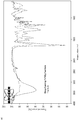
- Figure 4 shows some representative FTIR spectra obtained on functionalized UV pretreated samples. Each spectrum of Figure 4a corresponds to one measurement point of a taxifolin coated sample. The spectra bands corresponded clearly to taxifolin. A band at 2900 cm -1 can be assigned to CH 2 stretching and the broad bands at 1119-1009 cm -1 to Si-O-R vibrations, indicating also the presence of the APTES crosslinker.
- Figure 4b shows the presence of quercitrin grafted to UV pretreated surfaces, before and after the reduction step.
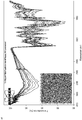
- Figures 5 and 6 shows representative FTIR-ATR spectra of taxifolin and quercitrin covalently grafted to passivated samples.
- the presence of CH 2 bands at 2900 cm-1 in all the FTIR spectra of the functionalized samples also indicates the presence of APTES on the surface.
- Table 3 also shows the amount of flavonoid released after 24h at 37°C from covalently bound samples, measured by UV-vis spectroscopy.
- Table 3 shows, in all Schiff base formation experiments without reduction step, taxifolin or quercitrin were detected in the water media, in low concentrations.
- the flavonoid detected could correspond to some crystal aggregates observed by SEM, being probably flavonoid residues of the rinsing step.
- Schiff bases have weak bonds that rapidly hydrolyze (reverse)
- some part of the detected concentration could also correspond to the hydrolysis of the Schiff base.
- the concentration of flavonoid released to water media from reduced Schiff base samples was no detectable. This agrees with the expected formation of an irreversible bond between the flavonoid and the silanized surface when reducing the Schiff base with NaCNBH 3 .
- Flavonoids taxifolin and quercitrin can be grafted to Ti surfaces either by adsorption, drop casting and covalent linking methods. UV irradiation and passivation are effective pretreatments for Ti surface activation before the immobilization of the biomolecule.
- Flavonoid-coated samples by adsorption and drop casting showed a high release of the flavonoid from the surface after 24 h incubation in water at physiological conditions.
- Covalently grafted samples showed different release behaviors depending on the reduction step. Non-reduced samples showed a low release of the flavonoid from the surface in water after 24h incubation, while reduced samples using the same conditions did not show release of the flavonoid. As FTIR-ATR analysis of covalently immobilized samples showed the presence of the flavonoids on the Ti surface both for non-reduced and reduced samples, this demonstrates that the flavonoids are covalently linked to the substrate through the APTES silane crosslinker.
- EXAMPLE 2 TITANIUM SURFACES FUNCTIONALIZED WITH FLAVONOIDS: BIOCOMPATIBILITY AND BIOACTIVITY ON HUMAN GINGIVAL FIBROBLASTS
- Machined titanium surfaces were functionalized by three methodologies: drop casting, covalent linking by Schiff base formation and covalent linking by reduced Schiff base, as described in Example 1.
- Surface chemical analysis was carried out by FTIR-ATR spectroscopy. Flavonoid release profiles up to 14 days from the different surfaces were determined by UV-Vis spectroscopy. The biocompatibility and bioactivity of the different flavonoid-coated titanium surfaces were assessed in cell culture models of human gingival fibroblasts (HGF), as a cell model for soft tissue around titanium implants.
- HGF human gingival fibroblasts
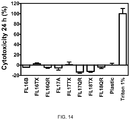
- Fibroblasts cultured on flavonoid modified titanium surfaces were tested for cell toxicity, determined by lactate dehydrogenase (LDH) activity after 24 hours of incubation, cell morphology, determined by SEM and cytoskeleton and nuclei staining, and gene expression of differentiation markers after 14 days of culture.
- LDH lactate dehydrogenase
- Table 4 shows the different surfaces produced. Prior to biomolecule immobilization, passivation of machined titanium disks was carried out for all groups. Table 4. Groups used in the study. Group Modification FL13B Passivated, Ti/TiO 2 FL13TX Drop casting, Ti/TiO 2 /Taxifolin FL13QR Drop Casting, Ti/TiO 2 /Quercitrin FL14A Silanized Ti, Ti/TiO 2 /APTES FL14TX Schiff base, Ti/TiO 2 /APTES/Taxifolin FL14QR Schiff base, Ti/TiO 2 /APTES/Quercitrin FL15TX Reduced Schiff base, Ti/TiO 2 /APTES/Taxifolin FL15QR Reduced Schiff base, Ti/TiO 2 /APTES/Quercitrin
- the concentration of flavonoid was calculated from interpolation of data in flavonoid standard calibration curves. Two replicates were measured for each sample. Passivated Ti substrates were used as blank samples for drop casted implants. Silanized Ti substrates were used as blank for covalently linked samples.
- HGF Human gingival fibroblasts
- FCS fetal calf serum
- antibiotics 50 ng amphotericin/ml and 50 ⁇ g gentamicin/ml
- Titanium coin-shaped implants were placed in 96-well plates and HGF were seeded at a density of 1.0x10 4 cells/well for all control and test samples. Trypan blue stain was used to determine total and viable cell number. Culture media was refreshed every other day. Culture media was collected after 24 hours to test LDH activity. Some samples were processed by scanning electron microscopy and confocal microscopy. Cells were harvested after 14 days to study gene expression.
- a scanning electron microscope (SEM) using Back Scattered Electrons (BSE), 40 Pa of pressure and 10 kV of voltage was used to acquire images of cells grown on coin-shaped implants.
- Cells were washed twice with PBS and fixed with glutaraldehyde 4% in PBS for 1 hour. The fixative solution was removed, and the cells were washed with distilled water twice. At 30 minute intervals, the cells were dehydrated by the addition of 50%, 70%, 90% and 100% ethanol solutions. Finally, the ethanol was removed, and the cells were left at room temperature to evaporate the remaining ethanol prior to analysis. Then, the samples were rehidrated by the addition of 90%, 70% and 50% ethanol solutions and water for 5 minutes periods.
- Phalloidin-FITC 5 ⁇ g/ml (Sigma, St. Louis, MO, USA) in PBS Triton X-100 0.2% for 30 minutes in the dark. Cells were washed with PBS and coin-shaped implants were placed on slides. Finally, a drop of Fluoroshield TM with DAPI (Sigma, St. Louis, MO, USA) was added and cover glasses were mounted on the implants. Two implants of each group were used to perform the experiment and three images of each implant were taken with the confocal microscope (Leica DMI 4000B equipped with Leica TCS SPE laser system). Excitation wavelengths of DAPI and Phalloidin-FITC were set at 405 and 488 nm respectively; fluorescence was captured between 430-480 nm for DAPI and between 500-525 nm for Phalloidin-FITC.
- glyceraldehyde-3-phosphate dehydrogenase GPDH
- beta-actin B-actin
- Target genes are covering different aspects of gingival fibroblast function like ECM production and organization, and inflammation as detailed in the following table. Table 5. Function of selected genes.
- Gene Function Collagen III ⁇ 1 (COL3A1)
- the gingival connective tissue consists of a dense network of collagen fibrils bundles that provide firmness to the gingiva and attach the gingiva to the tooth and alveolar bone. They also regulate functions of the connective tissue cells.
- COL3A1 is found in extensible connective tissues such as skin, lung, and the vascular system, frequently in association with type I collagen.
- Interleukin-6 (IL6) IL-6 is known to mediate important signals in the inflammatory cytokine network. Gingival fibroblasts secrete cytokines upon stimulation with inflammatory mediators, including IL-6.
- the amplification program consisted of a preincubation step for denaturation of the template cDNA (5 min 95°C), followed by 45 cycles consisting of a denaturation step (10 s 95°C), an annealing step (10 s 60°C) and an extension step (10 s 72°C). After each cycle, fluorescence was measured at 72°C. A negative control without cDNA template was run in each assay. Table 6. Primers used in the real-time PCR of reference and target genes. S: sense, A: antisense, bp: base pairs Gene Primer sequence Product size GeneBank Accession Nr.
- Collagen III ⁇ 1 (COL3A1) (target gene) S: GGCCTACTGGGCCTGGTGGT 190 bp NM_000090.3 A: CCACGTTCACCAGGGGCACC Interleu kin-6 (IL6) (target gene) S: AGGAGACTTGCCTGGTGAAA 196 bp NM_000600.3 A: GCATTTGTGGTTGGGTCAG ⁇ -Actir (reference gene) S:CTGGAACGGTGAAGGTGACA 136 bp NM_001101.3 A: AAGGGACTTCCTGTAACAATGCA GAPDH (ref. gene) S: TGCACCACCAACTGCTTAGC 87 bp NM_002046.3 A: GGCATGGACTGTGGTCATGAG
- Figure 7 shows the flavonoid release profile in aqueous media up to 14 days, simulating physiologic conditions (pH 7.5, 37°C), from drop casted (experiment FL13) and covalently linked by Schiff base formation (experiment FL14) samples.
- Figure 7 also shows the release profile of Ti surfaces functionalized with taxifolin and quercitrin by Schiff base formation (experiment FL14).
- Taxifolin release profile of Schiff base samples shows that 7.9 ⁇ 2.7 nmol of flavonoid were released to the media after 1 h of incubation. At day one the cumulative release was 12.4 ⁇ 4.0 nmol. From 1 to 14 days the released amount was not significant. A high deviation between replicates was observed.
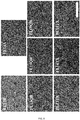
- HGF possessed the typical fibroblastic spindle-shaped morphology and were distributed throughout the entire surface ( Figure 9 ). Cytoskeleton and nuclei staining also revealed good cell spreading on all surfaces and the formation of prolongations and filopodia to contact each other and to attach to surfaces ( Figure 10 ). It is worth noting that HGF aligned to the concentric nanogrooves of the titanium surfaces. No differences on cell morphology were observed among the groups.
- IL6 interleukin-6
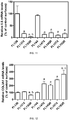
- COL3A1 increased only in all covalently-bonded flavonoid-coated groups compared with the silanized Ti/TiO 2 control (FL14A) and in quercitrin reduced Schiff base (FL15QR) compared with the non reduced surfaces (FL14QR).
- FL14A silanized Ti/TiO 2 control
- FL15QR quercitrin reduced Schiff base
- FL14QR quercitrin reduced Schiff base
- the different surface modification methods were effective in decreasing inflammation in HGF cells, as shown by the IL-6 mRNA levels.
- flavonoids that were covalently attached to the implant surface were effective increasing the differentiation of HGF, as shown by the COL3A1 mRNA levels.
- a coating that contains flavonoids covalently attached to the surface are prefered than those only physically adsorbed on the surface.
- EXAMPLE 3 TITANIUM SURFACES FUNCTIONALIZED WITH FLAVONOIDS: BIOCOMPATIBILITY AND BIOACTIVITY ON HUMAN UMBILICAL CORD MESENCHYMAL STEM CELLS
- Titanium surfaces were functionalized by drop casting and covalent linking (Schiff base and reduced Schiff base formation) as previously described in examples 1 and 2. Flavonoid release profiles from the different surfaces were also determined by UV-Vis spectroscopy. The biocompatibility and bioactivity of the different flavonoid-coated titanium surfaces were assessed in cell culture models of human umbilical cord mesenchymal stem cells (hUC-MSCs) differentiated to the osteogenic lineage, as a cell model for hard tissue around titanium implants. Cells cultured on flavonoid modified titanium surfaces were tested for cell toxicity, determined by LDH activity after 24 hours of incubation, cell morphology, determined by SEM and cytoskeleton and nuclei staining, and gene expression of differentiation markers after 14 days of culture.
- hUC-MSCs human umbilical cord mesenchymal stem cells
- Table 7 shows the different surfaces produced. Prior to flavonoid immobilization, passivation of machined titanium disks was carried out. Table 7. Groups used in the study. Group Modification FL16B Passivated, Ti/TiO 2 FL16TX Drop casting, Ti/TiO 2 /Taxifolin FL16QR Drop Casting, Ti/TiO 2 /Quercitrin FL17A Silanized Ti, Ti/TiO 2 /APTES FL17TX Schiff base, Ti/TiO 2 /APTES/ Taxifolin FL17QR Schiff base, Ti/TiO 2 /APTES/ Quercitrin FL18TX Reduced Schiff base, Ti/TiO 2 /APTES/ Taxifolin FL18QR Reduced Schiff base, Ti/TiQ 2 /APTES/ Quercitrin
- the flavonoid release profile was measured by UV-Vis spectroscopy as described in previous example, but in this case the aqueous media was changed at time 1h, 1 day and 4, 7, 11 days, simulating hUC-MSCs culture media changes. Determination of citotoxicity, microscopic analysis of cell growth on the modified Ti surfaces and RNA isolation and real-time RT-PCR analysis was carried out as described in previous example. Primers used in the real-time PCR are detailed in table 8 and the function of genes selected as markers is explained in table 9. Table 8. Primers used in the real-time PCR of reference and target genes. S: sense, A: antisense, bp: base pairs Gene Primer sequence Product size GeneBank Accession Nr.
- Alkaline phosphatase is linked to phosphate metabolism and matrix maturation. It is one of the first functional genes expressed in the calcification process. Coll-1 Collagen type-1 is an early marker which supports cell differentiation stage. OC It is the most abundant non-collagenous protein in the bone and is implicated in bone mineralization and calcium ion homeostasis. Osteocalcin is normally used as a preliminary biomarker on the effectiveness of a given treatment on bone formation. Runx2 It is a key transcriptional factor involved in osteoblast differentiation.
- hUC-MSC Human umbilical cord derived mesenchymal stem cells
- Figure 13 shows the flavonoid release profile from flavonoid-coated Ti disks in aqueous media up to 14 days, simulating physiologic conditions (pH 7.5, 37°C), from drop casted (experiment FL16) and covalently linked by Schiff base formation (experiment FL17) samples.
- the initial flavonoid amount deposited on the Ti surface by drop casting was 20 nmol/disk for taxifolin implants and 50 nmol/disk for quercitrin.
- the total taxifolin amount released to media was 19.7 ⁇ 0.7 nmol.
- the total quercitrin amount released represented a 78 % of the expected value (39 nmol vs 50 nmol).
- Figure 13 also shows the release profile of Ti surfaces functionalized with taxifolin and quercitrin by Schiff base formation (experiment FL17).
- Taxifolin and quercitrin release from Schiff base surfaces were similar. The total amount of taxifolin released after 14 days was 2.6 ⁇ 0.2 nmol. By the other hand, the total amount of quercitrin released after 14 days was 1.51 ⁇ 0.04 nmol. In both cases the maximum released amount took place within the first hour of incubation and the release was complete between 1 and 4 days of incubation.
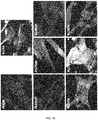
- hUC-MSCs After 24 hours of culture on the different surfaces, hUC-MSCs showed the typical morphology with long thin cell bodies and prominent nucleous which were placed throughout the entire surface, without differences among the groups ( Figures 15 and 16 ).
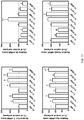
- mRNA levels of Collagen type-1 were significantly higher in all flavonoid-coated surfaces compared with its controls without flavonoids.
- the expression of osteocalcin (OC) was significantly decreased in cells cultured on quercitrin drop casted surfaces (FL16QR) and in cells cultured on quercitrin reduced Schiff base surfaces (FL18QR) compared with their corresponding controls.
- cells cultured over taxifolin Schiff base samples (FL17TX) revealed a higher OC expression compared with its control and with the taxifolin reduced Schiff base (FL18TX).
- quercitrin reduced Schiff base FL18QR was the only treatment showing an increase in ALP levels compared with its control and with taxifolin reduced surfaces (FL18TX).
- Runx2 mRNA expression was statistically higher in quercitrin Schiff base group (FL17QR) compared with its control whereas it decreased in taxifolin and quercitrin drop casted surfaces (FL16TX, FL16QR) compared with the control (FL16B).
- hUC-MSCs None of the surfaces was toxic for hUC-MSCs. After 24 hours of culture on the different surfaces, hUC-MSCs showed the typical morphology with long thin cell bodies and prominent nucleous, which were placed throughout the entire surface, without differences among the groups.
- Runx2 is a master organizer of gene transcription in developing and maturing osteoblasts, which are the main cells in hard tissue supporting osseointegrated implants.
- 5-methoxytryptophol can be covalently immobilized to pretreated Ti surfaces through an esterification reaction.
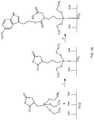
- a coupling agent with a carboxylic, acid anhydride or acyl chloride functionality can react with the hydroxyl moiety of 5-MTX to give an ester ( Figure 18 ).
- Acid anhydride functionalization of Ti surfaces can be carried out by using triethoxysilylpropyl succinic anhydride (TESPSA) as a crosslinker.
- TESPSA is a silane, structurally similar to APTES but with a succinic anhydride end instead of an amine. Hydrolysis of the anhydride will give the carboxylic acid functionality, which is also reactive towards hydroxyl esterification although in a slower manner than the acid anhydride.
- the silanization of the Ti/TiO 2 substrates with TESPSA was carried out in anhydrous conditions to avoid hydrolysis of the succinic anhydride moiety of TESPSA.
- the implants were immersed in a 10% v/v TESPSA solution in dry toluene for 24h at room temperature.
- Anhydrous MgSO 4 was added to scavenge the water formed from the condensation of the etoxy groups of the silane with the hydroxilated Ti surface. Then rinse gently with dry toluene.
- This example shows how titanium surfaces can be homogeneously coated with 5-methoxytryptophol by a drop casting procedure.
- Titanium metal surfaces can be homogeneously coated with 5-methoxytryptophol using drop casting methods.
Landscapes
- Health & Medical Sciences (AREA)
- Chemical & Material Sciences (AREA)
- Life Sciences & Earth Sciences (AREA)
- General Health & Medical Sciences (AREA)
- Veterinary Medicine (AREA)
- Public Health (AREA)
- Epidemiology (AREA)
- Animal Behavior & Ethology (AREA)
- Medicinal Chemistry (AREA)
- Transplantation (AREA)
- Oral & Maxillofacial Surgery (AREA)
- Dermatology (AREA)
- Inorganic Chemistry (AREA)
- Heart & Thoracic Surgery (AREA)
- Surgery (AREA)
- Vascular Medicine (AREA)
- Engineering & Computer Science (AREA)
- Biomedical Technology (AREA)
- Molecular Biology (AREA)
- Materials For Medical Uses (AREA)
- Prostheses (AREA)
Claims (15)
- Ein biokompatibles Implantat umfassend ein oder mehrere Metall(e), Metalllegierung(en), Metalloxid(e) oder eine Kombination davon, wobei eine antioxidative Verbindung ausgewählt aus der Gruppe von Flavonoiden, Methoxytryptopholen, einem Ester davon, einem pharmazeutisch akzeptablen Salz davon, und einer Kombination davon, zumindest auf einem Teil einer Metall-, Metalllegierung- oder Metalloxid-Oberfläche des biokompatiblen Implantats beschichtet ist/sind, wobei das Antioxidans mit der Metall-, Metalllegierung-, oder Metalloxid-Oberfläche kovalent gebunden ist.
- Das biokompatible Implantat nach Anspruch 1, wobei die flavonoide Verbindung mindestens eine Carbonylgruppe umfasst, und, wobei das Flavonoid aus Quercitrin, Taxifolin, Galangin, Diosmetin, Chrysin oder Derivaten davon ausgewählt ist.
- Das biokompatible Implantat nach Anspruch 1, wobei die Methoxytryptopholverbindung ausgewählt aus 5-Methoxytryptophol oder 6-Methoxytryptophol ist.
- Das biokompatible Implantat nach einem der vorhergehenden Ansprüche, wobei ein Linker an der Metall-, Metalllegierung- oder Metalloxid-Oberfläche und am Antioxidans, Ester solcher Verbindung, einem pharmazeutisch akzeptablen Salz davon oder einer Kombination davon gebunden ist.
- Das biokompatible Implantat nach Anspruch 4, wobei der Linker ausgewählt aus der Gruppe bestehend aus Anhydriden, Alkoholen, Säuren, Aminen, Epoxiden, Isocyanaten, Silanen, Thiol, Alkyl, Aryl, halogenierten Gruppen, und polymerisierbaren Gruppen ist.
- Das biokompatible Implantat nach vorherigem Anspruch, wobei das Silan ausgewählt aus 3-Aminopropyltriethoxysilan oder Triethoxysilanpropylsuccinylsäure ist.
- Das biokompatible Implantat nach Anspruch 5, wobei der Linker ein Polyether ist.
- Das biokompatible Implantat nach einem der vorhergehenden Ansprüche, wobei das bzw. die Metall(e), Metalllegierung(en) oder Metalloxid(e) ausgewählt ist bzw. sind aus der Gruppe bestehend aus Titan, einer Legierung oder einem Oxid davon, Zirconium, einer Legierung oder einem Oxid davon, Tantal, einer Legierung oder einem Oxid davon, Hafnium, einer Legierung oder einem Oxid davon, Niob, oder einer Legierung oder einem Oxid davon, Chrom-Vanadium-Legierung und rostfreiem Stahl.
- Das biokompatible Implantat nach Anspruch 8, wobei das Metall, die Metalllegierung oder das Metalloxid Titan ist.
- Das biokompatible Implantat nach einem der vorhergehenden Ansprüche, wobei andere Biomoleküle auf einer Metall-Metall-Legierung- oder einer Metalloxid-Oberfläche des Implantats vorhanden sind, wobei die Biomoleküle ausgewählt sind aus der Gruppe bestehend aus natürlichen Biomolekülen, synthetischen Biomolekülen, und rekombinanten Biomolekülen, Zellbefestigungsfaktoren, Biopolymeren, Blutproteinen, Enzymen, Proteinen und Biomolekülen der extrazellulären Matrix, Wachstumsfaktoren und Hormonen, Nukleinsäuren, Rezeptoren, synthetischen Biomolekülen, Vitaminen, Arzneimitteln, Iphosphonaten, biologisch aktiven Ionen, Fluorid, und Marker-Biomolekülen.
- Ein Verfahren zur Herstellung eines biokompatiblen Implantats nach einem der vorhergehenden Ansprüche, umfassend die Reaktion von einer antioxidativen Verbindung wie in einem der Ansprüche 1-3 definiert mit der Oberfläche des biokompatiblen Implantats.
- Das Verfahren nach Anspruch 11, umfassend folgende Schritte:a) chemische Vorbehandlung der Oberfläche eines Implantats,b) einen Schritt, in dem ein Linker wie in einem der Ansprüche 4-7 definiert mit der im Schritt a) erhaltenen chemisch vorbehandelten Oberfläche zur Reaktion gebracht wird, undc) die Reaktion von einer antioxidativen Verbindung wie in einem der Ansprüche 1-3 definiert mit dem Linker;oder, wahlweise, die folgenden Schritte:a) chemische Vorbehandlung der Oberfläche eines Implantats,b) einen Schritt, in dem ein Linker wie in einem der Ansprüche 4-7 definiert mit der antioxidativen Verbindung wie in einem der Ansprüche 1-3 definiert zur Reaktion gebracht wird; undc) Reaktion des so erhaltenen korrespondierenden Paars Antioxidans-Linker mit der im Schritt a) erhaltenen vorbehandelten Oberfläche.
- Das Verfahren nach Anspruch 12, wobei nach der Reaktion der antioxidativen Verbindung mit dem Linker, ein Reduktionsschritt durchgeführt wird.
- Das Verfahren nach einem der Ansprüche 12-13, wobei der Vorbehandlungsschritt ausgewählt aus Piranha-Angriff, Passivierung, UV-Bestrahlung, saurem oder alkalischem Angriff ist.
- Ein biokompatibles Implantat nach einem der Ansprüche 1-14, zur Verwendung zum Ersatz von Knochengewebe und/oder zur Wiederherstellung einer Körperfunktion eines Wirbeltieres, wobei der Ersatz das Implantieren des biokompatiblen Implantats umfasst.
Priority Applications (6)
| Application Number | Priority Date | Filing Date | Title |
|---|---|---|---|
| PT13718169T PT2986330T (pt) | 2013-04-18 | 2013-04-18 | Implantes para induzir integração de tecidos moles e de tecidos duros |
| PL13718169T PL2986330T3 (pl) | 2013-04-18 | 2013-04-18 | Implanty do wywoływania integracji tkanki miękkiej i twardej |
| SI201331314T SI2986330T1 (sl) | 2013-04-18 | 2013-04-18 | Implanti za induciranje integracije mehkega in trdega tkiva |
| HRP20190041TT HRP20190041T1 (hr) | 2013-04-18 | 2013-04-18 | Usatci za poticanje integriranja mekog i tvrdog tkiva |
| RS20190009A RS58359B1 (sr) | 2013-04-18 | 2013-04-18 | Implanti za indukovanje integracije mekih i tvrdih tkiva |
| HUE13718169A HUE043049T2 (hu) | 2013-04-18 | 2013-04-18 | Implantátumok lágy- és keményszövetintegráció létrehozására |
Applications Claiming Priority (1)
| Application Number | Priority Date | Filing Date | Title |
|---|---|---|---|
| PCT/EP2013/058116 WO2014169959A1 (en) | 2013-04-18 | 2013-04-18 | Implants for inducing soft and hard tissue integration |
Publications (2)
| Publication Number | Publication Date |
|---|---|
| EP2986330A1 EP2986330A1 (de) | 2016-02-24 |
| EP2986330B1 true EP2986330B1 (de) | 2018-10-17 |
Family
ID=48170463
Family Applications (1)
| Application Number | Title | Priority Date | Filing Date |
|---|---|---|---|
| EP13718169.9A Active EP2986330B1 (de) | 2013-04-18 | 2013-04-18 | Implantate zur induzierung von weich- und hartgewebeintegration |
Country Status (15)
| Country | Link |
|---|---|
| US (1) | US9849212B2 (de) |
| EP (1) | EP2986330B1 (de) |
| BR (1) | BR112015026321B1 (de) |
| CA (1) | CA2910148C (de) |
| CY (1) | CY1121178T1 (de) |
| DK (1) | DK2986330T3 (de) |
| ES (1) | ES2706021T3 (de) |
| HR (1) | HRP20190041T1 (de) |
| HU (1) | HUE043049T2 (de) |
| LT (1) | LT2986330T (de) |
| PL (1) | PL2986330T3 (de) |
| PT (1) | PT2986330T (de) |
| RS (1) | RS58359B1 (de) |
| SI (1) | SI2986330T1 (de) |
| WO (1) | WO2014169959A1 (de) |
Families Citing this family (2)
| Publication number | Priority date | Publication date | Assignee | Title |
|---|---|---|---|---|
| US11013833B2 (en) | 2015-08-03 | 2021-05-25 | Advanced Endovascular Therapeutics | Coatings for medical devices |
| IT201700081175A1 (it) | 2017-07-18 | 2019-01-18 | Nobil Bio Ricerche Srl | Dispositivi implantari rivestiti |
Family Cites Families (9)
| Publication number | Priority date | Publication date | Assignee | Title |
|---|---|---|---|---|
| US5356433A (en) * | 1991-08-13 | 1994-10-18 | Cordis Corporation | Biocompatible metal surfaces |
| US5607475A (en) | 1995-08-22 | 1997-03-04 | Medtronic, Inc. | Biocompatible medical article and method |
| US20060194008A1 (en) * | 1999-09-22 | 2006-08-31 | Princeton University | Devices with multiple surface functionality |
| SE523236C2 (sv) * | 2002-07-19 | 2004-04-06 | Astra Tech Ab | Ett implantat och ett förfarande för behandling av en implantatyta |
| US7083813B2 (en) * | 2002-11-06 | 2006-08-01 | The Quigley Corporation | Methods for the treatment of peripheral neural and vascular ailments |
| WO2007010342A1 (en) | 2005-07-15 | 2007-01-25 | Sahajanand Biotech Private Limited | Implantable medical devices comprising a flavonoid or derivative thereof for prevention of restenosis |
| WO2008119053A1 (en) | 2007-03-27 | 2008-10-02 | University Of Southern California | Device which enhances the biological activity of locally applied growth factors with particular emphasis on those used for bone repair |
| WO2009100394A2 (en) * | 2008-02-08 | 2009-08-13 | Terumo Kabushiki Kaisha | Device for local intraluminal transport of a biologically and physiologically active agent |
| EP2143451A1 (de) | 2008-07-11 | 2010-01-13 | Nobel Biocare Services AG | Knochenimplantat-Anwendung |
-
2013
- 2013-04-18 LT LTEP13718169.9T patent/LT2986330T/lt unknown
- 2013-04-18 SI SI201331314T patent/SI2986330T1/sl unknown
- 2013-04-18 HU HUE13718169A patent/HUE043049T2/hu unknown
- 2013-04-18 PL PL13718169T patent/PL2986330T3/pl unknown
- 2013-04-18 ES ES13718169T patent/ES2706021T3/es active Active
- 2013-04-18 EP EP13718169.9A patent/EP2986330B1/de active Active
- 2013-04-18 CA CA2910148A patent/CA2910148C/en active Active
- 2013-04-18 WO PCT/EP2013/058116 patent/WO2014169959A1/en not_active Ceased
- 2013-04-18 DK DK13718169.9T patent/DK2986330T3/en active
- 2013-04-18 RS RS20190009A patent/RS58359B1/sr unknown
- 2013-04-18 HR HRP20190041TT patent/HRP20190041T1/hr unknown
- 2013-04-18 PT PT13718169T patent/PT2986330T/pt unknown
- 2013-04-18 US US14/785,253 patent/US9849212B2/en not_active Expired - Fee Related
- 2013-04-18 BR BR112015026321A patent/BR112015026321B1/pt not_active IP Right Cessation
-
2019
- 2019-01-10 CY CY20191100023T patent/CY1121178T1/el unknown
Also Published As
| Publication number | Publication date |
|---|---|
| CY1121178T1 (el) | 2020-05-29 |
| BR112015026321B1 (pt) | 2019-12-03 |
| BR112015026321A2 (pt) | 2017-10-10 |
| HRP20190041T1 (hr) | 2019-03-22 |
| PT2986330T (pt) | 2019-01-21 |
| EP2986330A1 (de) | 2016-02-24 |
| ES2706021T3 (es) | 2019-03-27 |
| DK2986330T3 (en) | 2019-01-28 |
| WO2014169959A1 (en) | 2014-10-23 |
| SI2986330T1 (sl) | 2019-04-30 |
| CA2910148A1 (en) | 2014-10-23 |
| PL2986330T3 (pl) | 2019-08-30 |
| HUE043049T2 (hu) | 2019-07-29 |
| US9849212B2 (en) | 2017-12-26 |
| CA2910148C (en) | 2020-08-18 |
| RS58359B1 (sr) | 2019-03-29 |
| LT2986330T (lt) | 2019-03-12 |
| US20160082147A1 (en) | 2016-03-24 |
Similar Documents
| Publication | Publication Date | Title |
|---|---|---|
| Chen et al. | Fabrication of a silver nanoparticle-coated collagen membrane with anti-bacterial and anti-inflammatory activities for guided bone regeneration | |
| Mokhtari et al. | Chitosan-58S bioactive glass nanocomposite coatings on TiO2 nanotube: Structural and biological properties | |
| KR101880576B1 (ko) | 생체적합성 임플란트 | |
| EP1796753B1 (de) | Knochenimplantat beschichtet mit hyaluronsäure | |
| Carradò et al. | Nanoporous hydroxyapatite/sodium titanate bilayer on titanium implants for improved osteointegration | |
| EP3509650B1 (de) | Implantierbare medizinische vorrichtungen mit einer beschichtung mit antimikrobiellen eigenschaften auf der basis von nanostrukturiertem hydroxyapatit | |
| Liu et al. | Enhanced osteoinductivity and corrosion resistance of dopamine/gelatin/rhBMP-2–coated β-TCP/Mg-Zn orthopedic implants: An in vitro and in vivo study | |
| KR20140098273A (ko) | 약물 전달층을 포함하는 임플란트의 제조방법 및 이를 포함하는 생체이식용 임플란트 조성물 | |
| Bae et al. | ZrO2 surface chemically coated with hyaluronic acid hydrogel loading GDF-5 for osteogenesis in dentistry | |
| US7572872B2 (en) | Biomimetic materials comprising polyhedral oligomeric silsesquioxanes | |
| JPWO2013114947A1 (ja) | 生体インプラント | |
| RU2765921C1 (ru) | Способ изготовления дентального имплантата с использованием композитного нанопокрытия | |
| EP2986330B1 (de) | Implantate zur induzierung von weich- und hartgewebeintegration | |
| CA3112635A1 (en) | Nanoparticle-coated collagen implant | |
| You et al. | ε-Poly-l-lysine-hydroxyphenyl propionic acid/IL-4 composite hydrogels with inflammation regulation and antibacterial activity for improving integration stability of soft tissues and orthopedic implants | |
| CN106609327A (zh) | 一种Zn-HA系锌合金及其制备方法与应用 | |
| RU2724437C1 (ru) | Способ изготовления дентального имплантата из нанотитана с использованием лазерного структурирования поверхности и наноструктурированного композитного покрытия и имплатат | |
| Rabel et al. | Osteoblast and fibroblast response to plasma‐functionalized implant surfaces in vitro | |
| WO2014191399A1 (en) | Dental implants for high risk patients |
Legal Events
| Date | Code | Title | Description |
|---|---|---|---|
| PUAI | Public reference made under article 153(3) epc to a published international application that has entered the european phase |
Free format text: ORIGINAL CODE: 0009012 |
|
| 17P | Request for examination filed |
Effective date: 20151118 |
|
| AK | Designated contracting states |
Kind code of ref document: A1 Designated state(s): AL AT BE BG CH CY CZ DE DK EE ES FI FR GB GR HR HU IE IS IT LI LT LU LV MC MK MT NL NO PL PT RO RS SE SI SK SM TR |
|
| AX | Request for extension of the european patent |
Extension state: BA ME |
|
| DAX | Request for extension of the european patent (deleted) | ||
| STAA | Information on the status of an ep patent application or granted ep patent |
Free format text: STATUS: EXAMINATION IS IN PROGRESS |
|
| 17Q | First examination report despatched |
Effective date: 20170929 |
|
| GRAP | Despatch of communication of intention to grant a patent |
Free format text: ORIGINAL CODE: EPIDOSNIGR1 |
|
| STAA | Information on the status of an ep patent application or granted ep patent |
Free format text: STATUS: GRANT OF PATENT IS INTENDED |
|
| INTG | Intention to grant announced |
Effective date: 20180112 |
|
| GRAS | Grant fee paid |
Free format text: ORIGINAL CODE: EPIDOSNIGR3 |
|
| GRAA | (expected) grant |
Free format text: ORIGINAL CODE: 0009210 |
|
| STAA | Information on the status of an ep patent application or granted ep patent |
Free format text: STATUS: THE PATENT HAS BEEN GRANTED |
|
| AK | Designated contracting states |
Kind code of ref document: B1 Designated state(s): AL AT BE BG CH CY CZ DE DK EE ES FI FR GB GR HR HU IE IS IT LI LT LU LV MC MK MT NL NO PL PT RO RS SE SI SK SM TR |
|
| REG | Reference to a national code |
Ref country code: GB Ref legal event code: FG4D |
|
| REG | Reference to a national code |
Ref country code: CH Ref legal event code: EP |
|
| REG | Reference to a national code |
Ref country code: IE Ref legal event code: FG4D |
|
| REG | Reference to a national code |
Ref country code: AT Ref legal event code: REF Ref document number: 1053235 Country of ref document: AT Kind code of ref document: T Effective date: 20181115 Ref country code: DE Ref legal event code: R096 Ref document number: 602013045187 Country of ref document: DE |
|
| REG | Reference to a national code |
Ref country code: RO Ref legal event code: EPE |
|
| REG | Reference to a national code |
Ref country code: HR Ref legal event code: TUEP Ref document number: P20190041 Country of ref document: HR |
|
| RAP2 | Party data changed (patent owner data changed or rights of a patent transferred) |
Owner name: NUMAT MEDTECH, S.L. |
|
| REG | Reference to a national code |
Ref country code: PT Ref legal event code: SC4A Ref document number: 2986330 Country of ref document: PT Date of ref document: 20190121 Kind code of ref document: T Free format text: AVAILABILITY OF NATIONAL TRANSLATION Effective date: 20190110 |
|
| REG | Reference to a national code |
Ref country code: DK Ref legal event code: T3 Effective date: 20190123 |
|
| REG | Reference to a national code |
Ref country code: NL Ref legal event code: FP |
|
| REG | Reference to a national code |
Ref country code: SE Ref legal event code: TRGR |
|
| REG | Reference to a national code |
Ref country code: CH Ref legal event code: NV Representative=s name: VALIPAT S.A. GEVERS SA, CH |
|
| REG | Reference to a national code |
Ref country code: NO Ref legal event code: T2 Effective date: 20181017 Ref country code: BE Ref legal event code: PD Owner name: NUMAT MEDTECH, S.L.; ES Free format text: DETAILS ASSIGNMENT: CHANGE OF OWNER(S), CESSION Effective date: 20190108 |
|
| REG | Reference to a national code |
Ref country code: NL Ref legal event code: PD Owner name: NUMAT MEDTECH, S.L.; ES Free format text: DETAILS ASSIGNMENT: CHANGE OF OWNER(S), ASSIGNMENT; FORMER OWNER NAME: NUMAT BIOMEDICAL S.L. Effective date: 20190108 |
|
| REG | Reference to a national code |
Ref country code: HR Ref legal event code: T1PR Ref document number: P20190041 Country of ref document: HR |
|
| REG | Reference to a national code |
Ref country code: ES Ref legal event code: FG2A Ref document number: 2706021 Country of ref document: ES Kind code of ref document: T3 Effective date: 20190327 |
|
| REG | Reference to a national code |
Ref country code: CH Ref legal event code: PCAR Free format text: NEW ADDRESS: RUE DES NOYERS 11, 2000 NEUCHATEL (CH) |
|
| REG | Reference to a national code |
Ref country code: EE Ref legal event code: FG4A Ref document number: E016919 Country of ref document: EE Effective date: 20190109 |
|
| REG | Reference to a national code |
Ref country code: DE Ref legal event code: R081 Ref document number: 602013045187 Country of ref document: DE Owner name: NUMAT MEDTECH, S.L., ES Free format text: FORMER OWNER: NUMAT BIOMEDICAL S.L., PALMA DE MALLORCA, ES |
|
| REG | Reference to a national code |
Ref country code: GR Ref legal event code: EP Ref document number: 20190400160 Country of ref document: GR Effective date: 20190422 |
|
| REG | Reference to a national code |
Ref country code: HR Ref legal event code: ODRP Ref document number: P20190041 Country of ref document: HR Payment date: 20190405 Year of fee payment: 7 |
|
| REG | Reference to a national code |
Ref country code: SK Ref legal event code: T3 Ref document number: E 29889 Country of ref document: SK |
|
| REG | Reference to a national code |
Ref country code: DE Ref legal event code: R097 Ref document number: 602013045187 Country of ref document: DE |
|
| REG | Reference to a national code |
Ref country code: HU Ref legal event code: AG4A Ref document number: E043049 Country of ref document: HU |
|
| PLBE | No opposition filed within time limit |
Free format text: ORIGINAL CODE: 0009261 |
|
| STAA | Information on the status of an ep patent application or granted ep patent |
Free format text: STATUS: NO OPPOSITION FILED WITHIN TIME LIMIT |
|
| PG25 | Lapsed in a contracting state [announced via postgrant information from national office to epo] |
Ref country code: SM Free format text: LAPSE BECAUSE OF FAILURE TO SUBMIT A TRANSLATION OF THE DESCRIPTION OR TO PAY THE FEE WITHIN THE PRESCRIBED TIME-LIMIT Effective date: 20181017 |
|
| PGFP | Annual fee paid to national office [announced via postgrant information from national office to epo] |
Ref country code: HR Payment date: 20190405 Year of fee payment: 7 Ref country code: RS Payment date: 20190404 Year of fee payment: 7 Ref country code: RO Payment date: 20190404 Year of fee payment: 7 Ref country code: BG Payment date: 20190423 Year of fee payment: 7 Ref country code: MT Payment date: 20190402 Year of fee payment: 7 Ref country code: SI Payment date: 20190403 Year of fee payment: 7 Ref country code: EE Payment date: 20190430 Year of fee payment: 7 |
|
| 26N | No opposition filed |
Effective date: 20190718 |
|
| PGFP | Annual fee paid to national office [announced via postgrant information from national office to epo] |
Ref country code: SK Payment date: 20190402 Year of fee payment: 7 |
|
| PGFP | Annual fee paid to national office [announced via postgrant information from national office to epo] |
Ref country code: CY Payment date: 20190404 Year of fee payment: 7 |
|
| REG | Reference to a national code |
Ref country code: GB Ref legal event code: 732E Free format text: REGISTERED BETWEEN 20191024 AND 20191030 |
|
| PGFP | Annual fee paid to national office [announced via postgrant information from national office to epo] |
Ref country code: AL Payment date: 20190425 Year of fee payment: 7 Ref country code: MK Payment date: 20190403 Year of fee payment: 7 |
|
| REG | Reference to a national code |
Ref country code: AT Ref legal event code: PC Ref document number: 1053235 Country of ref document: AT Kind code of ref document: T Owner name: NUMAT MEDTECH, S.L., ES Effective date: 20200204 |
|
| PGFP | Annual fee paid to national office [announced via postgrant information from national office to epo] |
Ref country code: TR Payment date: 20200331 Year of fee payment: 8 |
|
| PGFP | Annual fee paid to national office [announced via postgrant information from national office to epo] |
Ref country code: NO Payment date: 20200429 Year of fee payment: 8 Ref country code: IE Payment date: 20200427 Year of fee payment: 8 Ref country code: PT Payment date: 20200406 Year of fee payment: 8 Ref country code: FI Payment date: 20200429 Year of fee payment: 8 Ref country code: NL Payment date: 20200426 Year of fee payment: 8 Ref country code: GR Payment date: 20200430 Year of fee payment: 8 Ref country code: DK Payment date: 20200430 Year of fee payment: 8 Ref country code: CZ Payment date: 20200408 Year of fee payment: 8 |
|
| PGFP | Annual fee paid to national office [announced via postgrant information from national office to epo] |
Ref country code: SE Payment date: 20200429 Year of fee payment: 8 Ref country code: PL Payment date: 20200402 Year of fee payment: 8 Ref country code: BE Payment date: 20200427 Year of fee payment: 8 Ref country code: HU Payment date: 20200407 Year of fee payment: 8 |
|
| PGFP | Annual fee paid to national office [announced via postgrant information from national office to epo] |
Ref country code: AT Payment date: 20200401 Year of fee payment: 8 |
|
| REG | Reference to a national code |
Ref country code: HR Ref legal event code: PBON Ref document number: P20190041 Country of ref document: HR Effective date: 20200418 |
|
| REG | Reference to a national code |
Ref country code: EE Ref legal event code: MM4A Ref document number: E016919 Country of ref document: EE Effective date: 20200430 |
|
| PG25 | Lapsed in a contracting state [announced via postgrant information from national office to epo] |
Ref country code: MC Free format text: LAPSE BECAUSE OF NON-PAYMENT OF DUE FEES Effective date: 20200430 |
|
| REG | Reference to a national code |
Ref country code: LT Ref legal event code: MM4D Effective date: 20200418 |
|
| REG | Reference to a national code |
Ref country code: SK Ref legal event code: MM4A Ref document number: E 29889 Country of ref document: SK Effective date: 20200418 |
|
| PG25 | Lapsed in a contracting state [announced via postgrant information from national office to epo] |
Ref country code: HR Free format text: LAPSE BECAUSE OF NON-PAYMENT OF DUE FEES Effective date: 20200418 Ref country code: LT Free format text: LAPSE BECAUSE OF NON-PAYMENT OF DUE FEES Effective date: 20200418 Ref country code: EE Free format text: LAPSE BECAUSE OF NON-PAYMENT OF DUE FEES Effective date: 20200430 Ref country code: CY Free format text: LAPSE BECAUSE OF NON-PAYMENT OF DUE FEES Effective date: 20200418 Ref country code: LU Free format text: LAPSE BECAUSE OF NON-PAYMENT OF DUE FEES Effective date: 20200418 Ref country code: BG Free format text: LAPSE BECAUSE OF NON-PAYMENT OF DUE FEES Effective date: 20201130 Ref country code: RO Free format text: LAPSE BECAUSE OF NON-PAYMENT OF DUE FEES Effective date: 20200418 |
|
| PG25 | Lapsed in a contracting state [announced via postgrant information from national office to epo] |
Ref country code: LV Free format text: LAPSE BECAUSE OF NON-PAYMENT OF DUE FEES Effective date: 20200418 Ref country code: SK Free format text: LAPSE BECAUSE OF NON-PAYMENT OF DUE FEES Effective date: 20200418 Ref country code: RS Free format text: LAPSE BECAUSE OF NON-PAYMENT OF DUE FEES Effective date: 20200418 |
|
| PG25 | Lapsed in a contracting state [announced via postgrant information from national office to epo] |
Ref country code: SI Free format text: LAPSE BECAUSE OF NON-PAYMENT OF DUE FEES Effective date: 20200419 |
|
| REG | Reference to a national code |
Ref country code: SI Ref legal event code: KO00 Effective date: 20210811 |
|
| REG | Reference to a national code |
Ref country code: FI Ref legal event code: MAE |
|
| REG | Reference to a national code |
Ref country code: DK Ref legal event code: EBP Effective date: 20210430 |
|
| REG | Reference to a national code |
Ref country code: NO Ref legal event code: MMEP |
|
| REG | Reference to a national code |
Ref country code: SE Ref legal event code: EUG |
|
| REG | Reference to a national code |
Ref country code: NL Ref legal event code: MM Effective date: 20210501 |
|
| REG | Reference to a national code |
Ref country code: AT Ref legal event code: MM01 Ref document number: 1053235 Country of ref document: AT Kind code of ref document: T Effective date: 20210418 |
|
| REG | Reference to a national code |
Ref country code: BE Ref legal event code: MM Effective date: 20210430 |
|
| PG25 | Lapsed in a contracting state [announced via postgrant information from national office to epo] |
Ref country code: SE Free format text: LAPSE BECAUSE OF NON-PAYMENT OF DUE FEES Effective date: 20210419 Ref country code: CZ Free format text: LAPSE BECAUSE OF NON-PAYMENT OF DUE FEES Effective date: 20210418 Ref country code: HU Free format text: LAPSE BECAUSE OF NON-PAYMENT OF DUE FEES Effective date: 20210419 Ref country code: PT Free format text: LAPSE BECAUSE OF NON-PAYMENT OF DUE FEES Effective date: 20211018 Ref country code: NO Free format text: LAPSE BECAUSE OF NON-PAYMENT OF DUE FEES Effective date: 20210430 Ref country code: FI Free format text: LAPSE BECAUSE OF NON-PAYMENT OF DUE FEES Effective date: 20210418 Ref country code: AT Free format text: LAPSE BECAUSE OF NON-PAYMENT OF DUE FEES Effective date: 20210418 |
|
| PG25 | Lapsed in a contracting state [announced via postgrant information from national office to epo] |
Ref country code: GR Free format text: LAPSE BECAUSE OF NON-PAYMENT OF DUE FEES Effective date: 20211108 |
|
| PG25 | Lapsed in a contracting state [announced via postgrant information from national office to epo] |
Ref country code: NL Free format text: LAPSE BECAUSE OF NON-PAYMENT OF DUE FEES Effective date: 20210501 |
|
| PG25 | Lapsed in a contracting state [announced via postgrant information from national office to epo] |
Ref country code: IE Free format text: LAPSE BECAUSE OF NON-PAYMENT OF DUE FEES Effective date: 20210418 Ref country code: DK Free format text: LAPSE BECAUSE OF NON-PAYMENT OF DUE FEES Effective date: 20210430 |
|
| PG25 | Lapsed in a contracting state [announced via postgrant information from national office to epo] |
Ref country code: MT Free format text: LAPSE BECAUSE OF NON-PAYMENT OF DUE FEES Effective date: 20200418 |
|
| PG25 | Lapsed in a contracting state [announced via postgrant information from national office to epo] |
Ref country code: BE Free format text: LAPSE BECAUSE OF NON-PAYMENT OF DUE FEES Effective date: 20210430 |
|
| PGFP | Annual fee paid to national office [announced via postgrant information from national office to epo] |
Ref country code: IT Payment date: 20220421 Year of fee payment: 10 Ref country code: GB Payment date: 20220427 Year of fee payment: 10 Ref country code: FR Payment date: 20220425 Year of fee payment: 10 Ref country code: ES Payment date: 20220505 Year of fee payment: 10 Ref country code: DE Payment date: 20220427 Year of fee payment: 10 |
|
| REG | Reference to a national code |
Ref country code: AT Ref legal event code: UEP Ref document number: 1053235 Country of ref document: AT Kind code of ref document: T Effective date: 20181017 |
|
| PGFP | Annual fee paid to national office [announced via postgrant information from national office to epo] |
Ref country code: CH Payment date: 20220503 Year of fee payment: 10 |
|
| PG25 | Lapsed in a contracting state [announced via postgrant information from national office to epo] |
Ref country code: PL Free format text: LAPSE BECAUSE OF NON-PAYMENT OF DUE FEES Effective date: 20210418 |
|
| PGFP | Annual fee paid to national office [announced via postgrant information from national office to epo] |
Ref country code: IS Payment date: 20230308 Year of fee payment: 11 |
|
| REG | Reference to a national code |
Ref country code: DE Ref legal event code: R119 Ref document number: 602013045187 Country of ref document: DE |
|
| PG25 | Lapsed in a contracting state [announced via postgrant information from national office to epo] |
Ref country code: AL Free format text: LAPSE BECAUSE OF NON-PAYMENT OF DUE FEES Effective date: 20200418 |
|
| REG | Reference to a national code |
Ref country code: CH Ref legal event code: PL |
|
| GBPC | Gb: european patent ceased through non-payment of renewal fee |
Effective date: 20230418 |
|
| PG25 | Lapsed in a contracting state [announced via postgrant information from national office to epo] |
Ref country code: GB Free format text: LAPSE BECAUSE OF NON-PAYMENT OF DUE FEES Effective date: 20230418 |
|
| PG25 | Lapsed in a contracting state [announced via postgrant information from national office to epo] |
Ref country code: LI Free format text: LAPSE BECAUSE OF NON-PAYMENT OF DUE FEES Effective date: 20230430 Ref country code: GB Free format text: LAPSE BECAUSE OF NON-PAYMENT OF DUE FEES Effective date: 20230418 Ref country code: FR Free format text: LAPSE BECAUSE OF NON-PAYMENT OF DUE FEES Effective date: 20230430 Ref country code: DE Free format text: LAPSE BECAUSE OF NON-PAYMENT OF DUE FEES Effective date: 20231103 Ref country code: CH Free format text: LAPSE BECAUSE OF NON-PAYMENT OF DUE FEES Effective date: 20230430 |
|
| PG25 | Lapsed in a contracting state [announced via postgrant information from national office to epo] |
Ref country code: IT Free format text: LAPSE BECAUSE OF NON-PAYMENT OF DUE FEES Effective date: 20230418 |
|
| REG | Reference to a national code |
Ref country code: ES Ref legal event code: FD2A Effective date: 20240604 |
|
| PG25 | Lapsed in a contracting state [announced via postgrant information from national office to epo] |
Ref country code: ES Free format text: LAPSE BECAUSE OF NON-PAYMENT OF DUE FEES Effective date: 20230419 |
|
| PG25 | Lapsed in a contracting state [announced via postgrant information from national office to epo] |
Ref country code: ES Free format text: LAPSE BECAUSE OF NON-PAYMENT OF DUE FEES Effective date: 20230419 |
|
| PG25 | Lapsed in a contracting state [announced via postgrant information from national office to epo] |
Ref country code: TR Free format text: LAPSE BECAUSE OF NON-PAYMENT OF DUE FEES Effective date: 20210418 |