EP2970586B1 - Amine functional polyamides - Google Patents
Amine functional polyamides Download PDFInfo
- Publication number
- EP2970586B1 EP2970586B1 EP14713737.6A EP14713737A EP2970586B1 EP 2970586 B1 EP2970586 B1 EP 2970586B1 EP 14713737 A EP14713737 A EP 14713737A EP 2970586 B1 EP2970586 B1 EP 2970586B1
- Authority
- EP
- European Patent Office
- Prior art keywords
- formula
- poly
- compound according
- group
- alkyl
- Prior art date
- Legal status (The legal status is an assumption and is not a legal conclusion. Google has not performed a legal analysis and makes no representation as to the accuracy of the status listed.)
- Active
Links
Images

Classifications
-
- A—HUMAN NECESSITIES
- A61—MEDICAL OR VETERINARY SCIENCE; HYGIENE
- A61K—PREPARATIONS FOR MEDICAL, DENTAL OR TOILETRY PURPOSES
- A61K31/00—Medicinal preparations containing organic active ingredients
- A61K31/74—Synthetic polymeric materials
- A61K31/785—Polymers containing nitrogen
- A61K31/787—Polymers containing nitrogen containing heterocyclic rings having nitrogen as a ring hetero atom
-
- C—CHEMISTRY; METALLURGY
- C08—ORGANIC MACROMOLECULAR COMPOUNDS; THEIR PREPARATION OR CHEMICAL WORKING-UP; COMPOSITIONS BASED THEREON
- C08G—MACROMOLECULAR COMPOUNDS OBTAINED OTHERWISE THAN BY REACTIONS ONLY INVOLVING UNSATURATED CARBON-TO-CARBON BONDS
- C08G69/00—Macromolecular compounds obtained by reactions forming a carboxylic amide link in the main chain of the macromolecule
- C08G69/02—Polyamides derived from amino-carboxylic acids or from polyamines and polycarboxylic acids
- C08G69/26—Polyamides derived from amino-carboxylic acids or from polyamines and polycarboxylic acids derived from polyamines and polycarboxylic acids
-
- A—HUMAN NECESSITIES
- A61—MEDICAL OR VETERINARY SCIENCE; HYGIENE
- A61K—PREPARATIONS FOR MEDICAL, DENTAL OR TOILETRY PURPOSES
- A61K47/00—Medicinal preparations characterised by the non-active ingredients used, e.g. carriers or inert additives; Targeting or modifying agents chemically bound to the active ingredient
- A61K47/50—Medicinal preparations characterised by the non-active ingredients used, e.g. carriers or inert additives; Targeting or modifying agents chemically bound to the active ingredient the non-active ingredient being chemically bound to the active ingredient, e.g. polymer-drug conjugates
- A61K47/51—Medicinal preparations characterised by the non-active ingredients used, e.g. carriers or inert additives; Targeting or modifying agents chemically bound to the active ingredient the non-active ingredient being chemically bound to the active ingredient, e.g. polymer-drug conjugates the non-active ingredient being a modifying agent
- A61K47/54—Medicinal preparations characterised by the non-active ingredients used, e.g. carriers or inert additives; Targeting or modifying agents chemically bound to the active ingredient the non-active ingredient being chemically bound to the active ingredient, e.g. polymer-drug conjugates the non-active ingredient being a modifying agent the modifying agent being an organic compound
-
- A—HUMAN NECESSITIES
- A61—MEDICAL OR VETERINARY SCIENCE; HYGIENE
- A61K—PREPARATIONS FOR MEDICAL, DENTAL OR TOILETRY PURPOSES
- A61K47/00—Medicinal preparations characterised by the non-active ingredients used, e.g. carriers or inert additives; Targeting or modifying agents chemically bound to the active ingredient
- A61K47/50—Medicinal preparations characterised by the non-active ingredients used, e.g. carriers or inert additives; Targeting or modifying agents chemically bound to the active ingredient the non-active ingredient being chemically bound to the active ingredient, e.g. polymer-drug conjugates
- A61K47/51—Medicinal preparations characterised by the non-active ingredients used, e.g. carriers or inert additives; Targeting or modifying agents chemically bound to the active ingredient the non-active ingredient being chemically bound to the active ingredient, e.g. polymer-drug conjugates the non-active ingredient being a modifying agent
- A61K47/56—Medicinal preparations characterised by the non-active ingredients used, e.g. carriers or inert additives; Targeting or modifying agents chemically bound to the active ingredient the non-active ingredient being chemically bound to the active ingredient, e.g. polymer-drug conjugates the non-active ingredient being a modifying agent the modifying agent being an organic macromolecular compound, e.g. an oligomeric, polymeric or dendrimeric molecule
- A61K47/59—Medicinal preparations characterised by the non-active ingredients used, e.g. carriers or inert additives; Targeting or modifying agents chemically bound to the active ingredient the non-active ingredient being chemically bound to the active ingredient, e.g. polymer-drug conjugates the non-active ingredient being a modifying agent the modifying agent being an organic macromolecular compound, e.g. an oligomeric, polymeric or dendrimeric molecule obtained otherwise than by reactions only involving carbon-to-carbon unsaturated bonds, e.g. polyureas or polyurethanes
- A61K47/60—Medicinal preparations characterised by the non-active ingredients used, e.g. carriers or inert additives; Targeting or modifying agents chemically bound to the active ingredient the non-active ingredient being chemically bound to the active ingredient, e.g. polymer-drug conjugates the non-active ingredient being a modifying agent the modifying agent being an organic macromolecular compound, e.g. an oligomeric, polymeric or dendrimeric molecule obtained otherwise than by reactions only involving carbon-to-carbon unsaturated bonds, e.g. polyureas or polyurethanes the organic macromolecular compound being a polyoxyalkylene oligomer, polymer or dendrimer, e.g. PEG, PPG, PEO or polyglycerol
-
- A—HUMAN NECESSITIES
- A61—MEDICAL OR VETERINARY SCIENCE; HYGIENE
- A61P—SPECIFIC THERAPEUTIC ACTIVITY OF CHEMICAL COMPOUNDS OR MEDICINAL PREPARATIONS
- A61P1/00—Drugs for disorders of the alimentary tract or the digestive system
-
- A—HUMAN NECESSITIES
- A61—MEDICAL OR VETERINARY SCIENCE; HYGIENE
- A61P—SPECIFIC THERAPEUTIC ACTIVITY OF CHEMICAL COMPOUNDS OR MEDICINAL PREPARATIONS
- A61P1/00—Drugs for disorders of the alimentary tract or the digestive system
- A61P1/02—Stomatological preparations, e.g. drugs for caries, aphtae, periodontitis
-
- A—HUMAN NECESSITIES
- A61—MEDICAL OR VETERINARY SCIENCE; HYGIENE
- A61P—SPECIFIC THERAPEUTIC ACTIVITY OF CHEMICAL COMPOUNDS OR MEDICINAL PREPARATIONS
- A61P1/00—Drugs for disorders of the alimentary tract or the digestive system
- A61P1/04—Drugs for disorders of the alimentary tract or the digestive system for ulcers, gastritis or reflux esophagitis, e.g. antacids, inhibitors of acid secretion, mucosal protectants
-
- A—HUMAN NECESSITIES
- A61—MEDICAL OR VETERINARY SCIENCE; HYGIENE
- A61P—SPECIFIC THERAPEUTIC ACTIVITY OF CHEMICAL COMPOUNDS OR MEDICINAL PREPARATIONS
- A61P11/00—Drugs for disorders of the respiratory system
-
- A—HUMAN NECESSITIES
- A61—MEDICAL OR VETERINARY SCIENCE; HYGIENE
- A61P—SPECIFIC THERAPEUTIC ACTIVITY OF CHEMICAL COMPOUNDS OR MEDICINAL PREPARATIONS
- A61P29/00—Non-central analgesic, antipyretic or antiinflammatory agents, e.g. antirheumatic agents; Non-steroidal antiinflammatory drugs [NSAID]
-
- A—HUMAN NECESSITIES
- A61—MEDICAL OR VETERINARY SCIENCE; HYGIENE
- A61P—SPECIFIC THERAPEUTIC ACTIVITY OF CHEMICAL COMPOUNDS OR MEDICINAL PREPARATIONS
- A61P31/00—Antiinfectives, i.e. antibiotics, antiseptics, chemotherapeutics
-
- A—HUMAN NECESSITIES
- A61—MEDICAL OR VETERINARY SCIENCE; HYGIENE
- A61P—SPECIFIC THERAPEUTIC ACTIVITY OF CHEMICAL COMPOUNDS OR MEDICINAL PREPARATIONS
- A61P31/00—Antiinfectives, i.e. antibiotics, antiseptics, chemotherapeutics
- A61P31/04—Antibacterial agents
-
- C—CHEMISTRY; METALLURGY
- C07—ORGANIC CHEMISTRY
- C07D—HETEROCYCLIC COMPOUNDS
- C07D211/00—Heterocyclic compounds containing hydrogenated pyridine rings, not condensed with other rings
- C07D211/04—Heterocyclic compounds containing hydrogenated pyridine rings, not condensed with other rings with only hydrogen or carbon atoms directly attached to the ring nitrogen atom
- C07D211/06—Heterocyclic compounds containing hydrogenated pyridine rings, not condensed with other rings with only hydrogen or carbon atoms directly attached to the ring nitrogen atom having no double bonds between ring members or between ring members and non-ring members
- C07D211/08—Heterocyclic compounds containing hydrogenated pyridine rings, not condensed with other rings with only hydrogen or carbon atoms directly attached to the ring nitrogen atom having no double bonds between ring members or between ring members and non-ring members with hydrocarbon or substituted hydrocarbon radicals directly attached to ring carbon atoms
- C07D211/10—Heterocyclic compounds containing hydrogenated pyridine rings, not condensed with other rings with only hydrogen or carbon atoms directly attached to the ring nitrogen atom having no double bonds between ring members or between ring members and non-ring members with hydrocarbon or substituted hydrocarbon radicals directly attached to ring carbon atoms with radicals containing only carbon and hydrogen atoms attached to ring carbon atoms
- C07D211/14—Heterocyclic compounds containing hydrogenated pyridine rings, not condensed with other rings with only hydrogen or carbon atoms directly attached to the ring nitrogen atom having no double bonds between ring members or between ring members and non-ring members with hydrocarbon or substituted hydrocarbon radicals directly attached to ring carbon atoms with radicals containing only carbon and hydrogen atoms attached to ring carbon atoms with hydrocarbon or substituted hydrocarbon radicals attached to the ring nitrogen atom
-
- C—CHEMISTRY; METALLURGY
- C07—ORGANIC CHEMISTRY
- C07D—HETEROCYCLIC COMPOUNDS
- C07D211/00—Heterocyclic compounds containing hydrogenated pyridine rings, not condensed with other rings
- C07D211/04—Heterocyclic compounds containing hydrogenated pyridine rings, not condensed with other rings with only hydrogen or carbon atoms directly attached to the ring nitrogen atom
- C07D211/06—Heterocyclic compounds containing hydrogenated pyridine rings, not condensed with other rings with only hydrogen or carbon atoms directly attached to the ring nitrogen atom having no double bonds between ring members or between ring members and non-ring members
- C07D211/08—Heterocyclic compounds containing hydrogenated pyridine rings, not condensed with other rings with only hydrogen or carbon atoms directly attached to the ring nitrogen atom having no double bonds between ring members or between ring members and non-ring members with hydrocarbon or substituted hydrocarbon radicals directly attached to ring carbon atoms
- C07D211/10—Heterocyclic compounds containing hydrogenated pyridine rings, not condensed with other rings with only hydrogen or carbon atoms directly attached to the ring nitrogen atom having no double bonds between ring members or between ring members and non-ring members with hydrocarbon or substituted hydrocarbon radicals directly attached to ring carbon atoms with radicals containing only carbon and hydrogen atoms attached to ring carbon atoms
- C07D211/16—Heterocyclic compounds containing hydrogenated pyridine rings, not condensed with other rings with only hydrogen or carbon atoms directly attached to the ring nitrogen atom having no double bonds between ring members or between ring members and non-ring members with hydrocarbon or substituted hydrocarbon radicals directly attached to ring carbon atoms with radicals containing only carbon and hydrogen atoms attached to ring carbon atoms with acylated ring nitrogen atom
-
- C—CHEMISTRY; METALLURGY
- C08—ORGANIC MACROMOLECULAR COMPOUNDS; THEIR PREPARATION OR CHEMICAL WORKING-UP; COMPOSITIONS BASED THEREON
- C08G—MACROMOLECULAR COMPOUNDS OBTAINED OTHERWISE THAN BY REACTIONS ONLY INVOLVING UNSATURATED CARBON-TO-CARBON BONDS
- C08G63/00—Macromolecular compounds obtained by reactions forming a carboxylic ester link in the main chain of the macromolecule
- C08G63/66—Polyesters containing oxygen in the form of ether groups
- C08G63/668—Polyesters containing oxygen in the form of ether groups derived from polycarboxylic acids and polyhydroxy compounds
- C08G63/672—Dicarboxylic acids and dihydroxy compounds
-
- C—CHEMISTRY; METALLURGY
- C08—ORGANIC MACROMOLECULAR COMPOUNDS; THEIR PREPARATION OR CHEMICAL WORKING-UP; COMPOSITIONS BASED THEREON
- C08G—MACROMOLECULAR COMPOUNDS OBTAINED OTHERWISE THAN BY REACTIONS ONLY INVOLVING UNSATURATED CARBON-TO-CARBON BONDS
- C08G73/00—Macromolecular compounds obtained by reactions forming a linkage containing nitrogen with or without oxygen or carbon in the main chain of the macromolecule, not provided for in groups C08G12/00 - C08G71/00
- C08G73/02—Polyamines
- C08G73/0273—Polyamines containing heterocyclic moieties in the main chain
-
- C—CHEMISTRY; METALLURGY
- C08—ORGANIC MACROMOLECULAR COMPOUNDS; THEIR PREPARATION OR CHEMICAL WORKING-UP; COMPOSITIONS BASED THEREON
- C08G—MACROMOLECULAR COMPOUNDS OBTAINED OTHERWISE THAN BY REACTIONS ONLY INVOLVING UNSATURATED CARBON-TO-CARBON BONDS
- C08G73/00—Macromolecular compounds obtained by reactions forming a linkage containing nitrogen with or without oxygen or carbon in the main chain of the macromolecule, not provided for in groups C08G12/00 - C08G71/00
- C08G73/02—Polyamines
- C08G73/028—Polyamidoamines
-
- C—CHEMISTRY; METALLURGY
- C08—ORGANIC MACROMOLECULAR COMPOUNDS; THEIR PREPARATION OR CHEMICAL WORKING-UP; COMPOSITIONS BASED THEREON
- C08G—MACROMOLECULAR COMPOUNDS OBTAINED OTHERWISE THAN BY REACTIONS ONLY INVOLVING UNSATURATED CARBON-TO-CARBON BONDS
- C08G73/00—Macromolecular compounds obtained by reactions forming a linkage containing nitrogen with or without oxygen or carbon in the main chain of the macromolecule, not provided for in groups C08G12/00 - C08G71/00
- C08G73/06—Polycondensates having nitrogen-containing heterocyclic rings in the main chain of the macromolecule
- C08G73/0622—Polycondensates containing six-membered rings, not condensed with other rings, with nitrogen atoms as the only ring hetero atoms
- C08G73/0627—Polycondensates containing six-membered rings, not condensed with other rings, with nitrogen atoms as the only ring hetero atoms with only one nitrogen atom in the ring
-
- A—HUMAN NECESSITIES
- A61—MEDICAL OR VETERINARY SCIENCE; HYGIENE
- A61K—PREPARATIONS FOR MEDICAL, DENTAL OR TOILETRY PURPOSES
- A61K31/00—Medicinal preparations containing organic active ingredients
-
- C—CHEMISTRY; METALLURGY
- C08—ORGANIC MACROMOLECULAR COMPOUNDS; THEIR PREPARATION OR CHEMICAL WORKING-UP; COMPOSITIONS BASED THEREON
- C08G—MACROMOLECULAR COMPOUNDS OBTAINED OTHERWISE THAN BY REACTIONS ONLY INVOLVING UNSATURATED CARBON-TO-CARBON BONDS
- C08G69/00—Macromolecular compounds obtained by reactions forming a carboxylic amide link in the main chain of the macromolecule
Definitions
- This invention relates to compounds comprising amine and ammonium groups along the polymer chain. This invention further relates to the use of said compounds as pharmaceutical agents and in pharmaceutical compositions.
- Mucositis is defined as inflammation and/or ulceration of a mucous membrane in the digestive tract. Mucositis can occur in the stomach, intestines and mouth. The disorder is characterized by breakdown of mucosa, which results in redness, swelling and/or the formation of ulcerative lesions.
- Oral mucositis is a common dose-limiting toxicity of drug and radiation therapy for cancer; it occurs to some degree in more than one third of all patients receiving antineoplastic drug therapy. In granulocytopenic patients, the ulcerations that accompany mucositis are frequent portals of entry for indigenous oral bacteria leading to sepsis or bacteremia. There are about one million occurrences of oral mucositis annually in the United States. Mucositis also includes mucositis that develops spontaneously in a healthy patient not receiving ant-cancer therapy, as in the case of a canker sore or mouth ulcer. Improved therapies to treat mucositis are needed.
- Surgical site infection is an infection associated with a surgical procedure. Postoperative SSIs are a major source of illness, and less commonly death, in surgical patients (Nichols RL, 2001). The Guideline for Prevention of Surgical Site Infection (1999 ) sets forth recommendations for preventing SSIs.
- Cystic fibrosis is a genetic disease caused by a mutation in the cystic fibrosis transmembrane conductor regulator (CFTR) that results in abnormally thick and sticky mucus (Yu Q, et al., 2012).
- the thick, sticky mucus of a CF patient leads to compromised mucus clearance and lung infection.
- Chronic airway infections are one of the most common and debilitating manifestations of CF (Tümmler B and C Kiewitz, 1999).
- the stagnant mucus becomes a breeding ground for bacteria like Pseudomonas aeruginosa, which causes chronic airway infections (Moreau-Marquis S, GA O'Toole and BA Stanton, 2009).
- amino means a functional group having a nitrogen atom and 1 to 2 hydrogen atoms.
- Amino generally may be used herein to describe a primary, secondary, or tertiary amine, and those of skill in the art will readily be able to ascertain the identification of which in view of the context in which this term is used in the present disclosure.
- amine or “amine group” or “ammonia group” means a functional group containing a nitrogen atom derived from ammonia (NH 3 ).
- the amine groups may be primary amines, meaning the nitrogen is bonded to two hydrogen atoms and one substituent group comprising a substituted or unsubstituted alkyl or aryl group or an aliphatic or aromatic group.
- the amine groups may be secondary amines meaning, the nitrogen is bonded to one hydrogen atom and two substituent groups comprising a substituted or unsubstituted aklyl or aryl groups or an aliphatic or aromatic group, as defined below.
- the amine groups may be tertiary amines meaning the nitrogen is bonded to three substituent groups comprising a substituted or unsubstituted aklyl or aryl groups or an aliphatic or aromatic group.
- the amine groups may also be quaternary amines meaning the designated amine group is bonded to a fourth group, resulting in a positively charged ammonium group.
- amide group means a functional group comprising a carbonyl group linked to a nitrogen.
- alkane means a saturated hydrocarbon, bonded by single bonds. Alkanes can be linear or branched. "Cycloalkanes” are saturated hydrocarbons rings bonded by single bonds.
- (C 1 -C 10 )alkyl means a saturated straight chained or branched or cyclic hydrocarbon consisting essentially of 1 to 10 carbon atoms and a corresponding number of hydrogen atoms. Typically straight chained or branched groups have from one to ten carbons, or more typically one to five carbons.
- Exemplary (C 1 -C 10 )alkyl groups include methyl (represented by -CH3), ethyl (represented by - CH2-CH3), n-propyl, isopropyl, n-butyl, isobutyl, etc.
- Other (C 1 -C 10 )alkyl groups will be readily apparent to those of skill in the art given the benefit of the present disclosure.
- (C 2 -C 9 )heteroalkyl means a saturated straight chained or branched or cyclic hydrocarbon consisting essentially of 2 to 10 atoms, wherein 2 to 9 of the atoms are carbon and the remaining atom(s) is selected from the group consisting of nitrogen, sulfur, and oxygen.
- Exemplary (C 2 -C 9 )heteroalkyl groups will be readily apparent to those of skill in the art given the benefit of the present disclosure.
- (C 3 -C 10 )cycloalkyl means a nonaromatic saturated hydrocarbon group, forming at least one ring consisting essential of 3 to 10 carbon atoms and a corresponding number of hydrogen atoms.
- (C 3 -C 10 )cycloalkyl groups can be monocyclic or multicyclic. Individual rings of multicyclic cycloalkyl groups can have different connectivities, for example, fused, bridged, spiro, etc., in addition to covalent bond substitution.
- Exemplary (C 3 -C 10 )cycloalkyl groups include cyclopropyl, cyclobutyl, cyclopentyl, cyclohexyl, norbornanyl, bicyclo-octanyl, octahydro-pentalenyl, spiro-decanyl, cyclopropyl substituted with cyclobutyl, cyclobutyl substituted with cyclopentyl, cyclohexyl substituted with cyclopropyl, etc.
- Other (C 3 -C 10 )cycloalkyl groups will be readily apparent to those of skill in the art given the benefit of the present disclosure.
- (C 2 -C 9 )heterocycloalkyl means a nonaromatic group having 3 to 10 atoms that form at least one ring, wherein 2 to 9 of the ring atoms are carbon and the remaining ring atom(s) is selected from the group consisting of nitrogen, sulfur, and oxygen.
- (C 2 -C 9 )heterocycloalkyl groups can be monocyclic or multicyclic. Individual rings of such multicyclic heterocycloalkyl groups can have different connectivities, for example, fused, bridged, spiro, etc., in addition to covalent bond substitution.
- Exemplary (C 2 -C 9 )heterocycloalkyl groups include pyrrolidinyl, tetrahydrofuranyl, dihydrofuranyl, tetrahydropyranyl, pyranyl, thiopyranyl, aziridinyl, azetidinyl, oxiranyl, methylenedioxyl, chromenyl, barbituryl, isoxazolidinyl, 1,3-oxazolidin-3-yl, isothiazolidinyl, 1,3-thiazolidin-3-yl, 1,2-pyrazolidin-2-yl, 1,3-pyrazolidin-1-yl, piperidinyl, thiomorpholinyl, 1,2-tetrahydrothiazin-2-yl, 1,3-tetrahydrothiazin-3-yl, tetrahydrothiadiazinyl, morpholinyl, 1,2-tetrahydrodiazin-2-yl, 1,3-tetra
- the (C 2 -C 9 )heterocycloalkyl group is typically attached to the main structure via a carbon atom or a nitrogen atom.
- Other (C 2 -C 9 )heterocycloalkyl groups will be readily apparent to those of skill in the art given the benefit of the present disclosure.
- aliphatic group or "aliphatic” means a non-aromatic group consisting of carbon and hydrogen, and may optionally include one or more double and/or triple bonds.
- An aliphatic group may be straight chained, branched or cyclic and typically contains between about one and about 24 carbon atoms.
- aryl group may be used interchangeably with “aryl,” “aryl ring,” “aromatic,” “aromatic group,” and “aromatic ring.”
- Aryl groups include carbocyclic aromatic groups, typically with six to fourteen ring carbon atoms.
- Aryl groups also include heteroaryl groups, which typically have five to fourteen ring atoms with one or more heteroatoms selected from nitrogen, oxygen and sulfur.
- (C 6 -C 14 )aryl means an aromatic functional group having 6 to 14 carbon atoms that form at least one ring.
- (C 2 -C 9 )heteroaryl means an aromatic functional group having 5 to 10 atoms that form at least one ring, wherein 2 to 9 of the ring atoms are carbon and the remaining ring atom(s) is selected from the group consisting of nitrogen, sulfur, and oxygen.
- (C 2 -C 9 )heteroaryl groups can be monocyclic or multicyclic. Individual rings of such multicyclic heteroaryl groups can have different connectivities, for example, fused, etc., in addition to covalent bond substitution.
- Exemplary (C 2 -C 9 )heteroaryl groups include furyl, thienyl, thiazolyl, pyrazolyl, isothiazolyl, oxazolyl, isoxazolyl, pyrrolyl, triazolyl, tetrazolyl, imidazolyl, 1,3,5-oxadiazolyl, 1,2,4-oxadiazolyl, 1,2,3-oxadiazolyl, 1,3,5-thiadiazolyl, 1,2,3-thiadiazolyl, 1,2,4-thiadiazolyl, pyridyl, pyrimidyl, pyrazinyl, pyridazinyl, 1,2,4-triazinyl, 1,2,3-triazinyl, 1,3,5-triazinyl, pyrazolo[3,4-b]pyridinyl, cinnolinyl, pteridinyl, purinyl, 6,7-dihydro-5
- the (C 2 -C 9 )heteroaryl group is typically attached to the main structure via a carbon atom, however, those of skill in the art will realize when certain other atoms, for example, hetero ring atoms, can be attached to the main structure.
- Other (C 2 -C 9 )heteroaryl groups will be readily apparent to those of skill in the art given the benefit of the present disclosure.
- alkyl amine means an (C 1 -C 10 )alkyl containing a primary, secondary, or tertiary amine group in place of one hydrogen atom, represented by (C 1 -C 10 )alkyl amine and ((C 1 -C 10 )alkyl) 2 amine.
- alkyl ester means a (C 1 -C 10 )alkyl containing an ester group in place of one hydrogen atom, represented by-O(O)C-(C 1 -C 10 )alkyl.
- alkyl acid means an (C 1 -C 10 )alkyl containing a carboxylic acid group in place of one hydrogen atom, represented by (C 1 -C 10 )alkyl-COOH.
- aliphatic acid means an acid of nonaromatic hydrocarbons, represented by (C 3 -C 10 )cycloalkyl-COOH.
- halo means a fluorine (F), chlorine (Cl), bromine (Br), iodine (I), or astatine (At) ion.
- methoxy means a (C 1 )alkyl containing an oxygen in place of one hydrogen atom, represented by -(O)CH 3 .
- polyol means an alcohol containing multiple hydroxyl (-OH) groups.
- Substituted means the substitution of a carbon in alkyl, heterocyclic or aryl groups with one or more non-carbon substituent.
- Non-carbon substituents are selected from nitrogen, oxygen and sulfur.
- Unsubstituted means the group is comprised of only hydrogen and carbon.
- polymer means a molecule comprised of repeating units.
- repeat unit or “monomer” means a group in a polymer that repeats or appears multiple times in a polymer.
- a polymer may be a copolymer if the repeating units or “comonomers” are chemically and structurally different from one another.
- pharmaceutically acceptable anion means an anion that is suitable for pharmaceutical use.
- Pharmaceutically acceptable anions include but are not limited to halides, carbonate, bicarbonate, sulfate, bisulfate, hydroxide, nitrate, persulfate, sulfite, acetate, ascorbate, benzoate, citrate, dihydrogen citrate, hydrogen citrate, oxalate, succinate, tartrate, taurocholate, glycocholate, and cholate.
- pharmaceutically acceptable end group means an end group that is suitable for pharmaceutical use.
- examples of pharmaceutically acceptable end groups include but are not limited to H, (C 1 -C 10 )alkyl, (C 2 -C 9 )heteroalkyl, (C 3 -C 10 )cycloalkyl, (C 2 -C 9 )heterocycloalkyl, (C 6 -C 14 )aryl, (C 2 -C 9 )heteroaryl, (C 1 -C 10 )alkylamine, -O(O)C-(C 1 -C 10 )alkyl, (C 1 -C 10 )alkyl-COOH, (C 3 -C 10 )cycloalkyl-COOH, -(O)CH 3 , -OH, amide, a guanidino group, a guanidinium chloride group, a guanidinobenzene group, a dihydroxy group, and a polyethylene glyco
- a “guanidino group” is represented by Formula (A): wherein a is an integer from 0 to 25,
- a “guanidinium chloride group” is represented by Formula (B), wherein b is an integer from 0 to 25,
- a “guanidinobenzene group” is represented by Formula (C), wherein c is an integer from 0 to 25,
- a "dihydroxy group” is represented by Formula (D), wherein d is an integer from 0 to 25, or
- a "polyethylene glycol group” is represented by Formula (E) wherein e is an integer from 1 to 400.
- an effective amount of a disclosed compound is a quantity sufficient to achieve a therapeutic and/or prophylactic effect on the particular condition being treated, such as an amount which results in the prevention or a decrease in the symptoms associated with mucositis, oral mucositis, infection and surgical site infection, and lung infection associated with cystic fibrosis.
- the precise amount of the disclosed compounds that is administered will depend on the type and severity of mucositis or infection being treated and on the characteristics of the individual, such as general health, age, sex, body weight and tolerance to drugs.
- the compounds are a compound comprising the structure of Formula (I): wherein:
- the compounds are a compound comprising the structure of Formula (II): wherein:
- the compounds are a compound comprising the structure of Formula (III): wherein:
- the compounds are a compound comprising the structure of Formula (IV): wherein:
- the compounds are a compound comprising the structure of Formula (V): wherein:
- the compounds are a pharmaceutical composition comprising a compound comprising the structure of Formula (I).
- compounds are a pharmaceutical composition comprising a compound comprising the structure of Formula (II).
- compounds are a pharmaceutical composition comprising a compound comprising the structure of Formula (III).
- compounds are a pharmaceutical composition comprising a compound comprising the structure of Formula (IV).
- compounds are a pharmaceutical composition comprising a compound comprising the structure of Formula (V).
- the compounds are used for the treatment of mucositis. In another aspect of the invention, the compounds are used for the treatment of oral mucositis. In another embodiment of the invention, the compounds are used for the treatment of an infection. In yet another embodiment of the invention, the compounds are used for the treatment of surgical site infection. In another embodiment of the invention, the compounds are used for the treatment of lung infection associated with cystic fibrosis. In another embodiment of the invention, the compounds are used for the treatment of P. aeruginosa lung infections in CF patients. In yet another embodiment of the invention, the compounds are used for the treatment of P. aeruginosa lung infections in CF patients where biofilms have formed.
- Yet another aspect of the invention is a method of treating a condition selected from mucositis, oral mucositis, and infection comprising administering an amine functional polyamide.
- This invention relates to novel compounds.
- the compounds polymers or copolymers and are of varying structures and comprise amine and ammonium groups along the polymer chain.
- the compounds contain repeat units of amide groups and amine groups; the amine groups can be secondary, tertiary, and quaternary ammonium groups.
- the compounds of the present invention are of varying molecular weights.
- the compounds are water soluble.
- This invention relates to pharmaceutical compositions comprising polymers or copolymers of compounds.
- This invention also relates to methods of treating and preventing mucositis and infection, including SSI, lung infections in CF patients, and C. aeruginosa lung infections in CF patients with or without biofilm formation, with compounds.
- the compounds and the pharmaceutical compositions comprising polymers or copolymers of compounds can be administered in multiple dosage forms and for systemic or local administration.
- This invention relates to the use of compounds and pharmaceutical compositions comprising polymers or copolymers of compounds as anti-infective agents.
- the compounds and pharmaceutical compositions comprising polymers or copolymers of compounds can be used for the treatment of bacterial, fungal, and viral infections, including mucositis, infections and, specifically, surgical site infections, lung infections associated with CF, and C. aeruginosa lung infections in CF patients with or without biofilm formation.
- the compounds can also be used to coat surfaces of various biomedical devices and other surfaces to prevent infection.
- the compounds are a compound comprising the structure of Formula (I): wherein:
- the compounds are a compound comprising the structure of Formula (II): wherein:
- the compounds are a compound comprising the structure of Formula (III): wherein:
- the compounds of are compounds of Formula (I), Formula (II) or Formula (III) where p and r are both 0 and p and r are both 1.
- the compounds of are compounds of Formula (I), Formula (II) or Formula (III) where n, p and r are all 0, n is 0 and p and r are both 1, and n is 3 and p and r are both 1.
- the amide functional compounds are a compound comprising the structure of Formula (1).
- R w is a (C 1 -C 10 )alkylene, (C 2 -C 9 )heteroalkyl, (C 6 -C 14 )aryl, or (C 2 -C 9 )heteroaryl.
- the amide functional compounds are a compound comprising the structure of Formula (2) or Formula (3):
- the compounds are comprised of a compound comprising the structure of Formula (I), Formula (II), Formula (III), Formula (1), Formula (2) or Formula (3), wherein R x and R y are independently selected from a methoxy group, a guanidino group, or a guanidinobenzene group.
- the compounds are a compound comprising the structure of Formula (IV): wherein:
- the amide functional compounds are a compound comprising the structure of Formula (V): wherein:
- the compounds of are compounds of Formula (IV) or Formula (V) where u and v are both 2.
- the amide functional compounds are a compound comprising the structure of Formula (4).
- the compounds are a pharmaceutical composition comprising a compound comprising the structure of Formula (I).
- compounds are a pharmaceutical composition comprising a compound comprising the structure of Formula (II).
- compounds are a pharmaceutical composition comprising a compound comprising the structure of Formula (III).
- the compounds are a pharmaceutical composition comprising a compound comprising the structure of Formula (1), Formula (2), or Formula (3).
- the compounds are a pharmaceutical composition comprising a compound comprising the structure of Formula (I), Formula (II), Formula (III), Formula (1), Formula (2) or Formula (3), wherein R x and R y are independently selected from a methoxy group, a guanidino group, or a guanidinobenzene group.
- compounds are a pharmaceutical composition comprising a compound comprising the structure of Formula (IV).
- compounds are a pharmaceutical composition comprising a compound comprising the structure of Formula (V).
- the compounds are a pharmaceutical composition comprising a compound comprising the structure of Formula (4).
- the compounds are a pharmaceutical composition comprising a compound comprising the structure of Formula (I), (II), (III), , (1), (2) or (3) for use in the treatment or prevention of a condition selected from mucositis, oral mucositis and infection.
- the compounds are a pharmaceutical composition comprising a compound comprising the structure of Formula (I), (II), (III), (1), (2) or (3) for use in the treatment or prevention of a surgical site infection, a lung infection associated with cystic fibrosis, a Pseudomonas aeruginosa lung infection, and a Pseudomonas aeruginosa lung infection where biofilms are present.
- the compounds are polymers.
- the polymers may comprise a monomer comprising a compound having a repeat unit according to any of Formulas (I), (II), (III), (1), (2), (3) or (4).
- the compounds are copolymers.
- the copolymers may comprise a monomer comprising a compound having at least one unit according to any of Formulas (I), (II), (III), (1), (2) or (3) which is copolymerized with one or more other comonomers or oligomers or other polymerizable groups.
- suitable comonomers which may be used alone or in combination with at least one unit according to any of Formulas (I), (II), (III), (IV), (V), (1), (2), (3) or (4) to form the compounds according to the invention or according to a disclosure are presented in Table 1.
- the compounds are polymers or copolymers comprised of about 1 to about 400 repeat units according to any of Formulas (I), (II), (III), (IV), (V), (1), (2), (3) or (4). According to a disclosure, the compounds are polymers or copolymers comprised of about 1 to about 200 repeat units according to any of Formulas (I), (II), (III), (IV), (V), (1), (2), (3) or (4). According to a disclosure, the compounds are polymers or copolymers comprised of about 1 to about 100 repeat units according to any of Formulas (I), (II), (III), (IV), (V), (1), (2), (3) or (4).
- the compounds are polymers or copolymers comprised of about 1 to about 50 repeat units according to any of Formulas (I), (II), (III), (IV), (V), (1), (2), (3) or (4). According to a disclosure, the compounds are polymers or copolymers comprised of about 1 to about 25 repeat units according to any of Formulas (I), (II), (III), (IV), (V), (1), (2), (3) or (4). According to a disclosure, the compounds are polymers or copolymers comprised of about 1 to about 10 repeat units according to any of Formulas (I), (II), (III), (IV), (V), (1), (2), (3) or (4).
- the compounds are polymers or copolymers comprised of about 5 to about 40 repeat units according to any of Formulas (I), (II), (III), (IV), (V), (1), (2), (3) or (4). According to a disclosure, the compounds are polymers or copolymers comprised of about 5 to about 30 repeat units according to any of Formulas (I), (II), (III), (IV), (V), (1), (2), (3) or (4). According to a disclosure, the compounds are polymers or copolymers comprised of about 5 to about 25 repeat units according to any of Formulas (I), (II), (III), (IV), (V), (1), (2), (3) or (4). According to a disclosure, the compounds are polymers or copolymers comprised of about 5 to about 10 repeat units according to any of Formulas (I), (II), (III), (IV), (V), (1), (2), (3) or (4).
- the compounds have a molecular weight less than about 10,000 g/mol. According to a disclosure, the compounds have a molecular weight less than about 9,000 g/mol. According to a disclosure, the compounds have a molecular weight less than about 8,000 g/mol. According to a disclosure, the compounds have a molecular weight less than about 7,000 g/mol.
- the compounds are optionally, independently terminated (R x and R y ) with a pharmaceutically acceptable end group.
- pharmaceutically acceptable end groups will be obvious to one of skill in the art, including H, (C 1 -C 10 )alkyl, (C2-Co)heteroalkyl, (C 3 -C 10 )cycloalkyl, (C 2 -C 9 )heterocycloalkyl, (C 6 -C 14 )aryl, (C 2 -C 9 )heteroaryl, (C 1 -C 10 )alkylamine, -O(O)C-(C 1 -C 10 )alkyl, (C 1 -C 10 )alkyl-COOH, (C 3 -C 10 )cycloalkyl-COOH, -(O)CH 3 , -OH, amide, a guanidino group represented by Formula (A) wherein a is an integer from 0 to 25, a
- the compounds are administered as a pharmaceutical composition. In another embodiment of the invention, the compounds are administered in an effective amount to achieve the desired therapeutic effect.
- the skilled artisan will be able to determine the effective amount of the compounds depending on the individual and the condition being treated.
- the compounds are used in the treatment all forms of mucositis, and are particularly effective when used to treat oral mucositis.
- Treatment includes prophylactic and therapeutic uses of the disclosed compounds and uses of the disclosed pharmaceutical compositions comprising compounds.
- Desired prophylactic effects include prevention and inhibition of mucositis, reduction in severity of mucositis, reduction in size of mucositis lesions and reduction in likelihood of developing mucositis through the application or administration of compounds or pharmaceutical compositions comprising compounds.
- Desired therapeutic effects include amelioration of the discomfort associated with the mucositis, and/or increased rate of healing of mucositis lesion.
- the compounds and pharmaceutical compositions comprising compounds can be used to treat all forms of infection, including but not limited to SSI, lung infection in CF patients, and C. aeruginosa lung infection in CF patients with or without biofilm formation.
- the compounds and pharmaceutical compositions comprising compounds can be used in prophylactic and therapeutic applications to treat and prevent infection.
- the compounds and pharmaceutical compositions comprising compounds can be used to treat all forms of SSIs.
- Treatment includes prophylactic and therapeutic uses of the disclosed compounds and uses of the disclosed pharmaceutical compositions comprising compounds.
- a desired prophylactic use is the immediate administration of compounds or pharmaceutical compositions comprising compounds to the surgical wound post-surgery in order to prevent and/or reduce the likelihood of developing a SSI.
- Another desired prophylactic use is the administration of compounds or pharmaceutical compositions comprising compounds prior to surgery in order to prevent and/or reduce the likelihood of developing a SSI.
- Desired therapeutic effects include the treatment of an existing SSI through the application or administration of compounds or pharmaceutical compositions comprising a compound.
- the compounds and pharmaceutical compositions comprising compounds can be used to treat all forms of lung infections and chronic lung infections associated with CF, including C. aeruginosa lung infections in CF patients with or without biofilm formation.
- Treatment includes prophylactic and therapeutic uses of the disclosed compounds and uses of the disclosed pharmaceutical compositions comprising compounds. Desired therapeutic effects include the treatment of an existing lung infection or chronic lung infection through the administration of compounds or pharmaceutical compositions comprising a compound.
- the compounds and pharmaceutical compositions comprising compounds are used to treat P. aeruginosa infections associated with CF without biofilm formation.
- the compounds and pharmaceutical compositions comprising compounds are used to treat P. aeruginosa infections associated with CF with biofilm formation.
- a desired prophylactic use is the administration of compounds or pharmaceutical compositions comprising compounds to the CF patient in order to prevent and/or reduce the likelihood of developing a lung infection, including C. aeruginosa lung infections. Desired therapeutic effects include the treatment of an existing lung infection or chronic lung infection through the administration of compounds or pharmaceutical compositions comprising a compound.
- the compounds of the present invention may be administered alone or in a pharmaceutical composition comprising compounds.
- Suitable pharmaceutical compositions may comprise a compound and one or more pharmaceutically acceptable excipients.
- the form in which the polymers are administered depends in part on the route by which it is administered.
- the compounds can be administered, for example, topically, orally, intranasally, by aerosol or rectally.
- Suitable excipients include, but are not limited to, are inorganic or organic materials such as gelatin, albumin, lactose, starch, stabilizers, melting agents, emulsifying agents, salts and buffers.
- Suitable pharmaceutically acceptable excipients for topical formulations such as ointments, creams and gels include, but are not limited to, commercially available inert gels or liquids supplemented with albumin, methyl cellulose, or a collagen matrix.
- the compounds and pharmaceutical compositions comprising compounds can be administered alone or in combination with one or more additional drugs.
- Additional drugs administered in combination with the compounds and pharmaceutical compositions comprising compounds of the present invention include antibiotics and other compounds, including those used prophylactically and/or therapeutically for the treatment or prevention of mucositis and infection, including SSI and lung infection and chronic lung infection associated with CF, especially P. aeruginosa infection, with or without biofilm formation.
- the additional drugs may be administered concomitantly with the compound or pharmaceutical compositions comprising compounds.
- the additional drugs may also be administered in series with the compound or pharmaceutical compositions comprising compounds.
- the pharmaceutical composition comprising compounds may also further comprise a drug used prophylactically and/or therapeutically for the treatment or prevention of mucositis and infection, including SSI and lung infection and chronic lung infection associated with CF, especially P. aeruginosa infection, with or without biofilm formation.
- a drug used prophylactically and/or therapeutically for the treatment or prevention of mucositis and infection including SSI and lung infection and chronic lung infection associated with CF, especially P. aeruginosa infection, with or without biofilm formation.
- Example 1-1 Cytotoxicity Assay, RPTEC Cells and NHDF Cells
- Mammalian cell cytotoxicity assays were performed using two primary human cell lines: renal proximal tubule epithelial cells (RPTEC - Cambrex CC-2553) and normal human dermal fibroblasts (NHDF - Cambrex CC-2509).
- Cells were plated at 3,000 cells/well (RPTEC) or 5,000 cells/well (NHDF) in 96-well plates and incubated overnight at 37°C. The compounds were added to the wells, and the cells were incubated for 4 days. Alomar Blue was added to one set of plates and incubated for 4 hours. The plates were read when the compound was added (time zero) and at the end of the study.
- Table 2 displays the renal proximal tubule epithelial cells and normal human dermal fibroblasts IC 50 and LC 50 for selected compounds.
- Example 1- 2 Cytotoxicity Assay, Human Lung Epithelial Cells
- Cytoxicity of the polymers towards human lung epithelial cells was performed using human lung epithelial Carcinoma cell line (A 549 -ATCC # CCL-185). The cells were incubated for 96 hours at 7°C with 5% CO 2 in a 96-well plate. CellTiter-Glo ® (Promega) reagent was added to the plates. The plates were read by measuring the luminescence arising from luciferase catalyzed reaction of luciferin with ATP according to the manufactuer's suggested protocol. The concentration of ATP is directly proportional to cell viability; accordingly, higher luminescence measures high cell viability.
- Table 2 displays the human lung epithelial cells IC 50 for selected compounds.
- the compounds were incubated overnight at 37°C in Dulbecco's phosphate-buffered saline containing fresh washed erythrocytes at a hematocrit of 1%. After incubation, the plates were centrifuged and the supernatant transferred to flat-bottomed 96-well plates. The supernatant was assayed using the QuantiChrom Hemoglobin kit according to the manufacturer's instructions. The IC 50 values were calculated using GraphPad Prism.
- Table 2 displays the IC 50 values for selected compounds.
- the minimum inhibitory concentration (MIC) assay determines the lowest concentration of an antimicrobial agent required to inhibit the growth of test organisms after incubation. MIC assays were performed against an internal standard panel of organisms to identify compounds with antimicrobial activity. The MIC assay was subsequently repeated against other specialized microbial panels. Assays were conducted against the following clinically relevant microorganisms: Staphylococcus aureus subsp. aureus, Staphylococcus epidermis, Escherichia coli, Pseudomonas aeruginosa, Haemophilius influenzae. The compounds were tested for bacteriocidal activity, time course of killing, toxicity against tissue culture cells grown in vitro, and in some cases were tested for antimicrobial activity in vivo.
- the MIC assays were performed according to the Performance Standards for Antimicrobial Susceptibility Testing, 2006, vol. M100-S15, Fifteenth Informational Supplement, NCCLS, 940 West Valley Road, Suite 1400, Wayne, PA 19087.
- the polymers tested were dissolved in 0.85% saline to a final concentration of either 830 or 1000 ⁇ g/mL and the pH was adjusted to 7.0. The solution was then filter-sterilized through a 0.22 ⁇ m filter. Two-fold serial dilutions of polymer were prepared in Mueller-Hinton broth with cations aliquotted into 96-well microtiter plates. The plates were then inoculated with 5 ⁇ 10 5 cells/mL of target organism and incubated 18-24 hours at 35°C. The optical density (OD) was read at 590 nm, and microorganism growth was scored (OD > 0.1 is considered to be growth; OD ⁇ 0.1 is considered to be growth inhibition). The MIC value is the lowest concentration of compound that inhibits growth; accordingly, a higher MIC value indicates less potency where a lower MIC valued indicated more potency.
- Example 1- 5 Inhibition of Pseudomonas aeruginosa in Cystic Fibrosis Bronchial Epithelial Cells
- Cystic fibrosis bronchial epithelial (CFBE) cells were grown in 12-well plates for 7-9 days. The cells were washed twice with imaging medium before Pseudomonas aeruginosa (mucoid strain, SMC 1585) was inoculated into each well at a multiplicity of infection (MOI) of -30 ( ⁇ 6 ⁇ 10 6 cfu/well). The plates were incubated at 37°C, 5% CO2 for 1 hour to allow bacterial attachment to the airway cells. The supernatant was then replaced with imaging medium containing 0.4% arginine and then incubated for 5 hours to form biofilms on CFBE cells.
- MOI multiplicity of infection
- the plates were washed twice with imaging medium and antimicrobial agent (antimicrobial polymer or tobramycin [positive control]) were applied at designated concentrations to disrupt established biofilms for 16 hours. The supernatant was then removed and washed twice with imaging medium.
- CFBE cells were lysed with 0.1% Triton X-100 for approximately 15 minutes. The lysate was vortexed for 3 minutes before serial dilution and spot titration onto LB plates to determine the cfu/well.
- the bacterial strain was defined as 'susceptible' to the antibiotic treatment in the static co-culture model if the CFBE monolayers were not disrupted after overnight antibiotic treatment and there was more than a 2 log 10 difference in cfu recovery between no treatment and antibiotic antimicrobial agent treatment.
- Example 2- 1 Toxicity - Maximum Tolerated Dose
- Acute, 24 hour, toxicity studies to determine the maximum tolerated dose of a compound were carried out in male rats and mice of approximately 8-10 weeks of age. Animals were housed singly in standard polycarbonate cages and fed normal chow diets. Following one week of acclimation, compounds were administered in a single intraperitoneal (I.P.) or intravenous (I.V.) dose, typically in a PBS vehicle. The doses generally ranged from 1 mg/kg to as high as 400 mg/kg. Animals were observed for signs of pain, distress, and local or systemic signs of toxicity for one hour post-dosing, and then in 1 hour intervals for 6 hours after dosing. The following day at 24 hours post-dose, the animals were sacrificed and blood removed for serum chemistry analysis. Serum chemistry analyses performed include: ALT, AST, Creatinine and Urea Nitrogen. Major organs were also examined for abnormal signs.
- Table 3 displays the Maximum Tolerated Dose (MTD) for select test compounds at select routes of administration.
- Example 2- 2 Efficacy - Surgical Site Infection
- test compound poly(4,4-trimethylene dipiperidinebispropanoic acid-diaminopropane) modified with 40 mol% of glycidol
- MRSA Methicillin Resistant
- E. coli Escherichia coli
- mice Five groups of 10 male mice were inoculated intraperitoneally with a LD 90-100 of MRSA (1.90 ⁇ 10 8 CFU/mouse) suspended in 0.5 mL of brain heart infusion (BHI) broth containing 5% mucin.
- BHI brain heart infusion
- Table 4 displays the results against MRSA for the test compounds.
- MRSA Activity Treatment Dose Animals Dosed (N) Survival (n/N) Survival Increase (%) Vehicle 5 mL/kg 10 0/10 --- Poly(4,4-trimethylene dipiperidinebispropanoic acid-diaminopropane) modified with 40 mol% of glycidol 0.2 mg/kg 10 1/10 10% 5 mg/kg 10 6/10 60% ⁇ ⁇ Survival increase ⁇ 50% indicates significant anti-microbial effect
- mice Five groups of 10 male mice were inoculated intraperitoneally with a LD 90-100 of E. coli (2.20 ⁇ 10 5 CFU/mouse) suspended in 0.5 mL of BHI broth containing 5% mucin. One hour after bacteria inoculation, groups of 10 animals were intraperitoneally administered one of the following:
- Table 5 displays the results against E. coli for the test compounds.
- E. coli Activity Treatment Dose Animals Dosed (N) Survival (n/N) Survival Increase (%) Vehicle 5 mL/kg 10 0/10 --- Poly(4,4-trimethylene dipiperidinebispropanoic acid-diaminopropane) modified with 40 mol% of glycidol 0.2 mg/kg 10 0/10 0% 5 mg/kg 10 8/10 80% ⁇ ⁇ Survival increase ⁇ 50% indicates significant anti-microbial effect
- test compound poly(4,4-trimethylene dipiperidinebispropanoic acid-diaminopropane) modified with 40 mol% of glycidol, afforded significant anti-microbial protection, exhibiting 60% and 80% increase in survival rate in MRSA and E. coli infected mouse models.
- the goal of this study was to examine the role of schedule and route of administration on the observed efficacy of poly(4,4-trimethylene dipiperidinebispropanoic acid-diaminopropane) (1 mg/mL) on the frequency, severity and duration of oral mucositis induced by acute radiation.
- Male LVG Syrian Golden Hamsters, aged 5 to 6 weeks with an average body weight of 86.3 g at study commencement were used to evaluate the activity of each compound against radiation induced oral mucositis.
- Study endpoints were mucositis score, weight change and survival.
- mice Male Syrian Golden Hamsters were randomly and prospectively divided into treatment groups of seven (7) animals per group (test article) and one group of ten (10) animals (control).
- a score of 1 or 2 represent a mild stage of injury, a score of 3, 4 or 5 indicates moderate to severe mucositis.
- a digital photograph was taken of each animal's mucosa using a standardized technique.
- all images were randomly numbered and graded in blinded fashion by at least two independent trained observers using the above-described scale (blinded scoring).
- Weight change was also evaluated as it represents a secondary method of examining potential toxicities of experimental treatments. Animals were weighed daily throughout the study; weight changes were similar in all groups. The mean percent weight gain during the study is provided in Table 7.
- Table 7 Mucositis Safety and Efficacy Group Dose (Concentration) % Weight Gain (Days 0 to 20) % Animal Days with Mucositis Score ⁇ 3 Control topical, tid 0.5 mL 41.6 41.3 Poly(4,4-trimethylene dipiperidinebispropanoic acid -diaminopropane), topical, tid 0.5 mL (1 mg/mL) 34.2 28.6
- Example 3- 1 Synthesis of 4,4'-trimethylene dipiperidine bispropanoic acetate
- the reaction mixture consisting of 1 g of 4, 4'-trimethylene dipiperidine bispropanoic acetate (Example 3- 1) and 0.387 g of 1, 3-diamino propane was heated at 100°C under nitrogen atmosphere for 18 hours.
- the resulting product was dissolved in 5 mL of dichloromethane and was poured into 50 mL of ethyl acetate. After filtering off the solvent, the residue was dissolved in 20 mL of deionized (DI) water.
- DI deionized
- the pH of the solution was brought to 2 by addition of HCl.
- the resulting solution was dialyzed against DI water for 24 hours using a dialysis membrane of molecular weight cut off of 1000 Dalton.
- the solution remaining in the dialysis bag was dried by lyophilization yielding 90 mg of the desired product as a light yellow solid.
- Example 3- 7 Synthesis of poly (4,4'-trimethylene dipiperidine bispropanoic acid-co-diamino ethane)
- Example 3- 8 Synthesis of poly (4,4'-trimethylene dipiperidine bispropanoic acid-co-1,4-diamino butane)
- the reaction mixture containing 0.5 g of 4, 4'-trimethylene dipiperidine bispropanoic acetate and 0.23 g of 1, 4-diamino butane was stirred at 100°C under nitrogen atmosphere for 18 hours.
- the resulting product was dissolved in 5 mL of CH 2 Cl 2 and then precipitated in 50 mL of ethyl acetate.
- the precipitate was isolated by filtration and was dissolved in 20 mL of DI water. After adjusting the pH of the solution to 2, it was dialyzed against DI water using a dialysis membrane of molecular weight cut off of 1000 Dalton.
- the solution remaining in the dialysis membrane was lyophilized to dryness yielding 60 mg of the desired product as a light yellow solid.
- the reaction mixture containing 0.5 g of 4, 4'-trimethylene dipiperidine bispropanoic acetate and 0.26 g of 1, 2-bis(2-aminoethoxy) ethane was stirred at 100°C under nitrogen atmosphere for 18 hours.
- the resulting product was dissolved in 5 mL of dichloromethane and poured into 50 mL of ethyl acetate.
- the precipitate was isolated by filtration and was dissolved in 20 mL of DI water. After adjusting the pH of the solution to 2, it was dialyzed against DI water using a dialysis membrane of molecular weight cut off of 1000 Dalton.
- the solution remaining in the dialysis membrane was lyophilized to dryness yielding 60 mg of the desired product as a light yellow solid.
- Example 3- 10 Synthesis of poly (4,4'-trimethylene dipiperidine bispropanoic acid-co-1,4-bis(aminomethyl) benzene
- the reaction mixture containing 0.5 g of 4, 4'-trimethylene dipiperidine bispropanoic acetate and 0.7 g of 1,4-bis(aminomethyl) benzene (0.7 g, 5.1mmol) was stirred at 100°C under nitrogen atmosphere for 18 hours.
- the resulting product was dissolved in 5 mL of dichloromethane and poured into 50 mL of ethyl acetate.
- the precipitate was isolated by filtration and was dissolved in 20 mL of DI water. After adjusting the pH of the solution to 2, it was dialyzed against DI water using a dialysis membrane of molecular weight cut off of 1000 Dalton.
- the solution remaining in the dialysis membrane was lyophilized to dryness yielding 40 mg of the desired product as a light yellow solid.
- the reaction mixture containing 0.5 g of 4, 4'-trimethylene dipiperidine bispropanoic acetate and 0.35 g of 2,2'diamino diethylamine was stirred at 100°C under nitrogen atmosphere for 18 hours.
- the resulting product was dissolved in 5 mL of dichloromethane and poured into 50 mL of ethyl acetate.
- the precipitate was isolated by filtration and was dissolved in 20 mL of DI water. After adjusting the pH of the solution to 2, it was dialyzed against DI water using a dialysis membrane of molecular weight cut off of 1000 Dalton.
- the solution remaining in the dialysis membrane was lyophilized to dryness yielding 63 mg of the desired product as a light yellow solid.
- Example 3- 12 Synthesis of poly (4,4'-trimethylene dipiperidine bispropanoic acid-co-N-methyl-2,2'diamino diethylamine
- the reaction mixture containing 1 g of 4, 4'-trimethylene dipiperidine bispropanoic acetate and 0.61 g of N-methyl-2,2'diamino diethylamine (0.61 g, 5.2mmol) was stirred at 100°C under nitrogen atmosphere for 18 hours.
- the resulting product was dissolved in 5 mL of dichloromethane and poured into 50 mL of ethyl acetate.
- the precipitate was isolated by filtration and was dissolved in 20 mL of DI water. After adjusting the pH of the solution to 2, it was dialyzed against DI water using a dialysis membrane of molecular weight cut off of 1000 Dalton.
- the solution remaining in the dialysis membrane was lyophilized to dryness yielding 130 mg of the desired product as a light yellow solid.
- Example 3- 13 Synthesis of poly (4,4'-trimethylene dipiperidine bispropanoic acid-coN-(3-aminopropyl)-1,3-propane diamine
- the reaction mixture containing 1 g of 4, 4'-trimethylene dipiperidine bispropanoic acetate and 0.68 g of N-(3-aminopropyl)-1,3-propane diamine (0.68 g, 5.2 mmol) was stirred at 100°C under nitrogen atmosphere for 18 hours.
- the resulting product was dissolved in 5 mL of dichloromethane and poured into 50 mL of ethyl acetate.
- the precipitate was isolated by filtration and was dissolved in 20 mL of DI water. After adjusting the pH of the solution to 2, it was dialyzed against DI water using a dialysis membrane of molecular weight cut off of 1000 Dalton.
- the solution remaining in the dialysis membrane was lyophilized to dryness yielding 180 mg of the desired product as a light yellow solid.
- Example 3- 14 Synthesis of poly (4,4'-trimethylene dipiperidine bispropanoic acid-co-3,3'-diamino-N-methyl dipropylamine
- the reaction mixture containing 1 g of 4, 4'-trimethylene dipiperidine bispropanoic acetate and 0.76 g of 3,3'-diamino-N-methyl dipropylamine was stirred at 100°C under nitrogen atmosphere for 18 hours.
- the resulting product was dissolved in 5 mL of dichloromethane and poured into 50 mL of ethyl acetate.
- the precipitate was isolated by filtration and was dissolved in 20 mL of DI water. After adjusting the pH of the solution to 2, it was dialyzed against DI water using a dialysis membrane of molecular weight cut off of 1000 Dalton.
- the solution remaining in the dialysis membrane was lyophilized to dryness yielding 110 mg of the desired product as a light yellow solid.
- Example 3- 15 Synthesis of poly (4,4'-trimethylene dipiperidine bispropanoic acid-co-1,3-diamino-2-propanol
- the reaction mixture containing 1 g of 4, 4'-trimethylene dipiperidine bispropanoic acetate and 0.47 g of 1,3-diamino-2-propanol (0.47 g, 5.2 mmol) was stirred at 100°C under nitrogen atmosphere for 18 hours.
- the resulting product was dissolved in 5 mL of dichloromethane and poured into 50 mL of ethyl acetate.
- the precipitate was isolated by filtration and was dissolved in 20 mL of DI water. After adjusting the pH of the solution to 2, it was dialyzed against DI water using a dialysis membrane of molecular weight cut off of 1000 Dalton.
- the solution remaining in the dialysis membrane was lyophilized to dryness yielding 60 mg of the desired product as a light yellow solid.
- Example 3- 16 Synthesis of poly (4,4'-trimethylene dipiperidine bispropanoic acid-co-4-(4-amino-butoxyl)-butyl amine
- the resulting product was dissolved in 5 mL of dichloromethane and poured into 50 mL of ethyl acetate. The precipitate was isolated by filtration and was dissolved in 20 mL of DI water. After adjusting the pH of the solution to 2, it was dialyzed against DI water using a dialysis membrane of molecular weight cut off of 1000 Dalton. The solution remaining in the dialysis membrane was lyophilized to dryness yielding 90 mg of the desired product as a light yellow solid.
- Example 3- 17 Synthesis of poly (4,4'-trimethylene dipiperidine bispropanoic acid-co-3,5-diamino-1,2,4-triazol
- the reaction mixture containing 1 g of 4, 4'-trimethylene dipiperidine bispropanoic acetate and 0.31 g of 3,5-diamino-1,2,4-triazole was treated with 1 mL of DMSO.
- the resulting reaction mixture was stirred at 100°C under nitrogen atmosphere for 18 hours.
- the resulting product was dissolved in 5 mL of dichloromethane and poured into 50 mL of ethyl acetate.
- the precipitate was isolated by filtration and was dissolved in 20 mL of DI water. After adjusting the pH of the solution to 2, it was dialyzed against DI water using a dialysis membrane of molecular weight cut off of 1000 Dalton.
- the solution remaining in the dialysis membrane was lyophilized to dryness yielding 10 mg of the desired product as a light yellow solid.
- Example 3- 18 Synthesis of poly (piperazine bispropanoic acid-co-diamino ethane)
- Example 3- 21 Synthesis of poly (piperazine bispropanoic acid-co-1,2-bis (2-aminoethoxy) ethane
- Example 3- 24 Synthesis of poly (piperazine bispropanoic acid-co-N-(3-aminopropyl)-1,3-propane diamine
- Example 3- 25 Synthesis of poly (piperazine bispropanoic acid-co-3,3'-diamino-N-methyl dipropylamine
- Example 3- 26 Synthesis of poly (4,4'-dipiperidine bispropanoic acid-co-diamino ethane
- Example 3- 29 Synthesis of poly (4,4'-dipiperidine bispropanoic acid-co-1,2-bis (2-aminoethoxy) ethane
- the reaction mixture containing 1 g of 4,4'-dipiperidine bispropanoic acetate and 0.45 g of 2,2'diamino diethylamine was stirred at 100°C under nitrogen atmosphere for 18 hours.
- the resulting product was dissolved in 5 mL of dichloromethane and poured into 50 mL of ethyl acetate.
- the precipitate was isolated by filtration and was dissolved in 20 mL of DI water. After adjusting the pH of the solution to 2, it was dialyzed against DI water using a dialysis membrane of molecular weight cut off of 1000 Dalton.
- the solution remaining in the dialysis membrane was lyophilized to dryness yielding 310 mg of the desired product as a light yellow solid.
- the reaction mixture containing 1 g of 4,4'-dipiperidine bispropanoic acetate and 0.52 g of N-methyl-2,2'diamino diethylamine was stirred at 100°C under nitrogen atmosphere for 18 hours.
- the resulting product was dissolved in 5 mL of dichloromethane and poured into 50 mL of ethyl acetate.
- the precipitate was isolated by filtration and was dissolved in 20 mL of DI water. After adjusting the pH of the solution to 2, it was dialyzed against DI water using a dialysis membrane of molecular weight cut off of 1000 Dalton.
- the solution remaining in the dialysis membrane was lyophilized to dryness yielding 480 mg of the desired product as a light yellow solid.
- Example 3- 32 Synthesis of poly (4,4'-dipiperidine bispropanoic acid-co-N-(3-aminopropyl)-1,3-propane diamine
- the reaction mixture containing 1 g of 4,4'-dipiperidine bispropanoic acetate and 0.58 g of N-(3-aminopropyl)-1,3-propane diamine was stirred at 100°C under nitrogen atmosphere for 18 hours.
- the resulting product was dissolved in 5 mL of dichloromethane and poured into 50 mL of ethyl acetate.
- the precipitate was isolated by filtration and was dissolved in 20 mL of DI water. After adjusting the pH of the solution to 2, it was dialyzed against DI water using a dialysis membrane of molecular weight cut off of 1000 Dalton.
- the solution remaining in the dialysis membrane was lyophilized to dryness yielding 540 mg of the desired product as a light yellow solid.
- the reaction mixture containing 1 g of 4,4'-dipiperidine bispropanoic acetate and 0.64 g of 3,3'-diamino-N-methyl dipropylamine was stirred at 100°C under nitrogen atmosphere for 18 hours.
- the resulting product was dissolved in 5 mL of dichloromethane and poured into 50 mL of ethyl acetate.
- the precipitate was isolated by filtration and was dissolved in 20 mL of DI water. After adjusting the pH of the solution to 2, it was dialyzed against DI water using a dialysis membrane of molecular weight cut off of 1000 Dalton.
- the solution remaining in the dialysis membrane was lyophilized to dryness yielding 420 mg of the desired product as a light yellow solid.
- Example 3- 34 Synthesis of Poly (1,1'-diacryl-4,4'-trimethylene dipiperidine -co-1,3-diaminopropane
- the reaction mixture containing 1 g of 1,1'-diacryl-4,4'-trimethylene dipiperidine, 0.35 g 1,3-diamino propane and 1 mL of methanol was stirred at room temperature for 18 hours.
- the resulting product was dissolved in 5 mL of dichloromethane and poured into 50 mL of ethyl acetate.
- the precipitate was isolated by filtration and was dissolved in 20 mL of DI water. After adjusting the pH of the solution to 2, it was dialyzed against DI water using a dialysis membrane of molecular weight cut off of 1000 Dalton.
- the solution remaining in the dialysis membrane was lyophilized to dryness yielding 640 mg of the desired product as a light yellow solid.
- Example 3- 35 Synthesis of poly (1,1'-diacryl-4,4'-trimethylene dipiperidine -co-N,N'-dimethyl-1,3-propanediamine
- the reaction mixture containing 1 g of 1,1'-diacryl-4,4'-trimethylene dipiperidine, 0.36 g of N,N'-dimethyl-1,3-propanediamine and 1 mL of methanol was stirred at 60°C for 24 hours.
- the solvent was removed under reduced pressure and the residue was dissolved in 20 mL of DI water.
- the pH of the solution was adjusted to 2 by adding HCl.
- the polymer solution dialyzed against DI water using a dialysis membrane of molecular weight cut off of 1000 Dalton. The solution remaining in the dialysis membrane was lyophilized to dryness yielding 180 mg of the desired product as a light yellow solid.
- Example 3- 36 Synthesis of poly (1,1'-diacryl-4,4'-trimethylene dipiperidine -co-4,4'-trimethylene dipiperidine
- the reaction mixture containing 1 g of 1,1'-diacryl-4,4'-trimethylene dipiperidine, 0.99 g of 4,4'-trimethylene dipiperidine, 1 mL of methanol was stirred at 60°C for 12 hours.
- the resulting product was dissolved in 5 mL of dichloromethane and poured into 50 mL of ethyl acetate.
- the precipitate was isolated by filtration and was dissolved in 20 mL of DI water. After adjusting the pH of the solution to 2, it was dialyzed against DI water using a dialysis membrane of molecular weight cut off of 1000 Dalton.
- the solution remaining in the dialysis membrane was lyophilized to dryness yielding 220 mg of the desired product as a light yellow solid.
- Example 3- 37 Synthesis of poly (1,1'-diacryl-4,4'-trimethylene dipiperidine -co-piperazine
- the reaction mixture containing 1 g of 1,1'-diacryl-4,4'-trimethylene dipiperidine, 0.91 g of piperazine hexahydrate and 1 mL of methanol was stirred at 60°C for 12 hours.
- the resulting product was dissolved in 5 mL of dichloromethane and poured into 50 mL of ethyl acetate.
- the precipitate was isolated by filtration and was dissolved in 20 mL of DI water. After adjusting the pH of the solution to 2, it was dialyzed against DI water using a dialysis membrane of molecular weight cut off of 1000 Dalton.
- the solution remaining in the dialysis membrane was lyophilized to dryness yielding 80 mg of the desired product as a light yellow solid.
- Example 3- 38 Synthesis of poly (1,1'-diacryl-4,4'-trimethylene dipiperidine -co-4,4'-bipiperidine
- Example 3- 39 Synthesis of poly (1,1'diacryl-4,4'-trimethylene dipiperidine -co-histamine)
- the reaction mixture containing 1 g of 1,1'-diacryl-4,4'-trimethylene dipiperidine, 0.5 g of histamine and 1 mL of methanol was stirred at 60°C for 18 hours.
- the resulting product was poured into 50 mL of ethyl acetate.
- the precipitate was isolated by filtration and was dissolved in 20 mL of DI water. After adjusting the pH of the solution to 2, it was dialyzed against DI water using a dialysis membrane of molecular weight cut off of 1000 Dalton.
- the solution remaining in the dialysis membrane was lyophilized to dryness yielding 120 mg of the desired product as a light yellow solid.
- Example 3- 40 Synthesis of poly (1,1'diacryl-4,4'-trimethylene dipiperidine -co-3-(dimethylamino)-1-propylamine)
- the reaction mixture containing 1 g of 1,1'-diacryl-4,4'-trimethylene dipiperidine, 0.53 g of 3-(dimethylamino)-1-propylamine and 1 mL of methanol was stirred at 50°C for 10 hours.
- the resulting product was poured into 50 mL of ethyl acetate.
- the precipitate was isolated by filtration and was dissolved in 20 mL of DI water. After adjusting the pH of the solution to 2, it was dialyzed against DI water using a dialysis membrane of molecular weight cut off of 1000 Dalton.
- the solution remaining in the dialysis membrane was lyophilized to dryness yielding 1 g of the desired product as a light yellow solid.
- Example 3- 41 Synthesis of poly (1,1'diacryl-4,4'-trimethylene dipiperidine -co-propyl amine
- the reaction mixture containing 0.64 g of 1,1'-diacryl-4,4'-trimethylene dipiperidine, 0.35 g of propyl amine, and 1 mL methanol was stirred at 60°C for 20 hours.
- the resulting product was poured into 50 mL of ethyl acetate.
- the precipitate was isolated by filtration and was dissolved in 20 mL of DI water. After adjusting the pH of the solution to 2, it was dialyzed against DI water using a dialysis membrane of molecular weight cut off of 1000 Dalton.
- the solution remaining in the dialysis membrane was lyophilized to dryness yielding 740 mg of the desired product as a light yellow solid.
- Example 3- 42 Synthesis of poly (1,1'diacryl 4,4'-trimethylene dipiperidine -co-1-aminobutyl-3-carbamoyl pyridinium
- the reaction mixture containing 0.5 g of 1,1'-diacryl-4,4'-trimethylene dipiperidine, 0.35 g of 1-aminobutyl-3-carbamoyl pyridinium, and 3 mL of methanol was stirred at 50°C for 20 hours.
- the resulting product was poured into 50 mL of ethyl acetate.
- the precipitate was isolated by filtration and was dissolved in 20 mL of DI water. After adjusting the pH of the solution to 2, it was dialyzed against DI water using a dialysis membrane of molecular weight cut off of 1000 Dalton.
- the solution remaining in the dialysis membrane was lyophilized to dryness yielding 20 mg of the desired product as a light yellow solid.
- Example 3- 43 Synthesis of poly (1,1'diacryl-4,4'-trimethylene dipiperidine -co-1-aminobutyl-3-carbamoyl pyridinium)-co-4,4'-trimethylene dipiperidine bispropanoic acid-2-dydroxy-1,3-diamino propane)
- reaction mixture containing 1.0 g of 1,1'-diacryl-4,4'-trimethylene dipiperidine, 0.36 g of 1-aminobutyl-3-carbamoyl pyridinium, 0.27g of mono N-boc-1,3-diaminopropane, and 3 mL of methanol stirred at 50°C for 20 hours.
- the reaction mixture was poured into 50 mL of ethyl acetate.
- the precipitate was isolated by filtration.
- the residue was washed with ethyl acetate (3 x 50 mL) and dried under reduced pressure.
- Example 3- 44 Synthesis of poly (2,2'-bipyrrolidine bispropanoic acid-co-diamino ethane)
- the reaction mixture containing 1.0 g of 2,2'-bipyrrolidine bispropanoic acetate and 0.38 g diamino ethane was stirred at 100°C under nitrogen atmosphere for 20 hours.
- the resulting product was dissolved in 3 mL of methanol and poured into 50 mL of ethyl acetate.
- the precipitate was isolated by filtration and was dissolved in 20 mL of DI water. After adjusting the pH of the solution to 2, it was dialyzed against DI water using a dialysis membrane of molecular weight cut off of 1000 Dalton.
- the solution remaining in the dialysis membrane was lyophilized to dryness yielding 10 mg of the desired product as a light yellow solid.
- the reaction mixture containing 1.0 g of 2,2'-bipyrrolidine bispropanoic acetate and 0.47 g of 1, 3-diamino propane was stirred at 100°C under nitrogen atmosphere for 20 hours.
- the resulting product was dissolved in 3 mL of methanol and poured into 50 mL of ethyl acetate.
- the precipitate was isolated by filtration and was dissolved in 20 mL of DI water. After adjusting the pH of the solution to 2, it was dialyzed against DI water using a dialysis membrane of molecular weight cut off of 1000 Dalton.
- the solution remaining in the dialysis membrane was lyophilized to dryness yielding 540 mg of the desired product as a light yellow solid.
- the reaction mixture containing 1.0 g of 2,2'-bipyrrolidine bispropanoic acetate and 0.56 g of 1, 4-diamino butane was stirred at 100°C under nitrogen atmosphere for 20 hours.
- the resulting product was dissolved in 3 mL of methanol and poured into 50 mL of ethyl acetate.
- the precipitate was isolated by filtration and was dissolved in 20 mL of DI water. After adjusting the pH of the solution to 2, it was dialyzed against DI water using a dialysis membrane of molecular weight cut off of 1000 Dalton.
- the solution remaining in the dialysis membrane was lyophilized to dryness yielding 380 mg of the desired product as a light yellow solid.
- the reaction mixture containing 1.0 g of 2,2'-bipyrrolidine bispropanoic acetate and 0.65 g of 1, 5-diamino pentane was stirred at 100°C under nitrogen atmosphere for 20 hours.
- the resulting product was dissolved in 3 mL of methanol and poured into 50 mL of ethyl acetate.
- the precipitate was isolated by filtration and was dissolved in 20 mL of DI water. After adjusting the pH of the solution to 2, it was dialyzed against DI water using a dialysis membrane of molecular weight cut off of 1000 Dalton.
- the solution remaining in the dialysis membrane was lyophilized to dryness yielding 10 mg of the desired product as a light yellow solid.
- Example 3- 48 Synthesis of poly (2,2'-bipyrrolidine bispropanoic acid-co-1,6-diamino hexane)
- the reaction mixture containing 1.0 g of 2,2'-bipyrrolidine bispropanoic acetate and 0.74 g of 1, 6-diamino hexane was stirred at 100°C under nitrogen atmosphere for 20 hours.
- the resulting product was dissolved in 3 mL of methanol and poured into 50 mL of ethyl acetate.
- the precipitate was isolated by filtration and was dissolved in 20 mL of DI water. After adjusting the pH of the solution to 2, it was dialyzed against DI water using a dialysis membrane of molecular weight cut off of 1000 Dalton.
- the solution remaining in the dialysis membrane was lyophilized to dryness yielding 10 mg of the desired product as a light yellow solid.
- Example 3- 50 Synthesis of poly (4,4-trimethylene dipiperidine bispropanoic acid-co-4-(1,2-diol)-1,4,7-triazaheptane-co-1,3-diamino propane)
- Example 3- 51 Synthesis of poly (4,4-Trimethylene dipiperidine bispropanoic acid-co-5-(1,2-diol)-1,5,9-triazanonane)
- the reaction mixture containing 1.5 g of 1,9-Bis-BOC-1,5,9-triazanonane, 0,34 g of glycidol, and 10mL of ethanol was refluxed for 15 hours. After removal of the solvent, the residue was purified by column chromatography using a gradient solvent system ranging from 100% hexane to 100% ethyl acetate) yielding 0.7g of 1, 9-bis-boc-5-(1,2-diol)-1,5,9-triazanonane.
- the reaction mixture containing 0.23 g of 4, 4'-trimethylene dipiperidine bispropanoic acetate and 0.15 g of 5-(1,2-diol)-1,5,9-triazanonane was stirred at 100°C for 18 hours.
- the resulting reaction mixture was dissolved in 5 mL of methanol and poured into 50 mL of ethyl acetate. After filtering off the solvent, the residue was dissolved in 20 mL of DI water.
- the pH of the solution was adjusted to 2 by adding dilute HCl and the solution subjected to centrifugation using with Microsep membrane filter with a molecular weight cut off of 1000 Dalton. The fraction with molecular weight higher than 1000 Dalton was collected and lyophilized to dryness yielding 100 mg of the desired product as a light yellow solid.
- Example 3- 52 Synthesis of poly (4,4-trimethylene dipiperidine bispropanoic acid-co-5-(1,2-diol)-1,5,9-triazanonane-co-1,3-diamino propane).
- reaction mixture containing 0.125 g 4, 4'-trimethylene dipiperidine bispropanoic acetate (Example 3- 1 ), 0.05 g of 5-(1,2-diol)-1,5,9-triazanonane (Example 3- 51(a)), and 0.3 g of 1,3-diamino propane was stirred at 100°C for 18 hours.
- the resulting reaction mixture was dissolved in 5 mL of methanol poured into 50 mL of ethyl acetate. After filtering off the solvent, the residue was dissolved in 20 mL of DI water.
- the pH of the solution was adjusted to 2 by adding dilute HCl and the solution subjected to centrifugation using with Microsep membrane filter with a molecular weight cut off of 1000 Dalton.
- the fraction with molecular weight higher than 1000 Dalton was collected and lyophilized to dryness yielding 90 mg of the desired product as a light yellow solid.
- Example 3- 53 Synthesis of glycidol modified poly (4,4'-trimethylene dipiperidine bispropanoic acid-co-1,3-diamino propane)
- Example 3- 54 Synthesis of Guanidine terminated poly (4,4'-trimethylene dipiperidine bispropanoic acid-co-1,3-diamino propane)
- Example 3- 55 Synthesis of Polyethylene glycol (PEG-4) terminated poly (4,4'-trimethylene dipiperidine bispropanoic acid-co-1,3-diamino propane).
- Example 6- 6 To 0.128 g of poly (4,4'-trimethylene dipiperidine bispropanoic acid-co-1,3-diamino propane) (Example 3- 6) dissolved in 5 mL of methanol solution was added 0.2 mL of triethyl amine followed by 0.075 g of m-dPEG4-NHS ester. The reaction solution was stirred at room temperature for 22 hours. The resulting reaction mixture was poured into 50 mL of ethyl acetate. After filtration, the residue was washed with ethyl acetate (5 x 50 mL).
- the residue was subsequently dissolved in 2 mL of DI water and the pH of the resulting solution was adjusted to 2 using dilute HCl was subjected to centrifugation using a Microsep membrane filter with a molecular weight cut off of 1000 Dalton. The fraction with molecular weight higher than 1000 Dalton was collected and lyophilized to dryness yielding 50 mg of the desired product as a light yellow solid.
- Example 3- 56 Synthesis of Polyethylene glycol (PEG-12) terminated poly (4,4'-trimethylene dipiperidine bispropanoic acid-co-1,3-diamino propane)
- Example 3- 57 Synthesis of monodispersed polymer (heptamer) of poly( 4,4'-trimethylene dipiperidine bispropanoic acid-co-1,3-diamino propane)
- reaction mixture containing 3 g of 4, 4'-trimethylene dipiperidine bispropanoic acetate (Example 3- 2) and 4.1 g of mono N-boc-1,3-diamino propane was stirred at 100°C for 18 hours.
- the resulting reaction mixture was purified by column chromatography using an amine modified silica column and the gradient solvent system ranging from100% hexane to ethyl acetate/hexane (50/50)). The appropriate fraction was collected and removal of the solvent under reduced pressure produced 2.6 g of 4, 4'-trimethylene dipiperidine bispropanoic acid- bis-BOC-1,3-diamino propane.
- Example 3 - 57(b) To 90 mg of 1-boc-4,4'-trimethylene-1'-propanoic acid ( Example 3 - 57(b)) dissolved in 2 mL of dicloromethane/DMF (1:1 v/v) was added 38 mg of 1,1-carbonyl diimidazole. After stirring at room temperature for 1 hour, 0.05 g of 4,4'-trimethylene dipiperidine bispropanoic acid-1,3-diamino propane trimer ( Example 3 - 57(a)) was added to reaction mixture. The resulting reaction mixture was stirred at room temperature for 20 hours.
- the residue was purified by column chromatography using an amine modified silica column using a gradient solvent system ranging from 100% ethyl acetate to ethyl acetate/methanol (95/5)) yielding 80 mg of the product as a colorless oil.
- This oil was dissolved 2 mL of methanol followed by addition of 0.5 mL of concentrated HCl.
- the reaction mixture was stirred at 50°C for 10 hours.
- the solvent was evaporated removed under reduced pressure and the residue was lyophilized to dry to yield 60 mg of the desired product as yellow viscous oil.
Landscapes
- Health & Medical Sciences (AREA)
- Chemical & Material Sciences (AREA)
- Organic Chemistry (AREA)
- Medicinal Chemistry (AREA)
- Chemical Kinetics & Catalysis (AREA)
- Animal Behavior & Ethology (AREA)
- Veterinary Medicine (AREA)
- Public Health (AREA)
- General Health & Medical Sciences (AREA)
- Pharmacology & Pharmacy (AREA)
- Life Sciences & Earth Sciences (AREA)
- Polymers & Plastics (AREA)
- Engineering & Computer Science (AREA)
- Bioinformatics & Cheminformatics (AREA)
- General Chemical & Material Sciences (AREA)
- Nuclear Medicine, Radiotherapy & Molecular Imaging (AREA)
- Epidemiology (AREA)
- Oncology (AREA)
- Communicable Diseases (AREA)
- Rheumatology (AREA)
- Pulmonology (AREA)
- Pain & Pain Management (AREA)
- Pharmaceuticals Containing Other Organic And Inorganic Compounds (AREA)
- Acyclic And Carbocyclic Compounds In Medicinal Compositions (AREA)
- Medicinal Preparation (AREA)
- Polyamides (AREA)
- Hydrogenated Pyridines (AREA)
- Compositions Of Macromolecular Compounds (AREA)
- Medicines That Contain Protein Lipid Enzymes And Other Medicines (AREA)
- Cephalosporin Compounds (AREA)
Description
- This application claims the benefit of
U.S. Provisional Application No. 61/790,231, filed March 15, 2013 - This invention relates to compounds comprising amine and ammonium groups along the polymer chain. This invention further relates to the use of said compounds as pharmaceutical agents and in pharmaceutical compositions.
- Mucositis is defined as inflammation and/or ulceration of a mucous membrane in the digestive tract. Mucositis can occur in the stomach, intestines and mouth. The disorder is characterized by breakdown of mucosa, which results in redness, swelling and/or the formation of ulcerative lesions.
- Oral mucositis is a common dose-limiting toxicity of drug and radiation therapy for cancer; it occurs to some degree in more than one third of all patients receiving antineoplastic drug therapy. In granulocytopenic patients, the ulcerations that accompany mucositis are frequent portals of entry for indigenous oral bacteria leading to sepsis or bacteremia. There are about one million occurrences of oral mucositis annually in the United States. Mucositis also includes mucositis that develops spontaneously in a healthy patient not receiving ant-cancer therapy, as in the case of a canker sore or mouth ulcer. Improved therapies to treat mucositis are needed.
- Surgical site infection (SSI) is an infection associated with a surgical procedure. Postoperative SSIs are a major source of illness, and less commonly death, in surgical patients (Nichols RL, 2001). The Guideline for Prevention of Surgical Site Infection (1999) sets forth recommendations for preventing SSIs.
- Preoperative measures including proper preparation of the patient, antisepsis for surgical team, management of surgical personnel who exhibit signs of transmissible infectious illness, and antimicrobial prophylaxis.
- Intra-operative measures including proper ventilation in the operating room, cleaning and disinfecting of surfaces in the surgical environment, microbiologic sampling, sterilization of surgical instruments, proper surgical attire and drapes, and proper asepsis and surgical technique.
- Proper incision care post-operation, including sterile dressings and hand washing before and after dressing changes.
- Continued surveillance of the surgical wound during the healing process.
- Despite these recommendations, SSIs develop in about 1 to 3 of every 100 patients who have surgery (CDC.gov, 2011). These infections can result in major complications that increase the costs and duration of post-operative hospital stays. Accordingly, novel approaches to mitigating SSIs are needed.
- Cystic fibrosis (CF) is a genetic disease caused by a mutation in the cystic fibrosis transmembrane conductor regulator (CFTR) that results in abnormally thick and sticky mucus (Yu Q, et al., 2012). The thick, sticky mucus of a CF patient leads to compromised mucus clearance and lung infection. Chronic airway infections are one of the most common and debilitating manifestations of CF (Tümmler B and C Kiewitz, 1999). The stagnant mucus becomes a breeding ground for bacteria like Pseudomonas aeruginosa, which causes chronic airway infections (Moreau-Marquis S, GA O'Toole and BA Stanton, 2009). Despite the use of traditional antibacterial therapies in CF patients, most CF patients are afflicted with a chronic P. aeruginosa infection as teenagers and adults, leading to increased morbidity and mortality (Hoiby N, B Frederiksen B, T Pressler, 2005). In chronic P. aeruginosa infection, the P. aeruginosa forms biofilms, resulting in a greater tolerance to antibiotics and increasing difficulty in treatment (Yu Q, et al., 2012). Effective, novel treatments to assuage the effects of bacterial infection and biofilm formation in CF patients are needed.
- As used herein, the term "amino" means a functional group having a nitrogen atom and 1 to 2 hydrogen atoms. "Amino" generally may be used herein to describe a primary, secondary, or tertiary amine, and those of skill in the art will readily be able to ascertain the identification of which in view of the context in which this term is used in the present disclosure. The term "amine" or "amine group" or "ammonia group" means a functional group containing a nitrogen atom derived from ammonia (NH3). The amine groups may be primary amines, meaning the nitrogen is bonded to two hydrogen atoms and one substituent group comprising a substituted or unsubstituted alkyl or aryl group or an aliphatic or aromatic group. The amine groups may be secondary amines meaning, the nitrogen is bonded to one hydrogen atom and two substituent groups comprising a substituted or unsubstituted aklyl or aryl groups or an aliphatic or aromatic group, as defined below. The amine groups may be tertiary amines meaning the nitrogen is bonded to three substituent groups comprising a substituted or unsubstituted aklyl or aryl groups or an aliphatic or aromatic group. The amine groups may also be quaternary amines meaning the designated amine group is bonded to a fourth group, resulting in a positively charged ammonium group.
- As used herein, the term "amide group" means a functional group comprising a carbonyl group linked to a nitrogen. A "carbonyl group" means a functional group comprising a carbon atom double bonded to an oxygen atom, represented by (C=O).
- The term "alkane" means a saturated hydrocarbon, bonded by single bonds. Alkanes can be linear or branched. "Cycloalkanes" are saturated hydrocarbons rings bonded by single bonds.
- As used herein, the term "(C1-C10)alkyl" means a saturated straight chained or branched or cyclic hydrocarbon consisting essentially of 1 to 10 carbon atoms and a corresponding number of hydrogen atoms. Typically straight chained or branched groups have from one to ten carbons, or more typically one to five carbons. Exemplary (C1-C10)alkyl groups include methyl (represented by -CH3), ethyl (represented by - CH2-CH3), n-propyl, isopropyl, n-butyl, isobutyl, etc. Other (C1-C10)alkyl groups will be readily apparent to those of skill in the art given the benefit of the present disclosure.
- As used herein, the term "(C2-C9)heteroalkyl" means a saturated straight chained or branched or cyclic hydrocarbon consisting essentially of 2 to 10 atoms, wherein 2 to 9 of the atoms are carbon and the remaining atom(s) is selected from the group consisting of nitrogen, sulfur, and oxygen. Exemplary (C2-C9)heteroalkyl groups will be readily apparent to those of skill in the art given the benefit of the present disclosure.
- As used herein, the term "(C3-C10)cycloalkyl" means a nonaromatic saturated hydrocarbon group, forming at least one ring consisting essential of 3 to 10 carbon atoms and a corresponding number of hydrogen atoms. (C3-C10)cycloalkyl groups can be monocyclic or multicyclic. Individual rings of multicyclic cycloalkyl groups can have different connectivities, for example, fused, bridged, spiro, etc., in addition to covalent bond substitution. Exemplary (C3-C10)cycloalkyl groups include cyclopropyl, cyclobutyl, cyclopentyl, cyclohexyl, norbornanyl, bicyclo-octanyl, octahydro-pentalenyl, spiro-decanyl, cyclopropyl substituted with cyclobutyl, cyclobutyl substituted with cyclopentyl, cyclohexyl substituted with cyclopropyl, etc. Other (C3-C10)cycloalkyl groups will be readily apparent to those of skill in the art given the benefit of the present disclosure.
- As used herein, the term "(C2-C9)heterocycloalkyl" means a nonaromatic group having 3 to 10 atoms that form at least one ring, wherein 2 to 9 of the ring atoms are carbon and the remaining ring atom(s) is selected from the group consisting of nitrogen, sulfur, and oxygen. (C2-C9)heterocycloalkyl groups can be monocyclic or multicyclic. Individual rings of such multicyclic heterocycloalkyl groups can have different connectivities, for example, fused, bridged, spiro, etc., in addition to covalent bond substitution. Exemplary (C2-C9)heterocycloalkyl groups include pyrrolidinyl, tetrahydrofuranyl, dihydrofuranyl, tetrahydropyranyl, pyranyl, thiopyranyl, aziridinyl, azetidinyl, oxiranyl, methylenedioxyl, chromenyl, barbituryl, isoxazolidinyl, 1,3-oxazolidin-3-yl, isothiazolidinyl, 1,3-thiazolidin-3-yl, 1,2-pyrazolidin-2-yl, 1,3-pyrazolidin-1-yl, piperidinyl, thiomorpholinyl, 1,2-tetrahydrothiazin-2-yl, 1,3-tetrahydrothiazin-3-yl, tetrahydrothiadiazinyl, morpholinyl, 1,2-tetrahydrodiazin-2-yl, 1,3-tetrahydrodiazin-1-yl, tetrahydroazepinyl, piperazinyl, piperizin-2-onyl, piperizin-3-onyl, chromanyl, 2-pyrrolinyl, 3-pyrrolinyl, imidazolidinyl, 2-imidazolidinyl, 1,4-dioxanyl, 8-azabicyclo[3.2.1]octanyl, 3-azabicyclo[3.2.1]octanyl, 3,8-diazabicyclo[3.2.1]octanyl, 2,5-diazabicyclo[2.2.1]heptanyl, 2,5-diazabicyclo[2.2.2]octanyl, octahydro-2H-pyrido[1,2-a]pyrazinyl, 3-azabicyclo[4.1.0]heptanyl, 3-azabicyclo[3.1.0]hexanyl, 2-azaspiro[4.4]nonanyl, 7-oxa-1-aza-spiro[4.4]nonanyl, 7-azabicyclo[2.2.2]heptanyl, octahydro-1H-indolyl, etc. The (C2-C9)heterocycloalkyl group is typically attached to the main structure via a carbon atom or a nitrogen atom. Other (C2-C9)heterocycloalkyl groups will be readily apparent to those of skill in the art given the benefit of the present disclosure.
- The term "aliphatic group" or "aliphatic" means a non-aromatic group consisting of carbon and hydrogen, and may optionally include one or more double and/or triple bonds. An aliphatic group may be straight chained, branched or cyclic and typically contains between about one and about 24 carbon atoms.
- The term "aryl group" may be used interchangeably with "aryl," "aryl ring," "aromatic," "aromatic group," and "aromatic ring." Aryl groups include carbocyclic aromatic groups, typically with six to fourteen ring carbon atoms. Aryl groups also include heteroaryl groups, which typically have five to fourteen ring atoms with one or more heteroatoms selected from nitrogen, oxygen and sulfur.
- As used herein, the term "(C6-C14)aryl" means an aromatic functional group having 6 to 14 carbon atoms that form at least one ring.
- As used herein, the term "(C2-C9)heteroaryl" means an aromatic functional group having 5 to 10 atoms that form at least one ring, wherein 2 to 9 of the ring atoms are carbon and the remaining ring atom(s) is selected from the group consisting of nitrogen, sulfur, and oxygen. (C2-C9)heteroaryl groups can be monocyclic or multicyclic. Individual rings of such multicyclic heteroaryl groups can have different connectivities, for example, fused, etc., in addition to covalent bond substitution. Exemplary (C2-C9)heteroaryl groups include furyl, thienyl, thiazolyl, pyrazolyl, isothiazolyl, oxazolyl, isoxazolyl, pyrrolyl, triazolyl, tetrazolyl, imidazolyl, 1,3,5-oxadiazolyl, 1,2,4-oxadiazolyl, 1,2,3-oxadiazolyl, 1,3,5-thiadiazolyl, 1,2,3-thiadiazolyl, 1,2,4-thiadiazolyl, pyridyl, pyrimidyl, pyrazinyl, pyridazinyl, 1,2,4-triazinyl, 1,2,3-triazinyl, 1,3,5-triazinyl, pyrazolo[3,4-b]pyridinyl, cinnolinyl, pteridinyl, purinyl, 6,7-dihydro-5H-[1]pyrindinyl, benzo[b]thiophenyl, 5,6,7,8-tetrahydro-quinolin-3-yl, benzoxazolyl, benzothiazolyl, benzisothiazolyl, benzisoxazolyl, benzimidazolyl, thianaphthenyl, isothianaphthenyl, benzofuranyl, isobenzofuranyl, isoindolyl, indolyl, indolizinyl, indazolyl, isoquinolyl, quinolyl, phthalazinyl, quinoxalinyl, quinazolinyl and benzoxazinyl, etc. The (C2-C9)heteroaryl group is typically attached to the main structure via a carbon atom, however, those of skill in the art will realize when certain other atoms, for example, hetero ring atoms, can be attached to the main structure. Other (C2-C9)heteroaryl groups will be readily apparent to those of skill in the art given the benefit of the present disclosure.
- As used herein, the term "alkyl amine" means an (C1-C10)alkyl containing a primary, secondary, or tertiary amine group in place of one hydrogen atom, represented by (C1-C10)alkyl amine and ((C1-C10)alkyl)2 amine.
- The term "alkyl ester" means a (C1-C10)alkyl containing an ester group in place of one hydrogen atom, represented by-O(O)C-(C1-C10)alkyl.
- The term "alkyl acid" means an (C1-C10)alkyl containing a carboxylic acid group in place of one hydrogen atom, represented by (C1-C10)alkyl-COOH.
- The term "aliphatic acid" means an acid of nonaromatic hydrocarbons, represented by (C3-C10)cycloalkyl-COOH.
- The term "halo" means a fluorine (F), chlorine (Cl), bromine (Br), iodine (I), or astatine (At) ion.
- The term "methoxy" means a (C1)alkyl containing an oxygen in place of one hydrogen atom, represented by -(O)CH3.
- The term "polyol" means an alcohol containing multiple hydroxyl (-OH) groups.
- "Substituted" means the substitution of a carbon in alkyl, heterocyclic or aryl groups with one or more non-carbon substituent. Non-carbon substituents are selected from nitrogen, oxygen and sulfur.
- "Unsubstituted" means the group is comprised of only hydrogen and carbon.
- The term "polymer" means a molecule comprised of repeating units. The term "repeat unit" or "monomer" means a group in a polymer that repeats or appears multiple times in a polymer. A polymer may be a copolymer if the repeating units or "comonomers" are chemically and structurally different from one another.
- The term "pharmaceutically acceptable anion" means an anion that is suitable for pharmaceutical use. Pharmaceutically acceptable anions include but are not limited to halides, carbonate, bicarbonate, sulfate, bisulfate, hydroxide, nitrate, persulfate, sulfite, acetate, ascorbate, benzoate, citrate, dihydrogen citrate, hydrogen citrate, oxalate, succinate, tartrate, taurocholate, glycocholate, and cholate.
- The term "pharmaceutically acceptable end group" means an end group that is suitable for pharmaceutical use. Examples of pharmaceutically acceptable end groups include but are not limited to H, (C1-C10)alkyl, (C2-C9)heteroalkyl, (C3-C10)cycloalkyl, (C2-C9)heterocycloalkyl, (C6-C14)aryl, (C2-C9)heteroaryl, (C1-C10)alkylamine, -O(O)C-(C1-C10)alkyl, (C1-C10)alkyl-COOH, (C3-C10)cycloalkyl-COOH, -(O)CH3, -OH, amide, a guanidino group, a guanidinium chloride group, a guanidinobenzene group, a dihydroxy group, and a polyethylene glycol group.
- A "guanidino group" is represented by Formula (A):

- A "guanidinium chloride group" is represented by Formula (B),

- A "guanidinobenzene group" is represented by Formula (C),

- A "dihydroxy group" is represented by Formula (D),

- A "polyethylene glycol group" is represented by Formula (E)

- The term "effective amount" of a disclosed compound is a quantity sufficient to achieve a therapeutic and/or prophylactic effect on the particular condition being treated, such as an amount which results in the prevention or a decrease in the symptoms associated with mucositis, oral mucositis, infection and surgical site infection, and lung infection associated with cystic fibrosis. The precise amount of the disclosed compounds that is administered will depend on the type and severity of mucositis or infection being treated and on the characteristics of the individual, such as general health, age, sex, body weight and tolerance to drugs.
- Not applicable
- In one aspect of the invention, the compounds are a compound comprising the structure of Formula (I):

- i) m is 0, 1, 2, or 3;
- ii) n is 0, 1, 2, or 3;
- iii) o is 0, 1, 2, or 3;
- iv) p is 0 or 1;
- v) r is 0 or 1;
- vi) q is an integer from 1 to 400;
- vii) Qx is NH, (C1-C10)alkylene, (C2-C9)heteroalkyl, (C3-C10)cycloalkyl, (C2-C9)heterocycloalkyl, (C6-C14)aryl, (C2-C9)heteroaryl;
- viii) Qy is NH-Rw, NH-CH2-Rw, (C1-C10)alkylene, or (C6-C14)aryl, wherein Rw is absent or a (C1-C10)alkylene, (C2-C9)heteroalkyl, (C6-C14)aryl, or (C2-C9)heteroaryl;
- ix) Rx and Ry are each independently a pharmaceutically acceptable end group;
with the exception of the compound where m=n=o=0, p=r=q=1, Qx = Qy = CH2, and Rx = Ry=H. - In another aspect of the invention, the compounds are a compound comprising the structure of Formula (II):

- i) m is 0, 1, 2, or 3;
- ii) n is 0, 1, 2, or 3;
- iii) o is 0, 1, 2, or 3;
- iv) p is 0 or 1;
- v) r is 0 or 1;
- vi) q is an integer from 1 to 400;
- vii) Qx is NH, (C1-C10)alkylene, (C2-C9)heteroalkyl, (C3-C10)cycloalkyl, (C2-C9)heterocycloalkyl, (C6-C14)aryl, (C2-C9)heteroaryl;
- viii) Qy is NH-Rw, NH-CH2-Rw, (C1-C10)alkylene, or (C6-C14)aryl, wherein Rw is absent or a (C1-C10)alkylene, (C2-C9)heteroalkyl, (C6-C14)aryl, or (C2-C9)heteroaryl;
- ix) Rx and Ry are each independently a pharmaceutically acceptable end group;
- x) X- is each independently a halo or any pharmaceutically acceptable anion;
- xi) Y1 and Y2 are each independently H or (C1-C10)alkyl optionally substituted by one or more substituents selected from the group consisting of (C1-C10)alkyl, (C2-C9)heteroalkyl, (C3-C10)cycloalkyl, (C2-C9)heterocycloalkyl, (C6-C14)aryl, (C2-C9)heteroaryl, (C1-C10)alkylamine,-S-O-(C1-C10)alkyl, -O(O)C-(C1-C10)alkyl, -(C1-C10)alkyl-COOH, (C3-C10)cycloalkyl-COOH, -(O)CH3, -OH, amide, a dihydroxy group, represented by Formula (D),

a polyethylene glycol group, represented by Formula (E)
- In yet another aspect of the invention, the compounds are a compound comprising the structure of Formula (III):

- i) m is 0, 1, 2, or 3;
- ii) n is 0, 1, 2, or 3;
- iii) o is 0, 1, 2, or 3;
- iv) p is 0 or 1;
- v) r is 0 or 1;
- vi) q is an integer from 1 to 400;
- vii) Qx is NH, (C1-C10)alkylene, (C2-C9)heteroalkyl, (C3-C10)cycloalkyl, (C2-C9)heterocycloalkyl, (C6-C14)aryl, (C2-C9)heteroaryl;
- viii) Qy is NH-Rw, NH-CH2-Rw, (C1-C10)alkylene, or (C6-C14)aryl,
wherein Rw is absent or a (C1-C10)alkylene, (C2-C9)heteroalkyl, (C6-C14)aryl, or (C2-C9)heteroaryl;- i) Rx and Ry are each independently a pharmaceutically acceptable end group;
- ix) X- is a halo or any pharmaceutically acceptable anion;
- x) Y1 is H or (C1-C10)alkyl optionally substituted by one or more substituents selected from the group consisting of (C1-C10)alkyl, (C2-C9)heteroalkyl, (C3-C10)cycloalkyl, (C2-C9)heterocycloalkyl, (C6-C14)aryl, (C2-C9)heteroaryl, (C1-C10)alkylamine,-SO-(C1-C10)alkyl, -O(O)C-(C1-C10)alkyl, -(C1-C10)alkyl-COOH, (C3-C10)cycloalkyl-COOH, -(O)CH3, -OH, amide, a dihydroxy group, represented by Formula (D),

a polyethylene glycol group, represented by Formula (E),
- According to a disclosure, the compounds are a compound comprising the structure of Formula (IV):

- i) u is 0, 1, 2, or 3;
- ii) v is 0, 1, 2, or 3;
- iii) q is an integer from 1 to 400;
- iv) Qx is NH, (C1-C10)alkylene, (C2-C9)heteroalkyl, (C3-C10)cycloalkyl, (C2-C9)heterocycloalkyl, (C6-C14)aryl, (C2-C9)heteroaryl;
- v) Qy is NH-Rw, NH-CH2-Rw, (C1-C10)alkylene, or (C6-C14)aryl,
wherein Rw is absent or a (C1-C10)alkylene, (C2-C9)heteroalkyl, (C6-C14)aryl, or (C2-C9)heteroaryl; - vi) Rx and Ry are each independently a pharmaceutically acceptable end group.
- According to a disclosure, the compounds are a compound comprising the structure of Formula (V):

- i) u is 0, 1, 2, or 3;
- ii) v is 0, 1, 2, or 3;
- iii) q is an integer from 1 to 400;
- iv) Qx is NH, (C1-C10)alkylene, (C2-C9)heteroalkyl, (C3-C10)cycloalkyl, (C2-C9)heterocycloalkyl, (C6-C14)aryl, (C2-C9)heteroaryl;
- v) Qy is NH-Rw, NH-CH2-Rw, (C1-C10)alkylene, or (C6-C14)aryl, wherein Rw is absent or a (C1-C10)alkylene, (C2-C9)heteroalkyl, (C6-C14)aryl, or (C2-C9)heteroaryl;
- vi) Rx and Ry are each independently a pharmaceutically acceptable end group;
- vii) X- is independently a halo or any pharmaceutically acceptable anion,
- viii) Y1 and Y2 are independently H or (C1-C10)alkyl optionally substituted by one or more substituents selected from the group consisting of (C1-C10)alkyl, (C2-C9)heteroalkyl, (C3-C10)cycloalkyl, (C2-C9)heterocycloalkyl, (C6-C14)aryl, (C2-C9)heteroaryl, (C1-C10)alkylamine,-S-O-(C1-C10)alkyl, -O(O)C-(C1-C10)alkyl, -(C1-C10)alkyl-COOH, (C3-C10)cycloalkyl-COOH, -(O)CH3, -OH, amide, a dihydroxy group, represented by Formula (D),

a polyethylene glycol group, represented by Formula (E)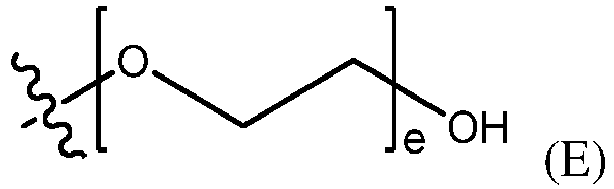
- In one aspect of the invention, the compounds are a pharmaceutical composition comprising a compound comprising the structure of Formula (I). In another aspect of the invention, compounds are a pharmaceutical composition comprising a compound comprising the structure of Formula (II). In yet another aspect of the invention, compounds are a pharmaceutical composition comprising a compound comprising the structure of Formula (III). According to a disclosuren, compounds are a pharmaceutical composition comprising a compound comprising the structure of Formula (IV). In another aspect of the invention, compounds are a pharmaceutical composition comprising a compound comprising the structure of Formula (V).
- In one aspect of the invention, the compounds are used for the treatment of mucositis. In another aspect of the invention, the compounds are used for the treatment of oral mucositis. In another embodiment of the invention, the compounds are used for the treatment of an infection. In yet another embodiment of the invention, the compounds are used for the treatment of surgical site infection. In another embodiment of the invention, the compounds are used for the treatment of lung infection associated with cystic fibrosis. In another embodiment of the invention, the compounds are used for the treatment of P. aeruginosa lung infections in CF patients. In yet another embodiment of the invention, the compounds are used for the treatment of P. aeruginosa lung infections in CF patients where biofilms have formed.
- Yet another aspect of the invention is a method of treating a condition selected from mucositis, oral mucositis, and infection comprising administering an amine functional polyamide.
- Not applicable
- This invention relates to novel compounds. The compounds polymers or copolymers and are of varying structures and comprise amine and ammonium groups along the polymer chain.
- The compounds contain repeat units of amide groups and amine groups; the amine groups can be secondary, tertiary, and quaternary ammonium groups.
- Further, the compounds of the present invention are of varying molecular weights.
- The compounds are water soluble.
- This invention relates to pharmaceutical compositions comprising polymers or copolymers of compounds. This invention also relates to methods of treating and preventing mucositis and infection, including SSI, lung infections in CF patients, and C. aeruginosa lung infections in CF patients with or without biofilm formation, with compounds. The compounds and the pharmaceutical compositions comprising polymers or copolymers of compounds can be administered in multiple dosage forms and for systemic or local administration.
- This invention relates to the use of compounds and pharmaceutical compositions comprising polymers or copolymers of compounds as anti-infective agents. The compounds and pharmaceutical compositions comprising polymers or copolymers of compounds can be used for the treatment of bacterial, fungal, and viral infections, including mucositis, infections and, specifically, surgical site infections, lung infections associated with CF, and C. aeruginosa lung infections in CF patients with or without biofilm formation.
- The compounds can also be used to coat surfaces of various biomedical devices and other surfaces to prevent infection.
- In one aspect of the invention, the compounds are a compound comprising the structure of Formula (I):


- i) m is 0, 1, 2, or 3;
- ii) n is 0, 1, 2, or 3;
- iii) o is 0, 1, 2, or 3;
- iv) p is 0 or 1;
- v) r is 0 or 1;
- vi) q is an integer from 1 to 400;
- vii) Qx is NH, (C1-C10)alkylene, (C2-C9)heteroalkyl, (C3-C10)cycloalkyl, (C2-C9)heterocycloalkyl, (C6-C14)aryl, (C2-C9)heteroaryl;
- viii) Qy is NH-Rw, NH-CH2-Rw, (C1-C10)alkylene, or (C6-C14)aryl,
wherein Rw is absent or a (C1-C10)alkylene, (C2-C9)heteroalkyl, (C6-C14)aryl, or (C2-C9)heteroaryl;
Rx and Ry are each independently a pharmaceutically acceptable end group with the exception of the compound where m=n=o=0, p=r=q=1, Qx = Qy = CH2, and Rx = Ry=H. - In another aspect of the invention, the compounds are a compound comprising the structure of Formula (II):

- i) m is 0, 1, 2, or 3;
- ii) n is 0, 1, 2, or 3;
- iii) o is 0, 1, 2, or 3;
- iv) p is 0 or 1;
- v) r is 0 or 1;
- vi) q is an integer from 1 to 400;
- vii) Qx is NH, (C1-C10)alkylene, (C2-C9)heteroalkyl, (C3-C10)cycloalkyl, (C2-C9)heterocycloalkyl, (C6-C14)aryl, (C2-C9)heteroaryl;
- viii) Qy is NH-Rw, NH-CH2-Rw, (C1-C10)alkylene, or (C6-C14)aryl,
wherein Rw is absent or a (C1-C10)alkylene, (C2-C9)heteroalkyl, (C6-C14)aryl, or (C2-C9)heteroaryl; - ix) Rx and Ry are each independently a pharmaceutically acceptable end group;
- x) X- is each independently a halo or any pharmaceutically acceptable anion;
- xi) Y1 and Y2 are each independently H or (C1-C10)alkyl optionally substituted by one or more substituents selected from the group consisting of (C1-C10)alkyl, (C2-C9)heteroalkyl, (C3-C10)cycloalkyl, (C2-C9)heterocycloalkyl, (C6-C14)aryl, (C2-C9)heteroaryl, (C1-C10)alkylamine,-S-O-(C1-C10)alkyl, -O(O)C-(C1-C10)alkyl, -(C1-C10)alkyl-COOH, (C3-C10)cycloalkyl-COOH, -(O)CH3, -OH, amide, a dihydroxy group, represented by Formula (D),

a polyethylene glycol group, represented by Formula (E)
- In yet another aspect of the invention, the compounds are a compound comprising the structure of Formula (III):

- i) m is 0, 1, 2, or 3;
- ii) n is 0, 1, 2, or 3;
- iii) o is 0, 1, 2, or 3;
- iv) p is 0 or 1;
- v) r is 0 or 1;
- vi) q is an integer from 1 to 400;
- vii) Qx is NH, (C1-C10)alkylene, (C2-C9)heteroalkyl, (C3-C10)cycloalkyl, (C2-C9)heterocycloalkyl, (C6-C14)aryl, (C2-C9)heteroaryl;
- viii) Qy is NH-Rw, NH-CH2-Rw, (C1-C10)alkylene, or (C6-C14)aryl, wherein Rw is absent or a (C1-C10)alkylene, (C2-C9)heteroalkyl, (C6-C14)aryl, or (C2-C9)heteroaryl;
ii) Rx and Ry are each independently a pharmaceutically acceptable end group; - ix) X- is a halo or any pharmaceutically acceptable anion;
- x) Y1 is H or (C1-C10)alkyl optionally substituted by one or more substituents selected from the group consisting of (C1-C10)alkyl, (C2-C9)heteroalkyl, (C3-C10)cycloalkyl, (C2-C9)heterocycloalkyl, (C6-C14)aryl, (C2-C9)heteroaryl, (C1-C10)alkylamine,-SO-(C1-C10)alkyl, -O(O)C-(C1-C10)alkyl, -(C1-C10)alkyl-COOH, (C3-C10)cycloalkyl-COOH, -(O)CH3, -OH, amide, a dihydroxy group, represented by Formula (D),

a polyethylene glycol group, represented by Formula (E),
- In preferred embodiments of the invention, the compounds of are compounds of Formula (I), Formula (II) or Formula (III) where p and r are both 0 and p and r are both 1. In other preferred embodiments of the invention, the compounds of are compounds of Formula (I), Formula (II) or Formula (III) where n, p and r are all 0, n is 0 and p and r are both 1, and n is 3 and p and r are both 1.
- In a preferred embodiment of the invention, the amide functional compounds are a compound comprising the structure of Formula (1).

- In another preferred embodiment of the invention, the amide functional compounds are a compound comprising the structure of Formula (2) or Formula (3):


- In yet another preferred embodiment of the invention, the compounds are comprised of a compound comprising the structure of Formula (I), Formula (II), Formula (III), Formula (1), Formula (2) or Formula (3), wherein Rx and Ry are independently selected from a methoxy group, a guanidino group, or a guanidinobenzene group.
- According to a disclosure, the compounds are a compound comprising the structure of Formula (IV):

- i) u is 0, 1, 2, or 3;
- ii) v is 0, 1, 2, or 3;
- iii) q is an integer from 1 to 400;
- iv) Qx is NH, (C1-C10)alkylene, (C2-C9)heteroalkyl, (C3-C10)cycloalkyl, (C2-C9)heterocycloalkyl, (C6-C14)aryl, (C2-C9)heteroaryl;
- v) Qy is NH-Rw, NH-CH2-Rw, (C1-C10)alkylene, or (C6-C14)aryl,
wherein Rw is absent or a (C1-C10)alkylene, (C2-C9)heteroalkyl, (C6-C14)aryl, or (C2-C9)heteroaryl; - vii) Rx and Ry are each independently a pharmaceutically acceptable end group.
- In yet another aspect of the invention, the amide functional compounds are a compound comprising the structure of Formula (V):


- i) u is 0, 1, 2, or 3;
- ii) v is 0, 1, 2, or 3;
- iii) q is an integer from 1 to 400;
- iv) Qx is NH, (C1-C10)alkylene, (C2-C9)heteroalkyl, (C3-C10)cycloalkyl, (C2-C9)heterocycloalkyl, (C6-C14)aryl, (C2-C9)heteroaryl;
- v) Qy is NH-Rw, NH-CH2-Rw, (C1-C10)alkylene, or (C6-C14)aryl, wherein Rw is absent or a (C1-C10)alkylene, (C2-C9)heteroalkyl, (C6-C14)aryl, or (C2-C9)heteroaryl;
- vii) Rx and Ry are each independently a pharmaceutically acceptable end group;
- ix) X- is independently a halo or any pharmaceutically acceptable anion,
- x) Y1 and Y2 are independently H or (C1-C10)alkyl optionally substituted by one or more substituents selected from the group consisting of (C1-C10)alkyl, (C2-C9)heteroalkyl, (C3-C10)cycloalkyl, (C2-C9)heterocycloalkyl, (C6-C14)aryl, (C2-C9)heteroaryl, (C1-C10)alkylamine,-S-O-(C1-C10)alkyl, -O(O)C-(C1-C10)alkyl, -(C1-C10)alkyl-COOH, (C3-C10)cycloalkyl-COOH, -(O)CH3, -OH, amide, a dihydroxy group, represented by Formula (D),

a polyethylene glycol group, represented by Formula (E)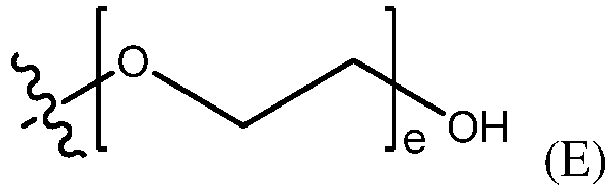
- According to a disclosure, the compounds of are compounds of Formula (IV) or Formula (V) where u and v are both 2.
- In a preferred embodiment of the invention, the amide functional compounds are a compound comprising the structure of Formula (4).

- In one aspect of the invention, the compounds are a pharmaceutical composition comprising a compound comprising the structure of Formula (I). In another aspect of the invention, compounds are a pharmaceutical composition comprising a compound comprising the structure of Formula (II). In yet another aspect of the invention, compounds are a pharmaceutical composition comprising a compound comprising the structure of Formula (III). In preferred embodiments of the invention, the compounds are a pharmaceutical composition comprising a compound comprising the structure of Formula (1), Formula (2), or Formula (3). In yet another preferred embodiment of the invention, the compounds are a pharmaceutical composition comprising a compound comprising the structure of Formula (I), Formula (II), Formula (III), Formula (1), Formula (2) or Formula (3), wherein Rx and Ry are independently selected from a methoxy group, a guanidino group, or a guanidinobenzene group.
- According to a disclosure, compounds are a pharmaceutical composition comprising a compound comprising the structure of Formula (IV). In another aspect of the invention, compounds are a pharmaceutical composition comprising a compound comprising the structure of Formula (V). In a preferred embodiment of the invention, the compounds are a pharmaceutical composition comprising a compound comprising the structure of Formula (4).
- In another preferred embodiment of the invention, the compounds are a pharmaceutical composition comprising a compound comprising the structure of Formula (I), (II), (III), , (1), (2) or (3) for use in the treatment or prevention of a condition selected from mucositis, oral mucositis and infection. In yet another preferred embodiment, the compounds are a pharmaceutical composition comprising a compound comprising the structure of Formula (I), (II), (III), (1), (2) or (3) for use in the treatment or prevention of a surgical site infection, a lung infection associated with cystic fibrosis, a Pseudomonas aeruginosa lung infection, and a Pseudomonas aeruginosa lung infection where biofilms are present.
- In one embodiment of the invention, the compounds are polymers. In some embodiments, the polymers may comprise a monomer comprising a compound having a repeat unit according to any of Formulas (I), (II), (III), (1), (2), (3) or (4).
- In one embodiment of the invention, the compounds are copolymers. In some embodiments, the copolymers may comprise a monomer comprising a compound having at least one unit according to any of Formulas (I), (II), (III), (1), (2) or (3) which is copolymerized with one or more other comonomers or oligomers or other polymerizable groups. Non-limiting examples of suitable comonomers which may be used alone or in combination with at least one unit according to any of Formulas (I), (II), (III), (IV), (V), (1), (2), (3) or (4) to form the compounds according to the invention or according to a disclosure are presented in Table 1. According to a disclosure, the compounds are polymers or copolymers comprised of about 1 to about 400 repeat units according to any of Formulas (I), (II), (III), (IV), (V), (1), (2), (3) or (4). According to a disclosure, the compounds are polymers or copolymers comprised of about 1 to about 200 repeat units according to any of Formulas (I), (II), (III), (IV), (V), (1), (2), (3) or (4). According to a disclosure, the compounds are polymers or copolymers comprised of about 1 to about 100 repeat units according to any of Formulas (I), (II), (III), (IV), (V), (1), (2), (3) or (4). According to a disclosure, the compounds are polymers or copolymers comprised of about 1 to about 50 repeat units according to any of Formulas (I), (II), (III), (IV), (V), (1), (2), (3) or (4). According to a disclosure, the compounds are polymers or copolymers comprised of about 1 to about 25 repeat units according to any of Formulas (I), (II), (III), (IV), (V), (1), (2), (3) or (4). According to a disclosure, the compounds are polymers or copolymers comprised of about 1 to about 10 repeat units according to any of Formulas (I), (II), (III), (IV), (V), (1), (2), (3) or (4). According to a disclosure, the compounds are polymers or copolymers comprised of about 5 to about 40 repeat units according to any of Formulas (I), (II), (III), (IV), (V), (1), (2), (3) or (4). According to a disclosure, the compounds are polymers or copolymers comprised of about 5 to about 30 repeat units according to any of Formulas (I), (II), (III), (IV), (V), (1), (2), (3) or (4). According to a disclosure, the compounds are polymers or copolymers comprised of about 5 to about 25 repeat units according to any of Formulas (I), (II), (III), (IV), (V), (1), (2), (3) or (4). According to a disclosure, the compounds are polymers or copolymers comprised of about 5 to about 10 repeat units according to any of Formulas (I), (II), (III), (IV), (V), (1), (2), (3) or (4).
- According to a disclosure, the compounds have a molecular weight less than about 10,000 g/mol. According to a disclosure, the compounds have a molecular weight less than about 9,000 g/mol. According to a disclosure, the compounds have a molecular weight less than about 8,000 g/mol. According to a disclosure, the compounds have a molecular weight less than about 7,000 g/mol.
- In one aspect of the invention, the compounds are optionally, independently terminated (Rx and Ry) with a pharmaceutically acceptable end group. Representative examples of pharmaceutically acceptable end groups will be obvious to one of skill in the art, including H, (C1-C10)alkyl, (C2-Co)heteroalkyl, (C3-C10)cycloalkyl, (C2-C9)heterocycloalkyl, (C6-C14)aryl, (C2-C9)heteroaryl, (C1-C10)alkylamine, -O(O)C-(C1-C10)alkyl, (C1-C10)alkyl-COOH, (C3-C10)cycloalkyl-COOH, -(O)CH3, -OH, amide, a guanidino group represented by Formula (A)


- The number of repeat units and the molecular weight of the compounds are controlled by synthesis of the compound. Methods of preparing preferred compounds of the invention and controlling for the number of repeat units and molecular are described in Example 3.
Table 1: Compounds Polymer Description Structure Poly (4,4'-trimethylene dipiperidine bispropanoic acid--N,N' - dimethyl-1,3-diaminopropane) 
Poly (4,4'-trimethylene dipiperidine bispropanoic acid-4,4'-trimethylene dipiperidine) 
Poly (4,4'-trimethylene dipiperidine bispropanoic acid-piperazine) 
Poly(4,4-trimethylene dipiperidine bispropanoic acid-diaminoethane) Mw <10K 
Poly(4,4-trimethylene dipiperidinebispr opanoic acid-diaminopropane) Mw <10K 
Poly(4,4-trimethylene dipiperidinebispr opanoic acid-diaminopropane) Mw > 10K 
Poly(4,4-trimethylene dipiperidinebispr opanoic acid-diaminopropane) Mw 1650 
Poly(4,4-trimethylene dipiperidinebispr opanoic acid-diaminopropane) Mw 7.7K 
Poly(4,4-trimethylene dipiperidinebispr opanoic acid-diaminopropane) Mw 3K 
Poly(4,4-trimethylene dipiperidinebispr opanoic acid-diaminopropane) Mw 5K 
Poly(4,4-trimethylene dipiperidinebispr opanoic acid-diaminopropane) , Mw 3250 
Poly(4,4-trimethylene dipiperidinebispr opanoic acid-diaminopropane) , Mw 4700 
Poly(4,4-trimethylene dipiperidinebispr opanoic acid-diaminopropane) , Mw 2500 
Poly(4,4-trimethylene dipiperidinebispr opanoic acid-diaminopropane) 
Poly(4,4-trimethylene dipiperidinebispr opanoic acid-diaminopropane) Mw 1400 
Poly(4,4-trimethylene dipiperidinebispr opanoic acid-diaminobutane) Mw <10K 
Poly(4,4-trimethylene dipiperidinebispr opanoic acid-diaminobutane) Mw > 10K 
Poly(4,4-trimethylene dipiperidinebispr opanoic acid-diaminotriPEG) Mw <10K 
Poly(4,4-trimethylene dipiperidinebispr opanoic acid-diaminotriPEG) Mw > 10K 
Poly(4,4-trimethylene dipiperidinebispr opanoic acid-N(2-aminoethyl)-diaminoethane) 
Poly(4,4'-trimethylenedipi peridinebispropa noic acid-2,2'-diamino diethylamine) Mw 5.5K 
Poly(4,4'-trimethylenedipi peridinebispropa noic acid-2,2'-diamino diethylamine) Mw -14,000 
Poly(4,4'-trimethylene dipiperidinebispr opanoic acid-1,4-benzyldiamine) Mw <10K 
Poly(4,4'-trimethylene dipiperidinebispr opanoic acid-N(3-aminopropyl)1,3-propane diamine) Mw <10K 
Poly(4,4'-trimethylene dipiperidinebispr opanoic acid-3,3'-diamino-N-methyl-dipropylamine) Mw <10K 
Poly(4,4'-trimethylene dipiperidinebispr opanoic acid-2,2'-diamino-N-methyldiethylamine) 
Poly(piperazineb ispropanoic acid-1,2-bis(2-aminoethoxy)eth ane) Mw <10K 
Poly(piperazineb ispropanoic acid-2,2-diaminodiethyla mine) Mw <10K 
Poly(piperazineb ispropanoic acid-N-methyl-2,2-diaminodiethyla mine) Mw <10K 
Poly(piperazineb ispropanoic acid-N(3-aminopropyl) 1,3 -propane diamine) Mw <10K 
Poly(piperazineb ispropanoic acid-3,3'-diamino-N-methyl-dipropylamine) Mw <10K 
Poly(piperazineb ispropanoic acid-1,3-diaminopropane) Mw -3,700 
Poly(piperazineb ispropanoic acid-1,4-diaminobutane) Mw -4,400 
Poly(4,4'-dipiperidinebispr opanoic acid-2,2'-diamino diethylamine) Mw <5K 
Poly(4,4'-dipiperidinebispr opanoic acid-2,2'-diamino diethylamine) Mw 5.1K 
Poly(4,4'-dipiperidinebispr opanoic acid-2,2'-diamino N-methyl diethylamine) Mw <5K 
Poly(4,4'-dipiperidinebispr opanoic acid-2,2'-diamino N-methyl diethylamine) Mw <5K 
Poly(4,4'-dipiperidinebispr opanoic acid-3,3'-diamino-dipropylamine) Mw <5K 
Poly(4,4'-dipiperidinebispr opanoic acid-3,3'-diamino-dipropylamine) Mw <5K 
Poly(4,4'-dipiperidinebispr opanoic acid-3,3'-diamino-N-methyl-dipropylamine) Mw <5 k 
Poly(4,4'-dipiperidinebispr opanoic acid-3,3'-diamino-N-methyl-dipropylamine) Mw -5.5K 
Poly(4,4'-dipiperidinebispr opionic acid-ethylenediamine ) Mw <5K 
Poly(4,4'-dipiperidinebispr opionic acid-1,3-diaminopropane) Mw <5K 
Poly(4,4'-dipiperidinebispr opionic acid-1,4-diaminobutane) Mw <5K 
Poly(4,4'-trimethylenedipi peridinebispropi onic acid-bis(4-aminobutyl)ether ) Mw <5K 
Poly(4,4'-trimethylenedipi peridinebispropi onic acid-2-dydroxy 1,3-diaminopropane) Mw <5K 
Poly(4,4'-trimethylenedipi peridine-1,3-diamninopropan e-N,N'-di-3-propionic acid) Mw <5K 
Poly (4,4'-trimethylene dipiperidine bispropanoic acid--N,N'-dimethyl-1,3-diaminopropane) , Mw 1K 
Poly(4,4-trimethylene dipiperidinebispr opanoic acid-4,4'-dipiperidine), Mw 10631 
Poly(4,4-trimethylene dipiperidinebispr opanoic acid-histamine), Mw 2.3K 
40 mol% glycidol modified poly(4,4-trimethylene dipiperidinebispr opanoic acid-diaminopropane) , Mw 8000 

Wherein x is 0.6 and 
Rx and Ry are or NH2. 40 mol% glycidol modified poly(4,4-trimethylene dipiperidinebispr opanoic acid-diaminopropane) , Mw 4700 

Wherein x is 0.6 and 
Rx and Ry are or NH2. 40 mol% glycidol modified Poly(4,4-trimethylene dipiperidinebispr opanoic acid-diaminopropane) Mw 5000 

Wherein x is 0.6 and 
Rx and Ry are or NH2. 40 mol% glycidol modified Poly(4,4-trimethylene dipiperidinebispr opanoic acid-diaminopropane) Mw 5000 

Wherein x is 0.6 and 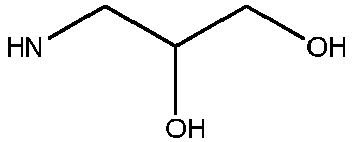
Rx and Ry are or NH2. 100 mol% glycidol modified Poly(4,4-trimethylene dipiperidinebispr opanoic acid-diaminopropane) , Mw 8K 

Wherein Rx and Ry are or NH2. 25 mol% glycidol modified Poly(4,4-trimethylene dipiperidinebispr opanoic acid-diaminopropane) , Mw 7800 

Wherein x is 0.75 and 
Rx and Ry are or NH2. 50 mol% glycidol modified Poly(4,4-trimethylene dipiperidinebispr opanoic acid-diaminopropane) , Mw 7800 

Wherein x is 0.5 and 
Rx and Ry are or NH2. 150 mol% glycidol modified Poly(4,4-trimethylene dipiperidinebispr opanoic acid-diaminopropane) , Mw 7800 

Wherein Rx and Ry are or NH2. Poly(4,4-trimethylene dipiperidinebispr opanoic acid-diaminopropane) modified with 200mol% of glycidol, Mw 7800 
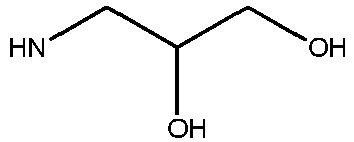
Wherein Rx and Ry are or NH2. Poly (4,4'-trimethylene dipiperidine bispropanoic acid--3-(dimethylamino) 1-propylamine), Mw 1K 
Poly(2,2-bipyrrolidine bispropanoic acid-diaminopropane) , Mw 2.5K 
Poly(2,2'-bipyrrolidine bispropanoic acid-butyl diamine) 
Poly(2,2'-bipyrrolidine bispropanoic acid-penta diamine) 
Poly(2,2'-bipyrrolidine bispropanoic acid-ethyl diamine) 
Poly(4,4-trimethylene dipiperidinebispr opanoic acid-aminomethyl benzene) 
Poly[4,4-trimethylene dipiperidinebispr opanoic acid-(1-aminomethyl-4-guanidinemethyl benzene)] 
Carboxy terminated Poly(4,4-trimethylene dipiperidinebispr opanoic acid-diaminopropane) 
Methyl ester terminated Poly(4,4-trimethylene dipiperidinebispr opanoic acid-diaminopropane) 
Guanidine terminated Poly(4,4-trimethylene dipiperidinebispr opanoic acid-diaminopropane) 
Guanidine terminated Poly(4,4-trimethylene dipiperidinebispr opanoic acid-diaminopropane) Mw 4700 
Guanidine terminated poly(4,4-trimethylene dipiperidinebispr opanoic acid-diaminopropane) Mw 7700 
Poly(4,4-trimethylene dipiperidinebispr opanoic acid-diaminopropane) (guanidine ended) 
4,4-trimethylene dipiperidinebispr opanoic acid-diaminopropane 
4-guanidinobenzen e terminated Poly(4,4-trimethylene dipiperidinebispr opanoic acid-diaminopropane) 
Poly(4,4'-trimethylenedipi peridine bisethylacrylami de-co-1,3-diamine propane) 
Poly(4,4'-trimethylenedipi peridine bisethylacrylami de-co-1-amino-3-guanidine propane) 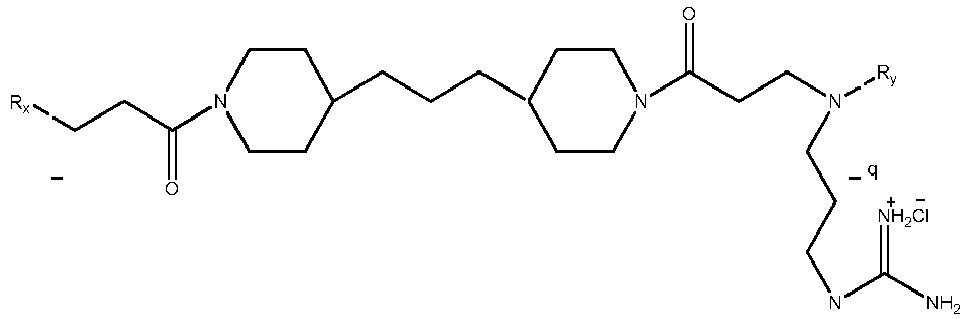
4,4-trimethylene dipiperidinebispr opanoic acid-1-amino-3-guanidine propane 
Poly(4,4'-trimethylenedipi peridine bisethylacrylami de-1,3-diamine propane)-co-Poly(4,4'-trimethylenedipi peridine bisethylacrylami de-1-aminobutyl-3-carbamoylpyridinium) 
Poly(4,4'-trimethylenedipi peridine bisethylacrylami ne-1-aminobutyl-3-carbamoylpyridinium) 
4,4'-trimethylene dipiperidinebispr opanoic acid-diaminopropane pentamer 
4,4'-trimethylene dipiperidinebispr opanoic acid-diaminopropane heptamer 
Poly(4,4'-trimethylene dipiperidinebispr opanoic acid-N-glycidol dipropylene triamine) 
Poly(4,4'-trimethylene dipiperidinebispr opanoic acid-N-glycidol diethylene triamine) 
Poly(4,4'-trimethylene dipiperidinebispr opanoic acid-N-glycidol diethylene triamine) 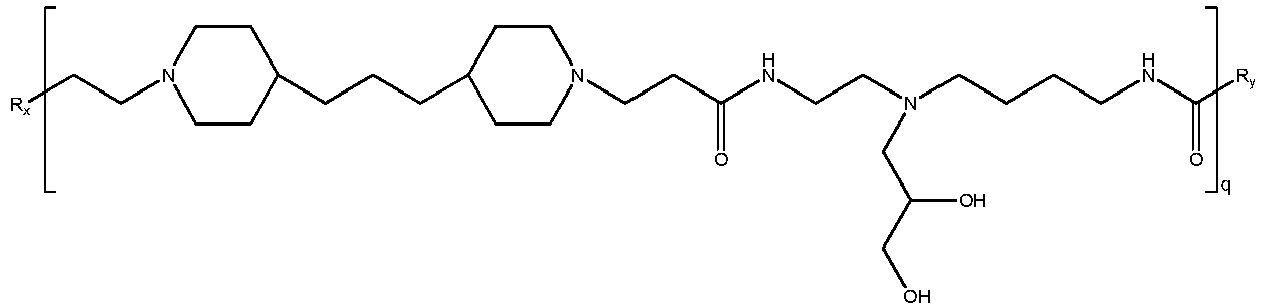
- In an embodiment of the invention, the compounds are administered as a pharmaceutical composition. In another embodiment of the invention, the compounds are administered in an effective amount to achieve the desired therapeutic effect. The skilled artisan will be able to determine the effective amount of the compounds depending on the individual and the condition being treated.
- In one embodiment of the invention, the compounds are used in the treatment all forms of mucositis, and are particularly effective when used to treat oral mucositis. Treatment includes prophylactic and therapeutic uses of the disclosed compounds and uses of the disclosed pharmaceutical compositions comprising compounds. Desired prophylactic effects include prevention and inhibition of mucositis, reduction in severity of mucositis, reduction in size of mucositis lesions and reduction in likelihood of developing mucositis through the application or administration of compounds or pharmaceutical compositions comprising compounds. Desired therapeutic effects include amelioration of the discomfort associated with the mucositis, and/or increased rate of healing of mucositis lesion.
- In one embodiment, the compounds and pharmaceutical compositions comprising compounds can be used to treat all forms of infection, including but not limited to SSI, lung infection in CF patients, and C. aeruginosa lung infection in CF patients with or without biofilm formation. The compounds and pharmaceutical compositions comprising compounds can be used in prophylactic and therapeutic applications to treat and prevent infection.
- In another embodiment, the compounds and pharmaceutical compositions comprising compounds can be used to treat all forms of SSIs. Treatment includes prophylactic and therapeutic uses of the disclosed compounds and uses of the disclosed pharmaceutical compositions comprising compounds. A desired prophylactic use is the immediate administration of compounds or pharmaceutical compositions comprising compounds to the surgical wound post-surgery in order to prevent and/or reduce the likelihood of developing a SSI. Another desired prophylactic use is the administration of compounds or pharmaceutical compositions comprising compounds prior to surgery in order to prevent and/or reduce the likelihood of developing a SSI. Desired therapeutic effects include the treatment of an existing SSI through the application or administration of compounds or pharmaceutical compositions comprising a compound.
- In another embodiment, the compounds and pharmaceutical compositions comprising compounds can be used to treat all forms of lung infections and chronic lung infections associated with CF, including C. aeruginosa lung infections in CF patients with or without biofilm formation. Treatment includes prophylactic and therapeutic uses of the disclosed compounds and uses of the disclosed pharmaceutical compositions comprising compounds. Desired therapeutic effects include the treatment of an existing lung infection or chronic lung infection through the administration of compounds or pharmaceutical compositions comprising a compound. In one embodiment, the compounds and pharmaceutical compositions comprising compounds are used to treat P. aeruginosa infections associated with CF without biofilm formation. In another embodiment, the compounds and pharmaceutical compositions comprising compounds are used to treat P. aeruginosa infections associated with CF with biofilm formation. A desired prophylactic use is the administration of compounds or pharmaceutical compositions comprising compounds to the CF patient in order to prevent and/or reduce the likelihood of developing a lung infection, including C. aeruginosa lung infections. Desired therapeutic effects include the treatment of an existing lung infection or chronic lung infection through the administration of compounds or pharmaceutical compositions comprising a compound.
- The compounds of the present invention may be administered alone or in a pharmaceutical composition comprising compounds. Suitable pharmaceutical compositions may comprise a compound and one or more pharmaceutically acceptable excipients. The form in which the polymers are administered, for example, powder, tablet, capsule, solution, or emulsion, depends in part on the route by which it is administered. The compounds can be administered, for example, topically, orally, intranasally, by aerosol or rectally. Suitable excipients include, but are not limited to, are inorganic or organic materials such as gelatin, albumin, lactose, starch, stabilizers, melting agents, emulsifying agents, salts and buffers. Suitable pharmaceutically acceptable excipients for topical formulations such as ointments, creams and gels include, but are not limited to, commercially available inert gels or liquids supplemented with albumin, methyl cellulose, or a collagen matrix.
- The compounds and pharmaceutical compositions comprising compounds can be administered alone or in combination with one or more additional drugs. Additional drugs administered in combination with the compounds and pharmaceutical compositions comprising compounds of the present invention include antibiotics and other compounds, including those used prophylactically and/or therapeutically for the treatment or prevention of mucositis and infection, including SSI and lung infection and chronic lung infection associated with CF, especially P. aeruginosa infection, with or without biofilm formation. The additional drugs may be administered concomitantly with the compound or pharmaceutical compositions comprising compounds. The additional drugs may also be administered in series with the compound or pharmaceutical compositions comprising compounds. The pharmaceutical composition comprising compounds may also further comprise a drug used prophylactically and/or therapeutically for the treatment or prevention of mucositis and infection, including SSI and lung infection and chronic lung infection associated with CF, especially P. aeruginosa infection, with or without biofilm formation.
- Mammalian cell cytotoxicity assays were performed using two primary human cell lines: renal proximal tubule epithelial cells (RPTEC - Cambrex CC-2553) and normal human dermal fibroblasts (NHDF - Cambrex CC-2509). Cells were plated at 3,000 cells/well (RPTEC) or 5,000 cells/well (NHDF) in 96-well plates and incubated overnight at 37°C. The compounds were added to the wells, and the cells were incubated for 4 days. Alomar Blue was added to one set of plates and incubated for 4 hours. The plates were read when the compound was added (time zero) and at the end of the study. Fluorescence was read using 530 nm (excitation) and 590 nm (emission) according to the manufacturer's instructions. The 50% inhibitory concentration (IC50) was calculated as 50% of the maximum signal minus the value at time zero. The 50% lethal concentration (LC50) was calculated as 50% of the time zero value minus the minimum signal.
- Table 2 displays the renal proximal tubule epithelial cells and normal human dermal fibroblasts IC50 and LC50 for selected compounds.
- Cytoxicity of the polymers towards human lung epithelial cells was performed using human lung epithelial Carcinoma cell line (A 549 -ATCC # CCL-185). The cells were incubated for 96 hours at 7°C with 5% CO2 in a 96-well plate. CellTiter-Glo® (Promega) reagent was added to the plates. The plates were read by measuring the luminescence arising from luciferase catalyzed reaction of luciferin with ATP according to the manufactuer's suggested protocol. The concentration of ATP is directly proportional to cell viability; accordingly, higher luminescence measures high cell viability.
- Table 2 displays the human lung epithelial cells IC50 for selected compounds.
- The compounds were incubated overnight at 37°C in Dulbecco's phosphate-buffered saline containing fresh washed erythrocytes at a hematocrit of 1%. After incubation, the plates were centrifuged and the supernatant transferred to flat-bottomed 96-well plates. The supernatant was assayed using the QuantiChrom Hemoglobin kit according to the manufacturer's instructions. The IC50 values were calculated using GraphPad Prism.
- Table 2 displays the IC50 values for selected compounds.
- The minimum inhibitory concentration (MIC) assay determines the lowest concentration of an antimicrobial agent required to inhibit the growth of test organisms after incubation. MIC assays were performed against an internal standard panel of organisms to identify compounds with antimicrobial activity. The MIC assay was subsequently repeated against other specialized microbial panels. Assays were conducted against the following clinically relevant microorganisms: Staphylococcus aureus subsp. aureus, Staphylococcus epidermis, Escherichia coli, Pseudomonas aeruginosa, Haemophilius influenzae. The compounds were tested for bacteriocidal activity, time course of killing, toxicity against tissue culture cells grown in vitro, and in some cases were tested for antimicrobial activity in vivo.
- The MIC assays were performed according to the Performance Standards for Antimicrobial Susceptibility Testing, 2006, vol. M100-S15, Fifteenth Informational Supplement, NCCLS, 940 West Valley Road, Suite 1400, Wayne, PA 19087.
- The polymers tested were dissolved in 0.85% saline to a final concentration of either 830 or 1000 µg/mL and the pH was adjusted to 7.0. The solution was then filter-sterilized through a 0.22 µm filter. Two-fold serial dilutions of polymer were prepared in Mueller-Hinton broth with cations aliquotted into 96-well microtiter plates. The plates were then inoculated with 5 × 10⁵ cells/mL of target organism and incubated 18-24 hours at 35°C. The optical density (OD) was read at 590 nm, and microorganism growth was scored (OD > 0.1 is considered to be growth; OD < 0.1 is considered to be growth inhibition). The MIC value is the lowest concentration of compound that inhibits growth; accordingly, a higher MIC value indicates less potency where a lower MIC valued indicated more potency.
- MIC values of representative compounds against clinically relevant microorganisms are presented in Table 2.


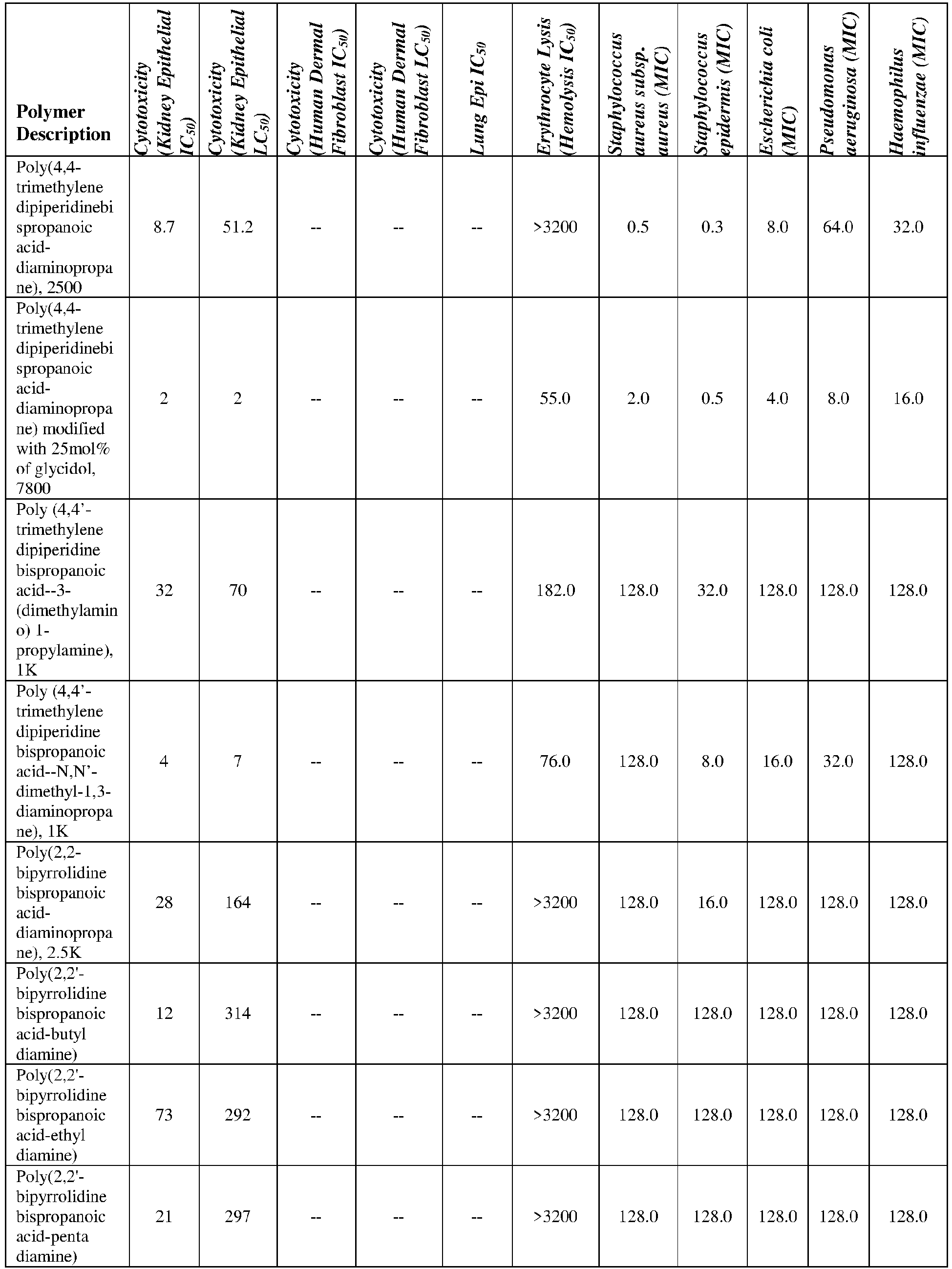

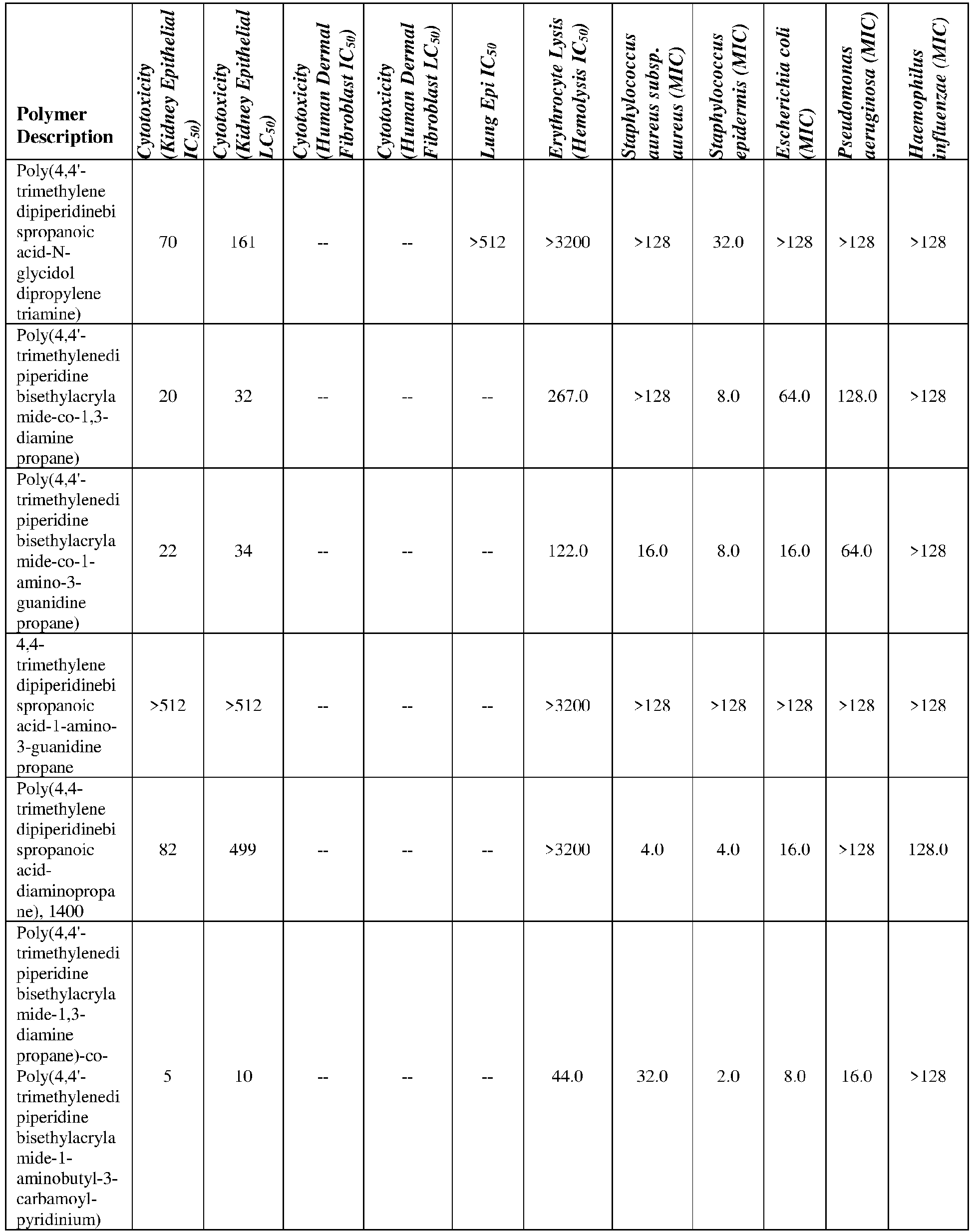


- Cystic fibrosis bronchial epithelial (CFBE) cells were grown in 12-well plates for 7-9 days. The cells were washed twice with imaging medium before Pseudomonas aeruginosa (mucoid strain, SMC 1585) was inoculated into each well at a multiplicity of infection (MOI) of -30 (~ 6×10⁶ cfu/well). The plates were incubated at 37°C, 5% CO2 for 1 hour to allow bacterial attachment to the airway cells. The supernatant was then replaced with imaging medium containing 0.4% arginine and then incubated for 5 hours to form biofilms on CFBE cells. To estimate the efficacy of antimicrobial polymer treatment in preformed biofilms, the plates were washed twice with imaging medium and antimicrobial agent (antimicrobial polymer or tobramycin [positive control]) were applied at designated concentrations to disrupt established biofilms for 16 hours. The supernatant was then removed and washed twice with imaging medium. CFBE cells were lysed with 0.1% Triton X-100 for approximately 15 minutes. The lysate was vortexed for 3 minutes before serial dilution and spot titration onto LB plates to determine the cfu/well. The bacterial strain was defined as 'susceptible' to the antibiotic treatment in the static co-culture model if the CFBE monolayers were not disrupted after overnight antibiotic treatment and there was more than a 2 log10 difference in cfu recovery between no treatment and antibiotic antimicrobial agent treatment.
- To test the ability of antibiotics to prevent biofilm formation, these compounds were applied after the 1 hour period for bacterial attachment. The plates were incubated for 5 hours, and cfu/well was determined as described above. The detection limit of the static co-culture assay was 200 cfu/well. All experiments were performed at least three times. The susceptibility of Pseudomonas aeruginosa biofilm to Poly(4,4-trimethylene dipiperidinebispropanoic acid-diaminopropane) < 10K is displayed in Figure I below.
- Acute, 24 hour, toxicity studies to determine the maximum tolerated dose of a compound were carried out in male rats and mice of approximately 8-10 weeks of age. Animals were housed singly in standard polycarbonate cages and fed normal chow diets. Following one week of acclimation, compounds were administered in a single intraperitoneal (I.P.) or intravenous (I.V.) dose, typically in a PBS vehicle. The doses generally ranged from 1 mg/kg to as high as 400 mg/kg. Animals were observed for signs of pain, distress, and local or systemic signs of toxicity for one hour post-dosing, and then in 1 hour intervals for 6 hours after dosing. The following day at 24 hours post-dose, the animals were sacrificed and blood removed for serum chemistry analysis. Serum chemistry analyses performed include: ALT, AST, Creatinine and Urea Nitrogen. Major organs were also examined for abnormal signs.
- Table 3 displays the Maximum Tolerated Dose (MTD) for select test compounds at select routes of administration.
Table 3: Maximum Tolerated Dose (MTD) Treatment Animal Model Route of Administration MTD Poly (4,4'-trimethylene dipiperidine bispropanoic acid-co-1,3-diamino propane), MW = 4,700 Rat I.P. 5 mg/kg Poly (4,4'-trimethylene dipiperidine bispropanoic acid-co-1,3-diamino propane), MW = 2,500 Rat I.P. 5 mg/kg Poly(4,4-trimethylene dipiperidinebispropanoic acid-diaminopropane), MW < 10K Mice I.P. 5 mg/kg Poly (4,4'-trimethylene dipiperidine bispropanoic acid-co-1,3-diamino propane), MW = 2,500 Mice I.V. 40 mg/kg - The test compound, poly(4,4-trimethylene dipiperidinebispropanoic acid-diaminopropane) modified with 40 mol% of glycidol, was evaluated for anti-infective activity against Staphylococcus aureus, Methicillin Resistant (MRSA) and Escherichia coli (E. coli) in mice. Male ICR mice weighing approximately 22 g were used to evaluate the anti-infective activity against each bacterium.
- Five groups of 10 male mice were inoculated intraperitoneally with a LD90-100 of MRSA (1.90 × 10⁸ CFU/mouse) suspended in 0.5 mL of brain heart infusion (BHI) broth containing 5% mucin. One hour after bacteria inoculation, groups of 10 animals were intraperitoneally administered one of the following:
- 0.2 mg/kg poly(4,4-trimethylene dipiperidinebispropanoic acid-diaminopropane) modified with 40 mol% of glycidol suspended in 0.9% NaCl,
- 5 mg/kg poly(4,4-trimethylene dipiperidinebispropanoic acid-diaminopropane) modified with 40 mol% of glycidol suspended in 0.9% NaCl,
- 1 mg/kg ofloxacin,
- 3 mg/kg ofloxacin, and
- 5 mL/kg vehicle (0.9% NaCl).
- Mortality was recorded once daily for 7 days and an increase of survival relative to vehicle control group was evaluated.
- Table 4 displays the results against MRSA for the test compounds.
Table 4: MRSA Activity Treatment Dose Animals Dosed (N) Survival (n/N) Survival Increase (%) Vehicle 5 mL/ kg 10 0/10 --- Poly(4,4-trimethylene dipiperidinebispropanoic acid-diaminopropane) modified with 40 mol% of glycidol 0.2 mg/ kg 10 1/10 10% 5 mg/ kg 10 6/10 60%∗ ∗ Survival increase ≥ 50% indicates significant anti-microbial effect - Five groups of 10 male mice were inoculated intraperitoneally with a LD90-100 of E. coli (2.20 × 10⁵ CFU/mouse) suspended in 0.5 mL of BHI broth containing 5% mucin. One hour after bacteria inoculation, groups of 10 animals were intraperitoneally administered one of the following:
- 0.2 mg/kg poly(4,4-trimethylene dipiperidinebispropanoic acid-diaminopropane) modified with 40 mol% of glycidol suspended in 0.9% NaCl,
- 5 mg/kg poly(4,4-trimethylene dipiperidinebispropanoic acid-diaminopropane) modified with 40 mol% of glycidol suspended in 0.9% NaCl,
- 0.3 mg/kg gentamicin,
- 1 mg/kg gentamicin, and
- 5 mg/kg vehicle (0.9% NaCl).
- Mortality was recorded once daily for 7 days and an increase of survival relative to vehicle control group was evaluated.
- Table 5 displays the results against E. coli for the test compounds.
Table 5: E. coli Activity Treatment Dose Animals Dosed (N) Survival (n/N) Survival Increase (%) Vehicle 5 mL/ kg 10 0/10 --- Poly(4,4-trimethylene dipiperidinebispropanoic acid-diaminopropane) modified with 40 mol% of glycidol 0.2 mg/ kg 10 0/10 0% 5 mg/ kg 10 8/10 80%∗ ∗ Survival increase ≥ 50% indicates significant anti-microbial effect - The test compound, poly(4,4-trimethylene dipiperidinebispropanoic acid-diaminopropane) modified with 40 mol% of glycidol, afforded significant anti-microbial protection, exhibiting 60% and 80% increase in survival rate in MRSA and E. coli infected mouse models.
- The goal of this study was to examine the role of schedule and route of administration on the observed efficacy of poly(4,4-trimethylene dipiperidinebispropanoic acid-diaminopropane) (1 mg/mL) on the frequency, severity and duration of oral mucositis induced by acute radiation. Male LVG Syrian Golden Hamsters, aged 5 to 6 weeks with an average body weight of 86.3 g at study commencement were used to evaluate the activity of each compound against radiation induced oral mucositis. Study endpoints were mucositis score, weight change and survival.
- Male Syrian Golden Hamsters were randomly and prospectively divided into treatment groups of seven (7) animals per group (test article) and one group of ten (10) animals (control).
- On
day 0, all animals were given an acute radiation dose of 40 Gy directed to their left buccal cheek pouch. Onday 0, animals were dosed topically once. Fromday 0 to day 20, 0.5 mL doses were applied topically to the left buccal pouch three times per day. - To evaluate mucositis severity, animals were anesthetized with an inhalation anesthetic, and the left cheek pouch everted. Mucositis was scored visually by comparison to a validated photographic scale; the scale ranges from 0 for normal, to 5 for severe ulceration. A descriptive version of the mucositis scoring scale used in this study is presented in Table 6.
Table 6: Mucositis Scoring Scale Score Description: 0 Pouch completely healthy. No erythema or vasodilation. 1 Light to severe erythema and vasodilation. No erosion of mucosa. 2 Severe erythema and vasodilation. Erosion of superficial aspects of mucosa leaving denuded areas. Decreased stippling of mucosa. 3 Formation of off-white ulcers in one or more places. Ulcers may have a yellow/gray appearance due to pseudomembrane formation. Cumulative size of ulcers should equal about ¼ of the pouch. Severe erythema and vasodilation. 4 Cumulative size of ulcers should equal about ½ of the pouch. Loss of pliability. Severe erythema and vasodilation. 5 Virtually all of pouch is ulcerated. Loss of pliability (pouch can only partially be extracted from mouth. - A score of 1 or 2 represent a mild stage of injury, a score of 3, 4 or 5 indicates moderate to severe mucositis. Following visual scoring, a digital photograph was taken of each animal's mucosa using a standardized technique. At the conclusion of the experiment, all images were randomly numbered and graded in blinded fashion by at least two independent trained observers using the above-described scale (blinded scoring).
- Animal deaths were evaluated during the course of the study. In the model, deaths are most commonly attributable to adverse effects associated with anesthesia typically occurring at the time of radiation, or toxicity of the experimental compound. There were no deaths associated with the experimental compounds.
- Weight change was also evaluated as it represents a secondary method of examining potential toxicities of experimental treatments. Animals were weighed daily throughout the study; weight changes were similar in all groups. The mean percent weight gain during the study is provided in Table 7.
- To evaluate the significance of these differences, the mean area under the curve (AUC) was calculated for each animal from the percent weight gain data, and the means and standard errors were plotted. Using a one way ANOVA, no statistically significant difference in weight change was observed in any of the groups.
- To evaluate efficacy, the mean group mucositis scores were compared to the control group in each experiment. A clinical mucositis score of 3 in hamsters indicates the presence of an ulcer. Ulceration is the point in the development of mucositis where the physical integrity of the oral mucosa is breached. In the clinic, a patient presenting with severe oral ulcerations may require hospitalization for analgesic, narcotic and/or antibiotic therapies or fluid support. The average cost to the healthcare system is significant. Advanced mucositis in humans (with ulcerative sores, correlating to a score of 3 or greater) often requires the interruption of therapy for patients receiving radiation and, if sepsis occurs, these patients risk death. A therapeutic that significantly reduces the time that a patient with oral mucositis had ulcers would be of great value to the clinician. The cumulative number of days that an animal had a score of 3 or greater was determined due to its clinical significance.
- The significance of group differences in scores of 3 or greater was determined using Chi-squared (χ2) difference analysis for the total number of animal days with a score of 3 or higher over the course of the entire study; these results are presented in Table 7. The severity and course of mucositis was favorably attenuated the in the poly(4,4-trimethylene dipiperidinebispropanoic acid-diaminopropane) group.
Table 7: Mucositis Safety and Efficacy Group Dose (Concentration) % Weight Gain ( Days 0 to 20)% Animal Days with Mucositis Score ≥ 3 Control topical, tid 0.5 mL 41.6 41.3 Poly(4,4-trimethylene dipiperidinebispropanoic acid -diaminopropane), topical, tid 0.5 mL (1 mg/mL) 34.2 28.6 - To 5.0 g of 4,4'- trimethylene dipiperidine in 20 mL of methanol solution (20 mL), 4.6 g of methyl acrylate was added drop-wise. The resulting reaction mixture was stirred at room temperature for 16 hours. The solvent was removed under reduced pressure and the residue was purified by column chromatography using a gradient solvent system comprising of from 100% hexane to 100% ethyl acetate. Removal of the solvent under reduced pressure yielded 7 g of the desired product as a white solid.
- To 10.0 g of 4,4'- dipiperidine HCl dissolved in 80 mL of methanol was added 12.6 g of potassium carbonate. The reaction mixture was stirred at room temperature for 3 hours, at which time 8.03 g of methyl acrylate was added slowly. The resulting reaction solution was then stirred at room temperature for 18 hours. The reaction mixture was filtered and the filtrate was evaporated to dryness under reduced pressure. The residue was treated with 300 mL of ethyl acetate. The resulting suspension was stirred at room temperature for 2 hours followed by filtration. The filtrate was evaporated to dryness under reduced pressure. The resulting mass was dried at room temperature under the vacuum to give 11.34 g of the desired product as an off white solid.
- To 10 g of piperazine hexahydate dissolved in 40 mL of methanol was added 9.97 g of methyl acrylate in a drop-wise manner. The reaction mixture was stirred at room temperature for 18 hours. At the end of this time, the reaction mixture was evaporated to dryness under reduced pressure. The residue was recrystallized from hexane/methylene chloride (1:1 v/v). After filtration and drying at room temperature under reduced pressure, 12.2 g of the desired product was obtained as a white solid.
- To 3.8 g of acryloyl chloride dissolved in 50 mL of dichloromethane was added a solution of 4.0 g of 4, 4-trimethylene dipiperidine dissolved in 20 mL dichloromethane in a drop-wise manner at 0°C. To this solution was added 4.23 g of triethyl amine slowly with a syringe. The resulting reaction mixture was stirred for 18 hours and was allowed to warm to room temperature. The reaction mixture was filtered and the filtrate was collected. After removing the solvent under reduced pressure, the residue was treated with 100 mL of ethyl acetate. The solution was extracted with 1M HCl (1 × 100 mL), saturated NaHCO3 (2 × 100 mL), and finally with brine (2 × 100 mL). The organic layer was collected and dried over Na2SO4. After filtration, the filtrate was evaporated to dryness under reduced pressure. The residue was purified by column chromatography using a gradient solvent system from 100% hexane to 100% ethyl acetate. Upon removal of the solvent, 3 g of the desired product was obtained as viscous oil.
- To a solution of 5 g of 2,2'-bipyrrolidine in 20 mL of methanol was added 6.9 g of methyl acrylate (6.9 g, 80 mmol) in a drop-wise manner. The resulting reaction mixture was stirred at room temperature for 16 hours. The reaction mixture was evaporated to dryness yielding 10 g of the desired product as viscous oil.
- The reaction mixture consisting of 1 g of 4, 4'-trimethylene dipiperidine bispropanoic acetate (Example 3- 1) and 0.387 g of 1, 3-diamino propane was heated at 100°C under nitrogen atmosphere for 18 hours. The resulting product was dissolved in 5 mL of dichloromethane and was poured into 50 mL of ethyl acetate. After filtering off the solvent, the residue was dissolved in 20 mL of deionized (DI) water. The pH of the solution was brought to 2 by addition of HCl. The resulting solution was dialyzed against DI water for 24 hours using a dialysis membrane of molecular weight cut off of 1000 Dalton. The solution remaining in the dialysis bag was dried by lyophilization yielding 90 mg of the desired product as a light yellow solid.
- The reaction mixture containing 0.5 g of 4, 4'-trimethylene dipiperidine bispropanoic acetate (Example 3- 1) and 0.157 g of diamino ethane was stirred at 100°C under nitrogen atmosphere for 18 hours. The resulting product was dissolved in 5 mL of dichloromethane and poured into 50 mL of ethyl acetate. The precipitate was isolated by filtration and was dissolved in 20 mL of DI water. After adjusting the pH of the solution to 2, it was dialyzed against DI water using a dialysis membrane of molecular weight cut off of 1000 Dalton. The solution remaining in the dialysis membrane was lyophilized to dryness yielding 50 mg of the desired product as a light yellow solid.
- The reaction mixture containing 0.5 g of 4, 4'-trimethylene dipiperidine bispropanoic acetate and 0.23 g of 1, 4-diamino butane was stirred at 100°C under nitrogen atmosphere for 18 hours. The resulting product was dissolved in 5 mL of CH2Cl2 and then precipitated in 50 mL of ethyl acetate. The precipitate was isolated by filtration and was dissolved in 20 mL of DI water. After adjusting the pH of the solution to 2, it was dialyzed against DI water using a dialysis membrane of molecular weight cut off of 1000 Dalton. The solution remaining in the dialysis membrane was lyophilized to dryness yielding 60 mg of the desired product as a light yellow solid.
- The reaction mixture containing 0.5 g of 4, 4'-trimethylene dipiperidine bispropanoic acetate and 0.26 g of 1, 2-bis(2-aminoethoxy) ethane was stirred at 100°C under nitrogen atmosphere for 18 hours. The resulting product was dissolved in 5 mL of dichloromethane and poured into 50 mL of ethyl acetate. The precipitate was isolated by filtration and was dissolved in 20 mL of DI water. After adjusting the pH of the solution to 2, it was dialyzed against DI water using a dialysis membrane of molecular weight cut off of 1000 Dalton. The solution remaining in the dialysis membrane was lyophilized to dryness yielding 60 mg of the desired product as a light yellow solid.
- The reaction mixture containing 0.5 g of 4, 4'-trimethylene dipiperidine bispropanoic acetate and 0.7 g of 1,4-bis(aminomethyl) benzene (0.7 g, 5.1mmol) was stirred at 100°C under nitrogen atmosphere for 18 hours. The resulting product was dissolved in 5 mL of dichloromethane and poured into 50 mL of ethyl acetate. The precipitate was isolated by filtration and was dissolved in 20 mL of DI water. After adjusting the pH of the solution to 2, it was dialyzed against DI water using a dialysis membrane of molecular weight cut off of 1000 Dalton. The solution remaining in the dialysis membrane was lyophilized to dryness yielding 40 mg of the desired product as a light yellow solid.
- The reaction mixture containing 0.5 g of 4, 4'-trimethylene dipiperidine bispropanoic acetate and 0.35 g of 2,2'diamino diethylamine was stirred at 100°C under nitrogen atmosphere for 18 hours. The resulting product was dissolved in 5 mL of dichloromethane and poured into 50 mL of ethyl acetate. The precipitate was isolated by filtration and was dissolved in 20 mL of DI water. After adjusting the pH of the solution to 2, it was dialyzed against DI water using a dialysis membrane of molecular weight cut off of 1000 Dalton. The solution remaining in the dialysis membrane was lyophilized to dryness yielding 63 mg of the desired product as a light yellow solid.
- The reaction mixture containing 1 g of 4, 4'-trimethylene dipiperidine bispropanoic acetate and 0.61 g of N-methyl-2,2'diamino diethylamine (0.61 g, 5.2mmol) was stirred at 100°C under nitrogen atmosphere for 18 hours. The resulting product was dissolved in 5 mL of dichloromethane and poured into 50 mL of ethyl acetate. The precipitate was isolated by filtration and was dissolved in 20 mL of DI water. After adjusting the pH of the solution to 2, it was dialyzed against DI water using a dialysis membrane of molecular weight cut off of 1000 Dalton. The solution remaining in the dialysis membrane was lyophilized to dryness yielding 130 mg of the desired product as a light yellow solid.
- The reaction mixture containing 1 g of 4, 4'-trimethylene dipiperidine bispropanoic acetate and 0.68 g of N-(3-aminopropyl)-1,3-propane diamine (0.68 g, 5.2 mmol) was stirred at 100°C under nitrogen atmosphere for 18 hours. The resulting product was dissolved in 5 mL of dichloromethane and poured into 50 mL of ethyl acetate. The precipitate was isolated by filtration and was dissolved in 20 mL of DI water. After adjusting the pH of the solution to 2, it was dialyzed against DI water using a dialysis membrane of molecular weight cut off of 1000 Dalton. The solution remaining in the dialysis membrane was lyophilized to dryness yielding 180 mg of the desired product as a light yellow solid.
- The reaction mixture containing 1 g of 4, 4'-trimethylene dipiperidine bispropanoic acetate and 0.76 g of 3,3'-diamino-N-methyl dipropylamine was stirred at 100°C under nitrogen atmosphere for 18 hours. The resulting product was dissolved in 5 mL of dichloromethane and poured into 50 mL of ethyl acetate. The precipitate was isolated by filtration and was dissolved in 20 mL of DI water. After adjusting the pH of the solution to 2, it was dialyzed against DI water using a dialysis membrane of molecular weight cut off of 1000 Dalton. The solution remaining in the dialysis membrane was lyophilized to dryness yielding 110 mg of the desired product as a light yellow solid.
- The reaction mixture containing 1 g of 4, 4'-trimethylene dipiperidine bispropanoic acetate and 0.47 g of 1,3-diamino-2-propanol (0.47 g, 5.2 mmol) was stirred at 100°C under nitrogen atmosphere for 18 hours. The resulting product was dissolved in 5 mL of dichloromethane and poured into 50 mL of ethyl acetate. The precipitate was isolated by filtration and was dissolved in 20 mL of DI water. After adjusting the pH of the solution to 2, it was dialyzed against DI water using a dialysis membrane of molecular weight cut off of 1000 Dalton. The solution remaining in the dialysis membrane was lyophilized to dryness yielding 60 mg of the desired product as a light yellow solid.
- 4-(4-amino-butoxyl)-butyl amine HCl salt (1 g) was dissolved in 20 mL of methanol. To this solution 0.72 g of aqueous sodium hydroxide solution (50% w/w)) was added. The reaction mixture was stirred at room temperature for 1 hour. After filtering off the solids, the filtrate was evaporated to dryness. The residue was treated with 20 mL of ethanol. The reaction mixture was filtered and the filtrate was evaporated to dryness yielding 0.55 g of an off white solid. This solid was combined with 0.75 g of 4, 4'-trimethylene dipiperidine bispropanoic acetate and the resulting reaction mixture was stirred at 100°C under nitrogen atmosphere for 18 hours. The resulting product was dissolved in 5 mL of dichloromethane and poured into 50 mL of ethyl acetate. The precipitate was isolated by filtration and was dissolved in 20 mL of DI water. After adjusting the pH of the solution to 2, it was dialyzed against DI water using a dialysis membrane of molecular weight cut off of 1000 Dalton. The solution remaining in the dialysis membrane was lyophilized to dryness yielding 90 mg of the desired product as a light yellow solid.
- The reaction mixture containing 1 g of 4, 4'-trimethylene dipiperidine bispropanoic acetate and 0.31 g of 3,5-diamino-1,2,4-triazole was treated with 1 mL of DMSO. The resulting reaction mixture was stirred at 100°C under nitrogen atmosphere for 18 hours. The resulting product was dissolved in 5 mL of dichloromethane and poured into 50 mL of ethyl acetate. The precipitate was isolated by filtration and was dissolved in 20 mL of DI water. After adjusting the pH of the solution to 2, it was dialyzed against DI water using a dialysis membrane of molecular weight cut off of 1000 Dalton. The solution remaining in the dialysis membrane was lyophilized to dryness yielding 10 mg of the desired product as a light yellow solid.
- The reaction mixture containing 1 g of piperazine bispropanoic acetate (Example 3-3) and 0.47 g of diamino ethane was stirred at 100°C under nitrogen atmosphere for 18 hours. The resulting product was dissolved in 5 mL of dichloromethane and poured into 50 mL of ethyl acetate. The precipitate was isolated by filtration and was dissolved in 20 mL of DI water. After adjusting the pH of the solution to 2, it was dialyzed against DI water using a dialysis membrane of molecular weight cut off of 1000 Dalton. The solution remaining in the dialysis membrane was lyophilized to dryness yielding 10 mg of the desired product as a light yellow solid.
- The reaction mixture containing 1 g of piperazine bispropanoic acetate (Example 3-3) and 0.5 g of 1,3-diamino propane was stirred at 100°C under nitrogen atmosphere for 18 hours. The resulting product was dissolved in 5 mL of dichloromethane and poured into 50 mL of ethyl acetate. The precipitate was isolated by filtration and was dissolved in 20 mL of DI water. After adjusting the pH of the solution to 2, it was dialyzed against DI water using a dialysis membrane of molecular weight cut off of 1000 Dalton. The solution remaining in the dialysis membrane was lyophilized to dryness yielding 30 mg of the desired product as a light yellow solid.
- The reaction mixture containing 1 g of piperazine bispropanoic acetate (Example 3-3) and 0.6 g of 1,4-diamino butane was stirred at 100°C under nitrogen atmosphere for 18 hours. The resulting product was dissolved in 5 mL of dichloromethane and poured into 50 mL of ethyl acetate. The precipitate was isolated by filtration and was dissolved in 20 mL of DI water. After adjusting the pH of the solution to 2, it was dialyzed against DI water using a dialysis membrane of molecular weight cut off of 1000 Dalton. The solution remaining in the dialysis membrane was lyophilized to dryness yielding 60 mg of the desired product as a light yellow solid.
- The reaction mixture containing 1 g of piperazine bispropanoic acetate (Example 3-3) and 1.15 g of 1,2-bis (2-aminoethoxy) ethane was stirred at 100°C under nitrogen atmosphere for 18 hours. The resulting product was dissolved in 5 mL of dichloromethane and poured into 50 mL of ethyl acetate. The precipitate was isolated by filtration and was dissolved in 20 mL of DI water. After adjusting the pH of the solution to 2, it was dialyzed against DI water using a dialysis membrane of molecular weight cut off of 1000 Dalton. The solution remaining in the dialysis membrane was lyophilized to dryness yielding 30 mg of the desired product as a light yellow solid.
- The reaction mixture containing 1 g of piperazine bispropanoic acetate (Example 3-3) and 0.8 g of 2,2'-diamino diethylamine was stirred at 100°C under nitrogen atmosphere for 18 hours. The resulting product was dissolved in 5 mL of dichloromethane and poured into 50 mL of ethyl acetate. The precipitate was isolated by filtration and was dissolved in 20 mL of DI water. After adjusting the pH of the solution to 2, it was dialyzed against DI water using a dialysis membrane of molecular weight cut off of 1000 Dalton. The solution remaining in the dialysis membrane was lyophilized to dryness yielding 60 mg of the desired product as a light yellow solid.
- The reaction mixture containing 1 g of piperazine bispropanoic acetate (Example 3-3) and 0.9 g of N-methyl-2,2'-diamino diethylamine was stirred at 100°C under nitrogen atmosphere for 18 hours. The resulting product was dissolved in 5 mL of dichloromethane and poured into 50 mL of ethyl acetate. The precipitate was isolated by filtration and was dissolved in 20 mL of DI water. After adjusting the pH of the solution to 2, it was dialyzed against DI water using a dialysis membrane of molecular weight cut off of 1000 Dalton. The solution remaining in the dialysis membrane was lyophilized to dryness yielding 50 mg of the desired product as a light yellow solid.
- The reaction mixture containing 1 g of piperazine bispropanoic acetate (Example 3-3) and 1.02 g of N-(3-aminopropyl)-1,3-propane diamine was stirred at 100°C under nitrogen atmosphere for 18 hours. The resulting product was dissolved in 5 mL of dichloromethane and poured into 50 mL of ethyl acetate. The precipitate was isolated by filtration and was dissolved in 20 mL of DI water. After adjusting the pH of the solution to 2, it was dialyzed against DI water using a dialysis membrane of molecular weight cut off of 1000 Dalton. The solution remaining in the dialysis membrane was lyophilized to dryness yielding 90 mg of the desired product as a light yellow solid.
- The reaction mixture containing 1 g of piperazine bispropanoic acetate (Example 3-3) and 1.12 g of 3,3'-diamino-N-methyl dipropylamine was stirred at 100°C under nitrogen atmosphere for 18 hours. The resulting product was dissolved in 5 mL of dichloromethane and poured into 50 mL of ethyl acetate. The precipitate was isolated by filtration and was dissolved in 20 mL of DI water. After adjusting the pH of the solution to 2, it was dialyzed against DI water using a dialysis membrane of molecular weight cut off of 1000 Dalton. The solution remaining in the dialysis membrane was lyophilized to dryness yielding 120 mg of the desired product as a light yellow solid.
- The reaction mixture containing 1 g of 4,4'-dipiperidine bispropanoic acetate (Example 3- 2) and 0.31 g of diamino ethane was stirred at 100°C under nitrogen atmosphere for 18 hours. The resulting product was dissolved in 5 mL of dichloromethane and poured into 50 mL of ethyl acetate. The precipitate was isolated by filtration and was dissolved in 20 mL of DI water. After adjusting the pH of the solution to 2, it was dialyzed against DI water using a dialysis membrane of molecular weight cut off of 1000 Dalton. The solution remaining in the dialysis membrane was lyophilized to dryness yielding 90 mg of the desired product as a light yellow solid.
- The reaction mixture containing 1 g of 4,4'-dipiperidine bispropanoic acetate (Example 3- 2) and 0.38 g of 1,3-diamino propane was stirred at 100°C under nitrogen atmosphere for 18 hours. The resulting product was dissolved in 5 mL of dichloromethane and poured into 50 mL of ethyl acetate. The precipitate was isolated by filtration and was dissolved in 20 mL of DI water. After adjusting the pH of the solution to 2, it was dialyzed against DI water using a dialysis membrane of molecular weight cut off of 1000 Dalton. The solution remaining in the dialysis membrane was lyophilized to dryness yielding 60 mg of the desired product as a light yellow solid.
- The reaction mixture containing 1 g of 4,4'-dipiperidine bispropanoic acetate (Example 3- 2) and 0.45 g of 1,4-diamino butane was stirred at 100°C under nitrogen atmosphere for 18 hours. The resulting product was dissolved in 5 mL of dichloromethane and poured into 50 mL of ethyl acetate. The precipitate was isolated by filtration and was dissolved in 20 mL of DI water. After adjusting the pH of the solution to 2, it was dialyzed against DI water using a dialysis membrane of molecular weight cut off of 1000 Dalton. The solution remaining in the dialysis membrane was lyophilized to dryness yielding 90 mg of the desired product as a light yellow solid.
- The reaction mixture containing 1 g of 4,4'-dipiperidine bispropanoic acetate (Example 3- 2) and 0.76 g of 1,2-bis (2-aminoethoxy) ethane was stirred at 100°C under nitrogen atmosphere for 18 hours. The resulting product was dissolved in 5 mL of dichloromethane and poured into 50 mL of ethyl acetate. The precipitate was isolated by filtration and was dissolved in 20 mL of DI water. After adjusting the pH of the solution to 2, it was dialyzed against DI water using a dialysis membrane of molecular weight cut off of 1000 Dalton. The solution remaining in the dialysis membrane was lyophilized to dryness yielding 100 mg of the desired product as a light yellow solid.
- The reaction mixture containing 1 g of 4,4'-dipiperidine bispropanoic acetate and 0.45 g of 2,2'diamino diethylamine was stirred at 100°C under nitrogen atmosphere for 18 hours. The resulting product was dissolved in 5 mL of dichloromethane and poured into 50 mL of ethyl acetate. The precipitate was isolated by filtration and was dissolved in 20 mL of DI water. After adjusting the pH of the solution to 2, it was dialyzed against DI water using a dialysis membrane of molecular weight cut off of 1000 Dalton. The solution remaining in the dialysis membrane was lyophilized to dryness yielding 310 mg of the desired product as a light yellow solid.
- The reaction mixture containing 1 g of 4,4'-dipiperidine bispropanoic acetate and 0.52 g of N-methyl-2,2'diamino diethylamine was stirred at 100°C under nitrogen atmosphere for 18 hours. The resulting product was dissolved in 5 mL of dichloromethane and poured into 50 mL of ethyl acetate. The precipitate was isolated by filtration and was dissolved in 20 mL of DI water. After adjusting the pH of the solution to 2, it was dialyzed against DI water using a dialysis membrane of molecular weight cut off of 1000 Dalton. The solution remaining in the dialysis membrane was lyophilized to dryness yielding 480 mg of the desired product as a light yellow solid.
- The reaction mixture containing 1 g of 4,4'-dipiperidine bispropanoic acetate and 0.58 g of N-(3-aminopropyl)-1,3-propane diamine was stirred at 100°C under nitrogen atmosphere for 18 hours. The resulting product was dissolved in 5 mL of dichloromethane and poured into 50 mL of ethyl acetate. The precipitate was isolated by filtration and was dissolved in 20 mL of DI water. After adjusting the pH of the solution to 2, it was dialyzed against DI water using a dialysis membrane of molecular weight cut off of 1000 Dalton. The solution remaining in the dialysis membrane was lyophilized to dryness yielding 540 mg of the desired product as a light yellow solid.
- The reaction mixture containing 1 g of 4,4'-dipiperidine bispropanoic acetate and 0.64 g of 3,3'-diamino-N-methyl dipropylamine was stirred at 100°C under nitrogen atmosphere for 18 hours. The resulting product was dissolved in 5 mL of dichloromethane and poured into 50 mL of ethyl acetate. The precipitate was isolated by filtration and was dissolved in 20 mL of DI water. After adjusting the pH of the solution to 2, it was dialyzed against DI water using a dialysis membrane of molecular weight cut off of 1000 Dalton. The solution remaining in the dialysis membrane was lyophilized to dryness yielding 420 mg of the desired product as a light yellow solid.
- The reaction mixture containing 1 g of 1,1'-diacryl-4,4'-trimethylene dipiperidine, 0.35
g 1,3-diamino propane and 1 mL of methanol was stirred at room temperature for 18 hours. The resulting product was dissolved in 5 mL of dichloromethane and poured into 50 mL of ethyl acetate. The precipitate was isolated by filtration and was dissolved in 20 mL of DI water. After adjusting the pH of the solution to 2, it was dialyzed against DI water using a dialysis membrane of molecular weight cut off of 1000 Dalton. The solution remaining in the dialysis membrane was lyophilized to dryness yielding 640 mg of the desired product as a light yellow solid. - The reaction mixture containing 1 g of 1,1'-diacryl-4,4'-trimethylene dipiperidine, 0.36 g of N,N'-dimethyl-1,3-propanediamine and 1 mL of methanol was stirred at 60°C for 24 hours. The solvent was removed under reduced pressure and the residue was dissolved in 20 mL of DI water. The pH of the solution was adjusted to 2 by adding HCl. The polymer solution dialyzed against DI water using a dialysis membrane of molecular weight cut off of 1000 Dalton. The solution remaining in the dialysis membrane was lyophilized to dryness yielding 180 mg of the desired product as a light yellow solid.
- The reaction mixture containing 1 g of 1,1'-diacryl-4,4'-trimethylene dipiperidine, 0.99 g of 4,4'-trimethylene dipiperidine, 1 mL of methanol was stirred at 60°C for 12 hours. The resulting product was dissolved in 5 mL of dichloromethane and poured into 50 mL of ethyl acetate. The precipitate was isolated by filtration and was dissolved in 20 mL of DI water. After adjusting the pH of the solution to 2, it was dialyzed against DI water using a dialysis membrane of molecular weight cut off of 1000 Dalton. The solution remaining in the dialysis membrane was lyophilized to dryness yielding 220 mg of the desired product as a light yellow solid.
- The reaction mixture containing 1 g of 1,1'-diacryl-4,4'-trimethylene dipiperidine, 0.91 g of piperazine hexahydrate and 1 mL of methanol was stirred at 60°C for 12 hours. The resulting product was dissolved in 5 mL of dichloromethane and poured into 50 mL of ethyl acetate. The precipitate was isolated by filtration and was dissolved in 20 mL of DI water. After adjusting the pH of the solution to 2, it was dialyzed against DI water using a dialysis membrane of molecular weight cut off of 1000 Dalton. The solution remaining in the dialysis membrane was lyophilized to dryness yielding 80 mg of the desired product as a light yellow solid.
- A solution containing 1.14 g of 4,4'- dipiperidine HCl and 5 mL of methanol was treated with 1.14 g of potassium carbonate. The reaction mixture was stirred at room temperature for 2 hours. The reaction mixture was filtered and the filtrate was combined with 1g of 1,1'-diacryl-4,4'-trimethylene dipiperidine dissolved in 3 mL of methanol. The resulting reaction mixture was stirred at 60°C for 15 hours. The resulting product was poured into 50 mL of ethyl acetate. The precipitate was isolated by filtration and was dissolved in 20 mL of DI water. After adjusting the pH of the solution to 2, it was dialyzed against DI water using a dialysis membrane of molecular weight cut off of 1000 Dalton. The solution remaining in the dialysis membrane was lyophilized to dryness yielding 140 mg of the desired product as a light yellow solid.
- The reaction mixture containing 1 g of 1,1'-diacryl-4,4'-trimethylene dipiperidine, 0.5 g of histamine and 1 mL of methanol was stirred at 60°C for 18 hours. The resulting product was poured into 50 mL of ethyl acetate. The precipitate was isolated by filtration and was dissolved in 20 mL of DI water. After adjusting the pH of the solution to 2, it was dialyzed against DI water using a dialysis membrane of molecular weight cut off of 1000 Dalton. The solution remaining in the dialysis membrane was lyophilized to dryness yielding 120 mg of the desired product as a light yellow solid.
- The reaction mixture containing 1 g of 1,1'-diacryl-4,4'-trimethylene dipiperidine, 0.53 g of 3-(dimethylamino)-1-propylamine and 1 mL of methanol was stirred at 50°C for 10 hours. The resulting product was poured into 50 mL of ethyl acetate. The precipitate was isolated by filtration and was dissolved in 20 mL of DI water. After adjusting the pH of the solution to 2, it was dialyzed against DI water using a dialysis membrane of molecular weight cut off of 1000 Dalton. The solution remaining in the dialysis membrane was lyophilized to dryness yielding 1 g of the desired product as a light yellow solid.
- The reaction mixture containing 0.64 g of 1,1'-diacryl-4,4'-trimethylene dipiperidine, 0.35 g of propyl amine, and 1 mL methanol was stirred at 60°C for 20 hours. The resulting product was poured into 50 mL of ethyl acetate. The precipitate was isolated by filtration and was dissolved in 20 mL of DI water. After adjusting the pH of the solution to 2, it was dialyzed against DI water using a dialysis membrane of molecular weight cut off of 1000 Dalton. The solution remaining in the dialysis membrane was lyophilized to dryness yielding 740 mg of the desired product as a light yellow solid.
- The reaction mixture containing 0.5 g of 1,1'-diacryl-4,4'-trimethylene dipiperidine, 0.35 g of 1-aminobutyl-3-carbamoyl pyridinium, and 3 mL of methanol was stirred at 50°C for 20 hours. The resulting product was poured into 50 mL of ethyl acetate. The precipitate was isolated by filtration and was dissolved in 20 mL of DI water. After adjusting the pH of the solution to 2, it was dialyzed against DI water using a dialysis membrane of molecular weight cut off of 1000 Dalton. The solution remaining in the dialysis membrane was lyophilized to dryness yielding 20 mg of the desired product as a light yellow solid.
- The reaction mixture containing 1.0 g of 1,1'-diacryl-4,4'-trimethylene dipiperidine, 0.36 g of 1-aminobutyl-3-carbamoyl pyridinium, 0.27g of mono N-boc-1,3-diaminopropane, and 3 mL of methanol stirred at 50°C for 20 hours. The reaction mixture was poured into 50 mL of ethyl acetate. The precipitate was isolated by filtration. The residue was washed with ethyl acetate (3 x 50 mL) and dried under reduced pressure.
- Above product was dissolved in 5 mL of methanol and mixed with 0.5 g of 4,4'-trimethylene dipiperidine bispropanoic acid and 0.25 mL of concentrated HCl. The resulting reaction mixture was stirred at 50°C for 6 hours. The resulting product was poured into 50 mL of ethyl acetate. The precipitate was isolated by filtration and was dissolved in 20 mL of DI water. After adjusting the pH of the solution to 2, it was dialyzed against DI water using a dialysis membrane of molecular weight cut off of 1000 Dalton. The solution remaining in the dialysis membrane was lyophilized to dryness yielding 210 mg of the desired product as a light yellow solid.
- The reaction mixture containing 1.0 g of 2,2'-bipyrrolidine bispropanoic acetate and 0.38 g diamino ethane was stirred at 100°C under nitrogen atmosphere for 20 hours. The resulting product was dissolved in 3 mL of methanol and poured into 50 mL of ethyl acetate. The precipitate was isolated by filtration and was dissolved in 20 mL of DI water. After adjusting the pH of the solution to 2, it was dialyzed against DI water using a dialysis membrane of molecular weight cut off of 1000 Dalton. The solution remaining in the dialysis membrane was lyophilized to dryness yielding 10 mg of the desired product as a light yellow solid.
- The reaction mixture containing 1.0 g of 2,2'-bipyrrolidine bispropanoic acetate and 0.47 g of 1, 3-diamino propane was stirred at 100°C under nitrogen atmosphere for 20 hours. The resulting product was dissolved in 3 mL of methanol and poured into 50 mL of ethyl acetate. The precipitate was isolated by filtration and was dissolved in 20 mL of DI water. After adjusting the pH of the solution to 2, it was dialyzed against DI water using a dialysis membrane of molecular weight cut off of 1000 Dalton. The solution remaining in the dialysis membrane was lyophilized to dryness yielding 540 mg of the desired product as a light yellow solid.
- The reaction mixture containing 1.0 g of 2,2'-bipyrrolidine bispropanoic acetate and 0.56 g of 1, 4-diamino butane was stirred at 100°C under nitrogen atmosphere for 20 hours. The resulting product was dissolved in 3 mL of methanol and poured into 50 mL of ethyl acetate. The precipitate was isolated by filtration and was dissolved in 20 mL of DI water. After adjusting the pH of the solution to 2, it was dialyzed against DI water using a dialysis membrane of molecular weight cut off of 1000 Dalton. The solution remaining in the dialysis membrane was lyophilized to dryness yielding 380 mg of the desired product as a light yellow solid.
- The reaction mixture containing 1.0 g of 2,2'-bipyrrolidine bispropanoic acetate and 0.65 g of 1, 5-diamino pentane was stirred at 100°C under nitrogen atmosphere for 20 hours. The resulting product was dissolved in 3 mL of methanol and poured into 50 mL of ethyl acetate. The precipitate was isolated by filtration and was dissolved in 20 mL of DI water. After adjusting the pH of the solution to 2, it was dialyzed against DI water using a dialysis membrane of molecular weight cut off of 1000 Dalton. The solution remaining in the dialysis membrane was lyophilized to dryness yielding 10 mg of the desired product as a light yellow solid.
- The reaction mixture containing 1.0 g of 2,2'-bipyrrolidine bispropanoic acetate and 0.74 g of 1, 6-diamino hexane was stirred at 100°C under nitrogen atmosphere for 20 hours. The resulting product was dissolved in 3 mL of methanol and poured into 50 mL of ethyl acetate. The precipitate was isolated by filtration and was dissolved in 20 mL of DI water. After adjusting the pH of the solution to 2, it was dialyzed against DI water using a dialysis membrane of molecular weight cut off of 1000 Dalton. The solution remaining in the dialysis membrane was lyophilized to dryness yielding 10 mg of the desired product as a light yellow solid.
- In 5 mL of ethanol 1 g of 1,7-bis-Boc-1,4,7-triazaheptane and 0.3 g of glycidol were added and the reaction mixture was refluxed for 15 hours. The resulting product was purified by column chromatography using gradient solvent system in the range of 100% hexane to 100% yielding 0.4g of 1, 7-bis-boc-4-(1,2-diol)-1,4,7-triazaheptane. To 0.4g of 1, 7-bis-boc-4-(1,2-diol)-1,4,7-triazaheptane dissolved in 2mL of methanol was added 0.3 mL of concentrated HCl. The reaction mixture was stirred at 50°C for 24 hours. After removing the solvent under reduced pressure, the residue was dissolved in 10 mL of methanol:water (1:1 v/v). To this solution was added 5.0 g of Amberlyst OH 26 resin. After stirring at room temperature for 3 hours, the resin was filtered off. The solvent was evaporated under reduced pressure. The resulting oil was lyophilized to dry to give 0.15 g of the desired product as a viscous liquid.
- The reaction mixture containing 0.288 g of 4, 4'-trimethylene dipiperidine bispropanoic acetate and 0.15 g of 4-(1,2-diol)-1,4,7-triazaheptane (Example 3- 49(a)) stirred at 100°C for 18 hours. The resulting product was dissolved in 3 mL of methanol and poured into 50 mL of ethyl acetate. The precipitate was isolated by filtration and was dissolved in 20 mL of DI water. After adjusting the pH of the solution to 2, it was dialyzed against DI water using a dialysis membrane of molecular weight cut off of 1000 Dalton. The solution remaining in the dialysis membrane was lyophilized to dryness yielding 160 mg of the desired product as a light yellow solid.
- The reaction mixture containing 0.25 g of 4, 4'-trimethylene dipiperidine bispropanoic acetate, 0.09 g of 4-(1,2-diol)-1,4,7-triazaheptane (Example 3- 49(a)) and 0.05 g of 1,3-diamino propane stirred at 100°C for 18 hours. The resulting product was dissolved in 3 mL of methanol and poured into 50 mL of ethyl acetate. The precipitate was isolated by filtration and was dissolved in 20 mL of DI water. After adjusting the pH of the solution to 2, it was dialyzed against DI water using a dialysis membrane of molecular weight cut off of 1000 Dalton. The solution remaining in the dialysis membrane was lyophilized to dryness yielding 150 mg of the desired product as a light yellow solid.
- The reaction mixture containing 1.5 g of 1,9-Bis-BOC-1,5,9-triazanonane, 0,34 g of glycidol, and 10mL of ethanol was refluxed for 15 hours. After removal of the solvent, the residue was purified by column chromatography using a gradient solvent system ranging from 100% hexane to 100% ethyl acetate) yielding 0.7g of 1, 9-bis-boc-5-(1,2-diol)-1,5,9-triazanonane. To 0.7g of 1, 9-bis-boc-5-(1,2-diol)-1,5,9-triazanonane dissolved in 2 mL of methanol was added 0.25 mL of concentrated HCl and the reaction mixture stirred at 50°C for 24 hours. After removal of the solvent under reduced pressure, the residue was dissolved in 10mL of methanol/water (1:1) mixture and 5 g of Amberlyst OH 26 resin was added it. After stirring at room temperature for 3 hours, the resin was filtered off. The solvent was removed under reduced pressure and the residue was lyophilized to dryness yielding 0.28g of the desired product as light yellow oil.
- The reaction mixture containing 0.23 g of 4, 4'-trimethylene dipiperidine bispropanoic acetate and 0.15 g of 5-(1,2-diol)-1,5,9-triazanonane was stirred at 100°C for 18 hours. The resulting reaction mixture was dissolved in 5 mL of methanol and poured into 50 mL of ethyl acetate. After filtering off the solvent, the residue was dissolved in 20 mL of DI water. The pH of the solution was adjusted to 2 by adding dilute HCl and the solution subjected to centrifugation using with Microsep membrane filter with a molecular weight cut off of 1000 Dalton. The fraction with molecular weight higher than 1000 Dalton was collected and lyophilized to dryness yielding 100 mg of the desired product as a light yellow solid.
- The reaction mixture containing 0.125 g 4, 4'-trimethylene dipiperidine bispropanoic acetate (Example 3- 1), 0.05 g of 5-(1,2-diol)-1,5,9-triazanonane (Example 3- 51(a)), and 0.3 g of 1,3-diamino propane was stirred at 100°C for 18 hours. The resulting reaction mixture was dissolved in 5 mL of methanol poured into 50 mL of ethyl acetate. After filtering off the solvent, the residue was dissolved in 20 mL of DI water. The pH of the solution was adjusted to 2 by adding dilute HCl and the solution subjected to centrifugation using with Microsep membrane filter with a molecular weight cut off of 1000 Dalton. The fraction with molecular weight higher than 1000 Dalton was collected and lyophilized to dryness yielding 90 mg of the desired product as a light yellow solid.
- To 0.26 g poly (4,4'-trimethylene dipiperidine bispropanoic acid-co-1,3-diamino propane) (Example 3- 6) dissolved in 2 mL of ethanol was added 16.5 mg of glycidol. The reaction mixture at 140°C for 30minutes using a microwave reactor. The resulting reaction mixture was poured into 50 mL of ethyl acetate. After filtration, the residue was washed with ethyl acetate (3 x 50 mL). Subsequently, it was dissolved in 10 mL of DI water and was subjected to centrifugation using with Microsep membrane filter with a molecular weight cut off of 1000 Dalton. The fraction with molecular weight higher than 1000 Dalton was collected and lyophilized to dryness yielding 126 mg of the desired product as a light yellow solid.
- To 0.3g of poly (4,4'-trimethylene dipiperidine bispropanoic acid-co-1,3-diamino propane) (Example 3- 6) dissolved in 2 mL of methanol was added 0.1 g of 1H-pyrazole-1-carboxamidine and 0.11 g of N,N'-diisopropylethylamine. The reaction mixture was stirred at 60°C for 8 hours. The resulting reaction mixture was poured into 50 mL of ethyl acetate. After filtration, the residue was washed with ethyl acetate (3 x 50 mL). The resulting solid was dissolved in 2 mL of DI water and was passed through a PD-10 Sephadex column. The desired fractions were collected, lyophilized to dryness yielding 0.19 g of the polymer as a light yellow solid.
- To 0.128 g of poly (4,4'-trimethylene dipiperidine bispropanoic acid-co-1,3-diamino propane) (Example 3- 6) dissolved in 5 mL of methanol solution was added 0.2 mL of triethyl amine followed by 0.075 g of m-dPEG4-NHS ester. The reaction solution was stirred at room temperature for 22 hours. The resulting reaction mixture was poured into 50 mL of ethyl acetate. After filtration, the residue was washed with ethyl acetate (5 x 50 mL). The residue was subsequently dissolved in 2 mL of DI water and the pH of the resulting solution was adjusted to 2 using dilute HCl was subjected to centrifugation using a Microsep membrane filter with a molecular weight cut off of 1000 Dalton. The fraction with molecular weight higher than 1000 Dalton was collected and lyophilized to dryness yielding 50 mg of the desired product as a light yellow solid.
- To 0.1 g of poly (4,4'-trimethylene dipiperidine bispropanoic acid-co-1,3-diamino propane) (Example 3- 6) dissolved 5 mL of methanol was added 0.2 mL of triethyl amine followed by 0.12 g of m-dPEG12-NHS ester . The reaction solution was stirred at room temperature for 22 hours. The resulting reaction mixture was poured into 50 mL of ethyl acetate. After filtration, the residue was washed with ethyl acetate (5 x 50 mL). The residue was subsequently dissolved in 2 mL of DI water and the pH of the resulting solution was adjusted to 2 using dilute HCl. was subjected to centrifugation using with Microsep membrane filter with a molecular weight cut off of 1000 Dalton. The fraction with molecular weight higher than 1000 Dalton was collected and lyophilized to dryness yielding 60 mg of the desired product as a light yellow solid.
- The reaction mixture containing 3 g of 4, 4'-trimethylene dipiperidine bispropanoic acetate (Example 3- 2) and 4.1 g of mono N-boc-1,3-diamino propane was stirred at 100°C for 18 hours. The resulting reaction mixture was purified by column chromatography using an amine modified silica column and the gradient solvent system ranging from100% hexane to ethyl acetate/hexane (50/50)). The appropriate fraction was collected and removal of the solvent under reduced pressure produced 2.6 g of 4, 4'-trimethylene dipiperidine bispropanoic acid- bis-BOC-1,3-diamino propane.
- To 0.55 g of 4,4'-trimethylene dipiperidine bispropanoic acid- bis-boc-1,3-diamino propane dissolved in 5 mL of methanol was added 0.5 mL of concentrated HCl and the reaction mixture was stirred at 50°C for 10 hours. After removal of the solvent under reduced pressure, the residue was dissolved in 10 mL of methanol/water (1:1) and was treated with 5 g of Amberlyst OH 26 resin. After stirring at room temperature for 3 hours, the resin was filtered off. The filtrate was evaporated dryness and the residue was lyophilized yielding 0.5 g of the product as a white solid.
- To 2 g of 1-BOC-4,4'-trimethylene-1'propanoic methyl ester, 0.9 g of 50 wt% solution of aqueous sodium hydroxide was added and the reaction mixture was stirred at 60°C for 15 hours. To this reaction mixture was added concentrated HCl until pH of the reaction reached 7.5. The reaction mixture was evaporated to dryness and residue was lyophilized to complete dryness. To this dry residue was added 10 mL of dichloromethane and the resulting mixture was stirred at room temperature for 30 minutes. After filtering off the insoluble particles, the filtrate was evaporated to dryness to give 0.7 g of a white solid product.
- To 90 mg of 1-boc-4,4'-trimethylene-1'-propanoic acid (Example 3- 57(b)) dissolved in 2 mL of dicloromethane/DMF (1:1 v/v) was added 38 mg of 1,1-carbonyl diimidazole. After stirring at room temperature for 1 hour, 0.05 g of 4,4'-trimethylene dipiperidine bispropanoic acid-1,3-diamino propane trimer (Example 3- 57(a)) was added to reaction mixture. The resulting reaction mixture was stirred at room temperature for 20 hours. After removing the solvent under reduced pressure, the residue was purified by column chromatography using an amine modified silica column using a gradient solvent system ranging from 100% ethyl acetate to ethyl acetate/methanol (95/5)) yielding 80 mg of the product as a colorless oil. This oil was dissolved 2 mL of methanol followed by addition of 0.5 mL of concentrated HCl. The reaction mixture was stirred at 50°C for 10 hours. The solvent was evaporated removed under reduced pressure and the residue was lyophilized to dry to yield 60 mg of the desired product as yellow viscous oil.
- To 35 mg of 4,4'-trimethylene dipiperidine bispropanoic acid-1,3-diamino propane pentamer (Example 3- 57(c)) dissolved in 1 mL of methanol was added 0.08 mL of triethyl amine and 24 mg of boc-(3-acrylamido) propyl amine. The reaction mixture was stirred at room temperature overnight. The reaction mixture was poured into 10 mL of ethyl acetate. The residue was isolated by filtration and was washed with ethyl acetate (3 x 10 mL). The residue was dried at room temperature under reduced pressure yielding 40 mg of a white solid. To this solid residue was added 2 mL of methanol and 0.5 mL of concentrated HCl. The resulting reaction mixture was added stirred at 50°C for 10 hours. After removing the solvent under reduced pressure, residue was purified by preparative HPLC yielding 10 mg of the desired product as light yellow viscous oil.
Claims (36)
- A compound comprising the structure of Formula (I):
 i) m is 0, 1, 2, or 3;ii) n is 0, 1, 2, or 3;iii) o is 0, 1, 2, or 3;iv) p is 0 or 1;v) r is 0 or 1;vi) q is an integer from 1 to 400;vii) Qx is NH, (C1-C10)alkylene, (C2-C9)heteroalkyl, (C3-C10)cycloalkyl, (C2-C9)heterocycloalkyl, (C6-C14)aryl, (C2-C9)heteroaryl;viii) Qy is NH-Rw, NH-CH2-Rw, (C1-C10)alkylene, or (C6-C14)aryl, wherein Rw is absent or a (C1-C10)alkylene, (C2-C9)heteroalkyl, (C6-C14)aryl, or (C2-C9)heteroaryl;ix) Rx and Ry are each independently a pharmaceutically acceptable end group,
with the exception of the compound where m=n=o=0, p=r=q=1, Qx = Qy = CH2, and Rx = Ry=H. - A compound comprising the structure of Formula (II):
 i) m is 0, 1, 2, or 3;ii) n is 0, 1, 2, or 3;iii) o is 0, 1, 2, or 3;iv) p is 0 or 1;v) r is 0 or 1;vi) q is an integer from 1 to 400;vii) Qx is NH, (C1-C10)alkylene, (C2-C9)heteroalkyl, (C3-C10)cycloalkyl, (C2-C9)heterocycloalkyl, (C6-C14)aryl, (C2-C9)heteroaryl;viii) Qy is NH-Rw, NH-CH2-Rw, (C1-C10)alkylene, or (C6-C14)aryl,
wherein Rw is absent or a (C1-C10)alkylene, (C2-C9)heteroalkyl, (C6-C14)aryl, or (C2-C9)heteroaryl;ix) Rx and Ry are each independently a pharmaceutically acceptable end group;x) X- is each independently a halo or any pharmaceutically acceptable anion;xi) Y1 and Y2 are each independently H or (C1-C10)alkyl optionally substituted by one or more substituents selected from the group consisting of (C1-C10)alkyl, (C2-C9)heteroalkyl, (C3-C10)cycloalkyl, (C2-C9)heterocycloalkyl, (C6-C14)aryl, (C2-C9)heteroaryl, (C1-C10)alkylamine, -SO-(C1-C10)alkyl, -O(O)C-(C1-C10)alkyl, -(C1-C10)alkyl-COOH, (C3-C10)cycloalkyl-COOH, -(O)CH3, -OH, amide, a dihydroxy group, represented by Formula (D),
a polyethylene glycol group, represented by Formula (E)
- A compound comprising the structure of Formula (III):
 i) m is 0, 1, 2, or 3;ii) n is 0, 1, 2, or 3;iii) o is 0, 1, 2, or 3;iv) p is 0 or 1;v) r is 0 or 1;vi) q is an integer from 1 to 400;vii) Qx is NH, (C1-C10)alkylene, (C2-C9)heteroalkyl, (C3-C10)cycloalkyl, (C2-C9)heterocycloalkyl, (C6-C14)aryl, (C2-C9)heteroaryl;viii) Qy is NH-Rw, NH-CH2-Rw, (C1-C10)alkylene, or (C6-C14)aryl,
wherein Rw is absent or a (C1-C10)alkylene, (C2-C9)heteroalkyl, (C6-C14)aryl, or (C2-C9)heteroaryl;i) Rx and Ry are each independently a pharmaceutically acceptable end group;ix) X- is a halo or any pharmaceutically acceptable anion;x) Y1 is H or (C1-C10)alkyl optionally substituted by one or more substituents selected from the group consisting of (C1-C10)alkyl, (C2-C9)heteroalkyl, (C3-C10)cycloalkyl, (C2-C9)heterocycloalkyl, (C6-C14)aryl, (C2-C9)heteroaryl, (C1-C10)alkylamine, -SO-(C1-C10)alkyl, -O(O)C-(C1-C10)alkyl, -(C1-C10)alkyl-COOH, (C3-C10)cycloalkyl-COOH, -(O)CH3, -OH, amide, a dihydroxy group, represented by Formula (D),
a polyethylene glycol group, represented by Formula (E),
- The compound according to claim 1, 2 or 3 wherein n is 0.
- The compound according to claim 1, 2 or 3 wherein n is 1.
- The compound according to claim 1, 2 or 3 wherein n is 2.
- The compound according to claim 1, 2 or 3 wherein n is 3.
- The compound according to claim 1, 2 or 3 wherein p is 0.
- The compound according to claim 1, 2 or 3 wherein p is 1.
- The compound according to claim 1, 2 or 3 wherein r is 0.
- The compound according to claim 1, 2 or 3 wherein r is 1.
- The compound according to clam 1, 2 or 3 wherein p is 0 and r is 0.
- The compound according to clam 1, 2 or 3 wherein p is 1 and r is 1.
- The compound according to claim 1, 2 or 3 wherein n is 3; p is 1; and r is 1.
- The compound according to claim 1, 2 or 3 wherein n is 0; p is 1; and r is 1.
- The compound according to claim 1, 2 or 3 wherein n is 0; p is 0; and r is 0.
- The compound according to claim 13 wherein:i) Qx is -NH; andii) Qy is NH-Rw-, wherein Rw is a (C1-C10)alkylene, (C2-C9)heteroalkyl, (C6-C14)aryl, or (C2-C9)heteroaryl.
- The compound according to claim 14 wherein in Formula (I):i) m is 2;ii) o is 2;iii) Qx is NH; andiv) Qy is NH-Rw-, wherein Rw is a (C3)alkyl.
- The compound according to claim 14 wherein in Formula (II):i) m is 2;ii) o is 2;iii) Y1 is H; andiv) Y2 is a dihydroxy group, represented by Formula (D),

- The compound according to claim 14 wherein in Formula (III):i) m is 2;ii) o is 2;iii) Qx is NH; andiv) Qy is NH-Rw wherein Rw is a (C3)alkyl.
- The compound according to claim 19, wherein the compound is a polymer.
- The compound according to claim 20, wherein the compound is a polymer.
- The compound according to claim 21, wherein the polymer is a copolymer with the compound according to claim 22.
- The compound according to claim 13 wherein:i) m is 0; andii) o is 0.
- The compound according to claim 16 wherein:i) Qx is NH; andii) Qy is N-Rw, wherein Rw is absent or a (C1-C10)alkylene, (C2-C9)heteroalkyl, (C6-C14)aryl, or (C2-C9)heteroaryl.
- The compound according to claim 14 wherein:i) m is 2;ii) o is 2;iii) Qx is NH;iv) Qy is NH-Rw-, wherein Rw is a (C3)alkylv) Rx is a guanidinium chloride group represented by Formula (B),
 vi) Ry is a guanidinium chloride group represented by Formula (B),
- The compound according to claim 1, 2 or 3, wherein Rx and Ry are each independently H, (C1-C10)alkyl, (C2-C0)heteroalkyl, (C3-C10)cycloalkyl, (C2-C9)heterocycloalkyl, (C6-C14)aryl, (C2-C9)heteroaryl, (C1-C10)alkylamine, -O(O)C-(C1-C10)alkyl, (C1-C10)alkyl-COOH, (C3-C10)cycloalkyl-COOH, -(O)CH3, -OH, amide, a guanidino group represented by Formula (A)

a guanidinium chloride group represented by Formula (B),
a guanidinobenzene group represented by Formula (C),
a dihydroxy group, represented by Formula (D),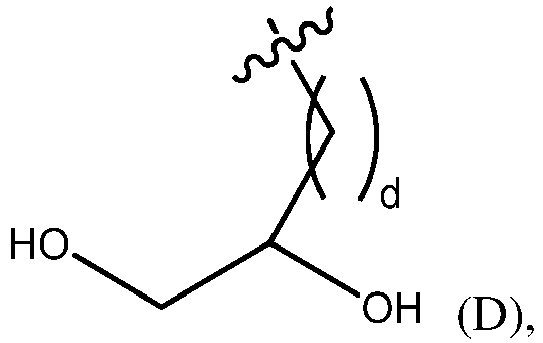
a polyethylene glycol group, represented by Formula (E)
- The compound according to claim 27, wherein Rx and Ry are each independently selected from -(O)CH3, a guanidino group represented by Formula (A)

a guanidinobenzene group represented by Formula (C),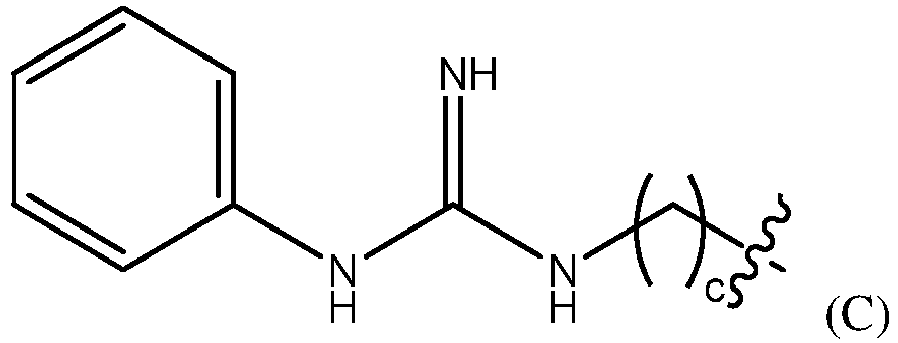
- A pharmaceutical composition comprising a compound according to claim 1, 2 or 3.
- The pharmaceutical composition according to claim 29 for use in the treatment of mucositis.
- The pharmaceutical composition according to claim 29 for use in the treatment of oral mucositis.
- The pharmaceutical composition according to claim 29 for use in the treatment of infection.
- The pharmaceutical composition according to claim 32, wherein the infection is a surgical site infection.
- The pharmaceutical composition according to claim 32, wherein the infection is a lung infection associated with cystic fibrosis.
- The pharmaceutical composition according to claim 34, wherein the infection is a Pseudomonas aeruginosa lung infection.
- The pharmaceutical composition according to claim, 35 wherein biofilms are present in the Pseudomonas aeruginosa lung infection.
Applications Claiming Priority (2)
| Application Number | Priority Date | Filing Date | Title |
|---|---|---|---|
| US201361790231P | 2013-03-15 | 2013-03-15 | |
| PCT/US2014/022984 WO2014150338A1 (en) | 2013-03-15 | 2014-03-11 | Amine functional polyamides |
Publications (2)
| Publication Number | Publication Date |
|---|---|
| EP2970586A1 EP2970586A1 (en) | 2016-01-20 |
| EP2970586B1 true EP2970586B1 (en) | 2022-12-07 |
Family
ID=50390295
Family Applications (2)
| Application Number | Title | Priority Date | Filing Date |
|---|---|---|---|
| EP14713737.6A Active EP2970586B1 (en) | 2013-03-15 | 2014-03-11 | Amine functional polyamides |
| EP14720740.1A Active EP2968231B1 (en) | 2013-03-15 | 2014-03-11 | Antimicrobial polyamide compositions and mastitis treatment |
Family Applications After (1)
| Application Number | Title | Priority Date | Filing Date |
|---|---|---|---|
| EP14720740.1A Active EP2968231B1 (en) | 2013-03-15 | 2014-03-11 | Antimicrobial polyamide compositions and mastitis treatment |
Country Status (22)
| Country | Link |
|---|---|
| US (3) | US10131744B2 (en) |
| EP (2) | EP2970586B1 (en) |
| JP (4) | JP7000021B2 (en) |
| KR (2) | KR102233537B1 (en) |
| CN (2) | CN105189607B (en) |
| AR (1) | AR095366A1 (en) |
| AU (2) | AU2014237169B2 (en) |
| BR (1) | BR112015022224A2 (en) |
| CA (2) | CA2906334C (en) |
| CL (1) | CL2015002762A1 (en) |
| EA (1) | EA030750B1 (en) |
| ES (1) | ES2835382T3 (en) |
| HK (1) | HK1220711A1 (en) |
| IL (1) | IL241405A0 (en) |
| MX (2) | MX364611B (en) |
| NZ (1) | NZ712876A (en) |
| RU (1) | RU2644554C2 (en) |
| SG (1) | SG11201506359UA (en) |
| TW (2) | TWI624263B (en) |
| UA (1) | UA119642C2 (en) |
| WO (2) | WO2014150451A1 (en) |
| ZA (1) | ZA201506808B (en) |
Families Citing this family (19)
| Publication number | Priority date | Publication date | Assignee | Title |
|---|---|---|---|---|
| BR112015022224A2 (en) | 2013-03-15 | 2017-07-18 | Genzyme Corp | functional amine polyamides |
| BR112017000258A2 (en) * | 2014-07-11 | 2017-10-31 | Genzyme Corp | main chain polyamines |
| CN104292148A (en) * | 2014-09-22 | 2015-01-21 | 西南科技大学 | Preparation method of rubber or resin light stabilizer |
| EP3320023B1 (en) * | 2015-07-09 | 2020-06-03 | Henkel IP & Holding GmbH | Low viscosity transparent polyamide |
| EP3370698B1 (en) * | 2015-11-03 | 2022-01-26 | Zoetis Services LLC | Sol-gel polymer composites and uses thereof |
| EP3442587B1 (en) * | 2016-04-14 | 2021-08-18 | Boehringer Ingelheim Animal Health USA Inc. | Multi-dose compositions containing an antimicrobial polyamide or octenidine preservative |
| KR20190018317A (en) * | 2017-08-14 | 2019-02-22 | 한국생명공학연구원 | Composition for prevention or treatment of Pseudomonas genus infection containing monoacetyldiacylglycerol compounds |
| US10687528B2 (en) | 2017-12-12 | 2020-06-23 | International Business Machines Corporation | Antimicrobial polymers with enhanced functionalities |
| US10653142B2 (en) | 2017-12-12 | 2020-05-19 | International Business Machines Corporation | Polymers with antimicrobial functionalities |
| US10743537B2 (en) | 2017-12-12 | 2020-08-18 | International Business Machines Corporation | Monomer compositions with antimicrobial functionality |
| US10667514B2 (en) | 2017-12-12 | 2020-06-02 | International Business Machines Corporation | Antimicrobial ionene compositions with a variety of functional groups |
| US10836864B2 (en) | 2017-12-12 | 2020-11-17 | International Business Machines Corporation | Chemical compositions with antimicrobial functionality |
| US10595527B2 (en) | 2017-12-12 | 2020-03-24 | International Business Machines Corporation | Antimicrobial polymers capable of supramolecular assembly |
| US10687530B2 (en) | 2017-12-12 | 2020-06-23 | International Business Machines Corporation | Hydrophilic polymers with antimicrobial functionalities |
| RU2732206C2 (en) * | 2018-12-29 | 2020-09-14 | Вероника Андреевна Гусева | Method for treating mastitis in cattle |
| KR102052086B1 (en) * | 2019-07-25 | 2019-12-04 | 복세원 | Protective agent for teat of dairy cattles and manufacturing method thereof |
| CN111471630B (en) * | 2020-06-11 | 2021-11-02 | 鲁东大学 | A Corynebacterium Ytld-phe09 and Its Application |
| CN114796583B (en) * | 2022-03-25 | 2023-02-10 | 浙江大学 | A kind of biomedical patch material based on polylipoic acid and preparation method thereof |
| CN115531518B (en) * | 2022-09-22 | 2023-05-23 | 湖南科技学院 | Traditional Chinese medicine ointment for preventing and treating dairy cow mastitis and preparation method thereof |
Family Cites Families (31)
| Publication number | Priority date | Publication date | Assignee | Title |
|---|---|---|---|---|
| US3583946A (en) * | 1969-04-24 | 1971-06-08 | Monsanto Co | Polyureas derived from dipiperidines |
| IT981412B (en) * | 1973-03-15 | 1974-10-10 | Montedison Spa | POLYAMIDES FROM ORTHOCARBOXYL AROMATIC HEROCYCLIC ACIDS AND PROCESS TO PREPARE THEM |
| US4070400A (en) * | 1975-10-16 | 1978-01-24 | Merck & Co., Inc. | Diphenyl polyamides having a cyclohexylene moiety |
| DE2942680C2 (en) * | 1979-10-23 | 1986-02-27 | Schering AG, 1000 Berlin und 4709 Bergkamen | Hot melt adhesives based on polyester amides and their use for bonding organic and inorganic substrates |
| JPS591531A (en) * | 1982-06-25 | 1984-01-06 | Daicel Chem Ind Ltd | Temperature-sensitive polymeric material |
| JPS596220A (en) * | 1982-07-01 | 1984-01-13 | Daicel Chem Ind Ltd | New polyamide copolymer |
| US4462942A (en) * | 1982-07-30 | 1984-07-31 | Eli Lilly And Company | A47934 Antibiotic and process for production thereof |
| JPH01252633A (en) * | 1987-12-03 | 1989-10-09 | Ricoh Co Ltd | Thermal transfer recording media using polyamide and new polyamide |
| JPH0228208A (en) * | 1988-04-28 | 1990-01-30 | Japan Synthetic Rubber Co Ltd | Radiation-sensitive copolymer and production thereof |
| JPH03258832A (en) * | 1990-03-08 | 1991-11-19 | Mitsubishi Kasei Corp | Unsaturated polyamide |
| US6369049B1 (en) * | 1998-04-30 | 2002-04-09 | Eli Lilly And Company | Treatment of mastitis |
| US6203812B1 (en) * | 1998-06-29 | 2001-03-20 | Hydromer, Inc. | Hydrophilic polymer blends used to prevent cow skin infections |
| AUPP584298A0 (en) * | 1998-09-14 | 1998-10-08 | Starpharma Limited | Antimicrobial and antiparasitic agents |
| US20020009491A1 (en) * | 2000-02-14 | 2002-01-24 | Rothbard Jonathan B. | Compositions and methods for enhancing drug delivery across biological membranes and tissues |
| PT1395289E (en) | 2000-06-08 | 2011-03-16 | Sang Dr Christine | Treatment of neuropathic pain with a n-methyl-d-aspartate (nmda) receptor antagonists |
| PT1292327E (en) * | 2000-06-12 | 2007-05-31 | Univ Saskatchewan | Immunization of dairy cattle with mig protein |
| US6998115B2 (en) * | 2000-10-10 | 2006-02-14 | Massachusetts Institute Of Technology | Biodegradable poly(β-amino esters) and uses thereof |
| GB0029004D0 (en) * | 2000-11-28 | 2001-01-10 | Pharmacia & Upjohn Spa | Process for preparing distamycin derivatives |
| US20040013698A1 (en) * | 2001-07-09 | 2004-01-22 | Aust Duncan T | Method for preparing topical preparations containing skin protective agents with enhanced barrier properties |
| WO2004046109A2 (en) * | 2002-11-19 | 2004-06-03 | Genzyme Corporation | Ionene oligomers and polymers |
| DE102004054873A1 (en) * | 2004-11-12 | 2006-05-18 | Bayer Healthcare Ag | Treatment of mastitis |
| EP2257569B1 (en) * | 2008-03-13 | 2014-10-01 | Agriculture Victoria Services PTY Limited | Vectors for expression of antimicrobial peptides in mammary gland |
| EP2138171A1 (en) * | 2008-06-18 | 2009-12-30 | Istituto Superiore Di Sanita' | Veterinarian compositions containing terpinen-4-ol for the treatment and prevention of mastitis |
| EP2341886B1 (en) | 2008-11-07 | 2015-08-26 | NovaBay Pharmaceuticals, Inc. | Antimicrobial n-chlorinated compositions |
| JP5808082B2 (en) * | 2010-04-30 | 2015-11-10 | 株式会社Adeka | Method and agent for introducing water-soluble high molecular weight substance into cells |
| US8758778B2 (en) | 2010-09-16 | 2014-06-24 | The Regents Of The University Of California | Polymeric nano-carriers with a linear dual response mechanism and uses thereof |
| CN102653779B (en) | 2011-03-04 | 2014-02-19 | 北京科润三联生物技术有限责任公司 | Preparation method of a novel recombinant antibacterial polypeptide drug |
| WO2012151554A1 (en) * | 2011-05-04 | 2012-11-08 | President And Fellows Of Harvard College | Polyamines for treating biofilms |
| RU2606128C2 (en) * | 2011-05-16 | 2017-01-10 | Селлсьютикс Корпорейшн | Compounds for use in treatment of mucositis |
| CA2877794C (en) | 2012-06-29 | 2020-08-04 | Bayer Animalhealth Gmbh | Pharmaceutical compositions and treatment of mastitis |
| BR112015022224A2 (en) | 2013-03-15 | 2017-07-18 | Genzyme Corp | functional amine polyamides |
-
2014
- 2014-03-11 BR BR112015022224A patent/BR112015022224A2/en not_active IP Right Cessation
- 2014-03-11 WO PCT/US2014/023299 patent/WO2014150451A1/en not_active Ceased
- 2014-03-11 JP JP2016501120A patent/JP7000021B2/en active Active
- 2014-03-11 EP EP14713737.6A patent/EP2970586B1/en active Active
- 2014-03-11 MX MX2015012119A patent/MX364611B/en active IP Right Grant
- 2014-03-11 US US14/204,339 patent/US10131744B2/en active Active
- 2014-03-11 JP JP2016501201A patent/JP6359630B2/en active Active
- 2014-03-11 RU RU2015144224A patent/RU2644554C2/en not_active IP Right Cessation
- 2014-03-11 EA EA201591812A patent/EA030750B1/en unknown
- 2014-03-11 AU AU2014237169A patent/AU2014237169B2/en active Active
- 2014-03-11 HK HK16108615.0A patent/HK1220711A1/en unknown
- 2014-03-11 CA CA2906334A patent/CA2906334C/en active Active
- 2014-03-11 UA UAA201509974A patent/UA119642C2/en unknown
- 2014-03-11 MX MX2015013262A patent/MX373164B/en active IP Right Grant
- 2014-03-11 AU AU2014237232A patent/AU2014237232B9/en active Active
- 2014-03-11 CN CN201480026339.7A patent/CN105189607B/en active Active
- 2014-03-11 ES ES14720740T patent/ES2835382T3/en active Active
- 2014-03-11 CN CN201480023831.9A patent/CN105338976B/en active Active
- 2014-03-11 NZ NZ712876A patent/NZ712876A/en unknown
- 2014-03-11 SG SG11201506359UA patent/SG11201506359UA/en unknown
- 2014-03-11 WO PCT/US2014/022984 patent/WO2014150338A1/en not_active Ceased
- 2014-03-11 CA CA2907045A patent/CA2907045C/en active Active
- 2014-03-11 KR KR1020157029866A patent/KR102233537B1/en active Active
- 2014-03-11 KR KR1020157028805A patent/KR20150132325A/en not_active Ceased
- 2014-03-11 EP EP14720740.1A patent/EP2968231B1/en active Active
- 2014-03-12 AR ARP140100905A patent/AR095366A1/en unknown
- 2014-03-13 TW TW103108906A patent/TWI624263B/en not_active IP Right Cessation
- 2014-03-14 TW TW103109522A patent/TWI667028B/en active
- 2014-03-14 US US14/210,571 patent/US9326994B2/en active Active
-
2015
- 2015-09-09 IL IL241405A patent/IL241405A0/en unknown
- 2015-09-14 ZA ZA2015/06808A patent/ZA201506808B/en unknown
- 2015-09-15 CL CL2015002762A patent/CL2015002762A1/en unknown
-
2016
- 2016-03-24 US US15/079,887 patent/US10113032B2/en active Active
-
2018
- 2018-08-01 JP JP2018144725A patent/JP2018188662A/en active Pending
-
2019
- 2019-11-22 JP JP2019210972A patent/JP2020045493A/en active Pending
Non-Patent Citations (1)
| Title |
|---|
| NIELSEN ARNOLD T ET AL: "1,1'-Diacetyl-1,1'-dihydro-4,4'-bipyridine and the yellow and colorless modifications of 1,1'-diacetyl-1,1' ,4,4'-tetrahydro-4,4'-bipyridine. The 1,1'-diacetyl-4,4'-bipyridine radical cation", THE JOURNAL OF ORGANIC CHEMISTRY, AMERICAN CHEMICAL SOCIETY, vol. 29, no. 8, 1 January 1964 (1964-01-01), pages 2175 - 2179, XP002476438, ISSN: 0022-3263, DOI: 10.1021/JO01031A016 * |
Also Published As
Similar Documents
| Publication | Publication Date | Title |
|---|---|---|
| AU2014237232B2 (en) | Amine functional polyamides | |
| MX2011005117A (en) | Antimicrobial compositions. | |
| US9713597B2 (en) | Stable aqueous formulation of (E)-4-carboxystyryl-4-chlorobenzyl sulfone | |
| AU2015287661B2 (en) | Main chain polyamines | |
| JP7475144B2 (en) | Fractionated antimicrobial compositions and uses thereof | |
| CN111320662A (en) | A class of N-benzyl substituted diamidazine derivatives and their medicinal uses | |
| US20240115521A1 (en) | Compounds for the treatment of mycobacterial diseases | |
| WO2010099573A1 (en) | Dioxolane norbornane / norbornene compounds suitable as antimicrobial agents to treat bacterial infections | |
| US10239847B1 (en) | Method for 2-oxothiazolidine-4-carboxylic acid for cellular glutathione | |
| WO2016023911A1 (en) | Use of 1,3-propanedisulfonic acid or salts thereof to prevent the onset of amyloidosis in select populations | |
| CN121736272A (en) | Main chain degradable carbonate alternative cationic antibacterial agent and preparation method and application thereof | |
| HK40060969B (en) | Antimicrobial compounds, compositions, and uses thereof | |
| HK1008294B (en) | (2-4-disulfophenyl) n-tertiary butyl nitrone its salts, and their use as pharmaceutical radical trapping agents | |
| HK1008294A1 (en) | (2-4-disulfophenyl) n-tertiary butyl nitrone its salts, and their use as pharmaceutical radical trapping agents |
Legal Events
| Date | Code | Title | Description |
|---|---|---|---|
| PUAI | Public reference made under article 153(3) epc to a published international application that has entered the european phase |
Free format text: ORIGINAL CODE: 0009012 |
|
| 17P | Request for examination filed |
Effective date: 20151014 |
|
| AK | Designated contracting states |
Kind code of ref document: A1 Designated state(s): AL AT BE BG CH CY CZ DE DK EE ES FI FR GB GR HR HU IE IS IT LI LT LU LV MC MK MT NL NO PL PT RO RS SE SI SK SM TR |
|
| AX | Request for extension of the european patent |
Extension state: BA ME |
|
| REG | Reference to a national code |
Ref country code: HK Ref legal event code: DE Ref document number: 1220711 Country of ref document: HK |
|
| STAA | Information on the status of an ep patent application or granted ep patent |
Free format text: STATUS: EXAMINATION IS IN PROGRESS |
|
| 17Q | First examination report despatched |
Effective date: 20180615 |
|
| RAP1 | Party data changed (applicant data changed or rights of an application transferred) |
Owner name: GENZYME CORPORATION |
|
| GRAP | Despatch of communication of intention to grant a patent |
Free format text: ORIGINAL CODE: EPIDOSNIGR1 |
|
| STAA | Information on the status of an ep patent application or granted ep patent |
Free format text: STATUS: GRANT OF PATENT IS INTENDED |
|
| INTG | Intention to grant announced |
Effective date: 20220627 |
|
| GRAS | Grant fee paid |
Free format text: ORIGINAL CODE: EPIDOSNIGR3 |
|
| GRAA | (expected) grant |
Free format text: ORIGINAL CODE: 0009210 |
|
| STAA | Information on the status of an ep patent application or granted ep patent |
Free format text: STATUS: THE PATENT HAS BEEN GRANTED |
|
| AK | Designated contracting states |
Kind code of ref document: B1 Designated state(s): AL AT BE BG CH CY CZ DE DK EE ES FI FR GB GR HR HU IE IS IT LI LT LU LV MC MK MT NL NO PL PT RO RS SE SI SK SM TR |
|
| REG | Reference to a national code |
Ref country code: GB Ref legal event code: FG4D |
|
| REG | Reference to a national code |
Ref country code: CH Ref legal event code: EP Ref country code: AT Ref legal event code: REF Ref document number: 1536285 Country of ref document: AT Kind code of ref document: T Effective date: 20221215 |
|
| REG | Reference to a national code |
Ref country code: DE Ref legal event code: R096 Ref document number: 602014085730 Country of ref document: DE |
|
| REG | Reference to a national code |
Ref country code: IE Ref legal event code: FG4D |
|
| REG | Reference to a national code |
Ref country code: LT Ref legal event code: MG9D |
|
| REG | Reference to a national code |
Ref country code: NL Ref legal event code: MP Effective date: 20221207 |
|
| PG25 | Lapsed in a contracting state [announced via postgrant information from national office to epo] |
Ref country code: SE Free format text: LAPSE BECAUSE OF FAILURE TO SUBMIT A TRANSLATION OF THE DESCRIPTION OR TO PAY THE FEE WITHIN THE PRESCRIBED TIME-LIMIT Effective date: 20221207 Ref country code: NO Free format text: LAPSE BECAUSE OF FAILURE TO SUBMIT A TRANSLATION OF THE DESCRIPTION OR TO PAY THE FEE WITHIN THE PRESCRIBED TIME-LIMIT Effective date: 20230307 Ref country code: LT Free format text: LAPSE BECAUSE OF FAILURE TO SUBMIT A TRANSLATION OF THE DESCRIPTION OR TO PAY THE FEE WITHIN THE PRESCRIBED TIME-LIMIT Effective date: 20221207 Ref country code: FI Free format text: LAPSE BECAUSE OF FAILURE TO SUBMIT A TRANSLATION OF THE DESCRIPTION OR TO PAY THE FEE WITHIN THE PRESCRIBED TIME-LIMIT Effective date: 20221207 Ref country code: ES Free format text: LAPSE BECAUSE OF FAILURE TO SUBMIT A TRANSLATION OF THE DESCRIPTION OR TO PAY THE FEE WITHIN THE PRESCRIBED TIME-LIMIT Effective date: 20221207 |
|
| REG | Reference to a national code |
Ref country code: AT Ref legal event code: MK05 Ref document number: 1536285 Country of ref document: AT Kind code of ref document: T Effective date: 20221207 |
|
| PG25 | Lapsed in a contracting state [announced via postgrant information from national office to epo] |
Ref country code: RS Free format text: LAPSE BECAUSE OF FAILURE TO SUBMIT A TRANSLATION OF THE DESCRIPTION OR TO PAY THE FEE WITHIN THE PRESCRIBED TIME-LIMIT Effective date: 20221207 Ref country code: PL Free format text: LAPSE BECAUSE OF FAILURE TO SUBMIT A TRANSLATION OF THE DESCRIPTION OR TO PAY THE FEE WITHIN THE PRESCRIBED TIME-LIMIT Effective date: 20221207 Ref country code: LV Free format text: LAPSE BECAUSE OF FAILURE TO SUBMIT A TRANSLATION OF THE DESCRIPTION OR TO PAY THE FEE WITHIN THE PRESCRIBED TIME-LIMIT Effective date: 20221207 Ref country code: HR Free format text: LAPSE BECAUSE OF FAILURE TO SUBMIT A TRANSLATION OF THE DESCRIPTION OR TO PAY THE FEE WITHIN THE PRESCRIBED TIME-LIMIT Effective date: 20221207 Ref country code: GR Free format text: LAPSE BECAUSE OF FAILURE TO SUBMIT A TRANSLATION OF THE DESCRIPTION OR TO PAY THE FEE WITHIN THE PRESCRIBED TIME-LIMIT Effective date: 20230308 |
|
| P01 | Opt-out of the competence of the unified patent court (upc) registered |
Effective date: 20230424 |
|
| PG25 | Lapsed in a contracting state [announced via postgrant information from national office to epo] |
Ref country code: NL Free format text: LAPSE BECAUSE OF FAILURE TO SUBMIT A TRANSLATION OF THE DESCRIPTION OR TO PAY THE FEE WITHIN THE PRESCRIBED TIME-LIMIT Effective date: 20221207 |
|
| PG25 | Lapsed in a contracting state [announced via postgrant information from national office to epo] |
Ref country code: SM Free format text: LAPSE BECAUSE OF FAILURE TO SUBMIT A TRANSLATION OF THE DESCRIPTION OR TO PAY THE FEE WITHIN THE PRESCRIBED TIME-LIMIT Effective date: 20221207 Ref country code: RO Free format text: LAPSE BECAUSE OF FAILURE TO SUBMIT A TRANSLATION OF THE DESCRIPTION OR TO PAY THE FEE WITHIN THE PRESCRIBED TIME-LIMIT Effective date: 20221207 Ref country code: PT Free format text: LAPSE BECAUSE OF FAILURE TO SUBMIT A TRANSLATION OF THE DESCRIPTION OR TO PAY THE FEE WITHIN THE PRESCRIBED TIME-LIMIT Effective date: 20230410 Ref country code: EE Free format text: LAPSE BECAUSE OF FAILURE TO SUBMIT A TRANSLATION OF THE DESCRIPTION OR TO PAY THE FEE WITHIN THE PRESCRIBED TIME-LIMIT Effective date: 20221207 Ref country code: CZ Free format text: LAPSE BECAUSE OF FAILURE TO SUBMIT A TRANSLATION OF THE DESCRIPTION OR TO PAY THE FEE WITHIN THE PRESCRIBED TIME-LIMIT Effective date: 20221207 Ref country code: AT Free format text: LAPSE BECAUSE OF FAILURE TO SUBMIT A TRANSLATION OF THE DESCRIPTION OR TO PAY THE FEE WITHIN THE PRESCRIBED TIME-LIMIT Effective date: 20221207 |
|
| PG25 | Lapsed in a contracting state [announced via postgrant information from national office to epo] |
Ref country code: SK Free format text: LAPSE BECAUSE OF FAILURE TO SUBMIT A TRANSLATION OF THE DESCRIPTION OR TO PAY THE FEE WITHIN THE PRESCRIBED TIME-LIMIT Effective date: 20221207 Ref country code: IS Free format text: LAPSE BECAUSE OF FAILURE TO SUBMIT A TRANSLATION OF THE DESCRIPTION OR TO PAY THE FEE WITHIN THE PRESCRIBED TIME-LIMIT Effective date: 20230407 Ref country code: AL Free format text: LAPSE BECAUSE OF FAILURE TO SUBMIT A TRANSLATION OF THE DESCRIPTION OR TO PAY THE FEE WITHIN THE PRESCRIBED TIME-LIMIT Effective date: 20221207 |
|
| REG | Reference to a national code |
Ref country code: DE Ref legal event code: R097 Ref document number: 602014085730 Country of ref document: DE |
|
| REG | Reference to a national code |
Ref country code: HK Ref legal event code: WD Ref document number: 1220711 Country of ref document: HK |
|
| PLBE | No opposition filed within time limit |
Free format text: ORIGINAL CODE: 0009261 |
|
| STAA | Information on the status of an ep patent application or granted ep patent |
Free format text: STATUS: NO OPPOSITION FILED WITHIN TIME LIMIT |
|
| PG25 | Lapsed in a contracting state [announced via postgrant information from national office to epo] |
Ref country code: MC Free format text: LAPSE BECAUSE OF FAILURE TO SUBMIT A TRANSLATION OF THE DESCRIPTION OR TO PAY THE FEE WITHIN THE PRESCRIBED TIME-LIMIT Effective date: 20221207 Ref country code: DK Free format text: LAPSE BECAUSE OF FAILURE TO SUBMIT A TRANSLATION OF THE DESCRIPTION OR TO PAY THE FEE WITHIN THE PRESCRIBED TIME-LIMIT Effective date: 20221207 |
|
| REG | Reference to a national code |
Ref country code: CH Ref legal event code: PL |
|
| 26N | No opposition filed |
Effective date: 20230908 |
|
| PG25 | Lapsed in a contracting state [announced via postgrant information from national office to epo] |
Ref country code: SI Free format text: LAPSE BECAUSE OF FAILURE TO SUBMIT A TRANSLATION OF THE DESCRIPTION OR TO PAY THE FEE WITHIN THE PRESCRIBED TIME-LIMIT Effective date: 20221207 |
|
| REG | Reference to a national code |
Ref country code: BE Ref legal event code: MM Effective date: 20230331 |
|
| PG25 | Lapsed in a contracting state [announced via postgrant information from national office to epo] |
Ref country code: LU Free format text: LAPSE BECAUSE OF NON-PAYMENT OF DUE FEES Effective date: 20230311 |
|
| REG | Reference to a national code |
Ref country code: IE Ref legal event code: MM4A |
|
| PG25 | Lapsed in a contracting state [announced via postgrant information from national office to epo] |
Ref country code: LI Free format text: LAPSE BECAUSE OF NON-PAYMENT OF DUE FEES Effective date: 20230331 Ref country code: IE Free format text: LAPSE BECAUSE OF NON-PAYMENT OF DUE FEES Effective date: 20230311 Ref country code: CH Free format text: LAPSE BECAUSE OF NON-PAYMENT OF DUE FEES Effective date: 20230331 |
|
| PG25 | Lapsed in a contracting state [announced via postgrant information from national office to epo] |
Ref country code: BE Free format text: LAPSE BECAUSE OF NON-PAYMENT OF DUE FEES Effective date: 20230331 |
|
| PG25 | Lapsed in a contracting state [announced via postgrant information from national office to epo] |
Ref country code: IT Free format text: LAPSE BECAUSE OF FAILURE TO SUBMIT A TRANSLATION OF THE DESCRIPTION OR TO PAY THE FEE WITHIN THE PRESCRIBED TIME-LIMIT Effective date: 20221207 |
|
| PG25 | Lapsed in a contracting state [announced via postgrant information from national office to epo] |
Ref country code: BG Free format text: LAPSE BECAUSE OF FAILURE TO SUBMIT A TRANSLATION OF THE DESCRIPTION OR TO PAY THE FEE WITHIN THE PRESCRIBED TIME-LIMIT Effective date: 20221207 |
|
| PG25 | Lapsed in a contracting state [announced via postgrant information from national office to epo] |
Ref country code: BG Free format text: LAPSE BECAUSE OF FAILURE TO SUBMIT A TRANSLATION OF THE DESCRIPTION OR TO PAY THE FEE WITHIN THE PRESCRIBED TIME-LIMIT Effective date: 20221207 |
|
| PGFP | Annual fee paid to national office [announced via postgrant information from national office to epo] |
Ref country code: FR Payment date: 20241231 Year of fee payment: 12 |
|
| PGFP | Annual fee paid to national office [announced via postgrant information from national office to epo] |
Ref country code: DE Payment date: 20241231 Year of fee payment: 12 |
|
| PGFP | Annual fee paid to national office [announced via postgrant information from national office to epo] |
Ref country code: GB Payment date: 20250102 Year of fee payment: 12 |
|
| PG25 | Lapsed in a contracting state [announced via postgrant information from national office to epo] |
Ref country code: CY Free format text: LAPSE BECAUSE OF FAILURE TO SUBMIT A TRANSLATION OF THE DESCRIPTION OR TO PAY THE FEE WITHIN THE PRESCRIBED TIME-LIMIT; INVALID AB INITIO Effective date: 20140311 |
|
| PG25 | Lapsed in a contracting state [announced via postgrant information from national office to epo] |
Ref country code: HU Free format text: LAPSE BECAUSE OF FAILURE TO SUBMIT A TRANSLATION OF THE DESCRIPTION OR TO PAY THE FEE WITHIN THE PRESCRIBED TIME-LIMIT; INVALID AB INITIO Effective date: 20140311 |
|
| PG25 | Lapsed in a contracting state [announced via postgrant information from national office to epo] |
Ref country code: TR Free format text: LAPSE BECAUSE OF FAILURE TO SUBMIT A TRANSLATION OF THE DESCRIPTION OR TO PAY THE FEE WITHIN THE PRESCRIBED TIME-LIMIT Effective date: 20221207 |