EP2956162B1 - Abhd5 zur behandlung von herzversagen - Google Patents
Abhd5 zur behandlung von herzversagen Download PDFInfo
- Publication number
- EP2956162B1 EP2956162B1 EP14704605.6A EP14704605A EP2956162B1 EP 2956162 B1 EP2956162 B1 EP 2956162B1 EP 14704605 A EP14704605 A EP 14704605A EP 2956162 B1 EP2956162 B1 EP 2956162B1
- Authority
- EP
- European Patent Office
- Prior art keywords
- abhd5
- hdac4
- variant
- nucleic acid
- vector
- Prior art date
- Legal status (The legal status is an assumption and is not a legal conclusion. Google has not performed a legal analysis and makes no representation as to the accuracy of the status listed.)
- Active
Links
Images






Classifications
-
- C—CHEMISTRY; METALLURGY
- C12—BIOCHEMISTRY; BEER; SPIRITS; WINE; VINEGAR; MICROBIOLOGY; ENZYMOLOGY; MUTATION OR GENETIC ENGINEERING
- C12N—MICROORGANISMS OR ENZYMES; COMPOSITIONS THEREOF; PROPAGATING, PRESERVING, OR MAINTAINING MICROORGANISMS; MUTATION OR GENETIC ENGINEERING; CULTURE MEDIA
- C12N9/00—Enzymes; Proenzymes; Compositions thereof; Processes for preparing, activating, inhibiting, separating or purifying enzymes
- C12N9/10—Transferases (2.)
- C12N9/1025—Acyltransferases (2.3)
- C12N9/1029—Acyltransferases (2.3) transferring groups other than amino-acyl groups (2.3.1)
-
- A—HUMAN NECESSITIES
- A61—MEDICAL OR VETERINARY SCIENCE; HYGIENE
- A61K—PREPARATIONS FOR MEDICAL, DENTAL OR TOILETRY PURPOSES
- A61K38/00—Medicinal preparations containing peptides
- A61K38/16—Peptides having more than 20 amino acids; Gastrins; Somatostatins; Melanotropins; Derivatives thereof
- A61K38/43—Enzymes; Proenzymes; Derivatives thereof
- A61K38/45—Transferases (2)
-
- A—HUMAN NECESSITIES
- A61—MEDICAL OR VETERINARY SCIENCE; HYGIENE
- A61K—PREPARATIONS FOR MEDICAL, DENTAL OR TOILETRY PURPOSES
- A61K38/00—Medicinal preparations containing peptides
- A61K38/16—Peptides having more than 20 amino acids; Gastrins; Somatostatins; Melanotropins; Derivatives thereof
- A61K38/43—Enzymes; Proenzymes; Derivatives thereof
- A61K38/46—Hydrolases (3)
- A61K38/48—Hydrolases (3) acting on peptide bonds (3.4)
-
- A—HUMAN NECESSITIES
- A61—MEDICAL OR VETERINARY SCIENCE; HYGIENE
- A61K—PREPARATIONS FOR MEDICAL, DENTAL OR TOILETRY PURPOSES
- A61K38/00—Medicinal preparations containing peptides
- A61K38/16—Peptides having more than 20 amino acids; Gastrins; Somatostatins; Melanotropins; Derivatives thereof
- A61K38/43—Enzymes; Proenzymes; Derivatives thereof
- A61K38/46—Hydrolases (3)
- A61K38/50—Hydrolases (3) acting on carbon-nitrogen bonds, other than peptide bonds (3.5), e.g. asparaginase
-
- A—HUMAN NECESSITIES
- A61—MEDICAL OR VETERINARY SCIENCE; HYGIENE
- A61P—SPECIFIC THERAPEUTIC ACTIVITY OF CHEMICAL COMPOUNDS OR MEDICINAL PREPARATIONS
- A61P9/00—Drugs for disorders of the cardiovascular system
- A61P9/04—Inotropic agents, i.e. stimulants of cardiac contraction; Drugs for heart failure
-
- C—CHEMISTRY; METALLURGY
- C12—BIOCHEMISTRY; BEER; SPIRITS; WINE; VINEGAR; MICROBIOLOGY; ENZYMOLOGY; MUTATION OR GENETIC ENGINEERING
- C12N—MICROORGANISMS OR ENZYMES; COMPOSITIONS THEREOF; PROPAGATING, PRESERVING, OR MAINTAINING MICROORGANISMS; MUTATION OR GENETIC ENGINEERING; CULTURE MEDIA
- C12N9/00—Enzymes; Proenzymes; Compositions thereof; Processes for preparing, activating, inhibiting, separating or purifying enzymes
- C12N9/14—Hydrolases (3)
- C12N9/78—Hydrolases (3) acting on carbon to nitrogen bonds other than peptide bonds (3.5)
- C12N9/80—Hydrolases (3) acting on carbon to nitrogen bonds other than peptide bonds (3.5) acting on amide bonds in linear amides (3.5.1)
-
- C—CHEMISTRY; METALLURGY
- C12—BIOCHEMISTRY; BEER; SPIRITS; WINE; VINEGAR; MICROBIOLOGY; ENZYMOLOGY; MUTATION OR GENETIC ENGINEERING
- C12Q—MEASURING OR TESTING PROCESSES INVOLVING ENZYMES, NUCLEIC ACIDS OR MICROORGANISMS; COMPOSITIONS OR TEST PAPERS THEREFOR; PROCESSES OF PREPARING SUCH COMPOSITIONS; CONDITION-RESPONSIVE CONTROL IN MICROBIOLOGICAL OR ENZYMOLOGICAL PROCESSES
- C12Q1/00—Measuring or testing processes involving enzymes, nucleic acids or microorganisms; Compositions therefor; Processes of preparing such compositions
- C12Q1/48—Measuring or testing processes involving enzymes, nucleic acids or microorganisms; Compositions therefor; Processes of preparing such compositions involving transferase
-
- C—CHEMISTRY; METALLURGY
- C12—BIOCHEMISTRY; BEER; SPIRITS; WINE; VINEGAR; MICROBIOLOGY; ENZYMOLOGY; MUTATION OR GENETIC ENGINEERING
- C12Y—ENZYMES
- C12Y203/00—Acyltransferases (2.3)
- C12Y203/01—Acyltransferases (2.3) transferring groups other than amino-acyl groups (2.3.1)
- C12Y203/01051—1-Acylglycerol-3-phosphate O-acyltransferase (2.3.1.51)
-
- C—CHEMISTRY; METALLURGY
- C12—BIOCHEMISTRY; BEER; SPIRITS; WINE; VINEGAR; MICROBIOLOGY; ENZYMOLOGY; MUTATION OR GENETIC ENGINEERING
- C12Y—ENZYMES
- C12Y305/00—Hydrolases acting on carbon-nitrogen bonds, other than peptide bonds (3.5)
- C12Y305/01—Hydrolases acting on carbon-nitrogen bonds, other than peptide bonds (3.5) in linear amides (3.5.1)
- C12Y305/01098—Histone deacetylase (3.5.1.98), i.e. sirtuin deacetylase
-
- G—PHYSICS
- G01—MEASURING; TESTING
- G01N—INVESTIGATING OR ANALYSING MATERIALS BY DETERMINING THEIR CHEMICAL OR PHYSICAL PROPERTIES
- G01N2333/00—Assays involving biological materials from specific organisms or of a specific nature
- G01N2333/90—Enzymes; Proenzymes
- G01N2333/91—Transferases (2.)
- G01N2333/91045—Acyltransferases (2.3)
- G01N2333/91051—Acyltransferases other than aminoacyltransferases (general) (2.3.1)
- G01N2333/91057—Acyltransferases other than aminoacyltransferases (general) (2.3.1) with definite EC number (2.3.1.-)
-
- G—PHYSICS
- G01—MEASURING; TESTING
- G01N—INVESTIGATING OR ANALYSING MATERIALS BY DETERMINING THEIR CHEMICAL OR PHYSICAL PROPERTIES
- G01N2500/00—Screening for compounds of potential therapeutic value
- G01N2500/04—Screening involving studying the effect of compounds C directly on molecule A (e.g. C are potential ligands for a receptor A, or potential substrates for an enzyme A)
-
- G—PHYSICS
- G01—MEASURING; TESTING
- G01N—INVESTIGATING OR ANALYSING MATERIALS BY DETERMINING THEIR CHEMICAL OR PHYSICAL PROPERTIES
- G01N2500/00—Screening for compounds of potential therapeutic value
- G01N2500/20—Screening for compounds of potential therapeutic value cell-free systems
Definitions
- the present invention relates to Abhydrolase containing domain 5 (ABHD5) and variants of the aforementioned peptide for the treatment and prevention of heart failure.
- the present invention further provides vectors for the cardiomyocyte-specific expression of said peptide.
- HDAC4-NT Full-length histone deacetylase 4
- MEF2 myocyte enhancer factor 2
- Abhydrolase containing domain 5 (ABHD5, also known as “comparative gene identification-58” (CGI-58)) is a protein which has been previously known to be involved in lipid metabolism ( Grannemann et al., 2009 “Perilipin controls Lipolysis by regulating the Interactions of AB-hydrolase Containing 5 (Abhd5) and Adipose Triglyceride Lipase (Atgl)", The Journal of Biological Chemistry 284: 34538-34544 ).
- the problem underlying the present invention can be viewed as the provision of novel means and methods for the treatment and prevention of heart failure.
- the present invention describes a nucleic acid encoding ABHD5 or a variant thereof for use as a medicament.
- the present invention describes a nucleic acid encoding ABHD5 or a variant thereof for use in the treatment or prevention of heart failure.
- the present invention describes a vector comprising a nucleic acid encoding ABHD5 or a variant thereof for use as a medicament.
- the present invention describes an elongated and/or multimerized variant of the N-terminal fragment of histone deacetylase 4 (HDAC4-NT).
- the present invention describes HDAC4-NT or a variant thereof for use as a medicament.
- the present invention describes HDAC4-NT or a variant thereof for use in the treatment or prevention of heart failure.
- the present invention describes a nucleic acid encoding an elongated and/or multimerized variant of HDAC-NT.
- the present invention describes a nucleic acid encoding HDAC4-NT or a variant thereof for use as a medicament.
- the present invention describes a nucleic acid encoding HDAC4-NT or a variant thereof for use in the treatment or prevention of heart failure.
- the present invention describes a vector comprising nucleic acid encoding HDAC4-NT or a variant thereof.
- the present invention describes a nucleic acid encoding HDAC4-NT or a variant thereof for use as a medicament.
- the present invention describes a vector comprising a nucleic acid encoding HDAC4-NT or a variant thereof for use in the treatment or prevention of heart failure.
- the present invention describes a method for identifying a compound which modulates the activity and/or localization of ABHD5 or a variant thereof comprising the steps of
- the present invention describes the use of ABHD5 for identifying a compound which suppresses myocardial remodeling.
- the present invention describes abhydrolase containing domain 5 (ABHD5) or a variant thereof for use as a medicament.
- the present invention relates to ABHD5 or a variant thereof for use in the treatment or prevention of heart failure, wherein the variant has at least 80% sequence identity with the sequences of SEQ ID NO: 1 to 5.
- ABHD5 relates to a polypeptide having an amino acid sequence as defined by one of the sequences SEQ ID NO: 1 to 5 or a variant thereof.
- ABDH5 has an amino acid as defined by SEQ ID NO: 1 (human ABDH5) or a variant thereof.
- Variants are preferably N-terminally and/or C-terminally truncated variants, amino acid substitution or deletion variants, or prolonged variants of the sequences of SEQ ID NO: 1 to 5.
- Variants comprise furthermore an amino acid sequence comprising modified amino acid(s), unnatural amino acid(s) or peptidomimetic(s) or further compounds which can mimic a peptide backbone/structure.
- variants are selected from C-terminally truncated variants of SEQ ID NO.: 1 to 5; amino acid substitution or deletion variants; variants comprising modified amino acid(s), unnatural amino acid(s) or peptidomimetic(s) or further compounds which can mimic a peptide backbone/structure.
- Deletion variants are, preferably, characterized by C-terminal deletion of up to 1, 2, 3, 4, 5, 10, 15, 20, 25 or 30 amino acids. Independently of the presence or absence of C-terminal deletions further preferred deletion variants are characterized by N-terminal deletion of up to 1, 2, 3, 4, 5, 10, 15, 20, 25 or 30 amino acids.
- ABSDH5 variants preferably includes proteins which have at least 80%, 81%, 82%, 83%, 84%, 84%, 85%, 86%, 87%, 88%, 89%, 90%, 91%, 92%, 93%, 94%, 95%, 96%, 97%, 98%, 99% sequence similarity, preferably sequence identity over the entire length of the protein according to SEQ ID NO: 1 to 5 or proteins based on SEQ ID NO: 1 to 5 carrying above outlined N- and/or C-terminal deletions using the best sequence alignment and/or over the region of the best sequence alignment, wherein the best sequence alignment is obtainable with art known tools, e.g.
- Align using standard settings, preferably EMBOSS::needle, Matrix: Blosum62, Gap Open 10.0, Gap Extend 0.5, with the amino acid sequence set forth in SEQ ID NOs: 1, 2, 3, 4, or 5. It is preferred that when a given ABDH5 variant is aligned with a ABDH5 according to SEQ ID NO:1, 2, 3, 4 or 5 that alignment will be over the entire length of the two proteins and, thus, that the alignment score will be determined on this basis.
- the first 29 or, more preferably, the first 31 amino at the N-terminus are deleted.
- Human ABHD5 comprises tryptophan residues at positions 19, 23 and 27.
- Rat and mouse ABHD5 comprise tryptophan residues at positions 21, 25 and 29. Said tryptophan residues are responsible for the binding of ABHD5 to lipid droplets. Deletion of these tryptophan residues creates a variant of ABHD5 which has less affinity to lipid droplets. Thus, such deletion variants move more easily to the nucleus and the cytosol where they mediate cleavage of full-length HDAC4 yielding HDAC4-NT.
- Deletions in further preferred deletion variants are designed to remove only the first or only the first and second tryptophan residues.
- these deletion variants have a lower affinity to lipid droplets as compared to full-length ABHD5 but higher affinity as compared to deletion variants missing the first 27 or 30 amino acids.
- substitution variants are generated by substituting up to 1, 2, 3, 4, 5, 10, 15, 20, 25 or 30 amino acids against natural amino acids, unnatural amino acids or peptidomimetics.
- amino acids of the wild type protein or a deletion variant thereof are substituted for natural amino acids. .more preferably, said substitutions are conservative substitutions.
- a “conservative amino acid substitution” is one in which an amino acid residue is substituted by another amino acid residue having a side chain (R group) with similar chemical properties (e.g., charge or hydrophobicity).
- R group side chain
- similar chemical properties e.g., charge or hydrophobicity
- a conservative amino acid substitution will not substantially change the functional properties of a protein.
- the number of substitutions may be adjusted upwards to correct for the conservative nature of the substitution.
- conservative amino acid substitutions up to 40, up to 50 or even up to 70 amino acids may be substituted.
- groups of amino acids that have side chains with similar chemical properties include:
- Preferred conservative amino acids substitution groups are: valine-leucine-isoleucine, phenylalanine-tyrosine, lysine-arginine, alanine-valine, glutamate-aspartate, and asparagine-glutamine.
- a conservative replacement is any change having a positive value in the PAM250 log-likelihood matrix disclosed in Gonnet G.H. et al,, 1992 "Exhaustive matching of the entire protein sequence database.” Science 1992, 256:1443-1445 .
- a "moderately conservative" replacement is any change having a non-negative value in the PAM250 log-likelihood matrix.
- substitution variants preferably 1, more preferably 2 and most preferably 3 of the tryptophan residues mentioned above (positions 19, 23 and 27 in human ABHD5; positions 22, 26 and 30 in mouse or rat ABHD5) are substituted by a different amino acid.
- said substitution is not a conservative substitution and more preferably, the amino acid which takes the place of tryptophan is alanine.
- positions 19 and 23 of human ABHAD5 or positions 22 and 26 of rat ABHD5 are substituted, preferably with alanine.
- positions 23 and 27 of human ABHAD5 or positions 26 and 30 of rat ABHD5 are substituted, preferably with alanine.
- a “variant” as defined above is, preferably, a functional variant.
- a functional variant is a variant of the wild type ADHD5 as described above which retains its capability to mediate cleavage of full-length HDAC4 in vitro and, preferably, in vivo.
- the ADHD5 variant has at least 50% of the capability of ADHD5 according to SEQ ID NO: 1 to 5, preferably of SEQ I NO: 1 to mediate cleavage of full-length HDAC4 in vitro and, preferably, in vivo, more preferably at least 60%, 70%, 80%, 90%, 95% or 100% of this activity.
- An assay for testing whether a variant of ABDH5 is still functional can be based on a cell line which does not express ABDH5 due to a knock out. As described in the examples, inhibition of ABHD5 expression inhibits cleavage of HDAC4. If the cells are then transfected with an expression vector encoding the variant of ABHD5 to be tested, a functional variant restores the cell's capability of generating HDAC4-NT from full-length HDAC4, while a non-functional variant does not. Alternatively, the variant of ABDH5 may be administered to the cells as a peptide.
- heart failure refers to any conditions characterized by the inability of the heart to pump a sufficient amount of blood to meet the body's oxygen demand.
- Heart failure may affect the right ventricle, the left ventricle or both ventricles.
- the present invention relates to the treatment or prevention of all of the aforementioned types of heart failure and all degrees of heart failure as set forth below.
- the typical symptom experienced by a patient suffering from left-ventricular heart failure is shortness of breath (dyspnea).
- the patient In mild forms of heart failure, the patient is not limited in ordinary physical activity but experiences dyspnea during periods of increased physical exercise. In more severe cases of heart failure, dyspnea is experienced during ordinary or even light physical activity. In the most severe cases, the patient even experiences dyspnea at rest.
- the typical symptom of right ventricular heart failure is the congestion of systemic capillaries leading to the accumulation of fluids in various parts of the body. Fluid accumulates in the feet and legs (in people standing up) or in the sacral area (in people lying down). In severe cases fluid accumulates in the abdominal cavity and/or the liver.
- Heart failure may be divided into inherited and acquired forms of the disease. Inherited forms of the disease include hypertrophic cardiomyopathy, dilated cardiomyopathy, arrhythmogenic right ventricular cardiomyopathy, isolated ventricular non-compaction and mitochondrial myopathy.
- Acquired heart failure is typically caused by coronary artery disease, arterial hypertension, loss of viable myocardium due to myocardial infarction, cigarette smoking, obesity, diabetes, metabolic syndrome, kidney disease, environmental stress, depressive or mood disorders, lipid storage disease, cancer, chronic inflammation, postpartal cardiomyopathy, stress induced cardiomyopathy, transient cardiac dysfunction or valvular heart disease. It is particularly preferred that acquired cardiomyopathies are treated, in particular postpartal cardiomyopathy, stress induced cardiomyopathy, transient cardiac dysfunction.
- the means and methods of the present invention are suited for the treatment of all the aforementioned types of heart failure.
- Heart failure is caused or accompanied by myocardial remodeling.
- myocardial remodeling terminally differentiated cardiomyocytes increase in size in order to increase the contractility of the myocardium.
- this leads to increasing stiffness of the heart and concomitantly to difficulties in filling the ventricles during diastole.
- the ventricles enlarge contributing to a more spherical form of the heart. This spherical shape of the heart decreases the stroke volume. Since myocardial remodeling tends to decrease myocardial output rather than increasing it, the process of myocardial remodeling causes and exacerbates heart failure.
- cardiac dysrhythmia refers to all types abnormal electric activity of the myocardium.
- cardiac dysrhythmia is tachycardia (pathologically increased heart beat) or bradycardia (pathologically decreased heart beat).
- Cardiac dysrhythmia may originate from the atria or the ventricles.
- Particularly relevant types of dysrhythmia are atrial fibrillation and ventricular tachycardia.
- the means and methods of the present invention which suppress or reverse the process of myocardial remodeling during heart failure are well suited for the treatment or prevention of myocardial remodeling, thus increasing cardiac output and decreasing the risk of complications of cardiac remodeling, particularly cardiac dysrhythmia as defined above.
- natriuretic peptides particularly nT-proBNP after onset of treatment indicate that the treatment is successful.
- the patient receiving the pharmaceutical compounds and pharmaceutical compositions disclosed in the present application is preferably a primate, rodent, pig, sheep, cow or goat.
- the rodent is, preferably, a rat and more preferably a mouse.
- the primate is, preferably, a human, chimpanzee or macaque. Most preferably, the patient is a human.
- the patient suffers from heart failure.
- treat refers to at least one of the following: (a) reducing the severity of heart failure, (b) limiting or preventing the symptoms typical for heart failure, (c) reversing myocardial remodeling, (d) preventing further progress of myocardial remodeling, and (e) decreasing the likelihood of the negative consequences of myocardial remodeling described above.
- a patient to be treated already suffers from heart failure and/or myocardial remodeling.
- prevent refers to the inhibition of the onset of heart failure and/or myocardial remodeling in a patient not yet suffering from the aforementioned disorders.
- a patient receiving preventive treatment is healthy with respect to the disorder to be prevented by said treatment.
- the patient suffers from heart failure but does not yet show signs and symptoms of myocardial remodeling.
- treatment or prevention
- prevention may not be successful in every patient receiving the pharmaceutical compounds or composition of the present invention.
- prevention require that a significant proportion of patient benefits from said treatment.
- treatment according to the present invention preferably cures heart failure because it removes or alleviates the underlying cause.
- the treatment according to the present invention preferably decreases the speed of progression of heart failure or even stops progression of heart failure completely.
- the present invention describes a nucleic acid encoding ABHD5 or a variant thereof for use as a medicament.
- the present invention describes a nucleic acid encoding ABHD5 or a variant thereof for use in the treatment or prevention of heart failure.
- nucleic acid refers to a polymeric macromolecule made from nucleotide monomers. Nucleotide monomers are composed of a nucleobase, a five-carbon sugar (such as but not limited to ribose or 2'-deoxyribose), and one to three phosphate groups. Typically, a polynucleotide is formed through phosphodiester bonds between the individual nucleotide monomers.
- preferred nucleic acid molecules include but are not limited to ribonucleic acid (RNA) and deoxyribonucleic acid (DNA).
- RNA ribonucleic acid
- DNA deoxyribonucleic acid
- polynucleotide also includes artificial analogs of DNA or RNA, such as peptide nucleic acid (PNA).
- the nucleic acid encodes ABHD5 or a variant thereof. Since the genetic code is degenerated, i.e. each amino acid is encoded by more than one nucleic acid, each peptide or its variant may be encoded by a multiplicity of different nucleic acid sequences.
- the nucleic acid encoding ABHD5 is selected from the group consisting of SEQ ID NOs: 6, 7, 8, 9 and 10. More preferably, the nucleic acid encoding ABHD5 has a sequence as defined by SEQ ID NO: 6.
- the increase of the amount of functional ABHD5 is advantageous.
- the administration of ABHD5 may pose practical difficulties. Therefore, the use of expression systems which mediate expression of ABHD5 by the cardiomyocytes of the patient are a solution for the problem underlying the present invention.
- the present invention describes a vector comprising a nucleic acid encoding ABHD5 or a variant thereof.
- the present invention describes a vector comprising a nucleic acid encoding ABHD5 or a variant thereof for use as a medicament.
- the present invention relates to a vector comprising a nucleic acid encoding ABHD5 or a variant thereof for use in the treatment or prevention of heart failure, wherein the variant has at least 80% sequence identity with the sequences of SEQ ID NO: 1 to 5.
- the term "vector" refers to at least one nucleic acid or to a mixture of at least one nucleic acid and at least one protein which is capable of introducing the nucleic acid comprised therein into a cell.
- At least one nucleic acid comprised by the vector consists of or comprises at least one nucleic acid encoding ABHD5 or a variant thereof.
- additional nucleic acids and/or polypeptides may be introduced into the cell. The addition of additional nucleic acids and/or polypeptides is especially preferred if said additional nucleic acids and/or polypeptides are required to introduce the nucleic acid encoding ABHD5 or the variant thereof into the cell.
- ABHD5 or the variant thereof is expressed within the cell upon introduction of the vector or vectors.
- suitable vectors include but are not limited to plasmids, cosmids, phages, viruses or artificial chromosomes.
- the vector is selected from the group consisting of plasmids, cosmids, phages, viruses, and artificial chromosomes. More preferably, a vector suitable for practicing the present invention is a phage vector, preferably lambda phage and filamentous phage vectors, or a viral vector.
- Preferred viral vectors are based on naturally occurring vectors, which are modified to be replication incompetent also referred to as non-replicating.
- Non-replicating viruses require the provision of proteins in trans for replication. Typically those proteins are stably or transiently expressed in a viral producer cell line, thereby allowing replication of the virus.
- the viral vectors are, thus, preferably infectious and non-replicating. The skilled person is aware of how to render various viruses replication incompetent.
- the vector is selected from the group consisting of adenovirus vectors, adeno-associated virus (AAV) vectors (e.g., AAV type 6, type 1, type 5, type 9 and type 2), alphavirus vectors (e.g., Venezuelan equine encephalitis virus (VEE), Sindbis virus (SIN), semliki forest virus (SFV), and VEE-SIN chimeras), herpes virus vectors (e.g. vectors derived from cytomegaloviruses, like rhesus cytomegalovirus (RhCMV) (14)), arena virus vectors (e.g.
- AAV adeno-associated virus
- alphavirus vectors e.g., Venezuelan equine encephalitis virus (VEE), Sindbis virus (SIN), semliki forest virus (SFV), and VEE-SIN chimeras
- herpes virus vectors e.g. vectors derived from cytomegaloviruses, like
- lymphocytic choriomeningitis virus (LCMV) vectors (15)), measles virus vectors, pox virus vectors (e.g., vaccinia virus, modified vaccinia virus Ankara (MVA), NYVAC (derived from the Copenhagen strain of vaccinia), and avipox vectors: canarypox (ALVAC) and fowlpox (FPV) vectors), vesicular stomatitis virus vectors, retrovirus, lentivirus, viral like particles, and bacterial spores.
- pox virus vectors e.g., vaccinia virus, modified vaccinia virus Ankara (MVA), NYVAC (derived from the Copenhagen strain of vaccinia)
- avipox vectors canarypox (ALVAC) and fowlpox (FPV) vectors
- vesicular stomatitis virus vectors retrovirus, lentivirus, viral like particles, and bacterial
- the most preferred vector is an adenovirus, more preferably adeno associated virus (AAV) type 1, type 6 or type 9.
- AAV adeno associated virus
- AAV types 1 or 6 are preferred, for use in mice AAV type 9.
- SEQ ID NO: 18 An especially preferred vector given in SEQ ID NO: 18. Also preferred is a vector as defined by SEQ ID NO: 19. Said sequences comprise HDAC4-NT or luciferase instead of a ABHD5. However, the exchange of these inserts for ABHD5 is easily accomplished.
- the nucleic acid encoding it is operationally linked to an internal promoter and/or enhancer that is recognized by the transcriptional machinery of the cell.
- Suitable promoters may be derived from the genome of mammalian cells (e. g., MHCII promoter, EFlalpha promoter) or from mammalian viruses (e.g., the cytomegalovirus promoter, the spleen focus-forming virus SFFV promoter).
- mammalian viruses e.g., the cytomegalovirus promoter, the spleen focus-forming virus SFFV promoter.
- promoters which enable the expression of the above-mentioned gene in cardiomyocytes.
- the promoter is a human troponin promoter, more preferably the human troponin T promoter, as this promoter is especially well suited for cardiomyocyte-specific expression of transgenes.
- the human troponin T promoter has a nucleic acid sequence as defined by SEQ ID NO: 21.
- the vector encodes a recognition site for micro-RNA 122 between the coding sequence of the ABHD5 or their variants and the terminator sequence so that said recognition site becomes part of the transcript which also encodes ABHD5 or a variant thereof produced from this vector.
- said recognition site causes breakdown of the mRNA in those types of cells where micro-RNA 122 is present, thus preventing translation of the transcript.
- the recognition site for micro-RNA 122 has a nucleic acid sequence as defined by SEQ ID NO: 20.
- the present invention describes the use of a recognition site for micro-RNA 122 for the cardiomyocyte-specific expression of transgenes.
- said recognition site has a nucleic acid sequence as defined by SEQ ID NO: 20.
- the present invention describes the use of a combination of the human troponin promoter and the recognition site for micro-RNA 122 for the cardiomyocyte-specific expression of transgenes.
- said recognition site has a nucleic acid sequence as defined by SEQ ID NO: 20.
- the present invention describes a vector encoding a recognition site for micro-RNA 122 between the promoter and the terminator sequence so that said recognition site becomes part of the transcript which also encode HDAC4-NT or a variant thereof produced from this vector.
- said recognition site has a nucleic acid sequence as defined by SEQ ID NO: 20.
- the vector additionally comprises a human troponin promoter. More preferably, the human troponin promoter controls transcription of the nucleic sequence which comprises the aforementioned recognition site for micro-RNA 122.
- the vector comprises a human troponin T promoter as defined above and a nucleic acid sequence encoding a recognition site for micro-RNA 122 as defined above.
- operatively linked means incorporated into a genetic construct so that expression control sequences effectively control expression of a coding sequence of interest.
- Specific initiation signals may also be required for efficient translation of coding sequences. These signals include the ATG initiation codon and adjacent sequences. Exogenous translational control signals, including the ATG initiation codon, may additionally need to be provided. One of ordinary skill in the art would readily be capable of determining this and providing the necessary signals. It is well known that the initiation codon must be in-frame (or in-phase) with the reading frame of the desired coding sequence to ensure translation of the entire insert. These exogenous translational control signals and initiation codons can be of a variety of origins, both natural and synthetic.
- HDAC4-NT not just represses the transcription factor MEF2 in vitro, thus inhibiting cardiomyocyte hypertrophy (Backs et al., 2011, cited supra).
- the study underlying the present invention surprisingly showed that overexpression of HDAC4 by an adenoviral expression system in vivo (i) prevents myocardial remodeling, and (ii) does not cause intolerable side effects.
- HDAC4-NT overexpression of HDAC4 by an adenoviral expression system in vivo (i) prevents myocardial remodeling, and (ii) does not cause intolerable side effects.
- the present invention describes an elongated and or multimerized variant of the N-terminal fragment of histone deacetylase 4 (HDAC4-NT).
- the present invention describes HDAC4-NT or a variant thereof for use as a medicament.
- the present invention describes HDAC4-NT or a variant thereof for use in the treatment or prevention of heart failure.
- HDAC4-NT relates to a polypeptide having an amino acid sequence as defined by one of the sequences SEQ ID NO: 13 (human HDAC4-NT) or 14 (mouse HDAC4-NT) or a variant thereof.
- HDAC4-NT has an amino acid sequence as defined by SEQ ID NO: 13 or a variant thereof.
- Variants of HDAC4-NT are preferably N-terminally and/or C-terminally truncated variants, amino acid substitution or deletion variants, multimerized or elongated variants of the sequences defined by SEQ ID NO: 13 or 14. Variants comprise furthermore an amino acid sequence comprising modified amino acid(s), unnatural amino acid(s) or peptidomimetic(s) or further compounds which can mimic a peptide backbone/structure.
- variants are selected from C-terminally truncated variants of SEQ ID NO: 13 or 14; amino acid substitution or deletion variants; variants comprising modified amino acid(s), unnatural amino acid(s) or peptidomimetic(s) or further compounds which can mimic a peptide backbone/structure.
- Deletion variants are, preferably, characterized by C-terminal deletion of up to 1, 2, 3, 4, 5, 10, 15, 20, 25 or 30 amino acids. Independently of the presence or absence of C-terminal deletions further preferred deletion variants are characterized by N-terminal deletion of up to 1, 2, 3, 4, 5, 10, 15, 20, 25 or 30 amino acids.
- a preferred deletion variant comprises amino acid positions 2 to 201 of SEQ ID NO: 13 or 14, more preferably of SEQ ID NO: 13. This variant is also referred to as "HDAC4 2-201".
- HDAC4-NT variants preferably includes proteins which have at least 60%, 65%, 70%, 80%, 81%, 82%, 83%, 84%, 84%, 85%, 86%, 87%, 88%, 89%, 90%, 91%, 92%, 93%, 94%, 95%, 96%, 97%, 98%, 99% sequence similarity, preferably sequence identity over the entire length of the protein according to SEQ ID NO: 13 or 14 or proteins based on SEQ ID NO: 13 or 14 carrying above outlined N- and/or C-terminal deletions using the best sequence alignment and/or over the region of the best sequence alignment, wherein the best sequence alignment is obtainable with art known tools, e.g.
- Align using standard settings, preferably EMBOSS::needle, Matrix: Blosum62, Gap Open 10.0, Gap Extend 0.5, with the amino acid sequence set forth in SEQ ID NOs: 13 or 14. It is preferred that when a given HDAC4-NT variant is aligned with a HDAC4-NT according to SEQ ID NO: 13 or 14 that alignment will be over the entire length of the two proteins and, thus, that the alignment score will be determined on this basis.
- a deletion variant retains amino acid positions 169 to 185 of SEQ ID NO: 13 as these positions are important for binding of HDAC-NT to MEF2.
- substitution variants are generated by substituting up to 1, 2, 3, 4, 5, 10, 15, 20, 25 or 30 amino acids against natural amino acids, unnatural amino acids or peptidomimetics.
- amino acids of the wild type protein or a deletion variant thereof are substituted for natural amino acids, more preferably, said substitutions are conservative substitutions.
- a “conservative amino acid substitution” is one in which an amino acid residue is substituted by another amino acid residue having a side chain (R group) with similar chemical properties (e.g., charge or hydrophobicity).
- R group side chain
- similar chemical properties e.g., charge or hydrophobicity
- a conservative amino acid substitution will not substantially change the functional properties of a protein.
- the number of substitutions may be adjusted upwards to correct for the conservative nature of the substitution.
- conservative amino acid substitutions up to 40, up to 50 or even up to 70 amino acids may be substituted.
- groups of amino acids that have side chains with similar chemical properties include
- Preferred conservative amino acids substitution groups are: valine-leucine-isoleucine, phenylalanine-tyrosine, lysine-arginine, alanine-valine, glutamate-aspartate, and asparagine-glutamine.
- a conservative replacement is any change having a positive value in the PAM250 log-likelihood matrix disclosed in Gonnet G.H. et al,, 1992 "Exhaustive matching of the entire protein sequence database.” Science 1992, 256:1443-1445 .
- a "moderately conservative" replacement is any change having a non-negative value in the PAM250 log-likelihood matrix.
- HDAC4-NT are elongated variants which comprise additional amino acids at the C-terminus. More preferred are variants which comprise amino acid positions 2 to 202, 1 to 220, 1 to 216, 1 to 212 or 1 to 208 of full-length HDAC4 as defined by SEQ ID NO: 11 (human) or 12 (mouse). Even more preferably, a variant of HDAC4-NT comprises amino acid positions 2 to 202, 1 to 208 or 1 to 220 of SEQ ID NO: 11 or 12. Most preferably, an elongated variant of HDAC4-NT comprises amino acid positions 2 to 202, 1 to 220 or 1 to 208 of SEQ ID NO: 11. It is to be understood that said elongated variants may be modified by amino acid substitutions as set forth above. The variant comprising amino acid positions 2 to 202 is also referred to as HDAC4 2-202.
- the variant of HDAC4-NT is a variant generated by multimerization of HDAC4-NT.
- a multimerized variant of HDAC4-NT is a polypeptide which comprises the amino acid sequence of HDAC4-NT or any of the variants described above not just once but in at least 2, at least 3, at least 4 or at least 5 repeats.
- a single polypeptide comprises more than one binding site for MEF2.
- a multimerized variant of HDAC4-NT or any of the above-described deletion, elongation or substitution variants thereof may be generated by repeating the same amino acid sequence (homogeneous multimer) or by combining more than one of the aforementioned variants (heterogeneous multimer), thus generating a polypeptide whose repeated sequence motifs are similar but not identical
- amino acid positions 1 to 201, 2 to 201, 2 to 202, 1 to 208 or 1 to 220 are multimerized.
- the multimerization is homogeneous, i.e. only a sequence comprising amino acid positions 2 to 201, 2 to 202, 1 to 201, 1 to 208 or 1 to 220 is repeated.
- the multimerization is heterogeneous, i.e. the multimer comprises a combination of at least two different sequences.
- any "variant” defined above is, preferably, a functional variant.
- a functional variant is a variant of the wild type HDAC4-NT as described above which retains its capability to repress myocyte enhancer factor 2 (MEF2).
- MEF2 myocyte enhancer factor 2
- the HDAC4-NT variant has at least 50% of the MEF2 repressing ability of HDAC4-NT comprising amino acid positions 1 to 220 of SEQ ID NO: 11 or 12. More preferably at least 60%, 70%, 80%, 90%, 95% or 100%.
- HDAC4-NT An assay for testing whether a variant of HDAC4-NT is still functional disclosed by Backs et al., 2011 cited supra. Briefly, a reporter gene such as luciferase is coupled to a MEF2-regulated promoter. If this construct is expressed in a cell, the signal generated by the reporter gene is decreased in the presence of repressors of MEF2. Thus, variants of HDAC4-NT can be expressed in the cell and their ability to repress MEF2 can be determined by measuring the signal of the reporter gene relative to the signal in a control experiment with the presence of HDAC4-NT or a variant thereof.
- a reporter gene such as luciferase is coupled to a MEF2-regulated promoter. If this construct is expressed in a cell, the signal generated by the reporter gene is decreased in the presence of repressors of MEF2.
- variants of HDAC4-NT can be expressed in the cell and their ability to repress MEF2 can be determined by measuring the signal of the reporter gene relative
- HDAC4 is not always the variant which has the highest activity as determined by the repression of MEF2 in the assay described above. As excessive repression of MEF2 may have deleterious effects, HDAC4 variants with decreased activity may be preferred as these have a wider therapeutic index, thus decreasing the risk of undesired side effects.
- HDAC4 2-201 and 2-202 are equally preferred.
- HDAC4 2-202 is especially preferred in those cases, where side effects have to be avoided, while HDAC4 2-201,
- the present invention describes a nucleic acid encoding HDAC4-NT or a variant thereof for use as a medicament.
- the present invention describes a nucleic acid encoding HDAC4-NT or a variant thereof for use in the treatment or prevention of heart failure.
- nucleic acid refers to a polymeric macromolecule made from nucleotide monomers. Nucleotide monomers are composed of a nucleobase, a five-carbon sugar (such as but not limited to ribose or 2'-deoxyribose), and one to three phosphate groups. Typically, a polynucleotide is formed through phosphodiester bonds between the individual nucleotide monomers.
- preferred nucleic acid molecules include but are not limited to ribonucleic acid (RNA) and deoxyribonucleic acid (DNA).
- RNA ribonucleic acid
- DNA deoxyribonucleic acid
- polynucleotide also includes artificial analogs of DNA or RNA, such as peptide nucleic acid (PNA).
- the nucleic acid encodes HDAC4-NT or a variant thereof. Since the genetic code is degenerated, i.e. each amino acid is encoded by more than one nucleic acid, each peptide or its variant may be encoded by a multiplicity of different nucleic acid sequences.
- a nucleic acid encoding HDAC4-NT is defined by SEQ ID NO: 17.
- HDAC4-NT For an effective treatment of heart failure, the increase of the amount of HDAC4-NT or a variant thereof is advantageous.
- the administration of HDAC4-NT as peptide may pose practical difficulties. Therefore, the use of expression systems which mediate expression of HDAC4-NT or a variant thereof by the cardiomyocytes of the patient are a solution for the problem underlying the present invention.
- the present invention describes a vector comprising a nucleic acid encoding HDAC4-NT or a variant thereof.
- the present invention describes a vector comprising a nucleic acid encoding HDAC4-NT or a variant thereof for use as a medicament.
- the present invention describes a vector comprising a nucleic acid encoding HDAC4-NT or a variant thereof for use in the treatment or prevention of heart failure.
- the term "vector" refers to at least one nucleic acid or to a mixture of at least one nucleic acid and at least one protein which is capable of introducing the nucleic acid comprised therein into a cell.
- At least one nucleic acid comprised by the vector consists of or comprises at least one nucleic acid encoding HDAC4-NT or a variant thereof.
- additional nucleic acids and/or polypeptides may be introduced into the cell. The addition of additional nucleic acids and/or polypeptides is especially preferred if said additional nucleic acids and/or polypeptides are required to introduce the nucleic acid encoding HDAC4-NT or the variant thereof into the cell.
- HDAC4-NT or the variant thereof is expressed within the cell upon introduction of the vector or vectors.
- suitable vectors include but are not limited to plasmids, cosmids, phages, viruses or artificial chromosomes.
- the vector is preferably selected from the group consisting of plasmids, cosmids, phages, viruses, and artificial chromosomes. More preferably, a vector suitable for practicing the present invention is a phage vector, preferably lambda phage and filamentous phage vectors, or a viral vector.
- Preferred viral vectors are based on naturally occurring vectors, which are modified to be replication incompetent also referred to as non-replicating.
- Non-replicating viruses require the provision of proteins in trans for replication. Typically those proteins are stably or transiently expressed in a viral producer cell line, thereby allowing replication of the virus.
- the viral vectors are, thus, preferably infectious and non-replicating. The skilled person is aware of how to render various viruses replication incompetent.
- the vector is selected from the group consisting of adenovirus vectors, adeno-associated virus (AAV) vectors (e.g., AAV type 1, type 2, type 5, type 6 and type 9), alphavirus vectors (e.g., Venezuelan equine encephalitis virus (VEE), Sindbis virus (SIN), semliki forest virus (SFV), and VEE-SIN chimeras), herpes virus vectors (e.g. vectors derived from cytomegaloviruses, like rhesus cytomegalovirus (RhCMV) (14)), arena virus vectors (e.g.
- AAV adeno-associated virus
- AAV adeno-associated virus
- alphavirus vectors e.g., Venezuelan equine encephalitis virus (VEE), Sindbis virus (SIN), semliki forest virus (SFV), and VEE-SIN chimeras
- herpes virus vectors e.g. vectors derived
- lymphocytic choriomeningitis virus (LCMV) vectors (15)), measles virus vectors, pox virus vectors (e.g., vaccinia virus, modified vaccinia virus Ankara (MVA), NYVAC (derived from the Copenhagen strain of vaccinia), and avipox vectors: canarypox (ALVAC) and fowlpox (FPV) vectors), vesicular stomatitis virus vectors, retrovirus, lentivirus, viral like particles, and bacterial spores.
- pox virus vectors e.g., vaccinia virus, modified vaccinia virus Ankara (MVA), NYVAC (derived from the Copenhagen strain of vaccinia)
- avipox vectors canarypox (ALVAC) and fowlpox (FPV) vectors
- vesicular stomatitis virus vectors retrovirus, lentivirus, viral like particles, and bacterial
- SEQ ID NO: 18 An especially preferred vector with HDAC4-NT as insert is given in SEQ ID NO: 18. Also preferred is a vector as defined by SEQ ID NO: 19. Said sequence comprises luciferase instead of a peptide of the present invention. However, the exchange of the luciferase for HDAC4-NT is easily accomplished.
- the most preferred vector is an adenovirus, more preferably adeno associated virus (AAV) type 1, type 6 or type 9.
- AAV adeno associated virus
- AAV types 1 or 6 are preferred, for use in mice AAV type 9.
- the nucleic acid encoding it is operationally linked to an internal promoter and/or enhancer that is recognized by the transcriptional machinery of the cell.
- Suitable promoters may be derived from the genome of mammalian cells (e. g., MHCII promoter, EFlalpha promoter) or from mammalian viruses (e.g., the cytomegalovirus promoter, the spleen focus-forming virus SFFV promoter).
- mammalian viruses e.g., the cytomegalovirus promoter, the spleen focus-forming virus SFFV promoter.
- promoters which enable the expression of the above-mentioned gene in cardiomyocytes.
- the promoter is a human troponin promoter as this promoter is especially well suited for cardiomyocyte-specific expression of transgenes.
- the human troponin promoter has a nucleic acid sequence as defined by SEQ ID NO: 21.
- the vector encodes a recognition site for micro-RNA 122 between the promoter and the terminator sequence so that said recognition site becomes part of the transcript produced from this vector. Since micro-RNA 122 is found in many types of cells but not in cardiomyocytes, said recognition site causes breakdown of the mRNA in those types of cells where micro-RNA 122 is present, thus preventing translation of the transcript.
- the recognition site for micro-RNA 122 has a nucleic acid sequence as defined by SEQ ID NO: 20.
- the vector comprises a human troponin T promoter as defined above and a nucleic acid sequence encoding a recognition site for micro-RNA 122 as defined above.
- operatively linked means incorporated into a genetic construct so that expression control sequences effectively control expression of a coding sequence of interest.
- Specific initiation signals may also be required for efficient translation of coding sequences. These signals include the ATG initiation codon and adjacent sequences. Exogenous translational control signals, including the ATG initiation codon, may additionally need to be provided. One of ordinary skill in the art would readily be capable of determining this and providing the necessary signals. It is well known that the initiation codon must be in-frame (or in-phase) with the reading frame of the desired coding sequence to ensure translation of the entire insert. These exogenous translational control signals and initiation codons can be of a variety of origins, both natural and synthetic.
- the peptides, nucleic acids or vectors of the present invention are part of a pharmaceutical composition. These embodiments relate to all parts of the invention, i.e. to ABHD5 and the variants thereof.
- composition refers to the combination of a vector, nucleic acid or peptide of the present invention and at least one further compound selected from the group consisting of pharmaceutically acceptable carriers and pharmaceutical excipients.
- “Pharmaceutically acceptable” means approved by a regulatory agency of the Federal or a state government or listed in the U.S. Pharmacopeia or other generally recognized pharmacopeia for use in animals, and more particularly in humans.
- carrier refers to a pharmacologically inactive substance such as but not limited to a diluent, excipient, or vehicle with which the therapeutically active ingredient is administered.
- Such pharmaceutical carriers can be liquid or solid.
- Liquid carrier include but are not limited to sterile liquids, such as saline solutions in water and oils, including those of petroleum, animal, vegetable or synthetic origin, such as peanut oil, soybean oil, mineral oil, sesame oil and the like. Saline solutions and aqueous dextrose and glycerol solutions can also be employed as liquid carriers, particularly for injectable solutions.
- a saline solution is a preferred carrier when the pharmaceutical composition is administered intravenously or intranasally by a nebulizer.
- Suitable pharmaceutical excipients include starch, glucose, lactose, sucrose, gelatin, malt, rice, flour, chalk, silica gel, sodium stearate, glycerol monostearate, talc, sodium chloride, dried skim milk, glycerol, propylene, glycol, water, ethanol and the like.
- the present invention describes a method for identifying a compound which modulates the activity and/or localization of ABHD5 or a variant thereof comprising the steps of
- variant of ABHD5 whose activity is to be determined in the test system. However, if it is expected that two variants of ABHD5 will show the same response to the candidate compound, it is also possible to use only one of these variants and to extrapolate to the effect of said compound on the other candidate compound. Similarly, if wild-type ABHD5 and a variant thereof can be expected to show the same response, it may be possible - and thus also preferred - to use a test system comprising wild type ABHD5 to test the modulation of the variant and vice versa.
- a test system is a composition of reagents comprising ABHD5 or a variant thereof, wherein said ABHD5 generates a signal which allows the differentiation between a test compound which modulates the activity of ABHD5 and a test compound which does not.
- test system is, preferably, a cell expressing ABHD5 or a variant thereof, more preferably a cardiomyocyte.
- test system is, preferably a cell as described above. However, due to their simplicity, cell free systems are more preferred.
- the modulation of the activity of ABHD5 is determined by comparing a test system to which the test compound is added and an otherwise identical test system without the test compound.
- the activity determined with the test system is the ability of ABHD5 to mediate cleavage of HDAC4 or a variant of HDAC4 which does not bind to MEF2 into a fragment which binds to MEF2.
- said fragment is HDAC4-NT as described further above in the present application.
- the modulation of the activity of ABHD5 is an increase of its activity.
- Said increase may be caused by increased affinity of ABHD5 for HDAC4 or by an increased turnover number.
- the cleavage of HDAC4 may be determined as explained in the examples section.
- the activity of ABHD5 or a variant thereof may be influenced by its binding affinity to lipid droplets as set forth above.
- the localization of ABHD5 may be used as an indicator of its activity. The less ABHD is bound to lipid droplets, the higher its activity.
- the subcellular localization (bound to LD, vs homogenous expression in the cytosol/nucleus) of ABHD4 may be analyzed by expressing GFP- or RFP or other fluophor-tagged ABHD5 in cell-based assays (high-content screening).
- Protein-protein interaction assays e.g. alpha screen, FRET assays, mammalian two hybrid screen
- the test compound may be any peptide or small molecule.
- a peptide as referred to in this example comprises at least 2, more preferably at least 3 even more preferably at least 4 and most preferably at least 5 amino acids linked by peptide bonds.
- said amino acids are amino acids found in nature, more preferably proteinogenic amino acids.
- a small molecule is, preferably, an organic molecule having a molecular weight of not more than 2000 Da, more preferably not more than 1600 Da, even more preferably not more than 1200 Da and, most preferably, not more than 800 Da.
- HDAC4-NT N-terminal fragment
- the present invention describes the use of ABHD5 for identifying a compound which suppresses myocardial remodeling.
- Table 1 Overview over the sequences disclosed by the present application SEQ ID NO. Sequence 1 Human ABHD5 polypeptide 2 Orangutan ABHD 5 polypeptide 3 Mouse ABHD5 polypeptide 4 Rat ABHD5 polypeptide 5 Pig ABHD 5 polypeptide 6 Human ABHD5 nucleic acid 7 Orangutan ABHD 5 nucleic acid 8 Mouse ABHD5 nucleic acid 9 Rat ABHD5 nucleic acid 10 Pig ABHD 5 nucleic acid 11 Human HDAC4 polypeptide 12 Mouse HDAC4 polypeptide 13 Human HDAC4-NT polypeptide 14 Mouse HDAC4-NT polypeptide 15 Human HDAC4 nucleic acid 16 Mouse HDAC4 nucleic acid 17 Human HDAC4-NT nucleic acid 18 Expression vector encoding human HDAC4-NT 19 Expression vector for cardiomyocyte-specific expression of transgenes, encodes luciferase as transgen 20
- HDAC4-AAV adeno associated virus
- RNA analysis Total RNA was isolated from ventricular tissue using TRIzol (Invitrogen, Germany). Total RNA was digested with DNase, and cDNA synthesis from 500 ng of RNA was carried out using a SuperScript first-strand synthesis system for RT-PCR (Invitrogen). Quantitative real-time PCR (qPCR) was performed with Universal ProbeLibrary (Roche) by using TaqMan Universal PCR Mastermix (Applied Biosystems) and detection on a 7500 Fast Cycler (Applied Biosystems) as described previously [1].
- qPCR Quantitative real-time PCR
- TAC to a 27 gauge stenosis was performed in 9-10 week-old male black six mice (charles river), mice as described previously [2].
- AAV vectors were intravenously injected into the tail vein of male adult mice as 150-200 ⁇ L bolus using a sterile syringe and 29-gauge needle. Animals were euthanized by cervical dislocation. Organs were dissected and rapidly frozen in liquid nitrogen.
- H&E Hematoxylin and eosin
- Masson's trichrome stainings were performed as previously described [3].
- Cardiomyocyte size was assessed on H&E-stained sections by using Image J software (http://rsb.info.nih.gov/ij/). More than 200 randomly chosen cardiomyocytes from each group were analyzed to measure cross-sectional cardiomyocyte area.
- 20 trichrome-stained sections (magnification 20x) from the left ventricle were randomly selected, and morphometric analysis by using Image J was performed. Photographs were acquired with an Olympus SZH zoom stereo dissection scope with an Optronics DEI-750 CCD digital camera. All data were analyzed by a single observer blinded to the mouse genotypes.
- HDAC4-NT Overexpression of N-terminal HDAC4 via an adeno associated virus (AAV) in mice is cardioprotective. HDAC4-NT is able to inhibit the transcription factor myocyte enhancer factor 2 (MEF2). [4] MEF2 is thought to be involved in pathological cardiac remodeling. [5] We therefore hypothesized that HDAC4-NT could have beneficial and cardioprotective effects in vivo.
- AAV9 cardiotrophic AAV substrain
- CMVenh-MLC260 cardiomyocyte specific promoter
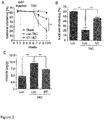
- mice were injected 4 weeks before they were exposed to transthoracic aortic constriction (TAC)- surgery as a model for cardiac stress and the development of heart failure.
- TAC transthoracic aortic constriction
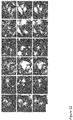
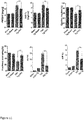
- animals that were treated with AAV-HDAC4-NT showed reduced cardiac hypertrophy, improved cardiac function and normalized gene regulation from genes that are known to play an important role in pathological cardiac remodeling ( Figure 2 ).
- Cardiac fibrosis that was developed by control-mice was diminished when animals were treated with HDAC4-NT.
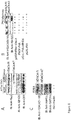
- HDAC4-NT In wildtype animals, HDAC4-NT production is increased after physiological exercise. We generated conditional HDAC4-knockout animals, lacking HDAC4 in cardiomyocytes only and exposed these animals to running exercise. HDAC4-KO animals showed a reduced exercise tolerance with a reduced left ventricular function after running exercise. Reduced exercise performance was rescued when HDAC4-KO were treated with AAV-HDAC4-NT, indicating that HDAC4-NT is crucial for sustained cardiac function after cardiac stress ( Figure 15 ). By further carefully characterization of the animals we did not found any harmful effects or any side effects that were linked to AAV-HDAC4-NT treatment.
- Abhd5 is a critical HDAC4 protease.
- siRNA-screen with a set of potential serine-proteases.
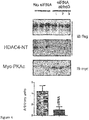
- abhd5 1-acylglycerol-3-phosphate O-acyltransferase playing a crucial role in PKA induced HDAC4 cleavage.
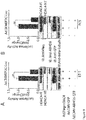
- HDAC4 cleavage was not longer present when abhd5 was knocked down by different siRNAs even when PKA was co-expressed with HDAC4 ( Figure 4 ).
- Abhd5 is characterized by typical structural features that can be found predominantly in serine proteases.
- abhd5 can indeed act as a protease.
- NRVMs neonatal rat ventricular myocytes
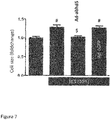
- Abhd5 inhibits cardiomyocyte hypertrophy in vitro.
- abhd5 induced HDAC4-NT is able to inhibit cardiomyocyte hypertrophy in vitro.
- abhd5 was able to inhibit FCS induced cardiomyocyte hypertrophy. This effect was independent from a control virus with EGFP.
- HDAC4-NT is cardioprotective in mice and thus could serve as a potential pharmacological tool for the treatment of heart failure in human. This was surprising because earlier approaches to protect the heart by overexpression of a class II HDAC failed [6]. These earlier approaches used transgenic expression of full length HDACs and specific mutations of phosphosites to render HDACs signal-resistant and to force them to localize to the nucleus. However, class II HDAC mutant overexpression showed dramatic harmful effects by inducing mitochondrial dysfunction and apoptosis. In this work we provide two novel ways to circumvent harmful effects. First, we use the AAV system which allowed us to closely titrate the dosage of HDAC expression. The AAV system was already used in clinical trials (SERCA gene therapy).
Landscapes
- Health & Medical Sciences (AREA)
- Life Sciences & Earth Sciences (AREA)
- Chemical & Material Sciences (AREA)
- Engineering & Computer Science (AREA)
- Bioinformatics & Cheminformatics (AREA)
- Organic Chemistry (AREA)
- General Health & Medical Sciences (AREA)
- Wood Science & Technology (AREA)
- Zoology (AREA)
- Genetics & Genomics (AREA)
- Medicinal Chemistry (AREA)
- Proteomics, Peptides & Aminoacids (AREA)
- Biochemistry (AREA)
- General Engineering & Computer Science (AREA)
- Immunology (AREA)
- Pharmacology & Pharmacy (AREA)
- Animal Behavior & Ethology (AREA)
- Public Health (AREA)
- Veterinary Medicine (AREA)
- Gastroenterology & Hepatology (AREA)
- Epidemiology (AREA)
- Microbiology (AREA)
- Molecular Biology (AREA)
- Biotechnology (AREA)
- Biomedical Technology (AREA)
- Cardiology (AREA)
- Biophysics (AREA)
- Analytical Chemistry (AREA)
- Physics & Mathematics (AREA)
- Nuclear Medicine, Radiotherapy & Molecular Imaging (AREA)
- Hospice & Palliative Care (AREA)
- Heart & Thoracic Surgery (AREA)
- Chemical Kinetics & Catalysis (AREA)
- General Chemical & Material Sciences (AREA)
- Medicines That Contain Protein Lipid Enzymes And Other Medicines (AREA)
- Enzymes And Modification Thereof (AREA)
Claims (4)
- Abhydrolase enthaltende Domäne 5 (ABHD5) oder eine Variante davon zur Verwendung bei der Behandlung oder Vorbeugung von Herzinsuffizienz, wobei die Variante wenigstens 80 % Sequenzidentität mit den Sequenzen von SEQ ID NO: 1 bis 5 aufweist.
- Vektor, umfassend eine Nukleinsäure, die für ABHD5 oder eine Variante davon kodiert, zur Verwendung bei der Behandlung oder Vorbeugung von Herzinsuffizienz, wobei die Variante wenigstens 80 % Sequenzidentität mit den Sequenzen von SEQ ID NO: 1 bis 5 aufweist.
- Vektor für die Verwendung nach Anspruch 2, wobei ABHD5 unter der Kontrolle des humanen Troponin-Promotors und einer Erkennungsstelle für Mikro-RNA 122 zwischen dem Promotor und der Terminatorsequenz exprimiert wird, so dass die Erkennungsstelle Teil des durch diesen Vektor erzeugten Transkripts wird.
- Variante von ABHD5 für die Verwendung nach Anspruch 1 oder Vektor für die Verwendung nach einem der Ansprüche 2 oder 3, wobei die Variante ist:a) eine Deletionsvariante von Human-, Maus- oder Ratten-ABHD5, der am N-Terminus 30 Aminosäurepositionen fehlen;b) eine Substitutionsvariante von Human-ABHD5, wobei wenigstens ein Tryptophan ausgewählt aus der Gruppe bestehend aus dem Tryptophan an Position 19, dem Tryptophan an Position 23 und dem Tryptophan an Position 27 durch ein Alanin ersetzt ist; oderc) eine Substitutionsvariante von Maus- oder Ratten-ABHD5, wobei wenigstens ein Tryptophan ausgewählt aus der Gruppe bestehend aus dem Tryptophan an Position 22, dem Tryptophan an Position 26 und dem Tryptophan an Position 30 durch ein Alanin ersetzt ist.
Priority Applications (1)
| Application Number | Priority Date | Filing Date | Title |
|---|---|---|---|
| EP19174484.6A EP3597213B1 (de) | 2013-02-15 | 2014-02-17 | Partielle hdac4-fragmente und varianten davon als therapeutischer ansatz zur behandlung von herz-kreislauf-erkrankungen |
Applications Claiming Priority (2)
| Application Number | Priority Date | Filing Date | Title |
|---|---|---|---|
| US201361765440P | 2013-02-15 | 2013-02-15 | |
| PCT/EP2014/053042 WO2014125110A1 (en) | 2013-02-15 | 2014-02-17 | Abhd5 and partial hdac4 fragments and variants as therapeutic approach for the treatment of cardiovascular diseases |
Related Child Applications (1)
| Application Number | Title | Priority Date | Filing Date |
|---|---|---|---|
| EP19174484.6A Division EP3597213B1 (de) | 2013-02-15 | 2014-02-17 | Partielle hdac4-fragmente und varianten davon als therapeutischer ansatz zur behandlung von herz-kreislauf-erkrankungen |
Publications (2)
| Publication Number | Publication Date |
|---|---|
| EP2956162A1 EP2956162A1 (de) | 2015-12-23 |
| EP2956162B1 true EP2956162B1 (de) | 2019-05-15 |
Family
ID=50112928
Family Applications (2)
| Application Number | Title | Priority Date | Filing Date |
|---|---|---|---|
| EP14704605.6A Active EP2956162B1 (de) | 2013-02-15 | 2014-02-17 | Abhd5 zur behandlung von herzversagen |
| EP19174484.6A Active EP3597213B1 (de) | 2013-02-15 | 2014-02-17 | Partielle hdac4-fragmente und varianten davon als therapeutischer ansatz zur behandlung von herz-kreislauf-erkrankungen |
Family Applications After (1)
| Application Number | Title | Priority Date | Filing Date |
|---|---|---|---|
| EP19174484.6A Active EP3597213B1 (de) | 2013-02-15 | 2014-02-17 | Partielle hdac4-fragmente und varianten davon als therapeutischer ansatz zur behandlung von herz-kreislauf-erkrankungen |
Country Status (3)
| Country | Link |
|---|---|
| US (3) | US9914912B2 (de) |
| EP (2) | EP2956162B1 (de) |
| WO (1) | WO2014125110A1 (de) |
Families Citing this family (1)
| Publication number | Priority date | Publication date | Assignee | Title |
|---|---|---|---|---|
| EP2956162B1 (de) | 2013-02-15 | 2019-05-15 | Ruprecht-Karls-Universität Heidelberg | Abhd5 zur behandlung von herzversagen |
Citations (2)
| Publication number | Priority date | Publication date | Assignee | Title |
|---|---|---|---|---|
| WO2005115461A2 (en) * | 2004-05-27 | 2005-12-08 | Karl-Franzens-Universität Graz | Pharmaceutical composition for modulating the activity of triglyceride hydrolase |
| WO2007059533A2 (en) * | 2005-11-18 | 2007-05-24 | Myogen, Inc. | Uses for camki i and hdacs in the treatment of heart conditions |
Family Cites Families (4)
| Publication number | Priority date | Publication date | Assignee | Title |
|---|---|---|---|---|
| US20030212257A1 (en) * | 2001-04-03 | 2003-11-13 | Spytek Kimberly A. | Novel human proteins, polynucleotides encoding them and methods of using the same |
| AU2002318364A1 (en) * | 2001-06-14 | 2003-01-02 | Bristol-Myers Squibb Company | Novel human histone deacetylases |
| CN102170783B (zh) * | 2008-08-13 | 2015-08-19 | 哈佛学院院长等 | 视网膜细胞存活的HDAC4、HDAC5、HDAC6、HDAC7和HIF1α调节 |
| EP2956162B1 (de) | 2013-02-15 | 2019-05-15 | Ruprecht-Karls-Universität Heidelberg | Abhd5 zur behandlung von herzversagen |
-
2014
- 2014-02-17 EP EP14704605.6A patent/EP2956162B1/de active Active
- 2014-02-17 US US14/768,050 patent/US9914912B2/en active Active
- 2014-02-17 EP EP19174484.6A patent/EP3597213B1/de active Active
- 2014-02-17 WO PCT/EP2014/053042 patent/WO2014125110A1/en not_active Ceased
-
2018
- 2018-01-29 US US15/881,935 patent/US11312943B2/en active Active
-
2022
- 2022-03-11 US US17/693,288 patent/US20220195398A1/en active Pending
Patent Citations (2)
| Publication number | Priority date | Publication date | Assignee | Title |
|---|---|---|---|---|
| WO2005115461A2 (en) * | 2004-05-27 | 2005-12-08 | Karl-Franzens-Universität Graz | Pharmaceutical composition for modulating the activity of triglyceride hydrolase |
| WO2007059533A2 (en) * | 2005-11-18 | 2007-05-24 | Myogen, Inc. | Uses for camki i and hdacs in the treatment of heart conditions |
Non-Patent Citations (6)
| Title |
|---|
| ANONYMOUS: "PKA cuts down on HDAC4 signaling | JCB", 1 January 2011 (2011-01-01), XP055320641, Retrieved from the Internet <URL:http://jcb.rupress.org/content/195/3/344.2> [retrieved on 20161117] * |
| J. BACKS ET AL: "Selective repression of MEF2 activity by PKA-dependent proteolysis of HDAC4", JOURNAL OF CLINICAL INVESTIGATION, vol. 111, no. 5, 31 October 2011 (2011-10-31), pages 617 - 415, XP055112420, ISSN: 0021-9738, DOI: 10.1172/JCI200316326 * |
| J. M. CAVIGLIA ET AL: "Adipose-selective overexpression of ABHD5/CGI-58 does not increase lipolysis or protect against diet-induced obesity", JOURNAL OF LIPID RESEARCH, vol. 52, no. 11, 31 August 2011 (2011-08-31), US, pages 2032 - 2042, XP055112431, ISSN: 0022-2275, DOI: 10.1194/jlr.M019117 * |
| JEBESSA ZEGEYE H ET AL: "Protein Kinase A prevents cardiomyocyte hypertrophy through abhydrolase domain containing 5 (ABHD5)-mediated proteolysis of Histone deacetylase 4(HDAC4)", CIRCULATION RESEARCH, GRUNE AND STRATTON, BALTIMORE, US, vol. 113, no. Suppl, 1 August 2013 (2013-08-01), XP009177400, ISSN: 0009-7330 * |
| LASS ACHIM ET AL: "Adipose triglyceridelipase-mediated lipolysis of cellular fat stores is activated by CGI-58 and defective in Chanarin-Dorfman Syndrome", CELL METABOLISM, CELL PRESS, UNITED STATES, vol. 3, no. 5, 1 May 2006 (2006-05-01), pages 309 - 319, XP002474724, ISSN: 1550-4131, DOI: 10.1016/J.CMET.2006.03.005 * |
| MATHIAS HOHL ET AL: "HDAC4 controls histone methylation in response to elevated cardiac load", JOURNAL OF CLINICAL INVESTIGATION, vol. 123, no. 3, 22 February 2013 (2013-02-22), pages 1359 - 1370, XP055112422, ISSN: 0021-9738, DOI: 10.1172/JCI61084 * |
Also Published As
| Publication number | Publication date |
|---|---|
| US11312943B2 (en) | 2022-04-26 |
| WO2014125110A1 (en) | 2014-08-21 |
| US20160108376A1 (en) | 2016-04-21 |
| EP3597213A1 (de) | 2020-01-22 |
| EP2956162A1 (de) | 2015-12-23 |
| US20180258407A1 (en) | 2018-09-13 |
| US9914912B2 (en) | 2018-03-13 |
| EP3597213B1 (de) | 2022-02-09 |
| US20220195398A1 (en) | 2022-06-23 |
Similar Documents
| Publication | Publication Date | Title |
|---|---|---|
| JP7777532B2 (ja) | 線維化、肥大または心不全の処置または予防における使用のための骨髄由来増殖因子 | |
| Leenders et al. | Repression of cardiac hypertrophy by KLF15: underlying mechanisms and therapeutic implications | |
| LaRocca et al. | CXCR4 gene transfer prevents pressure overload induced heart failure | |
| JP2015533368A (ja) | 糖原貯蔵症の遺伝子療法 | |
| CA3065816C (en) | TREATMENT OF HEART DISEASE BY INHIBITION OF THE ACTION OF MUSCLE PROTEIN-ANCHORING PROTEINS KINASES A (MAKAP) | |
| Semenov et al. | Biochemistry of the human B-type natriuretic peptide precursor and molecular aspects of its processing | |
| US20220195398A1 (en) | Abhd5 and partial hdac4 fragments and variants as a therapeutic approach for the treatment of cardiovascular diseases | |
| US7345158B2 (en) | Actin related cytoskeletal protein “LACS” | |
| EP3177313B1 (de) | Therapien auf basis von telomeraseumkehrtranskriptase zur behandlung von leiden in zusammenhang mit myokardininfarkten | |
| US20220233653A1 (en) | Camkk1 as a novel regenerative therapeutic | |
| WO2017029206A1 (en) | Use of k2p potassium channel for altering the electrophysiology of the heart | |
| US11944671B2 (en) | Hippo pathway deficiency reverses systolic heart failure post-infarction | |
| EP4041281B1 (de) | Verwendung von gdf15 zur behandlung von kardiometabolischem syndrom und andere krankheiten | |
| CN120758566B (zh) | 一种在心肌细胞中特异性过表达zer1的病毒载体的构建及在心衰治疗中的应用 | |
| CN113692284A (zh) | 用于治疗和预防心力衰竭的松弛素受体1 | |
| CN102355911A (zh) | 调节脂肪生成的Vgll3活性调节剂的用途 | |
| Odom | Improving Cardiorespiratory Performance in DMD via Combinatorial Dystrophin and Ribonucleotide Reductase Gene Therapy | |
| EA053022B1 (ru) | Фактор роста миелоидного происхождения для применения при лечении или профилактике фиброза, гипертрофии или сердечной недостаточности | |
| JP2015199693A (ja) | 非アルコール性脂肪性肝疾患及び/又は非アルコール性脂肪性肝炎における肝再生能改善剤 | |
| US20030130216A1 (en) | Use of inhibitors of caspase-3 or caspase-activated desoxyribonuclease(cad) for treating cardiac disease | |
| Ba | Knockdown of CSN3 inhibits skeletal muscle differentiation and alters cardiomyocyte hypertrophy | |
| WO2005093068A1 (ja) | 新規タンパク質及びプロモーター |
Legal Events
| Date | Code | Title | Description |
|---|---|---|---|
| PUAI | Public reference made under article 153(3) epc to a published international application that has entered the european phase |
Free format text: ORIGINAL CODE: 0009012 |
|
| 17P | Request for examination filed |
Effective date: 20150814 |
|
| AK | Designated contracting states |
Kind code of ref document: A1 Designated state(s): AL AT BE BG CH CY CZ DE DK EE ES FI FR GB GR HR HU IE IS IT LI LT LU LV MC MK MT NL NO PL PT RO RS SE SI SK SM TR |
|
| AX | Request for extension of the european patent |
Extension state: BA ME |
|
| RIN1 | Information on inventor provided before grant (corrected) |
Inventor name: KATUS, HUGO Inventor name: LEHMANN, LORENZ Inventor name: MUELLER, OLIVER Inventor name: BACKS, JOHANNES Inventor name: JEBESSA, ZEGEYE |
|
| DAX | Request for extension of the european patent (deleted) | ||
| 17Q | First examination report despatched |
Effective date: 20160701 |
|
| PUAG | Search results despatched under rule 164(2) epc together with communication from examining division |
Free format text: ORIGINAL CODE: 0009017 |
|
| STAA | Information on the status of an ep patent application or granted ep patent |
Free format text: STATUS: EXAMINATION IS IN PROGRESS |
|
| 17Q | First examination report despatched |
Effective date: 20161220 |
|
| B565 | Issuance of search results under rule 164(2) epc |
Effective date: 20161220 |
|
| GRAP | Despatch of communication of intention to grant a patent |
Free format text: ORIGINAL CODE: EPIDOSNIGR1 |
|
| STAA | Information on the status of an ep patent application or granted ep patent |
Free format text: STATUS: GRANT OF PATENT IS INTENDED |
|
| INTG | Intention to grant announced |
Effective date: 20181120 |
|
| GRAS | Grant fee paid |
Free format text: ORIGINAL CODE: EPIDOSNIGR3 |
|
| GRAA | (expected) grant |
Free format text: ORIGINAL CODE: 0009210 |
|
| STAA | Information on the status of an ep patent application or granted ep patent |
Free format text: STATUS: THE PATENT HAS BEEN GRANTED |
|
| AK | Designated contracting states |
Kind code of ref document: B1 Designated state(s): AL AT BE BG CH CY CZ DE DK EE ES FI FR GB GR HR HU IE IS IT LI LT LU LV MC MK MT NL NO PL PT RO RS SE SI SK SM TR |
|
| REG | Reference to a national code |
Ref country code: CH Ref legal event code: EP |
|
| REG | Reference to a national code |
Ref country code: DE Ref legal event code: R096 Ref document number: 602014046759 Country of ref document: DE |
|
| REG | Reference to a national code |
Ref country code: IE Ref legal event code: FG4D |
|
| REG | Reference to a national code |
Ref country code: CH Ref legal event code: NV Representative=s name: TR-IP CONSULTING LLC, CH |
|
| REG | Reference to a national code |
Ref country code: NL Ref legal event code: MP Effective date: 20190515 |
|
| REG | Reference to a national code |
Ref country code: LT Ref legal event code: MG4D |
|
| PG25 | Lapsed in a contracting state [announced via postgrant information from national office to epo] |
Ref country code: AL Free format text: LAPSE BECAUSE OF FAILURE TO SUBMIT A TRANSLATION OF THE DESCRIPTION OR TO PAY THE FEE WITHIN THE PRESCRIBED TIME-LIMIT Effective date: 20190515 Ref country code: PT Free format text: LAPSE BECAUSE OF FAILURE TO SUBMIT A TRANSLATION OF THE DESCRIPTION OR TO PAY THE FEE WITHIN THE PRESCRIBED TIME-LIMIT Effective date: 20190915 Ref country code: SE Free format text: LAPSE BECAUSE OF FAILURE TO SUBMIT A TRANSLATION OF THE DESCRIPTION OR TO PAY THE FEE WITHIN THE PRESCRIBED TIME-LIMIT Effective date: 20190515 Ref country code: FI Free format text: LAPSE BECAUSE OF FAILURE TO SUBMIT A TRANSLATION OF THE DESCRIPTION OR TO PAY THE FEE WITHIN THE PRESCRIBED TIME-LIMIT Effective date: 20190515 Ref country code: HR Free format text: LAPSE BECAUSE OF FAILURE TO SUBMIT A TRANSLATION OF THE DESCRIPTION OR TO PAY THE FEE WITHIN THE PRESCRIBED TIME-LIMIT Effective date: 20190515 Ref country code: NO Free format text: LAPSE BECAUSE OF FAILURE TO SUBMIT A TRANSLATION OF THE DESCRIPTION OR TO PAY THE FEE WITHIN THE PRESCRIBED TIME-LIMIT Effective date: 20190815 Ref country code: NL Free format text: LAPSE BECAUSE OF FAILURE TO SUBMIT A TRANSLATION OF THE DESCRIPTION OR TO PAY THE FEE WITHIN THE PRESCRIBED TIME-LIMIT Effective date: 20190515 Ref country code: ES Free format text: LAPSE BECAUSE OF FAILURE TO SUBMIT A TRANSLATION OF THE DESCRIPTION OR TO PAY THE FEE WITHIN THE PRESCRIBED TIME-LIMIT Effective date: 20190515 Ref country code: LT Free format text: LAPSE BECAUSE OF FAILURE TO SUBMIT A TRANSLATION OF THE DESCRIPTION OR TO PAY THE FEE WITHIN THE PRESCRIBED TIME-LIMIT Effective date: 20190515 |
|
| REG | Reference to a national code |
Ref country code: DE Ref legal event code: R082 Ref document number: 602014046759 Country of ref document: DE Representative=s name: ZWICKER SCHNAPPAUF & PARTNER PATENTANWAELTE PA, DE |
|
| PG25 | Lapsed in a contracting state [announced via postgrant information from national office to epo] |
Ref country code: RS Free format text: LAPSE BECAUSE OF FAILURE TO SUBMIT A TRANSLATION OF THE DESCRIPTION OR TO PAY THE FEE WITHIN THE PRESCRIBED TIME-LIMIT Effective date: 20190515 Ref country code: BG Free format text: LAPSE BECAUSE OF FAILURE TO SUBMIT A TRANSLATION OF THE DESCRIPTION OR TO PAY THE FEE WITHIN THE PRESCRIBED TIME-LIMIT Effective date: 20190815 Ref country code: GR Free format text: LAPSE BECAUSE OF FAILURE TO SUBMIT A TRANSLATION OF THE DESCRIPTION OR TO PAY THE FEE WITHIN THE PRESCRIBED TIME-LIMIT Effective date: 20190816 Ref country code: LV Free format text: LAPSE BECAUSE OF FAILURE TO SUBMIT A TRANSLATION OF THE DESCRIPTION OR TO PAY THE FEE WITHIN THE PRESCRIBED TIME-LIMIT Effective date: 20190515 |
|
| REG | Reference to a national code |
Ref country code: AT Ref legal event code: MK05 Ref document number: 1132655 Country of ref document: AT Kind code of ref document: T Effective date: 20190515 |
|
| PG25 | Lapsed in a contracting state [announced via postgrant information from national office to epo] |
Ref country code: DK Free format text: LAPSE BECAUSE OF FAILURE TO SUBMIT A TRANSLATION OF THE DESCRIPTION OR TO PAY THE FEE WITHIN THE PRESCRIBED TIME-LIMIT Effective date: 20190515 Ref country code: CZ Free format text: LAPSE BECAUSE OF FAILURE TO SUBMIT A TRANSLATION OF THE DESCRIPTION OR TO PAY THE FEE WITHIN THE PRESCRIBED TIME-LIMIT Effective date: 20190515 Ref country code: RO Free format text: LAPSE BECAUSE OF FAILURE TO SUBMIT A TRANSLATION OF THE DESCRIPTION OR TO PAY THE FEE WITHIN THE PRESCRIBED TIME-LIMIT Effective date: 20190515 Ref country code: EE Free format text: LAPSE BECAUSE OF FAILURE TO SUBMIT A TRANSLATION OF THE DESCRIPTION OR TO PAY THE FEE WITHIN THE PRESCRIBED TIME-LIMIT Effective date: 20190515 Ref country code: AT Free format text: LAPSE BECAUSE OF FAILURE TO SUBMIT A TRANSLATION OF THE DESCRIPTION OR TO PAY THE FEE WITHIN THE PRESCRIBED TIME-LIMIT Effective date: 20190515 Ref country code: SK Free format text: LAPSE BECAUSE OF FAILURE TO SUBMIT A TRANSLATION OF THE DESCRIPTION OR TO PAY THE FEE WITHIN THE PRESCRIBED TIME-LIMIT Effective date: 20190515 |
|
| REG | Reference to a national code |
Ref country code: CH Ref legal event code: PCAR Free format text: NEW ADDRESS: ROUTE DU COUTSET 18, 1485 NUVILLY (CH) |
|
| REG | Reference to a national code |
Ref country code: DE Ref legal event code: R097 Ref document number: 602014046759 Country of ref document: DE |
|
| PG25 | Lapsed in a contracting state [announced via postgrant information from national office to epo] |
Ref country code: IT Free format text: LAPSE BECAUSE OF FAILURE TO SUBMIT A TRANSLATION OF THE DESCRIPTION OR TO PAY THE FEE WITHIN THE PRESCRIBED TIME-LIMIT Effective date: 20190515 Ref country code: SM Free format text: LAPSE BECAUSE OF FAILURE TO SUBMIT A TRANSLATION OF THE DESCRIPTION OR TO PAY THE FEE WITHIN THE PRESCRIBED TIME-LIMIT Effective date: 20190515 |
|
| PLBE | No opposition filed within time limit |
Free format text: ORIGINAL CODE: 0009261 |
|
| STAA | Information on the status of an ep patent application or granted ep patent |
Free format text: STATUS: NO OPPOSITION FILED WITHIN TIME LIMIT |
|
| PG25 | Lapsed in a contracting state [announced via postgrant information from national office to epo] |
Ref country code: TR Free format text: LAPSE BECAUSE OF FAILURE TO SUBMIT A TRANSLATION OF THE DESCRIPTION OR TO PAY THE FEE WITHIN THE PRESCRIBED TIME-LIMIT Effective date: 20190515 |
|
| 26N | No opposition filed |
Effective date: 20200218 |
|
| PG25 | Lapsed in a contracting state [announced via postgrant information from national office to epo] |
Ref country code: PL Free format text: LAPSE BECAUSE OF FAILURE TO SUBMIT A TRANSLATION OF THE DESCRIPTION OR TO PAY THE FEE WITHIN THE PRESCRIBED TIME-LIMIT Effective date: 20190515 |
|
| PG25 | Lapsed in a contracting state [announced via postgrant information from national office to epo] |
Ref country code: SI Free format text: LAPSE BECAUSE OF FAILURE TO SUBMIT A TRANSLATION OF THE DESCRIPTION OR TO PAY THE FEE WITHIN THE PRESCRIBED TIME-LIMIT Effective date: 20190515 |
|
| REG | Reference to a national code |
Ref country code: BE Ref legal event code: MM Effective date: 20200229 |
|
| PG25 | Lapsed in a contracting state [announced via postgrant information from national office to epo] |
Ref country code: MC Free format text: LAPSE BECAUSE OF FAILURE TO SUBMIT A TRANSLATION OF THE DESCRIPTION OR TO PAY THE FEE WITHIN THE PRESCRIBED TIME-LIMIT Effective date: 20190515 Ref country code: LU Free format text: LAPSE BECAUSE OF NON-PAYMENT OF DUE FEES Effective date: 20200217 |
|
| PG25 | Lapsed in a contracting state [announced via postgrant information from national office to epo] |
Ref country code: IE Free format text: LAPSE BECAUSE OF NON-PAYMENT OF DUE FEES Effective date: 20200217 |
|
| PG25 | Lapsed in a contracting state [announced via postgrant information from national office to epo] |
Ref country code: BE Free format text: LAPSE BECAUSE OF NON-PAYMENT OF DUE FEES Effective date: 20200229 |
|
| PG25 | Lapsed in a contracting state [announced via postgrant information from national office to epo] |
Ref country code: MT Free format text: LAPSE BECAUSE OF FAILURE TO SUBMIT A TRANSLATION OF THE DESCRIPTION OR TO PAY THE FEE WITHIN THE PRESCRIBED TIME-LIMIT Effective date: 20190515 Ref country code: CY Free format text: LAPSE BECAUSE OF FAILURE TO SUBMIT A TRANSLATION OF THE DESCRIPTION OR TO PAY THE FEE WITHIN THE PRESCRIBED TIME-LIMIT Effective date: 20190515 |
|
| PG25 | Lapsed in a contracting state [announced via postgrant information from national office to epo] |
Ref country code: MK Free format text: LAPSE BECAUSE OF FAILURE TO SUBMIT A TRANSLATION OF THE DESCRIPTION OR TO PAY THE FEE WITHIN THE PRESCRIBED TIME-LIMIT Effective date: 20190515 Ref country code: IS Free format text: LAPSE BECAUSE OF FAILURE TO SUBMIT A TRANSLATION OF THE DESCRIPTION OR TO PAY THE FEE WITHIN THE PRESCRIBED TIME-LIMIT Effective date: 20190915 |
|
| P01 | Opt-out of the competence of the unified patent court (upc) registered |
Effective date: 20230516 |
|
| REG | Reference to a national code |
Ref country code: CH Ref legal event code: U11 Free format text: ST27 STATUS EVENT CODE: U-0-0-U10-U11 (AS PROVIDED BY THE NATIONAL OFFICE) Effective date: 20260301 |
|
| PGFP | Annual fee paid to national office [announced via postgrant information from national office to epo] |
Ref country code: GB Payment date: 20260219 Year of fee payment: 13 |
|
| PGFP | Annual fee paid to national office [announced via postgrant information from national office to epo] |
Ref country code: DE Payment date: 20260217 Year of fee payment: 13 |
|
| PGFP | Annual fee paid to national office [announced via postgrant information from national office to epo] |
Ref country code: FR Payment date: 20260219 Year of fee payment: 13 |
|
| PGFP | Annual fee paid to national office [announced via postgrant information from national office to epo] |
Ref country code: CH Payment date: 20260301 Year of fee payment: 13 |