EP2947150A1 - Method for increasing the resistance of a plant to a plant RNA virus - Google Patents
Method for increasing the resistance of a plant to a plant RNA virus Download PDFInfo
- Publication number
- EP2947150A1 EP2947150A1 EP14305771.9A EP14305771A EP2947150A1 EP 2947150 A1 EP2947150 A1 EP 2947150A1 EP 14305771 A EP14305771 A EP 14305771A EP 2947150 A1 EP2947150 A1 EP 2947150A1
- Authority
- EP
- European Patent Office
- Prior art keywords
- plant
- cytorp
- seq
- protein
- domain
- Prior art date
- Legal status (The legal status is an assumption and is not a legal conclusion. Google has not performed a legal analysis and makes no representation as to the accuracy of the status listed.)
- Withdrawn
Links
Images







Classifications
-
- C—CHEMISTRY; METALLURGY
- C12—BIOCHEMISTRY; BEER; SPIRITS; WINE; VINEGAR; MICROBIOLOGY; ENZYMOLOGY; MUTATION OR GENETIC ENGINEERING
- C12N—MICROORGANISMS OR ENZYMES; COMPOSITIONS THEREOF; PROPAGATING, PRESERVING, OR MAINTAINING MICROORGANISMS; MUTATION OR GENETIC ENGINEERING; CULTURE MEDIA
- C12N15/00—Mutation or genetic engineering; DNA or RNA concerning genetic engineering, vectors, e.g. plasmids, or their isolation, preparation or purification; Use of hosts therefor
- C12N15/09—Recombinant DNA-technology
- C12N15/63—Introduction of foreign genetic material using vectors; Vectors; Use of hosts therefor; Regulation of expression
- C12N15/79—Vectors or expression systems specially adapted for eukaryotic hosts
- C12N15/82—Vectors or expression systems specially adapted for eukaryotic hosts for plant cells, e.g. plant artificial chromosomes (PACs)
- C12N15/8241—Phenotypically and genetically modified plants via recombinant DNA technology
- C12N15/8261—Phenotypically and genetically modified plants via recombinant DNA technology with agronomic (input) traits, e.g. crop yield
- C12N15/8271—Phenotypically and genetically modified plants via recombinant DNA technology with agronomic (input) traits, e.g. crop yield for stress resistance, e.g. heavy metal resistance
- C12N15/8279—Phenotypically and genetically modified plants via recombinant DNA technology with agronomic (input) traits, e.g. crop yield for stress resistance, e.g. heavy metal resistance for biotic stress resistance, pathogen resistance, disease resistance
- C12N15/8283—Phenotypically and genetically modified plants via recombinant DNA technology with agronomic (input) traits, e.g. crop yield for stress resistance, e.g. heavy metal resistance for biotic stress resistance, pathogen resistance, disease resistance for virus resistance
-
- A—HUMAN NECESSITIES
- A01—AGRICULTURE; FORESTRY; ANIMAL HUSBANDRY; HUNTING; TRAPPING; FISHING
- A01H—NEW PLANTS OR NON-TRANSGENIC PROCESSES FOR OBTAINING THEM; PLANT REPRODUCTION BY TISSUE CULTURE TECHNIQUES
- A01H4/00—Plant reproduction by tissue culture techniques ; Tissue culture techniques therefor
- A01H4/008—Methods for regeneration to complete plants
-
- C—CHEMISTRY; METALLURGY
- C12—BIOCHEMISTRY; BEER; SPIRITS; WINE; VINEGAR; MICROBIOLOGY; ENZYMOLOGY; MUTATION OR GENETIC ENGINEERING
- C12N—MICROORGANISMS OR ENZYMES; COMPOSITIONS THEREOF; PROPAGATING, PRESERVING, OR MAINTAINING MICROORGANISMS; MUTATION OR GENETIC ENGINEERING; CULTURE MEDIA
- C12N15/00—Mutation or genetic engineering; DNA or RNA concerning genetic engineering, vectors, e.g. plasmids, or their isolation, preparation or purification; Use of hosts therefor
- C12N15/09—Recombinant DNA-technology
- C12N15/11—DNA or RNA fragments; Modified forms thereof; Non-coding nucleic acids having a biological activity
- C12N15/52—Genes encoding for enzymes or proenzymes
-
- C—CHEMISTRY; METALLURGY
- C12—BIOCHEMISTRY; BEER; SPIRITS; WINE; VINEGAR; MICROBIOLOGY; ENZYMOLOGY; MUTATION OR GENETIC ENGINEERING
- C12N—MICROORGANISMS OR ENZYMES; COMPOSITIONS THEREOF; PROPAGATING, PRESERVING, OR MAINTAINING MICROORGANISMS; MUTATION OR GENETIC ENGINEERING; CULTURE MEDIA
- C12N9/00—Enzymes; Proenzymes; Compositions thereof; Processes for preparing, activating, inhibiting, separating or purifying enzymes
- C12N9/14—Hydrolases (3)
- C12N9/16—Hydrolases (3) acting on ester bonds (3.1)
- C12N9/22—Ribonucleases [RNase]; Deoxyribonucleases [DNase]
-
- C—CHEMISTRY; METALLURGY
- C12—BIOCHEMISTRY; BEER; SPIRITS; WINE; VINEGAR; MICROBIOLOGY; ENZYMOLOGY; MUTATION OR GENETIC ENGINEERING
- C12Y—ENZYMES
- C12Y301/00—Hydrolases acting on ester bonds (3.1)
- C12Y301/26—Endoribonucleases producing 5'-phosphomonoesters (3.1.26)
- C12Y301/26005—Ribonuclease P (3.1.26.5)
Definitions
- the present invention relates to methods for increasing the resistance of a plant to a plant RNA virus and means for obtaining RNA virus-resistant plants.
- RNA viruses infect plants of economic importance, such as wheat, corn, cabbages, tobacco, potatoes, peanuts or the cocoa tree. There is therefore a need for innovative strategies against RNA viruses that are responsible for significant declines in crop yields.
- Plant RNA viruses are characterized by the frequent presence of a tRNA-like structure (TLS) at the 3' end of their genomic RNA.
- TLS tRNA-like structure
- a tRNA-like structure is an RNA sequence mimicking a tRNA and capable of being aminoacylated by an amino acid and therefore of covalently bonding said amino acid residue at the 3' position.
- the aminoacylation of TLS demonstrates that their structures are sufficiently similar to those of tRNAs to be recognized by tRNA binding enzymes (see for review Dreher, 2009 and 2010).
- the presence of TLS and/or their aminoacylation are crucial for these viruses.
- Aminoacylatable 3' TLS may be involved in virus replication in the translation of their RNA and their packaging (Dreher, 2009). Work performed in vitro showed long ago that plant virus holding aminoacylatable 3' TLS could be recognized and cleaved by RNase P enzymes (Guerrier-Takada et al., 1988).
- tRNAs are synthesized as of immature precursors.
- One of the key steps of their maturation involves the cleavage of an additional 5' nucleotide sequence. This cleavage is performed by an endonuclease called RNase P.
- RNase P an endonuclease
- RNP ribonucleoproteins
- PRORP protein-only RNase P
- PRORP enzymes are particularly important in plants because unlike animals or yeast, they have completely replaced RNPs for RNase P activity (Gutmann et al., 2012).
- PRORP enzymes are characterized by the presence of an RNA binding PPR domain, a metallonuclease domain holding the actual catalytic activity of the protein, as well as addressing sequences to the organelles (MTS) or the nucleus (NLS).
- MTS organelles
- NLS nucleus
- PRORP1 is localized in mitochondria and chloroplasts while PRORP2 and PRORP3 are located in the nucleus.
- PRORP enzymes are capable both in vitro (Gobert et al., 2010) and in vivo (Gutmann et al., 2012) to cleave 3' tRNA-like structures (TLS).
- CytoRP is the result of the deletion of the first 24 amino acids (corresponding to the nuclear localization signal domain) of PRORP2.
- the inventors have constructed genetically transformed A. thaliana plants expressing CytoRP. The selected plants expressed CytoRP which is located in the cytosol and holds RNase P activity. This activity leads to the cleavage of the aminoacylatable 3' tRNA-like structure (TLS) of plant RNA viruses and thus generates plants with increased resistance to RNA viruses.
- TLS aminoacylatable 3' tRNA-like structure
- the present invention provides a method for increasing the resistance of a plant to a plant RNA virus, wherein said method comprises expressing in said plant a mutant protein-only RNase P enzyme (hereinafter called CytoRP), and wherein said CytoRP:
- a protein-only RNase P enzyme (PRORP, for PROtein-only RNase P) is a protein with RNase P activity composed of an N-terminal ⁇ -super helix domain containing PPR motifs and a C-terminal NYN-type metallonuclease domain connected by a zinc-binding module (see Figure 1 , Gobert et al., 2010 and 2013; Gutmann et al., 2012; Howard et al., 2012).
- PPR domains contain 35 amino-acid repeats involved in RNA binding. They are eukaryote-specific. The primary sequence of PPR repeats is highly degenerate but their 3D structure is conserved. Each repeat is composed of an ⁇ -helix-tum-helix structure (Lurin et al., 2004). Structural predictions of the N-terminal domains of PRORP enzymes from diverse organisms using Phyre2 (Kelley and Sternberg, 2009) are congruent with the occurrence of a conserved ⁇ -super helix corresponding to the fold of PPR proteins (Small and Peeters, 2000).
- Predicted numbers of PPR repeats in PRORP sequences from various organisms range from 2 to 5 according to the TPRpred prediction software (Karpenahalli et al., 2007).
- the N-terminal part of PRORP bears the RNA recognition domain that binds conserved nucleotides and structure elements in the D- and T ⁇ C-loops of tRNAs and tRNA-like structures (Gobert et al., 2013).
- the second main domain of PRORP enzymes is a metallonuclease domain (see Figure 1 ) responsible for the actual nuclease activity of these enzymes (Gobert et al., 2010; Gutmann et al., 2012; Howard et al., 2012).
- This catalytic domain is a PIN-like domain from the NYN family.
- the NYN catalytic domain seems to originate from the putative bacterial ribonuclease coded by the yacP gene and is found throughout the main branches of life, with the exception of fungi (Anantharaman and Aravind, 2006).
- the NYN domain of PRORP is characterized by 2 subparts.
- the first part comprises the following signature (D/E/T/H/N/P/G)h 3 D(G/A)xN (SEQ ID NO: 1).
- h 3 correspond to hydrophobic amino acids with few exceptions where 1 out of 3 amino acids is nucleophylic.
- the first acidic amino acid (D/E) is highly conserved in land plants.
- the second subpart of the domain contains the following conserved signature DDx 15 (S/T)xDx 3 DH (SEQ ID NO: 2). The length between the first and the second sub-domain is restricted to 70-80 amino acids in land plants.
- the PPR and NYN domains are connected by a zinc-binding module composed of 2 subparts placed upstream and downstream of the NYN domain (see Figure 1 ).
- the first part contains a CxxC (SEQ ID NO: 3) motif strictly conserved in all PRORP sequences of land plants. This signature is found between 49 and 144 amino acid upstream of the NYN domain.
- the second subpart contains the following signatures (W/Y/F)HxPx (SEQ ID NO: 4), and (W/F)xCx 2-3 (R/K) (SEQ ID NO: 5).
- the conserved C and H residues of this bi-partite module are implicated in zinc binding (Howard et al., 2012; Gobert et al., 2013).
- Gs glycines
- a stretch of three to four glycines (Gs) separates the protein between the two main domains just before the zinc-binding module (see Figure 1 ).
- Charged residues upstream of the Gs face the outside of PRORP structure and it might be involved in protein/protein interactions.
- a motif generally composed of MPxP(Y/F/C)(S/T) (SEQ ID NO: 6) is present between the NYN domain and the C-terminal part of the zinc-binding module (see Figure 1 ).
- PRORP MTS sequences are N-terminal amphiphilic ⁇ -helices structures. Their occurence can be predicted by softwares such as Predotar (Small et al., 2004) or TargetP (Emanuelsson et al., 2000).
- PRORP NLS sequences are mono or bi-partite sequences located most of the times in the N-terminal and/or C-terminal parts of proteins, characterized by the frequent occurrence of basic residues such as Lysines and Arginines. Their occurence can be predicted by softwares such as NLStradamus (Nguyen Ba et al., 2009).
- PRORP sequences can be retrieved using the BLAST tool (Altschul et al., 1990) in the following databases:
- the sequences can be aligned using Muscle (EMBL-EBI: http://www.ebi.ac.uk/Tools/msa/muscle/) (Edgar, 2004) before using WebLogo 3 ((Crooks et al., 2004), http://weblogo.tbreeplusone.com/create.cgi) to highlight the conserved residues.
- the protein-only RNase P enzyme contains the residues G254, G255, G256, C281, C284, E339, D343, D421, D422, D440, D444, H445, M477, S482, W493, H494, P496, C511 and R514, and eventually at least one of the residues selected from the group consisting of L34, S65, Q70, N108, S114, R145, A150, E180, S185 and S215, numbered according to A. thaliana PRORP2 sequence represented as SEQ ID NO: 105.
- the protein-only RNase P enzyme has the consensus amino acid sequence described in Figure 2 (SEQ ID NO: 7).
- the protein-only RNase P enzyme is from a land plant, such as a PRORP enzyme selected from the group consisting of Oryza sativa (rice) SEQ ID NO: 8, 9 or 10; Zea mays (corn) SEQ ID NO: 11, 12 or 13; Triticum turgidum (wheat) SEQ ID NO: 14 or 15; Solanum lycopersicum (tomato) SEQ ID NO: 16, 17 or 18; Brassica rapa (turnip) SEQ ID NO: 19, 20 or 21; Carica papaya (papaya) SEQ ID NO: 22, 23 or 24; Solanum tuberosum (potato) SEQ ID NO: 25, 26 or 27; Nicotiana tabacum (tobacco) SEQ ID NO: 28, 29 or 30; Setaria (millet) SEQ ID NO: 31, 32 or 33; Sorghum bicolor (sorghum) SEQ ID NO: 34, 35, 36 or 37; Hordeum vulgare (barley) SEQ ID NO: 38 or 39; Or
- the mutant protein-only RNase P enzyme is able to cleave the aminoacylatable 3' tRNA-like structure (TLS) of a plant RNA virus belonging to a genus selected from the group consisting of Tymovirus, Furovirus, Pomovirus, Pecluvirus, Tobamovirus, Bromovirus, Cucumovirus and Hordeivirus.
- TLS aminoacylatable 3' tRNA-like structure
- CytoRP is able to cleave the aminoacylatable 3' TLS of a plant RNA virus selected from the group consisting of Turnip yellow mosaic virus (TYMV), Andean potato latent virus (APLV), Belladonna mottle virus (BeMV), Cacao yellow mosaic virus (CYMV), Clitoria yellow vein virus (CYVV), Eggplant mosaic virus (EMV), Kennedya yellow mosaic virus (KYMV), Okra mosaic virus (OkMV), Ononis yellow mosaic virus (OYMV), Wild cucumber mosaic virus (WCMV), Nemesia ring necrosis virus (NeRNV), Soil-borne wheat mosaic virus (SBWMV), Beet soil-borne virus (BSBV), Potato mop-top virus (PMTV), Indian peanut clump virus (IPCV), Peanut clump virus (PCV), Tobacco mosaic virus (TMV), Cucumber green mottle mosaic virus (CGMMV), Green tomato atypical mosaic virus (GTAMV), Satellite tobacco mosaic virus (STMV), Sunnhemp mosaic virus (SHMV
- aminoacylatable 3' TLS of the above-mentioned plant RNA viruses is known in the art (see for review Dreher, 2010).
- nucleotide sequence of the aminoacylatable 3' TLS of the TYMV is represented as SEQ ID NO: 237
- of the TMV is represented as SEQ ID NO: 23
- of the BMV is represented as SEQ ID NO: 239.
- cleavage of the aminoacylatable 3' tRNA-like structure (TLS) of a plant RNA virus by a mutant protein-only RNase P enzyme (CytoRP) can be determined in vitro.
- In vitro cleavage assays are described in the Examples below, in Gobert et al., 2010 and in Gutmann et al., 2012.
- the mutant protein-only RNase P enzyme has at least 50% identity, or by order of increasing preference at least 55%, 60%, 65%, 70%, 75%, 80%, 85%, 90%, 91%, 92%, 93%, 94%, 95%, 96%, 97%, 98% or 99% identity with a polypeptide of sequence selected from the group consisting of SEQ ID NO: 121, 122 or 123 (mutants of PRORP enzymes from Oryza sativa wherein the NLS or MTS domain is deleted); SEQ ID NO: 124, 125 or 126 (mutants of PRORP enzymes from Zea mays wherein the NLS or MTS domain is deleted); SEQ ID NO: 127 or 128 (mutants of PRORP enzymes from Triticum turgidum ); SEQ ID NO: 129, 130 or 131 (mutants of PRORP enzymes from Solanum lycopersicum wherein the NLS or MTS domain is deleted); SEQ ID NO: 121, 122 or 123 (mutants of PRO
- the protein sequence identity values provided herein are calculated using the BLASTP program under default parameters, on a comparison window including the whole sequence of the proteins to be compared.
- CytoRP consists in an amino acid sequence selected from the group consisting of SEQ ID NO: 121 to 230.
- CytoRP is a mutant of an endogenous protein-only RNase P enzyme from said plant to which the method of the invention is applied.
- the method is for increasing the resistance of a plant to a plant RNA virus belonging to a genus selected from the group consisting of Tymovirus, Furovirus, Pomovirus, Pecluvirus, Tobamovirus, Bromovirus, Cucumovirus and Hordeivirus.
- said plant RNA virus is selected from the group consisting of Turnip yellow mosaic virus (TYMV), Andean potato latent virus (APLV), Belladonna mottle virus (BeMV), Cacao yellow mosaic virus (CYMV), Clitoria yellow vein virus (CYVV), Eggplant mosaic virus (EMV), Kennedya yellow mosaic virus (KYMV), Okra mosaic virus (OkMV), Ononis yellow mosaic virus (OYMV), Wild cucumber mosaic virus (WCMV), Nemesia ring necrosis virus (NeRNV), Soil-borne wheat mosaic virus (SBWMV), Beet soil-borne virus (BSBV), Potato mop-top virus (PMTV), Indian peanut clump virus (IPCV), Peanut clump virus (PCV), Tobacco mosaic virus (TMV), Cucumber green mottle mosaic virus (CGMMV), Green tomato atypical mosaic virus (GTAMV), Satellite tobacco mosaic virus (STMV), Sunnhemp mosaic virus (SHMV), Brome mosaic virus (BMV), Broad bean mottle virus (BBMV), Cowpea
- plant includes any monocotyledon or dicotyledon plant.
- the invention applies to plants of agronomical interest, such as rice, corn, wheat, tomato, turnip, papaya, rapeseed, potato, tobacco, millet, sorghum, barley, manioc, cocoa, cucumber, vine, soybean, peach, apple, strawberry, clementine, orange, poplar, eucalyptus, ricinus, alfalfa (lucerne) and lotus.
- agronomical interest such as rice, corn, wheat, tomato, turnip, papaya, rapeseed, potato, tobacco, millet, sorghum, barley, manioc, cocoa, cucumber, vine, soybean, peach, apple, strawberry, clementine, orange, poplar, eucalyptus, ricinus, alfalfa (lucerne) and lotus.
- a preferred method for expressing a mutant protein-only RNase P enzyme (CytoRP) comprises introducing into the genome of said plant a DNA construct comprising a nucleotide sequence encoding said CytoRP, placed under control of a promoter.
- the instant invention also provides means for expressing a mutant protein-only RNase P enzyme (CytoRP).
- This also includes recombinant DNA constructs for expressing a CytoRP enzyme in a host-cell (e.g., bacteria or plant cell) or a whole plant.
- a host-cell e.g., bacteria or plant cell
- recombinant DNA constructs can be obtained and introduced in said host cell or whole plant by well known techniques of recombinant DNA and genetic engineering.
- Recombinant DNA constructs of the invention include expression cassettes, comprising a polynucleotide encoding a CytoRP as defined above, under control of a transcription promoter functional in a host cell (e.g., bacteria or plant cell).
- a host cell e.g., bacteria or plant cell.
- Said transcription promoter may be any promoter that is functional in a cell, preferably a plant cell, i.e., capable of directing the transcription of a polynucleotide encoding a CytoRP as defined above in a cell, preferably a plant cell (for review, see Yoshida and Shinmyo, 2000).
- the choice of the most appropriate promoter depends in particular on the organ(s) or on the tissue(s) targeted for the expression.
- the promoter may be a constitutive promoter (i.e., a promoter which is active in most tissues and cells and under most environmental conditions), a cell-type-specific promoter (i.e., a promoter which is active only or mainly in certain tissues or certain types of cells) or an inducible promoter (i.e., a promoter which is activated by physical processes or chemical stimuli).
- the promoter may also be the promoter of a PRORP gene, such as the A. thaliana PRORP2 promoter included in SEQ ID NO: 231.
- constitutive promoters which are commonly used in plant cells, mention may be made of the cauliflower mosaic virus (CaMV) 35S promoter, the NOS (nopaline synthase) promoter, the PG10-90 synthetic promoter, preferably the 35S promoter.
- CaMV cauliflower mosaic virus
- NOS nopaline synthase
- PG10-90 synthetic promoter preferably the 35S promoter.
- organ-specific or tissue-specific promoters By way of non-limiting examples of organ-specific or tissue-specific promoters, mention may be made of promoters such as the pollen specific APRS promoter, the embryo specific MXL promoter (Jopcik et al., 2013) or any plant promoter as listed in the plant promoter database PlantProm (Shahmuradov et al., 2003).
- promoters such as the pollen specific APRS promoter, the embryo specific MXL promoter (Jopcik et al., 2013) or any plant promoter as listed in the plant promoter database PlantProm (Shahmuradov et al., 2003).
- inducible promoters By way of non-limiting examples of inducible promoters, mention may be made of the ethanol inducible AlcR/AlcA and the ⁇ -estradiol inducible XVE/OlexA inducible systems (Borghi, 2010).
- Said recombinant expression cassette may also comprise a transcription terminator, such as, for example, the CaMV 35S terminator, the NOS terminator or the T9 terminator of the rbcS E9 gene.
- the terminator may also be the terminator of a PRORP gene, such as the A. thaliana PRORP2 terminator included in SEQ ID NO: 232.
- Said recombinant expression cassette may also include other regulatory sequences, such as transcription enhancer sequences.
- Recombinant DNA constructs of the invention also include recombinant vectors containing an expression cassette comprising a polynucleotide encoding a CytoRP as defined above.
- said expression cassette is a Recombinant expression cassette of the invention, wherein the polynucleotide encoding a CytoRP is under control of a promoter of a PRORP gene.
- the expression cassettes and the expression vectors according to the invention may also comprise other sequences, usually employed in constructs of this type, such as translation leader (TL) sequences, polyadenylation sites, and also, where appropriate, amplifying sequences (transcription enhancer sequences). They may also comprise sequences which make it possible to monitor the transformation, and also to identify and/or to select the cells or organisms transformed.
- TL translation leader
- amplifying sequences transcription enhancer sequences
- TL translation leader
- amplifying sequences transcription enhancer sequences
- They may also comprise sequences which make it possible to monitor the transformation, and also to identify and/or to select the cells or organisms transformed.
- reporter genes for example the beta-glucuronidase (GUS) gene, the luciferase gene or the green fluorescent protein (GFP) gene, conferring an easily recognizable phenotype on these cells or organisms, or else selection marker genes (for example, genes for resistance to an antibiotic, such as kanamycin or hygromycin, or to an herb
- the choice of the promoter and of the additional sequences that can be inserted into the expression cassettes and vectors according to the invention can be made, conventionally, by a person skilled in the art according in particular to criteria such as the host vector, host cells and organisms chosen, the desired expression profile in the host cell or organism, the genetic transformation protocols envisioned, etc.
- a variety of techniques for genetic transformation of plant cells or plants are available in the art. By way of non-limiting examples, one can mention methods of direct transfer of genes such as direct micro-injection into plant embryoids, vacuum infiltration or electroporation, or the bombardment by gun of particules covered with the plasmidic DNA of interest.
- Agrobacterium mediated transformation methods may also be used such as Agrobacterium tumefaciens or Agrobacterium rhizogenes.
- the present invention also provides a host cell comprising an expression cassette or a recombinant vector as defined above.
- the host cells can be prokaryotic or eukaryotic cells.
- prokaryotic cells they may be agrobacteria such as Agrobacterium tumefaciens or Agrobacterium rhizobium.
- eukaryotic cells they may be plant cells stemming from dicotyledonous or monocotyledonous plants.
- the invention also provides a method for producing a transgenic plant, having an increased resistance to a plant RNA virus.
- transgenic plants are well known in themselves to a person skilled in the art.
- said method comprises transforming a plant cell by a DNA construct of the invention and regenerating from said plant cell a transgenic plant expressing a CytoRP as defined above.
- it comprises transforming a plant cell with a recombinant vector of the invention comprising a polynucleotide encoding a CytoRP as defined above, and regenerating from said plant cell a transgenic plant expressing a CytoRP.
- the invention also comprises plants genetically transformed by a recombinant DNA construct of the invention, such as an expression cassette, and expressing a CytoRP as defined above, and in particular transgenic plants comprising, in their nuclear genome, at least one copy of a transgene containing a recombinant DNA construct of the invention according to the invention.
- a DNA construct of the invention is comprised in a transgene stably integrated in the plant genome, so that it is passed onto successive plant generations.
- the transgenic plants of the invention include not only the plants resulting from the initial transgenesis, but also their descendants, as far as they contain a recombinant DNA construct of the invention.
- the expression of a CytoRP as defined above in said plants provides them an increased resistance to a plant RNA virus, when compared with a wild-type plant devoid of said transgene(s).
- the invention also comprises a transgenic plant, obtainable by a method of the invention, expressing a CytoRP as defined above, said plant containing a recombinant expression cassette of the invention.
- the invention further comprises a transgenic plant or an isolated organ or tissue thereof (such as seeds, leafs, flowers, roots, stems, ears) comprising, stably integrated in its genome, a recombinant expression cassette comprising a polynucleotide encoding a CytoRP as defined above.
- the present invention also provides an isolated mutant protein-only RNase P enzyme (CytoRP) comprising neither a nuclear localization signal (NLS) domain nor an organelle targeting sequence (MTS) domain, and able to cleave the aminoacylatable 3' tRNA-like structure (TLS) of a plant RNA virus, as defined above.
- CytoRP protein-only RNase P enzyme
- CytoRP has at least 50% identity, or by order of increasing preference at least 55%, 60%, 65%, 70%, 75%, 80%, 85%, 90%, 91%, 92%, 93%, 94%, 95%, 96%, 97%, 98% or 99% identity with a polypeptide of sequence selected from the group consisting of SEQ ID NO: 121 to 230.
- the present invention also provides the use of an isolated polynucleotide encoding a CyroRP as defined above for producing a transgenic plant having an increased resistance to a plant RNA virus as defined above.
- EXAMPLE EXPERIMENTAL VALIDATION OF THE USE OF CYTORP FOR INCREASING THE RESISTANCE OF A PLANT TO A PLANT RNA VIRUS
- CytoRP protein (SEQ ID NO: 218), whose construction is described here, derives from the Arabidopsis PRORP2 protein (At2g16650). Its coding sequence corresponds to nucleotides 73 to 1587 of the native PRORP2 cDNA, preceded by an ATG initiation codon. CytoRP is the result of the deletion of the first 24 amino acids of PRORP2 (corresponding to the NLS domain). CytoRP is a protein of 505 amino acids with a molecular weight of 56539,73 Da with an isoelectric point of 7.06.
- CytoRP cDNA (SEQ ID NO: 233) was inserted into the pART7eYFP vector (Gleave, 1992). Arabidopsis mesophyll protoplasts were isolated and transformed with pART7CytoRPeYFP plasmids as described previously (Abel and Theologis, 1994).
- the obtained protoplasts were filtered through a nylon sieve (100 ⁇ m), washed by adding 30 ml of 0.4 M mannitol in W5 solution (5 mM glucose, 154 mM NaCl, 125 mM CaCl 2 , 5 mM KCl and 1.5 mM MES pH 5.6) and spun at 42 g for 10 min at RT. Protoplasts were then washed twice by adding 10 ml of mannitol/Mg solution (0.4 M mannitol, 0.1% MES and 15 mM MgCl 2 ) and finally re-suspended in 10 ml of mannitol/Mg solution.
- plasmid DNA 50 ⁇ g were mixed to 250 ⁇ g of herring sperm carrier DNA, cleaned by three cycles of phenol/chloroform extractions and ethanol precipitations, re-suspended in 50 ⁇ l of H 2 O and mixed with 25 ⁇ l of chloroform.
- This solution was deposited in droplets on a petri dish next to 300 ⁇ l of protoplast solution (2.10 6 protoplasts) and 350 ⁇ l of PEG.
- the protoplasts were mixed to the DNA by gentle swirls to the plate.
- the PEG was injected at once by fusing the drop of DNA/protoplasts to the drop of PEG.
- Protoplasts were then diluted with 600 ⁇ l, 1 ml, 2 ml and 4 ml of 0.4 M mannitol in W5 solution added in droplets every 3 min. The diluted protoplasts were harvested by spinning at 20 g for 5 min at RT. Transformed protoplasts were re-suspended in 2 ml of culture medium (0.4 M sucrose, 1x Murashige and Skoog basal media and 250 mg/l xylose) and cultivated in the dark at 20°C for 48 h.
- culture medium 0.4 M sucrose, 1x Murashige and Skoog basal media and 250 mg/l xylose
- Transformed protoplasts were visualised by confocal microscopy.
- eYFP fluorescence was observed by confocal laser scanning microscopy using a Zeiss LSM510 based on an Axiovert 200M microscope (Zeiss).
- a PCR amplified DNA fragment (SEQ ID NO: 234) containing CytoRP cDNA sequence (SEQ ID NO: 233) as well as AtPRORP2 promoter (SEQ ID NO: 231) and terminator (SEQ ID NO: 232) sequences was cloned in the binary vector pGWB13 (Nakagawa et al., 2007). The construct obtained was used to transform Arabidopsis thaliana ecotype col0 plants by the "floral dip" method (Clough and Bent, 1998).
- PRORP cDNAs were cloned in pET28-b(+) (Novagen) to obtain C terminal fusions with histidine affinity tags. Proteins were expressed over night at 18°C in BL21(DE3) E.coli cells induced with 1 mM IPTG. Bacteria were lysed and centrifuged 30 min at 30,000 rpm 4°C. The cleared bacterial lysates were incubated with the Ni NTA resin (Qiagen).
- the bound proteins were washed with buffers containing 50 mM imidazole, 20 mM MOPS pH 7.8, 150 mM NaCl and 15% (v/v) glycerol and 75 mM imidazole, 20 mM MOPS pH 7.8, 250 mM NaCl and 15% (v/v) glycerol. Proteins were eluted from the column using 200 mM imidazole and 500 mM imidazole buffers.
- cDNAs representing TLS containing RNAs were amplified by PCR using 5' oligonucleotides containing T7 promoter sequences. PCR products were cloned in pUC19.
- plasmid DNA 200 ng were transcribed in a volume of 10 ⁇ l containing 7.5 mM rNTP, 5 U T7 RNA polymerase and buffer as supplied by the manufacturer (RiboMAX, Promega) for 4 h at 37°C.
- plasmid DNA was digested with 1 U of RQ1 DNase for 15 min at 37°C and synthesized RNA were purified by phenol chloroform extractions.
- Transcripts were dephosphorylated with 1 U FastAP Alkaline Phosphatase (Fermentas) for 30 min at 37°C and 5' radiolabelled with 32 P- ⁇ ATP and polynucleotide kinase (Fermentas).
- Reactions were performed essentially as described previously (Gobert et al., 2010) with proteins purified as described (Gobert et al., 2010). Reactions were performed in 10 ⁇ l with 100 ng proteins and 100 ng 5' radiolabelled RNA, in buffer containing 20 mM Tris-HCl pH 8, 30 mM KCl, 4.5 mM MgCl 2 , 20 ⁇ g/ml BSA and 2 mM DTT, for 15 min at room temperature. RNA molecules were separated on 8% polyacrylamide urea gels and visualized by ethidium bromide staining and / or by autoradiography.
- the degree of resistance of transgenic plants expressing CytoRP to model viruses containing a TLS is determined. For this, transgenic plants expressing CytoRP as well as control wild-type plants are infected with preparations of TLS (RNA) viruses. After infection, a comparative quantitative analysis of viral titer is performed over time. Viral titer is followed by immuno-detection using antibodies specific for viral proteins.
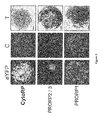
- CytoRP To determine the localization of CytoRP in vivo, its cDNA was cloned into the vector pART7eYFP, thus inducing the fusion of CytoRP with the fluorescent protein eYFP (Gleave, 1992). Protoplasts of Arabidopsis cells were transformed transiently with the construct expressing the CytoRP-eYFP fusion. eYFP fluorescence was visualized by confocal laser scanning microscopy using a Zeiss LSM510 microscope. This revealed that the CytoRP protein is indeed localized in vivo in the cytosol of Arabidopsis cells ( Figure 3 and Figure 4 ).
- the construct obtained was used to transform Arabidopsis thaliana ecotype col0 plants by the "floral dip" method (Clough and Bent, 1998).
- Transformed plants coding for CytoRP were identified by PCR using total genomic DNA from transformed plants extracts ( Figure 5 ). The selected plants thus contain all the PRORP genes encoded by the nuclear genome as well as CytoRP, expressed at the same level as AtPRORP2 and located in the cytosol.
- CytoRP retains all the elements necessary for RNase P activity, especially the PPR domain responsible for RNA substrates binding and the NYN domain responsible for the catalytic activity of PRORP.
- TLS tRNA-like structures
Landscapes
- Life Sciences & Earth Sciences (AREA)
- Health & Medical Sciences (AREA)
- Genetics & Genomics (AREA)
- Engineering & Computer Science (AREA)
- Chemical & Material Sciences (AREA)
- Organic Chemistry (AREA)
- Bioinformatics & Cheminformatics (AREA)
- Zoology (AREA)
- Wood Science & Technology (AREA)
- Biomedical Technology (AREA)
- General Engineering & Computer Science (AREA)
- Molecular Biology (AREA)
- Biotechnology (AREA)
- Biochemistry (AREA)
- General Health & Medical Sciences (AREA)
- Microbiology (AREA)
- Physics & Mathematics (AREA)
- Plant Pathology (AREA)
- Biophysics (AREA)
- Developmental Biology & Embryology (AREA)
- Cell Biology (AREA)
- Virology (AREA)
- Medicinal Chemistry (AREA)
- Botany (AREA)
- Environmental Sciences (AREA)
- Breeding Of Plants And Reproduction By Means Of Culturing (AREA)
- Micro-Organisms Or Cultivation Processes Thereof (AREA)
Abstract
The invention relates to a method for increasing the resistance of a plant to a plant RNA virus, comprising expressing in said plant a mutant protein-only RNase P enzyme lacking a nuclear localization signal domain or an organelle targeting sequence domain.
Description
- The present invention relates to methods for increasing the resistance of a plant to a plant RNA virus and means for obtaining RNA virus-resistant plants.
- The impact of plant viruses on the reduction of crop yields is major. Its cost is estimated at 60 billion U.S. dollars annually in the world (FAO, 2012). One of the most important characteristics of plant viruses is that 80% of them are RNA viruses (Mandahar, 2006). RNA viruses infect plants of economic importance, such as wheat, corn, cabbages, tobacco, potatoes, peanuts or the cocoa tree. There is therefore a need for innovative strategies against RNA viruses that are responsible for significant declines in crop yields.
- Plant RNA viruses are characterized by the frequent presence of a tRNA-like structure (TLS) at the 3' end of their genomic RNA. A tRNA-like structure is an RNA sequence mimicking a tRNA and capable of being aminoacylated by an amino acid and therefore of covalently bonding said amino acid residue at the 3' position. The aminoacylation of TLS demonstrates that their structures are sufficiently similar to those of tRNAs to be recognized by tRNA binding enzymes (see for review Dreher, 2009 and 2010). The presence of TLS and/or their aminoacylation are crucial for these viruses. Aminoacylatable 3' TLS may be involved in virus replication in the translation of their RNA and their packaging (Dreher, 2009). Work performed in vitro showed long ago that plant virus holding aminoacylatable 3' TLS could be recognized and cleaved by RNase P enzymes (Guerrier-Takada et al., 1988).
- In plants, tRNAs are synthesized as of immature precursors. One of the key steps of their maturation involves the cleavage of an additional 5' nucleotide sequence. This cleavage is performed by an endonuclease called RNase P. Until very recently, all characterized RNase P were ribonucleoproteins (RNP), containing an RNA holding catalytic activity (Altman, 2007). However, a novel type of RNase P has recently been discovered in eukaryotes. This enzyme, called PRORP (protein-only RNase P), is of peptide nature and does not require RNA for its function (Gobert et al., 2010). PRORP enzymes are particularly important in plants because unlike animals or yeast, they have completely replaced RNPs for RNase P activity (Gutmann et al., 2012). PRORP enzymes are characterized by the presence of an RNA binding PPR domain, a metallonuclease domain holding the actual catalytic activity of the protein, as well as addressing sequences to the organelles (MTS) or the nucleus (NLS). In the plant model Arabidopsis thaliana, three PRORP enzymes are found. PRORP1 is localized in mitochondria and chloroplasts while PRORP2 and PRORP3 are located in the nucleus. Moreover, beyond tRNAs, it was shown that PRORP enzymes are capable both in vitro (Gobert et al., 2010) and in vivo (Gutmann et al., 2012) to cleave 3' tRNA-like structures (TLS).
- The inventors have constructed a mutant of A. thaliana PRORP2 protein (At2gI6650) (called CytoRP). CytoRP is the result of the deletion of the first 24 amino acids (corresponding to the nuclear localization signal domain) of PRORP2. The inventors have constructed genetically transformed A. thaliana plants expressing CytoRP. The selected plants expressed CytoRP which is located in the cytosol and holds RNase P activity. This activity leads to the cleavage of the aminoacylatable 3' tRNA-like structure (TLS) of plant RNA viruses and thus generates plants with increased resistance to RNA viruses.
- Accordingly, the present invention provides a method for increasing the resistance of a plant to a plant RNA virus, wherein said method comprises expressing in said plant a mutant protein-only RNase P enzyme (hereinafter called CytoRP), and wherein said CytoRP:
- is a protein-only RNase P enzyme comprising neither a nuclear localization signal (NLS) domain nor an organelle targeting sequence (MTS) domain, and
- is able to cleave the aminoacylatable 3' tRNA-like structure (TLS) of a plant RNA virus.
- A protein-only RNase P enzyme (PRORP, for PROtein-only RNase P) is a protein with RNase P activity composed of an N-terminal α-super helix domain containing PPR motifs and a C-terminal NYN-type metallonuclease domain connected by a zinc-binding module (see
Figure 1 , Gobert et al., 2010 and 2013; Gutmann et al., 2012; Howard et al., 2012). - PPR domains contain 35 amino-acid repeats involved in RNA binding. They are eukaryote-specific. The primary sequence of PPR repeats is highly degenerate but their 3D structure is conserved. Each repeat is composed of an α-helix-tum-helix structure (Lurin et al., 2004). Structural predictions of the N-terminal domains of PRORP enzymes from diverse organisms using Phyre2 (Kelley and Sternberg, 2009) are congruent with the occurrence of a conserved α-super helix corresponding to the fold of PPR proteins (Small and Peeters, 2000). Predicted numbers of PPR repeats in PRORP sequences from various organisms range from 2 to 5 according to the TPRpred prediction software (Karpenahalli et al., 2007). As inferred from footprinting data (Gobert et al., 2013) and protein truncation (Howard et al., 2012), the N-terminal part of PRORP bears the RNA recognition domain that binds conserved nucleotides and structure elements in the D- and TψC-loops of tRNAs and tRNA-like structures (Gobert et al., 2013).
- The second main domain of PRORP enzymes is a metallonuclease domain (see
Figure 1 ) responsible for the actual nuclease activity of these enzymes (Gobert et al., 2010; Gutmann et al., 2012; Howard et al., 2012). This catalytic domain is a PIN-like domain from the NYN family. The NYN catalytic domain seems to originate from the putative bacterial ribonuclease coded by the yacP gene and is found throughout the main branches of life, with the exception of fungi (Anantharaman and Aravind, 2006). This domain contains conserved aspartate residues, but additional conserved residues are characteristic for the PRORP subfamily and allow to discriminate between PRORP and other NYN-domain proteins. The NYN domain of PRORP is characterized by 2 subparts. The first part comprises the following signature (D/E/T/H/N/P/G)h3D(G/A)xN (SEQ ID NO: 1). In this subpart of the signature, "h3" correspond to hydrophobic amino acids with few exceptions where 1 out of 3 amino acids is nucleophylic. The first acidic amino acid (D/E) is highly conserved in land plants. The second subpart of the domain contains the following conserved signature DDx15(S/T)xDx3DH (SEQ ID NO: 2). The length between the first and the second sub-domain is restricted to 70-80 amino acids in land plants. - The PPR and NYN domains are connected by a zinc-binding module composed of 2 subparts placed upstream and downstream of the NYN domain (see
Figure 1 ). The first part contains a CxxC (SEQ ID NO: 3) motif strictly conserved in all PRORP sequences of land plants. This signature is found between 49 and 144 amino acid upstream of the NYN domain. The second subpart contains the following signatures (W/Y/F)HxPx (SEQ ID NO: 4), and (W/F)xCx2-3(R/K) (SEQ ID NO: 5). The conserved C and H residues of this bi-partite module are implicated in zinc binding (Howard et al., 2012; Gobert et al., 2013). - Further signatures are presents in specific phyla. In land plants, a stretch of three to four glycines (Gs) separates the protein between the two main domains just before the zinc-binding module (see
Figure 1 ). Charged residues upstream of the Gs face the outside of PRORP structure and it might be involved in protein/protein interactions. In addition, a motif generally composed of MPxP(Y/F/C)(S/T) (SEQ ID NO: 6) is present between the NYN domain and the C-terminal part of the zinc-binding module (seeFigure 1 ). - PRORP MTS sequences are N-terminal amphiphilic α-helices structures. Their occurence can be predicted by softwares such as Predotar (Small et al., 2004) or TargetP (Emanuelsson et al., 2000). PRORP NLS sequences are mono or bi-partite sequences located most of the times in the N-terminal and/or C-terminal parts of proteins, characterized by the frequent occurrence of basic residues such as Lysines and Arginines. Their occurence can be predicted by softwares such as NLStradamus (Nguyen Ba et al., 2009).
-
- The nuclear localization signal of AtPRORP2 is composed of
residues 1 to 24. - Among the 5 PPR repeats found in AtPRORP2, the positions L34, S65, Q70, N108, S114, R145, A150, E180, S185, S215 are predicted to be important for RNA substrate recognition, according to the proposed PPR / RNA recognition code (Barkan et al., 2012).
- The bi-partite zinc-binding motif contains residues C281 and C284 in the middle of AtPRORP2 sequence and residues W493, H494, P496, C511 and R514 at the C-terminal end of AtPRORP2 sequence.
- In the conserved NYN domain, residues E339, D343, D421, D422, D440, D444 and H445 are predicted to be of high functional importance. Residues D421 and D422 were already shown to be essential for catalytic activity (Gutmann et al., 2012).
- Other motifs are characteristic of plant AtPRORP enzymes. Among them, a motif composed by G254, G255 and G256 is present in AtPRORP2. Another motif of unknown function contains the conserved M477 and S482.
- PRORP sequences can be retrieved using the BLAST tool (Altschul et al., 1990) in the following databases:
- NCBI (http://www.ncbi.nlm.nih.gov/blast/Blast.cgi),
- Ensembl (http://www.ensembl.org/Multi/blastview),
- Bogas (http://bioinformatics.psb.ugent.be/webtools/bogas/),
- Phytozome (http://www.phytozome.net/),
- JGI (http://genome.jgi-psf.org/) and/or
- Broad (http://www.broadinstitute.org/scientific-community/data).
- The sequences can be aligned using Muscle (EMBL-EBI: http://www.ebi.ac.uk/Tools/msa/muscle/) (Edgar, 2004) before using WebLogo 3 ((Crooks et al., 2004), http://weblogo.tbreeplusone.com/create.cgi) to highlight the conserved residues.
- Advantageously, the protein-only RNase P enzyme contains the residues G254, G255, G256, C281, C284, E339, D343, D421, D422, D440, D444, H445, M477, S482, W493, H494, P496, C511 and R514, and eventually at least one of the residues selected from the group consisting of L34, S65, Q70, N108, S114, R145, A150, E180, S185 and S215, numbered according to A. thaliana PRORP2 sequence represented as SEQ ID NO: 105.
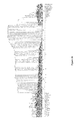
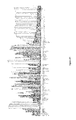
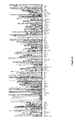
- Advantageously, the protein-only RNase P enzyme has the consensus amino acid sequence described in
Figure 2 (SEQ ID NO: 7). - Advantageously, the protein-only RNase P enzyme is from a land plant, such as a PRORP enzyme selected from the group consisting of Oryza sativa (rice) SEQ ID NO: 8, 9 or 10; Zea mays (corn) SEQ ID NO: 11, 12 or 13; Triticum turgidum (wheat) SEQ ID NO: 14 or 15; Solanum lycopersicum (tomato) SEQ ID NO: 16, 17 or 18; Brassica rapa (turnip) SEQ ID NO: 19, 20 or 21; Carica papaya (papaya) SEQ ID NO: 22, 23 or 24; Solanum tuberosum (potato) SEQ ID NO: 25, 26 or 27; Nicotiana tabacum (tobacco) SEQ ID NO: 28, 29 or 30; Setaria (millet) SEQ ID NO: 31, 32 or 33; Sorghum bicolor (sorghum) SEQ ID NO: 34, 35, 36 or 37; Hordeum vulgare (barley) SEQ ID NO: 38 or 39; Oryza officinalis (rice) SEQ ID NO: 40; Manihot esculenta (manioc) SEQ ID NO: 41, 42 or 43; Theobroma cacao (cocoa) SEQ ID NO: 44, 45 or 46; Cucumis sativus (cucumber) SEQ ID NO: 47, 48 or 49; Vitis vinifera (vine) SEQ ID NO: 50, 51, 52 or 53; Glycine max (soybean) SEQ ID NO: 54, 55, 56, 57 or 58; Prunus persica (peach) SEQ ID NO: 59, 60 or 61; Malus domestica (apple) SEQ ID NO: 62, 63 or 64; Fragaria vesca (strawberry) SEQ ID NO: 65, 66 or 67; Citrus clementina (clementine) SEQ ID NO: 68, 69 or 70; Citrus sinensis (orange) SEQ ID NO: 71, 72 or 73; Populus trichocarpa (poplar) SEQ ID NO: 74, 75, 76, 77 or 78; Eucalyptus SEQ ID NO: 79, 80 or 81; Ricinus communis (ricinus) SEQ ID NO: 82, 83 or 84; Medicago sativa (alfalfa / lucerne) SEQ ID NO: 85, 86 or 87; Lotus SEQ ID NO: 88 or 89; Aquilegia (columbine) SEQ ID NO: 90, 91 or 92; Eutrema halophila SEQ ID NO: 93, 94 or 95; Eutrema parvulum SEQ ID NO: 96, 97 or 98; Mimulus (monkey-flower) SEQ ID NO: 99, 100, 101 or 102; Jatropha SEQ ID NO: 103; Arabidopsis thaliana SEQ ID NO: 104, 105 or 106; Arabidopsis lyrata SEQ ID NO: 107, 108 or 109; Brachypodium SEQ ID NO: 110, 111 or 112; Physcomitrella patens SEQ ID NO: 113, 114 or 115; Selaginella moellendorffii SEQ ID NO: 116 or 117; and a PRORP enzyme comprising the Brassica napus (rapeseed) sequence SEQ ID NO: 118, 119 or 120.
- According to a preferred embodiment of the invention, the mutant protein-only RNase P enzyme (CytoRP) is able to cleave the aminoacylatable 3' tRNA-like structure (TLS) of a plant RNA virus belonging to a genus selected from the group consisting of Tymovirus, Furovirus, Pomovirus, Pecluvirus, Tobamovirus, Bromovirus, Cucumovirus and Hordeivirus. More preferably CytoRP is able to cleave the aminoacylatable 3' TLS of a plant RNA virus selected from the group consisting of Turnip yellow mosaic virus (TYMV), Andean potato latent virus (APLV), Belladonna mottle virus (BeMV), Cacao yellow mosaic virus (CYMV), Clitoria yellow vein virus (CYVV), Eggplant mosaic virus (EMV), Kennedya yellow mosaic virus (KYMV), Okra mosaic virus (OkMV), Ononis yellow mosaic virus (OYMV), Wild cucumber mosaic virus (WCMV), Nemesia ring necrosis virus (NeRNV), Soil-borne wheat mosaic virus (SBWMV), Beet soil-borne virus (BSBV), Potato mop-top virus (PMTV), Indian peanut clump virus (IPCV), Peanut clump virus (PCV), Tobacco mosaic virus (TMV), Cucumber green mottle mosaic virus (CGMMV), Green tomato atypical mosaic virus (GTAMV), Satellite tobacco mosaic virus (STMV), Sunnhemp mosaic virus (SHMV), Brome mosaic virus (BMV), Broad bean mottle virus (BBMV), Cowpea chlorotic mottle virus (CCMV), Cucumber mosaic virus (CMV), Barley stripe mosaic virus (BSMV) and Poa semilatent virus (PSLV).
- The aminoacylatable 3' TLS of the above-mentioned plant RNA viruses is known in the art (see for review Dreher, 2010).
- By way of example, the nucleotide sequence of the aminoacylatable 3' TLS of the TYMV is represented as SEQ ID NO: 237, of the TMV is represented as SEQ ID NO: 238, and of the BMV is represented as SEQ ID NO: 239.
- The cleavage of the aminoacylatable 3' tRNA-like structure (TLS) of a plant RNA virus by a mutant protein-only RNase P enzyme (CytoRP) according to the present invention can be determined in vitro. In vitro cleavage assays are described in the Examples below, in Gobert et al., 2010 and in Gutmann et al., 2012.
- According to another preferred embodiment of the invention, the mutant protein-only RNase P enzyme (CytoRP) has at least 50% identity, or by order of increasing preference at least 55%, 60%, 65%, 70%, 75%, 80%, 85%, 90%, 91%, 92%, 93%, 94%, 95%, 96%, 97%, 98% or 99% identity with a polypeptide of sequence selected from the group consisting of SEQ ID NO: 121, 122 or 123 (mutants of PRORP enzymes from Oryza sativa wherein the NLS or MTS domain is deleted); SEQ ID NO: 124, 125 or 126 (mutants of PRORP enzymes from Zea mays wherein the NLS or MTS domain is deleted); SEQ ID NO: 127 or 128 (mutants of PRORP enzymes from Triticum turgidum); SEQ ID NO: 129, 130 or 131 (mutants of PRORP enzymes from Solanum lycopersicum wherein the NLS or MTS domain is deleted); SEQ ID NO: 132, 133 or 134 (mutants of PRORP enzymes from Brassica rapa wherein the NLS or MTS domain is deleted); SEQ ID NO: 135, 136 or 137 (mutants of PRORP enzymes from Carica papaya wherein the NLS or MTS domain is deleted); SEQ ID NO: 138, 139 or 140 (mutants of PRORP enzymes from Solanum tuberosum wherein the NLS or MTS domain is deleted); SEQ ID NO: 141, 142 or 143 (mutants of PRORP enzymes from Nicotiana tabacum wherein the NLS or MTS domain is deleted); SEQ ID NO: 144, 145 or 146 (mutants of PRORP enzymes from Setaria wherein the NLS domain is deleted); SEQ ID NO: 147, 148, 149 or 150 (mutants of PRORP enzymes from Sorghum bicolor wherein the NLS domain is deleted); SEQ ID NO: 151 or 152 (mutants of PRORP enzymes from Hordeum vulgare wherein the NLS or MTS domain is deleted); SEQ ID NO: 153 (mutant of PRORP enzyme from Oryza officinalis wherein the NLS domain is deleted); SEQ ID NO: 154, 155 or 156 (mutants of PRORP enzymes from Manihot esculenta wherein the NLS or MTS domain is deleted); SEQ ID NO: 157, 158 or 159 (mutants of PRORP enzymes from Theobroma cacao wherein the NLS or MTS domain is deleted); SEQ ID NO: 160, 161 or 162 (mutants of PRORP enzymes from Cucumis sativus wherein the NLS or MTS domain is deleted); SEQ ID NO: 163, 164, 165 or 166 (mutants of PRORP enzymes from Vitis vinifera wherein the NLS or MTS domain is deleted); SEQ ID NO: 167, 168, 169, 170 or 171 (mutants of PRORP enzymes from Glycine max wherein the NLS or MTS domain is deleted); SEQ ID NO: 172, 173 or 174 (mutants of PRORP enzymes from Prunus persica wherein the NLS or MTS domain is deleted); SEQ ID NO: 175, 176 or 177 (mutants of PRORP enzymes from Malus domestica wherein the NLS or MTS domain is deleted); SEQ ID NO: 178, 179 or 180 (mutants of PRORP enzymes from Fragaria vesca wherein the NLS or MTS domain is deleted); SEQ ID NO: 181, 182 or 183 (mutants of PRORP enzymes from Citrus clementina wherein the NLS domain is deleted); SEQ ID NO: 184, 185 or 186 (mutants of PRORP enzymes from Citrus sinensis wherein the NLS domain is deleted); SEQ ID NO: 187, 188, 189, 190 or 191 (mutants of PRORP enzymes from Populus trichocarpa wherein the NLS or MTS domain is deleted); SEQ ID NO: 192, 193 or 194 (mutants of PRORP enzymes from Eucalyptus wherein the NLS or MTS domain is deleted); SEQ ID NO: 195, 196 or 197 (mutants of PRORP enzymes from Ricinus communis wherein the NLS or MTS domain is deleted); SEQ ID NO: 198, 199 or 200 (mutants of PRORP enzymes from Medicago sativa wherein the NLS or MTS domain is deleted); SEQ ID NO: 201 or 202 (mutants of PRORP enzymes from Lotus wherein the MTS domain is deleted); SEQ ID NO: 203, 204 or 205 (mutants of PRORP enzymes from Aquilegia wherein the NLS or MTS domain is deleted); SEQ ID NO: 206, 207 or 208 (mutants of PRORP enzymes from Eutrema halophila wherein the NLS or MTS domain is deleted); SEQ ID NO: 209, 210 or 211 (mutants of PRORP enzymes from Eutrema parvulum wherein the NLS or MTS domain is deleted); SEQ ID NO: 212, 213, 214 or 215 (mutants of PRORP enzymes from Mimulus wherein the NLS or MTS domain is deleted); SEQ ID NO: 216 (mutant of PRORP enzyme from Jatropha wherein the NLS domain is deleted); SEQ ID NO: 217, 218 or 219 (mutants of PRORP enzymes from Arabidopsis thaliana wherein the NLS or MTS domain is deleted); SEQ ID NO: 220, 221 or 222 (mutants of PRORP enzymes from Arabidopsis lyrata wherein the NLS or MTS domain is deleted); SEQ ID NO: 223, 224 or 225 (mutants of PRORP enzymes from Brachypodium wherein the NLS or MTS domain is deleted); SEQ ID NO: 226, 227 or 228 (mutants of PRORP enzymes from Physcomitrella patens wherein the NLS or MTS domain is deleted); and SEQ ID NO: 229 or 230 (mutants of PRORP enzymes from Selaginella moellendorffii wherein the NLS or MTS domain is deleted).
- Unless otherwise specified, the protein sequence identity values provided herein are calculated using the BLASTP program under default parameters, on a comparison window including the whole sequence of the proteins to be compared.
- Advantageously, CytoRP consists in an amino acid sequence selected from the group consisting of SEQ ID NO: 121 to 230.
- According to another preferred embodiment of the invention, CytoRP is a mutant of an endogenous protein-only RNase P enzyme from said plant to which the method of the invention is applied.
- According to another preferred embodiment of the invention, the method is for increasing the resistance of a plant to a plant RNA virus belonging to a genus selected from the group consisting of Tymovirus, Furovirus, Pomovirus, Pecluvirus, Tobamovirus, Bromovirus, Cucumovirus and Hordeivirus. In particular, said plant RNA virus is selected from the group consisting of Turnip yellow mosaic virus (TYMV), Andean potato latent virus (APLV), Belladonna mottle virus (BeMV), Cacao yellow mosaic virus (CYMV), Clitoria yellow vein virus (CYVV), Eggplant mosaic virus (EMV), Kennedya yellow mosaic virus (KYMV), Okra mosaic virus (OkMV), Ononis yellow mosaic virus (OYMV), Wild cucumber mosaic virus (WCMV), Nemesia ring necrosis virus (NeRNV), Soil-borne wheat mosaic virus (SBWMV), Beet soil-borne virus (BSBV), Potato mop-top virus (PMTV), Indian peanut clump virus (IPCV), Peanut clump virus (PCV), Tobacco mosaic virus (TMV), Cucumber green mottle mosaic virus (CGMMV), Green tomato atypical mosaic virus (GTAMV), Satellite tobacco mosaic virus (STMV), Sunnhemp mosaic virus (SHMV), Brome mosaic virus (BMV), Broad bean mottle virus (BBMV), Cowpea chlorotic mottle virus (CCMV), Cucumber mosaic virus (CMV), Barley stripe mosaic virus (BSMV), Poa semilatent virus (PSLV).
- The term "plant" includes any monocotyledon or dicotyledon plant.
- Advantageously, the invention applies to plants of agronomical interest, such as rice, corn, wheat, tomato, turnip, papaya, rapeseed, potato, tobacco, millet, sorghum, barley, manioc, cocoa, cucumber, vine, soybean, peach, apple, strawberry, clementine, orange, poplar, eucalyptus, ricinus, alfalfa (lucerne) and lotus.
- A preferred method for expressing a mutant protein-only RNase P enzyme (CytoRP) according to the present invention comprises introducing into the genome of said plant a DNA construct comprising a nucleotide sequence encoding said CytoRP, placed under control of a promoter.
- The instant invention also provides means for expressing a mutant protein-only RNase P enzyme (CytoRP).
- This included an isolated polynucleotide encoding a CytoRP as defined above.
- This also includes recombinant DNA constructs for expressing a CytoRP enzyme in a host-cell (e.g., bacteria or plant cell) or a whole plant. These recombinant DNA constructs can be obtained and introduced in said host cell or whole plant by well known techniques of recombinant DNA and genetic engineering.
- Recombinant DNA constructs of the invention include expression cassettes, comprising a polynucleotide encoding a CytoRP as defined above, under control of a transcription promoter functional in a host cell (e.g., bacteria or plant cell).
- Said transcription promoter may be any promoter that is functional in a cell, preferably a plant cell, i.e., capable of directing the transcription of a polynucleotide encoding a CytoRP as defined above in a cell, preferably a plant cell (for review, see Yoshida and Shinmyo, 2000). The choice of the most appropriate promoter depends in particular on the organ(s) or on the tissue(s) targeted for the expression. The promoter may be a constitutive promoter (i.e., a promoter which is active in most tissues and cells and under most environmental conditions), a cell-type-specific promoter (i.e., a promoter which is active only or mainly in certain tissues or certain types of cells) or an inducible promoter (i.e., a promoter which is activated by physical processes or chemical stimuli). The promoter may also be the promoter of a PRORP gene, such as the A. thaliana PRORP2 promoter included in SEQ ID NO: 231.
- By way of non-limiting examples of constitutive promoters which are commonly used in plant cells, mention may be made of the cauliflower mosaic virus (CaMV) 35S promoter, the NOS (nopaline synthase) promoter, the PG10-90 synthetic promoter, preferably the 35S promoter.
- By way of non-limiting examples of organ-specific or tissue-specific promoters, mention may be made of promoters such as the pollen specific APRS promoter, the embryo specific MXL promoter (Jopcik et al., 2013) or any plant promoter as listed in the plant promoter database PlantProm (Shahmuradov et al., 2003).
- By way of non-limiting examples of inducible promoters, mention may be made of the ethanol inducible AlcR/AlcA and the β-estradiol inducible XVE/OlexA inducible systems (Borghi, 2010).
- Said recombinant expression cassette may also comprise a transcription terminator, such as, for example, the CaMV 35S terminator, the NOS terminator or the T9 terminator of the rbcS E9 gene. The terminator may also be the terminator of a PRORP gene, such as the A. thaliana PRORP2 terminator included in SEQ ID NO: 232.
- Said recombinant expression cassette may also include other regulatory sequences, such as transcription enhancer sequences.
- Recombinant DNA constructs of the invention also include recombinant vectors containing an expression cassette comprising a polynucleotide encoding a CytoRP as defined above. In particular said expression cassette is a Recombinant expression cassette of the invention, wherein the polynucleotide encoding a CytoRP is under control of a promoter of a PRORP gene.
- The expression cassettes and the expression vectors according to the invention may also comprise other sequences, usually employed in constructs of this type, such as translation leader (TL) sequences, polyadenylation sites, and also, where appropriate, amplifying sequences (transcription enhancer sequences). They may also comprise sequences which make it possible to monitor the transformation, and also to identify and/or to select the cells or organisms transformed. These are, in particular, reporter genes (for example the beta-glucuronidase (GUS) gene, the luciferase gene or the green fluorescent protein (GFP) gene, conferring an easily recognizable phenotype on these cells or organisms, or else selection marker genes (for example, genes for resistance to an antibiotic, such as kanamycin or hygromycin, or to an herbicide).
- The choice of the promoter and of the additional sequences that can be inserted into the expression cassettes and vectors according to the invention can be made, conventionally, by a person skilled in the art according in particular to criteria such as the host vector, host cells and organisms chosen, the desired expression profile in the host cell or organism, the genetic transformation protocols envisioned, etc.
- The selection of suitable vectors and the methods for inserting DNA constructs therein are well known to a person skilled in the art. The choice of the vector depends on the intended host and on the intended method of transformation of said host.
- A variety of techniques for genetic transformation of plant cells or plants are available in the art. By way of non-limiting examples, one can mention methods of direct transfer of genes such as direct micro-injection into plant embryoids, vacuum infiltration or electroporation, or the bombardment by gun of particules covered with the plasmidic DNA of interest. Agrobacterium mediated transformation methods may also be used such as Agrobacterium tumefaciens or Agrobacterium rhizogenes.
- The present invention also provides a host cell comprising an expression cassette or a recombinant vector as defined above.
- The host cells can be prokaryotic or eukaryotic cells. In the case of prokaryotic cells, they may be agrobacteria such as Agrobacterium tumefaciens or Agrobacterium rhizobium. In the case of eukaryotic cells, they may be plant cells stemming from dicotyledonous or monocotyledonous plants.
- The invention also provides a method for producing a transgenic plant, having an increased resistance to a plant RNA virus.
- Various methods for obtaining transgenic plants are well known in themselves to a person skilled in the art.
- In particular, said method comprises transforming a plant cell by a DNA construct of the invention and regenerating from said plant cell a transgenic plant expressing a CytoRP as defined above.
- According to a preferred embodiment of this, it comprises transforming a plant cell with a recombinant vector of the invention comprising a polynucleotide encoding a CytoRP as defined above, and regenerating from said plant cell a transgenic plant expressing a CytoRP.
- A very large number of techniques for transforming plant germinal or somatic cells (isolated, in the form of tissue or organ cultures, or on the whole plant), and regenerating the plants are available. The choice of the most suitable method generally depends on the plant concerned.
- The invention also comprises plants genetically transformed by a recombinant DNA construct of the invention, such as an expression cassette, and expressing a CytoRP as defined above, and in particular transgenic plants comprising, in their nuclear genome, at least one copy of a transgene containing a recombinant DNA construct of the invention according to the invention. In said transgenic plants a DNA construct of the invention is comprised in a transgene stably integrated in the plant genome, so that it is passed onto successive plant generations. Thus the transgenic plants of the invention include not only the plants resulting from the initial transgenesis, but also their descendants, as far as they contain a recombinant DNA construct of the invention. The expression of a CytoRP as defined above in said plants provides them an increased resistance to a plant RNA virus, when compared with a wild-type plant devoid of said transgene(s).
- The invention also comprises a transgenic plant, obtainable by a method of the invention, expressing a CytoRP as defined above, said plant containing a recombinant expression cassette of the invention.
- The invention further comprises a transgenic plant or an isolated organ or tissue thereof (such as seeds, leafs, flowers, roots, stems, ears) comprising, stably integrated in its genome, a recombinant expression cassette comprising a polynucleotide encoding a CytoRP as defined above.
- The present invention also provides an isolated mutant protein-only RNase P enzyme (CytoRP) comprising neither a nuclear localization signal (NLS) domain nor an organelle targeting sequence (MTS) domain, and able to cleave the aminoacylatable 3' tRNA-like structure (TLS) of a plant RNA virus, as defined above.
- Advantageously, CytoRP has at least 50% identity, or by order of increasing preference at least 55%, 60%, 65%, 70%, 75%, 80%, 85%, 90%, 91%, 92%, 93%, 94%, 95%, 96%, 97%, 98% or 99% identity with a polypeptide of sequence selected from the group consisting of SEQ ID NO: 121 to 230.
- The present invention also provides the use of an isolated polynucleotide encoding a CyroRP as defined above for producing a transgenic plant having an increased resistance to a plant RNA virus as defined above.
- Foregoing and other objects and advantages of the invention will become more apparent from the following detailed description and accompanying drawing, which refers to non-limiting examples illustrating the use of a CytoRP for increasing the resistance of a plant to a plant RNA virus. It is to be understood however that this foregoing detailed description is exemplary only and is not restrictive of the invention.
-
Figure 1 : Features defining PRORP enzymes. Schematic representation of a PRORP enzyme with residues predicted to play an important role highlighted and numbered according to Arabidopsis PRORP2 sequence. -
Figure 2 (A-I) Schematic representation of residue frequency at each position in an alignment of 91 plant PRORP sequences, representing the consensus amino acid sequence of PRORP. The alignment has been obtained with the software LogoBar (Pérez-Bercoff et al., 2006; http://www.biosci.ki.se/groups/tbu/logobar). -
Figure 3 : The fusion of CytoRP with eYFP observed by confocal microscopy shows the cytosolic localization of CytoRP. This location differs from the nuclear localization of PRORP2/3 and the organellar localization of PRORP1 (Gobert et al., 2010). "C" shows location controls with the auto-fluorescence of chlorophyll revealing chloroplasts and DAPI staining (for PRORP2/3) revealing DNA in the nucleus. "T" shows cells in transmitted light. -
Figure 4 : Cytosolic localization of CytoRP (mutant AtPRORP2 wherein the NLS domain is deleted) determined by laser scanning confocal microscopy. Four representative experiments are shown where the construct expressing CytoRP-eYFP fusion was transformed into Arabidopsis protoplasts. In each experiment, the respective panels show for each cell, the eYFP signal, the autofluorescence of chlorophyll showing chloroplasts, the transmitted light image of cells and the merged image of the eYFP and the autofluorescence channels. -
Figure 5 : Transformed plants encoding CytoRP (mutant AtPRORP2 wherein the NLS domain is deleted) were identified by PCR using total genomic DNA from plant extracts and oligonucleotides P2-5'UTR-F (SEQ ID NO: 135) and P2-R (SEQ ID NO: 136) present in AtPRORP2 5' UTR region and in its coding region respectively.Lanes Lanes - The CytoRP protein (SEQ ID NO: 218), whose construction is described here, derives from the Arabidopsis PRORP2 protein (At2g16650). Its coding sequence corresponds to nucleotides 73 to 1587 of the native PRORP2 cDNA, preceded by an ATG initiation codon. CytoRP is the result of the deletion of the first 24 amino acids of PRORP2 (corresponding to the NLS domain). CytoRP is a protein of 505 amino acids with a molecular weight of 56539,73 Da with an isoelectric point of 7.06.
- CytoRP cDNA (SEQ ID NO: 233) was inserted into the pART7eYFP vector (Gleave, 1992). Arabidopsis mesophyll protoplasts were isolated and transformed with pART7CytoRPeYFP plasmids as described previously (Abel and Theologis, 1994).
- Briefly, plant material was put in Plasmolysis solution containing 0.4 M mannitol, 3% sucrose and 8 mM CaCl2 and incubated 30 min at room temperature (RT). Cells were spun at 42 g for 10 min at RT, resuspended in Enzyme solution containing 1% (w/v) cellulase and 0.25% (w/v) macerozyme diluted in Plasmolysis solution and incubated in the dark at RT for 1 h and for a further 1 to 2 h on an orbital shaker at 20 rpm. The obtained protoplasts were filtered through a nylon sieve (100 µm), washed by adding 30 ml of 0.4 M mannitol in W5 solution (5 mM glucose, 154 mM NaCl, 125 mM CaCl2, 5 mM KCl and 1.5 mM MES pH 5.6) and spun at 42 g for 10 min at RT. Protoplasts were then washed twice by adding 10 ml of mannitol/Mg solution (0.4 M mannitol, 0.1% MES and 15 mM MgCl2) and finally re-suspended in 10 ml of mannitol/Mg solution.
- To transform protoplasts, 50 µg of plasmid DNA were mixed to 250 µg of herring sperm carrier DNA, cleaned by three cycles of phenol/chloroform extractions and ethanol precipitations, re-suspended in 50 µl of H2O and mixed with 25 µl of chloroform. This solution was deposited in droplets on a petri dish next to 300 µl of protoplast solution (2.106 protoplasts) and 350 µl of PEG. The protoplasts were mixed to the DNA by gentle swirls to the plate. The PEG was injected at once by fusing the drop of DNA/protoplasts to the drop of PEG. Protoplasts were then diluted with 600 µl, 1 ml, 2 ml and 4 ml of 0.4 M mannitol in W5 solution added in droplets every 3 min. The diluted protoplasts were harvested by spinning at 20 g for 5 min at RT. Transformed protoplasts were re-suspended in 2 ml of culture medium (0.4 M sucrose, 1x Murashige and Skoog basal media and 250 mg/l xylose) and cultivated in the dark at 20°C for 48 h.
- Transformed protoplasts were visualised by confocal microscopy. eYFP fluorescence was observed by confocal laser scanning microscopy using a Zeiss LSM510 based on an Axiovert 200M microscope (Zeiss).
- A PCR amplified DNA fragment (SEQ ID NO: 234) containing CytoRP cDNA sequence (SEQ ID NO: 233) as well as AtPRORP2 promoter (SEQ ID NO: 231) and terminator (SEQ ID NO: 232) sequences was cloned in the binary vector pGWB13 (Nakagawa et al., 2007). The construct obtained was used to transform Arabidopsis thaliana ecotype col0 plants by the "floral dip" method (Clough and Bent, 1998).
- Briefly, the pGWB 13 construct, carrying the CyoRP insert as well as a hygromycin resistance marker gene, was transformed in Agrobacterium tumefaciens strain GV3101 cells. Bacteria were grown at 28°C in liquid LB medium until OD600 = 0.8, centrifuged and resuspended in 5% Sucrose and 0.05% Silwet L-77 solution. Aerial parts of Arabidopsis plants were dipped 3 times in the Agobacterium solution for 3 seconds with gentle agitation. Dipped plants were then placed under cover for 24 hours to maintain high humidity and grown according to standard conditions. Dry seeds were harvested and next generation individual plants analysed to test for their resistance to hygromycin and thus to identify individual transformants.
- PRORP cDNAs were cloned in pET28-b(+) (Novagen) to obtain C terminal fusions with histidine affinity tags. Proteins were expressed over night at 18°C in BL21(DE3) E.coli cells induced with 1 mM IPTG. Bacteria were lysed and centrifuged 30 min at 30,000
rpm 4°C. The cleared bacterial lysates were incubated with the Ni NTA resin (Qiagen). The bound proteins were washed with buffers containing 50 mM imidazole, 20 mM MOPS pH 7.8, 150 mM NaCl and 15% (v/v) glycerol and 75 mM imidazole, 20 mM MOPS pH 7.8, 250 mM NaCl and 15% (v/v) glycerol. Proteins were eluted from the column using 200 mM imidazole and 500 mM imidazole buffers. - cDNAs representing TLS containing RNAs were amplified by PCR using 5' oligonucleotides containing T7 promoter sequences. PCR products were cloned in pUC19.
- 200 ng of linearized plasmid DNA were transcribed in a volume of 10 µl containing 7.5 mM rNTP, 5 U T7 RNA polymerase and buffer as supplied by the manufacturer (RiboMAX, Promega) for 4 h at 37°C. After this, plasmid DNA was digested with 1 U of RQ1 DNase for 15 min at 37°C and synthesized RNA were purified by phenol chloroform extractions. Transcripts were dephosphorylated with 1 U FastAP Alkaline Phosphatase (Fermentas) for 30 min at 37°C and 5' radiolabelled with 32P-γATP and polynucleotide kinase (Fermentas).
- Reactions were performed essentially as described previously (Gobert et al., 2010) with proteins purified as described (Gobert et al., 2010). Reactions were performed in 10 µl with 100 ng proteins and 100 ng 5' radiolabelled RNA, in buffer containing 20 mM Tris-HCl pH 8, 30 mM KCl, 4.5 mM MgCl2, 20 µg/ml BSA and 2 mM DTT, for 15 min at room temperature. RNA molecules were separated on 8% polyacrylamide urea gels and visualized by ethidium bromide staining and / or by autoradiography.
- The degree of resistance of transgenic plants expressing CytoRP to model viruses containing a TLS is determined. For this, transgenic plants expressing CytoRP as well as control wild-type plants are infected with preparations of TLS (RNA) viruses. After infection, a comparative quantitative analysis of viral titer is performed over time. Viral titer is followed by immuno-detection using antibodies specific for viral proteins.
- To determine the localization of CytoRP in vivo, its cDNA was cloned into the vector pART7eYFP, thus inducing the fusion of CytoRP with the fluorescent protein eYFP (Gleave, 1992). Protoplasts of Arabidopsis cells were transformed transiently with the construct expressing the CytoRP-eYFP fusion. eYFP fluorescence was visualized by confocal laser scanning microscopy using a Zeiss LSM510 microscope. This revealed that the CytoRP protein is indeed localized in vivo in the cytosol of Arabidopsis cells (
Figure 3 andFigure 4 ). - As a second step, it was built plants with CytoRP stably encoded in the genome. For this, a DNA fragment was generated where the CytoRP cDNA is inserted between the promoter sequence of AtPRORP2 in vivo (positions -1000 to -1 upstream of the native of AtPRORP2 initiation codon) and the terminator sequence of AtPRORP2 in vivo (positions +1 to +118 downstream of the AtPRORP2 terminaton codon). Promoter and terminator sequences were amplified from Arabidopsis thaliana genomic DNA. The resulting fragment was cloned in the binary vector pGWB13 (Nakagawa et al., 2007). The construct obtained was used to transform Arabidopsis thaliana ecotype col0 plants by the "floral dip" method (Clough and Bent, 1998). Transformed plants coding for CytoRP were identified by PCR using total genomic DNA from transformed plants extracts (
Figure 5 ). The selected plants thus contain all the PRORP genes encoded by the nuclear genome as well as CytoRP, expressed at the same level as AtPRORP2 and located in the cytosol. - Despite the removal of the NLS domain from AtPRORP2, CytoRP retains all the elements necessary for RNase P activity, especially the PPR domain responsible for RNA substrates binding and the NYN domain responsible for the catalytic activity of PRORP.
- Transgenic Arabidopsis plants expressing CytoRP, a protein localized in the cytosol and holding RNase P activity, were constructed. This activity leads to the cleavage of tRNA-like structures (TLS) of plant viruses and thus generates plant resistance to TLS containing viruses.
-
- Abel and Theologis (1994) .
- Altman, S. (2007). .
- Altschul, S.F., et al., (1990). J Mol Biol 215, 403-410.
- Barkan, A., et al., (2012). PLoS Genet 8, e1002910.
- Borghi, L. (2010). Methods Mol Biol 655, 65-75.
- Clough, S.J., and Bent, A.F. (1998). Plant J 16, 735-743.
- Crooks, G.E., et al., (2004). Genome Res 14, 1188-1190.
- Dreher, T.W. (2009). Virus Res 139, 217-229.
- Dreher, T.W. (2010). Wiley .
- Emanuelsson, O., (2000). J Mol Biol 300, 1005-1016.
- Edgar, R.C. (2004). .
- FAO, WFP and IFAD. (2012). The state of food insecurity in the world 2012. Economic growth is necessary but not sufficient to accelerate reduction of hunger and malnutrition. Rome, FAO.
- Gleave, A.P. (1992). Plant Mol Biol 20, 1203-1207.
- Gobert, A., et al., (2010). Nature struct & molec biology 17, 740-744.
- Gobert, A., et al., (2013). .
- Guerrier-Takada, C., et al., (1988). Cell 53, 267-272.
- Gutmann, B., et al., (2012). Genes Dev 26, 1022-1027.
- Howard, M.J., et al., (2012). Proc Natl Acad Sci U S A 109, 16149-16154.
- Jopcik M., et al., (2013). Plant Cell, Tissue and Organ Culture (PCTOC) 113, 387-395.
- Karpenahalli, M.R., et al., (2007). .
- Kelley, L.A., and Sternberg, M.J.E. (2009). .
- Lurin, C., et al., (2004). Plant Cell 16, 2089-2103.
- Nakagawa, T., et al., (2007). J Biosci Bioeng 104, 34-41.
- Needleman, S.B., and Wunsch C.D. (1970). J Mol Biol, 48, 443-453.
- Nguyen Ba, A.N. (2009). BMC Bioinformatics 10, 202.
- Pérez-Bercoff, Å., et al. (2006) Bioinformatics 22, 112-114.
- Shahmuradov, I.A., (2003). Nucleic Acids Res 31, 114-117.
- Small, I.D., and Peeters, N. (2000). Trends Biochem Sci 25, 46-47.
- Small, I., (2004). .
- Yoshida, K., and Shinmyo, A. (2000). J Biosci Bioeng, 90, 353-362.
Claims (18)
- A method for increasing the resistance of a plant to a plant RNA virus, wherein said method comprises expressing in said plant a mutant protein-only RNase P enzyme (hereinafter called CytoRP), and wherein said CytoRP:- is a protein-only RNase P enzyme comprising neither a nuclear localization signal (NLS) domain nor an organelle targeting sequence (MTS) domain, and- is able to cleave the aminoacylatable 3' tRNA-like structure (TLS) of a plant RNA virus.
- The method of claim 1, wherein said protein-only RNase P enzyme contains the residues G254, G255, G256 C281, C284, E339, D343, D421, D422, D440, D444, H445, M477, S482, W493, H494, P496, C511 and R514, numbered according to A. thaliana PRORP2 sequence represented as SEQ ID NO: 105.
- The method of claim 1 or claim 2, wherein said protein-only RNase P enzyme has the consensus amino acid sequence described in Figure 2.
- The method of anyone of claims 1 to 3, wherein the protein-only RNase P enzyme is selected from the group consisting of SEQ ID NO: 8 to 117 and a PRORP enzyme comprising the sequence SEQ ID NO: 118, 119 or 120.
- The method of anyone of claims 1 to 4, wherein said CytoRP has at least 50% identity with a polypeptide of sequence selected from the group consisting of SEQ ID NO: 121 to 230
- The method of anyone of claims 1 to 5, wherein said CytoRP is a mutant of an endogenous protein-only RNase P enzyme from said plant to which the method is applied.
- The method of anyone of claims 1 to 6, wherein said CytoRP is able to cleave the aminoacylatable 3' tRNA-like structure of a plant RNA virus belonging to a genus selected from the group consisting of Tymovirus, Furovirus, Pomovirus, Pecluvirus, Tobamovirus, Bromovirus, Cucumovirus and Hordeivirus.
- The method of anyone of claims 1 to 7, wherein said plant to which the method is applied is selected from the group consisting of rice, corn, wheat, tomato, turnip, papaya, rapeseed, potato, tobacco, millet, sorghum, barley, manioc, cocoa, cucumber, vine, soybean, peach, apple, strawberry, clementine, orange, poplar, eucalyptus, ricinus, alfalfa and lotus.
- An isolated polynucleotide encoding a CytoRP as defined in any of claims 1 to 7.
- A recombinant expression cassette, wherein it comprises a polynucleotide of claim 9, under control of a promoter functional in a plant cell.
- A recombinant vector, wherein it contains an expression cassette comprising a polynucleotide of claim 9, under control of a promoter.
- A host cell, wherein it contains a recombinant expression cassette of claim 10 or a recombinant vector of claim 11.
- A host cell of claim 12 which is a plant cell.
- A method for producing a transgenic plant having an increased resistance to a plant RNA virus, wherein said method comprises:- providing a plant cell of claim 13;- regenerating from said plant cell a transgenic plant expressing a CytoRP as defined in any of claims 1 to 7.
- A transgenic plant obtainable by the method of claim 14, said transgenic plant containing a recombinant expression cassette as defined in claim 10.
- A transgenic plant or an isolated organ or tissue thereof, wherein it comprises, stably integrated in its genome, a recombinant expression cassette comprising a polynucleotide encoding a CytoRP as defined in any of claims 1 to 7.
- Use of a polynucleotide of claim 9 for producing a transgenic plant having an increased resistance to a plant RNA virus.
- A protein which is a CytoRP as defined in any of claims 1 to 7.
Priority Applications (5)
| Application Number | Priority Date | Filing Date | Title |
|---|---|---|---|
| EP14305771.9A EP2947150A1 (en) | 2014-05-23 | 2014-05-23 | Method for increasing the resistance of a plant to a plant RNA virus |
| US15/313,058 US10781457B2 (en) | 2014-05-23 | 2015-05-22 | Method for increasing the resistance of a plant to a plant RNA virus |
| PCT/IB2015/053796 WO2015177772A1 (en) | 2014-05-23 | 2015-05-22 | Method for increasing the resistance of a plant to a plant rna virus |
| EP15731692.8A EP3146054B1 (en) | 2014-05-23 | 2015-05-22 | Method for increasing the resistance of a plant to a plant rna virus |
| ARP150101625A AR100599A1 (en) | 2014-05-23 | 2015-05-26 | METHOD FOR INCREASING THE RESISTANCE OF A PLANT TO AN ARRIVAL VIRUS VIRUSES |
Applications Claiming Priority (1)
| Application Number | Priority Date | Filing Date | Title |
|---|---|---|---|
| EP14305771.9A EP2947150A1 (en) | 2014-05-23 | 2014-05-23 | Method for increasing the resistance of a plant to a plant RNA virus |
Publications (1)
| Publication Number | Publication Date |
|---|---|
| EP2947150A1 true EP2947150A1 (en) | 2015-11-25 |
Family
ID=50846894
Family Applications (2)
| Application Number | Title | Priority Date | Filing Date |
|---|---|---|---|
| EP14305771.9A Withdrawn EP2947150A1 (en) | 2014-05-23 | 2014-05-23 | Method for increasing the resistance of a plant to a plant RNA virus |
| EP15731692.8A Active EP3146054B1 (en) | 2014-05-23 | 2015-05-22 | Method for increasing the resistance of a plant to a plant rna virus |
Family Applications After (1)
| Application Number | Title | Priority Date | Filing Date |
|---|---|---|---|
| EP15731692.8A Active EP3146054B1 (en) | 2014-05-23 | 2015-05-22 | Method for increasing the resistance of a plant to a plant rna virus |
Country Status (4)
| Country | Link |
|---|---|
| US (1) | US10781457B2 (en) |
| EP (2) | EP2947150A1 (en) |
| AR (1) | AR100599A1 (en) |
| WO (1) | WO2015177772A1 (en) |
Families Citing this family (1)
| Publication number | Priority date | Publication date | Assignee | Title |
|---|---|---|---|---|
| TW202305012A (en) * | 2021-03-22 | 2023-02-01 | 日商肽夢想股份有限公司 | c-Met protein-binding peptide complex |
-
2014
- 2014-05-23 EP EP14305771.9A patent/EP2947150A1/en not_active Withdrawn
-
2015
- 2015-05-22 WO PCT/IB2015/053796 patent/WO2015177772A1/en not_active Ceased
- 2015-05-22 EP EP15731692.8A patent/EP3146054B1/en active Active
- 2015-05-22 US US15/313,058 patent/US10781457B2/en active Active
- 2015-05-26 AR ARP150101625A patent/AR100599A1/en unknown
Non-Patent Citations (34)
| Title |
|---|
| ABEL; THEOLOGIS, PLANT J, vol. 5, 1994, pages 421 - 427 |
| ALTMAN, S., MOL BIOSYST, vol. 3, 2007, pages 604 - 607 |
| ALTSCHUL, S.F. ET AL., J MOL BIOL, vol. 215, 1990, pages 403 - 410 |
| ANTHONY GOBERT ET AL: "A single Arabidopsis organellar protein has RNase P activity", NATURE STRUCTURAL & MOLECULAR BIOLOGY, vol. 17, no. 6, 16 May 2010 (2010-05-16), pages 740 - 744, XP055140393, ISSN: 1545-9993, DOI: 10.1038/nsmb.1812 * |
| ANTHONY GOBERT ET AL: "Structural insights into protein-only RNase P complexed with tRNA", NATURE COMMUNICATIONS, vol. 4, 15 January 2013 (2013-01-15), pages 1353, XP055139540, DOI: 10.1038/ncomms2358 * |
| B. GUTMANN ET AL: "PRORP proteins support RNase P activity in both organelles and the nucleus in Arabidopsis", GENES & DEVELOPMENT, vol. 26, no. 10, 1 May 2012 (2012-05-01), pages 1022 - 1027, XP055140387, ISSN: 0890-9369, DOI: 10.1101/gad.189514.112 * |
| BARKAN, A. ET AL., PLOS GENET, vol. 8, 2012, pages E1002910 |
| BORGHI, L., METHODS MOL BIOL, vol. 655, 2010, pages 65 - 75 |
| CLOUGH, S.J.; BENT, A.F., PLANT J, vol. 16, 1998, pages 735 - 743 |
| CROOKS, G.E. ET AL., GENOME RES, vol. 14, 2004, pages 1188 - 1190 |
| DREHER ET AL: "Role of tRNA-like structures in controlling plant virus replication", VIRUS RESEARCH, AMSTERDAM, NL, vol. 139, no. 2, 1 February 2009 (2009-02-01), pages 217 - 229, XP025941297, ISSN: 0168-1702, [retrieved on 20080730], DOI: 10.1016/J.VIRUSRES.2008.06.010 * |
| DREHER, T.W., VIRUS RES, vol. 139, 2009, pages 217 - 229 |
| DREHER, T.W., WILEY INTERDISCIP REV RNA, vol. 1, 2010, pages 402 - 414 |
| EDGAR, R.C., BMC BIOINFORMATICS, vol. 5, 2004, pages 113 |
| EMANUELSSON, O., J MOL BIOL, vol. 300, 2000, pages 1005 - 1016 |
| GLEAVE, A.P., PLANT MOL BIOL, vol. 20, 1992, pages 1203 - 1207 |
| GOBERT, A. ET AL., NAT COMMUN, vol. 4, 2013, pages 1353 |
| GOBERT, A. ET AL., NATURE STRUCT & MOLEC BIOLOGY, vol. 17, 2010, pages 740 - 744 |
| GUERRIER-TAKADA, C. ET AL., CELL, vol. 53, 1988, pages 267 - 272 |
| GUTMANN, B. ET AL., GENES DEV, vol. 26, 2012, pages 1022 - 1027 |
| HOWARD, M.J. ET AL., PROC NATL ACAD SCI U S A, vol. 109, 2012, pages 16149 - 16154 |
| JOPCIK M. ET AL., PLANT CELL, TISSUE AND ORGAN CULTURE (PCTOC, vol. 113, 2013, pages 387 - 396 |
| KARPENAHALLI, M.R. ET AL., BMC BIOINFORMATICS, vol. 8, 2007, pages 2 |
| KELLEY, L.A.; STERNBERG, M.J.E., NATURE PROTOCOLS, vol. 4, 2009, pages 363 - 371 |
| LURIN, C. ET AL., PLANT CELL, vol. 16, 2004, pages 2089 - 2103 |
| MATSUDA D ET AL: "The tRNA-like structure of Turnip yellow mosaic virus RNA is a 3'-translational enhancer", VIROLOGY, ELSEVIER, AMSTERDAM, NL, vol. 321, no. 1, 30 March 2004 (2004-03-30), pages 36 - 46, XP004497041, ISSN: 0042-6822, DOI: 10.1016/J.VIROL.2003.10.023 * |
| NAKAGAWA, T. ET AL., J BIOSCI BIOENG, vol. 104, 2007, pages 34 - 41 |
| NEEDLEMAN, S.B.; WUNSCH C.D., J MOL BIOL, vol. 48, 1970, pages 443 - 453 |
| NGUYEN BA, A.N., BMC BIOINFORMATICS, vol. 10, 2009, pages 202 |
| PÉREZ-BERCOFF, Å. ET AL., BIOINFORMATICS, vol. 22, 2006, pages 112 - 114 |
| SHAHMURADOV, I.A., NUCLEIC ACIDS RES, vol. 31, 2003, pages 114 - 117 |
| SMALL, 1., PROTEOMICS, vol. 4, 2004, pages 1581 - 1590 |
| SMALL, I.D.; PEETERS, N., TRENDS BIOCHEM SCI, vol. 25, 2000, pages 46 - 47 |
| YOSHIDA, K.; SHINMYO, A., J BIOSCI BIOENG, vol. 90, 2000, pages 353 - 362 |
Also Published As
| Publication number | Publication date |
|---|---|
| AR100599A1 (en) | 2016-10-19 |
| US10781457B2 (en) | 2020-09-22 |
| EP3146054A1 (en) | 2017-03-29 |
| WO2015177772A1 (en) | 2015-11-26 |
| EP3146054B1 (en) | 2020-06-10 |
| US20170096678A1 (en) | 2017-04-06 |
Similar Documents
| Publication | Publication Date | Title |
|---|---|---|
| AU2001280652B2 (en) | Acyl coenzyme a thioesterases | |
| US11015207B2 (en) | RNAs from pathogens inhibit plant immunity | |
| KR20240014627A (en) | Modification of transcriptional repressor binding site in nf-yc4 promoter for increased protein content and resistance to stress | |
| Yamchi et al. | Proline accumulation in transgenic tobacco as a result of expression of Arabidopsis Δ1-pyrroline-5-carboxylate synthetase (P5CS) during osmotic stress | |
| WO1996022016A1 (en) | Transgenic plants and plant cells with enhanced pathogen resistance and related methods | |
| JP2004533807A (en) | Putrescine-N-methyltransferase promoter | |
| CN102482683B (en) | Expression of transcriptional regulators capable of conferring heat tolerance | |
| US20150232876A1 (en) | Use of a Receptor Kinase Having LysM Motifs in Order to Improve the Response of Plants to Lipochitooligosaccharides | |
| US20110138495A1 (en) | Methods and Compositions for Expressing Proteins In Plants | |
| CN105713079A (en) | Application of protein and related biological material thereof in increasing plant yield | |
| CN110240639A (en) | Application of the FHY3/FAR1 albumen in regulating plant growth and defence balance | |
| EP3146054B1 (en) | Method for increasing the resistance of a plant to a plant rna virus | |
| CN105820220B (en) | Application of stress resistance-related proteins and their encoding genes in regulating plant alkali tolerance | |
| KR102000454B1 (en) | Promoter recognition site by Xanthomonas oryzae pv. oryzae and uses thereof | |
| EP3130675A1 (en) | Method for plant improvement | |
| EP4689129A1 (en) | Trans-complementary vector system for highly efficient heterologous gene expression in plants | |
| JP5230608B2 (en) | P15 hairpin structure and method of use thereof | |
| US9012720B2 (en) | Compositions and methods for modifying gene expression using the promoter of ubiquitin conjugating protein coding gene of soybean plants | |
| CN114672513B (en) | A gene editing system and its application | |
| IL128111A (en) | A method of silencing expression of a target sequence in a plant genome | |
| JP2022071820A (en) | Method for enhancing expression of gene | |
| JP2006055125A (en) | Novel peptide having transcriptional repression function of gene, polynucleotide encoding the same, and use thereof | |
| KR100859988B1 (en) | Terrestrial specific promoter and method for specific expression of the region of the target protein using the same | |
| Baskar et al. | New-Generation Vectors for Plant Transgenics: Methods and Applications | |
| CN100562575C (en) | A promoter for constitutive expression of a viral satellite |
Legal Events
| Date | Code | Title | Description |
|---|---|---|---|
| PUAI | Public reference made under article 153(3) epc to a published international application that has entered the european phase |
Free format text: ORIGINAL CODE: 0009012 |
|
| AK | Designated contracting states |
Kind code of ref document: A1 Designated state(s): AL AT BE BG CH CY CZ DE DK EE ES FI FR GB GR HR HU IE IS IT LI LT LU LV MC MK MT NL NO PL PT RO RS SE SI SK SM TR |
|
| AX | Request for extension of the european patent |
Extension state: BA ME |
|
| STAA | Information on the status of an ep patent application or granted ep patent |
Free format text: STATUS: THE APPLICATION IS DEEMED TO BE WITHDRAWN |
|
| 18D | Application deemed to be withdrawn |
Effective date: 20160526 |