EP2947046A1 - Hydrogen production method - Google Patents
Hydrogen production method Download PDFInfo
- Publication number
- EP2947046A1 EP2947046A1 EP14740401.6A EP14740401A EP2947046A1 EP 2947046 A1 EP2947046 A1 EP 2947046A1 EP 14740401 A EP14740401 A EP 14740401A EP 2947046 A1 EP2947046 A1 EP 2947046A1
- Authority
- EP
- European Patent Office
- Prior art keywords
- hydrogen
- mayenite
- substituted
- present
- sample
- Prior art date
- Legal status (The legal status is an assumption and is not a legal conclusion. Google has not performed a legal analysis and makes no representation as to the accuracy of the status listed.)
- Granted
Links
Images


Classifications
-
- B—PERFORMING OPERATIONS; TRANSPORTING
- B01—PHYSICAL OR CHEMICAL PROCESSES OR APPARATUS IN GENERAL
- B01J—CHEMICAL OR PHYSICAL PROCESSES, e.g. CATALYSIS OR COLLOID CHEMISTRY; THEIR RELEVANT APPARATUS
- B01J19/00—Chemical, physical or physico-chemical processes in general; Their relevant apparatus
- B01J19/08—Processes employing the direct application of electric or wave energy, or particle radiation; Apparatus therefor
- B01J19/12—Processes employing the direct application of electric or wave energy, or particle radiation; Apparatus therefor employing electromagnetic waves
- B01J19/122—Incoherent waves
- B01J19/123—Ultraviolet light
-
- C—CHEMISTRY; METALLURGY
- C01—INORGANIC CHEMISTRY
- C01B—NON-METALLIC ELEMENTS; COMPOUNDS THEREOF; METALLOIDS OR COMPOUNDS THEREOF NOT COVERED BY SUBCLASS C01C
- C01B3/00—Hydrogen; Gaseous mixtures containing hydrogen; Separation of hydrogen from mixtures containing it; Purification of hydrogen; Reversible storage of hydrogen
- C01B3/02—Production of hydrogen; Production of gaseous mixtures containing hydrogen
- C01B3/06—Production of hydrogen; Production of gaseous mixtures containing hydrogen by reaction of inorganic compounds containing electro-positively bound hydrogen with inorganic reducing agents
- C01B3/061—Production of hydrogen; Production of gaseous mixtures containing hydrogen by reaction of inorganic compounds containing electro-positively bound hydrogen with inorganic reducing agents by reaction of water with metal oxides
-
- C—CHEMISTRY; METALLURGY
- C01—INORGANIC CHEMISTRY
- C01F—COMPOUNDS OF THE METALS BERYLLIUM, MAGNESIUM, ALUMINIUM, CALCIUM, STRONTIUM, BARIUM, RADIUM, THORIUM, OR OF THE RARE-EARTH METALS
- C01F7/00—Compounds of aluminium
- C01F7/02—Aluminium oxide; Aluminium hydroxide; Aluminates
- C01F7/16—Preparation of alkaline-earth metal aluminates or magnesium aluminates; Aluminium oxide or hydroxide therefrom
- C01F7/164—Calcium aluminates
-
- C—CHEMISTRY; METALLURGY
- C01—INORGANIC CHEMISTRY
- C01P—INDEXING SCHEME RELATING TO STRUCTURAL AND PHYSICAL ASPECTS OF SOLID INORGANIC COMPOUNDS
- C01P2002/00—Crystal-structural characteristics
- C01P2002/70—Crystal-structural characteristics defined by measured X-ray, neutron or electron diffraction data
- C01P2002/72—Crystal-structural characteristics defined by measured X-ray, neutron or electron diffraction data by d-values or two theta-values, e.g. as X-ray diagram
-
- C—CHEMISTRY; METALLURGY
- C01—INORGANIC CHEMISTRY
- C01P—INDEXING SCHEME RELATING TO STRUCTURAL AND PHYSICAL ASPECTS OF SOLID INORGANIC COMPOUNDS
- C01P2002/00—Crystal-structural characteristics
- C01P2002/80—Crystal-structural characteristics defined by measured data other than those specified in group C01P2002/70
- C01P2002/84—Crystal-structural characteristics defined by measured data other than those specified in group C01P2002/70 by UV- or VIS- data
-
- H—ELECTRICITY
- H01—ELECTRIC ELEMENTS
- H01M—PROCESSES OR MEANS, e.g. BATTERIES, FOR THE DIRECT CONVERSION OF CHEMICAL ENERGY INTO ELECTRICAL ENERGY
- H01M8/00—Fuel cells; Manufacture thereof
- H01M8/06—Combination of fuel cells with means for production of reactants or for treatment of residues
- H01M8/0606—Combination of fuel cells with means for production of reactants or for treatment of residues with means for production of gaseous reactants
-
- Y—GENERAL TAGGING OF NEW TECHNOLOGICAL DEVELOPMENTS; GENERAL TAGGING OF CROSS-SECTIONAL TECHNOLOGIES SPANNING OVER SEVERAL SECTIONS OF THE IPC; TECHNICAL SUBJECTS COVERED BY FORMER USPC CROSS-REFERENCE ART COLLECTIONS [XRACs] AND DIGESTS
- Y02—TECHNOLOGIES OR APPLICATIONS FOR MITIGATION OR ADAPTATION AGAINST CLIMATE CHANGE
- Y02E—REDUCTION OF GREENHOUSE GAS [GHG] EMISSIONS, RELATED TO ENERGY GENERATION, TRANSMISSION OR DISTRIBUTION
- Y02E60/00—Enabling technologies; Technologies with a potential or indirect contribution to GHG emissions mitigation
- Y02E60/30—Hydrogen technology
- Y02E60/36—Hydrogen production from non-carbon containing sources, e.g. by water electrolysis
-
- Y—GENERAL TAGGING OF NEW TECHNOLOGICAL DEVELOPMENTS; GENERAL TAGGING OF CROSS-SECTIONAL TECHNOLOGIES SPANNING OVER SEVERAL SECTIONS OF THE IPC; TECHNICAL SUBJECTS COVERED BY FORMER USPC CROSS-REFERENCE ART COLLECTIONS [XRACs] AND DIGESTS
- Y02—TECHNOLOGIES OR APPLICATIONS FOR MITIGATION OR ADAPTATION AGAINST CLIMATE CHANGE
- Y02E—REDUCTION OF GREENHOUSE GAS [GHG] EMISSIONS, RELATED TO ENERGY GENERATION, TRANSMISSION OR DISTRIBUTION
- Y02E60/00—Enabling technologies; Technologies with a potential or indirect contribution to GHG emissions mitigation
- Y02E60/30—Hydrogen technology
- Y02E60/50—Fuel cells
Definitions
- the present invention relates to a hydrogen production process using mayenite having a specific structure.
- Patent Document 1 discloses a process of producing hydrogen by decomposing ammonia, etc.
- Patent Document 1 also describes an apparatus for producing hydrogen for use in a fuel cell having a decomposer that decomposes a hydrogen source composed of ammonia and/or hydrazine into nitrogen and hydrogen through a catalytic reaction, to supply the resultant hydrogen to the fuel cell.
- Patent Document 2 discloses an apparatus and a process for producing hydrogen efficiently from ammonia, which is an improvement on the invention disclosed in Patent Document 1.
- miniaturizing the fuel cell per se is now in demand.
- Such a miniaturized fuel cell is intended for use as a substitute for AC-DC converters for rechargeable secondary batteries used in mobile phones, personal digital assistants (PDAs), digital cameras, laptop computers, and the like.
- An object of the present invention is to provide a hydrogen production e, which overcomes the problem the above-mentioned conventional technologies face, and is capable of producing hydrogen, which is a clean source of energy, easily and conveniently without using ammonia, with a high level of safety.
- Another object of the present invention is to provide a hydrogen production process, by which fuel cells per se that use hydrogen, which is a clean source of energy, can be miniaturized, and therefore are applicable to a fuel cell that can be used as a substitute for AC-DC converters for photoelectric secondary batteries used in mobile phones, PDAs, digital cameras, laptop computers, and the like.
- a hydrogen production process of a first aspect in accordance with the present invention is characterized by substituting hydrogen for free oxygen in mayenite (Ca 24 Al 28 O 64 4+ ⁇ 20 2- ) to obtain hydrogen-substituted mayenite (Ca 24 Al 28 O 64 4+ ⁇ 4H - ), and reacting the resultant hydrogen-substituted mayenite (Ca 24 Al 28 O 64 4+ ⁇ 4H-) with water to produce hydrogen.
- a hydrogen production process of a second aspect in accordance with the present invention is characterized by substituting hydrogen for free oxygen in mayenite (Ca 24 Al 28 O 64 4+ ⁇ 20 2- ) to obtain hydrogen-substituted mayenite (Ca 24 Al 28 O 64 4+ ⁇ 4H - ), irradiating the resultant hydrogen-substituted mayenite (Ca 24 Al 28 O 64 4+ ⁇ 4H-) with ultraviolet rays to obtain conductive mayenite (Ca 24 Al 28 O 64 4+ ⁇ 4e - ), and reacting the resultant conductive mayenite (Ca 24 Al 28 O 64 4+ ⁇ 4e - ) with water to produce hydrogen.
- the hydrogen production process in accordance with the present invention is capable of producing hydrogen, which is a clean source of energy, easily and conveniently without using ammonia.
- the hydrogen-substituted mayenite and the conductive mayenite are both non-toxic powdered substances, and are therefore extremely easy to handle and have an very high level of safety.
- fuel cells per se that use hydrogen which is a clean source of energy, can be miniaturized.
- these are applicable to fuel cells that can be used as a substitute for AC-DC converters for rechargeable secondary batteries used in mobile phones, PDAs, digital cameras, laptop computers, and the like.
- a reaction of a first aspect in accordance with the present invention is represented by the following reaction formula.
- a reaction of a second aspect in accordance with the present invention is represented by the following reaction formula.
- hydrogen-substituted mayenite may be obtained, for example, by calcining katoite in a hydrogen atmosphere.
- the calcining temperature is, for example, 500 to 1500°C, more preferably 1000 to 1400°C.
- the calcining time is determined as appropriate depending on the temperature, which is in the range of 1 minute to 24 hours.
- Katoite may be synthesized from, for example, aluminum powder and calcium hydroxide using a known process.
- Hydrogen-substituted mayenite and katoite may also be synthesized using any process other than the above-described one.
- Reaction of hydrogen-substituted mayenite or conductive mayenite with water is conducted preferably at a temperature in the range of 0 to 100°C.
- the reaction time is determined as appropriate depending on the required amount of hydrogen to be produced.
- the reaction may be conducted at normal pressures or may be conducted under pressure.
- hydrogen-substituted mayenite is irradiated with ultraviolet rays, preferably using a low-pressure mercury lamp, with the distance from the lamp to a sample being 1 mm to 10 cm, with the irradiation time being 1 second to 5 hours.
- ion-exchanged water 200 ml of ion-exchanged water was put into a reactor (separable flask) having a capacity of 1 liter.
- 9 g of aluminum powder (trade name: #150, manufactured by MINALCO. LTD.) and 12 g of calcium hydroxide (manufactured by Wako Pure Chemical Industries Ltd.) were added to the reactor, followed by stirring.
- the ion-exchanged water was filtered, and a solid content obtained by the filtration was dried at a temperature of 70°C in air. Katoite was thus obtained.
- the resultant katoite was calcined at a temperature of 1300°C in a hydrogen atmosphere for 2 hours to produce hydrogen-substituted mayenite (Ca 24 Al 28 O 64 4+ ⁇ 4H - ).
- a sample of the calcined product was subjected to X-ray diffraction measurement using an X-ray diffractometer, MaltiFlex, manufactured by Rigaku Corporation and subjected to measurement of a visible-UV reflectance spectrum using UV3400 manufactured by Shimadzu Corporation.
- FIG. 1 The measurement results of X-ray diffraction are shown in FIG. 1 .
- the sample showed peaks characteristic of mayenite, thereby being confirmed to have the structure of mayenite.
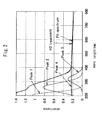
- FIG. 2 shows measurement results of the visible-UV reflectance spectrum. This sample shows a spectrum separated into three components having peaks at positions around 200, 250, and 310 nm, respectively. Compared to a sample of Comparative Example 1 described below, it is noted that this sample has prominent peak intensities particularly at 250 and 310 nm.
- Hydrogen-substituted mayenite thus reacted with water was caused to generate a gas.
- the gas was passed through a dehumidifier filled with a silica gel as a dehumidifying agent, followed by removal of its water content. Then, the amount of gas generated was measured with a soap-film flowmeter. The components of the gas generated were analyzed using a thermal conductivity detector (TCD) type gas chromatograph (trade name: GC-8A, manufactured by Shimadzu Corporation). This analysis revealed that the gas generated was hydrogen. The amount of hydrogen gas generated was 80 Nml.
- TCD thermal conductivity detector
- Hydrogen-substituted mayenite (Ca 24 Al 28 O 64 4+ ⁇ 4H - ) obtained by step ii) of Example 1 was irradiated with ultraviolet rays to obtain conductive mayenite (Ca 24 Al 28 O 64 4+ ⁇ 4e - ).
- the ultraviolet irradiation was conducted using a low pressure mercury lamp, with a distance from the lamp to a sample being 6.5 cm, with the irradiation time being 60 minutes.
- Conducive mayenite was also subjected to measurement of X-ray diffraction and measurement of a visible-UV reflectance spectrum in the same manner as in step ii) of Example 1.
- FIG. 1 The measurement results of X-ray diffraction are shown in FIG. 1 .
- the sample showed peaks characteristic of mayenite, thereby being confirmed to have the structure of mayenite.
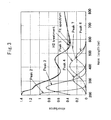
- FIG. 3 shows measurement results of the visible-UV reflectance spectrum. This sample shows a spectrum separated into three components having peaks at positions around 200, 250, and 310 nm, respectively. Compared to the sample of Comparative Example 1 described below, it is noted that this sample has prominent peak intensities particularly at 250 and 310 nm.
- step iii) of Example 1 The same operation as in step iii) of Example 1 was conducted using the conductive mayenite to generate hydrogen gas.
- the amount of hydrogen gas generated was 27 Nml.
- Katoite obtained from step i) of Example 1 was calcined at a temperature of 1300°C in air for 2 hours to obtain mayenite (Ca 24 Al 28 O 66 ).
- the resultant mayenite was also subjected to measurement of X-ray diffraction and measurement of a visible-UV reflectance spectrum in the same manner as in step ii) of Example 1.
- FIG. 1 The measurement results of X-ray diffraction are shown in FIG. 1 .
- the sample showed peaks characteristic of mayenite, thereby being confirmed to have the structure of mayenite.
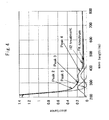
- FIG. 4 shows measurement results of the visible-UV reflectance spectrum. This sample did not show peaks at positions around 200, 250, and 310 nm, particularly at 250 and 310 nm.
- step iii) of Example 1 The same operation as in step iii) of Example 1 was conducted using this conductive mayenite to generate hydrogen gas.
- the amount of hydrogen gas generated was 0 Nml.
- Table 1 below shows amounts of hydrogen generated using mayenite of Examples 1 and 2, and Comparative Example 1.
- Table 1 Sample Amount of Hydrogen Generated (Nml) Example 1 80
Landscapes
- Chemical & Material Sciences (AREA)
- Organic Chemistry (AREA)
- Inorganic Chemistry (AREA)
- Chemical Kinetics & Catalysis (AREA)
- Health & Medical Sciences (AREA)
- General Health & Medical Sciences (AREA)
- Engineering & Computer Science (AREA)
- Life Sciences & Earth Sciences (AREA)
- Combustion & Propulsion (AREA)
- Geology (AREA)
- Toxicology (AREA)
- Electromagnetism (AREA)
- Physics & Mathematics (AREA)
- Compounds Of Alkaline-Earth Elements, Aluminum Or Rare-Earth Metals (AREA)
- Fuel Cell (AREA)
- Manufacturing & Machinery (AREA)
- Sustainable Development (AREA)
- Sustainable Energy (AREA)
- Electrochemistry (AREA)
- General Chemical & Material Sciences (AREA)
Abstract
Description
- The present invention relates to a hydrogen production process using mayenite having a specific structure.
- In recent years, there have been many proposals to use hydrogen as a clean source of energy. For example, fuel cell automobiles that run on hydrogen as a fuel have been developed. Exhaust gas from hydrogen-powered fuel cells does not contain nitrogen oxides, particulate matters, carbon dioxide, and the like, which exhaust gas from internal-combustion engines contains. Thus, fuel cells draw attention as a clean source of power that is capable of suppressing environmental pollution and global warming.
- However, hydrogen is large in volume while being stored, and therefore means for supplying hydrogen is of a problem in, for example, automobile fuel cells.
-
Patent Document 1 discloses a process of producing hydrogen by decomposing ammonia, etc.Patent Document 1 also describes an apparatus for producing hydrogen for use in a fuel cell having a decomposer that decomposes a hydrogen source composed of ammonia and/or hydrazine into nitrogen and hydrogen through a catalytic reaction, to supply the resultant hydrogen to the fuel cell. Further,Patent Document 2 discloses an apparatus and a process for producing hydrogen efficiently from ammonia, which is an improvement on the invention disclosed inPatent Document 1. - Meanwhile, miniaturizing the fuel cell per se is now in demand. Such a miniaturized fuel cell is intended for use as a substitute for AC-DC converters for rechargeable secondary batteries used in mobile phones, personal digital assistants (PDAs), digital cameras, laptop computers, and the like.
-
- Patent Document 1:
JP-A-2003-40602 - Patent Document 2:
JP-A-2010-241647 - Unfortunately, the conventional processes of producing hydrogen by catalytic decomposition of ammonia as described in
Patent Documents - An object of the present invention is to provide a hydrogen production e, which overcomes the problem the above-mentioned conventional technologies face, and is capable of producing hydrogen, which is a clean source of energy, easily and conveniently without using ammonia, with a high level of safety.
- Another object of the present invention is to provide a hydrogen production process, by which fuel cells per se that use hydrogen, which is a clean source of energy, can be miniaturized, and therefore are applicable to a fuel cell that can be used as a substitute for AC-DC converters for photoelectric secondary batteries used in mobile phones, PDAs, digital cameras, laptop computers, and the like.
- The present inventors had previously filed a patent application on an invention capable of achieving these objects (Japanese Patent Application No.
2012-73980 - To achieve the objects described above, a hydrogen production process of a first aspect in accordance with the present invention is characterized by substituting hydrogen for free oxygen in mayenite (Ca24Al28O64 4+·202-) to obtain hydrogen-substituted mayenite (Ca24Al28O64 4+·4H-), and reacting the resultant hydrogen-substituted mayenite (Ca24Al28O64 4+·4H-) with water to produce hydrogen.
- A hydrogen production process of a second aspect in accordance with the present invention is characterized by substituting hydrogen for free oxygen in mayenite (Ca24Al28O64 4+·202-) to obtain hydrogen-substituted mayenite (Ca24Al28O64 4+·4H-), irradiating the resultant hydrogen-substituted mayenite (Ca24Al28O64 4+·4H-) with ultraviolet rays to obtain conductive mayenite (Ca24Al28O64 4+·4e-), and reacting the resultant conductive mayenite (Ca24Al28O64 4+·4e-) with water to produce hydrogen.
- The hydrogen production process in accordance with the present invention is capable of producing hydrogen, which is a clean source of energy, easily and conveniently without using ammonia. In addition, the hydrogen-substituted mayenite and the conductive mayenite are both non-toxic powdered substances, and are therefore extremely easy to handle and have an very high level of safety.
- Further, by the hydrogen production process in accordance with the present invention, fuel cells per se that use hydrogen, which is a clean source of energy, can be miniaturized. Thus, these are applicable to fuel cells that can be used as a substitute for AC-DC converters for rechargeable secondary batteries used in mobile phones, PDAs, digital cameras, laptop computers, and the like.
-
-
FIG. 1 shows X-ray diffraction results of each sample of Examples 1 and 2, and Comparative Example 1. -
FIG. 2 shows measurement results of a visible-UV reflectance spectrum of the sample of Example 1. -
FIG. 3 shows measurement results of a visible-UV reflectance spectrum of the sample of Example 2. -
FIG. 4 shows measurement results of a visible-UV reflectance spectrum of the sample of Comparative Example 1. -
FIG. 5 is a schematic view showing an example of hydrogen production testing equipment in which the hydrogen production process in accordance with the present invention was carried out. - A reaction of a first aspect in accordance with the present invention is represented by the following reaction formula.
Ca24Al28O64 4+·4H- + 2H20 → Ca24Al28O66 + 4H2
- A reaction of a second aspect in accordance with the present invention is represented by the following reaction formula.
Ca24Al28O64 4+·4e- + 2H20 → Ca24Al28O66 + 2H2
- In the first and second aspects in accordance with the present invention, hydrogen-substituted mayenite may be obtained, for example, by calcining katoite in a hydrogen atmosphere. The calcining temperature is, for example, 500 to 1500°C, more preferably 1000 to 1400°C. The calcining time is determined as appropriate depending on the temperature, which is in the range of 1 minute to 24 hours. Katoite may be synthesized from, for example, aluminum powder and calcium hydroxide using a known process. Hydrogen-substituted mayenite and katoite may also be synthesized using any process other than the above-described one.
- Reaction of hydrogen-substituted mayenite or conductive mayenite with water is conducted preferably at a temperature in the range of 0 to 100°C. The reaction time is determined as appropriate depending on the required amount of hydrogen to be produced. The reaction may be conducted at normal pressures or may be conducted under pressure.
- In the second aspect of the present invention, hydrogen-substituted mayenite is irradiated with ultraviolet rays, preferably using a low-pressure mercury lamp, with the distance from the lamp to a sample being 1 mm to 10 cm, with the irradiation time being 1 second to 5 hours.
- Several Examples of the present invention and a Comparative Example to be compared to the Examples of the present invention will be described below. However, the present invention should not be limited to the Examples described below.
- First, 200 ml of ion-exchanged water was put into a reactor (separable flask) having a capacity of 1 liter. Next, 9 g of aluminum powder (trade name: #150, manufactured by MINALCO. LTD.) and 12 g of calcium hydroxide (manufactured by Wako Pure Chemical Industries Ltd.) were added to the reactor, followed by stirring. After completion of production of hydrogen gas, the ion-exchanged water was filtered, and a solid content obtained by the filtration was dried at a temperature of 70°C in air. Katoite was thus obtained.
- The resultant katoite was calcined at a temperature of 1300°C in a hydrogen atmosphere for 2 hours to produce hydrogen-substituted mayenite (Ca24Al28O64 4+·4H-). A sample of the calcined product was subjected to X-ray diffraction measurement using an X-ray diffractometer, MaltiFlex, manufactured by Rigaku Corporation and subjected to measurement of a visible-UV reflectance spectrum using UV3400 manufactured by Shimadzu Corporation.
- The measurement results of X-ray diffraction are shown in
FIG. 1 . As seen fromFIG. 1 , the sample showed peaks characteristic of mayenite, thereby being confirmed to have the structure of mayenite.FIG. 2 shows measurement results of the visible-UV reflectance spectrum. This sample shows a spectrum separated into three components having peaks at positions around 200, 250, and 310 nm, respectively. Compared to a sample of Comparative Example 1 described below, it is noted that this sample has prominent peak intensities particularly at 250 and 310 nm. - First, 200 ml of ion-exchanged water was put into a reactor (separable flask) having a capacity of 1 liter in hydrogen production testing equipment shown in
FIG. 5 . Next, 9 g of hydrogen-substituted mayenite obtained by step ii) was added to the reactor and the whole was heated with stirring to maintain the temperature at 55°C. - Hydrogen-substituted mayenite thus reacted with water was caused to generate a gas. The gas was passed through a dehumidifier filled with a silica gel as a dehumidifying agent, followed by removal of its water content. Then, the amount of gas generated was measured with a soap-film flowmeter. The components of the gas generated were analyzed using a thermal conductivity detector (TCD) type gas chromatograph (trade name: GC-8A, manufactured by Shimadzu Corporation). This analysis revealed that the gas generated was hydrogen. The amount of hydrogen gas generated was 80 Nml.
- Hydrogen-substituted mayenite (Ca24Al28O64 4+·4H-) obtained by step ii) of Example 1 was irradiated with ultraviolet rays to obtain conductive mayenite (Ca24Al28O64 4+·4e-). The ultraviolet irradiation was conducted using a low pressure mercury lamp, with a distance from the lamp to a sample being 6.5 cm, with the irradiation time being 60 minutes.
- Conducive mayenite was also subjected to measurement of X-ray diffraction and measurement of a visible-UV reflectance spectrum in the same manner as in step ii) of Example 1.
- The measurement results of X-ray diffraction are shown in
FIG. 1 . As seen fromFIG. 1 , the sample showed peaks characteristic of mayenite, thereby being confirmed to have the structure of mayenite.FIG. 3 shows measurement results of the visible-UV reflectance spectrum. This sample shows a spectrum separated into three components having peaks at positions around 200, 250, and 310 nm, respectively. Compared to the sample of Comparative Example 1 described below, it is noted that this sample has prominent peak intensities particularly at 250 and 310 nm. - The same operation as in step iii) of Example 1 was conducted using the conductive mayenite to generate hydrogen gas. The amount of hydrogen gas generated was 27 Nml.
- Katoite obtained from step i) of Example 1 was calcined at a temperature of 1300°C in air for 2 hours to obtain mayenite (Ca24Al28O66).
- The resultant mayenite was also subjected to measurement of X-ray diffraction and measurement of a visible-UV reflectance spectrum in the same manner as in step ii) of Example 1.
- The measurement results of X-ray diffraction are shown in
FIG. 1 . As seen fromFIG. 1 , the sample showed peaks characteristic of mayenite, thereby being confirmed to have the structure of mayenite.FIG. 4 shows measurement results of the visible-UV reflectance spectrum. This sample did not show peaks at positions around 200, 250, and 310 nm, particularly at 250 and 310 nm. - The same operation as in step iii) of Example 1 was conducted using this conductive mayenite to generate hydrogen gas. The amount of hydrogen gas generated was 0 Nml.
- Table 1 below shows amounts of hydrogen generated using mayenite of Examples 1 and 2, and Comparative Example 1.
Table 1 Sample Amount of Hydrogen Generated (Nml) Example 1 80 Example 2 27 Comparative Example 1 0
Claims (2)
- A process for producing hydrogen characterized by:substituting hydrogen for free oxygen in mayenite (Ca24Al28O64 4+·202-) to obtain hydrogen-substituted mayenite (Ca24Al28O64 4+·4H-); andreacting the resultant hydrogen-substituted mayenite (Ca24Al28O64 4+·4H-) with water to produce hydrogen.
- A process for producing hydrogen characterized by:substituting hydrogen for free oxygen in mayenite (Ca24Al28O64 4+·202-) to obtain hydrogen-substituted mayenite (Ca24Al28O64 4+·4H-);irradiating the resultant hydrogen-substituted mayenite (Ca24Al28O64 4+·4H-) with ultraviolet rays to obtain conductive mayenite (Ca24Al28O64 4+·4e-) ; andreacting the resultant conductive mayenite (Ca24Al28O64 4+·4e-) with water to produce hydrogen.
Applications Claiming Priority (2)
| Application Number | Priority Date | Filing Date | Title |
|---|---|---|---|
| JP2013006048A JP6048933B2 (en) | 2013-01-17 | 2013-01-17 | Hydrogen production method |
| PCT/JP2014/050207 WO2014112422A1 (en) | 2013-01-17 | 2014-01-09 | Hydrogen production method |
Publications (3)
| Publication Number | Publication Date |
|---|---|
| EP2947046A1 true EP2947046A1 (en) | 2015-11-25 |
| EP2947046A4 EP2947046A4 (en) | 2016-08-24 |
| EP2947046B1 EP2947046B1 (en) | 2017-07-12 |
Family
ID=51209514
Family Applications (1)
| Application Number | Title | Priority Date | Filing Date |
|---|---|---|---|
| EP14740401.6A Not-in-force EP2947046B1 (en) | 2013-01-17 | 2014-01-09 | Hydrogen production method |
Country Status (5)
| Country | Link |
|---|---|
| US (1) | US9457334B2 (en) |
| EP (1) | EP2947046B1 (en) |
| JP (1) | JP6048933B2 (en) |
| CN (1) | CN104936890B (en) |
| WO (1) | WO2014112422A1 (en) |
Cited By (1)
| Publication number | Priority date | Publication date | Assignee | Title |
|---|---|---|---|---|
| US10450198B2 (en) | 2015-06-25 | 2019-10-22 | Kyoto University | Method for producing conductive mayenite type compound |
Families Citing this family (5)
| Publication number | Priority date | Publication date | Assignee | Title |
|---|---|---|---|---|
| JP6523769B2 (en) * | 2015-04-28 | 2019-06-05 | 日立造船株式会社 | Hydrogen molecule storage material and hydrogen generation method thereof |
| JP6675680B2 (en) | 2016-02-15 | 2020-04-01 | 国立大学法人京都大学 | Modified calcium aluminate compound and method for producing the same |
| JP2018098093A (en) * | 2016-12-15 | 2018-06-21 | 国立大学法人京都大学 | Mobile unit |
| JP2018095530A (en) * | 2016-12-15 | 2018-06-21 | 国立大学法人京都大学 | Hydrogen generator |
| JP6949584B2 (en) * | 2017-06-30 | 2021-10-13 | 株式会社New−Tech | Hydrogen storage body, hydrogen storage method and manufacturing method of hydrogen storage body |
Family Cites Families (9)
| Publication number | Priority date | Publication date | Assignee | Title |
|---|---|---|---|---|
| JP2003040602A (en) | 2001-07-30 | 2003-02-13 | Toyota Central Res & Dev Lab Inc | Hydrogen production equipment for fuel cells |
| US7662357B2 (en) | 2002-04-19 | 2010-02-16 | Japan Science And Technology Agency | Hydrogen-containing electrically conductive inorganic compound |
| JP4276854B2 (en) * | 2003-01-30 | 2009-06-10 | ウチヤ・サーモスタット株式会社 | Hydrogen generating material, hydrogen generating method and hydrogen generating apparatus |
| CN102307812A (en) * | 2009-02-05 | 2012-01-04 | 旭硝子株式会社 | Method for producing mayenite-containing oxide and method for producing conductive mayenite-containing oxide |
| JP2012101945A (en) | 2009-02-17 | 2012-05-31 | Asahi Glass Co Ltd | Method for producing mayenite-containing oxide |
| JP5352323B2 (en) | 2009-04-07 | 2013-11-27 | トヨタ自動車株式会社 | Hydrogen generating apparatus and hydrogen generating method |
| JP5521956B2 (en) | 2010-09-30 | 2014-06-18 | 大日本印刷株式会社 | One-time password generator manufacturing method, one-time password generator manufacturing system |
| JP4744641B1 (en) | 2010-10-18 | 2011-08-10 | ミズ株式会社 | Device for adding hydrogen to biological fluids |
| JP5820817B2 (en) * | 2010-12-07 | 2015-11-24 | 国立大学法人東京工業大学 | Ammonia synthesis catalyst and ammonia synthesis method |
-
2013
- 2013-01-17 JP JP2013006048A patent/JP6048933B2/en active Active
-
2014
- 2014-01-09 CN CN201480005074.2A patent/CN104936890B/en active Active
- 2014-01-09 US US14/759,104 patent/US9457334B2/en not_active Expired - Fee Related
- 2014-01-09 EP EP14740401.6A patent/EP2947046B1/en not_active Not-in-force
- 2014-01-09 WO PCT/JP2014/050207 patent/WO2014112422A1/en not_active Ceased
Cited By (1)
| Publication number | Priority date | Publication date | Assignee | Title |
|---|---|---|---|---|
| US10450198B2 (en) | 2015-06-25 | 2019-10-22 | Kyoto University | Method for producing conductive mayenite type compound |
Also Published As
| Publication number | Publication date |
|---|---|
| CN104936890A (en) | 2015-09-23 |
| JP2014136661A (en) | 2014-07-28 |
| EP2947046B1 (en) | 2017-07-12 |
| WO2014112422A1 (en) | 2014-07-24 |
| US20150336075A1 (en) | 2015-11-26 |
| JP6048933B2 (en) | 2016-12-21 |
| CN104936890B (en) | 2016-10-12 |
| EP2947046A4 (en) | 2016-08-24 |
| US9457334B2 (en) | 2016-10-04 |
Similar Documents
| Publication | Publication Date | Title |
|---|---|---|
| EP2947046B1 (en) | Hydrogen production method | |
| Xiao et al. | Deficient Bi24O31Br10 as a highly efficient photocatalyst for selective oxidation of benzyl alcohol into benzaldehyde under blue LED irradiation | |
| Su et al. | Preparation and characterization of Cu modified BiYO3 for carbon dioxide reduction to formic acid | |
| Wang et al. | Experimental and DFT insights of BiVO4 as an effective photocatalytic catalyst for N2O decomposition | |
| Li et al. | Water-gas shift reaction over CuO/CeO2 catalysts: Effect of CeO2 supports previously prepared by precipitation with different precipitants | |
| EP2659969B1 (en) | Optical semiconductor and production method therefor, as well as optical semiconductor device, photocatalyst, hydrogen-generating device and energy system | |
| US9370743B2 (en) | Carbon dioxide adsorbent including barium titanate, carbon dioxide capture module including the same, and methods for separating carbon dioxide using the same | |
| Zhao et al. | Improved charge transfer and morphology on Ti-modified Cu/γ-Al2O3/Al catalyst enhance the activity for methanol steam reforming | |
| CN107999112A (en) | The S-C of class graphene-structured3N4Synthetic ammonia catalyst and preparation method thereof | |
| JP6573494B2 (en) | Composition for ammonia synthesis catalyst, method for producing the same, and method for synthesizing ammonia | |
| JP2011078947A (en) | Ammonia decomposition catalyst and ammonia decomposition method | |
| Wang et al. | Recent progress in intrinsic defect modulation of gC 3 N 4 based materials and their photocatalytic properties | |
| Sun et al. | A novel Co-MOF@ ZIF-8 nano-heterojunction for efficient photocatalytic nitrogen fixation | |
| Sang et al. | Enhanced photocatalytic reduction of Cr (VI) using porous hierarchical Bi2O3/Bi2S3 high-low heterojunctions: Novel strategies and charge transfer mechanisms | |
| Hu et al. | Synthesis of a BiOIO3/Bi2O4 heterojunction that can efficiently degrade rhodamine B and ciprofloxacin under visible light | |
| Astuti et al. | Enhancing CO2 capture and conversion to formic acid via a membrane-photocatalytic hybrid system with ZnO–ZnS heterojunction catalyst | |
| Ma et al. | Preparation of LaXCoO3 (X= Mg, Ca, Sr, Ce) catalysts and their performance for steam reforming of ethanol to hydrogen | |
| Gao et al. | Adsorption mechanisms of hydrogen fluoride gas by urea-modified Mg-based adsorbent: The key role of oxygen vacancies | |
| CN112844410A (en) | Preparation method and application of nickel ion modified bismuth oxysulfide photocatalyst | |
| CN116876022A (en) | Preparation method of self-supporting bifunctional electrolyzed water catalyst | |
| JP6523769B2 (en) | Hydrogen molecule storage material and hydrogen generation method thereof | |
| US9255004B2 (en) | Continuous production method of hydrogen | |
| KR101869461B1 (en) | Method for removing oxygen in methane mixture gas by using oxygen catalyst, perovskite type oxygen removing catalyst used in the same, and land fill gas refine device applying land fill gas mathane direct converting technology using the same | |
| Muroyama et al. | Production and utilization of hydrogen carriers by using supported nickel catalysts | |
| WO2018187507A1 (en) | Photo-redox titanium containing organic frameworks and methods of making and use thereof |
Legal Events
| Date | Code | Title | Description |
|---|---|---|---|
| PUAI | Public reference made under article 153(3) epc to a published international application that has entered the european phase |
Free format text: ORIGINAL CODE: 0009012 |
|
| 17P | Request for examination filed |
Effective date: 20150722 |
|
| AK | Designated contracting states |
Kind code of ref document: A1 Designated state(s): AL AT BE BG CH CY CZ DE DK EE ES FI FR GB GR HR HU IE IS IT LI LT LU LV MC MK MT NL NO PL PT RO RS SE SI SK SM TR |
|
| AX | Request for extension of the european patent |
Extension state: BA ME |
|
| DAX | Request for extension of the european patent (deleted) | ||
| A4 | Supplementary search report drawn up and despatched |
Effective date: 20160722 |
|
| RIC1 | Information provided on ipc code assigned before grant |
Ipc: C01B 3/06 20060101AFI20160718BHEP Ipc: C01F 7/16 20060101ALI20160718BHEP |
|
| GRAP | Despatch of communication of intention to grant a patent |
Free format text: ORIGINAL CODE: EPIDOSNIGR1 |
|
| STAA | Information on the status of an ep patent application or granted ep patent |
Free format text: STATUS: GRANT OF PATENT IS INTENDED |
|
| RIC1 | Information provided on ipc code assigned before grant |
Ipc: C01B 3/06 20060101AFI20170116BHEP Ipc: C01F 7/16 20060101ALI20170116BHEP |
|
| INTG | Intention to grant announced |
Effective date: 20170208 |
|
| GRAS | Grant fee paid |
Free format text: ORIGINAL CODE: EPIDOSNIGR3 |
|
| GRAA | (expected) grant |
Free format text: ORIGINAL CODE: 0009210 |
|
| STAA | Information on the status of an ep patent application or granted ep patent |
Free format text: STATUS: THE PATENT HAS BEEN GRANTED |
|
| AK | Designated contracting states |
Kind code of ref document: B1 Designated state(s): AL AT BE BG CH CY CZ DE DK EE ES FI FR GB GR HR HU IE IS IT LI LT LU LV MC MK MT NL NO PL PT RO RS SE SI SK SM TR |
|
| REG | Reference to a national code |
Ref country code: GB Ref legal event code: FG4D |
|
| REG | Reference to a national code |
Ref country code: CH Ref legal event code: EP |
|
| REG | Reference to a national code |
Ref country code: AT Ref legal event code: REF Ref document number: 908133 Country of ref document: AT Kind code of ref document: T Effective date: 20170715 |
|
| REG | Reference to a national code |
Ref country code: IE Ref legal event code: FG4D |
|
| REG | Reference to a national code |
Ref country code: DE Ref legal event code: R096 Ref document number: 602014011771 Country of ref document: DE |
|
| REG | Reference to a national code |
Ref country code: NL Ref legal event code: MP Effective date: 20170712 |
|
| REG | Reference to a national code |
Ref country code: LT Ref legal event code: MG4D |
|
| REG | Reference to a national code |
Ref country code: AT Ref legal event code: MK05 Ref document number: 908133 Country of ref document: AT Kind code of ref document: T Effective date: 20170712 |
|
| PG25 | Lapsed in a contracting state [announced via postgrant information from national office to epo] |
Ref country code: HR Free format text: LAPSE BECAUSE OF FAILURE TO SUBMIT A TRANSLATION OF THE DESCRIPTION OR TO PAY THE FEE WITHIN THE PRESCRIBED TIME-LIMIT Effective date: 20170712 Ref country code: SE Free format text: LAPSE BECAUSE OF FAILURE TO SUBMIT A TRANSLATION OF THE DESCRIPTION OR TO PAY THE FEE WITHIN THE PRESCRIBED TIME-LIMIT Effective date: 20170712 Ref country code: NL Free format text: LAPSE BECAUSE OF FAILURE TO SUBMIT A TRANSLATION OF THE DESCRIPTION OR TO PAY THE FEE WITHIN THE PRESCRIBED TIME-LIMIT Effective date: 20170712 Ref country code: AT Free format text: LAPSE BECAUSE OF FAILURE TO SUBMIT A TRANSLATION OF THE DESCRIPTION OR TO PAY THE FEE WITHIN THE PRESCRIBED TIME-LIMIT Effective date: 20170712 Ref country code: FI Free format text: LAPSE BECAUSE OF FAILURE TO SUBMIT A TRANSLATION OF THE DESCRIPTION OR TO PAY THE FEE WITHIN THE PRESCRIBED TIME-LIMIT Effective date: 20170712 Ref country code: LT Free format text: LAPSE BECAUSE OF FAILURE TO SUBMIT A TRANSLATION OF THE DESCRIPTION OR TO PAY THE FEE WITHIN THE PRESCRIBED TIME-LIMIT Effective date: 20170712 Ref country code: NO Free format text: LAPSE BECAUSE OF FAILURE TO SUBMIT A TRANSLATION OF THE DESCRIPTION OR TO PAY THE FEE WITHIN THE PRESCRIBED TIME-LIMIT Effective date: 20171012 |
|
| PG25 | Lapsed in a contracting state [announced via postgrant information from national office to epo] |
Ref country code: RS Free format text: LAPSE BECAUSE OF FAILURE TO SUBMIT A TRANSLATION OF THE DESCRIPTION OR TO PAY THE FEE WITHIN THE PRESCRIBED TIME-LIMIT Effective date: 20170712 Ref country code: LV Free format text: LAPSE BECAUSE OF FAILURE TO SUBMIT A TRANSLATION OF THE DESCRIPTION OR TO PAY THE FEE WITHIN THE PRESCRIBED TIME-LIMIT Effective date: 20170712 Ref country code: ES Free format text: LAPSE BECAUSE OF FAILURE TO SUBMIT A TRANSLATION OF THE DESCRIPTION OR TO PAY THE FEE WITHIN THE PRESCRIBED TIME-LIMIT Effective date: 20170712 Ref country code: BG Free format text: LAPSE BECAUSE OF FAILURE TO SUBMIT A TRANSLATION OF THE DESCRIPTION OR TO PAY THE FEE WITHIN THE PRESCRIBED TIME-LIMIT Effective date: 20171012 Ref country code: GR Free format text: LAPSE BECAUSE OF FAILURE TO SUBMIT A TRANSLATION OF THE DESCRIPTION OR TO PAY THE FEE WITHIN THE PRESCRIBED TIME-LIMIT Effective date: 20171013 Ref country code: PL Free format text: LAPSE BECAUSE OF FAILURE TO SUBMIT A TRANSLATION OF THE DESCRIPTION OR TO PAY THE FEE WITHIN THE PRESCRIBED TIME-LIMIT Effective date: 20170712 Ref country code: IS Free format text: LAPSE BECAUSE OF FAILURE TO SUBMIT A TRANSLATION OF THE DESCRIPTION OR TO PAY THE FEE WITHIN THE PRESCRIBED TIME-LIMIT Effective date: 20171112 |
|
| REG | Reference to a national code |
Ref country code: DE Ref legal event code: R097 Ref document number: 602014011771 Country of ref document: DE |
|
| PG25 | Lapsed in a contracting state [announced via postgrant information from national office to epo] |
Ref country code: DK Free format text: LAPSE BECAUSE OF FAILURE TO SUBMIT A TRANSLATION OF THE DESCRIPTION OR TO PAY THE FEE WITHIN THE PRESCRIBED TIME-LIMIT Effective date: 20170712 Ref country code: RO Free format text: LAPSE BECAUSE OF FAILURE TO SUBMIT A TRANSLATION OF THE DESCRIPTION OR TO PAY THE FEE WITHIN THE PRESCRIBED TIME-LIMIT Effective date: 20170712 Ref country code: CZ Free format text: LAPSE BECAUSE OF FAILURE TO SUBMIT A TRANSLATION OF THE DESCRIPTION OR TO PAY THE FEE WITHIN THE PRESCRIBED TIME-LIMIT Effective date: 20170712 |
|
| PLBE | No opposition filed within time limit |
Free format text: ORIGINAL CODE: 0009261 |
|
| STAA | Information on the status of an ep patent application or granted ep patent |
Free format text: STATUS: NO OPPOSITION FILED WITHIN TIME LIMIT |
|
| PG25 | Lapsed in a contracting state [announced via postgrant information from national office to epo] |
Ref country code: IT Free format text: LAPSE BECAUSE OF FAILURE TO SUBMIT A TRANSLATION OF THE DESCRIPTION OR TO PAY THE FEE WITHIN THE PRESCRIBED TIME-LIMIT Effective date: 20170712 Ref country code: SK Free format text: LAPSE BECAUSE OF FAILURE TO SUBMIT A TRANSLATION OF THE DESCRIPTION OR TO PAY THE FEE WITHIN THE PRESCRIBED TIME-LIMIT Effective date: 20170712 Ref country code: SM Free format text: LAPSE BECAUSE OF FAILURE TO SUBMIT A TRANSLATION OF THE DESCRIPTION OR TO PAY THE FEE WITHIN THE PRESCRIBED TIME-LIMIT Effective date: 20170712 Ref country code: EE Free format text: LAPSE BECAUSE OF FAILURE TO SUBMIT A TRANSLATION OF THE DESCRIPTION OR TO PAY THE FEE WITHIN THE PRESCRIBED TIME-LIMIT Effective date: 20170712 |
|
| 26N | No opposition filed |
Effective date: 20180413 |
|
| PG25 | Lapsed in a contracting state [announced via postgrant information from national office to epo] |
Ref country code: SI Free format text: LAPSE BECAUSE OF FAILURE TO SUBMIT A TRANSLATION OF THE DESCRIPTION OR TO PAY THE FEE WITHIN THE PRESCRIBED TIME-LIMIT Effective date: 20170712 |
|
| REG | Reference to a national code |
Ref country code: CH Ref legal event code: PL |
|
| GBPC | Gb: european patent ceased through non-payment of renewal fee |
Effective date: 20180109 |
|
| PG25 | Lapsed in a contracting state [announced via postgrant information from national office to epo] |
Ref country code: LU Free format text: LAPSE BECAUSE OF NON-PAYMENT OF DUE FEES Effective date: 20180109 Ref country code: FR Free format text: LAPSE BECAUSE OF NON-PAYMENT OF DUE FEES Effective date: 20180131 |
|
| REG | Reference to a national code |
Ref country code: IE Ref legal event code: MM4A |
|
| REG | Reference to a national code |
Ref country code: FR Ref legal event code: ST Effective date: 20180928 |
|
| REG | Reference to a national code |
Ref country code: BE Ref legal event code: MM Effective date: 20180131 |
|
| PG25 | Lapsed in a contracting state [announced via postgrant information from national office to epo] |
Ref country code: GB Free format text: LAPSE BECAUSE OF NON-PAYMENT OF DUE FEES Effective date: 20180109 Ref country code: CH Free format text: LAPSE BECAUSE OF NON-PAYMENT OF DUE FEES Effective date: 20180131 Ref country code: BE Free format text: LAPSE BECAUSE OF NON-PAYMENT OF DUE FEES Effective date: 20180131 Ref country code: LI Free format text: LAPSE BECAUSE OF NON-PAYMENT OF DUE FEES Effective date: 20180131 |
|
| PG25 | Lapsed in a contracting state [announced via postgrant information from national office to epo] |
Ref country code: IE Free format text: LAPSE BECAUSE OF NON-PAYMENT OF DUE FEES Effective date: 20180109 |
|
| PG25 | Lapsed in a contracting state [announced via postgrant information from national office to epo] |
Ref country code: MC Free format text: LAPSE BECAUSE OF FAILURE TO SUBMIT A TRANSLATION OF THE DESCRIPTION OR TO PAY THE FEE WITHIN THE PRESCRIBED TIME-LIMIT Effective date: 20170712 |
|
| PG25 | Lapsed in a contracting state [announced via postgrant information from national office to epo] |
Ref country code: MT Free format text: LAPSE BECAUSE OF NON-PAYMENT OF DUE FEES Effective date: 20180109 |
|
| PG25 | Lapsed in a contracting state [announced via postgrant information from national office to epo] |
Ref country code: TR Free format text: LAPSE BECAUSE OF FAILURE TO SUBMIT A TRANSLATION OF THE DESCRIPTION OR TO PAY THE FEE WITHIN THE PRESCRIBED TIME-LIMIT Effective date: 20170712 |
|
| PG25 | Lapsed in a contracting state [announced via postgrant information from national office to epo] |
Ref country code: PT Free format text: LAPSE BECAUSE OF FAILURE TO SUBMIT A TRANSLATION OF THE DESCRIPTION OR TO PAY THE FEE WITHIN THE PRESCRIBED TIME-LIMIT Effective date: 20170712 |
|
| PG25 | Lapsed in a contracting state [announced via postgrant information from national office to epo] |
Ref country code: MK Free format text: LAPSE BECAUSE OF NON-PAYMENT OF DUE FEES Effective date: 20170712 Ref country code: HU Free format text: LAPSE BECAUSE OF FAILURE TO SUBMIT A TRANSLATION OF THE DESCRIPTION OR TO PAY THE FEE WITHIN THE PRESCRIBED TIME-LIMIT; INVALID AB INITIO Effective date: 20140109 Ref country code: CY Free format text: LAPSE BECAUSE OF FAILURE TO SUBMIT A TRANSLATION OF THE DESCRIPTION OR TO PAY THE FEE WITHIN THE PRESCRIBED TIME-LIMIT Effective date: 20170712 |
|
| PG25 | Lapsed in a contracting state [announced via postgrant information from national office to epo] |
Ref country code: AL Free format text: LAPSE BECAUSE OF FAILURE TO SUBMIT A TRANSLATION OF THE DESCRIPTION OR TO PAY THE FEE WITHIN THE PRESCRIBED TIME-LIMIT Effective date: 20170712 |
|
| REG | Reference to a national code |
Ref country code: DE Ref legal event code: R082 Ref document number: 602014011771 Country of ref document: DE Representative=s name: MAIWALD PATENTANWALTS- UND RECHTSANWALTSGESELL, DE Ref country code: DE Ref legal event code: R081 Ref document number: 602014011771 Country of ref document: DE Owner name: KYOTO UNIVERSITY, JP Free format text: FORMER OWNERS: HITACHI ZOSEN CORP., OSAKA-SHI, JP; KYOTO UNIVERSITY, KYOTO-SHI, JP Ref country code: DE Ref legal event code: R081 Ref document number: 602014011771 Country of ref document: DE Owner name: NEW-TECH INC., KYOTO-SHI, JP Free format text: FORMER OWNERS: HITACHI ZOSEN CORP., OSAKA-SHI, JP; KYOTO UNIVERSITY, KYOTO-SHI, JP |
|
| REG | Reference to a national code |
Ref country code: DE Ref legal event code: R082 Ref document number: 602014011771 Country of ref document: DE Representative=s name: MAIWALD PATENTANWALTS- UND RECHTSANWALTSGESELL, DE Ref country code: DE Ref legal event code: R081 Ref document number: 602014011771 Country of ref document: DE Owner name: NEW-TECH INC., KYOTO-SHI, JP Free format text: FORMER OWNER: KYOTO UNIVERSITY, KYOTO-SHI, JP |
|
| PGFP | Annual fee paid to national office [announced via postgrant information from national office to epo] |
Ref country code: DE Payment date: 20220119 Year of fee payment: 9 |
|
| REG | Reference to a national code |
Ref country code: DE Ref legal event code: R119 Ref document number: 602014011771 Country of ref document: DE |
|
| PG25 | Lapsed in a contracting state [announced via postgrant information from national office to epo] |
Ref country code: DE Free format text: LAPSE BECAUSE OF NON-PAYMENT OF DUE FEES Effective date: 20230801 |