EP2942712B1 - Server control method and server control device - Google Patents
Server control method and server control device Download PDFInfo
- Publication number
- EP2942712B1 EP2942712B1 EP13892785.0A EP13892785A EP2942712B1 EP 2942712 B1 EP2942712 B1 EP 2942712B1 EP 13892785 A EP13892785 A EP 13892785A EP 2942712 B1 EP2942712 B1 EP 2942712B1
- Authority
- EP
- European Patent Office
- Prior art keywords
- server
- cpu
- cpus
- master cpu
- unit
- Prior art date
- Legal status (The legal status is an assumption and is not a legal conclusion. Google has not performed a legal analysis and makes no representation as to the accuracy of the status listed.)
- Active
Links
Images

Classifications
-
- G—PHYSICS
- G06—COMPUTING OR CALCULATING; COUNTING
- G06F—ELECTRIC DIGITAL DATA PROCESSING
- G06F11/00—Error detection; Error correction; Monitoring
- G06F11/07—Responding to the occurrence of a fault, e.g. fault tolerance
- G06F11/14—Error detection or correction of the data by redundancy in operations
- G06F11/1402—Saving, restoring, recovering or retrying
- G06F11/1415—Saving, restoring, recovering or retrying at system level
- G06F11/1438—Restarting or rejuvenating
-
- G—PHYSICS
- G06—COMPUTING OR CALCULATING; COUNTING
- G06F—ELECTRIC DIGITAL DATA PROCESSING
- G06F11/00—Error detection; Error correction; Monitoring
- G06F11/07—Responding to the occurrence of a fault, e.g. fault tolerance
- G06F11/0703—Error or fault processing not based on redundancy, i.e. by taking additional measures to deal with the error or fault not making use of redundancy in operation, in hardware, or in data representation
- G06F11/0706—Error or fault processing not based on redundancy, i.e. by taking additional measures to deal with the error or fault not making use of redundancy in operation, in hardware, or in data representation the processing taking place on a specific hardware platform or in a specific software environment
- G06F11/0721—Error or fault processing not based on redundancy, i.e. by taking additional measures to deal with the error or fault not making use of redundancy in operation, in hardware, or in data representation the processing taking place on a specific hardware platform or in a specific software environment within a central processing unit [CPU]
-
- G—PHYSICS
- G06—COMPUTING OR CALCULATING; COUNTING
- G06F—ELECTRIC DIGITAL DATA PROCESSING
- G06F11/00—Error detection; Error correction; Monitoring
- G06F11/07—Responding to the occurrence of a fault, e.g. fault tolerance
- G06F11/0703—Error or fault processing not based on redundancy, i.e. by taking additional measures to deal with the error or fault not making use of redundancy in operation, in hardware, or in data representation
- G06F11/0793—Remedial or corrective actions
-
- G—PHYSICS
- G06—COMPUTING OR CALCULATING; COUNTING
- G06F—ELECTRIC DIGITAL DATA PROCESSING
- G06F11/00—Error detection; Error correction; Monitoring
- G06F11/07—Responding to the occurrence of a fault, e.g. fault tolerance
- G06F11/14—Error detection or correction of the data by redundancy in operations
- G06F11/1402—Saving, restoring, recovering or retrying
- G06F11/1415—Saving, restoring, recovering or retrying at system level
- G06F11/1417—Boot up procedures
-
- G—PHYSICS
- G06—COMPUTING OR CALCULATING; COUNTING
- G06F—ELECTRIC DIGITAL DATA PROCESSING
- G06F9/00—Arrangements for program control, e.g. control units
- G06F9/06—Arrangements for program control, e.g. control units using stored programs, i.e. using an internal store of processing equipment to receive or retain programs
- G06F9/44—Arrangements for executing specific programs
- G06F9/4401—Bootstrapping
- G06F9/4406—Loading of operating system
-
- G—PHYSICS
- G06—COMPUTING OR CALCULATING; COUNTING
- G06F—ELECTRIC DIGITAL DATA PROCESSING
- G06F11/00—Error detection; Error correction; Monitoring
- G06F11/07—Responding to the occurrence of a fault, e.g. fault tolerance
- G06F11/14—Error detection or correction of the data by redundancy in operations
- G06F11/1402—Saving, restoring, recovering or retrying
- G06F11/1415—Saving, restoring, recovering or retrying at system level
- G06F11/1441—Resetting or repowering
Definitions
- the triggering unit includes:
- a server control method comprising:
- the determining whether the server starts abnormally includes:
- the method is implemented by a complex programmable logical device CPLD or a field programmable gate array FPGA.
- the server is a server that supports a hard partitioning function, and the pins of the CPUs in the server are connected to the CPLD or the FPGA.
- FIG. 2 is a schematic structural diagram of a control device 200 in a server according to an embodiment of the present invention, where the server includes at least two CPUs and at least two PCHs, and each of the PCHs is connected to at least one of the CPUs; and the control device 200 includes:
- the configuring unit 201 includes:
- the restarting unit 202 includes:
- the triggering unit 2022 includes:
- the server in this embodiment of the present invention is a server that supports a hard partitioning function, and the pins of the CPUs in the server are connected to the control device.
- the control device in the server may be connected to a CPU in the server by using an SMBUS (System Manage bus, System Management Bus), an LPC (Low Pin Count, Low Pin Count) bus, or the like.
- the control device implements configuration of the pins of the CPU by using the SMBUS bus or the LPC bus.
- FIG. 4 is a schematic structural diagram of basic hardware of an 8-socket server.
- the 8-socket server is an X86 server that supports a hard partitioning function and includes eight CPUs, two PCHs, and Flashes connected to the PCHs. Pins of the eight CPUs are connected to the CPLD, and the CPLD implements management of the CPUs by configuring the pins of the CPUs, for example, configuring a CPU as a master CPU.
- the 8-socket server may include multiple PCHs.
- the 8-socket server includes only two PCHs, and each PCH is connected to one CPU of one subserver.
- a CPU5 in FIG. 4 is the master CPU
- a PCH connected to the CPU5 is a master PCH
- a PCH connected to a CPU1 is a slave PCH.
- the slave PCH generally has two working modes: (1) The PCH is disabled and cannot provide any function externally. (2) The PCH is in a state in which some functions are available, for example, a USB or SATA function on the PCH is available but the PCH cannot participate in a management function of the entire server.
- the CPUs in the server are identified by using their SOCKET_ID pins.
- the SOCKET_ID pin of each CPU needs to be connected to a configuring unit 201 of a CPLD.
- the configuring unit 201 configures a SOCKET_ID pin value of each CPU according to an actual requirement.
- a pin EX_LEGACY_SKT is used to differentiate whether a CPU is a master processor or a common processor.
- the restarting unit 202 triggers the server to restart, and triggers the configuring unit 201 to configure a normal CPU or a CPU connected to a normal PCH as the master CPU.
- That the restarting unit 202 determines whether the master CPU, the master PCH, or the FLASH connected to the master PCH is abnormal may be implemented in a manner of setting a timer and setting duration of the timer to be less than timer duration of a watchdog. If the watchdog is not disabled before the timer that is set times out, it is determined that the server starts abnormally. Specifically, a determining unit 2021 in the restarting unit 202 determines whether the watchdog is disabled within the set time. If the watchdog is not disabled or reset, it is determined that the server starts abnormally.
- the first triggering unit 20221 in the triggering unit 2022 triggers, based on a restart register preset in the CPLD by the BIOS, the server to restart.
- the BIOS of the server writes exception information into a register, for example, a register of an E2PROM (Electrically Erasable and Programmable Read-Only Memory, electrically erasable programmable read-only memory).
- E2PROM Electrically Erasable and Programmable Read-Only Memory, electrically erasable programmable read-only memory
- the second triggering unit 20222 determines whether the exception information is recorded in a register of the E2PROM, and triggers the configuring unit 201 to reconfigure the SOCKET_ID and EX_LEGACY_SKT pins of each CPU if the exception information exists.
- the configuring labels of the CPUs is specifically configuring pins of the CPUs, and the marking one of the CPUs as a master CPU is configuring one of the CPUs as the master CPU by configuring values of the pins.
- the recording exception information may be implemented by recording the exception information in a register, such as a register of an E2PROM.
- the exception information may also be recorded in another place on the server, and a location in which the exception information is recorded is not limited by this embodiment of the present invention.
- the exception information is recorded by the BIOS, for example, the BIOS records the exception information in a register of the E2PROM.
- the CPLD determines whether the exception information is recorded in the register of the E2PROM; if the exception information exists, a SOCKET_ID pin value and an EX_LEGACY_SKT pin value of each CPU are reconfigured.
- the CPU1 in FIG. 4 is configured as the master CPU, SOCKET_ID of the CPU1 is set to 0, and EX_LEGACY_SKT of the CPU1 is set to 1;
- the CPU5 is configured as a common processor, that is, SOCKET_ID of the CPU5 is set to 4, and EX_LEGACY_SKT of the CPU5 is set to 0.
- the foregoing storage medium includes: any medium that can store program code, such as a USB flash drive, a removable hard disk, a read-only memory (ROM, Read-Only Memory), a random access memory (RAM, Random Access Memory), a magnetic disk, or an optical disc.
- program code such as a USB flash drive, a removable hard disk, a read-only memory (ROM, Read-Only Memory), a random access memory (RAM, Random Access Memory), a magnetic disk, or an optical disc.
Landscapes
- Engineering & Computer Science (AREA)
- Theoretical Computer Science (AREA)
- Physics & Mathematics (AREA)
- General Engineering & Computer Science (AREA)
- General Physics & Mathematics (AREA)
- Quality & Reliability (AREA)
- Software Systems (AREA)
- Computer Security & Cryptography (AREA)
- Debugging And Monitoring (AREA)
- Hardware Redundancy (AREA)
- Stored Programmes (AREA)
- Multi Processors (AREA)
Description
- The present invention relates to the field of information technologies, and in particular, to a server control method and a server control device.
- A server is a high-performance computer in a network environment and is capable of listening to a service request submitted by another computer (client) on a network and providing a corresponding service. According to a system architecture, servers are mainly divided into two categories: non-x86 servers and X86 servers. An X86 server is also called a complex instruction set architecture server, namely a generally called PC server. The X86 server is a server that is based on a PC system architecture and uses an Intel processor chip or another processor chip compatible with an x86 instruction set.
For example,US 2012/0173922A1 refers to an apparatus and method for handling a failed processor of a multiprocessor information handling system. For example,US 5, 790, 850 refers to fault resilient booting for multiprocessor computer systems. Further,GB 2 351 820 A US 2009/0172228A1 refers to a method and system for handling a management interrupt event in a multi processor computing device. Further,US 2008/0155331A1 refers to a system and method for enabling seamless boot recovery. - With further development of information technology, a server becomes increasingly important in daily IT (Information Technical, information technology) applications, and the number of services that a server bears is also increasing. An exception or a breakdown of a server may usually bring an extremely huge loss to a customer. Therefore, no matter it is for a general server or a key application server, a RAS (Reliability, Availability and Serviceability; reliability, availability and serviceability) feature of the server becomes increasingly important.
- The so-called RAS, namely the so-called reliability, availability, and serviceability, is an important indicator of a server. How to achieve that a server has not only a great RAS feature but also a relatively high cost performance ratio is a major focus in server development. Especially for a mid-range or high-end server, a complete RAS feature is a major indicator for measuring whether the server is a high-end server.
- For a common mid-range or high-end X86 server or a higher-end midrange computer, the server is generally required to support hard partitioning. The so-called hard partitioning is to separate one server into several completely independent subservers. Each of these subservers is one complete server system. These subservers have their own BIOSs (Basic Input Output System, basic input/output systems) and operating systems, which is similar to a generally called single server. For example, one 8-socket X86 server is hard partitioned into two 4-socket servers or four 2-socket servers, and a server that is obtained by separation by means of hard partitioning can run independently, be powered on independently, be powered off independently, and be managed independently.
- Generally, an X86 server mainly includes multiple components, such as a CPU (Central Processing Unit, central processing unit), a PCH (Platform Controller Hub, Platform Controller Hub), a memory, a hard disk, and a card. For an X86 server that supports a hard partitioning function, multiple PCH chips need to be configured. Generally, the number of PCH chips that need to be configured varies depending on the number of hard partitions supported by a system.
FIG. 1(a) is a system framework of one 8-socket server, andFIG. 1(b) is a system framework of one 8-socket server that is hard partitioned into two 4-socket servers. -
FIG. 1(a) shows an independent 8P mode. A PCH connected to a CPU1 is a master PCH, and a PCH connected to another processor is a slave PCH. The slave PCH has two working modes: (1) The PCH is disabled and cannot provide any function externally. (2) The PCH is in a state in which some functions are available, for example, a USB or SATA function on the PCH is still available but the PCH cannot participate in a management function of the entire server. -
FIG. 1(b) shows a partitioned 8P mode. Four CPUs and a PCH that are at the top form one independent system, and four CPUs and a PCH that are at the bottom form one independent system. QPI (Quick Path Interconnect, QuickPath Interconnect) connections between the two systems are disconnected, and there is no task interaction between the two systems. - In the prior art, RAS of a system has a relatively big disadvantage: When partitioning is not performed on a server, if a master PCH connected to a CPU1 is abnormal (for example, a chip is damaged), or an exception (for example, a chip is damaged, or a BIOS in which a Flash is located is abnormally erased) occurs on the FLASH connected to the master PCH, the entire server is in a breakdown state. In this case, a service that runs on the server is interrupted.
- Embodiments of the present invention provide a server control method and a server control device, which implement that normal operation of a service is ensured when a server starts abnormally.
In a first aspect a control device in a server is provided, wherein the server comprises at least two central processing units, CPUs, and at least two Platform Controller Hubs, PCHs, and each of the PCHs is connected to at least one of the CPUs and each CPU comprises a SOCKET ID pin and an EX_LEGACY_SKT pin; and the control device comprises: - a configuring unit, configured to: configure labels of the CPUs and mark one of the CPUs as a master CPU and the other CPUs of the at least two CPUs as normal CPUs; and when the server starts abnormally, configure a normal CPU as the master CPU, wherein that the server starts abnormally comprises a startup exception of a basic input/output system BIOS caused by an exception of the master CPU, a PCH connected to the master CPU, or a Flash that is connected to the PCH connected to the master CPU; and
- a restarting unit, configured to: when the server starts abnormally, trigger the server to restart, and trigger the configuring unit to configure the normal CPU as the master CPU,
wherein the configuring unit comprises:- a pin configuring unit, configured to, for the labeling of the CPUs, configure, for each CPU of the CPUs, a value of a SOCKET ID of the SOCKET ID pin of the CPU and a value of a EX_LEGACY SKT of the EX_LEGACY_SKT pin, wherein the SOCKET ID is used to identify the CPU and EX_LEGACY_SKT is used to identify whether the CPU is the master CPU or the normal CPU , and, for marking one of the CPUs as the master CPU, configure the one of the CPUs as the master CPU by setting the EX_LEGACY_SKT of the one CPU to a value indicating that the one CPU is the master CPU, and for marking the other CPUs of the at least two CPUs as normal CPUs, setting the EX_LEGACY_SKT of each of the other CPUs to a value indicating that the other CPU is the normal CPU;
- an information receiving unit, configured to receive information that is about a startup exception of the server and sent by the restarting unit, and trigger the pin configuring unit to configure the normal CPU as the master CPU.
- As an optional implementation manner, the restarting unit includes:
- a determining unit, configured to determine whether the server starts abnormally within preset time; and
- a triggering unit, configured to: when the determining unit determines that the server starts abnormally, trigger the server to restart, and trigger the configuring unit to configure the normal CPU or the CPU connected to the normal PCH as the master CPU.
- As an optional implementation manner, the triggering unit includes:
- a first triggering unit, configured to: when the server starts abnormally, trigger, by using a register preset in the BIOS, the server to restart; and
- a second triggering unit, configured to: in a restart process of the server, determine whether exception information that causes the server to abnormally start exists; and when the exception information exists, trigger the configuring unit to configure the normal CPU or the CPU connected to the normal PCH as the master CPU, where the exception information is information triggered, by the BIOS, to be recorded before the server restarts.
- As an optional implementation manner, the server is a server that supports a hard partitioning function, and the pins of the CPUs in the server are connected to the control device.
- As an optional implementation manner, the control device is implemented in a complex programmable logical device CPLD or a field programmable gate array FPGA of the server.
- In a second aspect a server control method is provided, wherein the method is applied to a server, the server comprises at least two central processing units CPUs and at least two Platform Controller Hubs PCHs, and each of the PCHs is connected to at least one of the CPUs, and each CPU comprises a SOCKET ID pin and an EX_LEGACY_SKT pin ; and the method comprises:
- configuring labels of the CPUs, and marking one of the CPUs as a master CPU and the other CPUs of the at least two CPUs as normal CPUs;
- determining whether the server starts abnormally; if the server starts abnormally, recording exception information and triggering the server to restart, wherein the exception information comprises a startup exception of a basic input/output system BIOS caused by an exception of the master CPU, a PCH connected to the master CPU, or a Flash that is connected to the PCH connected to the master CPU; and
in a restart process of the server, configuring a normal CPU as the master CPU according to the recorded exception information, - the configuring labels of the CPUs is:
- configuring, for each CPU of the CPUs, a value of a SOCKET ID of the SOCKET ID pin of the CPU and a value of a EX_LEGACY_SKT of the EX_LEGACY_SKT pin, wherein the SOCKET ID is used to identify the CPU and EX_LEGACY_SKT is used to identify whether the CPU is the master CPU or the normal CPU,,
- and the marking the one of the CPUs as the master CPU is:
- configuring the one of the CPUs as the master CPU by setting the EX_LEGACY_SKT of the one CPU to a value indicating that the one CPU is the master CPU,
- and the marking of the other CPUs of the at least two CPUs as the normal CPUs is:
- setting the EX_LEGACY_SKT of each of the other CPUs to a value indicating that the other CPU is the normal CPU.
- As an optional implementation manner, the configuring labels of the CPUs is specifically configuring pins of the CPUs, and the marking one of the CPUs as a master CPU is configuring one of the CPUs as the master CPU by configuring values of the pins.
- As an optional implementation manner, the determining whether the server starts abnormally includes:
- setting a timer, where duration of the timer is less than timer duration of a watchdog of the server; and
- in a startup process of the server, if the watchdog is not disabled within time that is set for the timer, determining that the server starts abnormally.
- As an optional implementation manner, the method is implemented by a complex programmable logical device CPLD or a field programmable gate array FPGA.
- As an optional implementation manner, the triggering the server to restart is triggering, by using a restart register disposed in the CPLD or the FPGA, the server to restart.
- As an optional implementation manner, the server is a server that supports a hard partitioning function, and the pins of the CPUs in the server are connected to the CPLD or the FPGA.
- According to the control method and the server control device in the embodiments of the present invention, when a server starts abnormally due to an exception of a master CPU, a PCH connected to the master CPU, or a Flash that is connected to the PCH connected to the master CPU, pins of CPUs are reconfigured, the master CPU of the server is changed, and a BIOS acquires an instruction from a Flash connected to a new master PCH and executes the instruction at the time of startup. It is implemented that, when a startup exception occurs on a server that supports hard partitioning, it can be still ensured that the server normally starts and runs, thereby improving reliability and stability of the server. Therefore, RAS of the entire server is improved. In addition, a problem that a system fails to run due to an exception of a Flash is solved, and an original dual BIOS design manner may no longer be used, thereby reducing Flash chip costs of the server.
- To describe the technical solutions in the embodiments of the present invention or in the prior art more clearly, the following briefly introduces the accompanying drawings required for describing the embodiments or the prior art. Apparently, the accompanying drawings in the following description show merely some embodiments of the present invention, and a person of ordinary skill in the art may still derive other drawings from these accompanying drawings without creative efforts.
-
FIG. 1(a) is a schematic structural diagram of a server system in the prior art; -
FIG. 1(b) is a schematic structural diagram of another server system in the prior art; -
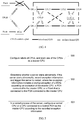
FIG. 2 is a schematic structural diagram of a server control device according to an embodiment of the present invention; -
FIG. 3 is a schematic structural diagram of a server control device in other specific implementation manner according to an embodiment of the present invention; -
FIG. 4 is a schematic structural diagram of basic hardware of an 8-socket server according to an embodiment of the present invention; and -
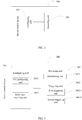
FIG. 5 is a schematic flowchart of a server control method according to an embodiment of the present invention. - The following clearly and completely describes the technical solutions in the embodiments of the present invention with reference to the accompanying drawings in the embodiments of the present invention. Apparently, the described embodiments are a part rather than all of the embodiments of the present invention. All other embodiments obtained by a person of ordinary skill in the art based on the embodiments of the present invention without creative efforts shall fall within the protection scope of the present invention.
- Referring to
FIG. 2, FIG. 2 is a schematic structural diagram of acontrol device 200 in a server according to an embodiment of the present invention, where the server includes at least two CPUs and at least two PCHs, and each of the PCHs is connected to at least one of the CPUs; and thecontrol device 200 includes: - a
configuring unit 201, configured to: configure labels of the CPUs and mark one of the CPUs as a master CPU; and when the server starts abnormally, configure a normal CPU or a CPU connected to a normal PCH as a master CPU, where that the server starts abnormally includes a startup exception of a BIOS caused by an exception of the master CPU, a PCH connected to the master CPU, or a Flash that is connected to the PCH connected to the master CPU; and - a restarting
unit 202, configured to: when the server starts abnormally, trigger the server to restart, and trigger theconfiguring unit 201 to configure the normal CPU or the CPU connected to the normal PCH as the master CPU. - As an optional implementation manner, as shown in
FIG. 3 , the configuringunit 201 includes: - a
pin configuring unit 2011, configured to configure pins of the at least two CPUs, and configure one of the CPUs as the master CPU by configuring values of the pins; and - an
information receiving unit 2012, configured to receive information that is about a startup exception of the server and sent by the restartingunit 202, and trigger thepin configuring unit 2011 to configure the normal CPU or the CPU connected to the normal PCH as the master CPU. - As an optional implementation manner, the restarting
unit 202 includes: - a determining
unit 2021, configured to determine whether the server starts abnormally within preset time; and - a triggering
unit 2022, configured to: when the determiningunit 2021 determines that the server starts abnormally, trigger the server to restart, and trigger theconfiguring unit 201 to configure the normal CPU or the CPU connected to the normal PCH as the master CPU. - As an optional implementation manner, the triggering
unit 2022 includes: - a first triggering
unit 20221, configured to: when the server starts abnormally, trigger, by using a register preset in the BIOS, the server to restart; and - a second triggering
unit 20222, configured to: in a restart process of the server, determine whether exception information that causes the server to abnormally start exists; - As an optional implementation manner, the control device in this embodiment of the present invention is implemented in a CPLD (complex programmable logical device, complex programmable logical device) or an FPGA (field programmable gate array, field programmable gate array) of the server.
- As an optional implementation manner, the server in this embodiment of the present invention is a server that supports a hard partitioning function, and the pins of the CPUs in the server are connected to the control device. The control device in the server may be connected to a CPU in the server by using an SMBUS (System Manage bus, System Management Bus), an LPC (Low Pin Count, Low Pin Count) bus, or the like. The control device implements configuration of the pins of the CPU by using the SMBUS bus or the LPC bus.
- The server that supports the hard partitioning function in this embodiment of the present invention refers to a server that supports separation of one server into several completely independent subservers. A subserver may be considered as one independent server system that includes an independent BIOS, PCH, CPU, operating system, and the like. For example, one 8-socket X86 server is hard partitioned into two 4-socket subservers or four 2-socket subservers, and a server that is obtained by separation by means of hard partitioning can run independently, be powered on independently, be powered off independently, and be managed independently. The 8-socket server refers to a server that includes eight CPUs, the 4-socket subserver refers to a subserver that includes four CPUs, and the 2-socket subserver refers to a subserver that includes two CPUs.
- That one 8-socket server is hard partitioned into two 4-socket subservers is used as an example in the following to further describe an implementation manner of a control device in a server according to an embodiment of the present invention. In this embodiment, that the control device is implemented in a CPLD is used as an example for description.
- Referring to
FIG. 4, FIG. 4 is a schematic structural diagram of basic hardware of an 8-socket server. The 8-socket server is an X86 server that supports a hard partitioning function and includes eight CPUs, two PCHs, and Flashes connected to the PCHs. Pins of the eight CPUs are connected to the CPLD, and the CPLD implements management of the CPUs by configuring the pins of the CPUs, for example, configuring a CPU as a master CPU. The 8-socket server may include multiple PCHs. As a common implementation manner, if the server is hard partitioned into two 4-socket subservers, the 8-socket server includes only two PCHs, and each PCH is connected to one CPU of one subserver. Assume that a CPU5 inFIG. 4 is the master CPU, and then a PCH connected to the CPU5 is a master PCH, and a PCH connected to a CPU1 is a slave PCH. The slave PCH generally has two working modes: (1) The PCH is disabled and cannot provide any function externally. (2) The PCH is in a state in which some functions are available, for example, a USB or SATA function on the PCH is available but the PCH cannot participate in a management function of the entire server. - In the server shown in the foregoing
FIG. 4 , four CPUs (CPU5, CPU3, CPU2, CPU4) and a PCH that are at the top form one independent subserver, and four CPUs (CPU1, CPU7, CPU6, CPU8) and a PCH that are at the bottom form one independent subserver. QPI connections between the two subservers are disconnected (that is, a QPI port is disabled by using an internal register), and there is no task interaction between the two subservers. - The CPUs in the server are identified by using their SOCKET_ID pins. The SOCKET_ID pin of each CPU needs to be connected to a
configuring unit 201 of a CPLD. The configuringunit 201 configures a SOCKET_ID pin value of each CPU according to an actual requirement. As an optional implementation manner, pin configurations of the CPUs that are shown inFIG. 4 may be that: SOCKET_ID=0 indicates that the CPU is a processor 1, SOCKET_ID=1 indicates a processor 2, and by analogy, SOCKET_ID=7 indicates a processor 8. In addition, a pin EX_LEGACY_SKT is used to differentiate whether a CPU is a master processor or a common processor. If SOCKET_ID of a pin to which a CPU is connected is 0, it indicates that the CPU is a master CPU, and EX_LEGACY_SKT needs to be set to 1; otherwise, the pin EX LEGACY_SKT is set to 0, which indicates that the CPU is a common CPU. To implement configuration of the CPU pins by the CPLD, the CPLD may be connected to the CPUs by using an SMBUS bus or an LPC bus. - That the CPU5 on the leftmost of the upper row in
FIG. 4 is the master CPU and the PCH connected to the master CPU can work normally is used as an example for description in the following. The configuringunit 201 in the CPLD configures pins of the CPU5, sets SOCKET_ID of the CPU5 to 0, and sets EX_LEGACY_SKT of the CPU5 to 1. The CPU1 on the leftmost of the lower row is configured as a common processor, that is, SOCKET_ID of the CPU1 is set to 4, and EX_LEGACY_SKT of the CPU1 is set to 0. The PCH connected to the master CPU is the master PCH. - After the server shown in
FIG. 4 is powered on, a BIOS in the server automatically acquires an instruction from a FLASH connected to the master PCH and executes the instruction. A restartingunit 202 in the CPLD monitors whether the master CPU, the master PCH, and the FLASH connected to the master PCH are normal. If all of the master CPU, the master PCH, and the FLASH connected to the master PCH are normal, a BIOS program smoothly carries on execution and guides a system to an OS operating system. If the master CPU, the master PCH, or the FLASH connected to the master PCH encounters an exception in a process of BIOS guidance, the restartingunit 202 triggers the server to restart, and triggers the configuringunit 201 to configure a normal CPU or a CPU connected to a normal PCH as the master CPU. - That the restarting
unit 202 determines whether the master CPU, the master PCH, or the FLASH connected to the master PCH is abnormal may be implemented in a manner of setting a timer and setting duration of the timer to be less than timer duration of a watchdog. If the watchdog is not disabled before the timer that is set times out, it is determined that the server starts abnormally. Specifically, a determiningunit 2021 in the restartingunit 202 determines whether the watchdog is disabled within the set time. If the watchdog is not disabled or reset, it is determined that the server starts abnormally. Accordingly, based on that the determiningunit 2021 determines the server is abnormal, a triggeringunit 2022 in the control device triggers the server to restart, and triggers the configuringunit 201 to configure the normal CPU or the CPU connected to the normal PCH as the master CPU. Specifically, the CPU1 is configured as the master CPU, SOCKET_ID of the CPU1 is set to 0, and EX_LEGACY_SKT of the CPU1 is set to 1; the CPU5 is configured as a common processor, that is, SOCKET_ID of the CPU5 is set to 4, and EX_LEGACY_SKT of the CPU5 is set to 0. - As an optional implementation manner, when the determining
unit 2021 determines that the server starts abnormally, the first triggeringunit 20221 in the triggeringunit 2022 triggers, based on a restart register preset in the CPLD by the BIOS, the server to restart. Before the server restarts, the BIOS of the server writes exception information into a register, for example, a register of an E2PROM (Electrically Erasable and Programmable Read-Only Memory, electrically erasable programmable read-only memory). After the server restarts, the second triggeringunit 20222 determines whether the exception information is recorded in a register of the E2PROM, and triggers the configuringunit 201 to reconfigure the SOCKET_ID and EX_LEGACY_SKT pins of each CPU if the exception information exists. - In the foregoing implementation manner of the control device of the server, after pins of CPUs are reconfigured, a master CPU of the server is changed, and a BIOS acquires an instruction from a FLASH connected to a new master PCH and executes the instruction at the time of startup. It is implemented that, when a startup exception occurs on a server that supports hard partitioning, it can be still ensured that the server normally starts and runs, thereby improving reliability and stability of the server. Therefore, RAS of the entire server is improved. In addition, a problem that a system fails to run due to an exception of a FLASH is solved, and an original dual BIOS design manner may no longer be used, thereby reducing FLASH chip costs of the server.
- Referring to
FIG. 5, FIG. 5 is a schematic flowchart of a server control method according to an embodiment of the present invention. The method is applied to a server, where the server includes at least two CPUs and at least two PCHs, and each of the PCHs is connected to at least one of the CPUs; the method includes: - Step 500: Configure labels of the CPUs, and mark one of the CPUs as a master CPU;
- Step 502: Determine whether the server starts abnormally; if the server starts abnormally, record exception information and trigger the server to restart, where the exception information includes a startup exception of a BIOS caused by an exception of the master CPU, a PCH connected to the master CPU, or a Flash that is connected to the PCH connected to the master CPU; and
- Step 504: In a restart process of the server, configure a normal CPU or a CPU connected to a normal PCH as the master CPU according to the recorded exception information.
- The server control method according to this embodiment of the present invention is implemented by a logical chip, such as a CPLD or an FPGA in the server. In this embodiment of the present invention, that the server control method is implemented by the CPLD is used as an example for description.
- In the
step 500, the configuring labels of the CPUs is specifically configuring pins of the CPUs, and the marking one of the CPUs as a master CPU is configuring one of the CPUs as the master CPU by configuring values of the pins.. - The configuring pins of the CPUs may specifically be implemented by configuring a value of SOCKET_ID and a value of EX_LEGACY_SKT, where SOCKET_ID is used to identify a different CPU, and EX_LEGACY_SKT is used to identify whether a CPU is a master CPU or a common CPU. For example, in the server in
FIG. 4 , SOCKET_ID=0 indicates that the CPU is a processor 1, SOCKET_ID =1 indicates a processor 2, and by analogy, SOCKET_ID=7 indicates a processor 8. If the CPU with SOCKET_ID 0 is a master CPU, EX_LEGACY_SKT of the CPU is set to 1, and values of EX_LEGACY_SKT of other CPUs are set to 0. - As an optional implementation manner, in the
step 502, the determining whether the server starts abnormally includes: - setting a timer, where duration of the timer is less than timer duration of a watchdog of the server; and
- in a startup process of the server, if the watchdog is not disabled within time that is set for the timer, determining that the server starts abnormally.
- In the
step 502, the triggering the server to restart may be triggering, by using a restart register disposed in a CPLD chip, the server to restart. As an optional implementation manner, the restart register may be disposed in the CPLD chip or the FPGA by the BIOS. - In the
step 502, the recording exception information may be implemented by recording the exception information in a register, such as a register of an E2PROM. Certainly, the exception information may also be recorded in another place on the server, and a location in which the exception information is recorded is not limited by this embodiment of the present invention. As an optional implementation manner, the exception information is recorded by the BIOS, for example, the BIOS records the exception information in a register of the E2PROM. - Accordingly, in
step 504, the CPLD determines whether the exception information is recorded in the register of the E2PROM; if the exception information exists, a SOCKET_ID pin value and an EX_LEGACY_SKT pin value of each CPU are reconfigured. For example, the CPU1 inFIG. 4 is configured as the master CPU, SOCKET_ID of the CPU1 is set to 0, and EX_LEGACY_SKT of the CPU1 is set to 1; the CPU5 is configured as a common processor, that is, SOCKET_ID of the CPU5 is set to 4, and EX_LEGACY_SKT of the CPU5 is set to 0. - As an optional implementation manner, the server in the server control method in this embodiment of the present invention is a server that supports a hard partitioning function, and the pins of the CPUs in the server are connected to a control device. The control device in the server may be connected to a CPU in the server by using an SMBUS bus, an LPC bus, or the like. The control device implements configuration of the pins of the CPU by using the SMBUS bus or the LPC bus.
- By using the foregoing server control method, it is implemented that, when a startup exception occurs on a server that supports hard partitioning, it can be still ensured that the server normally starts and runs, thereby improving reliability and stability of the server. Therefore, RAS of the entire server is improved. In addition, a problem that a system fails to run due to an exception of a FLASH is solved, and an original dual BIOS design manner may no longer be used, thereby reducing FLASH chip costs of the server.
- A person of ordinary skill in the art may be aware that, in combination with the examples described in the embodiments disclosed in this specification, units and algorithm steps may be implemented by electronic hardware, computer software, or a combination thereof. To clearly describe the interchangeability between the hardware and the software, the foregoing has generally described compositions and steps of each example according to functions. Whether the functions are performed by hardware or software depends on particular applications and design constraint conditions of the technical solutions. A person skilled in the art may use different methods to implement the described functions for each particular application, but it should not be considered that the implementation goes beyond the scope of the present invention.
- It may be clearly understood by a person skilled in the art that, for the purpose of convenient and brief description, for a detailed working process of the foregoing system, apparatus, and unit, reference may be made to a corresponding process in the foregoing method embodiments, and details are not described herein again.
- In the several embodiments provided in the present application, it should be understood that the disclosed system, apparatus, and method may be implemented in other manners. For example, the described apparatus embodiment is merely exemplary. For example, the unit division is merely logical function division and may be other division in actual implementation. For example, a plurality of units or components may be combined or integrated into another system, or some features may be ignored or not performed. In addition, the displayed or discussed mutual couplings or direct couplings or communication connections may be implemented through some interfaces. The indirect couplings or communication connections between the apparatuses or units may be implemented in electronic, mechanical, or other forms.
- The units described as separate parts may or may not be physically separate, and parts displayed as units may or may not be physical units, may be located in one position, or may be distributed on a plurality of network units. A part or all of the units may be selected according to actual needs to achieve the objectives of the solutions of the embodiments of the present invention.
- In addition, functional units in the embodiments of the present invention may be integrated into one processing unit, or each of the units may exist alone physically, or two or more units are integrated into one unit. The integrated unit may be implemented in a form of hardware, or may be implemented in a form of a software functional unit.
- When the integrated unit is implemented in the form of a software functional unit and sold or used as an independent product, the integrated unit may be stored in a computer-readable storage medium. Based on such an understanding, the technical solutions of the present invention essentially, or the part contributing to the prior art, or all or a part of the technical solutions may be implemented in the form of a software product. The software product is stored in a storage medium and includes several instructions for instructing a computer device (which may be a personal computer, a server, or a network device) to perform all or a part of the steps of the methods described in the embodiments of the present invention. The foregoing storage medium includes: any medium that can store program code, such as a USB flash drive, a removable hard disk, a read-only memory (ROM, Read-Only Memory), a random access memory (RAM, Random Access Memory), a magnetic disk, or an optical disc.
- The foregoing descriptions are merely specific embodiments of the present invention, but are not intended to limit the protection scope of the present invention. Therefore, the protection scope of the present invention shall be subject to the protection scope of the claims.
Claims (10)
- A control device (200) in a server, wherein the server comprises at least two central processing units, CPUs, and at least two Platform Controller Hubs, PCHs, and each of the PCHs is connected to at least one of the CPUs and the control device comprises:• a configuring unit (201), configured to: configure labels of the CPUs and mark one of the CPUs as a master CPU and the other CPUs of the at least two CPUs as normal CPUs; and when the server starts abnormally, configure a normal CPU as the master CPU, wherein that the server starts abnormally comprises a startup exception of a basic input/output system BIOS caused by an exception of the master CPU, a PCH connected to the master CPU, or a Flash that is connected to the PCH connected to the master CPU; and• a restarting unit (202), configured to: when the server starts abnormally, trigger the server to restart, and trigger the configuring unit to configure the normal CPU as the master CPU,
characterised in that:each CPU comprises a SOCKET ID pin and an EX_LEGACY_SKT pin; andthe configuring unit (201) comprises:a pin configuring unit, configured to, for the labeling of the CPUs, configure, for each CPU of the CPUs, a value of a SOCKET ID of the SOCKET ID pin of the CPU and a value of a EX_LEGACY_SKT of the EX_LEGACY_SKT pin, wherein the SOCKET ID is used to identify the CPU and EX_LEGACY_SKT is used to identify whether the CPU is the master CPU or the normal CPU , and, for marking one of the CPUs as the master CPU, configure the one of the CPUs as the master CPU by setting the EX_LEGACY_SKT of the one CPU to a value indicating that the one CPU is the master CPU, and for marking the other CPUs of the at least two CPUs as normal CPUs, setting the EX_LEGACY_SKT of each of the other CPUs to a value indicating that the other CPU is the normal CPU;an information receiving unit, configured to receive information that is about a startup exception of the server and sent by the restarting unit, and trigger the pin configuring unit to configure the normal CPU as the master CPU. - The control device in the server according to claim 1, wherein the restarting unit (202) comprises:a determining unit (2021), configured to determine whether the server starts abnormally within preset time; anda triggering unit (2022), configured to: when the determining unit determines that the server starts abnormally, trigger the server to restart, and trigger the configuring unit to configure the normal CPU as the master CPU.
- The control device in the server according to claim 2, wherein the triggering unit (2022) comprises:a first triggering unit (20221), configured to: when the server starts abnormally, trigger, by using a register preset in the BIOS, the server to restart; anda second triggering unit (20222), configured to: in a restart process of the server, determine whether exception information that causes the server to abnormally start exists; and when the exception information exists, trigger the configuring unit to configure the normal CPU as the master CPU, wherein the exception information is information triggered, by the BIOS, to be recorded before the server restarts.
- The control device in the server according to any one of claims 1 to 3, wherein the server is a server that supports a hard partitioning function, and the pins of the CPUs in the server are connected to the control device.
- The control device in the server according to any one of claims 1 to 4, wherein the control device is implemented in a complex programmable logical device CPLD or a field programmable gate array FPGA of the server.
- A server control method, wherein the method is applied to a server, the server comprises at least two central processing units CPUs and at least two Platform Controller Hubs PCHs, and each of the PCHs is connected to at least one of the CPUs, and the method comprises:• configuring labels of the CPUs, and marking one of the CPUs as a master CPU and the other CPUs of the at least two CPUs as normal CPUs (step 500);• determining whether the server starts abnormally; if the server starts abnormally, recording exception information and triggering the server to restart, wherein the exception information comprises a startup exception of a basic input/output system BIOS caused by an exception of the master CPU, a PCH connected to the master CPU, or a Flash that is connected to the PCH connected to the master CPU (step 502); and in a restart process of the server, configuring a normal CPU as the master CPU according to the recorded exception information (step 504),characterised in that:each CPU comprises a SOCKET ID pin and an EX_LEGACY_SKT pin; andthe configuring labels of the CPUs is:configuring, for each CPU of the CPUs, a value of a SOCKET ID of the SOCKET ID pin of the CPU and a value of a EX_LEGACY_SKT of the EX_LEGACY_SKT pin, wherein the SOCKET ID is used to identify the CPU and EX_LEGACY_SKT is used to identify whether the CPU is the master CPU or the normal CPU,,and the marking the one of the CPUs as the master CPU is:configuring the one of the CPUs as the master CPU by setting the EX_LEGACY_SKT of the one CPU to a value indicating that the one CPU is the master CPU,and the marking of the other CPUs of the at least two CPUs as the normal CPUs is:setting the EX_LEGACY_SKT of each of the other CPUs to a value indicating that the other CPU is the normal CPU.
- The server control method according to claim 6, wherein the determining whether the server starts abnormally comprises:setting a timer, wherein duration of the timer is less than timer duration of a watchdog of the server; andin a startup process of the server, if the watchdog is not disabled within time that is set for the timer, determining that the server starts abnormally.
- The server control method according to any one of claims 6 to 7, wherein:the method is implemented by a complex programmable logical device CPLD or a field programmable gate array FPGA.
- The server control method according to claim 8, wherein:the triggering the server to restart is triggering, by using a restart register disposed in the CPLD or the FPGA, the server to restart.
- The server control method according to any one of claims 6 to 9, wherein:the server is a server that supports a hard partitioning function, and the pins of the CPUs in the server are connected to the CPLD or the FPGA.
Applications Claiming Priority (1)
| Application Number | Priority Date | Filing Date | Title |
|---|---|---|---|
| PCT/CN2013/084638 WO2015042925A1 (en) | 2013-09-29 | 2013-09-29 | Server control method and server control device |
Publications (3)
| Publication Number | Publication Date |
|---|---|
| EP2942712A1 EP2942712A1 (en) | 2015-11-11 |
| EP2942712A4 EP2942712A4 (en) | 2016-10-19 |
| EP2942712B1 true EP2942712B1 (en) | 2018-04-04 |
Family
ID=50455935
Family Applications (1)
| Application Number | Title | Priority Date | Filing Date |
|---|---|---|---|
| EP13892785.0A Active EP2942712B1 (en) | 2013-09-29 | 2013-09-29 | Server control method and server control device |
Country Status (5)
| Country | Link |
|---|---|
| US (1) | US10241868B2 (en) |
| EP (1) | EP2942712B1 (en) |
| JP (1) | JP6034990B2 (en) |
| CN (1) | CN103733180A (en) |
| WO (1) | WO2015042925A1 (en) |
Families Citing this family (18)
| Publication number | Priority date | Publication date | Assignee | Title |
|---|---|---|---|---|
| CN106446311B (en) * | 2015-08-10 | 2019-09-13 | 杭州华为数字技术有限公司 | CPU alarm circuit and alarm method |
| CN105549706B (en) * | 2015-12-11 | 2018-12-07 | 华为技术有限公司 | A kind of method, apparatus and system of hot restart server |
| CN105425918A (en) * | 2015-12-16 | 2016-03-23 | 英业达科技有限公司 | Miniature server system |
| CN107085459B (en) * | 2016-02-14 | 2020-03-31 | 华为技术有限公司 | Power supply management method and system |
| CN105843712B (en) * | 2016-03-31 | 2020-02-21 | 联想(北京)有限公司 | Data transmission method and electronic equipment |
| WO2018076351A1 (en) * | 2016-10-31 | 2018-05-03 | 华为技术有限公司 | Method and enabling device for starting physical device |
| CN107273121B (en) * | 2017-06-07 | 2021-07-16 | 联想(北京)有限公司 | A management method and device for restarting a smart device |
| CN107578515B (en) * | 2017-09-22 | 2020-10-27 | 联想(北京)有限公司 | Electronic equipment and control method of electronic lock |
| US10846160B2 (en) * | 2018-01-12 | 2020-11-24 | Quanta Computer Inc. | System and method for remote system recovery |
| CN109600236A (en) * | 2019-01-30 | 2019-04-09 | 郑州云海信息技术有限公司 | A kind of server key control method, server and server system |
| CN110399277B (en) * | 2019-07-19 | 2023-08-22 | 广东浪潮大数据研究有限公司 | Mainboard power-on state display system and method based on nixie tube |
| CN113672528B (en) * | 2020-05-15 | 2024-05-28 | 佛山市顺德区顺达电脑厂有限公司 | Control circuit capable of selectively turning on BIOS |
| CN111709032A (en) * | 2020-05-28 | 2020-09-25 | 苏州浪潮智能科技有限公司 | A method, system, device and medium for realizing PFR function on multiple partitions |
| CN112905252A (en) * | 2021-02-20 | 2021-06-04 | 山东英信计算机技术有限公司 | Sequencing method and medium for server BIOS startup item sequence |
| CN113468191A (en) * | 2021-06-04 | 2021-10-01 | 合肥联宝信息技术有限公司 | Data updating method and device, electronic equipment and computer readable medium |
| US11334452B1 (en) * | 2021-06-08 | 2022-05-17 | International Business Machines Corporation | Performing remote part reseat actions |
| CN117130669A (en) * | 2022-05-19 | 2023-11-28 | 大唐移动通信设备有限公司 | Basic input input system BIOS startup method and device |
| CN115794690B (en) * | 2022-12-26 | 2025-06-13 | 苏州浪潮智能科技有限公司 | A processing method and device based on external equipment in a server |
Family Cites Families (29)
| Publication number | Priority date | Publication date | Assignee | Title |
|---|---|---|---|---|
| JPH0616617B2 (en) * | 1987-12-07 | 1994-03-02 | 富士通株式会社 | Initial condition setting method |
| US5408647A (en) * | 1992-10-02 | 1995-04-18 | Compaq Computer Corporation | Automatic logical CPU assignment of physical CPUs |
| US5748877A (en) * | 1995-03-08 | 1998-05-05 | Dell Usa, L.P. | Method for executing embedded diagnostics from operating system-based applications |
| US5790850A (en) * | 1996-09-30 | 1998-08-04 | Intel Corporation | Fault resilient booting for multiprocessor computer systems |
| JP2000076216A (en) * | 1998-09-02 | 2000-03-14 | Nec Corp | Multiprocessor system, processor duplexing method therefor and record medium recorded with control program therefor |
| US6601165B2 (en) | 1999-03-26 | 2003-07-29 | Hewlett-Packard Company | Apparatus and method for implementing fault resilient booting in a multi-processor system by using a flush command to control resetting of the processors and isolating failed processors |
| US6920581B2 (en) * | 2002-01-02 | 2005-07-19 | Intel Corporation | Method and apparatus for functional redundancy check mode recovery |
| US20040221198A1 (en) * | 2003-04-17 | 2004-11-04 | Vecoven Frederic Louis Ghislain Gabriel | Automatic error diagnosis |
| JP4715311B2 (en) * | 2005-06-01 | 2011-07-06 | 株式会社日立製作所 | Information processing apparatus having SMP license information |
| JP4665846B2 (en) * | 2006-06-21 | 2011-04-06 | 株式会社デンソー | Microcomputer and electronic control device |
| US7886190B2 (en) * | 2006-09-29 | 2011-02-08 | Intel Corporation | System and method for enabling seamless boot recovery |
| US8041227B2 (en) * | 2006-11-16 | 2011-10-18 | Silicon Laboratories Inc. | Apparatus and method for near-field communication |
| JP5326269B2 (en) * | 2006-12-18 | 2013-10-30 | 大日本印刷株式会社 | Electronic component built-in wiring board, and heat dissipation method for electronic component built-in wiring board |
| US7802042B2 (en) * | 2007-12-28 | 2010-09-21 | Intel Corporation | Method and system for handling a management interrupt event in a multi-processor computing device |
| CN101216793A (en) * | 2008-01-18 | 2008-07-09 | 华为技术有限公司 | Method and device for recovering from failure of a multiprocessor system |
| TWI474260B (en) * | 2009-02-16 | 2015-02-21 | Asustek Comp Inc | Computer system, memory circuit and booting method thereof |
| US20100250822A1 (en) * | 2009-03-28 | 2010-09-30 | Hou-Yuan Lin | Motherboard with Backup Chipset |
| US8117494B2 (en) * | 2009-12-22 | 2012-02-14 | Intel Corporation | DMI redundancy in multiple processor computer systems |
| US8473717B2 (en) * | 2010-02-03 | 2013-06-25 | Arm Limited | Coprocessor reset controller with queue for storing configuration information of subsequent sessions prior to completion of current session |
| US8499141B2 (en) * | 2010-08-02 | 2013-07-30 | Intel Corporation | Multi-socket server management with RFID |
| US8386618B2 (en) * | 2010-09-24 | 2013-02-26 | Intel Corporation | System and method for facilitating wireless communication during a pre-boot phase of a computing device |
| CN102446149A (en) | 2010-10-14 | 2012-05-09 | 上海研祥智能科技有限公司 | Processing method and system capable of achieving hot plug of compact PCI product |
| TWI446161B (en) * | 2010-12-30 | 2014-07-21 | Ibm | Apparatus and method for handling a failed processor of a multiprocessor information handling system |
| JP2013054434A (en) * | 2011-09-01 | 2013-03-21 | Fujitsu Ltd | I/o controller and i/o control method |
| CN102521209B (en) | 2011-12-12 | 2015-03-11 | 浪潮电子信息产业股份有限公司 | Parallel multiprocessor computer design method |
| CN102768561B (en) | 2012-05-30 | 2015-02-04 | 曙光信息产业股份有限公司 | Design method for twinbridge piece mainboard redundancy |
| CN202838091U (en) | 2012-05-30 | 2013-03-27 | 曙光信息产业股份有限公司 | Double bridge piece mainboard supporting SR 5690 redundancy design |
| CN103019323A (en) * | 2012-12-21 | 2013-04-03 | 浪潮电子信息产业股份有限公司 | Binary-star computer server based on Loongson processor |
| CN103077060A (en) * | 2013-01-10 | 2013-05-01 | 中兴通讯股份有限公司 | Method, device and system for switching master basic input/output system (BIOS) and spare BIOS |
-
2013
- 2013-09-29 EP EP13892785.0A patent/EP2942712B1/en active Active
- 2013-09-29 WO PCT/CN2013/084638 patent/WO2015042925A1/en not_active Ceased
- 2013-09-29 JP JP2016504451A patent/JP6034990B2/en active Active
- 2013-09-29 CN CN201380002066.8A patent/CN103733180A/en active Pending
-
2015
- 2015-03-31 US US14/675,035 patent/US10241868B2/en active Active
Non-Patent Citations (1)
| Title |
|---|
| JUAN GONZALES: "USB ID Pin - DM3x DaVinci Video Processor Forum - DaVinci(TM) Video Processors - TI E2E Community", 25 August 2009 (2009-08-25), XP055372616, Retrieved from the Internet <URL:https://e2e.ti.com/support/dsp/davinci_digital_media_processors/f/100/t/7838> [retrieved on 20170515] * |
Also Published As
| Publication number | Publication date |
|---|---|
| JP2016518654A (en) | 2016-06-23 |
| US10241868B2 (en) | 2019-03-26 |
| EP2942712A4 (en) | 2016-10-19 |
| JP6034990B2 (en) | 2016-11-30 |
| WO2015042925A1 (en) | 2015-04-02 |
| EP2942712A1 (en) | 2015-11-11 |
| US20150205676A1 (en) | 2015-07-23 |
| CN103733180A (en) | 2014-04-16 |
Similar Documents
| Publication | Publication Date | Title |
|---|---|---|
| US10241868B2 (en) | Server control method and server control device | |
| US11126420B2 (en) | Component firmware update from baseboard management controller | |
| US9912535B2 (en) | System and method of performing high availability configuration and validation of virtual desktop infrastructure (VDI) | |
| US9158628B2 (en) | Bios failover update with service processor having direct serial peripheral interface (SPI) access | |
| US9489274B2 (en) | System and method for performing efficient failover and virtual machine (VM) migration in virtual desktop infrastructure (VDI) | |
| EP3877843B1 (en) | System for configurable error handling | |
| US9910664B2 (en) | System and method of online firmware update for baseboard management controller (BMC) devices | |
| US9529750B2 (en) | Service processor (SP) initiated data transaction with bios utilizing interrupt | |
| TWI840849B (en) | Computing system, computer-implemented method, and computer-program product | |
| US9529410B2 (en) | Service processor (SP) initiated data transaction with BIOS utilizing power off commands | |
| US7975084B1 (en) | Configuring a host computer using a service processor | |
| CA2804379C (en) | Recovery automation in heterogeneous environments | |
| US11194589B2 (en) | Information handling system adaptive component reset | |
| US20170322816A1 (en) | Bmc firmware recovery | |
| TW201502772A (en) | Virtual baseboard management controller | |
| US7783872B2 (en) | System and method to enable an event timer in a multiple event timer operating environment | |
| WO2018120200A1 (en) | Server management method and server | |
| US20190187977A1 (en) | Dual boot operating system installation using multiple redundant drives | |
| US20070294582A1 (en) | Reporting software RAID configuration to system BIOS | |
| US20200104140A1 (en) | Systems and methods for identifying and protection of boot storage devices | |
| US11010249B2 (en) | Kernel reset to recover from operating system errors | |
| JP4802527B2 (en) | Computer system | |
| US20240020103A1 (en) | Parallelizing data processing unit provisioning | |
| CN114327972A (en) | Data processing method and device based on solid state disk | |
| US20240036896A1 (en) | Generating installation images based upon dpu-specific capabilities |
Legal Events
| Date | Code | Title | Description |
|---|---|---|---|
| PUAI | Public reference made under article 153(3) epc to a published international application that has entered the european phase |
Free format text: ORIGINAL CODE: 0009012 |
|
| 17P | Request for examination filed |
Effective date: 20150310 |
|
| AK | Designated contracting states |
Kind code of ref document: A1 Designated state(s): AL AT BE BG CH CY CZ DE DK EE ES FI FR GB GR HR HU IE IS IT LI LT LU LV MC MK MT NL NO PL PT RO RS SE SI SK SM TR |
|
| AX | Request for extension of the european patent |
Extension state: BA ME |
|
| RIN1 | Information on inventor provided before grant (corrected) |
Inventor name: ZHANG, DIXUAN Inventor name: ZHENG, GENQIANG |
|
| RIC1 | Information provided on ipc code assigned before grant |
Ipc: G06F 11/14 20060101ALI20160530BHEP Ipc: G06F 9/44 20060101ALI20160530BHEP Ipc: G06F 11/07 20060101AFI20160530BHEP |
|
| A4 | Supplementary search report drawn up and despatched |
Effective date: 20160921 |
|
| RIC1 | Information provided on ipc code assigned before grant |
Ipc: G06F 9/44 20060101ALI20160915BHEP Ipc: G06F 11/07 20060101AFI20160915BHEP Ipc: G06F 11/14 20060101ALI20160915BHEP |
|
| DAX | Request for extension of the european patent (deleted) | ||
| STAA | Information on the status of an ep patent application or granted ep patent |
Free format text: STATUS: EXAMINATION IS IN PROGRESS |
|
| 17Q | First examination report despatched |
Effective date: 20170518 |
|
| GRAP | Despatch of communication of intention to grant a patent |
Free format text: ORIGINAL CODE: EPIDOSNIGR1 |
|
| STAA | Information on the status of an ep patent application or granted ep patent |
Free format text: STATUS: GRANT OF PATENT IS INTENDED |
|
| INTG | Intention to grant announced |
Effective date: 20171025 |
|
| GRAS | Grant fee paid |
Free format text: ORIGINAL CODE: EPIDOSNIGR3 |
|
| GRAA | (expected) grant |
Free format text: ORIGINAL CODE: 0009210 |
|
| STAA | Information on the status of an ep patent application or granted ep patent |
Free format text: STATUS: THE PATENT HAS BEEN GRANTED |
|
| AK | Designated contracting states |
Kind code of ref document: B1 Designated state(s): AL AT BE BG CH CY CZ DE DK EE ES FI FR GB GR HR HU IE IS IT LI LT LU LV MC MK MT NL NO PL PT RO RS SE SI SK SM TR |
|
| REG | Reference to a national code |
Ref country code: GB Ref legal event code: FG4D |
|
| REG | Reference to a national code |
Ref country code: CH Ref legal event code: EP |
|
| REG | Reference to a national code |
Ref country code: AT Ref legal event code: REF Ref document number: 986291 Country of ref document: AT Kind code of ref document: T Effective date: 20180415 |
|
| REG | Reference to a national code |
Ref country code: IE Ref legal event code: FG4D |
|
| REG | Reference to a national code |
Ref country code: DE Ref legal event code: R096 Ref document number: 602013035591 Country of ref document: DE |
|
| REG | Reference to a national code |
Ref country code: NL Ref legal event code: MP Effective date: 20180404 |
|
| REG | Reference to a national code |
Ref country code: FR Ref legal event code: PLFP Year of fee payment: 6 |
|
| REG | Reference to a national code |
Ref country code: LT Ref legal event code: MG4D |
|
| PG25 | Lapsed in a contracting state [announced via postgrant information from national office to epo] |
Ref country code: NL Free format text: LAPSE BECAUSE OF FAILURE TO SUBMIT A TRANSLATION OF THE DESCRIPTION OR TO PAY THE FEE WITHIN THE PRESCRIBED TIME-LIMIT Effective date: 20180404 |
|
| PG25 | Lapsed in a contracting state [announced via postgrant information from national office to epo] |
Ref country code: AL Free format text: LAPSE BECAUSE OF FAILURE TO SUBMIT A TRANSLATION OF THE DESCRIPTION OR TO PAY THE FEE WITHIN THE PRESCRIBED TIME-LIMIT Effective date: 20180404 Ref country code: ES Free format text: LAPSE BECAUSE OF FAILURE TO SUBMIT A TRANSLATION OF THE DESCRIPTION OR TO PAY THE FEE WITHIN THE PRESCRIBED TIME-LIMIT Effective date: 20180404 Ref country code: LT Free format text: LAPSE BECAUSE OF FAILURE TO SUBMIT A TRANSLATION OF THE DESCRIPTION OR TO PAY THE FEE WITHIN THE PRESCRIBED TIME-LIMIT Effective date: 20180404 Ref country code: PL Free format text: LAPSE BECAUSE OF FAILURE TO SUBMIT A TRANSLATION OF THE DESCRIPTION OR TO PAY THE FEE WITHIN THE PRESCRIBED TIME-LIMIT Effective date: 20180404 Ref country code: SE Free format text: LAPSE BECAUSE OF FAILURE TO SUBMIT A TRANSLATION OF THE DESCRIPTION OR TO PAY THE FEE WITHIN THE PRESCRIBED TIME-LIMIT Effective date: 20180404 Ref country code: NO Free format text: LAPSE BECAUSE OF FAILURE TO SUBMIT A TRANSLATION OF THE DESCRIPTION OR TO PAY THE FEE WITHIN THE PRESCRIBED TIME-LIMIT Effective date: 20180704 Ref country code: BG Free format text: LAPSE BECAUSE OF FAILURE TO SUBMIT A TRANSLATION OF THE DESCRIPTION OR TO PAY THE FEE WITHIN THE PRESCRIBED TIME-LIMIT Effective date: 20180704 Ref country code: FI Free format text: LAPSE BECAUSE OF FAILURE TO SUBMIT A TRANSLATION OF THE DESCRIPTION OR TO PAY THE FEE WITHIN THE PRESCRIBED TIME-LIMIT Effective date: 20180404 |
|
| PG25 | Lapsed in a contracting state [announced via postgrant information from national office to epo] |
Ref country code: GR Free format text: LAPSE BECAUSE OF FAILURE TO SUBMIT A TRANSLATION OF THE DESCRIPTION OR TO PAY THE FEE WITHIN THE PRESCRIBED TIME-LIMIT Effective date: 20180705 Ref country code: RS Free format text: LAPSE BECAUSE OF FAILURE TO SUBMIT A TRANSLATION OF THE DESCRIPTION OR TO PAY THE FEE WITHIN THE PRESCRIBED TIME-LIMIT Effective date: 20180404 Ref country code: LV Free format text: LAPSE BECAUSE OF FAILURE TO SUBMIT A TRANSLATION OF THE DESCRIPTION OR TO PAY THE FEE WITHIN THE PRESCRIBED TIME-LIMIT Effective date: 20180404 Ref country code: HR Free format text: LAPSE BECAUSE OF FAILURE TO SUBMIT A TRANSLATION OF THE DESCRIPTION OR TO PAY THE FEE WITHIN THE PRESCRIBED TIME-LIMIT Effective date: 20180404 |
|
| REG | Reference to a national code |
Ref country code: AT Ref legal event code: MK05 Ref document number: 986291 Country of ref document: AT Kind code of ref document: T Effective date: 20180404 |
|
| PG25 | Lapsed in a contracting state [announced via postgrant information from national office to epo] |
Ref country code: PT Free format text: LAPSE BECAUSE OF FAILURE TO SUBMIT A TRANSLATION OF THE DESCRIPTION OR TO PAY THE FEE WITHIN THE PRESCRIBED TIME-LIMIT Effective date: 20180806 |
|
| REG | Reference to a national code |
Ref country code: DE Ref legal event code: R097 Ref document number: 602013035591 Country of ref document: DE |
|
| PG25 | Lapsed in a contracting state [announced via postgrant information from national office to epo] |
Ref country code: SK Free format text: LAPSE BECAUSE OF FAILURE TO SUBMIT A TRANSLATION OF THE DESCRIPTION OR TO PAY THE FEE WITHIN THE PRESCRIBED TIME-LIMIT Effective date: 20180404 Ref country code: AT Free format text: LAPSE BECAUSE OF FAILURE TO SUBMIT A TRANSLATION OF THE DESCRIPTION OR TO PAY THE FEE WITHIN THE PRESCRIBED TIME-LIMIT Effective date: 20180404 Ref country code: DK Free format text: LAPSE BECAUSE OF FAILURE TO SUBMIT A TRANSLATION OF THE DESCRIPTION OR TO PAY THE FEE WITHIN THE PRESCRIBED TIME-LIMIT Effective date: 20180404 Ref country code: EE Free format text: LAPSE BECAUSE OF FAILURE TO SUBMIT A TRANSLATION OF THE DESCRIPTION OR TO PAY THE FEE WITHIN THE PRESCRIBED TIME-LIMIT Effective date: 20180404 Ref country code: CZ Free format text: LAPSE BECAUSE OF FAILURE TO SUBMIT A TRANSLATION OF THE DESCRIPTION OR TO PAY THE FEE WITHIN THE PRESCRIBED TIME-LIMIT Effective date: 20180404 Ref country code: RO Free format text: LAPSE BECAUSE OF FAILURE TO SUBMIT A TRANSLATION OF THE DESCRIPTION OR TO PAY THE FEE WITHIN THE PRESCRIBED TIME-LIMIT Effective date: 20180404 |
|
| PLBE | No opposition filed within time limit |
Free format text: ORIGINAL CODE: 0009261 |
|
| STAA | Information on the status of an ep patent application or granted ep patent |
Free format text: STATUS: NO OPPOSITION FILED WITHIN TIME LIMIT |
|
| PG25 | Lapsed in a contracting state [announced via postgrant information from national office to epo] |
Ref country code: SM Free format text: LAPSE BECAUSE OF FAILURE TO SUBMIT A TRANSLATION OF THE DESCRIPTION OR TO PAY THE FEE WITHIN THE PRESCRIBED TIME-LIMIT Effective date: 20180404 Ref country code: IT Free format text: LAPSE BECAUSE OF FAILURE TO SUBMIT A TRANSLATION OF THE DESCRIPTION OR TO PAY THE FEE WITHIN THE PRESCRIBED TIME-LIMIT Effective date: 20180404 |
|
| 26N | No opposition filed |
Effective date: 20190107 |
|
| PG25 | Lapsed in a contracting state [announced via postgrant information from national office to epo] |
Ref country code: MC Free format text: LAPSE BECAUSE OF FAILURE TO SUBMIT A TRANSLATION OF THE DESCRIPTION OR TO PAY THE FEE WITHIN THE PRESCRIBED TIME-LIMIT Effective date: 20180404 |
|
| REG | Reference to a national code |
Ref country code: CH Ref legal event code: PL |
|
| PG25 | Lapsed in a contracting state [announced via postgrant information from national office to epo] |
Ref country code: SI Free format text: LAPSE BECAUSE OF FAILURE TO SUBMIT A TRANSLATION OF THE DESCRIPTION OR TO PAY THE FEE WITHIN THE PRESCRIBED TIME-LIMIT Effective date: 20180404 |
|
| REG | Reference to a national code |
Ref country code: BE Ref legal event code: MM Effective date: 20180930 |
|
| REG | Reference to a national code |
Ref country code: IE Ref legal event code: MM4A |
|
| PG25 | Lapsed in a contracting state [announced via postgrant information from national office to epo] |
Ref country code: LU Free format text: LAPSE BECAUSE OF NON-PAYMENT OF DUE FEES Effective date: 20180929 |
|
| PG25 | Lapsed in a contracting state [announced via postgrant information from national office to epo] |
Ref country code: IE Free format text: LAPSE BECAUSE OF NON-PAYMENT OF DUE FEES Effective date: 20180929 |
|
| PG25 | Lapsed in a contracting state [announced via postgrant information from national office to epo] |
Ref country code: BE Free format text: LAPSE BECAUSE OF NON-PAYMENT OF DUE FEES Effective date: 20180930 Ref country code: LI Free format text: LAPSE BECAUSE OF NON-PAYMENT OF DUE FEES Effective date: 20180930 Ref country code: CH Free format text: LAPSE BECAUSE OF NON-PAYMENT OF DUE FEES Effective date: 20180930 |
|
| PG25 | Lapsed in a contracting state [announced via postgrant information from national office to epo] |
Ref country code: MT Free format text: LAPSE BECAUSE OF NON-PAYMENT OF DUE FEES Effective date: 20180929 |
|
| PG25 | Lapsed in a contracting state [announced via postgrant information from national office to epo] |
Ref country code: TR Free format text: LAPSE BECAUSE OF FAILURE TO SUBMIT A TRANSLATION OF THE DESCRIPTION OR TO PAY THE FEE WITHIN THE PRESCRIBED TIME-LIMIT Effective date: 20180404 |
|
| PG25 | Lapsed in a contracting state [announced via postgrant information from national office to epo] |
Ref country code: CY Free format text: LAPSE BECAUSE OF FAILURE TO SUBMIT A TRANSLATION OF THE DESCRIPTION OR TO PAY THE FEE WITHIN THE PRESCRIBED TIME-LIMIT Effective date: 20180404 Ref country code: HU Free format text: LAPSE BECAUSE OF FAILURE TO SUBMIT A TRANSLATION OF THE DESCRIPTION OR TO PAY THE FEE WITHIN THE PRESCRIBED TIME-LIMIT; INVALID AB INITIO Effective date: 20130929 Ref country code: MK Free format text: LAPSE BECAUSE OF NON-PAYMENT OF DUE FEES Effective date: 20180404 |
|
| PG25 | Lapsed in a contracting state [announced via postgrant information from national office to epo] |
Ref country code: IS Free format text: LAPSE BECAUSE OF FAILURE TO SUBMIT A TRANSLATION OF THE DESCRIPTION OR TO PAY THE FEE WITHIN THE PRESCRIBED TIME-LIMIT Effective date: 20180804 |
|
| REG | Reference to a national code |
Ref country code: GB Ref legal event code: 732E Free format text: REGISTERED BETWEEN 20220203 AND 20220209 |
|
| REG | Reference to a national code |
Ref country code: DE Ref legal event code: R081 Ref document number: 602013035591 Country of ref document: DE Owner name: XFUSION DIGITAL TECHNOLOGIES CO., LTD., ZHENGZ, CN Free format text: FORMER OWNER: HUAWEI TECHNOLOGIES CO., LTD., SHENZHEN, GUANGDONG, CN |
|
| PGFP | Annual fee paid to national office [announced via postgrant information from national office to epo] |
Ref country code: DE Payment date: 20250805 Year of fee payment: 13 |
|
| PGFP | Annual fee paid to national office [announced via postgrant information from national office to epo] |
Ref country code: GB Payment date: 20250807 Year of fee payment: 13 |
|
| PGFP | Annual fee paid to national office [announced via postgrant information from national office to epo] |
Ref country code: FR Payment date: 20250808 Year of fee payment: 13 |