EP2937449A1 - Gas diffusion electrode and preparation method thereof - Google Patents
Gas diffusion electrode and preparation method thereof Download PDFInfo
- Publication number
- EP2937449A1 EP2937449A1 EP12891307.6A EP12891307A EP2937449A1 EP 2937449 A1 EP2937449 A1 EP 2937449A1 EP 12891307 A EP12891307 A EP 12891307A EP 2937449 A1 EP2937449 A1 EP 2937449A1
- Authority
- EP
- European Patent Office
- Prior art keywords
- gas diffusion
- carbon black
- layer
- diffusion electrode
- gas
- Prior art date
- Legal status (The legal status is an assumption and is not a legal conclusion. Google has not performed a legal analysis and makes no representation as to the accuracy of the status listed.)
- Granted
Links
Images

Classifications
-
- C—CHEMISTRY; METALLURGY
- C25—ELECTROLYTIC OR ELECTROPHORETIC PROCESSES; APPARATUS THEREFOR
- C25B—ELECTROLYTIC OR ELECTROPHORETIC PROCESSES FOR THE PRODUCTION OF COMPOUNDS OR NON-METALS; APPARATUS THEREFOR
- C25B1/00—Electrolytic production of inorganic compounds or non-metals
- C25B1/01—Products
- C25B1/34—Simultaneous production of alkali metal hydroxides and chlorine, oxyacids or salts of chlorine, e.g. by chlor-alkali electrolysis
- C25B1/46—Simultaneous production of alkali metal hydroxides and chlorine, oxyacids or salts of chlorine, e.g. by chlor-alkali electrolysis in diaphragm cells
-
- C—CHEMISTRY; METALLURGY
- C25—ELECTROLYTIC OR ELECTROPHORETIC PROCESSES; APPARATUS THEREFOR
- C25B—ELECTROLYTIC OR ELECTROPHORETIC PROCESSES FOR THE PRODUCTION OF COMPOUNDS OR NON-METALS; APPARATUS THEREFOR
- C25B11/00—Electrodes; Manufacture thereof not otherwise provided for
- C25B11/02—Electrodes; Manufacture thereof not otherwise provided for characterised by shape or form
- C25B11/03—Electrodes; Manufacture thereof not otherwise provided for characterised by shape or form perforated or foraminous
- C25B11/031—Porous electrodes
- C25B11/032—Gas diffusion electrodes
-
- C—CHEMISTRY; METALLURGY
- C25—ELECTROLYTIC OR ELECTROPHORETIC PROCESSES; APPARATUS THEREFOR
- C25B—ELECTROLYTIC OR ELECTROPHORETIC PROCESSES FOR THE PRODUCTION OF COMPOUNDS OR NON-METALS; APPARATUS THEREFOR
- C25B11/00—Electrodes; Manufacture thereof not otherwise provided for
- C25B11/04—Electrodes; Manufacture thereof not otherwise provided for characterised by the material
- C25B11/042—Electrodes formed of a single material
- C25B11/043—Carbon, e.g. diamond or graphene
- C25B11/044—Impregnation of carbon
Definitions
- the present invention relates to the field of chemical engineering, particularly to a gas diffusion electrode suitable for the chlor-alkali industry and a preparation method thereof.
- chlor-alkali industry plays an important role in promoting national economic development. Meanwhile, chlor-alkali industry is an industry with high energy consumption, so how to reduce the energy consumption of chlor-alkali industry to a minimum has always been an issue focused by many countries.
- reaction equations of the traditional ion-exchange membrane brine electrolytic process with a hydrogen evolution electrode as the cathode are as follows: 2Cl - ⁇ Cl 2 +2e (1.36V) 2H 2 O+2e ⁇ 2OH - +H 2 (-0.83V) 2NaCl+2H 2 O ⁇ Cl 2 +2NaOH+H 2 (2.19V),
- electrochemical reaction equations of the ion-exchange membrane brine electrolytic process with an oxygen diffusion electrode as the cathode are as follows: 2Cl - ⁇ Cl 2 +2e (1.36V) O 2 +2H 2 O+4e ⁇ 4OH - (0.4V) 2NaCl+H 2 O+1/2O 2 ⁇ Cl 2 +2NaOH (0.96V).
- theoretic decomposition voltage thereof can be reduced by 1.23 V, the theoretic energy thereof can be saved up to 40%, and the electric energy saved will be 700KWh per ton of alkali, which make the process have very considerable application value.
- Japanese Patent Publication 2007-327092 discloses a gas diffusion electrode having high resistance of water-pressure but low speed of deterioration, which is prepared using AB-6 carbon black as hydrophobic carbon black, AB-12 carbon black as hydrophilic carbon black, and Ag powder as a catalyst.
- Japanese Patent Publication 2004-300451 discloses a gas diffusion electrode having stable performance, which is prepared with AB-6 carbon black as hydrophobic carbon black and Ag-plated metal web as a catalyst layer through the steps of dispersing the hydrophobic carbon black and an adhesive, filtering and drying, followed by hot-press molding the Ag-plated metal web, however such electrode is difficult to satisfy the requirement of large-scale industrial production of large electrode.
- Cide CN101736360A discloses a gas diffusion electrode having a structure that a Ni web plated with Ag as a support is disposed between a gas diffusion layer and a catalyst layer, however such electrode involves problems such as low mechanical strength, being liable to form cracks on the surface of the electrode during the production thereof and difficult to release during the hot pressing process, and thus cannot satisfy the requirement of industrial production.
- the present invention relates to a gas diffusion electrode comprising a current collector, a gas diffusion layer, a gas catalysis layer coated on the gas diffusion layer, and a liquid guide layer located on the gas catalysis layer; wherein the gas diffusion layer comprises highly-graphitized carbon black and polytetrafluoroethylene (PTFE), and the gas catalysis layer comprises a catalyst, acidified highly-graphitized carbon black and polytetrafluoroethylene; the highly-graphitized carbon black is the carbon black having a peak intensity ratio I D /I G between 0.3 and 1.0 in the Raman spectrum, and the degrees of graphitization in the gas diffusion layer and the gas catalysis layer may be the same or different; the current collector and the liquid guide layer are both silver-plated metal foam having a thickness of
- the mass ratio of the highly-graphitized carbon black to polytetrafluoroethylene in the gas diffusion layer is (0.01-1): (0.01-0.1).
- the mass ratio of the catalyst, the acidified highly-graphitized carbon black and polytetrafluoroethylene in the gas catalysis layer is (0.1-1): (0.1-1): (0.1-1).
- the metal of the silver-plated metal foam is selected from nickel, titanium, tungsten, cobalt, or alloys thereof.
- the catalyst in the gas catalysis layer is selected from silver powder or Ag/C composite catalyst; preferably, the catalyst has a particle size between 0.01 and 5 ⁇ m.
- the diffusion electrode is applied as a gas diffusion electrode in chlor-alkali industry.
- the gas diffusion layer is prepared from raw materials comprising highly-graphitized carbon black, water, Triton, polytetrafluoroethylene emulsion and isopropanol in a mass ratio of (0.01-1): (0.1-1): (0.01-0.1): (0.01-0.1): 1, wherein the aqueous isopropanol solution of Triton is used as a dispersion medium.
- the gas catalysis layer is prepared from raw materials comprising a catalyst, acidified highly-graphitized carbon black, water, Triton, polytetrafluoroethylene solution and isopropanol in a mass ratio of (0.1-1): (0.1-1): (1-10): (0.1-1): (0.1-1) : 1, wherein the aqueous solution of Triton is used as a dispersion medium.
- the preparation method of the gas diffusion layer comprises the following steps: (1) dispersing the highly-graphitized carbon black in the aqueous isopropanol solution comprising surfactant Triton, so as to obtain the slurry of the gas diffusion layer; dispersing this slurry by ultrasonic shear for 10 to 200 min; then adding 40 to 80 mass% of polytetrafluoroethylene emulsion, further dispersing by shear for 10 to 150 min; controlling the temperature during the dispersion of the gas diffusion layer slurry between 10 and 100°C, and the powder in the gas diffusion layer slurry having an average particle size between 0.2 and 10 ⁇ m after dispersion; setting the gas diffusion layer slurry for 5 to 100 h after dispersion; and controlling the solid content of the gas diffusion layer slurry between 5 and 40 wt%; and (2) coating the gas diffusion layer slurry evenly on the silver-plated metal foam of the current collector; after coating of the gas
- the preparation method of the gas catalysis layer comprises the following steps: (1) dispersing the catalyst, the acidified graphitized carbon black in the aqueous isopropanol solution comprising surfactant Triton, so as to obtain the catalysis layer slurry; dispersing this slurry by ultrasonic shear for 10-200 min; then adding 40-80 mass% of polytetrafluoroethylene emulsion, further dispersing by shear for 10-150 min; and controlling the temperature during the dispersion of the catalysis layer slurry between 10-100°C and the powder in the catalysis layer slurry having an average particle size between 0.2-10 ⁇ m after dispersion; and (2) coating the catalysis layer slurry evenly on the gas diffusion layer of the assembly of the gas diffusion layer and the current collector; drying it at 40-120°C for 0.5-1 h after coating of the catalysis layer slurry; after the coating and drying of the catalysis layer
- the silver-plated metal foam is prepared by plating Ag on the metal foam using electroplating, chemical plating, and replacement plating methods.
- the catalyst used in the present invention includes Ag powder and Ag/C composite catalyst (the preparation thereof please refer to CN 101745390A ), and the Ag/C composite catalysts mentioned in the context are all those prepared according to patent publication CN 101745390A .
- the present invention has the following advantageous effects.
- a gas diffusion layer which has not only good electrical conductivity and gas permeability capability but also excellent resistance to water pressure, can be prepared by the processes of dispersing highly-graphitized carbon black in the aqueous isopropanol solution comprising a certain surfactant using ultrasonic shear and standing, so as to obtain a uniformly dispersed gas diffusion layer slurry; coating the gas diffusion layer slurry evenly on the silver-plated metal foam; and performing cold-pressing after drying the slurry.
- a pre-molded gas diffusion electrode can be prepared by dispersing the catalyst and the acidified highly-graphitized carbon black in the aqueous isopropanol solution comprising a certain surfactant using ultrasonic shear so as to obtain a uniformly dispersed catalysis layer slurry; coating the catalysis layer slurry evenly on the gas diffusion layer; and performing cold-pressing after drying the slurry.
- the catalysis layer obtained in this way not only has suitable hydrophilic and hydrophobic capacity which is beneficial to the gas-liquid-solid three-phase reaction, but also has anti-etching capacity and the capacity of preventing the occurrence of side reaction producing hydrogen peroxide, thus facilitating the long-term and stable operation of the electrode.
- the pre-molded gas diffusion electrode is subjected to high-temperature baking in order to thoroughly remove the residual surfactant in the interior of the electrode, thereby facilitating the uniform of the pore structure during the hot-press molding process.
- a gas diffusion electrode having a sandwich structure is formed by hot-pressing the silver-plated metal foam on the surface of the catalysis layer during the hot-pressing process, thus not only being beneficial to the progression of the three-phase reaction in the catalysis process, but also being capable of improving the electro-catalysis capacity of the electrode in a basic solution and the mechanical strength of the electrode itself due to the silver-plated metal foam. Therefore, the gas diffusion electrode provided by the present invention has good corrosion resistance and good electrical conductivity, and runs stably in a basic solution; thus it is suitable for the electrolysis reaction in chlor-alkali industry.
- the highly-graphitized carbon black used in this example is prepared by graphitizing carbon black (Vulcan XC-72) in a high-temperature graphitization furnace at 2700°C for 6-10 h, and a Raman Spectrogram for measuring the graphitization degree thereof is shown in Figure 2 with I D /I G of 0.67.
- the silver-plated nickel foam is prepared by electroplating, wherein the nickel foam is commercially available from Heze Tianyu Technical Developing Lt. Corp.
- the acidified highly-graphitized carbon black is prepared by refluxing the graphitized carbon black in nitric acid solution (68 mass%) at 120°C for 6 to 10 h. Specifically,
- the highly-graphitized carbon black used in this example is prepared by graphitizing carbon black (Vulcan XC-72) at 2600°C for 2-15 h, and has a Raman Spectrogram with I D /I G of 0.7-1.0.
- the silver-plated nickel foam is prepared by electroplating, wherein the nickel foam is commercially available from Heze Tianyu Technical Developing Lt. Corp.
- the acidified highly-graphitized carbon black is prepared by refluxing the graphitized carbon black in nitric acid solution (68 mass%) at 140°C for 6 to 10 h. Specifically,
- the highly-graphitized carbon black used in this example is prepared by graphitizing carbon black (Vulcan XC-72) in a high-temperature graphitization furnace at 2900°C for 2-15 h, and has a Raman Spectrogram with I D /I G of 0.3-0.6.
- the silver-plated nickel foam is prepared by electroplating, wherein the nickel foam is commercially available from Heze Tianyu Technical Developing Lt. Corp.
- the acidified highly-graphitized carbon black is prepared by refluxing the graphitized carbon black in nitric acid solution (68 mass%) at 160°C for 6 to 10 h. Specifically,
- the highly-graphitized carbon black used herein is prepared by graphitizing carbon black (Vulcan XC-72) in a high-temperature graphitization furnace at 2700°C for 6-10 h, and a Raman Spectrogram for measuring the graphitization degree thereof is shown in Figure 2 with I D /I G of 0.67.
- the silver-plated nickel foam is prepared by electroplating, wherein the nickel foam is commercially available from Heze Tianyu Technical Developing Lt. Corp.
- the acidified highly-graphitized carbon black is prepared by refluxing the graphitized carbon black in nitric acid solution (68 mass%) at 120°C for 6 to 10 h. Specifically,
Landscapes
- Chemical & Material Sciences (AREA)
- Engineering & Computer Science (AREA)
- Chemical Kinetics & Catalysis (AREA)
- Electrochemistry (AREA)
- Materials Engineering (AREA)
- Metallurgy (AREA)
- Organic Chemistry (AREA)
- Inorganic Chemistry (AREA)
- Electrodes For Compound Or Non-Metal Manufacture (AREA)
- Inert Electrodes (AREA)
- Electrolytic Production Of Non-Metals, Compounds, Apparatuses Therefor (AREA)
Abstract
Description
- The present invention relates to the field of chemical engineering, particularly to a gas diffusion electrode suitable for the chlor-alkali industry and a preparation method thereof.
- As a basic chemical industry, chlor-alkali industry plays an important role in promoting national economic development. Meanwhile, chlor-alkali industry is an industry with high energy consumption, so how to reduce the energy consumption of chlor-alkali industry to a minimum has always been an issue focused by many countries.
- Recently, the ion-exchange membrane brine electrolytic process with an oxygen diffusion cathode (substituting for a hydrogen evolution cathode), the nature of which is a hydrogen evolution reaction is replaced by an oxygen reduction reaction, receives more attention increasingly. The reaction equations of the traditional ion-exchange membrane brine electrolytic process with a hydrogen evolution electrode as the cathode are as follows:
2Cl-→Cl2+2e (1.36V)
2H2O+2e→2OH-+H2 (-0.83V)
2NaCl+2H2O→Cl2+2NaOH+H2 (2.19V),
- In contrast, the electrochemical reaction equations of the ion-exchange membrane brine electrolytic process with an oxygen diffusion electrode as the cathode are as follows:
2Cl-→Cl2+2e (1.36V)
O2+2H2O+4e→4OH- (0.4V)
2NaCl+H2O+1/2O2→ Cl2+2NaOH (0.96V).
- It can be seen that, as for the ion-exchange membrane brine electrolytic process with an oxygen diffusion cathode substituting for a hydrogen evolution cathode, the theoretic decomposition voltage thereof can be reduced by 1.23 V, the theoretic energy thereof can be saved up to 40%, and the electric energy saved will be 700KWh per ton of alkali, which make the process have very considerable application value.
- However, the original gas diffusion electrode begins in the development of fuel cell and zinc-air battery, which is relatively less applied to the chlor-alkali industry mainly because of the following aspects of difficulties:
- 1) the practical conditions of the electrolysis in chlor-alkali industry are relatively critical, usually under an alkali concentration of 30% or more and a temperature of 80-90°C, thus demanding relatively high requirement to the material and the preparation of the electrode;
- 2) during the electrochemical reaction of the oxygen diffusion cathode, influenced by the electro-catalysis mechanism of catalysts, two-electron side reaction will occur in some degree and produce a certain amount of HO2 -, which is corrosive to carbon material and thus bring negative effects to the structure, lifetime and electrochemical properties of the electrode;
- 3) the electrochemical reaction of the oxygen diffusion cathode is actually a process of gas-liquid-solid multiphase catalytic reaction, the balance of which is difficult to control, thus affecting the catalytic efficiency of the oxygen diffusion cathode;
- 4) the oxygen diffusion cathode cannot satisfy the requirements of large-scale industrial production for its low mechanical strength and high difficulty of installation; and
- 5) for the oxygen diffusion cathode, it is difficult to obtain an electrode having good surface condition without cracks, because the processes of dispersion and film formation of its slurry are complex and the requirement of its drying is high.
- At present, to solve the aforesaid problems, a lot of research has been carried out in each country. For example, Japanese Patent Publication
2007-327092 2004-300451 CN101736360A discloses a gas diffusion electrode having a structure that a Ni web plated with Ag as a support is disposed between a gas diffusion layer and a catalyst layer, however such electrode involves problems such as low mechanical strength, being liable to form cracks on the surface of the electrode during the production thereof and difficult to release during the hot pressing process, and thus cannot satisfy the requirement of industrial production. - An object of the present invention is to provide a gas diffusion electrode which is simple and efficient as well as suitable for chlor-alkali industry, and a preparation method thereof so as to overcome the defects existed in prior art. Such object was achieved by the following technical solutions. In one aspect, the present invention relates to a gas diffusion electrode comprising a current collector, a gas diffusion layer, a gas catalysis layer coated on the gas diffusion layer, and a liquid guide layer located on the gas catalysis layer; wherein the gas diffusion layer comprises highly-graphitized carbon black and polytetrafluoroethylene (PTFE), and the gas catalysis layer comprises a catalyst, acidified highly-graphitized carbon black and polytetrafluoroethylene; the highly-graphitized carbon black is the carbon black having a peak intensity ratio ID/IG between 0.3 and 1.0 in the Raman spectrum, and the degrees of graphitization in the gas diffusion layer and the gas catalysis layer may be the same or different; the current collector and the liquid guide layer are both silver-plated metal foam having a thickness of 0.1-20 µm, and the silver-plated metal foam thereof may be the same or different.
- In a preferred embodiment of the present invention, the mass ratio of the highly-graphitized carbon black to polytetrafluoroethylene in the gas diffusion layer is (0.01-1): (0.01-0.1).
- In a preferred embodiment of the present invention, the mass ratio of the catalyst, the acidified highly-graphitized carbon black and polytetrafluoroethylene in the gas catalysis layer is (0.1-1): (0.1-1): (0.1-1).
- In a preferred embodiment of the present invention, the metal of the silver-plated metal foam is selected from nickel, titanium, tungsten, cobalt, or alloys thereof.
- In a preferred embodiment of the present invention, the catalyst in the gas catalysis layer is selected from silver powder or Ag/C composite catalyst; preferably, the catalyst has a particle size between 0.01 and 5 µm.
- In a preferred embodiment of the present invention, the diffusion electrode is applied as a gas diffusion electrode in chlor-alkali industry.
- In a preferred embodiment of the present invention, during the preparation of the gas diffusion electrode, the gas diffusion layer is prepared from raw materials comprising highly-graphitized carbon black, water, Triton, polytetrafluoroethylene emulsion and isopropanol in a mass ratio of (0.01-1): (0.1-1): (0.01-0.1): (0.01-0.1): 1, wherein the aqueous isopropanol solution of Triton is used as a dispersion medium.
- In a preferred embodiment of the present invention, during the preparation of the gas diffusion electrode, the gas catalysis layer is prepared from raw materials comprising a catalyst, acidified highly-graphitized carbon black, water, Triton, polytetrafluoroethylene solution and isopropanol in a mass ratio of (0.1-1): (0.1-1): (1-10): (0.1-1): (0.1-1) : 1, wherein the aqueous solution of Triton is used as a dispersion medium.
- In a preferred embodiment of the preparation method of the gas diffusion electrode according to the present invention, the preparation method of the gas diffusion layer comprises the following steps: (1) dispersing the highly-graphitized carbon black in the aqueous isopropanol solution comprising surfactant Triton, so as to obtain the slurry of the gas diffusion layer; dispersing this slurry by ultrasonic shear for 10 to 200 min; then adding 40 to 80 mass% of polytetrafluoroethylene emulsion, further dispersing by shear for 10 to 150 min; controlling the temperature during the dispersion of the gas diffusion layer slurry between 10 and 100°C, and the powder in the gas diffusion layer slurry having an average particle size between 0.2 and 10 µm after dispersion; setting the gas diffusion layer slurry for 5 to 100 h after dispersion; and controlling the solid content of the gas diffusion layer slurry between 5 and 40 wt%; and (2) coating the gas diffusion layer slurry evenly on the silver-plated metal foam of the current collector; after coating of the gas diffusion layer slurry, drying it at 40 to 120°C for 5-10 h; after coating and drying of the gas diffusion layer slurry, performing a primary cold-press molding treatment with a pressure between 0.1 and 2 MPa at a temperature between -10 and 50°C for a holding time between 10 and 300 s, so as to obtain an assembly of the
current collector 1 and the gas diffusion layer 2. - In a preferred embodiment of the preparation method of the gas diffusion electrode according to the present invention, the preparation method of the gas catalysis layer comprises the following steps: (1) dispersing the catalyst, the acidified graphitized carbon black in the aqueous isopropanol solution comprising surfactant Triton, so as to obtain the catalysis layer slurry; dispersing this slurry by ultrasonic shear for 10-200 min; then adding 40-80 mass% of polytetrafluoroethylene emulsion, further dispersing by shear for 10-150 min; and controlling the temperature during the dispersion of the catalysis layer slurry between 10-100°C and the powder in the catalysis layer slurry having an average particle size between 0.2-10 µm after dispersion; and (2) coating the catalysis layer slurry evenly on the gas diffusion layer of the assembly of the gas diffusion layer and the current collector; drying it at 40-120°C for 0.5-1 h after coating of the catalysis layer slurry; after the coating and drying of the catalysis layer slurry, performing a secondary cold-press molding treatment to the assembly under a pressure between 0.1 and 2 MPa at a temperature between -10 and 50°C for a holding time between 10 and 300 s, so as to obtain a pre-molded gas diffusion electrode; baking the pre-molded gas diffusion electrode at high temperature between 270 and 290°C for 1 to 20 h; disposing the silver-plated metal foam of the liquid guide layer on the pre-molded gas diffusion electrode after baking, and performing hot-press molding thereto under a pressure between 2 and 12 MPa at a hot-press temperature between 330 and 450°C for a holding time between 10 and 300 s, thereby obtaining the gas diffusion electrode.
- In a preferred embodiment of the above preparation method of the gas diffusion electrode, the silver-plated metal foam is prepared by plating Ag on the metal foam using electroplating, chemical plating, and replacement plating methods.
- The catalyst used in the present invention includes Ag powder and Ag/C composite catalyst (the preparation thereof please refer to
CN 101745390A ), and the Ag/C composite catalysts mentioned in the context are all those prepared according to patent publicationCN 101745390A . - The present invention has the following advantageous effects.
- In the present invention, a gas diffusion layer, which has not only good electrical conductivity and gas permeability capability but also excellent resistance to water pressure, can be prepared by the processes of dispersing highly-graphitized carbon black in the aqueous isopropanol solution comprising a certain surfactant using ultrasonic shear and standing, so as to obtain a uniformly dispersed gas diffusion layer slurry; coating the gas diffusion layer slurry evenly on the silver-plated metal foam; and performing cold-pressing after drying the slurry. A pre-molded gas diffusion electrode can be prepared by dispersing the catalyst and the acidified highly-graphitized carbon black in the aqueous isopropanol solution comprising a certain surfactant using ultrasonic shear so as to obtain a uniformly dispersed catalysis layer slurry; coating the catalysis layer slurry evenly on the gas diffusion layer; and performing cold-pressing after drying the slurry. The catalysis layer obtained in this way not only has suitable hydrophilic and hydrophobic capacity which is beneficial to the gas-liquid-solid three-phase reaction, but also has anti-etching capacity and the capacity of preventing the occurrence of side reaction producing hydrogen peroxide, thus facilitating the long-term and stable operation of the electrode. The pre-molded gas diffusion electrode is subjected to high-temperature baking in order to thoroughly remove the residual surfactant in the interior of the electrode, thereby facilitating the uniform of the pore structure during the hot-press molding process. A gas diffusion electrode having a sandwich structure is formed by hot-pressing the silver-plated metal foam on the surface of the catalysis layer during the hot-pressing process, thus not only being beneficial to the progression of the three-phase reaction in the catalysis process, but also being capable of improving the electro-catalysis capacity of the electrode in a basic solution and the mechanical strength of the electrode itself due to the silver-plated metal foam. Therefore, the gas diffusion electrode provided by the present invention has good corrosion resistance and good electrical conductivity, and runs stably in a basic solution; thus it is suitable for the electrolysis reaction in chlor-alkali industry.
-
-
Figure 1 is a schematic view showing the structure of the gas diffusion electrode provided by the present invention, wherein:- 1 - current collector, 2 - diffusion layer, 3 - catalysis layer, 4 - liquid guide layer;
-
Figure 2 is a Raman Spectrogram of the highly-graphitized carbon black in the gas diffusion layer provided by the present invention; -
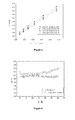
Figure 3 is the results of the rotating ring-disk test of the Ag powder catalyst in a basic solution; and -
Figure 4 is the test data of the actual electrolysis of the gas diffusion electrodes prepared in Example 1 and Comparative Example 1. (Test conditions: in 30% NaOH solution, current density of 3KA/m2) - The highly-graphitized carbon black used in this example is prepared by graphitizing carbon black (Vulcan XC-72) in a high-temperature graphitization furnace at 2700°C for 6-10 h, and a Raman Spectrogram for measuring the graphitization degree thereof is shown in
Figure 2 with ID/IG of 0.67. The silver-plated nickel foam is prepared by electroplating, wherein the nickel foam is commercially available from Heze Tianyu Technical Developing Lt. Corp. The acidified highly-graphitized carbon black is prepared by refluxing the graphitized carbon black in nitric acid solution (68 mass%) at 120°C for 6 to 10 h. Specifically, - 1) weighing 0.4-2 g highly-graphitized carbon black and dispersing it in an aqueous isopropanol solution comprising 0.4-1 g Triton, wherein the amount of isopropanol is 40 mL and the amount of water is 10-25 mL; then dispersing thus-obtained slurry by ultrasonic shear for 60 min, followed by adding 1-2 g of PTFE emulsion (D-110, 60 mass%); continuing performing shear dispersion for 10 min, and then coating the gas diffusion layer slurry evenly on silver-plated nickel foam with a size of 90 mm×90 mm after dispersion completed, after drying it in an oven at 60°C for 30 min, performing the primary cold-press molding with a pressure of 0.1-2 MPa at room temperature for 60 s, so as to obtain the assembly of the
current collector 1 and the gas diffusion layer 2; - 2) dispersing 1-2 g Ag powder catalyst and 2-3 g acidified graphitized carbon black in 2.5-3 g/L aqueous isopropanol solution of Triton so as to make the oxygen-containing functional group on the surface of the acidified graphitized carbon black in a concentration of 0.5-2 mmol/g, wherein the amount of isopropanol is 3 mL, and the amount of water is 15-30 mL; dispersing the slurry by ultrasonic shear for 60 min and then adding 2.5-3
g 60 mass% of PTFE emulsion; further dispersing by ultrasonic shear for 10 min; after the dispersion completed, coating the catalysis layer slurry on the gas diffusion layer of the assembly of thecurrent collector 1 and the gas diffusion 2; after drying the slurry, performing the secondary cold-press molding treatment with a cold pressure of 0.1-2 MPa at room temperature for a holding time of 30 s, so as to obtain the pre-molded gas diffusion electrode, wherein the results of the rotating ring-disk test of the Ag powder catalyst in a basic solution are shown inFigure 3 . It can be seen that the electro-catalysis mechanism is almost four-electron reaction; - 3) baking the pre-molded gas diffusion electrode obtained by the above steps at high temperature which is controlled to 290°C for 2 h; and
- 4) disposing the silver-plated nickel foam of the guide layer on the pre-molded gas diffusion electrode subjected to baking, and performing hot-press molding to it with a pressure of 5-8 MPa at a hot-press temperature of 360°C for 60 s holding time, so as to obtain the gas diffusion electrode. The test data of the actual electrolysis of the gas diffusion electrode prepared is shown in
Figure 4 , which indicates that the gas diffusion electrode has good corrosion resistance and excellent and stable electrochemical performance in alkali solutions, and therefore, is suitable for electrolytic reactions in the chlorine alkali industry. - The highly-graphitized carbon black used in this example is prepared by graphitizing carbon black (Vulcan XC-72) at 2600°C for 2-15 h, and has a Raman Spectrogram with ID/IG of 0.7-1.0. The silver-plated nickel foam is prepared by electroplating, wherein the nickel foam is commercially available from Heze Tianyu Technical Developing Lt. Corp. The acidified highly-graphitized carbon black is prepared by refluxing the graphitized carbon black in nitric acid solution (68 mass%) at 140°C for 6 to 10 h. Specifically,
- 1) weighing 1-3 g highly-graphitized carbon black and dispersing it in an aqueous isopropanol solution comprising 0.4-3 g Triton, wherein the amount of isopropanol is 40 mL and the amount of water is 4-16 mL; then dispersing thus-obtained slurry by ultrasonic shear for 60 min, followed by adding 0.4-1.5 g of PTFE emulsion (D-110, 60 mass%); continuing performing shear dispersion for 10 min, and then coating the gas diffusion layer slurry evenly on silver-plated nickel foam with a size of 90 mm×90 mm after dispersion completed; after drying it in an oven at 60°C for 30 min, performing the primary cold-press molding with a cold pressure of 0.1-2 MPa at room temperature for 60 s, so as to obtain the assembly of the
current collector 1 and the gas diffusion layer 2; - 2) dispersing 0.3-1.5 g Ag powder catalyst orAg/Carbon composite catalyst and 0.5-2 g acidified graphitized carbon black in 0.3-1.8 g/L aqueous isopropanol solution of Triton so as to make the oxygen-containing functional group on the surface of the acidified graphitized carbon black in a concentration of 1.5-4 mmol/g, wherein the amount of isopropanol is 3 mL, and the amount of water is 3-8 mL; dispersing the slurry by ultrasonic shear for 60 min and then adding 0.3-1.5 g of PTFE emulsion (60 mass%); further dispersing by ultrasonic shear for 10 min; after the dispersion completed, coating the catalysis layer slurry on the gas diffusion layer of the assembly of the
current collector 1 and the gas diffusion 2; after drying the slurry, performing the secondary cold-press molding treatment with a cold pressure of 0.1-2 MPa at room temperature for a holding time of 30 s, so as to obtain the pre-molded gas diffusion electrode; - 3) baking the pre-molded gas diffusion electrode obtained by the above steps at high temperature which is controlled to 280°C for 4 h; and
- 4) disposing the silver-plated nickel foam of the guide layer on the pre-molded gas diffusion electrode subjected to baking, and performing hot-press molding to it with a pressure of 2-5 MPa at a hot-press temperature of 370°C for a holding time of 180 s, so as to obtain the gas diffusion electrode.
- The highly-graphitized carbon black used in this example is prepared by graphitizing carbon black (Vulcan XC-72) in a high-temperature graphitization furnace at 2900°C for 2-15 h, and has a Raman Spectrogram with ID/IG of 0.3-0.6. The silver-plated nickel foam is prepared by electroplating, wherein the nickel foam is commercially available from Heze Tianyu Technical Developing Lt. Corp. The acidified highly-graphitized carbon black is prepared by refluxing the graphitized carbon black in nitric acid solution (68 mass%) at 160°C for 6 to 10 h. Specifically,
- 1) weighing 2-4 g highly-graphitized carbon black and dispersing it in an aqueous isopropanol solution comprising 2.5-4 g Triton, wherein the amount of isopropanol is 40 mL and the amount of water is 20-40 mL; then dispersing thus-obtained slurry by ultrasonic shear for 60 min, followed by adding 1.8-4 g of PTFE emulsion (D-110, 60 mass%); continuing performing shear dispersion for 10 min, and then coating the gas diffusion layer slurry evenly on silver-plated nickel foam with a size of 90 mm×90 mm after dispersion completed; after drying it at 60°C for 30 min, performing the primary cold-press molding in a cold press machine with a cold pressure of 1.5-2 MPa at room temperature for 60 s, so as to obtain the assembly of the
current collector 1 and the gas diffusion layer 2; - 2) dispersing 2-3 g Ag powder catalyst or Ag/Carbon composite catalyst and 0.3-1 g acidified graphitized carbon black in 1.5-2.8 g/L aqueous isopropanol solution of Triton so as to make the oxygen-containing functional group on the surface of the acidified graphitized carbon black in a concentration of 3.5-5 mmol/g, wherein the amount of isopropanol is 3 mL, and the amount of water is 5-15mL; dispersing the slurry by ultrasonic shear for 60 min and then adding 1.4-2.8 g of PTFE emulsion (60 mass%); further dispersing by ultrasonic shear for 10 min; after the dispersion completed, coating the catalysis layer slurry on the gas diffusion layer of the assembly of the
current collector 1 and the gas diffusion 2; after drying the slurry, performing the secondary cold-press molding treatment with a cold pressure of 1.5-2 MPa at room temperature for a holding time of 30 s, so as to obtain the pre-molded gas diffusion electrode; - 3) baking the pre-molded gas diffusion electrode obtained by the above steps at high temperature which is controlled to 270°C for 6 h; and
- 4) disposing the silver-plated nickel foam of the guide layer on the pre-molded gas diffusion electrode subjected to baking, and performing hot-press molding to it with a pressure of 8-12 MPa at a hot-press temperature of 350°C for a holding time of 30 s, so as to obtain the gas diffusion electrode.
- The highly-graphitized carbon black used herein is prepared by graphitizing carbon black (Vulcan XC-72) in a high-temperature graphitization furnace at 2700°C for 6-10 h, and a Raman Spectrogram for measuring the graphitization degree thereof is shown in
Figure 2 with ID/IG of 0.67. The silver-plated nickel foam is prepared by electroplating, wherein the nickel foam is commercially available from Heze Tianyu Technical Developing Lt. Corp. The acidified highly-graphitized carbon black is prepared by refluxing the graphitized carbon black in nitric acid solution (68 mass%) at 120°C for 6 to 10 h. Specifically, - 1) weighing 0.4-2 g highly-graphitized carbon black and dispersing it in an aqueous isopropanol solution comprising 0.4-1 g Triton, wherein the amount of isopropanol is 40 mL and the amount of water is 10-25 mL; then dispersing thus-obtained slurry by ultrasonic shear for 60 min, followed by adding 1-2 g of PTFE emulsion (D-110, 60 mass%); continuing performing shear dispersion for 10 min, and then coating the gas diffusion layer slurry evenly on silver-plated nickel foam with a size of 90 mm×90 mm after dispersion completed, after drying it in an oven at 60°C for 30 min, performing the primary cold-press molding with a cold pressure of 0.1-2 MPa at room temperature for 60 s, so as to obtain the assembly of the
current collector 1 and the gas diffusion layer 2; - 2) dispersing 1-2 g Ag powder catalyst and 2-3 g acidified graphitized carbon black in 2.5-3 g/L aqueous isopropanol solution of Triton so as to make the oxygen-containing functional group on the surface of the acidified graphitized carbon black in a concentration of 0.5-2 mmol/g, wherein the amount of isopropanol is 3 mL, and the amount of water is 15-30 mL; dispersing the slurry by ultrasonic shear for 60 min and then adding 2.5-3
g 60 mass% of PTFE emulsion; further dispersing by ultrasonic shear for 10 min; after the dispersion completed, coating the catalysis layer slurry on the gas diffusion layer of the assembly of thecurrent collector 1 and the gas diffusion 2; after drying the slurry, performing the secondary cold-press molding treatment with a cold pressure of 0.1-2 MPa at room temperature for a holding time of 30 s, so as to obtain the pre-molded gas diffusion electrode; - 3) baking the pre-molded gas diffusion electrode obtained by the above steps at high temperature which is controlled to 290°C for 2 h; and
- 4) disposing the pre-molded gas diffusion electrode after baking directly on a hot press machine and performing hot-press molding to it with a hot pressure of 5-8 MPa at a hot-press temperature of 360°C for a holding time of 60 s, so as to obtain the gas diffusion electrode. The test data of the actual electrolysis of the gas diffusion electrode prepared is shown in
Figure 4 , which indicates that the electrolysis properties thereof show degradation in a basic solution with the elapse of time, thus the electrode is not suitable for the long-term electrolysis reaction in chlor-alkali industry. - It should be understood that, for a person skilled in the art, the embodiments would be modified or varied in accordance with the above description, and all such modifications and variations are within the scope of the invention as specifically set forth in the claims appended hereto.
Claims (10)
- A gas diffusion electrode comprising a current collector, a gas diffusion layer, a gas catalysis layer coated on the gas diffusion layer, and a liquid guide layer located on the gas catalysis layer; wherein the gas diffusion layer comprises highly-graphitized carbon black and polytetrafluoroethylene, and the gas catalysis layer comprises a catalyst, acidified highly-graphitized carbon black and polytetrafluoroethylene; the highly-graphitized carbon black is the carbon black having a peak intensity ratio ID/IG between 0.3 and 1.0 in the Raman spectrum, and preferably the concentration of the oxygen-containing functional group on the surface of the acidified graphitized carbon black is 0.5-2 mmol/g; the degrees of graphitization in the gas diffusion layer and the gas catalysis layer may be the same or different; the current collector and the liquid guide layer are both silver-plated metal foam having a thickness of 0.1-20 µm, and the silver-plated metal foam thereof may be the same or different.
- The gas diffusion electrode according to claim 1, wherein the mass ratio of the highly-graphitized carbon black to polytetrafluoroethylene in the gas diffusion layer is (0.01-1): (0.01-0.1).
- The gas diffusion electrode according to claim 1, wherein the mass ratio of the catalyst, the acidified highly-graphitized carbon black and polytetrafluoroethylene in the gas catalysis layer is (0.1-1): (0.1-1): (0.1-1).
- The gas diffusion electrode according to any one of claims 1-3, wherein the metal of the silver-plated metal foam is selected from nickel, titanium, tungsten, cobalt, or alloys thereof.
- The gas diffusion electrode according to claim 1, wherein the catalyst in the gas catalysis layer is selected from silver powder or Ag/C composite catalyst; preferably, the catalyst has a particle size between 0.01 and 5 µm.
- The gas diffusion electrode according to any one of claims 1-5, wherein the diffusion electrode is a gas diffusion electrode applied in chlor-alkali industry.
- A method for preparing the gas diffusion electrode according to claim 6, wherein the gas diffusion layer is prepared from raw materials comprising highly-graphitized carbon black, water, Triton, polytetrafluoroethylene emulsion and isopropanol in a mass ratio of (0.01-1) : (0.1-1) : (0.01-0.1) : (0.01-0.1) : 1, wherein the aqueous isopropanol solution of Triton is used as a dispersion medium.
- A method for preparing the gas diffusion electrode according to claim 6, wherein the gas catalysis layer is prepared from raw materials comprising a catalyst, acidified highly-graphitized carbon black, water, Triton, polytetrafluoroethylene solution and isopropanol in a mass ratio of (0.1-1) : (0.1-1) : (1-10) : (0.1-1) : (0.1-1) : 1, wherein the aqueous isopropanol solution of Triton is used as a dispersion medium.
- The method for preparing the gas diffusion electrode according to claim 7, wherein the preparation method of the gas diffusion layer comprises the following steps:(1) dispersing the highly-graphitized carbon black in the aqueous isopropanol solution comprising surfactant Triton, so as to obtain a slurry of the gas diffusion layer; dispersing this slurry by ultrasonic shear for 10 to 200 min; then adding 40 to 80 mass% of polytetrafluoroethylene emulsion, further dispersing by shear for 10 to 150 min; controlling the temperature during the dispersion of the gas diffusion layer slurry between 10 and 100°C and after dispersion the powder in the gas diffusion layer slurry having an average particle size between 0.2 and 10 µm; setting the gas diffusion layer slurry for 5 to 100 h after dispersion; and controlling the solid content of the gas diffusion layer slurry between 5 and 40 wt%; and(2) coating the gas diffusion layer slurry evenly on the silver-plated metal foam of the current collector; after coating of the gas diffusion layer slurry, drying it at 40 to 120°C for 5-10 h; after coating and drying of the gas diffusion layer slurry, performing a primary cold-press molding treatment at a cold pressure between 0.1 and 2 MPa, a temperature between -10 and 50°C and a holding time between 10 and 300 s, so as to obtain an assembly of the current collector and the gas diffusion layer.
- The method for preparing the gas diffusion electrode according to claim 8, wherein the preparation method of the gas catalysis layer comprises the following steps:(1) dispersing the catalyst, the acidified graphitized carbon black in the aqueous isopropanol solution comprising surfactant Triton, so as to obtain a catalysis layer slurry; dispersing this slurry by ultrasonic shear for 10-200 min; then adding 40-80 mass% of polytetrafluoroethylene emulsion, further dispersing by shear for 10-150 min; and controlling the temperature during the dispersion of the catalysis layer slurry between 10-100°C and the powder in the catalysis layer slurry having an average particle size between 0.2-10 µm after dispersion; and(2) coating the catalysis layer slurry evenly on the gas diffusion layer of the assembly of the gas diffusion layer and the current collector; drying it at 40-120°C for 0.5-1 h after coating of the catalysis layer slurry; after the coating and drying of the catalysis layer slurry, performing a secondary cold-press molding treatment to the assembly under a cold pressure between 0.1 and 2 MPa at a temperature between -10 and 50°C for a holding time between 10 and 300 s, so as to obtain a pre-molded gas diffusion electrode; baking the pre-molded gas diffusion electrode at high temperature between 270 and 290°C for 1 to 20 h; disposing the silver-plated metal foam of the liquid guide layer on the pre-molded gas diffusion electrode after baking, and performing hot-press molding thereto under a hot pressure between 2 and 12 MPa at a hot-press temperature between 330 and 450°C for a holding time between 10 and 300 s, thereby obtaining the gas diffusion electrode.
Applications Claiming Priority (1)
| Application Number | Priority Date | Filing Date | Title |
|---|---|---|---|
| PCT/CN2012/001722 WO2014100912A1 (en) | 2012-12-24 | 2012-12-24 | Gas diffusion electrode and preparation method thereof |
Publications (3)
| Publication Number | Publication Date |
|---|---|
| EP2937449A1 true EP2937449A1 (en) | 2015-10-28 |
| EP2937449A4 EP2937449A4 (en) | 2016-08-17 |
| EP2937449B1 EP2937449B1 (en) | 2017-07-12 |
Family
ID=51019611
Family Applications (1)
| Application Number | Title | Priority Date | Filing Date |
|---|---|---|---|
| EP12891307.6A Active EP2937449B1 (en) | 2012-12-24 | 2012-12-24 | Gas diffusion electrode and preparation method thereof |
Country Status (4)
| Country | Link |
|---|---|
| EP (1) | EP2937449B1 (en) |
| JP (1) | JP6128709B2 (en) |
| CN (1) | CN104603331B (en) |
| WO (1) | WO2014100912A1 (en) |
Cited By (2)
| Publication number | Priority date | Publication date | Assignee | Title |
|---|---|---|---|---|
| CN111058055A (en) * | 2019-12-20 | 2020-04-24 | 江苏安凯特科技股份有限公司 | Cathode structure of ion membrane electrolytic cell |
| JPWO2019106879A1 (en) * | 2017-11-29 | 2020-10-01 | 住友電気工業株式会社 | Method for manufacturing metal porous body, fuel cell and metal porous body |
Families Citing this family (13)
| Publication number | Priority date | Publication date | Assignee | Title |
|---|---|---|---|---|
| CN106894042B (en) * | 2017-02-28 | 2018-08-17 | 天津大学 | A kind of preparation and application of acid processing graphite particle electrode |
| CN110565112B (en) * | 2019-08-19 | 2021-10-26 | 天津大学 | Method for changing cathode oxygen reduction activity by regulating hydrophilicity and hydrophobicity |
| CN113149142A (en) * | 2020-01-22 | 2021-07-23 | 中国科学院大连化学物理研究所 | Gas diffusion electrode and preparation method and application thereof |
| CN111893502A (en) * | 2020-07-31 | 2020-11-06 | 北京化工大学 | A kind of method for preparing ferrate by gas diffusion electrode electrolysis catalyzed by non-precious metal |
| CN111733426B (en) * | 2020-07-31 | 2022-08-30 | 北京化工大学 | Method and device for electrochemically preparing ferrate based on gas diffusion electrode |
| CN113371799B (en) * | 2021-06-22 | 2022-10-04 | 哈尔滨工业大学 | Electrochemical disinfection method based on singlet oxygen |
| CN116040751A (en) * | 2021-10-28 | 2023-05-02 | 中国石油化工股份有限公司 | Modified nitrogen-doped carbon electrode and preparation method and application thereof |
| CN117004975A (en) * | 2022-04-29 | 2023-11-07 | 上海科技大学 | A gas diffusion electrode and its preparation method and application |
| CN115050974A (en) * | 2022-07-21 | 2022-09-13 | 华东理工大学 | Gas diffusion electrode, preparation method and application thereof, and zinc-air battery |
| CN115478286B (en) * | 2022-09-22 | 2026-03-24 | 盐城工学院 | A gas diffusion electrode and its preparation method |
| CN116235962B (en) * | 2022-11-25 | 2026-01-23 | 珠海格力电器股份有限公司 | Electrolysis device, electrode preparation method and cleaning equipment |
| CN116334659B (en) * | 2023-04-16 | 2024-06-21 | 深圳中科翎碳生物科技有限公司 | Sn-based gas diffusion electrode, preparation method, corresponding electrocatalytic device and application |
| CN118825310A (en) * | 2024-06-28 | 2024-10-22 | 深圳市贝特瑞新能源技术研究院有限公司 | A kind of microporous layer aqueous slurry and preparation method thereof and gas diffusion layer |
Family Cites Families (18)
| Publication number | Priority date | Publication date | Assignee | Title |
|---|---|---|---|---|
| EP0014896B1 (en) * | 1979-02-27 | 1984-07-25 | Asahi Glass Company Ltd. | Gas diffusion electrode |
| JP3625520B2 (en) * | 1995-04-13 | 2005-03-02 | ペルメレック電極株式会社 | Gas diffusion electrode |
| JP3628756B2 (en) * | 1995-04-28 | 2005-03-16 | ペルメレック電極株式会社 | Gas diffusion electrode |
| JP3002974B2 (en) * | 1998-05-20 | 2000-01-24 | 長一 古屋 | Manufacturing method of gas diffusion electrode |
| JP2946328B1 (en) * | 1998-08-25 | 1999-09-06 | 長一 古屋 | Salt electrolysis method and electrolytic cell |
| US6399236B1 (en) * | 1999-02-16 | 2002-06-04 | Nagakazu Furuya | Gas diffusion electrode assemblies and processes for producing the same |
| US6423194B1 (en) * | 1999-02-25 | 2002-07-23 | Nagakazu Furuya | Gas diffusion electrode and brine electrolytic bath |
| JP4290454B2 (en) | 2003-03-28 | 2009-07-08 | 三井化学株式会社 | Method for producing gas diffusion electrode, electrolytic cell and electrolysis method |
| CA2805293C (en) * | 2005-02-21 | 2015-06-23 | Nissan Motor Co., Ltd. | Electrode catalyst and method for producing the same |
| DE102005023615A1 (en) * | 2005-05-21 | 2006-11-23 | Bayer Materialscience Ag | Process for the preparation of gas diffusion electrodes |
| JP4868949B2 (en) | 2006-06-07 | 2012-02-01 | ペルメレック電極株式会社 | Gas diffusion electrode and manufacturing method thereof |
| JP5222056B2 (en) * | 2008-07-29 | 2013-06-26 | 三菱重工業株式会社 | Toll collection machine, toll collection method and program |
| CN101736360B (en) * | 2009-11-27 | 2011-06-01 | 北京化工大学 | A gas diffusion electrode and its preparation method |
| WO2011070893A1 (en) * | 2009-12-09 | 2011-06-16 | 日清紡ホールディングス株式会社 | Flexible carbon fiber nonwoven fabric |
| CN101745390B (en) | 2010-01-29 | 2011-11-16 | 北京化工大学 | Supported silver-carbon catalyst for salt electrolysis and preparation method thereof |
| CN101774666B (en) * | 2010-01-29 | 2011-12-21 | 北京化工大学 | 2-ethyl-anthraquinone modified gas diffusion electrode and preparation method thereof |
| JP5648785B2 (en) * | 2010-07-29 | 2015-01-07 | 日清紡ホールディングス株式会社 | Fuel cell electrode |
| CN102517602B (en) * | 2011-12-29 | 2014-10-29 | 北京化工大学 | Gelatin hole forming method for gas diffusion electrodes |
-
2012
- 2012-12-24 WO PCT/CN2012/001722 patent/WO2014100912A1/en not_active Ceased
- 2012-12-24 EP EP12891307.6A patent/EP2937449B1/en active Active
- 2012-12-24 JP JP2015548134A patent/JP6128709B2/en active Active
- 2012-12-24 CN CN201280074539.0A patent/CN104603331B/en active Active
Cited By (4)
| Publication number | Priority date | Publication date | Assignee | Title |
|---|---|---|---|---|
| JPWO2019106879A1 (en) * | 2017-11-29 | 2020-10-01 | 住友電気工業株式会社 | Method for manufacturing metal porous body, fuel cell and metal porous body |
| JP7076693B2 (en) | 2017-11-29 | 2022-05-30 | 住友電気工業株式会社 | Method for manufacturing metal porous body, fuel cell and metal porous body |
| CN111058055A (en) * | 2019-12-20 | 2020-04-24 | 江苏安凯特科技股份有限公司 | Cathode structure of ion membrane electrolytic cell |
| CN111058055B (en) * | 2019-12-20 | 2021-01-15 | 江苏安凯特科技股份有限公司 | Cathode structure of ion membrane electrolytic cell |
Also Published As
| Publication number | Publication date |
|---|---|
| JP6128709B2 (en) | 2017-05-17 |
| CN104603331B (en) | 2017-04-05 |
| JP2016505716A (en) | 2016-02-25 |
| CN104603331A (en) | 2015-05-06 |
| EP2937449B1 (en) | 2017-07-12 |
| EP2937449A4 (en) | 2016-08-17 |
| WO2014100912A1 (en) | 2014-07-03 |
Similar Documents
| Publication | Publication Date | Title |
|---|---|---|
| EP2937449B1 (en) | Gas diffusion electrode and preparation method thereof | |
| Del Castillo et al. | Sn nanoparticles on gas diffusion electrodes: Synthesis, characterization and use for continuous CO2 electroreduction to formate | |
| Phillips et al. | Zero gap alkaline electrolysis cell design for renewable energy storage as hydrogen gas | |
| CN109589974B (en) | A low noble metal loading oxygen evolution catalyst for water electrolyzer | |
| TWI431163B (en) | An oxygen diffusion cathode, an electrolytic cell using the same, a method for producing chlorine gas, and a method for producing sodium hydroxide | |
| CN101748422B (en) | Method for preparing alkaline hydrogen peroxide in situ | |
| CN101736360B (en) | A gas diffusion electrode and its preparation method | |
| CN104685682B (en) | The manufacture method of catalyst for fuel cell and the fuel cell containing the catalyst for fuel cell manufactured using the manufacture method | |
| CN104064792B (en) | A kind of high-temperature electrolysis water vapour Simultaneous Oxidation methane is for the method for fuel | |
| CN102029151B (en) | Modified polyol method for preparing Pt/C catalyst | |
| CN107381725A (en) | Air cathode and preparation method and sewage disposal system | |
| CN117626322A (en) | Preparation method of integrated porous catalytic electrode | |
| CN108977828B (en) | Membrane electrode electrolytic ozone generator and preparation process thereof | |
| Yan et al. | Low-cell-voltage electrosynthesis of hydrogen peroxide | |
| JP2015534607A (en) | Electrolytic electrode catalyst | |
| CN118814199B (en) | A nickel-based water electrolysis catalytic material and preparation method thereof | |
| CN109994744B (en) | A nickel-cobalt binary catalyst for promoting direct oxidation of sodium borohydride | |
| CN115261926B (en) | AEM electrolyzed water metal catalyst, and preparation method and application thereof | |
| CN113604843B (en) | Low-load Pt/C catalyst hydrogen diffusion anode and preparation method and application thereof | |
| CN114807970B (en) | A nitrogen-doped carbon-based Co/Ni12P5 oxygen evolution catalyst and its preparation method and application | |
| CN117328095A (en) | A Cr-NiFeOx@NC oxygen evolution electrocatalytic electrode and its preparation method and application | |
| CN113151852A (en) | Electrooxidation and hydrogen evolution device and application | |
| CN111893502A (en) | A kind of method for preparing ferrate by gas diffusion electrode electrolysis catalyzed by non-precious metal | |
| CN221918261U (en) | Electrolytic tank for directly electrolyzing seawater to prepare hydrogen | |
| CN119040932B (en) | A method for preparing a catalytic electrode for anion exchange membrane electrolyzer, its product, and its application. |
Legal Events
| Date | Code | Title | Description |
|---|---|---|---|
| PUAI | Public reference made under article 153(3) epc to a published international application that has entered the european phase |
Free format text: ORIGINAL CODE: 0009012 |
|
| 17P | Request for examination filed |
Effective date: 20150707 |
|
| AK | Designated contracting states |
Kind code of ref document: A1 Designated state(s): AL AT BE BG CH CY CZ DE DK EE ES FI FR GB GR HR HU IE IS IT LI LT LU LV MC MK MT NL NO PL PT RO RS SE SI SK SM TR |
|
| AX | Request for extension of the european patent |
Extension state: BA ME |
|
| RAP1 | Party data changed (applicant data changed or rights of an application transferred) |
Owner name: BEIJING UNIVERSITY OF CHEMICAL TECHNOLOGY |
|
| DAX | Request for extension of the european patent (deleted) | ||
| A4 | Supplementary search report drawn up and despatched |
Effective date: 20160714 |
|
| RIC1 | Information provided on ipc code assigned before grant |
Ipc: C25B 11/03 20060101ALI20160708BHEP Ipc: C25B 1/46 20060101ALI20160708BHEP Ipc: C25B 11/08 20060101AFI20160708BHEP |
|
| GRAP | Despatch of communication of intention to grant a patent |
Free format text: ORIGINAL CODE: EPIDOSNIGR1 |
|
| INTG | Intention to grant announced |
Effective date: 20170207 |
|
| GRAS | Grant fee paid |
Free format text: ORIGINAL CODE: EPIDOSNIGR3 |
|
| GRAA | (expected) grant |
Free format text: ORIGINAL CODE: 0009210 |
|
| AK | Designated contracting states |
Kind code of ref document: B1 Designated state(s): AL AT BE BG CH CY CZ DE DK EE ES FI FR GB GR HR HU IE IS IT LI LT LU LV MC MK MT NL NO PL PT RO RS SE SI SK SM TR |
|
| REG | Reference to a national code |
Ref country code: GB Ref legal event code: FG4D |
|
| REG | Reference to a national code |
Ref country code: CH Ref legal event code: EP |
|
| REG | Reference to a national code |
Ref country code: AT Ref legal event code: REF Ref document number: 908404 Country of ref document: AT Kind code of ref document: T Effective date: 20170715 |
|
| REG | Reference to a national code |
Ref country code: IE Ref legal event code: FG4D |
|
| REG | Reference to a national code |
Ref country code: DE Ref legal event code: R096 Ref document number: 602012034602 Country of ref document: DE |
|
| REG | Reference to a national code |
Ref country code: NL Ref legal event code: MP Effective date: 20170712 |
|
| REG | Reference to a national code |
Ref country code: LT Ref legal event code: MG4D |
|
| REG | Reference to a national code |
Ref country code: AT Ref legal event code: MK05 Ref document number: 908404 Country of ref document: AT Kind code of ref document: T Effective date: 20170712 |
|
| REG | Reference to a national code |
Ref country code: FR Ref legal event code: PLFP Year of fee payment: 6 |
|
| PG25 | Lapsed in a contracting state [announced via postgrant information from national office to epo] |
Ref country code: LT Free format text: LAPSE BECAUSE OF FAILURE TO SUBMIT A TRANSLATION OF THE DESCRIPTION OR TO PAY THE FEE WITHIN THE PRESCRIBED TIME-LIMIT Effective date: 20170712 Ref country code: AT Free format text: LAPSE BECAUSE OF FAILURE TO SUBMIT A TRANSLATION OF THE DESCRIPTION OR TO PAY THE FEE WITHIN THE PRESCRIBED TIME-LIMIT Effective date: 20170712 Ref country code: SE Free format text: LAPSE BECAUSE OF FAILURE TO SUBMIT A TRANSLATION OF THE DESCRIPTION OR TO PAY THE FEE WITHIN THE PRESCRIBED TIME-LIMIT Effective date: 20170712 Ref country code: FI Free format text: LAPSE BECAUSE OF FAILURE TO SUBMIT A TRANSLATION OF THE DESCRIPTION OR TO PAY THE FEE WITHIN THE PRESCRIBED TIME-LIMIT Effective date: 20170712 Ref country code: NO Free format text: LAPSE BECAUSE OF FAILURE TO SUBMIT A TRANSLATION OF THE DESCRIPTION OR TO PAY THE FEE WITHIN THE PRESCRIBED TIME-LIMIT Effective date: 20171012 Ref country code: HR Free format text: LAPSE BECAUSE OF FAILURE TO SUBMIT A TRANSLATION OF THE DESCRIPTION OR TO PAY THE FEE WITHIN THE PRESCRIBED TIME-LIMIT Effective date: 20170712 Ref country code: NL Free format text: LAPSE BECAUSE OF FAILURE TO SUBMIT A TRANSLATION OF THE DESCRIPTION OR TO PAY THE FEE WITHIN THE PRESCRIBED TIME-LIMIT Effective date: 20170712 |
|
| PG25 | Lapsed in a contracting state [announced via postgrant information from national office to epo] |
Ref country code: PL Free format text: LAPSE BECAUSE OF FAILURE TO SUBMIT A TRANSLATION OF THE DESCRIPTION OR TO PAY THE FEE WITHIN THE PRESCRIBED TIME-LIMIT Effective date: 20170712 Ref country code: IS Free format text: LAPSE BECAUSE OF FAILURE TO SUBMIT A TRANSLATION OF THE DESCRIPTION OR TO PAY THE FEE WITHIN THE PRESCRIBED TIME-LIMIT Effective date: 20171112 Ref country code: ES Free format text: LAPSE BECAUSE OF FAILURE TO SUBMIT A TRANSLATION OF THE DESCRIPTION OR TO PAY THE FEE WITHIN THE PRESCRIBED TIME-LIMIT Effective date: 20170712 Ref country code: RS Free format text: LAPSE BECAUSE OF FAILURE TO SUBMIT A TRANSLATION OF THE DESCRIPTION OR TO PAY THE FEE WITHIN THE PRESCRIBED TIME-LIMIT Effective date: 20170712 Ref country code: LV Free format text: LAPSE BECAUSE OF FAILURE TO SUBMIT A TRANSLATION OF THE DESCRIPTION OR TO PAY THE FEE WITHIN THE PRESCRIBED TIME-LIMIT Effective date: 20170712 Ref country code: GR Free format text: LAPSE BECAUSE OF FAILURE TO SUBMIT A TRANSLATION OF THE DESCRIPTION OR TO PAY THE FEE WITHIN THE PRESCRIBED TIME-LIMIT Effective date: 20171013 Ref country code: BG Free format text: LAPSE BECAUSE OF FAILURE TO SUBMIT A TRANSLATION OF THE DESCRIPTION OR TO PAY THE FEE WITHIN THE PRESCRIBED TIME-LIMIT Effective date: 20171012 |
|
| REG | Reference to a national code |
Ref country code: DE Ref legal event code: R097 Ref document number: 602012034602 Country of ref document: DE |
|
| PG25 | Lapsed in a contracting state [announced via postgrant information from national office to epo] |
Ref country code: CZ Free format text: LAPSE BECAUSE OF FAILURE TO SUBMIT A TRANSLATION OF THE DESCRIPTION OR TO PAY THE FEE WITHIN THE PRESCRIBED TIME-LIMIT Effective date: 20170712 Ref country code: RO Free format text: LAPSE BECAUSE OF FAILURE TO SUBMIT A TRANSLATION OF THE DESCRIPTION OR TO PAY THE FEE WITHIN THE PRESCRIBED TIME-LIMIT Effective date: 20170712 Ref country code: DK Free format text: LAPSE BECAUSE OF FAILURE TO SUBMIT A TRANSLATION OF THE DESCRIPTION OR TO PAY THE FEE WITHIN THE PRESCRIBED TIME-LIMIT Effective date: 20170712 |
|
| PLBE | No opposition filed within time limit |
Free format text: ORIGINAL CODE: 0009261 |
|
| STAA | Information on the status of an ep patent application or granted ep patent |
Free format text: STATUS: NO OPPOSITION FILED WITHIN TIME LIMIT |
|
| PG25 | Lapsed in a contracting state [announced via postgrant information from national office to epo] |
Ref country code: EE Free format text: LAPSE BECAUSE OF FAILURE TO SUBMIT A TRANSLATION OF THE DESCRIPTION OR TO PAY THE FEE WITHIN THE PRESCRIBED TIME-LIMIT Effective date: 20170712 Ref country code: SM Free format text: LAPSE BECAUSE OF FAILURE TO SUBMIT A TRANSLATION OF THE DESCRIPTION OR TO PAY THE FEE WITHIN THE PRESCRIBED TIME-LIMIT Effective date: 20170712 Ref country code: IT Free format text: LAPSE BECAUSE OF FAILURE TO SUBMIT A TRANSLATION OF THE DESCRIPTION OR TO PAY THE FEE WITHIN THE PRESCRIBED TIME-LIMIT Effective date: 20170712 Ref country code: SK Free format text: LAPSE BECAUSE OF FAILURE TO SUBMIT A TRANSLATION OF THE DESCRIPTION OR TO PAY THE FEE WITHIN THE PRESCRIBED TIME-LIMIT Effective date: 20170712 |
|
| 26N | No opposition filed |
Effective date: 20180413 |
|
| REG | Reference to a national code |
Ref country code: CH Ref legal event code: PL |
|
| GBPC | Gb: european patent ceased through non-payment of renewal fee |
Effective date: 20171224 |
|
| PG25 | Lapsed in a contracting state [announced via postgrant information from national office to epo] |
Ref country code: SI Free format text: LAPSE BECAUSE OF FAILURE TO SUBMIT A TRANSLATION OF THE DESCRIPTION OR TO PAY THE FEE WITHIN THE PRESCRIBED TIME-LIMIT Effective date: 20170712 |
|
| REG | Reference to a national code |
Ref country code: IE Ref legal event code: MM4A |
|
| PG25 | Lapsed in a contracting state [announced via postgrant information from national office to epo] |
Ref country code: MT Free format text: LAPSE BECAUSE OF NON-PAYMENT OF DUE FEES Effective date: 20171224 Ref country code: LU Free format text: LAPSE BECAUSE OF NON-PAYMENT OF DUE FEES Effective date: 20171224 |
|
| REG | Reference to a national code |
Ref country code: BE Ref legal event code: MM Effective date: 20171231 |
|
| PG25 | Lapsed in a contracting state [announced via postgrant information from national office to epo] |
Ref country code: IE Free format text: LAPSE BECAUSE OF NON-PAYMENT OF DUE FEES Effective date: 20171224 |
|
| PG25 | Lapsed in a contracting state [announced via postgrant information from national office to epo] |
Ref country code: CH Free format text: LAPSE BECAUSE OF NON-PAYMENT OF DUE FEES Effective date: 20171231 Ref country code: GB Free format text: LAPSE BECAUSE OF NON-PAYMENT OF DUE FEES Effective date: 20171224 Ref country code: LI Free format text: LAPSE BECAUSE OF NON-PAYMENT OF DUE FEES Effective date: 20171231 Ref country code: BE Free format text: LAPSE BECAUSE OF NON-PAYMENT OF DUE FEES Effective date: 20171231 |
|
| PG25 | Lapsed in a contracting state [announced via postgrant information from national office to epo] |
Ref country code: MC Free format text: LAPSE BECAUSE OF FAILURE TO SUBMIT A TRANSLATION OF THE DESCRIPTION OR TO PAY THE FEE WITHIN THE PRESCRIBED TIME-LIMIT Effective date: 20170712 Ref country code: HU Free format text: LAPSE BECAUSE OF FAILURE TO SUBMIT A TRANSLATION OF THE DESCRIPTION OR TO PAY THE FEE WITHIN THE PRESCRIBED TIME-LIMIT; INVALID AB INITIO Effective date: 20121224 |
|
| PG25 | Lapsed in a contracting state [announced via postgrant information from national office to epo] |
Ref country code: CY Free format text: LAPSE BECAUSE OF FAILURE TO SUBMIT A TRANSLATION OF THE DESCRIPTION OR TO PAY THE FEE WITHIN THE PRESCRIBED TIME-LIMIT Effective date: 20170712 |
|
| PG25 | Lapsed in a contracting state [announced via postgrant information from national office to epo] |
Ref country code: MK Free format text: LAPSE BECAUSE OF FAILURE TO SUBMIT A TRANSLATION OF THE DESCRIPTION OR TO PAY THE FEE WITHIN THE PRESCRIBED TIME-LIMIT Effective date: 20170712 |
|
| PG25 | Lapsed in a contracting state [announced via postgrant information from national office to epo] |
Ref country code: TR Free format text: LAPSE BECAUSE OF FAILURE TO SUBMIT A TRANSLATION OF THE DESCRIPTION OR TO PAY THE FEE WITHIN THE PRESCRIBED TIME-LIMIT Effective date: 20170712 |
|
| PG25 | Lapsed in a contracting state [announced via postgrant information from national office to epo] |
Ref country code: PT Free format text: LAPSE BECAUSE OF FAILURE TO SUBMIT A TRANSLATION OF THE DESCRIPTION OR TO PAY THE FEE WITHIN THE PRESCRIBED TIME-LIMIT Effective date: 20170712 |
|
| PG25 | Lapsed in a contracting state [announced via postgrant information from national office to epo] |
Ref country code: AL Free format text: LAPSE BECAUSE OF FAILURE TO SUBMIT A TRANSLATION OF THE DESCRIPTION OR TO PAY THE FEE WITHIN THE PRESCRIBED TIME-LIMIT Effective date: 20170712 |
|
| REG | Reference to a national code |
Ref country code: DE Ref legal event code: R079 Ref document number: 602012034602 Country of ref document: DE Free format text: PREVIOUS MAIN CLASS: C25B0011080000 Ipc: C25B0011081000 |
|
| PGFP | Annual fee paid to national office [announced via postgrant information from national office to epo] |
Ref country code: FR Payment date: 20251230 Year of fee payment: 14 |
|
| PGFP | Annual fee paid to national office [announced via postgrant information from national office to epo] |
Ref country code: DE Payment date: 20251230 Year of fee payment: 14 |