EP2929669B1 - System und verfahren zur überwachung von angriffen eines seitenübergreifenden skripts - Google Patents
System und verfahren zur überwachung von angriffen eines seitenübergreifenden skripts Download PDFInfo
- Publication number
- EP2929669B1 EP2929669B1 EP13818043.5A EP13818043A EP2929669B1 EP 2929669 B1 EP2929669 B1 EP 2929669B1 EP 13818043 A EP13818043 A EP 13818043A EP 2929669 B1 EP2929669 B1 EP 2929669B1
- Authority
- EP
- European Patent Office
- Prior art keywords
- scripting
- internal function
- redefined
- calling
- function
- Prior art date
- Legal status (The legal status is an assumption and is not a legal conclusion. Google has not performed a legal analysis and makes no representation as to the accuracy of the status listed.)
- Active
Links
Images


Classifications
-
- G—PHYSICS
- G06—COMPUTING OR CALCULATING; COUNTING
- G06F—ELECTRIC DIGITAL DATA PROCESSING
- G06F21/00—Security arrangements for protecting computers, components thereof, programs or data against unauthorised activity
- G06F21/50—Monitoring users, programs or devices to maintain the integrity of platforms, e.g. of processors, firmware or operating systems
- G06F21/55—Detecting local intrusion or implementing counter-measures
-
- G—PHYSICS
- G06—COMPUTING OR CALCULATING; COUNTING
- G06F—ELECTRIC DIGITAL DATA PROCESSING
- G06F21/00—Security arrangements for protecting computers, components thereof, programs or data against unauthorised activity
- G06F21/50—Monitoring users, programs or devices to maintain the integrity of platforms, e.g. of processors, firmware or operating systems
- G06F21/52—Monitoring users, programs or devices to maintain the integrity of platforms, e.g. of processors, firmware or operating systems during program execution, e.g. stack integrity ; Preventing unwanted data erasure; Buffer overflow
- G06F21/54—Monitoring users, programs or devices to maintain the integrity of platforms, e.g. of processors, firmware or operating systems during program execution, e.g. stack integrity ; Preventing unwanted data erasure; Buffer overflow by adding security routines or objects to programs
-
- H—ELECTRICITY
- H04—ELECTRIC COMMUNICATION TECHNIQUE
- H04L—TRANSMISSION OF DIGITAL INFORMATION, e.g. TELEGRAPHIC COMMUNICATION
- H04L63/00—Network architectures or network communication protocols for network security
- H04L63/14—Network architectures or network communication protocols for network security for detecting or protecting against malicious traffic
- H04L63/1441—Countermeasures against malicious traffic
- H04L63/145—Countermeasures against malicious traffic the attack involving the propagation of malware through the network, e.g. viruses, trojans or worms
-
- H—ELECTRICITY
- H04—ELECTRIC COMMUNICATION TECHNIQUE
- H04L—TRANSMISSION OF DIGITAL INFORMATION, e.g. TELEGRAPHIC COMMUNICATION
- H04L63/00—Network architectures or network communication protocols for network security
- H04L63/14—Network architectures or network communication protocols for network security for detecting or protecting against malicious traffic
- H04L63/1441—Countermeasures against malicious traffic
- H04L63/1466—Active attacks involving interception, injection, modification, spoofing of data unit addresses, e.g. hijacking, packet injection or TCP sequence number attacks
-
- G—PHYSICS
- G06—COMPUTING OR CALCULATING; COUNTING
- G06F—ELECTRIC DIGITAL DATA PROCESSING
- G06F2221/00—Indexing scheme relating to security arrangements for protecting computers, components thereof, programs or data against unauthorised activity
- G06F2221/21—Indexing scheme relating to G06F21/00 and subgroups addressing additional information or applications relating to security arrangements for protecting computers, components thereof, programs or data against unauthorised activity
- G06F2221/2119—Authenticating web pages, e.g. with suspicious links
Definitions
- the present disclosure relates to a networking security field, and more particularly to a system and a method for monitoring a cross site scripting attack.
- Cross site scripting (XSS) attacks are regarded as the main threat for the security of networking programs.
- the cross site scripting attacks usually happen by using security loopholes of a program and other network vulnerabilities to cause devastating results.
- the cross site scripting attacks may be turned into a virus or a network worm that can be self-propagated, therefore causing more serious damage.
- Myspace was attacked by a cross site scripting attack to cause an enormous number of clients to receive a degree of a million requests, and thereafter the website was forced to shut down in 2005.
- the tools for detecting cross site scripting attacks are mainly classified as a centralized detecting tool and a client terminal detecting tool.
- the centralized detecting tools generally are designed to attack a visiting link by sending a structured attacking string to a website, inserting the attaching string into the transferring parameters of a program, monitoring the related response, and determining whether the website has a security risk of a cross site scripting attack. If the attack strings appears in its original form in a response, it is confirmed that the program is vulnerable to cross site scripting attacks.
- This method is used as a basic checking tool.
- a client detecting tool is required to be installed in the client terminal by a user.
- This tool detects whether a risky function of an operating systenn is performed in interfaces of the user's operating system, and determines whether the client terminal is attacked by analyzing the calling of functions of the operating system.
- analyzing the calling of the functions of the operating system requires obtaining a relative permission, and this tool has to be installed on the client terminal. This results in high costs.
- the tool focuses more on protection for a client terminal; so the protection in relation to the website is not enough.
- this tool cannot automatically notify the service providers who are vulnerable to solve or prevent the vulnerability.
- the conventional tools for detecting cross site scripting attacks cannot monitor the clients' behaviors; so it is difficult to effectively obtain the attack sources. Therefore, the conventional tools cannot warn and notify users to trigger an automatic defense while the attacks are occurring.
- US 2010/125913 discloses an approach to preventing attacks on a computer at run-time.
- Content that is configured to access at least one function of a computer is received by the computer. Protections corresponding to the function are added to the content, wherein the protections override the function.
- the content and the protections are then transmitted to the computer.
- the function may expose a vulnerability of the computer, and arguments passed to the function may exploit that vulnerability.
- the protections are executed when the content is executed, and determine whether the arguments the content passed into the function represent a threat. In response to determining that the arguments represent a threat, execution of the content is terminated without executing the function.
- US 2009/193497 discloses a method and apparatus for constructing security policies for content instrumentation against attacks.
- the method comprises constructing one or more security policies for web content using at least one rewriting template, at least one edit automata policy, or at least one policy template; and rewriting a script program in a document to cause behavior resulting from execution of the script to conform to the one or more policies
- US 2010/218253 discloses a system and methods for injecting content into a response for improving client-side security.
- the system includes a content injection service external to network edges of at least one system.
- the content injection service receives a request from a client within the at least one system and identifies or anticipates a potential threat associated with the response.
- the content injection service is configured to determine an appropriate counter for the identified or anticipated potential threat and in response injects content into the response according to the potential or anticipated threat identified.
- the present disclosure provides a system according to claim 1 for monitoring a cross site scripting attack.
- the present disclosure also provides a method according to claim 8 for monitoring a cross site scripting attack.
- embodiments monitor the calling information of the client terminal in relation to the scripting function applied by the cross site scripting attack; so various cross site scripting attacks can be detected with the advantages of high coverage, good monitoring efficacy, and high application matching.
- the embodiments of the present disclosure instantly record the information including the client's behavior, the client's account, the IP address, the context environment where the scripting is executed, and abnormal calling information; so that the attacking source, the attacking time period, the leakage information in the attack, and the vulnerability point in the attack can be precisely configured.
- the present disclosure may cross platforms and terminals without being affected by the client's operation systems. It may not be necessary to install extra software in the client terminal. This protects all clients requesting the service.
- FIG. 1 is a schematic diagram illustrating a system for monitoring a cross site scripting attack.
- Fig. 1 is a schematic diagram illustrating a system for monitoring a cross site scripting attack.
- the system includes a computing device 100.
- the computing device 100 may be a user device or a server for monitoring a cross site scripting attack.
- the computing device 100 includes one or more processors 102, input/output interfaces 104, network interface 106, and memory 108.
- the memory 108 may include computer-readable media in the form of volatile memory, such as random-access memory (RAM) and/or non-volatile memory, such as read only memory (ROM) or flash RAM.
- RAM random-access memory
- ROM read only memory
- flash RAM flash random-access memory
- the memory 108 is an example of computer-readable media.
- Computer-readable media includes volatile and non-volatile, removable and non-removable media implemented in any method or technology for storage of information such as computer readable instructions, data structures, program modules, or other data.
- Examples of computer storage media include, but are not limited to, phase change memory (PRAM), static random- access memory (SRAM), dynamic random-access memory (DRAM), other types of random-access memory (RAM), read-only memory (ROM), electrically erasable programmable read-only memory (EEPROM), flash memory or other memory technology, compact disk read-only memory (CD-ROM), digital versatile disks (DVD) or other optical storage, magnetic cassettes, magnetic tape, magnetic disk storage or other magnetic storage devices, or any other non-transmission medium that may be used to store information for access by a computing device.
- computer-readable media does not include transitory media such as modulated data signals and carrier waves.
- the memory 108 may include a program service module 110, a monitoring module 112, and an analyzing nnodule 114.
- the program service module 110 may include a business module 116 and a redefining module 118.
- the business module 116 may receive a service request from a client terminal and responses thereafter.
- the redefining module 118 may determine a scripting internal function that is usually applied by the cross site scripting attack and redefine this function.
- the scripting internal function is an internal function of a scripting language, including a function for creating a page element such as document. createElement, a function for executing an external link code such as document. Write and window.Location, and a function for displaying a page such as window, alert, window.confirm, and window.Prompt.
- the scripting language may be a JavaScript language.
- the redefining the scripting internal function may include adding a monitoring code that monitors the calling of the scripting internal function into a data that is returned to the client terminal in response to a service request.
- the data that is returned to the client terminal is added with a code to record calling information of the scripting internal function and to send the calling information to the monitoring module 112.
- a redefined function may be included in a head section of a webpage that is acting as a responding webpage when the business module 116 is to respond to a service request issued from the client terminal and send it to the client terminal. Since the head section is difficult to be changed in the client terminal, the safety of the redefined function is enhanced.
- the service request may be a Hypertext Transfer Protocol (HTTP) request.
- HTTP Hypertext Transfer Protocol
- the monitoring module 112 may be configured to monitor calling information of the redefined scripting internal function that is called by the client terminal and is returned from the program service module. In some instances, the monitoring module 112 monitors whether the redefined scripting internal function is called by the client terminal. If the redefined scripting internal function is called, the calling information in relation to the redefined scripting internal function may be recorded and sent to the analyzing module 114, or otherwise no information will be processed.
- the calling information comprises one or more items, such as, a context environment of the executing script while the redefined scripting internal function is called, a time period that the redefined scripting internal function is called, and a number of times that the redefined scripting internal function is called.
- the calling information also may include behavior of a client that calls the redefined scripting internal function.
- the calling information may further include at least one of a client action that calls the redefined scripting internal function, the client's account and IP address.
- the client terminals in the embodiment of the present disclosure generally include a browser installed in the client terminal.
- the monitoring code that monitors the calling of the redefined scripting internal function may be embedded in a program service page by means of the monitoring module 112.
- the application service page may be provided by a third party.
- the monitoring of the calling of the redefined scripting internal function may be carried out by embedding the monitoring code in the page of the third party by the monitoring module 112.
- the analyzing module 114 may be configured to analyze the security of the calling information sent by the monitoring module 112 and to determine whether the calling information is a cross site scripting attack.
- the analyzing module 114 may determine whether the calling of the redefined scripting internal function is a cross site scripting attack or not based on a behavior characteristic.
- the behavior characteristic may include an application that the redefined scripting internal function activates, a number of times that the scripting internal function is called, sensitive information in a visit such as a client's cookie, a client's account, a client's password, and sensitive information in a transmission, etc.
- the memory may include program service module 110, a monitoring module 112, and an analyzing nnodule 114.
- the system may also include a storing module 200, a warning module 202, and an intercepting module 204.
- the storing module 200 may be configured to store the calling information of the scripting internal function while the analyzing module 114 determines that the calling of the redefined scripting internal function by the client terminal is a cross site scripting attack.
- the warning module 202 may be configured to issue a security warning while the analyzing module 114 determines that the calling of the redefined scripting internal function is a cross site scripting attack. Specifically, the warning module 202 may send an e-mail of the security warning to a security staff of an attacked website; so the security staff of the website may immediately take defending actions for maintaining the business safety and repair the security loophole at the same time. By issuing the security warning, the early warning and the notification may be achieved so that the cross site scripting attack may be immediately found and be further monitored.
- the intercepting module 204 may be configured to intercept a subsequent execution of the redefined scripting internal function, terminate the continuing rendering of the webpage and replace an attacked webpage with a safe page while the analyzing module 114 determines that a calling of the redefined scripting internal function is a cross site scripting attack. Attacks may be automatically blocked, while the cross site scripting attack is occurred, by intercepting the calling of the redefined scripting internal function.
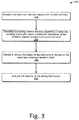
- Fig. 3 is a flowchart illustrating a process for monitoring a cross site scripting attack. The process may include receiving and replying to, by a computing device, a service request from a client terminal at 302. As a client terminal requests a specific application service, the client terminal sends a service request to a network server, and the computing device (e.g., the network server) receives the service request from the client terminal and replies the service request to the client terminal.
- the computing device e.g., the network server
- the computing device may redefine a scripting internal function applied by the cross site scripting attack and return redefined information of the scripting internal function to the client terminal.
- the network server may redefine the scripting internal functions that are frequently used in a cross site scripting attack and may add the functionality of obtaining the calling information of the scripting internal functions and of sending the calling information while the functionality of the scripting internal function is ensured.
- the redefining the scripting internal function may include adding a code that is for obtaining the calling information of the scripting internal functions and a code that is for sending the calling information into a returning data that is for responding to the service request.
- the redefined information may be included in a head section of a webpage that is a responding webpage issued by a network server in response to the service request.
- the scripting internal function may be an internal function of a scripting language, including a function for creating a page element such as document.
- createElement a function for executing an external link code such as document.Write and window.Location, and a function for displaying a page such as window, alert, window.confirm, and window.Prompt.
- the scripting language is a JavaScript language.
- the computing device may monitor calling information of the client terminal in relation to the redefined scripting internal function.
- the redefined scripting internal function When the client terminal renders the webpage according to the information returned from the network server, the redefined scripting internal function will override the definition of the scripting internal function as defined by a scripting interpreter of the client terminal. Therefore, while the webpage is rendered by the service request having a risk of cross site scripting attack, the calling of the redefined scripting internal function will be triggered. Then, the client terminal renders the webpage by calling the redefined scripting internal function. When the redefined scripting internal function is called, the calling infornnation of the redefined scripting internal function is monitored.
- the monitoring code for monitoring the calling of the redefined scripting internal function may be embedded in an application service page by the monitoring module.
- the application service page may be provided by a third party.
- the monitoring of the calling of the redefined scripting internal function may be carried out by embedding the monitoring code in the page of the third party by the monitoring module.
- the calling information may include at least one of a context environment of the executing script while the redefined scripting internal function is called, a time period that the redefined scripting internal function is called, or a number of times that the redefined scripting internal function is called. Furthermore, the calling information also may include behavior of a client that calls the redefined scripting internal function. The calling information may further include at least one of the client's account and IP address.
- the computing device may analyze the security of the calling information.
- the computing device may determine whether the calling of the redefined scripting internal function is a cross site scripting attack or not based on a behavior characteristic.
- the behavior characteristic includes an application that the redefined scripting internal function calls, a number of times that the scripting internal function is called, sensitive information that the redefined scripting internal function visits, and/or sensitive information that the redefined scripting internal function transmits, etc.
- the embodiments of present disclosure monitor the calling of the scripting internal function to thus predictively analyze a cross site scripting attack to have advantages of not being affected by the client's operation system. In addition, it is not necessary to install extra software in the client's terminal, thus protecting all clients requesting the service.
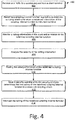
- Fig. 4 is another flowchart illustrating a process for monitoring a cross site scripting attack.
- the computing device may receive and reply to a service request from a client terminal.
- the computing device may redefine a scripting internal function applied by the cross site scripting attack and return redefined information of the scripting internal function to the client terminal.
- the computing device may monitor calling information of the client terminal in relation to the redefined scripting internal function.
- the computing device may analyze the security of the calling information.
- the computing device may store the calling information of the redefined scripting internal function.
- the computing device may issue a security warning while the security analysis determines that the calling of the redefined scripting internal function is a cross site scripting attack.
- the computing device may send an e-mail of the security warning to a security staff of the attacked a website; so the security staff of the website may immediately take defensive actions to repair the security loophole while maintaining the business safety at the same time.
- the security warning By issuing the security warning, the early warning and the notification may be achieved so that the cross site scripting attack may be immediately identified and monitored accordingly.
- the computing device may intercept the calling of the redefined scripting internal function. Attacks may be automatically prevented, while the cross site scripting attack is occurring, by intercepting the calling of the redefined scripting internal function.
- the present disclosure monitors an abnormal scripting executed by the user's browser to detect various cross site scripting attacks effectively.
- the elements of the present disclosure have high coverage, good monitoring efficacy, and high application matching.
- the information includes the client's behavior, the client's account, the IP address, the context environment where the scripting is executed, and/or abnormal calling information. This information is instantly recorded in the present disclosure so that the attacking source, the attacking time period, the leakage information in the attack, and/or the vulnerability point in the attack may be precisely configured.
- the present disclosure may cross the platforms and the terminals while not being affected by the client operation systems. In addition, it may not be necessary to install software in the client's terminal, thus protecting all clients of the service.
Landscapes
- Engineering & Computer Science (AREA)
- Computer Security & Cryptography (AREA)
- Software Systems (AREA)
- Computer Hardware Design (AREA)
- General Engineering & Computer Science (AREA)
- Theoretical Computer Science (AREA)
- Computer Networks & Wireless Communication (AREA)
- Signal Processing (AREA)
- Computing Systems (AREA)
- Physics & Mathematics (AREA)
- General Physics & Mathematics (AREA)
- Health & Medical Sciences (AREA)
- General Health & Medical Sciences (AREA)
- Virology (AREA)
- Computer And Data Communications (AREA)
- Stored Programmes (AREA)
Claims (13)
- System (100) zum Überwachen von seitenübergreifenden Scripting-Angriffen, das Folgendes umfasst:einen oder mehrere Prozessoren (102); undeinen Datenspeicher (108), um mehrere Komponenten zu halten, die durch den einen oder die mehreren Prozessoren ausführbar sind, wobei die mehreren Komponenten Folgendes umfassen:ein Business-Modul (116), das konfiguriert ist, eine Dienstleistungsanforderung von einem Client-Endgerät zu empfangen und darauf zu antworten,ein Neudefinitionsmodul (118), das konfiguriert ist:eine interne Scripting-Funktion, die durch einen seitenübergreifenden Scripting-Angriff angewendet wird, neu zu definieren, unddie neu definierten Informationen für die interne Scripting-Funktion an das Client-Endgerät zurückzugeben,ein Überwachungsmodul (112), das konfiguriert ist, Aufrufinformationen des Client-Endgeräts in Bezug auf die neu definierte, interne Scripting-Funktion zu überwachen und dann, wenn die neu definierte, interne Scripting-Funktion aufgerufen wird, die Aufrufinformationen aufzuzeichnen und sie an ein Analysemodul (114) zu senden, wobei die Aufrufinformationen der neu definierten, internen Scripting-Funktion eine Kontext-Umgebung der internen Scripting-Funktion und/oder einen Aufrufzeitraum der neu definierten, internen Scripting-Funktion und/oder eine Anzahl von Aufrufzeiträumen für die neu definierte, interne Scripting-Funktion und/oder ein Verhalten eines Clients, der die neu definierte, interne Scripting-Funktion aufruft und/oder eine oder mehrere Benutzerkennungen und IP-Adressen, die dem Client zugeordnet sind, umfassen, unddas Analysemodul (114), das konfiguriert ist, die Sicherheit der Aufrufinformationen des Client-Endgeräts zu analysieren, wobei die Analyse das Bestimmen einer Angriffsquelle und/oder eines Angriffszeitraums und/oder von Lückeninformationen beim Angriff und/oder eines Anfälligkeitspunktes beim Angriff enthält.
- System (100) nach Anspruch 1, wobei das Neudefinieren der internen Scripting-Funktion das Hinzufügen eines Überwachungscodes, um das Aufrufen der internen Scripting-Funktion zu überwachen, umfasst.
- System (100) nach Anspruch 1 oder Anspruch 2, wobei die neu definierten Informationen in Bezug auf die interne Scripting-Funktion in einem Kopfabschnitt einer entsprechenden Webseite gebildet werden, die einem Netz-Server zugeordnet ist, der auf die Dienstleistungsanforderung antwortet.
- System (100) nach einem der vorhergehenden Ansprüche, wobei die neu definierte, interne Scripting-Funktion eine interne Funktion einer Scripting-Sprache und/oder eine Funktion zum Erzeugen eines Seitenelements und/oder eine Funktion zum Ausführen eines Codes für einen externen Link und/oder eine Funktion zum Anzeigen einer Seite umfasst.
- System (100) nach einem der vorhergehenden Ansprüche, wobei die neu definierte, interne Scripting-Funktion einer Funktion zum Erzeugen von Dokumentation und/oder einer Funktion zum Schreiben von Dokumenten und/oder einer Funktion zum Lokalisieren von Objekten und/oder einer Alarmnachrichtenfunktion und/oder einer Anwenderbestätigungsfunktion und/oder einer Anwendereingabefunktion zugeordnet ist.
- System (100) nach einem der vorhergehenden Ansprüche, wobei das Analysemodul (114) konfiguriert ist, ferner zu bestimmen, ob das Aufrufen der neu definierten, internen Scripting-Funktion ein seitenübergreifender Scripting-Angriff gemäß einer Verhaltenseigenschaft ist, wobei die Verhaltenseigenschaft eine Anwendung, die durch die neu definierte, interne Scripting-Funktion aufgerufen wird und/oder eine Anzahl von Wiederholungen, dass die interne Scripting-Funktion aufgerufen wird, und/oder sensible Informationen bei einem Besuch und/oder sensible Informationen bei einer Übertragung enthält.
- System (100) nach einem der vorhergehenden Ansprüche, wobei die mehreren Komponenten (108) ferner Folgendes umfassen:ein Warnmodul (202), das konfiguriert ist, als Antwort auf eine Bestimmung, das das Aufrufen der neu definierten, internen Scripting-Funktion der seitenübergreifende Scripting-Angriff ist, eine Sicherheitswarnung auszugeben; oderein Unterbrechungsmodul (204), das konfiguriert ist:eine anschließende Ausführung der neu definierten, internen Scripting-Funktion zu unterbrechen,das Wiedergeben einer Webseite, die der Dienstleistungsanforderung zugeordnet ist, zu beenden; undals Antwort auf eine Bestimmung, das ein Aufrufen der neu definierten, internen Scripting-Funktion ein seitenübergreifender Scripting-Angriff ist, eine angegriffene Webseite durch eine sichere Seite zu ersetzen.
- Verfahren (300, 400) zum Überwachen von seitenübergreifenden Scripting-Angriffen, das Folgendes umfasst:Empfangen einer Dienstleistungsanforderung von einem Client-Endgerät und Antworten darauf (302, 402);Neudefinieren (304, 404) einer internen Scripting-Funktion, die durch einen seitenübergreifenden Scripting-Angriff angewendet wird;Zurückgeben (304, 404) der neu definierten Informationen für die interne Scripting-Funktion an das Client-Endgerät;Überwachen (306, 406) von Aufrufinformationen des Client-Endgeräts in Bezug auf die neu definierte, interne Scripting-Funktion und dann, wenn die neu definierte, interne Scripting-Funktion aufgerufen wird, Aufzeichnen der Aufrufinformationen und Senden dieser zur Analyse, wobei die Aufrufinformationen der neu definierten, internen Scripting-Funktion eine Kontext-Umgebung der internen Scripting-Funktion und/oder einen Aufrufzeitraum der neu definierten, internen Scripting-Funktion und/oder eine Anzahl von Aufrufzeiträumen für die neu definierte, interne Scripting-Funktion und/oder ein Verhalten eines Clients, der die neu definierte, interne Scripting-Funktion aufruft und/oder eine oder mehrere Benutzerkennungen und IP-Adressen, die dem Client zugeordnet sind, umfassen, undAnalysieren (308, 408) der Sicherheit der Aufrufinformationen des Client-Endgeräts, wobei das Analysieren das Bestimmen einer Angriffsquelle und/oder eines Angriffszeitraums und/oder von Lückeninformationen beim Angriff und/oder eines Anfälligkeitspunktes beim Angriff enthält.
- Verfahren (300, 400) nach Anspruch 8, wobei das Neudefinieren (304, 404) der internen Scripting-Funktion das Hinzufügen eines Überwachungscodes, um das Aufrufen der internen Scripting-Funktion zu überwachen, umfasst.
- Verfahren (300, 400) nach Anspruch 8 oder Anspruch 9, wobei die neu definierten Informationen in Bezug auf die interne Scripting-Funktion in einem Kopfabschnitt einer entsprechenden Webseite gebildet werden, die einem Netz-Server zugeordnet ist, der auf die Dienstleistungsanforderung antwortet.
- Ein oder mehrere computerlesbare Medien, auf denen computerausführbare Anweisungen gespeichert sind, die dann, wenn sie durch einen oder mehrere Prozessoren (102) ausgeführt werden, den einen oder die mehreren Prozessoren (102) anweisen, Aktionen durchzuführen, die Folgendes umfassen:Empfangen (302, 402) einer Dienstleistungsanforderung von einem Client-Endgerät;Neudefinieren (304, 404) einer internen Scripting-Funktion, die einen seitenübergreifenden Scripting-Angriff angewendet hat;Zurückgeben (304, 404) der neu definierten Informationen für die interne Scripting-Funktion an das Client-Endgerät;Überwachen (306, 406) von Aufrufinformationen des Client-Endgeräts in Bezug auf die neu definierte, interne Scripting-Funktion und dann, wenn die neu definierte, interne Scripting-Funktion aufgerufen wird, Aufzeichnen der Aufrufinformationen und Senden dieser zur Analyse, wobei die Aufrufinformationen der neu definierten, internen Scripting-Funktion eine Kontext-Umgebung der internen Scripting-Funktion und/oder einen Aufrufzeitraum der neu definierten, internen Scripting-Funktion und/oder eine Anzahl von Aufrufzeiträumen für die neu definierte, interne Scripting-Funktion und/oder ein Verhalten eines Clients, der die neu definierte, interne Scripting-Funktion aufruft und/oder eine oder mehrere Benutzerkennungen und IP-Adressen, die dem Client zugeordnet sind, umfassen, undAnalysieren (308, 408) der Sicherheit der Aufrufinformationen des Client-Endgeräts, wobei das Analysieren das Bestimmen einer Angriffsquelle und/oder eines Angriffszeitraums und/oder von Lückeninformationen beim Angriff und/oder eines Anfälligkeitspunktes beim Angriff enthält.
- Ein oder mehrere computerlesbare Medien nach Anspruch 11, wobei das Neudefinieren der internen Scripting-Funktion das Hinzufügen eines Überwachungscodes, um das Aufrufen der internen Scripting-Funktion zu überwachen, umfasst.
- Ein oder mehrere computerlesbare Medien nach Anspruch 11 oder Anspruch 12, wobei die neu definierten Informationen in Bezug auf die interne Scripting-Funktion in einem Kopfabschnitt einer entsprechenden Webseite gebildet werden, die einem Netz-Server zugeordnet ist, der auf die Dienstleistungsanforderung antwortet.
Applications Claiming Priority (2)
| Application Number | Priority Date | Filing Date | Title |
|---|---|---|---|
| CN201210521400.8A CN103856471B (zh) | 2012-12-06 | 2012-12-06 | 跨站脚本攻击监控系统及方法 |
| PCT/US2013/072664 WO2014088963A1 (en) | 2012-12-06 | 2013-12-02 | System and method of monitoring attacks of cross site script |
Publications (2)
| Publication Number | Publication Date |
|---|---|
| EP2929669A1 EP2929669A1 (de) | 2015-10-14 |
| EP2929669B1 true EP2929669B1 (de) | 2019-05-08 |
Family
ID=49918811
Family Applications (1)
| Application Number | Title | Priority Date | Filing Date |
|---|---|---|---|
| EP13818043.5A Active EP2929669B1 (de) | 2012-12-06 | 2013-12-02 | System und verfahren zur überwachung von angriffen eines seitenübergreifenden skripts |
Country Status (5)
| Country | Link |
|---|---|
| US (1) | US9378362B2 (de) |
| EP (1) | EP2929669B1 (de) |
| CN (1) | CN103856471B (de) |
| TW (1) | TWI621962B (de) |
| WO (1) | WO2014088963A1 (de) |
Families Citing this family (19)
| Publication number | Priority date | Publication date | Assignee | Title |
|---|---|---|---|---|
| US20150271196A1 (en) * | 2014-03-20 | 2015-09-24 | International Business Machines Corporation | Comparing source and sink values in security analysis |
| CN104951700B (zh) * | 2014-10-11 | 2018-11-06 | 腾讯科技(深圳)有限公司 | 网页漏洞检测方法和装置 |
| CN105512559B (zh) * | 2014-10-17 | 2019-09-17 | 阿里巴巴集团控股有限公司 | 一种用于提供访问页面的方法与设备 |
| US9781145B2 (en) * | 2014-11-25 | 2017-10-03 | International Business Machines Corporation | Persistent cross-site scripting vulnerability detection |
| CN104468546B (zh) * | 2014-11-27 | 2018-01-09 | 微梦创科网络科技(中国)有限公司 | 一种网络信息处理方法及防火墙装置、系统 |
| CN104683180B (zh) * | 2015-02-12 | 2019-05-03 | 北京蓝海讯通科技有限公司 | 一种性能监控方法、系统及应用服务器 |
| US10599662B2 (en) | 2015-06-26 | 2020-03-24 | Mcafee, Llc | Query engine for remote endpoint information retrieval |
| CN105354126B (zh) * | 2015-10-13 | 2018-07-27 | 金蝶软件(中国)有限公司 | 监控页面脚本文件中异常的方法和装置 |
| CN106790287A (zh) * | 2017-03-03 | 2017-05-31 | 努比亚技术有限公司 | 一种恶意软件拦截方法及装置 |
| CN108959572A (zh) * | 2018-07-04 | 2018-12-07 | 北京知道创宇信息技术有限公司 | 一种网络溯源方法、装置、电子设备及存储介质 |
| CN109165507B (zh) * | 2018-07-09 | 2021-02-19 | 深圳开源互联网安全技术有限公司 | 跨站脚本攻击漏洞检测方法、装置及终端设备 |
| CN110968870A (zh) * | 2019-11-28 | 2020-04-07 | 广发证券股份有限公司 | 一种软件运行时安全的检测方法 |
| CN111898128B (zh) * | 2020-08-04 | 2024-04-26 | 北京丁牛科技有限公司 | 一种针对跨站脚本攻击的防御方法及装置 |
| US12158958B2 (en) | 2020-08-27 | 2024-12-03 | Virsec Systems, Inc. | Web attack simulator |
| CA3202446A1 (en) * | 2020-12-31 | 2022-07-07 | Satya V. Gupta | Automated detection of cross site scripting attacks |
| AU2022276743A1 (en) | 2021-05-18 | 2023-12-07 | Virsec Systems, Inc. | Automated interpreted application control for workloads |
| CN114298684B (zh) * | 2021-12-27 | 2025-02-18 | 北京安天网络安全技术有限公司 | 电子邮件安全检测方法、装置、电子设备及存储介质 |
| US12381910B2 (en) | 2022-07-12 | 2025-08-05 | Palo Alto Networks, Inc. | Network attack detection with targeted feature extraction from exploit tools |
| CN119415728B (zh) * | 2024-10-25 | 2025-09-30 | 复旦大学 | 针对大型视觉语言模型的多模态黑盒攻击方法及装置 |
Family Cites Families (14)
| Publication number | Priority date | Publication date | Assignee | Title |
|---|---|---|---|---|
| US7343626B1 (en) | 2002-11-12 | 2008-03-11 | Microsoft Corporation | Automated detection of cross site scripting vulnerabilities |
| US7359976B2 (en) | 2002-11-23 | 2008-04-15 | Microsoft Corporation | Method and system for improved internet security via HTTP-only cookies |
| US20040260754A1 (en) | 2003-06-20 | 2004-12-23 | Erik Olson | Systems and methods for mitigating cross-site scripting |
| US8112799B1 (en) | 2005-08-24 | 2012-02-07 | Symantec Corporation | Method, system, and computer program product for avoiding cross-site scripting attacks |
| US20090119769A1 (en) | 2007-11-05 | 2009-05-07 | Microsoft Corporation | Cross-site scripting filter |
| US9172707B2 (en) | 2007-12-19 | 2015-10-27 | Microsoft Technology Licensing, Llc | Reducing cross-site scripting attacks by segregating HTTP resources by subdomain |
| US9686288B2 (en) * | 2008-01-25 | 2017-06-20 | Ntt Docomo, Inc. | Method and apparatus for constructing security policies for web content instrumentation against browser-based attacks |
| US8806618B2 (en) | 2008-03-31 | 2014-08-12 | Microsoft Corporation | Security by construction for distributed applications |
| US20090282480A1 (en) * | 2008-05-08 | 2009-11-12 | Edward Lee | Apparatus and Method for Monitoring Program Invariants to Identify Security Anomalies |
| US8522350B2 (en) * | 2008-11-19 | 2013-08-27 | Dell Products, Lp | System and method for run-time attack prevention |
| US8413239B2 (en) * | 2009-02-22 | 2013-04-02 | Zscaler, Inc. | Web security via response injection |
| US8615804B2 (en) | 2010-02-18 | 2013-12-24 | Polytechnic Institute Of New York University | Complementary character encoding for preventing input injection in web applications |
| CA2694326A1 (en) | 2010-03-10 | 2010-05-18 | Ibm Canada Limited - Ibm Canada Limitee | A method and system for preventing cross-site request forgery attacks on a server |
| TWI439097B (zh) | 2011-08-26 | 2014-05-21 | Univ Nat Taiwan Science Tech | 跨站腳本攻擊產生方法 |
-
2012
- 2012-12-06 CN CN201210521400.8A patent/CN103856471B/zh active Active
-
2013
- 2013-03-18 TW TW102109492A patent/TWI621962B/zh not_active IP Right Cessation
- 2013-12-02 EP EP13818043.5A patent/EP2929669B1/de active Active
- 2013-12-02 US US14/094,501 patent/US9378362B2/en active Active
- 2013-12-02 WO PCT/US2013/072664 patent/WO2014088963A1/en not_active Ceased
Non-Patent Citations (1)
| Title |
|---|
| None * |
Also Published As
| Publication number | Publication date |
|---|---|
| TWI621962B (zh) | 2018-04-21 |
| WO2014088963A1 (en) | 2014-06-12 |
| CN103856471B (zh) | 2018-11-02 |
| US20140165192A1 (en) | 2014-06-12 |
| EP2929669A1 (de) | 2015-10-14 |
| US9378362B2 (en) | 2016-06-28 |
| CN103856471A (zh) | 2014-06-11 |
| TW201423471A (zh) | 2014-06-16 |
Similar Documents
| Publication | Publication Date | Title |
|---|---|---|
| US9378362B2 (en) | System and method of monitoring attacks of cross site script | |
| US8949988B2 (en) | Methods for proactively securing a web application and apparatuses thereof | |
| US9979726B2 (en) | System and method for web application security | |
| CN105512559B (zh) | 一种用于提供访问页面的方法与设备 | |
| US20200028876A1 (en) | Phishing detection and targeted remediation system and method | |
| US20140380475A1 (en) | User centric fraud detection | |
| EP3349137A1 (de) | Clientseitige angriffserkennung in webanwendungen | |
| US20200125729A1 (en) | Online assets continuous monitoring and protection | |
| Suri et al. | An approach to perceive tabnabbing attack | |
| Stankov et al. | Vulnerability and protection of business management systems: threats and challenges | |
| Begum et al. | RFI and SQLi based local file inclusion vulnerabilities in web applications of Bangladesh | |
| CN106850675A (zh) | 一种网络攻击行为的确定方法及装置 | |
| JP2009223375A (ja) | 悪性Webサイト判定装置、悪性Webサイト判定システム、それらの方法、プログラム | |
| Shanmugam et al. | Cross Site Scripting-Latest developments and solutions: A survey | |
| CN117131525A (zh) | 数据库中异常操作行为的处理方法、装置及存储介质 | |
| Cvitić et al. | Defining cross-site scripting attack resilience guidelines based on BeEF framework simulation | |
| US10757118B2 (en) | Method of aiding the detection of infection of a terminal by malware | |
| CN106888210A (zh) | 一种网络攻击的警示方法及装置 | |
| US20230216885A1 (en) | Techniques for protecting web-browsers against cross-site scripting exploitation attacks | |
| CN111199046A (zh) | 一种基于企业浏览器实现的内容保护方法和装置 | |
| Cvitić et al. | End Users and Industry 4.0 Systems Cyber Resilience from XSS Attacks | |
| Zulkipli et al. | Automatic Malicious URL Detection with User Notification using Well-known API | |
| Xu et al. | A XSS defensive scheme based on behavior certification | |
| Scarfò et al. | Prevention of cyber-attacks and privacy breaches in healthcare sector | |
| HK1195419A (en) | System and method for monitoring cross-site scripting attack |
Legal Events
| Date | Code | Title | Description |
|---|---|---|---|
| PUAI | Public reference made under article 153(3) epc to a published international application that has entered the european phase |
Free format text: ORIGINAL CODE: 0009012 |
|
| 17P | Request for examination filed |
Effective date: 20150505 |
|
| AK | Designated contracting states |
Kind code of ref document: A1 Designated state(s): AL AT BE BG CH CY CZ DE DK EE ES FI FR GB GR HR HU IE IS IT LI LT LU LV MC MK MT NL NO PL PT RO RS SE SI SK SM TR |
|
| AX | Request for extension of the european patent |
Extension state: BA ME |
|
| DAX | Request for extension of the european patent (deleted) | ||
| 17Q | First examination report despatched |
Effective date: 20160617 |
|
| STAA | Information on the status of an ep patent application or granted ep patent |
Free format text: STATUS: EXAMINATION IS IN PROGRESS |
|
| GRAP | Despatch of communication of intention to grant a patent |
Free format text: ORIGINAL CODE: EPIDOSNIGR1 |
|
| STAA | Information on the status of an ep patent application or granted ep patent |
Free format text: STATUS: GRANT OF PATENT IS INTENDED |
|
| INTG | Intention to grant announced |
Effective date: 20181219 |
|
| GRAS | Grant fee paid |
Free format text: ORIGINAL CODE: EPIDOSNIGR3 |
|
| GRAA | (expected) grant |
Free format text: ORIGINAL CODE: 0009210 |
|
| STAA | Information on the status of an ep patent application or granted ep patent |
Free format text: STATUS: THE PATENT HAS BEEN GRANTED |
|
| AK | Designated contracting states |
Kind code of ref document: B1 Designated state(s): AL AT BE BG CH CY CZ DE DK EE ES FI FR GB GR HR HU IE IS IT LI LT LU LV MC MK MT NL NO PL PT RO RS SE SI SK SM TR |
|
| REG | Reference to a national code |
Ref country code: GB Ref legal event code: FG4D |
|
| REG | Reference to a national code |
Ref country code: CH Ref legal event code: EP Ref country code: AT Ref legal event code: REF Ref document number: 1131990 Country of ref document: AT Kind code of ref document: T Effective date: 20190515 |
|
| REG | Reference to a national code |
Ref country code: IE Ref legal event code: FG4D |
|
| REG | Reference to a national code |
Ref country code: DE Ref legal event code: R096 Ref document number: 602013055165 Country of ref document: DE |
|
| REG | Reference to a national code |
Ref country code: NL Ref legal event code: MP Effective date: 20190508 |
|
| REG | Reference to a national code |
Ref country code: LT Ref legal event code: MG4D |
|
| PG25 | Lapsed in a contracting state [announced via postgrant information from national office to epo] |
Ref country code: NO Free format text: LAPSE BECAUSE OF FAILURE TO SUBMIT A TRANSLATION OF THE DESCRIPTION OR TO PAY THE FEE WITHIN THE PRESCRIBED TIME-LIMIT Effective date: 20190808 Ref country code: LT Free format text: LAPSE BECAUSE OF FAILURE TO SUBMIT A TRANSLATION OF THE DESCRIPTION OR TO PAY THE FEE WITHIN THE PRESCRIBED TIME-LIMIT Effective date: 20190508 Ref country code: ES Free format text: LAPSE BECAUSE OF FAILURE TO SUBMIT A TRANSLATION OF THE DESCRIPTION OR TO PAY THE FEE WITHIN THE PRESCRIBED TIME-LIMIT Effective date: 20190508 Ref country code: NL Free format text: LAPSE BECAUSE OF FAILURE TO SUBMIT A TRANSLATION OF THE DESCRIPTION OR TO PAY THE FEE WITHIN THE PRESCRIBED TIME-LIMIT Effective date: 20190508 Ref country code: SE Free format text: LAPSE BECAUSE OF FAILURE TO SUBMIT A TRANSLATION OF THE DESCRIPTION OR TO PAY THE FEE WITHIN THE PRESCRIBED TIME-LIMIT Effective date: 20190508 Ref country code: PT Free format text: LAPSE BECAUSE OF FAILURE TO SUBMIT A TRANSLATION OF THE DESCRIPTION OR TO PAY THE FEE WITHIN THE PRESCRIBED TIME-LIMIT Effective date: 20190908 Ref country code: HR Free format text: LAPSE BECAUSE OF FAILURE TO SUBMIT A TRANSLATION OF THE DESCRIPTION OR TO PAY THE FEE WITHIN THE PRESCRIBED TIME-LIMIT Effective date: 20190508 Ref country code: AL Free format text: LAPSE BECAUSE OF FAILURE TO SUBMIT A TRANSLATION OF THE DESCRIPTION OR TO PAY THE FEE WITHIN THE PRESCRIBED TIME-LIMIT Effective date: 20190508 Ref country code: FI Free format text: LAPSE BECAUSE OF FAILURE TO SUBMIT A TRANSLATION OF THE DESCRIPTION OR TO PAY THE FEE WITHIN THE PRESCRIBED TIME-LIMIT Effective date: 20190508 |
|
| PG25 | Lapsed in a contracting state [announced via postgrant information from national office to epo] |
Ref country code: LV Free format text: LAPSE BECAUSE OF FAILURE TO SUBMIT A TRANSLATION OF THE DESCRIPTION OR TO PAY THE FEE WITHIN THE PRESCRIBED TIME-LIMIT Effective date: 20190508 Ref country code: GR Free format text: LAPSE BECAUSE OF FAILURE TO SUBMIT A TRANSLATION OF THE DESCRIPTION OR TO PAY THE FEE WITHIN THE PRESCRIBED TIME-LIMIT Effective date: 20190809 Ref country code: RS Free format text: LAPSE BECAUSE OF FAILURE TO SUBMIT A TRANSLATION OF THE DESCRIPTION OR TO PAY THE FEE WITHIN THE PRESCRIBED TIME-LIMIT Effective date: 20190508 Ref country code: BG Free format text: LAPSE BECAUSE OF FAILURE TO SUBMIT A TRANSLATION OF THE DESCRIPTION OR TO PAY THE FEE WITHIN THE PRESCRIBED TIME-LIMIT Effective date: 20190808 |
|
| REG | Reference to a national code |
Ref country code: AT Ref legal event code: MK05 Ref document number: 1131990 Country of ref document: AT Kind code of ref document: T Effective date: 20190508 |
|
| PG25 | Lapsed in a contracting state [announced via postgrant information from national office to epo] |
Ref country code: SK Free format text: LAPSE BECAUSE OF FAILURE TO SUBMIT A TRANSLATION OF THE DESCRIPTION OR TO PAY THE FEE WITHIN THE PRESCRIBED TIME-LIMIT Effective date: 20190508 Ref country code: CZ Free format text: LAPSE BECAUSE OF FAILURE TO SUBMIT A TRANSLATION OF THE DESCRIPTION OR TO PAY THE FEE WITHIN THE PRESCRIBED TIME-LIMIT Effective date: 20190508 Ref country code: RO Free format text: LAPSE BECAUSE OF FAILURE TO SUBMIT A TRANSLATION OF THE DESCRIPTION OR TO PAY THE FEE WITHIN THE PRESCRIBED TIME-LIMIT Effective date: 20190508 Ref country code: AT Free format text: LAPSE BECAUSE OF FAILURE TO SUBMIT A TRANSLATION OF THE DESCRIPTION OR TO PAY THE FEE WITHIN THE PRESCRIBED TIME-LIMIT Effective date: 20190508 Ref country code: DK Free format text: LAPSE BECAUSE OF FAILURE TO SUBMIT A TRANSLATION OF THE DESCRIPTION OR TO PAY THE FEE WITHIN THE PRESCRIBED TIME-LIMIT Effective date: 20190508 Ref country code: EE Free format text: LAPSE BECAUSE OF FAILURE TO SUBMIT A TRANSLATION OF THE DESCRIPTION OR TO PAY THE FEE WITHIN THE PRESCRIBED TIME-LIMIT Effective date: 20190508 |
|
| REG | Reference to a national code |
Ref country code: DE Ref legal event code: R097 Ref document number: 602013055165 Country of ref document: DE |
|
| PG25 | Lapsed in a contracting state [announced via postgrant information from national office to epo] |
Ref country code: IT Free format text: LAPSE BECAUSE OF FAILURE TO SUBMIT A TRANSLATION OF THE DESCRIPTION OR TO PAY THE FEE WITHIN THE PRESCRIBED TIME-LIMIT Effective date: 20190508 Ref country code: SM Free format text: LAPSE BECAUSE OF FAILURE TO SUBMIT A TRANSLATION OF THE DESCRIPTION OR TO PAY THE FEE WITHIN THE PRESCRIBED TIME-LIMIT Effective date: 20190508 |
|
| PLBE | No opposition filed within time limit |
Free format text: ORIGINAL CODE: 0009261 |
|
| STAA | Information on the status of an ep patent application or granted ep patent |
Free format text: STATUS: NO OPPOSITION FILED WITHIN TIME LIMIT |
|
| PG25 | Lapsed in a contracting state [announced via postgrant information from national office to epo] |
Ref country code: TR Free format text: LAPSE BECAUSE OF FAILURE TO SUBMIT A TRANSLATION OF THE DESCRIPTION OR TO PAY THE FEE WITHIN THE PRESCRIBED TIME-LIMIT Effective date: 20190508 |
|
| 26N | No opposition filed |
Effective date: 20200211 |
|
| PG25 | Lapsed in a contracting state [announced via postgrant information from national office to epo] |
Ref country code: PL Free format text: LAPSE BECAUSE OF FAILURE TO SUBMIT A TRANSLATION OF THE DESCRIPTION OR TO PAY THE FEE WITHIN THE PRESCRIBED TIME-LIMIT Effective date: 20190508 |
|
| PG25 | Lapsed in a contracting state [announced via postgrant information from national office to epo] |
Ref country code: SI Free format text: LAPSE BECAUSE OF FAILURE TO SUBMIT A TRANSLATION OF THE DESCRIPTION OR TO PAY THE FEE WITHIN THE PRESCRIBED TIME-LIMIT Effective date: 20190508 |
|
| REG | Reference to a national code |
Ref country code: CH Ref legal event code: PL |
|
| REG | Reference to a national code |
Ref country code: BE Ref legal event code: MM Effective date: 20191231 |
|
| PG25 | Lapsed in a contracting state [announced via postgrant information from national office to epo] |
Ref country code: MC Free format text: LAPSE BECAUSE OF FAILURE TO SUBMIT A TRANSLATION OF THE DESCRIPTION OR TO PAY THE FEE WITHIN THE PRESCRIBED TIME-LIMIT Effective date: 20190508 |
|
| PG25 | Lapsed in a contracting state [announced via postgrant information from national office to epo] |
Ref country code: LU Free format text: LAPSE BECAUSE OF NON-PAYMENT OF DUE FEES Effective date: 20191202 Ref country code: IE Free format text: LAPSE BECAUSE OF NON-PAYMENT OF DUE FEES Effective date: 20191202 |
|
| PG25 | Lapsed in a contracting state [announced via postgrant information from national office to epo] |
Ref country code: LI Free format text: LAPSE BECAUSE OF NON-PAYMENT OF DUE FEES Effective date: 20191231 Ref country code: CH Free format text: LAPSE BECAUSE OF NON-PAYMENT OF DUE FEES Effective date: 20191231 Ref country code: BE Free format text: LAPSE BECAUSE OF NON-PAYMENT OF DUE FEES Effective date: 20191231 |
|
| PG25 | Lapsed in a contracting state [announced via postgrant information from national office to epo] |
Ref country code: CY Free format text: LAPSE BECAUSE OF FAILURE TO SUBMIT A TRANSLATION OF THE DESCRIPTION OR TO PAY THE FEE WITHIN THE PRESCRIBED TIME-LIMIT Effective date: 20190508 |
|
| PG25 | Lapsed in a contracting state [announced via postgrant information from national office to epo] |
Ref country code: IS Free format text: LAPSE BECAUSE OF FAILURE TO SUBMIT A TRANSLATION OF THE DESCRIPTION OR TO PAY THE FEE WITHIN THE PRESCRIBED TIME-LIMIT Effective date: 20190908 |
|
| PG25 | Lapsed in a contracting state [announced via postgrant information from national office to epo] |
Ref country code: HU Free format text: LAPSE BECAUSE OF FAILURE TO SUBMIT A TRANSLATION OF THE DESCRIPTION OR TO PAY THE FEE WITHIN THE PRESCRIBED TIME-LIMIT; INVALID AB INITIO Effective date: 20131202 Ref country code: MT Free format text: LAPSE BECAUSE OF FAILURE TO SUBMIT A TRANSLATION OF THE DESCRIPTION OR TO PAY THE FEE WITHIN THE PRESCRIBED TIME-LIMIT Effective date: 20190508 |
|
| REG | Reference to a national code |
Ref country code: DE Ref legal event code: R079 Ref document number: 602013055165 Country of ref document: DE Free format text: PREVIOUS MAIN CLASS: H04L0029060000 Ipc: H04L0065000000 |
|
| PG25 | Lapsed in a contracting state [announced via postgrant information from national office to epo] |
Ref country code: MK Free format text: LAPSE BECAUSE OF FAILURE TO SUBMIT A TRANSLATION OF THE DESCRIPTION OR TO PAY THE FEE WITHIN THE PRESCRIBED TIME-LIMIT Effective date: 20190508 |
|
| P01 | Opt-out of the competence of the unified patent court (upc) registered |
Effective date: 20230418 |
|
| PGFP | Annual fee paid to national office [announced via postgrant information from national office to epo] |
Ref country code: DE Payment date: 20251212 Year of fee payment: 13 |
|
| PGFP | Annual fee paid to national office [announced via postgrant information from national office to epo] |
Ref country code: GB Payment date: 20251211 Year of fee payment: 13 |
|
| PGFP | Annual fee paid to national office [announced via postgrant information from national office to epo] |
Ref country code: FR Payment date: 20251212 Year of fee payment: 13 |