EP2918671A1 - Cell culture vessel, cell culturing apparatus, and cell culturing method - Google Patents
Cell culture vessel, cell culturing apparatus, and cell culturing method Download PDFInfo
- Publication number
- EP2918671A1 EP2918671A1 EP15158399.4A EP15158399A EP2918671A1 EP 2918671 A1 EP2918671 A1 EP 2918671A1 EP 15158399 A EP15158399 A EP 15158399A EP 2918671 A1 EP2918671 A1 EP 2918671A1
- Authority
- EP
- European Patent Office
- Prior art keywords
- cells
- culturing
- culture vessel
- touchscreen sensor
- output
- Prior art date
- Legal status (The legal status is an assumption and is not a legal conclusion. Google has not performed a legal analysis and makes no representation as to the accuracy of the status listed.)
- Withdrawn
Links
Images


Classifications
-
- C—CHEMISTRY; METALLURGY
- C12—BIOCHEMISTRY; BEER; SPIRITS; WINE; VINEGAR; MICROBIOLOGY; ENZYMOLOGY; MUTATION OR GENETIC ENGINEERING
- C12M—APPARATUS FOR ENZYMOLOGY OR MICROBIOLOGY; APPARATUS FOR CULTURING MICROORGANISMS FOR PRODUCING BIOMASS, FOR GROWING CELLS OR FOR OBTAINING FERMENTATION OR METABOLIC PRODUCTS, i.e. BIOREACTORS OR FERMENTERS
- C12M41/00—Means for regulation, monitoring, measurement or control, e.g. flow regulation
- C12M41/30—Means for regulation, monitoring, measurement or control, e.g. flow regulation of concentration
- C12M41/36—Means for regulation, monitoring, measurement or control, e.g. flow regulation of concentration of biomass, e.g. colony counters or by turbidity measurements
-
- C—CHEMISTRY; METALLURGY
- C12—BIOCHEMISTRY; BEER; SPIRITS; WINE; VINEGAR; MICROBIOLOGY; ENZYMOLOGY; MUTATION OR GENETIC ENGINEERING
- C12M—APPARATUS FOR ENZYMOLOGY OR MICROBIOLOGY; APPARATUS FOR CULTURING MICROORGANISMS FOR PRODUCING BIOMASS, FOR GROWING CELLS OR FOR OBTAINING FERMENTATION OR METABOLIC PRODUCTS, i.e. BIOREACTORS OR FERMENTERS
- C12M23/00—Constructional details, e.g. recesses, hinges
- C12M23/44—Multiple separable units; Modules
-
- C—CHEMISTRY; METALLURGY
- C12—BIOCHEMISTRY; BEER; SPIRITS; WINE; VINEGAR; MICROBIOLOGY; ENZYMOLOGY; MUTATION OR GENETIC ENGINEERING
- C12M—APPARATUS FOR ENZYMOLOGY OR MICROBIOLOGY; APPARATUS FOR CULTURING MICROORGANISMS FOR PRODUCING BIOMASS, FOR GROWING CELLS OR FOR OBTAINING FERMENTATION OR METABOLIC PRODUCTS, i.e. BIOREACTORS OR FERMENTERS
- C12M41/00—Means for regulation, monitoring, measurement or control, e.g. flow regulation
- C12M41/12—Means for regulation, monitoring, measurement or control, e.g. flow regulation of temperature
-
- C—CHEMISTRY; METALLURGY
- C12—BIOCHEMISTRY; BEER; SPIRITS; WINE; VINEGAR; MICROBIOLOGY; ENZYMOLOGY; MUTATION OR GENETIC ENGINEERING
- C12M—APPARATUS FOR ENZYMOLOGY OR MICROBIOLOGY; APPARATUS FOR CULTURING MICROORGANISMS FOR PRODUCING BIOMASS, FOR GROWING CELLS OR FOR OBTAINING FERMENTATION OR METABOLIC PRODUCTS, i.e. BIOREACTORS OR FERMENTERS
- C12M41/00—Means for regulation, monitoring, measurement or control, e.g. flow regulation
- C12M41/12—Means for regulation, monitoring, measurement or control, e.g. flow regulation of temperature
- C12M41/14—Incubators; Climatic chambers
-
- C—CHEMISTRY; METALLURGY
- C12—BIOCHEMISTRY; BEER; SPIRITS; WINE; VINEGAR; MICROBIOLOGY; ENZYMOLOGY; MUTATION OR GENETIC ENGINEERING
- C12M—APPARATUS FOR ENZYMOLOGY OR MICROBIOLOGY; APPARATUS FOR CULTURING MICROORGANISMS FOR PRODUCING BIOMASS, FOR GROWING CELLS OR FOR OBTAINING FERMENTATION OR METABOLIC PRODUCTS, i.e. BIOREACTORS OR FERMENTERS
- C12M41/00—Means for regulation, monitoring, measurement or control, e.g. flow regulation
- C12M41/46—Means for regulation, monitoring, measurement or control, e.g. flow regulation of cellular or enzymatic activity or functionality, e.g. cell viability
-
- C—CHEMISTRY; METALLURGY
- C12—BIOCHEMISTRY; BEER; SPIRITS; WINE; VINEGAR; MICROBIOLOGY; ENZYMOLOGY; MUTATION OR GENETIC ENGINEERING
- C12M—APPARATUS FOR ENZYMOLOGY OR MICROBIOLOGY; APPARATUS FOR CULTURING MICROORGANISMS FOR PRODUCING BIOMASS, FOR GROWING CELLS OR FOR OBTAINING FERMENTATION OR METABOLIC PRODUCTS, i.e. BIOREACTORS OR FERMENTERS
- C12M41/00—Means for regulation, monitoring, measurement or control, e.g. flow regulation
- C12M41/48—Automatic or computerized control
-
- C—CHEMISTRY; METALLURGY
- C12—BIOCHEMISTRY; BEER; SPIRITS; WINE; VINEGAR; MICROBIOLOGY; ENZYMOLOGY; MUTATION OR GENETIC ENGINEERING
- C12N—MICROORGANISMS OR ENZYMES; COMPOSITIONS THEREOF; PROPAGATING, PRESERVING, OR MAINTAINING MICROORGANISMS; MUTATION OR GENETIC ENGINEERING; CULTURE MEDIA
- C12N5/00—Undifferentiated human, animal or plant cells, e.g. cell lines; Tissues; Cultivation or maintenance thereof; Culture media therefor
-
- C—CHEMISTRY; METALLURGY
- C12—BIOCHEMISTRY; BEER; SPIRITS; WINE; VINEGAR; MICROBIOLOGY; ENZYMOLOGY; MUTATION OR GENETIC ENGINEERING
- C12Q—MEASURING OR TESTING PROCESSES INVOLVING ENZYMES, NUCLEIC ACIDS OR MICROORGANISMS; COMPOSITIONS OR TEST PAPERS THEREFOR; PROCESSES OF PREPARING SUCH COMPOSITIONS; CONDITION-RESPONSIVE CONTROL IN MICROBIOLOGICAL OR ENZYMOLOGICAL PROCESSES
- C12Q1/00—Measuring or testing processes involving enzymes, nucleic acids or microorganisms; Compositions therefor; Processes of preparing such compositions
- C12Q1/02—Measuring or testing processes involving enzymes, nucleic acids or microorganisms; Compositions therefor; Processes of preparing such compositions involving viable microorganisms
Definitions
- the present invention relates to a cell culture vessel, a cell culturing apparatus, and a cell culturing method.
- the culturing state and proliferation state of cells are checked.
- an adhesion area is measured by means of observation from outside a transparent culture vessel by using a microscope or the like (for example, see Patent Literature 1).
- an observer makes a count while visually observing an image of the cells acquired via an ocular lens of the microscope, or numerical data are acquired by using a determining program to analyze an image of the cells acquired by using the microscope.
- the cells that are being cultured in a culturing apparatus must be removed from the culturing apparatus together with the entire culture vessel, which is then placed in the microscope.
- the culturing state and the proliferation state are not satisfactory, it is necessary to return the culture vessel into the culturing apparatus again and to continue the culturing, and thus, the work performed is wasted and the risk of contamination by other cells such as bacteria or the like and other contaminants such as viruses or the like is increased.
- the culturing state and the proliferation state are not checked at an appropriate timing, there is a risk of missing the appropriate timing for transferring the cells.
- the present invention has been conceived in light of the above-described circumstances, and an object thereof is to provide a cell culture vessel, a cell culturing apparatus, and a cell culturing method with which it is possible to determine the culturing state and the proliferation state of cells in the culture vessel in a simple manner at an appropriate timing without removing the culture vessel from the culturing apparatus.
- An aspect of the present invention is a cell culturing apparatus including a culturing chamber that accommodates a culture vessel; a touchscreen sensor that is disposed inside the culturing chamber on a mounting surface, on which the culture vessel is placed, and that is brought into tight contact with an external surface of a bottom of the culture vessel; and an output portion that exports an output from the touchscreen sensor to an exterior of the culturing chamber.
- the touchscreen sensor provided at the mounting surface is brought into tight contact with the external surface of the bottom of the culture vessel.
- the touchscreen sensor attached to the external surface of the bottom of the culture vessel detects the adhesion positions of the cells adhered to the bottom of the culture vessel at the interior thereof.
- the output portion exports the detected adhesion positions of the cells to the exterior of the culturing chamber as the outputs from the touchscreen sensor.
- the output portion may be a transmitting portion that wirelessly transmits the output from the touchscreen sensor.
- the above-described aspect may include an input portion that is disposed at the exterior of the culturing chamber and to which the output from the touchscreen sensor exported by the output portion is input; and a determining portion that determines a culturing state of cells in the culture vessel based on the output from the touchscreen sensor which is input to the input portion.
- the output from the touchscreen sensor that is output to the exterior of the culturing chamber by the output portion is input to the input portion at the exterior of the culturing chamber, and the determining portion determines the culturing state of the cells. By doing so, it is possible to monitor the culturing state of the cells.
- the output portion may be a transmitting portion that wirelessly transmits the output from the touchscreen sensor
- the input portion may be a receiving portion that receives the output from the touchscreen sensor that is wirelessly transmitted by the transmitting portion.
- the culturing state of the cells being cultured in the culturing chamber can be monitored in a simple manner from a remote location without removing the cells from the culturing chamber.
- Another aspect of the present invention is a cell culture vessel including a touchscreen sensor that is disposed at a bottom on which cells are adhered; and an output portion that outputs an output from the touchscreen sensor to an exterior thereof.
- the touchscreen sensor detects the positions at which the cells are adhered and outputs this information to the exterior via the output portion, it is possible to monitor the culturing states of the cells for the individual cell culture vessels by monitoring the outputs that are output from the touchscreen sensor.
- the output portion is a transmitting portion that wirelessly transmits the output from the touchscreen sensor.
- Another aspect of the present invention is a cell culture vessel including a bottom that is formed of a film and to which cells are attached on an internal surface thereof; and a touchscreen sensor that is brought into tight contact with an external surface of the bottom.
- the adhesion positions of the cells that are adhered to the internal surface of the bottom formed of the film are detected, through the bottom, by the touchscreen sensor that is in tight contact with the external surface of the bottom.
- Another aspect of the present invention is a cell culturing method including a step of accommodating cells in a culture vessel; a step of accommodating the culture vessel in a culturing chamber of a culturing apparatus in a state in which a touchscreen sensor is in tight contact with an external surface of a bottom of the culture vessel in which the cells are accommodated; and a step of observing an output from the touchscreen sensor by maintaining an interior of the culturing chamber at a predetermined temperature and humidity.
- the present invention affords an advantage in that it is possible to determine the culturing state and the proliferation state of cells in a culture vessel in a simple manner at an appropriate timing without removing the culture vessel from a culturing apparatus.
- a cell culturing apparatus 1 and a cell culturing method according to an embodiment of the present invention will be described below with reference to the drawings.
- the cell culturing apparatus 1 is provided with an apparatus main unit 3 that accommodates culture vessels (cell culture vessels) 2 that accommodate cells 100 in the interior thereof and that maintain the conditions thereof at predetermined temperature and humidity, thereby culturing the cells 100, and an analyzing portion 4 that is disposed remote from the apparatus main unit 3 and that analyzes the states of the cells 100 being cultured in the apparatus main unit 3.
- an apparatus main unit 3 that accommodates culture vessels (cell culture vessels) 2 that accommodate cells 100 in the interior thereof and that maintain the conditions thereof at predetermined temperature and humidity, thereby culturing the cells 100
- an analyzing portion 4 that is disposed remote from the apparatus main unit 3 and that analyzes the states of the cells 100 being cultured in the apparatus main unit 3.
- each culture vessel 2 has an opening 5 at one end thereof and is provided with a vessel main unit 6 that can accommodate the cells 100 in the interior thereof and a lid 7 that is attached to the opening 5 to seal the vessel main unit 6.
- the vessel main unit 6 is formed of an optically transparent member (for example, a resin such as polystyrene or the like or PDMS(poly dimethylsiloxane) or the like or other material such as glass or the like), and a bottom 8 of the vessel main unit 6 on which the cells 100 are placed is constituted of a thin membrane-like film.
- an optically transparent member for example, a resin such as polystyrene or the like or PDMS(poly dimethylsiloxane) or the like or other material such as glass or the like
- a bottom 8 of the vessel main unit 6 on which the cells 100 are placed is constituted of a thin membrane-like film.
- the thickness thereof be such that an adhesion position and an adhesion area of the cells 100 adhered to the opposite surface of the film can be detected through the film by using a touchscreen sensor 13.
- the thickness of the film constituting the bottom 8 be 150 ⁇ m ⁇ 50 ⁇ m.
- the material for the film is, for example, PET (polyethylene terephthalate), silicone, or the like.
- the apparatus main unit 3 is provided with a culturing chamber 9 that has, as a bottom thereof, a mounting surface 10 on which a plurality of culture vessels 2 can be mounted and a door 11 that opens and closes the culturing chamber 9.
- the touchscreen sensor 13 is disposed at the mounting surface 10.
- the touchscreen sensor 13 is a single flat sensor based on a resistive membrane system that is large enough that the plurality of culture vessels 2 can be placed next to each other and to which the bottoms 8 of all culture vessels 2 can be brought into tight contact over the entire area thereof.
- the touchscreen sensor 13 has a sensitivity that allows detection, through the bottoms 8, of the adhesion positions of the cells 100 that adhere to and grow on the bottoms 8 of the culture vessels 2.
- the resolution of the touchscreen sensor 13 be about 10 nm.
- the touchscreen sensor 13 is configured to detect the positions of the cells 100 based on pressure exerted thereon from the cells 100 that are adhered to the top surfaces (internal surfaces) of the bottoms 8 of the culture vessels 2.
- a detection region of the touchscreen sensor 13 is divided so as to correspond to the culture vessels 2, and the positions of the cells 100 are detected for the respective divided detection regions.
- the cell culturing apparatus 1 is provided with a transmitting portion (output portion) 12 that wirelessly transmits the positional information of the cells 100 detected by the touchscreen sensor 13 to the exterior.
- the analyzing portion 4 is provided with a receiving portion (input portion) 14 that receives the positional information of the cells 100 transmitted thereto from the transmitting portion 12, a determining portion 15 that determines the culturing states of the cells 100 in the individual culture vessels 2 based on the information signals from the touchscreen sensor 13 received by the receiving portion 14, and a monitor 16 that displays the culturing states determined by the determining portion 15.
- the receiving portion 14 receives the positional information of the cells 100 wirelessly transmitted thereto from the transmitting portion 12 and inputs this information to the determining portion 15.
- the determining portion 15 calculates the adhesion areas of the cells 100 adhered to the bottoms 8 based on the positional information of the cells 100 detected by the touchscreen sensor 13. The determining portion 15 determines whether or not the calculated adhesion areas of the cells 100 have reached a predetermined set area, and outputs the determination result on the monitor 16 as the culturing states of the cells 100.
- the lid 7 is removed from the opening 5 of the culture vessel 2, whose interior is kept sterile, the cells 100 are introduced into the vessel main unit 6 from the opening 5 together with culture liquid (not shown), and the lid 7 is attached to the opening 5, thus sealing the culture vessel 2 (step of accommodating the cells 100 in the culture vessel 2).
- a plurality of culture vessels 2 in which the cells 100 are accommodated in this way are placed next to each other on the mounting surface 10 of the culturing chamber 9 so that the bottoms 8 thereof face downward. By doing so, the bottoms 8 of all culture vessels 2 are brought into tight contact with the touchscreen sensor 13 provided at the mounting surface 10.
- the touchscreen sensor 13 is divided in the plurality of regions and detection is performed for the respective regions, the individual culture vessels 2 are arranged so as to be positioned in different regions. Then, the door 11 of the culturing apparatus is closed and the culturing chamber 9 is sealed (step of accommodating the culture vessels 2 in the culturing chamber 9).
- the cells 100 are cultured by maintaining the interior of the culturing chamber 9 at the predetermined temperature and humidity. Even if the cells 100 in the culture vessels 2 are initially floating in the culture liquid, as culturing advances, the cells 100 adhere to the bottoms 8 of the culture vessels 2, which facilitates the growth thereof, thus proliferating along the bottoms 8 of the culture vessels 2.
- the adhesion positions of the cells 100 are detected by the touchscreen sensor 13 through the bottoms 8 of the culture vessels 2.
- the detected information about the adhesion positions of the cells 100 is separately output to the transmitting portion 12 for the respective regions of the touchscreen sensor 13 and is wirelessly transmitted by the transmitting portion 12 to the exterior of the culturing apparatus 1.
- the transmitted information about the adhesion positions of the cells 100 is received by the receiving portion 14 and is input to the determining portion 15. Then, the determining portion 15 calculates the adhesion areas of the cells 100 for the respective culture vessels 2 based on the input information about the adhesion positions, and determines whether or not the calculated adhesion areas of the cells 100 have reached the predetermined area. Then, the determination result from the determining portion 15 is displayed on the monitor 16 as the culturing states of the cells 100 (step of observing).
- examples of the cells 100 to be cultured in the culture vessels 2 include embryonic stem cells, induced pluripotent stem cells, stem cells (derived from bone marrow, fat, muscle, nerve, liver, placenta, umbilical cord blood, or peripheral blood), chondrocytes, hepatocytes, osteocytes, skin cells, myocardial cells, skeletal muscle cells, vascular endothelial cells, nerve cells, and so forth.
- a sensor based on the resistive membrane system has been described as an example of the touchscreen sensor 13, it is not limited thereto, so long as the culturing states of the cells 100 can be detected.
- a sensor based on an ultrasonic surface acoustic wave system may be employed as the touchscreen sensor 13.
- the bottoms 8 of the culture vessels 2 may be constituted of a thin membrane-like film having transparent conductivity, and a sensor based on a capacitive sensing system, an electromagnetic induction system, or an infrared optical imaging system may be employed.
- the touchscreen sensor 13 be a sensor that can detect the adhesion positions of the cells 100 by detecting, through the thin membrane-like film, pressure signals, electrical signals, electromagnetic wave signals, or the like from the cells 100 that are adhered to the opposite surface of the film.
- the determining portion 15 that determines the culturing states of the cells 100 based on the calculated adhesion areas of the cells 100 serves as the analyzing portion 4
- the analyzing portion 4 may provide the observer with data for determining the culturing states and the proliferation states by generating a time-series graph of the adhesion areas of the cells 100 or by calculating the completion rate or the like until the proliferation states of the cells 100 reach confluence, and by displaying the results on the monitor 16.
- the bottom 8 of the vessel main unit 6 is constituted of the touchscreen sensor 13, and a transmitting portion 18 is provided at the exterior of the vessel main unit 6.
- the culture vessels 17 that accommodate the cells 100 in the interior thereof are accommodated in a general cell culturing apparatus and the cells 100 are cultured by maintaining a predetermined temperature and a predetermined humidity, as culturing advances, the cells 100 are directly adhered on the top surface of the touchscreen sensor 13 in the vessel main unit 6 and proliferate along the top surface of the touchscreen sensor 13.
- the touchscreen sensor 13 detects the adhesion positions of the cells 100, and the positional information of the cells 100 is wirelessly transmitted to the exterior of the cell culturing apparatus by the transmitting portion (output portion) 18 that is provided at the exterior of the culture vessels 17.
- the transmitting portion output portion 18 that is provided at the exterior of the culture vessels 17.
- the configuration in which the touchscreen sensor 13 itself constitutes the bottom 8 of the culture vessel 17 has been described as an example; alternatively, however, as shown in Fig. 4 , it is permissible to employ a detector 19 that is provided with the touchscreen sensor 13 and the transmitting portion 18 and with which the film-like bottom 8 of the culture vessel 17 is attached to the surface of the touchscreen sensor 13 in an attachable/detachable manner. By doing so, there is an advantage in that it is possible to reuse the detector 19 by employing disposable culture vessels 17.
- the shape of vessel is not limited thereto so long as at least a surface on which the cells 100 are adhered is formed of a thin membrane-like film.
- a dish-like vessel or the microfluidics or a bag-like (pack-like) vessel that is entirely formed of a film and to place the vessel on the touchscreen sensor 13.
- the surface on which the cells 100 are adhered need be formed of a thin membrane-like film, or the entire vessel may be formed of a thin membrane-like film.
- the bag-like vessel may have an opening 5 and a lid 7.
- the cell culturing apparatus 1 of the present invention in addition to detecting the culturing states, such as adhesion position and the adhesion area of the cells 100, as described above, it is also possible to detect movement of the cells 100 within a short period of time, as well as changes in electric potential (current) of the cells 100. Although an example thereof will be described below, it is not limited thereto.
- a way of detecting pulsing of myocardial cells by detecting pulses generated in the process of differentiation to myocardial cells from undifferentiated cells (for example, stem cells, induced pluripotent stem cells, or the like) by means of the touchscreen sensor 13, this serves as a way of detecting whether or not differentiation induction of the undifferentiated cells has been successful.
- undifferentiated cells for example, stem cells, induced pluripotent stem cells, or the like
- a compound or the like to pulsing myocardial cells and by detecting the presence/absence of pulsing, it is possible to assess the effects of this compound or the like on the myocardial cells (for example, inhibition, facilitation, or the like).
- a cell structure for example, a cell sheet or the like formed of many types of cells that includes the myocardial cells as an assessment subject.
- control group such as a group in which the cells 100 are not included, a group in which the cells 100 are not subjected to differentiation induction, or the like, it is possible to more precisely detect pulsing of the cells 100.
- the electric potential of brain/nerve cells or myocardial cells by detecting changes in the electric potential of the brain/nerve cells or the myocardial cells by means of the touchscreen sensor 13, it is possible to assess the activity of these cells.
- control group such as a group in which the cells 100 are not included, a group in which the cells 100 are not subjected to differentiation induction, or the like, it is possible to more precisely detect changes in electric potential of the cells 100.
Landscapes
- Chemical & Material Sciences (AREA)
- Life Sciences & Earth Sciences (AREA)
- Engineering & Computer Science (AREA)
- Health & Medical Sciences (AREA)
- Organic Chemistry (AREA)
- Zoology (AREA)
- Wood Science & Technology (AREA)
- Bioinformatics & Cheminformatics (AREA)
- Biotechnology (AREA)
- Genetics & Genomics (AREA)
- Microbiology (AREA)
- General Health & Medical Sciences (AREA)
- Biochemistry (AREA)
- General Engineering & Computer Science (AREA)
- Analytical Chemistry (AREA)
- Biomedical Technology (AREA)
- Sustainable Development (AREA)
- Physics & Mathematics (AREA)
- Thermal Sciences (AREA)
- Cell Biology (AREA)
- Proteomics, Peptides & Aminoacids (AREA)
- Computer Hardware Design (AREA)
- Clinical Laboratory Science (AREA)
- Biophysics (AREA)
- Immunology (AREA)
- Molecular Biology (AREA)
- Apparatus Associated With Microorganisms And Enzymes (AREA)
- Micro-Organisms Or Cultivation Processes Thereof (AREA)
Abstract
Description
- The present invention relates to a cell culture vessel, a cell culturing apparatus, and a cell culturing method.
- In order to determine the timing for transferring cells or ending culturing of cells, the culturing state and proliferation state of cells are checked. To check the culturing state and the proliferation state of cells that are adhered to the bottom of a culture vessel, an adhesion area is measured by means of observation from outside a transparent culture vessel by using a microscope or the like (for example, see Patent Literature 1). To measure an adhesion area, an observer makes a count while visually observing an image of the cells acquired via an ocular lens of the microscope, or numerical data are acquired by using a determining program to analyze an image of the cells acquired by using the microscope.
- {PTL 1} Japanese Unexamined Patent Application, Publication No.
2012-80869 - To check the culturing state and the proliferation state of the cells, the cells that are being cultured in a culturing apparatus must be removed from the culturing apparatus together with the entire culture vessel, which is then placed in the microscope. In other words, when, as a result of microscope observation, the culturing state and the proliferation state are not satisfactory, it is necessary to return the culture vessel into the culturing apparatus again and to continue the culturing, and thus, the work performed is wasted and the risk of contamination by other cells such as bacteria or the like and other contaminants such as viruses or the like is increased. On the other hand, if the culturing state and the proliferation state are not checked at an appropriate timing, there is a risk of missing the appropriate timing for transferring the cells.
- The present invention has been conceived in light of the above-described circumstances, and an object thereof is to provide a cell culture vessel, a cell culturing apparatus, and a cell culturing method with which it is possible to determine the culturing state and the proliferation state of cells in the culture vessel in a simple manner at an appropriate timing without removing the culture vessel from the culturing apparatus.
- An aspect of the present invention is a cell culturing apparatus including a culturing chamber that accommodates a culture vessel; a touchscreen sensor that is disposed inside the culturing chamber on a mounting surface, on which the culture vessel is placed, and that is brought into tight contact with an external surface of a bottom of the culture vessel; and an output portion that exports an output from the touchscreen sensor to an exterior of the culturing chamber.
- With this aspect, once the cells are accommodated in the culture vessel and the culture vessel is placed on the mounting surface inside the culturing chamber, the touchscreen sensor provided at the mounting surface is brought into tight contact with the external surface of the bottom of the culture vessel. By maintaining the interior of the culturing chamber at the predetermined temperature and humidity in this state, the cells in the culture vessel proliferate while being adhered to the bottom of the culture vessel. The touchscreen sensor attached to the external surface of the bottom of the culture vessel detects the adhesion positions of the cells adhered to the bottom of the culture vessel at the interior thereof. The output portion exports the detected adhesion positions of the cells to the exterior of the culturing chamber as the outputs from the touchscreen sensor. By doing so, by checking the exported adhesion positions of the cells, it is possible to easily check the adhesion area of the cells without removing the culture vessel from the culturing chamber, and thus, it is possible to check the culturing states of the cells.
- In the above-described aspect, the output portion may be a transmitting portion that wirelessly transmits the output from the touchscreen sensor.
- By doing so, it is possible to transmit the output from the touchscreen sensor to the exterior without making the output portion penetrate through a wall of the culturing chamber from the interior to the exterior thereof, and thus, it is possible to maintain the air-tightness of the culturing chamber.
- The above-described aspect may include an input portion that is disposed at the exterior of the culturing chamber and to which the output from the touchscreen sensor exported by the output portion is input; and a determining portion that determines a culturing state of cells in the culture vessel based on the output from the touchscreen sensor which is input to the input portion.
- By doing so, the output from the touchscreen sensor that is output to the exterior of the culturing chamber by the output portion is input to the input portion at the exterior of the culturing chamber, and the determining portion determines the culturing state of the cells. By doing so, it is possible to monitor the culturing state of the cells.
- In the above-described aspect, the output portion may be a transmitting portion that wirelessly transmits the output from the touchscreen sensor, and the input portion may be a receiving portion that receives the output from the touchscreen sensor that is wirelessly transmitted by the transmitting portion.
- By doing so, the culturing state of the cells being cultured in the culturing chamber can be monitored in a simple manner from a remote location without removing the cells from the culturing chamber.
- Another aspect of the present invention is a cell culture vessel including a touchscreen sensor that is disposed at a bottom on which cells are adhered; and an output portion that outputs an output from the touchscreen sensor to an exterior thereof.
- With this aspect, when the cells are accommodated and cultured in the cell culture vessel, the cells proliferate while being adhered to the touchscreen sensor at the bottom thereof. Because the touchscreen sensor detects the positions at which the cells are adhered and outputs this information to the exterior via the output portion, it is possible to monitor the culturing states of the cells for the individual cell culture vessels by monitoring the outputs that are output from the touchscreen sensor.
- In the above-described aspect, the output portion is a transmitting portion that wirelessly transmits the output from the touchscreen sensor.
- Another aspect of the present invention is a cell culture vessel including a bottom that is formed of a film and to which cells are attached on an internal surface thereof; and a touchscreen sensor that is brought into tight contact with an external surface of the bottom.
- With this aspect, the adhesion positions of the cells that are adhered to the internal surface of the bottom formed of the film are detected, through the bottom, by the touchscreen sensor that is in tight contact with the external surface of the bottom. By doing so, it is possible to monitor the culturing states of the cells for the individual cell culture vessels while maintaining the air-tightness of the cell culture vessel.
- Another aspect of the present invention is a cell culturing method including a step of accommodating cells in a culture vessel; a step of accommodating the culture vessel in a culturing chamber of a culturing apparatus in a state in which a touchscreen sensor is in tight contact with an external surface of a bottom of the culture vessel in which the cells are accommodated; and a step of observing an output from the touchscreen sensor by maintaining an interior of the culturing chamber at a predetermined temperature and humidity.
- The present invention affords an advantage in that it is possible to determine the culturing state and the proliferation state of cells in a culture vessel in a simple manner at an appropriate timing without removing the culture vessel from a culturing apparatus.
-
- {
Fig. 1} Fig. 1 is an overall configuration diagram of a cell culturing apparatus according to an embodiment of the present invention. - {
Fig. 2} Fig. 2 is a diagram showing a state in which a culture vessel is accommodated in an apparatus main unit of the cell culturing apparatus inFig. 1 . - {
Fig. 3} Fig. 3 is an overall configuration diagram showing a culture vessel according to a modification of the present invention. - {
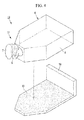
Fig. 4} Fig. 4 is an exploded perspective view showing an example of a detector on which the culture vessel is mounted in an attachable/detachable manner. - A cell culturing apparatus 1 and a cell culturing method according to an embodiment of the present invention will be described below with reference to the drawings.
- As shown in
Figs. 1 and2 , the cell culturing apparatus 1 according to this embodiment is provided with an apparatusmain unit 3 that accommodates culture vessels (cell culture vessels) 2 that accommodatecells 100 in the interior thereof and that maintain the conditions thereof at predetermined temperature and humidity, thereby culturing thecells 100, and an analyzing portion 4 that is disposed remote from the apparatusmain unit 3 and that analyzes the states of thecells 100 being cultured in the apparatusmain unit 3. - As shown in
Fig. 2 , eachculture vessel 2 has anopening 5 at one end thereof and is provided with a vesselmain unit 6 that can accommodate thecells 100 in the interior thereof and alid 7 that is attached to theopening 5 to seal the vesselmain unit 6. - The vessel
main unit 6 is formed of an optically transparent member (for example, a resin such as polystyrene or the like or PDMS(poly dimethylsiloxane) or the like or other material such as glass or the like), and abottom 8 of the vesselmain unit 6 on which thecells 100 are placed is constituted of a thin membrane-like film. With this thin membrane-like film, it suffices that the thickness thereof be such that an adhesion position and an adhesion area of thecells 100 adhered to the opposite surface of the film can be detected through the film by using atouchscreen sensor 13. It is preferable that the thickness of the film constituting thebottom 8 be 150 µm ± 50 µm. In addition, with regard to the material for the film also, it suffices that the material be such that the adhesion position and the adhesion area of thecells 100 can be detected through the film by using thetouchscreen sensor 13. The material for the film is, for example, PET (polyethylene terephthalate), silicone, or the like. - As shown in
Figs. 1 and2 , the apparatusmain unit 3 is provided with aculturing chamber 9 that has, as a bottom thereof, amounting surface 10 on which a plurality ofculture vessels 2 can be mounted and adoor 11 that opens and closes theculturing chamber 9. Thetouchscreen sensor 13 is disposed at themounting surface 10. - As shown in
Figs. 1 and2 , thetouchscreen sensor 13 is a single flat sensor based on a resistive membrane system that is large enough that the plurality ofculture vessels 2 can be placed next to each other and to which thebottoms 8 of allculture vessels 2 can be brought into tight contact over the entire area thereof. Thetouchscreen sensor 13 has a sensitivity that allows detection, through thebottoms 8, of the adhesion positions of thecells 100 that adhere to and grow on thebottoms 8 of theculture vessels 2. In addition, it is preferable that the resolution of thetouchscreen sensor 13 be about 10 nm. - Specifically, the
touchscreen sensor 13 is configured to detect the positions of thecells 100 based on pressure exerted thereon from thecells 100 that are adhered to the top surfaces (internal surfaces) of thebottoms 8 of theculture vessels 2. - In this embodiment, because the plurality of
culture vessels 2 are mounted on thesingle touchscreen sensor 13, a detection region of thetouchscreen sensor 13 is divided so as to correspond to theculture vessels 2, and the positions of thecells 100 are detected for the respective divided detection regions. - In addition, the cell culturing apparatus 1 according to this embodiment is provided with a transmitting portion (output portion) 12 that wirelessly transmits the positional information of the
cells 100 detected by thetouchscreen sensor 13 to the exterior. - As shown in
Fig. 1 , the analyzing portion 4 is provided with a receiving portion (input portion) 14 that receives the positional information of thecells 100 transmitted thereto from the transmittingportion 12, a determiningportion 15 that determines the culturing states of thecells 100 in theindividual culture vessels 2 based on the information signals from thetouchscreen sensor 13 received by the receivingportion 14, and amonitor 16 that displays the culturing states determined by the determiningportion 15. - The receiving
portion 14 receives the positional information of thecells 100 wirelessly transmitted thereto from the transmittingportion 12 and inputs this information to the determiningportion 15. - The determining
portion 15 calculates the adhesion areas of thecells 100 adhered to thebottoms 8 based on the positional information of thecells 100 detected by thetouchscreen sensor 13. The determiningportion 15 determines whether or not the calculated adhesion areas of thecells 100 have reached a predetermined set area, and outputs the determination result on themonitor 16 as the culturing states of thecells 100. - The operation of the thus-configured cell culturing apparatus 1 and the cell culturing method of this embodiment will be described below.
- To culture cells by using the cell culturing apparatus 1 according to this embodiment, first, the
lid 7 is removed from theopening 5 of theculture vessel 2, whose interior is kept sterile, thecells 100 are introduced into the vesselmain unit 6 from theopening 5 together with culture liquid (not shown), and thelid 7 is attached to theopening 5, thus sealing the culture vessel 2 (step of accommodating thecells 100 in the culture vessel 2). - As shown in
Fig. 2 , a plurality ofculture vessels 2 in which thecells 100 are accommodated in this way are placed next to each other on the mountingsurface 10 of theculturing chamber 9 so that thebottoms 8 thereof face downward. By doing so, thebottoms 8 of allculture vessels 2 are brought into tight contact with thetouchscreen sensor 13 provided at the mountingsurface 10. - At this time, because the
touchscreen sensor 13 is divided in the plurality of regions and detection is performed for the respective regions, theindividual culture vessels 2 are arranged so as to be positioned in different regions. Then, thedoor 11 of the culturing apparatus is closed and theculturing chamber 9 is sealed (step of accommodating theculture vessels 2 in the culturing chamber 9). - In this state, the
cells 100 are cultured by maintaining the interior of theculturing chamber 9 at the predetermined temperature and humidity. Even if thecells 100 in theculture vessels 2 are initially floating in the culture liquid, as culturing advances, thecells 100 adhere to thebottoms 8 of theculture vessels 2, which facilitates the growth thereof, thus proliferating along thebottoms 8 of theculture vessels 2. - Once the
cells 100 adhere to thebottoms 8 of theculture vessels 2, the adhesion positions of thecells 100 are detected by thetouchscreen sensor 13 through thebottoms 8 of theculture vessels 2. The detected information about the adhesion positions of thecells 100 is separately output to the transmittingportion 12 for the respective regions of thetouchscreen sensor 13 and is wirelessly transmitted by the transmittingportion 12 to the exterior of the culturing apparatus 1. - The transmitted information about the adhesion positions of the
cells 100 is received by the receivingportion 14 and is input to the determiningportion 15. Then, the determiningportion 15 calculates the adhesion areas of thecells 100 for therespective culture vessels 2 based on the input information about the adhesion positions, and determines whether or not the calculated adhesion areas of thecells 100 have reached the predetermined area. Then, the determination result from the determiningportion 15 is displayed on themonitor 16 as the culturing states of the cells 100 (step of observing). - Specifically, with the cell culturing apparatus 1 and the cell culturing method according to this embodiment, there is an advantage in that it is possible to check the culturing states of the
cells 100 in theculturing vessels 2 in a simple manner at an appropriate timing without removing theculture vessels 2 from theculturing chamber 9. - In this case, there is an advantage in that, when the adhesion areas of the
cells 100 reach the predetermined area, an observer can accurately ascertain in whichculture vessels 2 the culturing of thecells 100 has finished based on the respective positional information of thecells 100 for the individual detection regions that are divided so as to correspond to theculture vessels 2. - Note that, in this embodiment, examples of the
cells 100 to be cultured in theculture vessels 2 include embryonic stem cells, induced pluripotent stem cells, stem cells (derived from bone marrow, fat, muscle, nerve, liver, placenta, umbilical cord blood, or peripheral blood), chondrocytes, hepatocytes, osteocytes, skin cells, myocardial cells, skeletal muscle cells, vascular endothelial cells, nerve cells, and so forth. - In addition, in this embodiment, although a sensor based on the resistive membrane system has been described as an example of the
touchscreen sensor 13, it is not limited thereto, so long as the culturing states of thecells 100 can be detected. For example, a sensor based on an ultrasonic surface acoustic wave system may be employed as thetouchscreen sensor 13. In addition, thebottoms 8 of theculture vessels 2 may be constituted of a thin membrane-like film having transparent conductivity, and a sensor based on a capacitive sensing system, an electromagnetic induction system, or an infrared optical imaging system may be employed. In other words, it suffices that thetouchscreen sensor 13 be a sensor that can detect the adhesion positions of thecells 100 by detecting, through the thin membrane-like film, pressure signals, electrical signals, electromagnetic wave signals, or the like from thecells 100 that are adhered to the opposite surface of the film. - In addition, in this embodiment, although a case in which the determining
portion 15 that determines the culturing states of thecells 100 based on the calculated adhesion areas of thecells 100 serves as the analyzing portion 4 has been described as an example, it is not limited thereto. For example, the analyzing portion 4 may provide the observer with data for determining the culturing states and the proliferation states by generating a time-series graph of the adhesion areas of thecells 100 or by calculating the completion rate or the like until the proliferation states of thecells 100 reach confluence, and by displaying the results on themonitor 16. - Next, a
culture vessel 17 according to a modification of this embodiment will be described below with reference to the drawings. - In the description of this embodiment, portions having the same configurations as those of the above-described embodiment are given the same reference signs, and descriptions thereof will be omitted.
- As shown in
Fig. 3 , with the culture vessel (cell culture vessel) 17 according to this embodiment, thebottom 8 of the vesselmain unit 6 is constituted of thetouchscreen sensor 13, and a transmittingportion 18 is provided at the exterior of the vesselmain unit 6. - With the thus-configured
culture vessels 17 according to this embodiment, when theculture vessels 17 that accommodate thecells 100 in the interior thereof are accommodated in a general cell culturing apparatus and thecells 100 are cultured by maintaining a predetermined temperature and a predetermined humidity, as culturing advances, thecells 100 are directly adhered on the top surface of thetouchscreen sensor 13 in the vesselmain unit 6 and proliferate along the top surface of thetouchscreen sensor 13. - At this time, the
touchscreen sensor 13 detects the adhesion positions of thecells 100, and the positional information of thecells 100 is wirelessly transmitted to the exterior of the cell culturing apparatus by the transmitting portion (output portion) 18 that is provided at the exterior of theculture vessels 17. By doing so, because the positional information of thecells 100 detected by thetouchscreen sensor 13 is received by the receivingportion 14 and the culturing states of thecells 100 are determined by the determiningportion 15, it is possible to check the culturing states of thecells 100 in theindividual culture vessels 17 on the monitor without removing theculture vessels 17 from the cell culturing apparatus. - As above, with the
culture vessel 17 according to this embodiment, there is an advantage in that a general unit can be employed as the cell culturing apparatus, and thus, large-scale equipment is not necessary. - In addition, as shown in
Fig. 2 , with theculture vessel 17 according to this embodiment, there is an advantage in that it is possible to stack a plurality ofculture vessels 17 when accommodating them in the cell culturing apparatus, instead of arranging the plurality ofculture vessels 2 next to each other, and thus, it is also possible to culturenumerous cells 100 at the same time. - Note that, in this embodiment, the configuration in which the
touchscreen sensor 13 itself constitutes thebottom 8 of theculture vessel 17 has been described as an example; alternatively, however, as shown inFig. 4 , it is permissible to employ adetector 19 that is provided with thetouchscreen sensor 13 and the transmittingportion 18 and with which the film-like bottom 8 of theculture vessel 17 is attached to the surface of thetouchscreen sensor 13 in an attachable/detachable manner. By doing so, there is an advantage in that it is possible to reuse thedetector 19 by employingdisposable culture vessels 17. - In addition, as shown in
Figs. 2 to 4 , although cases in which rectangular vessels are employed as theculture vessels cells 100 are adhered is formed of a thin membrane-like film. For example, it is permissible to employ a dish-like vessel or the microfluidics or a bag-like (pack-like) vessel that is entirely formed of a film and to place the vessel on thetouchscreen sensor 13. In this case, only the surface on which thecells 100 are adhered need be formed of a thin membrane-like film, or the entire vessel may be formed of a thin membrane-like film. In addition, the bag-like vessel may have anopening 5 and alid 7. - With the cell culturing apparatus 1 of the present invention, in addition to detecting the culturing states, such as adhesion position and the adhesion area of the
cells 100, as described above, it is also possible to detect movement of thecells 100 within a short period of time, as well as changes in electric potential (current) of thecells 100. Although an example thereof will be described below, it is not limited thereto. - For example, as a way of detecting pulsing of myocardial cells, by detecting pulses generated in the process of differentiation to myocardial cells from undifferentiated cells (for example, stem cells, induced pluripotent stem cells, or the like) by means of the
touchscreen sensor 13, this serves as a way of detecting whether or not differentiation induction of the undifferentiated cells has been successful. In addition, it is also possible to detect the effects of a compound or the like on the myocardial cells. - Specifically, by adding a compound or the like to pulsing myocardial cells and by detecting the presence/absence of pulsing, it is possible to assess the effects of this compound or the like on the myocardial cells (for example, inhibition, facilitation, or the like). In this case, it is also possible to use a cell structure (for example, a cell sheet or the like formed of many types of cells) that includes the myocardial cells as an assessment subject.
- In addition, by comparing against a control group, such as a group in which the
cells 100 are not included, a group in which thecells 100 are not subjected to differentiation induction, or the like, it is possible to more precisely detect pulsing of thecells 100. - In addition, for example, as a way of detecting the electric potential of brain/nerve cells or myocardial cells, by detecting changes in the electric potential of the brain/nerve cells or the myocardial cells by means of the
touchscreen sensor 13, it is possible to assess the activity of these cells. In addition, it is possible to detect differentiation induction to the brain/nerve cells or the myocardial cells from undifferentiated cells. At this time, by adding a compound or the like, it is possible to assess the effects of the compound or the like on the cell activity. - In addition, by comparing against a control group, such as a group in which the
cells 100 are not included, a group in which thecells 100 are not subjected to differentiation induction, or the like, it is possible to more precisely detect changes in electric potential of thecells 100. -
- 1
- cell culturing apparatus
- 2, 17
- culture vessel (cell culture vessel)
- 8
- bottom of culture vessel
- 9
- culturing chamber
- 10
- mounting surface
- 12, 18
- transmitting portion (output portion)
- 13
- touchscreen sensor
- 14
- receiving portion (input portion)
- 15
- determining portion
Claims (8)
- A cell culturing apparatus comprising:a culturing chamber that accommodates a culture vessel;a touchscreen sensor that is disposed inside the culturing chamber on a mounting surface, on which the culture vessel is placed, and that is brought into tight contact with an external surface of a bottom of the culture vessel; andan output portion that exports an output from the touchscreen sensor to an exterior of the culturing chamber.
- A cell culturing apparatus according to Claim 1, wherein the output portion is a transmitting portion that wirelessly transmits the output from the touchscreen sensor.
- A cell culturing apparatus according to Claim 1, further comprising:an input portion that is disposed at the exterior of the culturing chamber and to which the output from the touchscreen sensor exported by the output portion is input; anda determining portion that determines a culturing state of cells in the culture vessel based on the output from the touchscreen sensor which is input to the input portion.
- A cell culturing apparatus according to Claim 3, wherein
the output portion is a transmitting portion that wirelessly transmits the output from the touchscreen sensor, and
the input portion is a receiving portion that receives the output from the touchscreen sensor that is wirelessly transmitted by the transmitting portion. - A cell culture vessel comprising:a touchscreen sensor that is disposed at a bottom on which cells are adhered; andan output portion that outputs an output from the touchscreen sensor to an exterior thereof.
- A cell culture vessel according to Claim 5, wherein the output portion is a transmitting portion that wirelessly transmits the output from the touchscreen sensor.
- A cell culture vessel comprising:a bottom that is formed of a film and to which cells are adhered on an internal surface thereof; anda touchscreen sensor that is brought into tight contact with an external surface of the bottom.
- A cell culturing method comprising:a step of accommodating cells in a culture vessel;a step of accommodating the culture vessel in a culturing chamber of a culturing apparatus in a state in which a touchscreen sensor is in tight contact with an external surface of a bottom of the culture vessel in which the cells are accommodated; anda step of observing an output from the touchscreen sensor by maintaining an interior of the culturing chamber at a predetermined temperature and humidity.
Applications Claiming Priority (1)
| Application Number | Priority Date | Filing Date | Title |
|---|---|---|---|
| JP2014048734A JP2015171344A (en) | 2014-03-12 | 2014-03-12 | Cell culture vessel, cell culturing apparatus, and cell culturing method |
Publications (1)
| Publication Number | Publication Date |
|---|---|
| EP2918671A1 true EP2918671A1 (en) | 2015-09-16 |
Family
ID=52784893
Family Applications (1)
| Application Number | Title | Priority Date | Filing Date |
|---|---|---|---|
| EP15158399.4A Withdrawn EP2918671A1 (en) | 2014-03-12 | 2015-03-10 | Cell culture vessel, cell culturing apparatus, and cell culturing method |
Country Status (4)
| Country | Link |
|---|---|
| US (1) | US9909096B2 (en) |
| EP (1) | EP2918671A1 (en) |
| JP (1) | JP2015171344A (en) |
| CN (1) | CN104911102B (en) |
Cited By (3)
| Publication number | Priority date | Publication date | Assignee | Title |
|---|---|---|---|---|
| WO2021108113A1 (en) * | 2019-11-27 | 2021-06-03 | Corning Incorporated | Sensing vessels for cell cultures |
| US11256898B2 (en) | 2017-10-03 | 2022-02-22 | Olympus Corporation | Culture information processing device |
| US12280368B2 (en) | 2019-11-27 | 2025-04-22 | Corning Incorporated | Connected ecosystem for laboratory environment |
Families Citing this family (4)
| Publication number | Priority date | Publication date | Assignee | Title |
|---|---|---|---|---|
| JP6684573B2 (en) * | 2015-11-13 | 2020-04-22 | オリンパス株式会社 | Cell culture device |
| JP6887314B2 (en) * | 2017-06-01 | 2021-06-16 | オリンパス株式会社 | Cell culture monitoring system |
| JP2020532993A (en) * | 2017-09-07 | 2020-11-19 | コーニング インコーポレイテッド | Optical cell culture monitoring and sample measurement system |
| JPWO2022009560A1 (en) * | 2020-07-07 | 2022-01-13 |
Citations (5)
| Publication number | Priority date | Publication date | Assignee | Title |
|---|---|---|---|---|
| WO2005009126A1 (en) * | 2003-07-23 | 2005-02-03 | Essen Instruments, Inc. | Examination systems for biological samples |
| WO2005047482A2 (en) * | 2003-11-12 | 2005-05-26 | Xiao Xu | Real time electronic cell sensing systems and applications for cell-based assays |
| JP2012080869A (en) | 2010-09-17 | 2012-04-26 | Bio Optical Inc | Culture reactor and tool for culture reactor |
| EP2489435A2 (en) * | 2011-02-18 | 2012-08-22 | Nihon Kohden Corporation | Cell incubator and incubation condition monitoring system |
| US20130017567A1 (en) * | 2002-06-06 | 2013-01-17 | Rutgers, The State University Of New Jersey | Zinc oxide-based nanostructure modified qcm for dynamic monitoring of cell adhesion and proliferation |
Family Cites Families (9)
| Publication number | Priority date | Publication date | Assignee | Title |
|---|---|---|---|---|
| US6048723A (en) * | 1997-12-02 | 2000-04-11 | Flexcell International Corporation | Flexible bottom culture plate for applying mechanical load to cell cultures |
| CN100478436C (en) * | 2003-11-12 | 2009-04-15 | 艾森生物(杭州)有限公司 | Real-time electronic cell sensing system and its application in cell-based assays |
| US8076090B2 (en) * | 2005-04-05 | 2011-12-13 | Corning Incorporated | Label free biosensors and cells |
| CN101038284B (en) * | 2007-04-25 | 2011-04-27 | 博奥生物有限公司 | Method for enhancing electric impedance detecting sensibility of electric impedance detecting device |
| GB0911331D0 (en) * | 2009-06-30 | 2009-08-12 | Univ Aston | Characterising properties or behaviour of biological cells |
| JP5630828B2 (en) * | 2011-01-24 | 2014-11-26 | 埼玉日本電気株式会社 | Mobile terminal, noise removal processing method |
| CN202595146U (en) * | 2011-12-14 | 2012-12-12 | 浙江大学 | Sensor for synchronous detection of extracellular environment poison and cell metabolism |
| CN102586092B (en) * | 2012-02-10 | 2013-07-31 | 浙江大学 | Cell impedance imaging system and cell impedance imaging method for dynamically monitoring wound healing |
| JPWO2014034690A1 (en) * | 2012-08-31 | 2016-08-08 | 国立大学法人豊橋技術科学大学 | Inspection object holding device in biological / chemical / physical phenomenon detection device and inspection device using the same |
-
2014
- 2014-03-12 JP JP2014048734A patent/JP2015171344A/en active Pending
-
2015
- 2015-02-27 CN CN201510090078.1A patent/CN104911102B/en not_active Expired - Fee Related
- 2015-03-10 US US14/644,055 patent/US9909096B2/en not_active Expired - Fee Related
- 2015-03-10 EP EP15158399.4A patent/EP2918671A1/en not_active Withdrawn
Patent Citations (5)
| Publication number | Priority date | Publication date | Assignee | Title |
|---|---|---|---|---|
| US20130017567A1 (en) * | 2002-06-06 | 2013-01-17 | Rutgers, The State University Of New Jersey | Zinc oxide-based nanostructure modified qcm for dynamic monitoring of cell adhesion and proliferation |
| WO2005009126A1 (en) * | 2003-07-23 | 2005-02-03 | Essen Instruments, Inc. | Examination systems for biological samples |
| WO2005047482A2 (en) * | 2003-11-12 | 2005-05-26 | Xiao Xu | Real time electronic cell sensing systems and applications for cell-based assays |
| JP2012080869A (en) | 2010-09-17 | 2012-04-26 | Bio Optical Inc | Culture reactor and tool for culture reactor |
| EP2489435A2 (en) * | 2011-02-18 | 2012-08-22 | Nihon Kohden Corporation | Cell incubator and incubation condition monitoring system |
Cited By (4)
| Publication number | Priority date | Publication date | Assignee | Title |
|---|---|---|---|---|
| US11256898B2 (en) | 2017-10-03 | 2022-02-22 | Olympus Corporation | Culture information processing device |
| WO2021108113A1 (en) * | 2019-11-27 | 2021-06-03 | Corning Incorporated | Sensing vessels for cell cultures |
| US12280368B2 (en) | 2019-11-27 | 2025-04-22 | Corning Incorporated | Connected ecosystem for laboratory environment |
| US12584089B2 (en) | 2019-11-27 | 2026-03-24 | Corning Incorporated | Sensing vessels for cell cultures |
Also Published As
| Publication number | Publication date |
|---|---|
| JP2015171344A (en) | 2015-10-01 |
| CN104911102A (en) | 2015-09-16 |
| CN104911102B (en) | 2020-06-30 |
| US20150259640A1 (en) | 2015-09-17 |
| US9909096B2 (en) | 2018-03-06 |
Similar Documents
| Publication | Publication Date | Title |
|---|---|---|
| US9909096B2 (en) | Detector including touchscreen sensor to detect signals from cells in a culuture vessel. culture vessel including a touchscreen sensor,and cell detecting method | |
| US12098358B2 (en) | Automated incubator with robotic transport | |
| US20230304918A1 (en) | Systems and methods for cell dissociation | |
| JP6851636B2 (en) | Cell culture incubator with embedded imaging system | |
| JP7621061B2 (en) | Incubators, systems and methods for monitored cell growth - Patents.com | |
| EP3202911B1 (en) | Method for determining undifferentiated state of pluripotent stem cells by culture medium analysis | |
| US20230303959A1 (en) | Automated apparatus and method for in vitro fertilization | |
| US20240409871A1 (en) | Automated incubator with robotic transport | |
| KR101808063B1 (en) | Cell incubator having plate for cell incubation | |
| CN106164662B (en) | Electrodes, Combination Electrodes, Liquid Analyzers | |
| TWI413688B (en) | Cell culture device | |
| WO2025202944A2 (en) | Liquid level and flow rate detection within a cell processing system | |
| JP5712924B2 (en) | Stirring method, cell culture method, stirrer and cell culture device | |
| JP2019533482A5 (en) | ||
| Sakaki et al. | A generalized tip-membrane contact detection algorithm for automated single cell electroporation using statistical process control | |
| CN114514309A (en) | Cell detection device and cell detection method | |
| CN102183670B (en) | Multi-parameter in-vitro real-time automatic detection and analysis device | |
| WO2024249594A1 (en) | Automated apparatus and method for in vitro fertilization | |
| KR20260038190A (en) | Real-time cell culture monitoring apparatus and system including same | |
| TR201619367A2 (en) | PLATE BOX WITH SENSOR CLOSING SYSTEM |
Legal Events
| Date | Code | Title | Description |
|---|---|---|---|
| PUAI | Public reference made under article 153(3) epc to a published international application that has entered the european phase |
Free format text: ORIGINAL CODE: 0009012 |
|
| AK | Designated contracting states |
Kind code of ref document: A1 Designated state(s): AL AT BE BG CH CY CZ DE DK EE ES FI FR GB GR HR HU IE IS IT LI LT LU LV MC MK MT NL NO PL PT RO RS SE SI SK SM TR |
|
| AX | Request for extension of the european patent |
Extension state: BA ME |
|
| 17P | Request for examination filed |
Effective date: 20160310 |
|
| RBV | Designated contracting states (corrected) |
Designated state(s): AL AT BE BG CH CY CZ DE DK EE ES FI FR GB GR HR HU IE IS IT LI LT LU LV MC MK MT NL NO PL PT RO RS SE SI SK SM TR |
|
| RAP1 | Party data changed (applicant data changed or rights of an application transferred) |
Owner name: OLYMPUS CORPORATION |
|
| RAP1 | Party data changed (applicant data changed or rights of an application transferred) |
Owner name: OLYMPUS CORPORATION |
|
| RIN1 | Information on inventor provided before grant (corrected) |
Inventor name: KIMURA, HIROYUKI |
|
| STAA | Information on the status of an ep patent application or granted ep patent |
Free format text: STATUS: THE APPLICATION HAS BEEN WITHDRAWN |
|
| 18W | Application withdrawn |
Effective date: 20181016 |