EP2914101B1 - Tiermodell für adipositas und typ-2-diabetes - Google Patents
Tiermodell für adipositas und typ-2-diabetes Download PDFInfo
- Publication number
- EP2914101B1 EP2914101B1 EP13785854.4A EP13785854A EP2914101B1 EP 2914101 B1 EP2914101 B1 EP 2914101B1 EP 13785854 A EP13785854 A EP 13785854A EP 2914101 B1 EP2914101 B1 EP 2914101B1
- Authority
- EP
- European Patent Office
- Prior art keywords
- lsd1
- mice
- cells
- obesity
- ctrl
- Prior art date
- Legal status (The legal status is an assumption and is not a legal conclusion. Google has not performed a legal analysis and makes no representation as to the accuracy of the status listed.)
- Active
Links
Images


















Classifications
-
- A—HUMAN NECESSITIES
- A01—AGRICULTURE; FORESTRY; ANIMAL HUSBANDRY; HUNTING; TRAPPING; FISHING
- A01K—ANIMAL HUSBANDRY; AVICULTURE; APICULTURE; PISCICULTURE; FISHING; REARING OR BREEDING ANIMALS, NOT OTHERWISE PROVIDED FOR; NEW BREEDS OF ANIMALS
- A01K67/00—Rearing or breeding animals, not otherwise provided for; New or modified breeds of animals
- A01K67/027—New or modified breeds of vertebrates
- A01K67/0275—Genetically modified vertebrates, e.g. transgenic
- A01K67/0276—Knock-out vertebrates
-
- A—HUMAN NECESSITIES
- A01—AGRICULTURE; FORESTRY; ANIMAL HUSBANDRY; HUNTING; TRAPPING; FISHING
- A01K—ANIMAL HUSBANDRY; AVICULTURE; APICULTURE; PISCICULTURE; FISHING; REARING OR BREEDING ANIMALS, NOT OTHERWISE PROVIDED FOR; NEW BREEDS OF ANIMALS
- A01K67/00—Rearing or breeding animals, not otherwise provided for; New or modified breeds of animals
- A01K67/027—New or modified breeds of vertebrates
- A01K67/0275—Genetically modified vertebrates, e.g. transgenic
- A01K67/0278—Knock-in vertebrates, e.g. humanised vertebrates
-
- C—CHEMISTRY; METALLURGY
- C12—BIOCHEMISTRY; BEER; SPIRITS; WINE; VINEGAR; MICROBIOLOGY; ENZYMOLOGY; MUTATION OR GENETIC ENGINEERING
- C12N—MICROORGANISMS OR ENZYMES; COMPOSITIONS THEREOF; PROPAGATING, PRESERVING, OR MAINTAINING MICROORGANISMS; MUTATION OR GENETIC ENGINEERING; CULTURE MEDIA
- C12N15/00—Mutation or genetic engineering; DNA or RNA concerning genetic engineering, vectors, e.g. plasmids, or their isolation, preparation or purification; Use of hosts therefor
- C12N15/09—Recombinant DNA-technology
- C12N15/11—DNA or RNA fragments; Modified forms thereof; Non-coding nucleic acids having a biological activity
- C12N15/113—Non-coding nucleic acids modulating the expression of genes, e.g. antisense oligonucleotides; Antisense DNA or RNA; Triplex- forming oligonucleotides; Catalytic nucleic acids, e.g. ribozymes; Nucleic acids used in co-suppression or gene silencing
- C12N15/1137—Non-coding nucleic acids modulating the expression of genes, e.g. antisense oligonucleotides; Antisense DNA or RNA; Triplex- forming oligonucleotides; Catalytic nucleic acids, e.g. ribozymes; Nucleic acids used in co-suppression or gene silencing against enzymes
-
- C—CHEMISTRY; METALLURGY
- C12—BIOCHEMISTRY; BEER; SPIRITS; WINE; VINEGAR; MICROBIOLOGY; ENZYMOLOGY; MUTATION OR GENETIC ENGINEERING
- C12N—MICROORGANISMS OR ENZYMES; COMPOSITIONS THEREOF; PROPAGATING, PRESERVING, OR MAINTAINING MICROORGANISMS; MUTATION OR GENETIC ENGINEERING; CULTURE MEDIA
- C12N9/00—Enzymes; Proenzymes; Compositions thereof; Processes for preparing, activating, inhibiting, separating or purifying enzymes
- C12N9/0004—Oxidoreductases (1.)
-
- A—HUMAN NECESSITIES
- A01—AGRICULTURE; FORESTRY; ANIMAL HUSBANDRY; HUNTING; TRAPPING; FISHING
- A01K—ANIMAL HUSBANDRY; AVICULTURE; APICULTURE; PISCICULTURE; FISHING; REARING OR BREEDING ANIMALS, NOT OTHERWISE PROVIDED FOR; NEW BREEDS OF ANIMALS
- A01K2207/00—Modified animals
- A01K2207/15—Humanized animals
-
- A—HUMAN NECESSITIES
- A01—AGRICULTURE; FORESTRY; ANIMAL HUSBANDRY; HUNTING; TRAPPING; FISHING
- A01K—ANIMAL HUSBANDRY; AVICULTURE; APICULTURE; PISCICULTURE; FISHING; REARING OR BREEDING ANIMALS, NOT OTHERWISE PROVIDED FOR; NEW BREEDS OF ANIMALS
- A01K2207/00—Modified animals
- A01K2207/25—Animals on a special diet
-
- A—HUMAN NECESSITIES
- A01—AGRICULTURE; FORESTRY; ANIMAL HUSBANDRY; HUNTING; TRAPPING; FISHING
- A01K—ANIMAL HUSBANDRY; AVICULTURE; APICULTURE; PISCICULTURE; FISHING; REARING OR BREEDING ANIMALS, NOT OTHERWISE PROVIDED FOR; NEW BREEDS OF ANIMALS
- A01K2217/00—Genetically modified animals
- A01K2217/07—Animals genetically altered by homologous recombination
- A01K2217/072—Animals genetically altered by homologous recombination maintaining or altering function, i.e. knock in
-
- A—HUMAN NECESSITIES
- A01—AGRICULTURE; FORESTRY; ANIMAL HUSBANDRY; HUNTING; TRAPPING; FISHING
- A01K—ANIMAL HUSBANDRY; AVICULTURE; APICULTURE; PISCICULTURE; FISHING; REARING OR BREEDING ANIMALS, NOT OTHERWISE PROVIDED FOR; NEW BREEDS OF ANIMALS
- A01K2217/00—Genetically modified animals
- A01K2217/07—Animals genetically altered by homologous recombination
- A01K2217/075—Animals genetically altered by homologous recombination inducing loss of function, i.e. knock out
- A01K2217/077—Animals genetically altered by homologous recombination inducing loss of function, i.e. knock out heterozygous knock out animals displaying phenotype
-
- A—HUMAN NECESSITIES
- A01—AGRICULTURE; FORESTRY; ANIMAL HUSBANDRY; HUNTING; TRAPPING; FISHING
- A01K—ANIMAL HUSBANDRY; AVICULTURE; APICULTURE; PISCICULTURE; FISHING; REARING OR BREEDING ANIMALS, NOT OTHERWISE PROVIDED FOR; NEW BREEDS OF ANIMALS
- A01K2227/00—Animals characterised by species
- A01K2227/10—Mammal
- A01K2227/105—Murine
-
- A—HUMAN NECESSITIES
- A01—AGRICULTURE; FORESTRY; ANIMAL HUSBANDRY; HUNTING; TRAPPING; FISHING
- A01K—ANIMAL HUSBANDRY; AVICULTURE; APICULTURE; PISCICULTURE; FISHING; REARING OR BREEDING ANIMALS, NOT OTHERWISE PROVIDED FOR; NEW BREEDS OF ANIMALS
- A01K2267/00—Animals characterised by purpose
- A01K2267/03—Animal model, e.g. for test or diseases
- A01K2267/035—Animal model for multifactorial diseases
- A01K2267/0362—Animal model for lipid/glucose metabolism, e.g. obesity, type-2 diabetes
-
- C—CHEMISTRY; METALLURGY
- C12—BIOCHEMISTRY; BEER; SPIRITS; WINE; VINEGAR; MICROBIOLOGY; ENZYMOLOGY; MUTATION OR GENETIC ENGINEERING
- C12N—MICROORGANISMS OR ENZYMES; COMPOSITIONS THEREOF; PROPAGATING, PRESERVING, OR MAINTAINING MICROORGANISMS; MUTATION OR GENETIC ENGINEERING; CULTURE MEDIA
- C12N2310/00—Structure or type of the nucleic acid
- C12N2310/10—Type of nucleic acid
- C12N2310/14—Type of nucleic acid interfering nucleic acids [NA]
Definitions
- the present invention relates to the use of a genetically modified non-human mammal as an animal model for obesity and obesity-related disorders, wherein the modified non-human mammal (i) is heterozygous for the disruption of the gene encoding LSD1 or (ii) has a deletion of the gene encoding LSD1, said deletion being limited to adipose tissue, wherein said obesity-related disorder is selected from the group consisting of insulin resistance, type II diabetes, fatty liver, non-alcoholic fatty liver disease, endocrine abnormalities and triglyceride storage disease .
- the invention further pertains to a method for identifying a compound useful in the treatment and/or prevention of obesity or an obesity-related disorder.
- adipose tissue is an important regulator of energy balance (Langin, 2010).
- WAT white adipose tissue
- BAT brown adipose tissue
- Unilocular WAT is highly adapted to store excess energy in the form of triglycerides and is mainly located in the abdominal and subcutaneous areas.
- brown adipocytes being derived from Myf5-positive and white adipocytes derived from Myf5-negative cells, respectively (Seale et al., 2008).
- Myf5 myogenic factor 5
- brown adipocytes being derived from Myf5-positive and white adipocytes derived from Myf5-negative cells, respectively.
- appearance of brown fat-like cells has been observed in mouse WAT (Himms-Hagen et al., 1994; Himms-Hagen et al., 2000; Young et al., 1984).
- These brown fat-like cells are called beige or brite cells.
- beige fat cells are not derived from Myf5-expressing precursors (Seale et al., 2008), raising questions about their origin. It has been speculated that beige cells might originate from differentiation of a specific pool of precursor cells already present in WAT (Seale et al., 2011; Wu et al., 2012). Alternatively, beige fat cells could arise from direct conversion of white adipocytes (Granneman et al., 2005; Himms-Hagen et al., 2000; Loncar, 1991).
- Lysine-specific demethylase 1 (LSD1), the first histone lysine demethylase described, is an amine oxidase that mediates histone demethylation via a FAD-dependent oxidative reaction.
- LSD1 selectively removes mono- and dimethyl groups from H3K4 or H3K9, thereby causing either repression or activation of gene transcription (Garcia-Bassets et al., 2007; Lee et al., 2005; Metzger et al., 2010; Metzger et al., 2005; Shi et al., 2004; Wang et al., 2009a; Wang et al., 2009b) (Zhu Ms).
- Hino et al. observe upregulation of LSD1 protein levels in mice on a high fat diet.
- their ex vivo experiments with adipocytes from mice on a high fat diet suggest that energy expenditure genes are upregulated upon knockdown of LSD1. This teaches away from the present invention.
- mice and other non-human mammals having a reduced expression of Lsd1 are valuable tools for studying established and potential agents to treat type 2 diabetes and related diseases such as or insulin resistance and obesity.
- the present invention therefore relates to the subject matter defined in items (1) to (8).
- the present invention relates to an animal model for obesity and obesity-related disorders.
- a first aspect of this embodiment of the invention is the use of a modified non-human mammal as an animal model for obesity or obesity-related disorders, wherein the modified non-human mammal (i) is heterozygous for the disruption of the gene encoding LSD1 or (ii) has a deletion of the gene encoding LSD1, said deletion being limited to adipose tissue, said obesity-related disorder being selected from the group consisting of insulin resistance, type II diabetes, fatty liver, non-alcoholic fatty liver disease, endocrine abnormalities and triglyceride storage disease .
- the modified non-human mammal may be a genetically modified non-human animal, preferably it is a transgenic non-human mammal.
- the mammals in accordance with this embodiment have a reduced amount of LSD1 in at least one tissue. These mammals typically exhibit a reduced expression of LSD1 in one or more tissues. The reduced expression may or may not affect all tissues of the mammal.
- the amount of LSD1 protein or Lsd1 mRNA is reduced in fat tissue, e.g. in BAT and/or WAT.
- an animal model for metabolic disorders including, but not limited to, eating disorders, body weight disorders, cachexia, anorexia, sarcopenia and wasting syndrome or disease.
- This disclosure includes the use of a non-human transgenic animal whose genome comprises a stably integrated transgenic nucleotide sequence encoding Lysine-specific Demethylase 1 (LSD1) operably linked to a promoter for studying metabolism and/or as an animal model for metabolic disorders.
- LSD1 Lysine-specific Demethylase 1
- the animals in accordance with this disclosure have an increased amount of LSD1 in at least one tissue. These animals typically overexpress LSD1 in at least one tissue. The overexpression may or may not affect all tissues of the animal.
- the amount of LSD1 protein or Lsd1 mRNA is increased in fat tissue, e.g. in BAT and/or WAT.
- the reduced expression and the increased expression (overexpression), respectively, is relative to a control animal.
- the control animal may be a wild type animal which is substantially identical to the modified or transgenic animal/mammal, except for the genetic manipulation.
- the amount of LSD1 may be determined at the protein level, e.g. by immunoassays using antibodies against LSD1.
- the expression level of Lsd1 may be determined by quantitative RT-PCR, detecting the amount of Lsd1 mRNA.
- the amount of LSD1 protein, or the amount of Lsd1 mRNA may be reduced relative to the control animal by at least 10%, preferably by at least 20%, more preferably by at least 30%, more preferably by at least 40%, e.g. by about 50%.
- the amount of LSD1 protein, or the amount of Lsd1 mRNA may be reduced relative to the control animal by 10% to 90%, preferably by 20% to 80%, more preferably by 30% to 70%, more preferably by 40% to 60%.
- the protein and/or mRNA levels of Prdm16, Pgc-1 ⁇ and Ucp1 are reduced, e.g. by at least 10%, more preferably by at least 25%, most preferably by at least about 50%, relative to a control animal.
- Body fat mass in these mammals may be increased by about 10% relative to a control animal, in particular after high fat diet.
- Blood glucose levels in these mammals may be increased by about 10% to about 50%, or by about 20% to about 40%, relative to a control animal.
- the mammals of the first embodiment typically exhibit reduced insulin sensitivity and glucose uptake relative to a control animal, wherein insulin sensitivity and glucose uptake may be determined according to the tests described in the Examples hereinbelow.
- the amount of LSD1 protein, or the amount of Lsd1 mRNA may be increased relative to the control animal by at least 10%, preferably by at least 25%, more preferably by at least 50%, more preferably by at least 75%, e.g. by about 100%.
- the amount of LSD1 protein, or the amount of Lsd1 mRNA may be increased relative to the control animal by 10% to 1000%, preferably by 25% to 500%, more preferably by 50% to 200%, more preferably by 75% to 150%.
- the phrase "LSD1 protein” includes endogenous and exogenous LSD1 protein.
- the phrase "Lsd1 mRNA" includes endogenous and exogenous Lsd1 mRNA.
- the transgenic non-human mammal preferably is a rodent, such as a mouse. Suitable mammals are available, or easily generated, using conventional methods, in a variety of genera, including rodents (e.g., rats), rabbits, guinea pigs, dogs, goats, sheep, cows, horses, pigs, llamas, camels or the like. Preferably, the non-human transgenic mammal is a transgenic mouse.
- rodents e.g., rats
- rabbits e.g., guinea pigs, dogs, goats, sheep, cows, horses, pigs, llamas, camels or the like.
- the non-human transgenic mammal is a transgenic mouse.
- progenitor animal The animal from which the progeny animal is descended is referred to as "progenitor animal".
- Progeny of a progenitor mammal are any animals which are descended from the progenitor as a result of sexual reproduction or cloning of the progenitor, and which have inherited genetic material from the progenitor.
- cloning refers to production of genetically identical offspring from DNA or a cell(s) of the progenitor animal.
- development of an animal from a cell or cells (embryonic cells, for example), or development of a cell or cells into an animal, refers to the developmental process that includes growth, division and differentiation of a fertilized egg or embryonic cells (and their progeny) to form an embryo, and birth and development of that embryonic animal into an adult animal.
- transgenic embryo can develop into a transgenic mammal of the invention.
- a transgenic ovum can be fertilized to create a transgenic embryo that develops into a transgenic mammal of the invention.
- a transgenic sperm can be used to fertilize an ovum to create a transgenic embryo that develops into a transgenic mammal of the invention.
- a transgenic cell can be used to clone a transgenic mammal of the invention.
- a "transgenic non-human mammal” is a non-human mammal into which an exogenous recombinant construct has been introduced, or its progeny. Such a mammal may have developed from (a) embryonic cells into which the construct has been directly introduced or (b) progeny cells of (a).
- an "exogenous construct” is a nucleic acid that is artificially introduced, or was originally artificially introduced, into an animal. The term “artificial introduction” excludes introduction of a construct into an animal through normal reproductive processes (such as by cross breeding).
- animals that have been produced by transfer of an exogenous construct through the breeding of a mammal comprising the construct are considered to "comprise the exogenous construct.”
- Such animals are progeny of animals into which the exogenous construct has been introduced.
- the transgenic non-human mammal contains a disruption in an endogenous LSD1 gene such that at least one allele of the LSD1 gene is non-functional or does not express a functional LSD1, wherein the disruption is an insertion of a transgene into the endogenous LSD1 gene.
- the disruption can be, for example, an insertion, missense, frameshift, or deletion mutation.
- the disruption can also alter a promoter, enhancer, or splice site.
- the disruption can be insertion of a transgene.
- the transgene optionally encodes a selectable marker, such as, for example a LacZ reporter gene operably linked to a LSD1 promoter.
- the provided non-human mammals are preferably heterozygous for LSD1.
- heterozygous means that the animal has a disruption in one allele (i.e., endogenous gene) while the second allele is unaffected (i.e., does not contain a disruption).
- the genome of the mammal comprises a disruption of only one allele of the gene encoding LSD1.
- An example of this embodiment is the Lsd+/- mouse described in the Examples.
- non-human transgenic animal e.g., a rodent, preferably a mouse
- a non-human transgenic animal e.g., a rodent, preferably a mouse
- the mouse according to this disclosure will overexpress LSD1 (see, for example, the LSD1-overexpressing mice described in the Examples).
- the non-human transgenic animal is preferably one whose somatic and germ cells comprise at least one genomically integrated copy of a recombinant construct (a recombinant construct comprising a sequence encoding LSD, preferably hLSD1), or an active fragment or variant thereof, which sequence is operably linked to an expression control sequence.
- the disclosed transgene construct can also be assembled as an artificial chromosome, which does not integrate into the genome but which is maintained and inherited substantially stably in the animal. Artificial chromosomes of more than 200 kb can be used for this purpose.
- the present disclosure is also directed to the creation of transgenic mice in whose tissue specific expression of the hLSD1 transgene is driven by a tissue specific promoter, as is discussed more extensively below.
- transgenic gamete including a transgenic ovum or sperm cell, a transgenic embryo, and any other type of transgenic cell or cluster of cells, whether haploid, diploid, or of higher zygosity having at least one disruption in the LSD1 gene.
- embryo includes a fertilized ovum or egg (i.e., a zygote) as well as later multicellular developmental stages of the organism.
- the disruption referred to above is preferably in the animal's somatic and germ cells.
- transgenic mammal that preferably comprise a disruption of at least one allele of the LSD1 gene, and transgenic mammals derived from a transgenic ovum, sperm, embryo or other cell.
- the transgenic mammal may be sterile although, preferably, it is fertile. Further disclosed herein is a cell line derived from a transgenic embryo or other transgenic cell, which contains a disruption of at least one allele of the LSD1 gene. Methods of isolating such cells and propagating them are known to those of skill in the art.
- the transgenic non-human mammals of the invention are produced by introducing transgenes into the germline of the non-human mammal.
- Embryonal target cells at various developmental stages are used to introduce the transgenes. Different methods are used depending on the stage of development of the embryonal target cell(s). Such methods include, but are not limited to, microinjection of zygotes, viral integration, and transformation of embryonic stem cells as described below.
- Microinjection of zygotes is the preferred method for incorporating transgenes into animal genomes.
- a zygote which is a fertilized ovum that has not undergone pronuclei fusion or subsequent cell division, is the preferred target cell for microinjection of transgenic DNA sequences.
- the murine male pronucleus reaches a size of approximately 20 micrometers in diameter, a feature which allows for the reproducible injection of 1-2 picoliters of a solution containing transgenic DNA sequences.
- the use of a zygote for introduction of transgenes has the advantage that, in most cases, the injected transgenic DNA sequences will be incorporated into the host animal's genome before the first cell division. Brinster et al., Proc. Natl. Acad. Sci. USA 82:4438 (1985 ). As a consequence, all cells of the resultant transgenic animals (founder animals) stably carry an incorporated transgene at a particular genetic locus.
- Viral integration can also be used to introduce the transgenes into an animal.
- the developing embryos are cultured in vitro to the blastocyte developmental stage.
- the blastomeres may be infected with appropriate retroviruses. Jaenich, Proc. Natl. Acad. Sci. USA 73:1260 . Infection of the blastomeres is enhanced by enzymatic removal of the zona pellucida.
- Transgenes are introduced via viral vectors which are typically replication-defective but which remain competent for integration of viral-associated DNA sequences, including transgenic DNA sequences linked to such viral sequences, into the host animal's genome. Transfection is easily and efficiently obtained by culture of blastomeres on a monolayer of cells producing the transgene-containing viral vector.
- infection may be performed using cells at a later developmental stage, such as blastocoeles.
- most transgenic founder animals produced by viral integration will be mosaics for the transgenic allele; that is, the transgene is incorporated into only a subset of all the cells that form the transgenic founder animals.
- multiple viral integration events may occur in a single founder animal, generating multiple transgenic alleles which will segregate in future generations of offspring.
- Introduction of transgenes into germline cells by this method is possible but probably occurs at a low frequency.
- offspring may be produced in which the transgenic allele is present in all of the animal's cells, i.e., in both somatic and germline cells.
- Embryonic stem (ES) cells can also serve as target cells for introduction of the transgenes into animals.
- ES cells are obtained from pre-implantation embryos that are cultured in vitro. Evans et al., Nature 292:154 (1981 ).
- ES cells that have been transformed with a transgene can be combined with an animal blastocyst, after which the ES cells colonize the embryo and contribute to the germline of the resulting animal.
- offspring may be produced in which the transgenic allele is present in all of the animal's cells, i.e., in both somatic and germline cells.
- the transgenic nucleic acid may be stably integrated into germ line cells and transmitted to offspring of the transgenic animal as Mendelian loci.
- Other transgenic techniques result in mosaic transgenic animals, in which some cells carry the transgenes and other cells do not.
- mosaic transgenic animals in which germ line cells do not carry the transgenes transmission of the transgenes to offspring does not occur. Nevertheless, mosaic transgenic animals are capable of demonstrating phenotypes associated with the transgenes.
- animals of the transgenic maintenance line are crossed with animals having a genetic background in which expression of the transgene results in symptoms of obesity or obesity-related disorders.
- Offspring that have inherited the transgenic nucleic acids are distinguished from littermates that have not inherited transgenic nucleic acids by analysis of genetic material from the offspring for the presence of nucleic acid sequences derived from the transgenic nucleic acids. For example, biological fluids that contain polypeptides uniquely encoded by the transgenic nucleic acids may be immunoassayed for the presence of the polypeptides.
- a simpler and more reliable means of identifying transgenic offspring comprises obtaining a tissue sample from an extremity of an animal, such as, for example, a tail, and analyzing the sample for the presence of nucleic acid sequences corresponding to the DNA sequence of a unique portion or portions of the transgenic nucleic acids.
- the presence of such nucleic acid sequences may be determined by, e.g., hybridization ("Southern") analysis with DNA sequences corresponding to unique portions of the transgene, analysis of the products of PCR reactions using DNA sequences in a sample as substrates, oligonucleotides derived from the transgene's DNA sequence, and the like.
- polynucleotide is interchangeable with “nucleic acid.”
- a polynucleotide may be recombinant, natural, or synthetic or semi-synthetic, or any combination thereof.
- Polynucleotides may be RNA, PNA, LNA, or DNA, or combinations thereof.
- the terms peptide, polypeptide and protein are also interchangeable.
- a “recombinant construct” (also referred to herein as a “construct” for short) or a “transgene” of "transgenic nucleic acid” which is used to generate a transgenic animal of the above disclosure is a polynucleotide which comprises a sequence encoding LSD1 (preferably hLSD1), or an active fragment or variant thereof, which is operably linked to an expression control sequence.
- the coding sequence comprises LSD1 exon sequences, although it may optionally include intron sequences which are either derived from an hLSD1 genomic DNA or DNA of an unrelated chromosomal gene.
- the recombinant construct may comprise a sequence encoding mLSD1 or at least a biologically active fragment thereof.
- the recombinant construct comprises a sequence encoding human LSD1 (hLSD1) or a biologically active fragment thereof.
- the amino acid sequences of hLSD1 and mLSD1 are shown in SEQ ID NO:3 and 5, respectively.
- the nucleotide sequence encoding mLSD1 is shown in SEQ ID NO:4.
- the nucleotide sequence encoding hLSD1 is shown in SEQ ID NO:1.
- the hLSD1 cDNA sequence including 5'- and 3'-untranslated regions is shown in SEQ ID NO:2.
- the nucleotide sequence of an exemplary recombinant construct is shown in SEQ ID NO:6.
- the amino acid sequence encoded by this construct is shown in SEQ ID NO:7.
- tissue-specific expression of the transgene in the transgenic animal the coding sequence must be operably linked to an expression control sequence that drives expression specifically in that tissue.
- Suitable tissue-specific expression control sequences include the following: MMTV-LTR (for mammary-specific expression), etc.
- An inducible promoter is one which, in response to the presence of an inducer, is activated.
- a coding sequence driven by an inducible promoter can be turned on or off by providing or withdrawing the inducer.
- a promoter may be homologous, derived from the same species as the coding sequence.
- the promoter is heterologous, that is, derived from another species, or even from a virus.
- hLSD1 constructs may be operably linked to an inducible or repressible control elements. An repressible system, described by Gossen, M.
- tetracycline-resistance operon encoded in Tn10 of E. coli.
- the tet repressor is fused with the activating domain of Herpes simplex virus VP16 to generate a tetracycline-controlled transactivator.
- Such a transactivator is used to stimulate transcription from a promoter sequence, such as the CMV promoter IE.
- a gene controlled by a promoter acting under the influence of the tetracycline-controlled transactivator can be constitutively expressed and turned off by using an effective concentration of tetracycline. Such a system can regulate a gene over about five orders of magnitude.
- the tetracycline-repressible system functions in vivo in mice, where tetracycline administration via the diet is used to keep the expression of the inducible gene off. Tetracycline analogs which cross the blood-brain barrier can be used if gene activity is desired in the brain.
- Two steps of transfection may be used to produce the appropriate system.
- a first transfection is used to isolate clones expressing the transactivator. The best clones are identified by testing each in a transient transfection assay for the ability to express a marker gene, such as an estrogen-dependent luciferase.
- the second transfection involves the hLSD1 coding sequence under control of an inducible promoter into a transactivator-containing clone.
- One strategy involves first isolating a stable cell line expressing the inducible hLSD1 protein or peptide by cotransfection of both plasmids into appropriate target cells. After selection, for example with G418, clones showing estrogen-dependent expression of hLSD1 may be detected by an immunoassay or biological assay.
- the plasmids are preferably linearized and cotransfected into cells in the presence of mammalian high molecular weight DNA as a carrier.
- the hLSD1 DNA molecule is placed under the control of a promoter subject to regulation by a tetracycline-controlled transactivator.
- a construct in a single vector or preferably two vector form
- target cells whether embryonic, adult normal or tumor, either in vitro or in vivo.
- tetracycline is withheld so that the hLSD1 DNA is expressed.
- tetracycline or an active congener of tetracycline is administered locally to the cells transfected with the constructs.
- Effective systemic doses (oral or parenteral) of tetracycline are in the range of about 0.1 mg to 1 g per day.
- the transactivator is maintained in the "on" position by withholding tetracycline.
- Gal-ER consists of the DNA-binding domain of the yeast Gal4 protein fused to the hormone-binding domain of the human ER and hence exclusively regulates a transfected coding sequence under the control of a Gal4-responsive promoter in mammalian cells.
- This system includes a synthetic Gal4-responsive promoter which consists of four Gal4-binding sites, an inverted CCAAT element, a TATA box, and the adenovirus major late initiation region.
- This promoter shows extremely low basal activity in the absence of, and high inducibility in the presence of, ligand-activated Gal-ER.
- the transcription factor Gal-ER is rendered more potent and less susceptible to cell type-specific variation by fusing the strong activating domain of the herpesvirus protein VP16 onto its C-terminus.
- Gal-ER-VP16 may induce the Gal4-responsive promoter at least 100-fold in transfected cells.
- the Gal-ER induction system is a powerful genetic switch for regulating heterologous genes.
- An effective dose of an estrogen is a dose which would trigger the expression of an hLSD1-encoding nucleic acid to produce hLSD1 and promote growth of hLSD1-expressing adipose cells.
- doses can be ascertained by one skilled in the art.
- doses in the range of about 0.05 to 100 mg/kg of an estrogen are used in a single dose or in multiple doses over a period of about one week days to about 6 months, or even longer.
- Estrogen analogues which are capable of specifically activating the exogenous transactivator while having fewer biological effects and side effects are preferred.
- Ionizing radiation has been used to activate the transcription of exogenous genes, for example, encoding a cytotoxic protein TNF-I ( Weichselbaum, R R et al., Int J Radiation Oncology Biol Phys 24:565-67 (1992 ))
- This may be accomplished through the use of radiation-responsive elements distal to the transcription start site of such genes. See, for example, Hallahan, D et al., Proc Natl Acad Sci USA 88:2152-20 (1991 ); Datta, R et al., Proc Natl Acad Sci USA 89:10149-53 (1992 ); Weichselbaum et al., supra; Hallahan, D E et al.
- the expression control sequence (either a ubiquitously acting expression control sequence or a tissue-specific one) is expressed in a regulatable fashion, meaning that it is preferably a component of any of a number of well-known regulatable expression systems.
- the transgenic mammal does not comprise additional transgenic sequences.
- the transgenic construct present in the transgenic animal is the only transgenic construct present in the mammal.
- the transgenic mammal preferably does not comprise further genetic germ line modifications other than that described hereinabove.
- the genetic background of the transgenic mammal of the invention is 'wild type' except for the genetic modifications described hereinabove. This embodiment is preferred, as it allows studying the effect of any methods interfering with the action of LSD1.
- Also disclosed herein is a method for identifying a compound which inhibits the growth of adipose tissue, comprising (a) administering a test compound to a transgenic animal according to the present invention and (b) determining the effect of the test compound on the growth or survival of the adipocytes or adipose tissue in said transgenic animal, thereby identifying a compound that inhibits the growth of adipose tissue.
- Another aspect of this invention is a method for identifying a compound which is useful in the treatment and/or prevention of obesity or an obesity-related disorder, comprising (a) administering a test compound to a transgenic mammal according to the first embodiment of the present invention and (b) determining the effect of the test compound on the initiation, maintenance, or progression of at least one obesity-related parameter in said transgenic mammal, , thereby identifying a compound that inhibits obesity or an obesity-related disorder; wherein said obesity-related disorder is selected from the group consisting of insulin resistance, type II diabetes, fatty liver, non-alcoholic fatty liver disease, endocrine abnormalities and triglyceride storage disease; and wherein said obesity-related parameter is selected from the group consisting of the mass of white adipose tissue, the total mass of adipose tissue, glucose intolerance, and expression of a adipose tissue differentiation marker.
- the methods may comprise the steps (i) administering a test compound to a transgenic mammal according to the present invention, (ii) administering the same test compound to a control animal, and (iii) determining the effect of the test compound on the transgenic mammal as compared to said control animal.
- the control animal is preferably an animal of the same species as the transgenic mammal.
- the control animal does not show reduced or increased expression of LSD1 or only to a significantly lower degree, relative to a wild type animal.
- the control animal does not carry the transgenic nucleotide sequence present in the test animal of step (i).
- control animal is also carrying the same transgenic nucleotide sequence as the transgenic animal used in step (i) but there is no or only a slight reduction or increase in expression. This can be achieved by the use of inducible transgene constructs, see supra.
- the methods of analysis include but are not limited to determining the body weight, adipose tissue mass, adipose tissue size, presence of WAT markers, number of adipocytes, presence of lipomas, survival rate and the like, e.g. by histological methods and/or biochemical methods.
- a particularly preferred parameter is glucose tolerance.
- the test compound may be selected as a compound which is useful in the treatment of obesity or an obesity-related disorder if there is a significant difference in at least one of the obesity-related parameters tested, for example when the parameter (e.g. adipose tissue mass, adipose tissue size, presence of WAT markers, number of adipocytesetc.) in the transgenic test animal used in step (i) is significantly reduced (e.g. by at least 10%, preferably by at least 25%, more preferably by at least 50%) relative to that of the control animal.
- the parameter e.g. adipose tissue mass, adipose tissue size, presence of WAT markers, number of adipocytesetc.
- the test compound may be selected as a compound which is useful in the treatment of obesity or an obesity-related disorder if blood glucose levels are reduced by the test compound, or if insulin sensitivity and/or glucose uptake are significantly increased.
- the compound may be selected if any one the the target genes of LSD1 (e.g. Nrf1, Prdm16 and Pgc-1 ⁇ ) is upregulated by the test compound, e.g. by at least about 10% or at least about 25%, or at least about 50%, or at least about 100%.
- the quantitation is preferably done via RT-PCR.
- the compound may be selected if any one the the target genes of LSD1 is downregulated by the test compound, e.g. by at least about 10% or at least about 25%, or at least about 50%.
- the quantitation is preferably done via RT-PCR.
- the compounds used as test compounds may be modulators of the LSD1 gene, of the LSD1 protein, or of any target gene of LSD1.
- Modulators include activators and inhibitors.
- the modulators are preferably activators of the LSD1 protein or activators of the LSD1 gene (see infra ).
- a LSD1 modulator for use in the treatment and/or prevention of type 2 diabetes, obesity or an obesity-related disorder.
- a method of treating type 2 diabetes, obesity or an obesity-related disorder comprising administering to an individual in need thereof, a pharmaceutically effective amount of a LSD1 modulator.
- Obesity-related disorders include, but are not limited to, insulin resistance, hypertension, hyperuricemia, fatty liver, non-alcoholic fatty liver disease, polycystic ovarian syndrome, acanthosis nigricans, hyperphagia, endocrine abnormalities, triglyceride storage disease, Bardet-Biedl syndrome, and Lawrence-Moon syndrome.
- the disorder is type II diabetes.
- the obesity-related disorder is not hypertension.
- An LSD1 activator to be used in accordance with this invention is a compound capable of increasing the amount of LSD1 mRNA or LSD1 protein in a cell and/or activating at least one function or activity of the LSD1 gene or the LSD1 protein.
- These functions include (1) the ability of LSD1 to interact with androgen receptor,(2) the ability of LSD1 to assemble with other proteins, in particular transcription factors into protein complexes, and (3) the catalytic activity of LSD1.
- the protein complexes may be important for transcriptional activation.
- An LSD1 inhibitor is a compound capable of reducing the amount of LSD1 mRNA or LSD1 protein in a cell and/or inhibiting at least one function of the LSD1 gene or the LSD1 protein. These functions include (1) the ability of LSD1 to interact with androgen receptor,(2) the ability of LSD1 to assemble with other proteins, in particular transcription factors into protein complexes, and (3) the catalytic activity of LSD1.
- the protein complexes may be important for transcriptional activation.
- the LSD1 modulator to be used in accordance with this invention may be a compound capable of activating or inhibiting expression of the LSD1 gene in a cell.
- Various methods for activating or inhibiting expression of genes in a cell are known to one of skill in the art (e.g. RNA interference or antisense technology).
- the LSD1 modulator is capable of modulating the interaction of LSD1 protein with the androgen receptor.
- activators include "small molecules,” also referred to herein as “compounds,” which are isolated from natural sources or made synthetically. In general, such molecules may be identified from large libraries of natural products or synthetic (or semi-synthetic) extracts or chemical libraries according to methods known in the art. Those skilled in the field of drug discovery and development will understand that the precise source of test extracts or compounds is not critical to the methods of the invention. Accordingly, virtually any number of chemical extracts or compounds can be used in the methods described herein.
- the types of extracts or compounds that may be tested include plant, fungal, prokaryotic or eukaryotic cell or organism-based extracts, fermentation broths, and synthetic compounds including modifications of existing compounds. Numerous methods are also available for generating random or directed synthesis (e.g., semi-synthesis or total synthesis) of any number of chemical compounds, including, but not limited to, saccharides, lipids, peptides, polypeptides and nucleic acids and derivatives thereof. Synthetic compound libraries are commercially available.
- the LSD1 modulator may modulate (promote or inhibit) the stability the the LSD1 protein or Lsd1 mRNA.
- the LSD1 modulator may modulate (promote or inhibit) degradation of LSD1 protein or Lsd1 mRNA.
- the pathways leading to degradation of LSD1 protein or Lsd1 mRNA in the cells may be inhibited, thus leading to an increased amount of LSD1 protein or Lsd1 mRNA in the cells.
- the LSD1 modulator may modulate (promote or inhibit) the translation efficiency of the Lsd1 gene.
- libraries of natural compounds in the form of bacterial, fungal, plant, and animal extracts are commercially available from a number of sources.
- natural and synthetically produced libraries can be generated according to methods known in the art, e.g., by standard extraction and fractionation methods.
- any library or compound may readily be modified using standard chemical, physical, or biochemical methods.
- Another class of agents that can be screened are antibodies, in particular monoclonal antibodies.
- LSD1 activators are preferably useful in the treatment and/or prevention of obesity or an obesity-related disorders.
- LSD1 inhibitors may be useful in the treatment and/or prevention of metabolic disorders such as eating disorders, body weight disorders, cachexia, anorexia, sarcopenia and wasting syndrome or disease.
- Cachexia refers to a state of general ill health and malnutrition. It is often associated with and induced by malignant cancer, and is characterized by loss of appetite, lass of body mass, especially lean body mass, and muscle wasting.
- Anorexia refers simply to a loss of appetite, whether brought on by medical or psychological factors. Anorexia is often closely associated with, and generally contributes to, the cachexia seen in patients with advanced cancers.
- Target genes of LSD1 include, but are not limited to, Nrf1, Prdm16 and Pgc-1 ⁇ .
- the modulator of a target gene of LSD1 is an activator of the target gene. In another embodiment, the modulator of a target gene of LSD1 is an inhibitor of the target gene. In another embodiment, the modulator of a target gene of LSD1 is an activator of Nrf1. In another embodiment, the modulator of a target gene of LSD1 is an activator of Prdm16. In another embodiment, the modulator of a target gene of LSD1 is an activator of Pgc-1 ⁇ . In another embodiment, the modulator of a target gene of LSD1 is an inhibitor of Nrf1.
- the modulator of a target gene of LSD1 is an inhibitor of Prdm16. In another embodiment, the modulator of a target gene of LSD1 is an inhibitor of Pgc-1 ⁇ .
- an activator is capable of increasing the expression of the target gene, or activating a function of the gene product of said target gene.
- an inhibitor is capable of inhibiting the expression of the target gene, or inhibiting a function of the gene product of said target gene.
- the above-mentioned modulators are useful in the treatment and/or prevention of type 2 diabetes, obesity and/or related disorders.
- LSD1 modulators can be used alone or in combination with other compounds and therapeutic regimens to inhibit obesity or obesity-related disorders or obesity-related symptoms.
- an effective amount of the activator will be determined by the existence, nature, and extent of any adverse side-effects that accompany the administration of the composition; the LD 50 of the composition; and the side-effects of the composition at various concentrations.
- the amount of the composition administered will range from about 0.01 to about 20 mg per kg, more typically about 0.05 to about 15 mg per kg, even more typically about 0.1 to about 10 mg per kg body weight.
- the activator can be administered, for example, by intravenous infusion, orally, intraperitoneally, or subcutaneously. Oral administration is the preferred method of administration.
- the formulations of compounds can be presented in unit-dose or multidose sealed containers, such as ampoules and vials.
- the LSD1 activators are typically formulated with a pharmaceutically acceptable carrier before administration to an individual or subject.
- Pharmaceutically acceptable carriers are determined, in part, by the particular composition being administered, as well as by the particular method used to administer the composition. Accordingly, there are a wide variety of suitable formulations of pharmaceutical compositions (see, e.g., Remington's Pharmaceutical Sciences, 17th ed., 1989 ).
- LSD1 promotes formation of functional beige fat (reference example)
- transgenic mice ubiquitously expressing human LSD1 under the control of the Rosa26 promoter ( FIG. 7a ).
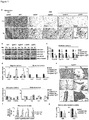
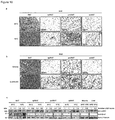
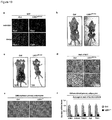
- Macroscopic inspection revealed intense browning of white fat pads of Tg mice ( Fig. 1a ).
- Detailed histological analyses showed the presence of multilocular brown or beige fat islets in all types of WAT [i.e. epididymal (ep), inguinal (ing), perimuscular (pm), and retroperitoneal (rp) WAT], whereas the morphology of interscapular BAT was not altered ( Fig. 1a ).
- WAT epididymal
- ing inguinal
- pm perimuscular
- rp retroperitoneal
- rp retroperitoneal
- Western blot, qRT-PCR, and immunofluorescence analyses confirmed elevated LSD1 levels in WAT and BAT of Tg compared to control mice ( Fig. 1b , and Fig. 7b-d ).
- the gene expression profile identifies the LSD1-induced adipocytes as beige fat cells.
- LSD1 Tg mice show limited weight gain and improved glucose tolerance and insulin sensitivity in response to a high-fat diet (reference example)
- Tg mice on regular diet (RD) or high-fat diet (HFD) to metabolic analyses.
- RD regular diet
- HFD high-fat diet
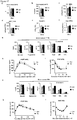
- Tg mice and their control littermates did not display any notable differences in total body weight or in the weight of specific tissues and had a similar food intake ( Fig. 16a-c ).
- Fig. 16d body composition analyses assessed by quantitative Nuclear Magnetic Resonance Spectroscopy (qNMR) after 15 weeks of HFD showed that Tg animals had accumulated less fat, resulting in a higher lean/fat mass ratio compared to control mice ( Fig. 16e ).
- Tg mice on HFD displayed decreased blood glucose levels ( Fig. 17g ), associated with improved glucose tolerance relative to control mice ( Fig. 17h ).
- Tg mice were also more insulin sensitive, as determined by insulin sensitive test ( Fig. 17i ), showing that Tg mice are more resistant to HFD-induced type-2 diabetes.
- Fig. 17j-l The blood content in triglycerides, free fatty acids (FFA), and cholesterol was not altered in both RD- and HFD-fed animals ( Fig. 17g,j ).
- LSD1 levels results in raised energy expenditure, which counteracts HFD-induced obesity and type-2 diabetes associated dysfunction.
- LSD1 levels are regulated by environmental cues
- Adipocyte precursors of the stromal-vascular fraction (SVF) from control and LSD1 Rosa26 - CreERT mice were isolated, treated with Tx for 5 days, and then induced to undergo adipogenesis.
- LSD1 -deficient cells of the SVF neither expressed markers of mature adipocytes nor accumulated lipid droplets, which is accordance with the absence of WAT in LSD1 aP2-Cre mice. While the phenotype of these mice requires more detailed future analyses, a likely explanation for the complete absence of WAT in LSD1 aP2 - Cre mice is an essential role of LSD1 in adipocyte differentiation. Together, our data provide in vivo evidence for an essential and cell autonomous function of LSD1 in the control of white adipogenesis.
- LSD1 +/- mice are prone to obesity and type-2 diabetes
- LSD1 is a cell-autonomous regulator of adipogenesis
- adipocyte precursors from the SVF of LSD1 +/- mice were analysed.
- primary adipocytes from LSD1 +/- mice carried increased lipid content compared to control ( Fig. 24a ).
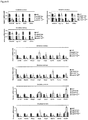
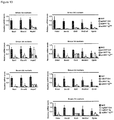
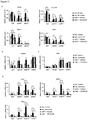
- LSD1 +/- adipocytes expressed increased levels ot general adipogenic and white tat-selective markers ( Fig. 24b ) and expression of genes involved in thermogenesis, including Prdm16 and Ucp1 was reduced in LSD1 +/- adipocytes ( Fig. 24b ).
- adipocyte precursors from the SVF of Tg and control mice were induced to undergo adipogenesis.
- Tg and control adipocyte cultures expressed equivalent levels of general adipogenic, white fat-selective, and brown fat-selective markers ( Fig. 24c ).
- elevated levels of LSD1 in primary Tg adipocyte induced expression of genes involved in oxidative metabolism, including Prdm16, Pgc-1 ⁇ , and Ucp1, and beige fat-selective markers ( Fig. 4a ).
- LSD1 regulates oxidative capacities of adipocytes and beige adipogenesis in a cell-autonomous manner.
- Tg cell lines showed slightly decreased transcript levels of white adipocyte-selective markers and similar transcript levels of general adipogenic markers ( Fig. 25d,e ).
- oxidative and beige fat-selective markers were not altered in C3H-10T1/2(Tg Mut )-derived adipocytes expressing the catalytically inactive LSD1 mutant ( Fig. 25b ).
- LSD1 ind lentivirus driving doxycyclin-inducible expression of LSD1
- LSD1 expression was induced at days 3 or 7 of differentiation. While we observed a strong increase in LSD1 levels upon doxycyclin treatment ( Fig. 27a ), transcript levels of oxidative markers such as Prdm16, Pgc-1 ⁇ , and Ucp1, adipogenic, white fat-selective, and beige fat-selective markers ( Fig. 27 ) were not affected by LSD1 induction. These data show that LSD1 does not induce the beige fat programme once adipogenesis has been initiated. Thus, LSD1 appears to act at an early time point by triggering the commitment of adipocyte precursors towards the beige lineage.
- LSD1 targets genes that induce the beige fat programme and account for beige adipocyte metabolism
- Beige adipogenesis requires induction of adipogenic factors and activation of specific gene sets facilitating thermogenesis and energy consumption.
- LSD1 massive parallel sequencing
- RNA-seq global transcriptome analysis
- AMP kinase also referred to as Prka
- Active Ampk phosphorylates Acaca, which in turn activates Cpt1, the rate-limiting enzyme of ⁇ -oxidation, and positively regulates Pgc-1 ⁇ expression.
- Pgc-1 ⁇ and Pgc-1 ⁇ act as key regulators of oxidative metabolism, promoting ⁇ -oxidation, glycolysis, and TCA cycle.
- Pgc-1 ⁇ also serves as a coactivator for Nrf1, a key player in the transcriptional control of nuclear genes required for respiration, mitochondrial DNA transcription and replication via Tfam.
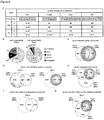
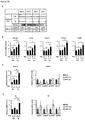
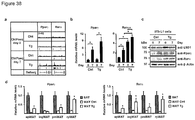
- LSD1 is present at the promoter of ⁇ 90 % of Ampk subunits (Table 1), as well as at the promoter of Acaca, Pgc-1 ⁇ , Pgc-1 ⁇ , Nrf1, and Tfam ( Fig. 30b ).
- RNA-seq results and independent qRT-PCR analyses showed that expression of these genes is increased in 3T3-L1(Tg) compared to 3T3-L1(Ctrl) cells at day 7 ( Fig.
- LSD1 occupies and positively regulates the genes required for uncoupled respiration ( Ucp2 and Ucp 3) ( Fig. 31e ), which contributes to increased heat production by mitochondria.
- Pathway total number of genes encoding pathway proteins, promoter occupancy by LSD1 in 3T3-L1(Ctrl) and 3T3-L1(Tg) cells at day 0, and average logarithmic fold change (FC) of differential gene expression between 3T3-L1(Tg) and 3T3-L1(Ctrl) cells at day 7 of differentiation.
- FC logarithmic fold change
- LSD1 regulates mitochondrial functions through Nrf1
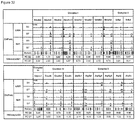
- Nrf1 genes occupied by Nrf1 at days 0 and 7, and LSD1 at day 7 revealed a robust overlap, i.e. 736 out of 914 (81 %) genes ( Fig. 6e ). This finding suggests that LSD1 and Nrf1 coordinately control gene expression during 3T3-L1 cell differentiation. Pathway analyses for this common gene set (736 genes) revealed "electron transport chain” and "oxidative phosphorylation" among the top scoring clusters as exemplified by components of the mitochondrial electron transport chain ( Fig. 32 ). Of note, we also identified the Nrf1 gene among the prominent LSD1 targets ( Fig. 30b ).
- RNA-seq, qRT-PCR, and Western blot analyses showed increased Nrf1 transcript and protein levels in differentiated 3T3-L1(Tg) cells and beige fat of Tg mice ( Figs. 31a-c ). In contrast, Nrf1 levels were not altered in skeletal muscle and liver of Tg mice ( Fig. 33 ). Short interfering RNA (siRNA)-mediated knockdown of Nrf1 in 3T3-L1(Tg) cells significantly decreased expression of Prdm16, Pgc-1 ⁇ , and Ucp1, as well as representative genes of the mitochondrial electron transport chain ( Fig. 34 ). Together, these data suggest that LSD1 promotes mitochondrial respiratory properties of fat cells, at least in part, by induction of and in cooperation with Nrf1.
- LSD1 regulates beige adipogenesis through C/ebp ⁇ and Ppar ⁇ /Rxr ⁇
- HOMER motif searches revealed a significant enrichment of C/ebp ⁇ , Ppary, and Rxr binding sites for 3T3-L1(Tg) cells at day 7, whereas for 3T3-L1(Ctrl) cells these binding sites were not identified among the top scoring motifs ( Fig. 6a ). Since C/ebp ⁇ and Ppary, in cooperation with Prdm16 or Pgc-1 ⁇ , have been shown to promote the browning of fat cells 16,20 , this observation suggested that in 3T3-L1(Tg) cells LSD1 acts in cooperation with C/ebp ⁇ and Ppar ⁇ /Rxr ⁇ to regulate early and late phases of beige adipogenesis, respectively.
- C / ebp ⁇ , C / ebp ⁇ , and C / ebp ⁇ are direct LSD1 target genes, and LSD1 upregulates expression of C / ebp ⁇ at day 7, and C / ebp ⁇ at days 0 and 7 of 3T3-L1 cell differentiation ( Fig. 35c ).
- LSD1 upregulates expression of C / ebp ⁇ at day 7, and C / ebp ⁇ at days 0 and 7 of 3T3-L1 cell differentiation
- Fig. 35c 3T3-L1 cell differentiation
- RNAi-mediated knockdown of C / ebp ⁇ in 3T3-L1(Tg) cells significantly decreased expression of the beige-selective gene programme ( Fig. 36 ) demonstrating that C/ebp ⁇ , at least in part, mediates LSD1-controlled beige adipogenesis.
- C/ebp ⁇ and C/ebp ⁇ also promote expression of Ppar ⁇ 44 .
- Ppar ⁇ /Rxr heterodimers act as a transcriptional activator of numerous adipocyte-specific genes 45 .
- ChIP-seq analysis of Ppar ⁇ and Rxr ⁇ in 3T3-L1 cells 46 confirmed that at day 0 only a minimal fraction (0.5 %) of LSD1 target genes is cooccupied by Ppar ⁇ /Rxr ⁇ ( Fig. 37a ). However, at day 7, Ppar ⁇ /Rxr ⁇ occupy 1831 out of 6904 (27 %) of LSD1 target genes ( Fig. 6g ). These 1831 common target genes define "adipogenesis" ( Fig.
- mice All mice were housed in the pathogen-free barrier facility of the University Medical Center Freiburg in accordance with institutional guidelines and approved by the regional board. Mice were maintained in a temperature- and humidity-controlled animal facility with a 12-hour light/dark cycle, free access to water, and a standard rodent chow (Kliba, breeding, 3807).
- the high-fat diet (HFD) study was carried out with a chow containing 4.056 kcal/kg (fat: 1.600 kcal/kg and sucrose: 1.600 kcal/kg; Research Diets). HFD was given to mice at 5 weeks of age. Mice were analysed at 25 weeks of age.
- mice were maintained at 10 °C with a 12 hour light/dark cycle, free access to water, and a standard rodent chow. Animals were killed by cervical dislocation, tissues were immediately collected, weighted, frozen in liquid nitrogen or processed for further analyses. Nomenclature for dissected adipose depots was used according to Seale et al. 17 .
- Epididymidal WAT epWAT
- Inguinal WAT ingWAT: bilateral superficial inguinal depots between the skin and muscle fascia just anterior to the lower segment of the hind limbs.
- Perimuscular WAT (pmWAT): depots located on the upper part of the quadriceps muscle.
- Retroperitoneal WAT rpWAT
- Retroperitoneal WAT (rpWAT): bilateral depots in abdominal cavity behind the peritoneum on the dorsal side of the kidney.
- Interscapular BAT (BAT): most prominent depot of brown adipocytes in rodents, found between the scapulae.
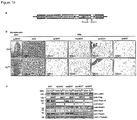
- Tg mice or inactive mutant transgenic (Tg Mut ) mice the complete human wild type or K661A/W751A/Y761S mutated LSD1 cDNA was cloned 3' to the Rosa26 promoter/enhancer ( Figs. 7a and 10a , respectively).
- Tg and Tg Mut mice were generated by pronuclear injection into fertilized FVB oocytes. For analyses wild-type littermates were used as controls. Mice were genotyped by PCR amplification of genomic DNA extracted from tail biopsies using the DirectPCR extraction kit (Viagen) with primers for detection of the transgene Rosa26- LSD1 or Rosa26- LSD1 Mut (Table 2).
- LSD1 tm1Schüle The targeting strategy for the conditional deletion of the first exon of LSD1 (LSD1 tm1Schüle ) is available upon request.
- conditional LSD1 mice were crossed to either Rosa26-Cre (Tg/0) transgenic mice that ubiquitously express the Cre recombinase 49 ( Fig. 20a ), aP2-Cre mice 38 to selectively ablate LSD1 in adipose tissue, or Rosa26-CreERT (Tg/0) transgenic mice, which mediates tamoxifen-inducible Cre recombination ( LSD1 Rosa26 - CreERT ) 40 .
- Mice were maintained on a mixed C57/BI6NCrl;129S2/Sv background. Homozygous conditional mice were used as controls. Mice were genotyped with primers for detection of the conditional LSD1 and the deleted alleles (Table 2).
- mice Tissues obtained from mice were immediately frozen in liquid nitrogen. The activities of the respiratory chain enzyme complex II (Sdh) and complex IV (Cox) were determined as described 50 .
- Blood was collected from retro orbital sinus after a 6 hr fast that started at the beginning of the light cycle. Serum glucose, cholesterol, triglyceride, and free fatty acid levels were analysed as described 51 .
- Intraperitoneal glucose tolerance test IPGTT
- IPIST insulin sensitivity test
- Tissues were fixed in 10 % buffered formalin and embedded in paraffin.
- 5 ⁇ m paraffin sections were deparaffinised, rehydrated, boiled in antigen unmasking solution (Vector laboratories, H-3300) for 10 min, cooled to room temperature, washed 3 times with PBS, 0.1 % Triton-X100 for 5 min, incubated for 1 h in 5 % FBS (Gibco, 10270-106) in PBS, 0.1 % Triton-X100, followed by overnight incubation at 4°C with anti-LSD1 1 (1/1000), anti-Myf5 (Santa Cruz, C-20, sc-302, 1/500), anti-Prdm16 (abcam, ab118573, 1/500), or anti-Ucp1 (abcam, ab10983, 1/200) antibody.
- RNA samples were sequenced by the standard Illumina protocol to create raw sequence files (.fastq files). We aligned these reads to the mm10 build of the mouse genome using TopHat version 2 54 . The aligned reads were counted with the homer software (analyze RNA) and DEG's were identified using EdgeR 55 and DESeq version 1.8.3 56 .
- Fat tissues were grounded in RIPA buffer [50 mM Tris pH 7.5, 1 % NP40, 0.5 % sodium deoxycholate, 0.1 % SDS, 150 mM NaCl, 5 mM EDTA, and protease inhibitor cocktail (45 ⁇ g/ml, Roche, 11 873 580 001)] at 4 °C.
- Homogenates were separated in 10 % polyacrylamide gels and blotted to Hybond nitrocellulose membranes (GE Healthcare).
- Membranes were decorated using following antibodies: anti-LSD1 1 (1/1000), anti-Prdm16 (abcam, ab118573, 1/500), anti-Pgc-1 (Santa-Cruz, H300, sc-13067, 1/1000), anti-Nrf1 (abcam, ab55744, 1/1000), anti-Ucp1 (abcam, ab10983, 1/1000), anti-Klhl13 (Santa-Cruz, H-286, sc-99119, 1/500), Fabp4 (Santa-Cruz, sc-18661, 1/2000), anti-Flag (Sigma, F3165, 1/500), anti-Ear2 (Proteintech, 60117-2-Ig, 1/400), anti-C/ebp ⁇ (Santa-Cruz, sc-746, 1/500), anti-Ppary (AbD Serotec, AHP1461, 1/500), anti-Rxra (
- ChIP sequencing (ChIP-seq)
- Chromatin immunoprecipitation experiments were performed using anti-LSD1 (20752, Schüle laboratory) or anti-Nrfl (abcam, ab55744, lot GR 95770-1) antibodies, on protein A-Sepharose 4B (GE Healthcare) essentially as described 57 .
- Libraries were prepared from immunoprecipitated DNA according to standard methods. ChlP-seq libraries were sequenced using a HiSeq 2000 (Illumina) and mapped to the mm10 reference genome using bowtie 2 58 . Data were further analysed using the peak finding algorithm MACS 1.41 59 using input as control. All peaks with FDR greater than 1 % were excluded from further analysis.
- the uniquely mapped reads were used to generate the genome-wide intensity profiles, which were visualized using the IGV genome browser 60 .
- HOMER 42 was used to annotate peaks, to calculate overlaps between different peak files, and for motif searches.
- the genomic features promoter, exon, intron, 3' UTR, and intergenic regions
- Refseq Genes annotated by HOMER were further used for a pathway analysis 42 .
- Previously reported ChIP-seq results for C/ebp ⁇ (GSE27826) 43 , Ppar ⁇ , and Rxr ⁇ (GSE13511) 46 were used for analysis.
- Fat pads were digested overnight with Proteinase K and DNA was extracted with phenolchloroform. Mitochondrial and nuclear DNA was amplified by quantitative PCR using Cox2 and Fasn primers (Table 3), respectively.
- plasmids were used: pLenti4_Flag_HA_Puro, pLenti4_Flag_HA_Puro_LSD1, pRTS_Puro_GW, pRTS_Puro_GW-Flag_LSD1, pRTS_Puro_GW_Flag_LSD1-K661A-W751A-Y761S, pSlik-Neo, and pSlik-Neo_Flag-HA_LSD1.
- Plasmids were obtained by Gateway LRII cloning in pLenti4 vector (Invitrogen) or in a puromycin-selectable and doxycycline-inducible pRTS plasmid 61 modified to contain a Gateway cassette, V5, and His tags. Cloning details can be obtained upon request.
- Primary white fat stromal vascular and mature fat cells were fractionated according to published methods 62,63 .
- Primary SV cells were cultured in DMEM/F12 containing 10% fetal bovine serum (FBS).
- FBS fetal bovine serum
- primary cells were treated with 4-hydroxy-tamoxifen (Sigma) at 0.2 ⁇ M.
- Mouse 3T3-L1 and C3H-10T1/2 preadipocytes were maintained in Dulbecco's modified Eagle's medium (DMEM) or Eagle's minimal essential medium (EMEM), respectively, supplemented with 10 % FBS and glutamine.
- DMEM Dulbecco's modified Eagle's medium
- EMEM Eagle's minimal essential medium
- Differentiation of primary SV cells, 3T3-L1, and C3H-10T1/2 was induced by treatment of confluent cells (designated day 0) with an adipogenic mixture consisting of 10 ⁇ g/ml insulin (Gibco), 1 ⁇ M dexamethasone (Calbiochem), 10 ⁇ M rosiglitazone (Cayman) and 500 ⁇ M isobutylmethylxanthine (Serva) in the presence of 10 % FBS.
- the differentiation medium was replaced 3 days later (day 3) with medium supplemented with 10 % FBS and 10 ⁇ g/ml insulin for 2 days. Subsequently, the cells were cultured in the same medium for 2 more days (day 7).
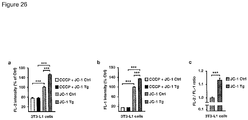
- 3T3-L1 cells were stained with fluorescent dye JC-1 (Invitrogen) followed by flow cytometric analysis. Following trypsin treatment, cells were exposed to 20 ⁇ g/ml of JC-1 in culture medium for 15 min at 37 °C and suspended in PBS for fluorescence-activated cell sorting (FACS) analysis. Green and red fluorescent signals corresponding to mitochondrial mass (FL-1) and mitochondrial membrane potential (FL-2), respectively, were detected using a FACS Canto cytometer (Becton Dickinson). 293FT cells were cultured in DMEM supplemented with 10 % FBS, non-essential amino-acids (Gibco) and glutamine (Gibco). Viral production was performed as described 1 .
- FACS fluorescence-activated cell sorting
- 3T3-L1 cells were infected with pLenti4_Flag_HA_Puro, pLenti4_Flag_HA_Puro_LSD1, pSlik-Neo, or pSlik-Neo_Flag-HA_LSD1 virus and subsequently selected in medium containing 1 ⁇ M puromycin (Sigma).
- Stable transfection of C3H-10T1/2 with pRTS_Puro_GW, pRTS_Puro_GW-Flag_LSD1, or pRTS_Puro_GW-Flag_LSD1-K661A-W751A-Y761S was carried out in 6-well plates.
Landscapes
- Life Sciences & Earth Sciences (AREA)
- Health & Medical Sciences (AREA)
- Engineering & Computer Science (AREA)
- Zoology (AREA)
- Genetics & Genomics (AREA)
- Biotechnology (AREA)
- Chemical & Material Sciences (AREA)
- Environmental Sciences (AREA)
- General Health & Medical Sciences (AREA)
- Wood Science & Technology (AREA)
- Organic Chemistry (AREA)
- Bioinformatics & Cheminformatics (AREA)
- Biomedical Technology (AREA)
- Molecular Biology (AREA)
- General Engineering & Computer Science (AREA)
- Animal Behavior & Ethology (AREA)
- Biodiversity & Conservation Biology (AREA)
- Animal Husbandry (AREA)
- Veterinary Medicine (AREA)
- Biochemistry (AREA)
- Microbiology (AREA)
- Medicinal Chemistry (AREA)
- Plant Pathology (AREA)
- Biophysics (AREA)
- Physics & Mathematics (AREA)
- Virology (AREA)
- Micro-Organisms Or Cultivation Processes Thereof (AREA)
- Measuring Or Testing Involving Enzymes Or Micro-Organisms (AREA)
- Investigating Or Analysing Biological Materials (AREA)
- Medicines That Contain Protein Lipid Enzymes And Other Medicines (AREA)
Claims (8)
- Verwendung eines modifizierten nicht-menschlichen Säugers als ein Tiermodell für Fettleibigkeit oder mit Fettleibigkeit in Verbindung stehende Störungen, wobei der modifizierte nicht-menschliche Säuger (i) für die Unterbrechung des Gens, das LSD1 kodiert, heterozygot ist oder (ii) eine Deletion des Gens, das LSD1 kodiert, aufweist, wobei die Deletion auf Fettgewebe begrenzt ist, wobei die mit Fettleibigkeit in Verbindung stehende Störung aus der Gruppe ausgewählt ist, bestehend aus Insulinresistenz, Typ-II-Diabetes, Fettleber, nicht-alkoholischer Fettlebererkrankung, endokrinen Anomalien und Triglyceridspeicherkrankheit.
- Verwendung nach Anspruch 1, wobei bei dem genetisch modifizierten nicht-menschlichen Säuger eine Nucleinsäure in dessen Genom eingefügt ist, wobei die Gegenwart der eingefügten Nucleinsäure in dem Genom des Säugers zu einer verringerten Expression von LSD1 führt.
- Verwendung nach Anspruch 1 oder 2, wobei die genetische Modifikation eine Unterbrechung eines Allels des endogenen Gens, das LSD1 kodiert, ist.
- Verwendung nach einem der vorstehenden Ansprüche, wobei die Menge an LSD1 im Gewebe des Säugers, vorzugsweise im Fett-, Leber- oder Muskelgewebe des Säugers, verringert wird.
- Verwendung nach einem der vorstehenden Ansprüche, wobei der Säuger Fettleibigkeit nach einer fettreichen Diät entwickelt.
- Verwendung nach einem der vorstehenden Ansprüche, wobei der Säuger zumindest ein Symptom von Typ-2-Diabetes aufweist.
- Verwendung nach einem der vorstehenden Ansprüche, wobei der Säuger ein Nager, vorzugsweise eine Maus ist.
- Verfahren zum Identifizieren einer Verbindung, die bei der Behandlung und/oder Vorbeugung von Fettleibigkeit oder einer mit Fettleibigkeit in Verbindung stehenden Störung verwendbar ist, umfassend (a) das Verabreichen einer Testverbindung an einen transgenen Säuger oder Nager, wie in einem der Ansprüche 1 bis 7 definiert, und (b) das Bestimmen der Wirkung der Testverbindung auf die Initiation, Erhaltung oder Progression von zumindest einem mit Fettleibigkeit in Verbindung stehenden Parameter in dem transgenen Säuger oder Nager, wodurch eine Verbindung identifiziert wird, die Fettleibigkeit oder eine mit Fettleibigkeit in Verbindung stehende Störung inhibiert,
wobei die mit Fettleibigkeit in Verbindung stehende Störung aus der Gruppe ausgewählt ist, bestehend aus Insulinresistenz, Typ-II-Diabetes, Fettleber, nicht-alkoholischer Fettlebererkrankung, endokrinen Anomalien und Triglyceridspeicherkrankheit;
und wobei der mit Fettleibigkeit in Verbindung stehende Parameter aus der Gruppe ausgewählt ist, bestehend aus der Masse von weißem Fettgewebe, der Gesamtmasse an Fettgewebe, Glucoseintoleranz und der Expression eines Fettgewebedifferenzierungsmarkers.
Priority Applications (1)
| Application Number | Priority Date | Filing Date | Title |
|---|---|---|---|
| EP13785854.4A EP2914101B1 (de) | 2012-10-31 | 2013-10-31 | Tiermodell für adipositas und typ-2-diabetes |
Applications Claiming Priority (3)
| Application Number | Priority Date | Filing Date | Title |
|---|---|---|---|
| EP12007446.3A EP2727465A1 (de) | 2012-10-31 | 2012-10-31 | Tiermodell für Adipositas und Typ-2-Diabetes |
| PCT/EP2013/072772 WO2014068033A2 (en) | 2012-10-31 | 2013-10-31 | Animal model for type 2 diabetes and obesity |
| EP13785854.4A EP2914101B1 (de) | 2012-10-31 | 2013-10-31 | Tiermodell für adipositas und typ-2-diabetes |
Publications (2)
| Publication Number | Publication Date |
|---|---|
| EP2914101A2 EP2914101A2 (de) | 2015-09-09 |
| EP2914101B1 true EP2914101B1 (de) | 2018-12-12 |
Family
ID=47142882
Family Applications (2)
| Application Number | Title | Priority Date | Filing Date |
|---|---|---|---|
| EP12007446.3A Withdrawn EP2727465A1 (de) | 2012-10-31 | 2012-10-31 | Tiermodell für Adipositas und Typ-2-Diabetes |
| EP13785854.4A Active EP2914101B1 (de) | 2012-10-31 | 2013-10-31 | Tiermodell für adipositas und typ-2-diabetes |
Family Applications Before (1)
| Application Number | Title | Priority Date | Filing Date |
|---|---|---|---|
| EP12007446.3A Withdrawn EP2727465A1 (de) | 2012-10-31 | 2012-10-31 | Tiermodell für Adipositas und Typ-2-Diabetes |
Country Status (3)
| Country | Link |
|---|---|
| US (1) | US10299467B2 (de) |
| EP (2) | EP2727465A1 (de) |
| WO (1) | WO2014068033A2 (de) |
Families Citing this family (8)
| Publication number | Priority date | Publication date | Assignee | Title |
|---|---|---|---|---|
| MX368293B (es) | 2013-11-20 | 2019-09-27 | Ohio State Innovation Foundation | Métodos para suprimir caquexia relacionada a cáncer. |
| CN105400732A (zh) * | 2015-11-19 | 2016-03-16 | 南京理工大学 | 一种酒精性脂肪肝斑马鱼模型的构建方法 |
| CN106190954B (zh) * | 2016-07-25 | 2019-12-10 | 华南理工大学 | 一种高尿酸血症肝细胞模型及其构建方法 |
| CN106190953B (zh) * | 2016-07-25 | 2019-12-10 | 华南理工大学 | 一种高尿酸血症细胞模型及其构建方法与在降尿酸功效评价方面的应用 |
| WO2019152590A1 (en) * | 2018-01-31 | 2019-08-08 | The Jackson Laboratory | Methods for preventing and treating type ii diabetes |
| WO2020152280A1 (en) * | 2019-01-24 | 2020-07-30 | Fundación Pública Andaluza Progreso Y Salud | Lsd1 inhibitors for use in the treatment of type 2 diabetes |
| CN117965621B (zh) * | 2023-06-19 | 2025-06-06 | 上海慧福德生物科技有限公司 | 一种制备亮斑扁角水虻增重品系的方法及其核酸构建物 |
| CN117065028B (zh) * | 2023-08-17 | 2026-04-24 | 赣南创新与转化医学研究院 | 降低kdm1a含量或活性的物质在制备治疗非酒精性脂肪肝病及相关疾病产品中的应用 |
Family Cites Families (2)
| Publication number | Priority date | Publication date | Assignee | Title |
|---|---|---|---|---|
| EP2258858A1 (de) * | 2009-06-05 | 2010-12-08 | Universitätsklinikum Freiburg | Für LSD1 transgenisches Tiermodell für Krebs |
| EP2750671A2 (de) | 2011-05-19 | 2014-07-09 | Oryzon Genomics, S.A. | Lysin-demethylaseinhibitoren für thrombosen und herz-kreislauf-erkrankungen |
-
2012
- 2012-10-31 EP EP12007446.3A patent/EP2727465A1/de not_active Withdrawn
-
2013
- 2013-10-31 EP EP13785854.4A patent/EP2914101B1/de active Active
- 2013-10-31 WO PCT/EP2013/072772 patent/WO2014068033A2/en not_active Ceased
- 2013-10-31 US US14/439,609 patent/US10299467B2/en active Active
Non-Patent Citations (1)
| Title |
|---|
| None * |
Also Published As
| Publication number | Publication date |
|---|---|
| WO2014068033A2 (en) | 2014-05-08 |
| EP2727465A1 (de) | 2014-05-07 |
| EP2914101A2 (de) | 2015-09-09 |
| WO2014068033A3 (en) | 2014-09-04 |
| US20150296757A1 (en) | 2015-10-22 |
| US10299467B2 (en) | 2019-05-28 |
Similar Documents
| Publication | Publication Date | Title |
|---|---|---|
| US10299467B2 (en) | Animal model for type 2 diabetes and obesity | |
| Stine et al. | EBF2 promotes the recruitment of beige adipocytes in white adipose tissue | |
| Guo et al. | Adipocyte ALK7 links nutrient overload to catecholamine resistance in obesity | |
| Lin et al. | Foxa1 and Foxa2 function both upstream of and cooperatively with Lmx1a and Lmx1b in a feedforward loop promoting mesodiencephalic dopaminergic neuron development | |
| Sun et al. | Acute myeloid leukemia-associated Mkl1 (Mrtf-a) is a key regulator of mammary gland function | |
| Li et al. | The nuclear orphan receptor COUP-TFII plays an essential role in adipogenesis, glucose homeostasis, and energy metabolism | |
| Skovsø et al. | Beta-cell specific Insr deletion promotes insulin hypersecretion and improves glucose tolerance prior to global insulin resistance | |
| Verma et al. | The estrogen-responsive Agr2 gene regulates mammary epithelial proliferation and facilitates lobuloalveolar development | |
| Kitagawa et al. | Phf14, a novel regulator of mesenchyme growth via platelet-derived growth factor (PDGF) receptor-α | |
| Lee et al. | MLL3/MLL4-Associated PAGR1 Regulates Adipogenesis by Controlling Induction of C/EBP β and C/EBP δ | |
| Jia et al. | Early embryonic lethality of mice with disrupted transcription cofactor PIMT/NCOA6IP/Tgs1 gene | |
| Kantarci et al. | The Warburg Effect and lactate signaling augment Fgf-MAPK to promote sensory-neural development in the otic vesicle | |
| Yang et al. | Krüppel-like factor 10 upregulates the expression of cyclooxygenase 1 and further modulates angiogenesis in endothelial cell and platelet aggregation in gene-deficient mice | |
| Cox et al. | Ube2i deletion in adipocytes causes lipoatrophy in mice | |
| Ji et al. | Mesodermal and neuronal retinoids regulate the induction and maintenance of limb innervating spinal motor neurons | |
| Zhou et al. | NR2F6 is essential for brown adipocyte differentiation and systemic metabolic homeostasis | |
| Alimujiang et al. | Survivin is essential for thermogenic program and metabolic homeostasis in mice | |
| Charrier et al. | Adipocyte-specific deletion of zinc finger protein 407 results in lipodystrophy and insulin resistance in mice | |
| Kotikalapudi et al. | Acute regulation of murine adipose tissue lipolysis and insulin resistance by the TGFβ superfamily protein GDF3 | |
| JP6825910B2 (ja) | Flattop(Fltp)はβ細胞成熟についての新規のバイオマーカーである | |
| US20110035815A1 (en) | Mosaic knockout mouse tumor models and methods or use | |
| US20120096568A1 (en) | Transgenic lsd1 animal model for cancer | |
| Herzog et al. | TIF1β association with HP1 is essential for post-gastrulation development, but not for Sertoli cell functions during spermatogenesis | |
| KR101894670B1 (ko) | RORα에 의한 PPARγ 매개된 전사 활성 억제를 통한 간 지질대사 조절 장애 치료제 스크리닝 방법 | |
| Wang et al. | Hepatic steatosis in transgenic mice overexpressing human histone deacetylase 1 |
Legal Events
| Date | Code | Title | Description |
|---|---|---|---|
| PUAI | Public reference made under article 153(3) epc to a published international application that has entered the european phase |
Free format text: ORIGINAL CODE: 0009012 |
|
| 17P | Request for examination filed |
Effective date: 20150424 |
|
| AK | Designated contracting states |
Kind code of ref document: A2 Designated state(s): AL AT BE BG CH CY CZ DE DK EE ES FI FR GB GR HR HU IE IS IT LI LT LU LV MC MK MT NL NO PL PT RO RS SE SI SK SM TR |
|
| AX | Request for extension of the european patent |
Extension state: BA ME |
|
| RIN1 | Information on inventor provided before grant (corrected) |
Inventor name: SCHUELE, ROLAND Inventor name: DUTEIL, DELPHINE Inventor name: GUENTHER, THOMAS Inventor name: METZGER, ERIC |
|
| DAX | Request for extension of the european patent (deleted) | ||
| STAA | Information on the status of an ep patent application or granted ep patent |
Free format text: STATUS: EXAMINATION IS IN PROGRESS |
|
| 17Q | First examination report despatched |
Effective date: 20161128 |
|
| GRAP | Despatch of communication of intention to grant a patent |
Free format text: ORIGINAL CODE: EPIDOSNIGR1 |
|
| STAA | Information on the status of an ep patent application or granted ep patent |
Free format text: STATUS: GRANT OF PATENT IS INTENDED |
|
| GRAJ | Information related to disapproval of communication of intention to grant by the applicant or resumption of examination proceedings by the epo deleted |
Free format text: ORIGINAL CODE: EPIDOSDIGR1 |
|
| STAA | Information on the status of an ep patent application or granted ep patent |
Free format text: STATUS: EXAMINATION IS IN PROGRESS |
|
| GRAJ | Information related to disapproval of communication of intention to grant by the applicant or resumption of examination proceedings by the epo deleted |
Free format text: ORIGINAL CODE: EPIDOSDIGR1 |
|
| GRAP | Despatch of communication of intention to grant a patent |
Free format text: ORIGINAL CODE: EPIDOSNIGR1 |
|
| GRAP | Despatch of communication of intention to grant a patent |
Free format text: ORIGINAL CODE: EPIDOSNIGR1 |
|
| STAA | Information on the status of an ep patent application or granted ep patent |
Free format text: STATUS: GRANT OF PATENT IS INTENDED |
|
| INTG | Intention to grant announced |
Effective date: 20180604 |
|
| INTC | Intention to grant announced (deleted) | ||
| INTG | Intention to grant announced |
Effective date: 20180703 |
|
| GRAS | Grant fee paid |
Free format text: ORIGINAL CODE: EPIDOSNIGR3 |
|
| GRAA | (expected) grant |
Free format text: ORIGINAL CODE: 0009210 |
|
| STAA | Information on the status of an ep patent application or granted ep patent |
Free format text: STATUS: THE PATENT HAS BEEN GRANTED |
|
| AK | Designated contracting states |
Kind code of ref document: B1 Designated state(s): AL AT BE BG CH CY CZ DE DK EE ES FI FR GB GR HR HU IE IS IT LI LT LU LV MC MK MT NL NO PL PT RO RS SE SI SK SM TR |
|
| REG | Reference to a national code |
Ref country code: GB Ref legal event code: FG4D |
|
| REG | Reference to a national code |
Ref country code: CH Ref legal event code: EP |
|
| REG | Reference to a national code |
Ref country code: AT Ref legal event code: REF Ref document number: 1074791 Country of ref document: AT Kind code of ref document: T Effective date: 20181215 |
|
| REG | Reference to a national code |
Ref country code: DE Ref legal event code: R096 Ref document number: 602013048169 Country of ref document: DE |
|
| REG | Reference to a national code |
Ref country code: IE Ref legal event code: FG4D |
|
| REG | Reference to a national code |
Ref country code: NL Ref legal event code: MP Effective date: 20181212 |
|
| REG | Reference to a national code |
Ref country code: LT Ref legal event code: MG4D |
|
| PG25 | Lapsed in a contracting state [announced via postgrant information from national office to epo] |
Ref country code: HR Free format text: LAPSE BECAUSE OF FAILURE TO SUBMIT A TRANSLATION OF THE DESCRIPTION OR TO PAY THE FEE WITHIN THE PRESCRIBED TIME-LIMIT Effective date: 20181212 Ref country code: LT Free format text: LAPSE BECAUSE OF FAILURE TO SUBMIT A TRANSLATION OF THE DESCRIPTION OR TO PAY THE FEE WITHIN THE PRESCRIBED TIME-LIMIT Effective date: 20181212 Ref country code: ES Free format text: LAPSE BECAUSE OF FAILURE TO SUBMIT A TRANSLATION OF THE DESCRIPTION OR TO PAY THE FEE WITHIN THE PRESCRIBED TIME-LIMIT Effective date: 20181212 Ref country code: FI Free format text: LAPSE BECAUSE OF FAILURE TO SUBMIT A TRANSLATION OF THE DESCRIPTION OR TO PAY THE FEE WITHIN THE PRESCRIBED TIME-LIMIT Effective date: 20181212 Ref country code: BG Free format text: LAPSE BECAUSE OF FAILURE TO SUBMIT A TRANSLATION OF THE DESCRIPTION OR TO PAY THE FEE WITHIN THE PRESCRIBED TIME-LIMIT Effective date: 20190312 Ref country code: LV Free format text: LAPSE BECAUSE OF FAILURE TO SUBMIT A TRANSLATION OF THE DESCRIPTION OR TO PAY THE FEE WITHIN THE PRESCRIBED TIME-LIMIT Effective date: 20181212 Ref country code: NO Free format text: LAPSE BECAUSE OF FAILURE TO SUBMIT A TRANSLATION OF THE DESCRIPTION OR TO PAY THE FEE WITHIN THE PRESCRIBED TIME-LIMIT Effective date: 20190312 |
|
| REG | Reference to a national code |
Ref country code: AT Ref legal event code: MK05 Ref document number: 1074791 Country of ref document: AT Kind code of ref document: T Effective date: 20181212 |
|
| PG25 | Lapsed in a contracting state [announced via postgrant information from national office to epo] |
Ref country code: RS Free format text: LAPSE BECAUSE OF FAILURE TO SUBMIT A TRANSLATION OF THE DESCRIPTION OR TO PAY THE FEE WITHIN THE PRESCRIBED TIME-LIMIT Effective date: 20181212 Ref country code: GR Free format text: LAPSE BECAUSE OF FAILURE TO SUBMIT A TRANSLATION OF THE DESCRIPTION OR TO PAY THE FEE WITHIN THE PRESCRIBED TIME-LIMIT Effective date: 20190313 Ref country code: AL Free format text: LAPSE BECAUSE OF FAILURE TO SUBMIT A TRANSLATION OF THE DESCRIPTION OR TO PAY THE FEE WITHIN THE PRESCRIBED TIME-LIMIT Effective date: 20181212 Ref country code: SE Free format text: LAPSE BECAUSE OF FAILURE TO SUBMIT A TRANSLATION OF THE DESCRIPTION OR TO PAY THE FEE WITHIN THE PRESCRIBED TIME-LIMIT Effective date: 20181212 |
|
| PG25 | Lapsed in a contracting state [announced via postgrant information from national office to epo] |
Ref country code: NL Free format text: LAPSE BECAUSE OF FAILURE TO SUBMIT A TRANSLATION OF THE DESCRIPTION OR TO PAY THE FEE WITHIN THE PRESCRIBED TIME-LIMIT Effective date: 20181212 |
|
| PG25 | Lapsed in a contracting state [announced via postgrant information from national office to epo] |
Ref country code: PL Free format text: LAPSE BECAUSE OF FAILURE TO SUBMIT A TRANSLATION OF THE DESCRIPTION OR TO PAY THE FEE WITHIN THE PRESCRIBED TIME-LIMIT Effective date: 20181212 Ref country code: PT Free format text: LAPSE BECAUSE OF FAILURE TO SUBMIT A TRANSLATION OF THE DESCRIPTION OR TO PAY THE FEE WITHIN THE PRESCRIBED TIME-LIMIT Effective date: 20190412 Ref country code: CZ Free format text: LAPSE BECAUSE OF FAILURE TO SUBMIT A TRANSLATION OF THE DESCRIPTION OR TO PAY THE FEE WITHIN THE PRESCRIBED TIME-LIMIT Effective date: 20181212 Ref country code: IT Free format text: LAPSE BECAUSE OF FAILURE TO SUBMIT A TRANSLATION OF THE DESCRIPTION OR TO PAY THE FEE WITHIN THE PRESCRIBED TIME-LIMIT Effective date: 20181212 |
|
| PG25 | Lapsed in a contracting state [announced via postgrant information from national office to epo] |
Ref country code: SK Free format text: LAPSE BECAUSE OF FAILURE TO SUBMIT A TRANSLATION OF THE DESCRIPTION OR TO PAY THE FEE WITHIN THE PRESCRIBED TIME-LIMIT Effective date: 20181212 Ref country code: EE Free format text: LAPSE BECAUSE OF FAILURE TO SUBMIT A TRANSLATION OF THE DESCRIPTION OR TO PAY THE FEE WITHIN THE PRESCRIBED TIME-LIMIT Effective date: 20181212 Ref country code: SM Free format text: LAPSE BECAUSE OF FAILURE TO SUBMIT A TRANSLATION OF THE DESCRIPTION OR TO PAY THE FEE WITHIN THE PRESCRIBED TIME-LIMIT Effective date: 20181212 Ref country code: IS Free format text: LAPSE BECAUSE OF FAILURE TO SUBMIT A TRANSLATION OF THE DESCRIPTION OR TO PAY THE FEE WITHIN THE PRESCRIBED TIME-LIMIT Effective date: 20190412 Ref country code: RO Free format text: LAPSE BECAUSE OF FAILURE TO SUBMIT A TRANSLATION OF THE DESCRIPTION OR TO PAY THE FEE WITHIN THE PRESCRIBED TIME-LIMIT Effective date: 20181212 |
|
| REG | Reference to a national code |
Ref country code: DE Ref legal event code: R097 Ref document number: 602013048169 Country of ref document: DE |
|
| PLBE | No opposition filed within time limit |
Free format text: ORIGINAL CODE: 0009261 |
|
| STAA | Information on the status of an ep patent application or granted ep patent |
Free format text: STATUS: NO OPPOSITION FILED WITHIN TIME LIMIT |
|
| PG25 | Lapsed in a contracting state [announced via postgrant information from national office to epo] |
Ref country code: SI Free format text: LAPSE BECAUSE OF FAILURE TO SUBMIT A TRANSLATION OF THE DESCRIPTION OR TO PAY THE FEE WITHIN THE PRESCRIBED TIME-LIMIT Effective date: 20181212 Ref country code: AT Free format text: LAPSE BECAUSE OF FAILURE TO SUBMIT A TRANSLATION OF THE DESCRIPTION OR TO PAY THE FEE WITHIN THE PRESCRIBED TIME-LIMIT Effective date: 20181212 Ref country code: DK Free format text: LAPSE BECAUSE OF FAILURE TO SUBMIT A TRANSLATION OF THE DESCRIPTION OR TO PAY THE FEE WITHIN THE PRESCRIBED TIME-LIMIT Effective date: 20181212 |
|
| 26N | No opposition filed |
Effective date: 20190913 |
|
| PG25 | Lapsed in a contracting state [announced via postgrant information from national office to epo] |
Ref country code: TR Free format text: LAPSE BECAUSE OF FAILURE TO SUBMIT A TRANSLATION OF THE DESCRIPTION OR TO PAY THE FEE WITHIN THE PRESCRIBED TIME-LIMIT Effective date: 20181212 |
|
| PG25 | Lapsed in a contracting state [announced via postgrant information from national office to epo] |
Ref country code: MC Free format text: LAPSE BECAUSE OF FAILURE TO SUBMIT A TRANSLATION OF THE DESCRIPTION OR TO PAY THE FEE WITHIN THE PRESCRIBED TIME-LIMIT Effective date: 20181212 |
|
| PG25 | Lapsed in a contracting state [announced via postgrant information from national office to epo] |
Ref country code: LU Free format text: LAPSE BECAUSE OF NON-PAYMENT OF DUE FEES Effective date: 20191031 |
|
| REG | Reference to a national code |
Ref country code: BE Ref legal event code: MM Effective date: 20191031 |
|
| PG25 | Lapsed in a contracting state [announced via postgrant information from national office to epo] |
Ref country code: BE Free format text: LAPSE BECAUSE OF NON-PAYMENT OF DUE FEES Effective date: 20191031 |
|
| PG25 | Lapsed in a contracting state [announced via postgrant information from national office to epo] |
Ref country code: CY Free format text: LAPSE BECAUSE OF FAILURE TO SUBMIT A TRANSLATION OF THE DESCRIPTION OR TO PAY THE FEE WITHIN THE PRESCRIBED TIME-LIMIT Effective date: 20181212 |
|
| PG25 | Lapsed in a contracting state [announced via postgrant information from national office to epo] |
Ref country code: HU Free format text: LAPSE BECAUSE OF FAILURE TO SUBMIT A TRANSLATION OF THE DESCRIPTION OR TO PAY THE FEE WITHIN THE PRESCRIBED TIME-LIMIT; INVALID AB INITIO Effective date: 20131031 Ref country code: MT Free format text: LAPSE BECAUSE OF FAILURE TO SUBMIT A TRANSLATION OF THE DESCRIPTION OR TO PAY THE FEE WITHIN THE PRESCRIBED TIME-LIMIT Effective date: 20181212 |
|
| PG25 | Lapsed in a contracting state [announced via postgrant information from national office to epo] |
Ref country code: MK Free format text: LAPSE BECAUSE OF FAILURE TO SUBMIT A TRANSLATION OF THE DESCRIPTION OR TO PAY THE FEE WITHIN THE PRESCRIBED TIME-LIMIT Effective date: 20181212 |
|
| PGFP | Annual fee paid to national office [announced via postgrant information from national office to epo] |
Ref country code: FR Payment date: 20221020 Year of fee payment: 10 |
|
| PGFP | Annual fee paid to national office [announced via postgrant information from national office to epo] |
Ref country code: IE Payment date: 20221021 Year of fee payment: 10 Ref country code: GB Payment date: 20221024 Year of fee payment: 10 Ref country code: DE Payment date: 20221020 Year of fee payment: 10 |
|
| PGFP | Annual fee paid to national office [announced via postgrant information from national office to epo] |
Ref country code: CH Payment date: 20221027 Year of fee payment: 10 |
|
| REG | Reference to a national code |
Ref country code: DE Ref legal event code: R119 Ref document number: 602013048169 Country of ref document: DE |
|
| REG | Reference to a national code |
Ref country code: CH Ref legal event code: PL |
|
| GBPC | Gb: european patent ceased through non-payment of renewal fee |
Effective date: 20231031 |
|
| PG25 | Lapsed in a contracting state [announced via postgrant information from national office to epo] |
Ref country code: GB Free format text: LAPSE BECAUSE OF NON-PAYMENT OF DUE FEES Effective date: 20231031 |
|
| PG25 | Lapsed in a contracting state [announced via postgrant information from national office to epo] |
Ref country code: CH Free format text: LAPSE BECAUSE OF NON-PAYMENT OF DUE FEES Effective date: 20231031 |
|
| PG25 | Lapsed in a contracting state [announced via postgrant information from national office to epo] |
Ref country code: GB Free format text: LAPSE BECAUSE OF NON-PAYMENT OF DUE FEES Effective date: 20231031 Ref country code: FR Free format text: LAPSE BECAUSE OF NON-PAYMENT OF DUE FEES Effective date: 20231031 Ref country code: DE Free format text: LAPSE BECAUSE OF NON-PAYMENT OF DUE FEES Effective date: 20240501 Ref country code: CH Free format text: LAPSE BECAUSE OF NON-PAYMENT OF DUE FEES Effective date: 20231031 |
|
| PG25 | Lapsed in a contracting state [announced via postgrant information from national office to epo] |
Ref country code: IE Free format text: LAPSE BECAUSE OF NON-PAYMENT OF DUE FEES Effective date: 20231031 |
|
| PG25 | Lapsed in a contracting state [announced via postgrant information from national office to epo] |
Ref country code: IE Free format text: LAPSE BECAUSE OF NON-PAYMENT OF DUE FEES Effective date: 20231031 |