EP2913417A1 - Article and method for forming article - Google Patents
Article and method for forming article Download PDFInfo
- Publication number
- EP2913417A1 EP2913417A1 EP15156338.4A EP15156338A EP2913417A1 EP 2913417 A1 EP2913417 A1 EP 2913417A1 EP 15156338 A EP15156338 A EP 15156338A EP 2913417 A1 EP2913417 A1 EP 2913417A1
- Authority
- EP
- European Patent Office
- Prior art keywords
- article
- composition
- rhenium
- tantalum
- gas path
- Prior art date
- Legal status (The legal status is an assumption and is not a legal conclusion. Google has not performed a legal analysis and makes no representation as to the accuracy of the status listed.)
- Granted
Links
Images


Classifications
-
- C—CHEMISTRY; METALLURGY
- C22—METALLURGY; FERROUS OR NON-FERROUS ALLOYS; TREATMENT OF ALLOYS OR NON-FERROUS METALS
- C22C—ALLOYS
- C22C19/00—Alloys based on nickel or cobalt
- C22C19/03—Alloys based on nickel or cobalt based on nickel
- C22C19/05—Alloys based on nickel or cobalt based on nickel with chromium
- C22C19/051—Alloys based on nickel or cobalt based on nickel with chromium and Mo or W
- C22C19/056—Alloys based on nickel or cobalt based on nickel with chromium and Mo or W with the maximum Cr content being at least 10% but less than 20%
-
- B—PERFORMING OPERATIONS; TRANSPORTING
- B22—CASTING; POWDER METALLURGY
- B22D—CASTING OF METALS; CASTING OF OTHER SUBSTANCES BY THE SAME PROCESSES OR DEVICES
- B22D18/00—Pressure casting; Vacuum casting
- B22D18/04—Low pressure casting, i.e. making use of pressures up to a few bars to fill the mould
-
- B—PERFORMING OPERATIONS; TRANSPORTING
- B22—CASTING; POWDER METALLURGY
- B22D—CASTING OF METALS; CASTING OF OTHER SUBSTANCES BY THE SAME PROCESSES OR DEVICES
- B22D21/00—Casting non-ferrous metals or metallic compounds so far as their metallurgical properties are of importance for the casting procedure; Selection of compositions therefor
- B22D21/02—Casting exceedingly oxidisable non-ferrous metals, e.g. in inert atmosphere
- B22D21/025—Casting heavy metals with high melting point, i.e. 1000 - 1600 degrees C, e.g. Co 1490 degrees C, Ni 1450 degrees C, Mn 1240 degrees C, Cu 1083 degrees C
-
- B—PERFORMING OPERATIONS; TRANSPORTING
- B22—CASTING; POWDER METALLURGY
- B22D—CASTING OF METALS; CASTING OF OTHER SUBSTANCES BY THE SAME PROCESSES OR DEVICES
- B22D25/00—Special casting characterised by the nature of the product
- B22D25/02—Special casting characterised by the nature of the product by its peculiarity of shape; of works of art
-
- C—CHEMISTRY; METALLURGY
- C22—METALLURGY; FERROUS OR NON-FERROUS ALLOYS; TREATMENT OF ALLOYS OR NON-FERROUS METALS
- C22F—CHANGING THE PHYSICAL STRUCTURE OF NON-FERROUS METALS AND NON-FERROUS ALLOYS
- C22F1/00—Changing the physical structure of non-ferrous metals or alloys by heat treatment or by hot or cold working
- C22F1/10—Changing the physical structure of non-ferrous metals or alloys by heat treatment or by hot or cold working of nickel or cobalt or alloys based thereon
-
- F—MECHANICAL ENGINEERING; LIGHTING; HEATING; WEAPONS; BLASTING
- F01—MACHINES OR ENGINES IN GENERAL; ENGINE PLANTS IN GENERAL; STEAM ENGINES
- F01D—NON-POSITIVE DISPLACEMENT MACHINES OR ENGINES, e.g. STEAM TURBINES
- F01D25/00—Component parts, details, or accessories, not provided for in, or of interest apart from, other groups
- F01D25/005—Selecting particular materials
-
- F—MECHANICAL ENGINEERING; LIGHTING; HEATING; WEAPONS; BLASTING
- F01—MACHINES OR ENGINES IN GENERAL; ENGINE PLANTS IN GENERAL; STEAM ENGINES
- F01D—NON-POSITIVE DISPLACEMENT MACHINES OR ENGINES, e.g. STEAM TURBINES
- F01D5/00—Blades; Blade-carrying members; Heating, heat-insulating, cooling or antivibration means on the blades or the members
- F01D5/12—Blades
- F01D5/28—Selecting particular materials; Particular measures relating thereto; Measures against erosion or corrosion
- F01D5/282—Selecting composite materials, e.g. blades with reinforcing filaments
Definitions
- the present invention is directed to an article and a method for forming an article. More specifically, the present invention is directed to an article and a method for forming an article including an equiaxed grain structure and a composition.
- Hot gas path components of gas turbines and aviation engines operate at elevated temperatures, often in excess of 2,000 °F.
- the superalloy compositions used to form hot gas path components are often single-crystal compositions incorporating significant amounts of rhenium (Re) due to the elevated temperatures and other operating conditions components are exposed to in the first stage.
- Such superalloy compositions typically contain one to three percent, by weight, rhenium (Re), and some may incorporate up to six percent, by weight, rhenium (Re).
- N2Re includes, by weight percent, 6.0% to 9.0% aluminum (Al), up to 0.5% titanium (Ti), 4.0% to 6.0% tantalum (Ta), 12.5% to 15.0% chromium (Cr), 3.0% to 10.0% cobalt (Co), up to 0.25% molybdenum (Mo), 2.0% to 5.0% tungsten (W), up to 1.0% silicon (Si), up to 0.2% hafnium (Hf), 1.0% to 3.0% rhenium (Re), and balance nickel (Ni) and incidental impurities.
- N2Re may also include up to 0.01% boron (B), up to 0.07% carbon (C), up to 0.03% zirconium (Zr), and up to 0.1% lanthanum (La).
- B boron
- C carbon
- Zr zirconium
- La lanthanum
- One example of a composition that falls within the ranges of N2Re may include the alloy commercially unavailable under the trade name "René N2" (available from General Electric Company).
- R108 includes, by weight percent, 5.25% to 5.75% Aluminum (Al), 0.6% to 0.9% Titanium (Ti), 2.8% to 3.3% Tantalum (Ta), 8.0% to 8.7% Chromium (Cr), 9.0% to 10.0% Cobalt (Co), 0.4% to 0.6% Molybdenum (Mo), 9.3% to 9.7% Tungsten (W), up to 0.12% Silicon (Si), 1.3% to 1.7% Hafnium (Hf), 0.01% to 0.02% Boron (B), up to 0.1% Carbon (C), 0.005% to 0.02% Zirconium (Zr), up to 0.2% Iron (Fe), up to 0.1% Manganese (Mn), up to 0.1% Copper (Cu), up to 0.01% Phosphorous (P), up to 0.004% Sulfur (S), up to 0.1% Niobium (Nb), and balance of nickel (N
- compositions that falls within the ranges of R108 may include the alloy commercially unavailable under the trade name "René 108." Under testing conditions of 2,000 °F in a burner rig, an article formed from R108 forms an unstable oxide scale on the surface due to the low content of chromium.
- R108 and N2Re have comparable high temperature mechanical properties, but R108 has significantly inferior hot corrosion resistance and oxidation resistance in comparison with N2Re. As a result, R108 is unsuitable for making first stage hot gas path components for either heavy duty gas turbine or aviation engines.
- Single-crystal superalloys incorporating rhenium (Re), such as René N5, René N6 and René N2 may provide highly desirable properties for gas turbine or aviation engine applications, including good strength, ductility, creep lifetime, low-cycle fatigue lifetime, oxidation resistance and hot corrosion resistance under gas turbine or aviation engine operating conditions.
- rhenium (Re) is among the most expensive of metals and the processing of single-crystal parts is typically time-consuming and costly, making rhenium (Re)-containing single-crystal superalloys economically undesirable.
- an article includes an equiaxed grain structure and a composition, wherein the composition includes, by weight percent, about 6.0% to about 9.0% aluminum (Al), up to about 0.5% titanium (Ti), about 2.5% to about 4.5% tantalum (Ta), about 10.0% to about 12.5% chromium (Cr), about 5.0% to about 10.0% cobalt (Co), about 0.30% to about 0.80% molybdenum (Mo), about 2.0% to about 5.0% tungsten (W), up to about 1.0% silicon (Si), about 0.35% to about 0.60% hafnium (Hf), about 0.005% to about 0.010% boron (B), about 0.06% to about 0.10% carbon (C), up to about 0.02% zirconium (Zr), up to about 0.1% lanthanum (La), up to about 0.03% yttrium (Y), and balance nickel (Ni) and incidental impurities, and wherein rhenium (Re), if present, is a trace element.
- Al aluminum
- a method for forming an article includes providing a composition and forming the article.
- the composition includes, by weight percent, about 6.0% to about 9.0% aluminum (Al), up to about 0.5% titanium (Ti), about 2.5% to about 4.5% tantalum (Ta), about 10.0% to about 12.5% chromium (Cr), about 5.0% to about 10.0% cobalt (Co), about 0.30% to about 0.80% molybdenum (Mo), about 2.0% to about 5.0% tungsten (W), up to about 1.0% silicon (Si), about 0.35% to about 0.60% hafnium (Hf), about 0.005% to about 0.010% boron (B), about 0.06% to about 0.10% carbon (C), up to about 0.02% zirconium (Zr), up to about 0.1% lanthanum (La), up to about 0.03% yttrium (Y), up to about 0.01% rhenium (Re), and balance nickel (Ni) and incidental impurities.
- the article includes an equi
- Embodiments of the present disclosure in comparison to methods and articles not using one or more of the features disclosed herein, increase corrosion resistance, increase oxidation resistance, lengthen low-cycle fatigue lifetime, increase creep lifetime, improve castability, increase phase stability at elevated temperatures, decrease cost, or a combination thereof.
- Embodiments of the present disclosure enable the fabrication of hot gas path components of gas turbines and aviation engines with rhenium (Re)-free nicked-based superalloys having at least as advantageous properties at elevated temperatures as rhenium (Re)-containing nicked-based superalloys, as well as having an equiaxed grain structure.
- an article in one embodiment, includes an equiaxed grain structure and a composition.
- the composition includes, by weight percent, about 6.0% to about 9.0% aluminum (Al), up to about 0.5% titanium (Ti), about 2.5% to about 4.5% tantalum (Ta), about 10.0% to about 12.5% chromium (Cr), about 5.0% to about 10.0% cobalt (Co), about 0.30% to about 0.80% molybdenum (Mo), about 2.0% to about 5.0% tungsten (W), up to about 1.0% silicon (Si), about 0.35% to about 0.60% hafnium (Hf), about 0.005% to about 0.010% boron (B), about 0.06% to about 0.10% carbon (C), up to about 0.02% zirconium (Zr), up to about 0.1% lanthanum (La), up to about 0.03% yttrium (Y), and balance nickel (Ni) and incidental impurities.
- the composition is devoid of rhenium (Re) or includes rhenium
- the about 2.5% to about 4.5% tantalum (Ta) in the composition is completely or partially replaced by niobium (Nb) on a 1:1 molar basis. This substitution does not have any material effect on the castability or service properties of the article, but reduces the cost of the composition.
- the composition includes, by weight percent: about 6.2% to about 6.5% aluminum (Al), up to about 0.04% titanium (Ti), about 3.9% to about 4.3% tantalum (Ta), about 12.0% to about 12.5% chromium (Cr), about 7.0% to about 8.0% cobalt (Co), about 0.40% to about 0.75% molybdenum (Mo), about 4.7% to about 5.1% tungsten (W), about 0.08% to about 0.12% silicon (Si), about 0.47% to about 0.53% hafnium (Hf), about 0.005% to about 0.010% boron (B), about 0.06% to about 0.10% carbon (C), up to about 0.02% zirconium (Zr), up to about 0.1% lanthanum (La), up to about 0.03% yttrium (Y), up to about 0.01% rhenium (Re), and balance nickel (Ni) and incidental impurities.
- Al aluminum
- Ti titanium
- Ta tantalum
- Cr chromium
- Co co
- the article is a hot gas path component of a gas turbine or an aviation engine, and wherein the hot gas path component is subjected to temperatures of at least about 2,000 °F.
- the hot gas path component is selected from the group consisting of a blade, a vane, a nozzle, a seal and a stationary shroud.
- the method for forming the article includes providing the composition and forming the article from the composition.
- forming the article from the composition includes any suitable technique, including, but not limited to, casting, powder metallurgy and three-dimensional additive machining.
- casting includes precision investment casting with variable pressure control.
- precision investment casting with variable pressure control means a casting process described as follows. An ingot is heated by induction coils in a melting chamber to surface re-melting under a surface re-melting pressure. An inert gas is introduced into the melting chamber until a casting pressure is reached. The temperature is adjusted until a melt temperature is reached. When the ingot is fully converted into a melt, the melt is poured into a mold cavity under the inert gas at the casting pressure. The inert gas is maintained at the casting pressure until an article being cast solidifies. Other steps in a typical industrial casting process, such as pattern making, mold preparation and post-pour solidification, remain unchanged in precision investment casting with variable pressure control.
- the precision investment casting with variable pressure control includes a surface re-melting pressure of 10 -3 atmospheres and an inert gas casting pressure of about 10 -2 atmospheres to about 10 -1 atmospheres.
- the inert gas is argon (Ar).
- precision investment casting with variable pressure control minimizes the loss of chromium (Cr) during melting and casting.
- the operation of a hot gas path component of a gas turbine or an aviation engine at a temperature of at least about 2,000 °F typically requires a chromium (Cr) content, by weight, of at least about 12.0% in order to maintain hot corrosion resistance and oxidation resistance.
- the composition is highly castable.
- “highly castable” indicates that during casting of the composition into the article there is no lack of feeding on any fine structural features, such as surface enhancement dimples or thin ribs, solidification shrinkage is within acceptable parameters, and the article is essentially free of mold/metal or core/metal reactions.
- the composition provides sufficiently high internal integrity such that the composition may be cast into a hot gas path component of a gas turbine or an aviation engine subjected to temperatures of at least about 2,000 °F without requiring the use of hot isostatic pressing.
- Hot isostatic pressing is widely used in order to close the solidification shrinkage porosities inside a cast article and to improve the mechanical properties to meet requirements of a hot gas path component of a gas turbine or an aviation engine subjected to temperatures of at least about 2,000 °F. Eliminating a processing step of subjecting a cast article to hot isostatic pressing reduces the cost of producing the cast article.
- the surface of an article formed from the composition according to the present disclosure forms a stable aluminum oxide-rich scale hot under operating conditions for the hot gas path of a gas turbine or an aviation engine.
- the stable aluminum oxide-rich scale retards the diffusion of reactive species in the oxidative environment and improves the oxidation and hot corrosion capabilities of the composition according to the present disclosure.
- the composition according to the present disclosure includes, by weight percent, 6.25% aluminum (Al), 4.0% tantalum (Ta), 12.5% chromium (Cr), 7.5% cobalt (Co), 0.5% molybdenum (Mo), 5.0% tungsten (W), 0.5% hafnium (Hf), 0.0075% Boron (B), 0.08% carbon (C), and balance nickel (Ni) and incidental impurities.
- the high castability of the composition relative to R108 is exemplified by the comparison that an article formed from RNX according to the present disclosure undergoes 50% less solidification shrinkage during casting than does a corresponding article formed from R108.
- the high castability of the composition is demonstrated by an article formed from RNX according to the present disclosure by precision investment casting with variable pressure control, wherein the article is a hot gas path component of a gas turbine, specifically a 48-pound nozzle.
- the nozzle includes a plurality of very small dimples having complicated geometry, wherein the nozzle includes more than about 400 dimples per square inch on a curved internal surface.
- the dimples are formed with a high degree of precision suitable for use under operating conditions.
- the tensile properties, including yield strength, ultimate strength and ductility, of an article formed from RNX according to the present disclosure are at least comparable to the tensile properties of a corresponding article formed from N2Re.
- an article formed from RNX according to the present disclosure has a low-cycle fatigue lifetime about 20% greater, alternatively about 18% to about 22% greater, than a corresponding low-cycle fatigue lifetime exhibited by a corresponding article formed from N2Re, and about 54% greater, alternatively about 50% to about 58% greater, than a corresponding low-cycle fatigue lifetime exhibited by a corresponding article formed from R108, under testing conditions of 1,800 °F and 0.6% strain with two minutes of hold time.
- an article formed from RNX according to the present disclosure has a creep lifetime about 2.3 times greater, alternatively about 2.0 to about 2.6 times greater, than a corresponding creep lifetime exhibited by a corresponding article formed from N2Re, and about 28% greater, alternatively about 25% to about 31% greater, than a corresponding creep lifetime exhibited by a corresponding article formed from R108, under testing conditions of 1,800 °F and 20 ksi.
- an article formed from RNX according to the present disclosure has an oxidation resistance about the same as a corresponding oxidation resistance exhibited by a corresponding article formed from N2Re, and about 3 times greater, alternately about 2.7 to about 3.3 times greater, than a corresponding oxidation resistance exhibited by a corresponding article formed from R108.
- an article formed from RNX according to the present disclosure has a hot corrosion resistance about the same as a corresponding hot corrosion resistance exhibited by a corresponding article formed from N2Re, and about 2 times greater, alternately about 1.8 to about 3.2 times greater, than a corresponding hot corrosion resistance exhibited by a corresponding article formed from R108.
- FIG. 4 a comparison is shown of the oxidation layer depth for an article formed from RNX according to the present disclosure and a corresponding article formed from R108 under testing conditions of 2,000 °F for up to 4,000 hours in a burner rig.
- an article formed from RNX according to the present disclosure includes a composition depletion depth 502, and a corresponding article formed from R108 ( FIG. 6 ) having an equiaxed grain structure includes an R108 depletion depth 602.
- the article formed from RNX undergoes surface depletion at about one-half the rate, alternatively about one-quarter to about three-quarters, of the corresponding article formed from R108.
- depletion means the disappearance of a coherent strengthening phase gamma prime ( ⁇ ').
- the chemical formula for ⁇ ' is Ni 3 (Al,Ti,Ta).
- the RNX includes a weakened matrix resulting in a significantly reduced load-bearing capability.
- the significantly reduced load-bearing capability may lead to premature failures when an article is subjected to operating conditions. Therefore, narrowed depletion zone for an article formed from RNX according to the present disclosure represents a remarkable improvement as compared to a corresponding articled formed from R108 when the article is a hot gas path component of a gas turbine or an aviation engine.
- hafnium (Hf) is highly reactive with oxygen, and the higher concentration of hafnium (Hf) in R108 as compared to RNX (approximately 3-fold higher) promotes hafnium (Hf) segregation during solidification of an article in a casting process, which results in more severe pitting in articles formed from alloys with higher concentrations of hafnium (Hf) (such as R108) as compared to RNX.
Landscapes
- Engineering & Computer Science (AREA)
- Chemical & Material Sciences (AREA)
- Mechanical Engineering (AREA)
- Materials Engineering (AREA)
- Metallurgy (AREA)
- Organic Chemistry (AREA)
- General Engineering & Computer Science (AREA)
- Physics & Mathematics (AREA)
- Thermal Sciences (AREA)
- Crystallography & Structural Chemistry (AREA)
- Composite Materials (AREA)
- Turbine Rotor Nozzle Sealing (AREA)
Abstract
Description
- The present invention is directed to an article and a method for forming an article. More specifically, the present invention is directed to an article and a method for forming an article including an equiaxed grain structure and a composition.
- Hot gas path components of gas turbines and aviation engines, particularly turbine blades, vanes, nozzles, seals and stationary shrouds, operate at elevated temperatures, often in excess of 2,000 °F. The superalloy compositions used to form hot gas path components are often single-crystal compositions incorporating significant amounts of rhenium (Re) due to the elevated temperatures and other operating conditions components are exposed to in the first stage. Such superalloy compositions typically contain one to three percent, by weight, rhenium (Re), and some may incorporate up to six percent, by weight, rhenium (Re).
- One such single-crystal, rhenium (Re)-containing superalloy composition is referred to herein as "N2Re." N2Re includes, by weight percent, 6.0% to 9.0% aluminum (Al), up to 0.5% titanium (Ti), 4.0% to 6.0% tantalum (Ta), 12.5% to 15.0% chromium (Cr), 3.0% to 10.0% cobalt (Co), up to 0.25% molybdenum (Mo), 2.0% to 5.0% tungsten (W), up to 1.0% silicon (Si), up to 0.2% hafnium (Hf), 1.0% to 3.0% rhenium (Re), and balance nickel (Ni) and incidental impurities. N2Re may also include up to 0.01% boron (B), up to 0.07% carbon (C), up to 0.03% zirconium (Zr), and up to 0.1% lanthanum (La). One example of a composition that falls within the ranges of N2Re may include the alloy commercially unavailable under the trade name "René N2" (available from General Electric Company).
- An alternate superalloy composition which is not a single-crystal and does not include rhenium (Re) is referred to herein as "R108." R108 includes, by weight percent, 5.25% to 5.75% Aluminum (Al), 0.6% to 0.9% Titanium (Ti), 2.8% to 3.3% Tantalum (Ta), 8.0% to 8.7% Chromium (Cr), 9.0% to 10.0% Cobalt (Co), 0.4% to 0.6% Molybdenum (Mo), 9.3% to 9.7% Tungsten (W), up to 0.12% Silicon (Si), 1.3% to 1.7% Hafnium (Hf), 0.01% to 0.02% Boron (B), up to 0.1% Carbon (C), 0.005% to 0.02% Zirconium (Zr), up to 0.2% Iron (Fe), up to 0.1% Manganese (Mn), up to 0.1% Copper (Cu), up to 0.01% Phosphorous (P), up to 0.004% Sulfur (S), up to 0.1% Niobium (Nb), and balance of nickel (Ni) and incidental impurities. One example of a composition that falls within the ranges of R108 may include the alloy commercially unavailable under the trade name "René 108." Under testing conditions of 2,000 °F in a burner rig, an article formed from R108 forms an unstable oxide scale on the surface due to the low content of chromium.
- R108 and N2Re have comparable high temperature mechanical properties, but R108 has significantly inferior hot corrosion resistance and oxidation resistance in comparison with N2Re. As a result, R108 is unsuitable for making first stage hot gas path components for either heavy duty gas turbine or aviation engines.
- Single-crystal superalloys incorporating rhenium (Re), such as René N5, René N6 and René N2 may provide highly desirable properties for gas turbine or aviation engine applications, including good strength, ductility, creep lifetime, low-cycle fatigue lifetime, oxidation resistance and hot corrosion resistance under gas turbine or aviation engine operating conditions. However, rhenium (Re) is among the most expensive of metals and the processing of single-crystal parts is typically time-consuming and costly, making rhenium (Re)-containing single-crystal superalloys economically undesirable.
- Articles and methods having improvements in the process and/or the properties of the components formed would be desirable in the art.
- In one embodiment, an article includes an equiaxed grain structure and a composition, wherein the composition includes, by weight percent, about 6.0% to about 9.0% aluminum (Al), up to about 0.5% titanium (Ti), about 2.5% to about 4.5% tantalum (Ta), about 10.0% to about 12.5% chromium (Cr), about 5.0% to about 10.0% cobalt (Co), about 0.30% to about 0.80% molybdenum (Mo), about 2.0% to about 5.0% tungsten (W), up to about 1.0% silicon (Si), about 0.35% to about 0.60% hafnium (Hf), about 0.005% to about 0.010% boron (B), about 0.06% to about 0.10% carbon (C), up to about 0.02% zirconium (Zr), up to about 0.1% lanthanum (La), up to about 0.03% yttrium (Y), and balance nickel (Ni) and incidental impurities, and wherein rhenium (Re), if present, is a trace element. The terms "includes" and "comprising" encompass the more restrictive term "consisting of'.
- In another embodiment, a method for forming an article includes providing a composition and forming the article. The composition includes, by weight percent, about 6.0% to about 9.0% aluminum (Al), up to about 0.5% titanium (Ti), about 2.5% to about 4.5% tantalum (Ta), about 10.0% to about 12.5% chromium (Cr), about 5.0% to about 10.0% cobalt (Co), about 0.30% to about 0.80% molybdenum (Mo), about 2.0% to about 5.0% tungsten (W), up to about 1.0% silicon (Si), about 0.35% to about 0.60% hafnium (Hf), about 0.005% to about 0.010% boron (B), about 0.06% to about 0.10% carbon (C), up to about 0.02% zirconium (Zr), up to about 0.1% lanthanum (La), up to about 0.03% yttrium (Y), up to about 0.01% rhenium (Re), and balance nickel (Ni) and incidental impurities. The article includes an equiaxed grain structure.
- Other features and advantages of the present invention will be apparent from the following more detailed description, taken in conjunction with the accompanying drawings which illustrate, by way of example, the principles of the invention.
-
-
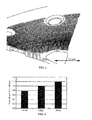
FIG. 1 is an article cast from RNX including fine dimples of complex geometry, according to an embodiment of the disclosure. -
FIG. 2 compares the low-cycle fatigue lifetime of articles formed from N2Re, R108 and RNX. -
FIG. 3 compares the creep lifetime of articles formed from N2Re, R108 and RNX. -
FIG. 4 compares the oxidation layer depth of articles made from R108 and RNX. -
FIG. 5 is a micrograph of a section from an article formed from RNX following burner rig testing, according to an embodiment of the disclosure. -
FIG. 6 is a micrograph of a section from a corresponding article formed from R108 following burner rig testing. - Wherever possible, the same reference numbers will be used throughout the drawings to represent the same parts.
- Provided are an article and a method for forming an article. Embodiments of the present disclosure, in comparison to methods and articles not using one or more of the features disclosed herein, increase corrosion resistance, increase oxidation resistance, lengthen low-cycle fatigue lifetime, increase creep lifetime, improve castability, increase phase stability at elevated temperatures, decrease cost, or a combination thereof. Embodiments of the present disclosure enable the fabrication of hot gas path components of gas turbines and aviation engines with rhenium (Re)-free nicked-based superalloys having at least as advantageous properties at elevated temperatures as rhenium (Re)-containing nicked-based superalloys, as well as having an equiaxed grain structure.
- In one embodiment, an article includes an equiaxed grain structure and a composition. The composition includes, by weight percent, about 6.0% to about 9.0% aluminum (Al), up to about 0.5% titanium (Ti), about 2.5% to about 4.5% tantalum (Ta), about 10.0% to about 12.5% chromium (Cr), about 5.0% to about 10.0% cobalt (Co), about 0.30% to about 0.80% molybdenum (Mo), about 2.0% to about 5.0% tungsten (W), up to about 1.0% silicon (Si), about 0.35% to about 0.60% hafnium (Hf), about 0.005% to about 0.010% boron (B), about 0.06% to about 0.10% carbon (C), up to about 0.02% zirconium (Zr), up to about 0.1% lanthanum (La), up to about 0.03% yttrium (Y), and balance nickel (Ni) and incidental impurities. The composition is devoid of rhenium (Re) or includes rhenium (Re) as a trace element. In a further embodiment, rhenium (Re) is present in an amount of less than about 0.01%, by weight, of the composition.
- In one embodiment the about 2.5% to about 4.5% tantalum (Ta) in the composition is completely or partially replaced by niobium (Nb) on a 1:1 molar basis. This substitution does not have any material effect on the castability or service properties of the article, but reduces the cost of the composition.
- In a further embodiment, the composition includes, by weight percent: about 6.2% to about 6.5% aluminum (Al), up to about 0.04% titanium (Ti), about 3.9% to about 4.3% tantalum (Ta), about 12.0% to about 12.5% chromium (Cr), about 7.0% to about 8.0% cobalt (Co), about 0.40% to about 0.75% molybdenum (Mo), about 4.7% to about 5.1% tungsten (W), about 0.08% to about 0.12% silicon (Si), about 0.47% to about 0.53% hafnium (Hf), about 0.005% to about 0.010% boron (B), about 0.06% to about 0.10% carbon (C), up to about 0.02% zirconium (Zr), up to about 0.1% lanthanum (La), up to about 0.03% yttrium (Y), up to about 0.01% rhenium (Re), and balance nickel (Ni) and incidental impurities.
- In one embodiment, the article is a hot gas path component of a gas turbine or an aviation engine, and wherein the hot gas path component is subjected to temperatures of at least about 2,000 °F. In a further embodiment, the hot gas path component is selected from the group consisting of a blade, a vane, a nozzle, a seal and a stationary shroud.
- In one embodiment, the method for forming the article includes providing the composition and forming the article from the composition. In a further embodiment, forming the article from the composition includes any suitable technique, including, but not limited to, casting, powder metallurgy and three-dimensional additive machining. In another embodiment, casting includes precision investment casting with variable pressure control.
- As used herein, "precision investment casting with variable pressure control" means a casting process described as follows. An ingot is heated by induction coils in a melting chamber to surface re-melting under a surface re-melting pressure. An inert gas is introduced into the melting chamber until a casting pressure is reached. The temperature is adjusted until a melt temperature is reached. When the ingot is fully converted into a melt, the melt is poured into a mold cavity under the inert gas at the casting pressure. The inert gas is maintained at the casting pressure until an article being cast solidifies. Other steps in a typical industrial casting process, such as pattern making, mold preparation and post-pour solidification, remain unchanged in precision investment casting with variable pressure control.
- In one embodiment, wherein the ingot is formed of the composition, the precision investment casting with variable pressure control includes a surface re-melting pressure of 10-3 atmospheres and an inert gas casting pressure of about 10-2 atmospheres to about 10-1 atmospheres. In a further embodiment, the inert gas is argon (Ar).
- In one embodiment, precision investment casting with variable pressure control minimizes the loss of chromium (Cr) during melting and casting. The operation of a hot gas path component of a gas turbine or an aviation engine at a temperature of at least about 2,000 °F typically requires a chromium (Cr) content, by weight, of at least about 12.0% in order to maintain hot corrosion resistance and oxidation resistance.
- In one embodiment, the composition is highly castable. As used herein, "highly castable" indicates that during casting of the composition into the article there is no lack of feeding on any fine structural features, such as surface enhancement dimples or thin ribs, solidification shrinkage is within acceptable parameters, and the article is essentially free of mold/metal or core/metal reactions. In a further embodiment, the composition provides sufficiently high internal integrity such that the composition may be cast into a hot gas path component of a gas turbine or an aviation engine subjected to temperatures of at least about 2,000 °F without requiring the use of hot isostatic pressing. Hot isostatic pressing is widely used in order to close the solidification shrinkage porosities inside a cast article and to improve the mechanical properties to meet requirements of a hot gas path component of a gas turbine or an aviation engine subjected to temperatures of at least about 2,000 °F. Eliminating a processing step of subjecting a cast article to hot isostatic pressing reduces the cost of producing the cast article.
- In one embodiment, the surface of an article formed from the composition according to the present disclosure forms a stable aluminum oxide-rich scale hot under operating conditions for the hot gas path of a gas turbine or an aviation engine. In a further embodiment, the stable aluminum oxide-rich scale retards the diffusion of reactive species in the oxidative environment and improves the oxidation and hot corrosion capabilities of the composition according to the present disclosure.
- In one embodiment (referred to herein as "RNX"), the composition according to the present disclosure includes, by weight percent, 6.25% aluminum (Al), 4.0% tantalum (Ta), 12.5% chromium (Cr), 7.5% cobalt (Co), 0.5% molybdenum (Mo), 5.0% tungsten (W), 0.5% hafnium (Hf), 0.0075% Boron (B), 0.08% carbon (C), and balance nickel (Ni) and incidental impurities.
- In one embodiment, the high castability of the composition relative to R108 is exemplified by the comparison that an article formed from RNX according to the present disclosure undergoes 50% less solidification shrinkage during casting than does a corresponding article formed from R108.
- Referring to
FIG. 1 , in one embodiment, the high castability of the composition is demonstrated by an article formed from RNX according to the present disclosure by precision investment casting with variable pressure control, wherein the article is a hot gas path component of a gas turbine, specifically a 48-pound nozzle. The nozzle includes a plurality of very small dimples having complicated geometry, wherein the nozzle includes more than about 400 dimples per square inch on a curved internal surface. The dimples are formed with a high degree of precision suitable for use under operating conditions. - In one embodiment, the tensile properties, including yield strength, ultimate strength and ductility, of an article formed from RNX according to the present disclosure are at least comparable to the tensile properties of a corresponding article formed from N2Re.
- Referring to
FIG. 2 , in one embodiment, an article formed from RNX according to the present disclosure has a low-cycle fatigue lifetime about 20% greater, alternatively about 18% to about 22% greater, than a corresponding low-cycle fatigue lifetime exhibited by a corresponding article formed from N2Re, and about 54% greater, alternatively about 50% to about 58% greater, than a corresponding low-cycle fatigue lifetime exhibited by a corresponding article formed from R108, under testing conditions of 1,800 °F and 0.6% strain with two minutes of hold time. - Referring to
FIG. 3 , in one embodiment, an article formed from RNX according to the present disclosure has a creep lifetime about 2.3 times greater, alternatively about 2.0 to about 2.6 times greater, than a corresponding creep lifetime exhibited by a corresponding article formed from N2Re, and about 28% greater, alternatively about 25% to about 31% greater, than a corresponding creep lifetime exhibited by a corresponding article formed from R108, under testing conditions of 1,800 °F and 20 ksi. - In one embodiment, an article formed from RNX according to the present disclosure has an oxidation resistance about the same as a corresponding oxidation resistance exhibited by a corresponding article formed from N2Re, and about 3 times greater, alternately about 2.7 to about 3.3 times greater, than a corresponding oxidation resistance exhibited by a corresponding article formed from R108.
- In one embodiment, an article formed from RNX according to the present disclosure has a hot corrosion resistance about the same as a corresponding hot corrosion resistance exhibited by a corresponding article formed from N2Re, and about 2 times greater, alternately about 1.8 to about 3.2 times greater, than a corresponding hot corrosion resistance exhibited by a corresponding article formed from R108.
- Referring to
FIG. 4 , a comparison is shown of the oxidation layer depth for an article formed from RNX according to the present disclosure and a corresponding article formed from R108 under testing conditions of 2,000 °F for up to 4,000 hours in a burner rig. - Referring to
FIGS. 5 and 6 , in one embodiment, following testing in a burner rig at 2,000 °F for 4,000 hours, an article formed from RNX according to the present disclosure (FIG. 5 ) includes acomposition depletion depth 502, and a corresponding article formed from R108 (FIG. 6 ) having an equiaxed grain structure includes anR108 depletion depth 602. The article formed from RNX undergoes surface depletion at about one-half the rate, alternatively about one-quarter to about three-quarters, of the corresponding article formed from R108. As used herein, "depletion" means the disappearance of a coherent strengthening phase gamma prime (γ'). - In a further embodiment, the chemical formula for γ' is Ni3(Al,Ti,Ta). Without being bound by theory, it is believed that oxidation of Al and Ti destroys γ' and causes the formation of a depletion zone. In the depletion zone, the RNX includes a weakened matrix resulting in a significantly reduced load-bearing capability. The significantly reduced load-bearing capability may lead to premature failures when an article is subjected to operating conditions. Therefore, narrowed depletion zone for an article formed from RNX according to the present disclosure represents a remarkable improvement as compared to a corresponding articled formed from R108 when the article is a hot gas path component of a gas turbine or an aviation engine.
- Both the oxidation layer depth and the pitting depth are reduced in the article formed from RNX as compared to the corresponding article formed from R108. Without being bound by theory, it is believed that hafnium (Hf) is highly reactive with oxygen, and the higher concentration of hafnium (Hf) in R108 as compared to RNX (approximately 3-fold higher) promotes hafnium (Hf) segregation during solidification of an article in a casting process, which results in more severe pitting in articles formed from alloys with higher concentrations of hafnium (Hf) (such as R108) as compared to RNX.
- While the invention has been described with reference to one or more embodiments, it will be understood by those skilled in the art that various changes may be made and equivalents may be substituted for elements thereof without departing from the scope of the invention. In addition, many modifications may be made to adapt a particular situation or material to the teachings of the invention without departing from the essential scope thereof. Therefore, it is intended that the invention not be limited to the particular embodiment disclosed as the best mode contemplated for carrying out this invention, but that the invention will include all embodiments falling within the scope of the appended claims.
Claims (15)
- An article comprising an equiaxed grain structure and a composition, wherein the composition comprises, by weight percent:about 6.0% to about 9.0% aluminum (Al);up to about 0.5% titanium (Ti);about 2.5% to about 4.5% tantalum (Ta);about 10.0% to about 12.5% chromium (Cr);about 5.0% to about 10.0% cobalt (Co);about 0.30% to about 0.80% molybdenum (Mo);about 2.0% to about 5.0% tungsten (W);up to about 1.0% silicon (Si);about 0.35% to about 0.60% hafnium (Hf);about 0.005% to about 0.010% boron (B);about 0.06% to about 0.10% carbon (C);up to about 0.02% zirconium (Zr);up to about 0.1% lanthanum (La);up to about 0.03% yttrium (Y); andbalance nickel (Ni) and incidental impurities, andwherein rhenium (Re), if present, is a trace element.
- The article of claim 1, wherein the trace element rhenium (Re) is present in an amount of less than about 0.01%, by weight, of the composition.
- The article of claim 1 or claim 2, wherein the about 2.5% to about 4.5% tantalum (Ta) is replaced completely or partially by niobium (Nb) on a 1:1 molar basis.
- The article of any preceding claim, wherein the composition further comprises, by weight percent:about 6.2% to about 6.5% aluminum (Al);up to about 0.04% titanium (Ti);about 3.9% to about 4.3% tantalum (Ta);about 12.0% to about 12.5% chromium (Cr);about 7.0% to about 8.0% cobalt (Co);about 0.40% to about 0.75% molybdenum (Mo);about 4.7% to about 5.1% tungsten (W);about 0.08% to about 0.12% silicon (Si);about 0.47% to about 0.53% hafnium (Hf);about 0.005% to about 0.010% boron (B);about 0.06% to about 0.10% carbon (C);up to about 0.02% zirconium (Zr);up to about 0.1% lanthanum (La);up to about 0.03% yttrium (Y);up to about 0.01% rhenium (Re); andbalance nickel (Ni); and incidental impurities.
- The article of any preceding claim, wherein the article is a hot gas path component of a gas turbine or an aviation engine, and wherein the hot gas path component is subjected to temperatures of at least about 1093° C (2,000° F).
- The article of claim 5, wherein the hot gas path component is selected from the group consisting of a blade, a vane, a seal and a stationary shroud.
- The article of any preceding claim, wherein the composition of the article has an oxidation resistance, the oxidation resistance being about 2 to about 4 times greater than a corresponding oxidation resistance exhibited by a corresponding composition of R108; and/or
the composition of the article has a low-cycle fatigue lifetime, the low-cycle fatigue lifetime being about 18% to about 22% greater than a corresponding low-cycle fatigue lifetime exhibited by a corresponding composition of N2Re; and/or
the composition of the article has a creep lifetime, the creep lifetime being about 2.0 to about 2.5 times greater than a corresponding creep lifetime exhibited by a corresponding composition of N2Re; and/or
the composition of the article has a hot corrosion resistance, the hot corrosion resistance being about 1.5 to about 2.5 times greater than a corresponding hot corrosion resistance exhibited by a corresponding composition of R108. - A method for forming an article, comprising:providing a composition comprising, by weight percent:about 6.0% to about 9.0% aluminum (Al);up to about 0.5% titanium (Ti);about 2.5% to about 4.5% tantalum (Ta);about 10.0% to about 12.5% chromium (Cr);about 5.0% to about 10.0% cobalt (Co);about 0.30% to about 0.80% molybdenum (Mo);about 2.0% to about 5.0% tungsten (W);up to about 1.0% silicon (Si);about 0.35% to about 0.60% hafnium (Hf);about 0.005% to about 0.010% boron (B);about 0.06% to about 0.10% carbon (C);up to about 0.02% zirconium (Zr);up to about 0.1% lanthanum (La);up to about 0.03% yttrium (Y);up to about 0.01% rhenium (Re); andbalance nickel (Ni) and incidental impurities; andforming the article, wherein the article comprises an equiaxed grain structure.
- The method of claim 8, wherein the about 2.5% to about 4.5% tantalum (Ta) is replaced completely or partially by niobium (Nb) on a 1:1 molar basis.
- The method of claim 8 or claim 9, wherein the composition further comprises, by weight percent:about 6.2% to about 6.5% aluminum (Al);up to about 0.04% titanium (Ti);about 3.9% to about 4.3% tantalum (Ta);about 12.0% to about 12.5% chromium (Cr);about 7.0% to about 8.0% cobalt (Co);about 0.40% to about 0.75% molybdenum (Mo);about 4.7% to about 5.1 % tungsten (W);about 0.08% to about 0.12% silicon (Si);about 0.47% to about 0.53% hafnium (Hf);about 0.005% to about 0.010% boron (B);about 0.06% to about 0.10% carbon (C);up to about 0.02% zirconium (Zr);up to about 0.1% lanthanum (La);up to about 0.03% yttrium (Y);up to about 0.01% rhenium (Re); andbalance nickel (Ni); and incidental impurities.
- The method of any one of claims 8 to 10, wherein the article is a hot gas path component of a gas turbine or an aviation engine, and wherein the hot gas path component is subjected to temperatures of at least about 1093° C (2,000° F).
- The method of claim 11, wherein the hot gas path component is selected from the group consisting of a blade, a vane, a nozzle, a seal and a stationary shroud.
- The method of any one of claims 8 to 11, wherein forming the article comprises casting, powder metallurgy or three-dimensional additive machining.
- The method of claim 13, wherein casting comprises precision investment casting with variable pressure control.
- The method of claim 14, wherein precision investment casting with variable pressure control comprises:a surface re-melting pressure of 10-3 atmospheres; andan inert gas casting pressure of about 10-2 atmospheres to about 10-1 atmospheres.
Priority Applications (1)
| Application Number | Priority Date | Filing Date | Title |
|---|---|---|---|
| PL15156338T PL2913417T3 (en) | 2014-02-28 | 2015-02-24 | Article and method for forming article |
Applications Claiming Priority (1)
| Application Number | Priority Date | Filing Date | Title |
|---|---|---|---|
| US14/193,198 US20150247220A1 (en) | 2014-02-28 | 2014-02-28 | Article and method for forming article |
Publications (2)
| Publication Number | Publication Date |
|---|---|
| EP2913417A1 true EP2913417A1 (en) | 2015-09-02 |
| EP2913417B1 EP2913417B1 (en) | 2017-01-11 |
Family
ID=52544405
Family Applications (1)
| Application Number | Title | Priority Date | Filing Date |
|---|---|---|---|
| EP15156338.4A Active EP2913417B1 (en) | 2014-02-28 | 2015-02-24 | Article and method for forming article |
Country Status (5)
| Country | Link |
|---|---|
| US (1) | US20150247220A1 (en) |
| EP (1) | EP2913417B1 (en) |
| JP (1) | JP6699989B2 (en) |
| HU (1) | HUE032320T2 (en) |
| PL (1) | PL2913417T3 (en) |
Cited By (1)
| Publication number | Priority date | Publication date | Assignee | Title |
|---|---|---|---|---|
| EP4043600A1 (en) * | 2021-02-11 | 2022-08-17 | General Electric Company | Nickel-based superalloy |
Citations (1)
| Publication number | Priority date | Publication date | Assignee | Title |
|---|---|---|---|---|
| EP0684321A1 (en) * | 1994-05-03 | 1995-11-29 | Cannon-Muskegon Corporation | Hot corrosion resistant single crystal nickel-based superalloys |
Family Cites Families (14)
| Publication number | Priority date | Publication date | Assignee | Title |
|---|---|---|---|---|
| US3635791A (en) * | 1969-08-04 | 1972-01-18 | Gen Motors Corp | Pressure pouring in a vacuum environment |
| CA967403A (en) * | 1971-02-23 | 1975-05-13 | International Nickel Company Of Canada | Nickel alloy with good stress rupture strength |
| US3677747A (en) * | 1971-06-28 | 1972-07-18 | Martin Marietta Corp | High temperature castable alloys and castings |
| US4152488A (en) * | 1977-05-03 | 1979-05-01 | United Technologies Corporation | Gas turbine blade tip alloy and composite |
| US5043138A (en) * | 1983-12-27 | 1991-08-27 | General Electric Company | Yttrium and yttrium-silicon bearing nickel-base superalloys especially useful as compatible coatings for advanced superalloys |
| US4915907A (en) * | 1986-04-03 | 1990-04-10 | United Technologies Corporation | Single crystal articles having reduced anisotropy |
| EP0683239B1 (en) | 1994-05-20 | 1999-01-20 | United Technologies Corporation | Oxidation resistant nickel based super alloy |
| US5523170A (en) | 1994-12-28 | 1996-06-04 | General Electric Company | Repaired article and material and method for making |
| US6640877B2 (en) | 1998-05-14 | 2003-11-04 | Howmet Research Corporation | Investment casting with improved melt filling |
| US6311760B1 (en) | 1999-08-13 | 2001-11-06 | Asea Brown Boveri Ag | Method and apparatus for casting directionally solidified article |
| JP2002167636A (en) | 2000-10-30 | 2002-06-11 | United Technol Corp <Utc> | Low density oxidation resistant superalloy material capable of thermal barrier coating retention without bond coat |
| US6905559B2 (en) * | 2002-12-06 | 2005-06-14 | General Electric Company | Nickel-base superalloy composition and its use in single-crystal articles |
| US20100254822A1 (en) | 2009-03-24 | 2010-10-07 | Brian Thomas Hazel | Super oxidation and cyclic damage resistant nickel-base superalloy and articles formed therefrom |
| US20110076181A1 (en) * | 2009-09-30 | 2011-03-31 | General Electric Company | Nickel-Based Superalloys and Articles |
-
2014
- 2014-02-28 US US14/193,198 patent/US20150247220A1/en not_active Abandoned
-
2015
- 2015-02-24 PL PL15156338T patent/PL2913417T3/en unknown
- 2015-02-24 EP EP15156338.4A patent/EP2913417B1/en active Active
- 2015-02-24 HU HUE15156338A patent/HUE032320T2/en unknown
- 2015-02-25 JP JP2015034640A patent/JP6699989B2/en active Active
Patent Citations (1)
| Publication number | Priority date | Publication date | Assignee | Title |
|---|---|---|---|---|
| EP0684321A1 (en) * | 1994-05-03 | 1995-11-29 | Cannon-Muskegon Corporation | Hot corrosion resistant single crystal nickel-based superalloys |
Cited By (2)
| Publication number | Priority date | Publication date | Assignee | Title |
|---|---|---|---|---|
| EP4043600A1 (en) * | 2021-02-11 | 2022-08-17 | General Electric Company | Nickel-based superalloy |
| US11739398B2 (en) | 2021-02-11 | 2023-08-29 | General Electric Company | Nickel-based superalloy |
Also Published As
| Publication number | Publication date |
|---|---|
| JP2015165048A (en) | 2015-09-17 |
| PL2913417T3 (en) | 2017-07-31 |
| EP2913417B1 (en) | 2017-01-11 |
| US20150247220A1 (en) | 2015-09-03 |
| JP6699989B2 (en) | 2020-05-27 |
| HUE032320T2 (en) | 2017-09-28 |
Similar Documents
| Publication | Publication Date | Title |
|---|---|---|
| CN109385589B (en) | Preparation method of Ni-based alloy parts | |
| RU2703670C9 (en) | Cobalt based alloy additive manufactured article, cobalt based alloy product, and method for manufacturing same | |
| KR102443966B1 (en) | Ni-based alloy softened powder and manufacturing method of the softened powder | |
| US7547188B2 (en) | Ni-based alloy member, method of producing the alloy member, turbine engine part, welding material, and method of producing the welding material | |
| CN106119608B (en) | Articles and methods of forming articles | |
| EP2532761B1 (en) | Cobalt-nickel base alloy and method of making an article therefrom | |
| US20110268989A1 (en) | Cobalt-nickel superalloys, and related articles | |
| EP2420584B1 (en) | Nickel-based single crystal superalloy and turbine blade incorporating this superalloy | |
| KR20200002965A (en) | Precipitation Hardening Cobalt-Nickel Base Superalloys and Articles Made therefrom | |
| KR20160046770A (en) | Ni-BASED ALLOY FOR FORGING, METHOD FOR MANUFACTURING THE SAME, AND TURBINE COMPONENT | |
| US11414727B2 (en) | Superalloy without titanium, powder, method and component | |
| JP2009149976A (en) | Ternary nickel eutectic alloy | |
| JP2015165046A (en) | Article and article manufacturing method | |
| EP2913417B1 (en) | Article and method for forming article | |
| EP4043600B1 (en) | Nickel-based superalloy | |
| JP7324254B2 (en) | Co-Based Alloy Material, Co-Based Alloy Product, and Method for Making Same | |
| JP2004332114A (en) | Nickel-based superalloy and single crystal cast | |
| TWI663263B (en) | High creep-resistant equiaxed grain nickel-based superalloy | |
| JP7160305B2 (en) | TiAl casting alloy and its manufacturing method |
Legal Events
| Date | Code | Title | Description |
|---|---|---|---|
| PUAI | Public reference made under article 153(3) epc to a published international application that has entered the european phase |
Free format text: ORIGINAL CODE: 0009012 |
|
| AK | Designated contracting states |
Kind code of ref document: A1 Designated state(s): AL AT BE BG CH CY CZ DE DK EE ES FI FR GB GR HR HU IE IS IT LI LT LU LV MC MK MT NL NO PL PT RO RS SE SI SK SM TR |
|
| AX | Request for extension of the european patent |
Extension state: BA ME |
|
| 17P | Request for examination filed |
Effective date: 20160302 |
|
| RBV | Designated contracting states (corrected) |
Designated state(s): AL AT BE BG CH CY CZ DE DK EE ES FI FR GB GR HR HU IE IS IT LI LT LU LV MC MK MT NL NO PL PT RO RS SE SI SK SM TR |
|
| GRAP | Despatch of communication of intention to grant a patent |
Free format text: ORIGINAL CODE: EPIDOSNIGR1 |
|
| RIC1 | Information provided on ipc code assigned before grant |
Ipc: C22F 1/10 20060101ALI20160722BHEP Ipc: C22C 19/05 20060101AFI20160722BHEP |
|
| INTG | Intention to grant announced |
Effective date: 20160808 |
|
| STAA | Information on the status of an ep patent application or granted ep patent |
Free format text: STATUS: GRANT OF PATENT IS INTENDED |
|
| GRAS | Grant fee paid |
Free format text: ORIGINAL CODE: EPIDOSNIGR3 |
|
| GRAA | (expected) grant |
Free format text: ORIGINAL CODE: 0009210 |
|
| STAA | Information on the status of an ep patent application or granted ep patent |
Free format text: STATUS: THE PATENT HAS BEEN GRANTED |
|
| AK | Designated contracting states |
Kind code of ref document: B1 Designated state(s): AL AT BE BG CH CY CZ DE DK EE ES FI FR GB GR HR HU IE IS IT LI LT LU LV MC MK MT NL NO PL PT RO RS SE SI SK SM TR |
|
| REG | Reference to a national code |
Ref country code: GB Ref legal event code: FG4D |
|
| REG | Reference to a national code |
Ref country code: CH Ref legal event code: EP |
|
| REG | Reference to a national code |
Ref country code: AT Ref legal event code: REF Ref document number: 861347 Country of ref document: AT Kind code of ref document: T Effective date: 20170115 |
|
| REG | Reference to a national code |
Ref country code: IE Ref legal event code: FG4D |
|
| REG | Reference to a national code |
Ref country code: FR Ref legal event code: PLFP Year of fee payment: 3 |
|
| REG | Reference to a national code |
Ref country code: DE Ref legal event code: R096 Ref document number: 602015001240 Country of ref document: DE |
|
| REG | Reference to a national code |
Ref country code: LT Ref legal event code: MG4D |
|
| REG | Reference to a national code |
Ref country code: NL Ref legal event code: MP Effective date: 20170111 |
|
| PG25 | Lapsed in a contracting state [announced via postgrant information from national office to epo] |
Ref country code: BE Free format text: LAPSE BECAUSE OF NON-PAYMENT OF DUE FEES Effective date: 20170228 |
|
| REG | Reference to a national code |
Ref country code: AT Ref legal event code: MK05 Ref document number: 861347 Country of ref document: AT Kind code of ref document: T Effective date: 20170111 |
|
| PG25 | Lapsed in a contracting state [announced via postgrant information from national office to epo] |
Ref country code: NL Free format text: LAPSE BECAUSE OF FAILURE TO SUBMIT A TRANSLATION OF THE DESCRIPTION OR TO PAY THE FEE WITHIN THE PRESCRIBED TIME-LIMIT Effective date: 20170111 |
|
| PG25 | Lapsed in a contracting state [announced via postgrant information from national office to epo] |
Ref country code: NO Free format text: LAPSE BECAUSE OF FAILURE TO SUBMIT A TRANSLATION OF THE DESCRIPTION OR TO PAY THE FEE WITHIN THE PRESCRIBED TIME-LIMIT Effective date: 20170411 Ref country code: IS Free format text: LAPSE BECAUSE OF FAILURE TO SUBMIT A TRANSLATION OF THE DESCRIPTION OR TO PAY THE FEE WITHIN THE PRESCRIBED TIME-LIMIT Effective date: 20170511 Ref country code: LT Free format text: LAPSE BECAUSE OF FAILURE TO SUBMIT A TRANSLATION OF THE DESCRIPTION OR TO PAY THE FEE WITHIN THE PRESCRIBED TIME-LIMIT Effective date: 20170111 Ref country code: FI Free format text: LAPSE BECAUSE OF FAILURE TO SUBMIT A TRANSLATION OF THE DESCRIPTION OR TO PAY THE FEE WITHIN THE PRESCRIBED TIME-LIMIT Effective date: 20170111 Ref country code: GR Free format text: LAPSE BECAUSE OF FAILURE TO SUBMIT A TRANSLATION OF THE DESCRIPTION OR TO PAY THE FEE WITHIN THE PRESCRIBED TIME-LIMIT Effective date: 20170412 Ref country code: HR Free format text: LAPSE BECAUSE OF FAILURE TO SUBMIT A TRANSLATION OF THE DESCRIPTION OR TO PAY THE FEE WITHIN THE PRESCRIBED TIME-LIMIT Effective date: 20170111 |
|
| PG25 | Lapsed in a contracting state [announced via postgrant information from national office to epo] |
Ref country code: BG Free format text: LAPSE BECAUSE OF FAILURE TO SUBMIT A TRANSLATION OF THE DESCRIPTION OR TO PAY THE FEE WITHIN THE PRESCRIBED TIME-LIMIT Effective date: 20170411 Ref country code: RS Free format text: LAPSE BECAUSE OF FAILURE TO SUBMIT A TRANSLATION OF THE DESCRIPTION OR TO PAY THE FEE WITHIN THE PRESCRIBED TIME-LIMIT Effective date: 20170111 Ref country code: SE Free format text: LAPSE BECAUSE OF FAILURE TO SUBMIT A TRANSLATION OF THE DESCRIPTION OR TO PAY THE FEE WITHIN THE PRESCRIBED TIME-LIMIT Effective date: 20170111 Ref country code: AT Free format text: LAPSE BECAUSE OF FAILURE TO SUBMIT A TRANSLATION OF THE DESCRIPTION OR TO PAY THE FEE WITHIN THE PRESCRIBED TIME-LIMIT Effective date: 20170111 Ref country code: LV Free format text: LAPSE BECAUSE OF FAILURE TO SUBMIT A TRANSLATION OF THE DESCRIPTION OR TO PAY THE FEE WITHIN THE PRESCRIBED TIME-LIMIT Effective date: 20170111 Ref country code: PT Free format text: LAPSE BECAUSE OF FAILURE TO SUBMIT A TRANSLATION OF THE DESCRIPTION OR TO PAY THE FEE WITHIN THE PRESCRIBED TIME-LIMIT Effective date: 20170511 Ref country code: ES Free format text: LAPSE BECAUSE OF FAILURE TO SUBMIT A TRANSLATION OF THE DESCRIPTION OR TO PAY THE FEE WITHIN THE PRESCRIBED TIME-LIMIT Effective date: 20170111 |
|
| REG | Reference to a national code |
Ref country code: HU Ref legal event code: AG4A Ref document number: E032320 Country of ref document: HU |
|
| REG | Reference to a national code |
Ref country code: DE Ref legal event code: R026 Ref document number: 602015001240 Country of ref document: DE |
|
| PLBI | Opposition filed |
Free format text: ORIGINAL CODE: 0009260 |
|
| PG25 | Lapsed in a contracting state [announced via postgrant information from national office to epo] |
Ref country code: RO Free format text: LAPSE BECAUSE OF FAILURE TO SUBMIT A TRANSLATION OF THE DESCRIPTION OR TO PAY THE FEE WITHIN THE PRESCRIBED TIME-LIMIT Effective date: 20170111 Ref country code: EE Free format text: LAPSE BECAUSE OF FAILURE TO SUBMIT A TRANSLATION OF THE DESCRIPTION OR TO PAY THE FEE WITHIN THE PRESCRIBED TIME-LIMIT Effective date: 20170111 Ref country code: SK Free format text: LAPSE BECAUSE OF FAILURE TO SUBMIT A TRANSLATION OF THE DESCRIPTION OR TO PAY THE FEE WITHIN THE PRESCRIBED TIME-LIMIT Effective date: 20170111 |
|
| 26 | Opposition filed |
Opponent name: SIEMENS AKTIENGESELLSCHAFT Effective date: 20171010 |
|
| PLAX | Notice of opposition and request to file observation + time limit sent |
Free format text: ORIGINAL CODE: EPIDOSNOBS2 |
|
| REG | Reference to a national code |
Ref country code: IE Ref legal event code: MM4A |
|
| PG25 | Lapsed in a contracting state [announced via postgrant information from national office to epo] |
Ref country code: DK Free format text: LAPSE BECAUSE OF FAILURE TO SUBMIT A TRANSLATION OF THE DESCRIPTION OR TO PAY THE FEE WITHIN THE PRESCRIBED TIME-LIMIT Effective date: 20170111 Ref country code: MC Free format text: LAPSE BECAUSE OF FAILURE TO SUBMIT A TRANSLATION OF THE DESCRIPTION OR TO PAY THE FEE WITHIN THE PRESCRIBED TIME-LIMIT Effective date: 20170111 Ref country code: SM Free format text: LAPSE BECAUSE OF FAILURE TO SUBMIT A TRANSLATION OF THE DESCRIPTION OR TO PAY THE FEE WITHIN THE PRESCRIBED TIME-LIMIT Effective date: 20170111 |
|
| PG25 | Lapsed in a contracting state [announced via postgrant information from national office to epo] |
Ref country code: LU Free format text: LAPSE BECAUSE OF NON-PAYMENT OF DUE FEES Effective date: 20170224 |
|
| REG | Reference to a national code |
Ref country code: BE Ref legal event code: MM Effective date: 20170228 |
|
| REG | Reference to a national code |
Ref country code: FR Ref legal event code: PLFP Year of fee payment: 4 |
|
| PG25 | Lapsed in a contracting state [announced via postgrant information from national office to epo] |
Ref country code: SI Free format text: LAPSE BECAUSE OF FAILURE TO SUBMIT A TRANSLATION OF THE DESCRIPTION OR TO PAY THE FEE WITHIN THE PRESCRIBED TIME-LIMIT Effective date: 20170111 Ref country code: IE Free format text: LAPSE BECAUSE OF NON-PAYMENT OF DUE FEES Effective date: 20170224 |
|
| PLBB | Reply of patent proprietor to notice(s) of opposition received |
Free format text: ORIGINAL CODE: EPIDOSNOBS3 |
|
| PG25 | Lapsed in a contracting state [announced via postgrant information from national office to epo] |
Ref country code: MT Free format text: LAPSE BECAUSE OF NON-PAYMENT OF DUE FEES Effective date: 20170224 |
|
| PG25 | Lapsed in a contracting state [announced via postgrant information from national office to epo] |
Ref country code: CY Free format text: LAPSE BECAUSE OF FAILURE TO SUBMIT A TRANSLATION OF THE DESCRIPTION OR TO PAY THE FEE WITHIN THE PRESCRIBED TIME-LIMIT Effective date: 20170111 |
|
| PG25 | Lapsed in a contracting state [announced via postgrant information from national office to epo] |
Ref country code: MK Free format text: LAPSE BECAUSE OF FAILURE TO SUBMIT A TRANSLATION OF THE DESCRIPTION OR TO PAY THE FEE WITHIN THE PRESCRIBED TIME-LIMIT Effective date: 20170111 |
|
| PLCK | Communication despatched that opposition was rejected |
Free format text: ORIGINAL CODE: EPIDOSNREJ1 |
|
| APBM | Appeal reference recorded |
Free format text: ORIGINAL CODE: EPIDOSNREFNO |
|
| APBP | Date of receipt of notice of appeal recorded |
Free format text: ORIGINAL CODE: EPIDOSNNOA2O |
|
| APAH | Appeal reference modified |
Free format text: ORIGINAL CODE: EPIDOSCREFNO |
|
| APBQ | Date of receipt of statement of grounds of appeal recorded |
Free format text: ORIGINAL CODE: EPIDOSNNOA3O |
|
| PG25 | Lapsed in a contracting state [announced via postgrant information from national office to epo] |
Ref country code: TR Free format text: LAPSE BECAUSE OF FAILURE TO SUBMIT A TRANSLATION OF THE DESCRIPTION OR TO PAY THE FEE WITHIN THE PRESCRIBED TIME-LIMIT Effective date: 20170111 |
|
| PG25 | Lapsed in a contracting state [announced via postgrant information from national office to epo] |
Ref country code: AL Free format text: LAPSE BECAUSE OF FAILURE TO SUBMIT A TRANSLATION OF THE DESCRIPTION OR TO PAY THE FEE WITHIN THE PRESCRIBED TIME-LIMIT Effective date: 20170111 |
|
| PLAB | Opposition data, opponent's data or that of the opponent's representative modified |
Free format text: ORIGINAL CODE: 0009299OPPO |
|
| R26 | Opposition filed (corrected) |
Opponent name: SIEMENS AKTIENGESELLSCHAFT Effective date: 20171010 |
|
| APBU | Appeal procedure closed |
Free format text: ORIGINAL CODE: EPIDOSNNOA9O |
|
| REG | Reference to a national code |
Ref country code: DE Ref legal event code: R100 Ref document number: 602015001240 Country of ref document: DE |
|
| PLBN | Opposition rejected |
Free format text: ORIGINAL CODE: 0009273 |
|
| STAA | Information on the status of an ep patent application or granted ep patent |
Free format text: STATUS: OPPOSITION REJECTED |
|
| 27O | Opposition rejected |
Effective date: 20221019 |
|
| P01 | Opt-out of the competence of the unified patent court (upc) registered |
Effective date: 20230522 |
|
| REG | Reference to a national code |
Ref country code: DE Ref legal event code: R081 Ref document number: 602015001240 Country of ref document: DE Owner name: GENERAL ELECTRIC TECHNOLOGY GMBH, CH Free format text: FORMER OWNER: GENERAL ELECTRIC COMPANY, SCHENECTADY, NY, US |
|
| REG | Reference to a national code |
Ref country code: HU Ref legal event code: GB9C Owner name: GENERAL ELECTRIC TECHNOLOGY GMBH, CH Free format text: FORMER OWNER(S): GENERAL ELECTRIC COMPANY, US |
|
| REG | Reference to a national code |
Ref country code: GB Ref legal event code: 732E Free format text: REGISTERED BETWEEN 20240222 AND 20240228 |
|
| REG | Reference to a national code |
Ref country code: CH Ref legal event code: U11 Free format text: ST27 STATUS EVENT CODE: U-0-0-U10-U11 (AS PROVIDED BY THE NATIONAL OFFICE) Effective date: 20260301 |
|
| PGFP | Annual fee paid to national office [announced via postgrant information from national office to epo] |
Ref country code: HU Payment date: 20260223 Year of fee payment: 12 |
|
| PGFP | Annual fee paid to national office [announced via postgrant information from national office to epo] |
Ref country code: GB Payment date: 20260121 Year of fee payment: 12 |
|
| PGFP | Annual fee paid to national office [announced via postgrant information from national office to epo] |
Ref country code: DE Payment date: 20260121 Year of fee payment: 12 |
|
| PGFP | Annual fee paid to national office [announced via postgrant information from national office to epo] |
Ref country code: IT Payment date: 20260121 Year of fee payment: 12 |
|
| PGFP | Annual fee paid to national office [announced via postgrant information from national office to epo] |
Ref country code: FR Payment date: 20260121 Year of fee payment: 12 |
|
| PGFP | Annual fee paid to national office [announced via postgrant information from national office to epo] |
Ref country code: CH Payment date: 20260301 Year of fee payment: 12 Ref country code: CZ Payment date: 20260211 Year of fee payment: 12 |
|
| PGFP | Annual fee paid to national office [announced via postgrant information from national office to epo] |
Ref country code: PL Payment date: 20260121 Year of fee payment: 12 |