EP2913340A1 - T cell receptor specific for wilms tumour antigen - Google Patents
T cell receptor specific for wilms tumour antigen Download PDFInfo
- Publication number
- EP2913340A1 EP2913340A1 EP14196412.2A EP14196412A EP2913340A1 EP 2913340 A1 EP2913340 A1 EP 2913340A1 EP 14196412 A EP14196412 A EP 14196412A EP 2913340 A1 EP2913340 A1 EP 2913340A1
- Authority
- EP
- European Patent Office
- Prior art keywords
- chain portion
- tcr
- cell
- cells
- cdrs
- Prior art date
- Legal status (The legal status is an assumption and is not a legal conclusion. Google has not performed a legal analysis and makes no representation as to the accuracy of the status listed.)
- Granted
Links
- 102000016266 T-Cell Antigen Receptors Human genes 0.000 title claims abstract description 135
- 108091008874 T cell receptors Proteins 0.000 title claims description 139
- 239000000427 antigen Substances 0.000 title description 6
- 108091007433 antigens Proteins 0.000 title description 6
- 102000036639 antigens Human genes 0.000 title description 6
- 201000008026 nephroblastoma Diseases 0.000 title description 3
- 210000001744 T-lymphocyte Anatomy 0.000 claims abstract description 90
- 108010047041 Complementarity Determining Regions Proteins 0.000 claims abstract description 64
- 210000004027 cell Anatomy 0.000 claims abstract description 59
- 206010028980 Neoplasm Diseases 0.000 claims abstract description 43
- 108091033319 polynucleotide Proteins 0.000 claims abstract description 36
- 239000002157 polynucleotide Substances 0.000 claims abstract description 36
- 102000040430 polynucleotide Human genes 0.000 claims abstract description 36
- 201000011510 cancer Diseases 0.000 claims abstract description 33
- 230000036210 malignancy Effects 0.000 claims abstract description 14
- 125000000539 amino acid group Chemical group 0.000 claims abstract description 13
- 108010074032 HLA-A2 Antigen Proteins 0.000 claims description 48
- 102000025850 HLA-A2 Antigen Human genes 0.000 claims description 48
- 108090000765 processed proteins & peptides Proteins 0.000 claims description 45
- 125000003275 alpha amino acid group Chemical group 0.000 claims description 29
- 102000004196 processed proteins & peptides Human genes 0.000 claims description 28
- 229920001184 polypeptide Polymers 0.000 claims description 26
- 208000032839 leukemia Diseases 0.000 claims description 21
- 108010081208 RMFPNAPYL Proteins 0.000 claims description 20
- 239000013598 vector Substances 0.000 claims description 20
- 239000013604 expression vector Substances 0.000 claims description 18
- 230000001177 retroviral effect Effects 0.000 claims description 17
- 238000000034 method Methods 0.000 claims description 16
- 150000001413 amino acids Chemical class 0.000 claims description 10
- 206010006187 Breast cancer Diseases 0.000 claims description 6
- 208000026310 Breast neoplasm Diseases 0.000 claims description 6
- 206010009944 Colon cancer Diseases 0.000 claims description 6
- 206010058467 Lung neoplasm malignant Diseases 0.000 claims description 6
- 208000029742 colonic neoplasm Diseases 0.000 claims description 6
- 201000005202 lung cancer Diseases 0.000 claims description 6
- 208000020816 lung neoplasm Diseases 0.000 claims description 6
- 210000004962 mammalian cell Anatomy 0.000 claims description 6
- 206010033128 Ovarian cancer Diseases 0.000 claims description 5
- 206010061535 Ovarian neoplasm Diseases 0.000 claims description 5
- 206010039491 Sarcoma Diseases 0.000 claims description 4
- 208000005017 glioblastoma Diseases 0.000 claims description 4
- 201000001441 melanoma Diseases 0.000 claims description 4
- 210000005260 human cell Anatomy 0.000 claims description 3
- 208000013077 thyroid gland carcinoma Diseases 0.000 claims description 2
- 210000001151 cytotoxic T lymphocyte Anatomy 0.000 description 17
- 210000004369 blood Anatomy 0.000 description 16
- 239000008280 blood Substances 0.000 description 16
- 108090000623 proteins and genes Proteins 0.000 description 14
- 102100035360 Cerebellar degeneration-related antigen 1 Human genes 0.000 description 13
- 230000002147 killing effect Effects 0.000 description 11
- 235000001014 amino acid Nutrition 0.000 description 9
- 230000002998 immunogenetic effect Effects 0.000 description 9
- 230000014509 gene expression Effects 0.000 description 8
- 210000004899 c-terminal region Anatomy 0.000 description 7
- 235000018102 proteins Nutrition 0.000 description 7
- 102000004169 proteins and genes Human genes 0.000 description 7
- 210000004881 tumor cell Anatomy 0.000 description 7
- 238000012546 transfer Methods 0.000 description 6
- 210000000130 stem cell Anatomy 0.000 description 5
- 238000002560 therapeutic procedure Methods 0.000 description 5
- 238000013459 approach Methods 0.000 description 4
- 239000002773 nucleotide Substances 0.000 description 4
- 125000003729 nucleotide group Chemical group 0.000 description 4
- 210000003819 peripheral blood mononuclear cell Anatomy 0.000 description 4
- 238000010361 transduction Methods 0.000 description 4
- 230000026683 transduction Effects 0.000 description 4
- 238000002054 transplantation Methods 0.000 description 4
- 108091026890 Coding region Proteins 0.000 description 3
- 238000010586 diagram Methods 0.000 description 3
- 238000004519 manufacturing process Methods 0.000 description 3
- 230000000638 stimulation Effects 0.000 description 3
- 238000001890 transfection Methods 0.000 description 3
- 101710145634 Antigen 1 Proteins 0.000 description 2
- 108020004414 DNA Proteins 0.000 description 2
- 101000621309 Homo sapiens Wilms tumor protein Proteins 0.000 description 2
- 102100037850 Interferon gamma Human genes 0.000 description 2
- 108010074328 Interferon-gamma Proteins 0.000 description 2
- 108091092195 Intron Proteins 0.000 description 2
- 238000010240 RT-PCR analysis Methods 0.000 description 2
- 208000024770 Thyroid neoplasm Diseases 0.000 description 2
- 102100022748 Wilms tumor protein Human genes 0.000 description 2
- 230000000259 anti-tumor effect Effects 0.000 description 2
- 230000001580 bacterial effect Effects 0.000 description 2
- 238000013461 design Methods 0.000 description 2
- 239000003814 drug Substances 0.000 description 2
- 201000010536 head and neck cancer Diseases 0.000 description 2
- 208000014829 head and neck neoplasm Diseases 0.000 description 2
- 210000003958 hematopoietic stem cell Anatomy 0.000 description 2
- 230000000977 initiatory effect Effects 0.000 description 2
- 210000005259 peripheral blood Anatomy 0.000 description 2
- 239000011886 peripheral blood Substances 0.000 description 2
- 238000011160 research Methods 0.000 description 2
- 201000002510 thyroid cancer Diseases 0.000 description 2
- 210000001519 tissue Anatomy 0.000 description 2
- 241001515965 unidentified phage Species 0.000 description 2
- 108091032973 (ribonucleotides)n+m Proteins 0.000 description 1
- 101150028074 2 gene Proteins 0.000 description 1
- 101150033426 2.5 gene Proteins 0.000 description 1
- 101150100859 45 gene Proteins 0.000 description 1
- 108010075254 C-Peptide Proteins 0.000 description 1
- 210000003359 CD4-positive helper T lymphocyte Anatomy 0.000 description 1
- 108020004705 Codon Proteins 0.000 description 1
- 241000588724 Escherichia coli Species 0.000 description 1
- 102100031573 Hematopoietic progenitor cell antigen CD34 Human genes 0.000 description 1
- 241000238631 Hexapoda Species 0.000 description 1
- 101100005713 Homo sapiens CD4 gene Proteins 0.000 description 1
- 101000777663 Homo sapiens Hematopoietic progenitor cell antigen CD34 Proteins 0.000 description 1
- 101000914514 Homo sapiens T-cell-specific surface glycoprotein CD28 Proteins 0.000 description 1
- 108010002350 Interleukin-2 Proteins 0.000 description 1
- 108010002586 Interleukin-7 Proteins 0.000 description 1
- 108020004684 Internal Ribosome Entry Sites Proteins 0.000 description 1
- 241001465754 Metazoa Species 0.000 description 1
- 240000004808 Saccharomyces cerevisiae Species 0.000 description 1
- MTCFGRXMJLQNBG-UHFFFAOYSA-N Serine Natural products OCC(N)C(O)=O MTCFGRXMJLQNBG-UHFFFAOYSA-N 0.000 description 1
- 206010042971 T-cell lymphoma Diseases 0.000 description 1
- 208000027585 T-cell non-Hodgkin lymphoma Diseases 0.000 description 1
- 102100027213 T-cell-specific surface glycoprotein CD28 Human genes 0.000 description 1
- AYFVYJQAPQTCCC-UHFFFAOYSA-N Threonine Natural products CC(O)C(N)C(O)=O AYFVYJQAPQTCCC-UHFFFAOYSA-N 0.000 description 1
- 239000004473 Threonine Substances 0.000 description 1
- 108091023040 Transcription factor Proteins 0.000 description 1
- 102000040945 Transcription factor Human genes 0.000 description 1
- 108700020467 WT1 Proteins 0.000 description 1
- 102000040856 WT1 Human genes 0.000 description 1
- 230000001594 aberrant effect Effects 0.000 description 1
- 238000010171 animal model Methods 0.000 description 1
- 239000011324 bead Substances 0.000 description 1
- 230000009286 beneficial effect Effects 0.000 description 1
- 210000001185 bone marrow Anatomy 0.000 description 1
- 210000000481 breast Anatomy 0.000 description 1
- 230000005859 cell recognition Effects 0.000 description 1
- 238000010367 cloning Methods 0.000 description 1
- 235000018417 cysteine Nutrition 0.000 description 1
- XUJNEKJLAYXESH-UHFFFAOYSA-N cysteine Natural products SCC(N)C(O)=O XUJNEKJLAYXESH-UHFFFAOYSA-N 0.000 description 1
- 230000016396 cytokine production Effects 0.000 description 1
- 210000005220 cytoplasmic tail Anatomy 0.000 description 1
- 230000002939 deleterious effect Effects 0.000 description 1
- 239000012636 effector Substances 0.000 description 1
- 230000000694 effects Effects 0.000 description 1
- 238000012407 engineering method Methods 0.000 description 1
- 238000002474 experimental method Methods 0.000 description 1
- 230000002068 genetic effect Effects 0.000 description 1
- 238000010353 genetic engineering Methods 0.000 description 1
- 239000000833 heterodimer Substances 0.000 description 1
- 230000036039 immunity Effects 0.000 description 1
- 230000001024 immunotherapeutic effect Effects 0.000 description 1
- 238000009169 immunotherapy Methods 0.000 description 1
- 238000000338 in vitro Methods 0.000 description 1
- 238000001727 in vivo Methods 0.000 description 1
- 230000001939 inductive effect Effects 0.000 description 1
- 230000010354 integration Effects 0.000 description 1
- 238000010212 intracellular staining Methods 0.000 description 1
- 230000001404 mediated effect Effects 0.000 description 1
- 239000012528 membrane Substances 0.000 description 1
- 238000010369 molecular cloning Methods 0.000 description 1
- 210000001616 monocyte Anatomy 0.000 description 1
- 210000001672 ovary Anatomy 0.000 description 1
- 239000002245 particle Substances 0.000 description 1
- 210000005105 peripheral blood lymphocyte Anatomy 0.000 description 1
- 210000000557 podocyte Anatomy 0.000 description 1
- 230000001124 posttranscriptional effect Effects 0.000 description 1
- 230000003389 potentiating effect Effects 0.000 description 1
- 230000035755 proliferation Effects 0.000 description 1
- 230000001105 regulatory effect Effects 0.000 description 1
- 239000007787 solid Substances 0.000 description 1
- 230000010473 stable expression Effects 0.000 description 1
- 210000001550 testis Anatomy 0.000 description 1
- 230000001225 therapeutic effect Effects 0.000 description 1
- 238000004448 titration Methods 0.000 description 1
- 241001430294 unidentified retrovirus Species 0.000 description 1
- 210000005253 yeast cell Anatomy 0.000 description 1
Images






Classifications
-
- C—CHEMISTRY; METALLURGY
- C07—ORGANIC CHEMISTRY
- C07K—PEPTIDES
- C07K14/00—Peptides having more than 20 amino acids; Gastrins; Somatostatins; Melanotropins; Derivatives thereof
- C07K14/435—Peptides having more than 20 amino acids; Gastrins; Somatostatins; Melanotropins; Derivatives thereof from animals; from humans
- C07K14/705—Receptors; Cell surface antigens; Cell surface determinants
- C07K14/70503—Immunoglobulin superfamily
- C07K14/7051—T-cell receptor (TcR)-CD3 complex
-
- A—HUMAN NECESSITIES
- A61—MEDICAL OR VETERINARY SCIENCE; HYGIENE
- A61K—PREPARATIONS FOR MEDICAL, DENTAL OR TOILETRY PURPOSES
- A61K40/00—Cellular immunotherapy
- A61K40/10—Cellular immunotherapy characterised by the cell type used
- A61K40/11—T-cells, e.g. tumour infiltrating lymphocytes [TIL] or regulatory T [Treg] cells; Lymphokine-activated killer [LAK] cells
-
- A—HUMAN NECESSITIES
- A61—MEDICAL OR VETERINARY SCIENCE; HYGIENE
- A61K—PREPARATIONS FOR MEDICAL, DENTAL OR TOILETRY PURPOSES
- A61K40/00—Cellular immunotherapy
- A61K40/30—Cellular immunotherapy characterised by the recombinant expression of specific molecules in the cells of the immune system
- A61K40/32—T-cell receptors [TCR]
-
- A—HUMAN NECESSITIES
- A61—MEDICAL OR VETERINARY SCIENCE; HYGIENE
- A61K—PREPARATIONS FOR MEDICAL, DENTAL OR TOILETRY PURPOSES
- A61K40/00—Cellular immunotherapy
- A61K40/40—Cellular immunotherapy characterised by antigens that are targeted or presented by cells of the immune system
- A61K40/41—Vertebrate antigens
- A61K40/42—Cancer antigens
- A61K40/4242—Transcription factors, e.g. SOX or c-MYC
- A61K40/4243—Wilms tumor 1 [WT1]
-
- A—HUMAN NECESSITIES
- A61—MEDICAL OR VETERINARY SCIENCE; HYGIENE
- A61P—SPECIFIC THERAPEUTIC ACTIVITY OF CHEMICAL COMPOUNDS OR MEDICINAL PREPARATIONS
- A61P35/00—Antineoplastic agents
-
- A—HUMAN NECESSITIES
- A61—MEDICAL OR VETERINARY SCIENCE; HYGIENE
- A61P—SPECIFIC THERAPEUTIC ACTIVITY OF CHEMICAL COMPOUNDS OR MEDICINAL PREPARATIONS
- A61P35/00—Antineoplastic agents
- A61P35/02—Antineoplastic agents specific for leukemia
-
- C—CHEMISTRY; METALLURGY
- C12—BIOCHEMISTRY; BEER; SPIRITS; WINE; VINEGAR; MICROBIOLOGY; ENZYMOLOGY; MUTATION OR GENETIC ENGINEERING
- C12N—MICROORGANISMS OR ENZYMES; COMPOSITIONS THEREOF; PROPAGATING, PRESERVING, OR MAINTAINING MICROORGANISMS; MUTATION OR GENETIC ENGINEERING; CULTURE MEDIA
- C12N15/00—Mutation or genetic engineering; DNA or RNA concerning genetic engineering, vectors, e.g. plasmids, or their isolation, preparation or purification; Use of hosts therefor
- C12N15/09—Recombinant DNA-technology
- C12N15/63—Introduction of foreign genetic material using vectors; Vectors; Use of hosts therefor; Regulation of expression
- C12N15/79—Vectors or expression systems specially adapted for eukaryotic hosts
- C12N15/85—Vectors or expression systems specially adapted for eukaryotic hosts for animal cells
- C12N15/86—Viral vectors
-
- C—CHEMISTRY; METALLURGY
- C12—BIOCHEMISTRY; BEER; SPIRITS; WINE; VINEGAR; MICROBIOLOGY; ENZYMOLOGY; MUTATION OR GENETIC ENGINEERING
- C12N—MICROORGANISMS OR ENZYMES; COMPOSITIONS THEREOF; PROPAGATING, PRESERVING, OR MAINTAINING MICROORGANISMS; MUTATION OR GENETIC ENGINEERING; CULTURE MEDIA
- C12N5/00—Undifferentiated human, animal or plant cells, e.g. cell lines; Tissues; Cultivation or maintenance thereof; Culture media therefor
- C12N5/06—Animal cells or tissues; Human cells or tissues
- C12N5/0602—Vertebrate cells
- C12N5/0634—Cells from the blood or the immune system
- C12N5/0636—T lymphocytes
-
- C—CHEMISTRY; METALLURGY
- C12—BIOCHEMISTRY; BEER; SPIRITS; WINE; VINEGAR; MICROBIOLOGY; ENZYMOLOGY; MUTATION OR GENETIC ENGINEERING
- C12N—MICROORGANISMS OR ENZYMES; COMPOSITIONS THEREOF; PROPAGATING, PRESERVING, OR MAINTAINING MICROORGANISMS; MUTATION OR GENETIC ENGINEERING; CULTURE MEDIA
- C12N7/00—Viruses; Bacteriophages; Compositions thereof; Preparation or purification thereof
-
- C—CHEMISTRY; METALLURGY
- C12—BIOCHEMISTRY; BEER; SPIRITS; WINE; VINEGAR; MICROBIOLOGY; ENZYMOLOGY; MUTATION OR GENETIC ENGINEERING
- C12N—MICROORGANISMS OR ENZYMES; COMPOSITIONS THEREOF; PROPAGATING, PRESERVING, OR MAINTAINING MICROORGANISMS; MUTATION OR GENETIC ENGINEERING; CULTURE MEDIA
- C12N2740/00—Reverse transcribing RNA viruses
- C12N2740/00011—Details
- C12N2740/10011—Retroviridae
- C12N2740/10041—Use of virus, viral particle or viral elements as a vector
- C12N2740/10043—Use of virus, viral particle or viral elements as a vector viral genome or elements thereof as genetic vector
Definitions
- the present invention relates to therapeutically useful molecules, in particular to T cell receptors (TCRs) which may be introduced into a patient's own T cells in order to direct the T cells to kill cancer cells within the patient, particularly cancer cells which express the Wilms Tumour antigen-1 (WT1).
- TCRs T cell receptors
- WT1 Wilms Tumour antigen-1
- cytotoxic T lymphocytes have been shown to mediate tumour regression in animal models ( Kast et al (1989) Cell 59, 603-614 ) and in man ( Kawakami et al (1994) Proc. Natl. Acad. Sci. USA 91, 6458-6462 ; Dudley (2002) Science 298, 850-854 ).
- a problem that needs to be overcome is that the therapy must destroy or inactivate the target tumour cells to a useful extent but that the therapy must not destroy or inactivate non-tumour cells to a deleterious extent. In other words, it is desirable if the therapy is selective for tumour cells to a beneficial extent.
- WT1 an embryonic transcription factor
- WT1 an embryonic transcription factor
- Aberrant expression was observed in breast cancer, ovarian cancer, melanoma, lung cancer, colon cancer, thyroid cancer, head and neck cancer, glioblastoma, sarcoma and leukaemia including CML and AML
- RMFPNAPYL which we have also termed pWT126
- pWT126 peptide epitopes disclosed in WO00/26249
- pWT126 kill HLA-A2-positive targets coated with the WT1-derived peptide pWT126
- kill fresh HLA-A2-positive leukaemia cells expressing WT1 Gao et al (2000) Blood 95, 2198-2203
- kill HLA-A2-positive leukemia CFU progenitor cells Gao et al (2000) Blood 95, 2198-2203 ; Bellantuono et al (2002) Blood 100, 3835-3837
- kill HLA-A2-positive leukaemia LTC-IC stem cells Bellantuono et al (2002) Blood 100, 3835-3837
- kill HLA-A2-positive NOD/SCID leukaemia initiating cells Gao et al (2003) Trans
- the present inventors have now cloned a TCR that is specific to RMFPNAPYL, a peptide of WT1 which is presented by HLA-A2 class I molecules, and have shown that introducing the TCR into either CD4-positive or CD8-positive T cells confers on the engineered T cells the ability to kill cancer cells which express WT1 endogenously.
- the inventors have defined the molecular structure of the TCR, identified the complementarity determining regions (CDRs), and describe how to make recombinant TCRs which are believed to retain the same specificity of the parent molecule.
- the TCRs may usefully be introduced into a T cell derived from a patient (preferably an HLA-A2-positive patient) suffering from a malignancy (where the patient's tumour cells express WT1), and the engineered T cell introduced into the patient in order to combat the malignancy.
- a patient preferably an HLA-A2-positive patient
- the engineered T cell introduced into the patient in order to combat the malignancy.
- it is proposed to take T cells from patients with breast cancer, colon cancer, lung cancer, other solid cancers or leukaemia, transduce them in vitro with a retroviral vector containing the TCR genes, and re-infuse the transduced T cells into the patients.
- the credibility of this approach is confirmed by the demonstration in the Examples that the WT1-specific TCR genes can be transferred into human T cells, that the genes give raise to TCR expression on the surface of recipient T cells, that the recipient T cells can kill HLA-A2-positive target cells coated with the pWT126 peptide and HLA-A2-positive tumour cells expressing WT1 endogenously.
- T cell receptors TCRs
- TCRs T cell receptors
- ⁇ class TCRs
- the TCRs are made up of a separate alpha chain and a separate beta chain which form a heterodimer which is T cell membrane associated.
- Each alpha and beta chain is made up of regions which, in order from the N terminus to the C terminus are a leader sequence, a variable region, a constant region, a connecting sequence, a transmembrane region and a cytoplasmic tail region (see Figure 14 for a graphical representation of ⁇ TCR structure).
- the variable region of the alpha chain is called the V ⁇ region and the variable region of the beta chain is called the V ⁇ region.
- the constant region of the alpha chain is called the C ⁇ region and the constant region of the beta chain is called the C ⁇ region.
- the job of the ⁇ TCR is to recognise and bind to a peptide presented in a HLA molecule of a cell in the body.
- the TCR cannot recognise and bind the peptide unless it is presented by a particular HLA molecule, and the TCR cannot recognise a HLA molecule unless it is presenting the specific peptide.
- T cells harboring a specific TCR will target cells which are presenting a specific peptide in a particular HLA molecule on a cell (ie a peptide-HLA complex), and this is the main principle of T cell-based immunity.
- the peptide-HLA complex is recognised by the combined V regions of the alpha and beta chains of the TCR.
- it is the complementarity determining regions (CDRs) of the V regions which mediate recognition of the peptide-HLA complex.
- CDRs complementarity determining regions
- the V region of the alpha and beta chains of the natural TCR are made up of, in order in an N-terminal to C-terminal direction, FR1, CDR1, FR2, CDR2, FR3 and CDR3, where FR stands for "framework region” and CDR stands for "complementarity determining region”.
- the FRs and CDRs of the alpha and beta chains are different.
- a first aspect of the invention provides a T cell receptor (TCR) molecule containing an alpha chain portion and a beta chain portion wherein the alpha chain portion contains three complementarity determining regions (CDRs):
- the CDR3 of the ⁇ chains may be defined to be longer than in the nomenclature system used in the Immunogenetics (IMGT) database described below. Also, in some nomenclature systems the CDR3 of the ⁇ chains may be defined to be shorter than in the IMGT system. Similarly, the constant portion may or may not include framework residues flanking the CDR3 region in the different nomenclature systems.
- IMGT system CDR3 ⁇ may have the amino acid sequence VVSPFSGGGADGLT and the constant portion includes the framework amino acid sequence FGKGTHLIIQP (see Figure 5 ).
- CUR3 ⁇ comprises or consists of the amino acid sequence SPFSGGGADGLT, the framework region immediately C-terminal to this has the amino acid sequence FGKGTHLIIQP and the constant region begins with the amino acid sequence YIQNP ... (see Figure 5 ).
- CDR3 ⁇ may have the amino acid sequence SARDGGEG and the constant region immediately C-terminal to this includes the framework amino acid sequence SETQY ... ( Figure 4 ).
- CDR3 ⁇ comprises or consists of the amino acid sequence RDGGEGSETQY and the framework region immediately C-terminal to this has the amino acid sequence FGPGTRLLVL and the immediately C-terminal constant region begins with the amino acid sequence EDLKN ... (see Figure 6 ).
- TCR molecule we include any molecule which contains the given CDRs and also contains FRs suitably situated within the molecule so that the CDRs form a recognition site (combining site) which is able to bind to HLA-A2 presenting the peptide RMFPNAPYL (ie a HLA-A2/RMFPNAPYL complex).
- the TCR molecules contain the precise CDR amino acid sequences as given above and in Figures 2 and 4 and in Figures 5 and 6 .
- this precise sequence preferably varies by one or two or three (preferably one or two) amino acids in one or two or three or four or five or all six CDRs.
- the amino acids which are replaced are replaced with conservative amino acids.
- conservative amino acids we include the groupings: G, A; S, A, T; F, Y, W; D, E; N, Q; and I, L, V.
- TCR alpha chains and TCR beta chains are well known in the art, some of which are described in the IMGT (Immunogenetics) database at http://imgt.cines.fr . See also Lefranc (2003) Dev. Comp. Immunol. 27, 55-77 .
- IMGT Immunogenetics
- the structural basis of T cell recognition is reviewed in Garcia et al (1999) Ann. Rev. Immunol. 17, 369-397 , and the information contained therein may be used to design and synthesise CDR-grafted TCRs (and CDRs defined on the basis of this nomenclature are noted above).
- the FRs into which the particular CDRs are grafted are FRs of human TCR alpha or beta chains.
- the alpha chain CDRs are grafted into alpha chain FRs
- beta chain CDRs are grafted to beta chain FRs.
- the three CDRs in the alpha chain and the three CDRs in the beta chain replace, in order, CDRs in other human alpha and beta chains, respectively. See Lefranc (2003) Dev. Comp. Immunol. 27,55-77 .
- T cells expressing the TCR molecule recognise the HLA-A2 presenting peptide RMFPNAPYL with substantially the same avidity as the TCR molecule which consists of the alpha and beta chains as described in Figures 2 and 4 .
- This can be measured by retroviral-mediated transfer of the TCR into T cells followed by peptide titration experiments with the TCR-transduced T cells as outlined, for example, in Gao et al (2000) Blood 95, 2198-2203 .
- the TCR molecule preferably contains an alpha chain portion containing, in N-terminal to C-terminal order, FR1 ⁇ -CDR1 ⁇ -FR2 ⁇ -CDR2 ⁇ -FR3 ⁇ -CDR3 ⁇ , and a beta chain portion containing, in N-terminal to C-terminal order, FR1 ⁇ -CDR1 ⁇ -FR2 ⁇ -CDR2 ⁇ -FR3 ⁇ -CDR3 ⁇ as shown in Figures 2 and 4 , respectively and in Figures 5 and 6 , respectively.
- the TCR molecule contains the V region of both the alpha chain and the beta chain of the TCR polypeptide chains shown in Figures 2 and 4 , and in Figures 5 and 6 .
- the alpha chain portion and the beta chain portion are present on different polypeptide chains.
- the TCR molecule contains an alpha chain which contains the V region and the C region of the polypeptide chain shown in Figure 2 (or Figure 5 ), and also contains a beta chain which contains the V region and C region of the polypeptide chain shown in Figure 4 (or Figure 6 ).
- the TCR molecule consists of a molecule containing the complete alpha chain shown in Figure 2 and the complete beta chain shown in Figure 4 .
- the leader sequence is cleaved off the mature alpha chain and beta chain.
- the alpha chain portion and the beta chain portion of the TCR molecule are present in the same polypeptide chain.
- Single chain TCR molecules are described in Chung et al (1994) Proc. Natl. Acad. Sci. USA 91, 12654-12658 , and the principles described therein may readily be applied to the production of single chain TCR molecules which contain the specified CDRs.
- the single chain TCR molecules typically contain the V ⁇ , V ⁇ and C ⁇ domains fused in the same polypeptide chain, and typically in that order (from N-terminus to C-terminus).
- the two-chain TCR molecules of the invention may be used to introduce to create antigen-specific CTL as described in more detail below (by using polynucleotides that encode the relevant chains).
- the single chain TCRs may also be used for this purpose, and have the advantage that they do not pair with endogenous TCRs.
- Single chain TCRs may also be used as soluble constructs in a way similar to antibodies. In this case, the single chain constructs do not contain a transmembrane region (see Chung et al supra and Boulter et al supra ).
- a second aspect of the invention provides a polynucleotide encoding the alpha chain portion as defined in the first aspect of the invention.
- a third aspect of the invention provides a polynucleotide encoding the beta chain portion as defined in the first aspect of the invention.
- the alpha chain portion and the beta chain portion are present on different polypeptide chains, and it is convenient (but not mandatory) that each polypeptide is encoded by a separate polynucleotide.
- Preferred polynucleotides encoding the alpha and beta chains are described in Figures 1 and 2 , respectively.
- the two polypeptides may be encoded on the same polynucleotide, in which case the two coding regions may be linked by an (Internal Ribosome Entry Site) IRES sequence, and typically would have its own translational start and stop codons.
- IRES sequence typically would have its own translational start and stop codons.
- such constructs typically contain two promoters, one for each TCR chain.
- alpha chain portion and the beta chain portion are present in the same polypeptide, in which case a single polynucleotide may encode the single chain polypeptide.
- the polynucleotide may be DNA or RNA, and it may or may not contain introns. Typically, the polynucleotide does not contain introns within the region that codes for the polypeptide of interest. It will be appreciated that different polynucleotides may encode the same polypeptide because of the degeneracy of the genetic code.
- the invention also provides an expression vector that contains the polynucleotide of the invention.
- Such expression vectors when present in a suitable host cell, allow for the expression of the polypeptide(s) of interest.
- the expression vector is an expression vector capable of expressing a polypeptide in a mammalian cell. More preferably, the expression vector is one which is able to express a polypeptide in a T cell, such as a human CTL.
- the expression vectors contain a promoter which is active in particular cell types, and which may be controllable (eg inducible).
- the vector is suitably a retroviral vector which is capable of transfection into a mammalian host cell such as a human T cell.
- the vector is a lentiviral vector.
- a further aspect of the invention provides a host cell comprising a polynucleotide of the invention or a vector of the invention.
- the host cell may contain a polynucleotide or vector which encodes only the alpha chain portion or only the beta chain portion.
- the host cell is to produce a TCR molecule of the invention, it contains one or more polynucleotides or vectors which encode both the alpha chain portion and the beta chain portion.
- the host cell may be any cell such as a bacterial cell, yeast cell, insect cell, plant cell or mammalian cell, and methods of introducing polynucleotides into such cells are well known in the art.
- bacterial cells such as Escherichia coli cells are used for general propagation and manipulation of the polynucleotides and vectors of the invention.
- Other host cells may be used to express the TCR molecules of the invention and, in particular, the cell may be a mammalian cell such as a human cell.
- the host cell is a T cell such as (and preferably) a T cell derived from a patient to be treated, typically a patient with a WT1-expressing malignancy.
- a retroviral vector (or, as the case may be vectors) encoding the TCR molecule of the invention is used based on its ability to infect mature human CD4 + or CD8 + T lymphocytes and to mediate gene expression: the retroviral vector system Kat is one preferred possibility (see Finer et al (1994) Blood 83, 43 ).
- High titre amphotrophic retrovirus are used to infect purified CD8 + T lymphocytes isolated from the peripheral blood of tumour patients following a protocol published by Roberts et al (1994) Blood 84, 2878-2889 , incorporated herein by reference.
- Anti-CD3 antibodies are used to trigger proliferation T cells, which facilitates retroviral integration and stable expression of single chain TCRs.
- a combination of anti-CD3 and anti-CD8 antibodies may be more effective than anti-CD3 antibodies alone.
- Other suitable systems for introducing genes into CTL are described in Moritz et al (1994) Proc. Natl. Acad. Sci. USA 91, 4318-4322 , incorporated herein by reference. Eshhar et al (1993) Proc. Natl. Acad. Sci. USA 90, 720-724 and Hwu et al (1993) J. Exp. Med. 178, 361-366 also describe the transfection of CTL.
- the commercially available Nuclofactor system, provided by AMAXA, Germany may be used to transfect T cells. Retroviral transduction of human CD8 + T cells is described in Stanislawski (2001) Nat. Immunol. 2 , 962.
- a further aspect of the invention provides a method of combating a WT-1 expressing malignancy in a patient, the method comprising introducing into the patient a T cell, preferably derived from the patient, which is modified to express the TCR molecule of the invention.
- a T cell preferably derived from the patient, which is modified to express the TCR molecule of the invention.
- T cells are obtained from the patient, (2) a polynucleotide or polynucleotides encoding and capable of expressing the TCR molecule of the invention are introduced into the T cells ex vivo and (3) the engineered T cells are introduced into the patient. It is particularly preferred if the T cells are the patient's T cells (ie autologous).
- the patient is HLA-A2 positive.
- the specificity of the T cell is changed by the introduction of the TCR molecule of the invention.
- the T cells are typically isolated from peripheral blood mononuclear cells (PBMCs), and may be CD4 + and CD8 + cells.
- PBMCs peripheral blood mononuclear cells
- the cells are activated using an antibody (eg an anti-CD3 or anti-CD28 antibody) so that they become receptive to transfection, for example with one or more retroviral vectors encoding the TCR molecules of the invention.
- an antibody eg an anti-CD3 or anti-CD28 antibody
- the number of cells isolated, transfected and returned to the patient may be determined by the physician.
- Cells may be taken from a patient after a clinical response, cryopreserved, transfected and re-infused if the same patient relapses.
- Whether or not a malignancy is one which expresses WT1 may be determined, for example using reverse transcriptase-polymerase chain reaction (RT-PCR) or using intracellular staining techniques for the WT1 protein (which may be anti-WT1 antibodies).
- RT-PCR reverse transcriptase-polymerase chain reaction
- intracellular staining techniques for the WT1 protein which may be anti-WT1 antibodies.
- the patient is preferably a human patient although animals may be used in a research situation. It is particularly preferred that the patient is HLA-A2 positive. Whether or not a patient is HLA-A2 positive can be determined by methods well known in the art.
- the patient is suffering from any one or more of leukaemia, breast cancer, colon cancer, lung cancer, ovarian cancer, melanoma, thyroid cancer, head and neck cancer, glioblastoma, and sarcoma.
- a further aspect of the invention provides the use of a T cell, preferably a patient derived T cell, which is modified to express the TCR molecule of the invention in the manufacture of a medicament for combating a WT1-expressing malignancy in the patient.
- TCR molecules in which one or more of the CDRs differ in sequence from the precise CDR sequences given in Figures 2 and 4 form part of the invention.
- such TCR molecules are able to recognise the HLA-A2/RMFPNAPYL complex more effectively than a TCR molecule with the precise CDR sequences.
- a further aspect of the invention provides a method of selecting a TCR molecule with improved binding to an HLA-A2/RMFPNAPYL complex comprising (a) providing a TCR molecule containing an alpha chain portion and a beta chain portion wherein the alpha chain portion contains three complementarity determining regions (CDRs):
- TCR molecules with altered CDRs can readily be made by protein engineering methods.
- a TCR display library may be made in which the alpha chain and/or beta chain CDR regions are mutagenised and the TCR molecules displayed using retroviral transduction on the surface of a T cell lymphoma (see Kessels et al (2000) Proc. Natl. Acad. Sci. USA 97, 14578-14583 ), or on the surface of a yeast or a bacteriophage.
- a HLA-A2/RMFPNAPYL complex may be used to select cells or bacteriophages which bind the complex with high affinity by virtue of the TCR molecule that they present.
- TCR molecules which have a higher binding affinity (lower K D ) than a TCR molecule with the precise CDR sequences are selected for further study.
- TCR Functionally active T cell receptor
- TCR T cell receptor
- pWT126 a peptide
- RMFPNAPYL Wilms Tumour antigen-1
- WT1 transcription factor is expressed in various human malignancies, including leukaemia, breast cancer, colon cancer, lung cancer, ovarian cancer and others.
- the CTL from which the TCR was cloned show killing activity against human cancer cells that express WT1, but not against normal human cells that express physiological levels of WT1.
- the therapeutic goal is to equip patient T cells with this potent and specific killing activity by transfer of the genes encoding the TCR.
- TCR genes into retroviral vectors and demonstrated that gene transduced human T cells show killing activity against WT1 expressing human cancer and leukemia cell lines.
- TCR gene transfer into human T cells is feasible and that it leads to the surface expression of the introduced TCR chains.
- the recipient T cells show killing activity against HLA-A2-positive targets coated with the pWT126 peptide.
- the TCR-transduced T cells also kill human tumour cells expressing WT1 endogenously.
- the transduced T cells produce IFN-g in an HLA-A2-restricted, peptide-specific fashion.
- the transferred TCR can function in CD4-positive helper T cells.
- CD4-positive T cells show HLA-A2-restricted, antigen-specific killing activity and antigen-specific cytokine production (not shown). This indicates that TCR gene transfer can be used to confer HLA class I-restricted antigen-specific effector function to both CD8-positive and CD4-positive human T cells.
- Example 2 Selection and treatment of a patient
- PBMCs Peripheral blood monocyte cells
- HLA-A2-positive patient who has a WT1-expressing malignancy.
- the PBMCs are activated with anti-CD3/CD28 antibodies added to the culture or on beads for 3 days and then transduced with TCR encoding retroviral particles as described in Example 1.
- TCR encoding retroviral particles as described in Example 1.
- transduced CD4 and CD8 T cells express the introduced TCR.
- antigen-specific activity of the transduced T cells At day 6 the transduced T cells are reinfused into the patient.
Landscapes
- Health & Medical Sciences (AREA)
- Life Sciences & Earth Sciences (AREA)
- Chemical & Material Sciences (AREA)
- Organic Chemistry (AREA)
- General Health & Medical Sciences (AREA)
- Engineering & Computer Science (AREA)
- Genetics & Genomics (AREA)
- Immunology (AREA)
- Zoology (AREA)
- Biomedical Technology (AREA)
- Wood Science & Technology (AREA)
- Bioinformatics & Cheminformatics (AREA)
- Public Health (AREA)
- Veterinary Medicine (AREA)
- Animal Behavior & Ethology (AREA)
- Biotechnology (AREA)
- Biochemistry (AREA)
- Epidemiology (AREA)
- General Engineering & Computer Science (AREA)
- Medicinal Chemistry (AREA)
- Cell Biology (AREA)
- Microbiology (AREA)
- Molecular Biology (AREA)
- Biophysics (AREA)
- Hematology (AREA)
- Virology (AREA)
- Toxicology (AREA)
- Gastroenterology & Hepatology (AREA)
- Proteomics, Peptides & Aminoacids (AREA)
- Pharmacology & Pharmacy (AREA)
- Chemical Kinetics & Catalysis (AREA)
- General Chemical & Material Sciences (AREA)
- Nuclear Medicine, Radiotherapy & Molecular Imaging (AREA)
- Physics & Mathematics (AREA)
- Plant Pathology (AREA)
- Oncology (AREA)
- Micro-Organisms Or Cultivation Processes Thereof (AREA)
- Medicines Containing Material From Animals Or Micro-Organisms (AREA)
- Medicines That Contain Protein Lipid Enzymes And Other Medicines (AREA)
- Developmental Biology & Embryology (AREA)
Abstract
CDR1α: SSYSPS
CDR2α: YTSAATL
CDR3α: VVSPFSGGGADGLT or comprising or consisting of SPFSGGGADGLT
and the beta chain portion contains three complementarity determining regions (CDRs): CDR11β: DFQATT
CDR2β: SNEGSKA
CDR3β: comprising SARDGGEG or comprising or consisting of RDGGEGSETQY, or wherein up to three amino acid residues in one or more CDRs are replaced by another amino acid residue.
Description
- The present invention relates to therapeutically useful molecules, in particular to T cell receptors (TCRs) which may be introduced into a patient's own T cells in order to direct the T cells to kill cancer cells within the patient, particularly cancer cells which express the Wilms Tumour antigen-1 (WT1).
- The listing or discussion of a prior-published document in this specification should not necessarily be taken as an acknowledgement that the document is part of the state of the art or is common general knowledge. All of the documents referred to in this specification are hereby incorporated by reference.
- There is evidence that anti-tumour cytotoxic T lymphocytes (CTL) play an important role in vivo. Tumour reactive CTL have been shown to mediate tumour regression in animal models (Kast et al (1989) Cell 59, 603-614) and in man (Kawakami et al (1994) Proc. Natl. Acad. Sci. USA 91, 6458-6462; Dudley (2002) Science 298, 850-854). As with all types of anti-tumour therapy, a problem that needs to be overcome is that the therapy must destroy or inactivate the target tumour cells to a useful extent but that the therapy must not destroy or inactivate non-tumour cells to a deleterious extent. In other words, it is desirable if the therapy is selective for tumour cells to a beneficial extent.
- Much of the current work on immunotherapy of cancer makes use of the fact that certain tumours express polypeptides which are not expressed in the equivalent non-tumour tissue, or makes use of the fact that the tumour expresses a mutant form of a polypeptide which is not expressed in the non-tumour tissue. However, it is not always possible to identify polypeptides in a tumour which fall into this category, and so other target polypeptides which can form the basis of an immunotherapeutic approach have been identified.
- In adults, expression of WT1, an embryonic transcription factor, has been observed in renal podocytes, in the testis, in the ovary, in breast myoepithelial cells and in some CD34+ stem cells in the bone marrow. Aberrant expression was observed in breast cancer, ovarian cancer, melanoma, lung cancer, colon cancer, thyroid cancer, head and neck cancer, glioblastoma, sarcoma and leukaemia including CML and AML (see, for example, Menssen et al (1995) ; Inoue et al (1997) Blood 89, 1405-1412; Inoue et al (1996) Blood 88, 2267-2278; Inoue et al (1998) Blood 91, 2969-2976; Menssen et al (1997) Int. J. Cancer 70, 518-523; Menssen et al (1995) Leukemia 9, 1060-1067; Ogawa et al (1998) Transplant 21, 527-527; Rodeck et al (1994) Int. J. Cancer 59, 78-82; Silberstein et al (1997) Proc. Natl. Acad. Sci. USA 94, 8132-8137; Tamaki et al (1996) Blood 88, 4396-4398; Viel et al (1994) Int. J. Cancer 57, 515-521; Menssen (2000) J. Cancer Res. Clin. Oncol. 126, 226-232; Miyoshi (2002) Clin. Cancer Res. 8, 1167-1171; Oji (1999) Jpn J. Cancer Res. 90, 194-204; Oji (2003) Cancer Sci. 94, 523-529; Oji et al (2003) Cancer Sci. 94, 606-611; Oji et al (2003) Cancer Sci. 94, 712-717; and Ueda (2003) Cancer· Sci. 94, 271-275.
- As described in our patent application
WO00/26249 - One of the peptide epitopes disclosed in
WO00/26249 - The present inventors have now cloned a TCR that is specific to RMFPNAPYL, a peptide of WT1 which is presented by HLA-A2 class I molecules, and have shown that introducing the TCR into either CD4-positive or CD8-positive T cells confers on the engineered T cells the ability to kill cancer cells which express WT1 endogenously. In addition, the inventors have defined the molecular structure of the TCR, identified the complementarity determining regions (CDRs), and describe how to make recombinant TCRs which are believed to retain the same specificity of the parent molecule.
- The TCRs may usefully be introduced into a T cell derived from a patient (preferably an HLA-A2-positive patient) suffering from a malignancy (where the patient's tumour cells express WT1), and the engineered T cell introduced into the patient in order to combat the malignancy. In particular, it is proposed to take T cells from patients with breast cancer, colon cancer, lung cancer, other solid cancers or leukaemia, transduce them in vitro with a retroviral vector containing the TCR genes, and re-infuse the transduced T cells into the patients. The credibility of this approach is confirmed by the demonstration in the Examples that the WT1-specific TCR genes can be transferred into human T cells, that the genes give raise to TCR expression on the surface of recipient T cells, that the recipient T cells can kill HLA-A2-positive target cells coated with the pWT126 peptide and HLA-A2-positive tumour cells expressing WT1 endogenously.
- The general structure of T cell receptors (TCRs), their domain structure and the organisation of genes that encode them is well known, for example see
Chapter 11 in Immunology, second edition (1994), by Janis Kuby, W H Freeman & Co, New York, USAFigure 14 for a graphical representation of αβ TCR structure). The variable region of the alpha chain is called the Vα region and the variable region of the beta chain is called the Vβ region. Similarly, the constant region of the alpha chain is called the Cα region and the constant region of the beta chain is called the Cβ region. The job of the αβ TCR is to recognise and bind to a peptide presented in a HLA molecule of a cell in the body. Generally speaking, the TCR cannot recognise and bind the peptide unless it is presented by a particular HLA molecule, and the TCR cannot recognise a HLA molecule unless it is presenting the specific peptide. T cells harboring a specific TCR will target cells which are presenting a specific peptide in a particular HLA molecule on a cell (ie a peptide-HLA complex), and this is the main principle of T cell-based immunity. - The peptide-HLA complex is recognised by the combined V regions of the alpha and beta chains of the TCR. In particular, it is the complementarity determining regions (CDRs) of the V regions which mediate recognition of the peptide-HLA complex. The V region of the alpha and beta chains of the natural TCR are made up of, in order in an N-terminal to C-terminal direction, FR1, CDR1, FR2, CDR2, FR3 and CDR3, where FR stands for "framework region" and CDR stands for "complementarity determining region". The FRs and CDRs of the alpha and beta chains are different.
- From the predicted amino acid sequences of the alpha and beta chains of the TCR cloned as mentioned above, the inventors have determined the FRs and CDRs of the alpha and beta chains (see
Figures 2 and4 ). With the knowledge of the CDR sequences, it is possible to produce chimaeric TCRs in which the CDRs are grafted onto framework regions with which the CDRs are not naturally associated, and it is also possible to produce single chain TCR molecules, and in both cases the molecules retain substantially the same binding affinity for the peptide-HLA complex as the parent molecule, as is described in more detail below. - A first aspect of the invention provides a T cell receptor (TCR) molecule containing an alpha chain portion and a beta chain portion wherein the alpha chain portion contains three complementarity determining regions (CDRs):
- CDR1α: SSYSPS
- CDR2α: YTSAATL
- CDR3α: WSPFSGGGADGLT or comprising or consisting of SPFSGGGADGLT and the beta chain portion contains three complementarity determining regions (CDRs):
- CDR1β: DFQATT
- CDR2β: SNEGSKA
- CDR3β: comprising SARDGGEG, or comprising or consisting of RDGGEGSETQY or wherein up to three amino acid residues in one or more of the CDRs are replaced by another amino acid residue.
- It should be noted that in some nomenclature systems the CDR3 of the β chains may be defined to be longer than in the nomenclature system used in the Immunogenetics (IMGT) database described below. Also, in some nomenclature systems the CDR3 of the α chains may be defined to be shorter than in the IMGT system. Similarly, the constant portion may or may not include framework residues flanking the CDR3 region in the different nomenclature systems.
- Thus, in one embodiment using the IMGT system CDR3α may have the amino acid sequence VVSPFSGGGADGLT and the constant portion includes the framework amino acid sequence FGKGTHLIIQP (see
Figure 5 ). - In another embodiment, using the Garcia nomenclature system (Garcia et al (1999) Ann. Rev. Immunol. 17, 369-397, incorporated herein by reference) CUR3α comprises or consists of the amino acid sequence SPFSGGGADGLT, the framework region immediately C-terminal to this has the amino acid sequence FGKGTHLIIQP and the constant region begins with the amino acid sequence YIQNP ... (see
Figure 5 ). - In one embodiment using the IMGT nomenclature system, CDR3β may have the amino acid sequence SARDGGEG and the constant region immediately C-terminal to this includes the framework amino acid sequence SETQY ... (
Figure 4 ). - In another embodiment, using the Garcia nomenclature system as above, CDR3β comprises or consists of the amino acid sequence RDGGEGSETQY and the framework region immediately C-terminal to this has the amino acid sequence FGPGTRLLVL and the immediately C-terminal constant region begins with the amino acid sequence EDLKN ... (see
Figure 6 ). - It will be appreciated that the skilled person can readily design and synthesise TCRs according to the invention using either or any nomenclature systems provided that the framework region (ie region not replaced by the CDRs) is compatible with the CDRs as is well known in the act.
- The standard IUPAC one letter amino acid code is used throughout the specification. For the avoidance of doubt, a reference to a "particular" or "given" CDR means any CDR with the amino acid sequence given above or wherein up to three amino acids have been replaced by another amino acid residue.
- By "TCR molecule" we include any molecule which contains the given CDRs and also contains FRs suitably situated within the molecule so that the CDRs form a recognition site (combining site) which is able to bind to HLA-A2 presenting the peptide RMFPNAPYL (ie a HLA-A2/RMFPNAPYL complex).
- It is particularly preferred if the TCR molecules contain the precise CDR amino acid sequences as given above and in
Figures 2 and4 and inFigures 5 and6 . Where a variant to this precise sequence is present, it preferably varies by one or two or three (preferably one or two) amino acids in one or two or three or four or five or all six CDRs. Typically, in these variants, the amino acids which are replaced are replaced with conservative amino acids. By conservative amino acids we include the groupings: G, A; S, A, T; F, Y, W; D, E; N, Q; and I, L, V. - A method for making and selecting TCR molecules which have CDRs which vary from the precise CDR sequences given in
Figures 2 and4 and inFigures 5 and6 is given below. - The amino acid sequences, including V regions (and therefore FRs), of numerous TCR alpha chains and TCR beta chains are well known in the art, some of which are described in the IMGT (Immunogenetics) database at http://imgt.cines.fr. See also Lefranc (2003) Dev. Comp. Immunol. 27, 55-77. The structural basis of T cell recognition is reviewed in Garcia et al (1999) Ann. Rev. Immunol. 17, 369-397, and the information contained therein may be used to design and synthesise CDR-grafted TCRs (and CDRs defined on the basis of this nomenclature are noted above). Preferably, the FRs into which the particular CDRs are grafted are FRs of human TCR alpha or beta chains. Conveniently, the alpha chain CDRs are grafted into alpha chain FRs, and beta chain CDRs are grafted to beta chain FRs. Typically, the three CDRs in the alpha chain and the three CDRs in the beta chain replace, in order, CDRs in other human alpha and beta chains, respectively. See Lefranc (2003) Dev. Comp. Immunol. 27,55-77.
- Typically, T cells expressing the TCR molecule recognise the HLA-A2 presenting peptide RMFPNAPYL with substantially the same avidity as the TCR molecule which consists of the alpha and beta chains as described in
Figures 2 and4 . This can be measured by retroviral-mediated transfer of the TCR into T cells followed by peptide titration experiments with the TCR-transduced T cells as outlined, for example, in Gao et al (2000) Blood 95, 2198-2203. - The TCR molecule preferably contains an alpha chain portion containing, in N-terminal to C-terminal order, FR1α-CDR1α-FR2α-CDR2α-FR3α-CDR3α, and a beta chain portion containing, in N-terminal to C-terminal order, FR1 β-CDR1 β-FR2β-CDR2β-FR3β-CDR3β as shown in
Figures 2 and4 , respectively and inFigures 5 and6 , respectively. Typically, the TCR molecule contains the V region of both the alpha chain and the beta chain of the TCR polypeptide chains shown inFigures 2 and4 , and inFigures 5 and6 . - In a preferred embodiment, the alpha chain portion and the beta chain portion are present on different polypeptide chains. Typically, the TCR molecule contains an alpha chain which contains the V region and the C region of the polypeptide chain shown in
Figure 2 (orFigure 5 ), and also contains a beta chain which contains the V region and C region of the polypeptide chain shown inFigure 4 (orFigure 6 ). Preferably, the TCR molecule consists of a molecule containing the complete alpha chain shown inFigure 2 and the complete beta chain shown inFigure 4 . Typically, however, the leader sequence is cleaved off the mature alpha chain and beta chain. - In a further embodiment, the alpha chain portion and the beta chain portion of the TCR molecule are present in the same polypeptide chain. Single chain TCR molecules are described in Chung et al (1994) Proc. Natl. , and the principles described therein may readily be applied to the production of single chain TCR molecules which contain the specified CDRs. Typically, the single chain TCR molecules contain the Vα, Vβ and Cβ domains fused in the same polypeptide chain, and typically in that order (from N-terminus to C-terminus). For expression of a single chain TCR it is useful to provide a construct encoding the constant domain of the TCR alpha chain.
- An additional strategy is described in Boulter et al (2003) Protein Eng. 16, 707-711 in which a new disulphide bond is introduced between a threonine in the constant region of the alpha chain and a serine in the constant region of the beta chain (by replacing these residues with a cysteine. The disulphide bond in the TCR connecting peptide may be removed or may remain in place.
- The two-chain TCR molecules of the invention (eg ones which contain the alpha and beta chains whose amino acid sequence is given in
Figures 2 and4 ) or chimaeric TCRs which contain the specific CDRs as described above may be used to introduce to create antigen-specific CTL as described in more detail below (by using polynucleotides that encode the relevant chains). Similarly, the single chain TCRs may also be used for this purpose, and have the advantage that they do not pair with endogenous TCRs. Single chain TCRs may also be used as soluble constructs in a way similar to antibodies. In this case, the single chain constructs do not contain a transmembrane region (see Chung et al supra and Boulter et al supra). - A second aspect of the invention provides a polynucleotide encoding the alpha chain portion as defined in the first aspect of the invention. A third aspect of the invention provides a polynucleotide encoding the beta chain portion as defined in the first aspect of the invention. As discussed above, in a particularly preferred embodiment of the invention, the alpha chain portion and the beta chain portion are present on different polypeptide chains, and it is convenient (but not mandatory) that each polypeptide is encoded by a separate polynucleotide. Preferred polynucleotides encoding the alpha and beta chains are described in
Figures 1 and2 , respectively. Alternatively, the two polypeptides may be encoded on the same polynucleotide, in which case the two coding regions may be linked by an (Internal Ribosome Entry Site) IRES sequence, and typically would have its own translational start and stop codons. Typically, such constructs contain two promoters, one for each TCR chain. - As discussed above, in an alternative embodiment the alpha chain portion and the beta chain portion are present in the same polypeptide, in which case a single polynucleotide may encode the single chain polypeptide.
- In any event, the polynucleotide may be DNA or RNA, and it may or may not contain introns. Typically, the polynucleotide does not contain introns within the region that codes for the polypeptide of interest. It will be appreciated that different polynucleotides may encode the same polypeptide because of the degeneracy of the genetic code.
- The invention also provides an expression vector that contains the polynucleotide of the invention. Such expression vectors, when present in a suitable host cell, allow for the expression of the polypeptide(s) of interest. Preferably, the expression vector is an expression vector capable of expressing a polypeptide in a mammalian cell. More preferably, the expression vector is one which is able to express a polypeptide in a T cell, such as a human CTL. Typically, the expression vectors contain a promoter which is active in particular cell types, and which may be controllable (eg inducible).
- The vector is suitably a retroviral vector which is capable of transfection into a mammalian host cell such as a human T cell. Typically, the vector is a lentiviral vector.
- A further aspect of the invention provides a host cell comprising a polynucleotide of the invention or a vector of the invention. The host cell may contain a polynucleotide or vector which encodes only the alpha chain portion or only the beta chain portion. However, if the host cell is to produce a TCR molecule of the invention, it contains one or more polynucleotides or vectors which encode both the alpha chain portion and the beta chain portion.
- The host cell may be any cell such as a bacterial cell, yeast cell, insect cell, plant cell or mammalian cell, and methods of introducing polynucleotides into such cells are well known in the art. Typically, bacterial cells, such as Escherichia coli cells are used for general propagation and manipulation of the polynucleotides and vectors of the invention. Other host cells may be used to express the TCR molecules of the invention and, in particular, the cell may be a mammalian cell such as a human cell. As described below in relation to the therapeutic methods using the TCR molecules of the invention, it is particularly desirable if the host cell is a T cell such as (and preferably) a T cell derived from a patient to be treated, typically a patient with a WT1-expressing malignancy.
- Typically, a retroviral vector (or, as the case may be vectors) encoding the TCR molecule of the invention is used based on its ability to infect mature human CD4+ or CD8+ T lymphocytes and to mediate gene expression: the retroviral vector system Kat is one preferred possibility (see Finer et al (1994) Blood 83, 43). High titre amphotrophic retrovirus are used to infect purified CD8+ T lymphocytes isolated from the peripheral blood of tumour patients following a protocol published by Roberts et al (1994) Blood 84, 2878-2889, incorporated herein by reference. Anti-CD3 antibodies are used to trigger proliferation T cells, which facilitates retroviral integration and stable expression of single chain TCRs. A combination of anti-CD3 and anti-CD8 antibodies may be more effective than anti-CD3 antibodies alone. Other suitable systems for introducing genes into CTL are described in Moritz et al (1994) Proc. Natl. , incorporated herein by reference. Eshhar et al (1993) Proc. Natl. and Hwu et al (1993) J. Exp. Med. 178, 361-366 also describe the transfection of CTL. The commercially available Nuclofactor system, provided by AMAXA, Germany may be used to transfect T cells. Retroviral transduction of human CD8+ T cells is described in Stanislawski (2001) Nat. Immunol. 2, 962.
- Methods of cloning and genetic manipulation are well known in the art and are described in detail in standard manuals such as Sambrook & Russell (2001) Molecular Cloning, a laboratory manual, Cold Spring Harbor Press, Cold Spring Harbor, NY, USA.
- Patients suffering from a WT1-expressing malignancy may be treated by the introduction of the TCR molecule of the invention into their own T cells (or T cells from a donor), followed by the introduction of these engineered cells into the patient. Thus, a further aspect of the invention provides a method of combating a WT-1 expressing malignancy in a patient, the method comprising introducing into the patient a T cell, preferably derived from the patient, which is modified to express the TCR molecule of the invention. Typically, (1) T cells are obtained from the patient, (2) a polynucleotide or polynucleotides encoding and capable of expressing the TCR molecule of the invention are introduced into the T cells ex vivo and (3) the engineered T cells are introduced into the patient. It is particularly preferred if the T cells are the patient's T cells (ie autologous).
- It is particularly preferred if the patient is HLA-A2 positive.
- In other words, the specificity of the T cell, preferably autologous T cell, is changed by the introduction of the TCR molecule of the invention.
- The T cells (for example of the patient) are typically isolated from peripheral blood mononuclear cells (PBMCs), and may be CD4+ and CD8+ cells. Typically, the cells are activated using an antibody (eg an anti-CD3 or anti-CD28 antibody) so that they become receptive to transfection, for example with one or more retroviral vectors encoding the TCR molecules of the invention. The number of cells isolated, transfected and returned to the patient may be determined by the physician.
- Cells may be taken from a patient after a clinical response, cryopreserved, transfected and re-infused if the same patient relapses.
- Whether or not a malignancy is one which expresses WT1 may be determined, for example using reverse transcriptase-polymerase chain reaction (RT-PCR) or using intracellular staining techniques for the WT1 protein (which may be anti-WT1 antibodies).
- The patient is preferably a human patient although animals may be used in a research situation. It is particularly preferred that the patient is HLA-A2 positive. Whether or not a patient is HLA-A2 positive can be determined by methods well known in the art.
- Typically, the patient is suffering from any one or more of leukaemia, breast cancer, colon cancer, lung cancer, ovarian cancer, melanoma, thyroid cancer, head and neck cancer, glioblastoma, and sarcoma.
- A further aspect of the invention provides the use of a T cell, preferably a patient derived T cell, which is modified to express the TCR molecule of the invention in the manufacture of a medicament for combating a WT1-expressing malignancy in the patient.
- As discussed above, TCR molecules in which one or more of the CDRs differ in sequence from the precise CDR sequences given in
Figures 2 and4 form part of the invention. Preferably, such TCR molecules are able to recognise the HLA-A2/RMFPNAPYL complex more effectively than a TCR molecule with the precise CDR sequences. Thus, a further aspect of the invention provides a method of selecting a TCR molecule with improved binding to an HLA-A2/RMFPNAPYL complex comprising (a) providing a TCR molecule containing an alpha chain portion and a beta chain portion wherein the alpha chain portion contains three complementarity determining regions (CDRs): - CDR1α: SSYSPS
- CDR2α: YTSAATL
- CDR3α: VVSPFSGGGADGLT or comprising or consisting of SPFSGGGADGLT
and the beta chain portion contains three complementarity determining regions (CDRs): - CDR1β: DFQATT
- CDR2β: SNEGSKA
- CDR3β: comprising SARDGGEG or comprising or consisting of RDGGEGSETQY
- TCR molecules with altered CDRs can readily be made by protein engineering methods. For example, a TCR display library may be made in which the alpha chain and/or beta chain CDR regions are mutagenised and the TCR molecules displayed using retroviral transduction on the surface of a T cell lymphoma (see Kessels et al (2000) Proc. Natl. Acad. Sci. USA 97, 14578-14583), or on the surface of a yeast or a bacteriophage. A HLA-A2/RMFPNAPYL complex may be used to select cells or bacteriophages which bind the complex with high affinity by virtue of the TCR molecule that they present. TCR molecules which have a higher binding affinity (lower KD) than a TCR molecule with the precise CDR sequences are selected for further study.
- The invention will now be descried in more detail by reference to the following figures and non-limiting examples.
-
Figure 1 shows the nucleotide coding sequence of the pWT126-specific TCR-alpha chain (Vα-1.5). -
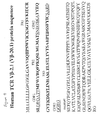
Figure 2 shows the protein sequence of the pWT126-specific TCR-alpha chain (Vα-1.5). The position of the CDRs, FRs and constant region are marked. The leader sequence is shown in bold. -
Figure 3 shows the nucleotide coding sequence of the pWT126-specific TCR-beta chain (Vβ-2.1). -
Figure 4 shows the protein sequence of the pWT126-specific TCR-beta chain (Vβ-2.1). The position of the CDRs, FRs and constant region are marked. -
Figure 5 shows the same protein sequence as inFigure 2 but the start position of the constant region is indicated to be in a different place. The CDR sequence in this figure, starting after C, is based on IMGT nomenclature (primary sequence based). The Garcia nomenclature is based on structure and does not include the W after the C (ie it starts SPF...). Va8.2 means variable alpha 8.2 gene segment and J45 means joining 45 gene segment. -
Figure 6 shows the same protein sequence as inFigure 4 except that CDR3β is indicated as being longer and the start position of the constant region is indicated to be in a different place. The CDR sequence in this figure, starting after C, is based on IMGT nomenclature (primary sequence based). The Garcia nomenclature is based on structure and does not include the SA after the C (ie it starts RDGG...). J2.5 refers to joining 2.5 gene segment. -
Figure 7 is a diagram showing retroviral vectors containing TCR genes. The TCR alpha and beta chains were inserted into the retroviral vector pMP71 (Engels et al (2003) Human Gene Ther. 14, 1155-1168 for gene transfer into human T cells. LTR is a long terminated repeat. PRE is posttranscriptional regulatory element. -
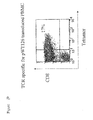
Figure 8 is a diagram showing retroviral TCR gene transfer into human T cells. Peripheral blood lymphocytes were activated with anti-CD3 antibodies, IL-2 and IL-7, followed 3 days later by transduction with retroviral vectors encoding the WT1-specific TCR. TCR expression was monitored at day 6 using antibodies specific for the TCR-V-beta 2.1 (present in the transferred TCR). Mock transduced T cells show the percentage of un-manipulated human T cells expressing V-beta 2.1. After transduction both CD8-positive and CD8-negative (i.e. CD4-pos) T cells have an increased percentage of V-beta 2.1 cells. V-beta 2.1 DNA and amino acid sequences are shown inFigures 3 and4 . -
Figure 9 shows that repeated stimulation of TCR-transduced T cells (as shown inFig. 8 ) with T2 cells presenting the pWT126 peptide leads to an expansion of CD8-positive T cells expressing V-beta 2.1. -
Figure 10 shows that TCR-transduced T cells (as shown inFigs. 8 and9 ) stain with HLA-A2/pWT126 tetramers. -
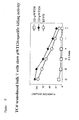
Figure 11 shows that TCR-transduced T cells (as shown inFig. 8 and9 ) kill the HLA-A2-positive T2 cells coated with the pWT126 peptide, but not T2 cells coated with the A2-binding pWT235 control peptide. The T cells also kill the HLA-A2-positive BV173 leukaemia cells expressing WT1 endogenously. -
Figure 12 shows that purified TCR-transduced CD8-positive T cells kill the HLA-A2-positive T2 cells coated with the pWT126 peptide, but not T2 cells coated with the A2-binding pWT235 control peptide. The CD8-positive T cells also kill the HLA-A2-positive BV173 leukaemia cells expressing WT1 endogenously. -
Figure 13 shows that a small percentage of purified CD4-positive TCR-transduced T cells stain with HLA-A2/pWT126 tetramers. -
Figure 14 shows that purified TCR-transduced CD4-positive T cells kill the HLA-A2-positive T2 cells coated with the pWT126 peptide, but not T2 cells coated with the A2-binding pWT235 control peptide. The CD4-positive T cells also kill the HLA-A2-positive BV173 leukaemia cells expressing WT1 endogenously. -
Figure 15 shows that purified TCR-transduced CD8-positive T cells produce IFN-γ after stimulation with the HLA-A2-positive T2 cells coated with the pWT126 peptide, but not T2 cells coated with the A2-binding pWT235 control peptide. Also, the CD8-positive T cells produce IFN-γ after stimulation with the HLA-A2-positive BV173 leukaemia cells expressing WT1 endogenously. -
Figure 16 is a schematic diagram showing the general structure of αβ TCR molecules. The amino acid numbers mentioned do not necessarily correspond to those inFigures 2 and4 . -
- 1.
- RMFPNAPYL
- 2.
- SSYSPS
- 3.
- YTSAATL
- 4.
- VVSPFSGGGADGLT
- 5.
- SPFSGGGADGLT
- 6.
- DFQATT
- 7.
- SNEGSKA
- 8.
- SARDGGEG
- 9.
- RDGGEGSETQY
- 10.
- FGKGTHLIIQP
- 11.
- YIQNP
- 12.
- SETQY
- 13.
- FGPGTRLLVL
- 14.
- EDLKN
- 15.
-
Figure 1 nucleotide sequence - 16.
-
Figure 2 (andFigure 5 ) amino acid sequence - 17.
-
Figure 3 nucleotide sequence - 18.
-
Figure 4 (andFigure 6 ) amino acid sequence - We have cloned a T cell receptor (TCR) that is specific for a peptide (pWT126; RMFPNAPYL) of the Wilms Tumour antigen-1 (WT1) presented by HLA-A2 class I molecules. The WT1 transcription factor is expressed in various human malignancies, including leukaemia, breast cancer, colon cancer, lung cancer, ovarian cancer and others. The CTL from which the TCR was cloned show killing activity against human cancer cells that express WT1, but not against normal human cells that express physiological levels of WT1.
- The therapeutic goal is to equip patient T cells with this potent and specific killing activity by transfer of the genes encoding the TCR. For this, we have inserted the TCR genes into retroviral vectors and demonstrated that gene transduced human T cells show killing activity against WT1 expressing human cancer and leukemia cell lines. The specificity profile of this CTL line has been described in several research papers and can be summarized as: (1) Killing of HLA-A2-positive targets coated with the WT1-derived peptide pWT126 (Gao et al (2000) Blood 95,2198-2203); (2) Killing of fresh HLA-A2-positive leukaemia cells expressing WT1 (Gao et al (2000) Blood 95, 2198-2203); (3) Killing of HLA-A2-positive leukemia CFU progenitor cells (Gao et al (2000) Blood 95, 2198-2203; Bellantuono et al (2002) 100, 3835-3837); (4) Killing of HLA-A2-positive leukaemia LTC-IC stem cells (Bellantuono et al (2002) ); (5) Killing of HLA-A2-positive NOD/SCID leukaemia initiating cells (Gao et al (2003) ); and (6) No killing of normal HLA-A2-positive NQD/SCID engrafting hematopoietic stem cells (Gao et al (2003) ). We have now shown that human T cells transduced with the WT1-specific TCR display similar specificity as the CTL line from which the TCR was cloned.
- The data described in detail in the legends to
Figures 1 to 15 indicate that TCR gene transfer into human T cells is feasible and that it leads to the surface expression of the introduced TCR chains. The recipient T cells show killing activity against HLA-A2-positive targets coated with the pWT126 peptide. The TCR-transduced T cells also kill human tumour cells expressing WT1 endogenously. In addition, the transduced T cells produce IFN-g in an HLA-A2-restricted, peptide-specific fashion. Finally, the transferred TCR can function in CD4-positive helper T cells. These CD4-positive T cells show HLA-A2-restricted, antigen-specific killing activity and antigen-specific cytokine production (not shown). This indicates that TCR gene transfer can be used to confer HLA class I-restricted antigen-specific effector function to both CD8-positive and CD4-positive human T cells. - Peripheral blood monocyte cells (PBMCs) are taken from an HLA-A2-positive patient who has a WT1-expressing malignancy. The PBMCs are activated with anti-CD3/CD28 antibodies added to the culture or on beads for 3 days and then transduced with TCR encoding retroviral particles as described in Example 1. At
day 5 we can demonstrate that transduced CD4 and CD8 T cells express the introduced TCR. At day 6 we can demonstrate antigen-specific activity of the transduced T cells. At day 6 the transduced T cells are reinfused into the patient. -
- 1. A T cell receptor (TCR) molecule containing an alpha chain portion and a beta chain portion wherein the alpha chain portion contains three complementarity determining regions (CDRs):
- CDR1α: SSYSPS
- CDR2α: VTSAATL
- CDR3α: VVSPFSGGGADGLT or comprising or consisting af SPFSGGGADGLT and the beta chain portion contains three complementarity determining regions (CDRs):
- CDR1β: DFQATT
- CDR2β: SNEGSKA
- CDR3β: comprising SARDGGEG or comprising or consisting of RDGGEGSETQY, or wherein up to three amino acid residues in one or more of the CDRs are replaced by another amino acid residue.
- 2. A TCR molecule according to
Embodiment 1 wherein CDR3α has the amino acid sequence VVSPFSGGGADGLT. - 3. A TCR molecule according to
Embodiment 1 wherein the CDR3α has the amino acid sequence SPFSGGGADGLT. - 4. A TCR molecule according to
Embodiment 1 wherein the CDR3β has the amino acid sequence SARDGGEG. - 5. A TCR molecule according to
Embodiment 1 wherein the CDR3β has the amino acid sequence RDGGEGSETQY. - 6. A TCR molecule according to any one of the preceding Embodiments wherein the alpha chain portion and the beta chain portion are present on different polypeptide chains.
- 7. A TCR molecule according to any one of
Embodiments 1 to 5 wherein the alpha chain portion and the beta chain portion are present in the same polypeptide chain. - 8. A TCR molecule according to any of
Embodiments 1 to 7 wherein the CDRs are grafted to a human framework region. - 9. A TCR molecule according to
Embodiment 8 wherein the alpha chain portion has the amino acid sequence given inFigure 2 . - 10. A TCR molecule according to
Embodiments Figure 4 . - 11. A TCR molecule according to any one of
Embodiments 1 to 10 which is soluble. - 12. A polynucleotide encoding the alpha chain portion as defined in
Embodiment 1. - 13. A polynucleotide encoding the beta chain portion as defined in
Embodiment 1. - 14. A polynucleotide encoding the single chain TCR molecule as defined in
Embodiment 7. - 15. An expression vector comprising a polynucleotide according to any of
Embodiments 12 to 15. - 16. An expression vector according to
Embodiment 15 which is a retroviral vector. - 17. A host cell comprising a polynucleotide according to any of
Embodiments 12 to 14 or an expression vector according to Embodiments 15 or 16. - 18. A host cell according to
Embodiment 17 which is a T cell. - 19. A host cell according to Embodiment 18 which is a T cell derived from a patient.
- 20. A method of combating a WT1-expressing malignancy in a patient, the method comprising introducing into the patient a T cell, preferably derived from the patient, which is modified to express the TCR molecule of any of
Embodiments 1 to 11. - 21. A method according to
Embodiment 20 comprising (1) obtaining T cells from the patient, (2) introducing into the T cells a polynucleotide according to any ofEmbodiments 12 to 14 or an expression vector according to Embodiments 15 or 16 so that the T cell expresses the encoded TCR molecule and (3) introducing the cells from step (2) into the patient. - 22. A method according to
Embodiment - 23. Use of a T cell, preferably a patient derived T cell, modified to express the TCR molecule of any of
Embodiments 1 to 11 in the manufacture of a medicament for combating a WT1-expressing malignancy in the patient. - 24. Use according to
Embodiment 23 wherein a polynucleotide according to any ofEmbodiments 12 to 14 or an expression vector according to Embodiments 15 or 16 has been introduced into the T cell, preferably patient derived T cell, so that the T cell expresses the encoded TCR molecule. - 25. A method of selecting a TCR molecule with improved binding to an HLA-A2/RMFPNAPYL complex comprising (a) providing a TCR molecule containing an alpha chain portion and a beta chain portion wherein the alpha chain portion contains three complementarity determining regions (CDRs):
- CDR1α: SSYSPS
- CDR2α: YTSAATL
- CDR3α: VVSPFSGGGADGLT or comprising or consisting of SPFSGGGADGLT and the beta chain portion contains three complementarity determining regions (CDRs):
- CDR1β: DFQATT
- CDR2β: SNEGSKA
- CDR3β: comprising SARDGGEG or comprising or consisting of RDGGEGSETQY.
- 26. A method according to
Embodiment 25 wherein the CDR3s are as defined in any ofEmbodiments 2 to 9. - 27. Any novel method of combating cancer as herein described.


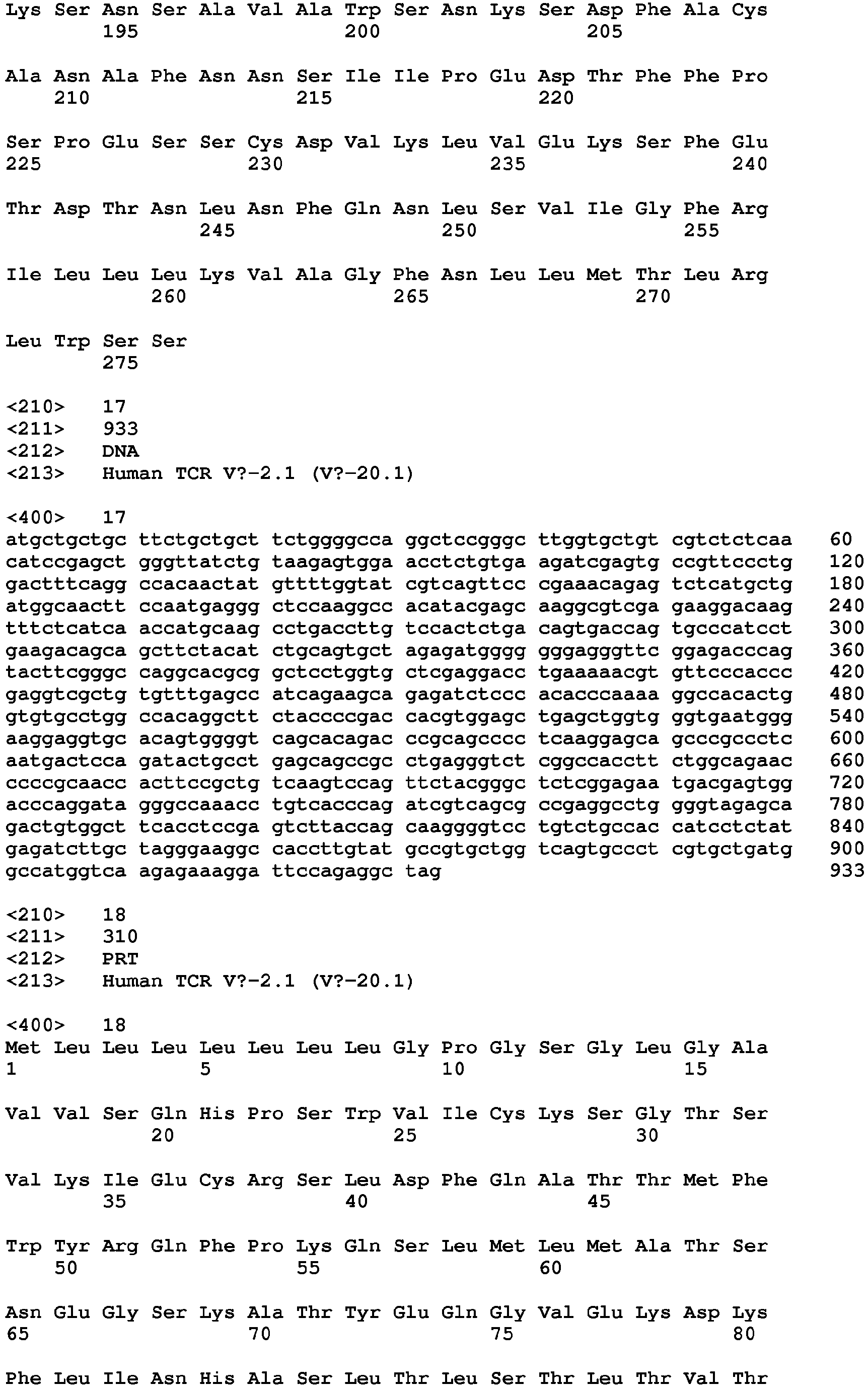

Claims (15)
- A T cell receptor (TCR) molecule containing an alpha chain portion and a beta chain portion wherein the alpha chain portion contains three complementarity determining regions (CDRs):CDR1α: SSYSPSCDR2α: YTSAATLCDR3α: WSPFSGGGADGLT or comprising SPFSGGGADGLT and the beta chain portion contains three complementarity determining regions (CDRs):CDR1β: DFQATTCDR2β: SNEGSKACDR3β: comprising SARDGGEG or comprising RDGGEGSETQY,which TCR molecule is able to bind to an HLA-A2/RFMPNAPYL complex.
- A TCR molecule according to Claim 1 wherein the CDR3α has the amino acid sequence WSPFSGGGADGLT or SPFSGGGADGLT, and/or wherein the CDR3β has the amino acid sequence SARDGGEG or RDGGEGSETQY.
- A TCR molecule according to Claim 1 or 2 wherein the alpha chain portion and the beta chain portion are present on different polypeptide chains, or wherein the alpha chain portion and the beta chain portion are present in the same polypeptide chain.
- A TCR molecule according to any of Claims 1-3 wherein the CDRs are grafted to a human framework region.
- A TCR molecule according to Claim 4 wherein the alpha chain portion has the amino acid sequence given in Figure 2.
- A TCR molecule according to Claim 4 or 5 wherein the beta chain portion has the amino acid sequence given in Figure 4.
- A TCR molecule according to any of Claims 1-6 which is soluble.
- A kit or parts or composition comprising a polynucleotide encoding the alpha chain portion as defined in Claim 1 and a polynucleotide encoding the beta chain portion as defined in Claim 1.
- A polynucleotide encoding the alpha chain portion as defined in Claim 1 and/or the beta chain portion as defined in Claim 1, or encoding the single chain TCR molecule as defined in Claim 3.
- An expression vector comprising a polynucleotide according to Claim 9, or comprising a polynucleotide encoding the alpha chain portion as defined in Claim 1 and a polynucleotide encoding the beta chain portion as defined in Claim 1.
- An expression vector according to Claim 10, wherein the expression vector is capable of expressing a polypeptide in a mammalian cell, optionally wherein the mammalian cell is a T cell such as a human CTL.
- An expression vector according to Claim 10 or 11, wherein the expression vector is a retroviral vector such as a lentiviral vector.
- A host cell comprising an expression vector according to any of Claims 10-12, or a polynucleotide according to Claim 9, optionally wherein the host cell is (i) a mammalian cell, such as a human cell, and/or (ii) a T cell, such as a T cell derived from a patient.
- A T cell, preferably a patient-derived T cell, modified to express the TCR molecule of any of Claims 1-7, for use in combating a WT1-expressing malignancy in the patient, wherein the WT1-expressing malignancy is breast cancer, colon cancer, lung cancer, leukaemia, ovarian cancer, melanoma, head and neck cancer, thyroid cancer, glioblastoma or sarcoma; optionally wherein a polynucleotide according to Claim 9 or an expression vector according to any of Claims 10-12 has been introduced into the T cell, preferably patient-derived T cell, so that the T cell expresses the encoded TCR molecule.
- A method of selecting a TCR molecule with improved binding to an HLA-A2/RMFPNAPYL complex comprising (a) providing a TCR molecule containing an alpha chain portion and a beta chain portion wherein the alpha chain portion contains three complementarity determining regions (CDRs):CDR1α: SSYSPSCDR2α: YTSAATLCDR3α: WSPFSGGGADGLT or comprising SPFSGGGADGLT and the beta chain portion contains three complementarity determining regions (CDRs):CDR1β: DFQATTCDR2β: SNEGSKACDR3β: comprising SARDGGEG or comprising RDGGEGSETQY.wherein at least one amino acid residue in one or more of the CDRs as given is replaced with another amino acid residue, (b) determining whether the TCR molecule binds to an HLA-A2/RFMPNAPYL complex with greater affinity than a TCR molecule without the replacement amino acid(s), and (c) selecting a molecule which binds with greater affinity;optionally wherein the CDR3s are as defined in Claim 1 or 2.
Priority Applications (2)
| Application Number | Priority Date | Filing Date | Title |
|---|---|---|---|
| EP16182666.4A EP3115374B1 (en) | 2003-12-06 | 2004-12-06 | Therapeutically useful molecules |
| PL14196412T PL2913340T3 (en) | 2003-12-06 | 2004-12-06 | T cell receptor specific for Wilms tumor antigen |
Applications Claiming Priority (2)
| Application Number | Priority Date | Filing Date | Title |
|---|---|---|---|
| GBGB0328363.7A GB0328363D0 (en) | 2003-12-06 | 2003-12-06 | Therapeutically useful molecules |
| EP04805928.1A EP1692172B1 (en) | 2003-12-06 | 2004-12-06 | T cell receptor specific for wilms tumour antigen |
Related Parent Applications (2)
| Application Number | Title | Priority Date | Filing Date |
|---|---|---|---|
| EP04805928.1A Division EP1692172B1 (en) | 2003-12-06 | 2004-12-06 | T cell receptor specific for wilms tumour antigen |
| EP04805928.1A Division-Into EP1692172B1 (en) | 2003-12-06 | 2004-12-06 | T cell receptor specific for wilms tumour antigen |
Related Child Applications (2)
| Application Number | Title | Priority Date | Filing Date |
|---|---|---|---|
| EP16182666.4A Division-Into EP3115374B1 (en) | 2003-12-06 | 2004-12-06 | Therapeutically useful molecules |
| EP16182666.4A Division EP3115374B1 (en) | 2003-12-06 | 2004-12-06 | Therapeutically useful molecules |
Publications (2)
| Publication Number | Publication Date |
|---|---|
| EP2913340A1 true EP2913340A1 (en) | 2015-09-02 |
| EP2913340B1 EP2913340B1 (en) | 2018-07-04 |
Family
ID=30129780
Family Applications (3)
| Application Number | Title | Priority Date | Filing Date |
|---|---|---|---|
| EP14196412.2A Expired - Lifetime EP2913340B1 (en) | 2003-12-06 | 2004-12-06 | T cell receptor specific for wilms tumour antigen |
| EP16182666.4A Expired - Lifetime EP3115374B1 (en) | 2003-12-06 | 2004-12-06 | Therapeutically useful molecules |
| EP04805928.1A Expired - Lifetime EP1692172B1 (en) | 2003-12-06 | 2004-12-06 | T cell receptor specific for wilms tumour antigen |
Family Applications After (2)
| Application Number | Title | Priority Date | Filing Date |
|---|---|---|---|
| EP16182666.4A Expired - Lifetime EP3115374B1 (en) | 2003-12-06 | 2004-12-06 | Therapeutically useful molecules |
| EP04805928.1A Expired - Lifetime EP1692172B1 (en) | 2003-12-06 | 2004-12-06 | T cell receptor specific for wilms tumour antigen |
Country Status (7)
| Country | Link |
|---|---|
| US (4) | US7951783B2 (en) |
| EP (3) | EP2913340B1 (en) |
| DK (1) | DK2913340T3 (en) |
| ES (2) | ES2534224T3 (en) |
| GB (1) | GB0328363D0 (en) |
| PL (1) | PL2913340T3 (en) |
| WO (1) | WO2005056595A2 (en) |
Families Citing this family (19)
| Publication number | Priority date | Publication date | Assignee | Title |
|---|---|---|---|---|
| GB0328363D0 (en) | 2003-12-06 | 2004-01-14 | Imp College Innovations Ltd | Therapeutically useful molecules |
| WO2007100568A2 (en) * | 2006-02-24 | 2007-09-07 | Government Of The United States Of America, Represented By The Secretary, Department Of Health And Human Services | T cell receptors and related materials and methods of use |
| US7820174B2 (en) | 2006-02-24 | 2010-10-26 | The United States Of America As Represented By The Department Of Health And Human Services | T cell receptors and related materials and methods of use |
| GB0917094D0 (en) | 2009-09-29 | 2009-11-11 | Ucl Biomedica Plc | T-cell receptor |
| ES2785081T3 (en) | 2011-04-01 | 2020-10-05 | Memorial Sloan Kettering Cancer Center | Bispecific T-cell receptor-like antibodies specific for a WT1 peptide presented by HLA-A2 |
| EP3495483A1 (en) | 2012-09-12 | 2019-06-12 | International Institute of Cancer Immunology, Inc. | Antigen-specific helper t-cell receptor genes |
| EP3572510B1 (en) * | 2013-11-21 | 2022-09-21 | Repertoire Genesis Incorporation | T cell receptor and b cell receptor repertoire analysis system, and use of same in treatment and diagnosis |
| JP6476182B2 (en) * | 2013-11-22 | 2019-02-27 | ザ ボード オブ トラスティーズ オブ ザ ユニバーシティ オブ イリノイ | Modified high affinity human T cell receptor |
| EP3202784A1 (en) * | 2016-02-08 | 2017-08-09 | Polybiocept AB | T-cell receptor sequences for active immunotherapy |
| EP4086285A1 (en) | 2016-02-25 | 2022-11-09 | Cell Medica Switzerland AG | Binding members to pd-l1 |
| EA201992536A1 (en) * | 2017-04-24 | 2020-03-05 | Оспедале Сан Раффаэле С.Р.Л. | TCR AND PEPTIDES |
| KR102412805B1 (en) | 2017-05-31 | 2022-06-27 | 크라제 메디컬 씨오 리미티드 | Compositions and methods for cellular immunotherapy |
| AU2018335274B2 (en) * | 2017-09-20 | 2025-02-13 | The United States Of America, As Represented By The Secretary, Department Of Health And Human Services | HLA class II–restricted T cell receptors against mutated RAS |
| WO2019069125A1 (en) | 2017-10-06 | 2019-04-11 | Oslo Universitetssykehus Hf | Chimeric antigen receptors |
| GB201817821D0 (en) * | 2018-10-31 | 2018-12-19 | Ospedale San Raffaele Srl | TCR and peptides |
| BR112021017703A8 (en) | 2019-03-11 | 2023-04-18 | Hutchinson Fred Cancer Res | HIGH AVIDITY WT1 T CELL RECEPTORS AND USES THEREOF |
| KR20220050176A (en) * | 2019-08-20 | 2022-04-22 | 프레드 헛친슨 켄서 리서치 센터 | T-cell immunotherapy specific for WT-1 |
| CN115003698A (en) * | 2019-11-14 | 2022-09-02 | 马伦戈治疗公司 | Anti-TCR antibody molecules and their uses |
| WO2021138474A2 (en) | 2020-01-03 | 2021-07-08 | Marengo Therapeutics, Inc. | Anti-tcr antibody molecules and uses thereof |
Citations (1)
| Publication number | Priority date | Publication date | Assignee | Title |
|---|---|---|---|---|
| WO2000026249A1 (en) | 1998-11-02 | 2000-05-11 | Imperial College Innovations Limited | Immunotherapeutic methods using epitopes of wt-1 and gata-1 |
Family Cites Families (11)
| Publication number | Priority date | Publication date | Assignee | Title |
|---|---|---|---|---|
| US5747654A (en) | 1993-06-14 | 1998-05-05 | The United States Of America As Represented By The Department Of Health And Human Services | Recombinant disulfide-stabilized polypeptide fragments having binding specificity |
| US5610031A (en) * | 1993-10-27 | 1997-03-11 | The General Hospital Corporation | B1k chain of laminin and methods of use |
| US6028169A (en) * | 1997-03-31 | 2000-02-22 | Human Genome Sciences, Inc. | Chemokine β-6 antagonists |
| EP1118661A1 (en) | 2000-01-13 | 2001-07-25 | Het Nederlands Kanker Instituut | T cell receptor libraries |
| US6770749B2 (en) * | 2000-02-22 | 2004-08-03 | City Of Hope | P53-specific T cell receptor for adoptive immunotherapy |
| PT1421115E (en) | 2001-08-31 | 2005-07-29 | Avidex Ltd | T SOLUVEL CELL RECEIVER |
| DE10244457A1 (en) | 2002-09-24 | 2004-04-01 | Johannes-Gutenberg-Universität Mainz | Process for the rational mutagenesis of alpha / beta T-cell receptors and corresponding mutated MDM2 protein-specific alpha / beta T-cell receptors |
| AU2003271904B2 (en) | 2002-10-09 | 2009-03-05 | Adaptimmune Limited | Single chain recombinant T cell receptors |
| GB0304068D0 (en) | 2003-02-22 | 2003-03-26 | Avidex Ltd | Substances |
| GB0328363D0 (en) * | 2003-12-06 | 2004-01-14 | Imp College Innovations Ltd | Therapeutically useful molecules |
| EP1791865B1 (en) * | 2004-06-29 | 2010-07-28 | Immunocore Ltd. | Cells expressing a modified t cell receptor |
-
2003
- 2003-12-06 GB GBGB0328363.7A patent/GB0328363D0/en not_active Ceased
-
2004
- 2004-12-06 PL PL14196412T patent/PL2913340T3/en unknown
- 2004-12-06 ES ES04805928.1T patent/ES2534224T3/en not_active Expired - Lifetime
- 2004-12-06 WO PCT/GB2004/005100 patent/WO2005056595A2/en not_active Ceased
- 2004-12-06 EP EP14196412.2A patent/EP2913340B1/en not_active Expired - Lifetime
- 2004-12-06 EP EP16182666.4A patent/EP3115374B1/en not_active Expired - Lifetime
- 2004-12-06 ES ES14196412.2T patent/ES2689926T3/en not_active Expired - Lifetime
- 2004-12-06 DK DK14196412.2T patent/DK2913340T3/en active
- 2004-12-06 EP EP04805928.1A patent/EP1692172B1/en not_active Expired - Lifetime
- 2004-12-06 US US10/581,773 patent/US7951783B2/en not_active Expired - Fee Related
-
2011
- 2011-04-20 US US13/090,845 patent/US20110274675A1/en not_active Abandoned
-
2014
- 2014-08-26 US US14/469,387 patent/US9732141B2/en not_active Expired - Fee Related
-
2016
- 2016-08-11 US US15/234,382 patent/US10450360B2/en not_active Expired - Fee Related
Patent Citations (1)
| Publication number | Priority date | Publication date | Assignee | Title |
|---|---|---|---|---|
| WO2000026249A1 (en) | 1998-11-02 | 2000-05-11 | Imperial College Innovations Limited | Immunotherapeutic methods using epitopes of wt-1 and gata-1 |
Non-Patent Citations (43)
| Title |
|---|
| BELLANTUONO ET AL., BLOOD, vol. 100, 2002, pages 3835 - 3837 |
| BELLAUTUONO ET AL., BLOOD, vol. 100, 2002, pages 3835 - 383 |
| BOULTER ET AL., PROTEIN ENG., vol. 16, 2003, pages 707 - 711 |
| CHUNG ET AL., PROC. NATL. ACAD SCI. USA, vol. 91, 1994, pages 12654 - 12658 |
| DUDLEY, SCIENCE, vol. 298, 2002, pages 850 - 854 |
| ENGELS ET AL., HWNAN GENE THER., vol. 14, 2003, pages 1155 - 1168 |
| ESHHAR ET AL., PROC. NATL. ACAD. SCI. USA, vol. 90, 1993, pages 720 - 724 |
| FINER ET AL., BLOOD, vol. 83, 1994, pages 43 |
| GAO ET AL., BLOOD, vol. 95, 2000, pages 2198 - 2203 |
| GAO ET AL., TRANSPLANTATION, vol. 75, 2003, pages 1429 - 1436 |
| GAO LIQUAN ET AL: "Selective elimination of leukemic CD34+ progenitor cells by cytotoxic T lymphocytes specific for WT1", BLOOD, vol. 95, no. 7, 1 April 2000 (2000-04-01), pages 2198 - 2203, XP002337253, ISSN: 0006-4971 * |
| GARCIA ET AL., ANN REV. IMMUNOL., vol. 17, 1999, pages 369 - 397 |
| GARCIA ET AL., ANN. REV. IMMUNOL., vol. 17, 1999, pages 369 - 397 |
| GAXCIA ET AL., ANN. REV IMMUNOL., vol. 17, 1999, pages 369 - 397 |
| HWU ET AL., J EXP. MED, vol. 178, 1993, pages 361 - 366 |
| INOUE ET AL., BLOOD, vol. 88, 1996, pages 2267 - 2278 |
| INOUE ET AL., BLOOD, vol. 89, January 1999 (1999-01-01), pages 1405 - 1412 |
| INOUE ET AL., BLOOD, vol. 91, 1998, pages 2969 - 2976 |
| JANIS KUBY: "Immunology", 1994, W H FREEMAN & CO |
| KAST ET AL., CELL, vol. 59, 1989, pages 603 - 614 |
| KAWAKAMI ET AL., PROC. NATL. ACAD. SCI. USA, vol. 91, 1994, pages 6458 - 6462 |
| KESSELS ET AL., PROE. NATL. ACAD SCI. USA, vol. 97, 2000, pages 14578 - 14583 |
| LEFRANC, DEV. COMP. IMMUNOL., vol. 27, 2003, pages 55 - 77 |
| MENSSEN ET AL., INT. J CANCER, vol. 70, 1997, pages 518 - 523 |
| MENSSEN ET AL., LEUKAEMIA, vol. 9, 1995, pages 1060 - 1067 |
| MENSSEN ET AL., LEUKEMIA, vol. 9, 1995, pages 1060 - 1067 |
| MENSSEN, J. CANCER RES. CLIN ONCOL., vol. 126, 2000, pages 226 - 232 |
| MIYOSHI, CLIN. CANCER RES., vol. 8, 2002, pages 1167 - 1171 |
| MORITZ ET AL., PROC. NATL. ACAD SCI, USA, vol. 91, 1994, pages 4318 - 4322 |
| OGAWA ET AL., TRANSPLANT, vol. 21, 1998, pages 527 - 527 |
| OJI ET AL., CANCER SCI, vol. 94, 2003, pages 712 - 717 |
| OJI ET AL., CANCER SCI., vol. 94, 2003, pages 606 - 611 |
| OJI, CANCER SCI., vol. 94, 2003, pages 523 - 529 |
| OJI, JPN J. CANCER RES., vol. 90, 1999, pages 194 - 204 |
| ROBERTS ET AL., BLOOD, vol. 84, 1994, pages 2878 - 2889 |
| RODECK ET AL., INT. J. CANCER, vol. 59, 1994, pages 78 - 82 |
| SAMBROOK; RUSSELL: "Molecular Cloning, a laboratory manual", 2001, COLD SPRING HARBOR PRESS |
| SILBERSTEIN ET AL., PROC. NATL. ACAD SCI. USA, vol. 94, 1997, pages 8132 - 8137 |
| STANISLAWSKI, NAT. IMMUNOL., vol. 2, 2001, pages 962 |
| TAMAKI ET AL., BLOOD, vol. 88, 1996, pages 4396 - 4398 |
| UEDA, CANCER SCI., vol. 94, 2003, pages 271 - 276 |
| VIEL ET AL., INT. J CANCER, vol. 57, 1994, pages 515 - 521 |
| XUE ET AL.: "Elimination of human leukemia cells in NOD/SCID mice by WT1-TCR gene transduced human T cells", BLOOD, 14 July 2005 (2005-07-14), XP002337254 * |
Also Published As
| Publication number | Publication date |
|---|---|
| GB0328363D0 (en) | 2004-01-14 |
| HK1214280A1 (en) | 2016-07-22 |
| US10450360B2 (en) | 2019-10-22 |
| DK2913340T3 (en) | 2018-10-22 |
| EP1692172A2 (en) | 2006-08-23 |
| US20110274675A1 (en) | 2011-11-10 |
| EP2913340B1 (en) | 2018-07-04 |
| US7951783B2 (en) | 2011-05-31 |
| US20160340404A1 (en) | 2016-11-24 |
| US20070191496A1 (en) | 2007-08-16 |
| EP3115374A1 (en) | 2017-01-11 |
| WO2005056595A2 (en) | 2005-06-23 |
| EP1692172B1 (en) | 2015-02-11 |
| ES2534224T3 (en) | 2015-04-20 |
| US20150147302A1 (en) | 2015-05-28 |
| PL2913340T3 (en) | 2019-02-28 |
| WO2005056595A3 (en) | 2005-10-06 |
| US9732141B2 (en) | 2017-08-15 |
| ES2689926T3 (en) | 2018-11-16 |
| EP3115374B1 (en) | 2022-01-19 |
Similar Documents
| Publication | Publication Date | Title |
|---|---|---|
| US10450360B2 (en) | Therapeutically useful molecules | |
| EP2448963B1 (en) | T cell receptors | |
| AU2016232441B2 (en) | Combined T cell receptor gene therapy of cancer against MHC I and MHC II-restricted epitopes of the tumor antigen NY-ESO-1 | |
| US8283446B2 (en) | T cell receptor mutants | |
| CN105377886B (en) | High-affinity binding molecule that recognizes MAGE-A1 | |
| KR102267345B1 (en) | T cell receptors | |
| CN106478809B (en) | Identify the TCR of PRAME antigen small peptide | |
| KR20170092535A (en) | T Cell Receptors | |
| EP1930433A1 (en) | T-cell receptor and nucleic acid encoding the receptor | |
| CN110776562A (en) | A T cell receptor that recognizes the AFP antigen | |
| CN110343166A (en) | Identify the T cell receptor of AFP antigen small peptide | |
| TW202144401A (en) | A T cell receptor that recognizes AFP | |
| TW202140532A (en) | T cell receptor for recognizing AFP and coding sequence thereof | |
| CN110627894B (en) | T cell receptor for recognizing NY-ESO-1 antigen short peptide and coding sequence thereof | |
| HK1214280B (en) | T cell receptor specific for wilms tumour antigen | |
| CN110407927A (en) | A kind of TCR identifying AFP antigen | |
| HK1169422B (en) | T cell receptors |
Legal Events
| Date | Code | Title | Description |
|---|---|---|---|
| PUAI | Public reference made under article 153(3) epc to a published international application that has entered the european phase |
Free format text: ORIGINAL CODE: 0009012 |
|
| 17P | Request for examination filed |
Effective date: 20141210 |
|
| AC | Divisional application: reference to earlier application |
Ref document number: 1692172 Country of ref document: EP Kind code of ref document: P |
|
| AK | Designated contracting states |
Kind code of ref document: A1 Designated state(s): AT BE BG CH CY CZ DE DK EE ES FI FR GB GR HU IE IS IT LI LT LU MC NL PL PT RO SE SI SK TR |
|
| REG | Reference to a national code |
Ref country code: HK Ref legal event code: DE Ref document number: 1214280 Country of ref document: HK |
|
| 17Q | First examination report despatched |
Effective date: 20160810 |
|
| STAA | Information on the status of an ep patent application or granted ep patent |
Free format text: STATUS: EXAMINATION IS IN PROGRESS |
|
| REG | Reference to a national code |
Ref country code: DE Ref legal event code: R079 Ref document number: 602004052911 Country of ref document: DE Free format text: PREVIOUS MAIN CLASS: C07K0014725000 Ipc: A61K0035170000 |
|
| GRAP | Despatch of communication of intention to grant a patent |
Free format text: ORIGINAL CODE: EPIDOSNIGR1 |
|
| STAA | Information on the status of an ep patent application or granted ep patent |
Free format text: STATUS: GRANT OF PATENT IS INTENDED |
|
| RIC1 | Information provided on ipc code assigned before grant |
Ipc: C12N 15/86 20060101ALI20171114BHEP Ipc: C12N 7/00 20060101ALI20171114BHEP Ipc: A61K 35/17 20150101AFI20171114BHEP Ipc: C12N 5/0783 20100101ALI20171114BHEP Ipc: C07K 14/725 20060101ALI20171114BHEP |
|
| INTG | Intention to grant announced |
Effective date: 20171214 |
|
| GRAS | Grant fee paid |
Free format text: ORIGINAL CODE: EPIDOSNIGR3 |
|
| GRAA | (expected) grant |
Free format text: ORIGINAL CODE: 0009210 |
|
| STAA | Information on the status of an ep patent application or granted ep patent |
Free format text: STATUS: THE PATENT HAS BEEN GRANTED |
|
| AC | Divisional application: reference to earlier application |
Ref document number: 1692172 Country of ref document: EP Kind code of ref document: P |
|
| AK | Designated contracting states |
Kind code of ref document: B1 Designated state(s): AT BE BG CH CY CZ DE DK EE ES FI FR GB GR HU IE IS IT LI LT LU MC NL PL PT RO SE SI SK TR |
|
| REG | Reference to a national code |
Ref country code: GB Ref legal event code: FG4D |
|
| REG | Reference to a national code |
Ref country code: CH Ref legal event code: EP |
|
| REG | Reference to a national code |
Ref country code: AT Ref legal event code: REF Ref document number: 1013771 Country of ref document: AT Kind code of ref document: T Effective date: 20180715 |
|
| REG | Reference to a national code |
Ref country code: IE Ref legal event code: FG4D |
|
| REG | Reference to a national code |
Ref country code: DE Ref legal event code: R096 Ref document number: 602004052911 Country of ref document: DE |
|
| REG | Reference to a national code |
Ref country code: CH Ref legal event code: NV Representative=s name: E. BLUM AND CO. AG PATENT- UND MARKENANWAELTE , CH |
|
| REG | Reference to a national code |
Ref country code: NL Ref legal event code: FP |
|
| REG | Reference to a national code |
Ref country code: DK Ref legal event code: T3 Effective date: 20181015 |
|
| REG | Reference to a national code |
Ref country code: SE Ref legal event code: TRGR |
|
| REG | Reference to a national code |
Ref country code: ES Ref legal event code: FG2A Ref document number: 2689926 Country of ref document: ES Kind code of ref document: T3 Effective date: 20181116 |
|
| REG | Reference to a national code |
Ref country code: LT Ref legal event code: MG4D |
|
| PG25 | Lapsed in a contracting state [announced via postgrant information from national office to epo] |
Ref country code: CZ Free format text: LAPSE BECAUSE OF FAILURE TO SUBMIT A TRANSLATION OF THE DESCRIPTION OR TO PAY THE FEE WITHIN THE PRESCRIBED TIME-LIMIT Effective date: 20180704 Ref country code: BG Free format text: LAPSE BECAUSE OF FAILURE TO SUBMIT A TRANSLATION OF THE DESCRIPTION OR TO PAY THE FEE WITHIN THE PRESCRIBED TIME-LIMIT Effective date: 20181004 Ref country code: LT Free format text: LAPSE BECAUSE OF FAILURE TO SUBMIT A TRANSLATION OF THE DESCRIPTION OR TO PAY THE FEE WITHIN THE PRESCRIBED TIME-LIMIT Effective date: 20180704 Ref country code: FI Free format text: LAPSE BECAUSE OF FAILURE TO SUBMIT A TRANSLATION OF THE DESCRIPTION OR TO PAY THE FEE WITHIN THE PRESCRIBED TIME-LIMIT Effective date: 20180704 Ref country code: IS Free format text: LAPSE BECAUSE OF FAILURE TO SUBMIT A TRANSLATION OF THE DESCRIPTION OR TO PAY THE FEE WITHIN THE PRESCRIBED TIME-LIMIT Effective date: 20181104 Ref country code: GR Free format text: LAPSE BECAUSE OF FAILURE TO SUBMIT A TRANSLATION OF THE DESCRIPTION OR TO PAY THE FEE WITHIN THE PRESCRIBED TIME-LIMIT Effective date: 20181005 |
|
| PGFP | Annual fee paid to national office [announced via postgrant information from national office to epo] |
Ref country code: AT Payment date: 20181126 Year of fee payment: 15 Ref country code: DK Payment date: 20181211 Year of fee payment: 15 |
|
| REG | Reference to a national code |
Ref country code: DE Ref legal event code: R097 Ref document number: 602004052911 Country of ref document: DE |
|
| PG25 | Lapsed in a contracting state [announced via postgrant information from national office to epo] |
Ref country code: EE Free format text: LAPSE BECAUSE OF FAILURE TO SUBMIT A TRANSLATION OF THE DESCRIPTION OR TO PAY THE FEE WITHIN THE PRESCRIBED TIME-LIMIT Effective date: 20180704 Ref country code: RO Free format text: LAPSE BECAUSE OF FAILURE TO SUBMIT A TRANSLATION OF THE DESCRIPTION OR TO PAY THE FEE WITHIN THE PRESCRIBED TIME-LIMIT Effective date: 20180704 |
|
| PGFP | Annual fee paid to national office [announced via postgrant information from national office to epo] |
Ref country code: PL Payment date: 20181106 Year of fee payment: 15 |
|
| PLBE | No opposition filed within time limit |
Free format text: ORIGINAL CODE: 0009261 |
|
| STAA | Information on the status of an ep patent application or granted ep patent |
Free format text: STATUS: NO OPPOSITION FILED WITHIN TIME LIMIT |
|
| PG25 | Lapsed in a contracting state [announced via postgrant information from national office to epo] |
Ref country code: SK Free format text: LAPSE BECAUSE OF FAILURE TO SUBMIT A TRANSLATION OF THE DESCRIPTION OR TO PAY THE FEE WITHIN THE PRESCRIBED TIME-LIMIT Effective date: 20180704 |
|
| 26N | No opposition filed |
Effective date: 20190405 |
|
| PG25 | Lapsed in a contracting state [announced via postgrant information from national office to epo] |
Ref country code: SI Free format text: LAPSE BECAUSE OF FAILURE TO SUBMIT A TRANSLATION OF THE DESCRIPTION OR TO PAY THE FEE WITHIN THE PRESCRIBED TIME-LIMIT Effective date: 20180704 Ref country code: LU Free format text: LAPSE BECAUSE OF NON-PAYMENT OF DUE FEES Effective date: 20181206 Ref country code: MC Free format text: LAPSE BECAUSE OF FAILURE TO SUBMIT A TRANSLATION OF THE DESCRIPTION OR TO PAY THE FEE WITHIN THE PRESCRIBED TIME-LIMIT Effective date: 20180704 |
|
| REG | Reference to a national code |
Ref country code: IE Ref legal event code: MM4A |
|
| PG25 | Lapsed in a contracting state [announced via postgrant information from national office to epo] |
Ref country code: IE Free format text: LAPSE BECAUSE OF NON-PAYMENT OF DUE FEES Effective date: 20181206 |
|
| PG25 | Lapsed in a contracting state [announced via postgrant information from national office to epo] |
Ref country code: PT Free format text: LAPSE BECAUSE OF FAILURE TO SUBMIT A TRANSLATION OF THE DESCRIPTION OR TO PAY THE FEE WITHIN THE PRESCRIBED TIME-LIMIT Effective date: 20180704 |
|
| PG25 | Lapsed in a contracting state [announced via postgrant information from national office to epo] |
Ref country code: HU Free format text: LAPSE BECAUSE OF FAILURE TO SUBMIT A TRANSLATION OF THE DESCRIPTION OR TO PAY THE FEE WITHIN THE PRESCRIBED TIME-LIMIT; INVALID AB INITIO Effective date: 20041206 Ref country code: CY Free format text: LAPSE BECAUSE OF FAILURE TO SUBMIT A TRANSLATION OF THE DESCRIPTION OR TO PAY THE FEE WITHIN THE PRESCRIBED TIME-LIMIT Effective date: 20180704 |
|
| REG | Reference to a national code |
Ref country code: DK Ref legal event code: EBP Effective date: 20191231 |
|
| REG | Reference to a national code |
Ref country code: NL Ref legal event code: MM Effective date: 20200101 |
|
| REG | Reference to a national code |
Ref country code: AT Ref legal event code: MM01 Ref document number: 1013771 Country of ref document: AT Kind code of ref document: T Effective date: 20191206 |
|
| REG | Reference to a national code |
Ref country code: BE Ref legal event code: MM Effective date: 20191231 |
|
| PG25 | Lapsed in a contracting state [announced via postgrant information from national office to epo] |
Ref country code: NL Free format text: LAPSE BECAUSE OF NON-PAYMENT OF DUE FEES Effective date: 20200101 |
|
| PG25 | Lapsed in a contracting state [announced via postgrant information from national office to epo] |
Ref country code: BE Free format text: LAPSE BECAUSE OF NON-PAYMENT OF DUE FEES Effective date: 20191231 Ref country code: AT Free format text: LAPSE BECAUSE OF NON-PAYMENT OF DUE FEES Effective date: 20191206 |
|
| PG25 | Lapsed in a contracting state [announced via postgrant information from national office to epo] |
Ref country code: DK Free format text: LAPSE BECAUSE OF NON-PAYMENT OF DUE FEES Effective date: 20191231 |
|
| PGFP | Annual fee paid to national office [announced via postgrant information from national office to epo] |
Ref country code: FR Payment date: 20211220 Year of fee payment: 18 Ref country code: GB Payment date: 20211215 Year of fee payment: 18 Ref country code: SE Payment date: 20211216 Year of fee payment: 18 |
|
| PGFP | Annual fee paid to national office [announced via postgrant information from national office to epo] |
Ref country code: CH Payment date: 20211222 Year of fee payment: 18 |
|
| PGFP | Annual fee paid to national office [announced via postgrant information from national office to epo] |
Ref country code: DE Payment date: 20211220 Year of fee payment: 18 |
|
| PGFP | Annual fee paid to national office [announced via postgrant information from national office to epo] |
Ref country code: IT Payment date: 20211230 Year of fee payment: 18 Ref country code: ES Payment date: 20220119 Year of fee payment: 18 |
|
| PG25 | Lapsed in a contracting state [announced via postgrant information from national office to epo] |
Ref country code: TR Free format text: LAPSE BECAUSE OF NON-PAYMENT OF DUE FEES Effective date: 20191206 |
|
| REG | Reference to a national code |
Ref country code: AT Ref legal event code: UEP Ref document number: 1013771 Country of ref document: AT Kind code of ref document: T Effective date: 20180704 |
|
| REG | Reference to a national code |
Ref country code: DE Ref legal event code: R119 Ref document number: 602004052911 Country of ref document: DE |
|
| REG | Reference to a national code |
Ref country code: CH Ref legal event code: PL |
|
| REG | Reference to a national code |
Ref country code: SE Ref legal event code: EUG |
|
| GBPC | Gb: european patent ceased through non-payment of renewal fee |
Effective date: 20221206 |
|
| PG25 | Lapsed in a contracting state [announced via postgrant information from national office to epo] |
Ref country code: SE Free format text: LAPSE BECAUSE OF NON-PAYMENT OF DUE FEES Effective date: 20221207 Ref country code: LI Free format text: LAPSE BECAUSE OF NON-PAYMENT OF DUE FEES Effective date: 20221231 Ref country code: GB Free format text: LAPSE BECAUSE OF NON-PAYMENT OF DUE FEES Effective date: 20221206 Ref country code: DE Free format text: LAPSE BECAUSE OF NON-PAYMENT OF DUE FEES Effective date: 20230701 Ref country code: CH Free format text: LAPSE BECAUSE OF NON-PAYMENT OF DUE FEES Effective date: 20221231 |
|
| PG25 | Lapsed in a contracting state [announced via postgrant information from national office to epo] |
Ref country code: FR Free format text: LAPSE BECAUSE OF NON-PAYMENT OF DUE FEES Effective date: 20221231 |
|
| REG | Reference to a national code |
Ref country code: ES Ref legal event code: FD2A Effective date: 20240126 |
|
| PG25 | Lapsed in a contracting state [announced via postgrant information from national office to epo] |
Ref country code: IT Free format text: LAPSE BECAUSE OF NON-PAYMENT OF DUE FEES Effective date: 20221206 |
|
| PG25 | Lapsed in a contracting state [announced via postgrant information from national office to epo] |
Ref country code: PL Free format text: LAPSE BECAUSE OF NON-PAYMENT OF DUE FEES Effective date: 20191206 |
|
| PG25 | Lapsed in a contracting state [announced via postgrant information from national office to epo] |
Ref country code: ES Free format text: LAPSE BECAUSE OF NON-PAYMENT OF DUE FEES Effective date: 20221207 |
|
| PG25 | Lapsed in a contracting state [announced via postgrant information from national office to epo] |
Ref country code: ES Free format text: LAPSE BECAUSE OF NON-PAYMENT OF DUE FEES Effective date: 20221207 |