EP2910565A2 - Modified ADAM disintegrin domain polypeptides and uses - Google Patents
Modified ADAM disintegrin domain polypeptides and uses Download PDFInfo
- Publication number
- EP2910565A2 EP2910565A2 EP14200166.8A EP14200166A EP2910565A2 EP 2910565 A2 EP2910565 A2 EP 2910565A2 EP 14200166 A EP14200166 A EP 14200166A EP 2910565 A2 EP2910565 A2 EP 2910565A2
- Authority
- EP
- European Patent Office
- Prior art keywords
- cancer
- map
- adam
- cells
- maps
- Prior art date
- Legal status (The legal status is an assumption and is not a legal conclusion. Google has not performed a legal analysis and makes no representation as to the accuracy of the status listed.)
- Withdrawn
Links
- 101800001224 Disintegrin Proteins 0.000 title claims abstract description 74
- 108090000765 processed proteins & peptides Proteins 0.000 title claims abstract description 74
- 229920001184 polypeptide Polymers 0.000 title claims abstract description 72
- 102000004196 processed proteins & peptides Human genes 0.000 title claims abstract description 72
- ORILYTVJVMAKLC-UHFFFAOYSA-N Adamantane Natural products C1C(C2)CC3CC1CC2C3 ORILYTVJVMAKLC-UHFFFAOYSA-N 0.000 title claims 12
- 238000000034 method Methods 0.000 claims abstract description 62
- 108010044426 integrins Proteins 0.000 claims abstract description 51
- 102000006495 integrins Human genes 0.000 claims abstract description 51
- 239000000203 mixture Substances 0.000 claims abstract description 25
- 102000005741 Metalloproteases Human genes 0.000 claims abstract description 19
- 108010006035 Metalloproteases Proteins 0.000 claims abstract description 19
- 230000012010 growth Effects 0.000 claims abstract description 9
- 210000004027 cell Anatomy 0.000 claims description 101
- 206010028980 Neoplasm Diseases 0.000 claims description 83
- 102000029791 ADAM Human genes 0.000 claims description 62
- 108091022885 ADAM Proteins 0.000 claims description 62
- 201000011510 cancer Diseases 0.000 claims description 50
- 150000007523 nucleic acids Chemical class 0.000 claims description 50
- XUJNEKJLAYXESH-UHFFFAOYSA-N cysteine Natural products SCC(N)C(O)=O XUJNEKJLAYXESH-UHFFFAOYSA-N 0.000 claims description 38
- 235000018417 cysteine Nutrition 0.000 claims description 38
- 108091028043 Nucleic acid sequence Proteins 0.000 claims description 34
- 210000004899 c-terminal region Anatomy 0.000 claims description 31
- 108090000623 proteins and genes Proteins 0.000 claims description 31
- 239000013604 expression vector Substances 0.000 claims description 26
- 229940094937 thioredoxin Drugs 0.000 claims description 25
- 235000001014 amino acid Nutrition 0.000 claims description 22
- 125000000539 amino acid group Chemical group 0.000 claims description 21
- 150000001413 amino acids Chemical class 0.000 claims description 21
- 230000004927 fusion Effects 0.000 claims description 21
- 101150057627 trxB gene Proteins 0.000 claims description 21
- 101001016777 Homo sapiens Microtubule-associated protein 9 Proteins 0.000 claims description 20
- 102100032485 Microtubule-associated protein 9 Human genes 0.000 claims description 20
- 102000004169 proteins and genes Human genes 0.000 claims description 19
- OLIYIKRCOZBFCW-ZLUOBGJFSA-N Cys-Asp-Cys Chemical compound C([C@@H](C(=O)N[C@@H](CS)C(=O)O)NC(=O)[C@H](CS)N)C(=O)O OLIYIKRCOZBFCW-ZLUOBGJFSA-N 0.000 claims description 18
- 108020004707 nucleic acids Proteins 0.000 claims description 18
- 102000039446 nucleic acids Human genes 0.000 claims description 18
- 206010006187 Breast cancer Diseases 0.000 claims description 17
- 208000026310 Breast neoplasm Diseases 0.000 claims description 17
- 230000035772 mutation Effects 0.000 claims description 17
- 235000018102 proteins Nutrition 0.000 claims description 17
- 230000027455 binding Effects 0.000 claims description 16
- 238000009448 modified atmosphere packaging Methods 0.000 claims description 16
- 206010009944 Colon cancer Diseases 0.000 claims description 14
- 230000004048 modification Effects 0.000 claims description 14
- 238000012986 modification Methods 0.000 claims description 14
- BIDUTRWDQRUKTQ-UHFFFAOYSA-N CC1CNNC1C1CCCN(C1)c1ccc2ncnc(N)c2n1 Chemical compound CC1CNNC1C1CCCN(C1)c1ccc2ncnc(N)c2n1 BIDUTRWDQRUKTQ-UHFFFAOYSA-N 0.000 claims description 13
- 206010004146 Basal cell carcinoma Diseases 0.000 claims description 12
- BWGNESOTFCXPMA-UHFFFAOYSA-N Dihydrogen disulfide Chemical compound SS BWGNESOTFCXPMA-UHFFFAOYSA-N 0.000 claims description 12
- 102100022820 Disintegrin and metalloproteinase domain-containing protein 28 Human genes 0.000 claims description 12
- 108010069446 Fertilins Proteins 0.000 claims description 12
- 101000756756 Homo sapiens Disintegrin and metalloproteinase domain-containing protein 28 Proteins 0.000 claims description 12
- 230000003115 biocidal effect Effects 0.000 claims description 12
- 210000003169 central nervous system Anatomy 0.000 claims description 12
- 108020001507 fusion proteins Proteins 0.000 claims description 12
- 102000037865 fusion proteins Human genes 0.000 claims description 12
- 230000002401 inhibitory effect Effects 0.000 claims description 12
- 102000001133 Fertilins Human genes 0.000 claims description 10
- 206010017993 Gastrointestinal neoplasms Diseases 0.000 claims description 10
- 208000000453 Skin Neoplasms Diseases 0.000 claims description 10
- 201000000849 skin cancer Diseases 0.000 claims description 10
- 210000000130 stem cell Anatomy 0.000 claims description 10
- 101000969594 Homo sapiens Modulator of apoptosis 1 Proteins 0.000 claims description 9
- 102100021440 Modulator of apoptosis 1 Human genes 0.000 claims description 9
- 102000002933 Thioredoxin Human genes 0.000 claims description 9
- 239000003446 ligand Substances 0.000 claims description 9
- 108060008226 thioredoxin Proteins 0.000 claims description 9
- 108091007504 ADAM10 Proteins 0.000 claims description 8
- 102100039673 Disintegrin and metalloproteinase domain-containing protein 10 Human genes 0.000 claims description 8
- 102100031113 Disintegrin and metalloproteinase domain-containing protein 15 Human genes 0.000 claims description 8
- 101000777455 Homo sapiens Disintegrin and metalloproteinase domain-containing protein 15 Proteins 0.000 claims description 8
- 101100407167 Arabidopsis thaliana PCAP2 gene Proteins 0.000 claims description 7
- 208000005440 Basal Cell Neoplasms Diseases 0.000 claims description 7
- 206010005003 Bladder cancer Diseases 0.000 claims description 7
- 206010008342 Cervix carcinoma Diseases 0.000 claims description 7
- 208000001333 Colorectal Neoplasms Diseases 0.000 claims description 7
- 102100022825 Disintegrin and metalloproteinase domain-containing protein 22 Human genes 0.000 claims description 7
- 102100024361 Disintegrin and metalloproteinase domain-containing protein 9 Human genes 0.000 claims description 7
- 208000000461 Esophageal Neoplasms Diseases 0.000 claims description 7
- 201000003741 Gastrointestinal carcinoma Diseases 0.000 claims description 7
- 101000756722 Homo sapiens Disintegrin and metalloproteinase domain-containing protein 22 Proteins 0.000 claims description 7
- 101000832769 Homo sapiens Disintegrin and metalloproteinase domain-containing protein 9 Proteins 0.000 claims description 7
- 206010061523 Lip and/or oral cavity cancer Diseases 0.000 claims description 7
- 206010062038 Lip neoplasm Diseases 0.000 claims description 7
- 206010058467 Lung neoplasm malignant Diseases 0.000 claims description 7
- 208000003445 Mouth Neoplasms Diseases 0.000 claims description 7
- YNUXHYPFPXIGDQ-DLBZAZTESA-N Nc1ncc(C(=O)N[C@H]2CCC[C@@H](O)C2)c2ccc(cc12)-c1cccc(F)c1 Chemical compound Nc1ncc(C(=O)N[C@H]2CCC[C@@H](O)C2)c2ccc(cc12)-c1cccc(F)c1 YNUXHYPFPXIGDQ-DLBZAZTESA-N 0.000 claims description 7
- 206010030155 Oesophageal carcinoma Diseases 0.000 claims description 7
- 206010033128 Ovarian cancer Diseases 0.000 claims description 7
- 206010061535 Ovarian neoplasm Diseases 0.000 claims description 7
- 206010061902 Pancreatic neoplasm Diseases 0.000 claims description 7
- 206010060862 Prostate cancer Diseases 0.000 claims description 7
- 208000000236 Prostatic Neoplasms Diseases 0.000 claims description 7
- 208000006265 Renal cell carcinoma Diseases 0.000 claims description 7
- 208000005718 Stomach Neoplasms Diseases 0.000 claims description 7
- 208000007097 Urinary Bladder Neoplasms Diseases 0.000 claims description 7
- 208000006105 Uterine Cervical Neoplasms Diseases 0.000 claims description 7
- 208000009956 adenocarcinoma Diseases 0.000 claims description 7
- 239000003242 anti bacterial agent Substances 0.000 claims description 7
- 201000010881 cervical cancer Diseases 0.000 claims description 7
- 208000029742 colonic neoplasm Diseases 0.000 claims description 7
- 238000012217 deletion Methods 0.000 claims description 7
- 230000037430 deletion Effects 0.000 claims description 7
- 201000004101 esophageal cancer Diseases 0.000 claims description 7
- 206010017758 gastric cancer Diseases 0.000 claims description 7
- 201000002313 intestinal cancer Diseases 0.000 claims description 7
- 201000006721 lip cancer Diseases 0.000 claims description 7
- 201000007270 liver cancer Diseases 0.000 claims description 7
- 208000014018 liver neoplasm Diseases 0.000 claims description 7
- 201000005202 lung cancer Diseases 0.000 claims description 7
- 208000020816 lung neoplasm Diseases 0.000 claims description 7
- 208000015486 malignant pancreatic neoplasm Diseases 0.000 claims description 7
- 201000002528 pancreatic cancer Diseases 0.000 claims description 7
- 208000008443 pancreatic carcinoma Diseases 0.000 claims description 7
- 208000017572 squamous cell neoplasm Diseases 0.000 claims description 7
- 201000011549 stomach cancer Diseases 0.000 claims description 7
- 201000005112 urinary bladder cancer Diseases 0.000 claims description 7
- 108091007507 ADAM12 Proteins 0.000 claims description 6
- -1 ADAM6 Proteins 0.000 claims description 6
- YPHMUNZTHAUROX-UHFFFAOYSA-N CNC(=O)c1ccc2-c3sc(cc3CCOc2c1)-c1ccnn1-c1ccc(F)cc1F Chemical compound CNC(=O)c1ccc2-c3sc(cc3CCOc2c1)-c1ccnn1-c1ccc(F)cc1F YPHMUNZTHAUROX-UHFFFAOYSA-N 0.000 claims description 6
- 102100031107 Disintegrin and metalloproteinase domain-containing protein 11 Human genes 0.000 claims description 6
- 102100031112 Disintegrin and metalloproteinase domain-containing protein 12 Human genes 0.000 claims description 6
- 102100031098 Disintegrin and metalloproteinase domain-containing protein 18 Human genes 0.000 claims description 6
- 102100031116 Disintegrin and metalloproteinase domain-containing protein 19 Human genes 0.000 claims description 6
- 102100024345 Disintegrin and metalloproteinase domain-containing protein 20 Human genes 0.000 claims description 6
- 102100024346 Disintegrin and metalloproteinase domain-containing protein 21 Human genes 0.000 claims description 6
- 102100022817 Disintegrin and metalloproteinase domain-containing protein 29 Human genes 0.000 claims description 6
- 102100025984 Disintegrin and metalloproteinase domain-containing protein 30 Human genes 0.000 claims description 6
- 102100025978 Disintegrin and metalloproteinase domain-containing protein 32 Human genes 0.000 claims description 6
- 102100025979 Disintegrin and metalloproteinase domain-containing protein 33 Human genes 0.000 claims description 6
- 102100024362 Disintegrin and metalloproteinase domain-containing protein 7 Human genes 0.000 claims description 6
- 102100024364 Disintegrin and metalloproteinase domain-containing protein 8 Human genes 0.000 claims description 6
- 102100032460 Ensconsin Human genes 0.000 claims description 6
- 101000777452 Homo sapiens Disintegrin and metalloproteinase domain-containing protein 11 Proteins 0.000 claims description 6
- 101000689653 Homo sapiens Disintegrin and metalloproteinase domain-containing protein 20 Proteins 0.000 claims description 6
- 101000689659 Homo sapiens Disintegrin and metalloproteinase domain-containing protein 21 Proteins 0.000 claims description 6
- 101000756727 Homo sapiens Disintegrin and metalloproteinase domain-containing protein 23 Proteins 0.000 claims description 6
- 101000756746 Homo sapiens Disintegrin and metalloproteinase domain-containing protein 29 Proteins 0.000 claims description 6
- 101000720046 Homo sapiens Disintegrin and metalloproteinase domain-containing protein 30 Proteins 0.000 claims description 6
- 101000720047 Homo sapiens Disintegrin and metalloproteinase domain-containing protein 32 Proteins 0.000 claims description 6
- 101000720049 Homo sapiens Disintegrin and metalloproteinase domain-containing protein 33 Proteins 0.000 claims description 6
- 101000832771 Homo sapiens Disintegrin and metalloproteinase domain-containing protein 7 Proteins 0.000 claims description 6
- 101001016782 Homo sapiens Ensconsin Proteins 0.000 claims description 6
- 101000979001 Homo sapiens Methionine aminopeptidase 2 Proteins 0.000 claims description 6
- 101000578823 Homo sapiens Microtubule-associated protein 10 Proteins 0.000 claims description 6
- 101001057305 Homo sapiens Microtubule-associated protein 1S Proteins 0.000 claims description 6
- 101000969087 Homo sapiens Microtubule-associated protein 2 Proteins 0.000 claims description 6
- 101000616432 Homo sapiens Microtubule-associated protein 6 Proteins 0.000 claims description 6
- 101000851850 Homo sapiens Trafficking protein particle complex subunit 14 Proteins 0.000 claims description 6
- 102100023174 Methionine aminopeptidase 2 Human genes 0.000 claims description 6
- 102100028380 Microtubule-associated protein 10 Human genes 0.000 claims description 6
- 102100027228 Microtubule-associated protein 1S Human genes 0.000 claims description 6
- 102100021791 Microtubule-associated protein 6 Human genes 0.000 claims description 6
- 101100356975 Momordica charantia MAP30 gene Proteins 0.000 claims description 6
- PBJMYYWFAJGFCX-UHFFFAOYSA-N N#Cc1cccc(c1)-c1cc2c(Nc3ccncc3)ncnn2c1 Chemical compound N#Cc1cccc(c1)-c1cc2c(Nc3ccncc3)ncnn2c1 PBJMYYWFAJGFCX-UHFFFAOYSA-N 0.000 claims description 6
- 101100131116 Oryza sativa subsp. japonica MPK3 gene Proteins 0.000 claims description 6
- 101100456045 Schizosaccharomyces pombe (strain 972 / ATCC 24843) map3 gene Proteins 0.000 claims description 6
- 102100036478 Trafficking protein particle complex subunit 14 Human genes 0.000 claims description 6
- 208000032839 leukemia Diseases 0.000 claims description 6
- NJMQDCLXWZJCAL-UHFFFAOYSA-N CC1CNNC1c1cccc(c1)-c1ccc2ncnc(N)c2n1 Chemical compound CC1CNNC1c1cccc(c1)-c1ccc2ncnc(N)c2n1 NJMQDCLXWZJCAL-UHFFFAOYSA-N 0.000 claims description 5
- 108010063907 Glutathione Reductase Proteins 0.000 claims description 5
- 102100036442 Glutathione reductase, mitochondrial Human genes 0.000 claims description 5
- 101000777467 Homo sapiens Disintegrin and metalloproteinase domain-containing protein 18 Proteins 0.000 claims description 5
- 101000832767 Homo sapiens Disintegrin and metalloproteinase domain-containing protein 8 Proteins 0.000 claims description 5
- 101001056015 Homo sapiens Mannan-binding lectin serine protease 2 Proteins 0.000 claims description 5
- 102100026046 Mannan-binding lectin serine protease 2 Human genes 0.000 claims description 5
- 101100322565 Mus musculus Adam3 gene Proteins 0.000 claims description 5
- 102000013090 Thioredoxin-Disulfide Reductase Human genes 0.000 claims description 5
- 108010079911 Thioredoxin-disulfide reductase Proteins 0.000 claims description 5
- 229940088710 antibiotic agent Drugs 0.000 claims description 5
- 238000007385 chemical modification Methods 0.000 claims description 5
- 238000000576 coating method Methods 0.000 claims description 5
- 239000003814 drug Substances 0.000 claims description 5
- 238000000338 in vitro Methods 0.000 claims description 5
- 206010041823 squamous cell carcinoma Diseases 0.000 claims description 5
- 238000003776 cleavage reaction Methods 0.000 claims description 4
- 239000011248 coating agent Substances 0.000 claims description 4
- 230000001939 inductive effect Effects 0.000 claims description 4
- 239000002243 precursor Substances 0.000 claims description 4
- 102000005962 receptors Human genes 0.000 claims description 4
- 108020003175 receptors Proteins 0.000 claims description 4
- 230000007017 scission Effects 0.000 claims description 4
- 238000006467 substitution reaction Methods 0.000 claims description 4
- 210000003932 urinary bladder Anatomy 0.000 claims description 4
- 101710121160 Disintegrin and metalloproteinase domain-containing protein 19 Proteins 0.000 claims description 3
- 101000777464 Homo sapiens Disintegrin and metalloproteinase domain-containing protein 19 Proteins 0.000 claims description 3
- 230000002950 deficient Effects 0.000 claims description 3
- 238000002360 preparation method Methods 0.000 claims description 3
- 101000633263 Arabidopsis thaliana Thioredoxin H5 Proteins 0.000 claims description 2
- 101150043276 Lon gene Proteins 0.000 claims description 2
- 238000010899 nucleation Methods 0.000 claims description 2
- 101150093139 ompT gene Proteins 0.000 claims description 2
- 102100034323 Disintegrin and metalloproteinase domain-containing protein 2 Human genes 0.000 claims 2
- 101710121158 Disintegrin and metalloproteinase domain-containing protein 18 Proteins 0.000 claims 1
- 235000019837 monoammonium phosphate Nutrition 0.000 claims 1
- 230000000694 effects Effects 0.000 abstract description 9
- 210000002889 endothelial cell Anatomy 0.000 abstract description 8
- 230000000259 anti-tumor effect Effects 0.000 abstract description 3
- 230000004064 dysfunction Effects 0.000 abstract description 3
- 230000003527 anti-angiogenesis Effects 0.000 abstract description 2
- 238000003745 diagnosis Methods 0.000 abstract description 2
- 241001465754 Metazoa Species 0.000 description 35
- 239000003998 snake venom Substances 0.000 description 32
- 230000014509 gene expression Effects 0.000 description 27
- 108700021041 Disintegrin Proteins 0.000 description 25
- 239000006166 lysate Substances 0.000 description 25
- 229940120638 avastin Drugs 0.000 description 21
- FPPNZSSZRUTDAP-UWFZAAFLSA-N carbenicillin Chemical compound N([C@H]1[C@H]2SC([C@@H](N2C1=O)C(O)=O)(C)C)C(=O)C(C(O)=O)C1=CC=CC=C1 FPPNZSSZRUTDAP-UWFZAAFLSA-N 0.000 description 21
- 229960003669 carbenicillin Drugs 0.000 description 21
- 238000011282 treatment Methods 0.000 description 18
- 230000015572 biosynthetic process Effects 0.000 description 14
- 125000000151 cysteine group Chemical group N[C@@H](CS)C(=O)* 0.000 description 14
- 241000588724 Escherichia coli Species 0.000 description 13
- ZDZOTLJHXYCWBA-VCVYQWHSSA-N N-debenzoyl-N-(tert-butoxycarbonyl)-10-deacetyltaxol Chemical compound O([C@H]1[C@H]2[C@@](C([C@H](O)C3=C(C)[C@@H](OC(=O)[C@H](O)[C@@H](NC(=O)OC(C)(C)C)C=4C=CC=CC=4)C[C@]1(O)C3(C)C)=O)(C)[C@@H](O)C[C@H]1OC[C@]12OC(=O)C)C(=O)C1=CC=CC=C1 ZDZOTLJHXYCWBA-VCVYQWHSSA-N 0.000 description 13
- 125000003275 alpha amino acid group Chemical group 0.000 description 13
- 229960003668 docetaxel Drugs 0.000 description 13
- 101800000620 Disintegrin-like Proteins 0.000 description 12
- 239000002953 phosphate buffered saline Substances 0.000 description 12
- 230000001580 bacterial effect Effects 0.000 description 11
- 125000006850 spacer group Chemical group 0.000 description 10
- 101710201511 Coagulation factor X-activating enzyme heavy chain Proteins 0.000 description 9
- 101710154810 Snake venom metalloproteinase Proteins 0.000 description 9
- 101710197154 Zinc metalloproteinase-disintegrin VMP-II Proteins 0.000 description 9
- 101710112278 Zinc metalloproteinase-disintegrin-like Proteins 0.000 description 9
- 101710200352 Zinc metalloproteinase-disintegrin-like VMP-III Proteins 0.000 description 9
- 238000000684 flow cytometry Methods 0.000 description 9
- 238000009472 formulation Methods 0.000 description 9
- 230000004614 tumor growth Effects 0.000 description 9
- 239000002136 L01XE07 - Lapatinib Substances 0.000 description 8
- 239000004098 Tetracycline Substances 0.000 description 8
- 238000003384 imaging method Methods 0.000 description 8
- 229930027917 kanamycin Natural products 0.000 description 8
- 229960000318 kanamycin Drugs 0.000 description 8
- SBUJHOSQTJFQJX-NOAMYHISSA-N kanamycin Chemical compound O[C@@H]1[C@@H](O)[C@H](O)[C@@H](CN)O[C@@H]1O[C@H]1[C@H](O)[C@@H](O[C@@H]2[C@@H]([C@@H](N)[C@H](O)[C@@H](CO)O2)O)[C@H](N)C[C@@H]1N SBUJHOSQTJFQJX-NOAMYHISSA-N 0.000 description 8
- 229930182823 kanamycin A Natural products 0.000 description 8
- BCFGMOOMADDAQU-UHFFFAOYSA-N lapatinib Chemical compound O1C(CNCCS(=O)(=O)C)=CC=C1C1=CC=C(N=CN=C2NC=3C=C(Cl)C(OCC=4C=C(F)C=CC=4)=CC=3)C2=C1 BCFGMOOMADDAQU-UHFFFAOYSA-N 0.000 description 8
- 229960004891 lapatinib Drugs 0.000 description 8
- 230000004083 survival effect Effects 0.000 description 8
- 229930101283 tetracycline Natural products 0.000 description 8
- 229960002180 tetracycline Drugs 0.000 description 8
- 235000019364 tetracycline Nutrition 0.000 description 8
- 150000003522 tetracyclines Chemical class 0.000 description 8
- 206010002091 Anaesthesia Diseases 0.000 description 7
- 230000037005 anaesthesia Effects 0.000 description 7
- 238000010367 cloning Methods 0.000 description 7
- 230000004069 differentiation Effects 0.000 description 7
- 229940022353 herceptin Drugs 0.000 description 7
- 230000001394 metastastic effect Effects 0.000 description 7
- 206010061289 metastatic neoplasm Diseases 0.000 description 7
- 210000000056 organ Anatomy 0.000 description 7
- 230000003442 weekly effect Effects 0.000 description 7
- 108091007505 ADAM17 Proteins 0.000 description 6
- 102000043279 ADAM17 Human genes 0.000 description 6
- WEVYAHXRMPXWCK-UHFFFAOYSA-N Acetonitrile Chemical compound CC#N WEVYAHXRMPXWCK-UHFFFAOYSA-N 0.000 description 6
- IYMAXBFPHPZYIK-BQBZGAKWSA-N Arg-Gly-Asp Chemical group NC(N)=NCCC[C@H](N)C(=O)NCC(=O)N[C@@H](CC(O)=O)C(O)=O IYMAXBFPHPZYIK-BQBZGAKWSA-N 0.000 description 6
- 101000781681 Protobothrops flavoviridis Disintegrin triflavin Proteins 0.000 description 6
- 230000001772 anti-angiogenic effect Effects 0.000 description 6
- 201000008275 breast carcinoma Diseases 0.000 description 6
- 238000001514 detection method Methods 0.000 description 6
- 230000001965 increasing effect Effects 0.000 description 6
- 230000006698 induction Effects 0.000 description 6
- 238000002347 injection Methods 0.000 description 6
- 239000007924 injection Substances 0.000 description 6
- 210000004088 microvessel Anatomy 0.000 description 6
- 230000008569 process Effects 0.000 description 6
- 230000002797 proteolythic effect Effects 0.000 description 6
- 238000000746 purification Methods 0.000 description 6
- 238000002864 sequence alignment Methods 0.000 description 6
- 238000002415 sodium dodecyl sulfate polyacrylamide gel electrophoresis Methods 0.000 description 6
- 230000001225 therapeutic effect Effects 0.000 description 6
- 210000001519 tissue Anatomy 0.000 description 6
- 239000003155 DNA primer Substances 0.000 description 5
- 238000003556 assay Methods 0.000 description 5
- 230000008901 benefit Effects 0.000 description 5
- 231100000433 cytotoxic Toxicity 0.000 description 5
- 230000001472 cytotoxic effect Effects 0.000 description 5
- 201000010099 disease Diseases 0.000 description 5
- 208000037265 diseases, disorders, signs and symptoms Diseases 0.000 description 5
- 238000001727 in vivo Methods 0.000 description 5
- 230000005764 inhibitory process Effects 0.000 description 5
- BPHPUYQFMNQIOC-NXRLNHOXSA-N isopropyl beta-D-thiogalactopyranoside Chemical compound CC(C)S[C@@H]1O[C@H](CO)[C@H](O)[C@H](O)[C@H]1O BPHPUYQFMNQIOC-NXRLNHOXSA-N 0.000 description 5
- 239000002502 liposome Substances 0.000 description 5
- 238000004519 manufacturing process Methods 0.000 description 5
- 238000002560 therapeutic procedure Methods 0.000 description 5
- 108060001084 Luciferase Proteins 0.000 description 4
- 239000005089 Luciferase Substances 0.000 description 4
- 206010027476 Metastases Diseases 0.000 description 4
- 210000000577 adipose tissue Anatomy 0.000 description 4
- 238000013459 approach Methods 0.000 description 4
- 230000009401 metastasis Effects 0.000 description 4
- 239000000546 pharmaceutical excipient Substances 0.000 description 4
- 238000010186 staining Methods 0.000 description 4
- CSCPPACGZOOCGX-UHFFFAOYSA-N Acetone Chemical compound CC(C)=O CSCPPACGZOOCGX-UHFFFAOYSA-N 0.000 description 3
- 101710121363 Disintegrin and metalloproteinase domain-containing protein 15 Proteins 0.000 description 3
- 241000282412 Homo Species 0.000 description 3
- 241000699670 Mus sp. Species 0.000 description 3
- 102100024616 Platelet endothelial cell adhesion molecule Human genes 0.000 description 3
- 108091008109 Pseudogenes Proteins 0.000 description 3
- 102000057361 Pseudogenes Human genes 0.000 description 3
- 108010076818 TEV protease Proteins 0.000 description 3
- 241000021375 Xenogenes Species 0.000 description 3
- 238000004458 analytical method Methods 0.000 description 3
- 238000010171 animal model Methods 0.000 description 3
- 238000011394 anticancer treatment Methods 0.000 description 3
- 210000002469 basement membrane Anatomy 0.000 description 3
- 238000005415 bioluminescence Methods 0.000 description 3
- 230000029918 bioluminescence Effects 0.000 description 3
- 150000001875 compounds Chemical class 0.000 description 3
- 208000029078 coronary artery disease Diseases 0.000 description 3
- 229940079593 drug Drugs 0.000 description 3
- MHMNJMPURVTYEJ-UHFFFAOYSA-N fluorescein-5-isothiocyanate Chemical compound O1C(=O)C2=CC(N=C=S)=CC=C2C21C1=CC=C(O)C=C1OC1=CC(O)=CC=C21 MHMNJMPURVTYEJ-UHFFFAOYSA-N 0.000 description 3
- 230000006870 function Effects 0.000 description 3
- 208000005017 glioblastoma Diseases 0.000 description 3
- 102000048751 human ADAM15 Human genes 0.000 description 3
- 230000006872 improvement Effects 0.000 description 3
- 230000003993 interaction Effects 0.000 description 3
- 230000033001 locomotion Effects 0.000 description 3
- 230000036210 malignancy Effects 0.000 description 3
- 239000000463 material Substances 0.000 description 3
- 230000001617 migratory effect Effects 0.000 description 3
- 230000026731 phosphorylation Effects 0.000 description 3
- 238000006366 phosphorylation reaction Methods 0.000 description 3
- 230000001023 pro-angiogenic effect Effects 0.000 description 3
- 239000000523 sample Substances 0.000 description 3
- 230000011664 signaling Effects 0.000 description 3
- 238000009097 single-agent therapy Methods 0.000 description 3
- 239000000243 solution Substances 0.000 description 3
- FIAFUQMPZJWCLV-UHFFFAOYSA-N suramin Chemical compound OS(=O)(=O)C1=CC(S(O)(=O)=O)=C2C(NC(=O)C3=CC=C(C(=C3)NC(=O)C=3C=C(NC(=O)NC=4C=C(C=CC=4)C(=O)NC=4C(=CC=C(C=4)C(=O)NC=4C5=C(C=C(C=C5C(=CC=4)S(O)(=O)=O)S(O)(=O)=O)S(O)(=O)=O)C)C=CC=3)C)=CC=C(S(O)(=O)=O)C2=C1 FIAFUQMPZJWCLV-UHFFFAOYSA-N 0.000 description 3
- 229960005314 suramin Drugs 0.000 description 3
- 108010057810 vicrostatin Proteins 0.000 description 3
- 238000005406 washing Methods 0.000 description 3
- YBJHBAHKTGYVGT-ZKWXMUAHSA-N (+)-Biotin Chemical compound N1C(=O)N[C@@H]2[C@H](CCCCC(=O)O)SC[C@@H]21 YBJHBAHKTGYVGT-ZKWXMUAHSA-N 0.000 description 2
- 206010055113 Breast cancer metastatic Diseases 0.000 description 2
- 241000283707 Capra Species 0.000 description 2
- AOJJSUZBOXZQNB-TZSSRYMLSA-N Doxorubicin Chemical compound O([C@H]1C[C@@](O)(CC=2C(O)=C3C(=O)C=4C=CC=C(C=4C(=O)C3=C(O)C=21)OC)C(=O)CO)[C@H]1C[C@H](N)[C@H](O)[C@H](C)O1 AOJJSUZBOXZQNB-TZSSRYMLSA-N 0.000 description 2
- 201000010915 Glioblastoma multiforme Diseases 0.000 description 2
- WZUVPPKBWHMQCE-UHFFFAOYSA-N Haematoxylin Chemical compound C12=CC(O)=C(O)C=C2CC2(O)C1C1=CC=C(O)C(O)=C1OC2 WZUVPPKBWHMQCE-UHFFFAOYSA-N 0.000 description 2
- 239000006137 Luria-Bertani broth Substances 0.000 description 2
- 101000962448 Malus domestica Major allergen Mal d 1 Proteins 0.000 description 2
- 241000124008 Mammalia Species 0.000 description 2
- 241001529936 Murinae Species 0.000 description 2
- 241000699660 Mus musculus Species 0.000 description 2
- 206010061309 Neoplasm progression Diseases 0.000 description 2
- 208000037273 Pathologic Processes Diseases 0.000 description 2
- 102000035195 Peptidases Human genes 0.000 description 2
- 108091005804 Peptidases Proteins 0.000 description 2
- 108010022425 Platelet Glycoprotein GPIIb-IIIa Complex Proteins 0.000 description 2
- 239000004365 Protease Substances 0.000 description 2
- 108010029485 Protein Isoforms Proteins 0.000 description 2
- 102000001708 Protein Isoforms Human genes 0.000 description 2
- 102000007056 Recombinant Fusion Proteins Human genes 0.000 description 2
- 108010008281 Recombinant Fusion Proteins Proteins 0.000 description 2
- 241000270295 Serpentes Species 0.000 description 2
- 208000000389 T-cell leukemia Diseases 0.000 description 2
- 208000028530 T-cell lymphoblastic leukemia/lymphoma Diseases 0.000 description 2
- 230000009471 action Effects 0.000 description 2
- 230000033115 angiogenesis Effects 0.000 description 2
- 230000001740 anti-invasion Effects 0.000 description 2
- 239000002257 antimetastatic agent Substances 0.000 description 2
- 239000002246 antineoplastic agent Substances 0.000 description 2
- 229940127218 antiplatelet drug Drugs 0.000 description 2
- 239000007864 aqueous solution Substances 0.000 description 2
- 210000003719 b-lymphocyte Anatomy 0.000 description 2
- 238000006664 bond formation reaction Methods 0.000 description 2
- BQRGNLJZBFXNCZ-UHFFFAOYSA-N calcein am Chemical compound O1C(=O)C2=CC=CC=C2C21C1=CC(CN(CC(=O)OCOC(C)=O)CC(=O)OCOC(C)=O)=C(OC(C)=O)C=C1OC1=C2C=C(CN(CC(=O)OCOC(C)=O)CC(=O)OCOC(=O)C)C(OC(C)=O)=C1 BQRGNLJZBFXNCZ-UHFFFAOYSA-N 0.000 description 2
- 238000004624 confocal microscopy Methods 0.000 description 2
- 108010063294 contortrostatin Proteins 0.000 description 2
- 230000001086 cytosolic effect Effects 0.000 description 2
- 238000009826 distribution Methods 0.000 description 2
- 238000010828 elution Methods 0.000 description 2
- 210000002919 epithelial cell Anatomy 0.000 description 2
- 238000002474 experimental method Methods 0.000 description 2
- 239000007850 fluorescent dye Substances 0.000 description 2
- 238000002513 implantation Methods 0.000 description 2
- 210000004969 inflammatory cell Anatomy 0.000 description 2
- 239000003112 inhibitor Substances 0.000 description 2
- 239000002054 inoculum Substances 0.000 description 2
- 238000001990 intravenous administration Methods 0.000 description 2
- 230000000302 ischemic effect Effects 0.000 description 2
- 210000004962 mammalian cell Anatomy 0.000 description 2
- 108010082117 matrigel Proteins 0.000 description 2
- 230000007246 mechanism Effects 0.000 description 2
- 238000012544 monitoring process Methods 0.000 description 2
- 108091005763 multidomain proteins Proteins 0.000 description 2
- 238000011580 nude mouse model Methods 0.000 description 2
- 230000002018 overexpression Effects 0.000 description 2
- 230000009054 pathological process Effects 0.000 description 2
- 230000035790 physiological processes and functions Effects 0.000 description 2
- 239000013612 plasmid Substances 0.000 description 2
- 239000000106 platelet aggregation inhibitor Substances 0.000 description 2
- 230000003389 potentiating effect Effects 0.000 description 2
- 230000017854 proteolysis Effects 0.000 description 2
- 238000004007 reversed phase HPLC Methods 0.000 description 2
- 239000002002 slurry Substances 0.000 description 2
- 230000009870 specific binding Effects 0.000 description 2
- 239000000725 suspension Substances 0.000 description 2
- 238000003325 tomography Methods 0.000 description 2
- 230000005747 tumor angiogenesis Effects 0.000 description 2
- 230000005751 tumor progression Effects 0.000 description 2
- 210000003606 umbilical vein Anatomy 0.000 description 2
- 238000011144 upstream manufacturing Methods 0.000 description 2
- 239000013598 vector Substances 0.000 description 2
- 239000002435 venom Substances 0.000 description 2
- 231100000611 venom Toxicity 0.000 description 2
- 210000001048 venom Anatomy 0.000 description 2
- XLYOFNOQVPJJNP-UHFFFAOYSA-N water Substances O XLYOFNOQVPJJNP-UHFFFAOYSA-N 0.000 description 2
- 230000029663 wound healing Effects 0.000 description 2
- 108091032973 (ribonucleotides)n+m Proteins 0.000 description 1
- PNDPGZBMCMUPRI-HVTJNCQCSA-N 10043-66-0 Chemical compound [131I][131I] PNDPGZBMCMUPRI-HVTJNCQCSA-N 0.000 description 1
- XLBBKEHLEPNMMF-SSUNCQRMSA-N 129038-42-2 Chemical compound C([C@@H](C(=O)N[C@@H](CC(C)C)C(=O)N[C@@H](CCCCN)C(=O)N[C@@H](CCC(O)=O)C(=O)NCC(=O)N[C@H](C(=O)N[C@@H]([C@@H](C)CC)C(=O)N[C@@H](CS)C(=O)N[C@@H](CCCCN)C(=O)N[C@@H](CCCNC(N)=N)C(=O)N[C@@H](C)C(=O)N[C@@H](CCCNC(N)=N)C(=O)NCC(=O)N[C@@H](CC(O)=O)C(=O)N[C@@H](CC(O)=O)C(=O)N[C@@H](CCSC)C(=O)N[C@@H](CC(O)=O)C(=O)N[C@@H](CC(O)=O)C(=O)N[C@@H](CC=1C=CC(O)=CC=1)C(=O)N[C@@H](CS)C(=O)N[C@@H](CC(N)=O)C(=O)NCC(=O)N[C@@H](CCCCN)C(=O)N[C@@H]([C@@H](C)O)C(=O)N[C@@H](CS)C(=O)N[C@@H](CC(O)=O)C(=O)N[C@@H](CS)C(=O)N1[C@@H](CCC1)C(=O)N[C@@H](CCCNC(N)=N)C(=O)N[C@@H](CC(N)=O)C(=O)N1[C@@H](CCC1)C(=O)N[C@@H](CC=1NC=NC=1)C(=O)N[C@@H](CCCCN)C(=O)NCC(=O)N1[C@@H](CCC1)C(=O)N[C@@H](C)C(=O)N[C@@H]([C@@H](C)O)C(O)=O)[C@@H](C)O)NC(=O)[C@H](CCCCN)NC(=O)[C@H](CS)NC(=O)[C@H](CC(N)=O)NC(=O)[C@H](CCCNC(N)=N)NC(=O)[C@H](CS)NC(=O)[C@H](CS)NC(=O)[C@H]1N(CCC1)C(=O)CNC(=O)[C@H](CO)NC(=O)[C@H](CCC(O)=O)NC(=O)[C@H](CS)NC(=O)[C@@H](N)CCC(O)=O)C1=CC=CC=C1 XLBBKEHLEPNMMF-SSUNCQRMSA-N 0.000 description 1
- WUAPFZMCVAUBPE-NJFSPNSNSA-N 188Re Chemical compound [188Re] WUAPFZMCVAUBPE-NJFSPNSNSA-N 0.000 description 1
- JHALWMSZGCVVEM-UHFFFAOYSA-N 2-[4,7-bis(carboxymethyl)-1,4,7-triazonan-1-yl]acetic acid Chemical compound OC(=O)CN1CCN(CC(O)=O)CCN(CC(O)=O)CC1 JHALWMSZGCVVEM-UHFFFAOYSA-N 0.000 description 1
- OXEUETBFKVCRNP-UHFFFAOYSA-N 9-ethyl-3-carbazolamine Chemical compound NC1=CC=C2N(CC)C3=CC=CC=C3C2=C1 OXEUETBFKVCRNP-UHFFFAOYSA-N 0.000 description 1
- 102100028777 AP-1 complex subunit sigma-1A Human genes 0.000 description 1
- 108010066676 Abrin Proteins 0.000 description 1
- 108090001008 Avidin Proteins 0.000 description 1
- 238000011725 BALB/c mouse Methods 0.000 description 1
- 241000894006 Bacteria Species 0.000 description 1
- 231100000699 Bacterial toxin Toxicity 0.000 description 1
- 239000002028 Biomass Substances 0.000 description 1
- 208000003174 Brain Neoplasms Diseases 0.000 description 1
- MUJJVOYNTCTXIC-UHFFFAOYSA-N CNC(=O)c1ccc2-c3c(C)c(nn3CCOc2c1)-c1ncnn1-c1ccc(F)cc1F Chemical compound CNC(=O)c1ccc2-c3c(C)c(nn3CCOc2c1)-c1ncnn1-c1ccc(F)cc1F MUJJVOYNTCTXIC-UHFFFAOYSA-N 0.000 description 1
- CURLTUGMZLYLDI-UHFFFAOYSA-N Carbon dioxide Chemical compound O=C=O CURLTUGMZLYLDI-UHFFFAOYSA-N 0.000 description 1
- 201000009030 Carcinoma Diseases 0.000 description 1
- 102000000844 Cell Surface Receptors Human genes 0.000 description 1
- 108010001857 Cell Surface Receptors Proteins 0.000 description 1
- 108700010070 Codon Usage Proteins 0.000 description 1
- IGXWBGJHJZYPQS-SSDOTTSWSA-N D-Luciferin Chemical compound OC(=O)[C@H]1CSC(C=2SC3=CC=C(O)C=C3N=2)=N1 IGXWBGJHJZYPQS-SSDOTTSWSA-N 0.000 description 1
- CYCGRDQQIOGCKX-UHFFFAOYSA-N Dehydro-luciferin Natural products OC(=O)C1=CSC(C=2SC3=CC(O)=CC=C3N=2)=N1 CYCGRDQQIOGCKX-UHFFFAOYSA-N 0.000 description 1
- 102000016607 Diphtheria Toxin Human genes 0.000 description 1
- 108010053187 Diphtheria Toxin Proteins 0.000 description 1
- 101710116123 Disintegrin and metalloproteinase domain-containing protein 8 Proteins 0.000 description 1
- 101710116121 Disintegrin and metalloproteinase domain-containing protein 9 Proteins 0.000 description 1
- 102000004190 Enzymes Human genes 0.000 description 1
- 108090000790 Enzymes Proteins 0.000 description 1
- 241000289669 Erinaceus europaeus Species 0.000 description 1
- 108010037362 Extracellular Matrix Proteins Proteins 0.000 description 1
- 102000010834 Extracellular Matrix Proteins Human genes 0.000 description 1
- BJGNCJDXODQBOB-UHFFFAOYSA-N Fivefly Luciferin Natural products OC(=O)C1CSC(C=2SC3=CC(O)=CC=C3N=2)=N1 BJGNCJDXODQBOB-UHFFFAOYSA-N 0.000 description 1
- 206010018338 Glioma Diseases 0.000 description 1
- 101000768000 Homo sapiens AP-1 complex subunit sigma-1A Proteins 0.000 description 1
- 101000694615 Homo sapiens Membrane primary amine oxidase Proteins 0.000 description 1
- 101000693231 Homo sapiens PDZK1-interacting protein 1 Proteins 0.000 description 1
- 101001012157 Homo sapiens Receptor tyrosine-protein kinase erbB-2 Proteins 0.000 description 1
- GUBGYTABKSRVRQ-QKKXKWKRSA-N Lactose Natural products OC[C@H]1O[C@@H](O[C@H]2[C@H](O)[C@@H](O)C(O)O[C@@H]2CO)[C@H](O)[C@@H](O)[C@H]1O GUBGYTABKSRVRQ-QKKXKWKRSA-N 0.000 description 1
- 102000003960 Ligases Human genes 0.000 description 1
- 108090000364 Ligases Proteins 0.000 description 1
- 102000015930 Lon proteases Human genes 0.000 description 1
- 108050004171 Lon proteases Proteins 0.000 description 1
- DDWFXDSYGUXRAY-UHFFFAOYSA-N Luciferin Natural products CCc1c(C)c(CC2NC(=O)C(=C2C=C)C)[nH]c1Cc3[nH]c4C(=C5/NC(CC(=O)O)C(C)C5CC(=O)O)CC(=O)c4c3C DDWFXDSYGUXRAY-UHFFFAOYSA-N 0.000 description 1
- 239000006142 Luria-Bertani Agar Substances 0.000 description 1
- 102100027159 Membrane primary amine oxidase Human genes 0.000 description 1
- 108010085220 Multiprotein Complexes Proteins 0.000 description 1
- 102000007474 Multiprotein Complexes Human genes 0.000 description 1
- 241000699666 Mus <mouse, genus> Species 0.000 description 1
- 108091034117 Oligonucleotide Proteins 0.000 description 1
- 102100025648 PDZK1-interacting protein 1 Human genes 0.000 description 1
- 231100000742 Plant toxin Toxicity 0.000 description 1
- 229920005372 Plexiglas® Polymers 0.000 description 1
- 241000015864 Protobothrops flavoviridis Species 0.000 description 1
- 101000762949 Pseudomonas aeruginosa (strain ATCC 15692 / DSM 22644 / CIP 104116 / JCM 14847 / LMG 12228 / 1C / PRS 101 / PAO1) Exotoxin A Proteins 0.000 description 1
- 101000780280 Rattus norvegicus Disintegrin and metalloproteinase domain-containing protein 1 Proteins 0.000 description 1
- 102100030086 Receptor tyrosine-protein kinase erbB-2 Human genes 0.000 description 1
- 108700008625 Reporter Genes Proteins 0.000 description 1
- 108010039491 Ricin Proteins 0.000 description 1
- 206010039491 Sarcoma Diseases 0.000 description 1
- 108010090804 Streptavidin Proteins 0.000 description 1
- WDLRUFUQRNWCPK-UHFFFAOYSA-N Tetraxetan Chemical compound OC(=O)CN1CCN(CC(O)=O)CCN(CC(O)=O)CCN(CC(O)=O)CC1 WDLRUFUQRNWCPK-UHFFFAOYSA-N 0.000 description 1
- 235000012545 Vaccinium macrocarpon Nutrition 0.000 description 1
- 235000002118 Vaccinium oxycoccus Nutrition 0.000 description 1
- 244000291414 Vaccinium oxycoccus Species 0.000 description 1
- VWQVUPCCIRVNHF-OUBTZVSYSA-N Yttrium-90 Chemical compound [90Y] VWQVUPCCIRVNHF-OUBTZVSYSA-N 0.000 description 1
- 101710112987 Zinc metalloproteinase-disintegrin-like crotastatin Proteins 0.000 description 1
- 230000002159 abnormal effect Effects 0.000 description 1
- 238000009468 active modified atmosphere packaging Methods 0.000 description 1
- 239000002671 adjuvant Substances 0.000 description 1
- 229940009456 adriamycin Drugs 0.000 description 1
- 239000002168 alkylating agent Substances 0.000 description 1
- 229940100198 alkylating agent Drugs 0.000 description 1
- 230000004075 alteration Effects 0.000 description 1
- 125000003277 amino group Chemical group 0.000 description 1
- 238000000540 analysis of variance Methods 0.000 description 1
- 230000002491 angiogenic effect Effects 0.000 description 1
- 230000003171 anti-complementary effect Effects 0.000 description 1
- 230000003110 anti-inflammatory effect Effects 0.000 description 1
- 230000002001 anti-metastasis Effects 0.000 description 1
- 125000000637 arginyl group Chemical group N[C@@H](CCCNC(N)=N)C(=O)* 0.000 description 1
- 108010072041 arginyl-glycyl-aspartic acid Proteins 0.000 description 1
- 210000003050 axon Anatomy 0.000 description 1
- 239000000688 bacterial toxin Substances 0.000 description 1
- 230000009286 beneficial effect Effects 0.000 description 1
- 239000011230 binding agent Substances 0.000 description 1
- 230000000975 bioactive effect Effects 0.000 description 1
- 230000004071 biological effect Effects 0.000 description 1
- 230000008827 biological function Effects 0.000 description 1
- 238000001574 biopsy Methods 0.000 description 1
- 229960002685 biotin Drugs 0.000 description 1
- 235000020958 biotin Nutrition 0.000 description 1
- 239000011616 biotin Substances 0.000 description 1
- 210000004369 blood Anatomy 0.000 description 1
- 239000008280 blood Substances 0.000 description 1
- 210000000988 bone and bone Anatomy 0.000 description 1
- 210000004556 brain Anatomy 0.000 description 1
- 239000000872 buffer Substances 0.000 description 1
- 239000006172 buffering agent Substances 0.000 description 1
- 230000005907 cancer growth Effects 0.000 description 1
- 239000002775 capsule Substances 0.000 description 1
- 235000011089 carbon dioxide Nutrition 0.000 description 1
- 210000000748 cardiovascular system Anatomy 0.000 description 1
- 239000003054 catalyst Substances 0.000 description 1
- 108010049355 catrocollastatin Proteins 0.000 description 1
- 230000003915 cell function Effects 0.000 description 1
- 230000007910 cell fusion Effects 0.000 description 1
- 239000013592 cell lysate Substances 0.000 description 1
- 210000000170 cell membrane Anatomy 0.000 description 1
- 230000012292 cell migration Effects 0.000 description 1
- 230000004663 cell proliferation Effects 0.000 description 1
- 230000001413 cellular effect Effects 0.000 description 1
- 238000005119 centrifugation Methods 0.000 description 1
- 239000002738 chelating agent Substances 0.000 description 1
- 239000003153 chemical reaction reagent Substances 0.000 description 1
- 239000003795 chemical substances by application Substances 0.000 description 1
- 230000035602 clotting Effects 0.000 description 1
- 230000006467 collateral growth Effects 0.000 description 1
- 239000003086 colorant Substances 0.000 description 1
- 238000002648 combination therapy Methods 0.000 description 1
- 230000000295 complement effect Effects 0.000 description 1
- 239000002299 complementary DNA Substances 0.000 description 1
- 230000021615 conjugation Effects 0.000 description 1
- 238000010276 construction Methods 0.000 description 1
- 235000004634 cranberry Nutrition 0.000 description 1
- 238000005520 cutting process Methods 0.000 description 1
- 230000009089 cytolysis Effects 0.000 description 1
- 210000000805 cytoplasm Anatomy 0.000 description 1
- 230000007423 decrease Effects 0.000 description 1
- 230000003247 decreasing effect Effects 0.000 description 1
- 230000006735 deficit Effects 0.000 description 1
- 230000001419 dependent effect Effects 0.000 description 1
- 230000002074 deregulated effect Effects 0.000 description 1
- 238000009795 derivation Methods 0.000 description 1
- 238000002059 diagnostic imaging Methods 0.000 description 1
- 239000003085 diluting agent Substances 0.000 description 1
- LOKCTEFSRHRXRJ-UHFFFAOYSA-I dipotassium trisodium dihydrogen phosphate hydrogen phosphate dichloride Chemical compound P(=O)(O)(O)[O-].[K+].P(=O)(O)([O-])[O-].[Na+].[Na+].[Cl-].[K+].[Cl-].[Na+] LOKCTEFSRHRXRJ-UHFFFAOYSA-I 0.000 description 1
- 230000009429 distress Effects 0.000 description 1
- 108010025752 echistatin Proteins 0.000 description 1
- 230000013020 embryo development Effects 0.000 description 1
- 210000001671 embryonic stem cell Anatomy 0.000 description 1
- 239000000839 emulsion Substances 0.000 description 1
- 108010057647 eristostatin Proteins 0.000 description 1
- LOIUCWHPRNDTSD-GESTWZJASA-N eristostatin Chemical compound C([C@@H](C(=O)N[C@@H](CCCCN)C(=O)N[C@@H](CCCNC(N)=N)C(=O)N[C@@H](C)C(=O)NCC(=O)N[C@@H](CCCCN)C(=O)N[C@H](C(=O)N[C@@H](CS)C(=O)N[C@@H](CCCNC(N)=N)C(=O)N[C@@H](C(C)C)C(=O)N[C@@H](C)C(=O)N[C@@H](CCCNC(N)=N)C(=O)NCC(=O)N[C@@H](CC(O)=O)C(=O)N[C@@H](CC=1C2=CC=CC=C2NC=1)C(=O)N[C@@H](CC(N)=O)C(=O)N[C@@H](CC(O)=O)C(=O)N[C@@H](CC(O)=O)C(=O)N[C@@H](CC=1C=CC(O)=CC=1)C(=O)N[C@@H](CS)C(=O)N[C@@H]([C@@H](C)O)C(=O)NCC(=O)N[C@@H](CCCCN)C(=O)N[C@@H](CO)C(=O)N[C@@H](CS)C(=O)N[C@@H](CC(O)=O)C(=O)N[C@@H](CS)C(=O)N1[C@@H](CCC1)C(=O)N[C@@H](CCCNC(N)=N)C(=O)N[C@@H](CC(N)=O)C(=O)N1[C@@H](CCC1)C(=O)N[C@@H](CC=1C2=CC=CC=C2NC=1)C(=O)N[C@@H](CC(N)=O)C(=O)NCC(O)=O)C(C)C)NC(=O)[C@H](CCCCN)NC(=O)[C@H](CS)NC(=O)[C@H](CCCNC(N)=N)NC(=O)[C@H](CCCNC(N)=N)NC(=O)[C@H](CS)NC(=O)[C@H](CS)NC(=O)[C@H]1N(CCC1)C(=O)CNC(=O)[C@@H](NC(=O)[C@H](C)NC(=O)[C@H](CS)NC(=O)[C@H]1N(CCC1)C(=O)[C@H](CCC(O)=O)NC(=O)[C@H](CCC(O)=O)NC(=O)[C@@H](N)CCC(N)=O)[C@@H](C)O)C1=CC=CC=C1 LOIUCWHPRNDTSD-GESTWZJASA-N 0.000 description 1
- 238000010195 expression analysis Methods 0.000 description 1
- 230000002349 favourable effect Effects 0.000 description 1
- 239000000945 filler Substances 0.000 description 1
- 238000003682 fluorination reaction Methods 0.000 description 1
- 239000012634 fragment Substances 0.000 description 1
- 238000004108 freeze drying Methods 0.000 description 1
- 125000003630 glycyl group Chemical group [H]N([H])C([H])([H])C(*)=O 0.000 description 1
- 244000144993 groups of animals Species 0.000 description 1
- 231100000042 hematotoxic Toxicity 0.000 description 1
- 230000002012 hematotoxic effect Effects 0.000 description 1
- 238000004128 high performance liquid chromatography Methods 0.000 description 1
- 102000054116 human ADAM9 Human genes 0.000 description 1
- 239000012216 imaging agent Substances 0.000 description 1
- 210000002865 immune cell Anatomy 0.000 description 1
- 230000001900 immune effect Effects 0.000 description 1
- 230000028993 immune response Effects 0.000 description 1
- 238000003364 immunohistochemistry Methods 0.000 description 1
- 230000001976 improved effect Effects 0.000 description 1
- 238000011534 incubation Methods 0.000 description 1
- 230000008595 infiltration Effects 0.000 description 1
- 238000001764 infiltration Methods 0.000 description 1
- 208000027866 inflammatory disease Diseases 0.000 description 1
- 230000002757 inflammatory effect Effects 0.000 description 1
- 230000004054 inflammatory process Effects 0.000 description 1
- 230000000977 initiatory effect Effects 0.000 description 1
- 238000011081 inoculation Methods 0.000 description 1
- 238000007912 intraperitoneal administration Methods 0.000 description 1
- 108010059557 kistrin Proteins 0.000 description 1
- 238000002372 labelling Methods 0.000 description 1
- 239000008101 lactose Substances 0.000 description 1
- 108010060845 lactose permease Proteins 0.000 description 1
- 239000007788 liquid Substances 0.000 description 1
- 239000003589 local anesthetic agent Substances 0.000 description 1
- 229960005015 local anesthetics Drugs 0.000 description 1
- 230000004807 localization Effects 0.000 description 1
- 239000000314 lubricant Substances 0.000 description 1
- 238000004020 luminiscence type Methods 0.000 description 1
- 239000008176 lyophilized powder Substances 0.000 description 1
- 239000006249 magnetic particle Substances 0.000 description 1
- 206010025482 malaise Diseases 0.000 description 1
- 230000010534 mechanism of action Effects 0.000 description 1
- 239000002184 metal Substances 0.000 description 1
- 210000000663 muscle cell Anatomy 0.000 description 1
- 230000003387 muscular Effects 0.000 description 1
- 230000000869 mutational effect Effects 0.000 description 1
- 239000013642 negative control Substances 0.000 description 1
- 230000009826 neoplastic cell growth Effects 0.000 description 1
- 108010003052 omptin outer membrane protease Proteins 0.000 description 1
- 238000011275 oncology therapy Methods 0.000 description 1
- 230000003287 optical effect Effects 0.000 description 1
- 230000025342 organ morphogenesis Effects 0.000 description 1
- 230000001590 oxidative effect Effects 0.000 description 1
- 230000008506 pathogenesis Effects 0.000 description 1
- 230000001717 pathogenic effect Effects 0.000 description 1
- 238000010827 pathological analysis Methods 0.000 description 1
- 230000001575 pathological effect Effects 0.000 description 1
- 230000007170 pathology Effects 0.000 description 1
- 230000037361 pathway Effects 0.000 description 1
- 239000008194 pharmaceutical composition Substances 0.000 description 1
- 230000006461 physiological response Effects 0.000 description 1
- 239000003123 plant toxin Substances 0.000 description 1
- 239000004926 polymethyl methacrylate Substances 0.000 description 1
- 238000002600 positron emission tomography Methods 0.000 description 1
- 239000003755 preservative agent Substances 0.000 description 1
- 239000013615 primer Substances 0.000 description 1
- 238000012545 processing Methods 0.000 description 1
- 230000002285 radioactive effect Effects 0.000 description 1
- 238000003259 recombinant expression Methods 0.000 description 1
- 230000007115 recruitment Effects 0.000 description 1
- 230000001172 regenerating effect Effects 0.000 description 1
- 230000008929 regeneration Effects 0.000 description 1
- 238000011069 regeneration method Methods 0.000 description 1
- 230000001105 regulatory effect Effects 0.000 description 1
- 230000008439 repair process Effects 0.000 description 1
- 230000029058 respiratory gaseous exchange Effects 0.000 description 1
- 230000003938 response to stress Effects 0.000 description 1
- 208000037803 restenosis Diseases 0.000 description 1
- 108091008146 restriction endonucleases Proteins 0.000 description 1
- 230000000717 retained effect Effects 0.000 description 1
- ZTYNVDHJNRIRLL-FWZKYCSMSA-N rhodostomin Chemical compound C([C@H]1C(=O)N[C@@H](CO)C(=O)N[C@@H](CCCNC(N)=N)C(=O)N[C@@H](C)C(=O)NCC(=O)N[C@@H](CCCCN)C(=O)N[C@H](C(N[C@@H]2C(=O)N[C@@H](CCCNC(N)=N)C(=O)N[C@H](C(=O)N3CCC[C@H]3C(=O)N[C@@H](CCCNC(N)=N)C(=O)NCC(=O)N[C@@H](CC(O)=O)C(=O)N[C@@H](CCSC)C(=O)N3CCC[C@H]3C(=O)N[C@@H](CC(O)=O)C(=O)N[C@@H](CC(O)=O)C(=O)N[C@@H](CCCNC(N)=N)C(=O)N[C@H](C(N[C@H](C(=O)NCC(=O)N[C@@H](CCC(N)=O)C(=O)N[C@@H](CO)C(=O)N[C@@H](C)C(=O)N[C@@H](CC(O)=O)C(=O)N[C@@H](CSSC2)C(=O)N2[C@@H](CCC2)C(=O)N[C@@H](CCCNC(N)=N)C(=O)N[C@@H](CC=2C=CC(O)=CC=2)C(=O)N[C@@H](CC=2NC=NC=2)C(O)=O)[C@@H](C)O)=O)CSSC[C@H]2C(=O)N[C@H]3CSSC[C@@H](C(NCC(=O)N[C@@H](CCC(O)=O)C(=O)NCC(=O)N[C@@H](CC(C)C)C(=O)N2)=O)NC(=O)[C@H](CCC(N)=O)NC(=O)[C@H](C)NC(=O)CNC(=O)[C@@H]2CCCN2C(=O)[C@H](CCCNC(N)=N)NC(=O)[C@H](CC(C)C)NC(=O)[C@H](CCCCN)NC(=O)[C@H]2NC(=O)[C@H]([C@@H](C)O)NC(=O)[C@H](C)NC(=O)[C@H](C)NC(=O)[C@H](CC(O)=O)NC(=O)[C@@H]4CSSC[C@H](NC(=O)[C@H](CC(O)=O)NC(=O)[C@@H](NC(=O)[C@H](CCC(O)=O)NC(=O)[C@H](CCCCN)NC(=O)CN)CSSC2)C(=O)N[C@@H](CO)C(=O)N[C@@H](CO)C(=O)N2CCC[C@H]2C(=O)N[C@@H](CCC(O)=O)C(=O)N[C@@H](CC(N)=O)C(=O)N2CCC[C@H]2C(=O)N[C@H](C(N4)=O)CSSC[C@H](NC(=O)[C@H](CCC(N)=O)NC(=O)[C@H](CCC(O)=O)NC3=O)C(=O)N[C@@H](CCCCN)C(=O)N1)[C@@H](C)CC)=O)[C@@H](C)CC)C1=CC=CC=C1 ZTYNVDHJNRIRLL-FWZKYCSMSA-N 0.000 description 1
- 150000003839 salts Chemical class 0.000 description 1
- 238000012216 screening Methods 0.000 description 1
- 125000003607 serino group Chemical group [H]N([H])[C@]([H])(C(=O)[*])C(O[H])([H])[H] 0.000 description 1
- 210000002966 serum Anatomy 0.000 description 1
- 239000002195 soluble material Substances 0.000 description 1
- 241000894007 species Species 0.000 description 1
- 230000002269 spontaneous effect Effects 0.000 description 1
- 208000010110 spontaneous platelet aggregation Diseases 0.000 description 1
- 230000006641 stabilisation Effects 0.000 description 1
- 238000011105 stabilization Methods 0.000 description 1
- 238000007619 statistical method Methods 0.000 description 1
- 239000000758 substrate Substances 0.000 description 1
- 230000008093 supporting effect Effects 0.000 description 1
- 230000003319 supportive effect Effects 0.000 description 1
- 239000006188 syrup Substances 0.000 description 1
- 235000020357 syrup Nutrition 0.000 description 1
- 238000012360 testing method Methods 0.000 description 1
- 230000017423 tissue regeneration Effects 0.000 description 1
- 239000003053 toxin Substances 0.000 description 1
- 231100000765 toxin Toxicity 0.000 description 1
- 108700012359 toxins Proteins 0.000 description 1
- 230000026683 transduction Effects 0.000 description 1
- 238000010361 transduction Methods 0.000 description 1
- 230000014616 translation Effects 0.000 description 1
- 230000010415 tropism Effects 0.000 description 1
- 101150118060 trxA gene Proteins 0.000 description 1
- 238000000108 ultra-filtration Methods 0.000 description 1
- 210000003741 urothelium Anatomy 0.000 description 1
- 239000003981 vehicle Substances 0.000 description 1
- 238000011179 visual inspection Methods 0.000 description 1
- 239000000080 wetting agent Substances 0.000 description 1
Images
































Classifications
-
- C—CHEMISTRY; METALLURGY
- C07—ORGANIC CHEMISTRY
- C07K—PEPTIDES
- C07K14/00—Peptides having more than 20 amino acids; Gastrins; Somatostatins; Melanotropins; Derivatives thereof
- C07K14/435—Peptides having more than 20 amino acids; Gastrins; Somatostatins; Melanotropins; Derivatives thereof from animals; from humans
- C07K14/705—Receptors; Cell surface antigens; Cell surface determinants
-
- A—HUMAN NECESSITIES
- A61—MEDICAL OR VETERINARY SCIENCE; HYGIENE
- A61L—METHODS OR APPARATUS FOR STERILISING MATERIALS OR OBJECTS IN GENERAL; DISINFECTION, STERILISATION OR DEODORISATION OF AIR; CHEMICAL ASPECTS OF BANDAGES, DRESSINGS, ABSORBENT PADS OR SURGICAL ARTICLES; MATERIALS FOR BANDAGES, DRESSINGS, ABSORBENT PADS OR SURGICAL ARTICLES
- A61L27/00—Materials for grafts or prostheses or for coating grafts or prostheses
- A61L27/28—Materials for coating prostheses
- A61L27/34—Macromolecular materials
-
- A—HUMAN NECESSITIES
- A61—MEDICAL OR VETERINARY SCIENCE; HYGIENE
- A61L—METHODS OR APPARATUS FOR STERILISING MATERIALS OR OBJECTS IN GENERAL; DISINFECTION, STERILISATION OR DEODORISATION OF AIR; CHEMICAL ASPECTS OF BANDAGES, DRESSINGS, ABSORBENT PADS OR SURGICAL ARTICLES; MATERIALS FOR BANDAGES, DRESSINGS, ABSORBENT PADS OR SURGICAL ARTICLES
- A61L27/00—Materials for grafts or prostheses or for coating grafts or prostheses
- A61L27/36—Materials for grafts or prostheses or for coating grafts or prostheses containing ingredients of undetermined constitution or reaction products thereof, e.g. transplant tissue, natural bone, extracellular matrix
- A61L27/3641—Materials for grafts or prostheses or for coating grafts or prostheses containing ingredients of undetermined constitution or reaction products thereof, e.g. transplant tissue, natural bone, extracellular matrix characterised by the site of application in the body
- A61L27/3679—Hollow organs, e.g. bladder, esophagus, urether, uterus, intestine
-
- A—HUMAN NECESSITIES
- A61—MEDICAL OR VETERINARY SCIENCE; HYGIENE
- A61L—METHODS OR APPARATUS FOR STERILISING MATERIALS OR OBJECTS IN GENERAL; DISINFECTION, STERILISATION OR DEODORISATION OF AIR; CHEMICAL ASPECTS OF BANDAGES, DRESSINGS, ABSORBENT PADS OR SURGICAL ARTICLES; MATERIALS FOR BANDAGES, DRESSINGS, ABSORBENT PADS OR SURGICAL ARTICLES
- A61L27/00—Materials for grafts or prostheses or for coating grafts or prostheses
- A61L27/36—Materials for grafts or prostheses or for coating grafts or prostheses containing ingredients of undetermined constitution or reaction products thereof, e.g. transplant tissue, natural bone, extracellular matrix
- A61L27/38—Materials for grafts or prostheses or for coating grafts or prostheses containing ingredients of undetermined constitution or reaction products thereof, e.g. transplant tissue, natural bone, extracellular matrix containing added animal cells
- A61L27/3804—Materials for grafts or prostheses or for coating grafts or prostheses containing ingredients of undetermined constitution or reaction products thereof, e.g. transplant tissue, natural bone, extracellular matrix containing added animal cells characterised by specific cells or progenitors thereof, e.g. fibroblasts, connective tissue cells, kidney cells
- A61L27/3834—Cells able to produce different cell types, e.g. hematopoietic stem cells, mesenchymal stem cells, marrow stromal cells, embryonic stem cells
-
- A—HUMAN NECESSITIES
- A61—MEDICAL OR VETERINARY SCIENCE; HYGIENE
- A61P—SPECIFIC THERAPEUTIC ACTIVITY OF CHEMICAL COMPOUNDS OR MEDICINAL PREPARATIONS
- A61P35/00—Antineoplastic agents
-
- A—HUMAN NECESSITIES
- A61—MEDICAL OR VETERINARY SCIENCE; HYGIENE
- A61P—SPECIFIC THERAPEUTIC ACTIVITY OF CHEMICAL COMPOUNDS OR MEDICINAL PREPARATIONS
- A61P35/00—Antineoplastic agents
- A61P35/02—Antineoplastic agents specific for leukemia
-
- A—HUMAN NECESSITIES
- A61—MEDICAL OR VETERINARY SCIENCE; HYGIENE
- A61P—SPECIFIC THERAPEUTIC ACTIVITY OF CHEMICAL COMPOUNDS OR MEDICINAL PREPARATIONS
- A61P43/00—Drugs for specific purposes, not provided for in groups A61P1/00-A61P41/00
-
- C—CHEMISTRY; METALLURGY
- C12—BIOCHEMISTRY; BEER; SPIRITS; WINE; VINEGAR; MICROBIOLOGY; ENZYMOLOGY; MUTATION OR GENETIC ENGINEERING
- C12N—MICROORGANISMS OR ENZYMES; COMPOSITIONS THEREOF; PROPAGATING, PRESERVING, OR MAINTAINING MICROORGANISMS; MUTATION OR GENETIC ENGINEERING; CULTURE MEDIA
- C12N9/00—Enzymes; Proenzymes; Compositions thereof; Processes for preparing, activating, inhibiting, separating or purifying enzymes
- C12N9/14—Hydrolases (3)
- C12N9/48—Hydrolases (3) acting on peptide bonds (3.4)
- C12N9/50—Proteinases, e.g. Endopeptidases (3.4.21-3.4.25)
- C12N9/64—Proteinases, e.g. Endopeptidases (3.4.21-3.4.25) derived from animal tissue
- C12N9/6421—Proteinases, e.g. Endopeptidases (3.4.21-3.4.25) derived from animal tissue from mammals
- C12N9/6489—Metalloendopeptidases (3.4.24)
-
- A—HUMAN NECESSITIES
- A61—MEDICAL OR VETERINARY SCIENCE; HYGIENE
- A61K—PREPARATIONS FOR MEDICAL, DENTAL OR TOILETRY PURPOSES
- A61K38/00—Medicinal preparations containing peptides
Definitions
- the invention relates to a class of engineered polypeptides that are derived from the ADAM ( A D isintegrin a nd M etalloproteinase) mammalian family of multirole proteases and methods of making same.
- ADAM A D isintegrin a nd M etalloproteinase
- the invention also relates to the use of these engineered polypeptides for anti-angiogenesis and anti-tumor growth activity.
- the invention also relates to administering the engineered polypeptides for endothelial cell dysfunction and for diagnosis of integrin-related conditions.
- the invention is related to U.S. Publication no. 20060246541 by Minea et al. , and titled “Method of expressing proteins with disulfide bridges" and to PCT Patent Application No. PCT/US09/64256, filed November 12, 2009 , and titled “Method of expressing proteins with disulfide bridges with enhanced yields and activity.” The contents of both are incorporated herein by reference thereto including all figures.
- the ADAMs are class of multidomain mammalian transmembrane or secreted proteins that are involved in every step of embryonic development (where they control cell proliferation, cell migration, cell specification, axon elongation and organ morphogenesis) as well as in multiple physiological and pathological processes in the adult life (from wound healing to various inflammatory processes and from angiogenesis and metastasis to organ repair and regeneration) [1-5]. Numerous reports show that many proteolytic members of ADAM family appear to be overexpressed in human malignancies which indicates that these proteases may play important roles in tumor progression [6-15].
- ADAM22 in human gliomas has been shown to correlate with tumor growth inhibition [16].
- ADAM proteins closely resembles that of their orthologues, the PIII-class snake venom metalloproteinases. Like the PIII-class of snake venom metalloproteinases (SVMPs), the ADAMs are multidomain proteins that possess metalloprotease, disintegrin and cysteine-rich domains [17, 28].
- the ADAM scaffold contains several inter- and intra-domain cysteine residues, among which is a very important one located in the disintegrin domain at the tip of a structural element called the disintegrin loop.
- the inter-domain cysteine residues are located in the spacer regions between the metalloprotease and disintegrin domains and between the disintegrin and cysteine-rich domains [20].
- cysteine residues which are found in ADAMs and PIII-SVMPs but generally not in snake venom disintegrins, form the disulfide bridges that link the inter-domain (spacer) regions with the metalloprotease, disintegrin and cysteine-rich domains in ADAMs and PIII-SVMPs [20].
- These spacer-domain disulfide bridges in the ADAM scaffold represent the structural elements that lock the three domains together in a tightly folded structure allowing these multidomain proteins to better survive in the extracellular environment (i.e., more resistant to a proteolytic attack etc).
- these later evolving PII class SVMPs are released as free polypeptides in the venom of hematotoxic snakes and possess a novel 11-amino acid disintegrin loop, the unique structural element characteristic to this class of molecules and naturally engineered to act as a potent soluble integrin ligand by mimicking the action of extracellular matrix protein motifs (ECM-mimetic) [19].
- ECM-mimetic extracellular matrix protein motifs
- the alphaIIbbeta3 integrin is a platelet specific receptor instrumental to blood clot formation.
- the abnormal functioning of many of these receptors is linked to a diverse pathology ranging from neoplasia to inflammatory diseases and to complex physiological responses such as wound healing and tissue regeneration [22-25].
- Snake venom disintegrins have therapeutic potential as anticancer agents when delivered in a liposomal formulation [21, 26, 27]. Aside from their natural biological activity (i.e., the inhibition of platelet aggregation through a high affinity interaction with integrin alphaIIbbeta3), it has been shown that snake venom disintegrins disrupt tumor-associated processes such as metastasis and angiogenesis by their ability to engage a defined set of integrins (e.g., alphavbeta3, alphavbeta5, and alpha5beta1) that are mechanistically involved in the pathogenesis of these processes [21]. Despite these favorable attributes, these polypeptides still possess potentially negative immunological characteristics due to their derivation from snake venom.
- integrins e.g., alphavbeta3, alphavbeta5, and alpha5beta1
- ADAM family protein members Free disintegrins are not known to be present in humans or any other mammals - the only human disintegrins identified so far exist as subdomains buried within the larger sequence of the ADAM family protein members [17]. There are over 30 ADAM proteins indentified in the mammalian kingdom (of which humans possess 20 genes and 3 pseudogenes) and all of them possess disintegrin domains [1]. Of 23 ADAM transcripts identified in humans, 3 are from pseudogenes (ADAM 1, 3 and 6) which do not translate into functional proteins.
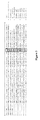
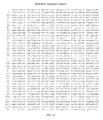
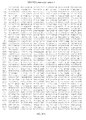
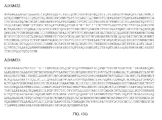
- FIG. 1 shows the amino acid sequences of the disintegrin-like domains of the 23 human ADAM proteins (APs).
- FIG. 1A shows the sequence alignment of disintegrin-like domains of human ADAM proteins. The amino acid residues that are crossed out indicate amino acids that are removed in the corresponding MAP polypeptides. The amino acids in bold in APs 1 and 17 were replaced with another amino acid in the corresponding MAPs to conserve the medium-sized snake venom disintegrin cysteine pattern.
- FIG. 1B shows the tripeptide motifs (boxed amino acid residues) that are displayed at the tips of each of the APs' disintegrin loops of the disintegrin-like domain.
- FIG. 1C shows the disintegrin loops (boxed amino acid residues) of the disintegrin-like domains.
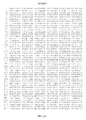
- FIG. 2 shows the amino acid sequences of the MAP polypeptides.
- FIG. 2A shows the amino acid sequences of the 23 MAP polypeptides aligned against the sequence of trimestatin, a prototypical medium-size snake venom disintegrin (purified from the venom of Trimeresurus flavoviridis snake). The cysteine residues are aligned and underlined. The replacement amino acid residues corresponding to those in AP1 and AP 17 for MAP1 and MAP 17, respectively are shown in bold. In addition, the N-terminus residue in APs 1,3,6, 18, 21, 30, and 32 was replaced by a glycine residue in their corresponding MAPs.
- FIG. 2A shows the amino acid sequences of the 23 MAP polypeptides aligned against the sequence of trimestatin, a prototypical medium-size snake venom disintegrin (purified from the venom of Trimeresurus flavoviridis snake). The cysteine residues are aligned and underlined
- FIG. 2B shows the tripeptide motifs (boxed amino acids) that are displayed at the tips of each of the MAPs' disintegrin loops of the disintegrin-like domain and by medium-size snake venom trimestatin.
- FIG. 2C identifies the disintegrin loops (boxed amino acids) of MAPs and trimestatin.
- FIG. 3 shows sequence alignment of snake venom disintegrins with the disintegrin-like domains of human ADAM proteins.
- the disintegrin-like sequences of PIII-class snake venom metalloproteases (VAP1 and Catrocollastatin) were aligned with long-size snake venom disintegrin sequences (Salmosin3 and Bitistatin), a prototypical medium-size snake venom disintegrin (Trimestatin) and several human ADAM disintegrin-like domains (AP7, AP8, AP12, AP19, AP28, and AP33).
- the amino acid residues in disintegrin-like sequences from both snake and human origin
- the tripeptide amino acid motifs displayed at the tip of disintegrin loops in these disintegrin and disintegrin-like sequences are shown in a box.
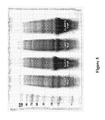
- FIG. 4 compares expression of Trx-D9 (native human ADAM9 disintegrin-like domain sequence-thioredoxin fusion polypeptide) to Trx-MAP9 (MAP9-thioredoxin fusion polypeptide) in different E. coli hosts (BL21 versus Origami B) analyzed by SDS-PAGE.
- lanes represent: PageRulerTM Plus Prestained Protein Ladder (Fermentas, Burlington, ON), lysates from Trx-D9-transformed BL21 (DE3) cells grown and induced in Carbenicillin, lysates from Trx-D9-transformed Origami B (DE3) cells initially plated on 3 AB (Carbenicillin, Kanamycin and Tetracycline), but further expanded and induced in Carbenicillin only, lysates from Trx-MAP9-transformed BL21 (DE3) cells grown and induced in Carbenicillin, and lysates from Trx-MAP9-transformed Origami B (DE3) cells initially plated on 3 AB (Carbenicillin, Kanamycin and Tetracycline), but further expanded and induced in Carbenicillin only.
- PageRulerTM Plus Prestained Protein Ladder Fermentas, Burlington, ON
- lysates from Trx-D9-transformed BL21 (DE3) cells grown and induced in Carbenicillin lysates
- FIG. 5 compares expression of Trx-D15 (native human ADAM 15 disintegrin-like domain sequence-thioredoxin fusion polypeptide) to Trx-MAP15 (MAP15-thioredoxin fusion polypeptide) in different E. coli hosts (BL21 versus Origami B) analyzed by SDS-PAGE.
- lanes represent: PageRulerTM Plus Prestained Protein Ladder (Fermentas, Burlington, ON), lysates from Trx-D15-transformed BL21 (DE3) cells grown and induced in Carbenicillin, lysates from Trx-D15-transformed Origami B (DE3) cells initially plated on 3 AB (Carbenicillin, Kanamycin and Tetracycline), but further expanded and induced in Carbenicillin only, lysates from Trx-MAP15-transformed BL21 (DE3) cells grown and induced in Carbenicillin, and lysates from Trx-MAP15-transformed Origami B (DE3) cells initially plated on 3 AB (Carbenicillin, Kanamycin and Tetracycline), but further expanded and induced in Carbenicillin only.
- PageRulerTM Plus Prestained Protein Ladder Fermentas, Burlington, ON
- lysates from Trx-D15-transformed BL21 (DE3) cells grown and induced in Carbenicillin lysates
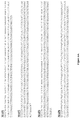
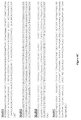
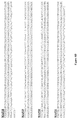
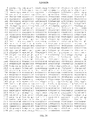
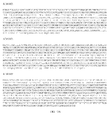
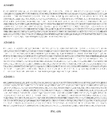
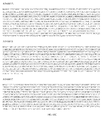
- FIG. 6 shows the nucleic acid sequences of MAPs inserted into a pET32a expression vector 3' to bacterial TrxA.
- FIG. 6A shows the DNA sequences of MAPs 1, 2, 3, and 6.
- FIG. 6B shows the nucleic acid sequences of MAPs 7, 8, 9, and 10.
- FIG. 6C shows the nucleic acid sequences of MAPs 11, 12, 15, and 17.
- FIG. 6D shows the nucleic acid sequences of MAPs 18, 19, 20, and 21.
- FIG. 6E shows the nucleic acid sequences of MAPs 22, 23, 28, and 29.
- FIG. 6F shows the nucleic acid sequences of MAPs 30, 32, and 33.
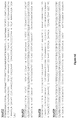
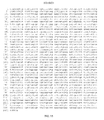
- FIG. 7 shows the oligonucleotide primer sequences used for cloning of MAP constructs into a pET32a expression vector.
- FIG. 7A shows the oligonucleotide primers used for cloning of MAPs 1, 2, 3, 6, 7, 8, 9, 10, 11, 12, 15, 17, and 18.
- FIG. 7B shows the oligonucleotide primers used for cloning of MAPs 19, 20, 21, 22, 23, 28, 29, 30, 32, and 33.
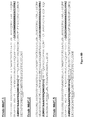
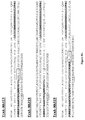
- FIG. 8 shows the amino acid sequences of all TrxA-MAP constructs that were expressed in E. coli Origami B (DE3).
- the active site of TrxA (CGPC) is italicized, the tripeptide motif at the tip of the disintegrin loop is underlined, the TEV cleavage recognition site is highlighted in a box and the linker region between TrxA and various MAP constructs is in bold and italicized.
- the amino acid residues introduced to replace the residues in AP1 and AP 17 in the corresponding MAP1 and MAP 17 are highlighted in bold double-underlined.
- FIG. 9 shows expression of Trx-MAP2 (MAP2-thioredoxin fusion polypeptide), Trx-MAP7 (MAP7-thioredoxin fusion polypeptide), Trx-MAP8 (MAP8-thioredoxin fusion polypeptide), and Trx-MAP9 (MAP9-thioredoxin fusion polypeptide) expression levels in Origami B host analyzed by SDS-PAGE.
- Trx-MAP2 MAP2-thioredoxin fusion polypeptide
- Trx-MAP7 MAP7-thioredoxin fusion polypeptide
- Trx-MAP8 MAP8-thioredoxin fusion polypeptide
- Trx-MAP9 MAP9-thioredoxin fusion polypeptide
- lanes represent: PageRulerTM Plus Prestained Protein Ladder (Fermentas, Burlington, ON), lysates from Trx-MAP2-transformed Origami B (DE3) cells, lysates from Trx-MAP7-transformed Origami B (DE3) cells, lysates from Trx-MAP8-transformed Origami B (DE3) cells, and lysates from Trx-MAP9-transformed Origami B (DE3). All transformants were initially plated on 3 antibiotics (Carbenicillin, Kanamycin and Tetracycline), but further expanded and induced in Carbenicillin only.
- FIG. 10 shows expression of Trx-MAP10 (MAP10-thioredoxin fusion polypeptide), Trx-MAP12 (MAP12-thioredoxin fusion polypeptide), Trx-MAP15 (MAP15-thioredoxin fusion polypeptide), and Trx-MAP17 (MAP17-thioredoxin fusion polypeptide) expression levels in Origami B host analyzed by SDS-PAGE.
- Trx-MAP10 MAP10-thioredoxin fusion polypeptide
- Trx-MAP12 MAP12-thioredoxin fusion polypeptide
- Trx-MAP15 MAP15-thioredoxin fusion polypeptide
- Trx-MAP17 MAP17-thioredoxin fusion polypeptide
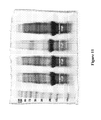
- FIG. 11 shows expression of Trx-MAP 19 (MAP19-thioredoxin fusion polypeptide), Trx-MAP23 (MAP23-thioredoxin fusion polypeptide), Trx-MAP28 (MAP28-thioredoxin fusion polypeptide), and Trx-MAP33 (MAP33-thioredoxin fusion polypeptide) expression levels in Origami B host analyzed by SDS-PAGE.
- Trx-MAP 19 MAP19-thioredoxin fusion polypeptide
- Trx-MAP23 MAP23-thioredoxin fusion polypeptide
- Trx-MAP28 MAP28-thioredoxin fusion polypeptide
- Trx-MAP33 MAP33-thioredoxin fusion polypeptide
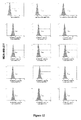
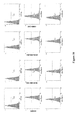
- FIG. 12 shows flow cytometry detection of binding of various Trx-MAPs, as indicated in the figure, to MDA-MB-231 cells (human breast carcinoma).
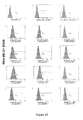
- FIG. 13 shows flow cytometry detection of binding of various Trx-MAPs, as indicated in the figure, to a bone-homing subclone of MDA-MB-231 cells (human breast carcinoma).
- FIG. 14 shows flow cytometry detection of binding of various Trx-MAPs, as indicated in the figure, to a brain-homing subclone of MDA-MB-231 cells (human breast carcinoma).
- FIG. 15 shows flow cytometry detection of binding of various Trx-MAPs, as indicated in the figure, to a Jurkat cells (human T-cell leukemia cell line).
- FIG. 16 shows flow cytometry detection of binding of MAP9 and MAP 15 to HUVEC (Human Umbilical Vein Endothelial Cells), MDA-MB-435 (human breast carcinoma), MDA-MB-231 (human breast carcinoma), and a glioblastoma multiforme cancer stem cell line (GBM-CSC).
- HUVEC Human Umbilical Vein Endothelial Cells
- MDA-MB-435 human breast carcinoma
- MDA-MB-231 human breast carcinoma
- GBM-CSC glioblastoma multiforme cancer stem cell line
- FIG. 17 shows HUVEC tube formation assays in the presence of 10nM MAP9 or MAP15.
- Panel A untreated control; panel B - 100 ⁇ M Suramin; panel C - 10nM MAP9; panel D - 10nM MAP 15.
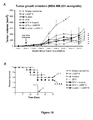
- FIG. 18 shows tumor growth inhibition (panel A) and survival (panel B) in MDA-MB-231 xenografts by MAP 15 and a liposomal formulation of MAP 15 treatment as compared to other anticancer treatments (Avastin and Docetaxel).
- FIG. 19 shows microvessel inhibition in a tumor angiogenesis assay in photomicrographs (panel A) and by quantitation of microvessel density from random photomicrographs (panel B) in MDA-MB-231 xenografts by a liposomal formulation of MAP 15 treatments as compared to other anticancer treatments (Avastin and Docetaxel) and in combination with other anticancer treatments.
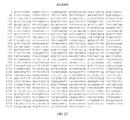
- FIG. 20 shows the nucleic acid sequence corresponding to the ADAM1 transcript.
- FIG. 21 shows the nucleic acid sequence corresponding to the ADAM2 transcript.
- FIG. 22 shows the nucleic acid sequence corresponding to the ADAM3 transcript, variant 1.
- FIG. 23 shows the nucleic acid sequence corresponding to the ADAM6 transcript.
- FIG. 24 shows the nucleic acid sequence corresponding to the ADAM7 transcript.
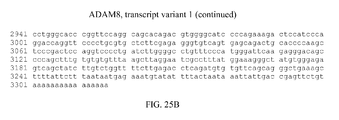
- FIG. 25 shows the nucleic acid sequence corresponding to the ADAM8 transcript, variant 1.
- FIG. 26 shows the nucleic acid sequence corresponding to the ADAM9 transcript, variant 1.
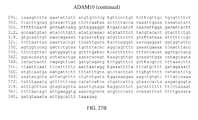
- FIG. 27 shows the nucleic acid sequence corresponding to the ADAM10 transcript.
- FIG. 28 shows the nucleic acid sequence corresponding to the ADAM11 transcript.
- FIG. 29 shows the nucleic acid sequence corresponding to the ADAM 12 transcript, variant 1.
- FIG. 30 shows the nucleic acid sequence corresponding to the ADAM15 transcript, variant 6.
- FIG. 31 shows the nucleic acid sequence corresponding to the ADAM17 transcript.
- FIG. 32 shows the nucleic acid sequence corresponding to the ADAM18 transcript, variant 1.
- FIG. 33 shows the nucleic acid sequence corresponding to the ADAM19 transcript.
- FIG. 34 shows the nucleic acid sequence corresponding to the ADAM20 transcript.
- FIG. 35 shows the nucleic acid sequence corresponding to the ADAM21 transcript.
- FIG. 36 shows the nucleic acid sequence corresponding to the ADAM22 transcript, variant 1.
- FIG. 37 shows the nucleic acid sequence corresponding to the ADAM23 transcript.
- FIG. 38 shows the nucleic acid sequence corresponding to the ADAM28 transcript, variant 1.
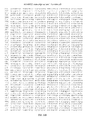
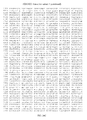
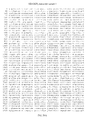
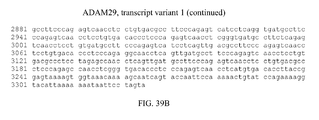
- FIG. 39 shows the nucleic acid sequence corresponding to the ADAM29 transcript, variant 1.
- FIG. 40 shows the nucleic acid sequence corresponding to the ADAM30 transcript.
- FIG. 41 shows the nucleic acid sequence corresponding to the ADAM32 transcript.
- FIG. 42 shows the nucleic acid sequence corresponding to the ADAM33 transcript, variant 1.
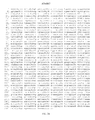
- FIG. 43 shows the amino acid sequences for ADAM2, ADAM7, ADAM8, ADAM9, ADAM10, ADAM11, ADAM12, ADAM 15, ADAM 17, ADAM18, ADAM 19, ADAM20, ADAM21, ADAM22, ADAM23, ADAM28, ADAM29, ADAM30, ADAM32, and ADAM33 polypeptides.
- MAPs Modified ADAM-derived Polypeptides
- AP ADAM-derived Polypeptide
- the MAP can be derived from an ADAM (A Disintegrin and Metalloproteinase) which includes ADAM15, ADAM28, ADAM1, ADAM2, ADAM3, ADAM6, ADAM7, ADAM 8, ADAM9, ADAM10, ADAM11, ADAM12, ADAM18, ADAM 19, ADAM20, ADAM21, ADAM22, ADAM23, ADAM29, ADAM30, ADAM32, ADAM33.
- ADAM Disintegrin and Metalloproteinase
- fusion proteins of MAPs with an N-terminal segment of thioredoxin and nucleic acids that code these fusions are also provided herein.
- the MAPs can have the properties of inhibiting the movement of HUVEC or MDA-MB-435 cells through a reconstituted basement membrane, increasing the level of phosphorylation of FAK in MDA-MB-435 cells or inhibiting tube formation of HUVECs in culture.
- expression vectors that express MAPs and prokaryotic host cells transformed with these expression vectors.
- the expression vector can be under inducible control, such as where the host also carries stable mutations in thioredoxin reductase B ( trxB ) gene and/or the glutathione reductase ( gor ) gene.
- the cancer can be an integrin expressing cancer.
- the cancer can be breast cancer, colorectal cancer, basal cell carcinoma, adenocarcinoma, gastrointestinal cancer, colon cancer, liver cancer, bladder cancer, pancreatic cancer, ovarian cancer, cervical cancer, lung cancer, skin cancer, prostate cancer, renal cell carcinoma, central nervous system (CNS) cancer, and leukemia.
- the gastrointestinal cancer can be lip cancer, mouth cancer, esophageal cancer, small bowel cancer or stomach cancer.
- the skin cancer can be squamous cell or basal cell cancer.
- the MAP can be labeled and the label can be a Positron Emmission Tomography (PET) probe or a fluorescent probe.
- PET Positron Emmission Tomography
- the artificial ECM scaffold can further include stem cell precursors.
- the artificial ECM scaffold can be a urinary bladder scaffold, an esophageal scaffold or an anal scaffold.
- stents coated with a composition that includes at least one MAP are also provided.
- MAPs that are an AP having a distintegrin-like domain from an ADAM having (i) the Cys-Asp-Cys (CD) motif, (ii) the tripeptide motif as indicated in FIG. 1 and (iii) lacking all or substantially all of the ADAM metalloprotease domain, cysteine-rich domains, and interdomain segments, and further comprising amino acid modification that results in disruption of the interdomain disulfide linkages with the first cysteine C-terminal to the CDC motif and interdomain disulfide linkages with the cysteine C-terminal to the tripeptide motif.
- CD Cys-Asp-Cys
- MAPs M odified A DAM-derived P olypeptides
- MAPs refer to a modified form of the native disintegrin domain of an ADAM protein. See Appendix for listing of ADAM encoding nucleic acid and amino acid sequences.
- AP ADAM derived Polypeptide
- ADAM derived Polypeptide is a disintegrin domain of the ADAM lacking all or substantially all of its metalloprotease and cysteine-rich domains and interdomain segments.
- FIG. 1 Examples of APs are shown in FIG. 1 .
- the N-terminal end of the AP starts at the position 3 amino acid residues N-terminal from the CDC motif up to but not including the first cysteine N-terminal to the CDC.
- the C-terminal end of the AP ends at the position 10 amino acid residues C-terminal from the 12th cysteine residue from the CDC motif up to but not including the next cysteine C-terminal to said 12 th cysteine residue.
- ADAM 17 has a CDP motif rather than a CDC motif from which the ends of the corresponding AP (AP 17) are delineated.
- a “MAP” is a "modified” form of an AP, the modifications involving an alteration(s) in the amino acid sequence of the AP to achieve the beneficial properties described herein.
- MAPs therefore, have sequences which are modified relative to the sequence normally present in the AP and corresponding sequence of the ADAM polypeptide.
- modified means that the amino acid is deleted, substituted or chemically modified and, in an embodiment, the modification results in disruption of interdomain disulfide linkage.
- Exemplary MAPs are shown in FIG. 2 . The MAP sequences are shown aligned with trimestatin, a prototypical medium-size snake venom disintegrin.
- MAP constructs were modeled after medium-size snake venom disintegrins and had their sequences modified to fold similarly to these native snake venom molecules.
- the MAPs (except for MAP 17) were constructed such that the first cysteine C-terminal to the CDC motif and two amino acids C-terminal to said cysteine as well as the cysteine C-terminal to the tripeptide motif of the corresponding AP are deleted.
- the cysteine residues can be substituted with alternate amino acids or the cysteine amino acid residues can be chemically modified so as to prevent disulfide bond formation.
- the amino acid substitutions can be conservative, e.g.
- the first cysteine C-terminal to the CDC motif of the AP can be substituted with a serine residue
- the amino acid residues C-terminal to the cysteine can be substituted with a charged amino acid
- the cysteine C-terminal to the tripeptide motif can be substituted with a charged amino acid.
- Such mutational approaches and chemical modifications of amino acid residues are well known in the art. With regard to chemical modifications, an example is the use alkylating agents to react with cysteine residues to prevent formation of disulfide bonds. Except for MAP 10, 17, 18 and 32, MAPs display an 11 amino acid disintegrin loop, similar to the native loop of snake venom disintegrins. MAP 10 displays a 10 amino acid integrin loop and MAP17, MAP18, and MAP32 display a 12 amino acid disintegrin loop.
- MAPs can be expressed and further purified as stand alone biologically active molecules in a bacterial system that supports both the generation of active soluble disulfide-rich polypeptides and high expression yields for these products. While not wishing to be bound by theory, the MAPs were designed from the native APs so that they could adopt a snake venom disintegrin fold rather than their native ADAM conformations. The MAPs can be expressed with high yields in the Origami B (DE3) E. coli strain and further purified as stable and active free polypeptides that can interact with a class of mammalian cell surface receptors, the integrins, in a manner that is similar to that of native snake venom disintegrins.
- Origami B DE3 E. coli strain
- the MAPs can also retain some of the signaling properties that are characteristic of the APs or disintegrin domain activities from the ADAM polypeptide from which the MAP was derived. For instance, retained characteristics may include signaling attributes related to the putative ability of the ADAM disintegrin domains to engage integrin receptors by utilizing amino acid residues located outside the classical disintegrin loop.
- Cellular functions of ADAMs are well known [1-5, 34].
- the PII-class SVMPs that give rise to the prototypical medium-sized snake venom disintegrins e.g., Trimestatin, Kistrin, Flavoridin etc
- the prototypical medium-sized snake venom disintegrins e.g., Trimestatin, Kistrin, Flavoridin etc
- PII-class SVMPs that give rise to the long-sized snake venom disintegrins (e.g., Bitistatin, Salmosin3 etc) fail to form a critical disulfide bridge between the metalloprotease domain and the downstream spacer region and consequently a proteolytic attack happens further N-terminal in the spacer region with the release of a longer disintegrin having a portion of the spacer region attached N-terminally to the freed disintegrin domain (see the sequence alignment of various disintegrin and disintegrin domains in FIG. 3 ).
- snake venom disintegrins e.g., Bitistatin, Salmosin3 etc
- the disulfide bridges fail to form in the same spacer region but also in the N-terminal part of the disintegrin domain and even shorter variants of snake venom disintegrins are released (e.g., either partially truncated disintegrins domains that dimerize like Contortrostatin or, more rarely, extremely truncated polypeptides like Echistatin or Eristostatin). It is further believed that, in almost all cases, the free disintegrin domains display a conserved 11-amino acid disintegrin loop in the C-terminal half of their molecule, which is the hallmark of snake venom disintegrins.
- ADAM transcripts that have been identified in the human genome (3 of them being pseudogenes that are not normally translated into a protein product) have been used as the basis for creating the encoded MAPs as described herein that adopt the snake venom disintegrin fold.
- ADAM transcripts encode a number of isoforms. Nonetheless, inside the isoforms of different ADAMs the disintegrin domain's sequence is conserved and therefore there are only 23 different disintegrin domains in the human family of ADAM proteins.
- the MAPs of the invention can interact in a high affinity manner with a defined integrin set. This property makes these mutant polypeptides broad spectrum integrin ligands for clinical and therapeutic use.
- the non-functional transcripts do contain complete disintegrin sequences that, if artificially translated in a recombinant system, can generate active polypeptides with novel biological functions.
- the disintegrin domains of human ADAMs have between 76 to 86 amino acids (the disintegrin domain of ADAM1 is the shortest, whereas that of ADAM10 is the longest), and, with 2 exceptions (ADAMs 1 and 17), they all contain 14 canonical cysteine residues of the ADAM scaffold (see the aligned sequences of human ADAMs below). See FIG. 1 .
- the disintegrin loops of ADAMs display much different tripeptide motifs at their tips and therefore are expected to engage a broader range of integrins and in a different manner than their snake venom counterparts.
- each of the APs is believed to bind to a defined and unique set of integrin receptors thus signaling in a unique manner (see FIG. 3 for the sequence alignment of ADAM and snake venom disintegrins illustrating the differences in the disintegrin loops).
- an integrin signature that is characteristic of a particular cell type or disease state for a cell type.
- An integrin signature means a combination of integrins present on the surface of a cell that is unique to that cell type or the disease state for that cell type.
- the disintegrin domain of human ADAM 15 contains a RGD tripeptide motif in its disintegrin loop which supports the hypothesis that human ADAM 15 plays important regulatory roles in the cardiovascular system.
- This RGD tripeptide motif in ADAM 15 is shown in AP15 in FIG. 1 .
- MAPs for each AP portion of all 23 known human ADAM members were generated.
- the human ADAM disintegrin domain sequences were modified according to the rationale presented above, which includes removing the residues (among which include 2 cysteine residues) in the ADAM disintegrin domain that normally participate in interdomain-disintegrin domain disulfide bridge formation in the native ADAM proteins. Not wishing to be bound by theory, the apparent function of these disulfide bridges is to keep the disintegrin loops in ADAMs tightly packed and unavailable to integrin receptors.
- these MAPs acquire the mobility of the canonical 11-amino acid loop and the disintegrin-fold characteristic of snake venom disintegrins.
- these 23 members of the human ADAMs 6 members perfectly fit the above-mentioned scheme (ADAMs 7, 8, 12, 19, 28 and 33) when aligned with long- and medium-sized snake venom disintegrins as well as with PIII-class SVMPs (see FIG. 3 for an alignment of snake venom disintegrins and human ADAM disintegrin domains).
- ADAMs 10, 17, 18 and 32
- all human ADAM members were converted to MAPs that display a 11-amino acid disintegrin loop.
- 3 (ADAMs 17, 18 and 32) were converted to MAPs displaying a slightly longer, 12-amino acid loop
- 1 member (ADAM 10) was converted to a MAP carrying a slightly shorter 10-amino acid disintegrin loop (see AP10 in FIG. 2 for the MAP sequence alignment).
- interdomain regions or “spacer regions” means the polypeptide portion of an ADAM between the metalloprotease and disintegrin domain (the “MD interdomain region”) and between the disintegrin domain and the cysteine-rich domain (the “DC interdomain region”), respectively, wherein the MD interdomain region starts at least 10 amino acid residues N-terminal to the AP and the DC interdomain region starts at least 10 amino acid residues C-terminal to the AP.
- Each interdomain is 5 to 15 amino acids in length.
- the DNA sequences of all 23 MAPs were de novo synthesized and cloned into the pET32a expression vector [30] downstream of bacterial thioredoxin A (TrxA).
- the MAPs were produced in the Origami B (DE3) bacterial strain as described in PCT Patent Application No. PCT/US09/64256, filed November 12, 2009 , and titled "Method of expressing proteins with disulfide bridges with enhanced yields and activity.”
- This application describes an improvement upon the expression system disclosed in U.S. Publication no. 20060246541 , which includes, as an embodiment, expression of a chimeric snake venom disintegrin Vicrostatin (VCN) in the Origami B (DE3)/pET32a system.
- VCN chimeric snake venom disintegrin Vicrostatin
- the improved method was used to generate increased amounts of correctly-folded active MAPs. This is achieved by growing the Origami B cells in a less selective environment and thus allowing for the generation and expansion of VCN-transformants that display a more optimal redox environment during the induction of the heterologous recombinant protein production.
- the Origami B is unique in that, by carrying mutations in two key genes, thioredoxin reductase ( trxB ) and glutathione reductase ( gor ), that are critically involved in the control of the two major oxido-reductive pathways in E. coli , this bacterium's cytoplasmic microenvironment is artificially shifted to a more oxidative redox state, which is the catalyst state for disulfide bridge formation in proteins [18, 29].
- the Origami B strain has growth rates and biomass yields similar to those obtained with wild-type E. coli strains, which makes it an attractive and scalable production alternative for difficult-to-express recombinant proteins like VCN.
- This strain is also derived from a lacZY mutant of BL21.
- the lacY1 deletion mutants of BL21 (the original Tuner strains) enable adjustable levels of protein expression by all cells in culture.
- the lac permease ( lacY1 ) mutation allows uniform entry of IPTG (a lactose derivative) into all cells in the population, which produces a controlled, more homogenous induction. By adjusting the concentration of IPTG, the expression of target proteins can be optimized and theoretically maximal levels could be achieved at significantly lower levels of IPTG.
- the Origami B combines the desirable characteristics of BL21 (deficient in ompT and lon proteases), Tuner ( lacZY mutant) and Origami ( trxB / gor mutant) hosts in one strain.
- the mutations in both the thioredoxin reductase ( trxB ) and glutathione reductase ( gor ) greatly promote disulfide bond formation in the cytoplasm [29].
- FIGS. 4 and 5 show a comparison in expression levels between strains
- the mere usage of the Origami B strain and the pET32a expression vector does not automatically guarantee the generation of a soluble and/or active product.
- the generation of disulfide-rich polypeptides in Origami B appears to be sequence dependent.
- MAPs e.g. MAP9 and MAP15
- FIGS. 4 and 5 show a comparison in expression levels between strains
- MAPs of the invention are prepared so as to be substantially isolated or substantially purified.
- substantially purified or isolated in reference to a MAP does not require absolute purity. Instead, it represents an indication that the MAP is preferably greater than 50% pure, more preferably at least 75% pure, and most preferably at least 95% pure, at least 99% pure and most preferably 100% pure.
- MAPs can be prepared synthetically or prepared by recombinant expression as described herein.
- compositions containing MAPs should comprise at a minimum an amount of the MAP effective to achieve the desired effect (e.g. inhibit cancer growth or prevent or inhibit cancer metastasis) and include a buffer, salt, and/or suitable carrier or excipient.
- MAPs are present in an amount sufficient to provide about 0.01 mg/kg to about 50 mg/kg per day, preferably about 0.1 mg/kg to about 5.0 mg/kg per day, and most preferably about 0.1 mg/kg to about 0.5 mg/kg per day.
- MAPs may be administered by a variety of heretofore known means suitable for delivery thereof into the body of a subject (e.g. the blood stream) in substantial amounts.
- Intravenous administration of MAPs in a suitable liquid vehicle or excipient is presently contemplated as the preferred route of administration.
- MAPs are soluble in water, and may therefore be effectively administered in a suitable aqueous solution (e.g., phosphate buffered saline).
- MAPs may be administered orally (in the form of tablets or capsules formulated with a suitable binder or excipient material, or in the form of aqueous or oily suspensions, solutions, emulsions, syrups or elixirs) or as a parenteral suspension.
- MAPs can also be delivered intraarterially or intraductally, or may be introduced locally at the intended site of action.
- adjuvants or excipients such as local anesthetics, preservatives, buffering agents, lubricants, wetting agents, colorants, flavorings, fillers and diluents may suitably be included in any of these formulations.
- MAPs may be delivered by way of liposomes.
- Liposomal delivery is well known in the art and has been described for delivery of disintegrins.
- Swenson et al. describes use of intravenous delivery of contortrostatin in liposomes for therapy of breast cancer [26].
- MAPs such as MAP9
- MAP9 display pro-angiogenic effects (see below). Not wishing to be bound by theory, this could represent a more general characteristic of the members of the meltrin class of ADAM family (ADAMs 9, 12, and 19).
- the meltrins are mesenchymal ADAMs that were originally described to be expressed in the course of differentiation induction of muscle cells where they are involved in cell fusion and other processes and may play an important role in the stabilization of neovessels [33]. Consequently, recombinant polypeptides derived from the meltrin class of ADAM proteins can be used therapeutically to stimulate the formation of new capillary networks and maintain the collateral capillary growth in diseases such as coronary artery disease (CAD) or other ischemic conditions. Therefore, for example, MAPs may be coated on or chemically coupled to stents for use in therapy of CAD and related diseases that utilize stents.
- CAD coronary artery disease
- MAPs can also be directly or indirectly conjugated to drugs, toxins, radionuclides and the like, and these conjugates used for diagnostic or therapeutic applications.
- a MAP can be used to identify or treat tissues or organs that express a cognate integrin.
- MAPs or bioactive fragments or portions thereof can be coupled to detectable or cytotoxic molecules and delivered to a mammal having cells, tissues or organs that express the cognate integrin or integrins.
- Suitable detectable molecules may be directly or indirectly attached to a MAP, and include radionuclides, enzymes, substrates, cofactors, inhibitors, fluorescent markers, chemiluminescent markers, magnetic particles and the like.
- Suitable cytotoxic molecules may be directly or indirectly attached to the polypeptide or antibody, and include bacterial or plant toxins (for instance, diphtheria toxin, Pseudomonas exotoxin, ricin, abrin and the like), as well as therapeutic radionuclides, such as iodine-131, rhenium-188 or yttrium-90 (either directly attached to the polypeptide or antibody, or indirectly attached through means of a chelating moiety, for instance).
- MAPs may also be conjugated to cytotoxic drugs, such as adriamycin.
- cytotoxic drugs such as adriamycin.
- the detectable or cytotoxic molecule can be conjugated with a member of a complementary/anticomplementary pair, where the other member is bound to the polypeptide or antibody portion, such as biotin/streptavidin.
- the disclosed compositions can be used either singly or in combination for the treatment of diseases related to endothelial cell dysfunction.
- the disclosed compositions are useful for cancer treatment.
- the cancer can be of epithelial origin.
- the cancer can be breast cancer, colorectal cancer, basal cell carcinoma, adenocarcinoma, gastrointestinal cancer, such as, for example, lip cancer, mouth cancer, esophageal cancer, small bowel cancer and stomach cancer, colon cancer, liver cancer, bladder cancer, pancreatic cancer, ovarian cancer, cervical cancer, lung cancer, and skin cancer, such as squamous cell and basal cell cancers, prostate cancer, renal cell carcinoma, central nervous system (CNS) cancer, leukemia and other known cancers that effect epithelial cells throughout the body.
- CNS central nervous system
- ADAMs membrane-tethered and/or secreted forms
- integrin counter-receptors a process that is mechanistically important for cancer progression.
- pathological interactions serve in cancer for the recruitment of ADAM metalloproteinases via integrins into multiprotein complexes (i.e., invadosomes) that are assembled by highly migratory cells (cancer, inflammatory or endothelial cells) in the process of executing some critical integrin-driven steps in tumor progression: the infiltration of tumor stroma by inflammatory cells where they are shown to play important supportive roles, the migratory steps associated with tumor angiogenesis where endothelial cells from preexisting vessels are recruited to assemble neovessels, and, finally, the migratory and invasive events associated with metastasis.
- the disruption of these pathological processes by MAPs reduce malignancies.
- the broad spectrum anti-integrin MAPs can also impact tumor differentiation.
- Differentiation signals coming from soluble integrin ligands e.g., either single or combinations of MAPs
- cancer stem cells from various human malignancies may be induced to fully commit along their differentiation lineages and stay differentiated.
- Composition of the invention can also be used for screening a candidate compounds for MAP-specific binding by comparing the relative binding of said candidate compound to an integrin in the presence and in the absence of a MAP, wherein a decrease of integrin binding in the presence of said MAP indicates that said MAP-specific integrin binding molecule is MAP-specific.
- compositions of the invention can be used for early detection of cancer by taking advantage of specific "integrin signatures" displayed by cancer cells.
- An "integrin signature” or “integrin profile” is the one or more integrins expressed on the surface of a cell.
- carcinomas and sarcomas can display specific 'integrin signatures' based on a tumors' state of differentiation and organ localization.
- MAP-specific binding can be employed to identify and diagnose various cancer types based on integrin signatures either as in vivo cancer imaging agents (diagnostic imaging) and/or ex vivo molecular tools for tumor specimen staining (diagnostic pathology).
- compositions of the invention can be used for cancer staging, monitoring cancer cancer progression or therapy.
- the cancer can be of epithelial origin.
- the cancer can be breast cancer, colorectal cancer, basal cell carcinoma, adenocarcinoma, gastrointestinal cancer, such as, for example, lip cancer, mouth cancer, esophageal cancer, small bowel cancer and stomach cancer, colon cancer, liver cancer, bladder cancer, pancreatic cancer, ovarian cancer, cervical cancer, lung cancer, and skin cancer, such as squamous cell and basal cell cancers, prostate cancer, renal cell carcinoma, and other known cancers that effect epithelial cells throughout the body.
- gastrointestinal cancer such as, for example, lip cancer, mouth cancer, esophageal cancer, small bowel cancer and stomach cancer, colon cancer, liver cancer, bladder cancer, pancreatic cancer, ovarian cancer, cervical cancer, lung cancer, and skin cancer, such as squamous cell and basal cell cancers, prostate cancer, renal cell carcinoma, and other known cancers that effect epithelial cells throughout the body.
- MAPs can be used with PET (Positron Emission Tomography) probes to take advantage of the unique ability of MAPs with known integrin affinities to differentially bind to primary tumors, metastatic foci, as well as the tumor neovasculature based on the specific integrin expression of each particular solid tumor.
- PET Positron Emission Tomography
- MAPs can be labeled with 18 F through the amino group using N-succinimidyl-4- 18 F-fluorobenzoate ( 18 F-SFB) under optimized fluorination reaction conditions or by conjugation with the metal chelator DOTA/NOTA for 64 Cu/ 6g Ga-labeling.
- fluorescently-labeled MAPs may be used in vivo and ex vivo (on biopsy specimens) for tumor integrin expression profile analysis.
- compositions of the invention may be also utilized as molecular tools in regenerative medicine.
- ECM scaffolds organ molds
- stem cell precursors can be induced into populating these scaffolds and differentiate into desirable epithelial and mesenchymal layers.
- a urinary bladder scaffold coated with such a composition containing one or more MAPs can be used to direct stem cell progenitors to commit into both urothelium and muscular layers.
- Other examples include esophageal and rectal scaffolds coated with such a composition containing one or more MAPs can be used to direct stem cell progenitors to commit into the relevant tissue layers.
- Compositions of the invention can also be used to create defined tissue culture plate coatings that could either support the growth and maintain the stemness of embryonic stem cells in vitro or guide the commitment of these totipotent cells along their differentiation lineages in the same system.
- compositions of the invention may be used as novel drugs for supporting the collateral growth of capillaries in various ischemic conditions, such as drug-eluting stents.
- MAPs can be conjugated with a radionuclide, such as with a beta-emitting radionuclide, to reduce restenosis.
- a radionuclide such as with a beta-emitting radionuclide
- FIG. 6 shows a listing of synthetic MAPs DNA sequences that were cloned into pET32a expression vector.
- FIG. 7 shows the corresponding list of oligonucleotide primers utilized for MAPs cloning into pET32a vector.
- FIG. 8 shows the amino acid sequences of all TrxA-MAP constructs that were expressed in Origami B (DE3). The active site of TrxA and the tripeptide motif at the tip of the disintegrin loop are underlined, the TEV cleavage site is highlighted in a box and the linker region between TrxA and various MAP constructs is in bold black and italicized. The new residues introduced to replace the native residues in MAPs 1 and 17 are highlighted in bold double-underlined.
- the AP DNA sequences were PCR amplified from cDNA libraries built from several mammalian cell lines including HUVEC (PromoCell GmbH, Heidelberg, Germany), MDA-MB-435 (ATCC, Manassas, VA), MDA-MB-231 (ATCC, Manassas, VA), and Jurkat (ATCC, Manassas, VA).
- HUVEC PromoCell GmbH, Heidelberg, Germany
- MDA-MB-435 ATCC, Manassas, VA
- MDA-MB-231 ATCC, Manassas, VA
- Jurkat ATCC, Manassas, VA.
- the oligonucleotide primers used for further cloning the APs and MAPs DNA sequences into pET32a expression vector were synthesized by Operon Biotechnologies, Inc. (Huntsville, AL).
- MAP expression vectors and recombinant production The synthetic MAPs DNA sequences that were cloned into pET32a expression vector downstream of TrxA are listed in FIG. 6A-F .
- the oligonucleotide primers used for MAPs cloning are listed in FIG. 7A-B .
- the generated pET32a plasmids carrying the DNA sequences of MAPs cloned downstream of TrxA gene were initially amplified in DH5 ⁇ E. coli, purified and sequenced before being transferred into Origami B (DE3) E. coli.
- the transformed cells for each MAP construct were then plated on LB-Agar supplemented with carbenicillin (50 ⁇ g/mL), tetracycline (12.5 ⁇ g/mL), and kanamycin (15 ⁇ g/mL) and grown overnight at 37°C. From these plates, multiple cultures were established for each MAP construct from individual colonies of transformed Origami B by transferring these colonies into LB media containing carbenicillin (50 ⁇ g/mL). These initial cultures were grown overnight and further used for the inoculation of bigger volumes of LB media containing carbenicillin (50 ⁇ g/mL) that were grown at 37°C and 250rpm in a shaker-incubator until they reached an OD600 of 0.6-1.
- the cells from individual MAP cultures were induced using 1mM IPTG and incubated for another 4-5 hours at 37°C and 250 rpm.
- the cells from individual MAP cultures were pelleted at 4000xg and lysed in a microfluidizer (Microfluidics M-110L, Microfluidics, Newton, MA).
- the operating conditions of the microfluidizer included applied pressures of 14,000-18,000 psi, bacterial slurry flow rates of 300-400 ml per minute and multiple passes of the slurry through the processor.
- Trx-MAPs The expressed fusion proteins (i.e., Trx-MAPs) in the collected soluble lysates were then proteolysed by incubation with recombinant TEV protease overnight at room temperature which efficiently cleaved off each individual MAP from its TrxA fusion partner as monitored by SDS-PAGE.
- proteolysis When proteolysis was complete, the proteolyzed lysates were passed through a 0.22 ⁇ m filter, diluted 1:100 in double distilled H 2 O, ultrafiltrated through a 50,000 MWCO cartridge (Biomax50, Millipore) and then reconcentrated against a 5,000 MWCO cartridge (Biomax5, Millipore) using a tangential flow ultrafiltration device (Labscale TFF system, Millipore).
- the APs were cloned into pET32a, transformed into Origami B, and expressed using the same procedures described above for MAPs.
- MAPs Purification of recombinant MAPs.
- the MAPs were purified from filtrated lysates by employing a high-performance liquid chromatography (HPLC) procedure according to a protocol previously established for snake venom disintegrins [2]. Purification was performed by C18-reverse phase HPLC using the standard elution conditions previously employed for the purification of native CN [2]. Individual filtrated lysates processed as described above were loaded onto a Vydac C18 column (218TP54, Temecula, CA).
- a ten-minute rinse (at 5 ml/min) of the column with an aqueous solution containing 0.1%TFA was followed by a linear gradient (0-100%) elution over 150 min in a mobile phase containing 80% acetonitrile and 0.1%TFA.
- the MAPs start eluting in 35-40% acetonitrile.
- E. coli transformants were grown overnight at 37°C in shaker flasks were induced in 1mM IPTG for 5 hours at 37°C and 250rpm. At the end of the induction period, the cells were pelleted at 4,000xg, lysed by multiple freeze-thaw cycles, and further centrifuged at 40,000xg to remove the insoluble cell debris. 5 ⁇ l of soluble cell lysates from various E. coli hosts were loaded under reducing conditions on a precast 4-20% NuSep iGel (NuSep Inc., Lawrenceville, GA) and then Coomassie stained.
- MAP9 and MAP15 were generated in Origami B (DE3) with batch-to-batch expression yields ranging from 200mg to 350mg of HPLC-purified protein per liter of bacterial culture. These high yields of purified recombinant MAPs were achieved by lysis of the pelleted bacterial transformants at the end of the induction step with a microfluidizer. A similar production technique generated recombinant MAPs with similar expression yields in the Origami B (DE3) system ( FIGS. 9-11 ).
- MAPs in closely related bacterial hosts that also support the formation of disulfide bridges (e.g., the AD494 (DE3), a K12 derivative that carries the trxB mutation only, or the Rosetta-gami B (DE3), an Origami B derivative optimized for rare codon usage) appeared to offer no additional advantage over the production in Origami B (DE3).
- disulfide bridges e.g., the AD494 (DE3), a K12 derivative that carries the trxB mutation only, or the Rosetta-gami B (DE3), an Origami B derivative optimized for rare codon usage
- Trx-MAPs produced in Origami B (DE3) using the method described above were analyzed by flow cytometry for differential binding to multiple cell lines ( FIGS. 12-15 ), which included a human breast carcinoma line (MDA-MB-231) and two metastatic subclones of this line with tropism for different organs based on differential integrin profiles - a bone-homing subclone (MDA-MB-231 BONE) and a brain-homing subclone (MDA-MB-231 BRAIN).
- MDA-MB-231 BONE bone-homing subclone
- MDA-MB-231 BRAIN brain-homing subclone
- Trx-MAPs 8 and 28 which correspond to ADAMs 8 and 28 that have been previously shown to be expressed on different lineages of immune cells and participate in immune responses, preferentially bind to Jurkat cells (a T-cell leukemia cell line) as shown by flow cytometry analysis ( FIG. 15 ).
- MAP9 and MAP15 were FITC-labeled and analyzed by flow cytometry for direct binding to cancer cells lines (MDA-MB-231, MDA-MB-435), a cancer stem cell population isolated [32] from human glioblastoma (GBM-CSC) as well as human umbilical vein endothelial cells (HUVEC).
- Flow cytometry data FIG. 16 shows that the purified MAP9 and MAP 15 bind avidly to different cell lines that are expected to display vastly different integrin profiles.
- MAPs were then tested for angiogenic activity using the in vitro HUVEC tube formation assay.
- HUVEC cells were plated on 'Endothelial Cell Tube Formation' plates (BD Biosciences) in the presence of 10nM of either MAP9 or MAP 15.
- MAP9 appeared to have a pro-angiogenic effect by leading to the formation of an increased number of tubes when compared to the untreated control in this assay.
- This pro-angiogenic effect of MAP9 is supported by in vivo observations showing that a liposomal formulation of MAP9 promotes tumor growth (i.e., faster tumor growth, bigger tumors and a decreased survival compared to an untreated control) when administered intravenously in the MDA-MB-231 xenograft animal model.
- FIG. 18A shows inhibition of tumor growth induced by different treatments in the MDA-MB-231 model.
- Nude mice inoculated orthotopically (mammary fat pads; 2.5x10 6 MDA-MB-231 cells per mouse in complete Matrigel) were allowed to grow palpable tumors before treatment was commenced (indicated by the arrow).
- FIG. 18B shows animal survival data.
- Treatment groups showed increased survival compared to the control group (all control animals died by week 7).
- Either LMAP15 or Avastin plus LMAP15 groups had the highest survival.
- the in vivo efficacy data from this animal model indicates that LMAP15 exhibits similar antitumor potency to either Avastin or Docetaxel.
- tumors from each group in the MDA-MB-231 study were dissected and extracted from dead or sacrificed animals and subsequently analyzed for microvessel density by immunohistochemistry.
- the extracted tumors were embedded in Tissue-Tek O.C.T ('Optimal Cutting Temperature' compound, Sakura Finetek USA) then frozen in dry ice, cut into 5 micron sections, fixed in acetone and stored at 4°C until stained.
- the acetone-fixed slides were washed in PBS and blocked in PBS containing 5% goat serum then incubated overnight at room temperature with 200 ⁇ l of a rat polyclonal anti-CD31 antibody (BD Biosciences, San Diego, CA) diluted 1:50 in PBS and applied to the slides according to the manufacturer's protocol. This was followed by multiple washings in PBS (7 minutes/wash) and addition of 200 ⁇ l of a biotinylated secondary goat anti-rat antibody diluted 1:100 and applied for 45 minutes at room temperature.
- a rat polyclonal anti-CD31 antibody diluted 1:50 in PBS and applied to the slides according to the manufacturer's protocol.
- the optical luciferase imaging approach in vivo bioluminescence
- the following cell lines are stably infected with an adenoviral transduction system: a human breast cancer cell line (the MDA-MB-231, a triple-negative cell line), and two murine breast cancer lines (the 4T1, a HER2-negative line, and the D2F2, a HER2-positive line) with both luciferase and green fluorescence protein (GFP) reporter genes.
- a human breast cancer cell line the MDA-MB-231, a triple-negative cell line
- two murine breast cancer lines the 4T1, a HER2-negative line, and the D2F2, a HER2-positive line
- GFP green fluorescence protein
- an inoculum of 2x10 6 cells suspended in complete Matrigel is injected in the mammary fat pads of nude mice and allowed to grow until the formed tumors are palpable (approx. 2 weeks after implantation).
- the following treatment groups (5 animals per group) are formed: group 1 control (animals receiving no treatments or manipulations), group 2 control (animals receiving empty liposomes intravenously), group 3 control (animals receiving PBS intravenously), group 1 treated (animals receiving Avastin intravenously), group 2 treated (animals receiving Docetaxel intraperitoneally), group 3 treated (animals receiving a combination of Avastin intravenously and Docetaxel intraperitoneally), group 4 treated (animals receiving MAP 15 intravenously), group 5 treated (animals receiving a liposomal formulation of MAP 15 intravenously), group 6 treated (animals receiving a combination of MAP 15 intravenously, Avastin intravenously and Docetaxel intraperitoneally), and group 7 treated (animals receiving a combination of a liposomal formulation of MAP 15 intravenously, Avastin intravenously and Docetaxel intraperitoneally).
- MAP 15 is administered at the dose of 100 ⁇ g polypeptide/injection every other day
- liposomal MAP 15 is administered at the dose equivalent of 100 ⁇ g polypeptide/injection twice weekly.
- the MAP 15 efficacy as an anti-invasive/antimetastatic agent is also determined in two murine breast cancer models (the 4T1 and the D2F2 models).
- the 4T1 and the D2F2 models an inoculum of 5x10 5 cells (either 4T1 or D2F2) in PBS is injected in the mammary fat pads of immunocompetent BALB/c mice and allowed to grow tumors that become palpable (approx. 1 to 1.5 weeks after implantation).
- group 1 control animals receiving no treatments or manipulations
- group 2 control animals receiving empty liposomes intravenously
- group 3 control animals receiving PBS intravenously
- group 1 treated animals receiving Avastin intravenously
- group 2 treated animals receiving Lapatinib intravenously
- group 3 treated animals receiving Herceptin intravenously
- group 4 treated animals receiving a combination of Avastin, Lapatinib and Herceptin intravenously
- group 5 treated animals receiving MAP 15 intravenously
- group 6 treated animals receiving a liposomal formulation of MAP 15 intravenously
- group 7 treated animals receiving a combination of MAP 15, Avastin, Lapatinib, and Herceptin intravenously
- group 8 treated animals receiving a combination of a liposomal formulation of MAP15, Avastin, Lapatinib, and Herceptin intravenously).
- MAP 15 is administered at the dose of 100 ⁇ g polypeptide/injection every other day
- liposomal MAP 15 is administered at the dose equivalent of 100 ⁇ g polypeptide/injection twice weekly.
- mice are injected via an intraperitoneal route with a Luciferin solution (15 mg/mL or 30 mg/kg, in PBS, dose of 5-50 mg/kg) which is allowed to distribute in non-anesthetized animals for about 5-15 minutes. The mice are then placed into a clear Plexiglas anesthesia box (2-4% isofluorane) which allows unimpeded visual inspection of the animals and monitoring of their breathing status.
- a Luciferin solution 15 mg/mL or 30 mg/kg, in PBS, dose of 5-50 mg/kg
- the anesthesia delivery tube that supplies the anesthesia to the box is split so that the same concentration of anesthesia is delivered to the anesthesia manifold located inside the imaging chamber on the Xenogen IVIS 100 imaging instrument.
- mice After the mice are fully anesthetized, they are transferred from the anesthesia box to the anesthesia nose cones attached to the manifold in the imaging chamber, the door is closed, and images are acquired using Xenogen instrument.
- the imaging time is between one to five minutes per side (dorsal/ventral), depending on the experiment. When the animals are turned from dorsal to ventral (or vice versa) they are monitored for any signs of distress or changes in vitality.
- the acquired images are evaluated by comparing the level luciferase activity at the site of the control and treated tumors, and by comparing the distribution area under the curve associated with the luminescence from tumors in each treatment group.
- MAP 15 alone is as efficacious as or better than any of the monotherapies tested (either Avastin or Docetaxel or Lapatinib or Herceptin) at inhibiting primary tumor growth is made, reducing the number and size or both of metastatic foci, and prolonging animal survival in these tumor models.
- monotherapies tested either Avastin or Docetaxel or Lapatinib or Herceptin
- MAP 15 proved to be more efficacious than any monotherapy or other combinations at inhibiting primary tumor growth, reducing the number and size or both of metastatic foci, and prolonging survival in these tumor models.
- Nucleic acid sequences corresponding to ADAM RNA transcripts are provided in FIGs. 20-42 .
- Amino acid sequences for the corresponding ADAM polypeptides are provided in FIG. 43 .
Landscapes
- Health & Medical Sciences (AREA)
- Life Sciences & Earth Sciences (AREA)
- Chemical & Material Sciences (AREA)
- Engineering & Computer Science (AREA)
- General Health & Medical Sciences (AREA)
- Medicinal Chemistry (AREA)
- Biomedical Technology (AREA)
- Organic Chemistry (AREA)
- Veterinary Medicine (AREA)
- Animal Behavior & Ethology (AREA)
- Public Health (AREA)
- Zoology (AREA)
- Chemical Kinetics & Catalysis (AREA)
- Dermatology (AREA)
- Genetics & Genomics (AREA)
- Oral & Maxillofacial Surgery (AREA)
- Transplantation (AREA)
- Epidemiology (AREA)
- Cell Biology (AREA)
- Bioinformatics & Cheminformatics (AREA)
- Molecular Biology (AREA)
- Biochemistry (AREA)
- Botany (AREA)
- Urology & Nephrology (AREA)
- Wood Science & Technology (AREA)
- Nuclear Medicine, Radiotherapy & Molecular Imaging (AREA)
- Pharmacology & Pharmacy (AREA)
- General Chemical & Material Sciences (AREA)
- Hematology (AREA)
- Developmental Biology & Embryology (AREA)
- General Engineering & Computer Science (AREA)
- Biophysics (AREA)
- Toxicology (AREA)
- Immunology (AREA)
- Proteomics, Peptides & Aminoacids (AREA)
- Biotechnology (AREA)
- Microbiology (AREA)
- Vascular Medicine (AREA)
- Gastroenterology & Hepatology (AREA)
- Oncology (AREA)
Abstract
Description
- This application claims the benefit of priority under 35 U.S.C. § 119(e) to
U.S. Provisional Application Serial No. 61/303,631, filed February 11, 2010 - The invention relates to a class of engineered polypeptides that are derived from the ADAM (A Disintegrin and Metalloproteinase) mammalian family of multirole proteases and methods of making same. The invention also relates to the use of these engineered polypeptides for anti-angiogenesis and anti-tumor growth activity. The invention also relates to administering the engineered polypeptides for endothelial cell dysfunction and for diagnosis of integrin-related conditions.
- The invention is related to
U.S. Publication no. 20060246541 by Minea et al. , and titled "Method of expressing proteins with disulfide bridges" and toPCT Patent Application No. PCT/US09/64256, filed November 12, 2009 , and titled "Method of expressing proteins with disulfide bridges with enhanced yields and activity." The contents of both are incorporated herein by reference thereto including all figures. - The ADAMs are class of multidomain mammalian transmembrane or secreted proteins that are involved in every step of embryonic development (where they control cell proliferation, cell migration, cell specification, axon elongation and organ morphogenesis) as well as in multiple physiological and pathological processes in the adult life (from wound healing to various inflammatory processes and from angiogenesis and metastasis to organ repair and regeneration) [1-5]. Numerous reports show that many proteolytic members of ADAM family appear to be overexpressed in human malignancies which indicates that these proteases may play important roles in tumor progression [6-15]. Interestingly, while the overexpression of catalytically active ADAMs appears to be generally linked to poor outcomes in cancers, the non-proteolytic ones seem to play a role as tumor inhibitors. For instance, the overexpression of ADAM22 in human gliomas has been shown to correlate with tumor growth inhibition [16].
- The structure of ADAM proteins closely resembles that of their orthologues, the PIII-class snake venom metalloproteinases. Like the PIII-class of snake venom metalloproteinases (SVMPs), the ADAMs are multidomain proteins that possess metalloprotease, disintegrin and cysteine-rich domains [17, 28]. The ADAM scaffold contains several inter- and intra-domain cysteine residues, among which is a very important one located in the disintegrin domain at the tip of a structural element called the disintegrin loop. The inter-domain cysteine residues are located in the spacer regions between the metalloprotease and disintegrin domains and between the disintegrin and cysteine-rich domains [20]. These cysteine residues, which are found in ADAMs and PIII-SVMPs but generally not in snake venom disintegrins, form the disulfide bridges that link the inter-domain (spacer) regions with the metalloprotease, disintegrin and cysteine-rich domains in ADAMs and PIII-SVMPs [20]. These spacer-domain disulfide bridges in the ADAM scaffold represent the structural elements that lock the three domains together in a tightly folded structure allowing these multidomain proteins to better survive in the extracellular environment (i.e., more resistant to a proteolytic attack etc). This stabilized ADAM scaffold naturally evolved through disulfide bond engineering into a newer fold, the PII-class SVMPs, that gives rise to free disintegrins through a mechanism that involves a proteolytic attack. As a result of molecular evolution, several of the cysteine residues characteristic of the ADAM scaffold (i.e., the ones that participate in spacer-domain disulfide bridges) were either mutated to a different residue or deleted. The consequence of these mutations was that disulfide bridges could no longer form between the spacer region and both the metalloprotease and disintegrin domains in these newer proteins (the PIIclass SVMPs) which renders their inter-domain regions susceptible to proteolysis and makes possible the release of the individual domains as free domains of snake venom disintegrins [20]. Therefore, the PII snake venom disintegrins emerged as a class of free disintegrin domain polypeptides that have become the most potent natural platelet aggregation inhibitors through their high-affinity interaction with the platelet specific integrin alphaIIbbeta3. In contrast to the ADAM scaffold disintegrin domains, these later evolving PII class SVMPs are released as free polypeptides in the venom of hematotoxic snakes and possess a novel 11-amino acid disintegrin loop, the unique structural element characteristic to this class of molecules and naturally engineered to act as a potent soluble integrin ligand by mimicking the action of extracellular matrix protein motifs (ECM-mimetic) [19]. This loop freely protrudes from the disulfide stabilized polypeptide core and interacts with integrin receptors via a tripeptide motif (usually an Arg-Gly-Asp motif) that is displayed at the tip of the loop [21].
- There are 24 members in the human integrin family of which 23 have a complex expression pattern, tissue distribution and physiological functions whereas the alphaIIbbeta3 integrin is a platelet specific receptor instrumental to blood clot formation. When deregulated in different tissues or organs, by being either abnormally expressed, or mislocalized at the plasma membrane or inappropriately activated or a combination of these mechanisms, the abnormal functioning of many of these receptors is linked to a diverse pathology ranging from neoplasia to inflammatory diseases and to complex physiological responses such as wound healing and tissue regeneration [22-25].
- Snake venom disintegrins have therapeutic potential as anticancer agents when delivered in a liposomal formulation [21, 26, 27]. Aside from their natural biological activity (i.e., the inhibition of platelet aggregation through a high affinity interaction with integrin alphaIIbbeta3), it has been shown that snake venom disintegrins disrupt tumor-associated processes such as metastasis and angiogenesis by their ability to engage a defined set of integrins (e.g., alphavbeta3, alphavbeta5, and alpha5beta1) that are mechanistically involved in the pathogenesis of these processes [21]. Despite these favorable attributes, these polypeptides still possess potentially negative immunological characteristics due to their derivation from snake venom. Free disintegrins are not known to be present in humans or any other mammals - the only human disintegrins identified so far exist as subdomains buried within the larger sequence of the ADAM family protein members [17]. There are over 30 ADAM proteins indentified in the mammalian kingdom (of which humans possess 20 genes and 3 pseudogenes) and all of them possess disintegrin domains [1]. Of 23 ADAM transcripts identified in humans, 3 are from pseudogenes (
ADAM -
FIG. 1 shows the amino acid sequences of the disintegrin-like domains of the 23 human ADAM proteins (APs).FIG. 1A shows the sequence alignment of disintegrin-like domains of human ADAM proteins. The amino acid residues that are crossed out indicate amino acids that are removed in the corresponding MAP polypeptides. The amino acids in bold inAPs FIG. 1B shows the tripeptide motifs (boxed amino acid residues) that are displayed at the tips of each of the APs' disintegrin loops of the disintegrin-like domain.FIG. 1C shows the disintegrin loops (boxed amino acid residues) of the disintegrin-like domains. -
FIG. 2 shows the amino acid sequences of the MAP polypeptides.FIG. 2A shows the amino acid sequences of the 23 MAP polypeptides aligned against the sequence of trimestatin, a prototypical medium-size snake venom disintegrin (purified from the venom of Trimeresurus flavoviridis snake). The cysteine residues are aligned and underlined. The replacement amino acid residues corresponding to those in AP1 andAP 17 for MAP1 andMAP 17, respectively are shown in bold. In addition, the N-terminus residue inAPs FIG. 2B shows the tripeptide motifs (boxed amino acids) that are displayed at the tips of each of the MAPs' disintegrin loops of the disintegrin-like domain and by medium-size snake venom trimestatin.FIG. 2C identifies the disintegrin loops (boxed amino acids) of MAPs and trimestatin. -
FIG. 3 shows sequence alignment of snake venom disintegrins with the disintegrin-like domains of human ADAM proteins. The disintegrin-like sequences of PIII-class snake venom metalloproteases (VAP1 and Catrocollastatin) were aligned with long-size snake venom disintegrin sequences (Salmosin3 and Bitistatin), a prototypical medium-size snake venom disintegrin (Trimestatin) and several human ADAM disintegrin-like domains (AP7, AP8, AP12, AP19, AP28, and AP33). The amino acid residues in disintegrin-like sequences (from both snake and human origin) that can be modified (e.g. deleted) in order to generate the corresponding MAP polypeptide are shown crossed out. The tripeptide amino acid motifs displayed at the tip of disintegrin loops in these disintegrin and disintegrin-like sequences are shown in a box. -
FIG. 4 compares expression of Trx-D9 (native human ADAM9 disintegrin-like domain sequence-thioredoxin fusion polypeptide) to Trx-MAP9 (MAP9-thioredoxin fusion polypeptide) in different E. coli hosts (BL21 versus Origami B) analyzed by SDS-PAGE. From left to right, lanes represent: PageRuler™ Plus Prestained Protein Ladder (Fermentas, Burlington, ON), lysates from Trx-D9-transformed BL21 (DE3) cells grown and induced in Carbenicillin, lysates from Trx-D9-transformed Origami B (DE3) cells initially plated on 3 AB (Carbenicillin, Kanamycin and Tetracycline), but further expanded and induced in Carbenicillin only, lysates from Trx-MAP9-transformed BL21 (DE3) cells grown and induced in Carbenicillin, and lysates from Trx-MAP9-transformed Origami B (DE3) cells initially plated on 3 AB (Carbenicillin, Kanamycin and Tetracycline), but further expanded and induced in Carbenicillin only. -
FIG. 5 compares expression of Trx-D15 (nativehuman ADAM 15 disintegrin-like domain sequence-thioredoxin fusion polypeptide) to Trx-MAP15 (MAP15-thioredoxin fusion polypeptide) in different E. coli hosts (BL21 versus Origami B) analyzed by SDS-PAGE. From left to right, lanes represent: PageRuler™ Plus Prestained Protein Ladder (Fermentas, Burlington, ON), lysates from Trx-D15-transformed BL21 (DE3) cells grown and induced in Carbenicillin, lysates from Trx-D15-transformed Origami B (DE3) cells initially plated on 3 AB (Carbenicillin, Kanamycin and Tetracycline), but further expanded and induced in Carbenicillin only, lysates from Trx-MAP15-transformed BL21 (DE3) cells grown and induced in Carbenicillin, and lysates from Trx-MAP15-transformed Origami B (DE3) cells initially plated on 3 AB (Carbenicillin, Kanamycin and Tetracycline), but further expanded and induced in Carbenicillin only. -
FIG. 6 shows the nucleic acid sequences of MAPs inserted into a pET32a expression vector 3' to bacterial TrxA.FIG. 6A shows the DNA sequences ofMAPs FIG. 6B shows the nucleic acid sequences ofMAPs FIG. 6C shows the nucleic acid sequences ofMAPs FIG. 6D shows the nucleic acid sequences ofMAPs FIG. 6E shows the nucleic acid sequences ofMAPs FIG. 6F shows the nucleic acid sequences ofMAPs -
FIG. 7 shows the oligonucleotide primer sequences used for cloning of MAP constructs into a pET32a expression vector.FIG. 7A shows the oligonucleotide primers used for cloning ofMAPs FIG. 7B shows the oligonucleotide primers used for cloning ofMAPs -
FIG. 8 shows the amino acid sequences of all TrxA-MAP constructs that were expressed in E. coli Origami B (DE3). The active site of TrxA (CGPC) is italicized, the tripeptide motif at the tip of the disintegrin loop is underlined, the TEV cleavage recognition site is highlighted in a box and the linker region between TrxA and various MAP constructs is in bold and italicized. The amino acid residues introduced to replace the residues in AP1 andAP 17 in the corresponding MAP1 andMAP 17 are highlighted in bold double-underlined. -
FIG. 9 shows expression of Trx-MAP2 (MAP2-thioredoxin fusion polypeptide), Trx-MAP7 (MAP7-thioredoxin fusion polypeptide), Trx-MAP8 (MAP8-thioredoxin fusion polypeptide), and Trx-MAP9 (MAP9-thioredoxin fusion polypeptide) expression levels in Origami B host analyzed by SDS-PAGE. From left to right, lanes represent: PageRuler™ Plus Prestained Protein Ladder (Fermentas, Burlington, ON), lysates from Trx-MAP2-transformed Origami B (DE3) cells, lysates from Trx-MAP7-transformed Origami B (DE3) cells, lysates from Trx-MAP8-transformed Origami B (DE3) cells, and lysates from Trx-MAP9-transformed Origami B (DE3). All transformants were initially plated on 3 antibiotics (Carbenicillin, Kanamycin and Tetracycline), but further expanded and induced in Carbenicillin only. -
FIG. 10 shows expression of Trx-MAP10 (MAP10-thioredoxin fusion polypeptide), Trx-MAP12 (MAP12-thioredoxin fusion polypeptide), Trx-MAP15 (MAP15-thioredoxin fusion polypeptide), and Trx-MAP17 (MAP17-thioredoxin fusion polypeptide) expression levels in Origami B host analyzed by SDS-PAGE. From left to right, lanes represent: PageRuler™ Plus Prestained Protein Ladder (Fermentas, Burlington, ON), lysates from Trx-MAP10-transformed Origami B (DE3) cells, lysates from Trx-MAP12-transformed Origami B (DE3) cells, lysates from Trx-MAP15-transformed Origami B (DE3) cells, and lysates from Trx-MAP 17-transformed Origami B (DE3). All transformants were initially plated on 3 antibiotics (Carbenicillin, Kanamycin and Tetracycline), but further expanded and induced in Carbenicillin only. -
FIG. 11 shows expression of Trx-MAP 19 (MAP19-thioredoxin fusion polypeptide), Trx-MAP23 (MAP23-thioredoxin fusion polypeptide), Trx-MAP28 (MAP28-thioredoxin fusion polypeptide), and Trx-MAP33 (MAP33-thioredoxin fusion polypeptide) expression levels in Origami B host analyzed by SDS-PAGE. From left to right, lanes represent: PageRuler™ Plus Prestained Protein Ladder (Fermentas, Burlington, ON), lysates from Trx-MAP19-transformed Origami B (DE3) cells, lysates from Trx-MAP23-transformed Origami B (DE3) cells, lysates from Trx-MAP28-transformed Origami B (DE3) cells, and lysates from Trx-MAP33-transformed Origami B (DE3). All transformants were initially plated on 3 antibiotics (Carbenicillin, Kanamycin and Tetracycline), but further expanded and induced in Carbenicillin only. -
FIG. 12 shows flow cytometry detection of binding of various Trx-MAPs, as indicated in the figure, to MDA-MB-231 cells (human breast carcinoma). -
FIG. 13 shows flow cytometry detection of binding of various Trx-MAPs, as indicated in the figure, to a bone-homing subclone of MDA-MB-231 cells (human breast carcinoma). -
FIG. 14 shows flow cytometry detection of binding of various Trx-MAPs, as indicated in the figure, to a brain-homing subclone of MDA-MB-231 cells (human breast carcinoma). -
FIG. 15 shows flow cytometry detection of binding of various Trx-MAPs, as indicated in the figure, to a Jurkat cells (human T-cell leukemia cell line). -
FIG. 16 shows flow cytometry detection of binding of MAP9 andMAP 15 to HUVEC (Human Umbilical Vein Endothelial Cells), MDA-MB-435 (human breast carcinoma), MDA-MB-231 (human breast carcinoma), and a glioblastoma multiforme cancer stem cell line (GBM-CSC). -
FIG. 17 shows HUVEC tube formation assays in the presence of 10nM MAP9 or MAP15. Panel A - untreated control; panel B - 100µM Suramin; panel C - 10nM MAP9; panel D -10nM MAP 15. Cells were stained with Calcein AM and imaged using confocal microscopy. All images were taken at the same magnification (scale bar = 50µm). -
FIG. 18 shows tumor growth inhibition (panel A) and survival (panel B) in MDA-MB-231 xenografts byMAP 15 and a liposomal formulation ofMAP 15 treatment as compared to other anticancer treatments (Avastin and Docetaxel). -
FIG. 19 shows microvessel inhibition in a tumor angiogenesis assay in photomicrographs (panel A) and by quantitation of microvessel density from random photomicrographs (panel B) in MDA-MB-231 xenografts by a liposomal formulation ofMAP 15 treatments as compared to other anticancer treatments (Avastin and Docetaxel) and in combination with other anticancer treatments. -
FIG. 20 shows the nucleic acid sequence corresponding to the ADAM1 transcript. -
FIG. 21 shows the nucleic acid sequence corresponding to the ADAM2 transcript. -
FIG. 22 shows the nucleic acid sequence corresponding to the ADAM3 transcript,variant 1. -
FIG. 23 shows the nucleic acid sequence corresponding to the ADAM6 transcript. -
FIG. 24 shows the nucleic acid sequence corresponding to the ADAM7 transcript. -
FIG. 25 shows the nucleic acid sequence corresponding to the ADAM8 transcript,variant 1. -
FIG. 26 shows the nucleic acid sequence corresponding to the ADAM9 transcript,variant 1. -
FIG. 27 shows the nucleic acid sequence corresponding to the ADAM10 transcript. -
FIG. 28 shows the nucleic acid sequence corresponding to the ADAM11 transcript. -
FIG. 29 shows the nucleic acid sequence corresponding to theADAM 12 transcript,variant 1. -
FIG. 30 shows the nucleic acid sequence corresponding to the ADAM15 transcript,variant 6. -
FIG. 31 shows the nucleic acid sequence corresponding to the ADAM17 transcript. -
FIG. 32 shows the nucleic acid sequence corresponding to the ADAM18 transcript,variant 1. -
FIG. 33 shows the nucleic acid sequence corresponding to the ADAM19 transcript. -
FIG. 34 shows the nucleic acid sequence corresponding to the ADAM20 transcript. -
FIG. 35 shows the nucleic acid sequence corresponding to the ADAM21 transcript. -
FIG. 36 shows the nucleic acid sequence corresponding to the ADAM22 transcript,variant 1. -
FIG. 37 shows the nucleic acid sequence corresponding to the ADAM23 transcript. -
FIG. 38 shows the nucleic acid sequence corresponding to the ADAM28 transcript,variant 1. -
FIG. 39 shows the nucleic acid sequence corresponding to the ADAM29 transcript,variant 1. -
FIG. 40 shows the nucleic acid sequence corresponding to the ADAM30 transcript. -
FIG. 41 shows the nucleic acid sequence corresponding to the ADAM32 transcript. -
FIG. 42 shows the nucleic acid sequence corresponding to the ADAM33 transcript,variant 1. -
FIG. 43 shows the amino acid sequences for ADAM2, ADAM7, ADAM8, ADAM9, ADAM10, ADAM11, ADAM12,ADAM 15,ADAM 17, ADAM18,ADAM 19, ADAM20, ADAM21, ADAM22, ADAM23, ADAM28, ADAM29, ADAM30, ADAM32, and ADAM33 polypeptides. - Provided herein compositions, and methods related thereto, of Modified ADAM-derived Polypeptides (MAPs), having an ADAM-derived Polypeptide (AP) that is modified at the following amino acid residues:
- a) a first cysteine C-terminal to a Cys-Asp-Cys (CDC) motif;
- b) two contiguous amino acids C-terminal to the first cysteine; and,
- c) a cysteine C-terminal to a tripeptide motif,
and wherein the modification of the amino acid residues is independently selected from the following:- a) deletion;
- b) substitution; and,
- c) chemical modification,
- The MAP can be derived from an ADAM (A Disintegrin and Metalloproteinase) which includes ADAM15, ADAM28, ADAM1, ADAM2, ADAM3, ADAM6, ADAM7,
ADAM 8, ADAM9, ADAM10, ADAM11, ADAM12, ADAM18,ADAM 19, ADAM20, ADAM21, ADAM22, ADAM23, ADAM29, ADAM30, ADAM32, ADAM33. These corresponding MAPs can be MAP15, MAP28, MAP1, MAP2, MAP3, MAP6, MAP7, MAP8, MAP9, MAP10, MAP11, MAP12, MAP18,MAP 19, MAP20, MAP21, MAP22, MAP23, MAP29, MAP30, MAP32, MAP33. - Also provided herein are fusion proteins of MAPs with an N-terminal segment of thioredoxin and nucleic acids that code these fusions.
- The MAPs can have the properties of inhibiting the movement of HUVEC or MDA-MB-435 cells through a reconstituted basement membrane, increasing the level of phosphorylation of FAK in MDA-MB-435 cells or inhibiting tube formation of HUVECs in culture.
- Also provided herein are expression vectors that express MAPs and prokaryotic host cells transformed with these expression vectors. The expression vector can be under inducible control, such as where the host also carries stable mutations in thioredoxin reductase B (trxB) gene and/or the glutathione reductase (gor) gene.
- Also provided herein are methods of treating an individual suffering from cancer by administering an effective amount of at least one MAP. The cancer can be an integrin expressing cancer. The cancer can be breast cancer, colorectal cancer, basal cell carcinoma, adenocarcinoma, gastrointestinal cancer, colon cancer, liver cancer, bladder cancer, pancreatic cancer, ovarian cancer, cervical cancer, lung cancer, skin cancer, prostate cancer, renal cell carcinoma, central nervous system (CNS) cancer, and leukemia. The gastrointestinal cancer can be lip cancer, mouth cancer, esophageal cancer, small bowel cancer or stomach cancer. The skin cancer can be squamous cell or basal cell cancer.
- Also provided herein are methods of inhibiting the binding of an integrin to a ligand by contacting a cell that expresses the integrin with an effective amount of a MAP or fusion thereof.
- Also provided herein are methods of determining the presence of cancer cells in an individual by contacting the cancer cells with at least one MAP and detecting the at least one MAP. The MAP can be labeled and the label can be a Positron Emmission Tomography (PET) probe or a fluorescent probe.
- Also provided herein are methods of preparing an artificial ECM scaffold by coating an artificial ECM scaffold with a MAP. The artificial ECM scaffold can further include stem cell precursors. The artificial ECM scaffold can be a urinary bladder scaffold, an esophageal scaffold or an anal scaffold.
- Also provided are stents coated with a composition that includes at least one MAP.
- Also provided are MAPs that are an AP having a distintegrin-like domain from an ADAM having (i) the Cys-Asp-Cys (CD) motif, (ii) the tripeptide motif as indicated in
FIG. 1 and (iii) lacking all or substantially all of the ADAM metalloprotease domain, cysteine-rich domains, and interdomain segments, and further comprising amino acid modification that results in disruption of the interdomain disulfide linkages with the first cysteine C-terminal to the CDC motif and interdomain disulfide linkages with the cysteine C-terminal to the tripeptide motif. - Provided herein are a class of uniquely designed polypeptides, designated MAPs (Modified ADAM-derived Polypeptides), and encoding nucleic acids. As used herein, MAPs refer to a modified form of the native disintegrin domain of an ADAM protein. See Appendix for listing of ADAM encoding nucleic acid and amino acid sequences. As used herein, a "disintegrin domain of an ADAM protein" which may be referred to herein as "AP" ("ADAM derived Polypeptide") is a disintegrin domain of the ADAM lacking all or substantially all of its metalloprotease and cysteine-rich domains and interdomain segments. Lacking substantially all means that the remaining amino acid sequence no longer retains the function of that domain. Examples of APs are shown in
FIG. 1 . The N-terminal end of the AP starts at theposition 3 amino acid residues N-terminal from the CDC motif up to but not including the first cysteine N-terminal to the CDC. The C-terminal end of the AP ends at theposition 10 amino acid residues C-terminal from the 12th cysteine residue from the CDC motif up to but not including the next cysteine C-terminal to said 12th cysteine residue. There are two exceptions: (1) the C-terminal end of AP1 ends at theposition 10 amino acid residues C-terminal from the 13th cysteine residue from the CDC motif up to but not including the next cysteine C-terminal to said 13th cysteine residue, and (2)ADAM 17 has a CDP motif rather than a CDC motif from which the ends of the corresponding AP (AP 17) are delineated. - A "MAP" is a "modified" form of an AP, the modifications involving an alteration(s) in the amino acid sequence of the AP to achieve the beneficial properties described herein. MAPs, therefore, have sequences which are modified relative to the sequence normally present in the AP and corresponding sequence of the ADAM polypeptide. As used herein, "modified" means that the amino acid is deleted, substituted or chemically modified and, in an embodiment, the modification results in disruption of interdomain disulfide linkage. Exemplary MAPs are shown in
FIG. 2 . The MAP sequences are shown aligned with trimestatin, a prototypical medium-size snake venom disintegrin. All MAP constructs were modeled after medium-size snake venom disintegrins and had their sequences modified to fold similarly to these native snake venom molecules. The MAPs (except for MAP 17) were constructed such that the first cysteine C-terminal to the CDC motif and two amino acids C-terminal to said cysteine as well as the cysteine C-terminal to the tripeptide motif of the corresponding AP are deleted. Alternatively, the cysteine residues can be substituted with alternate amino acids or the cysteine amino acid residues can be chemically modified so as to prevent disulfide bond formation. The amino acid substitutions can be conservative, e.g. the first cysteine C-terminal to the CDC motif of the AP can be substituted with a serine residue, the amino acid residues C-terminal to the cysteine can be substituted with a charged amino acid, or the cysteine C-terminal to the tripeptide motif can be substituted with a charged amino acid. Such mutational approaches and chemical modifications of amino acid residues are well known in the art. With regard to chemical modifications, an example is the use alkylating agents to react with cysteine residues to prevent formation of disulfide bonds. Except forMAP MAP 10 displays a 10 amino acid integrin loop and MAP17, MAP18, and MAP32 display a 12 amino acid disintegrin loop. - MAPs can be expressed and further purified as stand alone biologically active molecules in a bacterial system that supports both the generation of active soluble disulfide-rich polypeptides and high expression yields for these products. While not wishing to be bound by theory, the MAPs were designed from the native APs so that they could adopt a snake venom disintegrin fold rather than their native ADAM conformations. The MAPs can be expressed with high yields in the Origami B (DE3) E. coli strain and further purified as stable and active free polypeptides that can interact with a class of mammalian cell surface receptors, the integrins, in a manner that is similar to that of native snake venom disintegrins. The MAPs can also retain some of the signaling properties that are characteristic of the APs or disintegrin domain activities from the ADAM polypeptide from which the MAP was derived. For instance, retained characteristics may include signaling attributes related to the putative ability of the ADAM disintegrin domains to engage integrin receptors by utilizing amino acid residues located outside the classical disintegrin loop. Cellular functions of ADAMs are well known [1-5, 34].
- Although not wishing to be bound by theory, it is believed that the PII-class SVMPs that give rise to the prototypical medium-sized snake venom disintegrins (e.g., Trimestatin, Kistrin, Flavoridin etc) fail to form a critical disulfide bridge between the upstream spacer region and the disintegrin domain and thus the proteolytic attack happens in the residues located immediately N-terminal to where the disintegrin domain starts, the consequence of this being that the released medium-sized disintegrins are complete disintegrin domains containing no portion of the upstream spacer region. In contrast, it is believed that the PII-class SVMPs that give rise to the long-sized snake venom disintegrins (e.g., Bitistatin, Salmosin3 etc) fail to form a critical disulfide bridge between the metalloprotease domain and the downstream spacer region and consequently a proteolytic attack happens further N-terminal in the spacer region with the release of a longer disintegrin having a portion of the spacer region attached N-terminally to the freed disintegrin domain (see the sequence alignment of various disintegrin and disintegrin domains in
FIG. 3 ). Moreover, it is also believed that when the PII-SVMPs contain even more mutations and/or deletions, the disulfide bridges fail to form in the same spacer region but also in the N-terminal part of the disintegrin domain and even shorter variants of snake venom disintegrins are released (e.g., either partially truncated disintegrins domains that dimerize like Contortrostatin or, more rarely, extremely truncated polypeptides like Echistatin or Eristostatin). It is further believed that, in almost all cases, the free disintegrin domains display a conserved 11-amino acid disintegrin loop in the C-terminal half of their molecule, which is the hallmark of snake venom disintegrins. - The 23 different ADAM transcripts that have been identified in the human genome (3 of them being pseudogenes that are not normally translated into a protein product) have been used as the basis for creating the encoded MAPs as described herein that adopt the snake venom disintegrin fold.
- Several ADAM transcripts encode a number of isoforms. Nonetheless, inside the isoforms of different ADAMs the disintegrin domain's sequence is conserved and therefore there are only 23 different disintegrin domains in the human family of ADAM proteins. When produced recombinantly, the MAPs of the invention can interact in a high affinity manner with a defined integrin set. This property makes these mutant polypeptides broad spectrum integrin ligands for clinical and therapeutic use.
- Similar to the other human ADAM member transcripts, the non-functional transcripts do contain complete disintegrin sequences that, if artificially translated in a recombinant system, can generate active polypeptides with novel biological functions. The disintegrin domains of human ADAMs have between 76 to 86 amino acids (the disintegrin domain of ADAM1 is the shortest, whereas that of ADAM10 is the longest), and, with 2 exceptions (
ADAMs 1 and 17), they all contain 14 canonical cysteine residues of the ADAM scaffold (see the aligned sequences of human ADAMs below). SeeFIG. 1 . Unlike the snake venom disintegrins, that evolved to function as platelet aggregation inhibitors, most of which contain an RGD tripeptide motif at the tip of their disintegrin loop, the disintegrin loops of ADAMs display much different tripeptide motifs at their tips and therefore are expected to engage a broader range of integrins and in a different manner than their snake venom counterparts. In fact, each of the APs is believed to bind to a defined and unique set of integrin receptors thus signaling in a unique manner (seeFIG. 3 for the sequence alignment of ADAM and snake venom disintegrins illustrating the differences in the disintegrin loops). Not wishing to be bound by theory, it is believed that combinations of 2 or more MAPs can be used to determine an "integrin signature" that is characteristic of a particular cell type or disease state for a cell type. An integrin signature means a combination of integrins present on the surface of a cell that is unique to that cell type or the disease state for that cell type. - The disintegrin domain of
human ADAM 15 contains a RGD tripeptide motif in its disintegrin loop which supports the hypothesis thathuman ADAM 15 plays important regulatory roles in the cardiovascular system. This RGD tripeptide motif inADAM 15 is shown in AP15 inFIG. 1 . - MAPs for each AP portion of all 23 known human ADAM members were generated. The human ADAM disintegrin domain sequences were modified according to the rationale presented above, which includes removing the residues (among which include 2 cysteine residues) in the ADAM disintegrin domain that normally participate in interdomain-disintegrin domain disulfide bridge formation in the native ADAM proteins. Not wishing to be bound by theory, the apparent function of these disulfide bridges is to keep the disintegrin loops in ADAMs tightly packed and unavailable to integrin receptors. By modifying the residues that participate in the formation of these disulfide bridges, such as by deletion, these MAPs acquire the mobility of the canonical 11-amino acid loop and the disintegrin-fold characteristic of snake venom disintegrins. Among the 23 members of the human ADAMs, 6 members perfectly fit the above-mentioned scheme (
ADAMs FIG. 3 for an alignment of snake venom disintegrins and human ADAM disintegrin domains). Nonetheless, by introducing these modifications, with the exception of 4 ADAMs (10, 17, 18 and 32), all human ADAM members were converted to MAPs that display a 11-amino acid disintegrin loop. Regarding the 4 exceptions, 3 (ADAMs FIG. 2 for the MAP sequence alignment). Moreover, in the case of 2 APs (ADAMs 1 and 17), one additional native residue in each sequence was replaced with either an arginine residue (to generate MAP1) or a cysteine residue (to generate MAP 17) to restore the cysteine pattern characteristic of snake venom disintegrin domains (seeFIG. 2 for the MAP sequence alignment). - As used herein, "interdomain regions" or "spacer regions" means the polypeptide portion of an ADAM between the metalloprotease and disintegrin domain (the "MD interdomain region") and between the disintegrin domain and the cysteine-rich domain (the "DC interdomain region"), respectively, wherein the MD interdomain region starts at least 10 amino acid residues N-terminal to the AP and the DC interdomain region starts at least 10 amino acid residues C-terminal to the AP. Each interdomain is 5 to 15 amino acids in length.
- The DNA sequences of all 23 MAPs were de novo synthesized and cloned into the pET32a expression vector [30] downstream of bacterial thioredoxin A (TrxA). The MAPs were produced in the Origami B (DE3) bacterial strain as described in PCT Patent Application No.
PCT/US09/64256, filed November 12, 2009 , and titled "Method of expressing proteins with disulfide bridges with enhanced yields and activity." This application describes an improvement upon the expression system disclosed inU.S. Publication no. 20060246541 , which includes, as an embodiment, expression of a chimeric snake venom disintegrin Vicrostatin (VCN) in the Origami B (DE3)/pET32a system. The improved method was used to generate increased amounts of correctly-folded active MAPs. This is achieved by growing the Origami B cells in a less selective environment and thus allowing for the generation and expansion of VCN-transformants that display a more optimal redox environment during the induction of the heterologous recombinant protein production. Unlike other E. coli strains, the Origami B is unique in that, by carrying mutations in two key genes, thioredoxin reductase (trxB) and glutathione reductase (gor), that are critically involved in the control of the two major oxido-reductive pathways in E. coli, this bacterium's cytoplasmic microenvironment is artificially shifted to a more oxidative redox state, which is the catalyst state for disulfide bridge formation in proteins [18, 29]. - The Origami B strain has growth rates and biomass yields similar to those obtained with wild-type E. coli strains, which makes it an attractive and scalable production alternative for difficult-to-express recombinant proteins like VCN. This strain is also derived from a lacZY mutant of BL21. The lacY1 deletion mutants of BL21 (the original Tuner strains) enable adjustable levels of protein expression by all cells in culture. The lac permease (lacY1) mutation allows uniform entry of IPTG (a lactose derivative) into all cells in the population, which produces a controlled, more homogenous induction. By adjusting the concentration of IPTG, the expression of target proteins can be optimized and theoretically maximal levels could be achieved at significantly lower levels of IPTG. Thus the Origami B combines the desirable characteristics of BL21 (deficient in ompT and lon proteases), Tuner (lacZY mutant) and Origami (trxB/gor mutant) hosts in one strain. As mentioned above, the mutations in both the thioredoxin reductase (trxB) and glutathione reductase (gor) greatly promote disulfide bond formation in the cytoplasm [29].
- Although the Origami B strain offers a clear advantage over E. coli strains with reducing cytoplasmic environments like BL21 (
FIGS. 4 and5 show a comparison in expression levels between strains), the mere usage of the Origami B strain and the pET32a expression vector does not automatically guarantee the generation of a soluble and/or active product. The generation of disulfide-rich polypeptides in Origami B appears to be sequence dependent. For example, MAPs (e.g. MAP9 and MAP15) can be expressed in Origami B with significantly higher expression yields compared to their corresponding AP versions ofhuman ADAMs FIGS. 4 and5 ). Consequently, the modification of APs into MAPs can result in polypeptides having a disintegrin domain with greater expression yield in Origami B cells. - Furthermore, after purifying expressed disintegrin domains (APs) of
ADAM - MAPs of the invention are prepared so as to be substantially isolated or substantially purified. As used herein, the term "substantially purified" (or isolated) in reference to a MAP does not require absolute purity. Instead, it represents an indication that the MAP is preferably greater than 50% pure, more preferably at least 75% pure, and most preferably at least 95% pure, at least 99% pure and most preferably 100% pure. MAPs can be prepared synthetically or prepared by recombinant expression as described herein.
- The term "substantially" as used herein means plus or minus 10% unless otherwise indicated.
- Pharmaceutical compositions containing MAPs should comprise at a minimum an amount of the MAP effective to achieve the desired effect (e.g. inhibit cancer growth or prevent or inhibit cancer metastasis) and include a buffer, salt, and/or suitable carrier or excipient. Generally, in these compositions, MAPs are present in an amount sufficient to provide about 0.01 mg/kg to about 50 mg/kg per day, preferably about 0.1 mg/kg to about 5.0 mg/kg per day, and most preferably about 0.1 mg/kg to about 0.5 mg/kg per day.
- MAPs may be administered by a variety of heretofore known means suitable for delivery thereof into the body of a subject (e.g. the blood stream) in substantial amounts. Intravenous administration of MAPs in a suitable liquid vehicle or excipient is presently contemplated as the preferred route of administration. MAPs are soluble in water, and may therefore be effectively administered in a suitable aqueous solution (e.g., phosphate buffered saline). Alternatively, MAPs may be administered orally (in the form of tablets or capsules formulated with a suitable binder or excipient material, or in the form of aqueous or oily suspensions, solutions, emulsions, syrups or elixirs) or as a parenteral suspension. MAPs can also be delivered intraarterially or intraductally, or may be introduced locally at the intended site of action. As is well known in the art, adjuvants or excipients such as local anesthetics, preservatives, buffering agents, lubricants, wetting agents, colorants, flavorings, fillers and diluents may suitably be included in any of these formulations.
- MAPs may be delivered by way of liposomes. Liposomal delivery is well known in the art and has been described for delivery of disintegrins. For example, Swenson et al. describes use of intravenous delivery of contortrostatin in liposomes for therapy of breast cancer [26].
- MAPs, such as MAP9, display pro-angiogenic effects (see below). Not wishing to be bound by theory, this could represent a more general characteristic of the members of the meltrin class of ADAM family (
ADAMs - MAPs can also be directly or indirectly conjugated to drugs, toxins, radionuclides and the like, and these conjugates used for diagnostic or therapeutic applications. For instance, a MAP can be used to identify or treat tissues or organs that express a cognate integrin. MAPs or bioactive fragments or portions thereof, can be coupled to detectable or cytotoxic molecules and delivered to a mammal having cells, tissues or organs that express the cognate integrin or integrins.
- Suitable detectable molecules may be directly or indirectly attached to a MAP, and include radionuclides, enzymes, substrates, cofactors, inhibitors, fluorescent markers, chemiluminescent markers, magnetic particles and the like. Suitable cytotoxic molecules may be directly or indirectly attached to the polypeptide or antibody, and include bacterial or plant toxins (for instance, diphtheria toxin, Pseudomonas exotoxin, ricin, abrin and the like), as well as therapeutic radionuclides, such as iodine-131, rhenium-188 or yttrium-90 (either directly attached to the polypeptide or antibody, or indirectly attached through means of a chelating moiety, for instance). MAPs may also be conjugated to cytotoxic drugs, such as adriamycin. For indirect attachment of a detectable or cytotoxic molecule, the detectable or cytotoxic molecule can be conjugated with a member of a complementary/anticomplementary pair, where the other member is bound to the polypeptide or antibody portion, such as biotin/streptavidin.
- The disclosed compositions can be used either singly or in combination for the treatment of diseases related to endothelial cell dysfunction. In an embodiment, the disclosed compositions are useful for cancer treatment. The cancer can be of epithelial origin. The cancer can be breast cancer, colorectal cancer, basal cell carcinoma, adenocarcinoma, gastrointestinal cancer, such as, for example, lip cancer, mouth cancer, esophageal cancer, small bowel cancer and stomach cancer, colon cancer, liver cancer, bladder cancer, pancreatic cancer, ovarian cancer, cervical cancer, lung cancer, and skin cancer, such as squamous cell and basal cell cancers, prostate cancer, renal cell carcinoma, central nervous system (CNS) cancer, leukemia and other known cancers that effect epithelial cells throughout the body. Not wishing to be bound by theory, in many forms of cancer a pathogenic cross-talk exists between ADAMs (membrane-tethered and/or secreted forms) and their integrin counter-receptors, a process that is mechanistically important for cancer progression. These pathological interactions serve in cancer for the recruitment of ADAM metalloproteinases via integrins into multiprotein complexes (i.e., invadosomes) that are assembled by highly migratory cells (cancer, inflammatory or endothelial cells) in the process of executing some critical integrin-driven steps in tumor progression: the infiltration of tumor stroma by inflammatory cells where they are shown to play important supportive roles, the migratory steps associated with tumor angiogenesis where endothelial cells from preexisting vessels are recruited to assemble neovessels, and, finally, the migratory and invasive events associated with metastasis. The disruption of these pathological processes by MAPs reduce malignancies. In addition to their potential antiangiogenic, antiinflammatory and antimetastatic effects, the broad spectrum anti-integrin MAPs can also impact tumor differentiation. The ability to send the right differentiation signals to cancer stem cells, by forcing them to acquire a more stable and differentiated phenotype during the course of therapy, remains one of the main goals of cancer therapy. For instance, Yuan et al. showed that a cell population with stem characteristics that was isolated from human glioblastoma multiforme (a highly-aggressive form of brain cancer) could be manipulated to differentiate in vitro and adopt more benign features [32]. Differentiation signals coming from soluble integrin ligands (e.g., either single or combinations of MAPs), cancer stem cells from various human malignancies may be induced to fully commit along their differentiation lineages and stay differentiated.
- Composition of the invention can also be used for screening a candidate compounds for MAP-specific binding by comparing the relative binding of said candidate compound to an integrin in the presence and in the absence of a MAP, wherein a decrease of integrin binding in the presence of said MAP indicates that said MAP-specific integrin binding molecule is MAP-specific.
- Compositions of the invention can be used for early detection of cancer by taking advantage of specific "integrin signatures" displayed by cancer cells. An "integrin signature" or "integrin profile" is the one or more integrins expressed on the surface of a cell. For example, carcinomas and sarcomas can display specific 'integrin signatures' based on a tumors' state of differentiation and organ localization. MAP-specific binding can be employed to identify and diagnose various cancer types based on integrin signatures either as in vivo cancer imaging agents (diagnostic imaging) and/or ex vivo molecular tools for tumor specimen staining (diagnostic pathology). In the latter case, staining cancer specimens with different MAPs can lead to characteristic staining patterns depending on various tumors' origin and grading. Compositions of the invention can be used for cancer staging, monitoring cancer cancer progression or therapy. The cancer can be of epithelial origin. The cancer can be breast cancer, colorectal cancer, basal cell carcinoma, adenocarcinoma, gastrointestinal cancer, such as, for example, lip cancer, mouth cancer, esophageal cancer, small bowel cancer and stomach cancer, colon cancer, liver cancer, bladder cancer, pancreatic cancer, ovarian cancer, cervical cancer, lung cancer, and skin cancer, such as squamous cell and basal cell cancers, prostate cancer, renal cell carcinoma, and other known cancers that effect epithelial cells throughout the body. MAPs can be used with PET (Positron Emission Tomography) probes to take advantage of the unique ability of MAPs with known integrin affinities to differentially bind to primary tumors, metastatic foci, as well as the tumor neovasculature based on the specific integrin expression of each particular solid tumor. For example, MAPs can be labeled with 18F through the amino group using N-succinimidyl-4-18F-fluorobenzoate (18F-SFB) under optimized fluorination reaction conditions or by conjugation with the metal chelator DOTA/NOTA for 64Cu/6gGa-labeling. Furthermore, fluorescently-labeled MAPs may be used in vivo and ex vivo (on biopsy specimens) for tumor integrin expression profile analysis.
- Compositions of the invention may be also utilized as molecular tools in regenerative medicine. For example, by coating artificial ECM scaffolds (organ molds) with a MAP or combinations of MAPs, stem cell precursors can be induced into populating these scaffolds and differentiate into desirable epithelial and mesenchymal layers. For example, a urinary bladder scaffold coated with such a composition containing one or more MAPs can be used to direct stem cell progenitors to commit into both urothelium and muscular layers. Other examples include esophageal and rectal scaffolds coated with such a composition containing one or more MAPs can be used to direct stem cell progenitors to commit into the relevant tissue layers. Compositions of the invention can also be used to create defined tissue culture plate coatings that could either support the growth and maintain the stemness of embryonic stem cells in vitro or guide the commitment of these totipotent cells along their differentiation lineages in the same system.
- Compositions of the invention may be used as novel drugs for supporting the collateral growth of capillaries in various ischemic conditions, such as drug-eluting stents. For example, MAPs can be conjugated with a radionuclide, such as with a beta-emitting radionuclide, to reduce restenosis. Such therapeutic approach poses less danger to clinicians who administer the radioactive therapy.
-
FIG. 6 shows a listing of synthetic MAPs DNA sequences that were cloned into pET32a expression vector.FIG. 7 shows the corresponding list of oligonucleotide primers utilized for MAPs cloning into pET32a vector.FIG. 8 shows the amino acid sequences of all TrxA-MAP constructs that were expressed in Origami B (DE3). The active site of TrxA and the tripeptide motif at the tip of the disintegrin loop are underlined, the TEV cleavage site is highlighted in a box and the linker region between TrxA and various MAP constructs is in bold black and italicized. The new residues introduced to replace the native residues inMAPs - Bacterial cells and reagents. The Origami B (DE3) E. coli strain and pET32a expression vector carrying the bacterial thioredoxin A gene (trxA) were purchased from Novagen (San Diego, CA). All 23 MAP DNA sequences were de novo synthesized and inserted into a plasmid by Epoch Biolabs, Inc. (Sugar Land, TX). The AP DNA sequences were PCR amplified from cDNA libraries built from several mammalian cell lines including HUVEC (PromoCell GmbH, Heidelberg, Germany), MDA-MB-435 (ATCC, Manassas, VA), MDA-MB-231 (ATCC, Manassas, VA), and Jurkat (ATCC, Manassas, VA). The oligonucleotide primers used for further cloning the APs and MAPs DNA sequences into pET32a expression vector were synthesized by Operon Biotechnologies, Inc. (Huntsville, AL). All restriction enzymes and ligases used for cloning the APs and MAPs DNA sequences into pET32a expression vector were purchased from New England Biolabs, Inc. (Ipswich, MA). The recombinant TEV protease was purchased from Invitrogen (Carlsbad, CA).
- Construction of MAP expression vectors and recombinant production. The synthetic MAPs DNA sequences that were cloned into pET32a expression vector downstream of TrxA are listed in
FIG. 6A-F . The oligonucleotide primers used for MAPs cloning are listed inFIG. 7A-B . The generated pET32a plasmids carrying the DNA sequences of MAPs cloned downstream of TrxA gene were initially amplified in DH5α E. coli, purified and sequenced before being transferred into Origami B (DE3) E. coli. The transformed cells for each MAP construct were then plated on LB-Agar supplemented with carbenicillin (50µg/mL), tetracycline (12.5µg/mL), and kanamycin (15µg/mL) and grown overnight at 37°C. From these plates, multiple cultures were established for each MAP construct from individual colonies of transformed Origami B by transferring these colonies into LB media containing carbenicillin (50µg/mL). These initial cultures were grown overnight and further used for the inoculation of bigger volumes of LB media containing carbenicillin (50µg/mL) that were grown at 37°C and 250rpm in a shaker-incubator until they reached an OD600 of 0.6-1. At this point, the cells from individual MAP cultures were induced using 1mM IPTG and incubated for another 4-5 hours at 37°C and 250 rpm. At the end of the induction period, the cells from individual MAP cultures were pelleted at 4000xg and lysed in a microfluidizer (Microfluidics M-110L, Microfluidics, Newton, MA). The operating conditions of the microfluidizer included applied pressures of 14,000-18,000 psi, bacterial slurry flow rates of 300-400 ml per minute and multiple passes of the slurry through the processor. The insoluble cellular debris from lysates processed from individual MAP cultures was removed by centrifugation (40,000xg) and the soluble material containing Trx-MAPs for each MAP culture was collected. The expressed fusion proteins (i.e., Trx-MAPs) in the collected soluble lysates were then proteolysed by incubation with recombinant TEV protease overnight at room temperature which efficiently cleaved off each individual MAP from its TrxA fusion partner as monitored by SDS-PAGE. When proteolysis was complete, the proteolyzed lysates were passed through a 0.22µm filter, diluted 1:100 in double distilled H2O, ultrafiltrated through a 50,000 MWCO cartridge (Biomax50, Millipore) and then reconcentrated against a 5,000 MWCO cartridge (Biomax5, Millipore) using a tangential flow ultrafiltration device (Labscale TFF system, Millipore). - The APs were cloned into pET32a, transformed into Origami B, and expressed using the same procedures described above for MAPs.
- Purification of recombinant MAPs. The MAPs were purified from filtrated lysates by employing a high-performance liquid chromatography (HPLC) procedure according to a protocol previously established for snake venom disintegrins [2]. Purification was performed by C18-reverse phase HPLC using the standard elution conditions previously employed for the purification of native CN [2]. Individual filtrated lysates processed as described above were loaded onto a Vydac C18 column (218TP54, Temecula, CA). A ten-minute rinse (at 5 ml/min) of the column with an aqueous solution containing 0.1%TFA was followed by a linear gradient (0-100%) elution over 150 min in a mobile phase containing 80% acetonitrile and 0.1%TFA. The MAPs start eluting in 35-40% acetonitrile.
- Expression analysis of MAPs. E. coli transformants were grown overnight at 37°C in shaker flasks were induced in 1mM IPTG for 5 hours at 37°C and 250rpm. At the end of the induction period, the cells were pelleted at 4,000xg, lysed by multiple freeze-thaw cycles, and further centrifuged at 40,000xg to remove the insoluble cell debris. 5µl of soluble cell lysates from various E. coli hosts were loaded under reducing conditions on a precast 4-20% NuSep iGel (NuSep Inc., Lawrenceville, GA) and then Coomassie stained.
- The resultant expression yield of AP9 and AP15 was lower than that compared to their corresponding MAPs (MAP9 and MAP15) (
FIGS. 4 and5 ). Both MAP9 and MAP15 were generated in Origami B (DE3) with batch-to-batch expression yields ranging from 200mg to 350mg of HPLC-purified protein per liter of bacterial culture. These high yields of purified recombinant MAPs were achieved by lysis of the pelleted bacterial transformants at the end of the induction step with a microfluidizer. A similar production technique generated recombinant MAPs with similar expression yields in the Origami B (DE3) system (FIGS. 9-11 ). In contrast, the expression of MAPs in closely related bacterial hosts that also support the formation of disulfide bridges (e.g., the AD494 (DE3), a K12 derivative that carries the trxB mutation only, or the Rosetta-gami B (DE3), an Origami B derivative optimized for rare codon usage) appeared to offer no additional advantage over the production in Origami B (DE3). - The Trx-MAPs produced in Origami B (DE3) using the method described above were analyzed by flow cytometry for differential binding to multiple cell lines (
FIGS. 12-15 ), which included a human breast carcinoma line (MDA-MB-231) and two metastatic subclones of this line with tropism for different organs based on differential integrin profiles - a bone-homing subclone (MDA-MB-231 BONE) and a brain-homing subclone (MDA-MB-231 BRAIN). The 2 subclones of the MDA-MB-231 line were a gift from the investigators who originally isolated them [31]. Cells were incubated with the indicated Trx-MAPs and probed with the corresponding anti-Trx polyclonal antisera (Sigma-Aldrich, Inc., St. Louis, MO). The bound molecules were further detected with an anti-rabbit FITC-labeled antibody. Cells incubated with either the secondary FITC-labeled antibody only or the anti-Trx antisera plus the secondary antibody were used as controls. The Trx-MAPs ADAMs FIG. 15 ). Moreover, two HPLC-purified MAPs (MAP9 and MAP15) were FITC-labeled and analyzed by flow cytometry for direct binding to cancer cells lines (MDA-MB-231, MDA-MB-435), a cancer stem cell population isolated [32] from human glioblastoma (GBM-CSC) as well as human umbilical vein endothelial cells (HUVEC). Flow cytometry data (FIG. 16 ) shows that the purified MAP9 andMAP 15 bind avidly to different cell lines that are expected to display vastly different integrin profiles. - MAPs were then tested for angiogenic activity using the in vitro HUVEC tube formation assay. HUVEC cells were plated on 'Endothelial Cell Tube Formation' plates (BD Biosciences) in the presence of 10nM of either MAP9 or
MAP 15. A known tube formation inhibitor (Suramin) was used as a negative control. SeeFIG. 17 : Panel A - untreated control; panel B - 100µM Suramin; panel C - 10nM MAP9; panel D - 10nM MAP15. Cells were stained with Calcein AM and imaged using confocal microscopy. All images were taken at the same magnification (scale bar = 50µm). MAP15 showed significant anti-angiogenic activity in this assay. MAP9 appeared to have a pro-angiogenic effect by leading to the formation of an increased number of tubes when compared to the untreated control in this assay. This pro-angiogenic effect of MAP9 is supported by in vivo observations showing that a liposomal formulation of MAP9 promotes tumor growth (i.e., faster tumor growth, bigger tumors and a decreased survival compared to an untreated control) when administered intravenously in the MDA-MB-231 xenograft animal model. -
FIG. 18A shows inhibition of tumor growth induced by different treatments in the MDA-MB-231 model. Nude mice inoculated orthotopically (mammary fat pads; 2.5x10⁶ MDA-MB-231 cells per mouse in complete Matrigel) were allowed to grow palpable tumors before treatment was commenced (indicated by the arrow). Groups of animals (n=10) were treated intravenously with LMAP15, the dose-equivalent of 100µg ofMAP 15 per injection, administered twice a week, or Avastin (400µg per injection; approx. 20µg/gr) administered intravenously once per week, or docetaxel (DTX, 160µg) administered intraperitoneally once per week, or combinations of these agents. The control group received empty liposomes only. When compared to the control group, a significant delay in tumor growth was observed in all treated groups. The statistical analysis was done using ANOVA with Dunnett's post-hoc multiple comparison tests (* signifies a P<0.001).FIG. 18B shows animal survival data. Treatment groups showed increased survival compared to the control group (all control animals died by week 7). Either LMAP15 or Avastin plus LMAP15 groups had the highest survival. The in vivo efficacy data from this animal model indicates that LMAP15 exhibits similar antitumor potency to either Avastin or Docetaxel. The animals treated withliposomal MAP 15 alone showed a better survival rate (i.e., the number of animals still alive at the end of the study) when compared to those treated with either Avastin or Docetaxel or combination therapy in the same xenograft model. - To assess the antiangiogenic effect of LMAP15, administered either alone or in combination, tumors from each group in the MDA-MB-231 study were dissected and extracted from dead or sacrificed animals and subsequently analyzed for microvessel density by immunohistochemistry. The extracted tumors were embedded in Tissue-Tek O.C.T ('Optimal Cutting Temperature' compound, Sakura Finetek USA) then frozen in dry ice, cut into 5 micron sections, fixed in acetone and stored at 4°C until stained. For CD31 staining, the acetone-fixed slides were washed in PBS and blocked in PBS containing 5% goat serum then incubated overnight at room temperature with 200 µl of a rat polyclonal anti-CD31 antibody (BD Biosciences, San Diego, CA) diluted 1:50 in PBS and applied to the slides according to the manufacturer's protocol. This was followed by multiple washings in PBS (7 minutes/wash) and addition of 200 µl of a biotinylated secondary goat anti-rat antibody diluted 1:100 and applied for 45 minutes at room temperature. After 3 more washings in PBS, 200 µl of Avidin Binding Complex (Vector Laboratories, Burlingame, CA) diluted 1 drop in 2ml PBS was applied to each slide for 30 minutes at room temperature after which the 3-amino-9-ethylcarbazole chromogen was added to visualize the antibody-stained microvessels. After three more washings in PBS, the slides were counterstained with Myers Hematoxylin and then mounted. To quantitate the CD31-stained microvessels, the slides were subjected to 'random field' analysis [35, 36]. Images were captured blindly from random fields on each slide at 200x using an Olympus E20N digital camera (Olympus America, Melville, NY) attached to a microscope. For each group, 4 tumors were stained and 40 random fields analyzed. The CD31-positive areas were computed for each random field as % of total stained area using the 'SimplePCI' advanced imaging software (C-Imaging Systems, Cranberry Township, PA) and then averaged for each group. To eliminate bias, the random field image capture and the subsequent processing and analysis of the captured images were carried out in a blind fashion. LMAP15 was shown to significantly reduce microvessel density in this xenograft model (
FIG. 19 ) when administered as either monotherapy or in combination with other anti-angiogenics with a different mechanism of action (e.g., Avastin) or chemotherapeutics (e.g., Docetaxel). - To evaluate the MAPs therapeutic efficacy as anti-invasive/anti-metastatic agents the optical luciferase imaging approach (in vivo bioluminescence) is employed in several animal models of spontaneous metastatic breast cancer. The following cell lines are stably infected with an adenoviral transduction system: a human breast cancer cell line (the MDA-MB-231, a triple-negative cell line), and two murine breast cancer lines (the 4T1, a HER2-negative line, and the D2F2, a HER2-positive line) with both luciferase and green fluorescence protein (GFP) reporter genes. In the human xenograft MDA-MB-231 model, an inoculum of 2x10⁶ cells suspended in complete Matrigel is injected in the mammary fat pads of nude mice and allowed to grow until the formed tumors are palpable (approx. 2 weeks after implantation). The following treatment groups (5 animals per group) are formed:
group 1 control (animals receiving no treatments or manipulations),group 2 control (animals receiving empty liposomes intravenously),group 3 control (animals receiving PBS intravenously),group 1 treated (animals receiving Avastin intravenously),group 2 treated (animals receiving Docetaxel intraperitoneally),group 3 treated (animals receiving a combination of Avastin intravenously and Docetaxel intraperitoneally),group 4 treated (animals receiving MAP 15 intravenously),group 5 treated (animals receiving a liposomal formulation ofMAP 15 intravenously),group 6 treated (animals receiving a combination ofMAP 15 intravenously, Avastin intravenously and Docetaxel intraperitoneally), andgroup 7 treated (animals receiving a combination of a liposomal formulation ofMAP 15 intravenously, Avastin intravenously and Docetaxel intraperitoneally). The treatments are administered as follows: Avastin and Docetaxel are administered weekly using the maximum dosages previously reported in the literature as efficacious against primary tumors and metastatic foci in this model,MAP 15 is administered at the dose of 100µg polypeptide/injection every other day, andliposomal MAP 15 is administered at the dose equivalent of 100µg polypeptide/injection twice weekly. - Similar to the MDA-MB-231 model, the
MAP 15 efficacy as an anti-invasive/antimetastatic agent is also determined in two murine breast cancer models (the 4T1 and the D2F2 models). In these models an inoculum of 5x10⁵ cells (either 4T1 or D2F2) in PBS is injected in the mammary fat pads of immunocompetent BALB/c mice and allowed to grow tumors that become palpable (approx. 1 to 1.5 weeks after implantation). Once tumors become palpable, the following treatment groups (5 animals per group) are started:group 1 control (animals receiving no treatments or manipulations),group 2 control (animals receiving empty liposomes intravenously),group 3 control (animals receiving PBS intravenously),group 1 treated (animals receiving Avastin intravenously),group 2 treated (animals receiving Lapatinib intravenously),group 3 treated (animals receiving Herceptin intravenously),group 4 treated (animals receiving a combination of Avastin, Lapatinib and Herceptin intravenously),group 5 treated (animals receiving MAP 15 intravenously),group 6 treated (animals receiving a liposomal formulation ofMAP 15 intravenously),group 7 treated (animals receiving a combination ofMAP 15, Avastin, Lapatinib, and Herceptin intravenously), andgroup 8 treated (animals receiving a combination of a liposomal formulation of MAP15, Avastin, Lapatinib, and Herceptin intravenously). The treatments are administered as following: Avastin, Lapatinib and Herceptin are administered weekly using the maximum dosages previously reported in the literature as efficacious against primary tumors and metastatic foci in these models,MAP 15 is administered at the dose of 100µg polypeptide/injection every other day, andliposomal MAP 15 is administered at the dose equivalent of 100µg polypeptide/injection twice weekly. - The tumor growth before and after initiating the treatments in mammary fat pads and at distant sites is monitored in all models by weekly Xenogen bioluminescence imaging. Primary tumor size is also measured by caliper and volumes calculated on the basis of the formula: 1 x w2 x0.5. For the weekly bioluminescence (luciferase) imaging, mice are injected via an intraperitoneal route with a Luciferin solution (15 mg/mL or 30 mg/kg, in PBS, dose of 5-50 mg/kg) which is allowed to distribute in non-anesthetized animals for about 5-15 minutes. The mice are then placed into a clear Plexiglas anesthesia box (2-4% isofluorane) which allows unimpeded visual inspection of the animals and monitoring of their breathing status. In this setting, the anesthesia delivery tube that supplies the anesthesia to the box is split so that the same concentration of anesthesia is delivered to the anesthesia manifold located inside the imaging chamber on the
Xenogen IVIS 100 imaging instrument. After the mice are fully anesthetized, they are transferred from the anesthesia box to the anesthesia nose cones attached to the manifold in the imaging chamber, the door is closed, and images are acquired using Xenogen instrument. The imaging time is between one to five minutes per side (dorsal/ventral), depending on the experiment. When the animals are turned from dorsal to ventral (or vice versa) they are monitored for any signs of distress or changes in vitality. The acquired images are evaluated by comparing the level luciferase activity at the site of the control and treated tumors, and by comparing the distribution area under the curve associated with the luminescence from tumors in each treatment group. By employing the above approach the efficacy ofMAP 15 against primary tumors and bioluminescent metastatic foci is determined. Animal weights are also measured twice weekly and animals are observed visually for any signs of stress response or malaise. Animals that showed severe signs of impairment are excluded from the experiment. - At the conclusion of these studies (after 8 weeks of treatment in the MDA-MB-231 model, and after 3 weeks of treatment in the 4T1 and D2F2 models) a determination of whether
MAP 15 alone is as efficacious as or better than any of the monotherapies tested (either Avastin or Docetaxel or Lapatinib or Herceptin) at inhibiting primary tumor growth is made, reducing the number and size or both of metastatic foci, and prolonging animal survival in these tumor models. In addition, when administered in combination with either Avastin plus Docetaxel in the MDA-MB-231 model or in combination with Avastin plus Lapatinib in the 4T1 model or in combination with Avastin plus Lapatinib plus Herceptin in the D2F2 model,MAP 15 proved to be more efficacious than any monotherapy or other combinations at inhibiting primary tumor growth, reducing the number and size or both of metastatic foci, and prolonging survival in these tumor models. - Nucleic acid sequences corresponding to ADAM RNA transcripts are provided in
FIGs. 20-42 . Amino acid sequences for the corresponding ADAM polypeptides are provided inFIG. 43 . - Unless otherwise defined, all technical and scientific terms used herein have the same meaning as commonly understood by one of ordinary skill in the art to which this invention belongs.
- The inventions illustratively described herein may suitably be practiced in the absence of any element or elements, limitation or limitations, not specifically disclosed herein. Thus, for example, the terms "comprising," "including," "containing," etc. shall be read expansively and without limitation. Additionally, the terms and expressions employed herein have been used as terms of description and not of limitation, and there is no intention in the use of such terms and expressions of excluding any equivalents of the features shown and described or portions thereof, but it is recognized that various modifications are possible within the scope of the invention claimed.
- Thus, it should be understood that although the present invention has been specifically disclosed by preferred embodiments and optional features, modification, improvement and variation of the inventions embodied therein herein disclosed may be resorted to by those skilled in the art, and that such modifications, improvements and variations are considered to be within the scope of this invention. The materials, methods, and examples provided here are representative of preferred embodiments, are exemplary, and are not intended as limitations on the scope of the invention.
- The invention has been described broadly and generically herein. Each of the narrower species and subgeneric groupings falling within the generic disclosure also form part of the invention. This includes the generic description of the invention with a proviso or negative limitation removing any subject matter from the genus, regardless of whether or not the excised material is specifically recited herein.
- All publications, patent applications, patents, and other references mentioned herein are expressly incorporated by reference in their entirety, including all formulas and figures, to the same extent as if each were incorporated by reference individually. In case of conflict, the present specification, including definitions, will control.
- Other embodiments are set forth within the following claims.
-
- 1. Edwards, D.R., M.M. Handsley, and C.J. Pennington, The ADAM metalloproteinases. Mol Aspects Med, 2008. 29(5): p. 258-89.
- 2. Mochizuki, S. and Y. Okada, ADAMs in cancer cell proliferation and progression. Cancer Sci, 2007. 98(5): p. 621-8.
- 3. Reiss, K., A. Ludwig, and P. Saftig, Breaking up the tie: disintegrin-like metalloproteinases as regulators of cell migration in inflammation and invasion. Pharmacol Ther, 2006. 111(3): p. 985-1006.
- 4. Tousseyn, T., et al., (Make) stick and cut loose--disintegrin metalloproteases in development and disease. Birth Defects Res C Embryo Today, 2006. 78(1): p. 24-46.
- 5. Arribas, J., J.J. Bech-Serra, and B. Santiago-Josefat, ADAMs, cell migration and cancer. Cancer Metastasis Rev, 2006. 25(1): p. 57-68.
- 6. Blanchot-Jossic, F., et al., Up-regulated expression of .
- 7. Lendeckel, U., et al., Increased expression of ADAM family members in human breast cancer and breast cancer cell lines. J Cancer Res Clin Oncol, 2005. 131(1): p. 41-8.
- 8. Mazzocca, A., et al., A secreted form of ADAM9 promotes carcinoma invasion through tumor-stromal interactions. Cancer Res, 2005. 65(11): p. 4728-38.
- 9. McGowan, P.M., et al., ADAM-17 predicts adverse outcome in patients with breast cancer. Ann Oncol, 2008. 19(6): p. 1075-81.
- 10. McGowan, P.M., et al., ADAM-17 expression in breast cancer correlates with variables of tumor progression. Clin Cancer Res, 2007. 13(8): p. 2335-43.
- 11. Mitsui, Y., et al., ADAM28 is overexpressed in human breast carcinomas: implications for carcinoma cell proliferation through cleavage of insulin-like growth factor binding protein-3. Cancer Res, 2006. 66(20): p. 9913-20.
- 12. Najy, A.J., K.C. Day, and M.L. Day, ADAM15 supports prostate cancer metastasis by modulating tumor cell endothelial cell interaction. Cancer Res, 2008. 68(4): p. 1092-9.
- 13. O'Shea, C., et al., Expression of ADAM-9 mRNA and protein in human breast cancer. Int J Cancer, 2003. 105(6): p.754-61.
- 14. Ringel, J., et al., Aberrant expression of a disintegrin and .
- 15. Wildeboer, D., et al., Metalloproteinase disintegrins ADAM8 and ADAM19 are highly regulated in human primary brain tumors and their expression levels and activities are associated with invasiveness. J Neuropathol Exp Neurol, 2006. 65(5): p. 516-27.
- 16. D'Abaco, G.M., et al., ADAM22, expressed in normal brain but not in high-grade gliomas, inhibits cellular proliferation via the disintegrin domain. Neurosurgery, 2006. 58(1): p. 179-86; discussion 179-86.
- 17. Takeda, S., Three-dimensional domain architecture of the ADAM family proteinases. Semin Cell Dev Biol, 2008.
- 18. Bessette et al., Efficient folding of proteins with multiple disulfide bonds in the Escherichia coli cytoplasm. Proc. Natl. Acad. Sci (USA) 1999, 96(24):13703-8.
- 19. Calvete, J.J., et al., Snake venom disintegrins: novel dimeric disintegrins and structural diversification by disulphide bond engineering. Biochem J, 2003. 372(Pt 3): p. 725-34.
- 20. Juarez, P., et al., Evolution of snake venom disintegrins by positive darwinian selection. Mol Biol Evol, 2008. 25(11): p. 2391-407.
- 21. McLane, M.A., T. Joerger, and A. Mahmoud, Disintegrins in health and disease. Front Biosci, 2008. 13: p. 6617-37.
- 22. Shimaoka, M. and T.A. Springer, Therapeutic antagonists and conformational regulation of integrin function. Nat Rev Drug Discov, 2003. 2(9): p. 703-16.
- 23. Silva, R., et al., Integrins: the keys to unlocking angiogenesis. Arterioscler Thromb Vase Biol, 2008. 28(10): p. 1703-13.
- 24. Hood, J.D. and D.A. Cheresh, Role of integrins in cell invasion and migration. Nat Rev Cancer, 2002. 2(2): p. 91-100.
- 25. Mizejewski, G.J., Role of integrins in cancer: survey of expression patterns. Proc Soc Exp Biol Med, 1999. 222(2): p.124-38.
- 26. Swenson, S., et al., Intravenous liposomal delivery of the snake venom disintegrin contortrostatin limits breast cancer progression. Mol Cancer Ther, 2004. 3(4): p. 499-511.
- 27. Minea, R., et al., Development of a novel recombinant disintegrin, contortrostatin, as an effective anti-tumor and antiangiogenic agent. Pathophysiol Haemost Thromb, 2005. 34(4-5): p. 177-83.
- 28. Igarashi, T., et al., Crystal structures of catrocollastatin/VAP2B reveal a dynamic, modular architecture of ADAM/adamalysin/reprolysin family proteins. FEBS Lett, 2007. 581(13): p. 2416-22.
- 29. Prinz, W.A., et al., The role of the thioredoxin and glutaredoxin pathways in reducing protein disulfide bonds in the Escherichia coli cytoplasm. J Biol Chem, 1997. 272(25): p. 15661-7.
- 30. LaVallie, E.R., et al., A thioredoxin gene fusion expression system that circumvents inclusion body formation in the E. coli cytoplasm. Biotechnology (N Y), 1993. 11(2): p. 187-93.
- 31. Yoneda, T., et al., A bone-seeking clone exhibits different biological properties from the MDA-MB-231 parental human breast cancer cells and a brain-seeking clone in vivo and in vitro. J Bone Miner Res, 2001. 16(8): p. 1486-95.
- 32. Yuan, X., et al., Isolation of cancer stem cells from adult glioblastoma multiforme. Oncogene, 2004. 23(58): p. 400.
- 33. Alfandari, D., C. McCusker, and H. Cousin, ADAM function in embryogenesis. Semin Cell Dev Biol, 2008.
- 34. Duffy M.J. et al., Role of ADAMs in cancer formation and progression. Clin Cancer Res. 2009 .
- 35. Protopapa, E. et al., Vascular density and the response of breast carcinomas to mastectomy and adjuvant chemotherapy. Eur J Cancer, 1993. 29A(10): p. 1391-3.
- 36. Fox, S.B. and A.L. Harris, Histological quantitation of tumour angiogenesis. Apmis, 2004. 112(7-8): p. 413-30.
-
- 1. A Modified ADAM-derived Polypeptide (MAP), comprising an ADAM-derived Polypeptide (AP) that is modified at the following amino acid residues:
- a) a first cysteine C-terminal to a Cys-Asp-Cys (CDC) motif;
- b) two contiguous amino acids C-terminal to said first cysteine; and,
- c) a cysteine C-terminal to a tripeptide motif,
and wherein the modification of said amino acid residues is independently selected from the group consisting of:- a) deletion;
- b) substitution; and,
- c) chemical modification,
FIG. 1 and (iii) lacking all or substantially all of the ADAM metalloprotease domain, cysteine-rich domains, and interdomain segments, and wherein said ADAM is notADAM 17. - 2. The MAP of
clause 1 wherein said MAP is derived from an ADAM selected from the group consisting of: ADAM15, ADAM28, ADAM1, ADAM2, ADAM3, ADAM6, ADAM7, ADAM8, ADAM9, ADAM10, ADAM11, ADAM12, ADAM18, ADAM19, ADAM20, ADAM21, ADAM22, ADAM23, ADAM29, ADAM30, ADAM32, ADAM33. - 3. The MAP of
clause 1 wherein said MAP is selected from the group consisting of:-
MAP 15, MAP28, MAP1, MAP2, MAP3, MAP6, MAP7, MAP8, MAP9, MAP10, MAP11, MAP12, MAP18, MAP19, MAP20, MAP21, MAP22, MAP23, MAP29, MAP30, MAP32, MAP33.
-
- 4. The MAP of
clause 1 wherein said modifications of said amino acid residues are deletions. - 5. A fusion protein comprising an N-tenninal segment encoding thioredoxin and a C-terminal segment encoding a modified ADAM-derived polypeptide (MAP) as specified in
clause 1. - 6. The MAP of
clause 1 wherein:- a) said MAP is capable of inhibiting the movement of HUVEC or MDA-MB-435 cells through a reconstituted basement membrane;
- b) said MAP is capable of increasing the level of phosphorylation of FAK in MDA-MB-435 cells; or,
- c) said MAP is capable of inhibiting tube formation of HUVECs in culture.
- 7. A nucleic acid encoding a MAP of
clause 1. - 8. The nucleic acid of
clause 7, further comprising a nucleic acid sequence encoding thioredoxin 5' to the nucleic acid encoding said MAP, wherein said nucleic acid encodes a thioredoxin-MAP fusion protein. - 9. An expression vector comprising the nucleic acid of
clause 7. - 10. Prokaryotic host cells transformed with said expression vector of
clause 9, wherein said expression vector is under inducible control, wherein said host also carries stable mutations in thioredoxin reductase B (trxB) gene and/or the glutathione reductase (gor) gene and wherein said trxB and gor mutations are selectable to maintain the expression vector and trxB and gor mutations in said host cells during growth. - 11. A method of treating an individual suffering from cancer, said method comprising administering to said individual an effective amount of at least one MAP as specified in
clause 1. - 12. The method of
clause 11 wherein said cancer is an integrin expressing cancer. - 13. The method of
clause 12 wherein said cancer is selected from the group consisting of breast cancer, colorectal cancer, basal cell carcinoma, adenocarcinoma, gastrointestinal cancer, colon cancer, liver cancer, bladder cancer, pancreatic cancer, ovarian cancer, cervical cancer, lung cancer, skin cancer, prostate cancer, renal cell carcinoma, central nervous system (CNS) cancer, and leukemia. - 14. The method of clause 13, wherein said gastrointestinal cancer is selected from the group consisting of lip cancer, mouth cancer, esophageal cancer, small bowel cancer and stomach cancer.
- 15. The method of clause13, wherein said skin cancer is selected from the group consisting of squamous cell and basal cell cancer.
- 16. A method of inhibiting the binding of an integrin to a ligand comprising contacting a cell that expresses the integrin with an effective amount of a MAP according to clause1.
- 17. The method of clause16 wherein said MAP is selected from the group consisting of MAP15, MAP28, MAP1, MAP2, MAP3, MAP6, MAP7, MAP8, MAP9, MAP10, MAP11, MAP12, MAP18, MAP19, MAP20, MAP21, MAP22, MAP23, MAP29, MAP30, MAP32, MAP33.
- 18. The method of clause 16 wherein said MAP further comprises a fusion of an N-terminal segment ofthioredoxin.
- 19. The method of clause 16 wherein:
- a) said MAP is capable of inhibiting the movement of HUVEC or MDA-MB-435 cells through a reconstituted basement membrane;
- b) said MAP is capable of increasing the level of phosphorylation of FAK in MDA-MB-435 cells; or,
- c) said MAP is capable of inhibiting tube formation of HUVECs in culture.
- 20. A method of determining the presence of cancer cells in an individual, said method comprising contacting said cancer cells with at least one MAP according to
clause 1 and detecting said at least one MAP. - 21. The method of
clause 20 wherein said cancer is an integrin expressing cancer. - 22. The method of
clause 20 wherein said cancer is selected from the group consisting of breast cancer, colorectal cancer, basal cell carcinoma, adenocarcinoma, gastrointestinal cancer, colon cancer, liver cancer, bladder cancer, pancreatic cancer, ovarian cancer, cervical cancer, lung cancer, skin cancer, prostate cancer, renal cell carcinoma, central nervous system (CNS) cancer, and leukemia. - 23. The method of clause 22, wherein said gastrointestinal cancer is selected from the group consisting of lip cancer, mouth cancer, esophageal cancer, small bowel cancer and stomach cancer.
- 24. The method of clause 22, wherein said skin cancer is selected from the group consisting of squamous cell and basal cell cancer.
- 25. The method of
clause 20, wherein said MAP is labeled. - 26. The method of clause 25, wherein said label is a Positron Emmission Tomography probe or a fluorescent probe.
- 27. A method of preparing an artificial ECM scaffold comprising coating said artificial ECM scaffold with a MAP according to
clause 1. - 28. The method of
clause 27, further comprising the introduction of stem cell precursors to the artificial ECM scaffold. - 29. The method of
clause 27, where said artificial ECM scaffold comprises a urinary bladder scaffold, an esophageal scaffold or an anal scaffold. - 30. A method of expressing a MAPs of
clause 1 in prokaryotic host cells, said method comprising:- a) growing the prokaryotic host cells of
claim 10, wherein said expression vector has an antibiotic resistance gene which makes it selectable on a first antibiotic, and wherein said trxB and gor mutations are selectable on at least one additional antibiotic to maintain the expression vector and trxB and gor mutations in said host cells during growth, in the presence of the first and said at least one additional antibiotic to obtain a sufficient number of cells suitable to seed a reactor in which host cells will be grown and the fusion protein expression induced; and - b) seeding the reactor with the cells of step a) and growing the cells and inducing expression of the fusion protein, wherein said cells in the reactor are grown in the presence of the first antibiotic and in the absence of said at least one additional antibiotic.
- a) growing the prokaryotic host cells of
- 31. The method of
clause 30 wherein the host cells express mutant products of both the trxB and gor genes. - 32. The method of clause 31 wherein said host cells are mutant in both trxB and gor genes.
- 33. The method of clause 31 wherein the trxB and gor genes are selectable on different antibiotics.
- 34. The method of
clause 30 wherein the thioredoxin portion of the fusion protein has the sequence:- MSDKIIHLTDDSFDTDVLKADGAILVDFWAEWCGPCKMIAPILDEIADEYQGKLTVAKL NIDQNPGTAPKYG IRGIPTLLLFKNGEVAATKVGALSKGQLKEF LDANLA.
- 35. The method of
claim 30 wherein the host is deficient in any one or more of ompT or lon gene products. - 36. The method of
claim 30 wherein a sequence encoding a cleavage site is located between the sequence encoding thioredoxin and the sequence encoding the disulfide rich protein. - 37. The method of
claim 30 wherein the fusion protein further includes a peptide sequence which is a ligand for a receptor. - 38. The method of
claim 30 wherein said prokaryotic host cell is an Origami strain. - 39. A stent coated with the composition of
claim 1. - 40. A Modified ADAM-derived Polypeptide (MAP), comprising an ADAM-derived Polypeptide (AP) comprising a distintegrin-like domain from an ADAM comprising (i) the Cys-Asp-Cys (CDC) motif, (ii) the tripeptide motif as indicated in
FIG. 1 and (iii) lacking all or substantially all of the ADAM metalloprotease domain, cysteine-rich domains, and interdomain segments, and further comprising one or more amino acid modifications that result in disruption of the interdomain disulfide linkages with the first cysteine C-terminal to the CDC motif and interdomain disulfide linkages with the cysteine C-terminal to the tripeptide motif, and wherein ADAM means "A Disintegrin and Metalloproteinase." - 41. A polypeptide according to any of the polypeptide sequences in
FIG. 2 - 42. A nucleic acid encoding a polypeptide according to claim 41.


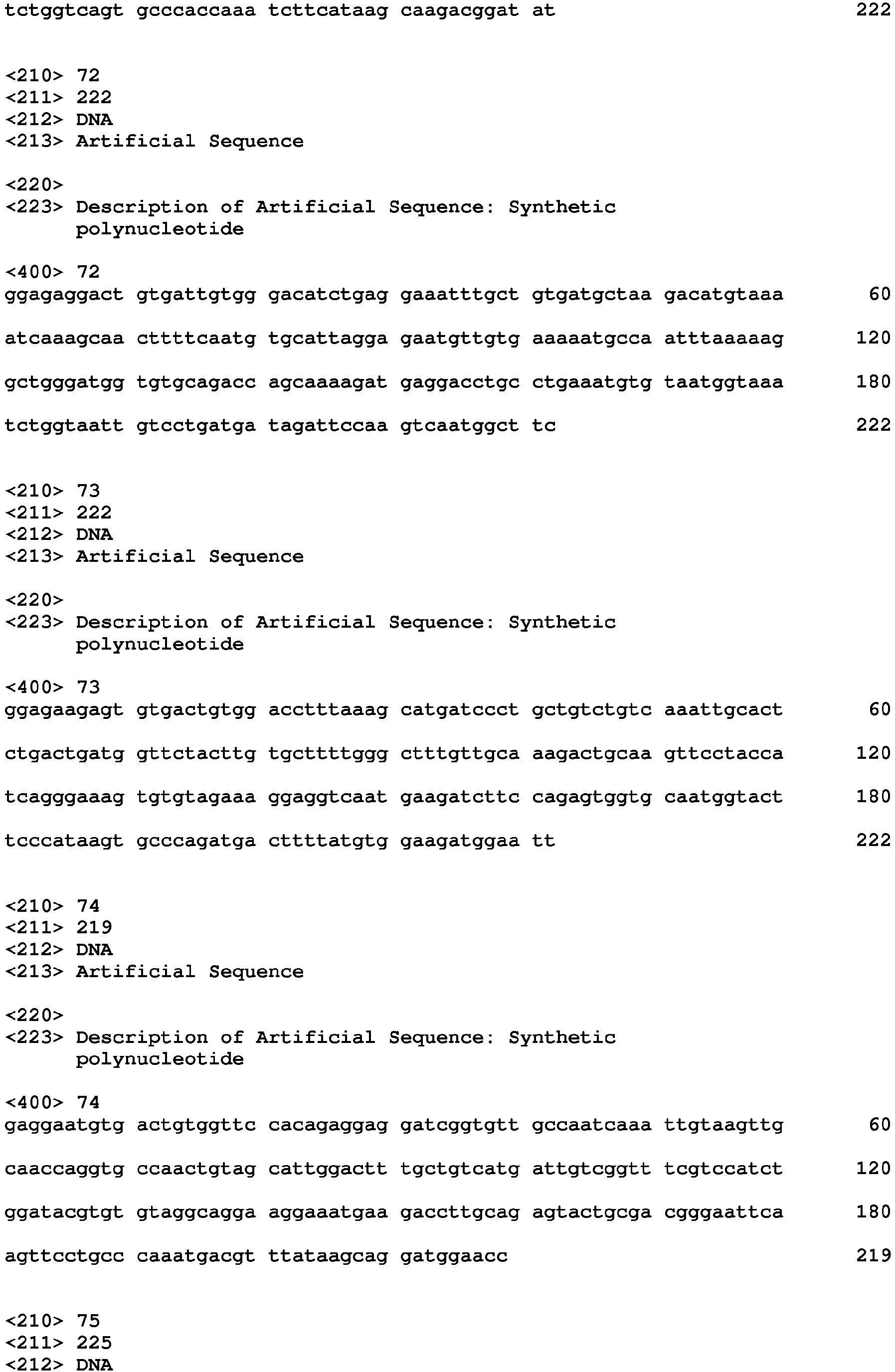
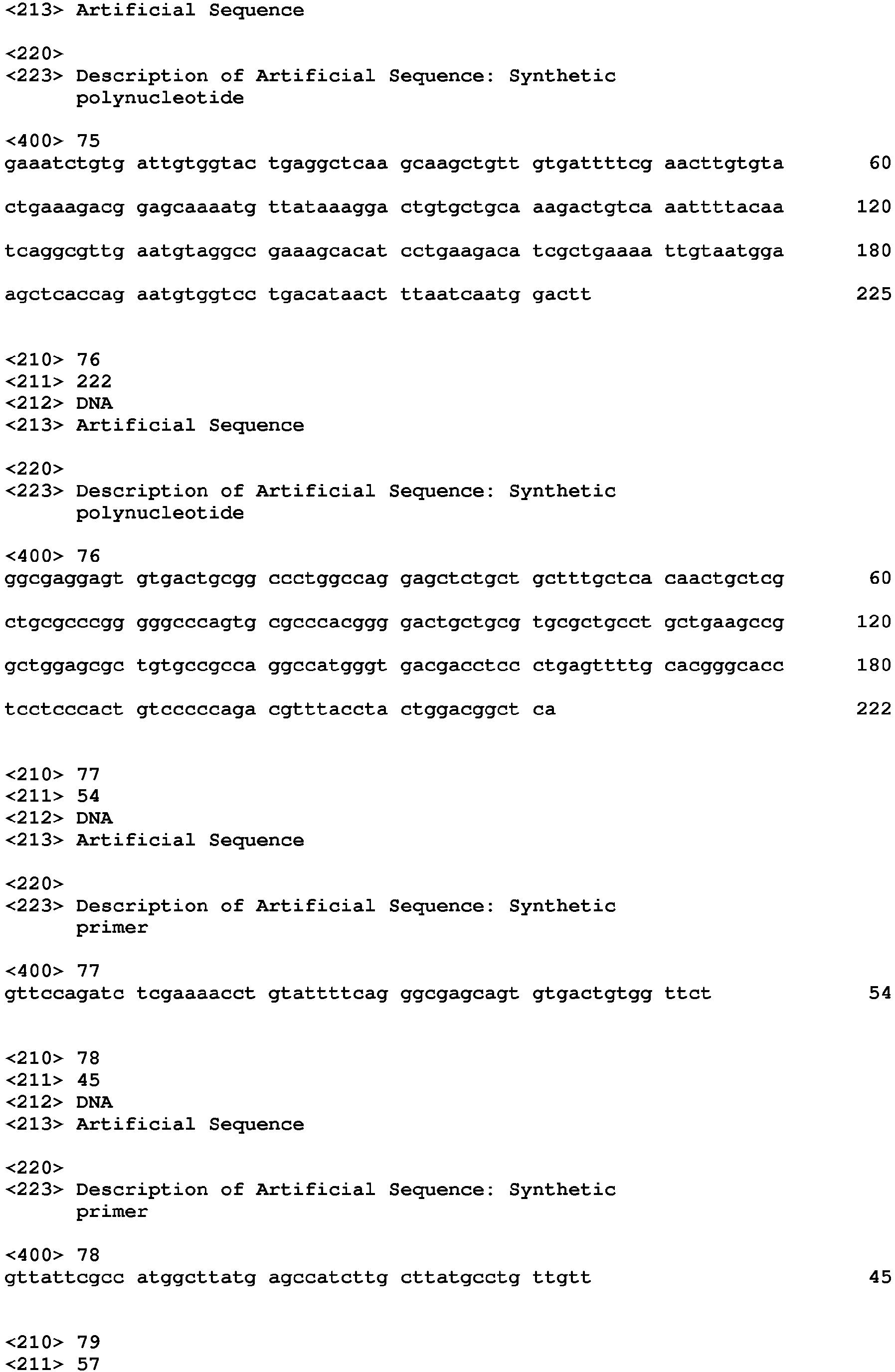


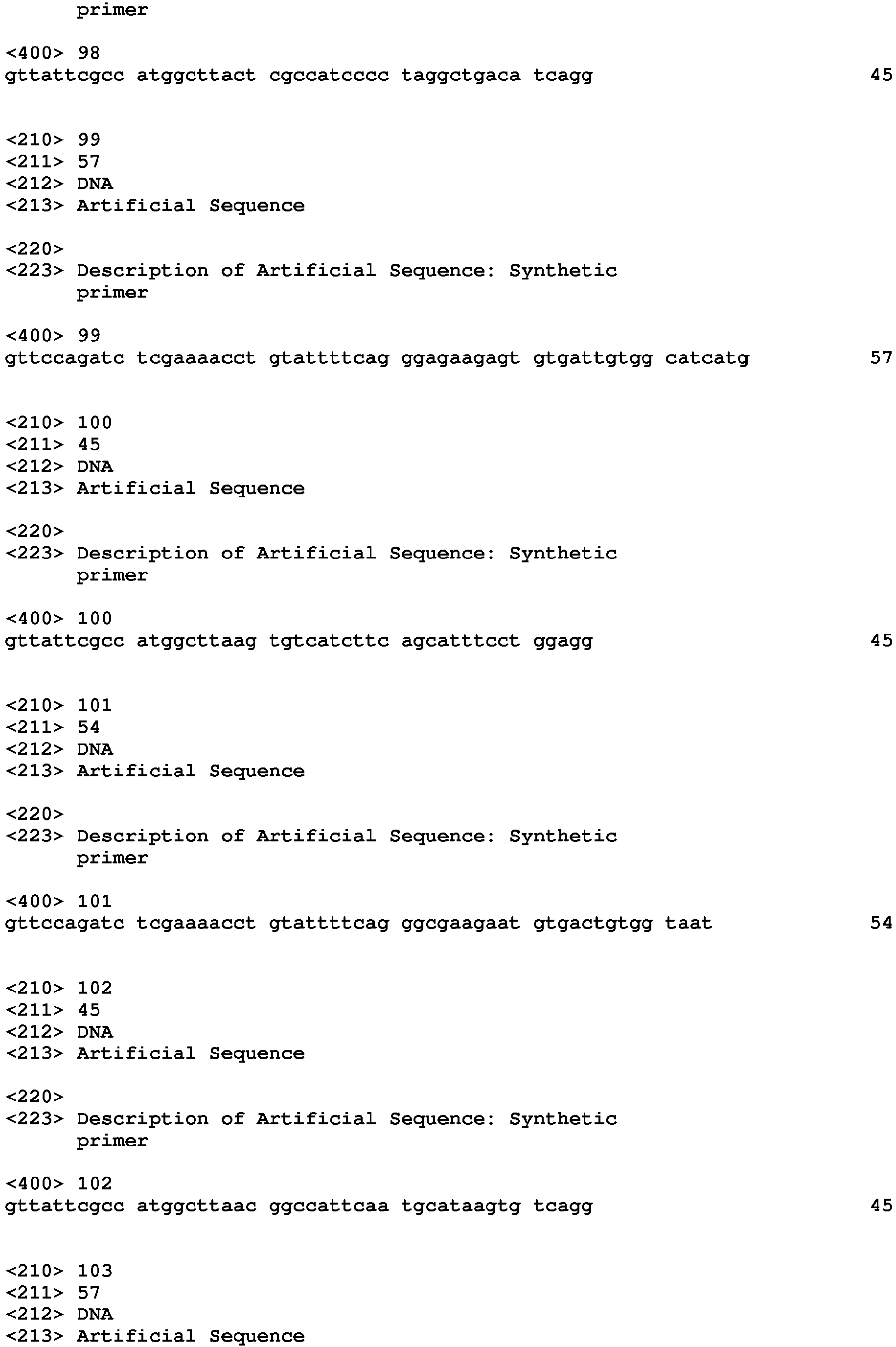


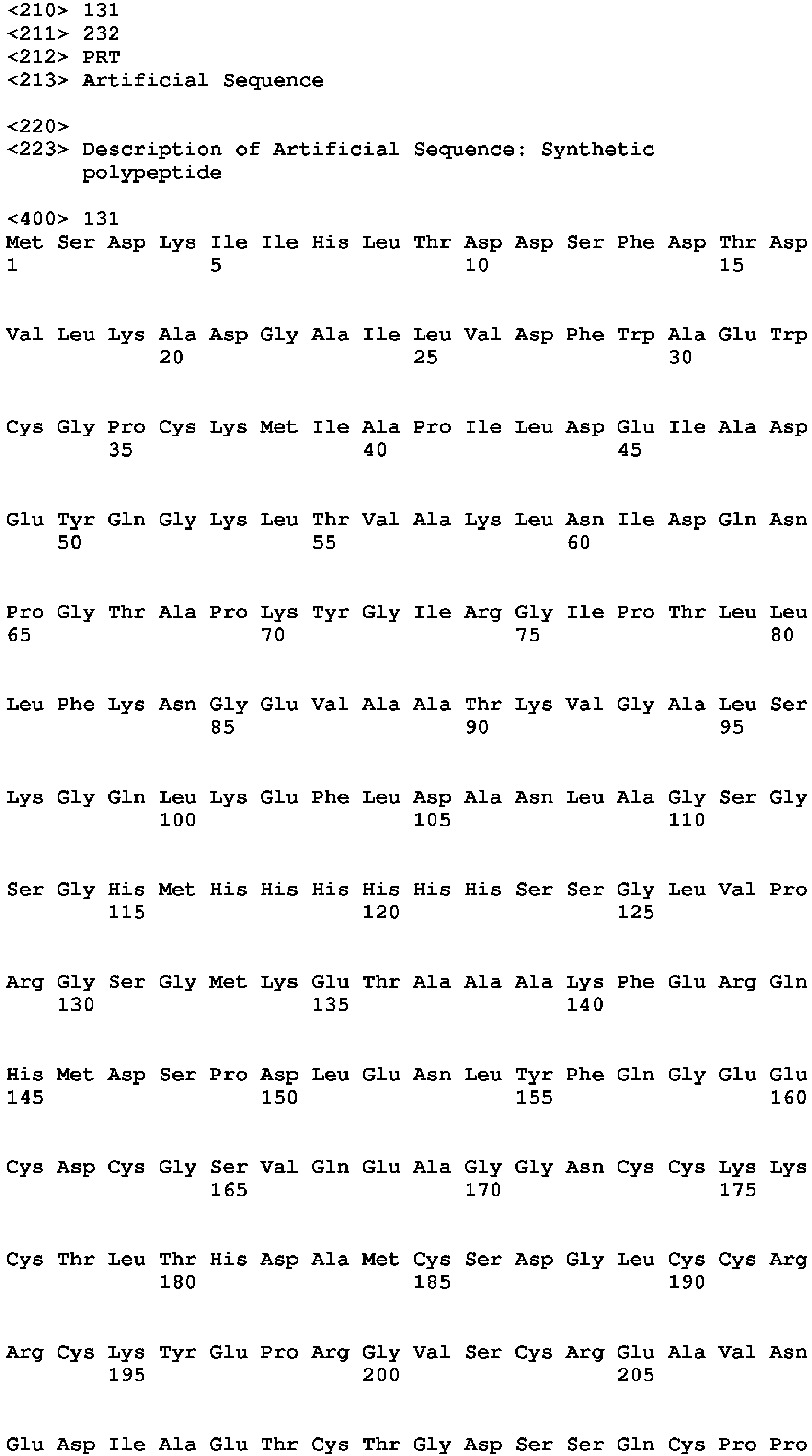


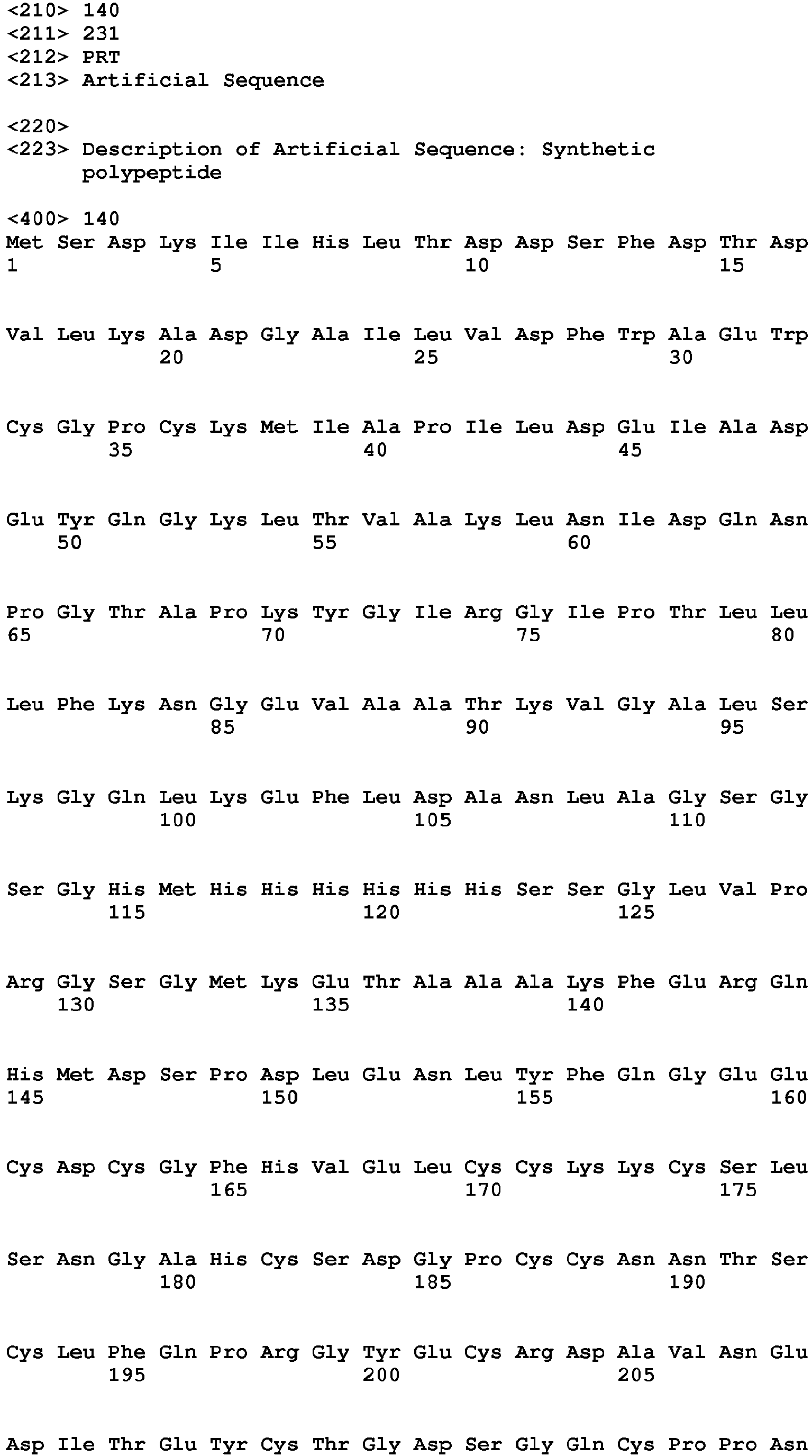


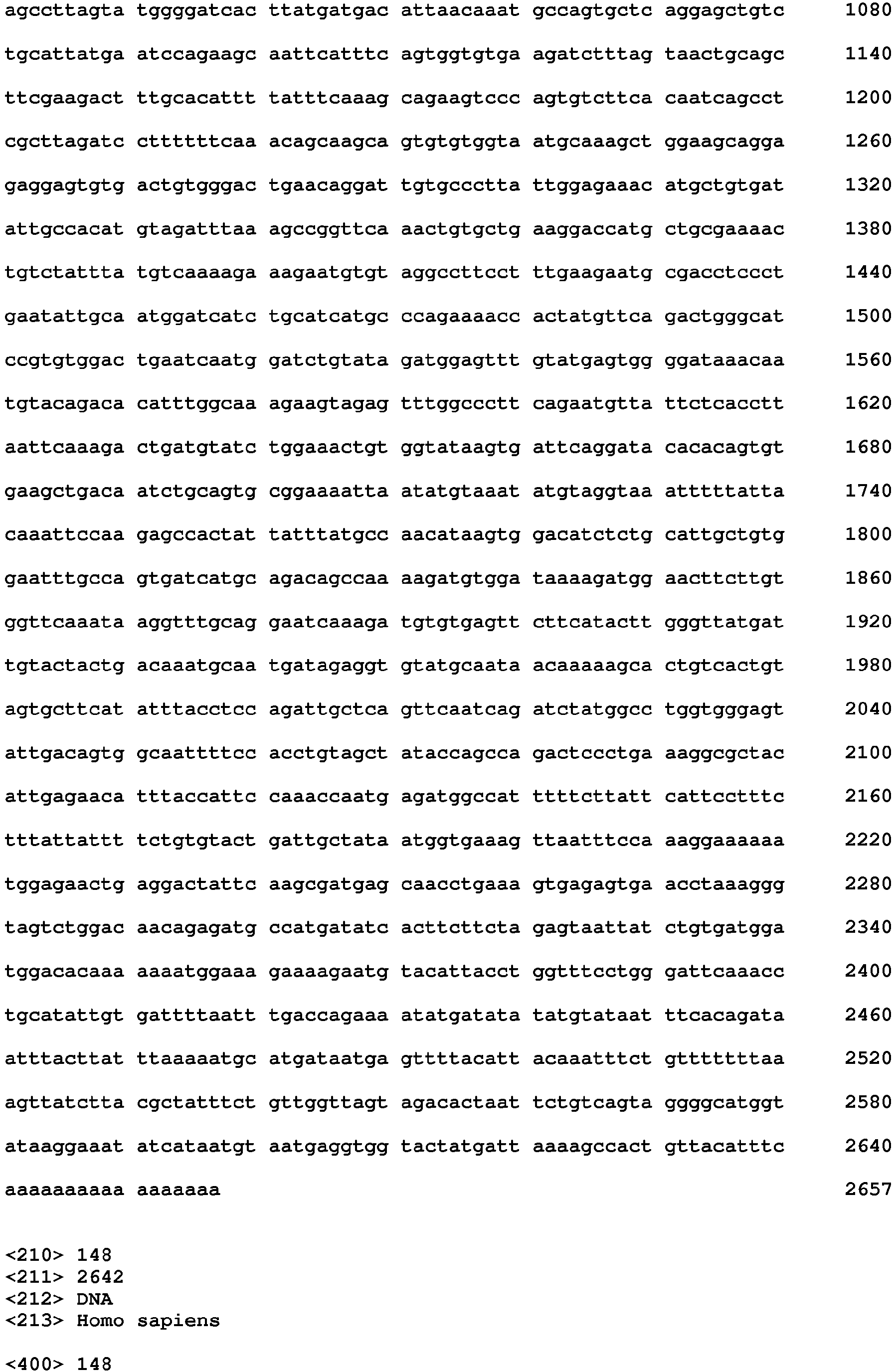


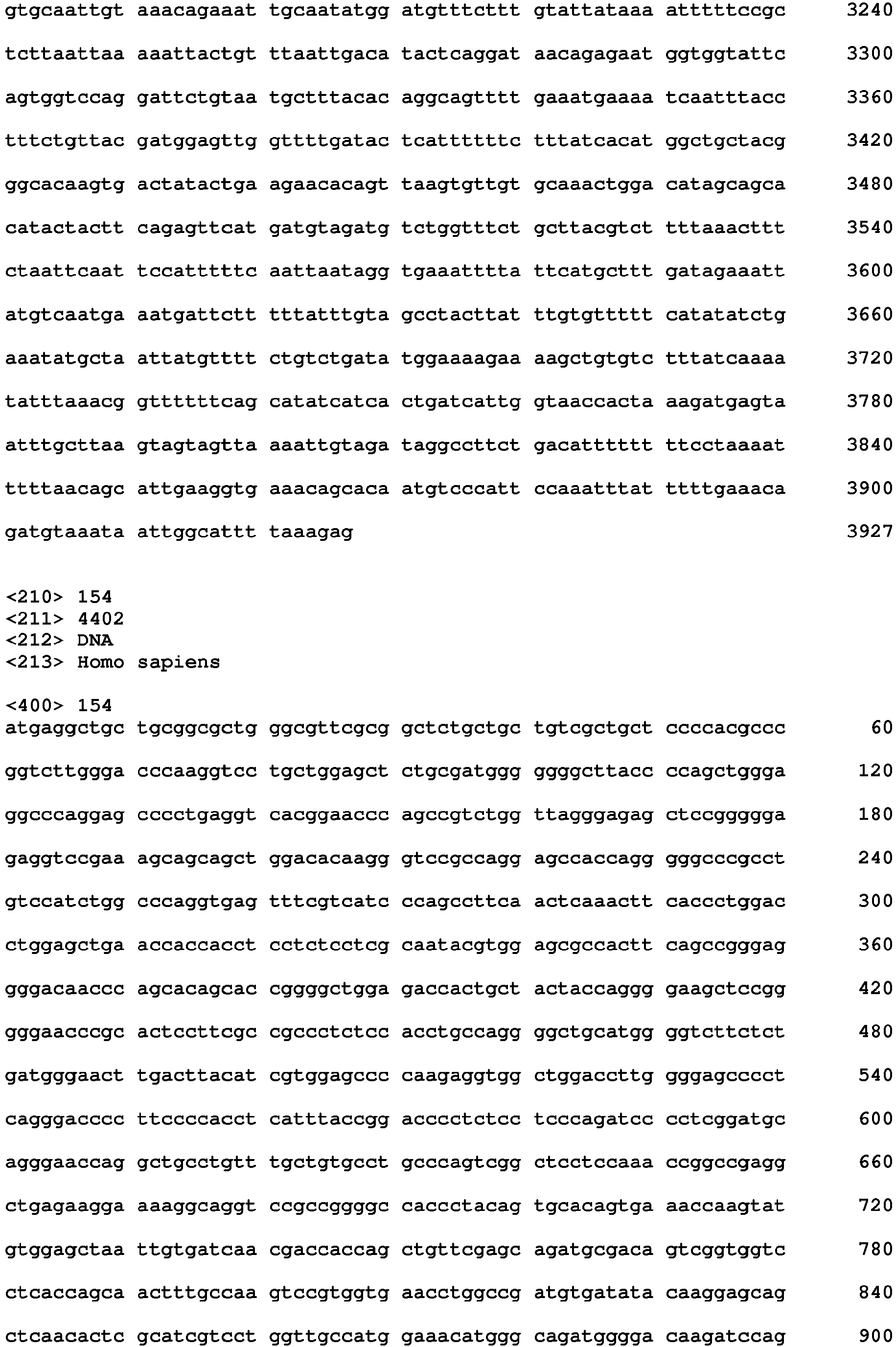


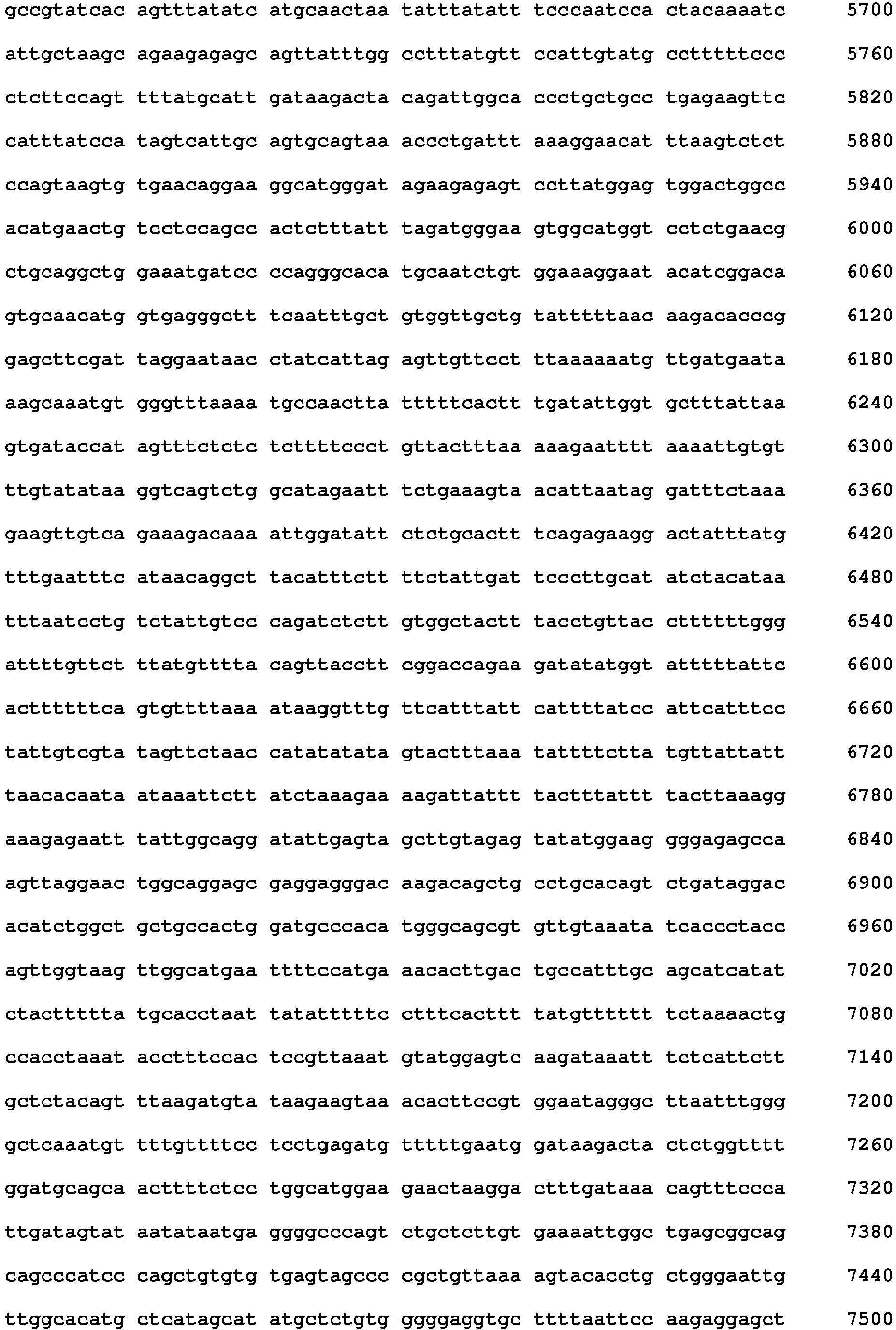


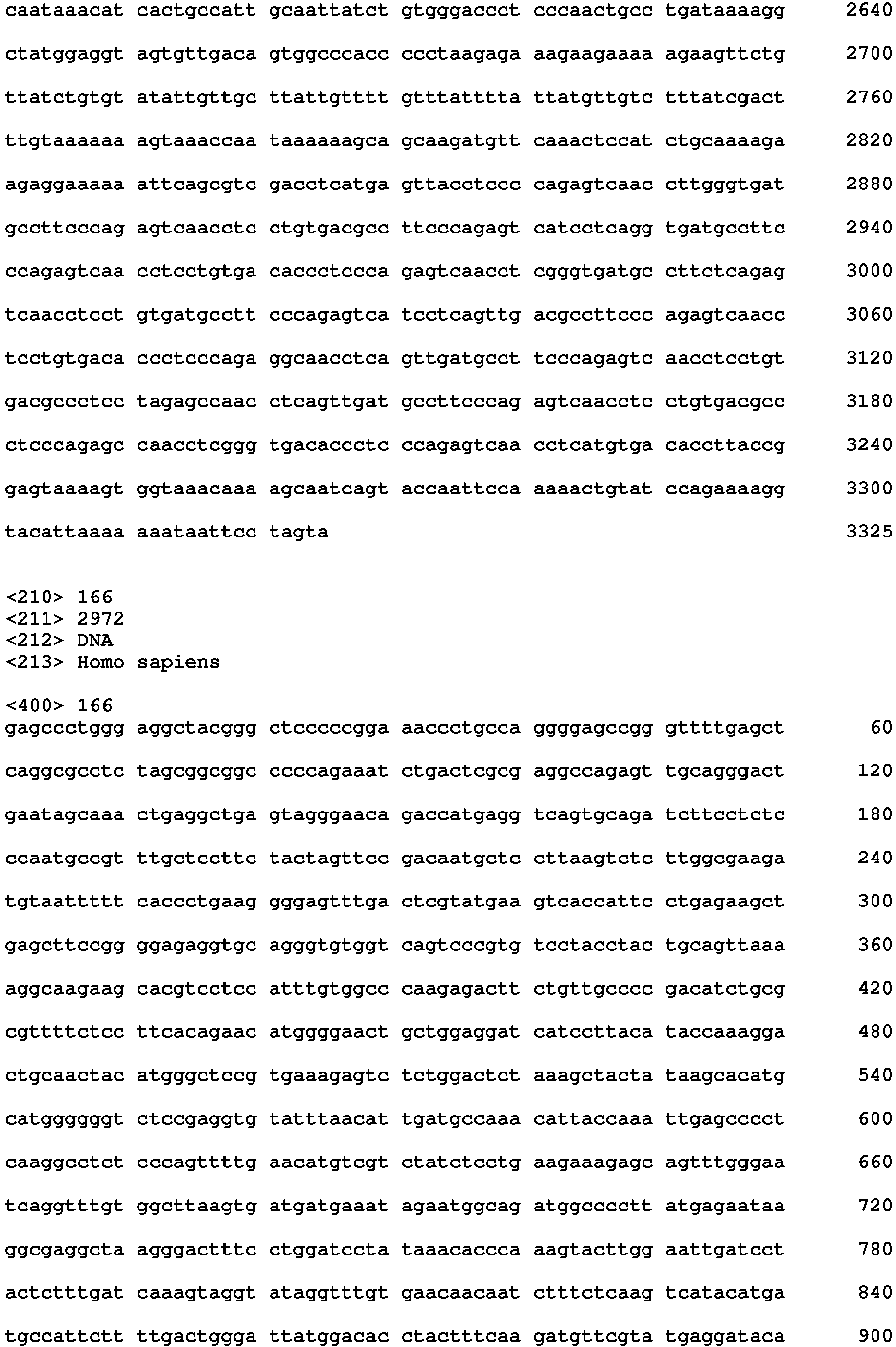


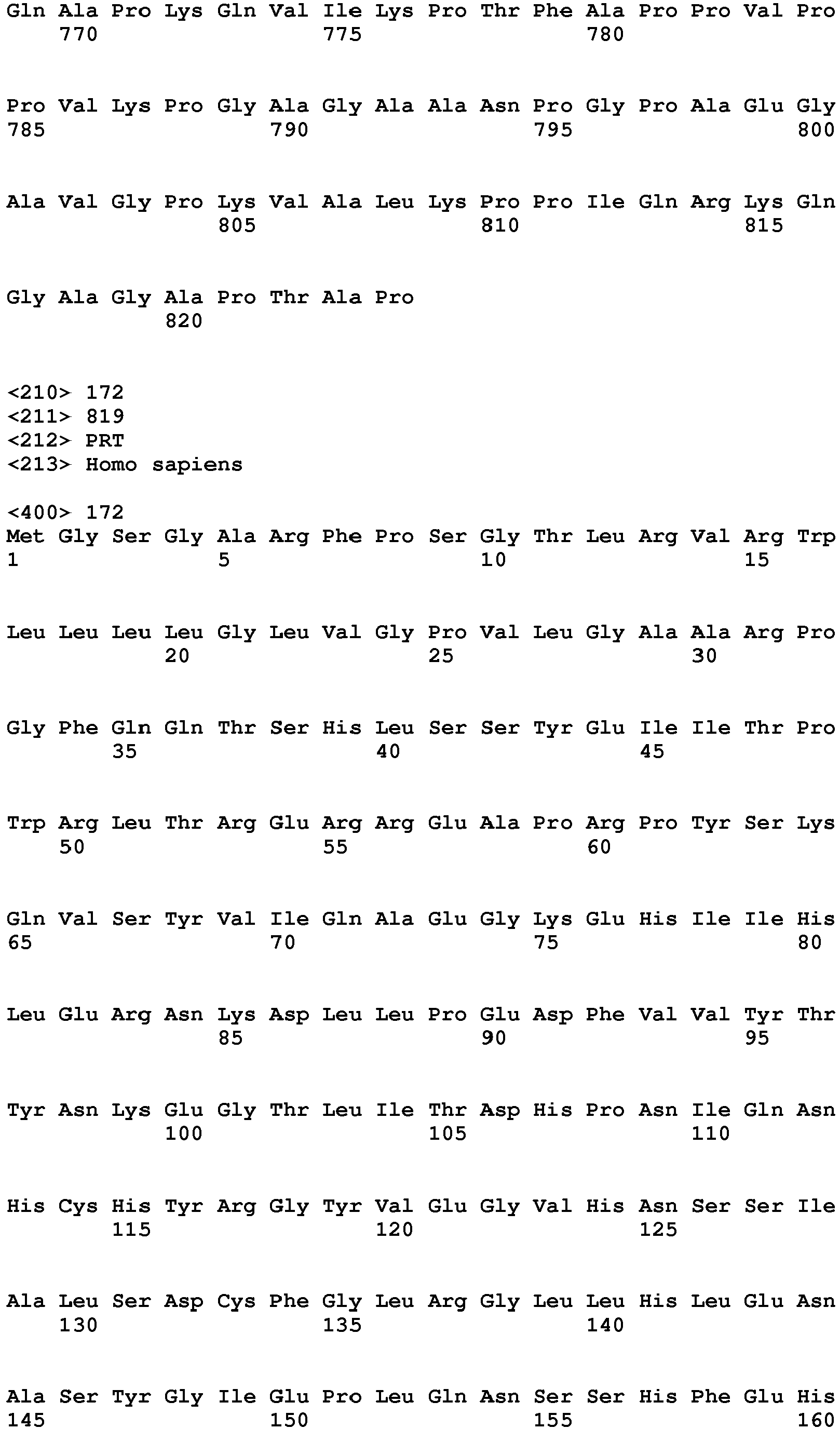


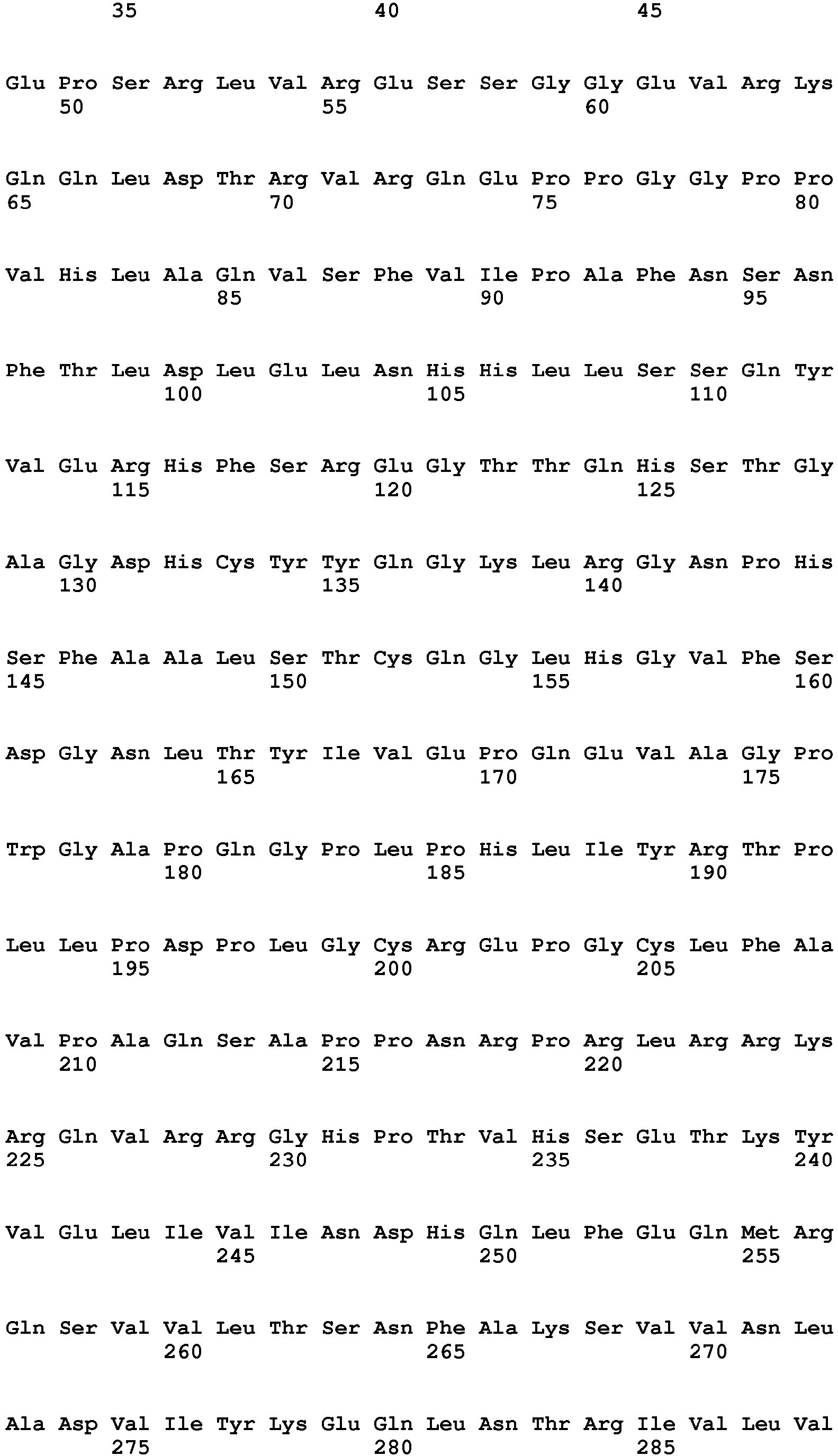


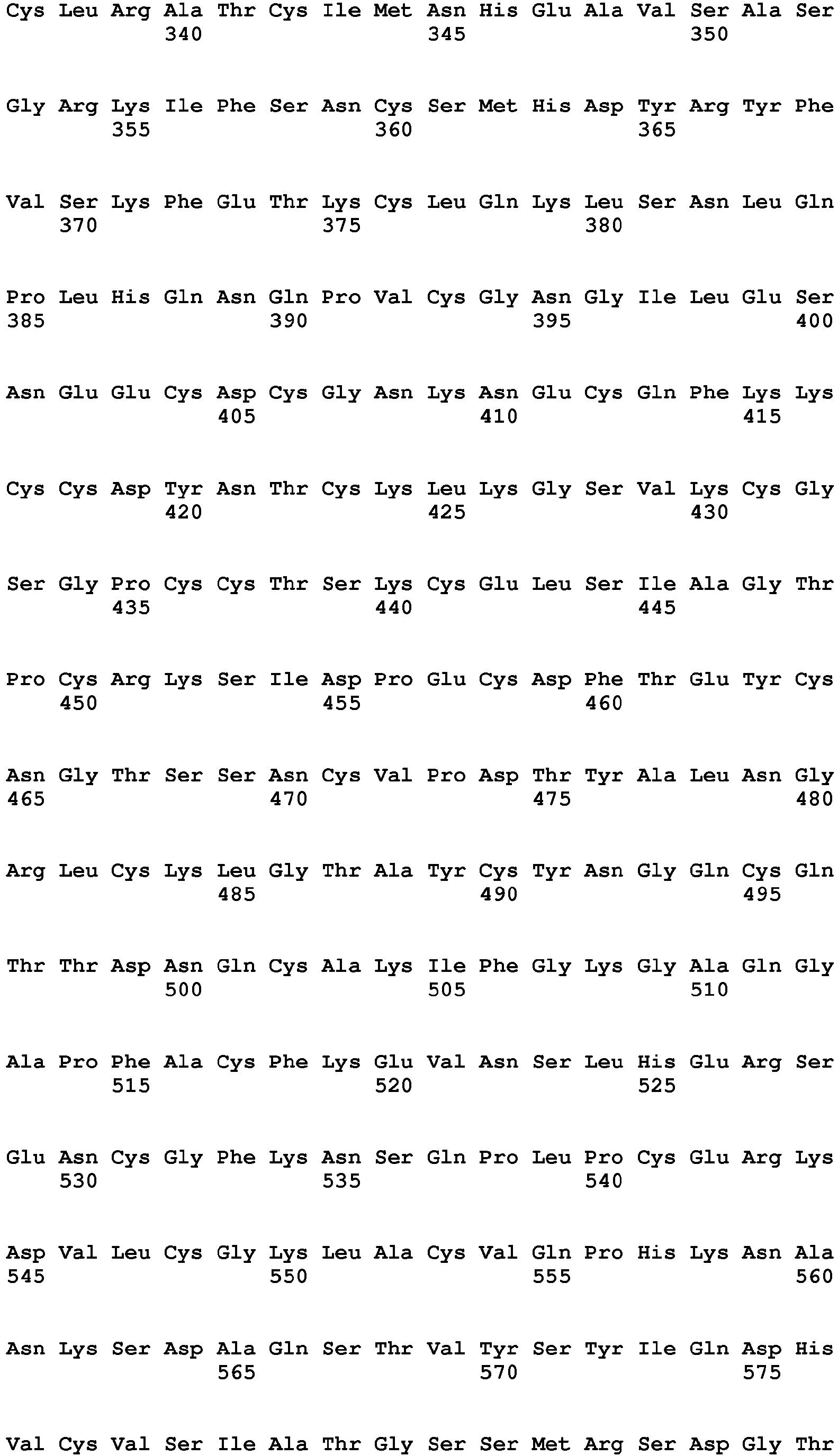


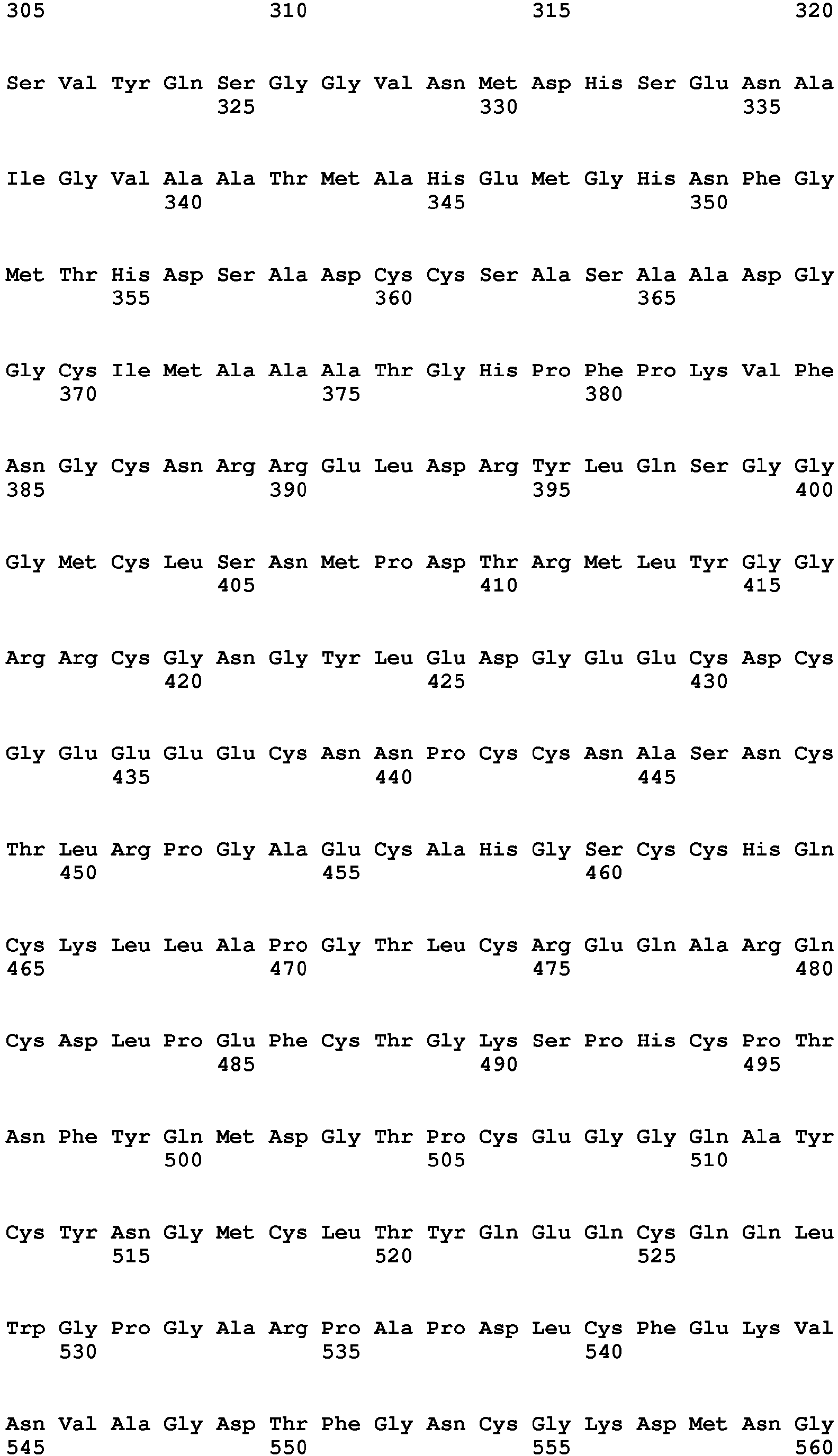


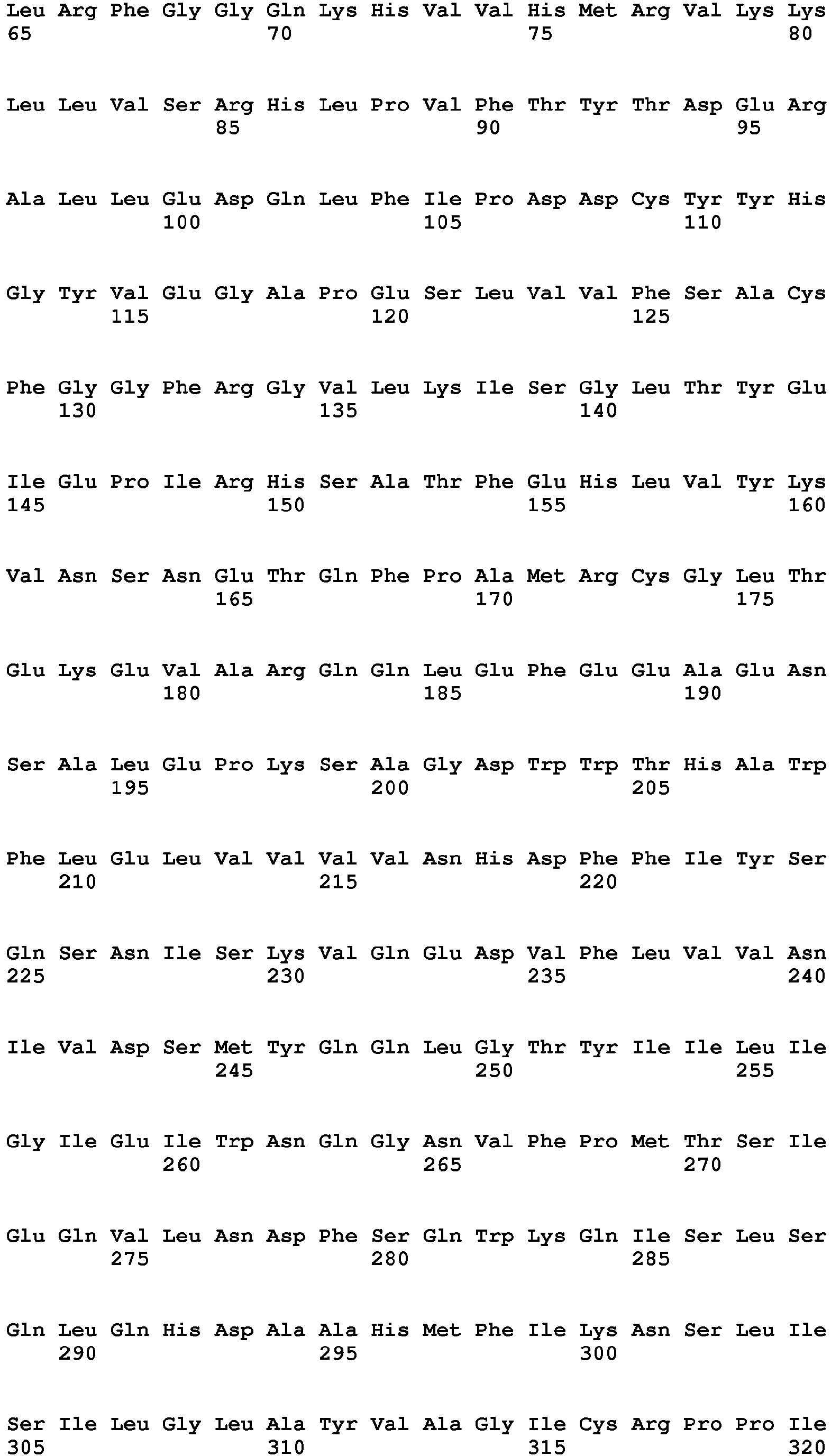


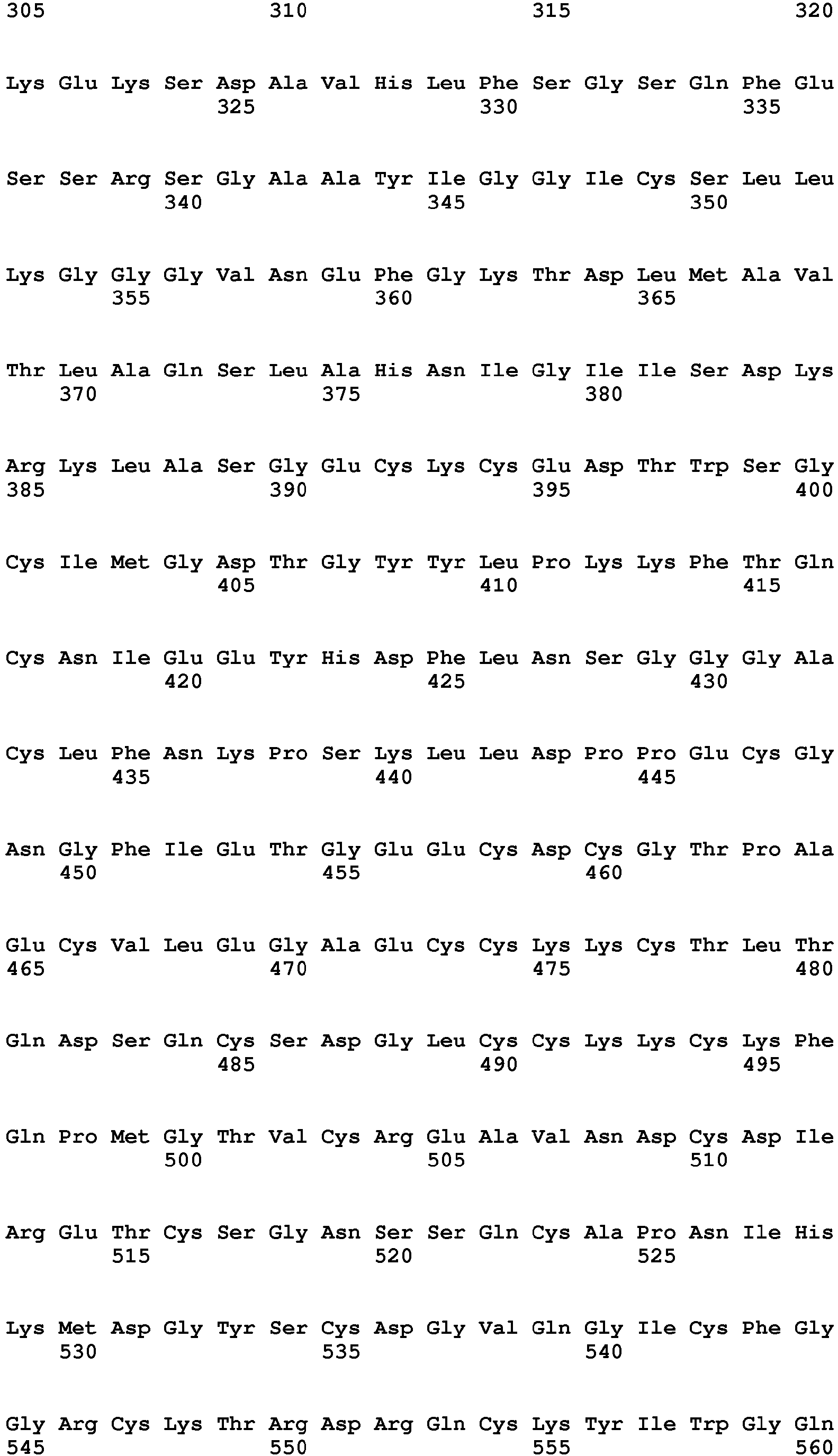


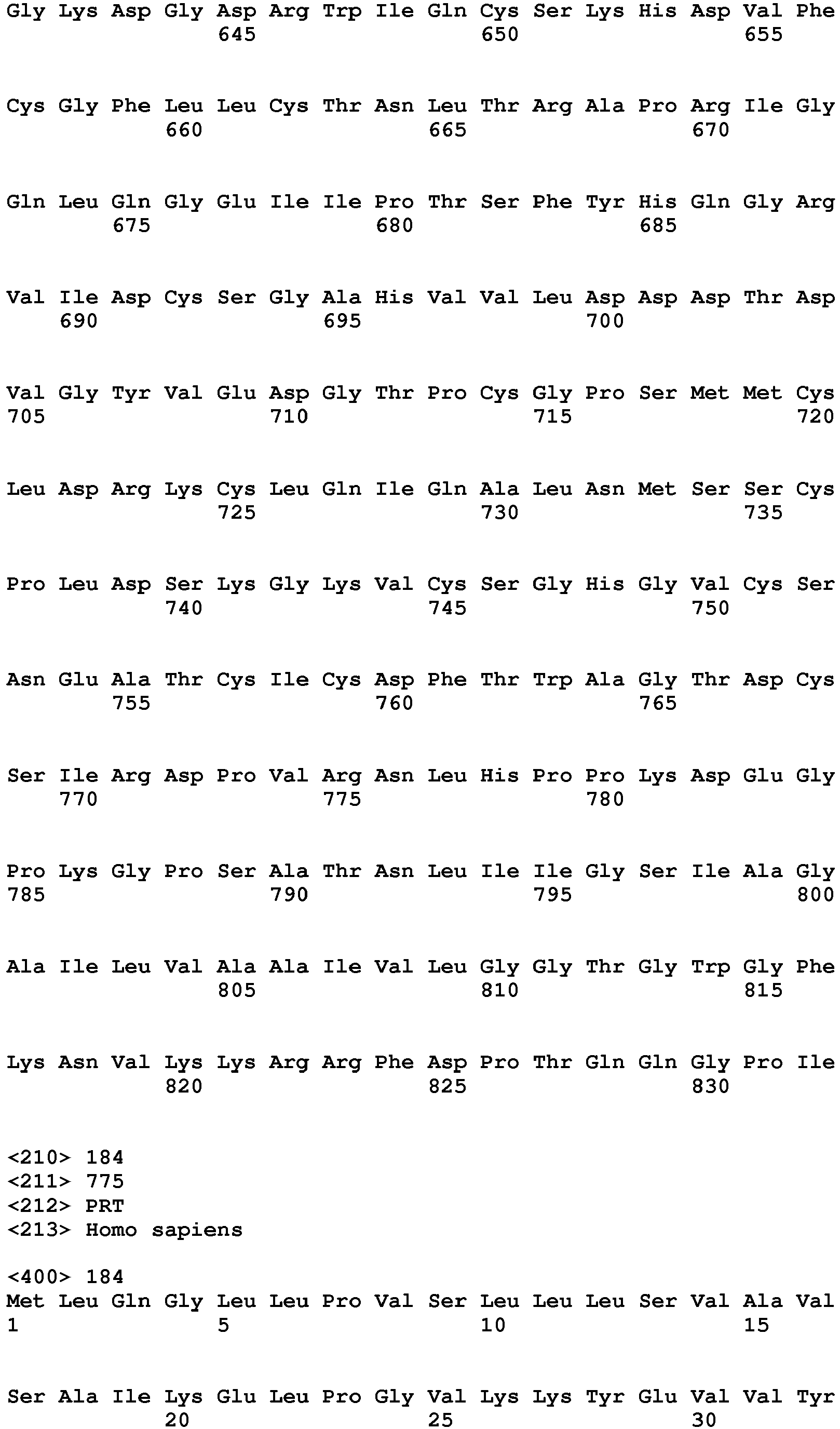


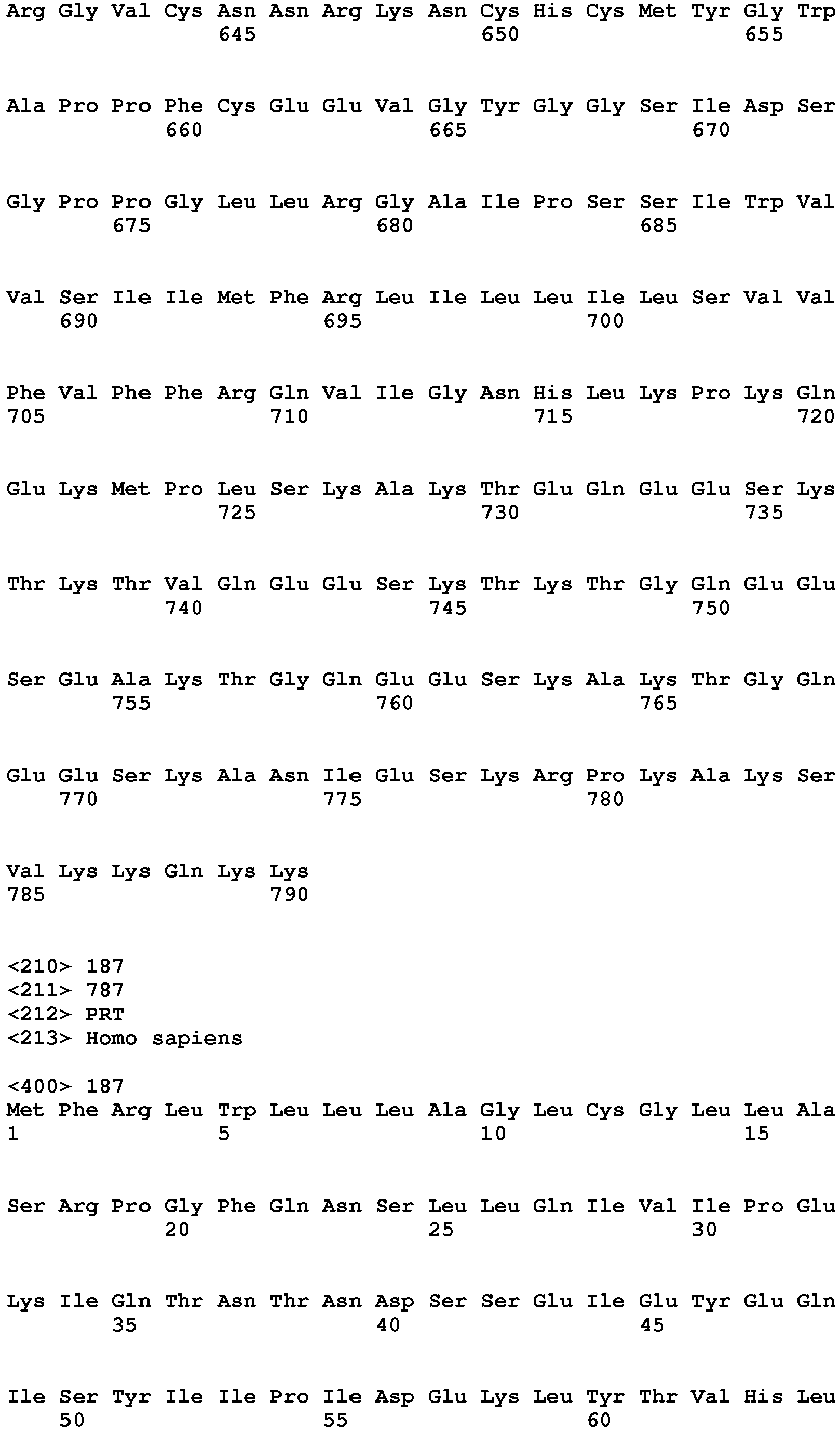


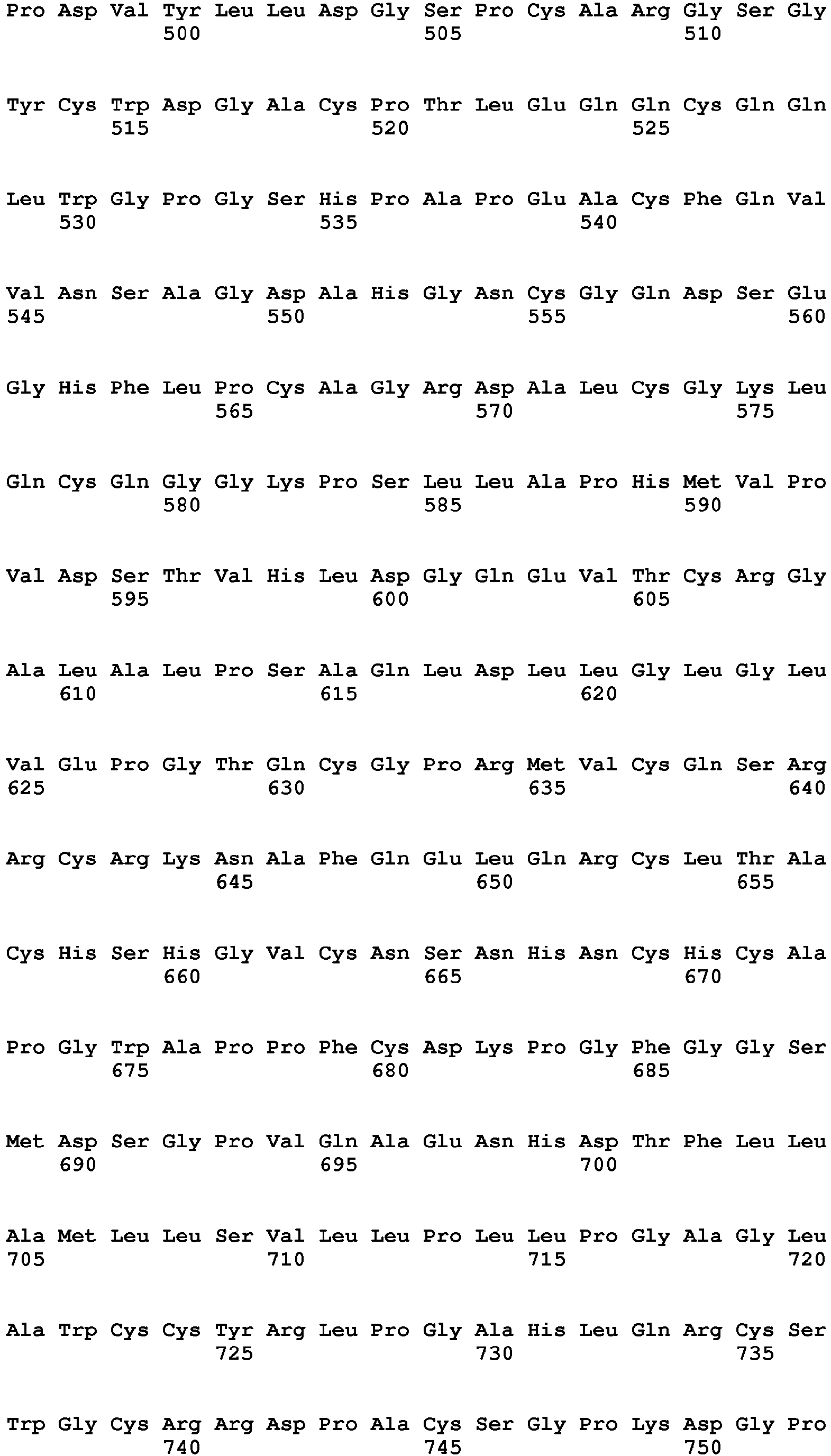

Claims (17)
- A Modified ADAM-derived Polypeptide (MAP), comprising an ADAM-derived Polypeptide (AP) that is modified at the following amino acid residues:a) a first cysteine C-terminal to a Cys-Asp-Cys (CDC) motif;b) two contiguous amino acids C-terminal to said first cysteine; and,c) a cysteine C-terminal to a tripeptide motif,and wherein ADAM means "A Disintegrin and Metalloproteinase" and, wherein, said AP comprises a distintegrin-like domain from an ADAM comprising (i) the Cys-Asp-Cys (CDC) motif, (ii) the tripeptide motif as indicated in FIG. 1 and (iii) lacking all or substantially all of the ADAM metalloprotease domain, cysteine-rich domains, and interdomain segments, and wherein said MAP is derived from an ADAM selected from the group consisting of: ADAM15, ADAM28, ADAM1, ADAM2, ADAM3, ADAM6, ADAM7, ADAM8, ADAM9, ADAM10, ADAM11, ADAM12, ADAM18, ADAM19, ADAM20, ADAM21, ADAM22, ADAM23, ADAM29, ADAM30, ADAM32, ADAM33 and/or wherein said MAP is selected from the group consisting of: MAP15, MAP28, MAP1, MAP2, MAP3, MAP6, MAP7, MAP8, MAP9, MAP10, MAP11, MAP12, MAP18, MAP19, MAP20, MAP21, MAP22, MAP23, MAP29, MAP30, MAP32, MAP33.
and wherein the modification of said amino acid residues is independently selected from the group consisting of:a) deletion;b) substitution; and,c) chemical modification, - A fusion protein comprising an N-terminal segment encoding thioredoxin and a C-terminal segment encoding a modified ADAM-derived polypeptide (MAP) as specified in claim 1.
- A nucleic acid encoding a MAP of any preceding claim, optionally further comprising a nucleic acid sequence encoding thioredoxin 5' to the nucleic acid encoding said MAP, wherein said nucleic acid encodes a thioredoxin-MAP fusion protein.
- An expression vector comprising the nucleic acid of claim 3.
- Prokaryotic host cells transformed with said expression vector of claim 4, wherein said expression vector is under inducible control, wherein said host also carries stable mutations in thioredoxin reductase B (trxB) gene and/or the glutathione reductase (gor) gene and wherein said trxB and gor mutations are selectable to maintain the expression vector and trxB and gor mutations in said host cells during growth.
- A composition comprising a MAP of claim 1, for use in the preparation of a medicament to inhibiting the binding of an integrin to a ligand or to treat cancer, such as integrin expressing cancer, e.g., breast cancer, colorectal cancer, basal cell carcinoma, adenocarcinoma, colon cancer, liver cancer, bladder cancer, pancreatic cancer, ovarian cancer, cervical cancer, lung cancer, prostate cancer, renal cell carcinoma, central nervous system (CNS) cancer, leukemia, gastrointestinal cancer, e.g., lip cancer, mouth cancer, esophageal cancer, small bowel cancer and stomach cancer, and skin cancer, e.g., squamous cell and basal cell cancer.
- An in vitro method of inhibiting the binding of an integrin to a ligand comprising contacting a cell that expresses the integrin with an effective amount of a MAP according to any one of claims 1 or 2.
- An in vitro method of determining the presence of cancer cells in an individual, said method comprising contacting said cancer cells isolated from the patient with at least one MAP according to any one of claims 1 or 2 and detecting said at least one MAP, preferably wherein said cancer is an integrin expressing cancer, such as breast cancer, colorectal cancer, basal cell carcinoma, adenocarcinoma, gastrointestinal cancer (e.g., lip cancer, mouth cancer, esophageal cancer, small bowel cancer and stomach cancer), colon cancer, liver cancer, bladder cancer, pancreatic cancer, ovarian cancer, cervical cancer, lung cancer, skin cancer (e.g., squamous cell and basal cell cancer), prostate cancer, renal cell carcinoma, central nervous system (CNS) cancer, and leukemia and wherein the MAP is optionally labeled.
- Use of: at least one MAP, a nucleic acid encoding the MAP or the expression vector comprising the nucleic acid encoding the MAP of any one of claims 1 to 7 in the preparation of an artificial ECM scaffold comprising coating said artificial ECM scaffold with the MAP, optionally further comprising the introduction of stem cell precursors to the artificial ECM scaffold, and further optionally where said artificial ECM scaffold comprises a urinary bladder scaffold, an esophageal scaffold or an anal scaffold.
- A method of expressing a MAPs of claim 1 in prokaryotic host cells, said method comprising:a) growing the prokaryotic host cells of claim 5, wherein said expression vector has an antibiotic resistance gene which makes it selectable on a first antibiotic, and wherein said trxB and gor mutations are selectable on at least one additional antibiotic to maintain the expression vector and trxB and gor mutations in said host cells during growth, in the presence of the first and said at least one additional antibiotic to obtain a sufficient number of cells suitable to seed a reactor in which host cells will be grown and wherein the MAP of claim 1 comprises a fusion of an N-terminal segment of thioreoxin; andb) seeding the reactor with the cells of step a) and growing the cells and, wherein said cells in the reactor are grown in the presence of the first antibiotic and in the absence of said at least one additional antibiotic.
- The method of claim 10 wherein the host cells express mutant products of both the trxB and gor genes or wherein said host cells are mutant in both trxB and gor genes, and optionally wherein the trxB and gor genes are selectable on different antibiotics, orwherein the host is deficient in any one or more of ompT or lon gene products.
- The method of claim 10 wherein the thioredoxin portion of the fusion protein has the sequence:MSDKIIHLTDDSFDTDVLKADGAILVDFWAEWCGPCKMIAPILDEIADEYQGKLTVAKLN IDQNPGTAPKYG IRGIPTLLLFKNGEVAATKVGALSKGQLKEF LDANLA.
- The method of claim 10 further comprising a sequence encoding a cleavage site is located between the sequence encoding thioredoxin and a sequence encoding a disulfide rich protein, or alternatively wherein the fusion protein further comprises a peptide sequence which is a ligand for a receptor and/or wherein said prokaryotic host cell is an Origami strain.
- A stent coated with MAP of any of claims 1 or 2.
- A Modified ADAM-derived Polypeptide (MAP), comprising an ADAM-derived Polypeptide (AP) comprising a distintegrin-like domain from an ADAM comprising (i) the Cys-Asp-Cys (CDC) motif, (ii) the tripeptide motif as indicated in FIG. 1 and (iii) lacking all or substantially all of the ADAM metalloprotease domain, cysteine-rich domains, and interdomain segments, and further comprising one or more amino acid modifications that result in disruption of the interdomain disulfide linkages with the first cysteine C-terminal to the CDC motif and interdomain disulfide linkages with the cysteine C-terminal to the tripeptide motif, and wherein ADAM means "A Disintegrin and Metalloproteinase", and wherein said MAP is derived from an ADAM selected from the group consisting of: ADAM15, ADAM28, ADAM1, ADAM2, ADAM3, ADAM6, ADAM7, ADAM8, ADAM9, ADAM10, ADAM11, ADAM12, ADAM 18, ADAM 19, ADAM20, ADAM21, ADAM22, ADAM23, ADAM29, ADAM30, ADAM32, ADAM33 and/or wherein said MAP is selected from the group consisting of: MAP15, MAP28, MAP1, MAP2, MAP3, MAP6, MAP7, MAP8, MAP9, MAP10, MAP11, MAP12, MAP18, MAP19, MAP20, MAP21, MAP22, MAP23, MAP29, MAP30, MAP32, MAP33.
- A polypeptide according to any of the polypeptide sequences of MAP15, MAP28, MAP1, MAP2, MAP3, MAP6, MAP7, MAP8, MAP9, MAP10, MAP11, MAP12, MAP18, MAP19, MAP20, MAP21, MAP22, MAP23, MAP29, MAP30, MAP32, MAP33.
- A nucleic acid encoding a polypeptide according to claim 16.
Applications Claiming Priority (2)
| Application Number | Priority Date | Filing Date | Title |
|---|---|---|---|
| US30363110P | 2010-02-11 | 2010-02-11 | |
| EP11742753.4A EP2534171A4 (en) | 2010-02-11 | 2011-02-09 | MODIFIED POLYPEPTIDES OF THE DEINDEGRINE ADAM DOMAIN, AND USES THEREOF |
Related Parent Applications (1)
| Application Number | Title | Priority Date | Filing Date |
|---|---|---|---|
| EP11742753.4A Division EP2534171A4 (en) | 2010-02-11 | 2011-02-09 | MODIFIED POLYPEPTIDES OF THE DEINDEGRINE ADAM DOMAIN, AND USES THEREOF |
Publications (2)
| Publication Number | Publication Date |
|---|---|
| EP2910565A2 true EP2910565A2 (en) | 2015-08-26 |
| EP2910565A3 EP2910565A3 (en) | 2015-11-04 |
Family
ID=44368103
Family Applications (2)
| Application Number | Title | Priority Date | Filing Date |
|---|---|---|---|
| EP14200166.8A Withdrawn EP2910565A3 (en) | 2010-02-11 | 2011-02-09 | Modified ADAM disintegrin domain polypeptides and uses |
| EP11742753.4A Withdrawn EP2534171A4 (en) | 2010-02-11 | 2011-02-09 | MODIFIED POLYPEPTIDES OF THE DEINDEGRINE ADAM DOMAIN, AND USES THEREOF |
Family Applications After (1)
| Application Number | Title | Priority Date | Filing Date |
|---|---|---|---|
| EP11742753.4A Withdrawn EP2534171A4 (en) | 2010-02-11 | 2011-02-09 | MODIFIED POLYPEPTIDES OF THE DEINDEGRINE ADAM DOMAIN, AND USES THEREOF |
Country Status (6)
| Country | Link |
|---|---|
| US (1) | US20130045244A1 (en) |
| EP (2) | EP2910565A3 (en) |
| JP (1) | JP2013519374A (en) |
| CA (1) | CA2789679A1 (en) |
| HK (1) | HK1214273A1 (en) |
| WO (1) | WO2011100362A1 (en) |
Families Citing this family (15)
| Publication number | Priority date | Publication date | Assignee | Title |
|---|---|---|---|---|
| JP2008536479A (en) | 2005-02-11 | 2008-09-11 | ユニバーシティ オブ サザン カリフォルニア | Expression method of protein having disulfide bridge |
| US8802394B2 (en) | 2008-11-13 | 2014-08-12 | Radu O. Minea | Method of expressing proteins with disulfide bridges with enhanced yields and activity |
| WO2013071252A1 (en) * | 2011-11-10 | 2013-05-16 | Francis Markland | Compositions and methods for inhibiting viral infection |
| CN102433388B (en) * | 2012-01-04 | 2013-03-20 | 河南科技大学 | Kit for early diagnosis of liver cancer |
| EP3182988A4 (en) * | 2014-08-22 | 2018-05-23 | National Cheng Kung University | Disintegrin variants and pharmaceutical uses thereof |
| SI3558391T1 (en) | 2016-12-23 | 2022-06-30 | Immunogen, Inc. | Immunoconjugates targeting ADAM9 and methods of use thereof |
| AU2017382234B2 (en) | 2016-12-23 | 2025-01-30 | Macrogenics, Inc. | ADAM9-binding molecules, and methods of use thereof |
| AU2019215009B2 (en) * | 2018-01-31 | 2025-08-21 | Verra Therapeutics LLC | Methods and compositions for inhibiting ADAM 9 biological activities |
| MX2020013466A (en) | 2018-06-26 | 2021-04-19 | Immunogen Inc | Immunoconjugates targeting adam9 and methods of use thereof. |
| IL282875B2 (en) | 2018-11-08 | 2026-05-01 | Sutro Biopharma Inc | E coli strains having an oxidative cytoplasm |
| US20220241322A1 (en) * | 2019-06-28 | 2022-08-04 | Sumitomo Seika Chemicals Co., Ltd. | Wound-treating gas composition, and wound-treating apparatus |
| EP4069727A1 (en) | 2019-12-05 | 2022-10-12 | BCN Peptides, S.A. | Peptides for the treatment of cancer and/or metastasis |
| US12351850B2 (en) | 2020-04-30 | 2025-07-08 | Sutro Biopharma, Inc. | Methods of producing full-length antibodies using E. coli |
| US20240165256A1 (en) | 2021-03-08 | 2024-05-23 | Immunogen, Inc. | Methods for increasing efficacy of immunoconjugates targeting adam9 for the treatment of cancer |
| CN114569709B (en) * | 2022-05-05 | 2022-07-12 | 苏州慧疗生物医药科技有限公司 | Preparation method and application of melanoma autologous tumor vaccine with high ADAM-28 expression |
Citations (1)
| Publication number | Priority date | Publication date | Assignee | Title |
|---|---|---|---|---|
| US20060246541A1 (en) | 2005-02-11 | 2006-11-02 | Minea Radu O | Method of expressing proteins with disulfide bridges |
Family Cites Families (5)
| Publication number | Priority date | Publication date | Assignee | Title |
|---|---|---|---|---|
| DE19713213A1 (en) * | 1997-03-28 | 1998-10-01 | Ruebben Alexander Dr Med | Metal stent to prolong time which hollow organs can be held open |
| FR2827775B1 (en) * | 2001-07-26 | 2003-09-26 | Bioalliance Pharma | USE IN AN ANTI-ANGIOGENIC COMPOSITION OF THE DISINTEGRIN OF ADAMALYSIN |
| US20030186334A1 (en) * | 2001-09-12 | 2003-10-02 | Temple University - Of The Commonwealth System Of Higher Education | KTS-disintegrins |
| JP2004217535A (en) * | 2003-01-10 | 2004-08-05 | Nec Soft Ltd | Crystallization of protein trimestatin, determination of structural coordinate, use of structural coordinate |
| WO2010093468A1 (en) * | 2009-02-12 | 2010-08-19 | University Of Southern California | Bioadhesive patch for sutureless closure of soft tissue |
-
2011
- 2011-02-09 JP JP2012552964A patent/JP2013519374A/en not_active Withdrawn
- 2011-02-09 US US13/578,551 patent/US20130045244A1/en not_active Abandoned
- 2011-02-09 EP EP14200166.8A patent/EP2910565A3/en not_active Withdrawn
- 2011-02-09 WO PCT/US2011/024243 patent/WO2011100362A1/en not_active Ceased
- 2011-02-09 CA CA2789679A patent/CA2789679A1/en not_active Abandoned
- 2011-02-09 EP EP11742753.4A patent/EP2534171A4/en not_active Withdrawn
-
2016
- 2016-02-24 HK HK16102056.9A patent/HK1214273A1/en unknown
Patent Citations (1)
| Publication number | Priority date | Publication date | Assignee | Title |
|---|---|---|---|---|
| US20060246541A1 (en) | 2005-02-11 | 2006-11-02 | Minea Radu O | Method of expressing proteins with disulfide bridges |
Non-Patent Citations (37)
Also Published As
| Publication number | Publication date |
|---|---|
| HK1214273A1 (en) | 2016-07-22 |
| US20130045244A1 (en) | 2013-02-21 |
| EP2534171A1 (en) | 2012-12-19 |
| WO2011100362A1 (en) | 2011-08-18 |
| CA2789679A1 (en) | 2011-08-18 |
| EP2534171A4 (en) | 2013-07-17 |
| EP2910565A3 (en) | 2015-11-04 |
| JP2013519374A (en) | 2013-05-30 |
Similar Documents
| Publication | Publication Date | Title |
|---|---|---|
| US20130045244A1 (en) | Modified adam disintegrin domain polypeptides and uses thereof | |
| KR101731655B1 (en) | Suppression of cancers | |
| JP5931801B2 (en) | Polypeptides homologous to VEGF and BMP1 | |
| US7521425B2 (en) | Anti-angiogenic compounds | |
| US8912148B2 (en) | Methods of treating a disease or condition associated with abnormal angiogenesis | |
| JPH06503474A (en) | Bifunctional inhibitor of thrombin and platelet activation | |
| JP2018193384A (en) | Peptide having fibrosis inhibitory activity and composition containing the same | |
| ES2374560T3 (en) | VEGF EXCISION AND VEGF RECEIVER THROUGH MT-SP1 WILD AND MUTANT TYPE. | |
| KR20190127609A (en) | Targeting of M2-like tumor-associated macrophages with a melittin-based pro-apoptotic peptide | |
| KR101796036B1 (en) | Delivery carrier composition comprising nanoliposome encapsulating complex of Cas9 protein, guide RNA for repressing gene expression or KRAS gene and cationic polymer, or therapeutics comprising thereof for treating KRAS mutation colon cancer with anticancer drug resistance | |
| EA025830B1 (en) | Anticancer fusion protein | |
| JP2011184453A (en) | Plasmin-inhibitory therapy | |
| JP2012507278A (en) | Efficient expression of truncated human RNASET2 in E. coli | |
| JP2004517117A (en) | Pharmaceutical composition for treating rheumatoid arthritis, comprising a gene encoding an anti-angiogenic protein or a part thereof | |
| JP2006527192A (en) | Vascular endothelial growth factor fusion construct and method of use thereof | |
| WO2002014369A9 (en) | Human kininogen d5 domain polypeptides and their use | |
| US20090170760A1 (en) | Anti-Cancer Agent Comprising Protein C Inhibitor | |
| JP2005528879A (en) | Histidine proline rich glycoprotein (HPRG) as anti-angiogenic and anti-tumor agent | |
| CN102432671A (en) | Targeting polypeptide SPSCVLP capable of inhibiting growth and transfer of liver cancer and application thereof | |
| JP2002528058A (en) | Contotrostatin (CN) and its use in inhibiting metastasis and other symptoms | |
| CN110724180B (en) | A kind of polypeptide that inhibits angiogenesis and its application | |
| US20090092555A1 (en) | Octameric Protein For Use In Bionanotechnology Applications | |
| US7119069B2 (en) | Human kininogen D3 domain polypeptide as an anti-angiogenic and anti-tumor agent | |
| JP2009159883A (en) | New gene therapy drug | |
| HK1134099A (en) | Anti-angiogenic compounds |
Legal Events
| Date | Code | Title | Description |
|---|---|---|---|
| PUAI | Public reference made under article 153(3) epc to a published international application that has entered the european phase |
Free format text: ORIGINAL CODE: 0009012 |
|
| 17P | Request for examination filed |
Effective date: 20141223 |
|
| AC | Divisional application: reference to earlier application |
Ref document number: 2534171 Country of ref document: EP Kind code of ref document: P |
|
| AK | Designated contracting states |
Kind code of ref document: A2 Designated state(s): AL AT BE BG CH CY CZ DE DK EE ES FI FR GB GR HR HU IE IS IT LI LT LU LV MC MK MT NL NO PL PT RO RS SE SI SK SM TR |
|
| PUAL | Search report despatched |
Free format text: ORIGINAL CODE: 0009013 |
|
| AK | Designated contracting states |
Kind code of ref document: A3 Designated state(s): AL AT BE BG CH CY CZ DE DK EE ES FI FR GB GR HR HU IE IS IT LI LT LU LV MC MK MT NL NO PL PT RO RS SE SI SK SM TR |
|
| RIC1 | Information provided on ipc code assigned before grant |
Ipc: A61K 38/00 20060101ALI20150928BHEP Ipc: C07K 14/00 20060101AFI20150928BHEP |
|
| REG | Reference to a national code |
Ref country code: HK Ref legal event code: DE Ref document number: 1214273 Country of ref document: HK |
|
| 17Q | First examination report despatched |
Effective date: 20161110 |
|
| GRAP | Despatch of communication of intention to grant a patent |
Free format text: ORIGINAL CODE: EPIDOSNIGR1 |
|
| INTG | Intention to grant announced |
Effective date: 20190327 |
|
| STAA | Information on the status of an ep patent application or granted ep patent |
Free format text: STATUS: THE APPLICATION IS DEEMED TO BE WITHDRAWN |
|
| 18D | Application deemed to be withdrawn |
Effective date: 20190807 |
|
| REG | Reference to a national code |
Ref country code: HK Ref legal event code: WD Ref document number: 1214273 Country of ref document: HK |