EP2910247A1 - Compositions for preventing or treating allergic skin disorders, containing gpcr19 agents as active ingredients - Google Patents
Compositions for preventing or treating allergic skin disorders, containing gpcr19 agents as active ingredients Download PDFInfo
- Publication number
- EP2910247A1 EP2910247A1 EP14841209.1A EP14841209A EP2910247A1 EP 2910247 A1 EP2910247 A1 EP 2910247A1 EP 14841209 A EP14841209 A EP 14841209A EP 2910247 A1 EP2910247 A1 EP 2910247A1
- Authority
- EP
- European Patent Office
- Prior art keywords
- skin diseases
- preventing
- pharmaceutical composition
- allergic skin
- gpcr19
- Prior art date
- Legal status (The legal status is an assumption and is not a legal conclusion. Google has not performed a legal analysis and makes no representation as to the accuracy of the status listed.)
- Granted
Links
Images


Classifications
-
- A—HUMAN NECESSITIES
- A61—MEDICAL OR VETERINARY SCIENCE; HYGIENE
- A61K—PREPARATIONS FOR MEDICAL, DENTAL OR TOILETRY PURPOSES
- A61K31/00—Medicinal preparations containing organic active ingredients
- A61K31/56—Compounds containing cyclopenta[a]hydrophenanthrene ring systems; Derivatives thereof, e.g. steroids
- A61K31/575—Compounds containing cyclopenta[a]hydrophenanthrene ring systems; Derivatives thereof, e.g. steroids substituted in position 17 beta by a chain of three or more carbon atoms, e.g. cholane, cholestane, ergosterol, sitosterol
-
- A—HUMAN NECESSITIES
- A61—MEDICAL OR VETERINARY SCIENCE; HYGIENE
- A61K—PREPARATIONS FOR MEDICAL, DENTAL OR TOILETRY PURPOSES
- A61K31/00—Medicinal preparations containing organic active ingredients
- A61K31/56—Compounds containing cyclopenta[a]hydrophenanthrene ring systems; Derivatives thereof, e.g. steroids
-
- A—HUMAN NECESSITIES
- A61—MEDICAL OR VETERINARY SCIENCE; HYGIENE
- A61K—PREPARATIONS FOR MEDICAL, DENTAL OR TOILETRY PURPOSES
- A61K47/00—Medicinal preparations characterised by the non-active ingredients used, e.g. carriers or inert additives; Targeting or modifying agents chemically bound to the active ingredient
- A61K47/30—Macromolecular organic or inorganic compounds, e.g. inorganic polyphosphates
- A61K47/32—Macromolecular compounds obtained by reactions only involving carbon-to-carbon unsaturated bonds, e.g. carbomers, poly(meth)acrylates, or polyvinyl pyrrolidone
-
- A—HUMAN NECESSITIES
- A61—MEDICAL OR VETERINARY SCIENCE; HYGIENE
- A61K—PREPARATIONS FOR MEDICAL, DENTAL OR TOILETRY PURPOSES
- A61K8/00—Cosmetics or similar toiletry preparations
- A61K8/02—Cosmetics or similar toiletry preparations characterised by special physical form
- A61K8/0216—Solid or semisolid forms
-
- A—HUMAN NECESSITIES
- A61—MEDICAL OR VETERINARY SCIENCE; HYGIENE
- A61K—PREPARATIONS FOR MEDICAL, DENTAL OR TOILETRY PURPOSES
- A61K8/00—Cosmetics or similar toiletry preparations
- A61K8/18—Cosmetics or similar toiletry preparations characterised by the composition
- A61K8/30—Cosmetics or similar toiletry preparations characterised by the composition containing organic compounds
- A61K8/31—Hydrocarbons
-
- A—HUMAN NECESSITIES
- A61—MEDICAL OR VETERINARY SCIENCE; HYGIENE
- A61K—PREPARATIONS FOR MEDICAL, DENTAL OR TOILETRY PURPOSES
- A61K8/00—Cosmetics or similar toiletry preparations
- A61K8/18—Cosmetics or similar toiletry preparations characterised by the composition
- A61K8/72—Cosmetics or similar toiletry preparations characterised by the composition containing organic macromolecular compounds
- A61K8/81—Cosmetics or similar toiletry preparations characterised by the composition containing organic macromolecular compounds obtained by reactions involving only carbon-to-carbon unsaturated bonds
- A61K8/8105—Compositions of homopolymers or copolymers of unsaturated aliphatic hydrocarbons having only one carbon-to-carbon double bond; Compositions of derivatives of such polymers
- A61K8/8117—Homopolymers or copolymers of aromatic olefines, e.g. polystyrene; Compositions of derivatives of such polymers
-
- A—HUMAN NECESSITIES
- A61—MEDICAL OR VETERINARY SCIENCE; HYGIENE
- A61K—PREPARATIONS FOR MEDICAL, DENTAL OR TOILETRY PURPOSES
- A61K8/00—Cosmetics or similar toiletry preparations
- A61K8/18—Cosmetics or similar toiletry preparations characterised by the composition
- A61K8/72—Cosmetics or similar toiletry preparations characterised by the composition containing organic macromolecular compounds
- A61K8/81—Cosmetics or similar toiletry preparations characterised by the composition containing organic macromolecular compounds obtained by reactions involving only carbon-to-carbon unsaturated bonds
- A61K8/8164—Compositions of homopolymers or copolymers of compounds having one or more unsaturated aliphatic radicals, each having only one carbon-to-carbon double bond, and at least one being terminated by a carboxyl radical, and containing at least one other carboxyl radical in the molecule, or of salts, anhydrides, esters, amides, imides or nitriles thereof; Compositions of derivatives of such polymers, e.g. poly (methyl vinyl ether-co-maleic anhydride)
-
- A—HUMAN NECESSITIES
- A61—MEDICAL OR VETERINARY SCIENCE; HYGIENE
- A61K—PREPARATIONS FOR MEDICAL, DENTAL OR TOILETRY PURPOSES
- A61K8/00—Cosmetics or similar toiletry preparations
- A61K8/18—Cosmetics or similar toiletry preparations characterised by the composition
- A61K8/72—Cosmetics or similar toiletry preparations characterised by the composition containing organic macromolecular compounds
- A61K8/84—Cosmetics or similar toiletry preparations characterised by the composition containing organic macromolecular compounds obtained by reactions otherwise than those involving only carbon-carbon unsaturated bonds
- A61K8/85—Polyesters
-
- A—HUMAN NECESSITIES
- A61—MEDICAL OR VETERINARY SCIENCE; HYGIENE
- A61K—PREPARATIONS FOR MEDICAL, DENTAL OR TOILETRY PURPOSES
- A61K8/00—Cosmetics or similar toiletry preparations
- A61K8/18—Cosmetics or similar toiletry preparations characterised by the composition
- A61K8/72—Cosmetics or similar toiletry preparations characterised by the composition containing organic macromolecular compounds
- A61K8/84—Cosmetics or similar toiletry preparations characterised by the composition containing organic macromolecular compounds obtained by reactions otherwise than those involving only carbon-carbon unsaturated bonds
- A61K8/88—Polyamides
-
- A—HUMAN NECESSITIES
- A61—MEDICAL OR VETERINARY SCIENCE; HYGIENE
- A61K—PREPARATIONS FOR MEDICAL, DENTAL OR TOILETRY PURPOSES
- A61K8/00—Cosmetics or similar toiletry preparations
- A61K8/18—Cosmetics or similar toiletry preparations characterised by the composition
- A61K8/72—Cosmetics or similar toiletry preparations characterised by the composition containing organic macromolecular compounds
- A61K8/84—Cosmetics or similar toiletry preparations characterised by the composition containing organic macromolecular compounds obtained by reactions otherwise than those involving only carbon-carbon unsaturated bonds
- A61K8/89—Polysiloxanes
- A61K8/891—Polysiloxanes saturated, e.g. dimethicone, phenyl trimethicone, C24-C28 methicone or stearyl dimethicone
-
- A—HUMAN NECESSITIES
- A61—MEDICAL OR VETERINARY SCIENCE; HYGIENE
- A61K—PREPARATIONS FOR MEDICAL, DENTAL OR TOILETRY PURPOSES
- A61K8/00—Cosmetics or similar toiletry preparations
- A61K8/18—Cosmetics or similar toiletry preparations characterised by the composition
- A61K8/92—Oils, fats or waxes; Derivatives thereof, e.g. hydrogenation products thereof
- A61K8/922—Oils, fats or waxes; Derivatives thereof, e.g. hydrogenation products thereof of vegetable origin
-
- A—HUMAN NECESSITIES
- A61—MEDICAL OR VETERINARY SCIENCE; HYGIENE
- A61K—PREPARATIONS FOR MEDICAL, DENTAL OR TOILETRY PURPOSES
- A61K9/00—Medicinal preparations characterised by special physical form
- A61K9/0012—Galenical forms characterised by the site of application
- A61K9/0014—Skin, i.e. galenical aspects of topical compositions
-
- A—HUMAN NECESSITIES
- A61—MEDICAL OR VETERINARY SCIENCE; HYGIENE
- A61K—PREPARATIONS FOR MEDICAL, DENTAL OR TOILETRY PURPOSES
- A61K9/00—Medicinal preparations characterised by special physical form
- A61K9/0012—Galenical forms characterised by the site of application
- A61K9/0019—Injectable compositions; Intramuscular, intravenous, arterial, subcutaneous administration; Compositions to be administered through the skin in an invasive manner
-
- A—HUMAN NECESSITIES
- A61—MEDICAL OR VETERINARY SCIENCE; HYGIENE
- A61K—PREPARATIONS FOR MEDICAL, DENTAL OR TOILETRY PURPOSES
- A61K9/00—Medicinal preparations characterised by special physical form
- A61K9/20—Pills, tablets, discs, rods
- A61K9/2004—Excipients; Inactive ingredients
- A61K9/2022—Organic macromolecular compounds
- A61K9/205—Polysaccharides, e.g. alginate, gums; Cyclodextrin
- A61K9/2059—Starch, including chemically or physically modified derivatives; Amylose; Amylopectin; Dextrin
-
- A—HUMAN NECESSITIES
- A61—MEDICAL OR VETERINARY SCIENCE; HYGIENE
- A61P—SPECIFIC THERAPEUTIC ACTIVITY OF CHEMICAL COMPOUNDS OR MEDICINAL PREPARATIONS
- A61P17/00—Drugs for dermatological disorders
-
- A—HUMAN NECESSITIES
- A61—MEDICAL OR VETERINARY SCIENCE; HYGIENE
- A61P—SPECIFIC THERAPEUTIC ACTIVITY OF CHEMICAL COMPOUNDS OR MEDICINAL PREPARATIONS
- A61P17/00—Drugs for dermatological disorders
- A61P17/04—Antipruritics
-
- A—HUMAN NECESSITIES
- A61—MEDICAL OR VETERINARY SCIENCE; HYGIENE
- A61P—SPECIFIC THERAPEUTIC ACTIVITY OF CHEMICAL COMPOUNDS OR MEDICINAL PREPARATIONS
- A61P37/00—Drugs for immunological or allergic disorders
- A61P37/08—Antiallergic agents
-
- A—HUMAN NECESSITIES
- A61—MEDICAL OR VETERINARY SCIENCE; HYGIENE
- A61P—SPECIFIC THERAPEUTIC ACTIVITY OF CHEMICAL COMPOUNDS OR MEDICINAL PREPARATIONS
- A61P43/00—Drugs for specific purposes, not provided for in groups A61P1/00-A61P41/00
-
- A—HUMAN NECESSITIES
- A61—MEDICAL OR VETERINARY SCIENCE; HYGIENE
- A61Q—SPECIFIC USE OF COSMETICS OR SIMILAR TOILETRY PREPARATIONS
- A61Q5/00—Preparations for care of the hair
- A61Q5/06—Preparations for styling the hair, e.g. by temporary shaping or colouring
-
- A—HUMAN NECESSITIES
- A61—MEDICAL OR VETERINARY SCIENCE; HYGIENE
- A61K—PREPARATIONS FOR MEDICAL, DENTAL OR TOILETRY PURPOSES
- A61K2800/00—Properties of cosmetic compositions or active ingredients thereof or formulation aids used therein and process related aspects
- A61K2800/80—Process related aspects concerning the preparation of the cosmetic composition or the storage or application thereof
- A61K2800/805—Corresponding aspects not provided for by any of codes A61K2800/81 - A61K2800/95
Definitions
- the allergic skin diseases may be chosen from the group consists of allergic dermatitis, atopic dermatitis, contact dermatitis, hives, and pruritus.
- the formulation of the present invention is paste, cream, or gel, it may contain, as carrier components, animal oil, vegetable oil, wax, paraffin, starch, tragacanth, cellulose derivatives, polyethylene glycol, silicone, bentonite, silica, talc, or zinc oxide.
- sodium taurodeoxycholate powder was dissolved so as to be 2.5% or 5% in a solvent(70% polyethylene glycol 400 and 30% ethanol in distilled water) and filtered with a 0.4 ⁇ m filter.
- sodium taurodeoxycholate powder was dissolved so as to be 5% in a hyaluronic acid gel.
- the 5g sodium taurodeoxycholic acid was mixed with 20ml distilled water and was dissolved.
- the 80mg chlorobutanol and 70ml distilled water were mixed together with the 25% sodium taurodeoxycholic acid solution described above.
- One gram of hyalnuronic acid was added and mixed together with the solution. Distilled water was added to make up 100ml.
- the above-described components are mixed and added with 100 mL of 30% ethanol and then dried at 60°C so as to form granules, and the granules are filled into a bag so as to form a granulation.
Landscapes
- Health & Medical Sciences (AREA)
- Life Sciences & Earth Sciences (AREA)
- Veterinary Medicine (AREA)
- Public Health (AREA)
- General Health & Medical Sciences (AREA)
- Animal Behavior & Ethology (AREA)
- Epidemiology (AREA)
- Chemical & Material Sciences (AREA)
- Birds (AREA)
- Medicinal Chemistry (AREA)
- Pharmacology & Pharmacy (AREA)
- Dermatology (AREA)
- General Chemical & Material Sciences (AREA)
- Chemical Kinetics & Catalysis (AREA)
- Bioinformatics & Cheminformatics (AREA)
- Organic Chemistry (AREA)
- Engineering & Computer Science (AREA)
- Nuclear Medicine, Radiotherapy & Molecular Imaging (AREA)
- Oil, Petroleum & Natural Gas (AREA)
- Inorganic Chemistry (AREA)
- Pulmonology (AREA)
- Immunology (AREA)
- Cosmetics (AREA)
- Pharmaceuticals Containing Other Organic And Inorganic Compounds (AREA)
- Medicinal Preparation (AREA)
- Medicines That Contain Protein Lipid Enzymes And Other Medicines (AREA)
Abstract
Description
- The present invention is about a pharmaceutical composition containing a G protein-coupled Receptor19 (GPCR19) agonist, specifically sodium taurodeoxycholate (HY2191) and its derivative, as an active ingredient, for preventing or treating allergic skin diseases. The present invention is about an oral preparation and an injection preparation containing the GPCR19 agonist, specifically sodium taurodeoxycholate (HY2191) and its derivative, as an active ingredient, for preventing or treating allergic skin diseases. The present invention is also about an external preparation and a cosmetic composition containing the GPCR19 agonist, specifically sodium taurodeoxycholate (HY2191) and its derivative, as an active ingredient for preventing and improving allergic skin diseases.
- A predisposition developing dermatitis, asthma, or hay fever in response to specific foods and respiratory exposure to specific substance was first described as "atopy" by Coca in 1925. Atopic diseases include asthma, allergic rhinitis, allergic conjunctivitis and atopic dermatitis, etc. The incidence of atopic dermatitis has rapidly increased in worldwide due to increased environmental pollutants. The prevalence of atopic disease reaches 20% of normal individuals in worldwide. The quality of lives of patients having atopic dermatitis is very poor since their daily lives are constrained and affected by the symptoms. The financial burden of the society for the prevention and treatment of atopic dermatitis has also increased drastically. Accordingly, the development of effective medicines to manage or treat atopic diseases is urgently required.
- Atopic dermatitis is a chronic and recurrent skin disease with severe pruritus, mostly starting in infancy or in early childhood. It is one of the most common skin diseases associated with a family history. Symptoms begin in infancy or childhood, particularly at about 2 months old. Approximately 50% of total atopic dermatitis cases affect children under 2 years old and the most cases affect children under 5 years old. It is very rare for atopic dermatitis to develop in adult stage without a childhood history. In some cases, symptoms may alleviate or disappear as patients grow up. More than 50% of children with atopic dermatitis show improved symptoms after 2 years old.
- Atopic dermatitis is characterized by morphology and distribution of skin lesion and is accompanied by pruritus (itchiness), xeroderma and characteristic eczema. Atopic dermatitis starts with eczema in the face, arms and legs in early childhood, but as children grow, atopic dermatitis is observed as eczema in front of the elbows and behind the knees. Lichenification (thickening of skin fold) progress in adult patients and eczema often occurs in the face, chest, neck in addition to legs and arms, which is comparable with infants and young children.
- Atopic skin disease usually accompanies other allergic reaction(s). Atopic dermatitis is not only a skin disease but also a signal of allergic march, such as allergic asthma or rhinitis. The initiation and pathogenesis of atopic dermatitis, however, has not yet been well defined. For this reason, a medication that can completely cure atopic dermatitis has not yet been developed.
- At present, anti-histamines, steroids or immunomodulators have been used for treating atopic dermatitis. However, when the medication dosage is reduced or administration is stopped, symptoms usually recur. Furthermore, a long-term administration may incur systemic side effects such as hypoadrenocorticism, diabetes, peptic ulcer, hirsutism, alopecia, pigmentation and cataract (especially in infants). The steroid ointments frequently incur serious side effects such as skin atrophy, facial flushing caused by prominent capillaries and folliculitis, etc. Elidel (pimecrolimus) cream and Protopic (tacrolimus, FK506) ointment were developed to replace steroid ointments. Since these medications show no side effects shown by steroid ointments even though they are applied for a long time, the market of these drugs has grown rapidly, accounting 30% of the atopic dermatitis market. However, it was suggested that calcineurin inhibitor might cause cancer. For this reason, only a low dosage of calcineurin inhibitor is allowed for patients under 16 years old. Administration of calcineurin inhibitor is not allowed for an infant under 2 years old. Because of the carcinogenesis of the drugs, market size has drastically decreased.
- Anti-histamines may be used to control pruritus. An ultraviolet treatment and an interferon treatment also have been used in some cases. However, in most cases, symptoms are relieved only for a short time and recurred when the administration is stopped. Thus, the atopy is considered as an incurable disease currently. This is why there is an urgent need to develop new drugs to treat and prevent atopy with better efficacy and less side effects than current medicines.
- The inventors of the present invention have found that a composition containing a GPCR19 agonist, specifically sodium taurodeoxycholate (HY2191) and its derivatives, is considerably effective in treating atopic dermatitis. The present invention suggests the pharmaceutical compound containing the GPCR19 agonist is useful for preventing, treating and improving atopic dermatitis. Until now, not a single example has been provided for the application of the composition containing sodium taurodeoxycholate(HY2191) and its derivatives in improving, preventing and treating atopic dermatitis. Furthermore, its effectiveness on atopy has neither been reported.
- The objective of the present invention is to provide a composition containing a GPCR19 agonist as an active ingredient for preventing or treating allergic skin diseases, and more specifically, to provide a composition containing sodium taurodeoxycholate (HY2191) as one of GPCR19 agonists and its derivative as active ingredients for preventing or treating allergic skin diseases. Still more specifically, an objective of the present invention is to provide a medication containing sodium taurodeoxycholate (HY2191) and its derivative as active ingredients for preventing, treating, or improving allergic skin diseases.
- In order to achieve the objectives described above, the present invention provides a pharmaceutical composition containing a GPCR19 agonist as an active ingredient, or more specifically, a pharmaceutical composition containing sodium taurodeoxycholate (HY2191) and its derivatives as active ingredients for preventing or treating allergic skin diseases. The pharmaceutical composition can be manufactured in the form of an external preparation, an injection preparation, and an oral preparation, and a pharmaceutically acceptable additive may be added thereto.
- According to the present invention, the composition containing a GPCR19 agonist, specifically sodium taurodeoxycholate (HY2191)and its derivatives, shows an excellent efficacy in treating and improving allergic dermatitis better than steroid ointments or immunosuppressive ointments which are currently used in the market. Moreover, according to the present invention, the composition containing a GPCR19 agonist, specifically sodium taurodeoxycholate (HY2191) and its derivatives, do not show deleterious side effects that are frequently observed in patients who are treated with former medicines for atopic diseases, such as steroids or FK506 derivatives. Further, the composition for preventing and treating allergic skin diseases presented by the present invention drastically reduces the amount of serum IgE, a major biomarker of allergic dermatitis. The composition presented by present invention inhibits the function of type 2 T lymphocytes and accelerates the function of type 1 T lymphocytes that are frequently observed imbalance in atopy patients. Thus, the said composition presented by the present invention can be used as a medicine for preventing and treating allergic skin diseases.
-
- [
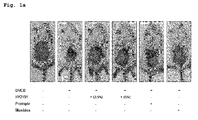
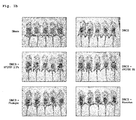
Figure 1] Figure 1 is a photo of dorsal skin. - [
Figure 2] Figure 2 shows clinical scores of dorsal skin. - [
Figure 3] Figure 3 shows serum IgE levels. - [
Figure 4] Figure 4 shows TH1/TH2 cytokines (IL-4, IFN-γ and IL-2) levels of serum. - [
Figure 5] Figure 5 shows changes in thicknesses of epidermis (B) and dermis (C) after staining with H&E (A) of mouse dorsal skins. - [
Figure 6] Figure 6 shows infiltration of a mast cell (A) revealed by staining with toluidine blue, eosinophil (B) stained with congo red, and neutrophil (C) stained with specific esterase (naphthol AS-D chloroacetate). - The present invention relates to a pharmaceutical composition containing a G protein-Coupled Receptor19 (GPCR19) agonist as an active ingredient for preventing or treating allergic skin diseases.
- Further, the present invention relates to a cosmetic composition containing a G protein-Coupled Receptor19 (GPCR19) agonist as an active ingredient for preventing or improving allergic skin diseases.
- The present invention is about a pharmaceutical composition containing a G protein-Coupled Receptor19 (GPCR19) agonist as an active ingredient for preventing or treating allergic skin diseases.
- In an exemplary embodiment of the present invention, the G protein-Coupled Receptor19 (GPCR19) agonist may be sodium taurodeoxycholate (HY2191) and its derivatives.
- In an exemplary embodiment of the present invention, the GPCR19 agonist reduces the amount of serum IgE.
- In an exemplary embodiment of the present invention, the GPCR19 agonist reduces serum TH2 cytokines and increases serum TH1 cytokines.
- In an exemplary embodiment of the present invention, the GPCR19 agonist reduces the number of eosinophils, neutrophils, and mast cells in dermis affected by allergic skin diseases.
- In an exemplary embodiment of the present invention, the GPCR19 agonist ameliorates clinical symptoms such as erythema, hemorrhage, edema, excoriation, erosion, scaling and dryness of atopic skins.
- In another exemplary embodiment of the present invention, the composition containing a G protein-Coupled Receptor19 (GPCR19) agonist as an active ingredient may be provided as an ointment preparation, an oral preparation, or an injection preparation for preventing or improving allergic dermatitis.
- In an exemplary embodiment of the present invention, the allergic skin diseases may be chosen from the group consists of allergic dermatitis, atopic dermatitis, contact dermatitis, hives, and pruritus.
- To be more specific, the pharmaceutical composition may have any one formulation chosen from the group consists of tablet, pill, powder, granules, capsule, suspension, internal formulation, ointment, syrups, sterilized aqueous solution, non-aqueous solvent, suspension, emulsion, lyophilized formulation, suppositories, and injection formulation.
- In an exemplary embodiment of the present invention, the G protein-Coupled Receptor19 agonist is administered at a dosage of 0.001 mg to 100 g/day, 0.01 mg to 10 g/day, or 0.1 mg to 1 g/day to a warm-blooded animal weighing 75 kg for prevention or treatment of allergic skin diseases, and, thus, the allergic skin diseases can be prevented or treated.
- The dose of the G protein-Coupled Receptor19 agonist used for the present invention may depend on various factors such as efficacy, duration of action of the active ingredient, mode of administration, sex, age, weight and individual conditions of other accompanying diseases of warm-blooded animals. A specific administration route and a dose may be decided by a responsible doctor/veterinarian, depending on individual properties of the subject to be administered, i.e., age, weight, severity of a disease, and physical conditions, etc.
- The composition may be administered through a certain general route as long as it can reach a target tissue. The composition of the present invention may be administered orally, intraperitoneally, intravenously, intramuscularly, subcutaneously, intradermally, intranasally, intrapulmonarly, intrarectally, but may not be limited thereto. Further, the composition may be administered by a certain device capable of moving the active ingredient to a target cell.
- In an exemplary embodiment of the present invention, a pharmaceutical preparation for oral administration may be formulated in various ways such as sugar-coated tablets, tablets, pills, powder, granules, capsules, or ampules. The formulations are prepared by the methods known in the art, for example, typical mixing, granulation, tableting, dissolution, or lyophilization. For example, the pharmaceutical preparation for oral administration can be prepared by mixing an active ingredient with a solid carrier, granulating the mixture, adding an appropriate additive if necessary, and formulating the mixture or the granules into tablets or sugar-coated tablets.
- Suitable carriers are especially fillers, such as sugars, for example lactose, saccharose, mannitol, sorbitol, or cellulose preparations and/or calcium phosphates, for example tricalcium phosphate or calcium hydrogen phosphate, and also binders, such as starch pastes using, for example, corn, wheat, rice, potato starch, gelatin, tragacanth, or methyl-cellulose and/or polyvinylpyrrolidone, if desired disintegrators, such as the above-mentioned starches, also carboxymethyl starch, crosslinked polyvinylpyrrolidone, agar, alginic acid or a salt thereof, such as sodium alginate.
- Additives are especially flow conditioners and lubricants, for example, silicic acid, talc, stearic acid or a salt thereof, such as magnesium or calcium stearate, and/or polyethylene glycol. Dragee cores are provided with suitable coatings that may resistant to gastric juices, there being used, inter alia, concentrated sugar solutions which may contain gum arabic, talc, polyvinylpyrrolidone, polyethylene glycol and/or enriched sugar solution containing titanium dioxide, lacquer solutions in suitable organic solvents or solvent mixtures, or, for the production of coatings that are resistant to gastric juices, solutions of suitable cellulose preparations, such as acetylcellulose phthalate or hydroxypropylmethylcellulose phthalate.
- Other pharmaceutical preparations for oral administration are capsules including dry-filled capsules made of gelatin and soft sealed capsules made of gelatin and a plasticizer, such as glycerol or sorbitol. The dry-filled capsules may contain the active substance in the form of granules, for example in a mixture with fillers, such as lactose, binders, such as starches, and/or glidants, such as talc or magnesium stearate, and optionally stabilizers. In soft capsules, the active substance is preferably dissolved or suspended in suitable liquids, such as fatty oils, paraffin oil or liquid polyethyleneglycols, and stabilizers may be added thereto.
- Preparations for parenteral administration may include sterilized aqueous solutions, non-aqueous solvents, suspensions, emulsions, lyophilized preparations, and suppositoriums. Parenteral preparations may be injections effective in various administration methods such as intravenous, intraarterial, intramuscular, intraperitoneal, intranasal, intradermal, and subcutaneous administration methods, preferably an intravenous administration method. Such fluids are preferably isotonic aqueous solutions or suspensions which can be prepared before use, for example from lyophilized preparations which contain the active ingredient alone or together with a pharmaceutically acceptable carrier. The pharmaceutical preparations may be sterilized and/or may contain additives, for example preservatives, stabilizers, wetting agents and/or emulsifiers, solubilizers, salts to regulate the osmotic pressure and/or buffers such as buffer solution.
- To be specific, non-aqueous solvents and suspensions may contain propylene glycol, polyethylene glycol, vegetable oil such as olive oil, injectable ester such as ethylolate, etc. Suppositories may contain witepsol, macrogol, tween 61, cacao butter, laurin butter, glycerinated gelatin, etc.
- In an exemplary embodiment of the present invention, the G protein-Coupled Receptor19 agonist according to the present invention may be administered as a combination/mixture with other medicines for preventing or treating allergic skin diseases. Therefore, the present invention also includes a method for treating patients with allergic skin diseases including a treatment with a combination of the G protein-Coupled Receptor19 agonist and other different medicines for preventing/treating allergic skin diseases. In yet another exemplary embodiment of the present invention, there may be provided an external preparation for preventing or improving allergic dermatitis containing a G protein-Coupled Receptor19 (GPCR19) agonist as an active ingredient.
- In an exemplary embodiment of the present invention, a composition of the external preparation may be selected from the group consisting of cream, gel, ointment, emulsion, suspension, spray, and a transdermal patch, but is not limited thereto.
- In an exemplary embodiment of the present invention, the external preparation may be applied with the amount of 0.001 mg to 100 g, specifically 0.01 mg to 10 g, more specifically 0.1 mg to 1 g per day and may be applied from one to several times per day, specifically from one to three times per day. The external preparation may be applied until symptoms of allergic dermatitis are relieved.
- In still another exemplary embodiment of the present invention, there may be provided a cosmetic composition containing a G protein-Coupled Receptor19 (GPCR19) agonist as an active ingredient for preventing or improving allergic dermatitis.
- In an exemplary embodiment of the present invention, the G protein-Coupled Receptor19 (GPCR19) agonist may be sodium taurodeoxycholate (HY2191) and its derivatives.
- In an exemplary embodiment of the present invention, the cosmetic composition may be prepared in any one or more formulations chosen from the group consists of soap, cleansing foam, cleansing cream, cleansing water, a bath product, skin lotion, skin softener, skin toner, lotion, cream, essence, astringent, emulsion, gel, lipstick, spray, shampoo, conditioner, treatment, body cleanser, pack, massage cream, face powder, compact, foundation, two-way cake, and makeup base for allergic skin diseases, but is not limited thereto.
- In an exemplary embodiment of the present invention, the cosmetic composition may be commercialized as a formulation type chosen from the group consists of soap, cleansing foam, cleansing cream, cleansing water, and a bath product for allergic skin diseases.
In an exemplary embodiment of the present invention, the allergic skin diseases may be chosen from the group consists of allergic dermatitis, atopic dermatitis, contact dermatitis, hives, and pruritus. - If the formulation of the present invention is paste, cream, or gel, it may contain, as carrier components, animal oil, vegetable oil, wax, paraffin, starch, tragacanth, cellulose derivatives, polyethylene glycol, silicone, bentonite, silica, talc, or zinc oxide.
- If the formulation of the present invention is powder or spray, it may contain, as carrier components, lactose, talc, silica, aluminum hydroxide, calcium silicate, or polyamide powder. Particularly, if it is spray, it may additionally contain a propellant, such as chlorofluorohydrocarbon, propane/butane, or dimethyl ether.
- If the formulation of the present invention is solution or emulsion, it may contain, as carrier components, a solvent, a solubilizing agent, or an emulsifying agent, for example, water, ethanol, isopropanol, ethyl carbonate, ethyl acetate, benzyl alcohol, benzyl benzoate, propylene glycol, 1,3-butyl glycol oil, glycerol fatty ester, polyethylene glycol, or sorbitan fatty acid ester.
- If the formulation of the present invention is suspension, it may contain, as carrier components, a liquid diluent, such as water, ethanol, or propylene glycol, and a suspending agent, such as ethoxylated isostearyl alcohol, polyoxyethylene sorbitol ester, polyoxyethylene sorbitan ester, and microcrystalline cellulose, aluminum metahydroxide, bentonite, agar, or tragacanth.
- If the formulation of the present invention is a surfactant-containing cleansing, it may contain, as carrier components, aliphatic alcohol sulfate, aliphatic alcohol ether sulfate, sulfosuccinic monoester, isethionate, imidazolium derivatives, methyl taurate, sarcosinate, fatty acid amide ether sulfate, alkyl amido betaine, aliphatic alcohol, fatty acid glyceride, fatty acid diethanolamide, vegetable oil, lanoline derivatives, or ethoxylated glycerol fatty acid ester.
- In the present invention, the term "containing as an active ingredient" means that an effective amount of ingredient is contained, which results in improvement, prevention, or treatment of allergic dermatitis and the amount may vary depending on severity of disease and a type of formulation, and the number of application may also vary depending on age, weight, and individual conditions of an applicable target. In the present invention, the term "allergic dermatitis" means all the diseases classified as allergic dermatitis in the art regardless of cause, either induced directly or indirectly. Typically, atopic dermatitis is classified into infancy atopic dermatitis, childhood atopic dermatitis, adult atopic dermatitis, and pregnancy atopic dermatitis, according to the time when the subject is affected by the disease. In the present invention, atopic dermatitis includes all types of atopic dermatitis described above.
- In the present invention, an "allergic dermatitis" condition means a condition in which infection site is changed by allergic dermatitis, and such conditions both include a condition which is regarded as a skin disease and a condition which is not regarded as a skin disease.
- In the present invention, the term "treatment" encompasses a complete cure of allergic dermatitis symptoms and partial cure, improvement or alleviation of allergic dermatitis symptoms after applying the pharmaceutical composition of the present invention to a site with allergic dermatitis.
- In the present invention, the term "prevention" means activities which decrease emergence of allergic dermatitis symptoms by applying the pharmaceutical composition of the present invention to the skin in advance, and thus suppressing occurrence of allergic dermatitis symptoms on the skin in advance.
- Further, in the present invention, the term "improvement" means amelioration, reduction, prevention, or disappearance of symptoms.
- Furthermore, in the present invention, the term "active ingredient" means an ingredient showing an activity alone or an activity with a carrier which is not active.
- The pharmaceutical composition of the present invention is administered in a pharmaceutically effective amount.
- In the present invention, the term "pharmaceutically effective amount" means a sufficient amount to treat a disease at a reasonable benefit/risk ratio applicable to medical treatment and improvement. The effective amount can be determined depending on a race, kind, severity, age and sex of a subject, activity of medicine, sensitivity to medicine, administration time, administration route and excretion rate, treatment duration, factors including medicine(s)used at the same time and other factors commonly known in the medical field.
- In the present invention, the term "subject" means all kinds of animals including humans already having or likely to have an allergic skin disease. When the composition which contains the GPCR19 agonist, specifically sodium taurodeoxycholate (HY2191) or its derivative(s) is administered to the subject according to the present invention, the disease can be effectively prevented or treated.
- Hereinafter, examples will be described in order to describe the present invention in more detail. However, the examples according to the present invention can be modified in various ways, and the right scope of the present invention is not limited to the examples to be described below.
- For the first type of formulation, sodium taurodeoxycholate powder was dissolved so as to be 2.5% or 5% in a solvent(70
% polyethylene glycol 400 and 30% ethanol in distilled water) and filtered with a 0.4 µm filter. To make second type of formulation, sodium taurodeoxycholate powder was dissolved so as to be 5% in a hyaluronic acid gel. The 5g sodium taurodeoxycholic acid was mixed with 20ml distilled water and was dissolved. The 80mg chlorobutanol and 70ml distilled water were mixed together with the 25% sodium taurodeoxycholic acid solution described above. One gram of hyalnuronic acid was added and mixed together with the solution. Distilled water was added to make up 100ml. - In order to test efficacy of the sodium taurodeoxycholate (HY2191) composition on atopic dermatitis, dermatitis lesion was induced at the shaved-back of 6 weeks old male Balb/C mice. DNCB (2,4-dinitro-1-chlorobenzene, Sigma) was used as a hapten.
- Five mice for each group were tested. The amount of IgE in blood of mice was measured to evaluate an inhibitory effect of a medication on IgE production. To make skin lesion of atopic dermatitis, 100 µL of a DNCB solution (2.5% in acetone) was applied on the shaved-back of the mouse at day 1. One hundred µL of DNCB (1% in acetone) was applied at
day day 10. - From the day 7 to the
day 14, 100 µL of the composition of 2.5% or 5% sodium taurodeoxycholate (HY2191) of example 1 was applied on the back of mice twice a day. Maxidex ointment (Dexamethasone, Alcon Korea) and Protopic ointment (Tacrolimus, Astellas Pharma Korea) were used for positive control groups and only a vehicle was used for a negative control group. - In order to evaluate the efficacy of sodium taurodeoxycholate(HY2191) on atopic dermatitis, atopic dermatitis was induced on shaved-back of Balb/C mice with DNCB according to experimental example 1 and clinical scores of atopic dermatitis lesions incurred on the back of animal model was evaluated on
day 15. To evaluate clinical scores atday 15, (1) the frequency of scratching for 2 minutes, (2) the severity of erythema/hemorrhage, (3) edema, (4) excoriation/erosion, and (5) scaling/dryness were graded and were scored from 0 (none) to 3 (severe), making theworst score 15 for the most severe subject. The every subject in every group was evaluated by three people in a double-blind method. The mean clinical score of individual mouse was calculated. - Compared to the negative control group that was treated with vehicle only without sodium taurodeoxycholate (HY2191), the group treated with sodium taurodeoxycholate(HY2191) showed better clinical score (
Figure 1a ,Figure 1b andFigure 2 ) significantly. Further, compared to the positive control group that received Maxidex ointment or Protopic ointment, the group of mice that received 5% sodium taurodeoxycholate(HY2191) showed better clinical scores (Figure 1a ,Figure 1b andFigure 2 ). - After the clinical evaluation described at Experimental Example 2, a mixture containing 0.4% of Zoletil (Virbac, Milano Italy) and 0.04% of Rompun (Bayer Korea) in normal saline was injected i.p. to anesthetize each mouse. Blood samples were collected from the heart of the mice. The serum was prepared to measure the concentration of IgE using enzyme immunoassay (Mouse IgE ELISA, BD). ELISA kits (eBioscience) were used to measure concentrations of TH1 cytokines (IFN-γ, IL-2) or TH2 cytokine (IL-4) in the serum.
- As shown in
Figure 3 , the serum IgE levels were significantly lower in the group of mice treated with sodium taurodeoxycholate(HY2191), compared with the mice in positive control groups (groups of mice treated with Maxidex ointment or Protopic ointment). It clearly shows that 2.5% or 5% sodium taurodeoxycholate (HY2191) is effective in inhibiting serum IgE production, a pathognomonic feature of atopy(Figure 3 ). - As shown in
Figure 4 , the level of IFN-γ and IL-2 (TH1 cytokines) was increased significantly in the group of mice treated with 5% sodium taurodeoxycholate(HY2191) far better than control group of mice treated with Protopic or Maxidex (p<0.05). The level of IL-4 (TH2 cytokine) was decreased significantly in the group of mice treated with 5% sodium taurodeoxycholate(HY2191) better than control group of mice treated with Protopic or Maxidex (p<0.05). - The dorsal skin flaps of the mice were fixed in a 10% formalin solution for 24 hours and then washed with distilled water. The paraffin blocks of the fixed skins were prepared and sectioned (thickness of 7 µm). They were stained with hematoxylin and eosin (H&E) (
Figure 5a ). The thickness of epidermis and the dermis of mice treated with DNCB only were 320.2±21.6 µm and 930.2±34.2 µm, respectively. It was comparable with the thickness of the epidermis (26.1±1.0 µm) and the dermis (384.7±11.4 µm) of the mice in a sham group, which was not treated with DNCB (Figure 5 ). Interestingly, the thickness of the epidermis from the group of atopic mice treated with 2.5% sodium taurodeoxycholate (HY2191), 5% sodium taurodeoxycholate (HY2191), Protopic, or Maxidex, were 105.3±7.0 µm, 75.0±8.4 µm, 123.1±14.8 µm, and 51.7±7.1 µm, respectively. It was comparable with the thickness of epidermis from the group of mice treated with DNCB only (320.2±21.6 µm, p < 0.05). The thickness of dermis from the group of atopic mice treated with 2.5% sodium taurodeoxycholate (HY2191), 5% sodium taurodeoxycholate(HY2191), or Protopic were 616.0±21.1 µm, 521.7±18.3 µm, and 572.6±20.2 µm, respectively. It was comparable with the thickness of dermis from the group of mice treated with DNCB only (930.2±34.2 µm, p < 0.05). As was reported previously, the thickness of dermis from the group of mice treated with Maxidex (310.3±15.3 µm) was significantly thinner than that of dermis from the sham group of mice which was not treated with DNCB (384.7±11.4 µm, p < 0.05). - The number of mast cells, eosinophils, and neutrophils infiltrated into the dermis were counted after staining skins with toluidine blue, congo red, or specific esterase (Naphthol AS-D chloroacetate), respectively. The number of mast cells, eosinophils, and neutrophils in the dermis of mice treated with DNCB only were significantly higher than that of mice in a sham group (
Figures 6a ,6b, and 6c ). After treatment with sodium taurodeoxycholate(HY2191), the number of mast cells, eosinophils, and neutrophils in the skin of atopic mice were significantly decreased compared with that of mice in a vehicle-treated group (p<0.05). On the other hand, the number of neutrophils critical for acute inflammation was increased in the group of atopic mice treated with Protopic. The group of mice treated with Maxidex did not show significant decrease in number of neutrophils compared to group of atopic mice treated with vehicle. - Hereinafter, the respective manufacturing examples according to the present invention will be described. The following manufacturing examples are provided only for better understanding of the present invention, but the methods for manufacturing the formulations according to the present invention are not limited to the following manufacturing examples.
- Manufacturing Example: Manufacturing Process of Powder Formulation
Sodium taurodeoxycholate(HY2191) 10 mg Sucrose 100 mg Talc 10 mg - The above-described components are prepared in powder form and then mixed and filled into an air-tight bag so as to prepare a powder formulation.
- Manufacturing Example 2: Manufacturing Process of Tablet Formulation
Sodium taurodeoxycholate(HY2191) 10 mg Starch 100 mg Sucrose 100 mg Magnesium Stearate 2 mg - The above-described ingredients are blended according to a conventional method of manufacturing a tablet and then compressed into a tablet.
- Manufacturing Example 3: Manufacturing Process of Capsule Formulation
Sodium taurodeoxycholate(HY2191) 10 mg Crystalline cellulose 3 mg Lactose 15 mg Magnesium Stearate 1 mg - The above-described ingredients are mixed according to a conventional method of manufacturing a capsule and then filled into a gelatin capsule to make a capsule.
- Manufacturing Example 4: Manufacturing Process of Granule Formulation
Sodium taurodeoxycholate(HY2191) 10 mg Soybean extract 50 mg Glucose 200 mg Starch 500 mg - The above-described components are mixed and added with 100 mL of 30% ethanol and then dried at 60°C so as to form granules, and the granules are filled into a bag so as to form a granulation.
- Manufacturing Example 5: Manufacturing Process of Pill Formulation
Sodium taurodeoxycholate(HY2191)) 10 mg Lactose 1,500 mg Glycerin 1,500 mg Starch 980 mg - The above-described ingredients are mixed and then each pill is made weighing 4 g according to a conventional method of the pill manufacturing process.
- Manufacturing Example 6: Manufacturing Process of Injection Formulation
Sodium taurodeoxycholate(HY2191) 10 mg Mannitol 180 mg Sterile distilled water for injection 2,970 mg Na2HPO4•12H2O 30 mg - The above-described ingredients are mixed and then manufactured so as to obtain each ampoule containing 2 mL according to a conventional method of the injection manufacturing process.
- Manufacturing Example 7: Manufacturing Process of Liquid Formulation
Sodium taurodeoxycholate(HY2191) 10 mg Isomerized glucose syrup 10,000 mg Mannitol 5,000 mg Purified water Suitable amount - The above-described ingredients are dissolved in purified water according to a conventional method of manufacturing liquid formulation, and added with a suitable flavoring, and then filled into a bottle to be sterilized, thereby creating a liquid formulation.
- Manufacturing Example 8: Manufacturing Process of Soap
- After 175 g of NaOH is blended with 330 mL of water and completely dissolved, 10 mg of sodium taurodeoxycholate is added little by little for about 30 minutes and mixed. The mixture is kept in a shady and airy place until dried.
- Manufacturing Example 9: Manufacturing Process of Bath Products
- After 10 mg of sodium taurodeoxycholate(HY2191) is heated around 60°C, sea salt is added to make a saturated solution and then water is evaporated. The solution was cooled at room temperature and then lyophilized after rapidly frozen. The lyophilized solid formulation is powdered to create a bath product.
- Manufacturing Example 10: Manufacturing Process of Cleansing Lotion
[Table 1] Sodium taurodeoxycholate(HY2191) 0.001 v/v% Ethylenediaminetetraacetate 0.02 Methyl ρ-Hydroxybenzoate 0.2 Glycerin 4 Sodium hyaluronic acid 2 Propylene glycol 3 Carbomer 5 Cetearyl alcohol 0.7 Glyceryl stearate 0.5 Shea butter 1 Propyl ρ-Hydroxybenzoate 0.1 Macadamia nut oil 1 Sesquioleate 0.5 Glyceryl stearate 1 Polyoxyethylene sorbitan monooleate 2 Polydecene 5 Mineral oil 20 Dimethicone 5 Stearyl dimethicone 2 Triethanolamine 0.05 Flavor Suitable amount Pigment Suitable amount Purified water The amount of remains - A cleansing lotion is created, using the ingredients described above, according to a conventional method of manufacturing a cleansing lotion in the cosmetic manufacturing industry.
- Manufacturing Example 11: Manufacturing Process of Skin Lotion/Softener/Toner
[Table 2] Sodium taurodeoxycholate(HY2191) 0.001 v/v% Methyl ρ-Hydroxybenzoate 0.2 Ethylenediaminetetraacetate 0.02 1,3-Butylene glycol 0.02 Allantoin 3 Sodium hyaluronic acid 5 Carbomer 0.1 Cetostearyl alcohol 0.7 Propyl ρ-Hydroxybenzoate 0.1 Sorbitan olivate 1.5 Soy lecithin 0.2 Dimethicone 0.2 Cetyl octanoate 0.2 Shea butter 0.2 Sodium polyacrylate 3 Triethanolamine 0.1 Imidazolidinyl urea 0.3 Flavor Suitable amount Pigment Suitable amount Purified water The amount of remains - A skin lotion/softener/toner is created, using the ingredients described above, according to a conventional method of manufacturing a skin lotion/softener/toner in the cosmetic manufacturing industry.
- Manufacturing Example 12: Manufacturing Process of Serum
[Table 3] Sodium taurodeoxycholate(HY2191) 0.001 v/ v% Jojoba 5 Black sesame 2 Sweet almond 3 Emulsifying wax 1 Vitamin E 1 Glycerin 2 Hyaluronic acid 1 Marine elastin 1 Purified water The amount of remains - A serum is created, using the ingredients described above, according to a conventional method of manufacturing a serum in the cosmetic manufacturing industry.
- Manufacturing Example 13: Manufacturing Process of Lotion
[Table 4] Sodium taurodeoxycholate(HY2191) 0.001 v/v% Methyl ρ-Hydroxybenzoate 0.2 Ethylenediaminetetraacetate 0.02 1,3-Butylene glycol 0.02 Allantoin 3 Sodium hyaluronic acid 5 Carbomer 0.1 Cetostearyl alcohol 0.7 Propyl ρ-Hydroxybenzoate 0.1 Sorbitan olivate 1.5 Soy lecithin 0.2 Dimethicone 0.2 Cetyl octanoate 0.2 Shea butter 0.2 Sodium polyacrylate 3 Triethanolamine 0.1 Imidazolidinyl urea 0.3 Flavor Suitable amount Pigment Suitable amount Purified water The amount of remains - A lotion is created, using the ingredients described above, according to a conventional method of manufacturing a lotion in the cosmetic manufacturing industry.
- Manufacturing Example 14: Manufacturing Process of Essence
[Table 5] Sodium taurodeoxycholate(HY2191) 0.001 v/v% Allantoin 0.05 Ethylenediaminetetraacetate 0.02 Triethanolamine 0.2 Sodium hyaluronic acid 7 Imidazolidinyl urea 0.15 Sodium polyacrylate 0.4 Carbomer 0.2 Ethanol 3 Polyoxyetylene sorbitan monostearate 0.2 Methyl ρ-Hydroxybenzoate 0.2 Flavor Suitable amount Pigment Suitable amount Purified water The amount of remains - An essence is created, using the ingredients described above, according to a conventional method of manufacturing an essence in the cosmetic manufacturing industry.
- Manufacturing Example 15: Manufacturing Process of Cream
[Table 6] Sodium taurodeoxycholate(HY2191) 0.001 v/v% Ethylenediaminetetraacetate 0.02 Allantoin 0.1 Glycerin 5 Methyl ρ-Hydroxybenzoate 0.2 Sodium hyaluronic acid 6 Carbomer 0.1 Cetostearyl alcohol 1.7 Polydecene 2 Squalane 2 Propyl ρ-Hydroxybenzoate 0.1 Butylene glycol dicaprylate 3 Cetyl octanoate 5 Microcrystalline lead 0.1 Triethyl pentanediol 0.1 Shea butter 0.2 Sorbitan olivate 0.3 Cyclomethicone 0.3 Stearyl dimethicone 0.5 Imidazolidinyl urea 0.15 Flavor Suitable amount Pigment Suitable amount Purified water Suitable amount - A cream was created, using the ingredients described above, according to a conventional method of manufacturing a cream in the cosmetic manufacturing industry.
- Manufacturing Example 16: Manufacturing Process of Pack
[Table 7] Sodium taurodeoxycholate(HY2191) 0.001 v/v% Ethylenediaminetetraacetate 0.02 Betaine 3 Glyceryl polymethacrylate 2 Allantoin 0.1 Sodium hyaluronic acid 2 Glycerin 3 Dipropylene glycol 5 Methyl ρ-Hydroxybenzoate 0.2 Polyvinyl alcohol 10 Polyoxyetylene sorbitan monooleate 0.9 Sesquioleate 0.3 Jojoba ester 2 Cetearyl alcohol 1.5 Petrolatum 0.5 Flavor Suitable amount Pigment Suitable amount Purified water Suitable amount - A pack is created, using the ingredients described above, according to a conventional method of manufacturing a pack in the cosmetic manufacturing industry.
- Manufacturing Sample 17: Manufacturing Process of Massage Cream
[Table 8] Sodium taurodeoxycholate(HY2191) 0.001 v/v% Purified water Suitable amount Glycerin 4.0 Vaseline 3.5 Triethanolamine 0.5 Liquid Paraffin 24.5 Squalane 2.5 Beeswax 2.1 Tocopheryl Acetate 0.1 Carbopol 1.0 Sorbitan Sesquioleate 3.1 Flavor Small amount Preservative Small amount - A massage cream is created, using the ingredients described above, according to a conventional method of manufacturing a massage cream in the cosmetic manufacturing industry.
- Manufacturing Example 18: Manufacturing Process of Makeup Base
[Table 9] Sodium taurodeoxycholate(HY2191) 0.001 v/v% Purified water Suitable amount Coated Silica 1 Silica 10 Titanium Dioxide 5 Zinc Oxide 3 Pigment 1 Plate powder The amount of remains - A makeup base is created, using the ingredients described above, according to a conventional method of manufacturing a makeup base in the cosmetic manufacturing industry.
-
[Table 10] Sodium taurodeoxycholate(HY2191) 0.001 v/v% Purified water Suitable amount Mica 15 Titanium Dioxide 7 Silicon Oil 3 Ester-based Oil 3 Pigment Suitable amount Flavor Suitable amount Talc The amount of remains - A powder pact is created, using the ingredients described above, according to a conventional method of manufacturing a powder pact in the cosmetic manufacturing industry.
- Manufacturing Example 20: Manufacturing Process of Two-way Cake
[Table 11] Sodium taurodeoxycholate(HY2191) 0.001 v/v% Purified water Suitable amount Mica 15 Titanium Dioxide 12 Silicon Oil 3 Ester-based oil 5 Pigment Suitable amount Flavor Suitable amount Talc The amount of remains - A two-way cake was prepared using the ingredients described above, according to a conventional method of preparing a two-way cake in the cosmetic manufacturing industry.
- The prevalence of allergic skin diseases has been gradually increasing. Currently, anti-histamines or steroids have been used to relieve symptoms, but there are few medicines that can cure atopic skin diseases. This invention suggests that the pharmaceutical composition containing a GPCR19 agonist, specifically, sodium taurodeoxycholate(HY2191) and/or its derivatives, are highly effective for treating atopic dermatitis. The composition containing a GPCR19 agonist, specifically, sodium taurodeoxycholate(HY2191) and/or its derivatives might be used for an external preparation or a cosmetic composition for preventing and improving allergic skin diseases.
Claims (12)
- A pharmaceutical composition containing a G protein-Coupled Receptor19 (GPCR19) agonist as an active ingredient for preventing or treating allergic skin diseases.
- The pharmaceutical composition for preventing or treating allergic skin diseases according to claim 1,
wherein the G protein-Coupled Receptor19 (GPCR19) agonist is sodium taurodeoxycholate (HY2191) or its derivative. - The pharmaceutical composition for preventing or treating allergic skin diseases according to claim 1,
wherein the GPCR19 agonist reduces the levels of serum IgE and serum TH2 cytokine and increases serum TH1 cytokines. - The pharmaceutical composition for preventing or treating allergic skin diseases according to claim 1,
wherein the pharmaceutical composition is formulated in the form of an oral preparation, an injection preparation or an external preparation. - The pharmaceutical composition for preventing or treating allergic skin diseases according to claim 4,
wherein the oral preparation is formulated as any of the form chosen from the group consists of a tablet, granules, a pill, powder, a capsule and a liquid. - The pharmaceutical composition for preventing or treating allergic skin diseases according to claim 4,
wherein the external preparation is formulated as any of the form chosen from the group consists of cream, gel, ointment, emulsion, suspension, spray and a transdermal patch. - The pharmaceutical composition for preventing or treating allergic skin diseases according to claim 4,
wherein the external preparation is applied with the amount of 0.001 mg to 100 g per day. - The pharmaceutical composition for preventing or treating allergic skin diseases according to any one of claims 1 to 7,
wherein the allergic skin diseases are chosen from the group consists of allergic dermatitis, atopic dermatitis, contact dermatitis, hives, and pruritus. - A cosmetic composition containing a G protein-Coupled Receptor19 (GPCR19) agonist as an active ingredient for preventing or improving allergic skin diseases.
- The cosmetic composition for preventing or improving allergic skin diseases according to claim 9,
wherein the G protein-Coupled Receptor19 (GPCR19) agonist is sodium taurodeoxycholate (HY2191) and its derivative. - The cosmetic composition for preventing or improving allergic skin diseases according to claim 9,
wherein the cosmetic composition is prepared in any one or more formulations chosen from the group consists of soap, cleansing foam, cleansing cream, cleansing water, a bath product, skin lotion, skin softener, skin toner, lotion, cream, essence, astringent, emulsion, gel, lipstick, spray, shampoo, conditioner, treatment, body cleanser, pack, massage cream, face powder, compact, foundation, two-way cake, and makeup base for allergic skin diseases. - The cosmetic composition for preventing or improving allergic skin diseases according to any one of claims 9 to 11,
wherein the allergic skin diseases are chosen from the group consists of allergic dermatitis, atopic dermatitis, contact dermatitis, hives, and pruritus.
Applications Claiming Priority (2)
| Application Number | Priority Date | Filing Date | Title |
|---|---|---|---|
| KR1020130100813A KR101548955B1 (en) | 2013-08-26 | 2013-08-26 | Composition for preventing or treating atopic dermatitis comprising GPCR19 agonist as an active ingredient |
| PCT/KR2014/001819 WO2015030328A1 (en) | 2013-08-26 | 2014-03-05 | Compositions for preventing or treating allergic skin disorders, containing gpcr19 agents as active ingredients |
Publications (3)
| Publication Number | Publication Date |
|---|---|
| EP2910247A1 true EP2910247A1 (en) | 2015-08-26 |
| EP2910247A4 EP2910247A4 (en) | 2016-04-13 |
| EP2910247B1 EP2910247B1 (en) | 2018-04-18 |
Family
ID=52586843
Family Applications (1)
| Application Number | Title | Priority Date | Filing Date |
|---|---|---|---|
| EP14841209.1A Active EP2910247B1 (en) | 2013-08-26 | 2014-03-05 | Compositions for preventing or treating allergic skin disorders, containing gpcr19 agents as active ingredients |
Country Status (7)
| Country | Link |
|---|---|
| US (1) | US9629854B2 (en) |
| EP (1) | EP2910247B1 (en) |
| JP (3) | JP6105751B2 (en) |
| KR (1) | KR101548955B1 (en) |
| CN (1) | CN104853759B (en) |
| ES (1) | ES2678944T3 (en) |
| WO (1) | WO2015030328A1 (en) |
Cited By (2)
| Publication number | Priority date | Publication date | Assignee | Title |
|---|---|---|---|---|
| WO2024105449A1 (en) * | 2022-11-15 | 2024-05-23 | Shaperon Inc. | Biomarkers for predicting the treatment efficacy of gpcr19 agonists in the treatment of atopic dermatitis and methods for treating subjects with such biomarkers |
| EP4403164A4 (en) * | 2021-09-15 | 2025-10-22 | Shaperon Inc | GEL COMPOSITION FOR THE PREVENTION OR TREATMENT OF ATOPIC DERMATITIS |
Families Citing this family (6)
| Publication number | Priority date | Publication date | Assignee | Title |
|---|---|---|---|---|
| KR101743960B1 (en) | 2015-07-06 | 2017-06-08 | 서울대학교산학협력단 | G 19 Pharmaceutical composition for preventing treating or retarding Alzheimers disease or dementia comprising G protein-Coupled Receptor19 agonist as an active ingredient |
| US20200345637A1 (en) * | 2018-01-19 | 2020-11-05 | Aiviva Biopharma, Inc. | Suspension compositions of multi-target inhibitors |
| CN114929034A (en) * | 2020-05-20 | 2022-08-19 | 株式会社索辛 | Antiallergic functional food composition, cosmetic, and transdermal preparation for external use |
| KR20230075400A (en) * | 2020-09-18 | 2023-05-31 | 서울대학교산학협력단 | GPCR19-P2XN Receptor Complex and Uses Thereof |
| KR20230043774A (en) | 2021-09-24 | 2023-03-31 | (주)샤페론 | Pharmaceutical composition for preventing, improving or treating atopic dermatitis comprising novel inflammasome inhibitor as an active ingredient |
| KR20240072368A (en) | 2022-11-15 | 2024-05-24 | 서울대학교산학협력단 | A biomarker for predicting treatment for treating atopic dermatitis and a composition for companion diagnostics |
Family Cites Families (13)
| Publication number | Priority date | Publication date | Assignee | Title |
|---|---|---|---|---|
| GB8417895D0 (en) * | 1984-07-13 | 1984-08-15 | Marples B A | Pharmaceutical anti-fungal composition |
| EP0720854A1 (en) * | 1995-01-04 | 1996-07-10 | Medichemie Ag | Use of bile acids for the preparation of a medicament for the treatment of skin disorders |
| JPH10114665A (en) * | 1996-10-15 | 1998-05-06 | Dokutaazu Kosumeteikusu:Kk | Improver for aqueous body fluid and composition for oral administration comprising the same |
| JPH10120579A (en) * | 1996-10-18 | 1998-05-12 | Dokutaazu Kosumeteikusu:Kk | Skin preparation for improving sputum for external use |
| JP3714443B2 (en) * | 1997-07-22 | 2005-11-09 | タカラバイオ株式会社 | Method for detecting atopic dermatitis |
| US20030185864A1 (en) * | 2000-07-19 | 2003-10-02 | Asako Kobayashi | Preventives or remedies for atopic dermatitis |
| US8440627B2 (en) | 2004-11-04 | 2013-05-14 | Tufts Medical Center, Inc. | G protein coupled receptor agonists and antagonists and methods of use |
| JP2007106730A (en) * | 2005-10-17 | 2007-04-26 | Mitsubishi Pharma Corp | RANTES induction inhibitor |
| JP2009543823A (en) * | 2006-07-17 | 2009-12-10 | ノバルティス アクチエンゲゼルシャフト | Sulfonylaminocarbonyl derivatives of bile acid amides for use as immunomodulators |
| CA2928178C (en) * | 2007-01-19 | 2019-09-10 | Intercept Pharmaceuticals, Inc. | Tgr5 modulators and methods of use thereof |
| US20100048579A1 (en) * | 2007-04-13 | 2010-02-25 | Luca Arista | Pyridazine-, pyridine- and pyrane-derivatives as gpbar1 agonists |
| KR100785656B1 (en) * | 2007-05-14 | 2007-12-17 | 재단법인서울대학교산학협력재단 | Sodium glycocholate or its derivatives used as anti-inflammatory agents |
| KR101452864B1 (en) * | 2011-11-17 | 2014-11-04 | 서울대학교산학협력단 | Expanding Bone Marrow-Derived Immune Regulatory Cells and Immune Regulatory B cells by Activating GPCR19 Pathway In vivo or In vitro |
-
2013
- 2013-08-26 KR KR1020130100813A patent/KR101548955B1/en active Active
-
2014
- 2014-03-05 CN CN201480002520.4A patent/CN104853759B/en active Active
- 2014-03-05 US US14/440,875 patent/US9629854B2/en active Active
- 2014-03-05 EP EP14841209.1A patent/EP2910247B1/en active Active
- 2014-03-05 WO PCT/KR2014/001819 patent/WO2015030328A1/en not_active Ceased
- 2014-03-05 JP JP2015551631A patent/JP6105751B2/en active Active
- 2014-03-05 ES ES14841209.1T patent/ES2678944T3/en active Active
-
2017
- 2017-02-07 JP JP2017020559A patent/JP6542275B2/en active Active
-
2019
- 2019-02-01 JP JP2019017330A patent/JP6663052B2/en active Active
Cited By (2)
| Publication number | Priority date | Publication date | Assignee | Title |
|---|---|---|---|---|
| EP4403164A4 (en) * | 2021-09-15 | 2025-10-22 | Shaperon Inc | GEL COMPOSITION FOR THE PREVENTION OR TREATMENT OF ATOPIC DERMATITIS |
| WO2024105449A1 (en) * | 2022-11-15 | 2024-05-23 | Shaperon Inc. | Biomarkers for predicting the treatment efficacy of gpcr19 agonists in the treatment of atopic dermatitis and methods for treating subjects with such biomarkers |
Also Published As
| Publication number | Publication date |
|---|---|
| EP2910247B1 (en) | 2018-04-18 |
| WO2015030328A1 (en) | 2015-03-05 |
| JP2019112405A (en) | 2019-07-11 |
| JP6663052B2 (en) | 2020-03-11 |
| JP6542275B2 (en) | 2019-07-10 |
| JP2017114879A (en) | 2017-06-29 |
| KR101548955B1 (en) | 2015-09-02 |
| CN104853759A (en) | 2015-08-19 |
| EP2910247A4 (en) | 2016-04-13 |
| ES2678944T3 (en) | 2018-08-21 |
| JP2016505616A (en) | 2016-02-25 |
| US9629854B2 (en) | 2017-04-25 |
| JP6105751B2 (en) | 2017-03-29 |
| CN104853759B (en) | 2018-05-29 |
| KR20150029043A (en) | 2015-03-18 |
| US20150290219A1 (en) | 2015-10-15 |
Similar Documents
| Publication | Publication Date | Title |
|---|---|---|
| EP2910247B1 (en) | Compositions for preventing or treating allergic skin disorders, containing gpcr19 agents as active ingredients | |
| US9855283B2 (en) | Composition comprising GPCR19 agonist as an active ingredient for preventing or treating allergic dermatitis | |
| KR101248503B1 (en) | Composition for improving atopic dermatitis comprising hot water extract of green tea and ethanol extract of green tea | |
| CN107920974A (en) | Cosmetic composition for suppressing pruritus and improving atopic dermatitis containing active ingredient ISTP | |
| KR101998402B1 (en) | Composition for preventing or treating atopic dermatitis comprising GPCR19 agonist as an active ingredient | |
| JP2025069313A (en) | Maqui berry extracts for treatment of skin diseases | |
| KR101510595B1 (en) | Composition comprising eugenol for preventing or treating atopic dermatitis | |
| KR101470087B1 (en) | Composition for preventing or treating or improvingatopic dermatitis comprising immunosuppressant and transglutaminase 2 inhibitor | |
| KR100483539B1 (en) | Composition for preventing or treating atopic dermatitis and process for preparation thereof | |
| KR101330411B1 (en) | Composition for improving atopic dermatitis comprising extract of steamed green tea | |
| EP3042651B1 (en) | Composition containing monoacetyldiacylglycerol compound as active ingredient for preventing or treating atopic dermatitis | |
| JP2017014205A (en) | Tryptase inhibitor composition | |
| US6992068B2 (en) | Cytokine production inhibitors, agents for protecting and promoting liver function, anti-inflammatory agents, immunosuppressants, drugs, cosmetics, foods and food materials | |
| KR101491927B1 (en) | Composition for preventing or treating atopic dermatitis comprising colored potato peel as an active ingredient | |
| US20160296574A1 (en) | Ephedra alata extracts and methods of use thereof | |
| KR20230043774A (en) | Pharmaceutical composition for preventing, improving or treating atopic dermatitis comprising novel inflammasome inhibitor as an active ingredient | |
| EP4403164A1 (en) | Gel composition for prevention or treatment of atopic dermatitis | |
| KR20110072997A (en) | Cosmetic or pharmaceutical composition comprising swertia marine | |
| KR20250037122A (en) | Composition for preventing or treating atopic dermatitis or psoriasis comprising candesartan | |
| KR20250046605A (en) | A Composition comprising Zingiberis Rhizoma extract for preventing and treating atopic dermatitis | |
| KR20210101559A (en) | Composition for preventing, improving or treating atopic dermatitis comprising linarin or acacetin | |
| KR20100013456A (en) | Composition for regenerating epithelium cells | |
| KR20200050286A (en) | A composition for preventing or improving dermatitis comprising caulophyllogenin and use thereof | |
| KR20170098182A (en) | Composition for preventing or treating allergic or inflammatory skin disease | |
| WO2018083196A1 (en) | Compositions comprising a compound of the avermectin family for the treatment and/or prevention of hand eczema |
Legal Events
| Date | Code | Title | Description |
|---|---|---|---|
| PUAI | Public reference made under article 153(3) epc to a published international application that has entered the european phase |
Free format text: ORIGINAL CODE: 0009012 |
|
| 17P | Request for examination filed |
Effective date: 20150325 |
|
| AK | Designated contracting states |
Kind code of ref document: A1 Designated state(s): AL AT BE BG CH CY CZ DE DK EE ES FI FR GB GR HR HU IE IS IT LI LT LU LV MC MK MT NL NO PL PT RO RS SE SI SK SM TR |
|
| AX | Request for extension of the european patent |
Extension state: BA ME |
|
| RAP1 | Party data changed (applicant data changed or rights of an application transferred) |
Owner name: SEOUL TECHNO HOLDINGS, INC. |
|
| RAP1 | Party data changed (applicant data changed or rights of an application transferred) |
Owner name: SEOUL TECHNO HOLDINGS, INC. |
|
| RA4 | Supplementary search report drawn up and despatched (corrected) |
Effective date: 20160316 |
|
| RIC1 | Information provided on ipc code assigned before grant |
Ipc: A61K 31/56 20060101ALI20160310BHEP Ipc: A61P 17/00 20060101ALI20160310BHEP Ipc: A61K 31/575 20060101AFI20160310BHEP |
|
| DAX | Request for extension of the european patent (deleted) | ||
| STAA | Information on the status of an ep patent application or granted ep patent |
Free format text: STATUS: EXAMINATION IS IN PROGRESS |
|
| 17Q | First examination report despatched |
Effective date: 20170406 |
|
| RAP1 | Party data changed (applicant data changed or rights of an application transferred) |
Owner name: SHAPERON INC. |
|
| GRAP | Despatch of communication of intention to grant a patent |
Free format text: ORIGINAL CODE: EPIDOSNIGR1 |
|
| STAA | Information on the status of an ep patent application or granted ep patent |
Free format text: STATUS: GRANT OF PATENT IS INTENDED |
|
| INTG | Intention to grant announced |
Effective date: 20171110 |
|
| GRAJ | Information related to disapproval of communication of intention to grant by the applicant or resumption of examination proceedings by the epo deleted |
Free format text: ORIGINAL CODE: EPIDOSDIGR1 |
|
| STAA | Information on the status of an ep patent application or granted ep patent |
Free format text: STATUS: EXAMINATION IS IN PROGRESS |
|
| GRAR | Information related to intention to grant a patent recorded |
Free format text: ORIGINAL CODE: EPIDOSNIGR71 |
|
| GRAS | Grant fee paid |
Free format text: ORIGINAL CODE: EPIDOSNIGR3 |
|
| STAA | Information on the status of an ep patent application or granted ep patent |
Free format text: STATUS: GRANT OF PATENT IS INTENDED |
|
| GRAA | (expected) grant |
Free format text: ORIGINAL CODE: 0009210 |
|
| STAA | Information on the status of an ep patent application or granted ep patent |
Free format text: STATUS: THE PATENT HAS BEEN GRANTED |
|
| INTC | Intention to grant announced (deleted) | ||
| INTG | Intention to grant announced |
Effective date: 20180227 |
|
| AK | Designated contracting states |
Kind code of ref document: B1 Designated state(s): AL AT BE BG CH CY CZ DE DK EE ES FI FR GB GR HR HU IE IS IT LI LT LU LV MC MK MT NL NO PL PT RO RS SE SI SK SM TR |
|
| REG | Reference to a national code |
Ref country code: GB Ref legal event code: FG4D |
|
| REG | Reference to a national code |
Ref country code: CH Ref legal event code: EP |
|
| REG | Reference to a national code |
Ref country code: AT Ref legal event code: REF Ref document number: 989714 Country of ref document: AT Kind code of ref document: T Effective date: 20180515 |
|
| REG | Reference to a national code |
Ref country code: IE Ref legal event code: FG4D |
|
| REG | Reference to a national code |
Ref country code: DE Ref legal event code: R096 Ref document number: 602014024241 Country of ref document: DE |
|
| REG | Reference to a national code |
Ref country code: ES Ref legal event code: FG2A Ref document number: 2678944 Country of ref document: ES Kind code of ref document: T3 Effective date: 20180821 |
|
| REG | Reference to a national code |
Ref country code: NL Ref legal event code: MP Effective date: 20180418 |
|
| REG | Reference to a national code |
Ref country code: LT Ref legal event code: MG4D |
|
| PG25 | Lapsed in a contracting state [announced via postgrant information from national office to epo] |
Ref country code: NL Free format text: LAPSE BECAUSE OF FAILURE TO SUBMIT A TRANSLATION OF THE DESCRIPTION OR TO PAY THE FEE WITHIN THE PRESCRIBED TIME-LIMIT Effective date: 20180418 |
|
| PG25 | Lapsed in a contracting state [announced via postgrant information from national office to epo] |
Ref country code: SE Free format text: LAPSE BECAUSE OF FAILURE TO SUBMIT A TRANSLATION OF THE DESCRIPTION OR TO PAY THE FEE WITHIN THE PRESCRIBED TIME-LIMIT Effective date: 20180418 Ref country code: AL Free format text: LAPSE BECAUSE OF FAILURE TO SUBMIT A TRANSLATION OF THE DESCRIPTION OR TO PAY THE FEE WITHIN THE PRESCRIBED TIME-LIMIT Effective date: 20180418 Ref country code: LT Free format text: LAPSE BECAUSE OF FAILURE TO SUBMIT A TRANSLATION OF THE DESCRIPTION OR TO PAY THE FEE WITHIN THE PRESCRIBED TIME-LIMIT Effective date: 20180418 Ref country code: PL Free format text: LAPSE BECAUSE OF FAILURE TO SUBMIT A TRANSLATION OF THE DESCRIPTION OR TO PAY THE FEE WITHIN THE PRESCRIBED TIME-LIMIT Effective date: 20180418 Ref country code: FI Free format text: LAPSE BECAUSE OF FAILURE TO SUBMIT A TRANSLATION OF THE DESCRIPTION OR TO PAY THE FEE WITHIN THE PRESCRIBED TIME-LIMIT Effective date: 20180418 Ref country code: BG Free format text: LAPSE BECAUSE OF FAILURE TO SUBMIT A TRANSLATION OF THE DESCRIPTION OR TO PAY THE FEE WITHIN THE PRESCRIBED TIME-LIMIT Effective date: 20180718 Ref country code: NO Free format text: LAPSE BECAUSE OF FAILURE TO SUBMIT A TRANSLATION OF THE DESCRIPTION OR TO PAY THE FEE WITHIN THE PRESCRIBED TIME-LIMIT Effective date: 20180718 |
|
| PG25 | Lapsed in a contracting state [announced via postgrant information from national office to epo] |
Ref country code: LV Free format text: LAPSE BECAUSE OF FAILURE TO SUBMIT A TRANSLATION OF THE DESCRIPTION OR TO PAY THE FEE WITHIN THE PRESCRIBED TIME-LIMIT Effective date: 20180418 Ref country code: RS Free format text: LAPSE BECAUSE OF FAILURE TO SUBMIT A TRANSLATION OF THE DESCRIPTION OR TO PAY THE FEE WITHIN THE PRESCRIBED TIME-LIMIT Effective date: 20180418 Ref country code: GR Free format text: LAPSE BECAUSE OF FAILURE TO SUBMIT A TRANSLATION OF THE DESCRIPTION OR TO PAY THE FEE WITHIN THE PRESCRIBED TIME-LIMIT Effective date: 20180719 Ref country code: HR Free format text: LAPSE BECAUSE OF FAILURE TO SUBMIT A TRANSLATION OF THE DESCRIPTION OR TO PAY THE FEE WITHIN THE PRESCRIBED TIME-LIMIT Effective date: 20180418 |
|
| REG | Reference to a national code |
Ref country code: AT Ref legal event code: MK05 Ref document number: 989714 Country of ref document: AT Kind code of ref document: T Effective date: 20180418 |
|
| PG25 | Lapsed in a contracting state [announced via postgrant information from national office to epo] |
Ref country code: PT Free format text: LAPSE BECAUSE OF FAILURE TO SUBMIT A TRANSLATION OF THE DESCRIPTION OR TO PAY THE FEE WITHIN THE PRESCRIBED TIME-LIMIT Effective date: 20180820 |
|
| REG | Reference to a national code |
Ref country code: DE Ref legal event code: R097 Ref document number: 602014024241 Country of ref document: DE |
|
| PG25 | Lapsed in a contracting state [announced via postgrant information from national office to epo] |
Ref country code: SK Free format text: LAPSE BECAUSE OF FAILURE TO SUBMIT A TRANSLATION OF THE DESCRIPTION OR TO PAY THE FEE WITHIN THE PRESCRIBED TIME-LIMIT Effective date: 20180418 Ref country code: DK Free format text: LAPSE BECAUSE OF FAILURE TO SUBMIT A TRANSLATION OF THE DESCRIPTION OR TO PAY THE FEE WITHIN THE PRESCRIBED TIME-LIMIT Effective date: 20180418 Ref country code: EE Free format text: LAPSE BECAUSE OF FAILURE TO SUBMIT A TRANSLATION OF THE DESCRIPTION OR TO PAY THE FEE WITHIN THE PRESCRIBED TIME-LIMIT Effective date: 20180418 Ref country code: AT Free format text: LAPSE BECAUSE OF FAILURE TO SUBMIT A TRANSLATION OF THE DESCRIPTION OR TO PAY THE FEE WITHIN THE PRESCRIBED TIME-LIMIT Effective date: 20180418 Ref country code: RO Free format text: LAPSE BECAUSE OF FAILURE TO SUBMIT A TRANSLATION OF THE DESCRIPTION OR TO PAY THE FEE WITHIN THE PRESCRIBED TIME-LIMIT Effective date: 20180418 Ref country code: CZ Free format text: LAPSE BECAUSE OF FAILURE TO SUBMIT A TRANSLATION OF THE DESCRIPTION OR TO PAY THE FEE WITHIN THE PRESCRIBED TIME-LIMIT Effective date: 20180418 |
|
| PLBE | No opposition filed within time limit |
Free format text: ORIGINAL CODE: 0009261 |
|
| STAA | Information on the status of an ep patent application or granted ep patent |
Free format text: STATUS: NO OPPOSITION FILED WITHIN TIME LIMIT |
|
| PG25 | Lapsed in a contracting state [announced via postgrant information from national office to epo] |
Ref country code: SM Free format text: LAPSE BECAUSE OF FAILURE TO SUBMIT A TRANSLATION OF THE DESCRIPTION OR TO PAY THE FEE WITHIN THE PRESCRIBED TIME-LIMIT Effective date: 20180418 |
|
| 26N | No opposition filed |
Effective date: 20190121 |
|
| PG25 | Lapsed in a contracting state [announced via postgrant information from national office to epo] |
Ref country code: SI Free format text: LAPSE BECAUSE OF FAILURE TO SUBMIT A TRANSLATION OF THE DESCRIPTION OR TO PAY THE FEE WITHIN THE PRESCRIBED TIME-LIMIT Effective date: 20180418 |
|
| PG25 | Lapsed in a contracting state [announced via postgrant information from national office to epo] |
Ref country code: MC Free format text: LAPSE BECAUSE OF FAILURE TO SUBMIT A TRANSLATION OF THE DESCRIPTION OR TO PAY THE FEE WITHIN THE PRESCRIBED TIME-LIMIT Effective date: 20180418 |
|
| REG | Reference to a national code |
Ref country code: CH Ref legal event code: PL |
|
| PG25 | Lapsed in a contracting state [announced via postgrant information from national office to epo] |
Ref country code: LU Free format text: LAPSE BECAUSE OF NON-PAYMENT OF DUE FEES Effective date: 20190305 |
|
| REG | Reference to a national code |
Ref country code: BE Ref legal event code: MM Effective date: 20190331 |
|
| PG25 | Lapsed in a contracting state [announced via postgrant information from national office to epo] |
Ref country code: CH Free format text: LAPSE BECAUSE OF NON-PAYMENT OF DUE FEES Effective date: 20190331 Ref country code: IE Free format text: LAPSE BECAUSE OF NON-PAYMENT OF DUE FEES Effective date: 20190305 Ref country code: LI Free format text: LAPSE BECAUSE OF NON-PAYMENT OF DUE FEES Effective date: 20190331 |
|
| PG25 | Lapsed in a contracting state [announced via postgrant information from national office to epo] |
Ref country code: BE Free format text: LAPSE BECAUSE OF NON-PAYMENT OF DUE FEES Effective date: 20190331 |
|
| PG25 | Lapsed in a contracting state [announced via postgrant information from national office to epo] |
Ref country code: TR Free format text: LAPSE BECAUSE OF FAILURE TO SUBMIT A TRANSLATION OF THE DESCRIPTION OR TO PAY THE FEE WITHIN THE PRESCRIBED TIME-LIMIT Effective date: 20180418 |
|
| PG25 | Lapsed in a contracting state [announced via postgrant information from national office to epo] |
Ref country code: MT Free format text: LAPSE BECAUSE OF NON-PAYMENT OF DUE FEES Effective date: 20190305 |
|
| PG25 | Lapsed in a contracting state [announced via postgrant information from national office to epo] |
Ref country code: CY Free format text: LAPSE BECAUSE OF FAILURE TO SUBMIT A TRANSLATION OF THE DESCRIPTION OR TO PAY THE FEE WITHIN THE PRESCRIBED TIME-LIMIT Effective date: 20180418 |
|
| PG25 | Lapsed in a contracting state [announced via postgrant information from national office to epo] |
Ref country code: IS Free format text: LAPSE BECAUSE OF FAILURE TO SUBMIT A TRANSLATION OF THE DESCRIPTION OR TO PAY THE FEE WITHIN THE PRESCRIBED TIME-LIMIT Effective date: 20180818 |
|
| PG25 | Lapsed in a contracting state [announced via postgrant information from national office to epo] |
Ref country code: HU Free format text: LAPSE BECAUSE OF FAILURE TO SUBMIT A TRANSLATION OF THE DESCRIPTION OR TO PAY THE FEE WITHIN THE PRESCRIBED TIME-LIMIT; INVALID AB INITIO Effective date: 20140305 |
|
| PG25 | Lapsed in a contracting state [announced via postgrant information from national office to epo] |
Ref country code: MK Free format text: LAPSE BECAUSE OF FAILURE TO SUBMIT A TRANSLATION OF THE DESCRIPTION OR TO PAY THE FEE WITHIN THE PRESCRIBED TIME-LIMIT Effective date: 20180418 |
|
| PGFP | Annual fee paid to national office [announced via postgrant information from national office to epo] |
Ref country code: GB Payment date: 20260310 Year of fee payment: 13 |
|
| PGFP | Annual fee paid to national office [announced via postgrant information from national office to epo] |
Ref country code: DE Payment date: 20260310 Year of fee payment: 13 |
|
| PGFP | Annual fee paid to national office [announced via postgrant information from national office to epo] |
Ref country code: IT Payment date: 20260306 Year of fee payment: 13 |
|
| PGFP | Annual fee paid to national office [announced via postgrant information from national office to epo] |
Ref country code: FR Payment date: 20260310 Year of fee payment: 13 |
|
| PGFP | Annual fee paid to national office [announced via postgrant information from national office to epo] |
Ref country code: ES Payment date: 20260402 Year of fee payment: 13 |