EP2906601B1 - Nachweis von freiem und proteingebundenem nicht humanem gal-alpha(-1-3)-galepitop - Google Patents
Nachweis von freiem und proteingebundenem nicht humanem gal-alpha(-1-3)-galepitop Download PDFInfo
- Publication number
- EP2906601B1 EP2906601B1 EP13774462.9A EP13774462A EP2906601B1 EP 2906601 B1 EP2906601 B1 EP 2906601B1 EP 13774462 A EP13774462 A EP 13774462A EP 2906601 B1 EP2906601 B1 EP 2906601B1
- Authority
- EP
- European Patent Office
- Prior art keywords
- gal
- antibody
- assay
- scfv
- bsa
- Prior art date
- Legal status (The legal status is an assumption and is not a legal conclusion. Google has not performed a legal analysis and makes no representation as to the accuracy of the status listed.)
- Not-in-force
Links
- 0 C*[C@@]1C(C)CCC1 Chemical compound C*[C@@]1C(C)CCC1 0.000 description 1
Images



Classifications
-
- G—PHYSICS
- G01—MEASURING; TESTING
- G01N—INVESTIGATING OR ANALYSING MATERIALS BY DETERMINING THEIR CHEMICAL OR PHYSICAL PROPERTIES
- G01N33/00—Investigating or analysing materials by specific methods not covered by groups G01N1/00 - G01N31/00
- G01N33/48—Biological material, e.g. blood, urine; Haemocytometers
- G01N33/50—Chemical analysis of biological material, e.g. blood, urine; Testing involving biospecific ligand binding methods; Immunological testing
- G01N33/68—Chemical analysis of biological material, e.g. blood, urine; Testing involving biospecific ligand binding methods; Immunological testing involving proteins, peptides or amino acids
- G01N33/6803—General methods of protein analysis not limited to specific proteins or families of proteins
- G01N33/6842—Proteomic analysis of subsets of protein mixtures with reduced complexity, e.g. membrane proteins, phosphoproteins, organelle proteins
-
- C—CHEMISTRY; METALLURGY
- C07—ORGANIC CHEMISTRY
- C07K—PEPTIDES
- C07K16/00—Immunoglobulins [IG], e.g. monoclonal or polyclonal antibodies
- C07K16/18—Immunoglobulins [IG], e.g. monoclonal or polyclonal antibodies against material from animals or humans
-
- A—HUMAN NECESSITIES
- A61—MEDICAL OR VETERINARY SCIENCE; HYGIENE
- A61P—SPECIFIC THERAPEUTIC ACTIVITY OF CHEMICAL COMPOUNDS OR MEDICINAL PREPARATIONS
- A61P31/00—Antiinfectives, i.e. antibiotics, antiseptics, chemotherapeutics
-
- A—HUMAN NECESSITIES
- A61—MEDICAL OR VETERINARY SCIENCE; HYGIENE
- A61P—SPECIFIC THERAPEUTIC ACTIVITY OF CHEMICAL COMPOUNDS OR MEDICINAL PREPARATIONS
- A61P37/00—Drugs for immunological or allergic disorders
- A61P37/02—Immunomodulators
- A61P37/06—Immunosuppressants, e.g. drugs for graft rejection
-
- C—CHEMISTRY; METALLURGY
- C07—ORGANIC CHEMISTRY
- C07K—PEPTIDES
- C07K16/00—Immunoglobulins [IG], e.g. monoclonal or polyclonal antibodies
- C07K16/44—Immunoglobulins [IG], e.g. monoclonal or polyclonal antibodies against material not provided for elsewhere, e.g. haptens, metals, DNA, RNA, amino acids
-
- C—CHEMISTRY; METALLURGY
- C07—ORGANIC CHEMISTRY
- C07K—PEPTIDES
- C07K2317/00—Immunoglobulins specific features
- C07K2317/20—Immunoglobulins specific features characterized by taxonomic origin
- C07K2317/23—Immunoglobulins specific features characterized by taxonomic origin from birds
-
- C—CHEMISTRY; METALLURGY
- C07—ORGANIC CHEMISTRY
- C07K—PEPTIDES
- C07K2317/00—Immunoglobulins specific features
- C07K2317/30—Immunoglobulins specific features characterized by aspects of specificity or valency
- C07K2317/33—Crossreactivity, e.g. for species or epitope, or lack of said crossreactivity
-
- C—CHEMISTRY; METALLURGY
- C07—ORGANIC CHEMISTRY
- C07K—PEPTIDES
- C07K2317/00—Immunoglobulins specific features
- C07K2317/60—Immunoglobulins specific features characterized by non-natural combinations of immunoglobulin fragments
- C07K2317/62—Immunoglobulins specific features characterized by non-natural combinations of immunoglobulin fragments comprising only variable region components
- C07K2317/622—Single chain antibody (scFv)
-
- C—CHEMISTRY; METALLURGY
- C07—ORGANIC CHEMISTRY
- C07K—PEPTIDES
- C07K2317/00—Immunoglobulins specific features
- C07K2317/90—Immunoglobulins specific features characterized by (pharmaco)kinetic aspects or by stability of the immunoglobulin
- C07K2317/92—Affinity (KD), association rate (Ka), dissociation rate (Kd) or EC50 value
-
- G—PHYSICS
- G01—MEASURING; TESTING
- G01N—INVESTIGATING OR ANALYSING MATERIALS BY DETERMINING THEIR CHEMICAL OR PHYSICAL PROPERTIES
- G01N2400/00—Assays, e.g. immunoassays or enzyme assays, involving carbohydrates
- G01N2400/02—Assays, e.g. immunoassays or enzyme assays, involving carbohydrates involving antibodies to sugar part of glycoproteins
-
- G—PHYSICS
- G01—MEASURING; TESTING
- G01N—INVESTIGATING OR ANALYSING MATERIALS BY DETERMINING THEIR CHEMICAL OR PHYSICAL PROPERTIES
- G01N2800/00—Detection or diagnosis of diseases
- G01N2800/24—Immunology or allergic disorders
- G01N2800/245—Transplantation related diseases, e.g. graft versus host disease
Definitions
- the present invention relates to the provision of antibody fragments capable of binding selectively to the Gal- ⁇ -(1 ⁇ 3)-Gal epitope.
- This epitope is often found on porcine tissue destined for human transplantation.
- the invention further relates to assay systems comprising these antibody fragments for use in testing transplantation tissue for possible rejection complications.
- the epitope is also found on biopharmaceuticals and on some infectious agents and accordingly the invention also provides assay systems for these applications.
- the presence of this antigenic glycan moiety has also been attributed to an IgE-mediated allergic/hypersensitivity response observed in patients taking the recombinant monoclonal antibody preparation, Erbitux (Cetuximab),.
- the levels of Gal- ⁇ -(1 ⁇ 3)-Gal epitope required to induce anaphylaxis remain undetermined and may be both product-specific and patient-dependent.
- Bosques et al demonstrated both the ability of CHO cells to synthesise the Gal- ⁇ -(1 ⁇ 3)-Gal moiety and its presence on the commercial therapeutic protein, Abatacept (Orencia), a CHO-generated antibody fusion protein.
- Abatacept Orencia
- the level of Gal- ⁇ -(1 ⁇ 3)-Gal detected on proteins produced in the CHO system were lower than those typically observed on products derived from murine cell lines (Bosques et al., 2010).
- Gal- ⁇ -(1 ⁇ 3)-Gal epitope such as Trypanosoma cruzia, the causitive agent of Chagas' disease, American Leishmania, Colletotrichum, which is a fungal plant pathogen and Neisseria meningitides.
- an anti- Gal- ⁇ -(1 ⁇ 3)-Gal antibody or fragment could be used either in diagnosis of these diseases or in their therapy.
- This epitope has also been implicated in anaphylactic reactions to oligosaccharides found in red meat and thus the antibodies of the invention could find use in the prevention or prediction of such responses.
- Gal- ⁇ -1 ⁇ 2, Gal- ⁇ -1 ⁇ 3 or Gal- ⁇ -1 ⁇ 4) Binding of GS1-B4 may also depend on whether the Gal- ⁇ -(1 ⁇ 3)-Gal is on a cell surface or on an isolated glycoprotein, as has been reported for a number of glycan recognition molecules.
- Marasmius oreades agglutinin (MOA) is also known to bind with Gal- ⁇ -1-R terminated structures.
- V H immunoglobulin heavy chain variable region
- V L light chain variable region
- the antibody fragments of the present invention were demonstrated to have high affinity and specificity for the Gal- ⁇ -(1 ⁇ 3)-Gal motif and have thus proved to be more effective and therefore much more commercially useful than previously known anti- Gal- ⁇ -(1 ⁇ 3)-Gal antibodies.
- the scFvs of the invention were also used in competitive ELISA format, where they allowed the concentration of Gal- ⁇ -(1 ⁇ 3)-Gal to be determined in free solution and when present on the surface of a glycoprotein. To our knowledge, this is the first report of a panel of engineered scFvs against the non-human carbohydrate Gal- ⁇ -(1 ⁇ 3)-Gal motif, and most importantly the first report of a convenient competitive ELISA for detection of this motif on glycoproteins.
- the non-human Gal- ⁇ -(1 ⁇ 3)-Gal carbohydrate epitope has recently been reported to be present on a number of recombinant therapeutic proteins.
- This antigenic carbohydrate epitope is known to be the primary contributing factor in hyperacute rejection of porcine organ xenograft, due to the existence of natural antibodies against this epitope in man.
- the number of epitopes on recombinant glycoproteins may be low when compared directly to whole tissue, the immunological response of circulating anti-Gal- ⁇ -R immunoglobulins can still induce anaphylaxis.
- a particular object is to provide antibody fragments with high affinity for the Gal- ⁇ -(1 ⁇ 3)-Gal epitope.
- a further object is to provide an assay system for the detection and measurement of the Gal- ⁇ -( ⁇ 3)-GAL epitope on recombinant proteins or in tissues destined for Such an assay system should be rapid and convenient to carry out.
- a further object is to provide a point-of-care assay system.
- a further object is to provide an assay tool to enable the improvement of the efficacy of autologous vaccines.
- an antibody comprising the sequences of sequence IDs. Nos 2, 3 or 4; the antibody having an affinity for the Gal- ⁇ -(1 ⁇ 3)-Gal epitope.
- the invention provides an assay kit for the determination of the presence of quantification of a Gal- ⁇ -(1 ⁇ 3)-Gal epitope in tissues or cells were on proteins comprising the antibody of the invention.
- variable light chain sequence and a variable heavy chain sequence, the variable light chain sequence comprising at least two of the sequences:-
- antibodies which may further comprise a linker sequence of the formula:- (9) GOSSRSS-x21-GGG SSGGGG S, wherein x 21 is S or absent, or a sequence having at least 80% homology to the sequence (7).
- the scFv antibody fragment may have the generic sequence:- wherein [] indicates a variable amino acid and - indicates a deletion of an amino acid.
- [] indicates a variable amino acid and - indicates a deletion of an amino acid.
- the amino acid may be any of those listed in the brackets and where a dash is indicated, the amino acid may be deleted.
- amino acids are abbreviated as follows:- Abbreviation 1 letter abbrev Amino acid name Ala A Alanine Arg R Arginine Asn N Asparagine Asp D Aspartic acid (Aspartate) Cys C Cysteine Gln Q Glutamine Glu E Glutamic acid (Glutamate) Gly G Glycine His H Histidine Ile I Isoleucine Leu L Leucine Lys K Lysine Met M Methionine Phe F Phenylalanine Pro P Proline Ser S Serine Thr T Threonine Trp W Tryptophan Tyr Y Tyrosine Val V Valine Asx B Aspartic acid or Asparagine Glx Z Glutamine or Glutamic acid
- the antibody may be a monoclonal antibody, an scFv fragment or an Fab fragment. Particularly preferred is Sequence ID No. 2.
- sequences or subsequences that are the same or have a specified percentage of amino acid residues that are the same (i.e. , at least 80%, at least 85%, at least 90%, 91%, 92%, 93%, 94%, 95%, 96%, 97%, 98%, 99%, or higher identity over a specified region, when compared and aligned for maximum correspondence over a comparison window or designated region as measured by computer program, or by manual alignment and visual inspection.
- sequences are then said to be “substantially identical” or 'substantially homologous'.
- the definition also includes sequences that have deletions and/or additions, as well as those that have substitutions.
- the preferred algorithms can account for gaps and the like.
- identity exists over a region that is at least about 5 amino acids in length, or more preferably over a region that is 10- 15 amino acids in length.
- sequence comparison typically one sequence acts as a reference sequence, to which test sequences are compared.
- test and reference sequences are entered into a computer, subsequence coordinates are designated, if necessary, and sequence algorithm program parameters are designated. Preferably, default program parameters can be used, or alternative parameters can be designated.
- sequence comparison algorithm then calculates the percent sequence homologies for the test sequences relative to the reference sequence, based on the program parameters.
- the invention also provides an assay kit for the determination of the presence or the quantification of a Gal- ⁇ -(1 ⁇ 3)-Gal motif in tissues or cells or on proteins, comprising at least one antibody as defined above.
- the assay may be any form of immunoassay, including but not limited to an an ELISA assay, a competitive or inhibition ELISA, a sandwich ELISA assay, a micro-array based assay, a functionalised nanoparticle assay, other rapid assay platform such as QDots, Fl tags and electro sensors, an immunohistochemistry assay, or a flow cytometry assay.
- the antibodies of the invention may be employed within assay formats, surface presented be it on array, nanoparticle or membrane, and/or presented in suspension form.
- the antibodies of the invention may also be used in conjunction with other antibodies in sandwich ELISAs for the detection of specific glycoproteins.
- the antibodies may function as printed components on microarrays.
- the invention provides a method of determining the presence of, or of quantifying the amount of a Gal- ⁇ -(1 ⁇ 3)-Gal motif in tissues or cells or on proteins, comprising determining the degree of binding of an antibody or antibody fragment, as defined above, to the tissue, cell or protein.
- the antibodies of the present invention may also be used as therapeutic agents against infectious disease and diseased condition states which occur via interaction of the Gal- ⁇ -(1 ⁇ 3)-Gal motif, in the determination of Gal- ⁇ -(1 ⁇ 3)-Gal specific antibodies circulating in human serum in a competition format, for disease detection and as a monitoring assay for anaphylaxis, as a Gal- ⁇ -(1 ⁇ 3)-Gal motif staining and detection agent for immuno staining (IHC, IFC, FACs etc) and visualization, as an affinity reagent to purify and isolate Gal- ⁇ -(1 ⁇ 3)-Gal motif bearing molecules from both natural and recombinant biologic preparations, as an affinity reagent to purify and isolate Gal- ⁇ -(1 ⁇ 3)-Gal motif bearing organisms for pathogen control, as an affinity reagent for testing in place for the assessment and monitoring of the Gal- ⁇ -(1 ⁇ 3)-Gal motif during the production of therapeutic glycoprotein products from mammalian cell systems.
- the invention provides a pharmaceutical composition
- a pharmaceutical composition comprising an antibody fragment as defined herein together with a pharmaceutically acceptable carrier or excipient.
- the antibodies are also suitable for assays for the detection of the target glycan when linked to a protein and also in free form, whether naturally released or specifically released from the glycoprotein by enzyme treatment.
- the antibodies may also be used for the removal of glycoproteins carrying the target motif from a mixture of glycoforms, as for example in biopharmaceutical production where only a small proportion of the molecules would be expected to carry the motif.
- a pooled glycoconjugate preparation composing of human ⁇ -acid glycoprotein, porcine lactoferrin, honey bee phospholipase A2, Gal- ⁇ -(1 ⁇ 3)-Gal-BSA and soluble glycoprotein fraction taken from CHO cell media were combined at an equal ratio.
- Adult male Leghorn chickens were immunized subcutaneously, at 21-day intervals, with 50 ⁇ g of the glycoconjugate preparation in a total volume of 400 ⁇ l. The first dose was prepared with complete Freund's adjuvant, and three subsequent doses were administered with incomplete Freund's adjuvant.
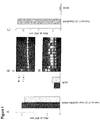
- Serum anti-Gal- ⁇ -(1 ⁇ 3)-Gal response was evaluated, seven days after the third inoculation, via direct enzyme-linked immunosorbent assay (ELISA) analysis, Figure 1a .
- ELISA enzyme-linked immunosorbent assay
- Figure 1a Serum anti-Gal- ⁇ -(1 ⁇ 3)-Gal response was evaluated, seven days after the third inoculation, via direct enzyme-linked immunosorbent assay (ELISA) analysis, Figure 1a . Briefly, 96-well immunoassay plates (Maxisorp; Nunc) were coated overnight at 4 °C with 100 ⁇ l/well Gal- ⁇ -(1 ⁇ 3)-Gal-GlcNAc-HSA at 10 ⁇ g/ml. Wells were then blocked for 1 hour at 37°C with 0.5% BSA-PBS (PBS-B). Serum samples were serially diluted in PBS-B containing 0.1% Tween 20 (PBS-BT) and added to the plates 100 ⁇ l/well.
- the scFv library was generated using a two step approach with initial amplification of heavy and light chains, followed by overlap extension PCR, with the scFv cDNA products introduced into the pComb3 phagmid system via ligation (Andris-Widhopf et al., 2000) and subsequently transformed into electrocompetent E. coli XL1-Blue cells [F' proAB lacI q Z ⁇ M15 Tn 10 (Tetr)] (Stratagene). All amplification oligonucleotides were as described by Andris-Widhopf et al.
- Total library size were estimated by antibiotic resistance plate counting on Luria-Bertani (LB) agar containing 100 ⁇ g/ml carbenicillin (Sigma). scFv insertion was validated by colony PCR and library sequence diversity assessed using endonuclease BstNI digestion of PCR products (Promega) and visualised by agarose gel electrophoresis, Figure 1b . The completed library preparations were propagated in XL1-Blue cells, and held as glycerol stocks.
- Phage particles were purified and concentrated from the liquid medium by PEG/NaCl precipitation (Andris-Widhopf et al., 2000), and resuspended in 1% OVA-PBS (PBS-O).
- Bound phage were eluted with the addition of 1 ml 100 mM glycine-HCl, pH 2.2 for 10 min. Eluted phage were neutralized using 500 ⁇ l of 1M Tris-HCl, pH 8.8. Propagation of eluted phage and further manipulations were then carried out, as previously described (Andris-Widhopf et al., 2000). Three rounds of panning were performed, with increasing selection stringency mediated by a progressive increase in washing steps from 10 in pan 1 to 15 in pan 2 and 3.
- Single scFv-phage clones and direct ELISA analysis Ninety six random clones were picked from output plates from rounds 2 and 3 of panning and cultured in deep-well plates in super broth (SB) in the presence of 100 ⁇ g/ml carbenicillin for 6 hours at 37 °C, 300 rpm. Cultures were then induced with 2 mM IPTG and grown overnight. Cells were pelleted by centrifugation at 2,500g for 15 min at 4°C, and supernatants removed and stored at 4°C. Periplasmic scFv was liberated by resuspending the cell pellets in 100 ⁇ l of PBS and two rounds of freeze-thawing at -80°C and 37°C.
- Colonies were cultured overnight in 5 ml SB containing 50 ⁇ g/ml carbenicillin (37°C, 250 rpm shaking). 50 ⁇ l of each clone culture was then added to 50 ml SB (50 ⁇ g/ml carbenicillin and 20 mM MgCl 2 ), and scFv production induced with the addition of 2 mM IPTG and cultured overnight.
- soluble antibody To isolate soluble antibody, the bacterial cells were pelleted by centrifugation and resuspended in equilibration buffer (50 mM NaH 2 PO 4 , 300 mM NaCl, 10 mM C 3 H 4 N 2 , pH 8.0) containing 20 mM phenylmethylsulfonyl fluoride. Periplasmic scFv was then liberated by sonication and cell debris removed by centrifugation, the supernatant was filtered through a 0.22 ⁇ m syringe filter. Soluble scFv antibodies were purified by nickel chelation chromatography (Ni-NTA Superflow, Qiagen).
- Plasmid DNA was isolated from the bacterial pellets as above for expression and purification of soluble scFv. Multiple read sequencing reactions were performed for both strands of the complete scFv inserts (Eurofins MWG Operon). Multiple sequence alignment, translation and recognition of CDRs was performed using using BLAST ( http://www.ncbi.nlm.nih.gov/BLAST ), ClustalW2 from EBI (http://www.ebi.ac.uk/Tools/msa/) and the CDR repository held at http://www.bioinf.org.uk/abs .
- the detection limits were determined as the concentration corresponding to the mean response for zero standard minus three times the standard deviation (SD). Inhibition of scFv by a panel of free sugars. scFv binding to Gal- ⁇ -(1 ⁇ 3)-Gal-BSA was determined against a panel of 21 free form sugars; D-Cellibiose, Melibiose, D-Raffinose, Lactulose, Palatinose, ⁇ -Gentibiose, D+ Trehalose, D+ Turanose, L- Fructose, D+ Glucose, Sucrose, Galacto-N-biose, 4 ⁇ -Galactobiose, gal- ⁇ (1-3)-gal- ⁇ -(1-4)-gal, gal- ⁇ (1-3)-gal- ⁇ -(1-4)-glc, gal- ⁇ (1-3)-gal- ⁇ -(1-4)-gal- ⁇ (1-3)-gal, Laminarbiose, ⁇ 1-4-D-Xylobiose,
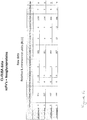
- Inhibitions were performed by serial dilutions of free sugars and a sub-saturating concentration scFv added to each dilution and pre-incubated for 60 minutes at 37°C, prior to performing ELISA against Gal- ⁇ -(1 ⁇ 3)-Gal-BSA as used throughout. Inhibition concentration range used is provided in Table 1. The percent binding of the scFv was plotted against the free Gal- ⁇ -(1 ⁇ 3)-Gal-BSA concentration, and the 50% effective dose determined (ED 50 ; dose of free sugar causing 50% displacement of the scFv).
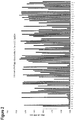
- 96 individual phage clones were selected at random, cultured individually and analysed for specific binding activity. Of the 96 clones tested, 74 showed binding greater than 3 times background to the immobilised NGC ( Figure 2 ).
- Six of the higher binding clones (A4, A11, D9, F1, G12 and H3) were chosen for sequencing, and their encoding phagemids were transformed into TOP10 cells for inducible expression and generation of soluble scFv for downstream affinity purification.
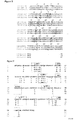
- V L CDR1 where four codons were identified alternating from tyrosine (Y) to histidine (H) to asparagine (N) to lysine (K);
- V L CDR2 where asparagine (N) to glutamine (Q) to lysine (K) occurred and
- V L CDR3 where threonine (T) to serine (S) to glycine (G) to alanine (A) was observed.
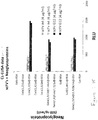
- the lectin GS-1-B4 showed significantly higher binding to the trisaccharide NGC compared to the disaccharide NGC and also bound to all Gal- ⁇ -1-R-containing NGCs ( Figure 5s ), in consensus with previous reports. Therefore, the scFvs generated demonstrate a higher specificity than the GS-1-B4 lectin, for Gal- ⁇ -(1 ⁇ 3)-Gal. In parallel with the lectin GS-1-B4 and the monoclonal M86, all scFvs were able to detect the target motif on the natural glycoprotein, murine laminin, in direct ELISA (data not shown). Murine laminin is known to display the Gal- ⁇ -(1 ⁇ 3)-Gal motif.
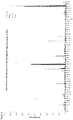
- the spectacular specificity of the scFvs has also been determined by analysis on an NGC microarray containing over 50 different structures.
- the antibody fragments of the present invention, A4, G12 and A11 have a much higher specificity for the Gal- ⁇ -(1 ⁇ 3)-Gal epitope than does the prior art lectin, GS-1-B4.
- ScFv-based competitive ELISA ScFv-based competitive ELISA.
- Competitive ELISAs were established with each of the three scFvs examined using as standard the free Gal- ⁇ -(1 ⁇ 3)-Gal disaccharide within the concentration range 0.001 to 10000 ⁇ g/ml (2.93 nM to 29.3 mM).
- scFvs A4 and A11 showed slightly higher inhibition (3 to 10%) when presented with the free tetrasaccharide (Gal- ⁇ -(1,3)-Gal- ⁇ -(1,4)-Gal- ⁇ -(1,3)-Gal), compared to the trisaccharides (Gal- ⁇ -(1,3)-Gal- ⁇ -(1,4)-Gal or Gal- ⁇ -(1,3)-Gal- ⁇ -(1,4)-Glc).
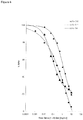
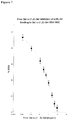
- FIG. 7 shows the A4 composite standard curve, giving an ED 50 of 327 ⁇ g/ml [0.95 mM] and detection limit of 3.9 ng/ml [ ⁇ 10 nM].
- the assay was able to detect the Gal- ⁇ -(1 ⁇ 3)-Gal motif when protein bound in the form of NGCs and on the murine glycoprotein, laminin.
- the disaccharide NGC interacted with the scFvs in a similar manner to the free sugar, as indicated by the parallelism of the response obtained over the concentration range 0.25 to 1 mg/ml.
- Kd Dissociation constants
- Seq Id No. 1 Generic sequence of the fragments of the invention:
- the scFvs A4, A11 and G12 were used to check their interaction with Gala(1,3)Gal ⁇ 1-OMe (Carbosynth) and with melibiose, the latter as negative control.
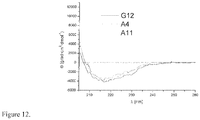
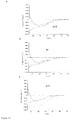
- CD spectra were acquired at 20 °C in a J-810 spectropolarimeter, equipped with a Peltier temperature control system, using a bandwidth of 1 nm, a scan rate of 20 nm/min and a response time of 4 s, collecting data every 0.2 nm and 3 accumulations for each spectrum.
- molar ellipticity values per residue in the near CD were between -80 and 40 grad ⁇ cm 2 ⁇ dmol -1 for the three scFvs, which tend to be low in terms of usual values in proteins.
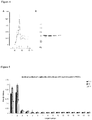
- the spectrum in black, Figure 1A ) showed negative ellipticity between 250-280 nm (region dominated by Phe and Tyr electronic transitions) and a small positive band at 292 nm (region dominated by Trp electronic transitions).
- the CD spectrum in black, Figure 1B
- the CD spectrum is also negative between 250 and 290 nm and there is a band (less intense than for G12) at 291 nm too.
- G12 the effect of melibiose remained unchanged (spectrum in red, Figure 1B ).
- the molar ellipticity per residue in general decreased in the presence of Gal ⁇ (1,3)Gal ⁇ 1-OMe, especially between 260-280 nm, giving rise to lower negative values (spectrum in green, Figure 1B ).
- the band at 300 nm also showed a decrease in intensity, while the band at 291 nm hardly changed.
- the CD spectrum (in black, Figure 1C ) was similar to those of scFvs G12 and A4, with negative values of the molar ellipticity per residue between 250-290 nm and two bands, one positive at 292 nm and the second one negative at 302 nm. No significant changes were observed in the presence of either melibiose (spectrum in red, Figure 1C ) or Gal ⁇ (1,3)Gal ⁇ 1-OMe (spectrum in green, Figure 1C ). This indicates that, if there is any interaction with the sugar, the environment of the aromatic groups of the protein is not significantly affected.
- Gal- ⁇ -(1,3)-Gal motif commonly found as a terminal motif on glycoproteins and glycolipids in a range of species, with the exception of humans and chickens which lack the enzyme involved in the synthesis of the disaccharide.
- This glycan structure still remains relevant to xenotransplantation efforts and the potential to exploit the relatively large quantities of natural anti-Gal- ⁇ -(1,3)-Gal antibodies present in human serum to increase immunogenicity in cancer immunotherapy has been widely explored.
- Modification of cancer cells or cancer-associated molecules, such as mucins, with the Gal- ⁇ -(1,3)-Gal epitope has been shown to increase uptake by antigen-presenting cells and enhance the immune response.
- the most commonly utilised biomolecule for the detection and profiling of the Gal- ⁇ -(1 ⁇ 3)-Gal epitope is the lectin GS-1-B4, being highly specific for ⁇ -Gal residues.
- the affinity of GS-1-B4 to different ⁇ -Gal carbohydrates is a drawback in using this lectin as a reliable marker for Gal- ⁇ -(1 ⁇ 3)-Gal.
- the lectin from mushroom Marasmius oreades has been reported to be more specific for Gal- ⁇ -(1,3)-Gal and Gal- ⁇ -(1,3)-Gal- ⁇ -(1,4)-GlcNAc epitopes, but yet binds strongly to the B blood group antigen, which contains an L-Fuc ⁇ -(1,2) linked to the Gal at the reducing end.
- Naturally occurring serum human antibodies against this and other non-human glycan epitopes have not been reliably used as an analytical tools.
- Traditional immunisation approaches are not very reliable for generation of high affinity antibodies against specific carbohydrate moieties and do not often yield antibodies with characteristics suitable for assay development.
- Chicken recombinant antibodies like mouse or human derived antibodies, can be expressed in various forms (Fab or scFv), with a number of groups reporting the construction of chicken recombinant antibodies against a variety of protein targets.
- the optimization of panning conditions is keys to successful phage display against carbohydrate targets, taking into account the lower affinity of carbohydrate-protein interactions in comparison with protein-protein interactions.
- the assay provides the option of either direct analysis of the motif on a glycoprotein of interest or measurement of the disaccharide following release by, for example, the enzyme endo-beta-galactosidase C from Clostridium perfringens.
- scFv stability and presentation can be influenced by concentration, pH and temperature along with other factors. It is possible that individual preparation of scFvs may contain an unknown proportion of dimeric antibody, which is functionally bivalent and can lead to changes in observed kinetics.
- the purified and tested scFv antibodies demonstrated high specificity to the Gal- ⁇ -(1 ⁇ 3)-Gal epitope, which may indicate that they have future use as fine specificity reagents against this epitope.
Landscapes
- Health & Medical Sciences (AREA)
- Chemical & Material Sciences (AREA)
- Life Sciences & Earth Sciences (AREA)
- Organic Chemistry (AREA)
- Immunology (AREA)
- Molecular Biology (AREA)
- Engineering & Computer Science (AREA)
- General Health & Medical Sciences (AREA)
- Medicinal Chemistry (AREA)
- Biophysics (AREA)
- Biochemistry (AREA)
- Proteomics, Peptides & Aminoacids (AREA)
- Bioinformatics & Cheminformatics (AREA)
- Genetics & Genomics (AREA)
- Physics & Mathematics (AREA)
- Bioinformatics & Computational Biology (AREA)
- Urology & Nephrology (AREA)
- Hematology (AREA)
- Biomedical Technology (AREA)
- Chemical Kinetics & Catalysis (AREA)
- Veterinary Medicine (AREA)
- Public Health (AREA)
- Animal Behavior & Ethology (AREA)
- Pharmacology & Pharmacy (AREA)
- General Chemical & Material Sciences (AREA)
- Nuclear Medicine, Radiotherapy & Molecular Imaging (AREA)
- Biotechnology (AREA)
- Cell Biology (AREA)
- Microbiology (AREA)
- Food Science & Technology (AREA)
- Analytical Chemistry (AREA)
- General Physics & Mathematics (AREA)
- Pathology (AREA)
- Oncology (AREA)
- Communicable Diseases (AREA)
- Transplantation (AREA)
- Peptides Or Proteins (AREA)
- Medicines Containing Antibodies Or Antigens For Use As Internal Diagnostic Agents (AREA)
Claims (9)
- Antikörper, der die Sequenzen der SEQ ID NOs:2, 3 oder 4 umfasst, wobei der Antikörper Affinität für das Gal-α-(1→3)-Gal-Epitop aufweist.
- Test-Kit zur Bestimmung des Vorliegens oder zur Quantifizierung eines Gal-α-(1→3)-Gal-Motivs in Geweben oder Zellen oder auf Proteinen, umfassend mindestens einen Antikörper wie in Anspruch 1 beansprucht.
- Test-Kit wie in Anspruch 2 beansprucht, der ein ELISA-Assay, ein kompetitiver/Inhibitions-ELISA, ein Sandwich-ELISA-Assay, ein Assay auf der Grundlage eines Microarrays, ein funktionalisierter Nanopartikel-Assay, eine andere schnelle Assay-Plattform wie Quantenpunkte, Fluoreszenz-Tags und Elektrosensoren, ein immunhistochemischer Assay oder ein Durchflusszytometrie-Assay ist.
- In vitro-Verwendung eines wie in Anspruch 1 beanspruchten Antikörpers in einem Verfahren zur Bestimmung des Vorliegens oder zur Quantifizierung der Menge eines Gal-α-(1→3)-Gal-Motivs in Geweben oder Zellen oder auf Proteinen, wobei das Verfahren das Bestimmen des Bindungsgrades des Antikörpers an das Gewebe, die Zelle oder das Protein umfasst.
- Arzneimittel, das einen Antikörper wie in Anspruch 1 beansprucht zusammen mit einem pharmazeutisch verträglichen Träger oder Exzipienten umfasst.
- In vitro-Verwendung eines wie in Anspruch 1 beanspruchten Antikörpers bei der Bestimmung in humanem Serum zirkulierender Gal-α-(1→3)-Gal-spezifischer Antikörper in einem Kompetitionsformat zum Erkrankungsnachweis und als Kontrollassay für Anaphylaxie.
- In vitro-Verwendung eines wie in Anspruch 1 beanspruchten Antikörpers als ein Färbe- und Nachweis-Agens des Gal-α-(1→3)-Gal-Motivs zur Immunfärbung ausgewählt aus IHC, IFC, FACs und Visualisierung.
- In vitro-Verwendung eines wie in Anspruch 1 beanspruchten Antikörpers als ein Affinitätsreagens zum Aufreinigen und Isolieren Gal-α-(1→3)-Gal-Motivtragender Moleküle sowohl aus natürlichen als auch aus rekombinanten biologischen Präparaten oder als Affinitätsreagens für Tests vor Ort zur Beurteilung und Kontrolle des Gal-α-(1→3)-Gal-Motivs während der Herstellung von therapeutischen Glycoproteinprodukten aus Säugerzellsystemen.
- In vitro-Verwendung eines wie in Anspruch 1 beanspruchten Antikörpers in einem Assay zum Nachweis des Zielglycans, wenn dieses an ein Protein gebunden ist, oder in freier Form, entweder natürlich freigesetzt oder spezifisch vom Glycoprotein durch Enzymbehandlung freigesetzt.
Priority Applications (1)
| Application Number | Priority Date | Filing Date | Title |
|---|---|---|---|
| EP13774462.9A EP2906601B1 (de) | 2012-10-11 | 2013-10-11 | Nachweis von freiem und proteingebundenem nicht humanem gal-alpha(-1-3)-galepitop |
Applications Claiming Priority (3)
| Application Number | Priority Date | Filing Date | Title |
|---|---|---|---|
| EP12188179.1A EP2719709A1 (de) | 2012-10-11 | 2012-10-11 | Nachweis von freiem und proteingebundenem nicht humanem Gal-Alpha(-1-3)-Galepitop |
| EP13774462.9A EP2906601B1 (de) | 2012-10-11 | 2013-10-11 | Nachweis von freiem und proteingebundenem nicht humanem gal-alpha(-1-3)-galepitop |
| PCT/EP2013/071367 WO2014057129A1 (en) | 2012-10-11 | 2013-10-11 | THE DETECTION OF FREE AND PROTEIN-BOUND NON-HUMAN GAL-α-(1→3)-GAL EPITOPE |
Publications (2)
| Publication Number | Publication Date |
|---|---|
| EP2906601A1 EP2906601A1 (de) | 2015-08-19 |
| EP2906601B1 true EP2906601B1 (de) | 2021-09-01 |
Family
ID=47018876
Family Applications (2)
| Application Number | Title | Priority Date | Filing Date |
|---|---|---|---|
| EP12188179.1A Withdrawn EP2719709A1 (de) | 2012-10-11 | 2012-10-11 | Nachweis von freiem und proteingebundenem nicht humanem Gal-Alpha(-1-3)-Galepitop |
| EP13774462.9A Not-in-force EP2906601B1 (de) | 2012-10-11 | 2013-10-11 | Nachweis von freiem und proteingebundenem nicht humanem gal-alpha(-1-3)-galepitop |
Family Applications Before (1)
| Application Number | Title | Priority Date | Filing Date |
|---|---|---|---|
| EP12188179.1A Withdrawn EP2719709A1 (de) | 2012-10-11 | 2012-10-11 | Nachweis von freiem und proteingebundenem nicht humanem Gal-Alpha(-1-3)-Galepitop |
Country Status (4)
| Country | Link |
|---|---|
| US (1) | US10078082B2 (de) |
| EP (2) | EP2719709A1 (de) |
| JP (1) | JP6412871B2 (de) |
| WO (1) | WO2014057129A1 (de) |
Families Citing this family (1)
| Publication number | Priority date | Publication date | Assignee | Title |
|---|---|---|---|---|
| EP3668540A4 (de) * | 2017-08-15 | 2021-04-28 | Georgia Tech Research Corporation | Vakzine gegen leishmania-infektion |
Family Cites Families (2)
| Publication number | Priority date | Publication date | Assignee | Title |
|---|---|---|---|---|
| US7998486B2 (en) * | 2006-10-25 | 2011-08-16 | Newlink Genetics Corporation | Enhanced immunogenicity of tumor associated antigens by addition of alphaGal epitopes |
| WO2012135313A1 (en) * | 2011-03-28 | 2012-10-04 | University Of Massachusetts | Compositions and methods for detecting allergy to a-gal epitopes |
-
2012
- 2012-10-11 EP EP12188179.1A patent/EP2719709A1/de not_active Withdrawn
-
2013
- 2013-10-11 EP EP13774462.9A patent/EP2906601B1/de not_active Not-in-force
- 2013-10-11 WO PCT/EP2013/071367 patent/WO2014057129A1/en not_active Ceased
- 2013-10-11 JP JP2015536167A patent/JP6412871B2/ja not_active Expired - Fee Related
- 2013-10-11 US US14/434,669 patent/US10078082B2/en active Active
Also Published As
| Publication number | Publication date |
|---|---|
| US10078082B2 (en) | 2018-09-18 |
| EP2719709A1 (de) | 2014-04-16 |
| JP2015535217A (ja) | 2015-12-10 |
| JP6412871B2 (ja) | 2018-10-24 |
| WO2014057129A1 (en) | 2014-04-17 |
| US20160003839A1 (en) | 2016-01-07 |
| EP2906601A1 (de) | 2015-08-19 |
Similar Documents
| Publication | Publication Date | Title |
|---|---|---|
| Madej et al. | Engineering of an anti‐epidermal growth factor receptor antibody to single chain format and labeling by sortase A‐mediated protein ligation | |
| US11447891B2 (en) | Compositions and methods for rapid production of versatile nanobody repertoires | |
| US12606626B2 (en) | Antigen binding proteins which bind to the pMHC HLA-DQ2.5:DQ2.5 presenting a gliadin peptide | |
| EP2949789B1 (de) | Auf einer proteinkombination basierende fv-bibliothek und herstellungsverfahren dafür | |
| EP3215531A1 (de) | Verfahren zur erzeugung von bispezifischen variablen hai-antikörperdomänen und verwendung davon | |
| US20110034676A1 (en) | Anti-sialic acid antibody molecules | |
| KR20220155338A (ko) | 뮤신 17에 대한 항체 및 이의 용도 | |
| US20240263355A1 (en) | mRNA display antibody library and methods | |
| EP3437657B1 (de) | Antibody, der durch die ersatz von cystein an den aminosäurepositionen 80 und 171 der kabat-nummerierung geändert ist | |
| Stadlbauer et al. | Bispecific mAb2 antibodies targeting CD59 enhance the complement-dependent cytotoxicity mediated by rituximab | |
| TW202434641A (zh) | 結合分子 | |
| US12338286B2 (en) | Aglycosylated antibody Fc region for treating cancer | |
| KR20240099305A (ko) | 향상된 이펙터 기능을 갖는 생합성 1가 결합 분자 | |
| KR20240099314A (ko) | 향상된 이펙터 기능을 갖는 생합성 바이파라토프성 또는 이중특이성 결합 분자 | |
| US10078082B2 (en) | Detection of free and protein-bound non-human gal-alpha(1-3)-gal epitope | |
| EP2145901B1 (de) | Rekombinante anti-MUC1-Antikörper | |
| Wang et al. | Identification of chicken-derived scFv against N-glycolylneuraminic acid retrieved from an immune library by phage display | |
| CN110642947A (zh) | 抗人cd147的单克隆抗体、表达载体、细胞株及其应用 | |
| EP3918063A1 (de) | Mrna-display-antikörper-bibliothek und verfahren | |
| KR20120096466A (ko) | 항체 특이성을 재지시하기 위한 고 친화성 어댑터 분자 | |
| TW202237652A (zh) | 用於富集細胞的抗體 | |
| Gaetani | Investigating the molecular recognition of glycated epitopes: characterisation of a novel anti-HbA1c scFv | |
| WO2025210181A1 (en) | Antigen binding proteins targeting an hla-restricted kk-lc-1 peptide | |
| CN121627883A (zh) | 一种针对hnl新表位的诊断用单克隆抗体制备及其应用 | |
| KR20250158052A (ko) | 아밀로이드 베타 42에 대한 인간화 항체 |
Legal Events
| Date | Code | Title | Description |
|---|---|---|---|
| PUAI | Public reference made under article 153(3) epc to a published international application that has entered the european phase |
Free format text: ORIGINAL CODE: 0009012 |
|
| 17P | Request for examination filed |
Effective date: 20150312 |
|
| AK | Designated contracting states |
Kind code of ref document: A1 Designated state(s): AL AT BE BG CH CY CZ DE DK EE ES FI FR GB GR HR HU IE IS IT LI LT LU LV MC MK MT NL NO PL PT RO RS SE SI SK SM TR |
|
| AX | Request for extension of the european patent |
Extension state: BA ME |
|
| RIN1 | Information on inventor provided before grant (corrected) |
Inventor name: JOSHI, LOKESH Inventor name: GLAVIN, JOHN Inventor name: STARR, EMILY Inventor name: CUNNINGHAM, STEPHEN Inventor name: KANE, MARIAN Inventor name: SHAW, IAIN |
|
| RIN1 | Information on inventor provided before grant (corrected) |
Inventor name: STARR, EMILY Inventor name: CUNNINGHAM, STEPHEN Inventor name: KANE, MARIAN Inventor name: GLAVIN, JOHN Inventor name: SHAW, IAIN Inventor name: JOSHI, LOKESH |
|
| DAX | Request for extension of the european patent (deleted) | ||
| 17Q | First examination report despatched |
Effective date: 20160707 |
|
| STAA | Information on the status of an ep patent application or granted ep patent |
Free format text: STATUS: EXAMINATION IS IN PROGRESS |
|
| GRAP | Despatch of communication of intention to grant a patent |
Free format text: ORIGINAL CODE: EPIDOSNIGR1 |
|
| STAA | Information on the status of an ep patent application or granted ep patent |
Free format text: STATUS: GRANT OF PATENT IS INTENDED |
|
| INTG | Intention to grant announced |
Effective date: 20181205 |
|
| GRAS | Grant fee paid |
Free format text: ORIGINAL CODE: EPIDOSNIGR3 |
|
| GRAJ | Information related to disapproval of communication of intention to grant by the applicant or resumption of examination proceedings by the epo deleted |
Free format text: ORIGINAL CODE: EPIDOSDIGR1 |
|
| GRAL | Information related to payment of fee for publishing/printing deleted |
Free format text: ORIGINAL CODE: EPIDOSDIGR3 |
|
| STAA | Information on the status of an ep patent application or granted ep patent |
Free format text: STATUS: EXAMINATION IS IN PROGRESS |
|
| INTC | Intention to grant announced (deleted) | ||
| GRAP | Despatch of communication of intention to grant a patent |
Free format text: ORIGINAL CODE: EPIDOSNIGR1 |
|
| STAA | Information on the status of an ep patent application or granted ep patent |
Free format text: STATUS: GRANT OF PATENT IS INTENDED |
|
| INTG | Intention to grant announced |
Effective date: 20210324 |
|
| GRAS | Grant fee paid |
Free format text: ORIGINAL CODE: EPIDOSNIGR3 |
|
| GRAA | (expected) grant |
Free format text: ORIGINAL CODE: 0009210 |
|
| STAA | Information on the status of an ep patent application or granted ep patent |
Free format text: STATUS: THE PATENT HAS BEEN GRANTED |
|
| AK | Designated contracting states |
Kind code of ref document: B1 Designated state(s): AL AT BE BG CH CY CZ DE DK EE ES FI FR GB GR HR HU IE IS IT LI LT LU LV MC MK MT NL NO PL PT RO RS SE SI SK SM TR |
|
| REG | Reference to a national code |
Ref country code: GB Ref legal event code: FG4D |
|
| REG | Reference to a national code |
Ref country code: CH Ref legal event code: EP Ref country code: AT Ref legal event code: REF Ref document number: 1426192 Country of ref document: AT Kind code of ref document: T Effective date: 20210915 |
|
| REG | Reference to a national code |
Ref country code: DE Ref legal event code: R096 Ref document number: 602013079082 Country of ref document: DE |
|
| REG | Reference to a national code |
Ref country code: IE Ref legal event code: FG4D |
|
| REG | Reference to a national code |
Ref country code: LT Ref legal event code: MG9D |
|
| REG | Reference to a national code |
Ref country code: NL Ref legal event code: MP Effective date: 20210901 |
|
| PG25 | Lapsed in a contracting state [announced via postgrant information from national office to epo] |
Ref country code: SE Free format text: LAPSE BECAUSE OF FAILURE TO SUBMIT A TRANSLATION OF THE DESCRIPTION OR TO PAY THE FEE WITHIN THE PRESCRIBED TIME-LIMIT Effective date: 20210901 Ref country code: HR Free format text: LAPSE BECAUSE OF FAILURE TO SUBMIT A TRANSLATION OF THE DESCRIPTION OR TO PAY THE FEE WITHIN THE PRESCRIBED TIME-LIMIT Effective date: 20210901 Ref country code: LT Free format text: LAPSE BECAUSE OF FAILURE TO SUBMIT A TRANSLATION OF THE DESCRIPTION OR TO PAY THE FEE WITHIN THE PRESCRIBED TIME-LIMIT Effective date: 20210901 Ref country code: BG Free format text: LAPSE BECAUSE OF FAILURE TO SUBMIT A TRANSLATION OF THE DESCRIPTION OR TO PAY THE FEE WITHIN THE PRESCRIBED TIME-LIMIT Effective date: 20211201 Ref country code: RS Free format text: LAPSE BECAUSE OF FAILURE TO SUBMIT A TRANSLATION OF THE DESCRIPTION OR TO PAY THE FEE WITHIN THE PRESCRIBED TIME-LIMIT Effective date: 20210901 Ref country code: NO Free format text: LAPSE BECAUSE OF FAILURE TO SUBMIT A TRANSLATION OF THE DESCRIPTION OR TO PAY THE FEE WITHIN THE PRESCRIBED TIME-LIMIT Effective date: 20211201 Ref country code: ES Free format text: LAPSE BECAUSE OF FAILURE TO SUBMIT A TRANSLATION OF THE DESCRIPTION OR TO PAY THE FEE WITHIN THE PRESCRIBED TIME-LIMIT Effective date: 20210901 Ref country code: FI Free format text: LAPSE BECAUSE OF FAILURE TO SUBMIT A TRANSLATION OF THE DESCRIPTION OR TO PAY THE FEE WITHIN THE PRESCRIBED TIME-LIMIT Effective date: 20210901 |
|
| PGFP | Annual fee paid to national office [announced via postgrant information from national office to epo] |
Ref country code: DE Payment date: 20211221 Year of fee payment: 9 Ref country code: IE Payment date: 20211221 Year of fee payment: 9 Ref country code: FR Payment date: 20211221 Year of fee payment: 9 Ref country code: GB Payment date: 20211221 Year of fee payment: 9 |
|
| REG | Reference to a national code |
Ref country code: AT Ref legal event code: MK05 Ref document number: 1426192 Country of ref document: AT Kind code of ref document: T Effective date: 20210901 |
|
| PG25 | Lapsed in a contracting state [announced via postgrant information from national office to epo] |
Ref country code: PL Free format text: LAPSE BECAUSE OF FAILURE TO SUBMIT A TRANSLATION OF THE DESCRIPTION OR TO PAY THE FEE WITHIN THE PRESCRIBED TIME-LIMIT Effective date: 20210901 Ref country code: LV Free format text: LAPSE BECAUSE OF FAILURE TO SUBMIT A TRANSLATION OF THE DESCRIPTION OR TO PAY THE FEE WITHIN THE PRESCRIBED TIME-LIMIT Effective date: 20210901 Ref country code: GR Free format text: LAPSE BECAUSE OF FAILURE TO SUBMIT A TRANSLATION OF THE DESCRIPTION OR TO PAY THE FEE WITHIN THE PRESCRIBED TIME-LIMIT Effective date: 20211202 |
|
| PG25 | Lapsed in a contracting state [announced via postgrant information from national office to epo] |
Ref country code: AT Free format text: LAPSE BECAUSE OF FAILURE TO SUBMIT A TRANSLATION OF THE DESCRIPTION OR TO PAY THE FEE WITHIN THE PRESCRIBED TIME-LIMIT Effective date: 20210901 |
|
| REG | Reference to a national code |
Ref country code: CH Ref legal event code: PL |
|
| PG25 | Lapsed in a contracting state [announced via postgrant information from national office to epo] |
Ref country code: IS Free format text: LAPSE BECAUSE OF FAILURE TO SUBMIT A TRANSLATION OF THE DESCRIPTION OR TO PAY THE FEE WITHIN THE PRESCRIBED TIME-LIMIT Effective date: 20220101 Ref country code: SM Free format text: LAPSE BECAUSE OF FAILURE TO SUBMIT A TRANSLATION OF THE DESCRIPTION OR TO PAY THE FEE WITHIN THE PRESCRIBED TIME-LIMIT Effective date: 20210901 Ref country code: SK Free format text: LAPSE BECAUSE OF FAILURE TO SUBMIT A TRANSLATION OF THE DESCRIPTION OR TO PAY THE FEE WITHIN THE PRESCRIBED TIME-LIMIT Effective date: 20210901 Ref country code: RO Free format text: LAPSE BECAUSE OF FAILURE TO SUBMIT A TRANSLATION OF THE DESCRIPTION OR TO PAY THE FEE WITHIN THE PRESCRIBED TIME-LIMIT Effective date: 20210901 Ref country code: PT Free format text: LAPSE BECAUSE OF FAILURE TO SUBMIT A TRANSLATION OF THE DESCRIPTION OR TO PAY THE FEE WITHIN THE PRESCRIBED TIME-LIMIT Effective date: 20220103 Ref country code: NL Free format text: LAPSE BECAUSE OF FAILURE TO SUBMIT A TRANSLATION OF THE DESCRIPTION OR TO PAY THE FEE WITHIN THE PRESCRIBED TIME-LIMIT Effective date: 20210901 Ref country code: EE Free format text: LAPSE BECAUSE OF FAILURE TO SUBMIT A TRANSLATION OF THE DESCRIPTION OR TO PAY THE FEE WITHIN THE PRESCRIBED TIME-LIMIT Effective date: 20210901 Ref country code: CZ Free format text: LAPSE BECAUSE OF FAILURE TO SUBMIT A TRANSLATION OF THE DESCRIPTION OR TO PAY THE FEE WITHIN THE PRESCRIBED TIME-LIMIT Effective date: 20210901 Ref country code: AL Free format text: LAPSE BECAUSE OF FAILURE TO SUBMIT A TRANSLATION OF THE DESCRIPTION OR TO PAY THE FEE WITHIN THE PRESCRIBED TIME-LIMIT Effective date: 20210901 |
|
| REG | Reference to a national code |
Ref country code: DE Ref legal event code: R097 Ref document number: 602013079082 Country of ref document: DE |
|
| REG | Reference to a national code |
Ref country code: BE Ref legal event code: MM Effective date: 20211031 |
|
| PG25 | Lapsed in a contracting state [announced via postgrant information from national office to epo] |
Ref country code: MC Free format text: LAPSE BECAUSE OF FAILURE TO SUBMIT A TRANSLATION OF THE DESCRIPTION OR TO PAY THE FEE WITHIN THE PRESCRIBED TIME-LIMIT Effective date: 20210901 |
|
| PLBE | No opposition filed within time limit |
Free format text: ORIGINAL CODE: 0009261 |
|
| STAA | Information on the status of an ep patent application or granted ep patent |
Free format text: STATUS: NO OPPOSITION FILED WITHIN TIME LIMIT |
|
| PG25 | Lapsed in a contracting state [announced via postgrant information from national office to epo] |
Ref country code: LU Free format text: LAPSE BECAUSE OF NON-PAYMENT OF DUE FEES Effective date: 20211011 Ref country code: IT Free format text: LAPSE BECAUSE OF FAILURE TO SUBMIT A TRANSLATION OF THE DESCRIPTION OR TO PAY THE FEE WITHIN THE PRESCRIBED TIME-LIMIT Effective date: 20210901 Ref country code: DK Free format text: LAPSE BECAUSE OF FAILURE TO SUBMIT A TRANSLATION OF THE DESCRIPTION OR TO PAY THE FEE WITHIN THE PRESCRIBED TIME-LIMIT Effective date: 20210901 Ref country code: BE Free format text: LAPSE BECAUSE OF NON-PAYMENT OF DUE FEES Effective date: 20211031 |
|
| 26N | No opposition filed |
Effective date: 20220602 |
|
| PG25 | Lapsed in a contracting state [announced via postgrant information from national office to epo] |
Ref country code: SI Free format text: LAPSE BECAUSE OF FAILURE TO SUBMIT A TRANSLATION OF THE DESCRIPTION OR TO PAY THE FEE WITHIN THE PRESCRIBED TIME-LIMIT Effective date: 20210901 Ref country code: LI Free format text: LAPSE BECAUSE OF NON-PAYMENT OF DUE FEES Effective date: 20211031 Ref country code: CH Free format text: LAPSE BECAUSE OF NON-PAYMENT OF DUE FEES Effective date: 20211031 |
|
| REG | Reference to a national code |
Ref country code: DE Ref legal event code: R119 Ref document number: 602013079082 Country of ref document: DE |
|
| PG25 | Lapsed in a contracting state [announced via postgrant information from national office to epo] |
Ref country code: HU Free format text: LAPSE BECAUSE OF FAILURE TO SUBMIT A TRANSLATION OF THE DESCRIPTION OR TO PAY THE FEE WITHIN THE PRESCRIBED TIME-LIMIT; INVALID AB INITIO Effective date: 20131011 |
|
| GBPC | Gb: european patent ceased through non-payment of renewal fee |
Effective date: 20221011 |
|
| PG25 | Lapsed in a contracting state [announced via postgrant information from national office to epo] |
Ref country code: CY Free format text: LAPSE BECAUSE OF FAILURE TO SUBMIT A TRANSLATION OF THE DESCRIPTION OR TO PAY THE FEE WITHIN THE PRESCRIBED TIME-LIMIT Effective date: 20210901 |
|
| PG25 | Lapsed in a contracting state [announced via postgrant information from national office to epo] |
Ref country code: FR Free format text: LAPSE BECAUSE OF NON-PAYMENT OF DUE FEES Effective date: 20221031 Ref country code: DE Free format text: LAPSE BECAUSE OF NON-PAYMENT OF DUE FEES Effective date: 20230503 |
|
| PG25 | Lapsed in a contracting state [announced via postgrant information from national office to epo] |
Ref country code: IE Free format text: LAPSE BECAUSE OF NON-PAYMENT OF DUE FEES Effective date: 20221011 Ref country code: GB Free format text: LAPSE BECAUSE OF NON-PAYMENT OF DUE FEES Effective date: 20221011 |
|
| PG25 | Lapsed in a contracting state [announced via postgrant information from national office to epo] |
Ref country code: MK Free format text: LAPSE BECAUSE OF FAILURE TO SUBMIT A TRANSLATION OF THE DESCRIPTION OR TO PAY THE FEE WITHIN THE PRESCRIBED TIME-LIMIT Effective date: 20210901 |
|
| PG25 | Lapsed in a contracting state [announced via postgrant information from national office to epo] |
Ref country code: MT Free format text: LAPSE BECAUSE OF FAILURE TO SUBMIT A TRANSLATION OF THE DESCRIPTION OR TO PAY THE FEE WITHIN THE PRESCRIBED TIME-LIMIT Effective date: 20210901 |
|
| PG25 | Lapsed in a contracting state [announced via postgrant information from national office to epo] |
Ref country code: TR Free format text: LAPSE BECAUSE OF FAILURE TO SUBMIT A TRANSLATION OF THE DESCRIPTION OR TO PAY THE FEE WITHIN THE PRESCRIBED TIME-LIMIT Effective date: 20210901 |