EP2906044B1 - Novel strains of brevibacillus laterosporus as biocontrol agents against plant pests, particularly lepidoptera and diptera - Google Patents
Novel strains of brevibacillus laterosporus as biocontrol agents against plant pests, particularly lepidoptera and diptera Download PDFInfo
- Publication number
- EP2906044B1 EP2906044B1 EP13838290.8A EP13838290A EP2906044B1 EP 2906044 B1 EP2906044 B1 EP 2906044B1 EP 13838290 A EP13838290 A EP 13838290A EP 2906044 B1 EP2906044 B1 EP 2906044B1
- Authority
- EP
- European Patent Office
- Prior art keywords
- laterosporus
- nmi
- species
- strain
- control
- Prior art date
- Legal status (The legal status is an assumption and is not a legal conclusion. Google has not performed a legal analysis and makes no representation as to the accuracy of the status listed.)
- Active
Links
Images




Classifications
-
- A—HUMAN NECESSITIES
- A01—AGRICULTURE; FORESTRY; ANIMAL HUSBANDRY; HUNTING; TRAPPING; FISHING
- A01N—PRESERVATION OF BODIES OF HUMANS OR ANIMALS OR PLANTS OR PARTS THEREOF; BIOCIDES, e.g. AS DISINFECTANTS, AS PESTICIDES OR AS HERBICIDES; PEST REPELLANTS OR ATTRACTANTS; PLANT GROWTH REGULATORS
- A01N63/00—Biocides, pest repellants or attractants, or plant growth regulators containing microorganisms, viruses, microbial fungi, animals or substances produced by, or obtained from, microorganisms, viruses, microbial fungi or animals, e.g. enzymes or fermentates
- A01N63/20—Bacteria; Substances produced thereby or obtained therefrom
-
- C—CHEMISTRY; METALLURGY
- C12—BIOCHEMISTRY; BEER; SPIRITS; WINE; VINEGAR; MICROBIOLOGY; ENZYMOLOGY; MUTATION OR GENETIC ENGINEERING
- C12N—MICROORGANISMS OR ENZYMES; COMPOSITIONS THEREOF; PROPAGATING, PRESERVING, OR MAINTAINING MICROORGANISMS; MUTATION OR GENETIC ENGINEERING; CULTURE MEDIA
- C12N1/00—Microorganisms; Compositions thereof; Processes of propagating, maintaining or preserving microorganisms or compositions thereof; Processes of preparing or isolating a composition containing a microorganism; Culture media therefor
- C12N1/20—Bacteria; Culture media therefor
- C12N1/205—Bacterial isolates
-
- C—CHEMISTRY; METALLURGY
- C12—BIOCHEMISTRY; BEER; SPIRITS; WINE; VINEGAR; MICROBIOLOGY; ENZYMOLOGY; MUTATION OR GENETIC ENGINEERING
- C12N—MICROORGANISMS OR ENZYMES; COMPOSITIONS THEREOF; PROPAGATING, PRESERVING, OR MAINTAINING MICROORGANISMS; MUTATION OR GENETIC ENGINEERING; CULTURE MEDIA
- C12N1/00—Microorganisms; Compositions thereof; Processes of propagating, maintaining or preserving microorganisms or compositions thereof; Processes of preparing or isolating a composition containing a microorganism; Culture media therefor
- C12N1/20—Bacteria; Culture media therefor
-
- C—CHEMISTRY; METALLURGY
- C12—BIOCHEMISTRY; BEER; SPIRITS; WINE; VINEGAR; MICROBIOLOGY; ENZYMOLOGY; MUTATION OR GENETIC ENGINEERING
- C12R—INDEXING SCHEME ASSOCIATED WITH SUBCLASSES C12C - C12Q, RELATING TO MICROORGANISMS
- C12R2001/00—Microorganisms ; Processes using microorganisms
- C12R2001/01—Bacteria or Actinomycetales ; using bacteria or Actinomycetales
Definitions
- This invention relates to novel strains of Brevibacillius laterosporus and compositions containing same. Methods for the biological control of insect pests including diamondback moth and mosquito using the novel strains and compositions are also provided.
- Insect pests represent a significant economic cost to modern agriculture.
- Current systems of agriculture often require one or a few crops or plant types to be grown over a large area.
- Such an ecologically unbalanced system is susceptible to insect pressure.
- mosquitos are known to carry a variety of diseases. They therefore act as vectors in the spread of disease.
- Biological control represents an alternative means of controlling insect pests which reduces dependence on chemicals. Such "natural” methods enjoy greater public acceptance, and may be more effective and sustainable than chemical control methods.
- a wide range of biological control agents including bacteria, yeast and fungi have been investigated for use in controlling insect pests.
- One widely investigated species of bacteria for insecticidal use is Bacillus.
- Bacillus is a genus containing many diverse bacterial species with properties varying from detrimental to animal and plant health, to useful for insect control.
- Bacillus thuringiensis in particular, is a well known biocontrol agent commercially available in products such as Thuricide® and Dipel®.
- One object of the present invention is therefore to provide novel strains of B. laterosporus useful as biocontrol agents. Another object is to provide a composition comprising at least one of the novel B. laterosporus strains of the invention; and/or to at least provide the public with a useful choice.
- the invention provides an isolated Brevibacillius laterosporus strain with insecticidal activity against at least one Lepidoptera species and at least one Diptera species, wherein the isolated Brevibacillius laterosporus strain is selected from Brevibacillius laterosporus strain NMI No. V12/001946, Brevibacillius laterosporus strain NMI No. V12/001945. and Brevibacillius laterosporus strain NMI No. V12/001944.
- the at least one Lepidoptera species is diamondback moth ( Plutella xylostella ), such that the isolated Brevibacillius laterosporus strain of the invention can be used to control a diamondback moth (Plutella xylostella).
- the at least one Lepidoptera species is cabbage looper moth ( Trichoplusia ni ), such that the isolated Brevibacillius laterosporus strain of the invention can be used to control a cabbage looper moth (Trichoplusia ni).
- the at least one Lepidoptera is selected from a Tortricidae and a Plutellidae. such that the isolated Brevibacillius laterosporus strain of the invention can be used to control a Tortricidae species or a Plutellidae species.
- the at least one Diptera species is a mosquito species, such that the isolated Brevibacillius laterosporus strain of the invention can be used to control a mosquito species.
- mosquito species is selected from Culex pervigilans and Opifex fuscus.
- the B. laterosporus strain is active against both diamondback moth ( Plutella xylostella ) and at least one mosquito species selected from Culex pervigilans and Opifex fuscus , such that the isolated Brevibacillius laterosporus strain of the invention can be used to control at least one of at least one of a diamondback moth (Plutella xylostella) and at least one mosquito species.
- the B. laterosporus strain is in the form of a biologically pure culture.
- the isolated B. laterosporus strains or biologically pure cultures may be selected from strains NMI No. V12/001946, NMI No. V12/001945 and NMI No. V12/001944.
- the invention provides biologically pure culture of Brevibacillius laterosporus strain NMI No. V12/001946,
- the invention provides biologically pure culture of Brevibacillius laterosporus strain NMI No. V12/001945.
- the invention provides biologically pure culture of Brevibacillius laterosporus strain NMI No. V12/001944.
- the invention provides a composition comprising at least one B. laterosporus strain of the invention, and an agriculturally acceptable carrier.
- the invention provides a composition comprising one or more strains of B. laterosporus selected from NMI No. V12/001946, NMI No. V12/001945 and NMI No. V12/001944 and an agriculturally acceptable carrier.
- composition may comprise two B. laterosporus strains of the invention. In another embodiment the composition may comprise three B. laterosporus strains of the invention.
- composition consists essentially of one or more strains of B. laterosporus selected from NMI No. V12/001946, NMI No. V12/001945 and NMI No. V12/001944, and an agriculturally acceptable carrier.
- composition consists essentially of two B. laterosporus strains of the invention and an agriculturally acceptable carrier. In another embodiment the composition consists essentially of three B. laterosporus strains of the invention.
- composition in one embodiment is an insecticide composition.
- the invention provides a method for controlling at least one pest, the method comprising contacting the at least one pest with a composition of the invention.
- the invention provides a method for controlling at least one pest, the method comprising contacting the at least one pest with one or more B. laterosporus strains of invention.
- the at least one pest is an insect pest, and more particularly the at least one pest is selected from a Lepidoptera and a Diptera.
- the at least one pest is an insect pest, selected from a Lepidoptera, a Diptera or is both.
- the at least one insect pest is selected from a diamondback moth and a mosquito.
- the at least one pest is an insect pest selected from a diamondback moth, a mosquito, or is both.
- the Lepidoptera is selected from a Tortricidae, Plutellidae and Noctuidae. In a particular embodiment the Lepidoptera is selected from a Tortricidae and a Plutellidae.
- the at least one insect pest is a moth.
- the moth in one embodiment is selected from the group consisting of a diamondback moth ( Plutella xylostella ), a cabbage looper moth ( Trichoplusia ni ), a codling moth ( Cydia pomonella ), a common forest looper moth ( Pseudocoremia suavis ), cotton bollworm moth ( Helicoverpa armigera ), a light brown apple moth ( Epiphyas postvittana ), a blacklegged leafroller moth ( Planotortrix notophaea ), and a black lyre leafroller ( Cnephasia jactatana ).
- the pest is a nematode.
- the nematode is a microworm.
- the microworm is Panagrellus redivivus.
- insect pest is a wasp.
- wasp is Vespula vulgaris.
- insect pest is a Manuka beetle ( Pyronta sp.).
- insecticide refers to agents which act to kill or control the growth of insects.
- contacting refers to the provision of a composition or strain(s) of the invention to a pest in a manner useful to effect pest control. Most commonly contacting will involve the pest feeding on material comprising a composition or strain(s) of the invention but is not limited thereto. Accordingly, “contacting” includes feeding.
- control means control, “controlling”, “biocontrol” or “biological control” are used interchangeably herein to refer to reduction in numbers of pests, particularly insect pests, accomplished using the strains or compositions of the invention. Generally comprehended is the reduction in numbers, or eradication of pests, or inhibition of their rate of reproduction.
- agriculturally acceptable carrier covers all liquid and solid carriers known in the art such as water and oils, as well as adjuvants, dispersants, binders, wettants, surfactants, humectants tackifiers, and the like that are ordinarily known for use in the preparation of control compositions, including insecticide compositions.
- an effective amount means an amount effective to control or eradicate pests, particularly insect pests.
- biologically pure culture or “biologically pure isolate” as used herein refers to a culture of a B. laterosporus strain of the invention comprising at least 90%, preferably 95%, preferably 99% and more preferably at least 99.5% cells of the B. laterosporus strain.
- the term "pest” as used herein refers to organisms that are of inconvenience to humans. In one embodiment the term refers to organisms that cause damage to animals, including humans, or plants.
- the damage may relate to plant or animal health, growth, yield, reproduction or viability, and may be cosmetic damage. Preferably the damage is of commercial significance.
- the term "pest” refers to organisms that cause damage to plants. Preferably the plants are cultivated plants.
- the present invention is directed to Brevibacillius laterosporus strains with activity against pests, including insect pests and particularly Lepidoptera and Diptera.
- Brevibacillus laterosporus is an aerobic spore forming entomopathogenic bacterium, that is known to be pathogenic to some insect species. Like Bacillus thuringiensis, B. laterosporus is characterized by the formulation of a typical canoe-shaped parasporal body (CSPB) created on one side of the spore after the sporangium lysis.
- CSPB canoe-shaped parasporal body
- Brevibacillus laterosporus has been recorded as a pathogen of the ova and larvae of target parasitic nematodes (Bone and Singer, 1991; Huang et al., 2005; Singer, 1996), molluscs, Coleoptera (Boets et al., 2004; Schnepf et al., 2003; Singer, 1996; Singer et al., 1997), Diptera (Favret and Yousten, 1985; Rivers et al., 1991), and the lepidopteran Anticarsia gemmatalis (De Oliveira et al., 2004).
- Different virulence factors have been recorded among the different strains of B. laterosporus (Favret and Yousten, 1985; Rivers et al., 1991; Zahner et al., 1999).
- B. laterosporus against Coleoptera species Activity of B. laterosporus against Coleoptera species was first reported in preliminary bioassays. The species included the tobacco beetle Lasioderma serricorne and the Colorado beetle Leptinotarsa decemlineata (Rivers et al., 1991). Activity against the corn rootworm, Diabratica spp. has been reported for different strains of B . laterosporus (Aronson et al., 1991; Schnepf et al., 2002; Boets et al., 2011). The corn rootworm is a major agricultural pest of maize crops.
- Example 3 Details of the isolation and selection processes employed to obtain the isolates are set out in the Examples. Identifying morphological and physiological characteristics of the B. laterosporus of the invention are provided in Example 3.
- the invention provides B. laterosporus NMI No. V12/001946,
- the invention provides B. laterosporus NMI No. V12/001945.
- the invention provides B. laterosporus NMI No. V12/001944.
- the B. laterosporus strains of the invention are isolated.
- the strains are provided in the form of a biologically pure culture.
- the strains of the invention have demonstrated insecticidal activity against a range of insect pests including both some Lepidoptera and Diptera. All three strains are the first to be provided which show this activity. More particularly, the strains are all active against both diamondback moth and mosquitoes.
- Insecticidal activity has also been shown for strain NMI No. V12/001946 against a range of other insect pests including: codling moth ( Cydia pomonella ), cotton bollworm moth ( Helicoverpa armigera ), black-lyre leaf roller moth ( Cnepasia jactatana ), black legged leaf roller moth ( Planotortrix notophaea ), light brown apple moth ( Epiphyas postvittana ), manuka beetle ( Pyronota spp ) and wasp ( Vespula vulgaris ).
- codling moth Cydia pomonella
- cotton bollworm moth Helicoverpa armigera
- black-lyre leaf roller moth Cnepasia jactatana
- black legged leaf roller moth Planotortrix notophaea
- light brown apple moth Epiphyas postvittana
- manuka beetle Pyronota spp
- NMI No. V12/001944 and NMI No. V12/001946 also have demonstrated activity against the nematode microworm ( Panagrellus redivivus ).
- the strains of the invention may have particular application against Lepidoptera Tortricidae and Lepidoptera Plutellidae families. Some activity has also been shown against Lepidoptera Noctuidae.
- the isolated Brevibacillius laterosporus strain of the invention has insecticidal activity against at least one Lepidoptera species and at least one Diptera species.
- the Lepidoptera species is from a family selected from Tortricidae, Plutellidae, Nocudiae, and Geometridae.
- Preferred Tortricidae species include: codling moth (Cydia pomonella), light brown apple moth ( Epiphyas postvittana ), blacklegged leaf roller ( Planotortrix notophaea ) and black lyre leaf roller ( Cnepasia jactatana ).
- a preferred Plutellidae species is diamond back moth ( Plutella xyostella ).
- Preferred Nocudiae species include cabbage looper moth ( Trichoplusia ni ) and cotton bollworm moth ( Helicoverpa armigera ).
- a preferred Geometridae species is common forest looper ( Pseudocoremia suavis )
- the Diptera species is from the family Culcidae.
- Preferred Culcidae species include Opifex fuscus and Culex pervigilans.
- the present invention also provides a composition comprising at least one strain of B. laterosporus of the invention and an agriculturally acceptable carrier.
- the invention provides a composition comprising at least one strain of B. laterosporus selected from:
- the composition may include combinations of any two or more strains of the B. laterosporus of the invention. That is, (a) and (b), (a) and (c) or (b) and (c). In one embodiment, the composition may comprise all three strains of the invention.
- the strain(s) of the invention are present in the composition in an amount effective to control the pest of interest.
- the effective concentration may vary depending on the form the B. laterosporus is used in, the environment to which the composition is to be applied, the type, concentration and degree of pest infestation; temperature; season; humidity; stage in plant growing season; age of plant; method, rate and frequency of application; number and type of conventional fungicides, pesticides and the like being applied, and plant treatments (for example pruning, grazing, and irrigation). All factors may be taken into account in formulating the composition.
- compositions of the invention may be made by mixing one or more toxin producing B. laterosporus strains of the invention with a desired agricultural carrier.
- the product would contain fermented material of B. laterosporus without separation of spores and crystals, formulated for spraying. Fermented material greater than two days old, typically four days old may be used.
- the B. laterosporus in the compositions may be formulated as cell suspensions, with a desired agricultural carrier.
- the cells produce the insecticidal toxin either directly or via spores or crystals.
- Typical concentration ranges for the B. laterosporus when present in the composition in the form of intact cells, is from 1 x 10 3 to 1 x 10 14 , preferably 1 x 10 4 to 1 x 10 10 , more preferably 1 x 10 6 to 1 x 10 8 cells/mg. It will be appreciated that compositions with cell concentrates in order of 1 x 10 11 to 1 x 10 14 may be prepared and diluted before application if required.
- B. laterosporus may be prepared for use in the compositions using standard drying and fermentation techniques known in the art. Growth is commonly effected under aerobic conditions in a bioreactor at suitable temperatures and pH for growth. Typical growth temperatures are from 15 to 37°C, commonly 27°C to 32°C.
- Growth medium may be any known art medium suitable for B. laterosporus culture.
- NSM Nutrient Yeast Extract Salt Medium
- the strains may be harvested using conventional washing, filtering or sedimentary techniques such as centrifugation, or may be harvested using a cyclone system.
- Harvested cells can be used immediately or stored under chilled conditions (for example at 4°C) or may be freeze dried. Preferably cells should be used soon after harvest.
- the B. laterosporus cells may also be processed prior to use to produce active cell extracts, cell suspensions, cell homogenates, cell lysates, cell supernatants, cell filtrates, cell pellets or may be used as whole cell preparations.
- compositions of the invention may include humectants, spreaders, stickers, stabilisers, penetrants, emulsifiers, dispersants, surfactants, buffers, binders, and other components typically employed in known art insecticidal or control compositions.
- composition of the invention may be in liquid or solid form, liquid compositions typically include water, saline or oils such as vegetable or mineral oils.
- oils such as vegetable or mineral oils. Examples of vegetable oils useful in the invention are soy bean oil and coconut oil.
- compositions may be in the form of sprays, suspensions, concentrates, foams, drenches, slurries, injectables, gels, dips, pastes and the like.
- Liquid compositions may be prepared by mixing the liquid agriculturally acceptable carrier with the B. laterosporus cells. Conventional formulation techniques may be used to produce liquid compositions.
- compositions is in solid form.
- the composition may be produced by drying the liquid composition of the invention.
- a solid composition useful in the invention may be prepared by mixing B. laterosporus cells of the invention with a variety of inorganic or biological materials.
- solid inorganic agricultural carriers may include carbonates, sulphates, phosphates or silicates, pumice, lime, bentonite, or mixtures thereof.
- Solid biological materials may include powdered palm husks, corncob hulls, and nut shells.
- the composition may be formulated as dusts, granules, seed coatings, wettable powders or the like.
- the compositions may be formulated before application to provide liquid compositions.
- compositions of the invention may be in the form of controlled release, or sustained release formulations.
- compositions of the invention may also include other control agents such as pesticides, insecticides, fungicides, nematocides, virucides, growth promoters, nutrients, germination promoters and the like, provided they are compatible with the function of the B. laterosporus strains of the invention.
- control agents such as pesticides, insecticides, fungicides, nematocides, virucides, growth promoters, nutrients, germination promoters and the like, provided they are compatible with the function of the B. laterosporus strains of the invention.
- strain(s) of the invention are used directly, the same combinations of strains, preparation and application criteria discussed above, apply.
- the invention also provides a method for controlling pests, the method comprising contacting to the pest with a composition of the invention.
- the invention provides a method for controlling pests, the method comprising contacting the pest with one or more B. laterosporus strain(s) of the invention.
- the pest controlled by the method of the invention is selected from an insect and a nematode.
- Preferred nematodes include microworms.
- a preferred microworm is Panagrellus redivivus.
- the pest is an insect.
- the insect is from an order selected from Lepidoptera, Diptera, Hymentoptera and Coleoptera.
- the Lepidoptera species is from a family selected from Tortricidae, Plutellidae, Nocudiae, and Geometridae.
- Preferred Tortricidae species include: codling moth ( Cydia pomonella ), light brown apple moth ( Epiphyas postvittana ), blacklegged leaf roller ( Planotortrix notophaea ) and black lyre leaf roller ( Cnepasia jactatana ).
- a preferred Plutellidae species is diamond back moth ( Plutella xyostella ).
- Preferred Nocudiae species include cabbage looper moth ( Trichoplusia ni ) and cotton bollworm moth ( Helicoverpa armigera ).
- a preferred Geometridae species is common forest looper ( Pseudocoremia suavis )
- the Diptera species is from the family Culcidae.
- Preferred Culcidae species include Opifex fuscus and Culex pervigilans.
- Hymentoptera species is selected from the family Vespidae.
- a preferred Vespidae species is the wasp Vespula vulgaris.
- the Coleoptera species is selected from the family Scarabaeidae.
- a preferred Scarabaeidae species is the Manuka beetle ( Pyronta sp.
- a preferred Pyronta species is Pyronta festiva.
- a composition or strain(s) of the invention is applied directly to the pest.
- a composition or strain(s) of the invention is applied directly to the pest. For example by spraying, dipping, dusting or the like.
- composition or strain(s) of the invention is applied to the environment of the pest, typically on to plants or animals to be protected, equipment, ground or air. Spraying, dusting, soil soaking, seed coating, foliar spraying, misting, aerosolizing and fumigation are all possible application techniques.
- composition or strain(s) of the invention is applied to a plant or animal, typically on a surface, or part on which a pest feeds.
- Applications may be once only or repeated as required. Application at different times in plant life cycles, are also contemplated. For example, at harvest to prevent or minimise post harvest attack by pests.
- composition or strain(s) of the invention are applied to a plant as a seedling and at intervals at the application rates of 10 10 spores/hectare to 10 14 spores, preferably 10 12 to 10 13 spores per hectare.
- Typical application rates may be 50g/hectare to 10,000g/hectare. Commonly from 100g/hectare to 5,000g/hectare, or 500 to 1500g/hectare.
- a wide range of plants may be treated using the compositions of the invention.
- Such plants include cereal, vegetable and arable crops, grasses, lawns, pastures, fruit trees and ornamental trees and plants.
- Arable crops which may particularly benefit from use of the compositions and strain(s) of the invention include crucifers and brassicas.
- crucifers and brassicas For example, cabbage, broccoli, cauliflower, brussel sprouts and bok choy.
- composition of the invention When formulated for application the composition of the invention will typically be present in the formulation at a concentration of from 1 to 99% by weight, 5 to 95%, 10 to 90%, 15 to 85%, 20 to 80%, 30 to 70%, or 40 to 60% by weight.
- Example 1 Process for selection of Brevibacillius laterosporus
- microbes were isolated from 36 seed lots of 8 brassica plant types, the vegetables broccoli, cabbage, kohl rabi and pak choi, and the forage plants kale, leaf turnip, rape and swede.
- Bioactivity of 21 microbes (17 bacterial isolates and 4 fungi) were evaluated against diamondback moth larvae, Plutella xylostella, using detached leaf assay. An additional 2 bacterial species and 6 fungi from the Lincoln University culture collection were also screened for activity against P. xylostella. Leaf surface were contaminated with bacterial and fungal solutions and both larval feeding and mortality monitored. One B. laterosporus isolate was identified in this screening. A further isolate of the same species was found amongst the remaining isolates and also screened against P. xylostella, and showed activity.
- B. laterosporus was obtained from a surface sterilised potato stolon, from an unrelated programme. It also showed activity against DBM larvae in leaf assays. These strains were subjected to further bioassays and identification confirmed.
- the three B. laterosporus strains were isolated from New Zealand plants or seeds. Colonies that formed on isolation plates of Nutrient Agar were selected using a sterile loop and streaked across new plates to provide a pure culture.
- NMI No. NMI No. V12/001946 was isolated from hybrid cabbage seed obtained from South Pacific Seeds (NZ) Ltd.
- NMI No. NMI No. V12/001945 was isolated from forage rape seed obtained from PGG Wrightson Seeds Ltd, New Zealand.
- NMI No. NMI No. V12/001944 was isolated from a potato plant (cv Ilam hardy from commercial farm near Southbridge, New Zealand.
- the stolon was heat treated (80°C for 20 min) then surface sterilised (5 min in a 2% Sodium Hypochlorite solution) and tissue macerated and spread on Nutrient Agar.
- Brevibacillus laterosporus are aerobic, gram-positive, endo-spore forming bacteria which can be facultative anaerobes as well (Shida et al., 1996).
- the three B. laterosporus NMI No's V12/001946, V12/001945 and V12/001944 have the following morphological characteristics, which are typical of the species: All three strains initially grow as vegetative cells, then form a sporangia containing a parasporal body (CSPB) and adjacent spore.
- CSPB parasporal body
- Aerobic, facultative anaerobes Colonies on agar are white-yellowish, irregular edged colonies.
- the region of 16s rDNA was obtained from genome sequences of each of 4 strains of B. laterosporus. Genomic DNA was sequenced by the New Zealand Genomics Ltd, Dunedin, New Zealand. Contigs were searched using another 16s RDNA sequence from B. laterosporus and the full 16s rDNA gene extracted and aligned using the programmes Geneious (http[colon]//www[dot]geneious[dot]com/) and DNAman (Lynnon Biosoft, Canada).
- NCIMB41419 identified in EP 2,079,314 is a strain of B. laterosporus obtained from NCIMB Ltd, Ferguson Building, Craibstone Estate, Bucksburn, Aberdeen, AB21 9YA, Scotland.
- Diamondback moth Plutella xylostella ) (Lepidoptera: Plutellidae), Cabbage white butterfly Pieris rapae (Lepidoptera: Pieridae) and cabbage looper moth ( Trichoplusia ni )(Lepidoptera: Noctuidae)
- Diamondback moth larvae were reared on brassica (cabbage plants) at Lincoln, or the strains resistant to CrylA and CrylC and a susceptible (G88) strain were obtained and tested at the New York State Agricultural Experiment Station, College of Agriculture and Life Sciences at Georgia University, located in Geneva, NY, USA. Cabbage white butterfly larvae were field collected from the farm at Lincoln University, New Zealand.
- Trichoplusia ni were also obtained and tested at the New York State Agricultural Experiment Station, College of Agriculture and Life Sciences at Cornell University, located in Geneva, NY, USA. Second-3 rd instar larvae were inoculated and maintained as for DBM, except only 5 larvae were used per replicate (a total of 25 larvae per treatment). Larvae were maintained at 27°C 16hL:8hD after treatment.
- Codling moth (Cydia pomonella) bioassay (Lepiodptera: Tortricidae)
- the bioassay was set up using the codling moth larvae from eggs provided by Plant and Food Research Center, (PFR), Auckland, New Zealand. PFR also supplied the artificial diet used in the rearing of the insect.
- the bioassay trial was conducted using the larvae (maggots) and pupa purchased from Biosuppliers Insects, a company which supplies live insects (www[dot]biosuppliers[dot]com) based in Auckland, New Zealand.
- the artificial diet by Ruiu et al. 2006 was used in the set-up.
- NMI No. V12/001946 The reaction of NMI No. V12/001946 against maggots and pupa was observed in two treatments, a) diet treated with full strength NMI No. V12/001946 and b) untreated diet as control.
- each treatment had three pottel cups (Huhtamaki Co., Henderson, Auckland, New Zealand) with 10ml of the diet.
- 200 ⁇ l of NMI No. V12/001946 full strength was thoroughly mixed with the diet before introduction of six maggots.
- each treatment had one pottel with five pupae placed in each cup.
- the set up was placed in the incubator at 21°C and photoperiod of 16:8 (L:D). Daily observation of the set up was done.
- the eggs of common forest lopper were supplied by PFR.
- the eggs were allowed to hatch in one of the Controlled Temperature (CT) rooms at the Bioprotection Center, Lincoln, New Zealand with 20°C and 16:8 (L:D) photoperiod. Emerging larvae were then reared in detached radiata pine shoots grown at the Lincoln University Nursery, Lincoln, New Zealand. The shoots were washed thoroughly, patted dry and placed in a plastic container lined with moist paper towel. The container was covered with meshed lids to allow aeration. Fresh pine leaves were supplied daily until larvae reached the 3 rd instar for bioassay.
- CT Controlled Temperature
- each bioassay had two treatments as follows: a) radiata pine leaves dipped in bacteria with 0.01% Triton X 100 (wetting agent, Rohm and Haas Co. Philadelphia, USA) and b) the control, leaves dipped in sterile distilled water with 0.01% Triton X-100. Each treatment has 2 leaf samples representing 2 replications. In the 1 st bioassay, 10 -1 bacterial dilution was used while the 2 nd trial utilized full strength. The leaves were allowed to air dry before 5 larvae were introduced into the leaves. The set-up was placed in the CT room with 20°C and 16:8 (L:D) photoperiod.
- Triton X 100 wetting agent, Rohm and Haas Co. Philadelphia, USA
- the larvae of grass grub were collected from nearby field. Prior to bioassay, the larvae were pre-fed with carrots cubes in a 12-well tissue culture plates. Refeeding with fresh carrot cubes was done as needed. After 2 days, all actively eating larvae were selected for the bioassay.
- the bioassay had two treatments namely, carrot cubes treated with NMI No. V12/001946 and control, untreated carrot cubes.
- NMI No. V12/001946 treated carrot cubes each cube was rolled over NMI No. V12/001946 grown in nutrient agar for 2 days. Twelve wells were assigned per treatment with 1 larva per well.
- the plates were placed in a tray lined with moist paper towel and enclosed with a clear plastic bag to increase humidity and prevent drying of the carrot cubes. The tray was placed in the incubator at 21°C and 16:8 (L:D) photoperiod. Daily observation was done.
- Manuka beetle Pyronota spp.
- bioassay Cold Ash: Scarabaeidae
- Two bioassays were done involving larvae of Manuka beetle, carrot cube bioassay and soil bioassay.
- the larvae of the Manuka beetle were provided by Landcare Farming Ltd, Westport, New Zealand.
- the larvae were pre-fed with carrot cubes for 2 days in 12-well tissue culture plates. Actively eating larvae were selected for the bioassay.
- Ten grams of sterilized soil were placed in universal bottle. Two ml of sterile distilled water were pipetted into the soil and mixed well. Treated soil had 500 ml of NMI No. V12/001946 full strength mixed thoroughly with the soil. Control had only 2 ml of sterile distilled water mixed in the soil.
- One larva was introduced in each bottle and was fed with 1 carrot cube. The lid of the bottles were loosely closed and placed in incubator at 21°C and 16:8 (L:D) photoperiod. Daily observation of larval mortality was done.
- LBAM Light brown apple moth
- the bioassay was based on the work of Wearing et al. (2003) with modifications. Their method used fully expanded apple leaves with the larvae transferred to new leaves every week until 4 th instar. The leaf was placed flat with abaxial side down. Young apple leaves from the BHU, Lincoln University, and larvae of LBAM from eggs kindly supplied by Plant & Food Research were used for the set up.
- a second bioassay was done using whole leaf method. Treatments and procedures were the same as that in the first bioassay.
- Tomato fruitworm moth aka corn earworm and common bollworm moth
- Helicoverpa armigera bioassay
- V12/001946 against tomato fruitworm was evaluated in a bioassay using larvae from eggs kindly provided by PFR and artificial diet based on Singh (1983) with modifications. The modifications were that preservative, antibiotic and anti-fungal chemicals were not incorporated in the diet.
- the bioassay had two treatments: diet treated with V12/001946 full strength and untreated diet as control.
- Six portion cups Huhtamaki Co., Henderson, Auckland
- 5 ml of the diet were used per treatment.
- 20 ⁇ l of V12/001946 full strength was spread over the surface of the diet and allowed to air dry.
- Five larvae were introduced per cup in the treated and untreated diets.
- the cup was covered with parafilm to prevent drying of the diet.
- Treated and untreated cups were placed in incubator with 25°C and 16:8 (L:D) photoperiod.
- the bioassay was done using larvae of mosquitoes (both species) collected by Lincoln University from a disused swimming pool ( Culex pervigilans ) in Oxford, Canterbury, New Zealand or supplied ( Culex pervigilans and opifex fuscus ) by New Zealand BioSecure Entomology Laboratory Research, Lincoln, Wales.
- the assay had seven treatments namely, NMI No. V12/001946 full strength (from shaker flask), 5 bacterial dilutions of 10 -2 , 10 -4 , 10 -6 , 10 -8 , 10 -10 and untreated larvae as control. Each treatment had 12 wells representing 12 replications and laid out in a completely randomized design.
- the assay was repeated using the three strains, NMI V12/001944, V12/001945 and V12/001946, an Italian strain of B. laterosporus, NCIMB41419, and a culture of another bacterial genus, Erwina (ICMP) were also used as comparisons.
- the larvae used in the bioassay were hatched from eggs supplied by PFR. A day after emergence, the larvae were reared overnight in the artificial diet developed for tomato fruitworm. The diet proved to be appropriate as well for the tropical army worm as shown by presence of excreta on the surface of the diet.
- the set up was placed inside the incubator with 25°C and 16:8 (L:D) photoperiod. Larval mortality was observed daily.
- test insects and the artificial diet for two bioassays were provided by PFR.
- Both bioassays had two treatments, diet treated with full strength of NMI No. V12/001946 and the untreated diet as control.
- the control had 15 tubes, each tube representing a replicate while the treated diet had 14 replicates.
- the treated and untreated diets had 15 replicates each.
- Two 2 nd instar larvae were introduced into each tube and were covered with parafilm.
- Mealyworm Tenebrio molitor
- Mealyworm Tenebrio molitor bioassay (Coleoptera: Tenebrionidae)
- the larvae and the diet for the bioassay were purchased from Biosuppliers Live Insects, Auckland, New Zealand. There were two treatments, diet treated with NMI No. V12/001946 full strength and the untreated diet as control. Each treatment has 2 replications with 1 container as replicate.
- Sour paste nematode/Microworms Panagrellus redivivus ) bioassay (Nematoda: Rhabditida)
- the free living nematode was purchased from Biosuppliers. There were two bioassays completed to test the reaction of the B. laterosporus bacteria against microworm. For the two bioassays, microworms were provided in a paste form and were scooped out of the paste and placed in deep petri dish with sterile distilled water to allow separation of individual nematodes. A one ml pipette tip with the tip cut was used to get individual microworms into the sterile distilled water.
- microworms treated with V12/001946 full strength were treated with V12/001944 full strength and 3) untreated microworms as control.
- microworm mortality was assessed daily until three days after inoculation. Larval mortality was observed under the stereo microscope.
- bacterial broth was used instead of the centrifuged material.
- the initial bioassay had two treatments: 1) ryegrass treated with V12/001946 full strength broth and untreated leaves as control.
- the rye grass was cut into 2-inch length.
- the grass sample was dipped in V12/001946 full strength broth and allowed to air dry for 10-15 minutes.
- the control and treated grass samples were placed in a petri dish. There were five Petri dish in the treated grass and four in the control. Ten weevils were placed in each grass sample. The petri dish was then sealed with wrapping film. All petri dish were placed inside the incubator with 22°C and 12:12 (L/D) photoperiod. Larval mortality was observed daily.
- the second bioassay utilized whole rye grass seedlings.
- Three week-old ryegrass seedlings were used.
- the roots of the ryegrass seedlings were placed in a small plastic bag and enough water was placed to prevent drying up of the seedling.
- the plastic bag was fastened just above the roots with a plastic zipper tie to prevent water from coming out of the bag.
- the bioassay had two treatments as follows: 1) V12/001946 treated rye grass and untreated rye grass as control. There were three rye grass seedlings per treatment. For the untreated rye grass, 500 ⁇ l of sterile distilled water were sprayed into each seedling using an air brush. In the treated rye grass, 500 ⁇ l of V12/001946 broth were sprayed. The seedlings were allowed to air dry after spraying and placed in a rectangular plastic container with a meshed lid. Ten weevils were introduced into each seedling. All containers were placed in the incubator at 22°C and 12:12 (L/D) photoperiod. Daily assessment of larval mortality was done.
- the bioassay was done using the waterboatmen field collected from Oxford, New Zealand. There were two treatments: 1) V12/001946 treated waterboatmen and untreated as control. One waterboatman was placed in a universal bottle with 5 ml of sterile distilled water. There were five bottles per treatment. In the treated waterboatmen, 40 ⁇ l of full strength V12/001946 was added to the sterile distilled water. The experiment was done at room temperature (20-24°C). Mortality was assessed daily.
- the diving beetle used in the bioassay were field collected at Oxford, New Zealand.
- the bioassay has two treatments namely, 1) V12/001946 treated diving beetle and untreated as control.
- the bioassay was done using wasp adults collected from flowering plants around Lincoln University. Two treatments were evaluated: V12/001946 treated wasp and untreated as control. Five wasps were placed in a plastic container with lid punched with small holes.
- wasps in the control were fed with 2 ml of 10% sucrose solution placed in a small plastic lid.
- 2 ml of 10% sucrose was mixed with 1 ml of V12/001946 full strength (concentrated).
- Sucrose solutions (with and without V12/001946) were placed prior to introduction of wasps into each container.
- the bioassay was done at room temperature (20-24°C). Mortality was recorded daily.
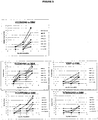
- Mosquitoes are also very susceptible to the bacteria (Figs 4 and 5 ). There is some susceptibility in the Manuka beetle (a scarab), but this was not seen when the larvae were inoculated in soil. Grass grub, another scarab, were not susceptible (Table 2). Hymenopteran wasps, Vespula vulgaris adults appear to be susceptible.
- Nematode activity was demonstrated against a species of nematodes, known as Microworms ( Panagrellus redivivus ) ( Figure 9 ).
- the three strains of B. laterosporus isolated from New Zealand plants have all shown activity against some lepidopterans and dipterans. Within the Lepidoptera, all the Tortricidae and Plutellidae species tested were susceptible. Within Diptera mosquitoes were susceptible.
Landscapes
- Life Sciences & Earth Sciences (AREA)
- Health & Medical Sciences (AREA)
- Engineering & Computer Science (AREA)
- Zoology (AREA)
- General Health & Medical Sciences (AREA)
- Biotechnology (AREA)
- Wood Science & Technology (AREA)
- Chemical & Material Sciences (AREA)
- Virology (AREA)
- Microbiology (AREA)
- Organic Chemistry (AREA)
- Bioinformatics & Cheminformatics (AREA)
- Genetics & Genomics (AREA)
- Agronomy & Crop Science (AREA)
- Pest Control & Pesticides (AREA)
- Plant Pathology (AREA)
- Dentistry (AREA)
- Environmental Sciences (AREA)
- Biochemistry (AREA)
- General Engineering & Computer Science (AREA)
- Biomedical Technology (AREA)
- Tropical Medicine & Parasitology (AREA)
- Medicinal Chemistry (AREA)
- Agricultural Chemicals And Associated Chemicals (AREA)
- Micro-Organisms Or Cultivation Processes Thereof (AREA)
- Catching Or Destruction (AREA)
Priority Applications (1)
| Application Number | Priority Date | Filing Date | Title |
|---|---|---|---|
| PL13838290T PL2906044T3 (pl) | 2012-09-24 | 2013-06-24 | Nowoczesne szczepy Brevibacillus laterosporus jako środki kontroli biologicznej przeciwko szkodnikom roślin, zwłaszcza Lepidoptera i Diptera |
Applications Claiming Priority (3)
| Application Number | Priority Date | Filing Date | Title |
|---|---|---|---|
| US201261704801P | 2012-09-24 | 2012-09-24 | |
| US13/837,735 US10004236B2 (en) | 2012-09-24 | 2013-03-15 | Biocontrol compositions |
| PCT/IB2013/055157 WO2014045131A1 (en) | 2012-09-24 | 2013-06-24 | Biocontrol compositions |
Publications (3)
| Publication Number | Publication Date |
|---|---|
| EP2906044A1 EP2906044A1 (en) | 2015-08-19 |
| EP2906044A4 EP2906044A4 (en) | 2016-06-01 |
| EP2906044B1 true EP2906044B1 (en) | 2018-08-22 |
Family
ID=50339061
Family Applications (1)
| Application Number | Title | Priority Date | Filing Date |
|---|---|---|---|
| EP13838290.8A Active EP2906044B1 (en) | 2012-09-24 | 2013-06-24 | Novel strains of brevibacillus laterosporus as biocontrol agents against plant pests, particularly lepidoptera and diptera |
Country Status (14)
| Country | Link |
|---|---|
| US (1) | US10004236B2 (https=) |
| EP (1) | EP2906044B1 (https=) |
| JP (1) | JP6371288B2 (https=) |
| KR (1) | KR102112380B1 (https=) |
| CN (1) | CN104994739A (https=) |
| AU (1) | AU2013319915B2 (https=) |
| BR (1) | BR112015006405B1 (https=) |
| CA (1) | CA2885303C (https=) |
| ES (1) | ES2698100T3 (https=) |
| IN (1) | IN2015DN03185A (https=) |
| NZ (1) | NZ706821A (https=) |
| PL (1) | PL2906044T3 (https=) |
| WO (1) | WO2014045131A1 (https=) |
| ZA (1) | ZA201502782B (https=) |
Families Citing this family (12)
| Publication number | Priority date | Publication date | Assignee | Title |
|---|---|---|---|---|
| WO2014102697A2 (en) * | 2012-12-24 | 2014-07-03 | Lincoln University | Polynucleotides, polypeptides and methods of use |
| CN112626087B (zh) * | 2014-11-20 | 2024-05-31 | 孟山都技术公司 | 新型昆虫抑制性蛋白 |
| US11130964B2 (en) | 2014-11-20 | 2021-09-28 | Monsanto Technology Llc | Insect inhibitory proteins |
| AU2017309380A1 (en) | 2016-08-12 | 2019-01-03 | Lincoln University | Biocontrol compositions |
| US11168314B2 (en) | 2017-09-05 | 2021-11-09 | Department Of Biotechnology | Modified chitinase from Brevibacillus laterosporus LAK 1210 and uses thereof |
| CN107494453B (zh) * | 2017-09-21 | 2020-06-12 | 怀化学院 | 一种短小芽孢杆菌作为鳞翅目类昆虫的生长调节剂的用途 |
| CN107669616B (zh) * | 2017-11-02 | 2021-07-16 | 乐比(广州)健康产业有限公司 | 一种长效驱蚊花露水的制备方法 |
| CN107638380B (zh) * | 2017-11-02 | 2020-11-27 | 吕丽娅 | 一种长效驱蚊的儿童驱蚊花露水的制备方法 |
| CA3190493A1 (en) * | 2019-08-23 | 2021-03-04 | Stephen Reynold Ford | Bioactive polypeptides and methods related thereto |
| WO2021040536A1 (en) * | 2019-08-23 | 2021-03-04 | Ecolibrium Biologicals Holdings Limited | Biocontrol compositions and uses thereof |
| CN111418610A (zh) * | 2020-05-09 | 2020-07-17 | 山东天润和生物工程有限公司 | 侧孢芽孢杆菌在灭除蝇蛆中的应用及其培养方法 |
| KR102562138B1 (ko) * | 2022-12-29 | 2023-08-02 | 넥서스환경디자인연구원(주) | 식물 생장 촉진 활성을 가지는 브레비바실러스 라테로스포러스 균주 및 이의 용도 |
Family Cites Families (10)
| Publication number | Priority date | Publication date | Assignee | Title |
|---|---|---|---|---|
| US5055293A (en) | 1988-03-09 | 1991-10-08 | Purdue Research Foundation | Biological pesticide |
| US5045314A (en) | 1989-11-14 | 1991-09-03 | The United States Of America As Represented By The Secretary Of Agriculture | Control of parasitic nematode ova/larvae with a bacillus laterosporus |
| AR020141A1 (es) | 1998-08-10 | 2002-04-10 | Mycogen Corp | Toxinas y genes pesticidas de cepas de bacillus laterosporus |
| US6706860B2 (en) | 2000-05-18 | 2004-03-16 | Bayer Bioscience N.V. | Toxins |
| US7091399B2 (en) | 2000-05-18 | 2006-08-15 | Bayer Bioscience N.V. | Transgenic plants expressing insecticidal proteins and methods of producing the same |
| ATE368115T1 (de) * | 2000-05-18 | 2007-08-15 | Bayer Bioscience Nv | Bakterielle insektizidproteine |
| CN1194085C (zh) * | 2003-08-13 | 2005-03-23 | 云南大学 | 一种具有杀线虫功能的菌剂及制备方法和应用 |
| AU2005244258B2 (en) * | 2004-04-09 | 2010-07-01 | Monsanto Technology Llc | Compositions and methods for control of insect infestations in plants |
| ITMI20061765A1 (it) * | 2006-09-15 | 2008-03-16 | Uni Degli Studi Di Sassari | Ceppo di brevibacillus laterosporus e metodo per il controllo microbiologico di ditteri mediante formulazioni contenuti lo stesso |
| WO2013050867A2 (en) | 2011-10-08 | 2013-04-11 | Gangavaramu Lakshmi Prasanna | A chitinase from brevibacillus laterosporus, its production and use thereof |
-
2013
- 2013-03-15 US US13/837,735 patent/US10004236B2/en active Active
- 2013-06-24 JP JP2015532530A patent/JP6371288B2/ja active Active
- 2013-06-24 WO PCT/IB2013/055157 patent/WO2014045131A1/en not_active Ceased
- 2013-06-24 PL PL13838290T patent/PL2906044T3/pl unknown
- 2013-06-24 IN IN3185DEN2015 patent/IN2015DN03185A/en unknown
- 2013-06-24 CA CA2885303A patent/CA2885303C/en active Active
- 2013-06-24 NZ NZ706821A patent/NZ706821A/en unknown
- 2013-06-24 BR BR112015006405-1A patent/BR112015006405B1/pt active IP Right Grant
- 2013-06-24 EP EP13838290.8A patent/EP2906044B1/en active Active
- 2013-06-24 ES ES13838290T patent/ES2698100T3/es active Active
- 2013-06-24 AU AU2013319915A patent/AU2013319915B2/en active Active
- 2013-06-24 KR KR1020157010608A patent/KR102112380B1/ko active Active
- 2013-06-24 CN CN201380061154.5A patent/CN104994739A/zh active Pending
-
2015
- 2015-04-23 ZA ZA2015/02782A patent/ZA201502782B/en unknown
Non-Patent Citations (1)
| Title |
|---|
| None * |
Also Published As
| Publication number | Publication date |
|---|---|
| KR102112380B1 (ko) | 2020-05-19 |
| US10004236B2 (en) | 2018-06-26 |
| ES2698100T3 (es) | 2019-01-31 |
| CA2885303C (en) | 2020-12-29 |
| AU2013319915B2 (en) | 2016-09-22 |
| IN2015DN03185A (https=) | 2015-10-02 |
| ZA201502782B (en) | 2022-10-26 |
| US20140086876A1 (en) | 2014-03-27 |
| AU2013319915A1 (en) | 2015-05-07 |
| WO2014045131A1 (en) | 2014-03-27 |
| BR112015006405B1 (pt) | 2020-03-31 |
| WO2014045131A9 (en) | 2014-08-21 |
| EP2906044A4 (en) | 2016-06-01 |
| PL2906044T3 (pl) | 2019-04-30 |
| EP2906044A1 (en) | 2015-08-19 |
| JP2015535684A (ja) | 2015-12-17 |
| JP6371288B2 (ja) | 2018-08-15 |
| CN104994739A (zh) | 2015-10-21 |
| CA2885303A1 (en) | 2014-03-27 |
| NZ706821A (en) | 2018-09-28 |
| KR20150059178A (ko) | 2015-05-29 |
Similar Documents
| Publication | Publication Date | Title |
|---|---|---|
| EP2906044B1 (en) | Novel strains of brevibacillus laterosporus as biocontrol agents against plant pests, particularly lepidoptera and diptera | |
| US8709399B2 (en) | Bio-pesticide and method for pest control | |
| Prabhukarthikeyan et al. | Combination of endophytic Bacillus and Beauveria for the management of Fusarium wilt and fruit borer in tomato | |
| CN113631040A (zh) | 控制植物害虫和改善植物健康的组合物和方法 | |
| Andreadis et al. | Efficacy of Beauveria bassiana formulations against the fungus gnat Lycoriella ingenua | |
| Abd-Elgawad et al. | Nematophagous bacteria: field application and commercialization. | |
| Kahia et al. | Insecticidal effect of Bacillus pumilus PTB180 and Bacillus subtilis PTB185 used alone and in combination against the foxglove aphid and the melon aphid (Hemiptera: Aphididae) | |
| Kesho | Microbial bio-pesticides and their use in integrated pest management | |
| Wraight et al. | Application and evaluation of entomopathogens in potato | |
| RU2514023C1 (ru) | Штамм bacillus thuringiensis var. darmstadiensis n 25 в качестве средства комплексного воздействия на вредных жесткокрылых насекомых и фитопатогенные грибы | |
| Grishechkina | Mechanism and activity spectrum of microbiological preparation batsikol with phytoprotective action | |
| KR102596386B1 (ko) | 살충 활성을 가지는 바실러스 투린지엔시스 imbl-b9 균주 및 이의 용도 | |
| Nethravathi et al. | Bioefficacy of Chikkamagalur native Bacillus thuringiensis isolates against lepidopteran insects. | |
| Sönmez | Myriodontium keratinophilum (Ascomycota: Myriodontium) as a potential entomopathogenic fungus for a wide range of pests | |
| Bazazo et al. | A new strain of entomopathogenic bacteria, Bacillus thuringiensis Bt407 isolated from diseased Pegomyia mixta Vill. larvae and pathogen virulence against the insect pest | |
| EP4424162A1 (en) | Composition of volatile organic compounds obtained from photorhabdus laumondii subsp. laumondii and uses thereof | |
| Pedaveeti et al. | Insecticidal properties of actinobacterial extracts against selected lepidopteraninsect pests under laboratory and greenhouse condition | |
| KR20100103190A (ko) | 살충 활성이 있는 바실러스 투린지엔시스 아종 쿠르스타키 kb099 균주 및 이의 용도 | |
| SOOD et al. | Molecular characterization of Pieris brassicae granulosis virus (PbGV) from the Himalayan region of India | |
| Ahmed | Use of entomopathogenic fungi in biological control of cotton mealybug (Phenacoccus solenopsis) and mustard aphid (Lipaphis erysimi) | |
| FARDOUN | BIO-INTENSIVE INTEGRATED PEST MANAGEMENT (BIPM) OF GREENHOUSE VEGETABLE PESTS USING LOCAL STRAINS OF BEAUVERIA PSEUDOBASSIANA, AMBLYSEIUS SWIRSKII AND PHYTOSEIULUS PERSIMILIS | |
| WO2025134104A1 (en) | Bacillus strains having pesticidal activity and use thereof | |
| Nirala | In vitro bio-efficacy of entomopathogenic fungi against gram pod borer, Helicoverpa armigera hubner on chickpea | |
| Brownbridge | Greenhouse trials of new Bacillus thuringiensis isolates for control of Chilo partellus larvae in sorghum | |
| Goudar | Isolation, characterization and development of Bacillus thuringiensis formulations against diamond back moth (Plutella xylostella L.) |
Legal Events
| Date | Code | Title | Description |
|---|---|---|---|
| PUAI | Public reference made under article 153(3) epc to a published international application that has entered the european phase |
Free format text: ORIGINAL CODE: 0009012 |
|
| 17P | Request for examination filed |
Effective date: 20150421 |
|
| AK | Designated contracting states |
Kind code of ref document: A1 Designated state(s): AL AT BE BG CH CY CZ DE DK EE ES FI FR GB GR HR HU IE IS IT LI LT LU LV MC MK MT NL NO PL PT RO RS SE SI SK SM TR |
|
| AX | Request for extension of the european patent |
Extension state: BA ME |
|
| DAX | Request for extension of the european patent (deleted) | ||
| RA4 | Supplementary search report drawn up and despatched (corrected) |
Effective date: 20160503 |
|
| RIC1 | Information provided on ipc code assigned before grant |
Ipc: C12N 1/20 20060101ALI20160427BHEP Ipc: A01N 63/00 20060101AFI20160427BHEP |
|
| STAA | Information on the status of an ep patent application or granted ep patent |
Free format text: STATUS: REQUEST FOR EXAMINATION WAS MADE |
|
| STAA | Information on the status of an ep patent application or granted ep patent |
Free format text: STATUS: EXAMINATION IS IN PROGRESS |
|
| 17Q | First examination report despatched |
Effective date: 20170725 |
|
| RIC1 | Information provided on ipc code assigned before grant |
Ipc: C12N 1/20 20060101ALI20180116BHEP Ipc: A01N 63/00 20060101AFI20180116BHEP Ipc: C12R 1/01 20060101ALI20180116BHEP |
|
| GRAP | Despatch of communication of intention to grant a patent |
Free format text: ORIGINAL CODE: EPIDOSNIGR1 |
|
| STAA | Information on the status of an ep patent application or granted ep patent |
Free format text: STATUS: GRANT OF PATENT IS INTENDED |
|
| INTG | Intention to grant announced |
Effective date: 20180308 |
|
| GRAS | Grant fee paid |
Free format text: ORIGINAL CODE: EPIDOSNIGR3 |
|
| GRAA | (expected) grant |
Free format text: ORIGINAL CODE: 0009210 |
|
| STAA | Information on the status of an ep patent application or granted ep patent |
Free format text: STATUS: THE PATENT HAS BEEN GRANTED |
|
| AK | Designated contracting states |
Kind code of ref document: B1 Designated state(s): AL AT BE BG CH CY CZ DE DK EE ES FI FR GB GR HR HU IE IS IT LI LT LU LV MC MK MT NL NO PL PT RO RS SE SI SK SM TR |
|
| REG | Reference to a national code |
Ref country code: GB Ref legal event code: FG4D |
|
| RIN1 | Information on inventor provided before grant (corrected) |
Inventor name: HAMPTON, JOHN, GRAHAM Inventor name: BIENKOWSKI, DAMIAN, ALEXANDER Inventor name: COX, MURRAY, PAUL Inventor name: GLARE, TRAVIS, ROBERT |
|
| REG | Reference to a national code |
Ref country code: CH Ref legal event code: EP |
|
| REG | Reference to a national code |
Ref country code: AT Ref legal event code: REF Ref document number: 1031390 Country of ref document: AT Kind code of ref document: T Effective date: 20180915 |
|
| REG | Reference to a national code |
Ref country code: IE Ref legal event code: FG4D |
|
| REG | Reference to a national code |
Ref country code: DE Ref legal event code: R096 Ref document number: 602013042525 Country of ref document: DE |
|
| REG | Reference to a national code |
Ref country code: NL Ref legal event code: FP |
|
| REG | Reference to a national code |
Ref country code: LT Ref legal event code: MG4D |
|
| PG25 | Lapsed in a contracting state [announced via postgrant information from national office to epo] |
Ref country code: NO Free format text: LAPSE BECAUSE OF FAILURE TO SUBMIT A TRANSLATION OF THE DESCRIPTION OR TO PAY THE FEE WITHIN THE PRESCRIBED TIME-LIMIT Effective date: 20181122 Ref country code: GR Free format text: LAPSE BECAUSE OF FAILURE TO SUBMIT A TRANSLATION OF THE DESCRIPTION OR TO PAY THE FEE WITHIN THE PRESCRIBED TIME-LIMIT Effective date: 20181123 Ref country code: BG Free format text: LAPSE BECAUSE OF FAILURE TO SUBMIT A TRANSLATION OF THE DESCRIPTION OR TO PAY THE FEE WITHIN THE PRESCRIBED TIME-LIMIT Effective date: 20181122 Ref country code: SE Free format text: LAPSE BECAUSE OF FAILURE TO SUBMIT A TRANSLATION OF THE DESCRIPTION OR TO PAY THE FEE WITHIN THE PRESCRIBED TIME-LIMIT Effective date: 20180822 Ref country code: IS Free format text: LAPSE BECAUSE OF FAILURE TO SUBMIT A TRANSLATION OF THE DESCRIPTION OR TO PAY THE FEE WITHIN THE PRESCRIBED TIME-LIMIT Effective date: 20181222 Ref country code: RS Free format text: LAPSE BECAUSE OF FAILURE TO SUBMIT A TRANSLATION OF THE DESCRIPTION OR TO PAY THE FEE WITHIN THE PRESCRIBED TIME-LIMIT Effective date: 20180822 Ref country code: FI Free format text: LAPSE BECAUSE OF FAILURE TO SUBMIT A TRANSLATION OF THE DESCRIPTION OR TO PAY THE FEE WITHIN THE PRESCRIBED TIME-LIMIT Effective date: 20180822 Ref country code: LT Free format text: LAPSE BECAUSE OF FAILURE TO SUBMIT A TRANSLATION OF THE DESCRIPTION OR TO PAY THE FEE WITHIN THE PRESCRIBED TIME-LIMIT Effective date: 20180822 |
|
| REG | Reference to a national code |
Ref country code: ES Ref legal event code: FG2A Ref document number: 2698100 Country of ref document: ES Kind code of ref document: T3 Effective date: 20190131 |
|
| REG | Reference to a national code |
Ref country code: AT Ref legal event code: MK05 Ref document number: 1031390 Country of ref document: AT Kind code of ref document: T Effective date: 20180822 |
|
| PG25 | Lapsed in a contracting state [announced via postgrant information from national office to epo] |
Ref country code: HR Free format text: LAPSE BECAUSE OF FAILURE TO SUBMIT A TRANSLATION OF THE DESCRIPTION OR TO PAY THE FEE WITHIN THE PRESCRIBED TIME-LIMIT Effective date: 20180822 Ref country code: LV Free format text: LAPSE BECAUSE OF FAILURE TO SUBMIT A TRANSLATION OF THE DESCRIPTION OR TO PAY THE FEE WITHIN THE PRESCRIBED TIME-LIMIT Effective date: 20180822 Ref country code: AL Free format text: LAPSE BECAUSE OF FAILURE TO SUBMIT A TRANSLATION OF THE DESCRIPTION OR TO PAY THE FEE WITHIN THE PRESCRIBED TIME-LIMIT Effective date: 20180822 |
|
| PG25 | Lapsed in a contracting state [announced via postgrant information from national office to epo] |
Ref country code: RO Free format text: LAPSE BECAUSE OF FAILURE TO SUBMIT A TRANSLATION OF THE DESCRIPTION OR TO PAY THE FEE WITHIN THE PRESCRIBED TIME-LIMIT Effective date: 20180822 Ref country code: CZ Free format text: LAPSE BECAUSE OF FAILURE TO SUBMIT A TRANSLATION OF THE DESCRIPTION OR TO PAY THE FEE WITHIN THE PRESCRIBED TIME-LIMIT Effective date: 20180822 Ref country code: AT Free format text: LAPSE BECAUSE OF FAILURE TO SUBMIT A TRANSLATION OF THE DESCRIPTION OR TO PAY THE FEE WITHIN THE PRESCRIBED TIME-LIMIT Effective date: 20180822 Ref country code: EE Free format text: LAPSE BECAUSE OF FAILURE TO SUBMIT A TRANSLATION OF THE DESCRIPTION OR TO PAY THE FEE WITHIN THE PRESCRIBED TIME-LIMIT Effective date: 20180822 |
|
| REG | Reference to a national code |
Ref country code: DE Ref legal event code: R097 Ref document number: 602013042525 Country of ref document: DE |
|
| PG25 | Lapsed in a contracting state [announced via postgrant information from national office to epo] |
Ref country code: SK Free format text: LAPSE BECAUSE OF FAILURE TO SUBMIT A TRANSLATION OF THE DESCRIPTION OR TO PAY THE FEE WITHIN THE PRESCRIBED TIME-LIMIT Effective date: 20180822 Ref country code: SM Free format text: LAPSE BECAUSE OF FAILURE TO SUBMIT A TRANSLATION OF THE DESCRIPTION OR TO PAY THE FEE WITHIN THE PRESCRIBED TIME-LIMIT Effective date: 20180822 Ref country code: DK Free format text: LAPSE BECAUSE OF FAILURE TO SUBMIT A TRANSLATION OF THE DESCRIPTION OR TO PAY THE FEE WITHIN THE PRESCRIBED TIME-LIMIT Effective date: 20180822 |
|
| PLBE | No opposition filed within time limit |
Free format text: ORIGINAL CODE: 0009261 |
|
| STAA | Information on the status of an ep patent application or granted ep patent |
Free format text: STATUS: NO OPPOSITION FILED WITHIN TIME LIMIT |
|
| 26N | No opposition filed |
Effective date: 20190523 |
|
| PG25 | Lapsed in a contracting state [announced via postgrant information from national office to epo] |
Ref country code: SI Free format text: LAPSE BECAUSE OF FAILURE TO SUBMIT A TRANSLATION OF THE DESCRIPTION OR TO PAY THE FEE WITHIN THE PRESCRIBED TIME-LIMIT Effective date: 20180822 |
|
| REG | Reference to a national code |
Ref country code: DE Ref legal event code: R119 Ref document number: 602013042525 Country of ref document: DE |
|
| PG25 | Lapsed in a contracting state [announced via postgrant information from national office to epo] |
Ref country code: MC Free format text: LAPSE BECAUSE OF FAILURE TO SUBMIT A TRANSLATION OF THE DESCRIPTION OR TO PAY THE FEE WITHIN THE PRESCRIBED TIME-LIMIT Effective date: 20180822 |
|
| PG25 | Lapsed in a contracting state [announced via postgrant information from national office to epo] |
Ref country code: TR Free format text: LAPSE BECAUSE OF FAILURE TO SUBMIT A TRANSLATION OF THE DESCRIPTION OR TO PAY THE FEE WITHIN THE PRESCRIBED TIME-LIMIT Effective date: 20180822 |
|
| PG25 | Lapsed in a contracting state [announced via postgrant information from national office to epo] |
Ref country code: DE Free format text: LAPSE BECAUSE OF NON-PAYMENT OF DUE FEES Effective date: 20200101 |
|
| REG | Reference to a national code |
Ref country code: DE Ref legal event code: R073 Ref document number: 602013042525 Country of ref document: DE |
|
| PG25 | Lapsed in a contracting state [announced via postgrant information from national office to epo] |
Ref country code: LU Free format text: LAPSE BECAUSE OF NON-PAYMENT OF DUE FEES Effective date: 20190624 |
|
| PG25 | Lapsed in a contracting state [announced via postgrant information from national office to epo] |
Ref country code: PT Free format text: LAPSE BECAUSE OF FAILURE TO SUBMIT A TRANSLATION OF THE DESCRIPTION OR TO PAY THE FEE WITHIN THE PRESCRIBED TIME-LIMIT Effective date: 20181222 |
|
| REG | Reference to a national code |
Ref country code: DE Ref legal event code: R074 Ref document number: 602013042525 Country of ref document: DE |
|
| PG25 | Lapsed in a contracting state [announced via postgrant information from national office to epo] |
Ref country code: DE Free format text: LAPSE BECAUSE OF NON-PAYMENT OF DUE FEES Effective date: 20200101 |
|
| PGRI | Patent reinstated in contracting state [announced from national office to epo] |
Ref country code: DE Effective date: 20200914 |
|
| PG25 | Lapsed in a contracting state [announced via postgrant information from national office to epo] |
Ref country code: CY Free format text: LAPSE BECAUSE OF FAILURE TO SUBMIT A TRANSLATION OF THE DESCRIPTION OR TO PAY THE FEE WITHIN THE PRESCRIBED TIME-LIMIT Effective date: 20180822 |
|
| PG25 | Lapsed in a contracting state [announced via postgrant information from national office to epo] |
Ref country code: MT Free format text: LAPSE BECAUSE OF FAILURE TO SUBMIT A TRANSLATION OF THE DESCRIPTION OR TO PAY THE FEE WITHIN THE PRESCRIBED TIME-LIMIT Effective date: 20180822 Ref country code: HU Free format text: LAPSE BECAUSE OF FAILURE TO SUBMIT A TRANSLATION OF THE DESCRIPTION OR TO PAY THE FEE WITHIN THE PRESCRIBED TIME-LIMIT; INVALID AB INITIO Effective date: 20130624 |
|
| PG25 | Lapsed in a contracting state [announced via postgrant information from national office to epo] |
Ref country code: MK Free format text: LAPSE BECAUSE OF FAILURE TO SUBMIT A TRANSLATION OF THE DESCRIPTION OR TO PAY THE FEE WITHIN THE PRESCRIBED TIME-LIMIT Effective date: 20180822 |
|
| PGFP | Annual fee paid to national office [announced via postgrant information from national office to epo] |
Ref country code: PL Payment date: 20250623 Year of fee payment: 13 Ref country code: DE Payment date: 20250626 Year of fee payment: 13 |
|
| PGFP | Annual fee paid to national office [announced via postgrant information from national office to epo] |
Ref country code: GB Payment date: 20250625 Year of fee payment: 13 |
|
| PGFP | Annual fee paid to national office [announced via postgrant information from national office to epo] |
Ref country code: NL Payment date: 20250627 Year of fee payment: 13 Ref country code: BE Payment date: 20250626 Year of fee payment: 13 |
|
| PGFP | Annual fee paid to national office [announced via postgrant information from national office to epo] |
Ref country code: FR Payment date: 20250626 Year of fee payment: 13 |
|
| PGFP | Annual fee paid to national office [announced via postgrant information from national office to epo] |
Ref country code: IE Payment date: 20250625 Year of fee payment: 13 |
|
| PGFP | Annual fee paid to national office [announced via postgrant information from national office to epo] |
Ref country code: ES Payment date: 20250701 Year of fee payment: 13 |
|
| PGFP | Annual fee paid to national office [announced via postgrant information from national office to epo] |
Ref country code: IT Payment date: 20250624 Year of fee payment: 13 |
|
| PGFP | Annual fee paid to national office [announced via postgrant information from national office to epo] |
Ref country code: CH Payment date: 20250701 Year of fee payment: 13 |