EP2902037A1 - Tolerogenic compositions comprising and uses thereof - Google Patents
Tolerogenic compositions comprising and uses thereof Download PDFInfo
- Publication number
- EP2902037A1 EP2902037A1 EP14153365.3A EP14153365A EP2902037A1 EP 2902037 A1 EP2902037 A1 EP 2902037A1 EP 14153365 A EP14153365 A EP 14153365A EP 2902037 A1 EP2902037 A1 EP 2902037A1
- Authority
- EP
- European Patent Office
- Prior art keywords
- polypeptide
- vaca
- allergen
- vac
- asthma
- Prior art date
- Legal status (The legal status is an assumption and is not a legal conclusion. Google has not performed a legal analysis and makes no representation as to the accuracy of the status listed.)
- Withdrawn
Links
Images


Classifications
-
- A—HUMAN NECESSITIES
- A61—MEDICAL OR VETERINARY SCIENCE; HYGIENE
- A61K—PREPARATIONS FOR MEDICAL, DENTAL OR TOILETRY PURPOSES
- A61K39/00—Medicinal preparations containing antigens or antibodies
- A61K39/0005—Vertebrate antigens
- A61K39/001—Preparations to induce tolerance to non-self, e.g. prior to transplantation
-
- A—HUMAN NECESSITIES
- A61—MEDICAL OR VETERINARY SCIENCE; HYGIENE
- A61K—PREPARATIONS FOR MEDICAL, DENTAL OR TOILETRY PURPOSES
- A61K38/00—Medicinal preparations containing peptides
- A61K38/16—Peptides having more than 20 amino acids; Gastrins; Somatostatins; Melanotropins; Derivatives thereof
- A61K38/164—Peptides having more than 20 amino acids; Gastrins; Somatostatins; Melanotropins; Derivatives thereof from bacteria
-
- A—HUMAN NECESSITIES
- A61—MEDICAL OR VETERINARY SCIENCE; HYGIENE
- A61K—PREPARATIONS FOR MEDICAL, DENTAL OR TOILETRY PURPOSES
- A61K39/00—Medicinal preparations containing antigens or antibodies
- A61K39/02—Bacterial antigens
- A61K39/0208—Specific bacteria not otherwise provided for
-
- A—HUMAN NECESSITIES
- A61—MEDICAL OR VETERINARY SCIENCE; HYGIENE
- A61K—PREPARATIONS FOR MEDICAL, DENTAL OR TOILETRY PURPOSES
- A61K45/00—Medicinal preparations containing active ingredients not provided for in groups A61K31/00 - A61K41/00
- A61K45/06—Mixtures of active ingredients without chemical characterisation, e.g. antiphlogistics and cardiaca
-
- A—HUMAN NECESSITIES
- A61—MEDICAL OR VETERINARY SCIENCE; HYGIENE
- A61P—SPECIFIC THERAPEUTIC ACTIVITY OF CHEMICAL COMPOUNDS OR MEDICINAL PREPARATIONS
- A61P11/00—Drugs for disorders of the respiratory system
- A61P11/06—Antiasthmatics
-
- A—HUMAN NECESSITIES
- A61—MEDICAL OR VETERINARY SCIENCE; HYGIENE
- A61P—SPECIFIC THERAPEUTIC ACTIVITY OF CHEMICAL COMPOUNDS OR MEDICINAL PREPARATIONS
- A61P37/00—Drugs for immunological or allergic disorders
- A61P37/02—Immunomodulators
- A61P37/06—Immunosuppressants, e.g. drugs for graft rejection
-
- A—HUMAN NECESSITIES
- A61—MEDICAL OR VETERINARY SCIENCE; HYGIENE
- A61P—SPECIFIC THERAPEUTIC ACTIVITY OF CHEMICAL COMPOUNDS OR MEDICINAL PREPARATIONS
- A61P37/00—Drugs for immunological or allergic disorders
- A61P37/08—Antiallergic agents
-
- C—CHEMISTRY; METALLURGY
- C07—ORGANIC CHEMISTRY
- C07K—PEPTIDES
- C07K14/00—Peptides having more than 20 amino acids; Gastrins; Somatostatins; Melanotropins; Derivatives thereof
- C07K14/195—Peptides having more than 20 amino acids; Gastrins; Somatostatins; Melanotropins; Derivatives thereof from bacteria
- C07K14/205—Peptides having more than 20 amino acids; Gastrins; Somatostatins; Melanotropins; Derivatives thereof from bacteria from Campylobacter (G)
-
- A—HUMAN NECESSITIES
- A61—MEDICAL OR VETERINARY SCIENCE; HYGIENE
- A61K—PREPARATIONS FOR MEDICAL, DENTAL OR TOILETRY PURPOSES
- A61K39/00—Medicinal preparations containing antigens or antibodies
- A61K2039/54—Medicinal preparations containing antigens or antibodies characterised by the route of administration
-
- A—HUMAN NECESSITIES
- A61—MEDICAL OR VETERINARY SCIENCE; HYGIENE
- A61K—PREPARATIONS FOR MEDICAL, DENTAL OR TOILETRY PURPOSES
- A61K39/00—Medicinal preparations containing antigens or antibodies
- A61K2039/54—Medicinal preparations containing antigens or antibodies characterised by the route of administration
- A61K2039/541—Mucosal route
- A61K2039/542—Mucosal route oral/gastrointestinal
-
- A—HUMAN NECESSITIES
- A61—MEDICAL OR VETERINARY SCIENCE; HYGIENE
- A61K—PREPARATIONS FOR MEDICAL, DENTAL OR TOILETRY PURPOSES
- A61K39/00—Medicinal preparations containing antigens or antibodies
- A61K2039/57—Medicinal preparations containing antigens or antibodies characterised by the type of response, e.g. Th1, Th2
- A61K2039/577—Medicinal preparations containing antigens or antibodies characterised by the type of response, e.g. Th1, Th2 tolerising response
Definitions
- the present invention relates to prevention or treatment of allergic disorders, in particular asthma and in particular to compositions useful for the prevention of hypersensitivity to allergens, in particular asthma disorders and/or the desensitization to allergens.
- Asthma is now the most prevalent chronic disease in childhood in developed countries; approximately 300 million people suffer from this disease worldwide. Asthma is caused by a combination of genetic and environmental factors.
- the Global Initiative of Asthma defines asthma as a chronic inflammatory disorder of the airways. Chronic pulmonary inflammation is associated with airway hyper-responsiveness, which leads to the classical symptoms of asthma: recurrent episodes of wheezing, breathlessness, chest tightness and coughing.
- the most common clinical phenotype is allergic asthma. In childhood, more than 90 % of patients with severe asthma are allergic; among asthmatic adults, 60 % are sensitized to common aero-allergens ( Holgate et al., 2003, Eur. Respir. J. 2003; 22:470-477 ).
- asthma inflammation and airway obstruction are triggered by allergen exposure in atopic individuals.
- the pathophysiology underlying the disease is rather complex.
- the inflammatory processes underlying the development of allergic airway disease have been investigated in humans and also in animal models of the disease.
- the understanding of the different cell types and mediators involved in asthma development has increased in the last decade. Indeed, findings support an important role of Th2 cells and Th2 cytokines (IL-4, IL-5 and IL-13) in the development of allergen-induced inflammation and airway hyper-responsiveness (AHR).
- Th2 cells and Th2 cytokines IL-4, IL-5 and IL-13
- the state-of-the-art immunomodulatory treatment of acute symptoms of asthma involves inhaled or oral corticosteroids.
- Asthma patients generally respond to ⁇ 2-adrenergic receptor agonists (such as salbutamol) and leukotrienes, which relax smooth muscle cells.
- ⁇ 2-adrenergic receptor agonists such as salbutamol
- leukotrienes which relax smooth muscle cells.
- intravenous administration of corticosteroids or immunomodulatory drugs such as neutralizing antibodies to interleukins and hospitalization may be required.
- Anti-IL-13, anti-IL-5 and anti-IL-9 monoclonal antibodies are all currently in clinical trials for asthma.
- H. pylori is a persistent bacterial pathogen colonizing the gastric mucosa of humans. It is typically acquired in early childhood and, in the absence of antibiotic therapy, may persist for the entire life span of the host. The extraordinary ability of H . pylori to resist a vigorous adaptive immune response driven in large part by Th1 and/or Th17-polarized effector T-cells has been attributed to its adaptation to -and manipulation of the human innate and adaptive immune systems. H.
- Treg-predominant responses are characteristic of heavily colonized, but asymptomatic carriers.
- DCs dendritic cells
- H . pylori -experienced DCs are re-programmed to towards a tolerance-promoting phenotype in nitro and in vivo ( Oertli et al., 2013, PNAS, 110(8), 3047-3052 ). It has been observed that DC re-programming requires two H. pylori- secreted proteins (virulence determinants or factors), the vacuolating cytotoxin (VacA) and the ⁇ -glutamyl-transpeptidase (GGT) ( Oertli et al., 2013, supra ) since H.
- H. pylori- secreted proteins viralulence determinants or factors
- VacA vacuolating cytotoxin
- GTT ⁇ -glutamyl-transpeptidase
- mice that lack one of the two virulence factors (but are otherwise wild type), fail to re-program DCs in vivo and in nitro, and therefore cannot induce Tregs with suppressive activity in mice ( Oertli et al., 2013, supra ).
- both H . pylori mutant strains are cleared effectively by the mice ( Oertli et al., 2013, supra ).
- both GGT and VacA have been used or reported to be used to trigger vaccine-induced protective immunity to H. pylori, i.e. with the opposite goal (strong T effector rather than Treg responses) of the present aim of the invention ( Malfertheiner et al., 2008, Gastroenterology 135(3) : 787-95 ).
- H. pylori live H. pylori as a therapeutic intervention or preventive measure has been unattractive due to the well-documented carcinogenic potential of chronic infection with this organism since H. pylori induces gastric and duodenal ulcers ( Marshall et al., 1984, Lancet 1:1311-1315 ), and is also widely accepted to be the leading cause of gastric adenocarcinoma ( Parsonnet et al., 1991, N. Engl. J. Med., 325:1127-1131 ).
- the present invention relates to the unexpected finding that oral, intranasal or intraperitoneal (i.e. systemic) administration of a composition comprising H. pylori VacA (administered either in the form of a dead cell extract such as prepared by mechanic disruption of logarithmically growing H. pylori using a French pressure cell «French press » or in the form of purified or recombinant form,), when administered in regular intervals, is able to induce protection against allergen-induced asthma.
- a composition comprising H. pylori VacA
- a composition comprising H. pylori VacA
- a composition comprising H. pylori VacA
- a composition comprising H. pylori VacA
- a composition comprising H. pylori VacA
- a composition comprising H. pylori VacA
- a composition comprising H. pylori VacA
- VacA has successfully been included in preclinical and phase 1 human trials of H . pylori -specific vaccination argues that it is immunogenic (at least in combination with a suitable adjuvant) and triggers either T-cell and/or antibody mediated immunity. Since strong immunogenicity and strong immunomodulatory properties, as required for the suppression of allergen-specific immune responses, are usually mutually exclusive and not typically found in the same protein, the tolerogenic properties of compositions according to the invention are particularly surprising.
- a first aspect of the invention provides a polypeptide selected from a Vac A protein, a fragment or a variant thereof for use in the prevention and/or treatment of an allergic disorder, in particular allergen-induced or atopic asthma.
- a second aspect of the invention relates to a polypeptide selected from a Vac A protein, a fragment or a variant thereof for inducing a tolerization response to an allergen.
- a third aspect of the invention relates a use of a polypeptide selected from Vac A protein, a fragment or a variant thereof for the preparation of a medicament for prevention and/or treatment of an allergic disorder, in particular atopic asthma and/or inducing a tolerization response to an allergen.
- a fourth aspect according to the invention relates to a pharmaceutical formulation comprising a Vac A protein a fragment or a variant thereof and at least one pharmaceutically acceptable carrier, diluent or excipient thereof.
- a fifth aspect of the invention relates to a method of inducing a tolerization response to an allergen in a subject, said method comprising administering in a subject in need thereof an effective amount a polypeptide selected from a Vac A protein, a fragment or a variant thereof, or a pharmaceutical formulation thereof.
- a sixth aspect of the invention relates method of preventing, repressing or treating an allergic response, in particular, an allergic disorder in a subject, said method comprising administering in a subject in need thereof a therapeutically effective amount a polypeptide selected from a Vac A, a fragment or a variant thereof, or a pharmaceutical formulation thereof.
- a seventh aspect of the invention relates to a pharmaceutical formulation comprising a polypeptide selected from a Vac A protein, a fragment or a variant thereof, combined with at least one co-agent useful in the prevention and/or treatment of an allergic disorder, in particular atopic asthma and/or for inducing a tolerization response to an allergen, and at least one pharmaceutically acceptable carrier, diluent or excipient thereof.
- An eighth aspect of the invention relates to a Vac A protein, a fragment or a variant thereof or a pharmaceutical formulation thereof for the prevention and/or treatment of an allergic disorder, in particular asthma and/or for inducing a tolerization response to an allergen.
- allergic disorder refers to allergic settings and hypersensitivity to allergens such as allergen-induced or atopic asthma, atopic dermatitis (eczema), atopic rhinitis (hay fever), allergic conjunctivitis, food allergy, occupational allergy, allergic broncho-pulmonal aspergillosis and hypersensitivity pneumonitis.
- allergens such as allergen-induced or atopic asthma, atopic dermatitis (eczema), atopic rhinitis (hay fever), allergic conjunctivitis, food allergy, occupational allergy, allergic broncho-pulmonal aspergillosis and hypersensitivity pneumonitis.
- asthma refers to a disorder of the airways characterized by airway inflammation, hyper-responsiveness, and obstruction which often causes spasms of the bronchial smooth muscle system, and affects both the upper and lower respiratory tracts.
- Mild asthma for example, is defined as brief episodes of wheezing, with or without dyspnea or cough.
- Moderately severe asthma is defined as wheezing and dyspnea, and can be with or without cough and expectoration, but generally interferes with daily activities and/or sleeping.
- Severe asthma is characterized by incapacitation due to dyspnea, and the afflicted patient typically is unable to eat or sleep normally, is very anxious, and is often exhausted.
- a condition known as status asthmaticus is the most severe form of asthma, and generally requires intensive hospital care, and may even prove fatal. The disease may occur as a result of both allergic and non-allergic mechanisms.
- allergen induced asthma or "atopic asthma” refers to asthma resulting from a hypersensivity to an antigen/allergen.
- occupational allergens such as flour, soy cow, latex and different mites ( Tyrophagus putrescentiae; Lepidoglyphus destructor; Acarus siro ) are included.
- Hypersensitivity to allergens in particular antigen/allergen induced asthma is usually diagnosed on the basis of the pattern of symptoms such as coughing, sneezing, irritation/itching of the nose or eyes, increased lacrimation and running nose, itching of the skin with formation of an eczema as well as nausea, vomiting, abdominal pain and discomfort and diarrhoea in food allergy.
- Atopic asthma is clinically classified according to the frequency of symptoms, decreased forced expiratory volume in one second (FEV1), or peak expiratory flow rate (Peak Flow), increased Peak Flow variability, airway hyper-responsiveness and increased levels of allergen specific IgE.
- polypeptide is used in its conventional meaning, i.e., as a sequence of amino acids.
- the polypeptides are not limited to a specific length of the product; thus, peptides, oligopeptides, and proteins are included within the definition of polypeptide, and such terms may be used interchangeably herein unless specifically indicated otherwise.
- This term also does not refer to or exclude post-expression modifications of the polypeptide, for example, glycosylations, acetylations, phosphorylations and the like, as well as other modifications known in the art, both naturally occurring and non-naturally occurring.
- a polypeptide may be an entire protein, or a subsequence thereof. Particular polypeptides of interest in the context of this invention are amino acid subsequences comprising tolerogenic fragments.
- fragment refers to polypeptides comprising a portion of peptide sequence corresponding to contiguous amino acids of a polypeptide set forth herein, including all intermediate lengths and variants thereof.
- VacA includes s1m1 VacA (SEQ ID NO: 1, 4-11) and s2m2 VacA (SEQ ID NO: 2). Such as described in Cover et al., 1992, J. Biol. Chem., 267:10570-1057 and Cover et al., 1997, J. Cell. Biol., 138:759-769 . According to a particular embodiment, Vac A is s1m1 VacA of SEQ ID NO: 1. According to another embodiment, Vac A is s2m2 VacA of SEQ ID NO: 2. According to another embodiment, Vac A is is s1m1 VacA of SEQ ID NO: 9.
- variant can applies to both a polynucleotide or a polypeptide.
- a polypeptide “variant,” as the term is used herein, is a peptide or a polypeptide substantially homologous to the referenced peptide sequence, but which has an amino acid sequence different from that of the referenced.
- variants may be naturally occurring or may be synthetically generated, for example, by modifying one or more of the above polypeptide sequences of the invention described herein using any of a number of techniques well known in the art. In many instances, a variant will contain conservative substitutions.
- Substantially homologous means a variant amino acid sequence which is identical to the referenced peptide sequence except for the deletion, insertion and/or substitution of a few amino acids, e.g. 1, 2, 3, 4, 5, or 6 amino acids.
- Substantially homologous means a variant amino acid sequence that is at least 80%, at least 85%, at least 90%, at least 95%, at least 96%, at least 97%, at least 98% or at least 99% identical to the referenced amino acid sequence.
- a variant nucleic acid sequence can be at least 80%, at least 85%, at least 90%, at least 95%, at least 96%, at least 97%, at least 98% or at least 99% identical to the referenced nucleic acid sequence.
- the identity of two amino acid sequences or of two nucleic acid sequences can be determined by visual inspection and/or mathematical calculation, or more easily by comparing sequence information using known computer program used for sequence comparison such as Clustal package version 1.83.
- a variant may comprise a sequence having at least one conservatively substituted amino acid.
- a "conservative substitution” is one in which an amino acid is substituted for another amino acid that has similar properties, such that one skilled in the art of peptide chemistry would expect the secondary structure and hydropathic nature of the polypeptide to be substantially unchanged (e.g. having similar physiochemical characteristics). Modifications may be made in the structure of the polynucleotides and polypeptides of the present invention and still obtain a functional molecule that encodes a variant or derivative polypeptide with desirable characteristics, e.g., with tolerogenic characteristics.
- conservative substitutions include substitution of one aliphatic residue for another, such as Ile, Val, Leu, or Ala for one another, or substitutions of one polar residue for another, such as between Lys and Arg; Glu and Asp; or Gln and Asn.
- Other such conservative substitutions for example, substitutions of entire regions having similar hydrophobicity characteristics, are well known ( Kyte, et al, 1982, supra ).
- a "conservative amino acid substitution” may involve a substitution of a native amino acid residue with a non-native residue such that there is little or no effect on the polarity or charge of the amino acid residue at that position.
- Desired amino acid substitutions can be determined by those skilled in the art at the time such substitutions are desired.
- Exemplary amino acid substitutions are presented in Table 1 below.
- the term "variant” also includes a peptide or polypeptide substantially homologous to the referenced peptide sequence, but which has an amino acid sequence different from that of the referenced sequence because one or more amino acids have been chemically modified or substituted by amino acids analogs. This term also includes glycosylated polypeptides.
- Polypeptides of the invention, polypeptide fragments and variants thereof are capable of inducing tolerance to an antigen/allergen when administered in vivo.
- tolerogenic fragment is meant a fragment that can induce tolerance to antigens/allergens described in the present application.
- a tolerogenic fragment can induce tolerance to antigens/allergens at least as well as the full-length VacA polypeptide can and in certain embodiments may be more effective than the full-length VacA polypeptide at inducing tolerance.
- a tolerogenic fragment induces tolerance to antigens/allergens but may not induce tolerance as effectively as the full-length VacA polypeptide.
- Such tolerogenic fragments may still be useful in the present invention particularly where said tolerogenic fragments have other advantageous properties, such as, but not limited to, ease of preparation or purification as compared to the full-length VacA polypeptide.
- a variety of known assays can be used to assess induction of tolerance, including measuring delayed-type hypersensitivity (DTH) responses, measuring cytokine productions by ELISA or other methods, T cell proliferation or cytotoxicity assays, B cell proliferation assays, antibody production, and the like.
- DTH delayed-type hypersensitivity
- Polypeptides of the invention are prepared using any of a variety of well-known synthetic and/or recombinant techniques, the latter of which are further described below. Polypeptides, portions and other variants generally less than about 150 amino acids can be generated by synthetic means, using techniques well known to those of ordinary skill in the art. In one illustrative example, such polypeptides are synthesized using any of the commercially available solid-phase techniques, such as the Merrifield solid-phase synthesis method, where amino acids are sequentially added to a growing amino acid chain ( Merrifield, 1963, J. Am. Chem. Soc., 85:2149-2146 ).
- pharmaceutically acceptable refers to a carrier comprised of a material that is not biologically or otherwise undesirable.
- carrier refers to any components present in a pharmaceutical formulation other than the active agent and thus includes diluents, binders, lubricants, disintegrants, fillers, coloring agents, wetting or emulsifying agents, pH buffering agents, preservatives and the like.
- treatment and “treating” and the like generally mean obtaining a desired pharmacological and physiological effect.
- the effect may be prophylactic in terms of preventing or partially preventing a disease, symptom or condition thereof and/or may be therapeutic in terms of a partial or complete cure of a disease, condition, symptom or adverse effect attributed to the disease.
- treatment covers any treatment of a disease in a mammal, particularly a human, and isnot necessarily meant to imply cure or complete abolition of symptoms, but refers to any type of treatment that imparts a benefit to a patient and includes: (a) preventing the disease from occurring in a subject which may be predisposed to the disease but has not yet been diagnosed as having it for example based on familial history, overweight status or age; (b) inhibiting the disease, i.e., arresting its development; or relieving the disease, i.e., causing regression of the disease and/or its symptoms or conditions such as improvement or remediation of damage.
- prevention and/or treatment of allergic disorders comprises normalization or decrease of the antigen/allergen sensitivity of an individual.
- treatment refers to any type of treatment or prevention that imparts a benefit to a subject afflicted with or at risk of developing a hypersensitivity immune response to an allergen/allergen of interest, including improvement in the condition of the subject (e.g., in one or more symptoms), delay in the onset of symptoms or slowing the progression of symptoms, etc..
- effects of a treatment according to the invention may be observed through one or more the following: prevention or reduction of the airway hyper-responsiveness, prevention or reduction of cell penetration into bronchial tubes (typically through the functional mechanisms for inhibiting production of IL-4, which is a cytokine secreted by Th2 cells and involved in inflammatory mechanisms of allergic reaction) prevention or reduction of pulmonary inflammation, of bronchoalveolar eosinophilia, of goblet cell metaplasia, of mucus production and Th2 cytokine production that are hallmarks of allergen-induced asthma.
- IL-4 which is a cytokine secreted by Th2 cells and involved in inflammatory mechanisms of allergic reaction
- Treatment success may also be evident by the observation of the generation of IL-10 in regulatory lymphocytes or other cells or in total lungs (BALF, sputum) or serum, which can be assessed by ELISA.
- subject refers to mammals.
- mammals contemplated by the present invention include human, primates, domesticated animals such as cattle, sheep, pigs, horses, laboratory rodents and the like.
- high-risk subjects or individuals are subjects that are at risk to develop hypersensitivity to allergens/antigens, in particular of developing atopic or allergen-induced asthma.
- Those include genetic predisposition such as a family history of atopic diseases in close relatives, smoking mother during pregnancy, and smoking environment after birth, viral respiratory infections, such as by respiratory syncytial virus and rhinovirus and occupational exposure to known occupational allergens (e.g. flour).
- the risk or predisposition of developing hypersensitivity to allergens/antigens, in particular of developing atopic or allergen-induced asthma can be assessed by recording complete history including family history of the patient, skin prick testing, assessment of serum IgE, specific serum IgE levels and measurement of airway hyperreactivity.
- efficacy of a treatment or method according to the invention can be measured based on changes in the course of disease or condition in response to a use or a method according to the invention.
- efficacy of a treatment or method according to the invention can be measured by measuring the level of tolerance of the subject before and after the treatment, for example as described below.
- tolerance is defined as immune unresponsiveness to an antigen/allergen, usually an antigen/allergen implicated in causing disease.
- oral tolerance refers to the oral administration of the composition, which results in inducing tolerance to an antigen/allergens when administered in vivo. The induction of tolerance can therefore be monitored by various techniques including: measuring the response to allergen in skin prick test, assessment of allergen specific IgE and assessment of specific T cell responses for the allergen (proliferation and cytokine production).
- tolerogenic effective amount refers to an amount of at least one polypeptide selected from VacA, a VacA fragment and a VacA variant or a pharmaceutical formulation thereof according to the invention that elicits a detectable tolerogenic response in a subject that that is being administered the said subject.
- the term "antigen" refers to a foreign substance that that when introduced into the body triggers an immune system response, resulting in production of an antibody as part of the body's defense against disease
- allergen is meant to designate an antigen capable of eliciting a hypersensitivity immune response (such as described herein) in an individual, such as in an animal, such as in a human.
- the allergen may be a sensitizing allergen or a cross-reacting allergen.
- non-denaturated refers to the absence of observed denaturation of the protein (e.g. structure). This can be verified by any method well-known in the art such as gel electrophoresis, gel filtration or mass spectrometry.
- polypeptides of the invention and formulations thereof have immunomodulatory properties that can be useful for tolerization strategies such as in allergic disorders and in particular allergic asthma.
- the polypeptides of the invention and formulations thereof can be useful in particular in tolerization treatments for asthma prevention in high-risk individuals.
- VacA polypeptides of the invention in the form of dead cell extracts or purified peptides
- VacA polypeptides of the invention, fragments and variants thereof include substances described in the detailed description and they can be administered in different forms including in a form of a cell extract (dead) containing VacA or in a form of a purified synthetic polypeptide (recombinantly produced or obtained by synthesis).
- the present invention provides VacA polypeptides of the invention, including fragments and variants thereof in the form of a H. pylori bacteria dead cell extract.
- the present invention provides VacA polypeptides of the invention, including fragments and variants thereof in the form of a H. pylori bacteria cell extract, wherein bacteria cells are non-denaturated killed H. pylori bacteria cells.
- the present invention provides VacA polypeptides of the invention, including fragments and variants thereof in the form of a H. pylori bacteria dead cell extract, wherein the H. pylori bacteria strain is H. pylori PMSS1 ( Arnold et al. 2011, Gastroenterology, 140, 199-209 ), or any other useful human patient isolate of H. pylori, or mutants of said isolates that lack one or more genes due to gene deletion or insertion mutagenesis or point mutations.
- H. pylori cell extract processes which may be used for preparing H. pylori cell extract are known to the skilled person and include the use of physical means that produce non-denaturated killed cell bacteria, i.e. under non-denaturating conditions such as described in Laemmli et al., 1970, Mature, 277, 680 -, such as for example use of the so called "French pressure cell press" ( Kelemen et al., 1979, J. Cell Sci. 35:431-141 ).
- ultra sonication or other methods such as extended freeze drying, repeated cycles of freezing and thawing, lyophilization, homogenization techniques and other cell disruption techniques using physical forces can be applied, as long as they preserve H. pylori proteins in native form such as described in Bhaduri et al., 1983, Appl. Environ. Microbiol., 46 (4): 941-3 ).
- the present invention provides VacA polypeptides of the invention and fragments and variants thereof in the form of a H. pylori bacterial cell extract obtainable by a process comprising the steps of:
- the present invention provides VacA polypeptides of the invention and fragments and variants thereof in the form of a H. pylori bacterial cell extract obtainable by a process as described above comprising a further step of removing the cell debris after or when collecting the cell extract.
- the present invention provides VacA polypeptides of the invention, including fragments and variants thereof in the form of a purified VacA polypeptide.
- the present invention provides VacA polypeptides of the invention, including fragments and variants thereof in the form of a purified recombinant VacA polypeptide.
- VacA polypeptide, fragments and variants thereof can be achieved by various techniques known in the art.
- Nucleic acid sequence encoding for said VacA polypeptide, fragments and variants thereof can be inserted in the recombinant expression vector by methods well known to a person skilled in the art such as, for example, those that are described in MOLECULAR CLONING: A LABORATORY MANUAL, Sambrook et al., 4th Ed., Cold Spring Harbor Laboratory Press, Cold Spring Harbor, N.Y., 2001 .
- a host cell comprising a recombinant vector according to the invention.
- the introduction of the recombinant vector in a host cell can be carried out according to methods that are well known to a person skilled in the art, such as those described in BASIC METHODS IN MOLECULAR BIOLOGY, Davis et al., 2nd ed., McGraw-Hill Processional Publishing, 1995 , and MOLECULAR CLONING: A LABORATORY MANUAL, supra , such as transfection by calcium phosphate, transfection by DEAE dextran, transfection, microinjection, transfection by cationic lipids, electroporation, transduction or infection.
- the host cell can be, for example, bacterial cells such as E. coli, cells of fungi such as yeast cells and cells of Aspergillus, Streptomyces, insect cells, Chinese Hamster Ovary cells (CHO), C127 mouse cell line, BHK cell line of Syrian hamster cells, Human Embryonic Kidney 293 (HEK 293) cells.
- the host cell is a CHO cell or a HEK 293 cell.
- the host cells can be used, for example, to express a polypeptide of the invention. After purification by standard methods, the polypeptide of the invention can be used in a method described hereinafter.
- the culture medium may first be concentrated using a commercially available protein concentration filter, for example, an ultrafiltration unit.
- the concentrate can be applied to a purification matrix such as a gel filtration medium.
- a purification matrix such as a gel filtration medium.
- an anion exchange and/or an affinity resin can be employed.
- the matrices can be acrylamide, agarose, dextran, cellulose or other types commonly employed in protein purification.
- a cation exchange step can be employed.
- Recombinant polypeptides produced in bacterial culture can be isolated by initial disruption of the host cells, centrifugation, extraction from cell pellets if an insoluble polypeptide, or from the supernatant fluid if a soluble polypeptide, followed by one or more concentration, salting-out, ion exchange, affinity purification or size exclusion chromatography steps.
- Microbial cells can be disrupted by any convenient method, including freeze-thaw cycling, sonication, mechanical disruption, or use of other physical or chemical cell lysing agents, including detergents.
- VacA polypeptide of the invention can be prepared recombinantly as a full length protein as described in McClain et al., 2003, J. Biol. Chem., 278:12101-12108 , or through the reconstitution of its two domains, p33 and p55, in the presence of detergents as described in Gonzalez-Rivera et al., 2010, Biochemists 49:5743-5752 and Gangwer et al., 2007, PNAS, 104(41):16293-8 .
- the present invention provides variants or fragments of the VacA polypeptides described herein.
- Polypeptide variants generally encompassed by the present invention will typically exhibit at least about 70%, 75%, 80%, 85%, 90%, 91%, 92%, 93%, 94%, 95%, 96%, 97%, 98%, or 99% or more identity (determined as described below), along its length, to a polypeptide sequences set forth herein.
- the VacA polypeptides, fragments and variants thereof can be used associated with a pharmaceutically acceptable salt or a combination of pharmaceutically acceptable salts.
- the invention provides VacA polypeptides, variants or fragment thereof, pharmaceutical compositions thereof, and methods for treating a subject, in particular a mammalian subject, and most particularly a human patient who is suffering from a hypersensitivity to an allergens/antigen or a risk of developing hypersensitivity to an antigen/allergen, in particular allergen-induced or atopic asthma.
- the invention provides VacA polypeptides, variants or fragment thereof, pharmaceutical compositions thereof and methods for controlling hypersensitivity to an antigen/allergen in a subject, in particular inducing a tolerance to said antigen/allergen
- the invention provides VacA polypeptides, variants or fragment thereof and a pharmaceutical formulation according to the invention for use as a medicament.
- compositions of the invention can contain at least one VacA polypeptide, variant or fragment thereof according to the invention in any form described herein.
- Compositions of this invention may further comprise one or more pharmaceutically acceptable additional ingredient(s) such as alum, stabilizers, antimicrobial agents, buffers, coloring agents, flavoring agents, adjuvants, and the like.
- compositions according to the invention together with a conventionally employed adjuvant, carrier, diluent or excipient may be placed into the form of pharmaceutical compositions and unit dosages thereof, and in such form may be employed as solids, such as tablets or filled capsules, or liquids such as solutions, suspensions, emulsions, elixirs, or capsules filled with the same, all for oral use, or in the form of sterile injectable solutions for parenteral (including subcutaneous) use by injection or continuous infusion.
- injectable compositions are typically based upon injectable sterile saline or phosphate-buffered saline or other injectable carriers known in the art.
- compositions and unit dosage forms thereof may comprise ingredients in conventional proportions, with or without additional active compounds or principles, and such unit dosage forms may contain any suitable effective amount of the active ingredient commensurate with the intended daily dosage range to be employed.
- compositions according to the invention are injectable.
- compositions of this invention may be liquid formulations including, but not limited to, aqueous or oily suspensions, solutions, emulsions, syrups, and elixirs.
- the compositions may also be formulated as a dry product for reconstitution with water or other suitable vehicle before use.
- Such liquid preparations may contain additives including, but not limited to, suspending agents, emulsifying agents, non-aqueous vehicles and preservatives.
- Suspending agents include, but are not limited to, sorbitol syrup, methyl cellulose, glucose/sugar syrup, gelatin, hydroxyethyl cellulose, carboxymethyl cellulose, aluminum stearate gel, and hydrogenated edible fats.
- Emulsifying agents include, but are not limited to, lecithin, sorbitan monooleate, and acacia.
- Preservatives include, but are not limited to, methyl or propyl p-hydroxybenzoate and sorbic acid.
- Dispersing or wetting agents include but are not limited to poly(ethylene glycol), glycerol, bovine serum albumin, Tween®, Span®.
- compositions of this invention may also be formulated as a depot preparation, which may be administered by implantation or by intramuscular injection.
- Solid compositions of this invention may be in the form of tablets or lozenges formulated in a conventional manner.
- tablets and capsules for oral administration may contain conventional excipients including, but not limited to, binding agents, fillers, lubricants, disintegrants and wetting agents.
- Binding agents include, but are not limited to, syrup, accacia, gelatin, sorbitol, tragacanth, mucilage of starch and polyvinylpyrrolidone.
- Fillers include, but are not limited to, lactose, sugar, microcrystalline cellulose, maizestarch, calcium phosphate, and sorbitol.
- Lubricants include, but are not limited to, magnesium stearate, stearic acid, talc, polyethylene glycol, and silica.
- Disintegrants include, but are not limited to, potato starch and sodium starch glycollate.
- Wetting agents include, but are not limited to, sodium lauryl sulfate. Tablets may be coated according to methods well known in the art.
- compositions of this invention may also be formulated for inhalation, which may be in a form including, but not limited to, a solution, suspension, or emulsion that may be administered as a dry powder or in the form of an aerosol or spray using a propellant.
- the compounds of this invention can also be administered in sustained release forms or from sustained release drug delivery systems.
- the therapeutic compound(s) are directly administered as a pressurized aerosol or nebulized formulation to the patient's lungs via inhalation.
- Such formulations may contain any of a variety of known aerosol propellants useful for endopulmonary and/or intranasal inhalation administration.
- water may be present, with or without any of a variety of cosolvents, surfactants, stabilizers (e.g., antioxidants, chelating agents, inert gases and buffers).
- antimicrobial agents are typically added.
- Such compositions are also generally filtered and sterilized, and may be lyophilized to provide enhanced stability and to improve solubility.
- the pharmaceutical composition of the invention may consist of dosage units that can be administered as an aerosol.
- aerosol is used to denote a variety of systems ranging from those of colloidal nature to systems consisting of pressurized packages. Delivery may be by a liquefied or compressed gas or by a suitable pump system that dispenses the active ingredients. Aerosols of compounds of the invention may be delivered in single phase, bi-phasic, or tri-phasic systems in order to deliver the active ingredient(s). Delivery of the aerosol includes the necessary container, activators, valves, subcontainers, and the like, which together may form a kit. One of ordinary skill in the art, without undue experimentation may determine preferred aerosols.
- the invention provides an oral pharmaceutical composition. According to one aspect, the invention provides an injectable pharmaceutical composition.
- the invention provides an inhalable pharmaceutical composition.
- a prophylactic/therapeutically effective dose of a VacA polypeptide, variant or fragment thereof, pharmaceutical composition thereof as used herein is a dose sufficient to induce tolerance to an antigen/allergen measured using any of a variety of methods as described herein.
- a prophylactic/therapeutically effective dose of a VacA polypeptide, variant or fragment thereof, pharmaceutical composition thereof as used herein is a dose sufficient to induce T cell tolerance to an antigen/allergen as measured using any of a variety of methods as described herein, such as cytokine release assays, intracellular cytokine staining and flow cytometry, and the like.
- Functional T cell assays, T-cell suppression assays measuring the suppression of proliferation or cytokine secretion by co-cultured effector T-cells may also be used.
- Polypeptides and compositions of this invention may be administered in any manner including intravenous injection, intraperitoneal injection, subcutaneous injection, oral route, intranasal administration, intrapulmonary instillation or by inhalation. In certain embodiments, a combination of different routes may also be used.
- polypeptides and compositions are readily determined by one of skill in the art based on the teachings herein, along with the potency of the specific polypeptide and composition, the age, weight, sex and physiological condition of the subject.
- the dosage of a tolerizing polypeptide and composition required to achieve (or maintain) tolerance in a subject is low relative to traditional tolerization regimens. For instance, as few as one or a few doses (e.g., fewer than about three, or fewer than about five doses) of agent may be sufficient to induce tolerance. By way of example, a weekly from about 5 to about 500 mg/dose might be used to achieve tolerisation effects.
- polypeptides and compositions of the invention are administered before or at the beginning of the onset of the allergic symptoms.
- polypeptides and compositions of the invention are administered before the subject is subjected to the allergen(s), typically in case of patients at risk of suffering from a seasonal allergic disorder such as pollen allergy or before the patient has already developed allergic symptoms in case of infants at risk of suffering from an allergic disorder (e.g. genetic or environmental risk) such as atopic asthma.
- Administration during pregnancy oral, intranasal or via any other route
- to pregnant mothers at risk of atopy can be envisioned as well, either alone or in combination with continued treatment of the newborn infant such as described in Pfefferle et al., 2013, J. Allergy Clin. Immunol., 131 (6):1453-63 .
- the polypeptides and compositions of the invention are administered at least two weeks (e.g. from about two to about 12 weeks) before the usual period of allergen exposure.
- the administration should be initiated early, ideally already in the first trimenon ( Pfefferle et al., 2013, supra ).
- a Vac A polypeptide, a variant or fragment thereof and pharmaceutical formulations thereof can be administered alone or in combination with a co-agent useful in the prevention and/or treatment of hypersensitivity, in particular allergic disorders such as atopic asthma e.g. for example a co-agent selected from a bronchodilator, a co-administered allergen used for hyposensitization with a co-agent useful in the tolerization to an antigen/allergen e.g. for example antibodies or other reagents that interfere with co-stimulation or co-inhibition (e.g. via PD1, CTLA-4, CD28, CD40 and others expressed on lymphocytes and other immune cells.
- a co-agent useful in the prevention and/or treatment of hypersensitivity in particular allergic disorders such as atopic asthma e.g. for example a co-agent selected from a bronchodilator, a co-administered allergen used for hyposensitization with a co-
- the invention encompasses the administration of a Vac A polypeptide, a variant or fragment thereof and pharmaceutical formulations thereof to an individual prior to, simultaneously or sequentially with other therapeutic/prophylactic/immunotherapeutic regimens or co-agents in the prevention or treatment of antigen/allergen hypersensitivity, in particular allergic disorders such as atopic asthma (e.g. combined tolerization regimen), in a therapeutically effective amount.
- a Vac A polypeptide, a variant or fragment thereof the pharmaceutical formulation thereof that is administered simultaneously with said co-agents can be administered in the same or different composition(s) and by the same or different route(s) of administration.
- the Vac A polypeptides, variants or fragments thereof according to the invention may be used in an immunotherapy regimen wherein the Vac A polypeptides, variants or fragments thereof according to the invention are associated with at least one antigen of a broad range of antigens (allergens).
- allergens a broad range of antigens
- H. pylori extract or VacA polypeptides could be mixed and administered with house dust mite allergen, pollen-derived allergens, or any other allergens to promote desensitization in an allergen-specific manner ( Khinchi et al., 2004, Allergy, 59(1):45-53 ).
- a pharmaceutical formulation comprising a Vac A polypeptide, a variant or fragment thereof, combined with at least one co-agent useful in the prevention and/or treatment of hypersensitivity, in particular allergic disorders such as atopic asthma, and at least one pharmaceutically acceptable carrier, diluent or excipient thereof.
- the dosage administered, as single or multiple doses, to an individual will vary depending upon a variety of factors, including pharmacokinetic properties, patient conditions and characteristics (sex, age, body weight, health, size), extent of symptoms, concurrent treatments, frequency of treatment and the effect desired.
- patients according to the invention are patients suffering from a disorder selected from an allergic disorder such as allergen-induced or atopic asthma (eczema), atopic dermatitis (hay fever), atopic rhinitis, allergic conjunctivitis, food allergy, occupational allergy, allergic broncho-pulmonal aspergillosis and hypersensitivity pneumonitis.
- a disorder selected from an allergic disorder such as allergen-induced or atopic asthma (eczema), atopic dermatitis (hay fever), atopic rhinitis, allergic conjunctivitis, food allergy, occupational allergy, allergic broncho-pulmonal aspergillosis and hypersensitivity pneumonitis.
- an allergic disorder such as allergen-induced or atopic asthma (eczema), atopic dermatitis (hay fever), atopic rhinitis, allergic conjunctivitis, food allergy, occupational allergy, allergic broncho-pulmonal aspergillosis and hypersensitivity pneumonitis.
- patients according to the invention are patients at risk of suffering from an allergic disorder.
- patients according to the invention are suffering from allergen-induced or atopic asthma.
- patients according to the invention are patients at risk of suffering from a seasonal allergic disorder such as pollen allergy.
- patients according to the invention are children or infants, for example infants before the age of about three years.
- patients according to the invention are pregnant mothers with a high risk of atopy or pregnant mothers of children with a high risk of atopy, which may be treated during pregnancy.
- patients according to the invention are suffering from an allergic disorder selected from atopic dermatitis, atopic rhinitis and allergic conjunctivitis.
- patients according to the invention are suffering food allergy.
- a process for tolerizing a subject or inducing a tolerization response in said subject to at least one antigen/allergen by use of a polypeptide or a formulation or a combination as herein.
- the polypeptide, formulation or combination according to the invention is administered in an amount and in accordance with a dosage regimen that is effective for inducing tolerance in a subject.
- a polypeptide or a formulation thereof according to the invention for the preparation of a pharmaceutical composition for the prevention, repression and/or treatment of an allergic disorder or an allergic response, in particular atopic asthma.
- a polypeptide or a formulation thereof according to the invention for the preparation of a pharmaceutical composition for the repression or treatment of allergen hypersensitivity.
- a method for tolerizing a subject or inducing a tolerization response in said subject comprising administering in a subject in need thereof an effective or tolerizing amount of a polypeptide or a formulation thereof according to the invention.
- a method for preventing, repressing or treating an allergic response in particular, an allergic disorder in a subject, in particular atopic asthma, said method comprising administering in a subject in need thereof a therapeutically effective amount a polypeptide according to the invention, a fragment or a variant thereof, or a pharmaceutical formulation thereof according to the invention.
- the invention is provided a method for treating allergen intolerance in a subject, said method comprising administering sequentially or simultaneously to said subject a polypeptide according to the invention or a composition thereof and the allergen(s) or an antigenic component or fragment or analog thereof in an amount effective to induce tolerance to said allergen in said subject.
- a use or a method according to the invention wherein the subject is predisposed or at risk to develop an allergic disorder, in particular atopic asthma, for example based on familial history, overweight status or age.
- the invention relates to a pharmaceutical formulation
- a pharmaceutical formulation comprising a polypeptide selected from a Vac A protein, a fragment or a variant thereof, combined with at least one co-agent useful in the prevention, repression and/or treatment of an allergic disorder, in particular atopic asthma and/or for inducing a tolerization response to an allergen, and at least one pharmaceutically acceptable carrier, diluent or excipient thereof.
- a use or a method according to the invention wherein a polypeptide or a composition of the invention are to be used in combination with an allergen.
- polypeptide, a composition or a method according to the invention wherein said polypeptide or a composition thereof is to be administered by the oral, intranasal, intrapulmonary, parenteral or systemic route.
- polypeptide in another embodiment, is provided polypeptide, a composition or a method according to the invention wherein VacA is s1m1 VacA.
- polypeptide in another embodiment, is provided polypeptide, a composition or a method according to the invention wherein VacA is s2m2 VacA.
- polypeptide in another embodiment, is provided polypeptide, a composition or a method according to the invention wherein VacA is a Vac A protein comprising an amino acid sequence selected from SEQ ID NO: 1, 2, 4, 5, 6, 7, 8, 9, 10 and 11.
- polypeptide in another embodiment, is provided polypeptide, a composition or a method according to the invention wherein VacA is a Vac A protein comprising an amino acid sequence of SEQ ID NO: 1 or a fragment or a variant thereof.
- polypeptide in another embodiment, is provided polypeptide, a composition or a method according to the invention wherein VacA is a Vac A protein comprising an amino acid sequence of SEQ ID NO: 2 or a fragment or a variant thereof.
- a medicinal kit comprising in compartmental form a first compartment or series of compartments comprising a polypeptide, fragment or variant thereof of a compositions thereof and a second compartment or series of compartments comprising an allergen or source of allergen or antigenic fragments, components or analogs thereof with instructions for use.
- Example 1 H. pylori dead cell extract in allergen-induced asthma
- mice were administered with weekly doses of intragastrically of whole dead cell extract (prepared as described below) from age day 7 onwards prior to subjecting them to ovalbumin sensitization and challenge with alum-adjuvanted ovalbumin as described below.
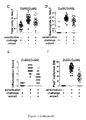
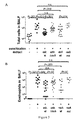
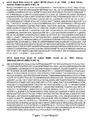
- Control mice that had received ovalbumin but no H. pylori dead cell extract developed airway hyper-responsiveness to methacholine ( Fig.
- Fig. 1A,B bronchoalveolar immune cell infiltration and eosinophilia as measured by staining and quantification of cells harvested by bronchoalveolar lavage
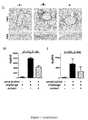
- Fig. 1C,D histologically evident lung inflammation and goblet cell metaplasia as determined by histological assessment and scoring of H&E and PAS-stained paraffin sections
- Fig. 1 E-G histological assessment and scoring of H&E and PAS-stained paraffin sections
- mice that had received H. pylori dead cell extract were protected against airway hyper-responsiveness (Fig. 1A,B ), and exhibited significantly lower levels of bronchoalveolar and pulmonary inflammation, eosinophilia and goblet cell metaplasia ( Fig. 1C-G ).
- Th2 cytokine production upon allergen re-stimulation of lung preparations ELISA and cytometric bead array was also reduced ( Fig. 1H,I ).
- the failure of dead cell extracttreated mice to develop allergen-induced symptoms of asthma was not due to an impaired primary response to the allergen, as the levels of ovalbumin-specific serum IgE as measured by ELISA were similar in all sensitized mice.
- H. pylori dead cell extract was as efficient as the intragastric route at conferring protection against allergen-induced asthma. Intragastric treatment was less effective when initiated in adult mice as opposed to neonates. Heat inactivated H. pylori extract, as well as identical amounts of extracts generated from cultures of E. coli or Salmonella typhimurium, failed to confer protection against the examined hallmarks of allergic airway disease.
- H. pylori strain PMSS1 ( Arnold et al. 2011, supra ) secreting s2m2 VacA was cultured in Brucella broth supplemented with 10% FCS, pelleted by centrifugation and washed once with PBS. Bacteria were subjected to three freeze/thaw cycles and disrupted by three passes through a French pressure cell press (Stansted Fluid Power, Cell Pressure Homogenizer) at 30.000 bars. Cell debris were removed by centrifugation and the supernatant filtered through a 2 ⁇ m filter leading to the dead cell extracts used in the present examples. Protein concentrations were determined using the BCA Protein Kit (R&D systems).
- H. pylori VacA was purified from H. pylori culture supernatants using previously published procedures ( Cover et al., 1992, J. Biol. Chem., 267:10570-1057 ; Cover et al., 1997, J. Cell. Biol., 138:759-769 ), with the following slight modifications.
- H. pylori strain ATCC 49503/60190 was cultured in sulfite-free Brucella broth containing either cholesterol or 0.5% charcoal. After centrifugation of the culture, supernatant proteins were precipitated with a 50% saturated solution of ammonium sulfate.
- the oligomeric form of VacA was isolated by gel filtration chromatography with a Superose 6 HR 16/50 column in PBS containing 0.02% sodium azide and 1 mM EDTA.
- H. pylori strain PMSS1 as described ( Arnold et al., 2011, supra ), or received either once-weekly oral or i.p. doses of 200 ⁇ g dead cell extract (prepared as described above) of H. pylori wild type PMSS1 or the mutant strain, lacking the vac A gene (PMSS1 ⁇ vacA) (described in Oertli et al., 2013, supra ), Salmonella typhimurium, or E. coli or once-weekly i.p.
- mice were sensitized by intraperitoneal injection with alum-adjuvanted ovalbumin (20 ⁇ g ovalbumin, Sigma-Aldrich emulsified in 2.25 mg aluminum hydroxide (Alum Imject; Pierce)) at 8 and 10 weeks of age and challenged with 1% aerosolized ovalbumin using an ultrasonic nebulizer (NE-U17; Omron) for 20 min daily on days 31, 32 and 33 post initial sensitization. Unsensitized mice served as negative controls. One group received once-weekly doses of 200 ⁇ g H. pylori dead extract intragastrically from day 7 of age until the second sensitization.
- alum-adjuvanted ovalbumin 20 ⁇ g ovalbumin, Sigma-Aldrich emulsified in 2.25 mg aluminum hydroxide (Alum Imject; Pierce)
- NE-U17 ultrasonic nebulizer
- Example 2 In vivo blocking of IL-10 signaling as described in Example 2 was achieved by three i.p. injections of 250 ⁇ g anti-IL-10R antibody (clone 1B1.3A, BioXCell) during the challenge phase. Lungs were lavaged via the trachea with 1 ml PBS. Broncho-alveolar lavage fluid (BALF) cells were counted using trypan blue dye exclusion. Differential cell counts of macrophages, lymphocytes, neutrophils and eosinophils were performed on cyto-centrifuged preparations stained with the Microscopy Hemacolor ®-Set (Merck). For lung histopathology, lungs were fixed by inflation and immersion in 10% formalin and embedded in paraffin.
- BALF Broncho-alveolar lavage fluid
- Tissue sections were stained with H&E and periodic acid-Schiff and examined in blinded fashion on a BX40 Olympus microscope. Peribronchial inflammation was scored on a scale from 0 to 4. PAS-positive goblet cells were quantified per 1 mm of basement membrane.
- Example 2 Role of cell extracts on IL-10 production
- H. pylori is known to induce the production of IL-10 in various immune cell compartments ( Sayi et al., 2011, J. Immunol., 186:878-890 ) and high gastric levels of IL-10 ensure H. pylori persistence and promote H. pylori -specific immune tolerance ( Arnold et al., 2011, supra ).
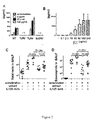
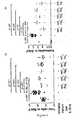
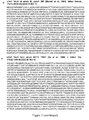
- BM-DCs produced and secreted large amounts of IL-10, and this was dependent on TLR2 and MyD88 signalling ( Fig. 2A ).
- a clear dose-dependent secretion of IL-10 could also be observed in human blood-derived DCs from six independent donors cultured with H . pylori dead cell extract ( Fig. 2B ).
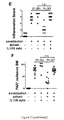
- IL-10 receptor (IL-10R)-neutralizing antibody were administered during the challenge phase of the protocol to mice that had either received dead cell extract from the neonatal period onwards and it was shown that IL-10 signalling was required for protection against asthma ( Fig. 2C-F )
- H. pylori dead cell extracts are able to induce IL-10 production in both murine and human DCs and the beneficial effects of dead cell extract treatment in allergic asthma depend on IL-10 signalling proficiency of the host.
- BM-DCs bone marrow isolated from the hind legs of donor mice (BL/6.TLR2 -/- , BL/6.TLR4 -/- , BL/6.MyD88 -/- mice, all from Jackson Labs) was seeded at 50.000 cells per well in 96 well plates in RPMI/10% FCS and 4 ng/ml GM-CSF and cultured for 5 days. DCs were stimulated with the indicated amounts of H . pylori PMSS1 extract prepared as described above for 16h and supernatants were subjected to mIL-10 ELISA (BD Pharmingen). Human monocyte-derived dendritic cells were generated from peripheral blood mononuclear cells as follows.
- Venous blood was drawn from 6 healthy volunteers according to protocols approved by the Institutional Review Board of Leiden University Medical Center. Cells were collected after density gradient centrifugation on Ficoll and CD14+ monocytes were positively isolated by magnetic-activated cell sorting (MACS) using CD14 microbeads (Miltenyi Biotec).
- MCS magnetic-activated cell sorting
- Example 3 Role of Vac A polypeptide and truncated variant thereof in purified form from the invention
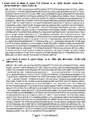
- VacA provided a level of protection against asthma that was comparable to the protection conferred by extract treatment ( Fig. 3A-D ).
- a negative control VacA deleted protein lacking an amino-terminal hydrophobic region of three tandem that are described as being essential for VacA's cytotoxic activity (Vinion-Dubiel et al., 1999, supra), i.e. of SEQ ID NO: 3 ( Figure 5 ) fails to protect against asthma ( Fig. 3A-D ).
- Example 4 Role of Vac A polypeptide in purified form from the invention at various concentrations and delivery routes
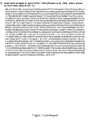
- purified VacA prepared as described above was either administered intraperitoneally or intragastrically at various concentrations and intervals in mice as described above. 5 ⁇ g of VacA administered intraperitoneally in weekly intervals from age day 7 onwards until 2 weeks before challenge (as indicated by subscript "a" in Figure 4 ) was as effective as 20 ⁇ g of VacA at preventing bronchoalveolar inflammation and eosinophilia ( Figure 4 A,B ). Intragastrically (perorally, p.o.) administered VacA (again delivered weekly from day 7 until 2 weeks before challenge) also provided significant protection ( Figure 4A,B ).
- compositions of the invention were highly specific and was not conferred by extract from other gram-negative enteropathogens such as E. coli or Salmonella typhimurium.
- the treatment was particularly successful when initiated in young mice relative to adult mice. Therefore, VacA and compositions thereof can be exploited for therapeutic purposes as a viable tolerization strategy for asthma prevention and treatement in high-risk individuals.
Landscapes
- Health & Medical Sciences (AREA)
- Life Sciences & Earth Sciences (AREA)
- Chemical & Material Sciences (AREA)
- Medicinal Chemistry (AREA)
- General Health & Medical Sciences (AREA)
- Veterinary Medicine (AREA)
- Pharmacology & Pharmacy (AREA)
- Animal Behavior & Ethology (AREA)
- Public Health (AREA)
- Immunology (AREA)
- Bioinformatics & Cheminformatics (AREA)
- Engineering & Computer Science (AREA)
- Epidemiology (AREA)
- Organic Chemistry (AREA)
- Proteomics, Peptides & Aminoacids (AREA)
- Gastroenterology & Hepatology (AREA)
- Nuclear Medicine, Radiotherapy & Molecular Imaging (AREA)
- Chemical Kinetics & Catalysis (AREA)
- Pulmonology (AREA)
- General Chemical & Material Sciences (AREA)
- Microbiology (AREA)
- Mycology (AREA)
- Transplantation (AREA)
- Genetics & Genomics (AREA)
- Molecular Biology (AREA)
- Biophysics (AREA)
- Biochemistry (AREA)
- Peptides Or Proteins (AREA)
- Medicines Containing Antibodies Or Antigens For Use As Internal Diagnostic Agents (AREA)
- Medicines That Contain Protein Lipid Enzymes And Other Medicines (AREA)
- Medicines Containing Material From Animals Or Micro-Organisms (AREA)
Priority Applications (9)
| Application Number | Priority Date | Filing Date | Title |
|---|---|---|---|
| EP14153365.3A EP2902037A1 (en) | 2014-01-31 | 2014-01-31 | Tolerogenic compositions comprising and uses thereof |
| AU2015212357A AU2015212357B2 (en) | 2014-01-31 | 2015-01-30 | Tolerogenic compositions comprising and uses thereof |
| EP15708316.3A EP3099314B1 (en) | 2014-01-31 | 2015-01-30 | Tolerogenic compositions comprising and uses thereof |
| DK15708316.3T DK3099314T3 (da) | 2014-01-31 | 2015-01-30 | Tolerogene sammensætninger og anvendelser deraf |
| JP2016549420A JP6563937B2 (ja) | 2014-01-31 | 2015-01-30 | 寛容原性組成物およびその使用 |
| ES15708316T ES2806773T3 (es) | 2014-01-31 | 2015-01-30 | Composiciones que comprenden tolerógenos y usos de las mismas |
| CA2943149A CA2943149C (en) | 2014-01-31 | 2015-01-30 | Tolerogenic compositions comprising and uses thereof |
| PCT/IB2015/050703 WO2015114575A1 (en) | 2014-01-31 | 2015-01-30 | Tolerogenic compositions comprising and uses thereof |
| US15/115,377 US9999660B2 (en) | 2014-01-31 | 2015-01-30 | Tolerogenic compositions comprising and uses thereof |
Applications Claiming Priority (1)
| Application Number | Priority Date | Filing Date | Title |
|---|---|---|---|
| EP14153365.3A EP2902037A1 (en) | 2014-01-31 | 2014-01-31 | Tolerogenic compositions comprising and uses thereof |
Publications (1)
| Publication Number | Publication Date |
|---|---|
| EP2902037A1 true EP2902037A1 (en) | 2015-08-05 |
Family
ID=50028895
Family Applications (2)
| Application Number | Title | Priority Date | Filing Date |
|---|---|---|---|
| EP14153365.3A Withdrawn EP2902037A1 (en) | 2014-01-31 | 2014-01-31 | Tolerogenic compositions comprising and uses thereof |
| EP15708316.3A Active EP3099314B1 (en) | 2014-01-31 | 2015-01-30 | Tolerogenic compositions comprising and uses thereof |
Family Applications After (1)
| Application Number | Title | Priority Date | Filing Date |
|---|---|---|---|
| EP15708316.3A Active EP3099314B1 (en) | 2014-01-31 | 2015-01-30 | Tolerogenic compositions comprising and uses thereof |
Country Status (8)
| Country | Link |
|---|---|
| US (1) | US9999660B2 (enExample) |
| EP (2) | EP2902037A1 (enExample) |
| JP (1) | JP6563937B2 (enExample) |
| AU (1) | AU2015212357B2 (enExample) |
| CA (1) | CA2943149C (enExample) |
| DK (1) | DK3099314T3 (enExample) |
| ES (1) | ES2806773T3 (enExample) |
| WO (1) | WO2015114575A1 (enExample) |
Cited By (1)
| Publication number | Priority date | Publication date | Assignee | Title |
|---|---|---|---|---|
| WO2025068296A1 (en) * | 2023-09-26 | 2025-04-03 | Atopia Therapeutics Sa | Agents useful for the prevention or treatment of allergic & inflammatory disorders |
Families Citing this family (3)
| Publication number | Priority date | Publication date | Assignee | Title |
|---|---|---|---|---|
| US11166986B2 (en) | 2014-01-31 | 2021-11-09 | Universitat Zurich | Use of heliocbacter pylori extract for treating or preventing inflammatory bowel diseases and coeliac disease |
| US10973908B1 (en) | 2020-05-14 | 2021-04-13 | David Gordon Bermudes | Expression of SARS-CoV-2 spike protein receptor binding domain in attenuated salmonella as a vaccine |
| US12537071B1 (en) | 2020-07-22 | 2026-01-27 | David Gordon Bermudes | Bacteria having boolean control pathways expressing therapeutic proteins including immunotherapeutic cytotoxins |
Citations (3)
| Publication number | Priority date | Publication date | Assignee | Title |
|---|---|---|---|---|
| WO2002004017A2 (en) * | 2000-07-07 | 2002-01-17 | MAX-PLANCK-Gesellschaft zur Förderung der Wissenschaften e.V. | Method for preparing oral vaccines |
| WO2003018054A1 (en) * | 2001-08-31 | 2003-03-06 | Chiron Srl. | Helicobacter pylori vaccination |
| EP1582215A1 (en) * | 2002-11-28 | 2005-10-05 | Japan Science and Technology Agency | Method of inhibiting cell death, cell death inhibitor and remedy for disease caused by cell death containing the cell death inhibitor |
Family Cites Families (1)
| Publication number | Priority date | Publication date | Assignee | Title |
|---|---|---|---|---|
| US11166986B2 (en) | 2014-01-31 | 2021-11-09 | Universitat Zurich | Use of heliocbacter pylori extract for treating or preventing inflammatory bowel diseases and coeliac disease |
-
2014
- 2014-01-31 EP EP14153365.3A patent/EP2902037A1/en not_active Withdrawn
-
2015
- 2015-01-30 JP JP2016549420A patent/JP6563937B2/ja active Active
- 2015-01-30 DK DK15708316.3T patent/DK3099314T3/da active
- 2015-01-30 CA CA2943149A patent/CA2943149C/en active Active
- 2015-01-30 WO PCT/IB2015/050703 patent/WO2015114575A1/en not_active Ceased
- 2015-01-30 ES ES15708316T patent/ES2806773T3/es active Active
- 2015-01-30 AU AU2015212357A patent/AU2015212357B2/en active Active
- 2015-01-30 EP EP15708316.3A patent/EP3099314B1/en active Active
- 2015-01-30 US US15/115,377 patent/US9999660B2/en active Active
Patent Citations (3)
| Publication number | Priority date | Publication date | Assignee | Title |
|---|---|---|---|---|
| WO2002004017A2 (en) * | 2000-07-07 | 2002-01-17 | MAX-PLANCK-Gesellschaft zur Förderung der Wissenschaften e.V. | Method for preparing oral vaccines |
| WO2003018054A1 (en) * | 2001-08-31 | 2003-03-06 | Chiron Srl. | Helicobacter pylori vaccination |
| EP1582215A1 (en) * | 2002-11-28 | 2005-10-05 | Japan Science and Technology Agency | Method of inhibiting cell death, cell death inhibitor and remedy for disease caused by cell death containing the cell death inhibitor |
Non-Patent Citations (36)
| Title |
|---|
| ARNOLD ET AL., GASTROENTEROLOGY, vol. 140, 2011, pages 199 - 209 |
| ARNOLD ET AL., THE JOURNAL OF CLINICAL INVESTIGATION, vol. 121, 2011, pages 3088 - 3093 |
| ARNOLD ET AL., TRENDS IMMUNOL, vol. 26, 2005, pages 406 - 411 |
| AUSUBEL ET AL.: "Current Protocols in Molecular Biology", 2001, GREENE PUBL. ASSOC. INC. & JOHN WILEY & SONS, INC. |
| BHADURI ET AL., APPL. ENVIRON. MICROBIOL., vol. 46, no. 4, 1983, pages 941 - 3 |
| BLASER, NAT. REV. MICROBIOL., vol. 7, 2009, pages 887 - 894 |
| CHEN ET AL., ARCH INTERN MED, vol. 167, 2007, pages 821 - 827 |
| CHEN ET AL., J. INFECT. DIS., vol. 198, 2008, pages 553 - 560 |
| COLIGAN ET AL.: "Current Protocols in Immunology", 2001, JOHN WILEY & SONS |
| COVER ET AL., J. BIOL. CHEM., vol. 267, 1992, pages 10570 - 1057 |
| COVER ET AL., J. CELL. BIOL., vol. 138, 1997, pages 759 - 769 |
| DAVIS ET AL.: "BASIC METHODS IN MOLECULAR BIOLOGY", 1995, MCGRAW-HILL PROFESSIONAL PUBLISHING |
| DE BERNARD M ET AL: "The multiple cellular activities of the VacA cytotoxin of Helicobacter pylori", INTERNATIONAL JOURNAL OF MEDICAL MICROBIOLOGY, URBAN UND FISCHER, DE, vol. 293, no. 7-8, January 2004 (2004-01-01), pages 589 - 597, XP004959966, ISSN: 1438-4221 * |
| EDER ET AL., N. ENGL. J. MED., vol. 355, 2006, pages 2226 - 2235 |
| FISCHER W ET AL: "Novel activities of the Helicobacter pylori vacuolating cytotoxin: from epithelial cells towards the immune system", INTERNATIONAL JOURNAL OF MEDICAL MICROBIOLOGY, URBAN UND FISCHER, DE, vol. 293, no. 7-8, January 2004 (2004-01-01), pages 539 - 547, XP004959959, ISSN: 1438-4221, DOI: 10.1078/1438-4221-00300 * |
| GANGWER ET AL., PNAS, vol. 104, no. 41, 2007, pages 16293 - 8 |
| GONZALEZ-RIVERA ET AL., BIOCHEMISTRY, vol. 49, 2010, pages 5743 - 5752 |
| HARRIS ET AL., GASTROENTEROLOGY, vol. 134, 2008, pages 491 - 4 |
| HOLGATE ET AL., EUR. RESPIR. J., vol. 22, 2003, pages 470 - 477 |
| KELEMEN ET AL., J. CELL SCI., vol. 35, 1979, pages 431 - 141 |
| KHINCHI ET AL., ALLERGY, vol. 59, no. L, 2004, pages 45 - 53 |
| KYTE ET AL., J. MOI. BIOL., vol. 157, 1982, pages 105 - 131 |
| LAEMMLI ET AL., NATURE, vol. 277, 1970, pages 680 |
| MALFERTHEINER ET AL., GASTROENTEROLOGY, vol. 135, no. 3, 2008, pages 787 - 95 |
| MARSHALL ET AL., LANCET, vol. 1, 1984, pages 1311 - 1315 |
| MCCLAIN ET AL., J. BIOL. CHEM., vol. 278, 2003, pages 12101 - 12108 |
| MERRIFIELD, J. AM. CHEM. SOC., vol. 85, 1963, pages 2149 - 2146 |
| OERTLI ET AL., PNAS, vol. 110, no. 8, 2013, pages 3047 - 3052 |
| OERTLI ET AL: "SI Materials and MethodsInduction and Analysis of Allergen-Induced Asthma", SUPPORTING INFORMATION, 19 February 2013 (2013-02-19), pages 1 - 7, XP002722816, DOI: 10.1073/pnas.1211248110 * |
| OERTLI MATHIAS ET AL: "Helicobacter pylori gamma-glutamyl transpeptidase and vacuolating cytotoxin promote gastric persistence and immune tolerance", PROCEEDINGS OF THE NATIONAL ACADEMY OF SCIENCES OF THE UNITED STATES OF AMERICA, vol. 110, no. 8, 19 February 2013 (2013-02-19), pages 3047 - 3052, XP002721986, ISSN: 0027-8424, DOI: 10.1073/pnas.1211248110 * |
| PARSONNET ET AL., N. ENGL. J. MED., vol. 325, 1991, pages 1127 - 1131 |
| PFEFFERLE ET AL., J. ALLERGY CLIN. IMMUNOL., vol. 131, no. 6, 2013, pages 1453 - 63 |
| REMINGTON'S: "The Science and Practice of Pharmacy", 2012, LIPPINCOTT WILLIAMS & WILKINS |
| SAMBROOK ET AL.: "MOLECULAR CLONING: A LABORATORY MANUAL", 2001, COLD SPRING HARBOR LABORATORY PRESS |
| SAYI ET AL., J. IMMUNOL., vol. 186, 2011, pages 878 - 890 |
| VINION-DUBIEL ET AL., J. BIOL. CHEM., vol. 274, 1999, pages 37736 - 37742 |
Cited By (1)
| Publication number | Priority date | Publication date | Assignee | Title |
|---|---|---|---|---|
| WO2025068296A1 (en) * | 2023-09-26 | 2025-04-03 | Atopia Therapeutics Sa | Agents useful for the prevention or treatment of allergic & inflammatory disorders |
Also Published As
| Publication number | Publication date |
|---|---|
| AU2015212357B2 (en) | 2020-05-28 |
| ES2806773T3 (es) | 2021-02-18 |
| US20170007683A1 (en) | 2017-01-12 |
| WO2015114575A1 (en) | 2015-08-06 |
| CA2943149C (en) | 2022-07-12 |
| JP6563937B2 (ja) | 2019-08-21 |
| DK3099314T3 (da) | 2020-07-20 |
| EP3099314B1 (en) | 2020-04-22 |
| AU2015212357A1 (en) | 2016-08-18 |
| US9999660B2 (en) | 2018-06-19 |
| EP3099314A1 (en) | 2016-12-07 |
| CA2943149A1 (en) | 2015-08-06 |
| JP2017509597A (ja) | 2017-04-06 |
Similar Documents
| Publication | Publication Date | Title |
|---|---|---|
| JP5191234B2 (ja) | 免疫疾患の予防ないし治療剤および方法 | |
| Kurup et al. | Animal models of allergic bronchopulmonary aspergillosis | |
| JP2025013922A (ja) | 肺の炎症性疾患を処置するための方法 | |
| EP3099314B1 (en) | Tolerogenic compositions comprising and uses thereof | |
| KR20130098110A (ko) | 봉독-pla2를 포함하는 이상 조절 t 세포 활성 저하 관련 질환의 치료 또는 예방용 약학적 조성물 | |
| KR20200095472A (ko) | 조산아에서의 점막 방어 및 장/폐 기능의 성숙화 | |
| US20090176696A1 (en) | Methods And Compositions For Modulating An Immune Response | |
| Macaubas et al. | Respiratory tolerance in the protection against asthma | |
| EP2892556A1 (en) | Compositions and methods relating to the treatment of diseases | |
| US7846458B1 (en) | Method and vaccine for treatment of pythiosis insidiosi in humans and lower animals | |
| WO2017125417A1 (en) | Tofacitinib as vaccination immune modulator | |
| JP7423523B2 (ja) | ディフェンシンによる移植片対宿主病の予防と治療 | |
| JPWO1999040935A1 (ja) | 新規な免疫異常性疾患予防・治療用剤 | |
| US11166986B2 (en) | Use of heliocbacter pylori extract for treating or preventing inflammatory bowel diseases and coeliac disease | |
| US20070190078A1 (en) | Filamentous haemagglutinin in the treatment and/or prophylaxis of immune-mediated disorders | |
| JP2015506975A (ja) | 家畜の非ヒト哺乳動物における炎症性疾患の予防 | |
| CN114903973B (zh) | 一种呼吸道粘膜免疫增强药物组合物 | |
| WO2013134656A1 (en) | Induction of th17 immune response | |
| US9289485B2 (en) | Therapeutic application of S. pyogenes C-terminal peptide | |
| JP2009533478A (ja) | 黄色ブドウ球菌感染症の治療用薬剤の製造のための活性成分としてtrapタンパク質自体の使用 | |
| EP4669337A1 (en) | USEFUL AGENTS FOR THE PREVENTION OR TREATMENT OF ALLERGIC AND INFAMMATORY DISORDERS | |
| WO2006109285A1 (en) | Methods and compounds for the treatment of autoimmune diseases and chronic inflammatory conditions |
Legal Events
| Date | Code | Title | Description |
|---|---|---|---|
| PUAI | Public reference made under article 153(3) epc to a published international application that has entered the european phase |
Free format text: ORIGINAL CODE: 0009012 |
|
| 17P | Request for examination filed |
Effective date: 20140131 |
|
| AK | Designated contracting states |
Kind code of ref document: A1 Designated state(s): AL AT BE BG CH CY CZ DE DK EE ES FI FR GB GR HR HU IE IS IT LI LT LU LV MC MK MT NL NO PL PT RO RS SE SI SK SM TR |
|
| AX | Request for extension of the european patent |
Extension state: BA ME |
|
| STAA | Information on the status of an ep patent application or granted ep patent |
Free format text: STATUS: THE APPLICATION IS DEEMED TO BE WITHDRAWN |
|
| 18D | Application deemed to be withdrawn |
Effective date: 20160206 |