EP2886619A1 - Verbund mit verbesserter Haftung - Google Patents
Verbund mit verbesserter Haftung Download PDFInfo
- Publication number
- EP2886619A1 EP2886619A1 EP13197829.8A EP13197829A EP2886619A1 EP 2886619 A1 EP2886619 A1 EP 2886619A1 EP 13197829 A EP13197829 A EP 13197829A EP 2886619 A1 EP2886619 A1 EP 2886619A1
- Authority
- EP
- European Patent Office
- Prior art keywords
- layer
- weight
- composite
- composite according
- pmma
- Prior art date
- Legal status (The legal status is an assumption and is not a legal conclusion. Google has not performed a legal analysis and makes no representation as to the accuracy of the status listed.)
- Withdrawn
Links
- 150000001875 compounds Chemical class 0.000 title claims description 9
- 239000002131 composite material Substances 0.000 claims abstract description 108
- 229920003229 poly(methyl methacrylate) Polymers 0.000 claims abstract description 61
- 239000000178 monomer Substances 0.000 claims abstract description 30
- 239000000758 substrate Substances 0.000 claims abstract description 30
- 229920001296 polysiloxane Polymers 0.000 claims abstract description 25
- 239000004926 polymethyl methacrylate Substances 0.000 claims abstract description 19
- 239000000853 adhesive Substances 0.000 claims abstract description 17
- 230000001070 adhesive effect Effects 0.000 claims abstract description 17
- 238000000034 method Methods 0.000 claims abstract description 17
- 239000000565 sealant Substances 0.000 claims abstract description 10
- 125000000524 functional group Chemical group 0.000 claims abstract description 9
- 239000010410 layer Substances 0.000 claims description 146
- 239000000203 mixture Substances 0.000 claims description 49
- VVQNEPGJFQJSBK-UHFFFAOYSA-N Methyl methacrylate Chemical compound COC(=O)C(C)=C VVQNEPGJFQJSBK-UHFFFAOYSA-N 0.000 claims description 29
- NIXOWILDQLNWCW-UHFFFAOYSA-M Acrylate Chemical compound [O-]C(=O)C=C NIXOWILDQLNWCW-UHFFFAOYSA-M 0.000 claims description 24
- 239000012790 adhesive layer Substances 0.000 claims description 12
- 229920001577 copolymer Polymers 0.000 claims description 12
- 238000007789 sealing Methods 0.000 claims description 11
- 229920001169 thermoplastic Polymers 0.000 claims description 10
- 239000004416 thermosoftening plastic Substances 0.000 claims description 10
- 238000000465 moulding Methods 0.000 claims description 9
- 239000013464 silicone adhesive Substances 0.000 claims description 9
- 238000004132 cross linking Methods 0.000 claims description 8
- 125000002496 methyl group Chemical group [H]C([H])([H])* 0.000 claims description 8
- 125000001624 naphthyl group Chemical group 0.000 claims description 7
- 125000001997 phenyl group Chemical group [H]C1=C([H])C([H])=C(*)C([H])=C1[H] 0.000 claims description 7
- 239000006120 scratch resistant coating Substances 0.000 claims description 7
- 238000007792 addition Methods 0.000 claims description 5
- 125000004432 carbon atom Chemical group C* 0.000 claims description 4
- 229910052739 hydrogen Inorganic materials 0.000 claims description 4
- 239000001257 hydrogen Substances 0.000 claims description 4
- 125000004435 hydrogen atom Chemical group [H]* 0.000 claims description 4
- 229920001519 homopolymer Polymers 0.000 claims description 3
- 125000002348 vinylic group Chemical group 0.000 claims description 2
- 238000004519 manufacturing process Methods 0.000 abstract description 4
- BAPJBEWLBFYGME-UHFFFAOYSA-N Methyl acrylate Chemical compound COC(=O)C=C BAPJBEWLBFYGME-UHFFFAOYSA-N 0.000 description 21
- -1 vinylic carboxylic acids Chemical class 0.000 description 20
- 229920000642 polymer Polymers 0.000 description 16
- 238000012360 testing method Methods 0.000 description 13
- HRPVXLWXLXDGHG-UHFFFAOYSA-N Acrylamide Chemical compound NC(=O)C=C HRPVXLWXLXDGHG-UHFFFAOYSA-N 0.000 description 8
- 239000000654 additive Substances 0.000 description 8
- 230000000052 comparative effect Effects 0.000 description 8
- 239000000470 constituent Substances 0.000 description 7
- 238000006116 polymerization reaction Methods 0.000 description 7
- XLYOFNOQVPJJNP-UHFFFAOYSA-N water Substances O XLYOFNOQVPJJNP-UHFFFAOYSA-N 0.000 description 7
- 239000003086 colorant Substances 0.000 description 6
- 239000004567 concrete Substances 0.000 description 6
- RAXXELZNTBOGNW-UHFFFAOYSA-N imidazole Substances C1=CNC=N1 RAXXELZNTBOGNW-UHFFFAOYSA-N 0.000 description 6
- GLDOVTGHNKAZLK-UHFFFAOYSA-N octadecan-1-ol Chemical compound CCCCCCCCCCCCCCCCCCO GLDOVTGHNKAZLK-UHFFFAOYSA-N 0.000 description 6
- PPBRXRYQALVLMV-UHFFFAOYSA-N Styrene Chemical compound C=CC1=CC=CC=C1 PPBRXRYQALVLMV-UHFFFAOYSA-N 0.000 description 5
- 238000001125 extrusion Methods 0.000 description 5
- 239000000243 solution Substances 0.000 description 5
- UJOBWOGCFQCDNV-UHFFFAOYSA-N 9H-carbazole Chemical compound C1=CC=C2C3=CC=CC=C3NC2=C1 UJOBWOGCFQCDNV-UHFFFAOYSA-N 0.000 description 4
- HEDRZPFGACZZDS-UHFFFAOYSA-N Chloroform Chemical compound ClC(Cl)Cl HEDRZPFGACZZDS-UHFFFAOYSA-N 0.000 description 4
- WYURNTSHIVDZCO-UHFFFAOYSA-N Tetrahydrofuran Chemical compound C1CCOC1 WYURNTSHIVDZCO-UHFFFAOYSA-N 0.000 description 4
- GWEVSGVZZGPLCZ-UHFFFAOYSA-N Titan oxide Chemical compound O=[Ti]=O GWEVSGVZZGPLCZ-UHFFFAOYSA-N 0.000 description 4
- WNAHIZMDSQCWRP-UHFFFAOYSA-N dodecane-1-thiol Chemical compound CCCCCCCCCCCCS WNAHIZMDSQCWRP-UHFFFAOYSA-N 0.000 description 4
- MCPKSFINULVDNX-UHFFFAOYSA-N drometrizole Chemical compound CC1=CC=C(O)C(N2N=C3C=CC=CC3=N2)=C1 MCPKSFINULVDNX-UHFFFAOYSA-N 0.000 description 4
- 239000000463 material Substances 0.000 description 4
- 230000007935 neutral effect Effects 0.000 description 4
- 239000004590 silicone sealant Substances 0.000 description 4
- 229920000638 styrene acrylonitrile Polymers 0.000 description 4
- 238000005496 tempering Methods 0.000 description 4
- 125000000954 2-hydroxyethyl group Chemical group [H]C([*])([H])C([H])([H])O[H] 0.000 description 3
- 101000623895 Bos taurus Mucin-15 Proteins 0.000 description 3
- UFHFLCQGNIYNRP-UHFFFAOYSA-N Hydrogen Chemical compound [H][H] UFHFLCQGNIYNRP-UHFFFAOYSA-N 0.000 description 3
- CERQOIWHTDAKMF-UHFFFAOYSA-N Methacrylic acid Chemical compound CC(=C)C(O)=O CERQOIWHTDAKMF-UHFFFAOYSA-N 0.000 description 3
- 150000001252 acrylic acid derivatives Chemical class 0.000 description 3
- 150000001408 amides Chemical class 0.000 description 3
- 238000001723 curing Methods 0.000 description 3
- 239000000975 dye Substances 0.000 description 3
- VOZRXNHHFUQHIL-UHFFFAOYSA-N glycidyl methacrylate Chemical compound CC(=C)C(=O)OCC1CO1 VOZRXNHHFUQHIL-UHFFFAOYSA-N 0.000 description 3
- 238000002347 injection Methods 0.000 description 3
- 239000007924 injection Substances 0.000 description 3
- FPYJFEHAWHCUMM-UHFFFAOYSA-N maleic anhydride Chemical compound O=C1OC(=O)C=C1 FPYJFEHAWHCUMM-UHFFFAOYSA-N 0.000 description 3
- 238000010137 moulding (plastic) Methods 0.000 description 3
- 229920000728 polyester Polymers 0.000 description 3
- 238000002360 preparation method Methods 0.000 description 3
- 238000012545 processing Methods 0.000 description 3
- SCUZVMOVTVSBLE-UHFFFAOYSA-N prop-2-enenitrile;styrene Chemical compound C=CC#N.C=CC1=CC=CC=C1 SCUZVMOVTVSBLE-UHFFFAOYSA-N 0.000 description 3
- 238000007788 roughening Methods 0.000 description 3
- 125000006850 spacer group Chemical group 0.000 description 3
- VZCYOOQTPOCHFL-UHFFFAOYSA-N trans-butenedioic acid Natural products OC(=O)C=CC(O)=O VZCYOOQTPOCHFL-UHFFFAOYSA-N 0.000 description 3
- DURRSEGFTCZKMK-UHFFFAOYSA-N 1-prop-2-enylpyrrolidin-2-one Chemical compound C=CCN1CCCC1=O DURRSEGFTCZKMK-UHFFFAOYSA-N 0.000 description 2
- UJTRCPVECIHPBG-UHFFFAOYSA-N 3-cyclohexylpyrrole-2,5-dione Chemical compound O=C1NC(=O)C(C2CCCCC2)=C1 UJTRCPVECIHPBG-UHFFFAOYSA-N 0.000 description 2
- ZLPORNPZJNRGCO-UHFFFAOYSA-N 3-methylpyrrole-2,5-dione Chemical compound CC1=CC(=O)NC1=O ZLPORNPZJNRGCO-UHFFFAOYSA-N 0.000 description 2
- IYMZEPRSPLASMS-UHFFFAOYSA-N 3-phenylpyrrole-2,5-dione Chemical compound O=C1NC(=O)C(C=2C=CC=CC=2)=C1 IYMZEPRSPLASMS-UHFFFAOYSA-N 0.000 description 2
- KXDAEFPNCMNJSK-UHFFFAOYSA-N Benzamide Chemical compound NC(=O)C1=CC=CC=C1 KXDAEFPNCMNJSK-UHFFFAOYSA-N 0.000 description 2
- VTYYLEPIZMXCLO-UHFFFAOYSA-L Calcium carbonate Chemical compound [Ca+2].[O-]C([O-])=O VTYYLEPIZMXCLO-UHFFFAOYSA-L 0.000 description 2
- RTZKZFJDLAIYFH-UHFFFAOYSA-N Diethyl ether Chemical compound CCOCC RTZKZFJDLAIYFH-UHFFFAOYSA-N 0.000 description 2
- LFQSCWFLJHTTHZ-UHFFFAOYSA-N Ethanol Chemical compound CCO LFQSCWFLJHTTHZ-UHFFFAOYSA-N 0.000 description 2
- VZCYOOQTPOCHFL-OWOJBTEDSA-N Fumaric acid Chemical compound OC(=O)\C=C\C(O)=O VZCYOOQTPOCHFL-OWOJBTEDSA-N 0.000 description 2
- YIVJZNGAASQVEM-UHFFFAOYSA-N Lauroyl peroxide Chemical compound CCCCCCCCCCCC(=O)OOC(=O)CCCCCCCCCCC YIVJZNGAASQVEM-UHFFFAOYSA-N 0.000 description 2
- 229920005372 Plexiglas® Polymers 0.000 description 2
- 239000004793 Polystyrene Substances 0.000 description 2
- OFOBLEOULBTSOW-UHFFFAOYSA-N Propanedioic acid Natural products OC(=O)CC(O)=O OFOBLEOULBTSOW-UHFFFAOYSA-N 0.000 description 2
- DTQVDTLACAAQTR-UHFFFAOYSA-N Trifluoroacetic acid Chemical compound OC(=O)C(F)(F)F DTQVDTLACAAQTR-UHFFFAOYSA-N 0.000 description 2
- 239000006096 absorbing agent Substances 0.000 description 2
- 239000002318 adhesion promoter Substances 0.000 description 2
- 125000003545 alkoxy group Chemical group 0.000 description 2
- 239000003795 chemical substances by application Substances 0.000 description 2
- 150000002148 esters Chemical class 0.000 description 2
- 238000002474 experimental method Methods 0.000 description 2
- 125000001449 isopropyl group Chemical group [H]C([H])([H])C([H])(*)C([H])([H])[H] 0.000 description 2
- VZCYOOQTPOCHFL-UPHRSURJSA-N maleic acid Chemical compound OC(=O)\C=C/C(O)=O VZCYOOQTPOCHFL-UPHRSURJSA-N 0.000 description 2
- 239000011976 maleic acid Substances 0.000 description 2
- 238000000691 measurement method Methods 0.000 description 2
- GOQYKNQRPGWPLP-UHFFFAOYSA-N n-heptadecyl alcohol Natural products CCCCCCCCCCCCCCCCCO GOQYKNQRPGWPLP-UHFFFAOYSA-N 0.000 description 2
- 125000001971 neopentyl group Chemical group [H]C([*])([H])C(C([H])([H])[H])(C([H])([H])[H])C([H])([H])[H] 0.000 description 2
- 150000002923 oximes Chemical class 0.000 description 2
- 229920002223 polystyrene Polymers 0.000 description 2
- 238000010526 radical polymerization reaction Methods 0.000 description 2
- 238000001542 size-exclusion chromatography Methods 0.000 description 2
- 239000007858 starting material Substances 0.000 description 2
- 239000004575 stone Substances 0.000 description 2
- VSJBBIJIXZVVLQ-UHFFFAOYSA-N tert-butyl 3,5,5-trimethylhexaneperoxoate Chemical compound CC(C)(C)CC(C)CC(=O)OOC(C)(C)C VSJBBIJIXZVVLQ-UHFFFAOYSA-N 0.000 description 2
- YLQBMQCUIZJEEH-UHFFFAOYSA-N tetrahydrofuran Natural products C=1C=COC=1 YLQBMQCUIZJEEH-UHFFFAOYSA-N 0.000 description 2
- 239000004408 titanium dioxide Substances 0.000 description 2
- 229920002554 vinyl polymer Polymers 0.000 description 2
- RFFLAFLAYFXFSW-UHFFFAOYSA-N 1,2-dichlorobenzene Chemical compound ClC1=CC=CC=C1Cl RFFLAFLAYFXFSW-UHFFFAOYSA-N 0.000 description 1
- KNQXLXOGOKJNCS-UHFFFAOYSA-N 1-but-3-enylpyrrolidin-2-one Chemical compound C=CCCN1CCCC1=O KNQXLXOGOKJNCS-UHFFFAOYSA-N 0.000 description 1
- VDSAXHBDVIUOGV-UHFFFAOYSA-N 1-ethenyl-2-methyl-4,5-dihydroimidazole Chemical compound CC1=NCCN1C=C VDSAXHBDVIUOGV-UHFFFAOYSA-N 0.000 description 1
- YRXUQBAAJPLUHE-UHFFFAOYSA-N 1-ethenyl-2-phenyl-4,5-dihydroimidazole Chemical compound C=CN1CCN=C1C1=CC=CC=C1 YRXUQBAAJPLUHE-UHFFFAOYSA-N 0.000 description 1
- HXVJQEGYAYABRY-UHFFFAOYSA-N 1-ethenyl-4,5-dihydroimidazole Chemical compound C=CN1CCN=C1 HXVJQEGYAYABRY-UHFFFAOYSA-N 0.000 description 1
- WTDXUNUUKRKQIY-UHFFFAOYSA-N 1-ethenyl-5-phenylpyrrolidin-2-one Chemical compound C1CC(=O)N(C=C)C1C1=CC=CC=C1 WTDXUNUUKRKQIY-UHFFFAOYSA-N 0.000 description 1
- APQXWKHOGQFGTB-UHFFFAOYSA-N 1-ethenyl-9h-carbazole Chemical class C12=CC=CC=C2NC2=C1C=CC=C2C=C APQXWKHOGQFGTB-UHFFFAOYSA-N 0.000 description 1
- JWYVGKFDLWWQJX-UHFFFAOYSA-N 1-ethenylazepan-2-one Chemical compound C=CN1CCCCCC1=O JWYVGKFDLWWQJX-UHFFFAOYSA-N 0.000 description 1
- KBICSUODQLDGFE-UHFFFAOYSA-N 1-ethenylbenzimidazole Chemical compound C1=CC=C2N(C=C)C=NC2=C1 KBICSUODQLDGFE-UHFFFAOYSA-N 0.000 description 1
- OSSNTDFYBPYIEC-UHFFFAOYSA-N 1-ethenylimidazole Chemical compound C=CN1C=CN=C1 OSSNTDFYBPYIEC-UHFFFAOYSA-N 0.000 description 1
- PBGPBHYPCGDFEZ-UHFFFAOYSA-N 1-ethenylpiperidin-2-one Chemical compound C=CN1CCCCC1=O PBGPBHYPCGDFEZ-UHFFFAOYSA-N 0.000 description 1
- AGRBKDQEHIBWKA-UHFFFAOYSA-N 1-ethenylpyrrolidine-2-thione Chemical compound C=CN1CCCC1=S AGRBKDQEHIBWKA-UHFFFAOYSA-N 0.000 description 1
- SDPNMKBPWRAPHY-UHFFFAOYSA-N 1-prop-2-enylazepan-2-one Chemical compound C=CCN1CCCCCC1=O SDPNMKBPWRAPHY-UHFFFAOYSA-N 0.000 description 1
- HJCGFGASUJRMQS-UHFFFAOYSA-N 1-prop-2-enylpyrrolidin-3-one Chemical compound C=CCN1CCC(=O)C1 HJCGFGASUJRMQS-UHFFFAOYSA-N 0.000 description 1
- QGTBRAFPWNISIJ-UHFFFAOYSA-N 2-(2-butoxyethoxy)ethyl 2-methylprop-2-enoate Chemical compound CCCCOCCOCCOC(=O)C(C)=C QGTBRAFPWNISIJ-UHFFFAOYSA-N 0.000 description 1
- SMZOUWXMTYCWNB-UHFFFAOYSA-N 2-(2-methoxy-5-methylphenyl)ethanamine Chemical compound COC1=CC=C(C)C=C1CCN SMZOUWXMTYCWNB-UHFFFAOYSA-N 0.000 description 1
- JAHNSTQSQJOJLO-UHFFFAOYSA-N 2-(3-fluorophenyl)-1h-imidazole Chemical compound FC1=CC=CC(C=2NC=CN=2)=C1 JAHNSTQSQJOJLO-UHFFFAOYSA-N 0.000 description 1
- 125000003006 2-dimethylaminoethyl group Chemical group [H]C([H])([H])N(C([H])([H])[H])C([H])([H])C([H])([H])* 0.000 description 1
- MLMGJTAJUDSUKA-UHFFFAOYSA-N 2-ethenyl-1h-imidazole Chemical class C=CC1=NC=CN1 MLMGJTAJUDSUKA-UHFFFAOYSA-N 0.000 description 1
- QDSPSYXUNKKWMN-UHFFFAOYSA-N 2-ethenyl-4,5-dihydro-1h-imidazole Chemical compound C=CC1=NCCN1 QDSPSYXUNKKWMN-UHFFFAOYSA-N 0.000 description 1
- 125000004200 2-methoxyethyl group Chemical group [H]C([H])([H])OC([H])([H])C([H])([H])* 0.000 description 1
- KGIGUEBEKRSTEW-UHFFFAOYSA-N 2-vinylpyridine Chemical class C=CC1=CC=CC=N1 KGIGUEBEKRSTEW-UHFFFAOYSA-N 0.000 description 1
- AYKYXWQEBUNJCN-UHFFFAOYSA-N 3-methylfuran-2,5-dione Chemical compound CC1=CC(=O)OC1=O AYKYXWQEBUNJCN-UHFFFAOYSA-N 0.000 description 1
- SXIFAEWFOJETOA-UHFFFAOYSA-N 4-hydroxy-butyl Chemical group [CH2]CCCO SXIFAEWFOJETOA-UHFFFAOYSA-N 0.000 description 1
- IUHZKDDCUOBXCA-UHFFFAOYSA-N 9-but-1-enylcarbazole Chemical compound C1=CC=C2N(C=CCC)C3=CC=CC=C3C2=C1 IUHZKDDCUOBXCA-UHFFFAOYSA-N 0.000 description 1
- LFIVLWGUKYGGNP-UHFFFAOYSA-N 9-hex-1-enylcarbazole Chemical compound C1=CC=C2N(C=CCCCC)C3=CC=CC=C3C2=C1 LFIVLWGUKYGGNP-UHFFFAOYSA-N 0.000 description 1
- GHBQLFWTMLRYKN-UHFFFAOYSA-N 9-prop-2-enylcarbazole Chemical compound C1=CC=C2N(CC=C)C3=CC=CC=C3C2=C1 GHBQLFWTMLRYKN-UHFFFAOYSA-N 0.000 description 1
- QTBSBXVTEAMEQO-UHFFFAOYSA-M Acetate Chemical compound CC([O-])=O QTBSBXVTEAMEQO-UHFFFAOYSA-M 0.000 description 1
- NLHHRLWOUZZQLW-UHFFFAOYSA-N Acrylonitrile Chemical compound C=CC#N NLHHRLWOUZZQLW-UHFFFAOYSA-N 0.000 description 1
- 239000004604 Blowing Agent Substances 0.000 description 1
- 239000004593 Epoxy Substances 0.000 description 1
- 239000005977 Ethylene Substances 0.000 description 1
- 235000019738 Limestone Nutrition 0.000 description 1
- PEEHTFAAVSWFBL-UHFFFAOYSA-N Maleimide Chemical compound O=C1NC(=O)C=C1 PEEHTFAAVSWFBL-UHFFFAOYSA-N 0.000 description 1
- WHNWPMSKXPGLAX-UHFFFAOYSA-N N-Vinyl-2-pyrrolidone Chemical compound C=CN1CCCC1=O WHNWPMSKXPGLAX-UHFFFAOYSA-N 0.000 description 1
- 239000002033 PVDF binder Substances 0.000 description 1
- 239000004952 Polyamide Substances 0.000 description 1
- 239000012963 UV stabilizer Substances 0.000 description 1
- 239000002253 acid Substances 0.000 description 1
- 150000003926 acrylamides Chemical class 0.000 description 1
- NIXOWILDQLNWCW-UHFFFAOYSA-N acrylic acid group Chemical group C(C=C)(=O)O NIXOWILDQLNWCW-UHFFFAOYSA-N 0.000 description 1
- 229920002877 acrylic styrene acrylonitrile Polymers 0.000 description 1
- 150000001298 alcohols Chemical class 0.000 description 1
- 125000004183 alkoxy alkyl group Chemical group 0.000 description 1
- 150000001412 amines Chemical class 0.000 description 1
- 125000002344 aminooxy group Chemical group [H]N([H])O[*] 0.000 description 1
- 239000003963 antioxidant agent Substances 0.000 description 1
- 239000011449 brick Substances 0.000 description 1
- 125000000484 butyl group Chemical group [H]C([*])([H])C([H])([H])C([H])([H])C([H])([H])[H] 0.000 description 1
- 229910000019 calcium carbonate Inorganic materials 0.000 description 1
- BRPQOXSCLDDYGP-UHFFFAOYSA-N calcium oxide Chemical compound [O-2].[Ca+2] BRPQOXSCLDDYGP-UHFFFAOYSA-N 0.000 description 1
- 239000000292 calcium oxide Substances 0.000 description 1
- ODINCKMPIJJUCX-UHFFFAOYSA-N calcium oxide Inorganic materials [Ca]=O ODINCKMPIJJUCX-UHFFFAOYSA-N 0.000 description 1
- 125000003178 carboxy group Chemical group [H]OC(*)=O 0.000 description 1
- 239000011093 chipboard Substances 0.000 description 1
- 239000012459 cleaning agent Substances 0.000 description 1
- 238000010276 construction Methods 0.000 description 1
- 125000004093 cyano group Chemical group *C#N 0.000 description 1
- 125000004122 cyclic group Chemical group 0.000 description 1
- 230000001419 dependent effect Effects 0.000 description 1
- 238000001514 detection method Methods 0.000 description 1
- 238000011161 development Methods 0.000 description 1
- 230000018109 developmental process Effects 0.000 description 1
- 125000004663 dialkyl amino group Chemical group 0.000 description 1
- SHFGJEQAOUMGJM-UHFFFAOYSA-N dialuminum dipotassium disodium dioxosilane iron(3+) oxocalcium oxomagnesium oxygen(2-) Chemical compound [O--].[O--].[O--].[O--].[O--].[O--].[O--].[O--].[Na+].[Na+].[Al+3].[Al+3].[K+].[K+].[Fe+3].[Fe+3].O=[Mg].O=[Ca].O=[Si]=O SHFGJEQAOUMGJM-UHFFFAOYSA-N 0.000 description 1
- 238000004043 dyeing Methods 0.000 description 1
- 239000003480 eluent Substances 0.000 description 1
- 238000005516 engineering process Methods 0.000 description 1
- 239000000945 filler Substances 0.000 description 1
- 239000011888 foil Substances 0.000 description 1
- 239000001530 fumaric acid Substances 0.000 description 1
- 150000002237 fumaric acid derivatives Chemical class 0.000 description 1
- 229910021485 fumed silica Inorganic materials 0.000 description 1
- 238000000227 grinding Methods 0.000 description 1
- 239000012760 heat stabilizer Substances 0.000 description 1
- 125000002887 hydroxy group Chemical group [H]O* 0.000 description 1
- 125000002768 hydroxyalkyl group Chemical group 0.000 description 1
- 150000002460 imidazoles Chemical class 0.000 description 1
- 150000003949 imides Chemical class 0.000 description 1
- 238000001746 injection moulding Methods 0.000 description 1
- 239000004413 injection moulding compound Substances 0.000 description 1
- 239000001023 inorganic pigment Substances 0.000 description 1
- 150000003951 lactams Chemical class 0.000 description 1
- 239000004816 latex Substances 0.000 description 1
- 229920000126 latex Polymers 0.000 description 1
- 239000006028 limestone Substances 0.000 description 1
- 239000007788 liquid Substances 0.000 description 1
- FSQQTNAZHBEJLS-UPHRSURJSA-N maleamic acid Chemical class NC(=O)\C=C/C(O)=O FSQQTNAZHBEJLS-UPHRSURJSA-N 0.000 description 1
- 150000002688 maleic acid derivatives Chemical class 0.000 description 1
- 150000002734 metacrylic acid derivatives Chemical class 0.000 description 1
- 125000005395 methacrylic acid group Chemical group 0.000 description 1
- DCUFMVPCXCSVNP-UHFFFAOYSA-N methacrylic anhydride Chemical compound CC(=C)C(=O)OC(=O)C(C)=C DCUFMVPCXCSVNP-UHFFFAOYSA-N 0.000 description 1
- LVHBHZANLOWSRM-UHFFFAOYSA-N methylenebutanedioic acid Natural products OC(=O)CC(=C)C(O)=O LVHBHZANLOWSRM-UHFFFAOYSA-N 0.000 description 1
- 238000002156 mixing Methods 0.000 description 1
- 238000013008 moisture curing Methods 0.000 description 1
- 239000012778 molding material Substances 0.000 description 1
- KKFHAJHLJHVUDM-UHFFFAOYSA-N n-vinylcarbazole Chemical compound C1=CC=C2N(C=C)C3=CC=CC=C3C2=C1 KKFHAJHLJHVUDM-UHFFFAOYSA-N 0.000 description 1
- 239000012860 organic pigment Substances 0.000 description 1
- 239000003973 paint Substances 0.000 description 1
- 230000035515 penetration Effects 0.000 description 1
- 239000010451 perlite Substances 0.000 description 1
- 235000019362 perlite Nutrition 0.000 description 1
- 239000003208 petroleum Substances 0.000 description 1
- 239000000049 pigment Substances 0.000 description 1
- 239000011505 plaster Substances 0.000 description 1
- 229920003023 plastic Polymers 0.000 description 1
- 239000004033 plastic Substances 0.000 description 1
- 229920002239 polyacrylonitrile Polymers 0.000 description 1
- 229920002647 polyamide Polymers 0.000 description 1
- 229920000515 polycarbonate Polymers 0.000 description 1
- 239000004417 polycarbonate Substances 0.000 description 1
- 229920000570 polyether Polymers 0.000 description 1
- 229920002959 polymer blend Polymers 0.000 description 1
- 229920002635 polyurethane Polymers 0.000 description 1
- 239000004814 polyurethane Substances 0.000 description 1
- 229920000915 polyvinyl chloride Polymers 0.000 description 1
- 229920002620 polyvinyl fluoride Polymers 0.000 description 1
- 229920002981 polyvinylidene fluoride Polymers 0.000 description 1
- 125000002924 primary amino group Chemical group [H]N([H])* 0.000 description 1
- ARJOQCYCJMAIFR-UHFFFAOYSA-N prop-2-enoyl prop-2-enoate Chemical compound C=CC(=O)OC(=O)C=C ARJOQCYCJMAIFR-UHFFFAOYSA-N 0.000 description 1
- 230000005855 radiation Effects 0.000 description 1
- 150000003839 salts Chemical class 0.000 description 1
- 239000012488 sample solution Substances 0.000 description 1
- 239000002002 slurry Substances 0.000 description 1
- 210000002023 somite Anatomy 0.000 description 1
- 238000001228 spectrum Methods 0.000 description 1
- 239000003381 stabilizer Substances 0.000 description 1
- 239000012086 standard solution Substances 0.000 description 1
- 239000000126 substance Substances 0.000 description 1
- 125000000999 tert-butyl group Chemical group [H]C([H])([H])C(*)(C([H])([H])[H])C([H])([H])[H] 0.000 description 1
- 239000013008 thixotropic agent Substances 0.000 description 1
- 239000000080 wetting agent Substances 0.000 description 1
Images


Classifications
-
- C—CHEMISTRY; METALLURGY
- C09—DYES; PAINTS; POLISHES; NATURAL RESINS; ADHESIVES; COMPOSITIONS NOT OTHERWISE PROVIDED FOR; APPLICATIONS OF MATERIALS NOT OTHERWISE PROVIDED FOR
- C09D—COATING COMPOSITIONS, e.g. PAINTS, VARNISHES OR LACQUERS; FILLING PASTES; CHEMICAL PAINT OR INK REMOVERS; INKS; CORRECTING FLUIDS; WOODSTAINS; PASTES OR SOLIDS FOR COLOURING OR PRINTING; USE OF MATERIALS THEREFOR
- C09D133/00—Coating compositions based on homopolymers or copolymers of compounds having one or more unsaturated aliphatic radicals, each having only one carbon-to-carbon double bond, and at least one being terminated by only one carboxyl radical, or of salts, anhydrides, esters, amides, imides, or nitriles thereof; Coating compositions based on derivatives of such polymers
- C09D133/04—Homopolymers or copolymers of esters
- C09D133/06—Homopolymers or copolymers of esters of esters containing only carbon, hydrogen and oxygen, the oxygen atom being present only as part of the carboxyl radical
- C09D133/10—Homopolymers or copolymers of methacrylic acid esters
- C09D133/12—Homopolymers or copolymers of methyl methacrylate
-
- B—PERFORMING OPERATIONS; TRANSPORTING
- B29—WORKING OF PLASTICS; WORKING OF SUBSTANCES IN A PLASTIC STATE IN GENERAL
- B29C—SHAPING OR JOINING OF PLASTICS; SHAPING OF MATERIAL IN A PLASTIC STATE, NOT OTHERWISE PROVIDED FOR; AFTER-TREATMENT OF THE SHAPED PRODUCTS, e.g. REPAIRING
- B29C48/00—Extrusion moulding, i.e. expressing the moulding material through a die or nozzle which imparts the desired form; Apparatus therefor
- B29C48/022—Extrusion moulding, i.e. expressing the moulding material through a die or nozzle which imparts the desired form; Apparatus therefor characterised by the choice of material
-
- B—PERFORMING OPERATIONS; TRANSPORTING
- B29—WORKING OF PLASTICS; WORKING OF SUBSTANCES IN A PLASTIC STATE IN GENERAL
- B29C—SHAPING OR JOINING OF PLASTICS; SHAPING OF MATERIAL IN A PLASTIC STATE, NOT OTHERWISE PROVIDED FOR; AFTER-TREATMENT OF THE SHAPED PRODUCTS, e.g. REPAIRING
- B29C48/00—Extrusion moulding, i.e. expressing the moulding material through a die or nozzle which imparts the desired form; Apparatus therefor
- B29C48/03—Extrusion moulding, i.e. expressing the moulding material through a die or nozzle which imparts the desired form; Apparatus therefor characterised by the shape of the extruded material at extrusion
- B29C48/07—Flat, e.g. panels
-
- B—PERFORMING OPERATIONS; TRANSPORTING
- B29—WORKING OF PLASTICS; WORKING OF SUBSTANCES IN A PLASTIC STATE IN GENERAL
- B29C—SHAPING OR JOINING OF PLASTICS; SHAPING OF MATERIAL IN A PLASTIC STATE, NOT OTHERWISE PROVIDED FOR; AFTER-TREATMENT OF THE SHAPED PRODUCTS, e.g. REPAIRING
- B29C48/00—Extrusion moulding, i.e. expressing the moulding material through a die or nozzle which imparts the desired form; Apparatus therefor
- B29C48/03—Extrusion moulding, i.e. expressing the moulding material through a die or nozzle which imparts the desired form; Apparatus therefor characterised by the shape of the extruded material at extrusion
- B29C48/07—Flat, e.g. panels
- B29C48/08—Flat, e.g. panels flexible, e.g. films
-
- B—PERFORMING OPERATIONS; TRANSPORTING
- B32—LAYERED PRODUCTS
- B32B—LAYERED PRODUCTS, i.e. PRODUCTS BUILT-UP OF STRATA OF FLAT OR NON-FLAT, e.g. CELLULAR OR HONEYCOMB, FORM
- B32B27/00—Layered products comprising a layer of synthetic resin
- B32B27/06—Layered products comprising a layer of synthetic resin as the main or only constituent of a layer, which is next to another layer of the same or of a different material
- B32B27/08—Layered products comprising a layer of synthetic resin as the main or only constituent of a layer, which is next to another layer of the same or of a different material of synthetic resin
-
- B—PERFORMING OPERATIONS; TRANSPORTING
- B32—LAYERED PRODUCTS
- B32B—LAYERED PRODUCTS, i.e. PRODUCTS BUILT-UP OF STRATA OF FLAT OR NON-FLAT, e.g. CELLULAR OR HONEYCOMB, FORM
- B32B27/00—Layered products comprising a layer of synthetic resin
- B32B27/30—Layered products comprising a layer of synthetic resin comprising vinyl (co)polymers; comprising acrylic (co)polymers
- B32B27/308—Layered products comprising a layer of synthetic resin comprising vinyl (co)polymers; comprising acrylic (co)polymers comprising acrylic (co)polymers
-
- B—PERFORMING OPERATIONS; TRANSPORTING
- B32—LAYERED PRODUCTS
- B32B—LAYERED PRODUCTS, i.e. PRODUCTS BUILT-UP OF STRATA OF FLAT OR NON-FLAT, e.g. CELLULAR OR HONEYCOMB, FORM
- B32B7/00—Layered products characterised by the relation between layers; Layered products characterised by the relative orientation of features between layers, or by the relative values of a measurable parameter between layers, i.e. products comprising layers having different physical, chemical or physicochemical properties; Layered products characterised by the interconnection of layers
- B32B7/04—Interconnection of layers
- B32B7/12—Interconnection of layers using interposed adhesives or interposed materials with bonding properties
-
- B—PERFORMING OPERATIONS; TRANSPORTING
- B29—WORKING OF PLASTICS; WORKING OF SUBSTANCES IN A PLASTIC STATE IN GENERAL
- B29K—INDEXING SCHEME ASSOCIATED WITH SUBCLASSES B29B, B29C OR B29D, RELATING TO MOULDING MATERIALS OR TO MATERIALS FOR MOULDS, REINFORCEMENTS, FILLERS OR PREFORMED PARTS, e.g. INSERTS
- B29K2033/00—Use of polymers of unsaturated acids or derivatives thereof as moulding material
- B29K2033/04—Polymers of esters
- B29K2033/12—Polymers of methacrylic acid esters, e.g. PMMA, i.e. polymethylmethacrylate
-
- B—PERFORMING OPERATIONS; TRANSPORTING
- B32—LAYERED PRODUCTS
- B32B—LAYERED PRODUCTS, i.e. PRODUCTS BUILT-UP OF STRATA OF FLAT OR NON-FLAT, e.g. CELLULAR OR HONEYCOMB, FORM
- B32B2270/00—Resin or rubber layer containing a blend of at least two different polymers
Definitions
- the present invention relates to a composite with improved adhesion and a method for its production.
- a liability problem or a poor adhesion in omission of these special additional processing steps is known in particular between extruded or injection-molded acrylic glass or PMMA and silicone injection molding compounds.
- Polymethyl (meth) acrylate is known for extreme weather resistance and high mechanical strengths. It is therefore well suited in the property spectrum for construction applications.
- the aim was therefore to provide a composite or composite system in which an extruded acrylic glass or extruded PMMA without further treatment and with the help of one or more sealants and / or adhesives, in particular with the aid of a silicone based sealant and / or adhesive or a corresponding mixture, can be bonded to a substrate, wherein the composite exhibits excellent adhesion.
- Another task was to provide a composite that passes the hot water change test according to DIN EN 14428 and DIN EN 263.
- An additional object was to provide a method by which the composite systems of the invention can be obtained at room temperature, but this method can dispense or dispense with additional steps such as primers or roughening. Furthermore, it was the task that a constant strength over the entire composite surface is obtained. It was also the object to provide a method that is simple and preferably inexpensive.
- FIG illustration 1 An inventive composite is shown schematically in FIG illustration 1 .
- FIGS. 2 to 5 Further embodiments of a composite according to the invention, which are further described below, are shown in FIGS. 2 to 5.
- Polymethyl (meth) acrylates are known in the art. These polymers are generally obtained by free radical polymerization of mixtures containing (meth) acrylates.
- the term (meth) acrylates include methacrylates and acrylates as well as mixtures of both.
- Preferred polymethyl (meth) acrylates are obtainable by polymerization of mixtures, having at least 50 wt .-%, in particular at least 60 wt .-% and particularly preferably at least 80 wt .-%, each based on the total weight of the monomers to be polymerized, methyl methacrylate.
- a layer of extruded or injection-molded PMMA according to a) of a composite according to the invention is obtained by a conventional extrusion known per se or by injection molding of the molding composition obtained by radical polymerization of the monomers to form a plastic molded article, preferably a plate or a film.
- reactive monomers having functional groups are understood as meaning those radically polymerizable monomers which have functional groups.
- functional groups are the amino, in particular the dialkylamino, (cyclic) amide, imide, hydroxyl, (Ep) oxy, carboxyl and the (iso) cyano group.
- Such monomers are known per se (see. H. Rauch Puntigam, Th. Volker, acrylic and methacrylic compounds, Springer-Verlag 1967 ; Kirk-Othmer, Encyclopedia of Chemical Technology, 3rd. Ed., Vol. 1, pp. 394-400, J. Wiley 1978 ; DE-A 25 56 080 ; DE-A 26 34 003 ).
- the monomers of the monomer class of nitrogen-containing vinyl heterocycles preferably having 5-membered rings in addition to 6-rings, and / or the copolymerizable vinylic carboxylic acids and / or the hydroxyalkyl, alkoxyalkyl, epoxy and aminoalkyl-substituted esters or amides of the fumaric or Maleic or itaconic or acrylic and methacrylic acid.
- nitrogen-heterocyclic monomers especially those from the class of vinylimidazoles, vinyllactams, vinylcarbazoles and vinylpyridines may be mentioned.
- Examples which are not intended to be limiting for these monomeric imidazole compounds are N-vinylimidazole (also called vinyl-1-imidazole), N-vinylmethyl-2-imidazole, N-vinyl-ethyl-2-imidazole, N-vinyl phenyl-2-imidazole, N-vinyl-dimethyl-2,4-imidazole, N-vinyl-benzimidazole, N-vinylimidazoline (also called vinyl-1-imidazoline), N-vinyl-methyl-2-imidazoline, N-vinyl -phenyl-2-imidazoline and vinyl-2-imidazole.
- N-vinylimidazole also called vinyl-1-imidazole
- N-vinyl-methyl-2-imidazoline N-
- N-vinylpyrrolidone N-vinylmethyl-5-pyrrolidone, N-vinylmethyl-3-pyrrolidone, N-vinylethyl-5-pyrrolidone, N Vinyldimethyl-5,5-pyrrolidone, N-vinylphenyl-5-pyrrolidone, N-allylpyrrolidone, N-vinylthiopyrrolidone, N-vinylpiperidone, N-vinyldiathyl-6,6-piperidone, N-vinylcaprolactam, N-vinylmethyl-7-caprolactam, N-vinylethyl-7-caprolactam, N-vinyldimethyl-7,7-caprolactam, N-allylcaprolactam, N-vinylcapryllactam.
- N-vinylcarbazole N-allylcarbazole, N-butenylcarbazole, N-hexenylcarbazole and N- (methyl-1-ethylene) carbazole.
- copolymerizable vinylic carboxylic acids maleic acid, fumaric acid, itaconic acid or suitable salts, esters or amides thereof may be mentioned in particular.
- epoxy-, oxy- or alkoxy-substituted alkyl esters of (meth) acrylic acid may also be mentioned: glycidyl methacrylate, 2-hydroxyethyl (meth) acrylate, 2-hydroxypropyl (meth) acrylate, 2-methoxy-ethyl (meth) acrylate, 2- Ethoxyethyl (meth) acrylate, 2-butoxyethyl (meth) acrylate, 2- (2-butoxyethoxy) ethyl methacrylate, 2- (ethoxyethyloxy) ethyl (meth) acrylate, 4-hydroxybutyl (meth) acrylate, 2- [2- (2- 2-ethoxyethoxy) ethoxy] ethyl (meth) acrylate, 3-methoxybutyl-1- (meth) acrylate, 2-alkoxymethylethyl (meth) acrylate, 2-hexoxyethyl (meth) acryl
- the following amine-substituted alkyl esters of (meth) acrylic acid may be mentioned: 2-dimethylaminoethyl (meth) acrylate, 2-diethylaminoethyl (meth) acrylate, 3-dimethylamino-2,2-dimethylpropyl-1- (meth) acrylate, 3-dimethylamino -2,2-dimethylpropyl-1- (meth) acrylate, 2-morpholinoethyl (meth) acrylate, 2-tert-butylaminoethyl (meth) acrylate, 3- (dimethylamino) propyl (meth) acrylate, 2- (dimethylaminoethoxyethyl) - (meth) acrylate.
- good adhesion preferably outstanding adhesion
- adhesion which, in a test, the extruded or injection-molded PMMA, ie the layer a), by means of a force balance from the substrate c) or from the adhesive layer b) again, wherein the leadership of the force scale hooked to an edge of the extruded or injection-molded PMMA and then applied under a tightening angle of 45 ° a force (see schematic Figure 8 and Figure 9 ), a force application corresponding to a weight specification of the force balance of greater than 15 kg, preferably greater than 20 kg, preferably greater than 25 kg needed.
- poor adhesion is understood as meaning adhesion in the above experiment merely to obtain a solution of the extruded or injection-molded PMMA, ie layer a), from substrate c) or from adhesive layer b) a force corresponding to a weight of the force balance of less than 10 kg is required, preferably the extruded or injection-molded PMMA, ie the layer a) undamaged, ie unbroken, from the substrate c) or from the adhesive layer b) can be removed.
- the adhesion quality of composites is tested accordingly in the context of the present invention by means of the method described in more detail under the measurement methods.
- inventions include, for example, customary additives, auxiliaries and / or fillers, such as heat stabilizers, UV stabilizers, UV absorbers, antioxidants and / or colorants, pigments, organic dyes or polyamide, polyethers, polyesters , Polycarbonates, wetting agents, further stabilizers, leveling agents, blowing agents, calcium carbonate (chalk), titanium dioxide, calcium oxide, perlite, precipitated and coated chalks as rheologically active Additives, further optionally thixotropic agents such as. As pyrogenic silica to understand. Preferably not more than 10 parts by weight, more preferably not more than 5 parts by weight, in particular not more than 2 parts by weight of customary additions to 100 parts by weight of mixture A) to C) are added.
- customary additives such as heat stabilizers, UV stabilizers, UV absorbers, antioxidants and / or colorants, pigments, organic dyes or polyamide, polyethers, polyesters , Polycarbonates, wetting agents, further stabilizers,
- constituents A) to C) of a) are present as copolymer.
- the constituents A) to C) and, if appropriate, customary additives are subjected together to the same polymerization step and, as a result, a molding compound is obtained which is processed further by conventional extrusion known per se into a plastic molding, preferably a sheet or a film can be, which corresponds to a layer a) of the composite according to the invention.
- a preferred embodiment of the composite according to the invention is a composite in which A) to C) of a) are present as a copolymer.
- constituents A) to C) of a) are present as a mixture or polymer blend of homopolymers and / or copolymers.
- constituents A) to C) can be subjected to completely or partially separate polymerization steps and, as a result, by mixing together the individual homo- and / or copolymers obtained, a molding composition is obtained which corresponds to the above information on the repeat units of a) and which can be further processed by conventional, per se known extrusion into a plastic molding, preferably a plate or a film, which corresponds to a layer a) of the composite according to the invention.
- polymers which are able to modify the properties of the layer a) in the composite according to the invention preference is given according to the invention to using polymers which are able to modify the properties of the layer a) in the composite according to the invention.
- polymers which are able to modify the properties of the layer a) in the composite according to the invention.
- These polymers can be used singly or as a mixture, whereby copolymers which are derivable from the aforementioned polymers can also be added.
- SAN styrene-acrylonitrile polymers
- Particularly preferred styrene-acrylonitrile polymers can be characterized by Polymerization of mixtures obtained from 70 to 92 wt .-% of styrene, 8 to 30 wt .-% of acrylonitrile and 0 to 22 wt .-% of other comonomers, each based on the total weight of the monomers to be polymerized for the styrene-acrylonitrile Polymers.
- a preferred embodiment of the composite according to the invention is a composite in which A) to C) of a) are present as a mixture of homopolymers and / or copolymers.
- a further preferred embodiment of the composite according to the invention is characterized in that a) is a colorless or colored layer. Particularly preferred is when a) is a colored layer.
- the layers b) and c) can be colorless or colored independently of one another and independently of the layer a).
- An equally preferred embodiment of the composite according to the invention is characterized in that a) is transparent, translucent or opaque.
- the layers b) and c) are independent of each other and independent of the layer a) transparent, translucent or opaque.
- the layer b) is a silicone adhesive, preferably a neutral-crosslinking silicone.
- the layer b) consists of at least one silicone adhesive or a mixture of two or more silicone adhesives.
- layer b) is based on one or more silicone adhesives.
- the layer b) may be added further additives and / or auxiliaries. These additives and / or auxiliaries are preferably present in a weight fraction based on the total weight of the layer b) of not more than 10% by weight, preferably not more than 5% by weight, more preferably not more than 1% by weight. %, in front.
- Typical additives and / or auxiliaries in silicone adhesives are dyes, UV absorbers.
- Particularly preferred according to the invention is a composite, preferably according to one of the above preferred embodiments, in which layer b) contains no additional adhesion promoter.
- Silicone adhesives are well known to those skilled in the art. Silicone sealants can be classified into the acetate systems, amine / aminoxy systems, oxime systems, benzamide systems and alkoxy systems. Oxime systems are neutral curing, ie crosslinking systems. Alkoxy systems are one of the recent developments in the field of moisture-curing silicones. They split lower alcohols and therefore smell barely perceptible during curing.
- a free acid, neutral cure silicone for example, a natural stone silicone (eg OTTOSEAL ® S 72, which has an alcoxy according to manufacturer's instructions).
- OTTOSEAL ® S 72 which has an alcoxy according to manufacturer's instructions.
- the silicone used for the layer b) is transparent.
- c) is a layer according to a) or an inorganic substrate or an organic substrate. If c) is a layer according to a), it is preferred according to the invention if c) corresponds to a preferred embodiment of a) as described above. Also included in the invention are embodiments in which layer c) corresponds to one embodiment of a), wherein the embodiment of a) which is c) need not be the same embodiment of a) in this particular composite. Thus, e.g. the layer a) be colored and the layer c) correspond to a layer a) according to the above definition, but be colorless.
- layer c) corresponds to the embodiment of a), so that the layers a) and c) in this composite are the same.
- layer c i. the substrate or substrate is pre-treated against moisture penetration (for example on the surface with liquid foil or sealing slurry, in the corner area with sealing tape and sealing corners, in bushings with sealing collars).
- the layer b) is a silicone adhesive, preferably a neutral-crosslinking silicone, or the layer b) is based on one or more silicone adhesives.
- a further embodiment of the composite according to the invention (shown schematically in FIG Figure 2 ) is characterized in that on the verbundabgewandten side of a) a further layer d) is applied, wherein d) is preferably thermoplastic. This embodiment is.
- the layer d) can be a colorless or colored layer in a composite according to the invention.
- the layer d) is an extruded or injection-molded thermoplastic PMMA or has a PMMA base.
- the layer d) of a composite according to the invention is based on a thermoplastic PMMA molding composition of methyl (meth) acrylate having a composition of up to 6% by weight of vinylic comonomers and having an average molecular weight M w of from 130,000 to 190,000 g / mol is based, without this being a limitation.
- the weight average molecular weight M w is determined by size exclusion chromatography (GPC) in the context of the present invention, with the skilled person using suitable PMMA standards.
- the layer d) in the context of the present invention may be transparent, translucent or opaque.
- a preferred embodiment of the composite according to the invention which, in addition to the layers a), b) and c) as defined above, contains a further layer d) as described above, is further preferably characterized in that on the side facing away from the composite of d) a further layer e ) is applied (shown schematically in FIG Figure 3 ), where e) is preferably thermoplastic.
- the layer e) has been produced from a dedusted PMMA molding compound.
- a further preferred embodiment of the composite according to the invention is characterized in that the layer a) is dedusted. It is particularly preferred according to the invention if both the layer a) and the layer e) are dedusted, and in particular it is preferred if the layer e) corresponds to the layer of a) in thickness and / or composition.
- the invention also includes the embodiments, preferably according to one of the above preferred embodiments, in which the layer e) is a colorless or colored layer. Particularly preferred is when e) is a colorless layer.
- the layer e) in the context of the present invention may be transparent, translucent or opaque.
- e) is a layer according to a).
- the layer a) is present twice: the "right layer a)", which is a mandatory constituent a composite according to the invention is present and in this embodiment on the composite side facing the layer b) (in Figure 5 not shown) and on the side facing away from the composite with the layer d) and the "left layer a)", which is connected via the layer d) to the "right layer a)” and possibly forms the final surface if they not further coated.
- e) is a layer according to a), it is further preferred according to the invention if e) corresponds to a preferred embodiment of a) as described above.
- the invention encompasses embodiments in which layer e) corresponds to an embodiment of a), wherein the embodiment of a) which is e) need not be the same embodiment of a) in this specific composite.
- layer a) may be colored and layer e) may correspond to layer a) as defined above, but be colorless.
- layer e) corresponds to the embodiment of a), so that the layers a) and e) in this composite are identical in thickness and / or composition (shown schematically in FIG Figure 5 ). In certain embodiments of the composite according to the invention, the layers a) and e) in this composite are the same in thickness and composition.
- the dyeing is preferably achieved by colorants or colorant mixtures which are used for varying and adjusting the color.
- colorants can be both IR reflective, such as Titanium dioxide, as well as IR-permeable.
- the colorants may be organic dyes or other organic or inorganic pigments, or even mixtures thereof.
- the proportion of these colorants contained in the layers can be between 0 and 3.0 wt .-%, preferably between 0.5 and 2.5 wt .-% and particularly preferably between 1.0 and 2.0 wt .-% based on the total weight of the respective layer.
- the non-composite surface of a), d) or e) is additionally provided with a scratch-resistant coating.
- Scratch-resistant coatings are known to the person skilled in the art. From the known scratch-resistant coatings, the person skilled in the art can select suitable scratch-resistant coatings for the desired use of the composite according to the invention. Be certain scratch resistant coatings cured by UV radiation. In addition to the non-composite surface of a), d) or e), a scratch-resistant coating can also be applied to surfaces that lie within the composite, ie between layers a) and d) or between layers d) and e).
- a composite preferably according to one of the preceding preferred embodiments, wherein the composite typically has a total thickness of 12 mm to 350 mm, without this being intended to restrict it.
- a) and optionally d) and if appropriate e) have a total thickness of 1 mm to ⁇ 25 mm.
- a) has a thickness of 50 ⁇ m to 25 mm, preferably 150 ⁇ m to 10 mm, and / or if d) has a thickness of 0.9 mm to 24.9 mm and / or if e) a thickness of 50 .mu.m to 3 mm, preferably 100 .mu.m to 600 .mu.m.
- the thicknesses of the layers a), d) and e) shown schematically in relation to each other.
- d) and e) are coextruded, wherein a) has a thickness of 300 microns and is colored, d) has a thickness of 3.55 mm and is colorless and e) a Has a thickness of 150 microns and is colorless and dedusted (shown schematically in Figure 4 ).
- d) and e) are coextruded, wherein a) has a thickness of 300 ⁇ m and is colored, d) has a thickness of 3.4 mm and is colorless and e) has a thickness of 300 microns and is colored (shown schematically in FIG Figure 5 ; e) is in this Figure 5 represented by the second "left layer a").
- d) and e) are coextruded, wherein a) has a thickness of 150 microns and is colorless and dedusted, d) has a thickness of 3.7 mm and is colorless and e) has a thickness of 150 microns and is colorless and dedusted, wherein e) preferably corresponds to a layer a).
- a), d) and / or e) are coextruded, ie were prepared by a coextrusion step.
- the surfaces of the layers a) and c) are cleaned before being brought into contact with the sealing and / or adhesive layer b).
- the preferred cleaning agents are petroleum ether and ethanol.
- a further embodiment of the method according to the invention is characterized in that the sealing and / or adhesive layer b) after the bonding step for at least 24 hours, preferably at least 36 hours, preferably at least 48 hours, more preferably for at least 4 days, most preferably for at least 5 days, hardens.
- Another object of the present invention relates to the use of silicone, preferably neutral crosslinking silicone, for bonding a layer a) according to at least one of the above embodiments with a layer c) according to at least one of the above embodiments. It was surprising for the person skilled in the art that, in particular with silicone, preferably neutral-crosslinking silicone, bonding of a layer a) according to at least one of the above embodiments with a layer c) according to at least one of the above embodiments led to a particularly good composite adhesion.
- a manufactured composite rests 5 days before being subjected to the adhesion test.
- the layer a) or the layer connected to a substrate c) via a sealing and / or adhesive layer b) is removed by application of force and force determination by means of a force balance.
- the leadership of the force balance at one edge of the layer a) or with a substrate c) via a sealing and / or adhesive layer b) connected layer hooked and then placed under a tightening angle of 45 ° a force (see schematic Figure 8 and picture Figure 9 ).
- the application of force which leads to detachment (possibly with breaking) of the layer a) or the layer connected to a substrate c) via a sealing and / or adhesive layer b), is determined.
- the starting materials are weighed into polyester bags, polymerized in a water bath and then tempered in a tempering. Subsequently, the polymer is ground and degassed via an extruder.
- the standard PMMA has a Vicat softening temperature VET (ISO 306-B50) of 105 ° C.
- the molding material (above-obtained process product) was processed on a single-screw extruder into plates measuring 3050 mm ⁇ 2050 mm ⁇ 3 mm. From such a format plate in each case 3 test specimens were cut in the format 200 mm x 20 mm x 3 mm.
- the starting materials are weighed into polyester bags, polymerized in a water bath and then tempered in a tempering. Subsequently, the polymer is ground and degassed via an extruder.
- Component I) has a Vicat softening temperature VET (ISO 306-B50) of 108 ° C.
- component II used comprised: a commercially available copolymer (such as PLEXIGLAS ® 8N from Evonik Industries AG) of 99 wt .-% methyl methacrylate and 1 (wt .-% methyl acrylate having a solution viscosity in chloroform at 25 ° C ISO 1628 - Part 6 ) of about 53 ml / g.
- a commercially available copolymer such as PLEXIGLAS ® 8N from Evonik Industries AG
- Component III was analogously to Example B in paragraph [0050] of EP 1742997 B1 (50 wt .-% copolymer (I) according to EP 1742997 B1 + 50% by weight of (co) polymer (II) according to EP 1742997 B1 ) produced.
- the three components I), II) and III) were mixed in the mixer.
- a PMMA layer extruded or injection-molded from this mixture corresponds to layer a) of a composite according to the invention.
- substrate layer c As substrate layer c) a concrete slab was used. The concrete slab was cleaned with a brush and then blown off with air.
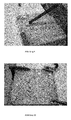
- test specimens prepared according to Comparative Example A could be easily and in one piece removed from the silicone layer with little force (cf. Figure 10 , Stripes 1-3 from the left). Measured was a force corresponding to a weight of the force balance of on average only 7 kg, which were necessary for a replacement.
- test specimens prepared according to Example B according to the invention could not be removed in one piece even with increased force.
- the material fractured cf. Figure 10 , Stripes 1-3 from the right).
- the force applied to break force was according to a weight of the force balance of on average 28 kg.
Landscapes
- Engineering & Computer Science (AREA)
- Mechanical Engineering (AREA)
- Chemical & Material Sciences (AREA)
- Life Sciences & Earth Sciences (AREA)
- Materials Engineering (AREA)
- Wood Science & Technology (AREA)
- Organic Chemistry (AREA)
- Laminated Bodies (AREA)
Abstract
Die vorliegende Erfindung betrifft einen Verbund bestehend aus oder umfassend
a) eine Schicht aus extrudiertem oder spritzgegossenem PMMA, wobei das PMMA einen Anteil von mindestens 0,05 Gew.-%, vorzugsweise mindestens 0,075 Gew.-%, bevorzugt mindestens 0,1 Gew.-%, bezogen auf das Gesamtgewicht von a), an "Reaktiv-Monomeren" mit funktionellen Gruppen besitzt,
b) eine Schicht aus einem oder mehreren Dicht- und/oder Klebstoffen,
c) eine Substratschicht,
sowie ein Verfahren zu dessen Herstellung und die Verwendung von Silikon zum Verkleben von a) und c) sowie der Verwendung von a) zur Verbesserung der Verbundhaftung.
Description
- Die vorliegende Erfindung betrifft einen Verbund mit verbesserter Haftung und ein Verfahren zu dessen Herstellung.
- In der Fachwelt besteht seit langem das bekannte Problem, dass sich extrudiertes oder spritzgegossenes Acrylglas, insbesondere Polymethyl(meth)acrylat (= PMMA) und hier insbesondere PMMA - Platten, schwer mit anderen Substraten zu einem Verbund verbinden lassen ohne Verwendung eines thermischen Verfahrens. Das heißt, dass die Herstellung eines stabilen Verbundes aus extrudiertem oder spritzgegossenem Acrylglas, insbesondere PMMA, und anderen Substraten bei Vorliegen von Raumtemperatur aus dem Stand der Technik problematisch ist und dass bisher keine einfache Lösungsoption aufgezeigt wurde. Im Stand der Technik ist bisher lediglich bekannt, dass beispielsweise insbesondere für die Verbindung von extrudiertem oder spritzgegossenem Acrylglas, insbesondere von PMMA, mit einem Substrat unter Zuhilfenahme von Silikondichtstoffen eine annähernd gute Haftung nur mit speziellen zusätzlichen Verarbeitungsschritten (z.B.: Anschleifen derjenigen Oberfläche des Acrylglases, die mit dem Substrat mit Hilfe des Silikondichtstoffes verbunden werden soll) erreicht werden konnte.
- Eine Haftungsproblematik bzw. eine schlechte Haftung bei Unterlassung dieser speziellen zusätzlichen Verarbeitungsschritte ist insbesondere zwischen extrudiertem oder spritzgegossenem Acrylglas bzw. PMMA und Silikon-Spritzmassen bekannt.
- Im Stand der Technik wird somit nur dann eine annähernd gute Haftung erzielt, wenn eine nachträgliche Behandlung der Acrylglas-Oberfläche erfolgt, z.B. durch geeignete Primer (Haftvermittler) oder Aufrauhen der Oberfläche. Somit ist immer ein nachträglicher Arbeitsschritt notwendig. Zudem ist die erhaltene Haftung stark abhängig von der Art der Behandlung und/oder deren exakter Ausführung.
- Im Stand der Technik ist weiter bekannt, dass eine Haftungsproblematik zu Silikondichtstoffen bei gegossenem Acrylglas/PMMA in der Regel nicht vorhanden ist.
- Polymethyl(meth)acrylat ist bekannt für extreme Witterungsbeständigkeit und hohe mechanische Festigkeiten. Es ist damit im Eigenschaftsspektrum gut geeignet für Bauanwendungen.
- Ziel war es somit, einen Verbund bzw. ein Verbund-System zur Verfügung zu stellen, bei dem ein extrudiertes Acrylglas bzw. extrudiertes PMMA ohne weitere Behandlung und mit Hilfe von einem oder mehreren Dicht- und/oder Klebstoffen, insbesondere mit Hilfe eines auf Silikon basierenden Dicht- und/oder Klebstoffes oder eines entsprechenden Gemisches, mit einem Substrat verbunden werden kann, wobei der Verbund eine hervorragende Haftung aufzeigt. Insbesondere war es auch eine Aufgabe der vorliegenden Erfindung, das Verkleben von extrudiertem oder spritzgegossenem Acrylglas/PMMA mit sich selbst und mit anderen Materialien zu ermöglichen, beispielhaft sei die Fixierung von extrudiertem oder spritzgegossenem Acrylglas/PMMA an senkrechten Wänden mit hervorragender Haftung genannt.
- Eine weitere Aufgabe bestand darin, einen Verbund zur Verfügung zu stellen, der den Heisswasserwechseltest nach DIN EN 14428 und DIN EN 263 besteht.
- Eine zusätzliche Aufgabe bestand darin, ein Verfahren zur Verfügung zu stellen, durch das bei Raumtemperatur die erfindungsgemäßen Verbundsysteme erhalten werden können, wobei dieses Verfahren jedoch auf zusätzliche Arbeitsschritte wie Primern oder Aufrauhen verzichtet bzw. verzichten kann. Weiter war es Aufgabe, dass eine gleichbleibende Festigkeit über die gesamte Verbund-Oberfläche erhalten wird. Ebenso war es die Aufgabe, ein Verfahren zur Verfügung zu stellen, das einfach und vorzugsweise kostengünstig ist.
- Diese Aufgaben sowie weitere, die zwar nicht explizit genannt werden, sich aber aus den hierin diskutierten Zusammenhängen ableiten lassen oder sich aus diesen ergeben, werden überraschend gelöst, durch einen erfindungsgemäßen Verbund bestehend aus oder umfassend
- a) eine Schicht aus extrudiertem oder spritzgegossenem PMMA, wobei das PMMA einen Anteil von mindestens 0,05 Gew.-%, vorzugsweise mindestens 0,075 Gew.-%, bevorzugt mindestens 0,1 Gew.-%, bezogen auf das Gesamtgewicht von a), an "Reaktiv-Monomeren" mit funktionellen Gruppen besitzt,
- b) eine Schicht aus einem oder mehreren Dicht- und/oder Klebstoffen, und
- c) eine Substratschicht,
- Verbinden einer Schicht a) aus extrudiertem oder spritzgegossenem PMMA, wobei das PMMA einen Anteil von mindestens 0,05 Gew.-%, vorzugsweise mindestens 0,075 Gew.-%, bevorzugt mindestens 0,1 Gew.-%, bezogen auf das Gesamtgewicht von a), an "Reaktiv-Monomeren" mit funktionellen Gruppen besitzt,
mit Hilfe einer Schicht aus einem oder mehreren Dicht- und/oder Klebstoffen mit einer Substratschicht c). -
-
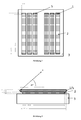
Abbildung 1 : erfindungsgemäßer Verbund mit a), b) und c) schematisch dargestellt -
Abbildung 2 : erfindungsgemäßer Verbund mit a), b), c) und d) schematisch dargestellt -
Abbildung 3 : erfindungsgemäßer Verbund mit a), b), c), d) und e) schematisch dargestellt -
Abbildung 4 : Teil eines erfindungsgemäßen Verbundes mit a), d) und e) schematisch in Relation zueinander dargestellt -
Abbildung 5 : Teil eines erfindungsgemäßen Verbundes mit a), d) und e), wobei Schicht e) der - Ausführungsform von Schicht a) entspricht, so dass dieser Teil den Aufbau a) - d) - a) besitzt
-
Abbildung 6 : erfindungsgemäßer Verbund mit a), b) und c) schematisch dargestellt
Bezugszeichenliste:- 1: a)
- 2: b)
- 3: c)
- 4: Distanzschnur
-
Abbildung 7 :3 Verbunde A* (nicht erfindungsgemäß; Verbunde 1-3 von links) und 3 Verbunde B* (erfindungsgemäß; Verbunde 1-3 von rechts); Sicht von oben; um Schicht 2 sichtbar zu machen, wurde sie schematisch in den Vordergrund gerückt (in den realen Verbunden befindet sich die Schicht 2 zwischen der Schicht 1 oder 5 und der Schicht 3 (=c))
Bezugszeichenliste:- 1: a)
- 2: b)
- 3: c)
- 5: Schicht, gemäß nicht erfindungsgemäßem Beispiel A in einem nicht erfindungsgemäßen Verbund A*
-
Abbildung 8 : erfindungsgemäßer Verbund B* bzw. nicht erfindungsgemäßer Verbund A* schematisch dargestellt mit angelegter Kraftwaage für die Bestimmung der Haftung
Bezugszeichenliste:- 1: a)
- 2: b)
- 3: c)
- 5: Schicht, gemäß nicht erfindungsgemäßen Beispiel A in einem nicht erfindungsgemäßen Verbund A*
- K = Kraftaufwendung (Gewichtskraft)
-
Abbildung 9 : Fotografie der Verbunde gemäßAbbildung 7 und der angelegten Kraftwaage für die Bestimmung der Haftung -
Abbildung 10 : Fotografie der Versuchsergebnisse der Ablösung der Schichten 1 (bei den Verbunden B*, 1-3 von rechts) bzw. 5 (bei den Verbunden A*, 1-3 von links) - Die vorliegende Erfindung stellt ein Verbund bestehend aus oder umfassend
- a) eine Schicht aus extrudiertem oder spritzgegossenem PMMA, wobei das PMMA einen Anteil von mindestens 0,05 Gew.-%, vorzugsweise mindestens 0,075 Gew.-%, bevorzugt mindestens 0,1 Gew.-%, bezogen auf das Gesamtgewicht von a), an "Reaktiv-Monomeren" mit funktionellen Gruppen besitzt,
- b) eine Schicht aus einem oder mehreren Dicht- und/oder Klebstoffen, und
- c) eine Substratschicht
- Ein erfindungsgemäßer Verbund ist schematisch dargestellt in
Abbildung 1 . - Weitere Ausführungsformen eines erfindungsgemäßen Verbundes, die im Folgenden weiter beschrieben werden, sind in den Abbildungen 2 bis 5 dargestellt.
- Polymethyl(meth)acrylate (= PMMA) sind in der Fachwelt bekannt. Diese Polymere werden im Allgemeinen durch radikalische Polymerisation von Mischungen erhalten, die (Meth)acrylate enthalten. Der Ausdruck (Meth)acrylate umfasst Methacrylate und Acrylate sowie Mischungen aus beiden. Bevorzugte Polymethyl(meth)acrylate sind durch Polymerisation von Mischungen erhältlich, die mindestens 50 Gew.-%, insbesondere mindestens 60 Gew.-% und besonders bevorzugt mindestens 80 Gew.-%, jeweils bezogen auf das Gesamtgewicht der zu polymerisierenden Monomere, Methylmethacrylat aufweisen.
- Eine Schicht aus extrudiertem oder spritzgegossenem PMMA gemäß a) eines erfindungsgemäßen Verbundes wird durch eine herkömmliche, an sich bekannte Extrusion oder an sich bekannten Spritzguss der durch radikalische Polymerisation der Monomere erhaltenen Formmasse zu einem Kunststoffformkörper, vorzugsweise einer Platte oder einer Folie, erhalten.
- Unter, "Reaktiv-Monomeren" mit funktionellen Gruppen' werden im Sinne der vorliegenden Erfindung solche radikalisch polymerisierbaren Monomere verstanden, welche funktionelle Gruppen besitzen. Genannt seien als funktionale Gruppen beispielsweise die Amino-, insbesondere die Dialkylamino-, (cyclische) Amid-, Imid-, Hydroxy-, (Ep)Oxy-, Carboxyl- und die (Iso)Cyano-Gruppe. Derartige Monomere sind an sich bekannt (vgl. H. Rauch Puntigam, Th. Volker, Acryl- und Methacrylverbindungen, Springer-Verlag 1967; Kirk-Othmer, Encyclopedia of Chemical Technology, 3rd. Ed., Vol.1, pp. 394-400, J. Wiley 1978;
DE-A 25 56 080 ;DE-A 26 34 003 ). - Vorzugsweise gehören die Monomere der Monomerklasse der stickstoffhaltigen Vinylheterocyclen mit vorzugsweise 5-Ringen neben 6-Ringen, und/oder der copolymerisierbaren vinylischen Carbonsäuren und/oder der Hydroxyalkyl-, Alkoxyalkyl-, Epoxy- und der Aminoalkyl-substituierten Ester oder Amiden der Fumar- oder Malein- bzw. Itacon- oder Acryl- und Methacrylsäure an.
- Als Stickstoff-heterocyclische Monomere seien insbesondere solche aus der Klasse der Vinylimidazole, der Vinyllactame, der Vinylcarbazole und der Vinylpyridine genannt. Beispiele, die keinerlei Beschränkung darstellen sollen, für diese monomeren Imidazolverbindungen sind N-Vinylimidazol (auch Vinyl-1-imidazol genannt), N-Vinyl-methyl-2-imidazol, N-Vinyl-ethyl-2-imidazol, N-Vinyl-phenyl-2-imidazol, N-Vinyl-dimethyl-2,4-imidazol, N-Vinyl-benzimidazol, N-Vinylimidazolin (auch Vinyl-1-imidazolin genannt), N-Vinyl-methyl-2-imidazolin, N-Vinyl-phenyl-2-imidazolin und Vinyl-2-imidazol.
- Als Beispiele für Monomere, die sich von den Lactamen ableiten, lassen sich insbesondere Verbindungen wie die folgenden anführen: N-Vinylpyrrolidon, N-Vinylmethyl-5-pyrrolidon, N-Vinylmethyl-3-pyrrolidon, N-Vinylathyl-5-pyrrolidon, N-Vinyldimethyl-5,5-pyrrolidon, N-Vinylphenyl-5-pyrrolidon, N-Allylpyrrolidon, N-Vinylthiopyrrolidon, N-Vinylpiperidon, N-Vinyldiathyl-6,6-piperidon, N-Vinylcaprolactam, N-Vinylmethyl-7 -caprolactam, N-Vinylathyl-7-caprolactam, N-Vinyldimethyl-7,7-caprolactam, N-Allylcaprolactam, N-Vinylcapryllactam.
- Unter den Monomeren, die sich vom Carbazol ableiten, lassen sich insbesondere anführen: N-Vinylcarbazol, N-Allylcarbazol, N-Butenylcarbazol, N-Hexenylcarbazol und N-(Methyl-1-ethylen)carbazol. Unter den copolymerisierbaren vinylischen Carbonsäuren seien insbesondere die Maleinsäure, Fumarsäure, Itaconsäure bzw. geeignete Salze, Ester oder Amide derselben genannt.
- Ferner seien die folgenden epoxy-, oxy- bzw. alkoxysubstituierten Alkylester der (Meth)acrylsäure angeführt: Glycidylmethacrylat, 2-Hydroxyethyl(meth)acrylat, 2 5 Hydroxypropyl(meth)acrylat, 2-Methoxy-ethyl(meth)acrylat, 2-Ethoxyethyl(meth)acrylat, 2-Butoxyethyl(meth)acrylat, 2-(2-Butoxyethoxy)ethylmeth-acrylat, 2-(Ethoxyethyloxy)ethyl(meth)acrylat, 4-Hydroxybutyl(meth)acrylat, 2-[2-(2-Ethoxy-ethoxy)ethoxy]-ethyl(meth)acrylat, 3-Methoxybutyl-1-(meth)acrylat, 2-Alkoxymethylethyl(meth)acrylat, 2-Hexoxyethyl(meth)acrylat.
- Weiterhin seien die folgenden aminsubstituierten Alkylester der (Meth)acrylsäure genannt: 2-Dimethylaminoethyl(meth)acrylat, 2-Diethylaminoethyl-(meth)acrylat, 3-Dimethylamino-2,2-dimethylpropyl-1-(meth)acrylat, 3-Dimethylamino-2,2-dimethylpropyl-1-(meth)acrylat, 2-Morpholinoethyl(meth)-acrylat, 2-tert.Butylaminoethyl(meth)acrylat, 3-(Dimethylamino)propyl-(meth)acrylat, 2-(Dimethylaminoethoxyethyl)-(meth)acrylat.
- Als Vertreter der (Meth)acrylamide seien beispielsweise die folgenden Monomere genannt:
- N-Methyl(meth)acrylamid, N-Dimethylaminoethyl(meth)-acrylamid, N-Dimethylaminopropyl(meth)acrylamid, N-Isopropyl(meth)acrylamid, N-tert.Butyl(meth)acrylamid, N-Isobutyl(meth)acrylamid, N-Decyl(meth)acrylamid, N-Cyclohexyl(meth)acrylamid, N-[3-(Dil)lethylamino)2,2-dimethylpropyl]-methacrylamid, N-[2-Hydroxyethyl](meth)-acrylamid.
- Vorteilhafterweise werden ,Reaktiv-Monomere" ausgewählt aus der Gruppe enthaltend GMA (Glycidylmethacrylat), Maleinsäurederivate, wie beispielsweise Maleinsäure, Maleinsäureanhydrid (MSA), Methylmaleinsäureanhydrid, Maleinimid, Methylmaleinimid, Maleinsäureamide (MSA), Phenylmaleinimid und Cyclohexylmaleinimid, Fumarsäurederivate, Methacrylsäureanhydrid, Acrylsäureanhydrid eingesetzt.
- Überraschenderweise ist bei der Verwendung einer Schicht a) gemäß der obigen Beschreibung in einem erfindungsgemäßen Verbund eine nachträgliche Behandlung der Oberfläche von a), die über die Schicht b) mit dem Substrat c) in Verbindung gebracht wird, durch insbesondere Primer und/oder Aufrauhen nicht mehr nötig, um eine gute, vorzugsweise eine hervorragende, Haftung des Verbundes zu erzielen.
- Unter einer guten, vorzugsweise hervorragenden, Haftung wird im Sinne der vorliegenden Erfindung eine Haftung verstanden, die bei einem Versuch, das extrudierte oder spritzgegossene PMMA, d.h. die Schicht a), mittels einer Kraftwaage von dem Substrat c) bzw. von der Klebeschicht b) wieder zu entfernen, wobei die Führung der Kraftwaage an einer Kante des extrudierten oder spritzgegossenen PMMAs eingehakt und anschließend unter einem Anzugswinkel von 45° eine Kraft aufgelegt wird (vgl. schematische
Abbildung 8 undAbbildung 9 ), eine Kraftaufwendung entsprechend einer Gewichtsangabe der Kraftwaage von größer als 15 kg, vorzugsweise von größer als 20 kg, bevorzugt von größer als 25 kg, benötigt. Unter einer schlechten Haftung wird im Sinne der vorliegenden Erfindung eine Haftung verstanden, bei der bei dem obigen Versuch eine Lösung des extrudierten oder spritzgegossenen PMMAs, d.h. der Schicht a), von dem Substrat c) bzw. von der Klebeschicht b) zu erhalten, lediglich einen Kraftaufwand entsprechend einer Gewichtsangabe der Kraftwaage von unter 10 kg benötigt wird, wobei vorzugsweise das extrudierte oder spritzgegossene PMMA, d.h. die Schicht a), unbeschädigt, d.h. ungebrochen, von dem Substrat c) bzw. von der Klebeschicht b) entfernt werden kann. Die Haftungsqualität von Verbunden wird entsprechend im Rahmen der vorliegenden Erfindung mittels des unter den Meßmethoden noch näher beschriebenen Verfahrens geprüft. - Zudem ist es weiterhin überraschend, dass ein erfindungsgemäßer Verbund gemäß obiger Beschreibung den Heisswasserwechseltest nach DIN EN 14428 und DIN EN 263 besteht.
- Vorzugsweise ist ein erfindungsgemäßer Verbund mit den oben definierten Schichten a), b) und c) dadurch gekennzeichnet, dass a) ein Thermoplast ist, welcher folgende Wiederholungseinheiten enthält:
- A) 59,95 bis 99,95 Gew.-% einer Zusammensetzung Z bestehend aus
- a) 20 bis 100 Gew.-% Methylmethacrylat und
- b) 0 bis 80 Gew.-% mindestens eines von Methylmethacrylat verschiedenen (Meth)acrylats der Formel I,

- R1 für Wasserstoff oder Methyl und
- R2 für einen linearen oder verzweigten Alkylrest oder Cycloalkylrest mit 1 bis 18 Kohlenstoffatomen oder für Phenyl oder Naphthyl steht,
- B) mindestens 0,05 Gew.-%, vorzugsweise mindestens 0,075 Gew.-%, bevorzugt mindestens 0,1 Gew.-%, eines oder mehrerer ethylenisch ungesättigter von A) unterschiedlicher mit A) copolymerisierbarer "Reaktiv-Monomere",
und - C) 0 bis 40 Gew.-% mindestens eines weiteren von A) und B) verschiedenen mit diesen jedoch copolymerisierbaren ungesättigten Monomers,
wobei A) bis C) zusammen 100 Gew.-% ergeben, und zu 100 Gew.-Teilen dieser Mischung
übliche Zuschläge in Mengen von 0 bis 20 Gew.-Teilen zugesetzt sein können. - Das heisst, dass die Schicht a) über eine Polymerisation einer Mischung enthaltend:
- A) 59,95 bis 99,95 Gew.-% einer Zusammensetzung Z bestehend aus
- a) 20 bis 100 Gew.-% Methylmethacrylat und
- b) 0 bis 80 Gew.-% mindestens eines von Methylmethacrylat verschiedenen (Meth)acrylats der Formel I,

- R1 für Wasserstoff oder Methyl und
- R2 für einen linearen oder verzweigten Alkylrest oder Cycloalkylrest mit 1 bis 18 Kohlenstoffatomen oder für Phenyl oder Naphthyl steht,
- B) mindestens 0,05 Gew.-%, vorzugsweise mindestens 0,075 Gew.-%, bevorzugt mindestens 0,1 Gew.-%, eines oder mehrerer ethylenisch ungesättigter von A) unterschiedlicher mit A) copolymerisierbarer "Reaktiv-Monomere",
und - C) 0 bis 40 Gew.-% mindestens eines weiteren von A) und B) verschiedenen mit diesen jedoch copolymerisierbaren ungesättigten Monomers,
- Bei der vorliegenden Erfindung sind unter "üblichen Zuschlägen" beispielsweise übliche Zusatz-, Hilfs-und/oder Füllstoffe, wie z.B. Thermostabilisatoren, UV-Stabilisatoren, UV-Absorber, Antioxidantien und/oder Farbmittel, Pigmente, organische Farbstoffe oder Polyamid, Polyether, Polyester, Polycarbonate, Netzmittel, weitere Stabilisatoren, Verlaufsmittel, Treibmittel, Calciumcarbonat (Kreide), Titandioxid, Calciumoxid, Perlit, gefällte und gecoatete Kreiden als rheologisch wirksame Additive, ferner ggf. Thixotropierungsmittel wie z. B. pyrogene Kieselsaure zu verstehen. Bevorzugt sind nicht mehr als 10 Gew.-Teile, besonders bevorzugt nicht mehr als 5 Gew.-Teile, insbesondere nicht mehr als 2 Gew.-Teile übliche Zuschläge zu 100 Gew.-Teilen der Mischung A) bis C) zugesetzt.
- In einer bestimmten Ausführungsform des erfindungsgemäßen Verbundes sind auch gar keine üblichen Zuschläge der Mischung A) bis C) zugesetzt.
- Weiter erfindungsgemäß bevorzugt ist zum einen, dass die Bestandteile A) bis C) von a) als Copolymerisat vorliegen. Das heisst, dass die Bestandteile A) bis C) und gegebenenfalls übliche Zuschläge zusammen ein und demselben Polymerisationsschritt unterworfen werden und im Ergebnis eine Formmasse erhalten wird, die durch herkömmliche, an sich bekannte Extrusion zu einem Kunststoffformkörper, vorzugsweise einer Platte oder einer Folie, weiterverarbeitet werden kann, die einer Schicht a) des erfindungsgemäßen Verbundes entspricht.
- Somit ist eine bevorzugte Ausführungsform des erfindungsgemäßen Verbundes ein Verbund, bei dem A) bis C) von a) als Copolymerisat vorliegen.
- Zum anderen ist erfindungsgemäß weiter bevorzugt, dass die Bestandteile A) bis C) von a) als Mischung bzw. Polymerblend aus Homo- und/oder Copolymerisaten vorliegen.
- Das heisst, dass die Bestandteile A) bis C) ganz oder teilweise getrennten Polymerisationsschritten unterworfen werden können und im Ergebnis durch Zusammenmischen der einzelnen erhaltenen Homo- und/oder Copolymerisate eine Formmasse erhalten wird, die den obigen Angaben zu den Wiederholungseinheiten von a) entspricht und die durch herkömmliche, an sich bekannte Extrusion zu einem Kunststoffformkörper, vorzugsweise einer Platte oder einer Folie, weiterverarbeitet werden kann, die einer Schicht a) des erfindungsgemäßen Verbundes entspricht.
- Als Bestandteil C) werden erfindungsgemäß bevorzugt Polymere eingesetzt, die die Eigenschaften der Schicht a) im erfindungsgemäßen Verbund modifizieren können. Hierzu gehören unter anderem, PVF, PVDF, ASA, Polyacrylnitrile, Polystyrole und Polyvinylchloride. Diese Polymere können einzeln oder als Mischung eingesetzt werden, wobei auch Copolymere, die von den zuvor genannten Polymeren ableitbar sind, beigefügt werden können. Zu diesen gehören insbesondere Styrol-Acrylnitril-Polymere (SAN). Besonders bevorzugte Styrol-Acrylnitril-Polymere können durch die Polymerisation von Mischungen erhalten werden, die aus 70 bis 92 Gew.-% Styrol, 8 bis 30 Gew.-% Acrylnitril und 0 bis 22 Gew.-% weiterer Comonomere, jeweils bezogen auf das Gesamtgewicht der zu polymerisierenden Monomere für die Styrol-Acrylnitril-Polymere, bestehen.
- Weiter sind von der Erfindung ebenso die Ausführungsformen umfasst, bei der eine Formmasse, die unabhängig von ihrer Herstellungsweise, die Anforderungen erfüllt, dass sie folgende Wiederholungseinheiten enthält:
- A) 59,95 bis 99,95 Gew.-% einer Zusammensetzung Z bestehend aus
- a) 20 bis 100 Gew.-% Methylmethacrylat und
- b) 0 bis 80 Gew.-% mindestens eines von Methylmethacrylat verschiedenen (Meth)acrylats der Formel I,

- R1 für Wasserstoff oder Methyl und
- R2 für einen linearen oder verzweigten Alkylrest oder Cycloalkylrest mit 1 bis 18 Kohlenstoffatomen oder für Phenyl oder Naphthyl steht,
- B) mindestens 0,05 Gew.-%, vorzugsweise mindestens 0,075 Gew.-%, bevorzugt mindestens 0,1 Gew.-%, eines oder mehrerer ethylenisch ungesättigter von A) unterschiedlicher mit A) copolymerisierbarer "Reaktiv-Monomere",
und - C) 0 bis 40 Gew.-% mindestens eines weiteren von A) und B) verschiedenen mit diesen jedoch copolymerisierbaren ungesättigten Monomers,
- Somit ist ebenso eine bevorzugte Ausführungsform des erfindungsgemäßen Verbundes ein Verbund, bei dem A) bis C) von a) als Mischung aus Homo- und/oder Copolymerisaten vorliegen.
- Eine weiter bevorzugte Ausführungsform des erfindungsgemäßen Verbundes, vorzugsweise gemäß einer vorherig bevorzugten Ausführungsform, ist dadurch gekennzeichnet, dass a) eine farblose oder farbige Schicht ist. Insbesondere bevorzugt ist, wenn a) eine farbige Schicht ist.
- In einer weiteren erfindungsgemäßen Ausführungsform des Verbundes können zudem die Schichten b) und c) unabhängig voneinander und unabhängig von der Schicht a) farblos oder farbig sein.
- Eine ebenso bevorzugte Ausführungsform des erfindungsgemäßen Verbundes ist dadurch gekennzeichnet, dass a) transparent, transluzent oder opak ist. Bei weiteren erfindungsgemäßen Ausführungsformen sind die Schichten b) und c) unabhängig voneinander und unabhängig von der Schicht a) transparent, transluzent oder opak.
- In einer ganz besonders bevorzugten Ausführungsform des erfindungsgemäßen Verbundes ist die Schicht b) ein Silikonklebstoff, vorzugsweise ein neutral vernetzendes Silikon. Vorzugsweise besteht die Schicht b) aus mindestens einem Silikonklebstoff oder einer Mischung von zwei oder mehreren Silikonklebstoffen. Von der Erfindung umfasst ist ebenfalls, wenn die Schicht b) auf einem oder mehreren Silikonklebstoffen basiert. In diesem Fall können der Schicht b) noch weitere Additive und/oder Hilfsstoffe zugesetzt sein. Diese Additive und/oder Hilfsstoffe liegen vorzugsweise in einem Gewichtsanteil bezogen auf das Gesamtgewicht der Schicht b) von nicht mehr als 10 Gew.-%, bevorzugt von nicht mehr als 5 Gew.-%, weiter bevorzugt von nicht mehr als 1 Gew.-%, vor. Typische Additive und/oder Hilfsstoffe in Silikonklebstoffen sind Farbstoffe, UV-Absorber.
- Erfindungsgemäß besonders bevorzugt ist ein Verbund, vorzugsweise nach einem der obigen bevorzugten Ausführungsformen, bei dem die Schicht b) keinen zusätzlichen Haftvermittler enthält. Silikonklebstoffe sind dem Fachmann hinlänglich bekannt. Silikondichtstoffe lassen sich einteilen in die Acetatsysteme, Amin/Aminoxysysteme, Oximsysteme, Benzamidsysteme und Alkoxysysteme. Oximsysteme sind neutral aushärtende, d.h. vernetzende Systeme. Alkoxysysteme sind eine der jüngeren Entwicklungen auf dem Gebiet der feuchtigkeitshärtenden Silikone. Sie spalten niedere Alkohole ab und riechen daher beim Aushärten kaum wahrnehmbar.
- Weiter erfindungsgemäß bevorzugt ist ein essigsäurefreies, neutral vernetzendes Silikon, z.B. ein Natursteinsilikon (z.B.: OTTO SEAL® S 72, das eine Alkoxy-Basis gemäß Herstellerangabe besitzt). Vorzugsweise ist das für die Schicht b) eingesetzte Silikon transparent.
- In Versuchen konnte gezeigt werden, dass die Haftung von OTTO SEAL® S 72 auf dem nicht erfindungsgemäß einzusetzenden PLEXIGLAS® XT Farblos 0A000 ungenügend ist. Dies verdeutlicht beispielhaft die schon oben erwähnte Haftungsproblematik bzw. die schlechte Haftung zwischen PMMA und insbesondere Silikon-Spritzmasse bei Unterlassung der speziellen ebenfalls oben erwähnten zusätzlichen Verarbeitungsschritte.
- In einer weiteren Ausführungsform des erfindungsgemäßen Verbundes ist die Schicht b) ein Montagekleber oder basiert auf einem Montagekleber. Dem Fachmann sind die folgenden Montagekleber-Systeme bekannt:
- a) Hybridpolymer-Montageklebstoffe
- b) Dispersions- und wasserbasierte Montagekleber
- c) Polyurethan-Montageklebstoffe
- In einer weiteren Ausführungsform des erfindungsgemäßen Verbundes ist c) eine Schicht gemäß a) oder ein anorganisches Substrat oder ein organisches Substrat. Wenn c) eine Schicht gemäß a) ist, ist es erfindungsgemäß bevorzugt, wenn c) einer wie schon oben beschriebenen bevorzugten Ausführungsform von a) entspricht. Ebenso sind von der Erfindung Ausführungsformen umfasst, bei denen die Schicht c) einer Ausführungsform von a) entspricht, wobei die Ausführungsform von a), die c) ist, nicht die gleiche Ausführungsform von a) in diesem speziellen Verbund sein muss. So kann z.B. die Schicht a) farbig sein und die Schicht c) einer Schicht a) gemäß obiger Definition entsprechen, jedoch farblos sein.
- In einer ganz besonders bevorzugten Ausführungsform des erfindungsgemäßen Verbundes entspricht Schicht c) der Ausführungsform von a), so dass die Schichten a) und c) in diesem Verbund gleich sind.
- In einer weiter besonders bevorzugten Ausführungsform des erfindungsgemäßen Verbundes ist c) eine Wand oder eine tragende Unterkonstruktion, und vorzugsweise ist c) ausgewählt aus der Gruppe bestehend aus den folgenden besonders gut geeigneten Untergründen und Trägermaterialien:
- Gipsbauplatten, vorzugsweise wasserfest,
- Spanplatten, vorzugsweise lackiert und/oder feuchtigkeitsbeständig,
- M.D.F.-Platten, vorzugsweise lackiert,
- Fliesenspiegel, vorzugsweise festsitzend,
- Putzwand, vorzugsweise mit Haftgrund behandelt,
- Stein-(Ziegel, Kalksandstein) Wand oder Betonwand, vorzugsweise mit Latexfarbe gestrichen.
- Es werden besonders gute Ergebnisse erzielt, wenn die Schicht c), d.h. der Untergrund bzw. der Träger gegen eindringende Feuchtigkeit vorbehandelt ist (z.B. auf der Fläche mit flüssiger Folie oder Dichtschlämme; im Eckbereich mit Dichtband und Abdichtungsecken; bei Durchführungen mit Dichtmanschetten).
- Erfindungsgemäß weiter bevorzugt ist ein Verbund, vorzugsweise nach einer der vorherigen bevorzugten Ausführungsformen, wobei die der Schicht b) zugewandte Oberfläche von c) eine hervorragende Silikonhaftung besitzt. Dies ist besonders vorteilhaft, wenn als Schicht b) ein Silikonklebstoff, vorzugsweise ein neutral vernetzendes Silikon vorhanden ist oder die Schicht b) auf einem oder mehreren Silikonklebstoffen basiert.
- Eine weitere Ausführungsform des erfindungsgemäßen Verbundes (schematisch dargestellt in
Abbildung 2 ) ist dadurch gekennzeichnet, dass auf der verbundabgewandten Seite von a) eine weitere Schicht d) aufgebracht ist, wobei d) vorzugsweise thermoplastisch ist. Diese Ausführungsform ist. - Die Schicht d) kann in einem erfindungsgemäßen Verbund eine farblose oder farbige Schicht sein.
- Erfindungsgemäß bevorzugt ist ein Verbund, vorzugsweise nach einer der vorherigen bevorzugten Ausführungsformen, wobei die Schicht d) ein extrudiertes oder spritzgegossenes, thermoplastisches PMMA ist oder eine PMMA-Basis hat.
- Weiter ist es bevorzugt, dass die Schicht d) eines erfindungsgemäßen Verbundes auf einer thermoplastischen PMMA-Formmasse aus Methyl(meth)acrylat mit einer Zusammensetzung von bis zu 6 Gew.-% vinylischen Comonomeren und einem mittleren Molekulargewicht Mw von 130.000 bis 190.000 g/mol basiert, ohne dass hierdurch eine Einschränkung erfolgen soll. Das mittlere Molekulargewicht Mw (Gewichtsmittel) wird im Rahmen der vorliegenden Erfindung über die Größenausschlusschromatographie (GPC) bestimmt, wobei der Fachmann geeignete PMMA-Standards verwendet.
- Weiter kann die Schicht d) im Rahmen der vorliegenden Erfindung transparent, transluzent oder opak sein.
- Eine bevorzugte Ausführungsform des erfindungsgemäßen Verbundes, die zusätzlich zu den wie oben definierten Schichten a), b) und c) eine weitere wie beschriebene Schicht d) enthält, ist weiter bevorzugt dadurch gekennzeichnet, dass auf der verbundabgewandten Seite von d) eine weitere Schicht e) aufgebracht ist (schematisch dargestellt in
Abbildung 3 ), wobei e) vorzugsweise thermoplastisch ist. - Insbesondere ist es erfindungsgemäß bevorzugt, wenn die Schicht e) hergestellt wurde aus einer entstaubten PMMA-Formmasse.
- Eine weiter bevorzugte Ausführungsform des erfindungsgemäßen Verbundes, vorzugsweise gemäß zumindest einer der vorherig bevorzugten Ausführungsformen, ist dadurch gekennzeichnet, dass die Schicht a) entstaubt vorliegt. Besonders bevorzugt ist es erfindungsgemäß, wenn sowohl die Schicht a) als auch die Schicht e) entstaubt vorliegt und insbesondere ist es bevorzugt, wenn die Schicht e) der Schicht von a) in Dicke und/oder Zusammensetzung entspricht.
- Weiter sind von der Erfindung ebenso die Ausführungsformen umfasst, vorzugsweise nach einer der obigen bevorzugten Ausführungsformen, bei der die Schicht e) eine farblose oder farbige Schicht ist. Insbesondere bevorzugt ist, wenn e) eine farblose Schicht ist.
- Weiter kann die Schicht e) im Rahmen der vorliegenden Erfindung transparent, transluzent oder opak sein.
- In einer weiteren Ausführungsform des erfindungsgemäßen Verbundes ist e) eine Schicht gemäß a). Dies ist schematisch für diesen Teil eines erfindungsgemäßen Verbundes in
Abbildung 5 dargestellt, bei der die Schicht a) zweimal vorhanden ist: die "rechte Schicht a)", die als zwingender Bestandteil eines erfindungsgemäßen Verbundes vorhanden ist und in dieser Ausführungsform auf der verbundzugewandten Seite mit der Schicht b) (inAbbildung 5 nicht gezeigt) und auf der verbundabgewandten Seite mit der Schicht d) verbunden ist und die "linke Schicht a)", die die über die Schicht d) mit der "rechten Schicht a)" verbunden ist und ggf. die abschließende Oberfläche bildet sofern sie nicht weiter beschichtet ist. Wenn e) eine Schicht gemäß a) ist, ist es erfindungsgemäß weiter bevorzugt, wenn e) einer wie schon oben beschriebenen bevorzugten Ausführungsform von a) entspricht. Ebenso sind von der Erfindung Ausführungsformen umfasst, bei denen die Schicht e) einer Ausführungsform von a) entspricht, wobei die Ausführungsform von a), die e) ist, nicht die gleiche Ausführungsform von a) in diesem speziellen Verbund sein muss. So kann z.B. die Schicht a) farbig sein und die Schicht e) einer Schicht a) gemäß obiger Definition entsprechen, jedoch farblos sein. - In einer ganz besonders bevorzugten Ausführungsform des erfindungsgemäßen Verbundes entspricht Schicht e) der Ausführungsform von a), so dass die Schichten a) und e) in diesem Verbund in Dicke und/oder Zusammensetzung gleich sind (schematisch dargestellt in
Abbildung 5 ). In bestimmten Ausführungsformen des erfindungsgemäßen Verbundes sind die Schichten a) und e) in diesem Verbund in Dicke und Zusammensetzung gleich. - Sofern im Rahmen der vorliegenden Erfindung eine oder mehrere Schichten farbig sind, wird vorzugsweise die Färbung durch Farbmittel bzw. Farbmittelmischungen erzielt, die zur Variation und Abstimmung der Farbe eingesetzt werden. Diese Farbmittel können sowohl IR-reflektierend, wie z.B. Titandioxid, als auch IR-durchlässig sein. Bei den Farbmitteln kann es sich darüber hinaus um organische Farbstoffe oder um weitere organische bzw. anorganische Pigmente, bzw. auch um Mischungen daraus handeln.
- Der Anteil dieser in den Schichten enthaltenen Farbmittel kann zwischen 0 und 3,0 Gew.-%, bevorzugt zwischen 0,5 und 2,5 Gew.-% und besonders bevorzugt zwischen 1,0 und 2,0 Gew.-% bezogen auf das Gesamtgewicht der jeweiligen Schicht betragen.
- In einer weiteren Ausführungsform des erfindungsgemäßen Verbundes ist die verbundabgewandte Oberfläche von a), d) oder e) zusätzlich mit einer Kratzfestbeschichtung versehen.
- Dem Fachmann sind Kratzfestbeschichtungen bekannt. Aus den bekannten Kratzfestbeschichtungen kann der Fachmann nach der gewünschten Verwendung des erfindungsgemäßen Verbundes geeignete Kratzfestbeschichtungen heraussuchen. Bestimmte Kratzfestbeschichtungen werden mittels UV-Strahlung ausgehärtet. Zusätzlich zu der verbundabgewandten Oberfläche von a), d) oder e) kann eine Kratzfestbeschichtung ebenfalls auf Oberflächen aufgetragen sein, die innerhalb des Verbundes liegen, d.h. z.B. zwischen den Schichten a) und d) oder zwischen den Schichten d) und e).
- Erfindungsgemäß weiter bevorzugt ist ein Verbund, vorzugsweise nach einer der vorherigen bevorzugten Ausführungsformen, wobei der Verbund typischerweise eine Gesamtdicke von 12 mm - 350 mm aufweist, ohne dass hierdurch eine Einschränkung erfolgen soll.
- Unabhängig voneinander und von der bevorzugten Gesamtdicke des Verbundes ist es erfindungsgemäß weiter bevorzugt, wenn a) und ggf. d) und ggf. e) eine Gesamtdicke von 1 mm bis ≤ 25 mm aufweisen.
- Insbesondere ist es bevorzugt, wenn a) eine Dicke von 50 µm bis 25 mm, vorzugsweise 150 µm bis 10 mm, aufweist und/oder wenn d) eine Dicke von 0,9 mm bis 24,9 mm aufweist und/oder wenn e) eine Dicke von 50 µm bis 3 mm, vorzugsweise 100 µm bis 600 µm, aufweist. In
Abbildung 4 sind beispielhaft für eine bevorzugte Ausführungsform die Dicken der Schichten a), d) und e) schematisch in Relation zueinander dargestellt. - In einer ganz besonders bevorzugten Ausführungsformen des erfindungsgemäßen Verbundes sind a), d) und e) coextrudiert, wobei a) eine Dicke von 300 µm hat und farbig ist, d) eine Dicke von 3,55 mm hat und farblos ist und e) eine Dicke von 150 µm hat und farblos und entstaubt ist (schematisch dargestellt in
Abbildung 4 ). - In einer weiteren ganz besonders bevorzugten Ausführungsformen des erfindungsgemäßen Verbundes sind a), d) und e) coextrudiert, wobei a) eine Dicke von 300 µm hat und farbig ist, d) eine Dicke von 3,4 mm hat und farblos ist und e) eine Dicke von 300 µm hat und farbig ist (schematisch dargestellt in
Abbildung 5 ; e) ist in dieserAbbildung 5 durch die zweite "linke Schicht a" repräsentiert). - In einer ebenso ganz besonders bevorzugten Ausführungsformen des erfindungsgemäßen Verbundes sind a), d) und e) coextrudiert, wobei a) eine Dicke von 150 µm hat und farblos und entstaubt ist, d) eine Dicke von 3,7 mm hat und farblos ist und e) eine Dicke von 150 µm hat und farblos und entstaubt ist, wobei e) vorzugsweise einer Schicht a) entspricht.
- In weiter besonders bevorzugten Ausführungsformen des erfindungsgemäßen Verbundes sind a), d) und/oder e) coextrudiert, d.h. wurden durch einen Coextrusionsschritt hergestellt.
- Ein weiterer Gegenstand der vorliegenden Erfindung betrifft ein Verfahren zur Herstellung eines erfindungsgemäßen Verbundes, vorzugsweise nach einer der obigen bevorzugten Ausführungsformen, wobei das Verfahren den Schritt umfasst:
- Verbinden einer Schicht a) gemäß zumindest einer der obigen Ausführungsformen mit Hilfe einer Dicht- und/oder Klebstoff-Schicht b) gemäß zumindest einer der obigen Ausführungsformen mit einer Substratschicht c) gemäß zumindest einer der obigen Ausführungsformen.
- Vorzugsweise werden die Oberflächen der Schichten a) und c) vor dem In-Verbindung-Bringen mit der Dicht- und/oder Klebstoff-Schicht b) gereinigt. Die bevorzugten Reinigungsmittel sind dabei Petrolether und Ethanol.
- Eine weitere Ausführungsform des erfindungsgemäßen Verfahrens ist dadurch gekennzeichnet, dass die Dicht- und/oder Klebstoff-Schicht b) nach dem Verbindungsschritt für mindestens 24 Stunden, vorzugsweise mindestens 36 Stunden, bevorzugt mindestens 48 Stunden, weiter bevorzugt für mindestens 4 Tage, ganz bevorzugt für mindestens 5 Tage, aushärtet.
- Ein weiterer Gegenstand der vorliegenden Erfindung betrifft die Verwendung von Silikon, vorzugsweise neutral vernetzendem Silikon, zur Verklebung von einer Schicht a) gemäß zumindest einer der obigen Ausführungsformen mit einer Schicht c) gemäß zumindest einer der obigen Ausführungsformen. Es war für den Fachmann überraschend, dass insbesondere mit Silikon, vorzugsweise neutral vernetzendem Silikon, eine Verklebung einer Schicht a) gemäß zumindest einer der obigen Ausführungsformen mit einer Schicht c) gemäß zumindest einer der obigen Ausführungsformen zu einer besonders guten Verbundhaftung führte. Vor allem war es überraschend, dass bei der Haftungsprüfung bei der Verwendung von Silikon, vorzugsweise neutral vernetzendem Silikon, als Schicht b) ein Kraftaufwand entsprechend einer Gewichtsangabe der Kraftwaage von größer als 15 kg, vorzugsweise von größer als 20 kg, bevorzugt von größer als 25 kg, benötigt war, um die Schicht a) von dem Substrat c) bzw. von der Schicht b) zu entfernen.
- Ein ebenso weiterer Gegenstand der vorliegenden Erfindung betrifft die Verwendung einer Schicht a) gemäß zumindest einer der obigen Ausführungsformen zur Verbesserung einer Verbundhaftung eines Verbundes umfassend zumindest die weiteren Schichten
- b) eine Schicht aus einem oder mehreren Dicht- und/oder Klebstoffen, und
- c) eine Substratschicht,
- Das mittlere Molekulargewicht Mw (Gewichtsmittel) im Rahmen der vorliegenden Erfindung wird über die Größenausschlusschromatographie (GPC) gemäß folgender Bedingungen bestimmt:
Säulen: 5 SDV-Säulen von Fa. PSS (Mainz) Nr. Typ Dimension Vorsäule SDV LinL 10 µ 8x50mm 1 SDV LinL 10 µ 8x300mm 2 SDV LinL 10 µ 8x300mm 3 SDV 100 Å 10 µ 8x300mm 4 SDV 100 Å 10 µ 8x300mm Geräte Agilent 1100er Serie, UV-Detektor G1314A Agilent 1100er Serie, RI-Detektor G1362A Säulenofen T = 35 °C Eluent Tetrahydrofuran für Polymer A) und Vergleichsbeispiel II Tetrahydrofuran + 0,2 Vol-% Trifluoressigsäure für Polymer B) und Vergleichsbeispiel I Flußrate 1 ml/min Injektionsvolumen 100 µl Detektion RI Temperierung 35 °C, Konzentration der Probelösung 2 g/l (bei Mw > 106: 1 ... 0,25 g/l) Standards PMMA (z.B. Fa. PSS (Mainz) für Polymer A) und Vergleichsbeispiel I + II Polystyrol (z.B. Fa. PSS (Mainz) für Polymer B) Konzentration der Standardlösung 1g/l (bei Mw > 106: 0,5 g/l) Interner Standard o-Dichlorbenzol --> 1 Tropfen/1,5 ml Autosampler-Vial
Lösungsviskosität des granulierten Polymerisats: in Chloroform bei 25 °C; ISO 1628 - Teil 6 - Bei der Herstellung der zu untersuchenden Verbunde ist auf eine ausreichende Aushärtung bzw. Aushärtungszeit der Dicht- und/oder Klebstoffe zu achten. Vorzugsweise ruht ein hergestellter Verbund 5 Tage bevor er der Haftungsprüfung unterzogen wird. Für die Prüfung wird unter Kraftaufwendung und Kraftbestimmung mittels einer Kraftwaage die Schicht a) bzw. die mit einem Substrat c) über eine Dicht- und/oder Klebstoff-Schicht b) verbundene Schicht entfernt. Dazu wird die Führung der Kraftwaage an einer Kante der Schicht a) bzw. der mit einem Substrat c) über eine Dicht- und/oder Klebstoff-Schicht b) verbundenen Schicht, eingehakt und anschließend unter einem Anzugswinkel von 45° eine Kraft aufgelegt (vgl. schematische
Abbildung 8 und BildAbbildung 9 ). Die Kraftaufwendung, die zu einem Ablösen (ggf. unter Brechen) der Schicht a) bzw. der mit einem Substrat c) über eine Dicht- und/oder Klebstoff-Schicht b) verbundenen Schicht, führt, wird ermittelt. - Die nachfolgenden Beispiele dienen der näheren Erläuterung und dem besseren Verständnis der vorliegenden Erfindung, schränken diese bzw. deren Umfang jedoch in keiner Weise ein.
- Als Vergleichsbeispiel wurde ein Standard-PMMA untersucht. Das Standard-PMMA ist aufgebaut aus 96 Gew.-% Methylmethacrylat und 4 Gew.-% Methylacrylat. Dieses Standard-PMMA kann in Anlehnung an
DE 44 40 219 A1 hergestellt werden mit: - 95,305 Gew.-% Methylmethacrylat
- 4,000 Gew.-% Methylacrylat
- 0,310 Gew.-% n-Dodecylmercaptan
- 0,035 Gew.-% Dilauroylperoxid
- 0,030 Gew.-% ter.-Butylperisononanoat
- 0,300 Gew.-% Stearylalkohol
- 0,020 Gew.-% 2-(2'-Hydroxy-5'-methylphenyl) benzotriazol
- Die Edukte werden dabei in Polyesterbeutel eingewogen, in einem Wasserbad polymerisiert und dann in einem Temperierofen getempert. Anschließend wird das Polymer gemahlen und über einen Extruder entgast.
- Temperaturprofil für die Polymerisation im Wasserbad:
- 24h 60°C.
- Temperaturprofil im Temperierofen:
- 6h bei 110°C.
- Das erhaltene Molekulargewicht des Standard-PMMA beträgt Mw=149 000 g/mol gemessen mit der GPC-Methode.
- Das Standard-PMMA hat eine Vicat-Erweichungstemperatur VET (ISO 306-B50) von 105°C.
- Die Formmasse (obig erhaltenes Verfahrensprodukt) wurde auf einem Einschneckenextruder zu Platten mit den Maßen 3050 mm x 2050 mm x 3 mm verarbeitet. Aus solch einer Formatplatte wurden jeweils 3 Probekörper im Format 200 mm x 20 mm x 3 mm gesägt.
- Es wurde eine Mischung aus drei Komponenten (Polymeren) I), II) und III) hergestellt, wobei die Mischung
- 59 Gew.-% der Komponente I),
- 40 Gew.-% der Komponente II) und
- 1 Gew.-% der Komponente III),
- Im Folgenden wird die Herstellung/Bereitstellung der einzelnen Komponenten beschrieben:
- Komponente I) ist aufgebaut aus 99 Gew.-% Methylmethacrylat und 1 Gew.-% Methylacrylat und kann in Anlehnung an
DE 44 40 219 A1 hergestellt werden mit: - 98,305 Gew.-% Methylmethacrylat
- 1,000 Gew.-% Methylacrylat
- 0,310 Gew.-% n-Dodecylmercaptan
- 0,035 Gew.-% Dilauroylperoxid
- 0,030 Gew.-% ter.-Butylperisononanoat
- 0,300 Gew.-% Stearylalkohol
- 0,020 Gew.-% 2-(2'-Hydroxy-5'-methylphenyl) benzotriazol
- Die Edukte werden dabei in Polyesterbeutel eingewogen, in einem Wasserbad polymerisiert und dann in einem Temperierofen getempert. Anschließend wird das Polymer gemahlen und über einen Extruder entgast.
- Temperaturprofil für die Polymerisation im Wasserbad:
- 24h 60°C.
- Temperaturprofil im Temperierofen:
- 6h bei 110°C.
- Das erhaltene Molekulargewicht der Komponente I) beträgt Mw=149 000 g/mol gemessen mit der GPC-Methode.
- Die Komponente I) hat eine Vicat-Erweichungstemperatur VET (ISO 306-B50) von 108°C.
- Als Komponente II) wurde eingesetzt: ein handelsübliches Copolymerisat (z.B. PLEXIGLAS® 8N der Firma Evonik Industries AG) aus 99 Gew.-% Methylmethacrylat und 1 Gew.-% Methylacrylat mit einer Lösungsviskosität in Chloroform bei 25 °C (ISO 1628 - Teil 6) von etwa 53 ml/g.
- Komponente III) wurde analog Beispiel B in Paragraph [0050] der
EP 1742997 B1 (50 Gew.-% Copolymer (I) gemäßEP 1742997 B1 + 50 Gew.-% (Co)polymer (II) gemäßEP 1742997 B1 ) hergestellt. - (Co)polymer (I) gemäß
EP 1742997 B1 ) enthält 10 Gew.-% Maleinsäureanhydrid. Hierdurch liegen in der Gesamt-Mischung aus den drei Komponenten I), II) und III) insgesamt 0,05 Gew.-% "Reaktiv-Monomere" mit funktionellen Gruppen vor. - Die drei Komponenten I), II) und III) wurden im Mischer gemischt.
- Die Mischung aus den drei Komponenten I), II) und III) enthielt somit insgesamt als Bestandteile:
- 99,875 Gew.-% einer Mischung aus Methylmethacrylat und Methylacrylat mit einem Verhältnis Methylmethacrylat : Methylacrylat von 99 : 1 (entsprechend A) der Schicht a),
- 0,05 Gew.-% Maleinsäureanhydrid (entsprechend B) der Schicht a) und
- 0,075 Gew.-% Styrol (entsprechend C) der Schicht a),
- Somit entspricht eine aus dieser Mischung extrudierte oder spritzgegossene PMMA-Schicht der Schicht a) eines erfindungsgemäßen Verbundes.
- Die erhaltene Mischung wurde dann entsprechend zu Platten im Format 200 mm x 100 mm x 3 mm thermoplastisch urgeformt. Aus diesen Platten wurden wie in Vergleichsbeispiel A ebenfalls jeweils 3 Probekörper im Format 200 mm x 20 mm x 3 mm gesägt.
- Als Substratschicht c) wurde eine Betonplatte verwendet. Die Betonplatte wurde mit einer Bürste gereinigt und anschließend mit Luft abgeblasen.
- Auf der Betonplatte wurden insgesamt 6 begrenzte Freiflächen von 300 mm x 20 mm mittels Tesastreifen erzeugt. Auf die Betonplatte wurde in den Freiflächen die Kleblänge von 190 mm eingezeichnet. Damit die spätere Klebeschicht bei allen Prüfflächen gleich dick war, wurden im Abstand von 190 mm zwei Distanzschnüre (2 mm x 5 mm) parallel zueinander auf gelegt (vgl.
Abbildung 6 ). Nacheinander wurde jede Freifläche für sich mit einem Silikonstreifen (OTTO SEAL® S 72) belegt. Um die Klebeschicht vollflächig gleichmäßig zu verteilen, wurde der Streifen flächig mit dem aufgelegten Probekörper belastet und bis auf die Dichtung niedergedrückt. Das an den Seiten austretende Silikon wurde entfernt. Die Schichtdicke der Silikonschicht zwischen Betonplatte und aufgelegtem Probekörper betrug ca. 2 mm. Dies wurde insgesamt für alle 6 Freiflächen (für 3 mit gemäß Vergleichsbeispiel A hergestellten Probekörpern und für 3 mit gemäß erfindungsgemäßem Beispiel B hergestellten Probekörpern) durchführt. Dies führte zu 3 Verbunden A* (nicht erfindungsgemäß) und 3 Verbunden B* (erfindungsgemäß), vgl.Abbildung 7 . - Anschließend wurden alle Tesastreifen und Distanzschnüre entfernt und alle hergestellten Verbunde ruhten 5 Tage (vgl.
Abbildung 8 ). Am Tag 5 wurden die Probekörper mittels einer Kraftwaage entfernt. Dazu wurde die Führung der Kraftwaage an einer Kante eingehakt und anschließend unter einem Anzugswinkel von 45° eine Kraft aufgelegt (vgl. schematischAbbildung 8 und BildAbbildung 9 ). - Die gemäß Vergleichsbeispiel A hergestellten Probekörper ließen sich mit geringer Kraft leicht und an einem Stück von der Silikonschicht entfernen (vgl.
Abbildung 10 , Streifen 1-3 von links). Gemessen wurde eine Kraft entsprechend einer Gewichtsangabe der Kraftwaage von im Mittel lediglich 7 kg, die für eine Ablösung nötig waren. - Die gemäß erfindungsgemäßem Beispiel B hergestellten Probekörper ließen sich auch mit erhöhtem Kraftaufwand nicht an einem Stück entfernen. Bei allen 3 gemäß erfindungsgemäßem Beispiel B hergestellten Probekörpern kam es zum Bruch des Materials (vgl.
Abbildung 10 , Streifen 1-3 von rechts). Der bis zum Bruch aufgebrachte Kraftaufwand lag entsprechend einer Gewichtsangabe der Kraftwaage von im Mittel 28 kg. - Somit konnte gezeigt werden, dass nur die erfindungsgemäßen Verbunde B* eine hervorragende Haftung aufzeigten.
hergestellt wird.
Claims (15)
- Verbund bestehend aus oder umfassenda) eine Schicht aus extrudiertem oder spritzgegossenem PMMA, wobei das PMMA einen Anteil von mindestens 0,05 Gew.-%, vorzugsweise mindestens 0,075 Gew.-%, bevorzugt mindestens 0,1 Gew.-%, bezogen auf das Gesamtgewicht von a), an "Reaktiv-Monomeren" mit funktionellen Gruppen besitzt,b) eine Schicht aus einem oder mehreren Dicht- und/oder Klebstoffen,c) eine Substratschicht.
- Verbund nach Anspruch 1, dadurch gekennzeichnet, dass a) ein Thermoplast ist, welcher folgende Wiederholungseinheiten enthält:A) 59,95 bis 99,95 Gew.-% einer Zusammensetzung Z bestehend ausa) 20 bis 100 Gew.-% Methylmethacrylat undb) 0 bis 80 Gew.-% mindestens eines von Methylmethacrylat verschiedenen (Meth)acrylats der Formel I,
 R1 für Wasserstoff oder Methyl undR2 für einen linearen oder verzweigten Alkylrest oder Cycloalkylrest mit 1 bis 18 Kohlenstoffatomen oder für Phenyl oder Naphthyl steht,wobei sich die Gew.-%-Angaben von a) und b) auf das Gesamtgewicht der Zusammensetzung Z beziehen und a) und b) zusammen 100 Gew.-% ergeben,B) mindestens 0,05 Gew.-%, vorzugsweise mindestens 0,075 Gew.-%, bevorzugt mindestens 0,1 Gew.-%, eines oder mehrerer ethylenisch ungesättigter von A) unterschiedlicher mit A) copolymerisierbarer "Reaktiv-Monomere",
undC) 0 bis 40 Gew.-% mindestens eines weiteren von A) und B) verschiedenen mit diesen jedoch copolymerisierbaren ungesättigten Monomers,wobei A) bis C) zusammen 100 Gew.-% ergeben, und zu 100 Gew.-Teilen dieser Mischung übliche Zuschläge in Mengen von 0 bis 20 Gew.-Teilen zugesetzt sein können. - Verbund nach Anspruch 2, dadurch gekennzeichnet, dass A) bis C) von a) als Copolymerisat vorliegen.
- Verbund nach Anspruch 2, dadurch gekennzeichnet, dass A) bis C) von a) als Mischung aus Homo- und/oder Copolymerisaten vorliegen.
- Verbund nach zumindest einem der vorherigen Ansprüche, dadurch gekennzeichnet, dass die Schicht b) ein Silikonklebstoff ist, vorzugsweise ein neutral vernetzendes Silikon.
- Verbund nach zumindest einem der vorherigen Ansprüche, dadurch gekennzeichnet, dass c) eine Schicht gemäß a) oder ein anorganisches Substrat oder ein organisches Substrat ist.
- Verbund nach zumindest einem der vorherigen Ansprüche, dadurch gekennzeichnet, dass auf der verbundabgewandten Seite von a) eine weitere Schicht d) aufgebracht ist, wobei d) vorzugsweise thermoplastisch, bevorzugt ein thermoplastisches PMMA, ist.
- Verbund nach Anspruch 7, dadurch gekennzeichnet, dass d) auf einer thermoplastischen PMMA-Formmasse aus MMA mit einer Zusammensetzung von bis zu 6 Gew.-% vinylischen Comonomeren und einem mittleren Molekulargewicht Mw von 130.000 bis 190.000 g/mol basiert.
- Verbund nach zumindest einem der Ansprüche 7 und 8, dadurch gekennzeichnet, dass auf der verbundabgewandten Seite von d) eine weitere Schicht e) aufgebracht ist, wobei e) vorzugsweise thermoplastisch ist.
- Verbund nach Anspruch 9, dadurch gekennzeichnet, dass e) hergestellt wurde aus entstaubter PMMA Formmasse.
- Verbund nach zumindest einem der vorherigen Ansprüche, dadurch gekennzeichnet, dass die verbundabgewandte Oberfläche von a), d) oder e) zusätzlich mit einer Kratzfestbeschichtung versehen ist.
- Verbund nach zumindest einem der vorherigen Ansprüche, dadurch gekennzeichnet, dass a) und gegebenenfalls d) und gegebenenfalls e) eine Gesamtdicke von 1 mm bis ≤ 25 mm aufweist/aufweisen.
- Verfahren zur Herstellung eines Verbundes gemäß zumindest einem der Ansprüche 1 bis 12, dadurch gekennzeichnet, dass es den Schritt umfasst:- Verbinden einer Schicht a) gemäß zumindest einem der vorherigen Ansprüche mit Hilfe einer Dicht- und/oder Klebstoff-Schicht b) gemäß zumindest einem der vorherigen Ansprüche mit einer Substratschicht c) gemäß zumindest einem der vorherigen Ansprüche.
- Verwendung von Silikon, vorzugsweise neutral vernetzendem Silikon, zur Verklebung von einer Schicht a) gemäß zumindest einem der vorherigen Ansprüche mit einer Schicht c) gemäß zumindest einem der vorherigen Ansprüche.
- Verwendung einer Schicht a) gemäß zumindest einem der vorherigen Ansprüche zur Verbesserung einer Verbundhaftung eines Verbundes umfassend die weiteren Schichten
b) eine Schicht aus einem oder mehreren Dicht- und/oder Klebstoffen, und
c) eine Substratschicht,
wobei b) die Schichten a) und c) verbindet.
Priority Applications (1)
| Application Number | Priority Date | Filing Date | Title |
|---|---|---|---|
| EP13197829.8A EP2886619A1 (de) | 2013-12-17 | 2013-12-17 | Verbund mit verbesserter Haftung |
Applications Claiming Priority (1)
| Application Number | Priority Date | Filing Date | Title |
|---|---|---|---|
| EP13197829.8A EP2886619A1 (de) | 2013-12-17 | 2013-12-17 | Verbund mit verbesserter Haftung |
Publications (1)
| Publication Number | Publication Date |
|---|---|
| EP2886619A1 true EP2886619A1 (de) | 2015-06-24 |
Family
ID=49816859
Family Applications (1)
| Application Number | Title | Priority Date | Filing Date |
|---|---|---|---|
| EP13197829.8A Withdrawn EP2886619A1 (de) | 2013-12-17 | 2013-12-17 | Verbund mit verbesserter Haftung |
Country Status (1)
| Country | Link |
|---|---|
| EP (1) | EP2886619A1 (de) |
Citations (6)
| Publication number | Priority date | Publication date | Assignee | Title |
|---|---|---|---|---|
| DE2556080A1 (de) | 1974-12-12 | 1976-06-16 | Erap | Hochwertige schmiermittel |
| DE2634003A1 (de) | 1976-07-29 | 1978-08-17 | Guenther Hoppe | Schleuder fuer gemische aus gasen, daempfen, deren kondensate, fluessigen und festen verunreinigungen |
| EP0271068A2 (de) * | 1986-12-10 | 1988-06-15 | Mitsubishi Petrochemical Co., Ltd. | Thermoplastische Halogenpolymerlaminate |
| DE4440219A1 (de) | 1994-11-10 | 1996-05-15 | Roehm Gmbh | Verfahren zur Herstellung von Copolymerisaten aus Alkylmethacrylat, Vinylaromaten und Maleinsäureanhydrid |
| DE10345045A1 (de) * | 2003-09-26 | 2005-04-14 | Röhm GmbH & Co. KG | Verfahren zur Oberflächenvergütung von Werkstoffen durch Aufbringen insbesondere transparenter Schichten auf Basis von Polymethacrylaten |
| EP1742997B1 (de) | 2004-05-05 | 2009-03-11 | Evonik Röhm GmbH | Formmasse für formkörper mit hoher witterungsbeständigkeit |
-
2013
- 2013-12-17 EP EP13197829.8A patent/EP2886619A1/de not_active Withdrawn
Patent Citations (6)
| Publication number | Priority date | Publication date | Assignee | Title |
|---|---|---|---|---|
| DE2556080A1 (de) | 1974-12-12 | 1976-06-16 | Erap | Hochwertige schmiermittel |
| DE2634003A1 (de) | 1976-07-29 | 1978-08-17 | Guenther Hoppe | Schleuder fuer gemische aus gasen, daempfen, deren kondensate, fluessigen und festen verunreinigungen |
| EP0271068A2 (de) * | 1986-12-10 | 1988-06-15 | Mitsubishi Petrochemical Co., Ltd. | Thermoplastische Halogenpolymerlaminate |
| DE4440219A1 (de) | 1994-11-10 | 1996-05-15 | Roehm Gmbh | Verfahren zur Herstellung von Copolymerisaten aus Alkylmethacrylat, Vinylaromaten und Maleinsäureanhydrid |
| DE10345045A1 (de) * | 2003-09-26 | 2005-04-14 | Röhm GmbH & Co. KG | Verfahren zur Oberflächenvergütung von Werkstoffen durch Aufbringen insbesondere transparenter Schichten auf Basis von Polymethacrylaten |
| EP1742997B1 (de) | 2004-05-05 | 2009-03-11 | Evonik Röhm GmbH | Formmasse für formkörper mit hoher witterungsbeständigkeit |
Non-Patent Citations (2)
| Title |
|---|
| H. RAUCH PUNTIGAM: "Th. Volker, Acryl- und Methacrylverbindungen", 1967, SPRINGER-VERLAG |
| KIRK-OTHMER: "Encyclopedia of Chemical Technology", vol. 1, 1978, J. WILEY, pages: 394 - 400 |
Similar Documents
| Publication | Publication Date | Title |
|---|---|---|
| EP0372213B1 (de) | UV-Absorber-haltige Methacrylatschutzschicht für Polycarbonat | |
| EP1664191B1 (de) | Verfahren zur oberflächenvergütung von werkstoffen durch aufbringen insbesondere transparenter schichten auf basis von polymethacrylaten | |
| EP1675907B1 (de) | Polymermischung für mattierte spritzgussteile | |
| EP1742997B1 (de) | Formmasse für formkörper mit hoher witterungsbeständigkeit | |
| EP3003719B1 (de) | Verbundsystem mit hoher schlagzähigkeit und wärmeformbeständigkeit | |
| EP0245728B1 (de) | Verfahren zur Herstellung einer kratzfesten und witterungsbeständigen Beschichtung auf einem Formkörper | |
| EP0628610B1 (de) | Kratzfeste antisoiling- und antigraffity-Beschichtung für Formkörper | |
| EP2668232B1 (de) | Impact-modifiziertes reaktionsharz | |
| DE102009048036A1 (de) | Montageklebebänder | |
| DE10243062A1 (de) | Heißwasserwechseltestbeständiges Sanitärmaterial aus PMMA-Formmasse oder schlagzäher PMMA-Formmasse | |
| DE102007005432A1 (de) | Formmassen für mattierte Polyacrylat-Formkörper | |
| DE102007005428A1 (de) | Formmassen für mattierte PMMI-Formkörper | |
| EP0368094A1 (de) | Schlagzähe, UV-Absorber-haltige Methacrylatschutzschicht für Polycarbonat | |
| DE102013206376A1 (de) | Schwarzer Silan-Primer zur Verbesserung der Adhäsion von Klebebändern auf Glasoberflächen | |
| EP2861661B1 (de) | Härtung von reaktionsharzen unter verwendung von asymmetrischen aminen als beschleuniger | |
| DE112018002356T5 (de) | Styrol-Butadien-Latex-Bindemittel für Abdichtungsanwendungen | |
| EP0628614B1 (de) | Kratzfestbeschichtungsmittel auf Acrylatbasis | |
| DE3337890A1 (de) | Formmassen fuer optisch ablesbare datentraeger | |
| EP0393666A2 (de) | Nichtwässrige Kunstharzzubereitungen | |
| EP0580046A1 (de) | UV-absorbierende Deckschichten für Co-Polycarbonate | |
| EP0736645A2 (de) | Fassadenverkleidungselemente | |
| JPH0413781A (ja) | 電着塗料用樹脂組成物 | |
| EP0699690B1 (de) | Polymethacrylat-Giessharze mit besonderer Mikrodomänen-Struktur | |
| DE102021130980A1 (de) | Flexible Haftklebstoffe mit verbesserten Eigenschaften | |
| DE102022212610A1 (de) | Thermoplastische harzzusammensetzung mit verbesserter schwärze und kratzfestigkeit und formteil, die diese umfasst |
Legal Events
| Date | Code | Title | Description |
|---|---|---|---|
| PUAI | Public reference made under article 153(3) epc to a published international application that has entered the european phase |
Free format text: ORIGINAL CODE: 0009012 |
|
| 17P | Request for examination filed |
Effective date: 20131217 |
|
| AK | Designated contracting states |
Kind code of ref document: A1 Designated state(s): AL AT BE BG CH CY CZ DE DK EE ES FI FR GB GR HR HU IE IS IT LI LT LU LV MC MK MT NL NO PL PT RO RS SE SI SK SM TR |
|
| AX | Request for extension of the european patent |
Extension state: BA ME |
|
| RAP1 | Party data changed (applicant data changed or rights of an application transferred) |
Owner name: EVONIK ROEHM GMBH |
|
| STAA | Information on the status of an ep patent application or granted ep patent |
Free format text: STATUS: THE APPLICATION IS DEEMED TO BE WITHDRAWN |
|
| 18D | Application deemed to be withdrawn |
Effective date: 20160105 |