EP2873678A1 - Cell-penetrating peptide, conjugate comprising same and composition comprising same - Google Patents
Cell-penetrating peptide, conjugate comprising same and composition comprising same Download PDFInfo
- Publication number
- EP2873678A1 EP2873678A1 EP13816880.2A EP13816880A EP2873678A1 EP 2873678 A1 EP2873678 A1 EP 2873678A1 EP 13816880 A EP13816880 A EP 13816880A EP 2873678 A1 EP2873678 A1 EP 2873678A1
- Authority
- EP
- European Patent Office
- Prior art keywords
- peptide
- cell
- active ingredient
- conjugate
- conjugate according
- Prior art date
- Legal status (The legal status is an assumption and is not a legal conclusion. Google has not performed a legal analysis and makes no representation as to the accuracy of the status listed.)
- Granted
Links
Images























Classifications
-
- A—HUMAN NECESSITIES
- A61—MEDICAL OR VETERINARY SCIENCE; HYGIENE
- A61K—PREPARATIONS FOR MEDICAL, DENTAL OR TOILETRY PURPOSES
- A61K31/00—Medicinal preparations containing organic active ingredients
- A61K31/70—Carbohydrates; Sugars; Derivatives thereof
- A61K31/7088—Compounds having three or more nucleosides or nucleotides
- A61K31/711—Natural deoxyribonucleic acids, i.e. containing only 2'-deoxyriboses attached to adenine, guanine, cytosine or thymine and having 3'-5' phosphodiester links
-
- A—HUMAN NECESSITIES
- A23—FOODS OR FOODSTUFFS; TREATMENT THEREOF, NOT COVERED BY OTHER CLASSES
- A23L—FOODS, FOODSTUFFS OR NON-ALCOHOLIC BEVERAGES, NOT OTHERWISE PROVIDED FOR; PREPARATION OR TREATMENT THEREOF
- A23L33/00—Modifying nutritive qualities of foods; Dietetic products; Preparation or treatment thereof
- A23L33/10—Modifying nutritive qualities of foods; Dietetic products; Preparation or treatment thereof using additives
- A23L33/13—Nucleic acids or derivatives thereof
-
- A—HUMAN NECESSITIES
- A61—MEDICAL OR VETERINARY SCIENCE; HYGIENE
- A61K—PREPARATIONS FOR MEDICAL, DENTAL OR TOILETRY PURPOSES
- A61K31/00—Medicinal preparations containing organic active ingredients
- A61K31/70—Carbohydrates; Sugars; Derivatives thereof
- A61K31/7088—Compounds having three or more nucleosides or nucleotides
- A61K31/713—Double-stranded nucleic acids or oligonucleotides
-
- A—HUMAN NECESSITIES
- A61—MEDICAL OR VETERINARY SCIENCE; HYGIENE
- A61K—PREPARATIONS FOR MEDICAL, DENTAL OR TOILETRY PURPOSES
- A61K33/00—Medicinal preparations containing inorganic active ingredients
- A61K33/18—Iodine; Compounds thereof
-
- A—HUMAN NECESSITIES
- A61—MEDICAL OR VETERINARY SCIENCE; HYGIENE
- A61K—PREPARATIONS FOR MEDICAL, DENTAL OR TOILETRY PURPOSES
- A61K47/00—Medicinal preparations characterised by the non-active ingredients used, e.g. carriers or inert additives; Targeting or modifying agents chemically bound to the active ingredient
- A61K47/50—Medicinal preparations characterised by the non-active ingredients used, e.g. carriers or inert additives; Targeting or modifying agents chemically bound to the active ingredient the non-active ingredient being chemically bound to the active ingredient, e.g. polymer-drug conjugates
- A61K47/51—Medicinal preparations characterised by the non-active ingredients used, e.g. carriers or inert additives; Targeting or modifying agents chemically bound to the active ingredient the non-active ingredient being chemically bound to the active ingredient, e.g. polymer-drug conjugates the non-active ingredient being a modifying agent
- A61K47/62—Medicinal preparations characterised by the non-active ingredients used, e.g. carriers or inert additives; Targeting or modifying agents chemically bound to the active ingredient the non-active ingredient being chemically bound to the active ingredient, e.g. polymer-drug conjugates the non-active ingredient being a modifying agent the modifying agent being a protein, peptide or polyamino acid
- A61K47/64—Drug-peptide, drug-protein or drug-polyamino acid conjugates, i.e. the modifying agent being a peptide, protein or polyamino acid which is covalently bonded or complexed to a therapeutically active agent
-
- A—HUMAN NECESSITIES
- A61—MEDICAL OR VETERINARY SCIENCE; HYGIENE
- A61K—PREPARATIONS FOR MEDICAL, DENTAL OR TOILETRY PURPOSES
- A61K48/00—Medicinal preparations containing genetic material which is inserted into cells of the living body to treat genetic diseases; Gene therapy
- A61K48/0008—Medicinal preparations containing genetic material which is inserted into cells of the living body to treat genetic diseases; Gene therapy characterised by an aspect of the 'non-active' part of the composition delivered, e.g. wherein such 'non-active' part is not delivered simultaneously with the 'active' part of the composition
- A61K48/0025—Medicinal preparations containing genetic material which is inserted into cells of the living body to treat genetic diseases; Gene therapy characterised by an aspect of the 'non-active' part of the composition delivered, e.g. wherein such 'non-active' part is not delivered simultaneously with the 'active' part of the composition wherein the non-active part clearly interacts with the delivered nucleic acid
- A61K48/0041—Medicinal preparations containing genetic material which is inserted into cells of the living body to treat genetic diseases; Gene therapy characterised by an aspect of the 'non-active' part of the composition delivered, e.g. wherein such 'non-active' part is not delivered simultaneously with the 'active' part of the composition wherein the non-active part clearly interacts with the delivered nucleic acid the non-active part being polymeric
-
- A—HUMAN NECESSITIES
- A61—MEDICAL OR VETERINARY SCIENCE; HYGIENE
- A61K—PREPARATIONS FOR MEDICAL, DENTAL OR TOILETRY PURPOSES
- A61K49/00—Preparations for testing in vivo
- A61K49/001—Preparation for luminescence or biological staining
- A61K49/0013—Luminescence
- A61K49/0017—Fluorescence in vivo
- A61K49/0019—Fluorescence in vivo characterised by the fluorescent group, e.g. oligomeric, polymeric or dendritic molecules
- A61K49/0045—Fluorescence in vivo characterised by the fluorescent group, e.g. oligomeric, polymeric or dendritic molecules the fluorescent agent being a peptide or protein used for imaging or diagnosis in vivo
- A61K49/0047—Green fluorescent protein [GFP]
-
- A—HUMAN NECESSITIES
- A61—MEDICAL OR VETERINARY SCIENCE; HYGIENE
- A61K—PREPARATIONS FOR MEDICAL, DENTAL OR TOILETRY PURPOSES
- A61K49/00—Preparations for testing in vivo
- A61K49/001—Preparation for luminescence or biological staining
- A61K49/0013—Luminescence
- A61K49/0017—Fluorescence in vivo
- A61K49/005—Fluorescence in vivo characterised by the carrier molecule carrying the fluorescent agent
- A61K49/0056—Peptides, proteins, polyamino acids
-
- A—HUMAN NECESSITIES
- A61—MEDICAL OR VETERINARY SCIENCE; HYGIENE
- A61K—PREPARATIONS FOR MEDICAL, DENTAL OR TOILETRY PURPOSES
- A61K49/00—Preparations for testing in vivo
- A61K49/04—X-ray contrast preparations
-
- A—HUMAN NECESSITIES
- A61—MEDICAL OR VETERINARY SCIENCE; HYGIENE
- A61K—PREPARATIONS FOR MEDICAL, DENTAL OR TOILETRY PURPOSES
- A61K49/00—Preparations for testing in vivo
- A61K49/06—Nuclear magnetic resonance [NMR] contrast preparations; Magnetic resonance imaging [MRI] contrast preparations
- A61K49/08—Nuclear magnetic resonance [NMR] contrast preparations; Magnetic resonance imaging [MRI] contrast preparations characterised by the carrier
- A61K49/10—Organic compounds
- A61K49/14—Peptides, e.g. proteins
-
- A—HUMAN NECESSITIES
- A61—MEDICAL OR VETERINARY SCIENCE; HYGIENE
- A61K—PREPARATIONS FOR MEDICAL, DENTAL OR TOILETRY PURPOSES
- A61K8/00—Cosmetics or similar toiletry preparations
- A61K8/18—Cosmetics or similar toiletry preparations characterised by the composition
- A61K8/30—Cosmetics or similar toiletry preparations characterised by the composition containing organic compounds
- A61K8/60—Sugars; Derivatives thereof
- A61K8/606—Nucleosides; Nucleotides; Nucleic acids
-
- A—HUMAN NECESSITIES
- A61—MEDICAL OR VETERINARY SCIENCE; HYGIENE
- A61K—PREPARATIONS FOR MEDICAL, DENTAL OR TOILETRY PURPOSES
- A61K8/00—Cosmetics or similar toiletry preparations
- A61K8/18—Cosmetics or similar toiletry preparations characterised by the composition
- A61K8/30—Cosmetics or similar toiletry preparations characterised by the composition containing organic compounds
- A61K8/64—Proteins; Peptides; Derivatives or degradation products thereof
-
- A—HUMAN NECESSITIES
- A61—MEDICAL OR VETERINARY SCIENCE; HYGIENE
- A61P—SPECIFIC THERAPEUTIC ACTIVITY OF CHEMICAL COMPOUNDS OR MEDICINAL PREPARATIONS
- A61P1/00—Drugs for disorders of the alimentary tract or the digestive system
- A61P1/16—Drugs for disorders of the alimentary tract or the digestive system for liver or gallbladder disorders, e.g. hepatoprotective agents, cholagogues, litholytics
-
- A—HUMAN NECESSITIES
- A61—MEDICAL OR VETERINARY SCIENCE; HYGIENE
- A61P—SPECIFIC THERAPEUTIC ACTIVITY OF CHEMICAL COMPOUNDS OR MEDICINAL PREPARATIONS
- A61P35/00—Antineoplastic agents
-
- A—HUMAN NECESSITIES
- A61—MEDICAL OR VETERINARY SCIENCE; HYGIENE
- A61P—SPECIFIC THERAPEUTIC ACTIVITY OF CHEMICAL COMPOUNDS OR MEDICINAL PREPARATIONS
- A61P35/00—Antineoplastic agents
- A61P35/02—Antineoplastic agents specific for leukemia
-
- A—HUMAN NECESSITIES
- A61—MEDICAL OR VETERINARY SCIENCE; HYGIENE
- A61P—SPECIFIC THERAPEUTIC ACTIVITY OF CHEMICAL COMPOUNDS OR MEDICINAL PREPARATIONS
- A61P37/00—Drugs for immunological or allergic disorders
-
- A—HUMAN NECESSITIES
- A61—MEDICAL OR VETERINARY SCIENCE; HYGIENE
- A61P—SPECIFIC THERAPEUTIC ACTIVITY OF CHEMICAL COMPOUNDS OR MEDICINAL PREPARATIONS
- A61P37/00—Drugs for immunological or allergic disorders
- A61P37/02—Immunomodulators
-
- A—HUMAN NECESSITIES
- A61—MEDICAL OR VETERINARY SCIENCE; HYGIENE
- A61P—SPECIFIC THERAPEUTIC ACTIVITY OF CHEMICAL COMPOUNDS OR MEDICINAL PREPARATIONS
- A61P43/00—Drugs for specific purposes, not provided for in groups A61P1/00-A61P41/00
-
- A—HUMAN NECESSITIES
- A61—MEDICAL OR VETERINARY SCIENCE; HYGIENE
- A61Q—SPECIFIC USE OF COSMETICS OR SIMILAR TOILETRY PREPARATIONS
- A61Q19/00—Preparations for care of the skin
-
- C—CHEMISTRY; METALLURGY
- C07—ORGANIC CHEMISTRY
- C07K—PEPTIDES
- C07K7/00—Peptides having 5 to 20 amino acids in a fully defined sequence; Derivatives thereof
- C07K7/04—Linear peptides containing only normal peptide links
- C07K7/08—Linear peptides containing only normal peptide links having 12 to 20 amino acids
-
- C—CHEMISTRY; METALLURGY
- C12—BIOCHEMISTRY; BEER; SPIRITS; WINE; VINEGAR; MICROBIOLOGY; ENZYMOLOGY; MUTATION OR GENETIC ENGINEERING
- C12N—MICROORGANISMS OR ENZYMES; COMPOSITIONS THEREOF; PROPAGATING, PRESERVING, OR MAINTAINING MICROORGANISMS; MUTATION OR GENETIC ENGINEERING; CULTURE MEDIA
- C12N15/00—Mutation or genetic engineering; DNA or RNA concerning genetic engineering, vectors, e.g. plasmids, or their isolation, preparation or purification; Use of hosts therefor
- C12N15/09—Recombinant DNA-technology
- C12N15/63—Introduction of foreign genetic material using vectors; Vectors; Use of hosts therefor; Regulation of expression
-
- A—HUMAN NECESSITIES
- A61—MEDICAL OR VETERINARY SCIENCE; HYGIENE
- A61K—PREPARATIONS FOR MEDICAL, DENTAL OR TOILETRY PURPOSES
- A61K38/00—Medicinal preparations containing peptides
Definitions
- Low-molecular weight substances, nucleic acids, proteins, nano-particles, etc, have great potentials as therapeutic substances at a molecular level, their uses are limited due to the incompetence to penetrate into tissues and cell membrane.
- the development of a system to deliver such substances into the cell has been the active area of research over the last two decades. transport the substances inside the cell has been a conversation topic in a treatment of molecular method.
- Low-molecular weight substances, nucleic acids or nano-particles were transported inside the cell by several reagents, electroporation or heatshock.
- Telomere is known as a repetitive sequence of genetic material found at the ends of chromosomes that prevent chromosomes from damage or merging onto other chromosomes.
- the length of the telomere is shortened at each cell division, and after a certain number of cell division, the telomere length is extremely shortened to the extent in which the cell stops dividing and dies.
- the elongation of telomeres is known to extend the life span of a cell.
- cancer cells excrete an enzyme called telomerase, which prevents shortening of telomeres, thus resulting in proliferation of cancer cells.
- the objective of this invention is to provide a cell penetrating peptide.
- Another objective of present invention is to provide a useful peptide as a carrier of the active ingredient in a cell.
- Another objective of present invention is to provide a useful peptide for delivery of active ingredient to mitochondria for improvement, prophylaxis or treatment of mitochondria related disease or disorder.
- the conjugate according to the one embodiment of the present invention may be a conjugate of cell penetrating carrier peptide and active ingredients, wherein the carrier peptide is the peptide comprising amino acid sequence of SEQ ID NO: 1, the peptide having above 80% homology of amino acid sequence with above-mentioned sequence, or the fragment of the above-mentioned peptides, and wherein the peptide having above 80% homology of amino acid sequence with above-mentioned sequence and the fragment of the same are the peptides that maintain cell penetrating ability of SEQ ID NO: 1.
- the above-mentioned carrier peptide may be the peptide having amino acid sequence of SEQ ID NO: 1 or the peptide having above 80% homology of amino acid sequence with above-mentioned sequence.
- the contrast agent according to the one embodiment of the present invention may be for contrasting a cell.
- composition according to one embodiment of the present invention may comprise any one of conjugates above-mentioned.
- the method may be for delivering the active ingredient locally into mitochondria inside a cell.
- Proteins, Nucleic acids, Peptides or virus etc. have big potentials to be used as therapeutic substances. However, their uses are limited because they cannot penetrate tissues and cell membrane due to molecular level sizes. Although, the size of molecules is small, they cannot penetrate lipid-bilayer due to structure or characteristics of the molecules. Thus, through the use of electroporation, heat shock, etc., there were attempts to transport proteins, nucleic acids, peptides or viruses inside the cell; it was difficult to transfer those without neither damaging cell membrane nor keeping the active states of above molecules.
- the substantial transformation of the biological properties of peptides are performed by selecting significantly different substitution in the following efficacies: (a) the efficacy in maintaining the structure of the polypeptide backbone in the area of substitution, such as sheet or helical three-dimensional structures, (b) the efficacy in maintaining electrical charge or hydrophobicity of the molecule in the target area, or (c) the efficacy of maintaining the bulk of the side chain.
- Natural residues are divided into groups by general side chain properties as the following:
- glycosylation site to a peptide is conveniently performed by changing amino acid sequence to contain tripeptide sequence mentioned above (for N-linked glycosylation sites). These changes may be made by addition of at least one serine or theronine residues to the first antibody sequence, or by substitution with those residues (for O-linked glycosylation sites).
- cell penetrating peptide comprising a peptide, wherein the peptide comprises amino acid sequence of SEQ ID NO: 1, the peptide has above 80% homology for amino acid sequence with above-mentioned sequence, or peptide is a fragment of above-mentioned peptide, is provided.
- a pharmaceutical composition comprising peptide as a drug delivery system to transport more than one active ingredient is provided, wherein the peptide comprises amino acid sequence of SEQ ID NO: 1, the peptide has above 80% homology with above-mentioned sequence, or the peptide is a fragment of above-mentioned peptide.
- a cell penetrating peptide disclosed herein means a peptide which can transport cargo from in vitro and/or in vivo to inside the cell.
- a “cargo” disclosed herein comprises all the substances that can be transported inside the cell via conjugation with a cell penetrating peptide, for example, all the substances which want to increase cell penetrating efficacy, specifically drugs, cosmetics, or active ingredients of health food, more specifically substances which cannot be transported inside the cell via general route, more specifically, sugars, nano-particles, biological formulation, viruses, contrast substances or other chemical compounds which can have proteins, nucleic acids, peptide, minerals, glucose as an example, but no t limited to those.
- a “drug” disclosed herein is a broad concept including a substance to be transported for alleviation, prophylaxis, treatment or diagnosis of diseases, wounds, or specific symptom.
- protein or peptide as a cargo comprises one or more of hormone, hormone analogue, enzyme, enzyme inhibitors, signal transfer proteins(or peptides), antibody and vaccine, but not limited to those.
- a nucleic acid is a molecule that can be spontaneous or artificial DNA or RNA molecules, either single-stranded or double-stranded.
- the nucleic acid molecule can be one or more nucleic acids of same type (for example, having a same nucleotide sequence) or nucleic acids of different types.
- the nucleic acid molecules comprise one or more DNA, cDNA, decoy DNA, RNA, siRNA, miRNA shRNA, stRNA, snoRNA, snRNA PNA, antisense oligomer, plasmid and other modified nucleic acids, but not limited to those.
- virus comprises the whole virus or the core of virus which includes nucleic acids of the virus.
- a chemical substance is a broad indication comprising a natural or synthetic substance which can act as a drug.
- RNA interference A phenomenon where specific DNA expression is controlled by double stranded RNA (dsRNA) in a process of DNA expression is called RNA interference; RNAi. Since the phenomenon was first discovered in C. elegans in 1998, it was found that the phenomenon is common in plants, fruit flies and mammals ( Fire et al., Nature, 391:806-811, 1998 ; Novina & Sharp, Nature, 430:161-164, 2004 ).
- above active ingredients are to be localized in mitochondria, and the carrier peptide transports above active ingredients to mitochondria locally.
- drugs transported inside the cell by cell penetrating peptide can comprise one or more drug transporters such as liposome, micelle, nano-particles, magnetic-particles or Quantum Dot.
- An appropriate superparamagnetic contrast substance (for MR imaging) comprises magnetite, super-paramagnetic iron oxide(SPIO), ultrasmall superparamagnetic iron oxide(USPIO) and monocrystailine iron oxide.
- Other appropriate contrast substances are iodinated, non-iodinated, ionic and non-ionic CT contrast agents, a contrast substance like spin-label or diagnostically effective agent.
- a conjugate of cell penetrating peptide and a contrast substance is Ferrocenecarboxylic-pep1 shown in the below chemical formula 3.
- a peptide or composition can be fused with one or more detectable labels.
- Labels may be compounds which can be detected in chemical, physical or enzymatic responses, or compounds which generate signals directly or indirectly in the responses. Labeling and detecting after then can be performed according to the known method in the art (For example, Sambrook, J., and Russel, D.W.(2001); and Lottspeich, F., and Zorbas H. (1998) Bioanalytik, Spektrum Akademischer Verlag, Heidelberg/Berlin, Germany ). Labels comprise fluorescent label, enzyme label, chromogenic label, luminescence label, radiation label, hapten, biotin, metal complex, metal and colloidal gold, but not limited to those. All forms of these labels are well known in this field of work, they can be commercially obtained from various suppliers.
- a cargo can be directly combined with the peptide.
- a cargo can be combined to the peptide via various types of bonds such as covalent or non-covalent bonds.
- a cargo for example, can be combined to the N-terminal or C-terminal of the peptide in one embodiment of the present invention.
- a cargo can be bonded to the peptide by disulfide bonds or covalent bonds.
- the covalent bonds are the bonds that a cargo can be bonded to ⁇ -amine of N-terminal glutamate, or amine of C-terminal Lysine residues.
- a peptide and a cargo can be combined via a non-covalent bond, which can have either a peptide or a cargo can encapsulate the other as a capsule form.
- a peptide in another embodiment, can be combined with a cargo via a linker.
- a peptide can be combined with a cargo by binding a cargo to a linker after introducing a linker such as Hynic(6-hydrazinopyridine-3-carboxylic acid) linker, to the ⁇ -amine of N-terminal glutamate, or amine of C-terminal Lysine residues.
- a linker such as Hynic(6-hydrazinopyridine-3-carboxylic acid) linker
- a cargo when a cargo is a peptide or protein, DNA which expresses a cargo is combined with DNA which expresses a carrier peptide, and by expressing this, a cargo and a peptide can be combined as a form of fusion protein.
- Specific examples of combination by a fusion protein are as follows: when manufacturing primer for production of fusion protein, a nucleotide coding a carrier peptide is attached in front of a nucleotide expressing a cargo, and the obtained nucleotide is inserted to a vector such as pET vector using a restriction enzyme, and the nucleotide is expressed by transformation into a cell such as BL-21(DE3).
- a fusion protein is to be effectively expressed by treating it with an expression inducing agent like IPTG (isopropyl-1-thio- ⁇ -D-galactopyranoside). Then, the expressed fusion protein is purified by His tag purification, and is dialyzed with PBS, and is added to a kit to be concentrated by centrifugation under such condition for 5 to 20 mins at 2,000 to 4,000 rpm.
- an expression inducing agent like IPTG (isopropyl-1-thio- ⁇ -D-galactopyranoside).
- the carrier peptide disclosed herein which is the peptide comprising amino acid sequence of SEQ ID NO: 1, or the peptide having above 80% homology of amino acid sequence with above-mentioned peptides, or a fragment of above-mentioned peptide, can be combined with a cargo at a mole fraction of 1: 1, but it can be combined at mole fraction other than 1:1.
- a mole fraction of CPP and a cargo may be more than 2:1, specifically, more than 2:1, more than 3:1, more than 4:1, more than 5:1, more than 6:1, more than 7:1, more than 8:1, more than 9:1 or more than 10:1. This means that numerous carrier peptide molecules can be combined with a cargo molecule.
- the numerous carrier peptide molecules can be combined in series or in parallel.
- “Combined in series” means that a carrier peptide and a cargo molecule are to be combined at terminal amino acids.
- “Combined in parallel” means that they are to be combined at a site other than terminal amino acids.
- the mole fraction of a carrier peptide and a cargo may be more than 1: 2.
- a carrier peptide molecule can be combined with numerous number of a cargo molecule.
- a mole fraction of a carrier peptide and a cargo may be 1:2, specifically, more than 1:2, more than 1:3, more than 1:4, more than 1:5, more than 1:6, more than 1:7, more than 1:8, more than 1:9 or more than 1:10.
- a carrier peptide in one embodiment of the present invention is to be used for cell imaging or detecting a pathway of drug delivery inside a cell.
- cosmetic or food composition comprising an active ingredient; and the peptide is provided; wherein the peptide comprises amino acid sequence of SEQ ID NO: 1, the peptide has above 80% homology of amino acid sequence with above-mentioned sequence, or the peptide is a fragment of the above-mentioned peptides.
- cosmetic or food composition comprising a conjugate of the peptide and active ingredients is provided; wherein the peptide comprises amino acid sequence of SEQ ID NO: 1, the peptide has above 80% homology of amino acid sequence with above-mentioned sequence, or the peptide is a fragment of the above-mentioned peptides.
- the host cell is higher eukaryotic cell, for example, mammalian cells, or lower eukaryotic cells, such as a yeast cell, or prokaryotic cells, such as a bacterial cell.
- the prokaryotic host cells appropriate for transformation may be the species which belong to E.coli, Bacillus subtillis, Salmonella typhimurium, Pseudomonas, Streptomyces, and Micro bacteria species, as examples.
- the mammalian expression vectors comprise origin of replication, an appropriate promoter and an enhancer. Also, they can comprise compulsory ribosome binding sites, polyadenylation sites, splice donor, and receptor part, transcription termination sequences, and 5' planking non-transcriptional sequences.
- the mammalian expression vectors can comprise an inducible promoter, for example, a vector containing dihydrofolate reductase promoter, any expression vectors containing DHFR expression cassette or DHFR/methotrexate co-amplification vector such as pED.(Randal J, kaufman, 1991, Randal J. Kaufman, Current Protocols in Molycular Biology, 16, 12(1991 )).
- Yeast expression vector system to be used in the present invention is non-fusion pYES2 vector(Invitrogen), fusion pYESHisA, B, C(Invitrogen), pRS vector, etc.
- the pharmaceutical composition may be administered through oral, rectal, transdermal, intravenous, intramuscular, intraperitoneal, in the bone marrow, epidural or subcutaneous means.
- Forms of oral administration may be, but not limited to, tablets, pills, soft or hard capsules, granules, powders, solution, or emulsion.
- Forms of non-oral administration can be, but not limited to, injections, drips, lotions, ointments, gels, creams, suspensions, emulsions, suppository, patch, or spray.
- cosmetic composition may be provided in all forms appropriate for topical applications.
- forms may be provided as solutions, emulsions obtained by dispersion of oil phase in water, emulsion obtained by dispersion of water in oil phase, suspension, solid, gel, powder, paste, foam or aerosol. These forms may be manufactured by conventional methods of the industry in the art.
- the cosmetic composition may include, within levels that won't harm the main effect, other ingredients that may desirably increase the main effect.
- the cosmetic composition may additionally include moisturizer, emollient agents, surfactants, UV absorbers, preservatives, fungicides, antioxidants, pH adjusting agent, organic or inorganic pigments, aromatics, cooling agent or antiperspirant.
- the formulation ratio of the above-mentioned ingredients may be decided by those skilled in the art within levels that won't harm the purpose and the effects of the present invention, and the formulation ratio based on total weight of the cosmetic composition may be 0.01 to 5% by weight, specifically 0.01 to 3% by weight.
- daily dosage for example may be 1 ⁇ g / kg / day to 10 mg / kg / day, more specifically the 10 ⁇ g / kg / day to 1 mg / kg / day, more specifically the 50 ⁇ g / kg / day to 100 ⁇ g / kg / day, but not limited to these numbers and can vary according to age, health status, complications and other various factors.
- the peptide with SEQ ID NO: 1 was synthesized according to the existing method of solid phase peptide synthesis.
- the peptides were synthesized by coupling each amino acid from C-terminus through Fmoc solid phase peptide synthesis, SPPS, using ASP48S (Peptron, Inc., Daejeon ROK).
- ASP48S Peptron, Inc., Daejeon ROK.
- a conjugate of the peptide with SEQ ID NO: 1 combined with FITC was manufactured as follows, for example, a conjugate of pep1 with SEQ ID NO: 1 and FITC, in other words, FITC-linker-pep1 was manufactured as follows.
- FITC-linker-E(OtBu)-A-R(Pbf)-P-A-L-L-T(tBu)-S(tBu)-R(Pbf)L-R(Pbf)-F-I-P-K(Boc)-2-chloro-Trityl Resin was obtained.
- the basic framework of the peptide (NH 2 -E(OtBu)-A-R(Pbf)-P-A-L-L-T(tBu)-S(tBu)-R(Pbf)L-R(Pbf)-F-I-P-K(Dde)-2-chloro-Trityl Resin) was generated according to the manufacturing methods described in the Example 2 1. (1). To selectively introduce FITC to the C-term of the peptide , the N-term of the peptide was protected from Boc. Then, the Di-tert-butyl dicarbonate (30 equivalent) and DIPEA (30 equivalent) were melted in DMF.
- Pre-chilled diethyl ether was added to the the mixture, and centrifugation was used to precipitate the peptides. After purification by Prep-HPLC, purity was confirmed with the analytical HPLC and the molecular weight was confirmed with LC/MS. The obtained substances were verified as pepl-FITC by confirmation of the molecular weight by LC/MS. Then the conjugates were lyophilized.
- bmDCs were differentiated into dendritic cells in RPMI 1640 medium containing cells obtained from mouse bone marrow, GM-CS(20ng/ml) and IL4(20ng/ml). 1x10 6 of the cells were seeded onto a 24-well plate, the medium was replaced once every 2 days, and the mature dendritic cells obtained on day 7 were used for experiment.
- HeLa were culture in Minimum Essential medium (MEM) containing 10% fetal bovine serum (Invitrogen, USA), Earle's salts, non-essential amino acids, sodium pyruvate and 100 ⁇ g/ml penicillin and 10 units/ml streptomycin and cultured at 37°C, 5% CO 2 incubator.
- MEM Minimum Essential medium
- fetal bovine serum Invitrogen, USA
- Earle's salts non-essential amino acids
- sodium pyruvate 100 ⁇ g/ml penicillin and 10 units/ml streptomycin
- pep1 was confirmed that it has better cell penetrating ability than TAT which is known as cell penetrating peptide. Especially, the cell penetrating ability was best when FITC was conjugated with lysine residue in C terminal.
- Cells were treated with pep1, washed 2x with 1xPBS, and re-suspended with the lysis buffer containing 50mm Tris pH7.5, 10mM EDTA pH8.0, 1mM PMSF, 2mM NaF, 2mM Na 3 VO 4 , 0.1% NP 40, 100g/ ⁇ l Aprotinin.
- the suspended cells were then sonicated twice for 15 seconds using Sonicator Ultrasonic processor, Misonix, NY, USA) and, supernatant (cell lysate) was obtained by centrifugation at 4°C, 13,000 rmp for 10 minutes. Protein concentration was determined using Bradford Protein Assay (Bio-Rad, USA), and Fluorescence ELISA was performed.
- the cell line was divided in a 6-well plate and cultured in a medium containing 10% fetal bovine serum (Invitrogen, USA), 100 ⁇ g/ml penicillin, 100 units/ml streptomycin at 37°C, 5% CO 2 incubator for 12 hours. After washing the cell line with PBS, starvation was induced in a Minimum Essential Medium for an hour. 20uM of each carrier peptide was treated and cultured at 37°C for an hour. After repeating the step of washing the cells with PBS for three times, Trypsin-EDTA was treated form 10 mins at 37°C to separate the carrier peptide on the outside of the cell. cells were collected with refrigerated PBS and centrifugation was performed to repeat the step of washing the cells for three times.
- the cultured cell line was divided in chamber well and cultured in a medium containing 10% fetal bovine serum (Invitrogen, USA), 100 ⁇ g/ml penicillin and 100 units/ml streptomycin at 37°C, 5% CO 2 incubator for 12 hours. After washing the cells with PBS, starvation was induced in Minimum Essential Medium for an hour. 10 ⁇ M of each peptide was treated and cultured at 37°C for an hour. After repeating the step of washing the cells with PBS for 3 times, cells were fixed in room temperature for 15 mins by 2%(v/v) Paraformaldehyde. The nucleus was dyed with DAPI(4',6-diamidino-2-phenylindole) in room temperature, and cells were compared and analyzed by Confocal microscope analysis. The result is same as shown in Fig. 7 .
- Fig. 15 and Fig. 16 are diagrams representing analytical results.
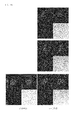
- Green (488nm) represents FITC; red parts dyed with TOPRO-3 represent the nucleus of a cell. The nucleus was designated as red to show co-localization of nucleus and the peptide. In the diagram, when localization was shown, it was represented as orange combined with green and red. The result showed that the part of nucleus, treated with TAT and represented as orange, was where co-localization of the peptide and the nucleus of cell took place. In contrast to this, there was no part of the cell represented as orange in the nucleus treated with PEP1.
- Fig. 17 is a digitized graph of PEP1 and TAT absorption.
- Example 3 Cell penetrating property of PEP1 depending on different environmental conditions
- HSP70/90 plays an important role in cell penetrating property of Pep1 was analyzed using HSP70/90 antibody.
- Antibodies of GAPDH, HSP70, HSP90 and enolase were treated in PBMC separated from human blood, lymphocyte, and Jurkat to perform flow cytometry.
- Antibodies of GAPDH and enolase were used as control.
- cell penetrating property of the pep1 was remarkably reduced and this supported the fact that HSP70/90 plays an important role in cell penetrating property of PEP1.
- HSP70 HSP70, enolase, GAPDH (santacruz), HSP90 antibodies were used.
- Cells were treated with heparin (10 ⁇ g/ml), methyl beta cyclodextrin (5mM), nocodazole (20 ⁇ M), Brefeldin A (10 ⁇ M), cytochalasin F (5 ⁇ M) or choloroqune (100 ⁇ M) an hour before cells were cultured by the peptide. After then, cells were washed with PBS, peptide treatment was performed by flow cytometry analysis as the same method described in Example 2.
- pep1 can drag cargoes into the cells more efficiently in cancer cells than in normal cells and thereby it can be suggested that pep1 has the ability to specifically target cancer cells where HSP70 or HSP9 is over-expressed.
- the DMF solution was added and reacted in room temperature for 2 hours, then washed with DMF, MeOH, and DMF in that order.
- the cortex was removed from the head of an embryonic rat that had been pregnant for 13 days (Sprague-Dawley, SD) (Orient bio, Kyungki, Korea) and cells were divided with 2 x 10 4 cells/cm 2 in a plate coated with poly-L-ornithine/fibronectin in Ca 2+ /Mg 2+ -free PBS (GIBCO, Grand Island, NY, USA).
- neural stem cells were divided in a chamber well plate with 1x10 5 .
- the cells in the plate were treated with 10 ⁇ M of Ferrocencarboxylic-pep1 and cultured in 37°C, 5% CO 2 incubator.
- the cells were washed with PBS twice and fixed with 4% Paraformaldehyde in room temperature for 20 mins.
- the nucleus of cells was dyed with DAPI (4' ,6-diamidino-2-phenylindole) mount medium (mount medium with DAPI) (Vector Laboratories, CA, USA). After then, cells were compared and analyzed by Confocal laser scanning system at a blue wavelength of 430-500nm, a red wavelength of 620-700nm, and a combination wavelength of red and blue.
- Fig. 38 is a diagram representing status of neural stem cells over time after being treated with Feroocenecarboxylic-pep1.
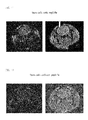
- Fig. 39 is a diagram representing penetration status of neural stem cells taken by Confocal laser scanning system; wherein the neural stem cells were treated with Ferrocenecaroxylic-pep1 and the nucleus of the cells was dyed with DAPI.
- the part represented as blue at a wavelength of 430-550nm is the nucleus dyed with DAPI and the part represented as red at a wavelength of 700nm is Ferrocenecarboxylic-pep1.
- Ferrocenecarboxylic-pep1 is clustered around the nucleus and this shows that Ferrocenecarboxylic-pep1 penetrated into the cell and translocated into the cytoplasm.
- neural stem cells were divided with 4x10 4 and 2.5x10 5 in a 96 well and a 24 well-plate respectively, and cultured for at least 12 hours at 37°C, 5% CO 2 incubator. Different concentrations (0, 0.01, 0.1, 1, 10, 100 ⁇ M) of Ferrocenecarboxylic-pep1 were treated and cultured for 24 hours followed by cell viability and toxicity assessments using cell counting kit-8 (CCK-8) assay and lactate dehydrogenase (LDH) activation assays. The result is shown in Fig. 40 .
- CCK-8 cell counting kit-8
- LDH lactate dehydrogenase
- Fig. 41 is a MRI image representing a brain which stem cells with Ferrocenecaroxyolic-pep1 group was transplanted and Fig. 42 is a MRI image representing the brain which stem cells without Ferrocenecarboxylic-pep1 were transplanted, Fig. 43 is a MRI image representing a brain which Ferrocenecarboxylic-pep1 group was transplanted and Fig. 44 is a MRI image representing a brain which saline group was transplanted. As shown in Fig. 41 to Fig.
- a conjugate of a peptide of SEQ ID NO: 1 and Green Fluorescent protein was manufactured as follows.
- Fig. 45 primers were produced to clone Green Fluorescent proteins (SEQ ID NO: 6, SEQ ID NO: 7) in pET28a(+) vector (Promega). Primer was produced to have EcoRI restriction site at 5', HindIII restriction site at 3', 21bp of GFP sequences at next to the part EcoRI restriction site was added, a stop codon at next to the part Hindlll restriction site was added.
- the 5' was produced same as GFP and the front of GFP was produced to have sequences coding the CPP.
- EGFP was obtained by PCR using the vector represented as a diagram in Fig. 45 as a template.
- 16p is attached to the front of EGFP in a case of EGFP-16p (GAA GCG CGC CCG GCG CTG CTG ACC AGC CGC CTG CGC TTT ATT CCG AAA).
- TAT is produced to the front of EGFP when producing a primer TAT.
- Fig. 46 is a mimetic diagram representing pET-28a vector.
- Fig. 47 is a mimetic diagram of cloning.
- the forward primer was produced by adding 21 GFP sequences behind the CPP coding sequences and the reverse primer was produced by adding parts of C-terminal sequences of GFP, using the above primer and pET-28a-GFP vector as a template, and PCR was performed. PCR was performed at 95°C, 5min, 30cycle 95°C 5min (denaturation), 63°C 30 sec (annealing), 72°C 7 min and 10 pmol of each primer was used. Fragments of GFP, GFP-CPP DNA were amplified at above PCR conditions, and fragments were cloned at EcoRI and HindIII part of pET28a(+) vector and the vector expressing GFP, GFP-CPP was obtained. ( Fig. 47 )
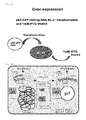
- Protein was separated by transforming above vector in bacteria. Specifically, E,coli BL21 (DE3) (Invitrogen, Carlsbad, CA, USA) was transformed with each of above vector and grown in a 5ml of LB/Kanamycin and moved to 100ml medium and cultured in the medium. Kanamycin was added at volume ratio of 1/1000. The vector was spinner cultured at 37°C for 2 to 3 hours and was grown until within 0.6-0.8 range by measuring absorbance and 10mM of IPTG (Isopropyl beta-D-1-thiogalactopyranoside) was treated. The vector was cultured for additional 3 ⁇ 4 hours and centrifugated at 5000rpm for 5 minutes. ( Fig. 48 )
- the result of centriguation of expressed protein showed over-expression of protein represented as green can be confirmed visually.
- the over-expressed protein was separated using protein separation kit (Prod, #21277, Thermo Scientific, IL, USA), His tag purification kit, according to the manufacturer's instructions.
- proteins were dialyzed purified and concentrated. Specifically, proteins were purified using sterilized 4°C PBS. Firstly, dialysis bag was balanced with PBS, above separated protein solution was added to the bag with 5ml syringe, and dialyzed at 4°C by stirring. To increase concentration of protein and to remove unnecessary substances, the dialyzed proteins were concentrated by centrifugation at 3,000rpm 4°C in BIBASPIN 20 (Prod, #VS2092, Sartorius Stedin biotech, Germany).
- 5x10 5 of cell line was divided in a 6-well plate using HepG2 cells (human hepatocellular carcinoma cells) obtained from ATCC and cultured in MEM medium containing 10% fetal bovine serum (Invitrogen, USA), 100 ⁇ g/ml penicillin, 100 units/ml streptomycin at 37°C, 5% CO 2 incubator for 12 hours.
- HepG2 cells human hepatocellular carcinoma cells obtained from ATCC and cultured in MEM medium containing 10% fetal bovine serum (Invitrogen, USA), 100 ⁇ g/ml penicillin, 100 units/ml streptomycin at 37°C, 5% CO 2 incubator for 12 hours.
- CHO Chiinese Hamster Ovary cells
- HeLA human cervical cancer cells
- Huh7 human hepatocellular carcinoma cells
- MCF7 human breast cancer cells
- DNA-peptide complex was injected into 1% agarose gel containing 0.5 mg/ml Ethidium Bromide (EtBr) and reacted at 100v in 1x TAE buffer for 30 mins.
- EtBr Ethidium Bromide
- piRES2-EGFP vector was produced by inserting luciferase DNA to OPTI-MEM and pIRES2-EGFP vector. 2ug of pIRES2-EGFP luciferase vector was mixed with 1, 2, 4, 8 multiple (w/w) of each peptide and the complex of 100ul/well total volume was produced. The produced DNA-peptide complex was inserted into each well and cultured at 37°C, 5% CO 2 for 4 hours. After washing cells, medium was replaced with complete media and was cultured at 37°C, 5% CO 2 for additional 20 hours.
- the medium was removed 24 hours after DNA-peptide complex injection, and after washing the cells with PBS twice, 50ul of lysis buffer was injected into each well.
- the luciferase assay was performed on cell lysate obtained from cell shaking for 15 minutes in room temperature. Luminescence was measured by adding 100ul of luciferase substrate to 20ul of cell lysate. The result recorded the average value standardized by BSA assay.
- hTERT-pk showed higher luciferase expression than control groups (TAT-pK, GGG-pK) at all concentration. Especially, at a concentration of 8 times compared to DNA, hTERT-pK showed a significant level of luciferase expression compared to TAT-pK and GGG-pK. ( Fig 55 )
- Trt-Mercaptoacetyl-Ahx-E(OtBu)-A-R(Pbf)-P-A-L-L-T(tBu)-R(Pbf)L-R(Pbf)-F-I-P-K(Boc)-2-chloro-Trityl Resin was manufactured according to the manufacturing methods described in the Example 1.
- Ahs herein means 6-aminohexanoic acid.
- Trt-Mercaptoacetyl-Ahx-E(OtBu)-A-R(Pbf)-P-A-L-L-T(tBu)-R(Pbf)L-R(Pbf)-F-I-P-K(Boc)-2-chloro-Trityl Resin was verified by HPLC and mass analysis.
- SiLuc-pep1 conjugate was manufactured by conjugation of siRNA sequences with above synthesized pep1. Specifically, siRNA sequences used in conjugation with pep1 are as follows.
- the manufacturing method is that Maleimide modified SiLuc (75umol) supplied by Bionia, Korea was melted in PBS buffer (1 x 1 ml) and was conjugated by reacting in room temperature for 2 hours. Conjugation was performed by reacting thiol group of the peptide and Maleimide of siRNA. Conjugation reaction was verified using Ellman's reagent and 5,5'-dithiobis-(2-nitrobenzeoic acid or DTNB). Ellman's reagent is a chemical used to quantify concentration or number of thiol groups in a sample.
- siRNA sequences used in the experiment are for luciferase DNA purpose and siRNA of siLuc-scrambled pep1 [siLuc conjugation with Mercaptoacetyl-Ahx-LRALPKRPFISRLTEA], siLuc-Tat(47-57) [siLuc conjugation with Mercaptoacetyl-Ahx-YGRKKRRQRRR], siLuc-Penetratin[siLuc conjugation with Mercaptoacetyl-Ahx-RQIKIWFQNRRMKWKK], siLuc-pep1 [siLuc conjugation with Mercaptoacetyl-Ahx-EARPALLTSRLRFIPK]provided by Peptron where we asked for peptide synthesis.
- siOCont-scrambled pep1, siCont-Tat (47-57), siCont-Penetratin, siCont-pep1 were used as control.
- Luciferase siRNA and negative siRNA Cat# : SN-1012, AccuTarget Negative control siRNA which are commercially sold by Blonia were used as a positive control and a negative control respectively.
- siRNA for luciferase purpose was produced and luciferase activation was measured using Huh7 (human hepatocellular carcinoma) cells and CHO cell line.
- Huh7 human hepatocellular carcinoma
- the result verified that activation of penetratine and pep1 in siRNA combined with luciferase was reduced approx. 28%, 20% compared with penetratin and pep1 in siRNA combined with control in Huh cell line.
- no significant difference in activation of was observed when scrambled and TAT in siRNA which was combined with luficerase and control.
- luciferase activation between Tat and scrambled combined with luciferase and siRNA of pentratin and pep1 27%, 55%, 40% of activation suppression was observed respectively ( Fig. 57 )
- siRNA conjugated with pep1 showed about 30% inhibition of luciferase activity in CHO cell.
- cell penetrating ability of pep 1 could be confirmed by observing inhibition luciferase activity using siRNA. ( Fig. 58 ).
- MCH7 Human breast adenocarcinoma adherent cell line obtained from ATCC was used.
- the cell line was cultured in a RPMI 1640 medium (Sigma) containing 10% fetal bovine serum (Invitrogen, USA), 100 ⁇ g/ml penicillin, 100 units/ml streptomycin at 37°C, 5% CO 2 incubator.
- the medium was then removed and washed with PBS (Phosphate buffered saline, ph 7.4) three times.
- PBS Phosphate buffered saline, ph 7.4
- 0.5mL of 4% Paraformadehyde (PFA) was added and was fixed in room temperature for 20 mins.
- the cells were washed with 1xPBS and washed with 4% PFA twice swiftly.
- telomerase derived peptide is localized within mitochondria.
- 2 x10 7 of MCF cell line was prepared and mitochondria was separated using Mitochondrial separation kit (Themo science, #89874) according to the corresponding protocol. Specifically, 800ul of Reagent A was added to cell pellet, and was vortexed at a medium velocity for 5 seconds. After then, cells were placed in ice for 2 minutes and cell suspension was moved to a Dounce tissue grinder and the suspension was grinded on ice. Lysed cells were then moved to the original tube. 800ul of Reagent C was added to the original tube and rinsed the grinder with 200ul of Reagent A. After gently mixing, 700g of the cells were centrifugated for 10 mins.
- Mitochondrial separation kit Themochondrial separation kit (Themo science, #89874) according to the corresponding protocol. Specifically, 800ul of Reagent A was added to cell pellet, and was vortexed at a medium velocity for 5 seconds. After then, cells were placed in ice for 2 minutes and cell suspension was moved to a Dounce tissue grinder and
- the supernatant was moved to a new test tube, and centrifugated again at 3,000g for 15 mins. The supernatant was discarded and 500ul of Reagent C was added to the pellet containing mitochondria and centrifugated at 12,000g for 5 mins. The supernatant was discarded and the pellet was placed in ice. 100ul of buffer produced by adding 2% CHAPS to TBS (25mM Tris, 0.15M NaCl, pH 7.2) was vortexed for a minute. The buffer was centrifugated at 12,000g for 2 mins, the soluble mitochondria protein was immunoprecipitated with test proteins as below.
- test proteins are pep1-GFP conjugate manufactured as described in Example 5. 1(1), GFP, 11mer-GFP, ccg-GFP were used as control. 11mer-GFP is a conjugate of 11 mer protein combined with GFP wherein 11 mer protein consists of 11 amino acids derived from HBV. Ccg is replication origin of Hepatitis B virus.
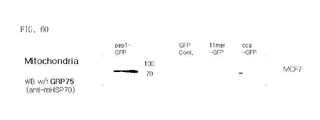
- 6xHis labeled cobalt resin was prepared (Prod. #89964, Thermo Scientific, UL, USA). 50-100 ⁇ l of the resin was added to a column and washed with 500 ⁇ l of washing buffer five times. Each expression protein was added to the column, was left by mixing at 4°C for 30 min to 1 hour. After then, 500 ⁇ l of expression protein-resin polymer was washed with washing buffer for 5 times. The prepared mitochondria supernatant prepared above was added here and left overnight at 4°C by stirring. On the next day, the resin was washed with the same method, the resin was eluted by adding 200 ⁇ l of elution buffer. The result is shown in the Fig. 60 . The result verified that hsp70 antibody of mitochondria combine only to pep1-GFP.
Landscapes
- Health & Medical Sciences (AREA)
- Life Sciences & Earth Sciences (AREA)
- Chemical & Material Sciences (AREA)
- General Health & Medical Sciences (AREA)
- Animal Behavior & Ethology (AREA)
- Public Health (AREA)
- Veterinary Medicine (AREA)
- Medicinal Chemistry (AREA)
- Engineering & Computer Science (AREA)
- Epidemiology (AREA)
- Molecular Biology (AREA)
- Pharmacology & Pharmacy (AREA)
- Organic Chemistry (AREA)
- Bioinformatics & Cheminformatics (AREA)
- Biochemistry (AREA)
- Proteomics, Peptides & Aminoacids (AREA)
- Nuclear Medicine, Radiotherapy & Molecular Imaging (AREA)
- Genetics & Genomics (AREA)
- Biomedical Technology (AREA)
- General Chemical & Material Sciences (AREA)
- Chemical Kinetics & Catalysis (AREA)
- Radiology & Medical Imaging (AREA)
- Biophysics (AREA)
- Biotechnology (AREA)
- Immunology (AREA)
- General Engineering & Computer Science (AREA)
- Pathology (AREA)
- Zoology (AREA)
- Wood Science & Technology (AREA)
- Birds (AREA)
- Food Science & Technology (AREA)
- Mycology (AREA)
- Microbiology (AREA)
- Physics & Mathematics (AREA)
- Polymers & Plastics (AREA)
- Plant Pathology (AREA)
- Nutrition Science (AREA)
- Inorganic Chemistry (AREA)
- Dermatology (AREA)
- Oncology (AREA)
Abstract
Description
- The present invention relates to cell penetrating peptides derived from human telomerase reverse transcriptase (hTERT) enzyme , conjugates of the cell penetrating peptides , active ingredients, and compositions comprising the conjugate.
- Although Low-molecular weight substances, nucleic acids, proteins, nano-particles, etc, have great potentials as therapeutic substances at a molecular level, their uses are limited due to the incompetence to penetrate into tissues and cell membrane.. The development of a system to deliver such substances into the cell has been the active area of research over the last two decades. transport the substances inside the cell has been a conversation topic in a treatment of molecular method. Low-molecular weight substances, nucleic acids or nano-particles were transported inside the cell by several reagents, electroporation or heatshock.
- However, it was difficult to find an adequate method of delivery of proteins inside the cell without disrupting the activity and integrity of proteins. In 1980s, in the research conducted on studying the cell penetrating capacity of HIV, it was found that HIV-TAT protein consisting of specific 11 amino acids play an important role in a process of transportation inside the cell. Thus, in 1990s,studies on finding the right method of transporting proteins inside the cell has been the intense area of research...
- Telomere is known as a repetitive sequence of genetic material found at the ends of chromosomes that prevent chromosomes from damage or merging onto other chromosomes. The length of the telomere is shortened at each cell division, and after a certain number of cell division, the telomere length is extremely shortened to the extent in which the cell stops dividing and dies. On the other hand, the elongation of telomeres is known to extend the life span of a cell. For an example, cancer cells excrete an enzyme called telomerase, which prevents shortening of telomeres, thus resulting in proliferation of cancer cells.
- The objective of this invention is to provide a cell penetrating peptide.
- Another objective of present invention is to provide a useful peptide as a carrier of the active ingredient in a cell.
- Another objective of present invention is to provide a useful peptide as a carrier of the active ingredient in a cell, especially deliver to mitochondria locally.
- Another objective of present invention is to provide a useful peptide for delivery of active ingredient to mitochondria for improvement, prophylaxis or treatment of mitochondria related disease or disorder.
- Another objective of present invention is to provide a conjugate that an active ingredient and cell penetrating peptide are conjugated.
- Another objective of present invention is to provide a composition comprising a conjugate of an active ingredient and cell penetrating peptide.
- Another objective of present invention is to provide a pharmaceutical composition comprising a conjugate of an active ingredient and cell penetrating peptide.
- Another objective of present invention is to provide a functional cosmetic composition comprising a conjugate of an active ingredient and cell penetrating peptide.
- Another objective of present invention is to provide a health food composition comprising a conjugate of an active ingredient and cell penetrating peptide.
- Another objective of present invention is to provide a contrast agent comprising a conjugate of an active ingredient and cell penetrating peptide.
- The conjugate according to the one embodiment of the present invention may be a conjugate of cell penetrating carrier peptide and active ingredients, wherein the carrier peptide is the peptide comprising amino acid sequence of SEQ ID NO: 1, the peptide having above 80% homology of amino acid sequence with above-mentioned sequence, or the fragment of the above-mentioned peptides, and wherein the peptide having above 80% homology of amino acid sequence with above-mentioned sequence and the fragment of the same are the peptides that maintain cell penetrating ability of SEQ ID NO: 1.
- According to another embodiment of the conjugate in the present invention, the fragment may be made of 3 or more amino acids.
- According to another embodiment of the conjugate in the present invention, the carrier peptide may be made of 30 or less amino acids.
- According to another embodiment of the conjugate in the present invention, the above-mentioned carrier peptide may be the peptide having amino acid sequence of SEQ ID NO: 1 or the peptide having above 80% homology of amino acid sequence with above-mentioned sequence.
- The contrast agent according to the one embodiment of the present invention may comprise any one conjugate above-mentioned.
- The contrast agent according to the one embodiment of the present invention may be for contrasting a cell.
- According to another embodiment of the contrast agent in the present invention, the cell may be a stem cell.
- The composition according to one embodiment of the present invention may comprise any one of conjugates above-mentioned.
- According to another embodiment of the composition in the present invention, the active ingredient may be for treatment or prevention of disease, and the composition may be pharmaceutical composition.
- According to another embodiment of the composition in the present invention, the active ingredient may be the active ingredient for functional cosmetics, and the composition may be cosmetic composition.
- According to another embodiment of the composition in the present invention, the active ingredient may be the active ingredient for functional health food, and the composition may be health food composition.
- The cytoplasm targeting delivery system of active ingredient according to the one embodiment of the present invention may comprise any one of conjugates mentioned above, wherein the carrier peptide moves into a cytoplasm locally and performs a role of local cytoplasm delivering the mentioned active ingredients, wherein the peptide having above 80% homology of amino acid sequence with above-mentioned sequence and the fragment of the same are the peptides that maintain cell penetrating ability of SEQ ID NO: 1.
- The mitochondria targeting delivery system of active ingredient according to the one embodiment of the present invention may comprise any one of conjugates mentioned above, wherein the carrier peptide moves into a mitochondria locally and performs a role of local mitochondria delivering the mentioned active ingredients, wherein the peptide having above 80% homology of amino acid sequence with above-mentioned sequence and the fragment of the same are the peptides that maintain cell penetrating ability of SEQ ID NO: 1.
- The composition for modulating mitochondria activity according to the one embodiment of the present invention may comprise any one of conjugates mentioned above, wherein the carrier peptide moves into a mitochondria locally and performs a role of local mitochondria delivering the mentioned active ingredients, wherein the peptide having above 80% homology of amino acid sequence with above-mentioned sequence and the fragment of the same are the peptides that maintain cell penetrating ability of SEQ ID NO: 1.
- According to another embodiment of the composition for modulating mitochondria activity in the present invention, the composition may be a pharmaceutical composition for treatment, prophylaxis, suppression of progresses or alleviation of symptoms of diseases or disorders related with mitochondria, and the active ingredients are ingredients for treatment, prophylaxis, suppression of progresses or alleviation of symptoms of diseases or disorders related with mitochondria.
- The method according to one embodiment of the present invention may be a method of delivering an active ingredient into a cell, wherein the method comprises a step of administering any one of the above-mentioned conjugate to the subject that is required, and wherein the carrier peptide is a cell penetrating peptide that perform delivery of the active ingredient into a cell, and wherein the peptide having above 80% homology of amino acid sequence with the sequence and the fragment of the sequences may be the peptide that maintain cell penetrating ability of the peptide of SEQ ID NO:1.
- According to another embodiment of the method in the present invention, the method may be for delivering the active ingredient locally into mitochondria inside a cell.
- The peptide according to the present invention may comprise amino acid sequence of SEQ ID NO: 1, or a fragment of the above-mentioned peptide. The fragment of SEQ ID NO: 1 may be made of 3 to 7 amino acids.
- The peptide according to the present invention may be a cell penetrating peptide with more than 17 amino acids comprising SEQ ID NO: 1.
- The polynucleotide according to the present invention may encode above-mentioned cell penetrating peptide.
- The vector according to the present invention may comprise above-mentioned polynucleotide.
- The transformed cell according to the present invention may comprise above-mentioned vector.
- Active ingredients which are difficult to be transported inside a cell can be easily transported inside a cell by using the peptide, or the conjugate of the peptide and active ingredients, disclosed in the present invention. This means that efficacy of active ingredients can be increased and therefore the dosage can be lowered. As a result, side effects due to a drug administration can be minimized and effectiveness of treatment can be increased. Especially, as delivering drugs locally into mitochondria, mitochondria related diseases or disorders can be improved, and the effectiveness of prophylaxis and treatment of diseases can be increased. In a case of cosmetics, with a small amount of active ingredients, it can create an outstanding effect. By conjugating a peptide with a contrast substance, it can be used as a contrast substance to monitor a process of cell transplantation or transplanted cells in a cell treatment. Especially, it can be effectively used as a contrast substance for stem cells injected within a body.
-
-
Fig. 1 represents a schematization of green fluorescence protein (GFP) fusion constructs produced in pET28a vector with the restriction enzyme sties (EcoRI & HindIII). 16-mer represents SEQ ID NO: 1 (pep1). -
Fig. 2 represents a schematization of pET-28a(+) vector used to generate a fusion construct with SEQ ID NO: 1 (pep1) and Green Fluorescent Protein. -
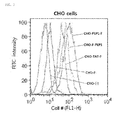
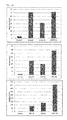
Fig. 3 represents the result of cellular uptake of FITC (CHO-F, control group, blue line), CHO-TAT-F (TAT peptide labeled with FITC, green line), CHO-F-pep-1 (pep1 labeled with FITC at the N-terminal, blue line) and CHO-pep1-F (pep1 labeled with FITC at the C-terminal, pink line) in CHO cells. CHO cells were treated with the peptides as described above for 1 hour, harvested, and analyzed by FACS. The red line represents the background value from CHO cells not treated with any peptide. -
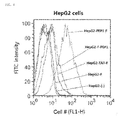
Fig. 4 represents the result of cellular uptake of HepG2 cell line treated with FITC (HepG2-F, control group, blue line), HepG2-TAT-F (TAT peptide labeled with FITC, green line), HepG2-F-pep1 (pep1 labeled with FITC at the N-terminal, orange line), and HepG2-pep1-F (pep1 labeled with FITC at the C-terminal, blue line) in HepG2 cells. Cells were treated with the peptides as described above for 1 hour, harvested, and analyzed by FACS. The red line represents the background value from HepG cells not treated with any peptide. -
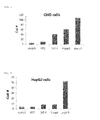
Fig. 5 represents the cellular uptake of TAT-F (TAT labeled with FITC), F-pep1 (pep1 labeled with FITC at the N-terminal), and pep1-F (pep1 labeled with FITC at the C-terminal) in CHO cells by FACS. Cells were treated with the peptides for 1 hour prior to FACS analysis (Control group corresponds to CHO cell line background value). -
Fig. 6 represents the cellular uptake of TAT-F (TAT labeled with FITC),F-pep1 (pep1 labeled with FITC at the N-terminal), and pep1-F (pep1 labeled with FITC at the C-terminal) in HepG2 cells by FACS. Cells were treated with the peptides for 1 hour prior to FACS analysis (Control group corresponds to HepG2 cell line background value). -
Fig. 7 represents the cellular uptake of peptide with SEQ ID NO: 1 labeled with FITC in HeLa cells. Cells were treated with the peptide for 1 hour and analyzed by FACS (Control groups were those only treated with FITC). -
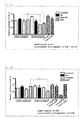
Fig. 8 represents the result of toxicity and cell viability assay of the peptide with SEQ ID NO: 1 combined with FITC and each of which was used to treat HeLa cells. -
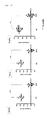
Fig. 9 andFig. 10 represent the result of flow cytometry on cell penetrating property of pep1 in Huh7 cell line. -
Fig. 11 andFig. 12 represent the result of flow cytometry on cell penetrating property of pep1 in human T lymphocyte cell line. -
Fig. 13 andFig. 14 represent the result of flow cytometry and confocal microscopic analysis on cell penetrating property of pep1 based on the position of FITC conjugation.. -
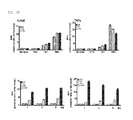
Fig. 15 andFig. 16 represent the result of confocal microscopic analysis on TAT peptide andPEP 1 in MCF7, Huh7 and HepG2 cell lines to show the difference in level of intracellular fluorescence signals between TAT peptide and pep1. -
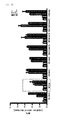
Fig. 17 is a graph which represents a mean dispersion of Pearson's coefficient of intracellular fluorescence signals of TAT peptide and PEP1 in MCF7, Huh7 and HepG2 cell lines. -
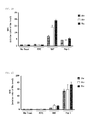
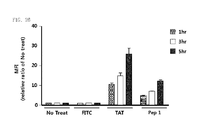
Fig. 18 to Fig. 23 represent the analytical result based on PEP1 concentration in Huh7, bmDC (mouse bone marrow- derived dendritic cells), CHO, COS7 cell line,Fig. 24 to Fig. 26 represent the result of pep1 depending on time. -
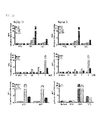
Fig. 27 to Fig. 31 represent the result of cell penetrating property ofPEP 1 analyzed by flow cytometry and confocal microscope; wherein different concentrations of pep1, temperature, and incubation time were used to treat Jurkat (Human T cell line), THP1 (Human monocyte cell line), Rail (B cell line), K562 (Human leukemia cell line). -
Fig. 32 to Fig. 34 represent the result of flow cytometry analysis of pep1 with different concentration, temperature and treatment time in human PBMC. -
Fig. 35 to Fig. 36 represent the result of flow cytometry analysis of pep1 with chemical treatment in human PBMC and Jurkat. -
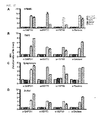
Fig. 37 represents the result of flow cytometry analysis performed to compare cell penetrating property of pep1 by adding various antibodies; wherein the pep1 was treated with antibodies against HSP70, enloase, GAPDH (santacruz), and HSP90. -
Fig. 38 is a diagram which represents the cellular uptake of Ferrocenecarboxylic-pep1 in rat neural stem cells (NSC) over time. -
Fig. 39 is a diagram which represents the cellular uptake of Ferrocenecarboxylic-pep1 in rat NSC measured by confocal laser scanning system DAPI was used to stain the nucleus. Ferrocenecarboxylic-pep1 and dying cell nucleus with DAPI. -
Fig. 40 represents the effects of Ferrocenecarboxylic-pep1 oncell viability and cytotoxicity analyzed by cell counting kit-8 (CCK-8) assays and lactate dehydrogenase (LDH) activation assay. -
Fig. 41 is a brain MRI image diagram of brain of stem cells with Ferrocenecarboxylic-pep1 group treated with Ferrocenecarboxyic-pep1,Fig. 42 is a MRI diagram of brain stem cells with Ferrocenecarboxylic-pep1 group not treated with Ferrocenecarboxylic-pep1,Fig. 43 is a MRI diagram of brain of Ferrocenecarbxylic-pep1 group, andFig. 44 is a MRI diagram of brain of saline group. -
Fig. 45 represents a pET28a(+) vector (Promega) to generate a conjugate of the peptide with SEQ ID NO: 1 and Green Fluorescent Protein (GFP). -
Fig. 46 represents a map of pET-28a vector andFig. 47 is a diagram of cloning. -
Fig. 48 shows the cloning strategy used to generate GFP expression plasmid in pET vector. -
Fig. 49 shows a principle of IPTG induction in bacterial transformation. -
Fig. 50 represents the result of cell penetrating property of GFP combined withpep 1 in various cell lines analyzed by a fluorescence microscope. -
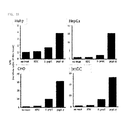
Fig. 51 represents the result of flow cytometric analyses showing cellular uptake of GFP, TAT, and pep1 in various cell lines. -
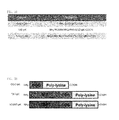
Fig. 52 represents the primary structure of peptide used to generate DNA (poly-lysine)-cpp conjugate,Fig. 53 is a schematics of the poly-lysine conjugates inFig. 52 . -
Fig. 54 represents the electrophoretic mobility of DNA combined with the peptide. -
Fig. 55 represents the result of cell penetrating property of DNA delivered by pep1 conjugated to poly-lysine, as measured by hTERT-dependent luciferase assay in various cell lines. -
Fig. 56 represents the result of the degree of cellular uptake of siRNA by poly-lysine-pep1-FITC. combined with Poly-lysine-pep1-FITC to deliver into the cell. -
Fig. 57 represents the result of luciferase assay showing reduction in luciferase activity by proper entry of luciferase siRNA conjugated to pep1 into Huh7 cell line -
Fig. 58 represents the result of luciferase assay showing reduction in luciferase activity by proper entry of luciferase siRNA conjugated to pep1 in CHO cell line. -
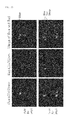
Fig. 59 is a diagram which represents the result of cellular localization of pepl-FITC conjugate with mitochondrial localization markers, mitotrackers® with deep red FM 644/665nm (Invitrogen) (A) Treatment of pep1-GFP conjugate in MCF-7 cells only (B) Treatment of mitochondrial localization marker, mitotrackers® deep red FM 644/665nm (Invitrogen) only (c) Phase contrast of cell, (D), a combined diagram of A and B. -
Fig. 60 represents the result of western blot analysis of pep1-GFP conjugate with mitochondrial hsp70 antibody; wherein the conjugate was treated with MCF7 (Human breast adenocarcinoma) cell line. -
Fig. 61 is a diagram representing cellular uptake of pep1-GFP in HepG2 cell line. - The preferred examples of the present invention are as follows.
- 1. A conjugate of a cell penetrating carrier peptide and an active ingredient, wherein the carrier peptide is the peptide comprising amino acid sequence of SEQ ID NO: 1, the peptide having above 80% homology with the above-mentioned peptide sequences, or the fragment of the above mentioned peptides,
wherein the peptide having above 80% homology with the sequence, and the fragment are the peptides that maintain cell penetrating ability of SEQ ID NO: 1. - 2. The conjugate according to
claim 1, wherein the fragment is made of at least 3 amino acids. - 3. The conjugate according to
claim 1, wherein the carrier peptide is made of 30 or less amino acids. - 4. The conjugate according to
claim 1, wherein the carrier peptide is the peptide having amino acid sequence of SEQ ID NO: 1 or the peptide having above 80% homology of amino acid sequence with the above-mentioned sequence. - 5. The conjugate according to
claim 1, wherein the active ingredient is at least one selected from protein, nucleic acid, peptide, lipid, glycol-lipid, mineral, sugar, nano-particle, biological products, contrast agent, drugs and chemical compounds. - 6. The conjugate according to
claim 5, wherein the active ingredient is DNA or RNA, and
wherein the carrier peptide is conjugated with DNA via polylysine when the active ingredient is DNA. - 7. The conjugate according to
claim 1, wherein the carrier peptide and the active ingredient are combined via a covalent bond, selectively mediated by a linker. - 8. The conjugate according to
claim 1, wherein the carrier peptide and the active ingredient are combined via non-covalent bond. - 9. The conjugate according to
claim 5, wherein the active ingredient is a protein or a peptide. - 10.The conjugate according to claim 9, wherein the active ingredient is a cytokine, antibody, fragment of antibody, therapeutic enzyme, soluble receptor or ligand.
- 11. The conjugate according to
claim 1, wherein the carrier peptide is combined with fluorescein isothiocyanate. - 12. The conjugate according to
claim 1, wherein the carrier peptide is combined with Green Fluorescent Protein (GFP). - 13.The conjugate according to
claim 1, wherein the active ingredient is combined with a C-terminus of the above mentioned carrier peptide. - 14. The conjugate according to
claim 1, wherein the efficacy target of the active ingredient is cancer cell, immune cell or fibroblast. - 15. The conjugate according to claim 14,
wherein the cancer cell is at least one cancer cell selected from the group consisting of liver cancer cell, breast cancer cell and leukemia cell,
wherein the immune cell is at least one immune cell selected from the group consisting of T lymphocytes, B cell and monocyte. - 16. The conjugate according to
claim 1,
wherein the active ingredient is a substance necessary for localization into cytoplasm, and the carrier peptide performs local delivery of the active ingredient into cytoplasm. - 17.The conjugate according to
claim 16, wherein the active ingredient is a substance necessary for localization into mitochondria, and the carrier peptide performs local delivery of the active ingredient into mitochondria. - 18. The conjugate according to
claim 5, wherein the contrast agent is selected from a group consisting of radiopaque contrast agent, paramagnetic contrast agent, superparamagnetic contrast agent and CT contrast agent. - 19. The conjugate according to
claim 5, wherein the contrast agent is based on iron. - 20. The conjugate according to claim 19, wherein the contrast agent is a ferrocene carboxylate.
- 21. A contrast agent comprising a conjugate of any one of
claim 1 to claim 20. - 22. The contrast agent according to
claim 21, wherein the contrast agent is for contrasting a cell. - 23. The contrast agent according to claim 22, wherein the cell is a stem cell.
- 24.A composition comprising the conjugate according to any one of
claim 1 to claim 20 as an active ingredient. - 25.The composition according to
claim 24, wherein the active ingredient is for treatment or prevention of disease, and the composition is a pharmaceutical composition. - 26. The composition according to
claim 24, wherein the active ingredient is an active ingredient of functional cosmetics, and the composition is a cosmetic composition. - 27. The composition according to
claim 24, wherein the active ingredient is an active ingredient of health functional food, and the composition is a health food composition. - 28.A cytoplasm targeting delivery system of active ingredient, wherein the delivery system of active ingredient comprises any one conjugate according to
claim 1 to claim 20,wherein the carrier peptide is a peptide that moves into a cytoplasm locally and performs a role of local cytoplasm delivering the active ingredient,wherein the peptide having above 80% homology of amino acid sequence with the sequence and the fragment are the peptides that maintain cell penetrating ability of a peptide of SEQ ID NO: 1. - 29.A mitochondria targeting delivery system of active ingredient, wherein the delivery system of active ingredient comprises any one conjugate according to
claim 1 to claim 20,
wherein the carrier peptide is a peptide that moves into a mitochondria locally and performs a role of local mitochondria delivering the active ingredient, wherein the peptide having above 80% homology of amino acid sequence with the sequence and the fragment are the peptides that maintain cell penetrating ability of a peptide of SEQ ID NO: 1. - 30.A composition for modulating mitochondria activity, wherein the composition comprises any one conjugate according to
claim 1 to claim 20, wherein the carrier peptide is a peptide that moves into a mitochondria locally and performs a role of local mitochondria delivering the active ingredient, wherein the peptide having above 80% homology of amino acid sequence with the sequence and the fragment are the peptides that maintain cell penetrating ability of a peptide of SEQ ID NO: 1. - 31.The composition according to
claim 30, wherein the composition is a pharmaceutical composition for treatment, prophylaxis, suppression of progresses or alleviation of symptoms of diseases or disorders related with mitochondria, and wherein the active ingredients are ingredients for treatment, prophylaxis, suppression of progresses or alleviation of symptoms of diseases or disorders related with mitochondria. - 32.A method of delivering an active ingredient into a cell, wherein the method comprises a step of administering any one of the above-mentioned conjugate to the subject that is required, wherein the carrier peptide is a cell penetrating peptide that perform delivery of the active ingredient into a cell, and wherein the peptide having above 80% homology of amino acid sequence with the sequence and the fragment of the sequence are the peptides that maintain cell penetrating ability of the peptide of SEQ ID NO:1.
- 33.The method according to claim 32, wherein the method is for delivering the active ingredient locally into mitochondria inside a cell.
- 34. A cell penetrating peptide, wherein the peptide is made of at least 17 amino acid comprising SEQ ID NO: 1.
- 35.A cell penetrating peptide, wherein the peptide is the fragment of SEQ ID and is made of 3 to 7 amino acids.
- 36. A polynucleotide that encodes the peptide according to claim 34 or claim 35.
- 37. A vector that comprises the polynucleotide according to claim 36.
- 38. A transformed cell that comprises the vector according to
claim 37. - Proteins, Nucleic acids, Peptides or virus etc. have big potentials to be used as therapeutic substances. However, their uses are limited because they cannot penetrate tissues and cell membrane due to molecular level sizes. Although, the size of molecules is small, they cannot penetrate lipid-bilayer due to structure or characteristics of the molecules. Thus, through the use of electroporation, heat shock, etc., there were attempts to transport proteins, nucleic acids, peptides or viruses inside the cell; it was difficult to transfer those without neither damaging cell membrane nor keeping the active states of above molecules. There have been many studies conducted since TAT (Trans-Activating Transcriptional activator) protein derived from HIV (Human Immuno-deficiency Virus) has shown to work as cell penetrating peptide which can transport huge active substances inside the cell. Specifically, there have been studies conducted about substances that can transport huge molecules such as proteins, nucleic acids, peptides or virus inside the cell without causing any toxicity, unlike TAT protein which causes toxicity inside the cell. Therefore, the present invention was completed as present inventors have found that peptides derived from telomerase have outstanding efficacy as cell penetrating peptide without a noticeable toxicity.
- The peptide described in SEQ ID NO: 1 is same as the following table 1. SEQ ID NO: 2 lists the order of full length of human telomerase protein. SEQ ID NO: 1 lists the telomerase-derived peptide that consists of 16 amino acid sequences. The "name" in Table 1 below was used for distinction of peptides. In a different specific embodiment of the present invention, more than one peptide of the mentioned peptides in SEQ ID NO: 1 include "synthetic peptides", the synthesized peptides of selected areas of the telomerase. In the present specification, the term "pep" herein relates to peptides that have SEQ ID NO: 1 or , peptides comprising of amino acid sequence above 80% homology with above-mentioned sequence, or fragments of above-mentioned peptide.
[TABLE 1] SEQ ID No. Name PROSITION IN TELOMERASE SEQUENCE LENGTH 1. pep1 [611-626] EARPALLTSRLRFIPK 16 aa 2. Telomerase [1-1132] 
1132 aa 
- The substantial transformation of the biological properties of peptides are performed by selecting significantly different substitution in the following efficacies: (a) the efficacy in maintaining the structure of the polypeptide backbone in the area of substitution, such as sheet or helical three-dimensional structures, (b) the efficacy in maintaining electrical charge or hydrophobicity of the molecule in the target area, or (c) the efficacy of maintaining the bulk of the side chain. Natural residues are divided into groups by general side chain properties as the following:
- (1) hydrophobicity: Norleucine, met, ala, val, leu, ile;
- (2) neutral hydrophilicity: cys, ser, thr;
- (3) acidity: asp, glu;
- (4) basicity: asn, gin, his, lys arg;
- (5) residue that affects chain orientation: gly, pro; and
- (6) aromaticity: trp, tyr, phe.
- Non-conservative substitutions may be performed by exchanging a member of the above classes to different classes. Any cystein residues that are not related in maintaining the proper three-dimensional structure of the peptide can typically be substituted into serine, thus increasing the oxidative stability of the molecule and preventing improper crosslinkage. Conversely, improvement of stability can be achieved by adding cysteine bond(s) to the peptide.
- Altered types of amino acids variants of peptides are those that antibody glycosylation pattern changed. The term "change" herein relates to deletion of at least one carbohydrate residues that are found in a peptide and/or addition of at least one glycosylated residues that do not exist within a peptide
- Glycosylation in peptides are typically N-connected or O-connected. The term "N-connected" herein relates to that carbohydrate residues are attached to the side chain of asparagine residues. As tripeptide sequences, asparagine-X-serine and asparagine-X-threonine (where the X is any amino acid except proline) are the recognition sequence for attaching carbohydrate residue enzymatically to the side chain of asparagine. Therefore, with the presence of one of these tripeptide sequences in a polypeptide, the potential glycosylation sites are created. "O-connected glycosylation" means attaching one of sugar N-acetylgalactosamine, galactose, or xylose to hydroxyl amino acids. The hydroxyl amino acids are most typically serine or threonine, but 5-hydroxyproline or 5-hydroxylysine can be used.
- Addition of glycosylation site to a peptide is conveniently performed by changing amino acid sequence to contain tripeptide sequence mentioned above (for N-linked glycosylation sites). These changes may be made by addition of at least one serine or theronine residues to the first antibody sequence, or by substitution with those residues (for O-linked glycosylation sites).
- In one embodiment of the present invention, cell penetrating peptide comprising a peptide, wherein the peptide comprises amino acid sequence of SEQ ID NO: 1, the peptide has above 80% homology for amino acid sequence with above-mentioned sequence, or peptide is a fragment of above-mentioned peptide, is provided. In one embodiment of the present invention, a pharmaceutical composition comprising peptide as a drug delivery system to transport more than one active ingredient is provided, wherein the peptide comprises amino acid sequence of SEQ ID NO: 1, the peptide has above 80% homology with above-mentioned sequence, or the peptide is a fragment of above-mentioned peptide. A peptide comprising amino acid sequence of SEQ ID NO: 1, a fragment of above-mentioned peptide, or a peptide having above 80% homology with above-mentioned sequence, is safe and has outstanding efficacy as cell penetrating peptide. Therefore, the peptide can be conjugated with a drug to transport the drug inside the cell.
- In one embodiment of the present invention, a conjugate of a peptide and an active ingredient to be transported is provided, wherein the peptide comprises amino acid sequence of SEQ ID NO: 1, the peptide is a fragment of above-mentioned peptide, or the peptide has above 80% homology with above-mentioned peptide. In one embodiment of the present invention, an active ingredient may be at least one selected from proteins, nucleic acids, peptides, lipids, glycolipids, minerals, sugars, contrast substances, drugs and chemical compounds. In one embodiment of the present invention, the active ingredients may be peptides. In one embodiment of the present invention, the active ingredients may be cytokines, antibody, antibody fragments, therapeutic enzymes, soluble receptors, or ligands.
- A cell penetrating peptide disclosed herein means a peptide which can transport cargo from in vitro and/or in vivo to inside the cell. A "cargo" disclosed herein comprises all the substances that can be transported inside the cell via conjugation with a cell penetrating peptide, For example, all the substances which want to increase cell penetrating efficacy, specifically drugs, cosmetics, or active ingredients of health food, more specifically substances which cannot be transported inside the cell via general route, more specifically, sugars, nano-particles, biological formulation, viruses, contrast substances or other chemical compounds which can have proteins, nucleic acids, peptide, minerals, glucose as an example, but no t limited to those. A "drug" disclosed herein is a broad concept including a substance to be transported for alleviation, prophylaxis, treatment or diagnosis of diseases, wounds, or specific symptom.
- A "carrier peptide" disclosed herein is a peptide which can transport active ingredients to a targeted site via conjugation with active ingredients.
- In one embodiment of the present invention, protein or peptide as a cargo comprises one or more of hormone, hormone analogue, enzyme, enzyme inhibitors, signal transfer proteins(or peptides), antibody and vaccine, but not limited to those. In one embodiment of the present invention, a nucleic acid is a molecule that can be spontaneous or artificial DNA or RNA molecules, either single-stranded or double-stranded. The nucleic acid molecule can be one or more nucleic acids of same type (for example, having a same nucleotide sequence) or nucleic acids of different types. The nucleic acid molecules comprise one or more DNA, cDNA, decoy DNA, RNA, siRNA, miRNA shRNA, stRNA, snoRNA, snRNA PNA, antisense oligomer, plasmid and other modified nucleic acids, but not limited to those. In one embodiment of the present invention, virus comprises the whole virus or the core of virus which includes nucleic acids of the virus. In one embodiment of the present invention, a chemical substance is a broad indication comprising a natural or synthetic substance which can act as a drug.
- A phenomenon where specific DNA expression is controlled by double stranded RNA (dsRNA) in a process of DNA expression is called RNA interference; RNAi. Since the phenomenon was first discovered in C. elegans in 1998, it was found that the phenomenon is common in plants, fruit flies and mammals (Fire et al., Nature, 391:806-811, 1998; Novina & Sharp, Nature, 430:161-164, 2004).
- RNA interference is mediated by dsRNA having 19-25 bps that enters the cells, upon which it combines with RISC (RNA-induced silencing complex). The binding of the anti-sense strand of dsRNA to the complementary mRNA sequence triggers degradation of the target mRNA by the endonuclease enzyme found in RISC complex.(Rana, T. M., Nat. Rev. Mol. Cell Biol., 8:23-36, 2007; Tomari, Y. and Zamore, P. D., Genes Dev., 19: 517-529, 2005). In other words, siRNA is involved in RNA interference by suppressing production of specific protein and thereby interfering with DNA expression. siRNA consisting of 19∼23 nucleotides, forms a base pair according to complementary order of mRNA for specific messenger RNA (mRNA) to form double-stranded RNA. After then, the double -stranded RNA is specially disintegrated at the same time messenger RNA is removed from the cells. siRNA has been spotlighted as a substance for gene therapy because it showed an outstanding effect in suppressing expression of specific DNA in recent animal studies. siRNA with higher activation and precise selection of DNA, has been studied for last 20 years and it is expected to replace the antisense oligonucleotides which is currently being used as a remedy. Therefore, many pharmaceutical companies are now developing a siRNA based remedy. Compared to the existing anti-sense oligonucleotides, siRNA is known to inhibit gene expression with 10 times less amount and inhibit target genes only with an outstanding selectivity of genes. siRNA technique, especially for the treatment purpose, has a great advantage as it can be easily designed compared to other drugs and has characteristics such as high target selectivity and inhibition of specific gene expression. Also, since suppression of gene expression by RNA interference utilizes the mechanism naturally present in vivo, toxicity is low. However, siRNA has a disadvantage that it cannot be easily transported into a cell as it cannot penetrate the cell membrane as it is anionic and easily broken down in a short period of time due to low stability in vivo. This disadvantage of siRNA can be solved by conjugating with a carrier peptide disclosed herein.
- In one embodiment of the present invention, the efficacy of active ingredients, the cargo, are cancer cells, immune cells or fibroblast cells. Specifically, above cancer cells comprise any one cancer cell selected from the group consisting of: liver cancer cells, breast cancer cells and leukemia cells, above immune cells comprise any one immune cell selected from the group consisting of: T lymphocyte, B cells and monocytes.
- In one embodiment of the present invention, above active ingredients are to be localized in the cytoplasm, and the carrier peptide transports above active ingredients to cytoplasm locally.
- In one embodiment of the present invention, above active ingredients are to be localized in mitochondria, and the carrier peptide transports above active ingredients to mitochondria locally.
- In one embodiment of the present invention, drugs transported inside the cell by cell penetrating peptide can comprise one or more drug transporters such as liposome, micelle, nano-particles, magnetic-particles or Quantum Dot.
- The term "contrast substance" disclosed herein is a broad indication comprising all the substances used to contrast structures or fluids within the body in medical imaging. An appropriate contrast substance comprises radiopaque contrast agent, paramagnetic contrast agent, superparamagnetic contrast agent, CT(computed tomography) and other contrast substances, but not limited to those. For example, a radiopaque contrast agent (for x-ray imaging) will comprise inorganic iodine compound and organic iodine compound (for example, diatrizoate), radiopaque metals and their salts (for example, silver, gold, platinum, etc.) and other radiopaque compounds (for example, calcium salts, barium salt such as barium sulfate, tantalum and oxidized tantalum). An appropriate paramagnetic contrast substance (for MR imaging) comprises gadolinium diethylene triaminepentaacetic acid(Gd-DTPA) and its derivatives, other gadolinium, manganese, iron, dysprosium, copper, europium, erbium, chrome, nickel and cobalt complex, for example, 1,4,7,10-tetraazacyclododecan-N,N',N",N"' - tetraacetic acid (DOTA), ethylenediaminetetraacetic acid (EDTA), 1,4,7,10-tetraazacyclododecan-N,-N', N"-triacetic acid (DO3A), 1,4,7-triazacyclononane-N,N', N"-TRIACETIC ACID (NOTA), 1,4,8,10-tetraazacyclotetradecane-N,N' ,N" ,N"'-tetraacetic acid (TETA), hydroxybenzylethylene-diamine diacetic acid (HBED). An appropriate superparamagnetic contrast substance (for MR imaging) comprises magnetite, super-paramagnetic iron oxide(SPIO), ultrasmall superparamagnetic iron oxide(USPIO) and monocrystailine iron oxide. Other appropriate contrast substances are iodinated, non-iodinated, ionic and non-ionic CT contrast agents, a contrast substance like spin-label or diagnostically effective agent.
- Other examples of contrast substances comprise β-galactosidase, Green Fluorescent Protein, Cyan Fluorescent Protein, luciferase, but not limited to those, and a marker gene which codes for protein which can be easily detected when expressed within cells. Various labels such as radionuclide, flour, enzyme, enzyme-substrate, enzyme cofactor, enzyme inhibitor, ligands (especially hapten) can be used.
- In one example of the present invention, a contrast substance is ferrocenecarboxylic acid of the
below chemical formula 2. The structure of ferrocene is shown in thechemical formula 1.


- In one example of the present invention, a conjugate of cell penetrating peptide and a contrast substance is Ferrocenecarboxylic-pep1 shown in the
below chemical formula 3.
- In one embodiment of the present invention, a peptide or composition can be fused with one or more detectable labels. Labels may be compounds which can be detected in chemical, physical or enzymatic responses, or compounds which generate signals directly or indirectly in the responses. Labeling and detecting after then can be performed according to the known method in the art (For example, Sambrook, J., and Russel, D.W.(2001); and Lottspeich, F., and Zorbas H. (1998) Bioanalytik, Spektrum Akademischer Verlag, Heidelberg/Berlin, Germany). Labels comprise fluorescent label, enzyme label, chromogenic label, luminescence label, radiation label, hapten, biotin, metal complex, metal and colloidal gold, but not limited to those. All forms of these labels are well known in this field of work, they can be commercially obtained from various suppliers.
- In one embodiment of the present invention, a cargo can be directly combined with the peptide. In another embodiment of the present invention, a cargo can be combined to the peptide via various types of bonds such as covalent or non-covalent bonds. A cargo, for example, can be combined to the N-terminal or C-terminal of the peptide in one embodiment of the present invention. For example, a cargo can be bonded to the peptide by disulfide bonds or covalent bonds. The covalent bonds are the bonds that a cargo can be bonded to α-amine of N-terminal glutamate, or amine of C-terminal Lysine residues. Also, a peptide and a cargo can be combined via a non-covalent bond, which can have either a peptide or a cargo can encapsulate the other as a capsule form.
- In another embodiment of the present invention, a peptide can be combined with a cargo via a linker. For example, a peptide can be combined with a cargo by binding a cargo to a linker after introducing a linker such as Hynic(6-hydrazinopyridine-3-carboxylic acid) linker, to the α-amine of N-terminal glutamate, or amine of C-terminal Lysine residues.
- In another embodiment of the present invention, when a cargo is DNA or RNA, SH group (thiol group) is introduced to the peptide, and maleimide group is introduced to DNA or RNA, then, SH group of the peptide and maleimide group of DNA or RNA are combined, thus creating a bond between the cargo and the peptide.
- In another embodiment of the present invention, when a cargo is a peptide or protein, DNA which expresses a cargo is combined with DNA which expresses a carrier peptide, and by expressing this, a cargo and a peptide can be combined as a form of fusion protein. Specific examples of combination by a fusion protein are as follows: when manufacturing primer for production of fusion protein, a nucleotide coding a carrier peptide is attached in front of a nucleotide expressing a cargo, and the obtained nucleotide is inserted to a vector such as pET vector using a restriction enzyme, and the nucleotide is expressed by transformation into a cell such as BL-21(DE3). At this time, a fusion protein is to be effectively expressed by treating it with an expression inducing agent like IPTG (isopropyl-1-thio-β-D-galactopyranoside). Then, the expressed fusion protein is purified by His tag purification, and is dialyzed with PBS, and is added to a kit to be concentrated by centrifugation under such condition for 5 to 20 mins at 2,000 to 4,000 rpm.
- In one embodiment of the present invention, a carrier peptide is combined with dying substances, fluorescent substances, specifically FITC (fluorescein isothiocyanate) or GFP (Green Fluorescent Protein). In one embodiment of the present invention, FITC is combined with amino group(NH3+) of lysine at N-terminal or C-terminal of a carrier peptide. In the case of a peptide, where lysine does not exist at its terminal, the peptide can be combined with FITC via a linker including Lysine.
- The carrier peptide disclosed herein which is the peptide comprising amino acid sequence of SEQ ID NO: 1, or the peptide having above 80% homology of amino acid sequence with above-mentioned peptides, or a fragment of above-mentioned peptide, can be combined with a cargo at a mole fraction of 1: 1, but it can be combined at mole fraction other than 1:1. For example, a mole fraction of CPP and a cargo may be more than 2:1, specifically, more than 2:1, more than 3:1, more than 4:1, more than 5:1, more than 6:1, more than 7:1, more than 8:1, more than 9:1 or more than 10:1. This means that numerous carrier peptide molecules can be combined with a cargo molecule. The numerous carrier peptide molecules can be combined in series or in parallel. "Combined in series" means that a carrier peptide and a cargo molecule are to be combined at terminal amino acids. "Combined in parallel" means that they are to be combined at a site other than terminal amino acids. On the other hand, the mole fraction of a carrier peptide and a cargo may be more than 1: 2. This means that a carrier peptide molecule can be combined with numerous number of a cargo molecule. For example, a mole fraction of a carrier peptide and a cargo may be 1:2, specifically, more than 1:2, more than 1:3, more than 1:4, more than 1:5, more than 1:6, more than 1:7, more than 1:8, more than 1:9 or more than 1:10.
- A movement pathway of the peptide combined with Fluorescein isothiocyanate can be easily found. Therefore, a carrier peptide in one embodiment of the present invention is to be used for cell imaging or detecting a pathway of drug delivery inside a cell.
- In one embodiment of the present invention, a use of the peptide as a drug delivery carrier to transport more than one active ingredient is provided, wherein the peptide comprises amino acid sequence of SEQ ID NO: 1, or the peptide is a fragment of above-mentioned peptide, or the peptide has above 80% homology of amino acid sequence with above-mentioned peptide. The use may indicate therapeutic or non-therapeutic use.
- In one embodiment of the present invention, a method of delivering drugs inside a cell of a subject comprising a step of administering a composition comprising a drug; and the peptide is provided; wherein the peptide comprises amino acid sequence of SEQ ID NO: 1, or the peptide is a fragment of above-mentioned peptide, or the peptide has above 80% homology of amino acid sequence with above-mentioned peptide.
- In one embodiment of the present invention, a method of detecting drug delivery pathway comprising a step of applying the peptide and a contrast substance to a subject is provided; wherein the peptide comprises amino acid sequence of SEQ ID NO: 1, or the peptide is a fragment of above-mentioned peptide, or the peptide has above 80% homology of amino acid sequence with above-mentioned peptide.
- In one embodiment of the present invention, a method of detecting drug delivery pathway comprising a step of applying of the conjugate of the peptide and a contrast substance to a subject is provided; wherein the peptide comprises amino acid sequence of SEQ ID NO: 1, or the peptide is a fragment of above-mentioned peptide, or the peptide has above 80% homology of amino acid sequence with above-mentioned peptide.
- In one embodiment of the present invention, a kit for drug delivery into a cell of a subject containing the composition and an instruction is provided, wherein the composition comprises a conjugate of a peptide of the invention and a drug for delivery, wherein the peptide comprises amino acid sequence of SEQ ID NO: 1 or the peptide is a fragment of above-mentioned peptide, or the peptide has above 80% homology of amino acid sequence with above-mentioned peptide, wherein the instruction includes at least one of administration dose, administration route, administration frequency, and indication of the composition.
- In one embodiment of the present invention, cosmetic or food composition comprising an active ingredient; and the peptide is provided; wherein the peptide comprises amino acid sequence of SEQ ID NO: 1, the peptide has above 80% homology of amino acid sequence with above-mentioned sequence, or the peptide is a fragment of the above-mentioned peptides. In another embodiment of the present invention, cosmetic or food composition comprising a conjugate of the peptide and active ingredients is provided; wherein the peptide comprises amino acid sequence of SEQ ID NO: 1, the peptide has above 80% homology of amino acid sequence with above-mentioned sequence, or the peptide is a fragment of the above-mentioned peptides.
- In one embodiment of the present invention, pharmaceutical, cosmetic or food composition with an outstanding ability to transport active ingredients inside a cell, comprising a conjugate of the peptide and an active ingredient, is provided; wherein the peptide comprises amino acid sequence of SEQ ID NO: 1, the peptide has above 80% homology of amino acid sequence with above-mentioned sequence, or the peptide is a fragment of the above-mentioned peptides.
- Mitochondria, as a central organelle in energy metabolism of a eukaryotic cell, is a first known intracellular organelle to be related to human diseases (Luft R, Ikkos D, Palmieri G, Ernster L, Afzelius B: A case of severe hypermetabolism of non thyroid origin with a defect in the maintenance of mitochondrial respiratory control : a correlated clinical, biochemical, and morphological study, J Clin Invest 41 : 1776-804, 1962).
- Since the mitochondria play an important role in control of energy metabolism of cell and apoptosis, they act as a major target for various therapeutic drugs. Also, this organelle is involved in control of the calcium concentration inside the cell, the mitochondrial respiratory chain acts as an electron transport system which is important in energy production, and it causes production of reactive oxygen species. As a result, the abnormal mitochondrial function has a close relationship with adult diseases such as diabetes, cardiomyopathy, infertility, blindness, renal/liver diseases, and stroke (Modica-Napolitano KS, Singh KK: April mitochondria as targets for detection and treatment of cancer. Expert Rev Mol Med 11:1-19, 2002). Also, it is being suggested that Mitochondrial genetic mutations to be involved in the outbreak of aging, degenerative neuronal disease and cancer etc.
- The "Mitochondrial related diseases" disclosed herein comprise Huntington's disease, amyotriophic lateral sclerosis, MELAS (Mitochondrial Encephalomyopathy with Lactic Acidemia and Stroke-like episodes); MERRF (Myoclonus, epilepsy, and myopathy with ragged red fibers,; NARP/MILS (Neurogenic muscular weakness, ataxia, retinitis pigmentosa/Maternally inherited leigh syndrome); LHON (Lebers hereditary optic neuropathy); KSS (Kearns-Sayre Syndrome); PMPS (Pearson Marrow-Pancreas Syndrome); CPEO (Chronic progressive external opthalnoplegia); Reye's syndrome; Alper's syndrome; Multiple mtDNA deletion syndrome; mtDNA depletion syndrome; Complex I deficiency; Complex II (SDH) deficiency; Complex III deficiency; Cytochrome c oxidase (COX, Complex IV) deficiency; Complex V deficiency; Adenine nucleotide translocator (ANT) deficiency; Pyruvate dehydrogenase (PDH) deficiency; Ethyl malonic acid aciduria having lactic acid acidemia; 3-methyl glutaconic acid aciduria having lactic acid acidemia; refractoriness epilepsy representing a decline during infection; Asperger's syndrome representing a decline during infection; Autism representing a decline during infection; Attention deficit hyperactivity disorder(ADHD); Cerebral palsy representing a decline during infection; Alexia representing a decline during infection; Maternal hereditary thrombocytopenia; Leukemia; MNGIE (Mitochondrial myopathy, peripheral and autonomic neuropathy, gastrointestinal dysfunction, and epilepsy); MARIAHS syndrome (Mitochondrial ataxia, recrudescent infection, aphasia, hypouricemia/hypomyelination, seizure and dicarboxylic acid aciduria); ND6 dystonia; Cyclic vomiting syndrome representing a decline during infection; 3-hydroxyisobutyric acid aciduria having lactic acid acidemia; Diabetes having lactic acid acidemia; Uridine reactive neural syndrome (URNS); Familial bilateral striatum necrosis (FBSN); Hearing loss related with aminoglycoside; Relaxed myocardiopathy; Spleen lymphoma; Wolframs syndrome; Multiple mitochondria DNA deletions syndrome; and Renal tubular acidosis/diabetes/ataxia syndrome, but not limited to those.
- In another embodiment of the present invention, nucleic acid molecules encoding above-mentioned polypeptides are provided. The nucleic acid molecules, for example, have base sequences of GAA GCG CGC CCG GCG CTG CTG ACC AGC CGC CTG CGC TTT ATT CCG AAA. The nucleic acids can be introduced into the host cell according to a known method to those skilled in the art. For example, the known methods may be transformation method by calcium phosphate method, liposome, electroporation, contacting a virus and a cell, or micro injection directly into the cell, etc. The host cell is higher eukaryotic cell, for example, mammalian cells, or lower eukaryotic cells, such as a yeast cell, or prokaryotic cells, such as a bacterial cell. The prokaryotic host cells appropriate for transformation may be the species which belong to E.coli, Bacillus subtillis, Salmonella typhimurium, Pseudomonas, Streptomyces, and Micro bacteria species, as examples.
- The vector including above-mentioned nucleic acid molecules is generally recombinant expression vector and it comprises, origin of replication enabling a host cell transformation, and a selectable marker (for example, dihydrofolate reductase for eukaryotic cell culture, or tolerance of neomycin, tolerance of tetra-cycline or ampicillin in E.coli, or S.cerevisiae TRP1 gene), and the promoter for controlling transcription of protein coating sequences. Available expression vectors are ,for example, known bacterial plasmids such as SV40, derivatives of pcDNA, and known bacterial plasmids such as colE1, pCR1, pBR322, pMal-C2, pET, pGEX (Smith, et al., Gene 67:31-40(1988)), plasmids such as pMB9 and its derivative RP4, phage DNA which is the same as numerous derivatives of phage I such as NM989, phage DNA such as M13 and single-stranded phage DNA of filament type; yeast plasmid, for example, phage DNA or vector induced from a combination of modified plasmid for using expression suppression sequences and phage DNA. The mammalian expression vectors comprise origin of replication, an appropriate promoter and an enhancer. Also, they can comprise compulsory ribosome binding sites, polyadenylation sites, splice donor, and receptor part, transcription termination sequences, and 5' planking non-transcriptional sequences. The mammalian expression vectors can comprise an inducible promoter, for example, a vector containing dihydrofolate reductase promoter, any expression vectors containing DHFR expression cassette or DHFR/methotrexate co-amplification vector such as pED.(Randal J, kaufman, 1991, Randal J. Kaufman, Current Protocols in Molycular Biology, 16, 12(1991)). Or, glutamine synthetase/methionine sulfoximine co-amplification vector, for example, pEE14(Celltech), Epstein-Barr-Virus (EBV), or a vector directing episomal expression under the control of nuclear antigen (EBNA), for example, pREP4(Invitrogen), pCEP4(Invitrogen), pMEP4(Invitrogen), pREP8(Invitrogen), pREP9(Invitrogen) and pEBVHis(Invitrogen) can be used. Selectable mammalian expression vectors are Rc/CMV(Invitrogen) and pRc/RSV(Invitrogen) etc. Vaccinia virus mammalian expression vectors which can be used in the present invention are pSC11, pMJ601, pTKgptF1S, etc.
- Yeast expression vector system to be used in the present invention is non-fusion pYES2 vector(Invitrogen), fusion pYESHisA, B, C(Invitrogen), pRS vector, etc.
- The above-mentioned vectors can be introduced to various cells, such as mammalian cells which is especially the human derived cells, or bacteria, yeast, fungi, insects, nematodes, and plant cells. The examples of appropriate cells are VERO cell, HELA cell, for example, ATCC No. CCL2, CHO cell line, for example, ATCC No.CCL61, COS cell, for example COS-7 cell and ATCC No. CRL 1650 cell, W138, BHK, HepG2, 3T3, for example, ATCC No. CRL6361, A549, PC12, K562 cell, 293 cell, Sf9 cell, for example, ATCC No. CRL1711 and Cv1 cell, such as ATCC No. CCL70, etc.
- Other appropriate cells to be used in the present invention are prokaryotic host cell strain, for example, the strains belonging to E.coli (e.g. DH5-α strain), Bacillus subtilis, Salmonella typhimurium, Pseudomonas, Streptomyces and Staphylococcus.
- In one embodiment of the present invention, the composition may contain 0.1 µg/mg to 1 mg/mg, specifically 1 µg/mg to 0.5 mg/mg, more specifically 10 µg/mg to 0.1 mg/mg of a peptide comprising amino acid sequence of at least one of SEQ ID NO: 1, a peptide comprising amino acid sequence above 80% homology with above-mentioned sequence, or a fragment of above-mentioned peptide. When the peptide is contained in the above-mentioned range, all the safety and stability of the composition can be satisfied and appropriate in terms of cost-effectiveness.
- In one embodiment of the present invention, the composition may have application with all animals including human, dog, chicken, pig, cow, sheep, guinea pig, and monkey.
- In one embodiment of the present invention, the pharmaceutical composition may be administered through oral, rectal, transdermal, intravenous, intramuscular, intraperitoneal, in the bone marrow, epidural or subcutaneous means.
- Forms of oral administration may be, but not limited to, tablets, pills, soft or hard capsules, granules, powders, solution, or emulsion. Forms of non-oral administration can be, but not limited to, injections, drips, lotions, ointments, gels, creams, suspensions, emulsions, suppository, patch, or spray.
- In one embodiment of the present invention, the pharmaceutical composition, if necessary, may contain additives, such as diluents, excipients, lubricants, binders, disintegrants, buffers, dispersants, surfactants, coloring agents, aromatics or sweeteners. In one embodiment of the present invention, the pharmaceutical composition may be manufactured by conventional methods of the industry in the art.
- In one embodiment of the present invention, the active ingredient of the medical composition may vary according to the patient's age, sex, weight, pathology and state, administration route, or prescriber's judgment. Dosage based on these factors is determined within levels of those skilled in the art, and the daily dose for example may be, but not limited to, 0.1 µg / kg / day to 1 g / kg / day, specifically 1 µg / kg / day to 10 mg / kg / day, more specifically the 10 µg / kg / day to 1 mg / kg / day, more specifically the 50 µg / kg / day to 100 µg / kg / day. In one embodiment of the present invention, the pharmaceutical composition may be administered, but not limited to, 1 to 3 times a day.
- In one embodiment of the present invention, cosmetic composition may be provided in all forms appropriate for topical applications. For example, forms may be provided as solutions, emulsions obtained by dispersion of oil phase in water, emulsion obtained by dispersion of water in oil phase, suspension, solid, gel, powder, paste, foam or aerosol. These forms may be manufactured by conventional methods of the industry in the art.
- In one embodiment of the present invention, the cosmetic composition may include, within levels that won't harm the main effect, other ingredients that may desirably increase the main effect. In one embodiment of the present invention, the cosmetic composition may additionally include moisturizer, emollient agents, surfactants, UV absorbers, preservatives, fungicides, antioxidants, pH adjusting agent, organic or inorganic pigments, aromatics, cooling agent or antiperspirant. The formulation ratio of the above-mentioned ingredients may be decided by those skilled in the art within levels that won't harm the purpose and the effects of the present invention, and the formulation ratio based on total weight of the cosmetic composition may be 0.01 to 5% by weight, specifically 0.01 to 3% by weight.
- In one embodiment of the present invention, food composition is not limited to forms, but for example may be granules, powder, liquid, and solid forms. Each form may be formed with ingredients commonly used in the industry appropriately chosen by those skilled in the art, in addition to the active ingredient, and may increase the effect with other ingredients.
- Decision for dosage on the above-mentioned active ingredient is within the level of those skilled in the art, and daily dosage for example may be 1 µg / kg / day to 10 mg / kg / day, more specifically the 10 µg / kg / day to 1 mg / kg / day, more specifically the 50 µg / kg / day to 100 µg / kg / day, but not limited to these numbers and can vary according to age, health status, complications and other various factors.
- The terms used herein is intended to be used to describe the embodiments, not to limit the present invention. Terms without numbers in front are not to limit the quantity but to show that there may be more than one thing of the term used. The term "including", "having", "consisting", and "comprising" shall be interpreted openly (i.e. "including but not limited to").
- Mention of range of numbers is used instead of stating separate numbers within the range, so unless it is explicitly stated, each number can be read as separate numbers integrated herein. The end values of all ranges are included in the range and can be combined independently.
- Unless otherwise noted or clearly contradicting in context, all methods mentioned herein can be performed in the proper order. The use of any one embodiment and all embodiment, or exemplary language (e.g., that use "like ∼"), unless included in the claims, is used to more clearly describe the present invention, not to limit the scope of the present invention. Any language herein outside of the claims should not be interpreted as a necessity of the present invention. Unless defined otherwise, technical and scientific terms used herein have meaning normally understood by a person skilled in the art that the present invention belongs to.
- The preferred embodiments of the present invention are the best mode known to the inventors to perform the present invention. It can become clear to those skilled in the art after reading the statements ahead of the variations in the preferred embodiments. The present inventors hope that those skilled in the art can use the variations adequately and present invention be conducted in other ways than listed herein. Thus, the present invention, as allowed by the patent law, includes equivalents, and variations thereof, of the key points of the invention stated in the appended claims. In addition, all possible variations within any combination of the above-mentioned components are included in the present invention, unless explicitly stated otherwise or contradicting in context. Although the present invention is described and shown by exemplary embodiments, those skilled in the art will understand well that there can be various changes in the form and details without departing from the spirit of the invention and range, defined by the claims below.
- The peptide with SEQ ID NO: 1 was synthesized according to the existing method of solid phase peptide synthesis. In detail, the peptides were synthesized by coupling each amino acid from C-terminus through Fmoc solid phase peptide synthesis, SPPS, using ASP48S (Peptron, Inc., Daejeon ROK). Those peptides with their first amino acid at the C-terminus being attached to resin were used as follows:
- NH2-Lys(Boc)-2-chloro-Trityl Resin
- NH2-Ala-2-chloro-Trityl Resin
- NH2-Arg(Pbf)-2-chloro-Trityl Resin
- All the amino acid materials to synthesize the peptide were protected by Fmoc at the N-terminus, and the amino acid residues were protected by Trt, Boc, t-Bu (t-butylester), Pbf (2,2,4,6,7-pentamethyl dihydro-benzofuran-5-sulfonyl) that can be dissolved in acid. Such as:
- Fmoc-Ala-OH, Fmoc-Arg(Pbf)-OH, Fmoc-Glu(OtBu)-OH, Fmoc-Pro-OH, Fmoc-Leu-OH, Fmoc-Ile-OH, Fmoc-Phe-OH, Fmoc-Ser(tBu)-OH, Fmoc-Thr(tBu)-OH, Fmoc-Lys(Boc)-OH, Fmoc-Gln(Trt)-OH, Fmoc-Trp(Boc)-OH, Fmoc-Met-OH, Fmoc-Asn(Trt)-OH, Fmoc-Tyr(tBu)-OH, Fmoc-Ahx-OH, Trt-Mercaptoacetic acid.
- HBTU[2-(1H-Benzotriazole-1-yl)-1,1,3,3-tetamethylaminium hexafluorophosphate] / HOBt [N-Hydroxybenzotriazole] /NMM [4-Methylmorpholine] were used as the coupling reagents. In 20% of DMF, piperidine was used to remove Fmoc. In order to remove the protection from residue or to separate the synthesized peptide from Resin, cleavage cocktail [TFA (trifluoroacetic acid) /TIS (triisopropylsilane) / EDT (ethanedithiol) / H2O=92.5/2.5/2.5/2.5] was used.
- Peptides were synthesized by using the solid phase scaffold by adding each amino acid with the sequential proesses as follow; amino acid protection, coupling reaction, washing, and deprotection.. After cutting off the synthecized peptide from the resin, it was purified by HPLC and verify for synthesis by MS, and then freeze-dried.
- Specific peptide synthesis process is descrbied by the following with the example of pep1 of SEQ ID NO: 1.
- 1) Coupling
The amino acid (8 equivalent) protected with NH2-Lys(Boc)-2-chloro-Trityl Resin was melted in coupling agent HBTU(8 equiv.)/HOBt(8equiv.)/NMM(16 equiv.), and upon addition of DMF, the reaction mixture was incubated at room temperature for 2 hours, then washed sequentially with DMF, MeOH, and DMF. - 2) Fmoc deprotection
Following the addition of 20% piperidine in DMF, the reaction mixture was incubated at room temperature for 5minutes 2 times, then washed sequentially with DMF, MeOH, and DMF. - 3) Make the basic framework of peptide by repeating
reactions - 4) Cleavage: Add Cleavage Cocktail to the completely synthesized peptide and separate the peptide from the resin.
- 5) Add pre-chilled diethyl ether into the mixture, and then centrifuge the reaction mixture to precipitate out the peptides.
- 6) After purification by Prep-HPLC, check the molecular weight by LC/MS and lyophilize to obtain the peptides in a powder form.
- A conjugate of the peptide with SEQ ID NO: 1 combined with FITC was manufactured as follows, for example, a conjugate of pep1 with SEQ ID NO: 1 and FITC, in other words, FITC-linker-pep1 was manufactured as follows.
- The basic framework of peptide, NH2-linker-E(OtBu)-A-R(Pbf)-P-A-L-L-T(tBu)-S(tBu)-R(Pbf)L-R(Pbf)-F-I-P-K(Boc)-2-chloro-Trityl Resin) which was obtained according to the manufacturing methods described in Example 1, was reacted with FITC. Specifically, FITC (fluorescein-5isothiocyanate) (8 equivalent) and DIPEA (N,N-Diisopropylethylamine) (16 equivalent) were melted in DMF. The DMF solution was added, and reacted at room temperature for 2 hours, then washed sequentially with DMF, MeOH and DMF. As a result, FITC-linker-E(OtBu)-A-R(Pbf)-P-A-L-L-T(tBu)-S(tBu)-R(Pbf)L-R(Pbf)-F-I-P-K(Boc)-2-chloro-Trityl Resin was obtained. The linker herein is 6-aminohexanoic acid, Ahx. TFA/TIS/H2O=95/2.5/2.5 was added to the peptide made on the resin, , and the conjugate was separated from the resin. A pre-chilled diethyl ether was added to the obtained mixture, and centrifugation was used to precipitate the peptide conjugates. After purification by Prep-HPLC, purity was confirmed with the analytical HPLC and the molecular weight was determined by LC/MS. The peptide synthesized as described above was verified as FITC-pep1 by confirmation of the molecular weight by LC/MS. Then the conjugates were lyophilized.
- The basic framework of the peptide, (NH2-E(OtBu)-A-R(Pbf)-P-A-L-L-T(tBu)-S(tBu)-R(Pbf)L-R(Pbf)-F-I-P-K(Dde)-2-chloro-Trityl Resin) was generated according to the manufacturing methods described in the Example 2 1. (1). To selectively introduce FITC to the C-term of the peptide , the N-term of the peptide was protected from Boc. Then, , the Di-tert-butyl dicarbonate (30 equivalent) and DIPEA (30 equivalent) were melted in DMF. The DMF solution was added to the peptide and incubated at room temperature for 2 hours, and the peptide was washed sequentially with DMF, MeOH, and DMF. As a result, Boc-E(OtBu)-A-R(Pbf)-P-A-L-L-T(tBu)-S(tBu)-R(Pbf)L-R(Pbf)-F-I-P-K(Dde)-2-chloro-Trityl Resin was obtained. Hydrazine in 2% of DMF was used to remove Dde which is the protecting group of the C-terminal residueLys in order to add FITC to the C-terminal of Lys. Then, FITC(8 equivalent) and DIPEA(16 equivalent) were melted in DMF which was added to the peptide reaction mixture, and the mixture was incubated at room temperature for 2 hours, then washed sequentially with DMF, MeOH, DMF. As a result, Boc-E(OtBu)-A-R(Pbf)-P-A-L-L-T(tBu)-S(tBu)-R(Pbf)L-R(Pbf)-F-I-P-K(FITC)-2-chloro-Trityl Resin was obtained. TFA/TIS/H2O=95/2.5/2.5 was added to separate the peptide from resin. Pre-chilled diethyl ether was added to the the mixture, and centrifugation was used to precipitate the peptides. After purification by Prep-HPLC, purity was confirmed with the analytical HPLC and the molecular weight was confirmed with LC/MS. The obtained substances were verified as pepl-FITC by confirmation of the molecular weight by LC/MS. Then the conjugates were lyophilized.
- The following cells and cell lines were used: CHO (Chinese hamster ovary cell line), Huh7 (human hepatocellular carcinoma cell line), HepG2 (human hepatocellular carcinoma cell line), MCF7 (Human breast adenocarcinoma cell line), COS7 (monkey kidney fibroblast cell line), Jurkat (human T lymphocyte cell line), Raji (human B cell line), THP1 (human monocyte cell line), and K562 (human leukemia cell line), bmDCs (bone marrow derived dendritic cells), and primary cells derived from human synovial fluid and synovial tissues.
- Huh7, MCF7, Jukat, Raji, THP1, K562 were cultured in RPMI 1640 medium, CHO cells inmedium, and HepG2 cells in MEM media. Growth media for all cells were supplemented with 10% fetal bovine serum (Invitrogen, USA), 100ug/ml penicillin, 100 units/ml streptomycin, and cells were cultured at 37°C, 5% CO2.
- bmDCs were differentiated into dendritic cells in RPMI 1640 medium containing cells obtained from mouse bone marrow, GM-CS(20ng/ml) and IL4(20ng/ml). 1x10⁶ of the cells were seeded onto a 24-well plate, the medium was replaced once every 2 days, and the mature dendritic cells obtained on day 7 were used for experiment.
- PBMC (peripheral blood mononuclear cell) and lymphocytes were prepared from the human blood samples (50ml) collected from healthy subjects using Biocoll Separating Solution (Biochrom AG, Berlin, Germany).
- HeLa were culture in Minimum Essential medium (MEM) containing 10% fetal bovine serum (Invitrogen, USA), Earle's salts, non-essential amino acids, sodium pyruvate and 100 µg/ml penicillin and 10 units/ml streptomycin and cultured at 37°C, 5% CO2 incubator.
- All of above mentioned cell lines were purchased from ATCC (American Type Cell Culture).
- Flow cytometry and Confocal microscopy analysis were performed to compare the degree of cellular uptake among differentcell lines treated with pep1 (SEQ ID NO: 1) and the previously known PTD, TAT (YGRKKRRQRRR) (SEQ ID NO: 10) of HIV.
- Cells were cultured at 37°C, 5% CO2 incubator and grown to 90∼100% confluence.. The medium was removed and washed with PBS, 1 mL of OPTI-MEM was added to each well and cultured at 37°C, 5% CO2 incubator for an hour for cell starvation. After washing with OPTI-MEM once, cells were treated with peptide in OPTI-MEM (concentration of 100µl) and FITC (concentration of 10µM), cultured at 37°C, 5% CO2 incubator. After removing the medium, cells were washed with 1 x PBS three times and harvested using Trysin/EDTA.. The cellular uptake of FITC and the rest of FITC-conjugated peptide was compared and analyzed with untreated cell cells as a control.
- As a result, pep1 was confirmed that it has better cell penetrating ability than TAT which is known as cell penetrating peptide. Especially, the cell penetrating ability was best when FITC was conjugated with lysine residue in C terminal.
- Cells were seeded onto 2 chambered-well slide (NUNC, Lab-Tek), grown to reach 50% confluence in a medium containing 10% fetal bovine serum (Invitrogen, USA), 100ug/ml penicillin, 100units/ml streptomycin, and cultured at 37°C, 5% CO2 incubator for 12 hours.
- After removing the medium, cells were washed with PBS and starvedin 1ml of OPTI-MEM for an hour. Fifty µl of peptide combined with FITC (5µM) was added in each camber, and cultured at 37°C, 5% CO2 incubator for 2 hours. After removing the medium, cells were washed with PBS three times and were fixed for 20 mins in 0.5
mL 4% Paraformalehyde at room temperature. 4% PFA was quickly washed with PBS twice. The nucleus of cell was stained with 500nM of TO-PRO®-3 Iodide 642/661 nm (Invitrogen) for 10 min at RT. Then, cells were washed three times with 1xPBS, plastic camber was removed, No. 1.5 thickness cover slip was placed on a slide after dropping VECTASHIELDFX mounting medium (Vector laboratories) without any bubbles. A sample was made by applying transparent nail polisher to the edge of cover slip. The sample was stored at 4°C in a dark before observing with fluorescence microscope, and analyzed by confocal laser scanning system. FV1000 larger scanning confocal microscope (Olympus) was used in the analysis. - Cells were treated with pep1, washed 2x with 1xPBS, and re-suspended with the lysis buffer containing 50mm Tris pH7.5, 10mM EDTA pH8.0, 1mM PMSF, 2mM NaF, 2mM Na3VO4, 0.1
% NP 40, 100g/µl Aprotinin. The suspended cells were then sonicated twice for 15 seconds using Sonicator Ultrasonic processor, Misonix, NY, USA) and, supernatant (cell lysate) was obtained by centrifugation at 4°C, 13,000 rmp for 10 minutes. Protein concentration was determined using Bradford Protein Assay (Bio-Rad, USA), and Fluorescence ELISA was performed. - Flow cytometry and Confocal microscope analysis were performed to compare the degree of cellular uptake of previously known protein transduction domain, TAT (YGRKKRQRRR) of HIV; wherein the cells were treated with a conjugate of pep1 and FITC prepared from the Example 2.1.
- The cell line was divided in a 6-well plate and cultured in a medium containing 10% fetal bovine serum (Invitrogen, USA), 100 µg/ml penicillin, 100 units/ml streptomycin at 37°C, 5% CO2 incubator for 12 hours. After washing the cell line with PBS, starvation was induced in a Minimum Essential Medium for an hour. 20uM of each carrier peptide was treated and cultured at 37°C for an hour. After repeating the step of washing the cells with PBS for three times, Trypsin-EDTA was treated
form 10 mins at 37°C to separate the carrier peptide on the outside of the cell. cells were collected with refrigerated PBS and centrifugation was performed to repeat the step of washing the cells for three times. After then, the cells were suspended in 0.5ml of PBS containing 4% Paraformaldehyde and fluorescence of the cells was analyzed using FACS Calibur (Becton Dickinson). The cellular uptake aspect of control and various peptides combined with FITC was compared and analyzed by MFI (Mean Fluorescence Intensity). - The cultured cell line was divided in chamber well and cultured in a medium containing 10% fetal bovine serum (Invitrogen, USA), 100 µg/ml penicillin and 100 units/ml streptomycin at 37°C, 5% CO2 incubator for 12 hours. After washing the cells with PBS, starvation was induced in Minimum Essential Medium for an hour. 10 µM of each peptide was treated and cultured at 37°C for an hour. After repeating the step of washing the cells with PBS for 3 times, cells were fixed in room temperature for 15 mins by 2%(v/v) Paraformaldehyde. The nucleus was dyed with DAPI(4',6-diamidino-2-phenylindole) in room temperature, and cells were compared and analyzed by Confocal microscope analysis. The result is same as shown in
Fig. 7 . - On the other hand, to analyze cell viability and toxicity, above cultured cell line was divided in a 96-well plate and cultured in a medium containing 10% fetal bovine serum (Invitrogen, USA), 100µg/ml penicillin and 100 units/ml streptomycin at 37°C, 5% CO2 incubator for 12 hours. After washing the cells with PBS, starvation was induced in Minimum Essential Medium for an hour. 20 µM of each carrier peptide was treated and cultured for 24 hours at 37°C. The cell viability and toxicity were analyzed by MTT assay method. The result is same as shown in
Fig. 8 . - To investigate cell penetrating property of PEP1, flow cytometry was performed in Huh7 cell line treated with PEP1. The analytical methods used were same as described in above (1) HeLa cell line analysis. The result showed that cell penetrating property of
PEP 1 was lower than that of TAT but higher than that of control. (Fig. 9 andFig. 10 ) - To investigate cell penetrating property of PEP1, the peptide was treated in human T lymphocyte, and FACS (Fluorescence-activated sell sorting) was performed as flow cytometry analysis. The analytical method used was same as described in above (1) HeLa cell line analysis. The result showed that pep1 has
cell penetrating property 25 times higher than that of control FITC and 6 times higher than that of HIV derived TAT. (Fig. 11 andFig. 12 ) - To investigate cell penetrating property of PEP1 in various cell lines, flow cytometry and Confocal microscope analysis were performed using a conjugate of PEP1 combined with FITC at N, and C-terminal of the peptide. The analytical method used was same as described in above (1) HeLa cell line analysis. The cell lines used were Huh7, HepG2, CHO, bmDC. The result showed that PEP1 combined with FITC at C-terminal had cell penetrating property approx, 3 to 10 times higher than the other. Also, when observed with fluorescence microscope, PEP1 combined with FITC at C-terminal had higher cell penetrating property to penetrate into the cytoplasm than PEP1 combined with FITC at N-terminal. (
Fig. 14 ) - Confocal microscope analysis was performed to show the difference between TAT peptide and PEP1 in terms of absorption inside the cell in each cell line (MCF7, Huh7, HepG2).
Fig. 15 andFig. 16 are diagrams representing analytical results. Green (488nm) represents FITC; red parts dyed with TOPRO-3 represent the nucleus of a cell. The nucleus was designated as red to show co-localization of nucleus and the peptide. In the diagram, when localization was shown, it was represented as orange combined with green and red. The result showed that the part of nucleus, treated with TAT and represented as orange, was where co-localization of the peptide and the nucleus of cell took place. In contrast to this, there was no part of the cell represented as orange in the nucleus treated with PEP1. - These results mean that
PEP 1 and TAT are absorbed into the cell at different locations.Fig. 17 is a digitized graph of PEP1 and TAT absorption. - All of the confocal microscope analytical diagrams were produced by FV1000 lager scanning Confocal microscope (Olympus). Pearson's Coeff. meaning co-localization is presented in the diagram. In each cell line MCF7, Huh7, HepG2, region of interest (ROI) was designated to show mean dispersion of Pearson's Coeff. In all of the cell lines, P-value was lower than 0.0001. Through this, it was verified that TAT was localized in the nucleus whereas PEP1 stayed in the cytoplasm without being localized into the nucleus. Like this, the characteristics of PEP1 where it was localized within the cytoplasm, was the most important thing which differentiates
PEP 1 from existing cell penetrating peptides including TAT. -
- (1) Flow cytometry of cell penetrating property of
PEP 1 depending on concentration and time in various cell lines
Cell penetrating property of PEP1 was investigated by treating PEP1 with various cell lines depending on concentrations and time. Specific analytical methods followed the methods described in Example 2. The result showed that cell penetrating property ofPEP 1 had a tendency to increase in all of the cell lines such as Huh7, bmDC (dendritic cell lines derived from mouse golgi), CHO, COS7 depending on concentrations, like TAT. In the case of HepG2 cell line, cell penetrating property of TAT was increased whereas that of PEP1 was decreased at a concentration of 50 µ M. Unlike other cell lines, in MCF cell line, cell penetrating property ofPEP 1 increased 4 times higher than that of TAT and they also increased depending on concentrations (Fig. 18 to Fig. 23 ). When observing cell penetrating property of the peptide depending on time, the cell penetrating property was increased in Huh7, MCF7 and HeLA cell lines. Especially, in MCH7 cell line when 5 µ M of the peptide was treated, cell penetrating property was increased 10 times higher in all time (Fig. 24 to Fig. 26 ) - (2) Flow cytometry and Confocal microscope analysis of cell penetrating property of PEP1 depending on concentration, temperature and time in an enriched cell line
Jurkat (Human T cell line), THP1 (Human mononuclear cell line), Raji (Human B cell line), K562 cell line (Human Leukemia cell line) were used as enriched cell line to treat the peptide depending on concentrations, temperature and time and to analyze the cell penetrating property of the peptide. The result showed that in Jurkat andTHP 1 cell line, cell penetrating property ofPEP 1 was 1.5 to 2 times higher than TAT, whereas in Raji cell line and K562 cell line, TAT showed higher cell penetrating property than PEP1. Depending on concentrations of the peptide, cell penetrating property showed a tendency to increase in all cell lines. Depending on time, the cell penetrating property was continuously increased more than 3 times, but the cell penetrating property of the peptide was decreased over time in THP1 cell line. There was no difference in cell penetrating property of PEP1 in all cell lines depending on temperature. These results verified that PEP1 had higher cell penetrating property in Jurkat and THP1 cell line. - (3) Flow cytometry analysis of cell penetrating property of PEP1 depending on concentration, temperature and time in human PBMC
PBMC separated from human blood was used to treat the peptide depending on concentrations, temperature and time and to analyze the cell penetrating property of the peptide. The result showed that, in the whole PBMC, PEP1 showed cell penetrating property 1.4 times higher than TAT and the cell penetrating properties of both TAT andPEP 1 were increased depending on concentrations and time. In lymphocytes, cell penetrating property of PEP1 was shown to increase by 1.8 times, in monocytes, cell penetrating property of PEP1 was similar to TAT. Depending on concentrations, cell penetrating property of PEP1 was increased in both lymphocytes and the monocytes. Depending on time, cell penetrating property ofPEP 1 showed a tendency to increase in both lymphocytes and monocytes, but especially cell penetrating property of monocytes was increased until 3 hours like TAT but by the time of 5 hours, it was increased more than 20% compared to TAT. (Fig. 32 to Fig. 34 ) - (4) Flow cytometry of the peptide by chemical treatment in human PBMC and Jurkat
With PBMC separated from human blood, chemical treatment utilization analysis was performed to verify a mechanism of cell penetration. Concentration of chemical treatment was decided based on the data reported in JBC(278(36), 34141-34149 in 2013. OPTI-MEM was treated with chemical treatment and washed with PBS an hour before PEP1 peptide was treated and flow cytometry analysis was performed.
The result showed that in the whole PBMC, When MatCD (plasma membrane cholesterol extraction), treated with PEP1, cell penetrating property was tend to be suppressed and other chemical treatment showed similar tendency. In contrast to this, cell penetrating property of TAT was increased in all cell lines. In Jurkat cell line, MatCD showed a tendency to suppress cell penetrating property. All of the chemical treatment showed a tendency to suppress PEP1 while having no effect on TAT. This verified thatPEP 1 was translocated via plasma membrane in PBMC and Jurkat. (Fig. 35 to Fig. 36 ) - (5) Analysis of cell penetrating property of PEP1 using various antibodies
- The fact that HSP70/90 plays an important role in cell penetrating property of Pep1 was analyzed using HSP70/90 antibody. Antibodies of GAPDH, HSP70, HSP90 and enolase were treated in PBMC separated from human blood, lymphocyte, and Jurkat to perform flow cytometry. Antibodies of GAPDH and enolase were used as control. When combination and interaction between pep1 and HSP70/90 were suppressed by antibodies, cell penetrating property of the pep1 was remarkably reduced and this supported the fact that HSP70/90 plays an important role in cell penetrating property of PEP1.
- To compare and analyze the cell penetrating property of the peptide using various antibodies, HSP70, enolase, GAPDH (santacruz), HSP90 antibodies were used. Cells were treated with heparin (10µg/ml), methyl beta cyclodextrin (5mM), nocodazole (20µM), Brefeldin A (10µM), cytochalasin F (5µM) or choloroqune (100µM) an hour before cells were cultured by the peptide. After then, cells were washed with PBS, peptide treatment was performed by flow cytometry analysis as the same method described in Example 2. Anti-HSP70, anti-Enolase and anti-GAPDH antibodies were purchased from Santacruz and anti-HSP90 antibody as purchased from Abcam. To analyze the role of each protein in penetration into cells, cells were treated with antibodies corresponding to the proteins with the same method.
- As shown in
Fig. 37 , when cells were treated with HSP79 and HSP90 specific antibodies, absorption of GV1001-F into hPBMC was remarkably reduced. On the other hand, it was found that there was no effect on absorption of pep1-F when cells were treated with GAPDA or Enolase specific antibodies, - Also, it seemed that cell penetrating property of TAT peptide was not affected when cells were treated with HSP70 and HSP90 specific antibodies and this verified that HSP70 and HSP90 play a specific role in penetration of GV1001 into cytoplasm of a cell. Similar results were shown when experiments were conducted with THP-1, human lymphocytes and Jurkat cells.
- Over-expression of HSP90 and HSP70 (DNA and protein expression) has been reported in various cancers. Therefore, pep1 can drag cargoes into the cells more efficiently in cancer cells than in normal cells and thereby it can be suggested that pep1 has the ability to specifically target cancer cells where HSP70 or HSP9 is over-expressed.
- The amino acid (8 equivalent) protected with NH2-Lys(Boc)-2-chloro-Trityl Resin and coupling agent HBTU(8 equivalent)/HoBt(8 equivalent)/NMM(16 equivalent) were melted in DMF for coupling. The DMF solution was added, and reacted in room temperature for 2 hours, then washed with DMF, MeOH, DMF in that order. After then, 20% piperidine in DMF was added for Fmoc deprotection, and reacted in room temperature for 5 minutes, 2 times, then washed with DMF, MeOH, DMF in that order. By repeating above reactions, the basic framework of peptide, (NH2-E(OtBu)-A-R(Pbf)-P-A-L-L-T(tBu)-S(tBu)-R(Pbf)L-R(Pbf)-F-I-P-K(Dde)-2-chloro-Trityl Resin) was made. Hydrazine in 2% of DMF was added to remove Dde which is the protecting group of residues of C-term Lys. After then, Ferrocenecarboxylic acid (Sigma
Aldrich cat.# 46264, 16 equivalent) and coupling agent HBTU(16 equivalent)/HoBt(16 equivalent)/NMM(32 equivalent) were melted in DMF. The DMF solution was added and reacted in room temperature for 2 hours, then washed with DMF, MeOH, and DMF in that order. TFA/TIS/H2O=95/2.5/2.5 was added to above synthesized peptide resin to separate peptide from resin. Cooling diethyl ether was added to obtained mixture, and centrifugation was used to precipitate gathered peptides. The precipitate was purified by HPLC and confirmed with MS. Then, the peptides were lyophilized. - The cortex was removed from the head of an embryonic rat that had been pregnant for 13 days (Sprague-Dawley, SD) (Orient bio, Kyungki, Korea) and cells were divided with 2 x 10⁴ cells/cm2 in a plate coated with poly-L-ornithine/fibronectin in Ca2+/Mg2+ -free PBS (GIBCO, Grand Island, NY, USA). More than 95% of neural stem cells were obtained at 37°C, 5% CO2 environment after 4 to 6 days by treating N2 medium (DMEM/F12, 4.4 IM insulin, 100 mg/l transferring, 30nM selenite, 0.6 IM putrescine, 20 nM progesterone, 0.2mM ascorbic acid, 2 nM L-glutamine, 8.6 mM D(+) glucose, 20nM NaHCO3 (Sigma, St. Louis, MO)) daily with 10ng/ml of BFGF (basic fibroblast growth factor).
- Above obtained neural stem cells were divided in a chamber well plate with 1x10⁵. The cells in the plate were treated with 10µM of Ferrocencarboxylic-pep1 and cultured in 37°C, 5% CO2 incubator. The cells were washed with PBS twice and fixed with 4% Paraformaldehyde in room temperature for 20 mins. The nucleus of cells was dyed with DAPI (4' ,6-diamidino-2-phenylindole) mount medium (mount medium with DAPI) (Vector Laboratories, CA, USA). After then, cells were compared and analyzed by Confocal laser scanning system at a blue wavelength of 430-500nm, a red wavelength of 620-700nm, and a combination wavelength of red and blue.
- The results are shown in
Fig. 38 andFig. 39 . -
Fig. 38 is a diagram representing status of neural stem cells over time after being treated with Feroocenecarboxylic-pep1. - As shown in
Fig. 38 , the result of the analysis showed that 10 µM of Ferrocenecarboxylic-pep1 penetrated into the cell from 2 hours and large quantities of cells were penetrated into the cell over time. -
Fig. 39 is a diagram representing penetration status of neural stem cells taken by Confocal laser scanning system; wherein the neural stem cells were treated with Ferrocenecaroxylic-pep1 and the nucleus of the cells was dyed with DAPI. InFig. 39 , the part represented as blue at a wavelength of 430-550nm is the nucleus dyed with DAPI and the part represented as red at a wavelength of 700nm is Ferrocenecarboxylic-pep1. As shown in the diagram of a combination wavelength of the red and blue, Ferrocenecarboxylic-pep1 is clustered around the nucleus and this shows that Ferrocenecarboxylic-pep1 penetrated into the cell and translocated into the cytoplasm. - For toxicity assessment of pep1 itself which was conjugated with Ferrocenecarboxylic acid, neural stem cells were divided with 4x10⁴ and 2.5x10⁵ in a 96 well and a 24 well-plate respectively, and cultured for at least 12 hours at 37°C, 5% CO2 incubator. Different concentrations (0, 0.01, 0.1, 1, 10, 100µM) of Ferrocenecarboxylic-pep1 were treated and cultured for 24 hours followed by cell viability and toxicity assessments using cell counting kit-8 (CCK-8) assay and lactate dehydrogenase (LDH) activation assays. The result is shown in
Fig. 40 . - As shown in
Fig. 40 , it was verified that there was no effect on cell viability and toxicity of neural stem cells at each concentration (0, 0.01, 0.1, 1, 10, 100µM). - 5x10⁶ of neural stem cells obtained from above Experiment (2), were divided in 100 mm dish. 10µM of Ferrocenecarboxylic-pep1 was treated and cultured at 37°C, 5% CO2 incubator for 24 hours and cells were separated from TrypLE (GIBCO) plate and washed with free media. 10µl of 3x10⁵ Ferrocenecarboxylic-pep1 labeled neural stem cells per one head was prepared.
- All the animal experiments disclosed herein were conducted after receiving approval from IACUC of Hanyang University, Korea. SD rats of 8 weeks were purchased and after an adaptation period of one week, rats of 290g ± 15g body weight were used in the experiment. Experiments were conducted with animals of 4 different groups, for example, NSCs with Ferrocenecarboxylic-pep1 group, NSCs without Ferrocenecarboxylic-pep1 group, Ferrocenecarboxylic-pep1 group and Saline group. When transplanting cells, Ferrocenecarboxylic-pep1 or saline to each group, they were transplanted within the brain of SD rats using stereotaxic surgery. Before the transplantation, rats were anesthetized with ketamin and rompun, and the parts of the skull were removed by grinding the scalp after shaving. Ferrocenecarboxylic-pep1 or Saline were stereotaxically transplanted on a coordinate of AP = +0.7, R = +2, V+ -5.5.
- MRI imaging was used to observe transplanted NSCs and Ferrocenecarboxylic-pep1 in vivo. MRI imaging was performed 3 days after transplantation and Best 3T MRI of Philips was used. Ketamin and rompun were used to anesthetize rats and MRI imaging was taken using multiplanar gradient-recalled pulse sequence (TR= 596 ms, TE= 16ms, section thickness = 0.7 mm, inplane resolution: 292 x 290 µM (resolution size 0.0593 mm3), and number of acquisitions = 1.
- The results are shown in
Fig. 41 to Fig. 44 .Fig. 41 is a MRI image representing a brain which stem cells with Ferrocenecaroxyolic-pep1 group was transplanted andFig. 42 is a MRI image representing the brain which stem cells without Ferrocenecarboxylic-pep1 were transplanted,Fig. 43 is a MRI image representing a brain which Ferrocenecarboxylic-pep1 group was transplanted andFig. 44 is a MRI image representing a brain which saline group was transplanted. As shown inFig. 41 to Fig. 44 , detection of neural stem cells treated with Ferrocenecarboxyli-pep1 is outstanding compared to neural stem cells not treated with Ferrocenecarboxylic-pep1. On the other hand, detection of a brain with Ferrocenecarboxylic-pep1 group was transplanted (Fig. 43 ) was outstanding compared to a detection of a brain where Saline group was transplanted (Fig. 44 ). - A conjugate of a peptide of SEQ ID NO: 1 and Green Fluorescent protein was manufactured as follows.
- Firstly, as shown by
Fig. 45 , primers were produced to clone Green Fluorescent proteins (SEQ ID NO: 6, SEQ ID NO: 7) in pET28a(+) vector (Promega). Primer was produced to have EcoRI restriction site at 5', HindIII restriction site at 3', 21bp of GFPsequences at next to the part EcoRI restriction site was added, a stop codon at next to the part Hindlll restriction site was added. For production of DNA of GFP-CPP protein, the 5' was produced same as GFP and the front of GFP was produced to have sequences coding the CPP. For example, in the case of the peptide of SEQ ID NO: 1, it was produced to have the following sequences: GAA GCG CGC CCG GCG CTG ACC AGC CGC CTG CGC TTT ATT CCG AAA (SEQ ID NO: 3). Examples for comparison, to produce TAT-GFP, the following sequences; TAT GGT CGT AAA AAA CGT CAA CGT CGT CGT (SEQ ID NO: 11), were added to the front of GFP.
- EGFP was obtained by PCR using the vector represented as a diagram in
Fig. 45 as a template. When producing a primer, 16p is attached to the front of EGFP in a case of EGFP-16p (GAA GCG CGC CCG GCG CTG CTG ACC AGC CGC CTG CGC TTT ATT CCG AAA). In a case of EGFP-TAT, TAT is produced to the front of EGFP when producing a primer TAT. - When expressing the primer in E..coli 16P and TAT are modified for E.coli codon usage.
-
Fig. 46 is a mimetic diagram representing pET-28a vector.Fig. 47 is a mimetic diagram of cloning. - The forward primer was produced by adding 21 GFP sequences behind the CPP coding sequences and the reverse primer was produced by adding parts of C-terminal sequences of GFP, using the above primer and pET-28a-GFP vector as a template, and PCR was performed. PCR was performed at 95°C, 5min, 30cycle 95°C 5min (denaturation), 63°
C 30 sec (annealing), 72°C 7 min and 10 pmol of each primer was used. Fragments of GFP, GFP-CPP DNA were amplified at above PCR conditions, and fragments were cloned at EcoRI and HindIII part of pET28a(+) vector and the vector expressing GFP, GFP-CPP was obtained. (Fig. 47 ) - Protein was separated by transforming above vector in bacteria. Specifically, E,coli BL21 (DE3) (Invitrogen, Carlsbad, CA, USA) was transformed with each of above vector and grown in a 5ml of LB/Kanamycin and moved to 100ml medium and cultured in the medium. Kanamycin was added at volume ratio of 1/1000. The vector was spinner cultured at 37°C for 2 to 3 hours and was grown until within 0.6-0.8 range by measuring absorbance and 10mM of IPTG (Isopropyl beta-D-1-thiogalactopyranoside) was treated. The vector was cultured for additional 3∼4 hours and centrifugated at 5000rpm for 5 minutes. (
Fig. 48 ) - The principle of treatment of 1mM IPTG herein is as follows. The conditions of treatment is that before treating IPTG, BL-21 transformant (100ml) was grown at 37°C for 2∼3 hours with O.D about 0.6-0.8, and protein was extracted. In the case of EGFP-TAT, after treatment with IPTG, EGFP-TT was o/n at 16°C. Purified protein can be obtained from the sample using His tag purification method. (
Fig. 49 ) - The result of centriguation of expressed protein showed over-expression of protein represented as green can be confirmed visually. The over-expressed protein was separated using protein separation kit (Prod, #21277, Thermo Scientific, IL, USA), His tag purification kit, according to the manufacturer's instructions.
- After separation, proteins were dialyzed purified and concentrated. Specifically, proteins were purified using sterilized 4°C PBS. Firstly, dialysis bag was balanced with PBS, above separated protein solution was added to the bag with 5ml syringe, and dialyzed at 4°C by stirring. To increase concentration of protein and to remove unnecessary substances, the dialyzed proteins were concentrated by centrifugation at 3,000
rpm 4°C in BIBASPIN 20 (Prod, #VS2092, Sartorius Stedin biotech, Germany). - 5x10⁵ of cell line was divided in a 6-well plate using HepG2 cells (human hepatocellular carcinoma cells) obtained from ATCC and cultured in MEM medium containing 10% fetal bovine serum (Invitrogen, USA), 100 µg/ml penicillin, 100 units/ml streptomycin at 37°C, 5% CO2 incubator for 12 hours. Each CHO (Chinese Hamster Ovary cells), HeLA (human cervical cancer cells), Huh7 (human hepatocellular carcinoma cells), MCF7 (human breast cancer cells) cell line was cultured in each MEM RPMI 1640 medium containing 10% fetal bovine serum (Invitrogen, USA), 2 mmol/ml L-glutamin, 100µg/ml penicillin and 100 units/ml streptomycin at 37°C, 5% CO2 incubator.
- After washing cell line with PBS, starvation was induced for an hour in OPTI-MEM. 1uM of GFP (SEQ ID NO: 6, SEQ ID NO: 7), TAT (YGRKKRRQRRR)-GFP (manufactured in Example 5.1(1)), pep1-GFP (manufactured in Example 5.1(1)) were treated and cultured at 37°C, 5% CO2 incubator for 18 hours. After washing cell line with PBS, cells were observed at 488nm wherein they were divided in 1ml of PBS. Fluorescence microscope analysis showed penetration of TAT into the cell and localization in the nucleus and localization of pep1 in the cytoplasm. The result confirmed that pep1 has higher cell penetrating property in MCF cell line than TAT and after penetration of the cell; pep1 was localized in the cytoplasm. (
Fig, 50 ) - After washing cell line with PBS, starvation was induced for an hour in OPTI-MEM. 1 uM of GFP, TAT-GFP and 16merGFp were treated and cultured at 37°C, 5% CO2 incubator for 2 hours. After repeating the step of washing with
PBS 3 times, cell lines were suspended in 0.5ml 1X FACS buffer and fluorescence of them was analyzed with FACS Calibur (Becton Dickinson). Cellular uptake aspects of GFP, TAT-GFP and pep1-GFP were compared and analyzed with untreated cell lines as control. GFP combined with pep1 was treated with various cell lines and flow cytometry was performed. The result showed that cellular uptake of pep1 was increased more than 2 times than TAT in MCF7 cell line, but in other cell lines, the cellular uptake of pep1 was not higher than TAT. (Fig. 51 ) - The peptides with previously known cell penetrating property (GGG, TAT) and telomerase derived peptide, hTERT, were combined with 15mer lysine. Cations are abundant in polylysine and therefore they combine well with anionic DNA. Peptide synthesis was carried out by Peptron, the synthesized peptide was diluted with distilled water with concentration of 1mg/ml.
Fig. 52 represents the primary structure of peptide used in the experiment. -
Fig. 53 is a mimetic diagram of peptide used in the experiment. - Each CHO (Chinese Hamster Ovary cells), HeLA (human cervical cancer cells), Huh7 (human hepatocellular carcinoma cells), MCF7 (human breast cancer cells) cell line was cultured in DMEM, MEM and RPMI 1640 medium respectively containing 10% fetal bovine serum (Invitrogen, USA), 2 mmol./ml L-glutamin, 100 µg/ml penicillin and 100 units/ml streptomycin at 37°C, 5% CO2 incubator.
- To investigate combination degree of DNA-peptide complex, 0.05-5ug of peptide and 0.5ug of
Generuler 1 kb DNA ladder (Fermentas) was mixed and was on standby in room temperature for 10 mins. DNA-peptide complex was injected into 1% agarose gel containing 0.5 mg/ml Ethidium Bromide (EtBr) and reacted at 100v in 1x TAE buffer for 30 mins. - The result of electrophoresis of peptide-DNA complex showed that all of peptides were combined well with DNA (
Fig. 54 ). When the peptides and DNA are well combined, immobilization of DNA takes place as DNA is neutralized. According to the result of this experiment, immobilization was observed when (w/w) is more than 1. - 5 x 10⁴ ∼ 1 x 10⁵ of above specified cell line was cultured in each well of a 12-well plate and washed with PBS and the medium was placed with OPTI-MEM. piRES2-EGFP vector was produced by inserting luciferase DNA to OPTI-MEM and pIRES2-EGFP vector. 2ug of pIRES2-EGFP luciferase vector was mixed with 1, 2, 4, 8 multiple (w/w) of each peptide and the complex of 100ul/well total volume was produced. The produced DNA-peptide complex was inserted into each well and cultured at 37°C, 5% CO2 for 4 hours. After washing cells, medium was replaced with complete media and was cultured at 37°C, 5% CO2 for additional 20 hours. The medium was removed 24 hours after DNA-peptide complex injection, and after washing the cells with PBS twice, 50ul of lysis buffer was injected into each well. The luciferase assay was performed on cell lysate obtained from cell shaking for 15 minutes in room temperature. Luminescence was measured by adding 100ul of luciferase substrate to 20ul of cell lysate. The result recorded the average value standardized by BSA assay.
- The result of luciferase analysis verified that hTERT-pk showed higher luciferase expression than control groups (TAT-pK, GGG-pK) at all concentration. Especially, at a concentration of 8 times compared to DNA, hTERT-pK showed a significant level of luciferase expression compared to TAT-pK and GGG-pK. (
Fig 55 ) - The basic framework of the peptide, Trt-Mercaptoacetyl-Ahx-E(OtBu)-A-R(Pbf)-P-A-L-L-T(tBu)-R(Pbf)L-R(Pbf)-F-I-P-K(Boc)-2-chloro-Trityl Resin was manufactured according to the manufacturing methods described in the Example 1. Ahs herein means 6-aminohexanoic acid. The synthesis of manufactured Trt-Mercaptoacetyl-Ahx-E(OtBu)-A-R(Pbf)-P-A-L-L-T(tBu)-R(Pbf)L-R(Pbf)-F-I-P-K(Boc)-2-chloro-Trityl Resin was verified by HPLC and mass analysis.
- SiLuc-pep1 conjugate was manufactured by conjugation of siRNA sequences with above synthesized pep1. Specifically, siRNA sequences used in conjugation with pep1 are as follows.
- SiLuc sense (5'-> 3'): CUUACGCUGAGUACUUCGA (dTdT) (SEQ ID NO: 4)
- SiLuc anti-sense (5'-> 3'): UCGAAGUACUCAGCGUAA (dTdT) (SEQ ID NO: 5)
- The manufacturing method is that Maleimide modified SiLuc (75umol) supplied by Bionia, Korea was melted in PBS buffer (1 x 1 ml) and was conjugated by reacting in room temperature for 2 hours. Conjugation was performed by reacting thiol group of the peptide and Maleimide of siRNA. Conjugation reaction was verified using Ellman's reagent and 5,5'-dithiobis-(2-nitrobenzeoic acid or DTNB). Ellman's reagent is a chemical used to quantify concentration or number of thiol groups in a sample.
- siRNA sequences used in the experiment are for luciferase DNA purpose and siRNA of siLuc-scrambled pep1 [siLuc conjugation with Mercaptoacetyl-Ahx-LRALPKRPFISRLTEA], siLuc-Tat(47-57) [siLuc conjugation with Mercaptoacetyl-Ahx-YGRKKRRQRRR], siLuc-Penetratin[siLuc conjugation with Mercaptoacetyl-Ahx-RQIKIWFQNRRMKWKK], siLuc-pep1 [siLuc conjugation with Mercaptoacetyl-Ahx-EARPALLTSRLRFIPK]provided by Peptron where we asked for peptide synthesis. SiOCont-scrambled pep1, siCont-Tat (47-57), siCont-Penetratin, siCont-pep1 were used as control. Luciferase siRNA and negative siRNA (Cat# : SN-1012, AccuTarget Negative control siRNA) which are commercially sold by Blonia were used as a positive control and a negative control respectively.
- Sequences of siRNA are as follows.
- SiLuc sense (5'-> 3'): CUUACGCUGAGUACUUCGAdTdT (SEQ ID NO: 4)
- SiLuc antisense (5'-> 3'): UCGAAGUACUCAGCGUAAGdTdT (SEQ ID NO: 5)
- Sequences of SiCont are as follows.
- SiCont sense (5'-> 3'): GCACCUAUAACAACGGUAGdTdT (SEQ ID NO: 8)
- SiCont antisense (5'-> 3'): CUACCGUUGUUAUAGGUGCdTdT (SEQ ID NO: 9)
- Huh7 (human hepatocellular carcinoma) cells obtained from ATCC was cultured in a RPMI 1640 medium (Hyclon) containing 10% fetal bovine serum (Invitrogen Co., Carlsbad, CA, USA), 2 mmol/ml L-glutamine, 100ug/ml penicillin and 100 units/ml of streptomycin at 37°C, 5% CO2 incubator.
- 2x10⁵ of Huh7 cells were inserted into each well of a 24 well plate and were grown. Transient transfection on the cells was performed using 2ug of luciferase objective DNA and lipofectamin 2000 (Invitrogen Co., Carlsbad, CA, USA). After 4 hours, lipofectamin 2000 was perfectly washed with PBS several times; siRNA of final concentration of 400nm was treated in 500ul of Opti-MEM (Invitrogen Co., Carlsbad, CA, USA) and was reacted at 37°C incubator for 16 hours. To terminate the reaction, cells were washed with PBS and proteins were lysed using Reporter Lysis Buffer (Progema Co., Madison, WI, USA) solution and the luminescence was measured by luminometer (Turner BioSystem, Sunnyvale, CA, USA) using luciferase reagent (Promega Co., Madison, WI, USA). Efficacy of siRNA was corrected by Bradford protein assay.
- To verify cell penetrating property of pep1, siRNA for luciferase purpose was produced and luciferase activation was measured using Huh7 (human hepatocelular carcinoma) cells and CHO cell line. The result verified that activation of penetratine and pep1 in siRNA combined with luciferase was reduced approx. 28%, 20% compared with penetratin and pep1 in siRNA combined with control in Huh cell line. In contrast to this, no significant difference in activation of was observed when scrambled and TAT in siRNA which was combined with luficerase and control. Also, when comparing luciferase activation between Tat and scrambled combined with luciferase and siRNA of pentratin and pep1, 27%, 55%, 40% of activation suppression was observed respectively (
Fig. 57 ) - Unlike the other siRNA, siRNA conjugated with pep1 showed about 30% inhibition of luciferase activity in CHO cell. Thus, cell penetrating ability of
pep 1 could be confirmed by observing inhibition luciferase activity using siRNA. (Fig. 58 ). - siRNA sequences used in the experiment target HBx DNA and combined siHBV, sence-5' GAG GAC UCU UGG ACU CUC A dTdT-3' (SEQ ID NO: 3), antisense-5' UGA GAG UCC AAG AGUC CCU C dTdT-3')3' (SEQ ID NO: 13) with fluorescein. siRNA synthesis was performed by BIONEER, Korea, and the synthesized siRNA was purified by HPLC.
- 1 x 10⁵ of HepG2 was cultured in each well of 24-well plate a day before and the medium was replaced with Opti-MEM. 4 hours after cell culture, FITC-labeled siRNA (siHBV) and the peptide of each molar ratio was added and mixed with 300ul of Opti-MEM to produce the complex. siRNA was inserted to have a final concentration of 10uM and was cultured at 37°C, 5% CO2 for an hour. Trypsin was treated and was on standby in room temperature for 5 mins, and washed with PBS three times. 500ul of FACS buffer was injected into each well and fluorescence substances other than cells were removed by repeating centrifugation three times at 300rpm and 4°C. Total of 10,000 cells of FITC fluorescence were measured by flow cytometry (BD FACSCalibur System; Becton Dickinson, France). The result of cellular uptake analysis by flow cytometry verified that hTERT-pk sowed FITC-labeled siRNA cellular uptake 2.5 times higher than control group (RGD-pK, GGG-pK) at a concentration of above 20 molar ratio (
Fig. 56 ). - MCH7 (Human breast adenocarcinoma) adherent cell line obtained from ATCC was used. The cell line was cultured in a RPMI 1640 medium (Sigma) containing 10% fetal bovine serum (Invitrogen, USA), 100µg/ml penicillin, 100 units/ml streptomycin at 37°C, 5% CO2 incubator.
- A conjugate of FITC combined to C-terminal of peptide (SEQ ID NO:1) was manufactured as described in above Example 2.
- Above cell line was divided to occupy 50% of 2-chamber slide glicer (NUNC, Lab Tek) surface and was cultured at 37°C, 5% CO2 incubator for 12 hours. The medium was then removed and washed with PBS once and was cultured in 1ml of OPTI-MEM (Sigma) for an hour and starvation was induced. 100uM of a conjugate which FITC was combined to C-terminal of the peptide (SEQ ID NO: 1) was added to each chamber to become 50µl(10µM) and was cultured at 37°C, 5% CO2 incubator for 2 hours.
- The medium was then removed and washed with PBS (Phosphate buffered saline, ph 7.4) three times. At each chamber, 0.5mL of 4% Paraformadehyde (PFA) was added and was fixed in room temperature for 20 mins. The cells were washed with 1xPBS and washed with 4% PFA twice swiftly.
- Above cells were treated with 500nM of TO-PRO-3 Iodide 642/661 nm (Invitrogen) and dyed the nucleus of cells in room temperature for 10 mins. Mitochondria were dyed with 250nM of mototracker deep red FM 644/655nm (Invitrogen) after treating them in room temperature for 15 mins. Solution was removed and the cells were washed with 1 x PBS three times and plastic chamber was removed. After removing the chamber, VECTASHIELD mounting medium (Vector Laboratories) was dropped on a slide, slide glass was covered and confocal laser scanning system was performed avoiding light at. FITC was measured at a wavelength of 488nm with TO-PROR-3 Iodide (Invitrogen) and mitotrackerR deep red (Invitrogen) was measured at a wavelength of 633nm.
- The results are shown in
Fig. 59 . The results of dying a conjugate with FITC combined at C-terminal of the peptide (SEQ ID NO: 1) and mitochondria localization markers, mototracker® deep red FM 644/655nm (invitrogen), are (A) Single treatment of a conjugate with FITC combined at C-terminal of the peptide (SEQ ID NO: 1) in MCF cell, (B) single treatment of mitochondrial localization marker, mototracker deep red FM 644/665nm (Invitrogen) (c) Phase contrast of cells, (D) Combination of images of A and B. With these results, it can be verified that telomerase derived peptide is localized within mitochondria. - A pep-GFP conjugate manufactured according to methods described in Example 5. 1(1), was treated in 2x10⁷ of MCF7 (Human breast adenocarcinoma) adherent cell line obtained from ATCC and the western blot was performed with mitochondrial hsp70 antibody. After treatment of GFP only, treatment of 11mer-GFP, treatment of ccg-GFP and Western blot analysis with hsp70 antibody was performed as examples of a comparison. Specifically, western blot analysis was performed as method described below.
- 2 x10⁷ of MCF cell line was prepared and mitochondria was separated using Mitochondrial separation kit (Themo science, #89874) according to the corresponding protocol. Specifically, 800ul of Reagent A was added to cell pellet, and was vortexed at a medium velocity for 5 seconds. After then, cells were placed in ice for 2 minutes and cell suspension was moved to a Dounce tissue grinder and the suspension was grinded on ice. Lysed cells were then moved to the original tube. 800ul of Reagent C was added to the original tube and rinsed the grinder with 200ul of Reagent A. After gently mixing, 700g of the cells were centrifugated for 10 mins. The supernatant was moved to a new test tube, and centrifugated again at 3,000g for 15 mins. The supernatant was discarded and 500ul of Reagent C was added to the pellet containing mitochondria and centrifugated at 12,000g for 5 mins. The supernatant was discarded and the pellet was placed in ice. 100ul of buffer produced by adding 2% CHAPS to TBS (25mM Tris, 0.15M NaCl, pH 7.2) was vortexed for a minute. The buffer was centrifugated at 12,000g for 2 mins, the soluble mitochondria protein was immunoprecipitated with test proteins as below.
- The test proteins are pep1-GFP conjugate manufactured as described in Example 5. 1(1), GFP, 11mer-GFP, ccg-GFP were used as control. 11mer-GFP is a conjugate of 11 mer protein combined with GFP wherein 11 mer protein consists of 11 amino acids derived from HBV. Ccg is replication origin of Hepatitis B virus.
- To attach each of above test proteins and control protein to the resin, 6xHis labeled cobalt resin was prepared (Prod. #89964, Thermo Scientific, UL, USA). 50-100µl of the resin was added to a column and washed with 500µl of washing buffer five times. Each expression protein was added to the column, was left by mixing at 4°C for 30 min to 1 hour. After then, 500µl of expression protein-resin polymer was washed with washing buffer for 5 times. The prepared mitochondria supernatant prepared above was added here and left overnight at 4°C by stirring. On the next day, the resin was washed with the same method, the resin was eluted by adding 200 µl of elution buffer. The result is shown in the
Fig. 60 . The result verified that hsp70 antibody of mitochondria combine only to pep1-GFP.

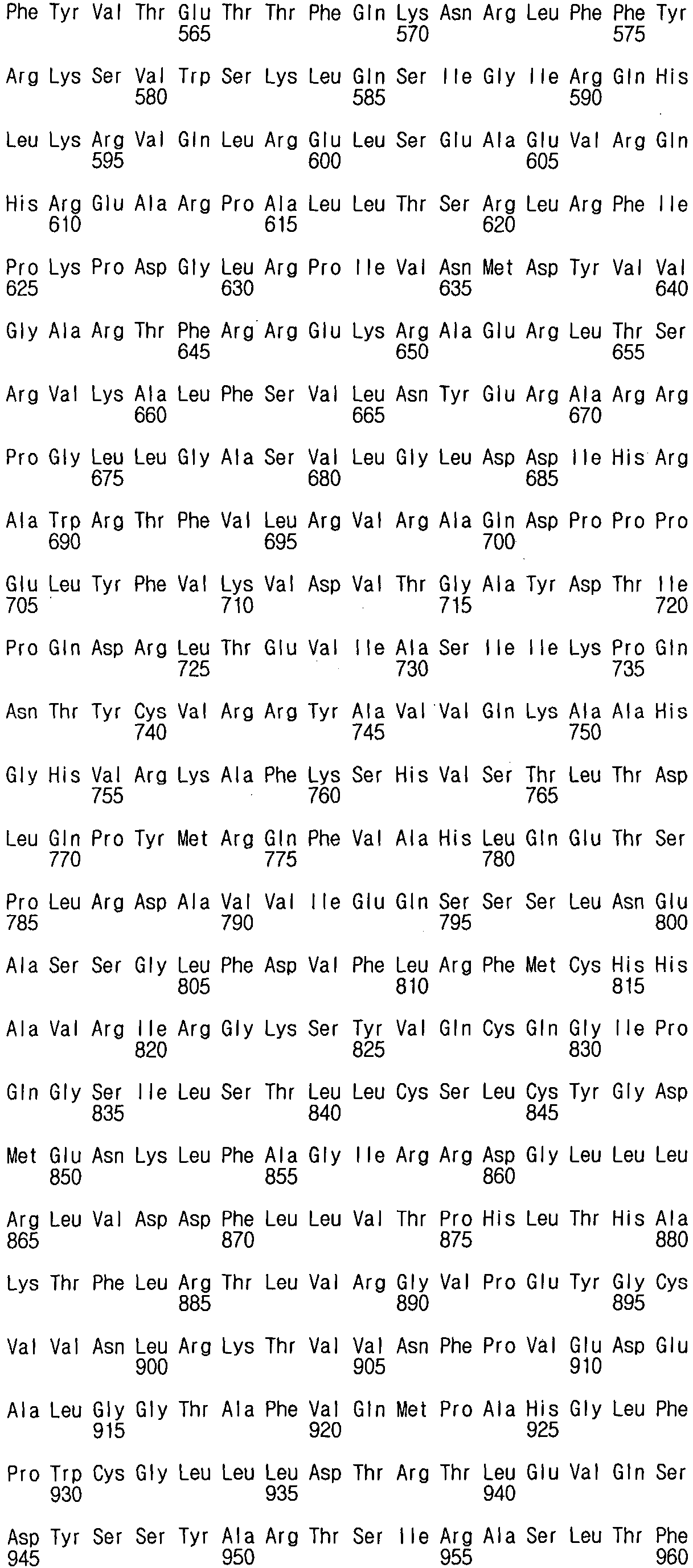


Claims (38)
- A conjugate of a cell penetrating carrier peptide and an active ingredient, wherein the carrier peptide is the peptide comprising amino acid sequence of SEQ ID NO: 1, the peptide having above 80% homology with the above-mentioned peptide sequences, or the fragment of the above mentioned peptides,
wherein the peptide having above 80% homology with the sequence, and the fragment are the peptides that maintain cell penetrating ability of SEQ ID NO: 1. - The conjugate according to claim 1, wherein the fragment is made of at least 3 amino acids.
- The conjugate according to claim 1, wherein the carrier peptide is made of 30 or less amino acids.
- The conjugate according to claim 1,
wherein the carrier peptide is the peptide having amino acid sequence of SEQ ID NO: 1 or the peptide having above 80% homology of amino acid sequence with the above-mentioned sequence. - The conjugate according to claim 1,
wherein the active ingredient is at least one selected from protein, nucleic acid, peptide, lipid, glycol-lipid, mineral, sugar, nano-particle, biological products, contrast agent, drugs and chemical compounds. - The conjugate according to claim 5,
wherein the active ingredient is DNA or RNA, and
wherein the carrier peptide is conjugated with DNA via polylysine when the active ingredient is DNA. - The conjugate according to claim 1, wherein the carrier peptide and the active ingredient are combined via a covalent bond, selectively mediated by a linker.
- The conjugate according to claim 1, wherein the carrier peptide and the active ingredient are combined via non-covalent bond.
- The conjugate according to claim 5, wherein the active ingredient is a protein or a peptide.
- The conjugate according to claim 9, wherein the active ingredient is a cytokine, antibody, fragment of antibody, therapeutic enzyme, soluble receptor or ligand.
- The conjugate according to claim 1, wherein the carrier peptide is combined with fluorescein isothiocyanate.
- The conjugate according to claim 1, wherein the carrier peptide is combined with Green Fluorescent Protein (GFP).
- The conjugate according to claim 1, wherein the active ingredient is combined with a C-terminus of the above mentioned carrier peptide.
- The conjugate according to claim 1, wherein the efficacy target of the active ingredient is cancer cell, immune cell or fibroblast.
- The conjugate according to claim 14,
wherein the cancer cell is at least one cancer cell selected from the group consisting of liver cancer cell, breast cancer cell and leukemia cell, wherein the immune cell is at least one immune cell selected from the group consisting of T lymphocytes, B cell and monocyte. - The conjugate according to claim 1,
wherein the active ingredient is a substance necessary for localization into cytoplasm, and the carrier peptide performs local delivery of the active ingredient into cytoplasm. - The conjugate according to claim 16,
wherein the active ingredient is a substance necessary for localization into mitochondria, and the carrier peptide performs local delivery of the active ingredient into mitochondria. - The conjugate according to claim 5, wherein the contrast agent is selected from a group consisting of radiopaque contrast agent, paramagnetic contrast agent, superparamagnetic contrast agent and CT contrast agent.
- The conjugate according to claim 5, wherein the contrast agent is based on iron.
- The conjugate according to claim 19, wherein the contrast agent is a ferrocene carboxylate.
- A contrast agent comprising a conjugate of any one of claim 1 to claim 20.
- The contrast agent according to claim 21, wherein the contrast agent is for contrasting a cell.
- The contrast agent according to claim 22, wherein the cell is a stem cell.
- A composition comprising the conjugate according to any one of claim 1 to claim 20 as an active ingredient.
- The composition according to claim 24, wherein the active ingredient is for treatment or prevention of disease, and the composition is a pharmaceutical composition.
- The composition according to claim 24, wherein the active ingredient is an active ingredient of functional cosmetics, and the composition is a cosmetic composition.
- The composition according to claim 24, wherein the active ingredient is an active ingredient of health functional food, and the composition is a health food composition.
- A cytoplasm targeting delivery system of active ingredient,
wherein the delivery system of active ingredient comprises any one conjugate according to claim 1 to claim 20,
wherein the carrier peptide is a peptide that moves into a cytoplasm locally and performs a role of local cytoplasm delivering the active ingredient, wherein the peptide having above 80% homology of amino acid sequence with the sequence and the fragment are the peptides that maintain cell penetrating ability of a peptide of SEQ ID NO: 1. - A mitochondria targeting delivery system of active ingredient,
wherein the delivery system of active ingredient comprises any one conjugate according to claim 1 to claim 20,
wherein the carrier peptide is a peptide that moves into a mitochondria locally and performs a role of local mitochondria delivering the active ingredient,
wherein the peptide having above 80% homology of amino acid sequence with the sequence and the fragment are the peptides that maintain cell penetrating ability of a peptide of SEQ ID NO: 1. - A composition for modulating mitochondria activity,
wherein the composition comprises any one conjugate according to claim 1 to claim 20,
wherein the carrier peptide is a peptide that moves into a mitochondria locally and performs a role of local mitochondria delivering the active ingredient,
wherein the peptide having above 80% homology of amino acid sequence with the sequence and the fragment are the peptides that maintain cell penetrating ability of a peptide of SEQ ID NO: 1. - The composition according to claim 30,
wherein the composition is a pharmaceutical composition for treatment, prophylaxis, suppression of progresses or alleviation of symptoms of diseases or disorders related with mitochondria, and
wherein the active ingredients are ingredients for treatment, prophylaxis, suppression of progresses or alleviation of symptoms of diseases or disorders related with mitochondria. - A method of delivering an active ingredient into a cell,
wherein the method comprises a step of administering any one of the above-mentioned conjugate to the subject that is required,
wherein the carrier peptide is a cell penetrating peptide that perform delivery of the active ingredient into a cell, and
wherein the peptide having above 80% homology of amino acid sequence with the sequence and the fragment of the sequence are the peptides that maintain cell penetrating ability of the peptide of SEQ ID NO:1. - The method according to claim 32, wherein the method is for delivering the active ingredient locally into mitochondria inside a cell.
- A cell penetrating peptide, wherein the peptide is made of at least 17 amino acid comprising SEQ ID NO: 1.
- A cell penetrating peptide, wherein the peptide is the fragment of SEQ ID and is made of 3 to 7 amino acids.
- A polynucleotide that encodes the peptide according to claim 34 or claim 35.
- A vector that comprises the polynucleotide according to claim 36.
- A transformed cell that comprises the vector according to claim 37.
Applications Claiming Priority (6)
| Application Number | Priority Date | Filing Date | Title |
|---|---|---|---|
| KR20120075444 | 2012-07-11 | ||
| KR20120104173 | 2012-09-19 | ||
| KR20120109207 | 2012-09-28 | ||
| KR20130017046 | 2013-02-18 | ||
| KR20130043635 | 2013-04-19 | ||
| PCT/KR2013/006218 WO2014010971A1 (en) | 2012-07-11 | 2013-07-11 | Cell-penetrating peptide, conjugate comprising same and composition comprising same |
Publications (5)
| Publication Number | Publication Date |
|---|---|
| EP2873678A1 true EP2873678A1 (en) | 2015-05-20 |
| EP2873678A4 EP2873678A4 (en) | 2016-05-18 |
| EP2873678C0 EP2873678C0 (en) | 2024-06-26 |
| EP2873678B1 EP2873678B1 (en) | 2024-06-26 |
| EP2873678B8 EP2873678B8 (en) | 2024-07-17 |
Family
ID=49916328
Family Applications (1)
| Application Number | Title | Priority Date | Filing Date |
|---|---|---|---|
| EP13816880.2A Active EP2873678B8 (en) | 2012-07-11 | 2013-07-11 | Conjugate comprising a cell-penetrating peptide and compositions comprising same |
Country Status (7)
| Country | Link |
|---|---|
| US (1) | US10967000B2 (en) |
| EP (1) | EP2873678B8 (en) |
| JP (1) | JP6272853B2 (en) |
| KR (1) | KR101799904B1 (en) |
| CN (1) | CN104822698B (en) |
| ES (1) | ES2981865T3 (en) |
| WO (1) | WO2014010971A1 (en) |
Families Citing this family (41)
| Publication number | Priority date | Publication date | Assignee | Title |
|---|---|---|---|---|
| EP2875826B1 (en) | 2012-05-11 | 2017-08-23 | KAEL-GemVax Co.,Ltd | Composition for preventing or treating sepsis |
| CN104507961B (en) | 2012-05-11 | 2018-08-14 | 珍白斯凯尔有限公司 | Anti-inflammatory peptides and compositions comprising them |
| EP3736282B1 (en) * | 2012-09-19 | 2023-06-21 | Gemvax & Kael Co., Ltd. | Cell penetrating peptide, conjugate comprising same, and composition comprising conjugate |
| EP2899199B1 (en) | 2012-09-19 | 2019-07-03 | Gemvax & Kael Co., Ltd. | Cell penetrating peptide, conjugate comprising same, and composition comprising conjugate |
| EP2899201B1 (en) * | 2012-09-19 | 2019-09-11 | Gemvax & Kael Co., Ltd. | Cell penetrating peptide, conjugate comprising same, and composition comprising conjugate |
| KR102258864B1 (en) | 2013-04-19 | 2021-06-01 | 주식회사 젬백스앤카엘 | Composition for treating and preventing an ischemic injury |
| AU2014275610B2 (en) | 2013-06-07 | 2018-06-14 | Gemvax & Kael Co., Ltd. | Biological markers useful in cancer immunotherapy |
| ES2808076T3 (en) | 2013-06-21 | 2021-02-25 | Gemvax & Kael Co Ltd | Regulator of hormonal secretion, composition that contains it and procedure to control hormonal secretion through its use |
| ES2773296T3 (en) | 2013-10-23 | 2020-07-10 | Gemvax & Kael Co Ltd | Composition to treat and prevent benign prostatic hyperplasia |
| KR102359396B1 (en) | 2013-11-22 | 2022-02-08 | 주식회사 젬백스앤카엘 | Peptide having angiogenesis inhibitory activity and composition containing same |
| JP6367950B2 (en) | 2013-12-17 | 2018-08-01 | ジェムバックス アンド カエル カンパニー,リミティド | Prostate cancer treatment composition |
| ES2908096T3 (en) | 2014-04-11 | 2022-04-27 | Gemvax & Kael Co Ltd | Peptide with inhibitory activity of fibrosis and composition containing it |
| WO2015167067A1 (en) | 2014-04-30 | 2015-11-05 | 주식회사 카엘젬백스 | Composition for organ, tissue, or cell transplantation, kit, and transplantation method |
| KR102413243B1 (en) | 2014-12-23 | 2022-06-27 | 주식회사 젬백스앤카엘 | Peptides for treating ophthalmopathy and the Composition Comprising the Same |
| US10835582B2 (en) | 2015-02-27 | 2020-11-17 | Gemvax & Kael Co. Ltd. | Peptide for preventing hearing loss, and composition comprising same |
| EP3305802B1 (en) | 2015-05-26 | 2021-05-12 | Gemvax & Kael Co., Ltd. | Anti-inflammatory, anti-fibrotic and wound-healing octapeptides and compositions containing the same |
| JP6923453B2 (en) | 2015-07-02 | 2021-08-18 | ジェムバックス アンド カエル カンパニー,リミティド | Peptides with antiviral activity and compositions containing them |
| CN105018499A (en) * | 2015-08-25 | 2015-11-04 | 武汉大学 | Anti-HBV (hepatitis B virus) PNA (peptide nucleic acid) and applications thereof |
| KR20180064434A (en) * | 2015-11-03 | 2018-06-14 | 주식회사 젬백스앤카엘 | Peptides having the effect of preventing and regenerating neuronal cells and compositions comprising the same |
| ES2949697T3 (en) | 2016-04-07 | 2023-10-02 | Gemvax & Kael Co Ltd | Peptide that has effects of increasing telomerase activity and extending telomeres, and composition that contains the same |
| US10870678B2 (en) * | 2016-04-11 | 2020-12-22 | Arcuate Therapeutics, Inc. | Chiral peptides |
| CN106236695A (en) * | 2016-06-02 | 2016-12-21 | 哈尔滨源茂达生物技术有限公司 | One peptide species anti-acne repairs essence and preparation method thereof |
| TW201809013A (en) | 2016-06-06 | 2018-03-16 | 艾斯克立必恩股份有限公司 | Antibody fusion proteins for drug delivery |
| KR101797167B1 (en) * | 2016-11-09 | 2017-11-13 | 주식회사 바이오셀트란 | Novel protein transduction domain and the usage thereof |
| CN107759698A (en) * | 2017-09-18 | 2018-03-06 | 广东工业大学 | A kind of application of EGFP CTA2 TAT fusion proteins in fluorescence probe is prepared |
| US11339192B2 (en) | 2017-10-04 | 2022-05-24 | Ohio State Innovation Foundation | Bicyclic peptidyl inhibitors |
| CN111447941B (en) | 2017-10-27 | 2023-10-31 | 俄亥俄州国家创新基金会 | Peptide conjugates for intracellular delivery of stapled peptides |
| EP3746105A4 (en) | 2018-01-29 | 2022-05-18 | Ohio State Innovation Foundation | CAL-PDZ BINDING DOMAIN CYCLIC PEPTIDYL INHIBITORS |
| WO2019165183A1 (en) | 2018-02-22 | 2019-08-29 | Entrada Therapeutics, Inc. | Compositions and methods for treating mitochondrial neurogastrointestinal encephalopathy |
| WO2019217682A1 (en) | 2018-05-09 | 2019-11-14 | Ohio State Innovation Foundation | Cyclic cell-penetrating peptides with one or more hydrophobic residues |
| CN109553659B (en) * | 2018-11-26 | 2022-06-21 | 上海华新生物高技术有限公司 | Cell penetrating peptide and transdermal interferon |
| KR102351041B1 (en) * | 2018-12-19 | 2022-01-13 | 한국화학연구원 | Cell penetrating Domain derived from human LRRC24 protein |
| WO2020130547A1 (en) * | 2018-12-19 | 2020-06-25 | 한국화학연구원 | Transmembrane domain derived from human lrrc24 protein |
| KR102182985B1 (en) * | 2019-01-03 | 2020-11-26 | 주식회사 바이오이즈 | Drug Delivery System Using pH-dependent Membrane Penetrating Peptide and Drug Conjugate Thereof |
| WO2020141930A1 (en) * | 2019-01-03 | 2020-07-09 | 김성천 | Drug delivery system using ph-dependent cell-penetrating peptides, and composite thereof with drug |
| WO2020214846A1 (en) | 2019-04-17 | 2020-10-22 | Aadigen, Llc | Peptides and nanoparticles for intracellular delivery of molecules |
| EP4058032A4 (en) * | 2019-12-19 | 2024-01-10 | Entrada Therapeutics, Inc. | COMPOSITIONS FOR ADMINISTRATION OF ANTISENSE COMPOUNDS |
| CN115461358B (en) * | 2020-07-17 | 2026-07-07 | 养生堂有限公司 | Cell membrane penetrating peptide and application thereof |
| EP4198058A4 (en) * | 2020-08-13 | 2024-10-16 | Nibec Co., Ltd. | ANTIBODY TARGETING INTRACELLULAR TUMOR-INDUCING PROTEIN, OR FUSION PROTEIN OF SINGLE-STRANDED VARIABLE FRAGMENT THEREOF, CANCER CELL-PENETRATING PEPTIDE AND USE THEREOF |
| CN114731988B (en) * | 2022-05-23 | 2023-10-20 | 昆明市第一人民医院 | A method for constructing an HBV-infected tree shrew model and a tree shrew model |
| WO2025184403A2 (en) * | 2024-02-29 | 2025-09-04 | Memorial Sloan-Kettering Cancer Center | Cell penetrating peptides and methods including the same |
Family Cites Families (84)
| Publication number | Priority date | Publication date | Assignee | Title |
|---|---|---|---|---|
| HU207799B (en) | 1991-07-24 | 1993-06-28 | Beres Export Import Rt | Process for producing pharmaceutical composition for influencing the reticuloendothelial system, for treating chronic pain symptomes of degenerative locomotor disorders or tumors, and for treating mucoviscidosis |
| US5885782A (en) * | 1994-09-13 | 1999-03-23 | Nce Pharmaceuticals, Inc. | Synthetic antibiotics |
| EP0930876B2 (en) | 1996-07-22 | 2010-07-07 | Renovo Limited | Use of compounds that promote oestrogenic activity for acclerating the healing of skin wounds |
| US6610839B1 (en) | 1997-08-14 | 2003-08-26 | Geron Corporation | Promoter for telomerase reverse transcriptase |
| WO1998051329A1 (en) | 1997-05-15 | 1998-11-19 | Chugai Seiyaku Kabushiki Kaisha | Cachexia remedy |
| KR100581990B1 (en) | 1997-07-01 | 2006-05-23 | 캄비아 바이오시스템즈 엘엘씨 | Vertebrate Telomerase Genes and Proteins and Their Uses |
| US6639057B1 (en) * | 1998-03-26 | 2003-10-28 | Kyowa Hakko Kogyo Co., Ltd. | Monoclonal antibody against human telomerase catalytic subunit |
| US7030211B1 (en) | 1998-07-08 | 2006-04-18 | Gemvax As | Antigenic peptides derived from telomerase |
| US6378526B1 (en) | 1998-08-03 | 2002-04-30 | Insite Vision, Incorporated | Methods of ophthalmic administration |
| IL132406A0 (en) | 1998-10-21 | 2001-03-19 | Pfizer Prod Inc | Treatment of bph with cgmp elevators |
| US7078491B1 (en) * | 2000-09-21 | 2006-07-18 | Amgen Inc. | Selective binding agents of telomerase |
| US6815426B2 (en) | 2001-02-16 | 2004-11-09 | E. I. Du Pont De Nemours And Company | Angiogenesis-inhibitory tripeptides, compositions and their methods of use |
| US6967211B2 (en) | 2001-04-10 | 2005-11-22 | Nippon Shinyaku Co. Ltd. | Remedial agent for chronic articular rheumatism |
| BR0210904A (en) | 2001-05-16 | 2005-08-16 | Yeda Res & Dev | Use of il-18 inhibitors for the treatment or prevention of sepsis. |
| US20030143228A1 (en) | 2001-10-29 | 2003-07-31 | Baylor College Of Medicine | Human telomerase reverse transcriptase as a class-II restricted tumor-associated antigen |
| US7786084B2 (en) | 2001-12-21 | 2010-08-31 | Biotempt B.V. | Treatment of burns |
| AU2003240754B2 (en) | 2002-04-10 | 2009-02-26 | Merck Serono Sa | Use of osteoprotegerin for the prevention and/or treatment of fibrosis/sclerosis |
| KR20050020987A (en) | 2002-06-12 | 2005-03-04 | 바이오겐 아이덱 엠에이 인코포레이티드 | Method of treating ischemia reperfusion injury using adenosine receptor antagonists |
| WO2005000227A2 (en) | 2003-06-06 | 2005-01-06 | Intermune, Inc. | Methods of treating tnf-mediated disorders |
| EP1648490A2 (en) | 2003-06-25 | 2006-04-26 | Canbas Co., Ltd. | Peptides and peptidomimetics having immune-modulating, anti-inflammatory, and anti-viral activity |
| KR20050040517A (en) | 2003-10-29 | 2005-05-03 | 주식회사 오리엔트 | Transgenic mouse possessing resistance for ischemia |
| ES2258694T3 (en) | 2003-11-11 | 2006-09-01 | Mattern, Udo | ADMINISTRATION SYSTEM FOR CONTROLLED RELEASE OF SEX HORMONES FOR NASAL APPLICATIONS. |
| GB0426146D0 (en) | 2004-11-29 | 2004-12-29 | Bioxell Spa | Therapeutic peptides and method |
| CA2646131C (en) | 2005-03-21 | 2018-09-04 | Vicus Therapeutics Spe 1, Llc | Compositions and methods for ameliorating cachexia |
| WO2007061029A1 (en) | 2005-11-25 | 2007-05-31 | Keio University | Therapeutic agent for prostate cancer |
| EP1968643A2 (en) | 2005-12-16 | 2008-09-17 | Diatos | Cell penetrating peptide conjugates for delivering of nucleic acids into a cell |
| JP5295785B2 (en) * | 2006-02-20 | 2013-09-18 | エファ・ユニバーシティ・インダストリー・コラボレイション・ファウンデイション | Cell membrane permeable peptide |
| JP2009544688A (en) | 2006-07-24 | 2009-12-17 | フォーヒューマンテック カンパニー リミテッド | Pharmaceutical composition for alleviation and treatment of ischemic disease and method for delivering it |
| EP2837636B1 (en) | 2007-01-29 | 2018-04-11 | Procell Therapeutics Inc. | Novel macromolecule transduction domains and methods for identification and uses thereof |
| WO2009006439A1 (en) | 2007-06-29 | 2009-01-08 | Correlogic Systems, Inc. | Predictive markers for ovarian cancer |
| CA2695374A1 (en) | 2007-08-15 | 2009-02-19 | Amunix, Inc. | Compositions and methods for modifying properties of biologically active polypeptides |
| WO2009025871A1 (en) | 2007-08-23 | 2009-02-26 | University Of Medicine And Dentistry Of Nj | Telomerase reverse transcriptase variant |
| WO2009054996A2 (en) | 2007-10-25 | 2009-04-30 | Genelux Corporation | Systems and methods for viral therapy |
| GB2455539B (en) | 2007-12-12 | 2012-01-18 | Cambridge Entpr Ltd | Anti-inflammatory compositions and combinations |
| TW200946541A (en) | 2008-03-27 | 2009-11-16 | Idenix Pharmaceuticals Inc | Solid forms of an anti-HIV phosphoindole compound |
| US8828403B2 (en) | 2008-06-16 | 2014-09-09 | Mediolanum Farmaceutici S.P.A. | Anti-tumor immunotherapy |
| US8252282B2 (en) | 2008-06-19 | 2012-08-28 | University Of Medicine & Dentistry Of New Jersey | Nuclear telomerase reverse transcriptase variant |
| ES2334315B1 (en) | 2008-07-29 | 2011-02-28 | Universitat Pompeu Fabra | PEPTIDES WITH CAPACITY OF CELL PENETRATION AND ITS USES. |
| CA2734487A1 (en) | 2008-08-20 | 2010-02-25 | Southern Research Institute | Ethynyl-substituted pyridine and pyrimidine derivatives and their use in treating viral infections |
| JP5337809B2 (en) | 2008-09-22 | 2013-11-06 | 日清ファルマ株式会社 | Anti-inflammatory peptide |
| WO2010037395A2 (en) * | 2008-10-01 | 2010-04-08 | Dako Denmark A/S | Mhc multimers in cancer vaccines and immune monitoring |
| KR101169030B1 (en) * | 2009-01-21 | 2012-07-26 | 애니젠 주식회사 | Novel Cell Penetrating Domain and Intracellular Delivery System Comprising the Same |
| WO2010128807A2 (en) | 2009-05-07 | 2010-11-11 | (주)문엔제이 | Pharmaceutical composition for preventing or treating neuronal damage and neurological diseases |
| EP2251028A1 (en) | 2009-05-12 | 2010-11-17 | Biocompatibles Uk Ltd. | Treatment of eye diseases using encapsulated cells encoding and secreting an anti-angiogenic factor and/or a neuroprotective factor |
| US7928067B2 (en) | 2009-05-14 | 2011-04-19 | Ischemix Llc | Compositions and methods for treating ischemia and ischemia-reperfusion injury |
| AU2010250452B2 (en) | 2009-05-20 | 2014-06-05 | Toray Industries, Inc. | Cell membrane-permeable peptides |
| KR20110057049A (en) | 2009-11-23 | 2011-05-31 | 박의신 | Functional Prostatitis Therapeutics |
| KR20110062943A (en) | 2009-12-04 | 2011-06-10 | 주식회사종근당 | Prostate hypertrophy prevention or treatment using quinazoline derivative as an active ingredient |
| NO2524039T3 (en) | 2010-01-11 | 2018-04-28 | ||
| RU2581800C2 (en) | 2010-02-16 | 2016-04-20 | Ультимовакс Ас | Polypeptides |
| FR2960542B1 (en) | 2010-05-27 | 2012-08-17 | Esther Suzy Arlette Fellous | PEPTIDE AS A DRUG, ESPECIALLY FOR THE TREATMENT OF CANCER |
| KR101263212B1 (en) * | 2010-05-28 | 2013-05-10 | 성신여자대학교 산학협력단 | A new cell-permeable peptide and its use |
| WO2011150494A1 (en) | 2010-05-30 | 2011-12-08 | The Governing Council Of The University Of Toronto | Mitochondrial penetrating peptides as carriers for anticancer compounds |
| KR101388372B1 (en) | 2010-06-11 | 2014-04-23 | 한국화학연구원 | Novel compound having hearing protection effects |
| KR101348284B1 (en) | 2010-09-09 | 2014-01-03 | 주식회사 나이벡 | Combination of Human derived Cell Permeable Peptide and Bioactive Peptide (TOPscovery) and Use Thereof |
| US20120208755A1 (en) | 2011-02-16 | 2012-08-16 | Intarcia Therapeutics, Inc. | Compositions, Devices and Methods of Use Thereof for the Treatment of Cancers |
| KR20120121196A (en) | 2011-04-26 | 2012-11-05 | 주식회사 글루칸 | Treatment agent for osteoarthritis |
| KR101284772B1 (en) | 2011-05-24 | 2013-07-17 | 정종문 | Functional food composition with the effects of anti-inflammation and pain-relieving |
| KR20120133661A (en) | 2011-05-31 | 2012-12-11 | 주식회사 바이오포트코리아 | Anti-inflammatory agent containing astaxanthin |
| KR101288053B1 (en) | 2011-07-04 | 2013-07-23 | 동국대학교 산학협력단 | Composition for Prevention or Treatment of inner ear damage Comprising an extract of Piper longum L. |
| KR101361445B1 (en) | 2011-12-26 | 2014-02-12 | 성균관대학교산학협력단 | Composition comprising peptide, 5-fluorouracil, and mature dendritic cells for cancer treatment |
| SG11201404570WA (en) | 2012-02-10 | 2014-11-27 | Hakushinkouseikai Foundation | Proliferating agent for monocyte, culture medium for proliferating monocyte, method for producing monocyte, method for producing dendritic cell, and method for producing dendritic cell vaccine |
| WO2013135266A1 (en) | 2012-03-12 | 2013-09-19 | Gemvax As | Treatment of non-small cell lung carcinoma by active immunotherapy |
| EP2875826B1 (en) | 2012-05-11 | 2017-08-23 | KAEL-GemVax Co.,Ltd | Composition for preventing or treating sepsis |
| CN104507961B (en) | 2012-05-11 | 2018-08-14 | 珍白斯凯尔有限公司 | Anti-inflammatory peptides and compositions comprising them |
| US20150125438A1 (en) | 2012-07-20 | 2015-05-07 | Sang Jae Kim | Anti-Inflammatory Peptides and Composition Comprising the Same |
| EP2899201B1 (en) | 2012-09-19 | 2019-09-11 | Gemvax & Kael Co., Ltd. | Cell penetrating peptide, conjugate comprising same, and composition comprising conjugate |
| EP3736282B1 (en) | 2012-09-19 | 2023-06-21 | Gemvax & Kael Co., Ltd. | Cell penetrating peptide, conjugate comprising same, and composition comprising conjugate |
| KR102038487B1 (en) | 2012-09-19 | 2019-10-30 | 주식회사 젬백스앤카엘 | Antimicrobial or antifungal composition comprising telomerase peptide |
| EP2899199B1 (en) | 2012-09-19 | 2019-07-03 | Gemvax & Kael Co., Ltd. | Cell penetrating peptide, conjugate comprising same, and composition comprising conjugate |
| KR20140104288A (en) | 2013-02-20 | 2014-08-28 | 주식회사 카엘젬백스 | TNF-α INHIBITOR |
| US10525075B2 (en) | 2013-02-22 | 2020-01-07 | The Board Of Trustees Of The Leland Stanford Junior University | Compounds, compositions, methods, and kits relating to telomere extension |
| KR102258864B1 (en) | 2013-04-19 | 2021-06-01 | 주식회사 젬백스앤카엘 | Composition for treating and preventing an ischemic injury |
| AU2014275610B2 (en) | 2013-06-07 | 2018-06-14 | Gemvax & Kael Co., Ltd. | Biological markers useful in cancer immunotherapy |
| ES2808076T3 (en) | 2013-06-21 | 2021-02-25 | Gemvax & Kael Co Ltd | Regulator of hormonal secretion, composition that contains it and procedure to control hormonal secretion through its use |
| ES2773296T3 (en) | 2013-10-23 | 2020-07-10 | Gemvax & Kael Co Ltd | Composition to treat and prevent benign prostatic hyperplasia |
| KR102359396B1 (en) | 2013-11-22 | 2022-02-08 | 주식회사 젬백스앤카엘 | Peptide having angiogenesis inhibitory activity and composition containing same |
| JP6367950B2 (en) | 2013-12-17 | 2018-08-01 | ジェムバックス アンド カエル カンパニー,リミティド | Prostate cancer treatment composition |
| ES2908096T3 (en) | 2014-04-11 | 2022-04-27 | Gemvax & Kael Co Ltd | Peptide with inhibitory activity of fibrosis and composition containing it |
| WO2015167067A1 (en) | 2014-04-30 | 2015-11-05 | 주식회사 카엘젬백스 | Composition for organ, tissue, or cell transplantation, kit, and transplantation method |
| KR102413243B1 (en) | 2014-12-23 | 2022-06-27 | 주식회사 젬백스앤카엘 | Peptides for treating ophthalmopathy and the Composition Comprising the Same |
| US10835582B2 (en) | 2015-02-27 | 2020-11-17 | Gemvax & Kael Co. Ltd. | Peptide for preventing hearing loss, and composition comprising same |
| KR20180064434A (en) | 2015-11-03 | 2018-06-14 | 주식회사 젬백스앤카엘 | Peptides having the effect of preventing and regenerating neuronal cells and compositions comprising the same |
| KR20170054310A (en) | 2015-11-09 | 2017-05-17 | 주식회사 젬백스앤카엘 | Dendritic Cell Therapeutic Agent and Immunotherapeutic Agent Comprising a Peptide Derived from Telomerase, and Method for Treatment Using the Same |
-
2013
- 2013-07-11 WO PCT/KR2013/006218 patent/WO2014010971A1/en not_active Ceased
- 2013-07-11 ES ES13816880T patent/ES2981865T3/en active Active
- 2013-07-11 CN CN201380044357.3A patent/CN104822698B/en active Active
- 2013-07-11 KR KR1020157002484A patent/KR101799904B1/en active Active
- 2013-07-11 JP JP2015521549A patent/JP6272853B2/en active Active
- 2013-07-11 US US14/413,732 patent/US10967000B2/en active Active
- 2013-07-11 EP EP13816880.2A patent/EP2873678B8/en active Active
Also Published As
| Publication number | Publication date |
|---|---|
| KR20150034746A (en) | 2015-04-03 |
| CN104822698B (en) | 2018-08-10 |
| EP2873678C0 (en) | 2024-06-26 |
| EP2873678A4 (en) | 2016-05-18 |
| JP2015530358A (en) | 2015-10-15 |
| US10967000B2 (en) | 2021-04-06 |
| WO2014010971A1 (en) | 2014-01-16 |
| EP2873678B8 (en) | 2024-07-17 |
| KR101799904B1 (en) | 2017-11-22 |
| JP6272853B2 (en) | 2018-01-31 |
| CN104822698A (en) | 2015-08-05 |
| EP2873678B1 (en) | 2024-06-26 |
| ES2981865T3 (en) | 2024-10-10 |
| US20160151512A1 (en) | 2016-06-02 |
Similar Documents
| Publication | Publication Date | Title |
|---|---|---|
| EP2873678B1 (en) | Conjugate comprising a cell-penetrating peptide and compositions comprising same | |
| US20240181090A1 (en) | Cell penetrating peptide, conjugate comprising same, and composition comprising conjugate | |
| US20240084273A1 (en) | Cell penetrating peptide, conjugate comprising same, and composition comprising conjugate | |
| EP2899199B1 (en) | Cell penetrating peptide, conjugate comprising same, and composition comprising conjugate | |
| TWI616530B (en) | Transmembrane peptide and conjugate and composition comprising the peptide (1) | |
| US20060160732A1 (en) | Compositions and methods for inhibiting cell senescence and hyperproliferative disorders |
Legal Events
| Date | Code | Title | Description |
|---|---|---|---|
| PUAI | Public reference made under article 153(3) epc to a published international application that has entered the european phase |
Free format text: ORIGINAL CODE: 0009012 |
|
| 17P | Request for examination filed |
Effective date: 20150211 |
|
| AK | Designated contracting states |
Kind code of ref document: A1 Designated state(s): AL AT BE BG CH CY CZ DE DK EE ES FI FR GB GR HR HU IE IS IT LI LT LU LV MC MK MT NL NO PL PT RO RS SE SI SK SM TR |
|
| AX | Request for extension of the european patent |
Extension state: BA ME |
|
| DAX | Request for extension of the european patent (deleted) | ||
| RA4 | Supplementary search report drawn up and despatched (corrected) |
Effective date: 20160418 |
|
| RIC1 | Information provided on ipc code assigned before grant |
Ipc: A61K 49/04 20060101ALI20160412BHEP Ipc: A61P 35/00 20060101ALI20160412BHEP Ipc: A61K 49/00 20060101ALI20160412BHEP Ipc: A61K 47/48 20060101AFI20160412BHEP Ipc: A61P 37/00 20060101ALI20160412BHEP |
|
| STAA | Information on the status of an ep patent application or granted ep patent |
Free format text: STATUS: EXAMINATION IS IN PROGRESS |
|
| 17Q | First examination report despatched |
Effective date: 20180423 |
|
| REG | Reference to a national code |
Ref country code: DE Ref legal event code: R079 Ref document number: 602013085838 Country of ref document: DE Free format text: PREVIOUS MAIN CLASS: C07K0007080000 Ipc: A61K0047640000 Ref country code: DE Ref legal event code: R079 Free format text: PREVIOUS MAIN CLASS: C07K0007080000 Ipc: A61K0047640000 |
|
| RIC1 | Information provided on ipc code assigned before grant |
Ipc: A61P 43/00 20060101ALI20231218BHEP Ipc: A61P 37/02 20060101ALI20231218BHEP Ipc: A61P 37/00 20060101ALI20231218BHEP Ipc: A61P 35/02 20060101ALI20231218BHEP Ipc: A61P 35/00 20060101ALI20231218BHEP Ipc: A61P 1/16 20060101ALI20231218BHEP Ipc: A61K 31/713 20060101ALI20231218BHEP Ipc: A61K 31/711 20060101ALI20231218BHEP Ipc: A61K 38/00 20060101ALI20231218BHEP Ipc: C07K 7/08 20060101ALI20231218BHEP Ipc: A61K 49/14 20060101ALI20231218BHEP Ipc: A61K 49/04 20060101ALI20231218BHEP Ipc: A61K 49/00 20060101ALI20231218BHEP Ipc: A61K 47/64 20170101AFI20231218BHEP |
|
| GRAP | Despatch of communication of intention to grant a patent |
Free format text: ORIGINAL CODE: EPIDOSNIGR1 |
|
| STAA | Information on the status of an ep patent application or granted ep patent |
Free format text: STATUS: GRANT OF PATENT IS INTENDED |
|
| INTG | Intention to grant announced |
Effective date: 20240214 |
|
| RAP1 | Party data changed (applicant data changed or rights of an application transferred) |
Owner name: GEMVAX & KAEL CO.,LTD |
|
| GRAS | Grant fee paid |
Free format text: ORIGINAL CODE: EPIDOSNIGR3 |
|
| GRAA | (expected) grant |
Free format text: ORIGINAL CODE: 0009210 |
|
| STAA | Information on the status of an ep patent application or granted ep patent |
Free format text: STATUS: THE PATENT HAS BEEN GRANTED |
|
| GRAT | Correction requested after decision to grant or after decision to maintain patent in amended form |
Free format text: ORIGINAL CODE: EPIDOSNCDEC |
|
| AK | Designated contracting states |
Kind code of ref document: B1 Designated state(s): AL AT BE BG CH CY CZ DE DK EE ES FI FR GB GR HR HU IE IS IT LI LT LU LV MC MK MT NL NO PL PT RO RS SE SI SK SM TR |
|
| REG | Reference to a national code |
Ref country code: GB Ref legal event code: FG4D |
|
| REG | Reference to a national code |
Ref country code: CH Ref legal event code: EP |
|
| RAP4 | Party data changed (patent owner data changed or rights of a patent transferred) |
Owner name: GEMVAX & KAEL CO., LTD. |
|
| REG | Reference to a national code |
Ref country code: DE Ref legal event code: R096 Ref document number: 602013085838 Country of ref document: DE |
|
| U01 | Request for unitary effect filed |
Effective date: 20240708 |
|
| U07 | Unitary effect registered |
Designated state(s): AT BE BG DE DK EE FI FR IT LT LU LV MT NL PT SE SI Effective date: 20240716 |
|
| U20 | Renewal fee for the european patent with unitary effect paid |
Year of fee payment: 12 Effective date: 20240722 |
|
| PG25 | Lapsed in a contracting state [announced via postgrant information from national office to epo] |
Ref country code: HR Free format text: LAPSE BECAUSE OF FAILURE TO SUBMIT A TRANSLATION OF THE DESCRIPTION OR TO PAY THE FEE WITHIN THE PRESCRIBED TIME-LIMIT Effective date: 20240626 |
|
| REG | Reference to a national code |
Ref country code: ES Ref legal event code: FG2A Ref document number: 2981865 Country of ref document: ES Kind code of ref document: T3 Effective date: 20241010 |
|
| PG25 | Lapsed in a contracting state [announced via postgrant information from national office to epo] |
Ref country code: GR Free format text: LAPSE BECAUSE OF FAILURE TO SUBMIT A TRANSLATION OF THE DESCRIPTION OR TO PAY THE FEE WITHIN THE PRESCRIBED TIME-LIMIT Effective date: 20240927 |
|
| PG25 | Lapsed in a contracting state [announced via postgrant information from national office to epo] |
Ref country code: NO Free format text: LAPSE BECAUSE OF FAILURE TO SUBMIT A TRANSLATION OF THE DESCRIPTION OR TO PAY THE FEE WITHIN THE PRESCRIBED TIME-LIMIT Effective date: 20240926 Ref country code: HR Free format text: LAPSE BECAUSE OF FAILURE TO SUBMIT A TRANSLATION OF THE DESCRIPTION OR TO PAY THE FEE WITHIN THE PRESCRIBED TIME-LIMIT Effective date: 20240626 Ref country code: GR Free format text: LAPSE BECAUSE OF FAILURE TO SUBMIT A TRANSLATION OF THE DESCRIPTION OR TO PAY THE FEE WITHIN THE PRESCRIBED TIME-LIMIT Effective date: 20240927 Ref country code: RS Free format text: LAPSE BECAUSE OF FAILURE TO SUBMIT A TRANSLATION OF THE DESCRIPTION OR TO PAY THE FEE WITHIN THE PRESCRIBED TIME-LIMIT Effective date: 20240926 |
|
| PG25 | Lapsed in a contracting state [announced via postgrant information from national office to epo] |
Ref country code: PL Free format text: LAPSE BECAUSE OF FAILURE TO SUBMIT A TRANSLATION OF THE DESCRIPTION OR TO PAY THE FEE WITHIN THE PRESCRIBED TIME-LIMIT Effective date: 20240626 |
|
| PG25 | Lapsed in a contracting state [announced via postgrant information from national office to epo] |
Ref country code: IS Free format text: LAPSE BECAUSE OF FAILURE TO SUBMIT A TRANSLATION OF THE DESCRIPTION OR TO PAY THE FEE WITHIN THE PRESCRIBED TIME-LIMIT Effective date: 20241026 |
|
| PG25 | Lapsed in a contracting state [announced via postgrant information from national office to epo] |
Ref country code: CZ Free format text: LAPSE BECAUSE OF FAILURE TO SUBMIT A TRANSLATION OF THE DESCRIPTION OR TO PAY THE FEE WITHIN THE PRESCRIBED TIME-LIMIT Effective date: 20240626 |
|
| PG25 | Lapsed in a contracting state [announced via postgrant information from national office to epo] |
Ref country code: RO Free format text: LAPSE BECAUSE OF FAILURE TO SUBMIT A TRANSLATION OF THE DESCRIPTION OR TO PAY THE FEE WITHIN THE PRESCRIBED TIME-LIMIT Effective date: 20240626 Ref country code: SK Free format text: LAPSE BECAUSE OF FAILURE TO SUBMIT A TRANSLATION OF THE DESCRIPTION OR TO PAY THE FEE WITHIN THE PRESCRIBED TIME-LIMIT Effective date: 20240626 |
|
| PG25 | Lapsed in a contracting state [announced via postgrant information from national office to epo] |
Ref country code: SM Free format text: LAPSE BECAUSE OF FAILURE TO SUBMIT A TRANSLATION OF THE DESCRIPTION OR TO PAY THE FEE WITHIN THE PRESCRIBED TIME-LIMIT Effective date: 20240626 |
|
| PG25 | Lapsed in a contracting state [announced via postgrant information from national office to epo] |
Ref country code: SM Free format text: LAPSE BECAUSE OF FAILURE TO SUBMIT A TRANSLATION OF THE DESCRIPTION OR TO PAY THE FEE WITHIN THE PRESCRIBED TIME-LIMIT Effective date: 20240626 Ref country code: SK Free format text: LAPSE BECAUSE OF FAILURE TO SUBMIT A TRANSLATION OF THE DESCRIPTION OR TO PAY THE FEE WITHIN THE PRESCRIBED TIME-LIMIT Effective date: 20240626 Ref country code: RO Free format text: LAPSE BECAUSE OF FAILURE TO SUBMIT A TRANSLATION OF THE DESCRIPTION OR TO PAY THE FEE WITHIN THE PRESCRIBED TIME-LIMIT Effective date: 20240626 Ref country code: PL Free format text: LAPSE BECAUSE OF FAILURE TO SUBMIT A TRANSLATION OF THE DESCRIPTION OR TO PAY THE FEE WITHIN THE PRESCRIBED TIME-LIMIT Effective date: 20240626 Ref country code: IS Free format text: LAPSE BECAUSE OF FAILURE TO SUBMIT A TRANSLATION OF THE DESCRIPTION OR TO PAY THE FEE WITHIN THE PRESCRIBED TIME-LIMIT Effective date: 20241026 Ref country code: CZ Free format text: LAPSE BECAUSE OF FAILURE TO SUBMIT A TRANSLATION OF THE DESCRIPTION OR TO PAY THE FEE WITHIN THE PRESCRIBED TIME-LIMIT Effective date: 20240626 |
|
| REG | Reference to a national code |
Ref country code: CH Ref legal event code: PL |
|
| PG25 | Lapsed in a contracting state [announced via postgrant information from national office to epo] |
Ref country code: MC Free format text: LAPSE BECAUSE OF FAILURE TO SUBMIT A TRANSLATION OF THE DESCRIPTION OR TO PAY THE FEE WITHIN THE PRESCRIBED TIME-LIMIT Effective date: 20240626 |
|
| PG25 | Lapsed in a contracting state [announced via postgrant information from national office to epo] |
Ref country code: MC Free format text: LAPSE BECAUSE OF FAILURE TO SUBMIT A TRANSLATION OF THE DESCRIPTION OR TO PAY THE FEE WITHIN THE PRESCRIBED TIME-LIMIT Effective date: 20240626 |
|
| PG25 | Lapsed in a contracting state [announced via postgrant information from national office to epo] |
Ref country code: CH Free format text: LAPSE BECAUSE OF NON-PAYMENT OF DUE FEES Effective date: 20240731 |
|
| PLBE | No opposition filed within time limit |
Free format text: ORIGINAL CODE: 0009261 |
|
| STAA | Information on the status of an ep patent application or granted ep patent |
Free format text: STATUS: NO OPPOSITION FILED WITHIN TIME LIMIT |
|
| 26N | No opposition filed |
Effective date: 20250327 |
|
| PGFP | Annual fee paid to national office [announced via postgrant information from national office to epo] |
Ref country code: GB Payment date: 20250624 Year of fee payment: 13 |
|
| PG25 | Lapsed in a contracting state [announced via postgrant information from national office to epo] |
Ref country code: IE Free format text: LAPSE BECAUSE OF NON-PAYMENT OF DUE FEES Effective date: 20240711 |
|
| U20 | Renewal fee for the european patent with unitary effect paid |
Year of fee payment: 13 Effective date: 20250723 |
|
| PGFP | Annual fee paid to national office [announced via postgrant information from national office to epo] |
Ref country code: ES Payment date: 20250822 Year of fee payment: 13 |
|
| PG25 | Lapsed in a contracting state [announced via postgrant information from national office to epo] |
Ref country code: CY Free format text: LAPSE BECAUSE OF FAILURE TO SUBMIT A TRANSLATION OF THE DESCRIPTION OR TO PAY THE FEE WITHIN THE PRESCRIBED TIME-LIMIT; INVALID AB INITIO Effective date: 20130711 |
|
| PG25 | Lapsed in a contracting state [announced via postgrant information from national office to epo] |
Ref country code: HU Free format text: LAPSE BECAUSE OF FAILURE TO SUBMIT A TRANSLATION OF THE DESCRIPTION OR TO PAY THE FEE WITHIN THE PRESCRIBED TIME-LIMIT; INVALID AB INITIO Effective date: 20130711 |
|
| PG25 | Lapsed in a contracting state [announced via postgrant information from national office to epo] |
Ref country code: TR Free format text: LAPSE BECAUSE OF FAILURE TO SUBMIT A TRANSLATION OF THE DESCRIPTION OR TO PAY THE FEE WITHIN THE PRESCRIBED TIME-LIMIT Effective date: 20240626 |