EP2868326A1 - Peptide inhibitors of TEAD/YAP-TAZ interaction - Google Patents
Peptide inhibitors of TEAD/YAP-TAZ interaction Download PDFInfo
- Publication number
- EP2868326A1 EP2868326A1 EP20130306512 EP13306512A EP2868326A1 EP 2868326 A1 EP2868326 A1 EP 2868326A1 EP 20130306512 EP20130306512 EP 20130306512 EP 13306512 A EP13306512 A EP 13306512A EP 2868326 A1 EP2868326 A1 EP 2868326A1
- Authority
- EP
- European Patent Office
- Prior art keywords
- peptide
- seq
- yap
- tead
- sequence
- Prior art date
- Legal status (The legal status is an assumption and is not a legal conclusion. Google has not performed a legal analysis and makes no representation as to the accuracy of the status listed.)
- Withdrawn
Links
- 108090000765 processed proteins & peptides Proteins 0.000 title claims abstract description 137
- 239000003112 inhibitor Substances 0.000 title claims abstract description 40
- 230000003993 interaction Effects 0.000 title claims abstract description 12
- 206010028980 Neoplasm Diseases 0.000 claims abstract description 49
- 101710175789 Tafazzin Proteins 0.000 claims abstract description 34
- 102100026508 Tafazzin Human genes 0.000 claims abstract description 34
- 108010051109 Cell-Penetrating Peptides Proteins 0.000 claims abstract description 28
- 102000020313 Cell-Penetrating Peptides Human genes 0.000 claims abstract description 28
- 108091006116 chimeric peptides Proteins 0.000 claims abstract description 24
- 201000011510 cancer Diseases 0.000 claims abstract description 22
- 238000011282 treatment Methods 0.000 claims abstract description 14
- 208000037265 diseases, disorders, signs and symptoms Diseases 0.000 claims abstract description 10
- 230000003463 hyperproliferative effect Effects 0.000 claims abstract description 8
- 150000001413 amino acids Chemical class 0.000 claims description 29
- 102000040430 polynucleotide Human genes 0.000 claims description 25
- 108091033319 polynucleotide Proteins 0.000 claims description 25
- 239000002157 polynucleotide Substances 0.000 claims description 25
- 125000003275 alpha amino acid group Chemical group 0.000 claims description 21
- 239000013598 vector Substances 0.000 claims description 21
- 239000002246 antineoplastic agent Substances 0.000 claims description 14
- 230000019491 signal transduction Effects 0.000 claims description 9
- 210000004899 c-terminal region Anatomy 0.000 claims description 6
- 108091005601 modified peptides Proteins 0.000 claims description 6
- 230000017854 proteolysis Effects 0.000 claims description 6
- 230000003831 deregulation Effects 0.000 claims description 5
- FWMNVWWHGCHHJJ-SKKKGAJSSA-N 4-amino-1-[(2r)-6-amino-2-[[(2r)-2-[[(2r)-2-[[(2r)-2-amino-3-phenylpropanoyl]amino]-3-phenylpropanoyl]amino]-4-methylpentanoyl]amino]hexanoyl]piperidine-4-carboxylic acid Chemical compound C([C@H](C(=O)N[C@H](CC(C)C)C(=O)N[C@H](CCCCN)C(=O)N1CCC(N)(CC1)C(O)=O)NC(=O)[C@H](N)CC=1C=CC=CC=1)C1=CC=CC=C1 FWMNVWWHGCHHJJ-SKKKGAJSSA-N 0.000 claims description 4
- 238000012217 deletion Methods 0.000 claims description 4
- 230000037430 deletion Effects 0.000 claims description 4
- 239000003814 drug Substances 0.000 claims description 4
- 238000002360 preparation method Methods 0.000 claims description 4
- 238000007385 chemical modification Methods 0.000 claims description 3
- 102000004196 processed proteins & peptides Human genes 0.000 abstract description 20
- 230000001472 cytotoxic effect Effects 0.000 abstract description 5
- 108090000623 proteins and genes Proteins 0.000 description 31
- 235000001014 amino acid Nutrition 0.000 description 29
- 210000004027 cell Anatomy 0.000 description 28
- 102000004169 proteins and genes Human genes 0.000 description 24
- 235000018102 proteins Nutrition 0.000 description 23
- 230000027455 binding Effects 0.000 description 20
- 238000007912 intraperitoneal administration Methods 0.000 description 14
- 239000012528 membrane Substances 0.000 description 11
- 241000699670 Mus sp. Species 0.000 description 10
- 208000002154 non-small cell lung carcinoma Diseases 0.000 description 10
- 208000029729 tumor suppressor gene on chromosome 11 Diseases 0.000 description 10
- 238000000034 method Methods 0.000 description 9
- 238000006467 substitution reaction Methods 0.000 description 7
- 230000004655 Hippo pathway Effects 0.000 description 6
- 230000015572 biosynthetic process Effects 0.000 description 6
- 230000004663 cell proliferation Effects 0.000 description 6
- 229940127089 cytotoxic agent Drugs 0.000 description 6
- 238000011161 development Methods 0.000 description 6
- 241000124008 Mammalia Species 0.000 description 5
- 230000000694 effects Effects 0.000 description 5
- 230000014509 gene expression Effects 0.000 description 5
- 238000000338 in vitro Methods 0.000 description 5
- 238000001727 in vivo Methods 0.000 description 5
- 238000002347 injection Methods 0.000 description 5
- 239000007924 injection Substances 0.000 description 5
- 230000004048 modification Effects 0.000 description 5
- 238000012986 modification Methods 0.000 description 5
- 230000001225 therapeutic effect Effects 0.000 description 5
- 230000002103 transcriptional effect Effects 0.000 description 5
- 230000004568 DNA-binding Effects 0.000 description 4
- 102000005720 Glutathione transferase Human genes 0.000 description 4
- 108010070675 Glutathione transferase Proteins 0.000 description 4
- 101000597035 Homo sapiens Transcriptional enhancer factor TEF-4 Proteins 0.000 description 4
- 125000000539 amino acid group Chemical group 0.000 description 4
- 239000003153 chemical reaction reagent Substances 0.000 description 4
- 230000034994 death Effects 0.000 description 4
- 231100000517 death Toxicity 0.000 description 4
- 201000010099 disease Diseases 0.000 description 4
- 102000055609 human TEAD2 Human genes 0.000 description 4
- 230000002401 inhibitory effect Effects 0.000 description 4
- 210000004185 liver Anatomy 0.000 description 4
- 239000007787 solid Substances 0.000 description 4
- 230000004580 weight loss Effects 0.000 description 4
- 241001465754 Metazoa Species 0.000 description 3
- 241000699666 Mus <mouse, genus> Species 0.000 description 3
- 241000699660 Mus musculus Species 0.000 description 3
- 108091000080 Phosphotransferase Proteins 0.000 description 3
- 239000002202 Polyethylene glycol Substances 0.000 description 3
- 108700040013 TEA Domain Transcription Factors Proteins 0.000 description 3
- 230000003833 cell viability Effects 0.000 description 3
- 230000001413 cellular effect Effects 0.000 description 3
- 238000007796 conventional method Methods 0.000 description 3
- 231100000433 cytotoxic Toxicity 0.000 description 3
- 230000003013 cytotoxicity Effects 0.000 description 3
- 231100000135 cytotoxicity Toxicity 0.000 description 3
- 238000007877 drug screening Methods 0.000 description 3
- 102000052116 epidermal growth factor receptor activity proteins Human genes 0.000 description 3
- 108700015053 epidermal growth factor receptor activity proteins Proteins 0.000 description 3
- 230000012010 growth Effects 0.000 description 3
- 208000032839 leukemia Diseases 0.000 description 3
- 239000000463 material Substances 0.000 description 3
- 239000000203 mixture Substances 0.000 description 3
- 230000035772 mutation Effects 0.000 description 3
- YOHYSYJDKVYCJI-UHFFFAOYSA-N n-[3-[[6-[3-(trifluoromethyl)anilino]pyrimidin-4-yl]amino]phenyl]cyclopropanecarboxamide Chemical compound FC(F)(F)C1=CC=CC(NC=2N=CN=C(NC=3C=C(NC(=O)C4CC4)C=CC=3)C=2)=C1 YOHYSYJDKVYCJI-UHFFFAOYSA-N 0.000 description 3
- 238000011580 nude mouse model Methods 0.000 description 3
- 230000037361 pathway Effects 0.000 description 3
- 239000008194 pharmaceutical composition Substances 0.000 description 3
- 230000026731 phosphorylation Effects 0.000 description 3
- 238000006366 phosphorylation reaction Methods 0.000 description 3
- 102000020233 phosphotransferase Human genes 0.000 description 3
- 229920001223 polyethylene glycol Polymers 0.000 description 3
- 230000001105 regulatory effect Effects 0.000 description 3
- 238000011160 research Methods 0.000 description 3
- 238000003757 reverse transcription PCR Methods 0.000 description 3
- 230000008685 targeting Effects 0.000 description 3
- 231100000331 toxic Toxicity 0.000 description 3
- 230000002588 toxic effect Effects 0.000 description 3
- 230000005945 translocation Effects 0.000 description 3
- 238000011144 upstream manufacturing Methods 0.000 description 3
- 125000003088 (fluoren-9-ylmethoxy)carbonyl group Chemical group 0.000 description 2
- 206010006187 Breast cancer Diseases 0.000 description 2
- 208000026310 Breast neoplasm Diseases 0.000 description 2
- 108020004414 DNA Proteins 0.000 description 2
- 101710113436 GTPase KRas Proteins 0.000 description 2
- 208000012766 Growth delay Diseases 0.000 description 2
- 206010058467 Lung neoplasm malignant Diseases 0.000 description 2
- 206010027406 Mesothelioma Diseases 0.000 description 2
- 108700020796 Oncogene Proteins 0.000 description 2
- 206010061535 Ovarian neoplasm Diseases 0.000 description 2
- 108020004511 Recombinant DNA Proteins 0.000 description 2
- 206010039491 Sarcoma Diseases 0.000 description 2
- 239000012190 activator Substances 0.000 description 2
- 125000001931 aliphatic group Chemical group 0.000 description 2
- 230000000259 anti-tumor effect Effects 0.000 description 2
- 229940041181 antineoplastic drug Drugs 0.000 description 2
- 238000013459 approach Methods 0.000 description 2
- 235000009697 arginine Nutrition 0.000 description 2
- 125000000637 arginyl group Chemical class N[C@@H](CCCNC(N)=N)C(=O)* 0.000 description 2
- 230000008901 benefit Effects 0.000 description 2
- 210000004556 brain Anatomy 0.000 description 2
- 210000000424 bronchial epithelial cell Anatomy 0.000 description 2
- 238000004113 cell culture Methods 0.000 description 2
- 230000007541 cellular toxicity Effects 0.000 description 2
- 239000001913 cellulose Substances 0.000 description 2
- 229920002678 cellulose Polymers 0.000 description 2
- 239000003795 chemical substances by application Substances 0.000 description 2
- 210000001072 colon Anatomy 0.000 description 2
- 230000008878 coupling Effects 0.000 description 2
- 238000010168 coupling process Methods 0.000 description 2
- 238000005859 coupling reaction Methods 0.000 description 2
- 238000004132 cross linking Methods 0.000 description 2
- 208000035475 disorder Diseases 0.000 description 2
- 239000003937 drug carrier Substances 0.000 description 2
- 238000012377 drug delivery Methods 0.000 description 2
- 239000013604 expression vector Substances 0.000 description 2
- 239000012634 fragment Substances 0.000 description 2
- 230000004927 fusion Effects 0.000 description 2
- 108020001507 fusion proteins Proteins 0.000 description 2
- 102000037865 fusion proteins Human genes 0.000 description 2
- 238000010353 genetic engineering Methods 0.000 description 2
- 230000009036 growth inhibition Effects 0.000 description 2
- 210000003128 head Anatomy 0.000 description 2
- 206010073071 hepatocellular carcinoma Diseases 0.000 description 2
- 231100000844 hepatocellular carcinoma Toxicity 0.000 description 2
- 230000006882 induction of apoptosis Effects 0.000 description 2
- 238000002372 labelling Methods 0.000 description 2
- 125000005647 linker group Chemical group 0.000 description 2
- 201000005249 lung adenocarcinoma Diseases 0.000 description 2
- 201000005202 lung cancer Diseases 0.000 description 2
- 208000020816 lung neoplasm Diseases 0.000 description 2
- 239000002609 medium Substances 0.000 description 2
- 230000011987 methylation Effects 0.000 description 2
- 238000007069 methylation reaction Methods 0.000 description 2
- 210000003739 neck Anatomy 0.000 description 2
- 230000002018 overexpression Effects 0.000 description 2
- 230000036961 partial effect Effects 0.000 description 2
- -1 penten-2-yl chains Chemical group 0.000 description 2
- 210000002307 prostate Anatomy 0.000 description 2
- 238000004007 reversed phase HPLC Methods 0.000 description 2
- 238000012552 review Methods 0.000 description 2
- 238000007363 ring formation reaction Methods 0.000 description 2
- 238000012216 screening Methods 0.000 description 2
- 239000007790 solid phase Substances 0.000 description 2
- 230000006641 stabilisation Effects 0.000 description 2
- 238000011105 stabilization Methods 0.000 description 2
- 210000000130 stem cell Anatomy 0.000 description 2
- 238000003786 synthesis reaction Methods 0.000 description 2
- 230000001988 toxicity Effects 0.000 description 2
- 231100000419 toxicity Toxicity 0.000 description 2
- 238000013518 transcription Methods 0.000 description 2
- 230000035897 transcription Effects 0.000 description 2
- 238000005406 washing Methods 0.000 description 2
- RAVVEEJGALCVIN-AGVBWZICSA-N (2s)-2-[[(2s)-2-[[(2s)-2-[[(2s)-5-amino-2-[[(2s)-2-[[(2s)-2-[[(2s)-6-amino-2-[[(2s)-6-amino-2-[[(2s)-2-[[2-[[(2s)-2-amino-3-(4-hydroxyphenyl)propanoyl]amino]acetyl]amino]-5-(diaminomethylideneamino)pentanoyl]amino]hexanoyl]amino]hexanoyl]amino]-5-(diamino Chemical compound NC(N)=NCCC[C@@H](C(O)=O)NC(=O)[C@H](CCCN=C(N)N)NC(=O)[C@H](CCCN=C(N)N)NC(=O)[C@H](CCC(N)=O)NC(=O)[C@H](CCCN=C(N)N)NC(=O)[C@H](CCCN=C(N)N)NC(=O)[C@H](CCCCN)NC(=O)[C@H](CCCCN)NC(=O)[C@H](CCCN=C(N)N)NC(=O)CNC(=O)[C@@H](N)CC1=CC=C(O)C=C1 RAVVEEJGALCVIN-AGVBWZICSA-N 0.000 description 1
- 108700020469 14-3-3 Proteins 0.000 description 1
- 102000004899 14-3-3 Proteins Human genes 0.000 description 1
- GOJUJUVQIVIZAV-UHFFFAOYSA-N 2-amino-4,6-dichloropyrimidine-5-carbaldehyde Chemical group NC1=NC(Cl)=C(C=O)C(Cl)=N1 GOJUJUVQIVIZAV-UHFFFAOYSA-N 0.000 description 1
- ODHCTXKNWHHXJC-VKHMYHEASA-N 5-oxo-L-proline Chemical compound OC(=O)[C@@H]1CCC(=O)N1 ODHCTXKNWHHXJC-VKHMYHEASA-N 0.000 description 1
- 101150036244 AREG gene Proteins 0.000 description 1
- 102000007469 Actins Human genes 0.000 description 1
- 108010085238 Actins Proteins 0.000 description 1
- 208000024893 Acute lymphoblastic leukemia Diseases 0.000 description 1
- 208000014697 Acute lymphocytic leukaemia Diseases 0.000 description 1
- 102000002260 Alkaline Phosphatase Human genes 0.000 description 1
- 108020004774 Alkaline Phosphatase Proteins 0.000 description 1
- 101150019028 Antp gene Proteins 0.000 description 1
- 101150115284 BIRC5 gene Proteins 0.000 description 1
- 102100026189 Beta-galactosidase Human genes 0.000 description 1
- 208000031648 Body Weight Changes Diseases 0.000 description 1
- 208000003174 Brain Neoplasms Diseases 0.000 description 1
- 102100025248 C-X-C motif chemokine 10 Human genes 0.000 description 1
- 108010059108 CD18 Antigens Proteins 0.000 description 1
- 201000009030 Carcinoma Diseases 0.000 description 1
- 101150091877 Ccn2 gene Proteins 0.000 description 1
- 108091026890 Coding region Proteins 0.000 description 1
- 229940127399 DNA Polymerase Inhibitors Drugs 0.000 description 1
- 102000003915 DNA Topoisomerases Human genes 0.000 description 1
- 108090000323 DNA Topoisomerases Proteins 0.000 description 1
- 230000004543 DNA replication Effects 0.000 description 1
- 102000052510 DNA-Binding Proteins Human genes 0.000 description 1
- 108700020911 DNA-Binding Proteins Proteins 0.000 description 1
- 241000255581 Drosophila <fruit fly, genus> Species 0.000 description 1
- 208000035859 Drug effect increased Diseases 0.000 description 1
- 239000006144 Dulbecco’s modified Eagle's medium Substances 0.000 description 1
- 102000004190 Enzymes Human genes 0.000 description 1
- 108090000790 Enzymes Proteins 0.000 description 1
- 102100039788 GTPase NRas Human genes 0.000 description 1
- 241000700721 Hepatitis B virus Species 0.000 description 1
- 101000793686 Homo sapiens Azurocidin Proteins 0.000 description 1
- 101000744505 Homo sapiens GTPase NRas Proteins 0.000 description 1
- 101000898505 Homo sapiens Histatin-3 Proteins 0.000 description 1
- 101000835595 Homo sapiens Tafazzin Proteins 0.000 description 1
- 101000653735 Homo sapiens Transcriptional enhancer factor TEF-1 Proteins 0.000 description 1
- 101000597045 Homo sapiens Transcriptional enhancer factor TEF-3 Proteins 0.000 description 1
- 101000597043 Homo sapiens Transcriptional enhancer factor TEF-5 Proteins 0.000 description 1
- 108010070875 Human Immunodeficiency Virus tat Gene Products Proteins 0.000 description 1
- 108700000788 Human immunodeficiency virus 1 tat peptide (47-57) Proteins 0.000 description 1
- 108700003968 Human immunodeficiency virus 1 tat peptide (49-57) Proteins 0.000 description 1
- 101150019876 Kibra gene Proteins 0.000 description 1
- 229930186657 Lat Natural products 0.000 description 1
- 241000713666 Lentivirus Species 0.000 description 1
- 108060001084 Luciferase Proteins 0.000 description 1
- 239000005089 Luciferase Substances 0.000 description 1
- 206010027476 Metastases Diseases 0.000 description 1
- 102100039560 Microtubule-associated protein RP/EB family member 1 Human genes 0.000 description 1
- ZDZOTLJHXYCWBA-VCVYQWHSSA-N N-debenzoyl-N-(tert-butoxycarbonyl)-10-deacetyltaxol Chemical compound O([C@H]1[C@H]2[C@@](C([C@H](O)C3=C(C)[C@@H](OC(=O)[C@H](O)[C@@H](NC(=O)OC(C)(C)C)C=4C=CC=CC=4)C[C@]1(O)C3(C)C)=O)(C)[C@@H](O)C[C@H]1OC[C@]12OC(=O)C)C(=O)C1=CC=CC=C1 ZDZOTLJHXYCWBA-VCVYQWHSSA-N 0.000 description 1
- 239000000020 Nitrocellulose Substances 0.000 description 1
- 108091093105 Nuclear DNA Proteins 0.000 description 1
- 229930012538 Paclitaxel Natural products 0.000 description 1
- 108091005804 Peptidases Proteins 0.000 description 1
- 239000001888 Peptone Substances 0.000 description 1
- 102000003992 Peroxidases Human genes 0.000 description 1
- 108010039918 Polylysine Proteins 0.000 description 1
- 208000006664 Precursor Cell Lymphoblastic Leukemia-Lymphoma Diseases 0.000 description 1
- 239000004365 Protease Substances 0.000 description 1
- 101710149951 Protein Tat Proteins 0.000 description 1
- 101100222379 Rattus norvegicus Cxcl10 gene Proteins 0.000 description 1
- 102100037486 Reverse transcriptase/ribonuclease H Human genes 0.000 description 1
- 239000006146 Roswell Park Memorial Institute medium Substances 0.000 description 1
- 101000910357 Scorpio palmatus Maurocalcin Proteins 0.000 description 1
- 108091023040 Transcription factor Proteins 0.000 description 1
- 102000040945 Transcription factor Human genes 0.000 description 1
- 108010040002 Tumor Suppressor Proteins Proteins 0.000 description 1
- 102000001742 Tumor Suppressor Proteins Human genes 0.000 description 1
- 102000007537 Type II DNA Topoisomerases Human genes 0.000 description 1
- 108010046308 Type II DNA Topoisomerases Proteins 0.000 description 1
- 238000002835 absorbance Methods 0.000 description 1
- 125000002777 acetyl group Chemical class [H]C([H])([H])C(*)=O 0.000 description 1
- 230000021736 acetylation Effects 0.000 description 1
- 238000006640 acetylation reaction Methods 0.000 description 1
- 230000010933 acylation Effects 0.000 description 1
- 238000005917 acylation reaction Methods 0.000 description 1
- 208000009956 adenocarcinoma Diseases 0.000 description 1
- 239000002671 adjuvant Substances 0.000 description 1
- 238000001042 affinity chromatography Methods 0.000 description 1
- 229930013930 alkaloid Natural products 0.000 description 1
- 125000003342 alkenyl group Chemical group 0.000 description 1
- 230000002152 alkylating effect Effects 0.000 description 1
- VREFGVBLTWBCJP-UHFFFAOYSA-N alprazolam Chemical compound C12=CC(Cl)=CC=C2N2C(C)=NN=C2CN=C1C1=CC=CC=C1 VREFGVBLTWBCJP-UHFFFAOYSA-N 0.000 description 1
- 230000004075 alteration Effects 0.000 description 1
- 230000009435 amidation Effects 0.000 description 1
- 238000007112 amidation reaction Methods 0.000 description 1
- 125000003368 amide group Chemical class 0.000 description 1
- 150000001408 amides Chemical class 0.000 description 1
- 230000003321 amplification Effects 0.000 description 1
- 238000004458 analytical method Methods 0.000 description 1
- 230000003172 anti-dna Effects 0.000 description 1
- 230000001621 anti-mitogenic effect Effects 0.000 description 1
- 239000002256 antimetabolite Substances 0.000 description 1
- 230000006907 apoptotic process Effects 0.000 description 1
- 125000003118 aryl group Chemical group 0.000 description 1
- 238000003556 assay Methods 0.000 description 1
- 239000012298 atmosphere Substances 0.000 description 1
- 238000011888 autopsy Methods 0.000 description 1
- 108010005774 beta-Galactosidase Proteins 0.000 description 1
- 239000011230 binding agent Substances 0.000 description 1
- 229920000249 biocompatible polymer Polymers 0.000 description 1
- 229920002988 biodegradable polymer Polymers 0.000 description 1
- 125000006367 bivalent amino carbonyl group Chemical group [H]N([*:1])C([*:2])=O 0.000 description 1
- 230000004579 body weight change Effects 0.000 description 1
- 238000006664 bond formation reaction Methods 0.000 description 1
- 210000000481 breast Anatomy 0.000 description 1
- 239000000648 calcium alginate Substances 0.000 description 1
- 229960004562 carboplatin Drugs 0.000 description 1
- 190000008236 carboplatin Chemical compound 0.000 description 1
- JEEWDSDYUSEQML-ROMZVAKDSA-M ceftazidime sodium Chemical compound [Na+].S([C@@H]1[C@@H](C(N1C=1C([O-])=O)=O)NC(=O)\C(=N/OC(C)(C)C([O-])=O)C=2N=C(N)SC=2)CC=1C[N+]1=CC=CC=C1 JEEWDSDYUSEQML-ROMZVAKDSA-M 0.000 description 1
- 230000022131 cell cycle Effects 0.000 description 1
- 230000009134 cell regulation Effects 0.000 description 1
- 230000010307 cell transformation Effects 0.000 description 1
- 210000004671 cell-free system Anatomy 0.000 description 1
- 229960005395 cetuximab Drugs 0.000 description 1
- 238000012512 characterization method Methods 0.000 description 1
- BHONFOAYRQZPKZ-LCLOTLQISA-N chembl269478 Chemical compound C([C@H](NC(=O)[C@H](CC=1C2=CC=CC=C2NC=1)NC(=O)[C@H]([C@@H](C)CC)NC(=O)[C@H](CCCCN)NC(=O)[C@@H](NC(=O)[C@H](CCC(N)=O)NC(=O)[C@@H](N)CCCNC(N)=N)[C@@H](C)CC)C(=O)N[C@@H](CCC(N)=O)C(=O)N[C@@H](CC(N)=O)C(=O)N[C@@H](CCCNC(N)=N)C(=O)N[C@@H](CCCNC(N)=N)C(=O)N[C@@H](CCSC)C(=O)N[C@@H](CCCCN)C(=O)N[C@@H](CC=1C2=CC=CC=C2NC=1)C(=O)N[C@@H](CCCCN)C(=O)N[C@@H](CCCCN)C(O)=O)C1=CC=CC=C1 BHONFOAYRQZPKZ-LCLOTLQISA-N 0.000 description 1
- 125000003636 chemical group Chemical group 0.000 description 1
- 230000000973 chemotherapeutic effect Effects 0.000 description 1
- 229960004316 cisplatin Drugs 0.000 description 1
- DQLATGHUWYMOKM-UHFFFAOYSA-L cisplatin Chemical compound N[Pt](N)(Cl)Cl DQLATGHUWYMOKM-UHFFFAOYSA-L 0.000 description 1
- 239000002299 complementary DNA Substances 0.000 description 1
- 229940124301 concurrent medication Drugs 0.000 description 1
- 238000013270 controlled release Methods 0.000 description 1
- 239000013078 crystal Substances 0.000 description 1
- 235000018417 cysteine Nutrition 0.000 description 1
- XUJNEKJLAYXESH-UHFFFAOYSA-N cysteine Natural products SCC(N)C(O)=O XUJNEKJLAYXESH-UHFFFAOYSA-N 0.000 description 1
- 210000000805 cytoplasm Anatomy 0.000 description 1
- 230000007711 cytoplasmic localization Effects 0.000 description 1
- 210000004292 cytoskeleton Anatomy 0.000 description 1
- 210000000172 cytosol Anatomy 0.000 description 1
- 231100000263 cytotoxicity test Toxicity 0.000 description 1
- 230000006378 damage Effects 0.000 description 1
- 230000007423 decrease Effects 0.000 description 1
- 230000003247 decreasing effect Effects 0.000 description 1
- 238000013461 design Methods 0.000 description 1
- 238000001514 detection method Methods 0.000 description 1
- 238000009792 diffusion process Methods 0.000 description 1
- 229960003668 docetaxel Drugs 0.000 description 1
- 229940079593 drug Drugs 0.000 description 1
- 238000007876 drug discovery Methods 0.000 description 1
- 230000008482 dysregulation Effects 0.000 description 1
- 239000012636 effector Substances 0.000 description 1
- 238000005516 engineering process Methods 0.000 description 1
- 239000003623 enhancer Substances 0.000 description 1
- 210000002919 epithelial cell Anatomy 0.000 description 1
- 230000007705 epithelial mesenchymal transition Effects 0.000 description 1
- 125000000816 ethylene group Chemical group [H]C([H])([*:1])C([H])([H])[*:2] 0.000 description 1
- 210000003527 eukaryotic cell Anatomy 0.000 description 1
- 238000011156 evaluation Methods 0.000 description 1
- 230000001747 exhibiting effect Effects 0.000 description 1
- 238000002474 experimental method Methods 0.000 description 1
- 108091006047 fluorescent proteins Proteins 0.000 description 1
- 102000034287 fluorescent proteins Human genes 0.000 description 1
- 238000005755 formation reaction Methods 0.000 description 1
- 230000022244 formylation Effects 0.000 description 1
- 238000006170 formylation reaction Methods 0.000 description 1
- 230000006870 function Effects 0.000 description 1
- 230000006251 gamma-carboxylation Effects 0.000 description 1
- ZXQYGBMAQZUVMI-GCMPRSNUSA-N gamma-cyhalothrin Chemical compound CC1(C)[C@@H](\C=C(/Cl)C(F)(F)F)[C@H]1C(=O)O[C@H](C#N)C1=CC=CC(OC=2C=CC=CC=2)=C1 ZXQYGBMAQZUVMI-GCMPRSNUSA-N 0.000 description 1
- 238000001415 gene therapy Methods 0.000 description 1
- 230000002068 genetic effect Effects 0.000 description 1
- 230000013595 glycosylation Effects 0.000 description 1
- 238000006206 glycosylation reaction Methods 0.000 description 1
- 239000003102 growth factor Substances 0.000 description 1
- 239000001963 growth medium Substances 0.000 description 1
- 208000014829 head and neck neoplasm Diseases 0.000 description 1
- 239000005556 hormone Substances 0.000 description 1
- 229940088597 hormone Drugs 0.000 description 1
- 102000054552 human TEAD1 Human genes 0.000 description 1
- 102000047205 human TEAD3 Human genes 0.000 description 1
- 102000056515 human TEAD4 Human genes 0.000 description 1
- 238000009396 hybridization Methods 0.000 description 1
- 230000033444 hydroxylation Effects 0.000 description 1
- 238000005805 hydroxylation reaction Methods 0.000 description 1
- 230000002055 immunohistochemical effect Effects 0.000 description 1
- 230000002779 inactivation Effects 0.000 description 1
- 238000010348 incorporation Methods 0.000 description 1
- 238000011534 incubation Methods 0.000 description 1
- 230000001939 inductive effect Effects 0.000 description 1
- 230000005764 inhibitory process Effects 0.000 description 1
- 230000000977 initiatory effect Effects 0.000 description 1
- 238000003780 insertion Methods 0.000 description 1
- 230000037431 insertion Effects 0.000 description 1
- 238000009830 intercalation Methods 0.000 description 1
- 230000026045 iodination Effects 0.000 description 1
- 238000006192 iodination reaction Methods 0.000 description 1
- 230000000670 limiting effect Effects 0.000 description 1
- 239000000891 luminescent agent Substances 0.000 description 1
- 210000004072 lung Anatomy 0.000 description 1
- 210000005265 lung cell Anatomy 0.000 description 1
- 125000003588 lysine group Chemical group [H]N([H])C([H])([H])C([H])([H])C([H])([H])C([H])([H])C([H])(N([H])[H])C(*)=O 0.000 description 1
- 230000036210 malignancy Effects 0.000 description 1
- 238000004519 manufacturing process Methods 0.000 description 1
- 230000002503 metabolic effect Effects 0.000 description 1
- 230000009401 metastasis Effects 0.000 description 1
- 239000004005 microsphere Substances 0.000 description 1
- 210000003470 mitochondria Anatomy 0.000 description 1
- 239000003226 mitogen Substances 0.000 description 1
- 230000000869 mutational effect Effects 0.000 description 1
- VMGAPWLDMVPYIA-HIDZBRGKSA-N n'-amino-n-iminomethanimidamide Chemical compound N\N=C\N=N VMGAPWLDMVPYIA-HIDZBRGKSA-N 0.000 description 1
- 230000009826 neoplastic cell growth Effects 0.000 description 1
- 229920001220 nitrocellulos Polymers 0.000 description 1
- 230000004942 nuclear accumulation Effects 0.000 description 1
- 238000003199 nucleic acid amplification method Methods 0.000 description 1
- 102000039446 nucleic acids Human genes 0.000 description 1
- 108020004707 nucleic acids Proteins 0.000 description 1
- 150000007523 nucleic acids Chemical group 0.000 description 1
- 230000030648 nucleus localization Effects 0.000 description 1
- 230000002246 oncogenic effect Effects 0.000 description 1
- 210000000056 organ Anatomy 0.000 description 1
- 210000003463 organelle Anatomy 0.000 description 1
- 230000002611 ovarian Effects 0.000 description 1
- 210000001672 ovary Anatomy 0.000 description 1
- 230000003647 oxidation Effects 0.000 description 1
- 238000007254 oxidation reaction Methods 0.000 description 1
- 108010052853 pVEC peptide Proteins 0.000 description 1
- 229960001592 paclitaxel Drugs 0.000 description 1
- 238000007427 paired t-test Methods 0.000 description 1
- 239000012188 paraffin wax Substances 0.000 description 1
- 230000007170 pathology Effects 0.000 description 1
- 108010043655 penetratin Proteins 0.000 description 1
- 230000000149 penetrating effect Effects 0.000 description 1
- 230000035515 penetration Effects 0.000 description 1
- 238000010647 peptide synthesis reaction Methods 0.000 description 1
- 108040007629 peroxidase activity proteins Proteins 0.000 description 1
- 238000002733 pharmacodynamic assay Methods 0.000 description 1
- 230000000144 pharmacologic effect Effects 0.000 description 1
- 239000012071 phase Substances 0.000 description 1
- 230000000704 physical effect Effects 0.000 description 1
- 230000010399 physical interaction Effects 0.000 description 1
- 239000000902 placebo Substances 0.000 description 1
- 229940068196 placebo Drugs 0.000 description 1
- 210000002381 plasma Anatomy 0.000 description 1
- 239000013612 plasmid Substances 0.000 description 1
- 229920001606 poly(lactic acid-co-glycolic acid) Polymers 0.000 description 1
- 108010011110 polyarginine Proteins 0.000 description 1
- 229920000656 polylysine Polymers 0.000 description 1
- 239000002861 polymer material Substances 0.000 description 1
- 230000029279 positive regulation of transcription, DNA-dependent Effects 0.000 description 1
- 230000004481 post-translational protein modification Effects 0.000 description 1
- 210000001236 prokaryotic cell Anatomy 0.000 description 1
- 238000000159 protein binding assay Methods 0.000 description 1
- 230000006916 protein interaction Effects 0.000 description 1
- 229930182852 proteinogenic amino acid Natural products 0.000 description 1
- 230000004850 protein–protein interaction Effects 0.000 description 1
- 238000000746 purification Methods 0.000 description 1
- 229940043131 pyroglutamate Drugs 0.000 description 1
- 230000002285 radioactive effect Effects 0.000 description 1
- 238000001959 radiotherapy Methods 0.000 description 1
- 108010014186 ras Proteins Proteins 0.000 description 1
- 102000016914 ras Proteins Human genes 0.000 description 1
- 230000002829 reductive effect Effects 0.000 description 1
- 230000009711 regulatory function Effects 0.000 description 1
- BOLDJAUMGUJJKM-LSDHHAIUSA-N renifolin D Natural products CC(=C)[C@@H]1Cc2c(O)c(O)ccc2[C@H]1CC(=O)c3ccc(O)cc3O BOLDJAUMGUJJKM-LSDHHAIUSA-N 0.000 description 1
- 230000000717 retained effect Effects 0.000 description 1
- 239000000523 sample Substances 0.000 description 1
- 239000000243 solution Substances 0.000 description 1
- 241000894007 species Species 0.000 description 1
- 238000007619 statistical method Methods 0.000 description 1
- 238000000528 statistical test Methods 0.000 description 1
- 238000007920 subcutaneous administration Methods 0.000 description 1
- 239000000126 substance Substances 0.000 description 1
- 238000001356 surgical procedure Methods 0.000 description 1
- 238000007910 systemic administration Methods 0.000 description 1
- RCINICONZNJXQF-MZXODVADSA-N taxol Chemical compound O([C@@H]1[C@@]2(C[C@@H](C(C)=C(C2(C)C)[C@H](C([C@]2(C)[C@@H](O)C[C@H]3OC[C@]3([C@H]21)OC(C)=O)=O)OC(=O)C)OC(=O)[C@H](O)[C@@H](NC(=O)C=1C=CC=CC=1)C=1C=CC=CC=1)O)C(=O)C1=CC=CC=C1 RCINICONZNJXQF-MZXODVADSA-N 0.000 description 1
- 238000011287 therapeutic dose Methods 0.000 description 1
- 238000002560 therapeutic procedure Methods 0.000 description 1
- 210000001519 tissue Anatomy 0.000 description 1
- 231100000816 toxic dose Toxicity 0.000 description 1
- 238000010361 transduction Methods 0.000 description 1
- 230000026683 transduction Effects 0.000 description 1
- 108010062760 transportan Proteins 0.000 description 1
- 241000701161 unidentified adenovirus Species 0.000 description 1
- 238000011870 unpaired t-test Methods 0.000 description 1
- 230000002485 urinary effect Effects 0.000 description 1
- 238000010200 validation analysis Methods 0.000 description 1
- 239000013603 viral vector Substances 0.000 description 1
- 238000005303 weighing Methods 0.000 description 1
- 238000001262 western blot Methods 0.000 description 1
Images


Classifications
-
- C—CHEMISTRY; METALLURGY
- C07—ORGANIC CHEMISTRY
- C07K—PEPTIDES
- C07K14/00—Peptides having more than 20 amino acids; Gastrins; Somatostatins; Melanotropins; Derivatives thereof
- C07K14/435—Peptides having more than 20 amino acids; Gastrins; Somatostatins; Melanotropins; Derivatives thereof from animals; from humans
- C07K14/46—Peptides having more than 20 amino acids; Gastrins; Somatostatins; Melanotropins; Derivatives thereof from animals; from humans from vertebrates
- C07K14/47—Peptides having more than 20 amino acids; Gastrins; Somatostatins; Melanotropins; Derivatives thereof from animals; from humans from vertebrates from mammals
- C07K14/4701—Peptides having more than 20 amino acids; Gastrins; Somatostatins; Melanotropins; Derivatives thereof from animals; from humans from vertebrates from mammals not used
- C07K14/4702—Regulators; Modulating activity
- C07K14/4703—Inhibitors; Suppressors
-
- C—CHEMISTRY; METALLURGY
- C07—ORGANIC CHEMISTRY
- C07K—PEPTIDES
- C07K7/00—Peptides having 5 to 20 amino acids in a fully defined sequence; Derivatives thereof
- C07K7/04—Linear peptides containing only normal peptide links
- C07K7/08—Linear peptides containing only normal peptide links having 12 to 20 amino acids
-
- A—HUMAN NECESSITIES
- A61—MEDICAL OR VETERINARY SCIENCE; HYGIENE
- A61K—PREPARATIONS FOR MEDICAL, DENTAL OR TOILETRY PURPOSES
- A61K38/00—Medicinal preparations containing peptides
-
- C—CHEMISTRY; METALLURGY
- C07—ORGANIC CHEMISTRY
- C07K—PEPTIDES
- C07K2319/00—Fusion polypeptide
- C07K2319/01—Fusion polypeptide containing a localisation/targetting motif
- C07K2319/10—Fusion polypeptide containing a localisation/targetting motif containing a tag for extracellular membrane crossing, e.g. TAT or VP22
-
- C—CHEMISTRY; METALLURGY
- C07—ORGANIC CHEMISTRY
- C07K—PEPTIDES
- C07K2319/00—Fusion polypeptide
- C07K2319/20—Fusion polypeptide containing a tag with affinity for a non-protein ligand
- C07K2319/23—Fusion polypeptide containing a tag with affinity for a non-protein ligand containing a GST-tag
Definitions
- the invention relates to peptide inhibitors of the interaction between the TEAD and YAP or TAZ proteins, and to derived chimeric peptides linked to a cell-penetrating peptide. These peptides which have a cytotoxic activity are useful, in particular for the treatment of hyperproliferative disorders such as cancer.
- the Hippo signalling pathway is a major regulator of cell proliferation and apoptosis, which is conserved from drosophila to mammals ( Vassilev et al., Genes and Development, 2001, 15, 1229-1241 ; Zeng and Hong, Cancer Cell, 2008, 13, 188-192 ).
- the core of the pathway consists of a cascade of kinases (Hippo-MST1-2 being upstream of Lats 1-2 and NDR1-2) leading to the phosphorylation of two transcriptional co-activators, YAP (Yes-Associated Protein) and TAZ (Transcription co-activator with PDZ binding motif or tafazzin; Zhao et al., Cancer Res., 2009, 69, 1089-1098 ; Lei et al., Mol. Cell. Biol., 2008, 28, 2426-2436 ).
- hTEAD1-4 human TEAD proteins containing an N-terminal DNA-binding TEA domain and a C-terminal YAP-binding domain (positions 40-104 and 217 to 447, respectively of hTEAD2 amino acid sequence by reference to UniProtKB/Swiss-Prot Q15562.2).
- the YAP-binding domain has an extensive YAP-binding surface involving at least nine critical residues (E267, I274, K277, L299/K301, W303, E404/N405, V427/E429, Y442 and L444) spread throughout the YAP-binding domain and forming a surface exposed pocket.
- YAP has an N-terminal TEAD-binding domain and a C-terminal transcriptional activation domain (positions 48 to 102 and 292 to 488, respectively of hYAP amino acid sequence by reference to UniProtKB/Swiss-Prot P46937.2 or NCBI NP_001123617.1).
- a 40mer YAP 61-100 peptide is sufficient to bind TEAD, whereas a smaller peptide YAP 67-97 is not able to bind TEAD ( Tian et al., PNAS, 2010, 107, 7293-7298 ).
- the Hippo pathway activity is modulated by various cellular inputs such as cell-cell contact, actin cytoskeleton status, mechanical or metabolic cues.
- Several proteins exert regulatory function on the Hippo pathway.
- the activity of MST1-2 is regulated by the tumor suppressors NF2 and RASSFIA as well as Kibra, whereas Lats1-2 kinases are under the control of Salvador (sv)/Mob1 complex.
- the Hippo signalling pathway is a crucial regulator of animal development, organ size control and stem cell regulation.
- evidences of its involvement in cancer development have accumulated over the past few years ( Review in Harvey et al., Nat. Rev. Cancer, 2013, 13, 246-257 ; Zhao et al., Genes Dev. 2010, 24, 862-874 ).
- the overexpression of YAP or TAZ in mammary epithelial cells induces cell transformation, through interaction of both proteins with the TEAD family of transcription factors.
- Increased YAP/TAZ transcriptional activity induces oncogenic properties such as epithelial-mesenchymal transition and was also shown to confer stem cells properties to breast cancer cells.
- the inventors have evaluated a therapeutic approach based on the inhibition of the activity of the Hippo pathway effectors YAP and TAZ. To do so, they have designed peptides which inhibit the interaction between TEAD factors and YAP or TAZ proteins and chimeric peptides comprising a cell penetrating peptide linked to such peptide inhibitor. Surprisingly, they have found that small peptides derived from YAP, TAZ or TEAD proteins were efficient inhibitors of the TEAD/YAP-TAZ interaction. They have demonstrated the efficacy of this strategy on cellular tumor models of three cancers featuring the inactivation of genes coding for key members of the Hippo pathway.
- the invention provides a peptide inhibitor of the interaction between TEAD and YAP or TAZ proteins.
- the peptide inhibitor of the invention which induces cell toxicity, including the induction of apoptosis, is useful for inhibiting cell proliferation in vitro and in vivo, in particular for treating hyperproliferative diseases, such as cancer.
- the peptide inhibitor of the invention which binds to TEAD, YAP or TAZ protein and disrupts the interaction between TEAD and YAP or TAZ proteins is also useful as in vitro diagnostic reagent, drug screening reagent and research tool.
- the peptide inhibitor of the invention is an isolated, recombinant or synthetic, peptide.
- the peptide inhibitor binds to a TEAD, YAP or TAZ protein.
- the peptide inhibitor derives advantageously from the binding site of TEAD to YAP or TAZ or of YAP or TAZ to TEAD. Since the Hippo pathway is well conserved in animals, the peptide can derive from mammal TEAD, YAP or TAZ proteins or their homologs found in other species.
- the peptide inhibitor derives advantageously from a mammal TEAD, YAP or TAZ protein, more advantageously human TEAD1, TEAD2, TEAD3 or TEAD4, even more advantageously human TEAD2, human YAP or human TAZ protein.
- the peptide inhibitor is a peptide comprising or consisting of one of the following amino acid sequences:
- the peptide of SEQ ID NO: 1 corresponds to positions 227 to 244 of human TEAD2 amino acid sequence by reference to UniProtKB/Swiss-Prot Q15562.2.
- the peptide of SEQ ID NO: 2 corresponds to positions 293 to 318 of human TEAD2 amino acid sequence by reference to UniProtKB/Swiss-Prot Q15562.2.
- the peptide of SEQ ID NO: 3 corresponds to positions 76 to 93 of human YAP amino acid sequence by reference to UniProtKB/Swiss-Prot P46937.2 or NCBI NP_001123617.1.
- “Functional” with respect to a peptide of the invention refers to a peptide which is able to bind to a TEAD, YAP or TAZ protein and prevent TEAD/YAP-TAZ interaction, and thereby induce cell toxicity including the induction of apoptosis, and inhibit cell proliferation.
- Functional variants include natural variants resulting from gene polymorphism as well as artificial variants. Functional variants are derived from wild-type amino acid sequences by the introduction of one or more mutations (deletion, insertion, and/or substitution) at specific amino acid positions.
- a functional variant comprises an amino acid sequence which is "substantially homologous” or “substantially similar” to the sequence of the reference peptide from which it is derived.
- Two amino acid sequences are “substantially homologous” or “substantially similar” when one or more amino acid residues are replaced by a biologically similar residue or when the sequences are at least 80 % identical or 90 % similar.
- the percent amino acid sequence identity/similarity is defined as the percent of amino acid residues in a Compared Sequence that are identical/similar to the Reference Sequence after aligning the sequences and introducing gaps if necessary, to achieve the maximum sequence identity.
- Alignment for purposes of determining percent amino acid sequence identity can be achieved in various ways known to a person of skill in the art, for instance using publicly available computer software such as BLAST ( Altschul et al., J. Mol. Biol., 1990, 215, 403 -), FASTA, the GCG (Genetics computer Group, Program Manual for the GCG Package, version 7, Madison, Wisconsin) pileup program, or any of the programs known in the art.
- BLAST Altschul et al., J. Mol. Biol., 1990, 215, 403 -
- FASTA Altschul et al., J. Mol. Biol., 1990, 215, 403 -
- FASTA Altschul et al., J. Mol. Biol., 1990, 215, 403 -
- GCG Genetics computer Group, Program Manual for the GCG Package, version 7, Madison, Wisconsin
- the default parameters e.g., for gap penalty and extension penalty
- the BLASTP program uses as default a word length (W) of
- Conservative substitution refers to the substitution of one amino acid with another, without altering the overall conformation and function of the peptide, including but not limited to the replacement of an amino acid with one which has similar chemical or physical properties (size, charge or polarity), which generally does not modify the functional properties of the protein. Amino acids with similar properties are well known in the art.
- a non-limitative example of conservative substitution(s) comprises the five following groups: Group 1-small aliphatic, nonpolar or slightly polar residues (A, S, T, P, G); Group 2-polar, negatively charged residues and their amides (D, N, E, Q); Group 3-polar, positively charged residues (H, R, K); Group 4-large aliphatic, nonpolar residues (M, L, I, V, C); and Group 5-large, aromatic residues (F, Y, W).
- Conservative substitutions are known in the art.
- the functional variant comprises or consists advantageously of an amino acid sequence which is at least 80 %, 85 %, 90 % or 95 % to SEQ ID ID NO: 1, 2 or 3 or a fragment thereof as defined above. More advantageously, the functional variant derives from SEQ ID NO: 1, 2 or 3 by one or more conservative substitutions.
- the peptide inhibitor consists of less than 100 amino acids, more preferably less than 70, 65, 60, 55, 50 or 45 amino acids, even more preferably less than 40, 35 or 30 amino acids. In some more preferred embodiments, the peptide inhibitor consists of less than 25 or 20 amino acids.
- Another aspect of the invention relates to a fusion or chimeric peptide deriving from the peptide inhibitor as described above.
- the fusion or chimeric peptide comprises an amino acid sequence fused to the N-terminal and/or C-terminal end(s) of the peptide inhibitor.
- the length of the chimeric peptide is not critical to the invention as long as the peptide is functional.
- the peptide inhibitor is fused to one or more other protein/peptide moieties including those which allow the purification, detection, immobilization, and/or cellular targeting of the protein of the invention, and/or which increase the affinity for TAZ, TEAD or YAP, the bioavailability, the production in expression systems and/or stability of said protein.
- moieties may be selected from; (i) a cell-penetrating moiety, (ii) a labeling moiety such as a fluorescent protein (GFP and its derivatives, BFP and YFP), (iii) a reporter moiety such as an enzyme tag (luciferase, alkaline phosphatase, glutathione-S-transferase (GST), ⁇ -galactosidase), (iv) a binding moiety such as an epitope tag (polyHis6, FLAG, HA, myc.), a DNA-binding domain, a hormone-binding domain, a poly-lysine tag for immobilization onto a support, (v) a stabilization moiety, and (vi) a targeting moiety for addressing the chimeric protein to a specific cell type or cell compartment.
- a labeling moiety such as a fluorescent protein (GFP and its derivatives, BFP and YFP
- a reporter moiety such as an enzyme tag (
- the peptide inhibitor may be separated from the peptide/protein moiety by a linker which is long enough to avoid inhibiting interactions between the peptide inhibitor and the protein/peptide moiety.
- the linker may also comprise a recognition site for a protease, for example, for removing affinity tags and stabilization moieties from the purified chimeric protein according to the present invention.
- the chimeric peptide comprises the peptide inhibitor linked to at least one cell-penetrating peptide.
- the peptide inhibitor is linked to two, three or more cell-penetrating peptides.
- the peptide inhibitor is advantageously fused to the C-terminus of the cell-penetrating peptide.
- CPP Cell-penetrating peptides
- PTDs protein transduction domains
- MTSs membrane translocation sequences
- transport peptides carrier peptides or Trojan peptides
- CPPs are able to translocate into cells (including the cytoplasm and organelles such as mitochondria or the nucleus) at significantly higher levels than passive diffusion, without causing substantial membrane damage, and can be used as vectors of other molecules when linked to them.
- the cell-penetrating peptide may be one of those described in WO 03/011898 , WO 2004/011595 , WO 2010/112471 , WO 2012/042038 , WO 2013/098337 , Guergnon et al., Mol.
- the cell-penetrating peptide is advantageously a short peptide, preferably of less than 40 amino acids.
- the cell-penetrating peptide comprises or consists of:
- the CPP as described herein have the capability of inducing cell penetration of a peptide fused to the CPP within 30 %, 40 %, 50 %, 60 %, 70 %, 80 %, 90 % or 100 % of cells of a given cell culture population, including all integers in between, and allow macromolecular translocation within multiple tissues in vivo upon systemic administration.
- the peptide construct is selected from the group consisting of:
- the peptide inhibitor or the chimeric peptide is a modified peptide derived from the preceding peptides by introduction of any modification into one or more amino acid residues, peptide bonds, N-and/or C-terminal ends of the peptide, as long as the modified peptide is functional.
- modifications which are introduced into the peptide by the conventional methods known to those skilled in the art include, in a non-limiting manner: the substitution of a natural amino acid with a non-proteinogenic amino acid (D amino acid or amino acid analog); the modification of the peptide bond, in particular with a bond of the retro or retro-inverso type or a bond different from the peptide bond; the cyclization, and the addition of a chemical group to the side chain or the end(s) of the peptide, in particular for coupling an agent of interest to the protein of the invention.
- These modifications may be used to label the peptide, and/or to increase its stability or its resistance to proteolysis.
- the peptide inhibitor or chimeric peptide comprises one or more chemical modifications, more preferably chemical modification(s) which protect the peptide against proteolysis.
- N- and/or C-termini of the peptide are advantageously protected against proteolysis.
- the N-terminus is in the form of an acetyl group and/or the C-terminus in the form of an amide group.
- internal modifications such as the replacement of at least one -CONH-peptide bond by a (CH2NH) reduced bond, a (NHCO) retro-inverso bond, a (CH2-O) methylene-oxy bond, a (CH2-S) thiomethylene bond, a (CH2CH2) carba bond, a (CO-CH) cetomethylene bond, a (CHOH-CH2) hydroxy
- the peptide is advantageously modified by acetylation, acylation, amidation, cross-linking, cyclization, disulfide bond formation, formation of covalent cross-links, formation of cysteine, formation of pyroglutamate, formylation, gamma-carboxylation, glycosylation, GPI anchor formation, hydroxylation, iodination, methylation, myristylation, oxidation, phosphorylation, and the like.
- the peptide is advantageously composed of amino acids in D configuration, which renders the peptide resistant to proteolysis.
- the peptide is advantageously stabilised by intramolecular crosslinking, by modifying at least two amino acid residues with olefinic side chains, preferably C3-C8 alkenyl chains, more preferably penten-2-yl chains, followed by crossliking of the chains according to the so-called "'stapled-peptide technology" described in Walensky et al., Science, 2004, 305, 1466-1470 .
- the peptide is advantageously stabilised by covalent binding to a polyethylene glycol (PEG) molecule, preferably a PEG of 1500 Da or 4000 Da, advantageously bound to their C-terminus or a lysine residue.
- PEG polyethylene glycol
- Such coupling has the advantage to decrease urinary clearance and therapeutic doses and increase half-life in blood plasma.
- the peptide is advantageously stabilised and its half-life increased by incorporation into a biodegradable and biocompatible polymer material for drug delivery system forming microspheres, such as for instance poly(D, L-lactide-co-glycolide (PLGA) and nanoparticules.
- a biodegradable and biocompatible polymer material for drug delivery system forming microspheres such as for instance poly(D, L-lactide-co-glycolide (PLGA) and nanoparticules.
- Yet another aspect of the invention relates to an isolated polynucleotide encoding the peptide inhibitor or chimeric peptide.
- the polynucleotide is a synthetic or recombinant DNA, RNA or combination thereof, either single- and/or double-stranded.
- the polynucleotide is encoding the peptide in expressible form, i.e., it is a nucleic acid molecule which, upon expression in a cell or a cell-free system results in a functional peptide.
- the polynucleotide comprises a coding sequence which is optimized for the host in which the peptide is expressed.
- the polynucleotide is inserted in a vector.
- said recombinant vector is an expression vector capable of expressing said polynucleotide when transfected or transformed into a host cell such as a prokaryotic or eukaryotic cell.
- the polynucleotide is inserted into the expression vector in proper orientation and correct reading frame for expression.
- the polynucleotide is operably linked to at least one transcriptional regulatory sequence and, optionally to at least one translational regulatory sequence.
- Recombinant vectors include usual vectors used in genetic engineering and gene therapy including for example plasmids and viral vectors, such as for example lentivirus and adenovirus vectors.
- Another aspect of the present invention relates to the use of a peptide (peptide inhibitor or derived chimeric peptide), polynucleotide, and/or vector as described herein for inhibiting cell proliferation in vitro.
- Another aspect of the present invention relates to a peptide (peptide inhibitor or derived chimeric peptide), polynucleotide, and/or vector as described herein as a medicament.
- the medicament is useful for inhibiting cell proliferation.
- another aspect of the present invention relates to a peptide, polynucleotide, and/or vector as described herein, for use in treating hyperproliferative disorders, in particular cancer, preferably in a human patient.
- the peptide, polynucleotide, and/or vector as described herein are useful for treating tumors, in particular malignant tumors and preventing or treating metastasis.
- the peptide, polynucleotide, and/or vector as described herein are useful in the treatment of cancers which exhibit a dysregulation of the Hippo signalling pathway, such as with no limitation: lung cancer, such as for example, non-small cell lung cancer (NSCL), liver, prostate, colon, head and neck, ovary, brain and breast cancers, mesothelioma, leukemia, such as for example acute lymphoblastic leukemia, and sarcomas.
- lung cancer such as for example, non-small cell lung cancer (NSCL), liver, prostate, colon, head and neck, ovary, brain and breast cancers, mesothelioma, leukemia, such as for example acute lymphoblastic leukemia, and sarcomas.
- the peptide, polynucleotide, and/or vector as described herein are used as adjuvants in combination with another anti-tumor agent, surgery, and/or radiotherapy.
- the anti-tumor agent is preferably a chemotherapeutic agent, such as for example: (i) an inhibitor of DNA replication like DNA binding agents, in particular alkylating or intercalating drugs, (ii) an antimetabolite agent such as DNA polymerase inhibitors or Topoisomerase I or II inhibitors, or (iii) an anti-mitogenic agent such as alkaloids.
- the invention relates also to a pharmaceutical composition, comprising a peptide, polynucleotide, and/or vector as described above, and a pharmaceutically acceptable carrier.
- the composition further comprises another anti-tumor agent, more preferably a chemotherapeutic agent, as defined above.
- the pharmaceutical composition is formulated for administration by a number of routes, including but not limited to oral, parenteral and local.
- the pharmaceutically acceptable carriers are those conventionally used.
- the pharmaceutical composition comprises a therapeutically effective amount of the peptide/polynucleotide/vector, e.g ., sufficient to show benefit to the individual to whom it is administered.
- the pharmaceutically effective dose depends upon the composition used, the route of administration, the type of mammal (human or animal) being treated, the physical characteristics of the specific mammal under consideration, concurrent medication, and other factors, that those skilled in the medical arts will recognize.
- the invention provides also a method for treating a patient having a disease comprising a deregulation of the Hippo signalling pathway, comprising: administering a therapeutically effective amount of the peptide, polynucleotide and/or vector to the patient, preferably, in combination with another anti-tumor agent as defined above.
- Another aspect of the invention relates to a combined preparation containing a peptide, polynucleotide, vector as described herein and an anti-tumor agent, for the simultaneous, separate or sequential use in the treatment of a hyperproliferative disease, in particular a cancer, preferably a cancer exhibiting a deregulation of the Hippo pathway as defined above.
- Another aspect of the invention is the use of the peptide inhibitor or derived chimeric peptide of the invention as reagent for in vitro diagnostic of diseases comprising a deregulation of the Hippo signalling pathway, as defined above.
- Another aspect of the invention is the use of the peptide inhibitor or derived chimeric peptide of the invention as a research tool, in particular to study the Hippo signalling pathway.
- Yet another aspect of the invention is the use of the peptide inhibitor derived chimeric peptide of the invention as reagent for drug screening, in particular for the screening of modulators of the Hippo signalling pathway.
- the peptide for the diagnostic, drug screening and research uses is advantageously a labelled peptide, i.e., a peptide linked to a labeling agent which produces a detectable and/or quantifiable signal, in particular a radioactive, magnetic or luminescent agent.
- the peptide of the invention is prepared by the conventional techniques known to those skilled in the art.
- the peptide is usually solid-phase synthesized, according to the Fmoc technique, originally described by Merrifield et al. (J. Am. Chem. Soc., 1964, 85, 2149 -) and purified by reverse-phase high performance liquid chromatography.
- the peptide is produced from the corresponding polynucleotide, usually a cDNA, obtained by any means known to those skilled in the art.
- the polynucleotide is produced by amplification of a nucleic sequence by PCR or RT-PCR, by screening genomic DNA libraries by hybridization with a homologous probe, or else by total or partial chemical synthesis.
- Recombinant vectors are constructed and introduced into host cells by the conventional recombinant DNA and genetic engineering techniques, which are known in the art.
- the recombinant peptide produced in an appropriate cell system is purified by any suitable means, in particular by affinity chromatography.
- Example 1 Identification of binding site of TEAD to YAP/TAZ and vice versa
- Peptides were synthesized in an automated multiple peptide synthesizer with solid phase procedure and standard Fmoc chemistry. The purity and composition of the peptides were confirmed by reverse phase HPLC and by amino acid analysis. These peptides were used for protein-protein interaction competition studies or cell culture.
- Overlapping peptides covering the human TEAD, TAZ or YAP proteins were prepared by automated spot synthesis into an amino-derivatized cellulose membrane as previously described ( Frank R. and Overwin H., Methods Mol. Biol., 1996, 66, 149-169 ). The membranes were blocked, incubated with purified TEAD, YAP or TAZ protein and, after several washing steps, incubated with anti-TEAD, TAZ or YAP antibody tagged with GST followed by the PO-conjugated secondary Ab anti GST. Protein interactions were visualized using the ECL system.
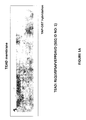
- TEAD To identify peptides containing TEAD sequence able to bind to YAP, the whole sequence of TEAD was synthetized as series of dodecapeptides that were bound to a nitrocellulose support. One overlapping sequence of four dodecapeptides corresponding to the binding site of TEAD to YAP was identified ( Figure 1A ). The sequence of 18 amino acids, denominated peptide TEAD, is: RLQLVEFSAFVEPPDAVD (SEQ ID NO: 1).
- the membrane containing the TEAD sequence was in a second time hybridized with the TAZ protein.
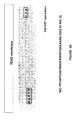
- a sequence of 26 amino acids corresponding to the binding site of TEAD to TAZ was identified ( Figure 1B ).
- the sequence, denominated peptide TAZ is: PPHAFFLVKFWADLNWGPSGEEAGAG (SEQ ID NO: 2).
- YAP protein was synthetized as series of dodecapeptides that were bound to a solid support.
- One binding site of YAP to TEAD was identified ( Figure 1C ).
- the sequence, denominated peptide YAP, is: KTANVPQTVPMRLRKLPD (SEQ ID NO: 3).
- H1650, H1975, H1299, A549 cell lines were cultured in DMEM medium supplemented with 10% of FCS.
- HBEC cell lines (wt and Ras V12) were cultured in KSFM supplemented with growth factors. All the cell lines come from human non small cell lung cancer (NSCLC).
- the cytotoxicity of penetrating peptides was evaluated by MTT.
- CPPs Three chimeric cell-penetrating peptides (CPPs) composed of the Mut3DPT-Sh1 shuttle (VKKKKIKAEIKI: SEQ ID NO: 9) described in WO 2013/098337 , associated to the binding site of TEAD to YAP or TAZ or of YAP to TEAD were chemically synthesized.
- the effect of the peptides on cell viability was assayed on several human non small cell lung cancer (NSCLC) cell lines. All the lung cell lines were treated for 72 h with different peptide concentrations. Cytotoxicity was analysed as described in Materials and Methods.
- peptide such as 12 and 25 ⁇ M already have a cytotoxic effect in some lung cancer cell lines such as H1650 and H1975.
- the cytotoxic effect increased with the peptide concentration of 50 ⁇ M.
- the IC 50 of the peptide for the cell lines H1650, H1975 and HBEC wt was 50 ⁇ M.
- Example 3 Evaluation of in vivo toxicity and therapeutic efficacy of the chimeric cell-penetrating peptides in patient-derived xenografts models
- chimeric CPPs were tested in combination with either, cisplatin (8 mg/kg, IP, day 1 and then every 3 weeks), docetaxel (20 mg/kg, IP, day 1 and then every 3 weeks), or cetuximab (40 mg/kg, IP, day 1 and then every 4 days).
- the chimeric CPPs were tested in combination with both carboplatin (66 mg/kg, IP, day 1 and then every 3 weeks) and paclitaxel (30 mg/kg, IP, day 1 and then every 3 weeks).
- weights of individual mice were measured and variations of weight of mice as compared to their initial weight and means or median per group were calculated.
- a treatment was considered as toxic in case of two or more deaths or in case of a one weight loss greater than 20 % of the initial weight.
- the dose was considered to be toxic; a new group of three mice was then treated by intraperitoneal (IP) injection with a decreased dose corresponding to 50 % of the toxic dose.
- IP intraperitoneal
- IP intraperitoneal
- mice were then treated by intraperitoneal (IP) injection with either chimeric CPPs alone, chimeric CPPs in combination with chemotherapeutic agent(s), or chemotherapeutic agent(s) alone, according to the intraperitoneal schedule of administration defined above; an untreated control group was included for comparison.
- IP intraperitoneal
- TGI tumour growth-inhibition
- Growth delay was calculated as the time in days necessary to multiply by four an initial tumor volume of 200 mm 3 in treated group and control group.
- Weights of individual mice will be measured once a week. Variations of weight of mice as compared to their initial weight and means (or median) per group were calculated.
- Tumor samples of at least five treated mice per group were collected at the end of treatments; one part of each tumor was frozen for RT-PCRs and western blots, the other part was fixed in AFA (formaldehyde-acetic acid-alcohol) and embedded in paraffin for immunohistochemical studies.
- AFA formaldehyde-acetic acid-alcohol
Landscapes
- Chemical & Material Sciences (AREA)
- Health & Medical Sciences (AREA)
- Organic Chemistry (AREA)
- Life Sciences & Earth Sciences (AREA)
- Proteomics, Peptides & Aminoacids (AREA)
- Biochemistry (AREA)
- Biophysics (AREA)
- General Health & Medical Sciences (AREA)
- Genetics & Genomics (AREA)
- Medicinal Chemistry (AREA)
- Molecular Biology (AREA)
- Gastroenterology & Hepatology (AREA)
- Zoology (AREA)
- Toxicology (AREA)
- Medicines That Contain Protein Lipid Enzymes And Other Medicines (AREA)
- Peptides Or Proteins (AREA)
- Pharmaceuticals Containing Other Organic And Inorganic Compounds (AREA)
Abstract
The invention relates to an isolated peptide inhibitor of the interaction between the TEAD and YAP or TAZ proteins and a derived chimeric peptide linked to a cell-penetrating peptide. These peptides which have a cytotoxic activity are useful, in particular for the treatment of hyperproliferative disorders such as cancer.
Description
- The invention relates to peptide inhibitors of the interaction between the TEAD and YAP or TAZ proteins, and to derived chimeric peptides linked to a cell-penetrating peptide. These peptides which have a cytotoxic activity are useful, in particular for the treatment of hyperproliferative disorders such as cancer.
- The Hippo signalling pathway is a major regulator of cell proliferation and apoptosis, which is conserved from drosophila to mammals (Vassilev et al., Genes and Development, 2001, 15, 1229-1241; Zeng and Hong, Cancer Cell, 2008, 13, 188-192). The core of the pathway consists of a cascade of kinases (Hippo-MST1-2 being upstream of Lats 1-2 and NDR1-2) leading to the phosphorylation of two transcriptional co-activators, YAP (Yes-Associated Protein) and TAZ (Transcription co-activator with PDZ binding motif or tafazzin; Zhao et al., Cancer Res., 2009, 69, 1089-1098; Lei et al., Mol. Cell. Biol., 2008, 28, 2426-2436).
- Upon phosphorylation, these two proteins are retained into the cytosol via interaction with the 14-3-3 proteins and their transcriptional activity is therefore inhibited. When the upstream kinases are inactive, YAP and TAZ are not phosphorylated and translocate to the nucleus. Both proteins are unable to bind DNA directly, but need physical interactions with DNA binding proteins to exert their transcriptional activity. Various YAP/TAZ nuclear DNA-binding partners have been identified, the most important in driving cell proliferation being the TEAD transcription factors (TEA domain family members or transcription enhancer factors (TEF)). There are four closely related human TEAD proteins (hTEAD1-4) containing an N-terminal DNA-binding TEA domain and a C-terminal YAP-binding domain (positions 40-104 and 217 to 447, respectively of hTEAD2 amino acid sequence by reference to UniProtKB/Swiss-Prot Q15562.2). The YAP-binding domain has an extensive YAP-binding surface involving at least nine critical residues (E267, I274, K277, L299/K301, W303, E404/N405, V427/E429, Y442 and L444) spread throughout the YAP-binding domain and forming a surface exposed pocket. YAP has an N-terminal TEAD-binding domain and a C-terminal transcriptional activation domain (positions 48 to 102 and 292 to 488, respectively of hYAP amino acid sequence by reference to UniProtKB/Swiss-Prot P46937.2 or NCBI NP_001123617.1). A 40mer YAP61-100 peptide is sufficient to bind TEAD, whereas a smaller peptide YAP67-97 is not able to bind TEAD (Tian et al., PNAS, 2010, 107, 7293-7298).
- The Hippo pathway activity is modulated by various cellular inputs such as cell-cell contact, actin cytoskeleton status, mechanical or metabolic cues. Several proteins exert regulatory function on the Hippo pathway. Notably, the activity of MST1-2 is regulated by the tumor suppressors NF2 and RASSFIA as well as Kibra, whereas Lats1-2 kinases are under the control of Salvador (sv)/Mob1 complex.
- The Hippo signalling pathway is a crucial regulator of animal development, organ size control and stem cell regulation. Hence, not surprisingly, evidences of its involvement in cancer development have accumulated over the past few years (Review in Harvey et al., Nat. Rev. Cancer, 2013, 13, 246-257; Zhao et al., Genes Dev. 2010, 24, 862-874). In vitro, the overexpression of YAP or TAZ in mammary epithelial cells induces cell transformation, through interaction of both proteins with the TEAD family of transcription factors. Increased YAP/TAZ transcriptional activity induces oncogenic properties such as epithelial-mesenchymal transition and was also shown to confer stem cells properties to breast cancer cells. In vivo, in mouse liver, the overexpression of YAP or the genetic knockout of its upstream regulators MST1-2 triggers the development of hepatocellular carcinomas. Furthermore, when the tumor suppressor NF2 is inactivated in the mouse liver, the development of hepatocellular carcinomas can be blocked completely by the co-inactivation of YAP. Finally, a recent study on several major types of cancers has shown a frequent pattern of YAP nuclear accumulation whereas methylation or mutations of RASSFIA, Lats2, MST1-2 have been also reported in various human cancers.
- Overall, it appears that the deregulation of the Hippo tumor suppressor pathway is emerging as a major event in the development of a wide range of malignancies, including with no limitations, lung (NSCLC; Zhou et al., Oncogene, 2011, 30, 2181-2186; Wang et al., Cancer Sci., 2010, 101, 1279-1285), breast (Chan et al., Cancer Res., 2008, 68, 2592-2598; Lamar et al., Proc. Natl. Acad. Sci. U S A, 2012; 109, E2441-E2250; Wang et al., Eur. J. Cancer, 2012, 48, 1227-1234), head and neck (Gasparotto et al., Oncotarget., 2011, 2, 1165-1175; Steinmann et al., Oncol.Rep., 2009, 22, 1519-1526), colon (Angela et al., Hum. Pathol., 2008, 39, 1582-1589 ; Yuen et al., PLoS One, 2013, 8, e54211 ; Avruch et al., Cell Cycle, 2012, 11, 1090- 1096), ovarian (Angela et al., Hum. Pathol., 2008, 39, 1582-1589; Chad et al., Cancer Res., 2010, 70, 8517-8525; Hall et al., Cancer Res., 2010, 70, 8517-8525), liver (Jie et al., Gastroenterol. Res. Pract., 2013, 2013, 187070; Ahn et al., Mol. Cancer. Res., 2013, 11, 748-758; Liu et al., Expert. Opin. Ther. Targets, 2012, 16, 243-247), brain (Orr et al., J Neuropathol. Exp. Neurol. 2011, 70, 568-577; Baia et al., Mol. Cancer Res., 2012, 10, 904-913; Striedinger et al., Neoplasia, 2008, 10, 1204-1212) and prostate (Zhao et al., Genes Dev., 2012, 26, 54-68; Zhao et al., Genes Dev., 2007, 21, 2747-2761) cancers, mesotheliomas (Fujii et al., J. Exp. Med., 2012, 209, 479-494; Mizuno et al., Oncogene, 2012, 31, 5117-5122 ; Sekido Y., Pathol. Int., 2011, 61, 331-344), sarcomas (Seidel et al., Mol. Carcinog., 2007, 46, 865-871) and leukemia (Jimenez-Velasco et al., Leukemia, 2005, 19, 2347-2350). Hence, pharmacological targeting of the Hippo cascade is likely to represent a valuable approach for the treatment of cancers that harbour functional alterations of this pathway.
- Therefore, to develop new targeted therapeutic strategies for the treatment of cancer, there is a need for specific inhibitors of the Hippo signalling pathway.
- The inventors have evaluated a therapeutic approach based on the inhibition of the activity of the Hippo pathway effectors YAP and TAZ. To do so, they have designed peptides which inhibit the interaction between TEAD factors and YAP or TAZ proteins and chimeric peptides comprising a cell penetrating peptide linked to such peptide inhibitor. Surprisingly, they have found that small peptides derived from YAP, TAZ or TEAD proteins were efficient inhibitors of the TEAD/YAP-TAZ interaction. They have demonstrated the efficacy of this strategy on cellular tumor models of three cancers featuring the inactivation of genes coding for key members of the Hippo pathway.
- Therefore, the invention provides a peptide inhibitor of the interaction between TEAD and YAP or TAZ proteins.
- The peptide inhibitor of the invention which induces cell toxicity, including the induction of apoptosis, is useful for inhibiting cell proliferation in vitro and in vivo, in particular for treating hyperproliferative diseases, such as cancer. The peptide inhibitor of the invention which binds to TEAD, YAP or TAZ protein and disrupts the interaction between TEAD and YAP or TAZ proteins is also useful as in vitro diagnostic reagent, drug screening reagent and research tool.
- The peptide inhibitor of the invention is an isolated, recombinant or synthetic, peptide.
- The properties of the peptide can be readily verified by technique known to those skilled in the art such as those described in the examples of the present application.
- In the following description, the standard one letter amino acid code is used.
- In one embodiment, the peptide inhibitor binds to a TEAD, YAP or TAZ protein. The peptide inhibitor derives advantageously from the binding site of TEAD to YAP or TAZ or of YAP or TAZ to TEAD. Since the Hippo pathway is well conserved in animals, the peptide can derive from mammal TEAD, YAP or TAZ proteins or their homologs found in other species. The peptide inhibitor derives advantageously from a mammal TEAD, YAP or TAZ protein, more advantageously human TEAD1, TEAD2, TEAD3 or TEAD4, even more advantageously human TEAD2, human YAP or human TAZ protein.
- Preferably, the peptide inhibitor is a peptide comprising or consisting of one of the following amino acid sequences:
- a) RLQLVEFSAFVEPPDAVD (SEQ ID NO: 1) corresponding to the binding site of TEAD to YAP,
- b) PPHAFFLVKFWADLNWGPSGEEAGAG (SEQ ID NO: 2) corresponding to the binding site of TEAD to TAZ,
- c) KTANVPQTVPMRLRKLPD (SEQ ID NO: 3) corresponding to the binding site of YAP to TEAD, or
- d) an amino acid sequence deriving from a sequence in a), b) or c) by a N- and/or C-terminal deletion of 1 to 4 (1, 2, 3 or 4) amino acids, preferably of 1 or 2 amino acids, or a functional variant therof.
- The peptide of SEQ ID NO: 1 corresponds to positions 227 to 244 of human TEAD2 amino acid sequence by reference to UniProtKB/Swiss-Prot Q15562.2.
- The peptide of SEQ ID NO: 2 corresponds to positions 293 to 318 of human TEAD2 amino acid sequence by reference to UniProtKB/Swiss-Prot Q15562.2.
- The peptide of SEQ ID NO: 3 corresponds to positions 76 to 93 of human YAP amino acid sequence by reference to UniProtKB/Swiss-Prot P46937.2 or NCBI NP_001123617.1.
- "Functional" with respect to a peptide of the invention refers to a peptide which is able to bind to a TEAD, YAP or TAZ protein and prevent TEAD/YAP-TAZ interaction, and thereby induce cell toxicity including the induction of apoptosis, and inhibit cell proliferation.
- Functional variants include natural variants resulting from gene polymorphism as well as artificial variants. Functional variants are derived from wild-type amino acid sequences by the introduction of one or more mutations (deletion, insertion, and/or substitution) at specific amino acid positions.
- A functional variant comprises an amino acid sequence which is "substantially homologous" or "substantially similar" to the sequence of the reference peptide from which it is derived. Two amino acid sequences are "substantially homologous" or "substantially similar" when one or more amino acid residues are replaced by a biologically similar residue or when the sequences are at least 80 % identical or 90 % similar.
- The percent amino acid sequence identity/similarity is defined as the percent of amino acid residues in a Compared Sequence that are identical/similar to the Reference Sequence after aligning the sequences and introducing gaps if necessary, to achieve the maximum sequence identity. The Percent identity is then determined according to the following formula: Percent identity = 100 x [1- (C/R)], wherein C is the number of differences between the Reference Sequence and the Compared sequence over the entire length of the Reference Sequence, wherein (i) each amino acid in the Reference Sequence that does not have a corresponding aligned amino acid in the Compared Sequence, (ii) each gap in the Reference Sequence, and (iii) each aligned amino acid in the Reference Sequence that is not identical/similar to an amino acid in the Compared Sequence constitutes a difference; and R is the number amino acids in the Reference Sequence over the length of the alignment with the Compared Sequence with any gap created in the Reference Sequence also being counted as an amino acid.
- Alignment for purposes of determining percent amino acid sequence identity can be achieved in various ways known to a person of skill in the art, for instance using publicly available computer software such as BLAST (Altschul et al., J. Mol. Biol., 1990, 215, 403-), FASTA, the GCG (Genetics computer Group, Program Manual for the GCG Package, version 7, Madison, Wisconsin) pileup program, or any of the programs known in the art. When using such software, the default parameters, e.g., for gap penalty and extension penalty, are preferably used. For amino acid sequences, the BLASTP program uses as default a word length (W) of 3 and an expectation (E) of 10.
- Conservative substitution refers to the substitution of one amino acid with another, without altering the overall conformation and function of the peptide, including but not limited to the replacement of an amino acid with one which has similar chemical or physical properties (size, charge or polarity), which generally does not modify the functional properties of the protein. Amino acids with similar properties are well known in the art. A non-limitative example of conservative substitution(s) comprises the five following groups: Group 1-small aliphatic, nonpolar or slightly polar residues (A, S, T, P, G); Group 2-polar, negatively charged residues and their amides (D, N, E, Q); Group 3-polar, positively charged residues (H, R, K); Group 4-large aliphatic, nonpolar residues (M, L, I, V, C); and Group 5-large, aromatic residues (F, Y, W). Alternative, examples of conservative substitutions are known in the art.
- The functional variant comprises or consists advantageously of an amino acid sequence which is at least 80 %, 85 %, 90 % or 95 % to SEQ ID ID NO: 1, 2 or 3 or a fragment thereof as defined above. More advantageously, the functional variant derives from SEQ ID NO: 1, 2 or 3 by one or more conservative substitutions.
- Preferably, the peptide inhibitor consists of less than 100 amino acids, more preferably less than 70, 65, 60, 55, 50 or 45 amino acids, even more preferably less than 40, 35 or 30 amino acids. In some more preferred embodiments, the peptide inhibitor consists of less than 25 or 20 amino acids.
- Another aspect of the invention relates to a fusion or chimeric peptide deriving from the peptide inhibitor as described above.
- The fusion or chimeric peptide comprises an amino acid sequence fused to the N-terminal and/or C-terminal end(s) of the peptide inhibitor. The length of the chimeric peptide is not critical to the invention as long as the peptide is functional. The peptide inhibitor is fused to one or more other protein/peptide moieties including those which allow the purification, detection, immobilization, and/or cellular targeting of the protein of the invention, and/or which increase the affinity for TAZ, TEAD or YAP, the bioavailability, the production in expression systems and/or stability of said protein. These moieties may be selected from; (i) a cell-penetrating moiety, (ii) a labeling moiety such as a fluorescent protein (GFP and its derivatives, BFP and YFP), (iii) a reporter moiety such as an enzyme tag (luciferase, alkaline phosphatase, glutathione-S-transferase (GST), β-galactosidase), (iv) a binding moiety such as an epitope tag (polyHis6, FLAG, HA, myc.), a DNA-binding domain, a hormone-binding domain, a poly-lysine tag for immobilization onto a support, (v) a stabilization moiety, and (vi) a targeting moiety for addressing the chimeric protein to a specific cell type or cell compartment. In addition, the peptide inhibitor may be separated from the peptide/protein moiety by a linker which is long enough to avoid inhibiting interactions between the peptide inhibitor and the protein/peptide moiety. The linker may also comprise a recognition site for a protease, for example, for removing affinity tags and stabilization moieties from the purified chimeric protein according to the present invention.
- In one embodiment, the chimeric peptide comprises the peptide inhibitor linked to at least one cell-penetrating peptide. In particular embodiments, the peptide inhibitor is linked to two, three or more cell-penetrating peptides. The peptide inhibitor is advantageously fused to the C-terminus of the cell-penetrating peptide.
- Cell-penetrating peptides (CPP), also known as protein transduction domains (PTDs), membrane translocation sequences (MTSs), transport peptides, carrier peptides or Trojan peptides are well-known in the art. CPPs are able to translocate into cells (including the cytoplasm and organelles such as mitochondria or the nucleus) at significantly higher levels than passive diffusion, without causing substantial membrane damage, and can be used as vectors of other molecules when linked to them.
- The cell-penetrating peptide may be one of those described in
WO 03/011898 WO 2004/011595 ,WO 2010/112471 ,WO 2012/042038 ,WO 2013/098337 , Guergnon et al., Mol. Pharmacol., 2006, 69, 1115-1124; Fonseca et al., Avanced Drug Delivery Reviews, 2009, 61, 953-964; Nakase et al., Journal of Controlled Release, 2012, 159, 181-188; Bolhassani A., Biochimica et Biophysica Acta, 2011, 1816, 232-246; Milleti F., Drug Discovery Today, 2012, 17, 850-860; Aroui et al., Cancer Letters, 2009, 285, 28-38. - The cell-penetrating peptide is advantageously a short peptide, preferably of less than 40 amino acids.
- In a particular embodiment, the cell-penetrating peptide comprises or consists of:
- a) X1-KKKIK-Ψ-EI-X2-X3 (SEQ ID NO: 4), wherein X1 is K, VK or is absent; X2 is K, KI or is absent, X3 is a sequence of 1 to 4 amino acids or is absent and Ψ is any amino acid; the cell-penetrating peptide is advantageously X1-KKKIK-Ψ-EI-X2 (SEQ ID NO: 5), preferably VKKKKIK-Ψ-EIKI (SEQ ID NO: 6), more preferably VKKKKIKREIKI (SEQ ID NO: 7), VKKKKIKNEIKI (SEQ ID NO: 8), VKKKKIKAEIKI (SEQ ID NO: 9) or VKKKKIKKEIKI (SEQ ID NO: 10), even more preferably VKKKKIKNEIKI (SEQ ID NO: 8), VKKKKIKAEIKI (SEQ ID NO: 9) or VKKKKIKKEIKI (SEQ ID NO: 10).
- b) (RQKRLI)3 (SEQ ID NO: 11), (RHSRIG)3 (SEQ ID NO: 12), RHSRIGIIQQRRTRNG (SEQ ID NO: 13), RHSRIGVTRQRRARNG (SEQ ID NO: 14), RRRRRRRSRGRRRTY (SEQ ID NO: 15), or homologous peptides, or
- c) a peptide chosen from:
- Tat peptide having the sequence:
- RKKRRQRRR (SEQ ID NO: 16) or YGRKKRRQRRR (SEQ ID NO: 17),
- polyarginine peptide consisting of at least 9 arginines. Preferably 9 (R9; SEQ ID NO: 18) or 11 (R11; SEQ ID NO: 19) arginines,
- HA2-R9 peptide having the sequence:
- GLFEAIEGFIENGWEGMIDGWYG-R9 (SEQ ID NO: 20),
- penetratin peptide having the sequence:
- RQIKIWFQNRRMKWKK (SEQ ID NO: 21),
- Transportan peptide or Antp peptide having the sequence:
- GWTLNSAGYLLGKINLKALAALAKKIL (SEQ ID NO: 22),
- Vectocell® peptide originating from human heparin binding proteins and/or anti-DNA antibodies,
- Maurocalcine peptide having the sequence:
- GDCLPHLKLCKENKDCCSKKCKRRGTNIEKRCR (SEQ ID NO: 23),
- decalysine peptide having the sequence:
- KKKKKKKKKK (K10; (SEQ ID NO: 24),
- HIV-Tat derived PTD4 peptide having the sequence:
- YARAAARQARA (SEQ ID NO: 25),
- Hepatitis B virus translocation motif (PTM) having the sequence:
- PLSSIFSRIGDP (SEQ ID NO: 26),
- mPrP1-28 peptide having the sequence:
- MANLGYWLLALFVMWTDVGLCKKRPKP (SEQ ID NO: 27),
- POD peptide having the sequence:
- GGG(ARKKAAKA)4 (SEQ ID NO: 28),
- pVEC peptide having the sequence:
- LLIILRRRRIRKQAHAHSK (SEQ ID NO: 29),
- EB1 peptide having the sequence:
- LIRLWSHLIHIWFQNRRLKWKKK (SEQ ID NO: 30),
- Rath peptide having the sequence:
- TPWWRLWTKWHHKRRDLPRKPE (SEQ ID NO: 31),
- CADY peptide having the sequence:
- GLWRALWRLLRSLWRLLWRA (SEQ ID NO: 32),
- Histatin 5 peptide having the sequence:
- DSHAKRHHGYRKFHEKHHSHRGY (SEQ ID NO: 33) and
- Cyt86-101 peptide having the sequence:
- KKKEERADLIAYLKKA (SEQ ID NO: 34).
- Tat peptide having the sequence:
- The CPP as described herein have the capability of inducing cell penetration of a peptide fused to the CPP within 30 %, 40 %, 50 %, 60 %, 70 %, 80 %, 90 % or 100 % of cells of a given cell culture population, including all integers in between, and allow macromolecular translocation within multiple tissues in vivo upon systemic administration.
- Preferably, the peptide construct is selected from the group consisting of:
- VKKKKIKAEIKI-RLQLVEFSAFVEPPDAVD (SEQ ID NO: 35),
- VKKKKIKAEIKI-PPHAFFLVKFWADLNWGPSGEEAGAG (SEQ ID NO: 36), and
- VKKKKIKAEIKI-KTANVPQTVPMRLRKLPD (SEQ ID NO: 37).
- In another embodiment, the peptide inhibitor or the chimeric peptide is a modified peptide derived from the preceding peptides by introduction of any modification into one or more amino acid residues, peptide bonds, N-and/or C-terminal ends of the peptide, as long as the modified peptide is functional. These modifications which are introduced into the peptide by the conventional methods known to those skilled in the art, include, in a non-limiting manner: the substitution of a natural amino acid with a non-proteinogenic amino acid (D amino acid or amino acid analog); the modification of the peptide bond, in particular with a bond of the retro or retro-inverso type or a bond different from the peptide bond; the cyclization, and the addition of a chemical group to the side chain or the end(s) of the peptide, in particular for coupling an agent of interest to the protein of the invention. These modifications may be used to label the peptide, and/or to increase its stability or its resistance to proteolysis.
- Preferably, the peptide inhibitor or chimeric peptide comprises one or more chemical modifications, more preferably chemical modification(s) which protect the peptide against proteolysis.
- The N- and/or C-termini of the peptide are advantageously protected against proteolysis. For instance, the N-terminus is in the form of an acetyl group and/or the C-terminus in the form of an amide group.
- Alternatively or additionally, the peptide is protected against proteolysis by internal modifications such as the replacement of at least one -CONH-peptide bond by a (CH2NH) reduced bond, a (NHCO) retro-inverso bond, a (CH2-O) methylene-oxy bond, a (CH2-S) thiomethylene bond, a (CH2CH2) carba bond, a (CO-CH) cetomethylene bond, a (CHOH-CH2) hydroxyethylene bond, a (N-N) bond, a E-alcene bond, or a -CH=CH- bond.
- Alternatively or additionally, the peptide is advantageously modified by acetylation, acylation, amidation, cross-linking, cyclization, disulfide bond formation, formation of covalent cross-links, formation of cysteine, formation of pyroglutamate, formylation, gamma-carboxylation, glycosylation, GPI anchor formation, hydroxylation, iodination, methylation, myristylation, oxidation, phosphorylation, and the like.
- Alternatively or additionally, the peptide is advantageously composed of amino acids in D configuration, which renders the peptide resistant to proteolysis.
- Alternatively or additionally, the peptide is advantageously stabilised by intramolecular crosslinking, by modifying at least two amino acid residues with olefinic side chains, preferably C3-C8 alkenyl chains, more preferably penten-2-yl chains, followed by crossliking of the chains according to the so-called "'stapled-peptide technology" described in Walensky et al., Science, 2004, 305, 1466-1470.
- Alternatively or additionally, the peptide is advantageously stabilised by covalent binding to a polyethylene glycol (PEG) molecule, preferably a PEG of 1500 Da or 4000 Da, advantageously bound to their C-terminus or a lysine residue. Such coupling has the advantage to decrease urinary clearance and therapeutic doses and increase half-life in blood plasma.
- Alternatively or additionally, the peptide is advantageously stabilised and its half-life increased by incorporation into a biodegradable and biocompatible polymer material for drug delivery system forming microspheres, such as for instance poly(D, L-lactide-co-glycolide (PLGA) and nanoparticules.
- Yet another aspect of the invention relates to an isolated polynucleotide encoding the peptide inhibitor or chimeric peptide.
- The polynucleotide is a synthetic or recombinant DNA, RNA or combination thereof, either single- and/or double-stranded. The polynucleotide is encoding the peptide in expressible form, i.e., it is a nucleic acid molecule which, upon expression in a cell or a cell-free system results in a functional peptide.
- Preferably the polynucleotide comprises a coding sequence which is optimized for the host in which the peptide is expressed.
- In another preferred embodiment, the polynucleotide is inserted in a vector. Preferably, said recombinant vector is an expression vector capable of expressing said polynucleotide when transfected or transformed into a host cell such as a prokaryotic or eukaryotic cell. The polynucleotide is inserted into the expression vector in proper orientation and correct reading frame for expression. Preferably, the polynucleotide is operably linked to at least one transcriptional regulatory sequence and, optionally to at least one translational regulatory sequence. Recombinant vectors include usual vectors used in genetic engineering and gene therapy including for example plasmids and viral vectors, such as for example lentivirus and adenovirus vectors.
- Another aspect of the present invention relates to the use of a peptide (peptide inhibitor or derived chimeric peptide), polynucleotide, and/or vector as described herein for inhibiting cell proliferation in vitro.
- Another aspect of the present invention relates to a peptide (peptide inhibitor or derived chimeric peptide), polynucleotide, and/or vector as described herein as a medicament. The medicament is useful for inhibiting cell proliferation.
- Therefore, another aspect of the present invention relates to a peptide, polynucleotide, and/or vector as described herein, for use in treating hyperproliferative disorders, in particular cancer, preferably in a human patient.
- The peptide, polynucleotide, and/or vector as described herein are useful for treating tumors, in particular malignant tumors and preventing or treating metastasis.
- More particularly, the peptide, polynucleotide, and/or vector as described herein are useful in the treatment of cancers which exhibit a dysregulation of the Hippo signalling pathway, such as with no limitation: lung cancer, such as for example, non-small cell lung cancer (NSCL), liver, prostate, colon, head and neck, ovary, brain and breast cancers, mesothelioma, leukemia, such as for example acute lymphoblastic leukemia, and sarcomas.
- Preferably, the peptide, polynucleotide, and/or vector as described herein are used as adjuvants in combination with another anti-tumor agent, surgery, and/or radiotherapy. The anti-tumor agent is preferably a chemotherapeutic agent, such as for example: (i) an inhibitor of DNA replication like DNA binding agents, in particular alkylating or intercalating drugs, (ii) an antimetabolite agent such as DNA polymerase inhibitors or Topoisomerase I or II inhibitors, or (iii) an anti-mitogenic agent such as alkaloids.
- The invention relates also to a pharmaceutical composition, comprising a peptide, polynucleotide, and/or vector as described above, and a pharmaceutically acceptable carrier. Preferably, the composition further comprises another anti-tumor agent, more preferably a chemotherapeutic agent, as defined above.
- The pharmaceutical composition is formulated for administration by a number of routes, including but not limited to oral, parenteral and local. The pharmaceutically acceptable carriers are those conventionally used.
- The pharmaceutical composition comprises a therapeutically effective amount of the peptide/polynucleotide/vector, e.g., sufficient to show benefit to the individual to whom it is administered. The pharmaceutically effective dose depends upon the composition used, the route of administration, the type of mammal (human or animal) being treated, the physical characteristics of the specific mammal under consideration, concurrent medication, and other factors, that those skilled in the medical arts will recognize.
- The invention provides also a method for treating a patient having a disease comprising a deregulation of the Hippo signalling pathway, comprising: administering a therapeutically effective amount of the peptide, polynucleotide and/or vector to the patient, preferably, in combination with another anti-tumor agent as defined above.
- Another aspect of the invention relates to a combined preparation containing a peptide, polynucleotide, vector as described herein and an anti-tumor agent, for the simultaneous, separate or sequential use in the treatment of a hyperproliferative disease, in particular a cancer, preferably a cancer exhibiting a deregulation of the Hippo pathway as defined above.
- Another aspect of the invention is the use of the peptide inhibitor or derived chimeric peptide of the invention as reagent for in vitro diagnostic of diseases comprising a deregulation of the Hippo signalling pathway, as defined above.
- Another aspect of the invention is the use of the peptide inhibitor or derived chimeric peptide of the invention as a research tool, in particular to study the Hippo signalling pathway.
- Yet another aspect of the invention is the use of the peptide inhibitor derived chimeric peptide of the invention as reagent for drug screening, in particular for the screening of modulators of the Hippo signalling pathway.
- The peptide for the diagnostic, drug screening and research uses is advantageously a labelled peptide, i.e., a peptide linked to a labeling agent which produces a detectable and/or quantifiable signal, in particular a radioactive, magnetic or luminescent agent.
- The peptide of the invention is prepared by the conventional techniques known to those skilled in the art. The peptide is usually solid-phase synthesized, according to the Fmoc technique, originally described by Merrifield et al. (J. Am. Chem. Soc., 1964, 85, 2149-) and purified by reverse-phase high performance liquid chromatography. Alternatively, the peptide is produced from the corresponding polynucleotide, usually a cDNA, obtained by any means known to those skilled in the art. For example, the polynucleotide is produced by amplification of a nucleic sequence by PCR or RT-PCR, by screening genomic DNA libraries by hybridization with a homologous probe, or else by total or partial chemical synthesis.
Recombinant vectors are constructed and introduced into host cells by the conventional recombinant DNA and genetic engineering techniques, which are known in the art. The recombinant peptide produced in an appropriate cell system is purified by any suitable means, in particular by affinity chromatography. - The practice of the present invention will employ, unless otherwise indicated, conventional techniques which are within the skill of the art. Such techniques are explained fully in the literature.
- In addition to the above arrangements, the invention also comprises other arrangements, which will emerge from the description which follows, which refers to exemplary embodiments of the subject of the present invention, with reference to the attached drawings in which:
-
Figure 1 illustrates determination of the binding site of TEAD to YAP or TAZ and vice versa. A. Overlapping dodecapeptides with two amino acid shift covering the whole human TEAD protein were bound to a solid support. The membrane was incubated sequentially with YAP-GST protein, and anti-GST antibody, followed by a preoxydase-labeled secondary antibody. The membrane was revealed with ECL system. The sequence corresponding to the identified spots is shown. B. Overlapping dodecapeptides with two amino acid shift covering the whole human TEAD protein were bound to a solid support. The membrane was incubated sequentially with TAZ-GST protein, and anti-GST antibody, followed by a preoxydase-labeled secondary antibody. The membrane was revealed with ECL system. The sequence corresponding to the identified spots is shown. C. Overlapping dodecapeptides with two amino acids shift covering the YAP protein were synthesized and bound to a solid support. The membrane was incubated with TEAD-GST protein, followed by anti-GST antibody and a secondary peroxidase-conjugated antibody. The membrane was revealed using the ECL system. The sequence corresponding to the identified spots is shown. -
Figure 2 illustrates cytotoxic effect of TEAD peptide. Non small cell lung cancer cell lines were incubated for 72h with different concentrations of TEAD peptide (12.5, 25 or 50 µM). Cytotoxicity was evaluated by MTT. Cell viability is presented relative to non-treated cells. - Peptides were synthesized in an automated multiple peptide synthesizer with solid phase procedure and standard Fmoc chemistry. The purity and composition of the peptides were confirmed by reverse phase HPLC and by amino acid analysis. These peptides were used for protein-protein interaction competition studies or cell culture.
- Overlapping peptides covering the human TEAD, TAZ or YAP proteins were prepared by automated spot synthesis into an amino-derivatized cellulose membrane as previously described (Frank R. and Overwin H., Methods Mol. Biol., 1996, 66, 149-169). The membranes were blocked, incubated with purified TEAD, YAP or TAZ protein and, after several washing steps, incubated with anti-TEAD, TAZ or YAP antibody tagged with GST followed by the PO-conjugated secondary Ab anti GST. Protein interactions were visualized using the ECL system.
- To identify peptides containing TEAD sequence able to bind to YAP, the whole sequence of TEAD was synthetized as series of dodecapeptides that were bound to a nitrocellulose support. One overlapping sequence of four dodecapeptides corresponding to the binding site of TEAD to YAP was identified (
Figure 1A ). The sequence of 18 amino acids, denominated peptide TEAD, is: RLQLVEFSAFVEPPDAVD (SEQ ID NO: 1). - The membrane containing the TEAD sequence was in a second time hybridized with the TAZ protein. A sequence of 26 amino acids corresponding to the binding site of TEAD to TAZ was identified (
Figure 1B ). The sequence, denominated peptide TAZ, is: PPHAFFLVKFWADLNWGPSGEEAGAG (SEQ ID NO: 2). - Similarly, to identify peptides containing YAP sequence able to bind to TEAD, the YAP protein was synthetized as series of dodecapeptides that were bound to a solid support. One binding site of YAP to TEAD was identified (
Figure 1C ). The sequence, denominated peptide YAP, is: KTANVPQTVPMRLRKLPD (SEQ ID NO: 3). - H1650, H1975, H1299, A549 cell lines were cultured in DMEM medium supplemented with 10% of FCS. HBEC cell lines (wt and Ras V12) were cultured in KSFM supplemented with growth factors. All the cell lines come from human non small cell lung cancer (NSCLC).
Table I : Mutational status of the NSCLC cell lines Cell line Pathology Mutation A549 Carcinoma K-Ras H1299 Non small cell lung Adenocarcinoma EGFR wt N-Ras Partial P53 deletion H1650 Adenocarcinoma EGFR H1975 Non small cell lung Adenocarcinoma EGFR P53 P16 P14 BEC wt Human bronchial epithelial cell P16 Rb BEC Ras V12 Human bronchial epithelial cell K-Ras P16 Rb - The cytotoxicity of penetrating peptides was evaluated by MTT. The cells were seeded in 96-well plates at a cell density defined from growth curves. After 24 hours of incubation, cells were treated with the peptides for 72 hours. The wells were rinsed two times with RPMI. After washing, 10 µl of stock MTT solution (5 mg/ml) was added to a final volume of 100 µl of culture medium. Cell lines were incubated for additional 4 hours at 37 ° C under humid atmosphere with 5% (v / v) CO2. The formation of blue formazan crystals was detected under a microscope. An equal volume of 10 % SDS in 10 mM HCl was added to each well and the plate was placed in the incubator overnight. The absorbance was measured at 570 nm and 620 nm. The percentage of viable cells was estimated using the formula: % cell viability = OD treated / OD control x 100.
- Three chimeric cell-penetrating peptides (CPPs) composed of the Mut3DPT-Sh1 shuttle (VKKKKIKAEIKI: SEQ ID NO: 9) described in
WO 2013/098337 , associated to the binding site of TEAD to YAP or TAZ or of YAP to TEAD were chemically synthesized.The effect of the peptides on cell viability was assayed on several human non small cell lung cancer (NSCLC) cell lines. All the lung cell lines were treated for 72 h with different peptide concentrations. Cytotoxicity was analysed as described in Materials and Methods. As shown inFigure 2 , very low doses of peptide such as 12 and 25 µM already have a cytotoxic effect in some lung cancer cell lines such as H1650 and H1975. The cytotoxic effect increased with the peptide concentration of 50 µM. The IC50 of the peptide for the cell lines H1650, H1975 and HBEC wt was 50 µM. - Six to eight weeks old Nude mice without transplanted tumors (n=3) were treated by intraperitoneal (IP) injection with chimeric CPPs alone or in combination with a chemotherapeutic agent, five days per week for one to four weeks. Four dose levels of chimeric CPPs were tested: 1, 5, 25 and 50 mg/kg per injection.
- In NSCL, the chimeric CPPs were tested in combination with either, cisplatin (8 mg/kg, IP,
day 1 and then every 3 weeks), docetaxel (20 mg/kg, IP,day 1 and then every 3 weeks), or cetuximab (40 mg/kg, IP,day 1 and then every 4 days). - In ovarian cancers, the chimeric CPPs were tested in combination with both carboplatin (66 mg/kg, IP,
day 1 and then every 3 weeks) and paclitaxel (30 mg/kg, IP,day 1 and then every 3 weeks). - Moreover, each standard chemotherapeutic treatment was tested at full dose.
- At
day 1 of the next week, weights of individual mice were measured and variations of weight of mice as compared to their initial weight and means or median per group were calculated. - A treatment was considered as toxic in case of two or more deaths or in case of a one weight loss greater than 20 % of the initial weight.
- In the absence of death or weight loss greater than 10 %, the dose was increased to the next level, using the same group of three mice.
- In the presence of at least one death or one weight loss greater than 20 %, the dose was considered to be toxic; a new group of three mice was then treated by intraperitoneal (IP) injection with a decreased dose corresponding to 50 % of the toxic dose.
- In the absence of death but weight loss between 10 % and 20 %, the dose was considered as potentially toxic; a new group of three mice was treated by intraperitoneal (IP) injection with the same dose.
- When the maximal tolerable dose was determined according to this schedule, a validation was then performed in five Nude mice for four weeks.
- At the end of the toxicity phase, therapeutic schedules were defined for further experiments.
- Six to eight weeks old Nude mice weighing at least 18 g received a subcutaneous graft of tumor fragments with a volume of approximately 15 mm3, according to the previously described in vivo models of primary human tumor xenografts (Némati et al., Anticancer Drugs, 2010, 21, 25-32; Némati et al., Anticancer Drugs, 2009, 10, 932-940).
- The transplanted mice (n=12) were then treated by intraperitoneal (IP) injection with either chimeric CPPs alone, chimeric CPPs in combination with chemotherapeutic agent(s), or chemotherapeutic agent(s) alone, according to the intraperitoneal schedule of administration defined above; an untreated control group was included for comparison.
- Tumour volume was calculated by measuring two perpendicular diameters with calipers. Each tumor volume (v) was calculated according to the following formulae: V=axb2/2, where a and b are the largest and the smallest perpendicular tumour diameters.
- Relative tumour volume (RTV) was calculated from the following formula: RTV= (Vx/V1) x 100, where Vx is the tumour volume on day X and V1 is the tumour volume at initiation of the therapy (day 1). These data allow to rapidly evaluate the lack of growth when the RTV is equal or under 100 % (tumor regressions). Growth curves were obtained by plotting the mean (or median) volume of RTV on Y axis against time (X axis, expressed as days after starting of treatment), in treated group and control.
- Antitumor activity was evaluated according to tumour growth-inhibition (TGI), calculated according to the following formulae: percent GI= 100-(RTVt/RTVc) x 100, where RTVt is the medium RTV of treated mice and RTVc is the median RTV of controls, both at a given time point when the anti-tumour effect was optimal.
- Growth delay was calculated as the time in days necessary to multiply by four an initial tumor volume of 200 mm3 in treated group and control group.
- Weights of individual mice will be measured once a week. Variations of weight of mice as compared to their initial weight and means (or median) per group were calculated.
- At the end of treatment, autopsy was performed for placebo or treatment groups and tumours were counted. Results are expressed as tumour number / mouse, mean ± SEM.
- All statistical tests were performed using Statview software. The following parameters were compared: tumor volume and/or RTV, optimal growth inhibition, growth delay, body weight change. Statistical analysis of the efficacy of the treatment was performed either by paired or unpaired t-test.
- Tumor samples of at least five treated mice per group were collected at the end of treatments; one part of each tumor was frozen for RT-PCRs and western blots, the other part was fixed in AFA (formaldehyde-acetic acid-alcohol) and embedded in paraffin for immunohistochemical studies.
- Histopathological study included YAP and TEAD protein expression, in particular cytoplasmic and nuclear localization of YAP was assessed. RT-PCRs of genes whose expression is modulated by TEAD/Yap complex such as Ctgf, β2integrin, Areg, and Birc5 were also performed.


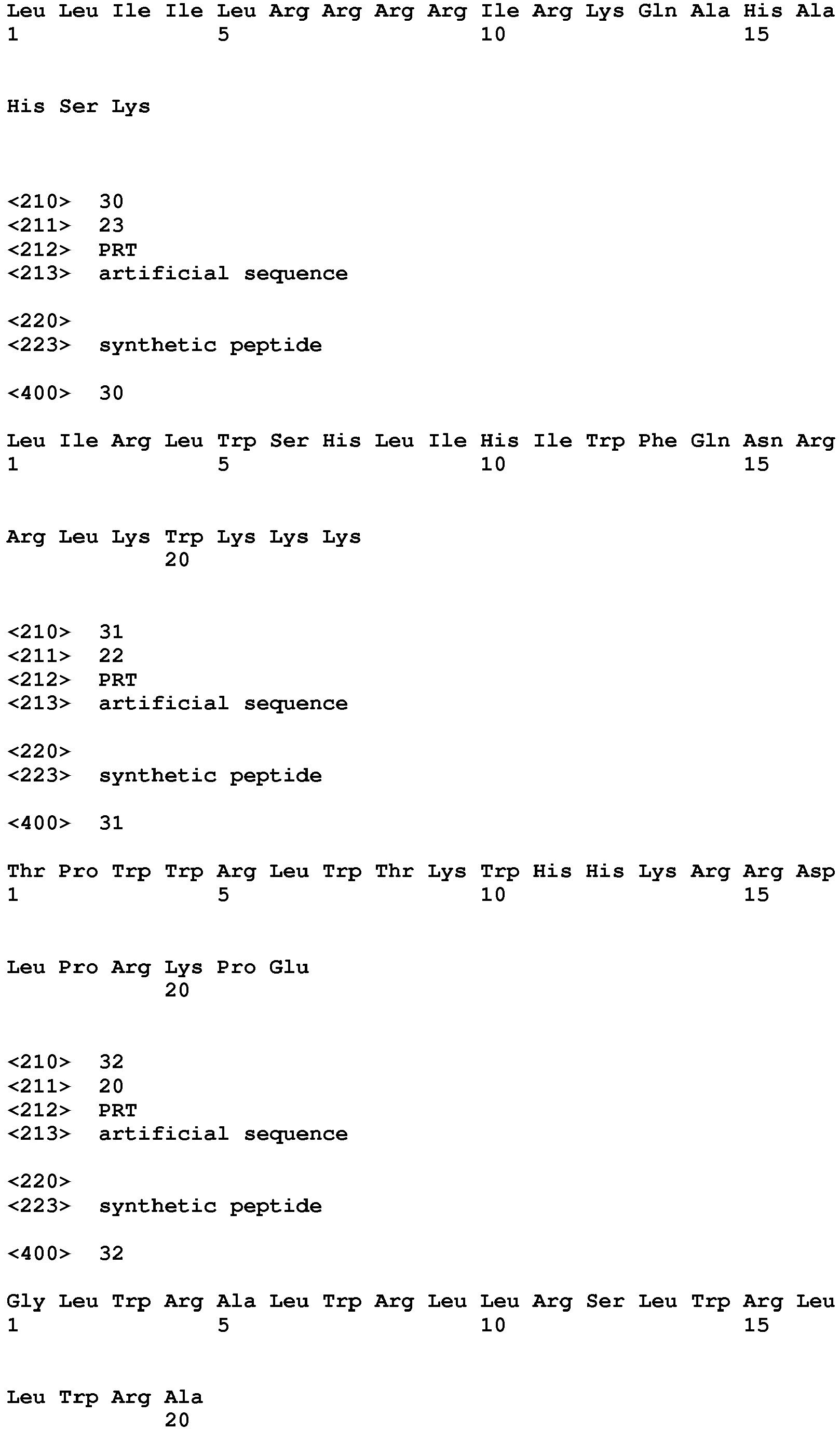

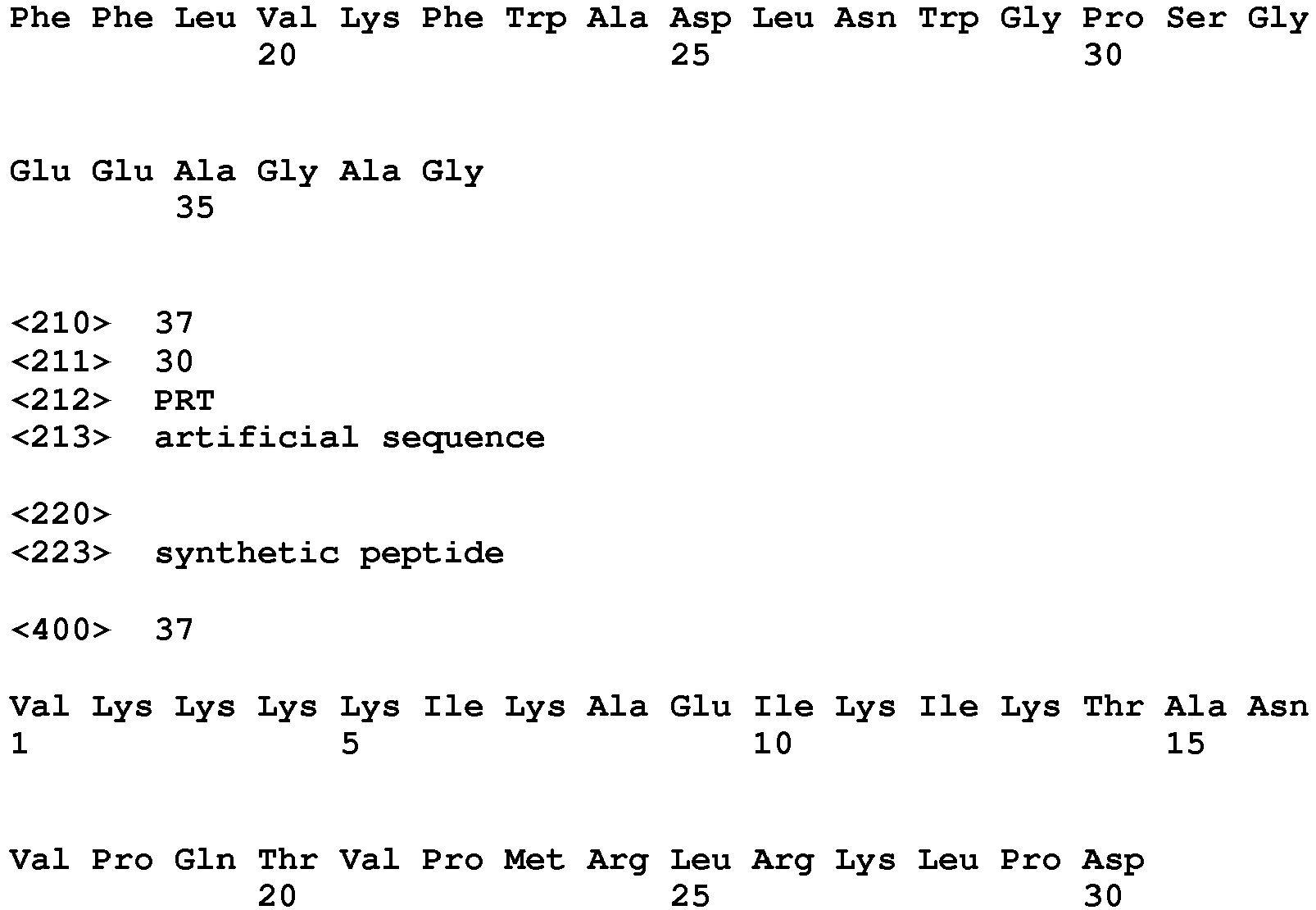
Claims (15)
- An isolated peptide inhibitor of the interaction between TEAD and YAP or TAZ proteins.
- The peptide of claim 1, which binds to a TEAD, YAP or TAZ protein.
- The peptide of claim 1 or 2, which comprises or consists of one of the following amino acid sequences:a) RLQLVEFSAFVEPPDAVD (SEQ ID NO: 1),b) PPHAFFLVKFWADLNWGPSGEEAGAG (SEQ ID NO: 2),c) KTANVPQTVPMRLRKLPD (SEQ ID NO: 3),d) an amino acid sequence deriving from a sequence in a), b) or c) by a N- and/or C-terminal deletion of 1 to 4 amino acids, ore) an amino acid sequence which is at least 80 % identical to a sequence in a), b), c) or d).
- A chimeric peptide comprising a peptide of any one of claims 1 to 3 linked to a cell-penetrating peptide.
- The chimeric peptide of claim 4, in which the cell-penetrating peptide comprises or consists of the amino acid sequence SEQ ID NO: 4 to 34.
- The chimeric peptide of claim 5, in which the cell-penetrating peptide comprises or consists of the amino acid sequence VKKKKIKAEIKI (SEQ ID NO: 9).
- The chimeric peptide of claim 6 which comprises or consists of the sequence SEQ ID NO: 35 to 37.
- A modified peptide deriving from the peptide inhibitor of any one of claims 1 to 3 or the chimeric peptide of any one of claims 4 to 7, by the introduction of one or more chemical modifications which protect the peptide against proteolysis.
- An isolated polynucleotide encoding the peptide inhibitor of any one of claims 1 to 3 or the chimeric peptide of any one of claims 4 to 7.
- A vector comprising the polynucleotide of claim 9.
- The peptide inhibitor of any one of claims 1 to 3, the chimeric peptide of any one of claims 4 to 7, the modified peptide of claim 8, the polynucleotide of claim 9 or the vector of claim 10, as a medicament.
- The peptide inhibitor of any one of claims 1 to 3, the chimeric peptide of any one of claims 4 to 7, the modified peptide of claim 8, the polynucleotide of claim 9 and the vector of claim 10, for use in treating hyperproliferative disorders.
- A combined preparation containing at least one of the peptide inhibitor of any one of claims 1 to 3, the chimeric peptide of any one of claims 4 to 7, the modified peptide of claim 8, the polynucleotide of claim 9 and the vector of claim 10, and an anti-tumor agent, for the simultaneous, separate or sequential use in the treatment of hyperproliferative disorders.
- The preparation for the use of claim 13, wherein said hyperproliferative disorder is cancer.
- The preparation for the use of claim 14, wherein said cancer exhibits a deregulation of the Hippo signalling pathway.
Priority Applications (4)
| Application Number | Priority Date | Filing Date | Title |
|---|---|---|---|
| EP20130306512 EP2868326A1 (en) | 2013-11-04 | 2013-11-04 | Peptide inhibitors of TEAD/YAP-TAZ interaction |
| PCT/IB2014/065794 WO2015063747A2 (en) | 2013-11-04 | 2014-11-04 | Peptide inhibitors of tead/yap-taz interaction |
| EP14802715.4A EP3066113A2 (en) | 2013-11-04 | 2014-11-04 | Peptide inhibitors of tead/yap-taz interaction |
| US15/031,754 US10077294B2 (en) | 2013-11-04 | 2014-11-04 | Peptide inhibitors of TEAD/YAP-TAZ interaction |
Applications Claiming Priority (1)
| Application Number | Priority Date | Filing Date | Title |
|---|---|---|---|
| EP20130306512 EP2868326A1 (en) | 2013-11-04 | 2013-11-04 | Peptide inhibitors of TEAD/YAP-TAZ interaction |
Publications (1)
| Publication Number | Publication Date |
|---|---|
| EP2868326A1 true EP2868326A1 (en) | 2015-05-06 |
Family
ID=49578241
Family Applications (2)
| Application Number | Title | Priority Date | Filing Date |
|---|---|---|---|
| EP20130306512 Withdrawn EP2868326A1 (en) | 2013-11-04 | 2013-11-04 | Peptide inhibitors of TEAD/YAP-TAZ interaction |
| EP14802715.4A Withdrawn EP3066113A2 (en) | 2013-11-04 | 2014-11-04 | Peptide inhibitors of tead/yap-taz interaction |
Family Applications After (1)
| Application Number | Title | Priority Date | Filing Date |
|---|---|---|---|
| EP14802715.4A Withdrawn EP3066113A2 (en) | 2013-11-04 | 2014-11-04 | Peptide inhibitors of tead/yap-taz interaction |
Country Status (3)
| Country | Link |
|---|---|
| US (1) | US10077294B2 (en) |
| EP (2) | EP2868326A1 (en) |
| WO (1) | WO2015063747A2 (en) |
Cited By (5)
| Publication number | Priority date | Publication date | Assignee | Title |
|---|---|---|---|---|
| CN105524139A (en) * | 2014-10-17 | 2016-04-27 | 上海宝恒泓康生物技术有限公司 | High-activity tumor inhibitor and its preparation method and use |
| KR101642264B1 (en) * | 2016-03-04 | 2016-07-25 | 서울시립대학교 산학협력단 | Method for screening of interaction inhibitors between YAP or TAZ protein and MAML1 or MAML2 protein |
| US10526385B2 (en) | 2013-10-17 | 2020-01-07 | Bao Kang Biomedical Healthcare Inc | YAP protein inhibiting polypeptide and application thereof |
| CN110863001A (en) * | 2019-10-14 | 2020-03-06 | 暨南大学 | YAP inhibitor and screening method and application thereof |
| CN116135876A (en) * | 2021-11-18 | 2023-05-19 | 上海市第十人民医院 | A kind of polypeptide and its application in the preparation of antitumor drug |
Families Citing this family (11)
| Publication number | Priority date | Publication date | Assignee | Title |
|---|---|---|---|---|
| IL317744A (en) | 2016-03-01 | 2025-02-01 | Ascendis Pharma Bone Diseases As | Pth prodrugs |
| WO2017184586A1 (en) | 2016-04-18 | 2017-10-26 | The Trustees Of Columbia University In The City Of New York | Therapeutic targets involved in the progression of nonalcoholic steatohepatitis (nash) |
| WO2017189730A1 (en) | 2016-04-26 | 2017-11-02 | Icahn School Of Medicine At Mount Sinai | Treatment of hippo pathway mutant tumors and methods of identifying subjects as candidates for treatment |
| PL3518961T3 (en) | 2016-09-29 | 2023-08-14 | Ascendis Pharma Bone Diseases A/S | PTH COMPOUNDS WITH LOW MAXIMUM TO MINIMUM RATIO |
| FI3518982T3 (en) | 2016-09-29 | 2025-02-11 | Ascendis Pharma Bone Diseases As | Controlled-release pth compounds |
| RS64440B1 (en) | 2016-09-29 | 2023-09-29 | Ascendis Pharma Bone Diseases As | Dosage regimen for a controlled-release pth compound |
| US10947276B2 (en) | 2016-12-22 | 2021-03-16 | Sorbonne Université | Cell penetrating peptides with improved internalization properties |
| EP3571215A4 (en) * | 2017-01-18 | 2020-12-30 | Fred Hutchinson Cancer Research Center | PEPTIDE COMPOSITIONS AND METHOD OF USE THEREOF TO INTERRUPT TEAD INTERACTIONS |
| US12403182B2 (en) | 2019-02-11 | 2025-09-02 | Ascendis Pharma Bone Diseases A/S | Liquid pharmaceutical formulations of PTH conjugates |
| MX2022001125A (en) | 2019-07-29 | 2022-04-18 | Basilea Pharm Int Ag | 1,2,4-oxadiazol-5-one derivatives for the treatment of cancer. |
| WO2023057371A1 (en) | 2021-10-04 | 2023-04-13 | Basilea Pharmaceutica International Ag, Allschwil | 1,2,4-oxadiazol-5-one derivatives for the treatment of cancer |
Citations (8)
| Publication number | Priority date | Publication date | Assignee | Title |
|---|---|---|---|---|
| WO2003011898A2 (en) | 2001-07-27 | 2003-02-13 | Institut Pasteur | Synthetic or natural peptides binding protein phosphatase 2a, identification method and uses |
| WO2004011595A2 (en) | 2002-07-26 | 2004-02-05 | Institut Pasteur | Vectors for transferring molecules of interest in target cells |
| WO2009045179A1 (en) * | 2007-10-04 | 2009-04-09 | Agency For Science, Technology And Research (A*Star) | Taz/wwtr1 for diagnosis and treatment of cancer |
| WO2010112471A1 (en) | 2009-03-30 | 2010-10-07 | Universite Pierre Et Marie Curie (Paris 6) | Pro-apoptotic peptides |
| CN102136042A (en) * | 2010-01-26 | 2011-07-27 | 徐彦辉 | Three-dimensional structure of YAP-TEAD protein complex and application |
| WO2012042038A2 (en) | 2010-09-30 | 2012-04-05 | Institut National De La Sante Et De La Recherche Medicale (Inserm) | Chimeric peptides including a penetrating peptide and a binding domain of pp2a catalytic subunit to caspase-9 |
| WO2013098337A1 (en) | 2011-12-27 | 2013-07-04 | Universite Pierre Et Marie Curie (Paris 6) | Cell-penetrating peptides |
| WO2013098339A1 (en) * | 2011-12-27 | 2013-07-04 | Universite Pierre Et Marie Curie (Paris 6) | Anti-tumor adjuvant therapy |
Family Cites Families (1)
| Publication number | Priority date | Publication date | Assignee | Title |
|---|---|---|---|---|
| AU2001272670A1 (en) * | 2000-07-24 | 2002-02-05 | Gendel Limited | Polypeptide delivery II-2 |
-
2013
- 2013-11-04 EP EP20130306512 patent/EP2868326A1/en not_active Withdrawn
-
2014
- 2014-11-04 EP EP14802715.4A patent/EP3066113A2/en not_active Withdrawn
- 2014-11-04 WO PCT/IB2014/065794 patent/WO2015063747A2/en not_active Ceased
- 2014-11-04 US US15/031,754 patent/US10077294B2/en not_active Expired - Fee Related
Patent Citations (8)
| Publication number | Priority date | Publication date | Assignee | Title |
|---|---|---|---|---|
| WO2003011898A2 (en) | 2001-07-27 | 2003-02-13 | Institut Pasteur | Synthetic or natural peptides binding protein phosphatase 2a, identification method and uses |
| WO2004011595A2 (en) | 2002-07-26 | 2004-02-05 | Institut Pasteur | Vectors for transferring molecules of interest in target cells |
| WO2009045179A1 (en) * | 2007-10-04 | 2009-04-09 | Agency For Science, Technology And Research (A*Star) | Taz/wwtr1 for diagnosis and treatment of cancer |
| WO2010112471A1 (en) | 2009-03-30 | 2010-10-07 | Universite Pierre Et Marie Curie (Paris 6) | Pro-apoptotic peptides |
| CN102136042A (en) * | 2010-01-26 | 2011-07-27 | 徐彦辉 | Three-dimensional structure of YAP-TEAD protein complex and application |
| WO2012042038A2 (en) | 2010-09-30 | 2012-04-05 | Institut National De La Sante Et De La Recherche Medicale (Inserm) | Chimeric peptides including a penetrating peptide and a binding domain of pp2a catalytic subunit to caspase-9 |
| WO2013098337A1 (en) | 2011-12-27 | 2013-07-04 | Universite Pierre Et Marie Curie (Paris 6) | Cell-penetrating peptides |
| WO2013098339A1 (en) * | 2011-12-27 | 2013-07-04 | Universite Pierre Et Marie Curie (Paris 6) | Anti-tumor adjuvant therapy |
Non-Patent Citations (49)
| Title |
|---|
| AHN ET AL., MOL. CANCER. RES., vol. 11, 2013, pages 748 - 758 |
| ALTSCHUL ET AL., J. MOL. BIOL., vol. 215, 1990, pages 403 |
| ANGELA ET AL., HUM. PATHOL., vol. 39, 2008, pages 1582 - 1589 |
| AROUI ET AL., CANCER LETTERS, vol. 285, 2009, pages 28 - 38 |
| AVRUCH ET AL., CELL CYCLE, vol. 11, 2012, pages 1090 - 1096 |
| B. ZHAO ET AL: "TEAD mediates YAP-dependent gene induction and growth control", GENES & DEVELOPMENT, vol. 22, no. 14, 15 July 2008 (2008-07-15), pages 1962 - 1971, XP055096567, ISSN: 0890-9369, DOI: 10.1101/gad.1664408 * |
| BAIA ET AL., MOL. CANCER RES., vol. 10, 2012, pages 904 - 913 |
| BOLHASSANI A., BIOCHIMICA ET BIOPHYSICA ACTA, vol. 1816, 2011, pages 232 - 246 |
| CHAD ET AL., CANCER RES., vol. 70, 2010, pages 8517 - 8525 |
| CHAN ET AL., CANCER RES., vol. 68, 2008, pages 2592 - 2598 |
| DATABASE UniProt [Online] 16 October 2013 (2013-10-16), XP002718810, Database accession no. Q15562 * |
| FONSECA ET AL., AVANCED DRUG DELIVERY REVIEWS, vol. 61, 2009, pages 953 - 964 |
| FRANK R.; OVERWIN H., METHODS MOL. BIOL., vol. 66, 1996, pages 149 - 169 |
| FUJII ET AL., J. EXP. MED., vol. 209, 2012, pages 479 - 494 |
| GASPAROTTO ET AL., ONCOTARGET, vol. 2, 2011, pages 1165 - 1175 |
| GUERGNON ET AL., MOL. PHARMACOL., vol. 69, 2006, pages 1115 - 1124 |
| H. ZHANG ET AL: "TEAD Transcription Factors Mediate the Function of TAZ in Cell Growth and Epithelial-Mesenchymal Transition", JOURNAL OF BIOLOGICAL CHEMISTRY, vol. 284, no. 20, 26 March 2009 (2009-03-26), pages 13355 - 13362, XP055096570, ISSN: 0021-9258, DOI: 10.1074/jbc.M900843200 * |
| HALL ET AL., CANCER RES., vol. 70, 2010, pages 8517 - 8525 |
| HARVEY ET AL., NAT. REV. CANCER, vol. 13, 2013, pages 246 - 257 |
| JIE ET AL., GASTROENTEROL. RES. PRACT., 2013, pages 187070 |
| JIMENEZ-VELASCO ET AL., LEUKEMIA, vol. 19, 2005, pages 2347 - 2350 |
| LAMAR ET AL., PROC. NATL. ACAD. SCI. U S A, vol. 109, 2012, pages E2441 - E2250 |
| LEI ET AL., MOL. CELL. BIOL., vol. 28, 2008, pages 2426 - 2436 |
| LIU ET AL., EXPERT. OPIN. THER. TARGETS, vol. 16, 2012, pages 243 - 247 |
| MERRIFIELD ET AL., J. AM. CHEM. SOC., vol. 85, 1964, pages 2149 |
| MILLETI F., DRUG DISCOVERY TODAY, vol. 17, 2012, pages 850 - 860 |
| MIZUNO ET AL., ONCOGENE, vol. 31, 2012, pages 5117 - 5122 |
| NAKASE ET AL., JOURNAL OF CONTROLLED RELEASE, vol. 159, 2012, pages 181 - 188 |
| NEMATI ET AL., ANTICANCER DRUGS, vol. 10, 2009, pages 932 - 940 |
| NEMATI ET AL., ANTICANCER DRUGS, vol. 21, 2010, pages 25 - 32 |
| ORR ET AL., J NEUROPATHOL. EXP. NEUROL., vol. 70, 2011, pages 568 - 577 |
| Q.-Y. LEI ET AL: "TAZ Promotes Cell Proliferation and Epithelial-Mesenchymal Transition and Is Inhibited by the Hippo Pathway", MOLECULAR AND CELLULAR BIOLOGY, vol. 28, no. 7, 1 April 2008 (2008-04-01), pages 2426 - 2436, XP055020647, ISSN: 0270-7306, DOI: 10.1128/MCB.01874-07 * |
| S. W. CHAN ET AL: "TEADs Mediate Nuclear Retention of TAZ to Promote Oncogenic Transformation", JOURNAL OF BIOLOGICAL CHEMISTRY, vol. 284, no. 21, 26 March 2009 (2009-03-26), pages 14347 - 14358, XP055096565, ISSN: 0021-9258, DOI: 10.1074/jbc.M901568200 * |
| SEIDEL ET AL., MOL. CARCINOG., vol. 46, 2007, pages 865 - 871 |
| SEKIDO Y., PATHOL. INT., vol. 61, 2011, pages 331 - 344 |
| STEINMANN ET AL., ONCOL.REP., vol. 22, 2009, pages 1519 - 1526 |
| STRIEDINGER ET AL., NEOPLASIA, vol. 10, 2008, pages 1204 - 1212 |
| TIAN ET AL., PNAS, vol. 107, 2010, pages 7293 - 7298 |
| VASSILEV ET AL., GENES AND DEVELOPMENT, vol. 15, 2001, pages 1229 - 1241 |
| WALENSKY ET AL., SCIENCE, vol. 305, 2004, pages 1466 - 1470 |
| WANG ET AL., CANCER SCI., vol. 101, 2010, pages 1279 - 1285 |
| WANG ET AL., EUR. J. CANCER, vol. 48, 2012, pages 1227 - 1234 |
| YUEN ET AL., PLOS ONE, vol. 8, 2013, pages E54211 |
| ZENG; HONG, CANCER CELL, vol. 13, 2008, pages 188 - 192 |
| ZHAO ET AL., CANCER RES., vol. 69, 2009, pages 1089 - 1098 |
| ZHAO ET AL., GENES DEV., vol. 21, 2007, pages 2747 - 2761 |
| ZHAO ET AL., GENES DEV., vol. 26, 2012, pages 54 - 68 |
| ZHAO, GENES DEV., vol. 24, 2010, pages 862 - 874 |
| ZHOU ET AL., ONCOGENE, vol. 30, 2011, pages 2181 - 2186 |
Cited By (9)
| Publication number | Priority date | Publication date | Assignee | Title |
|---|---|---|---|---|
| US10526385B2 (en) | 2013-10-17 | 2020-01-07 | Bao Kang Biomedical Healthcare Inc | YAP protein inhibiting polypeptide and application thereof |
| CN105524139A (en) * | 2014-10-17 | 2016-04-27 | 上海宝恒泓康生物技术有限公司 | High-activity tumor inhibitor and its preparation method and use |
| EP3208280A4 (en) * | 2014-10-17 | 2018-10-10 | Bao Kang Biomedical Healthcare Inc | High activity tumour inhibitor and preparation method and use thereof |
| US10441628B2 (en) | 2014-10-17 | 2019-10-15 | Bao Kang Biomedical Healthcare Inc | High activity tumour inhibitor and preparation method and use thereof |
| CN105524139B (en) * | 2014-10-17 | 2020-04-10 | 上海宝恒泓康生物技术有限公司 | High-activity tumor inhibitor and its preparing process and application |
| KR101642264B1 (en) * | 2016-03-04 | 2016-07-25 | 서울시립대학교 산학협력단 | Method for screening of interaction inhibitors between YAP or TAZ protein and MAML1 or MAML2 protein |
| CN110863001A (en) * | 2019-10-14 | 2020-03-06 | 暨南大学 | YAP inhibitor and screening method and application thereof |
| CN116135876A (en) * | 2021-11-18 | 2023-05-19 | 上海市第十人民医院 | A kind of polypeptide and its application in the preparation of antitumor drug |
| CN116135876B (en) * | 2021-11-18 | 2024-06-04 | 上海市第十人民医院 | Polypeptide and application thereof in preparation of antitumor drugs |
Also Published As
| Publication number | Publication date |
|---|---|
| EP3066113A2 (en) | 2016-09-14 |
| US10077294B2 (en) | 2018-09-18 |
| US20160264636A1 (en) | 2016-09-15 |
| WO2015063747A2 (en) | 2015-05-07 |
| WO2015063747A3 (en) | 2015-11-19 |
Similar Documents
| Publication | Publication Date | Title |
|---|---|---|
| US10077294B2 (en) | Peptide inhibitors of TEAD/YAP-TAZ interaction | |
| JP5863240B2 (en) | Oligopeptide compounds and uses thereof | |
| US10961292B2 (en) | Cell-permeable (ICP)-SOCS3 recombinant protein and uses thereof | |
| US8278278B2 (en) | Cell proliferation reducing cancer specific PCNA peptides | |
| CN111655277B (en) | ATF5 peptide variants and uses thereof | |
| JP2009527498A (en) | Inhibition of caPCNA interaction in cancer by peptides | |
| EP2328602A2 (en) | Cancer peptide therapeutics | |
| US9683025B2 (en) | Methods and compositions for treating cancer and inflammatory diseases | |
| WO2013098339A1 (en) | Anti-tumor adjuvant therapy | |
| WO2016156538A1 (en) | Peptides that inhibit binding between set and caspase-9 | |
| US11965011B2 (en) | Antitumor peptide and use thereof | |
| AU2011260745B2 (en) | Cancer therapy method |
Legal Events
| Date | Code | Title | Description |
|---|---|---|---|
| PUAI | Public reference made under article 153(3) epc to a published international application that has entered the european phase |
Free format text: ORIGINAL CODE: 0009012 |
|
| 17P | Request for examination filed |
Effective date: 20131104 |
|
| AK | Designated contracting states |
Kind code of ref document: A1 Designated state(s): AL AT BE BG CH CY CZ DE DK EE ES FI FR GB GR HR HU IE IS IT LI LT LU LV MC MK MT NL NO PL PT RO RS SE SI SK SM TR |
|
| AX | Request for extension of the european patent |
Extension state: BA ME |
|
| STAA | Information on the status of an ep patent application or granted ep patent |
Free format text: STATUS: THE APPLICATION IS DEEMED TO BE WITHDRAWN |
|
| 18D | Application deemed to be withdrawn |
Effective date: 20151107 |