EP2864937B1 - Vorrichtung und verfahren zum verwalten von datensätzen für zugeordnete siegel von produkten - Google Patents
Vorrichtung und verfahren zum verwalten von datensätzen für zugeordnete siegel von produkten Download PDFInfo
- Publication number
- EP2864937B1 EP2864937B1 EP13756380.5A EP13756380A EP2864937B1 EP 2864937 B1 EP2864937 B1 EP 2864937B1 EP 13756380 A EP13756380 A EP 13756380A EP 2864937 B1 EP2864937 B1 EP 2864937B1
- Authority
- EP
- European Patent Office
- Prior art keywords
- seal
- code
- received
- received code
- check
- Prior art date
- Legal status (The legal status is an assumption and is not a legal conclusion. Google has not performed a legal analysis and makes no representation as to the accuracy of the status listed.)
- Not-in-force
Links
Images

Classifications
-
- G—PHYSICS
- G06—COMPUTING OR CALCULATING; COUNTING
- G06Q—INFORMATION AND COMMUNICATION TECHNOLOGY [ICT] SPECIALLY ADAPTED FOR ADMINISTRATIVE, COMMERCIAL, FINANCIAL, MANAGERIAL OR SUPERVISORY PURPOSES; SYSTEMS OR METHODS SPECIALLY ADAPTED FOR ADMINISTRATIVE, COMMERCIAL, FINANCIAL, MANAGERIAL OR SUPERVISORY PURPOSES, NOT OTHERWISE PROVIDED FOR
- G06Q30/00—Commerce
- G06Q30/06—Buying, selling or leasing transactions
- G06Q30/0601—Electronic shopping [e-shopping]
- G06Q30/0609—Qualifying participants for shopping transactions
-
- G—PHYSICS
- G06—COMPUTING OR CALCULATING; COUNTING
- G06K—GRAPHICAL DATA READING; PRESENTATION OF DATA; RECORD CARRIERS; HANDLING RECORD CARRIERS
- G06K19/00—Record carriers for use with machines and with at least a part designed to carry digital markings
- G06K19/06—Record carriers for use with machines and with at least a part designed to carry digital markings characterised by the kind of the digital marking, e.g. shape, nature, code
- G06K19/067—Record carriers with conductive marks, printed circuits or semiconductor circuit elements, e.g. credit or identity cards also with resonating or responding marks without active components
- G06K19/07—Record carriers with conductive marks, printed circuits or semiconductor circuit elements, e.g. credit or identity cards also with resonating or responding marks without active components with integrated circuit chips
- G06K19/077—Constructional details, e.g. mounting of circuits in the carrier
- G06K19/0772—Physical layout of the record carrier
- G06K19/07726—Physical layout of the record carrier the record comprising means for indicating first use, e.g. a frangible layer
-
- G—PHYSICS
- G06—COMPUTING OR CALCULATING; COUNTING
- G06K—GRAPHICAL DATA READING; PRESENTATION OF DATA; RECORD CARRIERS; HANDLING RECORD CARRIERS
- G06K7/00—Methods or arrangements for sensing record carriers, e.g. for reading patterns
- G06K7/10—Methods or arrangements for sensing record carriers, e.g. for reading patterns by electromagnetic radiation, e.g. optical sensing; by corpuscular radiation
Definitions
- the present invention relates to an apparatus and method for managing records for associated seals of products, such as devices or objects, such as bottles or drug packages.
- An example of a seal of a product is a security label.
- security labels which are recognizable as being invalid after being detached, e.g. by the appearance of an "invalid" lettering or by a checkerboard or diamond pattern. It is also known to print on security labels a code such as identification information, a serial number or a bar code. However, it can not be read from this, if a seal was broken.
- an access code for example a password consisting of numbers and letters
- a label or a screw cap so that it can only be read when the packaging is open.
- this must conventionally be manually typed by the user, e.g. to get bonus information from a manufacturer's website. Examples of such bonus information include comics or ringtones.
- PIN letters for example for SIM mobile smart cards, known in which the PIN is readable only after a jiggling or removal of a protective label. This serves as a first opening certificate, so that the authorized recipient and user can check that another person has not already received the PIN in front of him.
- a URL Uniform Resource Locator
- a telephone number e.g. a telephone number
- a two-dimensional barcode for example as a data matrix code or QR code (Quick Response Code).
- QR code Quadrature Code
- Such a two-dimensional barcode can be detected and decoded by the camera of a mobile phone, for example. After decoding, for example, the corresponding URL can be loaded and displayed by a web browser of the mobile phone.
- the respective seal comprises a seal assigned to the code and detectable after a breaking of the seal by a detection device.
- the device has a receiving unit, a test unit and a transmitting unit.
- the receiving unit is for receiving a request message sent from a detecting device with a set up the N-associated code.
- the checking unit is set up for checking the received code for validity and for a first-time breaking of the seal associated with the received code as a function of the data record associated with the associated seal.
- the transmitting unit is for sending a in response to the check generated response message having status information for first breaking the seal associated with the received code to the detection device.
- the detection device is sent the response message with the status information for the first-time breaking of the seal.
- the user of the detection device is informed by the status information whether the seal is broken for the first time or not for the first time.
- the device is configured to manage the plurality N of records for a corresponding plurality N of seals.
- the device is a trustworthy entity and may also be referred to as a seal server.
- the seal can also be referred to as a security label.
- the product may be formed as a beverage bottle, medication packaging, security label or as an object such as a semiconductor device, a sensor node, a controller, a battery or a toner.
- the code can also be called a seal break code.
- the detection device is, for example, a mobile phone or a smartphone with an integrated camera.
- the seal comprises a protective or concealing element which is to be removed so that the code is detectable or accessible. Consequently, physical protection must be overcome to detect the code or seal break code.
- the seal breaking code is located, for example, inside the product, for example a package, for example printed on an inside on a package insert or the inside of the package product, such as a drug blister or a medicine vial, so that the code after opening the packaging accessible and thus detectable.
- the seal break code is through a label or a similar covering protective layer at least partially hidden, so that it is detectable only after rubbing off the protective layer or after removing the label.
- the check unit is configured to update the record associated with the received code in response to the received request message.
- the associated data record is advantageously updated as a function of the received request message.
- a simple embodiment may be that a status flag is set or updated accordingly for the first-time breaking of the assigned seal of the data record. That is, when the code associated with the particular record is first received, the status flag of the associated record changes.
- the request message comprises a time stamp
- the check unit is adapted to add the received time stamp to the record associated with the received code for indicating a time of break of the associated seal.
- the time of first breaking of the associated seal can be stored, managed and provided for later applications. This is associated with the first use of the product. Furthermore, a service life can be managed thereby.
- the request message includes a timestamp.
- the checking unit is configured to compare the received time stamp with a product expiration date stored in the associated record, wherein the sending unit sends a response message generated in response to the checking and comparing with the status information for the first time Breaking the seal associated with the received code and a durability information for the product of the associated seal is set up.
- the shelf life information can ensure that the user consumes only durable products. Thus, it can be tracked whether the first opening is not too long ago and therefore the product is to be disposed of. This is very beneficial, especially for medicines.
- the respective data record for the respective seal comprises a status flag which indicates an unbroken state of the seal.
- the use of the status flag is a very simple embodiment of signaling the unbroken state of the seal and in its inverted version also the broken state of the seal.
- the respective record for the respective seal comprises a number M of identifications of M authorized acquisition devices.
- a number M of authorized recording devices can be managed.
- the number M may be different for the different seals.
- the checking unit for checking the received code for validity and the first-time breaking of the seal associated with the received code and for matching an identity of the detection device received with the request message with the identifications of the authorized detection devices stored in the associated record.
- the device may be unauthorized detection devices also submit a negative response message.
- the respective user can also be assigned to the product or the seal. As a result, it is known who opened or broken the seal.
- the receiving unit is adapted to receive a request message with the code associated with one of the N seals and with a checksum from the capture device.
- the checking unit for checking the received code for validity and for the first-time breaking of the received code associated seal and the checksum for correctness depending on the assigned to the associated seal and stored in the memory record is set.
- the transmission unit is set up to send a response message with the status information generated in accordance with the checking of the received code for validity and on the first-time break and the received checksum for correctness to the detection device.
- the device updates the associated data set only if a correct checksum is included in the request message.
- the checksum preferably serves as a password or access code to prove a seal as actually opened. As a result, a record associated with the seal can not be updated as being opened unless the required checksum contained in the associated code was included in the request message.
- the code comprises a bar code, a QR code, an Internet address of the device for managing the plurality N of the seals, and / or access information for the device for managing the plurality N of the seals.
- the QR code (Quick Response Code) is a two-dimensional code.
- the QR code can also be configured as a micro QR code, as a secure QR code or as an iQR code.
- the sending unit is configured to add to the response message a product description of the product associated with the received code or a link to a server for providing the product description.
- the product description can provide the user with up-to-date information about the product in a simple way.
- the respective unit, receiving unit, test unit and transmitting unit can be implemented by hardware and / or software technology.
- the respective unit may be embodied as a device or as part of a device, for example as a computer or as a microprocessor.
- the respective unit may be designed as a computer program product, as a function, as a routine, as part of a program code or as an executable object.
- the device is configured as an HTTP-enabled server.
- the device has a memory for storing the N data records associated with the N seals.
- a system comprising a device for managing N records of N associated seals for products and a number of capture devices coupleable to the device for capturing the codes of the N seals as described above.
- a method of managing N records of N associated seals for products Includes the respective seal assigned to the seal and after a breaking of the seal by a detection device detectable code.
- a request message sent by a capture device is received with a code associated with one of the N seals.
- the received code is checked for validity and a first break of the seal associated with the received code in dependence on the record associated with the associated seal.
- a response message generated in response to the check is sent to the acquisition device with status information for first breaking the seal associated with the received code.
- a computer program product such as a computer program means can be provided or supplied, for example, as a storage medium, such as a memory card, USB stick, CD-ROM, DVD or in the form of a downloadable file from a server in a network. This can be done, for example, in a wireless communication network by the transmission of a corresponding file with the computer program product or the computer program means.
- the seal may also comprise a further code that can be detected by the detection device when the seal is not open.
- this additional code can only be detected if the seal is not open be, ie it is destroyed when opening or breaking the seal, so that it is no longer detectable by the detection device and is not recognized as a valid code.
- the further code is also detectable with an opened seal, i. it is used for seal identification, regardless of the state closed or opened.
- This further code allows the product to be tracked by trace & track, e.g. a drug package along a supply chain. After transferring the seal break code, it can be interrogated on the basis of the further code that the packaging had already been opened.
- information is retrievable by the seal break code, e.g. a product description.
- the seal break code e.g. a product description.
- the seal break code has been activated activated after the product of the outside freely accessible further code has been enabled by an authorized issuing office.
- the user may be presented with his customized information, e.g. also a warning.
- a peelable label which is transparent or partially transparent may be used as the masking element for the seal break code, so that a part of the seal break code located under the label is detectable even when an applied label is present.
- Updating the record associated with the seal break may further cause modified code to be provided for the further code (eg, marked as invalid, access suppressed, or extended access enabled). That is, the response to a request message containing the other code depends in particular on whether the Seal fraction code has already been transferred to the device at least once.
- Fig. 1 1 shows a block diagram of a first embodiment of a device 10 for managing records D1-DN for associated seals 20 of products 30.
- the in Fig. 1 shown product 30 is equipped with a seal 20 with a code 21, which is detectable only after breaking the seal 20 by a detection device 40.
- the respective seal 20 is assigned a code 21 and a corresponding data record D1-DN stored on the device 10.
- the device 10 is for example an HTTP-capable Server formed, which comprises a memory 14 for storing the N associated with the seals 20 associated records D1-DN.
- the code 21 of the seal 20 is the Fig. 1 the data set D1 is assigned to the device 10.
- the device 10 manages N records D1-DN.
- the device 10 has a memory 14 which stores the N data records D1-DN.
- the device 10 has a receiving unit 11, a test unit 12 and a transmitting unit 13.
- the receiving unit 11 is configured to receive a request message C sent by the registration device 40 with the code 21 associated with the seal 20.
- the capture device 40 may capture the code 21 and generate a request message C that includes the associated code 21.
- the code 21 may include a barcode, a QR code, an Internet address of the device 10, and / or access information for the device 10.
- the request message C can form a request-response authentication with a subsequent response message R (challenge-response authentication).
- the request message C may include a time stamp.
- the receiving unit 11 forwards the received request message C to the checking unit 12.
- the checking unit 12 is set up for checking the received code 21 for validity and for a first-time breaking of the seal 20 assigned to the received code 21 as a function of the data record D1-DN assigned to the associated seal 20.
- the test unit 12 loads the assigned data record D1-DN from the memory 14.
- the test unit 12 can also be set up to update the corresponding data record D1-DN as a function of the received request message C.
- the check unit 12 may be configured to add the received time stamp to the corresponding data set D1-DN for indicating the time of the first break of the associated seal 20.
- the transmission unit 13 coupled to the test unit 12 is set up to send a response message R generated as a function of the check with status information for the first-time breaking of the seal 20 associated with the received code 21 to the detection device 40.
- the user of the detection device 40 receives status information as to whether the code 21 emitted by the detection device 40 has already been used, and thus whether the seal 20 was broken for the first time.
- the transmission unit 13 is in particular configured to add to the response message R a product description of the product 30 associated with the received code 21.
- a link to a server for providing the product description may also be added to the response message R.
- the check unit 12 may also compare the received time stamp with a product 30 expiration date stored in the associated data set D1-DN.
- the transmitting unit 13 may be arranged to generate the response message R in response to the checking and the comparing.
- the response message R then includes the status information for first breaking the seal 20 associated with the received code 21 and a shelf life information for the product 30 of the associated seal 20.
- the shelf life information may indicate whether a predetermined best before date of the product 30 has expired or not.
- the respective data record D1-DN for the respective seal 20 preferably comprises a status flag which indicates whether the seal 20 is broken or not. Furthermore, the respective data record D1-DN for the respective seal 20 may comprise a number M of identifications of M authorized acquisition devices 40.
- the checking unit 12 may be arranged to check not only the validity of the received code 21 and the first-time breaking of the seal 20 associated with the received code 21, but also to report an identity of the requesting detecting device 40 received with the request message C to match the identifications of the authorized recording devices 40 stored in the assigned data record D1-DN. Only in the case of a positive adjustment is the transmitting device 13 then generating the response message R and transmitting it to the requesting recording device 40.
- the request message C includes not only the code 21 associated with one of the N seals 20, but also a checksum.
- the test unit 12 can then be set up to check the received code 21 for validity and for the first-time breaking of the seal 20 associated with the received code 21 as well as the checksum for correctness as a function of the data record D1-DN assigned to the associated seal 20.
- the transmitting unit 13 is then set up to send to the detecting device 40 a response message R generated with the status information depending on the checking of the received code 21 for validity and on the first-time breaking and the received checksum for correctness.
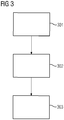
- FIG. 3 shows a flowchart of a first exemplary embodiment of a method for managing records D1-DN for associated seals 20 of products 30.
- Fig. 2 includes the steps 201-208, which include the seal 20, the detection device 40 and the device 10 affect.
- An example of the device 10 is shown in FIG Fig. 1 shown.
- step 201 the seal 20 is broken, so that the code 21 can be detected by the detection device 40.
- step 202 the breaking of the seal 20 by the detection device 40 is detected.
- a request message C is generated by the detection device 40, which comprises the detected code 21.
- the generated request message C is transmitted to the device 10.
- the device 10 receives the transmitted request message C.
- the code 21 of the received request message C is valid and a first break of the seal 20 associated with the received code 21 in dependence on the data set D1 assigned to the associated seal 20. DN tested.
- a response message R is generated in response to the check, which is transmitted from the device 10 to the detection device 40 in step 207.
- the detection device 40 receives the sent response message R.
- the user of the detection device 40 receives status information about the first-time breaking of the seal 20 associated with the received code 21.
- Fig. 3 1 is a flow chart of a second embodiment of a method for managing records D1-DN for associated seals 20 of products 30.
- the procedure of Fig. 3 is in particular by a device 10 of Fig. 1 carried out.
- the respective seal 20 comprises a seal 20 associated with and after a breaking of the seal 20 by a detection device 40 detectable code 21st
Landscapes
- Engineering & Computer Science (AREA)
- Business, Economics & Management (AREA)
- Physics & Mathematics (AREA)
- General Physics & Mathematics (AREA)
- Theoretical Computer Science (AREA)
- Finance (AREA)
- Accounting & Taxation (AREA)
- Development Economics (AREA)
- Economics (AREA)
- General Business, Economics & Management (AREA)
- Strategic Management (AREA)
- Marketing (AREA)
- Microelectronics & Electronic Packaging (AREA)
- Computer Hardware Design (AREA)
- Health & Medical Sciences (AREA)
- General Health & Medical Sciences (AREA)
- Electromagnetism (AREA)
- Computer Vision & Pattern Recognition (AREA)
- Artificial Intelligence (AREA)
- Toxicology (AREA)
- Management, Administration, Business Operations System, And Electronic Commerce (AREA)
- Storage Device Security (AREA)
Description
- Die vorliegende Erfindung betrifft eine Vorrichtung und ein Verfahren zum Verwalten von Datensätzen für zugeordnete Siegel von Produkten, wie von Geräten oder Objekten, beispielsweise Flaschen oder Medikamentenverpackungen.
- Ein Beispiel für ein Siegel eines Produkts ist ein Sicherheitsetikett. Dabei existieren Sicherheitsetiketten, die nach einem Ablösen als ungültig erkennbar sind, z.B. durch Sichtbarwerden eines "Ungültig"-Schriftzuges oder durch ein Schachbrett- oder Rautenmuster. Ferner ist es bekannt, auf Sicherheitsetiketten einen Code, wie beispielsweise eine Identifizierungsinformation, eine fortlaufende Nummer oder einen Barcode, zu drucken. Allerdings kann hieraus nicht abgelesen werden, ob ein Siegel gebrochen wurde.
- Des Weiteren ist bei Getränkeflaschen und Süßwaren bekannt, einen Zutrittscode, beispielsweise ein Passwort bestehend aus Ziffern und Buchstaben, auf ein Etikett oder einen Schraubverschluss aufzudrucken, so dass dieser nur bei geöffneter Verpackung lesbar ist. Dieser muss herkömmlicherweise jedoch von dem Benutzer manuell abgetippt werden, z.B. um Bonusinformationen von einer Website des Herstellers abzurufen. Beispiele für solche Bonusinformationen umfassen Comics oder Klingeltöne.
- Ferner ist die Verwendung so genannter PIN-Briefe, z.B. für SIM-Mobilfunk-Chipkarten, bekannt, bei welchen die PIN erst nach einem Freirubbeln oder Abziehen eines Schutzetiketts lesbar ist. Dies dient als Erstöffnungsnachweis, so dass der berechtigte Empfänger und Nutzer prüfen kann, dass nicht schon ein Anderer vor ihm die PIN erhalten hat.
- Des Weiteren ist bekannt, bestimmte Informationen, wie z.B. eine URL (Uniform Resource Locator), eine Telefonnummer, eine E-Mail-Adresse oder dergleichen, als einen zweidimensionalen Barcode zu codieren, beispielsweise als Datenmatrix-Code oder als QR-Code (Quick-Response-Code). Ein solcher zweidimensionaler Barcode kann zum Beispiel durch die Kamera eines Mobiltelefons erfasst und decodiert werden. Nach der Decodierung kann beispielsweise die entsprechende URL durch einen Web-Browser des Mobiltelefons geladen und angezeigt werden.
- Es ist weiterhin ein elektronischer Produktcode bekannt, um ein Produkt zu identifizieren. Dieser kann als Barcode oder RFID codiert sein. Beispiele hierfür sind Produktcodes auf Medikamentenverpackungen.
- Weiterhin ist die Patentanmeldung
DE 10 2005 033409 A1 die ein konventionelles Verfahren zum Erkennen gefälschter Markenprodukte offenbart. - Allerdings ist für den Nutzer eines solchen Produktes mit einem Siegel nicht sichergestellt, dass er das Siegel erstmalig bricht. Insgesamt ist das Öffnen oder Brechen eines Siegels für ein Produkt herkömmlicherweise nicht automatisiert und zuverlässig erfassbar sowie durch eine vertrauenswürdige Instanz verifizierbar.
- Demzufolge ist es eine Aufgabe der vorliegenden Erfindung, obige Nachteile zu überwinden.
- Demgemäß wird eine Vorrichtung zum Verwalten von N Datensätzen von N zugeordneten Siegeln für Produkte vorgeschlagen. Dabei umfasst das jeweilige Siegel einen dem Siegel zugeordneten und nach einem Brechen des Siegels durch ein Erfassungsgerät erfassbaren Code. Die Vorrichtung weist eine Empfangseinheit, eine Prüfeinheit und eine Sendeeinheit auf. Die Empfangseinheit ist zum Empfangen einer von einem Erfassungsgerät gesendeten Anfragenachricht mit einem einem
der N Siegel zugeordneten Code eingerichtet. Die Prüfeinheit ist zum Prüfen des empfangenen Codes auf Gültigkeit und auf ein erstmaliges Brechen des dem empfangenen Code zugeordneten Siegels in Abhängigkeit von dem dem zugeordneten Siegel zugeordneten Datensatz eingerichtet. Die Sendeeinheit ist zum Senden einer
in Abhängigkeit von dem Prüfen generierten Antwortnachricht mit einer Statusinformation zum erstmaligen Brechen des dem empfangenen Code zugeordneten Siegels an das Erfassungsgerät eingerichtet. - Erfindungsgemäß wird dem Erfassungsgerät die Antwortnachricht mit der Statusinformation zum erstmaligen Brechen des Siegels übermittelt. Somit ist der Nutzer des Erfassungsgerätes durch die Statusinformation darüber informiert, ob das Siegel erstmalig oder nicht erstmalig gebrochen ist.
- Vorteilhafterweise ist die Vorrichtung dazu eingerichtet, die Mehrzahl N von Datensätzen für eine entsprechende Mehrzahl N von Siegeln zu verwalten. Die Vorrichtung ist insbesondere eine vertrauenswürdige Instanz und kann auch als Siegel-Server bezeichnet werden.
- Das Siegel kann auch als ein Sicherheitsetikett bezeichnet werden. Das Produkt kann als Getränkeflasche, Medikamentenverpackung, Sicherheitslabel oder als ein Objekt, wie beispielsweise ein Halbleiterbaustein, ein Sensorknoten, ein Steuergerät, eine Batterie oder ein Toner ausgebildet sein.
- Der Code kann auch als Siegelbruchcode bezeichnet werden. Das Erfassungsgerät ist beispielsweise ein Mobiltelefon oder ein Smartphone mit integrierter Kamera.
- Das Siegel umfasst ein schützendes oder verdeckendes Element, welches zu entfernen ist, dass der Code erfassbar oder zugänglich ist. Folglich ist ein physikalischer Schutz zu überwinden, um den Code oder Siegelbruchcode zu erfassen. Der Siegelbruchcode befindet sich beispielsweise im Inneren des Produktes, beispielsweise einer Verpackung, z.B. auf einer Innenseite aufgedruckt auf einem Beipackzettel oder dem sich im Inneren der Verpackung befindenden Produktes, wie z.B. ein Medikamenten-Blister oder ein Medikamentenfläschchen, so dass der Code erst nach einem Öffnen der Verpackung zugänglich und damit erfassbar ist. Alternativ ist der Siegelbruchcode durch ein Etikett oder eine ähnliche abdeckende Schutzschicht zumindest teilweise verdeckt, so dass er erst nach Abrubbeln der Schutzschicht oder nach Abziehen des Etiketts erfassbar ist.
- Bei einer Ausführungsform ist die Prüfeinheit dazu eingerichtet, den dem empfangenen Code zugeordneten Datensatz in Abhängigkeit von der empfangenen Anfragenachricht zu aktualisieren.
- Der zugeordnete Datensatz wird vorteilhafterweise in Abhängigkeit der empfangenen Anfragenachricht aktualisiert. Eine einfache Ausgestaltung kann darin bestehen, dass ein Statusflag zum erstmaligen Brechen des zugeordneten Siegels des Datensatzes entsprechend gesetzt oder aktualisiert wird. D.h., wenn der dem jeweiligen Datensatz zugeordnete Code erstmalig empfangen wird, ändert sich das Statusflag des zugeordneten Datensatzes.
- Bei einer weiteren Ausführungsform umfasst die Anfragenachricht einen Zeitstempel, wobei die Prüfeinheit dazu eingerichtet ist, den empfangenen Zeitstempel dem dem empfangenen Code zugeordneten Datensatz zur Angabe eines Zeitpunktes des Brechens des zugeordneten Siegels hinzuzufügen.
- Somit kann der Zeitpunkt des erstmaligen Brechens des zugeordneten Siegels gespeichert, verwaltet und für spätere Anwendungen bereitgestellt werden. Damit geht die Erstbenutzung des Produkts einher. Ferner kann hierdurch eine Nutzungsdauer verwaltet werden.
- Bei einer weiteren Ausführungsform umfasst die Anfragenachricht einen Zeitstempel. Hierbei ist die Prüfeinheit zum Vergleichen des empfangenen Zeitstempels mit einem in dem zugeordneten Datensatz gespeicherten Ablaufdatum für das Produkt eingerichtet, wobei die Sendeeinheit zum Senden einer in Abhängigkeit von dem Prüfen und dem Vergleichen generierten Antwortnachricht mit der Statusinformation zum erstmaligen Brechen des dem empfangenen Code zugeordneten Siegels und einer Haltbarkeitsinformation für das Produkt des zugeordneten Siegels eingerichtet ist.
- Durch die Haltbarkeitsinformation kann sichergestellt werden, dass der Nutzer nur haltbare Produkte konsumiert. Somit kann verfolgt werden, ob die Erstöffnung nicht schon zu lange zurückliegt und das Produkt daher zu entsorgen ist. Insbesondere bei Medikamenten ist dies sehr vorteilhaft.
- Bei einer weiteren Ausführungsform umfasst der jeweilige Datensatz für das jeweilige Siegel ein Statusflag, welches einen ungebrochenen Zustand des Siegels indiziert.
- Die Verwendung des Statusflag ist eine sehr einfache Ausgestaltungsform, den ungebrochenen Zustand des Siegels und in seiner invertierten Version auch den gebrochenen Zustand des Siegels zu signalisieren.
- Bei einer weiteren Ausführungsform umfasst der jeweilige Datensatz für das jeweilige Siegel eine Anzahl M von Identifikationen von M berechtigten Erfassungsgeräten.
- Für das jeweilige Siegel kann eine Anzahl M von berechtigten Erfassungsgeräten verwaltet werden. Die Anzahl M kann für die verschiedenen Siegel unterschiedlich sein.
- Bei einer weiteren Ausführungsform ist die Prüfeinheit zum Prüfen des empfangenen Codes auf Gültigkeit und auf das erstmalige Brechen des dem empfangenen Code zugeordneten Siegels und zum Abgleichen einer mit der Anfragenachricht empfangenen Identität des Erfassungsgerätes mit den in dem zugeordneten Datensatz gespeicherten Identifikationen der berechtigten Erfassungsgeräte eingerichtet.
- Somit ist sichergestellt, dass nur berechtigte Erfassungsgeräte tatsächlich eine Antwortnachricht von der Vorrichtung erhalten. Alternativ kann die Vorrichtung unberechtigten Erfassungsgeräten auch eine negative Antwortnachricht übermitteln. Durch die Verwendung der Identifikation kann auch der jeweilige Nutzer dem Produkt bzw. dem Siegel zugeordnet werden. Dadurch ist bekannt, wer das Siegel geöffnet bzw. gebrochen hat.
- Bei einer weiteren Ausführungsform ist die Empfangseinheit zum Empfangen einer Anfragenachricht mit dem einem der N Siegel zugeordneten Code und mit einer Prüfsumme von dem Erfassungsgerät eingerichtet. Hierbei ist die Prüfeinheit zum Prüfen des empfangenen Codes auf Gültigkeit und auf das erstmalige Brechen des dem empfangene Code zugeordneten Siegels und der Prüfsumme auf Korrektheit in Abhängigkeit von dem dem zugeordneten Siegel zugeordneten und in dem Speicher gespeicherten Datensatz eingerichtet. Ferner ist die Sendeeinheit zum Senden einer in Abhängigkeit von dem Prüfen des empfangenen Codes auf Gültigkeit und auf das erstmalige Brechen und der empfangenen Prüfsumme auf Korrektheit generierten Antwortnachricht mit der Statusinformation an das Erfassungsgerät eingerichtet.
- Die Vorrichtung aktualisiert nur dann den zugeordneten Datensatz, wenn eine korrekte Prüfsumme in der Anfragenachricht enthalten ist. Die Prüfsumme dient dabei vorzugsweise als Passwort oder Zugriffscode, um ein Siegel als tatsächlich geöffnet nachzuweisen. Dadurch kann ein dem Siegel zugeordneter Datensatz nicht als geöffnet aktualisiert werden, wenn nicht die dafür erforderliche, in dem zugeordneten Code enthaltene Prüfsumme in der Anfragenachricht enthalten war.
- Bei einer weiteren Ausführungsform umfasst der Code einen Barcode, einen QR-Code, eine Internet-Adresse der Vorrichtung zum Verwalten der Mehrzahl N der Siegel und/oder eine Zugangsinformation für die Vorrichtung zum Verwalten der Mehrzahl N der Siegel.
- Der QR-Code (Quick-Response-Code) ist ein zweidimensionaler Code. Der QR-Code kann auch als Mikro-QR-Code, als Secure-QR-Code oder als iQR-Code ausgestaltet sein.
- Bei einer weiteren Ausführungsform ist die Sendeeinheit dazu eingerichtet, der Antwortnachricht eine Produktbeschreibung des dem empfangenen Code zugeordneten Produktes oder einen Link auf einen Server zur Bereitstellung der Produktbeschreibung hinzuzufügen. Durch die Produktbeschreibung können dem Nutzer auf einfache Weise aktuelle Informationen zu dem Produkt bereitgestellt werden.
- Die jeweilige Einheit, Empfangseinheit, Prüfeinheit und Sendeeinheit, kann hardwaretechnisch und/oder auch softwaretechnisch implementiert sein. Bei einer hardwaretechnischen Implementierung kann die jeweilige Einheit als Vorrichtung oder als Teil einer Vorrichtung, zum Beispiel als Computer oder als Mikroprozessor ausgebildet sein. Bei einer softwaretechnischen Implementierung kann die jeweilige Einheit als Computerprogrammprodukt, als eine Funktion, als eine Routine, als Teil eines Programmcodes oder als ausführbares Objekt ausgebildet sein.
- Bei einer weiteren Ausführungsform ist die Vorrichtung als ein HTTP-fähiger Server ausgebildet.
- Bei einer weiteren Ausführungsform weist die Vorrichtung einen Speicher zum Speichern der N Datensätze auf, welche den N Siegeln zugeordnet sind.
- Weiter wird ein System mit einer wie oben beschriebenen Vorrichtung zum Verwalten von N Datensätzen von N zugeordneten Siegeln für Produkte und einer Anzahl von mit der Vorrichtung koppelbaren Erfassungsgeräten zum Erfassen der Codes der N Siegel vorgeschlagen.
- Ferner wird ein Verfahren zum Verwalten von N Datensätzen von N zugeordneten Siegeln für Produkte vorgeschlagen. Dabei umfasst das jeweilige Siegel einen dem Siegel zugeordneten und nach einem Brechen des Siegels durch ein Erfassungsgerät erfassbaren Code. In einem ersten Schritt wird eine von einem Erfassungsgerät gesendete Anfragenachricht mit einem einem der N Siegel zugeordneten Code empfangen. In einem zweiten Schritt wird der empfangene Code auf Gültigkeit und auf ein erstmaliges Brechen des dem empfangenen Code zugeordneten Siegels in Abhängigkeit von dem dem zugeordneten Siegel zugeordneten Datensatz geprüft. In einem dritten Schritt wird eine in Abhängigkeit von dem Prüfen generierte Antwortnachricht mit einer Statusinformation zum erstmaligen Brechen des dem empfangenen Code zugeordneten Siegels an das Erfassungsgerät gesendet.
- Weiterhin wird ein Computerprogrammprodukt vorgeschlagen, welches auf einer programmgesteuerten Einrichtung die Durchführung des wie oben erläuterten Verfahrens veranlasst.
- Ein Computerprogrammprodukt wie ein Computerprogramm-Mittel kann beispielsweise als Speichermedium, wie Speicherkarte, USB-Stick, CD-ROM, DVD oder auch in Form einer herunterladbaren Datei von einem Server in einem Netzwerk bereitgestellt oder geliefert werden. Dies kann zum Beispiel in einem drahtlosen Kommunikationsnetzwerk durch die Übertragung einer entsprechenden Datei mit dem Computerprogrammprodukt oder dem Computerprogramm-Mittel erfolgen.
- Außerdem wird ein Datenträger mit einem gespeicherten Computerprogramm mit Befehlen vorgeschlagen, welche die Durchführung des wie oben erläuterten Verfahrens auf einer programmgesteuerten Einrichtung veranlasst.
- Ferner wird ein Siegel vorgeschlagen, welches von der oben näher erläuterten Vorrichtung verwaltet werden kann. Das Siegel kann neben dem oben beschriebenen Code auch einen weiteren Code umfassen, der bei einem nicht geöffneten Siegel durch das Erfassungsgerät erfassbar ist. Dieser weitere Code kann beispielsweise nur bei einem nicht geöffneten Siegel erfassbar sein, d.h. er wird beim Öffnen oder Brechen des Siegels zerstört, so dass er durch das Erfassungsgerät nicht mehr erfassbar ist und nicht als gültiger Code erkannt wird.
- In einer alternativen Variante ist der weitere Code auch bei einem geöffneten Siegel erfassbar, d.h. er dient der Siegelidentifizierung, unabhängig vom Zustand verschlossen oder geöffnet. Durch diesen weiteren Code kann das Produkt per Trace & Track verfolgt werden, z.B. eine Medikamentenverpackung entlang einer Lieferkette. Nach einem Übertragen des Siegelbruchcodes ist anhand des weiteren Codes abfragbar, dass die Verpackung bereits geöffnet war.
- In einer Ausführungsform ist durch den Siegelbruchcode eine Information abrufbar, z.B. eine Produktbeschreibung. Dies ist in einer Variante nur dann möglich, wenn der Siegelbruchcode aktiviert geschaltet wurde, nachdem das Produkt des außen frei zugänglichen weiteren Codes durch eine berechtigte Ausgabestelle freigeschaltet wurde. Somit kann unabhängig davon, ob das Produkt von einer berechtigten, zugelassenen Ausgabestelle ausgegeben wurde, dem Nutzer seine angepasste Information angezeigt werden, z.B. auch ein Warnhinweis.
- Bei der Verwendung des Siegelbruchcodes und des weiteren Codes kann als verdeckendes Element für den Siegelbruchcode ein abziehbares Etikett eingesetzt werden, welches transparent oder teilweise transparent ist, so dass ein Teil des unter dem Etikett liegenden Siegelbruchcodes auch bei vorhandenem aufgebrachten Etikett erfassbar ist.
- Das Aktualisieren des dem Siegelbruch zugeordneten Datensatzes kann weiterhin dazu führen, dass für den weiteren Code eine modifizierte Information bereitgestellt wird (zum Beispiel als ungültig gekennzeichnet wird; Zugriff unterbunden wird; oder ein erweiterter Zugriff freigeschaltet wird). Das heißt, die Antwort auf eine Anfragenachricht, die den weiteren Code enthält, ist insbesondere davon abhängig, ob der Siegelbruch-Code bereits zumindest einmal an die Vorrichtung übertragen wurde.
- Die oben beschriebenen Eigenschaften, Merkmale und Vorteile dieser Erfindung sowie die Art und Weise, wie diese erreicht werden, werden klarer und deutlicher verständlich im Zusammenhang mit der folgenden Beschreibung der Ausführungsbeispiele, die im Zusammenhang mit den Zeichnungen näher erläutert werden.
- Dabei zeigen:
- Fig. 1
- ein Blockschaltbild eines Ausführungsbeispiels einer Vorrichtung zum Verwalten von Datensätzen für zugeordnete Siegel von Produkten;
- Fig. 2
- ein Ablaufdiagramm eines ersten Ausführungsbeispiels eines Verfahrens zum Verwalten von Datensätzen für zugeordnete Siegel von Produkten; und
- Fig. 3
- ein Ablaufdiagramm eines zweiten Ausführungsbeispiels eines Verfahrens zum Verwalten von Datensätzen für zugeordnete Siegel von Produkten.
- In den Figuren sind gleiche oder funktionsgleiche Elemente mit denselben Bezugszeichen versehen worden, sofern nichts anderes angegeben ist.
-
Fig. 1 zeigt ein Blockschaltbild eines ersten Ausführungsbeispiels einer Vorrichtung 10 zum Verwalten von Datensätzen D1-DN für zugeordnete Siegel 20 von Produkten 30. Das inFig. 1 gezeigte Produkt 30 ist mit einem Siegel 20 mit einem Code 21 ausgestattet, welcher erst nach einem Brechen des Siegels 20 durch ein Erfassungsgerät 40 erfassbar ist. - Dem jeweiligen Siegel 20 ist ein Code 21 und ein entsprechender auf der Vorrichtung 10 gespeicherter Datensatz D1-DN zugeordnet. Die Vorrichtung 10 ist beispielsweise als ein HTTP-fähiger Server ausgebildet, welcher einen Speicher 14 zum Speichern der N den N zugeordneten Siegeln 20 zugeordneten Datensätzen D1-DN umfasst.
- Beispielsweise ist dem Code 21 des Siegels 20 der
Fig. 1 der Datensatz D1 der Vorrichtung 10 zugeordnet. Die Vorrichtung 10 verwaltet N Datensätze D1-DN. Dazu weist die Vorrichtung 10 einen Speicher 14 auf, welcher die N Datensätze D1-DN speichert. - Die Vorrichtung 10 weist eine Empfangseinheit 11, eine Prüfeinheit 12 und eine Sendeeinheit 13 auf. Die Empfangseinheit 11 ist dazu eingerichtet, eine von dem Erfassungsgerät 40 gesendete Anfragenachricht C mit dem dem Siegel 20 zugeordneten Code 21 zu empfangen.
- D.h., nach dem Brechen des Siegels 20 des Produktes 30 ist der Code 21 für das Erfassungsgerät 40 erfassbar. Nach dem Brechen des Siegels 20 kann das Erfassungsgerät 40 den Code 21 erfassen und eine Anfragenachricht C generieren, welche den zugeordneten Code 21 umfasst. Der Code 21 kann ein Barcode, ein QR-Code, eine Internet-Adresse der Vorrichtung 10 und/oder eine Zugangsinformation für die Vorrichtung 10 umfassen. Die Anfragenachricht C kann mit einer darauf folgenden Antwortnachricht R eine Anfrage-Antwort-Authentisierung ausbilden (Challenge-Response-Authentication). Insbesondere kann die Anfragenachricht C einen Zeitstempel umfassen.
- Die Empfangseinheit 11 leitet die empfangene Anfragenachricht C an die Prüfeinheit 12 weiter. Die Prüfeinheit 12 ist zum Prüfen des empfangenen Codes 21 auf Gültigkeit und auf ein erstmaliges Brechen des dem empfangenen Code 21 zugeordneten Siegels 20 in Abhängigkeit von dem dem zugeordneten Siegel 20 zugeordneten Datensatz D1-DN eingerichtet. Dazu lädt die Prüfeinheit 12 den zugeordneten Datensatz D1-DN von dem Speicher 14. Ferner kann die Prüfeinheit 12 auch dazu eingerichtet sein, den entsprechenden Datensatz D1-DN in Abhängigkeit von der empfangenen Anfragenachricht C zu aktualisieren.
- In dem Beispiel, dass die Anfragenachricht C einen Zeitstempel umfasst, kann die Prüfeinheit 12 dazu eingerichtet werden, den empfangenen Zeitstempel dem entsprechenden Datensatz D1-DN zur Angabe des Zeitpunkts des ersten Brechens des zugeordneten Siegels 20 hinzuzufügen.
- Die mit der Prüfeinheit 12 gekoppelte Sendeeinheit 13 ist dazu eingerichtet, eine in Abhängigkeit von dem Prüfen generierte Antwortnachricht R mit einer Statusinformation zum erstmaligen Brechen des dem empfangenen Code 21 zugeordneten Siegels 20 an das Erfassungsgerät 40 zu senden. Damit empfängt der Nutzer des Erfassungsgeräts 40 eine Statusinformation darüber, ob der von dem Erfassungsgerät 40 ausgesendete Code 21 bereits benutzt war, und damit, ob das Siegel 20 erstmalig gebrochen war.
- Ferner ist die Sendeeinheit 13 insbesondere dazu eingerichtet, der Antwortnachricht R eine Produktbeschreibung des dem empfangenen Code 21 zugeordneten Produktes 30 hinzuzufügen. Alternativ kann der Antwortnachricht R auch ein Link auf einen Server zur Bereitstellung der Produktbeschreibung hinzugefügt werden.
- Für das obige Beispiel, dass die Anfragenachricht C einen Zeitstempel umfasst, kann die Prüfeinheit 12 den empfangenen Zeitstempel auch mit einem in dem zugeordneten Datensatz D1-DN gespeicherten Ablaufdatum für das Produkt 30 vergleichen. In diesem Beispiel kann die Sendeeinheit 13 dazu eingerichtet werden, die Antwortnachricht R in Abhängigkeit von dem Prüfen und dem Vergleichen zu generieren. Die Antwortnachricht R umfasst dann die Statusinformation zum erstmaligen Brechen des dem empfangenen Codes 21 zugeordneten Siegels 20 sowie eine Haltbarkeitsinformation für das Produkt 30 des zugeordneten Siegels 20. Die Haltbarkeitsinformation kann angeben, ob ein vorbestimmtes Mindesthaltbarkeitsdatum des Produktes 30 abgelaufen ist oder nicht.
- Der jeweilige Datensatz D1-DN für das jeweilige Siegel 20 umfasst vorzugsweise ein Statusflag, welches indiziert, ob das Siegel 20 gebrochen ist oder nicht. Des Weiteren kann der jeweilige Datensatz D1-DN für das jeweilige Siegel 20 eine Anzahl M von Identifikationen von M berechtigten Erfassungsgeräten 40 umfassen. In diesem Fall kann die Prüfeinheit 12 dazu eingerichtet werden, nicht nur die Gültigkeit des empfangenen Codes 21 und das erstmalige Brechen des dem empfangenen Code 21 zugeordneten Siegels 20 zu prüfen, sondern auch dazu, eine mit der Anfragenachricht C empfangene Identität des anfragenden Erfassungsgerätes 40 mit den in dem zugeordneten Datensatz D1-DN gespeicherten Identifikationen der berechtigten Erfassungsgeräte 40 abzugleichen. Nur bei einem positiven Abgleich wird dann die Sendeeinrichtung 13 die Antwortnachricht R generieren und an das anfragende Erfassungsgerät 40 übertragen.
- In einem weiteren Beispiel umfasst die Anfragenachricht C nicht nur den dem einen der N Siegel 20 zugeordneten Code 21, sondern auch eine Prüfsumme. Dann kann die Prüfeinheit 12 dazu eingerichtet werden, den empfangenen Code 21 auf Gültigkeit und auf das erstmalige Brechen des dem empfangenen Code 21 zugeordneten Siegels 20 sowie die Prüfsumme auf Korrektheit in Abhängigkeit von dem dem zugeordneten Siegel 20 zugeordneten Datensatz D1-DN zu prüfen. In diesem Beispiel wird dann die Sendeeinheit 13 dazu eingerichtet, eine in Abhängigkeit von dem Prüfen des empfangenen Codes 21 auf Gültigkeit und auf das erstmalige Brechen und der empfangenen Prüfsumme auf Korrektheit generierte Antwortnachricht R mit der Statusinformation an das Erfassungsgerät 40 zu senden.
-
Fig. 2 zeigt ein Ablaufdiagramm eines ersten Ausführungsbeispiels eines Verfahrens zum Verwalten von Datensätzen D1-DN für zugeordnete Siegel 20 von Produkten 30. - Das Beispiel der
Fig. 2 umfasst die Schritte 201-208, welche das Siegel 20, das Erfassungsgerät 40 und die Vorrichtung 10 betreffen. Ein Beispiel für die Vorrichtung 10 ist inFig. 1 dargestellt. - In Schritt 201 wird das Siegel 20 gebrochen, so dass der Code 21 durch das Erfassungsgerät 40 erfassbar ist. In Schritt 202 wird das Brechen des Siegels 20 durch das Erfassungsgerät 40 detektiert.
- Daraufhin wird in Schritt 203 eine Anfragenachricht C durch das Erfassungsgerät 40 generiert, welche den erfassten Code 21 umfasst. In Schritt 204 wird die generierte Anfragenachricht C an die Vorrichtung 10 übermittelt. In Schritt 205 empfängt die Vorrichtung 10 die übermittelte Anfragenachricht C. In Schritt 206 wird der Code 21 der empfangenen Anfragenachricht C auf Gültigkeit und auf ein erstmaliges Brechen des dem empfangenen Code 21 zugeordneten Siegels 20 in Abhängigkeit von dem dem zugeordneten Siegel 20 zugeordneten Datensatz D1-DN geprüft.
- In Schritt 206 wird in Abhängigkeit von dem Prüfen eine Antwortnachricht R generiert, welche in Schritt 207 von der Vorrichtung 10 an das Erfassungsgerät 40 übermittelt wird. In Schritt 208 empfängt das Erfassungsgerät 40 die gesendete Antwortnachricht R. Somit erhält der Nutzer des Erfassungsgeräts 40 eine Statusinformation über das erstmalige Brechen des dem empfangenen Code 21 zugeordneten Siegels 20.
- In
Fig. 3 ist ein Ablaufdiagramm eines zweiten Ausführungsbeispiels eines Verfahrens zum Verwalten von Datensätzen D1-DN für zugeordnete Siegel 20 von Produkten 30 dargestellt. Das Verfahren derFig. 3 wird insbesondere durch eine Vorrichtung 10 derFig. 1 durchgeführt. Das jeweilige Siegel 20 umfasst einen dem Siegel 20 zugeordneten und nach einem Brechen des Siegels 20 durch ein Erfassungsgerät 40 erfassbaren Code 21. - Das Ausführungsbeispiel der
Fig. 3 umfasst die folgenden Schritte 301-303: - In Schritt 301 wird eine von einem Erfassungsgerät 40 gesendete Anfragenachricht C von der Vorrichtung 10 empfangen. Die Anfragenachricht C umfasst einen Code 21, der einem der N Siegel 20 zugeordnet ist.
- In Schritt 302 wird der empfangene Code 21 auf Gültigkeit und auf ein erstmaliges Brechen des dem empfangenen Code 21 zugeordneten Siegels 20 geprüft. Das Prüfen erfolgt in Abhängigkeit von dem dem zugeordneten Siegel 20 zugeordneten Datensatz D1-DN.
- In Schritt 303 wird eine in Abhängigkeit von dem Prüfen generierte Antwortnachricht R an das Erfassungsgerät 40 gesendet. Die Antwortnachricht R umfasst eine Statusinformation zum erstmaligen Brechen des dem empfangenen Code 21 zugeordneten Siegels.
- Obwohl die Erfindung im Detail durch das bevorzugte Ausführungsbeispiel näher illustriert und beschrieben wurde, so ist die Erfindung nicht durch die offenbarten Beispiele eingeschränkt und andere Variationen können vom Fachmann hieraus abgeleitet werden, ohne den Schutzumfang der Erfindung zu verlassen.
Claims (13)
- Vorrichtung (10) zum Verwalten von N Datensätzen (D1, ..., DN) für N zugeordnete Siegel (20) von Produkten (30), wobei das jeweilige Siegel (20) einen dem Siegel (20) zugeordneten und nach einem Brechen des Siegels (20) durch ein Erfassungsgerät (40) erfassbaren Code (21) umfasst, mit:einer Empfangseinheit (11) zum Empfangen einer von einem Erfassungsgerät (40) gesendeten Anfragenachricht (C) mit einem der N Siegel (20) zugeordneten Code (21),einer Prüfeinheit (12) zum Prüfen des empfangenen Codes (21) auf Gültigkeit und auf ein erstmaliges Brechen des dem empfangenen Code (21) zugeordneten Siegels (20) in Abhängigkeit von dem dem zugeordneten Siegel (20) zugeordneten Datensatz (D1, ..., DN), undeiner Sendeeinheit (13) zum Senden einer in Abhängigkeit von dem Prüfen generierten Antwortnachricht (R) mit einer Statusinformation zum erstmaligen Brechen des dem empfangenen Code (21) zugeordneten Siegels (20) an das Erfassungsgerät (40),dadurch gekennzeichnet,
dass der jeweilige Datensatz (D1, ..., DN) für das jeweilige Siegel (20) eine Anzahl M von Identifikationen von M berechtigten Erfassungsgeräten (40) umfasst, wobei die Prüfeinheit (12) zum Prüfen des empfangenen Codes (21) auf Gültigkeit und auf das erstmalige Brechen des dem empfangenen Code (21) zugeordneten Siegels (20) und zum Abgleichen einer mit der Anfragenachricht (C) empfangenen Identität des Erfassungsgerätes (40) mit den in dem zugeordneten Datensatz (D1, ..., DN) gespeicherten Identifikationen der berechtigten Erfassungsgeräte (40) eingerichtet ist. - Vorrichtung nach Anspruch 1,
dadurch gekennzeichnet,
dass die Prüfeinheit (12) dazu eingerichtet ist, den dem empfangenen Code (21) zugeordneten Datensatz (D1, ..., DN) in Abhängigkeit von der empfangenen Anfragenachricht (C) zu aktualisieren. - Vorrichtung nach Anspruch 1 oder 2,
dadurch gekennzeichnet,
dass die Anfragenachricht (C) einen Zeitstempel umfasst, wobei die Prüfeinheit (12) dazu eingerichtet ist, den empfangenen Zeitstempel dem dem empfangenen Code (21) zugeordneten Datensatz (D1, ..., DN) zur Angabe eines Zeitpunktes des Brechens des zugeordneten Siegels (20) hinzuzufügen. - Vorrichtung nach einem der Ansprüche 1 bis 3,
dadurch gekennzeichnet,
dass die Anfragenachricht (C) einen Zeitstempel umfasst, wobei die Prüfeinheit (12) zum Vergleichen des empfangenen Zeitstempels mit einem in dem zugeordneten Datensatz (D1, ..., DN) gespeicherten Ablaufdatum für das Produkt (30) eingerichtet ist, wobei die Sendeeinheit (13) zum Senden einer in Abhängigkeit von dem Prüfen und dem Vergleichen generierten Antwortnachricht (R) mit der Statusinformation zum erstmaligen Brechen des dem empfangenen Code (21) zugeordneten Siegels (20) und einer Haltbarkeitsinformation für das Produkt (30) des zugeordneten Siegels (20) eingerichtet ist. - Vorrichtung nach einem der Ansprüche 1 bis 4,
dadurch gekennzeichnet,
dass der jeweilige Datensatz (D1, ..., DN) für das jeweilige Siegel (20) ein Statusflag umfasst, welches einen ungebrochenen Zustand des Siegels (20) indiziert. - Vorrichtung nach Anspruch 1,
dadurch gekennzeichnet,
dass die Sendeeinheit (13) zum Senden einer in Abhängigkeit von dem Prüfen und dem Abgleichen generierten Antwortnachricht (R) mit der Statusinformation zum erstmaligen Brechen des dem empfangenen Code (21) zugeordneten Siegels (20) an das Erfassungsgerät (40) eingerichtet ist. - Vorrichtung nach einem der Ansprüche 1 bis 6,
dadurch gekennzeichnet,
dass die Empfangseinheit (11) zum Empfangen einer Anfragenachricht (C) mit dem einem der N Siegel (20) zugeordneten Code (21) und mit einer Prüfsumme von dem Erfassungsgerät (40) eingerichtet ist,
dass die Prüfeinheit (12) zum Prüfen des empfangenen Codes (21) auf Gültigkeit und auf das erstmalige Brechen des dem empfangenen Code zugeordneten Siegels (20) und der Prüfsumme auf Korrektheit in Abhängigkeit von dem dem zugeordneten Siegel (20) zugeordneten Datensatz (D1, ..., DN) eingerichtet ist, und
dass die Sendeeinheit (13) zum Senden einer in Abhängigkeit von dem Prüfen des empfangenen Codes (21) auf Gültigkeit und auf das erstmalige Brechen und der empfangenen Prüfsumme auf Korrektheit generierten Antwortnachricht (R) mit der Statusinformation an das Erfassungsgerät (40) eingerichtet ist. - Vorrichtung nach einem der Ansprüche 1 bis 7,
dadurch gekennzeichnet,
dass der Code (21) einen Barcode, einen QR-Code, eine Internet-Adresse der Vorrichtung (10) zum Verwalten der Mehrzahl N der Siegel (20) und/oder eine Zugangsinformation für die Vorrichtung (10) zum Verwalten der Mehrzahl N der Siegel (20) umfasst. - Vorrichtung nach einem der Ansprüche 1 bis 8,
dadurch gekennzeichnet,
dass die Sendeeinheit (13) dazu eingerichtet ist, der Antwortnachricht (R) eine Produktbeschreibung des dem empfangenen Code (21) zugeordneten Produktes (30) oder einen Link auf einen Server zur Bereitstellung der Produktbeschreibung (30) hinzuzufügen. - Vorrichtung nach einem der Ansprüche 1 bis 9,
dadurch gekennzeichnet,
dass die Vorrichtung (10) als ein HTTP-fähiger Server ausgebildet ist, welcher einer Speicher (14) zum Speichern der N den N zugeordneten Siegeln (20) zugeordneten Datensätzen (D1, ..., DN) aufweist. - System, mit
einer Vorrichtung (10) zum Verwalten von N Datensätzen (D1, ..., DN) für N zugeordnete Siegel (20) von Produkten (30) nach einem der Ansprüche 1 bis 12, wobei das jeweilige Siegel (20) einen dem Siegel (20) zugeordneten und nach einem Brechen des Siegels (20) durch ein Erfassungsgerät (40) erfassbaren Code (21) umfasst, und
einer Anzahl von mit der Vorrichtung (10) koppelbaren Erfassungsgeräten (40) zum Erfassen der Codes (21) der N Siegel (20). - Verfahren zum Verwalten von N Datensätzen (D1, ..., DN) für N zugeordnete Siegel (20) von Produkten (30), wobei das jeweilige Siegel (20) einen dem Siegel (20) zugeordneten und nach einem Brechen des Siegels (20) durch ein Erfassungsgerät (40) erfassbaren Code umfasst, mit den Schritten:Empfangen (301) einer von einem Erfassungsgerät (40) gesendeten Anfragenachricht (C) mit einem der N Siegel (20) zugeordneten Code,Prüfen (302) des empfangenen Codes (21) auf Gültigkeit und auf ein erstmaligen Brechen des dem empfangenen Code (21) zugeordneten Siegels (20) in Abhängigkeit von dem dem zugeordneten Siegel (20) zugeordneten Datensatz (D1, ..., DN), undSenden (303) einer in Abhängigkeit von dem Prüfen generierte Antwortnachricht (R) mit einer Statusinformation zum erstmaligen Brechen des dem empfangenen Code (21) zugeordneten Siegels (20) an das Erfassungsgerät (40)
dadurch gekennzeichnet,
dass der jeweilige Datensatz (D1, ..., DN) für das jeweilige Siegel (20) eine Anzahl M von Identifikationen von M berechtigten Erfassungsgeräten (40) umfasst, wobei die Prüfeinheit (12) zum Prüfen des empfangenen Codes (21) auf Gültigkeit und auf das erstmalige Brechen des dem empfangenen Code (21) zugeordneten Siegels (20) und zum Abgleichen einer mit der Anfragenachricht (C) empfangenen Identität des Erfassungsgerätes (40) mit den in dem zugeordneten Datensatz (D1, ..., DN) gespeicherten Identifikationen der berechtigten Erfassungsgeräte (40) eingerichtet ist. - Computerprogrammprodukt, welches auf einer programmgesteuerten Einrichtung die Durchführung eines Verfahrens nach Anspruch 12 veranlasst.
Priority Applications (1)
| Application Number | Priority Date | Filing Date | Title |
|---|---|---|---|
| EP17000456.8A EP3206167A1 (de) | 2012-09-19 | 2013-08-26 | Vorrichtung und verfahren zum verwalten von datensätzen für zugeordnete siegel von produkten |
Applications Claiming Priority (2)
| Application Number | Priority Date | Filing Date | Title |
|---|---|---|---|
| DE102012216764.1A DE102012216764B4 (de) | 2012-09-19 | 2012-09-19 | Vorrichtung und Verfahren zum Verwalten von Datensätzen für zugeordnete Siegel von Produkten |
| PCT/EP2013/067596 WO2014044492A1 (de) | 2012-09-19 | 2013-08-26 | Vorrichtung und verfahren zum verwalten von datensätzen für zugeordnete siegel von produkten |
Related Child Applications (2)
| Application Number | Title | Priority Date | Filing Date |
|---|---|---|---|
| EP17000456.8A Division-Into EP3206167A1 (de) | 2012-09-19 | 2013-08-26 | Vorrichtung und verfahren zum verwalten von datensätzen für zugeordnete siegel von produkten |
| EP17000456.8A Division EP3206167A1 (de) | 2012-09-19 | 2013-08-26 | Vorrichtung und verfahren zum verwalten von datensätzen für zugeordnete siegel von produkten |
Publications (2)
| Publication Number | Publication Date |
|---|---|
| EP2864937A1 EP2864937A1 (de) | 2015-04-29 |
| EP2864937B1 true EP2864937B1 (de) | 2017-11-15 |
Family
ID=49111146
Family Applications (2)
| Application Number | Title | Priority Date | Filing Date |
|---|---|---|---|
| EP17000456.8A Withdrawn EP3206167A1 (de) | 2012-09-19 | 2013-08-26 | Vorrichtung und verfahren zum verwalten von datensätzen für zugeordnete siegel von produkten |
| EP13756380.5A Not-in-force EP2864937B1 (de) | 2012-09-19 | 2013-08-26 | Vorrichtung und verfahren zum verwalten von datensätzen für zugeordnete siegel von produkten |
Family Applications Before (1)
| Application Number | Title | Priority Date | Filing Date |
|---|---|---|---|
| EP17000456.8A Withdrawn EP3206167A1 (de) | 2012-09-19 | 2013-08-26 | Vorrichtung und verfahren zum verwalten von datensätzen für zugeordnete siegel von produkten |
Country Status (5)
| Country | Link |
|---|---|
| US (1) | US9569794B2 (de) |
| EP (2) | EP3206167A1 (de) |
| CN (1) | CN104641384B (de) |
| DE (1) | DE102012216764B4 (de) |
| WO (1) | WO2014044492A1 (de) |
Citations (2)
| Publication number | Priority date | Publication date | Assignee | Title |
|---|---|---|---|---|
| DE10328328A1 (de) * | 2003-06-25 | 2005-01-20 | TÜV Rheinland Holding AG | Produktschutz-Portal und Verfahren zur Echtheitsprüfung von Produkten |
| DE102005033409A1 (de) * | 2005-07-18 | 2007-01-25 | Orlowski, Andreas | Verfahren zum Erkennen gefälschter Markenprodukte mittels, einer sich durch die Überprüfung verbrauchenden Produktidentifizierungsnummer |
Family Cites Families (13)
| Publication number | Priority date | Publication date | Assignee | Title |
|---|---|---|---|---|
| US5704097A (en) * | 1995-04-14 | 1998-01-06 | Rahav; Avraham | Reusable security seal |
| DE19838913A1 (de) * | 1998-08-27 | 1999-10-21 | Bosch Gmbh Robert | Verfahren zur Originalitätsprüfung eines Erzeugnisses |
| US6550681B1 (en) * | 1999-02-18 | 2003-04-22 | General Electric Company | Internet related appliances |
| EP1182154A4 (de) * | 2000-01-31 | 2007-12-26 | Ishikawajima Transp Machinery | Verfahren und vorrichtung zur verwaltung von behältern |
| US20040034579A1 (en) * | 2002-08-19 | 2004-02-19 | Xu Jerry Zhi | Combining the internet and bar code technologies, using random identification numbers to prevent counterfeit products |
| RU2309453C1 (ru) | 2006-01-13 | 2007-10-27 | Георгий Васильевич Бычков | Способ идентификации аутентичности предметов, выпускаемых в обращение |
| DE102006010159A1 (de) | 2006-02-27 | 2007-09-06 | GTI Gesellschaft für technische Informatik GmbH | Elektronisches Etikett sowie Verfahren zur Überwachung von Gut |
| US20110115631A1 (en) | 2006-02-27 | 2011-05-19 | BTVG Gesellschaft fur Beteiligungen & Vermogensverwaltung mbH | Electronic Label, Method for Monitoring Products and Method for Data Communication |
| US20080046114A1 (en) * | 2006-08-15 | 2008-02-21 | White Charles A | System, packaging, and method for distributing products |
| DE102007019839B4 (de) | 2007-04-25 | 2018-10-11 | Bundesdruckerei Gmbh | Verfahren zur Inbenutzungnahme einer Chipkarte und Chipkarte |
| US20090091457A1 (en) * | 2007-10-04 | 2009-04-09 | Tesa Ag | Multilayer Security Seal |
| US8413885B2 (en) * | 2012-04-24 | 2013-04-09 | Adel Frad | Internet community based counterfeit and grey market combating method |
| US9898465B2 (en) * | 2012-05-01 | 2018-02-20 | Soundsentiments Inc. | System and method for providing audio-visual content |
-
2012
- 2012-09-19 DE DE102012216764.1A patent/DE102012216764B4/de not_active Expired - Fee Related
-
2013
- 2013-08-26 US US14/429,284 patent/US9569794B2/en not_active Expired - Fee Related
- 2013-08-26 EP EP17000456.8A patent/EP3206167A1/de not_active Withdrawn
- 2013-08-26 EP EP13756380.5A patent/EP2864937B1/de not_active Not-in-force
- 2013-08-26 WO PCT/EP2013/067596 patent/WO2014044492A1/de not_active Ceased
- 2013-08-26 CN CN201380048164.5A patent/CN104641384B/zh not_active Expired - Fee Related
Patent Citations (2)
| Publication number | Priority date | Publication date | Assignee | Title |
|---|---|---|---|---|
| DE10328328A1 (de) * | 2003-06-25 | 2005-01-20 | TÜV Rheinland Holding AG | Produktschutz-Portal und Verfahren zur Echtheitsprüfung von Produkten |
| DE102005033409A1 (de) * | 2005-07-18 | 2007-01-25 | Orlowski, Andreas | Verfahren zum Erkennen gefälschter Markenprodukte mittels, einer sich durch die Überprüfung verbrauchenden Produktidentifizierungsnummer |
Also Published As
| Publication number | Publication date |
|---|---|
| US20150287112A1 (en) | 2015-10-08 |
| DE102012216764A1 (de) | 2014-03-20 |
| CN104641384A (zh) | 2015-05-20 |
| DE102012216764B4 (de) | 2017-03-23 |
| US9569794B2 (en) | 2017-02-14 |
| EP2864937A1 (de) | 2015-04-29 |
| CN104641384B (zh) | 2017-12-15 |
| EP3206167A1 (de) | 2017-08-16 |
| WO2014044492A1 (de) | 2014-03-27 |
Similar Documents
| Publication | Publication Date | Title |
|---|---|---|
| DE112019001531B4 (de) | Verfahren zum Herstellen eines authentifizierten verpackten Produkts und System zum Überprüfen der Echtheit eines verpackten Produkts | |
| EP2494485B1 (de) | Authentifikation und datenintegritätsschutz eines tokens | |
| WO2014106546A1 (de) | Rfid-tag und verfahren zum betreiben eines rfid-tags | |
| DE102007003514B3 (de) | Verfahren und Vorrichtung zur Fälschungssicherung von Produkten | |
| DE102007026836A1 (de) | Verfahren und System zur Prüfung der Echtheit eines Produkts und Lesegerät | |
| EP2473954B1 (de) | Verfahren zur überprüfung einer ware als originalware eines warenherstellers | |
| DE112007001726T5 (de) | Antifälschungsverpackung | |
| DE10161968A1 (de) | Verfahren und System zum Ermitteln einer einem Objekt zugeordneten Information | |
| DE102016118610A1 (de) | Verfahren zur Sicherstellung der Authentizität eines Feldgeräts | |
| WO2004070682A2 (de) | Produktsicherungssystem und verfahren hierfür | |
| DE102012216764B4 (de) | Vorrichtung und Verfahren zum Verwalten von Datensätzen für zugeordnete Siegel von Produkten | |
| CN110059470A (zh) | 一种设备部件的验证方法、装置及设备 | |
| CN104156762A (zh) | 一种基于物联网的卷烟防伪溯源方法及系统 | |
| EP2201537B1 (de) | Altersabhängige zugangsberechtigung | |
| DE102013006549A1 (de) | Verfahren und System zum bargeldlosen Bezahlen oder Geldabheben mit einem mobilen Kundenterminal | |
| EP2131316A1 (de) | Authentifizierungsverfahren und Authentifizierungssystem für Produkte | |
| SA515360814B1 (ar) | طريقة للسماح لخادم ويب بالكشف عن تسجيل الخروج من رمز عن بعد | |
| WO2021052935A1 (de) | Verfahren und einrichtung zum prüfen der originalität eines produkts | |
| DE102007051787A1 (de) | Identitätsbasierte Produktsicherung | |
| EP3931839B1 (de) | Verfahren und system zur überwachung und vermeidung von fehlern bei der verwendung von biologischen und pharmazeutischen produkten | |
| DE102005033409A1 (de) | Verfahren zum Erkennen gefälschter Markenprodukte mittels, einer sich durch die Überprüfung verbrauchenden Produktidentifizierungsnummer | |
| EP3451266B1 (de) | Verfahren zur prüfung der authentizität eines optischen artikels, entsprechende vorrichtung | |
| AT528345A2 (de) | Sicherheitssystem | |
| DE102014101868A1 (de) | An einem Gegenstand anbringbares Identifizierungselement, Verfahren zur Überprüfung eines digitalen Codes und Verfahren zur eindeutigen Markierung eines Gegenstands | |
| EP2209084A1 (de) | Manipulationssicherheit eines Endgeräts |
Legal Events
| Date | Code | Title | Description |
|---|---|---|---|
| PUAI | Public reference made under article 153(3) epc to a published international application that has entered the european phase |
Free format text: ORIGINAL CODE: 0009012 |
|
| 17P | Request for examination filed |
Effective date: 20150122 |
|
| AK | Designated contracting states |
Kind code of ref document: A1 Designated state(s): AL AT BE BG CH CY CZ DE DK EE ES FI FR GB GR HR HU IE IS IT LI LT LU LV MC MK MT NL NO PL PT RO RS SE SI SK SM TR |
|
| AX | Request for extension of the european patent |
Extension state: BA ME |
|
| DAX | Request for extension of the european patent (deleted) | ||
| 17Q | First examination report despatched |
Effective date: 20160421 |
|
| GRAP | Despatch of communication of intention to grant a patent |
Free format text: ORIGINAL CODE: EPIDOSNIGR1 |
|
| RIC1 | Information provided on ipc code assigned before grant |
Ipc: G06K 19/077 20060101AFI20170522BHEP Ipc: G06K 7/10 20060101ALI20170522BHEP Ipc: G06Q 30/06 20120101ALI20170522BHEP |
|
| INTG | Intention to grant announced |
Effective date: 20170616 |
|
| RAP1 | Party data changed (applicant data changed or rights of an application transferred) |
Owner name: SIEMENS AKTIENGESELLSCHAFT |
|
| GRAS | Grant fee paid |
Free format text: ORIGINAL CODE: EPIDOSNIGR3 |
|
| GRAA | (expected) grant |
Free format text: ORIGINAL CODE: 0009210 |
|
| AK | Designated contracting states |
Kind code of ref document: B1 Designated state(s): AL AT BE BG CH CY CZ DE DK EE ES FI FR GB GR HR HU IE IS IT LI LT LU LV MC MK MT NL NO PL PT RO RS SE SI SK SM TR |
|
| REG | Reference to a national code |
Ref country code: CH Ref legal event code: EP Ref country code: GB Ref legal event code: FG4D Free format text: NOT ENGLISH Ref country code: AT Ref legal event code: REF Ref document number: 946956 Country of ref document: AT Kind code of ref document: T Effective date: 20171115 |
|
| REG | Reference to a national code |
Ref country code: IE Ref legal event code: FG4D Free format text: LANGUAGE OF EP DOCUMENT: GERMAN |
|
| REG | Reference to a national code |
Ref country code: DE Ref legal event code: R096 Ref document number: 502013008828 Country of ref document: DE |
|
| REG | Reference to a national code |
Ref country code: NL Ref legal event code: MP Effective date: 20171115 |
|
| REG | Reference to a national code |
Ref country code: LT Ref legal event code: MG4D |
|
| PG25 | Lapsed in a contracting state [announced via postgrant information from national office to epo] |
Ref country code: SE Free format text: LAPSE BECAUSE OF FAILURE TO SUBMIT A TRANSLATION OF THE DESCRIPTION OR TO PAY THE FEE WITHIN THE PRESCRIBED TIME-LIMIT Effective date: 20171115 Ref country code: ES Free format text: LAPSE BECAUSE OF FAILURE TO SUBMIT A TRANSLATION OF THE DESCRIPTION OR TO PAY THE FEE WITHIN THE PRESCRIBED TIME-LIMIT Effective date: 20171115 Ref country code: LT Free format text: LAPSE BECAUSE OF FAILURE TO SUBMIT A TRANSLATION OF THE DESCRIPTION OR TO PAY THE FEE WITHIN THE PRESCRIBED TIME-LIMIT Effective date: 20171115 Ref country code: NO Free format text: LAPSE BECAUSE OF FAILURE TO SUBMIT A TRANSLATION OF THE DESCRIPTION OR TO PAY THE FEE WITHIN THE PRESCRIBED TIME-LIMIT Effective date: 20180215 Ref country code: NL Free format text: LAPSE BECAUSE OF FAILURE TO SUBMIT A TRANSLATION OF THE DESCRIPTION OR TO PAY THE FEE WITHIN THE PRESCRIBED TIME-LIMIT Effective date: 20171115 Ref country code: FI Free format text: LAPSE BECAUSE OF FAILURE TO SUBMIT A TRANSLATION OF THE DESCRIPTION OR TO PAY THE FEE WITHIN THE PRESCRIBED TIME-LIMIT Effective date: 20171115 |
|
| PG25 | Lapsed in a contracting state [announced via postgrant information from national office to epo] |
Ref country code: LV Free format text: LAPSE BECAUSE OF FAILURE TO SUBMIT A TRANSLATION OF THE DESCRIPTION OR TO PAY THE FEE WITHIN THE PRESCRIBED TIME-LIMIT Effective date: 20171115 Ref country code: HR Free format text: LAPSE BECAUSE OF FAILURE TO SUBMIT A TRANSLATION OF THE DESCRIPTION OR TO PAY THE FEE WITHIN THE PRESCRIBED TIME-LIMIT Effective date: 20171115 Ref country code: GR Free format text: LAPSE BECAUSE OF FAILURE TO SUBMIT A TRANSLATION OF THE DESCRIPTION OR TO PAY THE FEE WITHIN THE PRESCRIBED TIME-LIMIT Effective date: 20180216 Ref country code: BG Free format text: LAPSE BECAUSE OF FAILURE TO SUBMIT A TRANSLATION OF THE DESCRIPTION OR TO PAY THE FEE WITHIN THE PRESCRIBED TIME-LIMIT Effective date: 20180215 Ref country code: RS Free format text: LAPSE BECAUSE OF FAILURE TO SUBMIT A TRANSLATION OF THE DESCRIPTION OR TO PAY THE FEE WITHIN THE PRESCRIBED TIME-LIMIT Effective date: 20171115 |
|
| PG25 | Lapsed in a contracting state [announced via postgrant information from national office to epo] |
Ref country code: DK Free format text: LAPSE BECAUSE OF FAILURE TO SUBMIT A TRANSLATION OF THE DESCRIPTION OR TO PAY THE FEE WITHIN THE PRESCRIBED TIME-LIMIT Effective date: 20171115 Ref country code: EE Free format text: LAPSE BECAUSE OF FAILURE TO SUBMIT A TRANSLATION OF THE DESCRIPTION OR TO PAY THE FEE WITHIN THE PRESCRIBED TIME-LIMIT Effective date: 20171115 Ref country code: CY Free format text: LAPSE BECAUSE OF FAILURE TO SUBMIT A TRANSLATION OF THE DESCRIPTION OR TO PAY THE FEE WITHIN THE PRESCRIBED TIME-LIMIT Effective date: 20171115 Ref country code: CZ Free format text: LAPSE BECAUSE OF FAILURE TO SUBMIT A TRANSLATION OF THE DESCRIPTION OR TO PAY THE FEE WITHIN THE PRESCRIBED TIME-LIMIT Effective date: 20171115 Ref country code: SK Free format text: LAPSE BECAUSE OF FAILURE TO SUBMIT A TRANSLATION OF THE DESCRIPTION OR TO PAY THE FEE WITHIN THE PRESCRIBED TIME-LIMIT Effective date: 20171115 |
|
| REG | Reference to a national code |
Ref country code: DE Ref legal event code: R097 Ref document number: 502013008828 Country of ref document: DE |
|
| REG | Reference to a national code |
Ref country code: FR Ref legal event code: PLFP Year of fee payment: 6 |
|
| PG25 | Lapsed in a contracting state [announced via postgrant information from national office to epo] |
Ref country code: PL Free format text: LAPSE BECAUSE OF FAILURE TO SUBMIT A TRANSLATION OF THE DESCRIPTION OR TO PAY THE FEE WITHIN THE PRESCRIBED TIME-LIMIT Effective date: 20171115 Ref country code: RO Free format text: LAPSE BECAUSE OF FAILURE TO SUBMIT A TRANSLATION OF THE DESCRIPTION OR TO PAY THE FEE WITHIN THE PRESCRIBED TIME-LIMIT Effective date: 20171115 Ref country code: SM Free format text: LAPSE BECAUSE OF FAILURE TO SUBMIT A TRANSLATION OF THE DESCRIPTION OR TO PAY THE FEE WITHIN THE PRESCRIBED TIME-LIMIT Effective date: 20171115 |
|
| PLBE | No opposition filed within time limit |
Free format text: ORIGINAL CODE: 0009261 |
|
| STAA | Information on the status of an ep patent application or granted ep patent |
Free format text: STATUS: NO OPPOSITION FILED WITHIN TIME LIMIT |
|
| PG25 | Lapsed in a contracting state [announced via postgrant information from national office to epo] |
Ref country code: MT Free format text: LAPSE BECAUSE OF FAILURE TO SUBMIT A TRANSLATION OF THE DESCRIPTION OR TO PAY THE FEE WITHIN THE PRESCRIBED TIME-LIMIT Effective date: 20171115 |
|
| 26N | No opposition filed |
Effective date: 20180817 |
|
| PGFP | Annual fee paid to national office [announced via postgrant information from national office to epo] |
Ref country code: FR Payment date: 20180822 Year of fee payment: 6 Ref country code: IT Payment date: 20180829 Year of fee payment: 6 |
|
| PG25 | Lapsed in a contracting state [announced via postgrant information from national office to epo] |
Ref country code: SI Free format text: LAPSE BECAUSE OF FAILURE TO SUBMIT A TRANSLATION OF THE DESCRIPTION OR TO PAY THE FEE WITHIN THE PRESCRIBED TIME-LIMIT Effective date: 20171115 |
|
| PGFP | Annual fee paid to national office [announced via postgrant information from national office to epo] |
Ref country code: GB Payment date: 20180809 Year of fee payment: 6 |
|
| PGFP | Annual fee paid to national office [announced via postgrant information from national office to epo] |
Ref country code: DE Payment date: 20181019 Year of fee payment: 6 |
|
| PG25 | Lapsed in a contracting state [announced via postgrant information from national office to epo] |
Ref country code: MC Free format text: LAPSE BECAUSE OF FAILURE TO SUBMIT A TRANSLATION OF THE DESCRIPTION OR TO PAY THE FEE WITHIN THE PRESCRIBED TIME-LIMIT Effective date: 20171115 |
|
| REG | Reference to a national code |
Ref country code: CH Ref legal event code: PL |
|
| PG25 | Lapsed in a contracting state [announced via postgrant information from national office to epo] |
Ref country code: LU Free format text: LAPSE BECAUSE OF NON-PAYMENT OF DUE FEES Effective date: 20180826 Ref country code: CH Free format text: LAPSE BECAUSE OF NON-PAYMENT OF DUE FEES Effective date: 20180831 Ref country code: LI Free format text: LAPSE BECAUSE OF NON-PAYMENT OF DUE FEES Effective date: 20180831 |
|
| REG | Reference to a national code |
Ref country code: BE Ref legal event code: MM Effective date: 20180831 |
|
| PG25 | Lapsed in a contracting state [announced via postgrant information from national office to epo] |
Ref country code: BE Free format text: LAPSE BECAUSE OF NON-PAYMENT OF DUE FEES Effective date: 20180831 |
|
| REG | Reference to a national code |
Ref country code: AT Ref legal event code: MM01 Ref document number: 946956 Country of ref document: AT Kind code of ref document: T Effective date: 20180826 |
|
| PG25 | Lapsed in a contracting state [announced via postgrant information from national office to epo] |
Ref country code: AT Free format text: LAPSE BECAUSE OF NON-PAYMENT OF DUE FEES Effective date: 20180826 |
|
| REG | Reference to a national code |
Ref country code: DE Ref legal event code: R119 Ref document number: 502013008828 Country of ref document: DE |
|
| PG25 | Lapsed in a contracting state [announced via postgrant information from national office to epo] |
Ref country code: TR Free format text: LAPSE BECAUSE OF FAILURE TO SUBMIT A TRANSLATION OF THE DESCRIPTION OR TO PAY THE FEE WITHIN THE PRESCRIBED TIME-LIMIT Effective date: 20171115 |
|
| GBPC | Gb: european patent ceased through non-payment of renewal fee |
Effective date: 20190826 |
|
| PG25 | Lapsed in a contracting state [announced via postgrant information from national office to epo] |
Ref country code: PT Free format text: LAPSE BECAUSE OF FAILURE TO SUBMIT A TRANSLATION OF THE DESCRIPTION OR TO PAY THE FEE WITHIN THE PRESCRIBED TIME-LIMIT Effective date: 20171115 Ref country code: HU Free format text: LAPSE BECAUSE OF FAILURE TO SUBMIT A TRANSLATION OF THE DESCRIPTION OR TO PAY THE FEE WITHIN THE PRESCRIBED TIME-LIMIT; INVALID AB INITIO Effective date: 20130826 |
|
| PG25 | Lapsed in a contracting state [announced via postgrant information from national office to epo] |
Ref country code: MK Free format text: LAPSE BECAUSE OF NON-PAYMENT OF DUE FEES Effective date: 20171115 Ref country code: IE Free format text: LAPSE BECAUSE OF NON-PAYMENT OF DUE FEES Effective date: 20180826 |
|
| PG25 | Lapsed in a contracting state [announced via postgrant information from national office to epo] |
Ref country code: AL Free format text: LAPSE BECAUSE OF FAILURE TO SUBMIT A TRANSLATION OF THE DESCRIPTION OR TO PAY THE FEE WITHIN THE PRESCRIBED TIME-LIMIT Effective date: 20171115 Ref country code: DE Free format text: LAPSE BECAUSE OF NON-PAYMENT OF DUE FEES Effective date: 20200303 Ref country code: FR Free format text: LAPSE BECAUSE OF NON-PAYMENT OF DUE FEES Effective date: 20190831 Ref country code: IS Free format text: LAPSE BECAUSE OF FAILURE TO SUBMIT A TRANSLATION OF THE DESCRIPTION OR TO PAY THE FEE WITHIN THE PRESCRIBED TIME-LIMIT Effective date: 20180315 |
|
| PG25 | Lapsed in a contracting state [announced via postgrant information from national office to epo] |
Ref country code: IT Free format text: LAPSE BECAUSE OF NON-PAYMENT OF DUE FEES Effective date: 20190826 Ref country code: GB Free format text: LAPSE BECAUSE OF NON-PAYMENT OF DUE FEES Effective date: 20190826 |