EP2834007B1 - Device and method for sweat collection - Google Patents
Device and method for sweat collection Download PDFInfo
- Publication number
- EP2834007B1 EP2834007B1 EP13718933.8A EP13718933A EP2834007B1 EP 2834007 B1 EP2834007 B1 EP 2834007B1 EP 13718933 A EP13718933 A EP 13718933A EP 2834007 B1 EP2834007 B1 EP 2834007B1
- Authority
- EP
- European Patent Office
- Prior art keywords
- sweat
- flow
- collection
- sample collector
- absorbing member
- Prior art date
- Legal status (The legal status is an assumption and is not a legal conclusion. Google has not performed a legal analysis and makes no representation as to the accuracy of the status listed.)
- Active
Links
Images



Classifications
-
- A—HUMAN NECESSITIES
- A61—MEDICAL OR VETERINARY SCIENCE; HYGIENE
- A61B—DIAGNOSIS; SURGERY; IDENTIFICATION
- A61B10/00—Instruments for taking body samples for diagnostic purposes; Other methods or instruments for diagnosis, e.g. for vaccination diagnosis, sex determination or ovulation-period determination; Throat striking implements
- A61B10/0045—Devices for taking samples of body liquids
- A61B10/0064—Devices for taking samples of body liquids for taking sweat or sebum samples
-
- G—PHYSICS
- G01—MEASURING; TESTING
- G01N—INVESTIGATING OR ANALYSING MATERIALS BY DETERMINING THEIR CHEMICAL OR PHYSICAL PROPERTIES
- G01N33/00—Investigating or analysing materials by specific methods not covered by groups G01N1/00 - G01N31/00
- G01N33/48—Biological material, e.g. blood, urine; Haemocytometers
- G01N33/483—Physical analysis of biological material
- G01N33/487—Physical analysis of biological material of liquid biological material
-
- G—PHYSICS
- G01—MEASURING; TESTING
- G01N—INVESTIGATING OR ANALYSING MATERIALS BY DETERMINING THEIR CHEMICAL OR PHYSICAL PROPERTIES
- G01N27/00—Investigating or analysing materials by the use of electric, electrochemical, or magnetic means
- G01N27/26—Investigating or analysing materials by the use of electric, electrochemical, or magnetic means by investigating electrochemical variables; by using electrolysis or electrophoresis
- G01N27/28—Electrolytic cell components
- G01N27/30—Electrodes, e.g. test electrodes; Half-cells
- G01N27/327—Biochemical electrodes, e.g. electrical or mechanical details for in vitro measurements
- G01N27/3271—Amperometric enzyme electrodes for analytes in body fluids, e.g. glucose in blood
- G01N27/3273—Devices therefor, e.g. test element readers, circuitry
-
- A—HUMAN NECESSITIES
- A61—MEDICAL OR VETERINARY SCIENCE; HYGIENE
- A61B—DIAGNOSIS; SURGERY; IDENTIFICATION
- A61B5/00—Measuring for diagnostic purposes; Identification of persons
- A61B5/145—Measuring characteristics of blood in vivo, e.g. gas concentration or pH-value ; Measuring characteristics of body fluids or tissues, e.g. interstitial fluid or cerebral tissue
- A61B5/14507—Measuring characteristics of blood in vivo, e.g. gas concentration or pH-value ; Measuring characteristics of body fluids or tissues, e.g. interstitial fluid or cerebral tissue specially adapted for measuring characteristics of body fluids other than blood
- A61B5/14517—Measuring characteristics of blood in vivo, e.g. gas concentration or pH-value ; Measuring characteristics of body fluids or tissues, e.g. interstitial fluid or cerebral tissue specially adapted for measuring characteristics of body fluids other than blood for sweat
-
- A—HUMAN NECESSITIES
- A61—MEDICAL OR VETERINARY SCIENCE; HYGIENE
- A61B—DIAGNOSIS; SURGERY; IDENTIFICATION
- A61B5/00—Measuring for diagnostic purposes; Identification of persons
- A61B5/145—Measuring characteristics of blood in vivo, e.g. gas concentration or pH-value ; Measuring characteristics of body fluids or tissues, e.g. interstitial fluid or cerebral tissue
- A61B5/14546—Measuring characteristics of blood in vivo, e.g. gas concentration or pH-value ; Measuring characteristics of body fluids or tissues, e.g. interstitial fluid or cerebral tissue for measuring analytes not otherwise provided for, e.g. ions, cytochromes
-
- A—HUMAN NECESSITIES
- A61—MEDICAL OR VETERINARY SCIENCE; HYGIENE
- A61B—DIAGNOSIS; SURGERY; IDENTIFICATION
- A61B5/00—Measuring for diagnostic purposes; Identification of persons
- A61B5/145—Measuring characteristics of blood in vivo, e.g. gas concentration or pH-value ; Measuring characteristics of body fluids or tissues, e.g. interstitial fluid or cerebral tissue
- A61B5/1468—Measuring characteristics of blood in vivo, e.g. gas concentration or pH-value ; Measuring characteristics of body fluids or tissues, e.g. interstitial fluid or cerebral tissue using chemical or electrochemical methods, e.g. by polarographic means
- A61B5/1477—Measuring characteristics of blood in vivo, e.g. gas concentration or pH-value ; Measuring characteristics of body fluids or tissues, e.g. interstitial fluid or cerebral tissue using chemical or electrochemical methods, e.g. by polarographic means non-invasive
-
- A—HUMAN NECESSITIES
- A61—MEDICAL OR VETERINARY SCIENCE; HYGIENE
- A61B—DIAGNOSIS; SURGERY; IDENTIFICATION
- A61B5/00—Measuring for diagnostic purposes; Identification of persons
- A61B5/68—Arrangements of detecting, measuring or recording means, e.g. sensors, in relation to patient
- A61B5/6801—Arrangements of detecting, measuring or recording means, e.g. sensors, in relation to patient specially adapted to be attached to or worn on the body surface
- A61B5/6802—Sensor mounted on worn items
- A61B5/681—Wristwatch-type devices
-
- B—PERFORMING OPERATIONS; TRANSPORTING
- B01—PHYSICAL OR CHEMICAL PROCESSES OR APPARATUS IN GENERAL
- B01L—CHEMICAL OR PHYSICAL LABORATORY APPARATUS FOR GENERAL USE
- B01L3/00—Containers or dishes for laboratory use, e.g. laboratory glassware; Droppers
- B01L3/50—Containers for the purpose of retaining a material to be analysed, e.g. test tubes
- B01L3/502—Containers for the purpose of retaining a material to be analysed, e.g. test tubes with fluid transport, e.g. in multi-compartment structures
- B01L3/5023—Containers for the purpose of retaining a material to be analysed, e.g. test tubes with fluid transport, e.g. in multi-compartment structures with a sample being transported to, and subsequently stored in an absorbent for analysis
-
- G—PHYSICS
- G01—MEASURING; TESTING
- G01N—INVESTIGATING OR ANALYSING MATERIALS BY DETERMINING THEIR CHEMICAL OR PHYSICAL PROPERTIES
- G01N1/00—Sampling; Preparing specimens for investigation
- G01N1/02—Devices for withdrawing samples
- G01N1/10—Devices for withdrawing samples in the liquid or fluent state
-
- G—PHYSICS
- G01—MEASURING; TESTING
- G01N—INVESTIGATING OR ANALYSING MATERIALS BY DETERMINING THEIR CHEMICAL OR PHYSICAL PROPERTIES
- G01N27/00—Investigating or analysing materials by the use of electric, electrochemical, or magnetic means
- G01N27/26—Investigating or analysing materials by the use of electric, electrochemical, or magnetic means by investigating electrochemical variables; by using electrolysis or electrophoresis
- G01N27/403—Cells and electrode assemblies
- G01N27/414—Ion-sensitive or chemical field-effect transistors, i.e. ISFETS or CHEMFETS
- G01N27/4145—Ion-sensitive or chemical field-effect transistors, i.e. ISFETS or CHEMFETS specially adapted for biomolecules, e.g. gate electrode with immobilised receptors
-
- G—PHYSICS
- G01—MEASURING; TESTING
- G01N—INVESTIGATING OR ANALYSING MATERIALS BY DETERMINING THEIR CHEMICAL OR PHYSICAL PROPERTIES
- G01N33/00—Investigating or analysing materials by specific methods not covered by groups G01N1/00 - G01N31/00
- G01N33/48—Biological material, e.g. blood, urine; Haemocytometers
- G01N33/50—Chemical analysis of biological material, e.g. blood, urine; Testing involving biospecific ligand binding methods; Immunological testing
-
- A—HUMAN NECESSITIES
- A61—MEDICAL OR VETERINARY SCIENCE; HYGIENE
- A61B—DIAGNOSIS; SURGERY; IDENTIFICATION
- A61B10/00—Instruments for taking body samples for diagnostic purposes; Other methods or instruments for diagnosis, e.g. for vaccination diagnosis, sex determination or ovulation-period determination; Throat striking implements
- A61B10/0096—Casings for storing test samples
-
- A—HUMAN NECESSITIES
- A61—MEDICAL OR VETERINARY SCIENCE; HYGIENE
- A61B—DIAGNOSIS; SURGERY; IDENTIFICATION
- A61B5/00—Measuring for diagnostic purposes; Identification of persons
- A61B5/0002—Remote monitoring of patients using telemetry, e.g. transmission of vital signals via a communication network
-
- A—HUMAN NECESSITIES
- A61—MEDICAL OR VETERINARY SCIENCE; HYGIENE
- A61B—DIAGNOSIS; SURGERY; IDENTIFICATION
- A61B5/00—Measuring for diagnostic purposes; Identification of persons
- A61B5/145—Measuring characteristics of blood in vivo, e.g. gas concentration or pH-value ; Measuring characteristics of body fluids or tissues, e.g. interstitial fluid or cerebral tissue
- A61B5/14532—Measuring characteristics of blood in vivo, e.g. gas concentration or pH-value ; Measuring characteristics of body fluids or tissues, e.g. interstitial fluid or cerebral tissue for measuring glucose, e.g. by tissue impedance measurement
-
- B—PERFORMING OPERATIONS; TRANSPORTING
- B01—PHYSICAL OR CHEMICAL PROCESSES OR APPARATUS IN GENERAL
- B01L—CHEMICAL OR PHYSICAL LABORATORY APPARATUS FOR GENERAL USE
- B01L2200/00—Solutions for specific problems relating to chemical or physical laboratory apparatus
- B01L2200/06—Fluid handling related problems
- B01L2200/0621—Control of the sequence of chambers filled or emptied
-
- B—PERFORMING OPERATIONS; TRANSPORTING
- B01—PHYSICAL OR CHEMICAL PROCESSES OR APPARATUS IN GENERAL
- B01L—CHEMICAL OR PHYSICAL LABORATORY APPARATUS FOR GENERAL USE
- B01L2300/00—Additional constructional details
- B01L2300/02—Identification, exchange or storage of information
- B01L2300/021—Identification, e.g. bar codes
- B01L2300/022—Transponder chips
-
- B—PERFORMING OPERATIONS; TRANSPORTING
- B01—PHYSICAL OR CHEMICAL PROCESSES OR APPARATUS IN GENERAL
- B01L—CHEMICAL OR PHYSICAL LABORATORY APPARATUS FOR GENERAL USE
- B01L2300/00—Additional constructional details
- B01L2300/02—Identification, exchange or storage of information
- B01L2300/023—Sending and receiving of information, e.g. using Bluetooth®
-
- B—PERFORMING OPERATIONS; TRANSPORTING
- B01—PHYSICAL OR CHEMICAL PROCESSES OR APPARATUS IN GENERAL
- B01L—CHEMICAL OR PHYSICAL LABORATORY APPARATUS FOR GENERAL USE
- B01L2300/00—Additional constructional details
- B01L2300/06—Auxiliary integrated devices, integrated components
- B01L2300/0627—Sensor or part of a sensor is integrated
- B01L2300/0636—Integrated biosensor, microarrays
-
- B—PERFORMING OPERATIONS; TRANSPORTING
- B01—PHYSICAL OR CHEMICAL PROCESSES OR APPARATUS IN GENERAL
- B01L—CHEMICAL OR PHYSICAL LABORATORY APPARATUS FOR GENERAL USE
- B01L2300/00—Additional constructional details
- B01L2300/06—Auxiliary integrated devices, integrated components
- B01L2300/0627—Sensor or part of a sensor is integrated
- B01L2300/0645—Electrodes
-
- B—PERFORMING OPERATIONS; TRANSPORTING
- B01—PHYSICAL OR CHEMICAL PROCESSES OR APPARATUS IN GENERAL
- B01L—CHEMICAL OR PHYSICAL LABORATORY APPARATUS FOR GENERAL USE
- B01L2300/00—Additional constructional details
- B01L2300/06—Auxiliary integrated devices, integrated components
- B01L2300/069—Absorbents; Gels to retain a fluid
-
- B—PERFORMING OPERATIONS; TRANSPORTING
- B01—PHYSICAL OR CHEMICAL PROCESSES OR APPARATUS IN GENERAL
- B01L—CHEMICAL OR PHYSICAL LABORATORY APPARATUS FOR GENERAL USE
- B01L2300/00—Additional constructional details
- B01L2300/08—Geometry, shape and general structure
- B01L2300/0803—Disc shape
-
- B—PERFORMING OPERATIONS; TRANSPORTING
- B01—PHYSICAL OR CHEMICAL PROCESSES OR APPARATUS IN GENERAL
- B01L—CHEMICAL OR PHYSICAL LABORATORY APPARATUS FOR GENERAL USE
- B01L2300/00—Additional constructional details
- B01L2300/08—Geometry, shape and general structure
- B01L2300/0861—Configuration of multiple channels and/or chambers in a single devices
- B01L2300/0864—Configuration of multiple channels and/or chambers in a single devices comprising only one inlet and multiple receiving wells, e.g. for separation, splitting
-
- B—PERFORMING OPERATIONS; TRANSPORTING
- B01—PHYSICAL OR CHEMICAL PROCESSES OR APPARATUS IN GENERAL
- B01L—CHEMICAL OR PHYSICAL LABORATORY APPARATUS FOR GENERAL USE
- B01L2300/00—Additional constructional details
- B01L2300/16—Surface properties and coatings
- B01L2300/161—Control and use of surface tension forces, e.g. hydrophobic, hydrophilic
- B01L2300/163—Biocompatibility
-
- B—PERFORMING OPERATIONS; TRANSPORTING
- B01—PHYSICAL OR CHEMICAL PROCESSES OR APPARATUS IN GENERAL
- B01L—CHEMICAL OR PHYSICAL LABORATORY APPARATUS FOR GENERAL USE
- B01L2400/00—Moving or stopping fluids
- B01L2400/04—Moving fluids with specific forces or mechanical means
- B01L2400/0403—Moving fluids with specific forces or mechanical means specific forces
- B01L2400/0406—Moving fluids with specific forces or mechanical means specific forces capillary forces
-
- B—PERFORMING OPERATIONS; TRANSPORTING
- B01—PHYSICAL OR CHEMICAL PROCESSES OR APPARATUS IN GENERAL
- B01L—CHEMICAL OR PHYSICAL LABORATORY APPARATUS FOR GENERAL USE
- B01L2400/00—Moving or stopping fluids
- B01L2400/06—Valves, specific forms thereof
- B01L2400/0677—Valves, specific forms thereof phase change valves; Meltable, freezing, dissolvable plugs; Destructible barriers
-
- B—PERFORMING OPERATIONS; TRANSPORTING
- B01—PHYSICAL OR CHEMICAL PROCESSES OR APPARATUS IN GENERAL
- B01L—CHEMICAL OR PHYSICAL LABORATORY APPARATUS FOR GENERAL USE
- B01L2400/00—Moving or stopping fluids
- B01L2400/08—Regulating or influencing the flow resistance
- B01L2400/084—Passive control of flow resistance
- B01L2400/086—Passive control of flow resistance using baffles or other fixed flow obstructions
Definitions
- Biomarkers or chemicals carried in the blood can provide significant information which enables one to diagnose ailments, health status, toxins, performance, and other physiological attributes even in advance of any physical sign. Determining the concentration of biomarkers such as electrolytes Interleukin-la, Interleukin-1 ⁇ , Interleukin-6, Tumor Necrosis Factor ⁇ Interleukin-8, Vasoactive Intestinal Peptide, Neuropeptide Y, Substance P, Calcitonin-Gene-Related-Peptide, Orexin-A, as well as many, many other biomarkers, provides useful insight into the health of a test patient.
- biomarkers such as electrolytes Interleukin-la, Interleukin-1 ⁇ , Interleukin-6, Tumor Necrosis Factor ⁇ Interleukin-8, Vasoactive Intestinal Peptide, Neuropeptide Y, Substance P, Calcitonin-Gene-Related-Peptide, Orexin-A, as well as many, many other bio
- pro-inflammatory and antiinflammatory cytokines as well as neurotransmitters such as neuropeptide-y are associated with many applications, including cardiac stress tests, stroke diagnosis, fatigue and post-traumatic-stress-disorder.
- Blood tests have been developed for all of these different biomarkers, however blood testing requires that blood be drawn and subsequently analyzed.
- direct measurement of electrolytes such as sodium and potassium provides an assessment of hydration. This is currently clinically diagnosed with a blood draw.
- biomarkers such as stress
- Other test fluids have also considered for determining biomarkers in blood, for example, saliva, urine and breath have all been considered but are awkward and highly prone to contamination. Utilizing implantable sensors to analyze blood is expensive and invasive and presents significant risks.
- Sweat is now recently known to carry these biomarkers.
- analyzing sweat for biomarkers raises several questions including how can it be collected, tested, and how does the information on biomarkers obtainable from sweat relate to the biomarker in the blood system.
- US 2005/0106713 discloses diagnostic devices which may include micro-fluidic circuits with reaction chambers, analysis chambers, mixing chambers, and various pre-disposed chemistries or reagents for performing a wide variety of tests by trans-dermal transport of blood or perspiration.
- the present invention premised on the realization that sweat can be effectively collected and analyzed on a continuous or discontinuous basis to effectively provide an indication of the concentration of biomarkers in the blood system.
- the present invention provides a sweat collection system which allows a plurality of sweat samples to be collected over a discrete time period to allow analysis of biomarkers versus time. Further by measuring for multiple biomarkers one or more of which being a reference biomarker, one can establish ratios of the amounts of biomarkers in a test sample to provide a reliable indication of the concentration or meaning of the non-reference biomarkers in the blood system.
- sweat can be collected and analyzed utilizing electrochemical bio-assays such as a chemical, field effect transducer (Chem-FET), ion-selective electrode analysis, and impedance spectroscopy.
- electrochemical bio-assays such as a chemical, field effect transducer (Chem-FET), ion-selective electrode analysis, and impedance spectroscopy.
- This can be combined with an iontophoresis electrode and a cholinergic agent such as pilocarpine to induce sweating in a non-physically active subject, which can then be collected and analyzed using the electrochemical bio-assay.
- the electrochemical bio-assay can be worn as a patch with the data collected over a prolonged period of time and transmitted in response to an external device such as a cell phone or the like, using RFID technology or Bluetooth technology as well as many other technologies.
- a sweat collector 10 that permits chronological sweat storage of a plurality of samples includes a central sweat collection member (also named sweat absorbing member) 12 having a sweat collecting central base 14 leading to a central fluid transporting core 16 leading to a plurality of arms (also named paths) 18.
- Core 16 further leads to a top portion 20 (only shown in Fig. 2 ) which allows for evaporation or storage of the sweat which therefore provides for continued fluid flow.
- the sweat collector member 12 can be formed from any material which will readily transport sweat.
- a fibrous web such as a cellulosic web, is particularly suitable for use in this application. It can be treated with a hydrophilic substance which will promote fluid flow.
- any material which will readily allow aqueous fluid flow can be used as the sweat collection member.
- Sweat collection member 12 rests on a sweat porous adhesive layer 22 which permits the collector 10 to be adhered to an individual's skin 23. Separating the base 12 from the arms 18 is a water impervious flexible film 24 which has a central opening 26 corresponding with the central core 16 of the sweat collection member 12.
- the radially extended arms 18 rest on the upper surface of the plastic film 24.
- Each arm leads to a gate member (also named flow restrictor) 28 which in turn extends radially outward to a bridge (also named flow bridge) 30 and finally to a collection pad (also named collection member) 32.
- the arms 18, gates 28, bridges 30, and collection pads 32 are all covered with a vapor porous membrane 34 (not shown in Fig. 1 ,, shown in Fig. 2 ) which also has a central opening 36 that allows the core 16 to extend through, leading to an upper fluid transporting disk 20 which simply allows fluid evaporation and flow which promotes the continued migration of sweat from the skin through the collection member 12.
- Disk 20 can further be coated with a super absorbent hydro gel (not shown) to further facilitate fluid flow.
- the disk 20 may be covered with a vapor porous membrane like that of vapor porous membrane 34.
- Various components of the sweat collector 10 can be arranged in multiple ways, some even excluded, so long as they satisfy the operating principles of the present invention. Furthermore, this type of sweat collector 10, may also prove useful for simple chronological collection and storage of other fluids, ranging from saliva to non-biological fluids such as river water in environmental sampling applications.
- the gates 28 act to delay fluid flow to the collection member 32.
- Each gate is slightly different from all other gates as explained below.
- Each of the different gates delay the fluid flow for a different period of time so that the sweat reaches each of the collection pads at different times, thereby providing discrete chronological sweat samples at times T 1 -T 12 as shown, with the shown 12 times being exemplary only and non-limiting.
- the gate 28 can be formed from a variety of different materials.
- One particular material suited for this application is a water soluble polymeric film member which inhibits fluid flow but gradually dissolves in the presence of a fluid like sweat. Once it dissolves, it permits sweat to flow past the gate to fill the bridge 30 and the pad 32.
- the different gates 28 can be formed from different thicknesses of the water soluble film or the polymeric composition of the film can be adjusted in each of the gates to establish different dissolution rates. This can be done for example by choosing film with different molecular weights.
- One preferred material is polyethylene oxide.
- the water solubility of these films can be adjusted by changing the molecular weight of the polyethylene oxide with the lower molecular weight films being more soluble. Alternately, the thickness of the film can be adjusted, with a thinner film being dissolved more quickly than a thicker film.
- the gates 28 are in turn in fluid communication with what are referred to as bridges 30.
- the bridges 30 are simply fluid conduits that only allow fluid flow for a limited period of time before they become suitably impervious to fluid flow or solute diffusion. These fluid conduits 30 will allow sweat from the gates to flow to the collection pads 32. However after a certain volume of sweat has passed through the bridge 30, it will dissolve or become impermeable to further fluid flow or solute transport, interrupting the fluid path, and preventing further sweat solutes (ions, molecules, biomarkers) from being transported into or out of the collection pad 32. Thus each collection pad 32 would receive sweat sample at a time permitted by the gate 28.
- the present invention includes all methods that achieve this same basic functionality of sampling and isolating sweat samples, storing them in a manner that properly preserves them, and sampling and storing them in a manner which the sweat sample is representative of the sweat excreted at or near the time of sampling.
- the sweat collector 10 can therefore utilize alternate materials that physically or chemically change in any manner that provides similar results, including but not limited to bridges made of polymers that cross-link after some time of sweat exposure to prevent fluid flow and/or gates based on a material that slowly swells and moves into fluid connection with the next fluidic component of a sweat collector.
- the bridge can be any water soluble member that has an acceptable dissolution rate.
- the bridge can be a polyethylene oxide thread having a fibrous surface which allows capillary migration of the sweat across a polyethylene thread. Once the thread dissolves, fluid will no longer pass to the collection pad 32 as there will be a void on the upper surface of the plastic film 24 thereby preventing further fluid flow.
- the pads 32 can be tested for a variety of different biomarkers.
- Typical reference biomarkers include known methods such as those used to determine electrolyte balance.
- biomarkers found in sweat may degrade quickly due to enzymatic or other forms of decomposition or breakdown, and storage, preservation, chemical reacting, or other chemicals, materials, or components, may be included in or with the pad 32 to preserve the desired information provided by the biomarkers.
- the time specific sweat collector 10 is applied to an individual skin by placing the collector on the skin with the sweat porous adhesive 22 contacting the skin.
- the adhesive layer will have a protective release layer (not shown) which is removed prior to use.
- the individual then can continue with daily activity, or sports activity, or the like.
- Pilocarpine can be applied at the area where the collector is applied to induce sweat formation before or after the sweat collector 10 is applied, or sweat can be generated through natural occurring methods or other forms of stimulation.
- Components of multiple sweat collectors 10 may be stacked and connected with additional bridges or gates to increase the duration of use and total sample collections of the sweat collector 10.
- Sweat shown as stippling in Figs. 3A-3E , will then, as generated, travel up the central core 16 extending to the plurality of arms 18 (see Fig. 3A ) and then to the individual gates 28 (see Fig. 3B ).
- a first gate will dissolve at time T1 and a second gate at time T2 and third gate at time T3 and so on.
- the gates dissolve (see Fig. 3C )
- sweat can migrate over the surface of dissolved polyethylene oxide film.
- the polyethylene oxide fiber bridge 30 will allow sweat to immediately migrate to the respective collection pad 32 (See Fig. 3D ). After a period of time, the bridge 30 will dissolve (See Fig.
- a first pad will stop collecting sweat at time T1 + X, and a second pad at T2 + X, and a third pad at T3 + X, and so on, with X being the time required for the bridge 30 to dissolve.
- the time X could also be a variable controlled, especially so if time-averaged sampling is desired.
- the collector 10 is removed and the individual pads are analyzed for certain biomolecules using standard analysis and apparatus such as mass spectroscopy, colorimetric spectroscopy, electrophoresis, or other biomarker measurement methods known by those skilled in the art. This will provide time-based information which allows one to correlate concentration of the biological molecules in the blood stream over a period of time, with either physical factors, such as periods of stress, or in relationship to the effects of drugs and the like.
- an alternative embodiment of the present disclosure is a one-time use sweat collector/sensor 50 referred simply to as the disposable sensor 50.
- This apparatus is designed to quickly generate and absorb sweat in a short period of time and allow immediate electrical detection of biomarkers.
- the disposable sensor 50 is either fully disposable or just portions thereof are disposable, with the primary feature being fast stimulation and sensing of sweat in a single wearable format.
- the disposable sensor 50 includes a chemical capacitor 66 or other biological chemical sensor and a disk 54 which acts as a reservoir of a cholinergic agent such as pilocarpine followed by an iontophoresis electrode 56, all secured to a wristband 58.
- wiring 60 leads from the wrist band to a second apparatus which controls the disposable sensor 50.
- the apparatus (not shown) can be, for example, a computer, a smart phone, or simply a dedicated device designed to operate and analyze the data set forth from the chem capacitor 66.
- Chem capacitor 66 is found on a planar support layer 52 and is partially functionalized with one or more molecules adapted to bind to one or more biomarkers being studied. As such, the capacitor 66 can be a very simple, planar capacitor or interdigitated electrodes, depending upon the number of biomarkers being detected. Support layer 52 includes a series of holes 69 permitting the pilocarpine to move through the layer 52 and sweat to flow in the opposite direction to the capacitors 66. Reference, ground, and working electrodes may also be included or excluded. Other suitable sensors include chemical field effect transistors, chemical electrical impedance spectroscopes and electrochemical potentiostats.
- FIG. 5 A general wiring diagram for the device 50 is shown in Fig. 5 .
- the chem capacitor 66, disk 54, and electrode 56 are actually on the disposable portion of the sensor with the remaining circuitry are in the separate control apparatus or external device (not shown).
- the disposable sensor 50 In use, the disposable sensor 50 would be strapped on an individual's wrist with the wristband 58. Other means to attach the sensor to a body part can also be employed such as adhesives, tape and the like. The location of the sensor is not particularly critical, and can be used at almost any portion of the body with adequate surface area and access to sweat pores.
- the wires 60 are attached to the control apparatus and the iontophoresis electrode 56 is activated, causing the pilocarpine to migrate from disk 54 through holes 69. This will cause the formation of sweat. Since the chem capacitor 66 is adjacent skin, it will immediately contact the sweat. If the biomarker is present in the sweat, this will immediately be detected by change in electrical charge or electrical impedance. Generally multiple biomarkers or chemicals will be detected. In particular, one may be the reference biomarker. The concentration or meaning of the remaining biomarkers can be estimated based on the concentration or meaning of the reference biomarker. Once used for a set period of time, the sensor is thrown away. Basically, any biological chemical present in blood can be detected.
- biomarkers which are indicative of physical state are of interest. These include but are not limited to electrolytes, glucose, lactate, pro-inflammatory cytokines, antiinflammatory cytokines, catecholamines, neuropeptides, as well as any protein which may be present in blood.
- Continuous sensor 70 incorporates a sweat porous adhesive layer 72, and a sweat transportation medium 74.
- the sweat transportation medium includes a collection pad 76 resting on the adhesive layer 72, a transfer section 78, which leads to an evaporation or storage pad 80. Although shaded differently, the collection pad 76, the transfer section 78 and the evaporation pad 80 will normally be made from the same material.
- the transfer section 78 extends from the collection pad 76 and around a chem-field effect transducer 82.
- the sensor 70 includes an upper vapor porous covering 84, which allows sweat to evaporate, and thus continue to flow through the collection pad.
- the covering 84 may include a layer of a hydrogel (not shown) to store sweat and therefore be less reliant on evaporation of sweat.
- the sweat transport medium 74 is designed to continually promote sweat transfer in only one direction through the collection pad 76, otherwise the collection pad would fill up and not provide a continuous analysis of newly-produced sweat. Therefore, the transfer section 78 is formed from a plurality of narrow strips, which reduces the fluid flow path from the collection pad 76 to the evaporation pad 80. The enlarged evaporation pad 80 promotes fluid flow both by its size and by evaporation. Thus the reduced flow permitted through the transfer section 78 and the fluid flow promotion caused by evaporation in the evaporation pad 80 provides a continuous flow of sweat through the collection pad 76 to the evaporation pad 80 without any reverse flow or undesirable levels of back-diffusion of solutes or biomarkers.
- the transport medium 74 can be any medium which will absorb and transfer aqueous fluids. This can, for example, be any woven or non-woven web, and particularly non-woven webs. Cellulosic fiber webs are particularly suitable for such uses. If solutes or biomarker buildup or concentration is excessive over time, the evaporation pad 80 may be replaced or washed with water.
- the evaporation pad may be any material or component that serves to remove fluid, including hydrogels that simply pull in fluid by wick and swell in size as they absorb the fluid. Therefore the evaporation pad may be more broadly considered as simply a sweat removal element.
- Chem-FET 82 includes a flexible base plastic layer 92 formed from Kapton or similar suitable materials. Along a periphery 93 of the base layer 92 is an RFID antenna 94 and a control chip 96. In turn, the Chem-FET 82 includes a sensor section 98 which is connected to the chip 96 through a connection strip 100. As shown, the area 99 between the sensor section 98 and the RFID antenna 94 is open which allows pilocarpine to be located in the evaporation pad 80 or an adjacent layer (not shown) to promote sweat. An iontophoresis electrode can also be included adjacent the pilocarpine. When assembled, the sensor section 98 rests directly on the transfer section 78 analyzing sweat as it is transported from the skin. As shown by arrow 106, transport section and evaporation section 80 are on the side of sensor section 98 adjacent layer 84 and collection pad 76 is on the opposite side adjacent adhesive 72.
- the sensor section 98 is a gate-exposed SiCMOS chips having three or more identical chem-FETs per biomarker.
- Sub-microns SiCMOS allow for MHz impedance spectroscopy.
- Multi-step patterning/washing may be used to immobilize biorecognition elements.
- Sensors are separated spatially into subgroups of identical sensors, or large sensor arrays can be formed using techniques such as photo-initiated chemical patterning.
- the sensors allow for continuous monitoring of multiple physiological conditions realizing larger arrays of biomarker-specific sensors.
- the larger arrays can determine physiological condition through semi-specific but distinct sensors by statistical determination, eliminating the need to quantify individual biomarker levels.
- the sensor section 98 is an electrode, or array of electrodes, which is coated with an ion-selective material.
- This ion-selective material allows only one type of ion to pass through to the electrode surface, thus allowing for quantitative analysis of a single molecule type, such as sodium or potassium to name two.
- These ion-selective sensor arrays can determine hydration status of an individual.
- the chip 96 which is somewhat thicker than the printed circuitry 101, face away from the skin, but it is also desirable to form everything on one surface.
- the chem-FET 82 is formed by electro-deposition of the circuitry on one surface of base layer 92. The central portion 99 is then cut out.
- the circuiting 101 positioned on transfer section 78, due to the flexible nature of the base layer substrate 92, the sensor section 98 can be rotated 180 degrees with the circuitry 101 positioned directly against the collection pad 76, if desired.
- the chip 96 can be purchased. A variety of such chips are available on the market.
- One particular chip which can be used for the present disclosure is MLX 90129 (sold by Melexis), which is capable of up to 500 micro ampsin run mode. This chip has an internal temperature sensor. Chip 96 can also control the iontophoresis electrode if present.
- this device would be attached to the skin with the adhesive layer 72.
- a reader such as a smart phone, would then be strapped in close proximity to the sensor 70 on a periodic basis, for example, every few minutes, the smart phone detects and records concentrations of the selected biomolecules such as neuropeptides, cytokines, electrolyte balance, and body temperature.
- the continuous sensor 70 can be modified in a wide variety of ways to provide added benefits.
- a more robust wireless protocol such as Bluetooth can be utilized, or alternate communication or power strategies can be used.
- the sensor can include a thin layer battery and provide its own power source, and thus not rely on RFID. Both RFID and Bluetooth can be used in conjunction where RFID can be used to charge the battery when provided the proper near field communications.
- an upper layer of hydrogel can be incorporated to promote a greater sweat flow.
- Other biomarker sensing methods and sweat transport methods may be included, so long as they provide the same capability of continuous or semi-continuous monitoring of biomarkers in sweat.
- Time-based sweat collector 10 can be used for example in a cardiac stress test, allowing cardiac cytokine biomarker mapping versus time with no blood catheter required. Iontophoretically dosing pilocarpine for less than five minutes can stimulate sweating for the duration of such a test. Sweat collector 10 can then be positioned and later analyzed using proven techniques such as mass spectrometry.
- the sensor 10 can be used as a non-invasive study of the chronological systemic response of a new drug treatment. It can also be used by athletes during regular athletic activity for improved sport exertion or impact studies.
- the disposable sensor 50 can be used to quickly test for very specific critical biomarkers. For example, paramedics could use this device with potential stroke victims, by strapping it onto a patient's arm; there would be no need to find a vein. The device would provide sweat in 2 to 3 minutes, and detect biomarkers 1 to 2 minutes later. Three major cytokines, namely tumor necrosis factor, interleukin 1 and interleukin 6, are produced by cultured brain cells after various stimuli, such as ischemia. This provides a diagnostic test which will expedite the appropriate treatment. By selecting the appropriate biomarkers, one can even differentiate ischemic versus hemorrhagic strokes. This very specific, inexpensive sensor can also be used in a wide variety of different time critical tests.
- the continuous monitor in addition to be useful for time-based testing of athletes and in clinical studies, can also be used as a preventive control of the onset of severe depression by detecting certain cytokines and neuropeptides. It can also be used to anticipate migraine headaches, and can be used for continuous diabetes monitoring.
- Both the disposable sensor as well as the continuous monitor can be used for determining hydration status rapidly and/or continuously.
Landscapes
- Health & Medical Sciences (AREA)
- Life Sciences & Earth Sciences (AREA)
- Physics & Mathematics (AREA)
- Engineering & Computer Science (AREA)
- General Health & Medical Sciences (AREA)
- Molecular Biology (AREA)
- Chemical & Material Sciences (AREA)
- Pathology (AREA)
- Biomedical Technology (AREA)
- Veterinary Medicine (AREA)
- Heart & Thoracic Surgery (AREA)
- Medical Informatics (AREA)
- Public Health (AREA)
- Surgery (AREA)
- Animal Behavior & Ethology (AREA)
- Biophysics (AREA)
- Hematology (AREA)
- Analytical Chemistry (AREA)
- Chemical Kinetics & Catalysis (AREA)
- Optics & Photonics (AREA)
- Immunology (AREA)
- Biochemistry (AREA)
- General Physics & Mathematics (AREA)
- Urology & Nephrology (AREA)
- Electrochemistry (AREA)
- Clinical Laboratory Science (AREA)
- General Chemical & Material Sciences (AREA)
- Medicinal Chemistry (AREA)
- Food Science & Technology (AREA)
- Spectroscopy & Molecular Physics (AREA)
- Microelectronics & Electronic Packaging (AREA)
- Biotechnology (AREA)
- Hydrology & Water Resources (AREA)
- Cell Biology (AREA)
- Microbiology (AREA)
- Investigating Or Analysing Biological Materials (AREA)
- Measuring And Recording Apparatus For Diagnosis (AREA)
- Measurement Of The Respiration, Hearing Ability, Form, And Blood Characteristics Of Living Organisms (AREA)
- Sampling And Sample Adjustment (AREA)
- Automatic Analysis And Handling Materials Therefor (AREA)
Description
- Biomarkers or chemicals carried in the blood can provide significant information which enables one to diagnose ailments, health status, toxins, performance, and other physiological attributes even in advance of any physical sign. Determining the concentration of biomarkers such as electrolytes Interleukin-la, Interleukin-1β, Interleukin-6, Tumor Necrosis Factor α Interleukin-8, Vasoactive Intestinal Peptide, Neuropeptide Y, Substance P, Calcitonin-Gene-Related-Peptide, Orexin-A, as well as many, many other biomarkers, provides useful insight into the health of a test patient. For example, pro-inflammatory and antiinflammatory cytokines as well as neurotransmitters such as neuropeptide-y are associated with many applications, including cardiac stress tests, stroke diagnosis, fatigue and post-traumatic-stress-disorder. Blood tests have been developed for all of these different biomarkers, however blood testing requires that blood be drawn and subsequently analyzed. As another example, direct measurement of electrolytes such as sodium and potassium provides an assessment of hydration. This is currently clinically diagnosed with a blood draw. In addition to being invasive, many biomarkers (such as stress) can be influenced by the blood draw itself. Other test fluids have also considered for determining biomarkers in blood, for example, saliva, urine and breath have all been considered but are awkward and highly prone to contamination. Utilizing implantable sensors to analyze blood is expensive and invasive and presents significant risks.
- Sweat is now recently known to carry these biomarkers. However, analyzing sweat for biomarkers raises several questions including how can it be collected, tested, and how does the information on biomarkers obtainable from sweat relate to the biomarker in the blood system.
-
US 2005/0106713 discloses diagnostic devices which may include micro-fluidic circuits with reaction chambers, analysis chambers, mixing chambers, and various pre-disposed chemistries or reagents for performing a wide variety of tests by trans-dermal transport of blood or perspiration. - The invention is defined by the claims.
- The present invention premised on the realization that sweat can be effectively collected and analyzed on a continuous or discontinuous basis to effectively provide an indication of the concentration of biomarkers in the blood system.
- More particularly in one embodiment, the present invention provides a sweat collection system which allows a plurality of sweat samples to be collected over a discrete time period to allow analysis of biomarkers versus time. Further by measuring for multiple biomarkers one or more of which being a reference biomarker, one can establish ratios of the amounts of biomarkers in a test sample to provide a reliable indication of the concentration or meaning of the non-reference biomarkers in the blood system.
- Further, according to the present invention, sweat can be collected and analyzed utilizing electrochemical bio-assays such as a chemical, field effect transducer (Chem-FET), ion-selective electrode analysis, and impedance spectroscopy. This can be combined with an iontophoresis electrode and a cholinergic agent such as pilocarpine to induce sweating in a non-physically active subject, which can then be collected and analyzed using the electrochemical bio-assay.
- In one particular embodiment, the electrochemical bio-assay can be worn as a patch with the data collected over a prolonged period of time and transmitted in response to an external device such as a cell phone or the like, using RFID technology or Bluetooth technology as well as many other technologies.
- The objects and advantages of the present invention we further appreciate in light of the following detailed descriptions and drawings in which:
-
Fig. 1 is a top plan view of a time based, sweat collection system, according to the present invention; -
Fig. 2 is a cross-sectional view partially broken away of the sweat collection system ofFig. 1 ; -
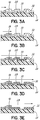
Figs. 3A-3E are cross-sectional views of a portion of an arm of a collection system as shown inFig. 1 showing sweat progressing through the collection arm to the collection pad over a period of time, with the sweat shown as stippled shading. -
Fig. 4 is an exploded view of an alternate embodiment of the present disclosure. -
Fig. 5 is a circuit diagram of the device shown inFig. 4 . -
Fig. 6 is an exploded view of a second alternate embodiment of the present disclosure. -
Fig. 7 is a diagrammatic top plan view of the sweat collector used in the device shown in Fig. -
Fig. 8 is a diagrammatic cross-sectional view partially broken away of the assembled device shown inFig. 6 . -
Fig. 9 is a circuit diagram of the device shown inFig. 6 . - According to the present invention sweat is used to determine concentrations or meaning of biomarkers in blood in a non-invasive manner. As shown in
Figure 1 , asweat collector 10 that permits chronological sweat storage of a plurality of samples includes a central sweat collection member (also named sweat absorbing member) 12 having a sweat collectingcentral base 14 leading to a centralfluid transporting core 16 leading to a plurality of arms (also named paths) 18.Core 16 further leads to a top portion 20 (only shown inFig. 2 ) which allows for evaporation or storage of the sweat which therefore provides for continued fluid flow. - The
sweat collector member 12 can be formed from any material which will readily transport sweat. Generally, a fibrous web, such as a cellulosic web, is particularly suitable for use in this application. It can be treated with a hydrophilic substance which will promote fluid flow. However, any material which will readily allow aqueous fluid flow can be used as the sweat collection member. - Sweat
collection member 12 rests on a sweat porousadhesive layer 22 which permits thecollector 10 to be adhered to an individual'sskin 23. Separating thebase 12 from thearms 18 is a water imperviousflexible film 24 which has acentral opening 26 corresponding with thecentral core 16 of thesweat collection member 12. - The radially extended
arms 18 rest on the upper surface of theplastic film 24. Each arm leads to a gate member (also named flow restrictor) 28 which in turn extends radially outward to a bridge (also named flow bridge) 30 and finally to a collection pad (also named collection member) 32. Thearms 18,gates 28,bridges 30, andcollection pads 32 are all covered with a vapor porous membrane 34 (not shown inFig. 1 ,, shown inFig. 2 ) which also has acentral opening 36 that allows thecore 16 to extend through, leading to an upperfluid transporting disk 20 which simply allows fluid evaporation and flow which promotes the continued migration of sweat from the skin through thecollection member 12.Disk 20 can further be coated with a super absorbent hydro gel (not shown) to further facilitate fluid flow. Alternately thedisk 20 may be covered with a vapor porous membrane like that of vaporporous membrane 34. Various components of thesweat collector 10 can be arranged in multiple ways, some even excluded, so long as they satisfy the operating principles of the present invention. Furthermore, this type ofsweat collector 10, may also prove useful for simple chronological collection and storage of other fluids, ranging from saliva to non-biological fluids such as river water in environmental sampling applications. - As shown in
FIG. 3 , thegates 28 act to delay fluid flow to thecollection member 32. Each gate is slightly different from all other gates as explained below. Each of the different gates, delay the fluid flow for a different period of time so that the sweat reaches each of the collection pads at different times, thereby providing discrete chronological sweat samples at times T1-T12 as shown, with the shown 12 times being exemplary only and non-limiting. Thegate 28 can be formed from a variety of different materials. One particular material suited for this application is a water soluble polymeric film member which inhibits fluid flow but gradually dissolves in the presence of a fluid like sweat. Once it dissolves, it permits sweat to flow past the gate to fill thebridge 30 and thepad 32. Thedifferent gates 28 can be formed from different thicknesses of the water soluble film or the polymeric composition of the film can be adjusted in each of the gates to establish different dissolution rates. This can be done for example by choosing film with different molecular weights. One preferred material is polyethylene oxide. The water solubility of these films can be adjusted by changing the molecular weight of the polyethylene oxide with the lower molecular weight films being more soluble. Alternately, the thickness of the film can be adjusted, with a thinner film being dissolved more quickly than a thicker film. Once thegate 28 dissolves, the sweat will pass over the gate. Thegate 28 may fully dissolve, or it may simply become sweat permeable, achieved for instance with a cloth or cellulose fiber film that has been embedded with polyethylene oxide polymer. - The
gates 28 are in turn in fluid communication with what are referred to asbridges 30. Thebridges 30 are simply fluid conduits that only allow fluid flow for a limited period of time before they become suitably impervious to fluid flow or solute diffusion. Thesefluid conduits 30 will allow sweat from the gates to flow to thecollection pads 32. However after a certain volume of sweat has passed through thebridge 30, it will dissolve or become impermeable to further fluid flow or solute transport, interrupting the fluid path, and preventing further sweat solutes (ions, molecules, biomarkers) from being transported into or out of thecollection pad 32. Thus eachcollection pad 32 would receive sweat sample at a time permitted by thegate 28. When thebridge 30 dissolves, it isolates the sample onpad 32 such that the biomarker information is not blended, diluted, or distorted by sweat from later collection time periods. The present invention includes all methods that achieve this same basic functionality of sampling and isolating sweat samples, storing them in a manner that properly preserves them, and sampling and storing them in a manner which the sweat sample is representative of the sweat excreted at or near the time of sampling. Thesweat collector 10 can therefore utilize alternate materials that physically or chemically change in any manner that provides similar results, including but not limited to bridges made of polymers that cross-link after some time of sweat exposure to prevent fluid flow and/or gates based on a material that slowly swells and moves into fluid connection with the next fluidic component of a sweat collector. - The bridge can be any water soluble member that has an acceptable dissolution rate. In particular, the bridge can be a polyethylene oxide thread having a fibrous surface which allows capillary migration of the sweat across a polyethylene thread. Once the thread dissolves, fluid will no longer pass to the
collection pad 32 as there will be a void on the upper surface of theplastic film 24 thereby preventing further fluid flow. - The
pads 32 can be tested for a variety of different biomarkers. In particular it may be desirable to analyze one or more reference biomarkers to determine the amount of a reference biomarker and compare this to a non-referenced tested biomarker, where the concentration of the referenced biomarker is generally known. This permits one to use the ratio of the referenced biomarker to the tested biomarker to determine the concentration of the tested biomarker without knowing the volume of sweat being tested. Typical reference biomarkers include known methods such as those used to determine electrolyte balance. Some biomarkers found in sweat may degrade quickly due to enzymatic or other forms of decomposition or breakdown, and storage, preservation, chemical reacting, or other chemicals, materials, or components, may be included in or with thepad 32 to preserve the desired information provided by the biomarkers. - In use, the time
specific sweat collector 10 is applied to an individual skin by placing the collector on the skin with the sweatporous adhesive 22 contacting the skin. Generally, the adhesive layer will have a protective release layer (not shown) which is removed prior to use. The individual then can continue with daily activity, or sports activity, or the like. Pilocarpine can be applied at the area where the collector is applied to induce sweat formation before or after thesweat collector 10 is applied, or sweat can be generated through natural occurring methods or other forms of stimulation. Components ofmultiple sweat collectors 10 may be stacked and connected with additional bridges or gates to increase the duration of use and total sample collections of thesweat collector 10. - Sweat, shown as stippling in
Figs. 3A-3E , will then, as generated, travel up thecentral core 16 extending to the plurality of arms 18 (seeFig. 3A ) and then to the individual gates 28 (seeFig. 3B ). A first gate will dissolve at time T1 and a second gate at time T2 and third gate at time T3 and so on. As the gates dissolve (seeFig. 3C ), sweat can migrate over the surface of dissolved polyethylene oxide film. The polyethyleneoxide fiber bridge 30 will allow sweat to immediately migrate to the respective collection pad 32 (SeeFig. 3D ). After a period of time, thebridge 30 will dissolve (SeeFig. 3E ), because the bridge is narrow and breaks up by capillary-breakup, there is none or not enough polymer to allow sweat to continue to thepad 32. Thus, a first pad will stop collecting sweat at time T1 + X, and a second pad at T2 + X, and a third pad at T3 + X, and so on, with X being the time required for thebridge 30 to dissolve. The time X could also be a variable controlled, especially so if time-averaged sampling is desired. After a period of time, thecollector 10 is removed and the individual pads are analyzed for certain biomolecules using standard analysis and apparatus such as mass spectroscopy, colorimetric spectroscopy, electrophoresis, or other biomarker measurement methods known by those skilled in the art. This will provide time-based information which allows one to correlate concentration of the biological molecules in the blood stream over a period of time, with either physical factors, such as periods of stress, or in relationship to the effects of drugs and the like. - As shown in
Figs. 4 and 5 , an alternative embodiment of the present disclosure, is a one-time use sweat collector/sensor 50 referred simply to as thedisposable sensor 50. This apparatus is designed to quickly generate and absorb sweat in a short period of time and allow immediate electrical detection of biomarkers. Thedisposable sensor 50 is either fully disposable or just portions thereof are disposable, with the primary feature being fast stimulation and sensing of sweat in a single wearable format. Thedisposable sensor 50 includes achemical capacitor 66 or other biological chemical sensor and adisk 54 which acts as a reservoir of a cholinergic agent such as pilocarpine followed by aniontophoresis electrode 56, all secured to awristband 58. As can be seen, wiring 60 leads from the wrist band to a second apparatus which controls thedisposable sensor 50. The apparatus (not shown) can be, for example, a computer, a smart phone, or simply a dedicated device designed to operate and analyze the data set forth from thechem capacitor 66. -
Chem capacitor 66 is found on aplanar support layer 52 and is partially functionalized with one or more molecules adapted to bind to one or more biomarkers being studied. As such, thecapacitor 66 can be a very simple, planar capacitor or interdigitated electrodes, depending upon the number of biomarkers being detected.Support layer 52 includes a series of holes 69 permitting the pilocarpine to move through thelayer 52 and sweat to flow in the opposite direction to thecapacitors 66. Reference, ground, and working electrodes may also be included or excluded. Other suitable sensors include chemical field effect transistors, chemical electrical impedance spectroscopes and electrochemical potentiostats. - A general wiring diagram for the
device 50 is shown inFig. 5 . In a preferred embodiment only thechem capacitor 66,disk 54, andelectrode 56, are actually on the disposable portion of the sensor with the remaining circuitry are in the separate control apparatus or external device (not shown). - In use, the
disposable sensor 50 would be strapped on an individual's wrist with thewristband 58. Other means to attach the sensor to a body part can also be employed such as adhesives, tape and the like. The location of the sensor is not particularly critical, and can be used at almost any portion of the body with adequate surface area and access to sweat pores. - Once attached, the
wires 60 are attached to the control apparatus and theiontophoresis electrode 56 is activated, causing the pilocarpine to migrate fromdisk 54 through holes 69. This will cause the formation of sweat. Since thechem capacitor 66 is adjacent skin, it will immediately contact the sweat. If the biomarker is present in the sweat, this will immediately be detected by change in electrical charge or electrical impedance. Generally multiple biomarkers or chemicals will be detected. In particular, one may be the reference biomarker. The concentration or meaning of the remaining biomarkers can be estimated based on the concentration or meaning of the reference biomarker. Once used for a set period of time, the sensor is thrown away. Basically, any biological chemical present in blood can be detected. Primarily biomarkers which are indicative of physical state are of interest. These include but are not limited to electrolytes, glucose, lactate, pro-inflammatory cytokines, antiinflammatory cytokines, catecholamines, neuropeptides, as well as any protein which may be present in blood. - A third embodiment of the present disclosure is shown in
Figs. 6-9 .Continuous sensor 70 incorporates a sweatporous adhesive layer 72, and asweat transportation medium 74. The sweat transportation medium includes acollection pad 76 resting on theadhesive layer 72, atransfer section 78, which leads to an evaporation orstorage pad 80. Although shaded differently, thecollection pad 76, thetransfer section 78 and theevaporation pad 80 will normally be made from the same material. Thetransfer section 78 extends from thecollection pad 76 and around a chem-field effect transducer 82. Thesensor 70 includes an upper vaporporous covering 84, which allows sweat to evaporate, and thus continue to flow through the collection pad. The covering 84 may include a layer of a hydrogel (not shown) to store sweat and therefore be less reliant on evaporation of sweat. - The
sweat transport medium 74 is designed to continually promote sweat transfer in only one direction through thecollection pad 76, otherwise the collection pad would fill up and not provide a continuous analysis of newly-produced sweat. Therefore, thetransfer section 78 is formed from a plurality of narrow strips, which reduces the fluid flow path from thecollection pad 76 to theevaporation pad 80. Theenlarged evaporation pad 80 promotes fluid flow both by its size and by evaporation. Thus the reduced flow permitted through thetransfer section 78 and the fluid flow promotion caused by evaporation in theevaporation pad 80 provides a continuous flow of sweat through thecollection pad 76 to theevaporation pad 80 without any reverse flow or undesirable levels of back-diffusion of solutes or biomarkers. Thetransport medium 74 can be any medium which will absorb and transfer aqueous fluids. This can, for example, be any woven or non-woven web, and particularly non-woven webs. Cellulosic fiber webs are particularly suitable for such uses. If solutes or biomarker buildup or concentration is excessive over time, theevaporation pad 80 may be replaced or washed with water. The evaporation pad may be any material or component that serves to remove fluid, including hydrogels that simply pull in fluid by wick and swell in size as they absorb the fluid. Therefore the evaporation pad may be more broadly considered as simply a sweat removal element. - Chem-
FET 82 includes a flexiblebase plastic layer 92 formed from Kapton or similar suitable materials. Along aperiphery 93 of thebase layer 92 is anRFID antenna 94 and acontrol chip 96. In turn, the Chem-FET 82 includes asensor section 98 which is connected to thechip 96 through aconnection strip 100. As shown, thearea 99 between thesensor section 98 and theRFID antenna 94 is open which allows pilocarpine to be located in theevaporation pad 80 or an adjacent layer (not shown) to promote sweat. An iontophoresis electrode can also be included adjacent the pilocarpine. When assembled, thesensor section 98 rests directly on thetransfer section 78 analyzing sweat as it is transported from the skin. As shown byarrow 106, transport section andevaporation section 80 are on the side ofsensor section 98adjacent layer 84 andcollection pad 76 is on the opposite sideadjacent adhesive 72. - Preferably, the
sensor section 98 is a gate-exposed SiCMOS chips having three or more identical chem-FETs per biomarker. Sub-microns SiCMOS allow for MHz impedance spectroscopy. Multi-step patterning/washing may be used to immobilize biorecognition elements. Sensors are separated spatially into subgroups of identical sensors, or large sensor arrays can be formed using techniques such as photo-initiated chemical patterning. The sensors allow for continuous monitoring of multiple physiological conditions realizing larger arrays of biomarker-specific sensors. The larger arrays can determine physiological condition through semi-specific but distinct sensors by statistical determination, eliminating the need to quantify individual biomarker levels. - In another embodiment, the
sensor section 98 is an electrode, or array of electrodes, which is coated with an ion-selective material. This ion-selective material allows only one type of ion to pass through to the electrode surface, thus allowing for quantitative analysis of a single molecule type, such as sodium or potassium to name two. These ion-selective sensor arrays can determine hydration status of an individual. - It is desirable to have the
chip 96, which is somewhat thicker than the printedcircuitry 101, face away from the skin, but it is also desirable to form everything on one surface. The chem-FET 82 is formed by electro-deposition of the circuitry on one surface ofbase layer 92. Thecentral portion 99 is then cut out. Although it is preferred to have the circuiting 101 positioned ontransfer section 78, due to the flexible nature of thebase layer substrate 92, thesensor section 98 can be rotated 180 degrees with thecircuitry 101 positioned directly against thecollection pad 76, if desired. - The
chip 96 can be purchased. A variety of such chips are available on the market. One particular chip which can be used for the present disclosure is MLX 90129 (sold by Melexis), which is capable of up to 500 micro ampsin run mode. This chip has an internal temperature sensor.Chip 96 can also control the iontophoresis electrode if present. - In operation, this device would be attached to the skin with the
adhesive layer 72. A reader, such as a smart phone, would then be strapped in close proximity to thesensor 70 on a periodic basis, for example, every few minutes, the smart phone detects and records concentrations of the selected biomolecules such as neuropeptides, cytokines, electrolyte balance, and body temperature. - The
continuous sensor 70 can be modified in a wide variety of ways to provide added benefits. For example, a more robust wireless protocol such as Bluetooth can be utilized, or alternate communication or power strategies can be used. For example, the sensor can include a thin layer battery and provide its own power source, and thus not rely on RFID. Both RFID and Bluetooth can be used in conjunction where RFID can be used to charge the battery when provided the proper near field communications. In addition, an upper layer of hydrogel can be incorporated to promote a greater sweat flow. Other biomarker sensing methods and sweat transport methods may be included, so long as they provide the same capability of continuous or semi-continuous monitoring of biomarkers in sweat. - The sweat collectors of the present invention can provide a wide variety of different benefits. Time-based
sweat collector 10 can be used for example in a cardiac stress test, allowing cardiac cytokine biomarker mapping versus time with no blood catheter required. Iontophoretically dosing pilocarpine for less than five minutes can stimulate sweating for the duration of such a test.Sweat collector 10 can then be positioned and later analyzed using proven techniques such as mass spectrometry. Thesensor 10 can be used as a non-invasive study of the chronological systemic response of a new drug treatment. It can also be used by athletes during regular athletic activity for improved sport exertion or impact studies. - The
disposable sensor 50 can be used to quickly test for very specific critical biomarkers. For example, paramedics could use this device with potential stroke victims, by strapping it onto a patient's arm; there would be no need to find a vein. The device would provide sweat in 2 to 3 minutes, and detect biomarkers 1 to 2 minutes later. Three major cytokines, namely tumor necrosis factor, interleukin 1 and interleukin 6, are produced by cultured brain cells after various stimuli, such as ischemia. This provides a diagnostic test which will expedite the appropriate treatment. By selecting the appropriate biomarkers, one can even differentiate ischemic versus hemorrhagic strokes. This very specific, inexpensive sensor can also be used in a wide variety of different time critical tests. - The continuous monitor, in addition to be useful for time-based testing of athletes and in clinical studies, can also be used as a preventive control of the onset of severe depression by detecting certain cytokines and neuropeptides. It can also be used to anticipate migraine headaches, and can be used for continuous diabetes monitoring.
- Both the disposable sensor as well as the continuous monitor can be used for determining hydration status rapidly and/or continuously.
Claims (12)
- A sweat sample collector (10) comprising:a sweat absorbing member (12, 14, 16) wherein said absorbing member (12, 14, 16) has access to skin during sample collection;a plurality of discrete fluid transporting paths (18), each path (18) leading from said sweat absorbing member (12, 14, 16) to one of a plurality of separate collection members (32);characterised in thateach path (18) has a separate time dependent flow restrictor (28), wherein each flow restrictor (28) allows fluid flow into said separate collection members (32) at different times, and wherein the sweat sample collector further comprises a flow bridge (30) in each of said paths (18) effective to stop fluid flow from said sweat absorbing member (12, 14, 16) to the path's corresponding collection member (32).
- The sweat sample collector (10) claimed in claim 1 wherein said flow restrictors (28) are each water soluble polymer films.
- The sweat sample collector (10) claimed in claim 1 wherein said flow bridge (30) is a water soluble polymer fibrous thread.
- The sweat sample collector (10) claimed in claim 2 wherein each of said water soluble polymer films has a different solubility.
- The sweat sample collector (10) claimed in claim 4 wherein said polymer film is polyethylene oxide.
- The sweat sample collector (10) claimed in claim 1 wherein said flow restrictors (28) are physical obstacles comprising flow paths having different widths.
- The sweat sample collector (10) claimed in claim 6 wherein each of said paths (18) extends radially outward from said sweat absorbing member (12, 14, 16).
- A method of collecting sweat samples over time using the sweat sample collector of any preceding claim, the method comprising placing said sweat absorbing member in contact with an individual's skin, collecting said samples at said sweat absorbing member, allowing said samples to flow to a plurality of separate collection members, and collecting a sample in each of said collection members at a different time.
- The method claimed in claim 8, comprising controlling the flow rate of said fluid along each of a plurality of flow paths to a corresponding said collection member whereby each fluid sample reaches the respective said collection member at a different time.
- The method claimed in claim 9 further comprising discontinuing fluid flow into said collection member after a volume of sample has flowed into said collection member.
- The method claimed in claim 10, wherein said discontinuing flow is effected by physically interrupting said flow paths by dissolving the flow paths.
- The method claimed in claim 8, wherein the samples in each of said collection members are independently analyzed.
Priority Applications (2)
| Application Number | Priority Date | Filing Date | Title |
|---|---|---|---|
| EP19173145.4A EP3539471A1 (en) | 2012-04-04 | 2013-04-03 | Sweat simulation, collection and sensing systems |
| EP19173149.6A EP3539478A1 (en) | 2012-04-04 | 2013-04-03 | Sweat simulation, collection and sensing systems |
Applications Claiming Priority (2)
| Application Number | Priority Date | Filing Date | Title |
|---|---|---|---|
| US201261620069P | 2012-04-04 | 2012-04-04 | |
| PCT/US2013/035092 WO2013152087A2 (en) | 2012-04-04 | 2013-04-03 | Sweat simulation, collection and sensing systems |
Related Child Applications (4)
| Application Number | Title | Priority Date | Filing Date |
|---|---|---|---|
| EP19173145.4A Division EP3539471A1 (en) | 2012-04-04 | 2013-04-03 | Sweat simulation, collection and sensing systems |
| EP19173145.4A Division-Into EP3539471A1 (en) | 2012-04-04 | 2013-04-03 | Sweat simulation, collection and sensing systems |
| EP19173149.6A Division EP3539478A1 (en) | 2012-04-04 | 2013-04-03 | Sweat simulation, collection and sensing systems |
| EP19173149.6A Division-Into EP3539478A1 (en) | 2012-04-04 | 2013-04-03 | Sweat simulation, collection and sensing systems |
Publications (2)
| Publication Number | Publication Date |
|---|---|
| EP2834007A2 EP2834007A2 (en) | 2015-02-11 |
| EP2834007B1 true EP2834007B1 (en) | 2019-06-26 |
Family
ID=48190587
Family Applications (3)
| Application Number | Title | Priority Date | Filing Date |
|---|---|---|---|
| EP13718933.8A Active EP2834007B1 (en) | 2012-04-04 | 2013-04-03 | Device and method for sweat collection |
| EP19173149.6A Withdrawn EP3539478A1 (en) | 2012-04-04 | 2013-04-03 | Sweat simulation, collection and sensing systems |
| EP19173145.4A Withdrawn EP3539471A1 (en) | 2012-04-04 | 2013-04-03 | Sweat simulation, collection and sensing systems |
Family Applications After (2)
| Application Number | Title | Priority Date | Filing Date |
|---|---|---|---|
| EP19173149.6A Withdrawn EP3539478A1 (en) | 2012-04-04 | 2013-04-03 | Sweat simulation, collection and sensing systems |
| EP19173145.4A Withdrawn EP3539471A1 (en) | 2012-04-04 | 2013-04-03 | Sweat simulation, collection and sensing systems |
Country Status (7)
| Country | Link |
|---|---|
| US (3) | US11460430B2 (en) |
| EP (3) | EP2834007B1 (en) |
| JP (1) | JP2015513104A (en) |
| CN (3) | CN107884561A (en) |
| AU (2) | AU2013243541B2 (en) |
| CA (1) | CA2869469A1 (en) |
| WO (1) | WO2013152087A2 (en) |
Cited By (2)
| Publication number | Priority date | Publication date | Assignee | Title |
|---|---|---|---|---|
| US11123011B1 (en) | 2020-03-23 | 2021-09-21 | Nix, Inc. | Wearable systems, devices, and methods for measurement and analysis of body fluids |
| US12622609B2 (en) | 2018-11-13 | 2026-05-12 | Nix, Inc. | Wearable systems, devices and methods for measurement and analysis of body fluids |
Families Citing this family (90)
| Publication number | Priority date | Publication date | Assignee | Title |
|---|---|---|---|---|
| EP2834007B1 (en) | 2012-04-04 | 2019-06-26 | University of Cincinnati | Device and method for sweat collection |
| US20140093980A1 (en) * | 2012-10-01 | 2014-04-03 | University Of Washington Through Its Center For Commercialization | Dissolvable bridges for manipulating fluid volumes and associated devices, systems and methods |
| CN105050720A (en) | 2013-01-22 | 2015-11-11 | 华盛顿大学商业化中心 | Sequential delivery of fluid volumes and associated devices, systems and methods |
| US9339225B2 (en) * | 2013-03-15 | 2016-05-17 | Daniel L. M Kennedy | Systems and methods for assessing sweat gland output |
| US9918672B2 (en) | 2013-03-15 | 2018-03-20 | Daniel L.M. Kennedy | Systems and methods for assessing sweat gland output |
| US10888244B2 (en) | 2013-10-18 | 2021-01-12 | University Of Cincinnati | Sweat sensing with chronological assurance |
| WO2015058064A1 (en) | 2013-10-18 | 2015-04-23 | University Of Cincinnati | Sweat sensing with chronological assurance |
| EP3165154A3 (en) * | 2013-10-18 | 2017-07-26 | University of Cincinnati | Devices for integrated, repeated, prolonged, and/or reliable sweat stimulation and biosensing |
| US9704205B2 (en) * | 2014-02-28 | 2017-07-11 | Christine E. Akutagawa | Device for implementing body fluid analysis and social networking event planning |
| US11030708B2 (en) | 2014-02-28 | 2021-06-08 | Christine E. Akutagawa | Method of and device for implementing contagious illness analysis and tracking |
| DE112014006628T5 (en) * | 2014-04-29 | 2017-02-09 | K-Healthwear Co., Ltd. | Iontophoresis injection device and injection method |
| US11129554B2 (en) | 2014-05-28 | 2021-09-28 | University Of Cincinnati | Sweat monitoring and control of drug delivery |
| JP2017522924A (en) * | 2014-05-28 | 2017-08-17 | ユニバーシティ・オブ・シンシナティ | Device with reduced sweat volume between sensor and sweat gland |
| EP3148430A4 (en) | 2014-05-28 | 2018-05-16 | University of Cincinnati | Advanced sweat sensor adhesion, sealing, and fluidic strategies |
| EP3166486A4 (en) * | 2014-07-11 | 2018-03-14 | University of Cincinnati | Combinatorial sensing of sweat biomarkers using potentiometric and impedance measurements |
| WO2016025430A1 (en) | 2014-08-11 | 2016-02-18 | The Board Of Trustees Of The University Of Illinois | Epidermal photonic systems and methods |
| WO2016025468A2 (en) | 2014-08-11 | 2016-02-18 | The Board Of Trustees Of The University Of Illinois | Devices and related methods for epidermal characterization of biofluids |
| JP2017532079A (en) | 2014-08-11 | 2017-11-02 | ザ ボード オブ トラスティーズ オブ ザ ユニヴァーシ | Skin device for analysis of temperature and heat transport properties |
| US10993645B2 (en) | 2014-08-21 | 2021-05-04 | Qurasense Inc. | System and method for non-invasive analysis of bodily fluids |
| CA2962340A1 (en) * | 2014-09-22 | 2016-03-31 | University Of Cincinnati | Sweat sensing with analytical assurance |
| EP3244348A1 (en) * | 2014-10-15 | 2017-11-15 | Eccrine Systems, Inc. | Sweat sensing device communication, security and compliance |
| WO2016090189A1 (en) * | 2014-12-03 | 2016-06-09 | The Regents Of The University Of California | Non-invasive and wearable chemical sensors and biosensors |
| CN111067544B (en) * | 2015-02-13 | 2023-04-07 | 辛辛那提大学 | Device integrating indirect sweat stimulation and sensing |
| US10154460B1 (en) * | 2015-02-17 | 2018-12-11 | Halo Wearables LLC | Power management for wearable devices |
| US20180042585A1 (en) * | 2015-02-20 | 2018-02-15 | University Of Cincinnati | Sweat sensing devices with prioritized sweat data from a subset of sensors |
| US11998319B2 (en) | 2015-03-09 | 2024-06-04 | CoreSyte, Inc. | Device for measuring biological fluids |
| US9636061B2 (en) | 2015-03-09 | 2017-05-02 | CoreSyte, Inc. | System and method for measuring biological fluid biomarkers |
| US10327676B2 (en) | 2015-03-09 | 2019-06-25 | CoreSyte, Inc. | Device for measuring biological fluids |
| US9622725B2 (en) | 2015-03-09 | 2017-04-18 | CoreSyte, Inc. | Method for manufacturing a biological fluid sensor |
| US11389087B2 (en) | 2015-03-09 | 2022-07-19 | CoreSyte, Inc. | Device for measuring biological fluids |
| US9883827B2 (en) | 2015-03-09 | 2018-02-06 | CoreSyte, Inc. | System and method for measuring biological fluid biomarkers |
| WO2016144529A1 (en) * | 2015-03-09 | 2016-09-15 | CoreSyte, Inc. | Methods for manufacturing biological fluid sensor devices and devices, systems, and methods for measuring biological fluids |
| US11883011B2 (en) | 2015-03-09 | 2024-01-30 | CoreSyte, Inc. | Method for manufacturing a biological fluid sensor |
| US10561405B2 (en) | 2015-03-09 | 2020-02-18 | CoreSyte, Inc. | Method for manufacturing a biological fluid sensor |
| US9645133B2 (en) | 2015-03-09 | 2017-05-09 | CoreSyte, Inc. | Method for manufacturing a biological fluid sensor |
| US9579024B2 (en) * | 2015-03-09 | 2017-02-28 | CoreSyte, Inc. | System and method for measuring biological fluid biomarkers |
| US10646142B2 (en) | 2015-06-29 | 2020-05-12 | Eccrine Systems, Inc. | Smart sweat stimulation and sensing devices |
| CN108024722A (en) * | 2015-07-24 | 2018-05-11 | 辛辛那提大学 | Sample size for the reduction for sensing the analyte produced by Reverse iontophoresis |
| US20180199866A1 (en) * | 2015-07-24 | 2018-07-19 | Eccrine Systems, Inc. | Devices with reduced wicking volume between sensors and sweat glands |
| EP3346908A4 (en) * | 2015-09-09 | 2019-04-24 | University of Cincinnati | STIMULATION AND MECHANICALLY CO-LOCALIZED TRANSPIRATION DETECTION |
| WO2017070640A1 (en) | 2015-10-23 | 2017-04-27 | Eccrine Systems, Inc. | Devices capable of sample concentration for extended sensing of sweat analytes |
| CN108430308A (en) * | 2015-10-30 | 2018-08-21 | 辛辛那提大学 | Sweat sensing device with electromagnetically shielded sensor, interconnect and electronics |
| US10517879B2 (en) | 2015-12-17 | 2019-12-31 | Performance Labs PTE. LTD. | Device and method of using volatile organic compounds that affect mood, emotion or a physiologic state |
| US10674946B2 (en) | 2015-12-18 | 2020-06-09 | Eccrine Systems, Inc. | Sweat sensing devices with sensor abrasion protection |
| GB2535614B (en) | 2015-12-22 | 2017-06-14 | Tfm Invent Ltd | A skin patch |
| US20190029654A1 (en) * | 2016-01-15 | 2019-01-31 | University Of Cincinnati | Advanced electroporation devices and methods for analyte access in biofluids |
| JP7077230B2 (en) | 2016-03-18 | 2022-05-30 | クラセンス・インコーポレイテッド | Collection device for diagnosis of vaginal discharge |
| CN107280633B (en) * | 2016-04-01 | 2020-11-27 | 中国科学院苏州纳米技术与纳米仿生研究所 | A kind of exercise fatigue evaluation device and preparation method thereof |
| CN107290401A (en) * | 2016-04-01 | 2017-10-24 | 中国科学院苏州纳米技术与纳米仿生研究所 | A kind of electrolyte imbalance judges device and preparation method thereof |
| CN109310340A (en) * | 2016-04-19 | 2019-02-05 | Mc10股份有限公司 | Method and system for measuring sweat |
| EP3448244A4 (en) * | 2016-04-25 | 2019-12-11 | Eccrine Systems, Inc. | EAB BIOSENSORS FOR DETECTING TRANSPIRATION ANALYTES |
| FR3051741B1 (en) * | 2016-05-31 | 2019-07-19 | Faurecia Sieges D'automobile | MOTOR VEHICLE SEAT AND METHOD FOR MANAGING THE COMFORT OF AN OCCUPANT OF SUCH A SEAT |
| US10471249B2 (en) | 2016-06-08 | 2019-11-12 | University Of Cincinnati | Enhanced analyte access through epithelial tissue |
| WO2018005438A1 (en) * | 2016-06-27 | 2018-01-04 | University Of Cincinnati | Devices with separate sweat management for stimulation and sensor areas |
| US20160310049A1 (en) * | 2016-06-30 | 2016-10-27 | Fitbit, Inc. | Wearable devices incorporating ion selective field effect transistors |
| US11253190B2 (en) | 2016-07-01 | 2022-02-22 | University Of Cincinnati | Devices with reduced microfluidic volume between sensors and sweat glands |
| CN106038080A (en) * | 2016-07-13 | 2016-10-26 | 广东茵茵股份有限公司 | Moisture absorption article with sweat parameter detection function |
| WO2018017619A1 (en) | 2016-07-19 | 2018-01-25 | Eccrine Systems, Inc. | Sweat conductivity, volumetric sweat rate and galvanic skin response devices and applications |
| CN109843372B (en) | 2016-08-19 | 2023-06-16 | 辛辛那提大学 | Prolonged sweat stimulation |
| WO2018057695A1 (en) * | 2016-09-21 | 2018-03-29 | University Of Cincinnati | Accurate enzymatic sensing of sweat analytes |
| US10772560B2 (en) * | 2016-10-02 | 2020-09-15 | Purdue Research Foundation | Skin-mounted hydration sensor and management system |
| US10736565B2 (en) | 2016-10-14 | 2020-08-11 | Eccrine Systems, Inc. | Sweat electrolyte loss monitoring devices |
| CN106562767B (en) * | 2016-11-04 | 2020-09-22 | 深圳大学 | Sweat detection system and preparation method |
| US10925499B2 (en) | 2017-03-02 | 2021-02-23 | SP Global, Inc. | System and method for using integrated sensor arrays to measure and analyze multiple biosignatures in real time |
| US11331019B2 (en) * | 2017-08-07 | 2022-05-17 | The Research Foundation For The State University Of New York | Nanoparticle sensor having a nanofibrous membrane scaffold |
| CN109580750A (en) * | 2017-09-28 | 2019-04-05 | 中国科学院苏州纳米技术与纳米仿生研究所 | A kind of wearable perspiration sensor chip, device and the preparation method and application thereof |
| KR102511670B1 (en) * | 2018-02-01 | 2023-03-21 | 삼성전자주식회사 | Electric device for sensing biometric information and controlling method thereof |
| CN108169307B (en) * | 2018-03-09 | 2019-10-18 | 深圳市刷新智能电子有限公司 | Dual chip perspiration sensor and preparation method thereof |
| CN208641671U (en) * | 2018-05-29 | 2019-03-26 | 京东方科技集团股份有限公司 | Body-building cushion |
| CN112203581B (en) * | 2018-05-30 | 2024-07-30 | 美梦有限公司 | Monitoring methods and buffer structures |
| CN108852366A (en) * | 2018-08-06 | 2018-11-23 | 泉州市海膜生物科技有限公司 | The integrated flexible wearable sensors of multicomponent sweat detection |
| WO2020061460A1 (en) * | 2018-09-21 | 2020-03-26 | University Of Cincinnati | Devices for integrated, repeated, prolonged, and/or reliable sweat stimulation and biosensing and for removing excess water during sweat stimulation |
| CN113196048B (en) | 2018-12-21 | 2023-11-28 | 3M创新有限公司 | Fluid sensing device including fluid absorption and distribution layers |
| EP3721803A1 (en) * | 2019-04-10 | 2020-10-14 | Koninklijke Philips N.V. | Detection of biomarkers in sweat |
| US20220304580A1 (en) | 2019-05-13 | 2022-09-29 | Starkey Laboratories, Inc. | Ear-worn devices for communication with medical devices |
| US12069437B2 (en) | 2019-06-28 | 2024-08-20 | Starkey Laboratories, Inc. | Direct informative communication through an ear-wearable device |
| US11707262B2 (en) | 2020-09-25 | 2023-07-25 | United States Of America As Represented By The Secretary Of The Air Force | Systems and methods for real-time sweat sampling and analysis |
| EP4221589A4 (en) * | 2020-09-30 | 2024-10-09 | University of Cincinnati | Continuous aptamer sensing devices with improved longevity by gating of sample fluid |
| CN112517093A (en) * | 2020-11-17 | 2021-03-19 | 四川大学 | Fish saliva automatic sample separation detection disc and detection method thereof |
| CN114689660B (en) * | 2020-12-31 | 2025-06-20 | 中国科学院苏州纳米技术与纳米仿生研究所 | Sweat sensor and sweat sensing system |
| CN112903766B (en) * | 2021-01-22 | 2022-05-17 | 深圳市刷新智能电子有限公司 | Capillary flow-guiding micro sweat sensor structure and micro sweat sensor |
| US12540901B2 (en) | 2021-05-04 | 2026-02-03 | Samsung Electronics Co., Ltd. | Apparatus for estimating concentration of biomarker, and electronic device including the same |
| CN113546702A (en) * | 2021-07-27 | 2021-10-26 | 上海交通大学 | Micro-channel structure, micro-fluidic chip and preparation method |
| CN114287974A (en) * | 2021-12-30 | 2022-04-08 | 南京子麒舜生物科技有限公司 | Two-in-one sweat-accelerating instrument and sweat-extracting plate structure |
| CN114569123B (en) * | 2022-03-03 | 2025-02-14 | 中国科学院空天信息创新研究院 | Sweat sensor |
| WO2023247955A1 (en) * | 2022-06-21 | 2023-12-28 | Sm24 Ltd | Biometric sensors |
| TWI824719B (en) * | 2022-09-15 | 2023-12-01 | 華廣生技股份有限公司 | Physiological signal monitoring device and method for enhancing adhesion thereof |
| USD1067055S1 (en) * | 2022-09-30 | 2025-03-18 | Shenzhen Refresh Biosensing Technology Co., Ltd. | Sweat sensor |
| DE102022133935A1 (en) * | 2022-12-19 | 2024-06-20 | Drägerwerk AG & Co. KGaA | Patch for attaching a sensor to human skin |
| FR3162613A1 (en) * | 2024-06-04 | 2025-12-05 | Anatox | Biomaterial collection system and/or particle deposition system on a target and associated process |
Family Cites Families (138)
| Publication number | Priority date | Publication date | Assignee | Title |
|---|---|---|---|---|
| US3552929A (en) * | 1968-01-23 | 1971-01-05 | Minnesota Mining & Mfg | Diagnosis means |
| US4190060A (en) | 1978-04-19 | 1980-02-26 | The United States Of America As Represented By The Administrator Of The National Aeronautics And Space Administration | Sweat collection capsule |
| US4820263A (en) | 1981-03-06 | 1989-04-11 | Medtronic, Inc. | Apparatus and method for iontophoretic drug delivery |
| US4542751A (en) | 1982-03-15 | 1985-09-24 | Wescor, Inc. | Sweat-collecting device and method |
| US4706676A (en) * | 1985-02-11 | 1987-11-17 | The United States Of America As Represented By The Secretary Of The Army | Dermal substance collection device |
| US4756314A (en) * | 1985-10-28 | 1988-07-12 | Alza Corporation | Sweat collection patch |
| GB8705907D0 (en) | 1987-03-12 | 1987-04-15 | Genetics Int Inc | Ion selective electrodes |
| US5203327A (en) * | 1988-09-08 | 1993-04-20 | Sudor Partners | Method and apparatus for determination of chemical species in body fluid |
| US5441048A (en) * | 1988-09-08 | 1995-08-15 | Sudor Partners | Method and apparatus for determination of chemical species in perspiration |
| US5465713A (en) | 1988-09-08 | 1995-11-14 | Sudor Partners | Energy-assisted transdermal collection patch for accelerated analyte collection and method of use |
| US5438984A (en) | 1988-09-08 | 1995-08-08 | Sudor Partners | Apparatus and method for the collection of analytes on a dermal patch |
| IE69047B1 (en) * | 1989-03-23 | 1996-08-07 | Gary Harold Gregory Hen Thorpe | Liquid transfer devices |
| US5050604A (en) | 1989-10-16 | 1991-09-24 | Israel Reshef | Apparatus and method for monitoring the health condition of a subject |
| US5140985A (en) * | 1989-12-11 | 1992-08-25 | Schroeder Jon M | Noninvasive blood glucose measuring device |
| US5036861A (en) | 1990-01-11 | 1991-08-06 | Sembrowich Walter L | Method and apparatus for non-invasively monitoring plasma glucose levels |
| US5161532A (en) | 1990-04-19 | 1992-11-10 | Teknekron Sensor Development Corporation | Integral interstitial fluid sensor |
| US5246003A (en) | 1991-08-28 | 1993-09-21 | Nellcor Incorporated | Disposable pulse oximeter sensor |
| DE4323672A1 (en) | 1993-07-15 | 1995-01-19 | Boehringer Mannheim Gmbh | Device for the simultaneous determination of analytes |
| US5814599A (en) | 1995-08-04 | 1998-09-29 | Massachusetts Insitiute Of Technology | Transdermal delivery of encapsulated drugs |
| US5589346A (en) * | 1994-06-21 | 1996-12-31 | Bioquant, Inc. | Method of monitoring markers of bone metabolism |
| WO1997024059A1 (en) | 1995-12-28 | 1997-07-10 | Cygnus, Inc. | Continuous monitoring of physiological analyte |
| AU6157898A (en) | 1997-02-06 | 1998-08-26 | E. Heller & Company | Small volume (in vitro) analyte sensor |
| US6479015B1 (en) * | 1998-03-03 | 2002-11-12 | Pepex Biomedical, Llc | Apparatus for monitoring a level of a chemical species in a body fluid |
| CA2265119C (en) | 1998-03-13 | 2002-12-03 | Cygnus, Inc. | Biosensor, iontophoretic sampling system, and methods of use thereof |
| WO1999058051A1 (en) | 1998-05-13 | 1999-11-18 | Cygnus, Inc. | Monitoring of physiological analytes |
| US7384396B2 (en) | 1998-07-21 | 2008-06-10 | Spectrx Inc. | System and method for continuous analyte monitoring |
| WO2000014535A1 (en) | 1998-09-09 | 2000-03-16 | Amira Medical | Interstitial fluid methods and devices for determination of an analyte in the body |
| US6269265B1 (en) | 1999-02-22 | 2001-07-31 | Wr Medical Electronics Co. | Apparatus and method for evoking and capturing a sweat sample |
| US6198953B1 (en) | 1999-03-11 | 2001-03-06 | Henry L. Webster | Method and system for continuous sweat collection and analysis |
| US6256533B1 (en) | 1999-06-09 | 2001-07-03 | The Procter & Gamble Company | Apparatus and method for using an intracutaneous microneedle array |
| AU2001261462A1 (en) | 2000-05-12 | 2001-11-26 | University Of Cincinnati | Structurally programmable microfluidic systems |
| US6887202B2 (en) | 2000-06-01 | 2005-05-03 | Science Applications International Corporation | Systems and methods for monitoring health and delivering drugs transdermally |
| GB0030929D0 (en) * | 2000-12-19 | 2001-01-31 | Inverness Medical Ltd | Analyte measurement |
| US6666821B2 (en) | 2001-01-08 | 2003-12-23 | Medtronic, Inc. | Sensor system |
| US6875613B2 (en) | 2001-06-12 | 2005-04-05 | Lifescan, Inc. | Biological fluid constituent sampling and measurement devices and methods |
| US6592529B2 (en) | 2001-07-31 | 2003-07-15 | Pheromone Sciences Corp. | Method and device for predicting the fertile phase of women |
| RU2323017C2 (en) | 2001-10-24 | 2008-04-27 | Пауэр Пэйпер Лтд. | Method and device for carrying out controlled delivery of active substances into skin |
| US7813780B2 (en) | 2005-12-13 | 2010-10-12 | Medtronic Minimed, Inc. | Biosensors and methods for making and using them |
| AU2003235970A1 (en) | 2002-04-30 | 2003-11-17 | Arkray, Inc. | Analysis instrument, sample analysis method and analysis device using the instrument, and method of forming opening in the instrument |
| US7190986B1 (en) | 2002-10-18 | 2007-03-13 | Nellcor Puritan Bennett Inc. | Non-adhesive oximeter sensor for sensitive skin |
| US7842234B2 (en) | 2002-12-02 | 2010-11-30 | Epocal Inc. | Diagnostic devices incorporating fluidics and methods of manufacture |
| EP1464273B1 (en) * | 2003-04-03 | 2006-11-29 | Matsushita Electric Industrial Co., Ltd. | Method and device for measuring concentration of specific component |
| US9234867B2 (en) | 2003-05-16 | 2016-01-12 | Nanomix, Inc. | Electrochemical nanosensors for biomolecule detection |
| JPWO2004113927A1 (en) | 2003-06-19 | 2006-08-24 | アークレイ株式会社 | Analytical tool with liquid reservoir |
| EP1653848A1 (en) | 2003-08-15 | 2006-05-10 | Animas Technologies LLC | Microprocessors, devices, and methods for use in monitoring of physiological analytes |
| JP2007503958A (en) | 2003-09-03 | 2007-03-01 | ライフパッチ インターナショナル,インコーポレイテッド | Personal diagnostic equipment and related methods |
| KR20140134338A (en) | 2003-09-11 | 2014-11-21 | 테라노스, 인코포레이티드 | Medical device for analyte monitoring and drug delivery |
| CN1603820A (en) * | 2003-09-29 | 2005-04-06 | 株式会社立佳 | Instrument for separating biological sample and separation method therefor |
| US7146203B2 (en) | 2003-12-18 | 2006-12-05 | Elliot Botvinick | Implantable biosensor and methods of use thereof |
| US20050192528A1 (en) | 2004-01-08 | 2005-09-01 | Robert Tapper | Methods, apparatus and charged chemicals for control of ions, molecules or electrons |
| US8165651B2 (en) | 2004-02-09 | 2012-04-24 | Abbott Diabetes Care Inc. | Analyte sensor, and associated system and method employing a catalytic agent |
| US20050197554A1 (en) | 2004-02-26 | 2005-09-08 | Michael Polcha | Composite thin-film glucose sensor |
| US7378054B2 (en) | 2004-04-16 | 2008-05-27 | Savvipharm Inc | Specimen collecting, processing and analytical assembly |
| US7887750B2 (en) * | 2004-05-05 | 2011-02-15 | Bayer Healthcare Llc | Analytical systems, devices, and cartridges therefor |
| JP2008504881A (en) | 2004-07-01 | 2008-02-21 | ヴィヴォメディカル, インコーポレイテッド | Noninvasive glucose measurement |
| US20070027383A1 (en) | 2004-07-01 | 2007-02-01 | Peyser Thomas A | Patches, systems, and methods for non-invasive glucose measurement |
| DE102004033317A1 (en) | 2004-07-09 | 2006-02-09 | Roche Diagnostics Gmbh | Analytical test element |
| US20060127964A1 (en) | 2004-07-30 | 2006-06-15 | Russell Ford | Microprocessors, devices, and methods for use in monitoring of physiological analytes |
| US8251907B2 (en) | 2005-02-14 | 2012-08-28 | Optiscan Biomedical Corporation | System and method for determining a treatment dose for a patient |
| US7219534B2 (en) | 2005-03-04 | 2007-05-22 | Nova Technology Corporation | Method and apparatus for determining transpiration characteristics of a permeable membrane |
| US7749445B2 (en) | 2005-05-02 | 2010-07-06 | Bioscale, Inc. | Method and apparatus for analyzing bioprocess fluids |
| US7383072B2 (en) | 2005-05-09 | 2008-06-03 | P. J. Edmonson Ltd | Sweat sensor system and method of characterizing the compositional analysis of sweat fluid |
| US7959791B2 (en) | 2005-05-17 | 2011-06-14 | Radiometer Medical Aps | Enzyme sensor with a cover membrane layer covered by a hydrophilic polymer |
| WO2006133103A2 (en) | 2005-06-03 | 2006-12-14 | Trans-Dermal Patents Company, Llc | Reservoir for delivery of agents |
| US20070032731A1 (en) | 2005-08-05 | 2007-02-08 | Lovejoy Jeffrey L | Non-invasive pulse rate detection via headphone mounted electrodes / monitoring system |
| EP1986543B2 (en) | 2006-02-22 | 2022-03-09 | DexCom, Inc. | Analyte sensor |
| WO2007099522A2 (en) * | 2006-03-01 | 2007-09-07 | G.R. Enlightenment Ltd. | Apparatus and method for measuring parameters associated with electrochemical processes |
| US7887682B2 (en) * | 2006-03-29 | 2011-02-15 | Abbott Diabetes Care Inc. | Analyte sensors and methods of use |
| US20080015494A1 (en) | 2006-07-11 | 2008-01-17 | Microchips, Inc. | Multi-reservoir pump device for dialysis, biosensing, or delivery of substances |
| KR100862287B1 (en) | 2006-08-18 | 2008-10-13 | 삼성전자주식회사 | Skin hydration measuring device and method |
| GB2441784A (en) | 2006-09-13 | 2008-03-19 | Rtc North Ltd | Device for obtaining and analysing a biological fluid |
| WO2008083687A1 (en) | 2007-01-10 | 2008-07-17 | Scandinavian Micro Biodevices Aps | A microfluidic device and a microfluidic system and a method of performing a test |
| WO2008095940A1 (en) * | 2007-02-05 | 2008-08-14 | Dublin City University | Flow analysis apparatus and method |
| US7928850B2 (en) | 2007-05-08 | 2011-04-19 | Abbott Diabetes Care Inc. | Analyte monitoring system and methods |
| MX2009012273A (en) | 2007-05-18 | 2010-04-09 | Tti Ellebeau Inc | Transdermal delivery devices assuring an improved release of an active principle through a biological interface. |
| US20080306362A1 (en) * | 2007-06-05 | 2008-12-11 | Owen Davis | Device and system for monitoring contents of perspiration |
| WO2009004001A1 (en) | 2007-07-02 | 2009-01-08 | Biogauge - Nordic Bioimpedance Research As | Method and kit for sweat activity measurement |
| US10011481B2 (en) * | 2007-07-24 | 2018-07-03 | Technion Research And Development Foundation Ltd. | Chemically sensitive field effect transistors and uses thereof in electronic nose devices |
| IL185062A0 (en) | 2007-08-06 | 2008-01-06 | Mordechai Erez | Sweat collectors and methods of collecting sweat |
| WO2009025698A1 (en) * | 2007-08-17 | 2009-02-26 | Vivomedical, Inc. | Devices, systems, and methods for the measurement of analytes |
| US8116841B2 (en) * | 2007-09-14 | 2012-02-14 | Corventis, Inc. | Adherent device with multiple physiological sensors |
| US20100236929A1 (en) | 2007-10-18 | 2010-09-23 | Advanced Liquid Logic, Inc. | Droplet Actuators, Systems and Methods |
| US8290581B2 (en) | 2007-10-30 | 2012-10-16 | Mcneil-Ppc, Inc. | Microcurrent device with a sensory cue |
| JP5374861B2 (en) * | 2007-11-09 | 2013-12-25 | オムロンヘルスケア株式会社 | Blood component concentration measuring device and method for controlling blood component concentration measuring device |
| JP5186887B2 (en) | 2007-11-09 | 2013-04-24 | オムロンヘルスケア株式会社 | Blood component concentration measuring apparatus and blood component concentration measuring method |
| JP2009118420A (en) * | 2007-11-09 | 2009-05-28 | Sony Corp | Information processing apparatus, information processing method, program, recording medium, and information processing system |
| US20090204008A1 (en) | 2008-02-08 | 2009-08-13 | Daniel Beilin | Whole body infrared thermography systems and methods |
| KR20100128340A (en) * | 2008-03-27 | 2010-12-07 | 프레지던트 앤드 펠로우즈 오브 하바드 칼리지 | Paper-Based Microfluidic Systems |
| WO2009149297A1 (en) * | 2008-06-04 | 2009-12-10 | The Arizona Board Regents, On Behalf Of The University Of Arizona | Diffuse large b-cell lymphoma markers and uses therefor |
| US9970897B2 (en) * | 2008-06-16 | 2018-05-15 | Duke University | Chemical sensors and methods for making and using the same |
| GB0811874D0 (en) | 2008-06-30 | 2008-07-30 | Nemaura Pharma Ltd | Patches for reverse iontophoresis |
| CN101650370B (en) * | 2008-08-13 | 2013-05-01 | 中国科学院电子学研究所 | Integrated microfluidic sensing chip and method for detecting microfluid |
| AU2009281693B2 (en) | 2008-08-14 | 2015-08-27 | Monash University | Switches for microfluidic systems |
| US20100063372A1 (en) | 2008-09-09 | 2010-03-11 | Potts Russell O | Sweat collection devices for glucose measurement |
| EP2346402B1 (en) | 2008-10-16 | 2015-05-13 | Koninklijke Philips N.V. | Impedance measurement circuit and method |
| US20100130843A1 (en) | 2008-11-24 | 2010-05-27 | Tecnicas Cientificas Para Laboratorio, S.A | Wireless device for confirmatory diagnosis of cystic fibrosis through analysis of sweat chloride |
| TWI424832B (en) | 2008-12-15 | 2014-02-01 | 波提亞斯數位康健公司 | Body related receiver and method thereof |
| JP2010167130A (en) * | 2009-01-23 | 2010-08-05 | Omron Healthcare Co Ltd | Body fluid collection apparatus and body fluid analyzer |
| DE112010000672B4 (en) | 2009-02-20 | 2022-10-20 | Omron Healthcare Co., Ltd. | BIOLOGICAL INFORMATION MEASUREMENT DEVICE, BIOLOGICAL INFORMATION MEASUREMENT METHOD AND BODY COMPOSITION MEASUREMENT DEVICE |
| US9295417B2 (en) | 2011-04-29 | 2016-03-29 | Seventh Sense Biosystems, Inc. | Systems and methods for collecting fluid from a subject |
| KR101733021B1 (en) | 2009-04-27 | 2017-05-08 | 애버리 데니슨 코포레이션 | Systems, methods and materials for delivery and debonding on demand |
| CA2778773A1 (en) | 2009-07-13 | 2011-01-20 | Freelance Corporation | Devices, methods, and kits for determining analyte concentrations |
| FR2950972A1 (en) * | 2009-10-02 | 2011-04-08 | Commissariat Energie Atomique | METHOD AND CELL FOR MEASURING THE GLOBAL ION CONCENTRATION OF A BODY FLUID |
| US8888761B2 (en) | 2009-11-13 | 2014-11-18 | The Invention Science Fund I, Llc | Device, system, and method for targeted delivery of anti-inflammatory medicaments to a mammalian subject |
| WO2011069997A2 (en) | 2009-12-09 | 2011-06-16 | Iti Scotland Limited | Detecting analytes |
| CN104410788B (en) | 2009-12-28 | 2019-05-10 | 株式会社尼康 | Photographic device |
| US8986279B2 (en) | 2010-02-10 | 2015-03-24 | Incube Labs, Llc | Methods and architecture for power optimization of iontophoretic transdermal drug delivery |
| EP2551664B1 (en) | 2010-03-24 | 2014-11-12 | Shimadzu Corporation | Measuring system |
| EP3395240A1 (en) | 2010-07-28 | 2018-10-31 | Abbott Diabetes Care, Inc. | Methods of monitoring a level of an analyte in a subject, using analyte sensors having temperature independent membranes |
| EP2679107B1 (en) | 2012-06-29 | 2015-06-17 | Smart Solutions Technologies, S.L. | Electronic textile assembly |
| US9451913B2 (en) | 2010-12-10 | 2016-09-27 | Touchtek Labs, Llc | Transdermal sampling and analysis device |
| US9107990B2 (en) | 2011-02-14 | 2015-08-18 | Kci Licensing, Inc. | Reduced-pressure dressings, systems, and methods for use with linear wounds |
| US8617067B2 (en) | 2011-05-13 | 2013-12-31 | Fujitsu Limited | Continuous monitoring of stress using environmental data |
| US20120316458A1 (en) | 2011-06-11 | 2012-12-13 | Aliphcom, Inc. | Data-capable band for medical diagnosis, monitoring, and treatment |
| EP2551784A1 (en) | 2011-07-28 | 2013-01-30 | Roche Diagnostics GmbH | Method of controlling the display of a dataset |
| US20130053668A1 (en) | 2011-08-26 | 2013-02-28 | Compose Element Limited | Kit and method for detecting blood sugar |
| EP2786131B1 (en) | 2011-09-01 | 2018-11-07 | Mc10, Inc. | Electronics for detection of a condition of tissue |
| US9700245B2 (en) | 2011-09-23 | 2017-07-11 | Itrace Biomedical Inc. | Transdermal analyte extraction and detection system and the method thereof |
| US20130183399A1 (en) | 2011-10-11 | 2013-07-18 | Precision Hydration Ltd. | Method for Improving Physical Performance During Physical Exertion |
| US9247004B2 (en) | 2011-10-25 | 2016-01-26 | Vital Connect, Inc. | System and method for reliable and scalable health monitoring |
| US20130108667A1 (en) | 2011-10-27 | 2013-05-02 | Soiwisa Soikum | Method, apparatus and system for electroporation |
| EP2834007B1 (en) | 2012-04-04 | 2019-06-26 | University of Cincinnati | Device and method for sweat collection |
| WO2014025430A2 (en) | 2012-05-10 | 2014-02-13 | The Regents Of The University Of California | Wearable electrochemical sensors |
| US9277864B2 (en) | 2012-05-24 | 2016-03-08 | Vital Connect, Inc. | Modular wearable sensor device |
| WO2013181474A1 (en) | 2012-05-30 | 2013-12-05 | Medisens Wireless, Inc. | Pressure signature based biometric systems, sensor assemblies and methods |
| EP2682745B1 (en) | 2012-07-06 | 2019-05-15 | Stichting IMEC Nederland | Monitoring of fluid content |
| AU2014209376B2 (en) | 2013-01-24 | 2017-03-16 | Irhythm Technologies, Inc. | Physiological monitoring device |
| US9339225B2 (en) | 2013-03-15 | 2016-05-17 | Daniel L. M Kennedy | Systems and methods for assessing sweat gland output |
| US9226730B2 (en) | 2013-03-15 | 2016-01-05 | Elitechgroup Inc. | Sweat collecting device |
| US20140343371A1 (en) | 2013-05-14 | 2014-11-20 | Ii Thomas Skerik Sowers | Wearable sensor device for health monitoring and methods of use |
| WO2015058064A1 (en) | 2013-10-18 | 2015-04-23 | University Of Cincinnati | Sweat sensing with chronological assurance |
| EP3165154A3 (en) * | 2013-10-18 | 2017-07-26 | University of Cincinnati | Devices for integrated, repeated, prolonged, and/or reliable sweat stimulation and biosensing |
| EP3148430A4 (en) | 2014-05-28 | 2018-05-16 | University of Cincinnati | Advanced sweat sensor adhesion, sealing, and fluidic strategies |
| JP2017522924A (en) | 2014-05-28 | 2017-08-17 | ユニバーシティ・オブ・シンシナティ | Device with reduced sweat volume between sensor and sweat gland |
| EP3244348A1 (en) | 2014-10-15 | 2017-11-15 | Eccrine Systems, Inc. | Sweat sensing device communication, security and compliance |
| WO2016090189A1 (en) | 2014-12-03 | 2016-06-09 | The Regents Of The University Of California | Non-invasive and wearable chemical sensors and biosensors |
| JP2020502478A (en) * | 2016-10-05 | 2020-01-23 | アボット・ラボラトリーズAbbott Laboratories | Device and method for sample analysis |
| US10815521B1 (en) * | 2017-03-13 | 2020-10-27 | Ravi Saraf | Electrochemical microarray chip and applications thereof |
-
2013
- 2013-04-03 EP EP13718933.8A patent/EP2834007B1/en active Active
- 2013-04-03 CN CN201711171128.4A patent/CN107884561A/en active Pending
- 2013-04-03 JP JP2015504702A patent/JP2015513104A/en active Pending
- 2013-04-03 CN CN201711171110.4A patent/CN107884560A/en active Pending
- 2013-04-03 CN CN201380028053.8A patent/CN104334274B/en not_active Expired - Fee Related
- 2013-04-03 US US14/388,416 patent/US11460430B2/en active Active
- 2013-04-03 EP EP19173149.6A patent/EP3539478A1/en not_active Withdrawn
- 2013-04-03 WO PCT/US2013/035092 patent/WO2013152087A2/en not_active Ceased
- 2013-04-03 AU AU2013243541A patent/AU2013243541B2/en not_active Expired - Fee Related
- 2013-04-03 EP EP19173145.4A patent/EP3539471A1/en not_active Withdrawn
- 2013-04-03 CA CA2869469A patent/CA2869469A1/en not_active Abandoned
-
2017
- 2017-03-03 AU AU2017201480A patent/AU2017201480A1/en not_active Abandoned
-
2020
- 2020-01-15 US US16/743,101 patent/US20200158680A1/en not_active Abandoned
-
2022
- 2022-08-30 US US17/823,286 patent/US20220412914A1/en not_active Abandoned
Non-Patent Citations (1)
| Title |
|---|
| None * |
Cited By (2)
| Publication number | Priority date | Publication date | Assignee | Title |
|---|---|---|---|---|
| US12622609B2 (en) | 2018-11-13 | 2026-05-12 | Nix, Inc. | Wearable systems, devices and methods for measurement and analysis of body fluids |
| US11123011B1 (en) | 2020-03-23 | 2021-09-21 | Nix, Inc. | Wearable systems, devices, and methods for measurement and analysis of body fluids |
Also Published As
| Publication number | Publication date |
|---|---|
| AU2013243541B2 (en) | 2017-04-06 |
| CN104334274A (en) | 2015-02-04 |
| US20200158680A1 (en) | 2020-05-21 |
| CN104334274B (en) | 2017-12-22 |
| CN107884561A (en) | 2018-04-06 |
| US11460430B2 (en) | 2022-10-04 |
| US20150057515A1 (en) | 2015-02-26 |
| WO2013152087A3 (en) | 2014-01-16 |
| JP2015513104A (en) | 2015-04-30 |
| US20220412914A1 (en) | 2022-12-29 |
| EP2834007A2 (en) | 2015-02-11 |
| CN107884560A (en) | 2018-04-06 |
| AU2017201480A1 (en) | 2017-03-23 |
| AU2013243541A1 (en) | 2014-10-16 |
| CA2869469A1 (en) | 2013-10-10 |
| EP3539478A1 (en) | 2019-09-18 |
| EP3539471A1 (en) | 2019-09-18 |
| WO2013152087A2 (en) | 2013-10-10 |
Similar Documents
| Publication | Publication Date | Title |
|---|---|---|
| US20220412914A1 (en) | Sweat simulation, collection and sensing systems | |
| Van Hoovels et al. | Can wearable sweat lactate sensors contribute to sports physiology? | |
| EP3761874B1 (en) | System for collection and analysis of biofluid from skin and method of using the same | |
| EP2682745B1 (en) | Monitoring of fluid content | |
| CN107205643B (en) | Sweat sensing with analytical assurance | |
| US20180042585A1 (en) | Sweat sensing devices with prioritized sweat data from a subset of sensors | |
| WO2021216614A1 (en) | A wearable patch for continuous analysis of sweat at a naturally secreting rate | |
| WO2018067412A1 (en) | Method and systems for a sensor patch with embedded microfluidics for monitoring of fluid biomarkers | |
| CN118401170A (en) | Non-invasive method and apparatus for continuous sweat induction and collection | |
| WO2013163120A1 (en) | Sensor array | |
| JP2014041159A (en) | Blood glucose sensor | |
| WO2015027093A1 (en) | Blood analyte collection device and methods of use thereof | |
| WO2018237094A1 (en) | BUBBLE FLUID DETECTION DEVICES WITH PH BUFFER EAB SENSORS | |
| US20040099531A1 (en) | Methods and apparatus for electrochemically testing samples for constituents | |
| CN115919304B (en) | Patch-type wearable metabolite detection device | |
| CN217431742U (en) | Free calcium detection micro-fluidic chip and CRRT waste liquid bag capable of being used for free calcium monitoring | |
| CN119000833B (en) | A flexible electrode device for detecting liquid K ions | |
| CN113520381A (en) | A Microfluidic Channel for Differential Admittance Measurement of Sweat Rate | |
| WO2023010217A1 (en) | Wearable biosensor device and method for detection and measurment of bio-molecules and bio-particles | |
| CN114569123A (en) | Sweat sensor | |
| US20230397846A1 (en) | Wearable device for sensing chloride in sweat | |
| Saha | Engineering and On-Skin Validation of a Novel Osmotic-capillary Wearable Patch for Long-term Sweat Lactate Monitoring | |
| Glennon | Development and application of a wearable device for real time potentiometric determination of electrolytes in sweat |
Legal Events
| Date | Code | Title | Description |
|---|---|---|---|
| PUAI | Public reference made under article 153(3) epc to a published international application that has entered the european phase |
Free format text: ORIGINAL CODE: 0009012 |
|
| 17P | Request for examination filed |
Effective date: 20141031 |
|
| AK | Designated contracting states |
Kind code of ref document: A2 Designated state(s): AL AT BE BG CH CY CZ DE DK EE ES FI FR GB GR HR HU IE IS IT LI LT LU LV MC MK MT NL NO PL PT RO RS SE SI SK SM TR |
|
| AX | Request for extension of the european patent |
Extension state: BA ME |
|
| RIN1 | Information on inventor provided before grant (corrected) |
Inventor name: HOU, LINLIN Inventor name: BUSBEE, JOHN Inventor name: HAGEN, JOSHUA, A. Inventor name: KELLY-LOUGHNANE, NANCY Inventor name: PAPAUTSKY, IAN Inventor name: NAIK, RAJESH Inventor name: WANG, XIAO Inventor name: HEIKENFELD, JASON, C. Inventor name: STONE, MORLEY |
|
| DAX | Request for extension of the european patent (deleted) | ||
| STAA | Information on the status of an ep patent application or granted ep patent |
Free format text: STATUS: EXAMINATION IS IN PROGRESS |
|
| 17Q | First examination report despatched |
Effective date: 20180214 |
|
| GRAP | Despatch of communication of intention to grant a patent |
Free format text: ORIGINAL CODE: EPIDOSNIGR1 |
|
| STAA | Information on the status of an ep patent application or granted ep patent |
Free format text: STATUS: GRANT OF PATENT IS INTENDED |
|
| INTG | Intention to grant announced |
Effective date: 20181213 |
|
| GRAS | Grant fee paid |
Free format text: ORIGINAL CODE: EPIDOSNIGR3 |
|
| RIN1 | Information on inventor provided before grant (corrected) |
Inventor name: NAIK, RAJESH Inventor name: HOU, LINLIN Inventor name: BUSBEE, JOHN Inventor name: WANG, XIAO Inventor name: STONE, MORLEY Inventor name: HAGEN, JOSHUA, A. Inventor name: HEIKENFELD, JASON, C. Inventor name: KELLEY-LOUGHNANE, NANCY Inventor name: PAPAUTSKY, IAN |
|
| GRAA | (expected) grant |
Free format text: ORIGINAL CODE: 0009210 |
|
| STAA | Information on the status of an ep patent application or granted ep patent |
Free format text: STATUS: THE PATENT HAS BEEN GRANTED |
|
| RAP1 | Party data changed (applicant data changed or rights of an application transferred) |
Owner name: UNIVERSITY OF CINCINNATI |
|
| AK | Designated contracting states |
Kind code of ref document: B1 Designated state(s): AL AT BE BG CH CY CZ DE DK EE ES FI FR GB GR HR HU IE IS IT LI LT LU LV MC MK MT NL NO PL PT RO RS SE SI SK SM TR |
|
| REG | Reference to a national code |
Ref country code: GB Ref legal event code: FG4D |
|
| REG | Reference to a national code |
Ref country code: CH Ref legal event code: EP |
|
| REG | Reference to a national code |
Ref country code: AT Ref legal event code: REF Ref document number: 1147681 Country of ref document: AT Kind code of ref document: T Effective date: 20190715 |
|
| REG | Reference to a national code |
Ref country code: DE Ref legal event code: R096 Ref document number: 602013057073 Country of ref document: DE |
|
| REG | Reference to a national code |
Ref country code: IE Ref legal event code: FG4D |
|
| REG | Reference to a national code |
Ref country code: NL Ref legal event code: MP Effective date: 20190626 |
|
| PG25 | Lapsed in a contracting state [announced via postgrant information from national office to epo] |
Ref country code: SE Free format text: LAPSE BECAUSE OF FAILURE TO SUBMIT A TRANSLATION OF THE DESCRIPTION OR TO PAY THE FEE WITHIN THE PRESCRIBED TIME-LIMIT Effective date: 20190626 Ref country code: LT Free format text: LAPSE BECAUSE OF FAILURE TO SUBMIT A TRANSLATION OF THE DESCRIPTION OR TO PAY THE FEE WITHIN THE PRESCRIBED TIME-LIMIT Effective date: 20190626 Ref country code: AL Free format text: LAPSE BECAUSE OF FAILURE TO SUBMIT A TRANSLATION OF THE DESCRIPTION OR TO PAY THE FEE WITHIN THE PRESCRIBED TIME-LIMIT Effective date: 20190626 Ref country code: NO Free format text: LAPSE BECAUSE OF FAILURE TO SUBMIT A TRANSLATION OF THE DESCRIPTION OR TO PAY THE FEE WITHIN THE PRESCRIBED TIME-LIMIT Effective date: 20190926 Ref country code: HR Free format text: LAPSE BECAUSE OF FAILURE TO SUBMIT A TRANSLATION OF THE DESCRIPTION OR TO PAY THE FEE WITHIN THE PRESCRIBED TIME-LIMIT Effective date: 20190626 Ref country code: FI Free format text: LAPSE BECAUSE OF FAILURE TO SUBMIT A TRANSLATION OF THE DESCRIPTION OR TO PAY THE FEE WITHIN THE PRESCRIBED TIME-LIMIT Effective date: 20190626 |
|
| REG | Reference to a national code |
Ref country code: LT Ref legal event code: MG4D |
|
| PG25 | Lapsed in a contracting state [announced via postgrant information from national office to epo] |
Ref country code: GR Free format text: LAPSE BECAUSE OF FAILURE TO SUBMIT A TRANSLATION OF THE DESCRIPTION OR TO PAY THE FEE WITHIN THE PRESCRIBED TIME-LIMIT Effective date: 20190927 Ref country code: BG Free format text: LAPSE BECAUSE OF FAILURE TO SUBMIT A TRANSLATION OF THE DESCRIPTION OR TO PAY THE FEE WITHIN THE PRESCRIBED TIME-LIMIT Effective date: 20190926 Ref country code: RS Free format text: LAPSE BECAUSE OF FAILURE TO SUBMIT A TRANSLATION OF THE DESCRIPTION OR TO PAY THE FEE WITHIN THE PRESCRIBED TIME-LIMIT Effective date: 20190626 Ref country code: LV Free format text: LAPSE BECAUSE OF FAILURE TO SUBMIT A TRANSLATION OF THE DESCRIPTION OR TO PAY THE FEE WITHIN THE PRESCRIBED TIME-LIMIT Effective date: 20190626 |
|
| REG | Reference to a national code |
Ref country code: AT Ref legal event code: MK05 Ref document number: 1147681 Country of ref document: AT Kind code of ref document: T Effective date: 20190626 |
|
| PG25 | Lapsed in a contracting state [announced via postgrant information from national office to epo] |
Ref country code: AT Free format text: LAPSE BECAUSE OF FAILURE TO SUBMIT A TRANSLATION OF THE DESCRIPTION OR TO PAY THE FEE WITHIN THE PRESCRIBED TIME-LIMIT Effective date: 20190626 Ref country code: EE Free format text: LAPSE BECAUSE OF FAILURE TO SUBMIT A TRANSLATION OF THE DESCRIPTION OR TO PAY THE FEE WITHIN THE PRESCRIBED TIME-LIMIT Effective date: 20190626 Ref country code: SK Free format text: LAPSE BECAUSE OF FAILURE TO SUBMIT A TRANSLATION OF THE DESCRIPTION OR TO PAY THE FEE WITHIN THE PRESCRIBED TIME-LIMIT Effective date: 20190626 Ref country code: PT Free format text: LAPSE BECAUSE OF FAILURE TO SUBMIT A TRANSLATION OF THE DESCRIPTION OR TO PAY THE FEE WITHIN THE PRESCRIBED TIME-LIMIT Effective date: 20191028 Ref country code: RO Free format text: LAPSE BECAUSE OF FAILURE TO SUBMIT A TRANSLATION OF THE DESCRIPTION OR TO PAY THE FEE WITHIN THE PRESCRIBED TIME-LIMIT Effective date: 20190626 Ref country code: NL Free format text: LAPSE BECAUSE OF FAILURE TO SUBMIT A TRANSLATION OF THE DESCRIPTION OR TO PAY THE FEE WITHIN THE PRESCRIBED TIME-LIMIT Effective date: 20190626 Ref country code: CZ Free format text: LAPSE BECAUSE OF FAILURE TO SUBMIT A TRANSLATION OF THE DESCRIPTION OR TO PAY THE FEE WITHIN THE PRESCRIBED TIME-LIMIT Effective date: 20190626 |
|
| PG25 | Lapsed in a contracting state [announced via postgrant information from national office to epo] |
Ref country code: IS Free format text: LAPSE BECAUSE OF FAILURE TO SUBMIT A TRANSLATION OF THE DESCRIPTION OR TO PAY THE FEE WITHIN THE PRESCRIBED TIME-LIMIT Effective date: 20191026 Ref country code: ES Free format text: LAPSE BECAUSE OF FAILURE TO SUBMIT A TRANSLATION OF THE DESCRIPTION OR TO PAY THE FEE WITHIN THE PRESCRIBED TIME-LIMIT Effective date: 20190626 Ref country code: IT Free format text: LAPSE BECAUSE OF FAILURE TO SUBMIT A TRANSLATION OF THE DESCRIPTION OR TO PAY THE FEE WITHIN THE PRESCRIBED TIME-LIMIT Effective date: 20190626 Ref country code: SM Free format text: LAPSE BECAUSE OF FAILURE TO SUBMIT A TRANSLATION OF THE DESCRIPTION OR TO PAY THE FEE WITHIN THE PRESCRIBED TIME-LIMIT Effective date: 20190626 |
|
| PG25 | Lapsed in a contracting state [announced via postgrant information from national office to epo] |
Ref country code: TR Free format text: LAPSE BECAUSE OF FAILURE TO SUBMIT A TRANSLATION OF THE DESCRIPTION OR TO PAY THE FEE WITHIN THE PRESCRIBED TIME-LIMIT Effective date: 20190626 |
|
| PG25 | Lapsed in a contracting state [announced via postgrant information from national office to epo] |
Ref country code: PL Free format text: LAPSE BECAUSE OF FAILURE TO SUBMIT A TRANSLATION OF THE DESCRIPTION OR TO PAY THE FEE WITHIN THE PRESCRIBED TIME-LIMIT Effective date: 20190626 Ref country code: DK Free format text: LAPSE BECAUSE OF FAILURE TO SUBMIT A TRANSLATION OF THE DESCRIPTION OR TO PAY THE FEE WITHIN THE PRESCRIBED TIME-LIMIT Effective date: 20190626 |
|
| PG25 | Lapsed in a contracting state [announced via postgrant information from national office to epo] |
Ref country code: IS Free format text: LAPSE BECAUSE OF FAILURE TO SUBMIT A TRANSLATION OF THE DESCRIPTION OR TO PAY THE FEE WITHIN THE PRESCRIBED TIME-LIMIT Effective date: 20200224 |
|
| REG | Reference to a national code |
Ref country code: DE Ref legal event code: R097 Ref document number: 602013057073 Country of ref document: DE |
|
| PLBE | No opposition filed within time limit |
Free format text: ORIGINAL CODE: 0009261 |
|
| STAA | Information on the status of an ep patent application or granted ep patent |
Free format text: STATUS: NO OPPOSITION FILED WITHIN TIME LIMIT |
|
| PG2D | Information on lapse in contracting state deleted |
Ref country code: IS |
|
| 26N | No opposition filed |
Effective date: 20200603 |
|
| PG25 | Lapsed in a contracting state [announced via postgrant information from national office to epo] |
Ref country code: SI Free format text: LAPSE BECAUSE OF FAILURE TO SUBMIT A TRANSLATION OF THE DESCRIPTION OR TO PAY THE FEE WITHIN THE PRESCRIBED TIME-LIMIT Effective date: 20190626 |
|
| PG25 | Lapsed in a contracting state [announced via postgrant information from national office to epo] |
Ref country code: MC Free format text: LAPSE BECAUSE OF FAILURE TO SUBMIT A TRANSLATION OF THE DESCRIPTION OR TO PAY THE FEE WITHIN THE PRESCRIBED TIME-LIMIT Effective date: 20190626 |
|
| REG | Reference to a national code |
Ref country code: CH Ref legal event code: PL |
|
| PG25 | Lapsed in a contracting state [announced via postgrant information from national office to epo] |
Ref country code: LU Free format text: LAPSE BECAUSE OF NON-PAYMENT OF DUE FEES Effective date: 20200403 Ref country code: LI Free format text: LAPSE BECAUSE OF NON-PAYMENT OF DUE FEES Effective date: 20200430 Ref country code: CH Free format text: LAPSE BECAUSE OF NON-PAYMENT OF DUE FEES Effective date: 20200430 |
|
| REG | Reference to a national code |
Ref country code: BE Ref legal event code: MM Effective date: 20200430 |
|
| PG25 | Lapsed in a contracting state [announced via postgrant information from national office to epo] |
Ref country code: BE Free format text: LAPSE BECAUSE OF NON-PAYMENT OF DUE FEES Effective date: 20200430 |
|
| GBPC | Gb: european patent ceased through non-payment of renewal fee |
Effective date: 20200403 |
|
| PG25 | Lapsed in a contracting state [announced via postgrant information from national office to epo] |
Ref country code: IE Free format text: LAPSE BECAUSE OF NON-PAYMENT OF DUE FEES Effective date: 20200403 Ref country code: GB Free format text: LAPSE BECAUSE OF NON-PAYMENT OF DUE FEES Effective date: 20200403 |
|
| PG25 | Lapsed in a contracting state [announced via postgrant information from national office to epo] |
Ref country code: MT Free format text: LAPSE BECAUSE OF FAILURE TO SUBMIT A TRANSLATION OF THE DESCRIPTION OR TO PAY THE FEE WITHIN THE PRESCRIBED TIME-LIMIT Effective date: 20190626 Ref country code: CY Free format text: LAPSE BECAUSE OF FAILURE TO SUBMIT A TRANSLATION OF THE DESCRIPTION OR TO PAY THE FEE WITHIN THE PRESCRIBED TIME-LIMIT Effective date: 20190626 |
|
| PG25 | Lapsed in a contracting state [announced via postgrant information from national office to epo] |
Ref country code: MK Free format text: LAPSE BECAUSE OF FAILURE TO SUBMIT A TRANSLATION OF THE DESCRIPTION OR TO PAY THE FEE WITHIN THE PRESCRIBED TIME-LIMIT Effective date: 20190626 |
|
| P01 | Opt-out of the competence of the unified patent court (upc) registered |
Effective date: 20230524 |
|
| PGFP | Annual fee paid to national office [announced via postgrant information from national office to epo] |
Ref country code: FR Payment date: 20230425 Year of fee payment: 11 Ref country code: DE Payment date: 20230427 Year of fee payment: 11 |
|
| REG | Reference to a national code |
Ref country code: DE Ref legal event code: R119 Ref document number: 602013057073 Country of ref document: DE |
|
| PG25 | Lapsed in a contracting state [announced via postgrant information from national office to epo] |
Ref country code: DE Free format text: LAPSE BECAUSE OF NON-PAYMENT OF DUE FEES Effective date: 20241105 |
|
| PG25 | Lapsed in a contracting state [announced via postgrant information from national office to epo] |
Ref country code: FR Free format text: LAPSE BECAUSE OF NON-PAYMENT OF DUE FEES Effective date: 20240430 |
|
| PG25 | Lapsed in a contracting state [announced via postgrant information from national office to epo] |
Ref country code: FR Free format text: LAPSE BECAUSE OF NON-PAYMENT OF DUE FEES Effective date: 20240430 Ref country code: DE Free format text: LAPSE BECAUSE OF NON-PAYMENT OF DUE FEES Effective date: 20241105 |